
Focus on your physio - with climbing physiotherapist, Cristiano Costa
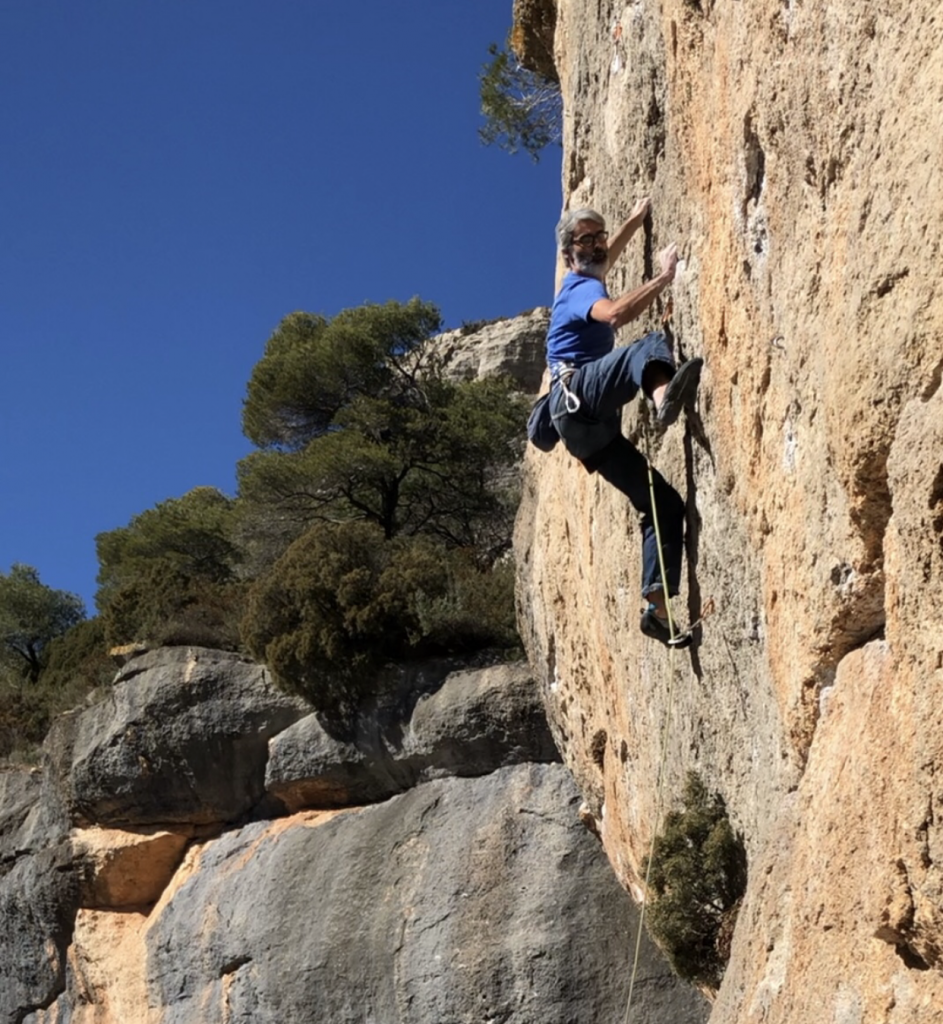
Cristiano Costa is a specialist climbing physio, who has been treating climbers for over 12 years. As a climber himself, he understands the frustrations that injury can bring to a climber's mindset, let alone their body and he's quick to proffer not only treatment and a programme of exercises but also much needed reassurance to his clients (and that list of clients includes the likes of Nathan Philips, Dave Graham and Alex Honnold, to name but a few). Now is the perfect time to focus away from what everyone else is doing and in on you. How can you fix those niggles? Maybe you can now spend some time properly rehabbing that tweaked finger you've been climbing on or maybe learn some strengthening/stabilising exercises etc. Cris has very kindly taken time out of his busy schedule of online consultations, to offer his thoughts what this downtime means for climbers and how it can be put to good use from a physio perspective. No-one likes being injured and when you are it teaches you that you sometimes need to dial it all back, slow down and accept that it won't be situation normal for a while... sounds familiar, right? Have it in the back of your mind while you're training at home that we all have a tendency to leave it until it's too late regardless of the warnings we're constantly being given, and as my mate Ed, nicely put it recently, “too often we wait until the plane has crashed into the mountain before trying the fix the engines!”.
Can we begin by talking about rest. None of us is climbing (not even the pros) and many of us will be aware that it is generally accepted that complete rest for an extended period is not ideal. Can you talk a little bit about why complete rest isn't a good idea.
That is a great question. There's not one answer that would cover for all the possibilities out there.
In times like now during lockdown not only would it not be advisable to rest fully for a variety of different reasons (such as general health (physical and mental), deconditioning, loss of power, fitness, strength, flexibility to name a few), we don't have to because, as you can see on social media, there is a variety of different ways in which you can work on various different aspects that make-up our beloved activity of climbing. That being said, you need to take it at your own pace, listen to your body and not put too much pressure on yourself. It is sensible to keep things ticking over because taking too much time out can mean that on your return to the sport you run the risk of injury because you are over zealous with muscles/joints that have grown unused to the moves and stresses that you are returning to.
In terms of resting post an injury, I would like to share the following: some may know the mnemonic RICE (Rest, Ice, Compression, Elevation). There is a revised version - PRICE with (P for Protection) and a later version PRICEM (Movement), but I agree with a more recent update which is POLICE (Protection Optimum Load Ice Compression Elevation). The Optimum Load is a key concept to bear in mind at any rehab stage. It will be unique for each individual and change over time throughout the healing process. The load that one can take at a given time is related to multiple factors and therefore there’s not a simple recipe or a case of one size fits all. Rehab just takes time I'm afraid but but if you are injured currently then now is the perfect time to dial-in those exercises so you can see optimum progression and get back on track.
What would be your approach to training at home?
Make use of this extra time – time you aren't spending climbing - to analyse what your climbing goals are and how you can achieve them. If you’ve not yet come across SMART goal-setting that would be a good starting point: make your goals Specific/Measurable/Achievable/Realistic/Timed. My recommendation would be to get a pen and paper and write down a plan (working with a coach or another professional or, even better, a combination of both in my opinion).
Are there any things that people should avoid in order to stave off potential injury for example, trying to compensate for the amount of time your normally spend climbing by doing as many work-outs and pull ups as you can (or indeed overdoing it digging the garden, for example)?
It is important to keep in mind how much one's body used to do beforehand, those with extra spare time might end up doing too much too soon, either by overdoing with the frequency and/or with the load.
I would also stress that frequency is an important factor to bear in mind. Try to stick to the same number of work-outs you used to do prior to lock down and increase it gradually; rest is just as important as training. Rest is when you gain strength. Work up to things. For example, handstands are great but don't leap into this and risk landing on your head or jarring your shoulder; there are stages to follow. Also remember that first on your list should always be quality over quantity. This is another important factor to consider especially when doing strength-based training that it's not about training to failure - it's about long term gains.
There are so many training videos flying around at the moment (more so than ever). What would be your advice to people when choosing which ones they would like to follow – are there any key things to look out for or avoid? Are there any that you particularly recommend?
Indeed, it’s great that there’s so much information out there, nevertheless, not all published books are worth reading, eh and yes how do we choose? Asking friends, reading reviews, looking at professional qualifications... I actually believe that there will always be the right thing at the right time for each individual. Training is a personal and unique journey and each individual will respond to a regime with a slight variation and that is attributed to a variety of reasons due to intrinsic and extrinsic factors.
Certainly there are many well-known and knowledgeable coaches out there; to name a few UK based ones: Neil Gresham, Lattice Training, Louis Parkinson, Jonathan Redshaw, Robin O’Leary. Personally, for over three decades I have followed Eric Horst and Udo Neumann. Both of these guys works differently and has their own focus and styles. I would strongly recommend to start with the above but there’s certainly loads more out there who also have great knowledge.
People will be worrying about loss of fitness. Many of us won't have time to attend to keeping everything toned, fit etc. Are there any bits of the body that as a climber and a climbing physio you would suggest people should aim to keep mobile so that it's not such a shock to the system when they return to climbing?
A basic and simple concept of physical training is to strengthen what is weak and lengthen what is tight, therefore we can each self-assess what our bodies need most and where the focus should be.
Fitness levels can easily be maintained and improved upon with cardiovascular workouts (brisk walks/stair-climbing/skipping/cycling/running) take your pick, these combined with all the other physical training (pull-ups/finger boarding/body weight exercises/core and weights).
Consider how your routine has changed, working hours, work environment and ergonomics (chair/desk/PC vs laptop), as well as overall activity levels. In addition, eating habits and hydration would also be variables that would play on our mental and physical health. Our routines will have changed considerably from the normal, pre-Covid, rush from work to the gym kind of pattern. It takes a while for the body and the mind to adjust and in that time it's not unusual for any recalibrations that are taking place to affect our minds, sleep, eating habits etc.
The times we are living in are also providing us with a range of products that can aid our home training with a variety of different fingerboards in all shapes and sizes, a variety of different apps (I would recommend looking up Crimpd and “Climbing Guru” for some very interesting work-outs). There’s also a range of different mounts for finger boards and also lots of hand held devices out there; one that has really caught my attention lately is the pinch block from lattice which is very versatile. When it comes to warming up your fingers for fingerboarding or just keeping them flexible then there are plenty of handheld “toys” out there too to squeeze and stretch, from powerfingers to hand rehab squeezeballs or just putty – but again, don't over do any of these things. It's best to be moderate and not get carried away!
If you are getting on with chair and table challenges etc please go carefully and still take the time to warm up! Especially if you are leaping into these straight from spending hours working at your laptop.
Many people will be panicking that they will lose all their hard-earned gains because they aren't able to maintain their regular climbing routine. Are you able to offer some words of comfort here from a physio's perspective in terms of recovering you form after extended time out.
The majority of us, including myself, without a climbing wall facility of any shape or form are at risk of losing some climbing-specific skills but these will be the ones directly related to movement. Strength, stamina, power and fitness, broadly speaking, are skills that can be trained and or at least maintained with a training regime. Finger strength too even if you don't have a board, you can hang from a door edge.
The focus for all of us should really be, however, on the opportunities out there to work on the variables we’ve avoided while we have been concentrating on the actual climbing. It is virtually impossible to train for all aspects of climbing at the same time, even under normal circumstances and most training plans will take this into account (once you start to look into these you will see that they are varied across a number of weeks with certain days/weeks devoted to a particular thing – not everything every week). Therefore it is helpful to reframe this lockdown as a good time to work on what we’ve been avoiding; whatever that is to each individual.
Are there certain things that, as a physio, you feel it would be useful for people to take the time to focus on while they have time away from climbing?
For those not able to access a board/wall of some sort (and even if you are lucky enough to), focus on other aspects climbing such such as balance, mobility, visualisation:
Challenge your balance with single leg stands doing heel raises (with eyes closed it becomes more of a challenge - we rely a lot on our sight for balance); do some yoga balanced poses; get on a slackline (if you can convince the police it is exercise). There are even little footwork drills that you can do to keep you light on your toes (and if you do these in your climbing shoes then that's a bonus as it won't be such a shock to the system when you come to put these on again!).
Mobility, look at doing some animal flow practice as well as yoga ideally twice a day for at least 20min.
For visualisation, if you have an outdoor project, try practising the moves in your head as well as doing them while lying on the floor (if you have already been on it); you can also try to find a film/movie or footage of it to analyse the climb and the possibility of different beta. If it helps Adam Ondra (as well as many other pro climbers), deploy visualisation as a technique. It's a useful skill to practice, particularly when it comes to memorising those longer routes! After all climbing isn't just a physical sport, there's a huge mental game involved too.
Of course, these are all things that you can get acquainted with and then continue to deploy when we return to the rock.
A lot of people won't have had to attend any physio sessions during their climbing life. I'm conscious that bad habits can store-up trouble that whilst you might not feel it now, you most likely will at some point in the future. Now is the time to be mindful of any niggling aches and pains, not powering through grumbling shoulders busting out pull up after pull up after pull up. Can you offer some words of wisdom about taking this time to allow yourself to listen to your body?
That should be common practice listen to our bodies keep notes of how we feel after training sessions so that it is easier to back track and identify what needs changing and adjusting. Consider loading, resting times, frequency, levels of stress from work, relationships and other variables that can affect our physic and physical performance such as diet, hydration and last but not least sleeping patterns. It's also important to be mindful that we are often unaware of how we carry stress in our bodies. These are stressful times and now more than ever it is sensible to listen to your body. Leaping up from your laptop and getting straight into a fingerboard session or a heavy leg workout isn't sensible – your body won't be respond well. Take time, be mindful and allow yourself time to transition and to warm up. If you are familiar with yoga you will know that part of the practice includes how you transition between moves as opposed to rushing from one pose to another. It's a good time to get to know your body and learn how to move in ways that treat it with the care it deserves.
When everything is “working” and we feel like we're climbing really well etc we don't notice any foibles/quirks (unless someone happens to point them out – like maybe you have a dominant side in a pull-up) because nothing appears to be wrong. Invariably it's not until we've been through several injuries before we understand that the "pre-hab" work (antagonist and supportive conditioning, etc) actually works.
When you visit the physio following an injury you end up learning not only a lot more about the body and how you use it in your sport but also the importance of good FORM. The exercises only work if you do them properly and ensure that you are engaging / switching on /recruiting the right muscles etc. however small the movement may be. Can you offer some tips about how best to gain better awareness of good form and explain how this will enable you to deploy certain moves to maximum effect? And are, there any things that you see people consistently getting wrong in their climbing/work outs that will likely lead to injury down the line?
Certainly the only way one should approach any exercise is with a focus on good form. If you aren't able to do the exercise for whatever reason, then the exercise needs to be adapted with awareness to body positioning or changed in terms of load, body position or broken down in different components. If, it hurts, then you are either doing it incorrectly or you have an injury and should not attempt that exercise. Being body aware and working with a professional that is experienced with climbing can only be a beneficial component for early identification of issues which could lead to an unwanted outcome. For example, a lot of people do pull-ups incorrectly or tend to have a dominant side. Yes a pull-up is a fairly simple process from the outside but there is a correct process to ensure that you utilise the right muscles and gain the most from this drill and, crucially, that it doesn't end up being a detrimental movement for you. Things like this should be addressed to ensure that you aren't overloading joints / working the wrong muscles. Now is a good time to take time to fix any things you might be performing without correct form.
It requires faith, experience and practice to get to a point where you can equate the lack of disaster to the prevention methods that can be followed. Plus, and we will all experience this, you won't be 22 forever (sorry to break it to you) and if you want to be climbing still when you are 92 then it's a good idea to do what you can to look after your joints and muscles as early as possible.
"Each individual needs to weight their priorities, we all have time limitations yet it seems that some people are able to do much more than others. Self motivation is only one factor though. Our physical and mental health are the most important and therefore under no circumstances we should come second."
I think also it would be helpful to consider how much people over-reach, over-stretch, strain, hold their neck in strained way (me included here). A lot of folk carry a lot of tension and maybe they've had a bad day, rushed to the wall etc, leapt onto their climbs without having had time to transition between the two. Do you have any tips on how to train your brain to be more aware of times when you might be straining unneccessarily?
That’s a very good point and I’ll admit that to being guilty in the past of rushing from work into the climbing gym and pretty much getting straight onto a project; of course it never went down well!! I know that many people like to use climbing to alleviate the stress of a bad day but rushing straight from work, into climbing/smashing up and down the autobelay after a long busy day when maybe you haven't eaten properly either is something to reconsider reprogramming when we get back to climbing, for sure.
We need to be fully aware of the consequences. There's the familiar old story where people tweak their backs putting the bins out – I'm not saying you have to warm up to put the bins out but the principle is the same – you are going from sitting down, say, to pulling an awkward twisting move with a load – it's these times and sudden moves that you do cold when you are prone to injury (and always remember to bend your knees when you lift the bin bag). The body doesn't respond well to leaping suddely into one position when it's just spent a few hours in a different position. Think of those times when you sit cross-legged for a while then get up suddenly – your legs take a while to wake-up and adjust.
Self blame won’t do; not warming-up is not an option, however busy the centre may be. I myself have different time allocations to warm-up so I would recommend that people consider what the aim is for the session and how much time they have so they don't skimp on the time they spend warming-up and stretching afterwards. It's very important to warm your fingers up too, even more so in colder temperatures. When you are younger we all think we are invivincible but that doesn't mean we aren't storing up trouble just because we can't feel/hear it. Getting into good practices as soon as possible will pay dividends. It's sad to say but it's mostly the case that people never really believe that warming up/down is that effective so ignore it until they get injured or develop habitual injuries down the line which could easily have been staved off sooner with a bit of care, attention and time.
Some people are also likely to be in the situation where they have been given physio exercises to do for a current injury but haven't been able to stick to doing them – whether because of a lack of time/motivation/preference to go climbing instead. We're only human. Now is obviously the perfect time to nail those exercises! Can you offer some tips as to how to motivate yourself to do your physio exercises and get into the habit.
Each individual needs to weight their priorities, we all have time limitations yet it seems that some people are able to do much more than others. Self motivation is only one factor though. Our physical and mental health are the most important and therefore under no circumstances we should come second. The mental side of being injured is almost as important to address as the physical and there's certainly a crossover with what many of us will be experiencing on lockdown. Frustration, in particular (as well as anxiety, and negative thoughts and feeling demotivated). Most physio exercises are provided in a way that helps you best incorporate them into your schedule but as with so many things in life if you break it down into smaller tasks that will make it easier to tackle. A little is better than nothing. You must also avoid being judgmental and instead of practicing negative self talk, look at the opportunities at present as they are and take them as they come. If you are injured then it is even more important to be forgiving on yourself. Getting acquainted with your body through physio exercises will improve your awareness of how you move on the rock and have a postitive affect on climbing performance . If you need motivation then that's a great reason for doing them, for sure (aside from the obvious reason that they are rehab!). They will also enable you to become aware of movement patterns which are not healthy for you and help you to think more widely around this in terms of how you move the rest of you that isn't injured – hopefully helping a little bit to stave off other potential injuries (or certainly make you pro-active about fixing them if they do occur).
We've touched on this briefly but I want to highlight that a lot of people will be working from home perhaps not at the best desk set ups and then leaping onto their fingerboards pull up bars etc. What advice can you give here given that suddenly shifting the body from one position to another isn't good even if you do need to slot your fingerboard session in between other things.
Shut the laptop, put on your climbing clothes and treat it as a training session at the gym. Starting with a good warm up 5min of cardio, antagonistic exercises, some easy muscle recruitment. You should also warm-up properly ahead of a fingerboard session too, ensuring that you warm up your shoulders, elbows, wrists and fingers. There are videos out there that you can review. Shauna Coxsey has released a youtube video dedicated to fingerboard warm-ups.
Also remember to warm down, that’s why it is important to set dedicated time aside for certain work-outs. Get a pen and paper and write out a structured routine if you can. You will be more likely to stick to it if it's written down, especially in times like now when one can lose focus easily because you aren't in your usual routine and maybe you are juggling working from home and home-schooling. I find it satisfying ticking off tasks from a list.
Make a training schedule based on your goals (for example: have a short term goal around 3 weeks and a more long term goal around 6 weeks, use SMART for goal planning and your SWOT analyses), follow the regime thoroughly keeping track of your body response to the stimulus. Avoid doing erratic training as this won't be helpful or particularly measurable. You need to set time aside to do your training.
Everyone needs to be aware of the load their bodies are used to and everything else will follow.
Are there perhaps some other things that people can take this time to consider that might help their shoulders/back/neck... what rucksack they have, are they carrying it correctly, do they maybe need belay glasses, how do they stand when they are belaying, what kind of pillow they have, how do they sit at their desk/computer – that kind of thing.
Absolutely it would be useful to spend some of the extra spare time assessing what needs change and researcing how to implement and maintain it. Ergonomics in the home, work and personal climbing environment can always be improved. As a climber and a physio I would certainly recommend that anyone who belays gets themselves a pair of belay glasses if they don't own a pair.
Tuning-in to how you sit is certainly helpful (as is taking regular breaks from your desk set-up as you would and should do in an office environment). If you start the day with some yoga before you sit at your desk it will help to make you more aware of how you are sitting as it helps you tune into your body.
It's always useful to review your gear. There's no harm in investing in a good rucksack for sure – anything to help your neck, back, hips and shoulders really! Some of these things are obvious but it's all too often that we forget to address the small things because we are hurried. The small things can make all the difference.
Are there any good generic stretches that you can suggest here that climbers could incorporate into their new normal days. I'm thinking here for the neck/shoulders/back. Hip flexors – given that we will all be spending so much more time sitting and this will have a knock on effect when we aren't spending as much time moving about/stretching our bodies on the rock (or plastic)?
That's a good point. We aren't designed to be sitting so much but unfortunately a lot of us have to and yes, it results in poor posture and tight hips. I would suggest to integrate some general flow-based exercises for general mobility. There are good online classes from: Catalyst (as mentioned above), Tiffani Soi for example, or stay tuned with your coach/therapist/friends.
When you take those regular rests and breaks from the desk at home you could add a set of exercises to give your body a break and a chance to keep on moving – back twists, gentle hip flexor stretching or, use that hour you're allowed for a walk if you've been sitting for a long time. There are lots of recommended exercises that you can access online for stretching your neck and shoulders when sitting at a desk for long periods.
Also avoid adding too many different workouts all of a sudden. Add anything new gradually so that if your body doesn’t agree with something it is easier to work out what the problem is and tackle it.
Do you have some generic exercises that climbers could incorporate into their warm up/down routines? I'm thinking here of standard shoulder openers, hip openers?
A good start for shoulder mobility would be posterior shoulder rolls and threading the needle. It's difficult to explain these and what suits one person may not necessarily suit another, particularly if there is tightness/injury in a specific area or stemming from another part of the body. There is a lot out there on youtube/instagram but if you have persistent niggles then don't let these lie. If you are in any doubt or have concerns, seek professional advice.
Just be kind to your joints and your muscles in this lockdown period; look after them so that they are in good shape for when we can get back to climbing.
End Credits
Q & A
Weirdest thing you have done during ISO/Lockdown?
I’ve start playing volleyball with my kids, my son aged 13 got into it 2 months ago and he’s super keen, I’ve always been terrible and disliked ball games so for me it’s well out my comfort zone.
What else is on your Covid to do list, apart from training.
Loads of reading time for me, resting (important); some DIY (which is not among my favourite things to do), further professional development and spending a lot of time with my kids who are now teenages. I am truly enjoying the last one (most of the time).
Most surprising thing you have discovered during ISO/Lockdown?
How amazing it feels not to wake up to an alarm clock.
Best climbing film/video recommendation
The professionals is one of my all times favourite climbing movie: Francoise Legrand and Yuji Hirayama road tripping in US trying the hardest routes at the time.
The first place you are going to climb (or go to) when you can
I'm not making any big plans right now. I am not fussy to be honest. A bit of dry rock with some interesting moves would keep me happy.