
Neil Bonner – Chulilla, Spain
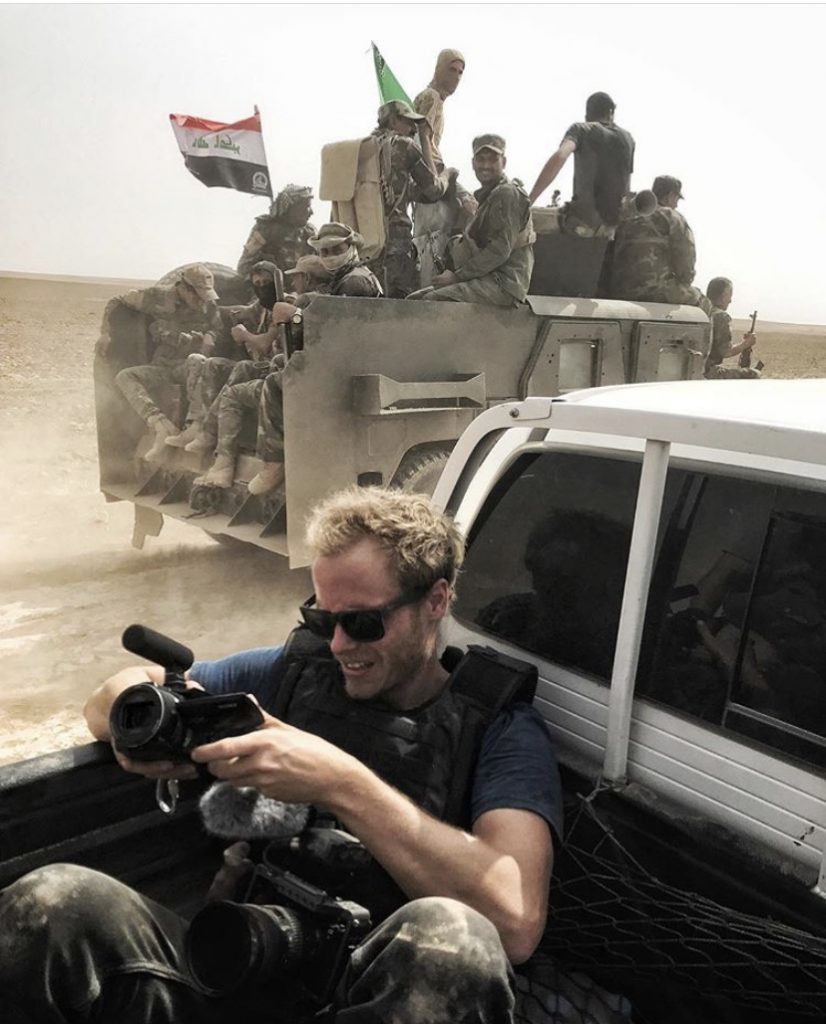
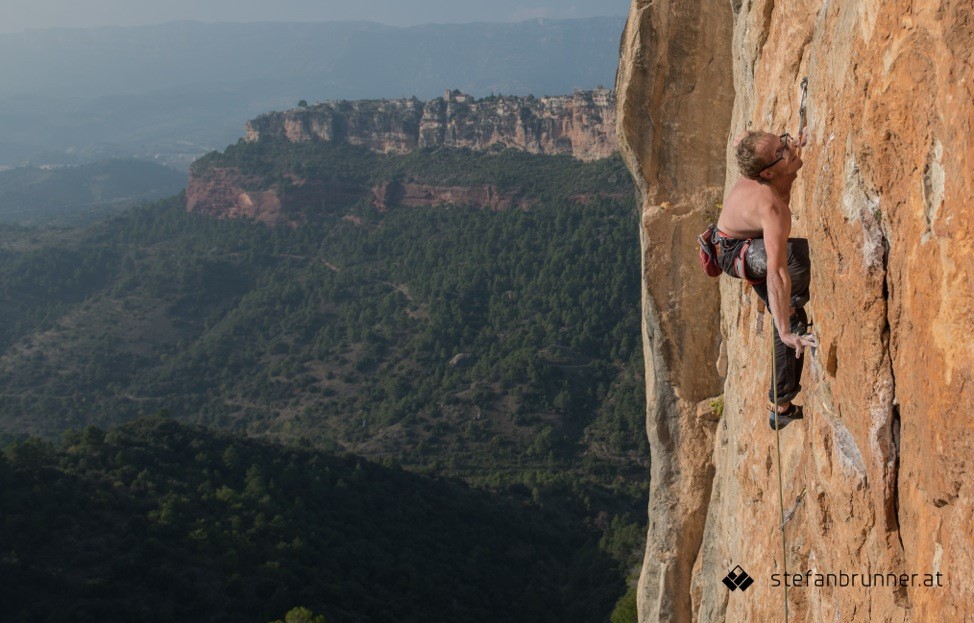
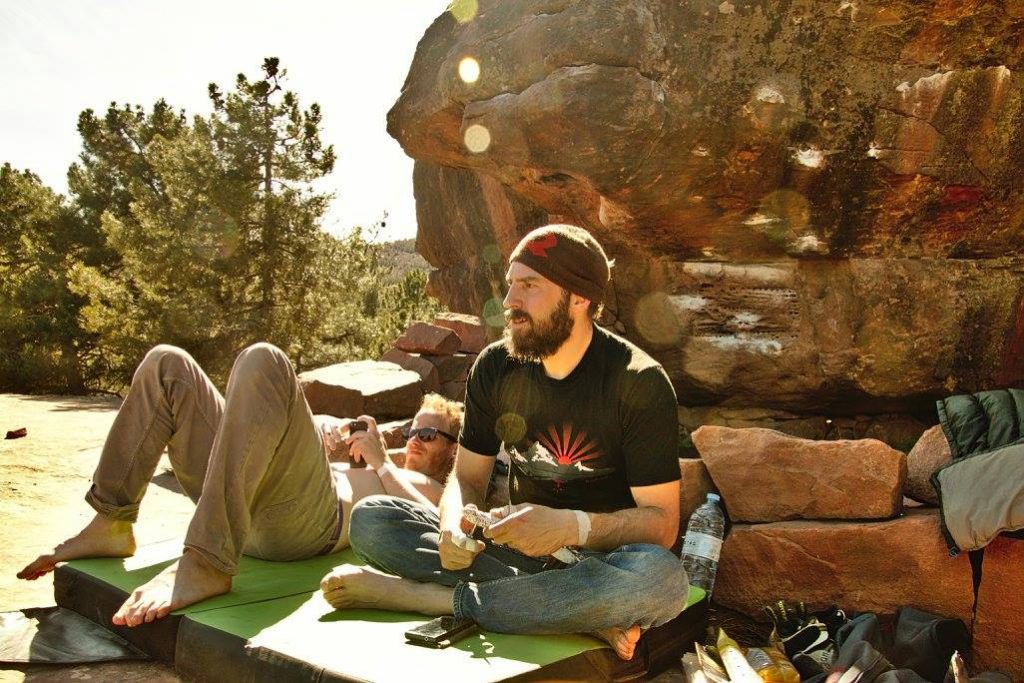
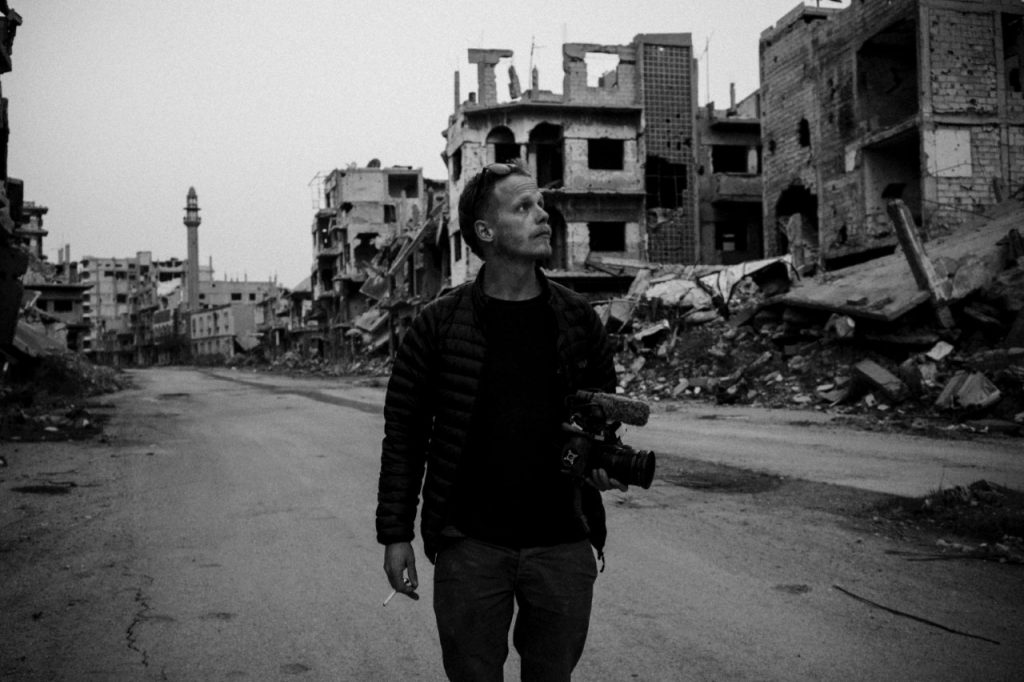
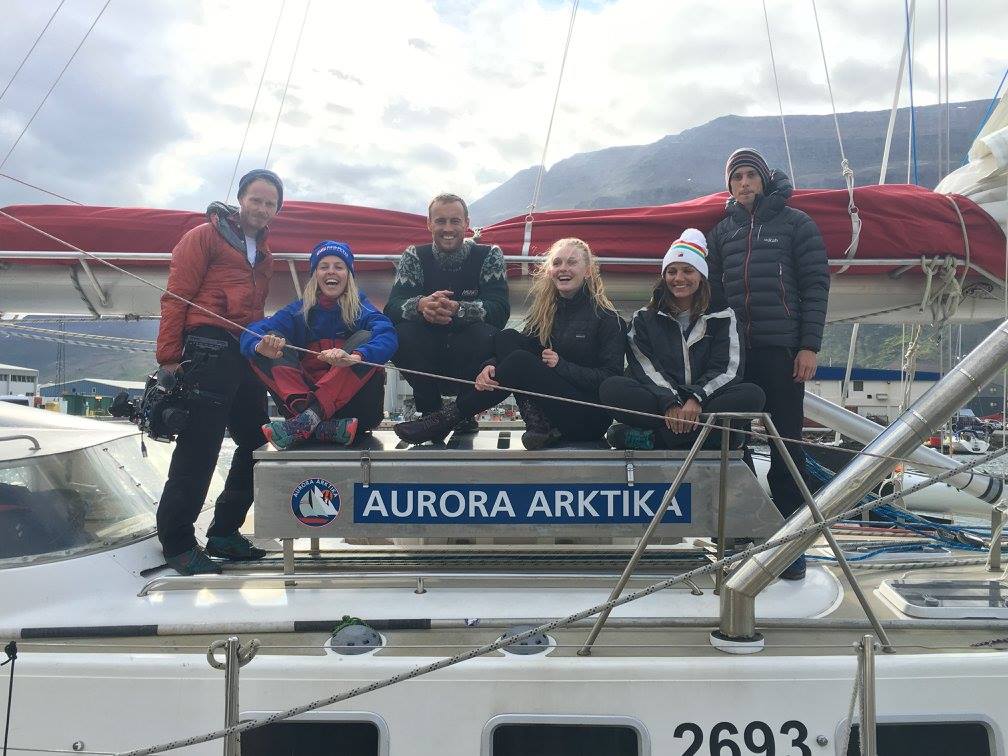
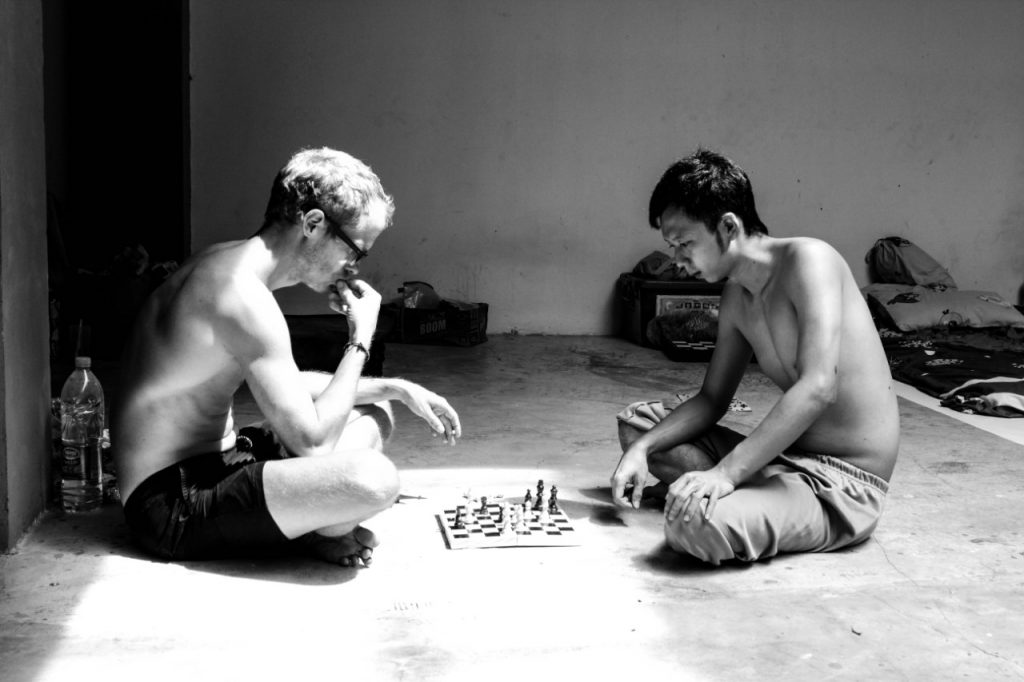
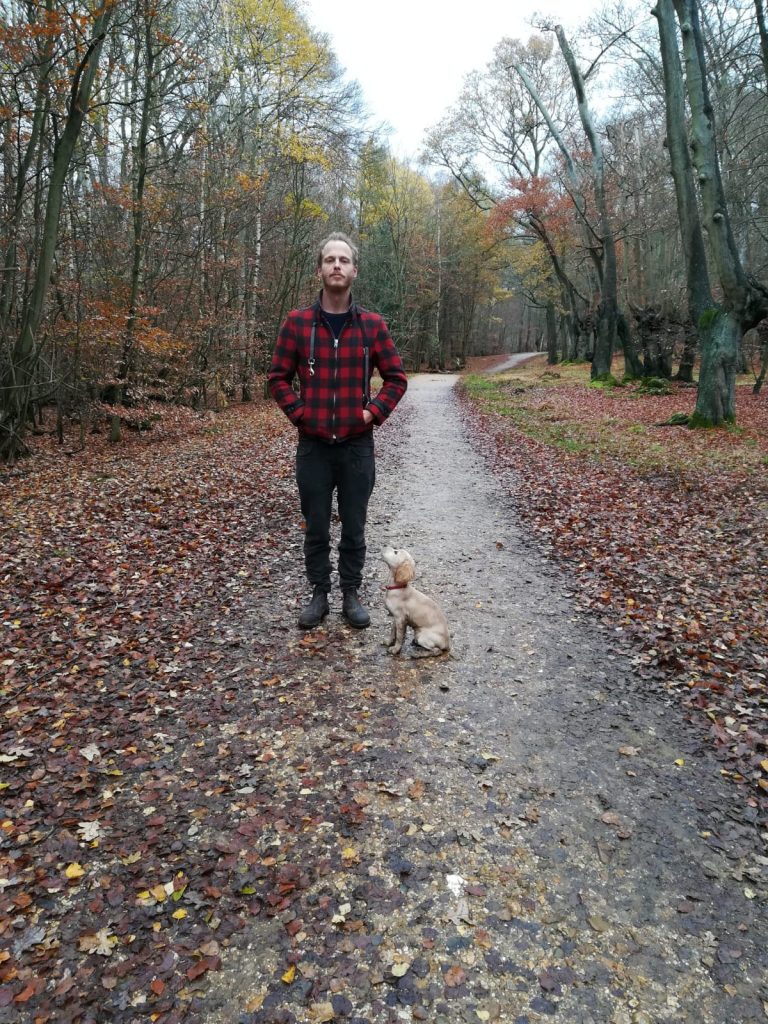
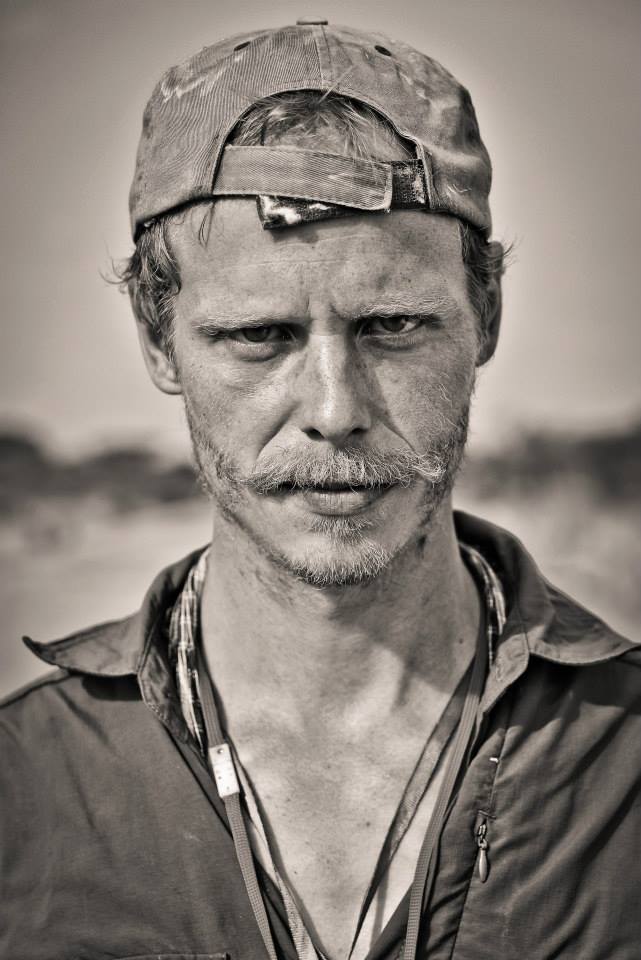
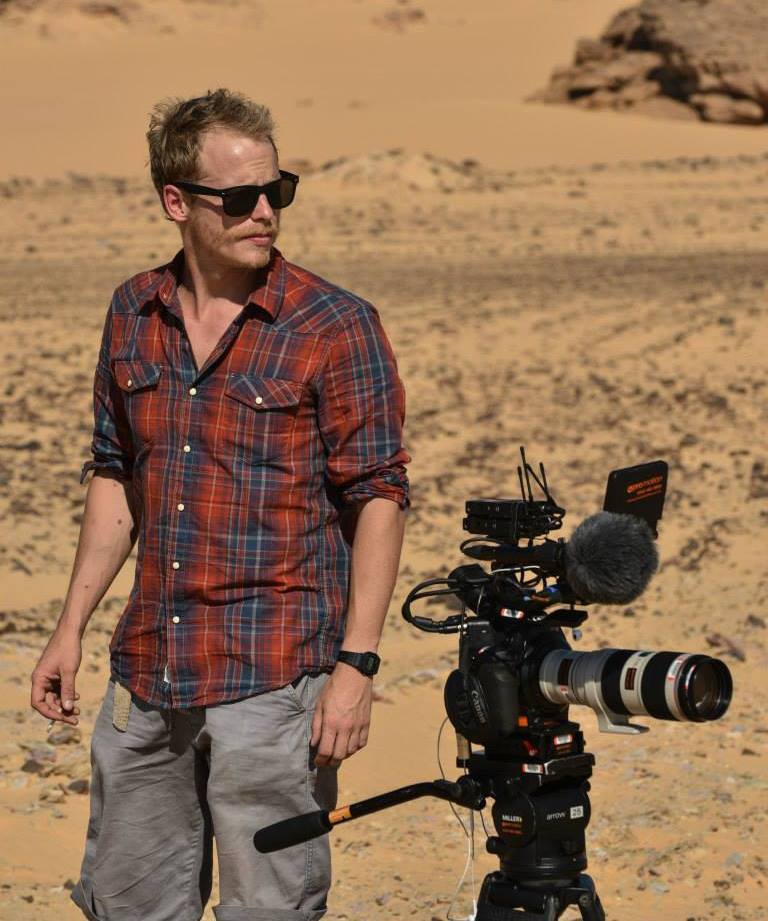
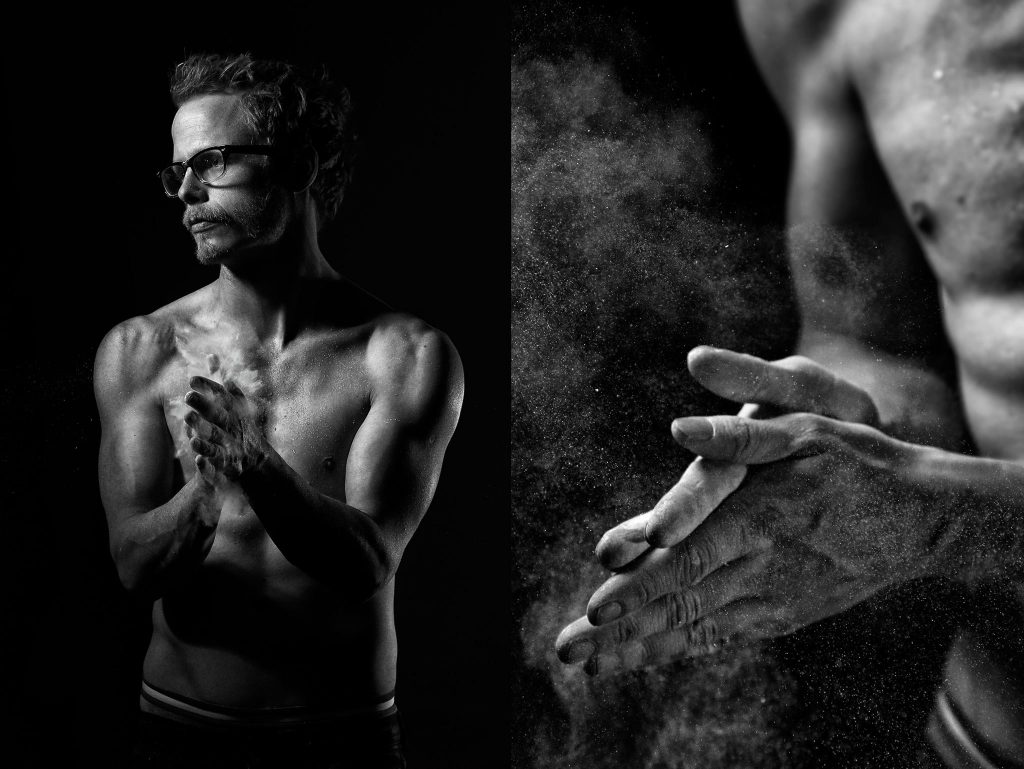
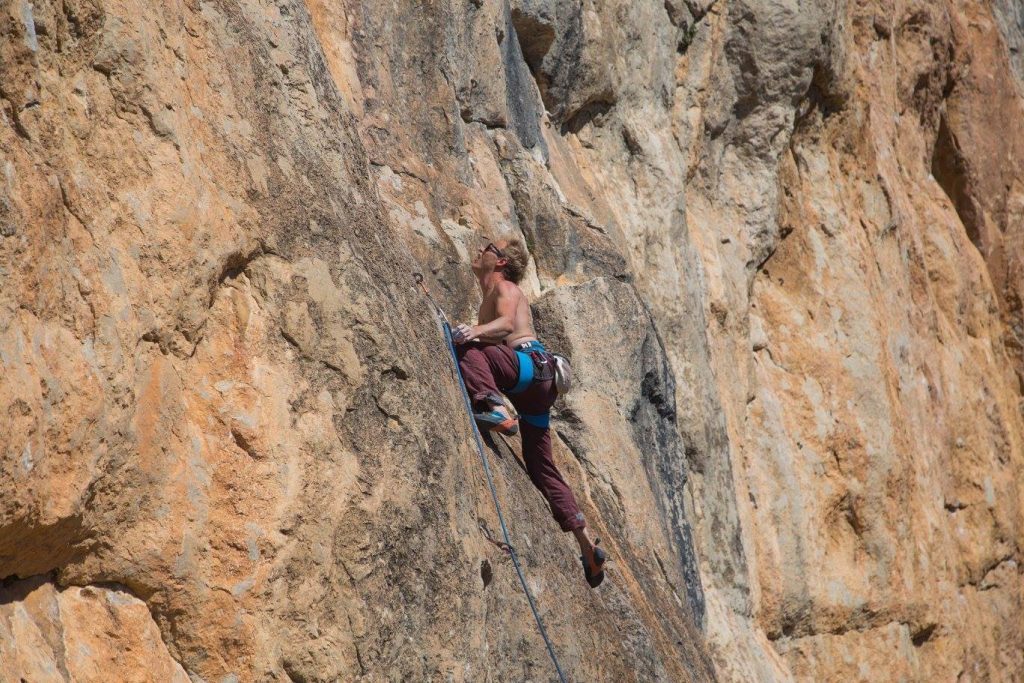
Neil is a freelance documentary film-maker who’s been climbing since 2011. His work has taken him across the globe and into some pretty extreme environments and dicey situations, not least the inside of an Indonesian prison cell having been detained by the Indonesian navy for more than 5 months in 2015 whilst filming a documentary about piracy and military corruption in the strait of Malacca. He and a colleague were threatened with charges of being a threat to national security but were thankfully freed having been charged with not having correct visas. Latterly he’s collaborated with British Explorer, Levison Wood, producing and directing the filming for his Nile, Central American and Arabian expeditions.
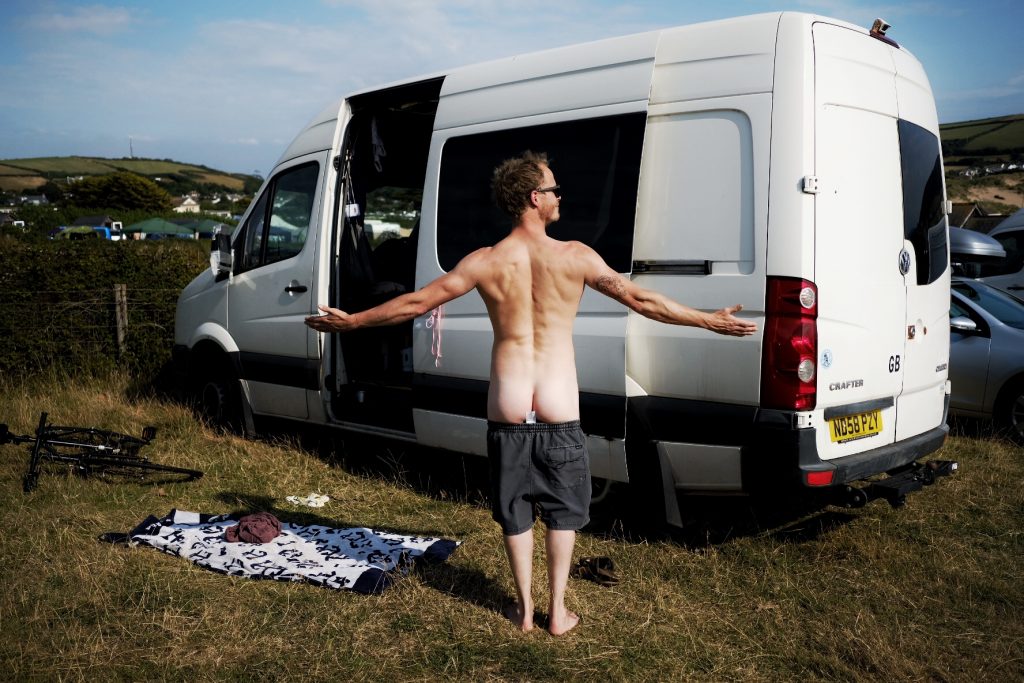
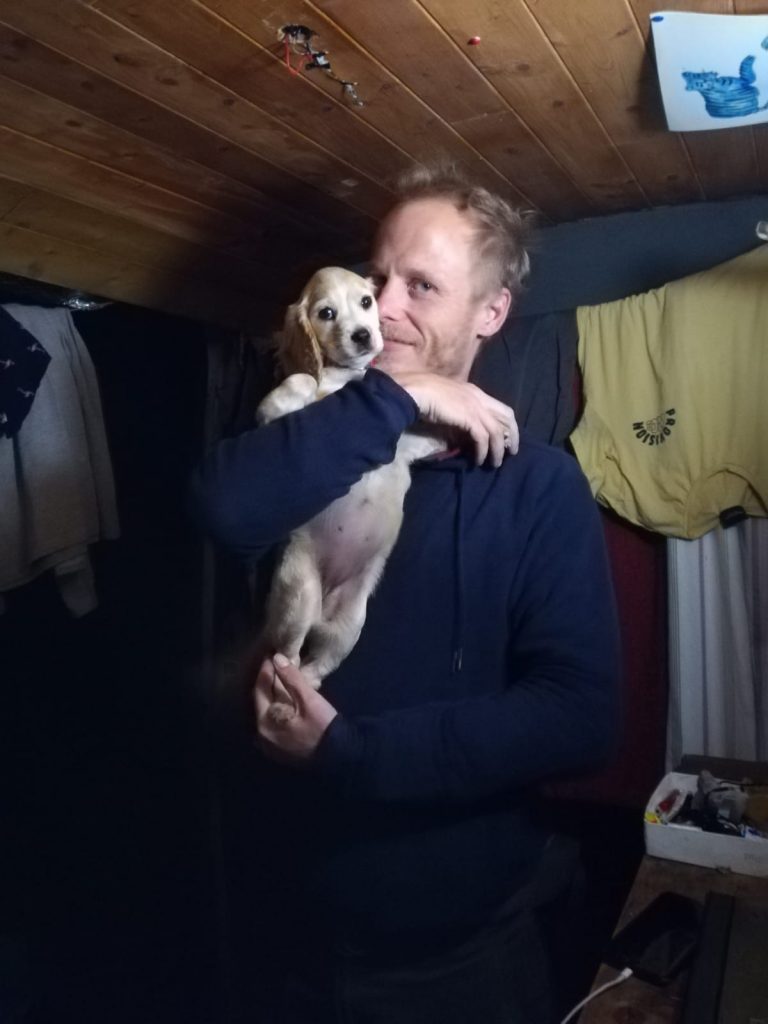
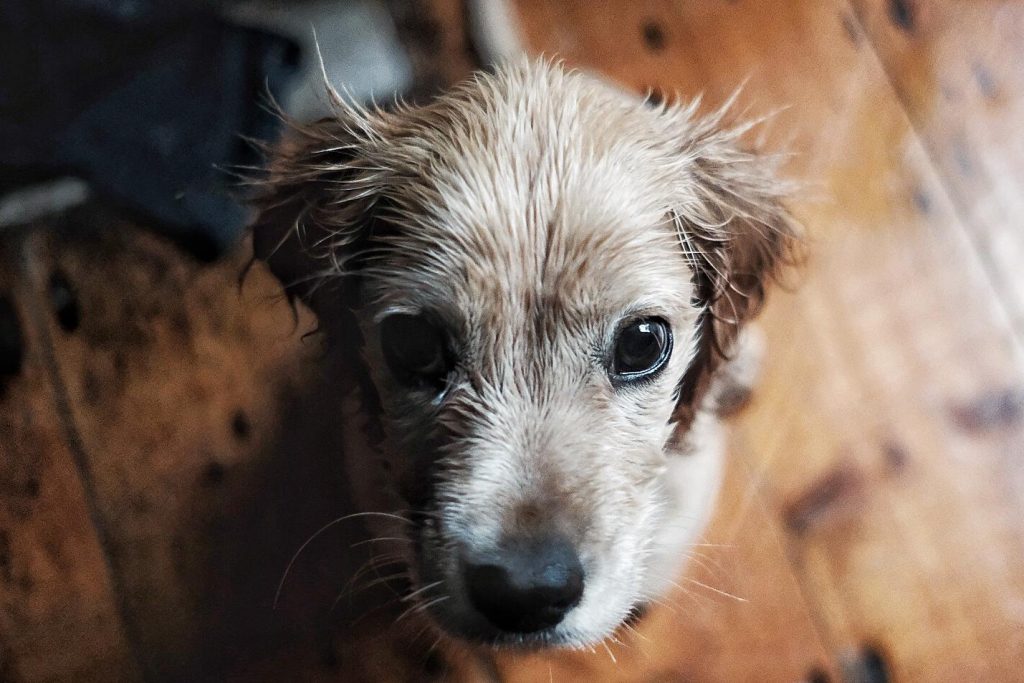
Neil is a familiar face at the Castle (when he’s about), always happy to have a natter, jump on some routes or, latterly, let you cuddle his adorable new pup. Climbing has, in part, come to provide a distraction and meditation from work intensity and Neil’s lifestyle is such that he will be away on shoots for a number of months then take off in his van and climb for a few months. Sounds great, eh but he has admittedly experienced varying degrees of success trying to maintain this lifestyle balance.
In 2017 winter, for example, he was based out of Chulilla for the season working 2 days a week from his van directing a team on the ground in the Middle East. Whilst working a mini-project at the Nano Park sector of the gorge he received an urgent work call. 36 hours later he was driving through the Syrian desert with Russian helicopters flying overhead, texting his mate, Olly, to ask him if he could retrieve his quickdraws from the project.
“I’m definitely not an adventure climber; I’m fortunate enough to get my adventure kicks through work. I’m a gym rat who really enjoys multi-month trips over the winter to sport climbing destinations in Spain. I’ve been doing this for around 5/6 years and there’s a diverse community of faces that you forever bump into and re-road-trip with. That community and cultural aspect – the people, food and wine is as enjoyable as the climbing itself and why these trips are always so enriching. With the small climbing crews that flourish on winter trips you often fall into collective tapas style cooking – everyone brings a little something to the party.”
Reflecting that it’s this collective aspect that he enjoys most about these trips and the communal vibe you get from sharing food with others, for his “on the road” destination Neil picked Chulilla for a several reasons, including the food and, having been there myself, I’m down with this destination.
“It isn’t my favourite style of climbing but like El Chorro, Chulilla has a relaxed, community feel. Whitewashed, labyrinthine corridors of terraced houses largely make up the town that sits proudly between two arches. It’s a really pretty, fun place, with a lifetime’s worth of climbing. Climbers and the locals mix together well, and the plaza seems to have a festival on every other weekend. Then, of course, there’s Goscano’s – one of the best climbers’ bars around -where the party never ends and the vibe is always welcoming. Lock-ins are common, and new year is a blast. It’s another great reason to head this way for winter. Days easily turn into weeks in Chulilla; some are spent endlessly chasing climbs around the two gorges, and others are spent hanging with friends. I also like climbing Valencia’s other great crags to mix it up but Chuilla has a particular charm. And, Goscano’s (did I mention Goscano’s? ;))”
And what dish should you not miss when you are out there? Well, Chulilla is near the home of paella – Valencia, which means that it would be remiss not to indulge in a hefty helping of this if you are hanging-out/in and around here. As Neil puts it:
“Boy is it worth it. I had this one great paella experience, cooked by a Czech guy called Mowli (Goscano’s legend) who’d been trained by a Paella Master:
“Proper job”
“In all my paella experience (moderate) I’ve never tasted something so delicious. Wood-cooked on one of the open barbecues dotted around – Mowli cooked the liver with an array of spices to bring out the flavour. It was incredible. Then, there’s the black paella with squid *licks face*…”.
Vast paddy fields for cultivating paella rice cover hundreds of acres to the South of Valencia (accounting for two thirds of Spain’s rice production, in fact). Fiercely proud of their paella tradition, nobody does paella like the Valencians. This dish also chimes nicely with the shared, “all pile in”, communal eating vibe that Neil is down with.
And a key local ingredient to get cooking with while you’re out there… Well, not super local per se but Neil chose manchego.
“It used to be the first item I’d buy on arrival into Spain/Valencia. My cheese habits have grown a little more worldly since then, but for nostalgia, it’s on the list”.
I don’t blame him. I’ve yet to meet someone who doesn’t love manchego (for the uninitiated, this is a hard, semi-aged Spanish sheep’s cheese with a mildly sharp, nutty flavour and is, essentially, the catnip of the cheeseboard). What to do with it though, other than try not to eat the entire block in one go…
Frying pan van Paella
Paella tends to be recognised outside of Spain as a fish-based dish (lots of big prawns perching proudly on top of the pan) but the flavoursome Valencian classic, often referred to as “the original paella”, traditionally comprises meat. Chicken thighs, rabbit, three types of beans (tavella, ferraúra, and bajoqueta as well as garrofó, a dried white bean), tomatoes, and snails (that was new to me) are generously seasoned with the familiar saffron and smoked paprika. These local ingredients speak to the authentic culinary heritage of the region but the dish’s roots are Roman and Arabic (as is its name – from patera (Latin for “dish/plate”). Islamic Andalusia popularised casserole-style dishes with fish, veg and spices and this tradition was picked up by the men working in the fields/orchards in Valencia as a dish they would cook on “special occasions” over an open fire using rice and whatever was available – veg and meat-wise (traditionally rabbit and chicken). By the mid-19thC rice had become more widely available and paella soon became a mainstream dish. Valencia’s proximity to the sea led to the development of seafood variations. My experience of ordering paella in Valencia is that there are in fact many different versions to choose from.
To call itself a paella, a paella must be prepared in a paella pan using only the short-grained Valencia rice. Traditionally, the use of random, additional ingredients is frowned upon and ideally (for the romantic souls among you) it should be cooked over an open fire of dried vines and orange-tree branches. It should also be eaten from the pan. Recipe variations can include: artichokes, various meatballs, and bell peppers but essentially, it’s all about abundance – size, colour and flavour.
Ideally paella should be made on a large scale and outside and, most vans are unlikely to have a paella pan given space is a premium. Now, you could improvise of course with an old bit of metal (oil drum lid style), set this over an open fire and have a big cook-up with a bunch of fellow climbers (this is the romantic in me talking) – or maybe bat your lashes a bit and borrow a proper paella pan for a night.
So, in conclusion, in Chullila: a) go all-out and do the romantic thing outlined above; b) go to the Goscano’s guys (I second Neil’s enthusiasm for this awesome bar)/take a day-trip to Valencia for the real deal; or c) cook the following frying pan paella which still tastes pretty good it’s just not super-authentic when it comes to making it. You don’t get to swirl all the ingredients around/make it in quite the proper way according to the methodology which is relatively complex – it’s not just moving things about in a big pan; there’s revered stages/controversial additions which I will precis as follows:
- rice – short grain; traditionally bomba (but other types are available). The bomba style rice is really adept at soaking up liquid. it also releases less starch so the rice sticks together less.
- method – you start by browning the meat and making the sofrito; then stir-fry the vegetables; then add stock and/or water followed by meat, rice, and saffron. Once it’s all incorporated you must stop stirring until ready to serve. Once cooked, the paella should be left to rest for five minutes for flavors to combine.
- pan – as discussed you should use a real paella pan (but any flat pan with a wide shallow base will work); and you should use a wooden spoon.
- sofrito – this is an aromatic blend of gently sautéed onions, garlic, tomatoes, saffron, dried Nora peppers, (smoked paprika) and chicken livers. It’s simmered slowly for hours then passed through a fine sieve. This brings the depth and richness to the paella.
- tomatoes – grated into the sofrito, not chopped!
- garrofo bean – crucial if you want to be authentic but you can substitute butter or lima beans (but expect raised eyebrows).
- additional ingredients – differ from region to region, even within the province itself. Many families will have their own personalised take on it.
- socorrat – aka the crunchy bottom. 2 minutes before cooking turn the heat up high and wait for the rice to start crackling and smelling a little on the toasted side. You must not stir it at all during this process (and try not to think about how you are going to clean the pan).
- smokiness – this obviously results from being cooked over an open fire so you can mimic this by adding smoked paprika, artichokes or fresh rosemary.
- saffron – has to be soaked in water/stock before being added to the pan because cooking for a long time can damage it. It is generally added at the same time as the rice.
- stock – always; not water and, ideally homemade but let’s be honest, there’s routes to climb, right?!
- serving – the final dish has to rest in the pan before being served in the pan in which it’s been cooked (great for climbers, right!). Add a few lemon wedges and place the dish in the centre of the table. Diners then work from the outside in, ideally with wooden utensils.
- timing – traditionally, paella should only be eaten around midday – not for supper you heathens (a bit like ordering a cappuccino in the afternoon – it means you’re a tourist).
- location – paella should ideally be prepared and eaten in the open air.
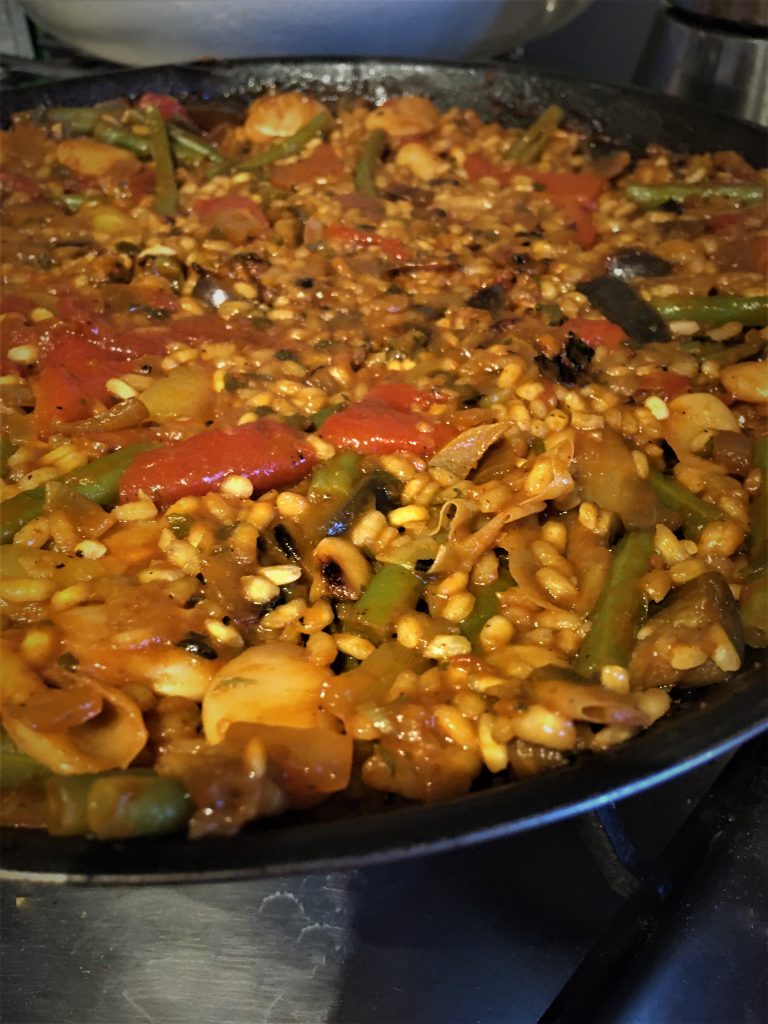
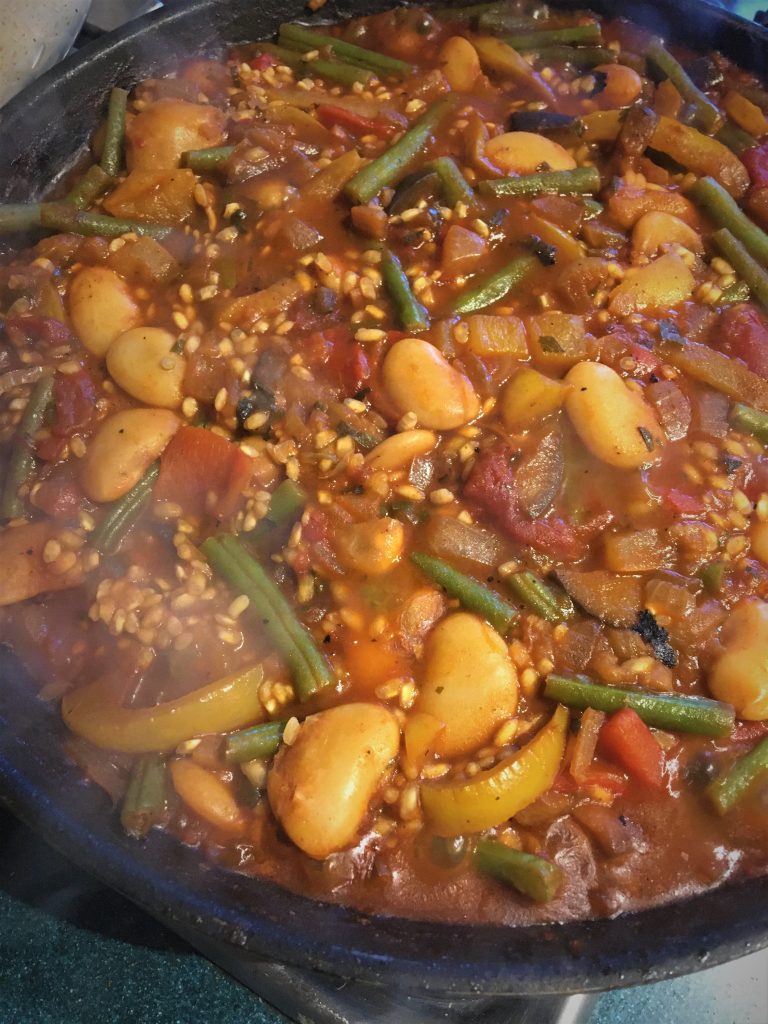
I don’t own a paella pan so the closest I got to a proper paella for this post was cutting together the little video clips Neil sent me from when he experienced paella nirvana at Goscano’s. My humble set-up means I wasn’t able to make paella like Mowli but an ersatz imitation is possible in a frying pan. I even achieved a socorrat (which made me pretty happy – especially as that’s “the best bit”)! Here’s my recipe… Also, Neil is “largely veggie” so I’ve opted to err on that side (plus, veg is cheaper). A lot of climbers are veggie and this is a good way to get great big spoonfuls of good stuff into you.
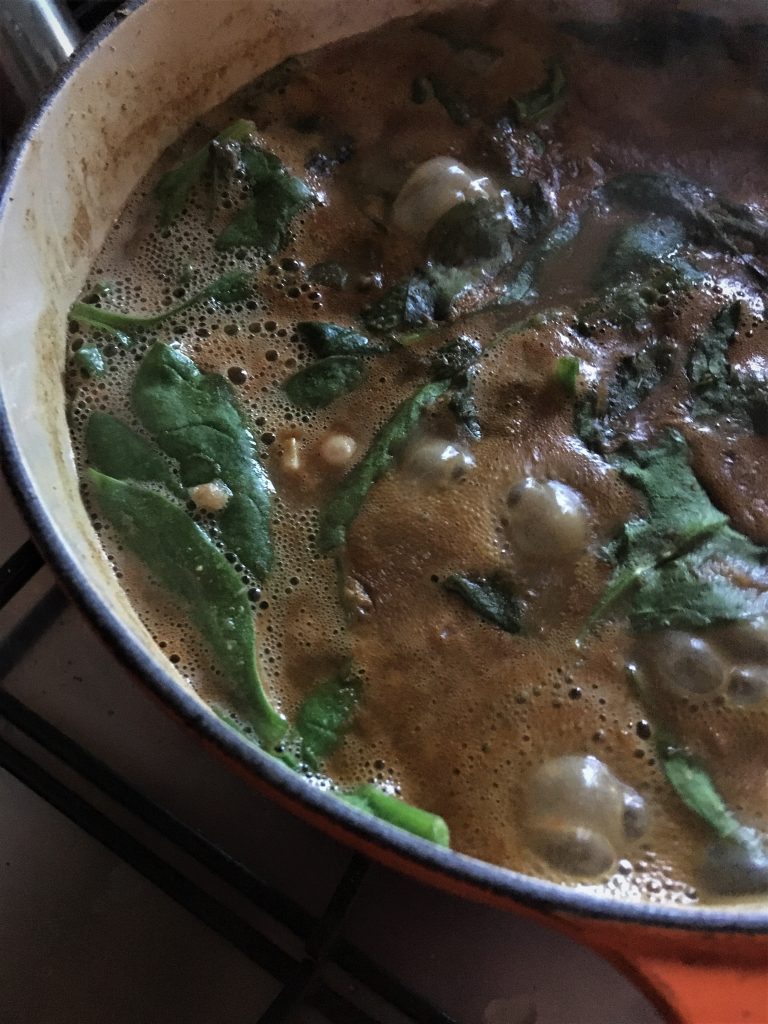
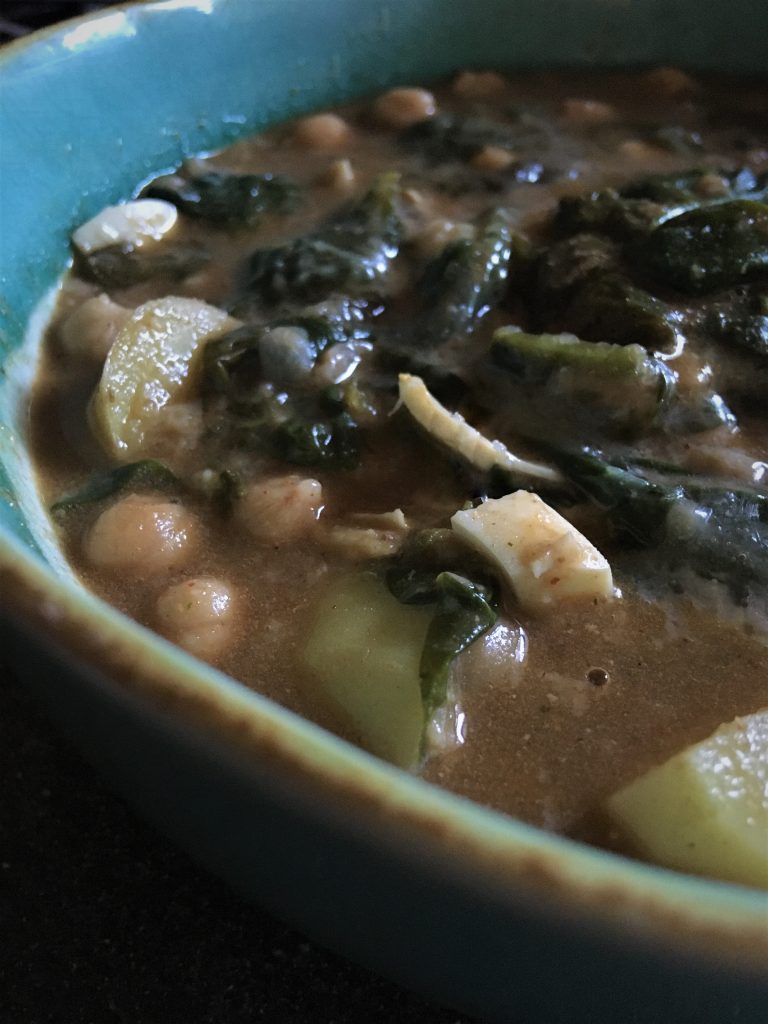
potaje de garbanzos y espinacas (spinach and chickpea soup)
When I asked Neil about what he tends to cook in the van, especially when in Spain, he also mentioned this soup which I tried and HAVE to include here because it is insanely tasty. Richly- textured, it’s often eaten during Lent and versions can be found across Spain. There’s no particular connection to paella or manchego (although I guess you could grate some manchego on top when you serve it), it’s just utterly delicious; and if paella is a bit of a faff or not really your jam, then this will probably be a better fit. It’s also full of good things and definitely good climbing fodder. This recipe is taken from Claudia Roden’s Food of Spain.
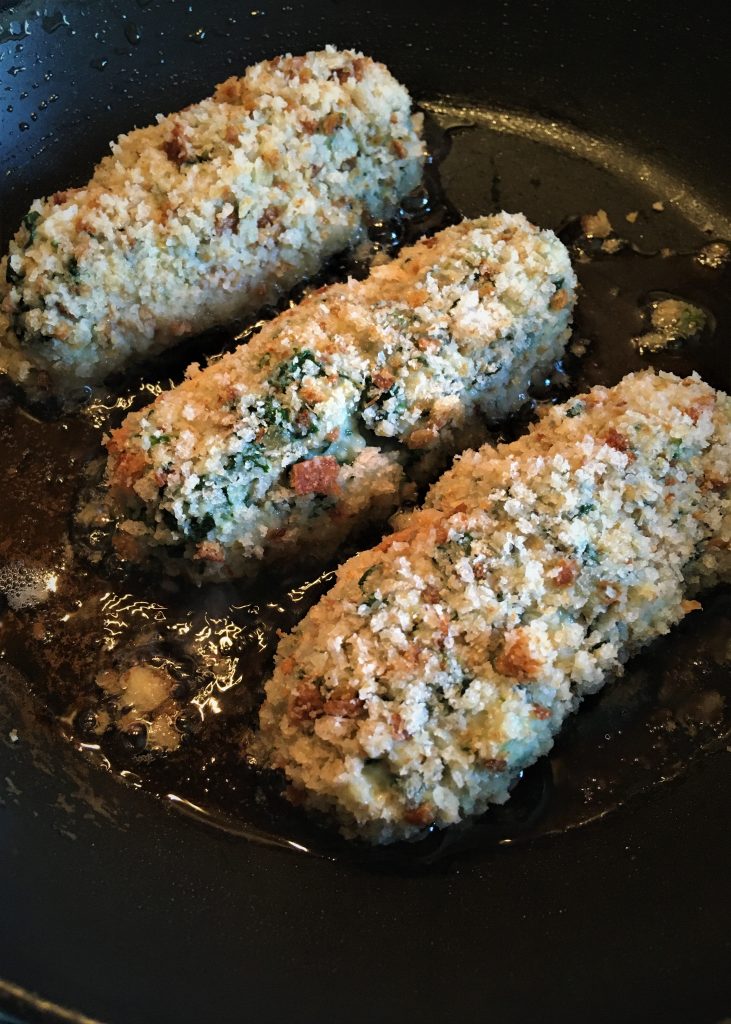
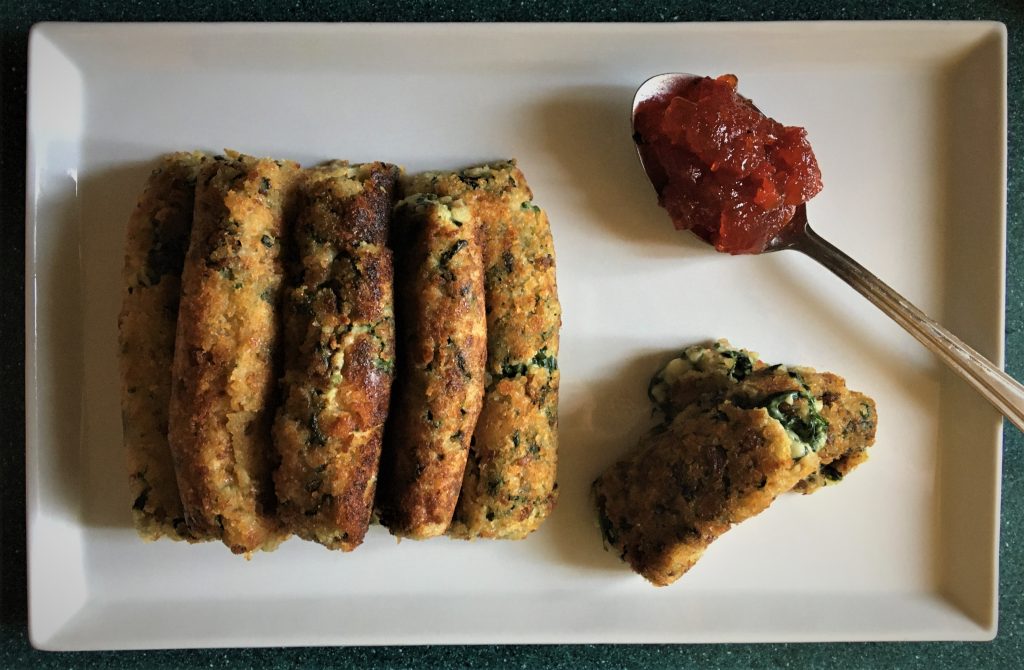
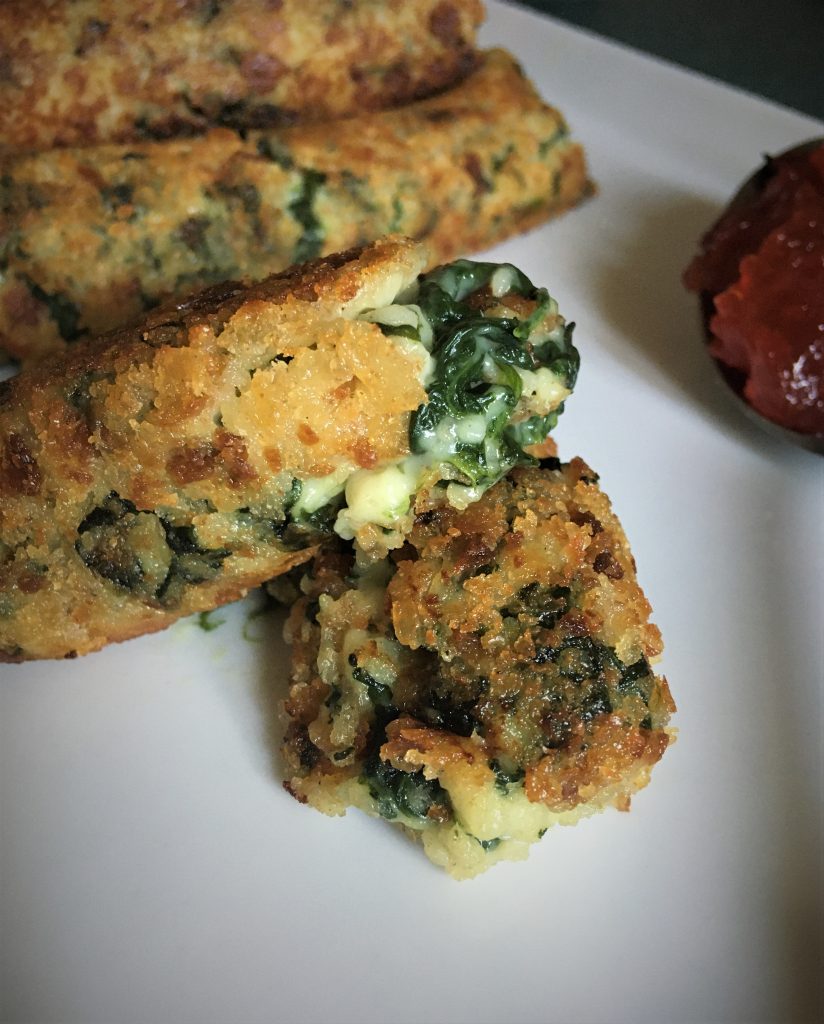
Manchego and spinach croquetas
These guys are always a home-run when it comes to tapas treats. They involve a bit of prep but are relatively simple to make. Best of all they work well cold as a crag snack. For the meat lovers, you can always swap-out the spinach for some chorizo/ham, or add it in with the spinach for a mega-croqueta.
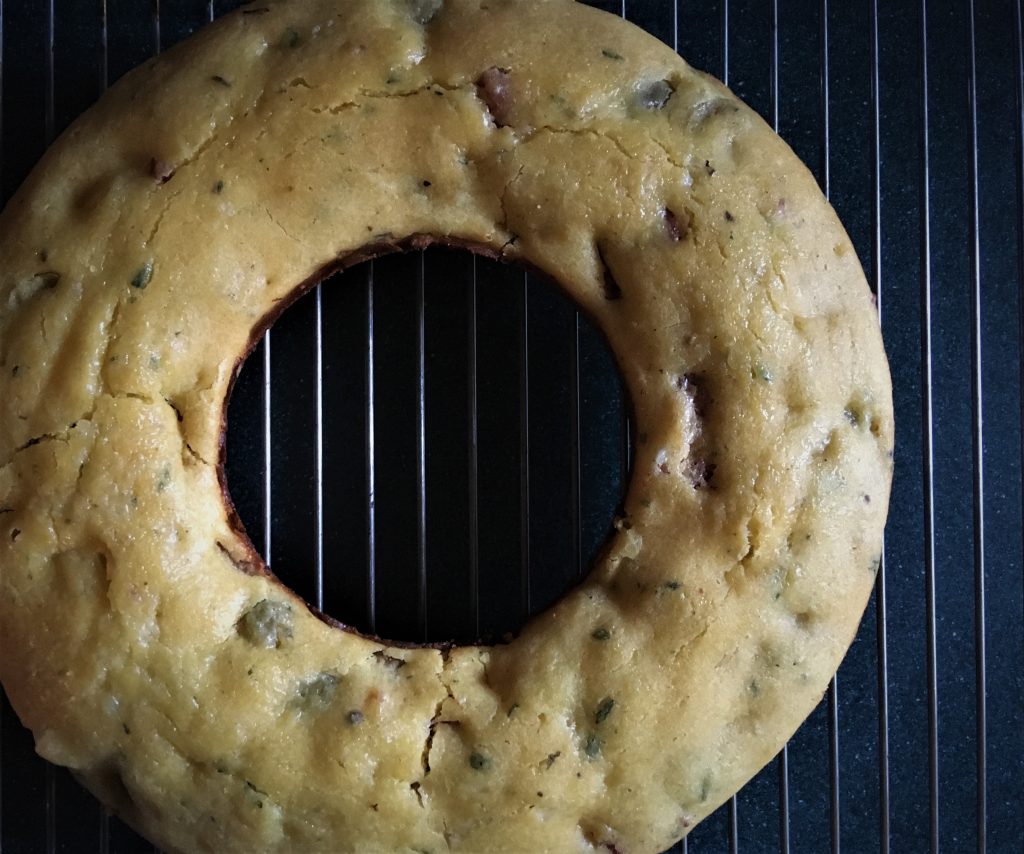
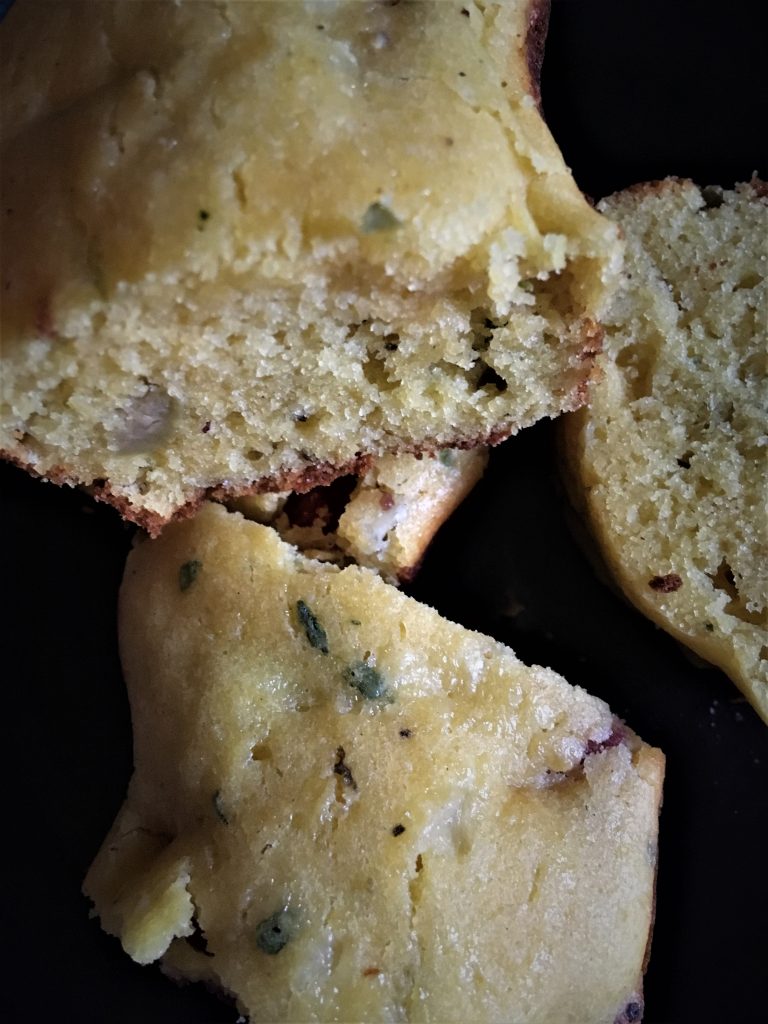
Manchego and chorizo cornbread
I’m a huge fan of cornbread – it’s so moreish and so simple to prep. You will, however, need a stovetop oven to make this, or you can fashion one using a deep pan with a little water in it, an upturned bowl and a cake tin. If you don’t have a stovetop oven (but I heartily recommend the Omnia as a bit of van kit – light, versatile and so easy to use) and can’t be arsed to make an ersatz one, you can try making regular flatbreads or bolani which are super-simple and very quick. You can add manchego, spinach, caramelied onions, chorizo – all the good things, into the dough/dough-filling if making bolani; maybe chuck-in a few herbs you’ve picked walking back from the crag etc. Alternatively, if you have a good fire pit going you could make this in that – you will need to cover the pan tightly/seal with foil and sit it under the embers.
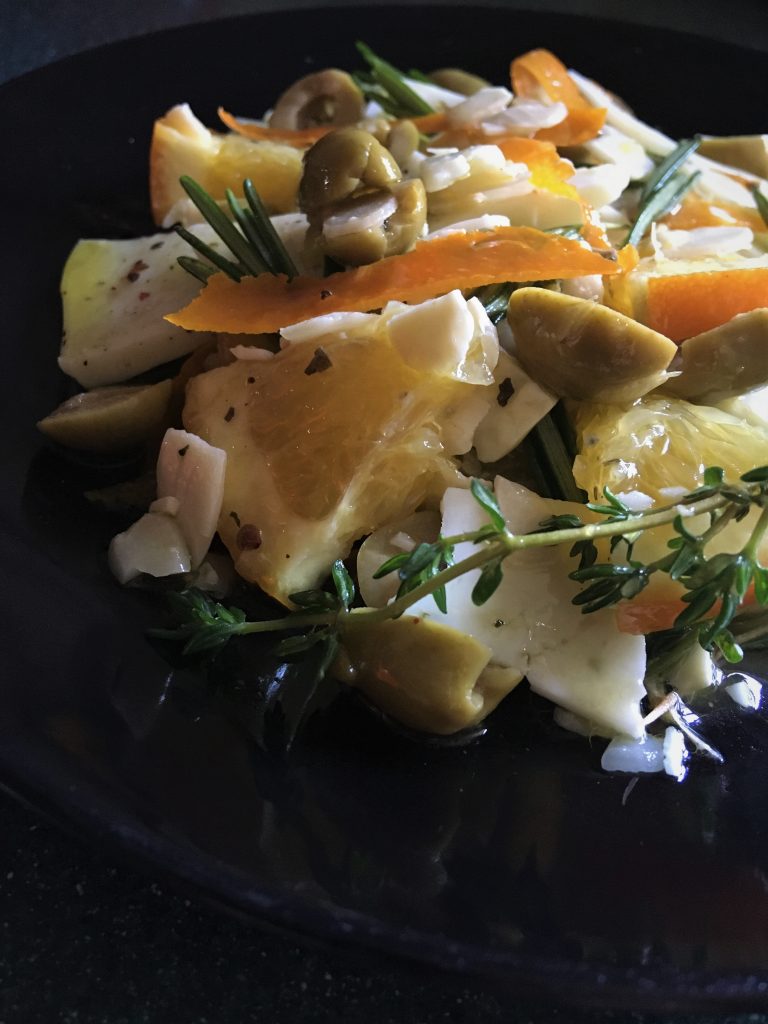
Marinated manchego
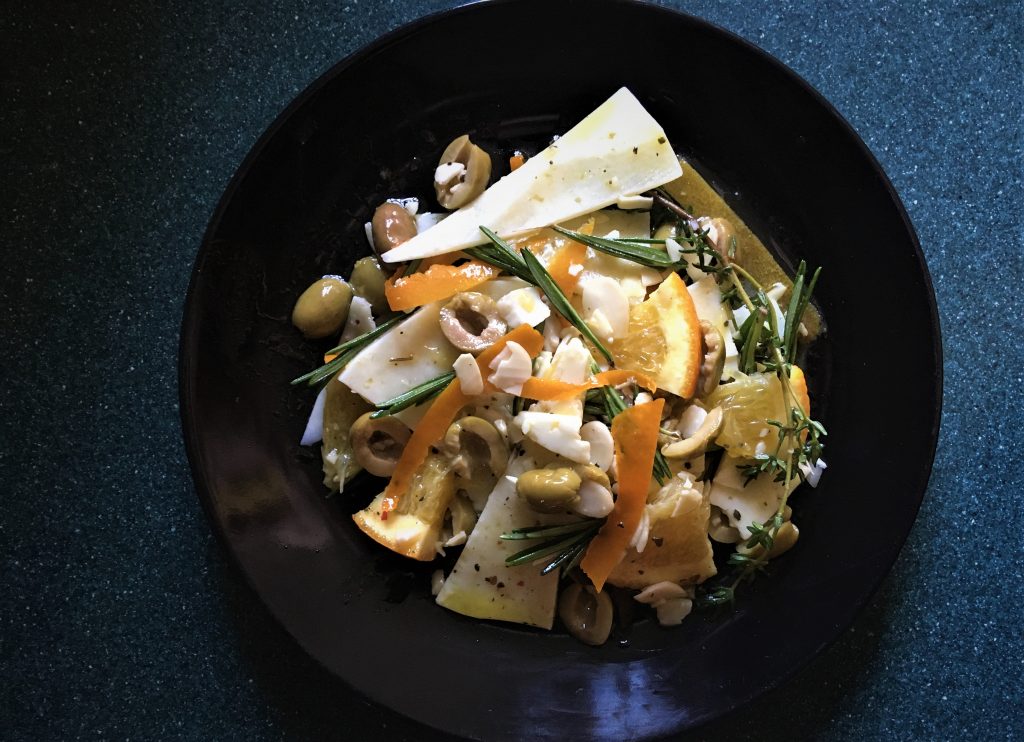
I’m not down with interfering with cheese but as an afficionado of marinated feta, I wondered about how manchego would fair. It fairs well. This is delicious and, you can use any excess marinade as a salad dressing. Also, you may be able to pick your rosemary and thyme walking to/from the crag. The marinade brings out a bit of a floral quality in the manchego. Plus, you are in Valencia – oranges should definitely feature here somewhere!
Manchego,= with coffee and honey
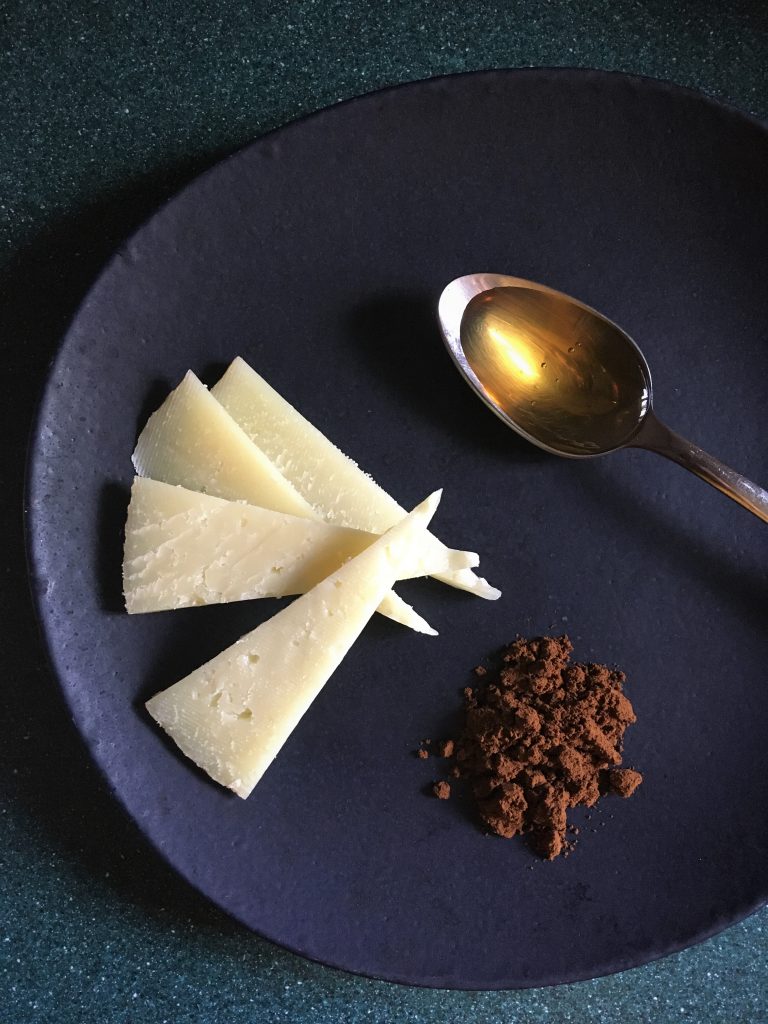
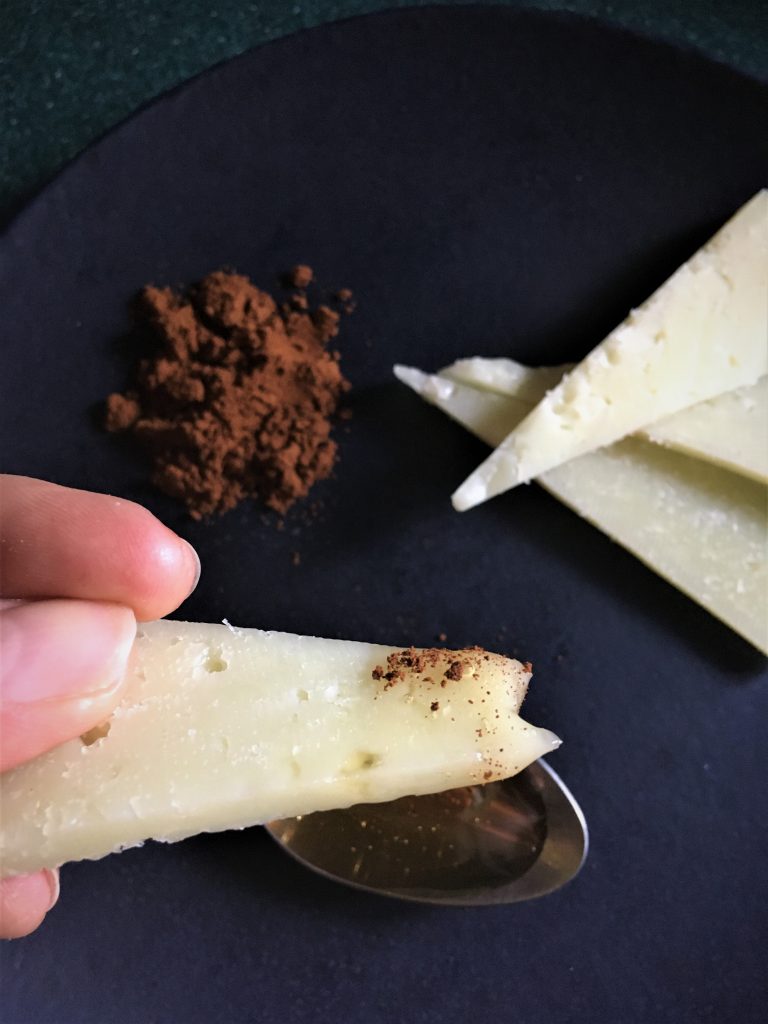
Sounds poncey; isn’t. It’s a thing; it’s fun and all you need is cheese, coffee and honey; and… a curious, excitable palate.
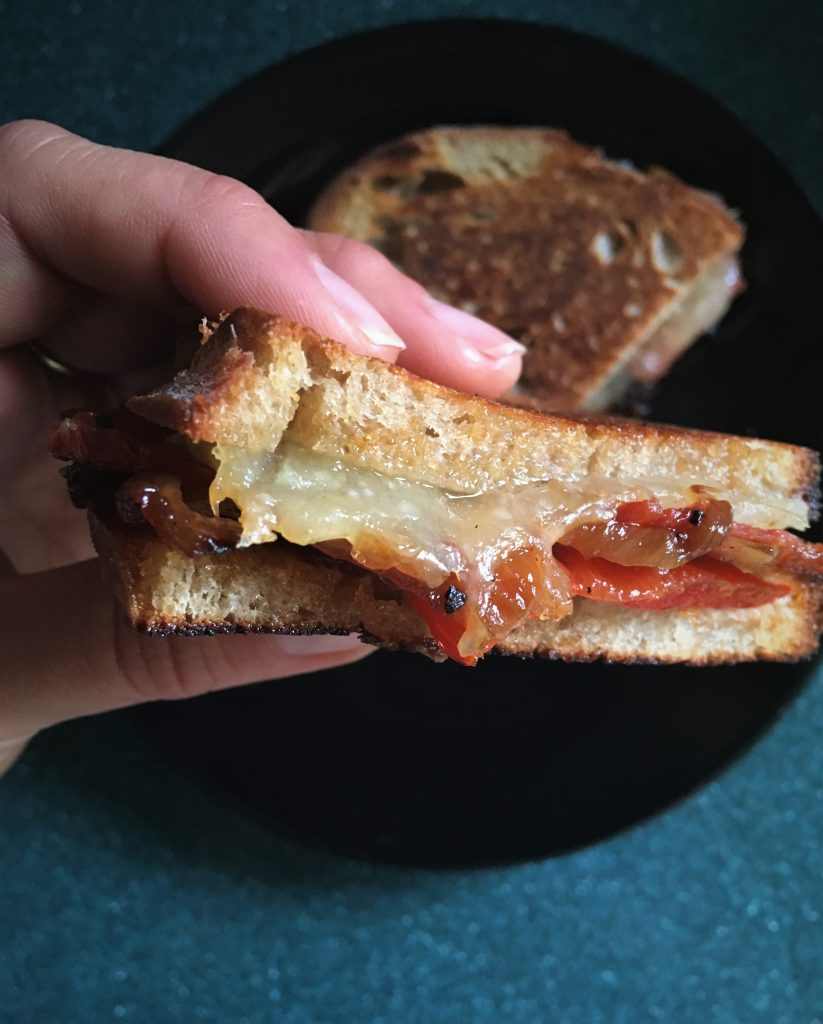
and of course... a toastie!
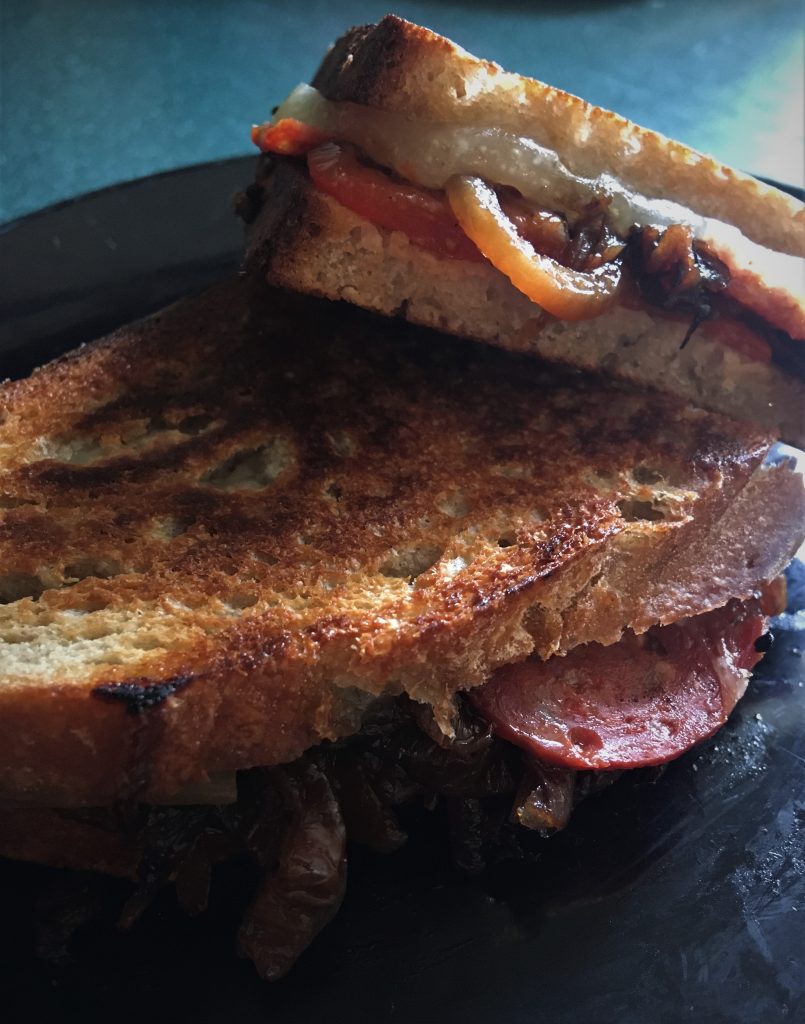
Any excuse to plug the toasties! Always a winner.
If you don’t have a toastie maker, a) get one ASAP; or, b) you can make a toastie in a frying pan, they’re just not quite as amazing. I’ve gone all-out Spanish with this one but you can roll with whatever you fancy.
And, last but not least, what to drink with these...
Well, now, a – there’s a lot of cooking to crack on with there so I suggest, first and foremost, un cerveza. Beer always tastes better after a day’s climbing and it’s nice to have a cerveza on the go while you are getting down to it in the kitchen or even more so if you are cooking up a big paella over an open fire. Plenty of decent cervezas available.
Wine-wise, Valencia isn’t one of Spain’s principle wine-growing regions. It’s more about the oranges really.
Vines have been cultivated in and around what is now Valencia since the Phoenicians brought winemaking to Spain. Wines made here were well-known in Roman times but these days regions such as Rioja, Ribera del Duero and Rias Biaxas are much more prominent. That doesn’t mean that they aren’t worth drinking. It’s hot on the coast, obviously so not the best for vines but further in land there are some great spots for vines to thrive. Sun-loving Moscatel has come to represent Valencian vinous output – arguably slightly detrimental to this region’s viticultural representation – sweet wine has that effect (despite the fact there are many good ones). It’s not just Moscatel though. Noble grapes (your Cab Sav, Merlot, Chardonnay etc) are grown across this region as was the trend for a number of years. Many native varietals nearly died out as many countries tried to compete with France by making “familiar wines”. Over the past few years, the new trend across Europe has been to revive and champion native varietals. Improvements and investments in viticulture and vinification, have enabled Valencia to jump on board with this and show off its goods. You will also find native varieties from elsewhere in Spain grown here and blended with local ones. Most wines are still made in co-ops (historically every town/village would have one) but the system and facilities have been greatly improved. Some guys have struck out on their own to form boutique wineries and many of the co-ops have seen collaborations with international, award-winning winemakers. The restaurant trade has also helped by showing interest in promoting native produce. So, look out for names such as Merseguera, Verdil, Garnacha Tintorera.
There are four main wine-making zones:
- Alto Turia – principally white varietals grown at altitude and befitting from cooler climes.
- Valentino – interestingly this used to be a major orange producing region but competition from Morocco has led to diversification and lots of vine planting. White and red are grown here and there’s a range of soil and microclimate.
- The centre of Valencia is dominated by Moscatel.
- Lastly, to the south is Clariano, where white and red are produced. There are more large estates here as opposed to tiny vineyards that dot around the rest of the region.
The best thing about drinking wine in Valencia is that it’s not hugely available outside of Spain (yet). Smaller wineries are making really interesting wines (some in interesting ways – eg. fermenting in clay – Georgian style) from native varietals or, indeed blending them with the more familiar Cab Sav, Merlot, Chardonnay, Semilion etc. The scene is somewhat nascent but it makes for some pretty interesting drinking.
So, for the paella – depends what you are putting in it but there’s a lot of rich flavours going on in a paella. The veg one will have both sweet and earthy flavours going on as well as the tomatoes and spices I would recommend a chilled Bobal rosé which will complement both. Alternatively, a rich, dry white – maybe a Chardonnay, or a chardonnay blended with a native white varietal – such as Merseguera. If you are putting meat in, then you should amp up to a chilled (but not straight from the fridge) red – such as a Tempranillo/Mencia blend – but nothing too powerful/fruity (hence chilling them down a little), for something slightly lighter you could try a Bobal. If it’s a seafood paella, then opt for a less powerful white or indeed a sparkling (dry) Moscatel but the Verdil would be a good option – it has a more citrussy vibe going on with a touch of smokiness to balance the paprika.
For the soup – definitely red – heartwarming soup calls for heartwarming wine. It has great depth of flavour so I would plump for a Monastrell or for exploring a rich, earthy local varietal Garnacha Tintorera.
Light-wine-wise, manchego tends to get paired with Tempranillo but I think that the Verdil would work well to balance the sweet elements in the cheese (especially an older manchego). Alternatively a Bobal, with its strong backbone of refreshing acidity (this would be great with the croquetas).
Q & A
What do you find challenging when cooking on a trip?
Washing up. I don’t have a sink in van build 1.0 and I don’t like using too many ‘Wet Wipes’.
Do you follow a nutrition plan and how easy is it to stick to when you are travelling/living in a van? what do you tend to eat at the crag?
I’m largely vegetarian. On the road I chomp on pulses, beans and lots of local veg. I do have a burger craving every so often, so I have to fix that lusting. I’ve only got stove tops so I concentrate on frying and my particular focus is lentils and potatoes. I love Dhal and will rustle up a dipping pot, usually with a side of sliced fried potatoes, pine nuts, cumin and spinach. I’m not a great cook and I struggle with sticking to exact recipes and timings. I enjoy the social side of it and that’s reflected in the food I make; big margin-for-error type stuff.
What’s your best van/camping hack – cooking or otherwise?
“Overnight oats” in soya with cinnamon, berries, banana, seeds and honey is my lazy and delicious hack for easy and nutritious breakfasts. Also excellent in 4 day long batches.
What’s your top climbing trip/van cooking equipment purchase?
Non-stick pans – to help me deal with the above “challenges”.
Do you do anything to complement your climbing while you are on the road – do you have any training hacks for vanlife?
The TheraBand must go everywhere (or the cheaper Decathlon version)! Also mixing-up the climbing styles while away. If I’m in Chulilla for a while I’ll take regular trips to Albarracin for a little power fix.
As someone who spends long periods of time away from climbing, how do you balance training/working?
I don’t. I’ve accepted my fate that if I’m on location working for weeks or months then I just give my body a rest. I’m often working really long days in unforgiving environments and the last thing I want to do is train! I’m finding the longer I climb, the higher my base-level rises. I can usually get it back after a few weeks of gym work. Breaking new ground though has proved tricky.
Who are your climbing heroes?
Sharma and Dave Graham. When I started out I was in awe of these guys crushing on Youtube. They also made it look a lot of fun.
What does climbing give you?
A friend of mine sums it up nicely: “it doesn’t matter if you have no job, partner, or a home…. because you have climbing”.
Bouldering or sport or trad?
Boulderng indoors; sport outdoors. No trad for this wimp – maybe I’ll tackle something one day.
Climbers love gear. What bit of gear/clothing could you not be without?
I have a Damascus steel knife. It makes me feel like I’m a mountain ranger.
What’s the best view you’ve enjoyed at the top of a climb?
Someone eating toast with cheese and beans in the Castle café.
Where do you return again and again to climb and why?
Portland, because living in London is tough for the weekend warrior.
How do you choose where you want to climb?
Friends, weather, vibe, climbing history, absolute banging routes!
How do you manage your expectations/training/enjoyment?
I’m not a super focused climber. I can’t stick to a training plan for very long as it sucks the enjoyment. My expectations are low, unless my buddy on-sights; then I’m raging!
What’s your best piece of advice when it comes to training?
5.minutes.more.
Have you ever been benighted or had a close call?
I’ve rope stretch decked about 5 times. All from the same belayer. We still climb together, but only after an extensive chat about belaying techniques.
How has the climbing scene changed since you started climbing and how do you think the Olympics will affect it?
It’s like a revolution. I started gym climbing around 2011 when climbing was gaining some mainstream momentum, but the last 5 years it’s a totally different scene. I think many see it as an enjoyable fitness/sport exercise without much desire to go explore outside.
If you weren’t addicted to climbing, what would replace it?
Maybe surfing, but it’s so damn hard.
Where you would you like to develop some routes (and what would be the first name)?
Not sure where but my buddy, Ted, and I decided to call our developed crag ‘Dos Borrachos‘.
I’d love to make a film about climbing but I haven’t found the right story yet. I was meant to make a documentary about Will Gadd ice climbing a famous face on Kilimanjaro that fused environmentalism and climbing but it fell through. My search for a climbing story continues and I’ve got time on my hands to find it!
Where is the most unusual place you have climbed and why?
I may have done a FA in Saudi Arabia last year…
What’s your proudest moment?
Making a film about a woman with incurable cancer. Since the film was made (2014), multiple women have been in touch with the film’s protagonist to say that after watching the film they found a lump, have had it checked out and now they are on treatment. Early detection saves lives!
I’m not really proud of anything I’ve done in climbing as I feel I should have climbed harder and more.
What’s your best tip for someone starting-out in climbing?
Don’t buy really aggressive climbing shoes.
Where’s your next trip and why?
Frankenjura mid-August. Literally just decided. I have a friend who lives in the forest so a few of us are congregating there for 3 weeks of pulley injuries.
What has been your experience of lockdown?
My previous experience of being incarcerated has certainly helped with how I process this experience. Around 2015 I was working a lot, jumping from project to project often in intense and hostile environments around the world. On one shoot in Indonesia things went a little sour and my colleague and I ended up arrested, detained and eventually imprisoned. 5 months later we were released after a painfully long trial. That experience served as a catalyst to make changes to what I anchored my life to. I shifted to lifestyle centric and I’ve been living out of my van since then for around 4-5 months a year; Spain for the winter, UK for the summer, with work trips in-between.
Since Covid reared its ugly head, I’ve been nesting in London for what feels like the first time in years. Staying motivated to use this time effectively and to not let it feel like your life is on hold. Juggling various projects keeps my mind active and I’ve been enjoying dipping a tentative toe into DIY. I built a training board in my back garden that has my fingers on the constant cusp of injury, and I’m now rebuilding my camper. I’ve had dips, where I consume Netflix voraciously and stare blankly out of windows, but thankfully that’s only temporary. I’ve taken the time to work on some personal photography and short film projects which have been a good focus.
In my experience, being confined makes you hyper-aware of your emotional state; less distractions, work, and a smaller space to orbit around can really intensify and heighten your emotional range. Moods swing quickly and dramatically and this can be challenging to deal with. Since almost everyone is going through a relatable experience it’s very easy to assume others are dealing with situation ‘better’ than you and use it as a stick to beat yourself with.
It’s easy to say and more difficult to do, but you have to be kind to yourself. Don’t be too hard on yourself if you haven’t had a great revelation, learnt a new language, perfected your sourdough, or mastered one-armers. Try and stay motivated for whatever you hope to achieve but take it easy on yourself.
Comments
Hit me up with any variations you've got for these ingredients/dishes; any other van-friendly recipes you would like to share from your travels to this region; or, indeed wines that you have come across on your travels that you would recommend - either as a match or just for drinking!