
Andy Kiely – Cavallers, Spain
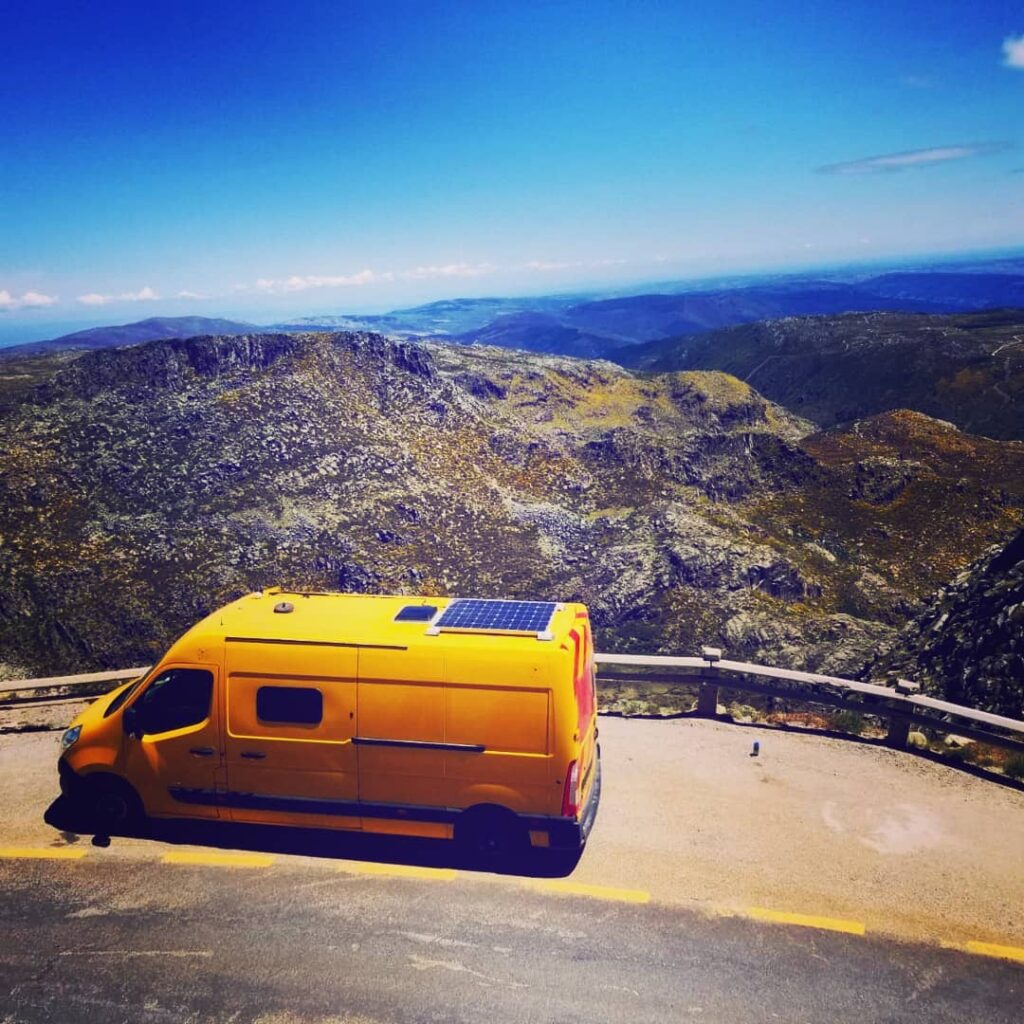
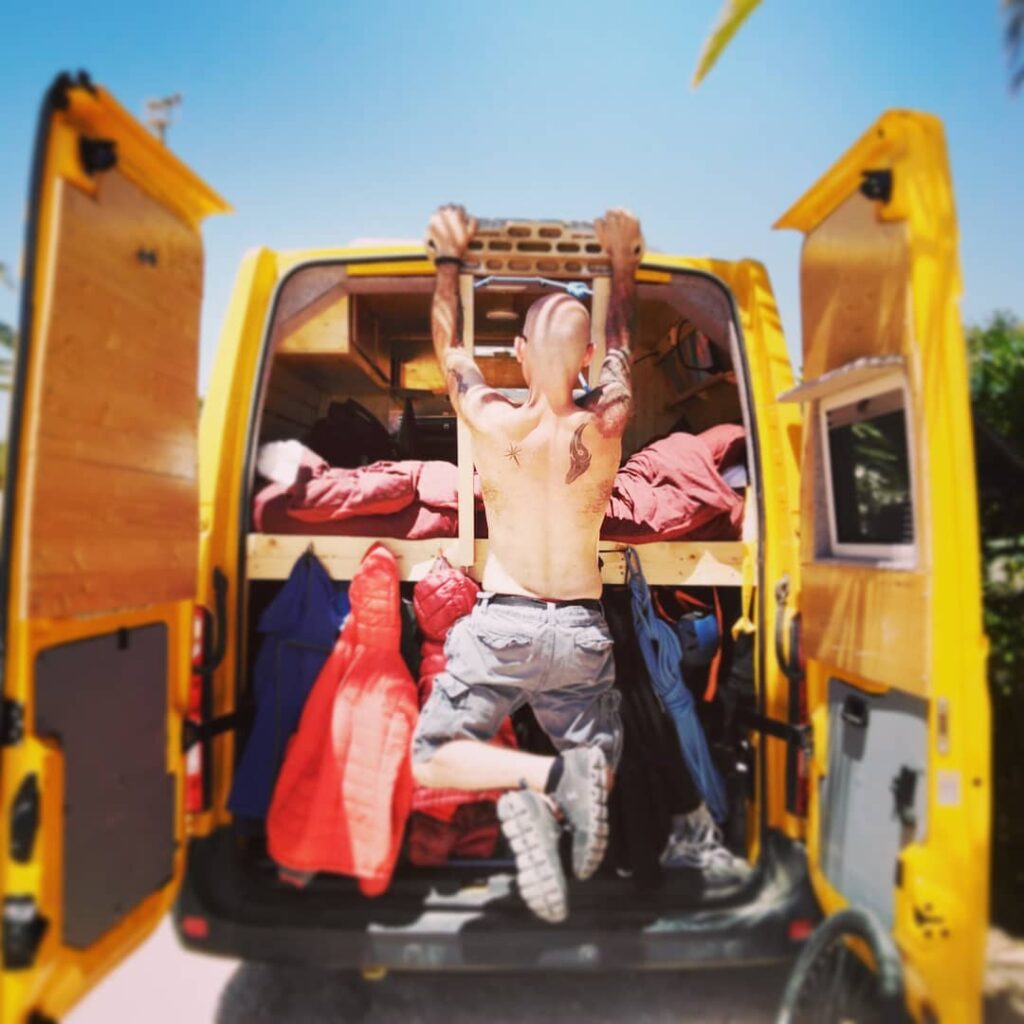
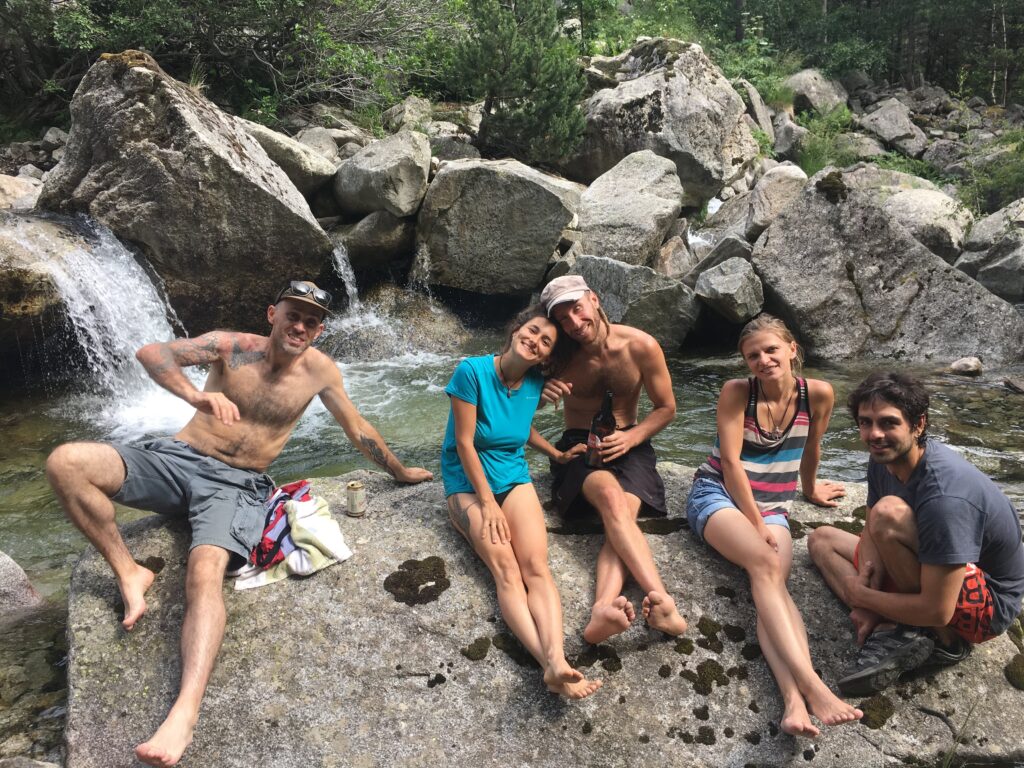
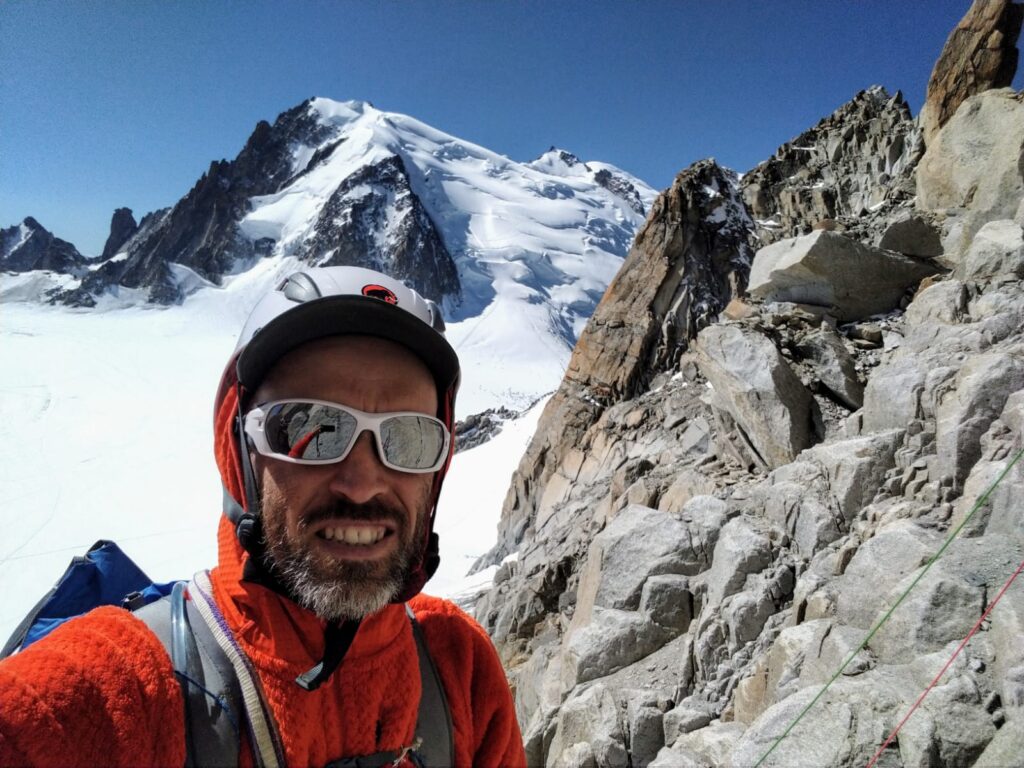
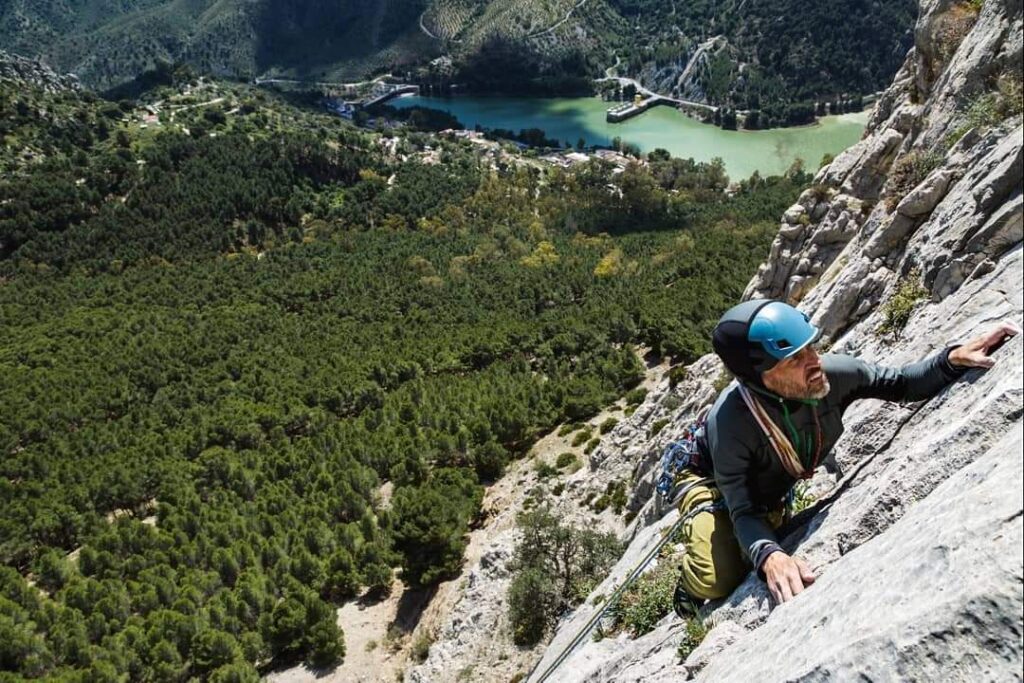
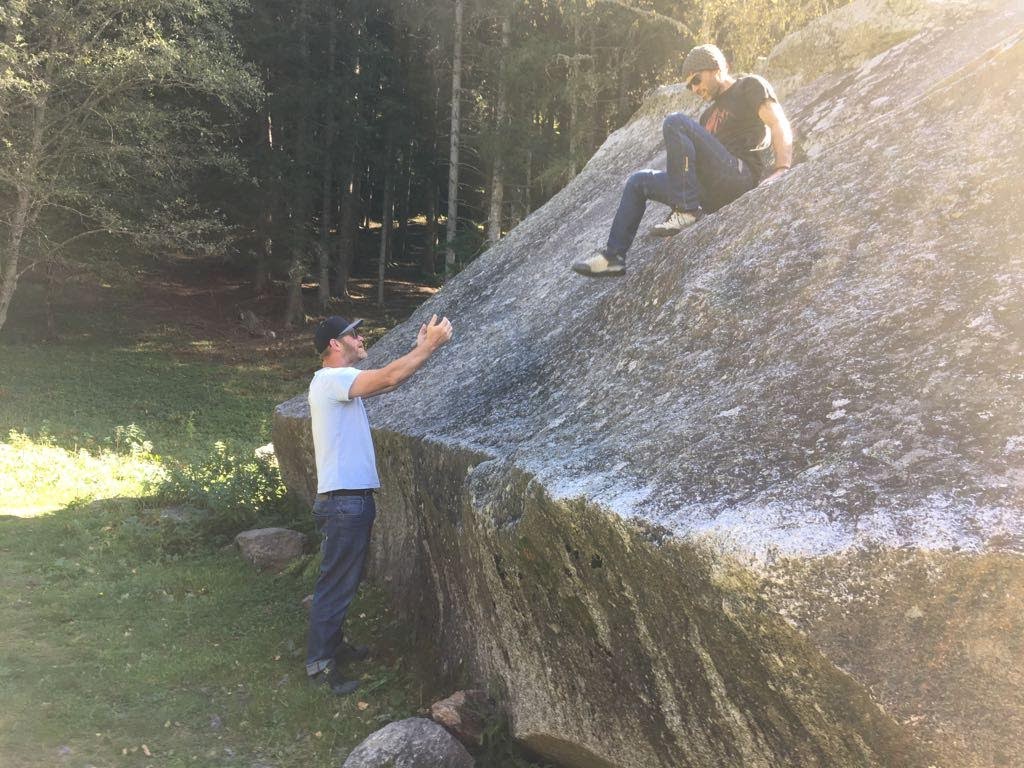
This month’s climber on the road is Andy Kiely – a former familiar face at the Castle Climbing Centre until he became a professional van-lifer. He’s a top bloke: hugely compassionate, a man of many words and much deep thinking and… more than a little bit Irish as underscored by the cheeky glint in his eye and the even cheekier sense of humour. All of those things make him not only an excellent chap to have a beer with but also a great crag companion. After a year or so travelling around, climbing and generally lotus-eating, he and his girlfriend (Emma) are now based near Chamonix. When I got in touch with him about this blog he took to penning his own little bio so I’ll let Andy describe himself in his own words before we get onto the food:
I’m Irish, that’s my superpower (yes there are roughly 4,400,000 superheroes in the world). I’m a freelance architect and founder of Mont-Blanc CLT. My career has seen me work around the globe from the remote to the metropolis, but for now we are settled in Saint-Gervais-Les-Bain on the Mont-Blanc Massif. Through my career I actively promote a low carbon future for the construction industry. This sees me passionate about wood (not a tale that every man might like to share…). This move to wood, namely engineered timber structural solutions is a must if we are to take the challenges that face our environment seriously. I believe that as architects, builders and built environment professionals, we are the custodians of the earth we dwell on, as such we must seek to protect it through practice.
My second passion, climbing, is one that is complimented by my career path to date. As a climber, I often take to the mountains, sea cliffs, rocky outcrops etc where I am inspired by our interaction with the landscapes in which we have the opportunity to create a better vision of how to build and protect our planet. We must truly learn how to “touch the earth lightly” in all aspects of our life, if we are to future-protect our planet. Being based around Mont Blanc reminds me that nature and being close to it provides the stimuli and therapy that many of us need in life and it helps me to stay attuned to my inner child after months on the road travelling, climbing and enjoying nothingness. For those passionate about the environment, mountain sports, climbing, mountaineering, paragliding, mountain biking, snow sports, alpinism wildlife, trekking etc and an ever expanding climbing community, there is no other single destination in Europe that encompasses it all under one snow-capped roof.
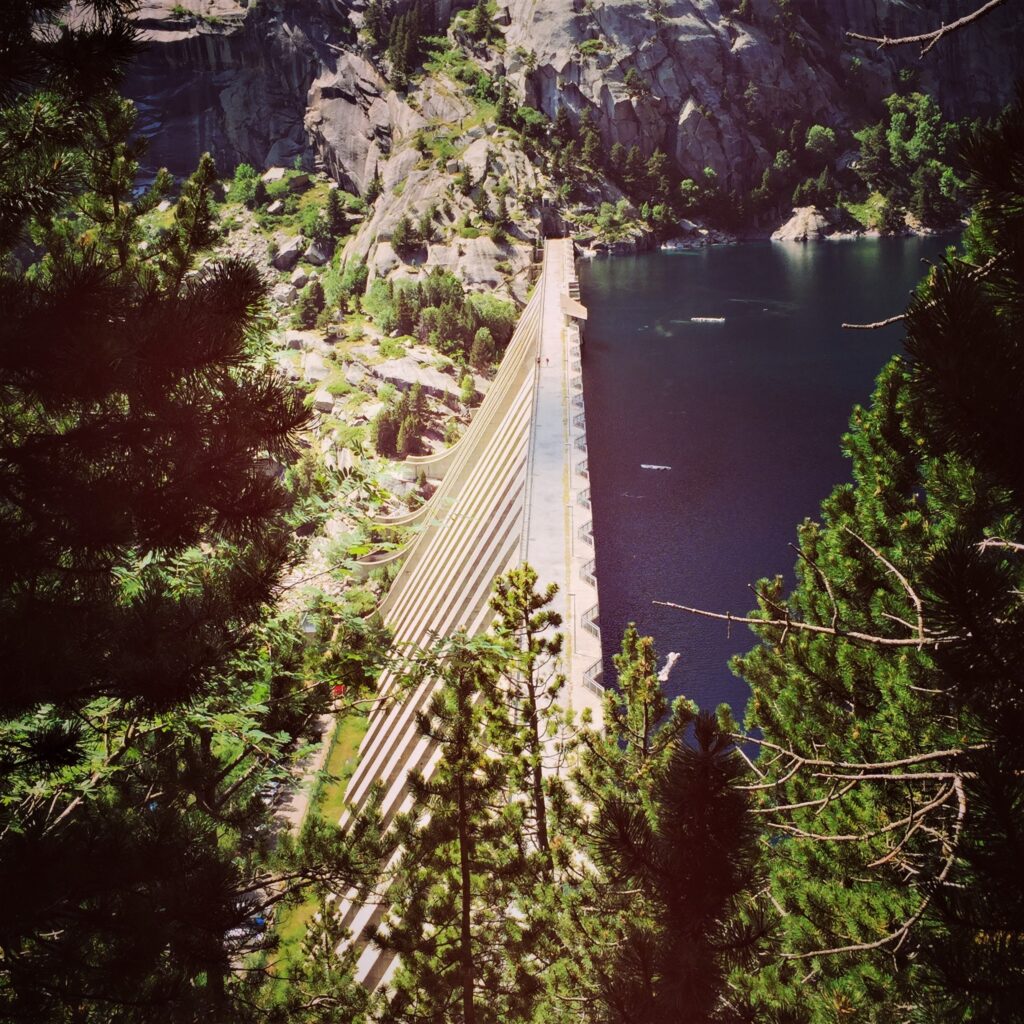
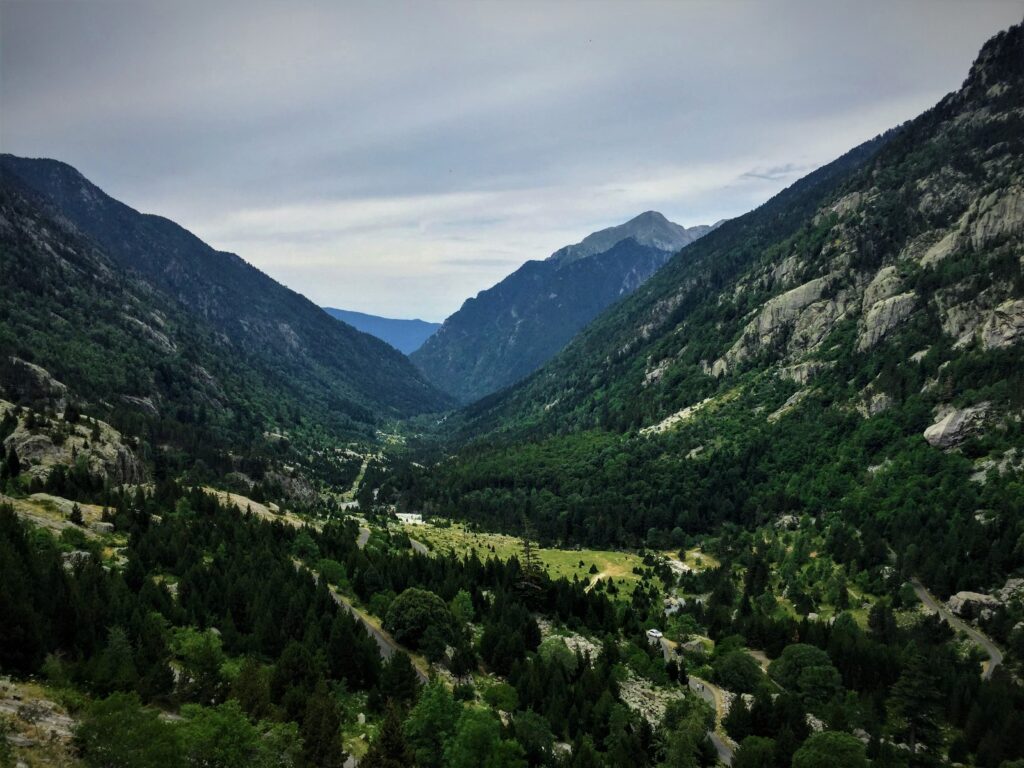
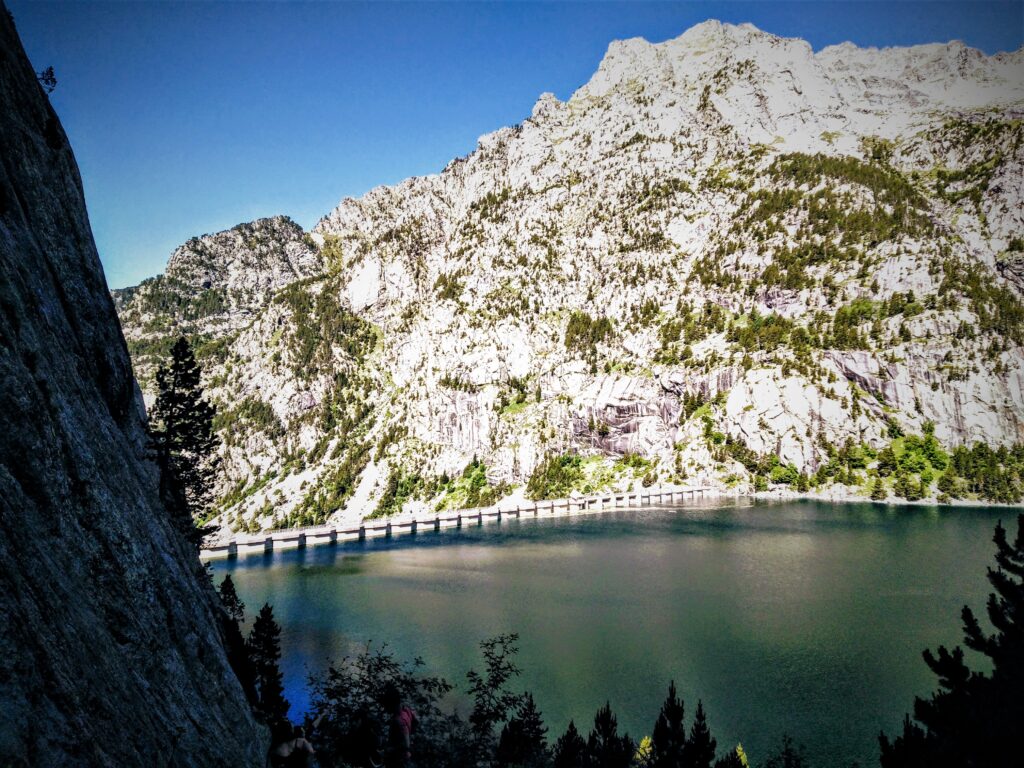
Despite all that and having spent over a year living in the mountains, when I asked him to select a destination for this blog Andy chose the region of Spain that he has enjoyed most to date on his travels – Cavallers in north west Catalunya.
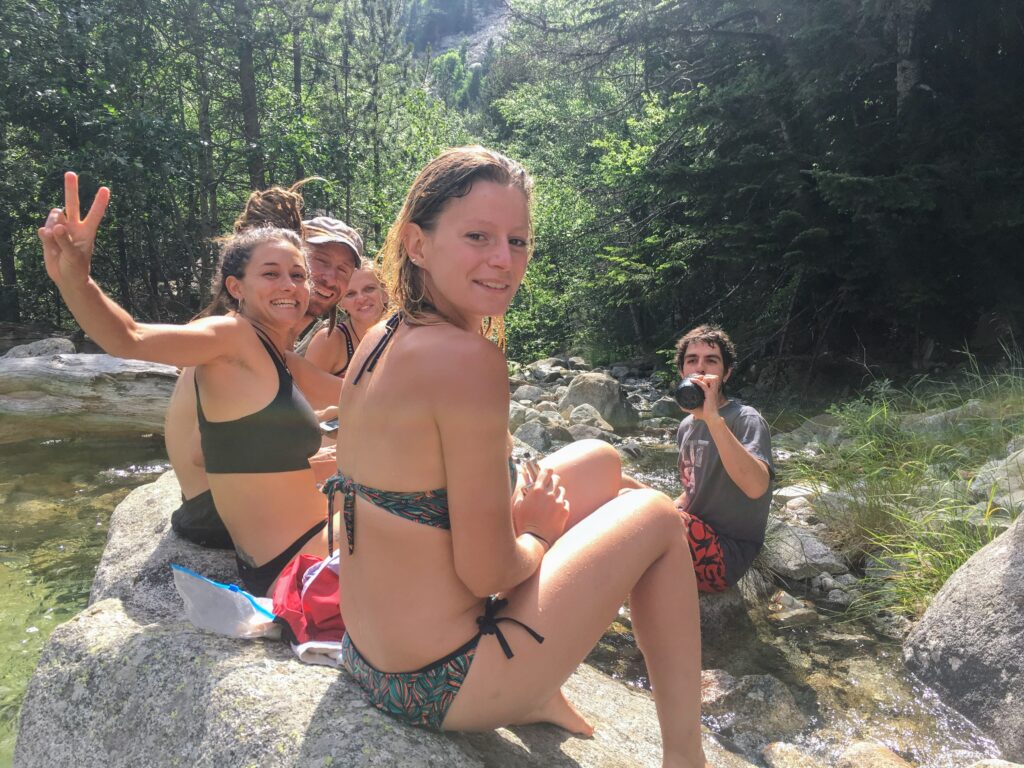
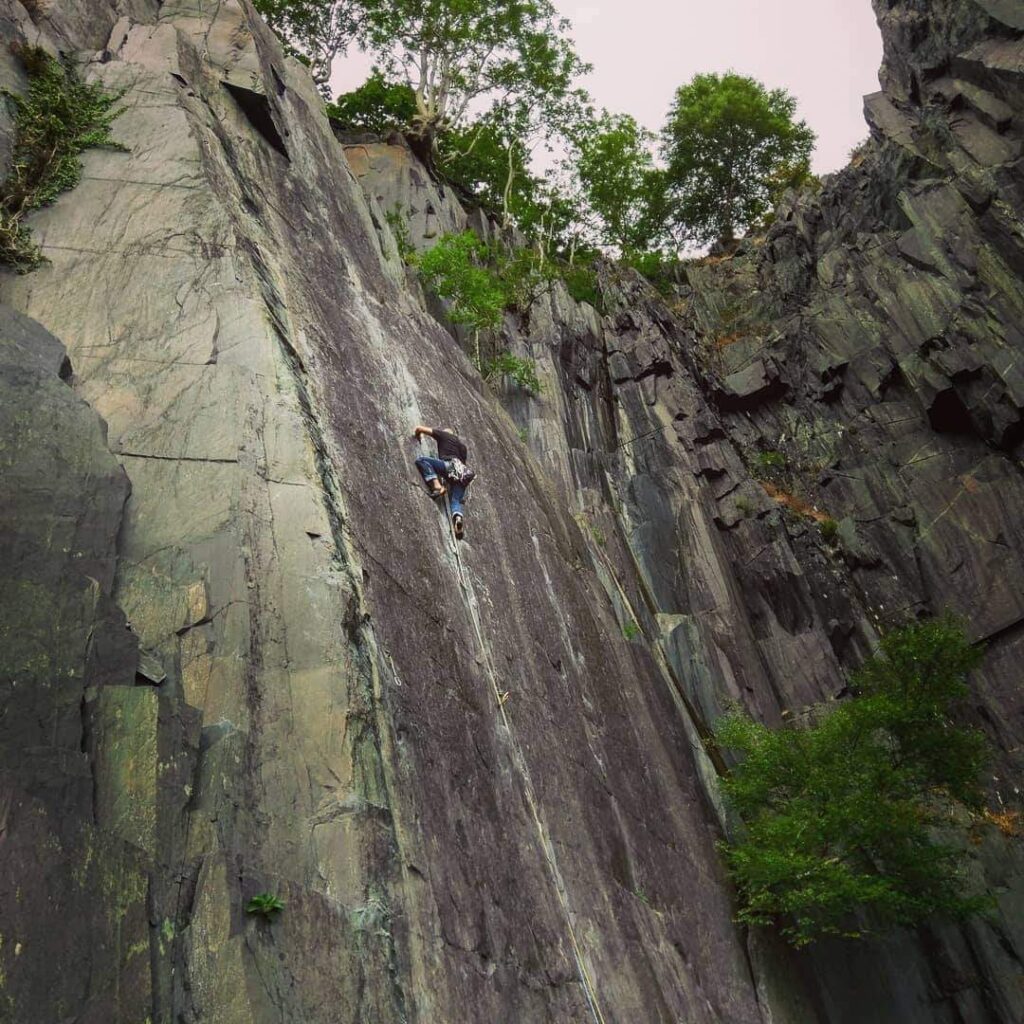
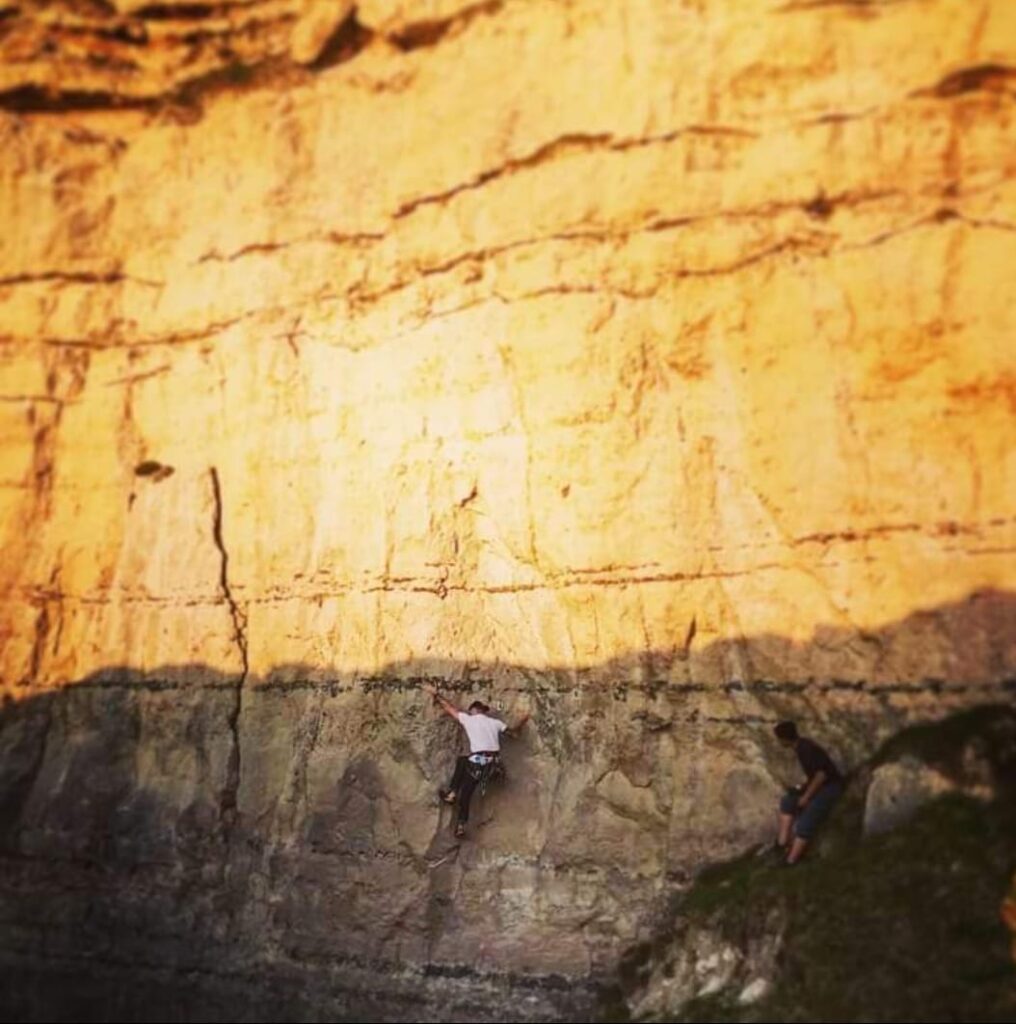
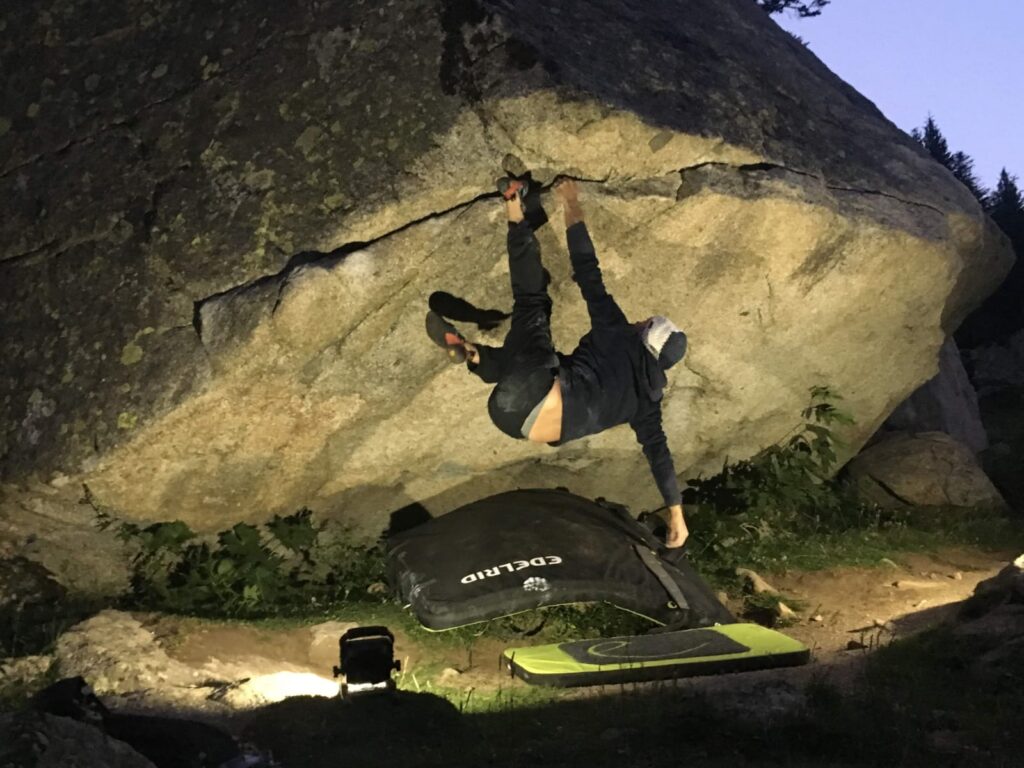
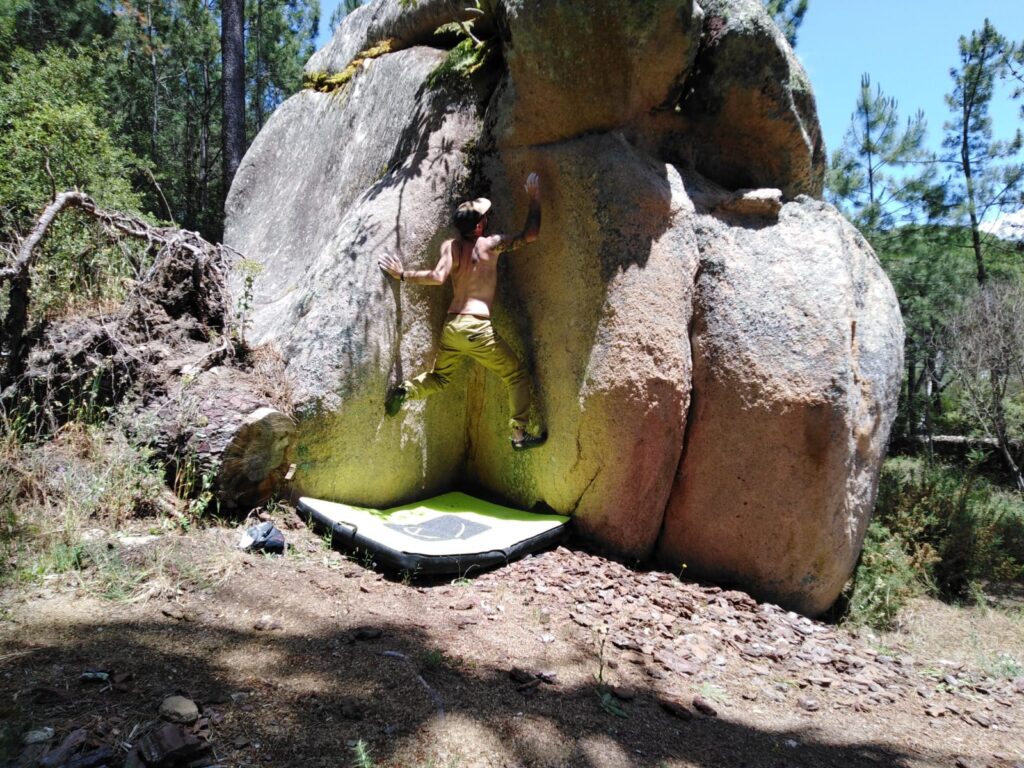
It’s awesome! Spectacular setting and superb quality climbing. It has everything: cold water swimming, if you are that way inclined (like my wonderful girlfriend who will literally get in any temperature water) , granite bouldering in the valley (I highly recommend a spot of night bouldering), sports climbing on steep slabs, single pitch, multi-pitch, trad and even some big mountain routes. And being able to rock climb in a t-shirt into November was also an influencing factor. That, and the food.
The ingredient Andy selected is the humble tomato but in his words… “OMG, so juicy and fresh!“. There’s nothing quite like proper tomatoes and the Spanish offer a pretty solid tomato game (I mean, they even pelt each other with them once a year so there’s a lot of tomatoes kicking around over there).
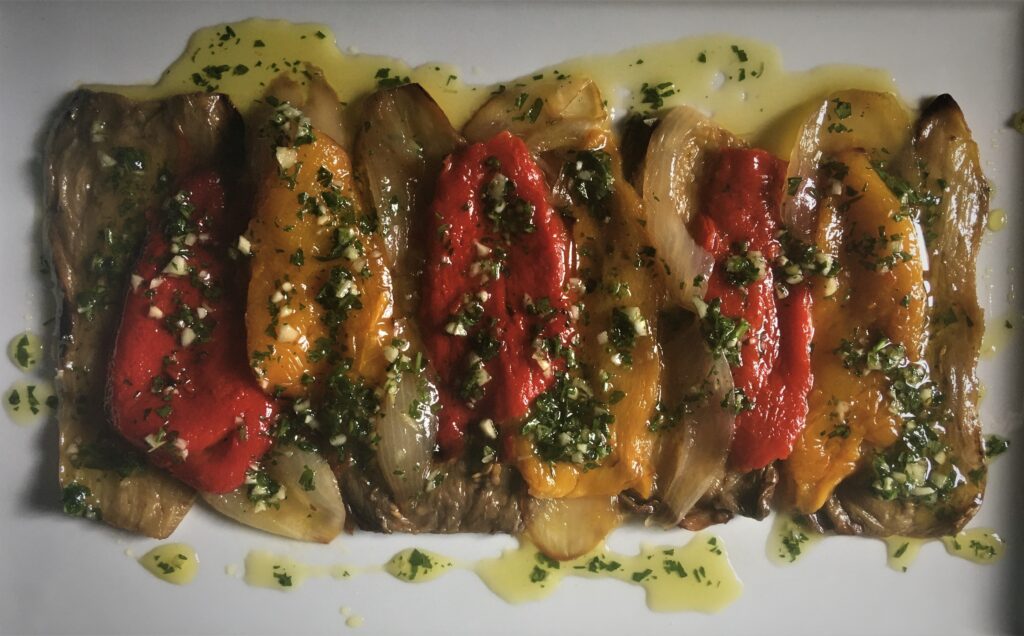
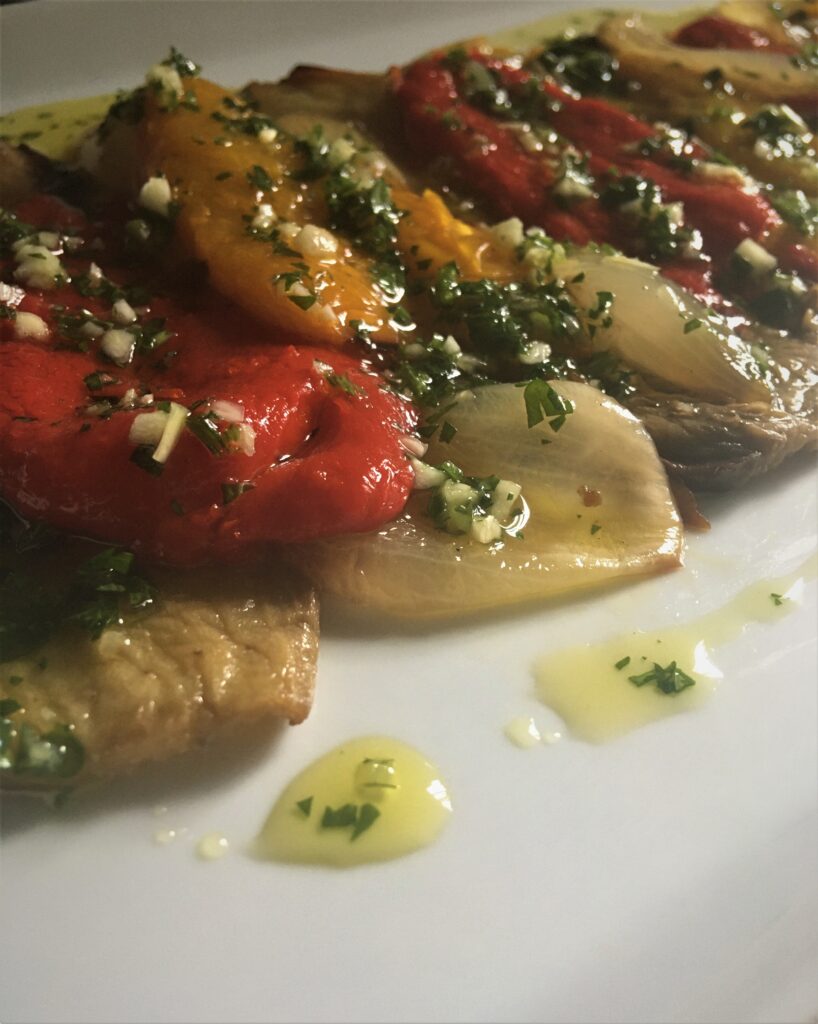
And the dish, escalivada. Again, simple, but when the ingredients are local and super fresh and super ripe, simple is elevated beyond compare. This is also a fancy-looking (not to mention delicious) thing you can easily make in your van.
There is a little disclaimer though, you will need a stovetop oven (if your van isn’t kitted-out with an actual often, which, let’s face it, is probably likely) for each of the following dishes apart from the last one. I’m a huge fan of the Omnia oven (in fact I can’t proselytise about it enough – you will see it all over this website) – it’s the best addition to a van kitchen and in fact, I often use it in my normal kitchen too. You can make pretty much anything in it that you would make in a standard oven, including the following recipes.
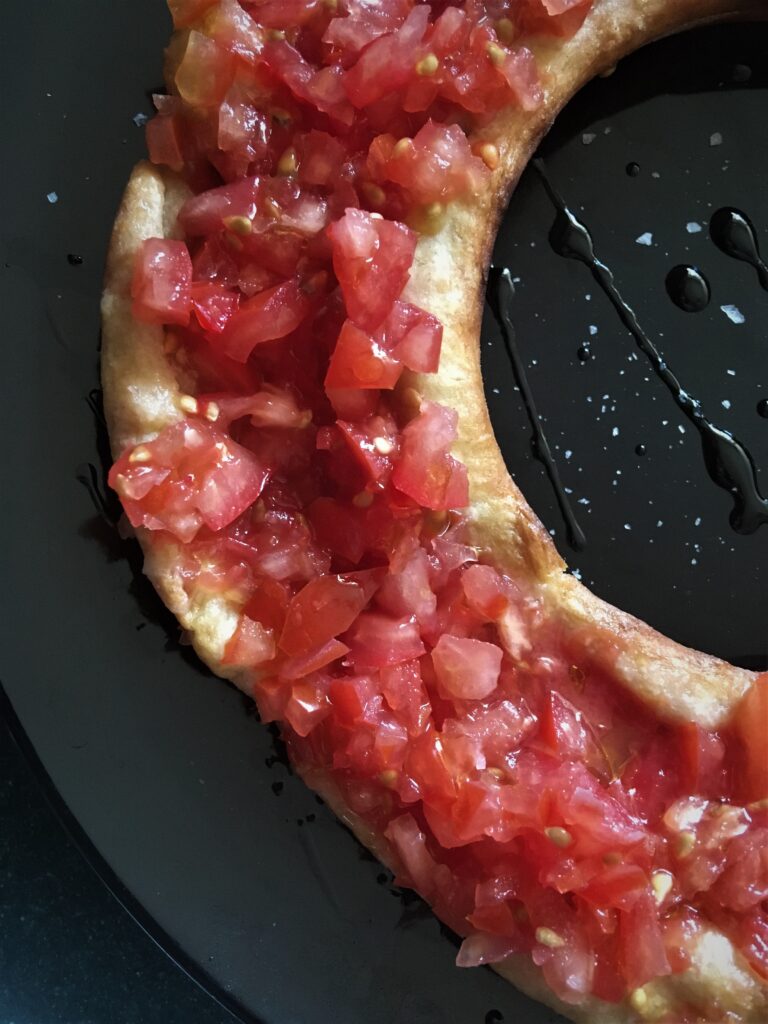
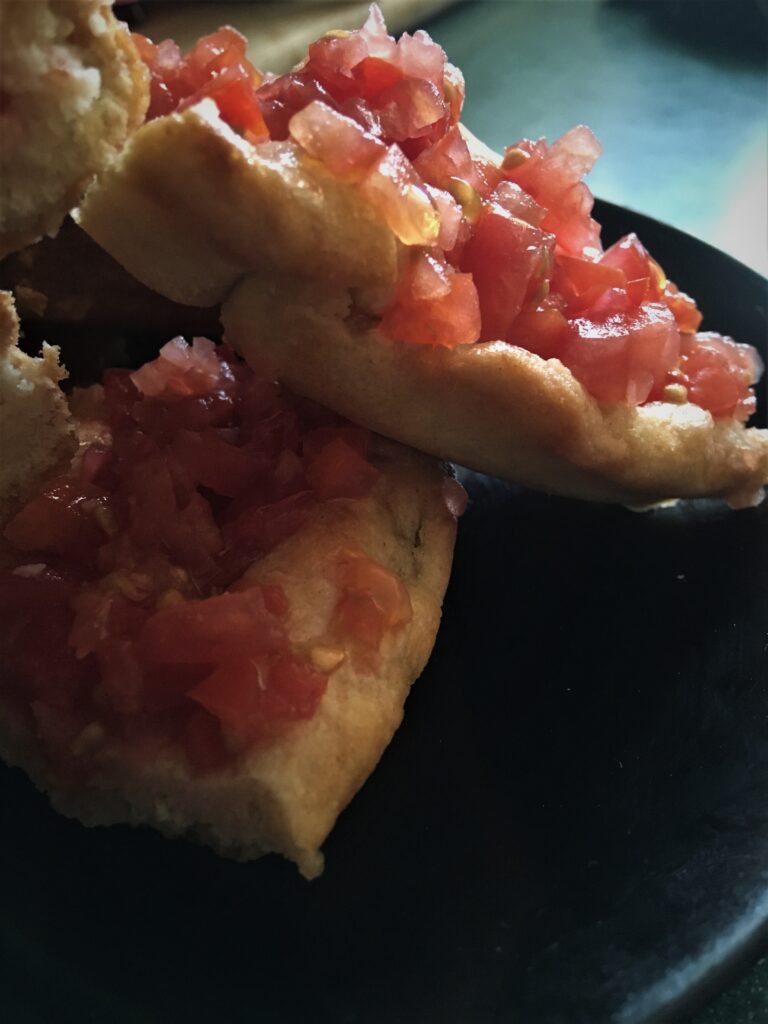
pan con tomate (pan ala Catalana)
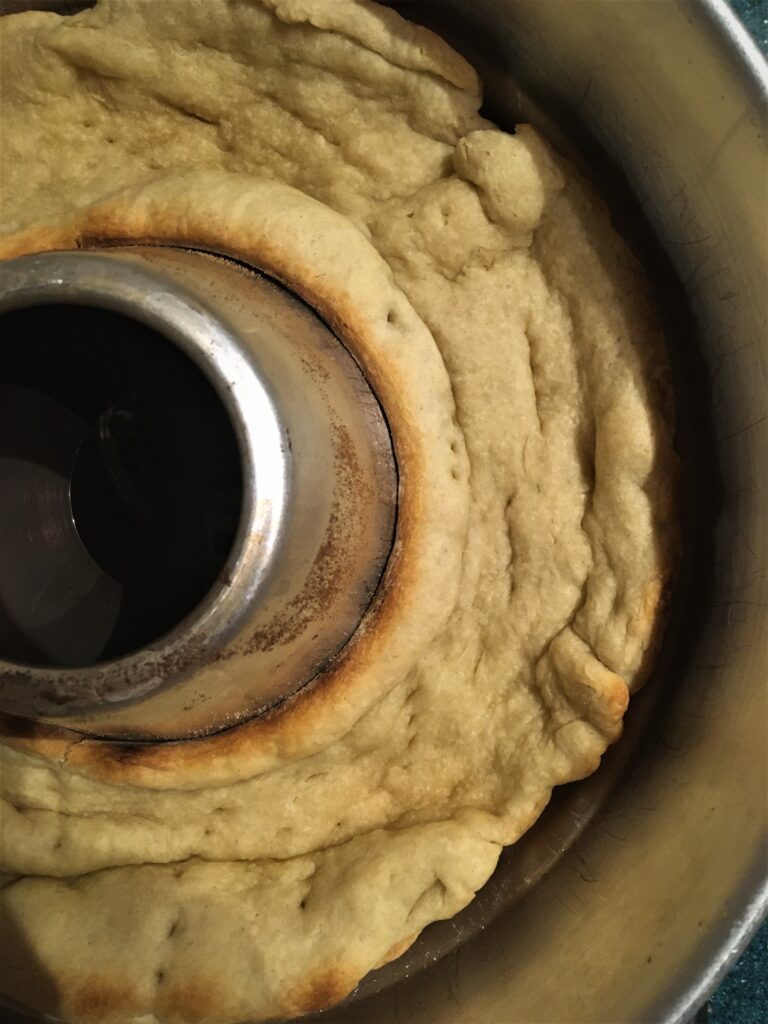
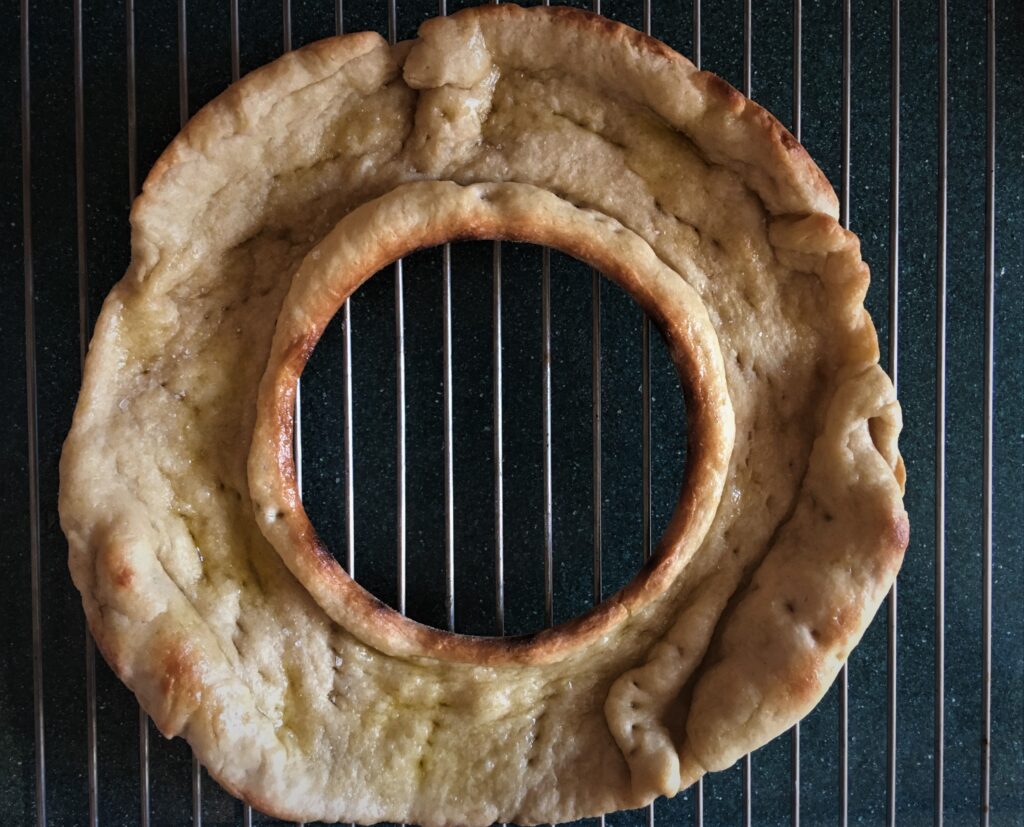
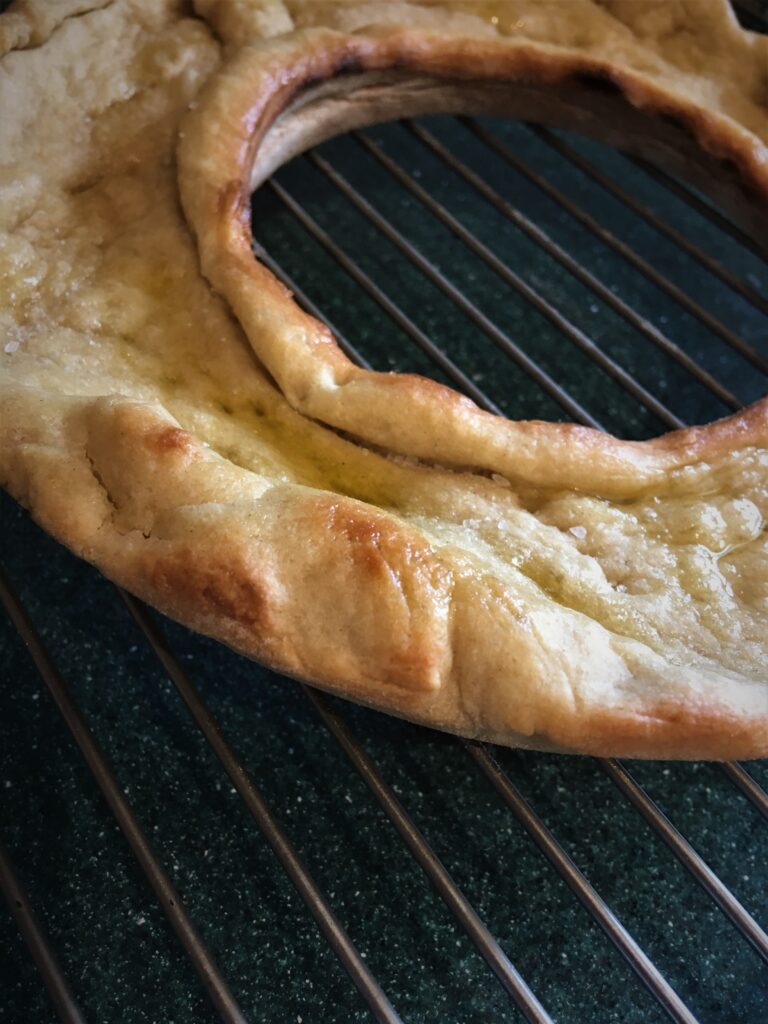
This is a pretty ubiquitous dish in these parts (across Spain and, indeed, throughout the tapas bars outside of Spain). It is a deliciously simple combination of bread, tomatoes, garlic, salt and oil. Simple yes but it’s the quality of the ingredients that makes the difference Fresh, juicy tomatoes, top quality olive oil, and the proper bread. The traditional type of bread is coca – a kind of flat baguette – but any good bread will do, provided you toast it so it’s crispy on top and acts like a crunchy edible plate. You will see coca all around the bakeries. It’s not just topped with tomatoes; it can be peppers, spinach, onions – like mini pizzas without the cheese; sometimes also sausage and even sweet versions are also available. Tomato is the top topper, mind.
Below is a recipe for a coca bread that you can make in a stovetop oven. I’ve added the “instructions” for the tomato part to the end of that.
In Spain it’s not unusual for you to be given the ingredients for pan con tomate for a DIY effort at the table – I quite like that. The garlic is served sliced in two with the skin left on so that you don’t get garlicky fingers as you rub the cloves over your hot coca. The salt should be flaky sea salt so it lends an extra savoury crunch.
This is such a delicious dish and perfect for sharing over a post-climb beer in the evening sun.
Escalivada
Such a sexy sounding thing and, not gonna lie, a pretty glorious thing to put in your mouth.
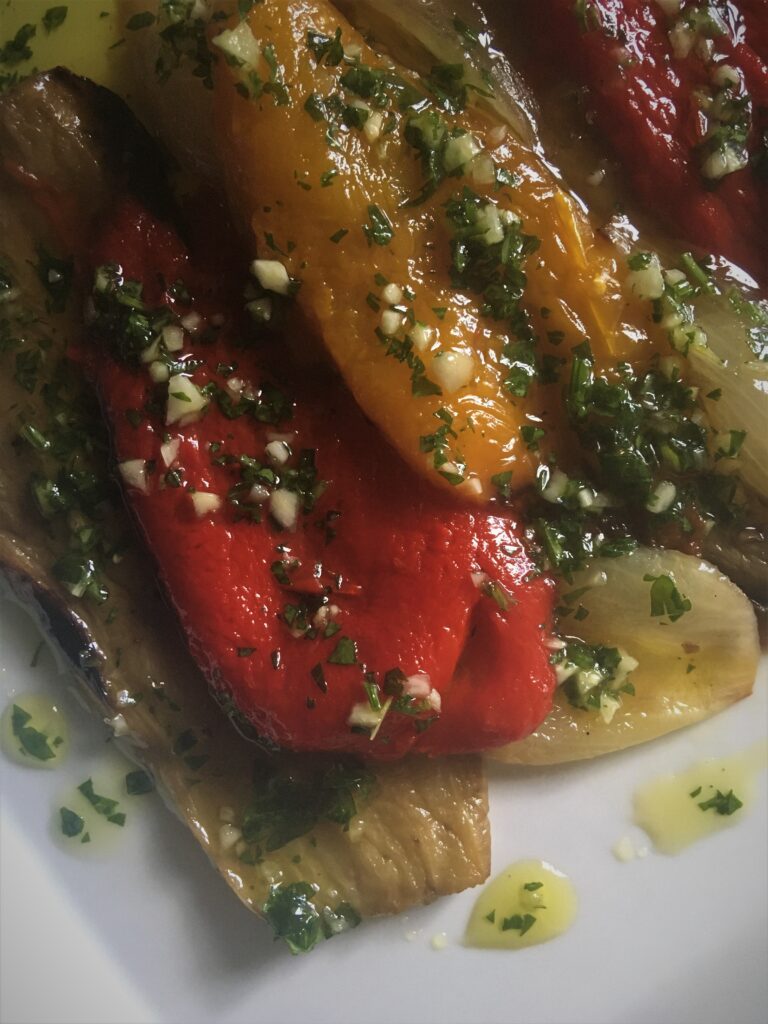
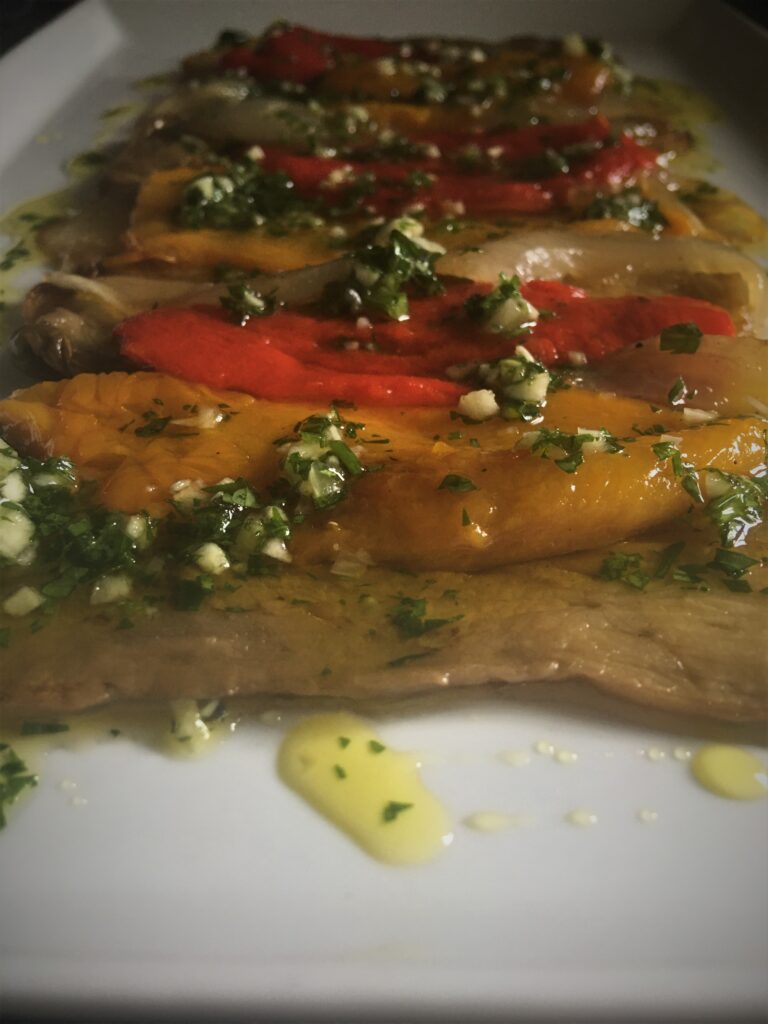
It’s essentially aubergine, pepper and onion roasted until they slip out of their clothes. You then you rub them in loads of oil, garlic and parsley, and lay them out on a plate. It’s traditional to accompany this dish with anchovies or goats cheese but the veg us equally as flavoursome on its own. This is what a friend of mine would rather delightfully call, a “mouth triumph”.
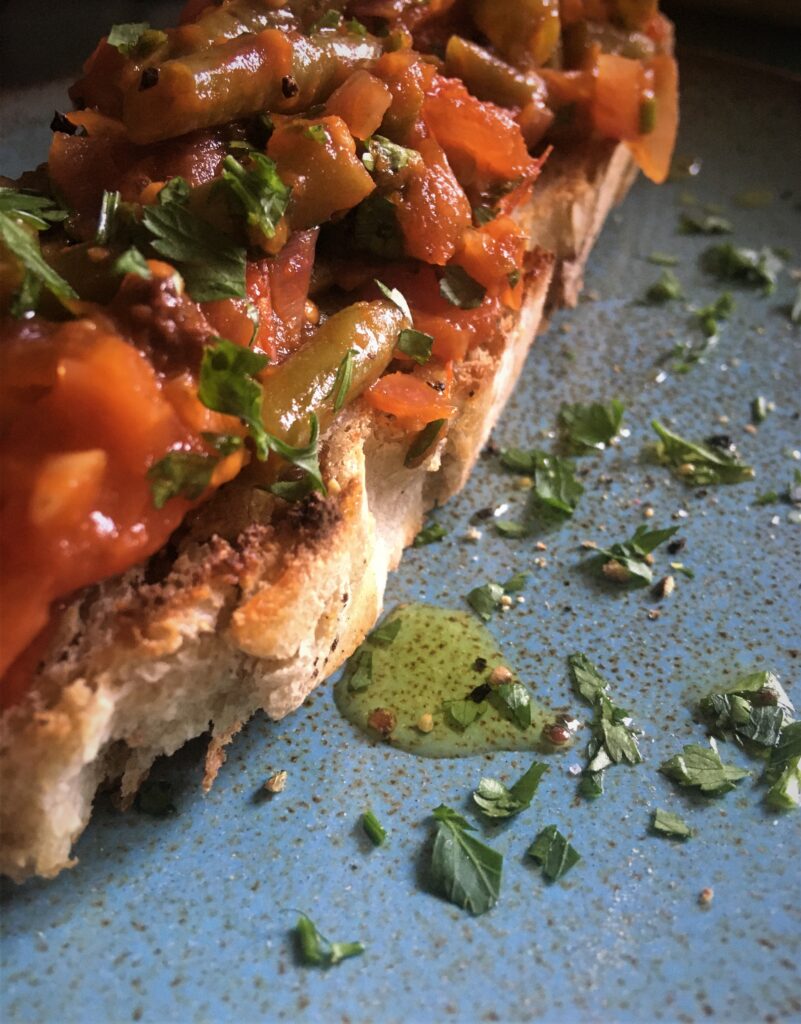
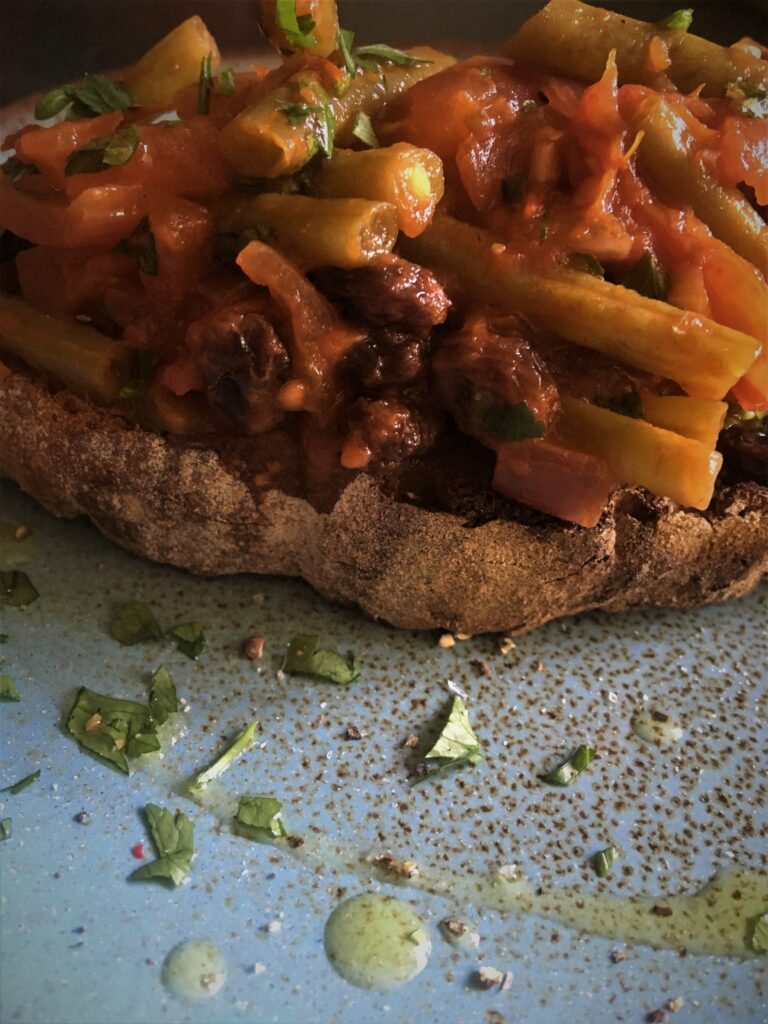
Bean and tomato stew
Sounds less sexy than escalivada BUT another mouth triumph. If you don’t have the time/patience for the escalivada, this is an alternative veggie option that is quick to rustle-up and has a nice Spanish vibe running through the ingredients. It’s quite a good “store cupboard” recipe. I make this a lot for a speedy supper an am always excited to eat it. It’s a bit of a comfort food for me.
And, last but not least, what to drink with these...
I mean, we are in strict post-climb beer territory here with these sort of tapas style snacking dishes but it would be rather remiss not to mention that Catalonia is one of Spain’s principle wine regions and also one of its most varied.
For a start, Penedes is the official home of Cava. This is Spain’s answer to Champagne and made in the Champagne style – in the sense that it undergoes a second fermentation in the bottle (which brings the yeasty, bready notes) but differing from Champagne in the sense that it has a profoundly Spanish stamp to it because instead of Chardonnay, Pinot Noir and Pinot Meunier, Cava is made from indigenous Spanish grape varieties – Xarel-lo, Macabeo and Parellada – and have great acidity (crucial for sparkling wines) and lots of citrus flavours. They lend a distinctly Spanish flavour to this wine, that and the fact that it isn’t aged for as long as Champagne. So, if you’ve sent your project, take the opportunity to pop some Cava!
These varieties are also available as light white wines, as are more familiar French varieties such as chardonnay (or indeed more experimental mash-ups of Spanish and French varieties). For my money, the most intriguing of the three is Xarel-lo for it’s notes of lemon, ginger and peach. That said, I’m always keen to try an original blend to see what’s what.
When it comes to reds, this part of Spain is famed for Garnacha and also Monastrell (which used to be grown by Catalan monks). Priorat and Montsant reds are the ones to look out for. If you love your Tempranillo (familiar from Rioja/Ribero del Duero) this is also vinified in this region.
Tomatoes can be a tricky wine match, especially on their own. I would probably suggest either a beer for the pan con tomate or a glass of Macabeo (which is aka Viura – of white Rioja fame) but one that has been barrel-fermented so it’s more rounded. A cava would marry nicely with the earthier flavours in the escalivada; or an Xarel-lo would pick out the sweeter flavours that roasting the veg brings.
For the stew, 100% Garnacha. The the crisp crunch will amp-up the depth of flavour, the spice will caress the softened tomatoes and the sweet berry fruit will make the raisins pop. Monastrell is awesome but it can be quite tannic and that won’t work with tomatoes. You want something beefier for that kind of caper.
As an aside, there’s plenty of wineries / tours to check out on a rest day…
Q & A
What do you find challenging when cooking on a trip?
Washing-up!
Do you follow a nutrition plan and how easy is it to stick to when you are travelling/living in a van?
Nope, can’t be arsed. I think following strict plans for me would only be a fad. Each one of us is unique, so why follow some monetised nutrition plan. Just ask yourself the question, am I eating as healthy as I can, if not adjust in your own way. I try to eat as healthy as I can, when I can. Recently I have decided to cut red meat out of my diet for health reasons, other than this it’s focusing on eating as healthy as possible, hydrating before big days out, controlled protein intakes etc etc. The main thing I’ve learned, for me personally, is pack the protein foods before a big workout or long day of climbing. Then snack between routes / belays on nuts, dried fruit, water and those fruity, baby juice, squeezy things that I can’t recall the name of!
What’s your best van/camping hack – cooking or otherwise?
Not cooking related but… have an old pair of shoes and some sort of foot mat for the van. Leave them outside the sliding door every time you leave, that way someone’s always home!
What’s your top climbing trip/van cooking equipment purchase?
Cast-iron toasty thing, but it was a gift, thank you Andy Vo! (he means the toastie maker). Whilst not specifically a van item, it’s extremely useful and very versatile. It can be used on an open fire (camping), over a stove, on a gas hob for many meals. We’ve (Emma) done van-made sandwiches, pizzas, falafels, vegan sausages etc etc.
Do you do anything to complement your climbing while you are on the road – do you have any training hacks for vanlife?
Fingerboard, pull-ups and mountain biking.
What’s the best route you have climbed?
I don’t really have a best route, sure I’ve climbed loads of 3 star and even some 4 star routes, but there is something deeper in climbing than a route name, a grade, the number of pitches etc. So calling something the best doesn’t sit well with me, what’s the criteria for best?
Yes there are a few routes that we tend to form emotional connections too. That said, I guess the adventures that stick out the most in my mind at the moment are those spent in the company of compassionate, inspiring and interesting people. Towards the end of 2019 I spent some time getting out to Aiguille d’Argentiere with Emma and Natalie. Being out there, remoteness, peace, tranquility and in good company reminded me why I’ve always loved being in the mountains. Getting there on your own two feet, navigating a glacier, finding one’s way through moraines and mountains. This is very symbolic of challenges we face in life, some are immovable, some are constantly changing others we have to navigate around. It is in the mountains that I find the most adventure, a spark for life, but maybe a little surprisingly, more time to self-reflect.
Another good adventure, with my good friend Olly Archer. Olly stopped over for a few days in Chamonix before we headed onto Gorges du Verdon together. We headed for Barberine, no guidebook, not having climbed here before, no real plan of what to climb and just started climbing up the slabs and onto the head wall, swinging leads. We had little idea of where we were going other than up. It was such a super-chilled day with good climbing, good company and a little adventure into the unknown in its own right!! It reminded me that the only pressure we put on climbing comes from ourselves. The right company, laughs, giggles, beers and stories are the economy of life.
Who are your climbing heroes?
I don’t really have any heroes, yes I admire the achievements of others, on the ‘scale of human achievements in sport’, but to me these people are unknown, so therefore no personal connection. Growing up I was more inspired by landscapes, horizontal and vertical rather than by climbers. I was however in awe of Leo Houlding, when you look up adventure in the Collins English dictionary they’ve a picture of Leo in there and again under hard man…
What got you into climbing and what does climbing give you?
It was a personal choice to go climb and try something new. Climbing gives me many things, friends, adventures, humility, personal challenges and much more.
Where you would you like to develop some routes (and what would be the first name)?
Ah, that’s beer talk right there! I don’t know, to be honest. We’ve moved out here a year now and I see so much potential for exploration, however I am a long way off this, lots of personal improvements to be made before developing routes becomes a serious thought.
Bouldering or sport or trad?
Trad, bouldering and sports (in that order!).
Have you ever been benighted or had a close call?
No, I’ve had great teachers who thought me many things and risk assessment is pretty high on that list of topics, so I try to avoid getting into situations I haven’t in some way planned for. That said I have night climbed on more than one occasions but by choice.
If you were a pair of climbing shoes what would you be and why?
Anasazi Pinks, because I’m a real man and I love a bit of pink in my life!
What’s your best piece of advice when it comes to training?
Pick a place with plenty of fit bodies to keep you motivated! Find someone who knows what they are talking about, with qualifications to back it up. Then find something that keeps you motivated, a place, a things, a person whatever… just remember it when you feel like “sitting this one out”.
How has the climbing scene changed and how do you think the Olympics will affect it?
Climbing has become a more widely accepted sport, along with the desire to go into the ‘great wide open’. I don’t see this as a bad thing, quite the opposite. With the right framework people can learn how to protect our environment through these sports. The Olympics will bring in investment, some will see this as good, others as bad, what we’ve got to reserve at the core is that climbing, as we know it, is all about nature and exploration in natural environments. With the coverage it’s getting and will continue to get, it’s time for organisations like the BMC, FFME, MI etc etc to work collaboratively and use the Olympics as a pedestal towards protecting the environment, whilst promoting the progress of climbing as a sport and as individual achievements.
If you weren’t addicted to climbing, what would replace it?
I looked up the definition of addiction and I don’t agree with it so therefore climbing stays! But add in motorcycles, mountain biking and hiking! Anything in the mountains in general really. I am an avid mountain biker as well as climber, which Emma has also just taken up. We are planning a cycling trip for next year which will hopefully see us complete the GR5 from Lac Leman to Nice, taking in most of the French mountain ranges
Where’s your next trip and why?
Nothing concrete planned, but will probably do a short trip to Spain in the new year! I guess it will depend on Covid19, I have a lot of friends with connections to Chulilla, who came and spent time with us in the Alps, so it would be nice to go spend a month or two with them early in the new year.
Comments
Hit me up with any variations you've got for these ingredients/dishes; any other van-friendly recipes you would like to share from your travels to this region; or, indeed wines that you have come across on your travels that you would recommend - either as a match or just for drinking!