
Holly Wood – France
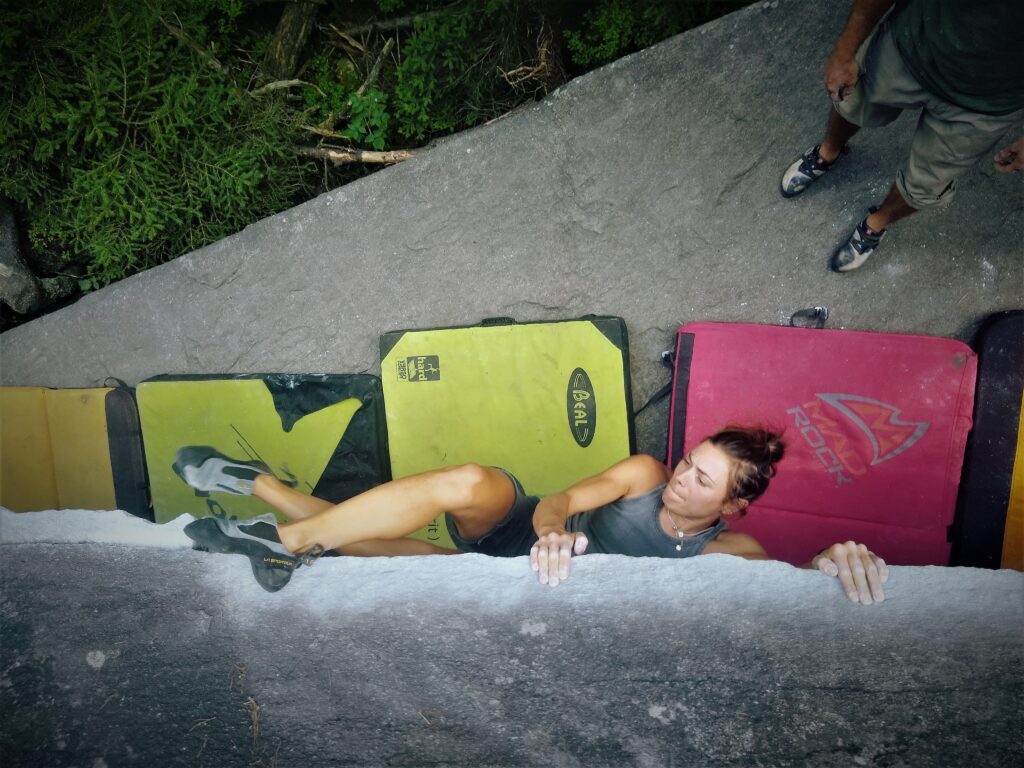
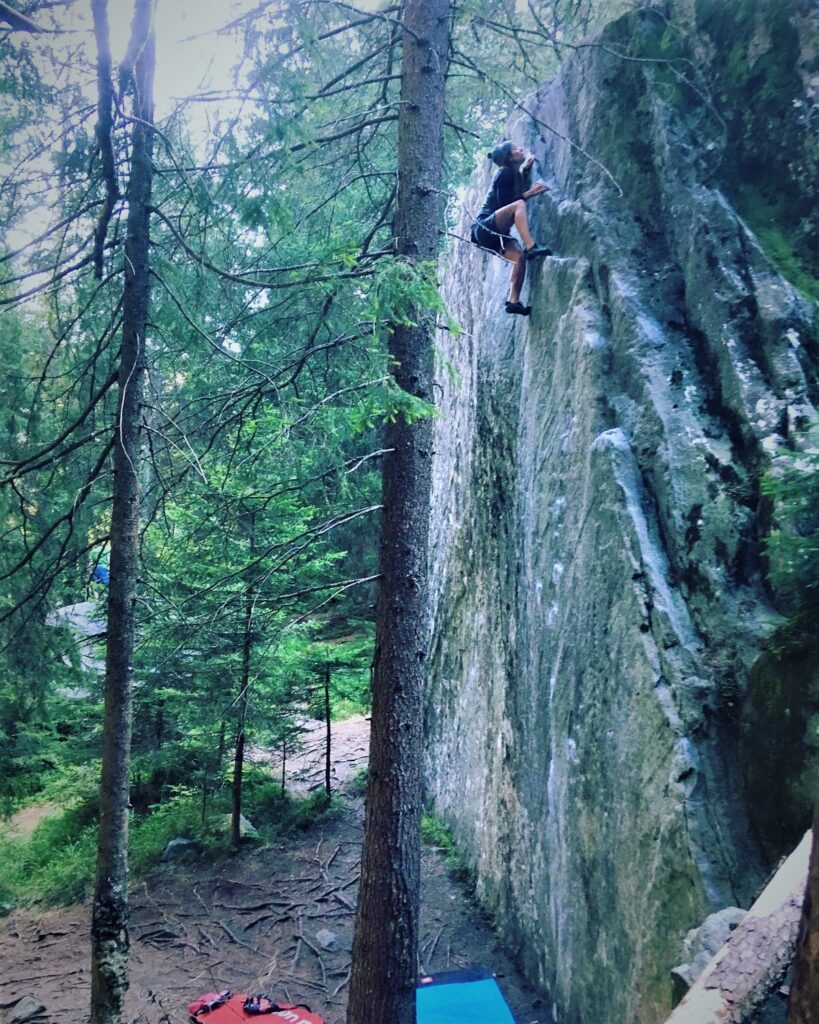
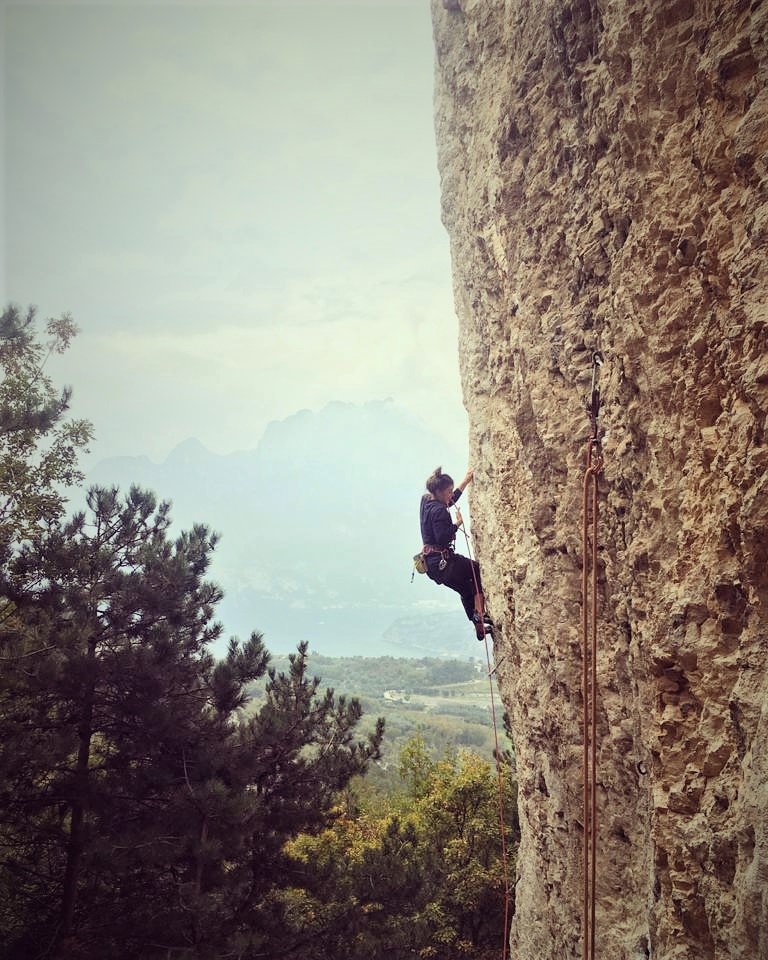
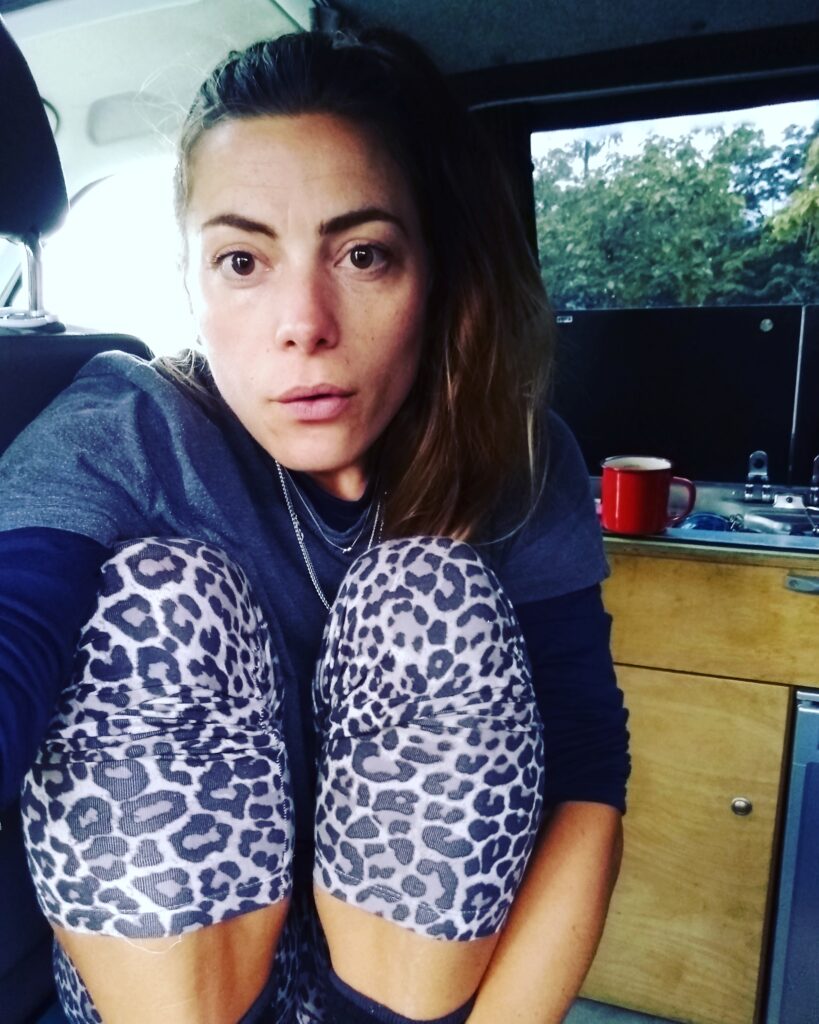
This month’s “Climber on the Road” (who also happens to have an aptly festive name) is Holly Wood. I know Holly (as I know most fellow climbers) from the Castle Climbing Centre. My first impression of her was – badass climber with a big, brown eyes and a beaming smile. As I got to know her, I discovered a strong, determined and adventurous lady. These are qualities I admire in her greatly, all the more so because they have helped her endure some major life events in recent years .
Holly started climbing indoors at Mile End wall in London roughly 15 years ago when her then boyfriend introduced her to his hobby. It quickly became her passion and she was hooked too. Outdoor trips to Harrison’s, the Peaks and Portland quickly followed and in the years since she has travelled to climbing destinations all over the world. She’s spent the best part of the past two years pootling around Europe in her van visiting new climbing spots and revisiting others. On the ferry to Greece (she’s currently tearing-up Leonidio)… she very kindly took the time to answer my questions, and to write a bit more about her experience of being on the road:
“Like most climbers I love being in the outdoors. When a close friend of mine offered to lend me their campervan to take off on a climbing road trip through Europe I initially declined. How could I take his van knowing how important it is to escape to the outdoors at the weekend and go climbing! I didn’t feel it would be fair to deprive him of it for such a long time. It felt like too big a favour and I wasn’t sure he really meant it…! However, after the second offer I started considering it and then, by the third, I decided to seize the opportunity and accept.
It was a little nerve-racking heading off on my own with all the normal concerns of being lonely or bored. Despite this, I felt it was worth the risk as there was always the option of turning back and coming home if it didn’t work out. I couldn’t have been more wrong. I must admit the first few days were hard but this quickly changed. I found the climbers and just like the local climbing wall or crag you start making friends and have people to climb with. The long days spent climbing and being completely worn-out and physically broken are very satisfying.
It’s cheesy, but being in the van you pay closer attention to your environment – you have to! The seasons, the sun and the rain are pretty integral to making it a nice experience. Starting the trip in the summertime was great, early starts and late evenings make the time out in the van very easy and relaxed. Greater consideration about shady crags becomes essential however when the autumn colour creeps in and then winter is upon you, and chasing the sun becomes the priority.
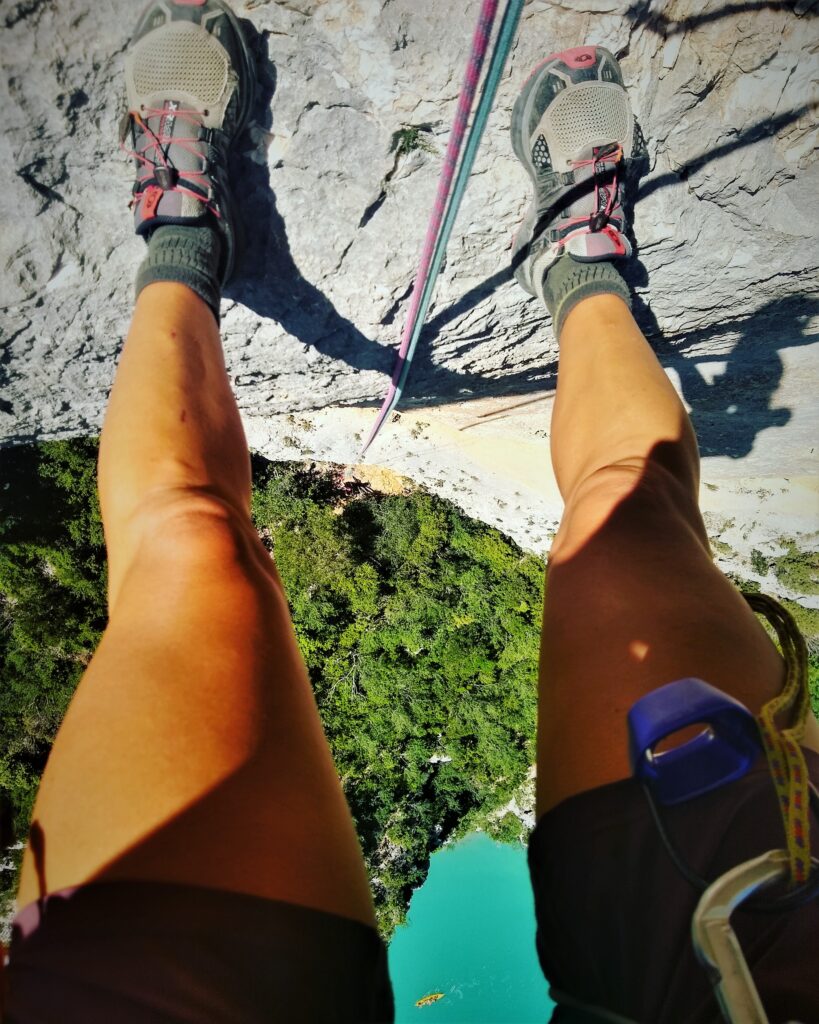
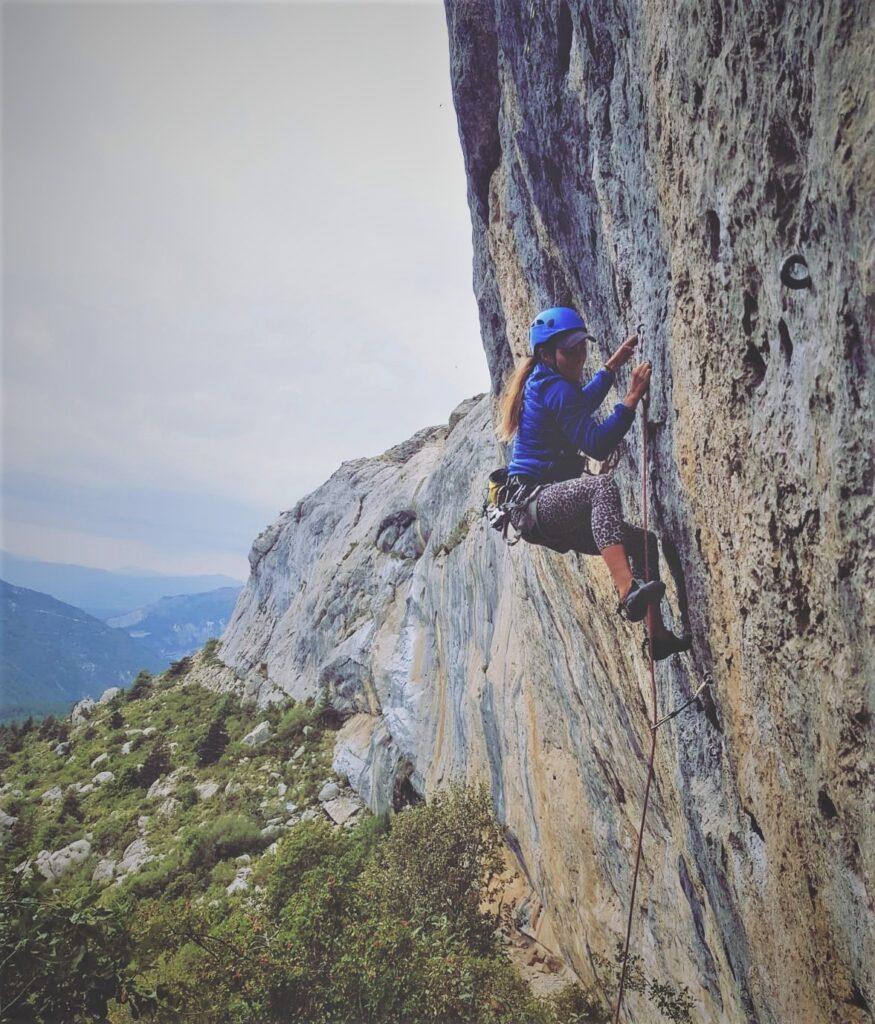
Feeling a lot more in-tune, stripping away normal conveniences and going back to basics slowed down my usual pace. Having the freedom to go wherever I choose and spending as long as I want in an area has given me a chance to settle-in and get to know the rock and style of climbing specific to that area. I have found adapting and honing my climbing style in order to get up routes fun. Trying alpine routes in Chamonix and intimidating multi-pitches in Gorge du Verdon has stretched my comfort zone and broadened my climbing repertoire.
I’ve tried harder than ever before to make friends and take advantage of every opportunity whilst being on the trip. Like with all things in life you must take the rough with the smooth and being on a van trip comes with its fair share of challenging moments where I’ve thought about bailing. They say bad things come in threes and I got mine… First, trouble with the clutch in a remote part of France where they spoke little English and there came a point where I thought I might need towing back to the UK. Then came the next horror, the thing we fear the most, I decked! Unfortunately this happened whilst climbing with someone I had only met a few days prior. They turned out to be an inexperienced belayer, paying-out rope before I had put the second draw in. I popped and they had payed-out early so there was no tension in the system and I fell 5 metres to the ground. Luckily I walked away with only seized muscles in my lower back and a graze. Mentally, however, it was a massive set-back. The third was reversing the van into a tree. The sore back had meant I didn’t have much flexibility to move and check the rear of the van.
Coming back from decking and rebuilding my confidence to take falls and climb with people I can trust has been difficult. It’s a stark reminder that, as climbers, we must be cautious and vigilant when climbing with new people. As a word of advice to anyone I would say don’t feel uncomfortable about asking and checking, you’re not insulting anyone you’re just protecting yourself. I’m pleased to say this feels like a long time ago now and I feel almost back to my old self. My strength and confidence are returning and I prefer to use this experience in a positive way going forward. I’ve learnt from it and know what I’d do differently now.
I’ve climbed all over the place, spending bouts of time on my own, making new friends along the way and enjoying having old friends visit me wherever I’ve been. I’ve found setting off solo and winging it to be liberating and I’m grateful to my friend for lending me their van and forgiving me for reversing into the tree!”
Despite having travelled all over the world, Holly has selected France as her destination for this blog; a testament to this country’s climbing and it’s food, but also because it is somewhere she has spent a lot of time on her travels.
“There is so much variety in France and of course, there are the classic crags. The culture of the patisserie, boulangerie, the fresh produce is good… and the cheese! It’s as though they care more about what they eat than we do! They make simple good dishes with great produce.”
In terms of what to cook this time around, Holly notes the following faves to throw into the mix:
“There are too many great cheeses, charcuterie, fresh produce and wines available in France to mention! I’m really fond of a galette, though… I also had some lovely ‘cidre’ in Font this summer with my friends. I like it much more than English cider I’ve tried and I’m sure it would be great in a dish too! I’m loving radicchio at the moment and it has a long shelf-life which is great when you are in a van. Oh, and I’ve been making a lot of spelt dishes which make a change from slop 1, slop 2 and slop 3… so, all of those ?”.
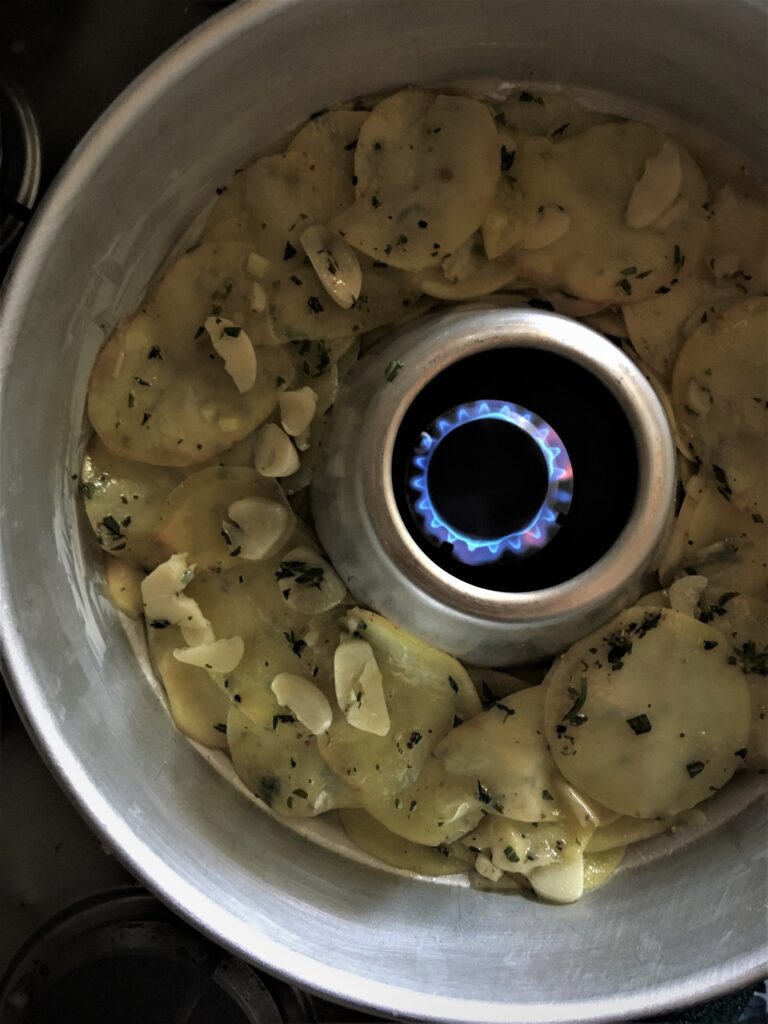
I loved Holly’s suggestions. Really good bases for cooking-up simple things that not only taste delicious but can look like you’ve spent all day slaving away in the van instead of at the crag. I hope you like the following van-friendly, French-style dishes. For the galettes, you will need a stove-top oven though I’m afraid. You can sort of fashion one out of a frying pan with a plate over the top but and an Omnia stove is the best thing ever. It’s a great investment (pretty cheap too), super light, doesn’t take up lots of space, simple to use, really versatile and super easy to clean. I often use mine at home instead of the actual oven!
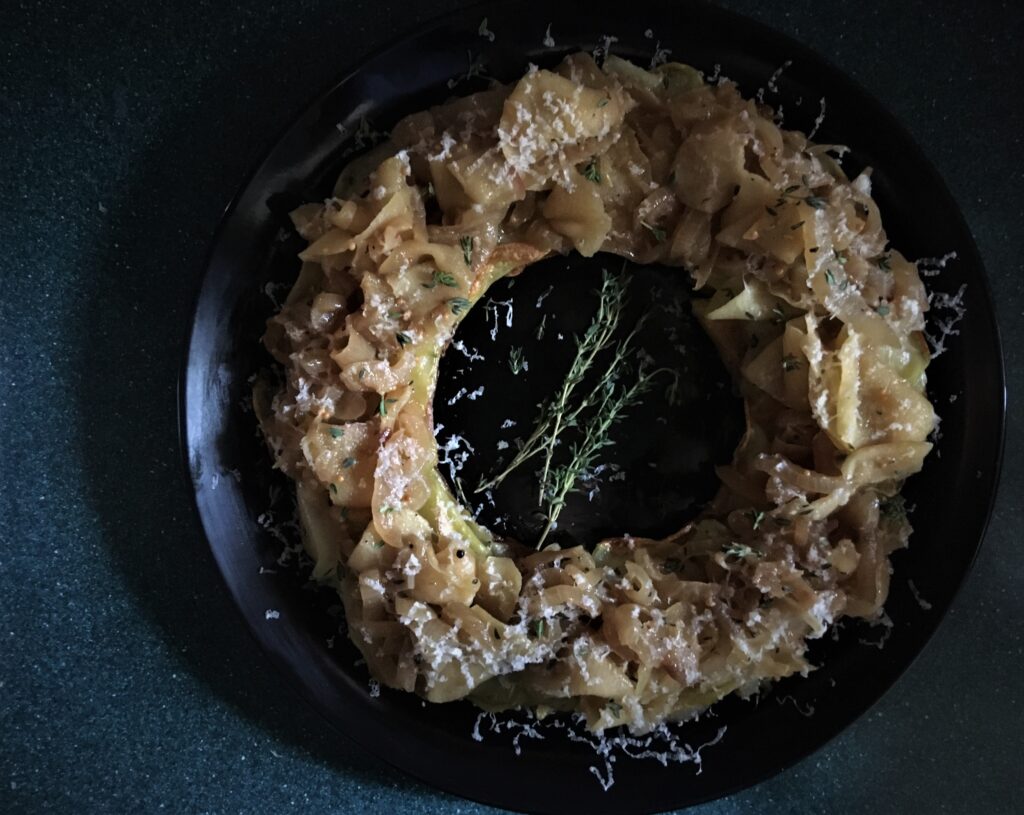
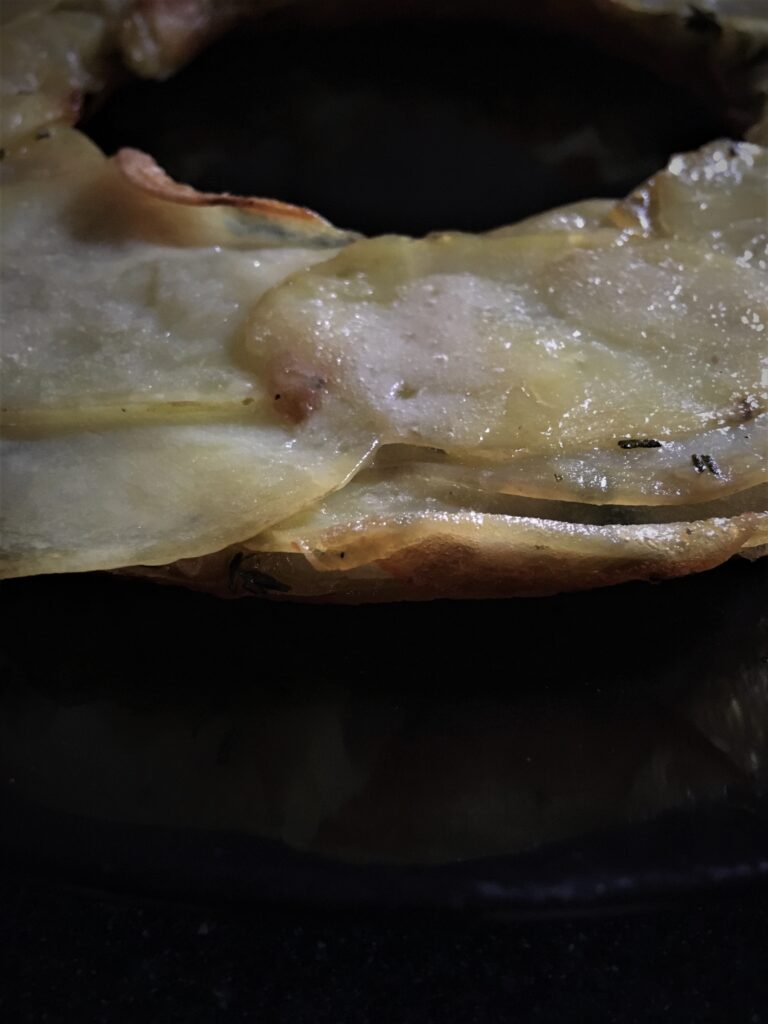
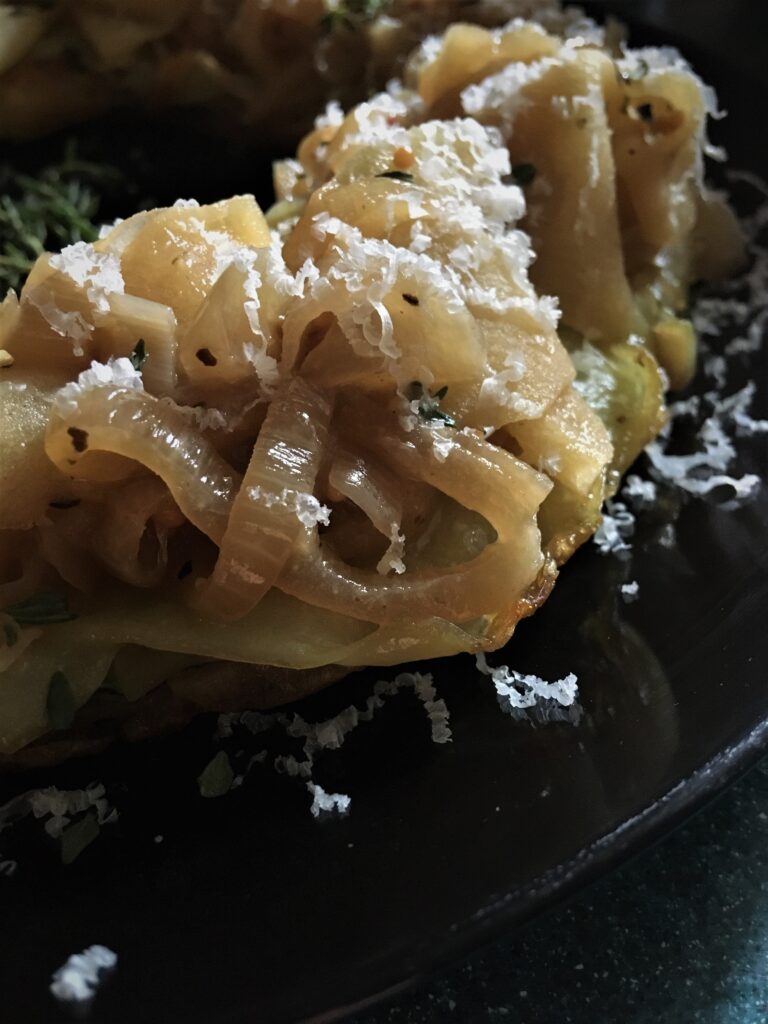
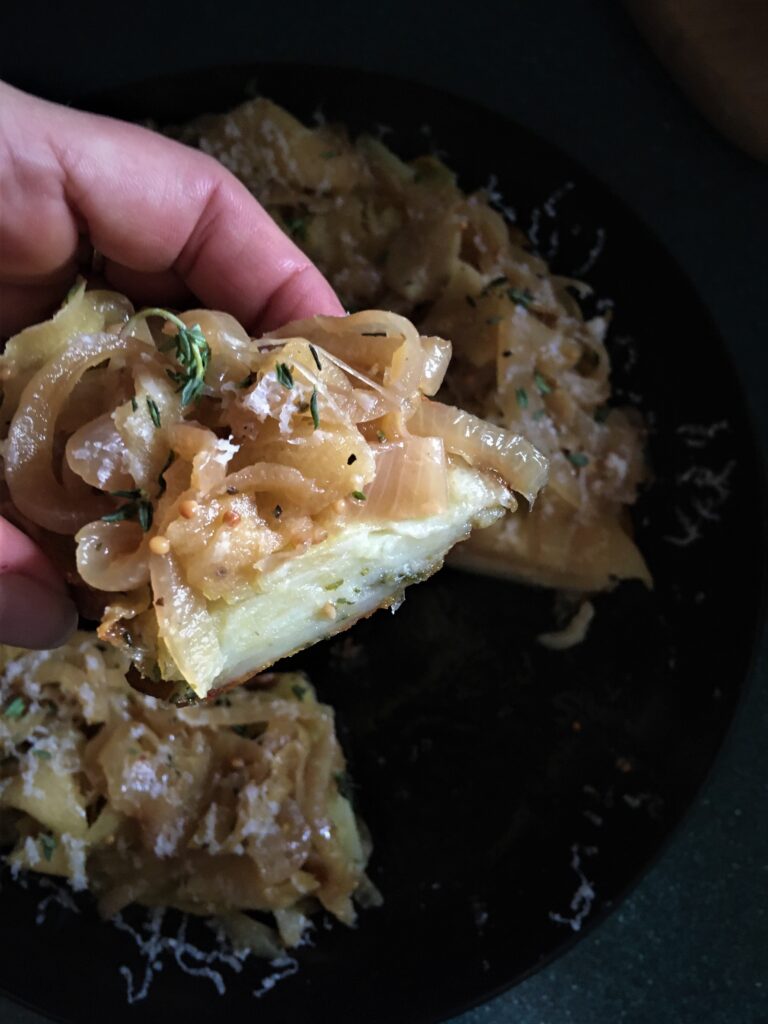
Potato galette with cider onions, apple & gruyere
I’m not sure what the French is for OMG but ooh la, flippin’ la. Having never made a galette before (the potato savoury kind), I was actually a bit blown away by this – not only in terms of taste but also in terms of the fact that it worked in a stovetop oven! I’ve kept mine veggie but you can easily whack some saucisson or some ham on there too. Think of it as a blank, potatoe-y canvas for all your favourite French savouries (cheese, ham, paté, tapenade, and, of course, veg).
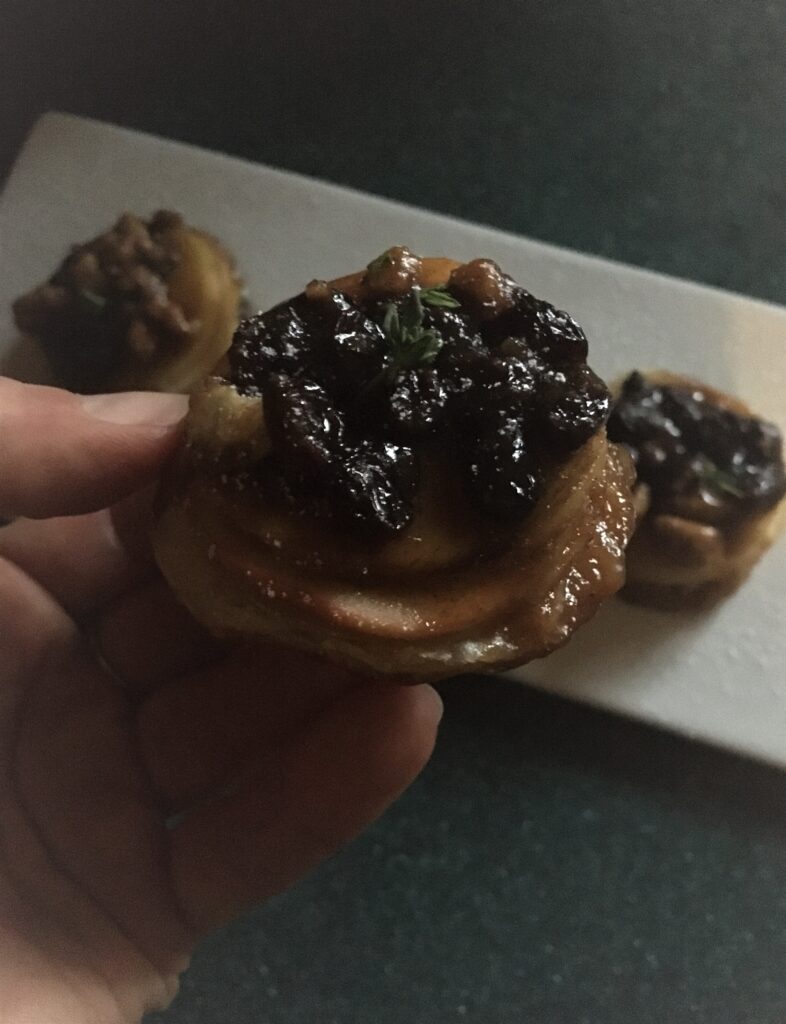
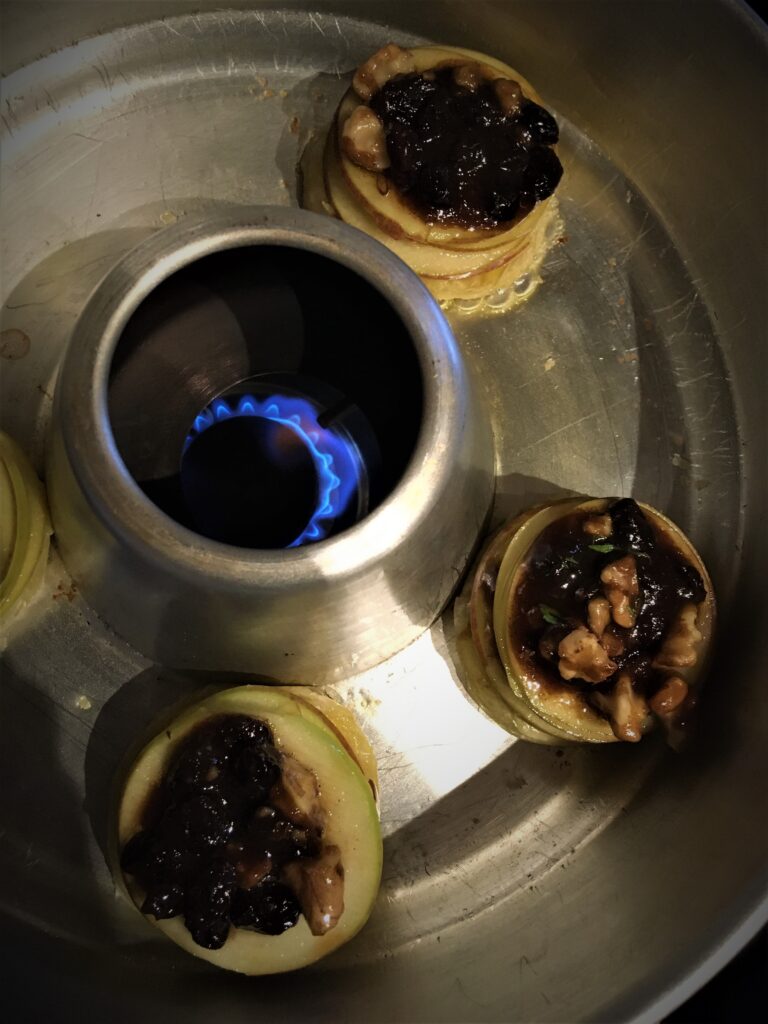
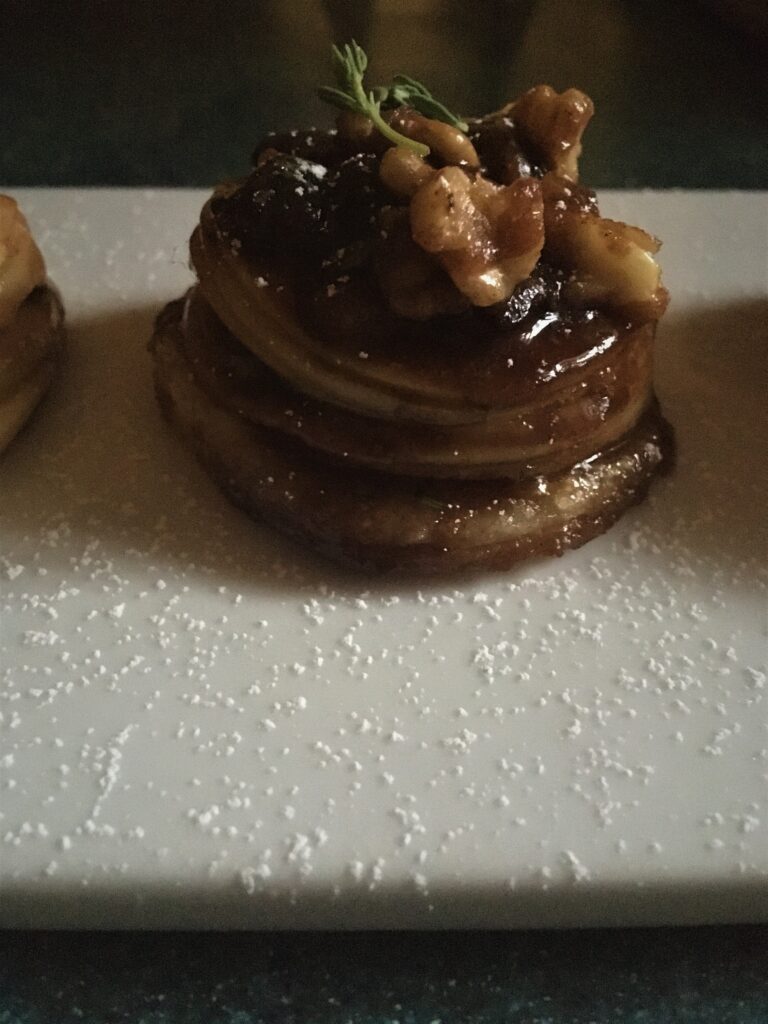
Mini apple galettes
Ok so these look a little fancy for van-life but they are super simple and insanely tasty. They are also delicious hot or cold so they make a cheeky little crag treat too. You won’t find these in a French patisserie (and they aren’t strictly French), they are a made-up mash-up of things that go with apple and each other.
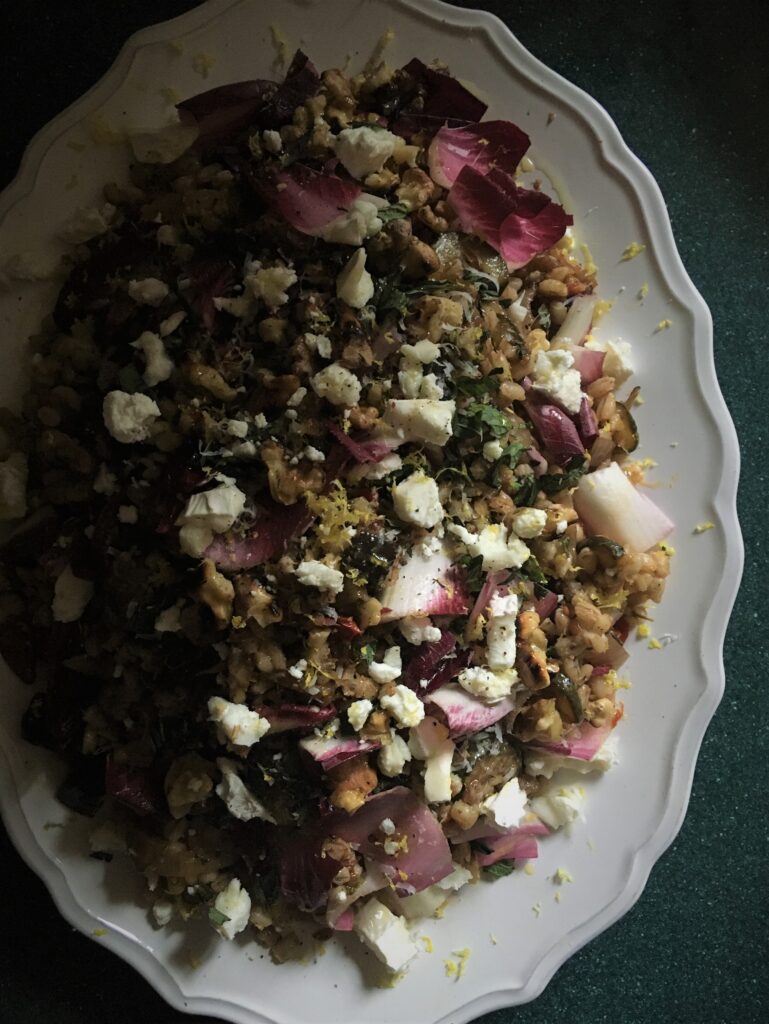
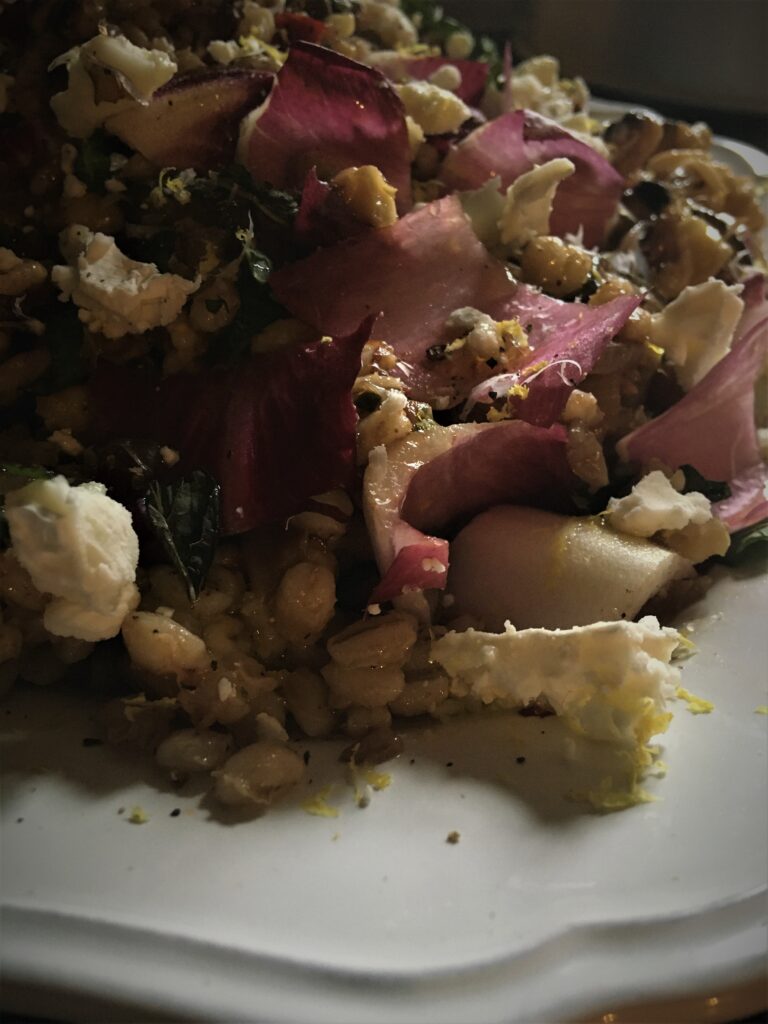
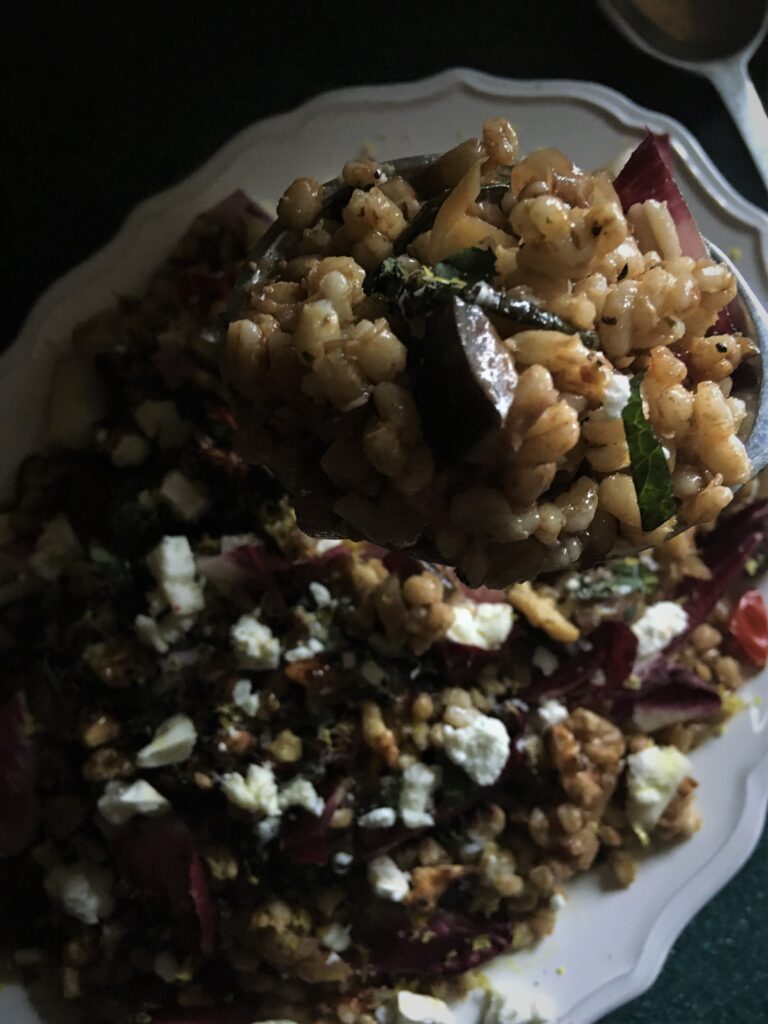
Radicchio & spelt salad
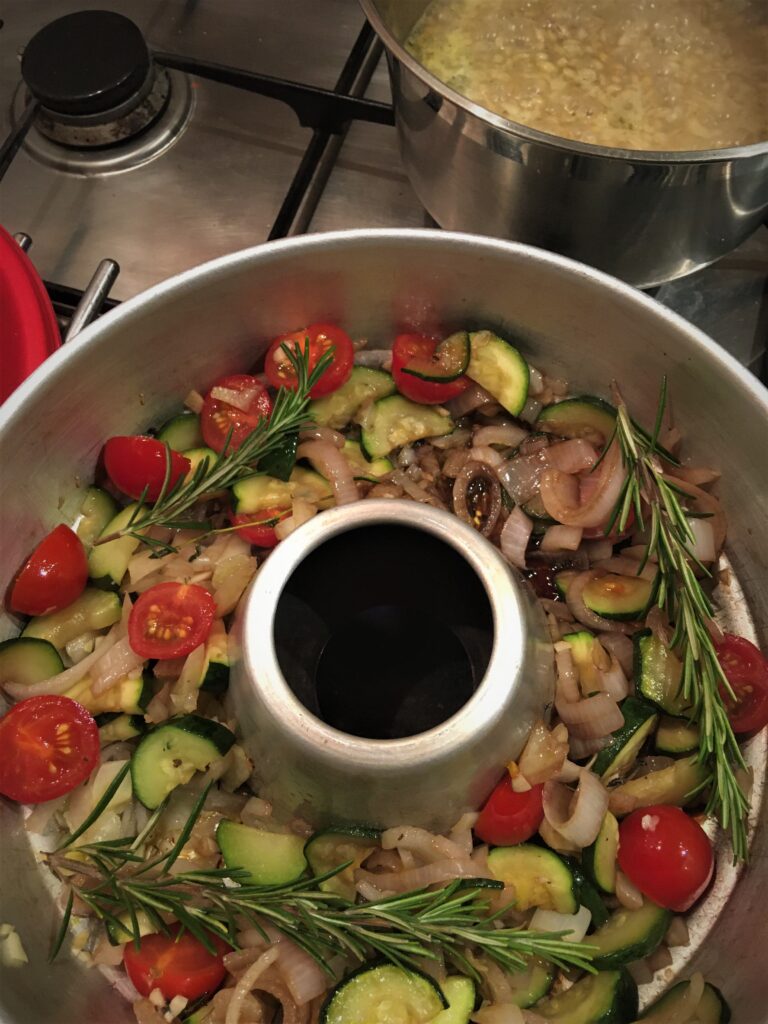
This is a “bung lots of things in and pile it high” kind of affair. I love big salads – great centrepieces and great for sharing (and for leftovers for the crag). This is essentially a base for whatever you may want to put in. It’s also super simple and pretty quick to rustle up. Great warm or cold. If you don’t have a stovetop oven, you could fry the veg – that would work find too ?.
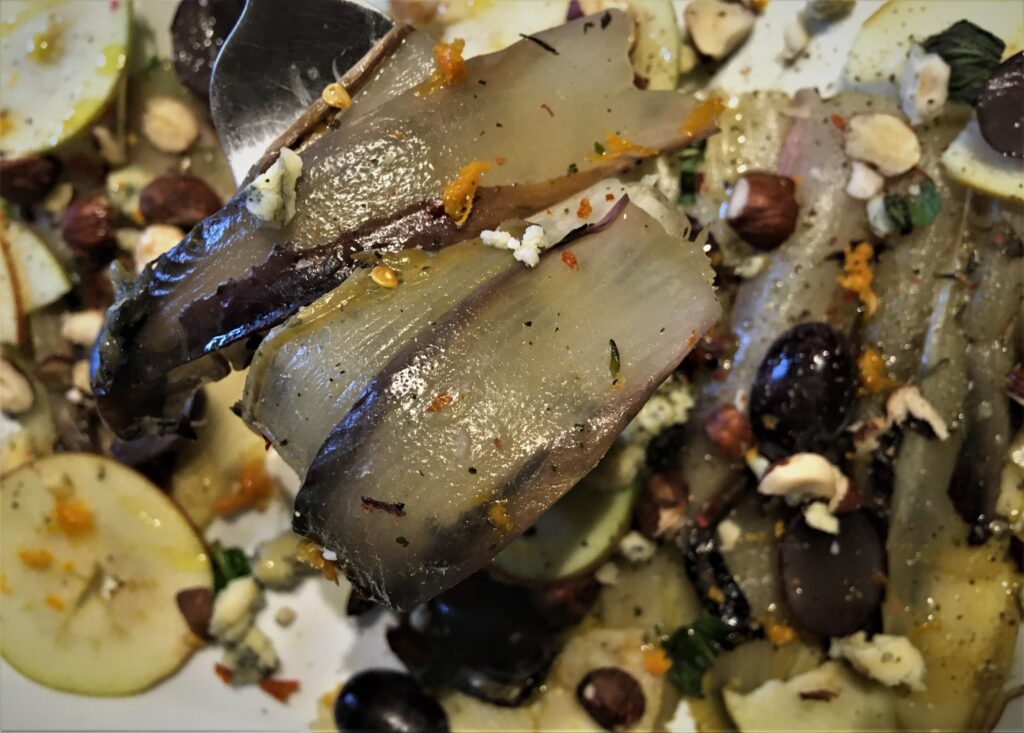
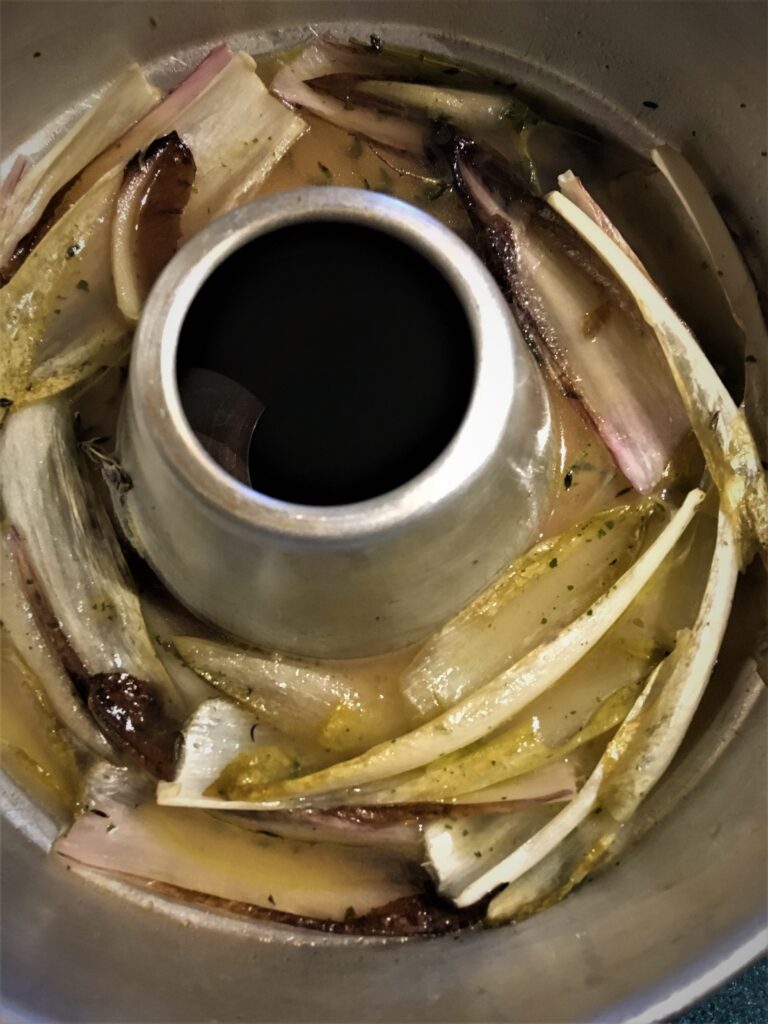
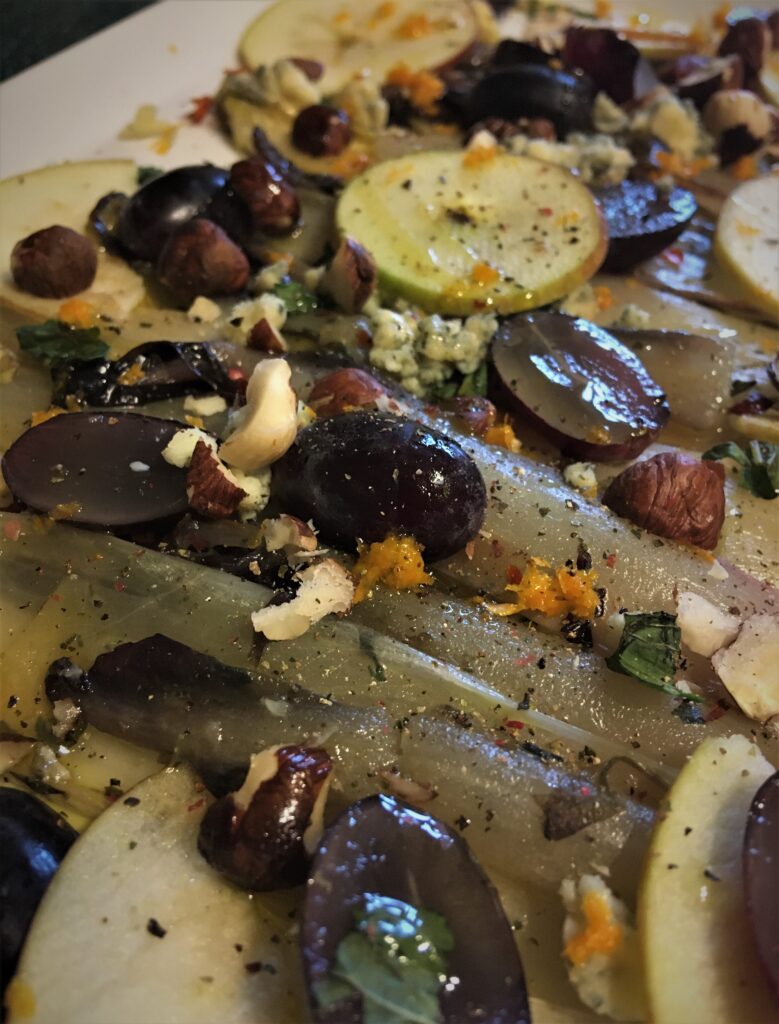
Braised chicory with apple, hazelnuts & blue cheese
Radicchio is also known as Italian chicory (which is French) so if you can’t find radicchio, chicory is a good sub, and you can get red ones. It goes by the name of endive and there are a fair few endive au gratin recipes knocking about. Both are often paired with walnuts and blue cheese. A non-veggie variation would be to add some nice ham/saucisson to this too – that would work fine in the braising (provided the saucisson doesn’t have extra flavouring), and a spot of garlic (endives au jambon) but I would ditch the apple and grapes if you are going to do that and swap the blue cheese for something like a gruyere, comté or similar harder style but again, with a sweetness and not too overbearing. Another cheeky alternative would be with raisins, capers and anchovies.
And, last but not least, what to drink with these...
What to drink … well, the leftover cider would be a good option (which is what I did – mostly while I was cooking, mind ?). Holly mentioned that she was keen for cider. It’s an underestimated food accompaniment, for sure, and given that most of these recipes incorporate it in some fashion or, include ingredients that marry well with it then it would work to underscore those flavours.
Wine-wise, as Holly has picked France in general, as opposed to a particular region, I’m not picking-out anything in particular but the following suggestions in terms of general styles would work (I mean, obviously there’s wine all over the show over there):
Whites would work better with these dishes. For the potato galette something with a creamier feel would be a better match so along the lines of a chardonnay (all over really but essentially Burgundy (cheap Burgundy/Chablis) or viognier (Rhône ) base – single varietal or a blend. Don’t go for anything too crisp as that will clash with the cider and herbs. A creamier palate will also nestle in well with the potato. Something too crisp will clash with the onion. If you prefer red, again, a lighter red, nothing too rich and overbearing – just something that dances along. A grenache (southern Rhône ) or a gamay (Beaujolais) would work, as would a cabernet franc (red Loire). An earthy rosé would also work nicely – something from the Rhône as opposed to Loire/Provence.
For the salads – the radicchio/chicory are trickier matches because of their tendency towards bitterness on the flavour side. For the spelt salad I would opt for a cabernet franc (or with that as a base) – it has an earthy, stalky vibe and a chewy structure that will complement grain and the veg. In terms of white I would go for something with a crisper slightly spicier, herbal profile like a picpoul de pinet or a blended white from the south (these tend to be pretty reliable food matches) – these will also pick out the goats cheese nicely. The chicory dish has more complex flavours going on and while the cab franc/picpoul would work the blue cheese is a curveball for those and I’d suggest a semillon or a sauvignon blanc/semillon blend for that. Semilon is the wine used in the dessert wine Sauternes – that gets a classic pairing with roquefort. Or either petit or gros manseng would work well as these are vinified dry or as late harvest sweet wines.
I’ve kept it generic here but depending on where you are in France and what is available… there are plenty of blends to try. Fizz is also an underrated food match so if you are planning on celebrating a send, that’s a good option too (and I’m talking general French sparklers, not vintage champagne – that’s not very van-life (unless it’s a megasend, obviously!).
Q & A
What do you find challenging when cooking on a trip?
Variety, not cooking the same thing every day when you are tired from climbing. I don’t have a fridge so I tend not to cook with meat, and keeping other things fresh requires a little thought. Having a full store cupboard of jars and tins is essential. Beans, cous cous, Bulgar, spelt, tinned tomatoes, antipasti, fish, trail mix, condiments etc.
Do you follow a nutrition plan and how easy is it to stick to when you are travelling/living in a van? What do you tend to eat at the crag?
No nutrition plan as such, I try not to eat too much bread so I usually take rice cakes to the crag, some fruit and vegetables, something filling like cheese and salami, and a treat for when I’m ‘dipping’ such as chocolate or biscuits. I’m always armed with a thermos of tea!
What’s your best van/camping hack – cooking or otherwise?
Other than a good pee jar for the van? Having a pair of Crocs is essential, the perfect footwear to step from the shower to the belay to the après bar.
What’s your top climbing trip/van cooking equipment purchase?
I don’t have a sink so the pop up/down silicon washing-up bowl is a godsend for space saving and convenience. My friends bought me a very sharp Japanese kitchen knife which I use in the van, it’s not good for the crag but having an appropriate kitchen knife makes preparation in the van a lot easier. I also have proper pots and pans in the van rather than camping kitchen stuff, the heavy base means they don’t fall over and you don’t burn everything all the time.
Do you do anything to complement your climbing while you are on the road – do you have any training hacks for vanlife?
I love running, I usually run almost every day and find it complementary to my climbing, however on a trip I reserve runs for active rest days so I have enough energy for long days at the crag.
What’s your most memorable climb?
Humanality in Thailand.
Who are your climbing heroes?
My friends!
What got you into climbing and what does climbing give you?
My husband got me into climbing and I never looked back. Climbing challenges me mentally as well as physically. It gives me a nice connection with nature and places I wouldn’t otherwise have gone, meeting interesting people all the way from all walks of life.
Bouldering or sport or trad?
How can you choose…? They all have their charm!
Climbers love gear. What bit of gear/clothing could you not be without?
My Black Diamond Stone Duffel 42l rucksack is the best bag ever for the crag! A decent down jacket cos I always freeze at the crag.
If you were a pair of climbing shoes what would you be?
La Sportiva Skwamas
What’s the best view you’ve enjoyed at the top of a climb?
Ailefroide in Ecrins national park in France, at the top of a multipitch, waterfalls, soaring mountains and lush green meadows below. Peaceful, sunny.
Where do you return again and again to climb and why?
Portland ‘cos it’s 3 hours from London and it’s the best weather (most of the time)! No, it’s a hard one to answer as I like to visit places I’ve never been before. It’s very tempting to go back to places you enjoyed but I try to visit places people recommend that I haven’t been before. I’ve been to a lot of places twice haha!
How do you choose where you want to climb?
I like to trust a good recommendation and in my experience this goes a long way. I always get the insider info from someone who has experience and knowledge of a place. On a van trip it’s very important that a climbing destination is van-compatible as it is ultimately my home when I’m away in it. This means not being towed away whilst I leave it unattended, having supplies of water and ‘facilities’ so to speak and also, it’s ideal if you can walk to the crag otherwise it means packing up your house every time you want to climb!
How do you manage your expectations/training/enjoyment?
Try not to take anything too seriously, put in the effort but not get overly frustrated and challenge myself just enough.
What’s your best piece of advice when it comes to training?
I mostly climb outdoors and I don’t really train but I think climbing outdoors is great training for climbing outdoors!
Have you ever been benighted or had a close call?
I climbed with a stranger whilst on a trip who I assumed had enough climbing experience to belay me and very luckily walked away from being decked by their terrible belaying. I was miraculously unharmed save for some bruises, and it taught me not to take the matter lightly! Be safe and don’t be afraid to check that people know what they are doing before trusting them with your life!
How has the climbing scene changed since you started climbing and how do you think the Olympics will affect it?
It’s nice there are more female climbers than there used to be, there is a healthy competition and camaraderie between us where it used to be only one or two of us at the gym. Hopefully the Olympics will serve to promote climbing further so it is even more inclusive in the future!
If you weren’t addicted to climbing, what would replace it?
I don’t think anything could replace climbing, climbing has shaped my whole life, something I think other ‘sports’ could not replace.
Where you would you like to develop some routes (and what would be the first name)?
I’ve never sport climbed in South Africa so I’d say that would be where I would like to spend some time next. My first route is going to be called ‘Salty Water’ as that’s the nickname my friends have me because I’m from Essex (say it in an Essex accent).
Where is the most unusual place you have climbed and why?
Catbah in Vietnam, there are eerie rock formations dotting out of the sea all over the place.
What’s the best thing about nailing a route / problem?
The nicest thing for me is solving the puzzle, moving through the route with grace, skill and technique is satisfying!
What’s your proudest moment?
My proudest climbing moment is probably sampling some alpinism in Chamonix or multipitching in Verdon.
What’s your best tip for someone starting out in climbing?
Go climbing outdoors when you have the opportunity, because hopefully you will be exposed to the full experience of being outdoors with a climbing partner, being in a place you wouldn’t ordinarily be and physically and mentally challenging yourself.
What has been your experience of lockdown and what have you missed most?
Most of all I’ve missed having freedom to move around, come and go as I please seeing friends and family. I miss the climbing gym and the interruption to my normal routine of exercise and socialising.
Where’s your next trip and why?
Greece because it’s a good Autumn/Winter destination I haven’t explored enough.
Comments
Hit me up with any variations you've got for these ingredients/dishes; any other van-friendly recipes you would like to share from your travels to this region; or, indeed wines that you have come across on your travels that you would recommend - either as a match or just for drinking!
Wow so inspiring, what a wonderful life you live… question how do you afford it? Do you have any advice on how to live your best life..and not have to work?
Hey Lola. Thanks for getting in touch. Are you asking Holly or me… I’m assuming, Holly 🙂