Or, more precisely, oatcakes in the Western Isles
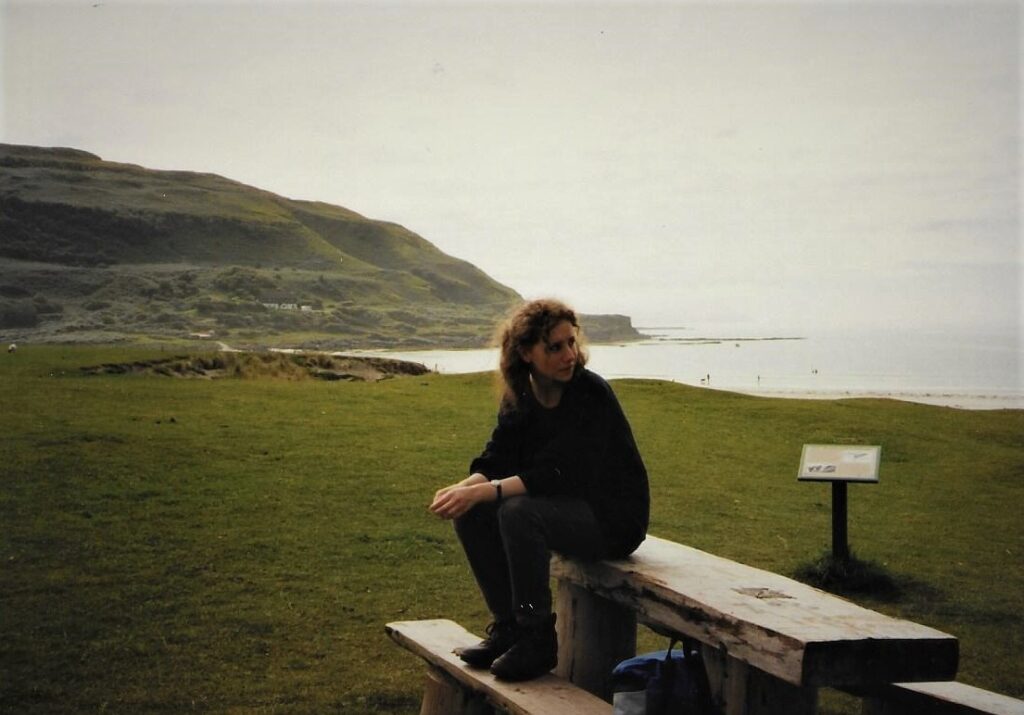
I wasn’t sure what to make to accompany this week’s post. I went to Scotland rather a long time ago, with my first boyfriend, and my memory of it is a bit vague. The things that stand out the most all have food attached to them though so it still made the cut for this series.
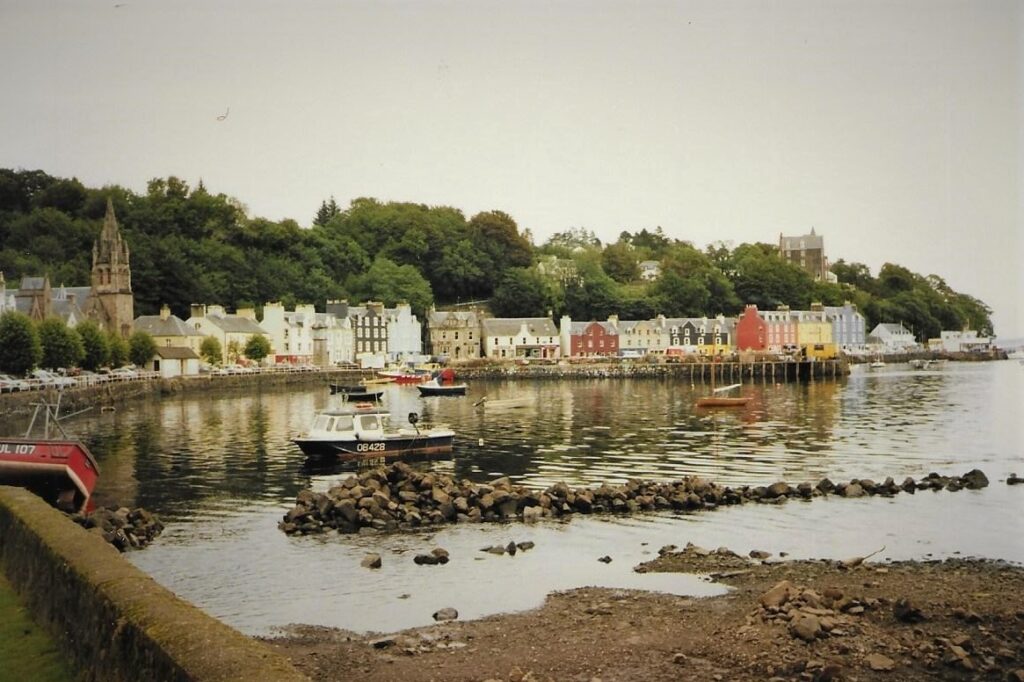
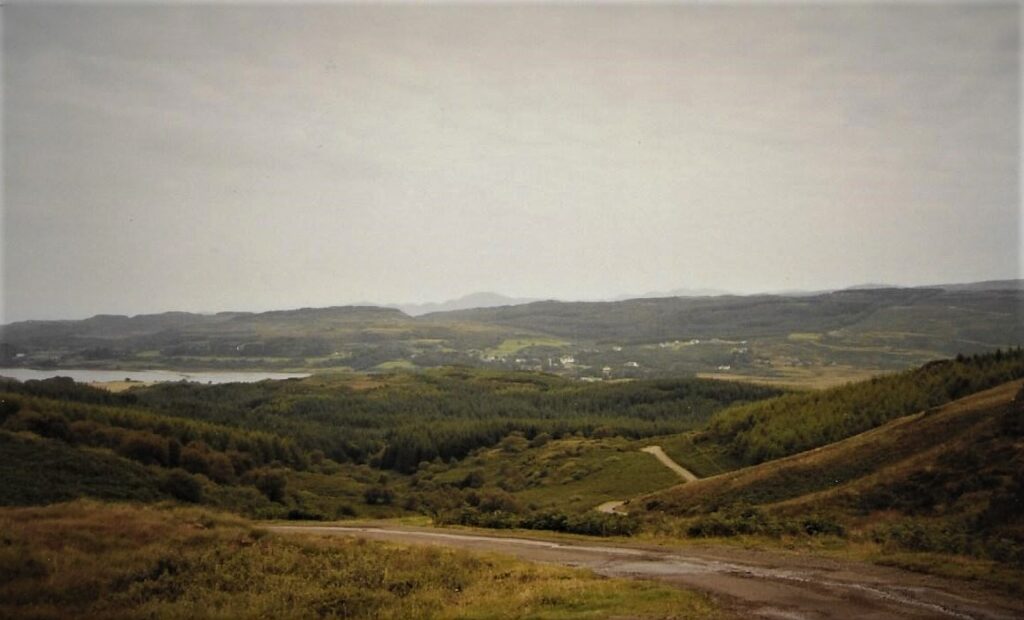
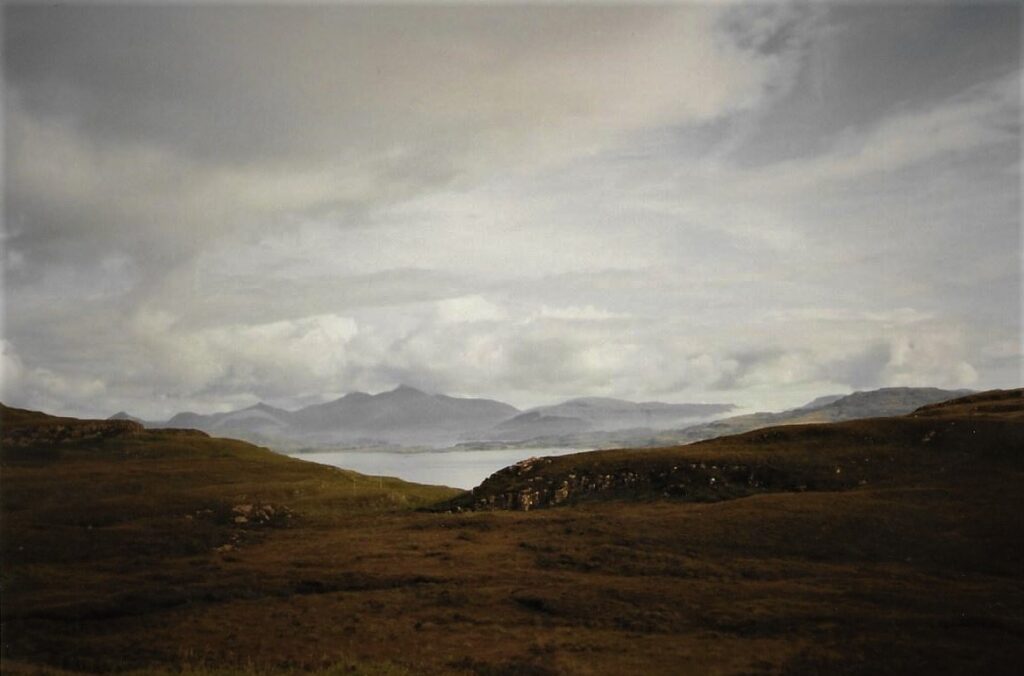
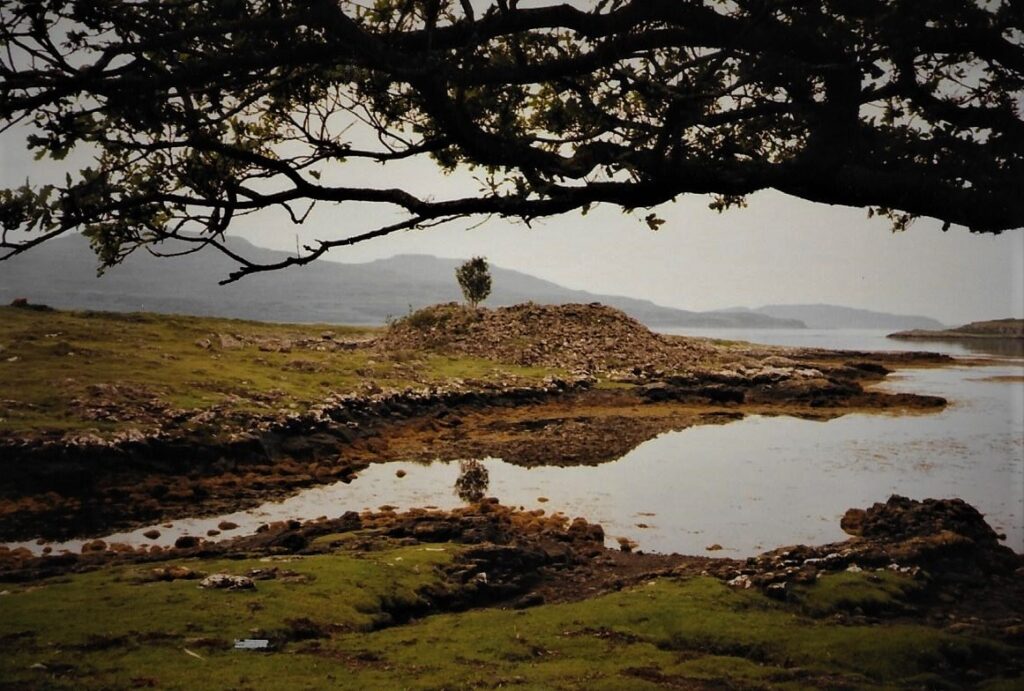
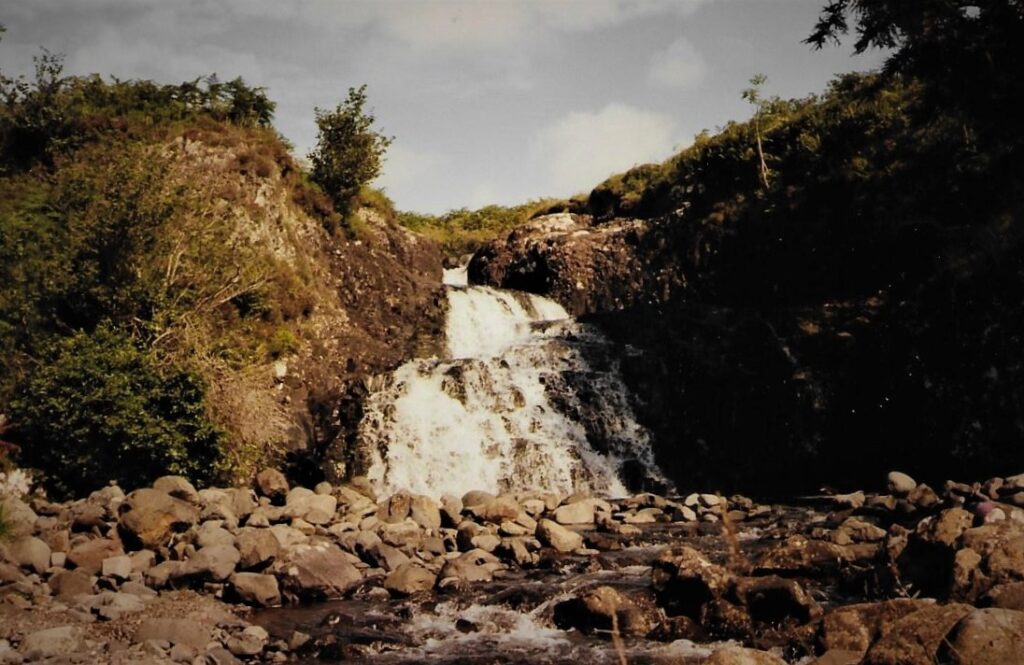
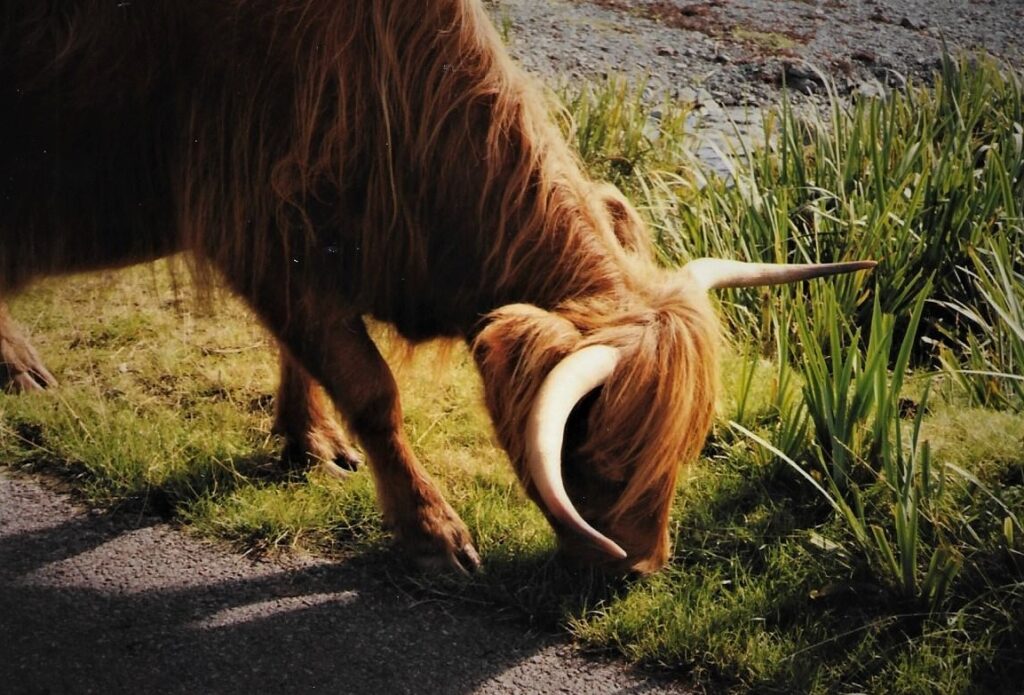
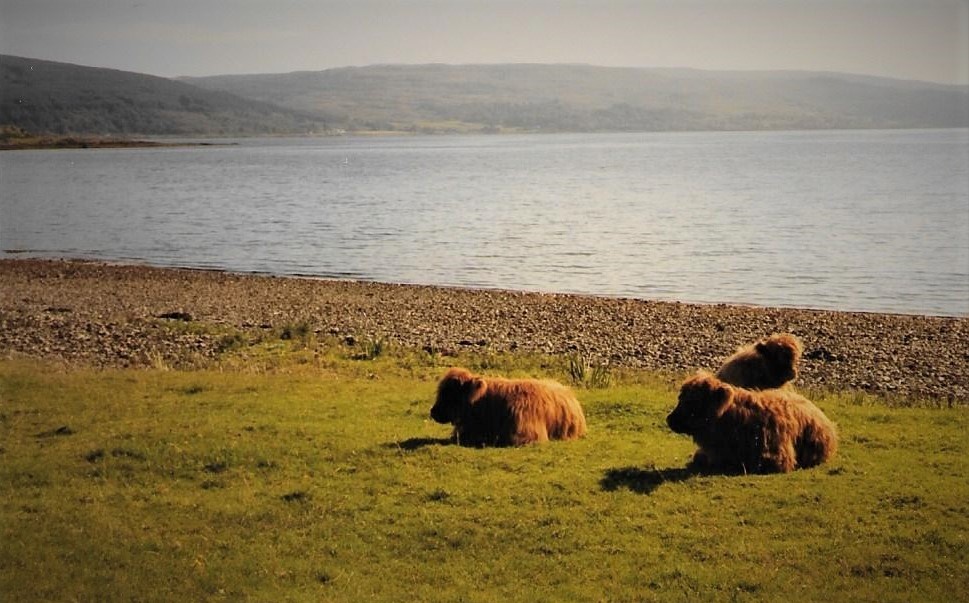
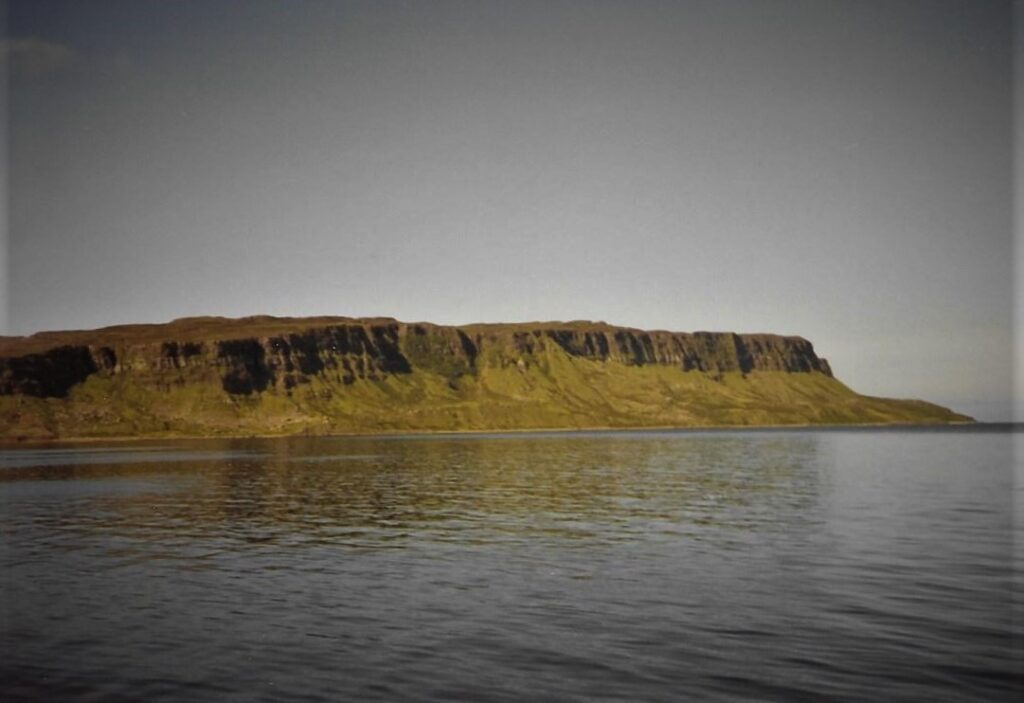
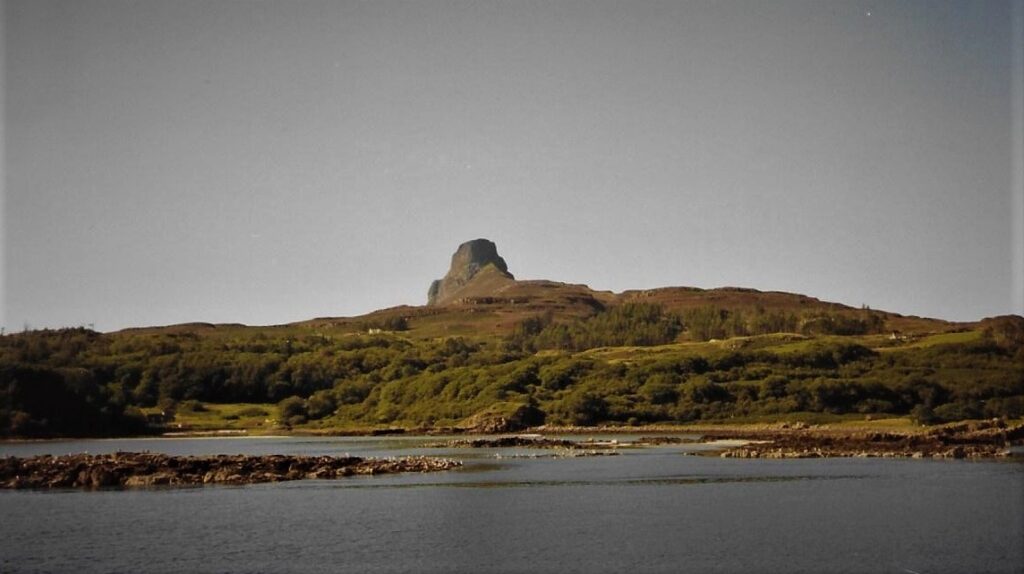
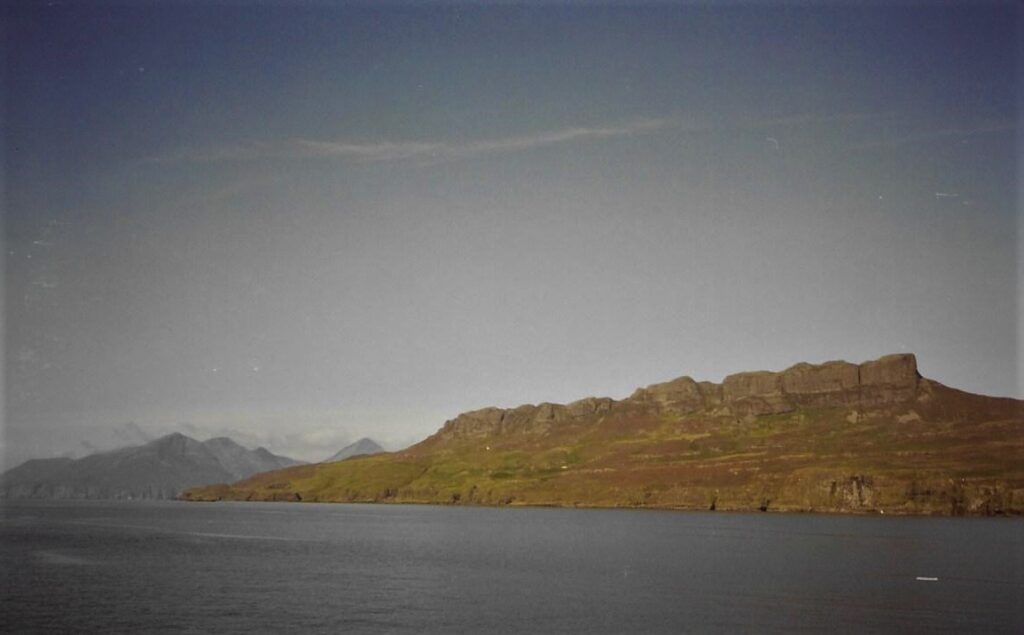
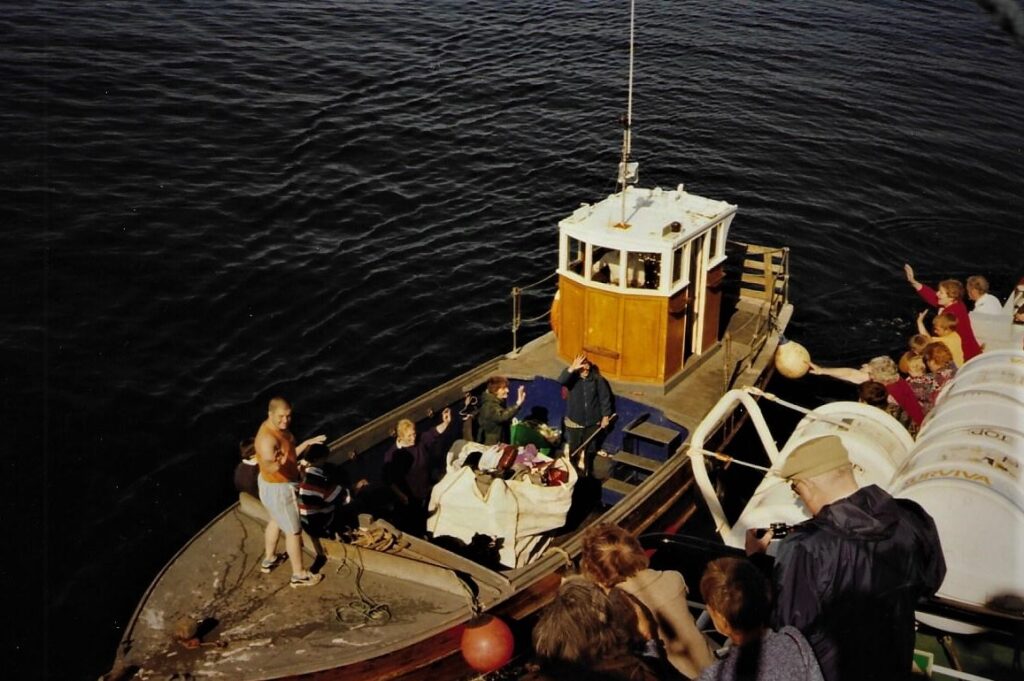
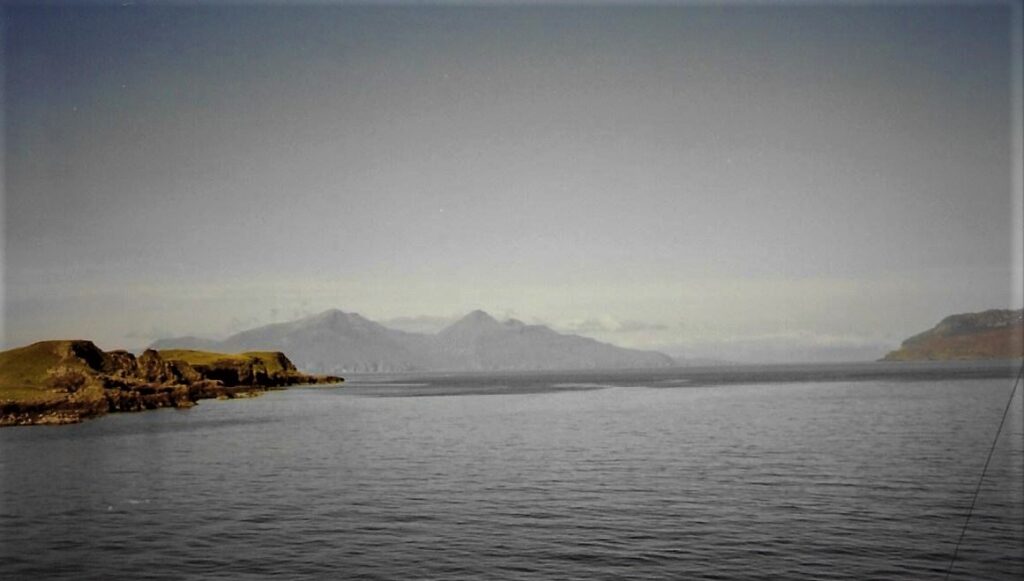
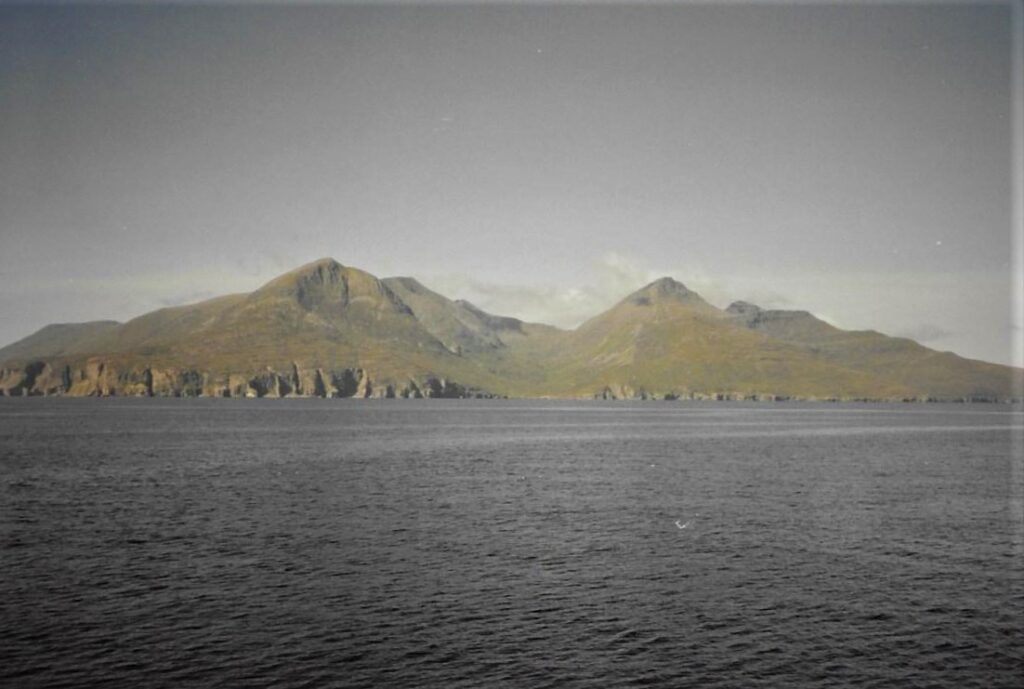
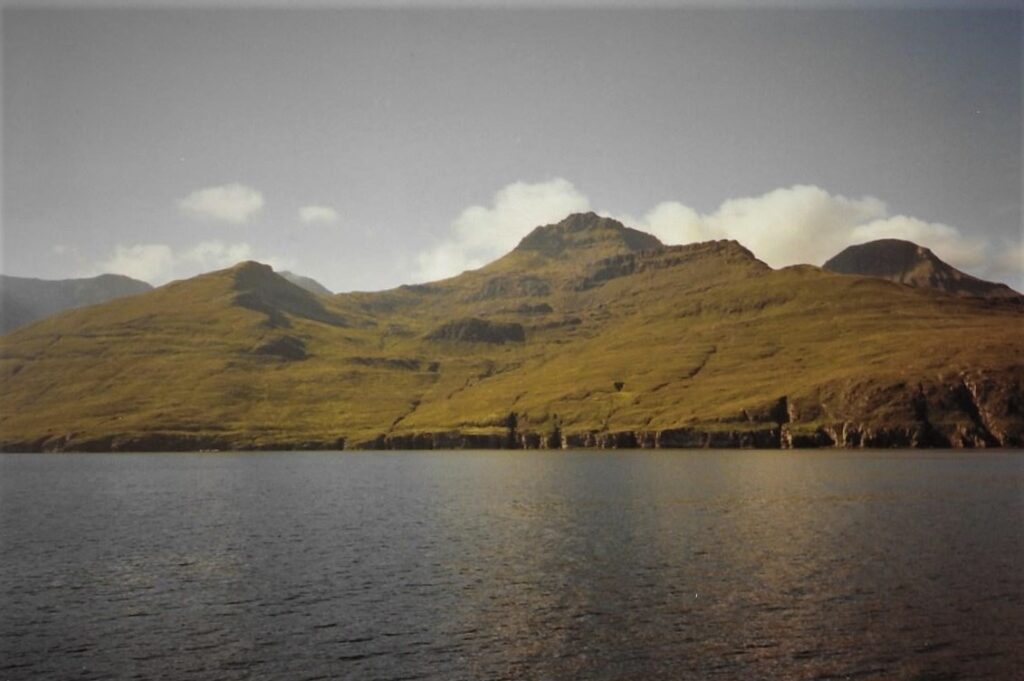
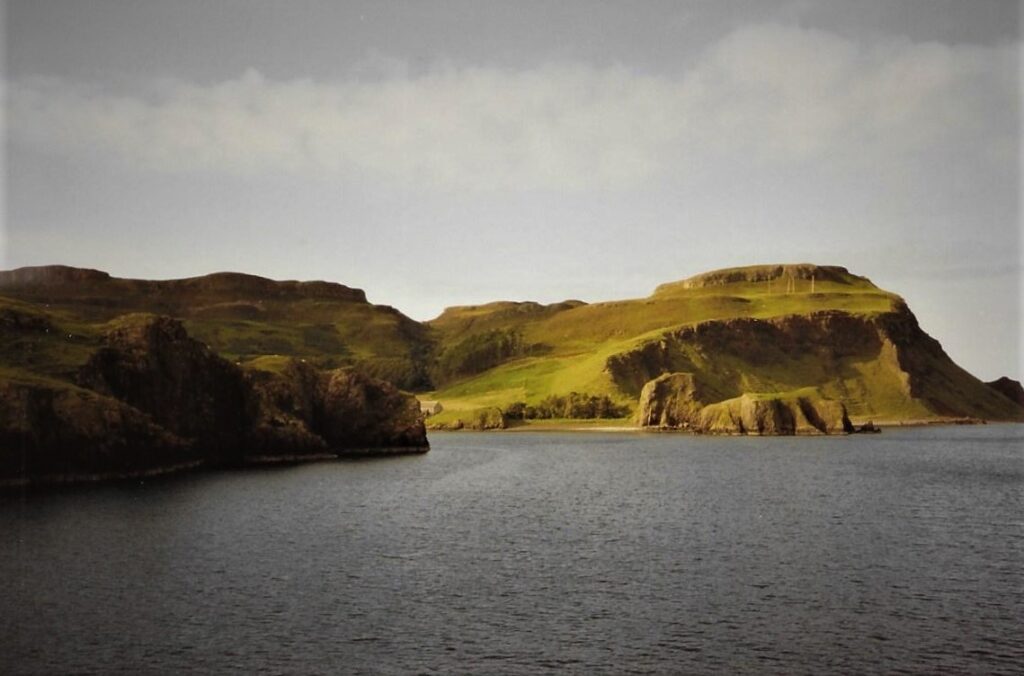
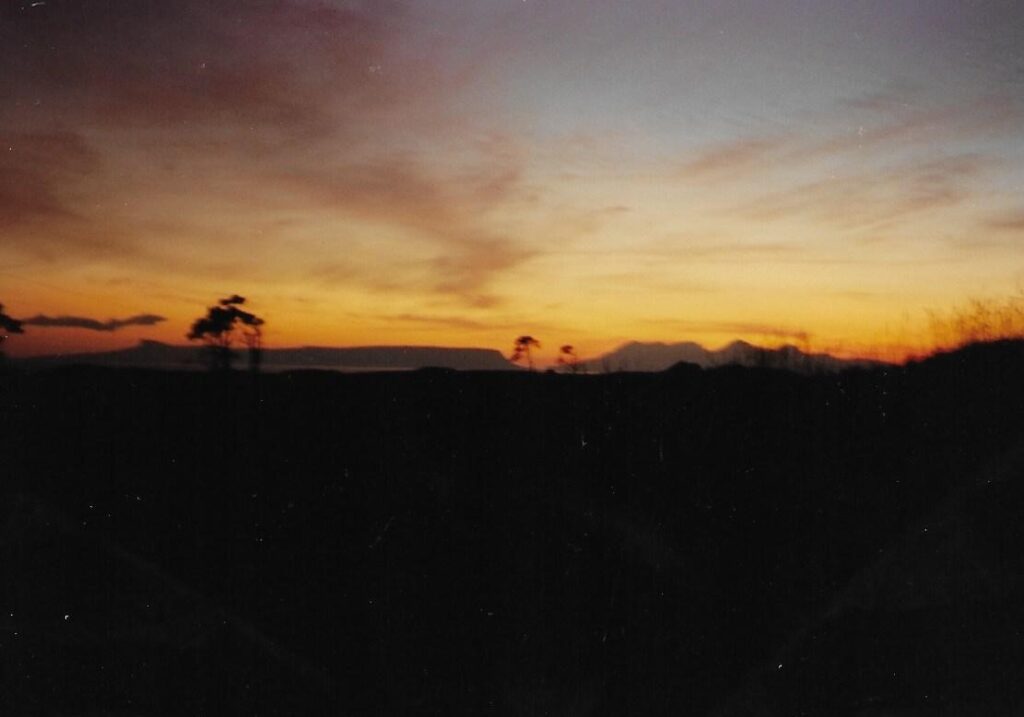
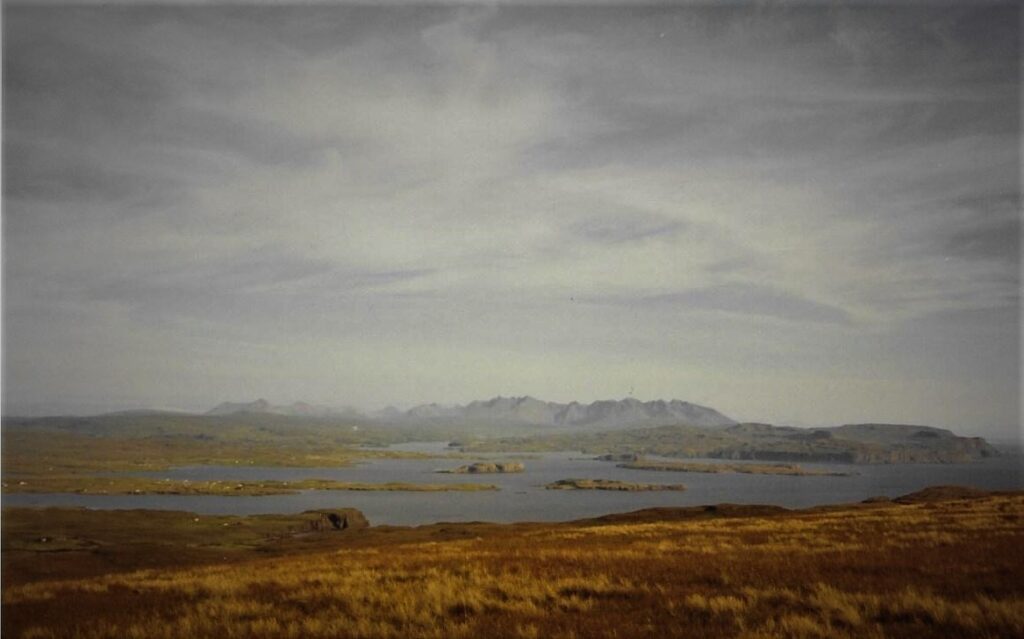
We caught the sleeper train from Euston to take us up over the border which was a nice little adventure. Not quite like it is in old films – in that the trains are less attractively romantic than they used to be but it was still fun. There’s a little bar which was nice, you get a little “sleeper package” with things like an eye mask and a mini toothbrush (no good now that we are more conscious of disposable plastics, mind), and we were woken-up with coffee and croissants when we reached Glasgow. From there we took the train to Oban, picked-up a car, took a rough crossing on the Caledonian McBrayne ferry to Mull, and began our little island hop tour of the Western Isles. Thankfully the mist and mizzle that was there when we arrived eventually blew away and we could see the rugged beauty of this and several other islands. Like much of the Scottish highlands, The Western Isles are stunning, truly. Tremendously varied landscapes that look like a 3D map. Beautiful muted colours and gloriously empty stretches, peppered with the odd Highland Coo or puff of smoke from the chimney of an appealing looking bolt-hole in the middle of nowhere. In our hurry to get out of the UK we tend to forget what magnificent places there are to visit closer to home without getting on a plane (something worth bearing in mind of this year in particular, given Covid restrictions – providing we can get over the border, of course!). Scotland perhaps holds less appeal because it’s a bit of a trek (our journey to get there wasn’t exactly a speedy 2 hours and you’re there), it has a rep for being cold and rainy and it’s not exactly known for it’s world-class cuisine. None of those things is appealing for your typical sunny beach loving holidaymaker but for someone who loves getting out in the great outdoors, it’s a must! And, actually, when I went (it was early September) I got a tan during a super-long walk on Mull. It was so unexpectedly hot that, ill-prepared, we ended-up drinking sweet, peaty water from the streams which was a lovely thing.
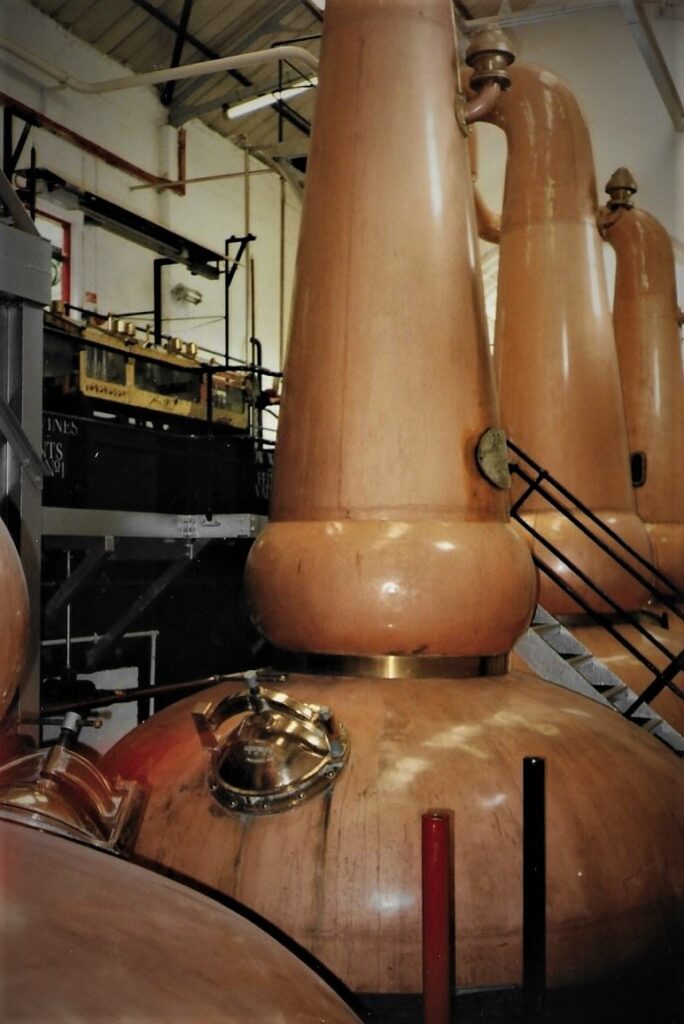
The peaty bit brings me to the next food-related excursion – a whisky distillery or two. I will level with you that I’m actually not a huge fan of whisky really; I find it very hard to get it near my face as it’s so potent (I have also been a bit drunk on it trying to impress someone so that doesn’t help it’s cause) but, I was working in the wine trade at the time so from a professional perspective it just happened to be a necessity to see what happens to make it so peaty. We also happened to catch a performance of Whisky Galore at the UK’s smallest theatre (on Mull).
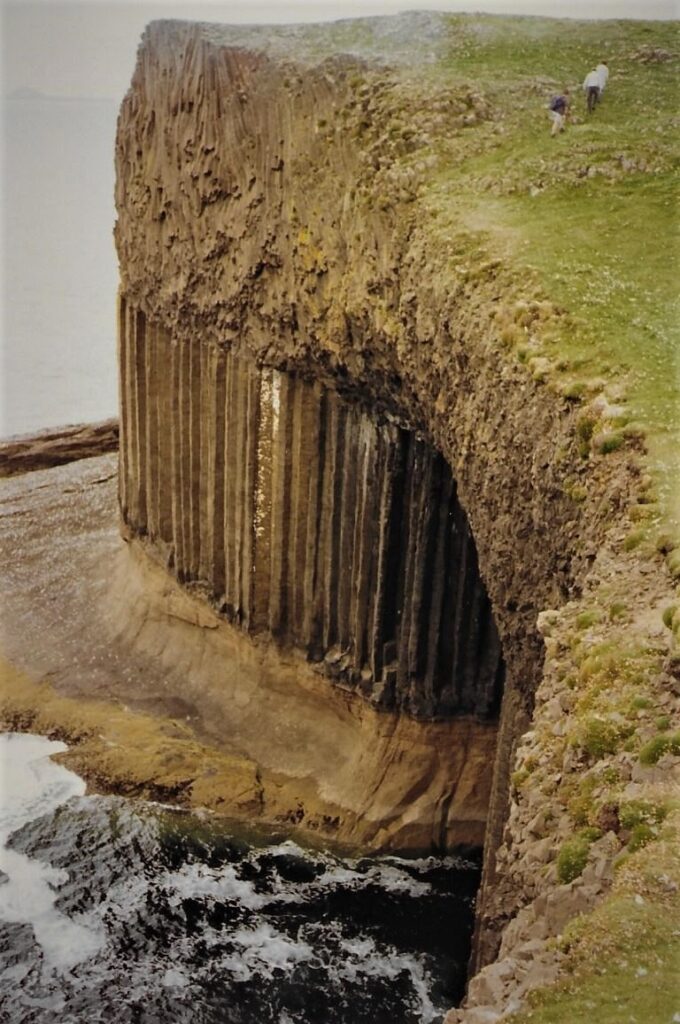
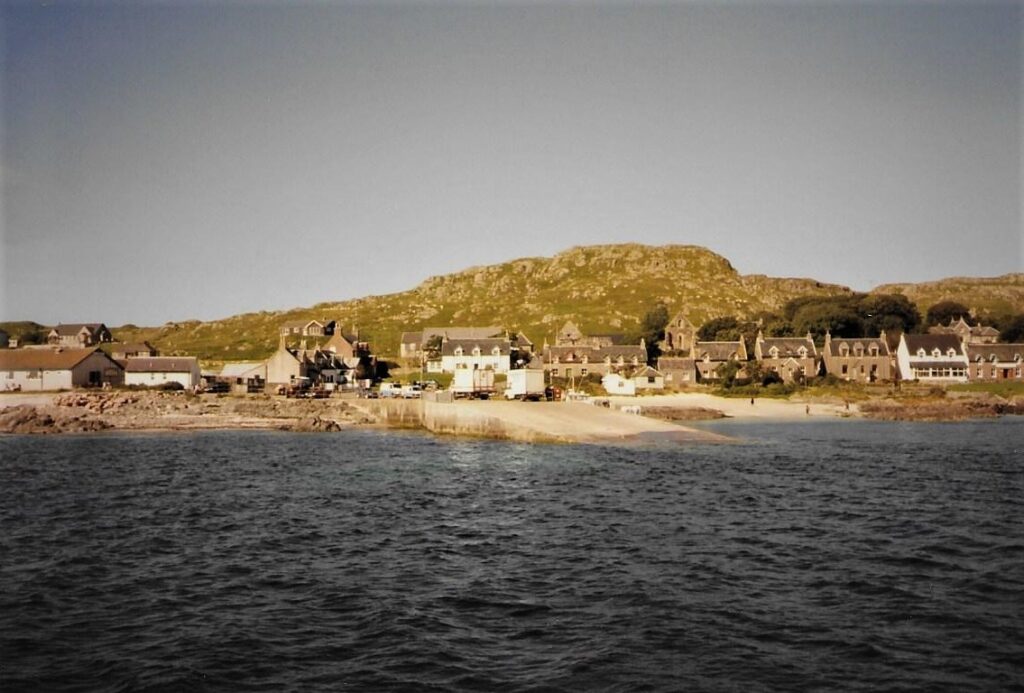
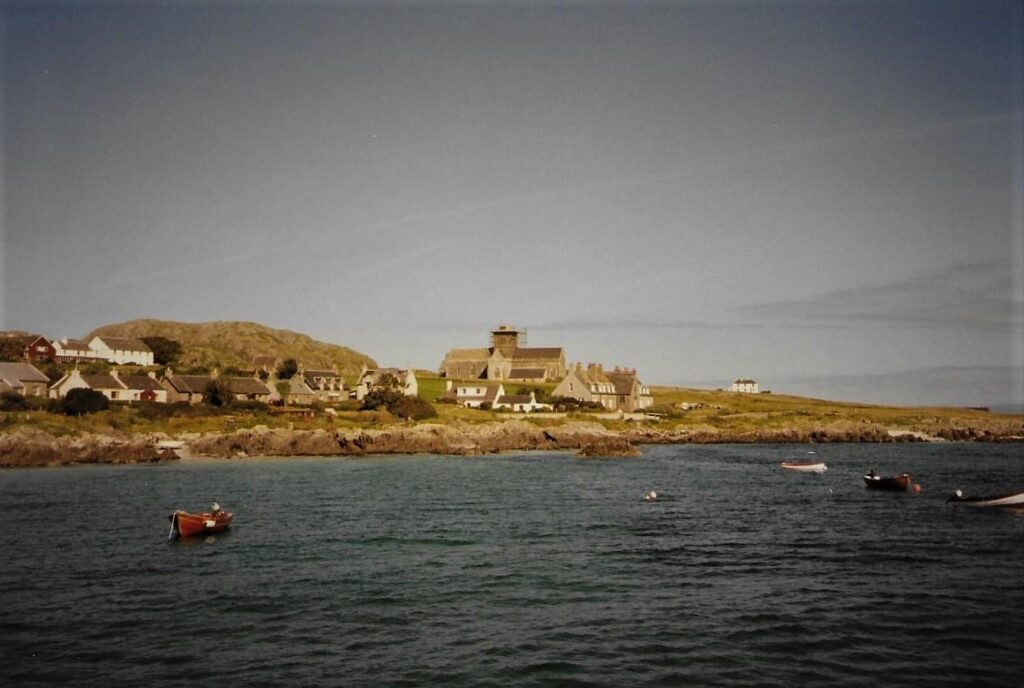
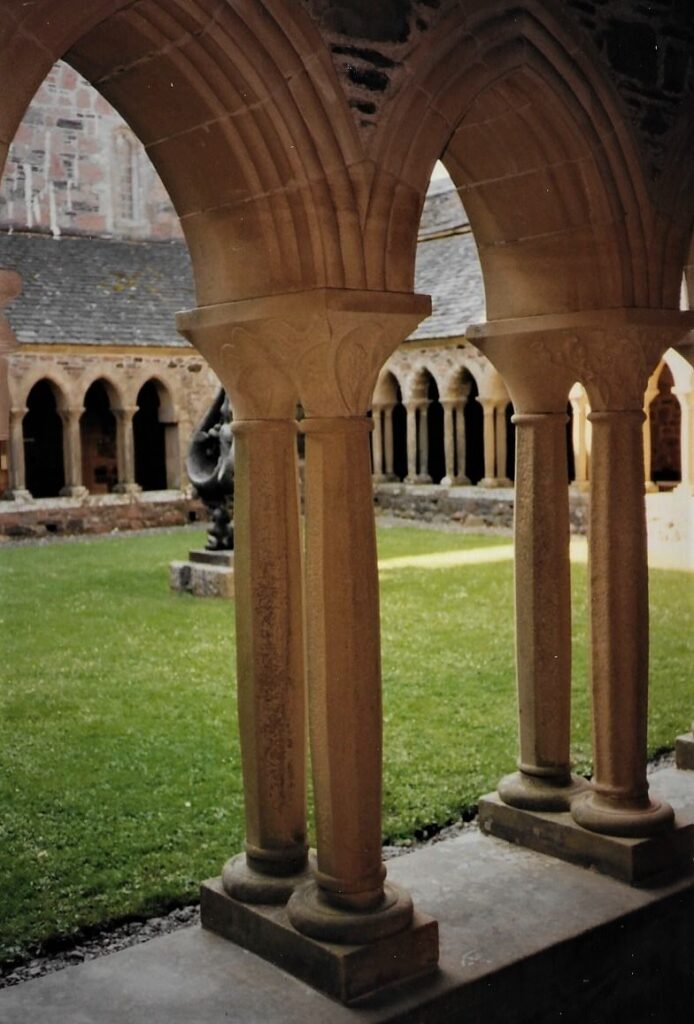
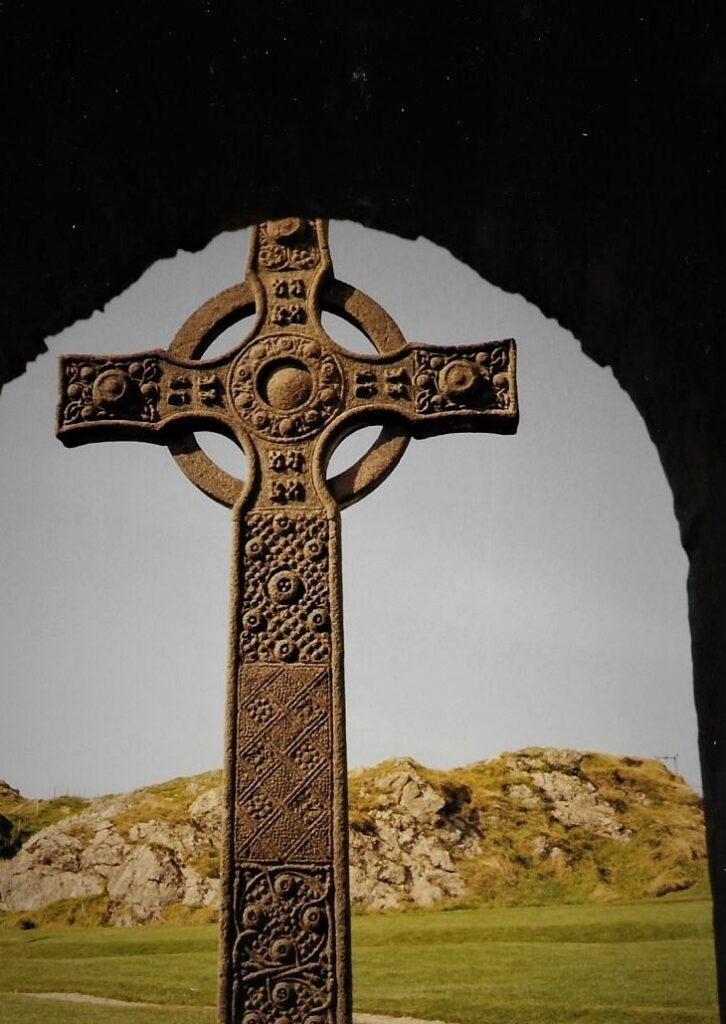
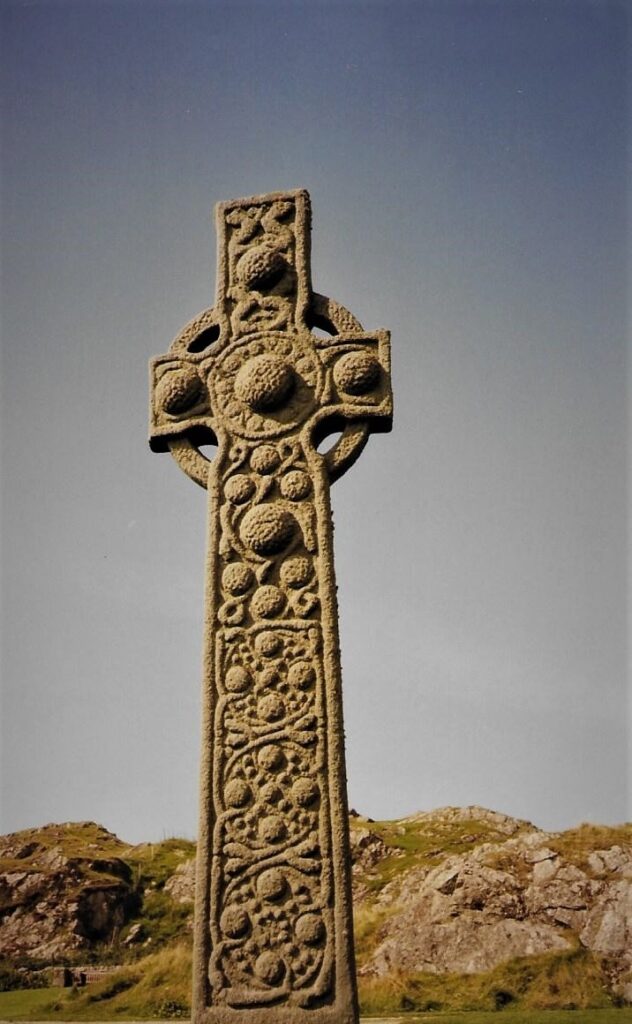
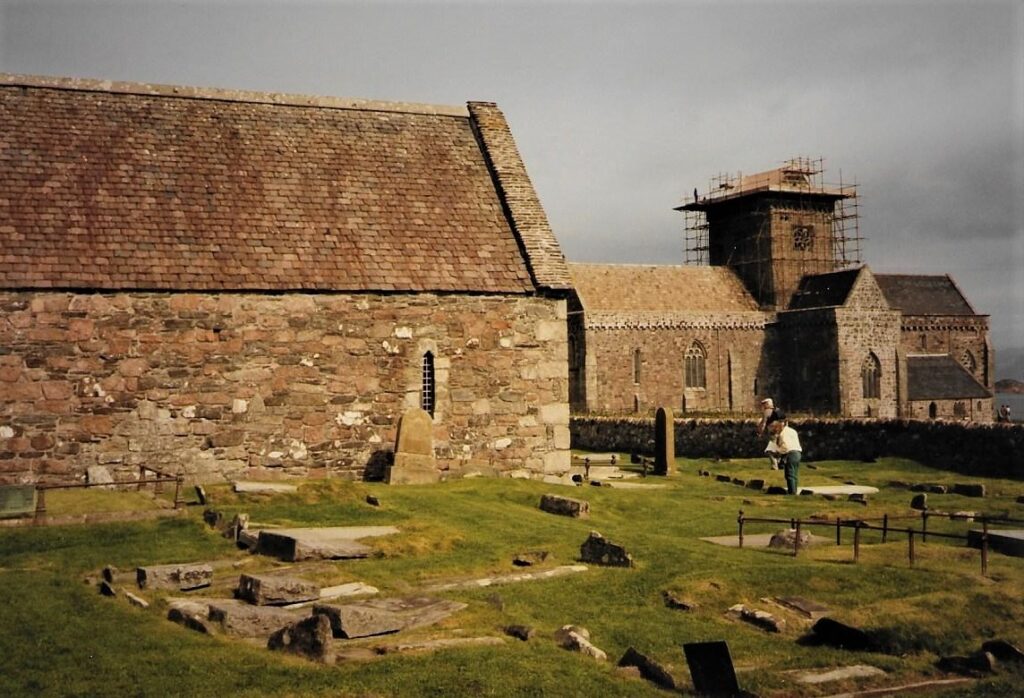
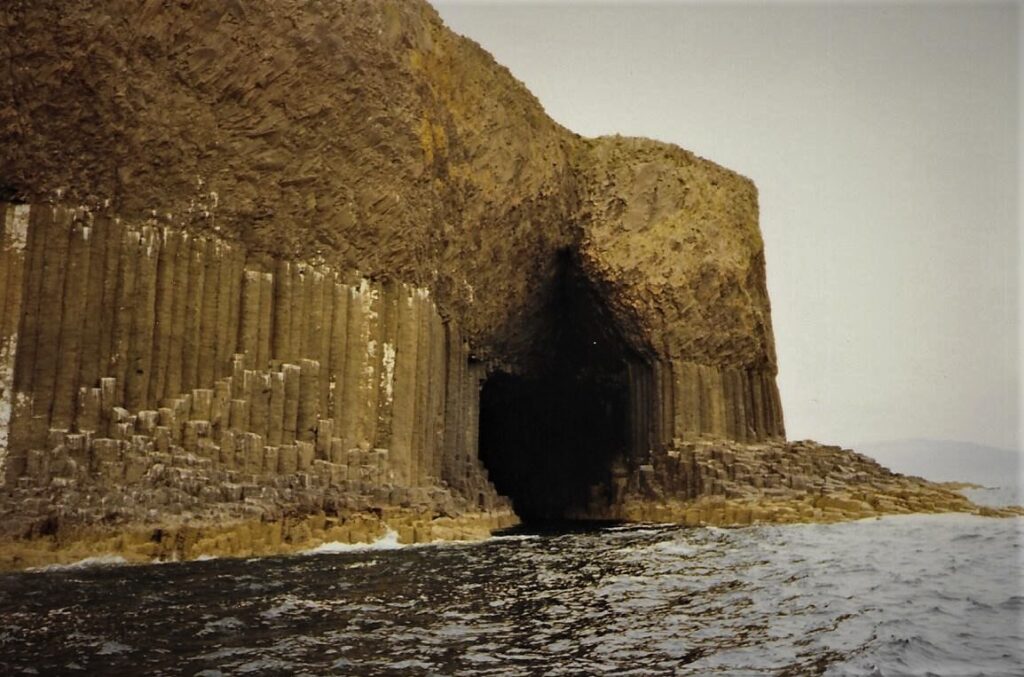
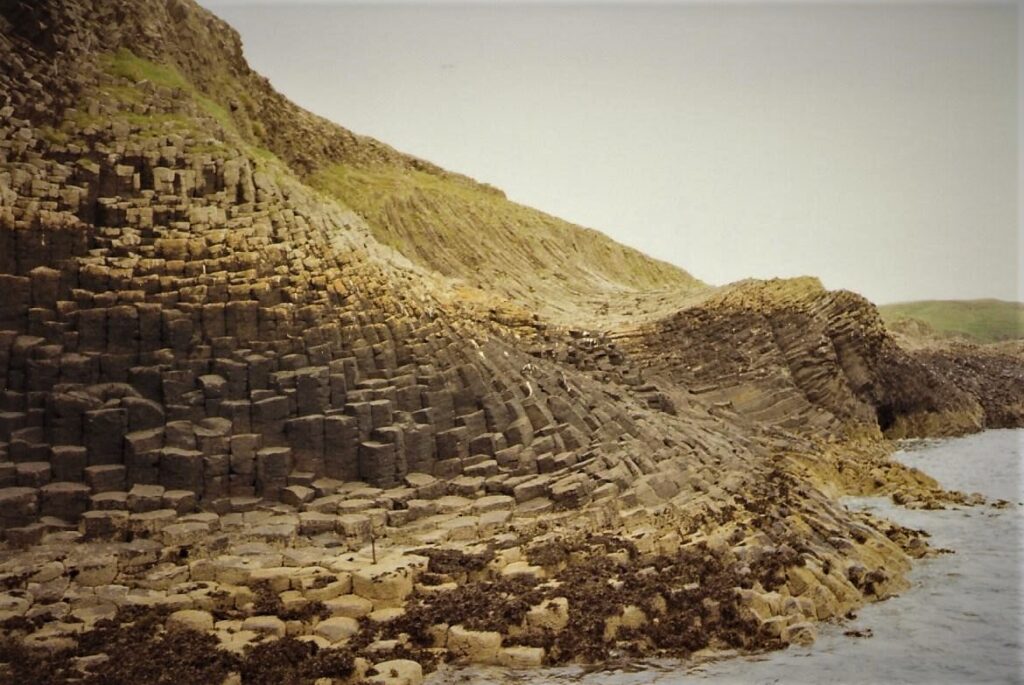
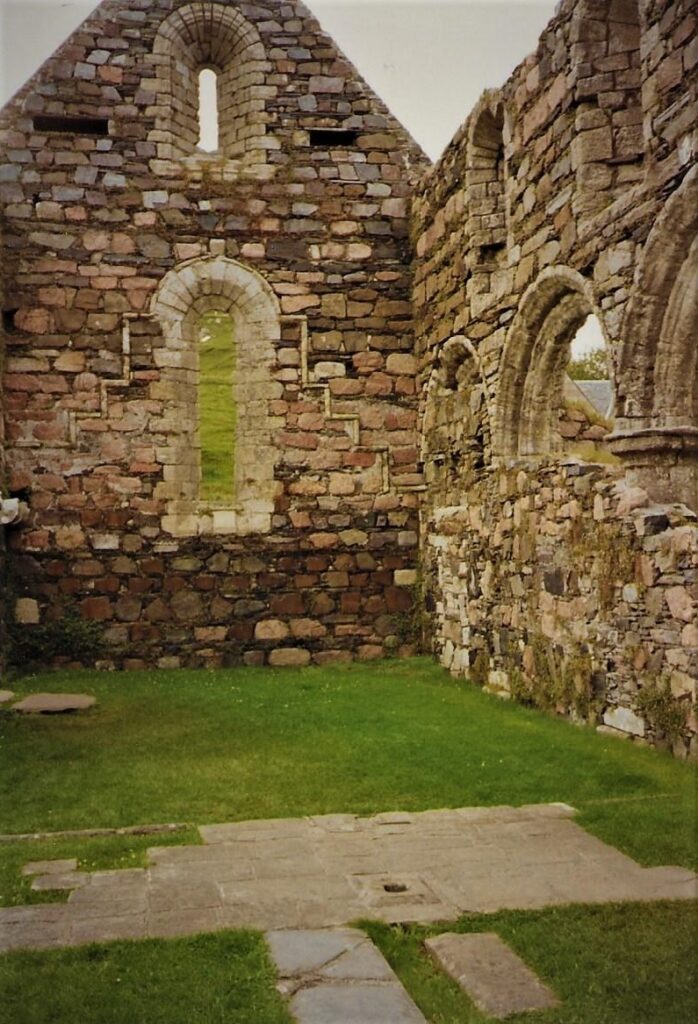
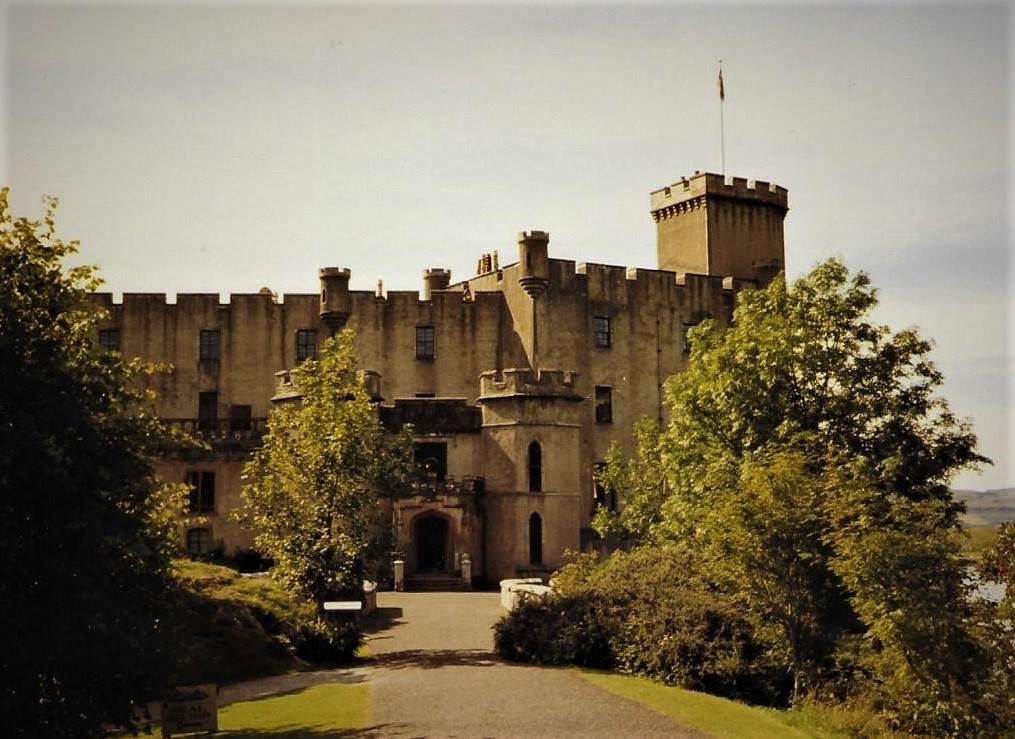
We went all the way up to Ardnamurchan, across to Skye, the Cullins, Iona, the crazy rock formations of Fingal’s Cave (whilst Mendelssohn’s work of the same name blasted loudly enough from the boat it could have stirred Poseidon), and did a little tour of Rum, Eigg, Muck etc etc. SO much peaceful, empty space; so many castles; so much heather; so many “passing places”; so much rugged beauty.
This trip happened back in the days of B&Bs not Air B&Bs, and our breakfasts were courtesy of many a friendly host determined to set us up properly for the day. So it was, I ate a lot of hearty cooked breakfasts and a lot of porridge until the point where one lady served us the salted version and that put me off for essentially the next 20 years. God it was dire. Grey, salty gruel is not a morning winner. I couldn’t finish it. It was like something that Oliver Twist wouldn’t even have asked for more of and I felt like I was back in the school dining room trying to make an excuse as to why I couldn’t eat it (“allergic to oats” – that sort of thing). I’ve since embraced it and eat it rather a lot (particularly this version onto which I larrup loads of honey).
So what to make this week. Apart from porridge and fry-ups, I ate a lot of chips (and not many vegetables, it’s true) and a lot of pub meals. We ate in one fancy fish restaurant on Skye (in Stein) that my boyfriend had been recommended. He proceeded to pull apart some shellfish, deploying the in-depth precision of a surgeon (having trained to be a GP, he had previous when it came to dissection), while I tried hard not to throw-up over my “safe-bet, unlikely to have bones/weird bits in” baked salmon. I was quite young on this trip, grew up in the 80s and hadn’t really developed an ability not to be repulsed by pulling bits of wobbly shellfish out of all sorts of unfathomable parts of something… I just couldn’t believe he would want to those things in his mouth. You live and learn and grow though (although I’m still not a super-fan of squishy shell-things, I will admit).
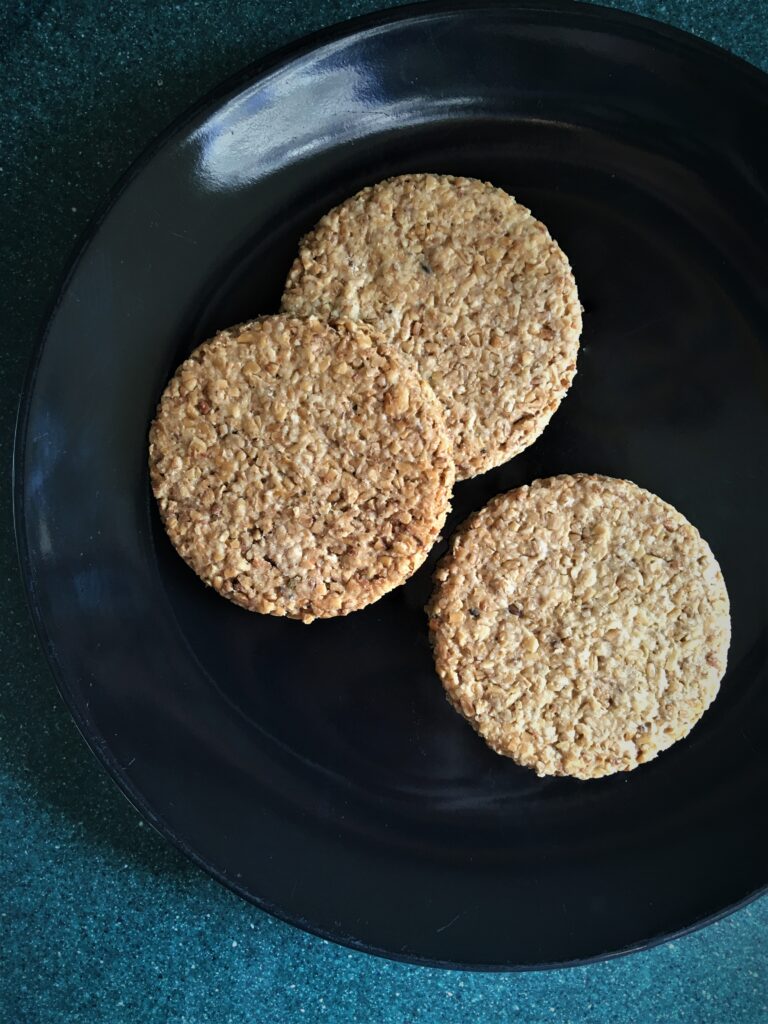
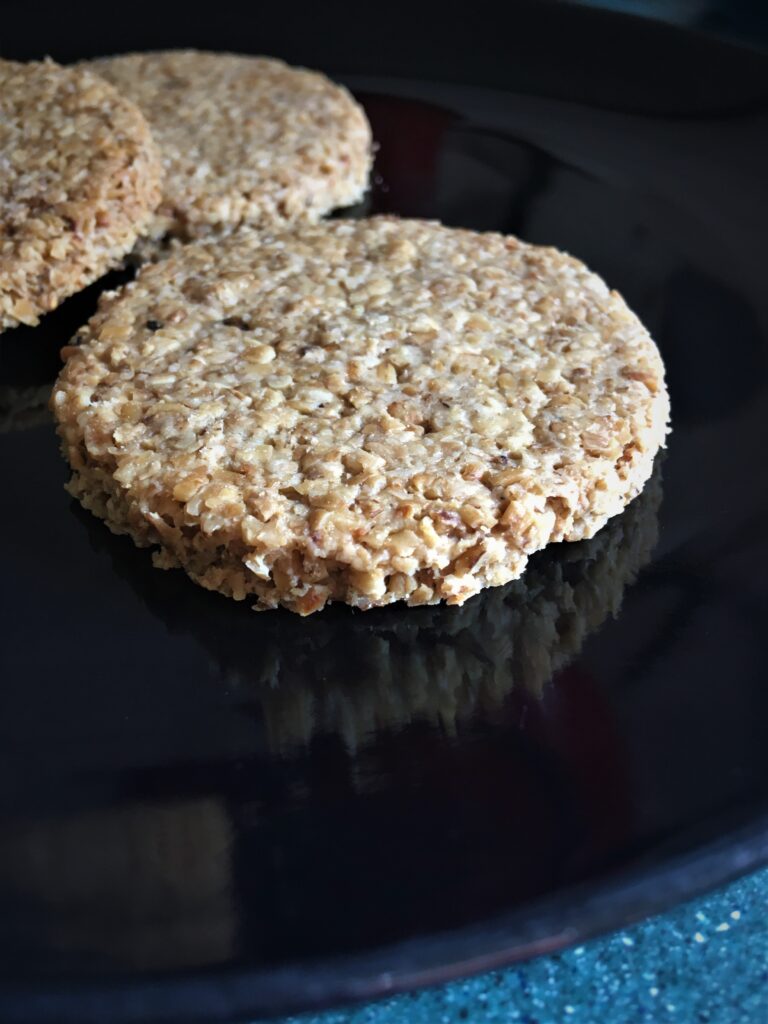
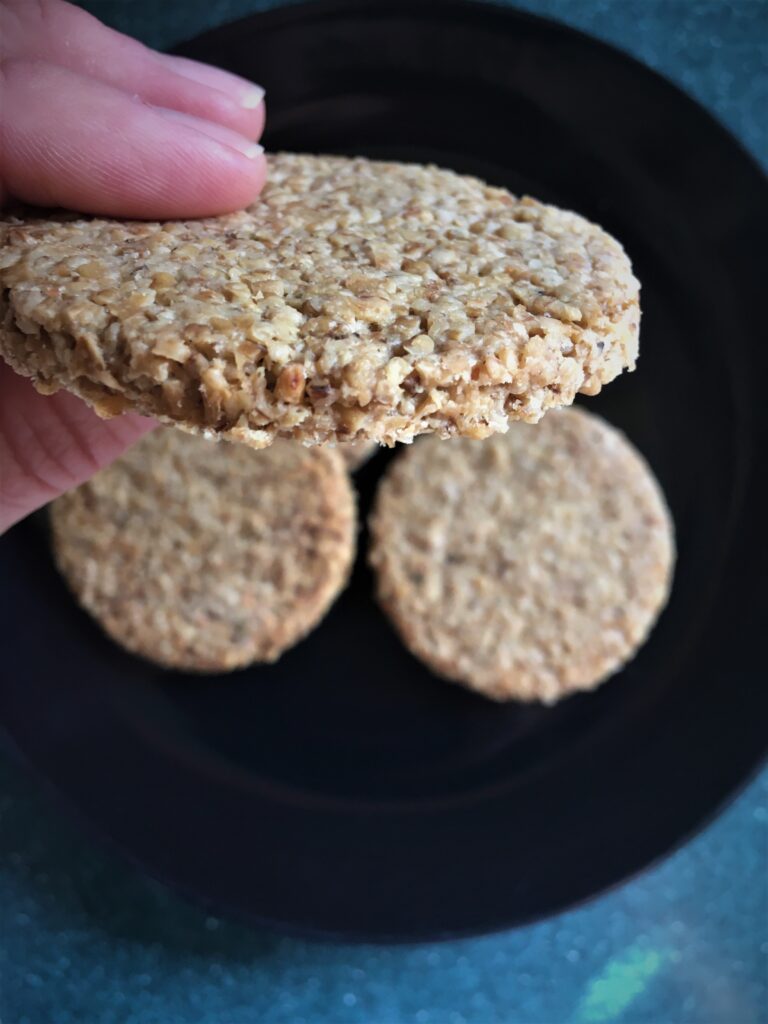
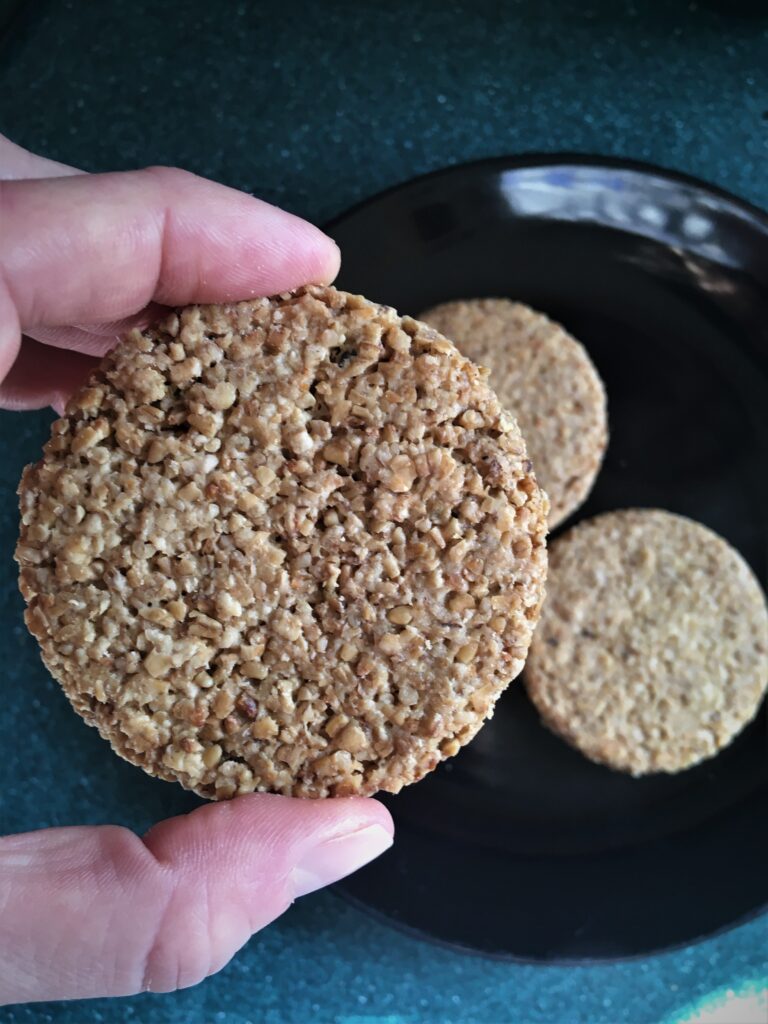
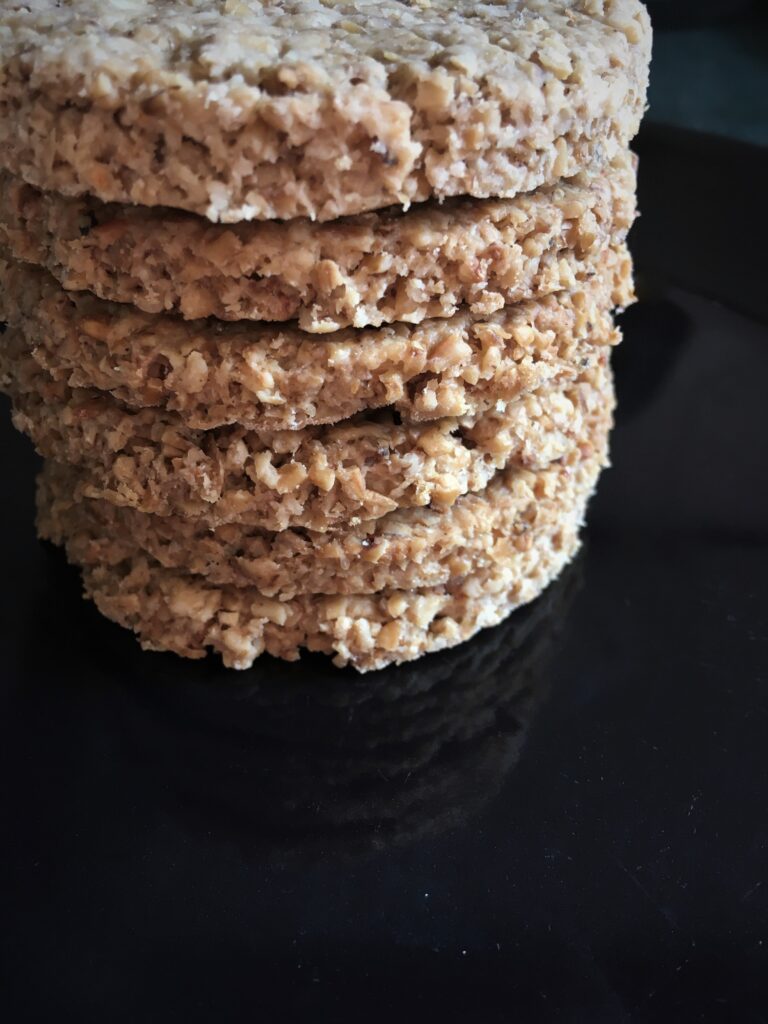
Anyway… I decided on oatcakes. These are rather prolific these days but back then, they were something of a novelty and one lady we stayed with sent us off with a pack after breakfast as fuel for our hike. It’s hard not to love an oatcake. They are so simple and honest and, despite that, rather flavoursome. I fell in love with them. Nowadays you can buy them everywhere but what I discovered this week in making them is that they are one of those packaged products where you go – wow, that’s so simple, why do I buy these?! They are ridiculously simple, hard to get wrong and taste exactly like the shop-bought ones. So, why not save money and cardboard packaging by making your own.
The oatcake also has a nice little history. They have been in existence, in some form, in Scotland at least since the time of the Roman conquest in the 1stC AD, oats being one of the few grains that grow well in Scotland. They have various cousins across the northern UK and they used to be of a larger format than the packaged production-line one we are familiar with these days. Armies marched on oats/oatcakes, or rather they would carry oats and a metal plate on marches and then, settled into camp, moisten the oats with a little water and cook on the plate over the fire; this is essentially an oatcake and oatcakes are traditionally cooked on a griddle. Samuel Johnson’s dictionary rather harshly described oats as “a grain which in England is generally given to horses, but in Scotland supports the people”. In Scotland they were traditionally eaten with all meals as a source of carbohydrate. Nowadays they are sometimes eaten as an alternative to toast or, more likely can be found in a rucksack ready to sustain a hiker – a bit like a savoury version of Kendal Mint Cake.
I’m a huge fan of the oatcake. It’s perfectly formed and packs a punch despite being made of scant ingredients. To up the ante and give a nod to the peaty water I loved so much on my trip, I’ve added a wee nip of whisky to the mix (also useful on a hike, particularly if it’s cold and raining).