

Guest post! Cooking Czech with Michal Havel
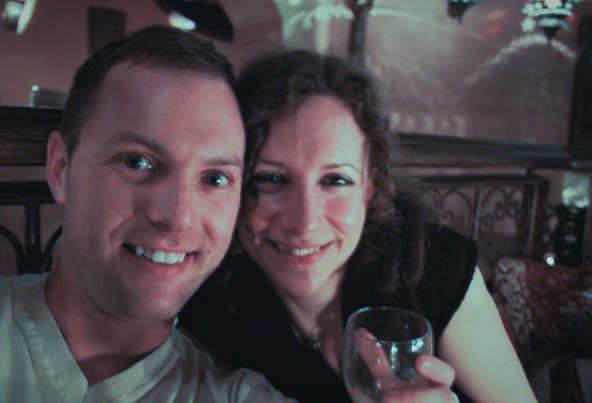
Back in my twenties, bored with sitting in unfriendly offices staring at a screen, I took a job working in Caffe Nero as a barista. I loved this job. I loved not sitting at a desk; I loved learning a skill I could deploy everyday; I loved making coffee for people (because I could relate to that early morning fix to brighten the day before you plod inevitably in the direction of your desk); and… I loved the leftovers. More than anything, however, I loved working with Michal. He was the first person I met on the job as it turned out he had been assigned as my “maestro” – the Caffé Nero term for a mentor who instructs a novice in the ways of perfect cappuccinos and the steps of good customer service. Michal did this with flair, a beaming smile and a cheeky glint in his eye. Even at 5am on a freezing January morning we had fun opening-up shop, trying not to burn the pastries, and working the line of familiar customers. He was always very charming even to irritating groups of school kids who would huddle around one coke at the back of the store, smoking the place out and taking up all the seats. If we were closing-up, we’d turn the soul music up and dance around with our brooms.
We have both since moved-on to pastures new. Michal’s pastures are manifold – jetting around the world as an air steward (Covid permitting). And, when he’s not flying high, he’s out exploring the countryside on his bike, taking rather splendid photographs (see links below), or enjoying simple pleasures in his contented, calm way. Michal has always had such a lovely take on life. He is Czech-born and, despite having lived in the UK for a number of years, (now down on the South Coast) he is extremely fond of his homeland and would often talk about his country, his family and the happy times they shared when he lived there. He is also very fond of cooking and we share a keen interest in the relationship between cultures and traditional foods. So I thought I would tap him up for some intel on Czech cuisine because it played an important role in his formative years. He always spoke very fondly of his grandparents and I loved picturing a little Michal tucking into traditional Czech dishes that his grandmother lovingly made for her family.
Below are 5 recipes that he wanted to highlight. Czech ’em out…
You can follow Mikal on Instagram
or here
For the past two decades my jobs have taken me all over the world. I have very fond memories of every destination, the vibrant cultures and above all the various flavours foods and flavours I have been fortunate to treat my palate too. No matter how far you and your palate roam though, the food of your formative years with will always hold a powerful place in your memory bank.
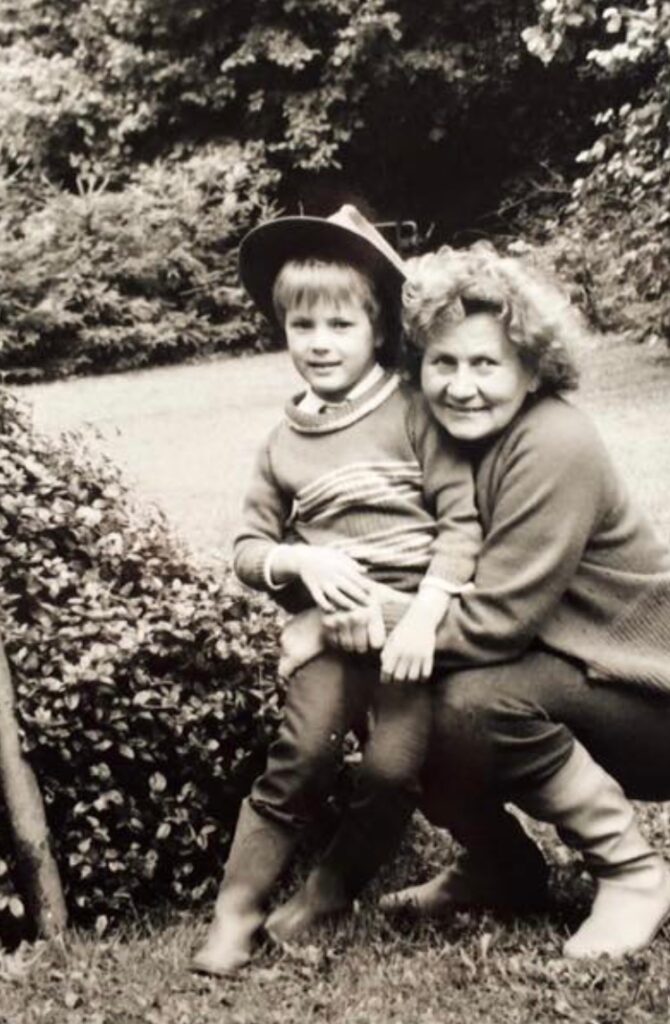
I must say I find it hard to disagree with the well known cliché that the way to a man’s heart is through his stomach. Not only because I love food but because more often than not, the most memorable times we dine are marked by togetherness of family/friends and the security, comfort and laughter, that accompanies and helping to engrave the flavours and scents in our minds forever. That is definitely the main reason I like preparing certain dishes I remember from my childhood; they take me back to times and places I love and remind me of loved ones now past and greatly missed. The first three dishes I have chosen are my favourites for reminding me of of my grandparents in particular.
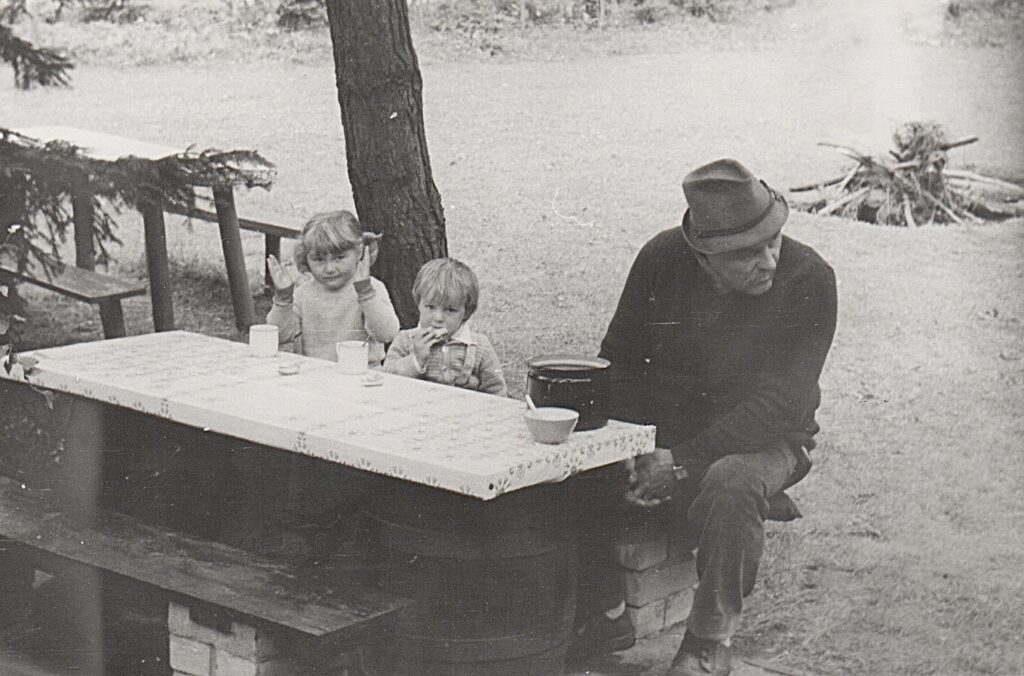
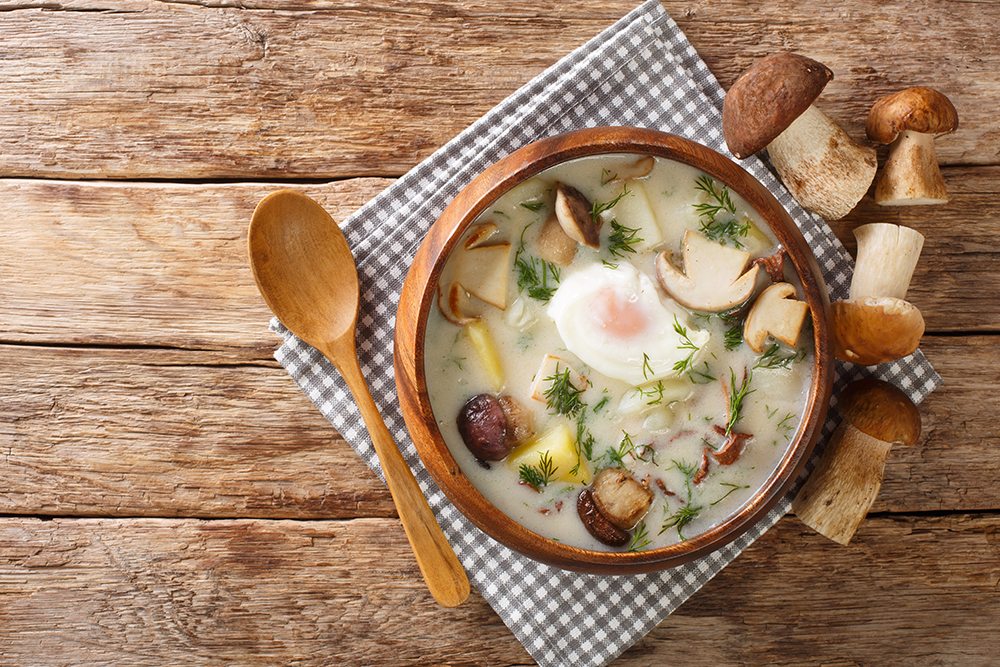
As little kids my sister and I used to spend the long summers at our grandparents’ river-house in the depths of Central Bohemia. We would swim in the Sázava river, build bunkers in the forest, search for blueberries and wild strawberries; loving our outdoor life and and learning to recognise what nature has to offer. Often some of the forest treats we brought back would be used in my Grandmother’s dishes. The kulajda soup recipe below recalls great memories of our Grandfather and the time we spent walking the woods with him teaching us to recognise a good mushroom from a bad one. This simple, hearty soup recipe has its origins in the mountain regions of my country and it a thick white broth made from potatoes, mushrooms, cream and dill.
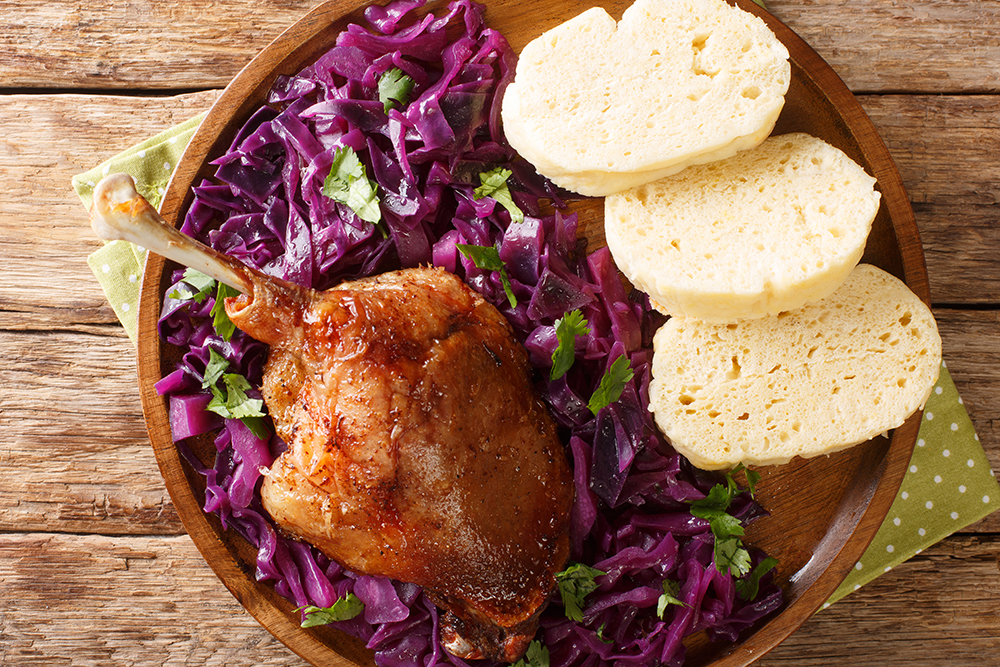
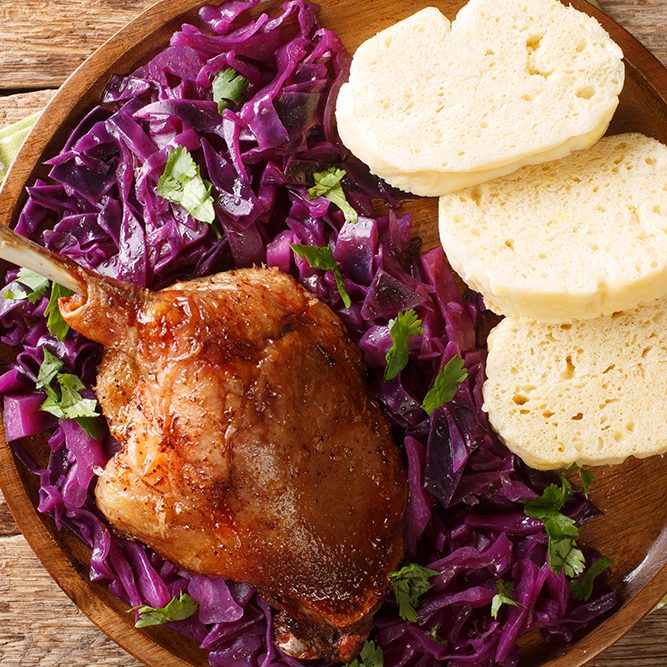
The best Sunday lunch, without a doubt, was Grandma’s duck with dumplings. It was a weekly feast we all always looked forward to. The way she cooked this was unusual as the duck would be prepared the day before then cooked in the oven overnight. The long cooking time brings extra softness leaving the meat tender. This meal is calling for a bottle of a chilled Pilsner on the table too… (although obviously I have added that as an adult).
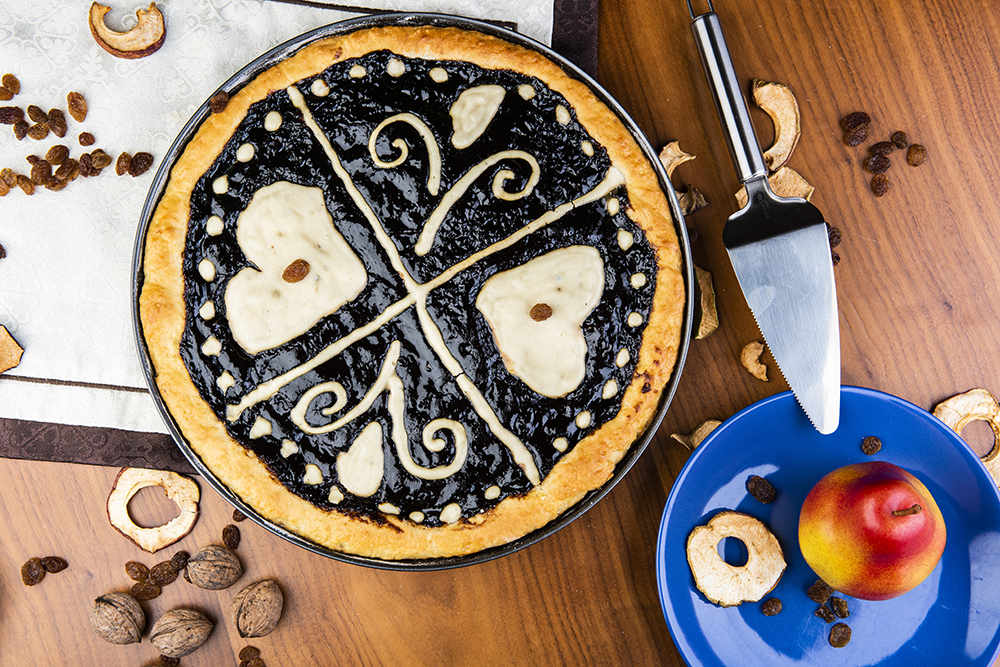
Grandma loved her kitchen and she was always baking. There wasn’t a day we wouldn’t have some sweet homemade treats to tuck into – which, as a child, is like Heaven. One of the favourite were Koláče (“wheel cakes”). These are sweet pastry rolls traditionally topped with plums or plum jam, cheese, or poppy seeds. Nowadays you see all sorts of other toppings such as apricots, blueberries, cherries, lemon, pineapples and raisins.
When thinking about flavours and scents and the memories they bring it would be remiss not to mention the holidays too. In most cultures, this time of year is very much connected to convivial, familial cooking and feasting and the Czechs are no different.
Throughout December every kitchen in the country basically turns into a bakery and at the heart of this lie cukroví – Christmas cookies. There are hundreds of different types you can make biscuits, butternut snaps, gingerbread… the list is endless but what is particularly lovely about them is that families often bake or decorate them together. Then they swap boxes full of cukroví with their friends. Variety is the spice of life and exchanging these gifts made and given with love is a sweet way to taste something different and to spread festive warmth from the heart of the home. My recipe below is an easy one that I can normally manage myself; for the more complicated varieties I swap with my friends!
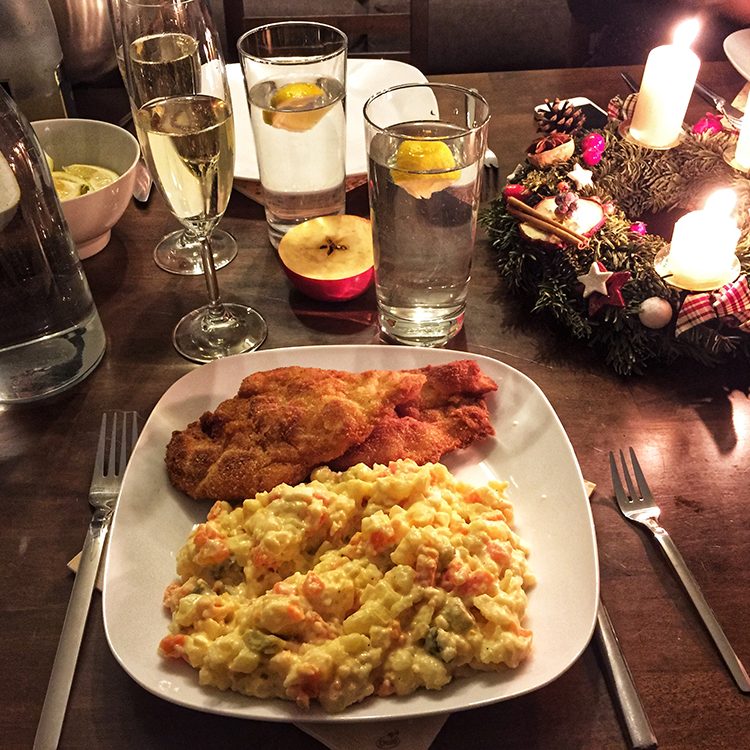
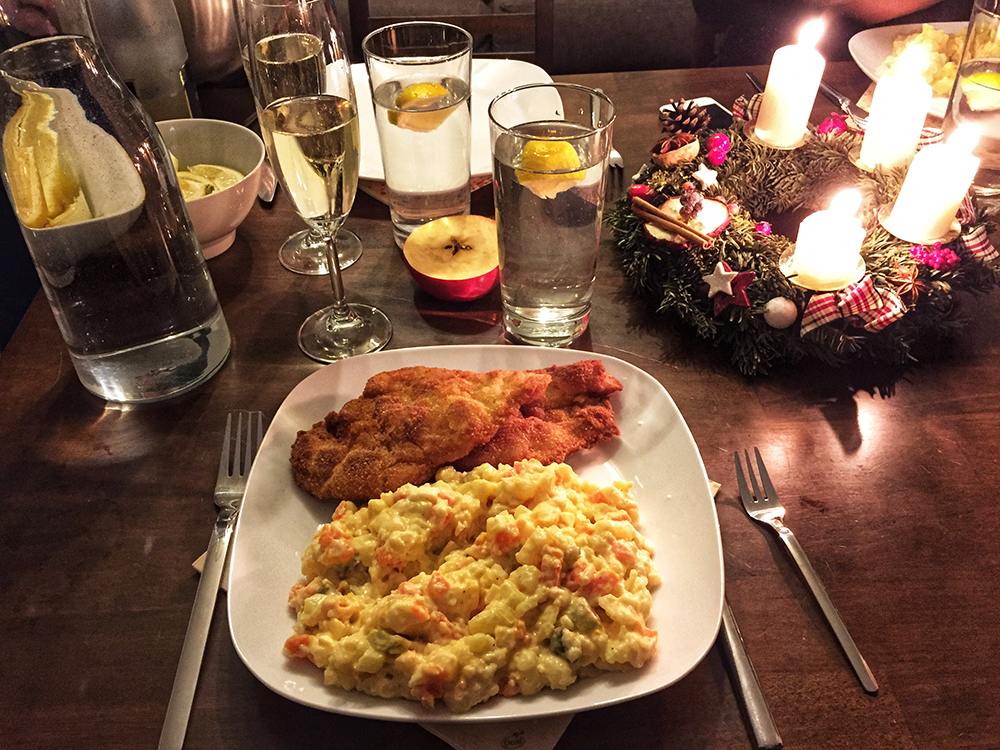
Czech families get together around dinner table on the Christmas Eve for the traditional supper. This is fish with a potato salad. Carp is the fish of choice, although in the UK I use plaice instead. The fish is buttered first then deep fried. Nothing particularly fancy about that but the story of the potato salad is bit more complicated. The ingredients used vary from one family to another and very often even from one family member to the next. It is a something of a signature dish. One likes it savoury, another sweet, the next likes it with added meat, then another soul will have a strictly vegetarian version. That is why you never have only one type of potato salad on the table. And, you will also never have a Christmas dinner without someone asking you: “Have you tried my potato salad yet?”! I am happy to share the recipe for of the one I call “my own” and, of course, that is the best one I know ?.
Overall, Czech cuisine is based around honest, home cooking mostly with local or home-grown produce. Being right in the middle of Europe you’ll find similarities to dishes with neighbouring countries although these are refined by use of local, seasonal ingredients and also by traditions.
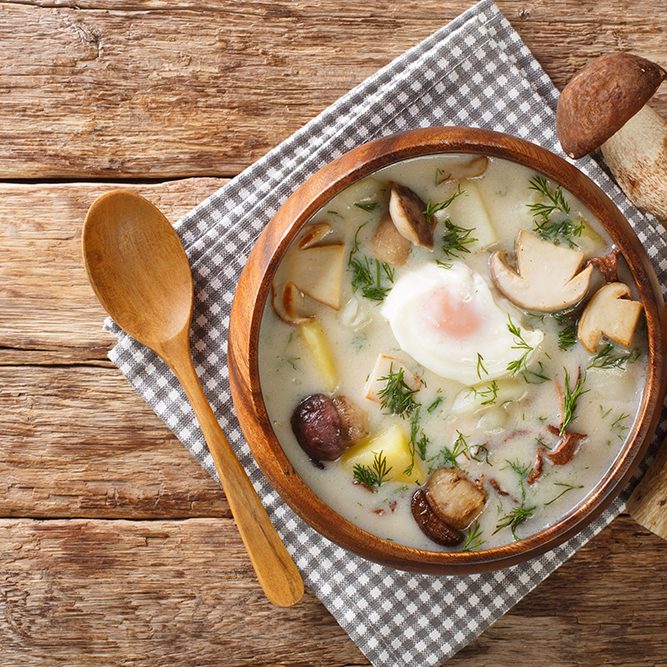
Kulajda Soup
Duck with red cabbage and potato dumplings
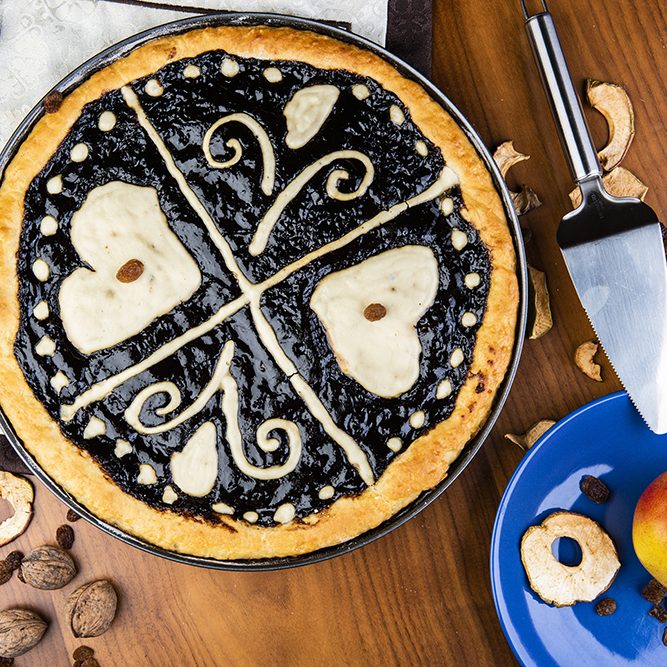
Koláče (wheel cakes)
Cukroví