
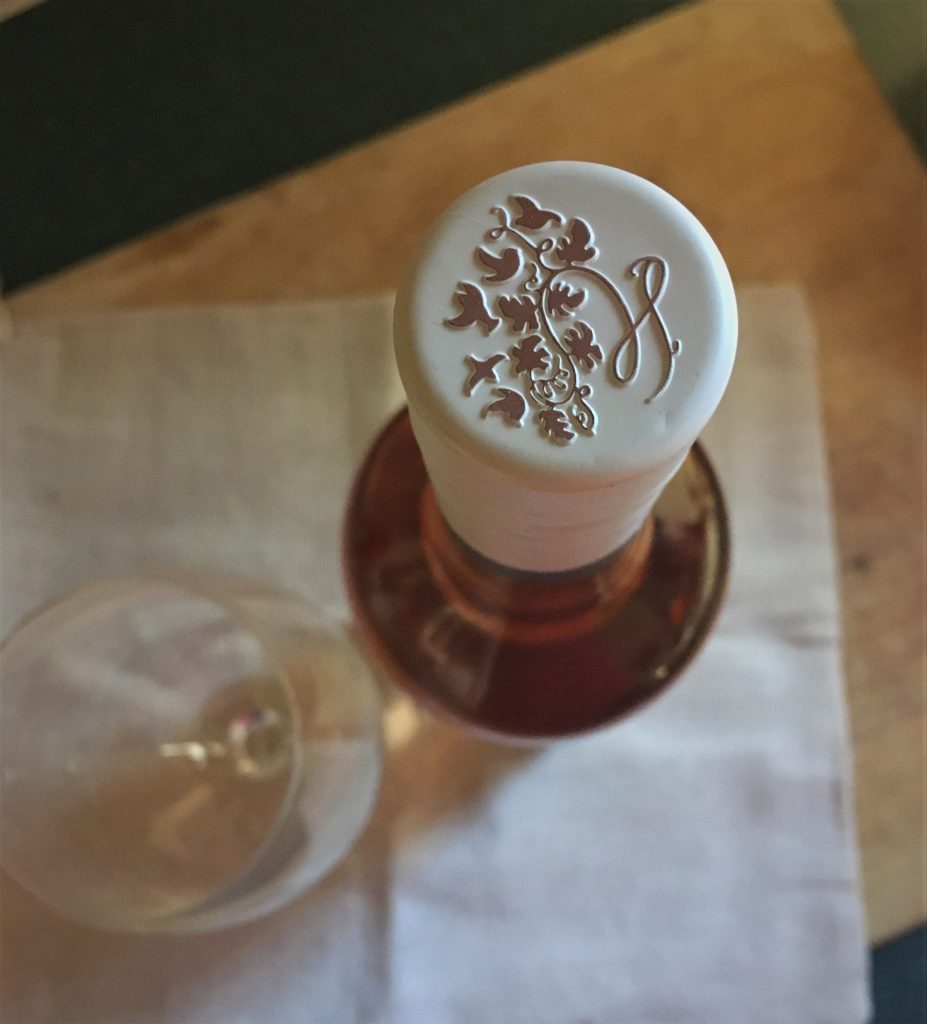



Think Pink
Summer is just around the corner and hopefully we will be able to enjoy some of it if Covid allows, although as I write this I’m stuck indoors and it’s p***ing it down outside! We can live in hope, eh! It’s about this time of year (normally), when you start to tune in to the fact that the light is lingering for longer, that a wine lover’s sun-downer thoughts turn to a drop of the pink stuff. It’s an association that seems to be quite ingrained in the world of wine but there are some less appealing labels that rosé has been saddled with that need to be dispelled, certainly in the UK. Forget holidaying baby-boomers knocking back ice cold glistening glasses as they lounge over their long lazy, lunches in the sunny South of France. Forget the numerous blousy bottles ordered by the bucket-load by excitable office types for Friday night work drinks. Forget all that guff. It gives rosé a bad rap and needs to be filtered-out.
Even up until the ’80s rosé wasn’t really considered a “serious” wine by oenologists (wine science folk). Times have changed, however, and it’s no longer an also-ran vying for a greater share of the majority alongside the traditional red or white vote. Rosé is a multifaceted beverage with a lot to offer. It also benefits from the fact that it doesn’t really subscribe to any pretensions – (ignoring the two stereotypes mentioned above); that is to say: you don’t need to know a super amount about vintages etc (unless you want to get into that but even then it’s not really a keeper, apart from some of the high-end vintage fizz); you don’t need to decant it; it doesn’t need to “breathe”; it doesn’t require a special glass to get the best from it etc. It’s a friendly, approachable drink that wants to be your friend and enjoy the sunshine with you. It also doesn’t mind if you want to pop an ice cube into it, make a lolly from it or even add it to a fruit salad.
So let’s dispel some of the confusion with 5 rosé facts:
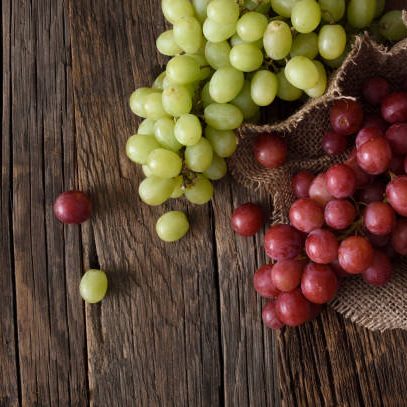
Rosé is a blend of red and white grapes, right?
No, this is not how you make “pink” wine*. The only blended red and white wines, traditionally (before the new world wine-makers joined the party and helped some (not many, but some) laws to be relaxed) are champagne (yup, depending on the wine, this can be a blend of 2 red varietals (Pinot Noir and Pinot Meunier) and 1 white (Chardonnay); or Côte Rotie a red wine made in the Northern Rhône which allows 20% of the white varietal, viognier, to be blended with the red variety, Syrah. It was this latter blend that wine-makers in South Africa started to blend back in the late ’90s, since which time the concept of blending reds and whites has become more prolific around the globe and has seen some pretty interesting experiments.
There aren’t any pink grapes and traditional rosé is made by allowing the pressed juice from the grapes to have less skin contact time during the fermentation process. The colour of a red wine comes from its skin; grapes have white flesh (apart from a few including Alicante Bouschet in Spain and Saperavi in Georgia). In the main, the longer the contact the pressed juice has with the skin, the darker the wine (although some varietals have darker, thicker skins and some have lighter, thinner skins).
*some winemakers do add a little white in the making of some “blush” wines – a very light rose.
It's just really sweet, right?
No! Well, yes sometimes it can be is sweet (and to be honest, most of those times it really shouldn’t be approached) but in the main, it’s dry. A fair rule of thumb here if you aren’t so familiar with areas/grapes etc is to go by colour (although bear in mind the point about about grape skins); if you like heavier, richer wines they will tend to be darker and vice versa. There’s a pink pantone in the world of rosé, and running along this is a metric of flavours from eye-rollingly-bad, sickly-sweet dross (that looks like it contains nothing natural at all) to highly-refined, elegant, bone-dry numbers; along the way there are some which can develop a more orangey hue as well, like Tavel (mentioned below). Of course, there’s a price tag that mirrors this somewhat from the sickly “blush” wines in the fridge of your local newsagents to high-end, heavenly flavours of pink champagne/sparkling wine (of which we have some fine examples in the UK, as noted below). But between the two sit plenty of affordable options and plenty of different styles.
It has a fun youthful vibe yes, but that doesn’t go hand in hand with sweet. Dry wines can be fun too. In fact, since 2016 there’s been a big “pinknic” in July every year to celebrate summer, food, music, wine, life! The second Saturday in June is also National Rosé Day in the US https://nationaltoday.com/national-rose-day/


It's a girl's drink!
Nope. It is not emasculating to drink a glass of rosé.
Let’s face it (stereotypes coming…), unless you are a wine-buyer, a woman, or a wealthy guy sporting chinos and deck shoes with a v-neck slung nonchalantly about your shoulders, you are unlikely to make rosé your drink of choice in a bar. I’m not saying that real men drink rosé (at all!) but I am saying that you should give it a go (you won’t suddenly start speaking like Quentin Crisp). There are some pretty cool winemaker dudes (and women) making this stuff all around the world and they are hardy types who work the land (wine making is physical work). Heck, even Brad Pitt makes rosé wine, and he’s pretty manly; well he owns a vineyard that makes rosé – Domaine Miravel in France.
It's basically just made in Provence and California, right?
Well, the French and Amerians are the world’s largest consumers of rosé but it is made all over the world (and I mean all over, including India, the Lebanon and Mexico to name a few places). It’s that good, everyone is doing it. We also make it here in the UK.
Rosé as we know it today certainly has it’s origin in the south of France. On their travels, the sea-faring Phoenicians brought wine-making knowledge to Marseille where they dropped some techniques for making a light-bodied wine. The Romans knew it as vinum clarum (clear wine) and the techniques later spread to Bordeaux (now, predominately known for its expensive reds). This is in fact where the UK gets the “posh” term “claret” from – in the middle ages the wine made in Bordeaux, introduced to England by Henry II – was known as clairet. It’s popularity grew but then as the wine-making industry itself grew more sophisticated and people discovered wines like port, clairet’s reputation lessened; along the way this was compounded by religious dogma which dictated that being a “lighter red” it could never be analogous with the blood of Christ and so was never consecrated as sacramental wine and, in fact, came to be viewed as profane.
Skip to the ’70s and ’80s and the near death-knell for rosé was the ropey, headache-inducingly sweet Portuguese version (in the funny squat flat sided bottles) – Mateus rosé; think Brits on holiday in the Algarve and you get the idea.
Nowadays, and most likely owing to the zeal, creativity and inquisitive minds of the so-called “flying winemakers” from the Antipodes, a world of pink possibilities has opened up and this side of the wine-making industry has certainly mushroomed over the past 20 years. For a long time in France rosé wine was synonymous with Provence and the Loire but, the wines from the south west have also seen more prominence lately. They have slightly more relaxed rules there so can be a little more experimental than across most of the rest of France.
Most red grapes can be vinified to make a rosé wine and they are depending on what is grown where. I have to say that some work better than others of course (naming no names although I always steer clear of Zinfandel blush wines but that’s personal preference) but it’s worth doing a little investigating for sure. Climate, soil and varietal (or blend) still contribute in the same way when it comes to viticulture and vinification of rosé wines. The importance placed on the symbiosis between food and wine in countries such as Italy, Spain and France evident in their red and white wines is certainly also noticeable when it comes to their food-friendly rosés. Some of the Italian ones can be borderline earthy, savoury; some of the Spanish can be very rich and full-bodied.
When it comes to New World wines (i.e. not Europe, where in a lot of countries, there are complicated rules around viticulture and vinification which can restrict experimentation), the possibilities are manifold and there are some really interesting blends to try, including wines where they have taken varietals native to Europe, transferred them to much warmer climes and vinified them as rosés. New Zealand, for example, produces Merlot/Malbec blended versions (both native French varietals). These two certainly don’t see as much vineyard space in NZ as its primary red varietal, Pinot Noir, takes up most of the room (although this does also get vinified as a rosé alongside all the prolific NZ red pinot noir wines).
Finally, to champion the UK winemakers, our rosé wines are made from Pinot Noir (we also vinify pinot noir to make reds but this is much more weather-dependent). Our rosés can be lighter-bodied or richer, depending on how much sunshine we’ve had.

Rosé is just for picnics and Valentine's day, right?
No, well, yes, I mean it’s great for a picnic (and, yup, if you are into cliches then some rosé champagne for Valentine’s Day is pretty up there I guess). I say “great” because rosé wines tend to be on the lighter abv (“alcohol by volume” – the percentage you see on the side of the bottle) side of things and are also best chilled which makes them very refreshing options for a hot day. They are, however, also also incredibly food friendly wines; for example:
- Sancerre rosé (yup, it’s not just white wine in that region – there’s red and rosé (both made from pinot noir). This is great with richer salmon dishes (not smoked salmon).
- Tavel – an appellation (area) in the Southern Rhone that only makes rosé wines (generally from a blend of Rhone varietals). This is super dry with a splendid minerality. It’s also able to develop deeper, earthy notes that make it a great match for heartier dishes such as chicken, rabbit, or more of a cassoulet kind of an affair. Essentially, it is the king of the gastronomic rosés.
- Bandol rosé – an appellation near Provence (which also makes red and white). This loves the local black olives that it shares the land with. A salade niçoise is also a good match because the rosé compliments the earthy vibes from the olives and beans, and the minerality balances the tuna.
- A rosé moscato or other light sparkling wine is really lovely with strawberries – you can pop one in your glass if you like that sort of thing (I do, as the strawberry soaks up the wine and is a nice treat at the bottom of the glass) or use it as part of the soaking liquid for a fruit salad. And you probably couldn’t get more pic-niccy than that.
- Chilled rosado wines are great with Tapas – a change from a cerveza or indeed a sherry – they are some super food-friendly ones that love chorizo, nuts, rich cheese etc.
- A similar thing happens with Greek mezze where the variety of rosé options will compliment the cornucopia of dishes.
- Rosés are less keen on fresh tomatoes (the acidity clashes) but can certainly get it on with a softer, creamier tomato sauce.
- Mexican, Thai and Indian also work well with rosé not just for the cooling effects of a chilled glass but because the crisp red fruit can balance some of the sweetness of the chillies/spices and the spicier/more stalky ones will compliment the spices.
Finally, just be careful if you see Chinese rosé wine. This is not rosé wine; it’s a spirit distilled with fresh rose petals and sugar and is between 46% 54% proof! Definitely a sub-optimal selection for a picnic on a hot summer’s day.
Very hard to narrow it down to 5 rosés for you to try but, as this is 5 for 5, here’s a very in-exhaustive list of examples that I have tasted and that are pretty easy to track-down:
- Chapel Down – UK rosé – strawberries and cream – not even joking! / (0r, Nyetimber -UK sparkling rosé (for the flush times) – elegant summer fruits and creamy shortbread)
- Mirabeau – Provencale rosé – bursting with summer berries and ridiculously refreshing
- E Guigal Tavel – Rhone rosé – cranberries, strawberries and an elegant minerality
- Fenice, Terre di Chieti (IGT) – Italian rosato – soft, juicy morello cherry with a floral lift
- Finca Fabian – Spanish rosado – sun-kissed garnacha delivers charming cherry and succulent strawberry
Happy to answer any questions in the comments below…