
Min Willis – Aosta, Italy
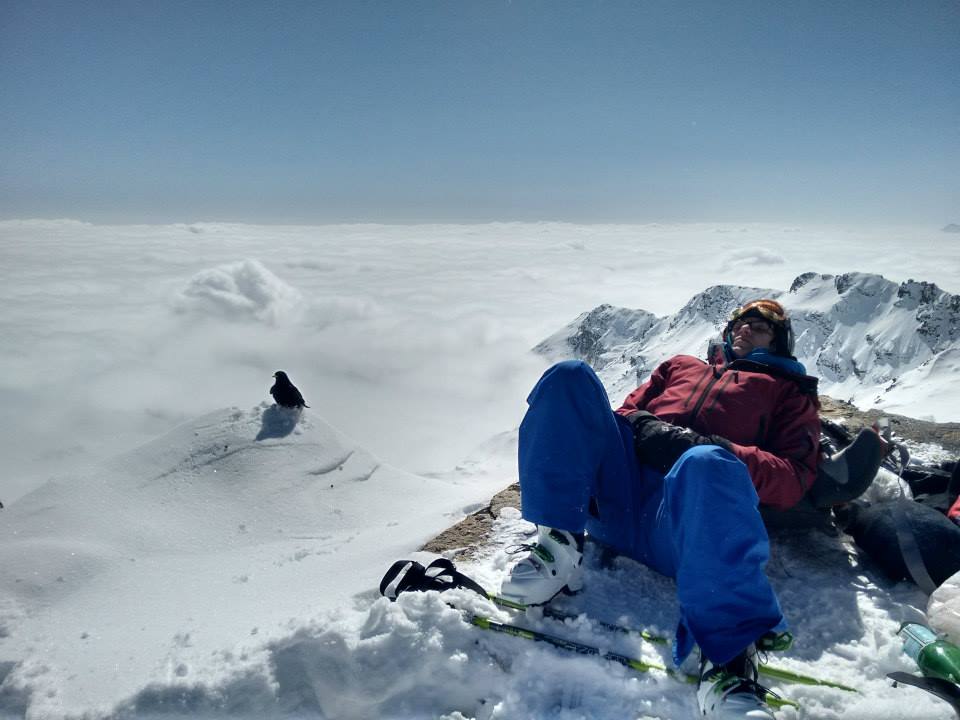
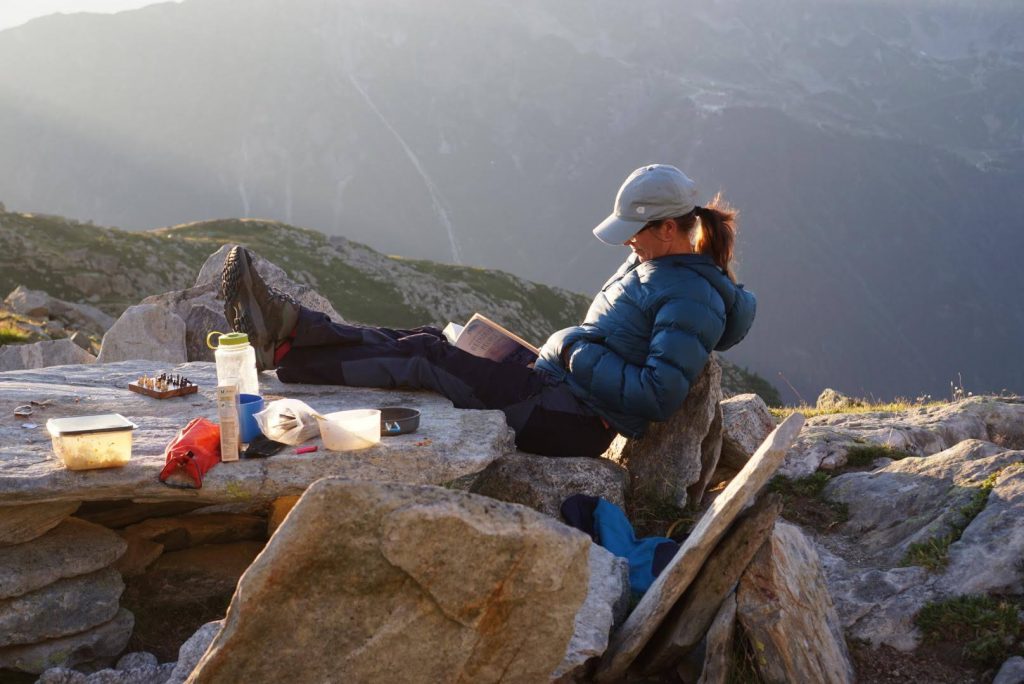
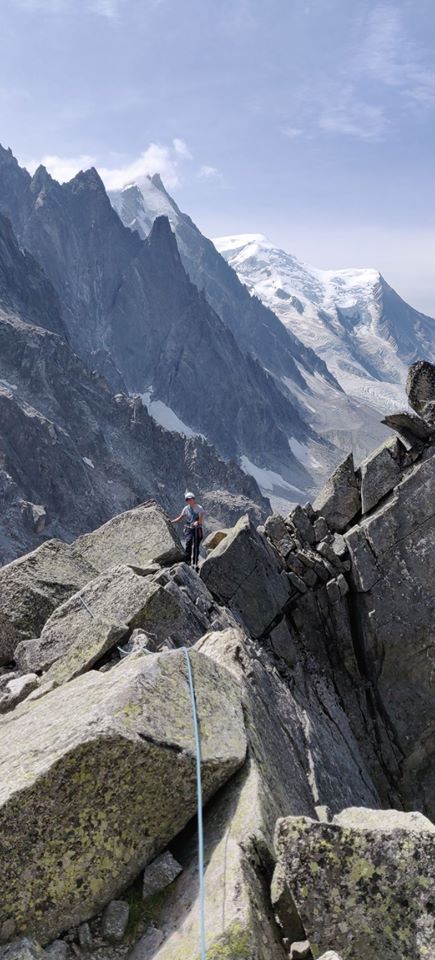
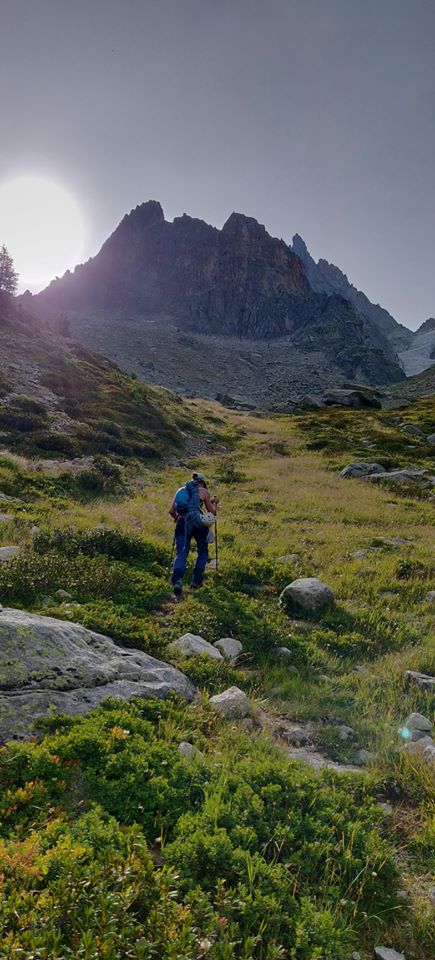
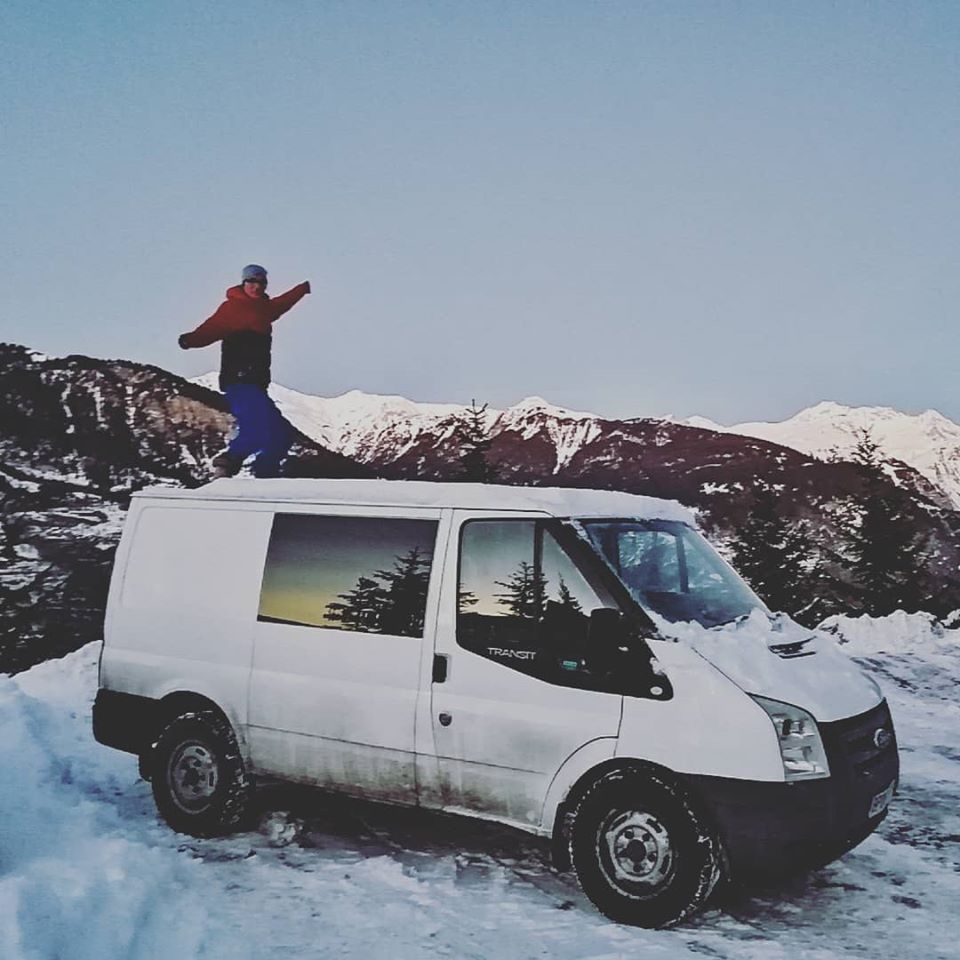
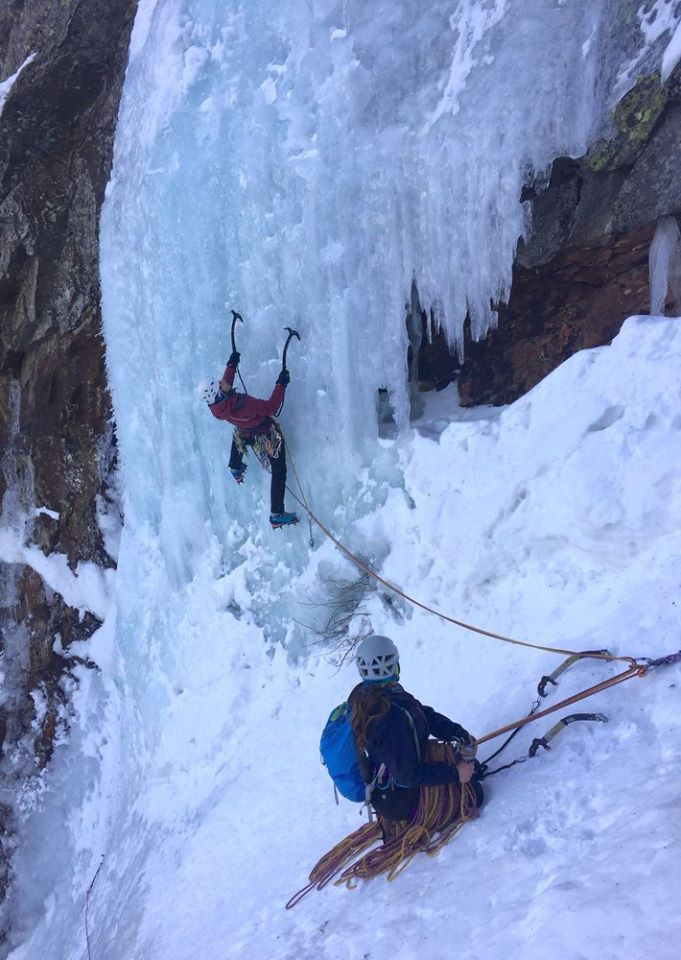
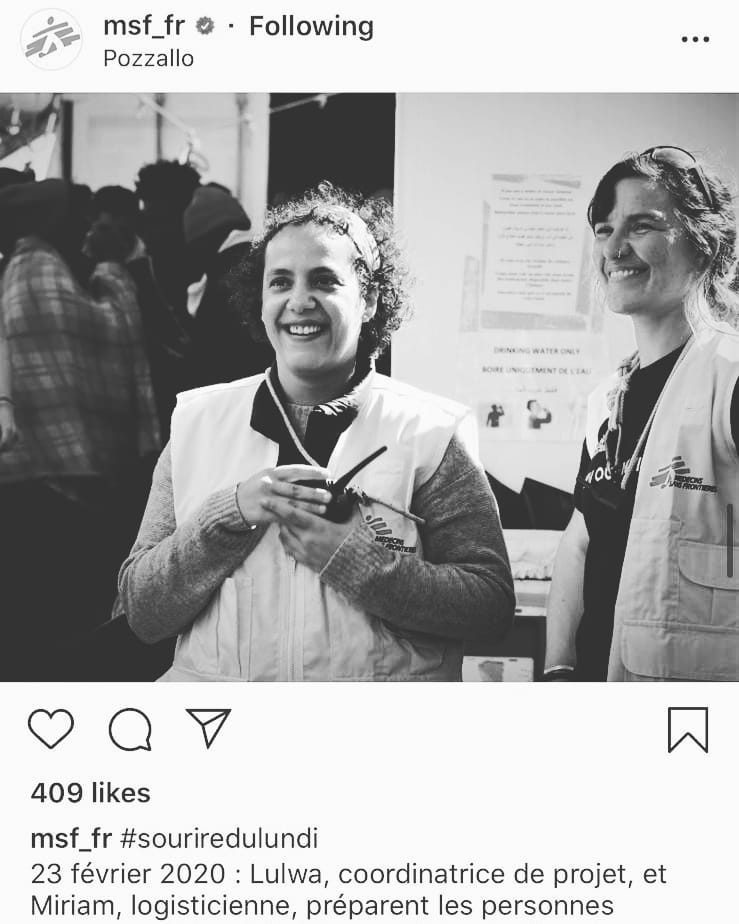
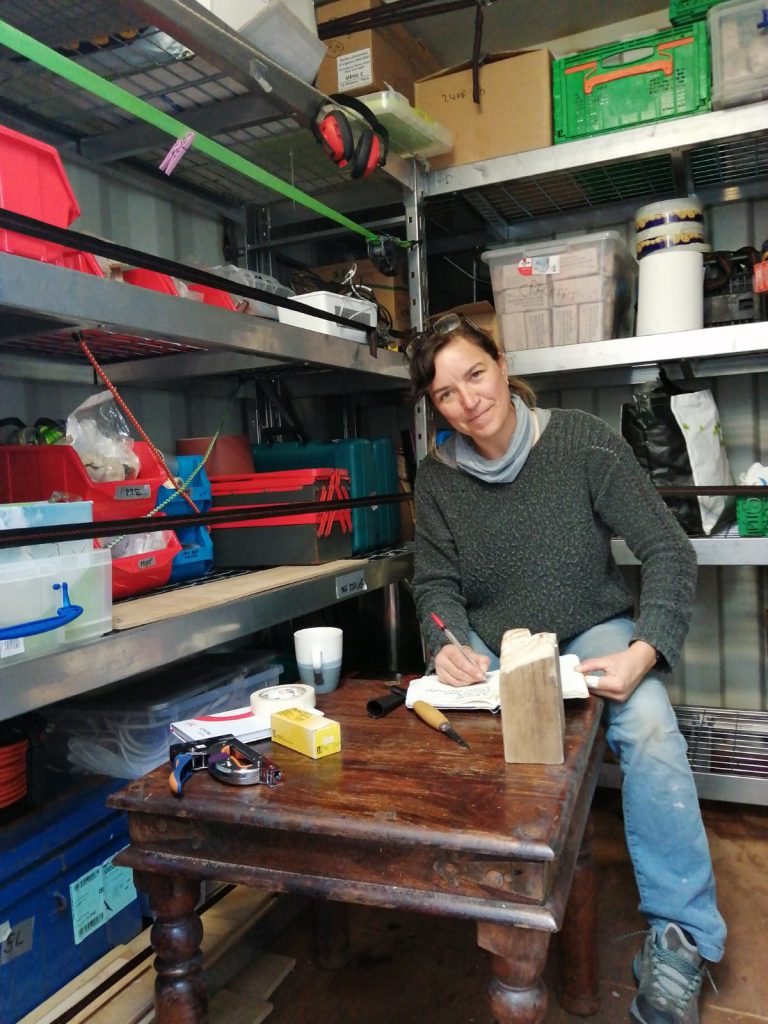
Climber, snowboarder, and seeker of adventures, Min is one of the most nomadic and free-spirited folk I know. Her ski-touring, mountaineering and her work with MSF have taken her around the globe but I first met her in slightly less extreme environs when she was working on Reception at the Castle. I happened to overhear her say she’d run out of pain killers for her broken elbow (snowboarding accident) so I fixed her up some codeine (which I happened to have on me for an injury… climbers). We got chatting and have been mates ever since. I was drawn to her warm, poetic soul and her particularly engaging ability to be both laidback and restless at the same time. Despite rushing around though, Min never fails to live in the moment and whenever shit gets real I always call to mind three sage words that she dropped over a beer one time, “consider the pinecone”. Min likes to keep moving. She’s a “winter chaser” first and foremost and the mountains are her spiritual home. When I first approached Min about this blog, she was hanging-out in Chamonix, having just returned from an adventure in the Ecrins with her brother, Alex. Thinking she would suggest Wales as her favourite place to climb on account of her masochistic love hanging out there in the pouring rain, in fact she chose the Italian Alps…
“Ice, snow and epic views (although a wet weekend in Wales comes a close second). Ice climbing and ski touring have repeatedly drawn me to Italy, away from the crowds of Chamonix. It’s an easy drive through the tunnel to the Aosta Valley and the classic playgrounds of Cogne’s ice falls and the multi-day routes, via “refugios”, up and around the Grand Paradiso. The other great aspect of these forays into the castle-guarded valleys of Aosta is the incredible quality of the fresh, local produce (which is also remarkably cheap). Plus, you can drink a spritz after a day’s ice climbing and forage for mertille (bilberry’s) on the descent”.
Long mountain routes in cold weather…. calls for hearty, filling fuel.
Seupa de gri
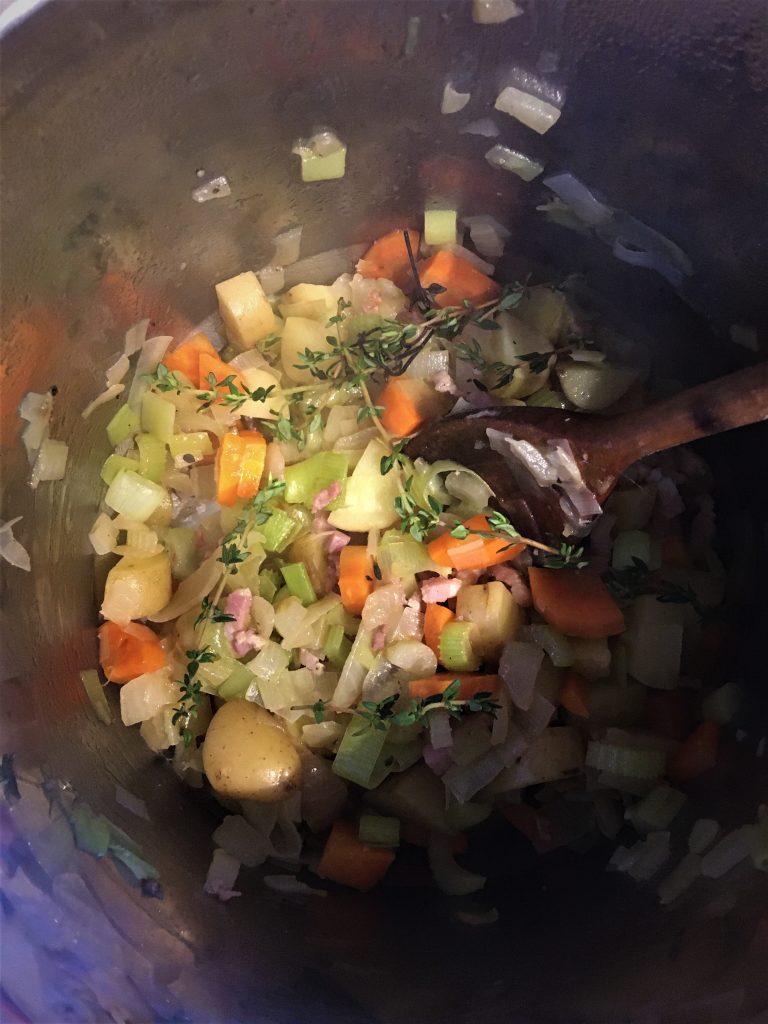
Min told me that back in the van after a climb, soup is her go-to supper most of the time; and her favourite Aostan dish is seupa de gri (zuppa is seupa in the Valdostana dialect). It’s a traditional recipe which guarantees nourishing goodness. Barley and seasonal vegetables are cooked long and slow to maximise the hearty flavours. Meat is an optional addition but local meat means animals fed on mountain grass so the flavours will be super. Big, hearty soup can mean planning a little ahead and possibly cooking the day before so the soup is ready just to warm-through after a long day in the mountains, but that’s better than coming down after a long day in the mountains and having to cook from scratch, eh? seupa de gri is akin to a sort of heart-warming stew. Super-filling, it’s a great choice because it sums-up Alpine cooking rather beautifully.
Seupa ala Vapelenentse
If you like your seupas, a regional alternative, is seupa à la Vapelenentse. This a rich beef broth comprising layers of Savoy cabbage, ham, salt pork, local Fontina cheese (see below) and… bread. It’s a good way to use-up stale bread and, like the seupa di gri, is rustic, hearty and humble. Effectively it’s a kind of baked soup so it sort of requires an oven although you could use a stovetop oven too such as Omnia (which are amazing):
Alternatively, you can construct your own ersatz version (a simple method is to upturn a bowl in a deep pan, add water (but not up to the height of the bowl), sit your dish on top of the bowl and pop the lid on the pan).
Min's tramezzino degli avanzi (“sandwich of leftovers”)
So, that’s the end of the day taken care of. I then asked Min what she likes to take with her on a long climb and instead of the usual bread and cheese (nothing wrong with that, mind), she mentioned a rather lovely simple, toasted sandwich which is easy to eat on the move in the cold. This is great “eater beta” for climbers. It’s a canny way to use-up leftovers and is also handy to pre-prep if: you don’t have much time; have an alpine start; or can’t get to the bakery for fresh bread. Plus, it can be sized, upsized and freestyled as much as you want. Obviously, you can make this anywhere, not just in Aosta so you can easily experiment!
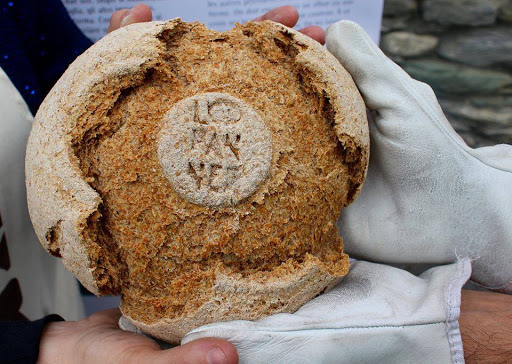
Just because I love bread, Italy and facts (plus Min loves this kind of shit too), I’m dropping in here that there’s in fact an annual festival devoted to this bread (Italian’s love a good food festival). You can read more about it here. Most Aostan Valley villages still have at least one community oven (this is the case across other Italian villages too throughout the country). The history of the Aostan ovens is particular to Italy’s more mountainous regions. At the beginning of winter, Aostan families would take turns to bake their bread at the local baker so that they had enough to last the season when they were likely to be isolated on account of the harsh climate. Yup – this bread lasts that long. Crazy eh? It was preserved on custom wooden racks, “ratelë”, for several months and accompanying the special rack was a special tool, a “copapan” – which is a sort of guillotine.
This would suggest that you couldn’t just pop to the larder and make a sandwich with it. Pan ner obviously ended-up being pretty rock hard and in order to eat it you had to dip it in broth, warm milk or use it to mop up the juices of a stew. Hence why it’s a great match with this soup (although you can obviously buy a fresh one!
Quajette
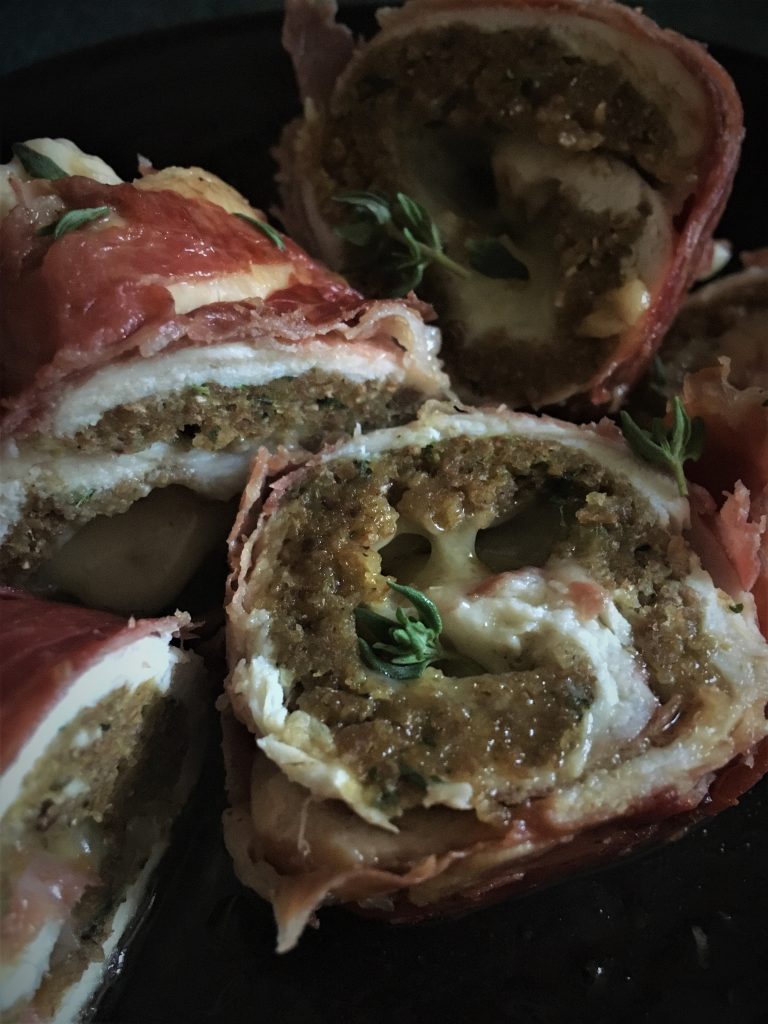
So, the one ingredient you have to try if you are around these parts… as mentioned briefly above, is the local cheese, Fontina. This gets a big shout-out because of all the ingredients/products found throughout this region, punch-packing, magnificently-melty, gloriously-golden Fontina, is probably the most lauded; it even has PDO protected status. Originating in the Alps in the 12th century, it features in many an Aostan dish and has long been an accompaniment to the region’s hearty soups. Dairy products make-up a huge part of the Aostan diet and are notably at their tastiest towards the end of summer, when the cattle have been grazing on wild alpine pastures. Fontina can be hard to find outside of Italy (unless you know a good deli) so that’s another reason you should get involved with if you are in Aosta. For something a little different from eating it with or in a soup though, you could try quajette (which hail from slightly further down the road, but hey).
Ma, qual ‘e quajette?
It’s cheese wrapped in chicken (doesn’t sound so great in English) and… it’s a quick dish you can cook on the stovetop!
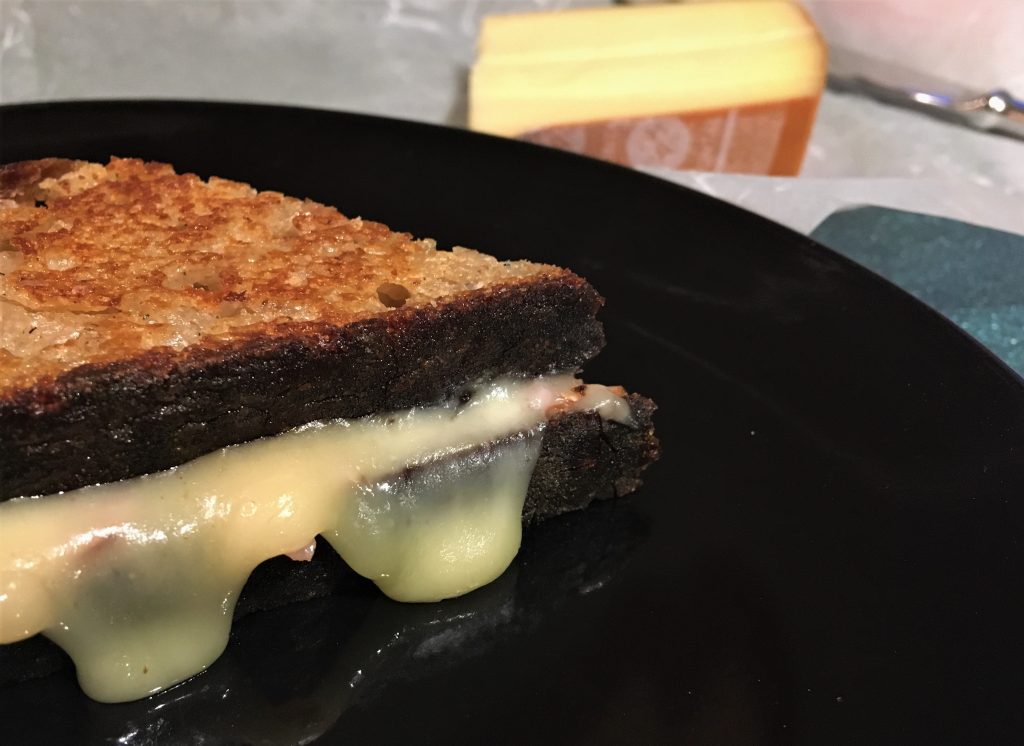
Toasted Fontina sandwich
Finally, Fontina is particularly gifted at melting (ridiculously so – it’s a big player in the world of fondu) which means it makes for great toasted sandwiches and I feel it would be remiss not to note that here, particularly given my love of toasties. It’s easy to make a toasted sandwich in a pan in a van but if you are camping (or at the crag) you could use a toastie maker
Poached Pears
And finally, if we are talking about pears and you find have room for dessert on top of all the bread and cheese, another typical regional dish is pears poached in syrup and local red wine.
Pear pickle
(Finally finally), if you’re feeling particularly adventurous or you are struggling with a few weather-enforced rest days, you could also try pickling some Seckel pears to enjoy with your Fontina cheese and pan ner bread. Just make sure you air the van otherwise everything will smell of vinegar! I will talk elsewhere about pickling/preserving in a van. You don’t need to worry here about sterilsing jars etc. this recipe is essentially a sort of speedy, chunky chutney and, as such, will keep in a covered dish in the fridge for a few days.

And, last but not least, what to drink with these...
One of the most wonderful things about Italy is it’s varied terrain and one of the most wonderful thing about the humble grape vine is that it is hardy and can grow just about anywhere, including in an Alpine climate. Aosta is in fact Italy’s smallest wine-producing region in existence since before the Romans although its historical varieties (which were manifold for such a small area) were wiped out in the 19thC by phylloxera (a pest which laid waste to most of Europe’s original vine varieties). Whilst the bulk of Aostan wines are now made from international varieties (or, rather, native French varieties because of the proximity) there are some which are unique to the region – Fumin, Priè Rouge, Priè Blanc, Vien de Nus, for example which have survived in the higher altitudes where phylloxera couldn’t touch them. So drinking wine here offers a great opportunity to try some rare varietals. Other native Italian varieties that fair well in the more northern regions are grown as well (such as dolcetto, nebbiolo and pinot grigio) and winemakers also blend native and international varieties. Instead of the more typical Italian scene of rolling hills covered in vines, here you will see vines trained pergola trellises along stone-walled terraces between and beneath the mountain slopes. The terrain means that the flavours of this region’s wines are mineral-rich and this quality sits nicely alogside the hearty dishes of the local cuisine.
There is a standard Valle d’Aosta DOC which covers most of the region and you can find a variety of options from Syrah to Pinot Gris (both of which would work with the seupa de gri – the latter (a white varietal) in particular will have an aromatic spicy richness that will pick out the sweetness of the vegetables).
For the Vapelenentse – Torrette would be a better match for beef – rich and full with lots of red berry fruit and a touch of spice.
For the chicken, a white suc as blanc de morgeux et de la salle – highly aromatic, with intense minerality, some pear notes and a touch of white pepper. This would also work with the seupa-de-gri.
Finally, if you are into your wines, there’s a rare red mountain wine from these parts, cultivated in a region known as “Hell” on account of the naturally formed amphitheartre that is grows in which gets blasted by the sun. Enfer Arvier is a an elegant blend of several different red varieties and is highly sought-after.
As with a lot of colder territories a feisty spirit is to be found and in the Valle d’Aosta, grappa is very popular as a digestif, partcularly after the rich dishes that are likely on the menu. There is also a herbal liqueur made here, génépy/genepì (originally from across the border in France). Its’ made from local mountain ingredients such as wormwood so, go easy ;).
Q & A
Quick Q&A on climbing/food/life on the road…
What do you find challenging when cooking on a trip?
Space. I only have a small stove and a low roof ;).
What’s your best van/camping hack – cooking or otherwise?
Efficient use of water; for example, hot water from cooking: put this in a bucket outside the van until you finished eating to wash with – even if it’s a bit starchy from the pasta or rice it is still great for get rid of oil – then you can rinse with a small amount of fresh water!
What’s your top climbing trip/van cooking equipment purchase?
It has to be a jet boil – near instant tea! I love the cold, yes but I also love a good cuppa!
Do you do anything to complement your climbing while you are on the road – do you have any training hacks for vanlife?
Having two finger boards hanging of my roof-rack. I have used this technique in other peoples vans too and its great for doing some dead hanging or leg raises… just be careful not to forget they are there and smack your head on them :). When I’m away working, I don’t have this obviously and I’m often so busy/tired that I don’t have time to train. Thankfully mountaineering/ice climbing are a little more forgiving of this.
What do you eat at the crag?
Saussison for the protein and salt in little cubes mixed with cubes of cheese in a bag – easy quck and means less delays on belays in a long mountain day!
What’s the best route you have climbed?
My favourite climb recently was the classic route on the Aguille Dibona in the Ecrins, France. It’s a quiet, dramatic region of moonscape bare rock which towers over winding valley rivers and summer meadows, peppered with the odd cascading waterfall just to complete the breath-taking simple beauty of the place. We went to climb the notably shaped Aiguille Dibona but also to spy out the areas potential for next season’s ski touring, really.
Who are your climbing heroes?
My climbing heroes are more explorer and mountaineering heroes – such as ueli steck and Xavier de Le Rue (French big mountain snowboarder) and female explorer authors like Sara Wheeler.
What got you into climbing and what does climbing give you?
I started playing in the mountains when I was small when we lived briefly in Swizerland, then by 18 I went in for my BASI snowboard instructor qualification knowing I felt the most at home in the winter and in the mountains. It was later that I came across climbing – in Namibia in fact – and was facinated by this mad sport. I spent a couple of months in the summer where I was in my early 20’s with some friends of my Dad who were driving through Namibia, camping and climbing. This caused two life decisions – to climb and to study anthropology :).
How do you manage your fear?
With difficulty! I find that when I am moving quickly – either snowboarding or working an alpine route the complete focus means that fear is not an option and so is pushed to the side. Or dealt with before the day starts (I remember when I would go for a big kicker on my board riding to the top of it and waiting until I have decided internally I was committed…then I would make the snap decision to go, no more thought.) Sport and trad climbing are different; slower decision-making means more space for fear to creep in.
I think now I decide at the base of a route if I want to do it – if the fear vs enjoyment factor is at a good ratio and if not I just say ‘not today’ and that’s fine :).
Bouldering or sport or trad or maybe for you, ice? and why?
Ice because I feel at peace in the snow and in the cold – my mind is quiet and focus is easier to find.
Have you ever been benighted or had a close call?
My closest call was back country snowboarding – mis-judging in a white-out and finding myself balanced with only a couple of inches of board in snow the rest out over a rock drop. Slow and delicate manoeuvering finally got me back on solid snow. My mind was paused – absolutely focused on action – slow motion no panic – but later terrifying!!
If you were a pair of climbing shoes what would you be and why?
I would be a set of scarpa approach shoes – multi-use, look great, and you can climb a wall on your way home just for the fun of it!
Where is the most unusual place you have climbed.
Namibia – Spitskop – off the Skeleton Coast.
What’s the best view you’ve enjoyed at the top of a climb?
Funnily by the time I get to the top of a big alpine climb I am usually quite tired and the decent is still a huge part of the project. But I would say from the top of the Peigne looking across at the snow slopes under the midi station in Chamonix and down into the vally felt pretty awesome (and exposed!).
For ski touring I would say the top of the Grand Paradiso this winter as it was so harsh and up high and the clouds were boiling over the mounains below. Harsh conditions make (sometimes briefly) for dramatic views.
What’s your best tip for someone starting out in climbing?
Know what you love and if you are not sure try a bit of everything : sport, trad, alpine, ice, ski touring as you like. But in the end you may find your thing is not necessarily what others like. Make the mountains a personal life project – as such what you like may change as you do :)
If you weren’t addicted to climbing, what would replace it?
Motorbiking (hard to ride up a mountain though…)
Where’s your next trip and why?
Winter in the Alps trying to do as much winter climbing and ski touring as I can. I work away a lot so have to make the most of the snow when I can
Corona virus hit while you were on a mission; what has been your lockdown experience?
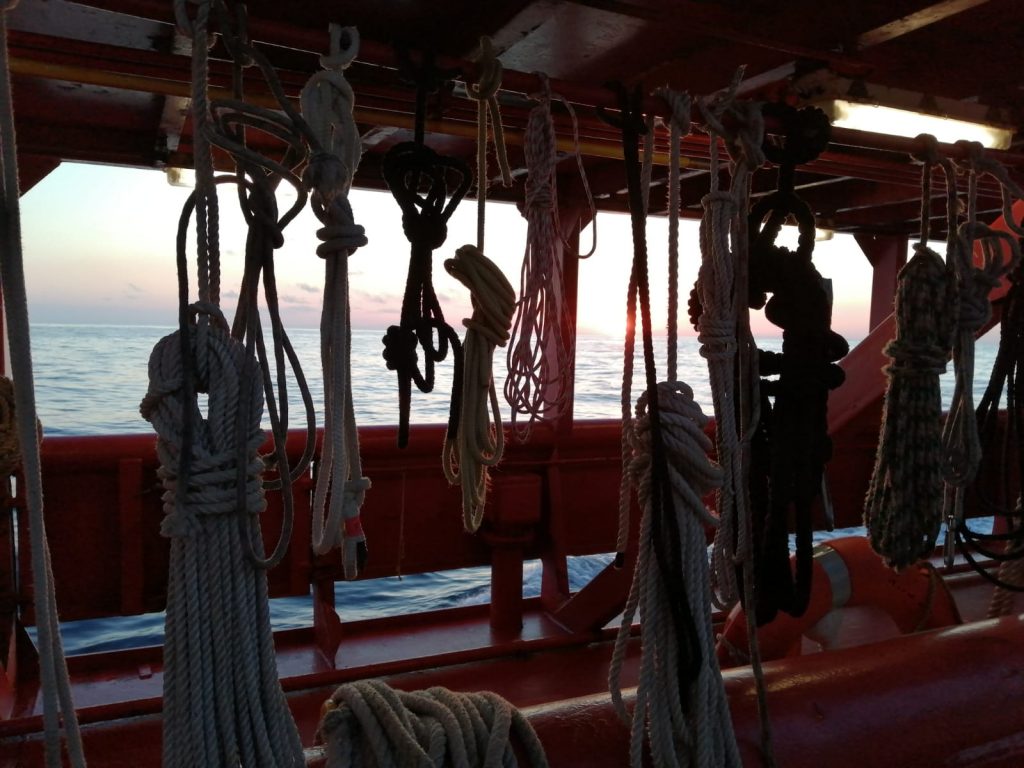
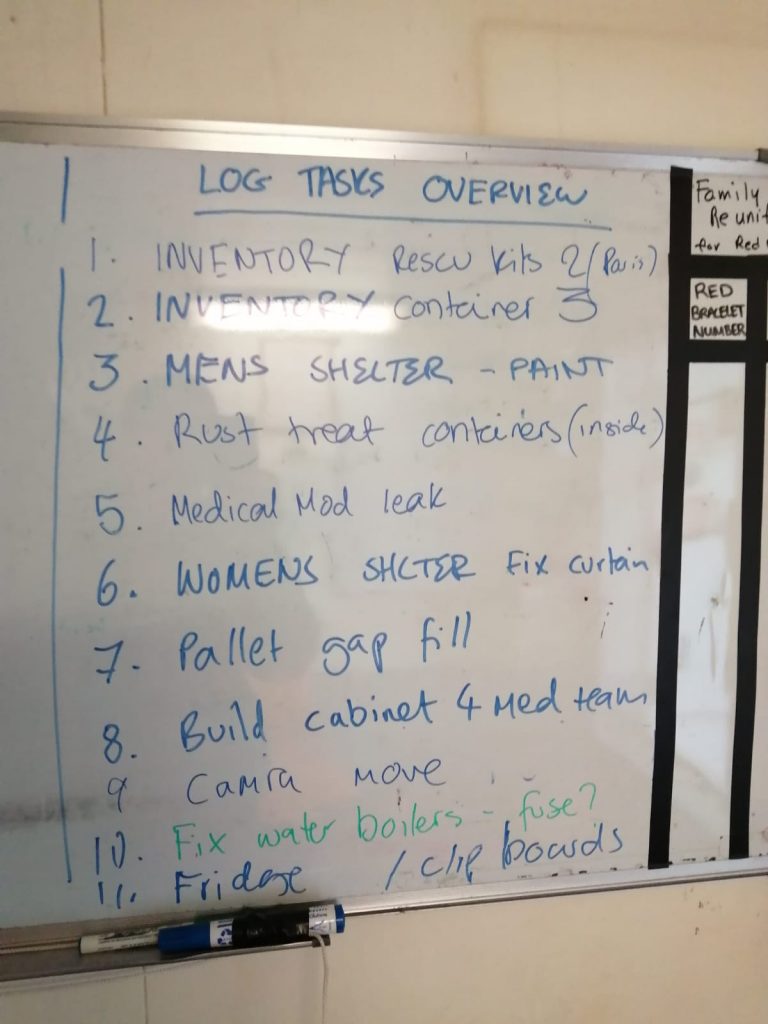
Back in Feburary 2020 I joined a search and rescue team on the ship the Ocean Viking which comprised MSF (medical and logistics) and SOS Mediterranean (professional rescuers). In the first rotation at sea, (ie 4weeks), we engaged two ‘shipwrecked’ rubber boats of the Libyan coast and rescued 270 people. The weather was prettty shocking and the rubber boats ill-equipped to standup to them but all survivors were safely evacuated. It’s hard to explain what it is like to know that people you pick up would have died alone in the sea otherwise with no one to witness it. When they are rescued our primary concern is to offer them food and warmth obviously but also to reassure them that they made it, that they will actually be ok, and that we will not return them to war-torn Libya as we do not classify it as a port of safety. I consider it a privilege to have been able to spend time with these souls, especially knowing the hardships and horrors they have faced and further challenges still to come.
We were granted a port of safety in southern Italy just as the Corona situation was escalating in the north and Italian authorities placed us under quarantine on the ship for 14 days to make sure no one on board was sick (although we found this ironic as Corona was at this point more of a risk on shore than where we had come from). We were then eventually kicked-out of Italian waters due to fears that we would perform more rescues and Italy did not want more people coming ashore as internal tensions increased. We made for port in Marseille where we were allowed to dock but were, of course, again restricted to the ship as isolation regulations then hit France. Throughout this time risk analysis and negotiations with European countries were conducted as we all desperately wanted to go back to the Search and Rescue zone knowing that fighting in Tripoli was at its worst in months. People would flee Libya, whether there were rescue ships or not.
Unfortunately for multiple reasons we did not get the green light to head out again to sea so spend 5 weeks in lock down in Marseille port. The advantage was that the ship counted as a household so we could hug each other and in challenging times that felt good. People on shore from the team felt really isolated living in flats on their own and being surrounded by fear in the supermarkets etc. Another privilege of this encounter.
After we were released from isolation I took my van to Brittany where I’m very much enjoying some nature; so welcome after being stuck in dock but I’m soon headed out on a UN flight to Nigeria for a 6 month mission coordinating logistics, including assisting MSF’s Corona response. In times of a global pandemic it feels good to work for a medical humanitarian organisation!
End Credits
You can read more about the Ocean Viking mission/quarantine here:
https://www.dw.com/en/on-a-sea-rescue-mission-with-the-ocean-viking/av-52701489
https://www.thenewhumanitarian.org/news/2020/02/26/Libya-migrants-refugees-Italy-EU-Europe-detention
Min also keeps a blog
Her posts about her missions/adventures are always informed by her interest in anthropology, philosophy and man’s (in)humanity to man.
You can find out more about climbing/mountaineering in the Aosta Valley here.
Comments
Hit me up with any variations you've got for these ingredients/dishes; any other van-friendly recipes you would like to share from your travels to this region; or, indeed wines that you have come across on your travels that you would recommend - either as a match or just for drinking!