


Seasonal sips – five essential wine styles for Christmas
We all like to treat ourselves at Christmas. Given all the upset of this past year a lot of folk are craving good old traditional Christmas – one that will focus on warmth of the family and the simpler things like sharing a hearty meal with friends and loved ones. This time of year always used to be about the feasting – never about the TV and the Boxing Day sales. The icing on the cake for any festive celebration is the alcohol, in this case, wine. I’m all for experimentation, especially when it comes to wine but sometimes you just want something that will hit the spot without having to add that to the list of things you need to spend time rushing about trying to buy or research endlessly to ensure it’s all “perfect” – that’s not what Christmas is about (although, personally I’m into liquid research). It’s not about lifestyles and catalogues and FOMO and especially this year. Besides, there are no guarantees in life and wine is included in that – the “perfect” bottle could be corked or past it! That being said, as someone who sometimes insults and assaults their poor palate with rubbish pub wine, I do agree with the saying, life is too short to drink sh8t wine (although I would caveat that I often end up in scenarios where I appear to have waived that; I do however, hold it to be essential for special occasions). We’re all feeling like we need to pull some stops out this year, within the bounds of reason, to see 2020 off merrily but how do you navigate the endless wine lists/options on the shelves?
I will always get some fizz, something for Christmas lunch, a dessert wine and something for Boxing Day. We aren’t a huge family so I don’t need to go mad and we’ve generally got all the other alcohol essentials knocking about. Then, because I like wine, I will get in a bunch of other wines that I like drinking and I feel will be a nice fireside sipper that I can linger over of an evening; or things I’ve had my eye on I would like to try or treat myself to (within reason). Then I hope that serendipity prevails. The easiest way to choose the main players for Christmas Day, is to break it down a bit. Think about what you will be eating and go from there. It can be hard to get it “right” sometimes, however, because there are frankly so many flavours competing for attention at the dinner table at this time of year. My top tip is not to drink the random special bottle you have been saving for an occasion. Christmas lunch is not the occasion for that – you just won’t get the best out of that bottle. Fortunately, to help you there are some classic matches when it comes to Christmas lunch and one easy way to break this down a bit more is to ask your friendly wine merchant for some advice. So, I’ve done that for you here. I’ve asked my favourite friendly wine merchant (who happens to be an old friend). He has an excellent list, a keen eye and an even keener palate. The wine merchant in question is Simon Taylor, founder of award-winning independent merchant, Stone Vine & Sun. Simon has very kindly taken the time to suggest options for 5 festive feasting scenarios. All of which are available via mail order on his website – follow the links in this article (which will take you through to tasting notes and more info about each wine). I’ve bought a fair bit of wine from Simon over the years and having been to a number of his tastings and written copious notes (because I’m a nerd) one of the things I often write is VFM – value for money. I also love his list because he buys from independent, family-owned producers (and I’ve even visited a few of them) so you won’t find his wines on the supermarket shelves. I trust his advice implicitly and I hope that you will find something from his extensive and carefully selected range that tickles your fancy and ticks your boxes and brings festive cheer to your palate.
Over to Simon.

Fizz - sparkling or Champagne or both?
Everyone needs fizz at Christmas (and especially after the year we’ve all had!). It’s the drink of celebration and a very cold glass is the best thing to pick you up on those mornings when you are feeling ever so slightly jaded from the night before. (BTW, it’s also the best thing to drink with fish and chips, but that’s another story…).
If you can afford Champagne, enjoy it! When feeling flush (i.e. rarely) my tipple of choice is Taittinger, Prélude, Champagne Grands Crus, Brut, NV (£48.50), from halves of Chardonnay and Pinot Noir, all from the best vineyards classified as Grand Crus, and given a minimum of five years’ ageing on the lees before release which enriches the flavour. Essentially, it’s just so suave and polished.
One word of advice: don’t buy the cheapest supermarket Champagne – corners will have been cut in its production, it will have been aged for the legal minimum rather than years and it may taste like battery acid. Instead seek out wines made in the same way as Champagne (i.e. a secondary fermentation in the bottle creating the bubbles, as opposed to the bubbles in a tank of Prosecco) all over France and indeed the world. In France they are usually known as “Cremants”: a really good one from the cool hills of Limoux in the foothills of the Pyrenees is this: Laurens, Cremant de Limoux, Les Graimenous, Brut, France, 2018 (£15.75), a blend of 60% Chardonnay with 30% Chenin, 5% Pinot Noir and 5% Mauzac, and a dead ringer for Champagne.
Sauvignon Blanc for smoked fish
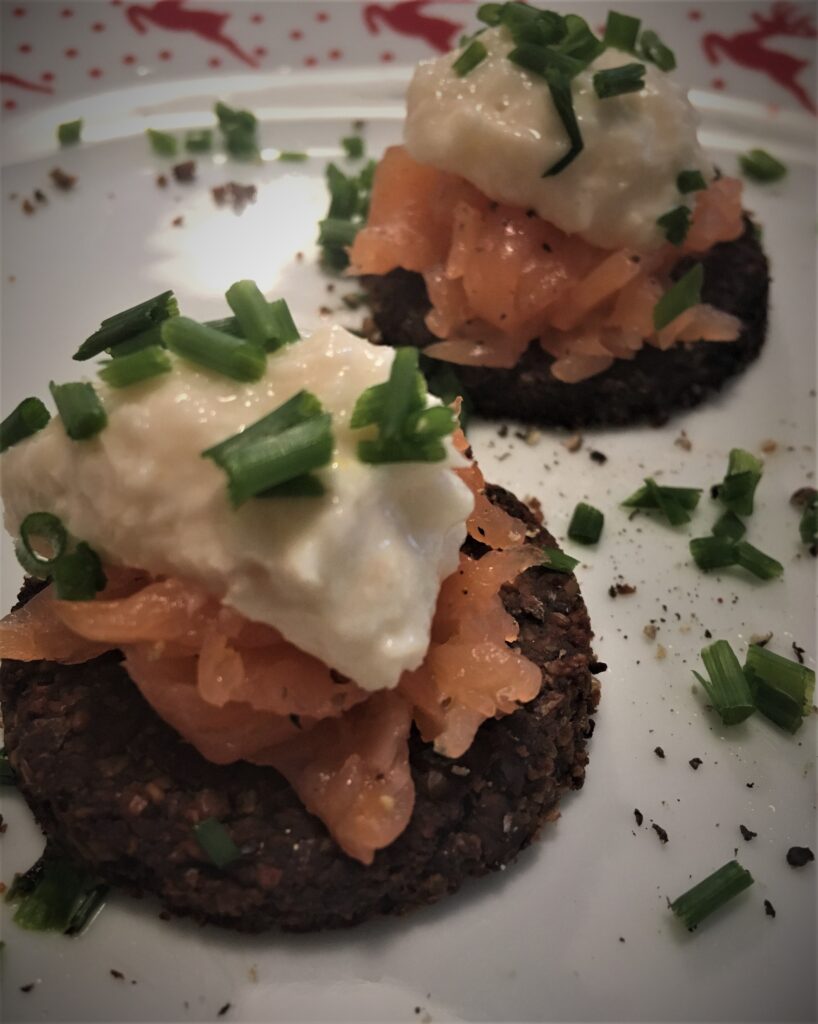
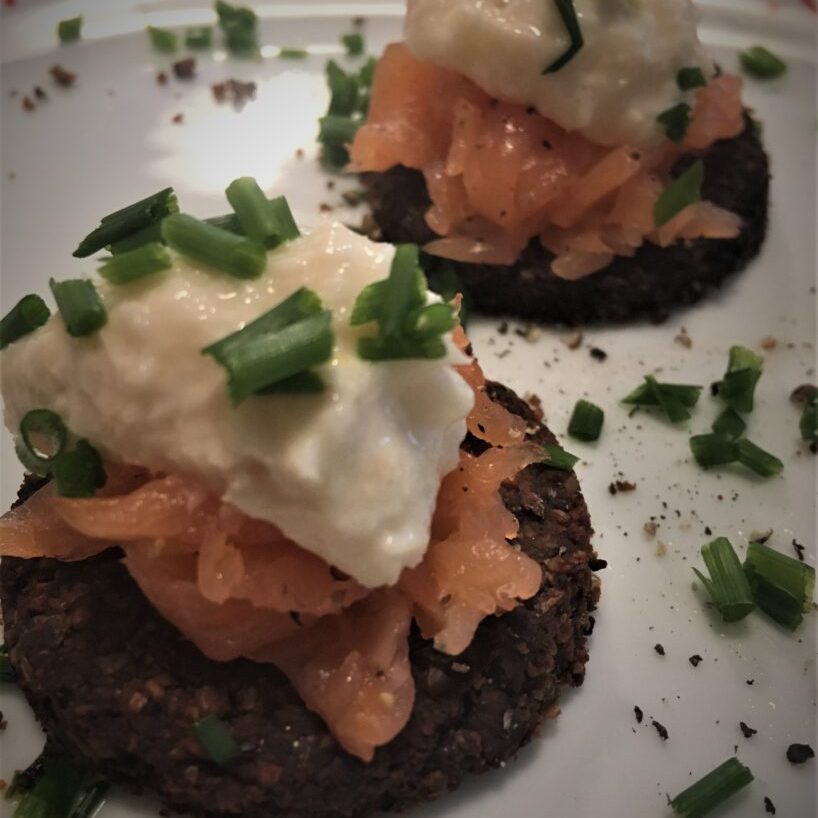
OK, not everyone eats smoked fish for Christmas but I’m sticking with the traditions. And it may not be smoked salmon (as most is unpleasantly farmed) but smoked trout (that from ChalkStream Trout is superb) or smoked eel or smoked anything fishy (which also nods to Scandi-style festivities too). That distinctive smokiness and the oily texture of smoked fish are both well-known wine killers. My advice is either stay on the fizz (as above) or move to a pungent, zesty Sauvignon Blanc which can stand up to them. Best known are wines from the famed central vineyards of the Loire, in particular Sancerre or Pouilly-Fumé; for example, this is superb, with surprising intensity – Francis Blanchet, Pouilly-Fumé, Les Silice, 2018 at £16.95. However there’s good SB from lots of cool locations in the southern hemisphere. Marlborough in New Zealand is the obvious spot, and coastal Chile, but I often like the steeliness of South African SBs, for example, the Cape Atlantic Sauvignon Blanc, Western Cape, 2019 (£9.95), sourced part from high mountain vineyards and part from near the southernmost tip of Africa.
If you aren’t into your smoked salmon, this is a good shout for so many other dishes too – a crisp winter salad, anything with a goat’s cheese etc or an aperitif for those who don’t like fizz (whoever they are…?).
New World Pinot Noir for Turkey
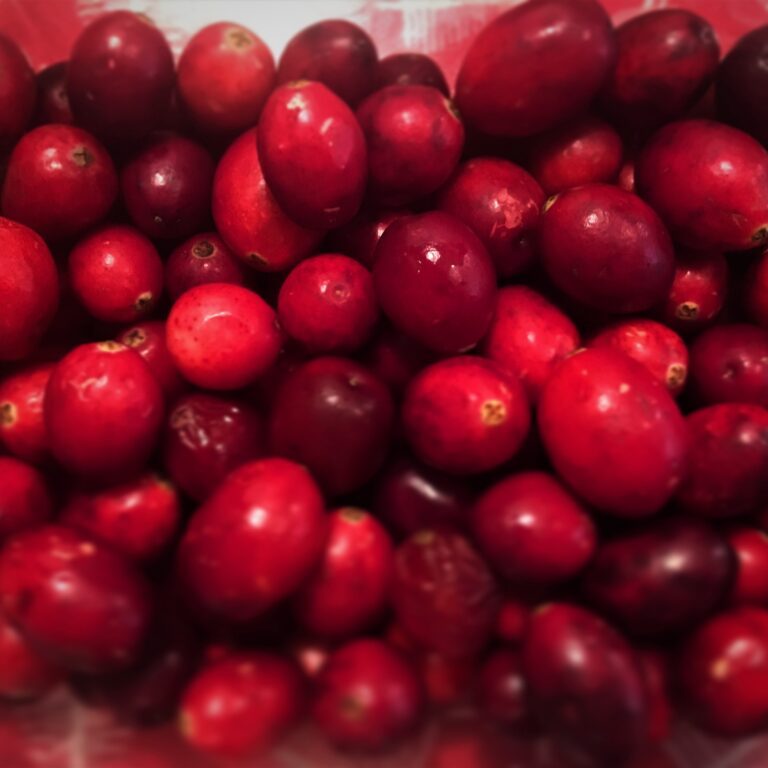
In nearly 50 years of drinking I have tried most pairings for turkey, from expensive red Bordeaux, Argentine Malbec to top Tuscan Sangioveses – and big whites too, from barrel-fermented Chardonnay to powerful Alsace Pinot Gris. Some time ago I decided that Pinot Noir was the best grape to pair with the Christmas bird (just as it’s best for guinea fowl and all feathered game). It’s not too heavy for white meat and a decent example has the aromatics for the occasion. But I have also concluded that the Christmas plate does not call for grand red Burgundy – there are just so many noisy flavours (sausages, bacon, chestnuts, cranberry sauce, etc. etc.) competing for attention that an aged or delicate wine is drowned out. So now I drink riper and fruitier new world Pinot Noir. Of course one can go expensive – for example the bold and vibrant Felton Road Pinot Noirs from Central Otago in New Zealand – £30 and upwards – but one doesn’t need to. Chile is the best source for great value Pinot. This is lovely, showing bright strawberry and red cherry fruit – and surprisingly concentrated for a Pinot at this price: Valle Frio, Pinot Noir, Maule, 2020 (£9.25)
Beaujolais for Boxing Day
OK, so you have cold turkey and cold ham in quantity. You might not eat them for Boxing Day lunch (we find a stash useful for late-night snacking) but you will have lots. So you need Beaujolais! Long under-appreciated (all because of the region’s disastrous adoption of Beaujolais Nouveau, the sheer reflux-inducing horror of which scarred many of us for years) Beaujolais, a pretty, crunchy, fruity and altogether life-enhancing drink from the south of Burgundy can be wonderful. It makes the perfect lunch wine; that bite cuts the fattiness of cold meats without overpowering them and it’s usually of moderate alcohol; plus, because it remains unfashionable it offers very good value. It all comes from the Gamay grape, which rather unusually, thrives in the granitic (and quite acidic) soils of the Beaujolais hills; and a series of hot, climate-changed summers mean that every vintage displays splendidly ripe fruit now. A juicy example is Montangeron, Beaujolais-Villages, 2019 (£11.25) but, if you really want to open your eyes to the qualities of Beaujolais, seek an example from the ten Cru Villages. In typically perverse French fashion, wines from Morgon, Moulin-à-Vent, Fleurie, St. Amour, Brouilly et al often don’t even mention on the labels that they are in Beaujolais at all, or the name of the Gamay grape. You are just supposed to know (which may be why French winemakers then whinge that new world wines with grape varieties on the label are stealing their sales but tant pis!). Hardly anyone knows where Regnié is but this wine, from Gamay vines around 70-100 years old, is amazing in terms of its sharp black fruit and dense mouthfeel: Lagneau, Regnié, Vieilles Vignes, Cuvée Gerard, 2018 (£13.50).

Fortified for (or instead of) Christmas pudding
There comes a point (usually after one has drink far too much already) when you don’t want any more white or red – but, yes, something sweet would be good, mmmmm. And one has to serve something excessively sweet with the Christmas pudding as that mound of dried fruit and spice is otherwise over-powering (whatever you do, don’t serve a Sauternes or similar – it will taste sour and be a waste). You need a fortified wine (and yes, that means a wine which has been “fortified” by having grape spirit added to it to beef it up, so expect alcohol levels of 15-20%). Port and Madeira are fine for traditionalists, but the following two are more fun. First, a super-sweet sherry, made from dried Pedro Ximenez grapes and given at least five years oxidative ageing in American oak vats. Coming in with a whopping (and horribly fattening, but who cares about that at Christmas) 400 grams of residual sugar per litre, the Barbadillo, La Cilla, Pedro Ximenez, Spain, NV (£19.95) is unctuous and full of the flavours of finest, squidgy dried fruit and sticky toffee. Think of it as good for you, the sweetest and most soothing cough medicine – and you can even pour it over vanilla ice cream. Second, if you want something even more funky and wonderful then this is for you: Domaine Fontanel, Rivesaltes Ambré, France, 2010 (£21.50). From late-picked, 60 year-old vines of Grenache Blanc and Gris, the Ambré – literally amber – tone develops after years of mildly oxidative ageing in barrel. This offers intriguing fumes: dates, cooked autumnal fruit and a hint of sherry-like oxidation. Dried fruit flavours dominate, with accompanying subtleties, including coffee and caramelised oranges. A wonderful partner to hard cheese, dried fruit and nuts.
Cheers and Happy Christmas!