
Jack Griffiths – Switzerland
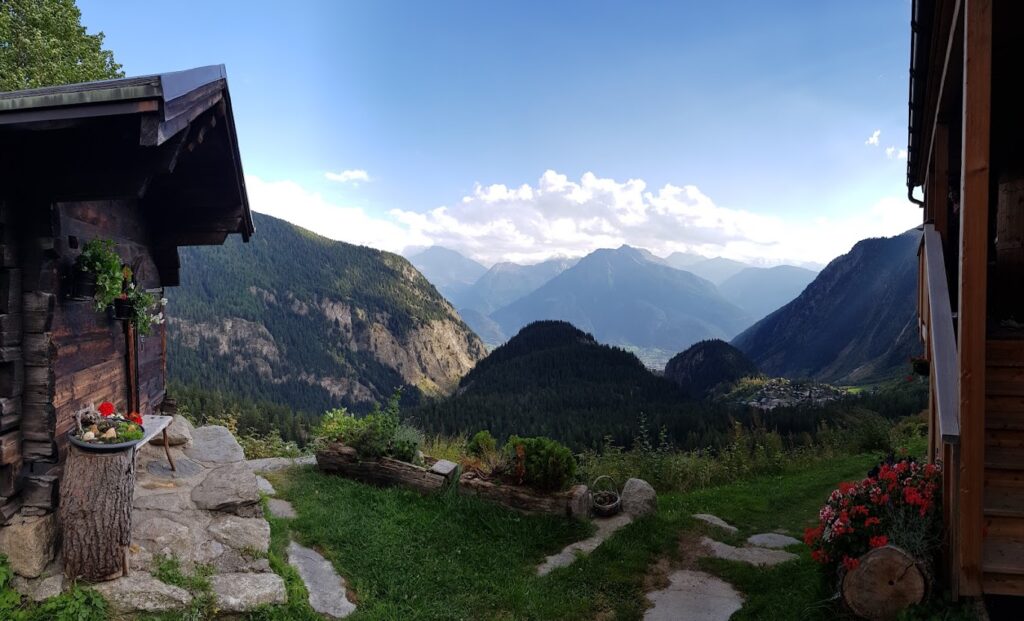
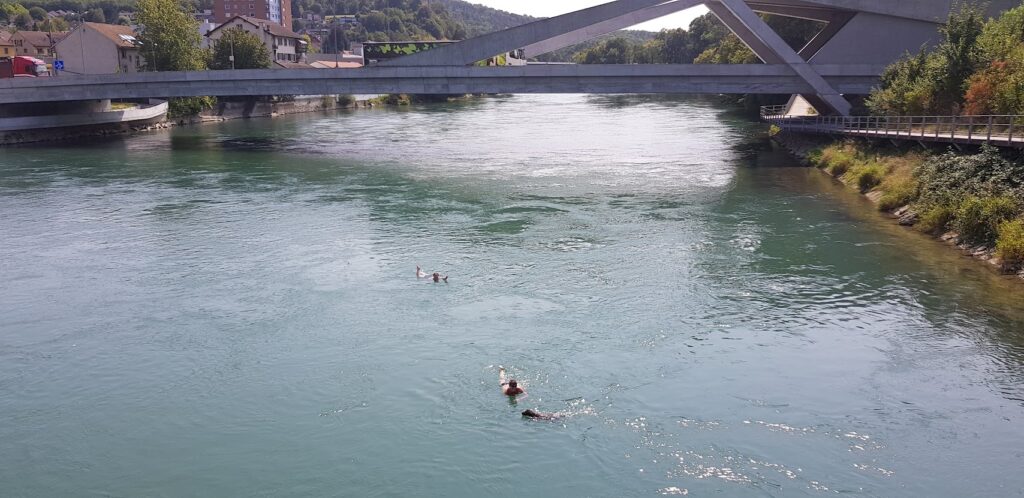
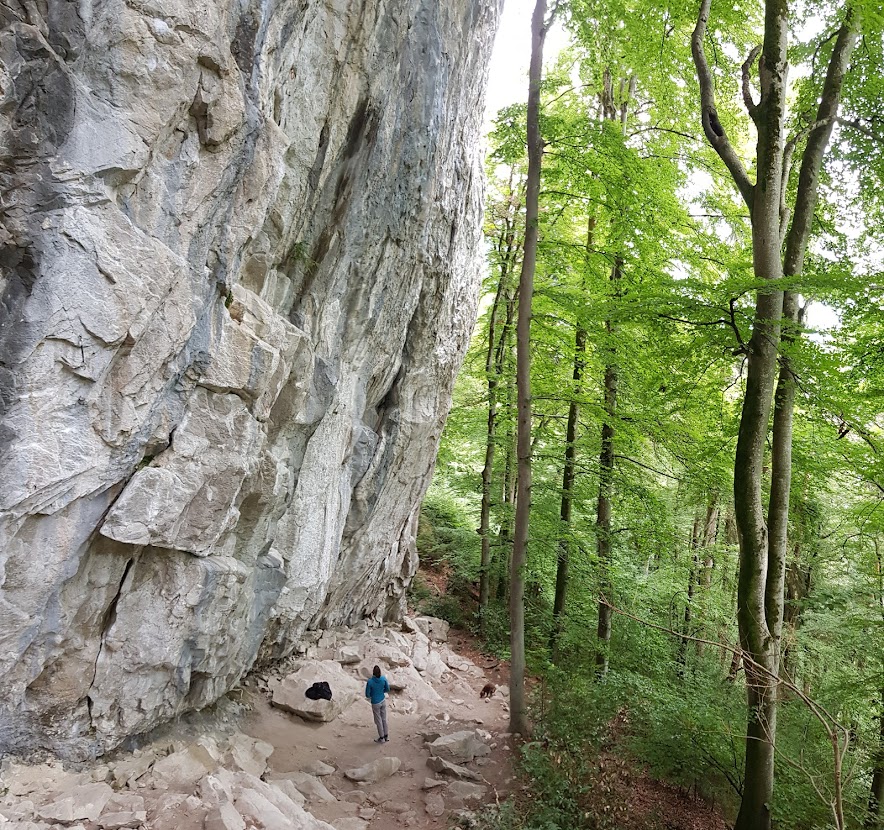
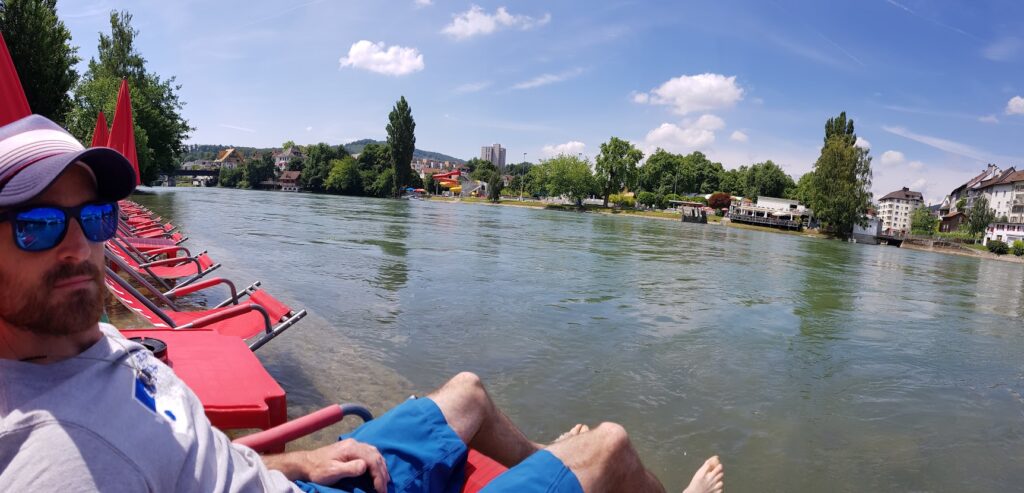
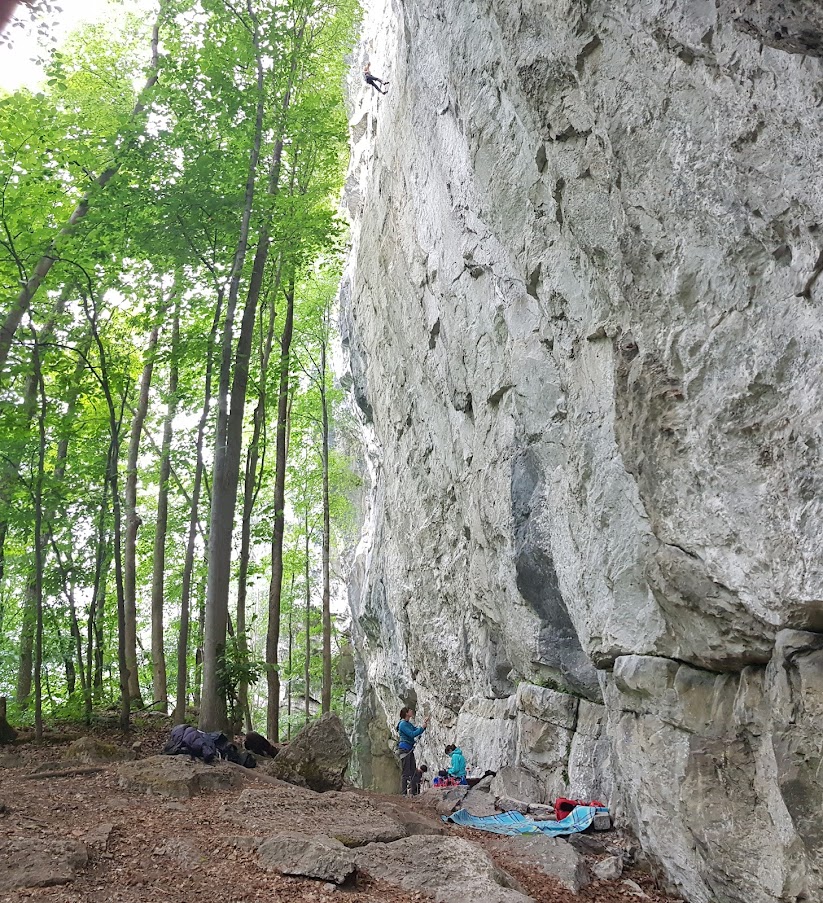
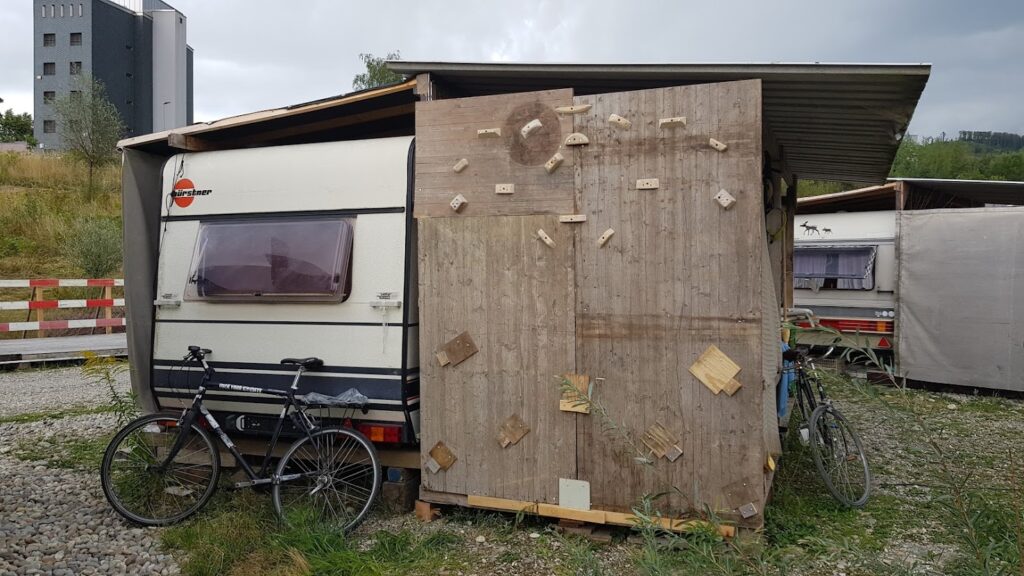
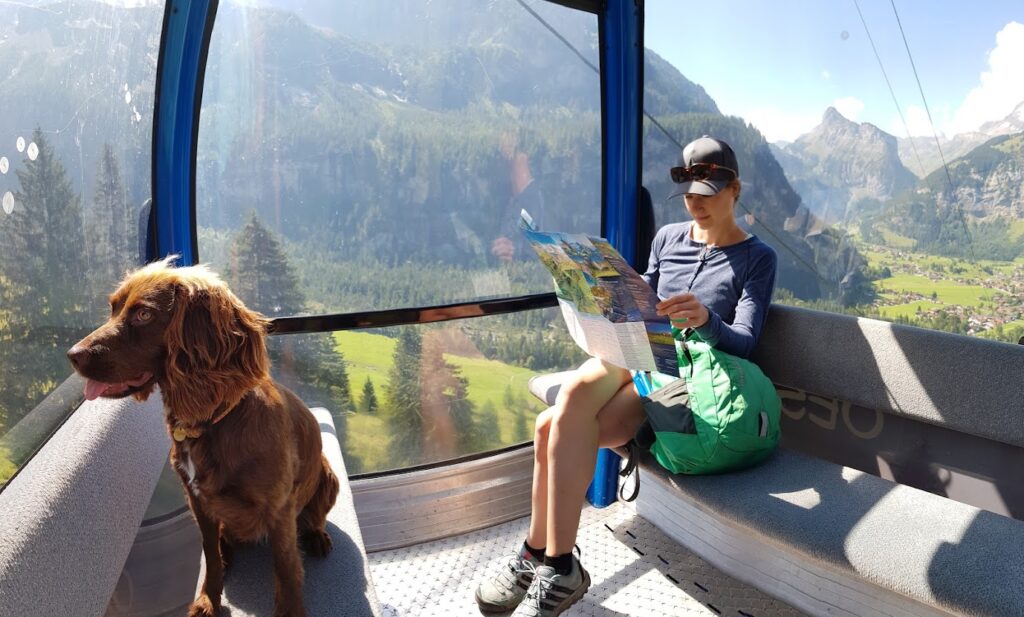
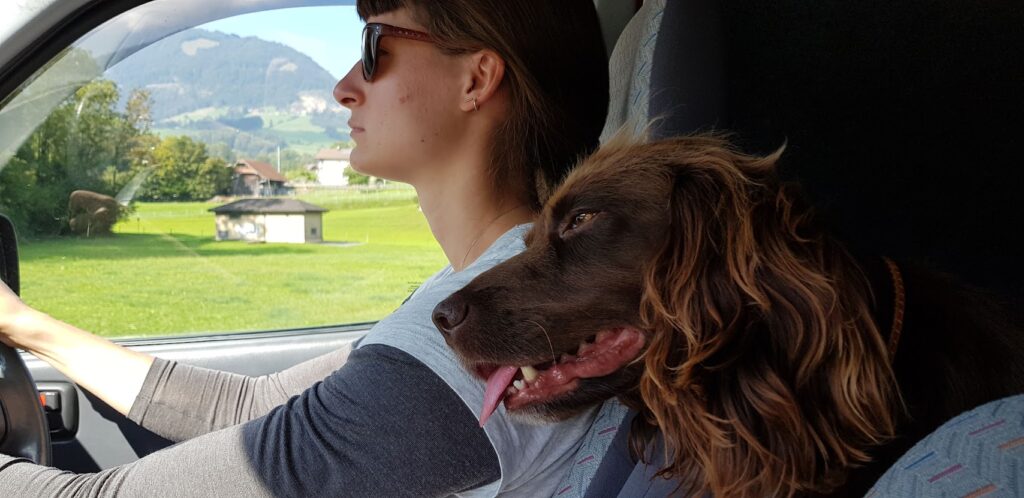
Having started climbing as a teenager at the Castle in London, some 25 years later… Jack is now the CEO of 5 climbing walls. This began with move to Bristol, having spotted an opportunity to jump-start the city’s climbing scene (whilst securing a heel hook in London with the Hackney Wick Boulder Project). Jack is bright-eyed, sprightly and very driven – qualities that have enabled him to enjoy success at the crag and also as a businessman. Never one to sit still, he’s recently started a podcast called Redpoint Radio (named after one of his walls) to talk about different aspects of the industry. There’s also a rather lovely wide-eyed, childlike sense of wonder about Jack behind which is a palpable enthusiasm not just for climbing but for life in general. Despite being rather busy he always has time to say a cheery hi and chew the fat although I mostly bump into him at the crag these days on weekend jaunts to Portland. He and his wife Caroline (and their pup, Fion,) are very well-seasoned climbers and have enjoyed many a foray in their van over the years. Always psyched, Jack is a keen ambbassador for the sport and is very supportive of his fellow climbers of all ages and abilities. This keen support naturally spills over into anything climbing-related, and despite being a rather busy chap, Jack very kindly took some time to get involved with this series as my next “Climber on the Road”. Jack has climbed all over the world but when I asked him to choose a country, he picked Switzerland and here’s why:
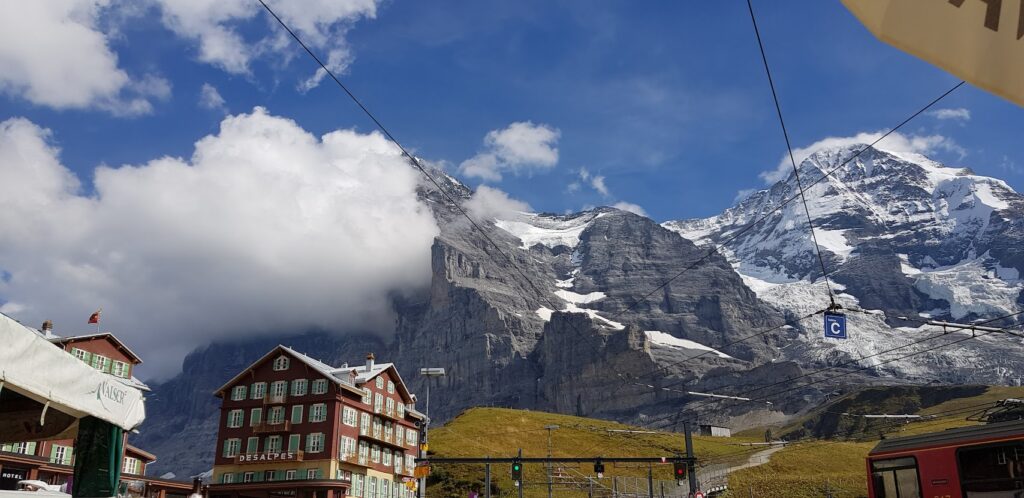
“There’s endless climbing here. It’s super-famous for bouldering areas like Magic Wood and, of course, Mountaineering like the Eiger! But it also has incredible Sport; particularly the multi-pitch sport, which is amazing, well bolted and takes you to some very beautiful, very wild places. It is an expensive place mind you; and if you are ‘van life-ing’ then most people stock-up on food, beer etc at the border! I recommend saving your pennies and going to the Terma Baths while you are there. There’s no better rest day activity!”.
Expensive means all the more reason to be canny with your van-life cooking because if buying ingredients is relatively expensive then eating out will be a luxury! I’ve come up with a few ideas based on Jack’s suggestions…
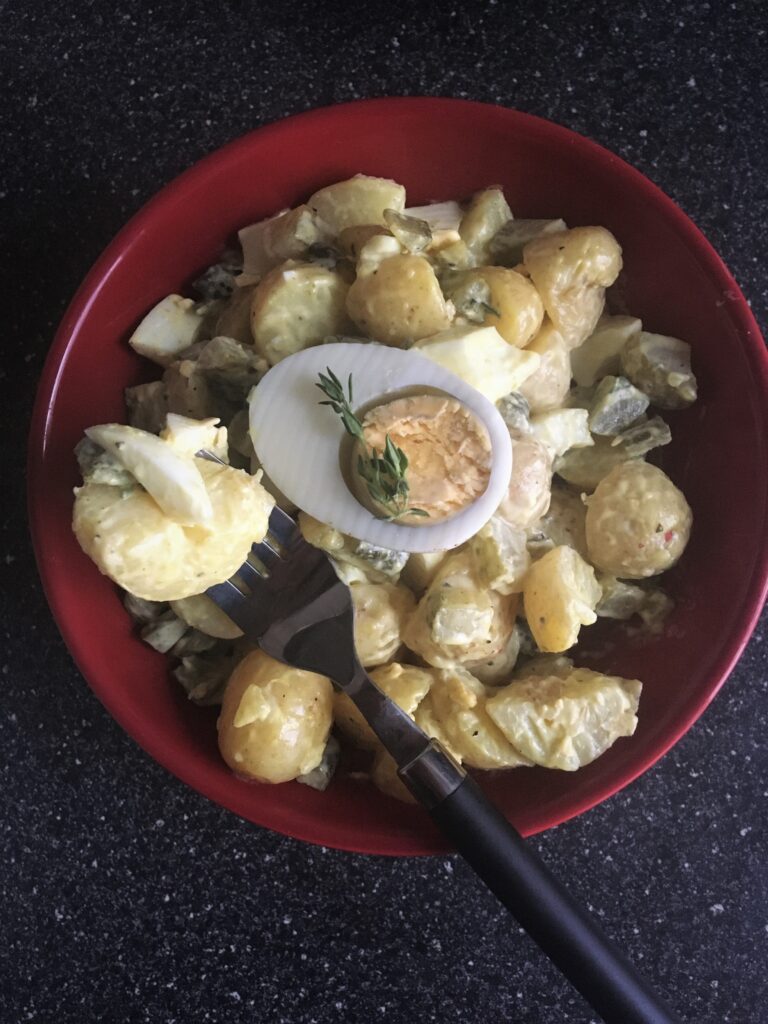
So the format for these features is that I ask each climber to choose a typical regional dish. Jack’s is potato salad. At first I thought, what the…? But, actually this is delicious and, as Jack notes,
“Swiss potato salad is simple and good for van cooking. Plus you only need 4 ingredients (although I add a bit of mustard aswell). One of the ingredients is boiled eggs which can be can be bought ready boiled at any supermarket in Switzerland. They are coloured like Easter Eggs and are cooked to perfection. Mayonnaise and Mustard come in metal tubes like tomato purée.”
It’s kind of a quirky salad – one of those ones that’s lacking a bit of green but is arguably good climbing fuel and, as leftovers, offers a pretty tasty emergency forkful at the crag.
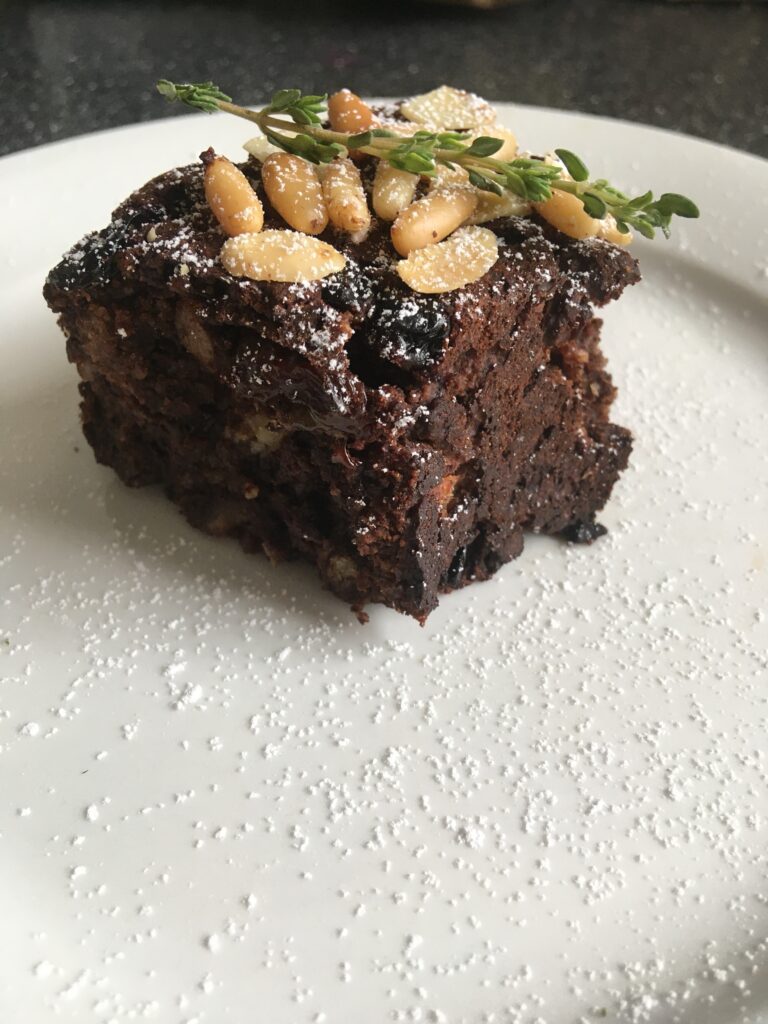
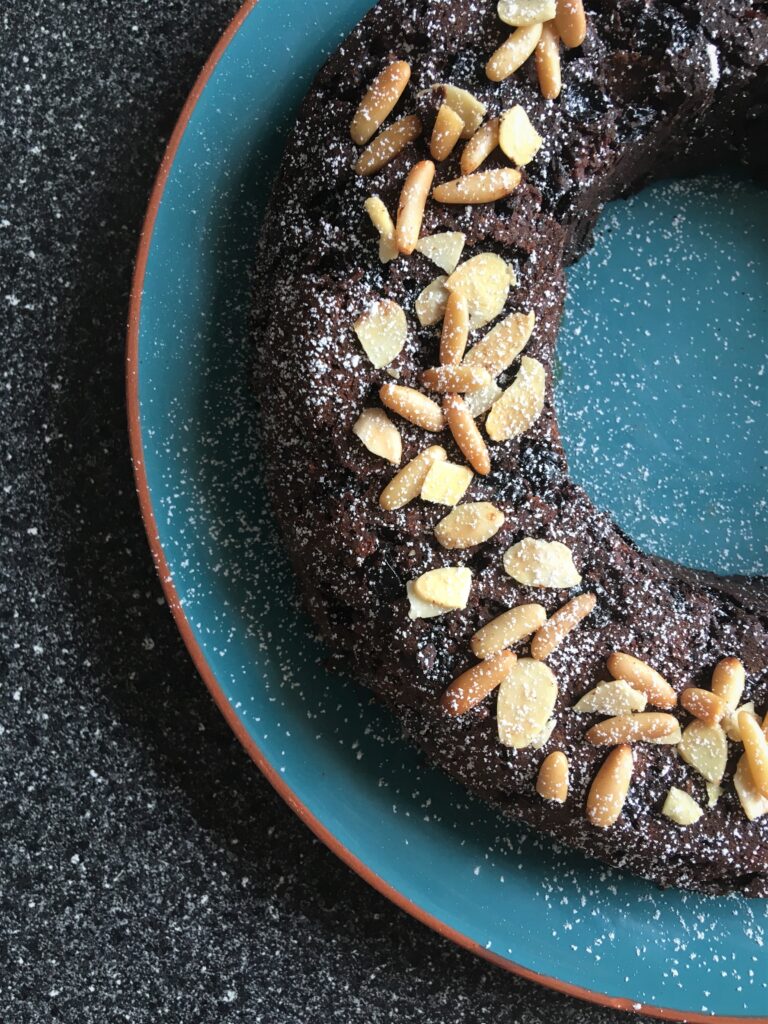
The regional ingredient that everyone should try when they visit Switzerland, according to Jack is chocolate. Again, much as I love Jack, I thought, hmm, kinda lame? But when in Rome… I then did some research and actually, when it comes to the sweet stuff, it transpires that in Switzerland chocolate not only sits in shop windows looking tempting, it is also a pretty popular feature in desserts across the country. I’ve adapted a few here (and not a Swiss roll in sight ). For any of the following you need good dark choc (or milk if you prefer).
What I actually love about Jack’s choices is that they mirror his no-nonsense efficiency and, as any climber knows, it’s all about efficiency. I am amused, however, that seemingly in Switzerland life is too short to boil an egg but… when there’s projects to send….
I’ve also added fresh, wild thyme to several of these recipes because I rather like the idea of skipping across the hills like Heidi picking up some wild thyme on my way back to the van. And because I bung thyme in/on so many things. Rather like lemon, it’s a humble little culinary elevator.
Swiss potato salad (ala JG)
Jack is right, this is pretty simple to whip-up. I don’t need to say much more really, except that a) it’s mighty tasty and b) his mustard addition is inspired. This salad also makes great leftovers.
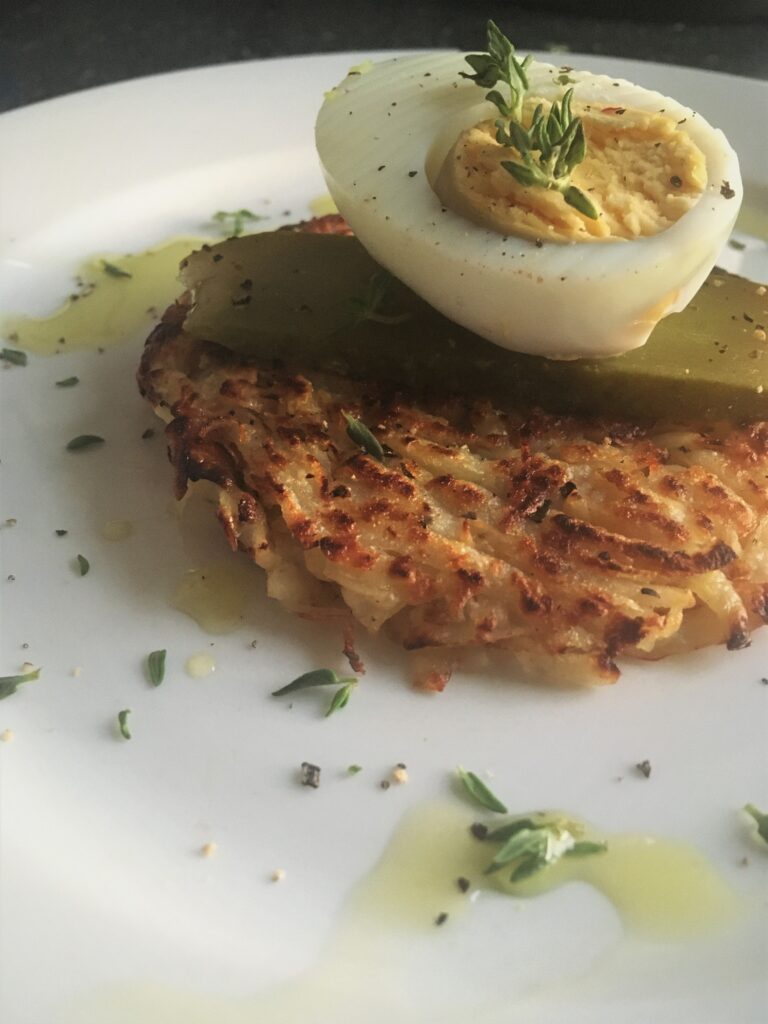
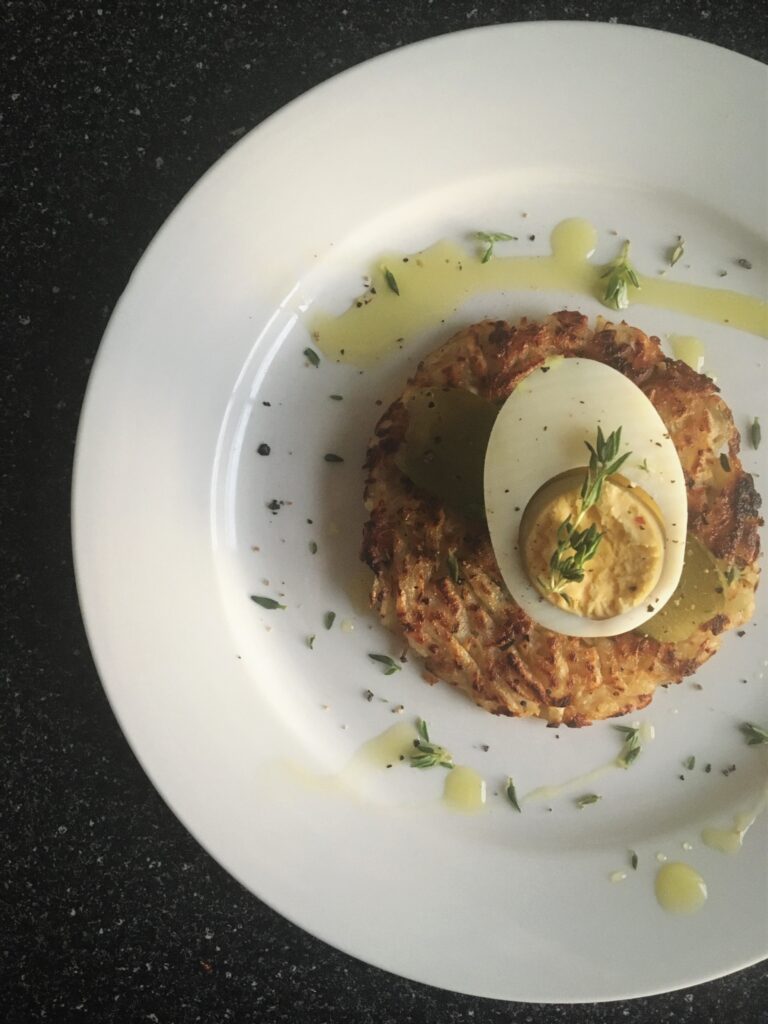
Rosti
If you aren’t a fan of potato salad (weird) or you would like an alternative or, indeed, another way to use-up the ingredients, then step forward the rösti. A Swiss dish, in fact, and very van-friendly. I’ve used exactly the same ingredients as the potato salad with a couple of additions. Variations on a theme…. It makes a nice supper and also a pretty decent breakie.
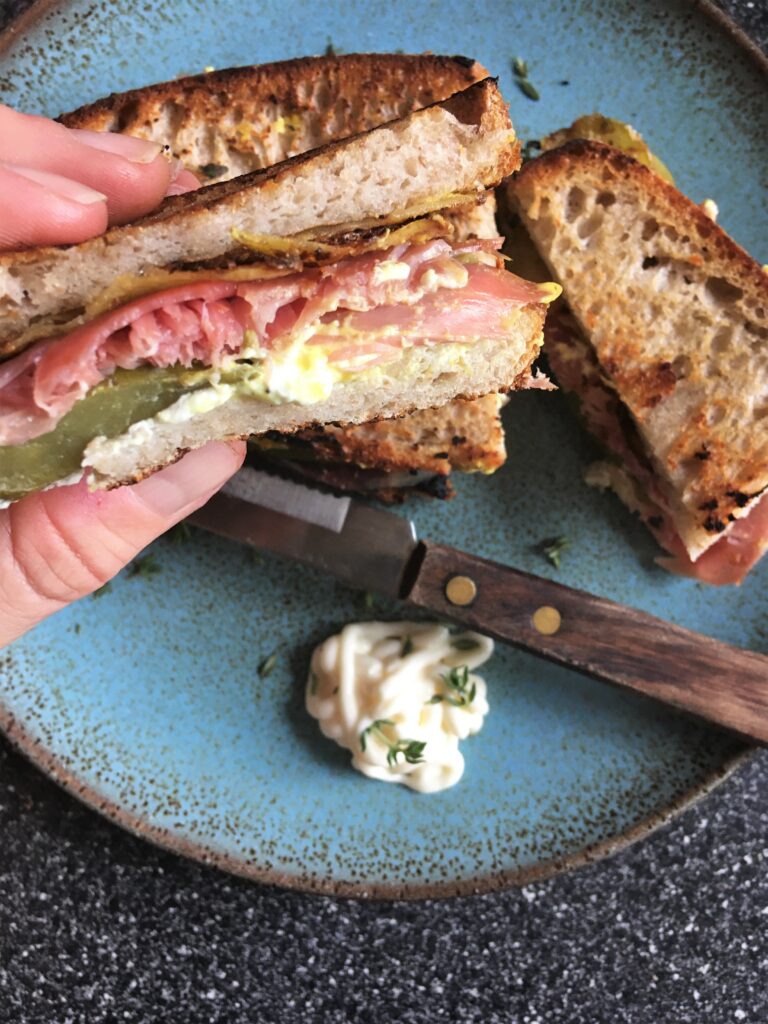
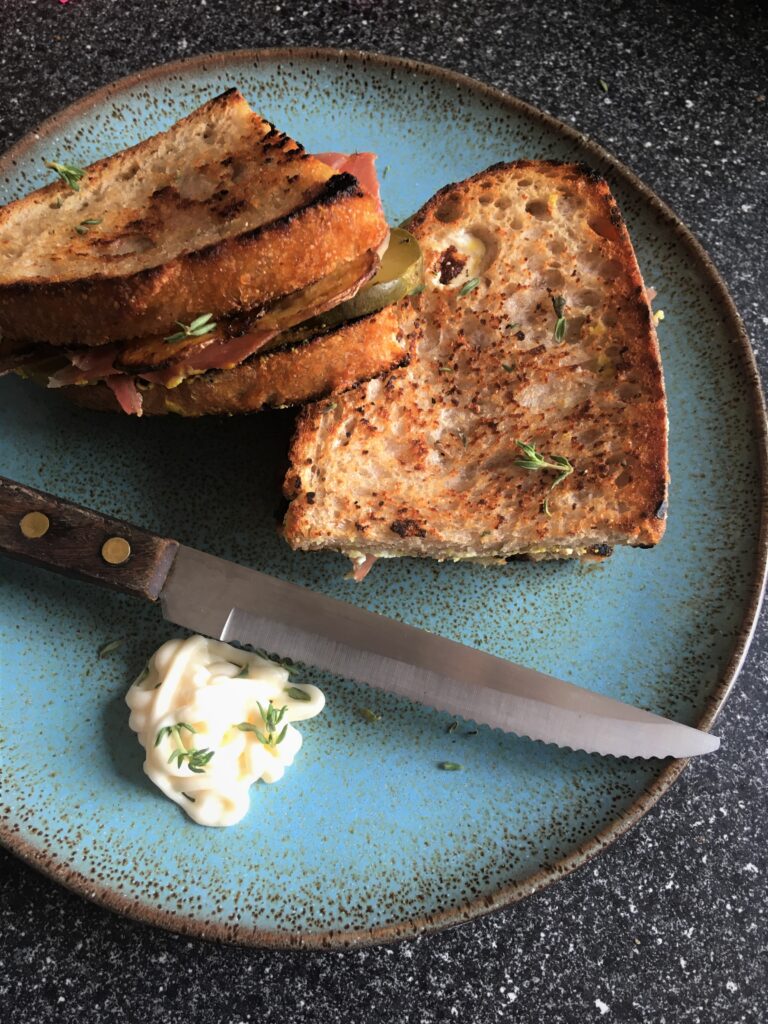
Bangin' toasted sarnie
The third in a triumverate of “what to do with these ingredients”…. and, I have to say, this sarnie blew it out of the water. It’s an HK Swiss take on a chip butty.
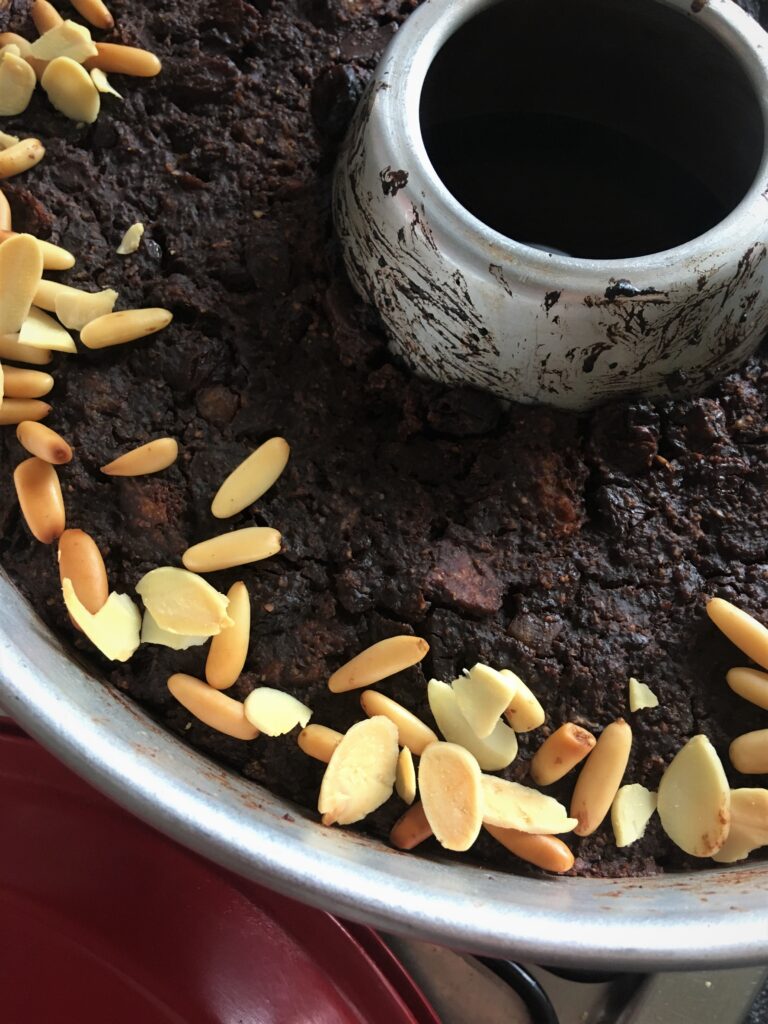
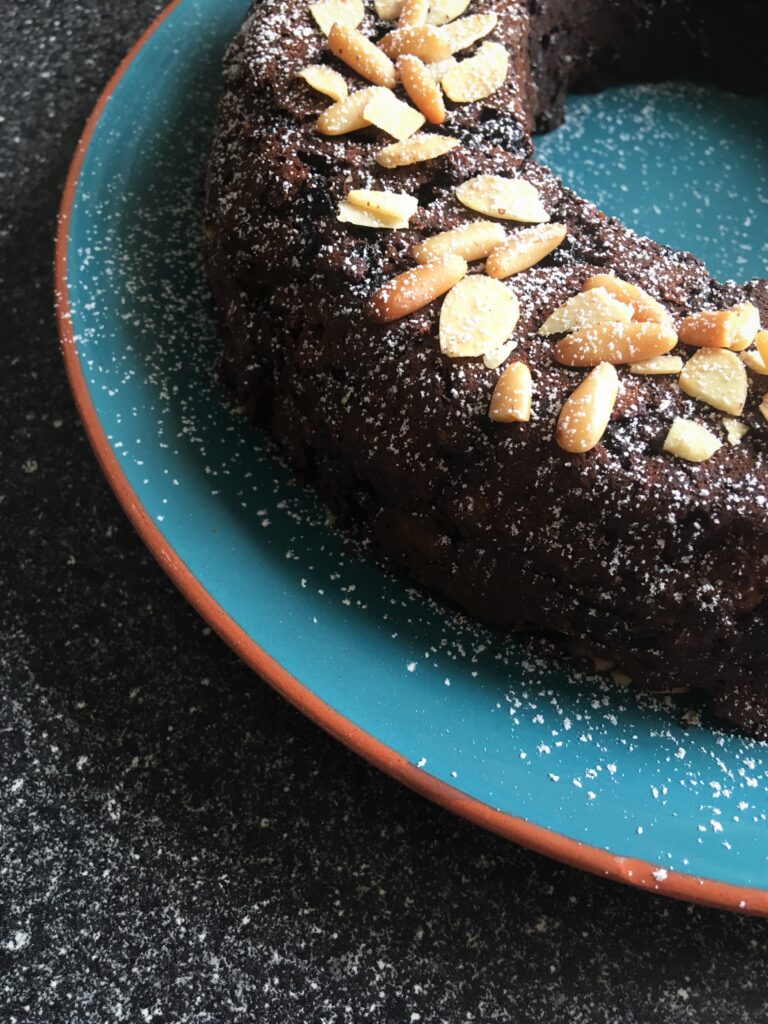
Torta di pane
On to the sweet stuff…
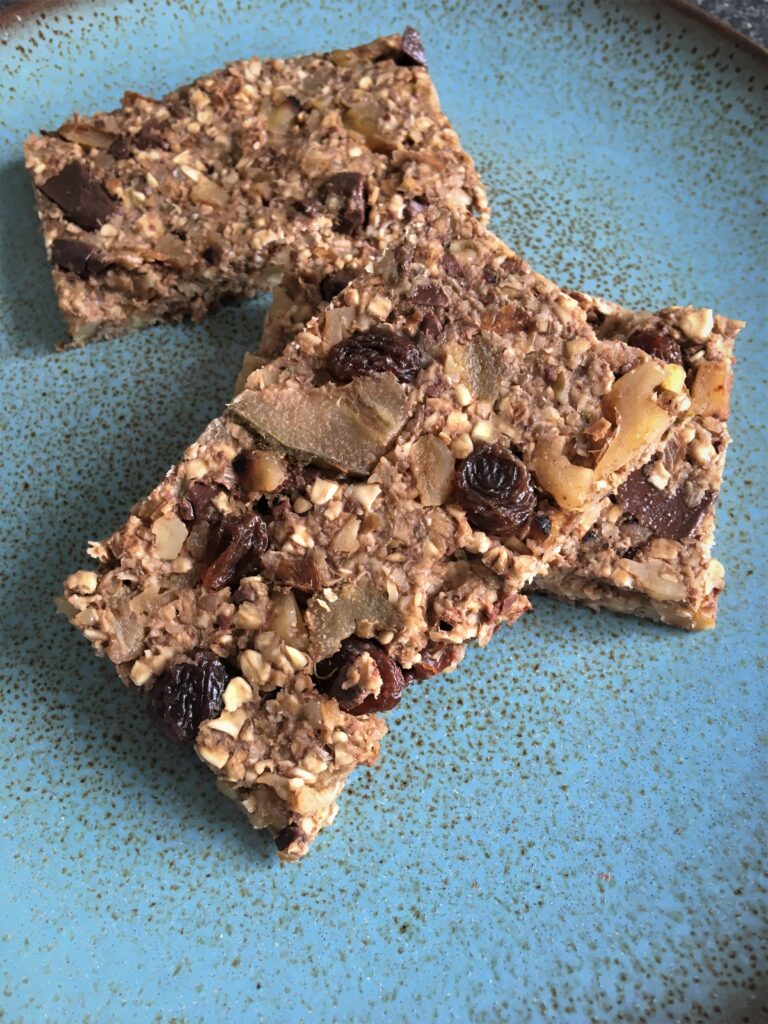
For me, the most appealing of the Swiss chocolate desserts is the … the bread cake (Torta di Pane). I’ve used bread in a cake recipe before . It’s a canny way of using up stale slices but it also brings an interesting texture to the cake crumb. This take on a bread cake is more like a bread pudding to be fair. The other ingredients in this Swiss classic are essentially all pretty simple store cupboard staples plus a few extras if you fancy adding them – lemon zest, raisins, spices etc. Like many traditional desserts/cakes there are many “household” variations. The base recipe originated in Ticino as a peasant cake (of the waste not want not camp – hence all the store cupboard features and the other randoms). It would have been baked in Ticino’s communal ovens. It’s now found throughout the country in bakeries, restaurants and at various local festivals. It’s a tasty crag snack but rather nice for breakfast with a coffee.
This recipe is adapted from a rather lovely website I discovered during my research (and which I’ve been ogling).
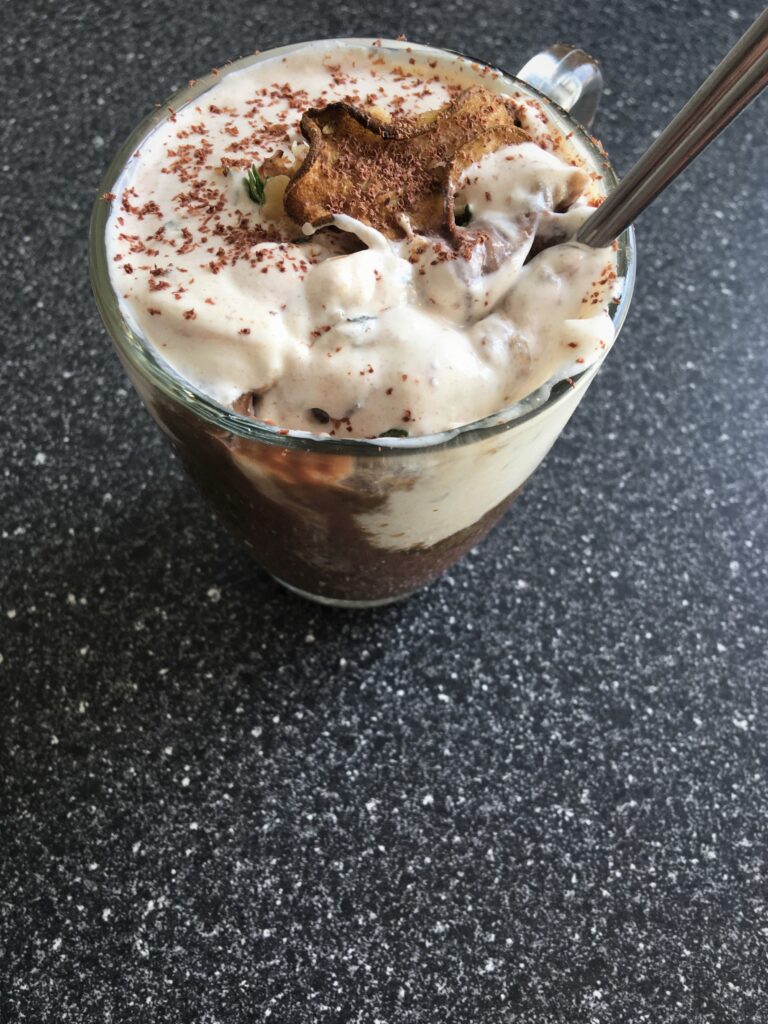
Schoggicrema - with an HK twist
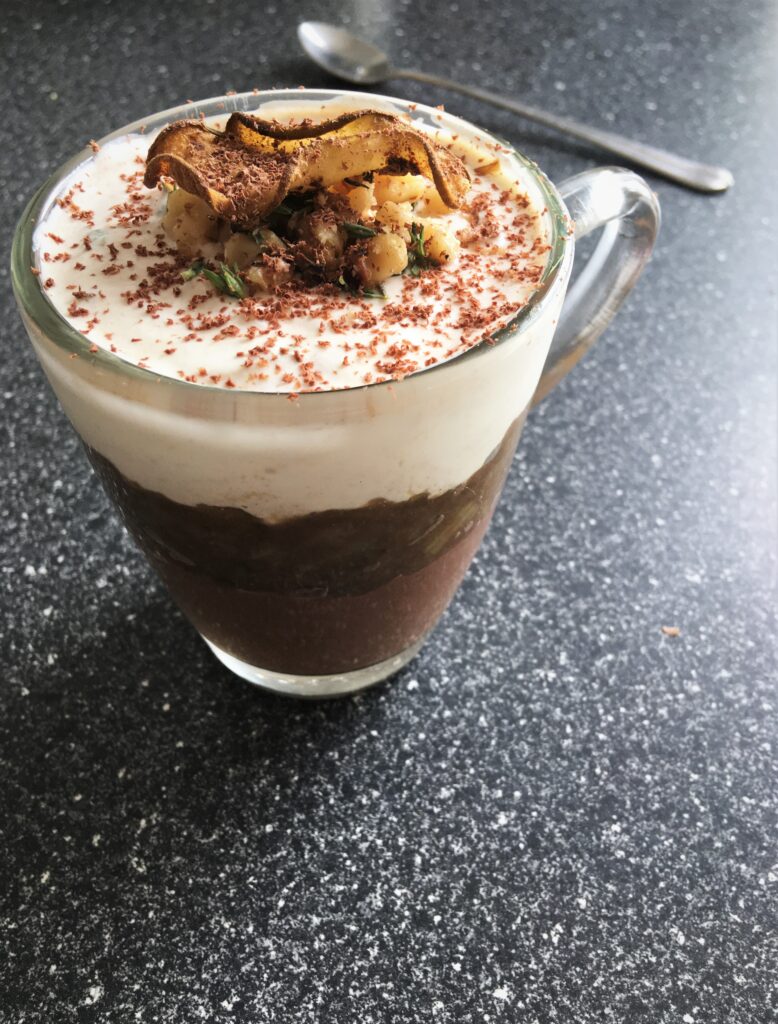
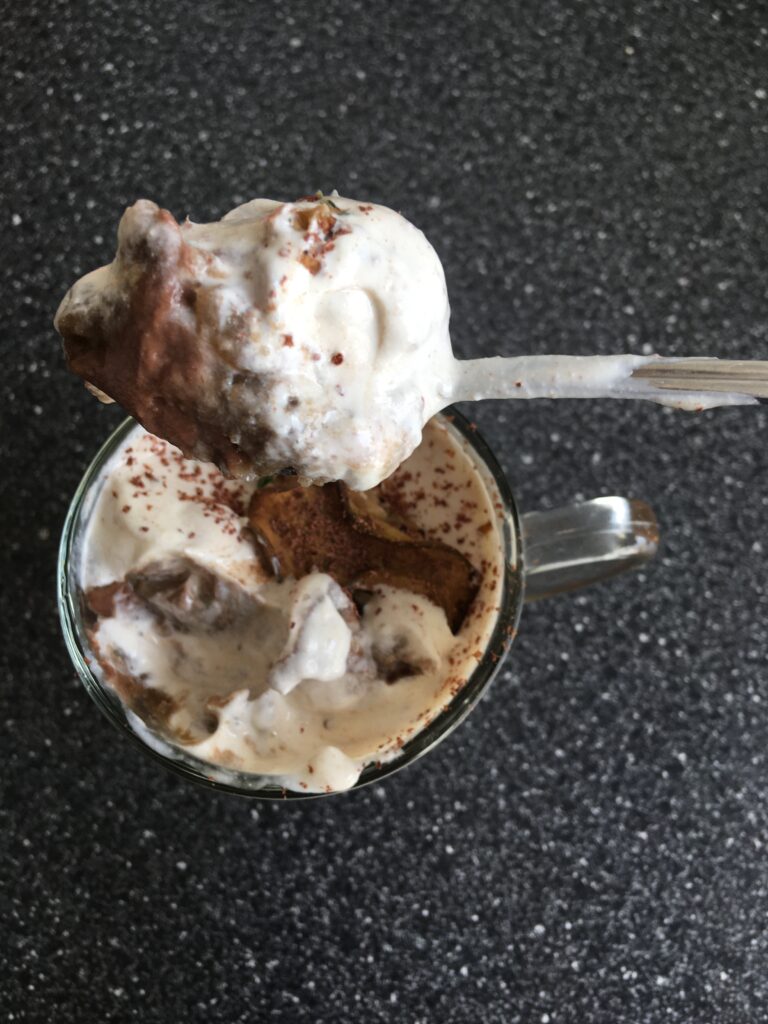
Another very popular chocolate dessert is (Shokaldadencrema/Schoggicrema) – a sort of chocolatey custard topped with whipped cream and a traditional childhood favourite enjoyed by young and old alike. A bowl of this is a little on the rich side of things and is likely less great for sending your projects. To me, moreover, a bowl of custard and cream also smacks of the 70s so for both reasons, I’ve devised a (slightly) lighter, pimped-up alternative which includes the basic schoggicrema recipe if you are totally down with that and want to stop at that point. Mine makes a nice little van dinner party dessert.
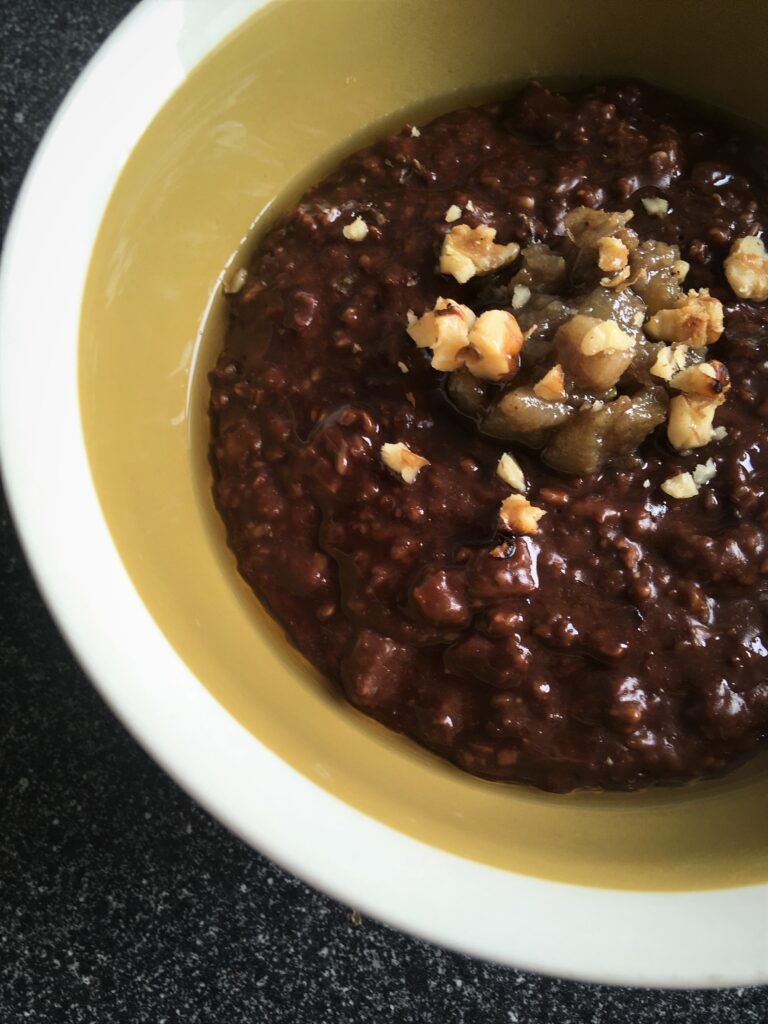
Or, if you aren’t into that kind of dessert, you could roll with choc porridge – again, a riff on the cream dessert but a bit healthier! I would advocate topping this with the pear compote (below) but adding vanilla, raisins, nutmeg, orange zest and cloves for a cosier version. And there’s a further link to Switzerland via oats and museli. Or, if you are into making your own granola, you could always chuck in some chocolate chunks / grate some chocolate into that.

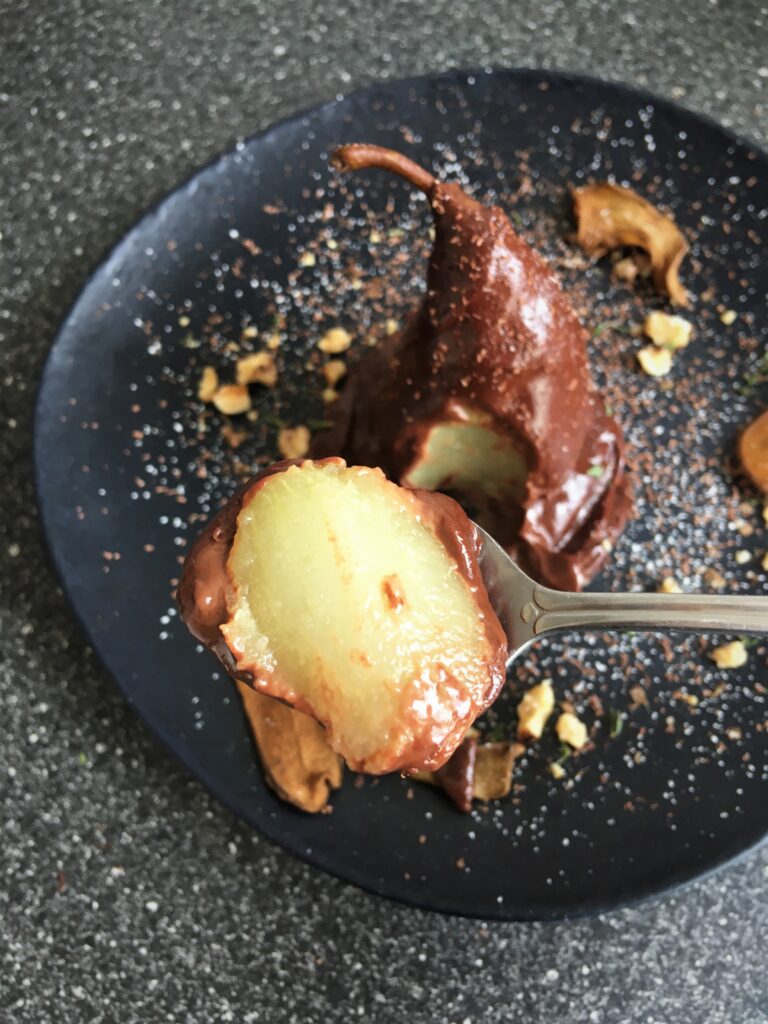
Pears in chocolate ganache
Apparently another stalwart classic Swiss favourite. Again, a rather old school dessert and one that personally reminds me of school dinners. Steamed pears with chocolate sauce has graced many a Swiss Sunday lunch table. You can either stew fresh pears or use tinned (for speed and that extra special 70s spin on things). I’ve upped the ante here by making ganache instead of chocolate sauce. It’s super simple and arguably nicer.
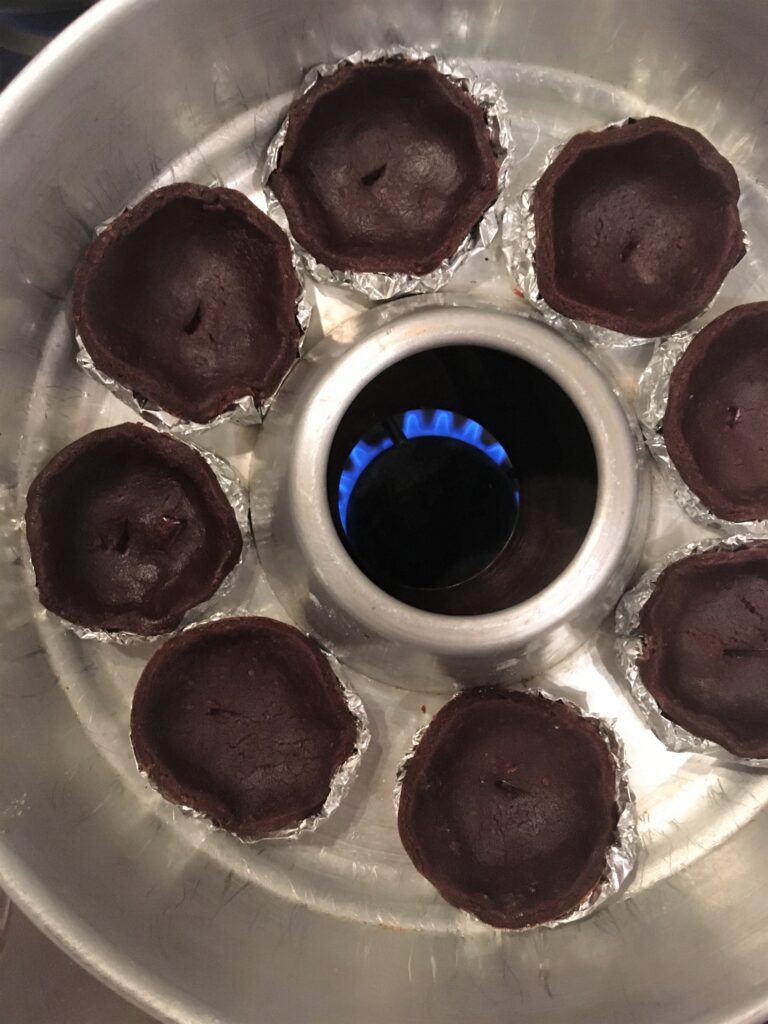
Open-topped wahe
While the French have their quiche, the Swiss have their wähe (tart). It’s so popular in fact that it accounts for c. 40% of sales in bakeries across the country (it’s also a pretty big export). The beauty of this delicious creation, however, is that it can be enjoyed in either sweet or savoury form. While there are many varieties, the most popular are typically made using seasonal fruits such as apples, apricots, cherries, and plums (Zwetgschenwähe). Savoury recipes, on the other hand, tend to include ingredients like cheese, onions, or spinach, mixed into an egg and cream custard filling. Wähe can be enjoyed any time of the day; be it for breakfast, as a coffee-time treat, or an afternoon snack. Whenever you eat it, though, make sure to pair it with a steaming hot cup of tea or coffee for extra fun.
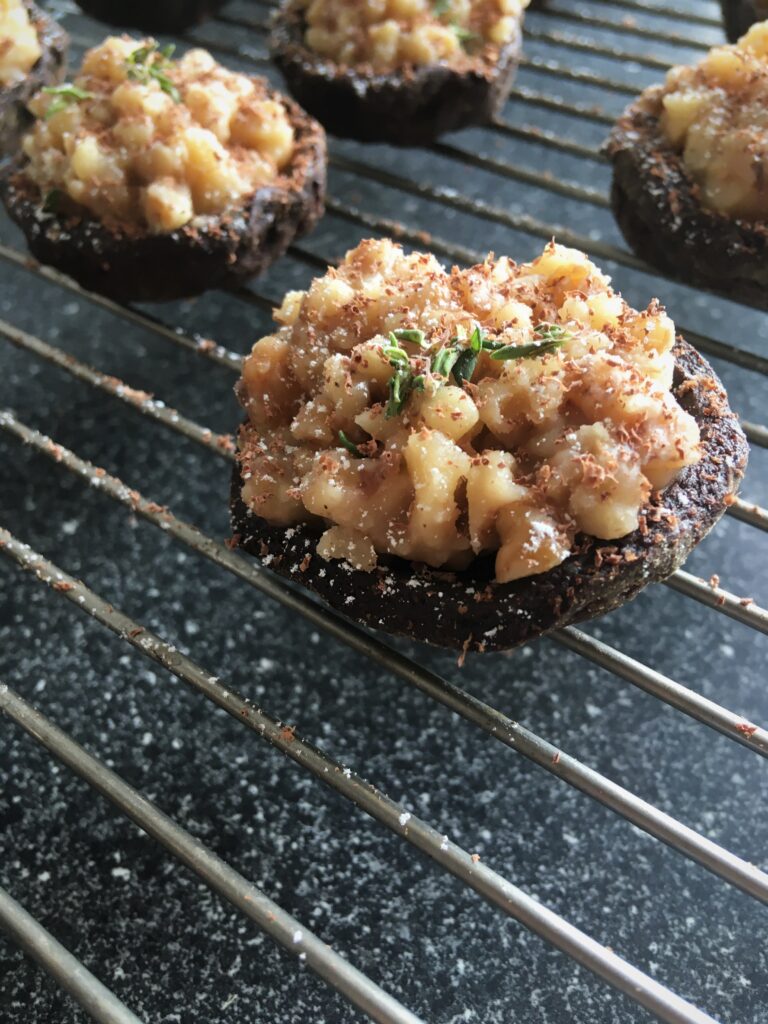
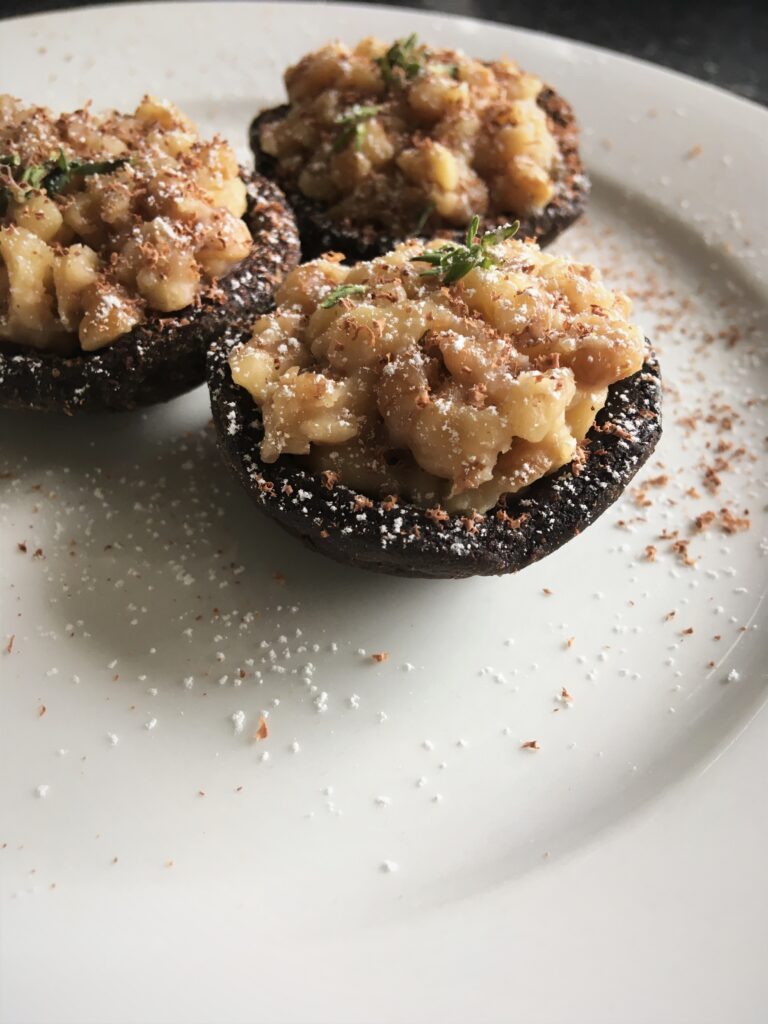
It’s somewhat tricky to make a tart without an oven, even in an Omnia stove but I’ve got an option here using a choc/almond-based pastry and then the filling, topped with pears.
And, last but not least, what to drink with these...
Arguably the most famous thing about Swiss wine is the fact that it is barely exported, c. 1-2% leaves the country. The domestic market far outstrips the production of the local vineyards. So when you are in Switzerland it’s a good opportunity to taste some! That being said, as with most other foodstuffs there, it is a little on the costly side but this is largely because it is expensive to produce – arable land is at a premium so most vines are planted in terraced vineyards on steep slopes (in fact the highest vineyard in Europe is in the Valais region) which necessarily leads to smaller crops and adds to the expense of harvesting.
With over 200 different varieties of grape grown there and 40 of these ancient indigenous varieties, there’s a lot of local interest to get your lips around. The diversity has a lot to do with the breadth of terrain available (from chalky limestone, to gravel, slate, granite or the richer marl) but also on account of the fact that Switzerland borders three other major European wine growing countries (France, Germany and Italy – which bring regional influences). Many of the varieties tend to be the ones you find in Germany, Austria, UK – countries which share a similar latitude. The main Swiss wine growing regions are German Switzerland, the Valais, the Vaud, Ticino and the three Lakes – Biel, Murten, Neuchatel – and Geneva. Chasselas is Switzerland’s principle white varietal (also called Fendant). It’s not hugely popular outside of the country although it is grown elsewhere. The best examples can be complex and rich and with age will develop more honeyed, nutty flavours in the complex late-harvest wines.
There are several hundred vineyards in the Valais which account for the bulk of Swiss wine and the greatest variety. The canton of Valais really is a paradise for the wine-lovers, who wish to make new discoveries. With (approx) 2,100 hours of sunshine per year, low annual average rainfall of less than 600 mm and warm autumnal warm winds, the Valais offers the best conditions for ripe healthy grapes (elsewhere in Switzerland cooler climes mean that adjustments to sugar levels need to be made in the winery – another expense). Petite Arvine is the main white varietal here. Like most white varieties grown in Switzerland, it has pronounced (citrus) acidity, but with plantings covering a wide area the flavour profile varies widely (from white stone fruit to even a touch of fennel). Pinot Noir is the mainstay for the reds along with less familiar varieties to try such as Amigne, Humagne blanc, and Humagne rouge, and Cornalin. The vineyards extend over a hundred kilometres along the river Rhône so there is also Syrah to be found here.
The beautiful sun-drenched slopes of the Vaud, Switzerland’s second largest wine-growing region, also offer diversity of flavour. Reds here are made from Gamay and Pinot Noir and whites are made mainly from Chasselas but there’s some other gems to seek out as this region trends towards more individual styles.
Geneva is well-established as Switzerland’s culinary capital, but it’s also a large wine-growing region, offering a broad range from Chasselas (known as Perlan/Dorin) to Chardonnay, to Sauvignon Blanc, Gewurztraminer and Viognier; and for the reds, there’s some delightful Gamay to find here but you even treat yourself to more Bordeaux-style wines in the shape of Cabernet Franc and Cabernet Sauvignon.
Sitting south of the Italian Alps, Ticino’s climate tends towards sunny Med. This is also predominantly Merlot based and akin to those of northern Italy. There’s also a Merlot Bianco to seek out.
With the Jura as a backdrop, the south-facing slopes around Biel and Neuchatel provide a great location for vines. The reds here are similar to those found in the Jura. The only red varietal allowed here is Pinot Noir. Some sparkling wine is made here as well as a famous fruity yet elegant rose from Neuchatel, Oeil de Perdrix, as well as some dessert wines.
When it comes to matching the dishes though… unfortunately, egg is a notoriously difficult food to pair with wine so I’d probably steer clear of this but there’d be no harm in supping a richer, heavier white with the rösti or the sarnie. A rosé would also work well or maybe a spicy gamay to pick out the thyme and the pickle and match the cheese.
Chocolate can be a tricky pair as well. Fortified wines like madeira or red vin doux naturels work well. Fortunately, Switzerland does make some pretty awesome dessert wines, with production mostly centered around the lakes where mists create the perfect conditions for botrytis (noble rot) to form, (noble because it is a good rot – it’s the rot that slowly turns the grape juice into sweet, sweet raisiny nectar). Sweet wines are also made on the slopes. In the Valais, Petite Arvine goes into late-harvest dessert wines along the lines of the richness of Sauternes
Red wines pair better with darker chocolate and white with lighter chocolate. You could get something richer for the Torta (maybe a merlot) – there’s a lot of fruity depth in that cake; the pear schoggi is lighter and I would go with a rich sweet white here, same with the poached pear (if you want – I mean, not everyone likes to match their desserts with wines, and if you are snacking at the crag then obviously not).
Jack recommended the Terma Baths as a good rest day (what van lifer doesn’t need a bath… ). A little vineyard walking tour is also a winner – the other thing about the vines being on slopes is that the scenery is pretty spectacular – Alps, lakes and green green pastures are certainly worth raising a glass to.
Q & A
What do you find challenging when cooking on a trip?
My wife is vegan and I’m veggie. It’s fairly easy for me but it can be hard to be vegan when staying in fairly remote places.
Do you follow a nutrition plan and how easy is it to stick to when you are travelling/living in a van? What do you tend to eat at the crag?
Not really other than not eating meat, and trying not to just eat bread all day.
What’s your best van/camping hack – cooking or otherwise?
Add garlic….. LOTS of garlic.
What’s your top climbing trip/van cooking equipment purchase?
An aero-press for coffee! It’s just so easy to clean ?.
Do you do anything to complement your climbing while you are on the road – do you have any training hacks for vanlife?
It’s easy to neglect your antagonistics on a trip. So a stretchy band for a bit of extra work on those at the end of the day. Plus a tennis ball for self massage; and a yoga mat.
What’s your most memorable climb?
The Lotus Flower Tower in the north west territories in Canada. This is a massive wall in a remote part of nowhere. If you would like to know more then watch this little film my mate Trystan made.
Who are your climbing heroes?
I’m inspired by watching and chatting to people who try really really hard. No matter what grade they are climbing.
What got you into climbing and what does climbing give you?
That’s a big question. I was always sporty as a kid, I was obsessed with athletics, then basketball and just happened to find climbing at the right moment. Then as I became an adult with a driving licence, driving off to climb cliffs just felt like the coolest thing in the world, and I still do!
Climbing gives me a focal point to live my life around. My work, my play, my friends. It helps me to stay happy too, if i’m feeling low or overwhelmed I usually have not been climbing recently.
Bouldering or sport or trad?
All… but Sport mostly at the moment.
Climbers love gear. What bit of gear/clothing could you not be without?
For me the kit is a means to an end. I carry as little gear as possible. But having the best you can buy and looking after it is key for me.
If you were a pair of climbing shoes what would you be?
Not sure. Not the ones I wear; they are way too aggressive ?.
What’s the best view you’ve enjoyed at the top of a climb?
Nothing like climbing above the clouds for a magical view!
Where do you return again and again to climb and why?
Catalunya, so Margalief, Siurana, Oliana. A bit obvious but the climbing is world class.
How do you choose where you want to climb?
By chatting to friends.
How do you manage your expectations/training/enjoyment?
Set hard but realistic goals.
What’s your best piece of advice when it comes to training?
Be consistent. Focus on strength. Don’t get pumped all the time. Do your antagonistic work.
Have you ever been benighted or had a close call?
Yep. We slept in a cave that was about 1m high and 1m deep 1000m up a face in the dolomites in a storm. It’s surprising how comfy you can feel when the alternative is hanging in your harness in a waterfall.
How has the climbing scene changed since you started climbing and how do you think the Olympics will affect it?
It’s changed massively. The general standard of climbing is much higher. There are so many strong youths coming through. I think the Olympics is another stepping stone in what was already a steady rise in popularity.
If you weren’t addicted to climbing, what would replace it?
Surfing!
Where you would you like to develop some routes (and what would be the first name)?
I’ve bolted a couple of crags in Catalunya which was hard work! But amazing to see people climb your routes. I named the routes after features on the wall or at the crag, or recent experiences. So one was called “Butxaques de Temptació” (Pockets of Temptation in Catalan) as there were loads of pockets that look great but are actually terrible, another was allied “Adieu Edlinger” as Patric Edlinger died on the day I bolted it.
Where is the most unusual place you have climbed and why?
Finland. No-one climbs in Finland but the single pitch granite crags are great! And the Saunas and swimming lakes are amazing too.
What’s the best thing about nailing a route / problem?
The flow state it took to do it! That complete focus, mental and physical. That’s the addiction for me.
What’s your proudest moment?
To be honest I really don’t know. I’m proud of the routes I’ve climbed, and people I’ve coached, the support I’ve given colleagues.
What’s your best tip for someone starting-out in climbing?
If you can walk up the stairs then you have the balance and coordination required to climb. To begin with, just get in loads of volume. If you manage to climb something that you found hard then do it again 2 more times until it feels easy.
Where’s your next trip and why?
We are staying UK based for now. But hope next year to go back to Austria to be in the mountains. Because they are so beautiful ?.
End Credits
You can tune-in to Redpoint Radio here or on Spotify.
You can also follow Jack here.
And, if you’re in Bristol then check out Redpoint and Flashpoint.
Comments
Hit me up with any variations you've got for these ingredients/dishes; any other van-friendly recipes you would like to share from your travels to this region; or, indeed wines that you have come across on your travels that you would recommend - either as a match or just for drinking!