
Tommy Meacham – Menorca
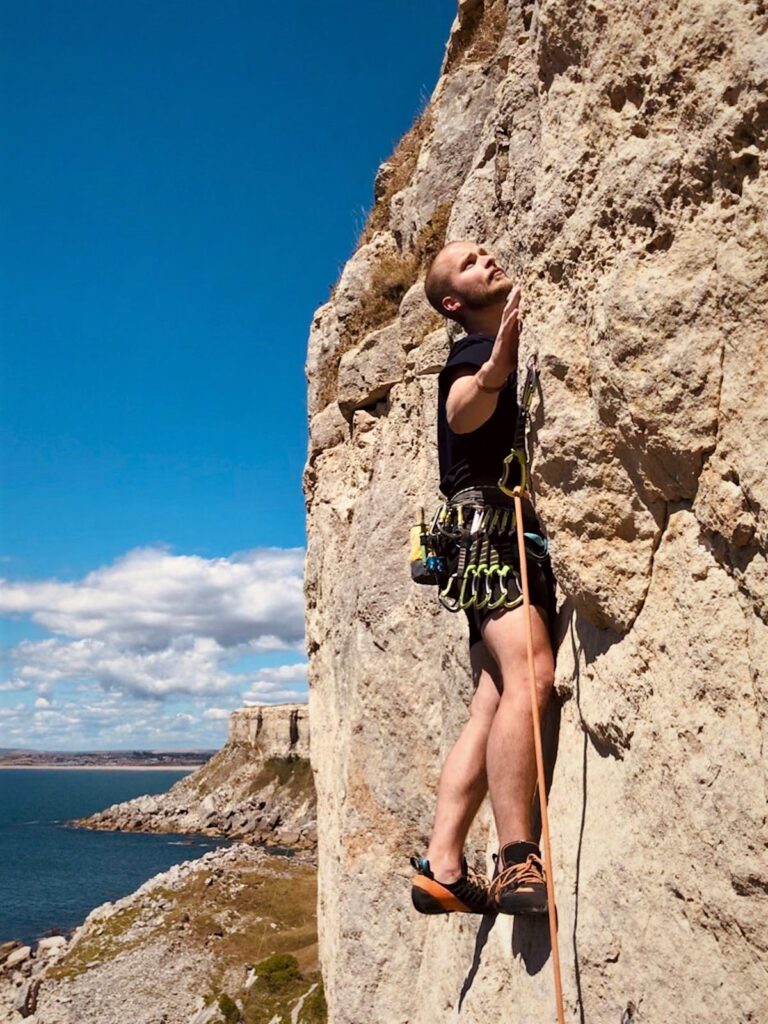
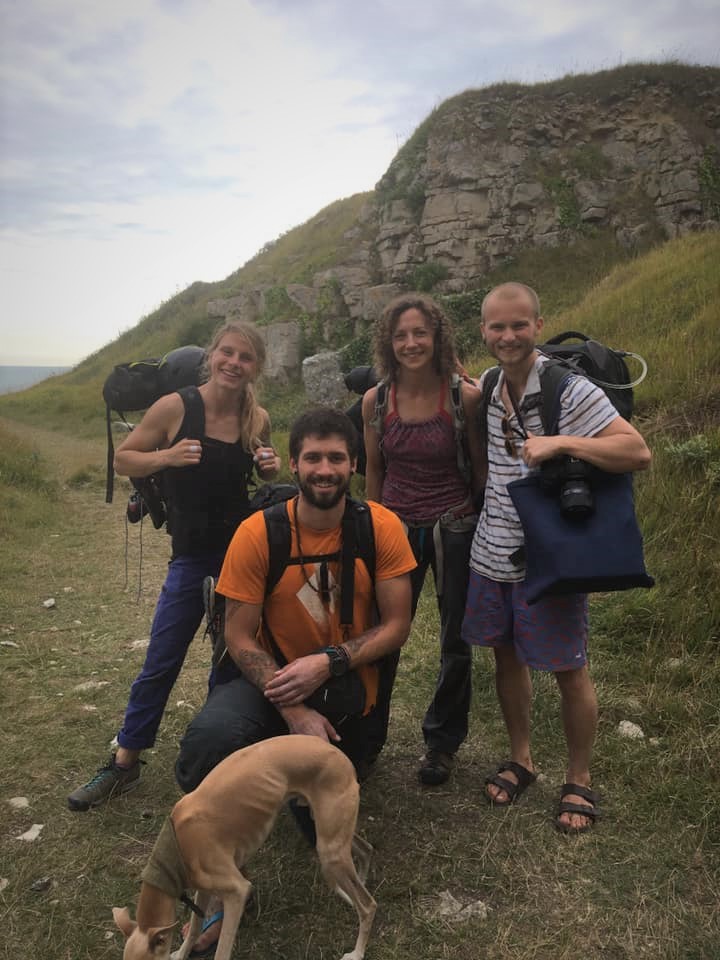
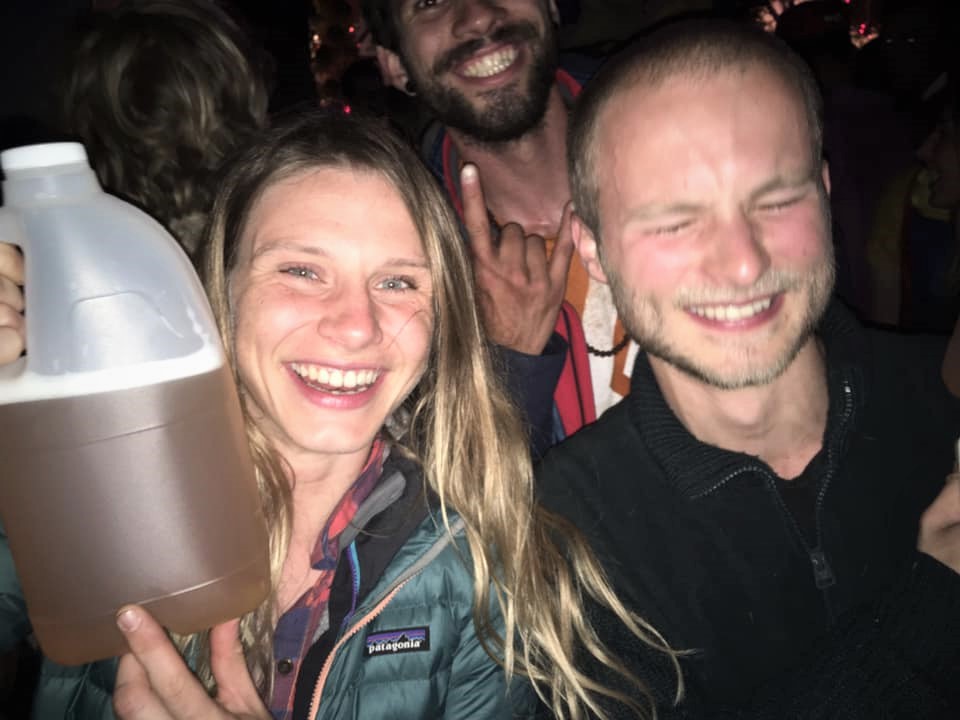
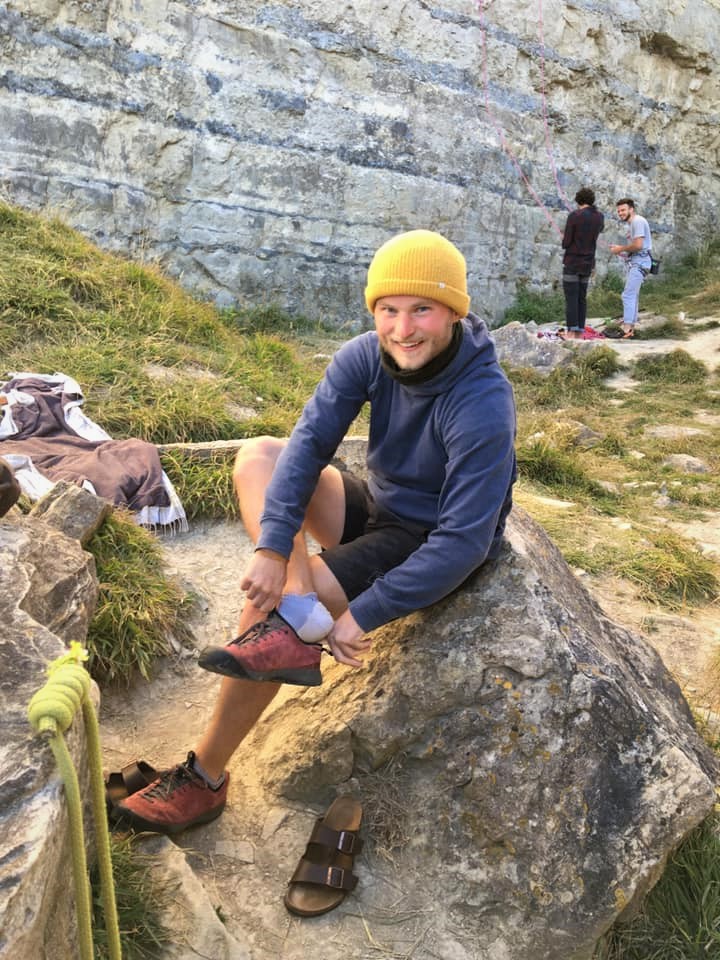
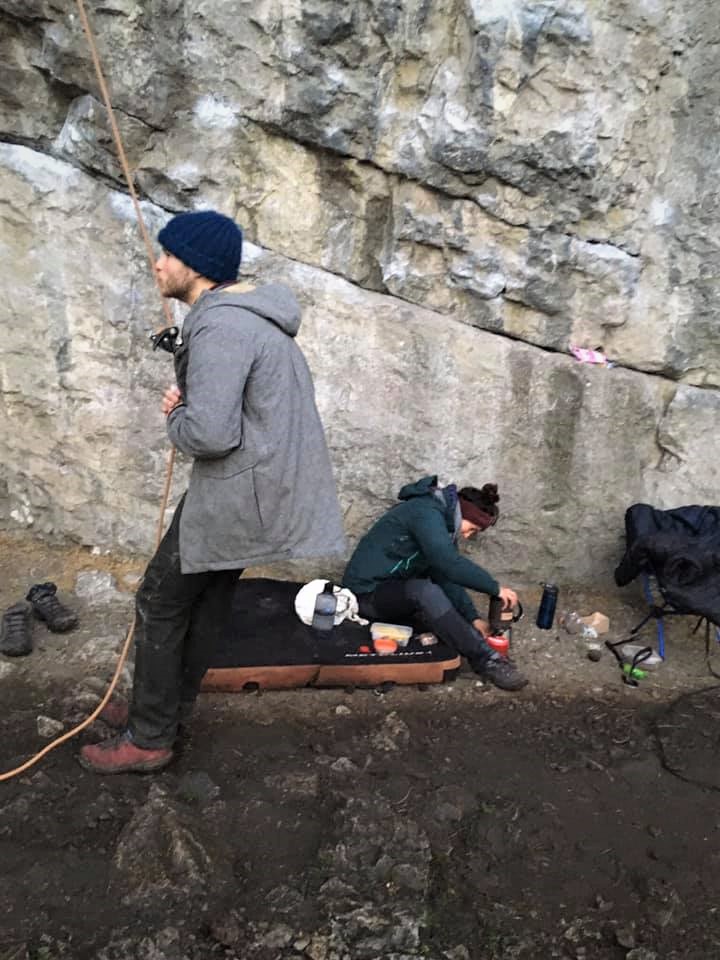
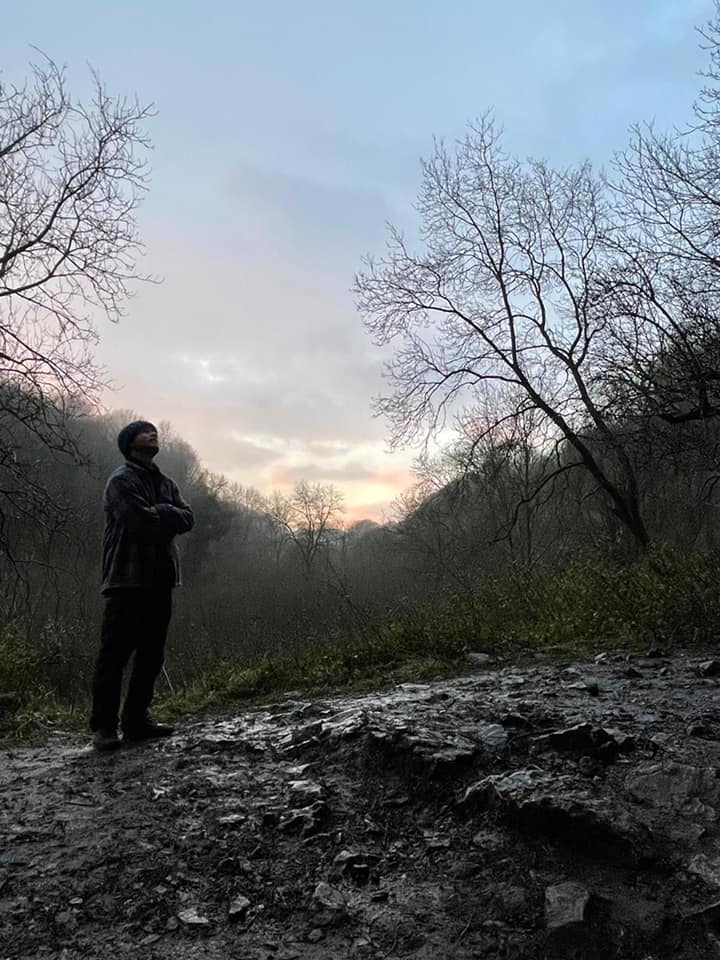
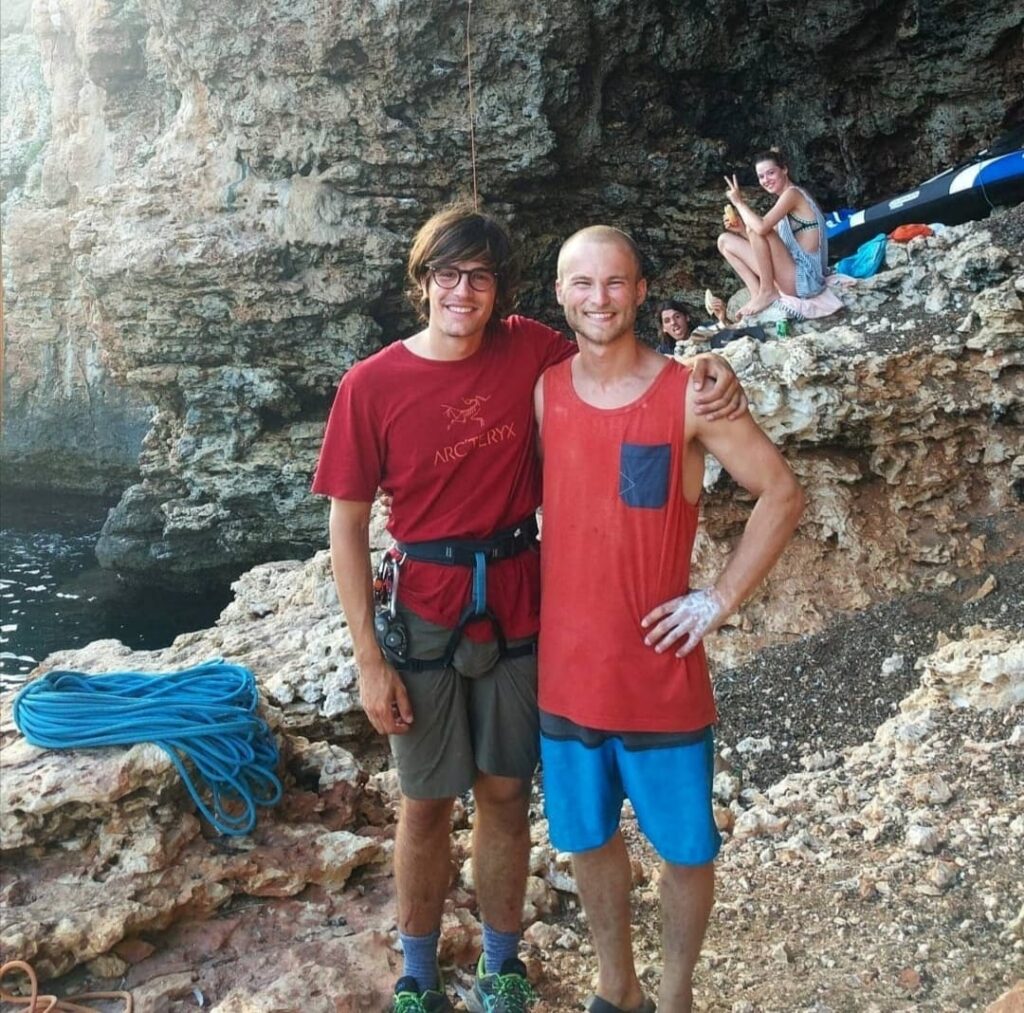
I met first met Tommy (“Guns”) Meacham in my car, one of 3 passengers en route to Swanage to climb then delight in the annual cider/music festival at the Square and Compass pub. A friend of a friend, we have been firm friends ever since because Tommy is just so damned loveable. Such fun to climb with; he climbs very hard but is incredibly modest. He is simply bursting with psyche and self-confessedely associates himself with an exciteable puppy. When he’s super-psyched for something his eyes shut tight and his face basically does a little squeal of delight, which is adorable. He is also always super-psyched for his friends’ climbs. He’s also a megabrain, talented, man of excellent taste, kind, thoughtful, perceptive, patient, loves a bit of northern soul, is a rather good chef and excellent host. Super chilled, he emanates a rather zen-like quality. Basically, we’re talking all round gem of a human.
So, when I approached him to feature in this series he was… psyched. I knew he would pick Menorca. I’ll let him explain why:
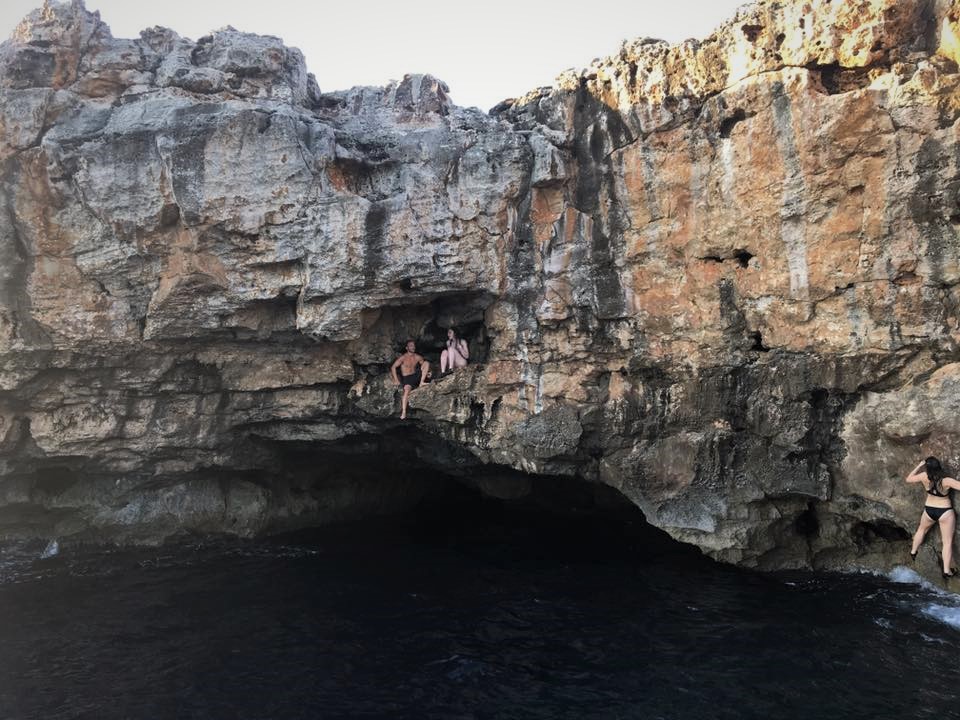
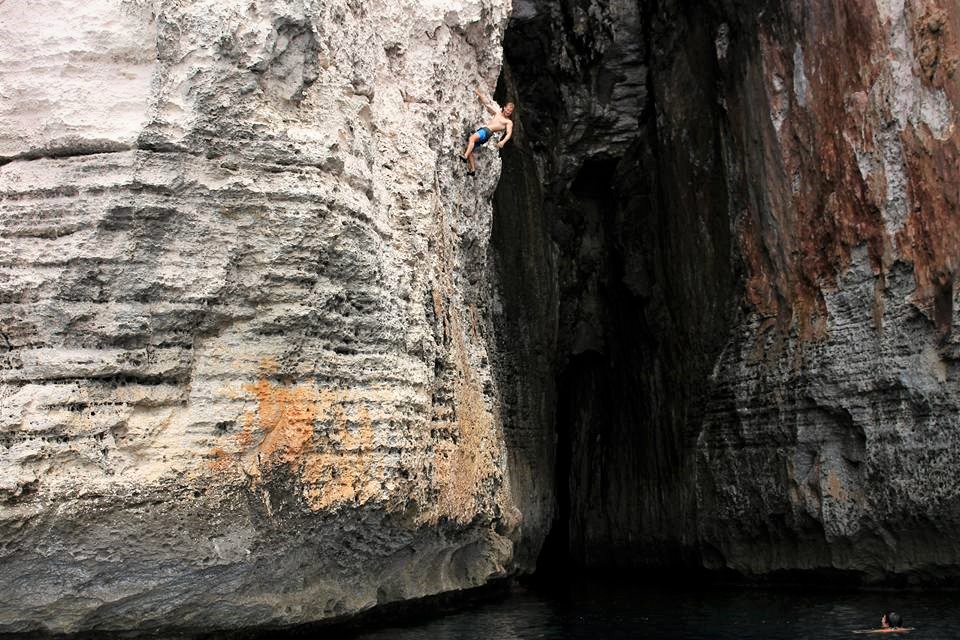
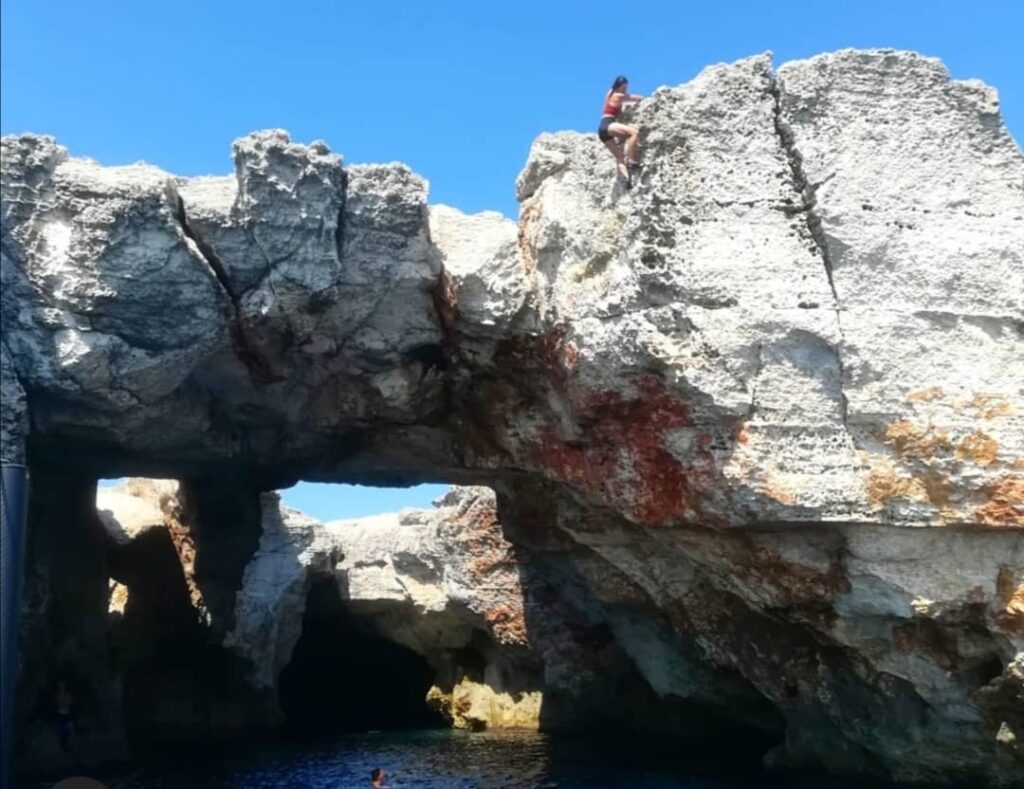
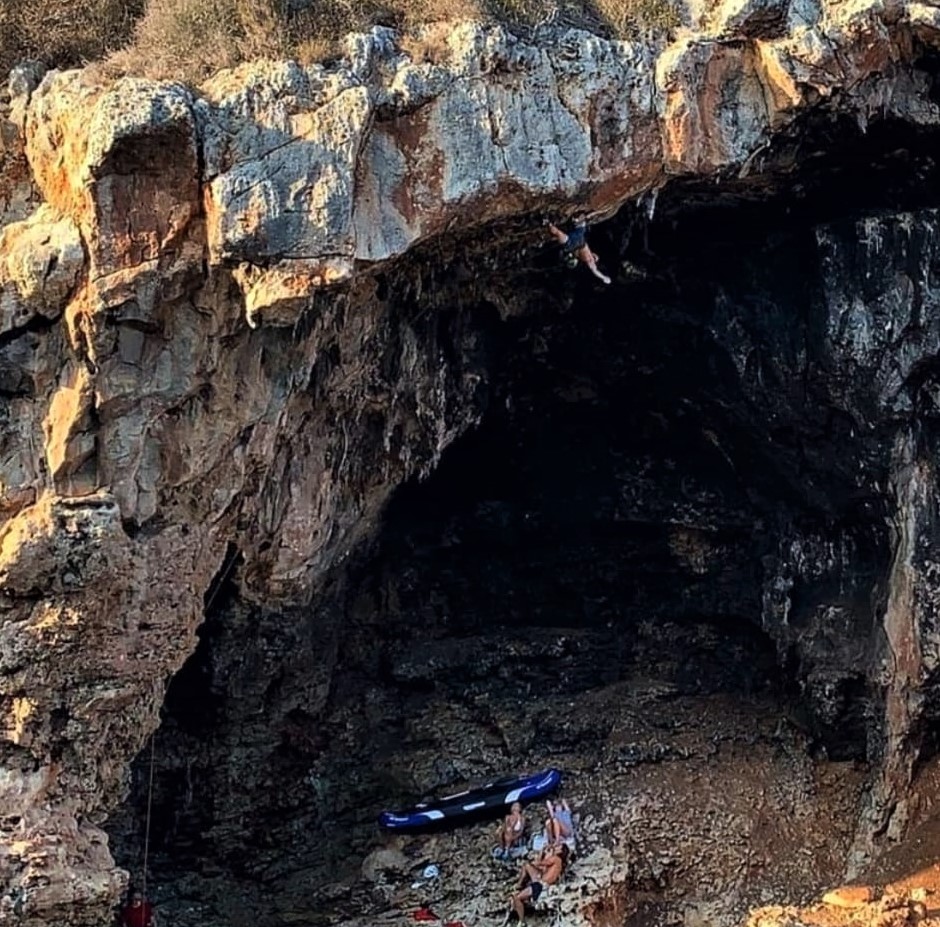
“My first climbing experience was in the Menorcan Cala Biniparax; I looked out to the cliffs that surround the cove and saw a thoroughly tattooed, dreadlock-laden dirtbag dangling 10m up, pumped out of their mind, with nothing but the water below for protection (literally nothing in this case… Menorca is quite fond of nudism). We were terrified when they came splashing down after a desperate slap to a hold! By the time they finally topped out the route about 5 attempts later, I was totally hooked – this was something I needed to try!
You can imagine the next part of the story: becomes gym-rat, gets totally obsessed with climbing and everything about it, meets the wonderful people climbing attracts, has many adventures, buys van. This is where I’m at now, and climbing in Menorca is still something I go back and do every year. We’ve been going to Menorca for about 20 years now as a family and, now that my parents have settled there, I’m sure it will always remain an important part of my life. No it’s not as big as Mallorca, or as rich in variety as Catalunya, but its easy-going vibe and killer Deep Water Solo make it the place for me.
Right now, I’m a Data Scientist working in London, dreaming of the day when I can take off with my (t)rusty van, Lola, in search of adventure and sketchy climbing.”
Tommy mentions that his folks now live in Menorca – his dad has, in fact, just opened a restaurant there this year. So if you do get over that way and want a night off cooking or fancy somewhere to celebrate a big send, check out Sa Punta (details below).
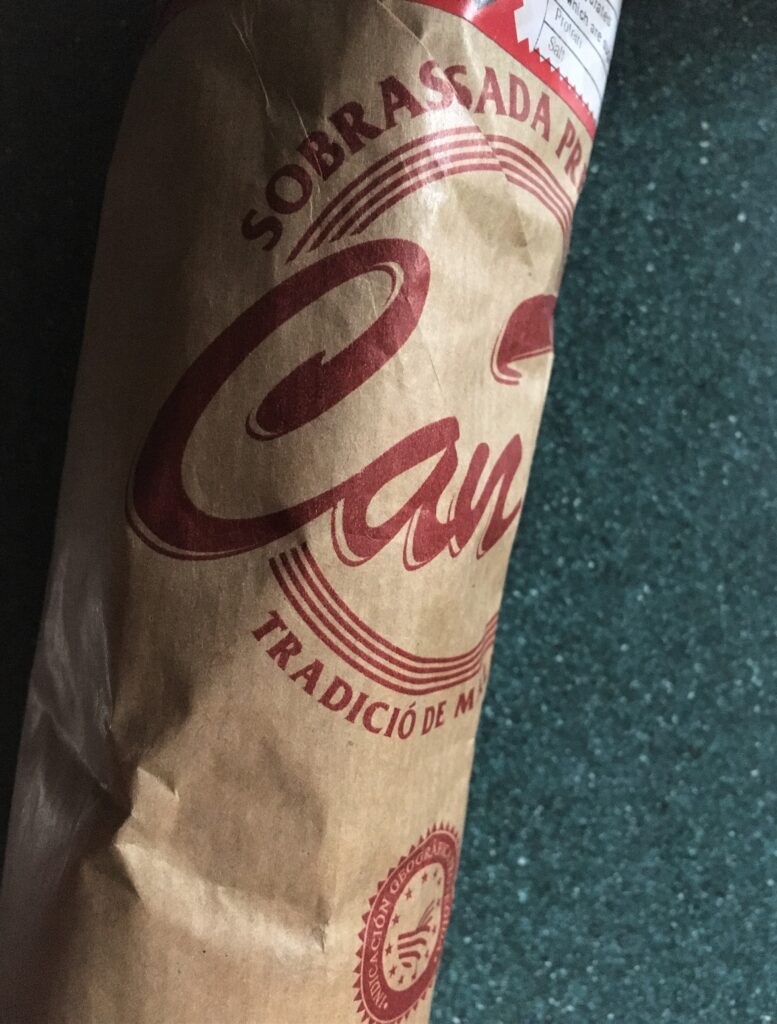
Despite being vegetarian himself, when I asked him to pick a local ingredient, Tommy chose sobrasada. In fact, his actual words were, “it feels so weird recommending that as a vegetarian but it’s the best f*cking ingredient out there so it would be remiss not to!”
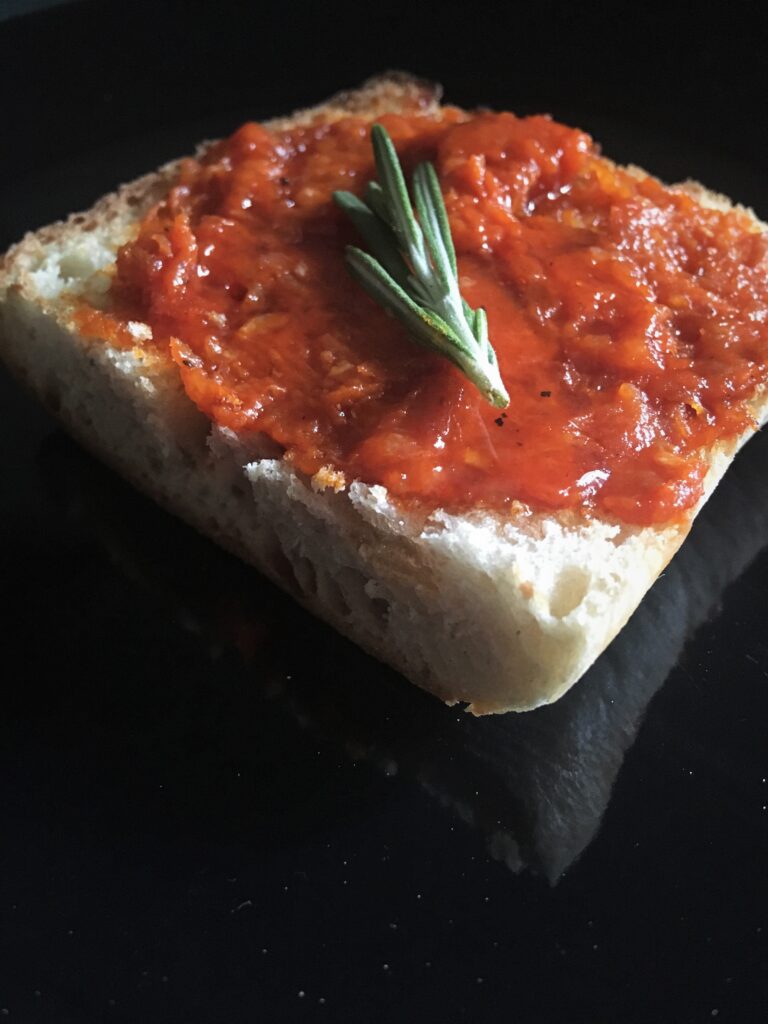
This is a local paprika-spiced, “spreadable” sausage (also found in Mallorca) rather like the southern Italian nduja (but less piquant, although some are a little spicier than others). Looks like a sausage; spreads like a paté (don’t eat the casing). Sobrasada is the same attractive bright red colour and is made from porc negre (black pig) akin to the Iberico pig of the mainland. The stuffed casings are cured in the open air for between 1 and 8 months, depending on the size and the resulting texture is thanks to the humid, salty Mediterranean air.
But, what to do with it apart from just spread it on local toasted bread (which, for the avoidance of doubt, is awesome, particularly drizzled with a little honey)… hopefully the following recipes will give you food for thought on that score. Aside from these, other options for things to put it in are fairly extensive but I would flag huevos rancheros as one and pizza topping/stirred into a pizza tomato sauce base as another (although obviously pizza is Italian).
Tommy also mentioned boletas – a local mushroom which are “great sautéed with salt or in a veggie paella”. I’ve not included a paella recipe here as I already did that for one of the other blogs in this series (you can find the recipe here) but I have used them in a couple of the following dishes. I’ve also used rosemary a fair bit in these recipes which is pretty easy to find on a walk-in.
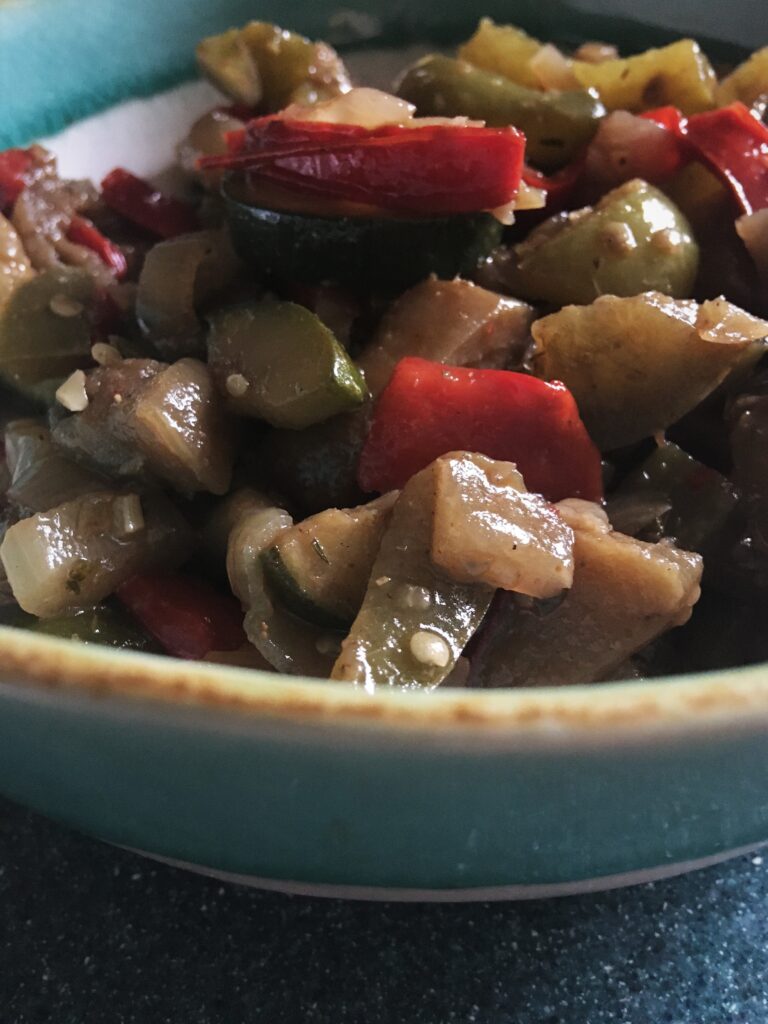
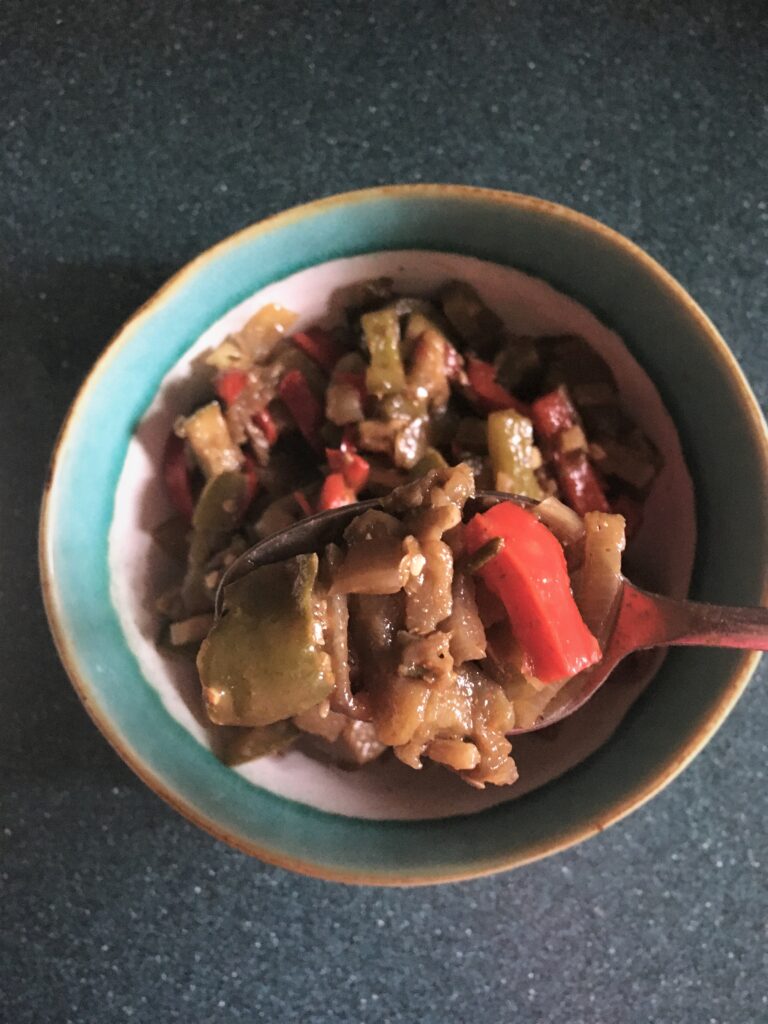
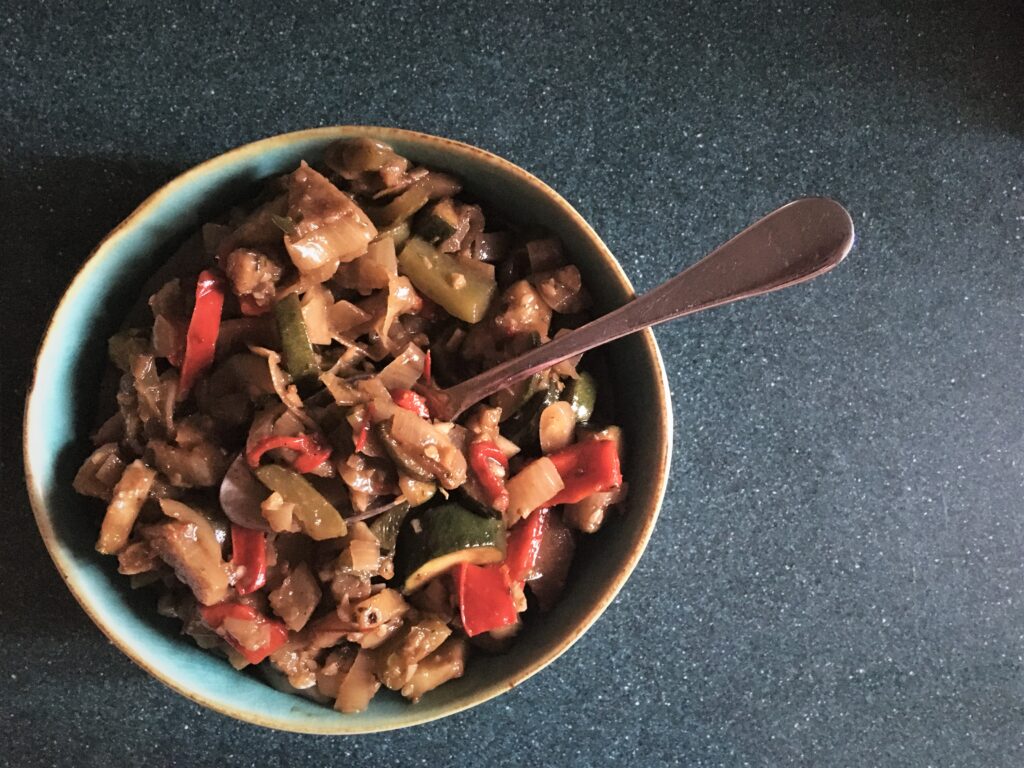
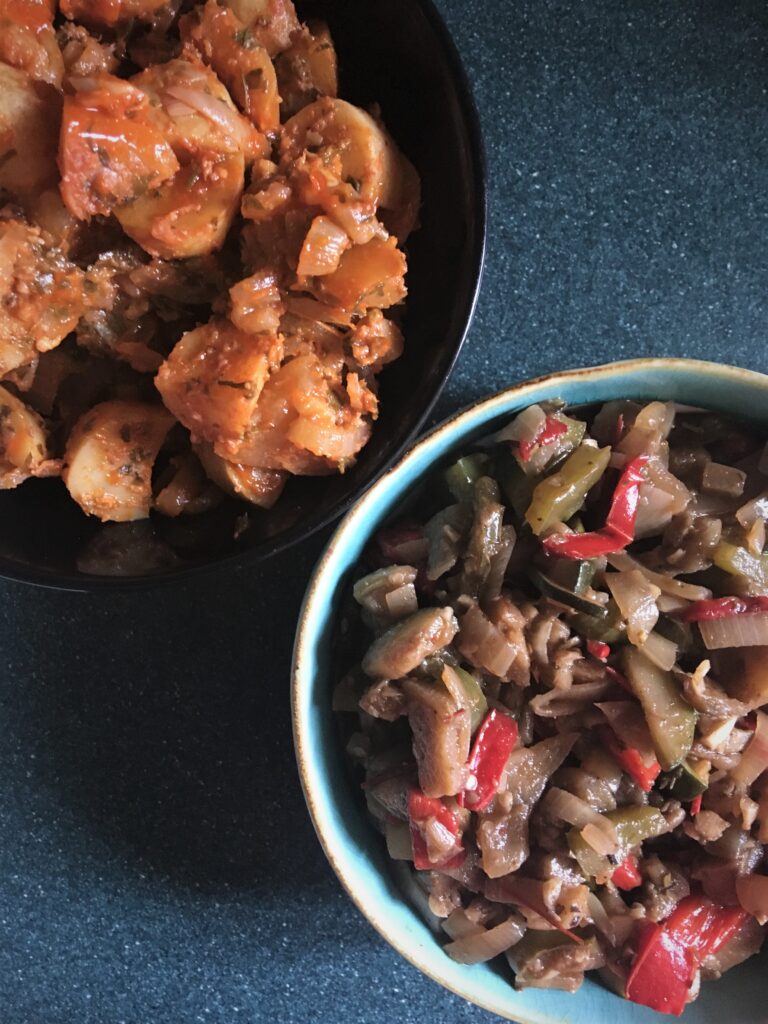
The dish that he suggested everyone should try in Menorca is Pistou. It seems most Meditterranean countries have a version of cooked veg… your ratatouilles, your caponatas etc. Pistou sits in this canon and like most dishes there are variations. Tommy noted a pistou as he knows it is “aubergine, red pepper, green pepper, onions… like a ratatouille but not tomato-y; it relies heavily on the peppers”. This is a colourful and delicious dish to make. It’s easy to make a batch of it too and enjoy some leftovers (either at the crag or after a long day when you can’t be arsed to cook) – perfect with a little bread and cheese and a beverage.
As an addendum, I was climbing with Tommy the other day and he said he had realised that he totally forgot to mention mayonnaise as a Menorcan ingredient. To which I said, “er, that’s French” and he explained that it’s in fact named after the capital, Mahon – hence “Mahon-naise”. I love a food fact so I did some digging and the origin is a little cloudy. There was aioli literally a garlic and oil sauce knocking about Spain and its environs and, of course, travel between courts etc meant that recipes were tried and “shared” (for want of a better word). A version can be dated back to 14thC but it’s a hard one to pin down properly. Apparently the women of Mahon were making a “mayonnaise” before the French caught on (and before it was called mayonnaise) – this is one school of thought. Another is that the Duke de Richelieu’s French chef came up with it as an accompaniment for some of the dishes he was preparing for the feast to celebrate the French beating the English at Mahon in 1756. Similar sauces were knocking about France around this time so that isn’t beyond the realms of possibility (although it’s also possible that the Menorcans showed him how to make it). Both are decent explanations for the name although it is also understood that it was previously called salsa mahonesa or aioli bo before it became “mahon-naise”. I could go on, but that’s probably enough. You get the gist!
Anyway, whoever it was who invented it something went down in around Mahon and the Menorcans are fiercely proud of this condiment it would seem given that there’s another Menorcan tradition associated with the method and that is that “Mahon-naise” has to be made in a maza de mortero. This is a yellow-coloured bowl with a special mixing tool – a little like a pestle and mortar.
Obviously when you’re in a van you don’t really want a special thing for everything! Mayo is pretty easy to whip-up with a bowl and a whisk (it’s also heaps easier that way. I’m all for tradition but that method seems insane to me!). Plus, you know, it’s arguably better for you to make it rather than have it out of a jar. It won’t keep super long though so that’s worth bearing in mind. I’ve added a simple recipe below and to tie it in with the other ingredients, I would suggest maybe throwing caution to the wind and stirring a little sobrasada through it. Other than that, you can use it however you fancy but don’t be surprised to see it out there with chips, in sandwiches, salads etc.
Finally, don’t forget to try the local cheeses!
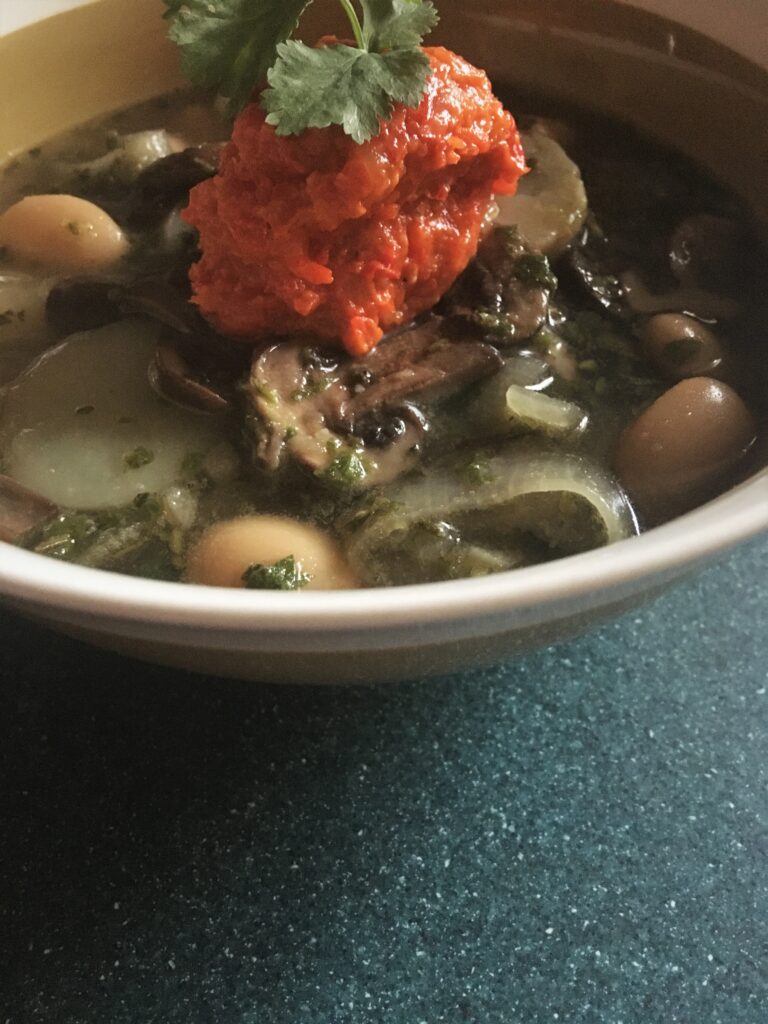
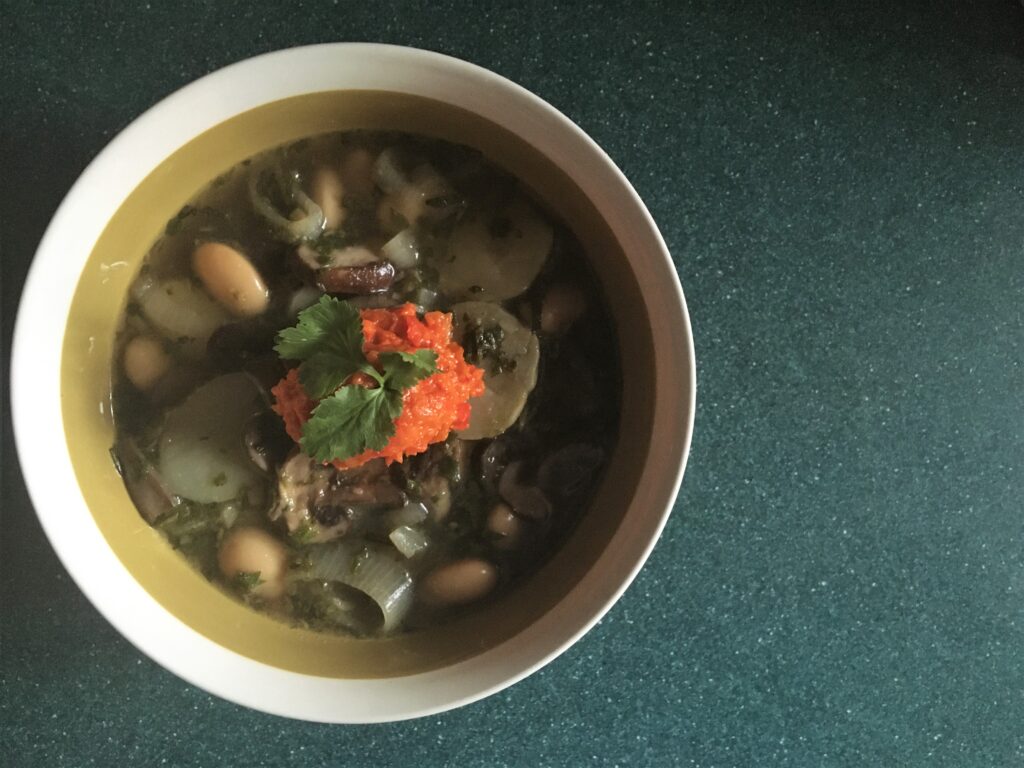
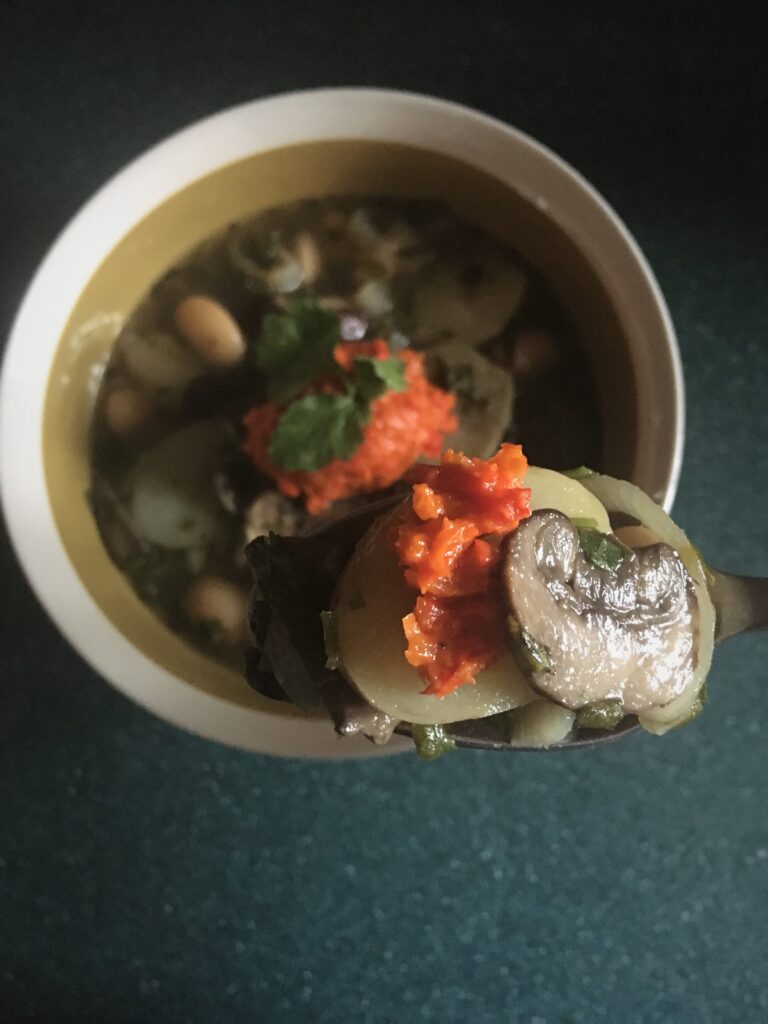
Boleto and sobrasada broth
I wanted to create a good honest soup using the boleto (or equivalent) and the sobrasada. This went through a few iterations because sobrasada “soup” is a bit of a mess and kinda oily. Also, I find that when you put lots of big flavours in a soup, sometimes you end up with something surprisingly bland and things like mushrooms get lost. So in the end I separated out the various components and united them at the end. This means a little longer at the stove and more than one pan (although you can get around that as below) but you know, there are rest days and also it will keep a little while if you make a batch.
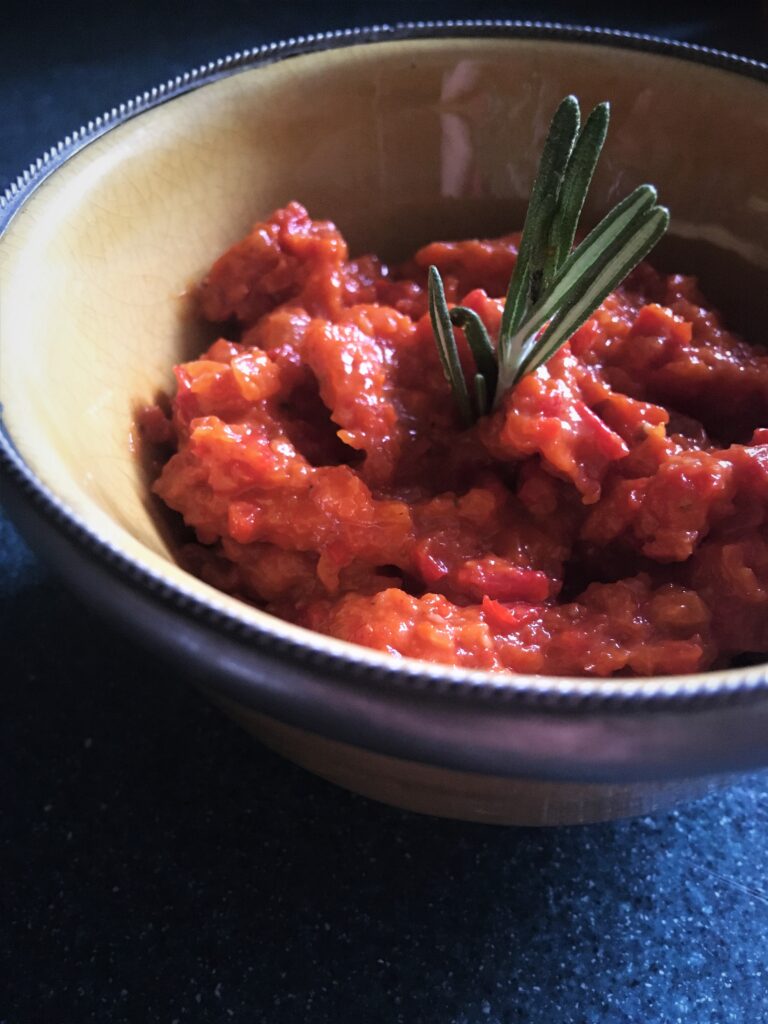
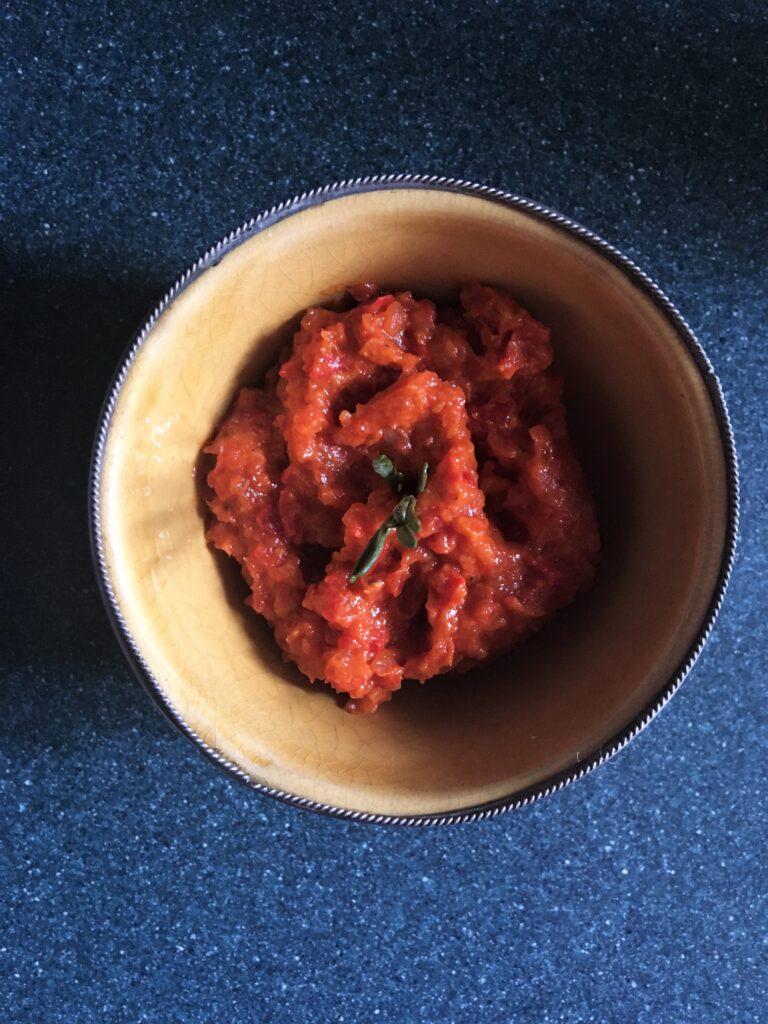
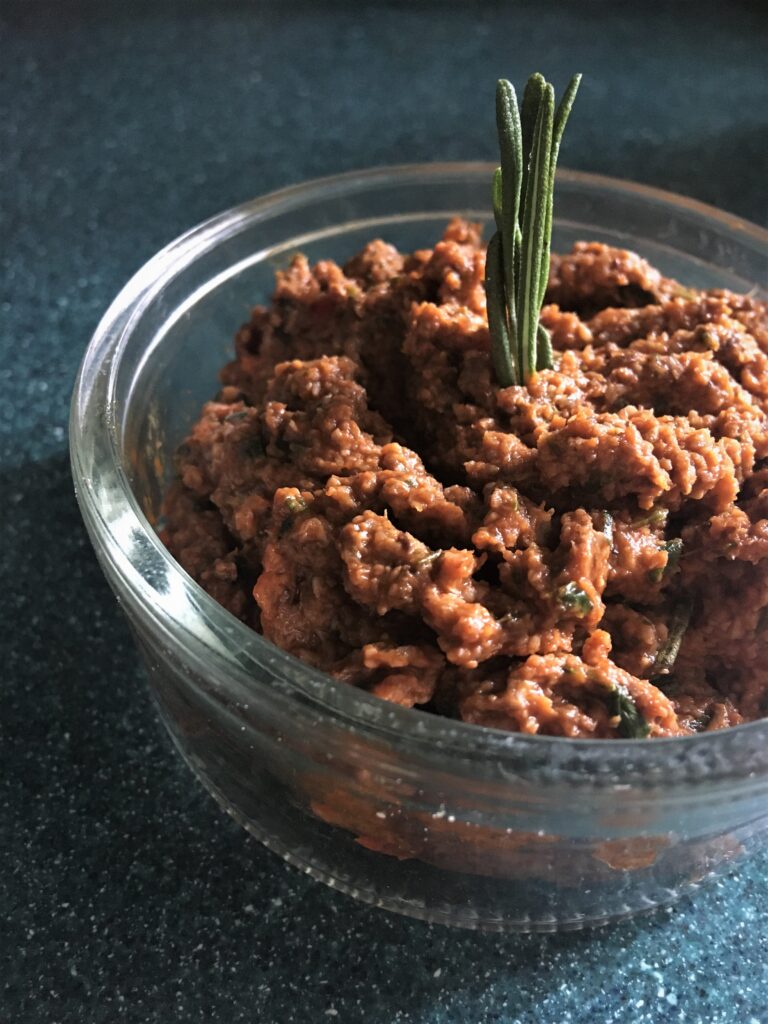
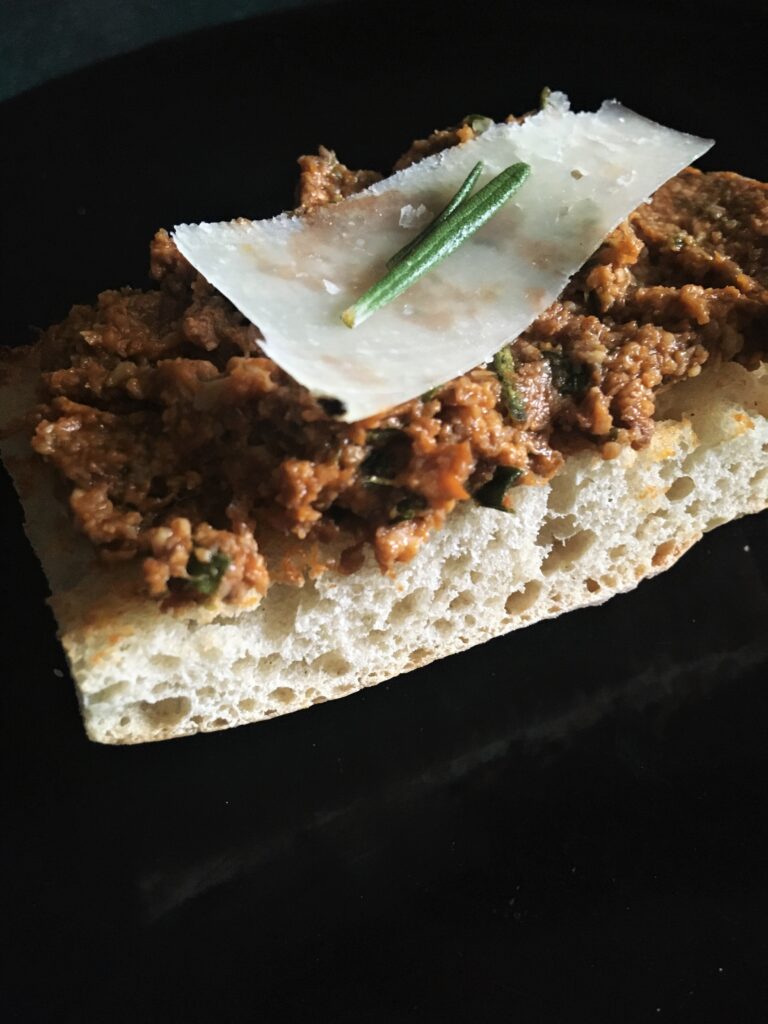
Also, the sobrasada topping I’ve created here is pretty rad as a dip, so word to the wise – make a larger batch and use it thus, or pop it in a sandwich with some lovely local cheese… I’ve also suggested in some of the other recipes here when it could be incorporated.
For a veggie version of the topping, leave out the sobrasada but pop in 1tsp sweet paprika.
Pistou
I’ve made a version without tomatoes as that’s how Tommy enjoys his.
The trick to this dish is the quality of the ingredients (including the oil you use) and the time you take to cook the veggies.
If you wanted to spice this up a bit… in a non-veggie way you could stir a spoonful of sobrasada into the final mix.
A lot of pistou you will see on menus comes with a fried egg on top or with manchego.
Again, this is pretty portable and also delicious cold.
Potato and apple stew with sobrasada
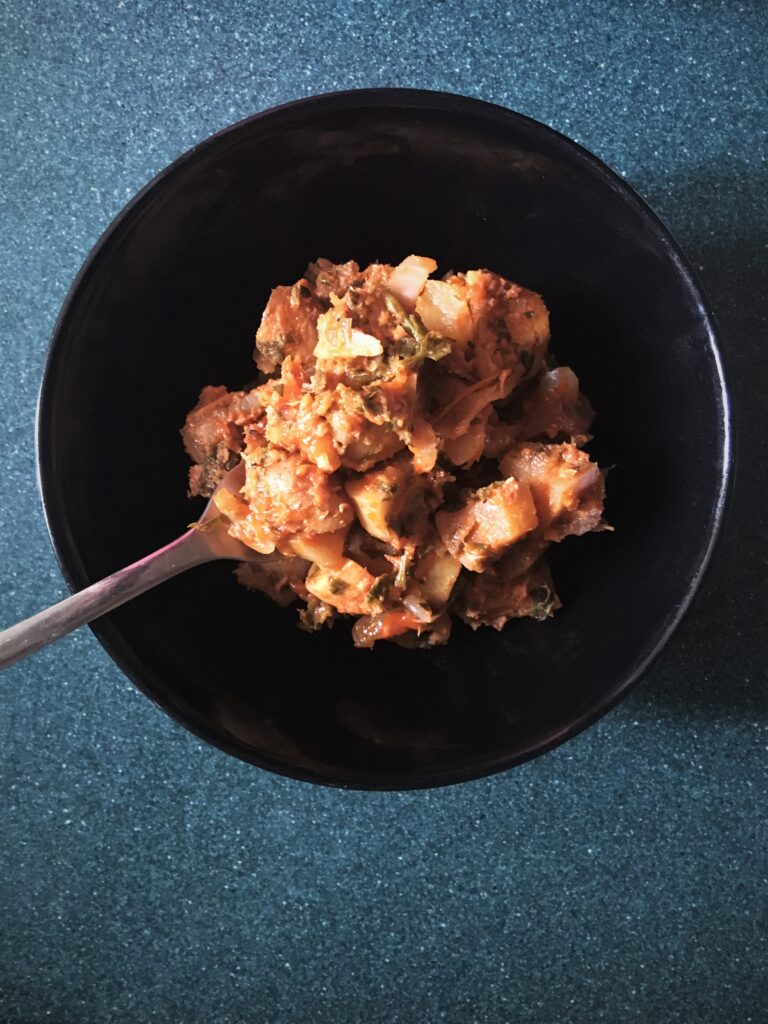
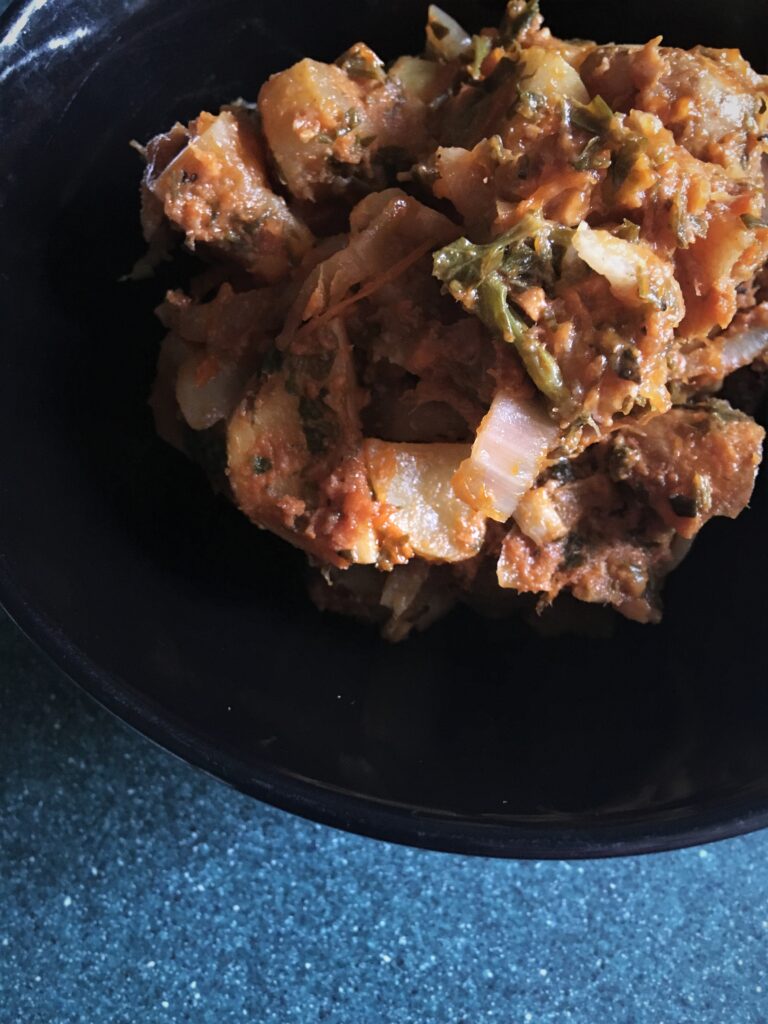
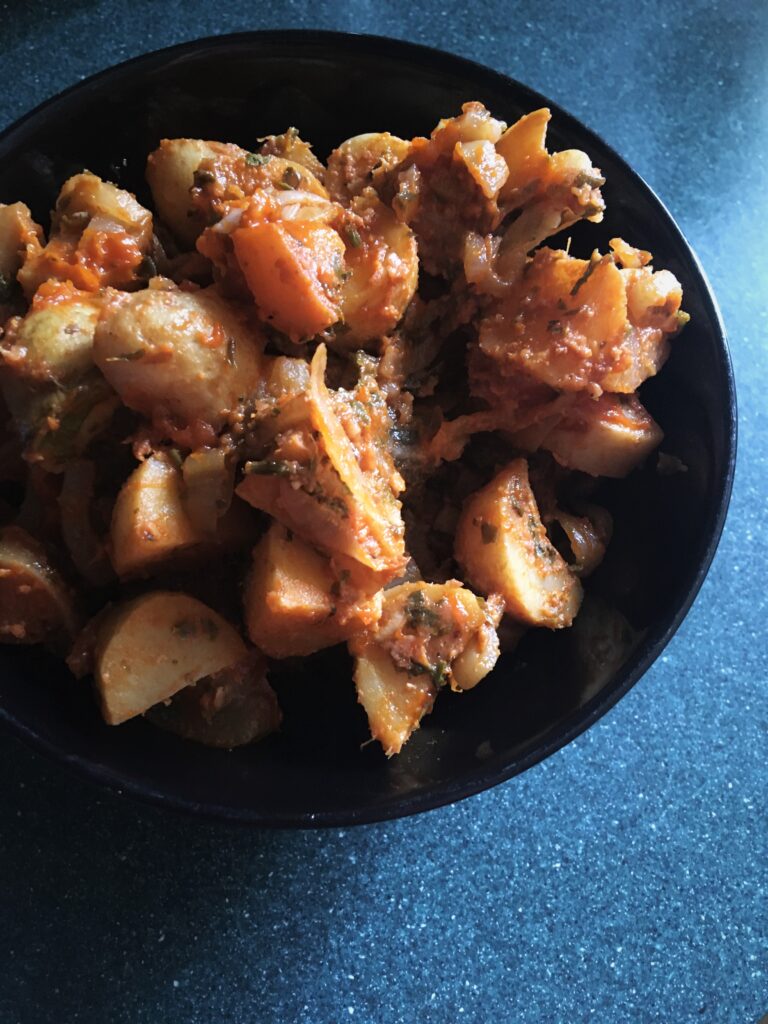
This is a sort of variation on pork and cider. Apple is a great accompaniment to pork – there’s a sweetness in both that marries well. When you put the sobrasada in here it melts into the sauce and imparts a lovely richness. You can eat this dish hot or cold so it makes a happy crag lunch. When it’s cold it all sort of congeals really nicely and that makes it not only even tastier but also more portable!
Again, a veggie alternative would be the red pepper mix from recipe 1. You could stir 50g or so of this into the stew instead of the sobrasada.
Sobrasada and boleto mushroom pate/dip
These two ingredients are very happy bedfellows it turns out. You could also fry the mushrooms and stir through some sobrasada or spread sobrasada on some bread and top with the fried mushrooms and a little honey. I’m super-down with this paté version though.
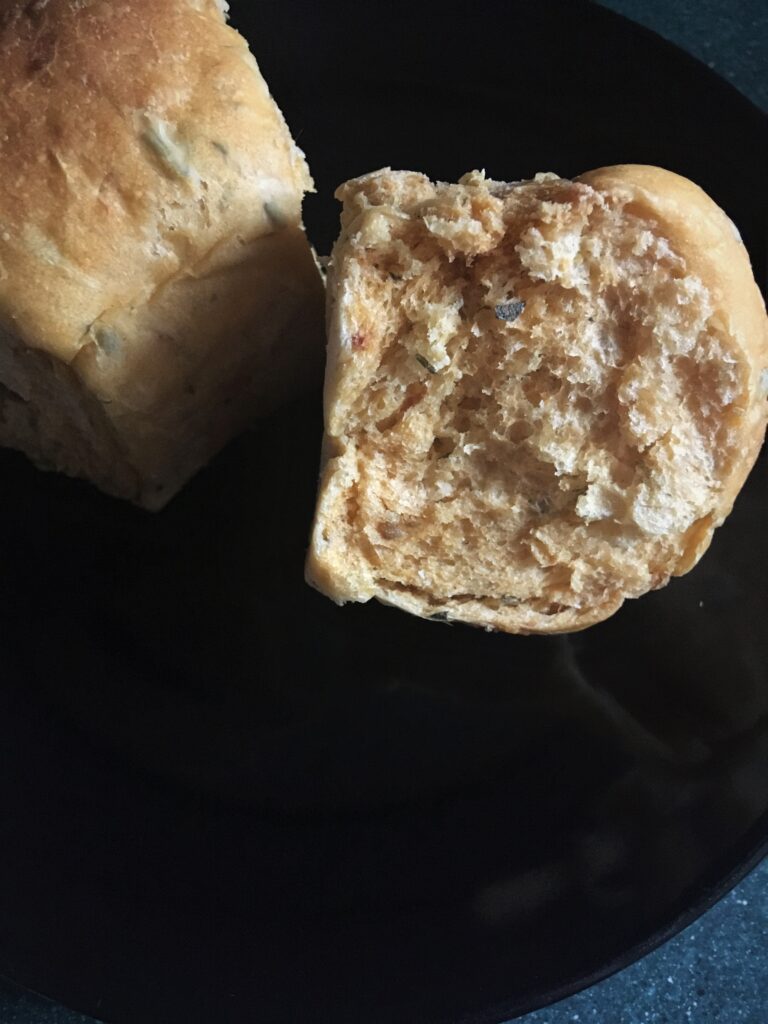
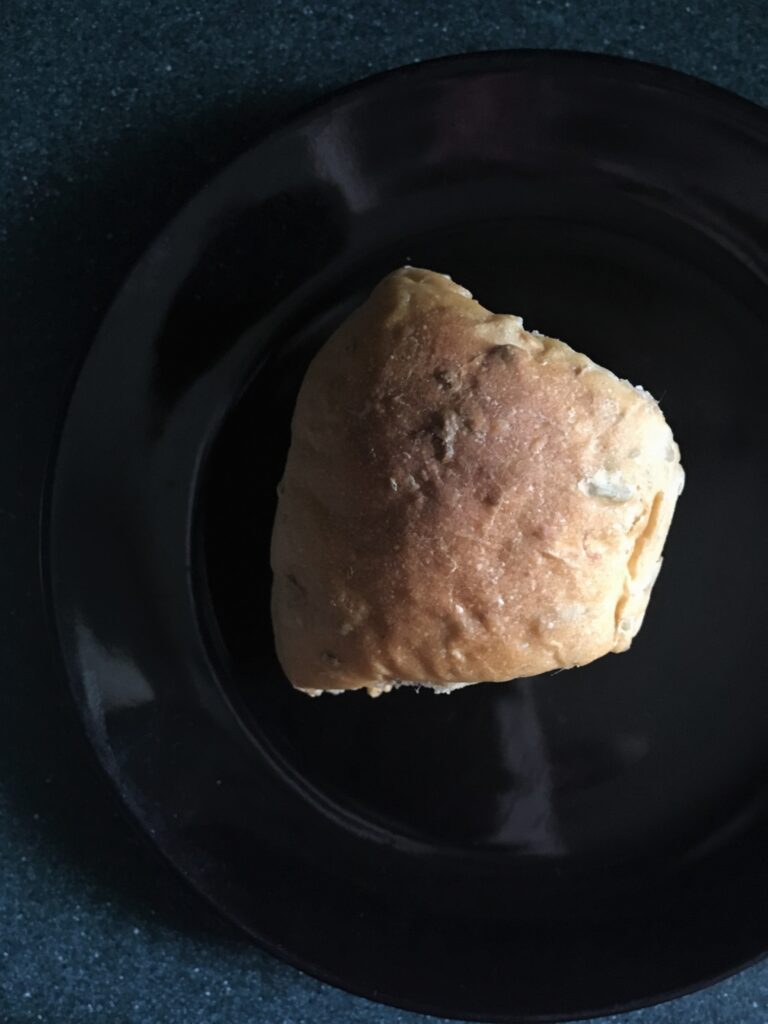
Sobrasada rolls
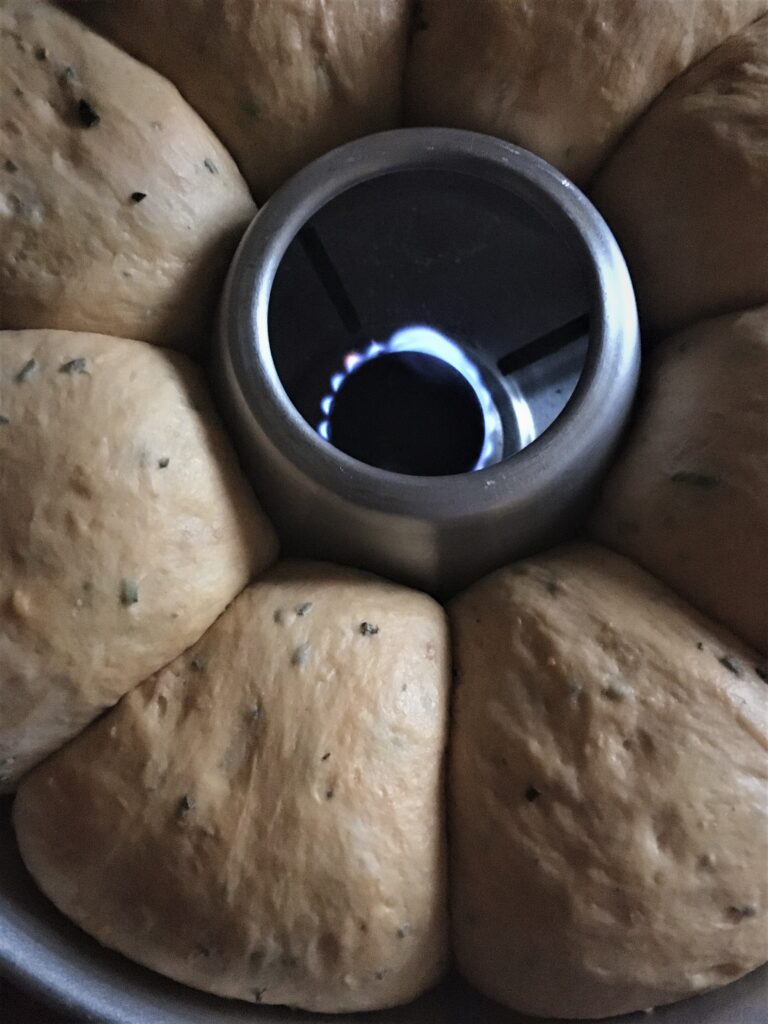
Hands-down, bread is one of my all-time favourite things. I will happily eat any type and I’m a sucker for putting things in it. Obviously, as noted above, the main thing to do with sobrasada is spread it on bread but it actually imparts not only a lovely flavour but also a lovely texture to a dough, not to mention a cheery, sunshiney colour to the final bake. Once again, sub the pepper topping (minus the sobrasada) from recipe 1 for the sobrasada here if you are veggie. You could also dip it in some Mahon-naise!
As with the other breads in this series you will need a stovetop oven to make this. I use an Omnia pan (which I love and which I say I love frequently across this website). They are super simple to use and bread made in these is so fluffy! You can rig-up a pseudo version with a pan with a little water in, an upturned glass bowl and a tin resting on the top (you need to be able to cover the pan with a lid, mind).
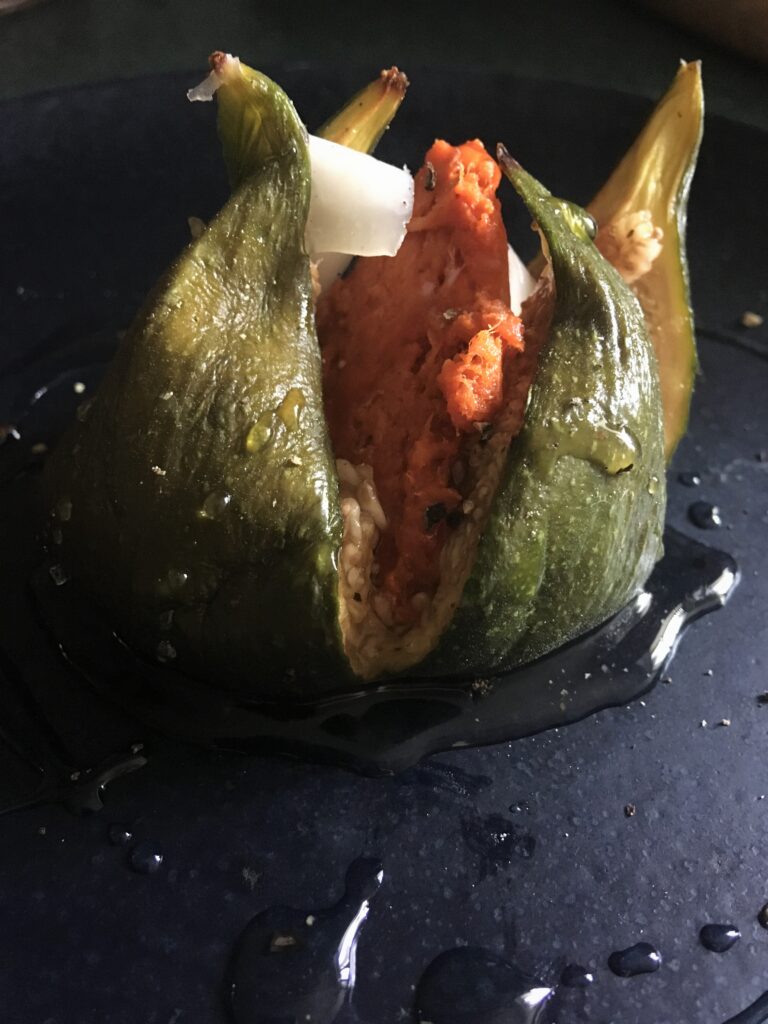
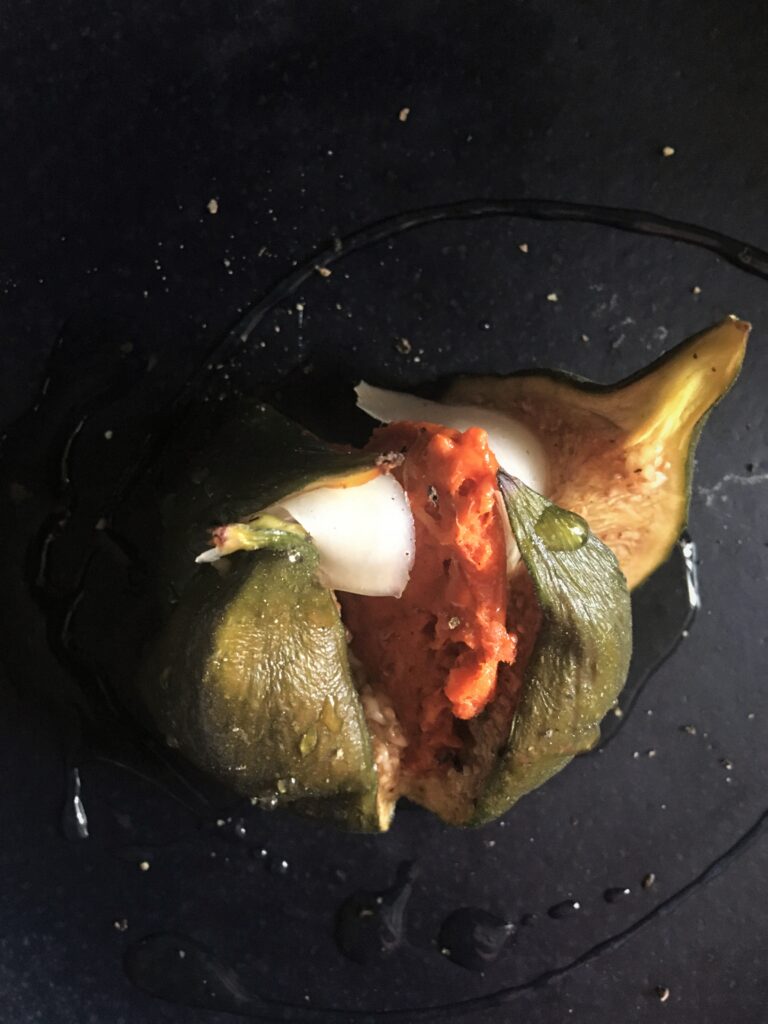
Baked figs with sobrasada, honey and manchego
This also works with baked apples in a rather tasty way. Like rosemary, you may come across a fig or two on your walk-in/on a hike. Obviously you can also buy them in the shops! Any local hard cheese will work fine. Manchego was all I had to hand and is pretty standard.
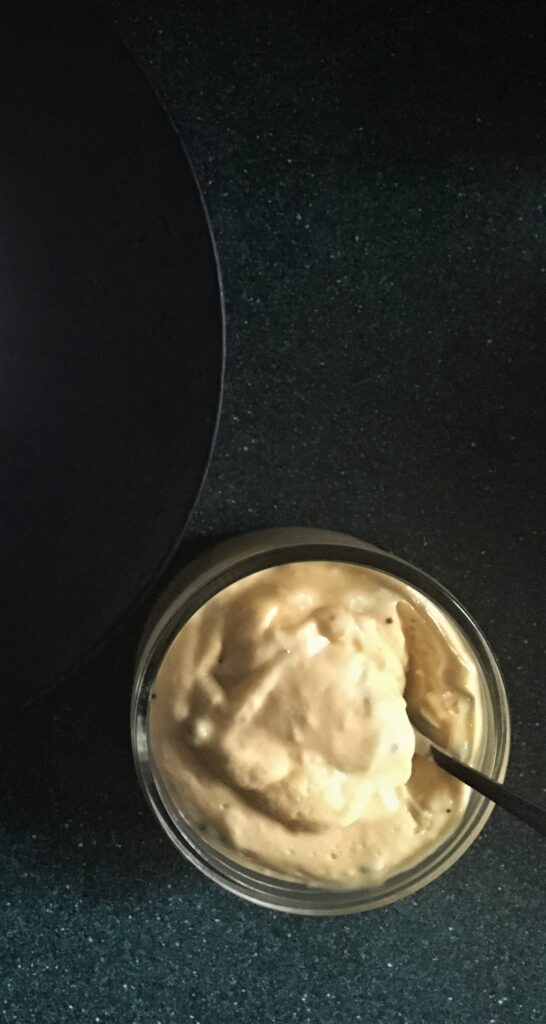
"Mahon-naise"
As noted above you don’t need the special kit for this, a bowl and a whisk will do. You will still need some stamina but this is a way easier method than using a pestle and mortar! A good warm-up for the old arms (and maybe not one to try after a long day climbing). I always prefer to make my own mayo if anything for the cheery colour.
(Obviously you can then stir in anything you might want to to liven it up, garlic, chilli, herbs, olives etc but then it’s more of an aioli). As I mentioned above, why not stir in a little sobrasada – you will need to blitz it up before mixing it in.
And, last but not least, what to drink with these...
I always feel that beer is really the only post-climb drink when you are in sunny climes but Tommy mentioned that there is a classic Menorcan cocktail that’s worth trying. It’s called pomada. It’s a combo of Mahon gin and lemonade/lemon juice (kind of like a G&T…) and is traditionally drunk at fiestas etc. You can buy it pre-made or make your own (equal parts) and apparently the deal is to do that and take it to the fiestas to swig as you wander about. Apparently the origin of gin production on the island stems from the British occupation in 18C after which it remained a popular drink and one which Menorcans take very seriously. It is distinctly different from the British version. The gin of choice is the island’s principle brand: Xoriguer. You can also visit their distillery in Mahon. Pomada is also often an accompaniment to Menorcan pastries.
When it comes to wine, you don’t tend to see many bottles on the shelves outside of the island/Spain but they are certainly worth trying while you are there. Menorca has a long history of wine production dating back to its occupation by the Moors in 13thC (but likely beyond that too). It had a heyday during British occupation in 19thC (standard) but then production declined and the vines were hit by the blight that ravaged the vineyards of Europe. Production was devastated and became only for home consumption. Like most wine-producing countries that ended up somewhat on the backfoot, there is a revival and the industry is growing with improvements in viticulture and vinification allowing more variety and experimentation. In 2002 the island gained an official geographical denomination which is “Vi del Terra Illa de Menorca” – (the guarantee of quality). There’s a relatively small number of wineries and hectares but then it isn’t the biggest of islands! Small is beautiful, less is more and all that. You can visit most of these as well which is a nice thing to do on a rest day (although maybe not the day before you plan to send your proj).
The main grape varieties used are Cabernet Sauvignon, Merlot, Monastrell, Syrah and Tempranillo for the reds; and Chardonnay, Malvasia, Macabeo, Moscatel de Alejandria and Parellada for the whites. The majority (although not by much) of vines are white varieties but that speaks to summertime drinking and tourism.
The rich depth of monastrell would sit happily with the sobrasada and the sweeter side that malvasia brings will complement it too. It will certainly be a nice accompaniment for the pistou and the potato stew; or, indeed, a chardonnay blend. Something slightly earthier and richer would be good for the mushroom-based dishes so stick to reds for those – a cabernet or a syrah-based blend. For the fig dish, probably again a malvasia blend.
And… Tommy also mentioned that Sa Punta would obviously be a lovely place to hit-up for a drink or two.
Q & A
What do you find challenging when cooking on a trip?
I’m the kind of person who tends to cook a whole vat of stuff and save it and you can’t do that in a van. So, I guess storage. And then variety. I don’t want to rely on pasta and tomato sauce all the time; I want to eat more exciting foods, especially when I’m travelling. I’m a vegetarian but veg goes off really quickly, especially in a hot place so I need to be able to throw a dish together. I can see myself getting a pressure cooker and doing lots of stuff with that. That opens-up the world of legumes for sure, otherwise it takes forever to cook them and you run out of gas.
Do you follow a nutrition plan and how easy is it to stick to when you are travelling/living in a van?
No. I just try to eat fresh things and keep variety and healthy – not just bread and cheese the whole time (although chatting to you right now before supper, that sounds delicious and of course when I’m in France I’m more than happy to chow down on that).
What do you tend to eat at the crag? ie – what is it that you consume that makes you a climb like a beast?
I keep it fairly simple and it’s usually a pack a tupperware of some sort of rice with a sauce.
What’s your best van/camping hack – cooking or otherwise?
It’s actually another crag snack… I often make a combo of chickpeas, tomatoes, cheese, lentils, pesto, cucumbers and ideally parsley and stick that in a baguette for a killer sarnie. Not particularly healthy but really good.
Do you do anything to complement your climbing while you are on the road? Do you have any training hacks for vanlife?
I love my portable hangboard that I use to warm-up with. I do a lot of running/trail running and it’s a great way to explore where you are. At the crag you get really good at the strength you need for a particular climb so, yeah, running for cardio and general fitness (or just the walk-ins sometimes!).
What’s your most memorable climb?
Not a positive one, but that’s ok! It’s one where I got shit-scared and I remember every single detail of every moment. Amazing 40m arete with a massive amount of exposure, and the 40m was already elevated. It’s in Sardinia but I can’t remember the name of the climb. I had got three quarters of the way up when it started to get dark and I couldn’t really see the holds; I couldn’t do the moves and the crux was at the last two clips and to do the last moves you had to go around the corner and the rope dragged around the corner and the limestone was eroded not smooth and I was terrified. I made it to the top eventually to get the draws with the help of lots of positive encouragement from below but I was terrified. And, more to the point, I don’t know why I didn’t just come down and do it in the daylight. So dumb.
Who are your climbing heroes and why?
There are loads of climbers I admire for their sense of adventure, technique, determination, etc., but honestly, my friend Dave has to be the one I admire most. He built Blocfit, my favourite climbing wall in London, from the ground up with his bare hands, and kept the business running through the hardest of times! Blocfit has one of the nicest climbing communities in London, mostly filled with people who actually love climbing, instead of punters on first dates.
What got you into climbing and what does climbing give you?
I got into it at Uni after a reeeally bad foot break. I had seen people doing DWS in Menorca before but hadn’t thought “that’s something I want to do”. I played football and tennis and did a bunch of other stuff but when I broke my foot I had to find a non-weight-bearing sport and I thought climbing looked cool. I couldn’t walk properly for 6 months or so and I got into climbing watching stuff on Youtube and got obsessed. So, by the time I got to the wall in Edinburgh I was already hooked. I mean, I was shit but I was obsessed with it.
Climbing gives so much: community, adventure, friendships, a drive outside of work. It’s basically amazing (as long as you don’t take it too seriously).
Bouldering or sport or trad?
Gotta be sport for me. Eventually I’d like to do trad but for now sport. Bouldering is all about the hardest move or sequence of moves but not really often about the mental aspect (unless you’re highballing) and sport has the mental aspect. It has some of the technical rope work and is physically challenging; whereas with trad you can lose the physical part of it to a certain extent but you can go anywhere obviously. Sport seems the most challenging to me over different dimensions.
Climbers love gear. What bit of gear/clothing could you not be without?
Gotta be my Camel Pack – one of the easiest tricks to staying strong all day at the crag is to simply stay hydrated all the way through the day!
If you were a pair of climbing shoes what would you be?
I want to say moccasins as they’re chill. I’m not always that chill as a person but I’m pretty laid back. It’s not about how good your shoes are but about the decisions you take on the wall, how quickly you climb, the times you choose to rest. The shoe being intense and tight to my foot isn’t the thing that will make or break a climb. Moccasins are easy going, which I like.
What’s the best view you’ve enjoyed at the top of a climb?
On top of a multi pitch in Sardinia. It was a tower 150m. Top was about 2m x 1m and there were 4 of us. So, really cramped at the top. We were right on the sea – the tower pops out of the beach and it was amazing. Horrendous climb though. We got lost and we went along a project on one pad monos which we were trying to work with at one point. Iit was supposed to be a 6b and all I could think was “oh my god this is the worst 6b!”, but, the view was amazing.
Where do you return again and again to climb and why?
Ha, Menorca! I just love the island. There isn’t a huge variety of climbing, I’m not gonna lie but I love how everyone approaches climbing there. There’s no weird competition or strutting around. Everyone is just really friendly and happy to see you at the crag. Plus there’s a lot of DWS; not as much as Mallorca but a good amount.
How do you choose where you want to climb?
Choosing a crag is generally for me where everyone else wants to go. I mean, there’s generally stuff everywhere.
I like doing “vision quests” – not knowing what I’m getting on but just getting on something figuring it out and then finding out what it is later. Essentially choosing a route by how it looks from the ground, or because it has an interesting feature. I’m not so much, “I know this is an 8b so I want to try it”. I just try to get to know the rock at a new crag before trying any projects.
How do you manage your expectations/training/enjoyment?
A question that Covid puts into focus I guess.
Managing expectations for me is climbing without worrying about grades as much as possible; unless you are working a project – as that’s where you really break down a climb and get stronger on those by targeting them.
Onsiting and climbing around is way more enjoyable generally as you aren’t fighting yourself and failing and having to train. Moving to a project, training for it and getting to know it brings a different level of satisfaction. So I guess a balance between the two.
I usually just train for projects. I enjoy the feeling of training and trying really hard and getting exhausted but I won’t properly go about training unless I have a project.
What’s your best piece of advice when it comes to training?
Stretch.
Everyone always overlooks it but it’s one of the most important parts of training but people minimise time for this over training, if they do it at all.
If you stretch you’re more mobile and able to get closer to the wall then you don’t need to be that strong, so if you are interested on climbing routes and not just being strong then stretching will help you climb the routes you want to climb. If you are flexible to get around some crazy sections that goes a long way.
Have you ever been be-nighted or had a close call?
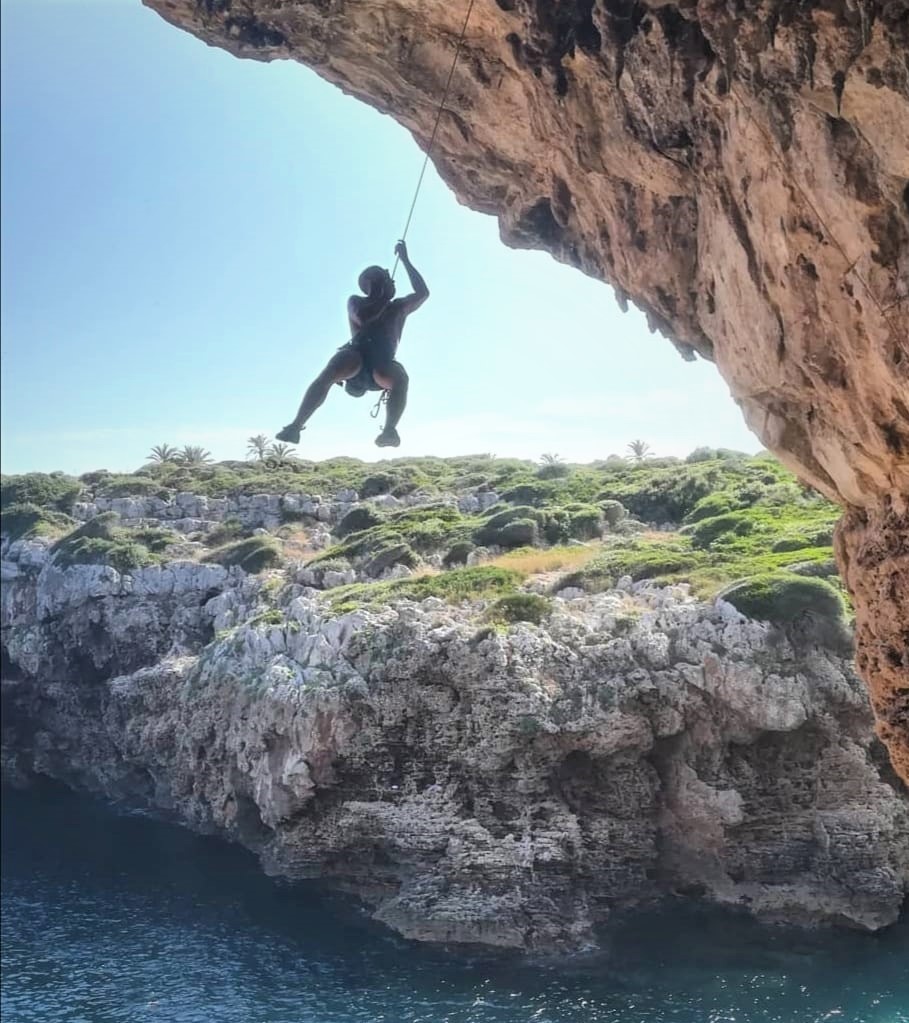
I’ve done some sketchy stuff but never had a close call. I had one project in the roof of a sea cave and all of the bolts were rusty but then when I came back to it the year after my draws from the first year were still up so I had to use those to clip in on my initial climb. I opened the gate on one of them and it didn’t close so… no dynamic falls just sitting and changing the draws. Again pretty dumb. The bolts were horribly rusty. Don’t try that at home kids.
How has the climbing scene changed since you started climbing and how do you think the Olympics will affect it?
It feels like it’s blowing up. So many people are doing it now. There’s a lot of punters – I don’t mind that but it just seems that there are fewer of those crowds lounging around a climbing gym; it’s more like people on first dates but that might be because when I climb indoors I’m climbing in London mostly.
I think the Olympics will raise even more awareness and so climbing will just get more popular. Maybe that will mean more comp-style, jumpy things and I’m not super interested in those. It’s sort of a different sport in a way and it’s not the style that I like.
If you weren’t addicted to climbing, what would replace it?
Something else that’s high intensity if you want it to be but something where you can make friends in. I can’t think of anything else that has the combination of things that climbing has. I honestly have no idea. I would probably be doing some other sport but I don’t think I would feel as happy doing that as I am climbing.
Where you would you like to develop some routes (and what would be the first name)?
I would love to develop some routes in Menorca or Sardinia.
And the name… because I’m an absolute nerd… would be Gradient Ascent named after the gradient descent algorithm (total nerd).
Where is the most unusual place you have climbed and why?
India but it’s not that that makes it unusual particularly but it was in India after a night out when our hostel had locked the doors but the kitchen window on the second floor was still open. It was monsoon season and I can’t tell you how hard it was raining; the water was up to our ankles. There was a bunch of us and thought we were going to be outside all night until someone spotted the window. I jumped up on the railings, scuttled across, scooched around the sticky-out air vent and… I did this in my underwear as I didn’t want to be heavy; so I climbed back in only wearing my undies and dripping wet.
What’s the best thing about nailing a route / problem?
For me the best thing is when you have been working on it for a long time and you have to do everything perfectly and finally getting to the end of that. When you do it it’s such a good feeling – you feel like you’ve really worked on something, put maximum effort in and saw it through to the end. Annnnd, getting pissed afterwards is also good.
What’s your proudest moment?
Joint proudest climbing moments are when I took my friends Toni and Eli climbing in Margalef for the first time. They had never climbed before, and that trip sparked a passion in climbing for both of them! I’m also pretty chuffed to have sent my 3 year long project last year!
What’s your best tip for someone starting out in climbing?
Climb as many different styles as you can and learn to enjoy all of them. Don’t get stuck in a box. The more different styles you try, the more you will learn and that will make you a better climber. Also, don’t focus on the grade too much, just enjoy the movement.
Where’s your next trip and why?
Hopefully Menorca or Barcelona. Or, in fact, Portland as I’ve not been in the UK much.
What has been your experience of lockdown and what have you missed most?
Very little climbing. I tried training for a bit. In the first lockdown that didn’t last that long. So I just rolled with it. Then when things got a bit more normal I got back into it. I missed seeing my friends at the wall really; that’s a really big part of a climber’s life.
Comments
Hit me up with any variations you've got for these ingredients/dishes; any other van-friendly recipes you would like to share from your travels to this region; or, indeed wines that you have come across on your travels that you would recommend - either as a match or just for drinking!