

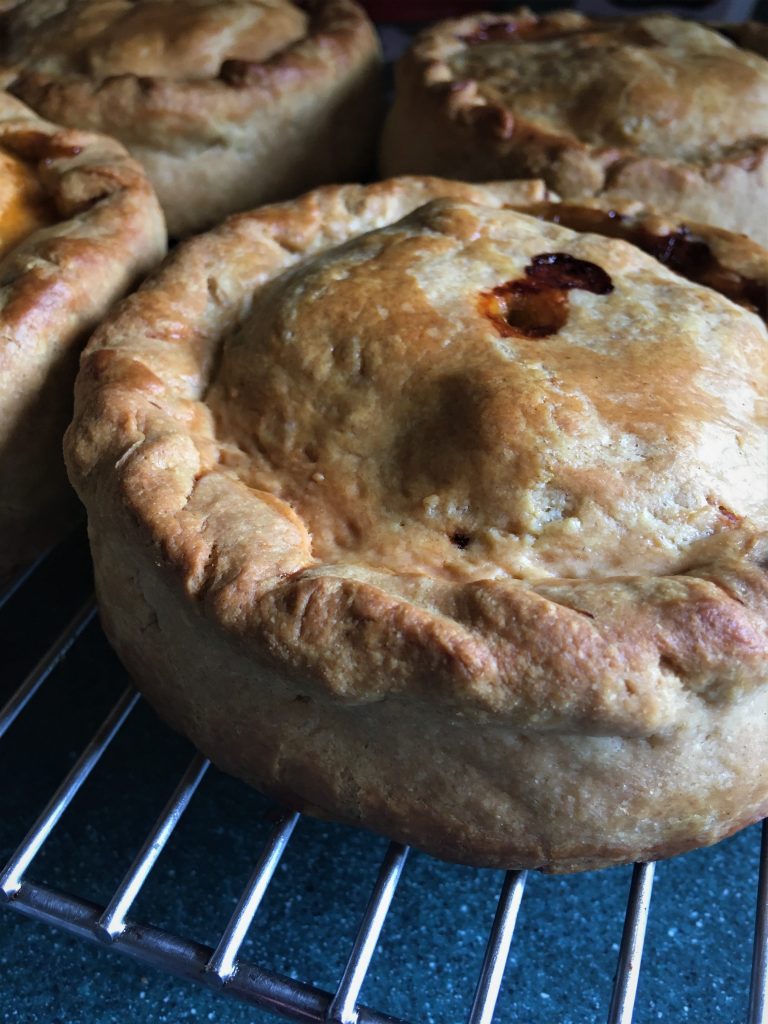
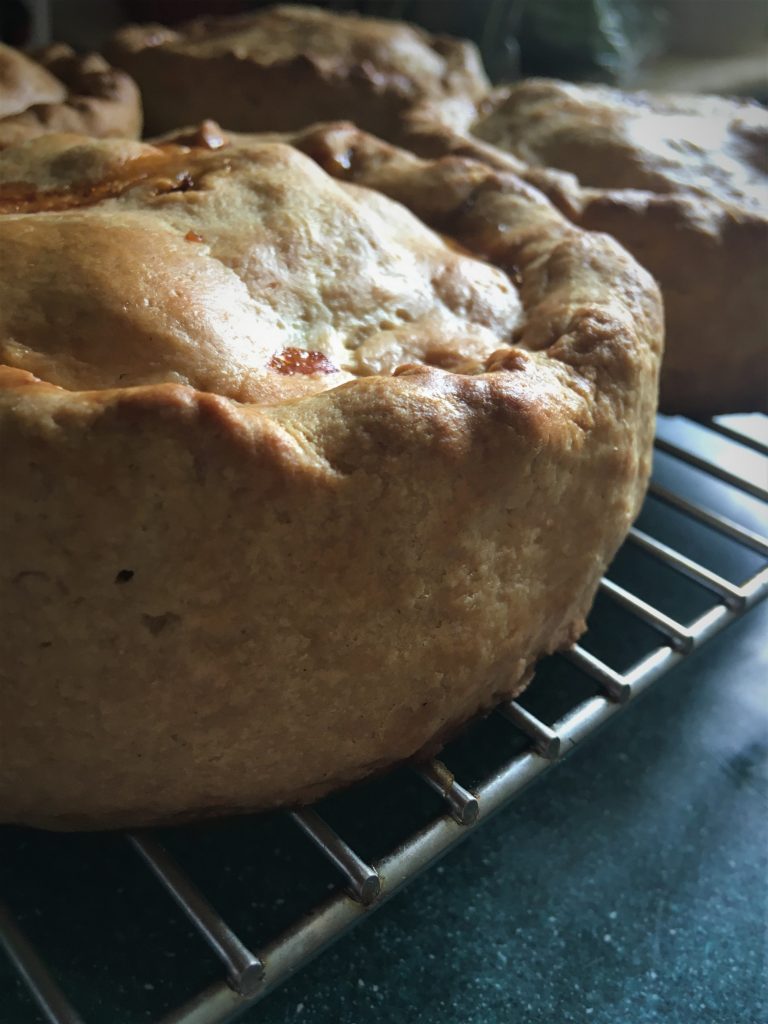
Makes: 4 big pies (or a few more smaller ones if you fancy)

Takes: the pastry takes about 10 minutes to mix up, then the dough needs to stand for an hour before you can form the pies but you can prep the pie filling during this time. The peas and potatoes will take about 15 mins; frying off the pork and the remainder of the filling will take about another 5-10 minutes. Assembling the pies will take a bit of time as you need to make them by hand as you would little pots in a pottery class, plus it’s likely you may need to pop them into the fridge to chill before you put the lids on – so let’s say, c. 30-45 minutes depending on how handy you are.

Bakes: c. 50 minutes; set oven to 180C (GM4); line a baking tray


Ingredients

For the dough

  • 100g lard (at room temperature so it is soft enough to work with)
  • 1 egg yolk
  • 125 ml olive oil
  • the juice of 1 medium sized orange
  • 500g plain flour
  • 1 tsp salt
  • 125ml hot water

For the filling

  • three handfuls of frozen peas
  • no more than 5 new potatoes (you will want to dice these up pretty small – little chunks you would get in a pie)
  • 1 vegetable stock cube and a little boiling water


  • 500g pork belly/tenderloin (cut into bit sized chunks)
  • 1 tbslp vegetable oil
  • 2 tsp paprika – (I opted for one sweet and 1 spicy)
  • salt (I did about 14 twists of the grinder)
  • pepper (a really good grinding)
  • 50g chorizo (diced) (I couldn’t get hold of any “sobrasada”*)
  • 3 slices of bacon (chopped up into bite sized bits)
  • 1 tblsp tomato puree
  • 1 tsp Worcester sauce
  • 1 egg white (use from the egg for the pastry – I hate waste)
  • 1 egg and a little milk to brush the tops of the pies.

(*the traditional version would contain “sobrasada” which is a sort of paprika spiced soft meat sausage/pate – so I’m mimicking this with chorizo, tomato puree and Worcester sauce – if you were feeling fiery you could drop in harissa paste instead of the puree and sauce).


Method

Beat the lard and the egg yolk together with a fork until well combined – there will still be little lumps of lard but this is ok; as you add the other liquid ingredients it will start to form a smoother paste.

Next add the olive oil and mix well. Then the orange juice and mix again. Next, add the flour and salt and mix this in well. Finally add the hot water – this will sort of transform the pastry and puff it out a tiny bit to make it smooth.

The dough will be fairly firm but softly pliant. Knead for a few minutes until smooth then wrap it in some cling film (or environmentally friendly wrap of your choice) and let it stand for an hour (you can make this the day before, by the way and put it in the fridge).

While your pastry is resting, prep the filling.

Boil the peas until soft (essentially just to unfreeze them). Drop them into a bowl with the stock cube and cover with a little boiling water and mix to combine. Add the chopped potatoes to the boiling water and boil for about 10 mins (again, they will be cooking in the oven but you want to take the edge off). When cooked, add these to the bowl with the peas (this could be done the day before too).

Add the oil to a pan and fry off the pork and add the paprika into the mix here too. It will take no longer than 10 minutes.

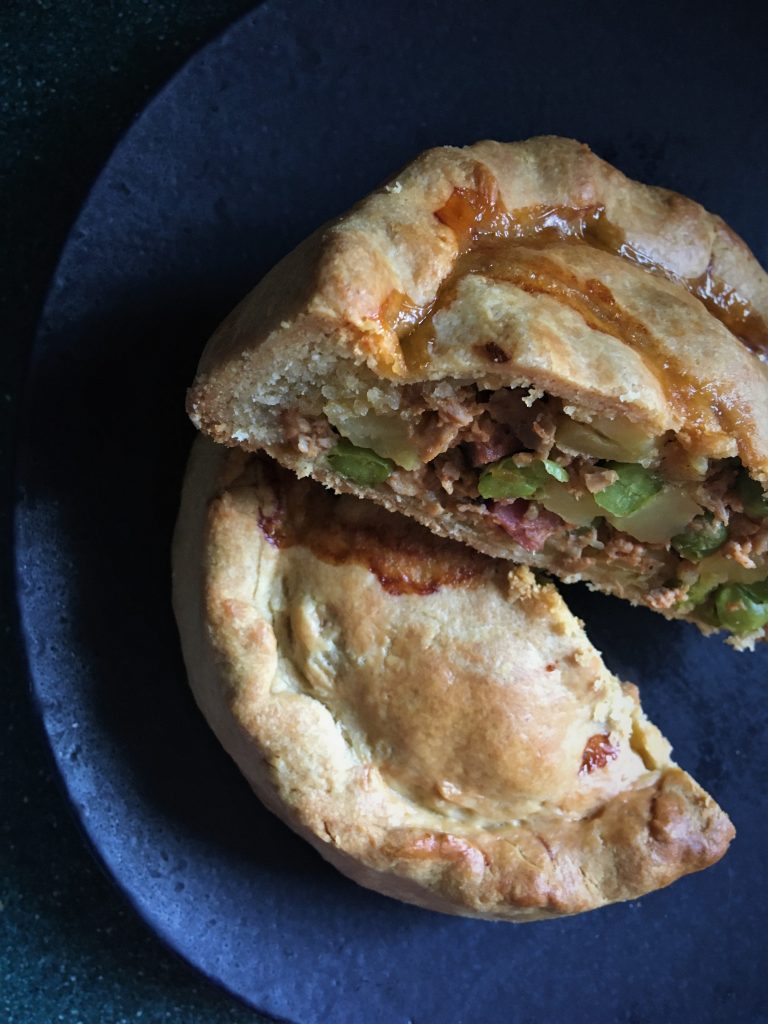
When the pork is browned, take it off the heat and drop it into a blender to shred it. Drain the liquid from the peas and potatoes and then add the meat and the remainder of the ingredients (except the whole egg and milk). Mix these together.

Now make your pies. Take a fist-sized ball of pastry and press into the middle with your thumbs and work outwards to create a pot shape or a kind of bowl with sides – don’t make it too thin otherwise it will collapse but, equally, don’t make it too thick – make it a bit Goldilocks like. Make sure that you don’t have thick edges around the base as these won’t cook well – just keep pressing out and working it into a pot shape.

Do the same with 5 other “fists” of pastry and line them all up on a baking tray.

Now make the lids. These are essentially going to be discs of pastry that you will sit on top of the pies so work by eye as to how much you need – there will be enough pastry. You can mould these with your hands or just flatten out on a surface – you don’t need exact circles as you are going to crimp them to the sides of the pies. Again, somewhere in the middle of thin and thick is just right.

Finally, spoon the filling into the pies and then pop the lids on and squishing the sides to the lids, crimp/prettify the edges so there are no gaps and the lids stay on. The traditional pattern is a sort of kind of knotted rope – whatever you can do to seal it really I found that if you pull the sides up to meet the lid and squish these together, you can then fold these little edges over into a rough rope pattern. Don’t forget to pierce a hole in the top of each pie so the steam can escape.

Brush each with a little egg and milk wash and pop them into the oven.

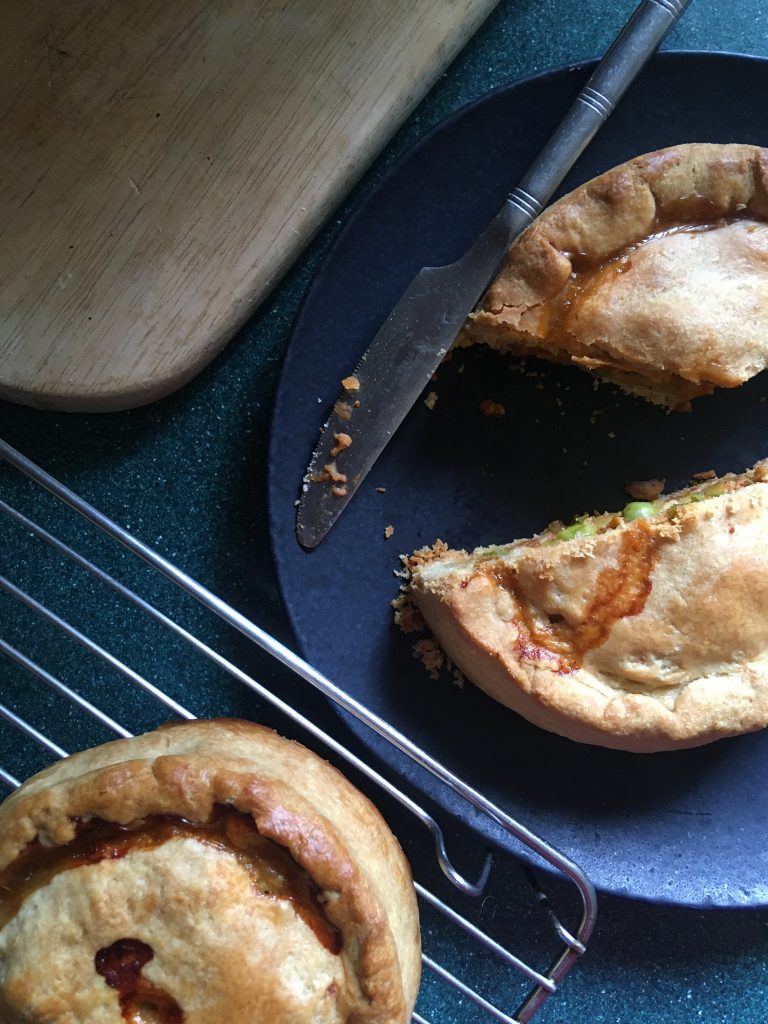
You can obviously eat them piping hot straight from the oven but they are great cold (as crag food). You can also heat them up – just remember that they contain pork so will need to be heated thoroughly.

Mallorca, or, more precisely, “beicon” panades in Bunyola

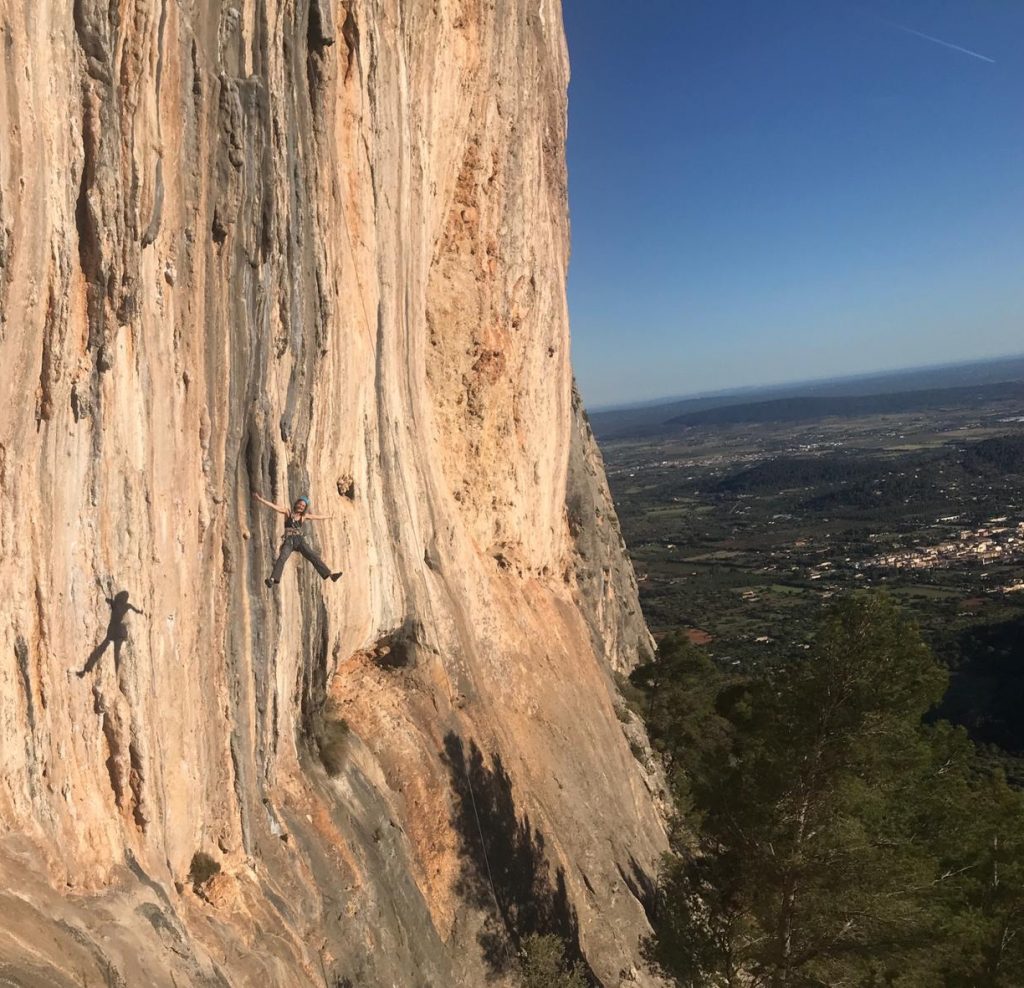
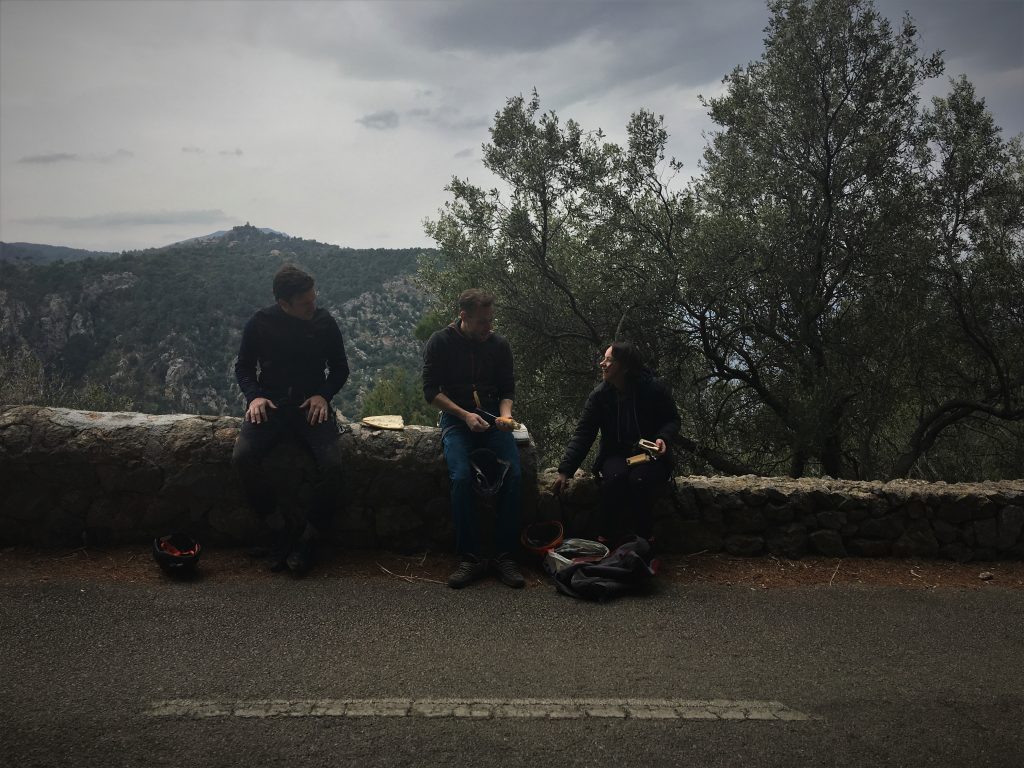
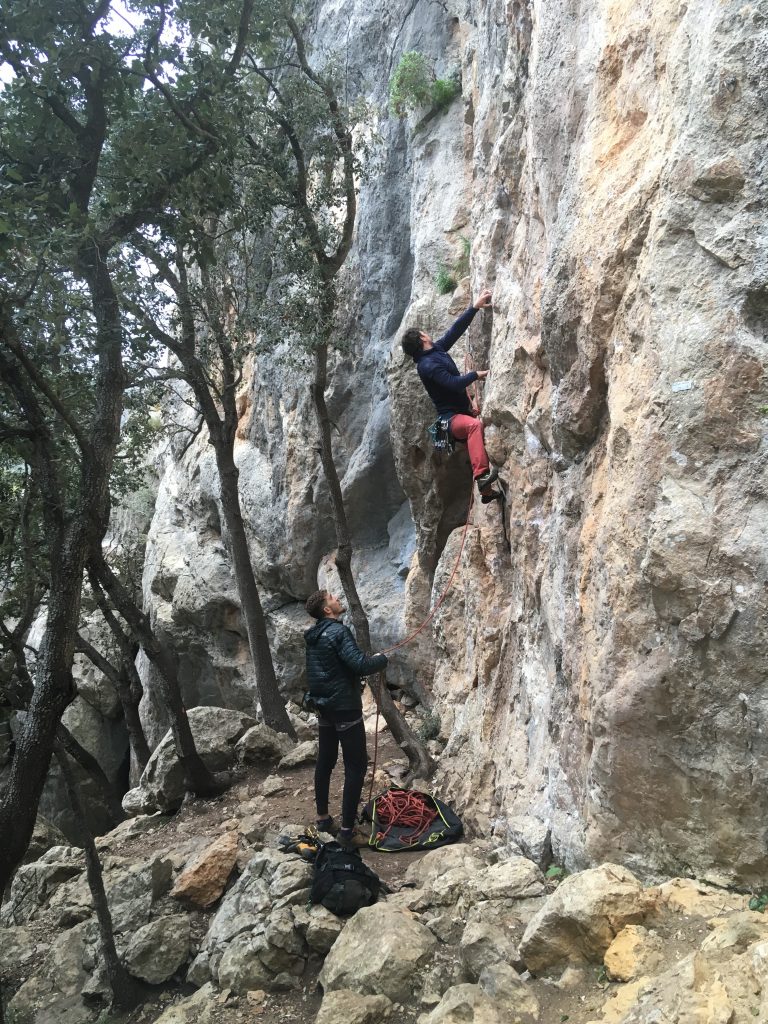
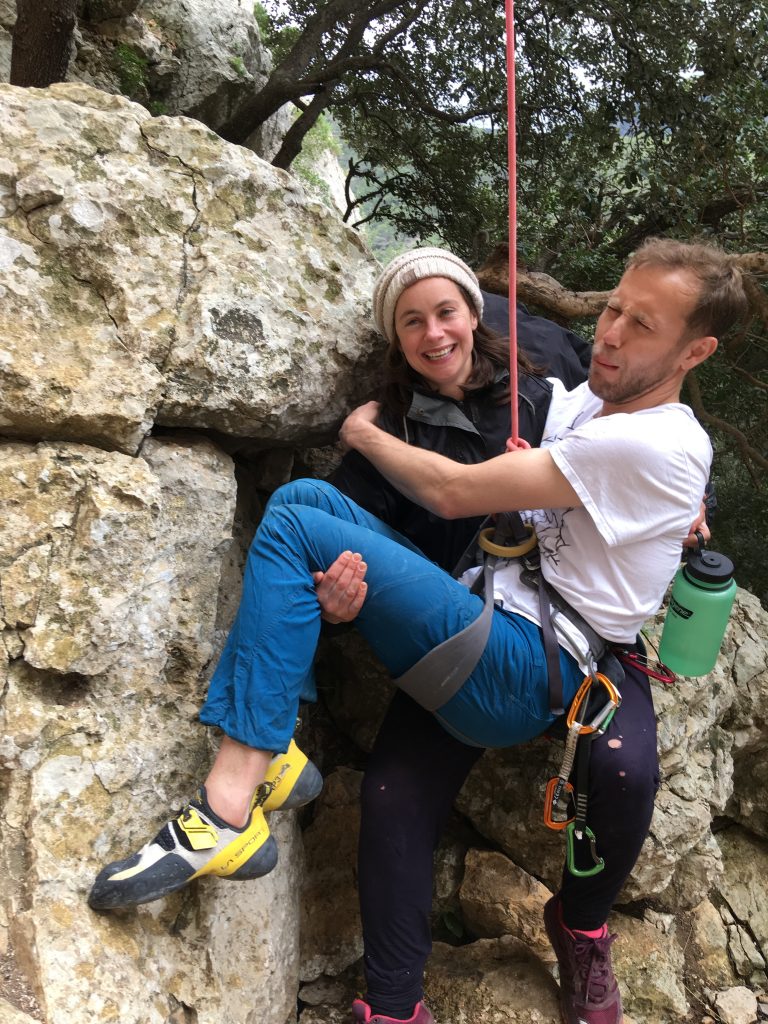
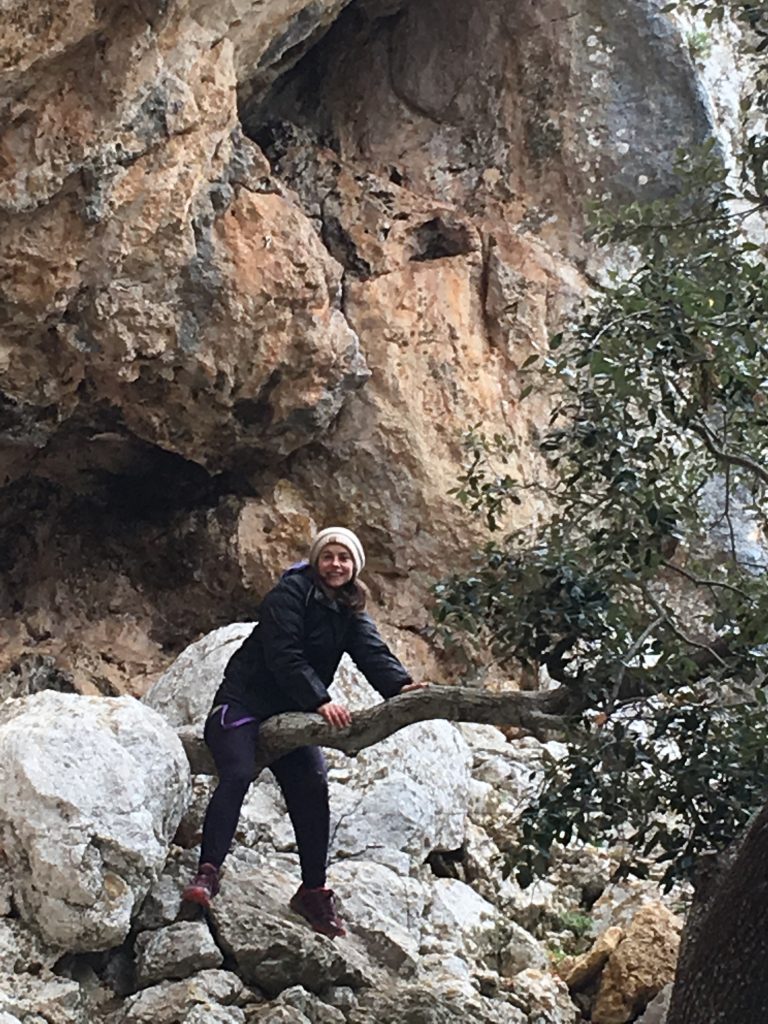
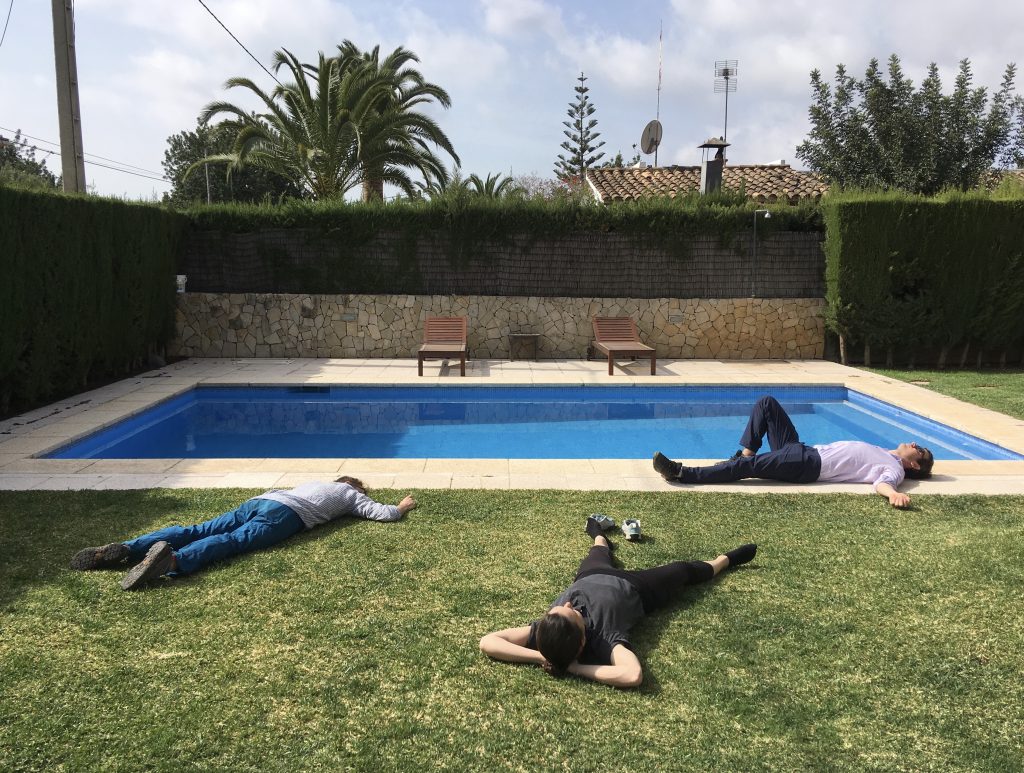
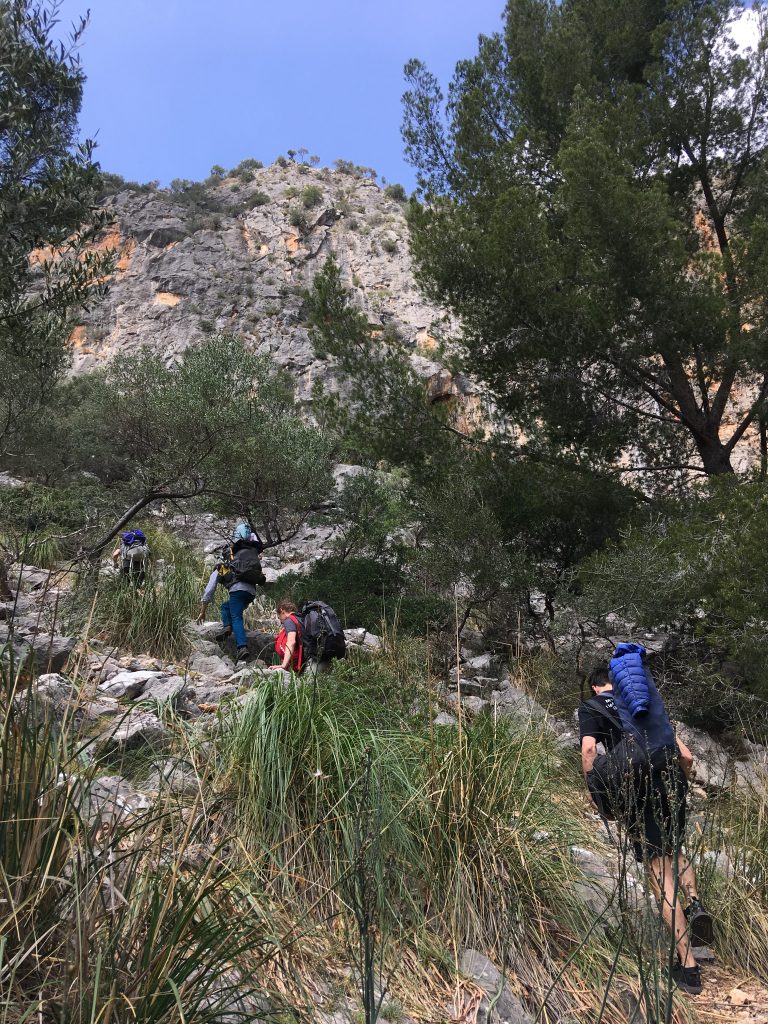
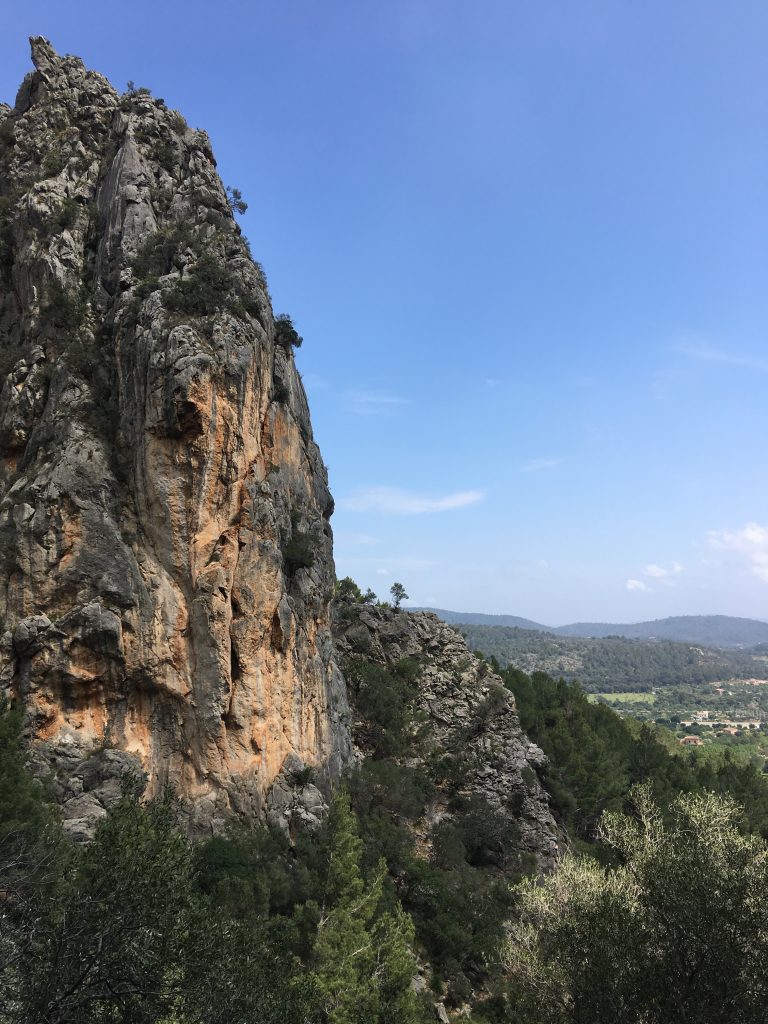
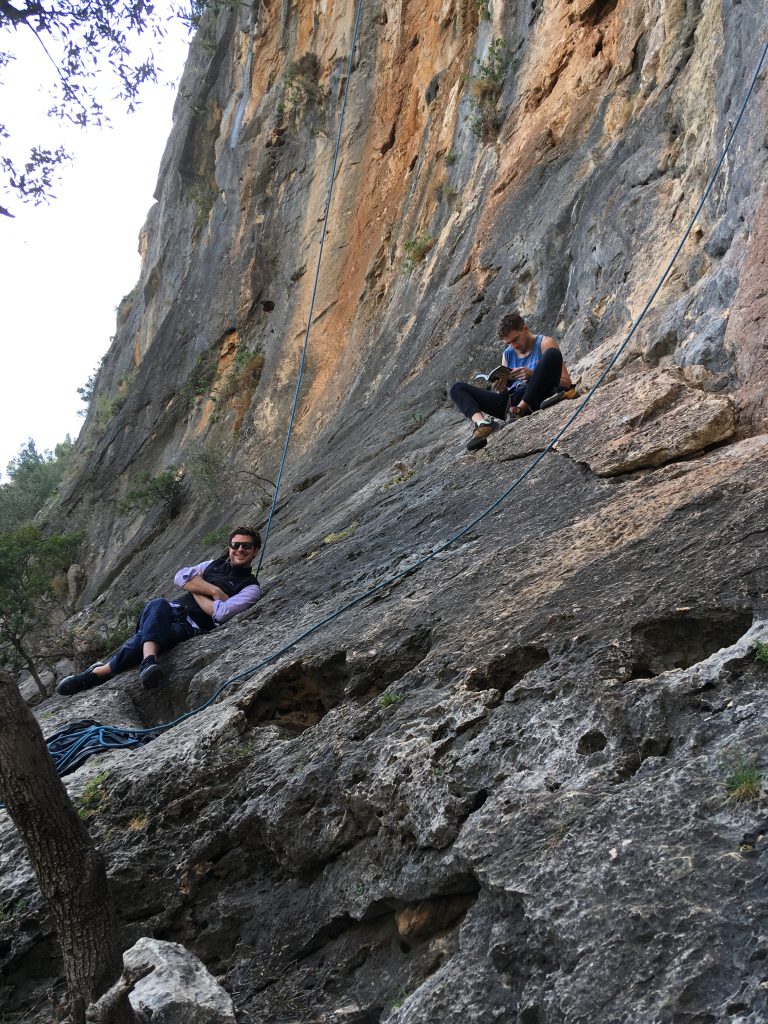
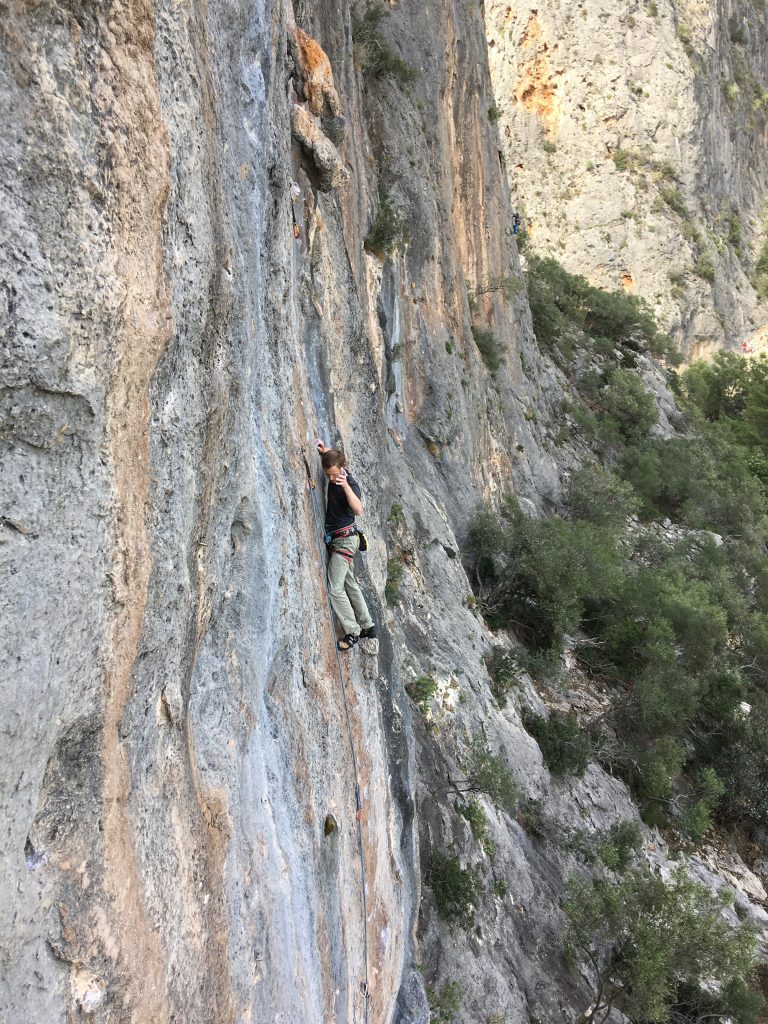
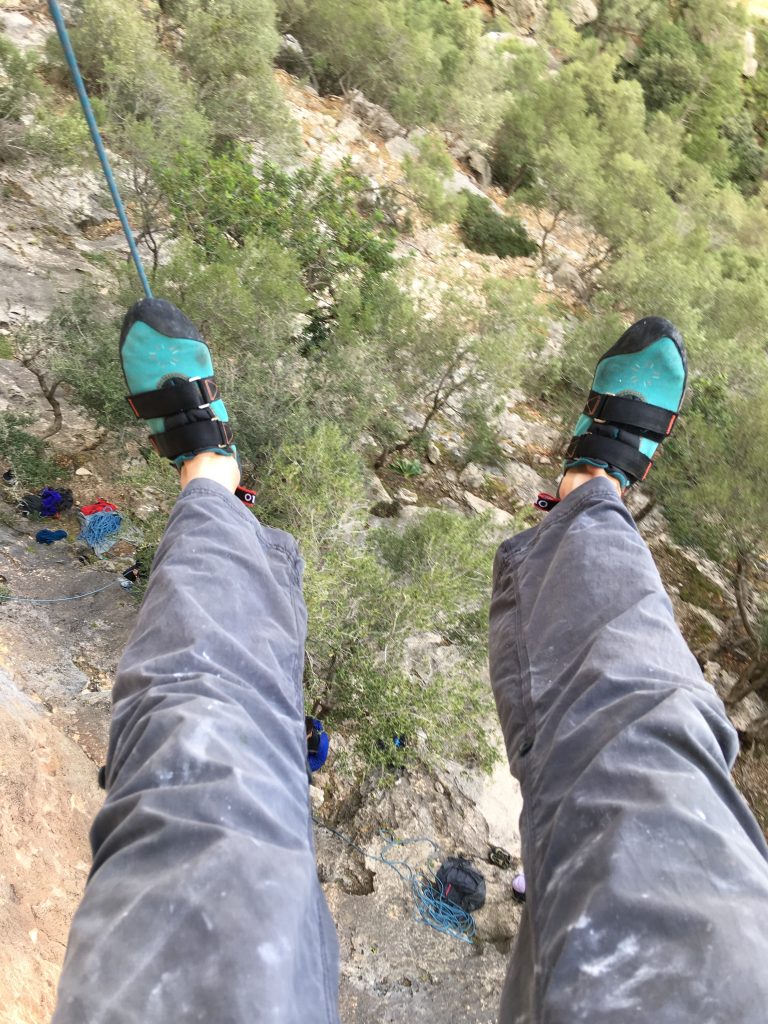
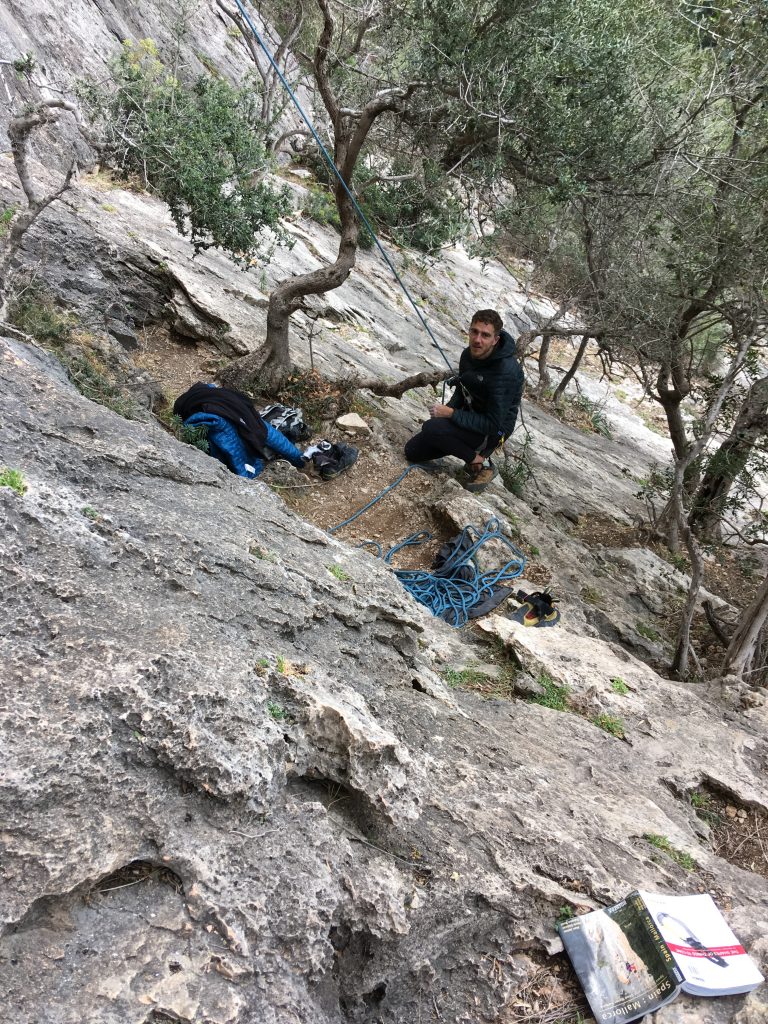
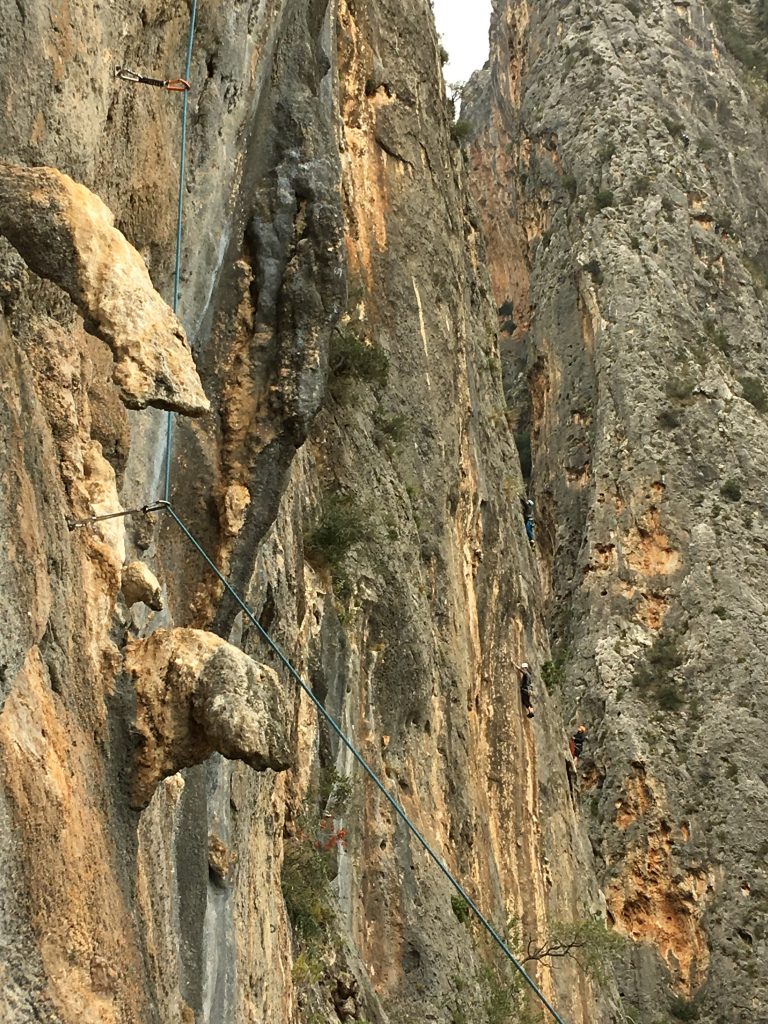
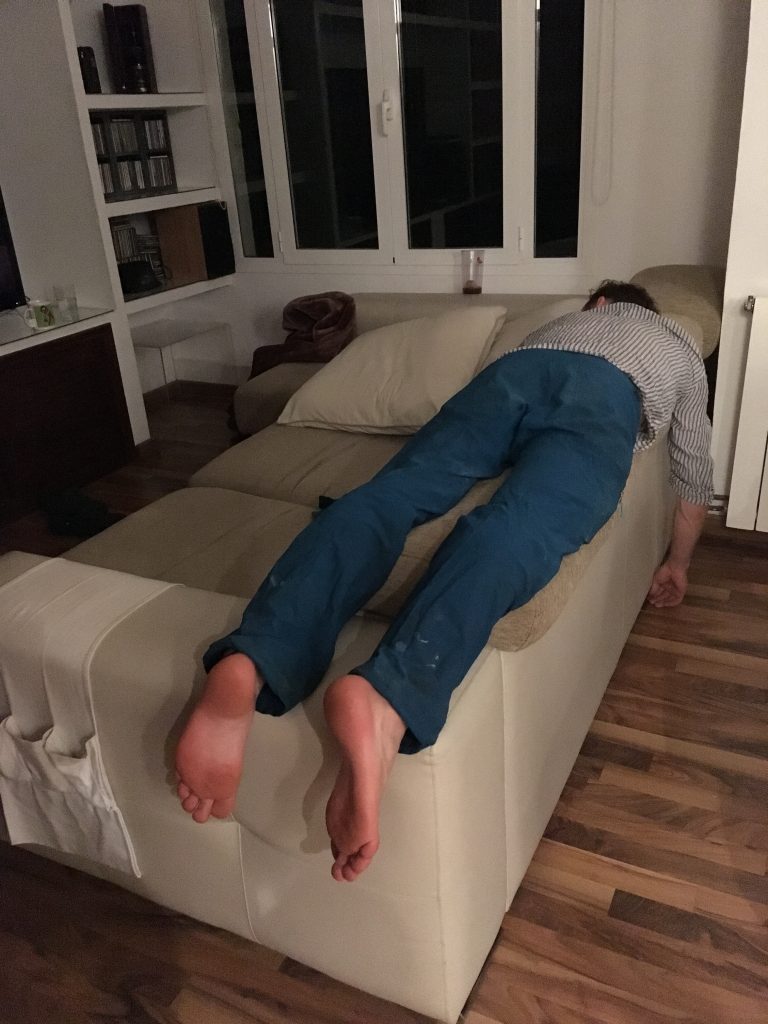
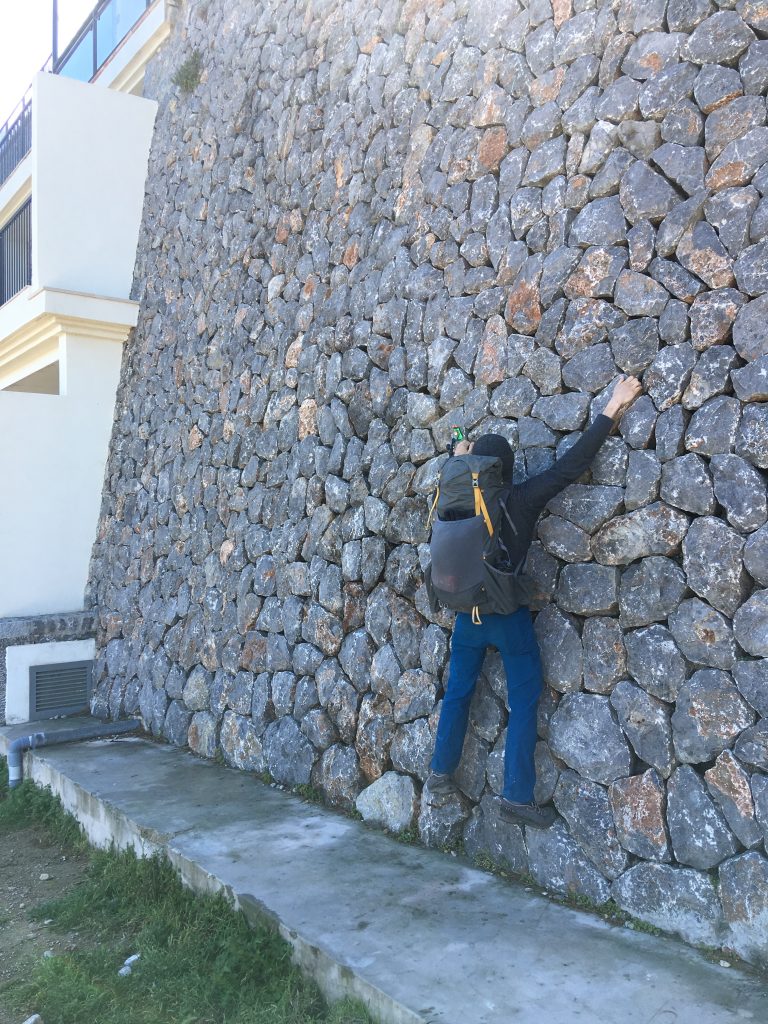
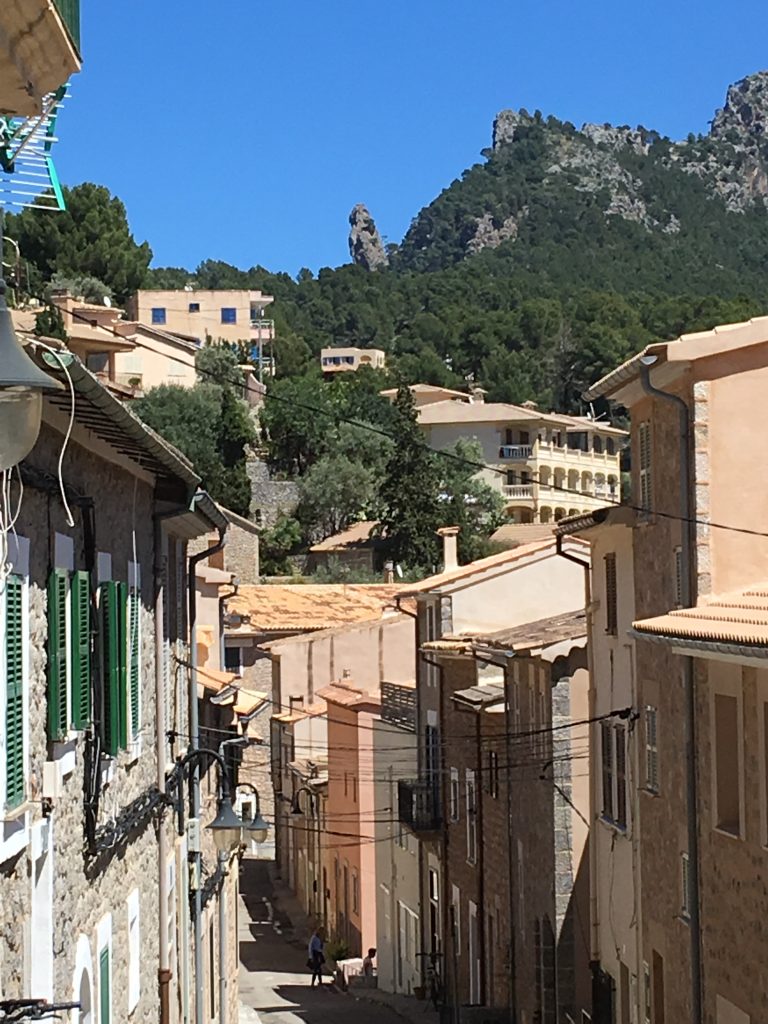
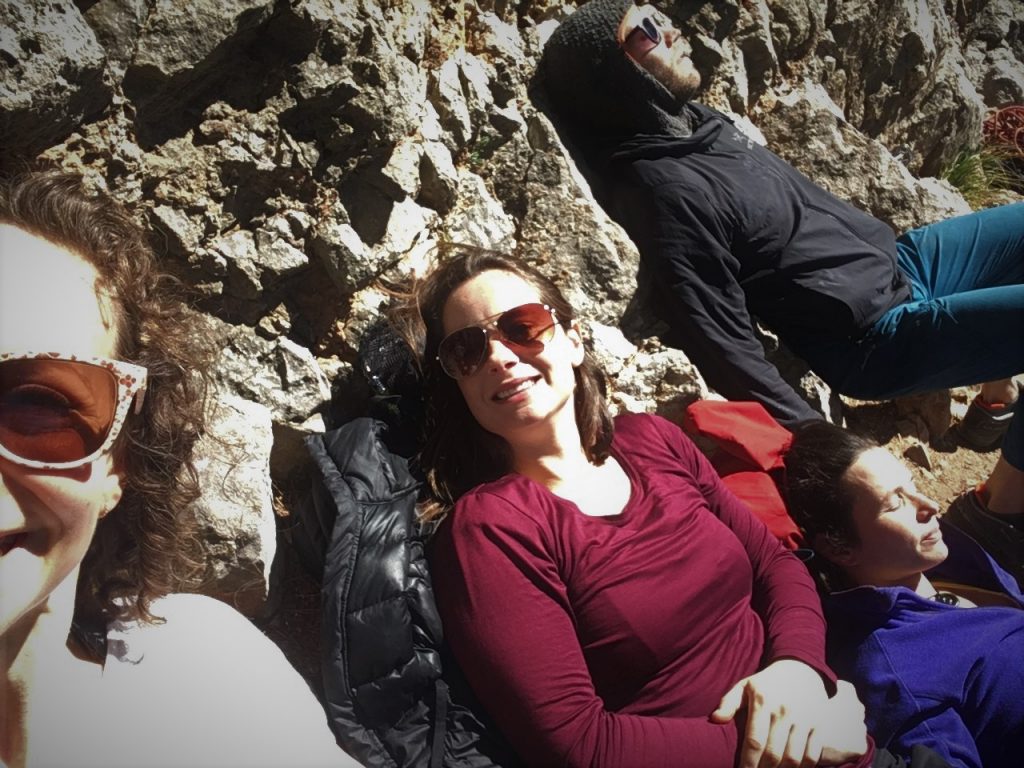
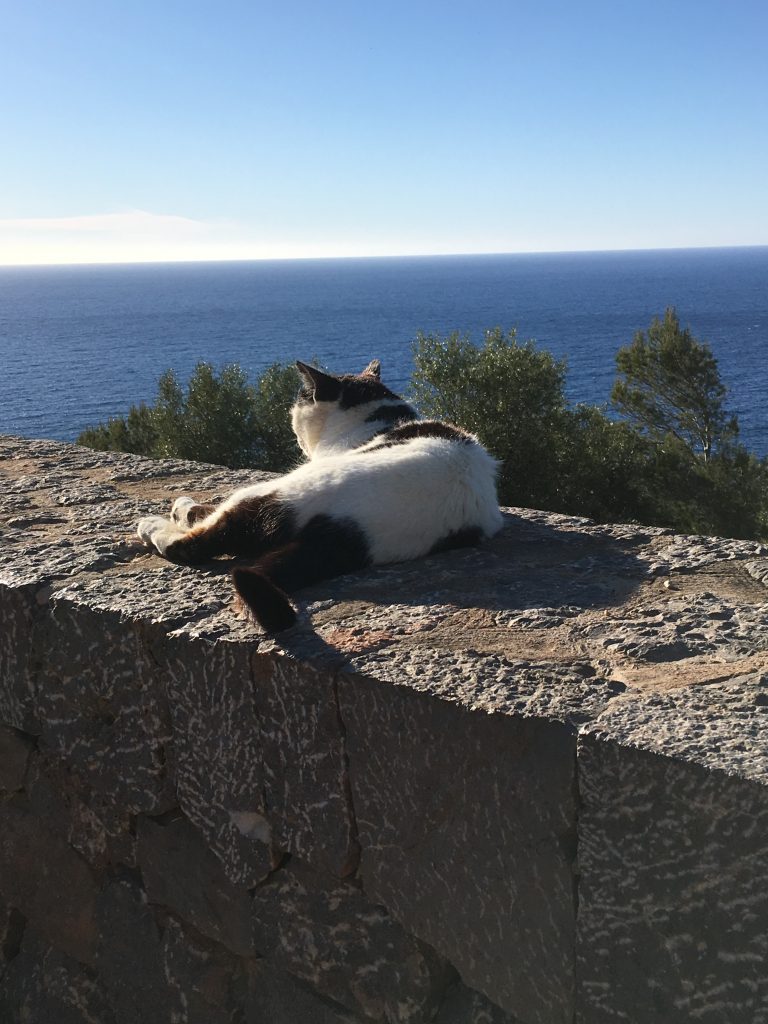
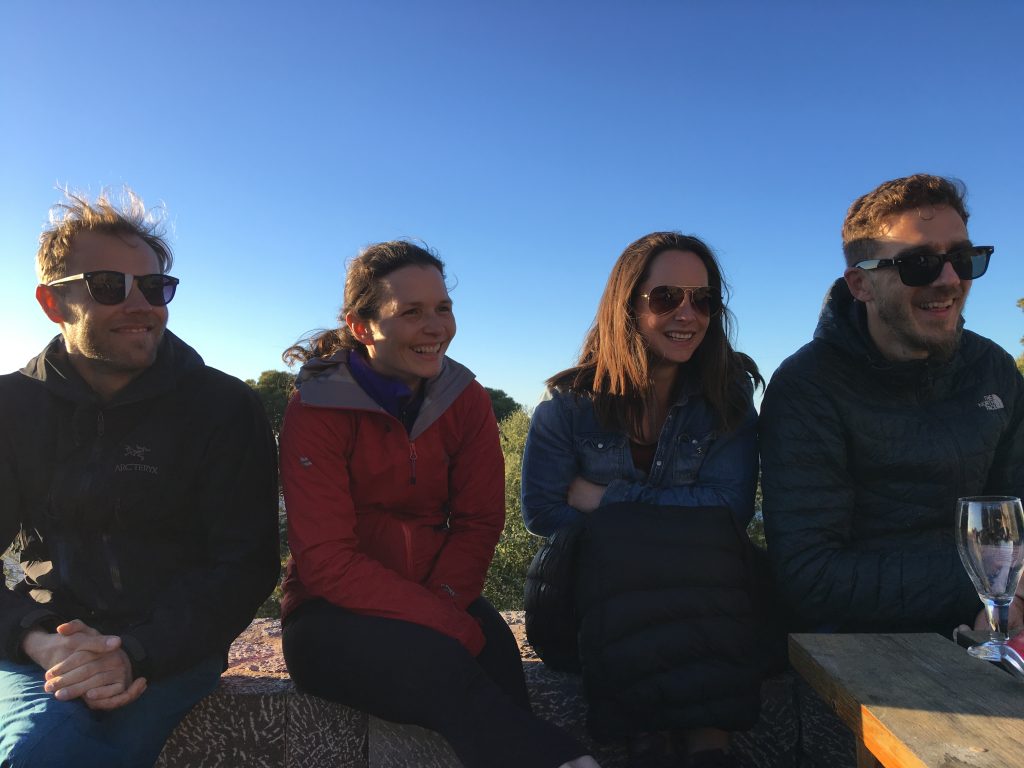
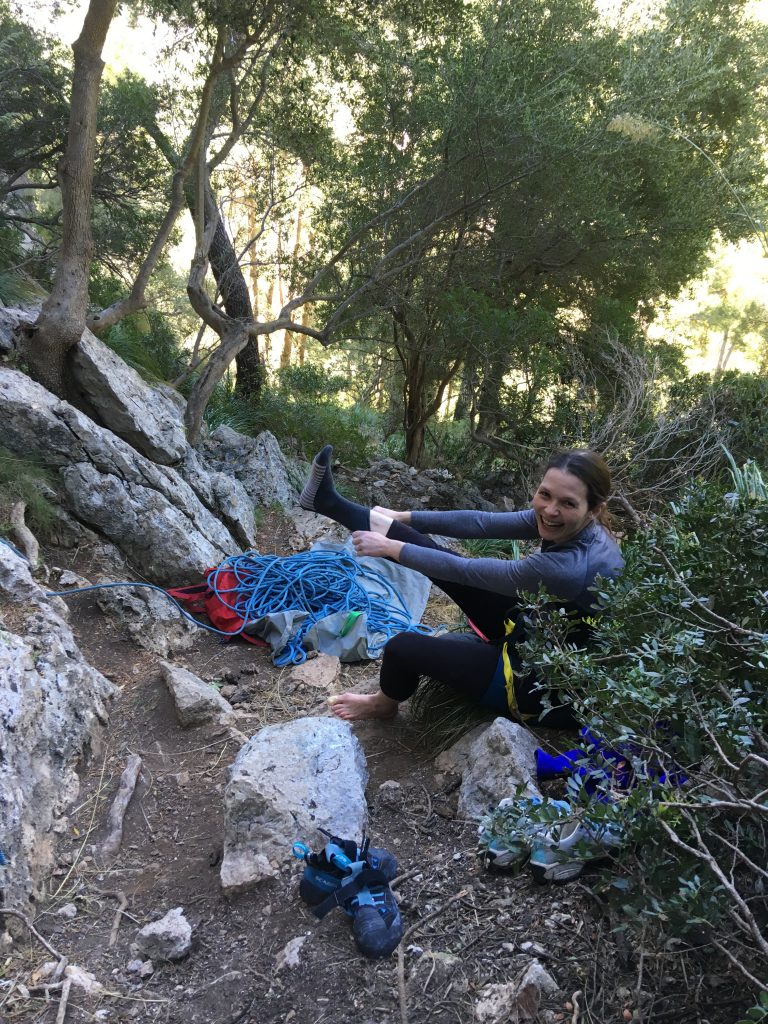
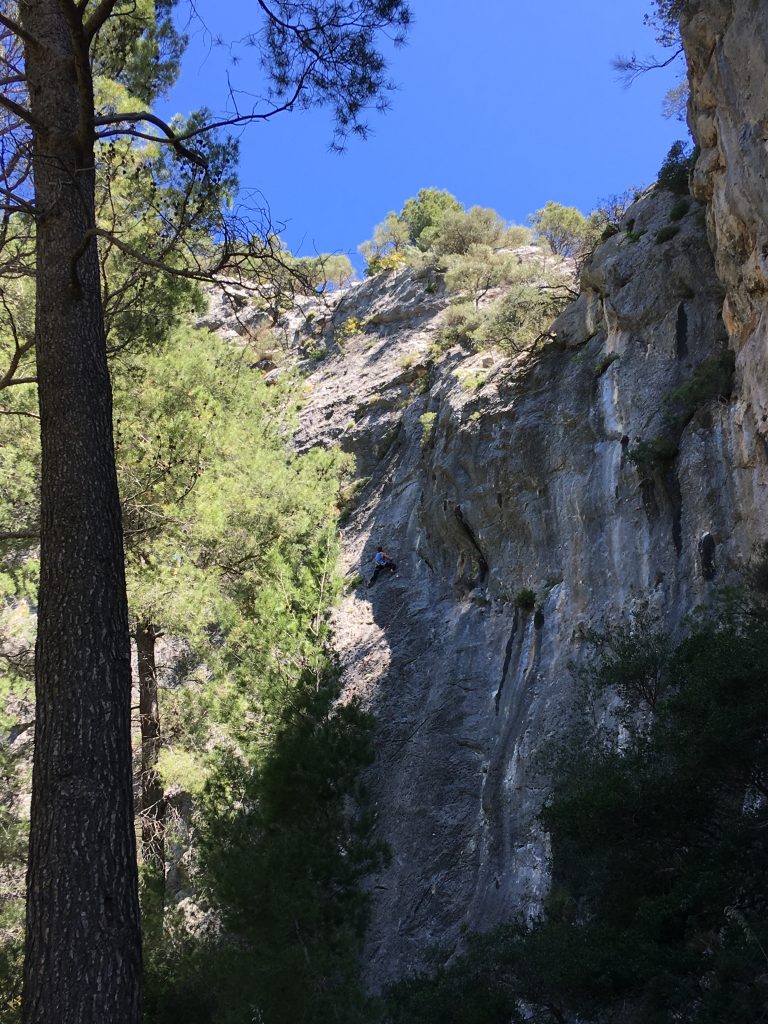
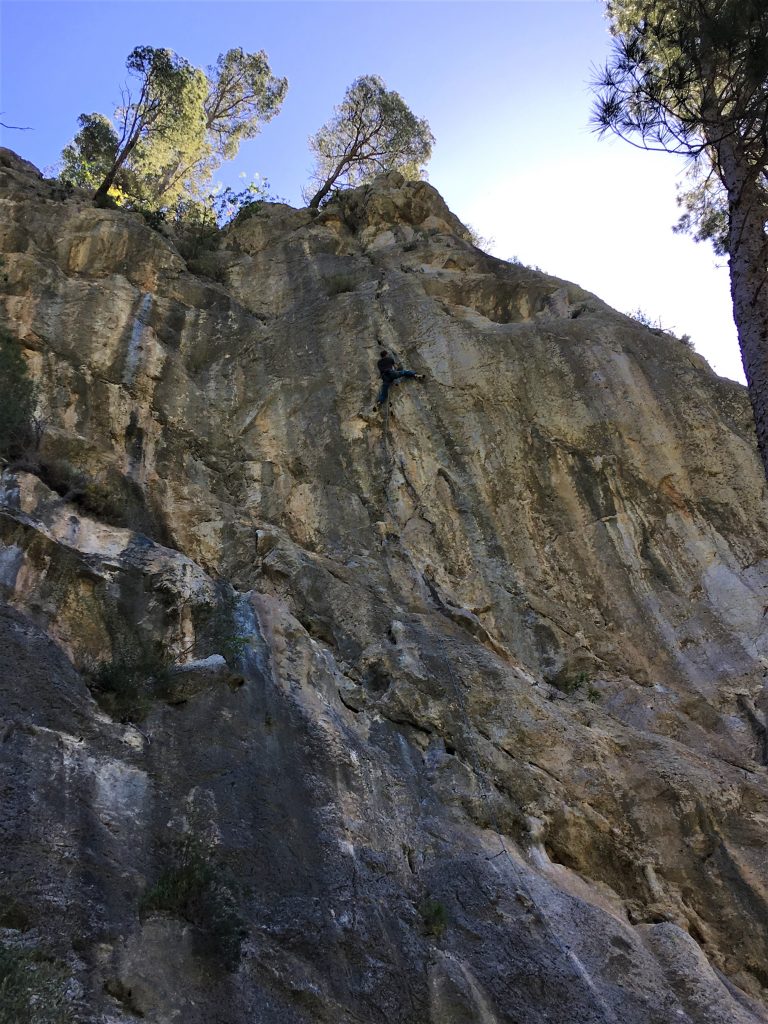
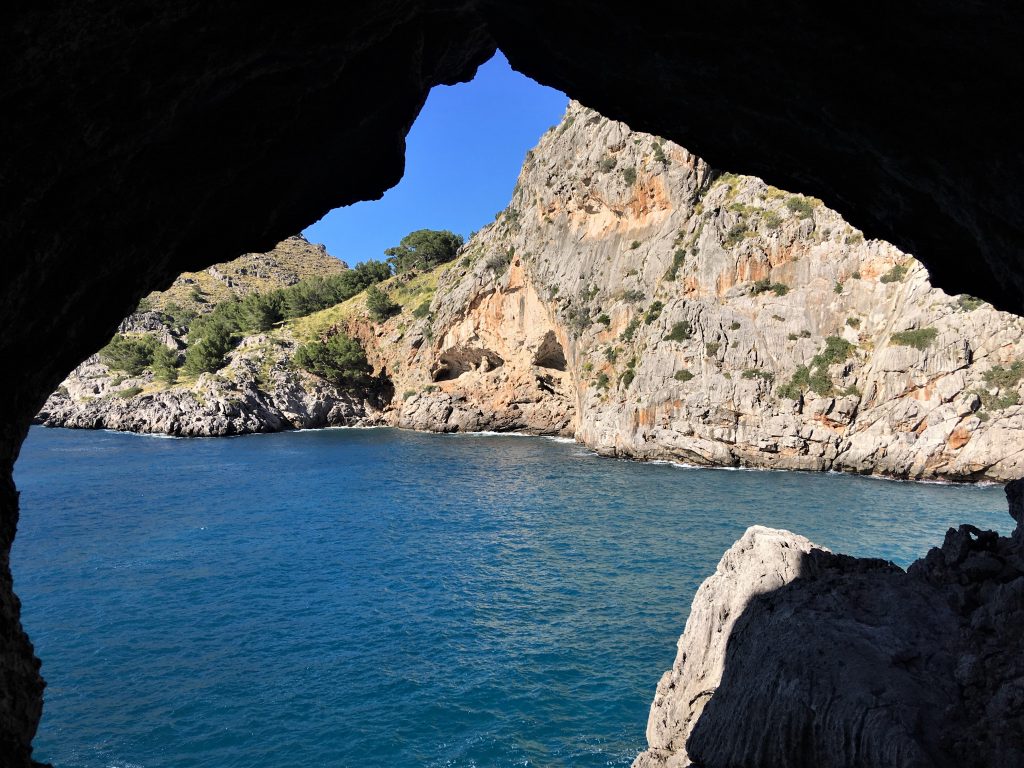
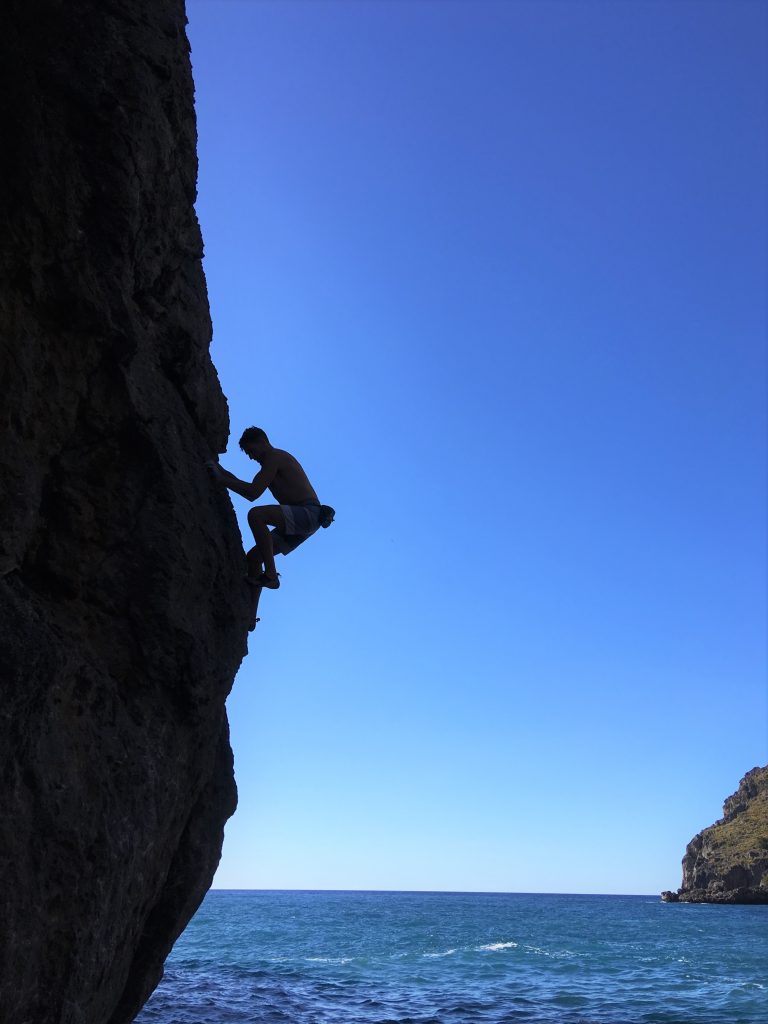
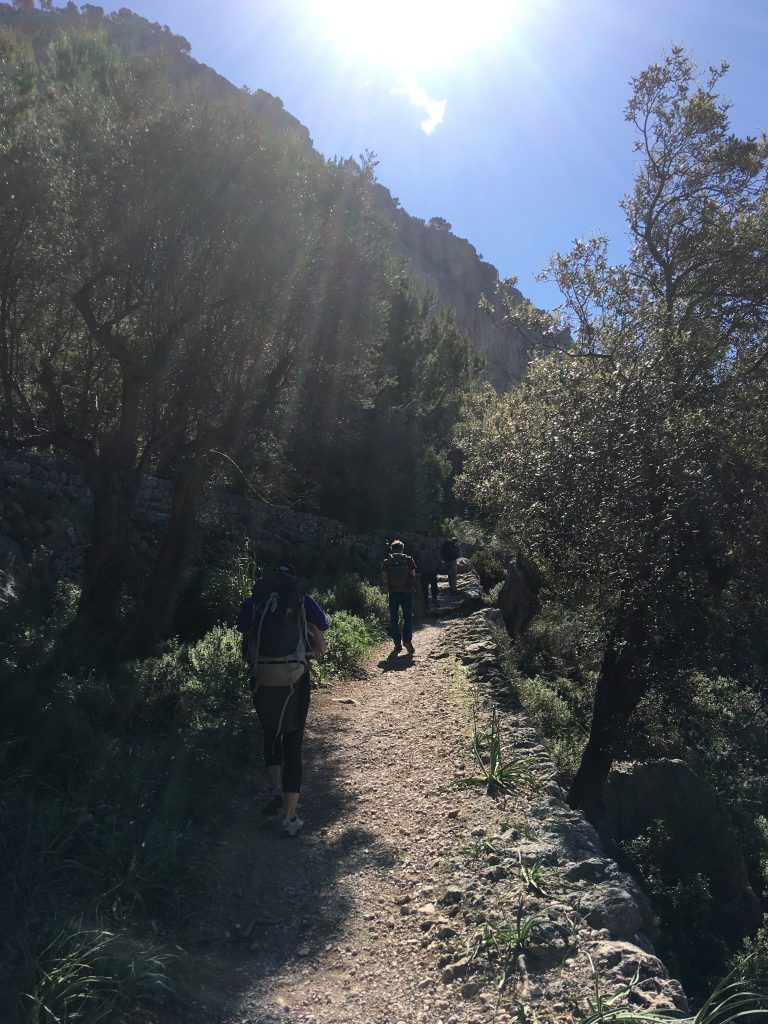
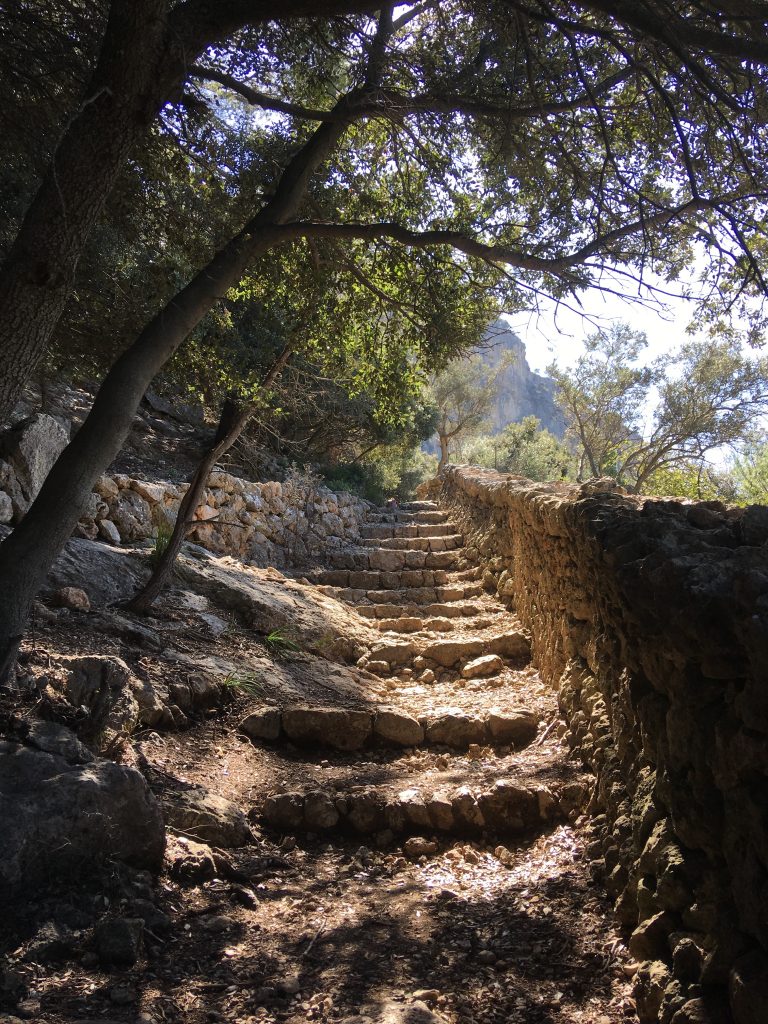
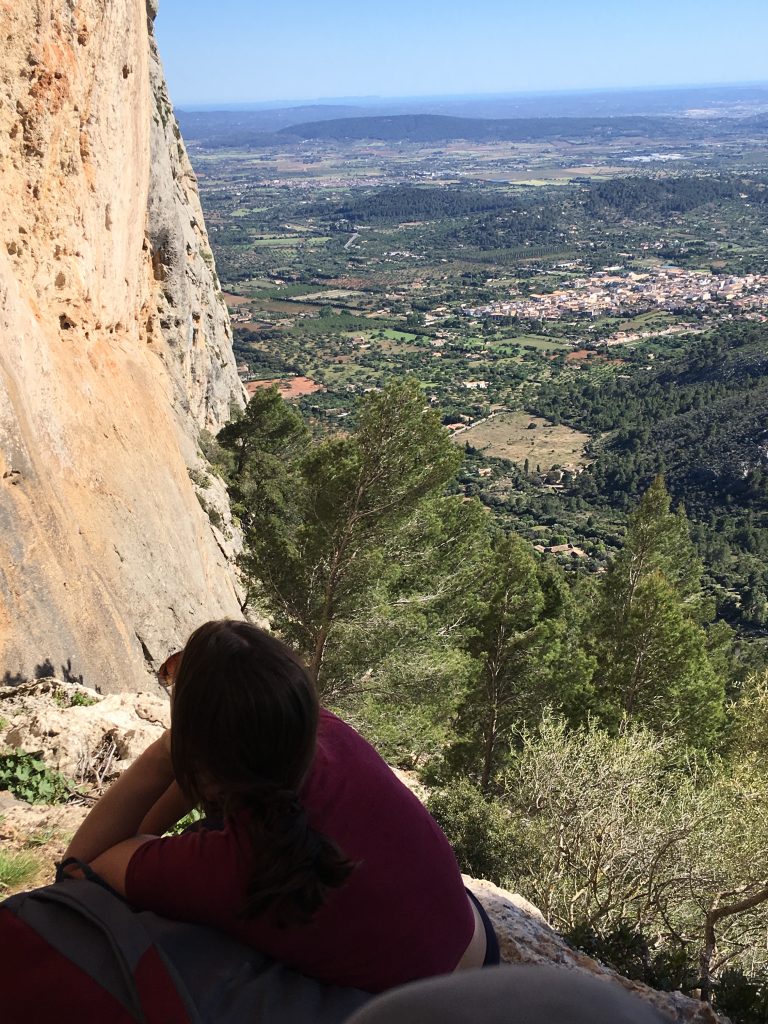
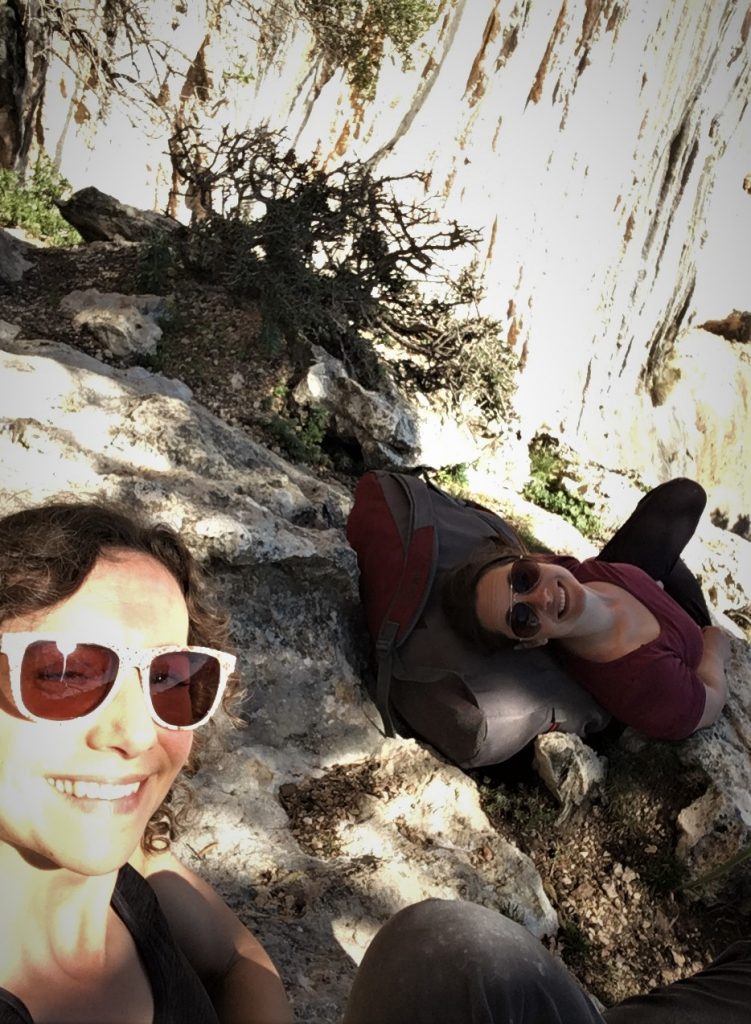
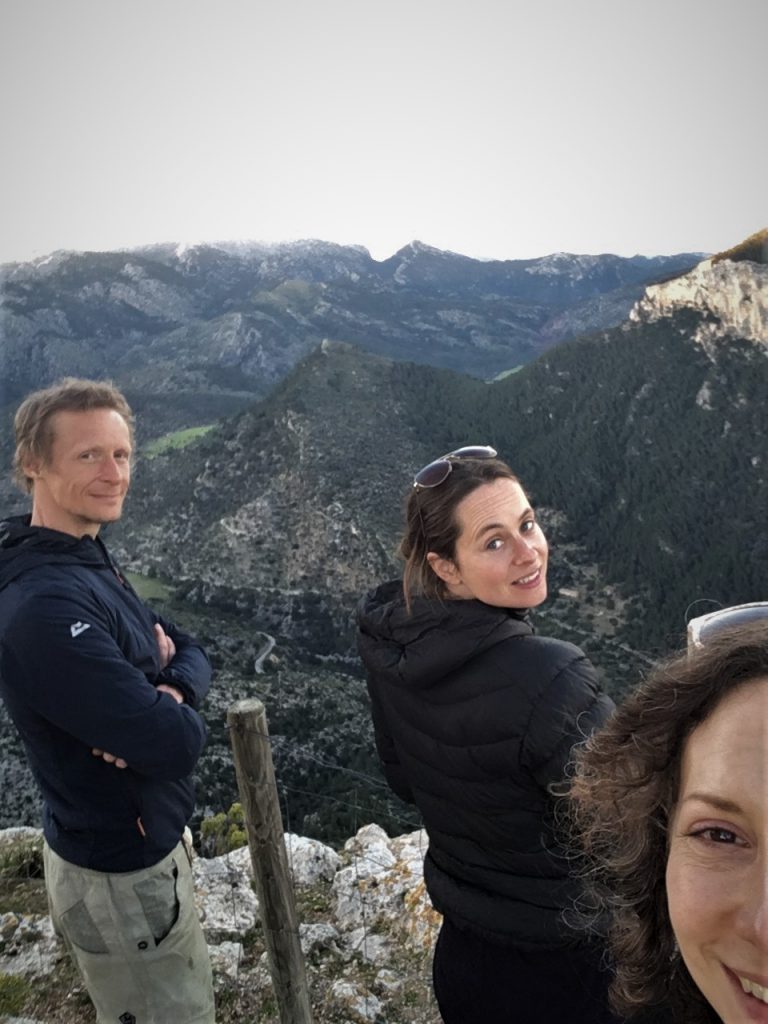
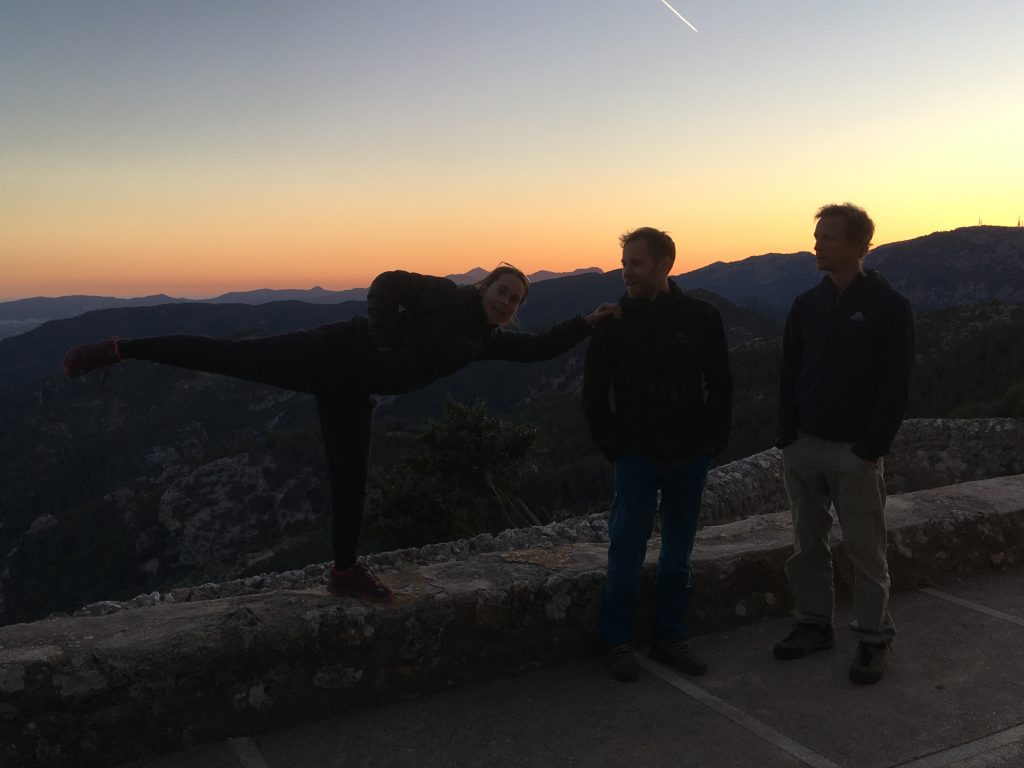
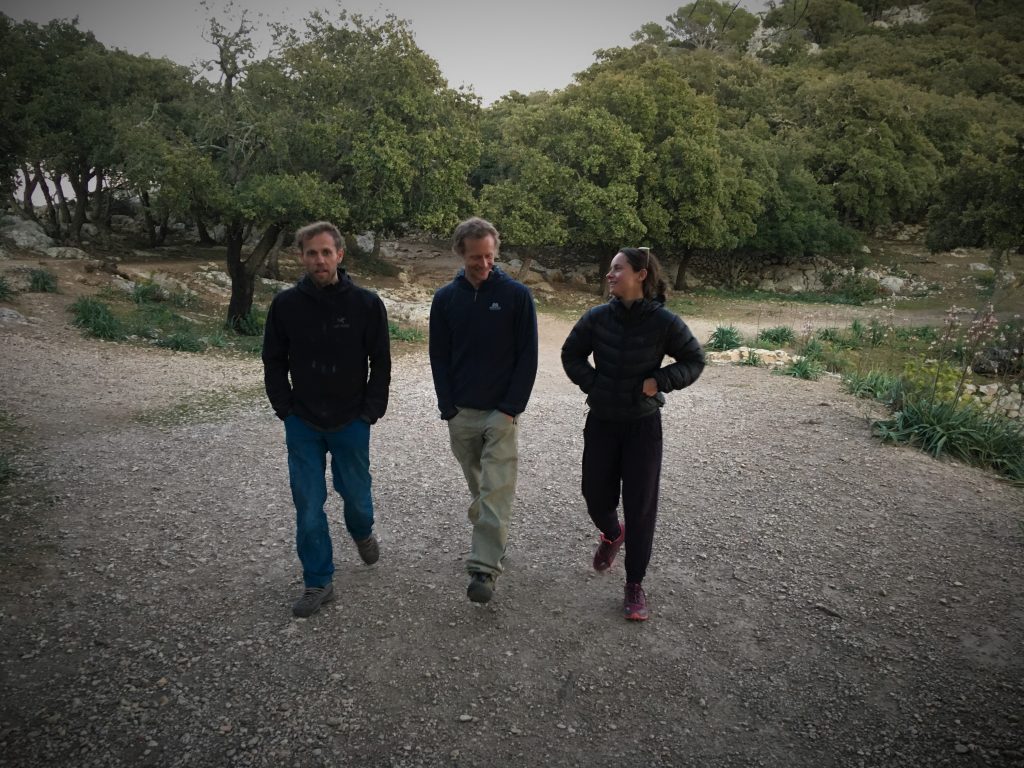
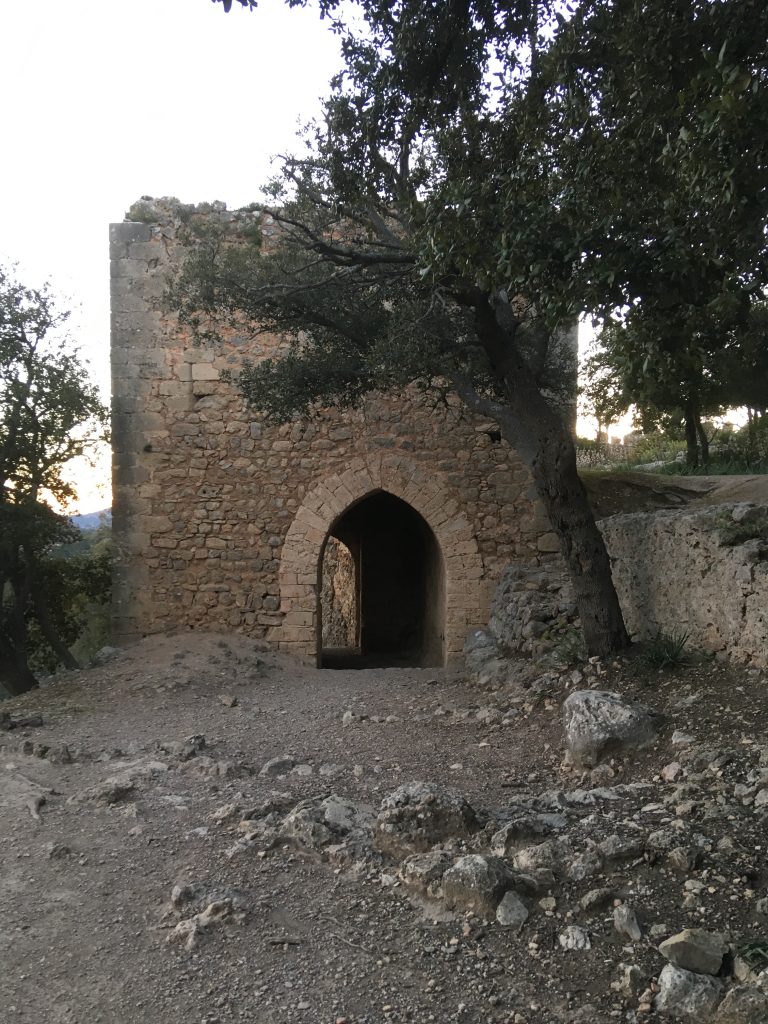
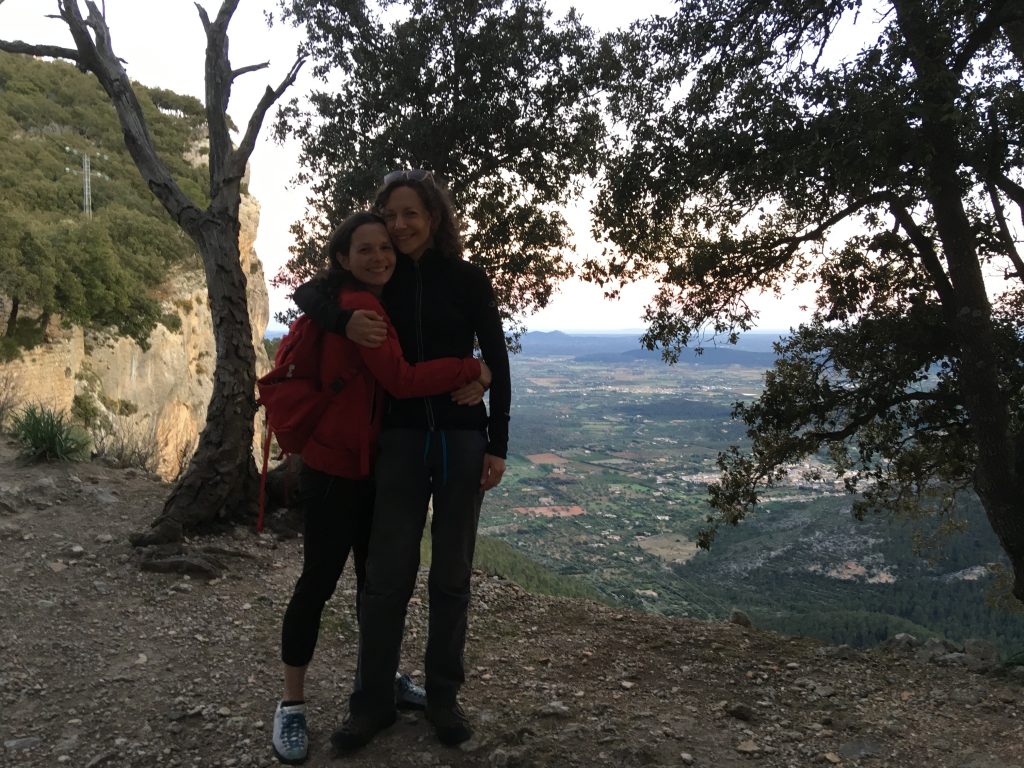
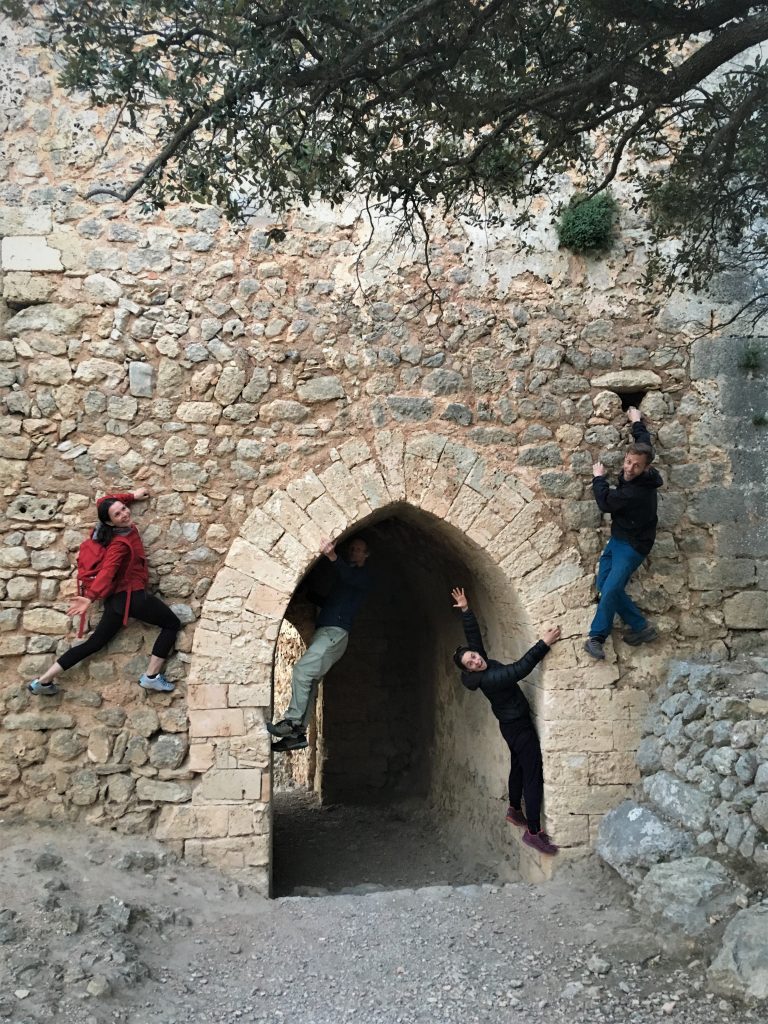
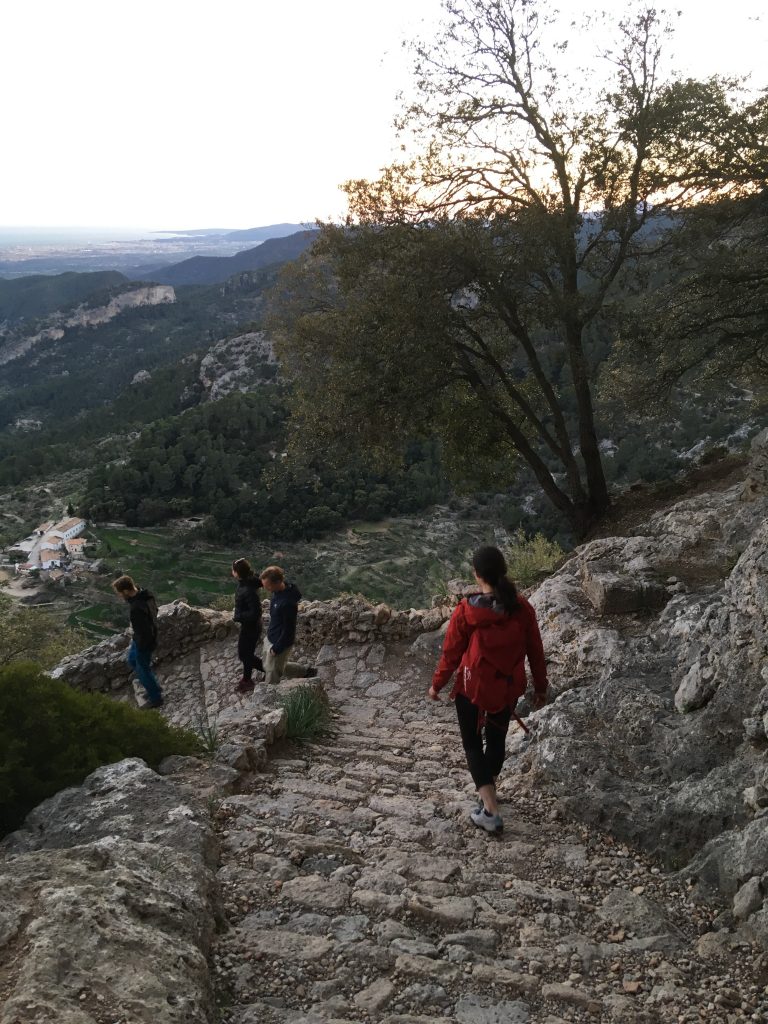
This week’s travels post is dedicated to my lovely friend Vee, who is moving from London to Bristol this month. She is beautiful, hilarious and one of the warmest, kind-hearted rays of sunshine in my life. She is also one of the most genuinely supportive climbers you will ever meet, always there to cheer everyone on. She will be very much missed by our little climbing community but there are plenty of adventures to come for sure (plus, Bristol is awesome). We’ve had many a fun jaunt over the past few years, including, last year’s trip to Mallorca. We were a fairly sizeable crew over the week but Vee and I arrived early on the Friday, with a couple of other friends, Alex and Felix, so we enjoyed an early explore and a general lark about; like in this short clip:

Airport coffee…

We also experienced that thing where you catch an early flight, “manger” a Prêt pastry in the airport, rush to get the car, get to the air b and b etc then realise that you are rather peckish because you haven’t really eaten since about 8am. We found a little place near our digs that sold pies, or rather, panades (a Mallorcan empanada). I don’t speak Spanish, neither do Alex or Felix. Vee, however, having spent a few years in South America speaks Spanish so she translated the pie ingredients for us, but came unstuck with one confusing one “beicon”. So she asked the café owner who just replied “it’s beicon”; to which Vee asked (in Spanish) “yes but what is beicon? “it’s beicon”… this went on for a couple of rounds until the café owner took pity on us.

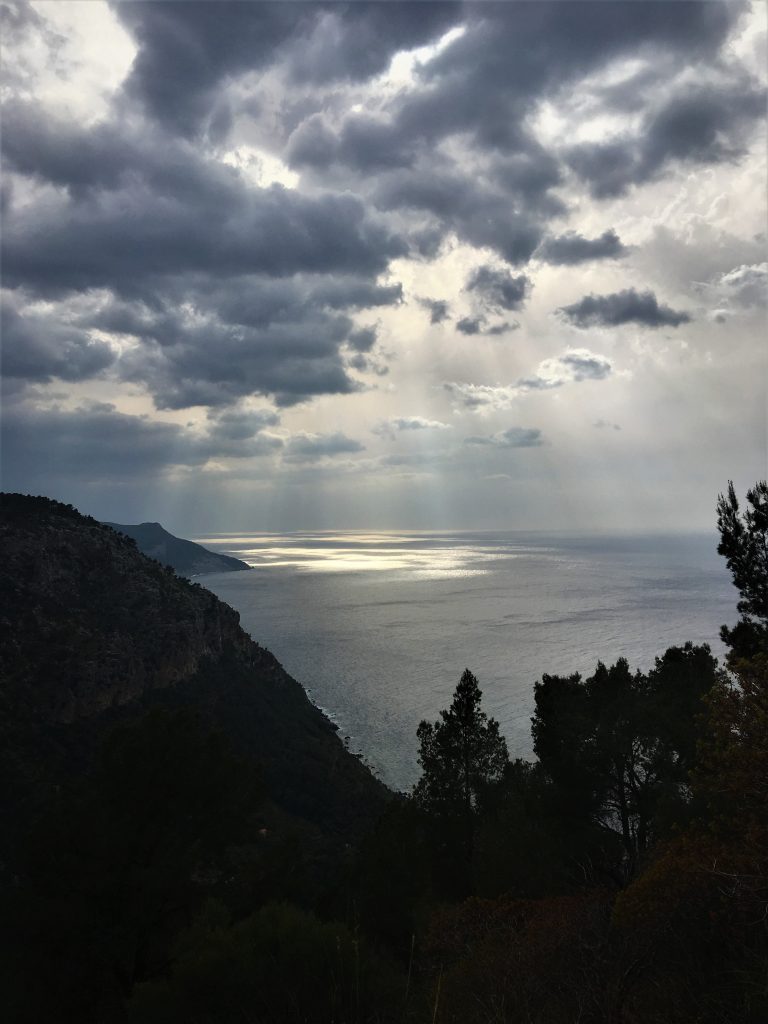
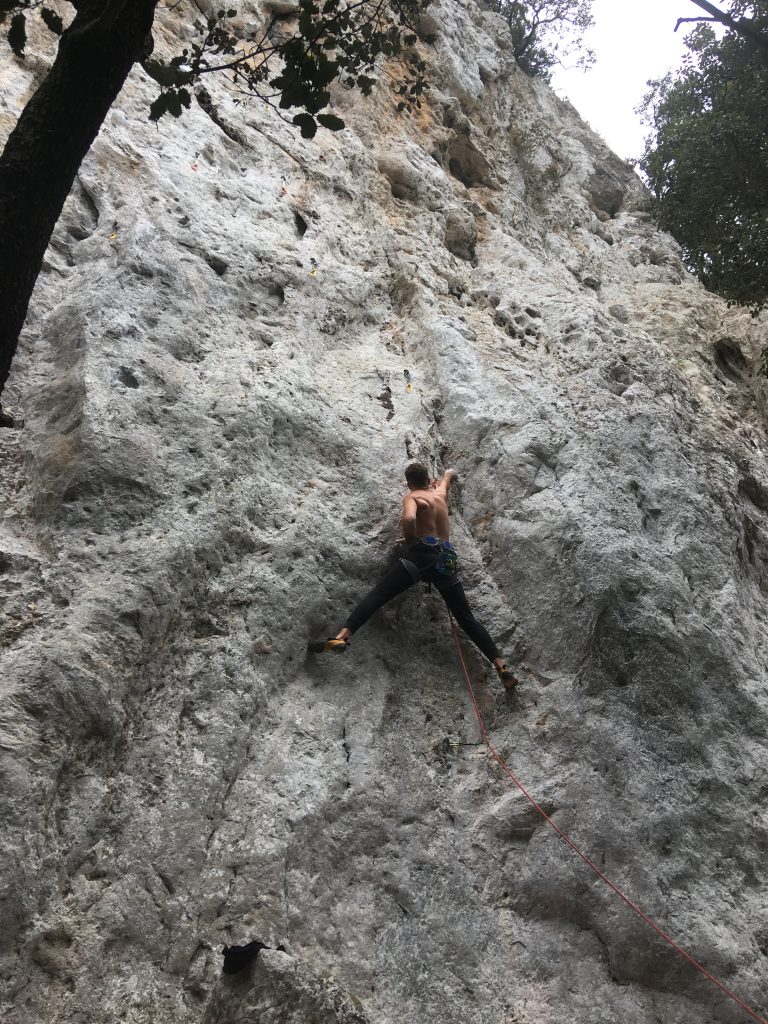
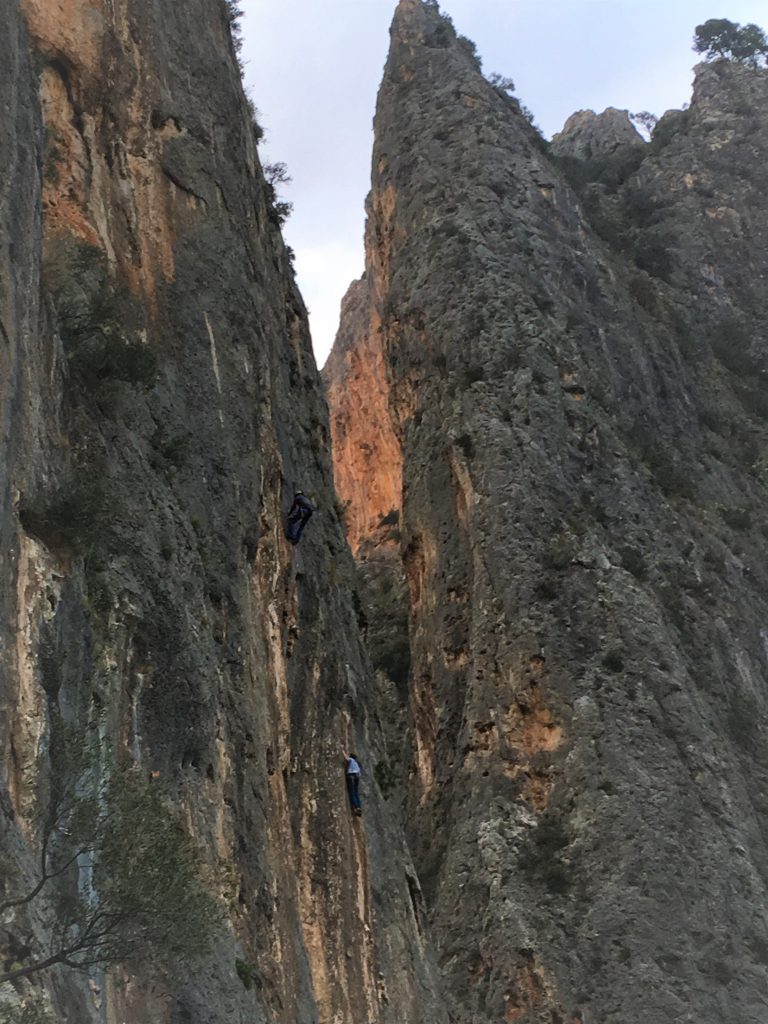
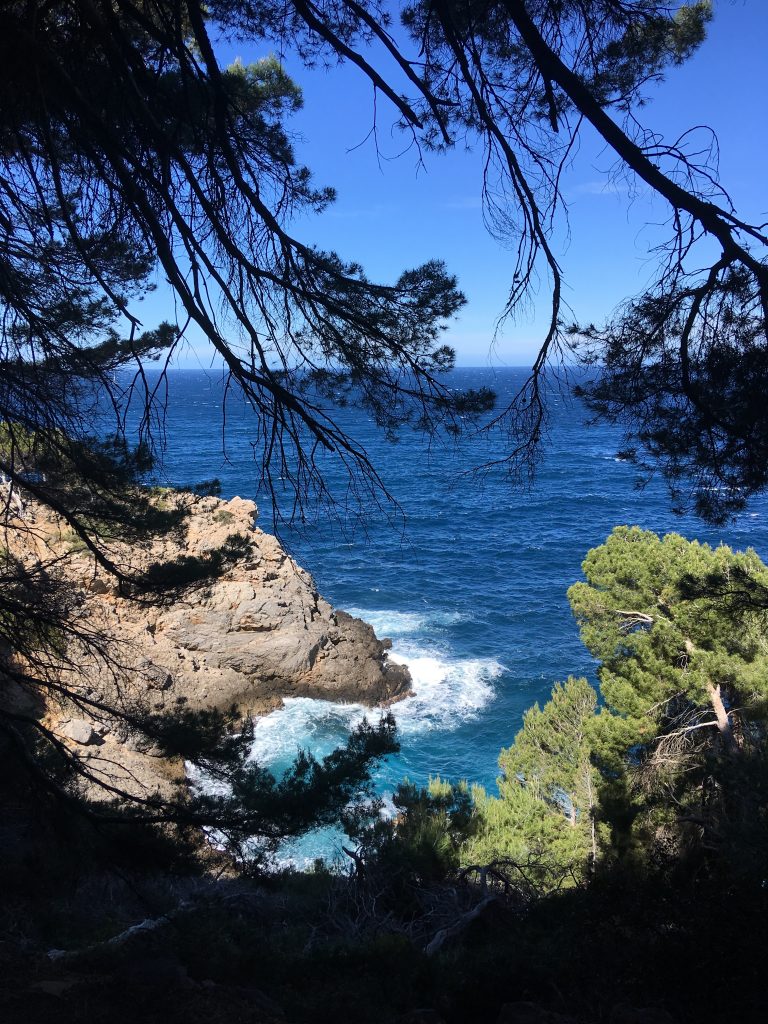
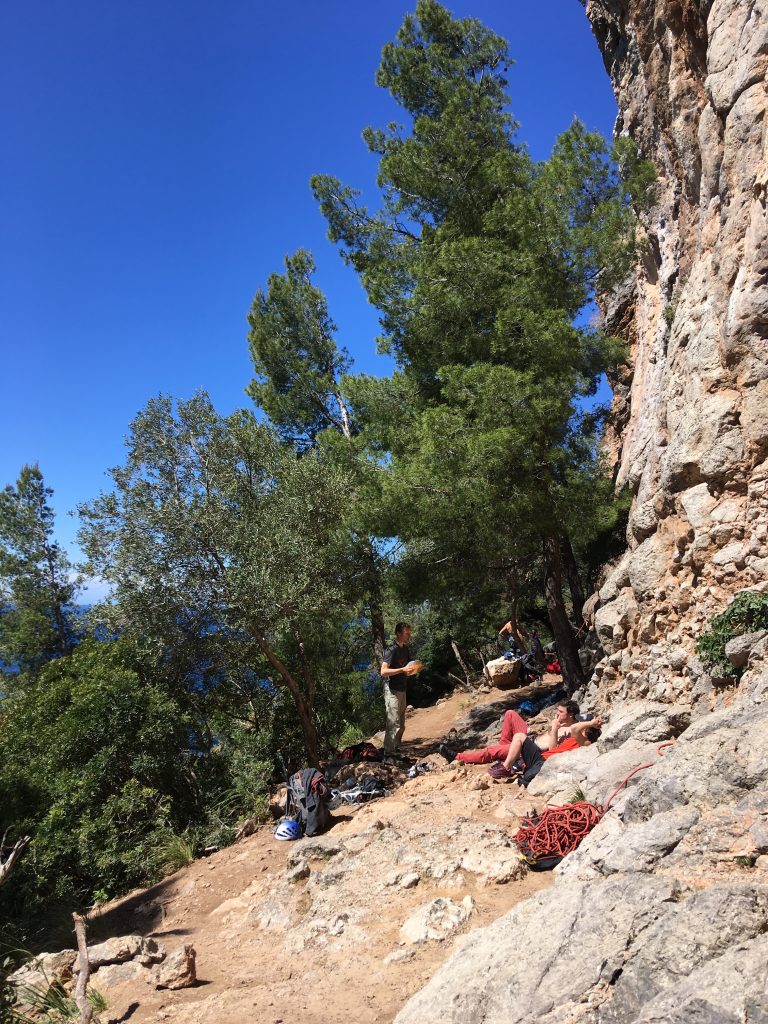
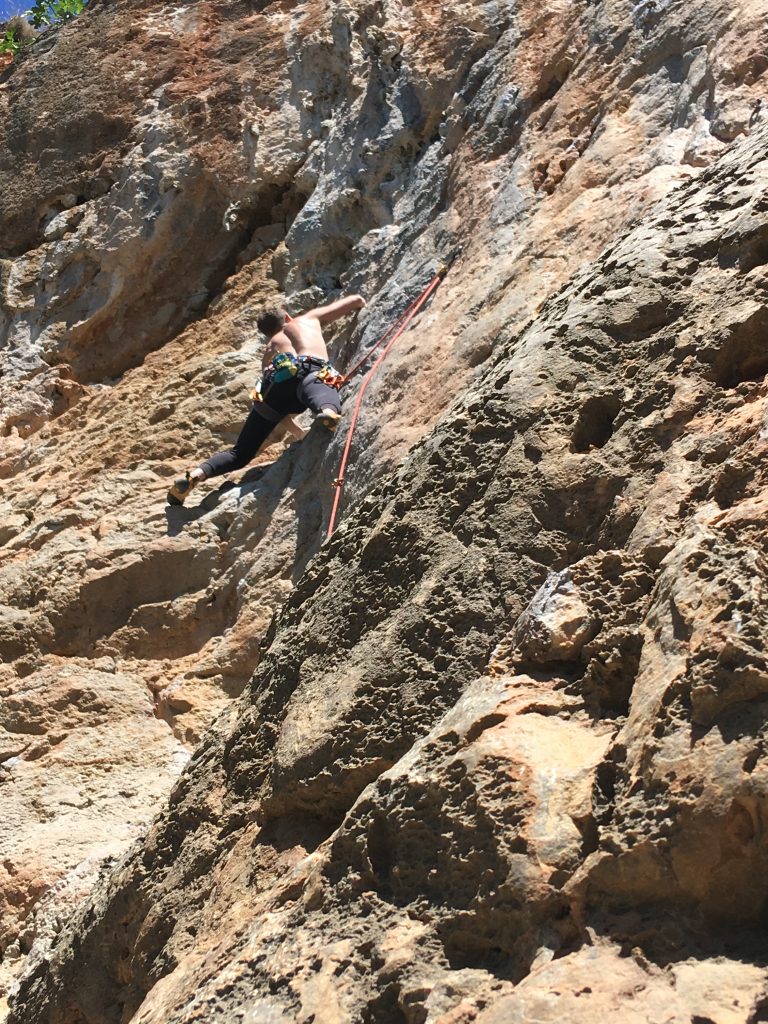
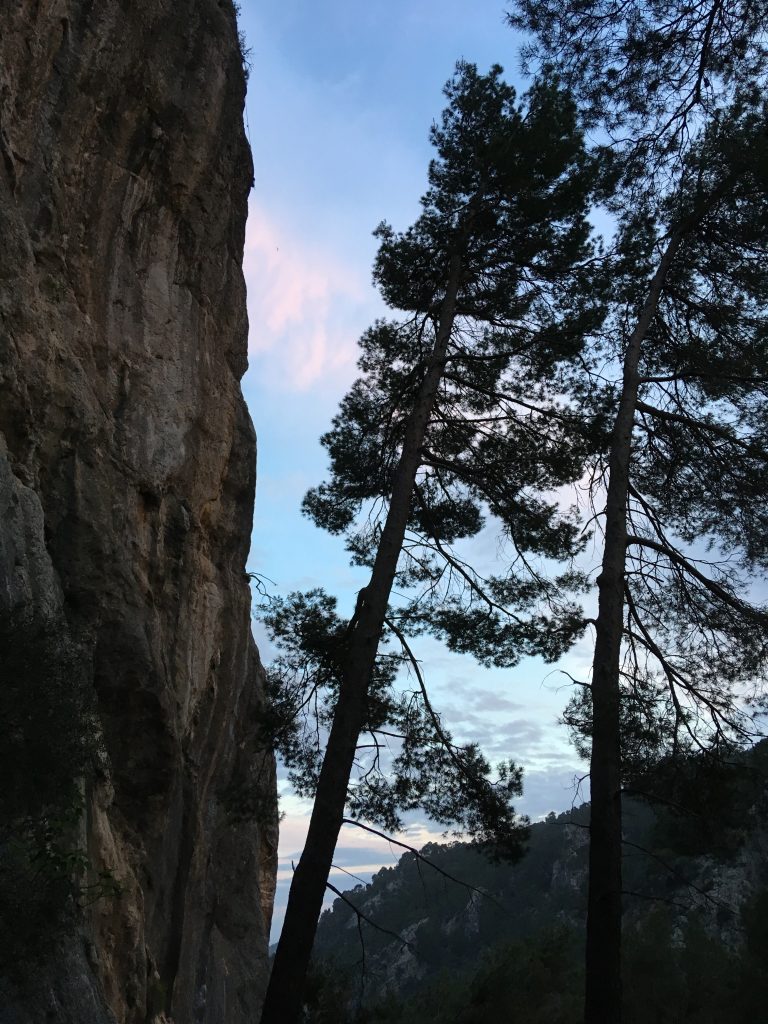
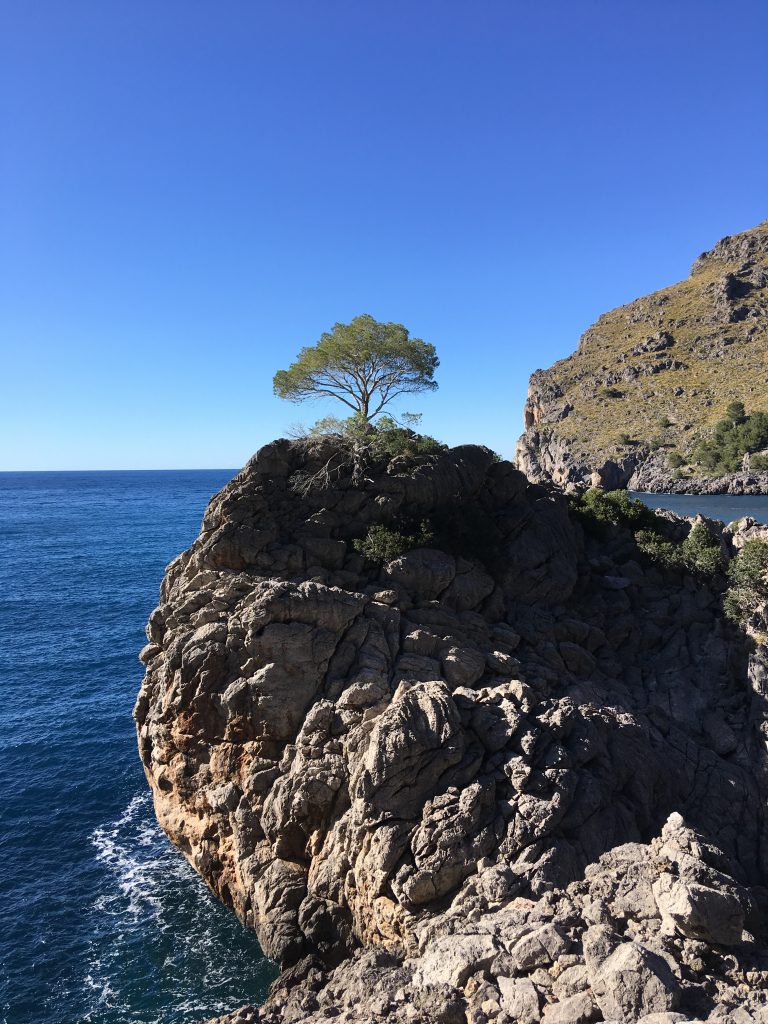
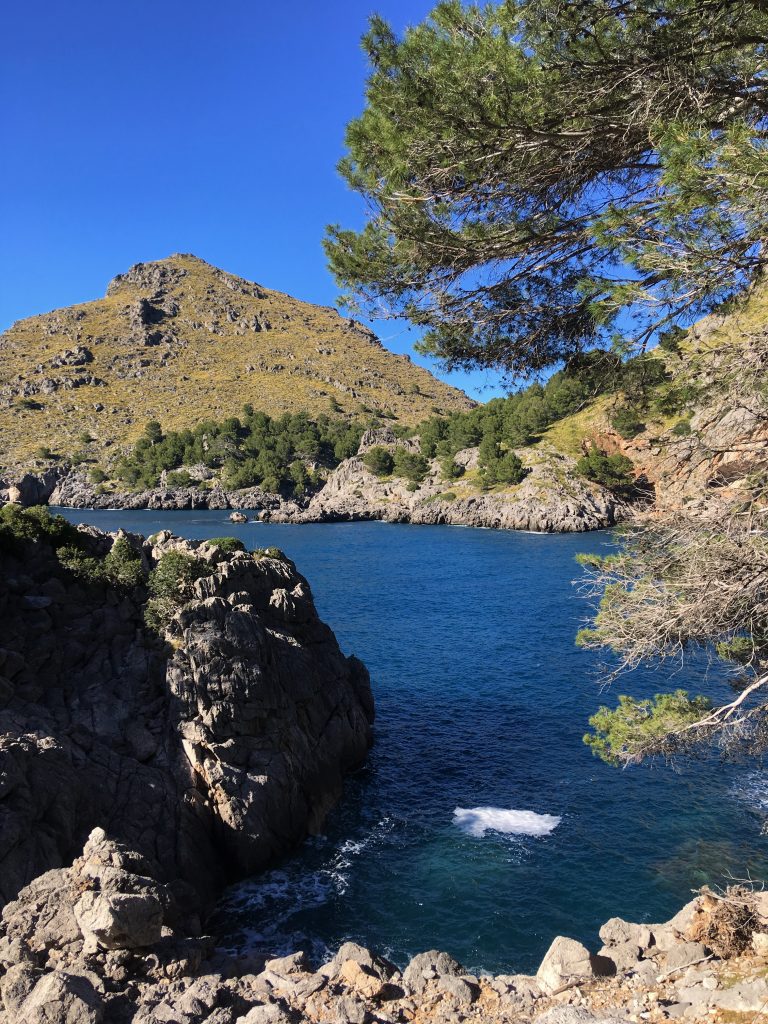
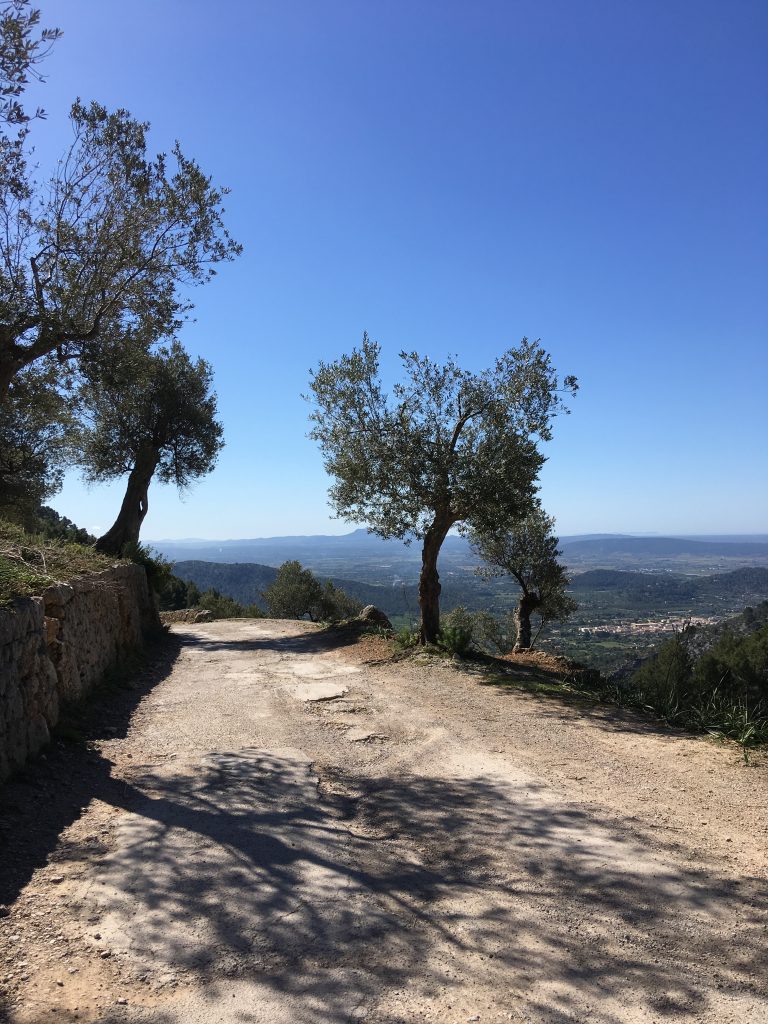
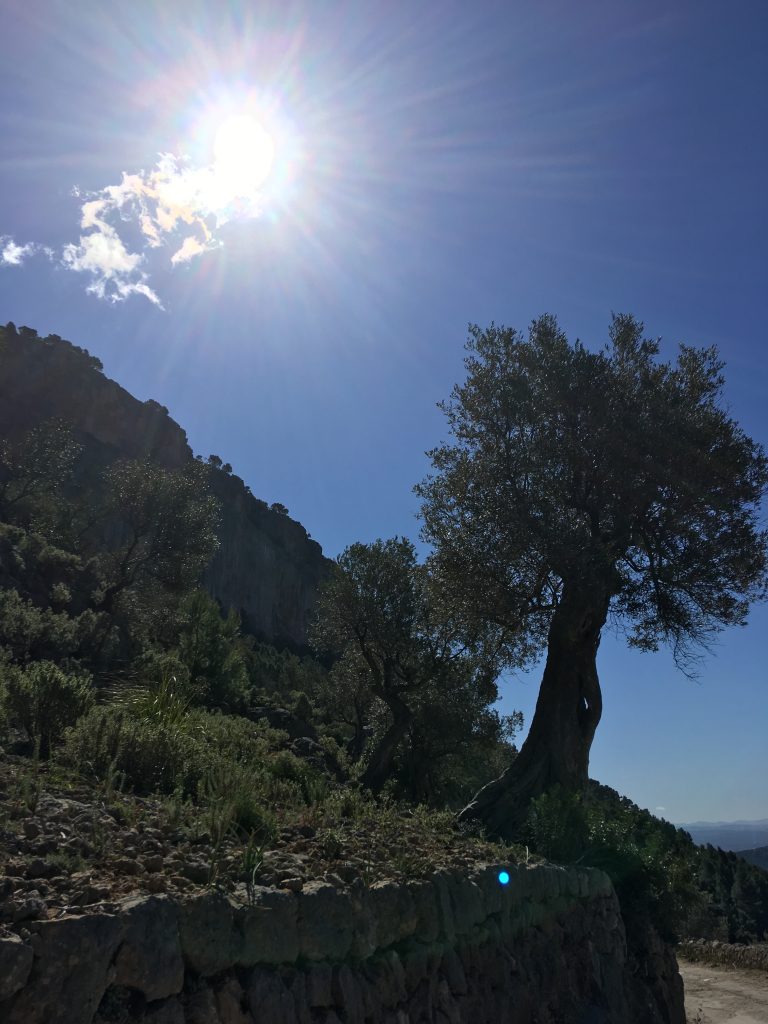
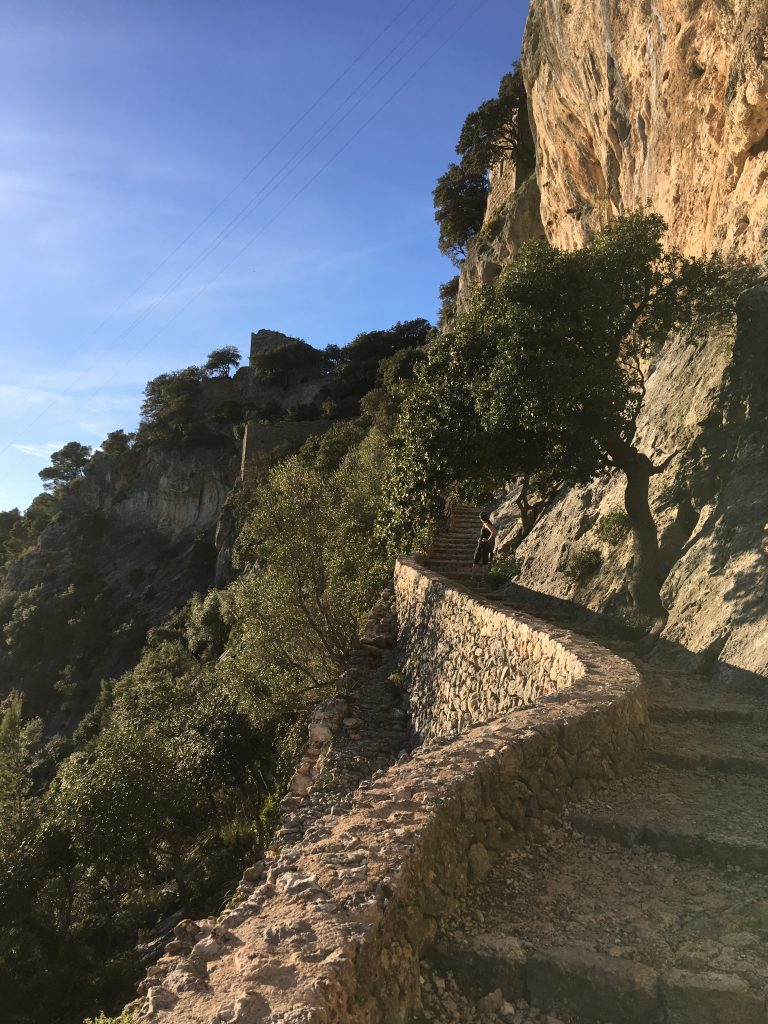
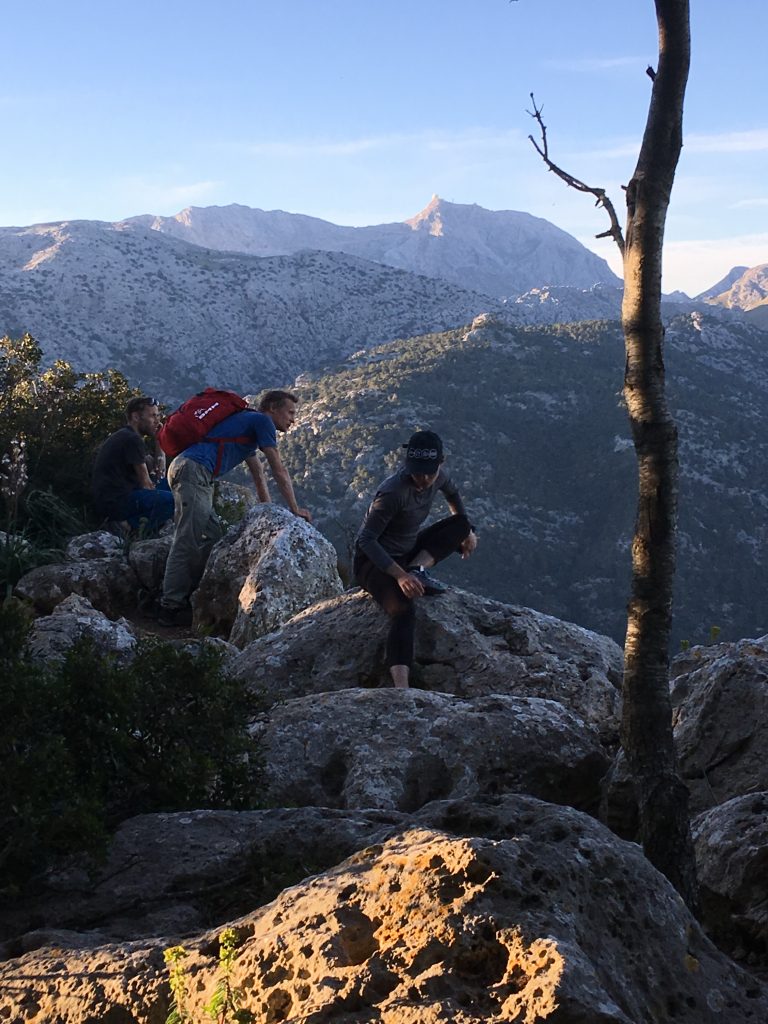
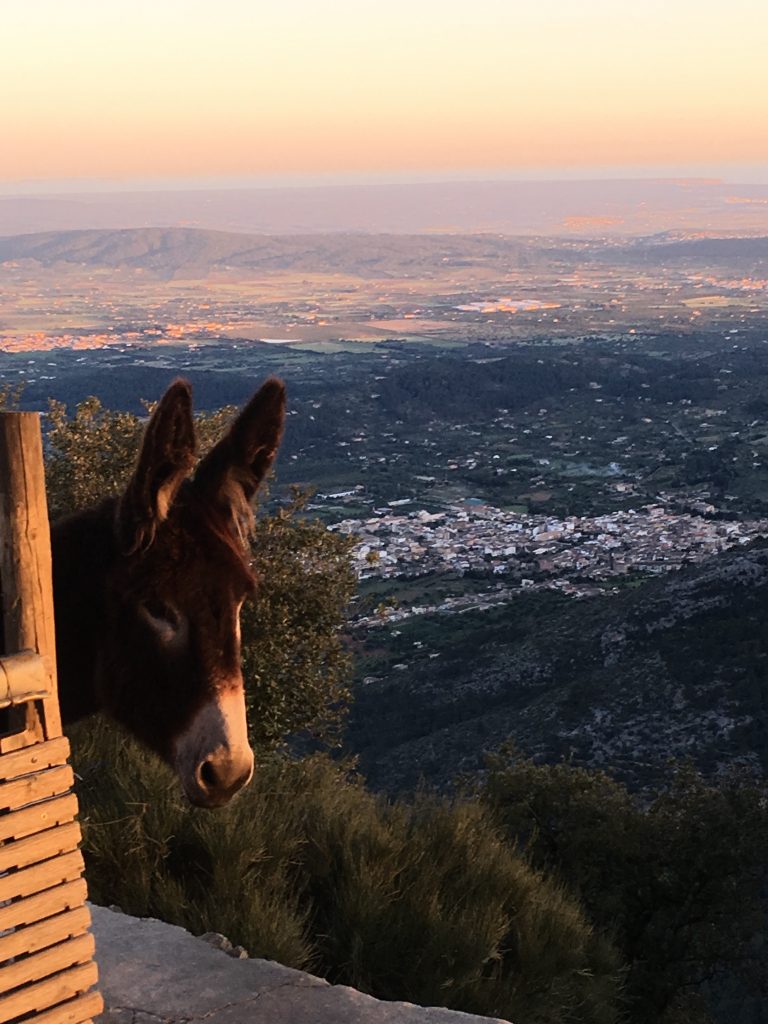
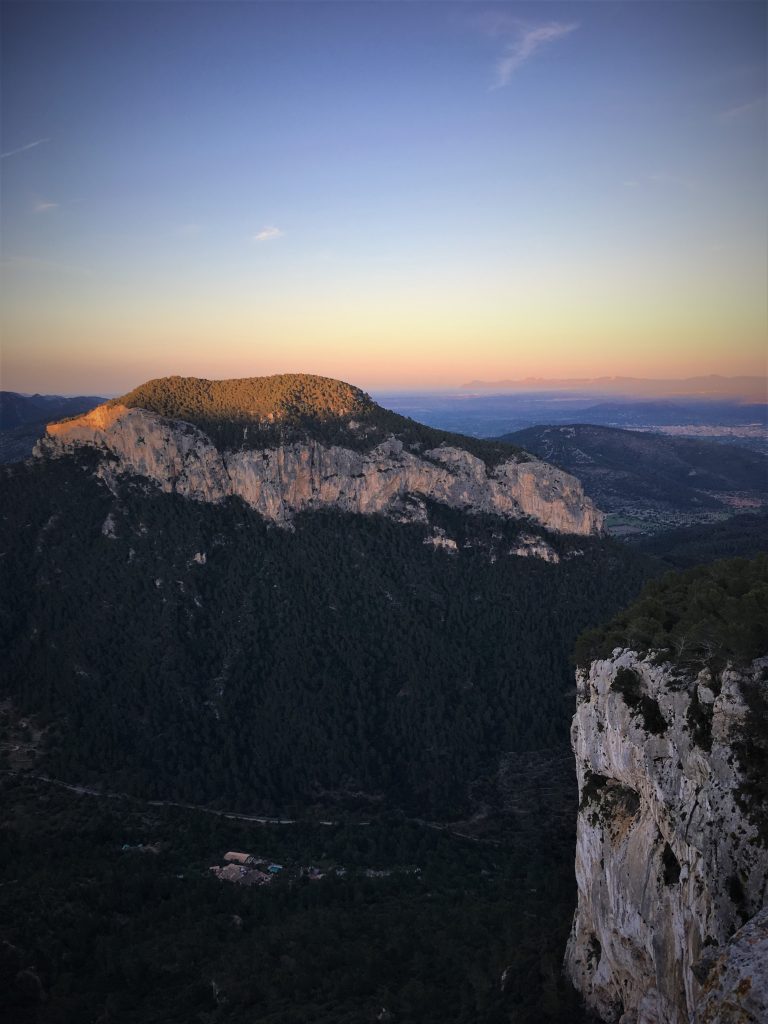
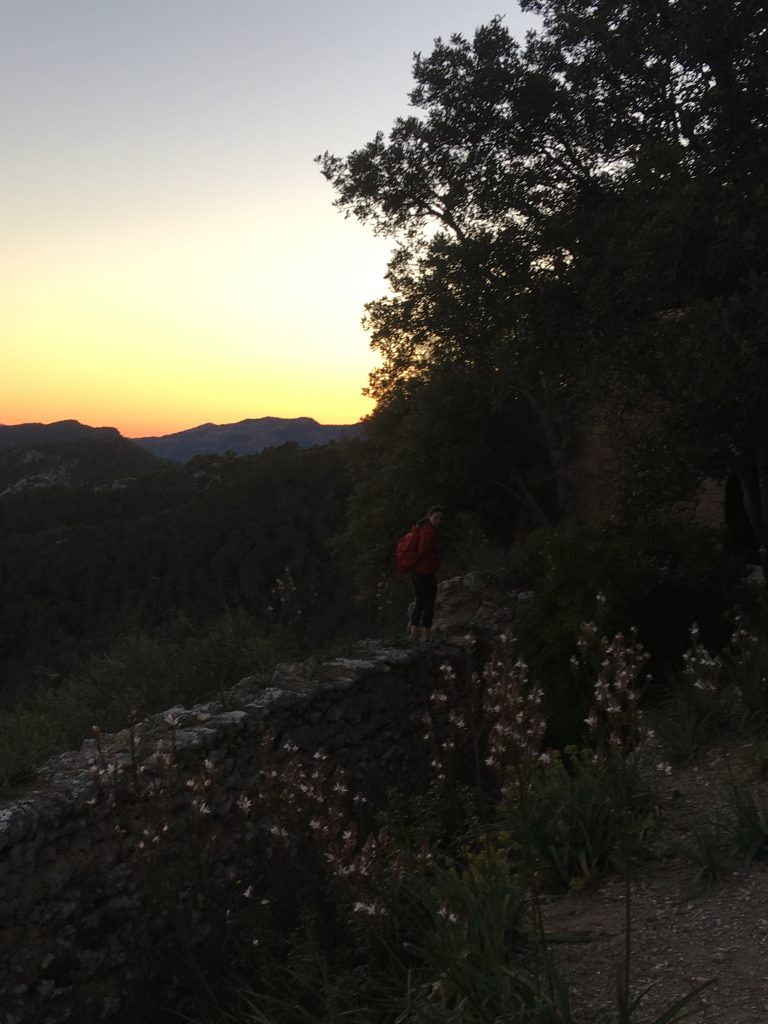
Turns out beicon is bacon… who knew? None of us, that’s for sure (but we were a bit tired and hungry and Vee insisted it was tocino). We ordered 4 pies and some beer and didn’t let Vee forget about the beicon thing for the entire week (year/still to this day). This was a great trip full of all the key ingredients: good climbing, good crew, good food, “mostly” good weather, stunning scenery, perfect limestone, big sends, laughs and good good times. The climbing in Mallorca is sensational. We only explored a tiny but very beautiful corner but I would leap at the chance to go back. There’s also great hiking to be had and it’s a big cycling mecca and there are several races held there so it’s likely will see a lot of lycra whizzing past.

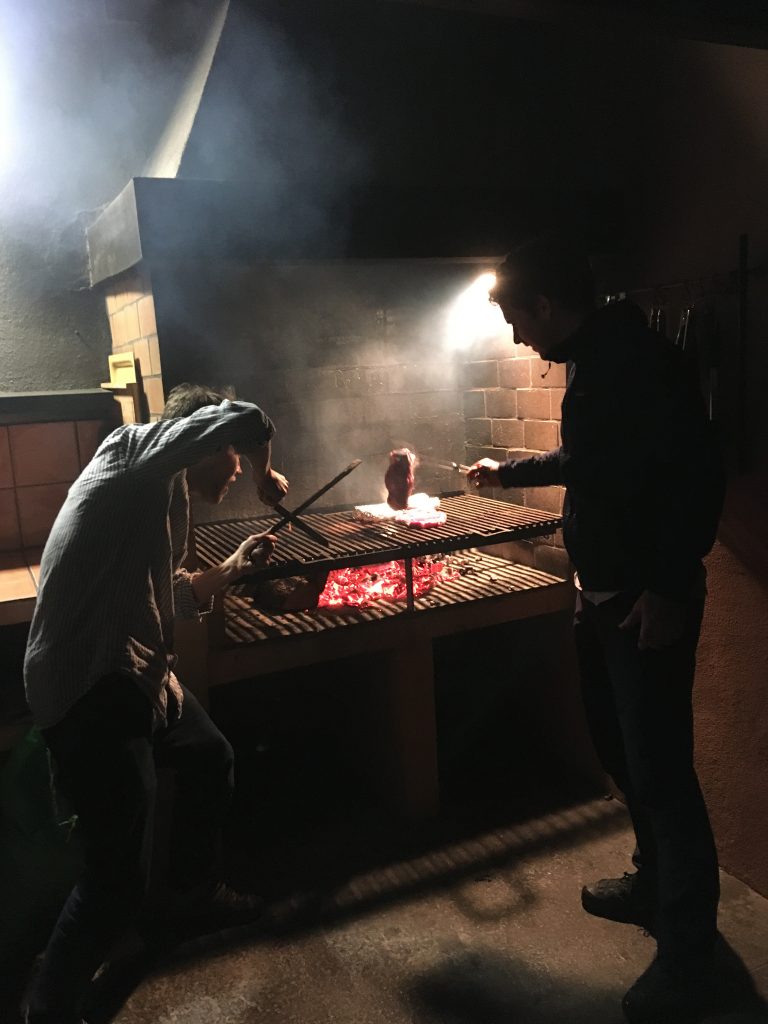
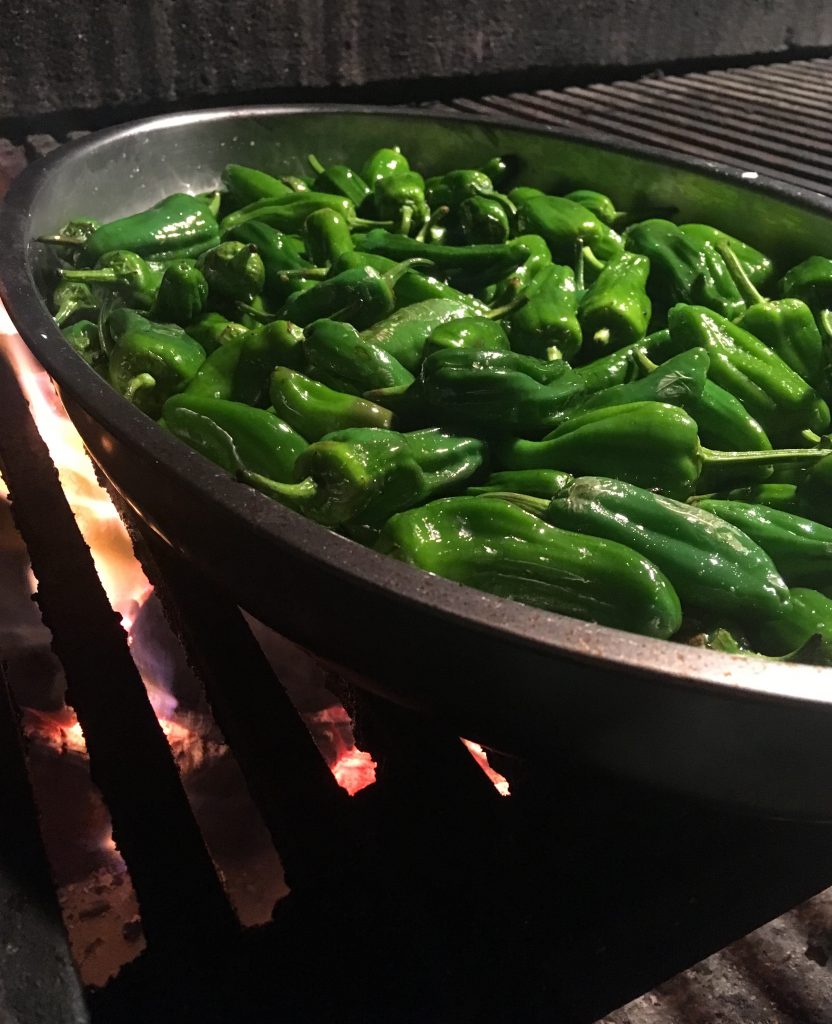
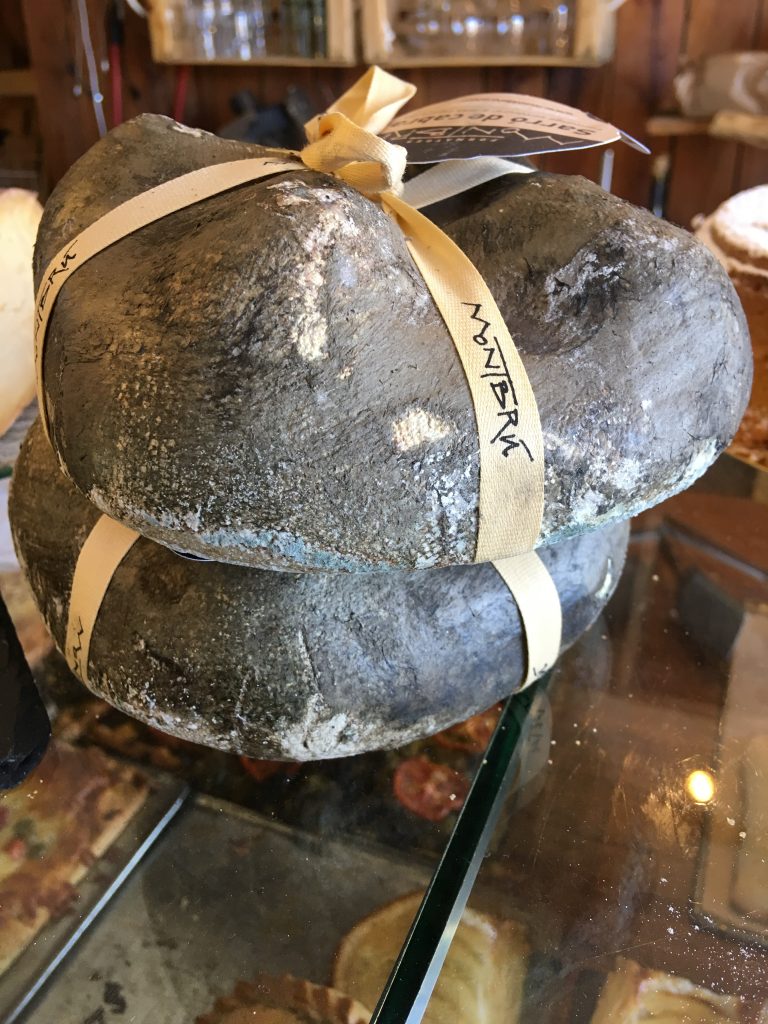
We also mostly ate in on this trip, to be honest, as we had a ridiculously baronial style banqueting table, a well-equipped kitchen, a BBQ and some keen cooks but there are many culinary delights to be sampled on this beautiful island, including some fantastic cheeses and some stunning sweet treats.

On to the main event, however.  Panades are the Mallorcan version of the empanada. They are also traditionally eaten during Eastertide (which happens to be when we were in Mallorca). At the end of Lent, Christians broke their fast by eating meat in the form if these pies. There used to be a tradition that youngsters would travel from house to house singing in exchange for food – ideally panades – but this isn’t really practised much anymore. Lots of Mallorcans will have their own inherited recipes. The pies can be made from sweet dough (a hangover from richer banquets) but they are generally made with savoury pastry. For now, though, here’s my version of Vee’s “it’s beicon” pie.

 

If you liked this recipe, you might like...

hels kitchen recipes climbing travel van life

Week 22 – The Dolomites

hels kitchen recipes climbing travel van life

Week 40 – Italy

hels kitchen recipes climbing travel van life

Week 30 – France

hels kitchen recipes climbing travel van life

Week 27 – Spain

Comments

Leave a Comment