
Tuscany, or, more precisely, biscotti in Florence
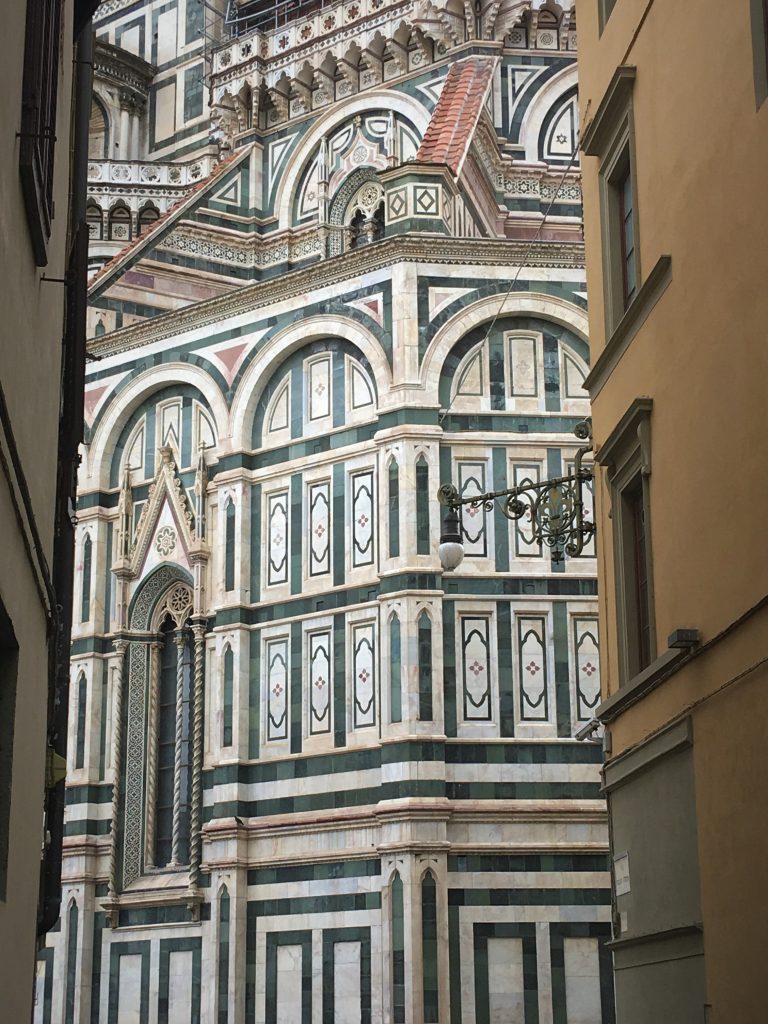
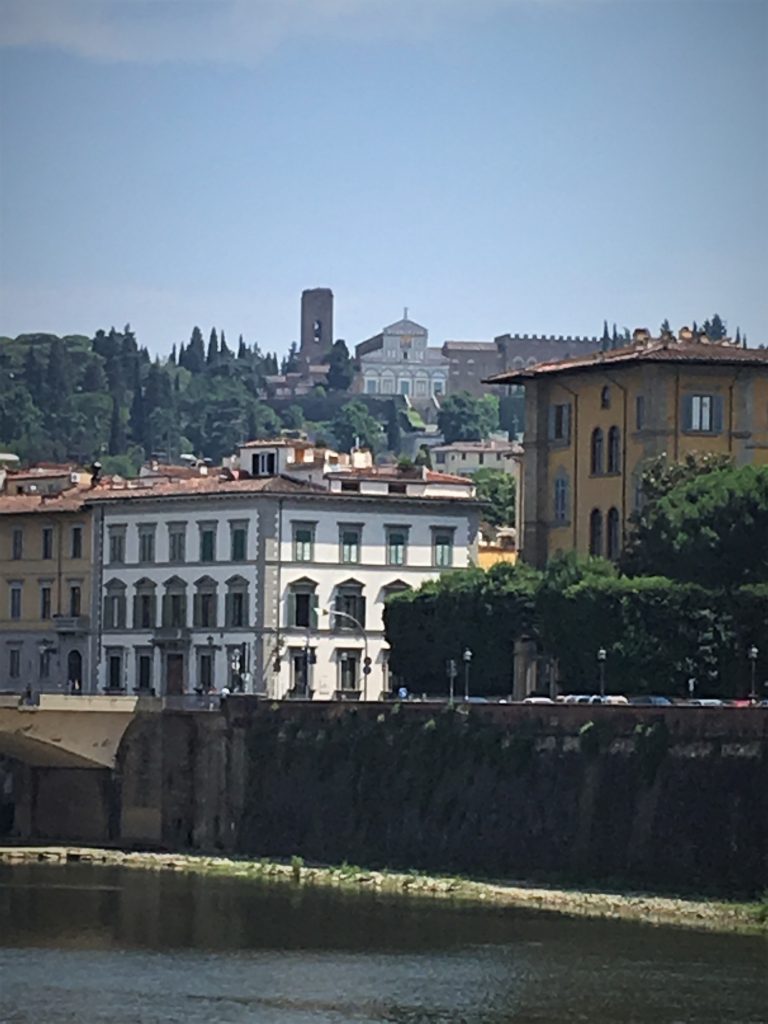
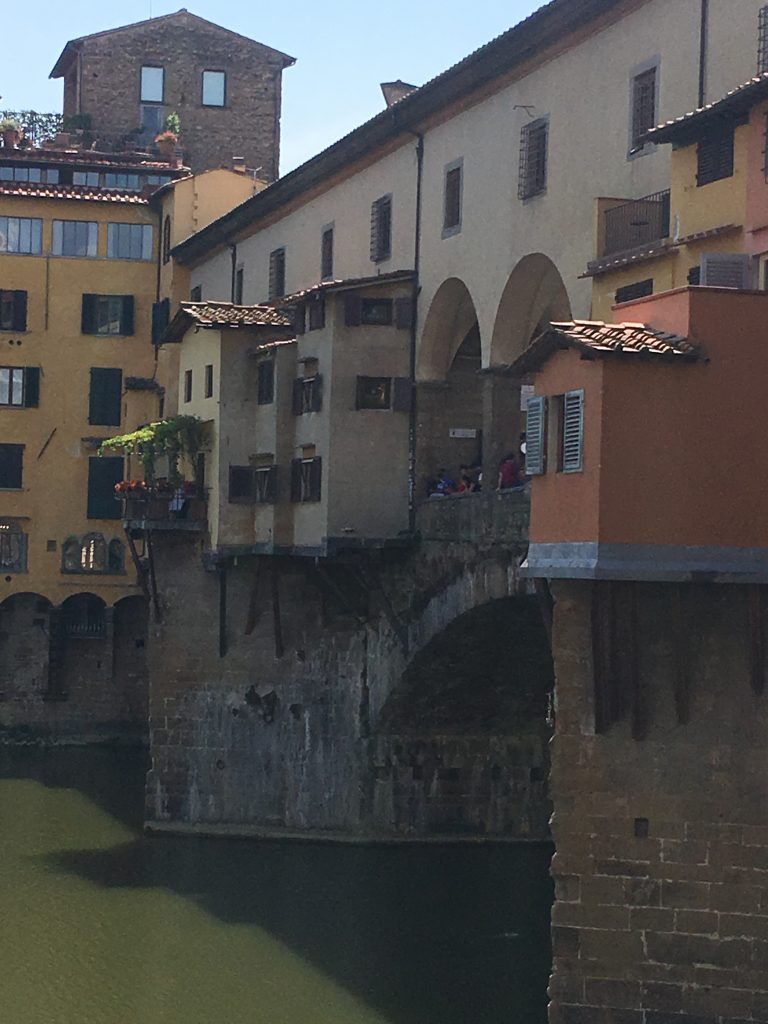
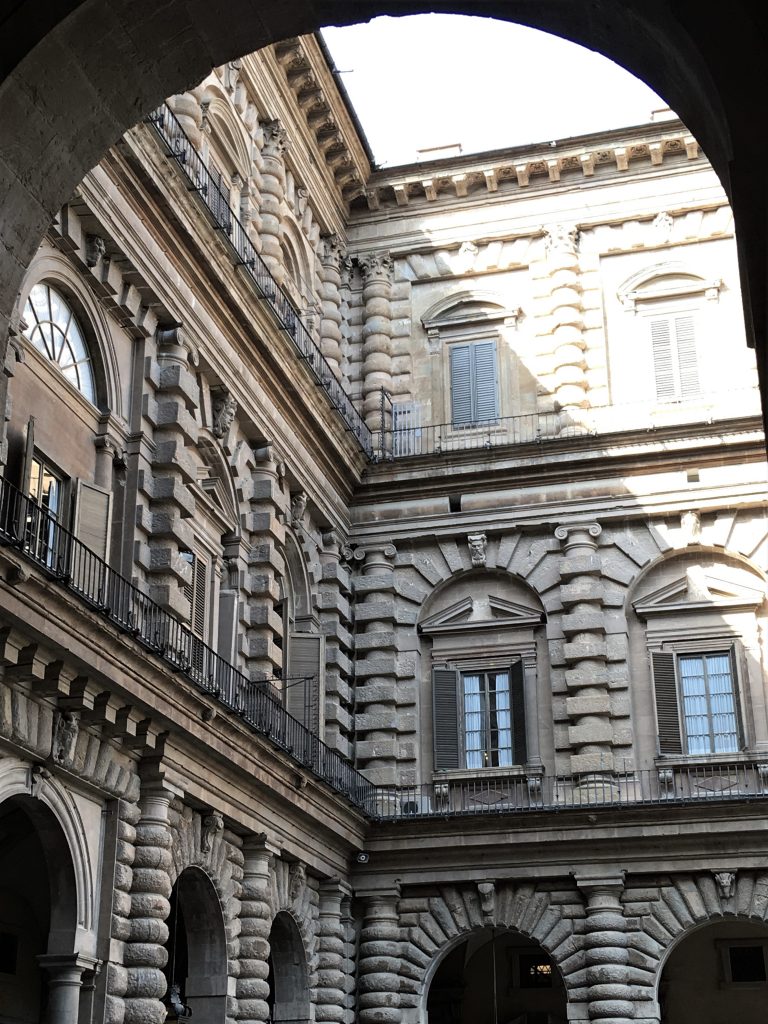
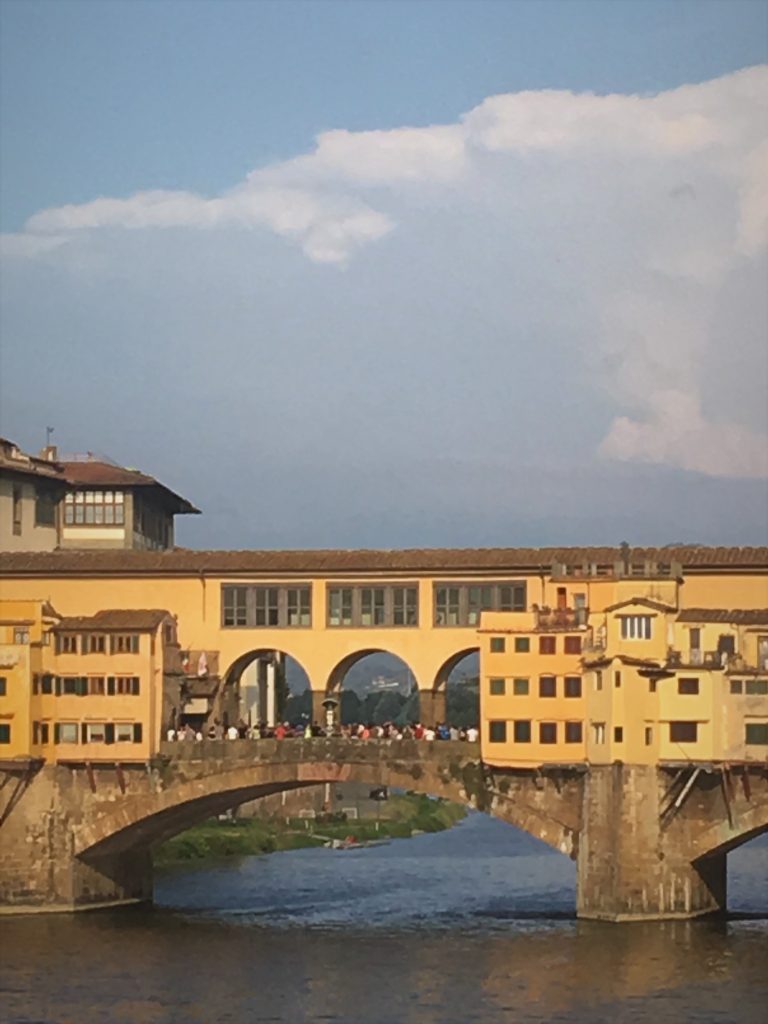
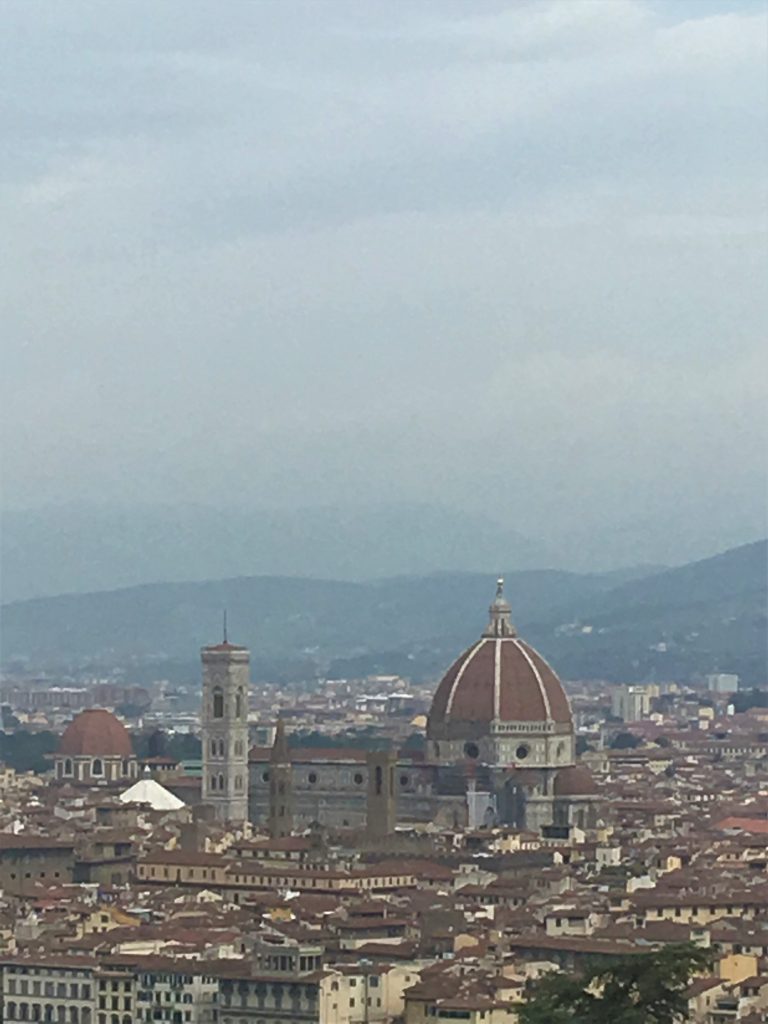
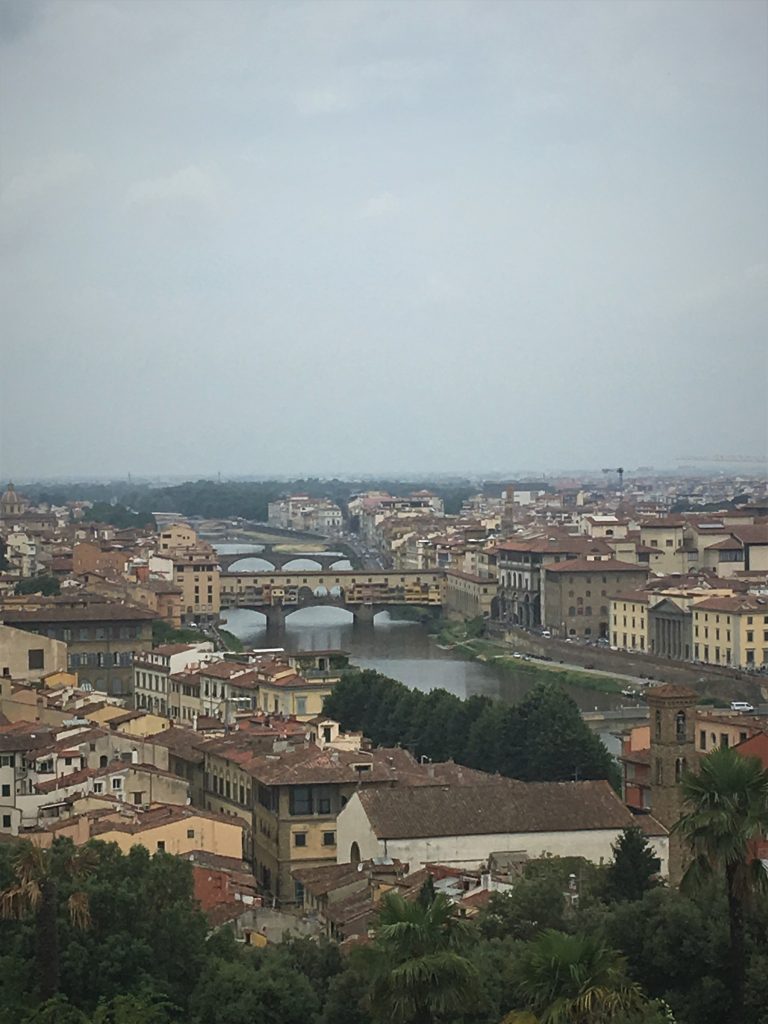
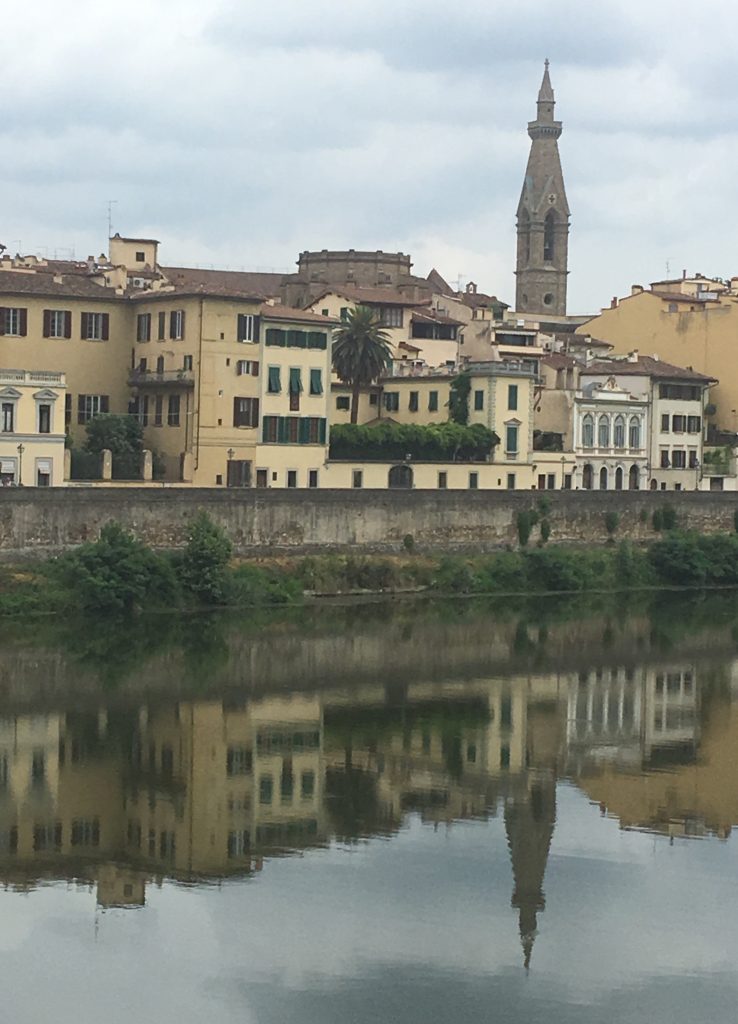
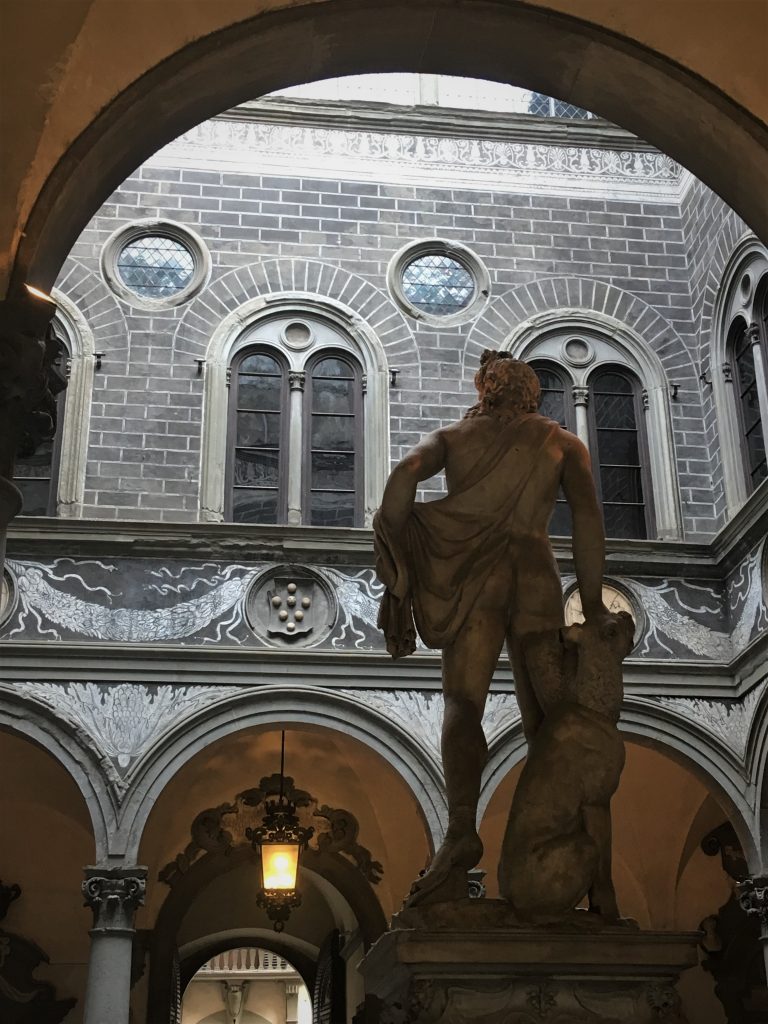
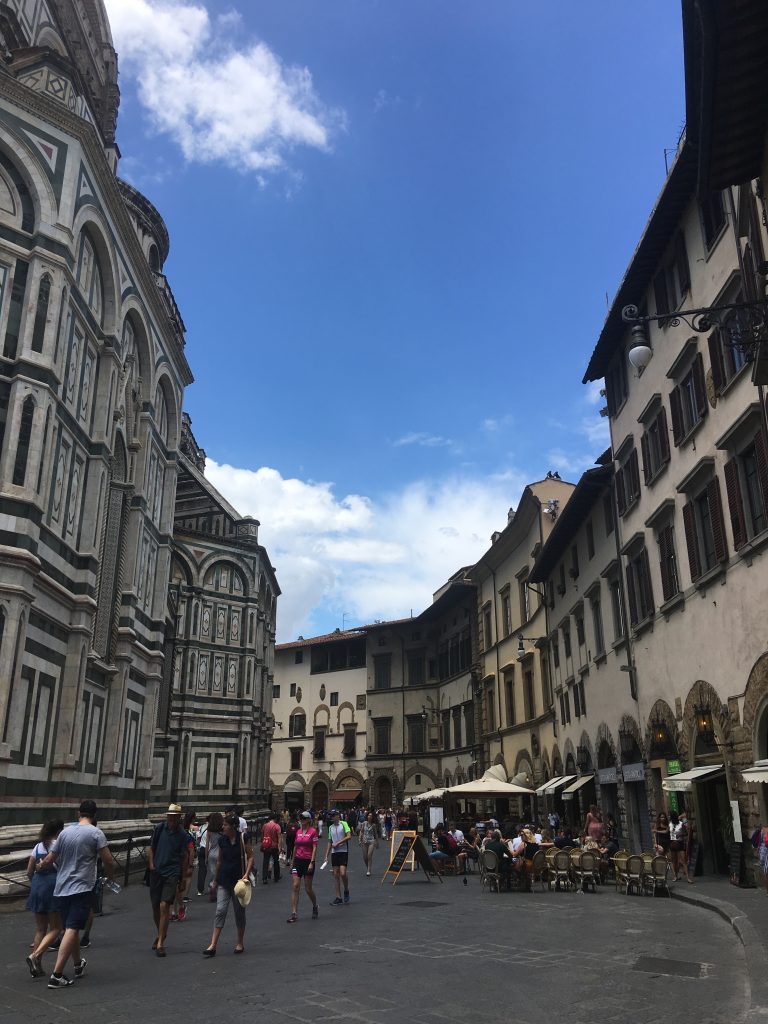
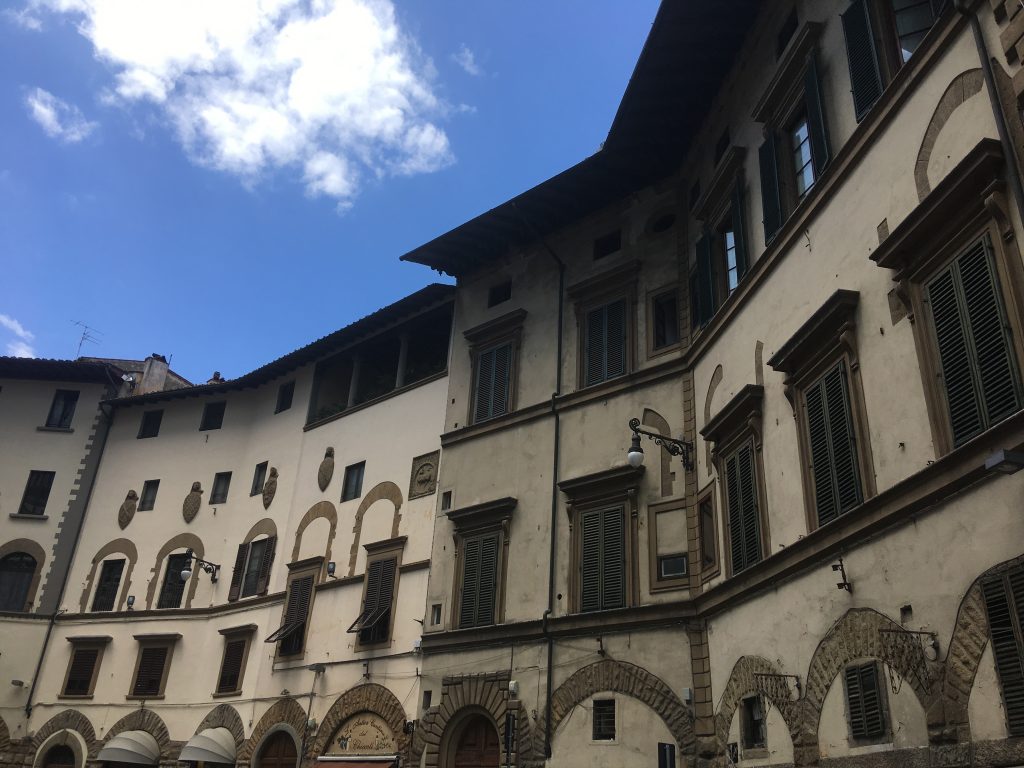
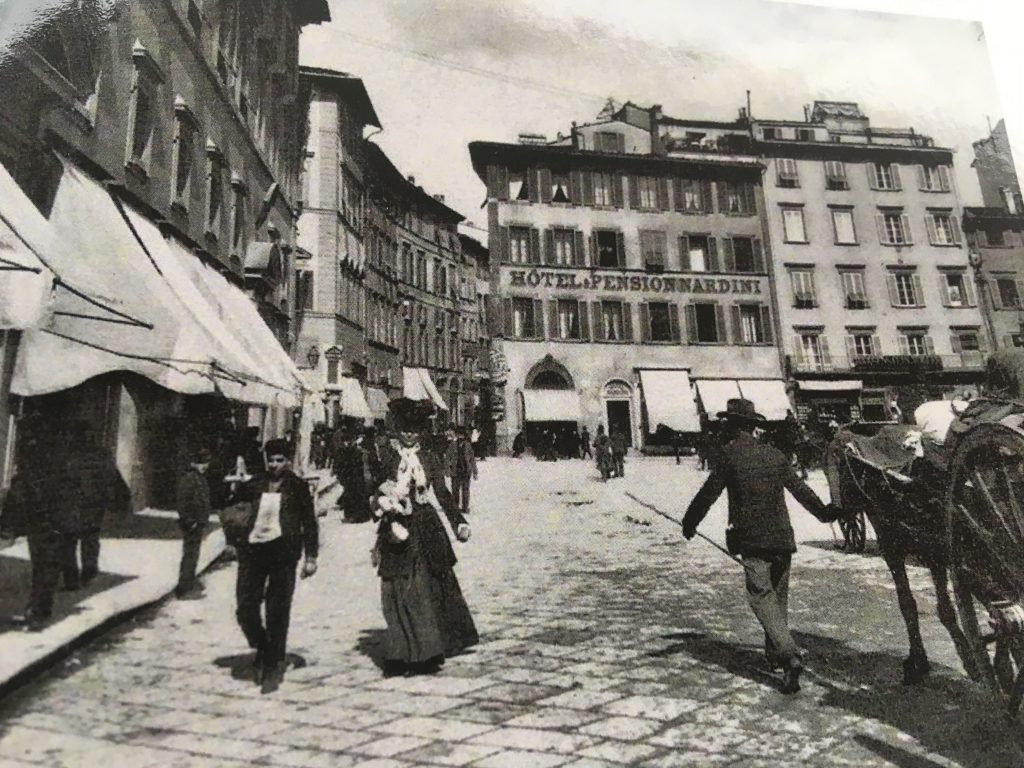
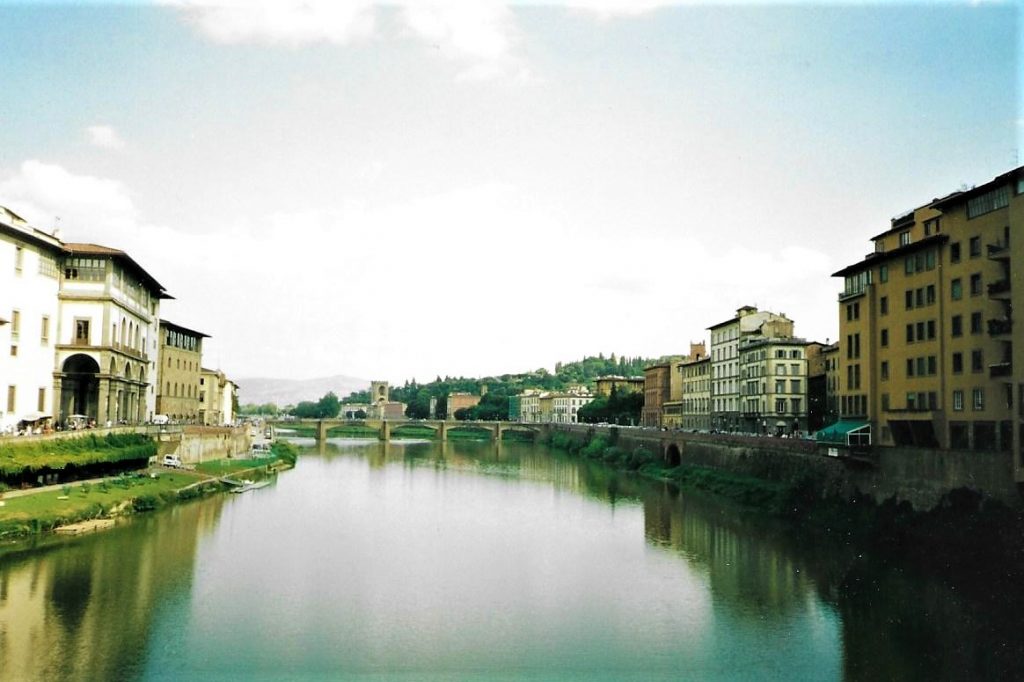
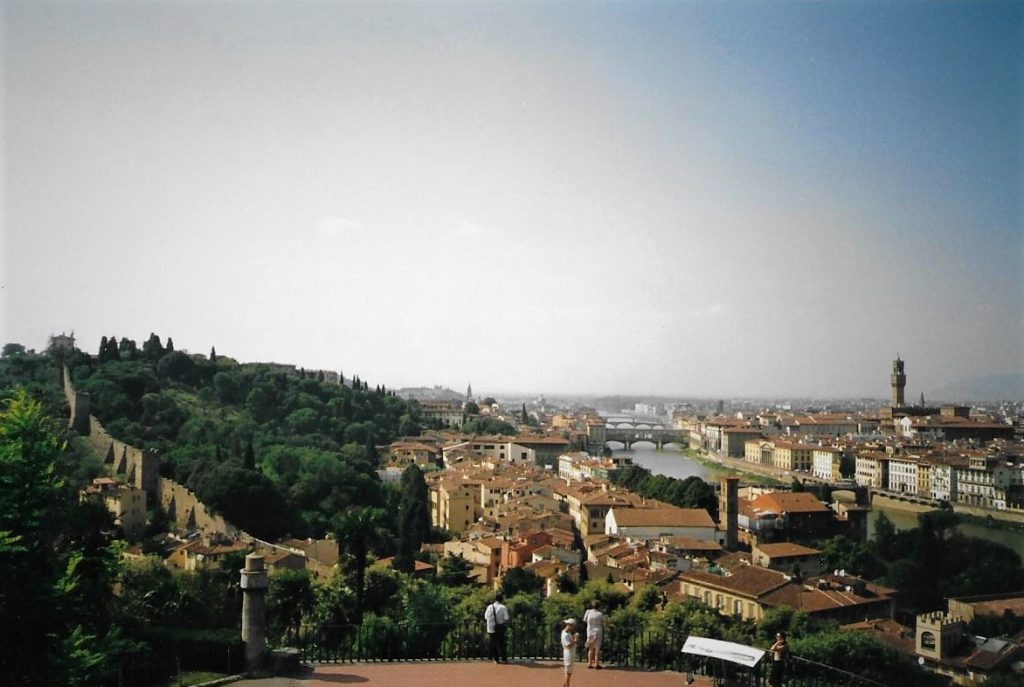
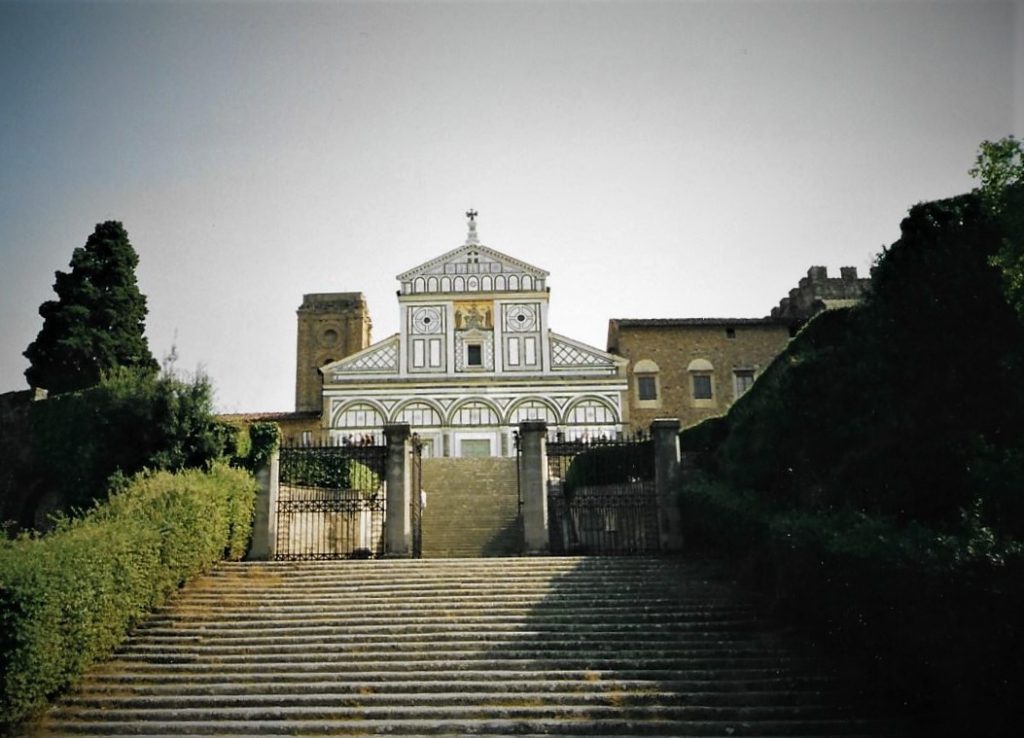
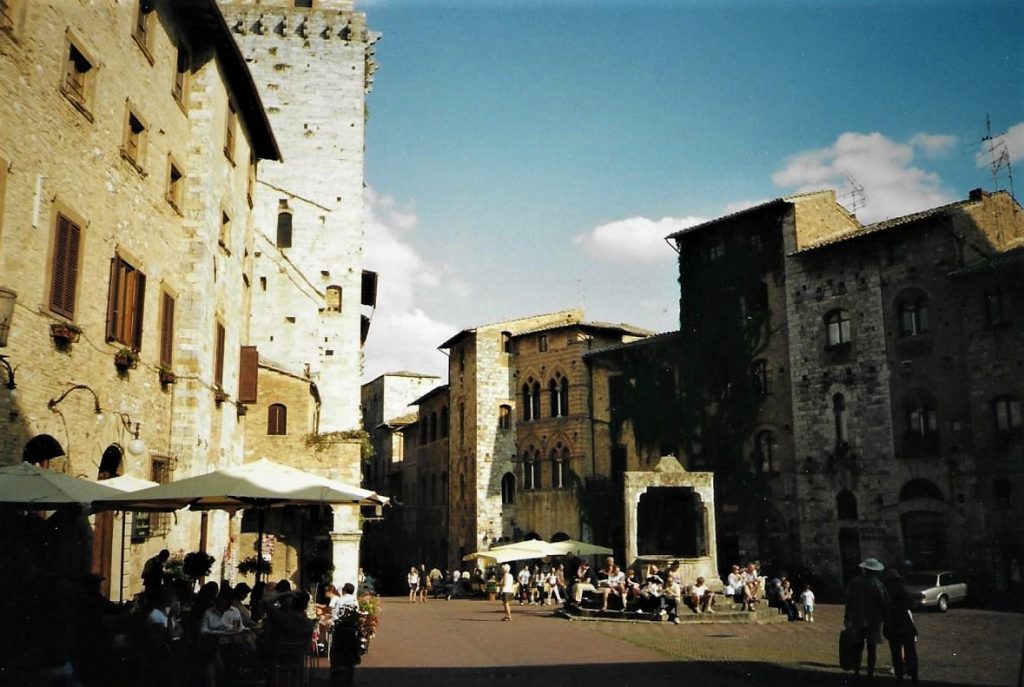
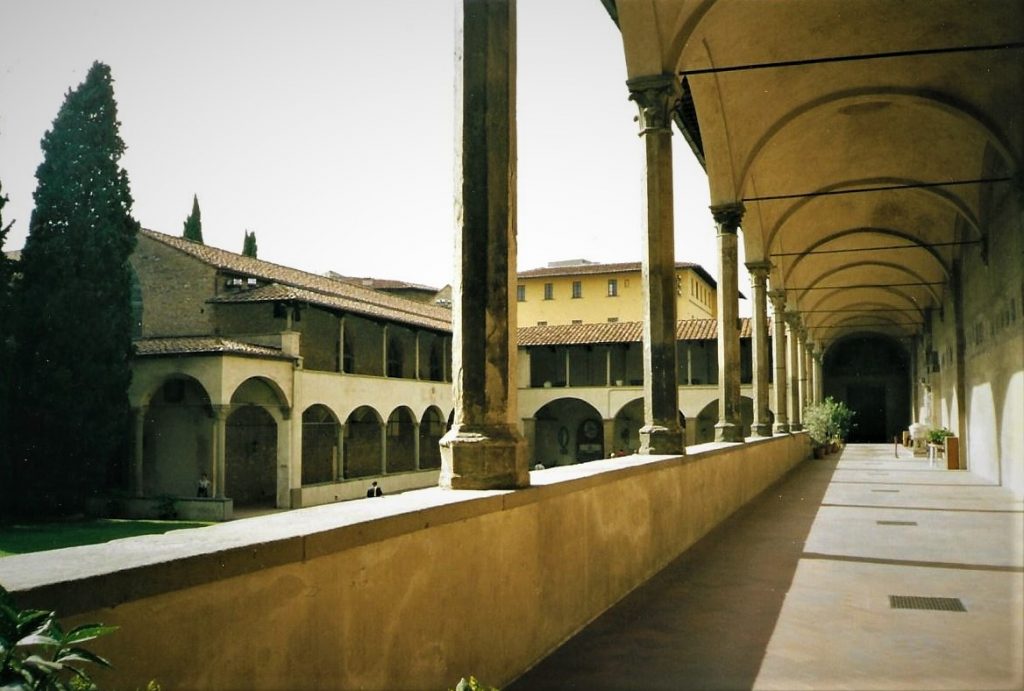
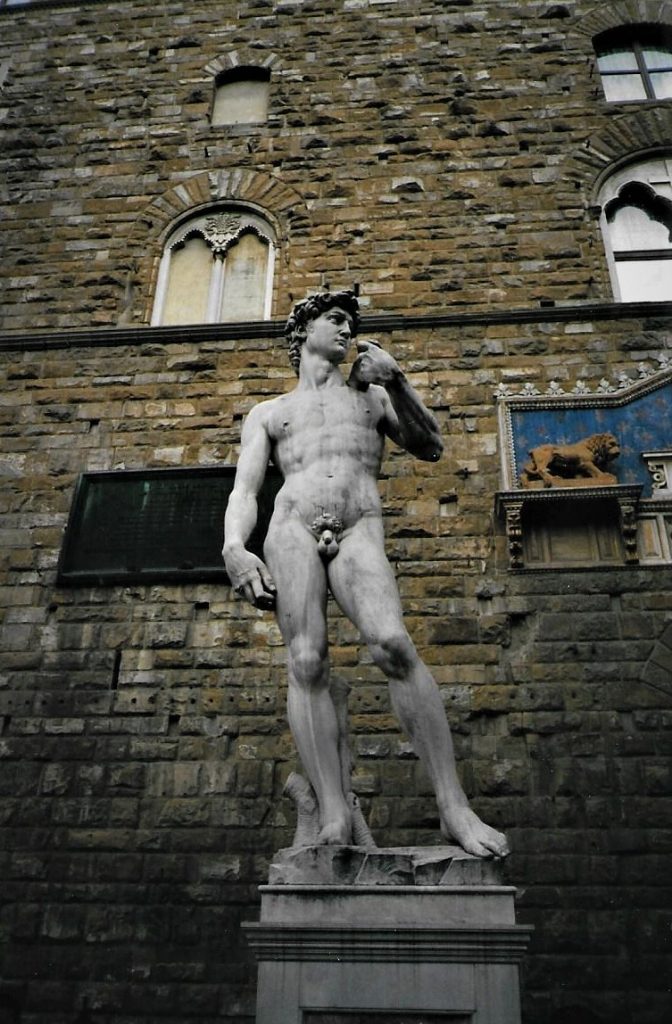
As I mentioned right at the top of this lockdown series, Italy is one of my favourite countries. I’ve been fortunate to be able to spend a fair amount of time there… holidaying, travelling and sightseeing, rock climbing, researching wine, digging in Pompeii, and restoring frescos in Puglia; but one of my earliest trips was as a language student. Probably my favourite thing about Italy is its lyrical language – exquisitely euphonic and a joy to speak (partly because you have to use your mouth properly to pronounce the words – the English have pretty lazy mouths). It has, within its lexicon of many beautiful words, this one, mozzafiato (my all time favourite) – “breath-taking”; a word that you can use a lot when you travel around such a beautiful country. Many moons ago, sick of temping in offices where there is zero beauty and “office speak” is profoundly unpleasant on the ear, I decided to use my savings to escape for a bit and go and learn Italian in Italy. After a few lunch hours spent googling language schools, I plumped for the cheapest one I could find in Florence – for where better to get a fix of Italian beauty than in one of the cities at the heart of the Renaissance and geographically in one of the most beautiful parts of the country. **** you (for a bit), soul-sapping office!
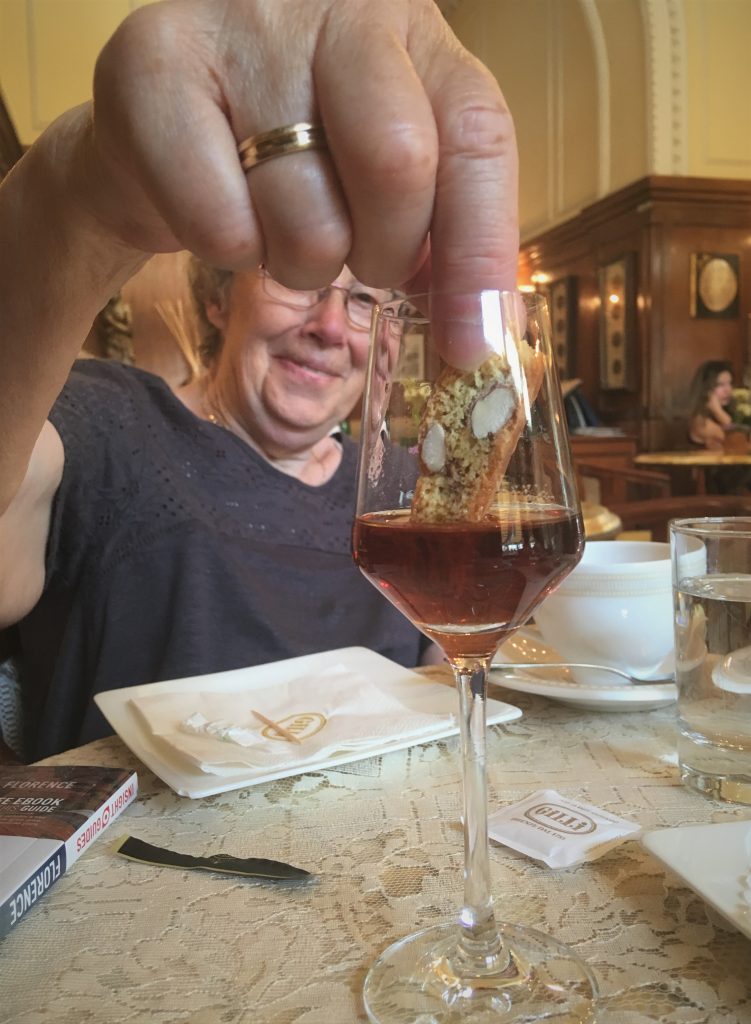
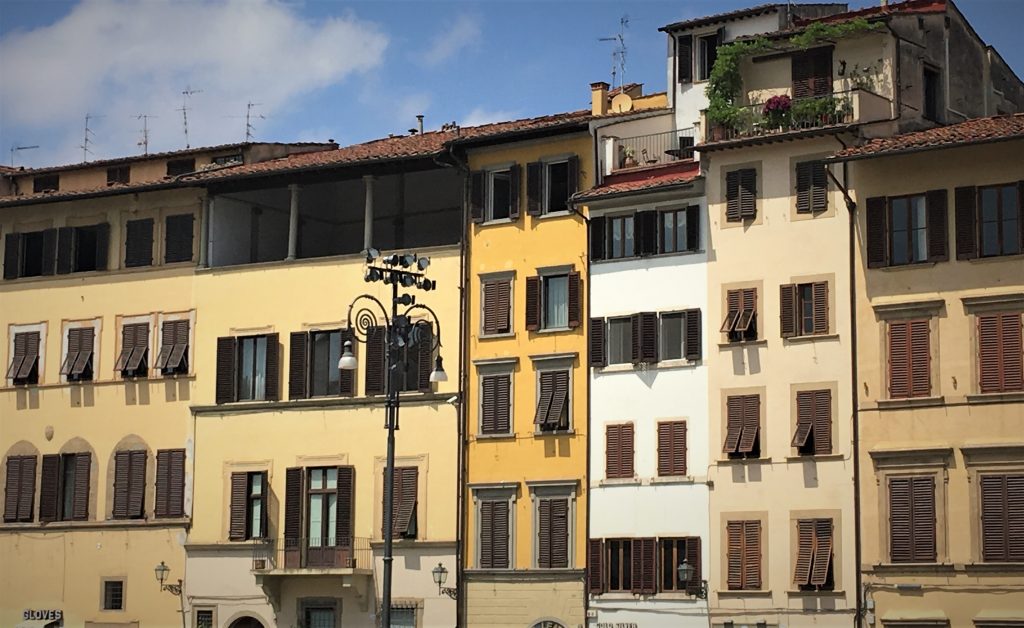
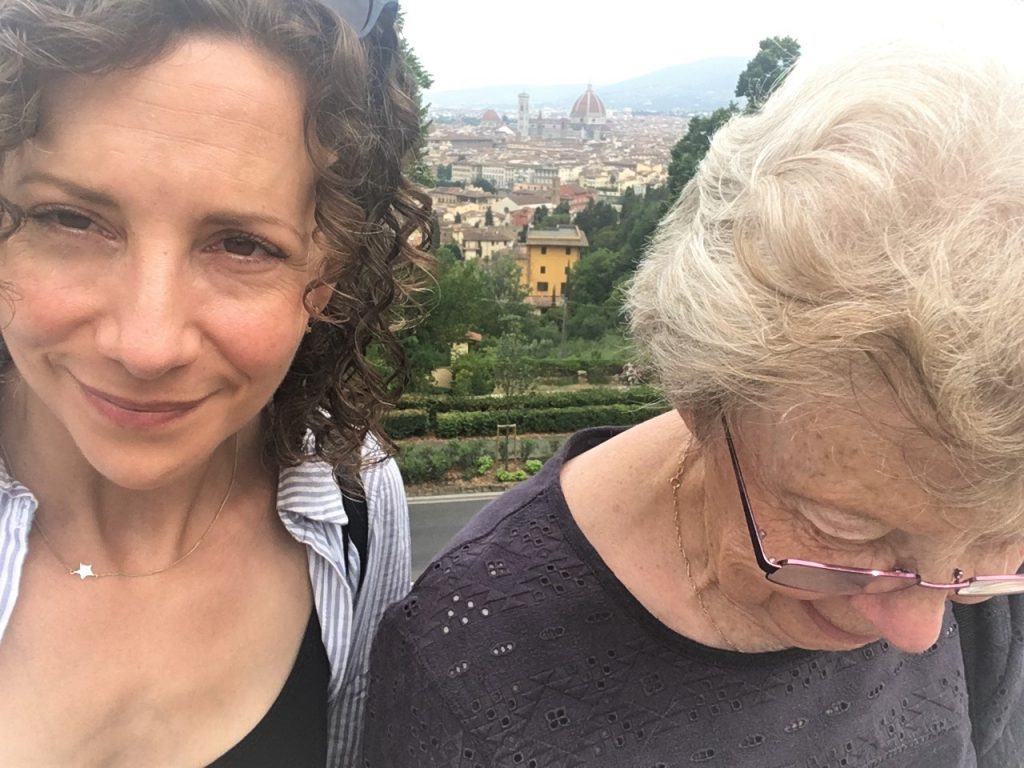
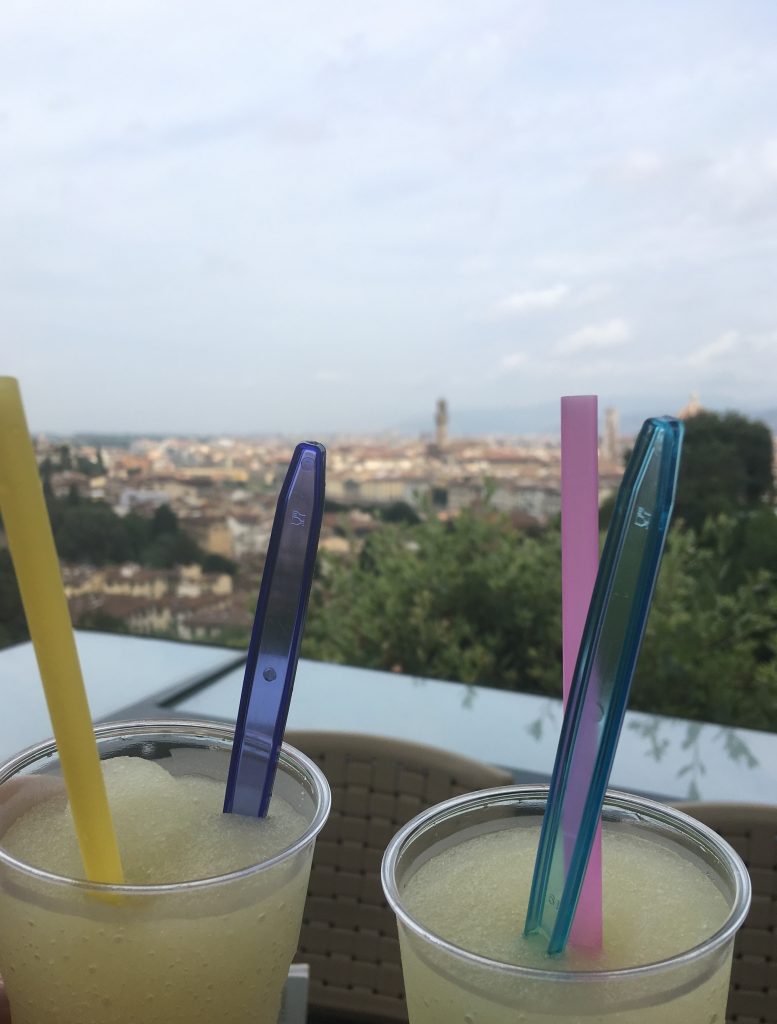
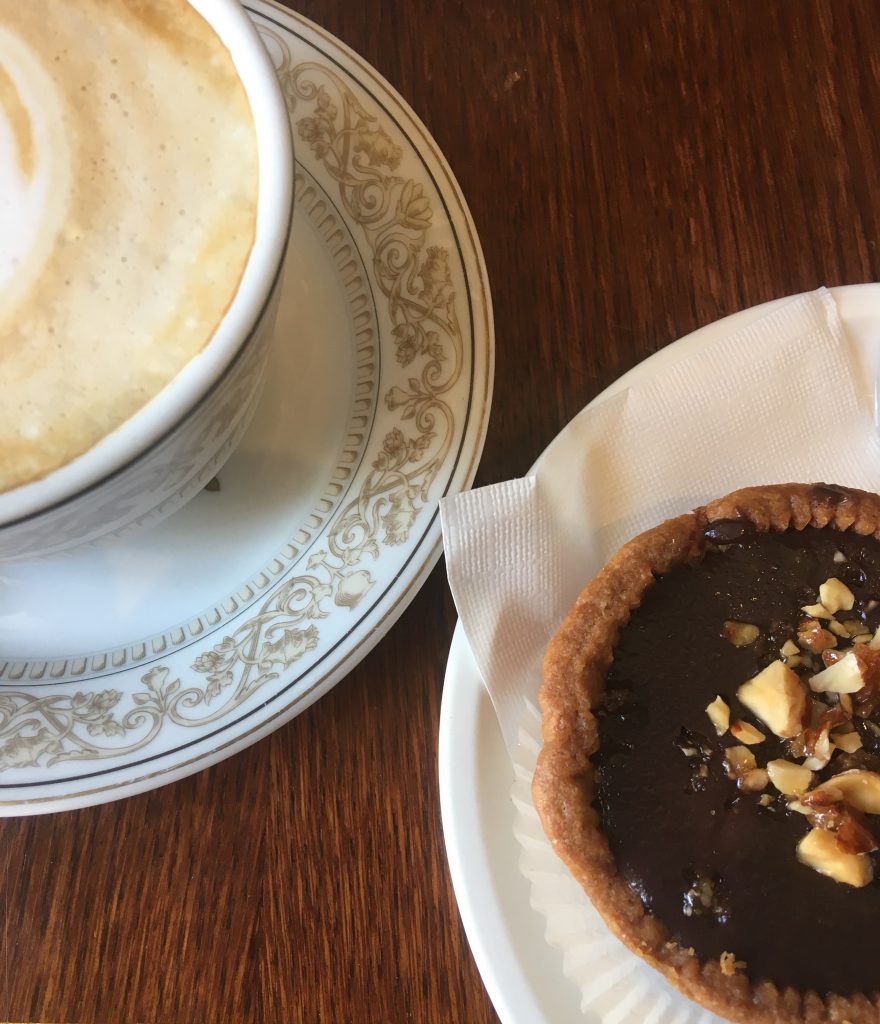
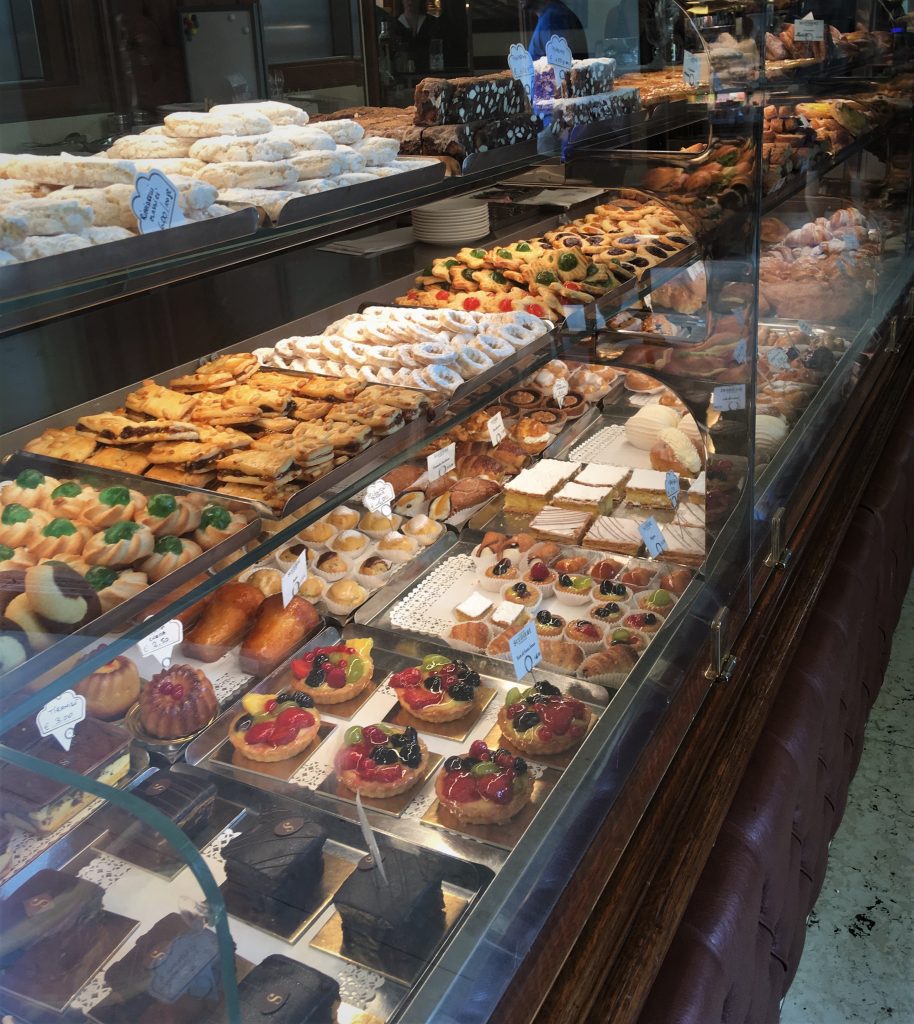
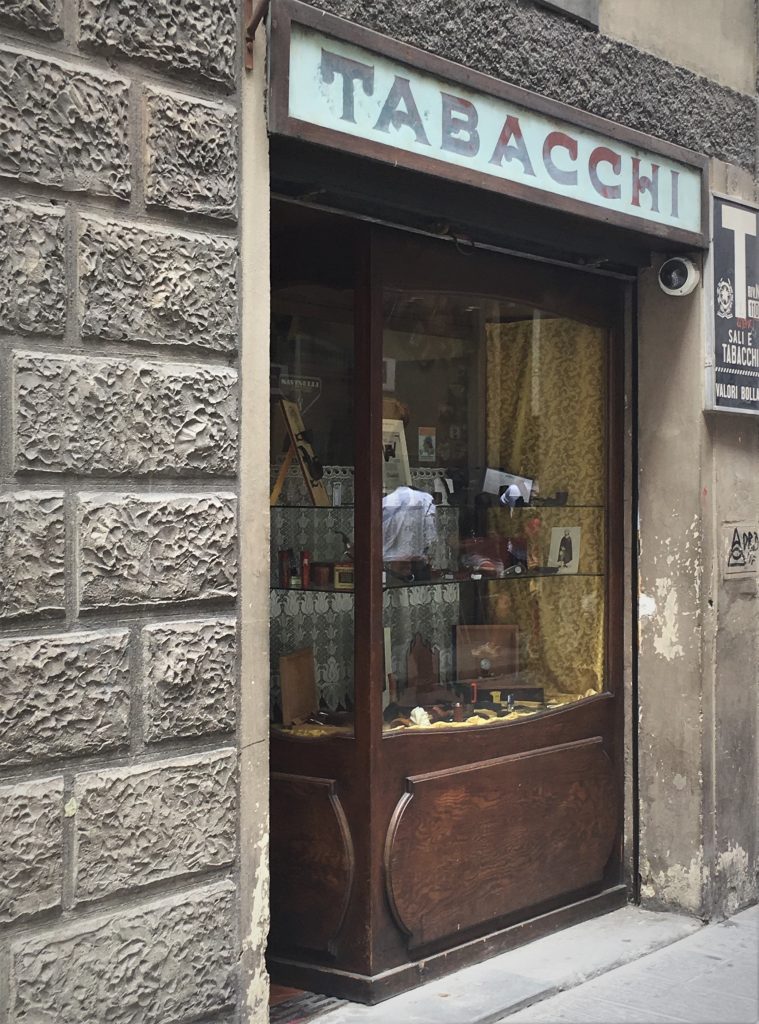
There were so many things to enjoy about this trip from walking across empty piazzas in the early morning to get to class, to being a student again and realising that you can understand more than you think you can when nothing is taught in English. I had the opportunity to discover a beautiful city as a student as opposed to being a tourist, learn about works of art I’d studied at University, and to bathe in the sunlight that caresses the Tuscan hills. And then, of course, there’s the food. What was less enjoyable were the digs I was in. These needed to be super, super cheap and so were a fair bus ride out of town which was fine were it not for the fact that I was staying with possibly the only unfriendly, ungenerous Italian I’ve ever met. She would only let me use one bowl, one pan and one spoon and under no circumstances was I to make coffee in her espresso maker. Thankfully, there are plenty of places to have coffee in Florence early-doors and a fair few places to eat out reasonably when you are sick of your own one-pan pasta of an evening. There are also a lot of pasticceria brimming with tempting sweet treats and, in particular, biscotti, or, as they are also known, in these parts, cantucci. These are ten a penny over in the UK now but at the time (back 2002) they were new to me and what was even more of a revelation was the tradition of dunking your biscuits in wine. We dunk ours in tea; the Italians, in dessert wine. You do the math… Cantucci e vin santo comes as a dessert option on many a menu or as a sort of high tea option in many of the elegant old “tea rooms” and, of course, you can buy your own of both and DIY in a park in the sunshine. I took my mum to Florence on another trip there last year and she got properly down with dipping.
Cantucci (“-ini” are the mini ones) are Italy’s most popular biscuit and have, in fact, been around since Roman times in some form or other. The name “biscotto” comes from the Latin “bis” twice, and “coctum” (which became “cotto” baked/cooked). Obviously this is where our word biscuit comes from (one of those “a-ha, I hadn’t even connected the dots there” moments for some of you, perhaps (it was for me). Ancient Roman biscotti were a handy, portable food as opposed to something to dunk in your wine, however – that wasn’t the game back then. The “second bake” dries the biscuits out which makes them practical fare for long journeys; Pliny the Elder is quoted as observing that a biscotti would be “edible for centuries”. This also meant that they were useful food for soldiers on the march in the Roman legions. After the fall of the Roman Empire it wasn’t until the renaissance that Italian cuisine started to flourish again and, like many things in the Renaissance, biscotti re-emerged (the recipe, that is, not the ones that Pliny said would last for centuries). A Tuscan baker in the Prato region is credited with being the first chap to serve these biscuits with the local sweet wine – vin santo – something which soon caught on. The biscotto’s longevity and durability as a portable snack for all sorts of labourers was revived too. They were, therefore, both fancy and functional; not to mention popular. Versions of cantucci came to be made throughout Italy; in fact most European countries have a version of a twice cooked cookie. There’s a myriad of flavour combos in Italy but the popularity of the almond cantucci stems from the many almond groves in the Prato region
And what am I dipping this guy into? Vin Santo (lit. “holy wine”) is a Tuscan dessert wine made from the Trebbiano and Malvasia white varietals. There are various tales surrounding the derivation of the epithet, from the one about the Franciscan friar who cured plague victims by pouring it over them, to its association with use by monks during mass… The grapes are hand-picked and hung from the rafters of well-ventilated rooms where they shrivel. Once dried, they are pressed and the sweet, sweet juice is poured into small cigar-shaped barrels, called caratelli. After the initial fermentation the caratelli are sealed and placed under the roof of the winery for sometimes as long as ten years. The wine develops a deep golden or amber colour, a rich nose of roasted almonds, dried apricots and honey. The palate is also sweetly honeyed and often nutty but always has a bright crisp acidity cutting through and which also tempers the high sugar content in the cantucci. The almond notes also complement the almonds in the traditional Tuscan versions. Dipping cantucci in vin santo certainly accentuates the flavour of biscuits but, practically speaking, dipping makes them much easier to eat – because they are pretty solid to bite down hard on (and I can’t imagine that Romans had particularly great teeth in the first place before risking breaking one on a solid lump of dried out biscuit).
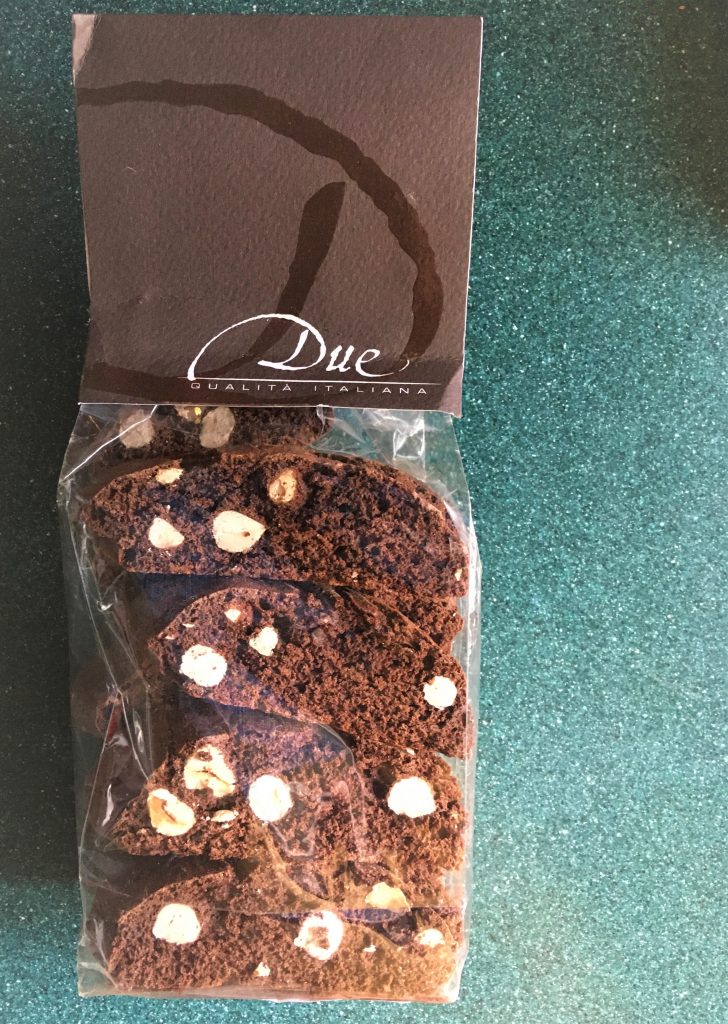
Cantucci are principally made from eggs and sugar which provides a base for a myriad of delicious variations from the standard lemon and almond to aniseed to mint; you can get pretty creative with the basic biscuit base and chuck in dried fruits, nuts and spices as your fancy takes you. You can also make savoury ones (think rosemary, garlic and pecorino, for example). My absolute favourite are the chocolate ones which are rather hard to come by in the UK sadly but which I always try to pick up when I go to Italy.
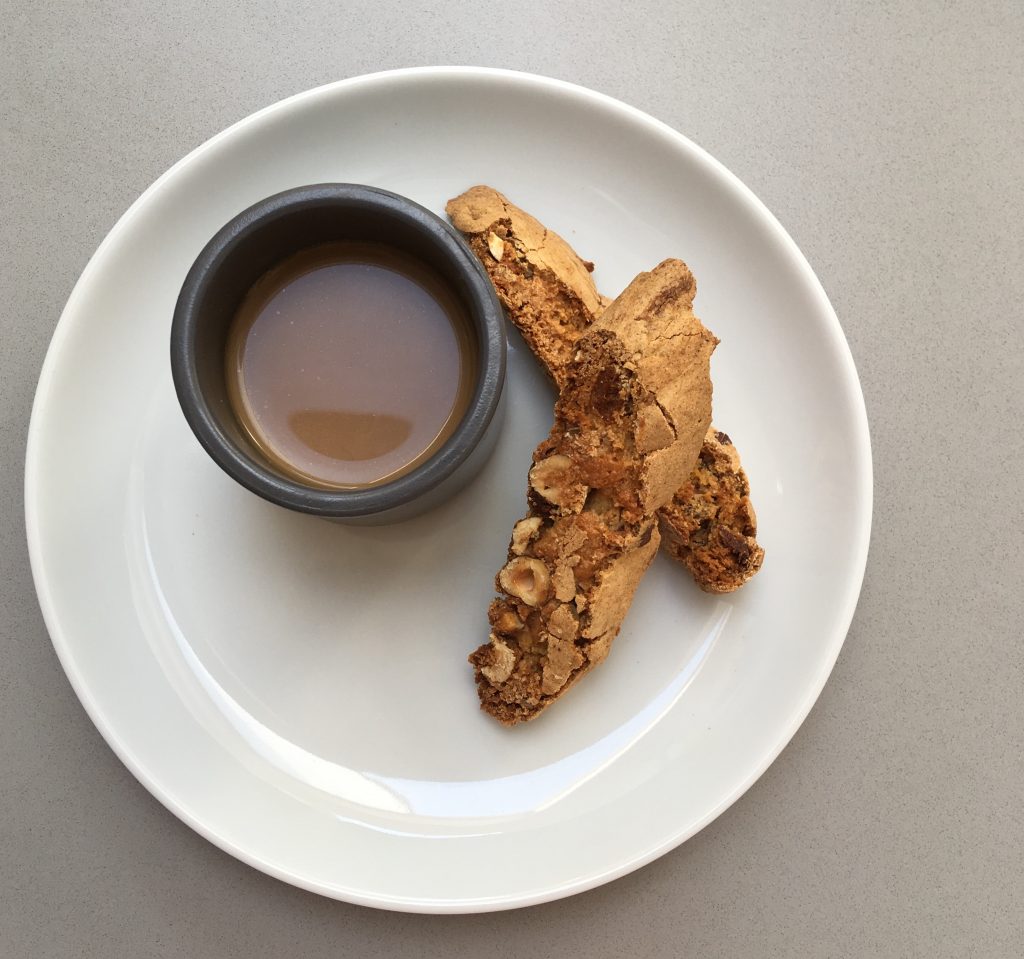
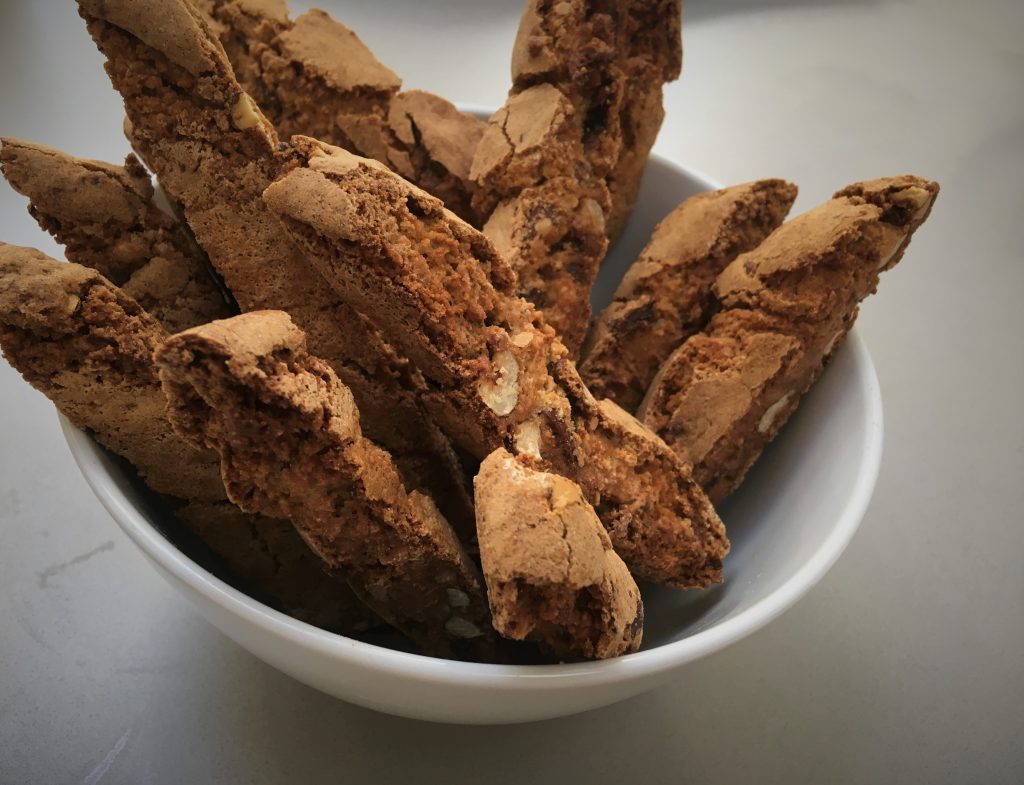
For my batch this week, I opted for a fairly simple fig and hazelnut mix. It’s a great combo and I love the chewy stickiness of figs when you bake them. If you do dip, the fig will really lift the honeyed dried fruit notes and the hazelnut brings out the rich nutty tones in the vin santo. Equally good dipped in coffee though or, indeed, in a gelato.
I dip, you dip, we dip…
(he, she, it dips, they dip etc)