Turkey, or, more precisely, gözleme in Ephesus
I hold my hands up. I can be quite nerdy when it comes to exhibitions/sightseeing and have a rather time-consuming need to see everything, read everything, not miss anything. I once forgot my glasses as I was in a hurry to get to my timed slot at an exhibition at the British Library. As I methodically worked my way around the first few exhibits in the dim light of the gallery space, my sister clocked me briefly mistaking the emergency lift instructions for artefact blurb.
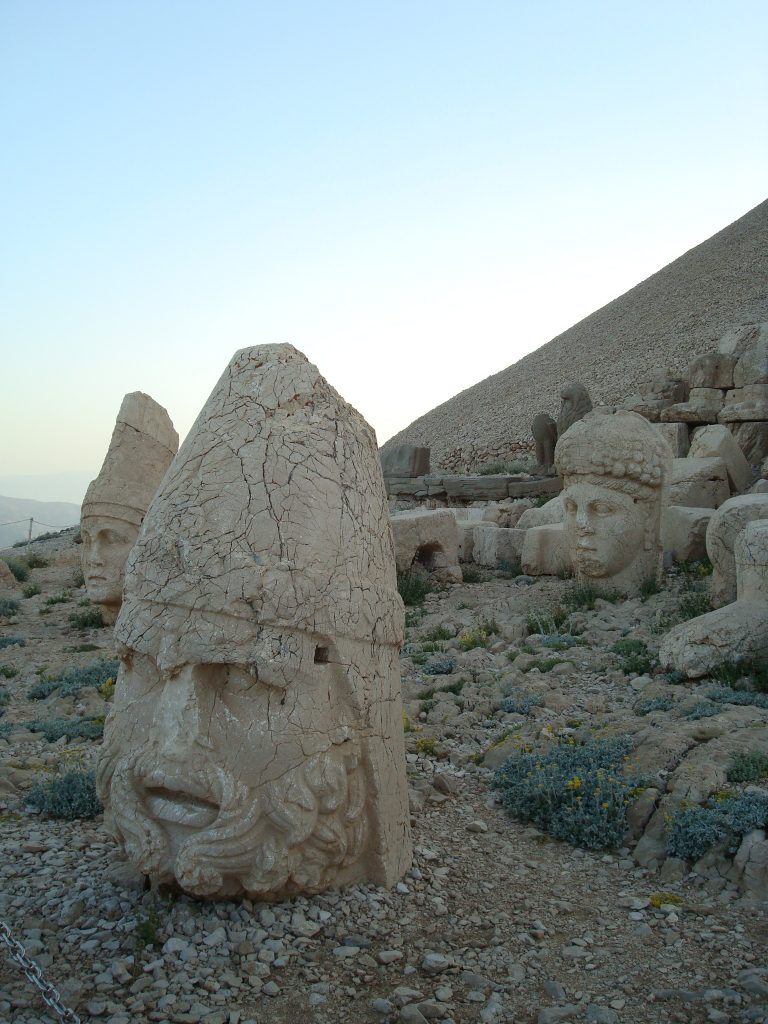
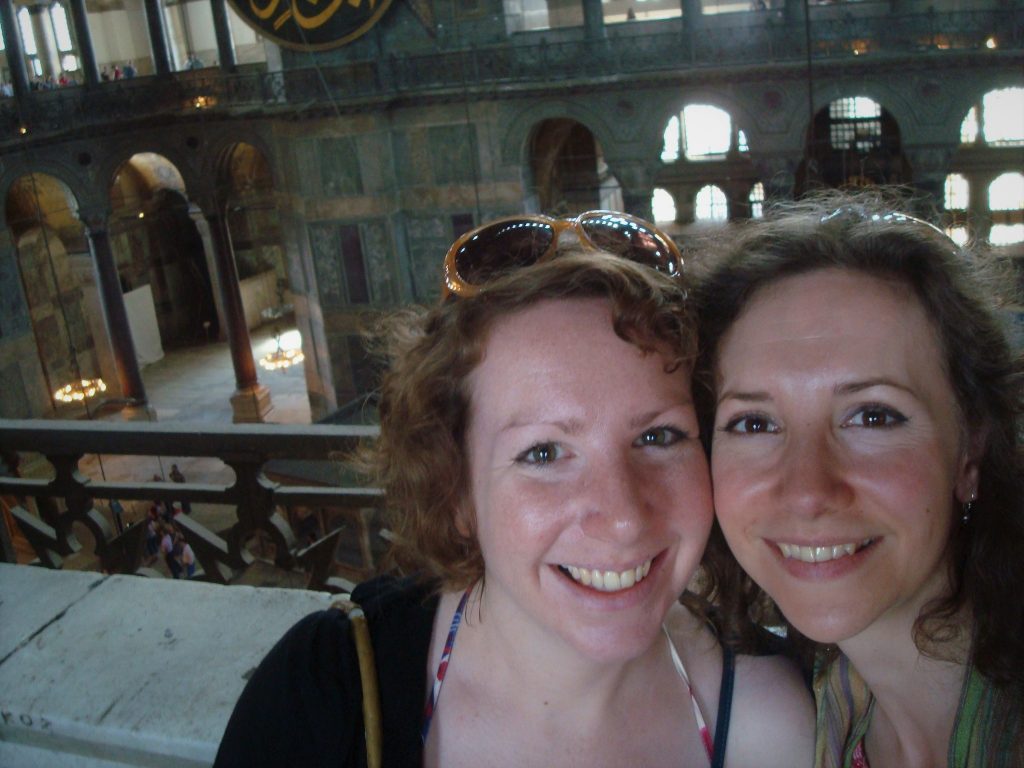
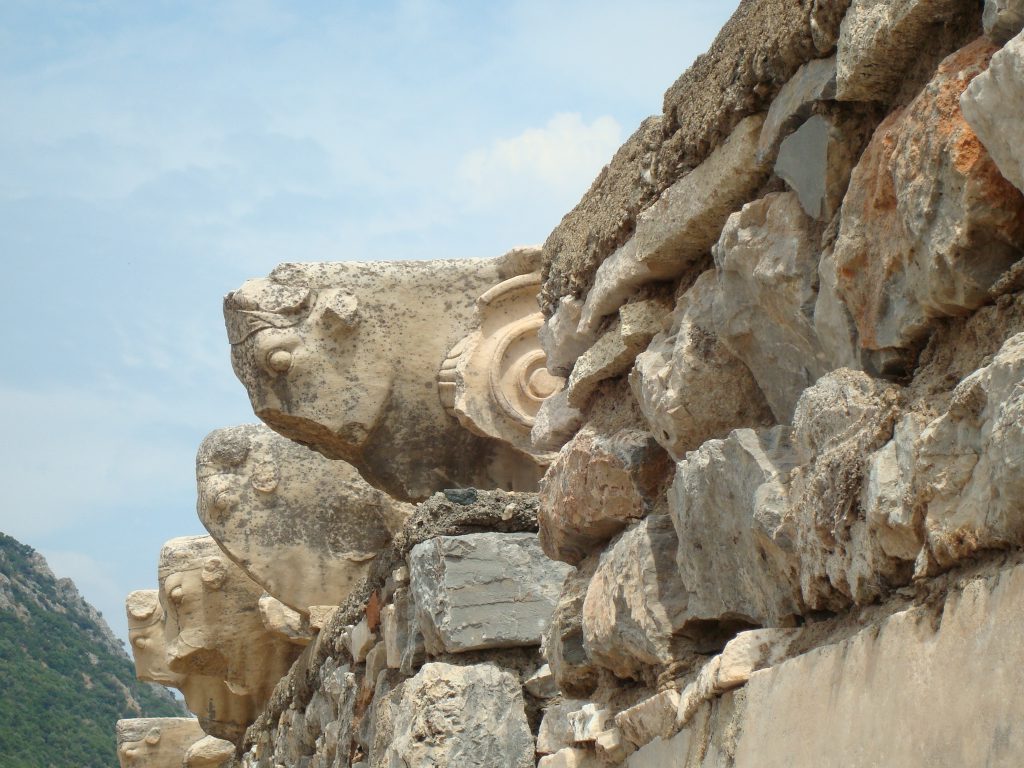
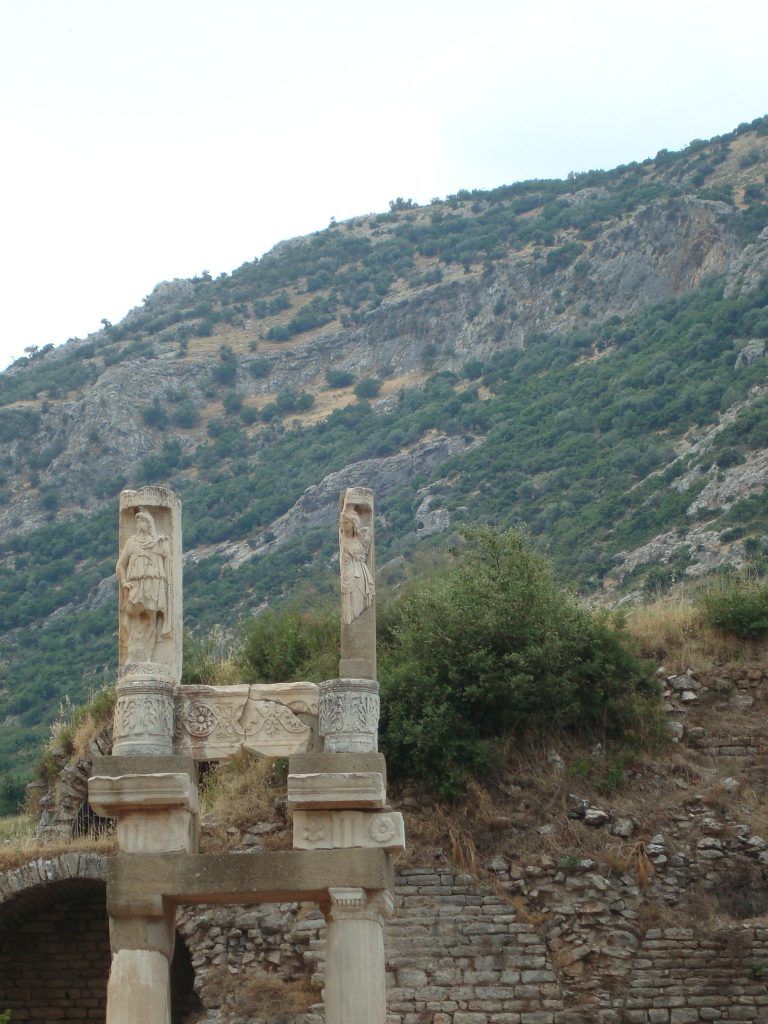
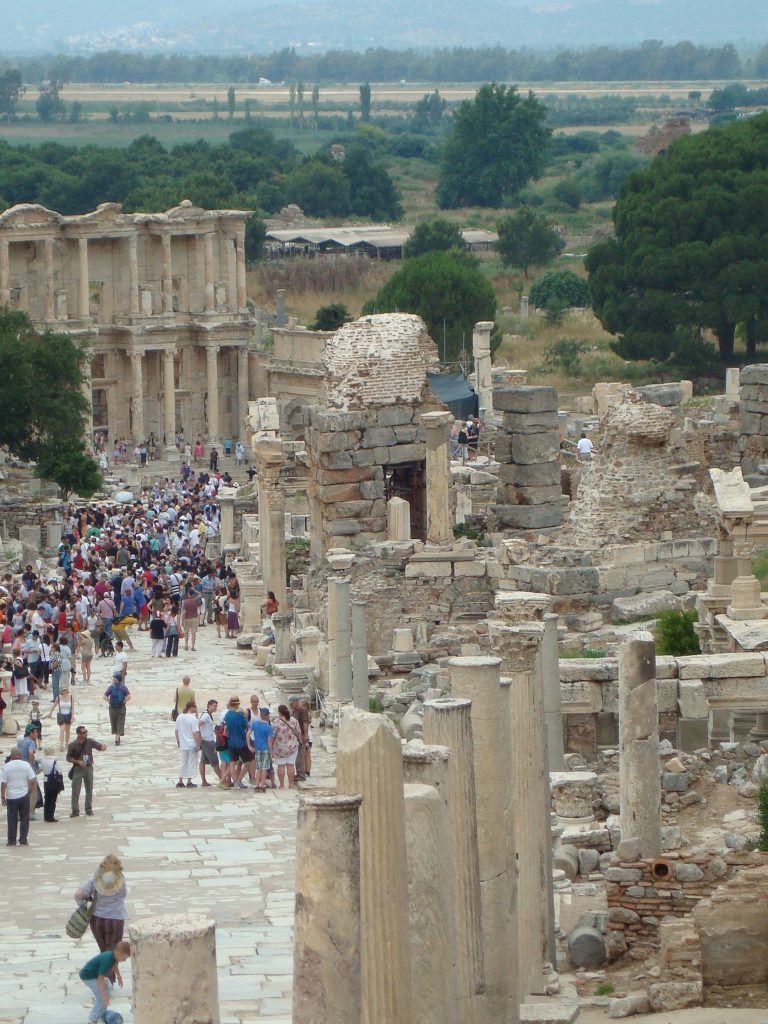
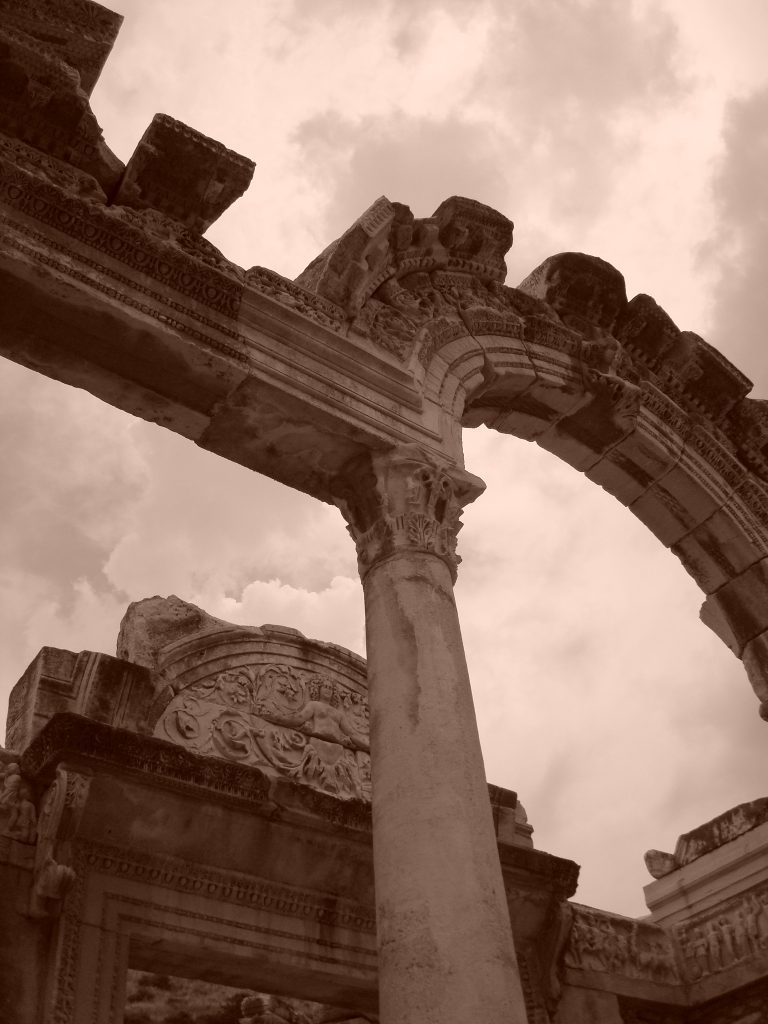
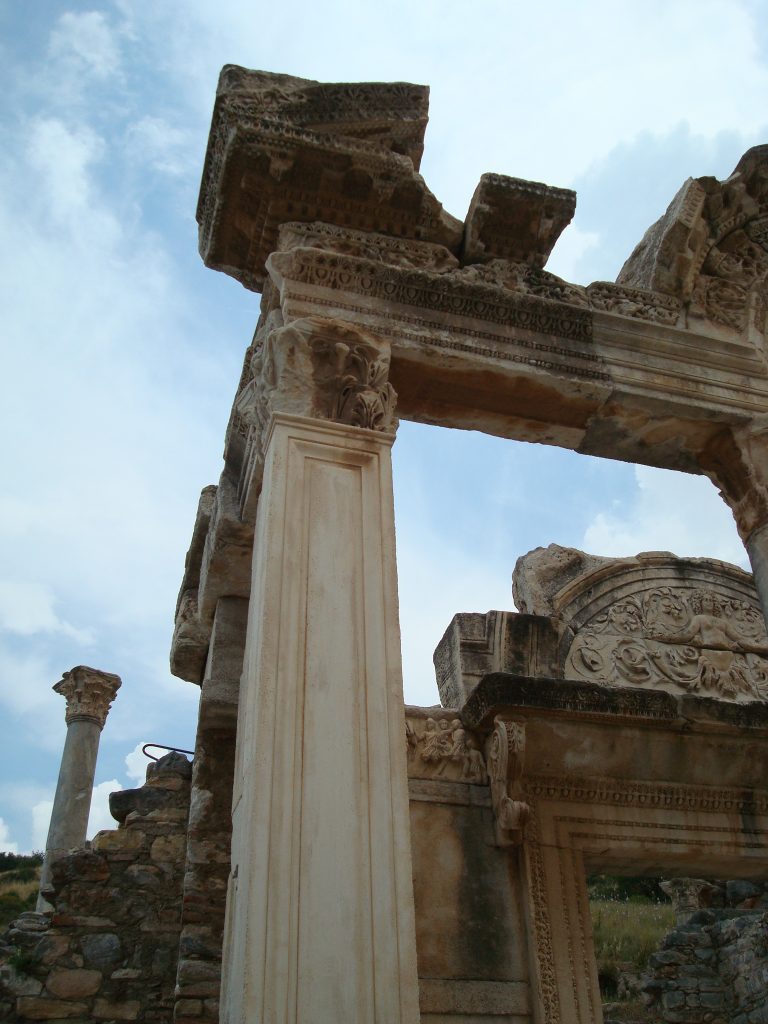
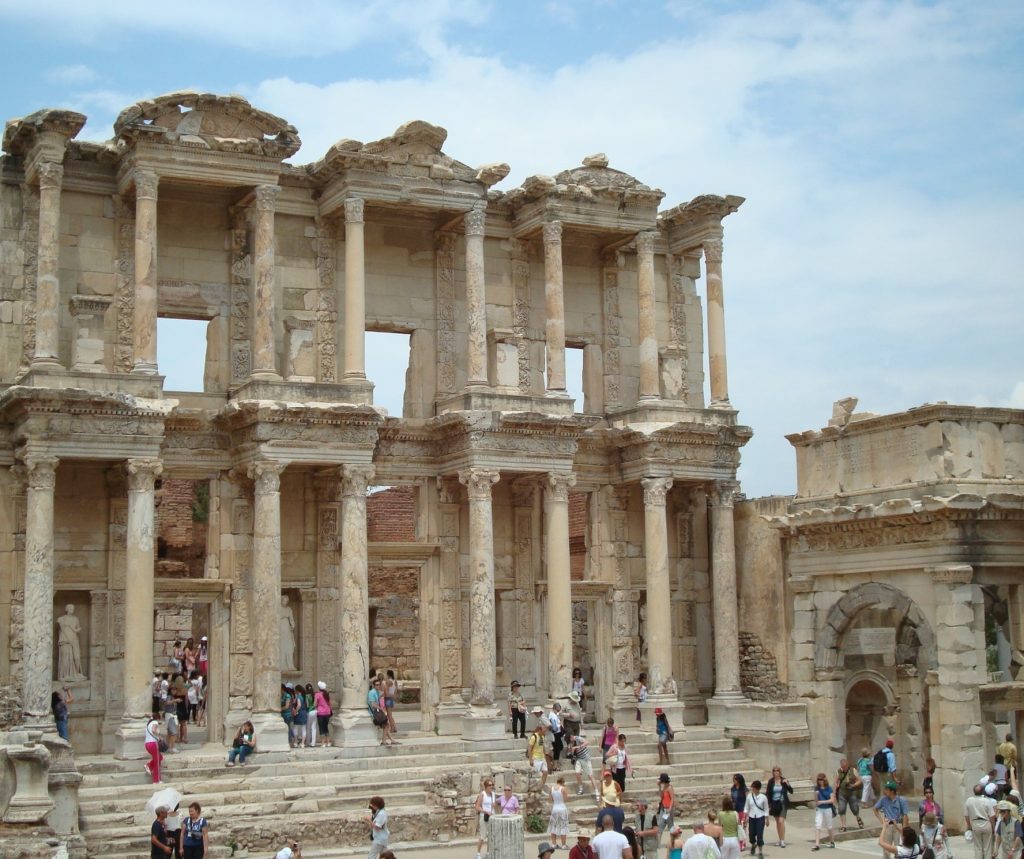
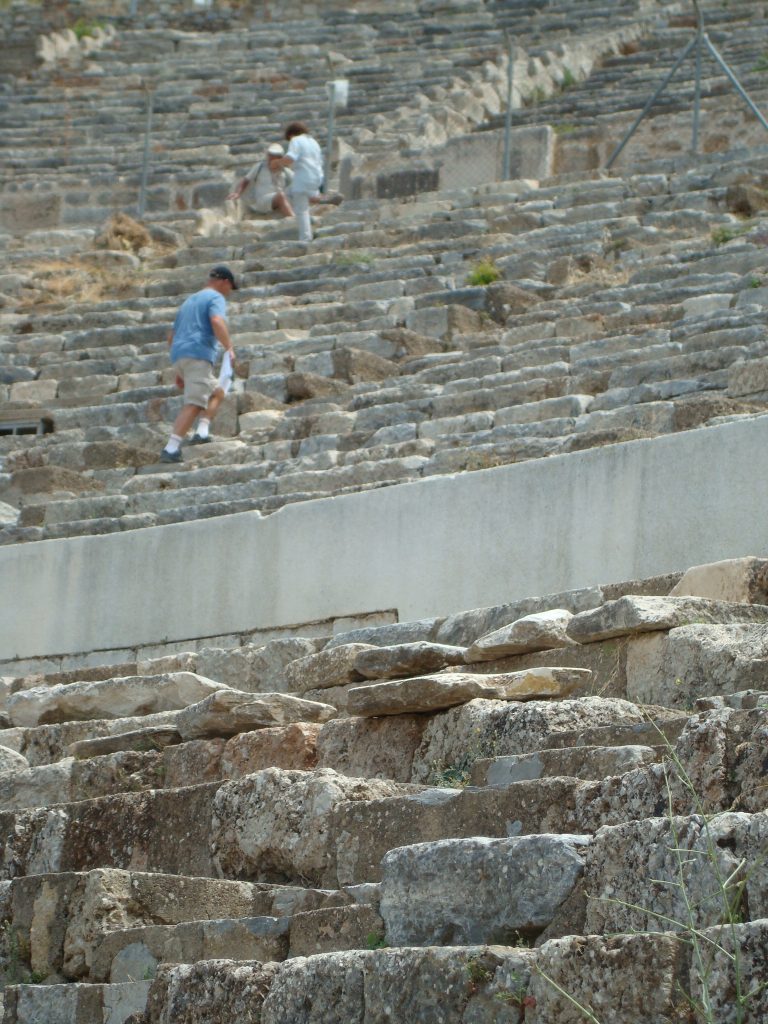
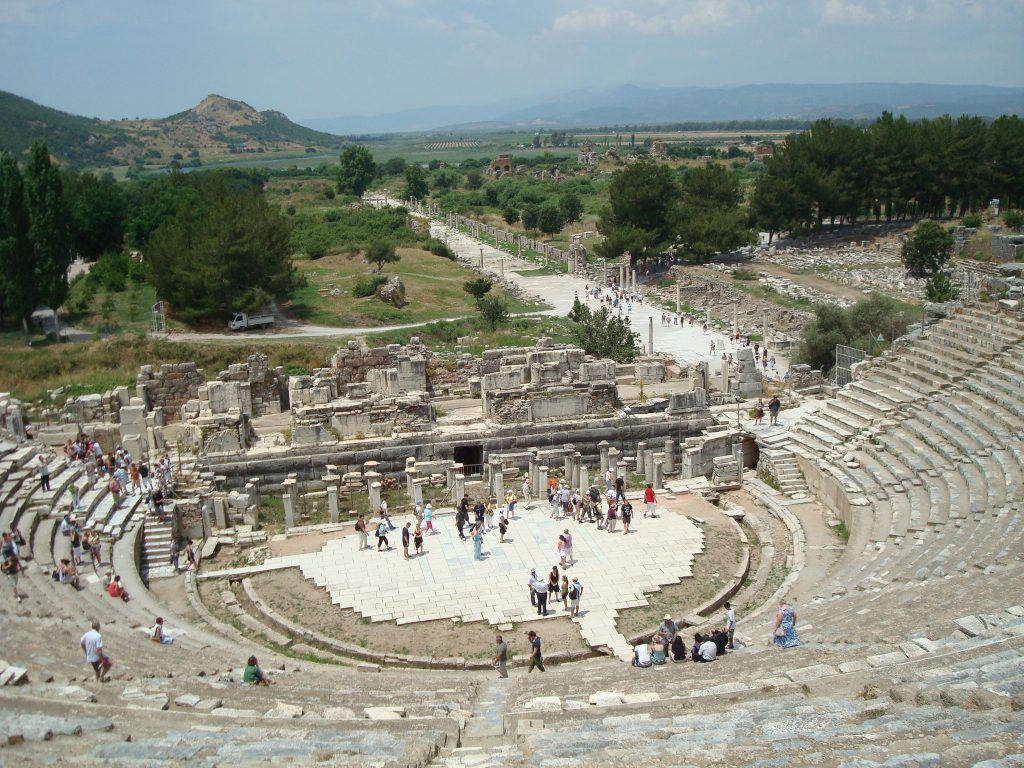
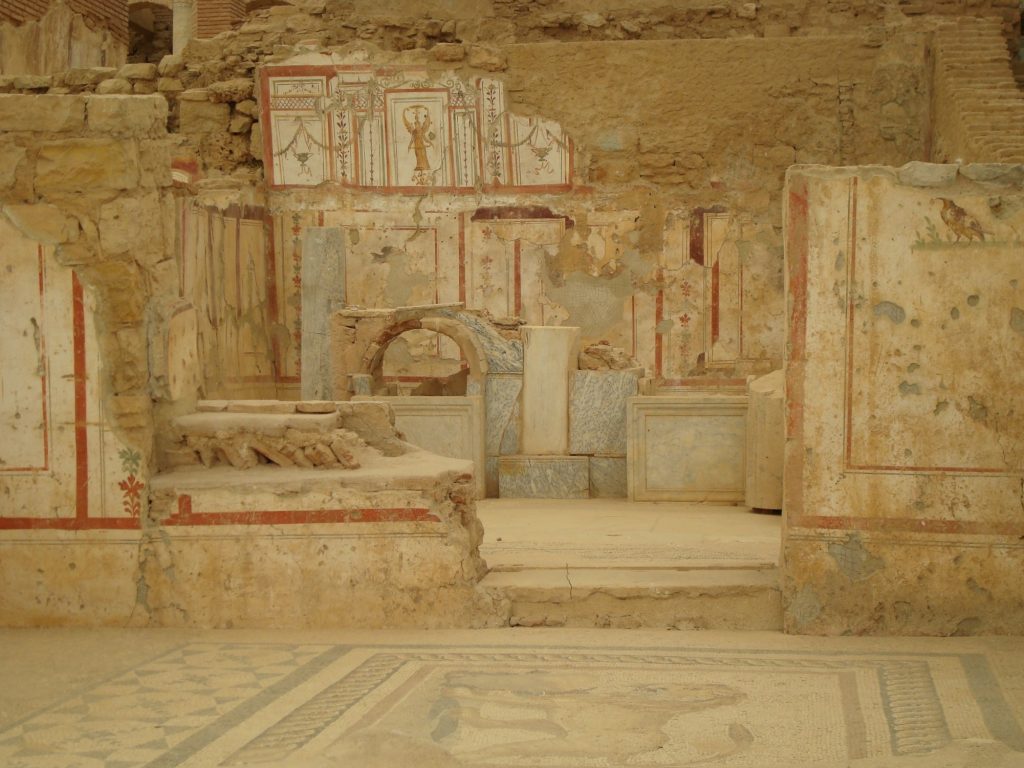
I’m the same when it comes to wine tasting. I will taste the entire flight, methodically and with notes. So, (unsurprisingly) I find that I often go on my own (which is totally fine and means I don’t have to worry if my companion is enjoying the experience or would rather be in a café). That being said, I have met a few random folk along the way who share a similar affliction; and, my sister will often join me as she is as nerdy and has the stickability. This is lovely as it’s always nicer to share experiences plus, she is the best company. Over the years we have had a lot of adventures together, including this week’s “travels” which harks back to a trip we made to Turkey (for sightseeing, not climbing – my sister is ace but she doesn’t climb). This was one of those “you are only allowed two weeks maximum off work so fit in as much as you can” type of trips. So we did; and we travelled the breadth of the country. In order to do that, however, we had to join a couple of those organised tours. In the main, these are fine (providing the group gels). They mean that you get to cover a lot of ground in a shorter time so you can do a big trip in a two week holiday. My main gripe with these tours, however, is that they are centred around two things: eating and free time. Both of these things are fine but what’s not fine about them is that one of the main events – the seeing of incredible sights – gets cut short in favour of eating and free time. This happened a few times on this trip, including when we stopped at Ephesus (Ephesus is a Unesco World Heritage site so worth a bit of your time, to say the least). The guide gave us a whistle-stop tour (missing out several things) for an hour and then told us that the next stop was “the eating of gözleme for the lunch in the special gözleme place. It is the best place in Turkey for eating gözleme”.
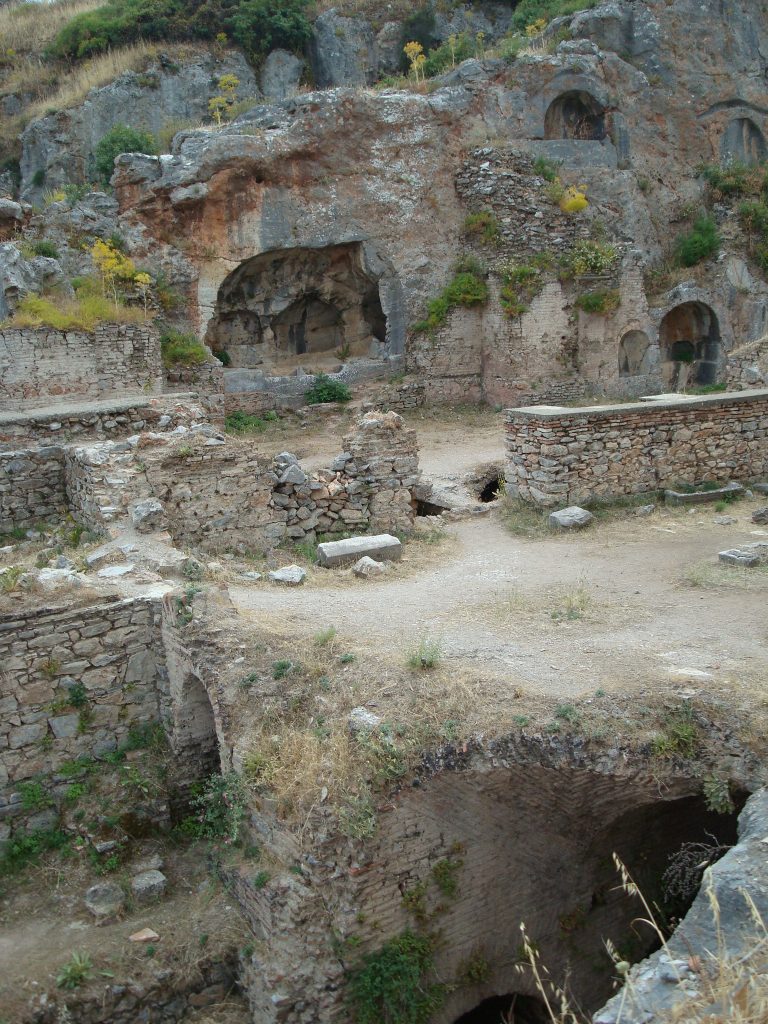
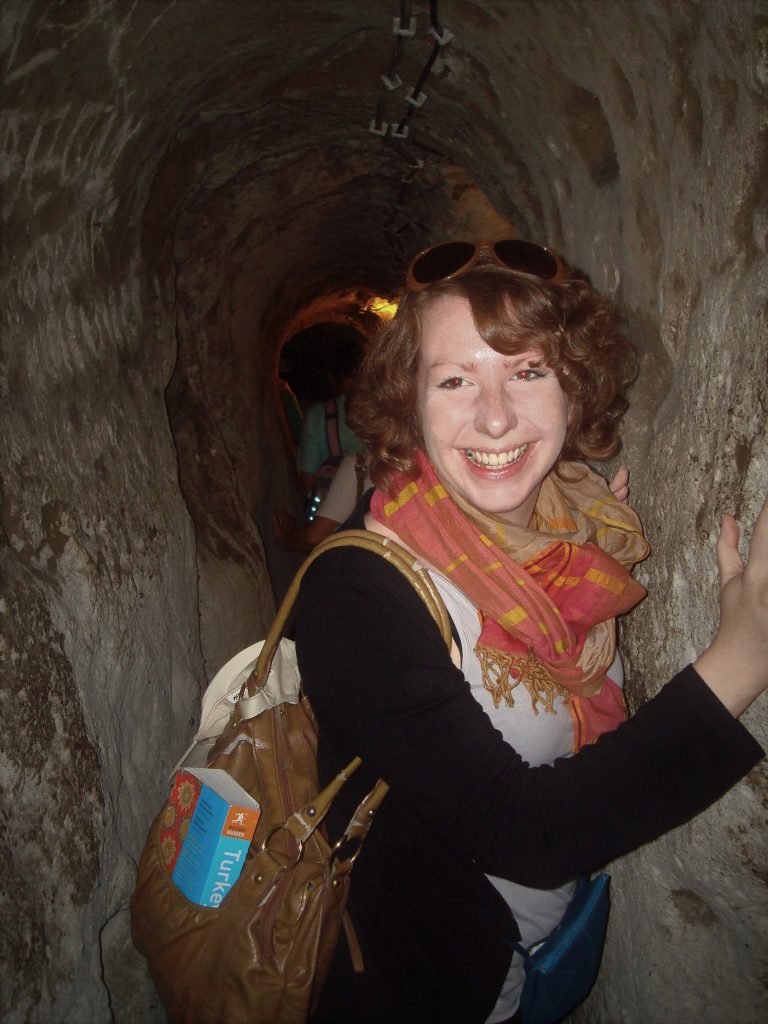
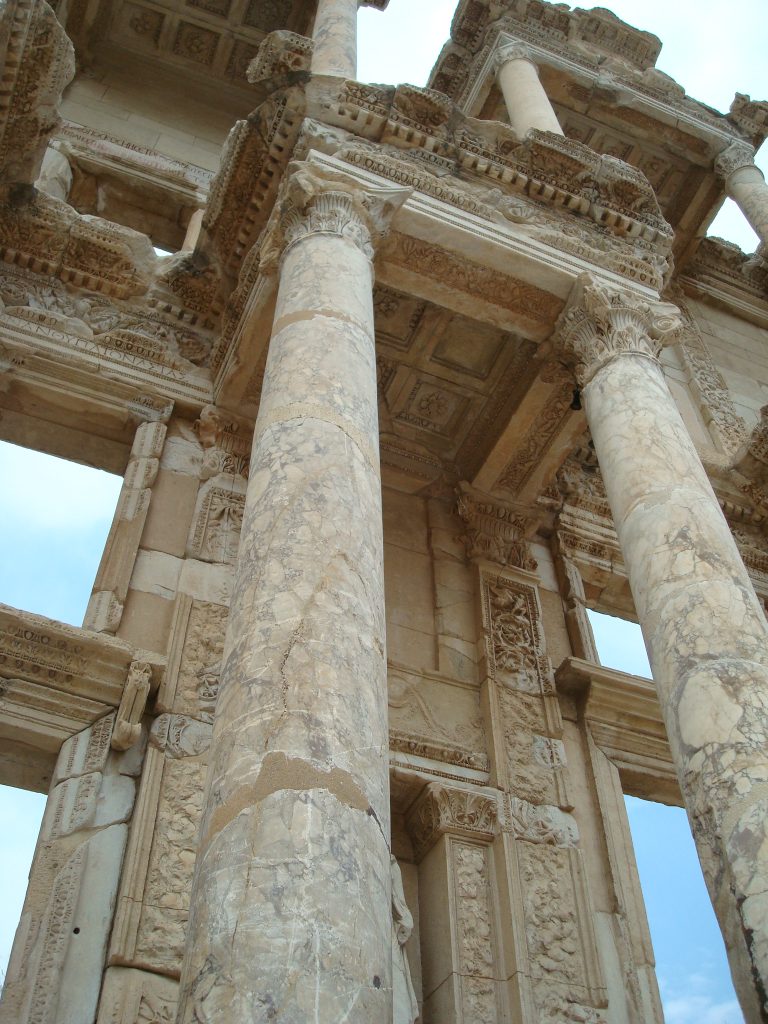
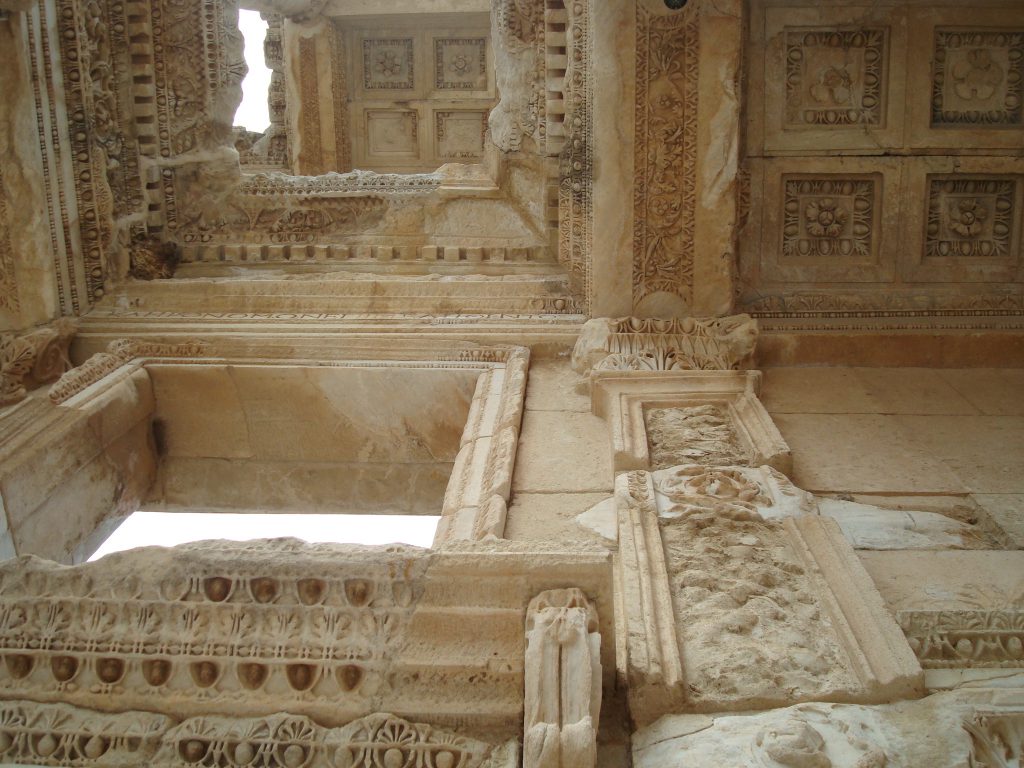
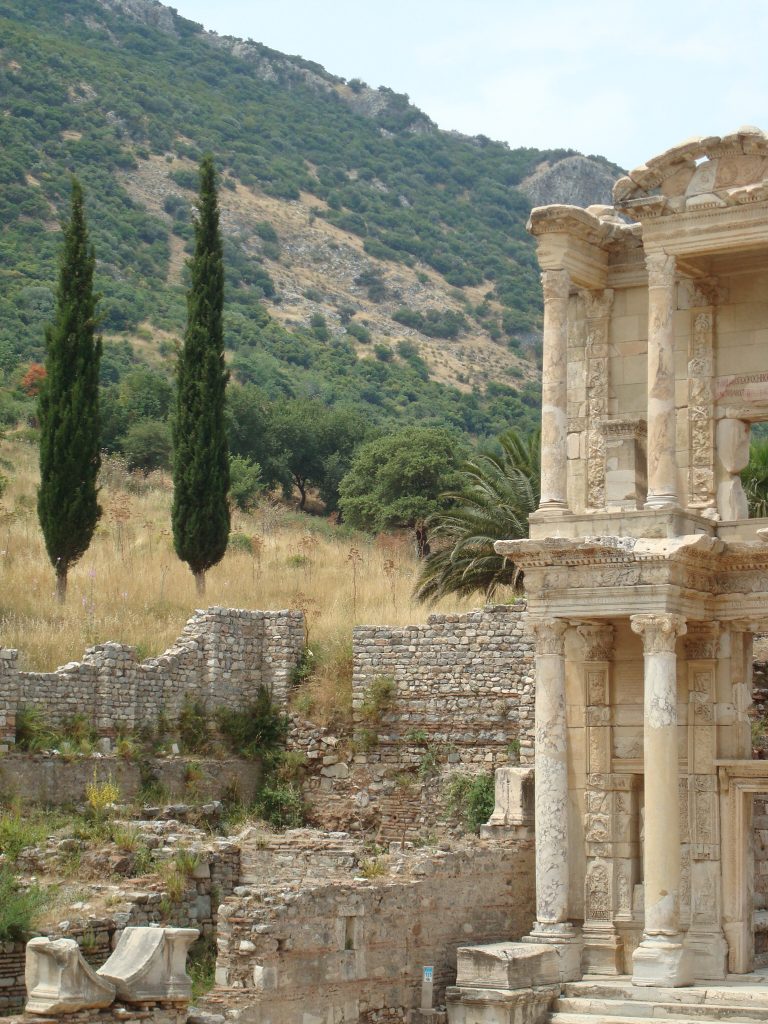
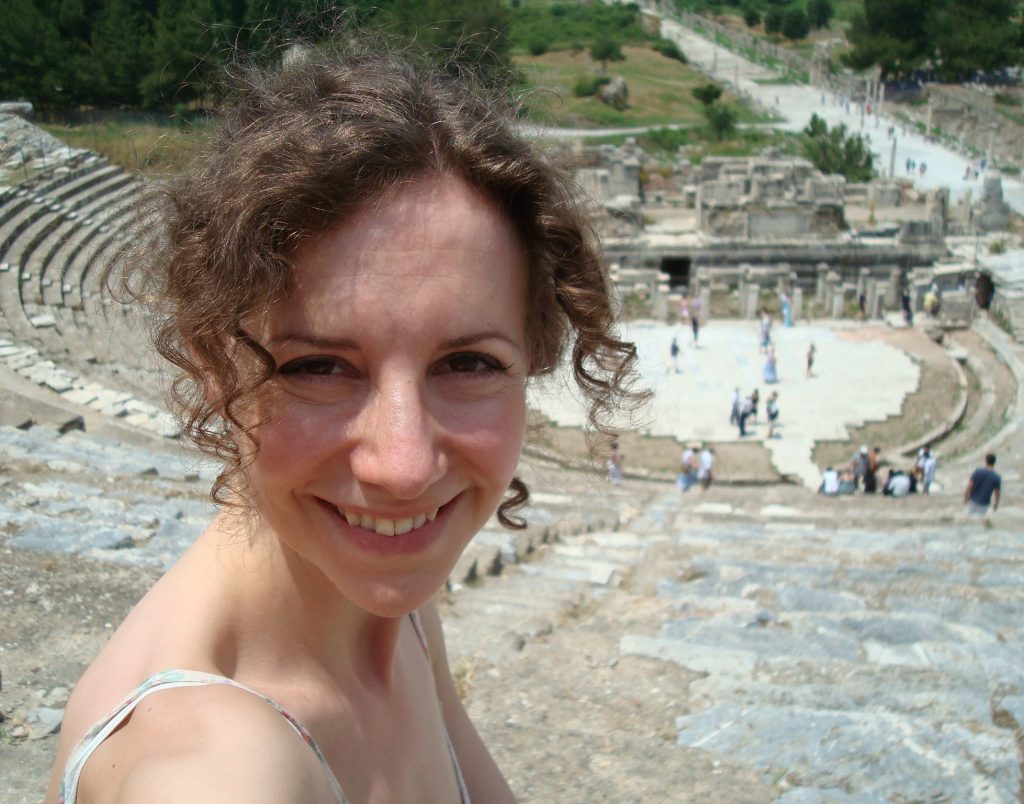
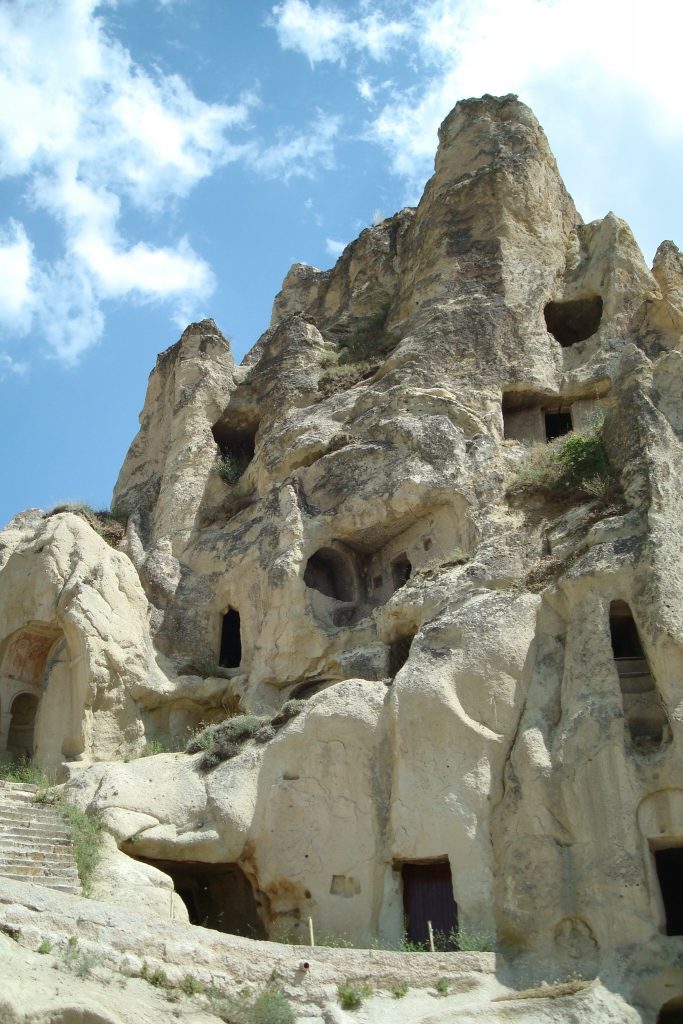
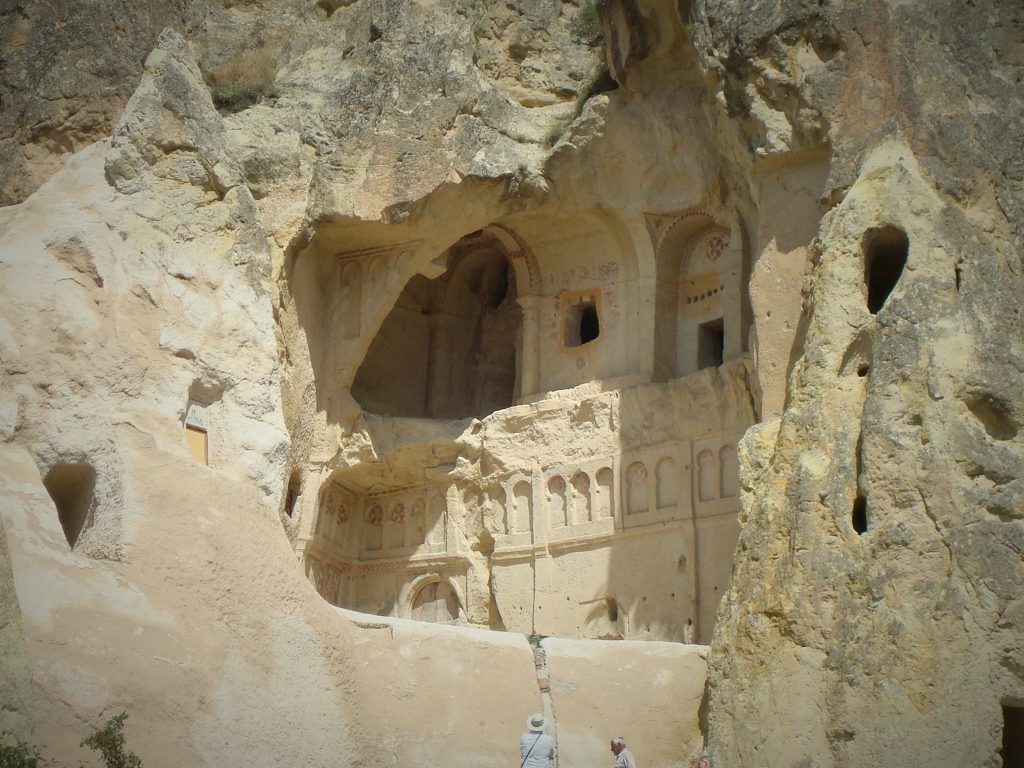
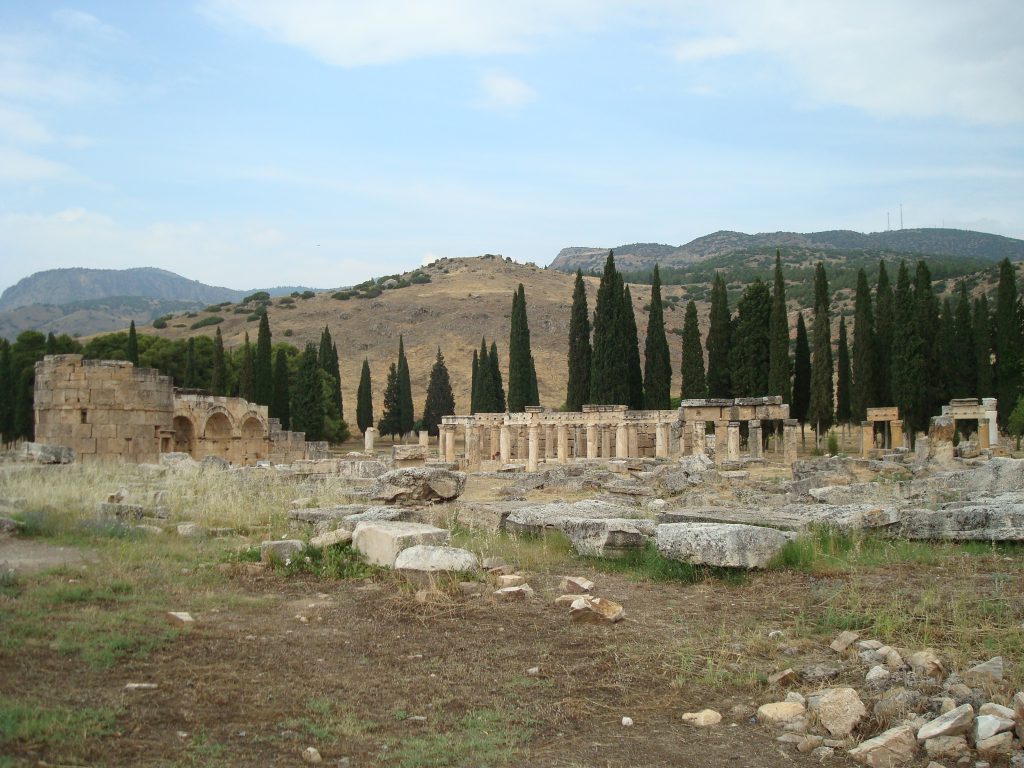
Without wanting to sound like a d8ck, as a classicist, there was no way in a million years I was going to be rushed around the incredible sights at Epehsus just so I could stuff my face with gözleme – however amazing they may be. I completely understand that for several others the opposite is true and this is fine but when my sister (an architect, so equally interested in ruined buildings) and I tried to convey to tour guide that this wasn’t an ok trade-off; his face sort of screwed up quizzically. “You don’t want the gözleme ?! But they are amazing gözleme! The best in Turkey!” No, of course we want to try them, it’s just we’d like to see more of Ephesus, as we are here etc etc. – in the end he relented, still somewhat perplexed, explained the bus system, told us where the amazing gozleme would be located, and let us use our rest of the day’s “free time” to see more Ephesus rather than sit on a hotel balcony. Deal. On top of that, because we had to walk to the gözleme gaff we ended up on a little off piste adventure anyway and explored another site en route which we wouldn’t have seen otherwise because we would have been bussed to the eaterie and then bussed back to the hotel – like retirees on a cruise ship! The Cave of the Seven Sleepers is a Byzantine necropolis where it is believed that a group of youths who hid among the rock cut tombs woke up hundreds of years later to find that the world was completely changed.
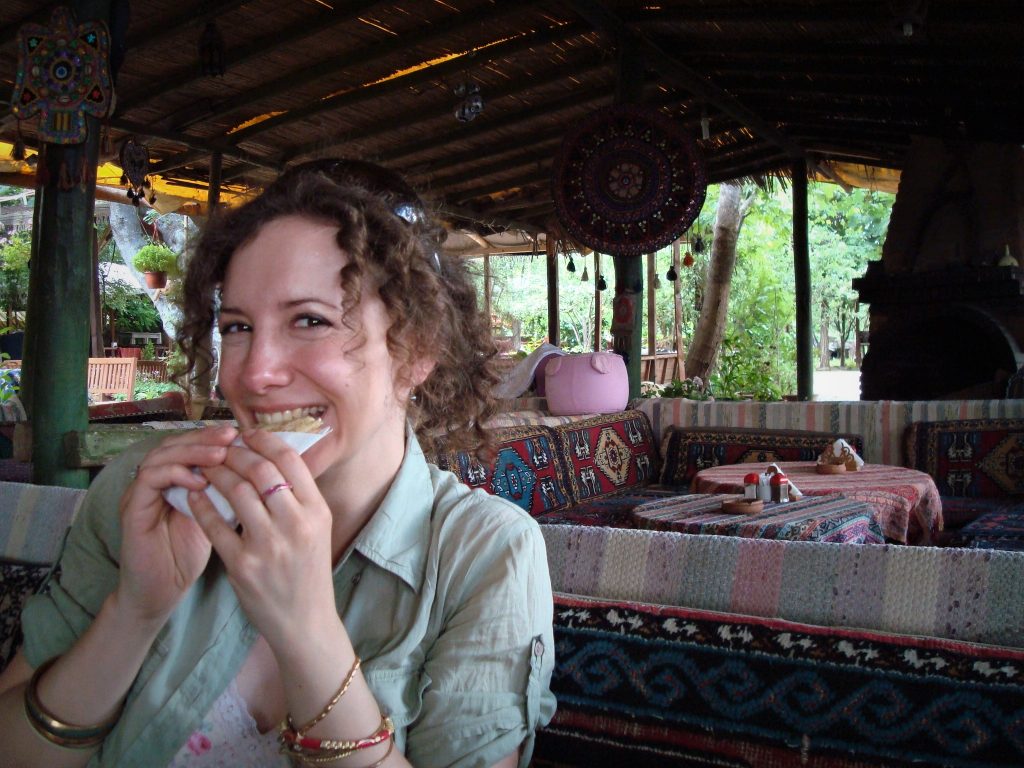
So, in conclusion, a) don’t go on a sight seeing trip with me unless you like sightseeing and can wait a bit before tucking into your gözleme ; b) always pipe-up. I feel it important to note, however, that our guide wasn’t wrong, they were in fact particularly good gözleme and in a lovely, chilled, shady spot which was welcome having been in pretty much full sun most of the day.
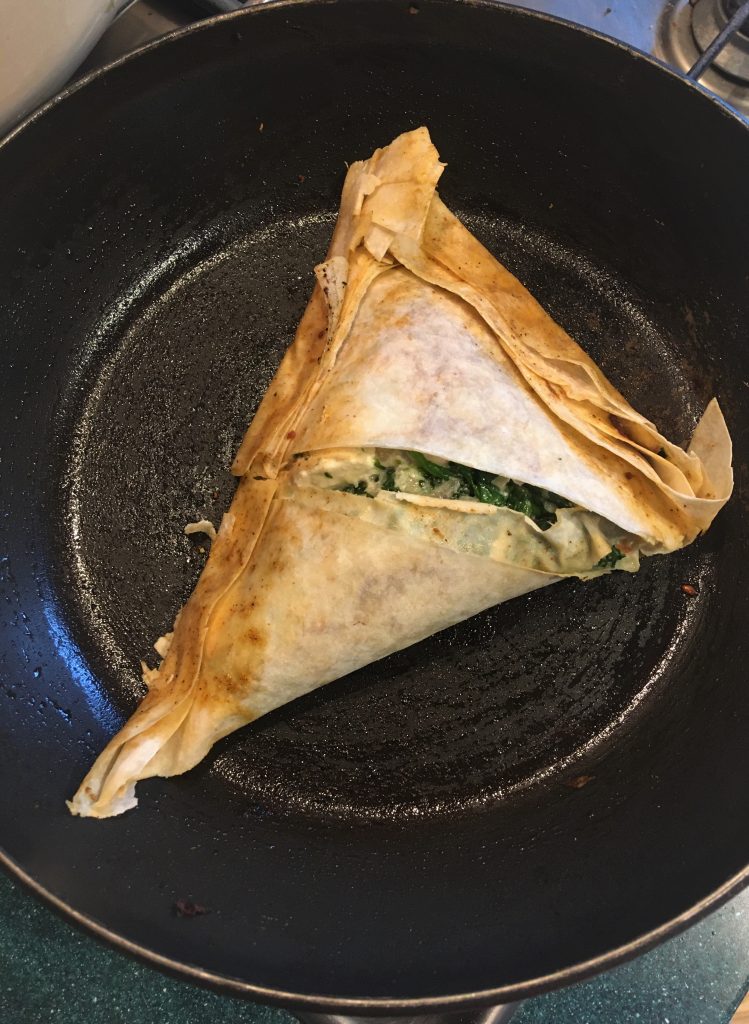
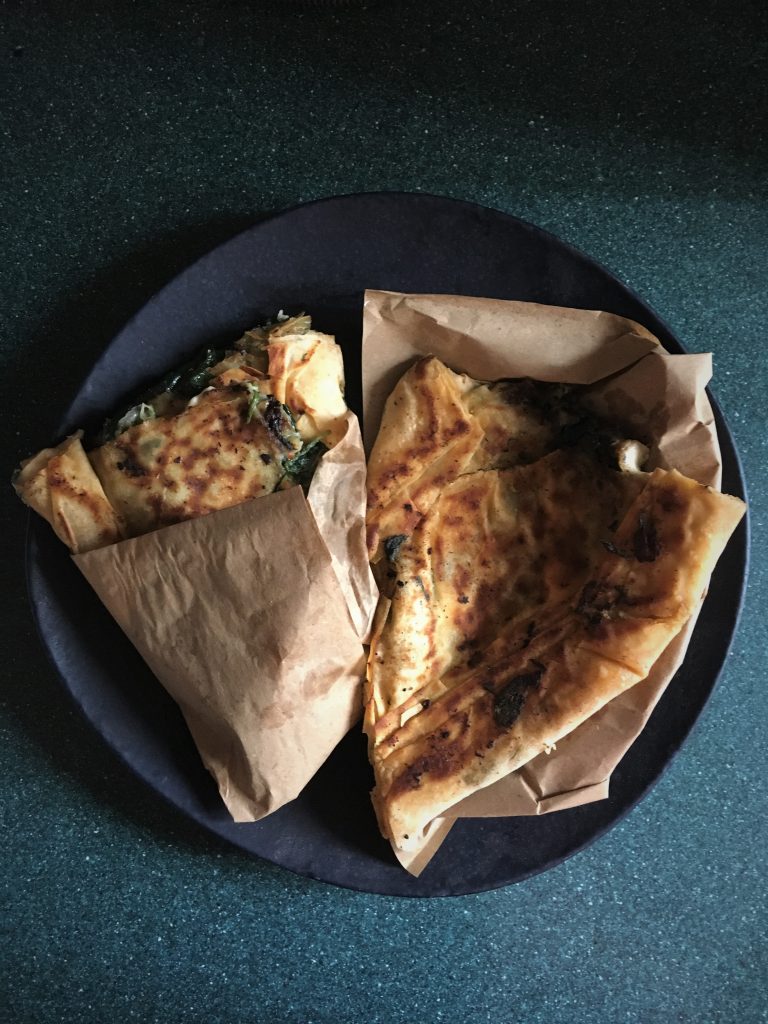
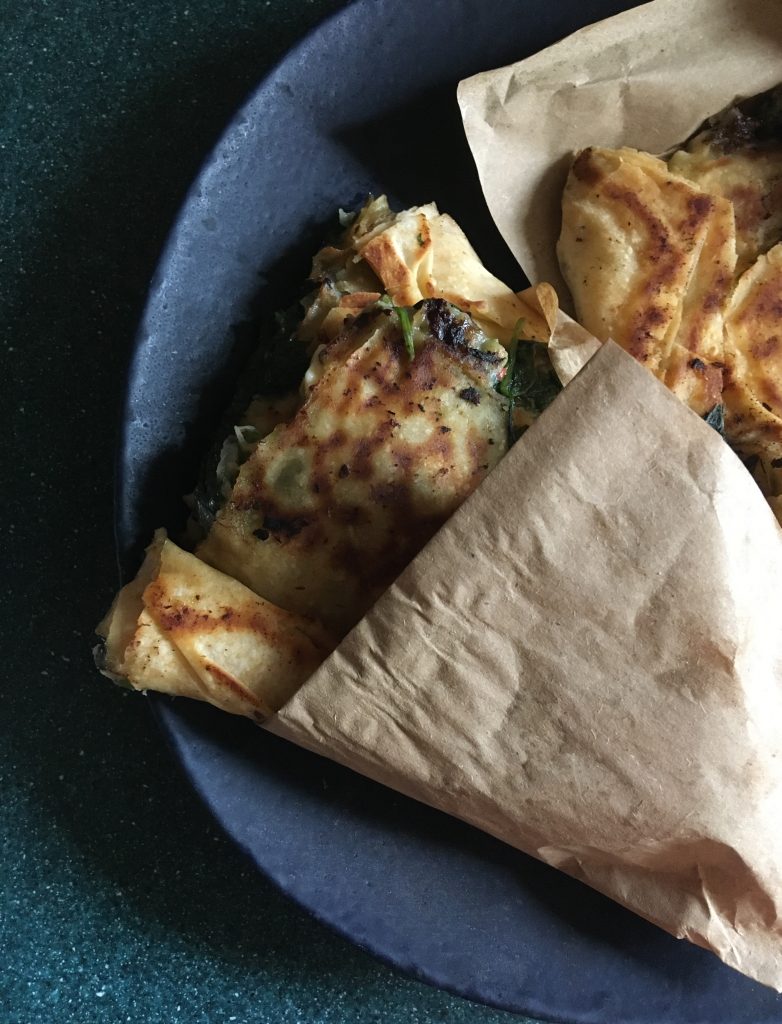
Gözleme are filled pastries griddled on a sac which is a convex iron plate. You can see them being made all over the place (including in some of the cafes near me in London). Traditionally they were served for breakfast/as a light snack in the afternoon but have become fast food/street food – as has many a Turkish dish. There are several different fillings to choose from, including sweet. For this week’s recipe I’ve opted for the standard spinach and cheese which is simple, yes but also mighty fine for that.
It’s hard to choose one spot / one food for the weeks in this series. Turkey isn’t just Ephesus and gözleme . It’s also not just Istanbul and baklava, for that matter. Its terrain is hugely diverse from the mountains down to the sea; it’s history equally as diverse and incredibly rich; and the food – well… Like many cuisines that are exported to the UK we become familiar with one thing (in this instance, kebabs) but there is a cornucopia of different dishes to delight in even the simple simit pedalled in the street is a treat. Again, many have that shared “Mediterranean” variation on a theme aspect but many are distinctly and proudly Turkish in origin and have fascinating histories sometimes as rich as the ingredients themselves. There’s a lot of meat, yes and a lot of desserts (even a meat dessert – chicken breast pudding anyone…? perhaps less appealing to the Western palate) and between these two lie many wonderful dishes to wrap your taste buds around; kebabs are just the gateway fare.
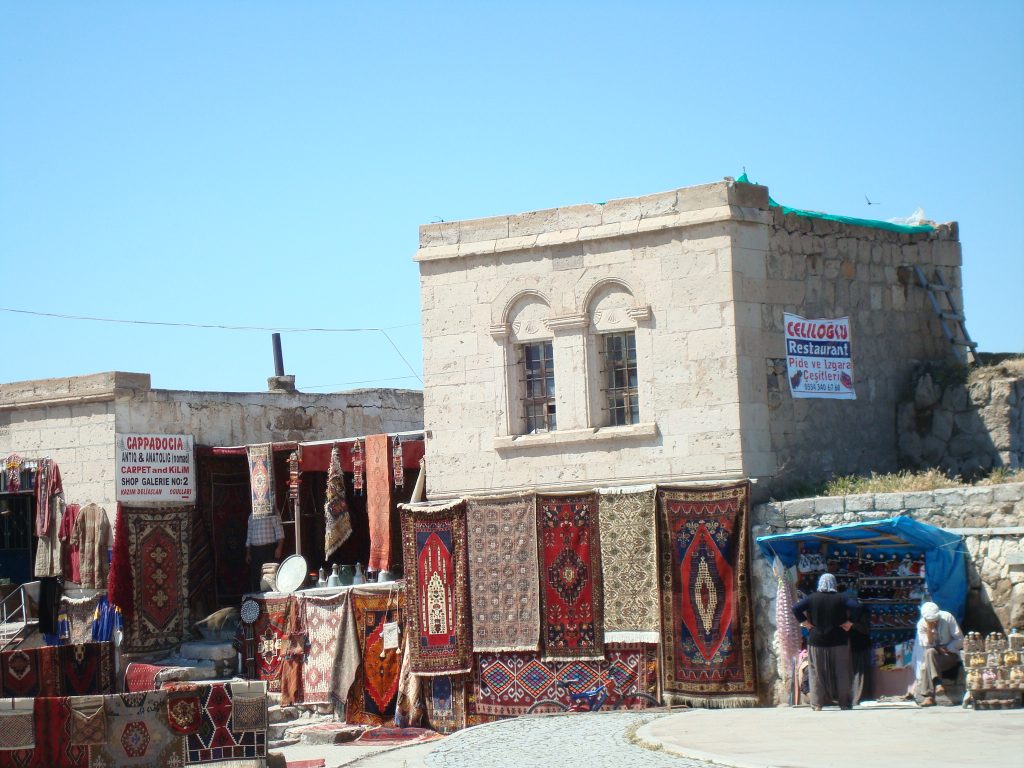
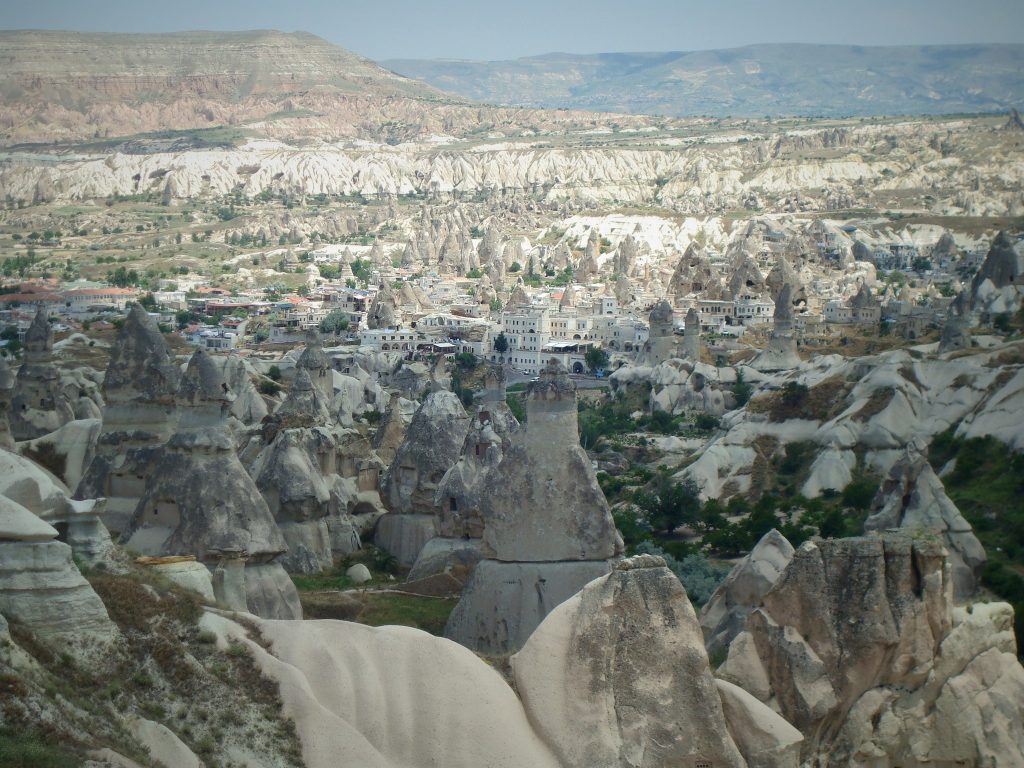
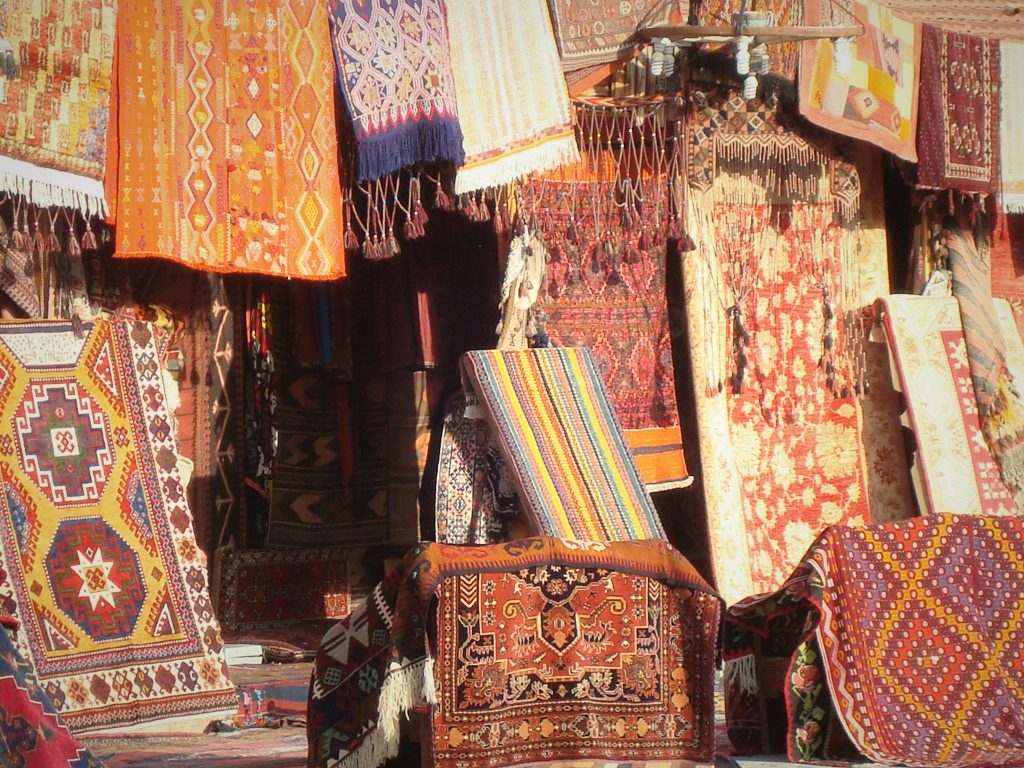
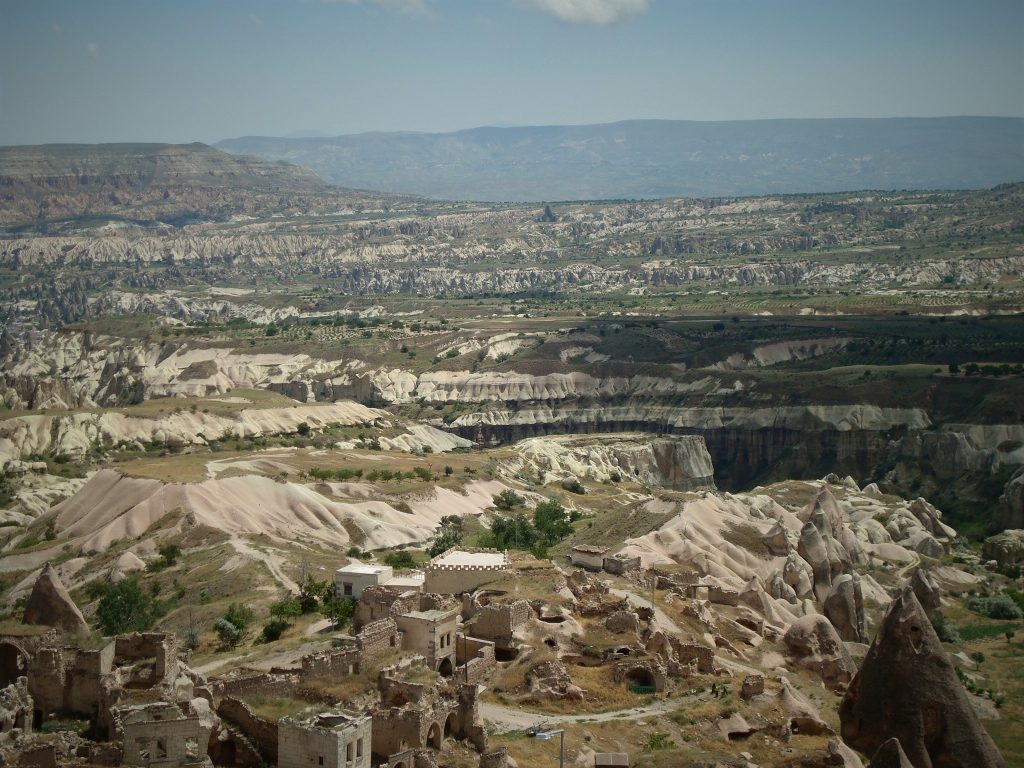
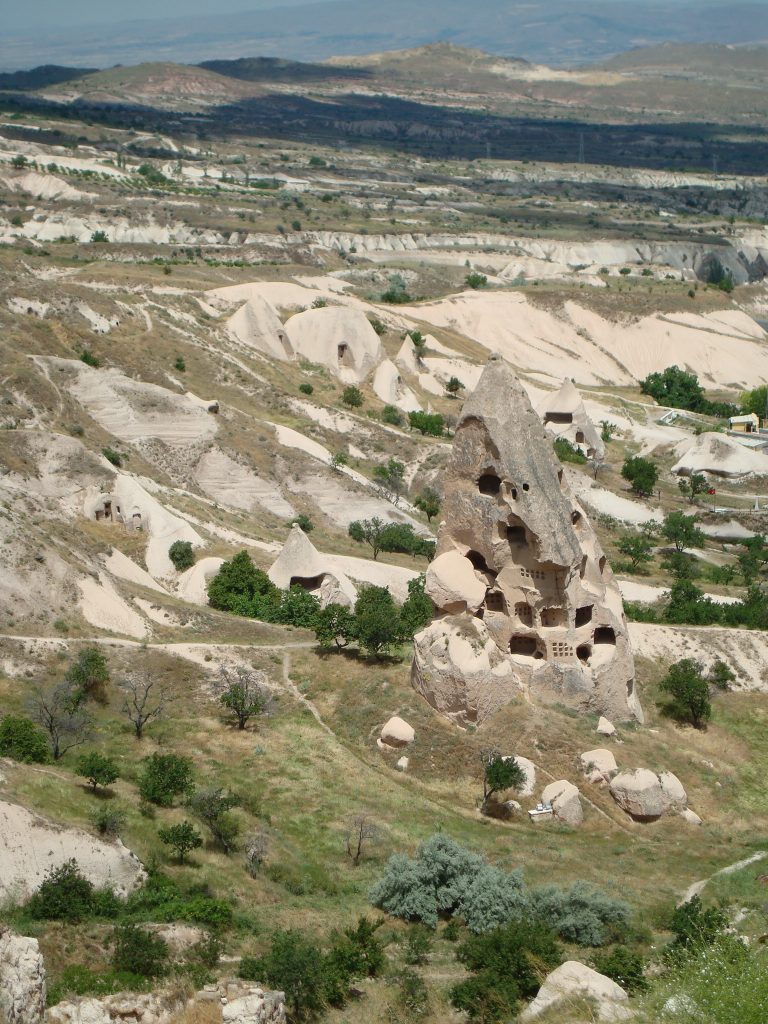
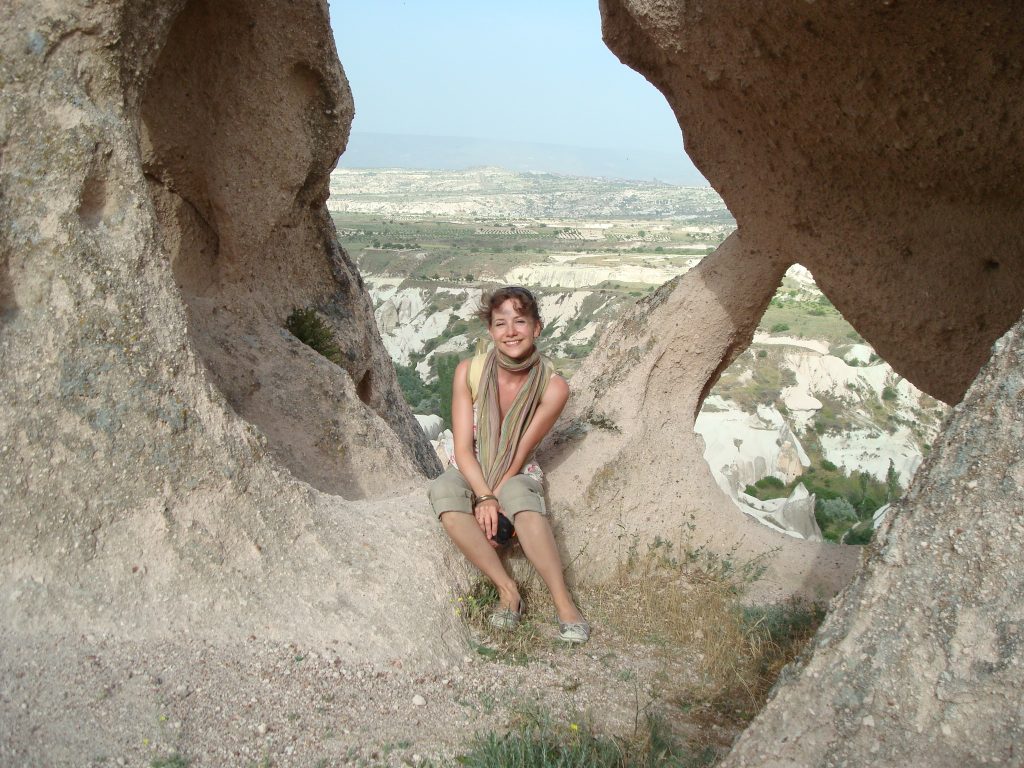
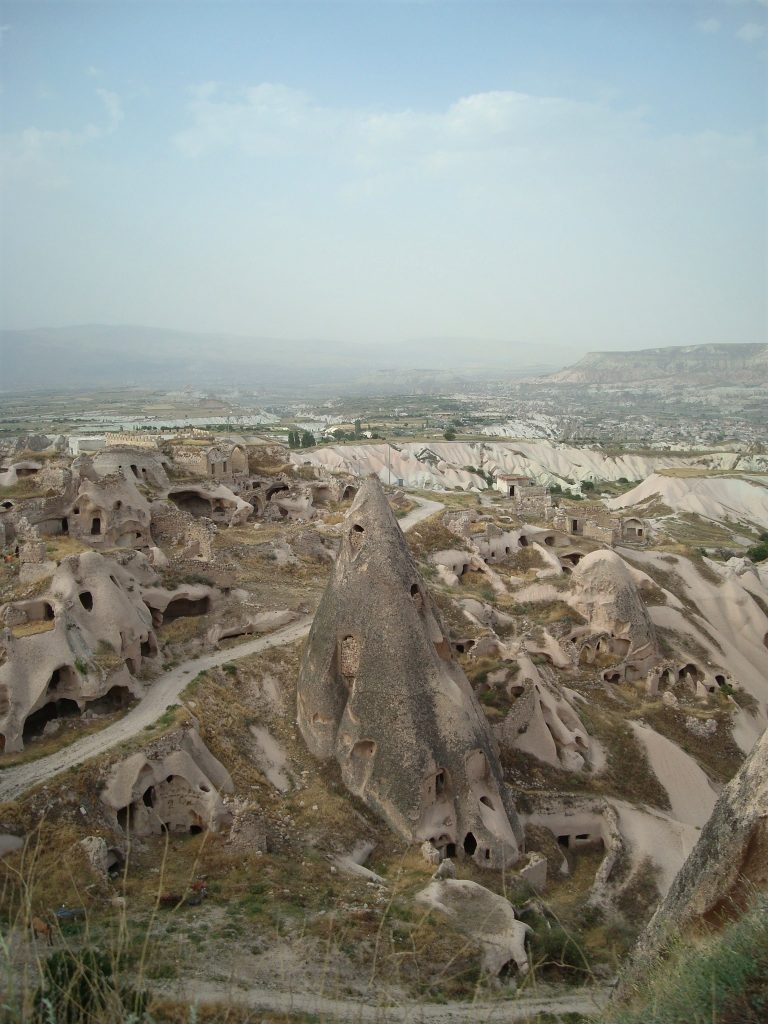
Then, of course, there’s the coffee and tea. I’m including a second recipe again this week as my sister and had a couple of tea encounters on our trip while we were exploring on our own, away from the tours. One where we stayed for a good part of the day in Uchisar chatting about anything and everything with a shop owner and his son who kept offering us “one more apple teeee?”. Slow trade day for him (although I bought a lovely big cushion cover to show willing) but an awesome chance to discover more about his country.
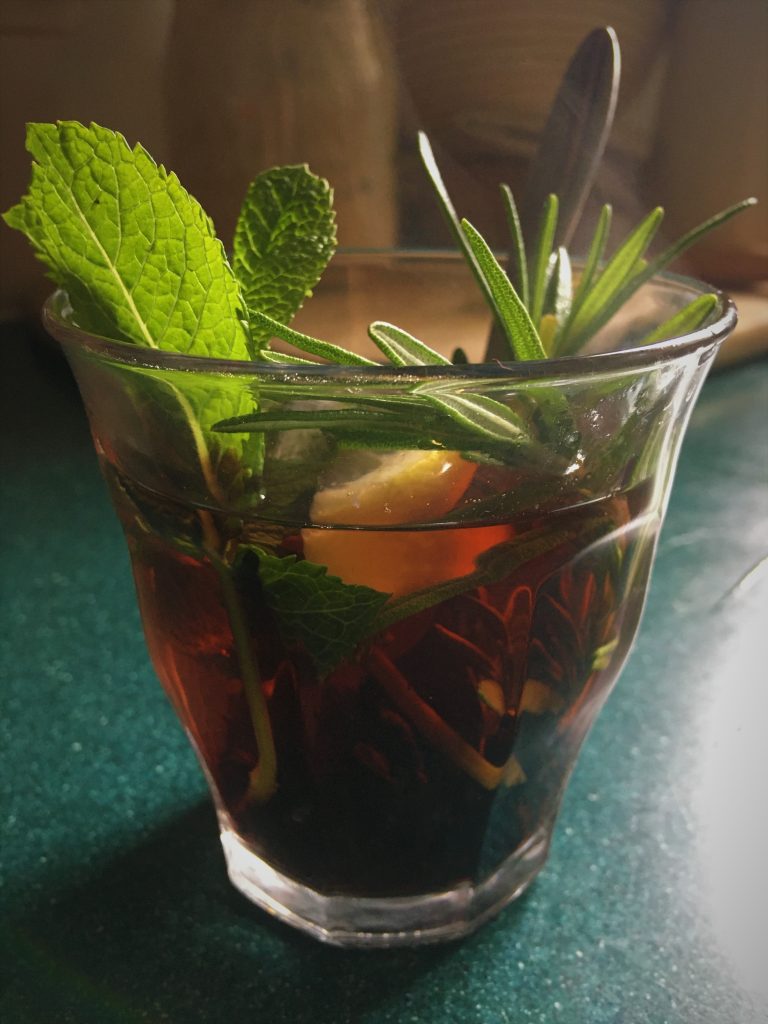
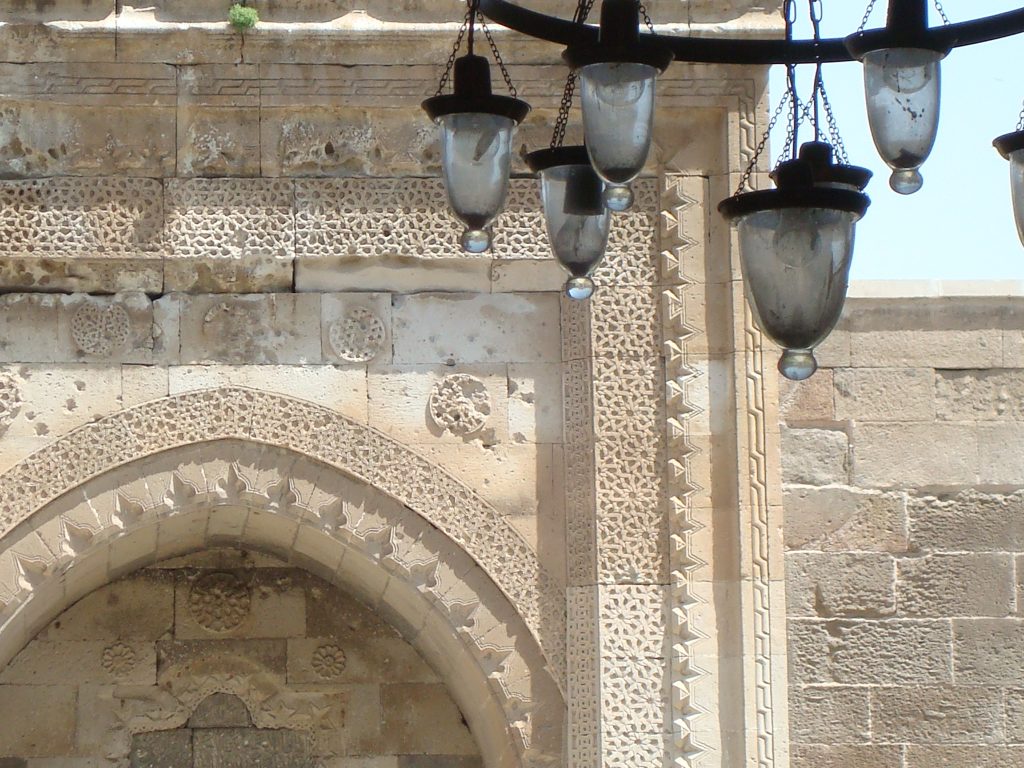
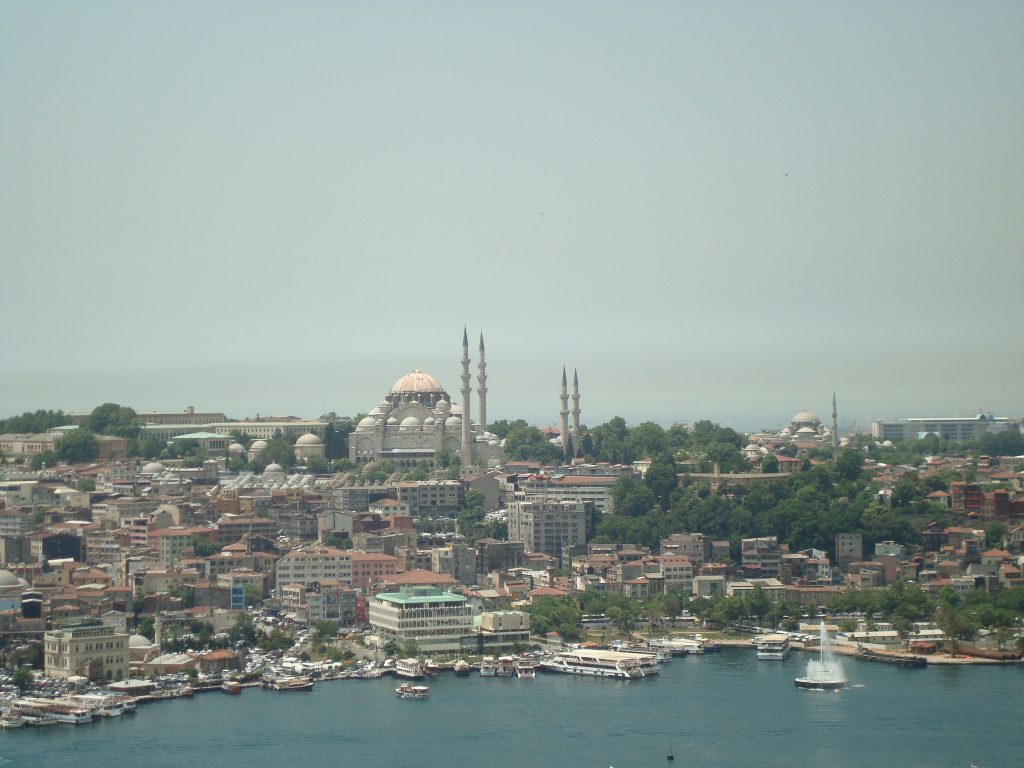
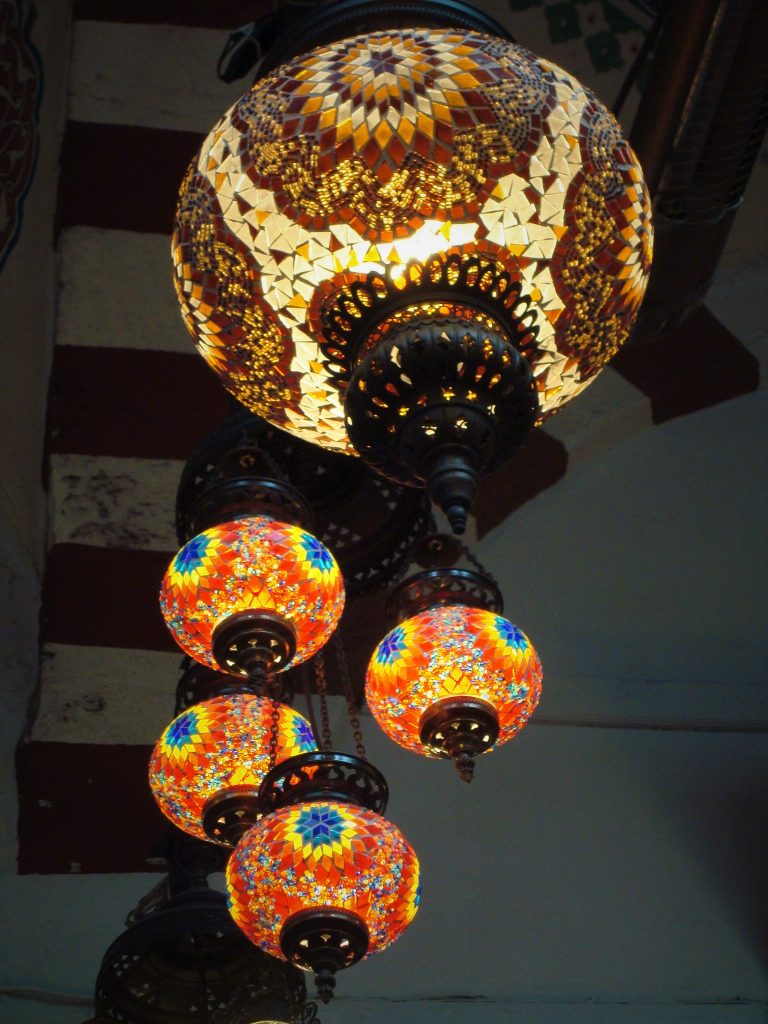
Our second memorable tea was taken in Istanbul when we were sightseeing and the heavens properly opened (water cascading down the streets type of heavens opening) so we took shelter in a beautiful 18th Century, covered tea garden – Corlulu Ali Pasa. Sitting on tiny wooden chairs, sipping rosemary and hibiscus tea beneath beautiful Turkish lanterns in the daytime darkness of a thunderstorm felt very cosy.
Although I’ve moaned on about tours a bit, we certainly got to some amazing places (and ate very well!). Two weeks is never long enough though – you always just scratch the surface and with a country as vast and with as rich a history and cuisine as Turkey, you definitely can’t get your fill in two weeks. I’ve also yet to get to the climbing there… but it’s good to have plenty of options for potential accounts to open.