Sicily, or, more precisely, pasta con sarde in San Vito lo Capo
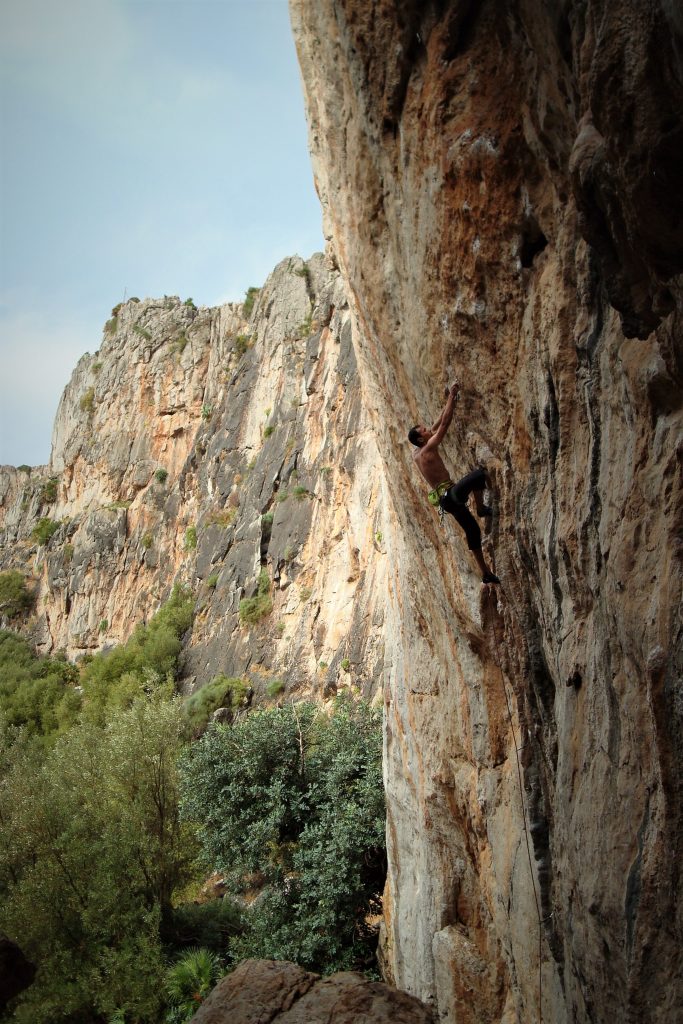
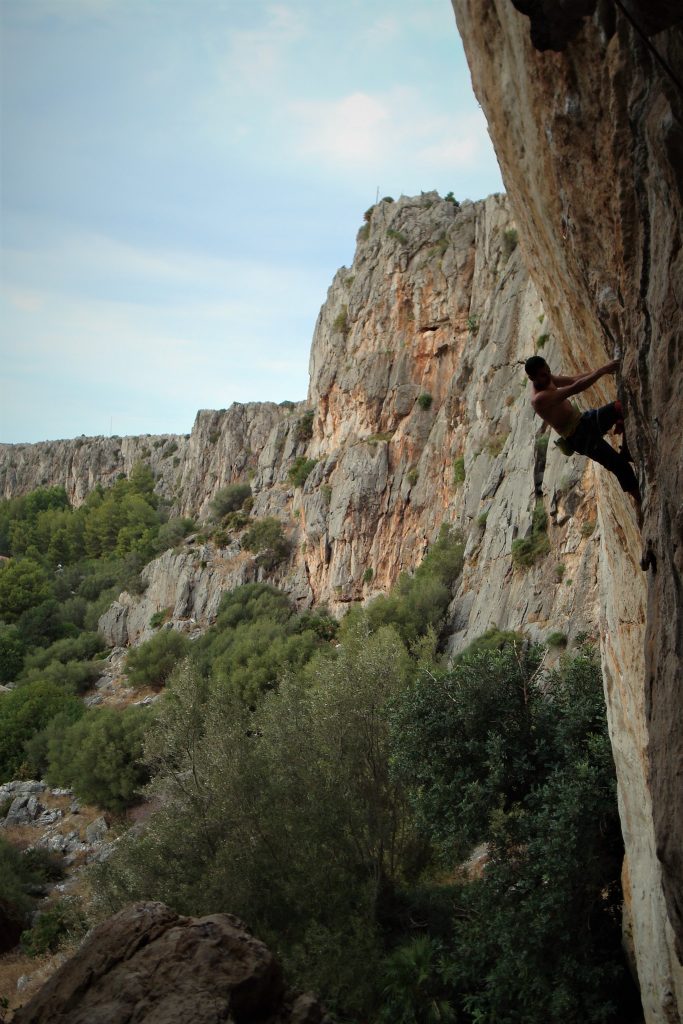
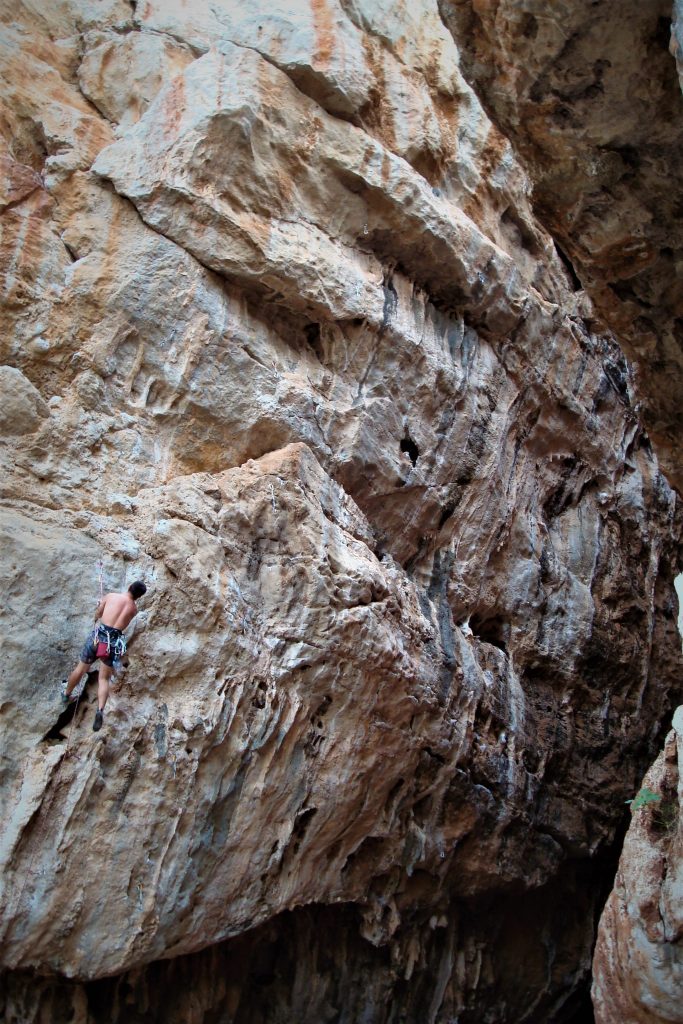
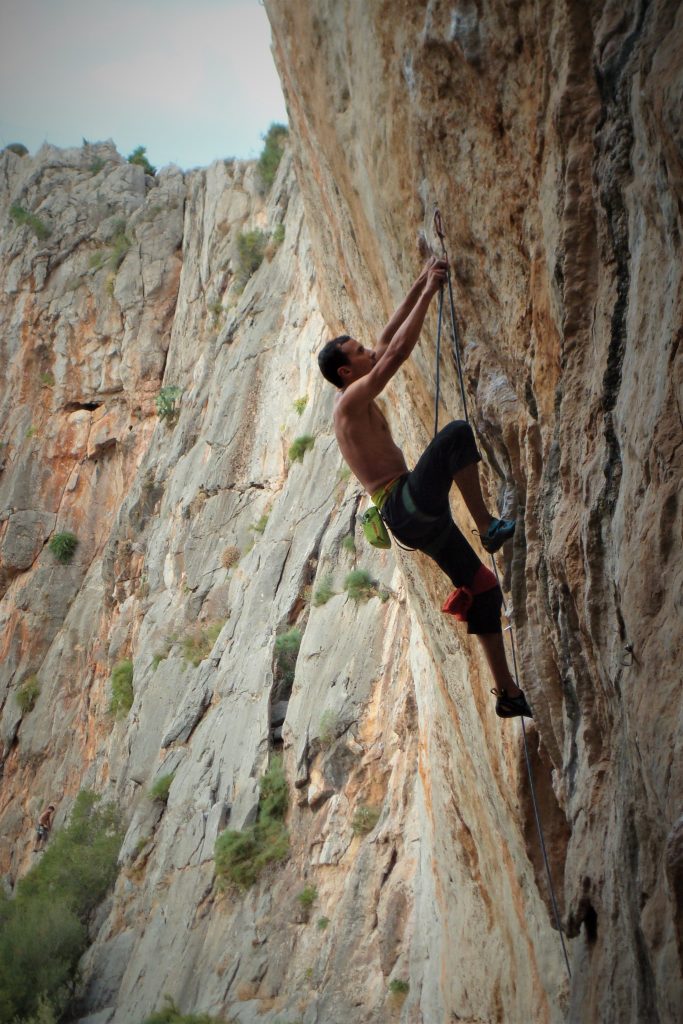
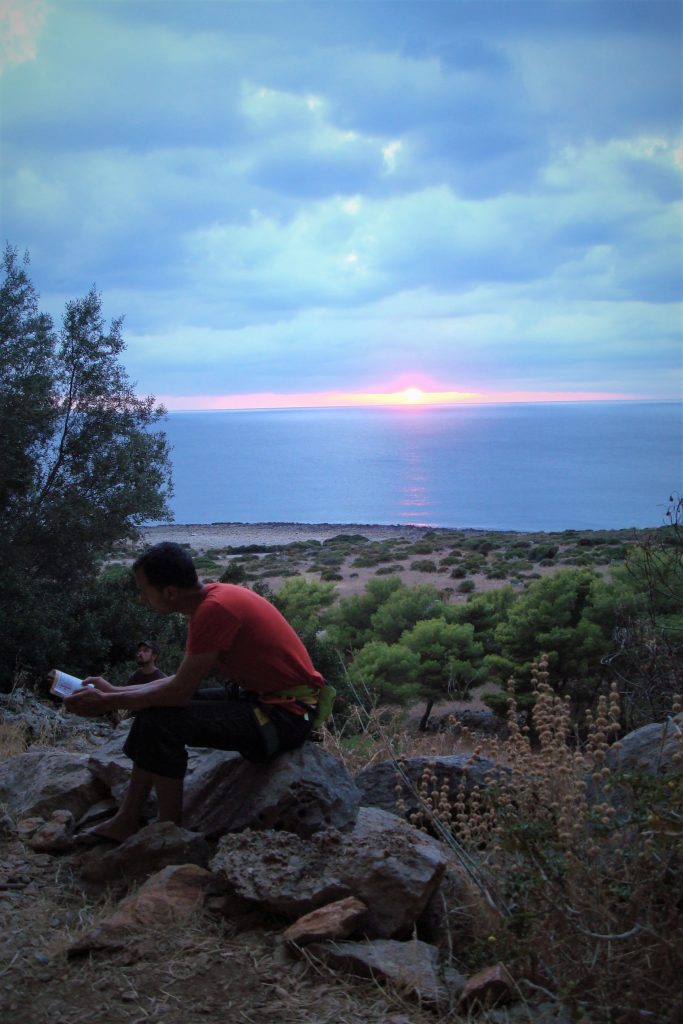
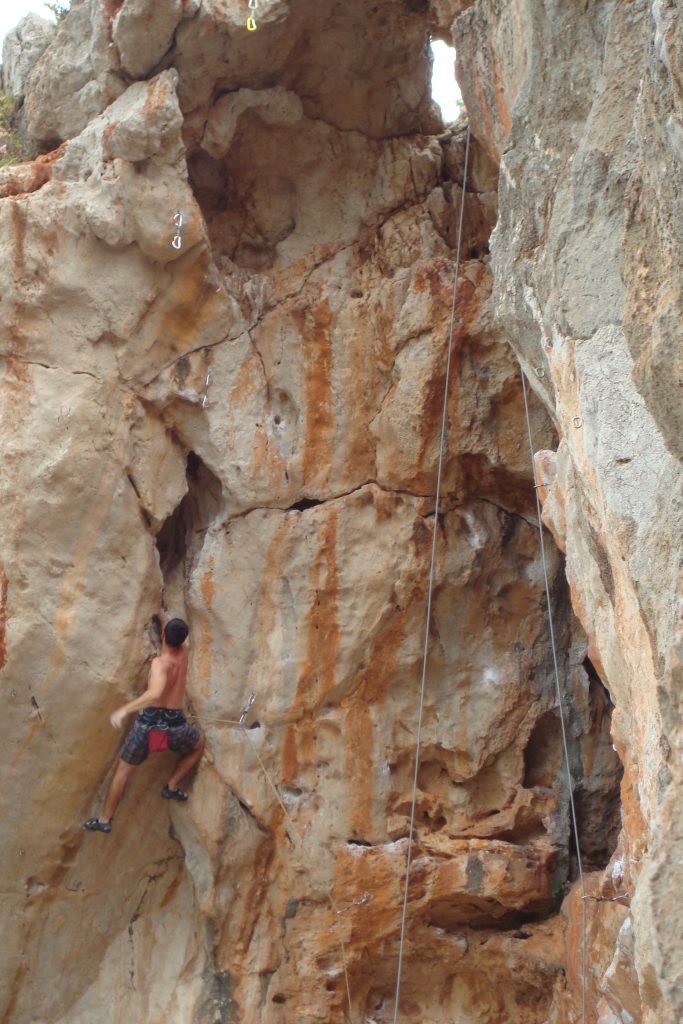
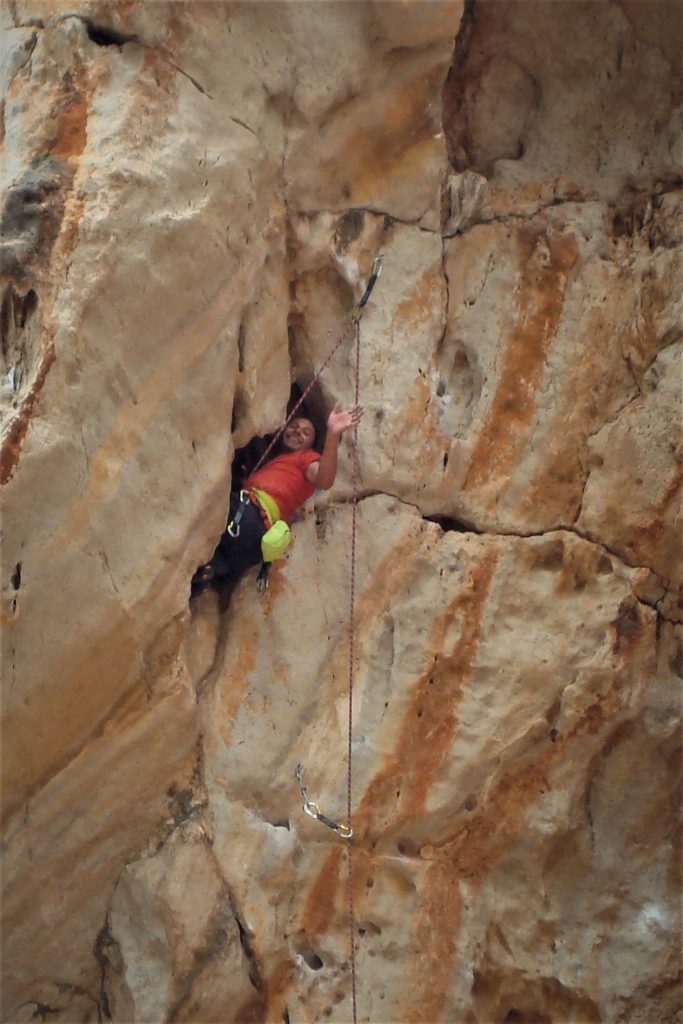
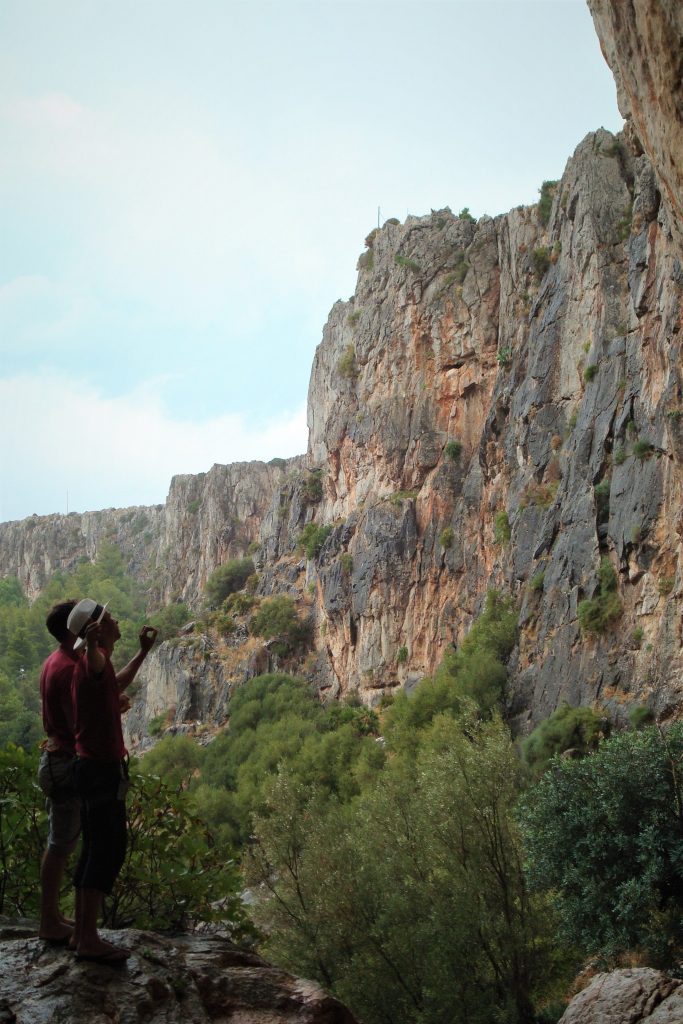
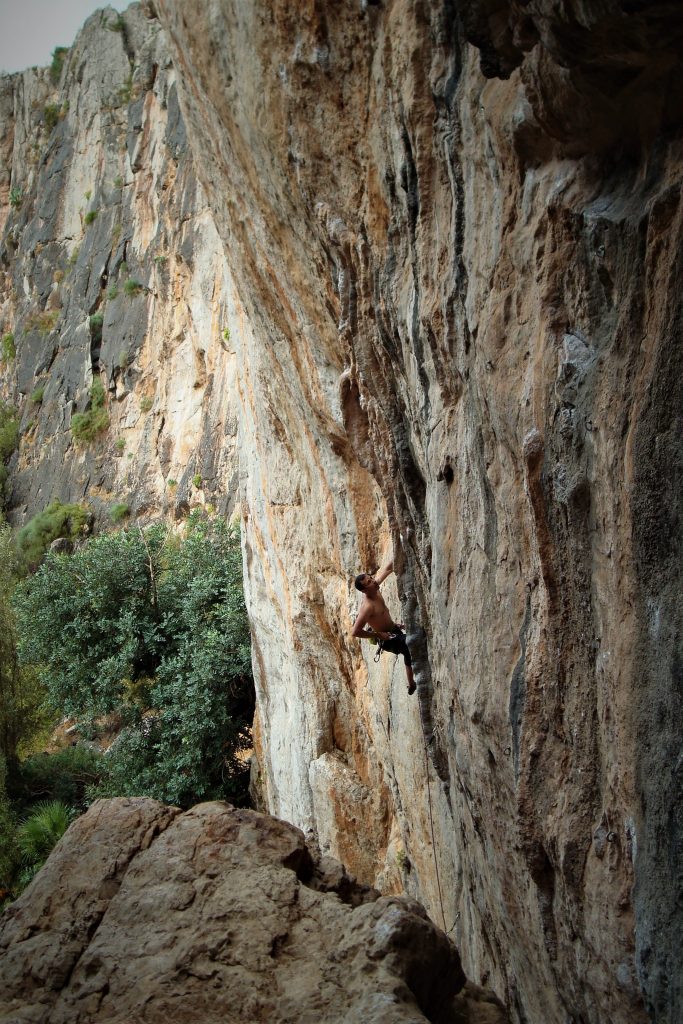
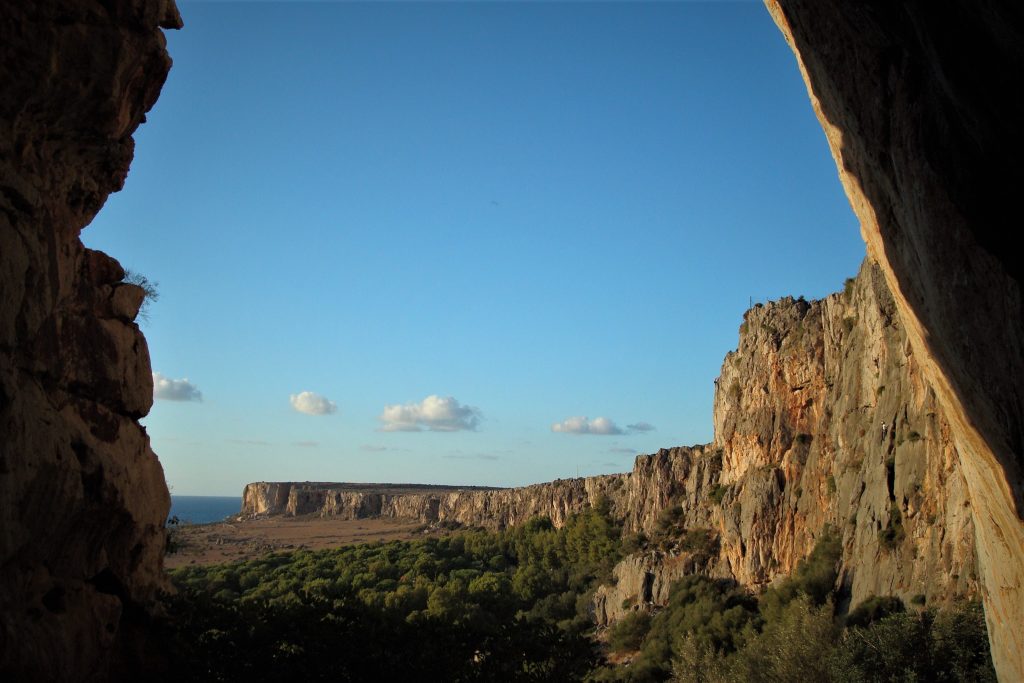
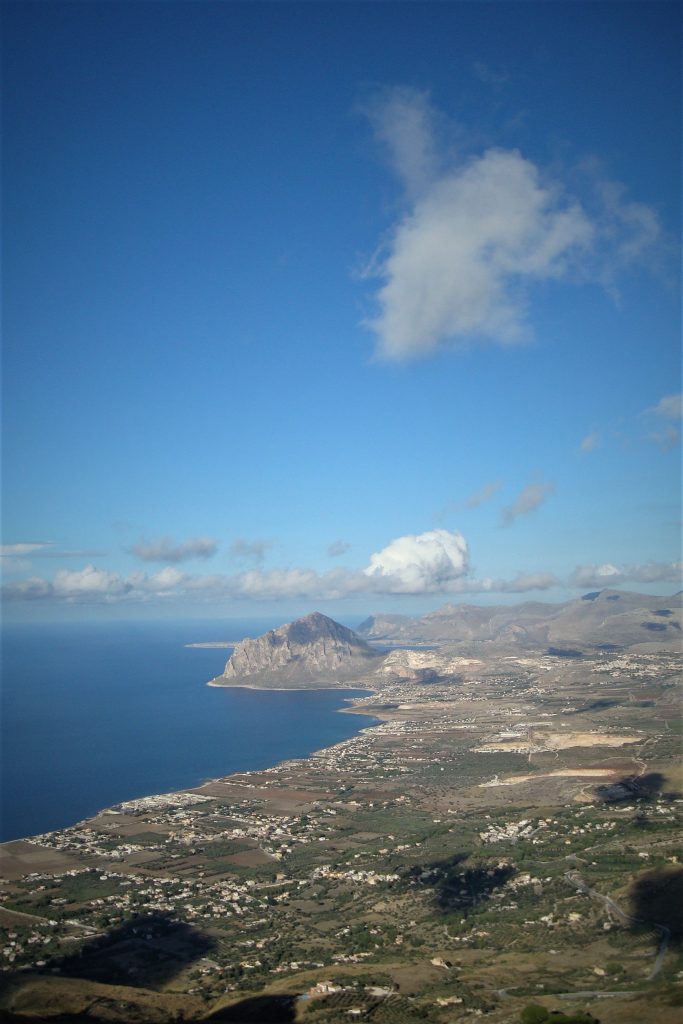
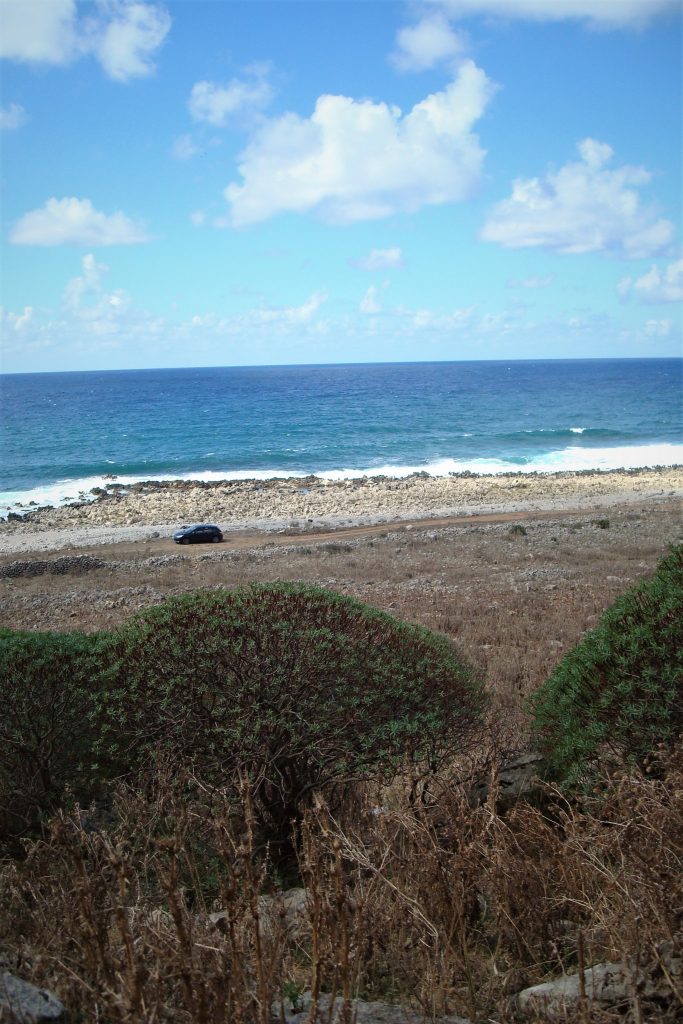
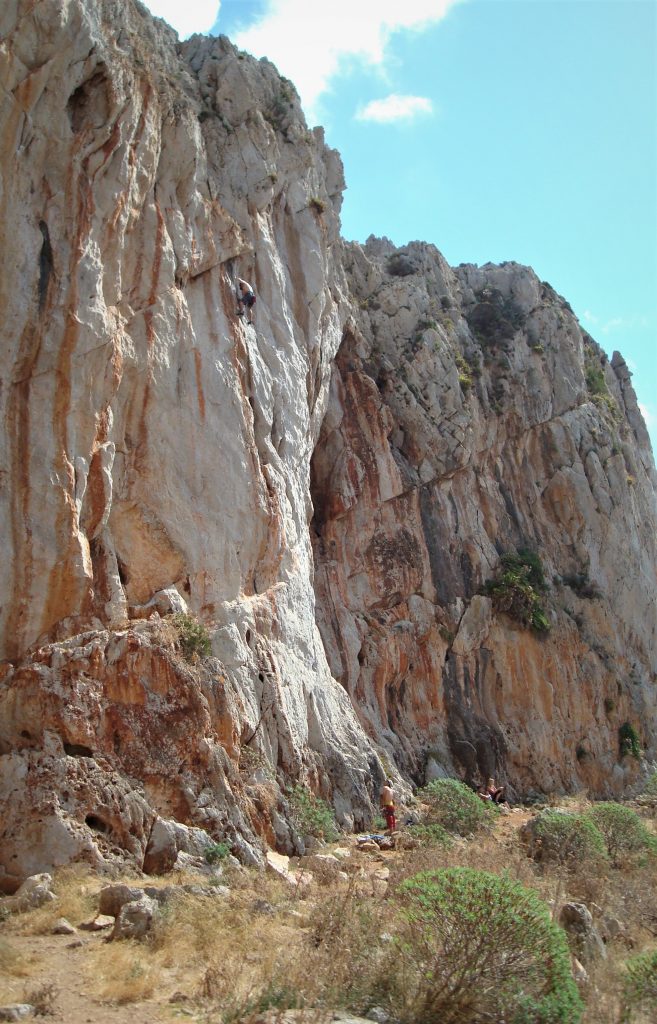
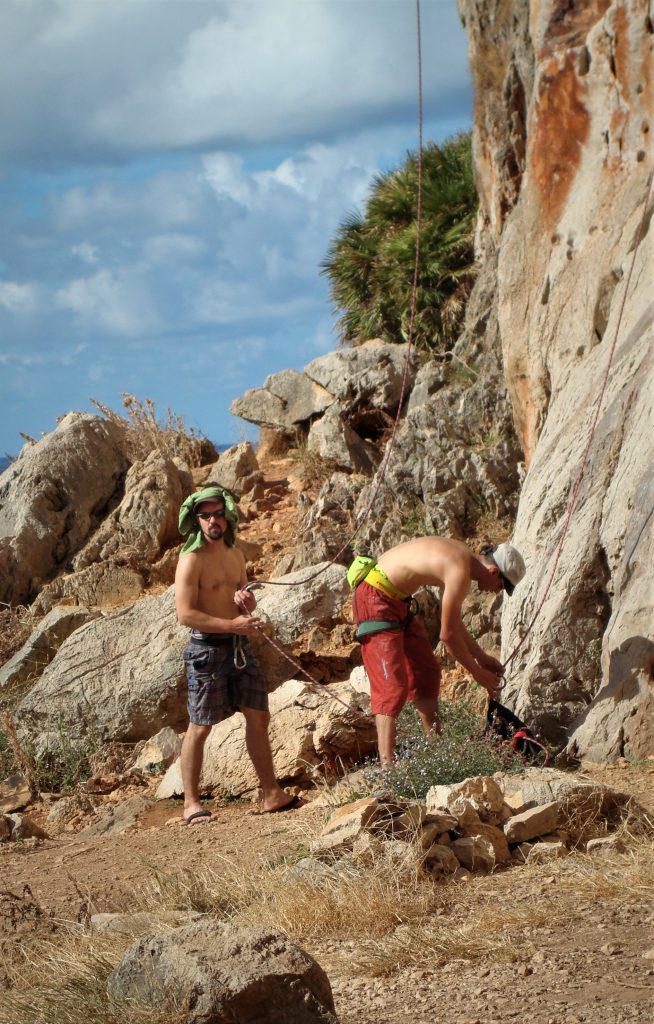
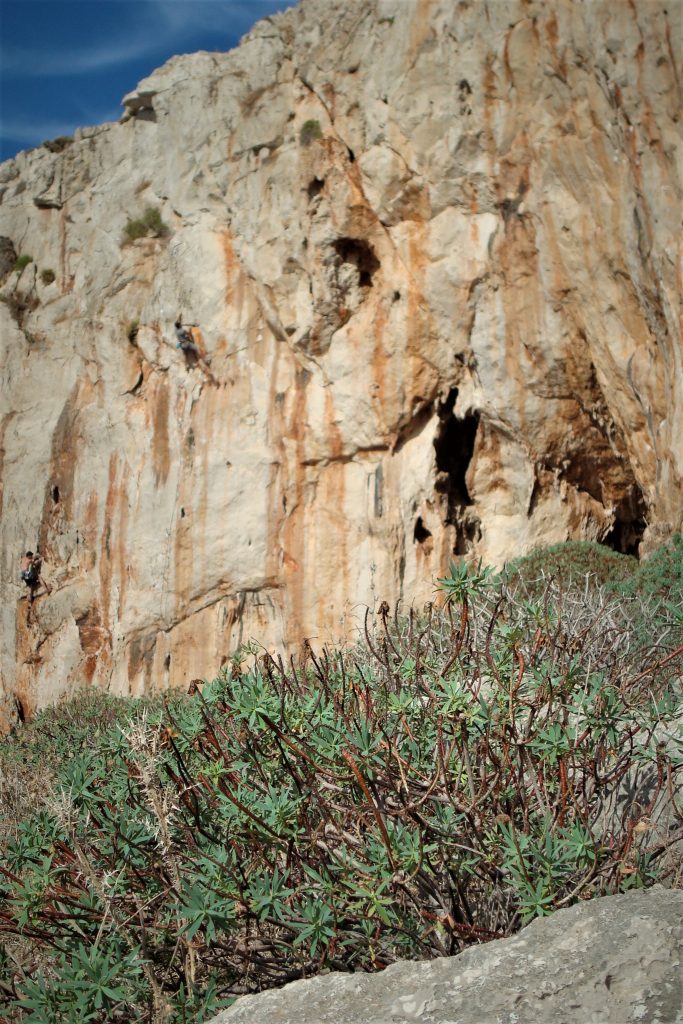
Climbing again; by the sea again… this time slightly further afield, right on the north west tip of Sicily. Whilst there’s climbing to be had across the island, the greater part is concentrated near the town of San Vito lo Capo, where there is a lot of limestone; so much in fact, that there’s even an annual climbing festival here. San Vito itself isn’t particularly pretty but it’s beach vibe makes it rather touristy and as such it is rather partial to festivals. Besides the climbing festival and the annual feast day celebrations for the martyred San Vito, there’s also: a delightfully titled “books authors and bougainvillea” festival; the international kite festival has San Vito as it’s last stop; and finally, there’s “Cous Cous fest” – a lively ten-day, international festival celebrating Mediterranean culture and gastronomy and which includes the couscous world championship (of course there’s one).
As is the case across the rest of Italy, food is a huge part of Sicilian culture (we’re all familiar with those large Godfather-style, bountiful outside tables). Sicily’s cuisine developed from influences and ingredients brought to the island by successive invading cultures (Phoenician, Greek, Roman, Saracen, Norman and Spanish) each contributing to what has become a rich culinary history reaching far far back and combining all sorts of elements (with, of course, a little indigenous input along the way). Hence the couscous festival. Couscous is a big thing here but it’s not the only big thing that isn’t so “Italian”.
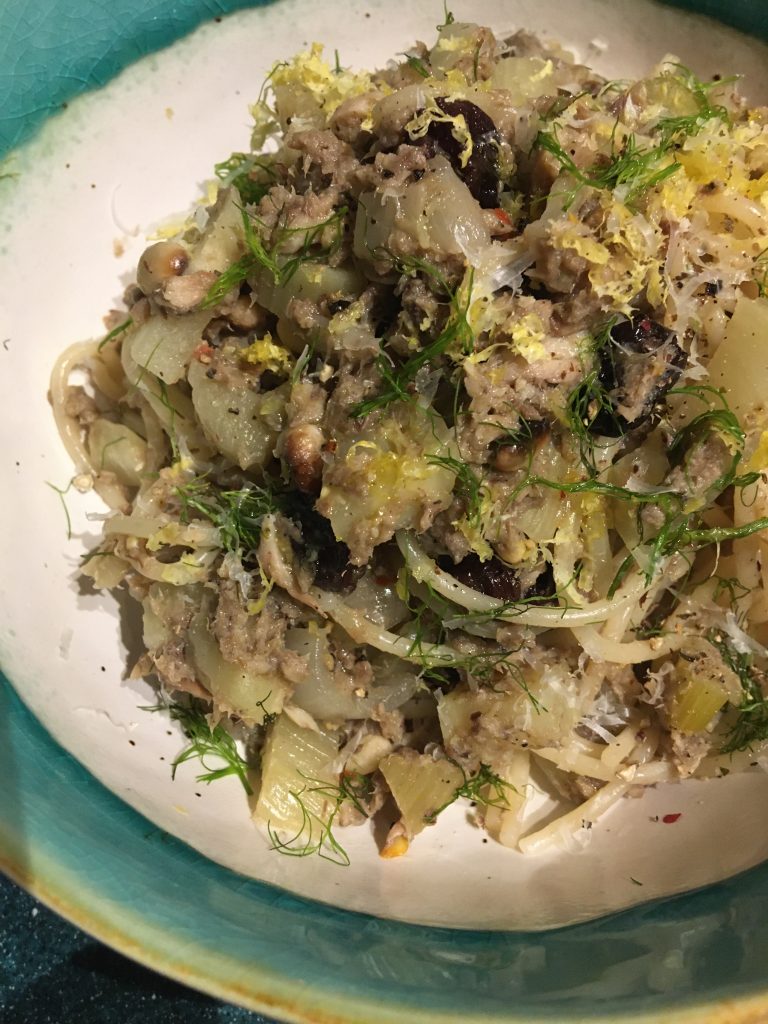
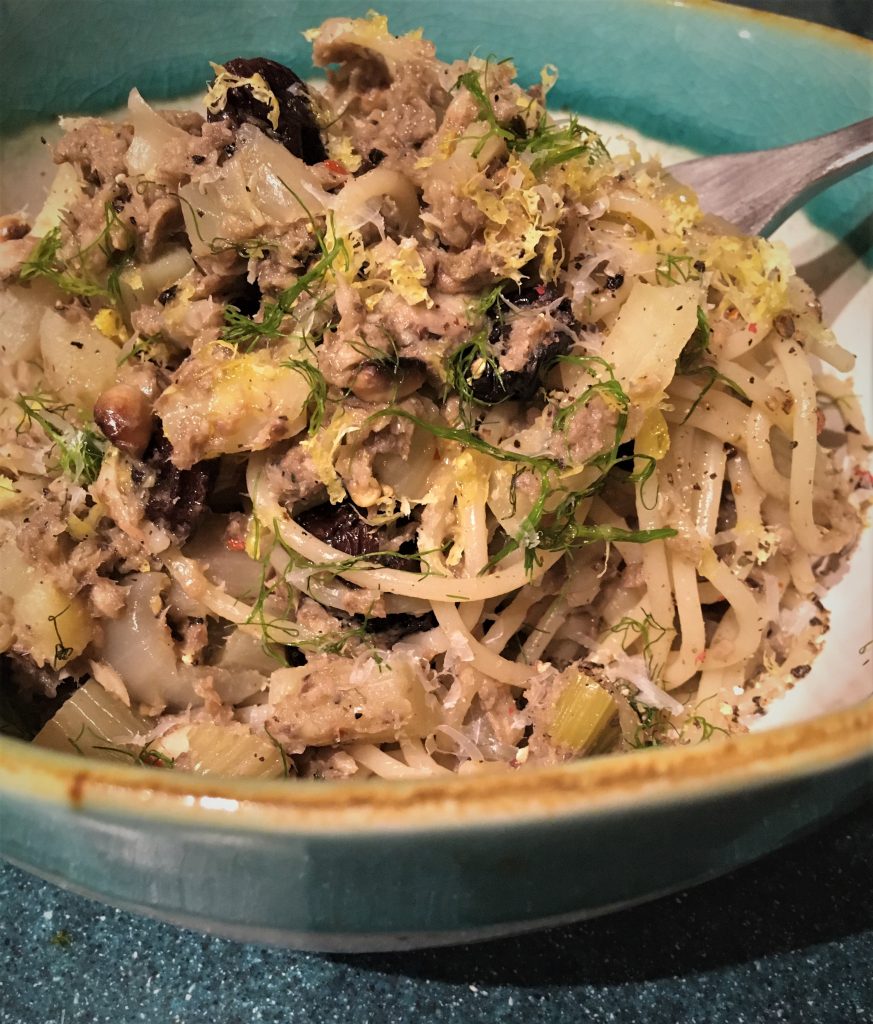
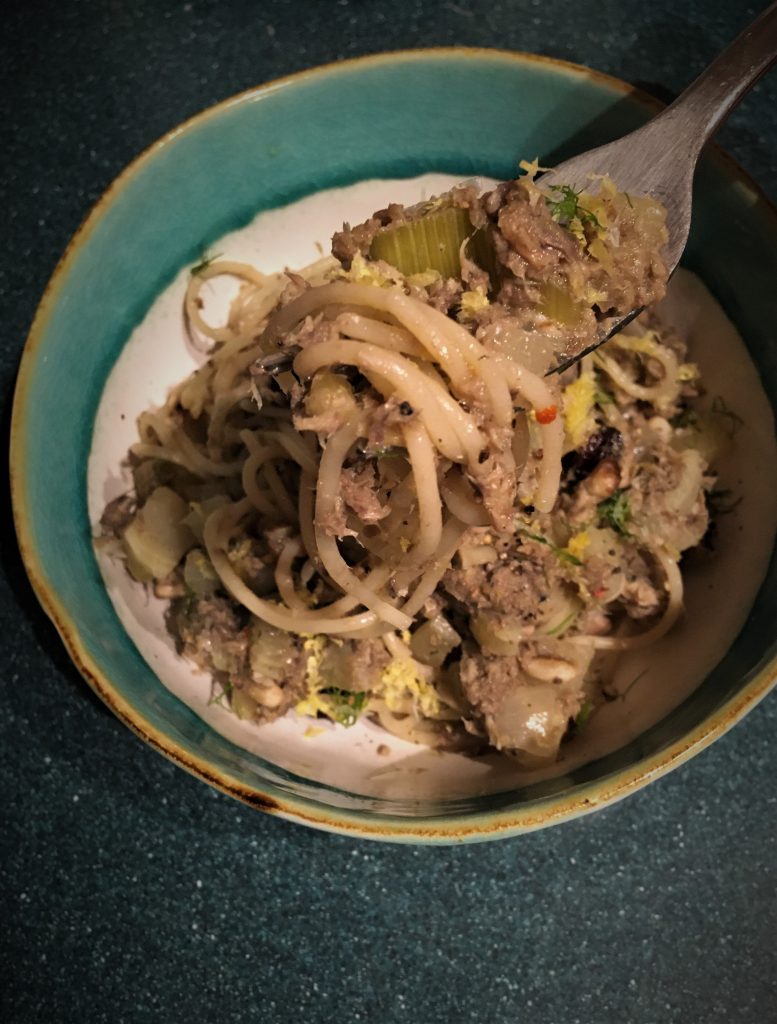
I spent a couple of weeks in and around San Vito a few years ago (during the climbing festival in fact), climbing, sightseeing and tucking into a lot of local fare, especially one of my favourite dishes, pasta con sarde. This is a Sicilian recipe which nicely encapsulates the rich history of this island and showcases a native fondness for mixing sweet and savoury ingredients. As such, it is one of those dishes which raises a few eyebrows – sardines and raisins? Raisins? Yup, raisins – it’s delicious. You could be forgiven for thinking that this is a strange and somewhat unappealing combination and that these two things wouldn’t go together in a million years but something dovetails in that magical gastronomical way and they are a match made in heaven. Apparently it was invented by accident on the eve of a battle near Mazara del Vallo when the Saracens needed some sustenance and all that was available in their galley kitchen were the random ingredients that make up this dish and a few fishermen to catch some sardines. This little ditty aside, cooking fish with raisins hails from medieval Islamic cooking – where you will find many, many wonderfully delicious examples of mixing sweet, savoury and spine-tinglingly aromatic ingredients resulting in what can only be described as paroxysms of palatal delight. For an example from this Travels series, have a look back at Morocco.
Sardines are in abundance off the coast of Sicily and the ingredients in this particular dish are a deeply aromatic and flavourful marriage of Italian (notably the fennel; and, of course, the lemons (although these are not originally Sicilian*)) and Arabic cultures and, as such, pasta con sarde is a tasty testament to the spice trade and to the cross-pollination of culinary traditions. Despite Mazara del Vallo and Palermo both laying claim to the origin of this dish, it is widely available across the island but with local variations such as the inclusion of tomato/saffron. Essentially, the combination of ingredients just make it taste wonderfully Mediterranean. For me, it’s like eating a spoonful of holiday.
pasta con sarde is also a great (and cheap) way to eat sardines (especially if you find fiddly, bony fish annoying) which, being rich in Vit D, Vit B12, selenium, calcium, omega 3 and, of course, protein, are exceptionally good for you. You probably couldn’t go out and fight a battle off the back of this dish but you could probably climb pretty hard (not immediately afterwards). Sardines used to be considered as peasant food – being a cheap little fish used as bait for larger catches. There is another Sicilian sardine recipe, sarde al beccafico, which shares some similar ingredients and highlights this in a rather charming tongue in cheek way. The beccafico is a prized species of bird that used to be hunted by the Sicilian aristocracy. In this dish the humble sardine is stuffed with raisins, pine nuts and breadcrumbs in imitation of the stuffed birds that would have graced the nobles’ tables; the sardines’ tails are supposed to resemble those of the birds.
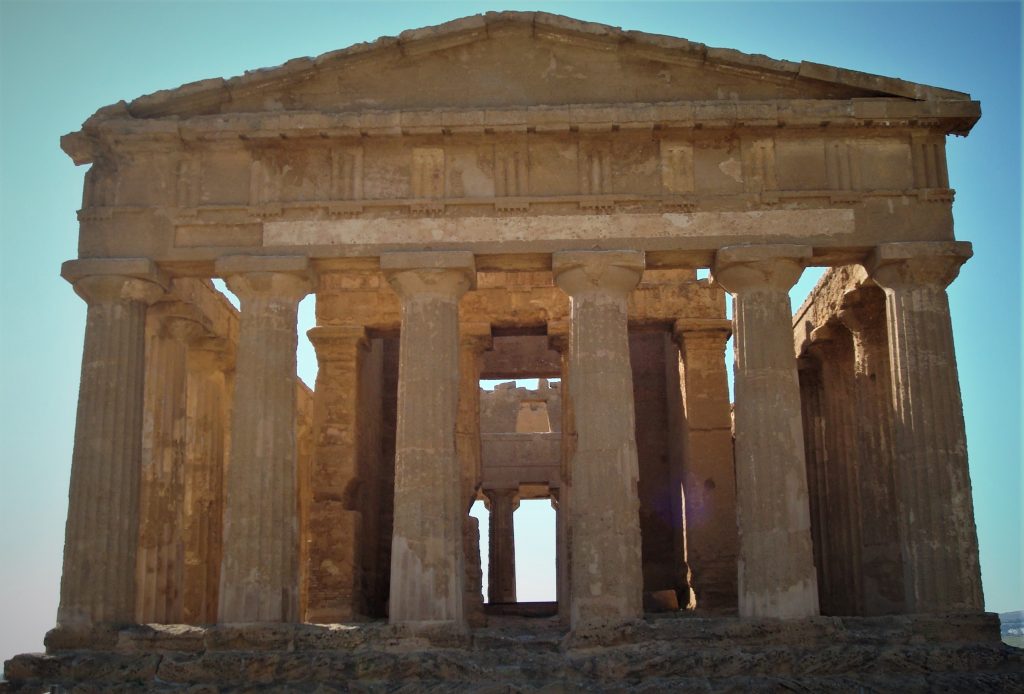
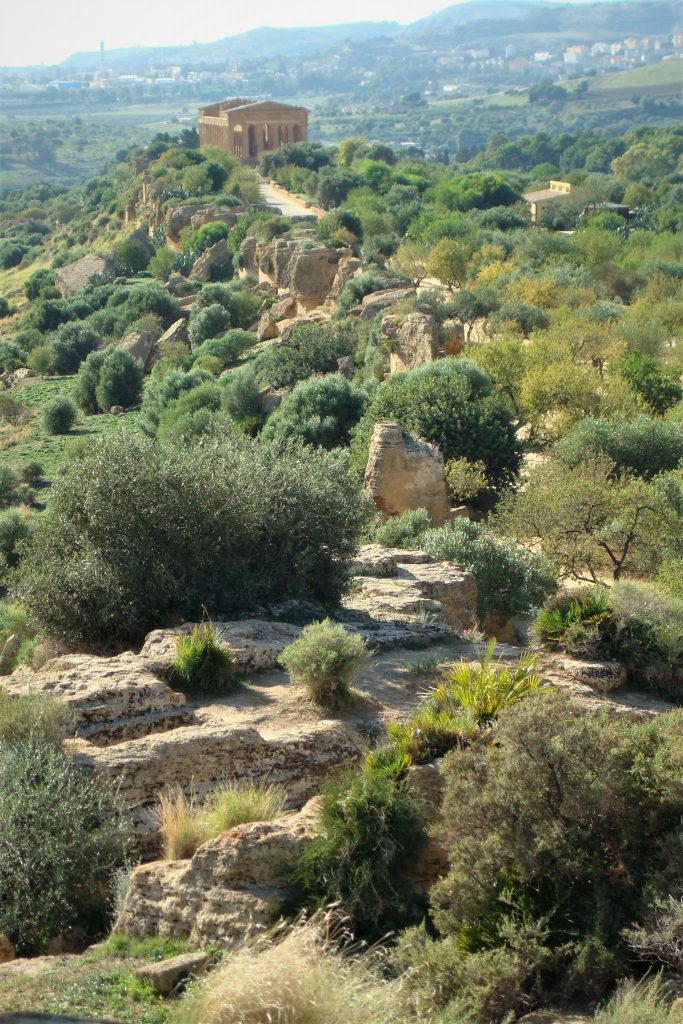
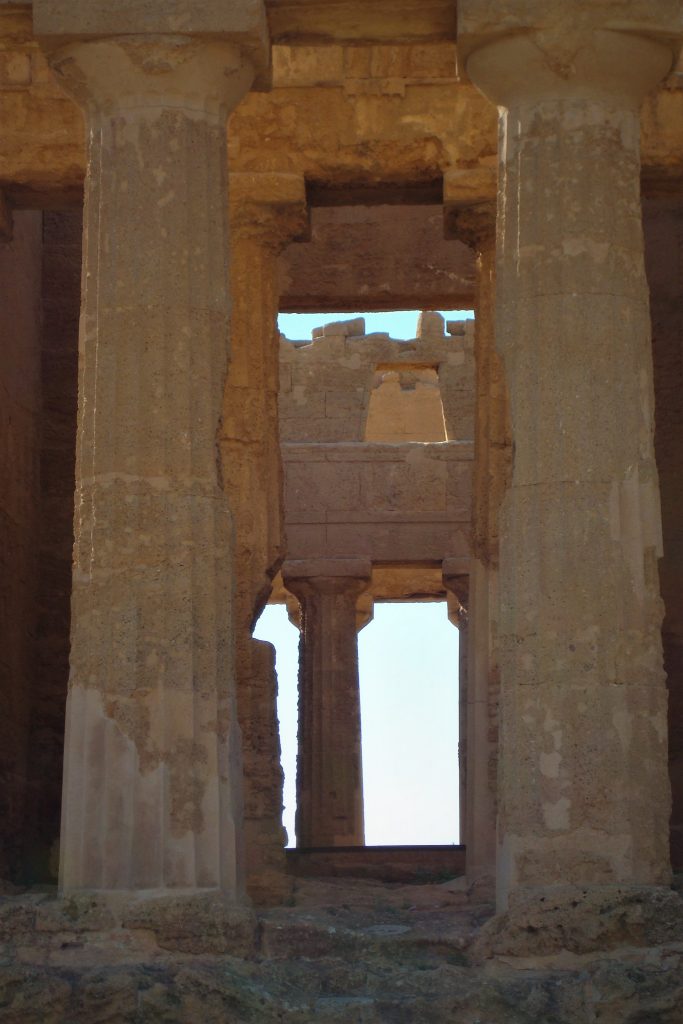
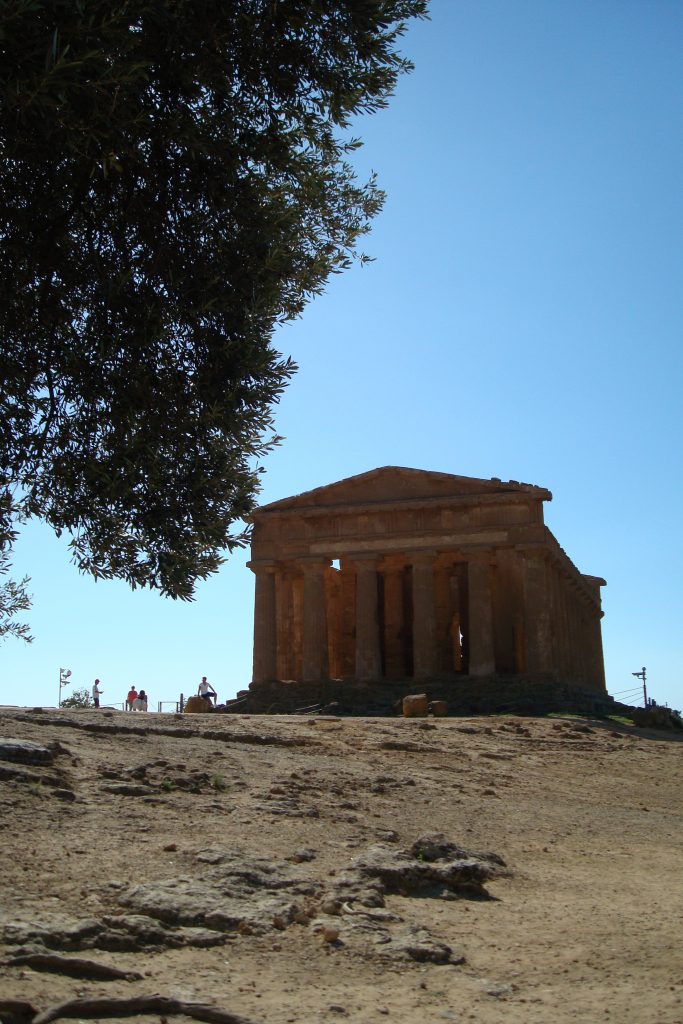
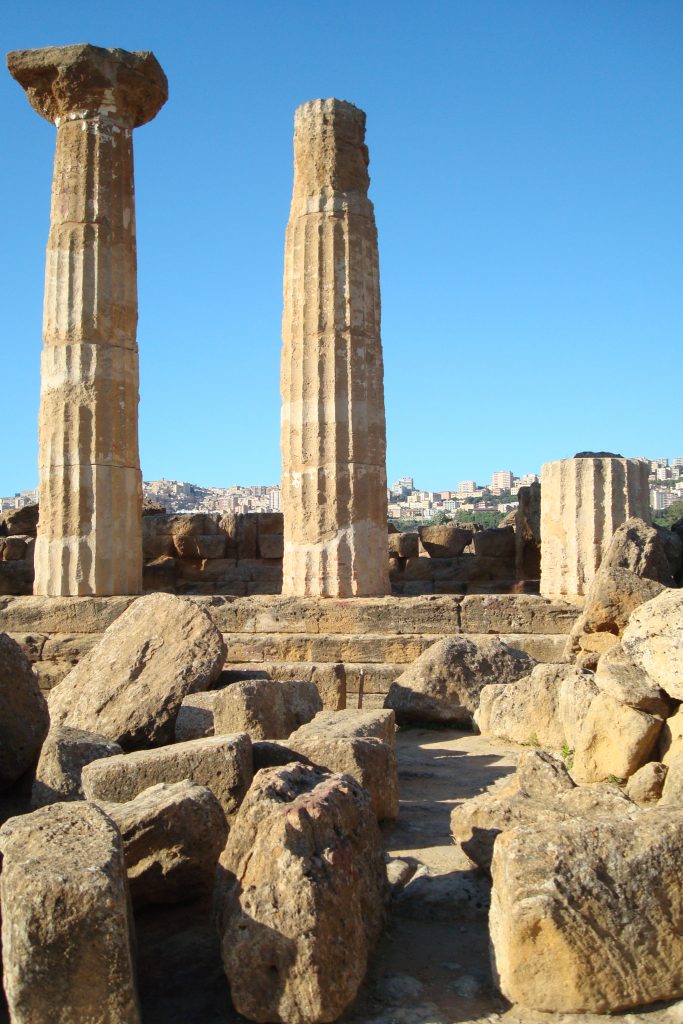
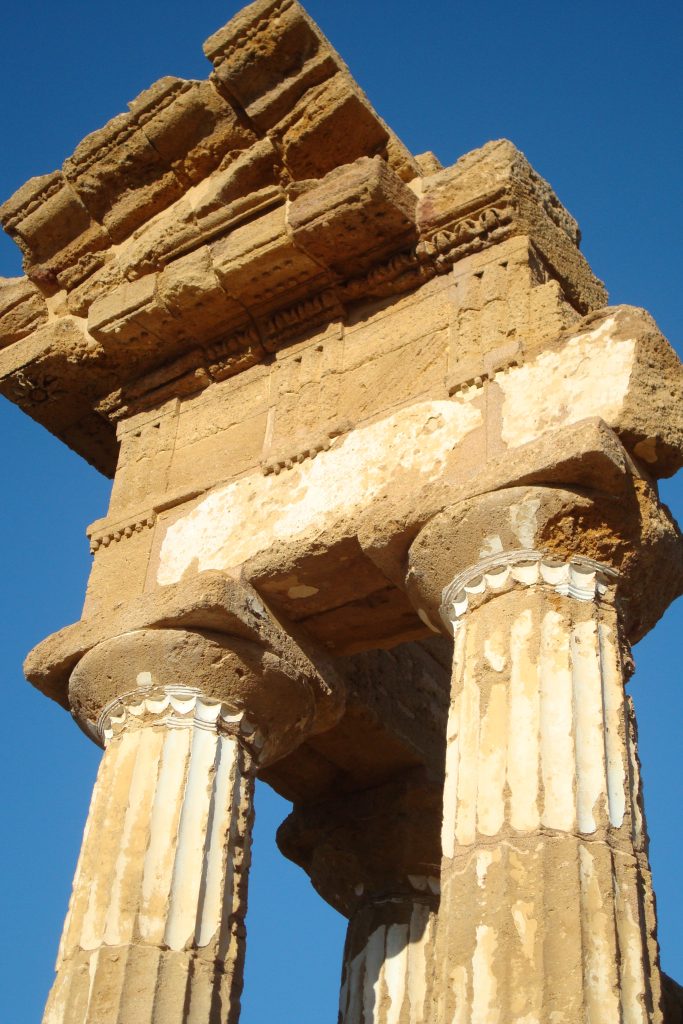
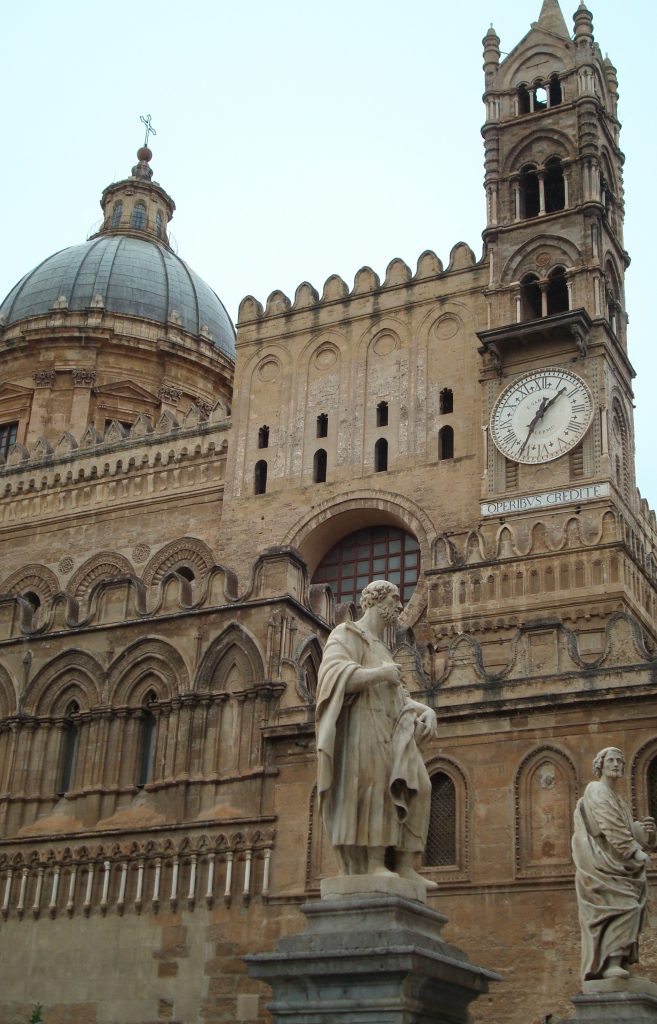
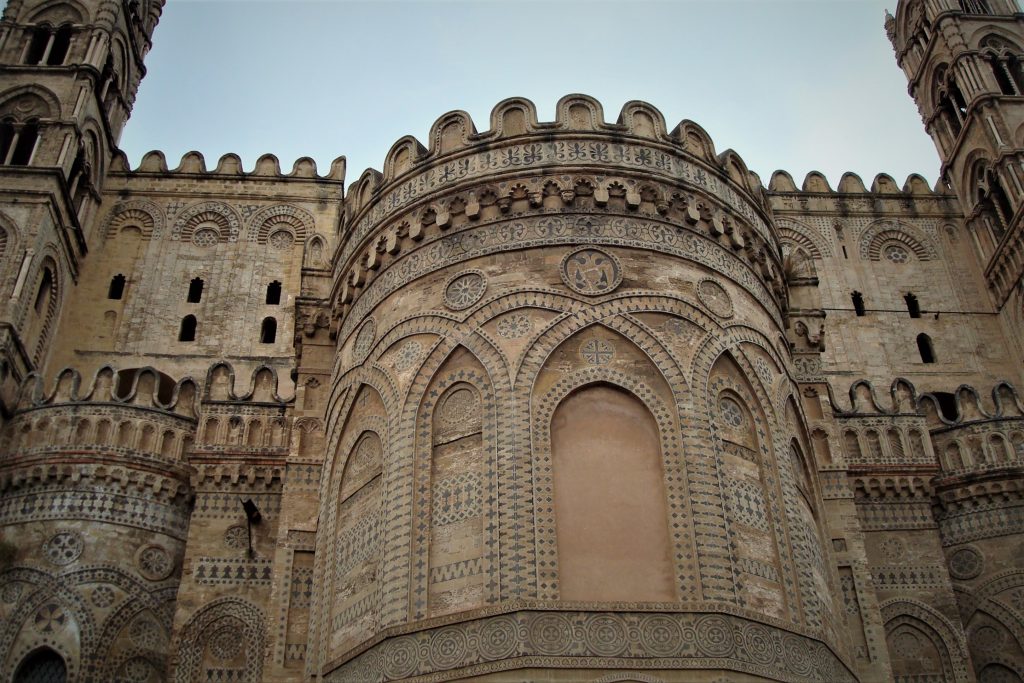
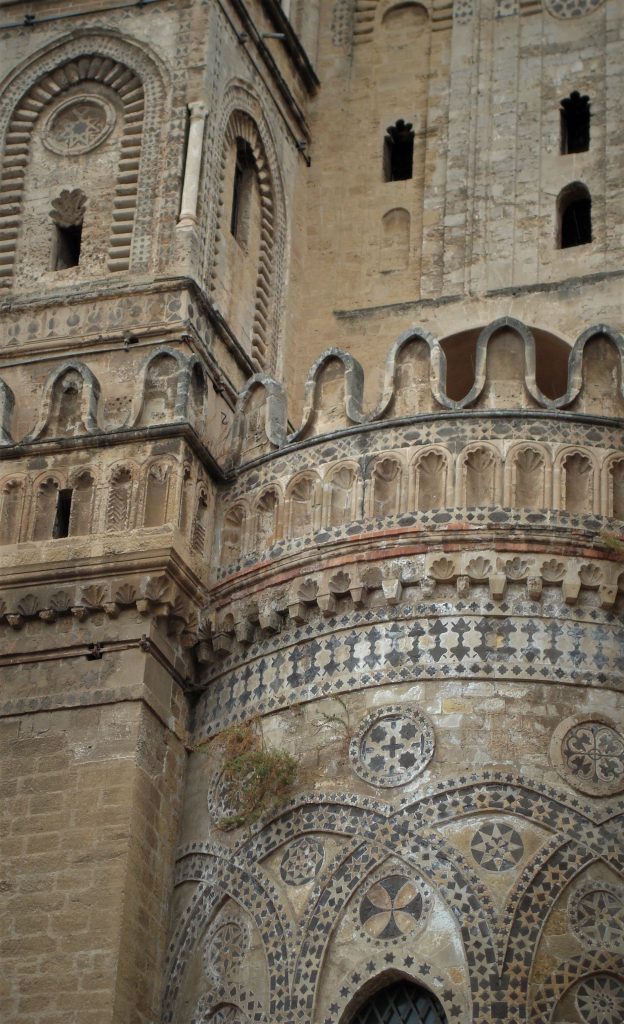
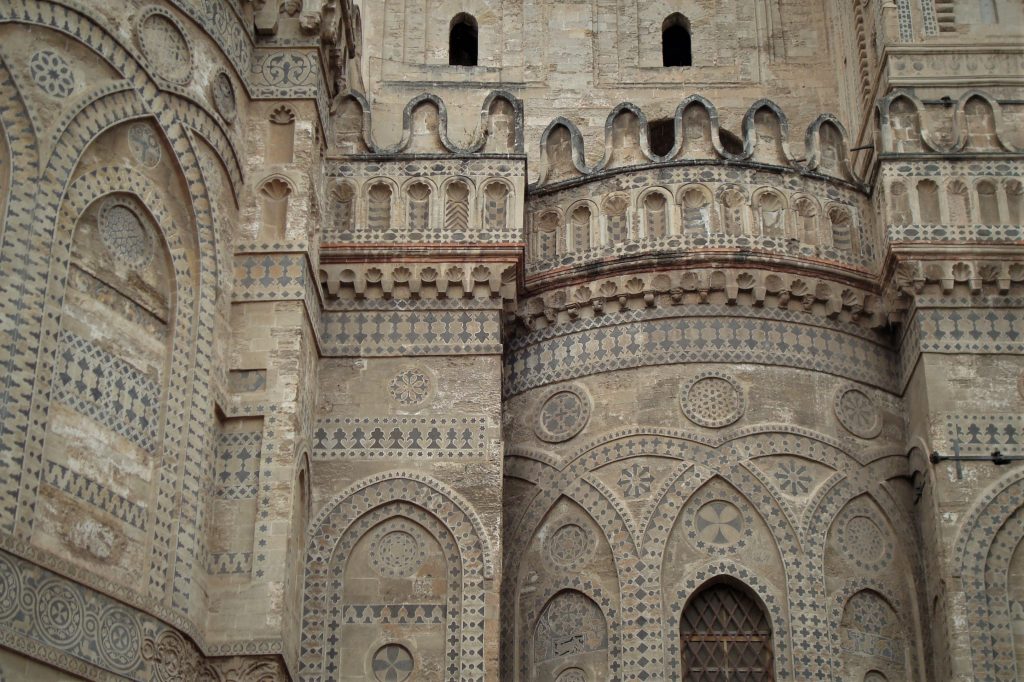
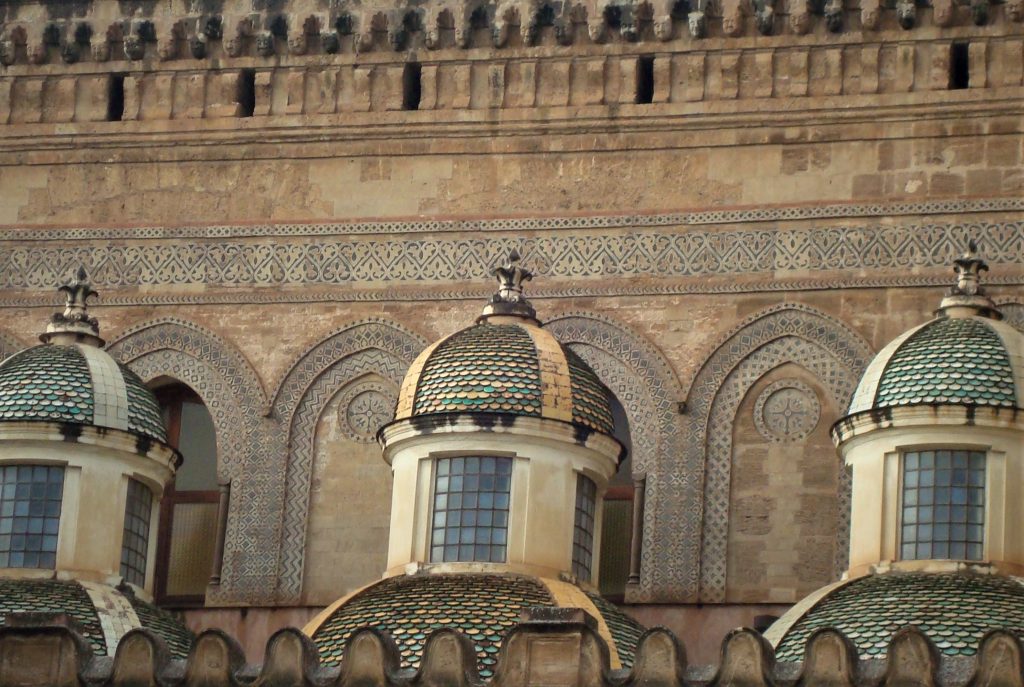
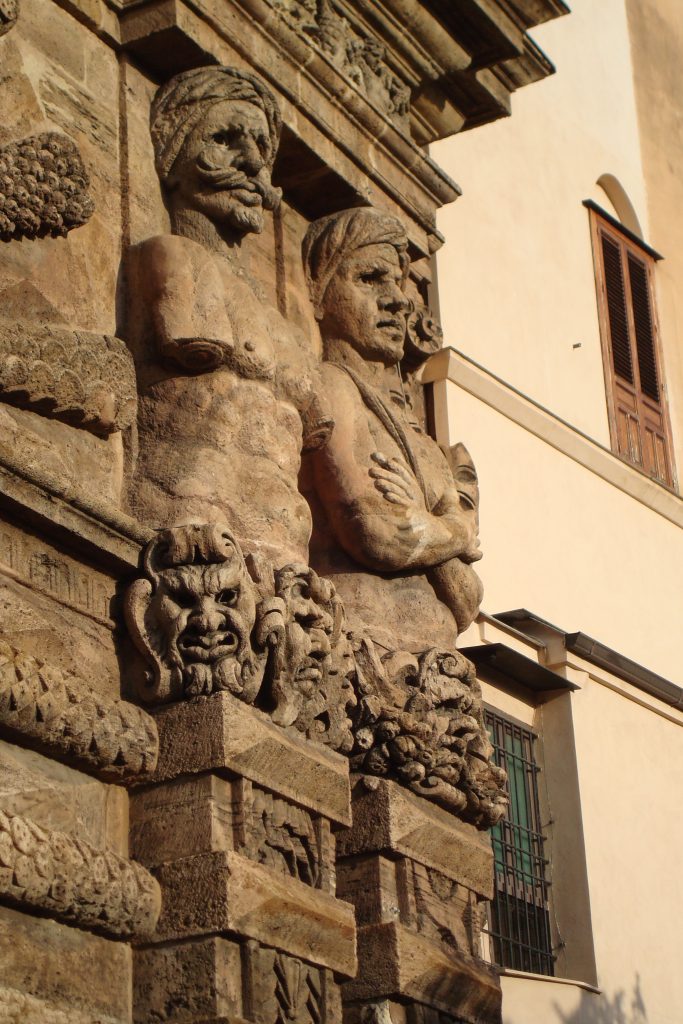
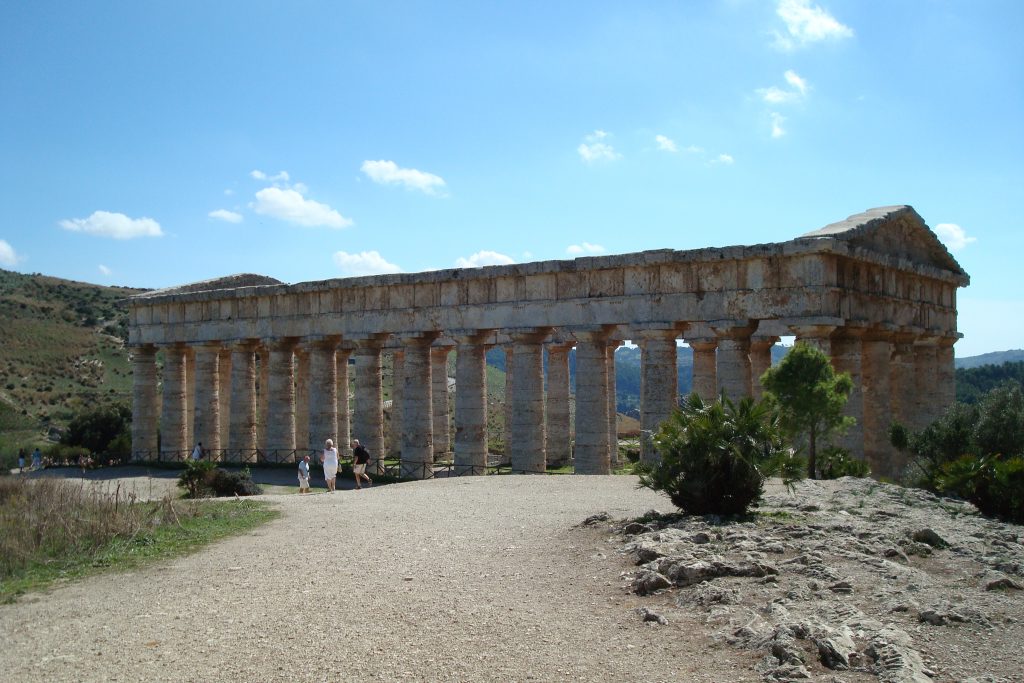
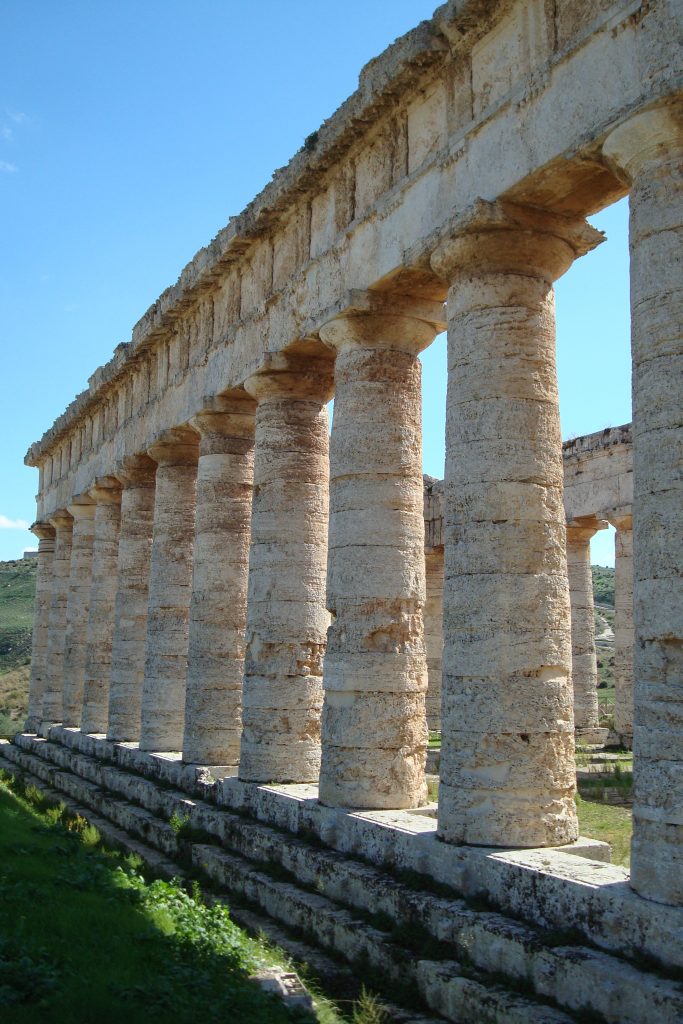
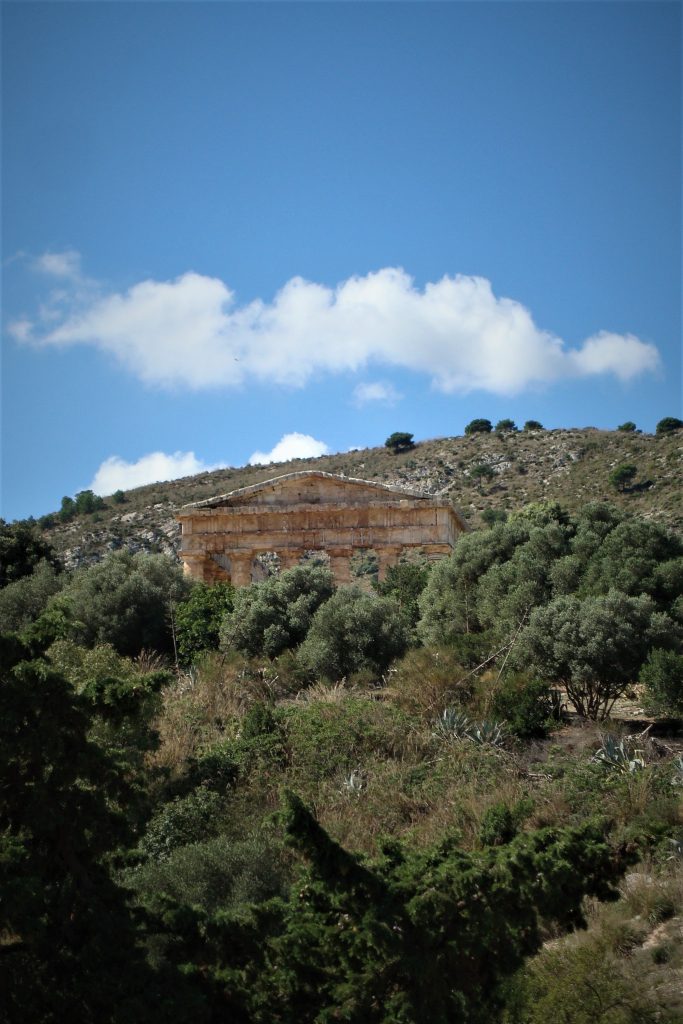
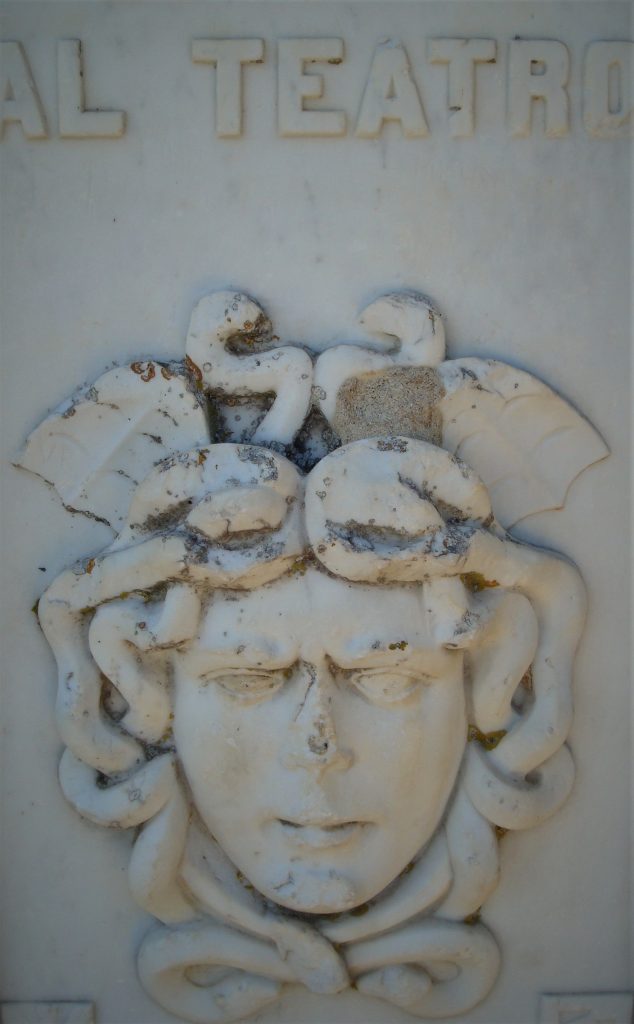
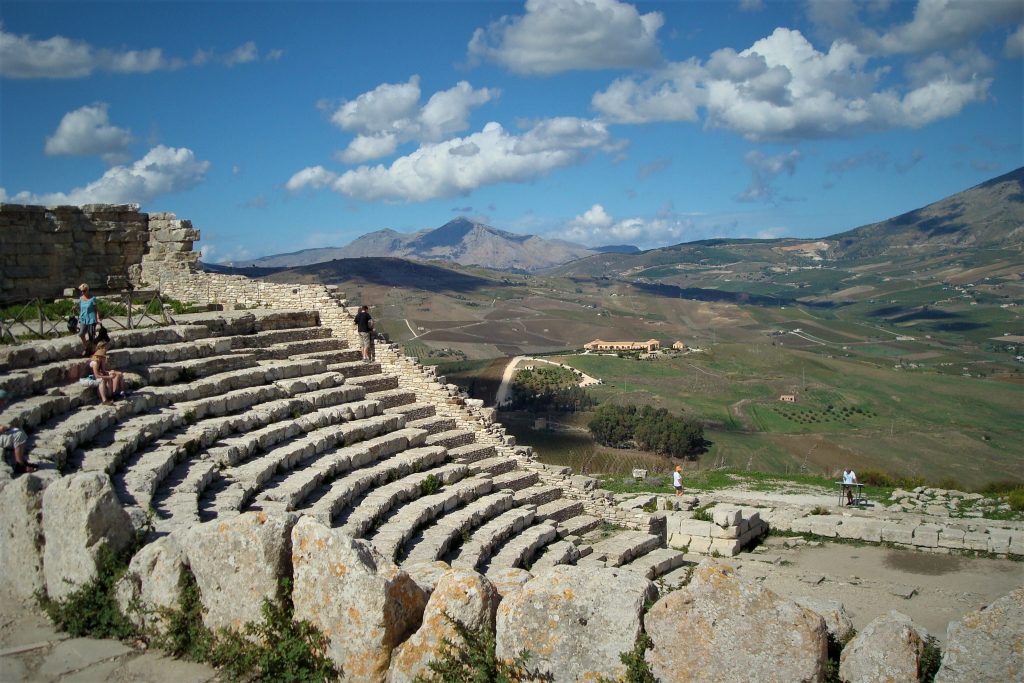
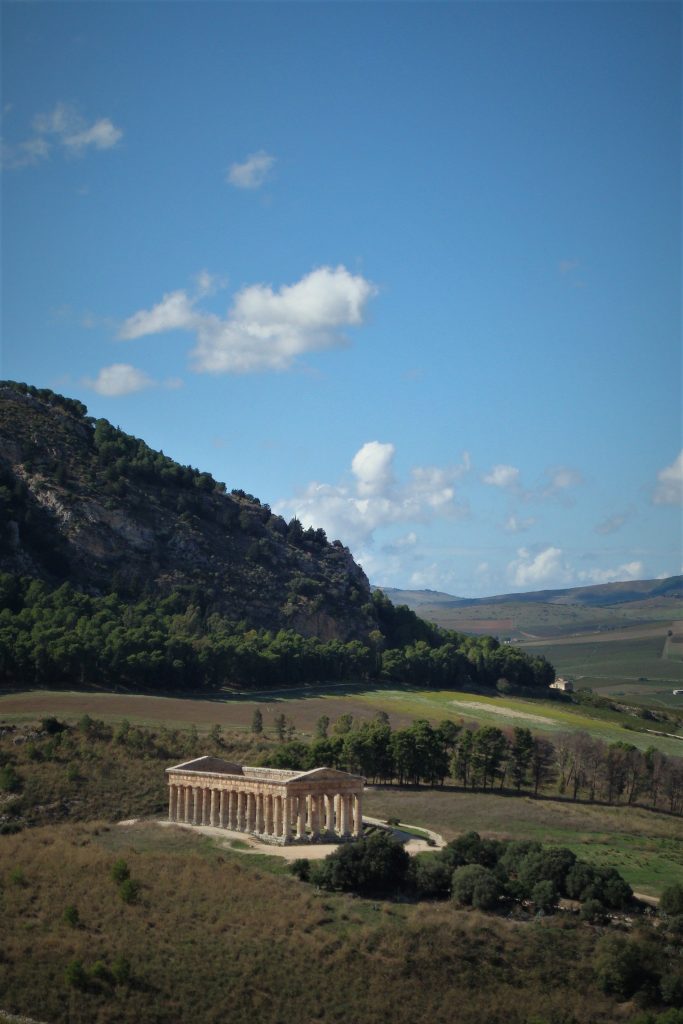
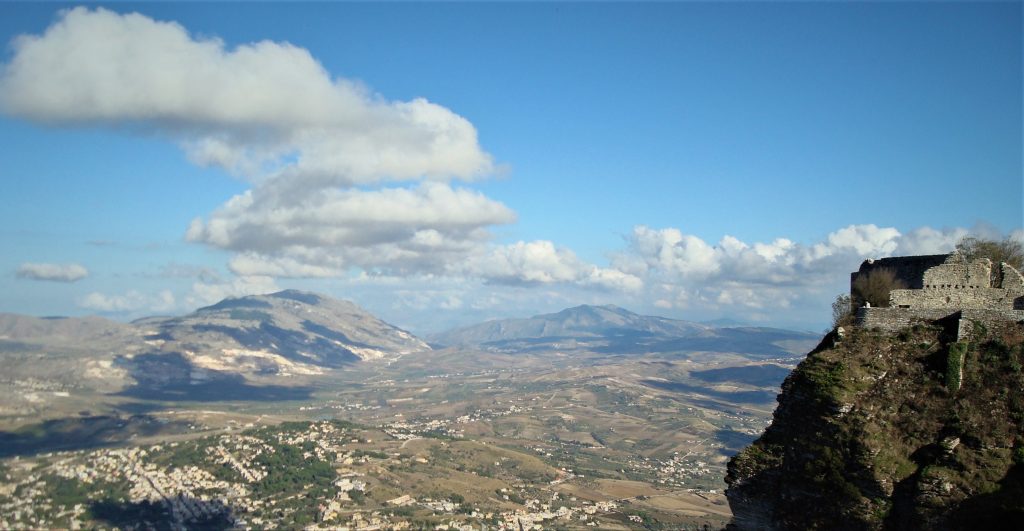
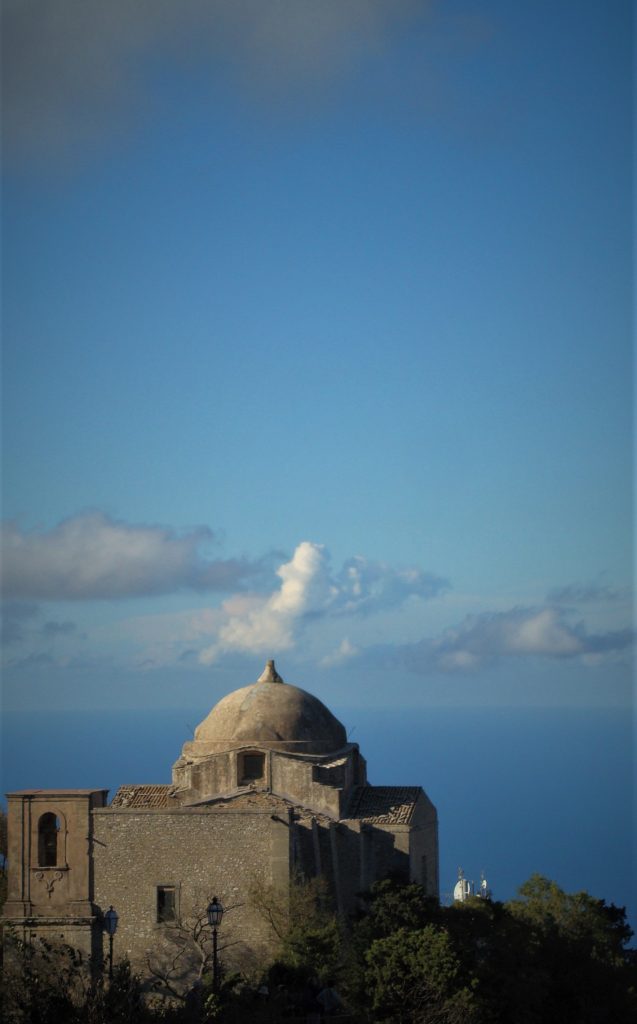
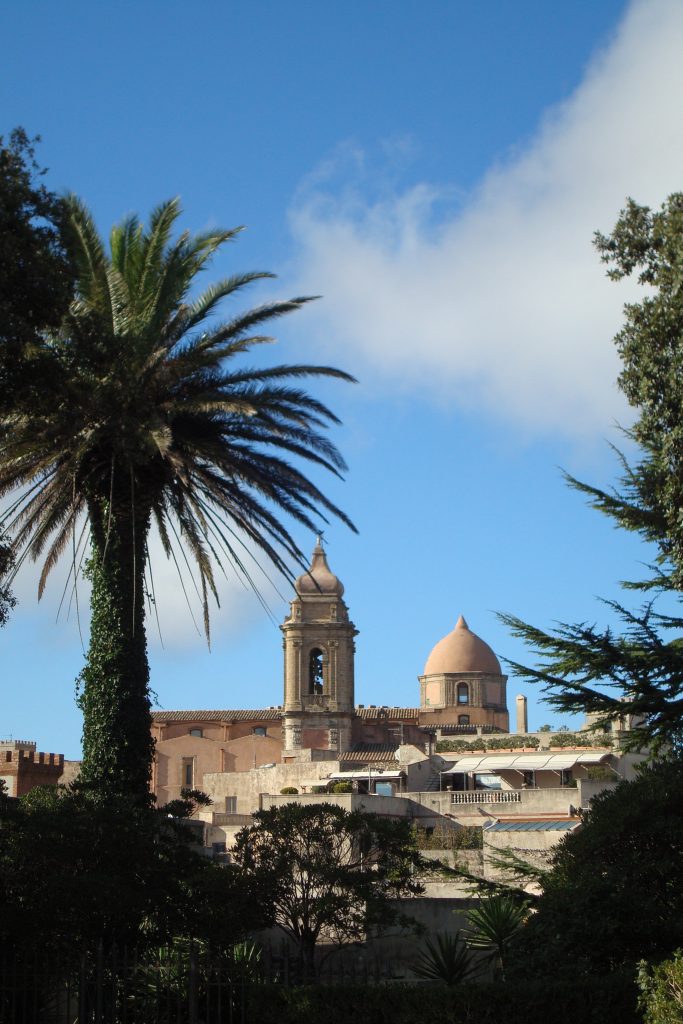
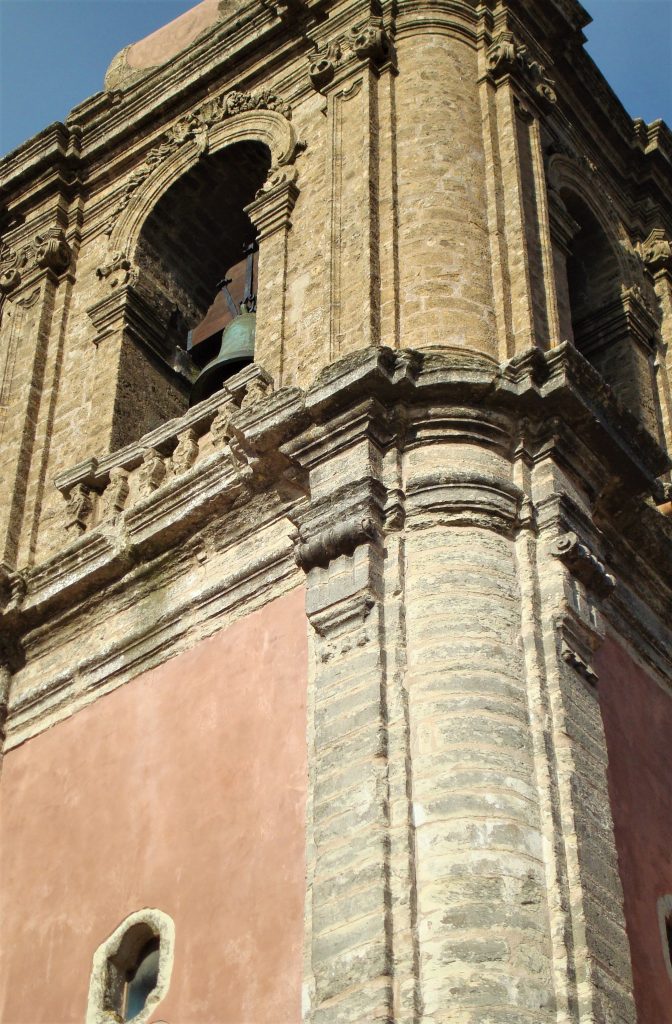
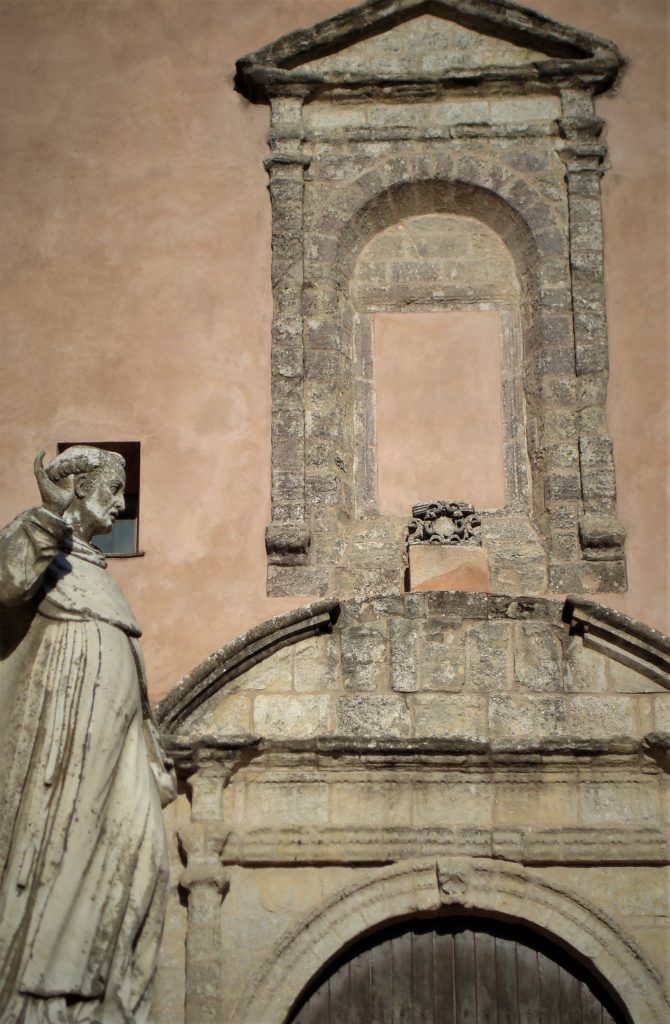
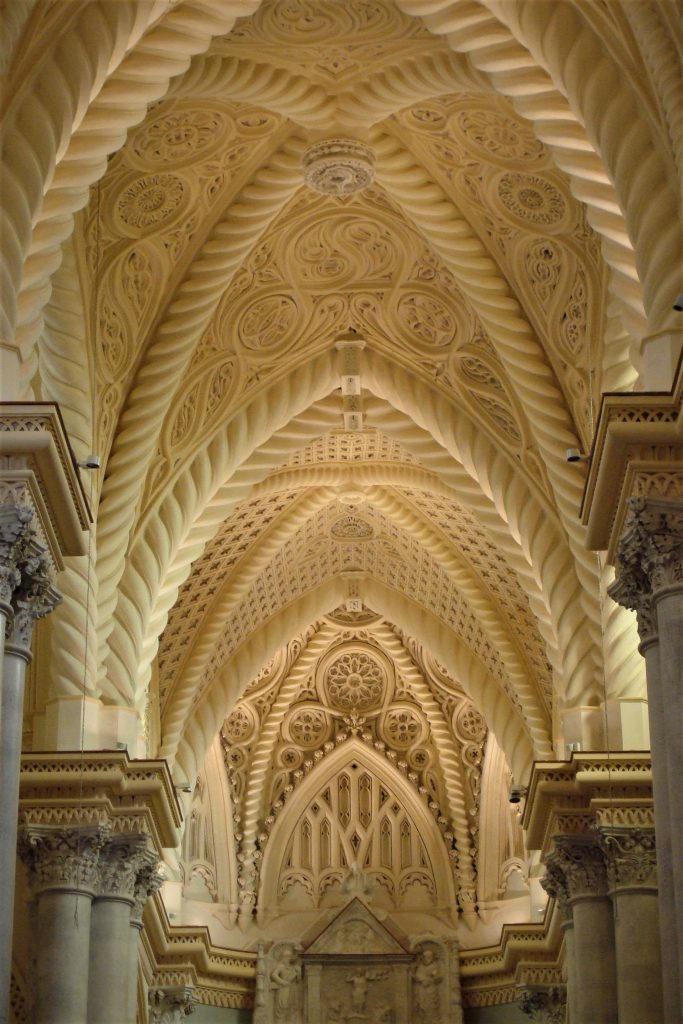
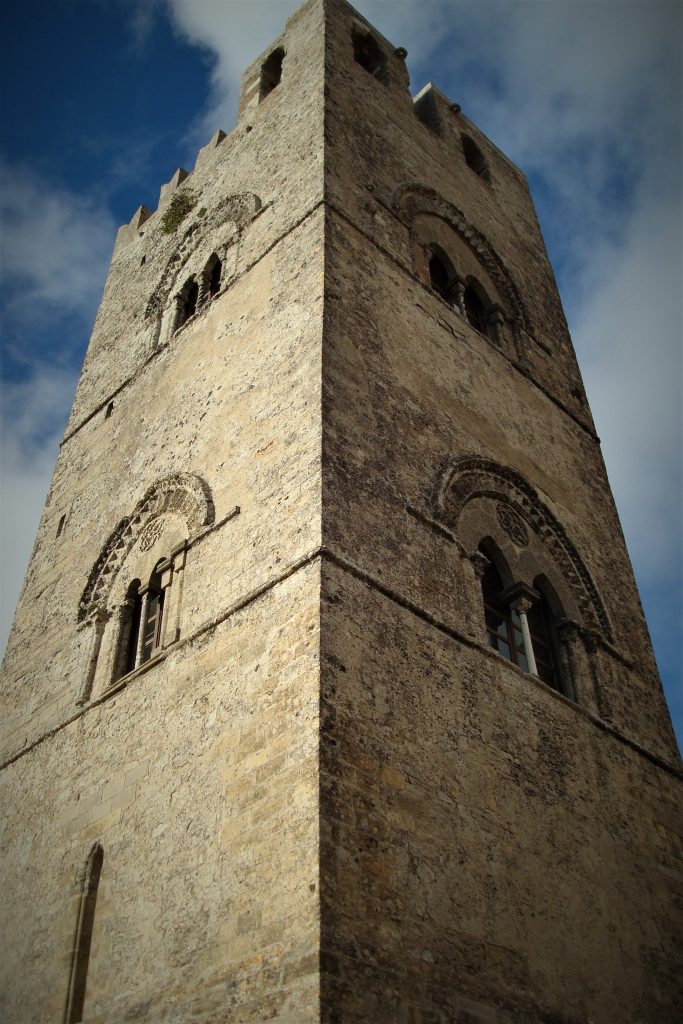
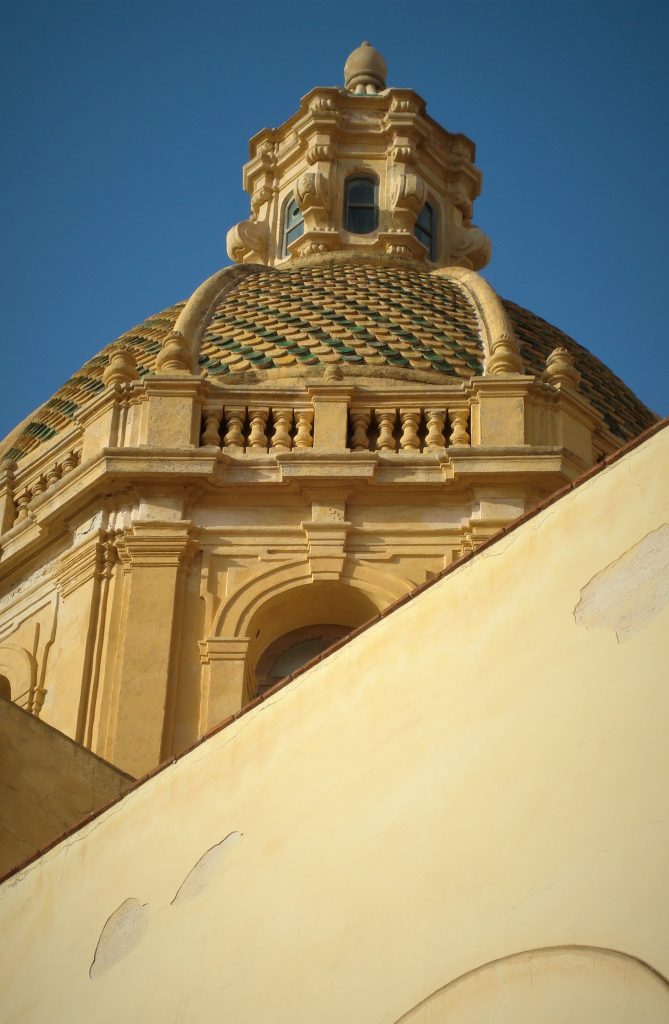
It’s wasn’t all climbing and eating sardines, however. Much as I love a climbing holiday, I’m a big fan of balancing this with a bit of sightseeing as opposed to staring solidly at limestone to the entire time. Rest days are important and it’s a big world out there that’s easy to miss if you spend all day everyday with your back to it. In the same way that various invaders brought interesting foods/recipes to Sicily, they also influenced the architecture, art and culture of the island in a profound way and as such Sicily’s heritage is richly diverse: from the narrow medina streets in the kasbah in Mazarra del Vallo, to the Norman facades in Palermo, to the dusty ruined Greek temples dotted around the beautiful hills. It’s a bit of a trek to get over to Etna in a day from San Vito (save that and all the other delights that the east side has to offer for a different trip/a longer stay). You can comfortably get to the middle of the country and check out the Valley of the Temples but there’s plenty to see on the west side too: pretty hilltop towns to mooch about in, an archipelago to sail around, the volcanic island of Pantelleria to explore (where Il Postino was filmed), Zingaro National Park to stretch your legs in, vineyards (including the wineries in Marsala) to improve your tasting skills in and, of course, Palermo. The capital has a similar feel to Naples – rough around the edges but harbouring a wealth of stories, secrets and juicy facts. My main reason for wanting to go there, apart from a general wander in the melee, was to visit the Cappuccin Catacombs, which are utterly fascinating.
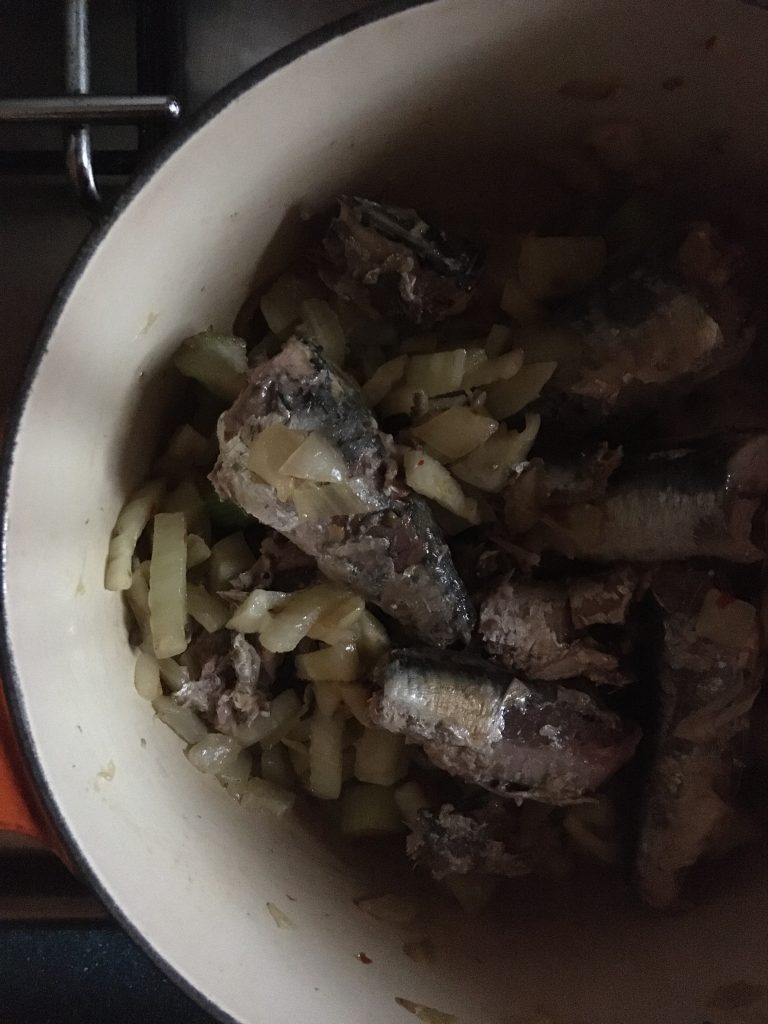
Anyway, back to the sardines, the main event. The following recipe is taken from Jamie Oliver’s, Jamie’s Italy (which is a great book, incidentally, especially if you are a little tentative about things like making your own pasta/pizza).
Jamie’s version is simple, reliable and delicious and I make it a lot. I mostly follow the recipe but veer slightly in that I toast the pine nuts, add the zest in when I add the raisins and I also sometimes just chuck all the sardines in at once (if it’s just me eating it and I’ve not bought enough tins). He notes that if you don’t want to risk your dish looking like grey schlop where the sardines have reduced so much in the sauce, then keep some back to throw in for the last few minutes of cooking time.
* for the downlow on lemons, Sicily and the mafia – read the lemon book I keep going on about on this website – The Land Where Lemons Grow by Helena Atlee.