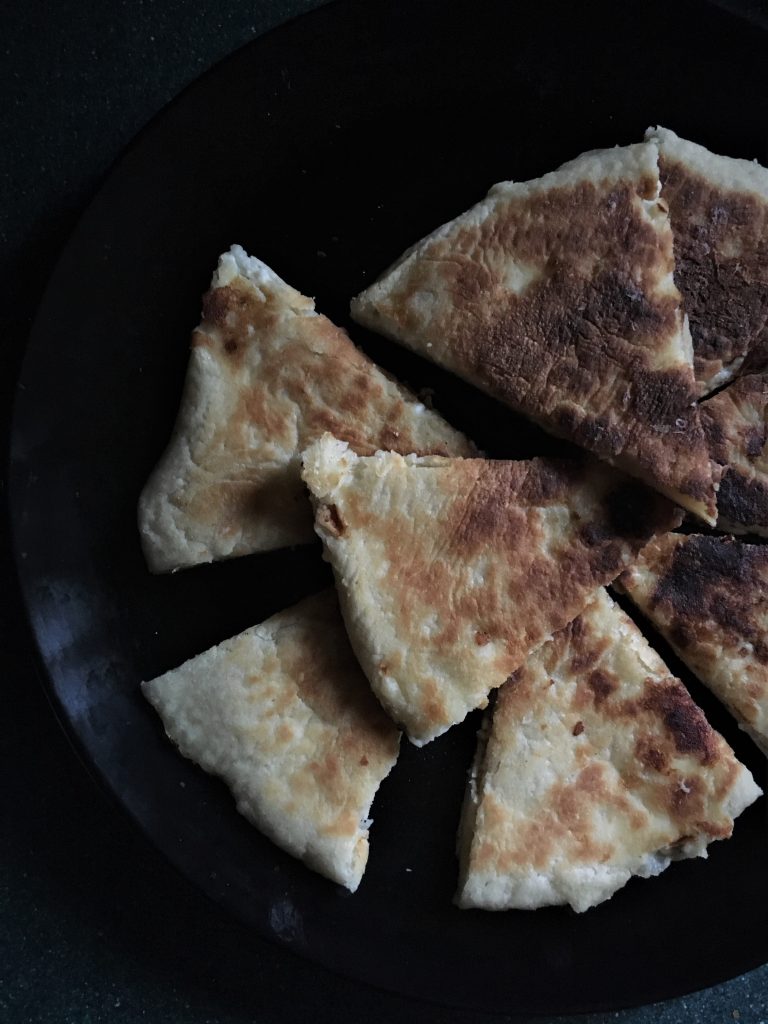
Georgia, or, more precisely, Khachapuri in Tbilisi
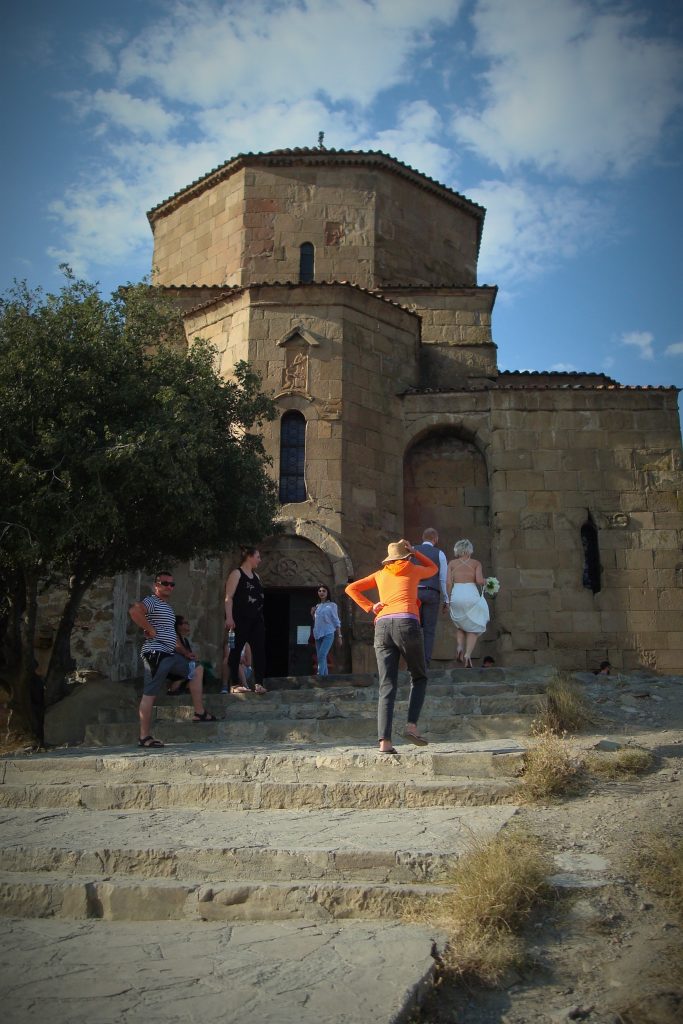
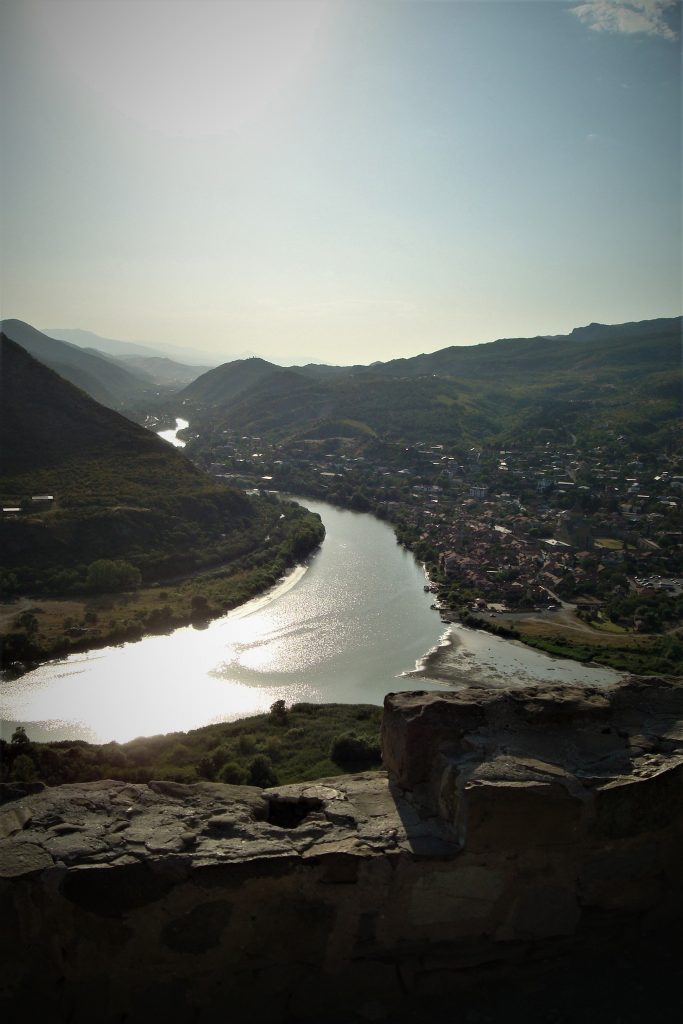
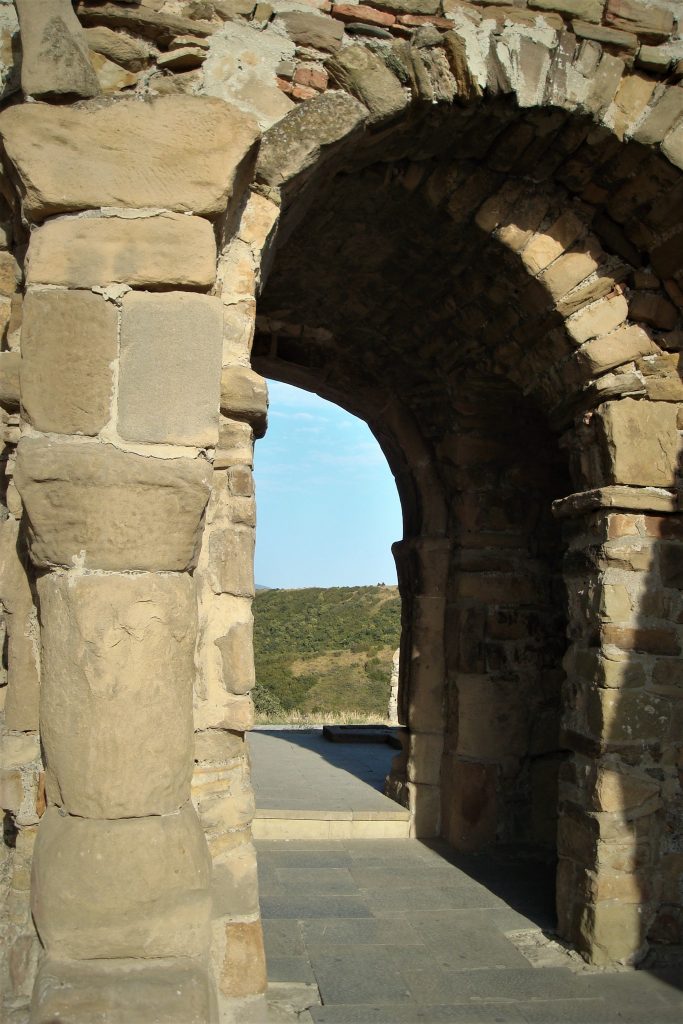
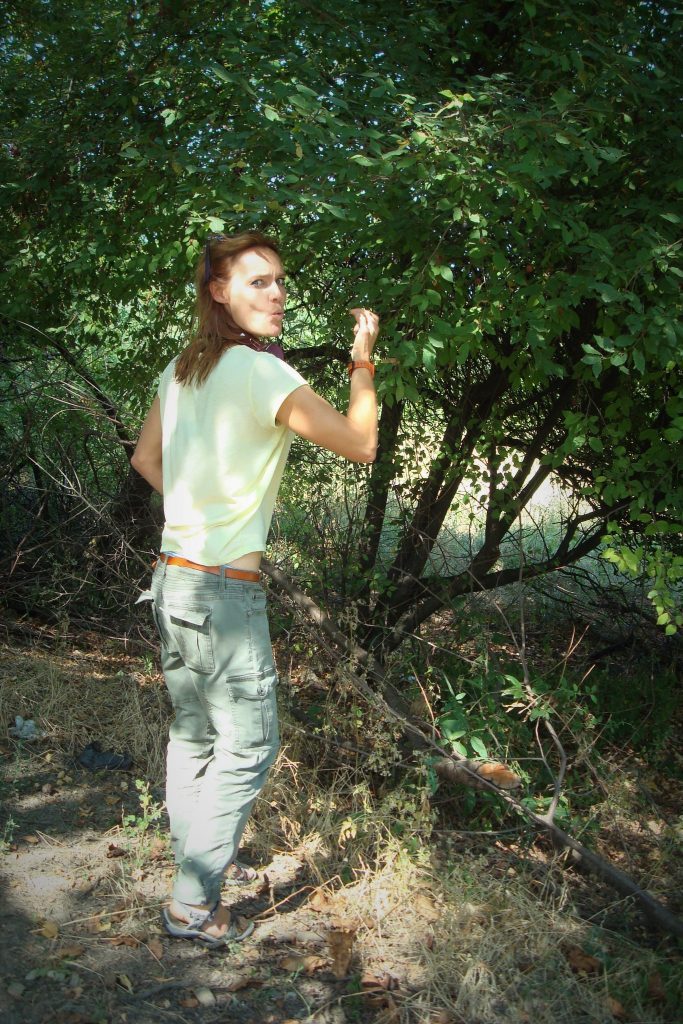
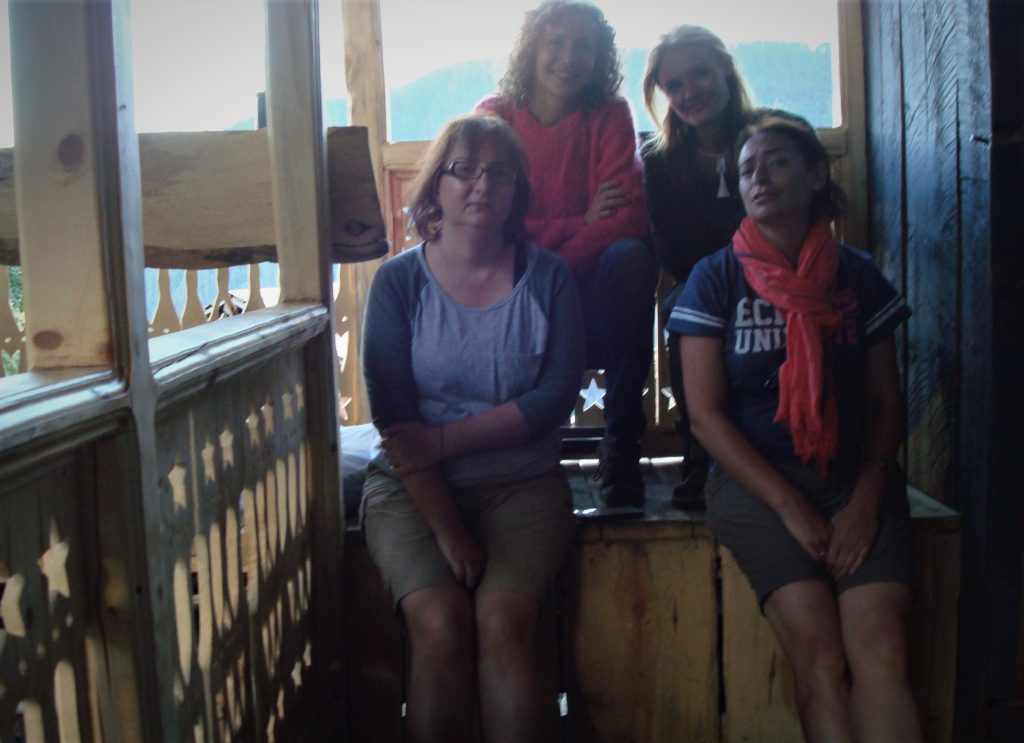
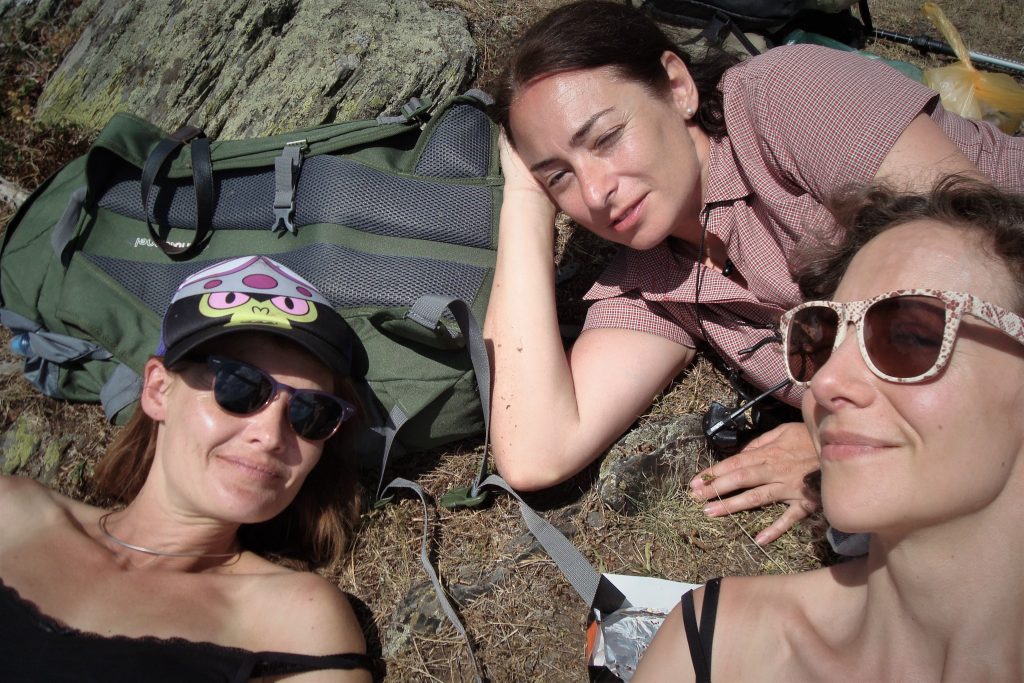
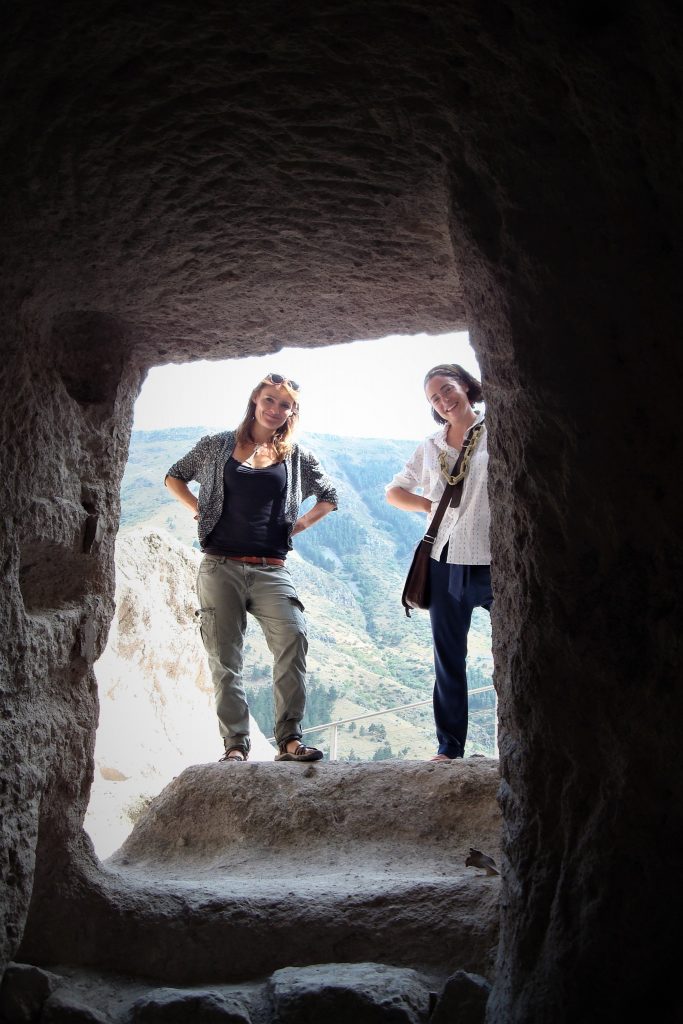
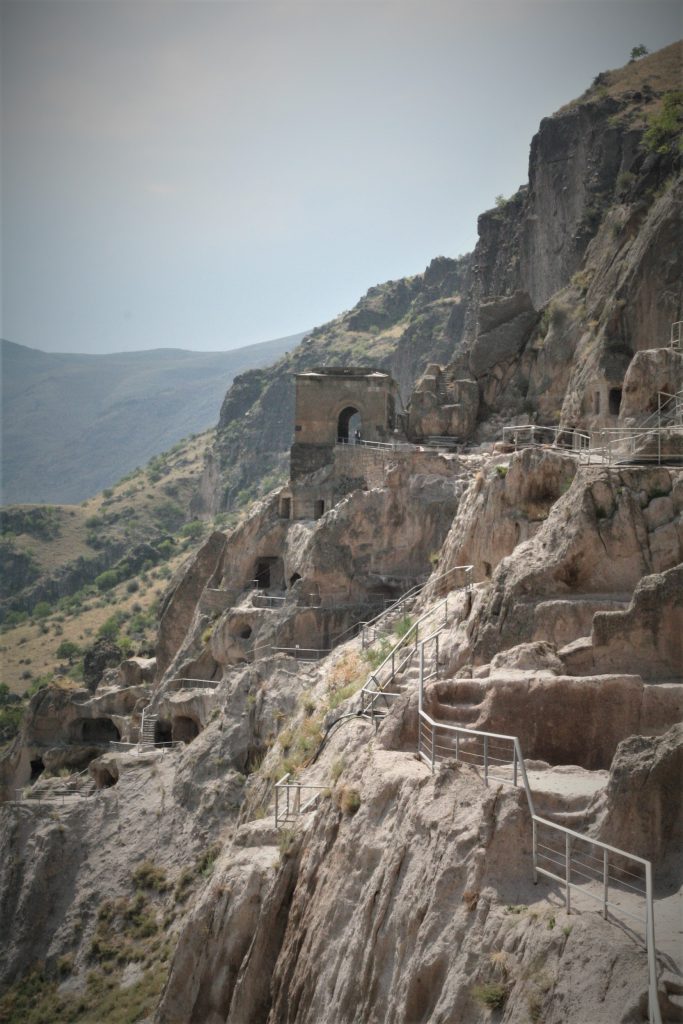
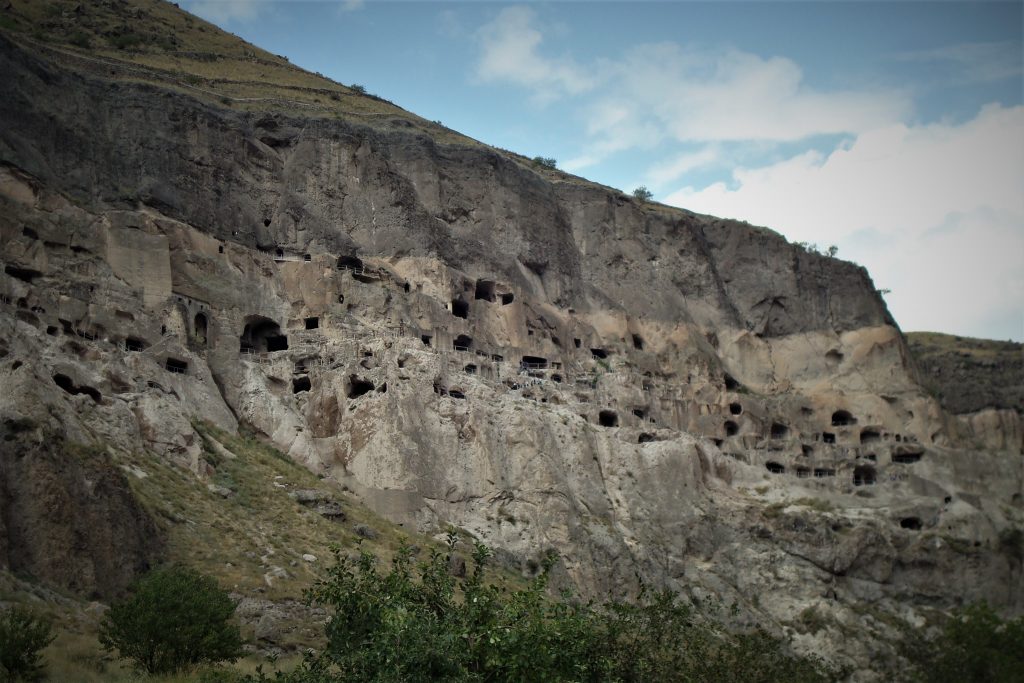
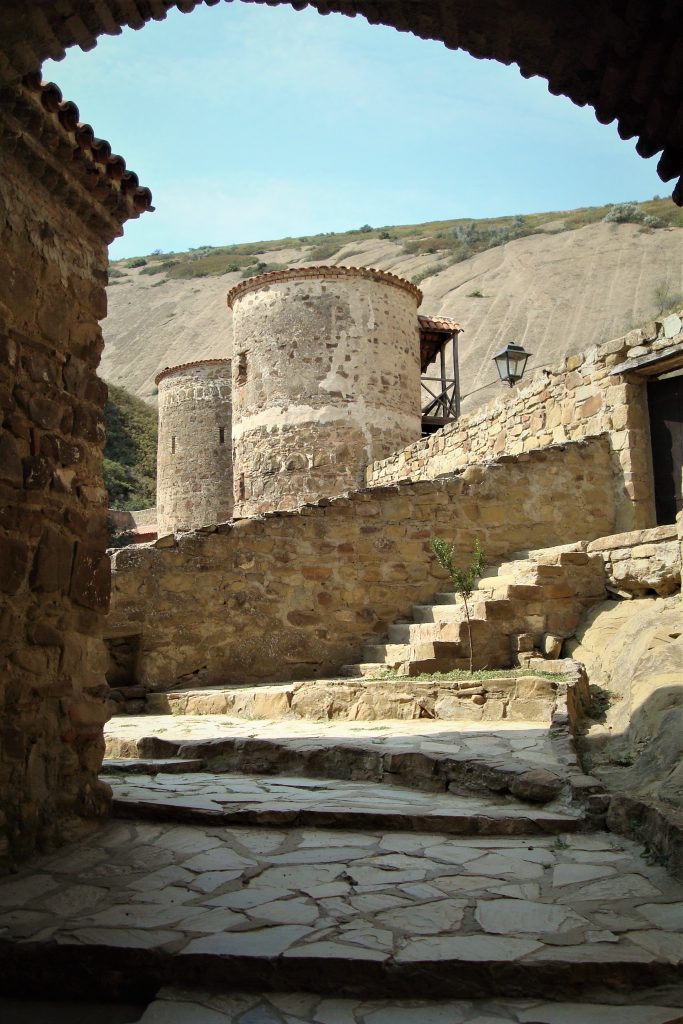
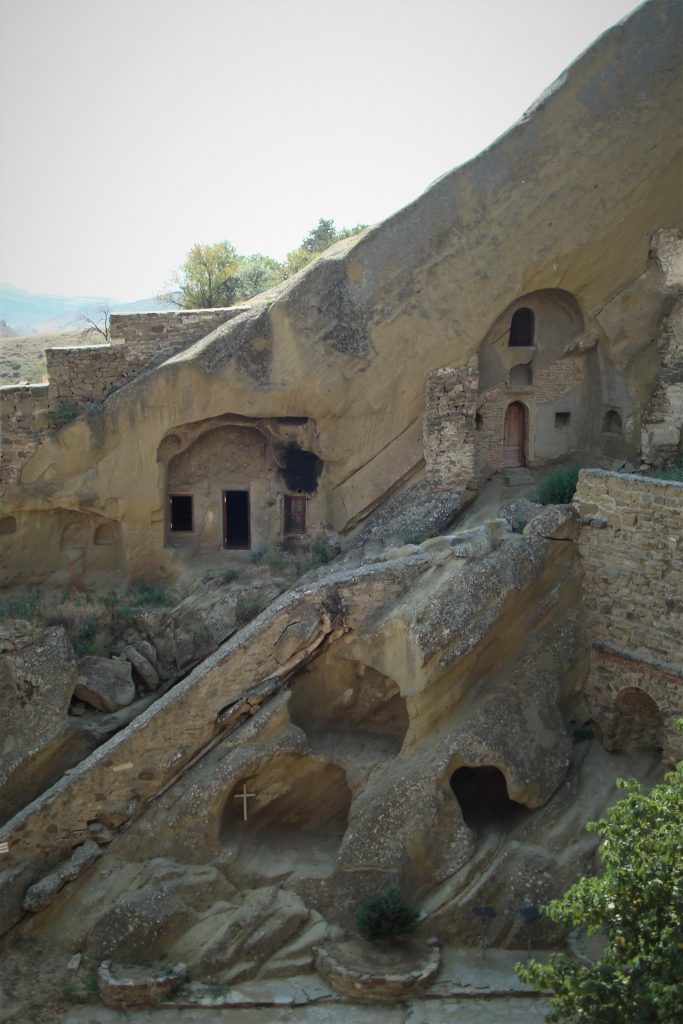
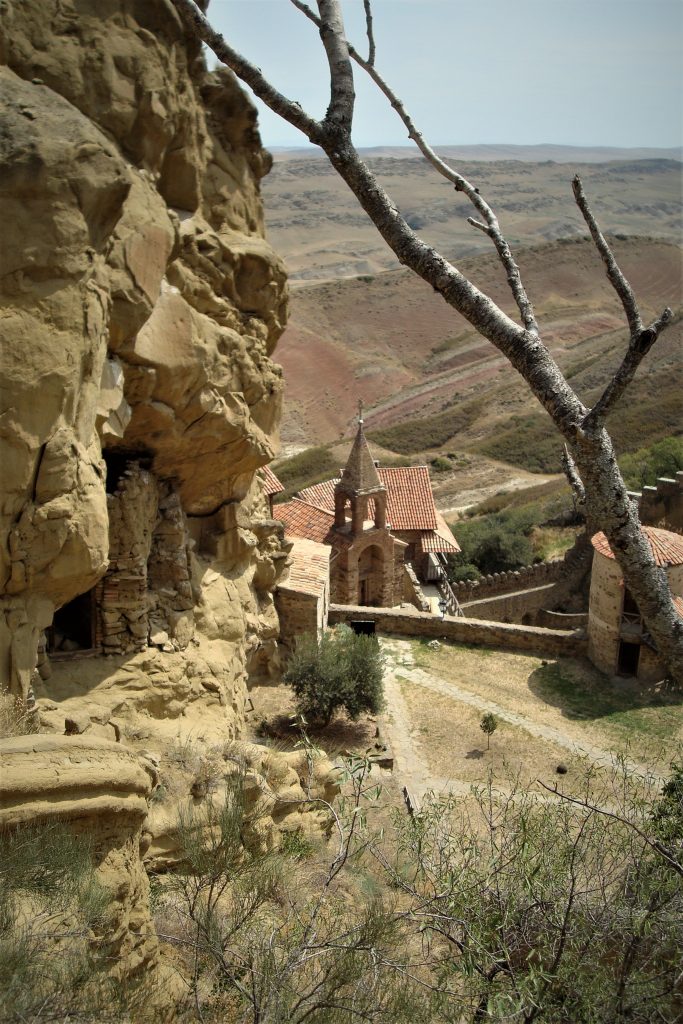
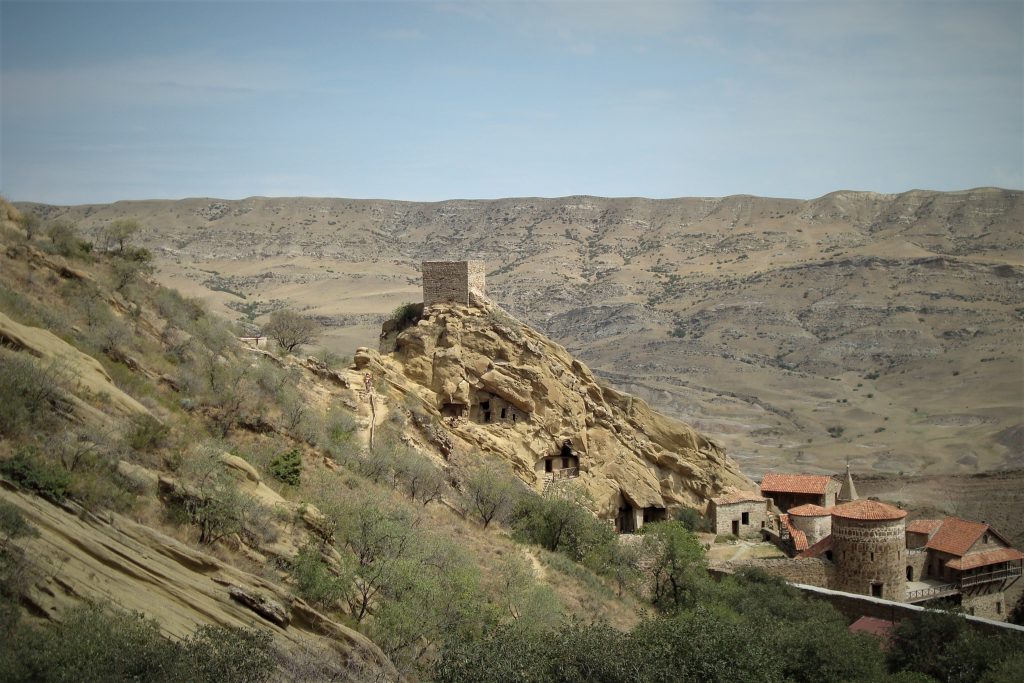
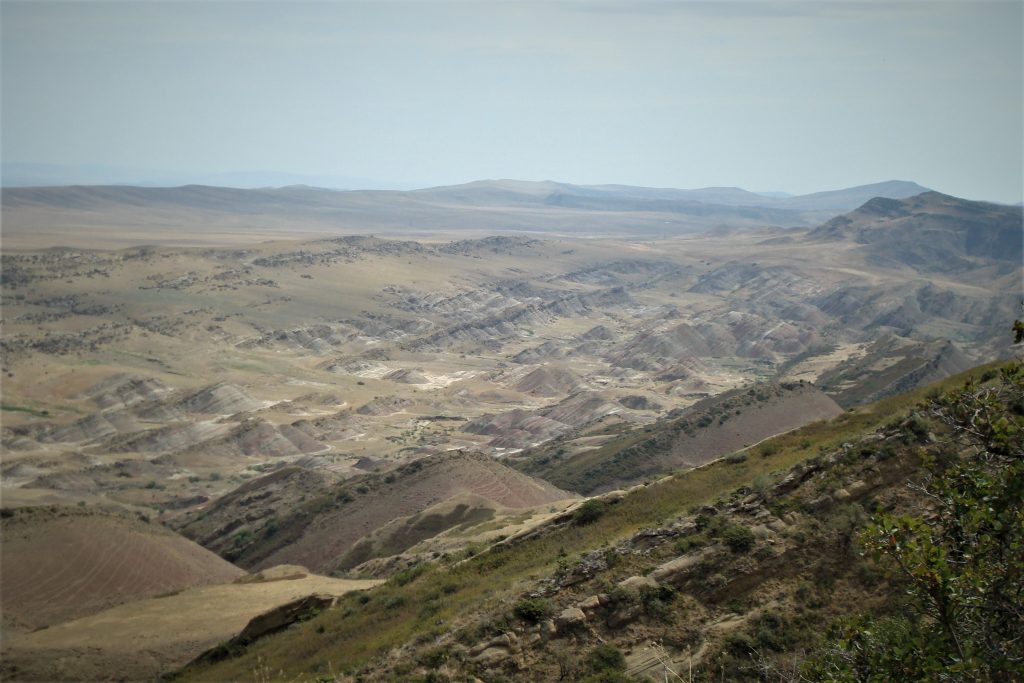
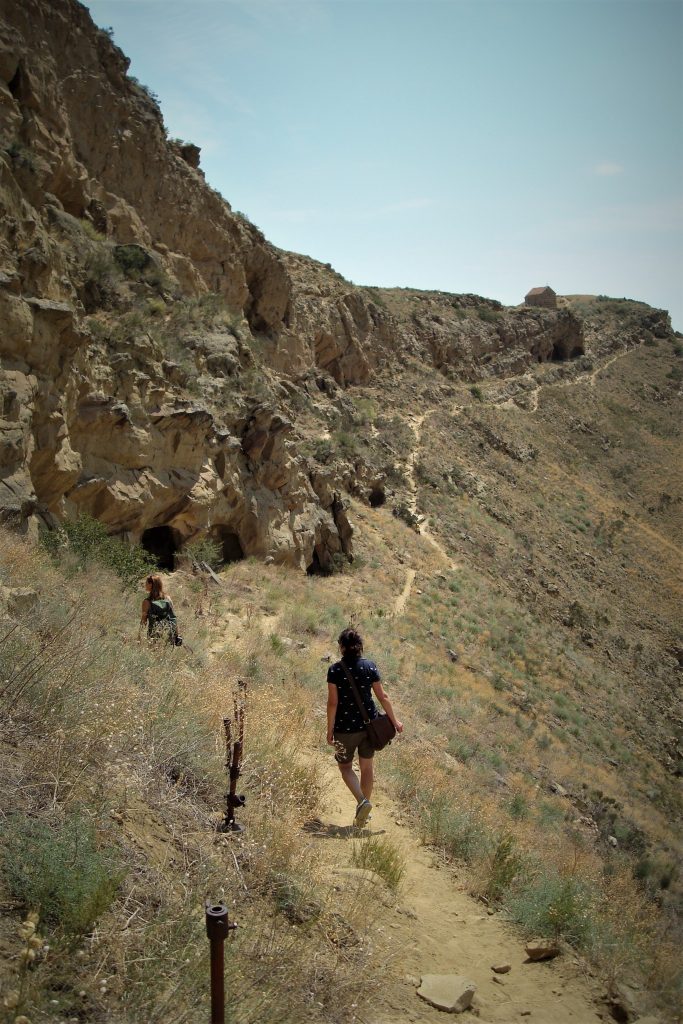
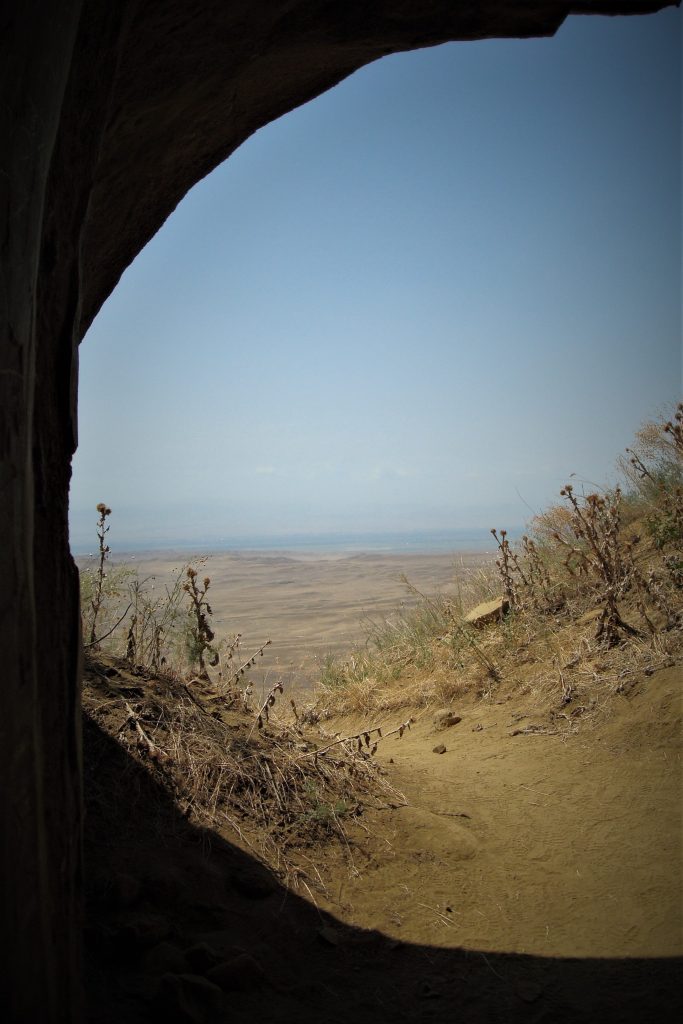
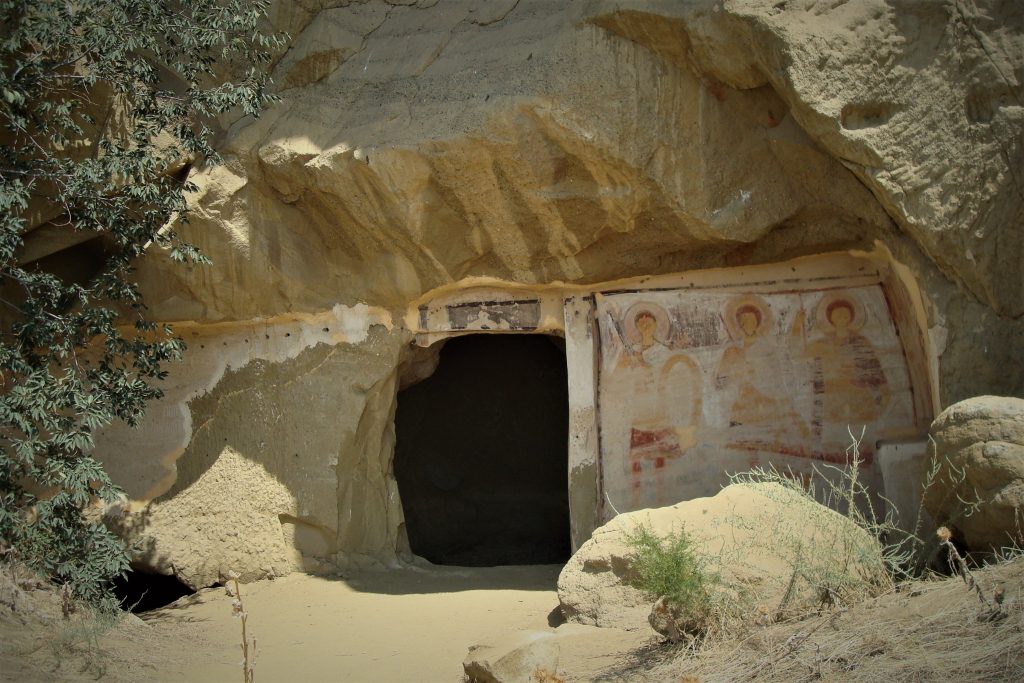
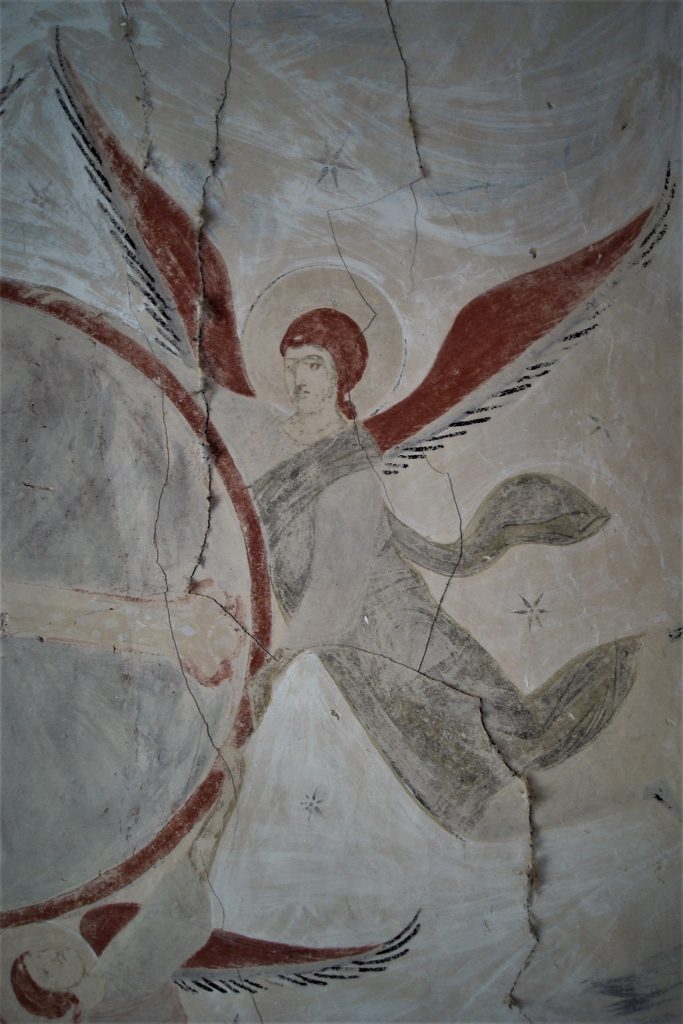
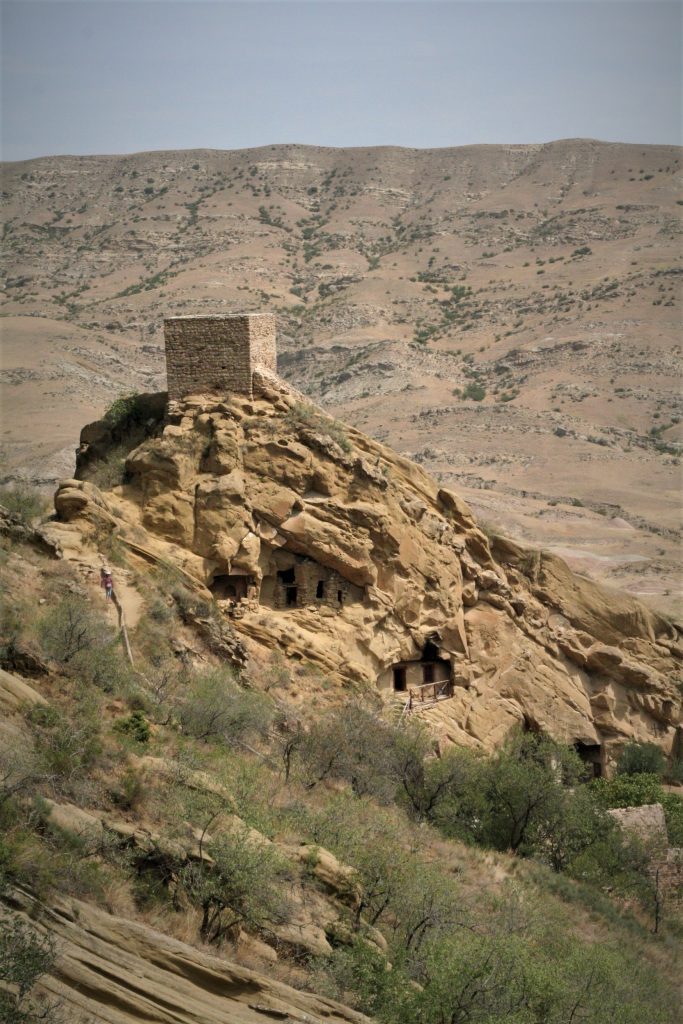
Sometimes, when the s*** hits the fan, it’s good to run away to the hills. This is what I did a few years ago after a bit of an unexpected life-shift. A friend of mine, a beautiful Georgian soul called Tea, whom I’d met on a different trip, welcomed me with open arms to her country. Keen to share it’s beauty she very sweetly organised pretty much the whole trip and myself and another friend, who had also been through the mill a bit, were completely rejuvenated by everything Georgia had to offer; and it has a lot to offer: good food, good wine, beautiful sites, epic scenery and space for reflection. It is, itself, a country which has experienced great hardship but has flourished and spending time with a friend who could discuss this side of Georgia’s past at great length was not only fascinating but also meant that, with perhaps both of us in a more contemplative mood, our travels were more greatly enriched as opposed to just passing through and thinking, “oh that’s pretty”, and snapping a photo. This is the best kind of travelling – with an awareness that everything has a backstory – humans, places and, of course the interactions of the two. The other benefit of travelling around a country with a local is that you get all the insider intel, often see things more off the beaten track and you get to meet all sorts of folk that you wouldn’t necessarily come across as a regular tourist.
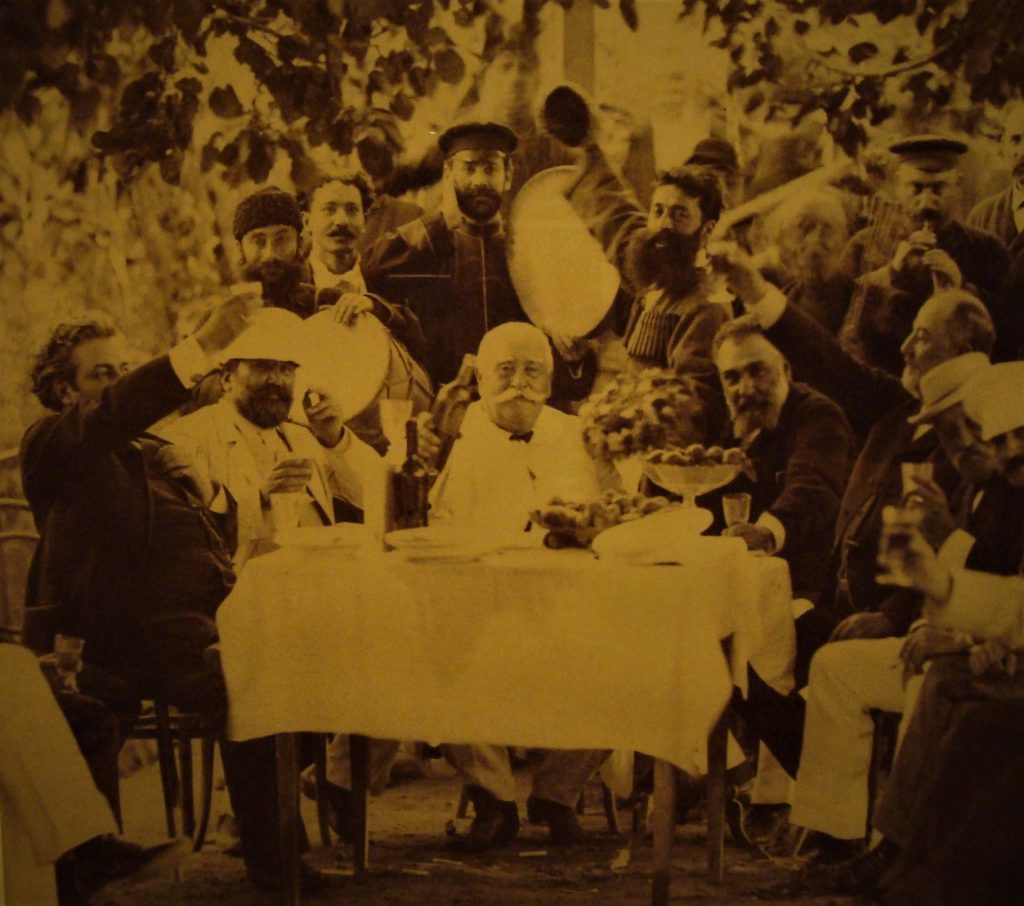
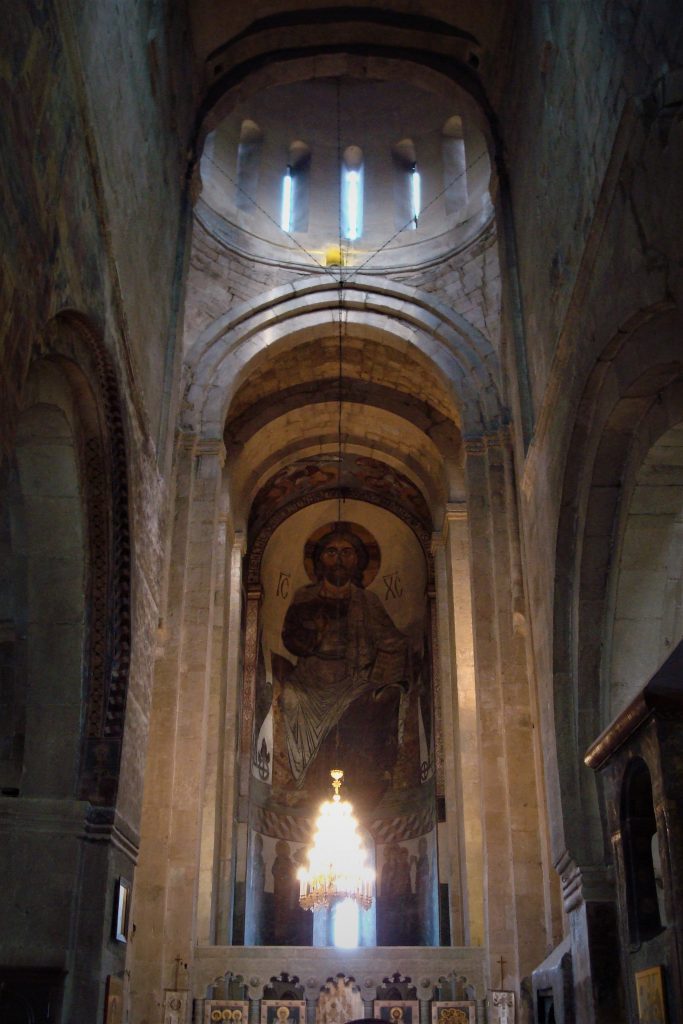
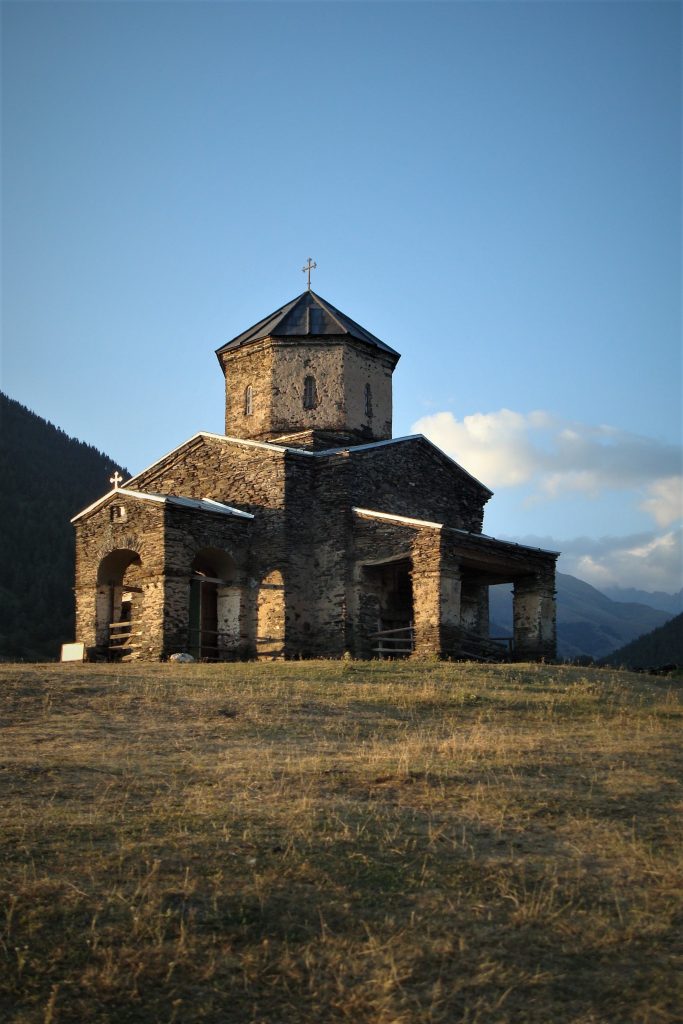
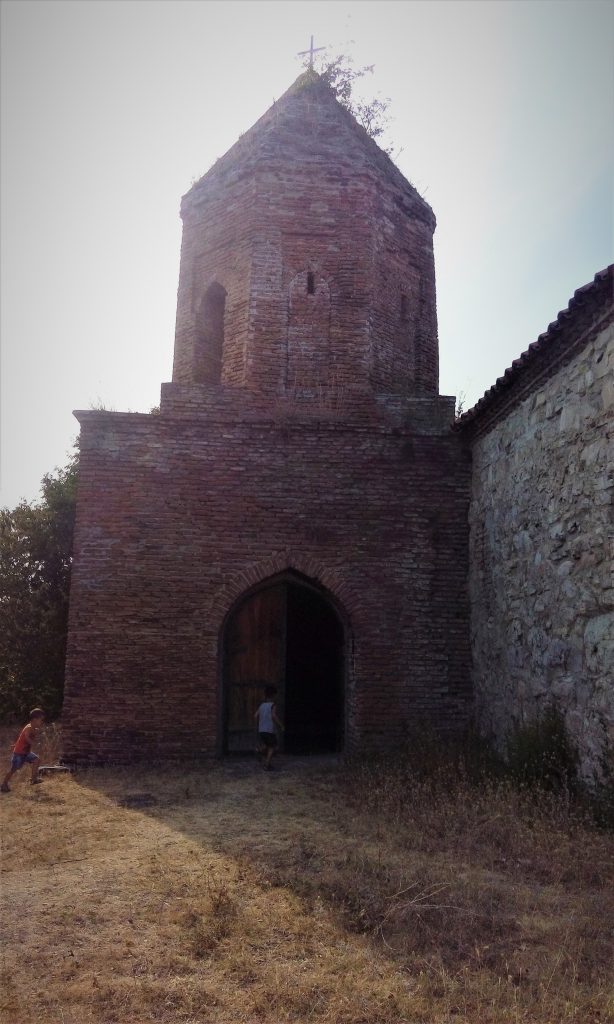
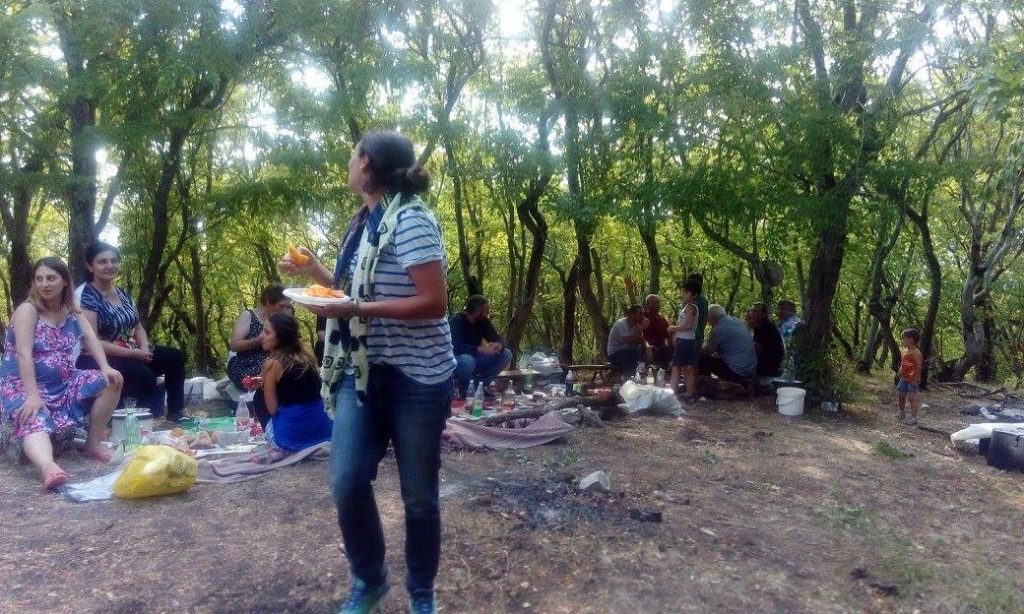
It is a beautiful thing to be welcomed into people’s homes outside of your regular pattern, to feel in touch with a spot of xenia or rather what the Georgians term “supra” (which actually translates rather beautifully as “tablecloth”) – but actually means welcoming guests with gusto. The Georgian love of family, friends and food is the lifeblood of this country. Supra is offered to relatives, friends and guests and will generally have a toastmaster (tamada). We met a couple who had built their own homestead in the countryside from scratch having watched Grand Designs, our mountain driver’s family, joined in with some lively village name days and stopped off in summer houses. Probably the best example of supra was a random sunny picnic we came across at the back of an orthodox church. A huge group was seated along an actual tablecloth on the ground beneath the trees and they invited us to join them and each raise a toast – thankfully Tea was able to help with this bit. So simple; so innocent; so heartwarming.
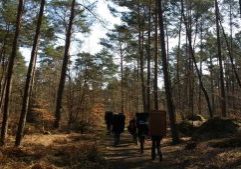
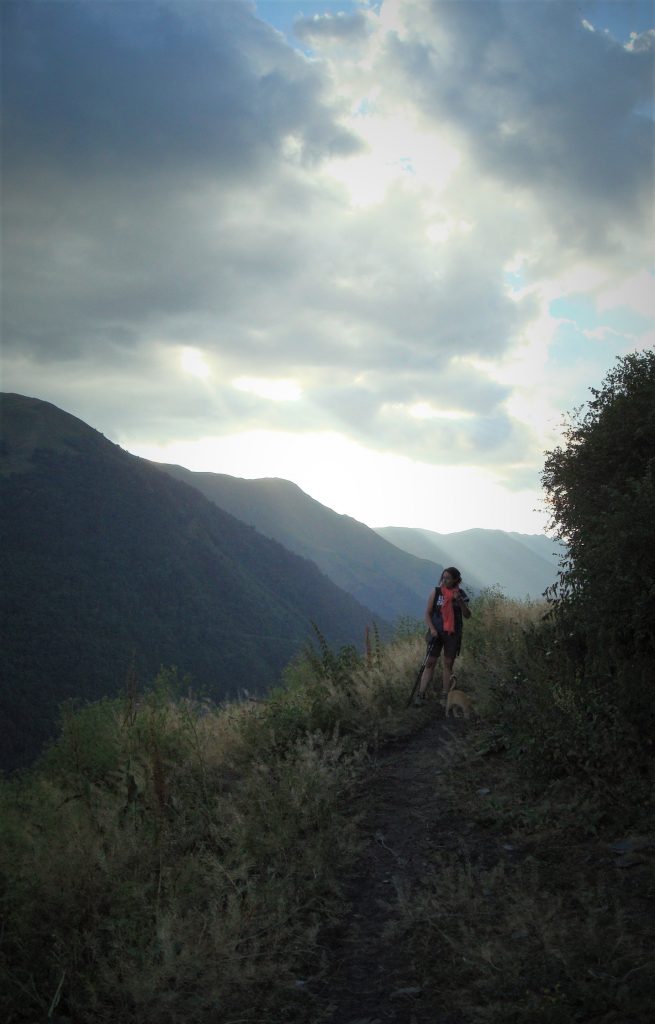
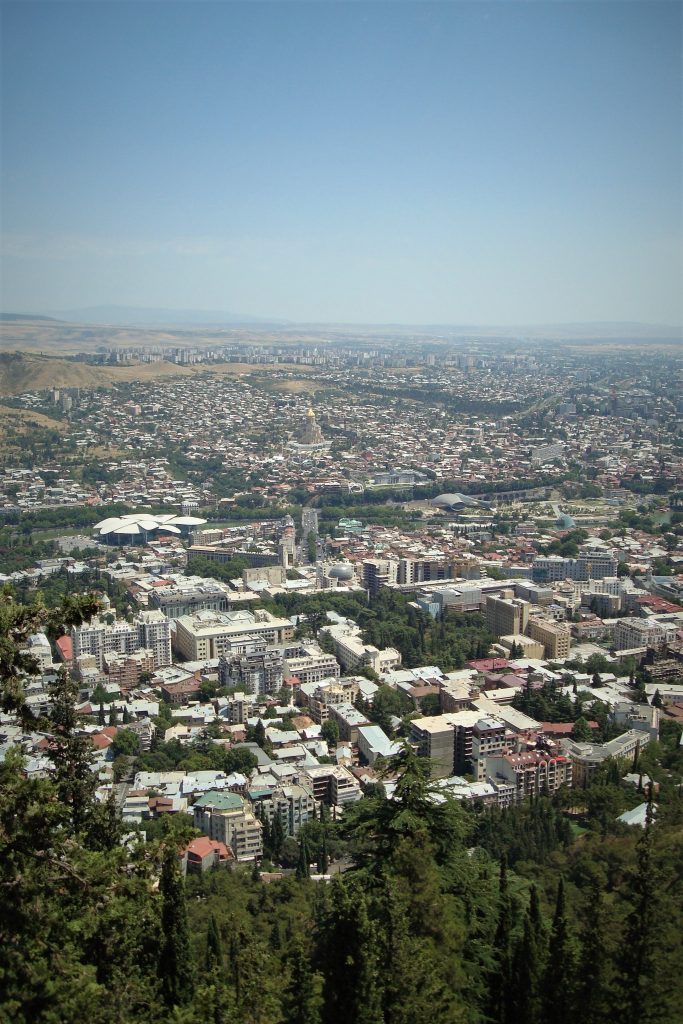
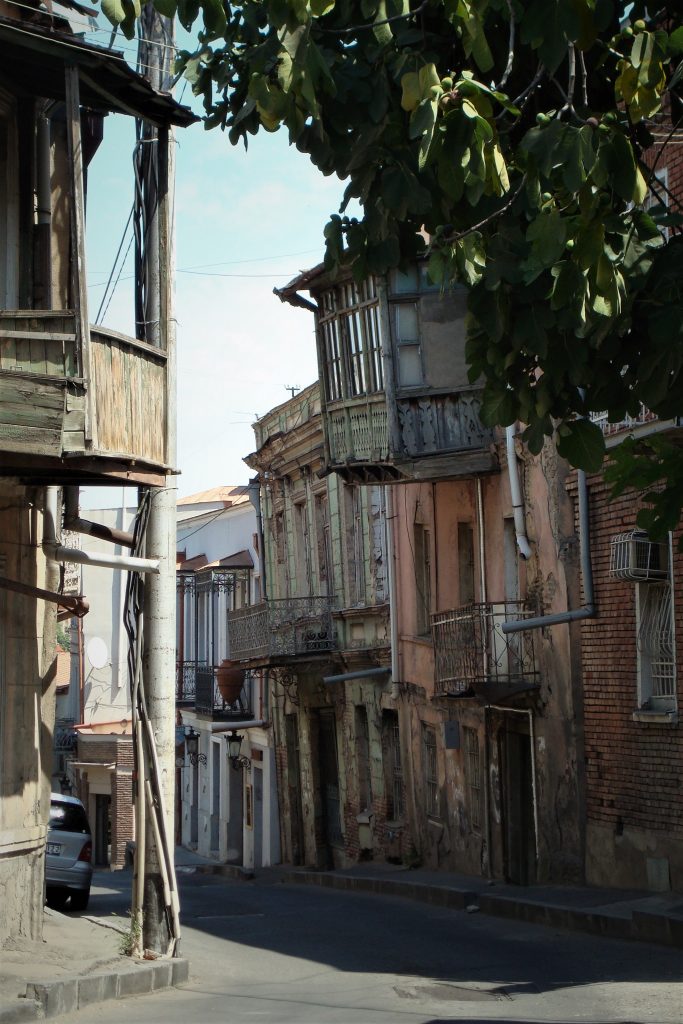
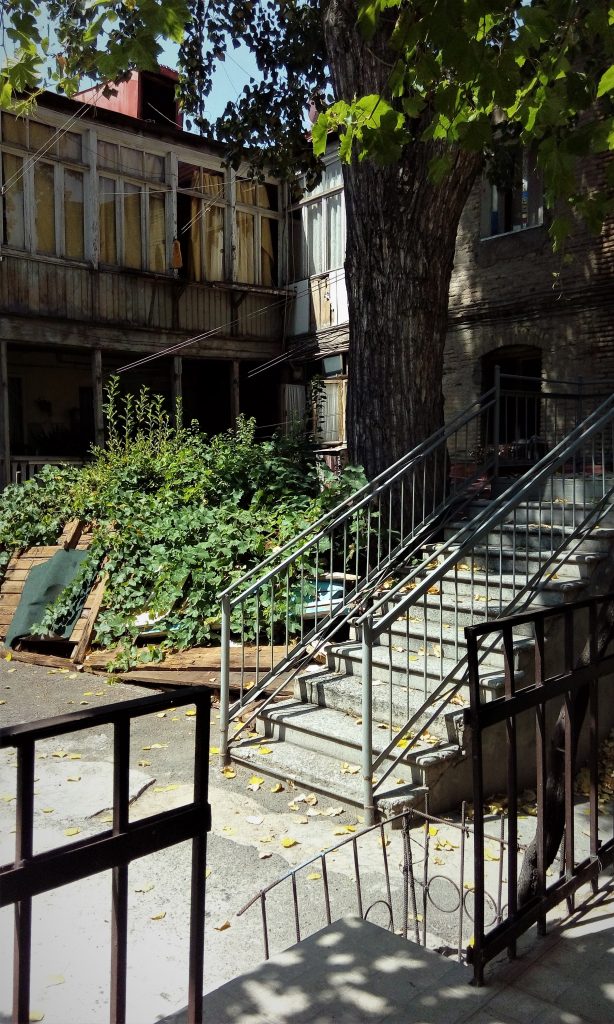
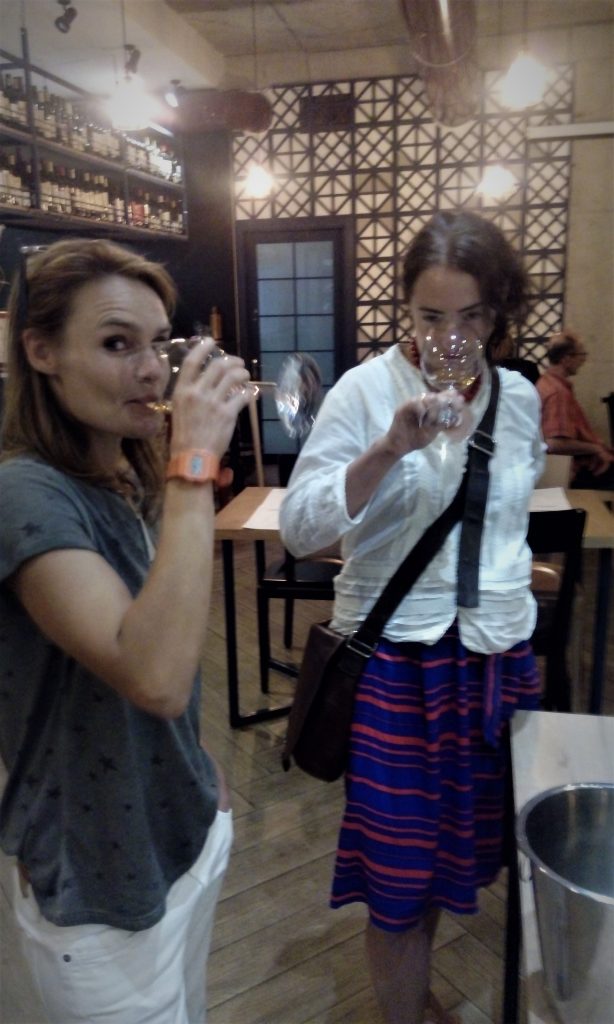
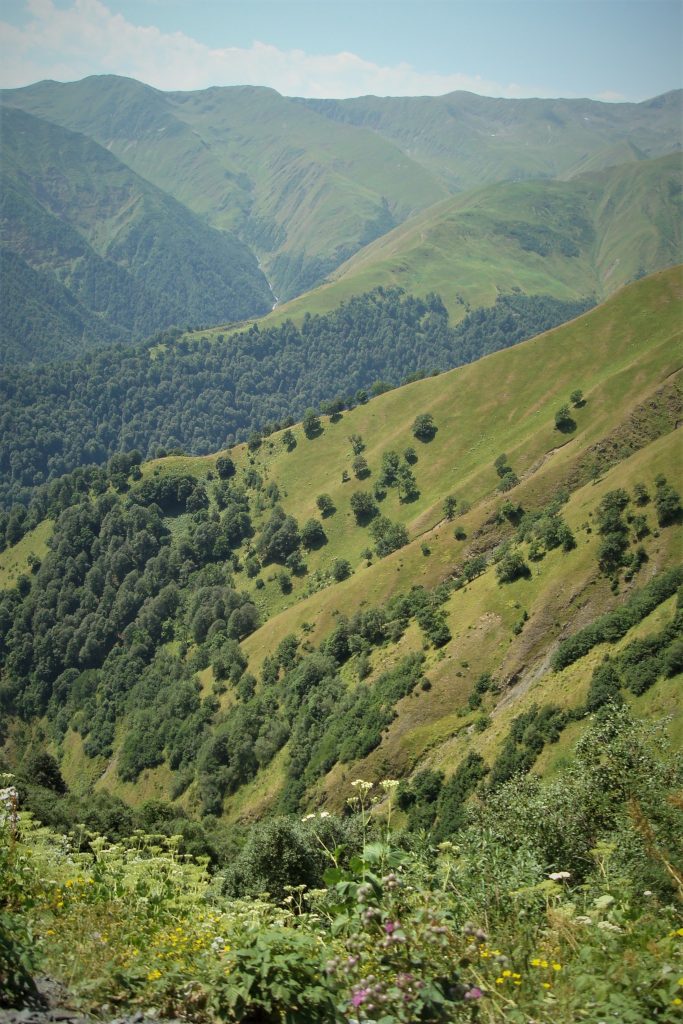
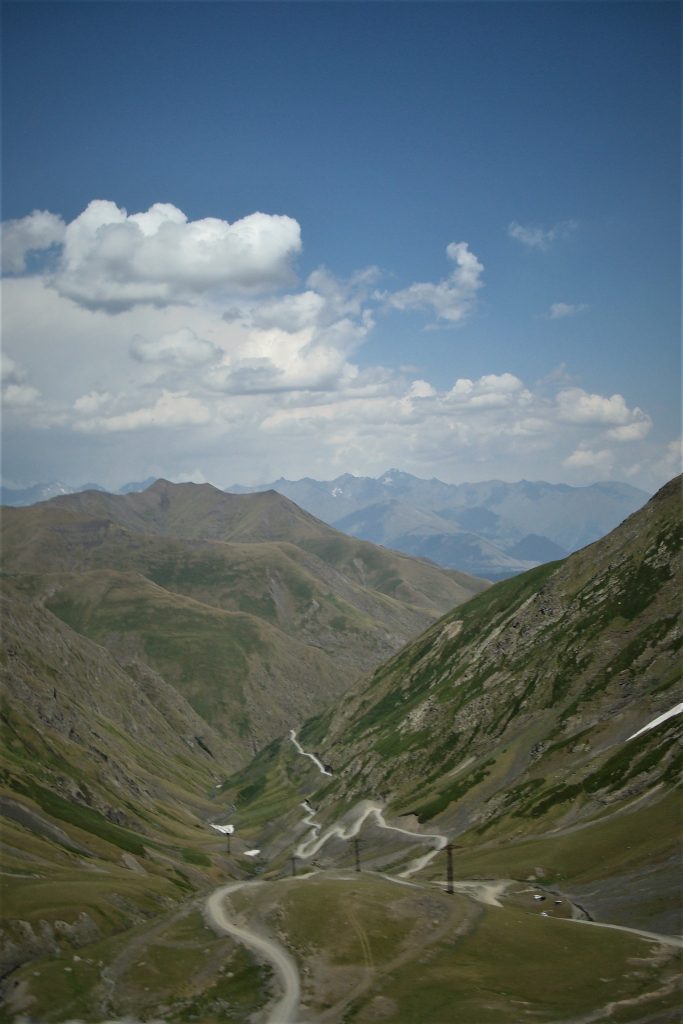
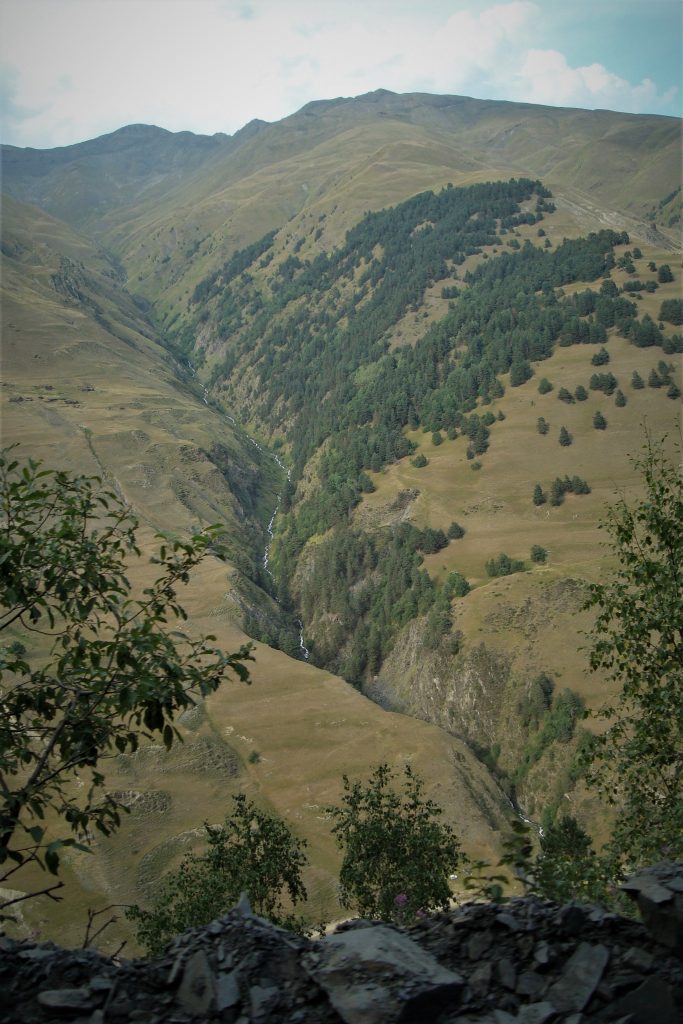
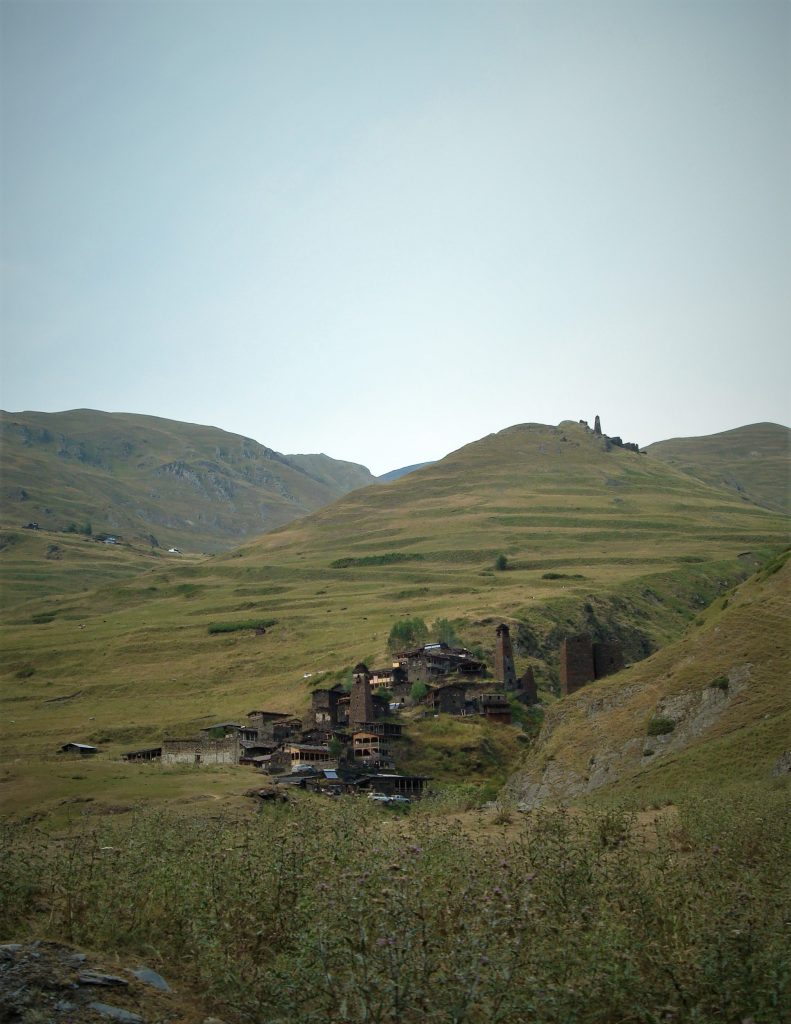
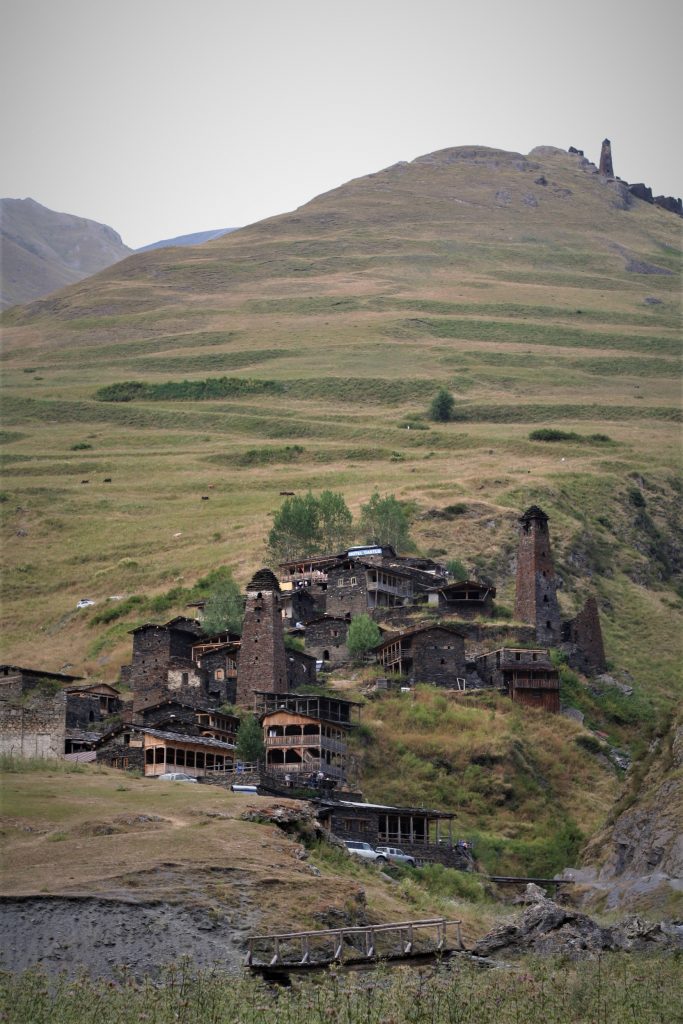
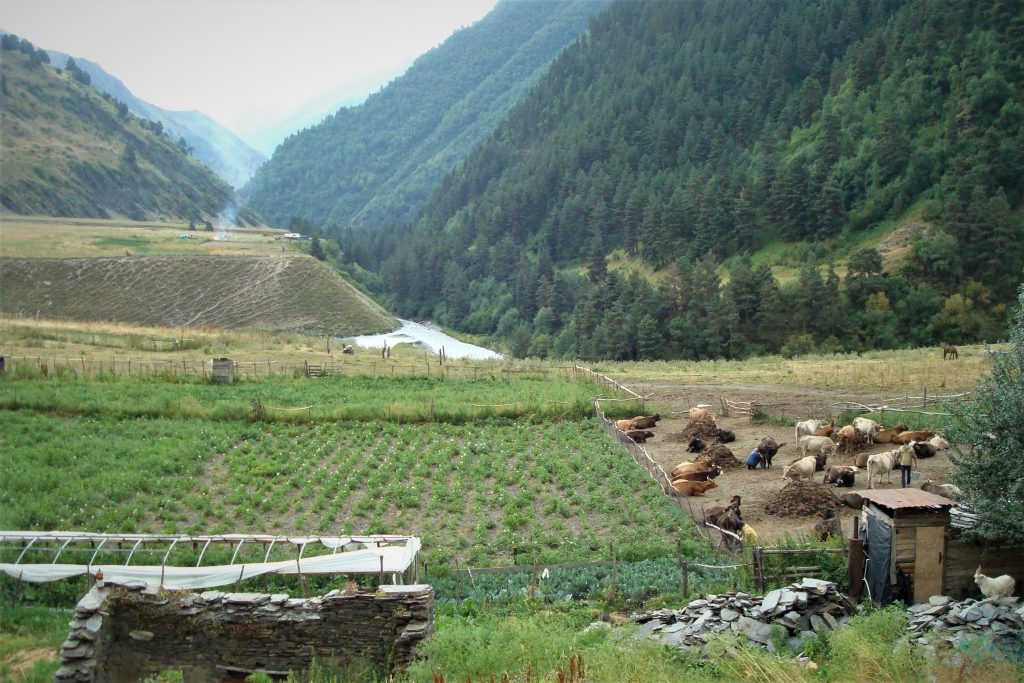
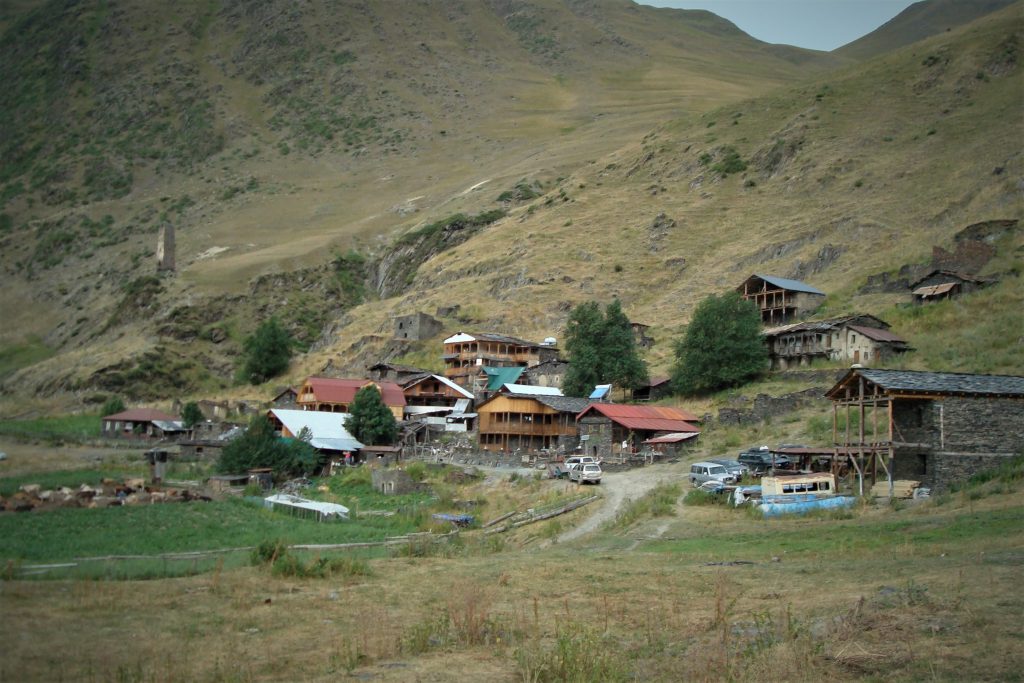
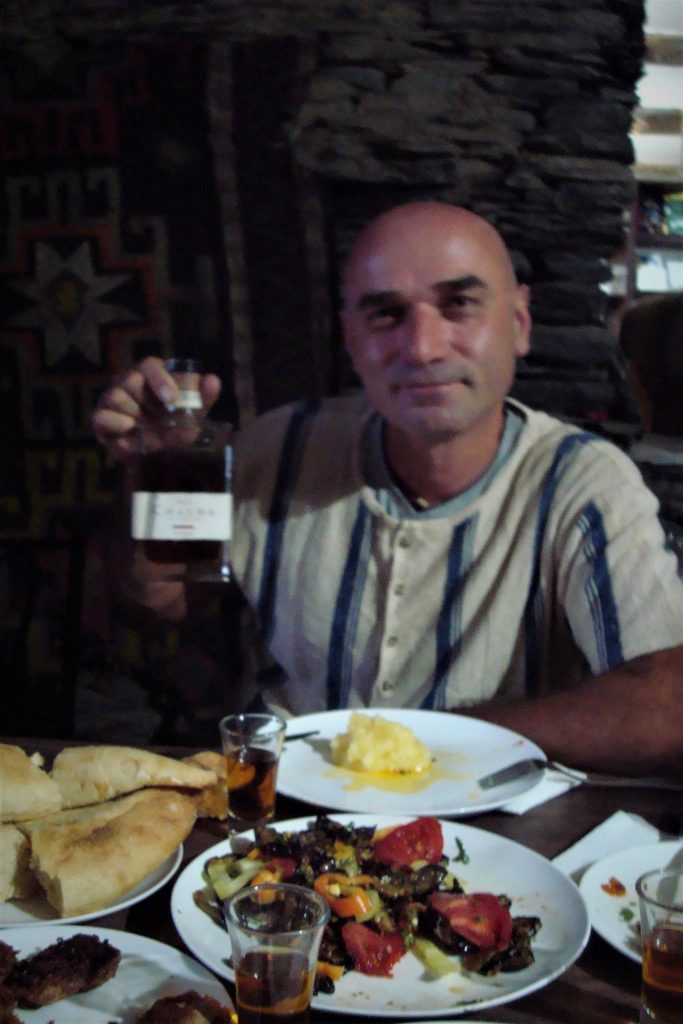
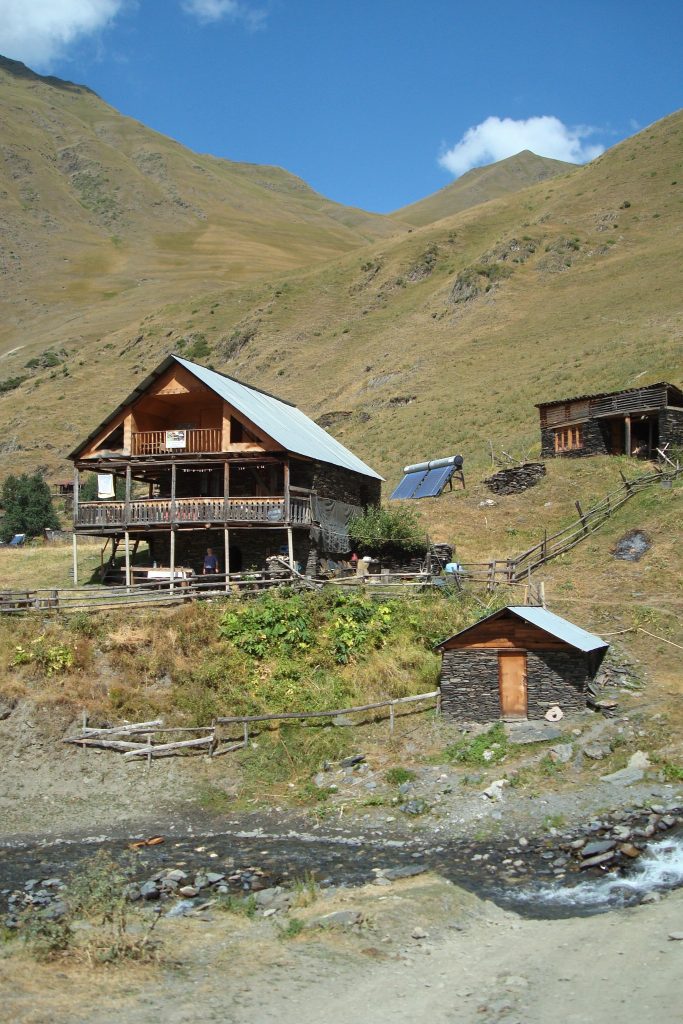
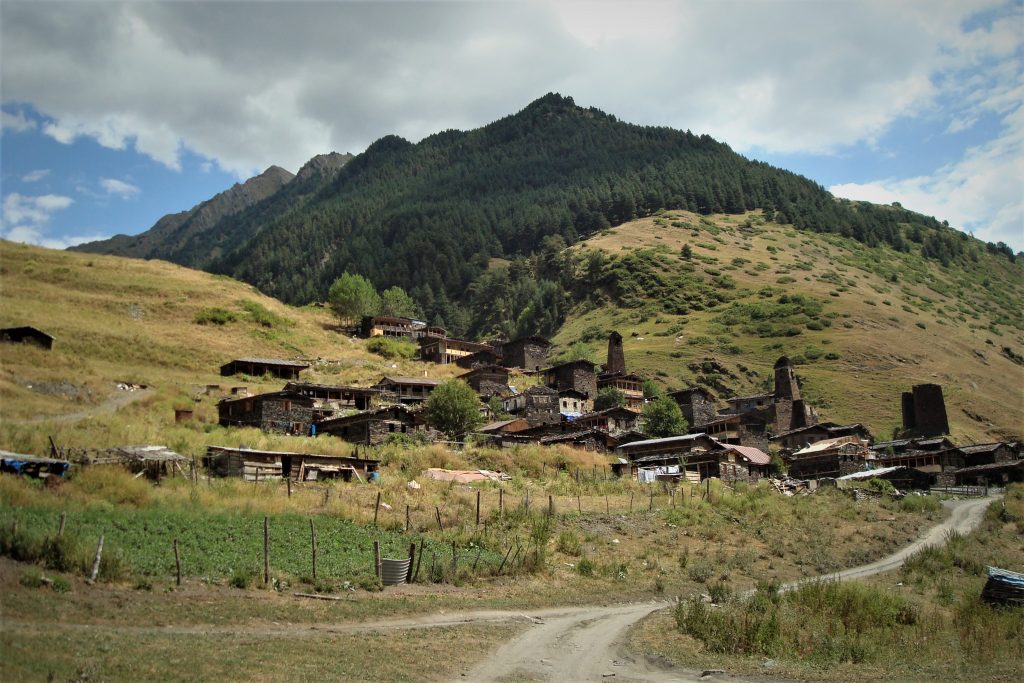
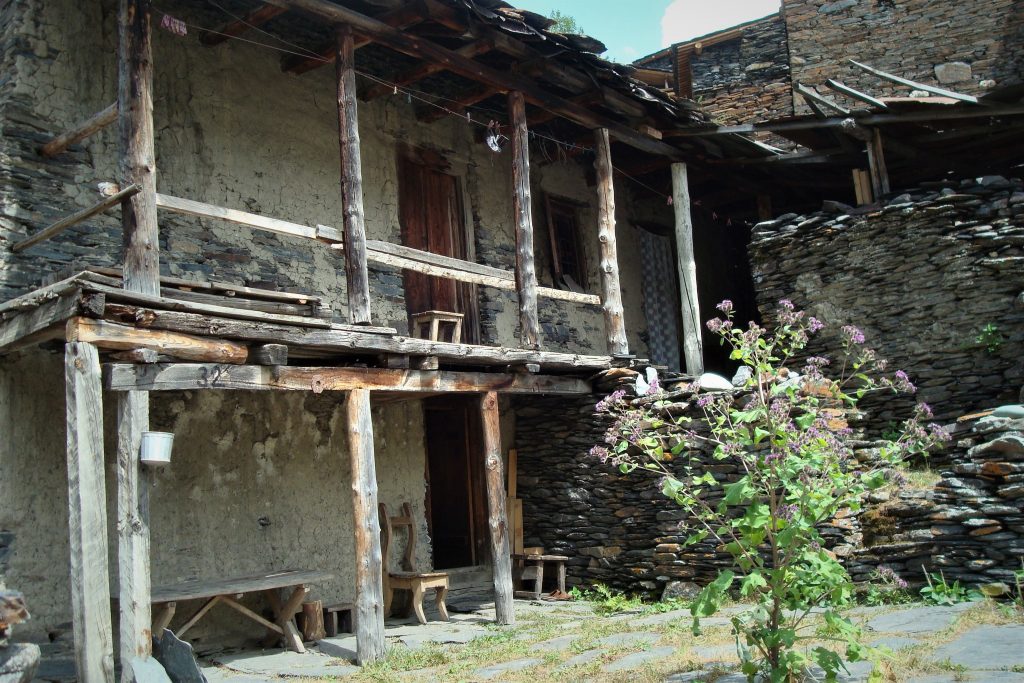
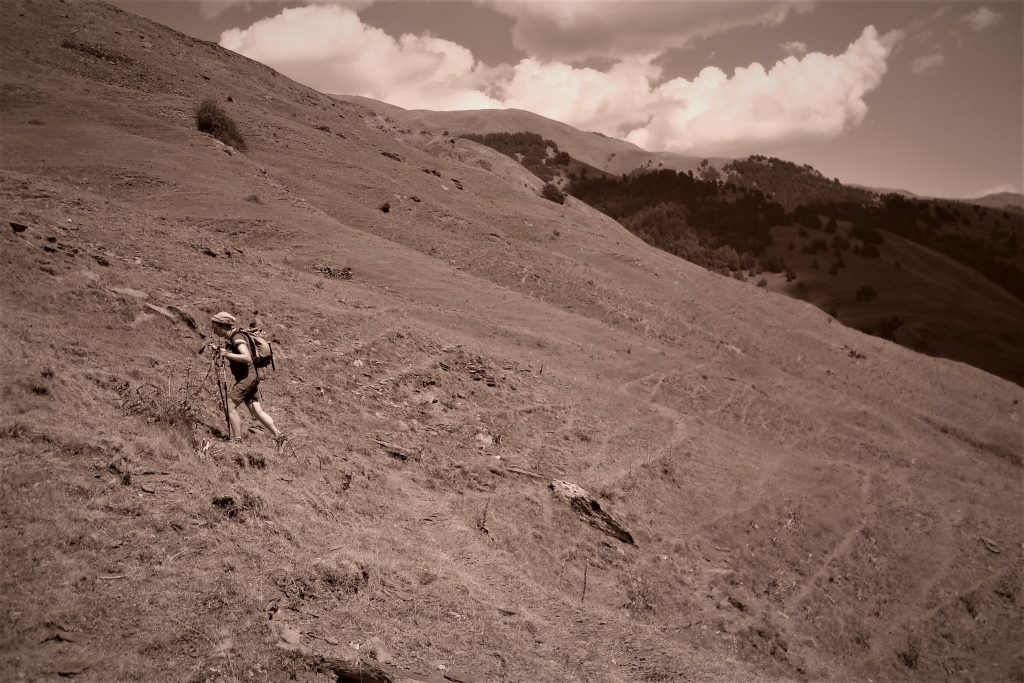
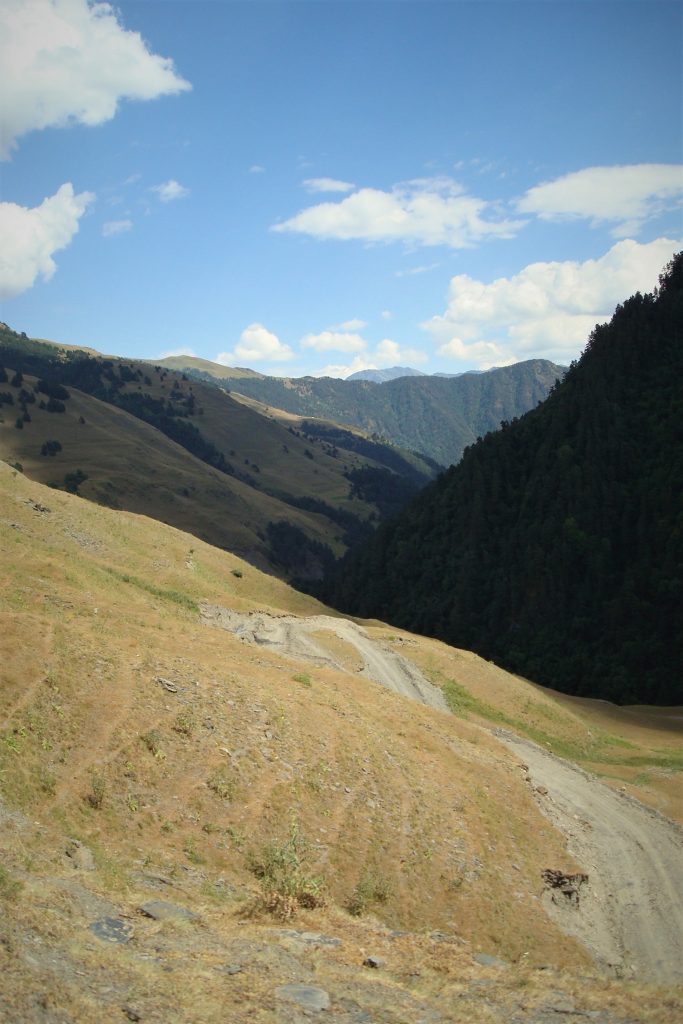
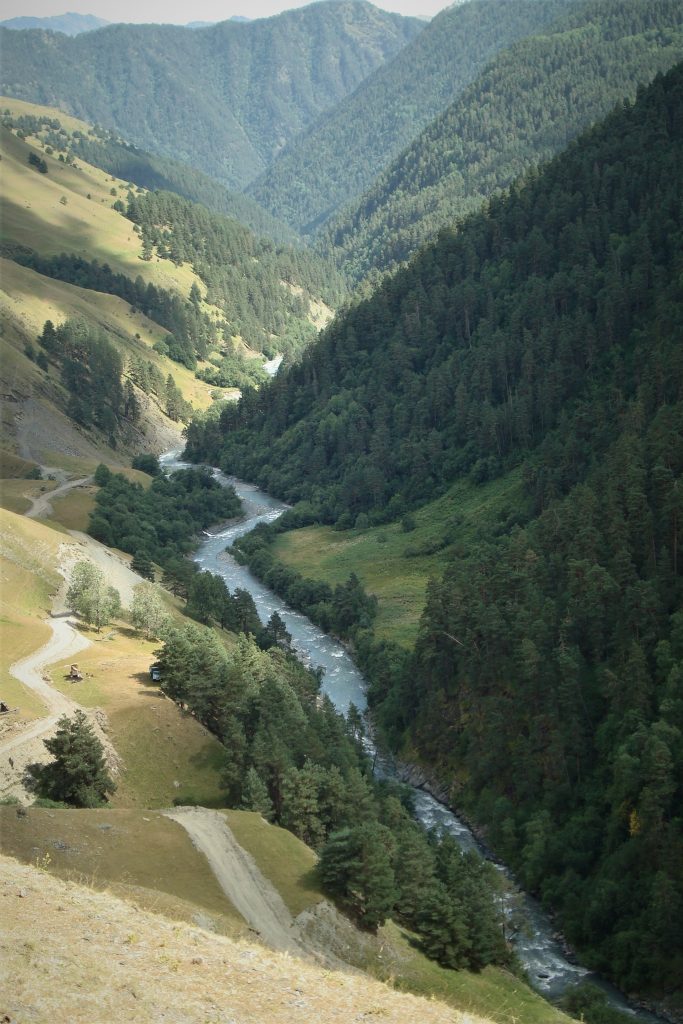
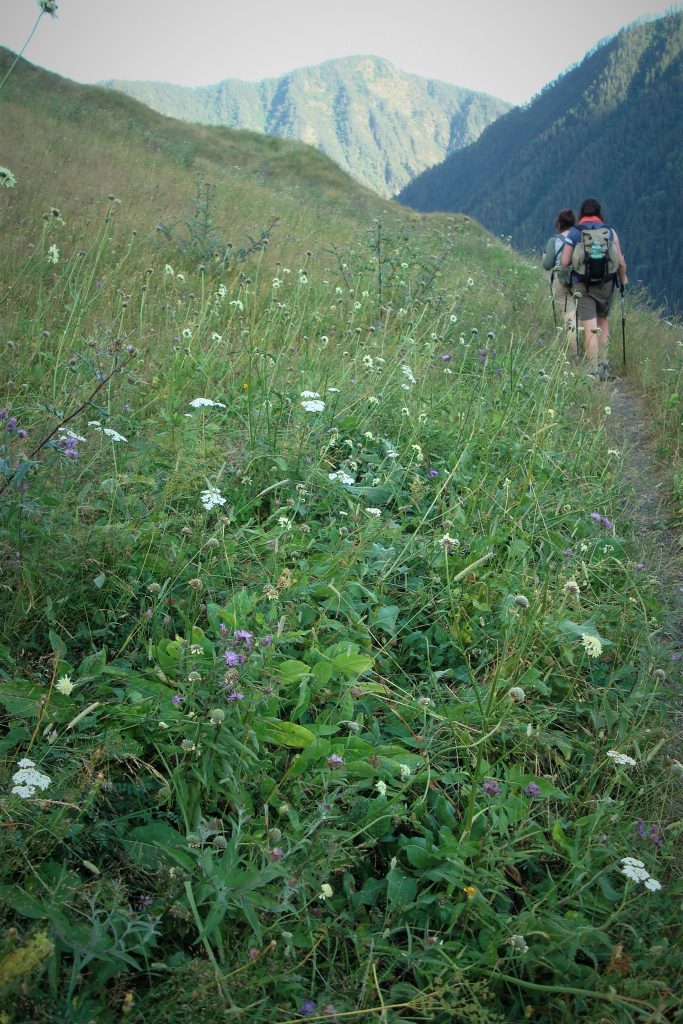
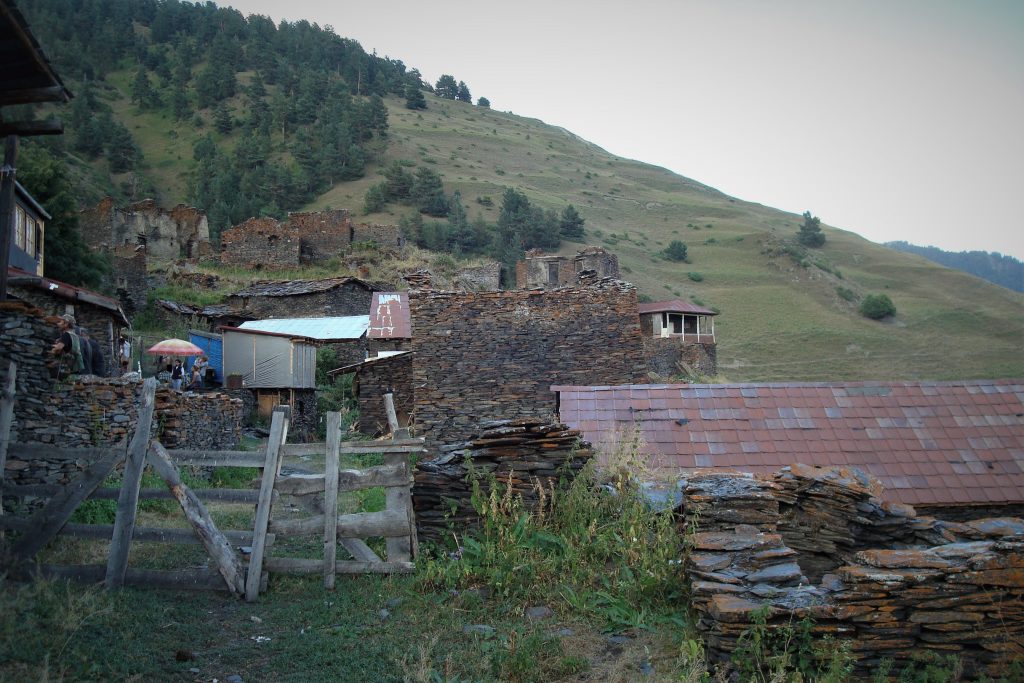
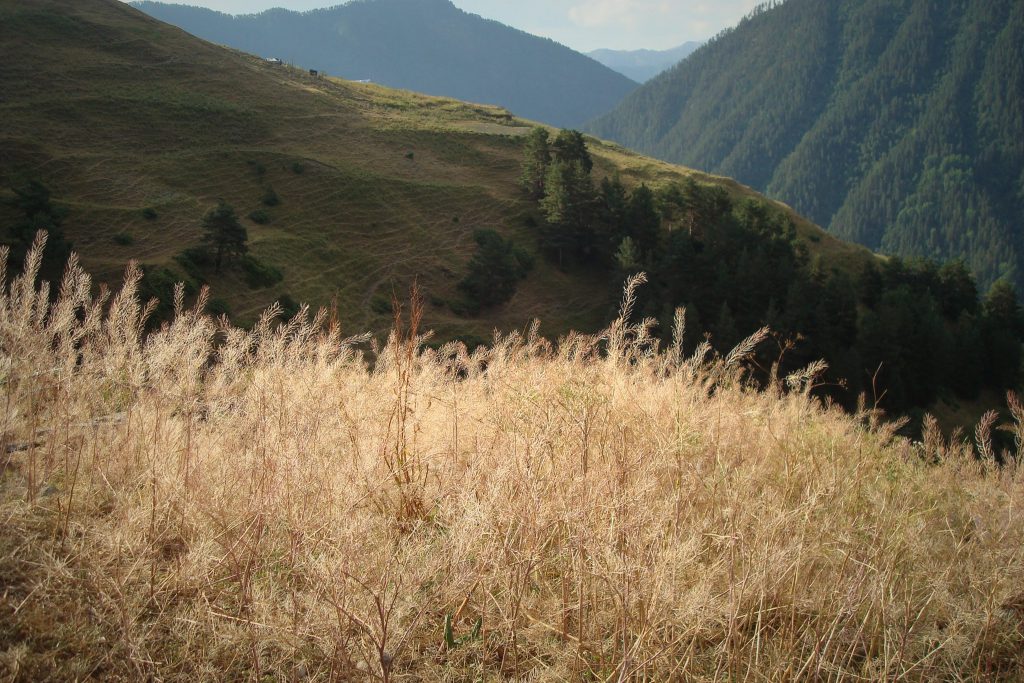
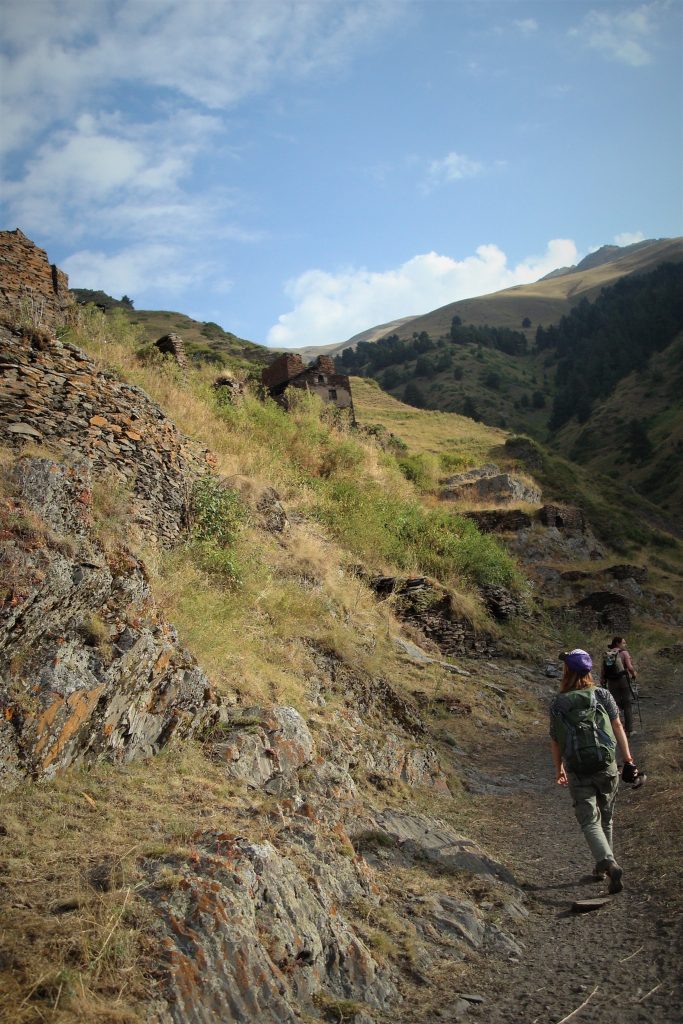
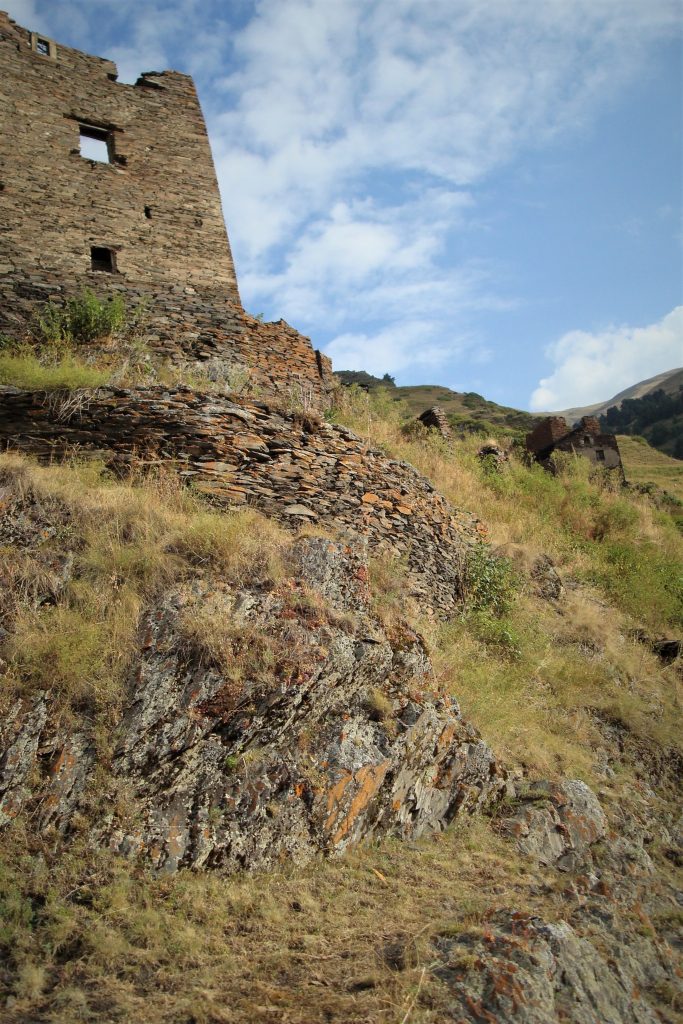
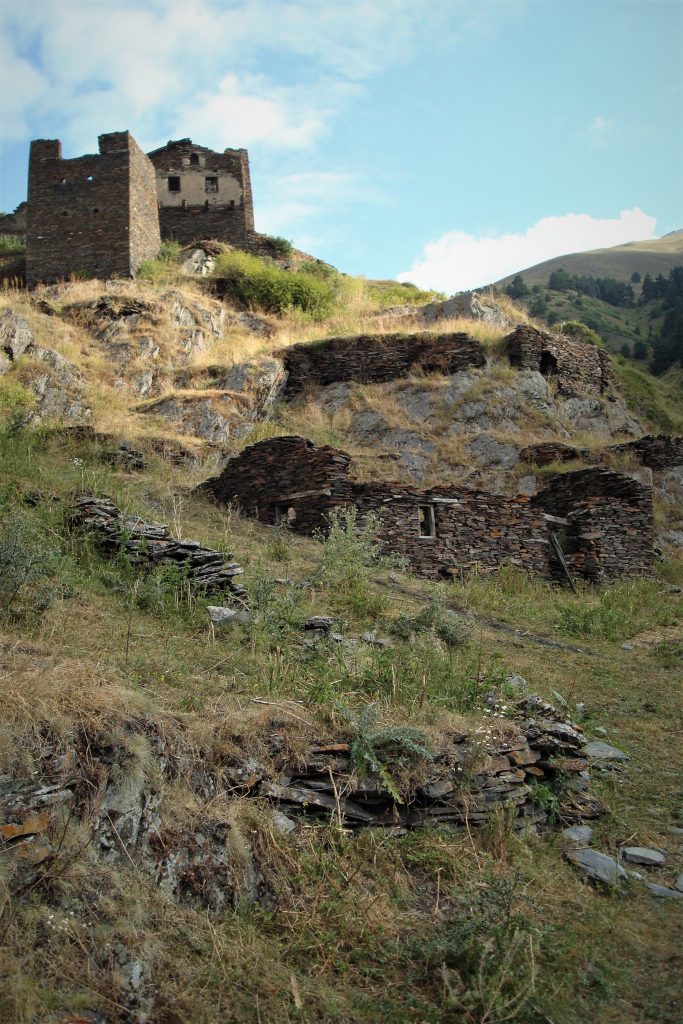
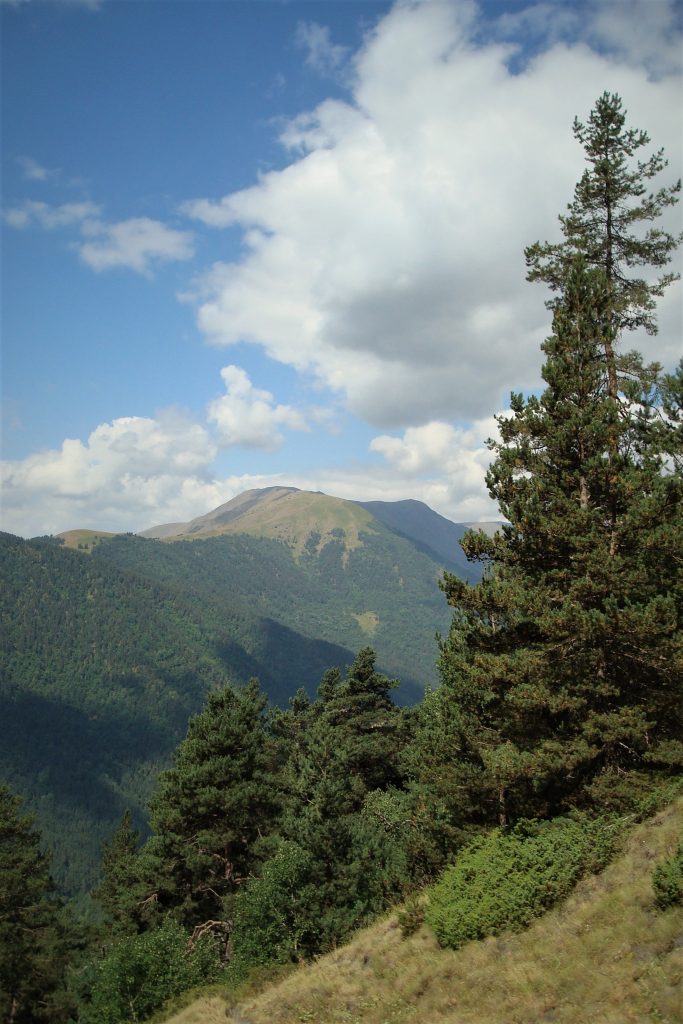
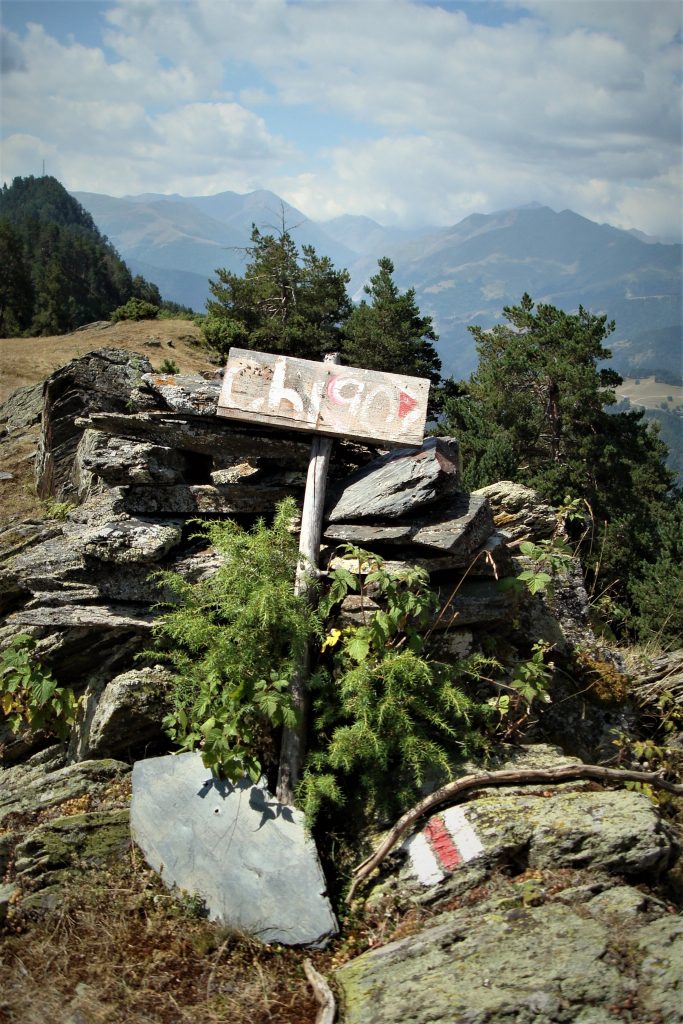
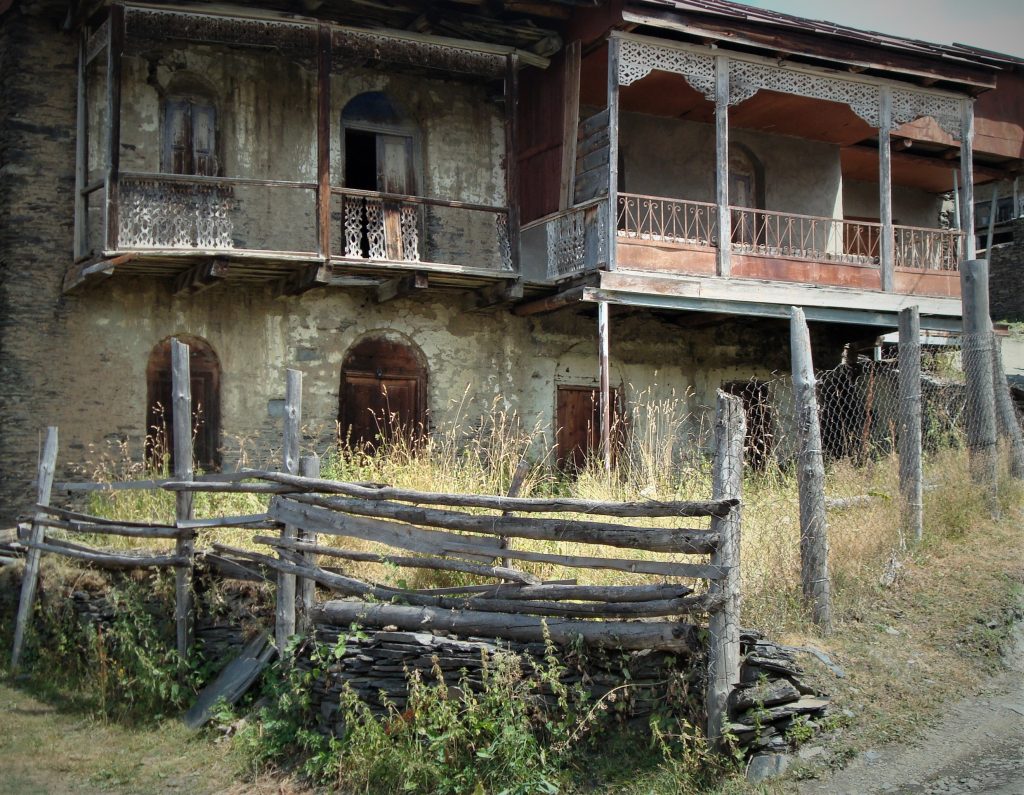
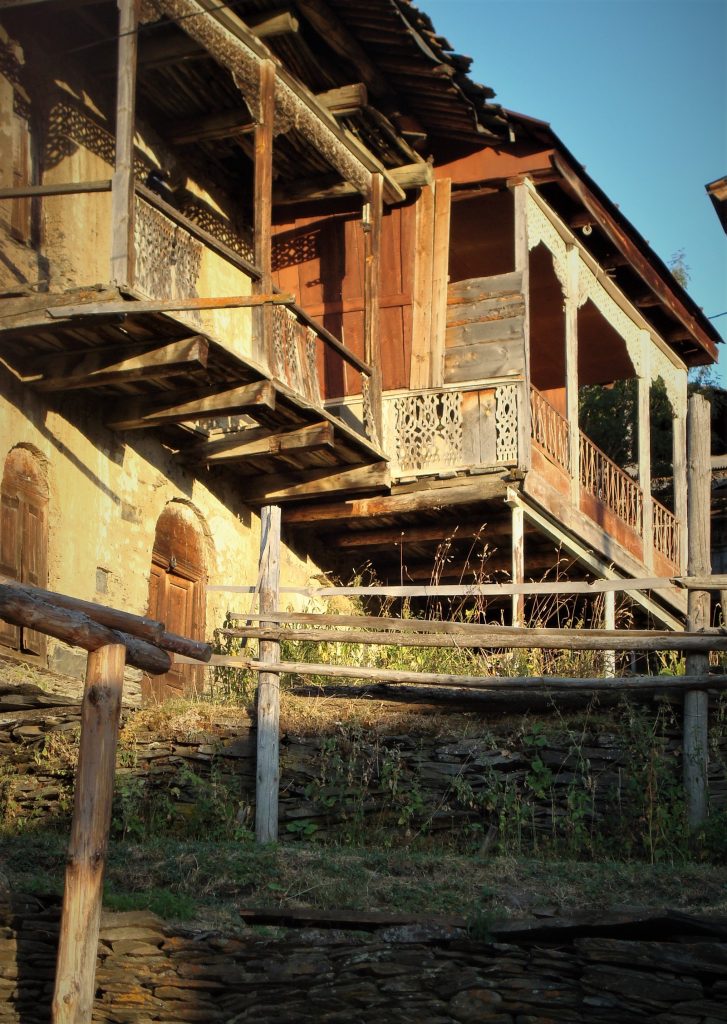
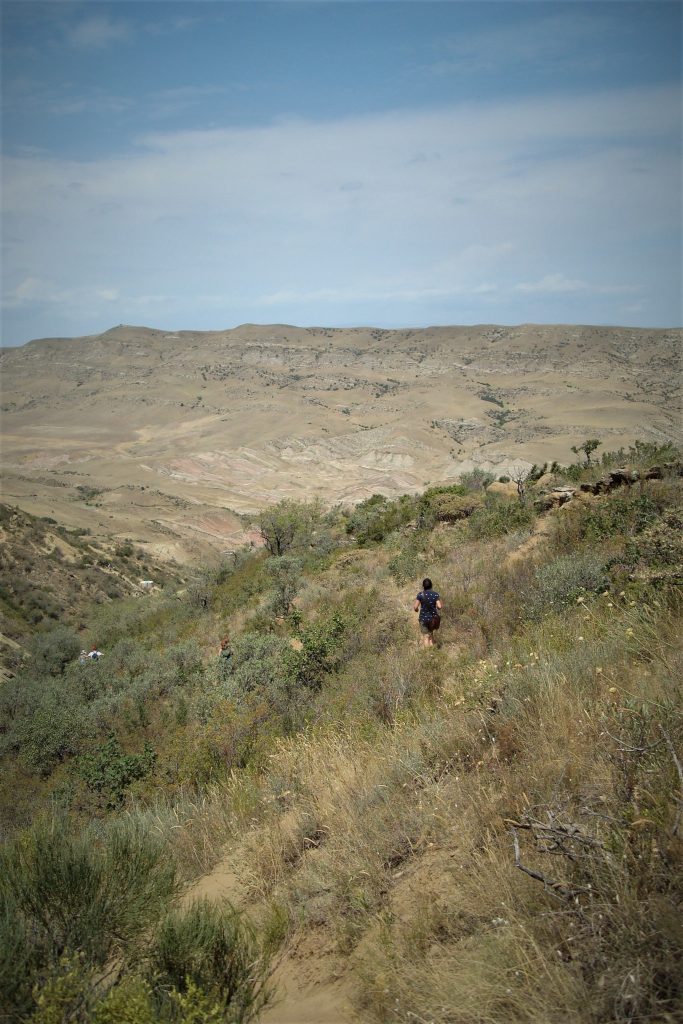
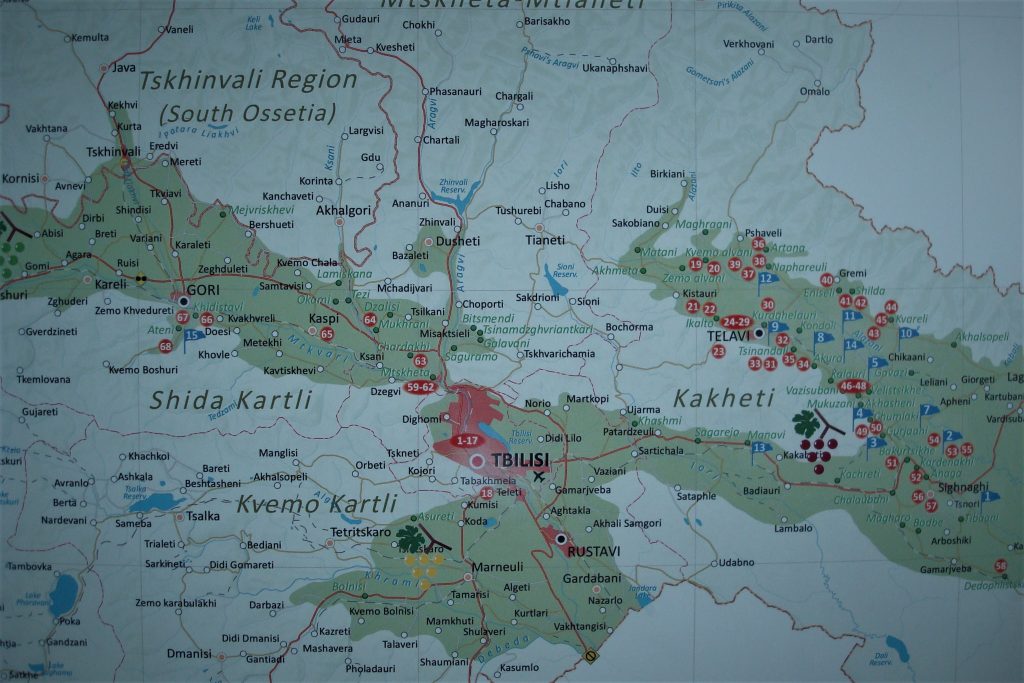
We spent some time in Tbilisi enjoying it’s mix of crumbling old corners and buzzing new blocks then moved out via a few stunning sites and a spot of wine tasting towards a few days’ hiking in Tusheti. Tea’s special treat – a pretty extensive and much needed “forest bath”. Tusheti is a region on the northern slopes of the Caucasus mountains in north east of the country. It is one of the country’s most remote provinces and when it comes to getting there, well, the road to Tusheti is officially among the most dangerous in the world. My god it’s stunning though, if indeed a little hairy in places (especially if you are window-side and beneath you is a very vertiginous view). It’s essentially not that far in the grand scheme of things but it is super super windy. Combine that with low visibility and potential rockfall (and potential hazardous weather) and it is a slow but beautiful, drive up. Our hike was to take us across the gorges via three villages (which provided overnight stays and little packed lunches), meeting our driver again at the end. Our driver, a friend Tea’s, came from the village we started from (Dartlo) and it just happened to be that village’s name day celebrations that night. These are crazy and not only involve a lot of feasting and homemade wine but also a lot of homemade chacha. This is a grape spirit which can be up to 65% proof (and most likely beyond, I suspect) when it’s homebrew. I thought I could drink but these guys who live in the hills take it to another level. Chacha is easier to take I found if you pop a few of those gorgeous little Georgian plums as a chaser. It’s widely used for all sorts of medicinal purposes and it’s also apparently a thing to start your long hike at the crack of dawn with a shot of chacha.
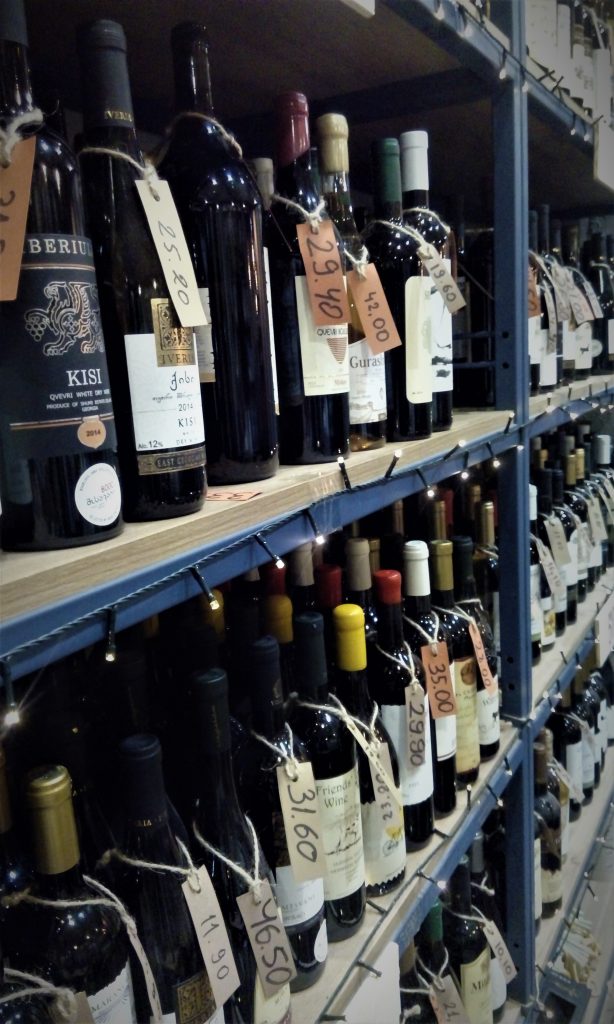
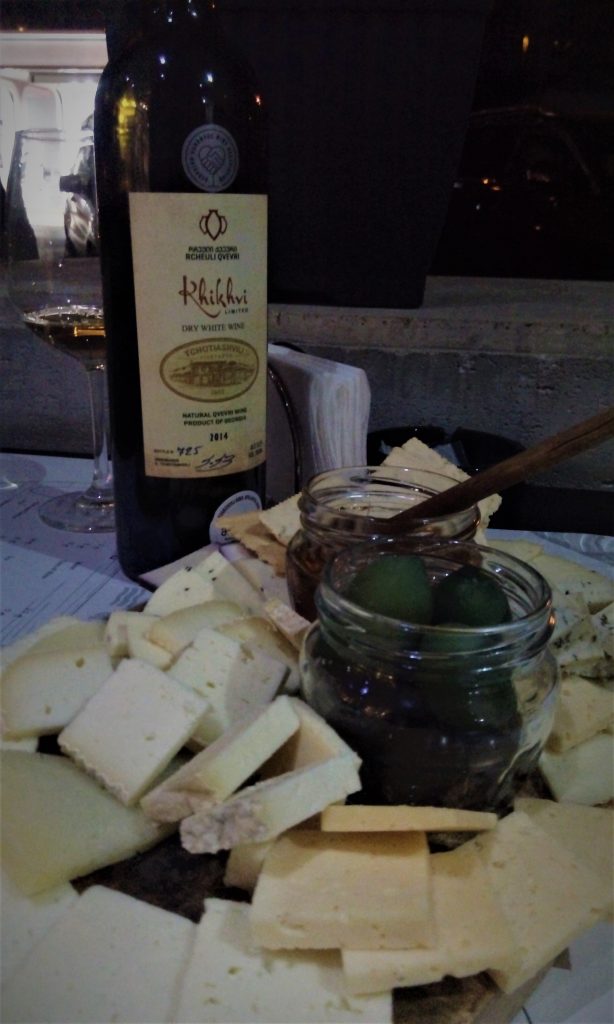
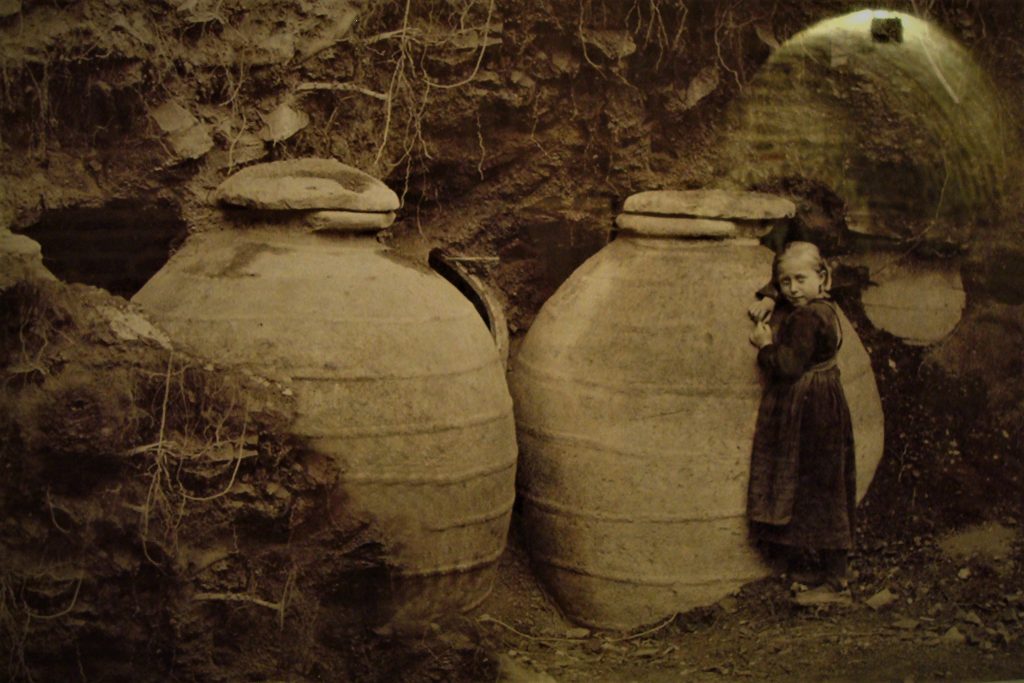
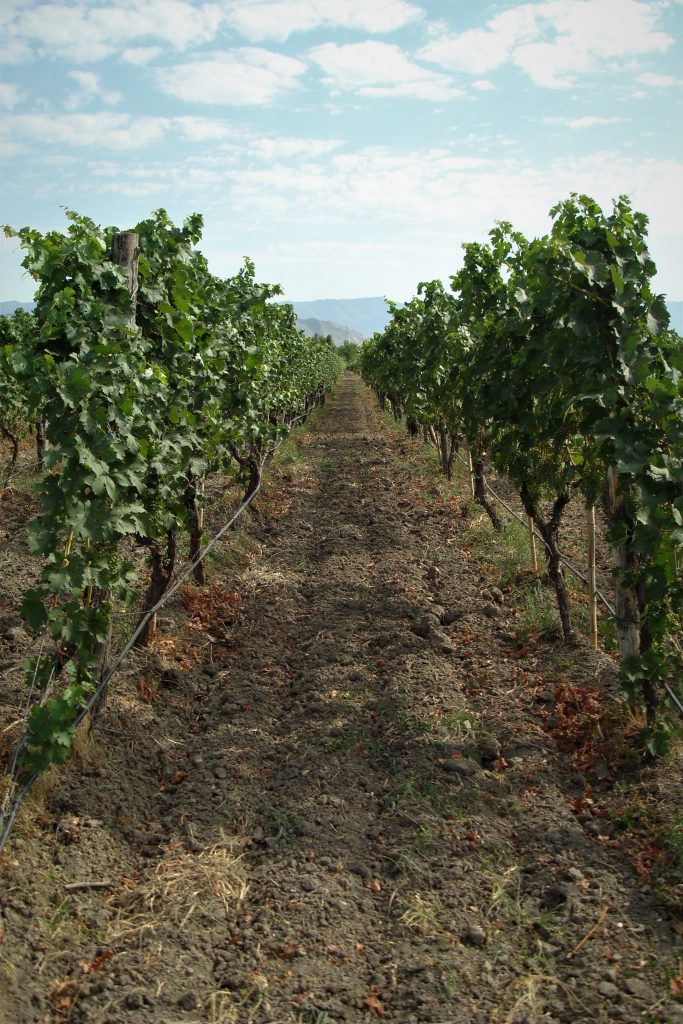
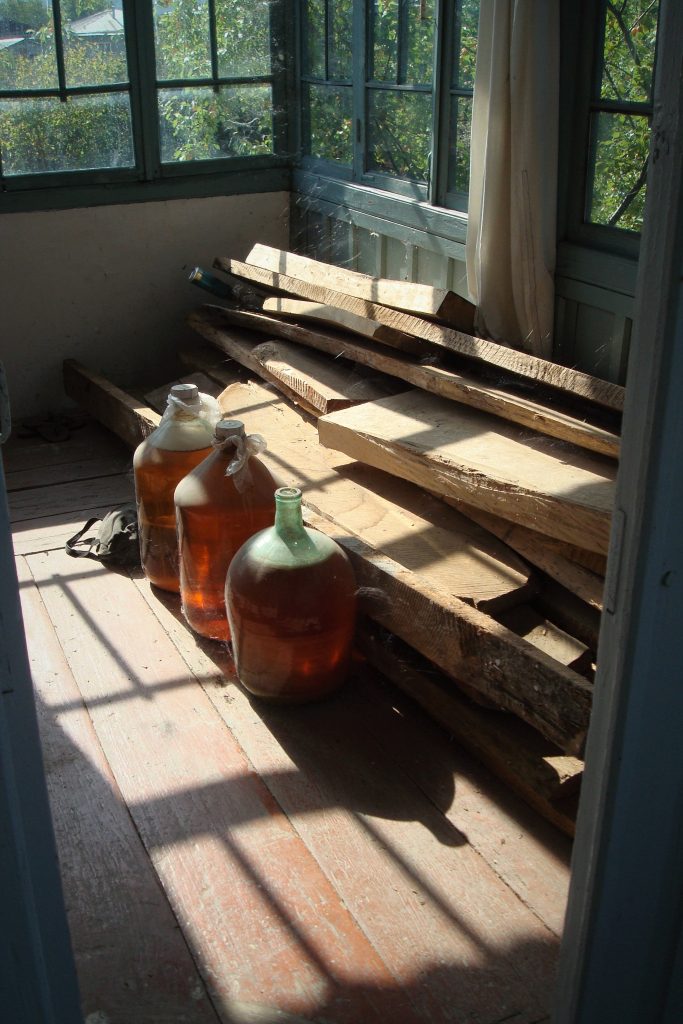
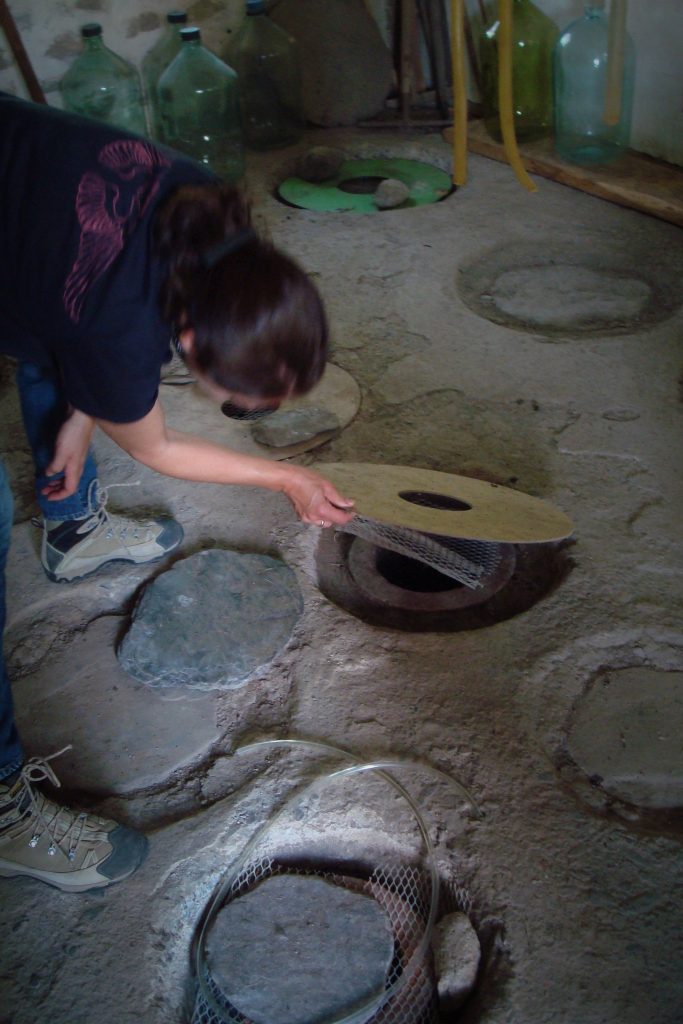
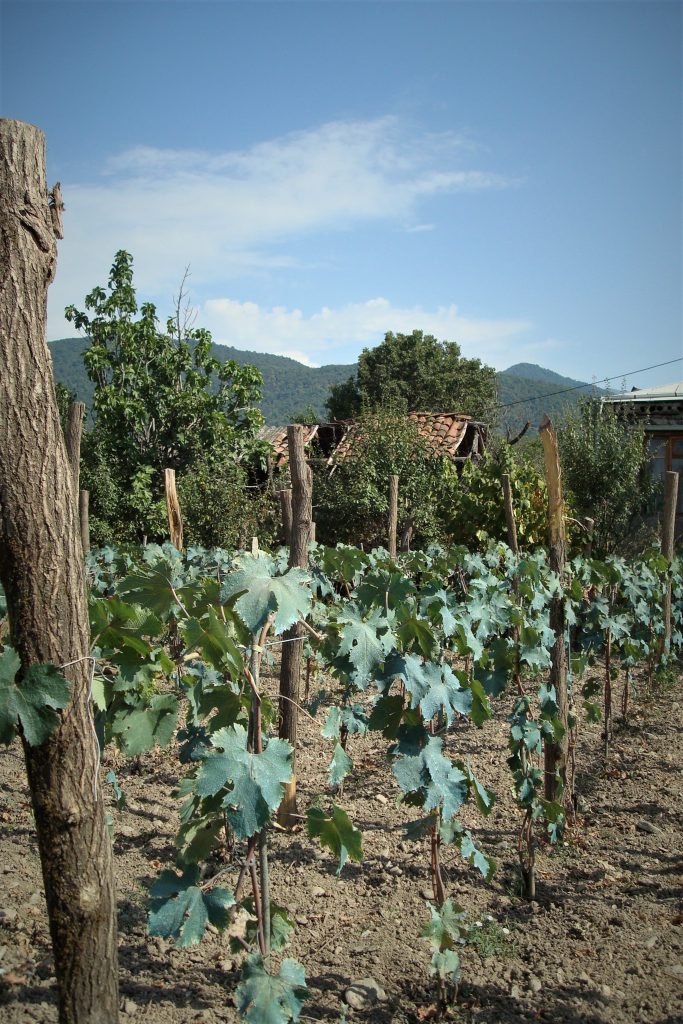
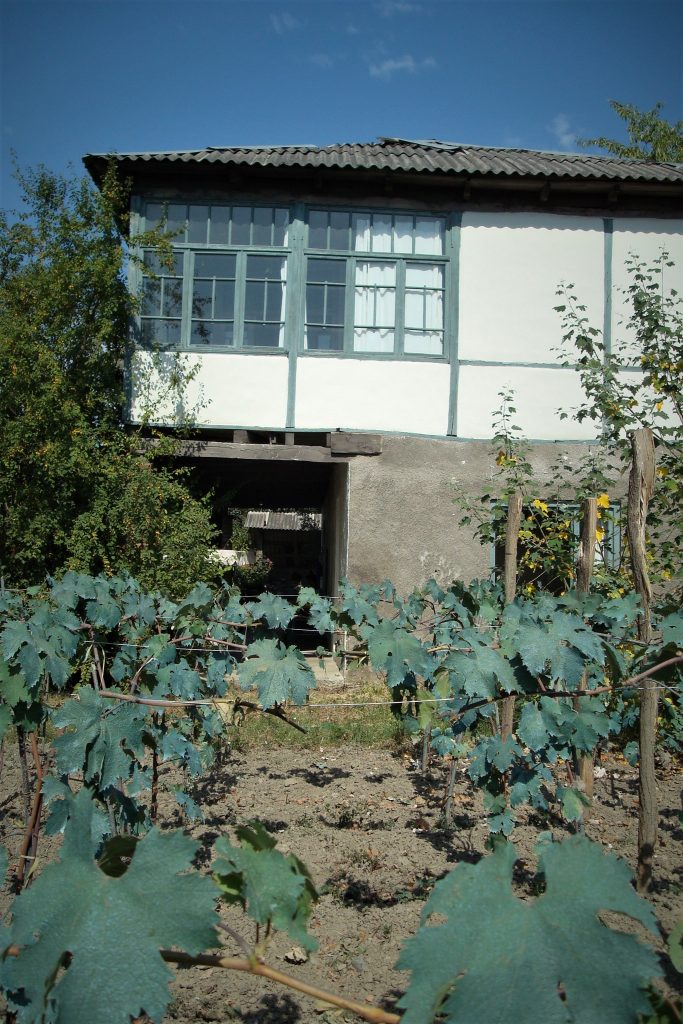
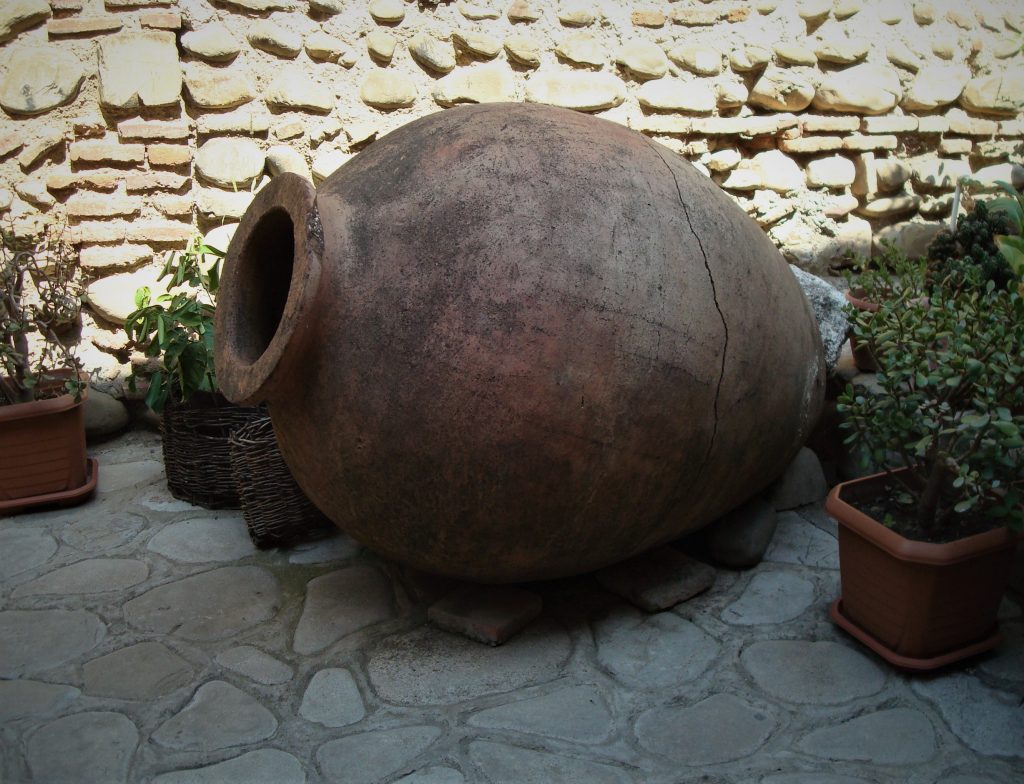
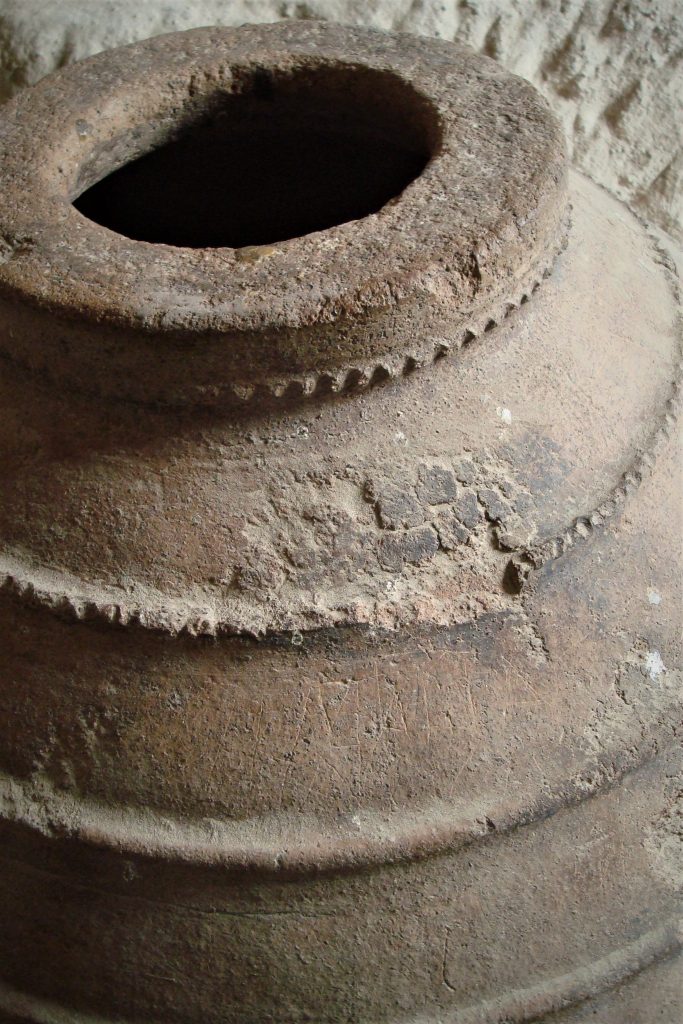
And, on the subject of alcohol, of course, Georgia lays down a big claim that wine was “invented” there about 8000 years ago. This is a subject for a different post but suffice it to say that winemaking is still very much a part of daily life in Georgia. You will see many houses with vines and winemaking facilities – the famous clay jars that nestle below the ground and hold the fermenting wine. The combination of the indigenous grapes and the particular fermentation process produces wines that are somewhat unusual for our western palates but for all the homebrew there are also some very stunning wines being produced and the country now garners tremendous respect on the international wine stage. If, like me, you are in the UK, you can search-out some to try here.
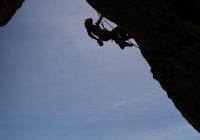
I can’t recommend a trip to Georgia highly enough. It has everything (including lots of climbing! – although maybe stay off the chacha for this) and it’s beauty and the great company fed my soul for sure.
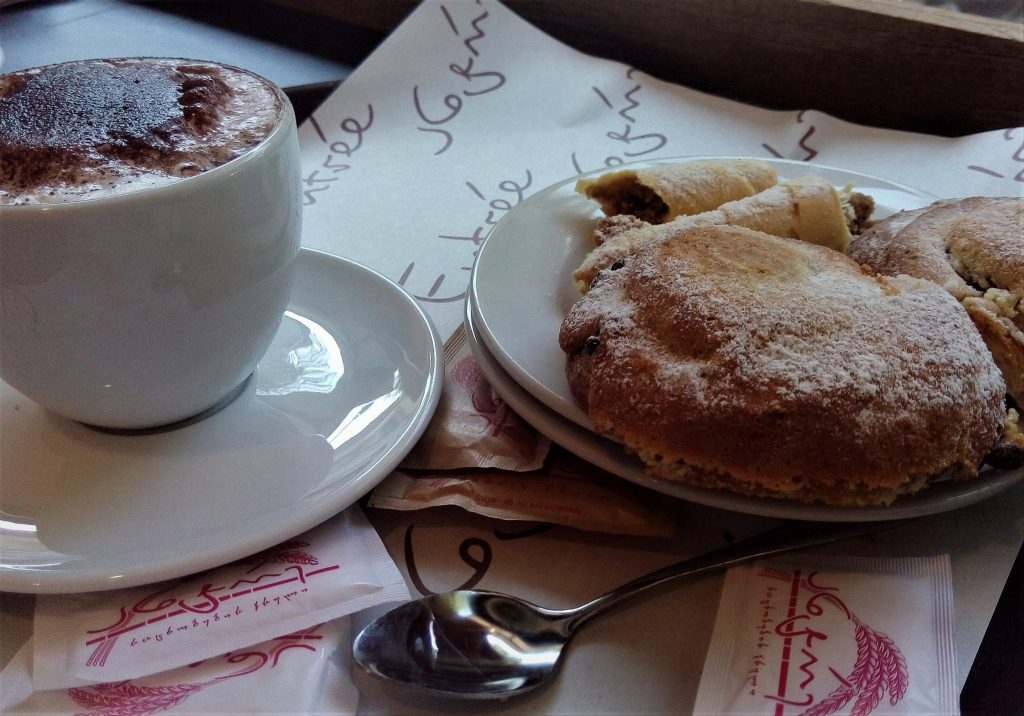
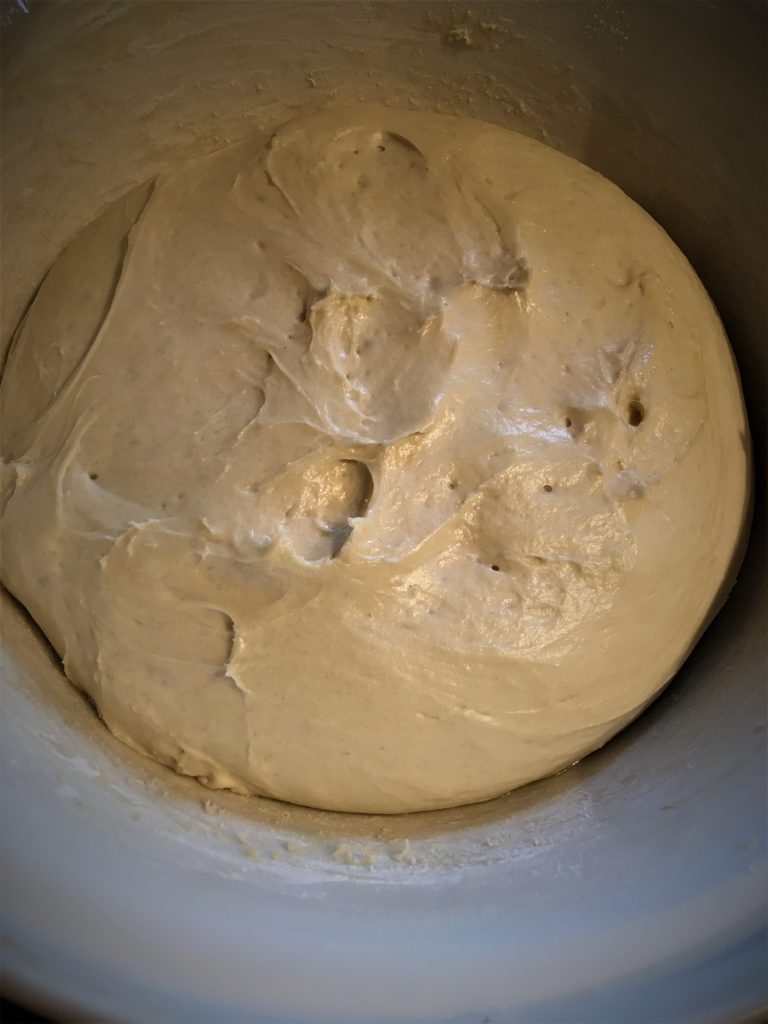
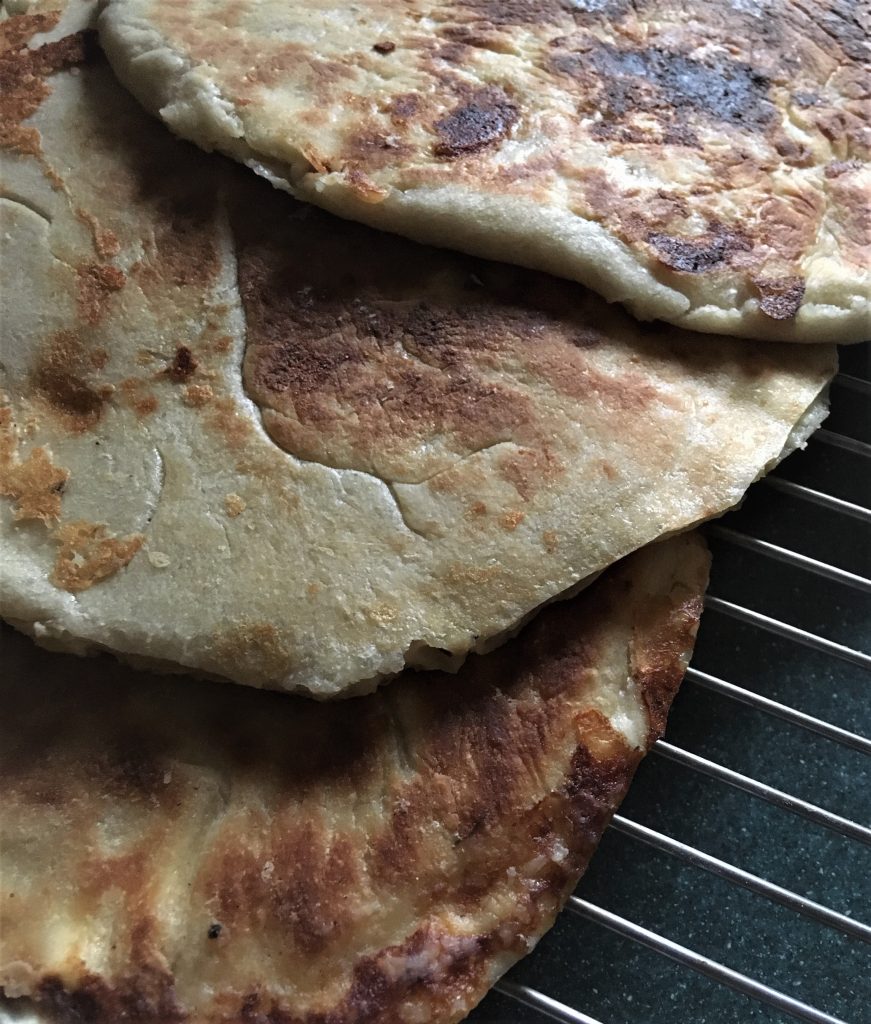
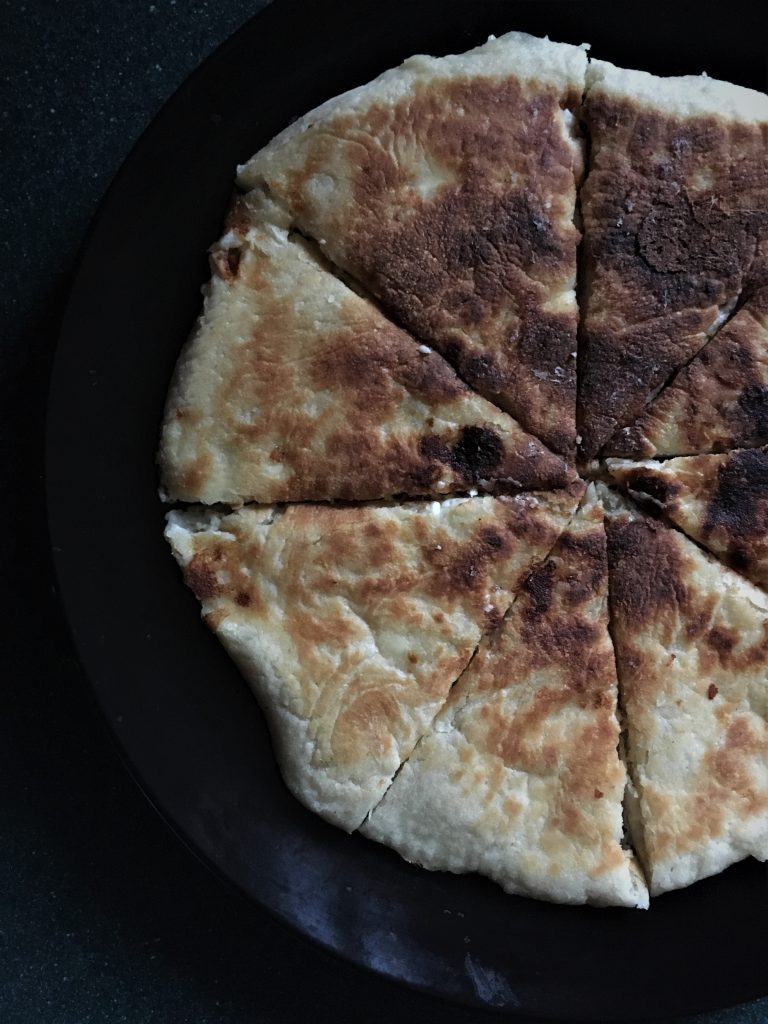
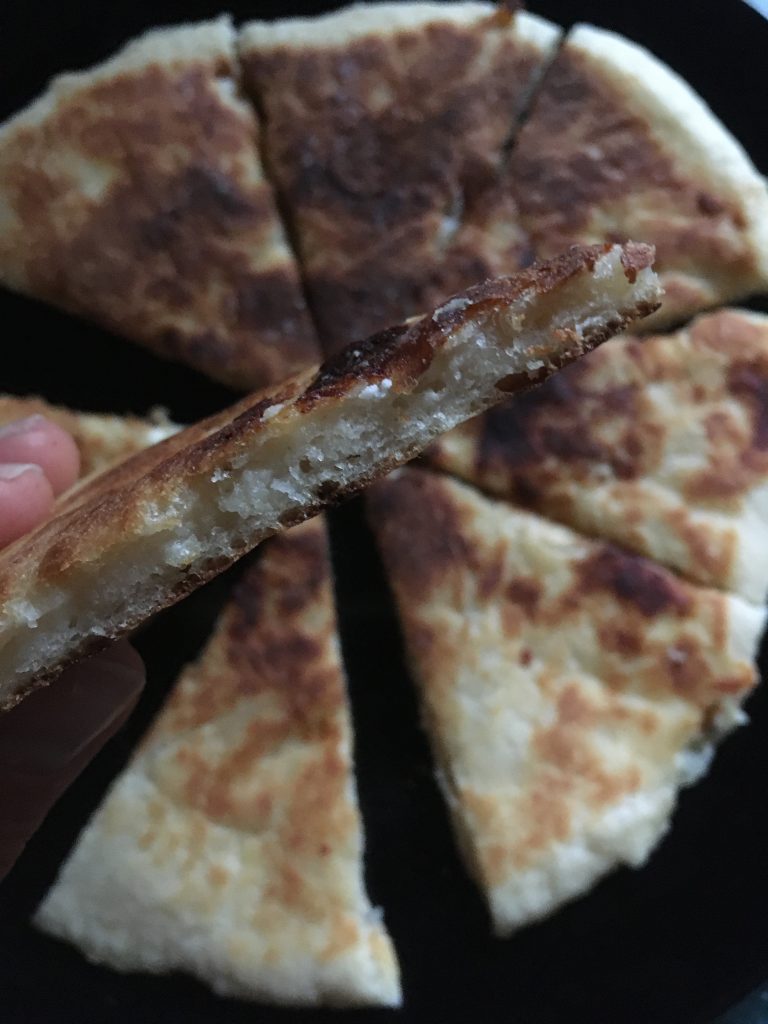
On the subject of feeding, we ate so well on this trip it’s hard to choose one thing to make for this post. Georgia was one of the countries on the ancient Silk Road and as such there have been many influences on its cuisine over the centuries. Every region has it’s own distinctive style and this is reflected in the dish I’ve chosen – khachapuri – which is a filled bread. There are several different versions of these. The most famous is the adjaruli – a hefty combo of bread, cheese, butter and egg that’s a little bit akin to our old trenchers – in that the egg and cheese sit in the middle of the bread as if it were a plate and you eat the entire thing. You need a very hearty appetite to finish one of these mothers! I’ve chosen the simpler (somewhat more manageable – when it comes to the eating of it) imeruli version. This is a lighter style comprising beautifully soft dough stuffed with cheese. As a huge fan of bread I was excited to try to make this (and besides, like so many Georgian words, khachapuri is great to get your lips around before you’ve even put it in your mouth). You will find it everywhere across the country and, as my friend, Tea, puts it, “khachapuri is love”.
The recipe below is taken from a beautiful website and the author notes that the imeruli khachapuri is so widely consumed in Georgia that Georgian economists have in fact even created a Khachapuri Index using imeruli’s cost of ingredients to gauge inflation and the strength of the economy. Bread. for. life.