Greece, or, more precisely, flaming cheese in Kalymnos
Stretching across the centuries since the time of the ancient civilisations, there has been a penchant (amongst the more affluent types) for an element of showmanship to accompany any self-respecting feast or banquet. Some were so extravagant that they became legendary. The Romans were pretty well-known for they luxurious dining habits (and satirised by their own writers for the same). At one particularly sybaritic banquet (that of the Emperor Elogabalus) the guests were even said to have drowned in rose petals a story immortalised in Alma-Tadema’s painting – see previous link). Where am I going with this? Well, to Kalymnos, home of sponge-diving, beautiful limestone tufas stretching as far as the eye can see, and… flaming cheese. The first two I was appraised of before my trip to this beautiful island; the third, less so and when anything is set on fire at the table, you sit-up and take notice. Flaming saganaki took us all by surprise; visually and delectably. In fact it was so incredibly tasty that it quickly became something we ordered pretty much every night during our climbing trip. An alarming amount of daily cheese but fine if you are climbing a lot (and sharing the portions) which we were.
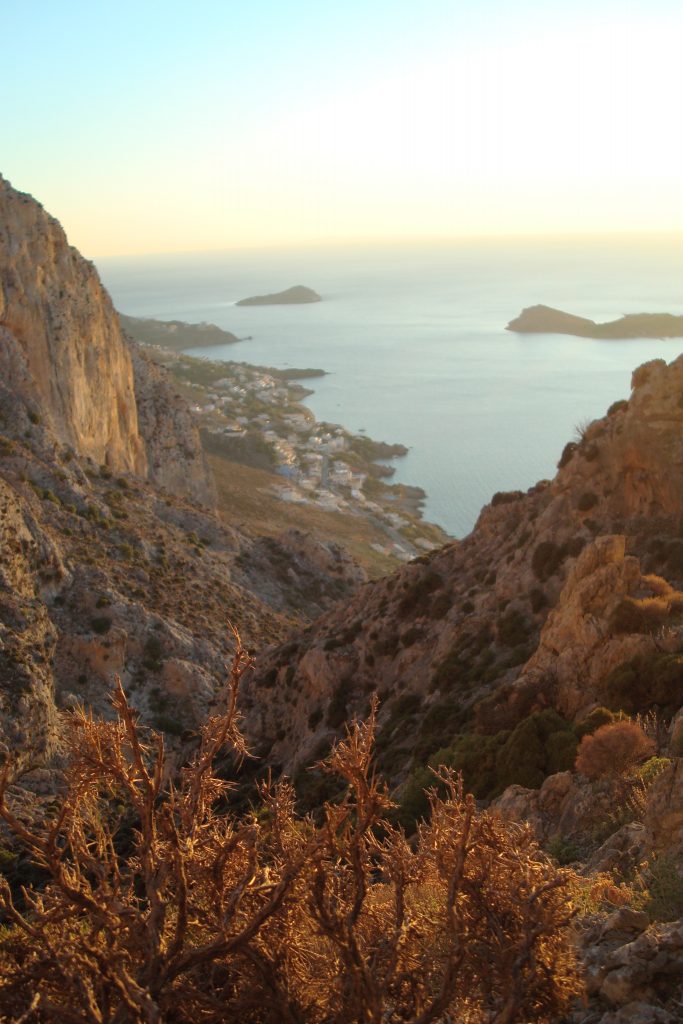
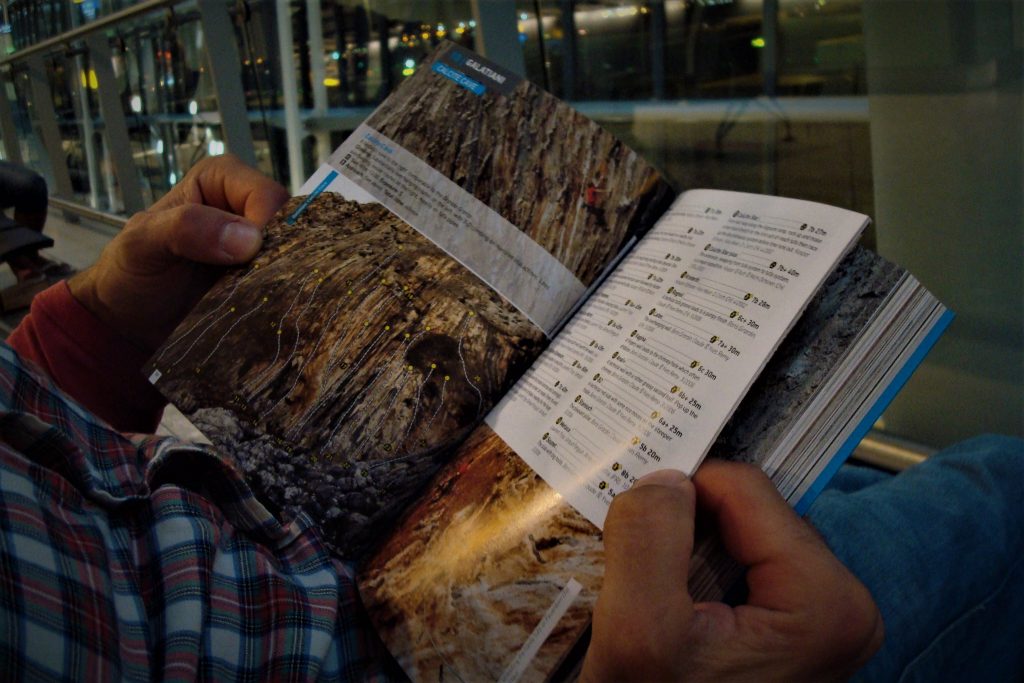
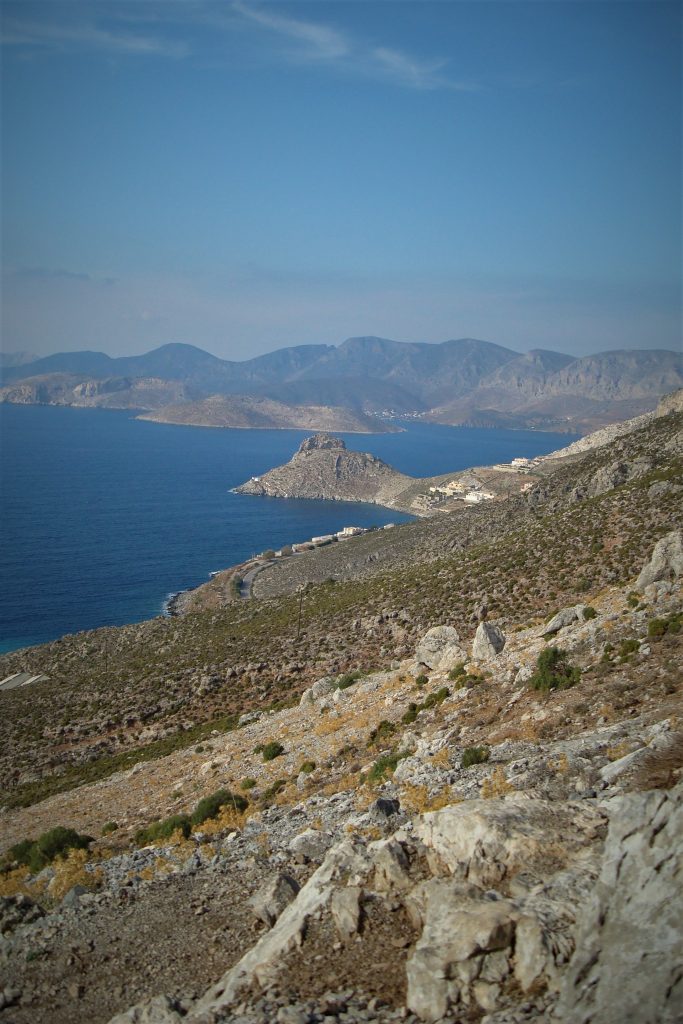
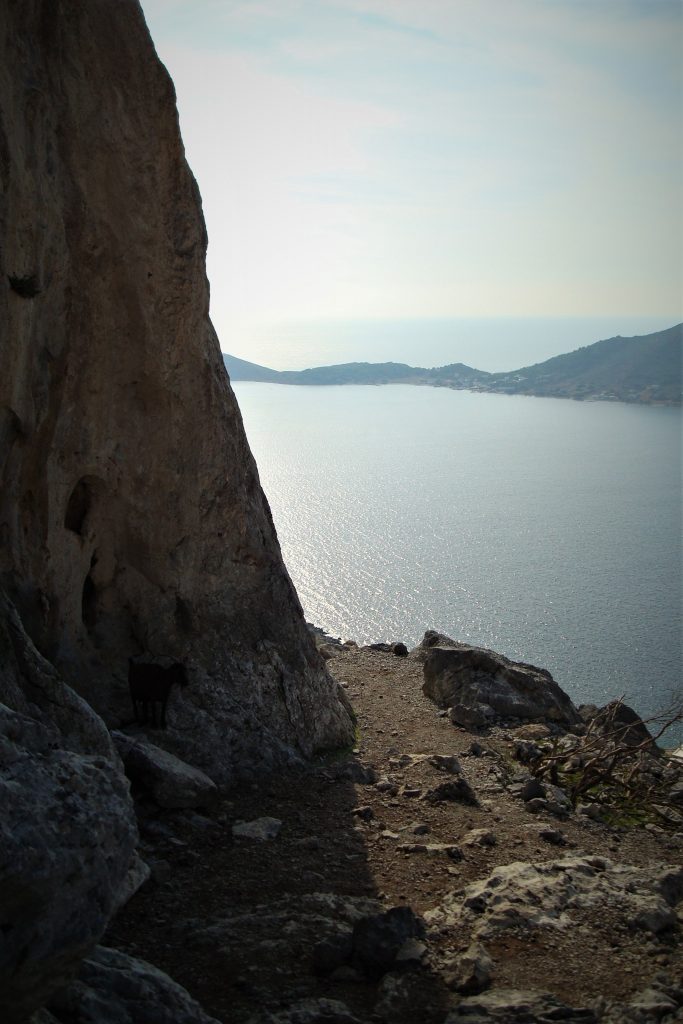
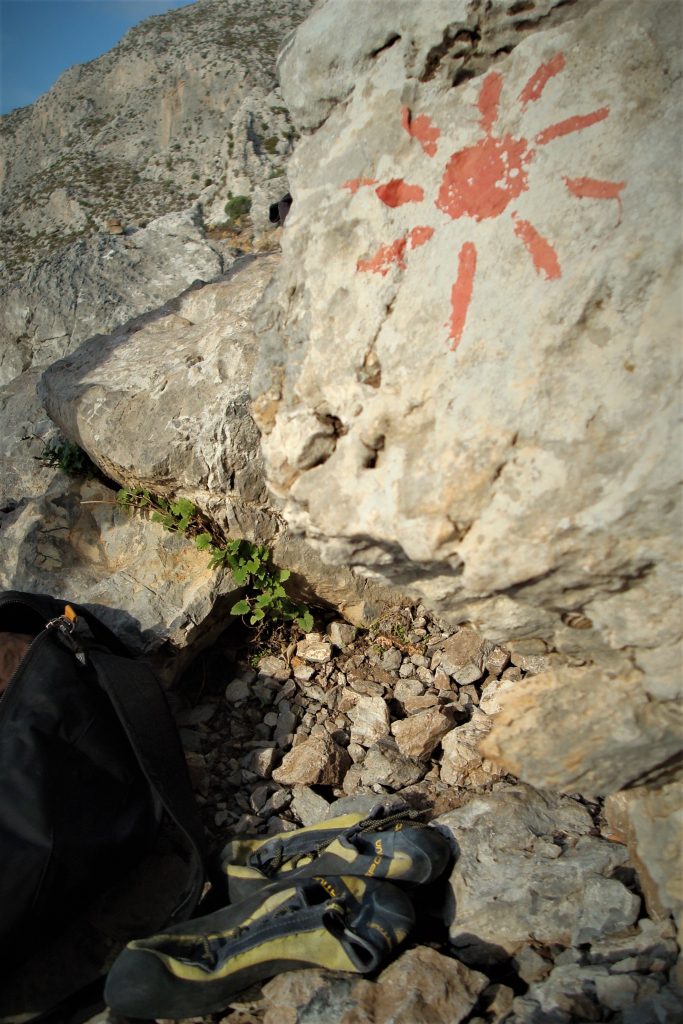
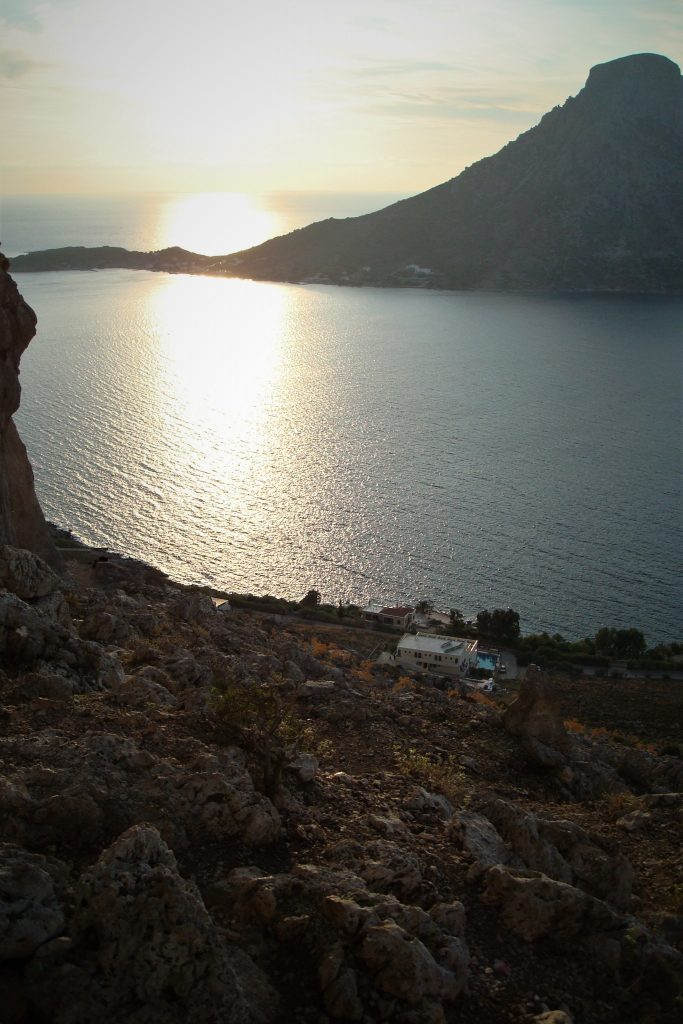
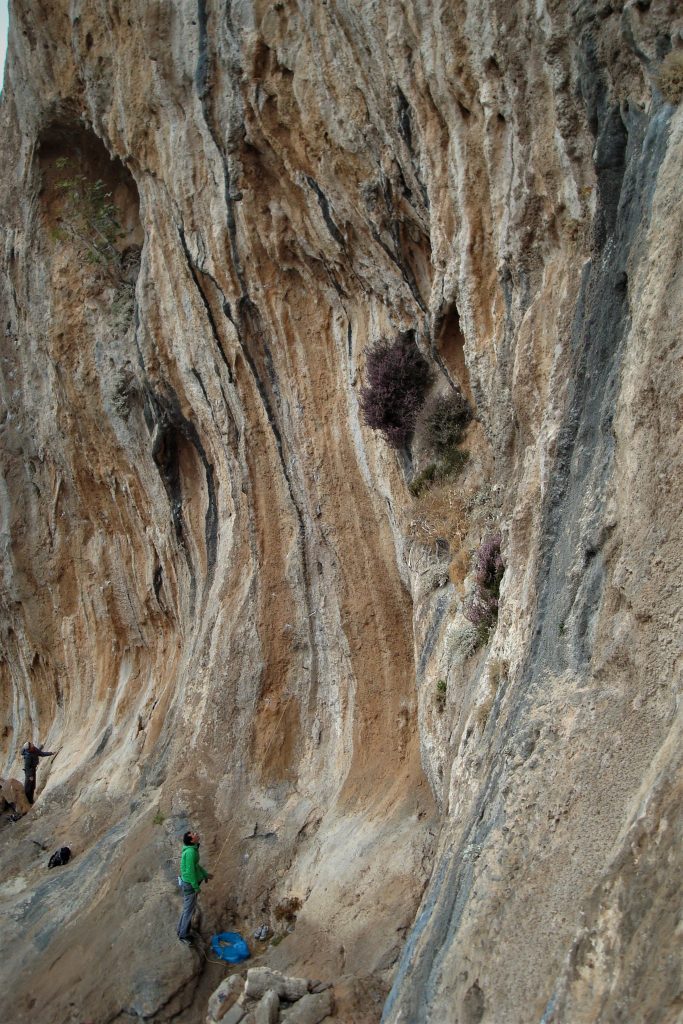
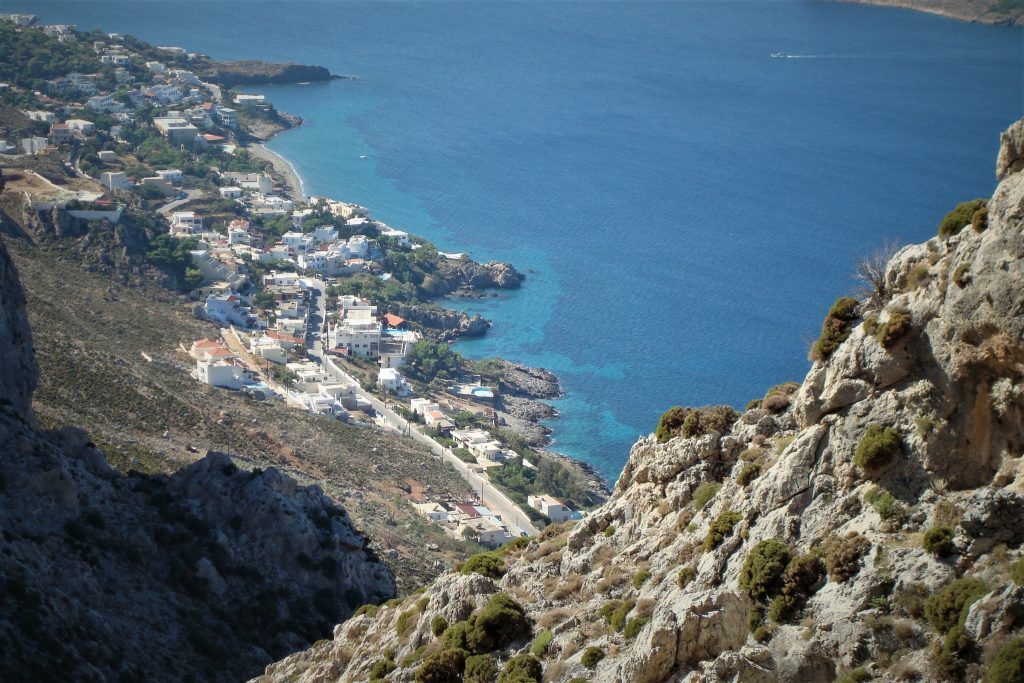
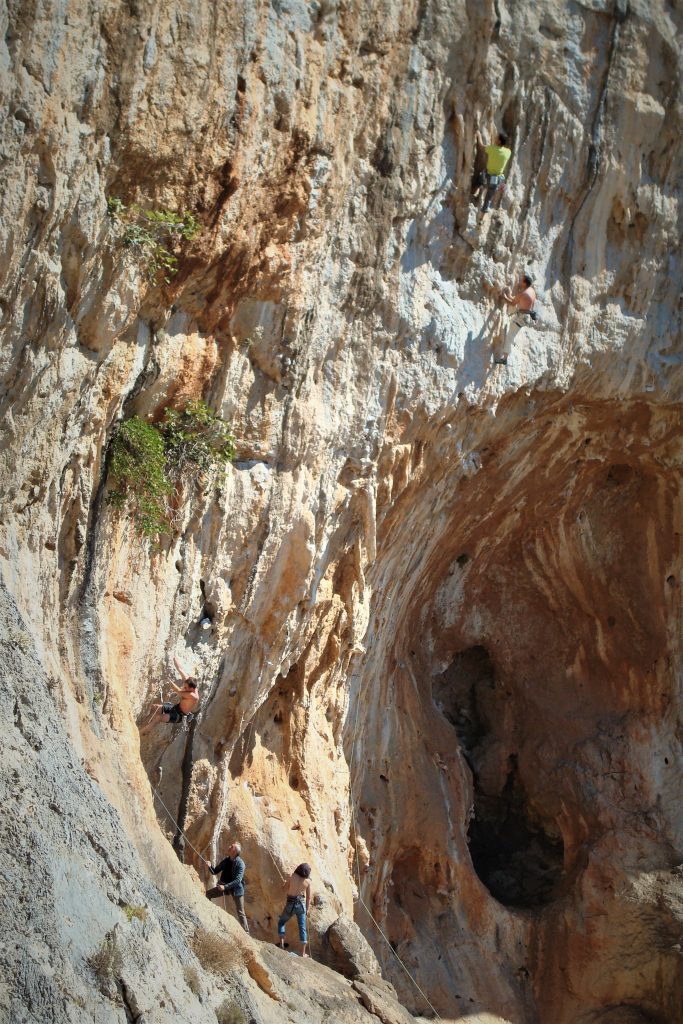
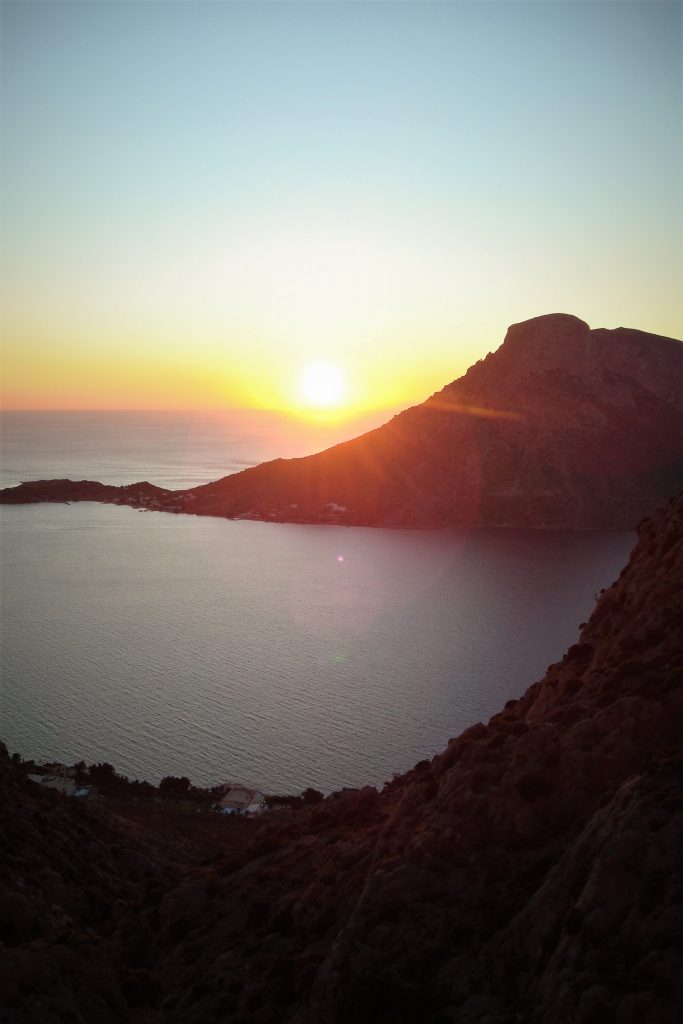
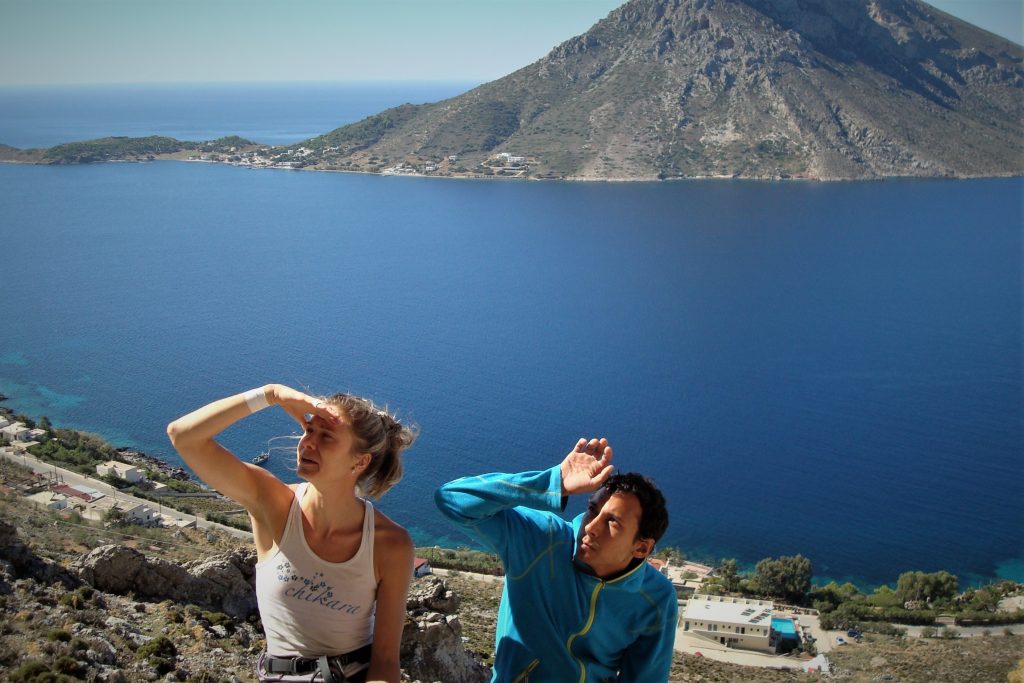
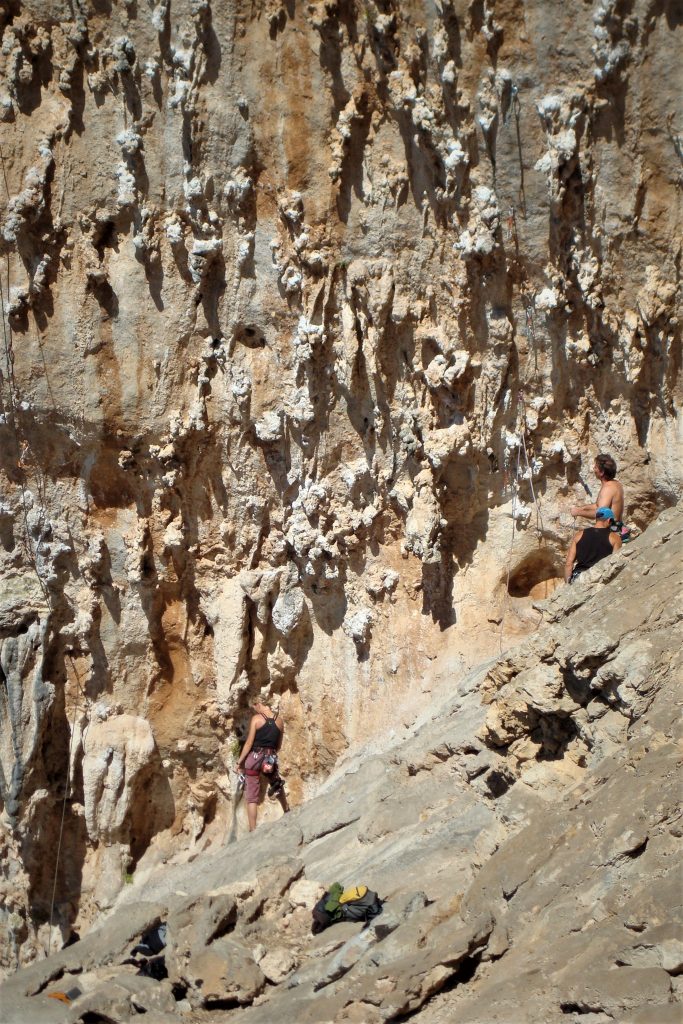
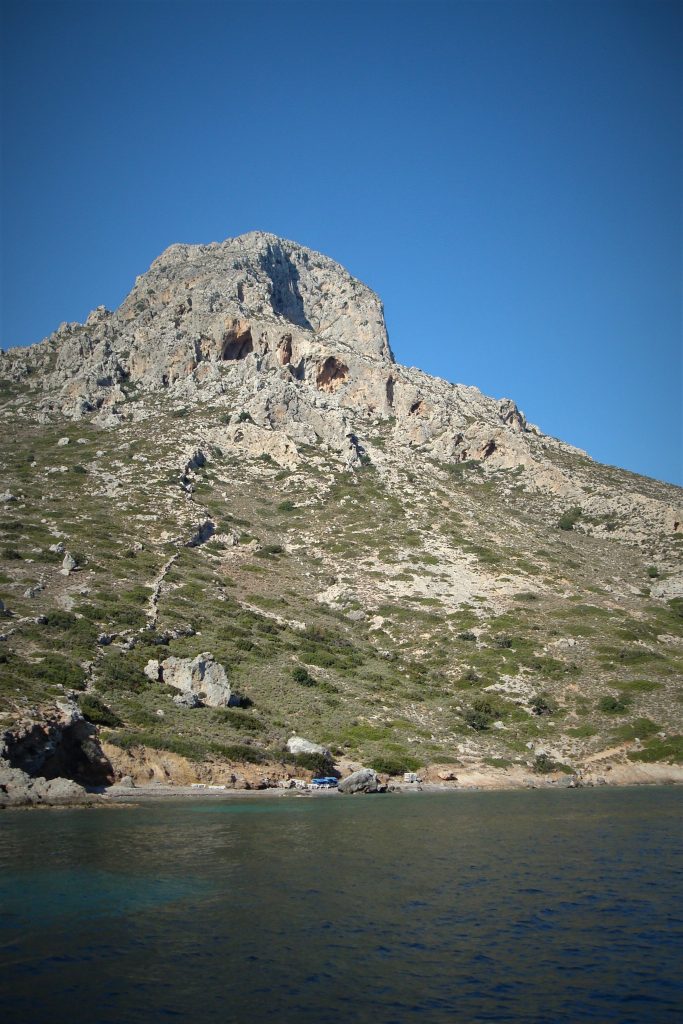
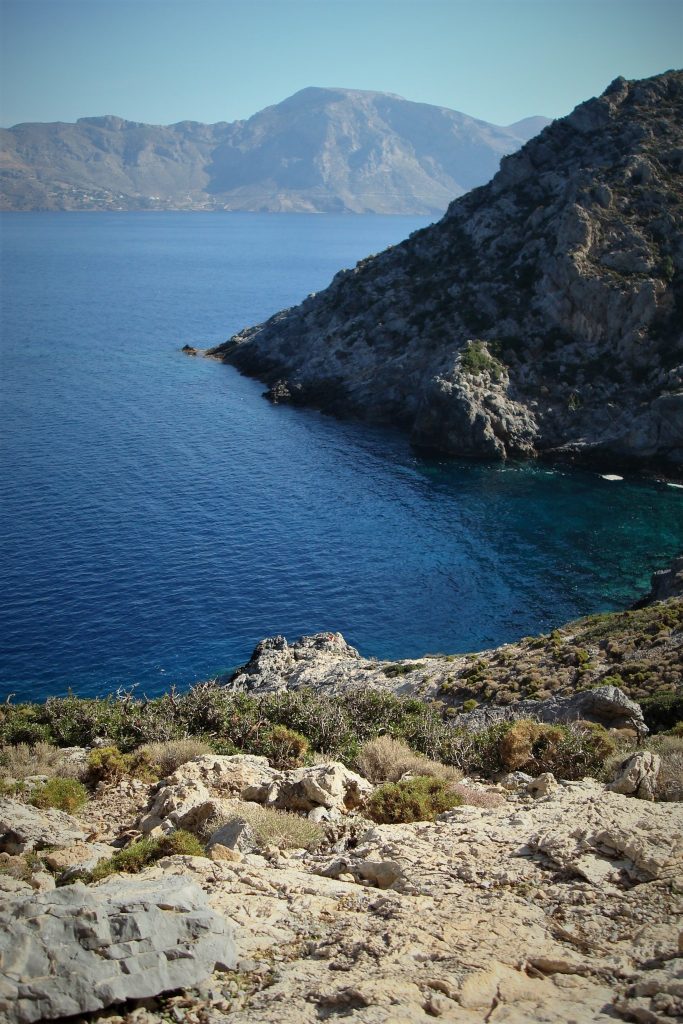
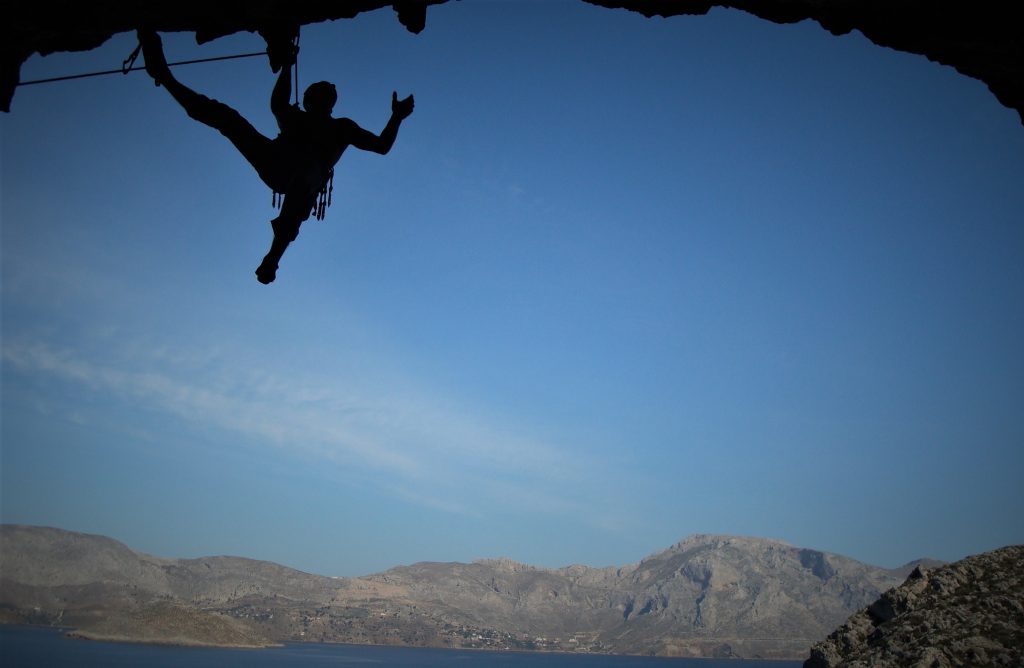
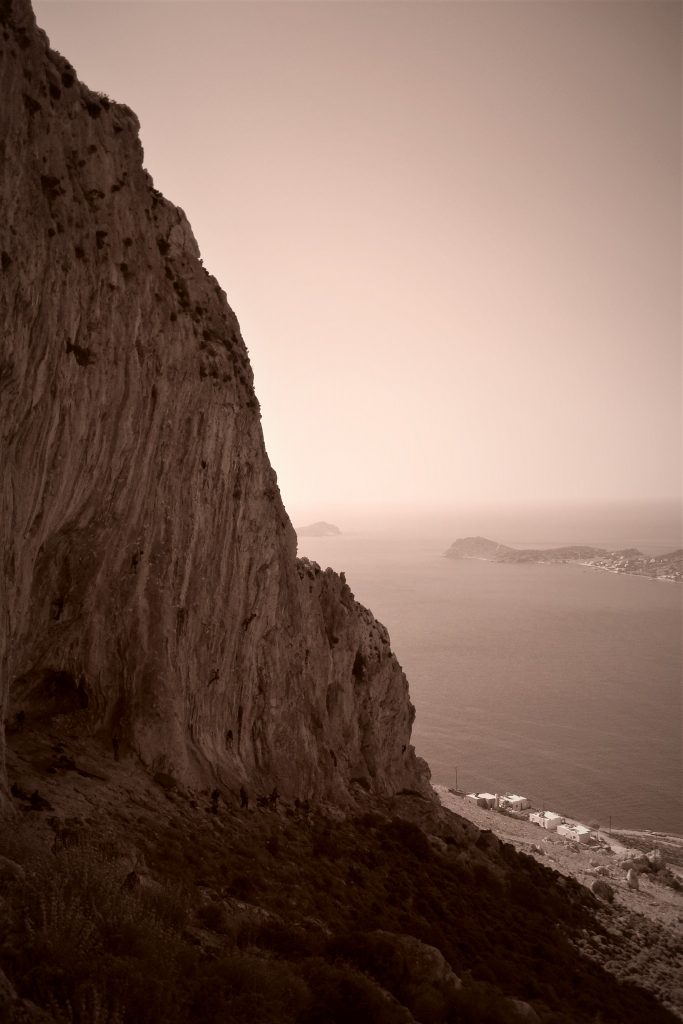
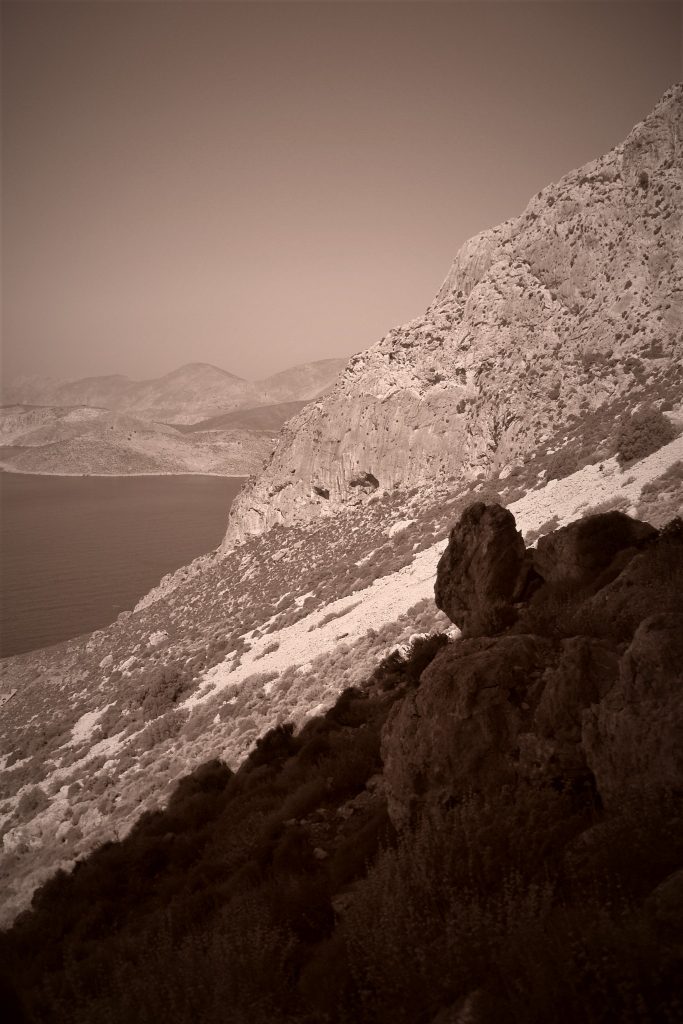
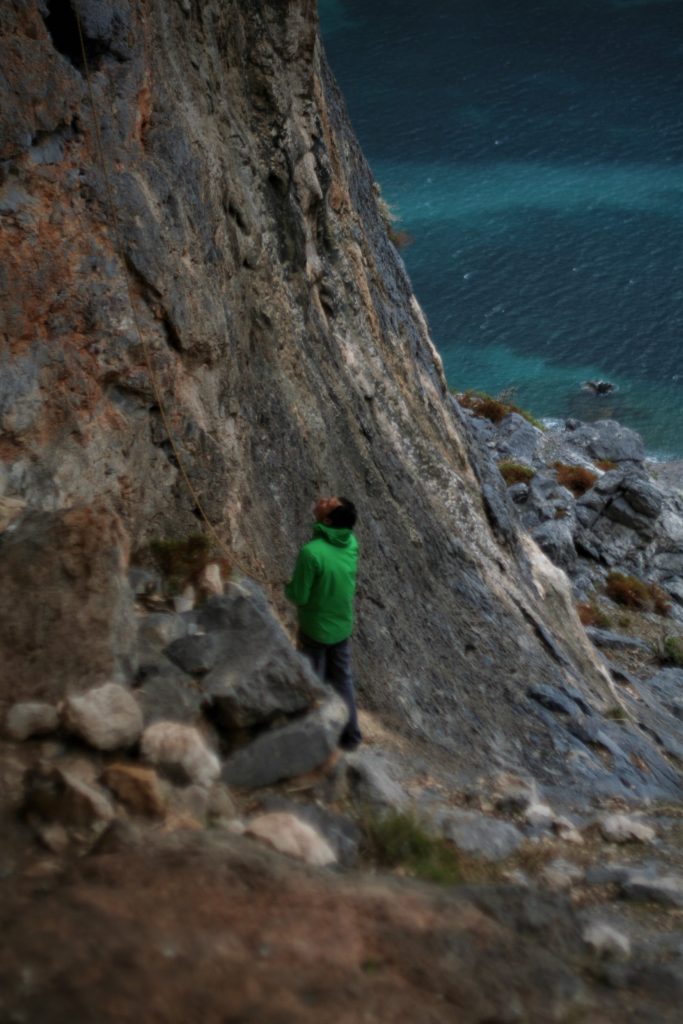
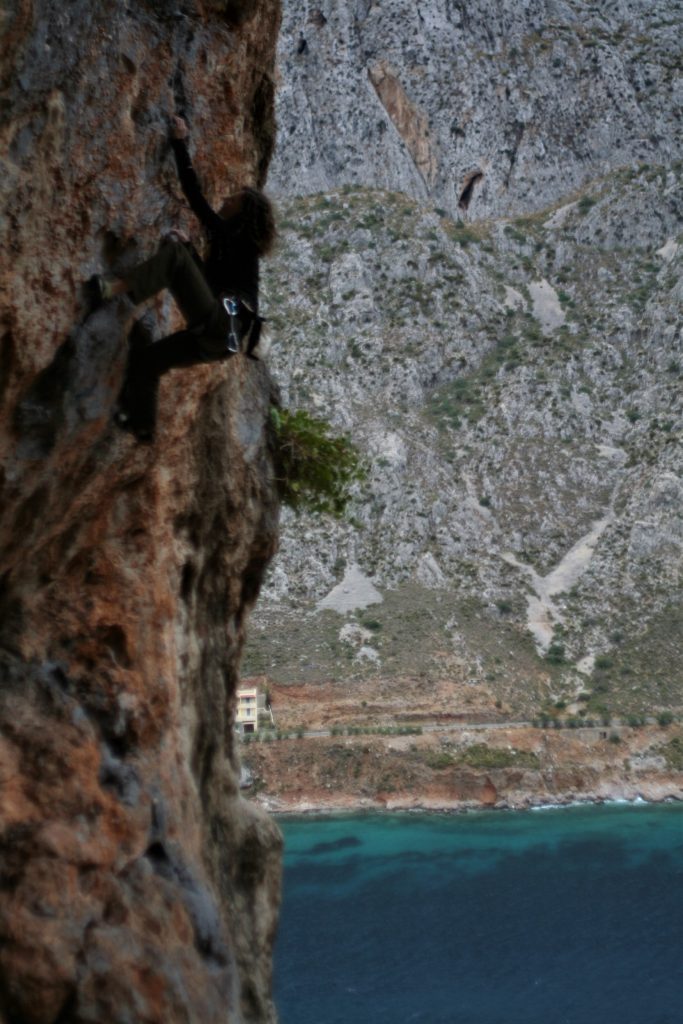
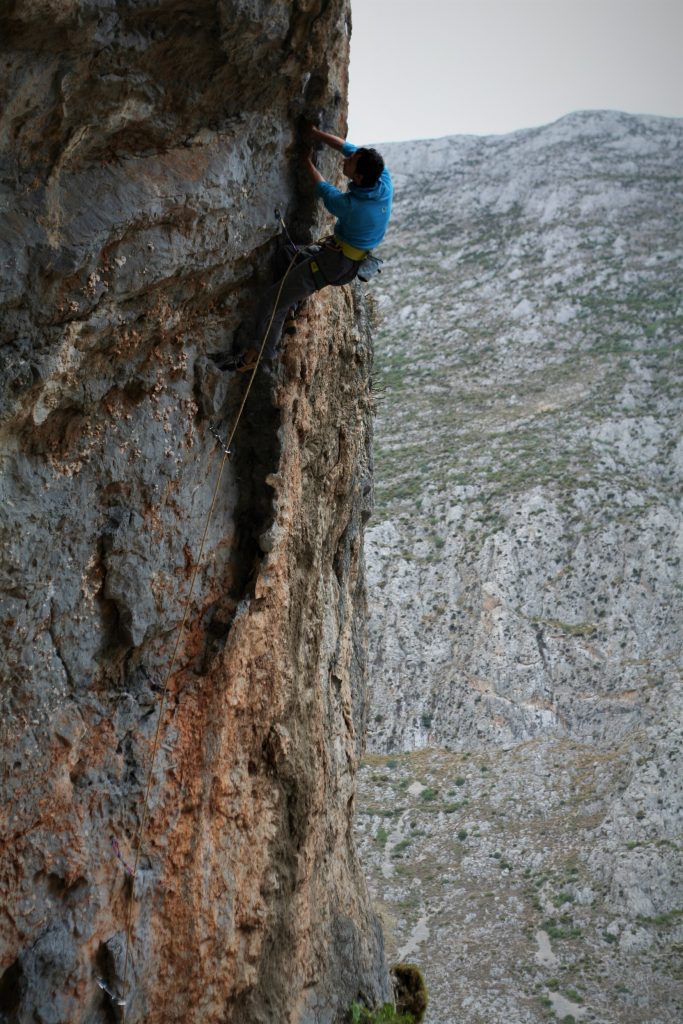
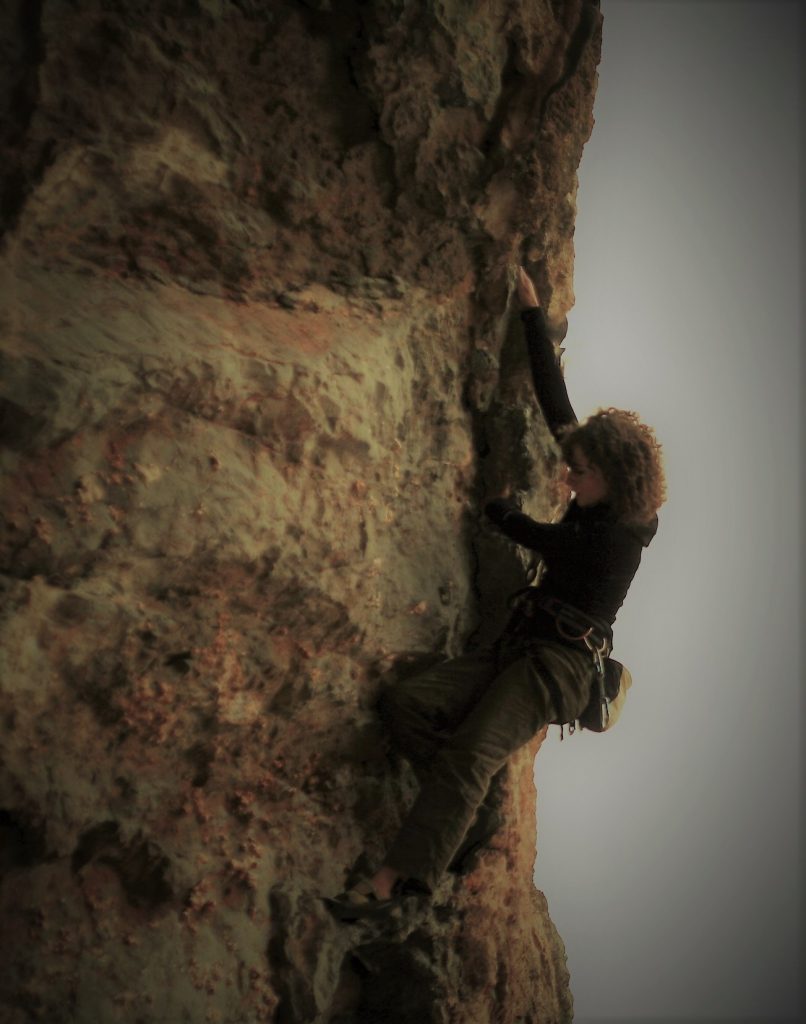
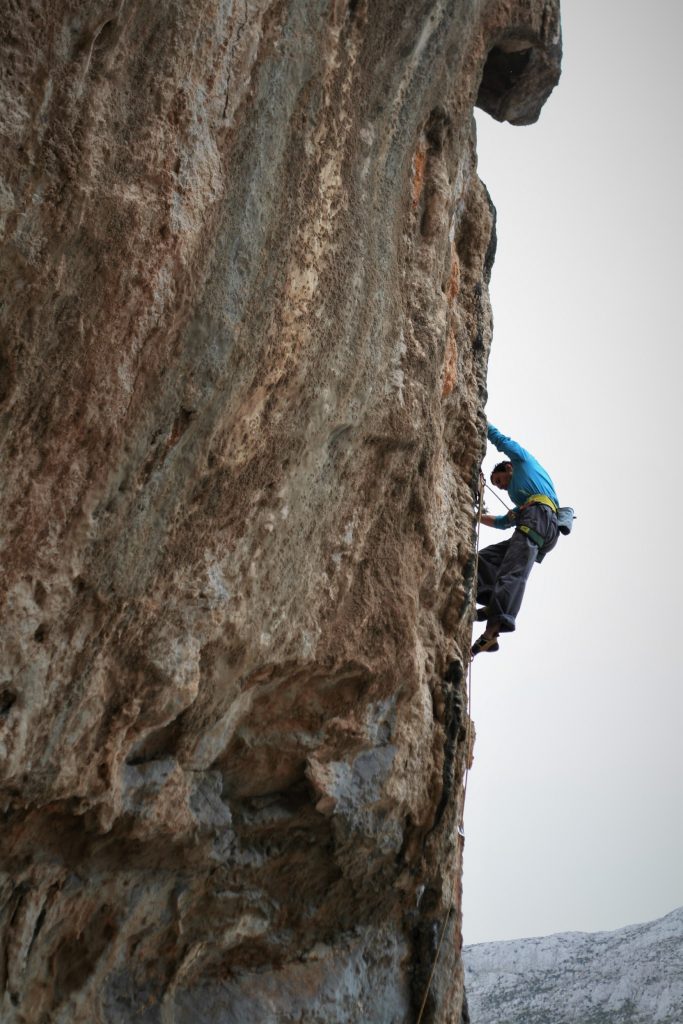
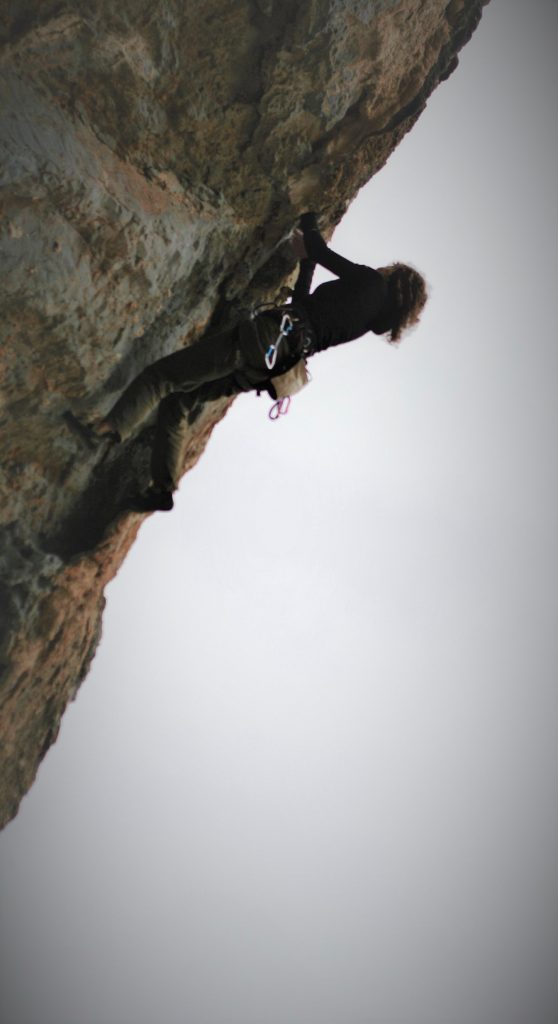
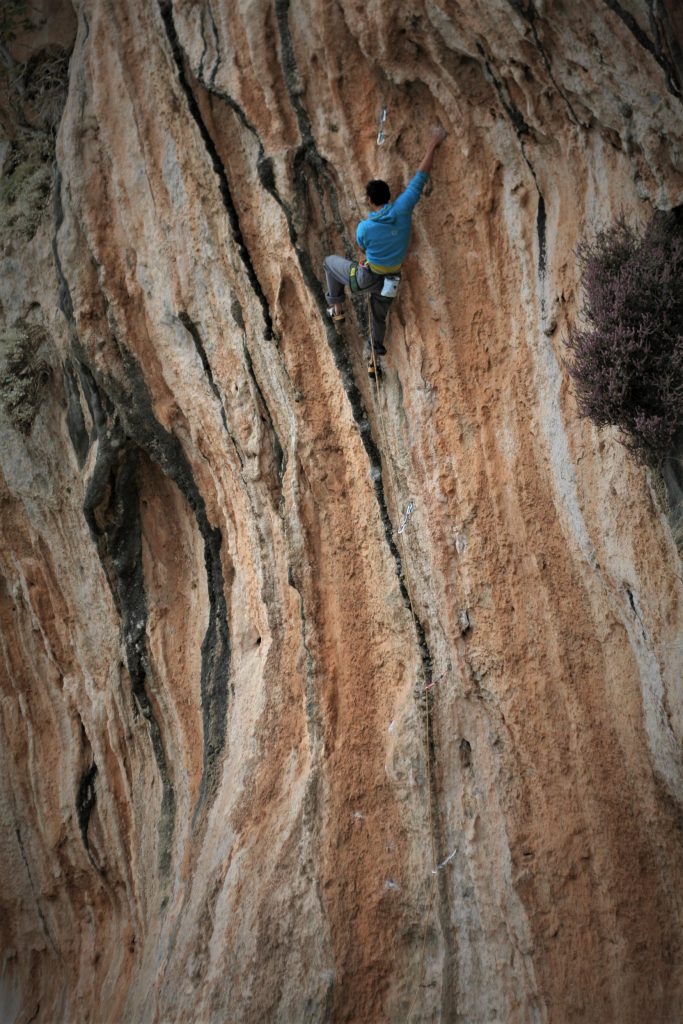
There’s a ridiculous amount of rock on this island (and the photogenically pointy little neighbouring island of Telendos) and new sectors are still being opened-up. “Kaly” as its affectionally known in the climbing community has a rep as being “soft” (grade-wise) but whatever, man. If you like climbing on perfect limestone, in the sunshine, with beautiful sea views and with the prospect of flaming cheese for supper then this is the climbing destination for you. Sun, sends and saganaki. Other foodstuffs are available, of course, and as in any Greek location, they come in abundance. We ate very well. It’s a bonus, when you’ve been climbing all day (and, indeed, knackering yourself out on some pretty hefty uphill walk-ins), to be able to tuck into some truly delicious, fresh, healthy (apart from the cheese, maybe) wholesome food.
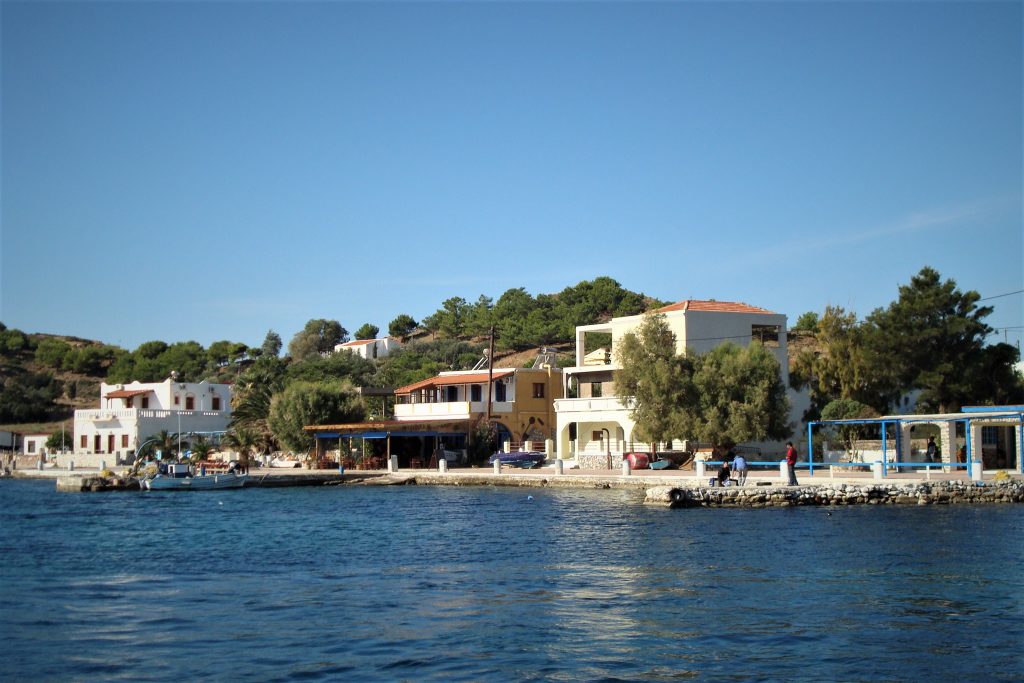
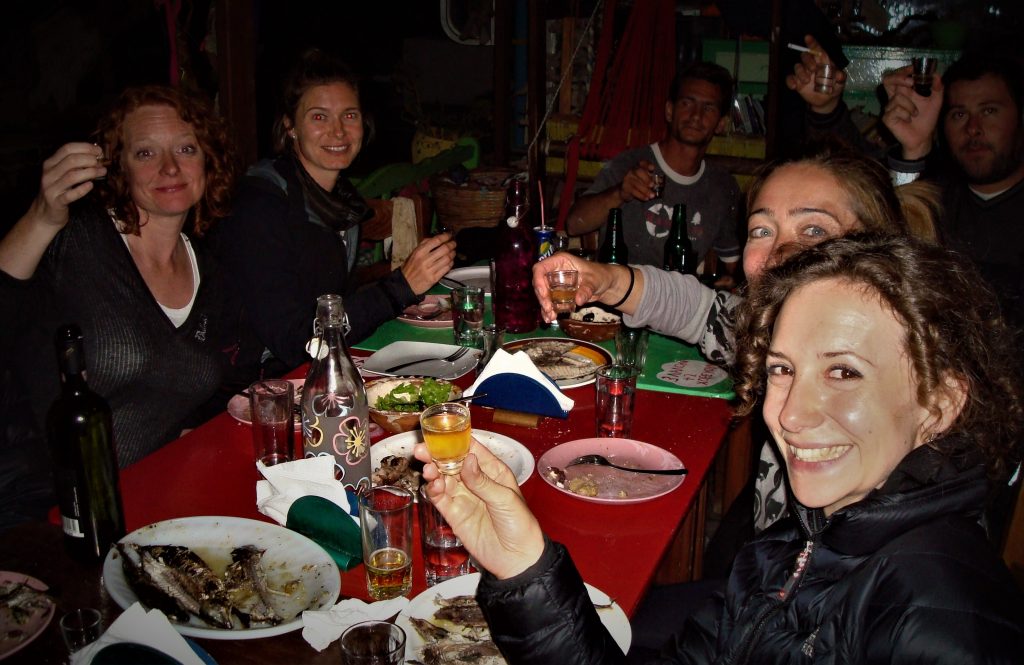
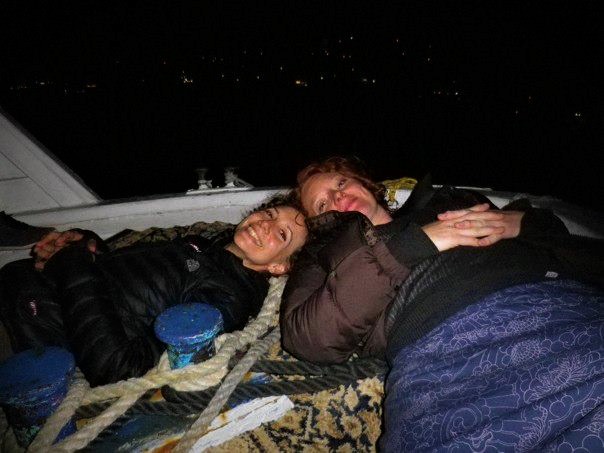
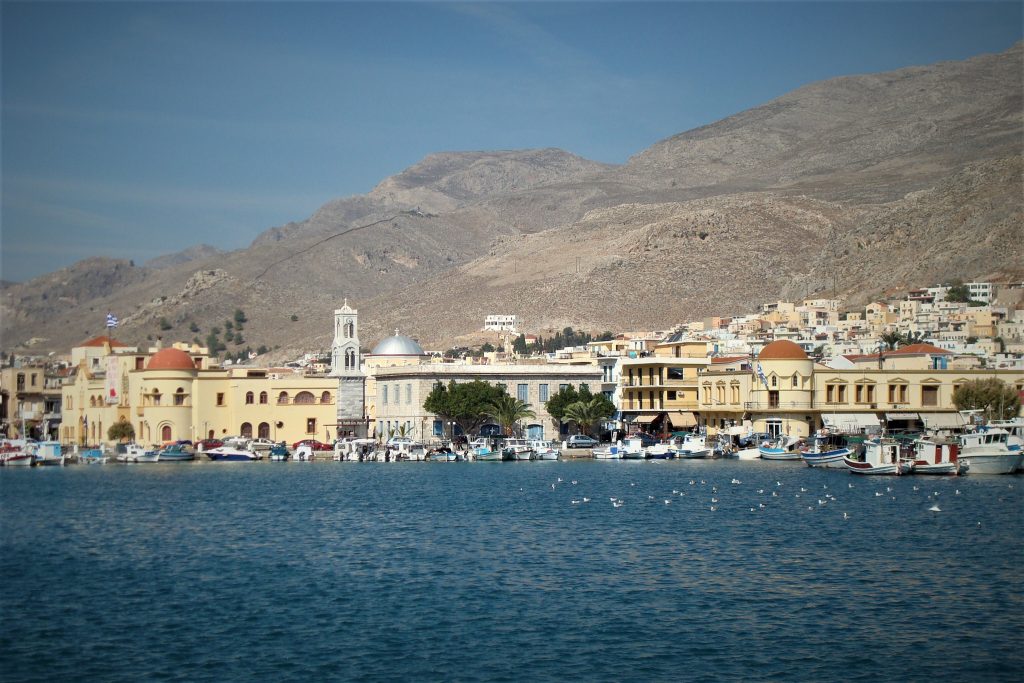
Kalymnos (which has possibly one of the best names as Greek islands go) has a proud and fascinating history of sponge diving but has latterly been “taken over” by the climbing community. There is a chilled-out, borderline Tonsai feel along the main drag of climbing bars/cafes etc but, thankfully, not so many standard-purchase fisherman’s pants (at least there weren’t when I went). The closest fisherman-related thing you are likely to see are actual fishermen and, of course, fresh fish is my other top tip for Kalymnos fare. We were very lucky, having been sort of benighted (or rather be-eveninged) on a trip over to Telendos, to be invited by a crew of fishermen to join them for a serendipitous supper. This was possibly the most incredible barbecued fish I’ve ever tasted; obviously because it was super fresh but actually all the more so because it was prepared and shared spontaneously with such humble generosity. They even sailed us home too back to the mainland island because there were no boats at that time. A wonderful experience of xenia in full throttle.
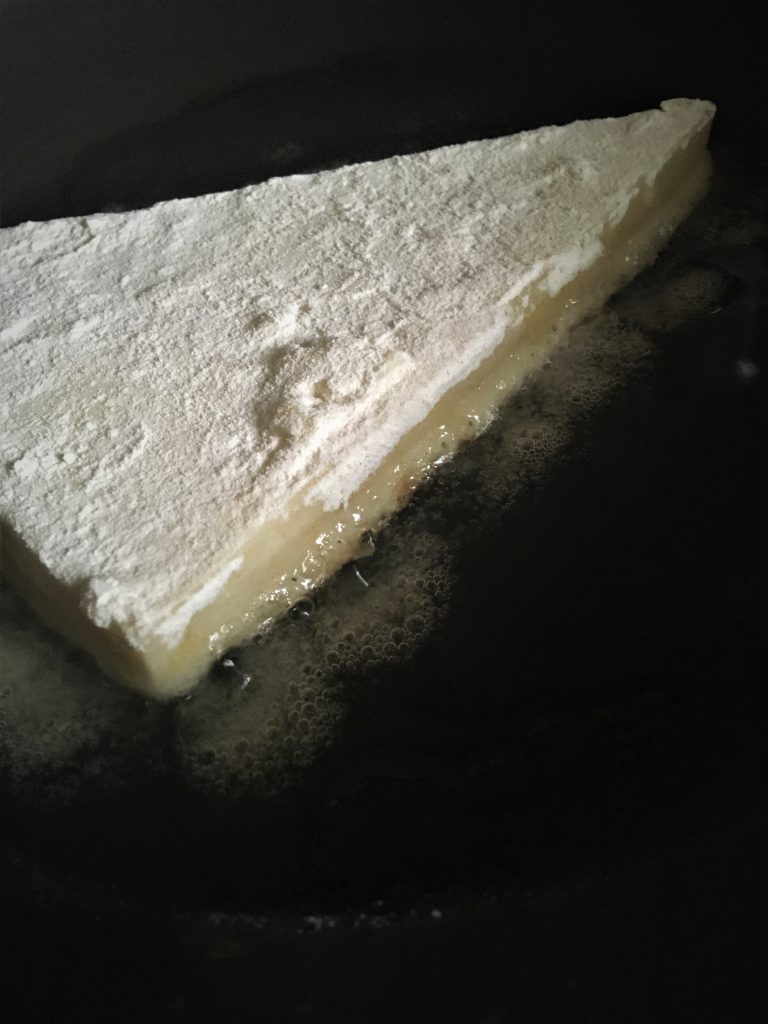
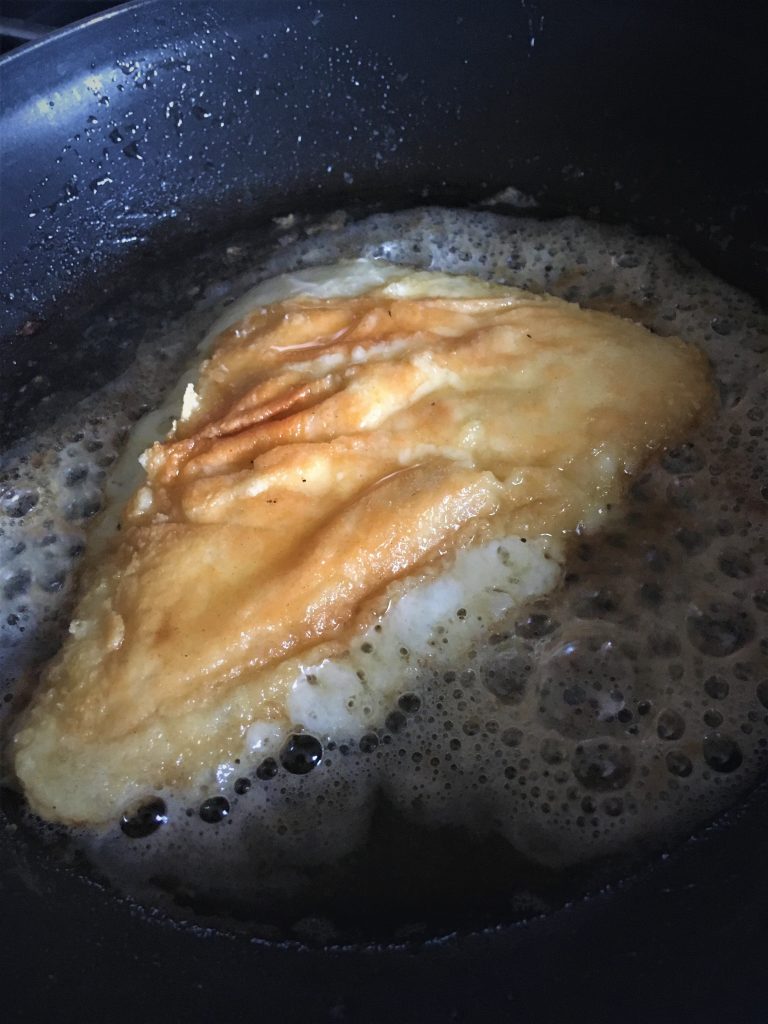
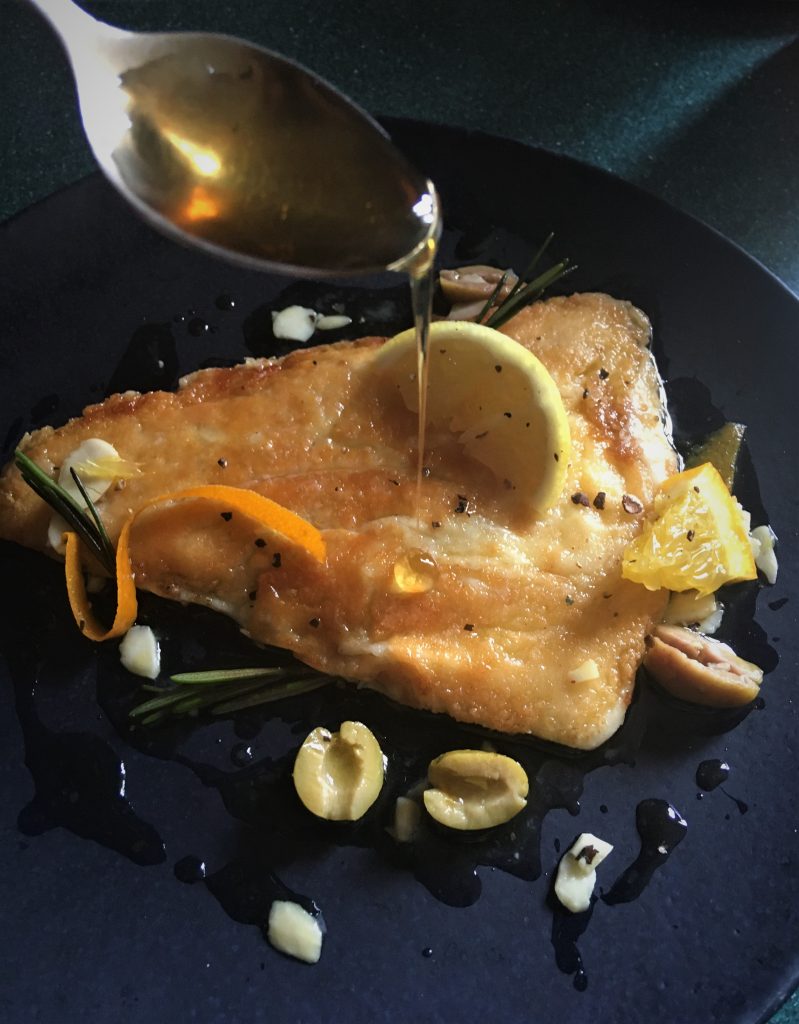
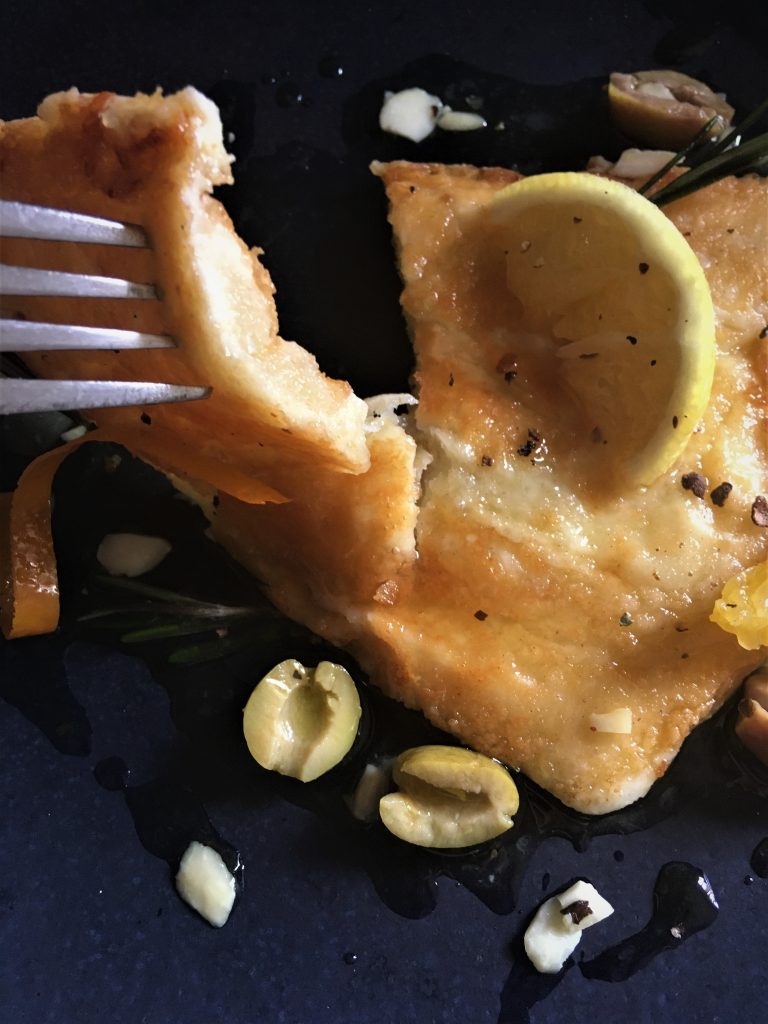
Anyway, back to the saganaki. Obviously you don’t have to give it a fiery flourish. It’s fine just pan-fried until it melts into submission and served hot and oozing with salty creamy delight, as it were. However, if you want to go the whole hog, you can marinade it in brandy for an hour before cooking or pour brandy over it and then flambé that way. Opa! Either way, make sure it’s decent spirit. One of the ones we had one evening tasted rather like someone had just siphoned some petrol from one of the ubiquitous Kaly scooters.
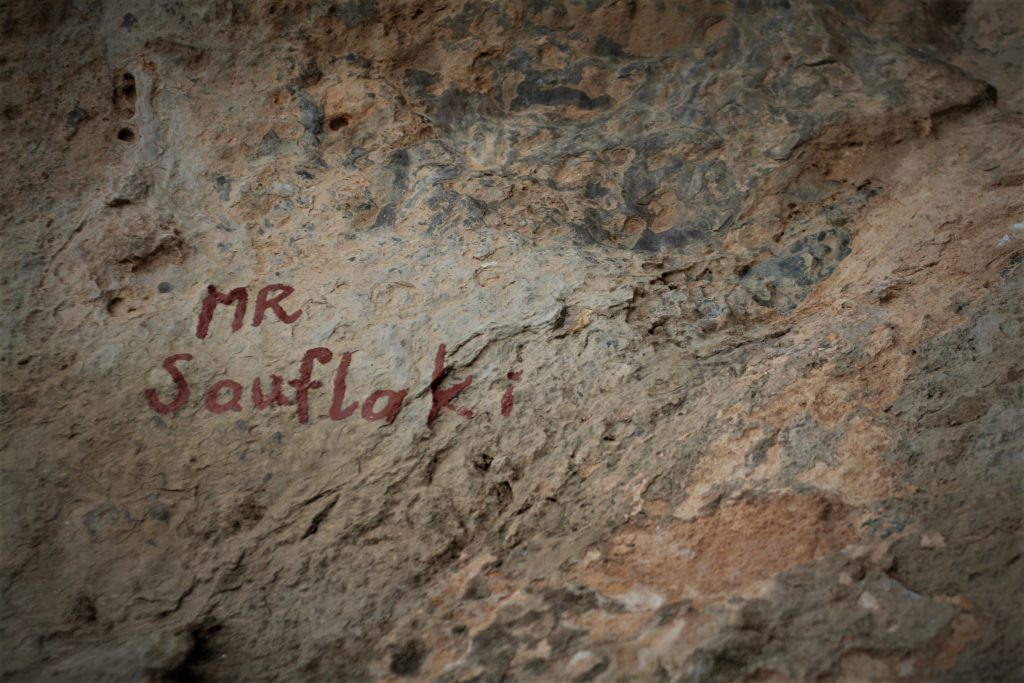
As a footnote, saganaki actually refers to various Greek appetisers which are fried in a two handled heavy-bottomed pan called a saganaki/sagani. The most commonly cooked are mussels but the flaming cheese is the most popular – for obvious reasons. Let’s flambé!