



Greece (again), or, more precisely, spanakopita in and around Athens
This is a little trip I made to geek-out on a few ancient ruins before taking the ferry from Athens to Kaly for some sunny climbing. As a Classicist, I couldn’t head over to Athens without looking at a few old, dusty things and managed to drag someone with me with the promise of lots of lovely limestone afterwards.
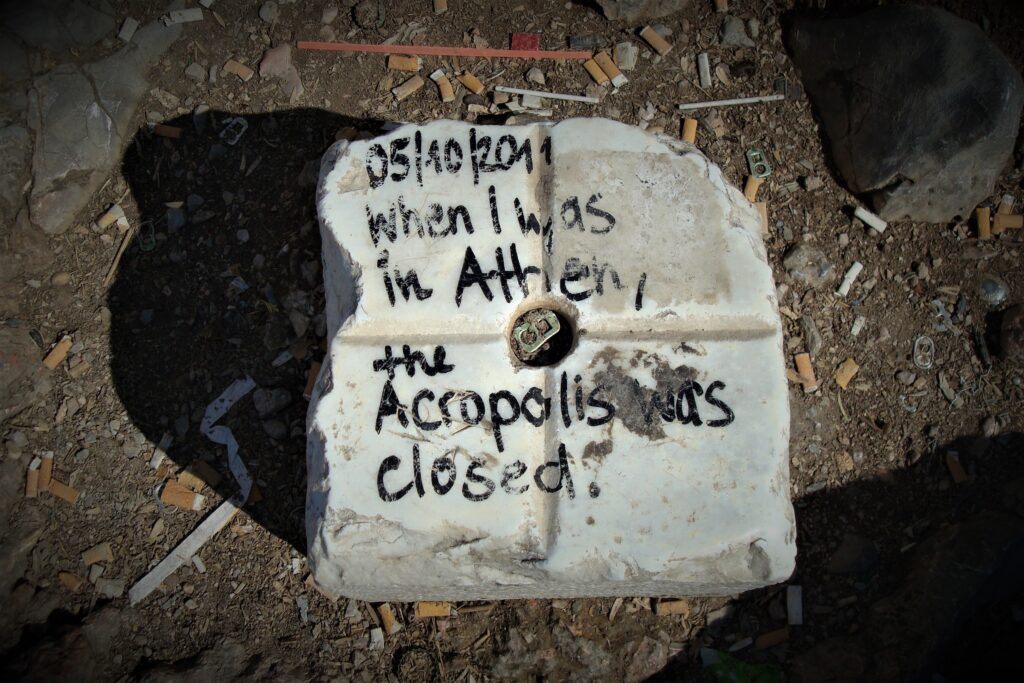
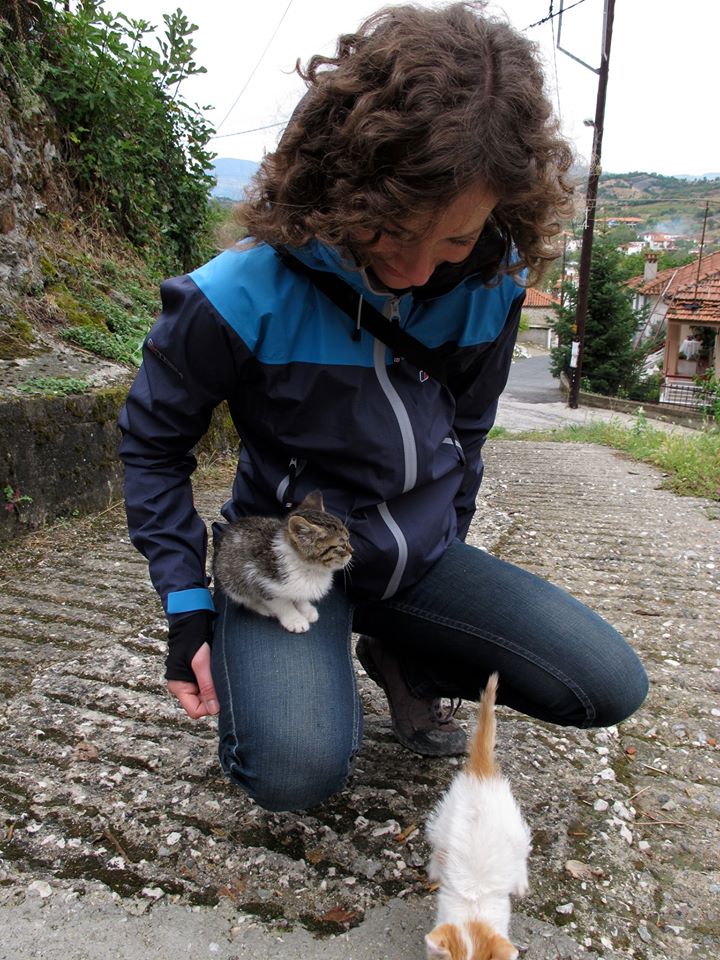
We weren’t on the mainland for long but this particular visit coincided with the start of the financial crisis and we encountered a number of strikes and closures as we travelled around, particularly in Athens, where the knock-on affects across the city were palpable. Everyone wanted cash in hand (including the owners of lodgings)… not because they are old school but for tax reasons. Disruptions hit from the get go. A delayed arrival meant that we couldn’t get to our hotel in time to check-in. We set-off anyway in the very early hours and slept on the pavement next to the hire car before hitting-up Delphi first thing the following morning (hence my looking very bleary-eyed in one of the photos here). It transpired that this was something we would repeat on arrival in Kaly a few days later, when a ferry delay would see us ending up sleeping on the sun-loungers outside the hotel for a couple of hours, only to be woken up by the cleaner when they came to open-up at 5am.
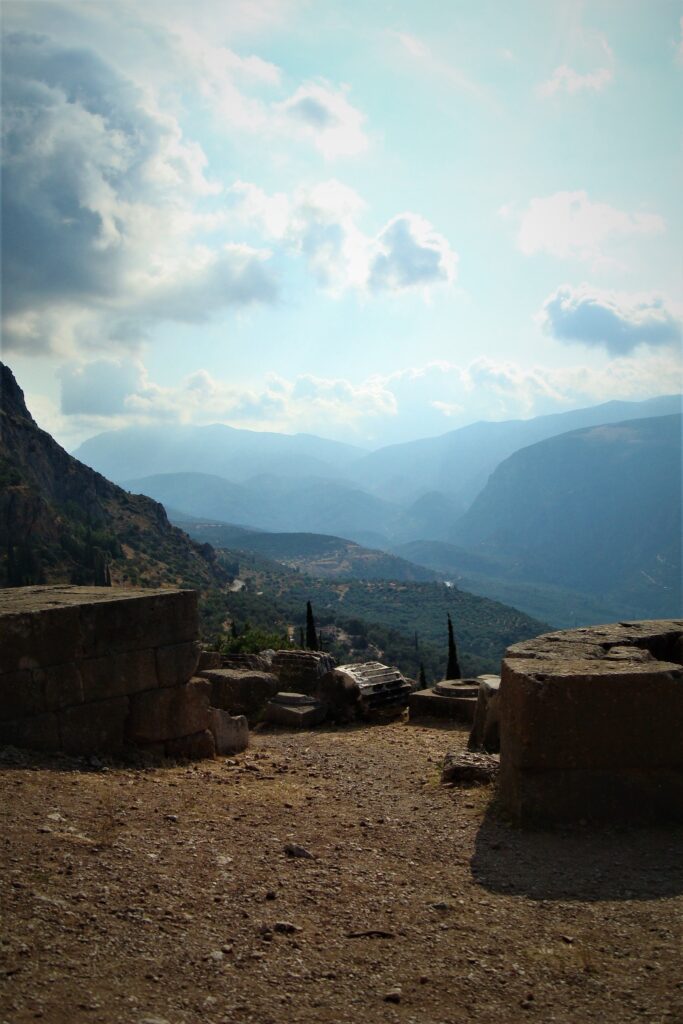
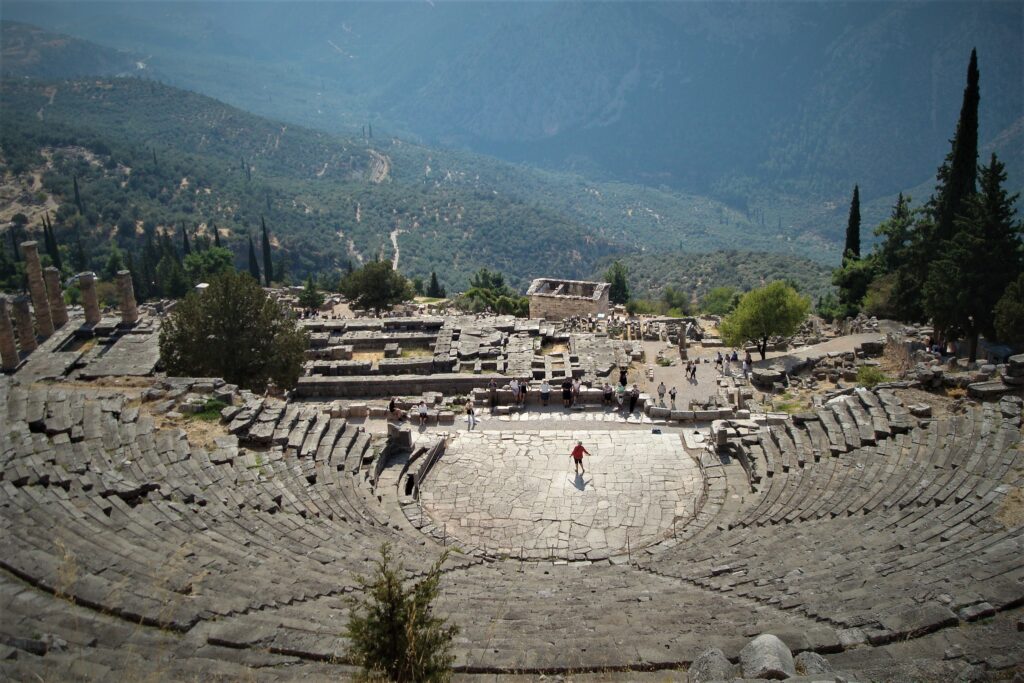
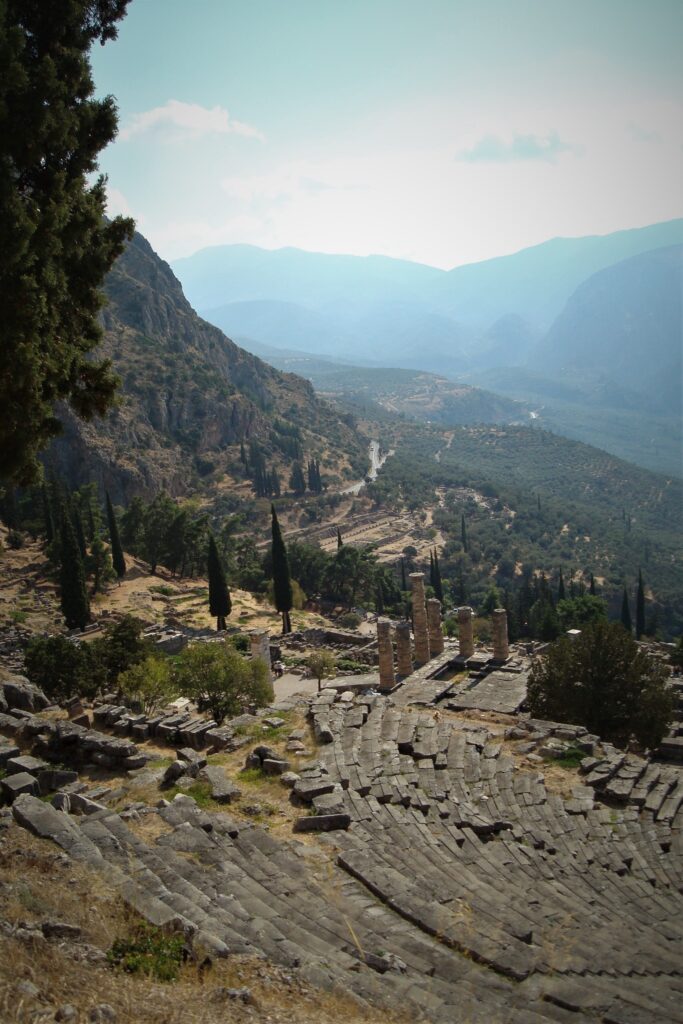
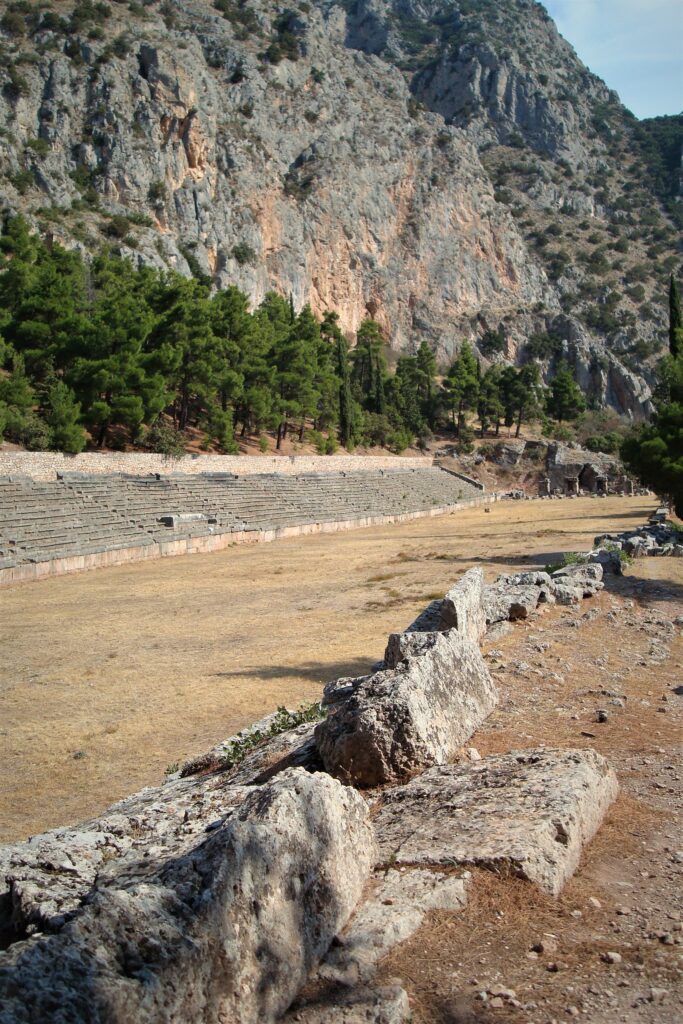
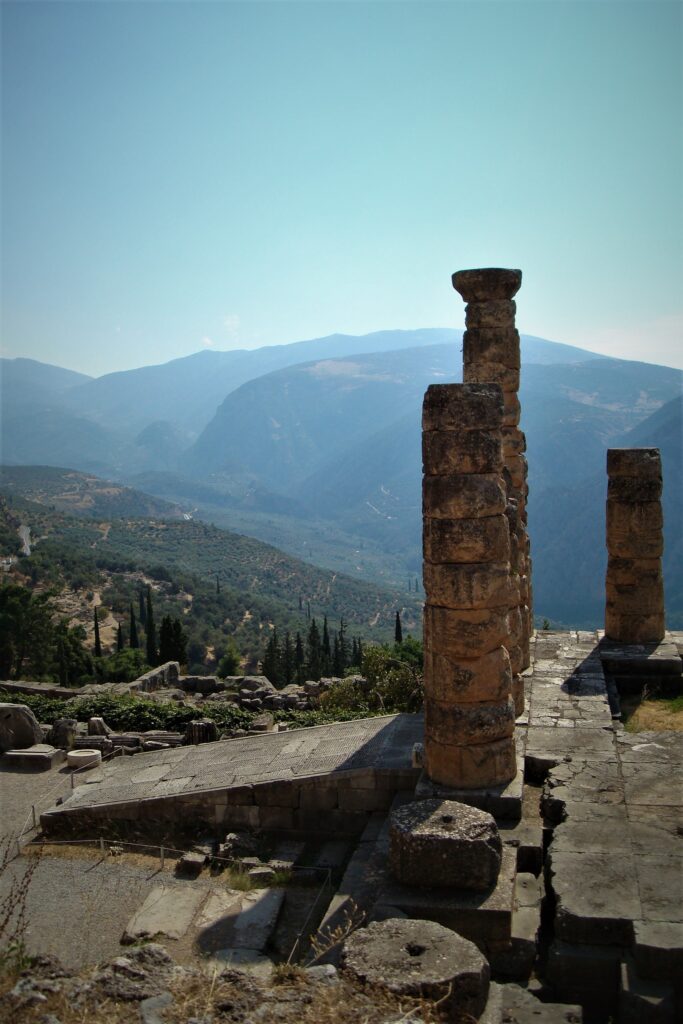
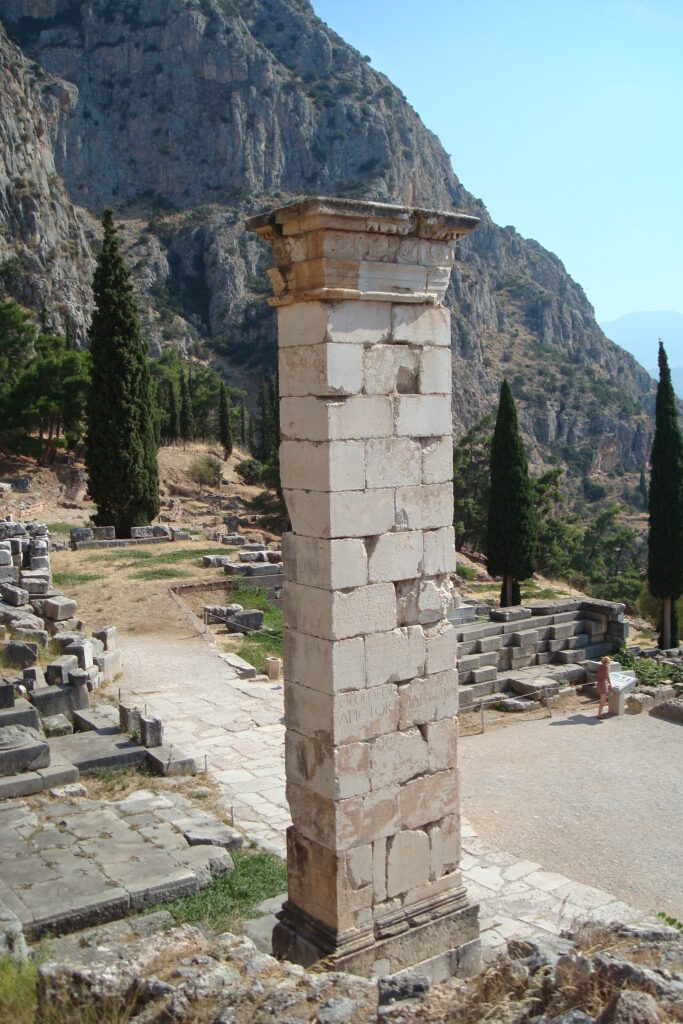
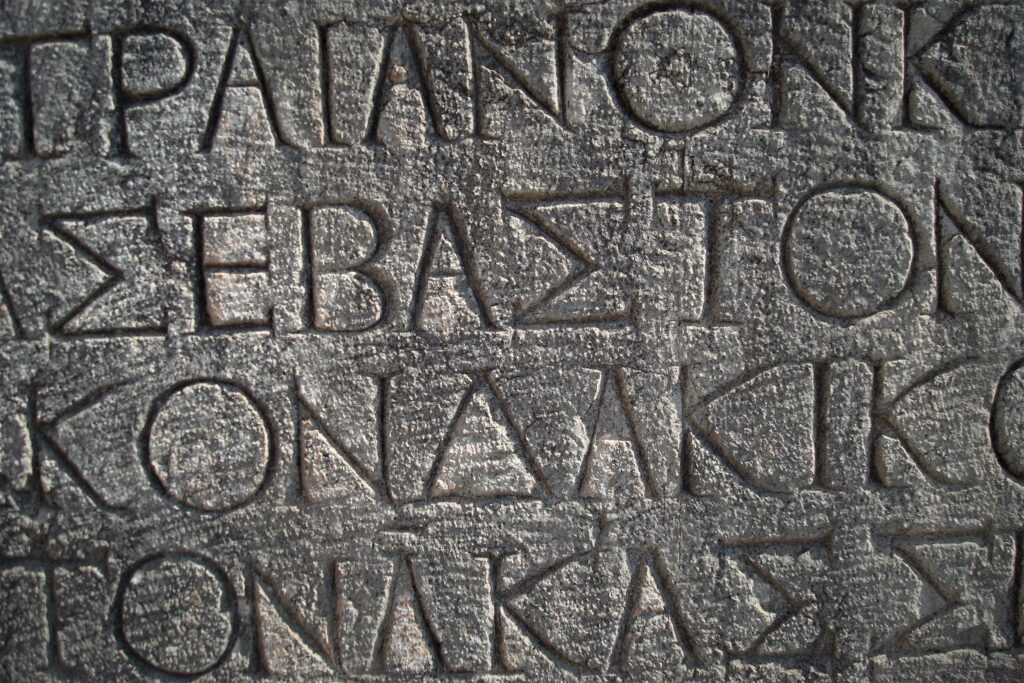
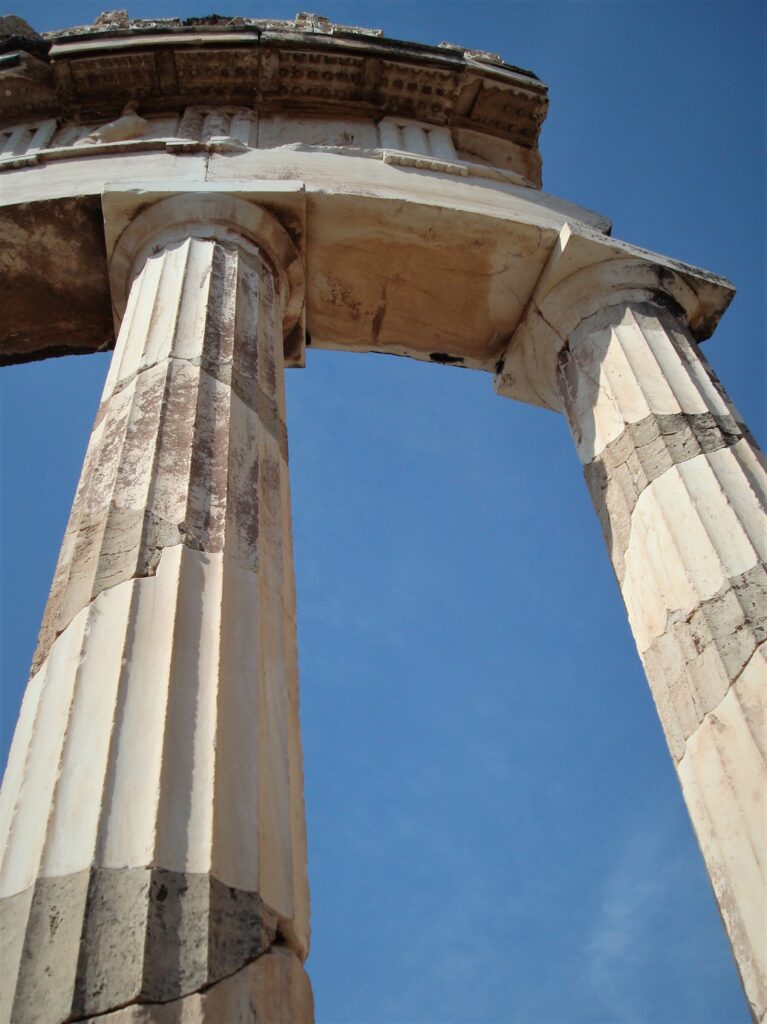
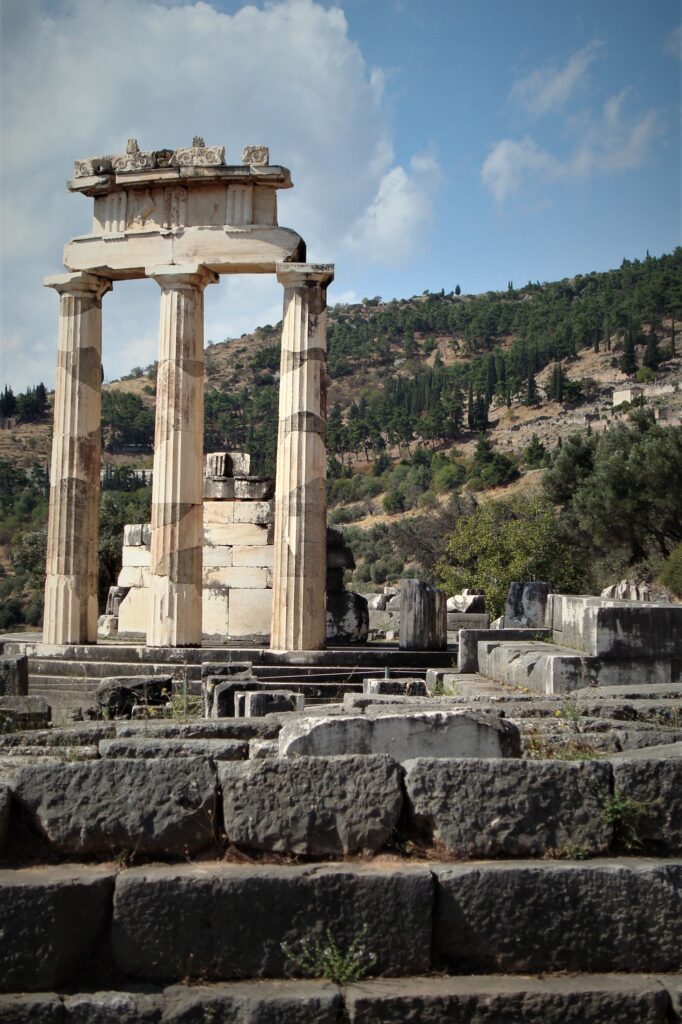
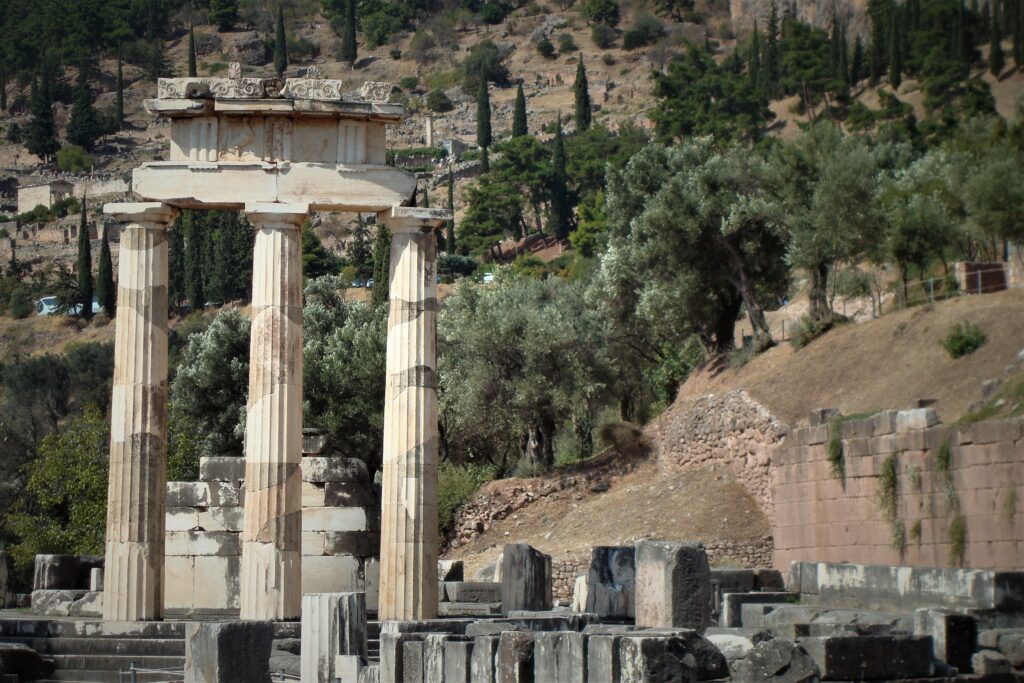
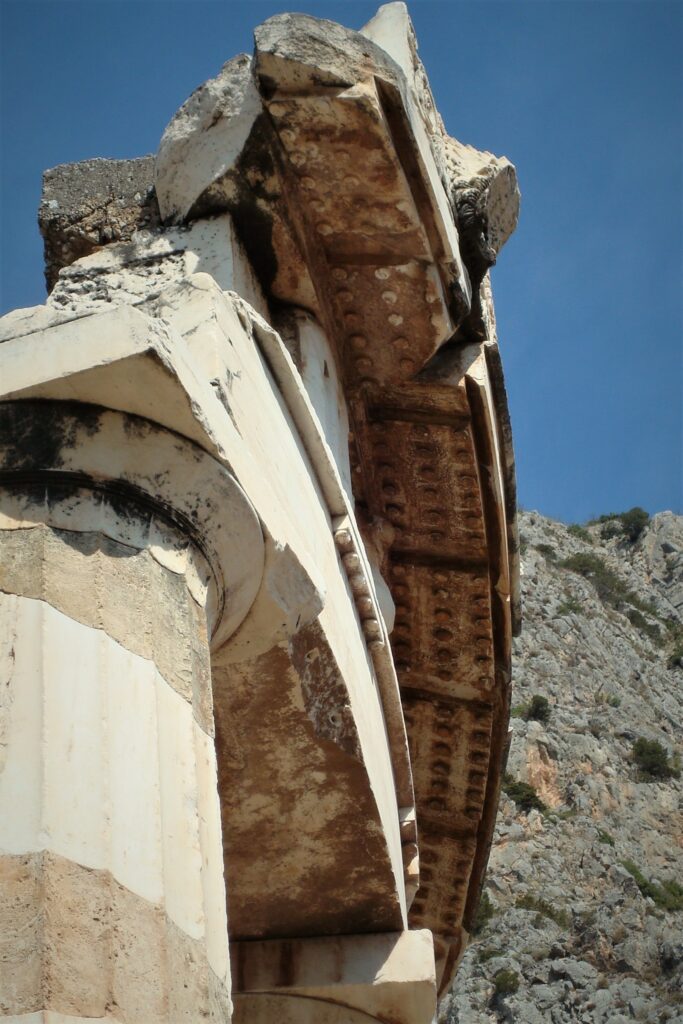
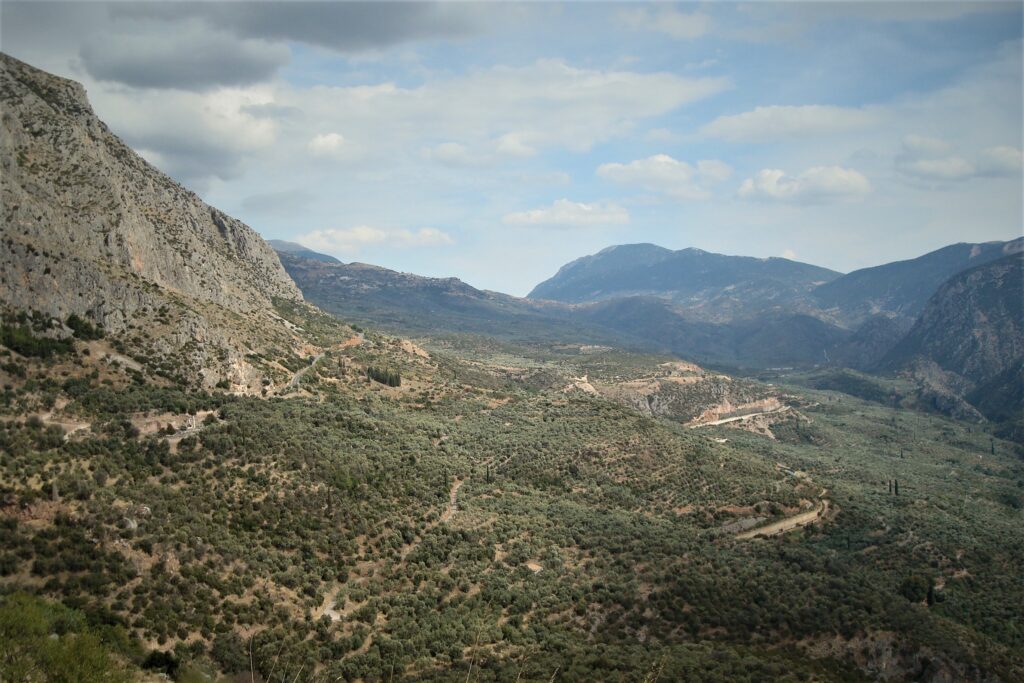
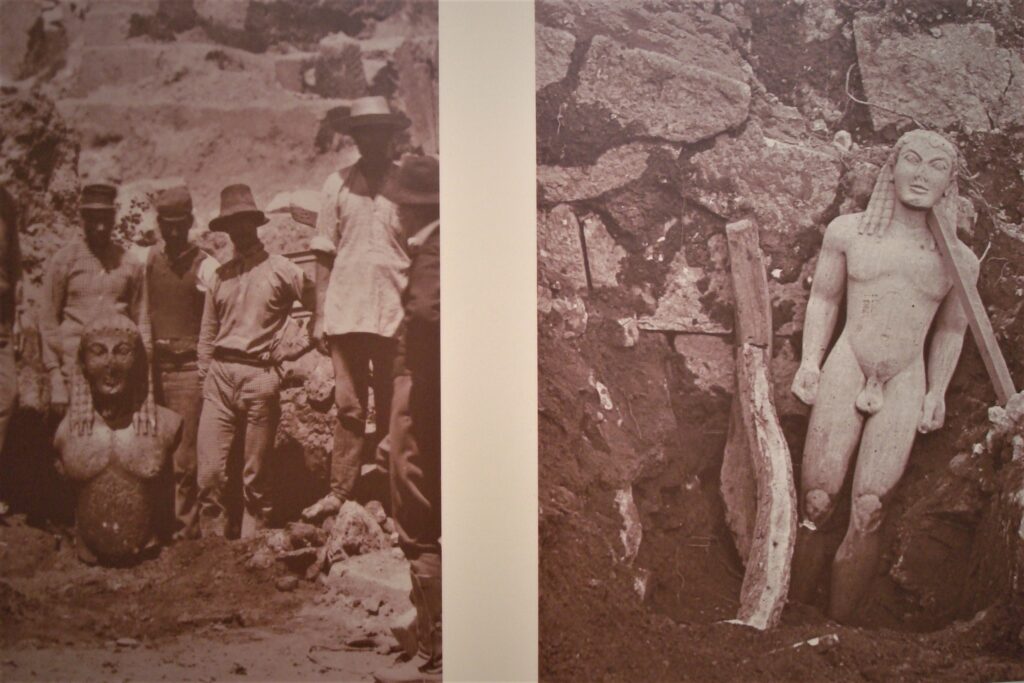
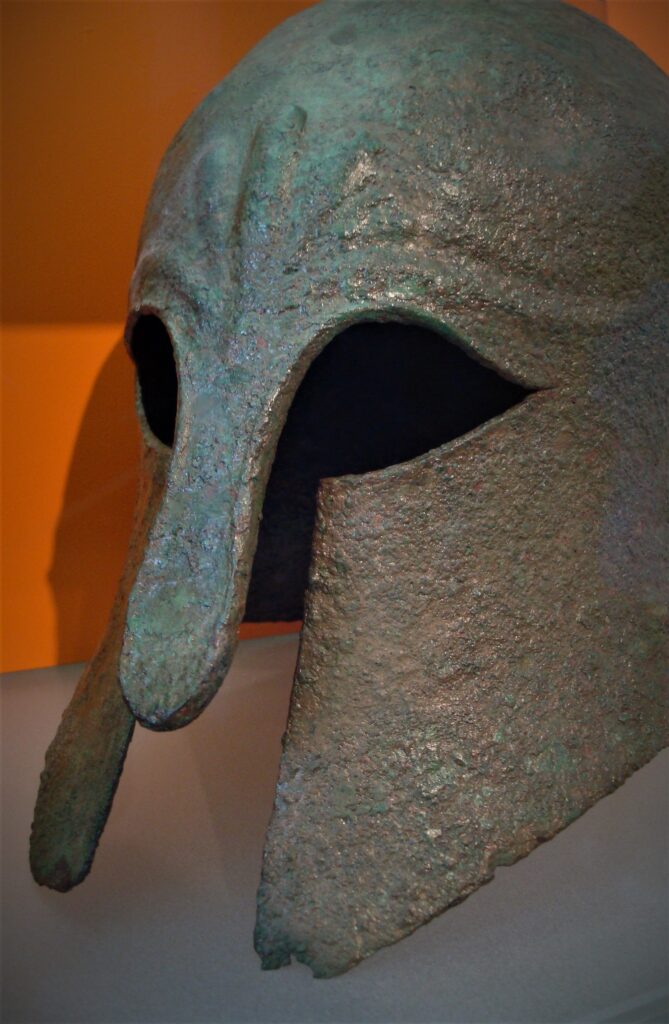
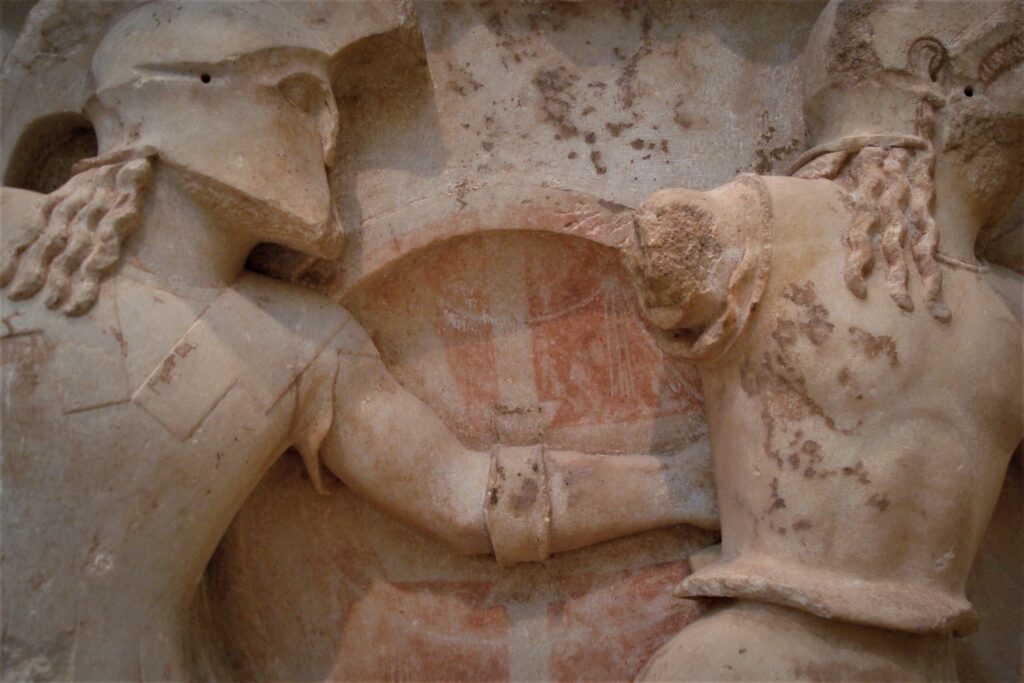
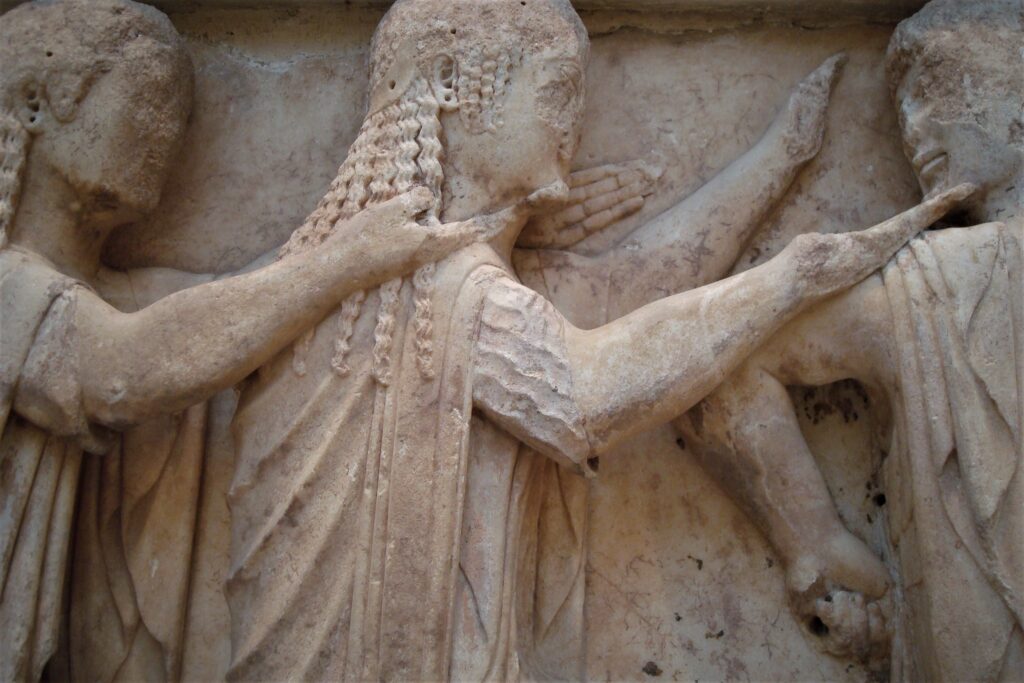
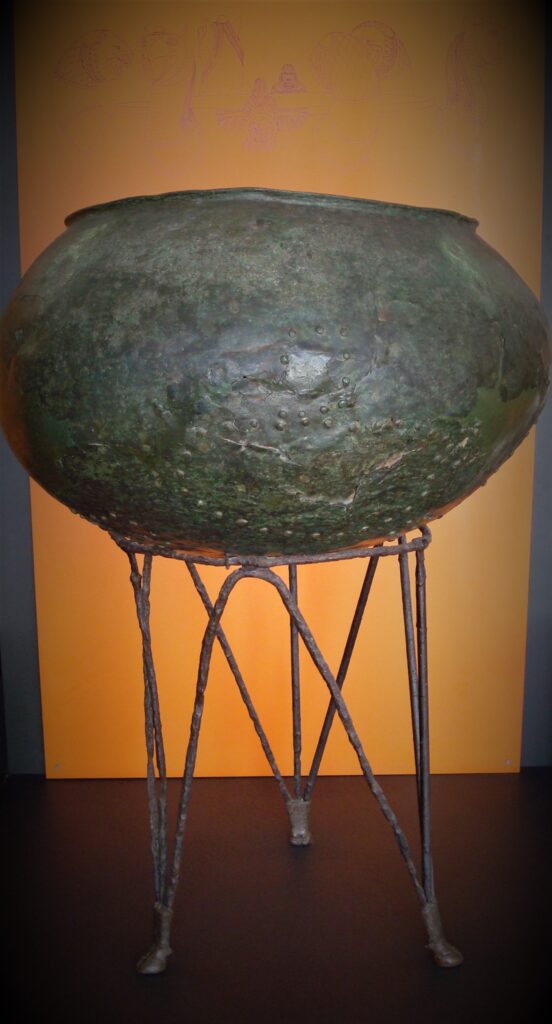
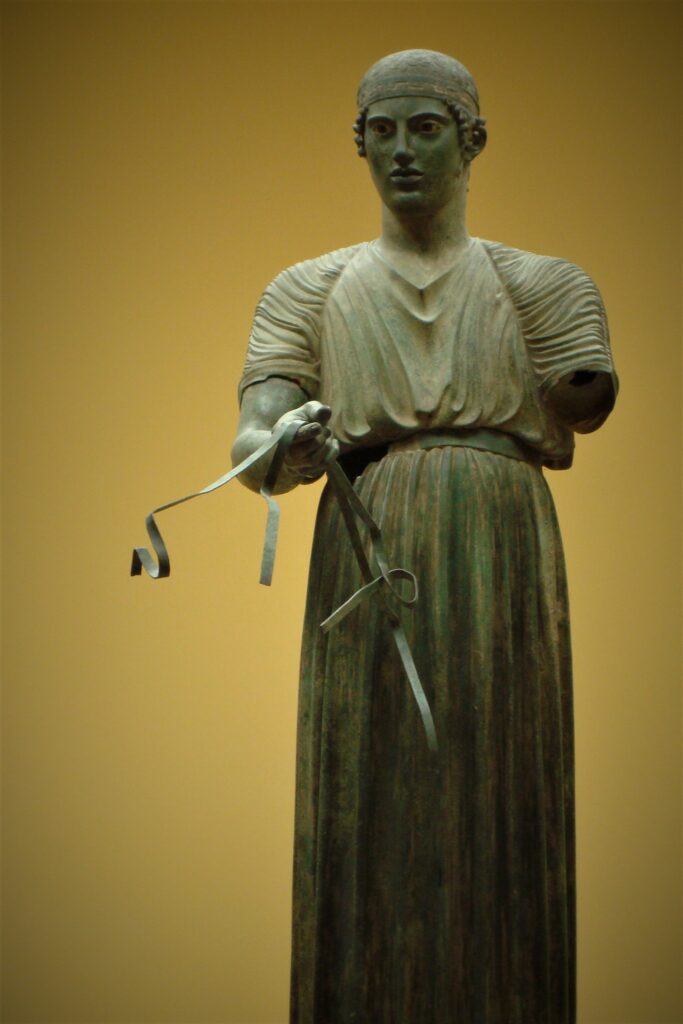
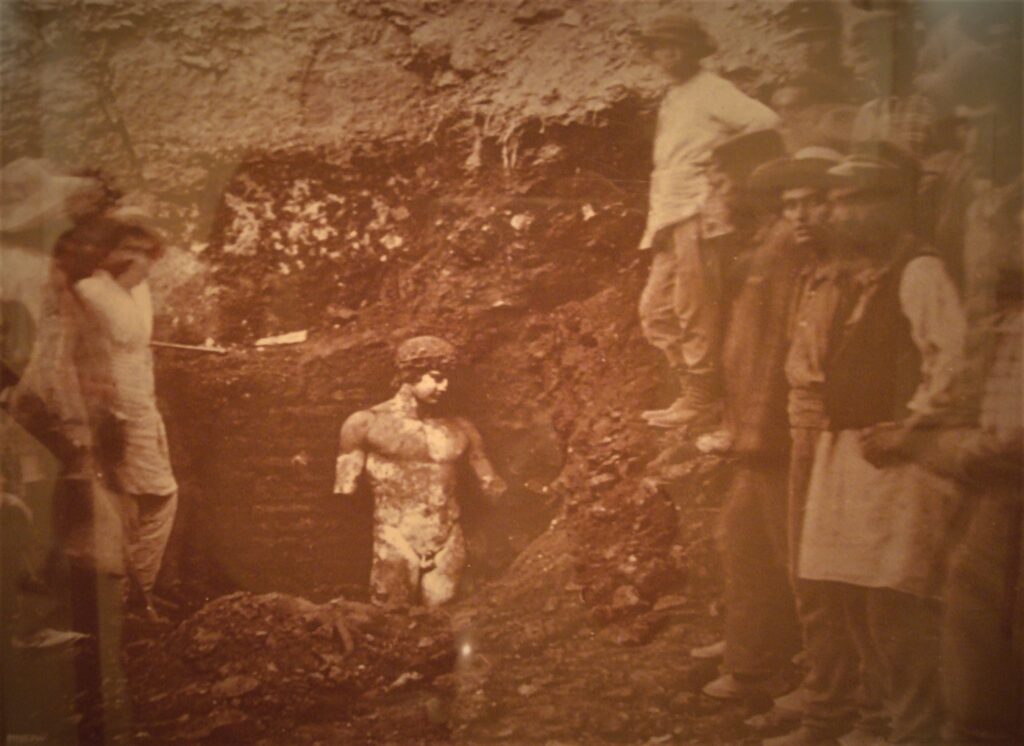
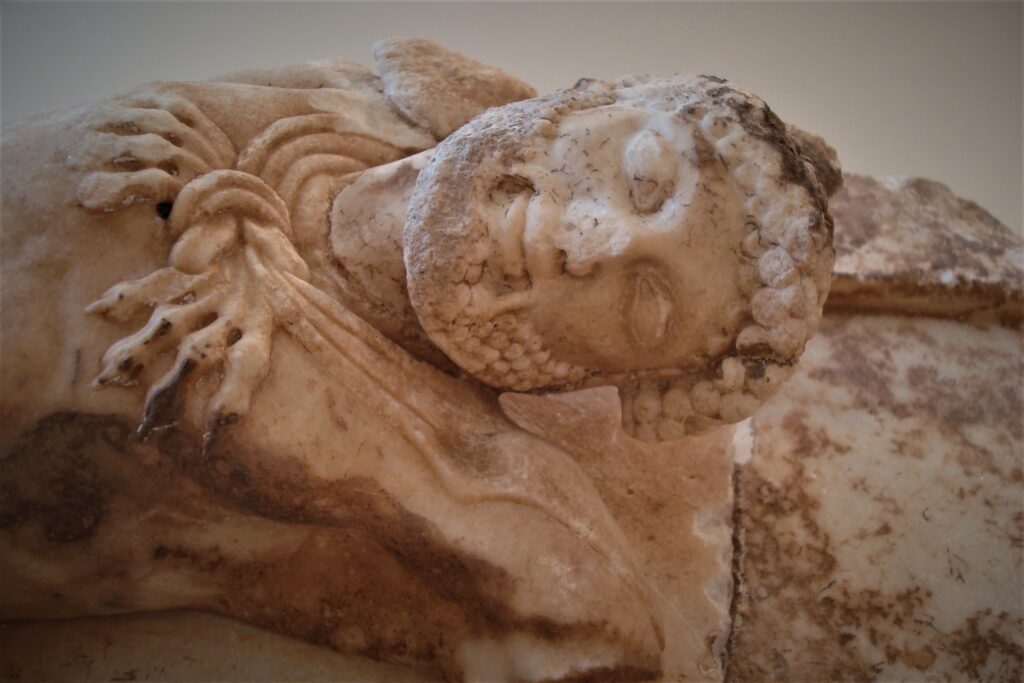
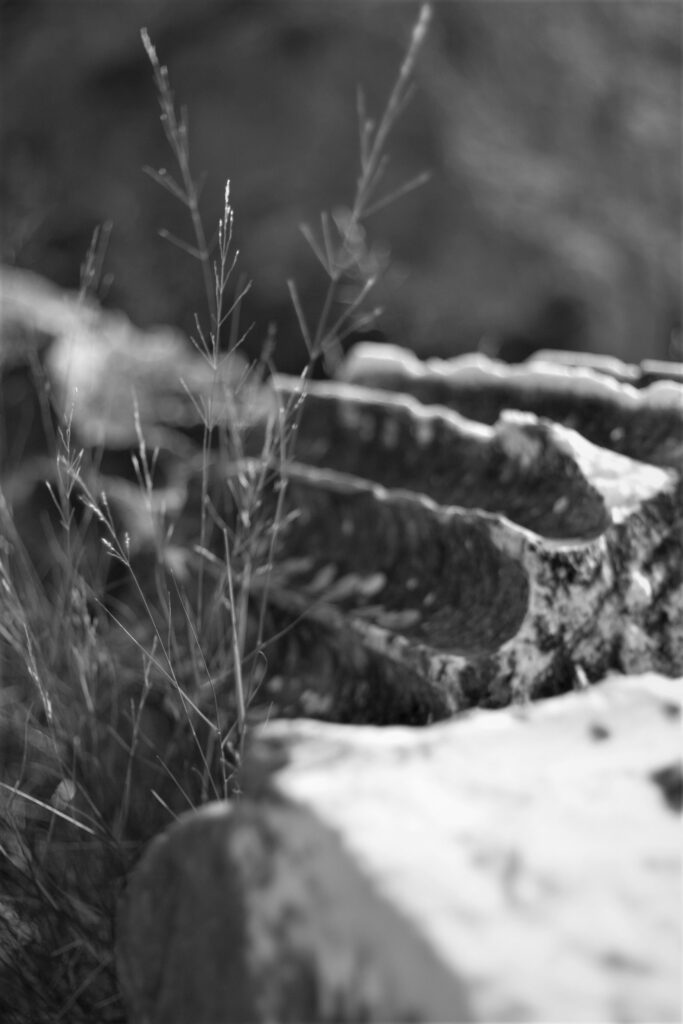
Our mainland foray essentially took in Delphi, Meteora and Athens, with a few random bits and bobs along the way (sadly not enough time to venture further south to the beautiful Peloponnese this trip). Delphi (in the early hours of the morning), one of ancient Greece’s most revered sites, offered sweeping hillside vistas of ruins nestled among ancient olive trees. There’s something very soothing about wandering around ancient sites in the sunshine (if you time it right, away from the crowds). It’s a peaceful site for sure and that’s enhanced by the standard Greek paysage palette of stone, olive and bright blue. The Delphi museum is excellent and after basically running on fresh air and excitement since the previous day, I was ready for a mega hit of Greek coffee beneath the shade of a taverna trellis.
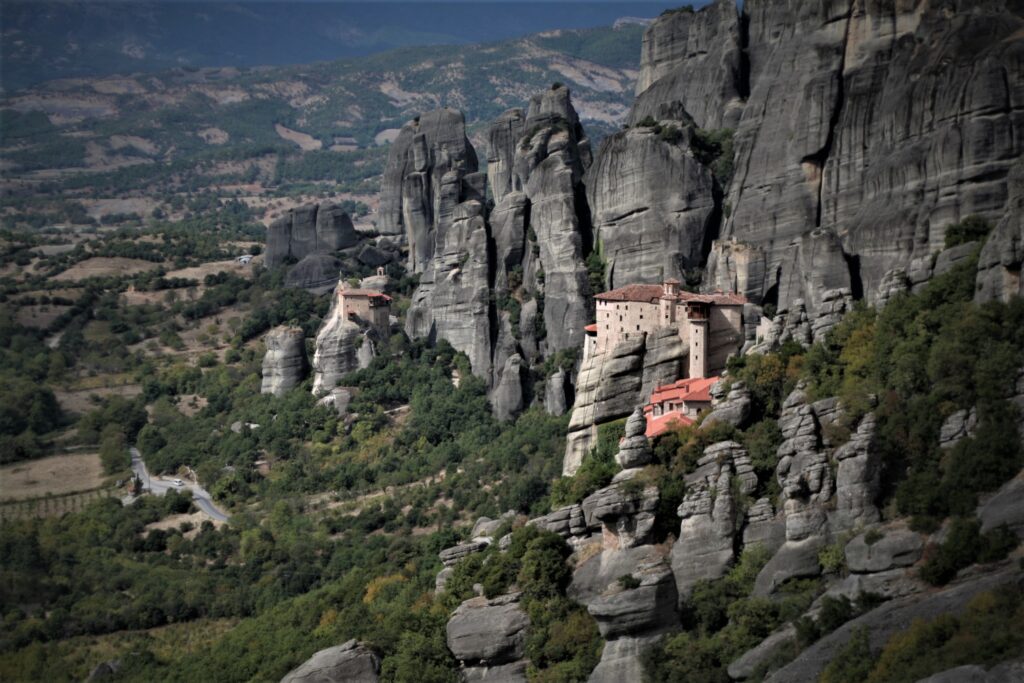
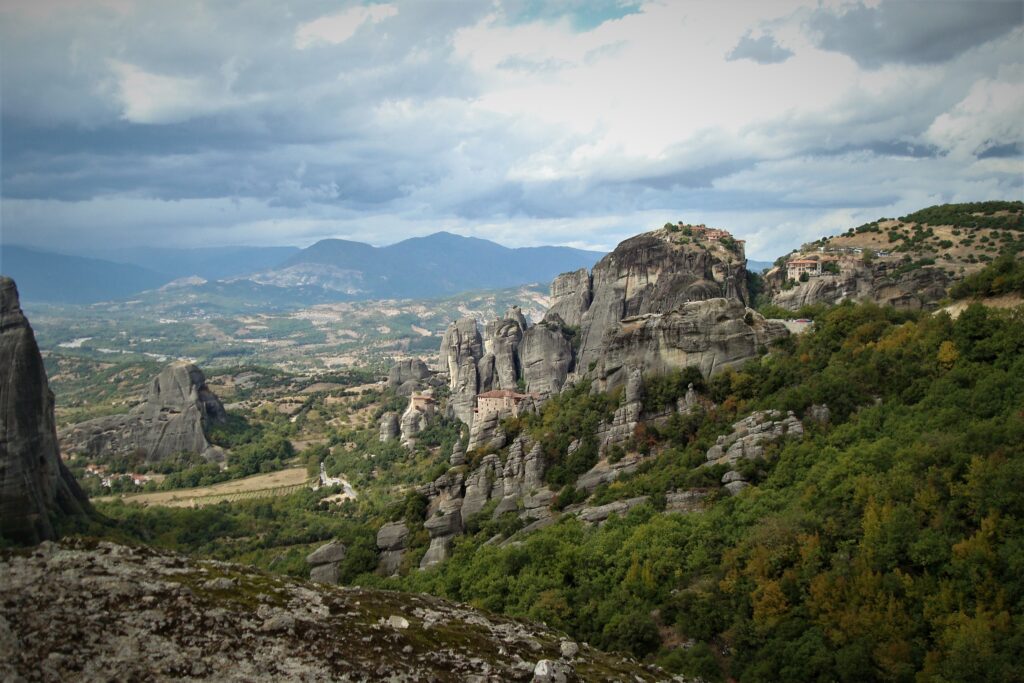
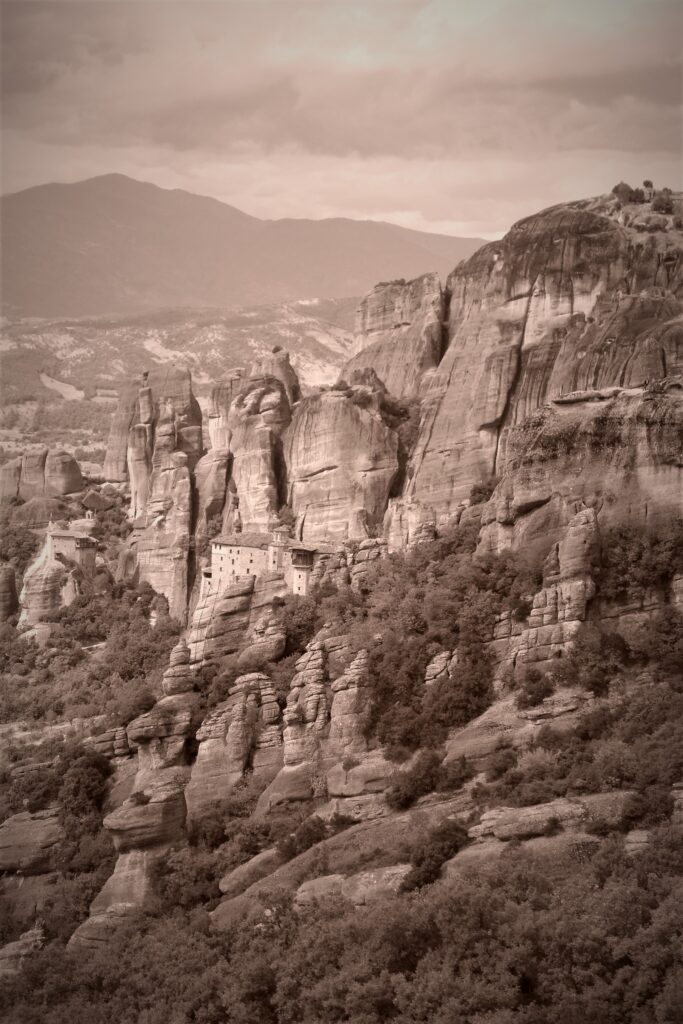
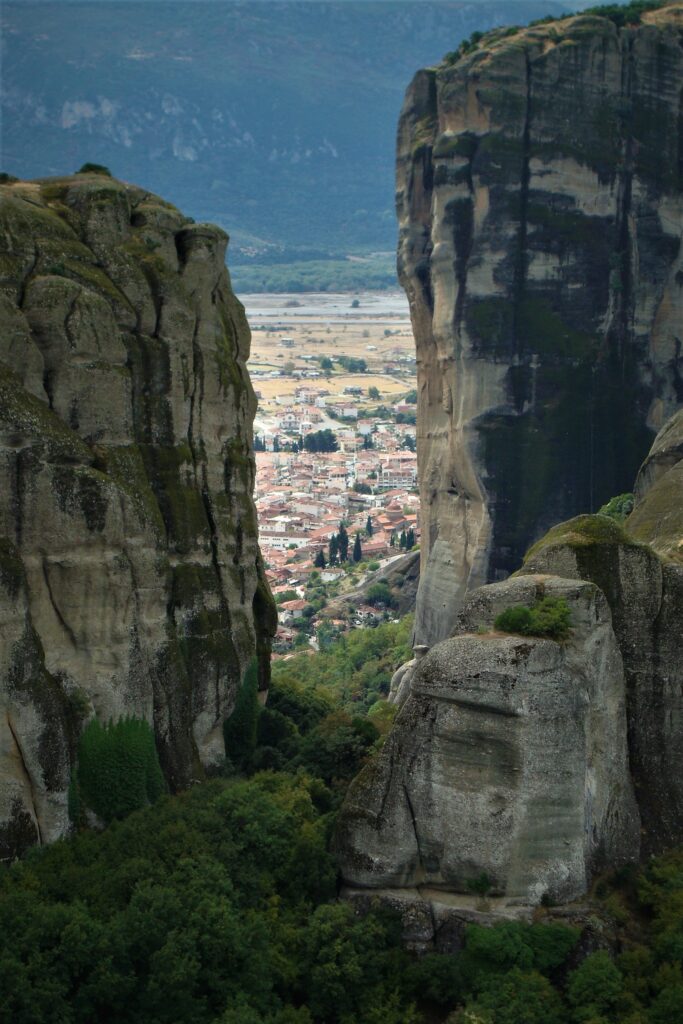
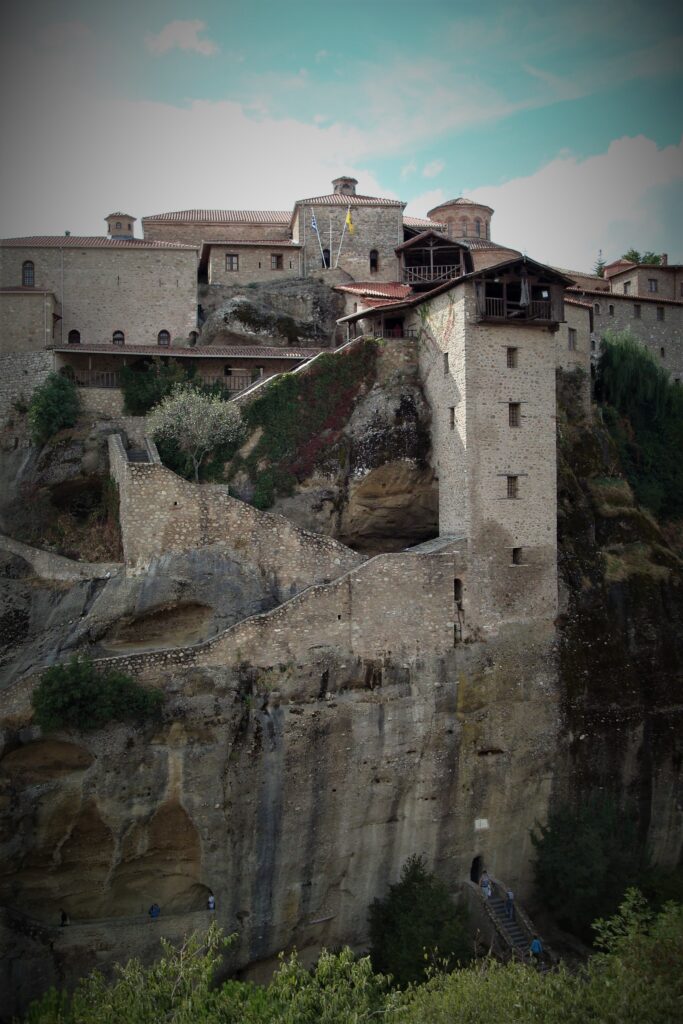
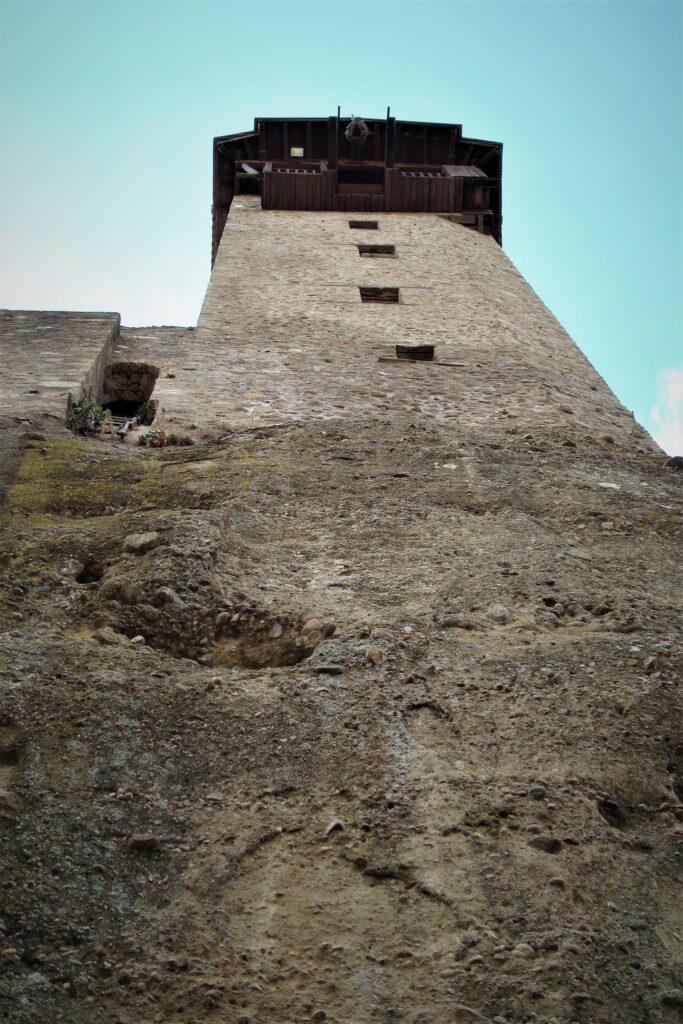
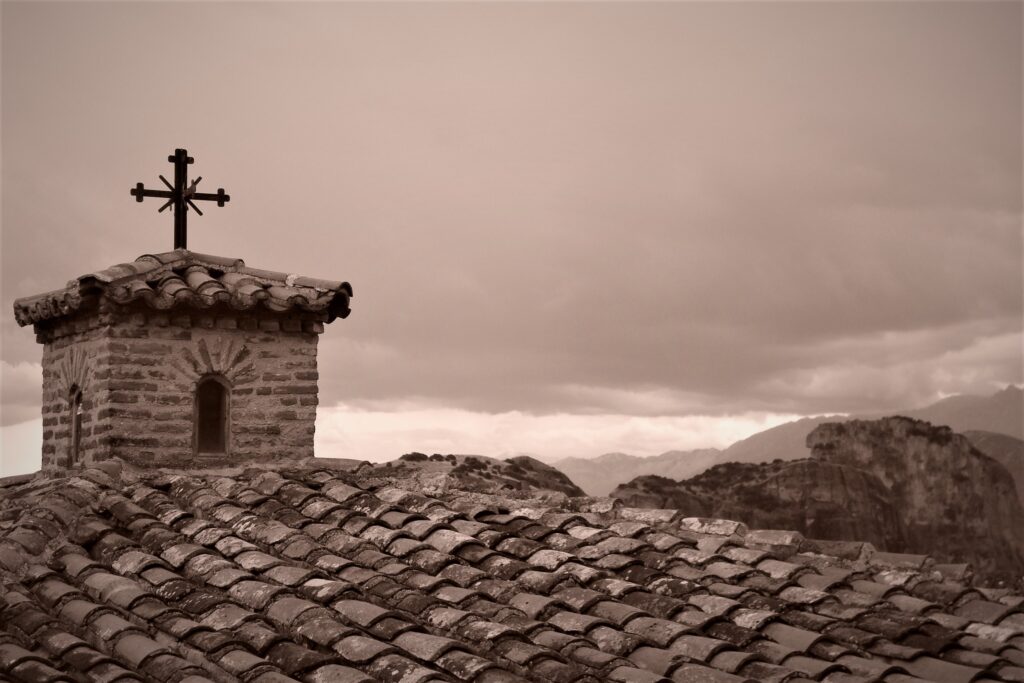
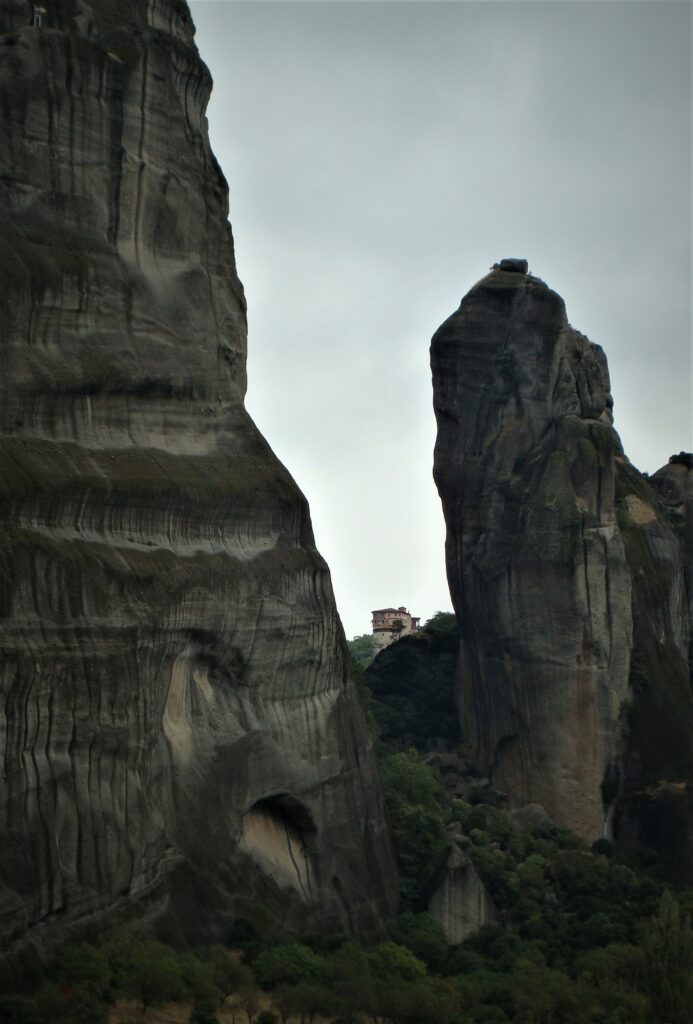
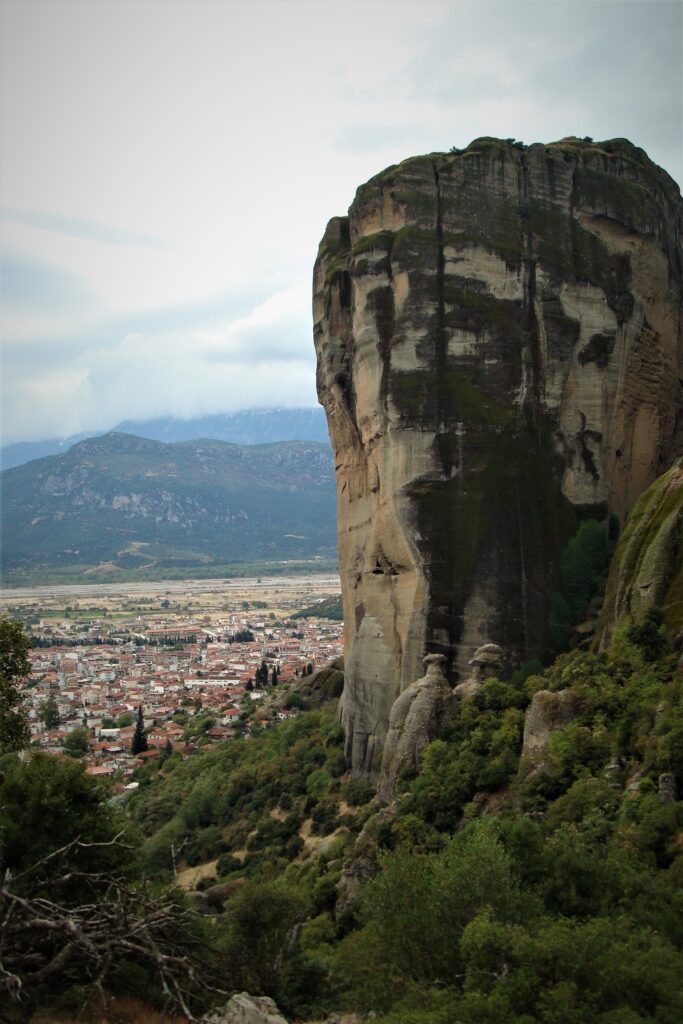
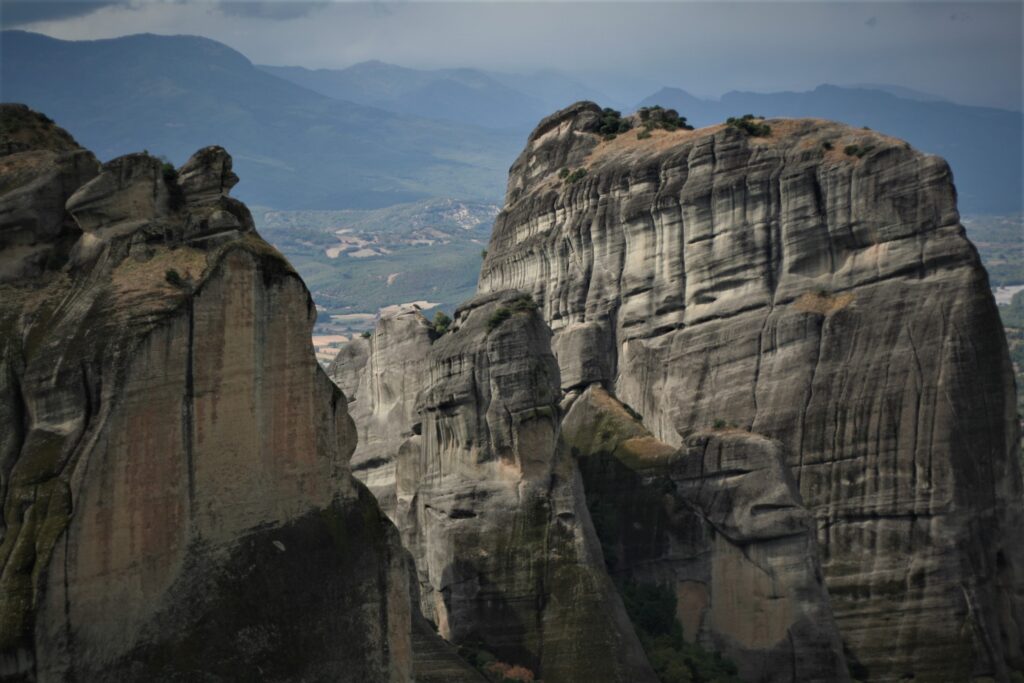
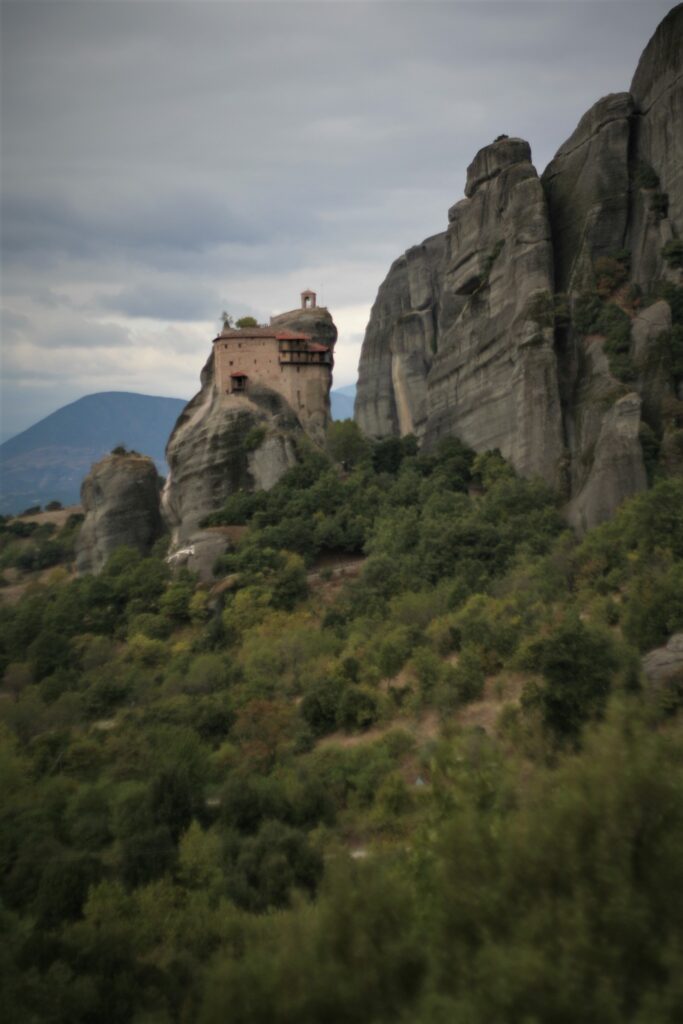
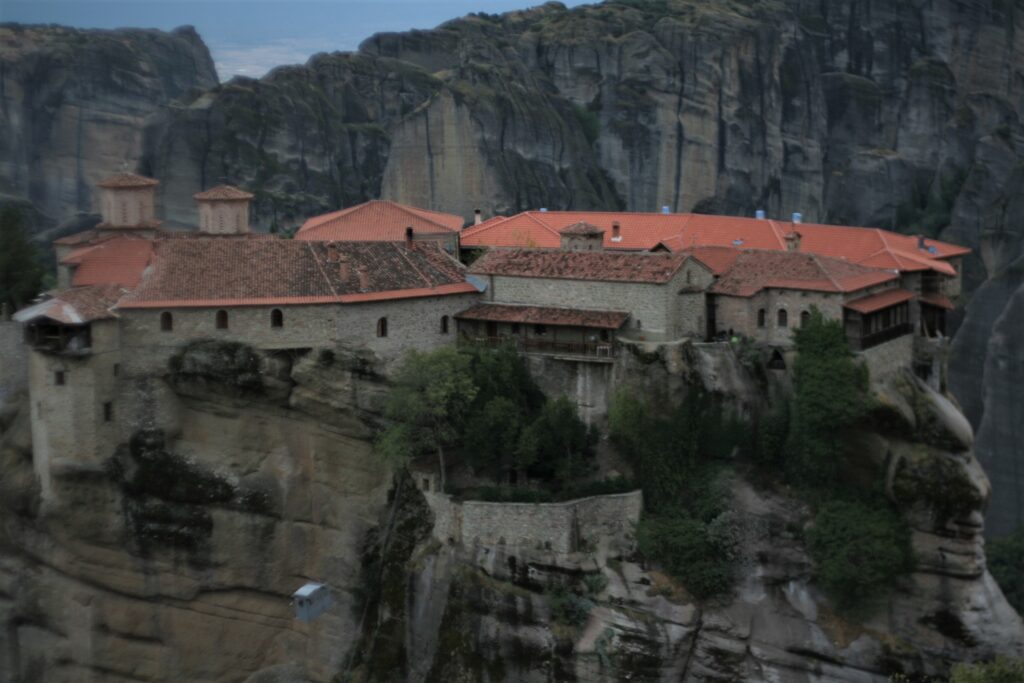
Meteora is stunning in a different way, peppered with crazy constructions perched precariously on top of imposing pillars of rock. Here the geology and man’s feats of engineering are equally impressive. There is climbing here too (unsurprisingly given the height of these rocks) but personally I found it more pleasurable to leave that behind and focus on the site itself. Apart from walking among the beautiful rock formations, the best thing about the monasteries is that the monks who used to inhabit (and still do in some cases) used a rickety old winch and pulley lift system to get to the ground/convey supplies to the monasteries. I love that (although nowadays there are more accessible entrances and pimped-up lifts in some of them).
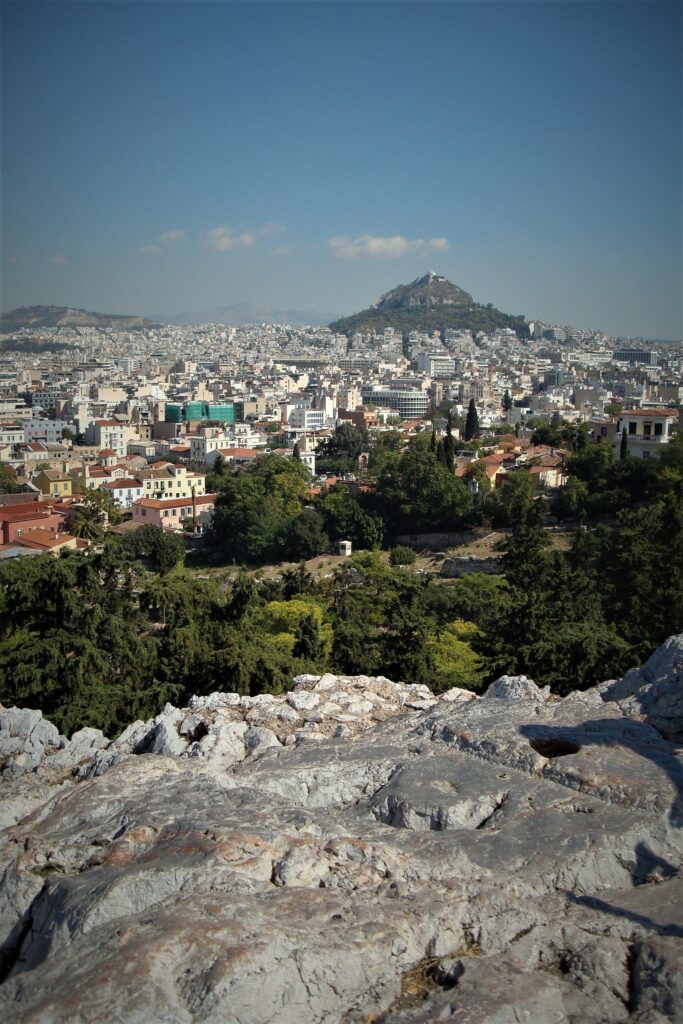
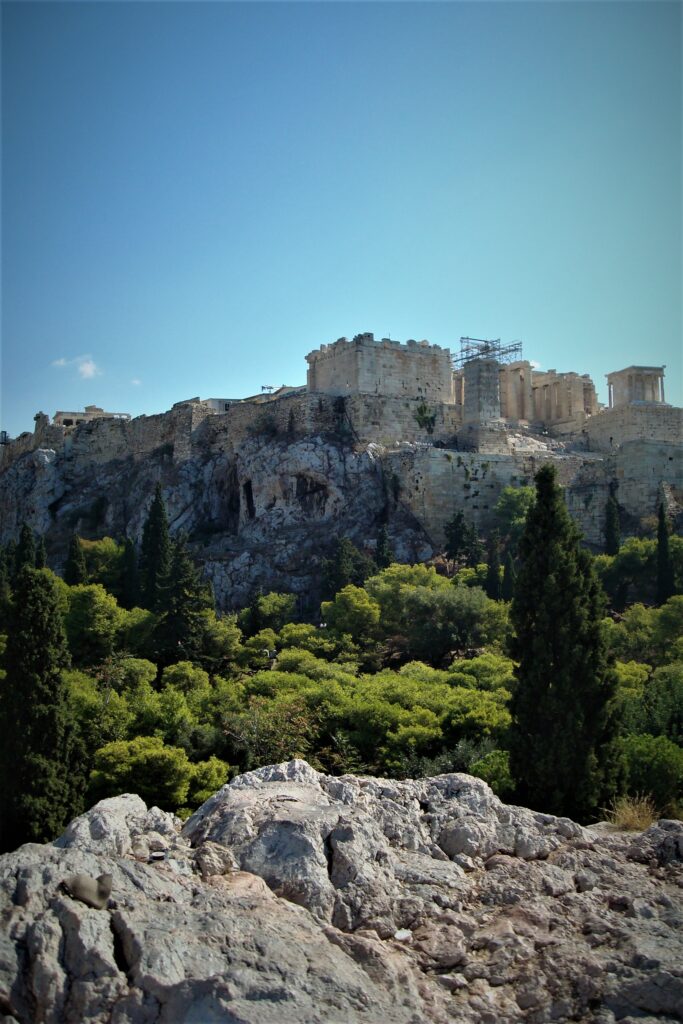
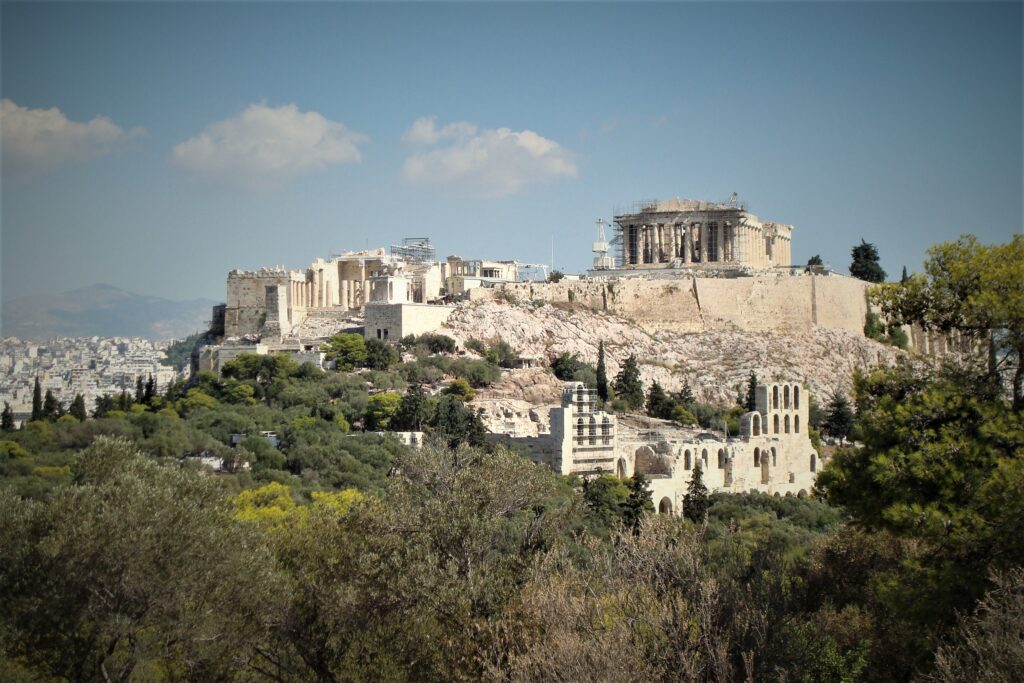
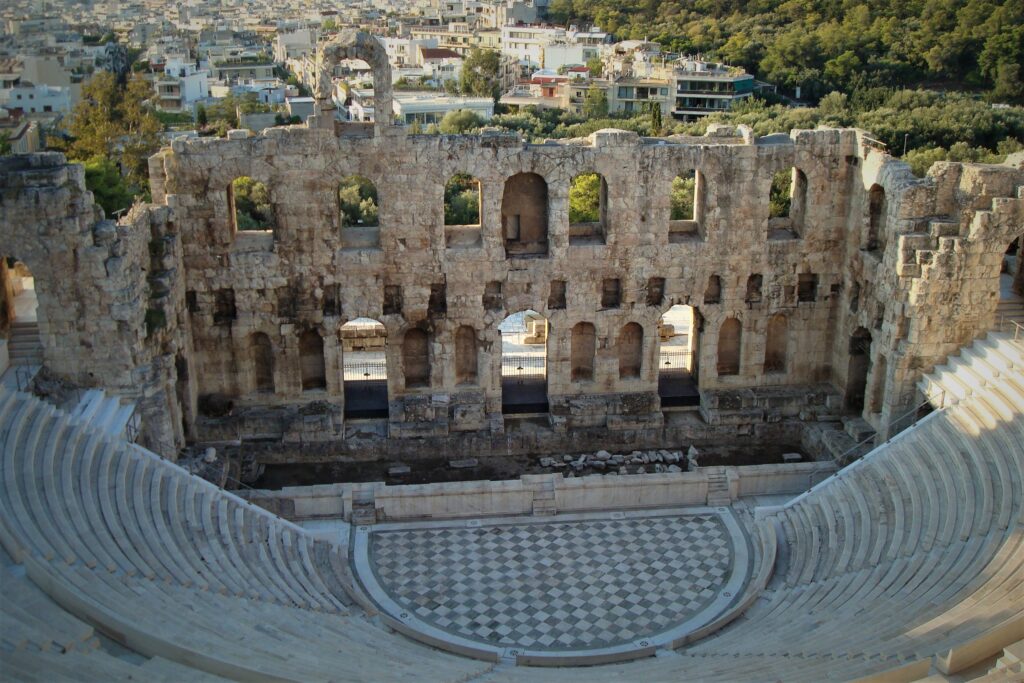
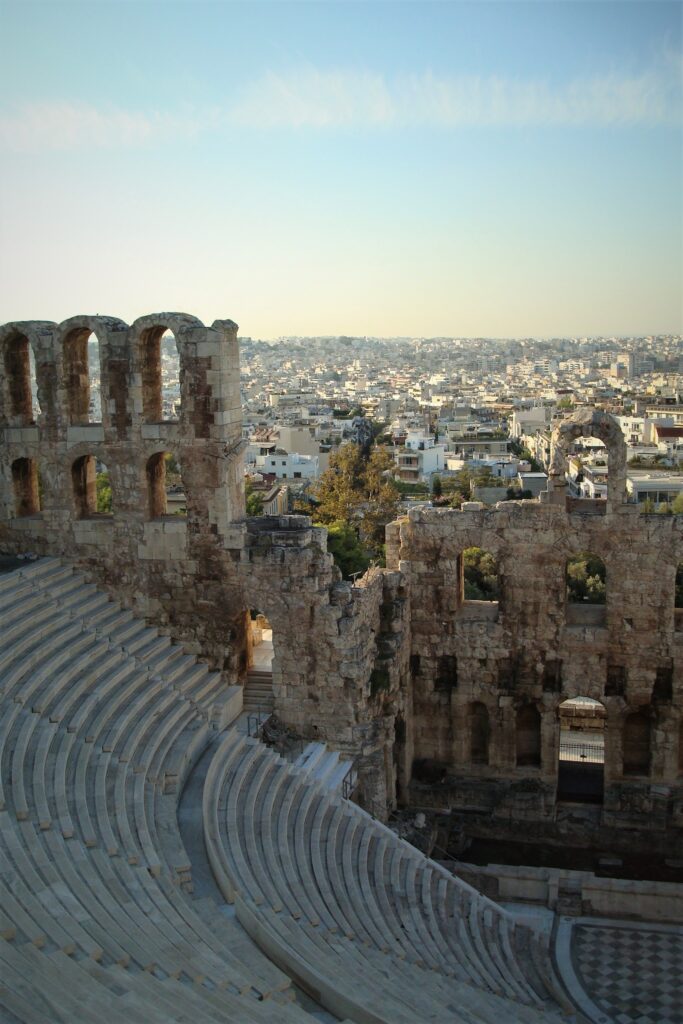
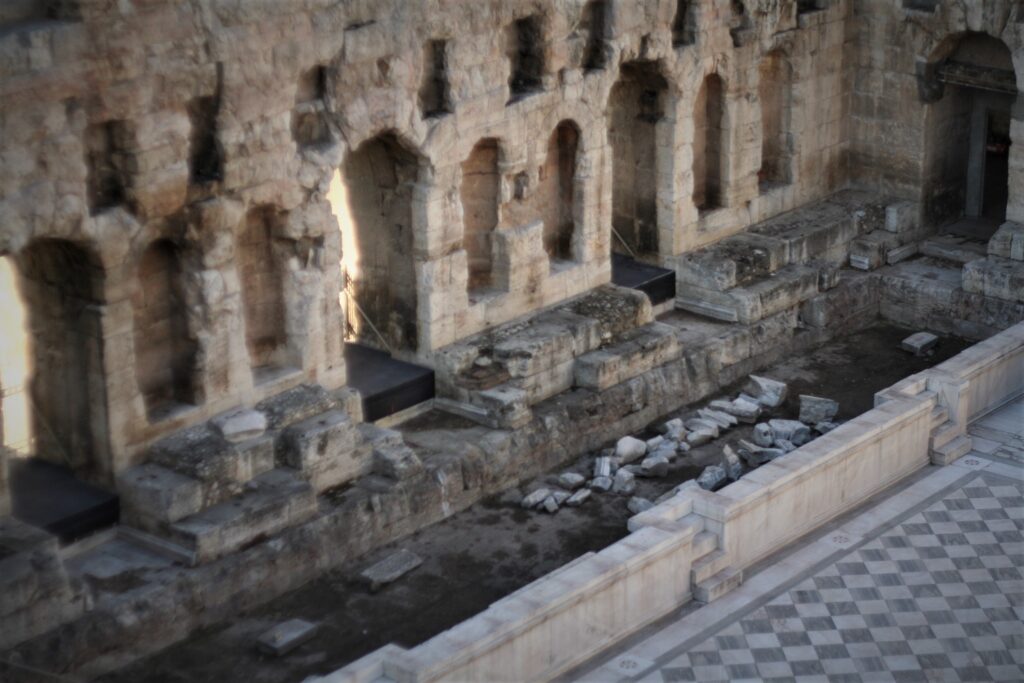
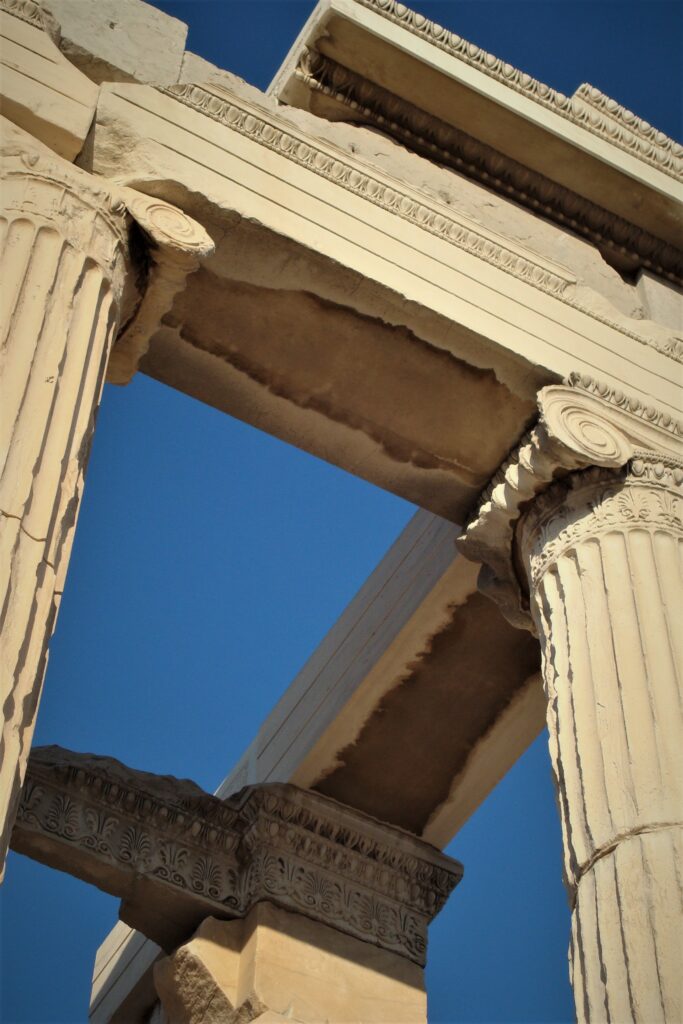
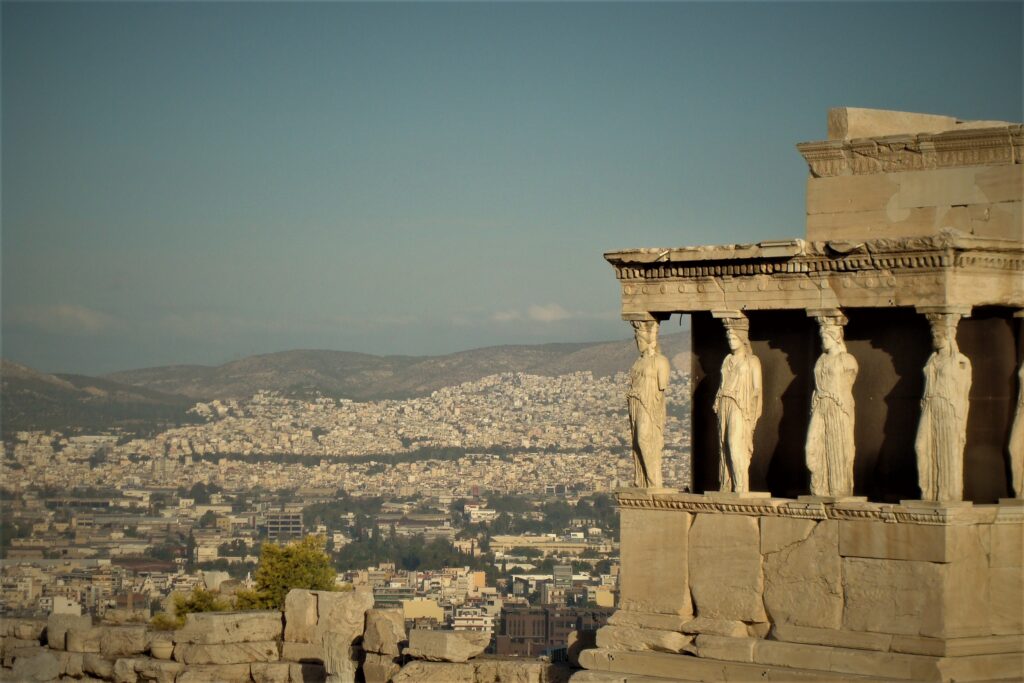
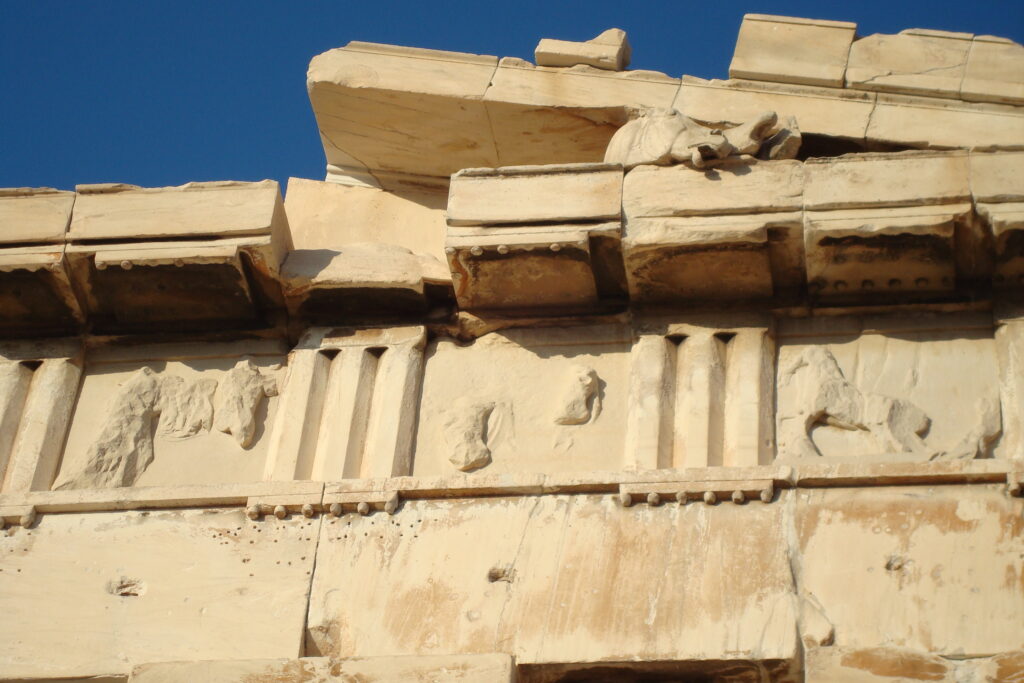
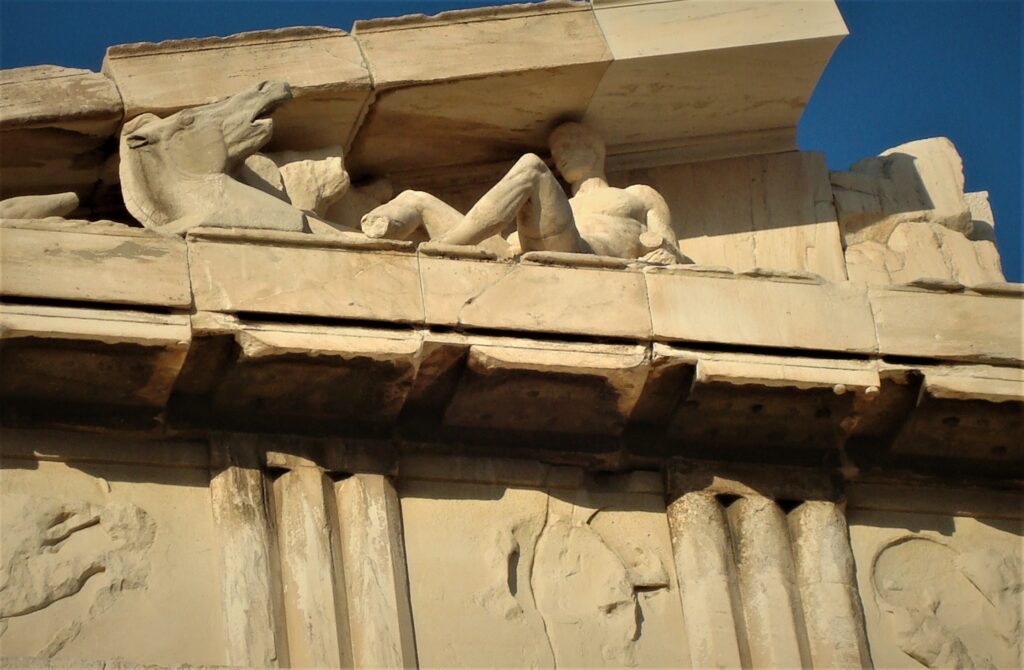
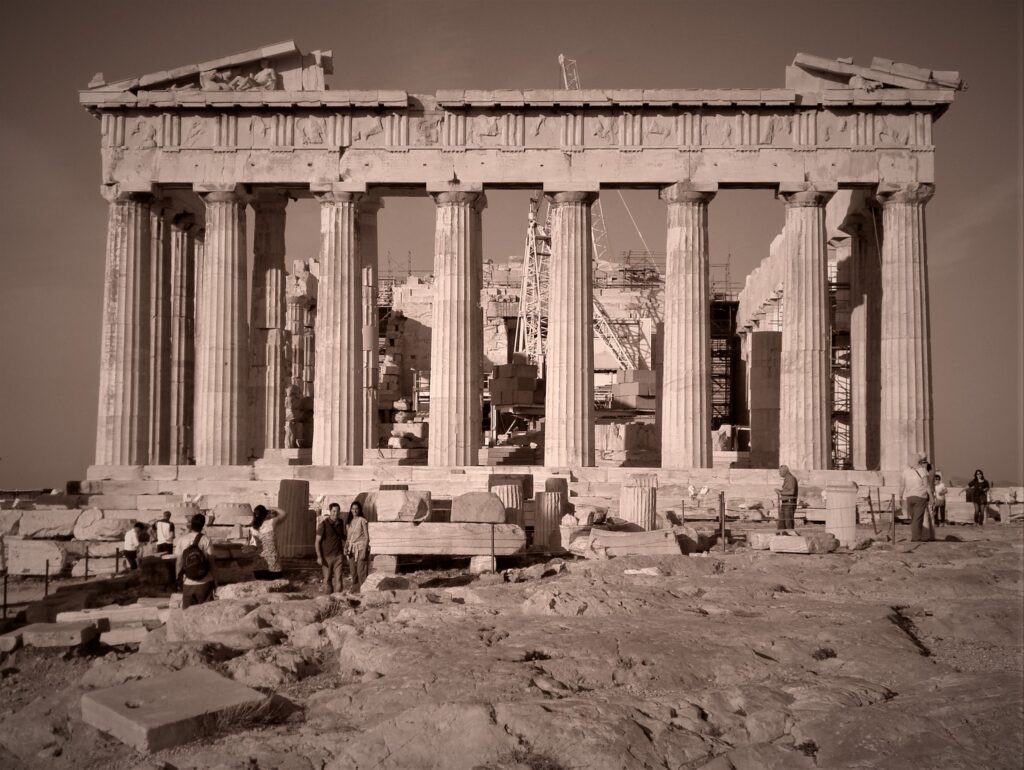
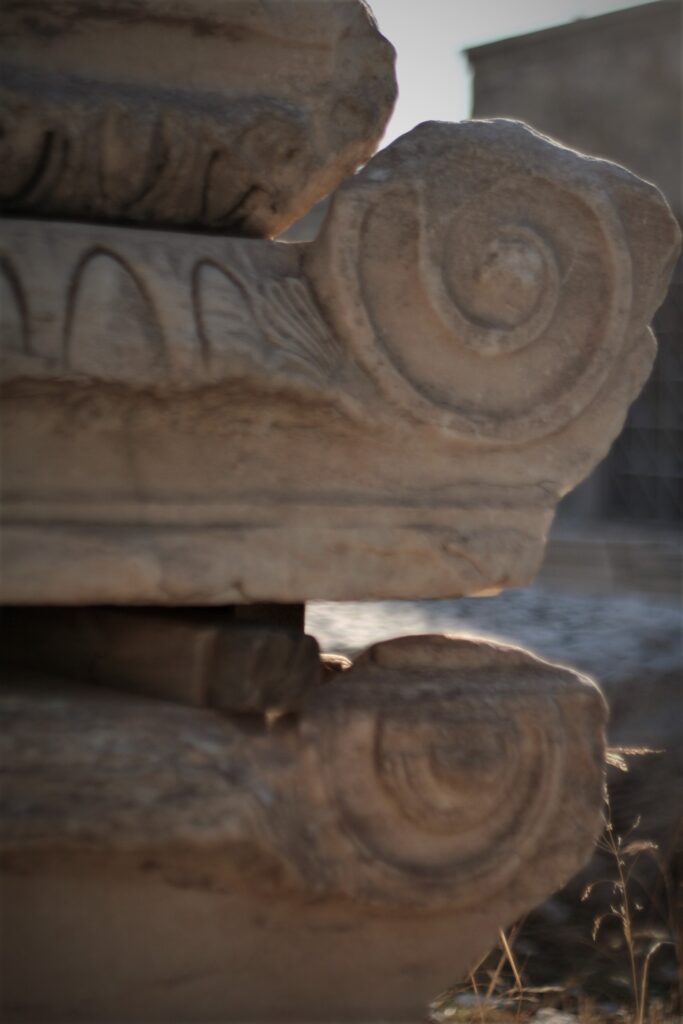
And finally to Athens. Not gonna lie, it’s not my favourite capital but there are some nice parts, and of course, when in Athens, you have to hit up the Acropolis. This is one of those “must see” sites (a bit like the Taj Mahal – teeming with tourists (obviously I’m one of them) and a bit “meh, it’s nice but I’m not overly blown away by this”). Walking around this ancient “high city” is, however, markedly different from wandering amidst the more unassuming, rural ruins away from the bustle of the capital. Poor old Acropolis though, it’s still standing, for one thing; and, not only has it experienced its fair share of ballistic fall-out, it has also been given a bit of a bad rap for a number of reasons: from not being particularly beautiful when it comes to ruins (among the less favourable descriptions are of a white eyesore plonked above the modern city), to, of course, the controversy surrounding the Elgin Marbles. What is apparent from the metopes and sculptures that have remained in situ is that the ones that were taken would not have survived as well otherwise. That being said, the new (at the time of my visit) museum in Athens is very impressive and yet the argument for returning the marbles remains very sensitive and its implications, far-reaching in terms of a wider debate around the “spoils” of cultural heritage. The Parthenon has become something of a poster boy for this debate and sits proudly awaiting the return of its own.
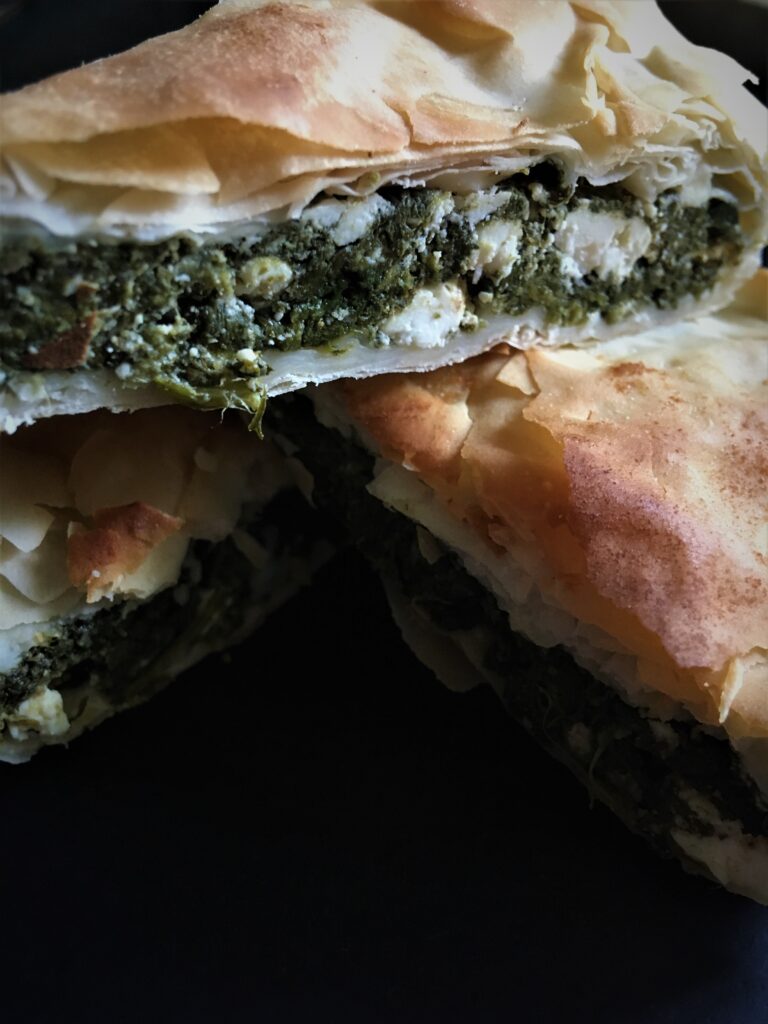
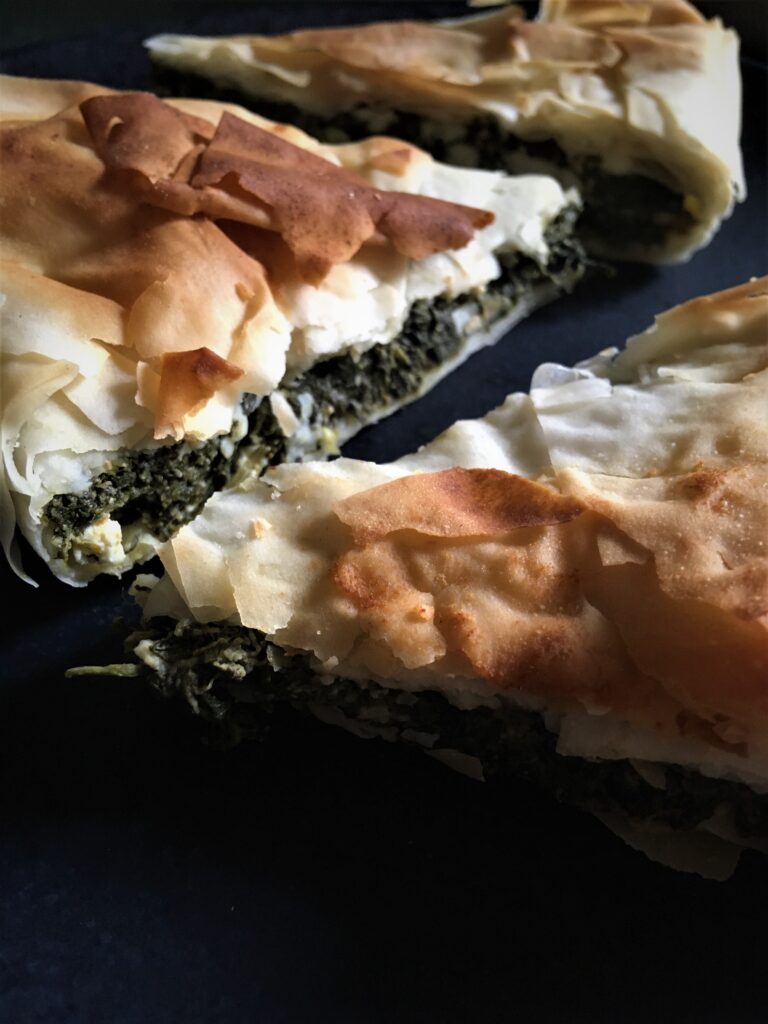
What were always reliably open were the takeaway joints, so I got to eat my weight in one of my favourite Greek dishes, spanakopita. It’s impossible to go to Greece and not eat this at least once (but most likely more than once). For something so incredibly simple and made essentially from less than 5 ingredients, it is ridiculously moreish but sometimes simple things are the best. The origins of this dish are uncertain but references can be found in ancient Greek texts to versions of baked cheese pastries, often sweetened with honey. I like the idea that this would have been a a popular ancient takeaway. There are, of course, also many Mediterranean versions of a baked cheese pastry (the Turkish boreki being a notable one). Spanakopita is also handily rather portable and as such it feels like a lovely link to a time when folk toiling in the fields would whip one out for a bite of lunch.
It’s everywhere in Greece and not particularly tied to Athens of to this part of the country but I’m a huge fan. Below is simple recipe for a super-tasty version. It’s great hot or cold. It also makes a great picnic addition or power-boosting crag snack too. For me, one slice is never enough.
If you liked this recipe, you might like...

- « Previous
- 1
- …
- 10
- 11
- 12