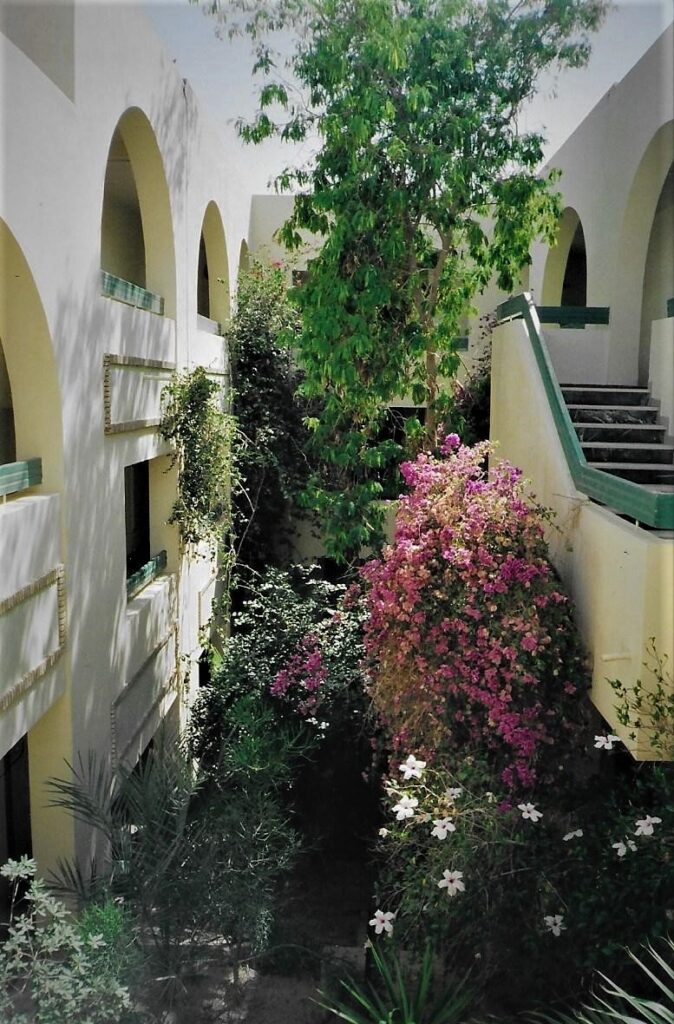
Tunisia, or, more precisely, makroud for breakfast beneath the bougainvillea in Hammamet
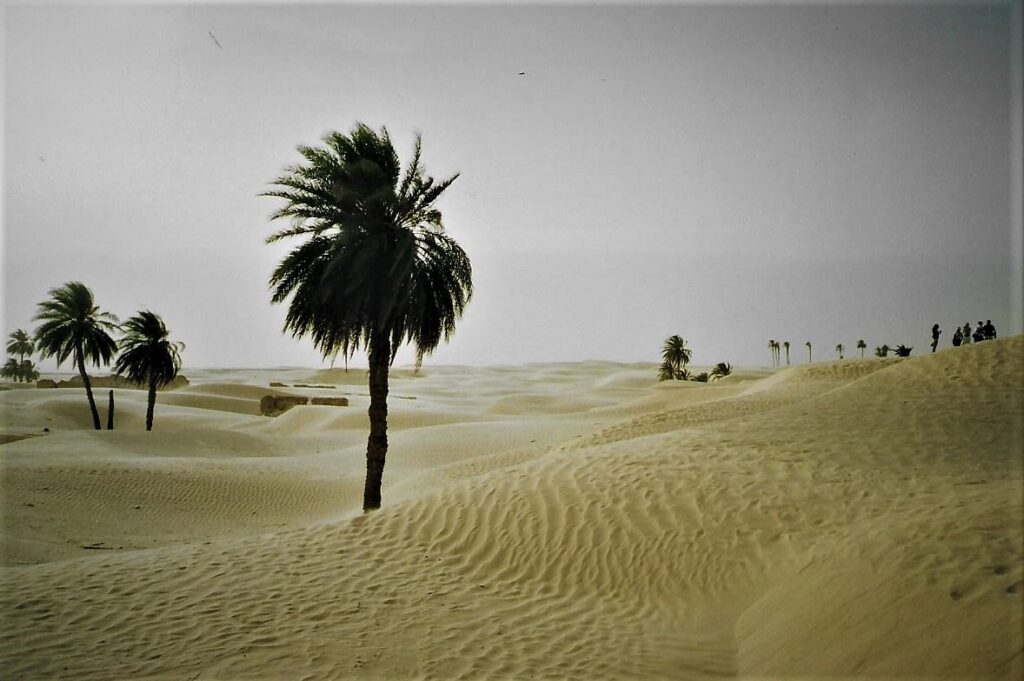
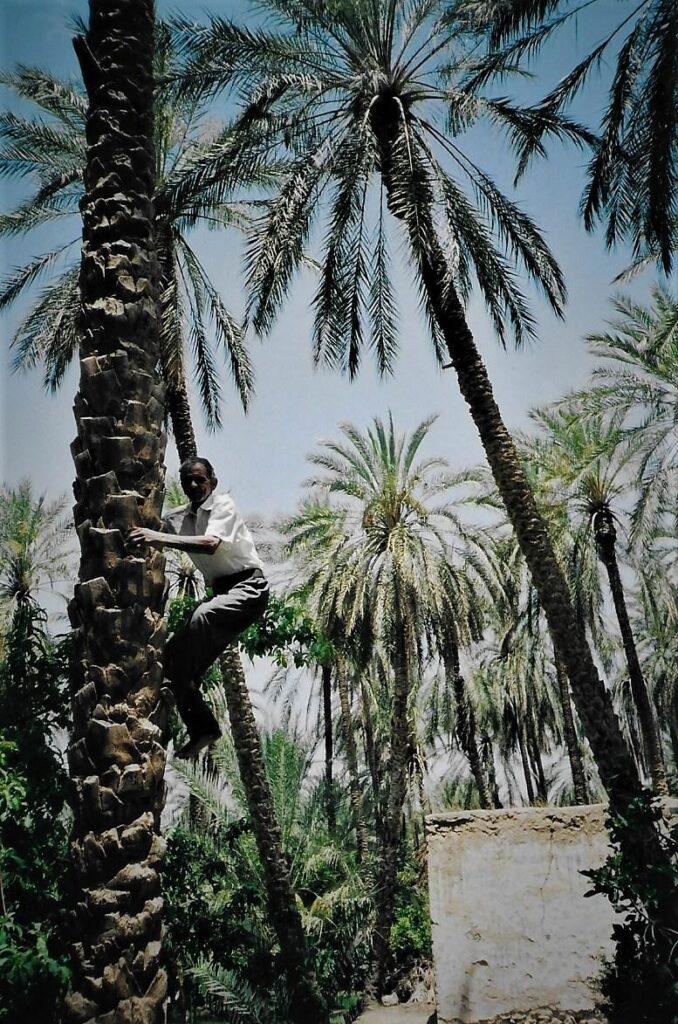
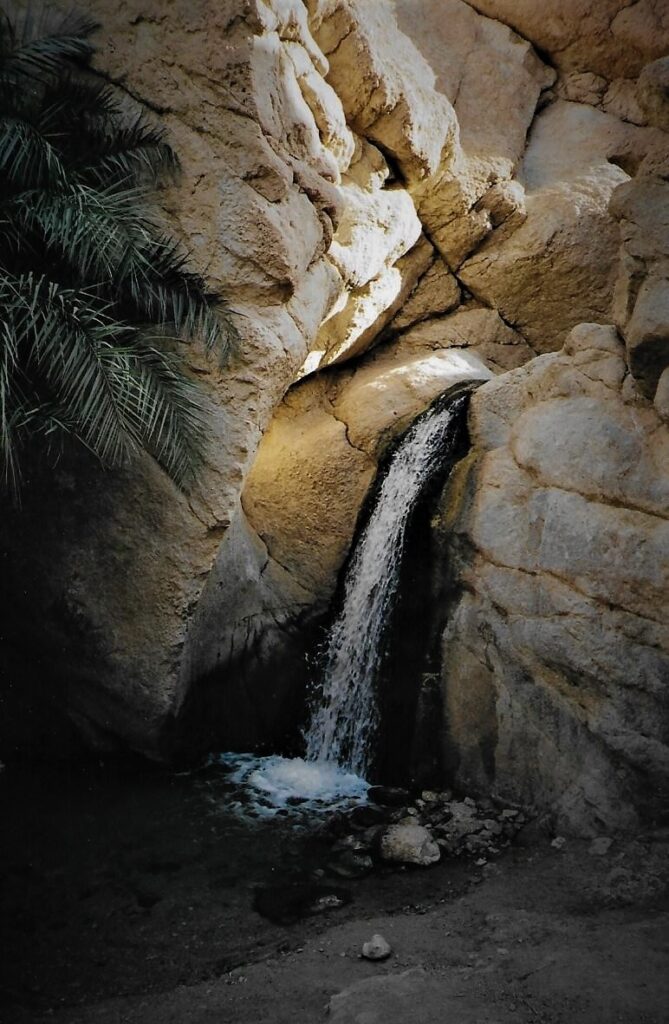
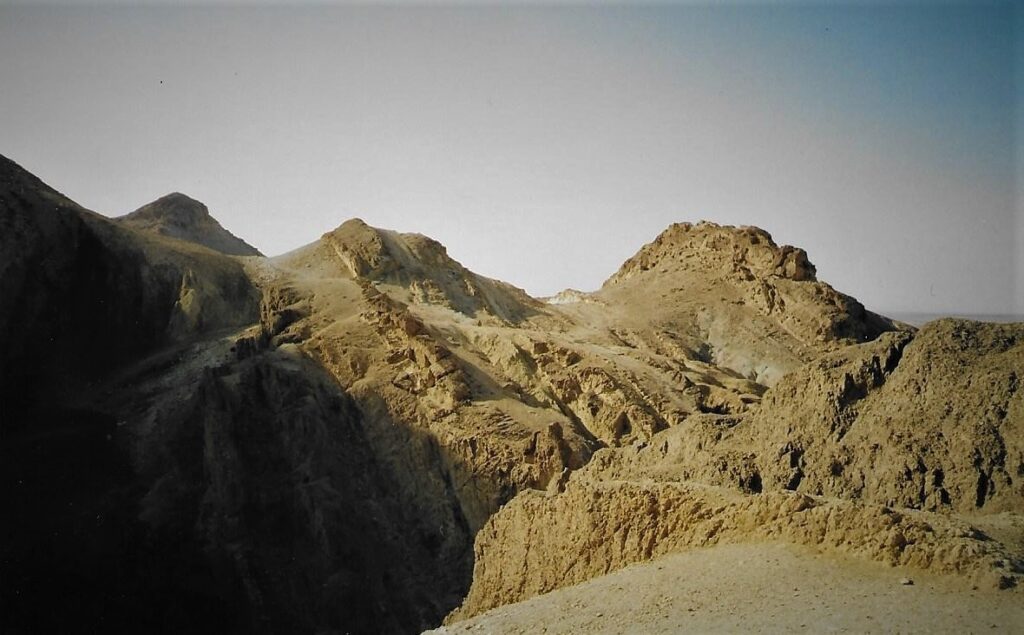
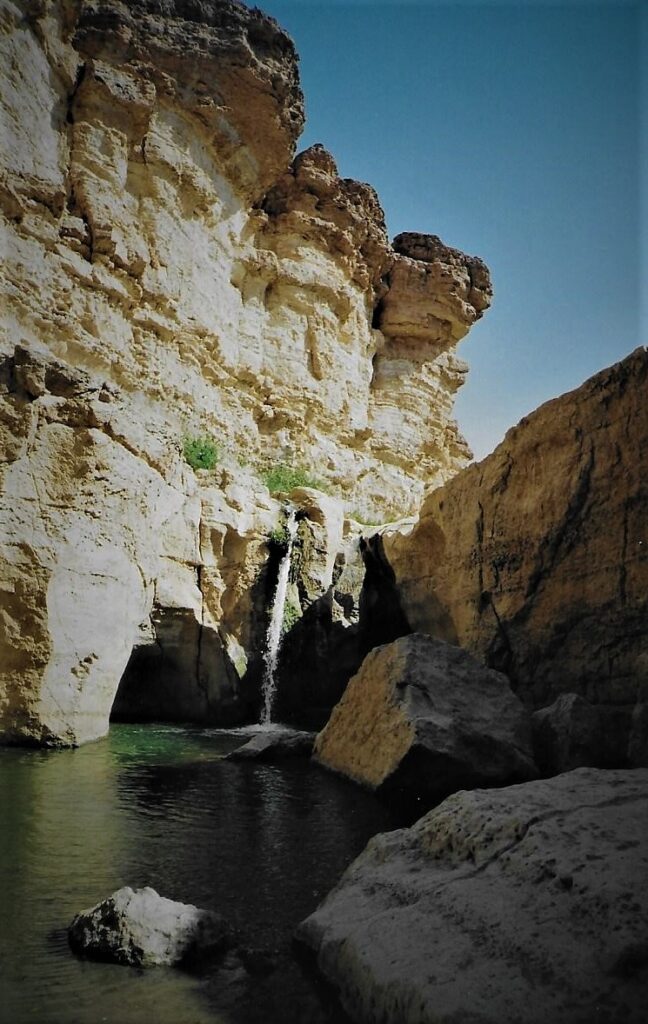
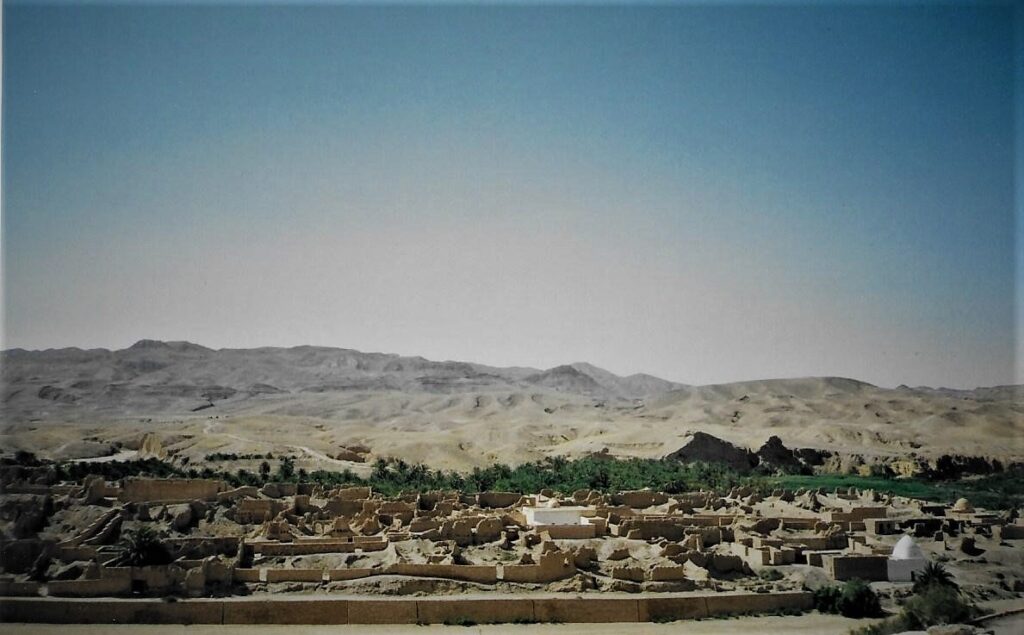
Ah Tunisia. This was my first experience of a desert country and, as such, it holds a very dear place in my heart. I had picked it as a destination because (as a frustrated wannabe 1930’s explorer) I had wanted to see where The English Patient (and other movies) had been filmed but it was here that I fell in love with the mystery of desert lands. This trip delivered more than just a spot of sightseeing though. It was a trip of many firsts, in fact – first camel ride, first desert trek, first sandstorm, first oasis, first Mosque, first carpet shop, (first carpet shop purchase ;)), first Berber tea and… first time having “cake” for breakfast.
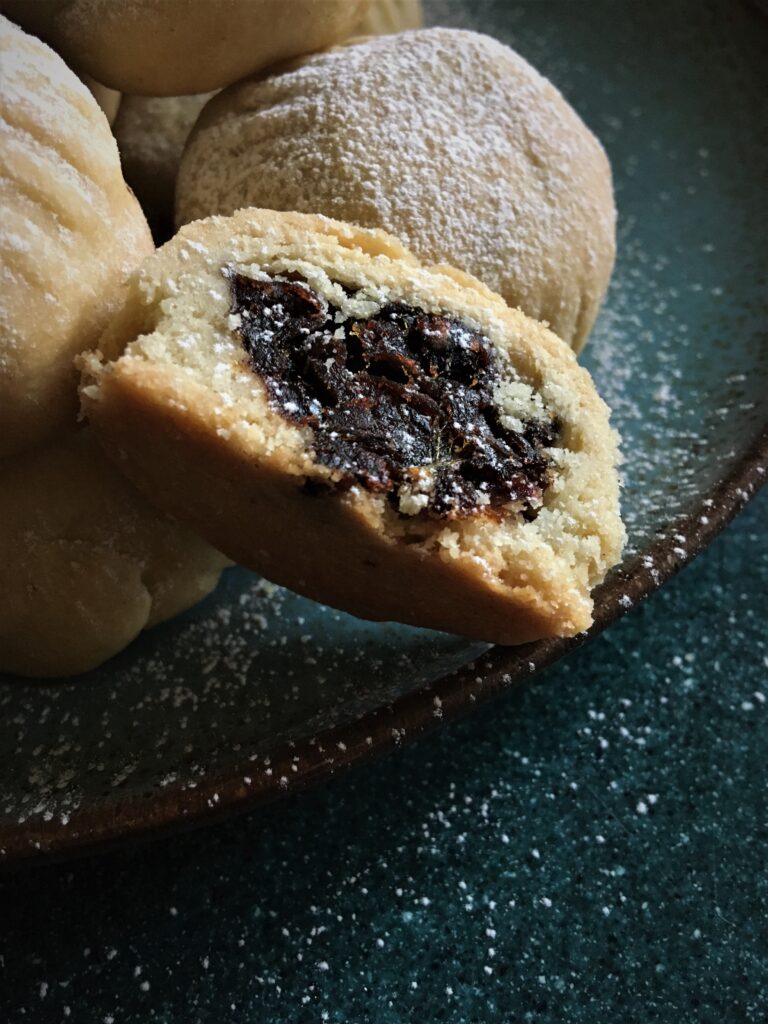
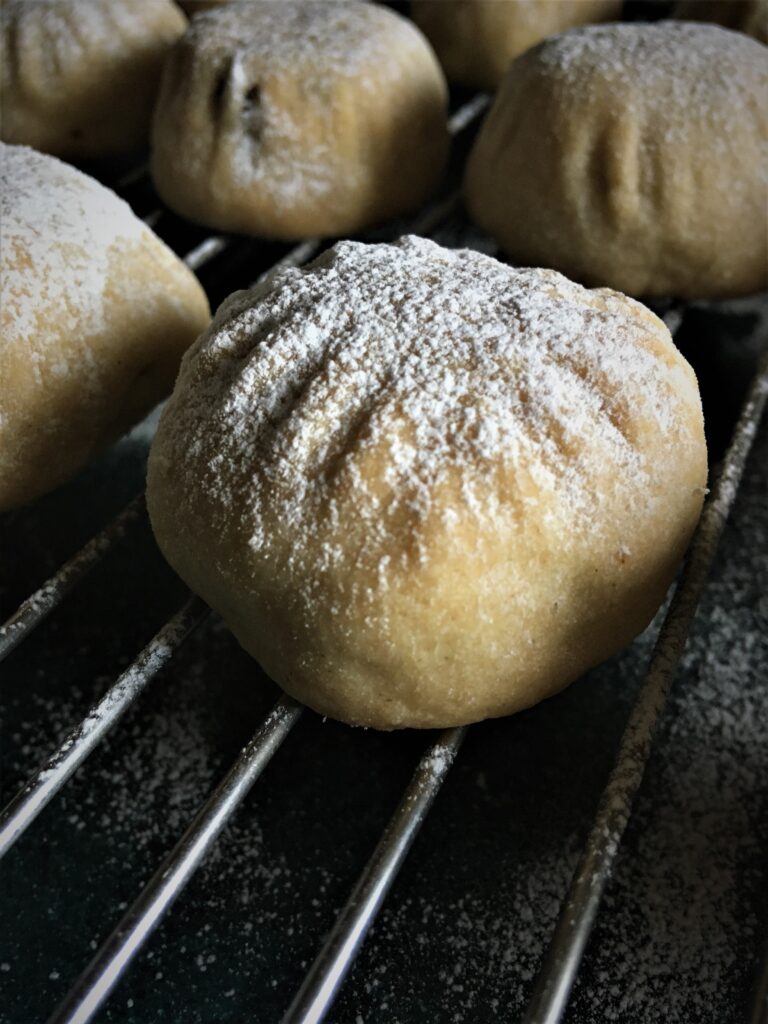
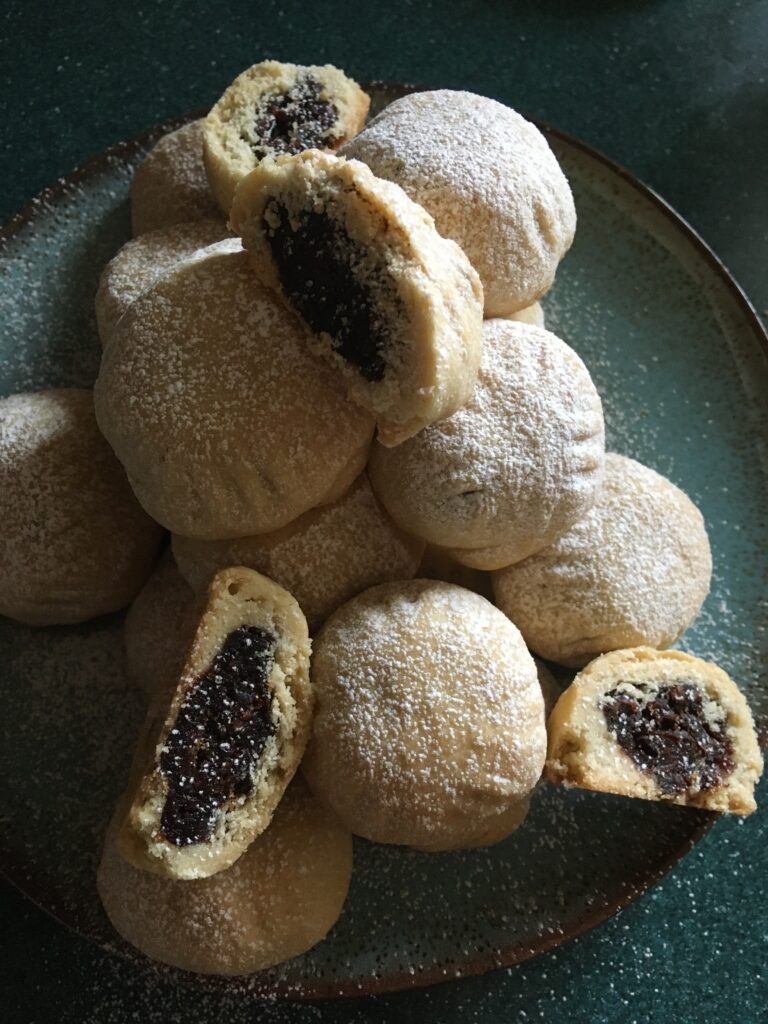
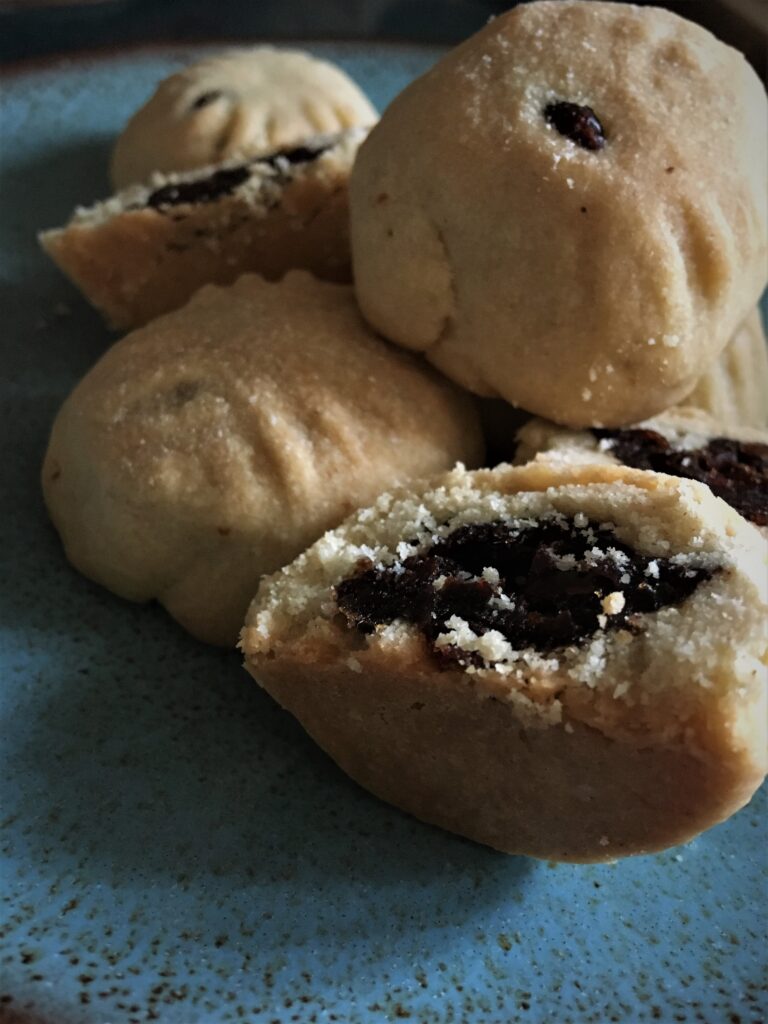
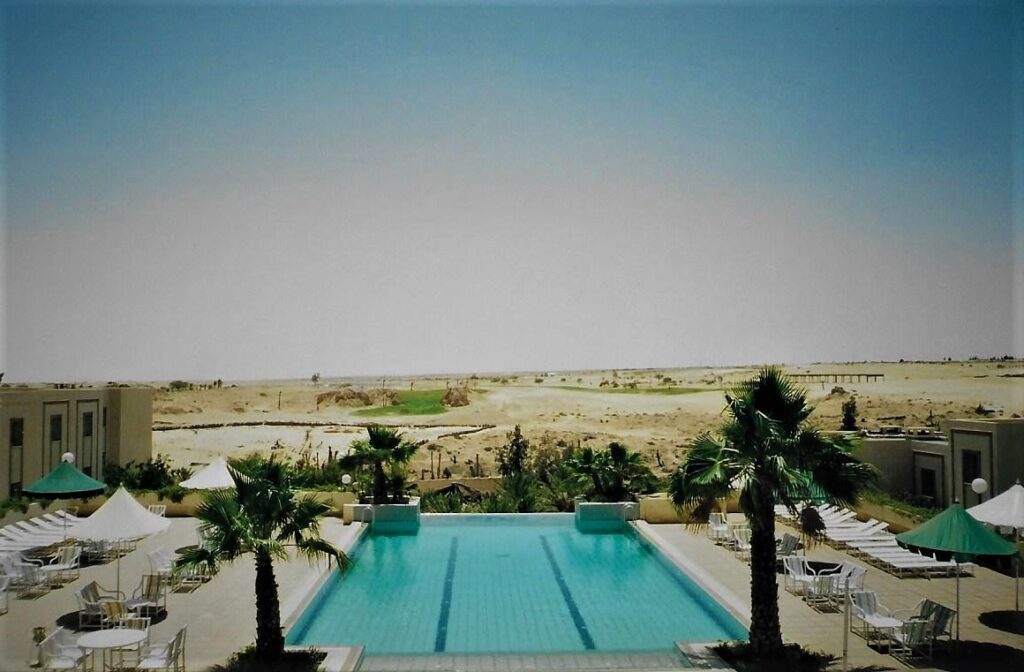
Initially, before heading off on our little 4-day desert safari, we stayed in a really beautiful oasis hotel where breakfast was outside and abundant; properly abundant. It wasn’t just the food that was abundant either. The tables were dotted about a beautifully terraced area of the meandering gardens, beneath some very bushy bougainvillea and I remember sipping strong black coffee and listening to countless birds twittering away as they flitted around in the early morning sunshine. Just perfect. Amongst the bountiful breakfast options were all sorts of tempting little sweet pastries piled high on platters; and among, them, little diamond-shaped crunchy makroud. Versions of these are popular across North Africa, but particularly in Algeria and Tunisia. The origins are linked to both countries but the general vibe across the board is a pastry filled with dates or fig which should (officially) be diamond-shaped because makroud means diamond. When sourcing a potential recipe, however, I was intrigued to see how something that is essentially a bite (two bites, max) can have such a diverse family tree. I love that and had no idea about the makroud backstory when I was happily dipping one in my coffee that morning but I love a bit of food romance, especially when it involves beautiful Arabic vocabulary. Some are baked, some are fried; some contain almonds/sesame seeds; some are dipped in a honey syrup made from sugar and orange blossom water; there are different shaped makroud; and, there’s even a savoury version. Below is a tasty little glossary of makroud manifestations:
- makroud el louz (louz = almond) or makroud msaker (saker =sugar) – mainly ground almonds, icing sugar, semolina and lemon zest, and the traditional orange blossom water.
- makroud lassel – semolina, stuffed with ground almonds and flavored with cinnamon and orange blossom water.
- makroud el koucha – a specialty from Constantine (Algerians consider this to be the original version) – with semolina and dates and baked in the oven.
- makroud wahrani – a variant of Oran made with only semolina and spices.
- makroud bel qarmouss (fig) – stuffed with fresh figs, caramelized nuts and vanilla.
- mkirat (from Tlemcen) – with egg, peanuts and toasted sesame seeds, baked and then topped with a lemon honey syrup.
- makroud malah (salt) – potatoes, spices and herbs like turmeric, ras el hanout, cumin, oregano and thyme. The stuffing is usually chicken marinated in a garlic, tomato, paprika and olive oil. The top is covered with sesame seeds (these sound insanely good!).
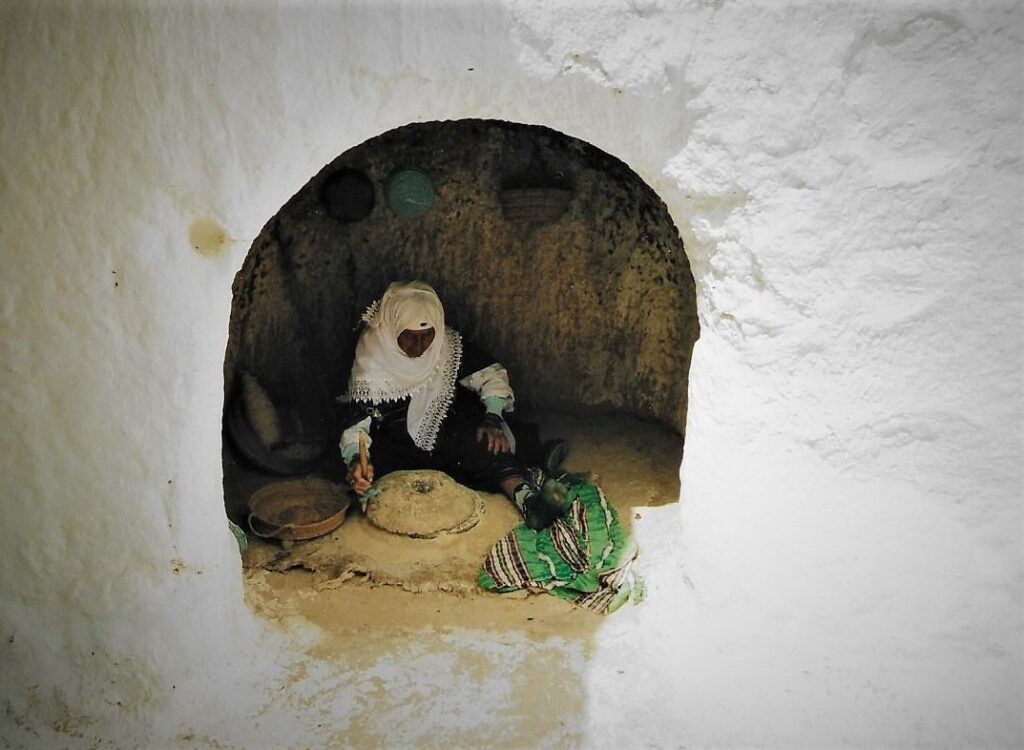
The most common is the makroud tmar (tmar = date) and is made with semolina and dates. Travelling around you see lots of grinding of semolina. The makroud tmar is flavoured with cinnamon, cloves, and orange blossom water. It’s then fried and topped with honey. This is admittedly quite a sweet hit in the morning! After a bit more digging I’ve found a slightly less full-on, not fried one. It’s a touch less authentic but contains all the salient elements and is equally as delicious. If you like “figgy rolls” and sweet breakfast treats, you should jump on board with these guys.
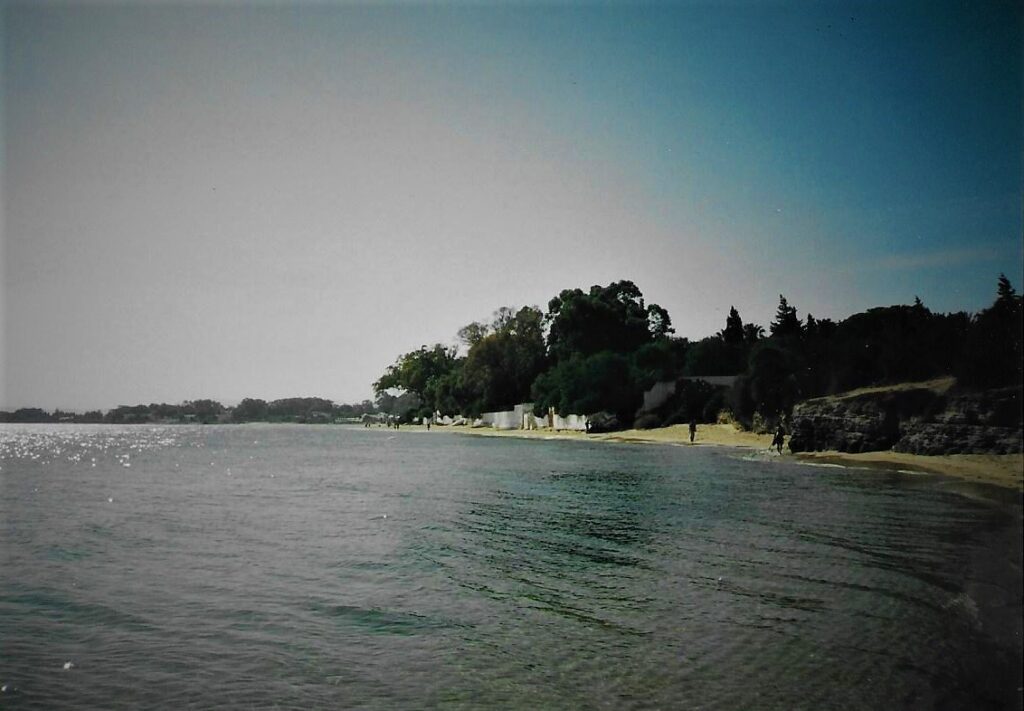
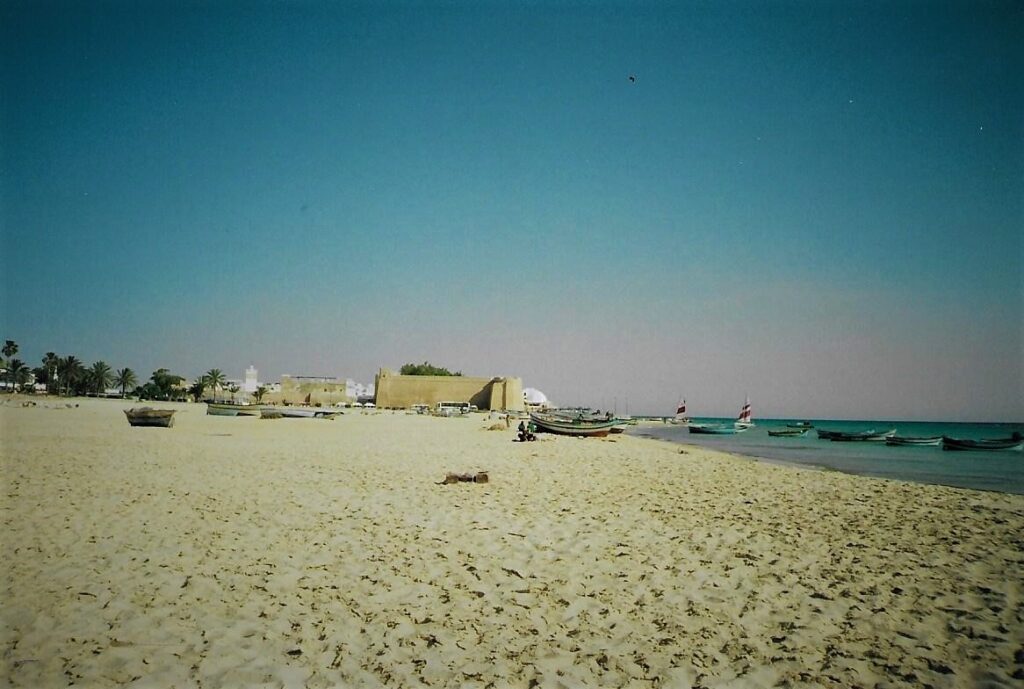
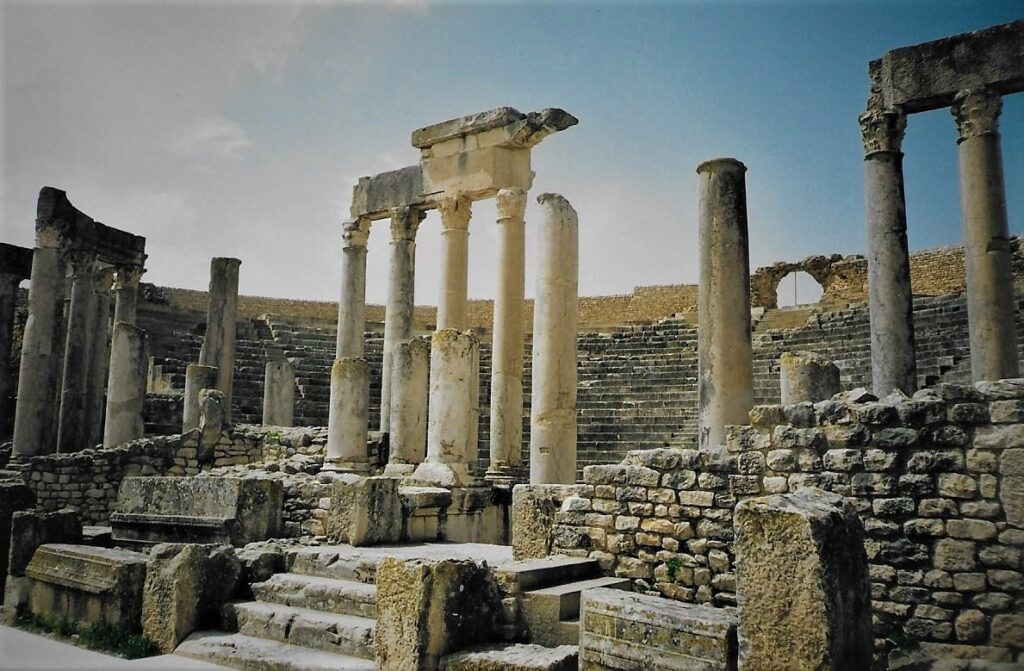
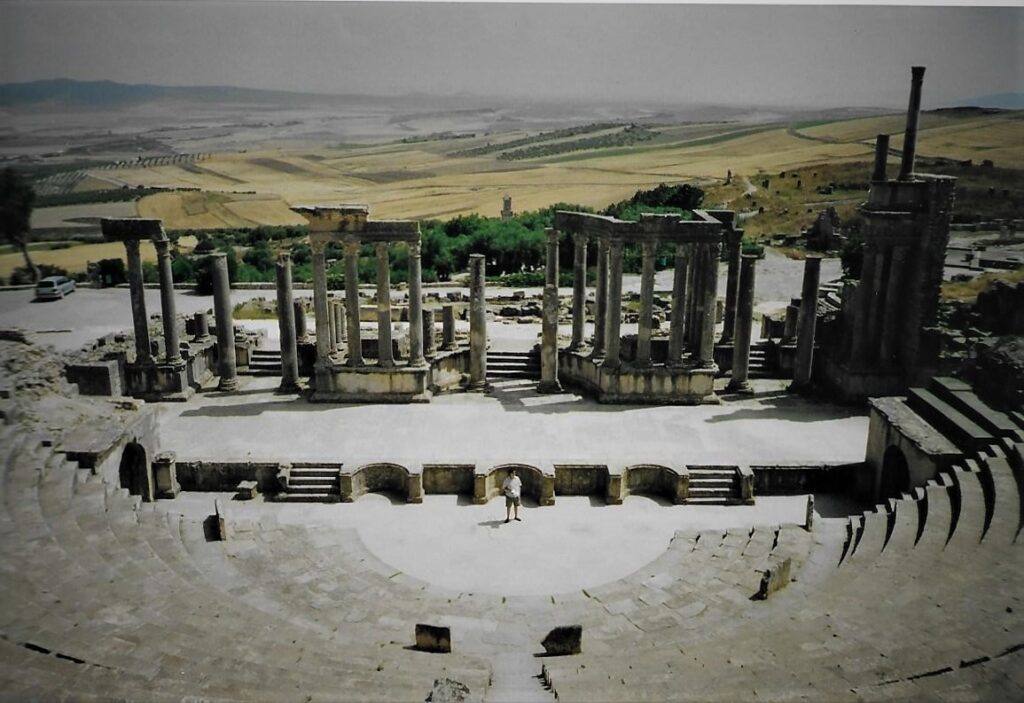
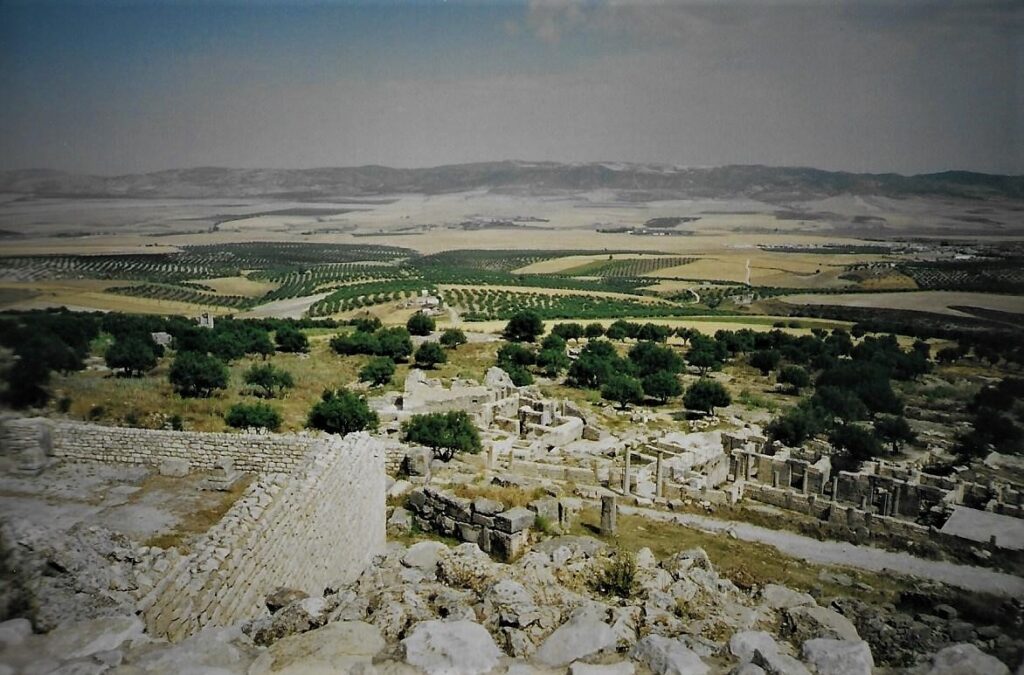
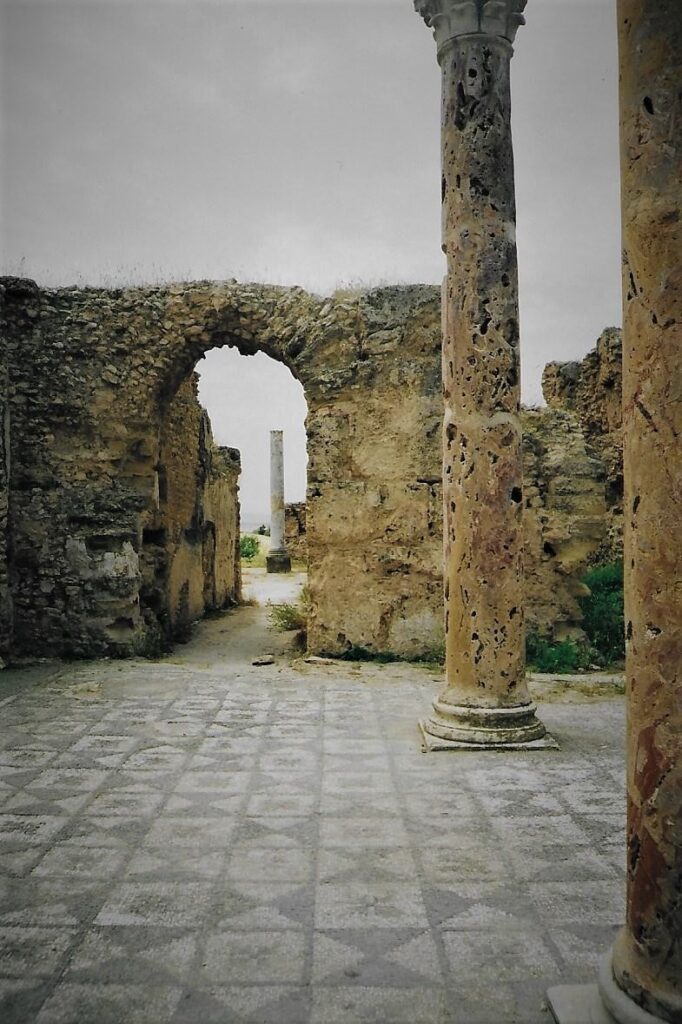
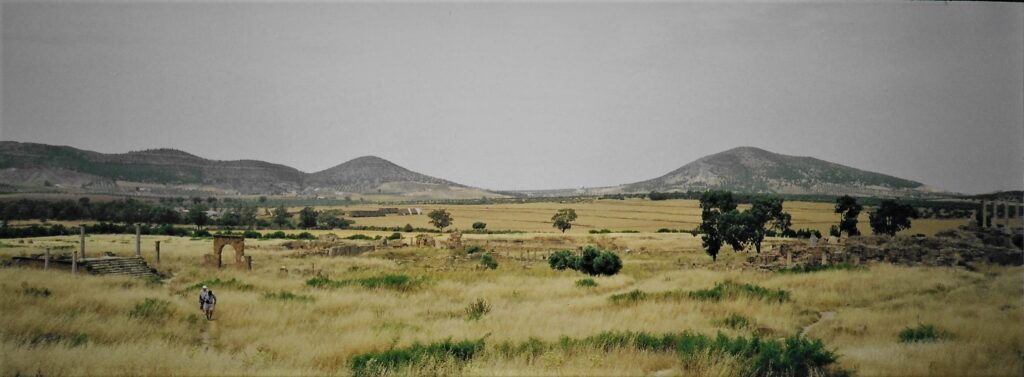
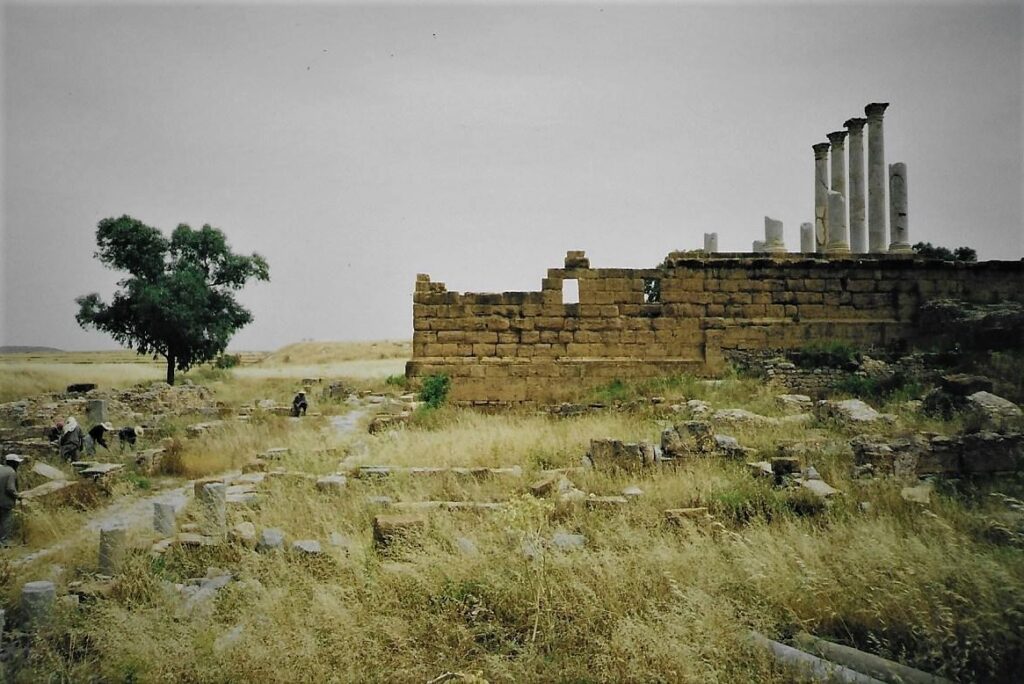
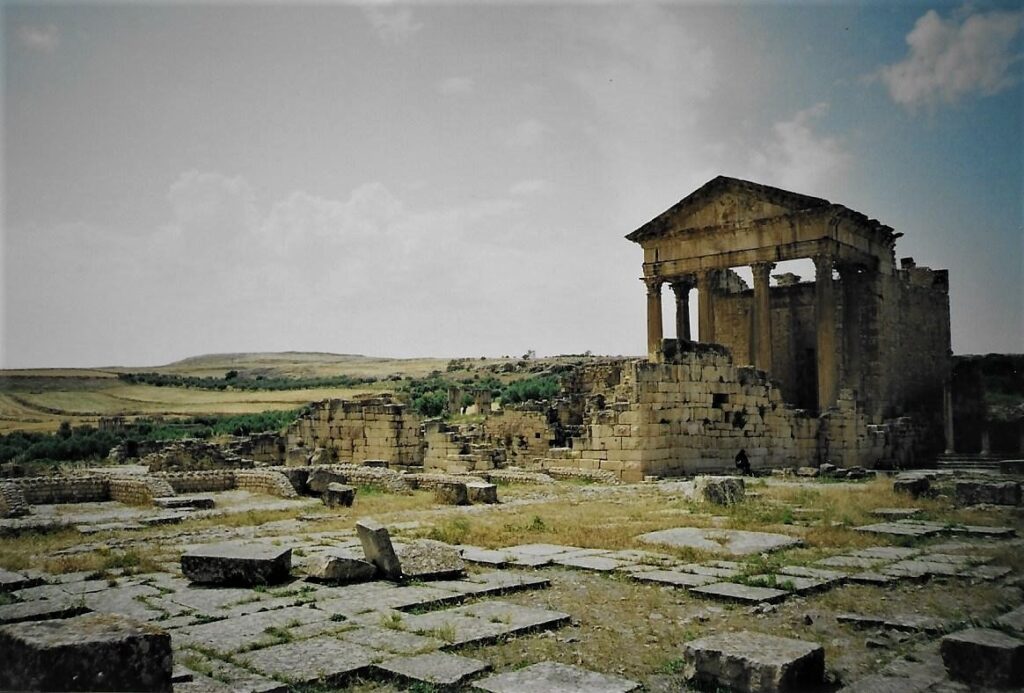
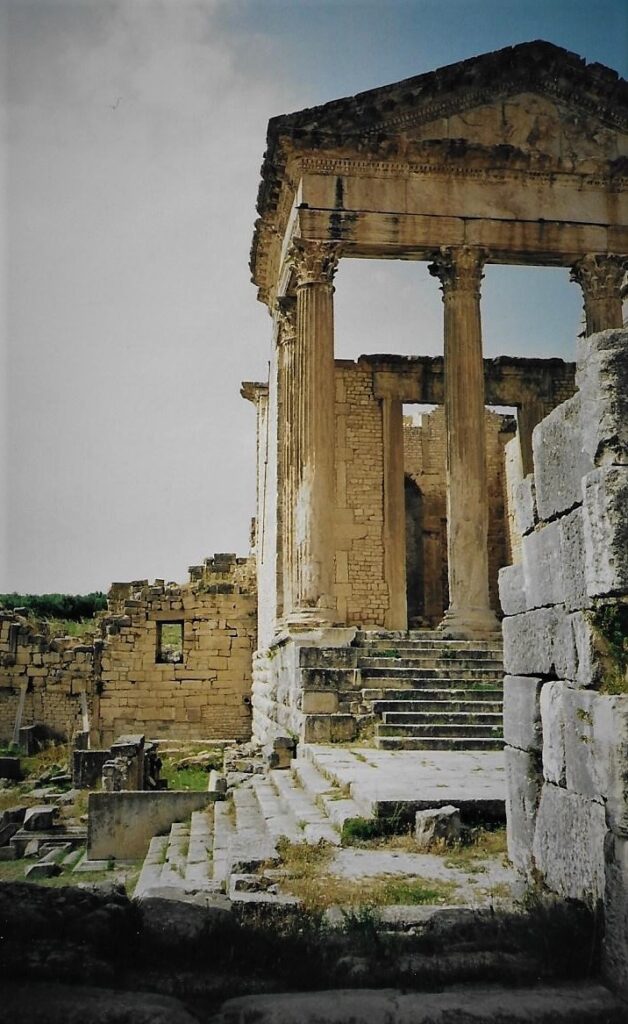
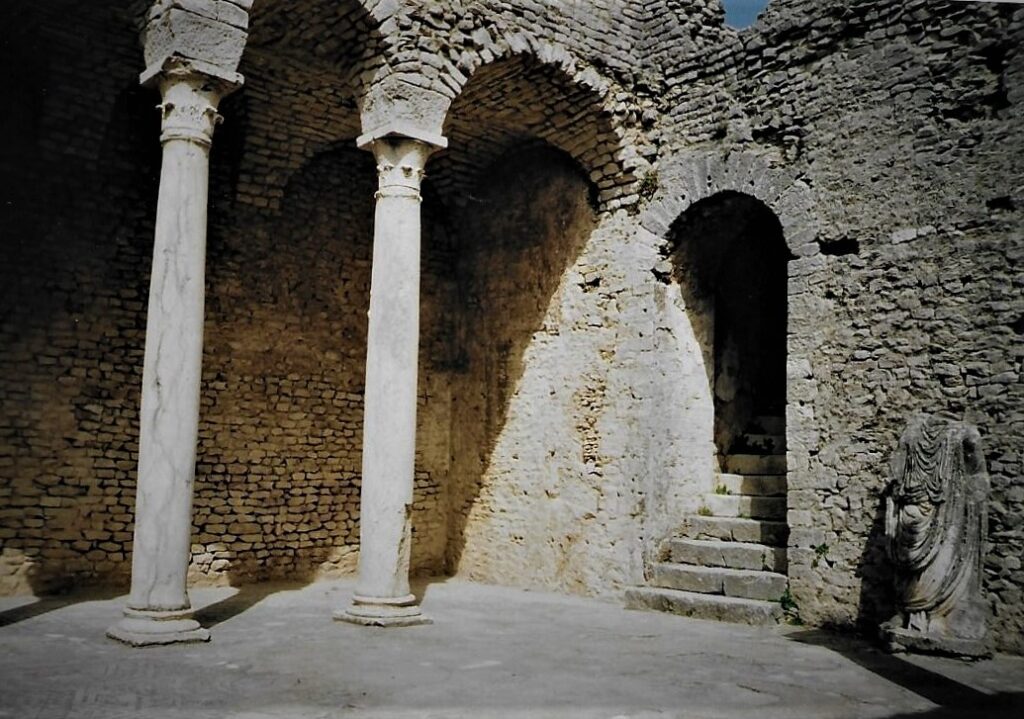
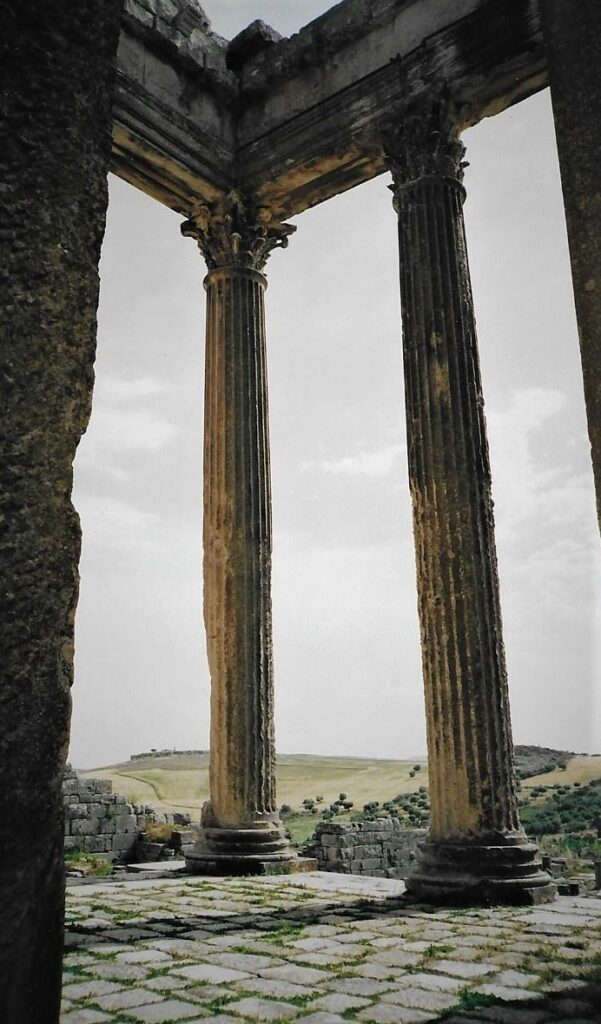
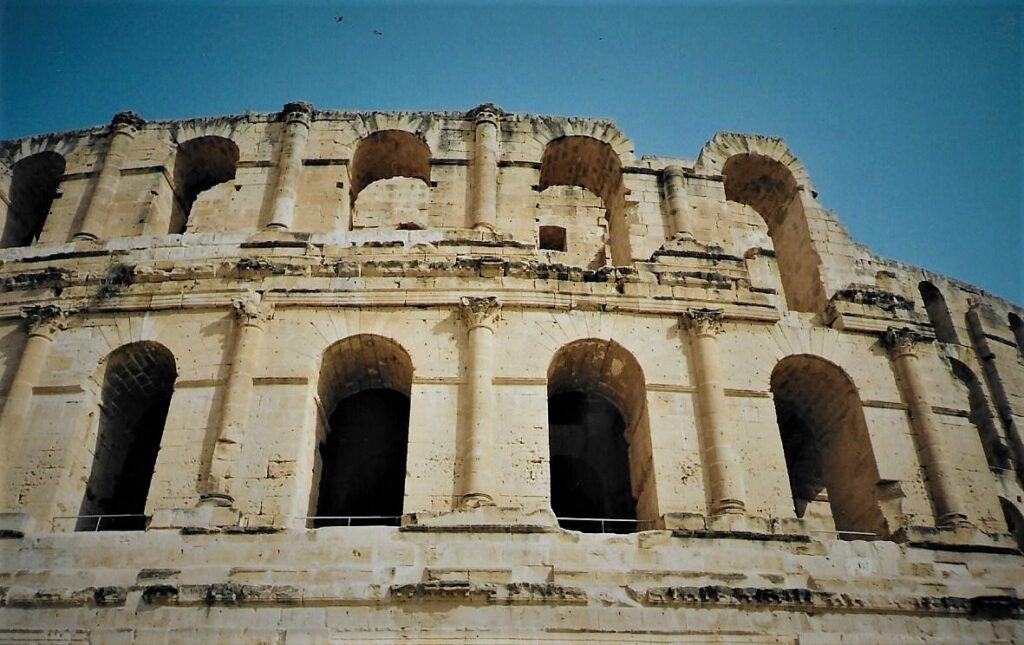
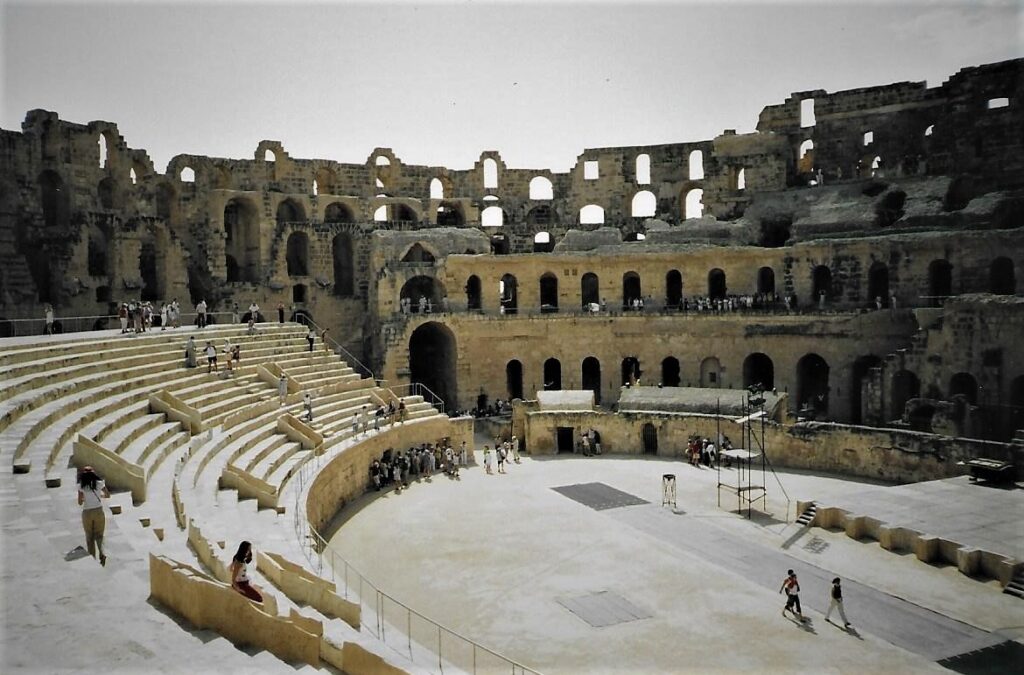
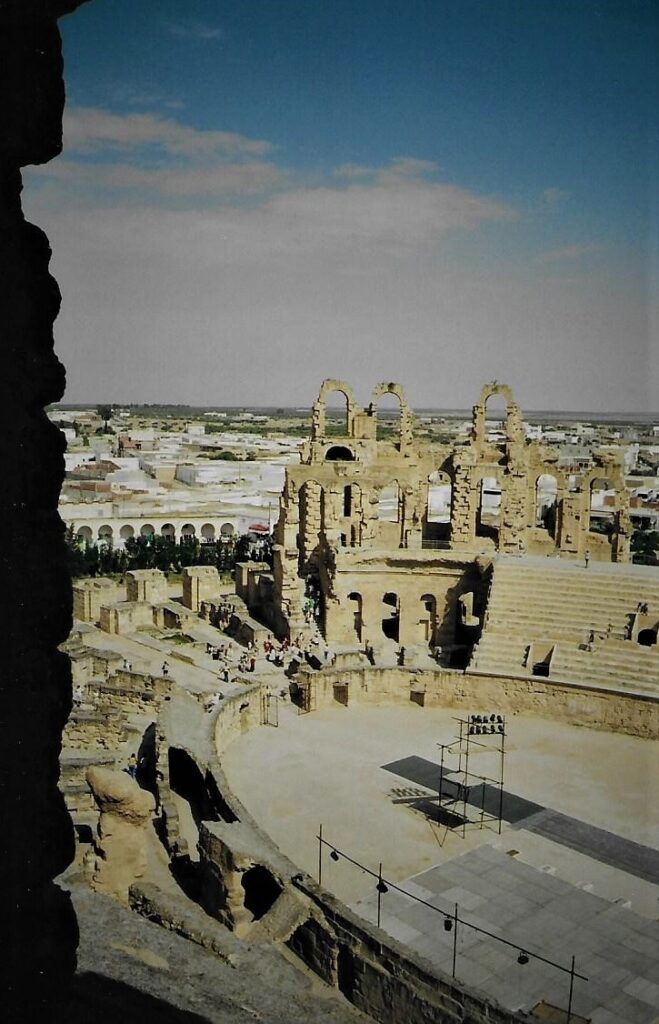
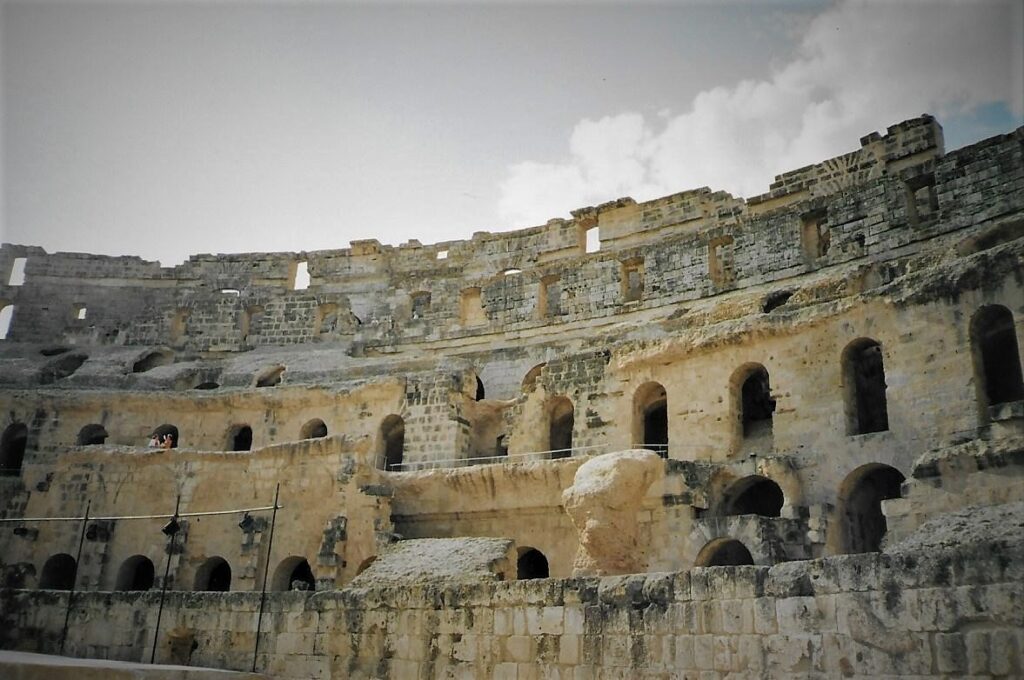
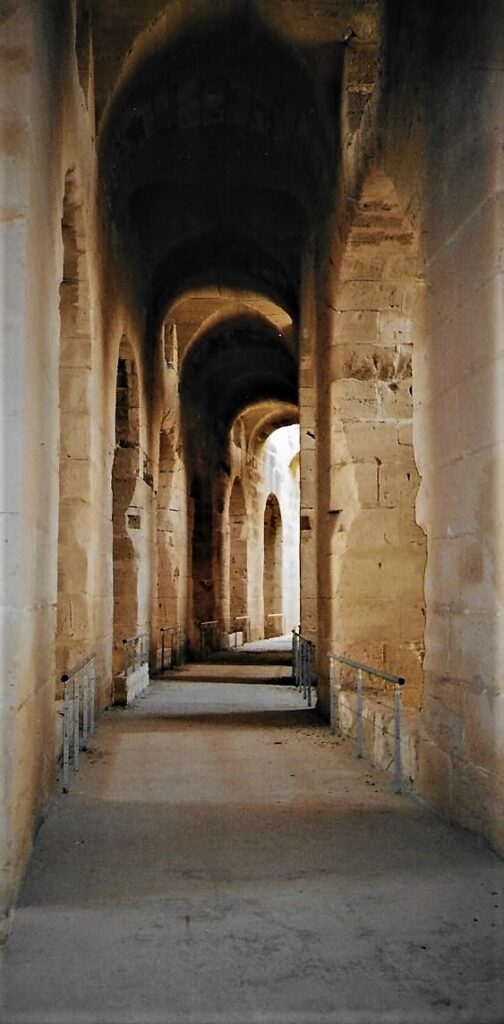
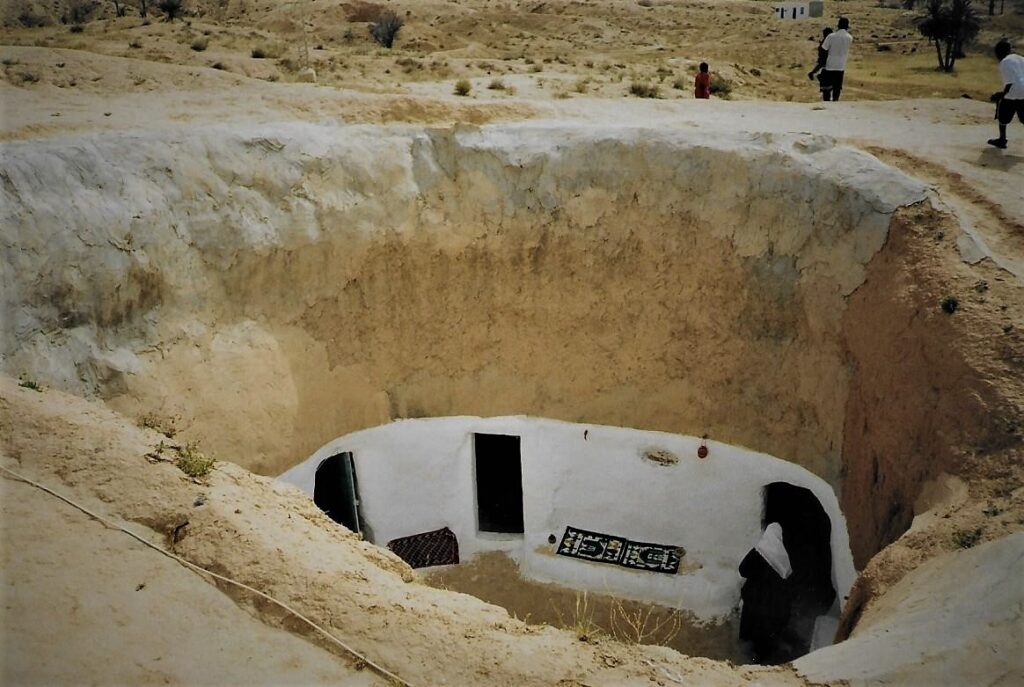
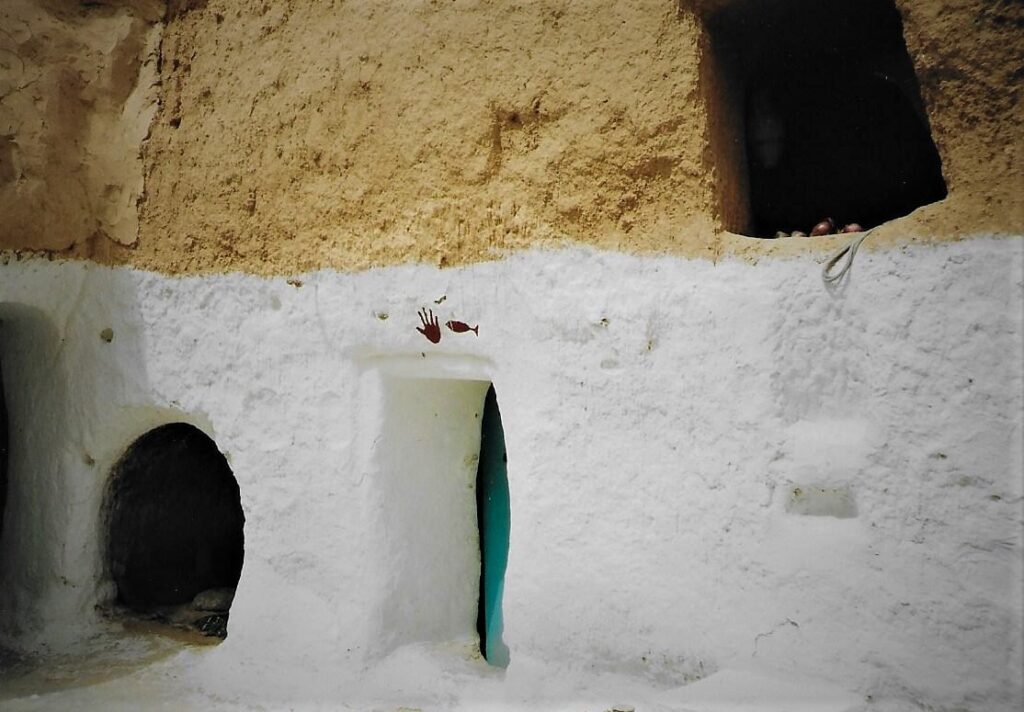
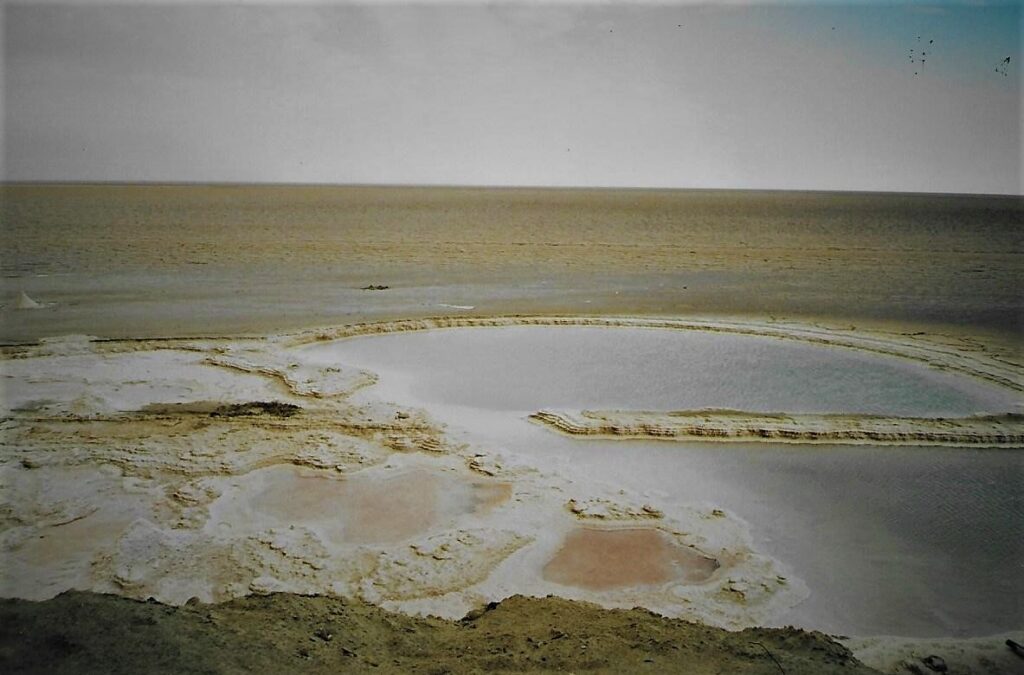
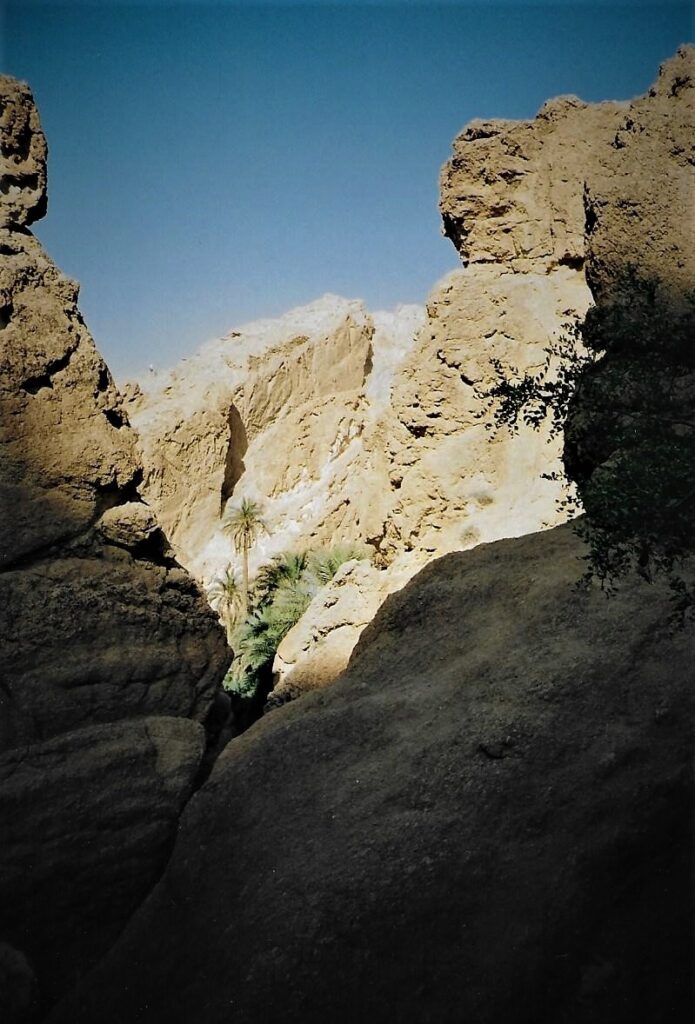
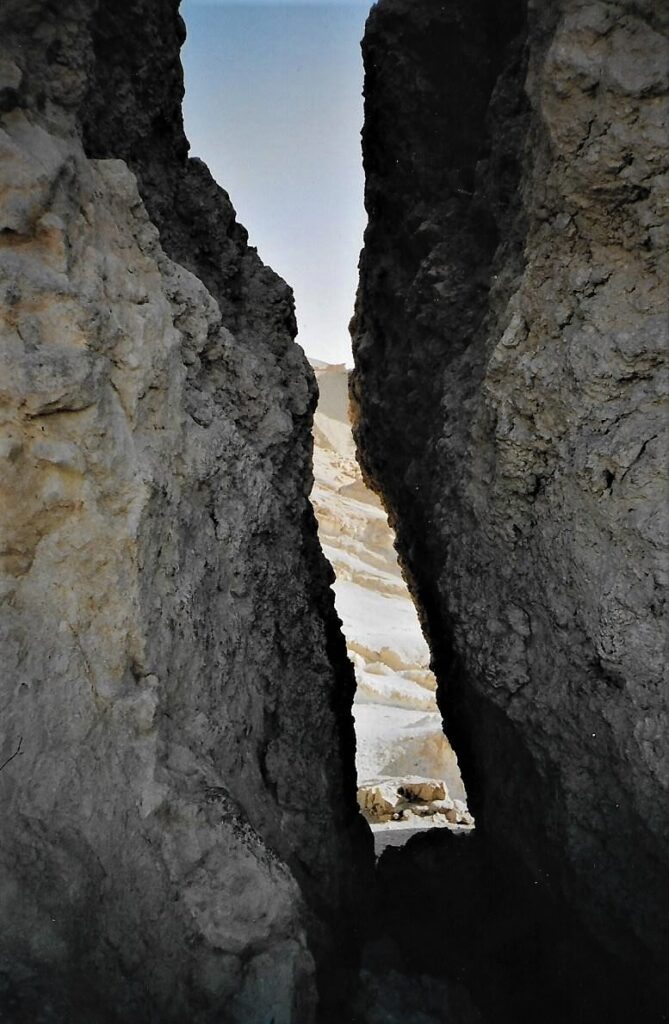
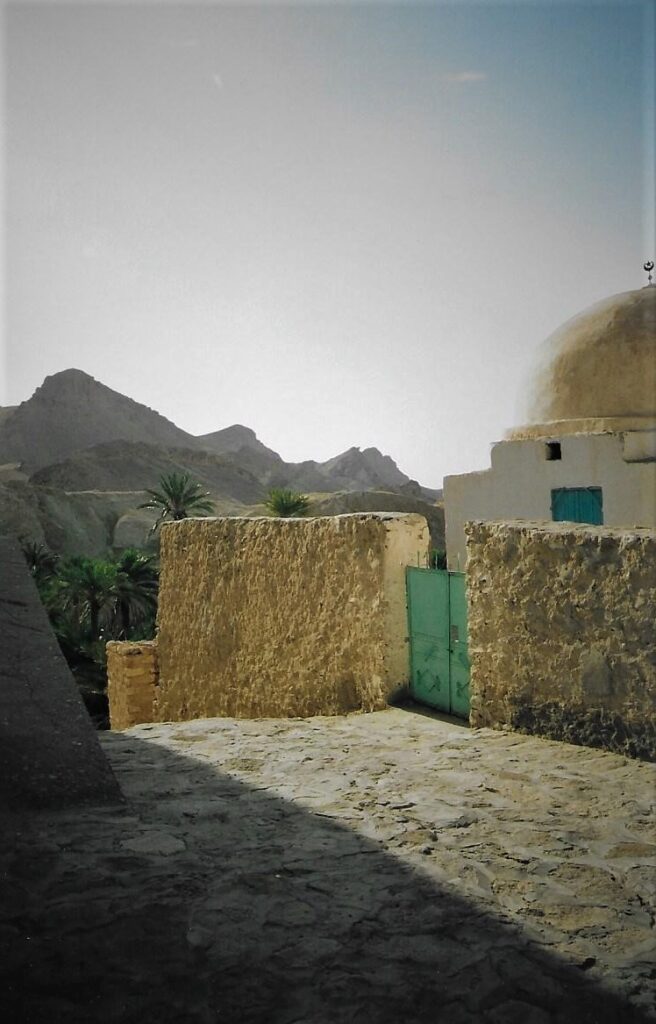
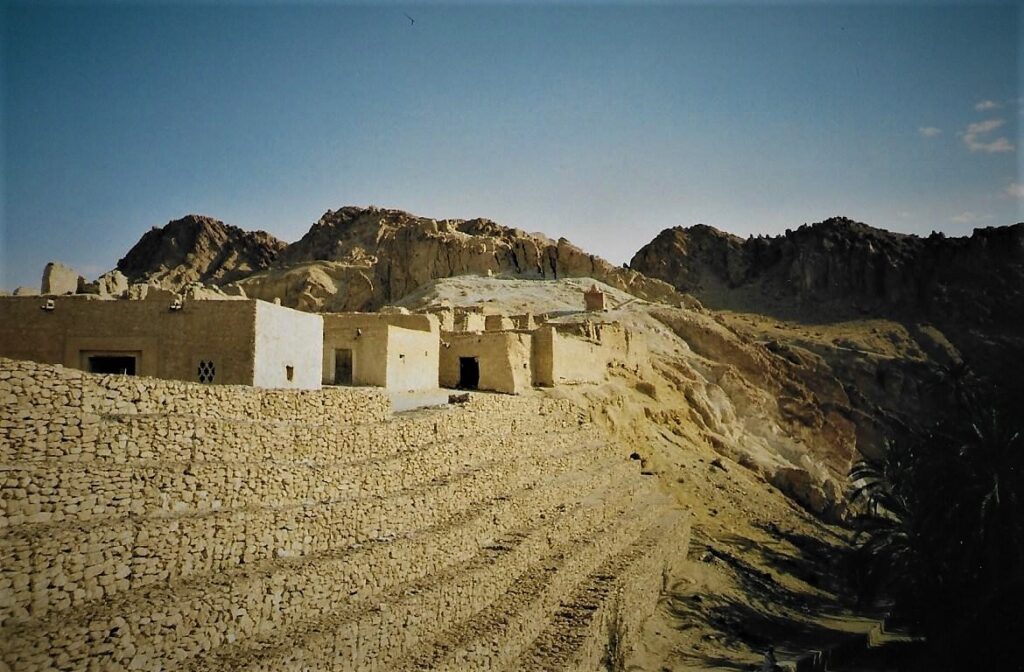
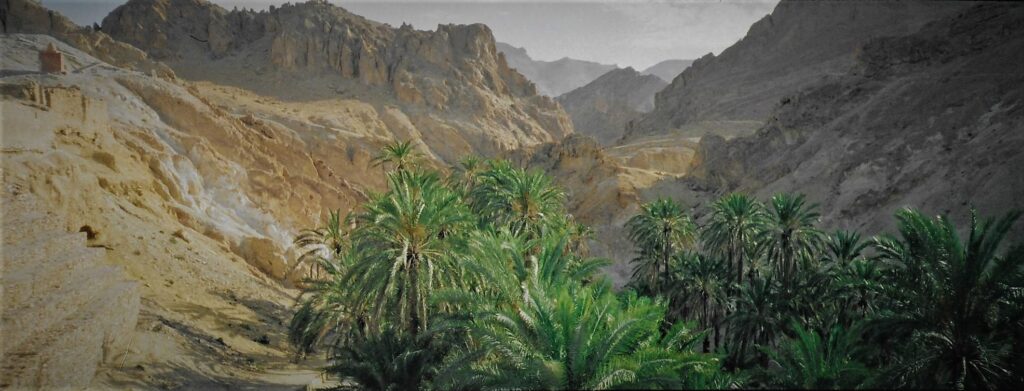
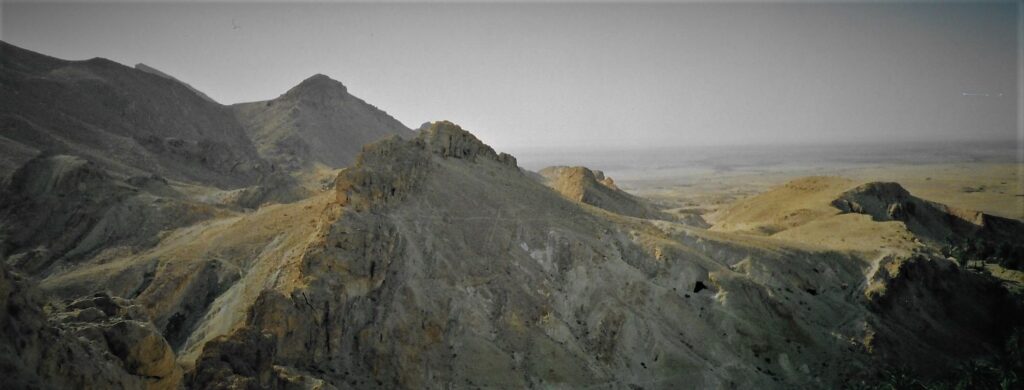
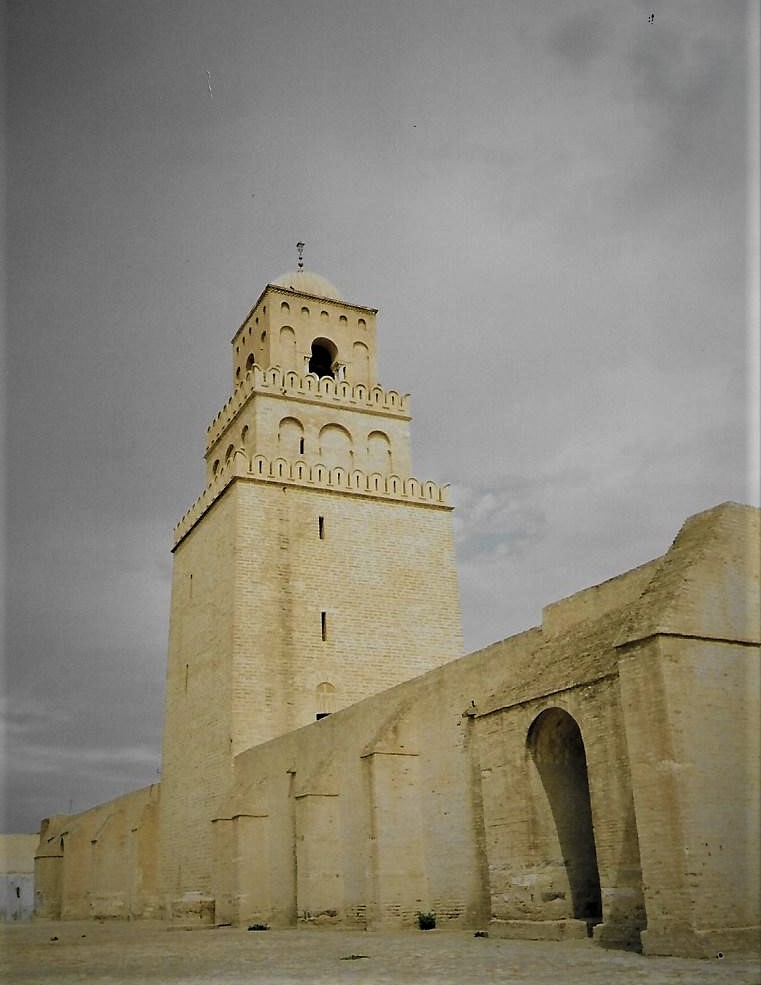
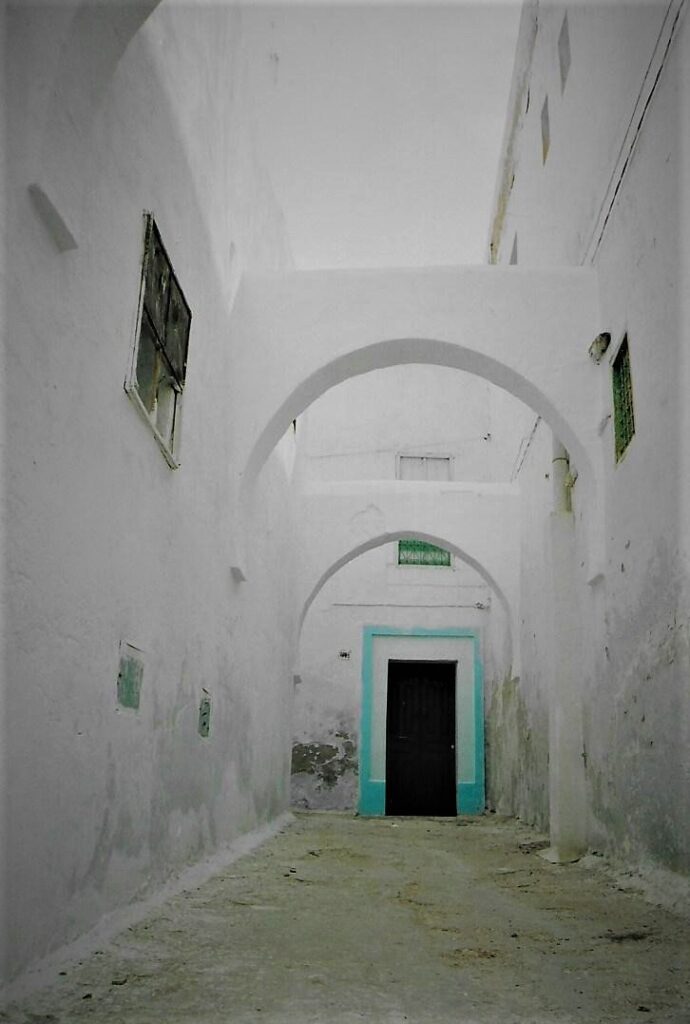
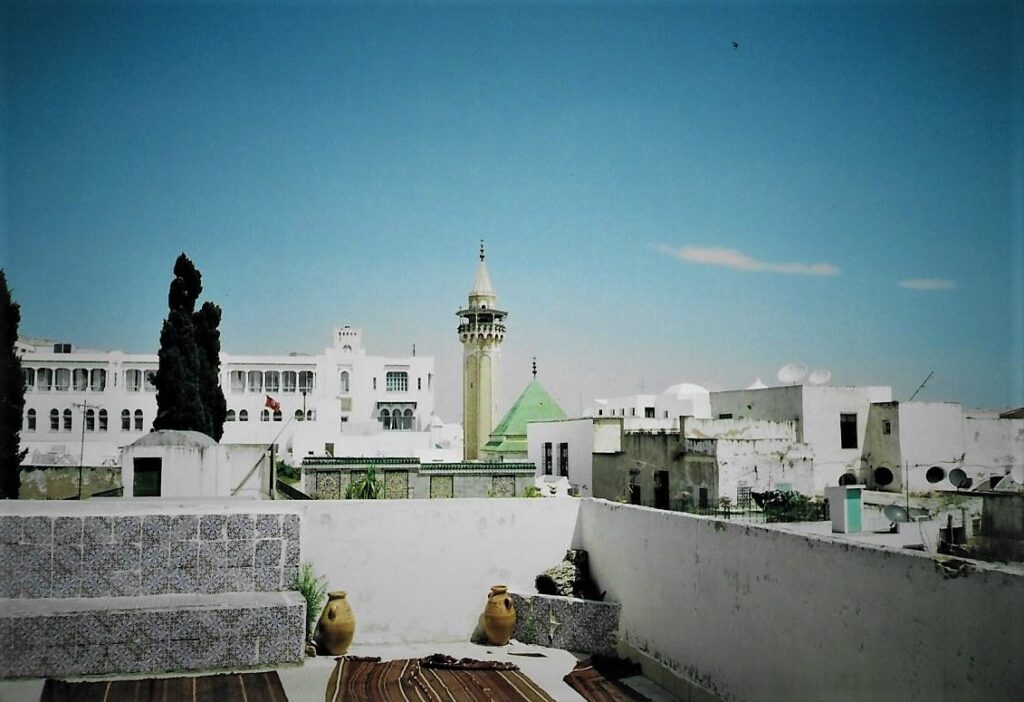
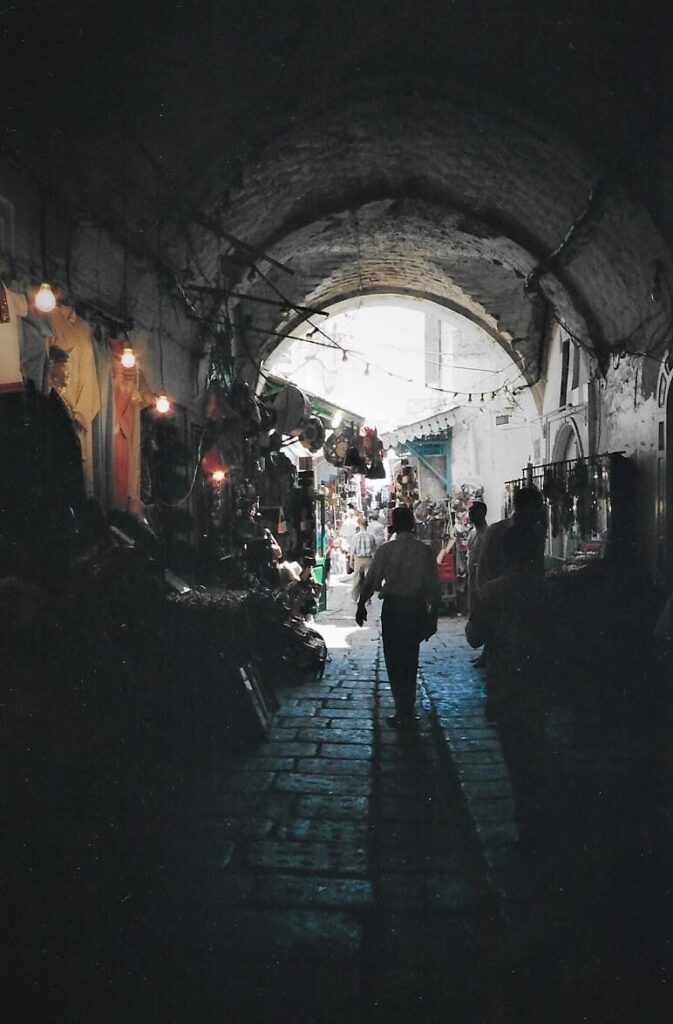
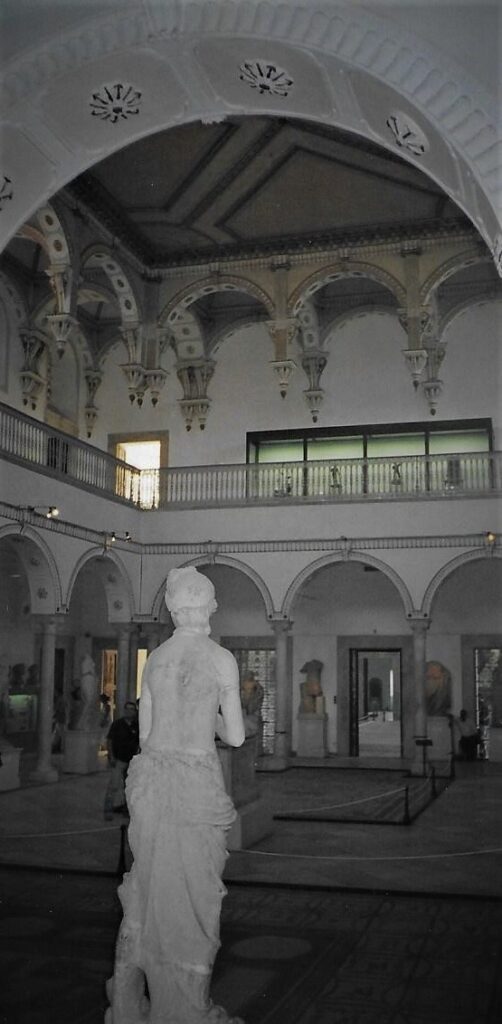
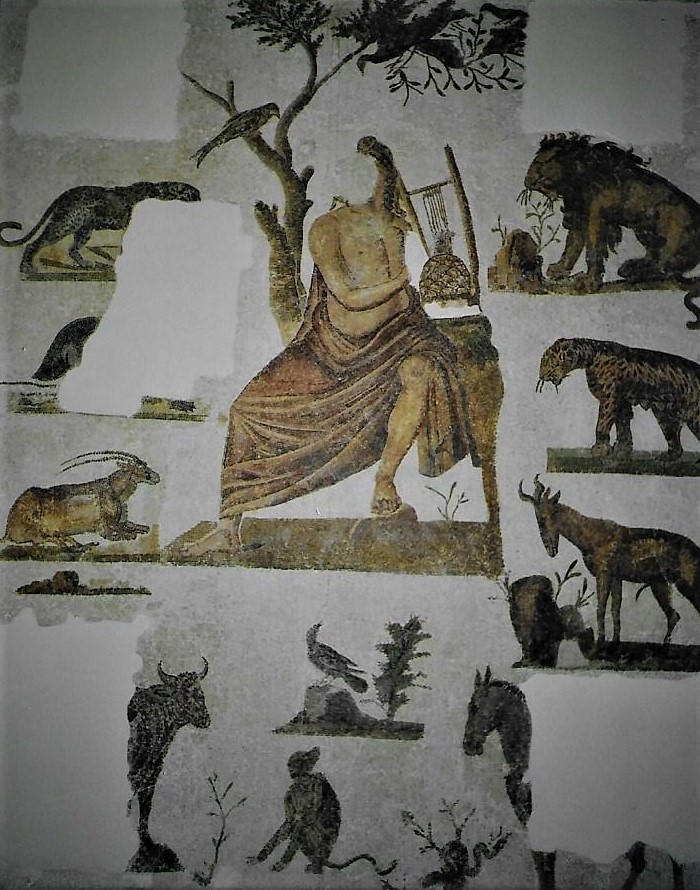
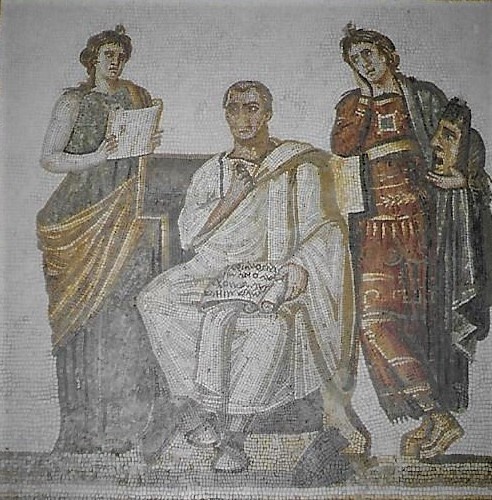
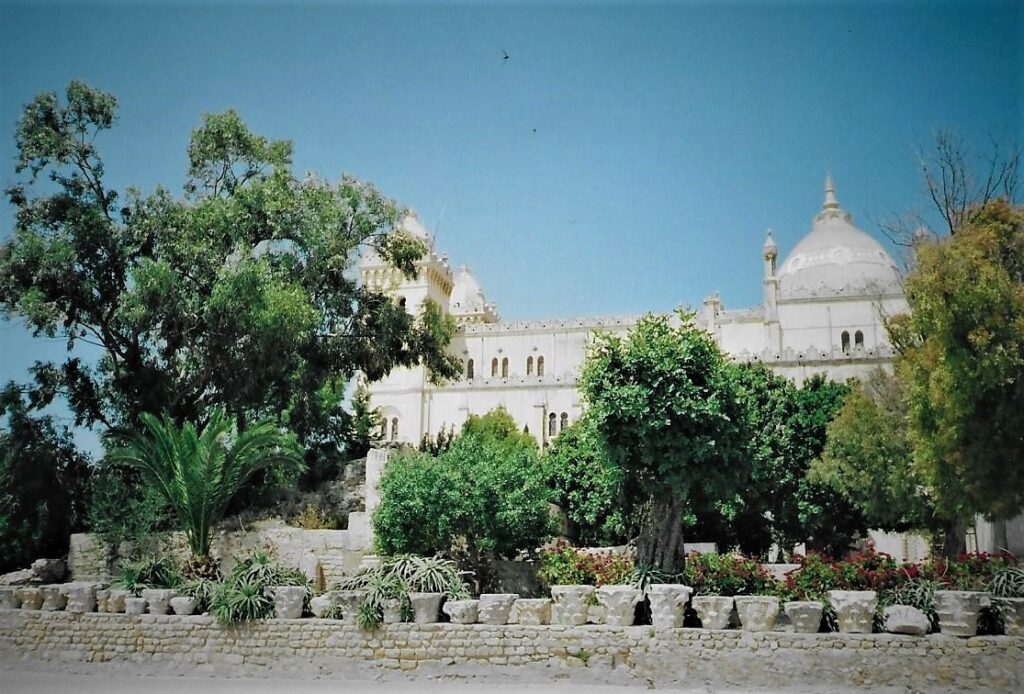
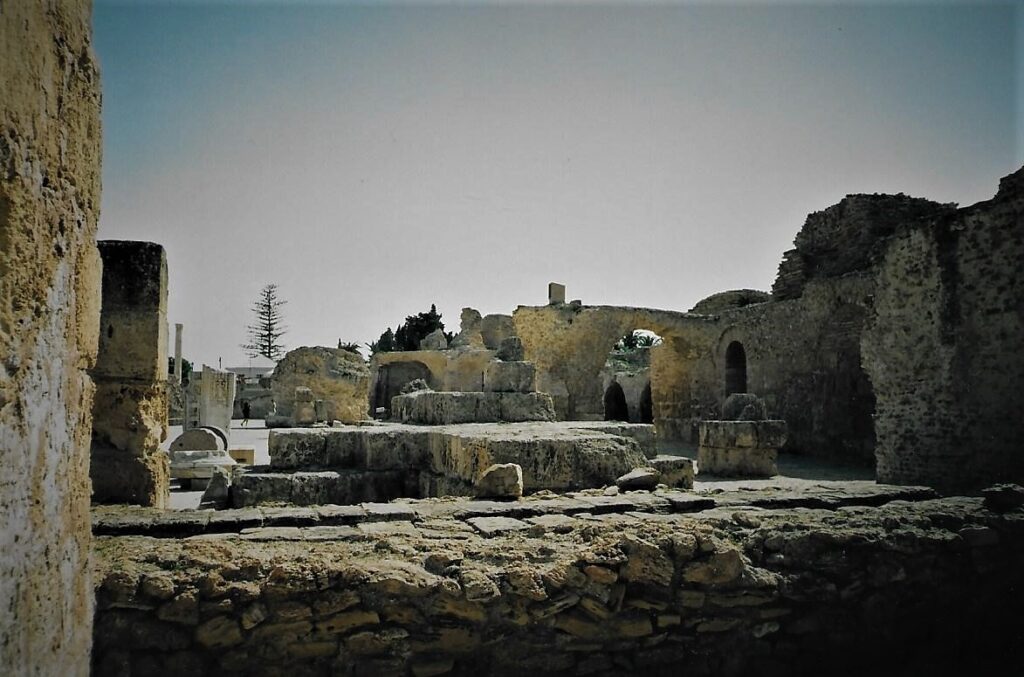
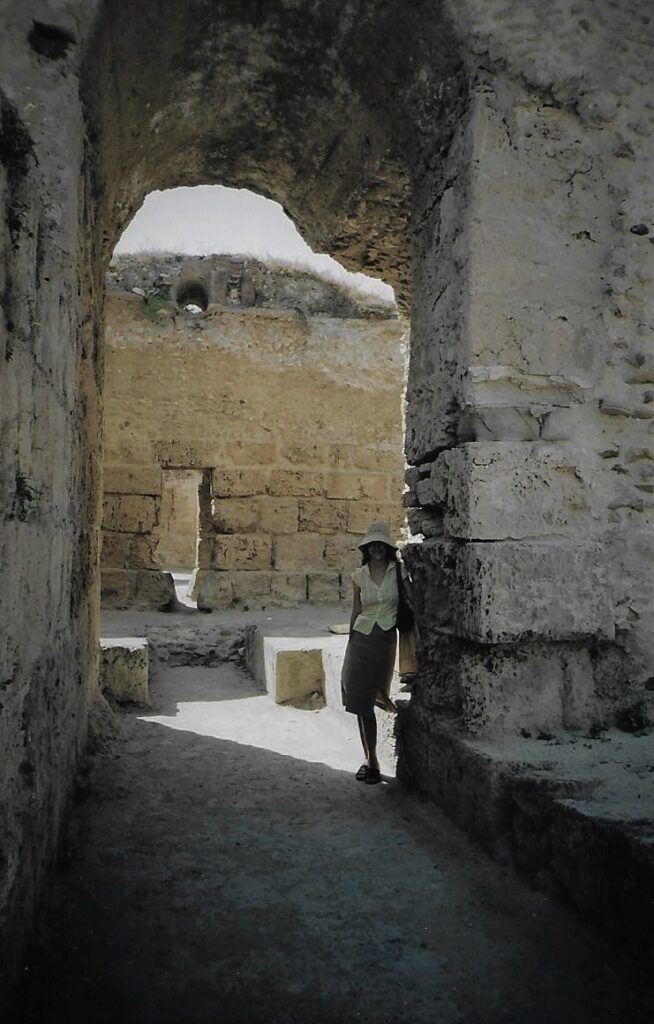
In a way, this was a perfect trip as it had a bit of everything. So much time outside in wide open spaces, wall to wall sunshine, labyrinthine streets of whitewashed walls, desert, camels, beautiful hikes through stunning landscapes, delicious foods to try, beautiful architecture, ancient ruins, fascinating history, sites and sights everywhere. This was pre-climbing Hels; a spot of climbing would probably top it off perfectly now, of course and I would jump at the chance to return to Tunisia.
Apart from the obvious fall-out of Covid, Tunisia has also latterly suffered from terrorism. I can’t stress enough how beautiful this country and its people are. It is truly a delight to explore and I hope that as the industry starts to recover more people will be able to discover its wonders. It’s certainly one of the most beautiful countries I’ve been to.