



Thailand, or, more precisely, Thai holy basil in Railay
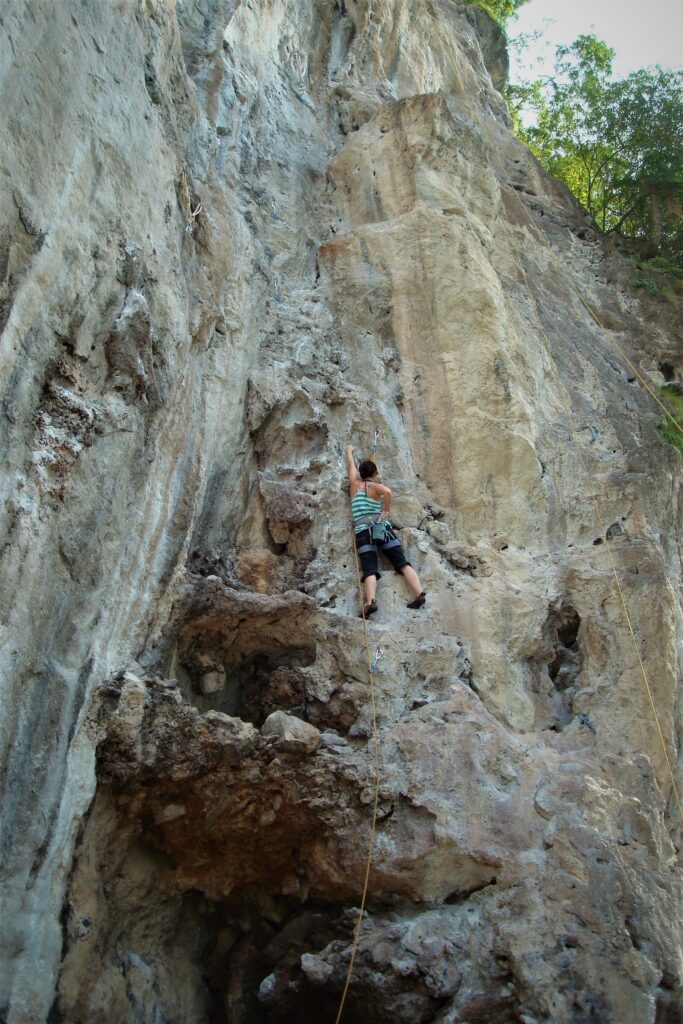
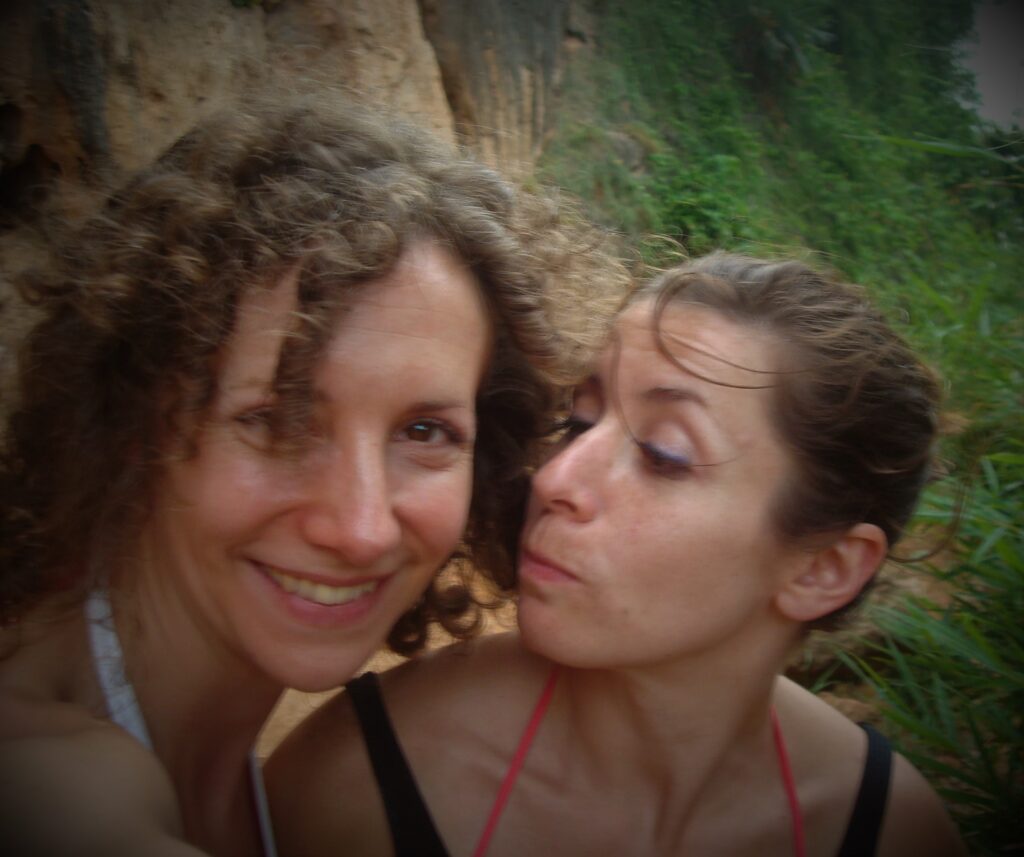
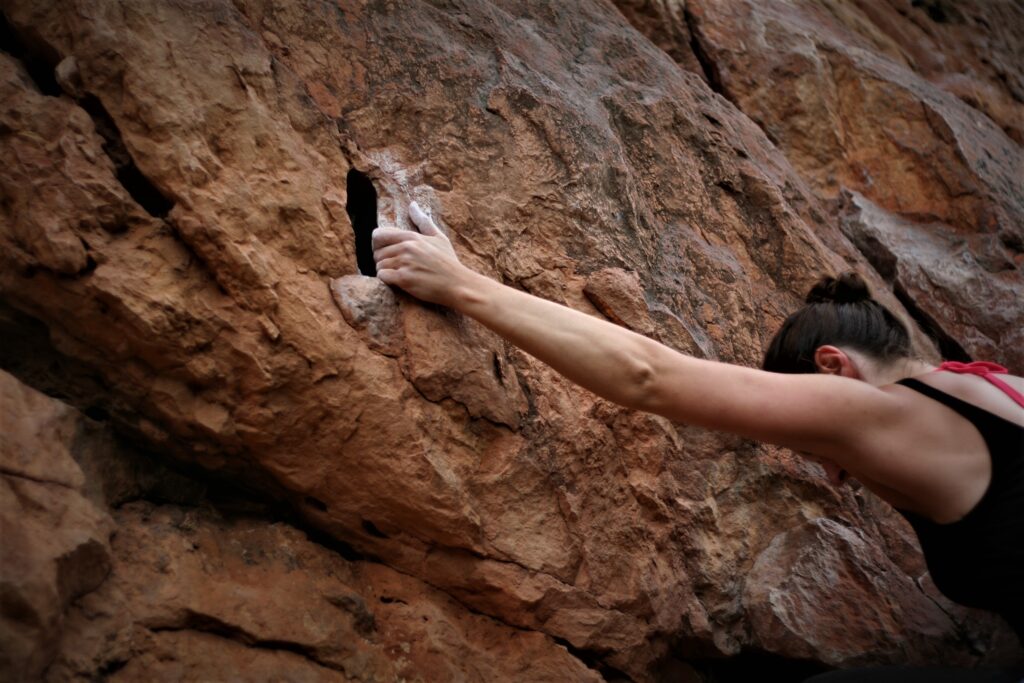
It’s been super hot lately. I don’t have a problem with this at all but I appear to be in the minority, especially when it comes to climbing. Having headed-out on the rock a couple of very sunny weekends in a row, I’ve heard a lot of “it’s too hot to climb”. Whenever anyone says this, I think of my lovely mate, Smalls, who I went to climb in Thailand with a few years’ ago. Her response is always an eyeroll accompanied by “people go to climb in Thailand where it’s REALLY hot”. So this week’s post recalls my little trip to climb in the actual, real heat – the humid kind that turns putting one foot in front of the other into a mega task, let alone one foot above the other .
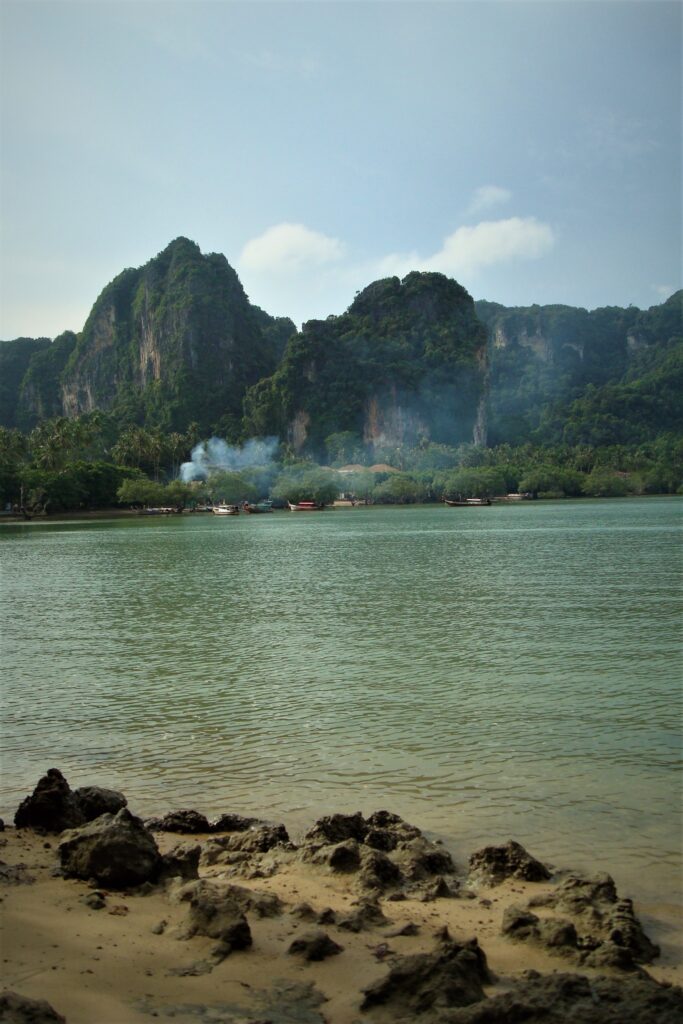
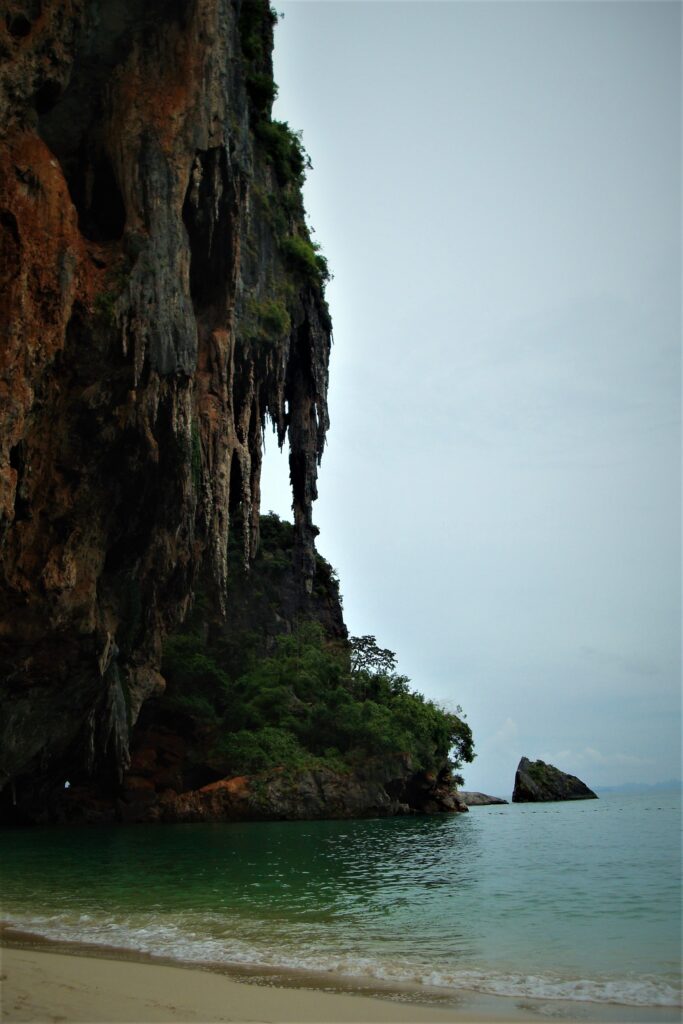
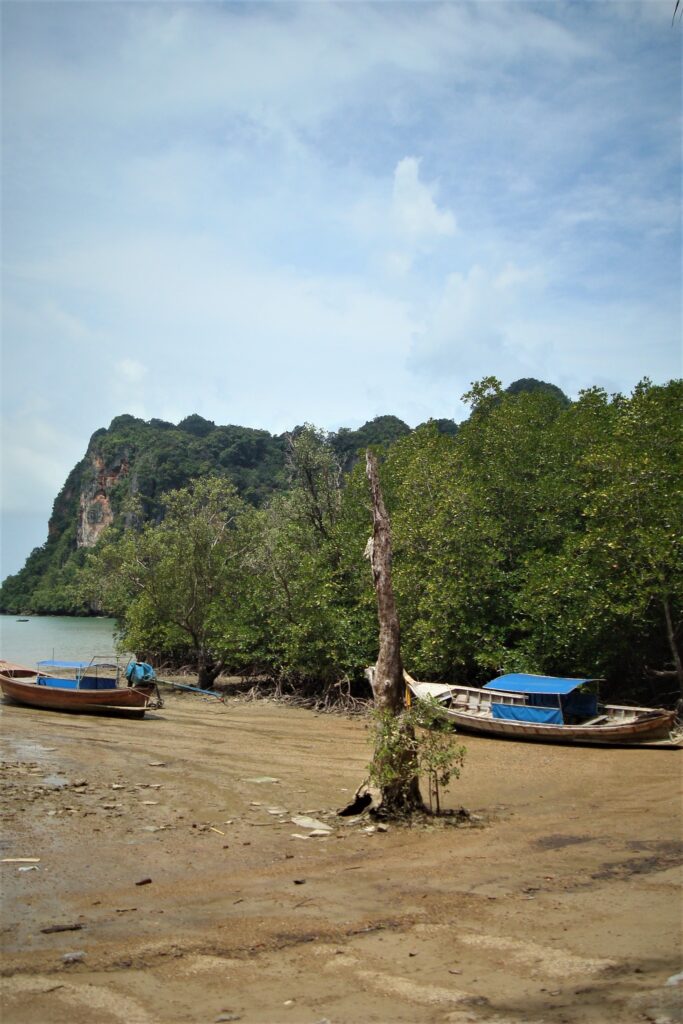
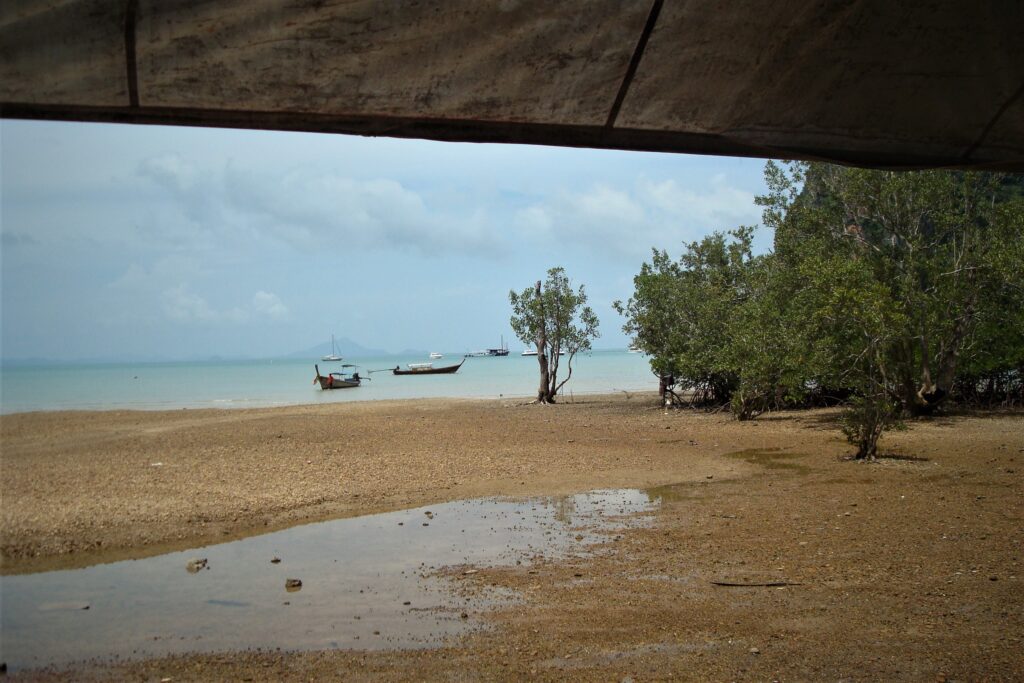
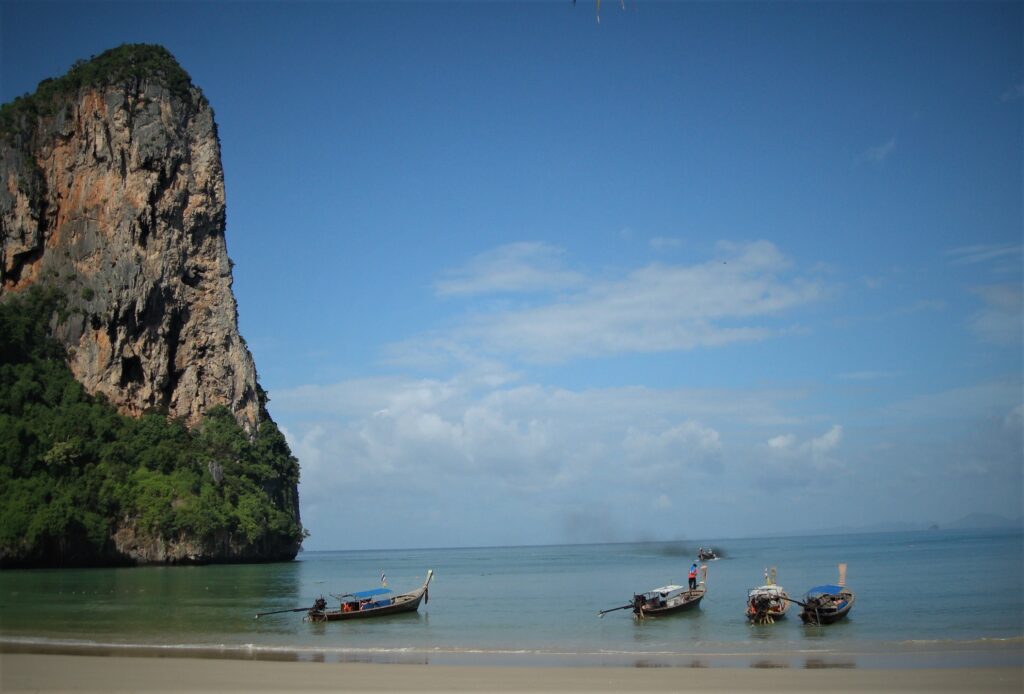
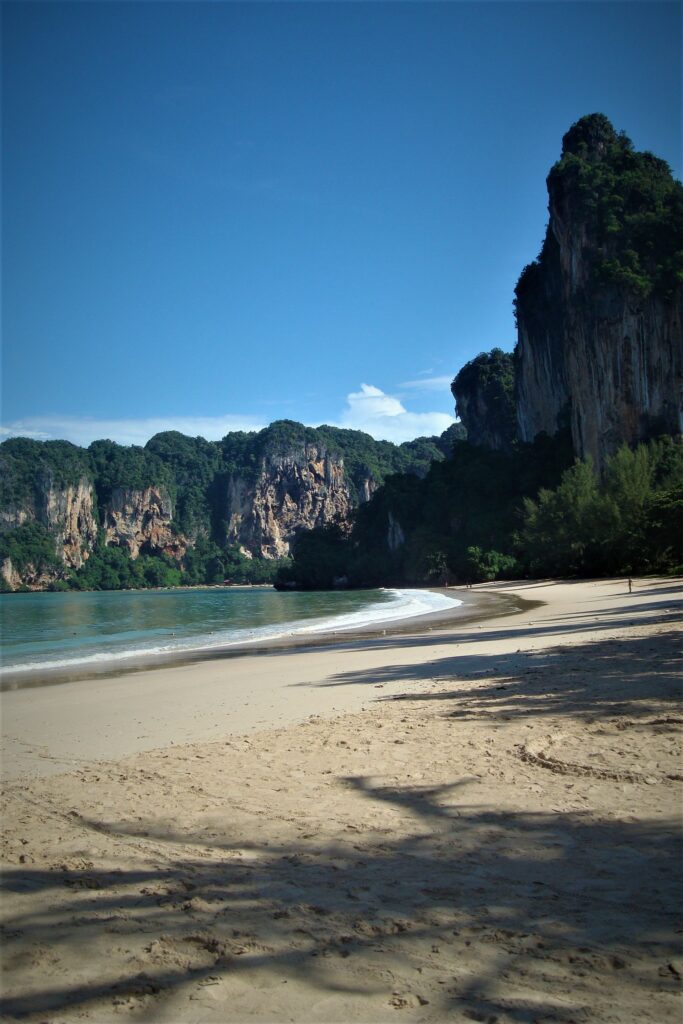
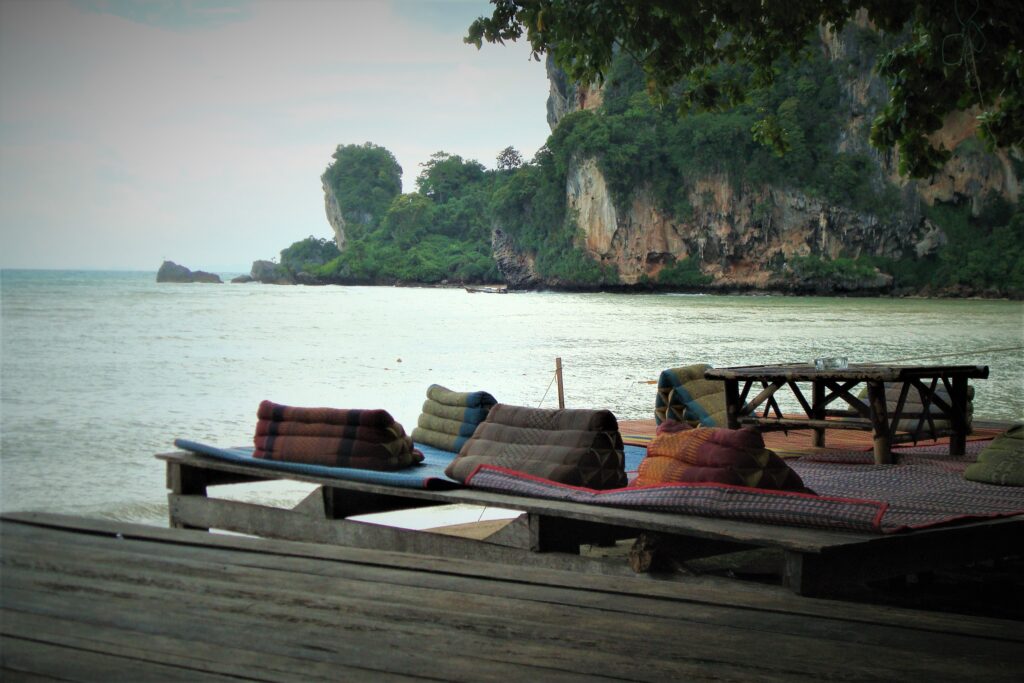
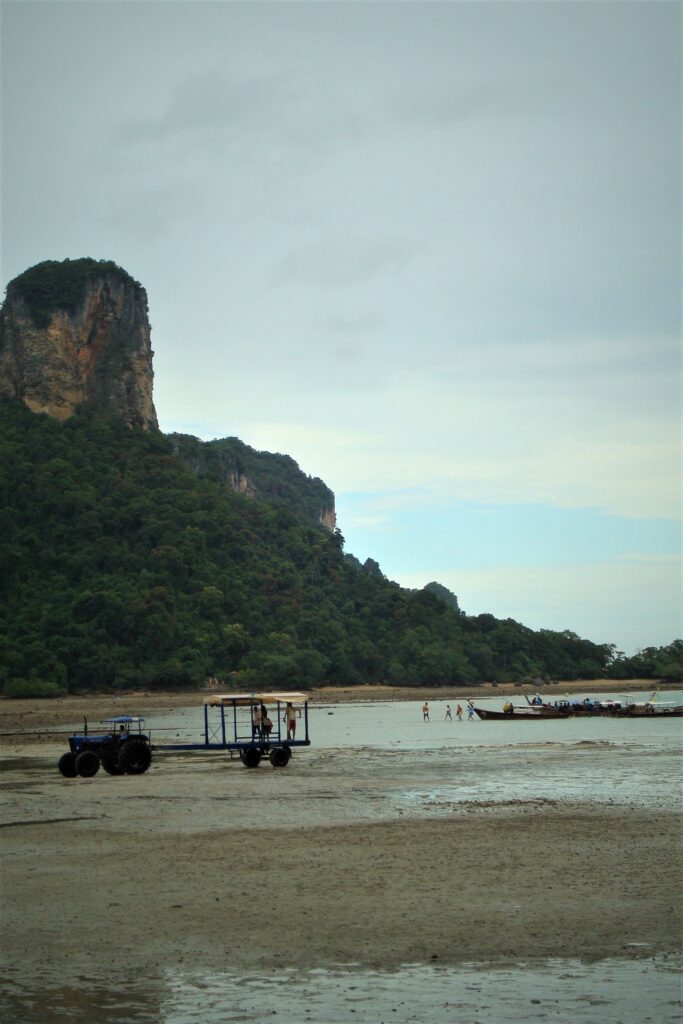
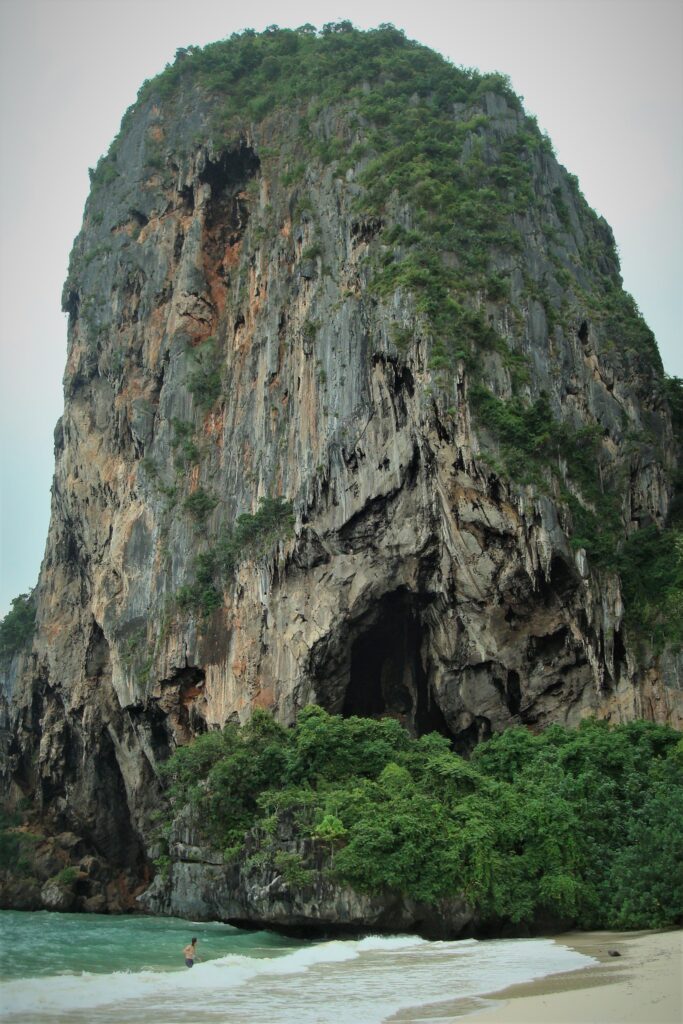
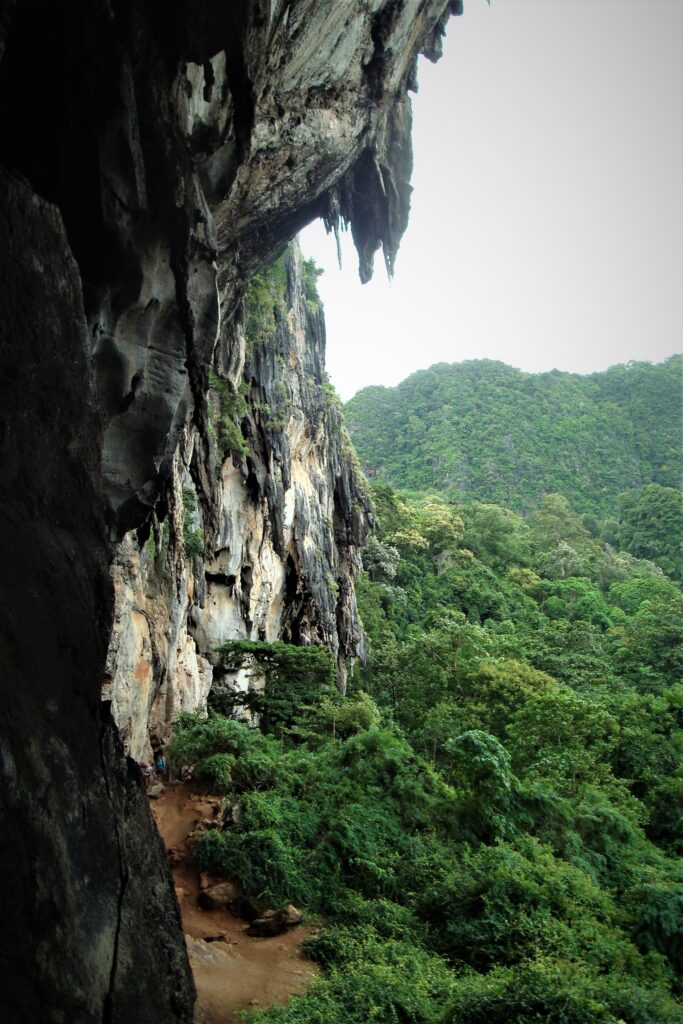
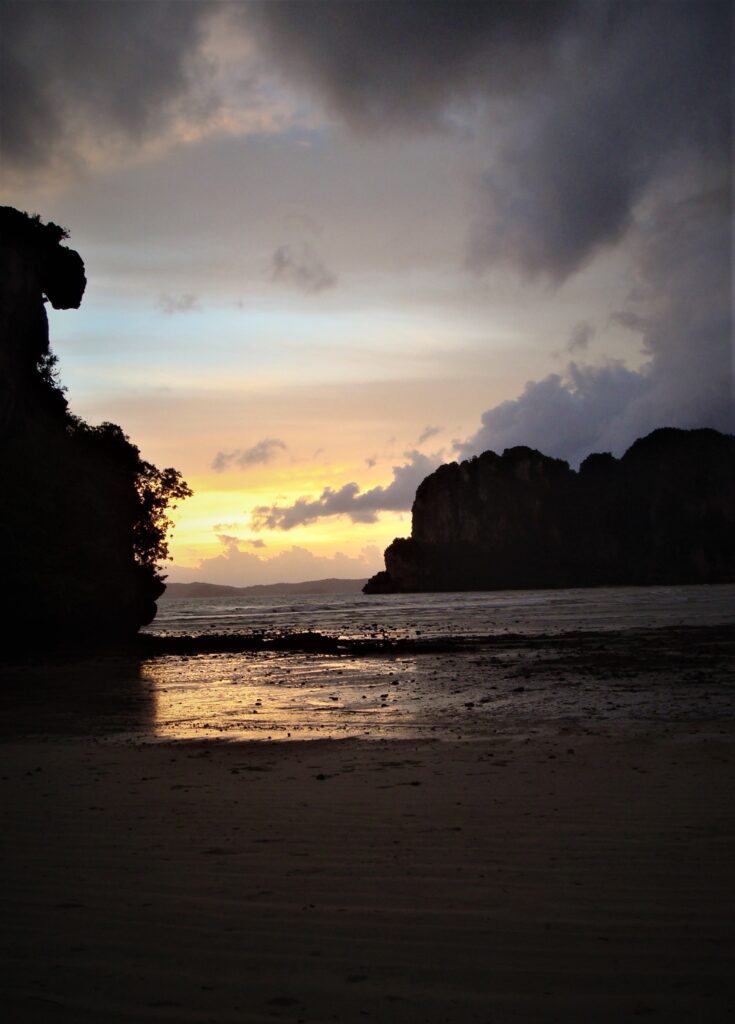
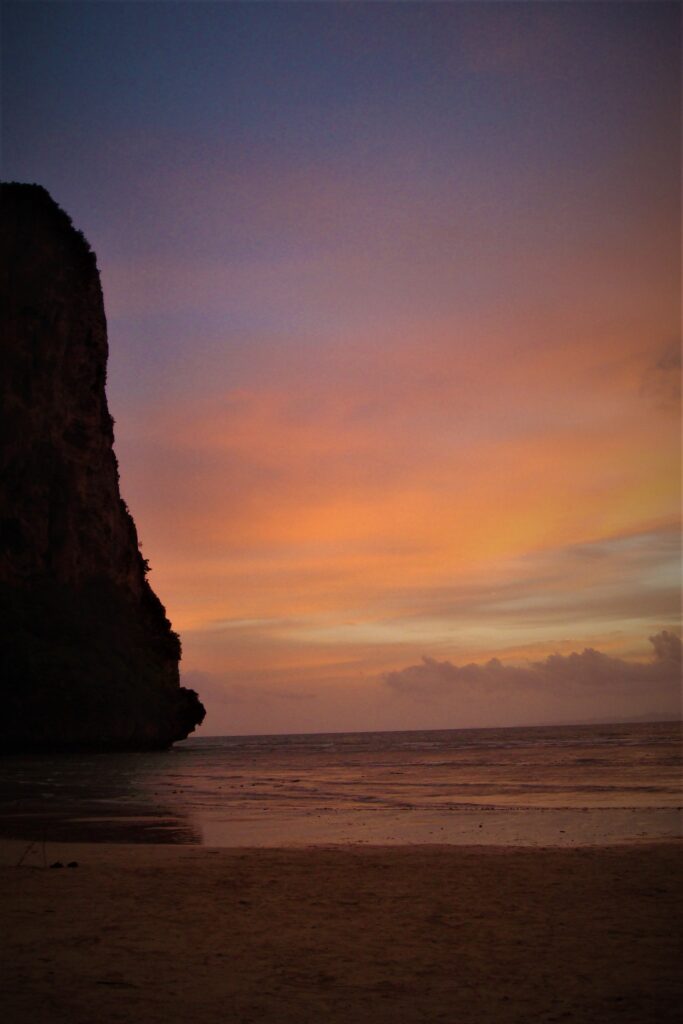
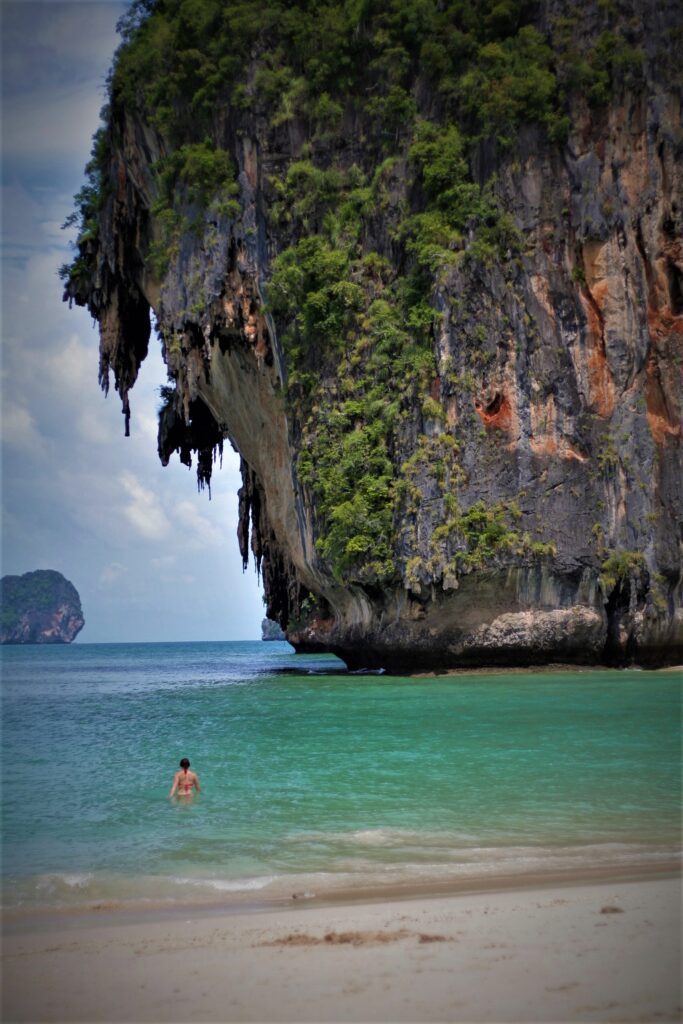
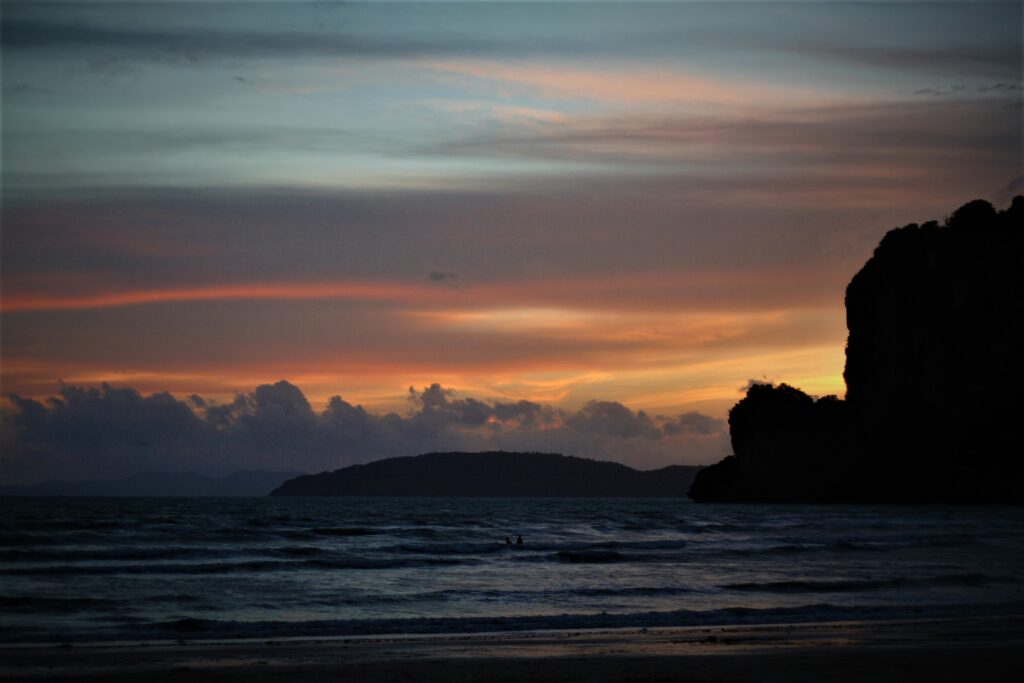
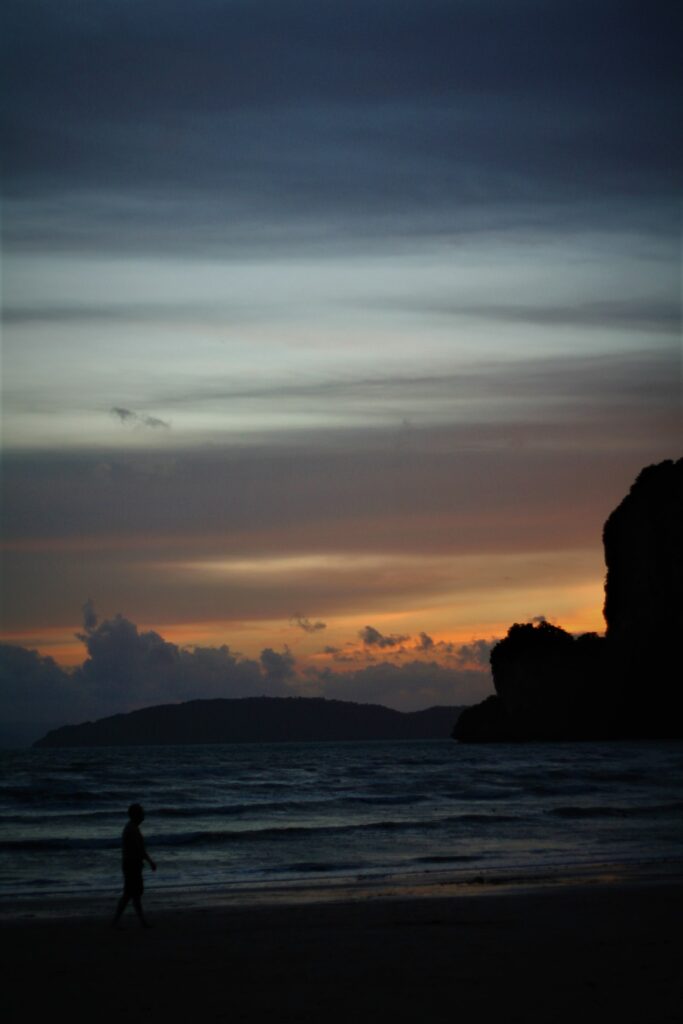
One of the best things about climbing is that it takes you to all sorts of corners of the world that you may not necessarily visit. Thailand isn’t that unusual as a destination, obviously, but climbing-wise, it’s a good example of how you can end-up tucked away in random little spots which boast pretty awesome views. I never did the whole year-out, far East, back packing thing – my canoe has paddled a different course; so, not only do I own fewer man-bead wrist bands, this climbing trip was my first experience of Thailand and the sort of intoxicating lotus eater vibe that its coastal regions offer in abundance.
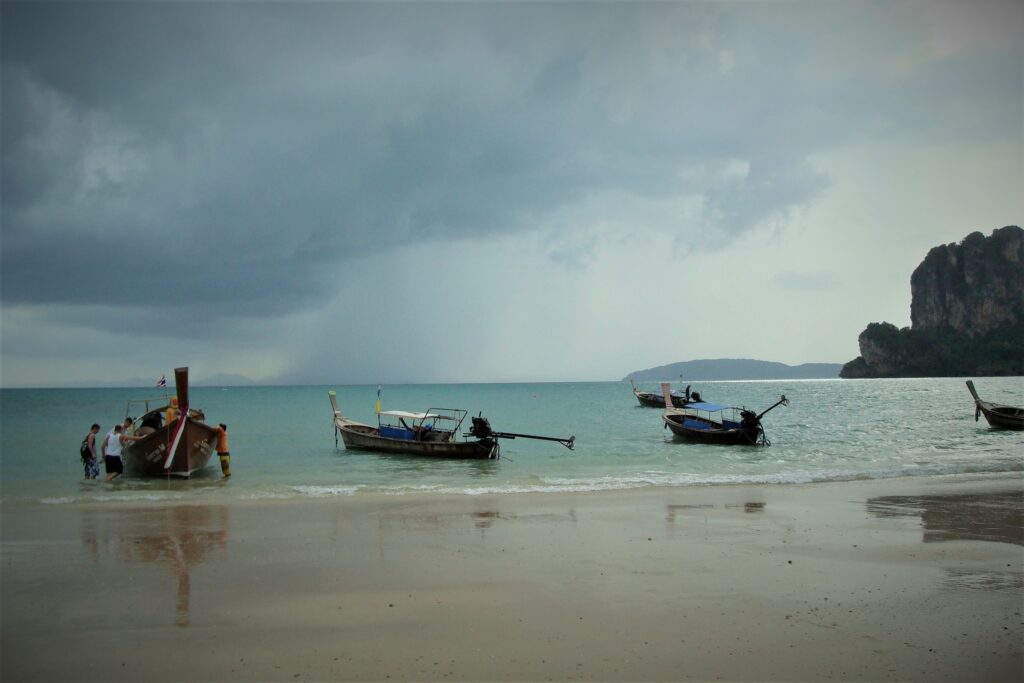
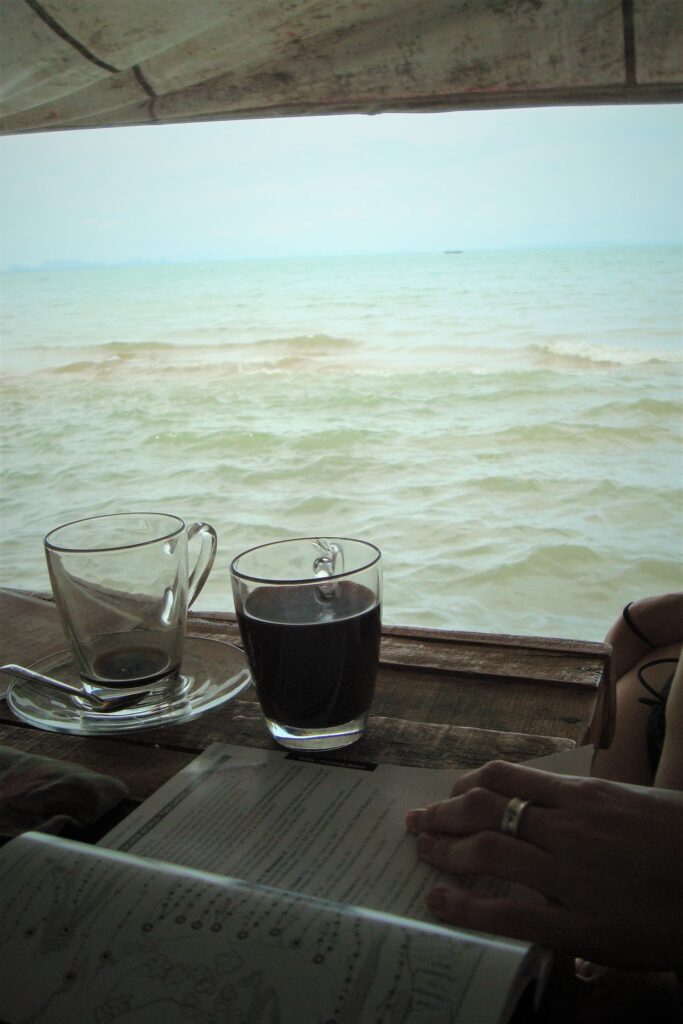
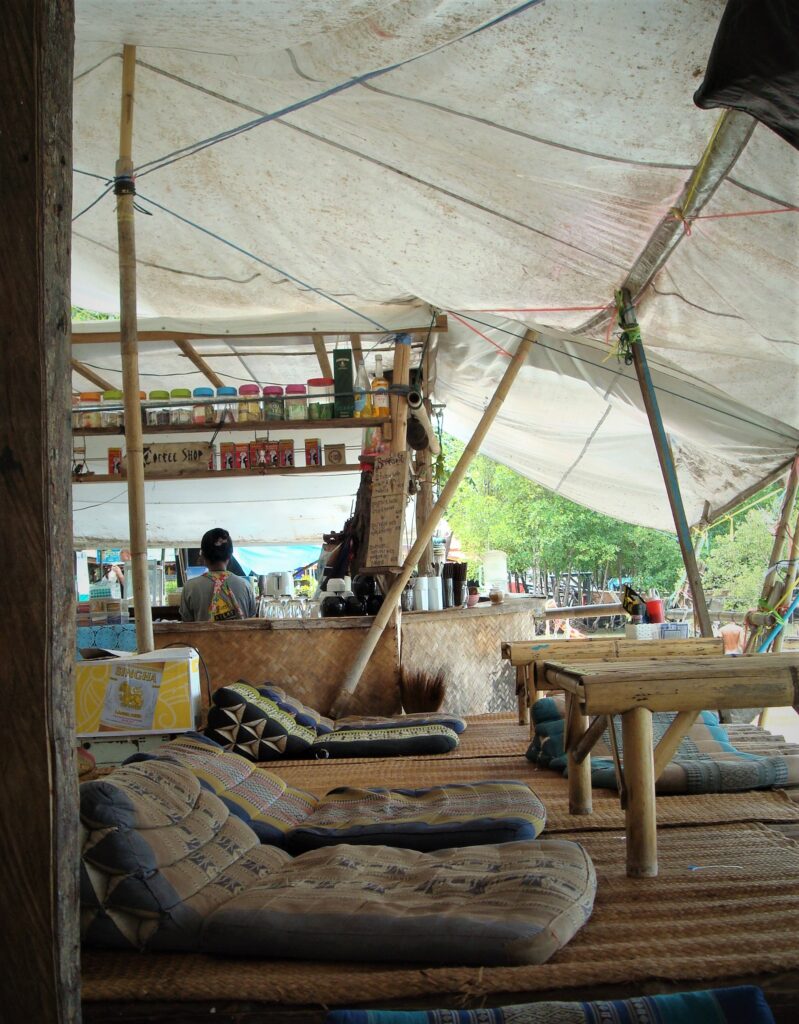
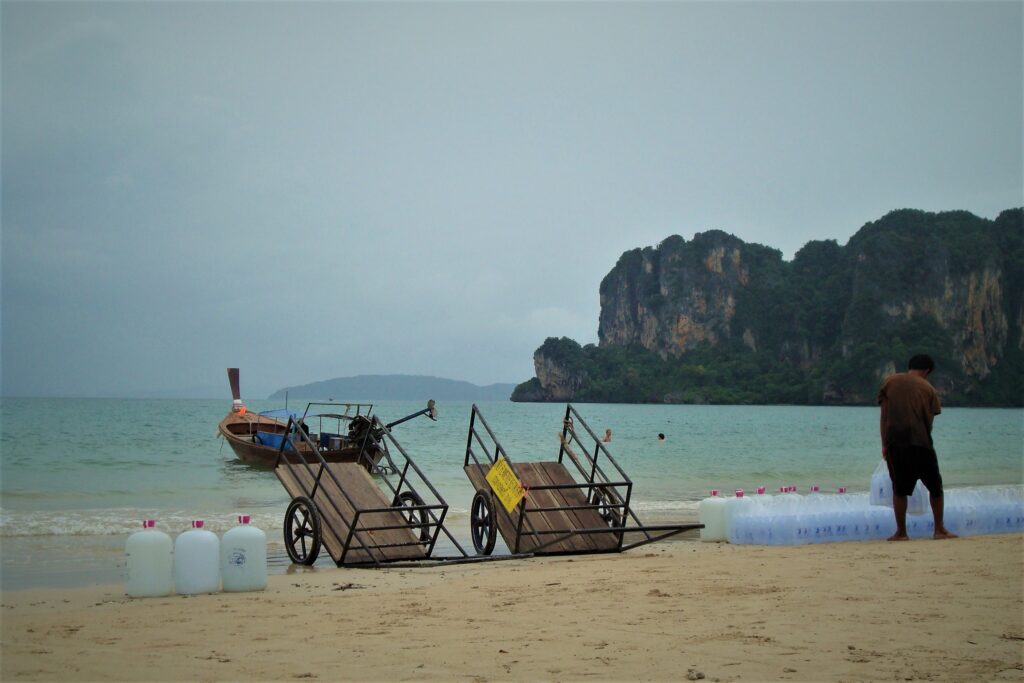
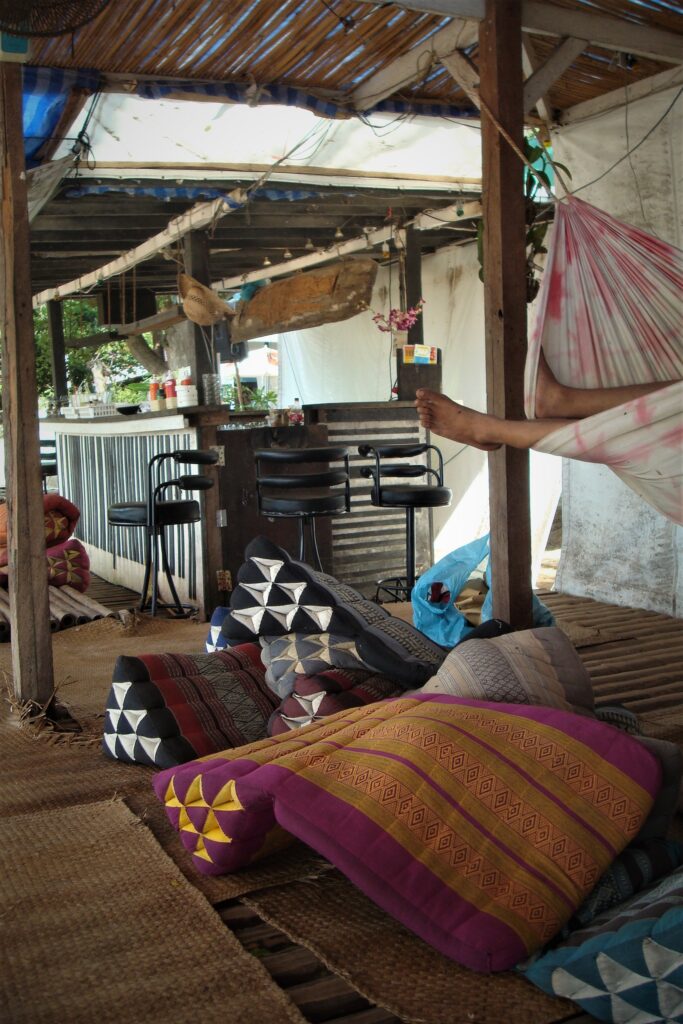
We were a little less “climbery” in that we stayed on the Railay side as opposed to the Tonsai side. This was partly to do with the fact that there’s arguably slightly fewer fisherman pants on parade; there’s a super-chill bar there, Joy Beach Bar – where we spent the majority of our non climbing time (and which Smalls had spent a lot of time in on a previous trip); and super cheap (ridiculously luxurious) massages to be had.
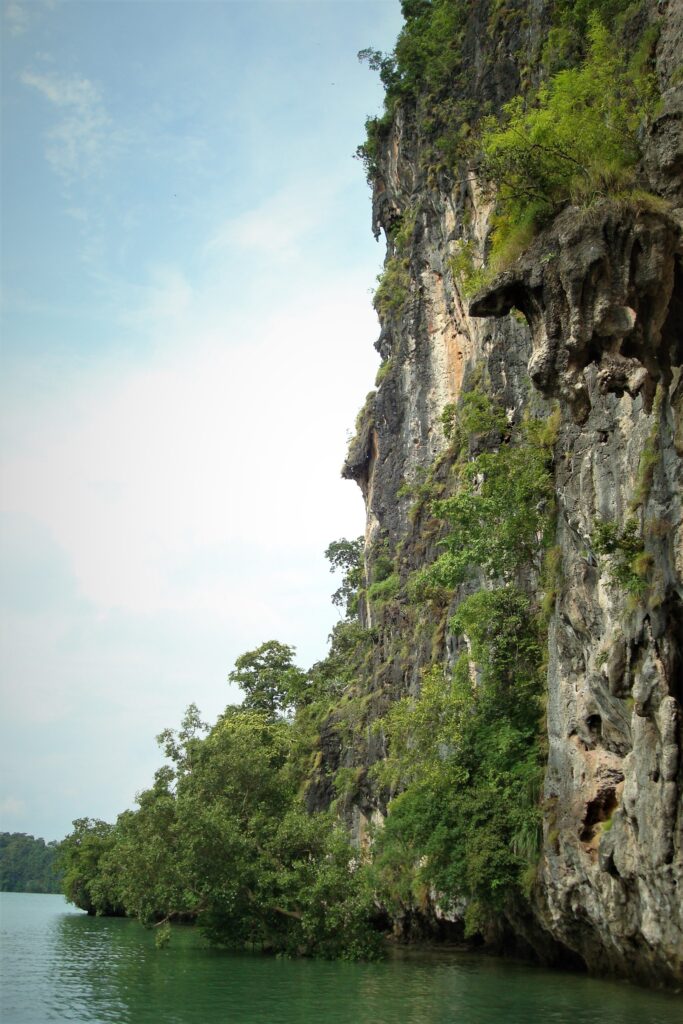
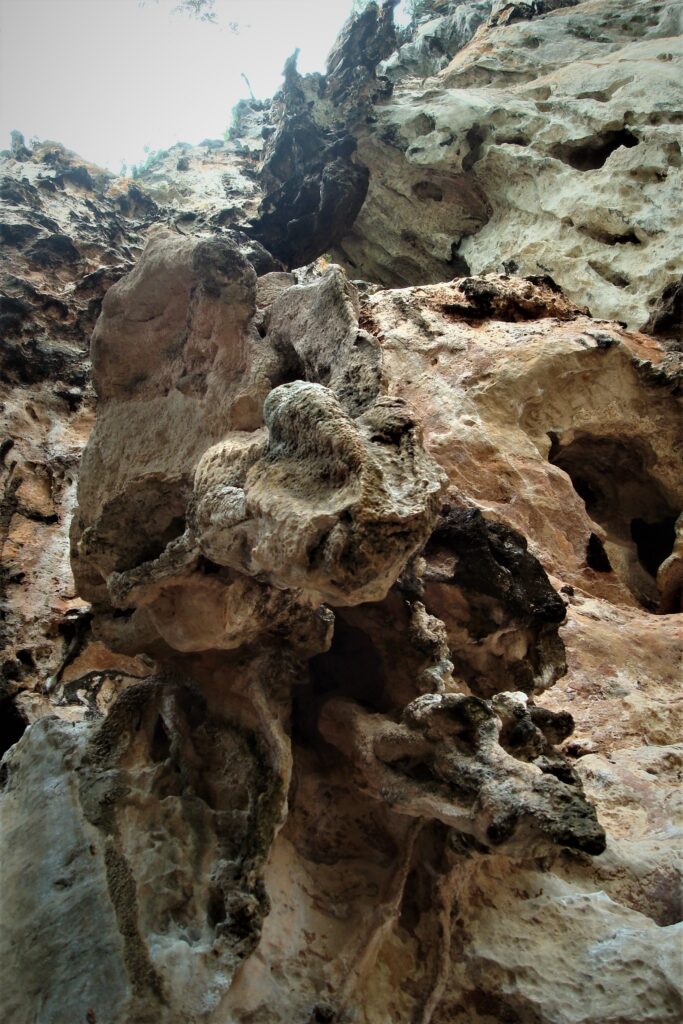
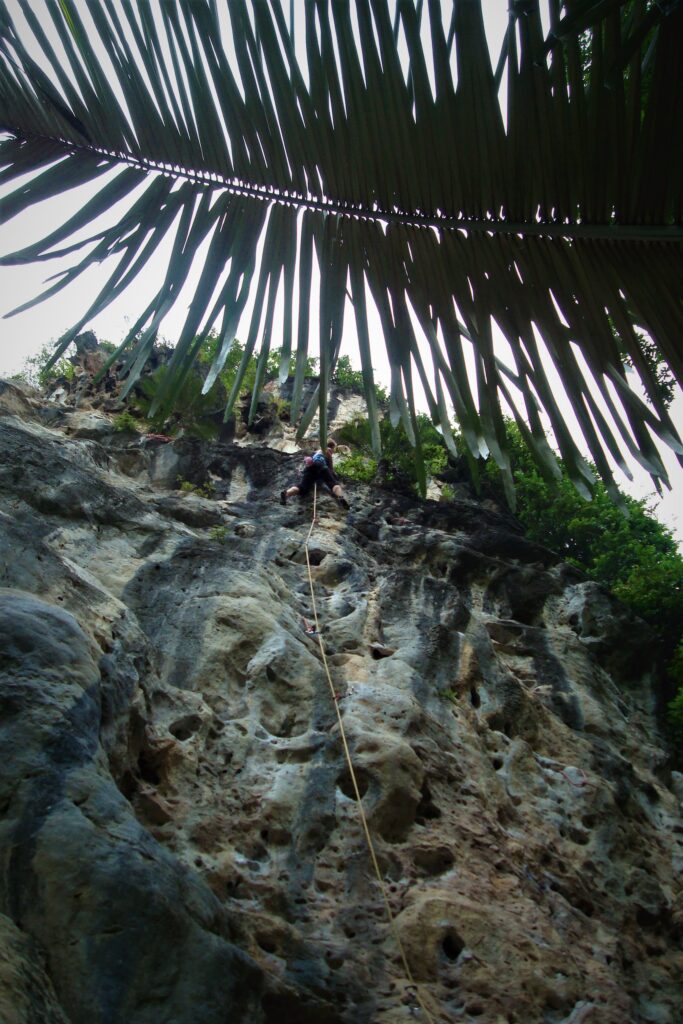
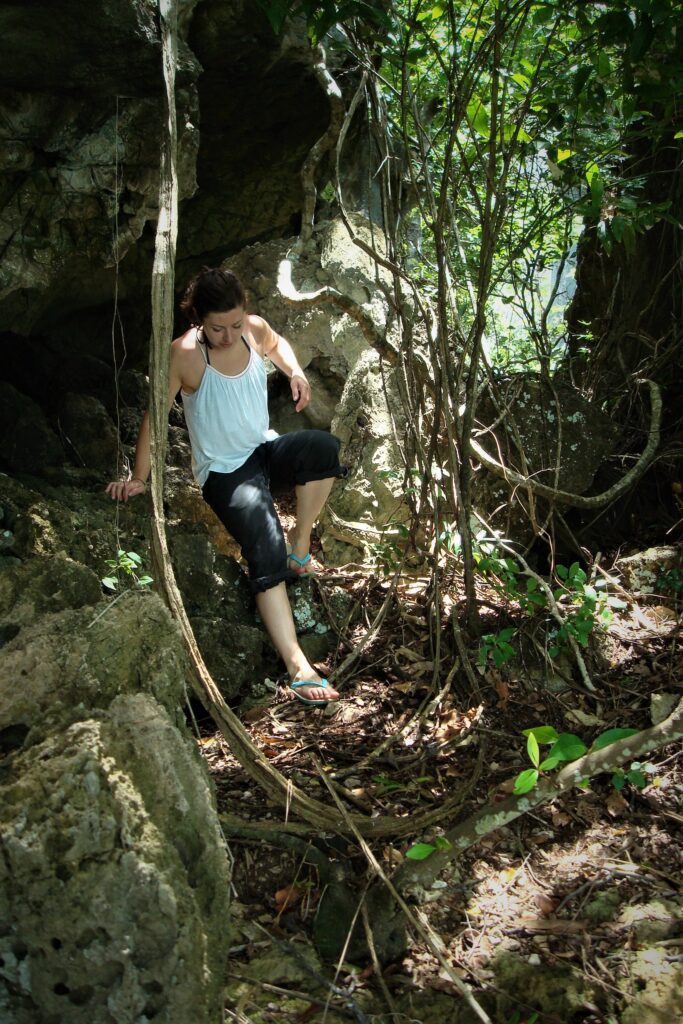
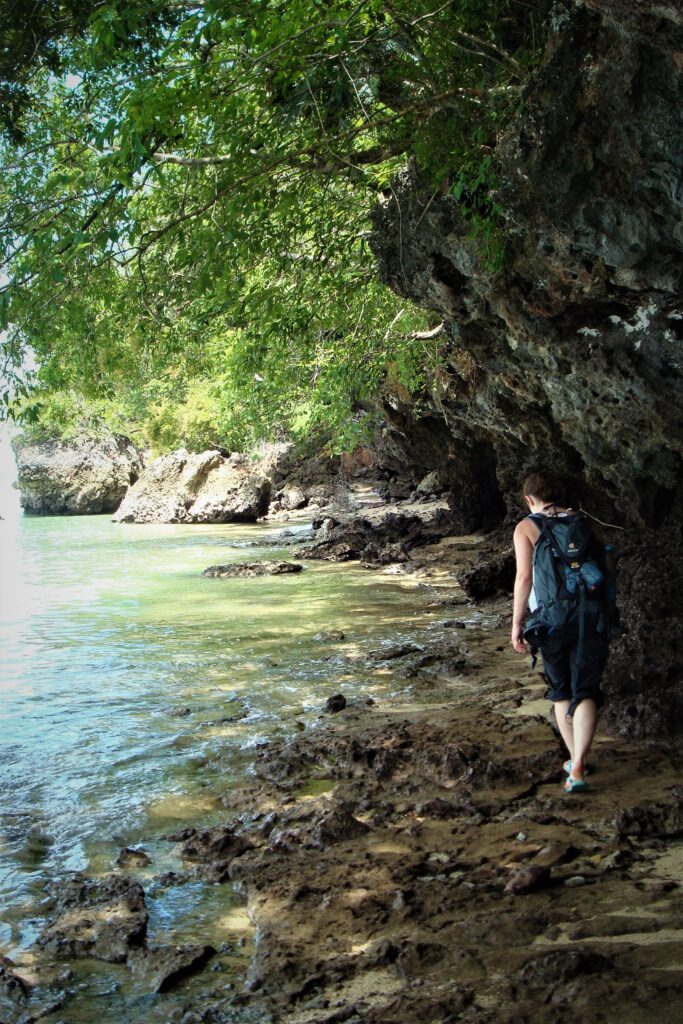
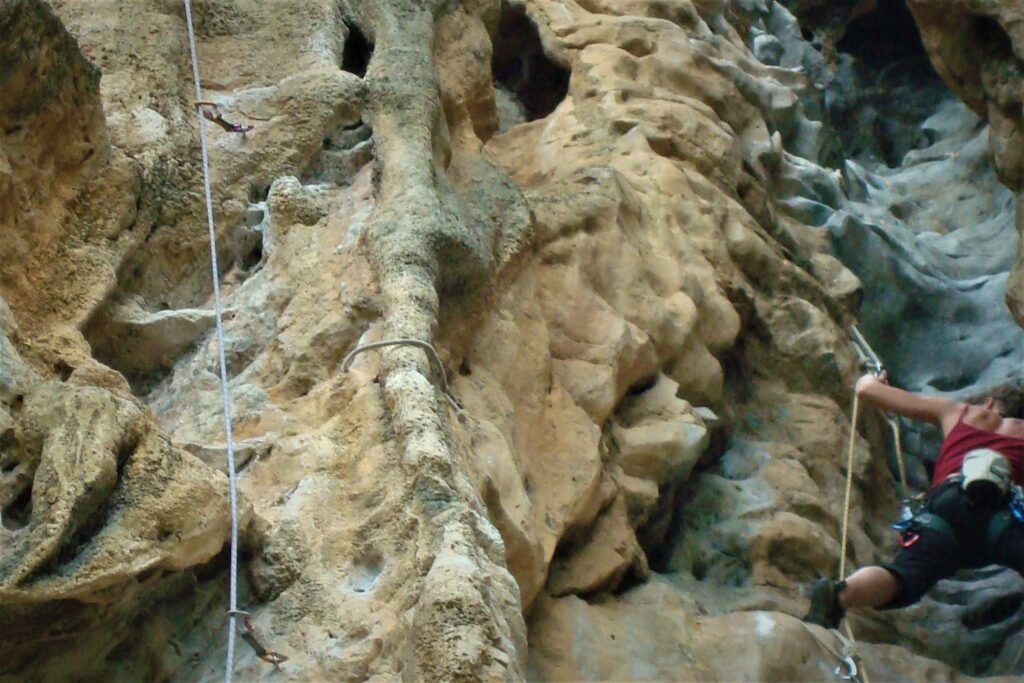
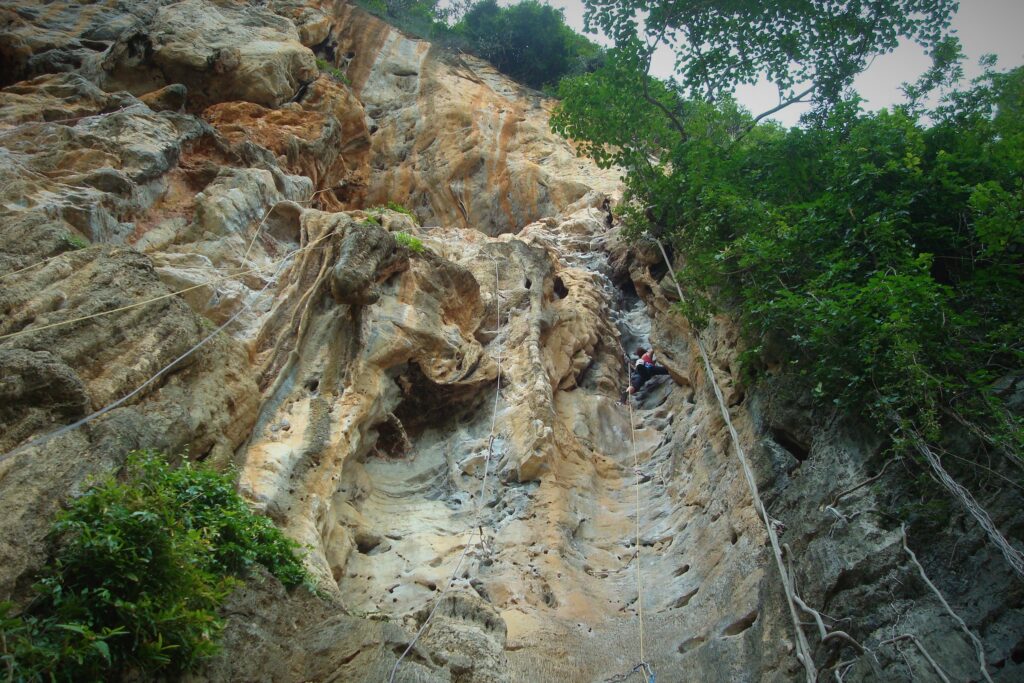
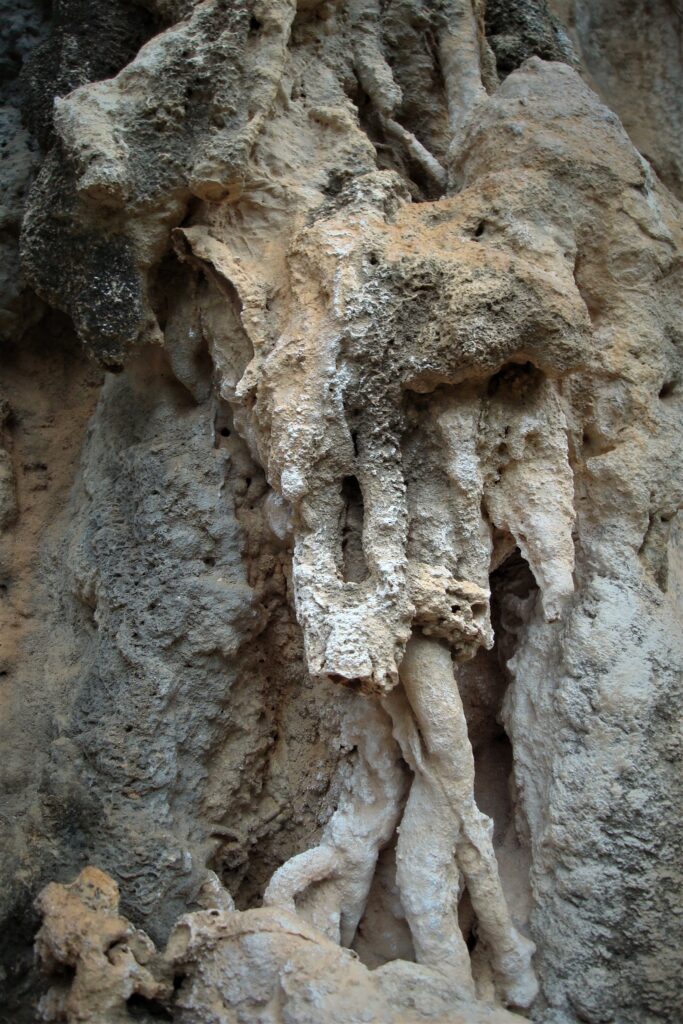
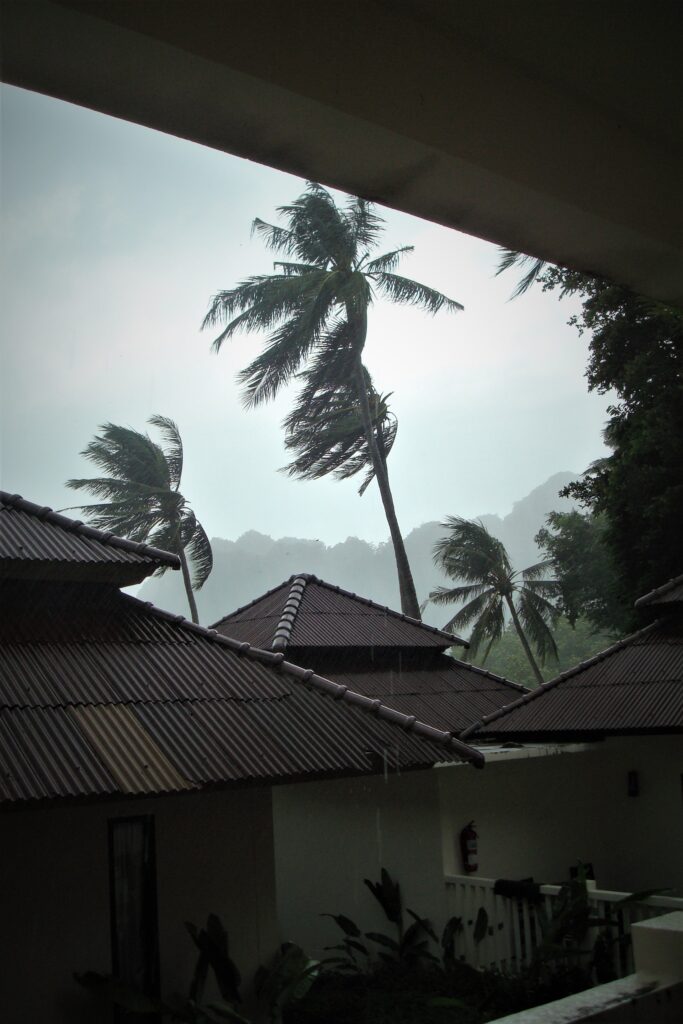
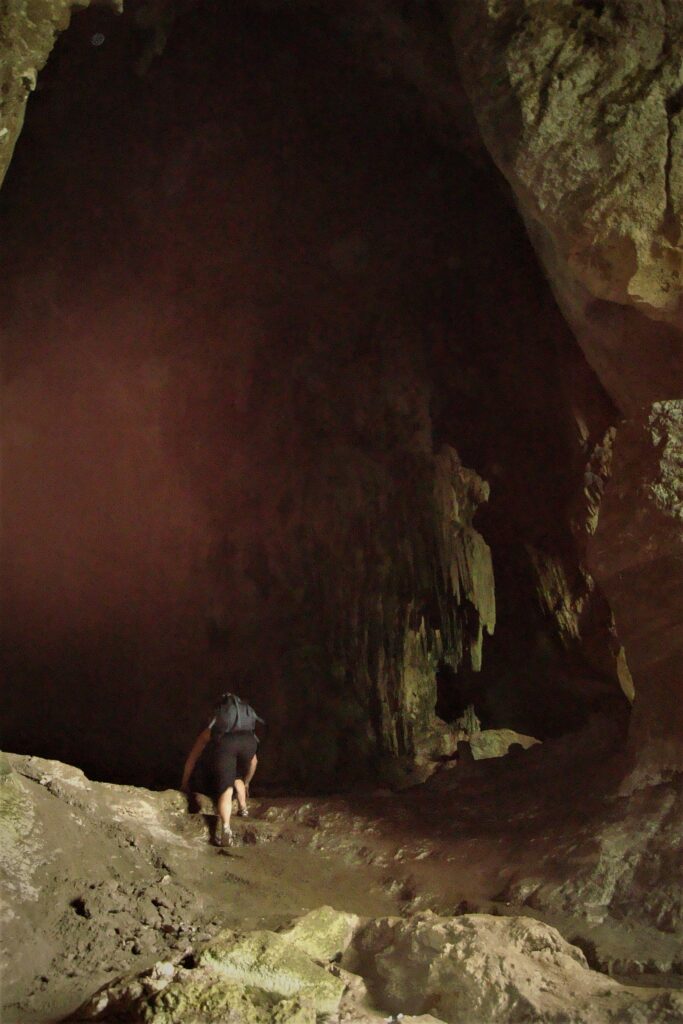
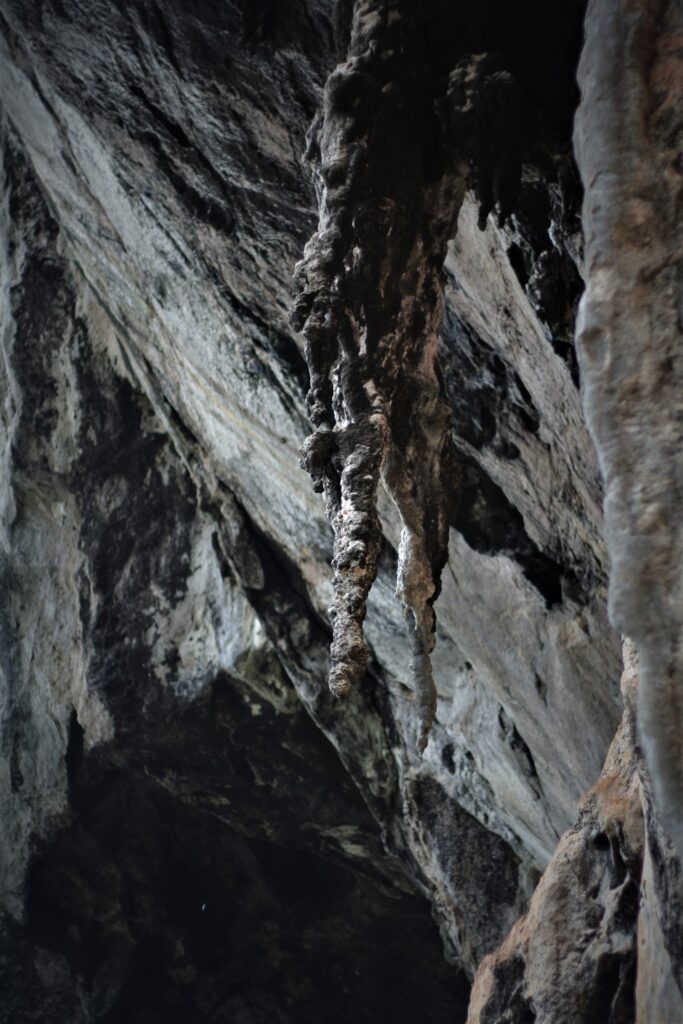
Now, to come back to the heat; Thailand really is hot but it’s humid hot. I can take Mediterranean/desert dry heat until the cows come home but this was pretty full-on, I will admit. Initially I didn’t understand why everything (including just standing, frankly) took so much effort given how much I like being in the sun; but it doesn’t take long to acclimatise, and then you can properly start exploring the crazy amount of climbing on offer. The approaches are fun and offer an enjoyable jungle trek kind of vibe; you walk everywhere in flipflops; you hardly wear anything; you get bitten to sh8t by mozzies (it’s unavoidable and also a distinctly sub-optimal aspect of a trip here) and you get to climb some pretty funky looking rock. The sea is like bathwater, the storms are short and powerful and you can feel them coming (“big wind, big rain”) and, there are caves and monkeys.
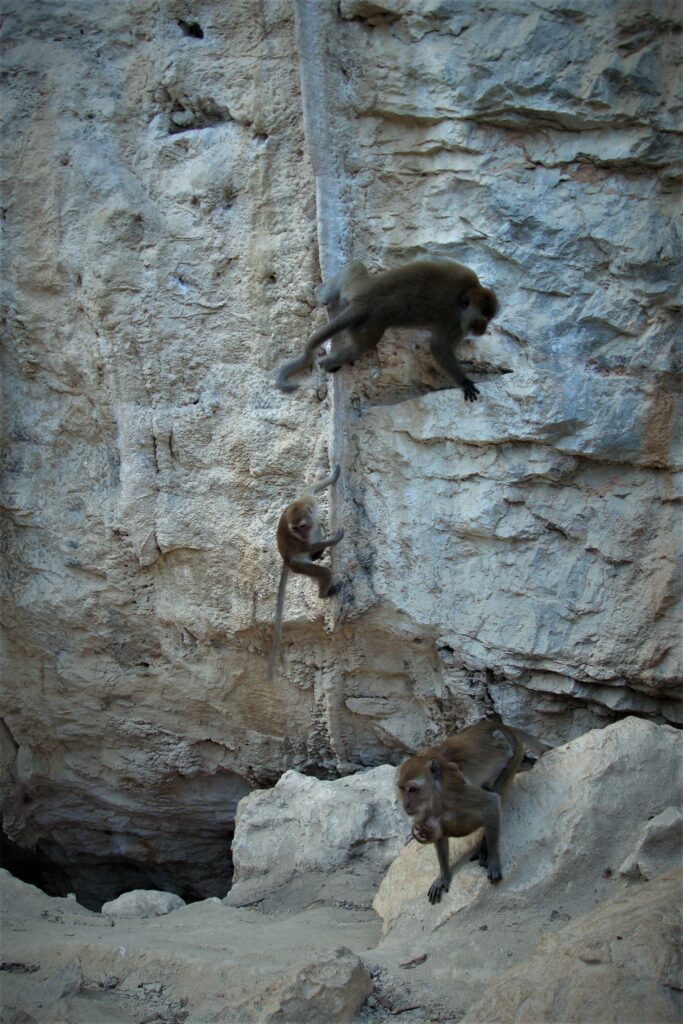
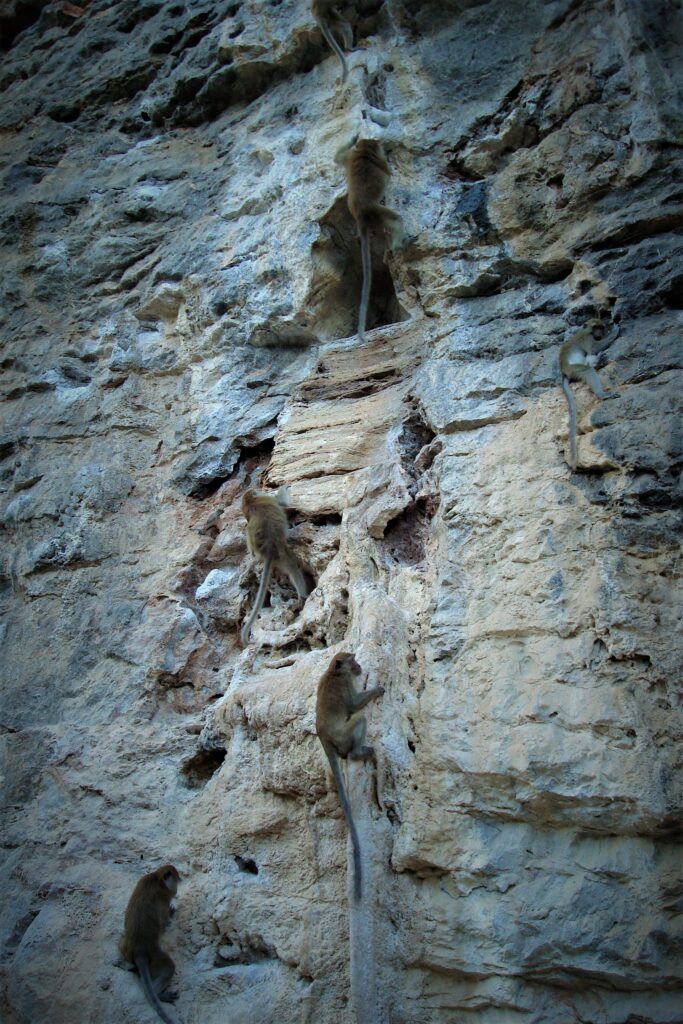
Quite a lot of monkeys. Pretty territorial monkeys in fact who have no truck with climbing etiquette and will happily jump on your route, while you are on it. So you have to hang in your harness for a bit while they climb down around you in single file (greasing up all your holds), steal your lunch from your backpack and, for good measure, leave one really aggro large member of the pack to climb down last once he’s brazenly arced a golden shower over the top of the route you’re patiently resting on.
In short, it’s all pretty fun. Then there’s the food. Aside from falling for the delicious laidback vibes, I totally fell in love with Thai holy basil. This is not basil; it’s basil 2.0. Basil is lovely, don’t get me wrong but whilst it is very fragrant, the depth of aroma/flavour that this Thai basil offers is another level. Drawn by the name (I mean, it’s lovely!) I encountered it first in a Thai basil chicken dish (pad kra pao gai) and… mic.drop. Holy basil for sure. This guy caressed my olfactory bulb in a way that Italian basil has never managed to. So then I basically ate a lot of it (maybe not every night) until we got a bit fed-up with Thai food and ate a pizza one night at Joy’s bar.
Thai basil comes in three guises: Thai sweet, lemon, and, holy. The first two are fairly self-explanatory; the holy basil has a vibrant, peppery flavour that really ties a dish together. A little research tells me that the name derives from it’s health-giving properties. It’s a potent herb that has been used medicinally for thousands of years. Interestingly, it has spiritual as well as medicinal significance. In Hindu mythology, the plant is an incarnation of the goddess Tulsi, and, as such, offers divine protection. Families will keep a living holy basil plant in their homes and tend to it with great reverence and the plant’s woody stalks are often made into rosary beads.
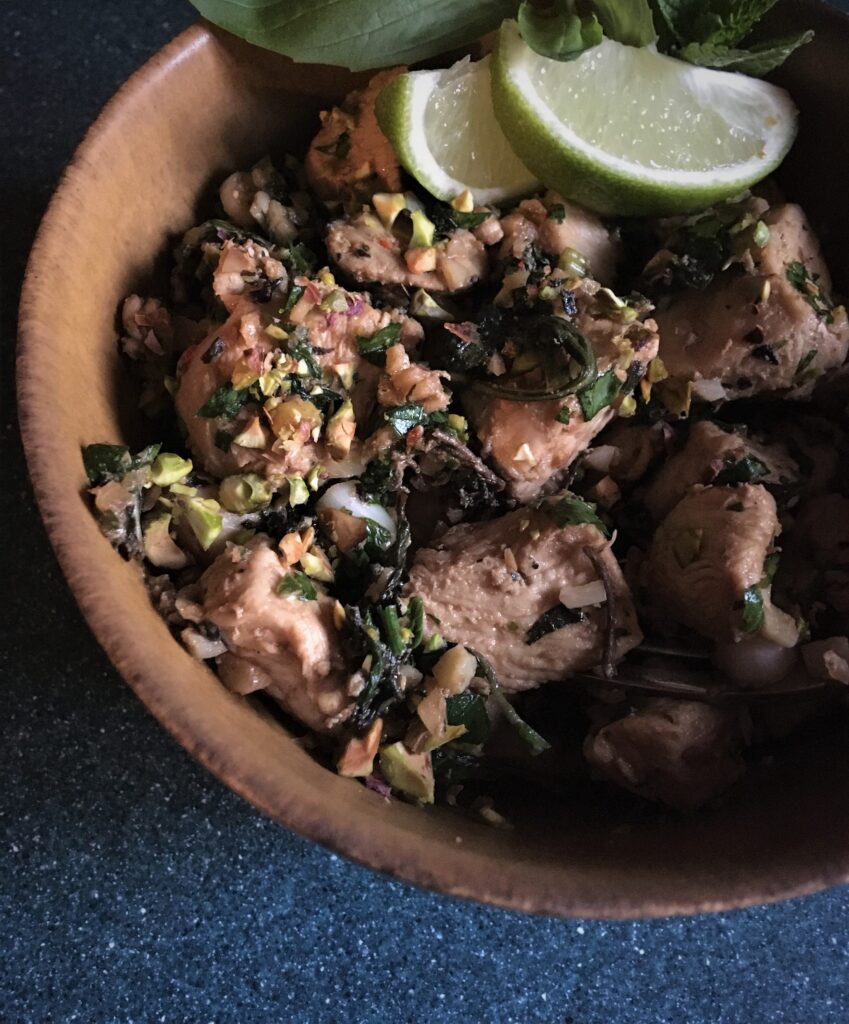
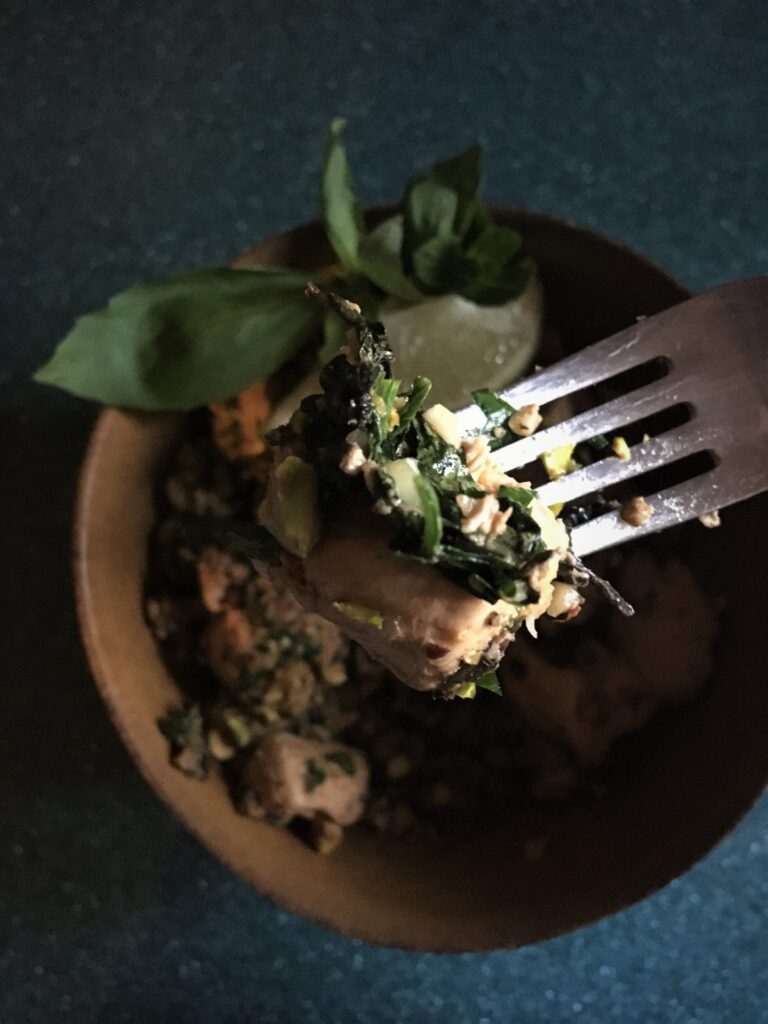
If you can get hold of the real deal then the following chicken dish is really simple and super-tasty. Crack a “Chang” and get cooking. Sawadika!