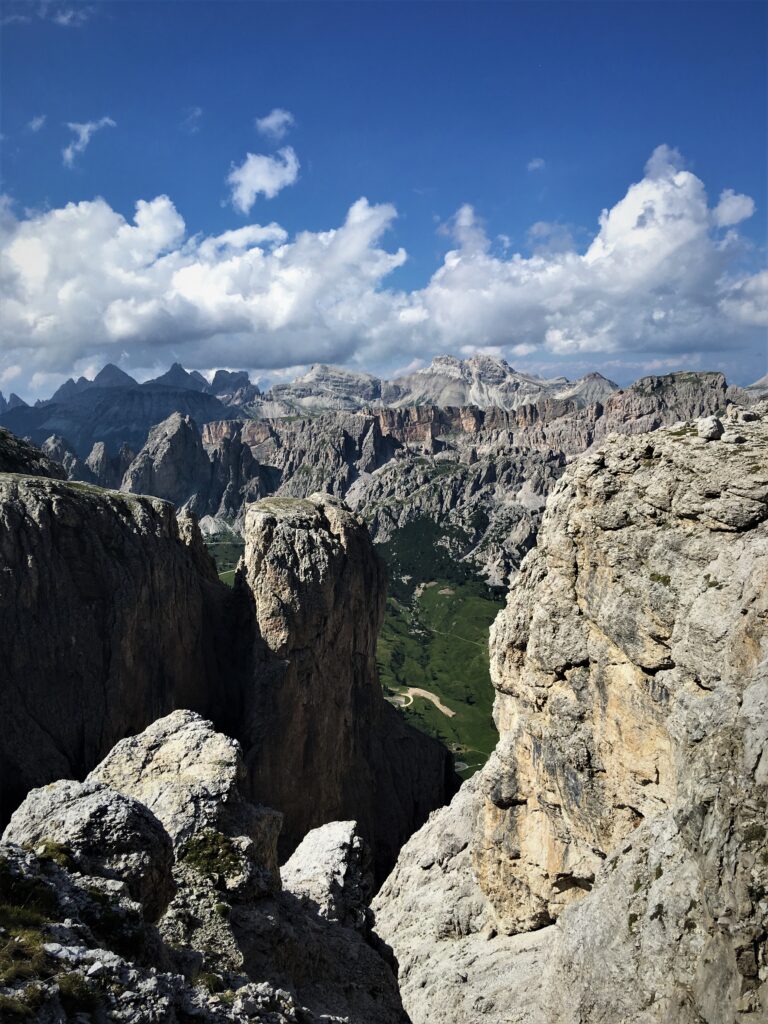
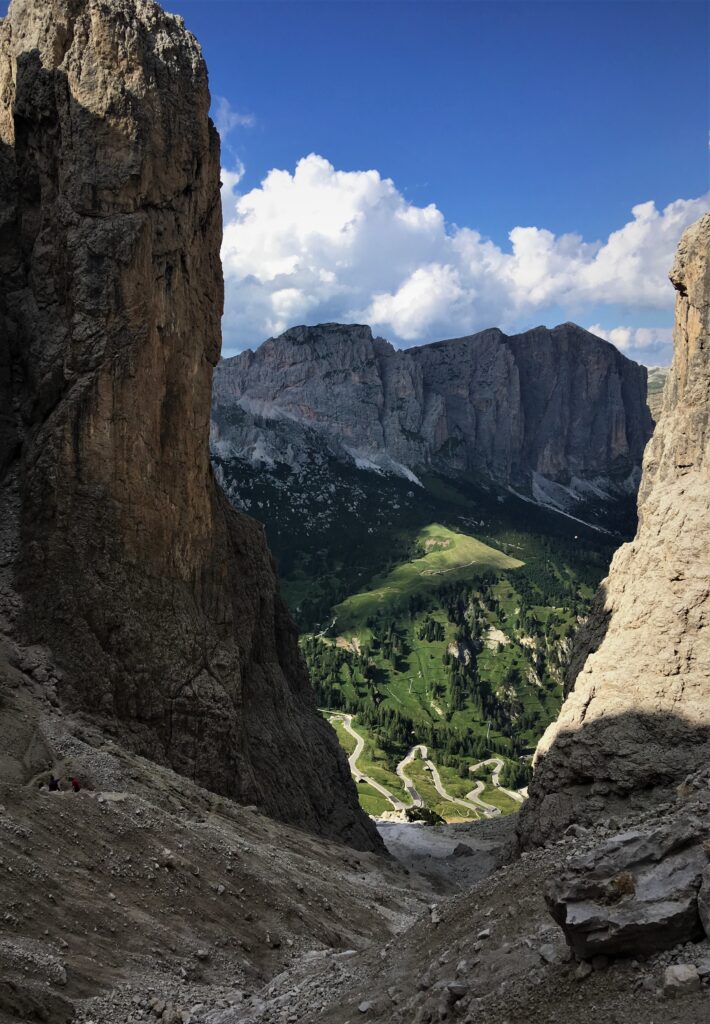
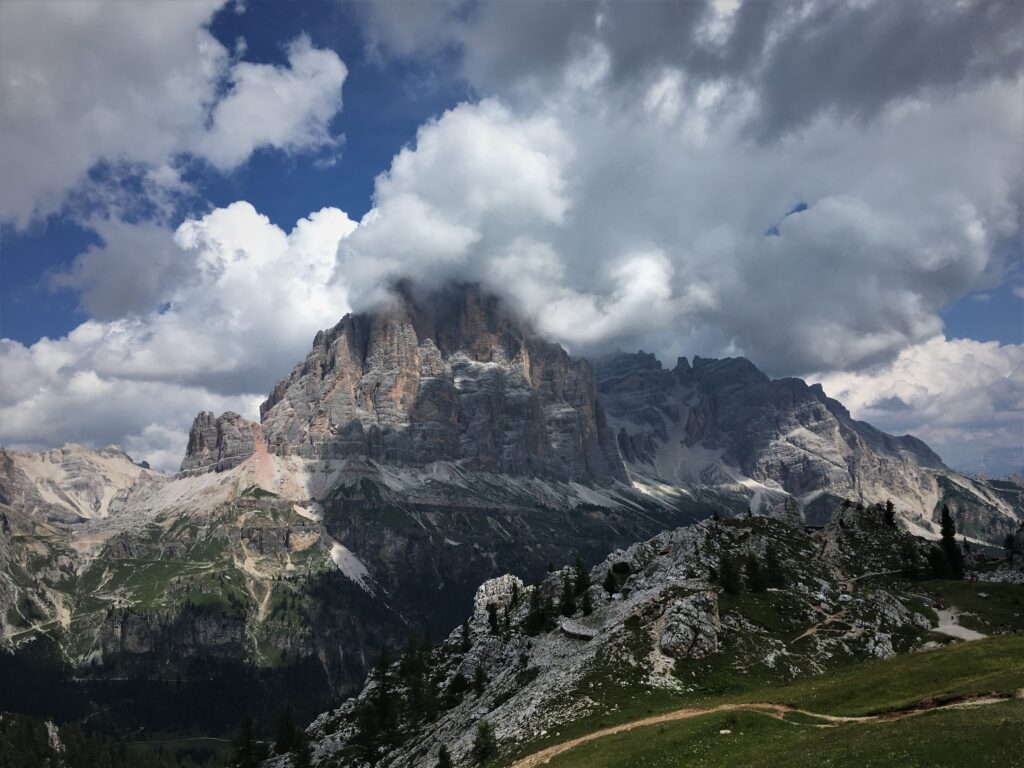
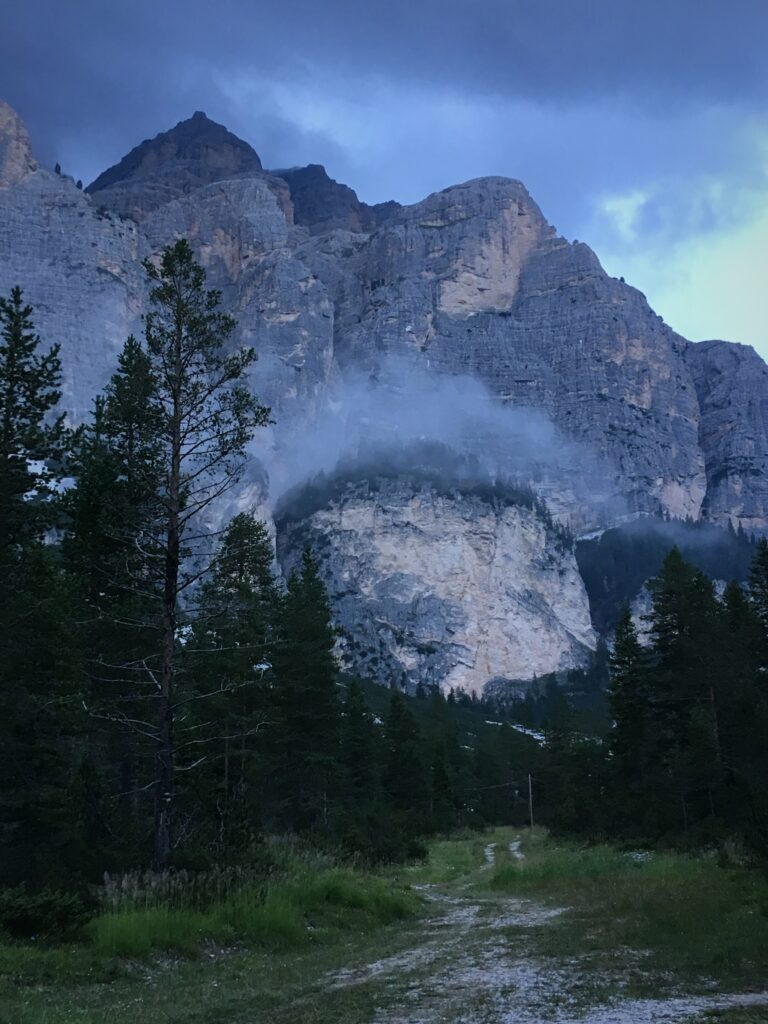
Or, more precisely, Linzertorte on top of the world
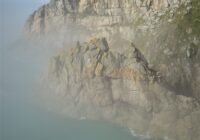
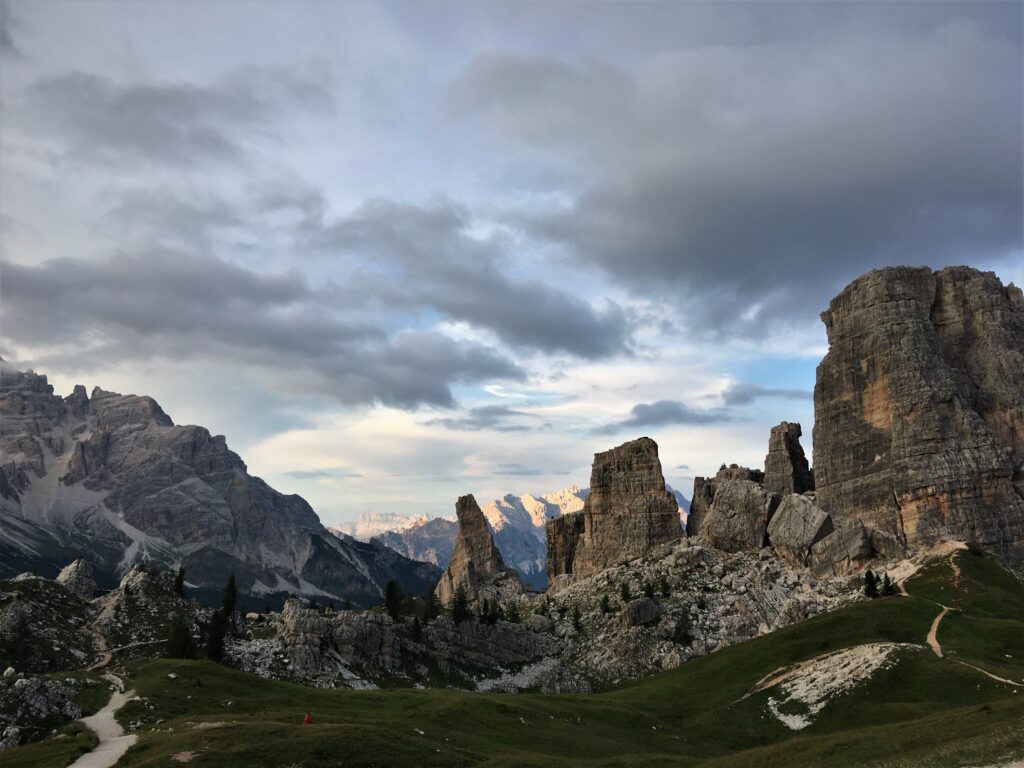
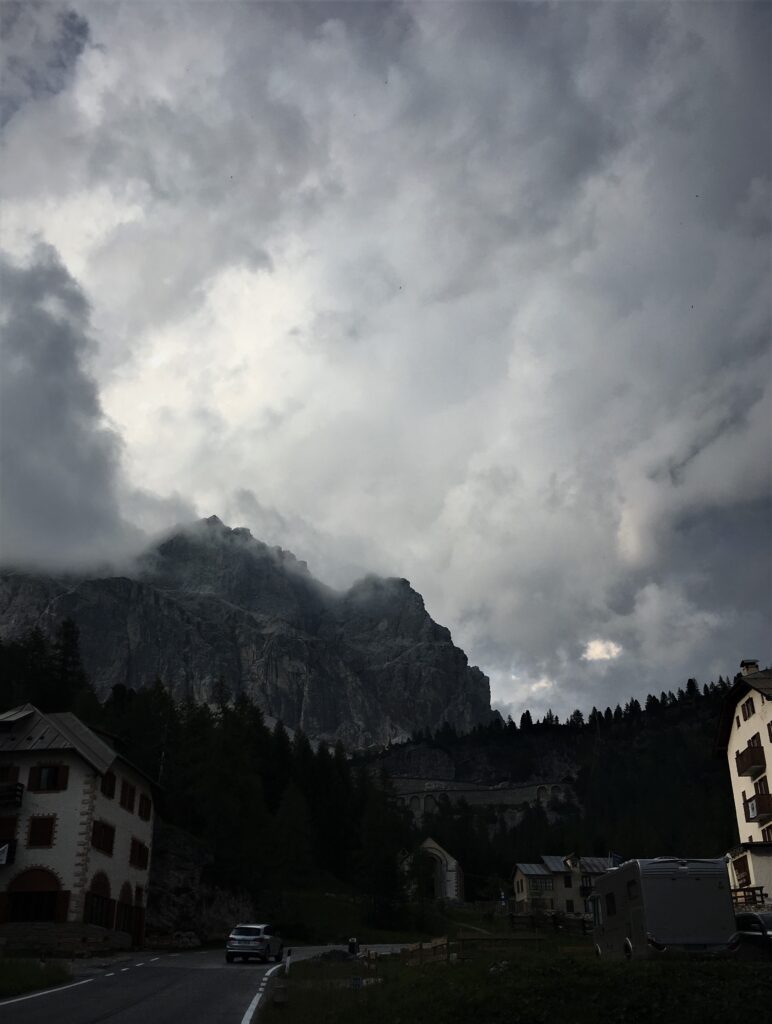
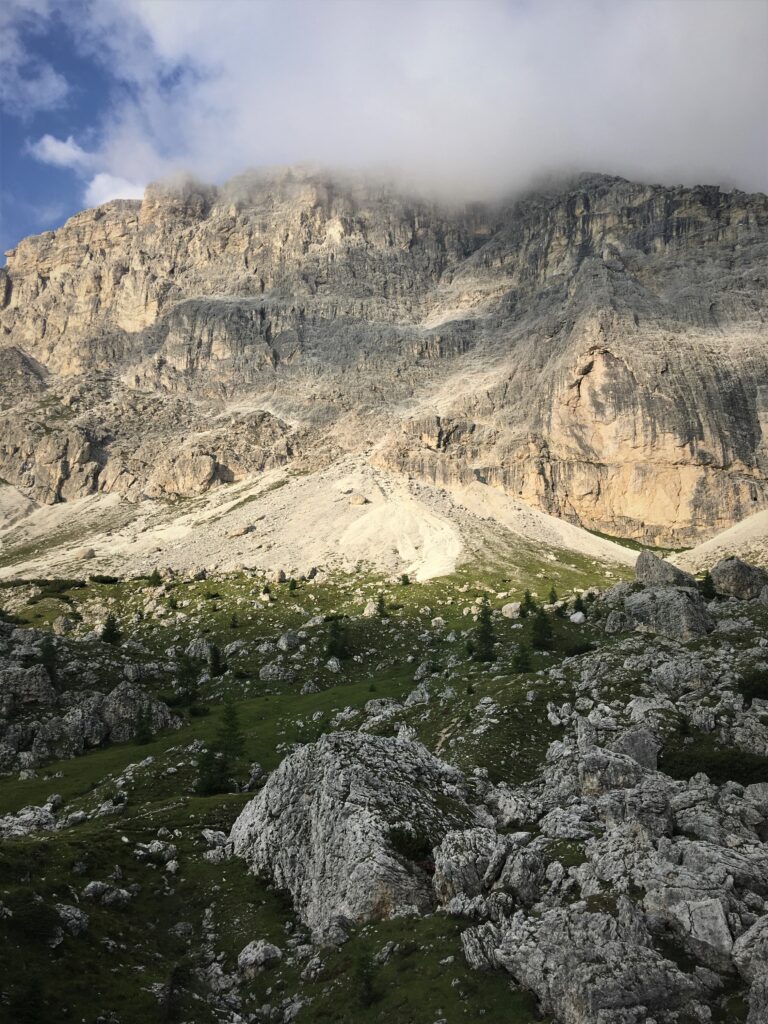
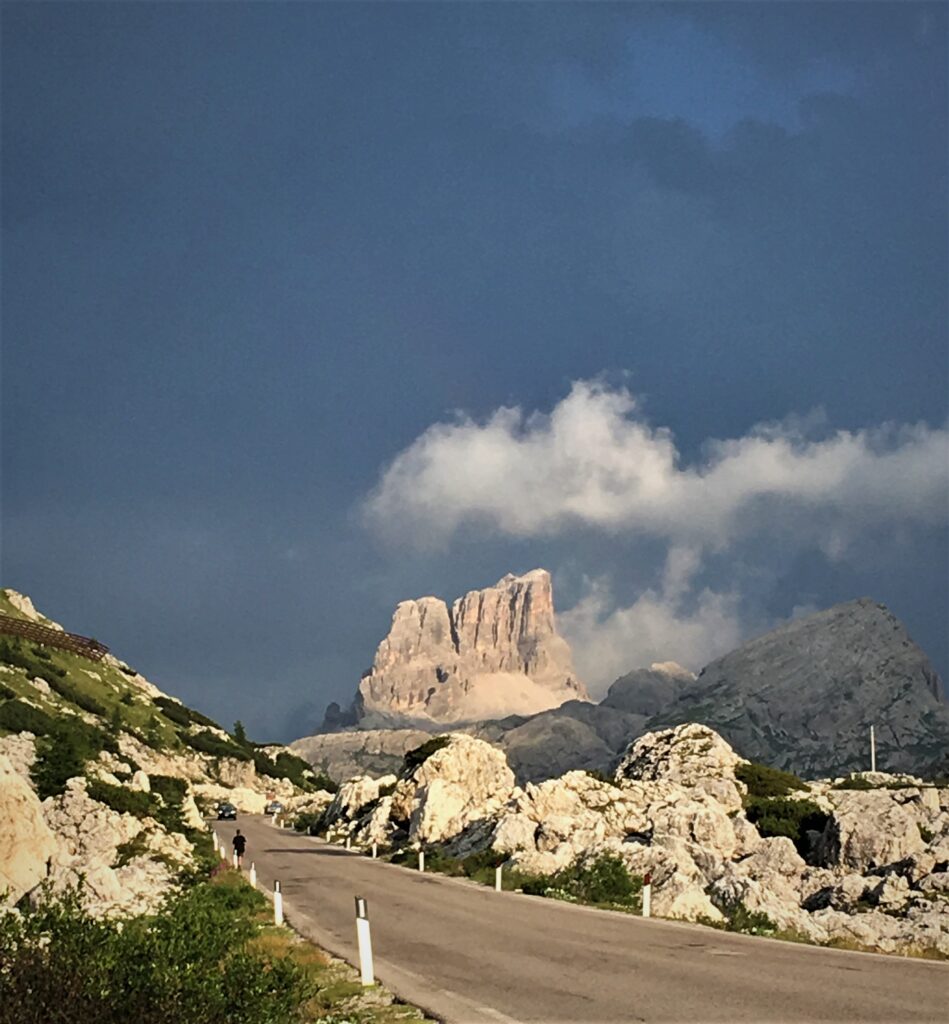
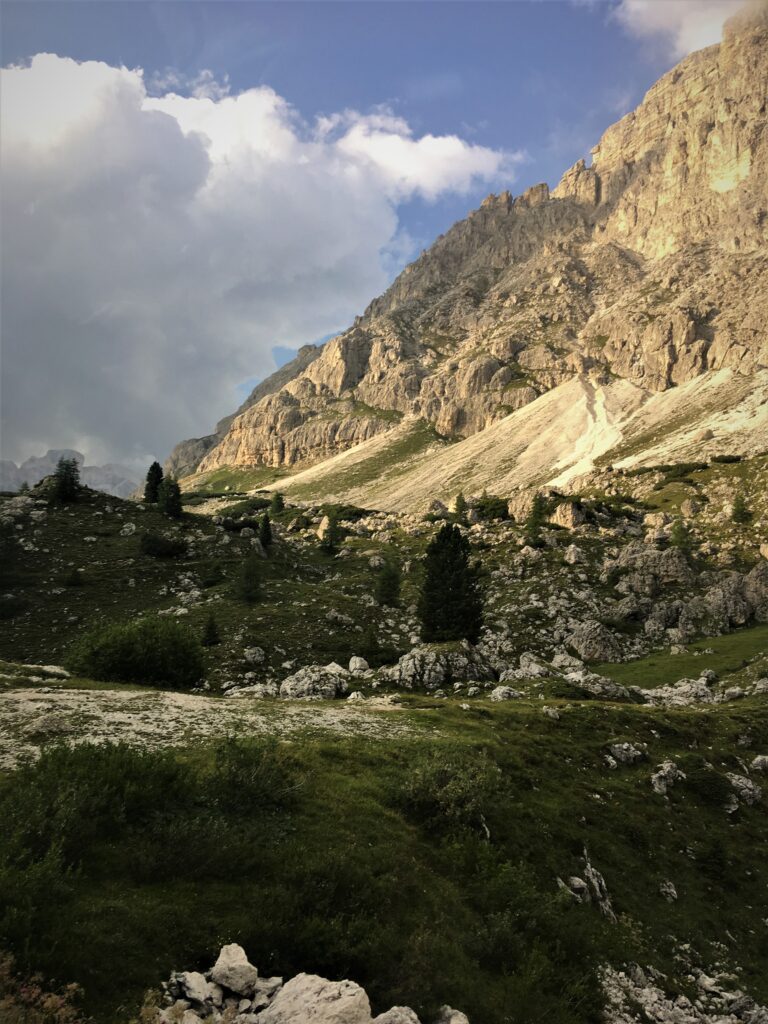
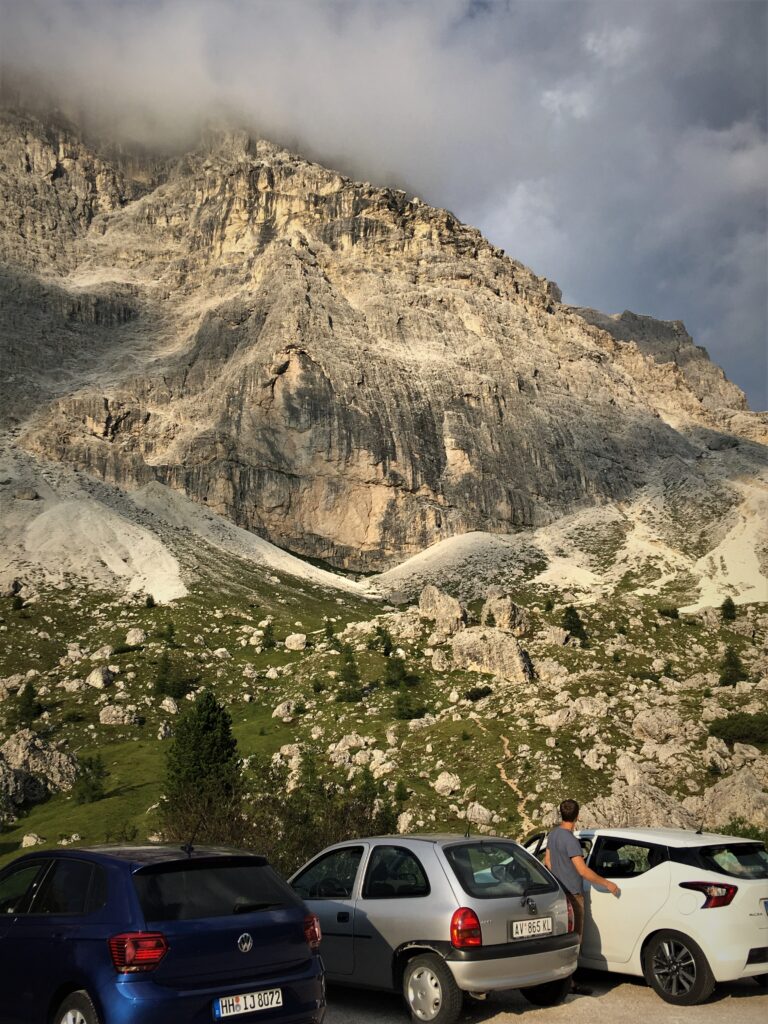
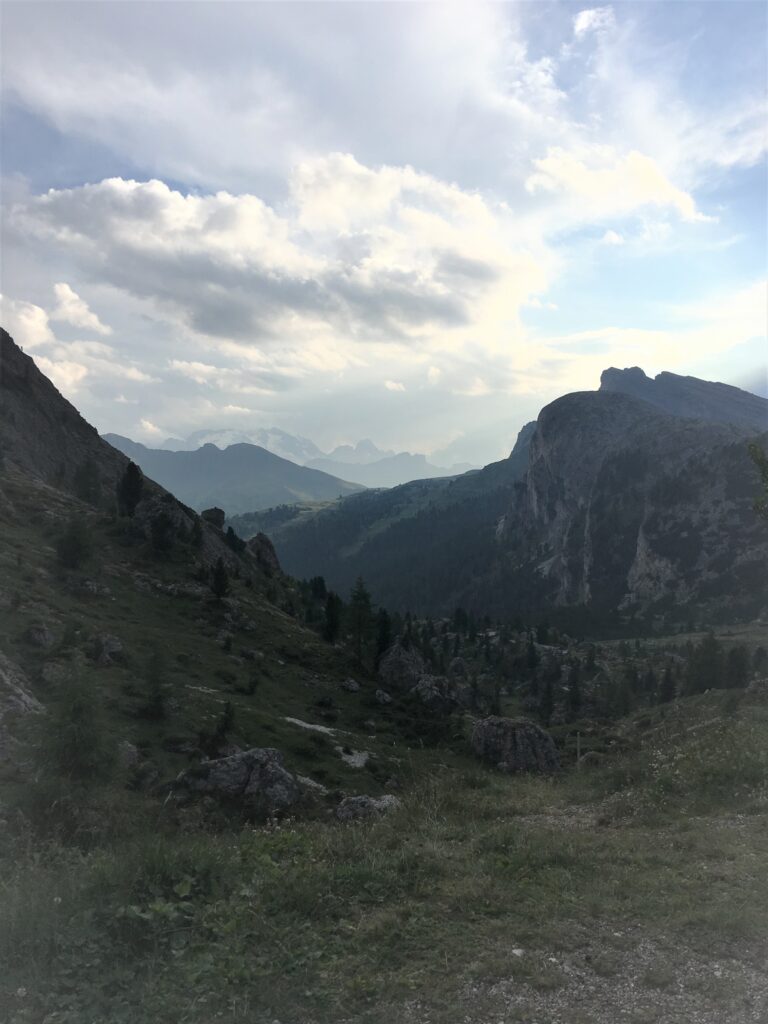
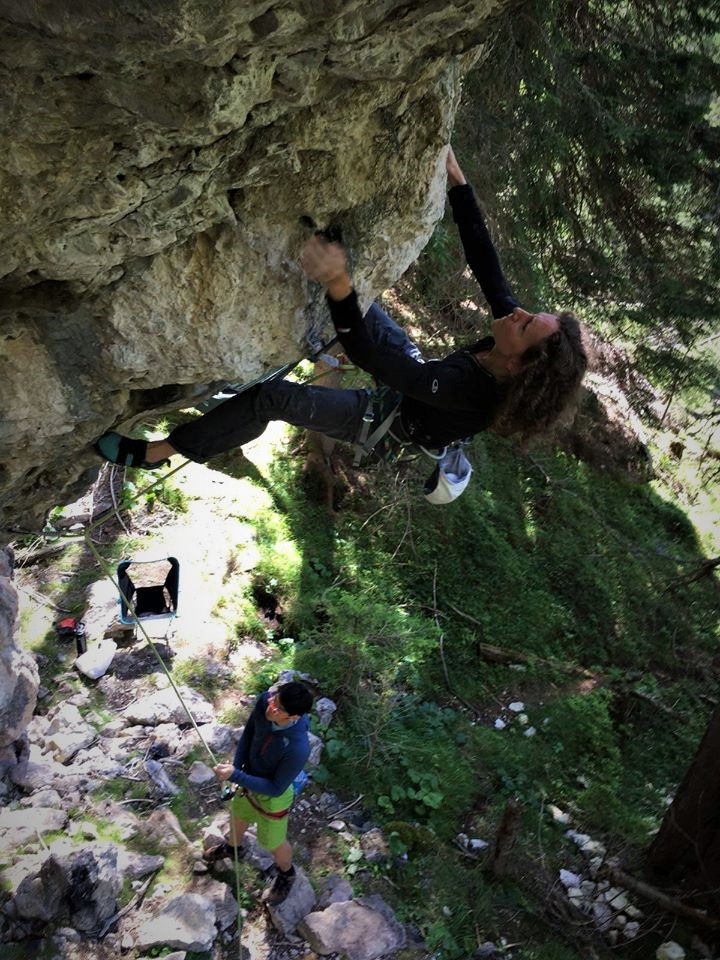
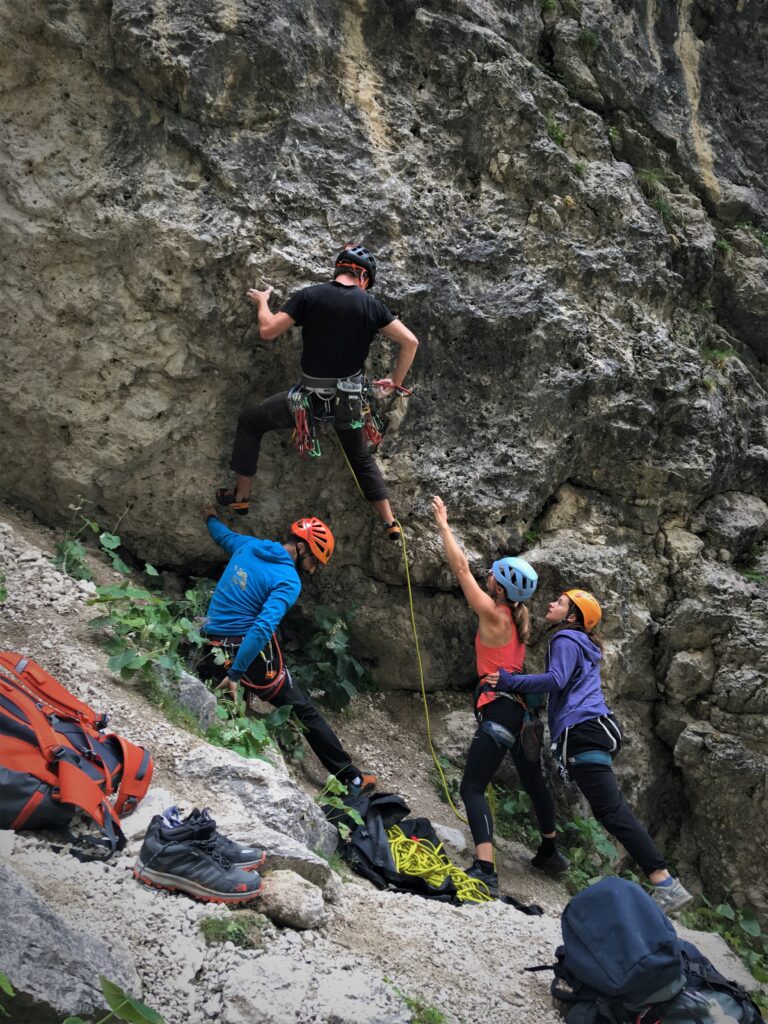
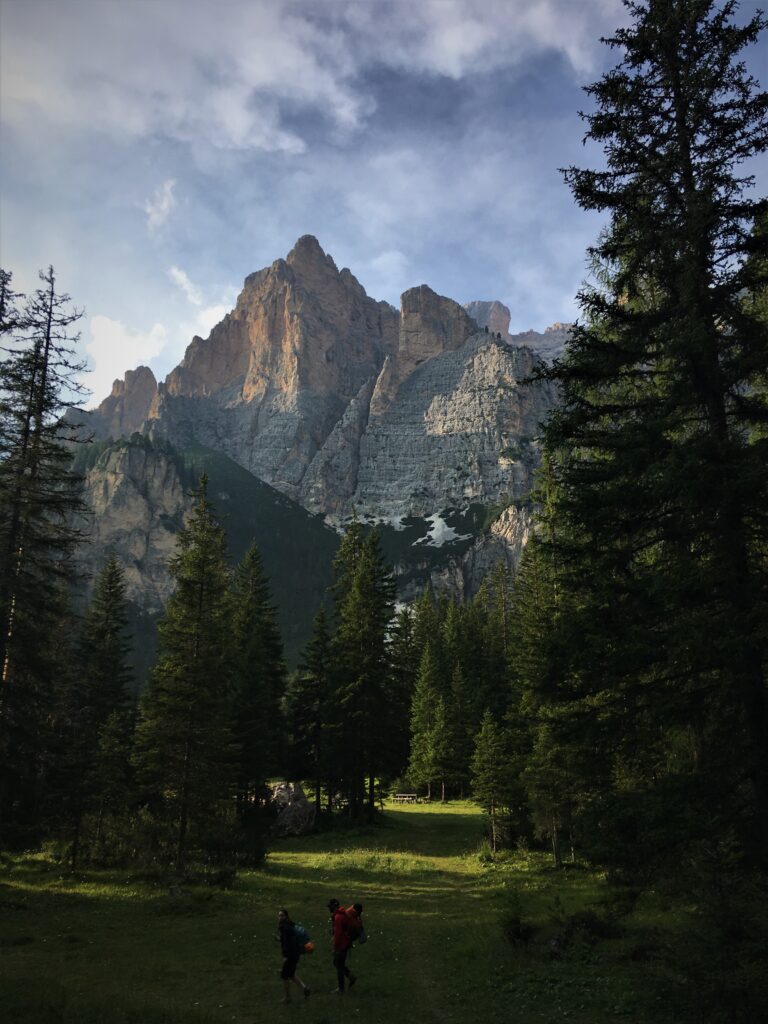
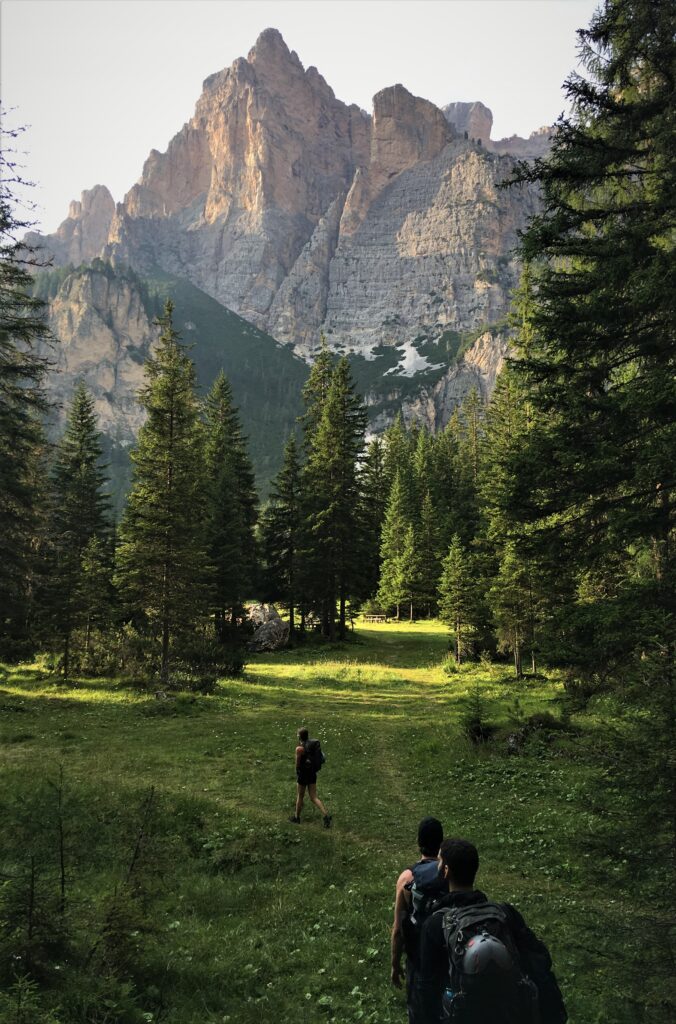
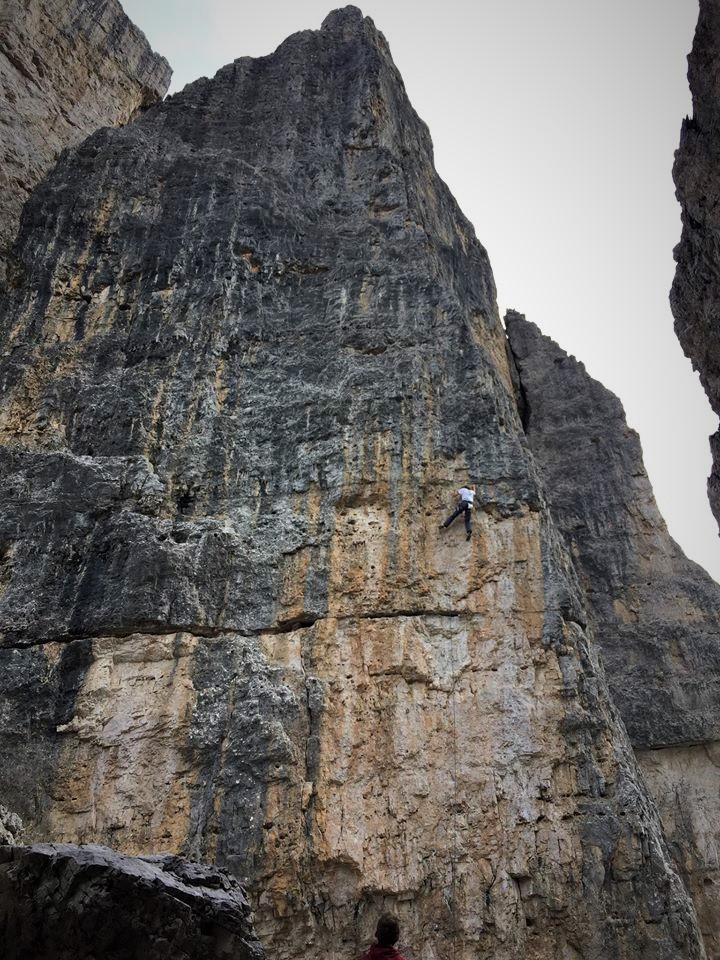
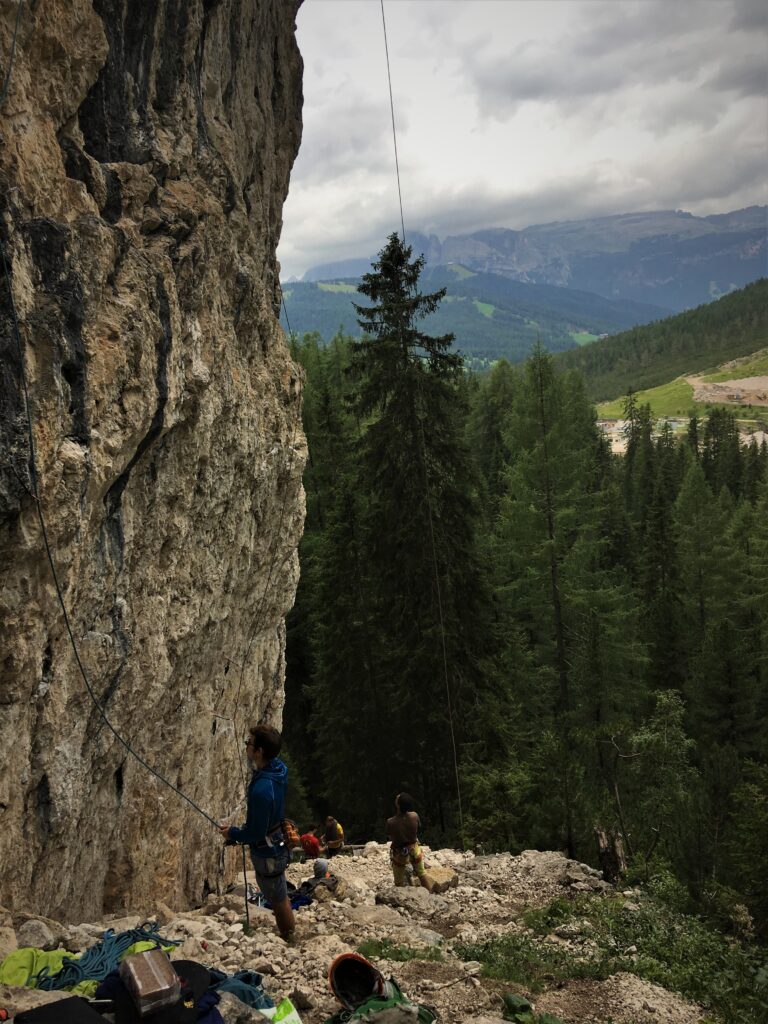
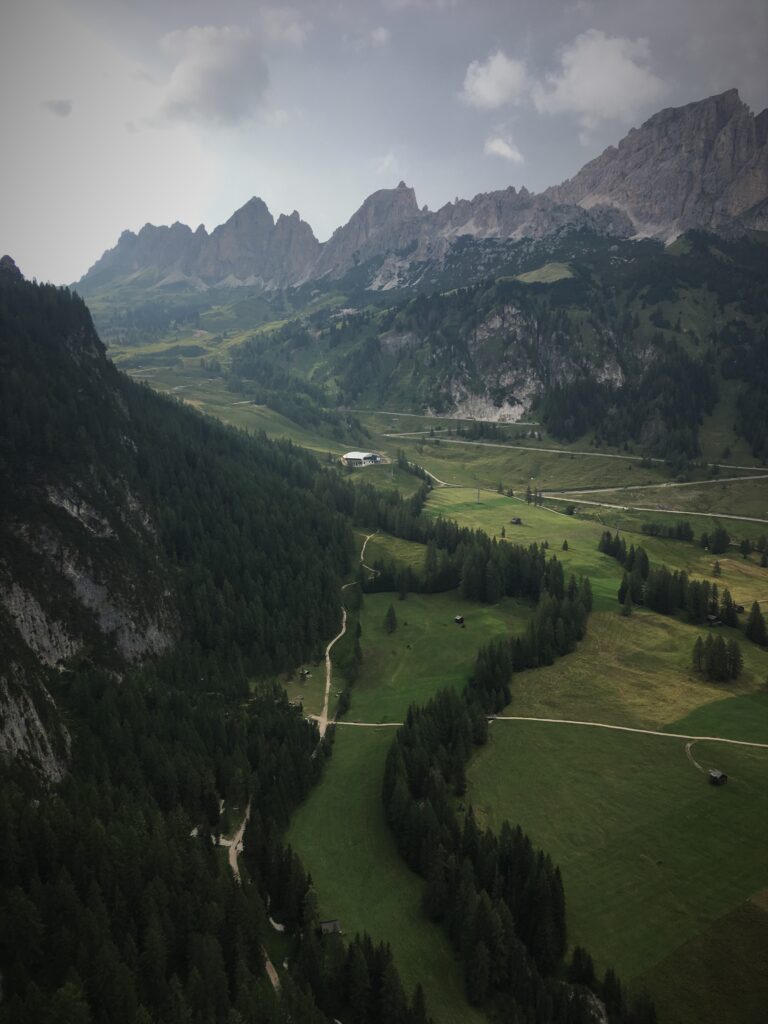
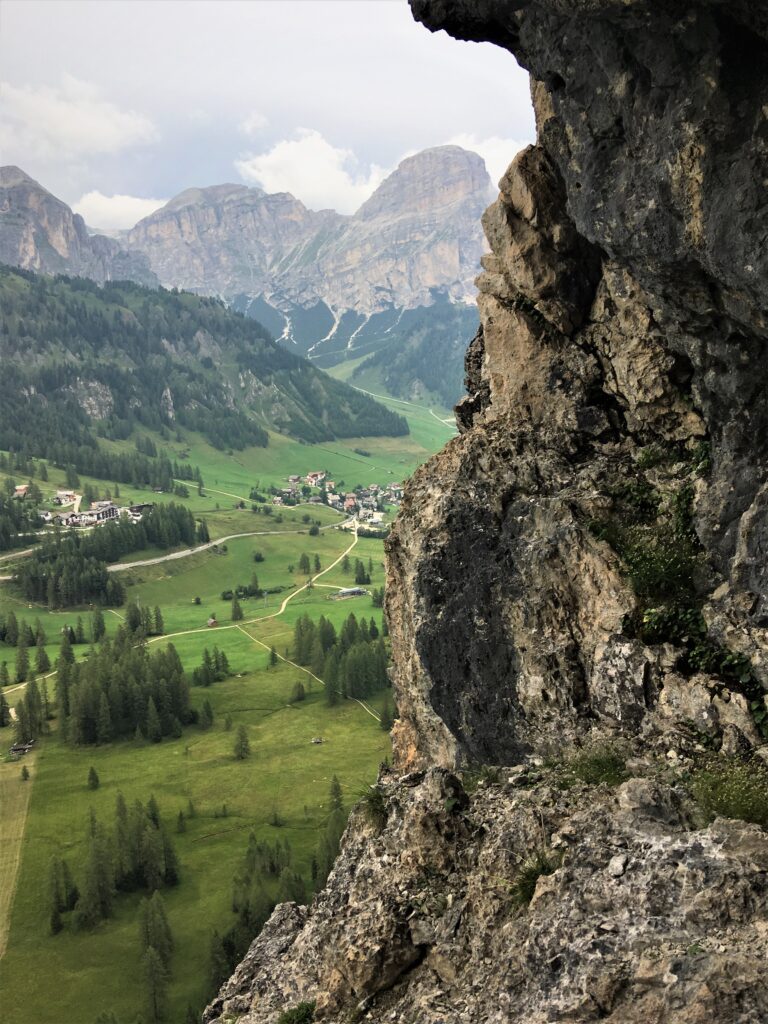
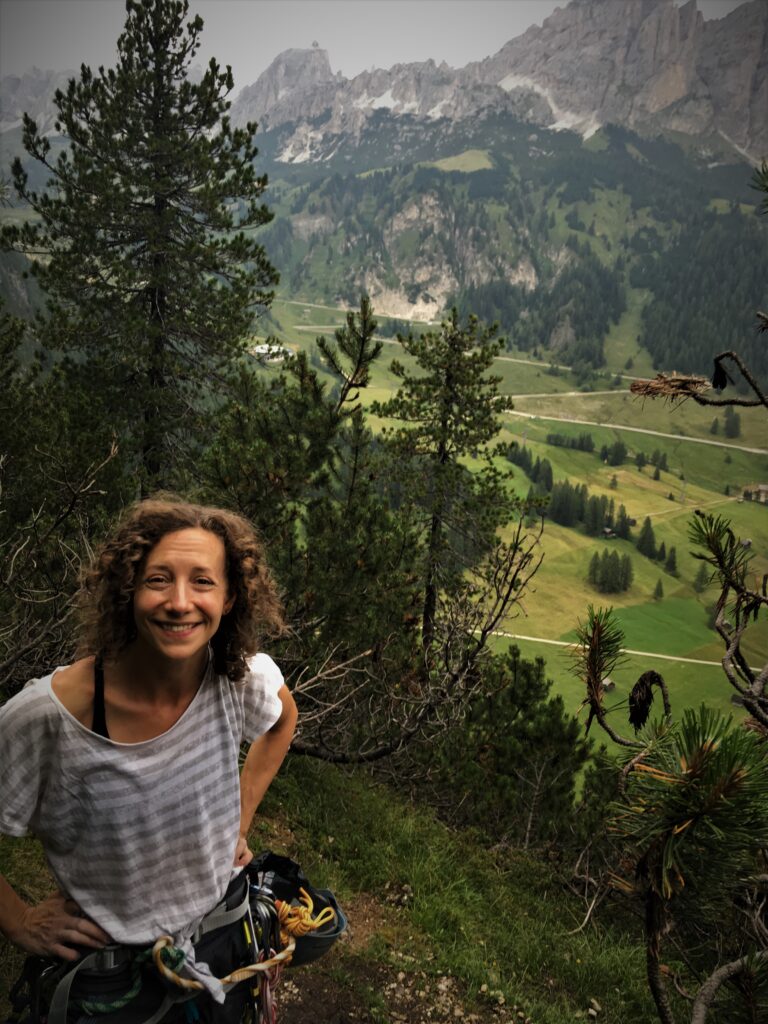
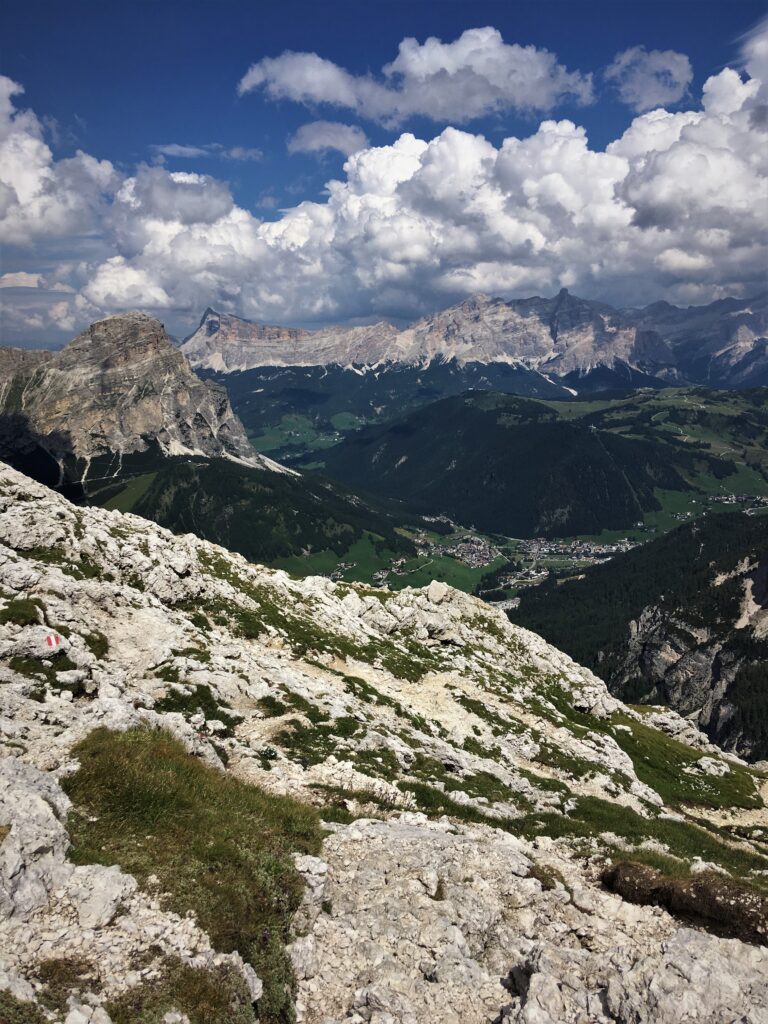
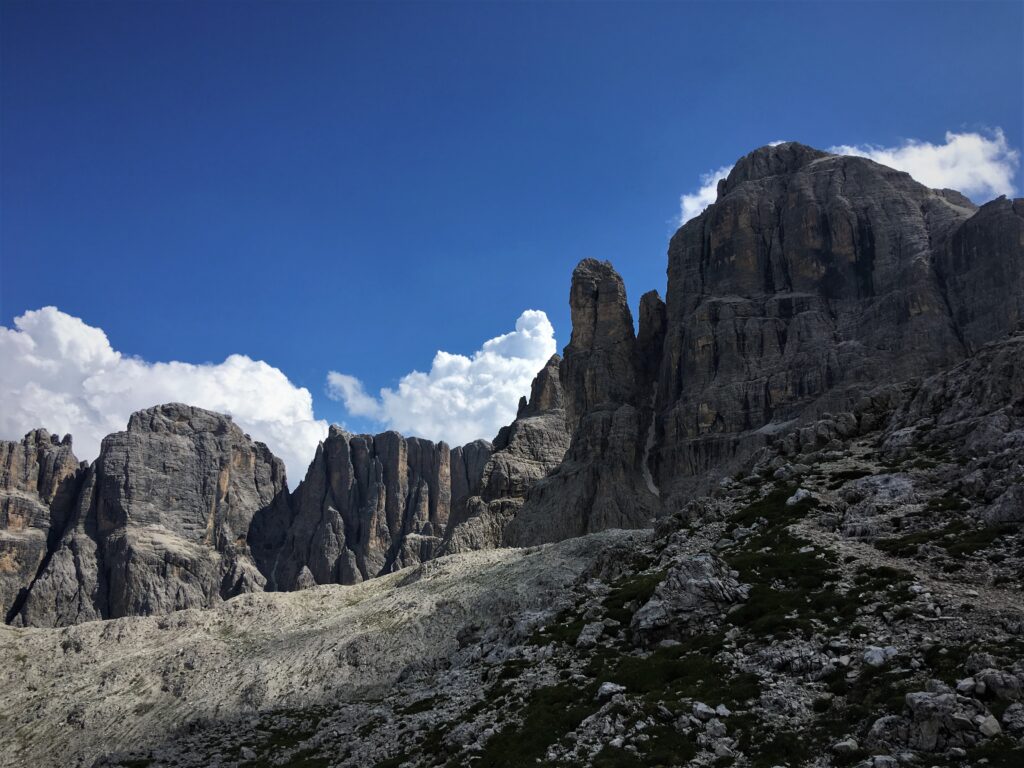
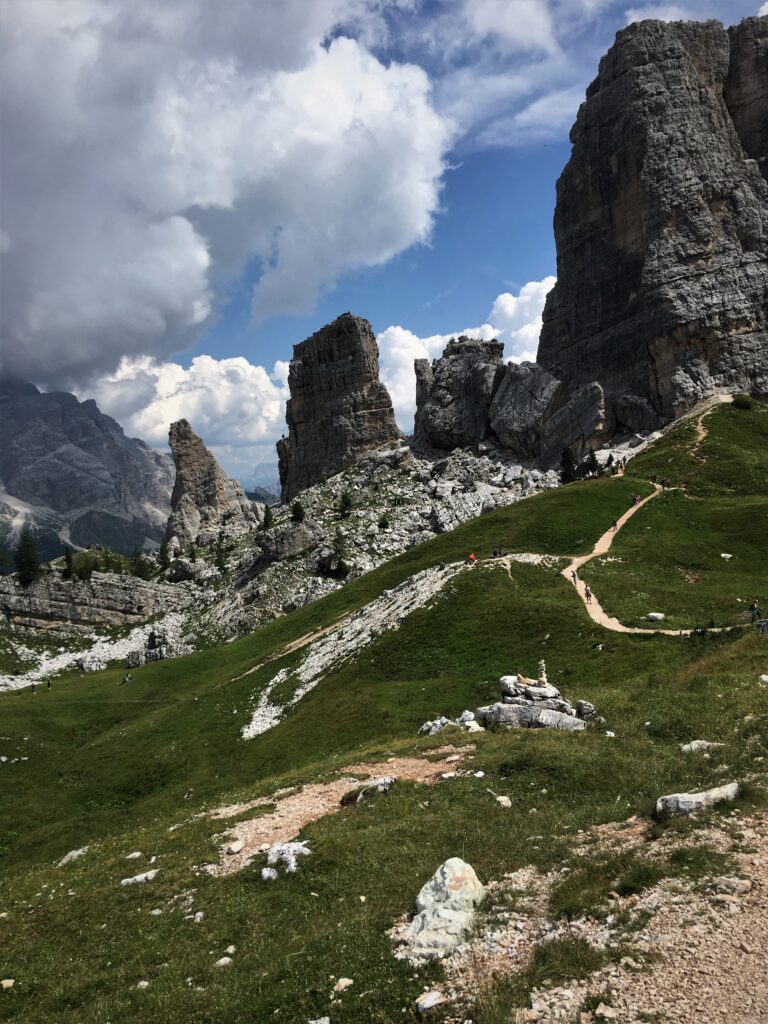
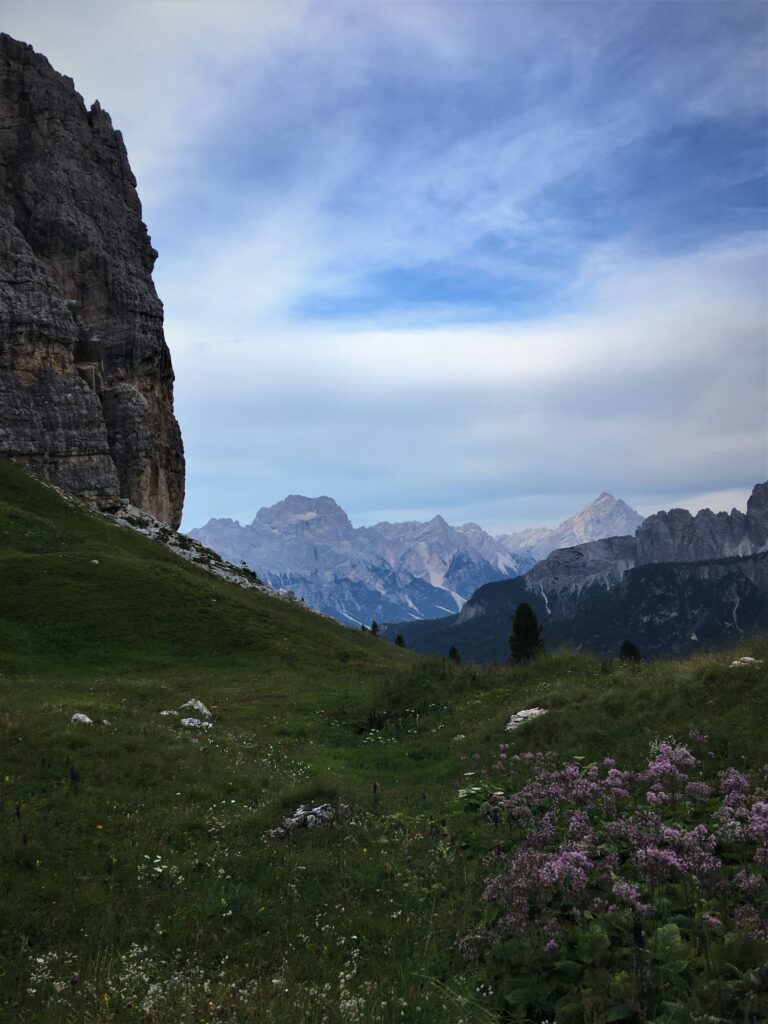
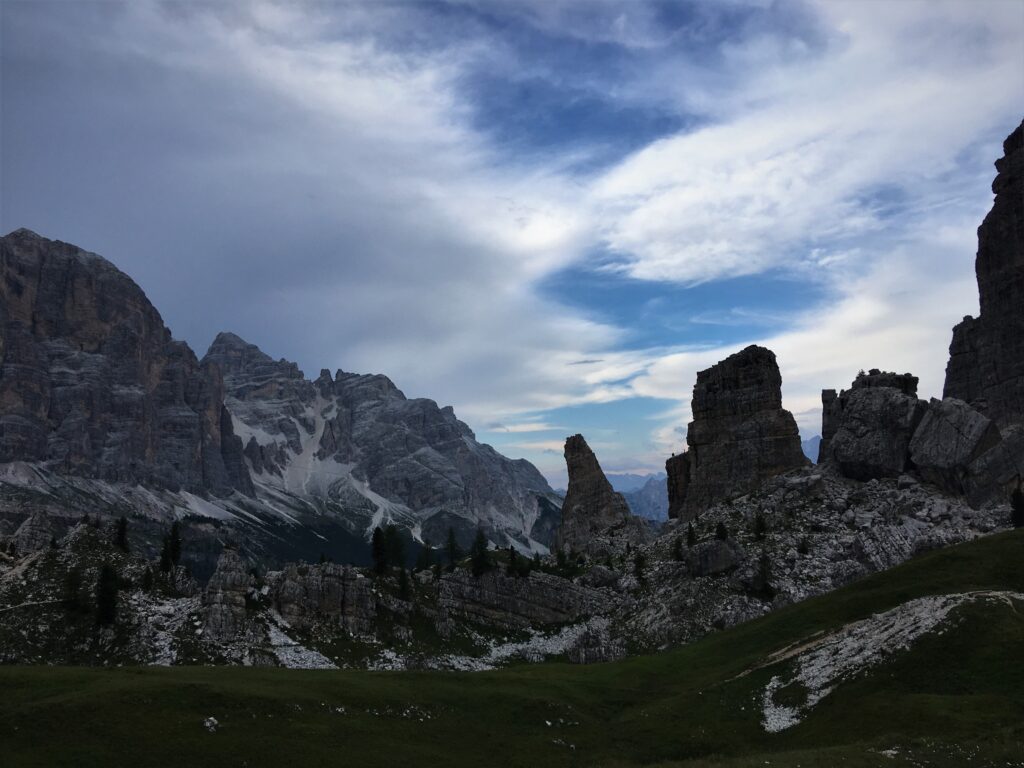
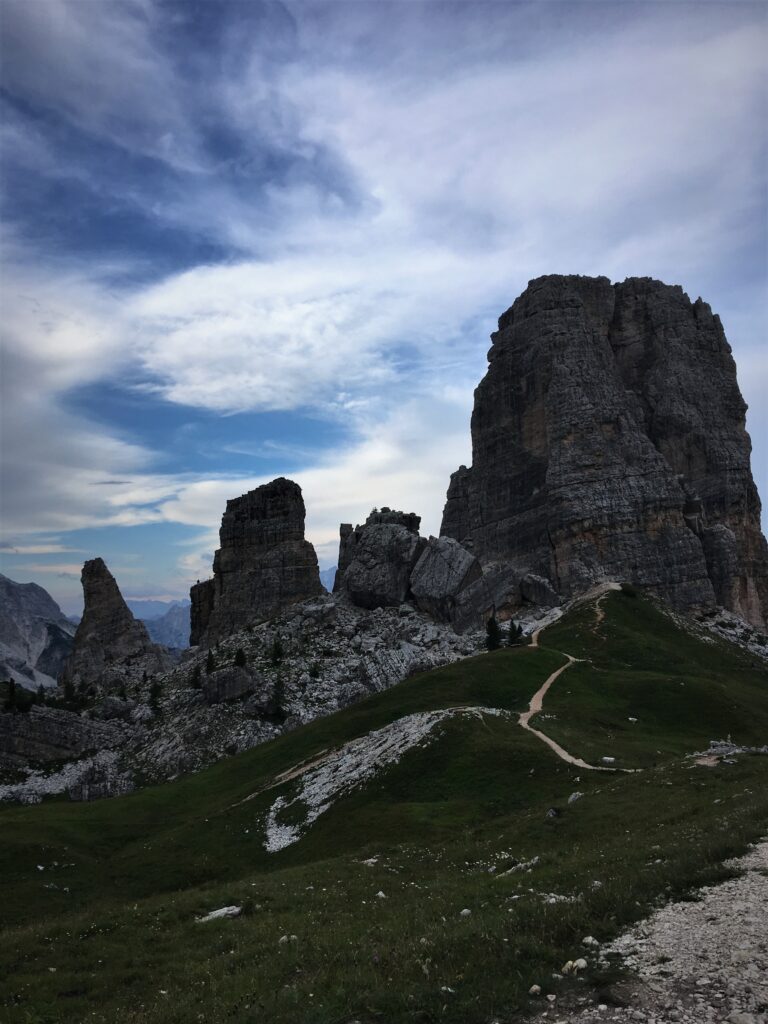
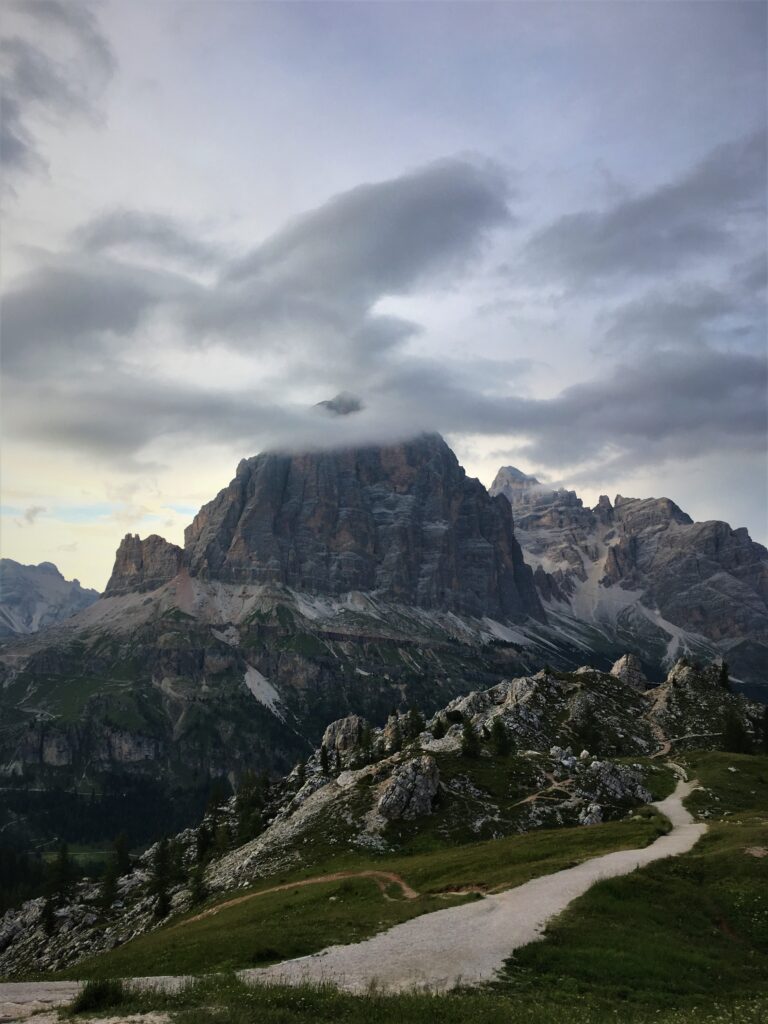
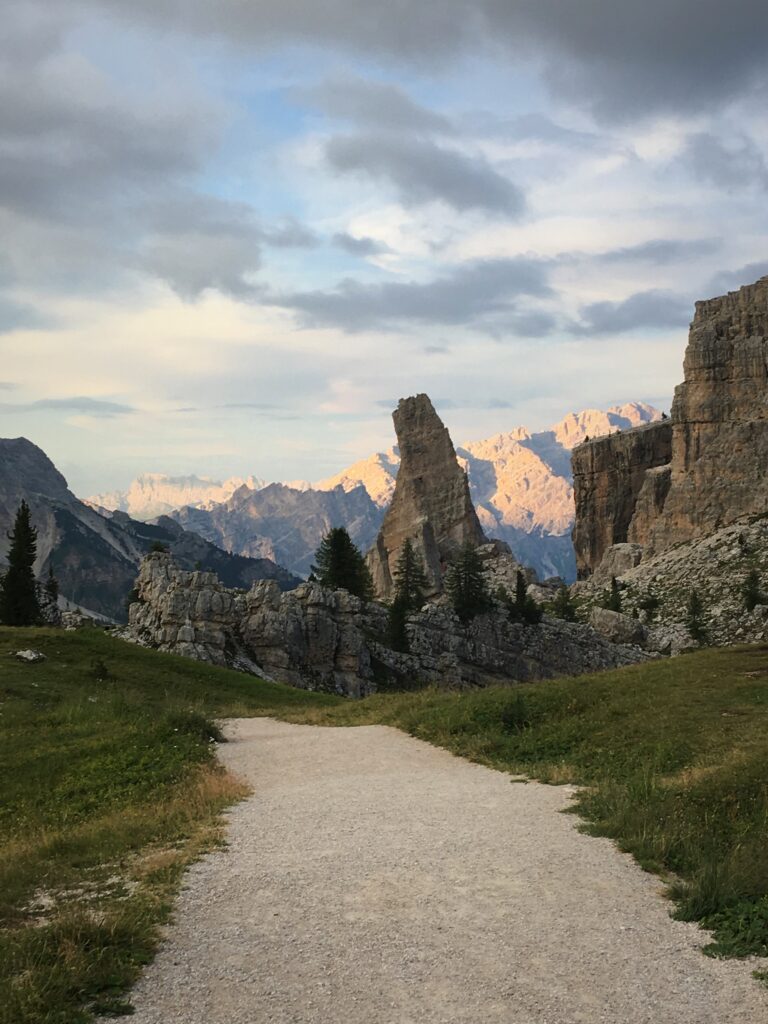
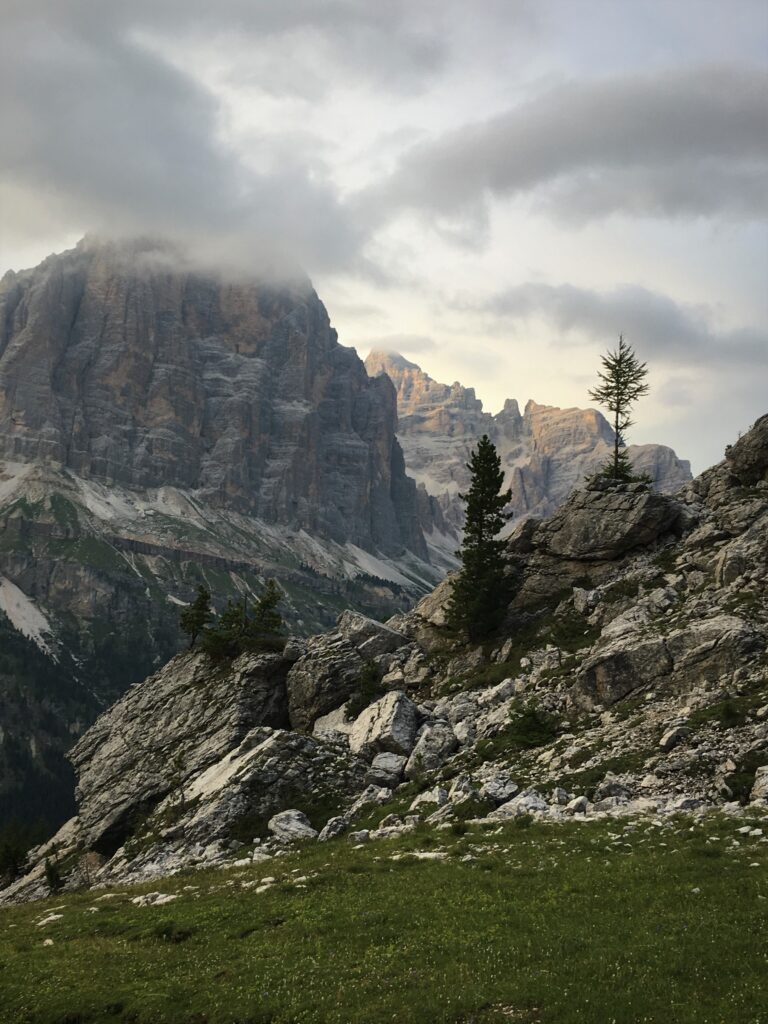
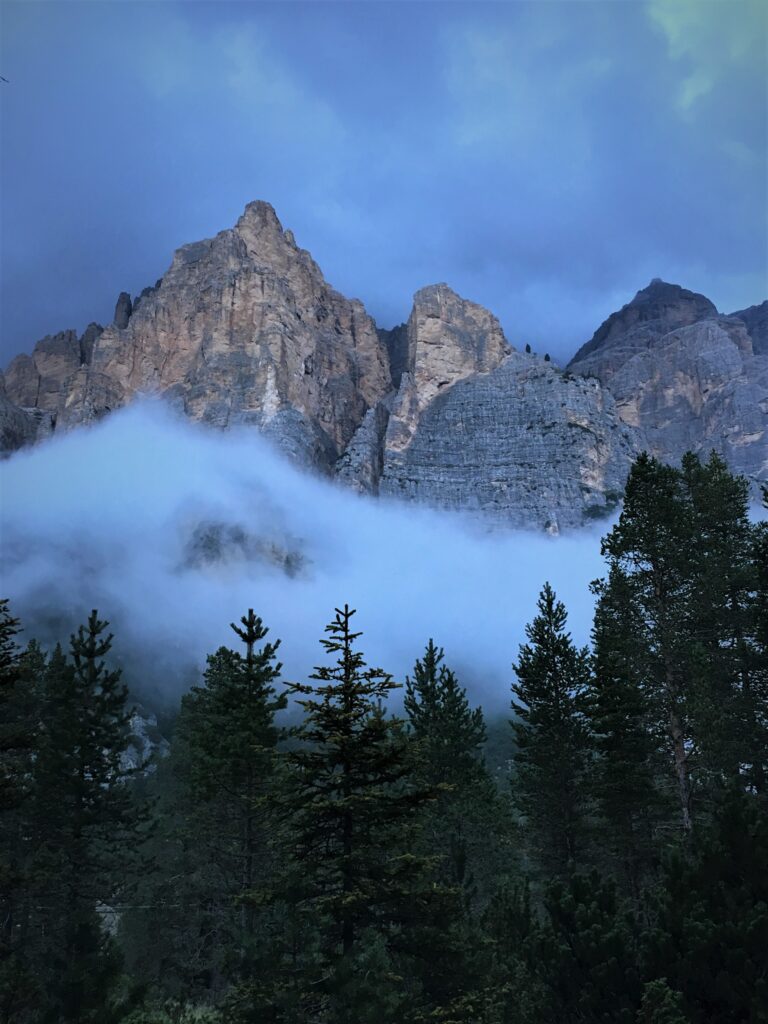
The mighty Dolomites. Vast, breathtaking, and there to be climbed. Well, sport-climbed, if you are me because I’m not a trad climber. Despite being told by my trad climbing pals (more than once) that there’s more than a lifetime’s worth of trad climbing to be had here, there is some pretty awesome sport too. Plus the views are still pretty epic, especially if you get on the multi-pitches. Mind you, the views are pretty epic just on the drive up from the airport, frankly and even at the campsite.
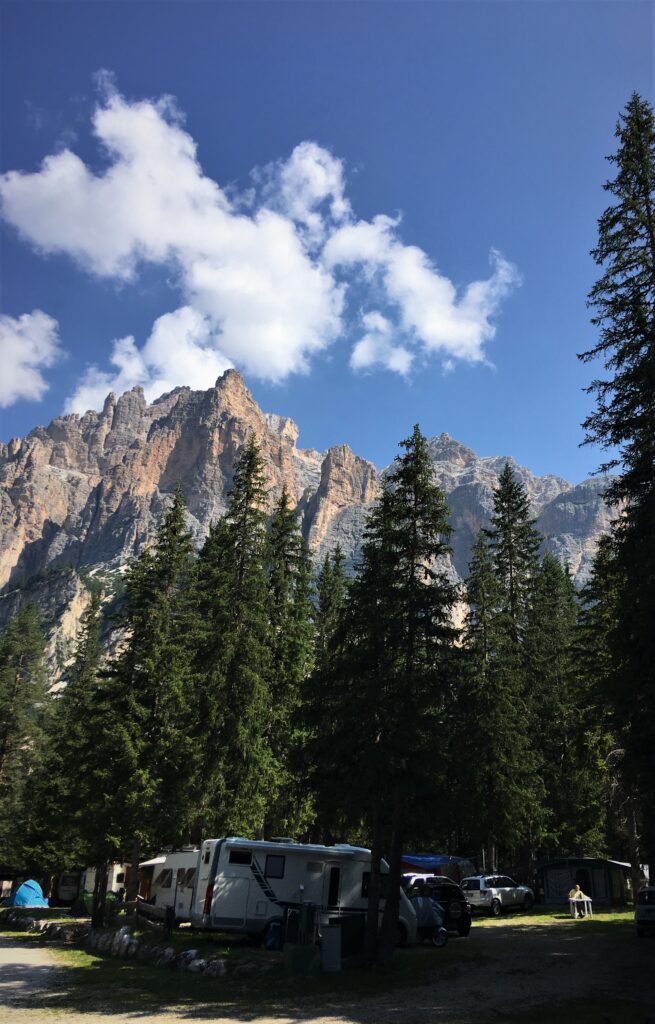
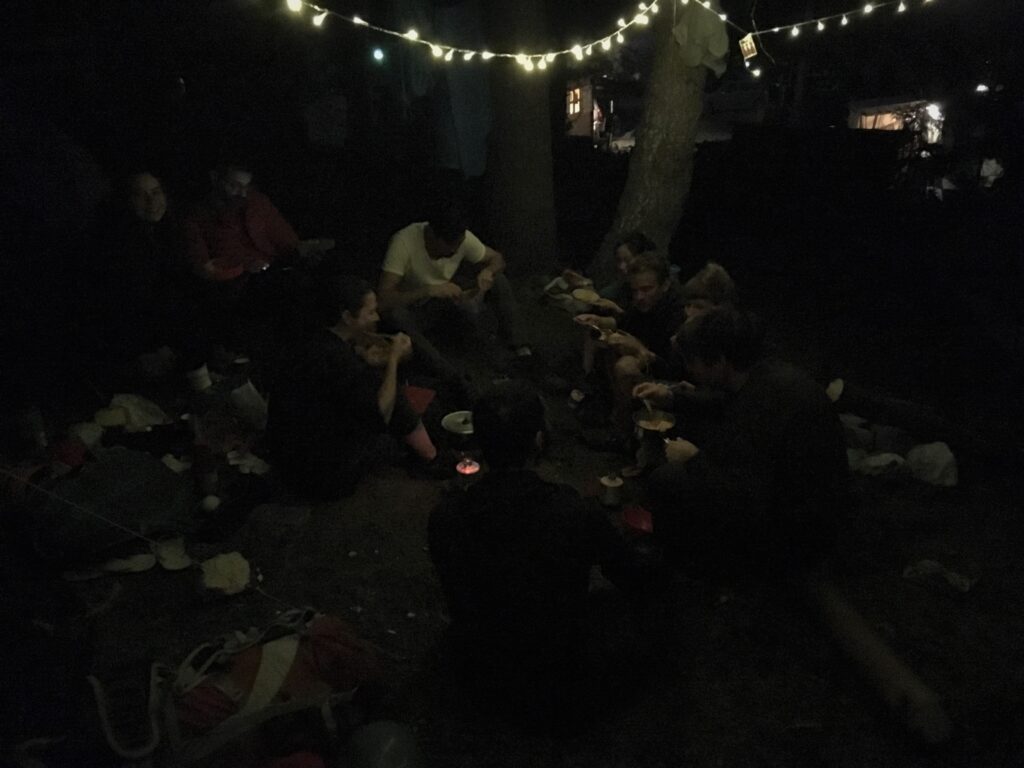
It’s rather lovely unzipping your tent to majestic mountains. Our camping spot was in Alta Badia (near Cortina) – the highest camping spot in the Dolomites offering pitches with a view and proximity to plenty of climbing. It was pretty well-appointed too in the way that European campsites are (it even had a spa (with a view)) and the little shop sold delicious caraway rye rolls (which I ate my fair share of). If you aren’t into climbing then (why not?) there’s also a lifetime’s worth of hiking to be had here too and while it’s a bit odd seeing chalets, ski lifts, ski runs etc out of season and bereft of snow, it’s also a treat to see what lies beneath the white blankets of wintertime.
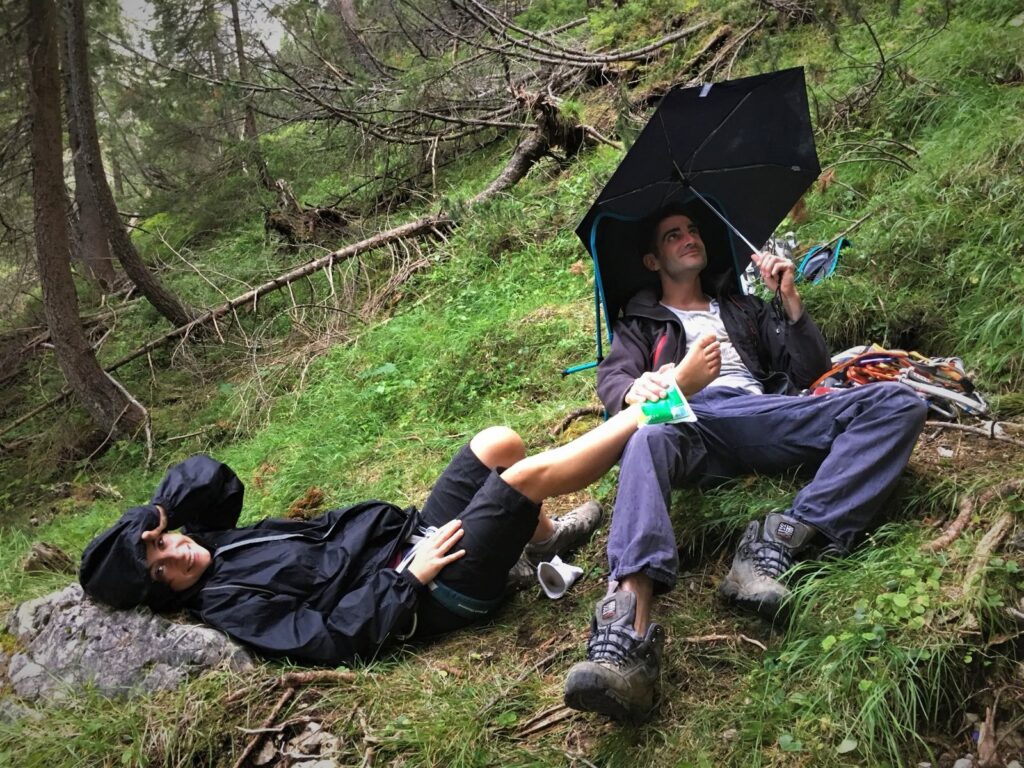
The climbing was super enjoyable and just on the right side of challenging (or maybe I was eating too many caraway rolls). What was more memorable, however (apart from a pretty gnarly descent off a multi-pitch down a black run during a thunderstorm) was the via ferrata. The Dolomites is a destination location for this kind of caper and was to offer my second ferrata foray. This wasn’t without trepidation. My ferrata cherry had been the alarmingly holey (but stunning nonetheless) caminito del rey ventured across on a climbing trip to El Chorro. Super-sketchy and somewhat heart in the mouth in certain spots; they’ve since mended it.
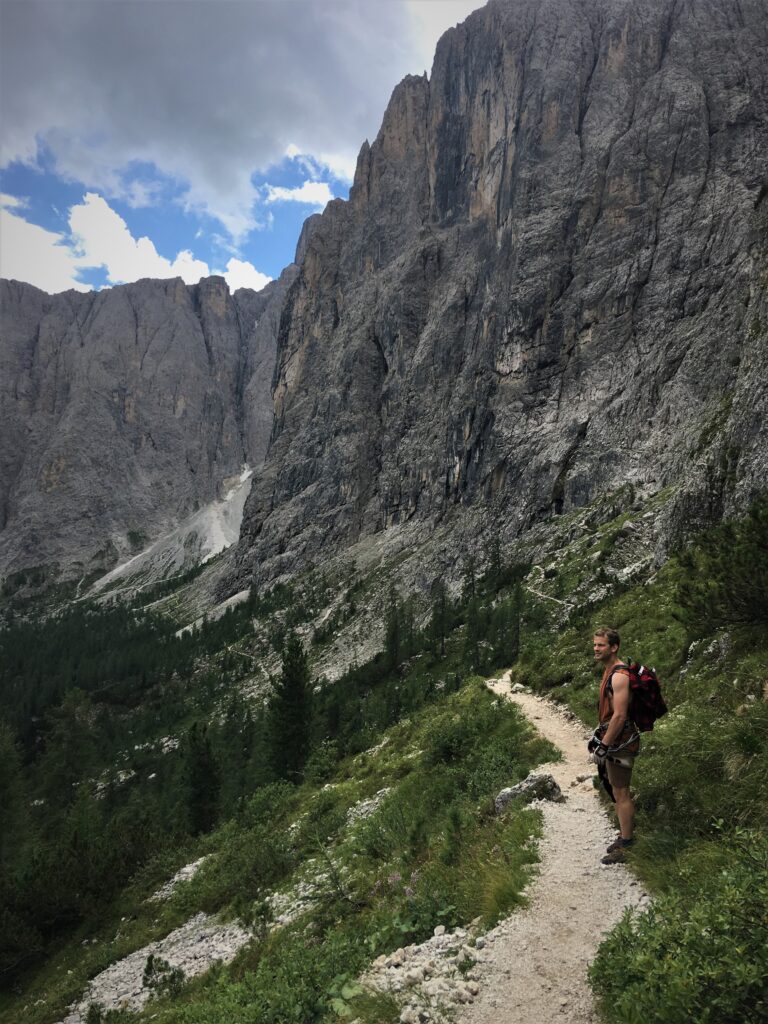
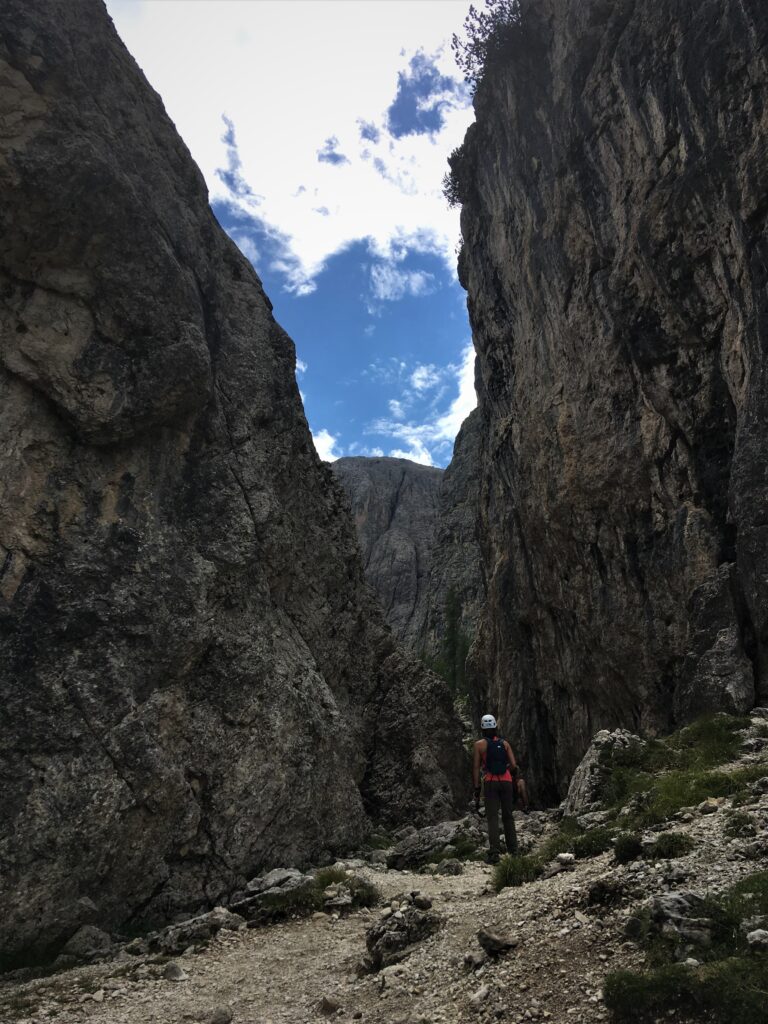
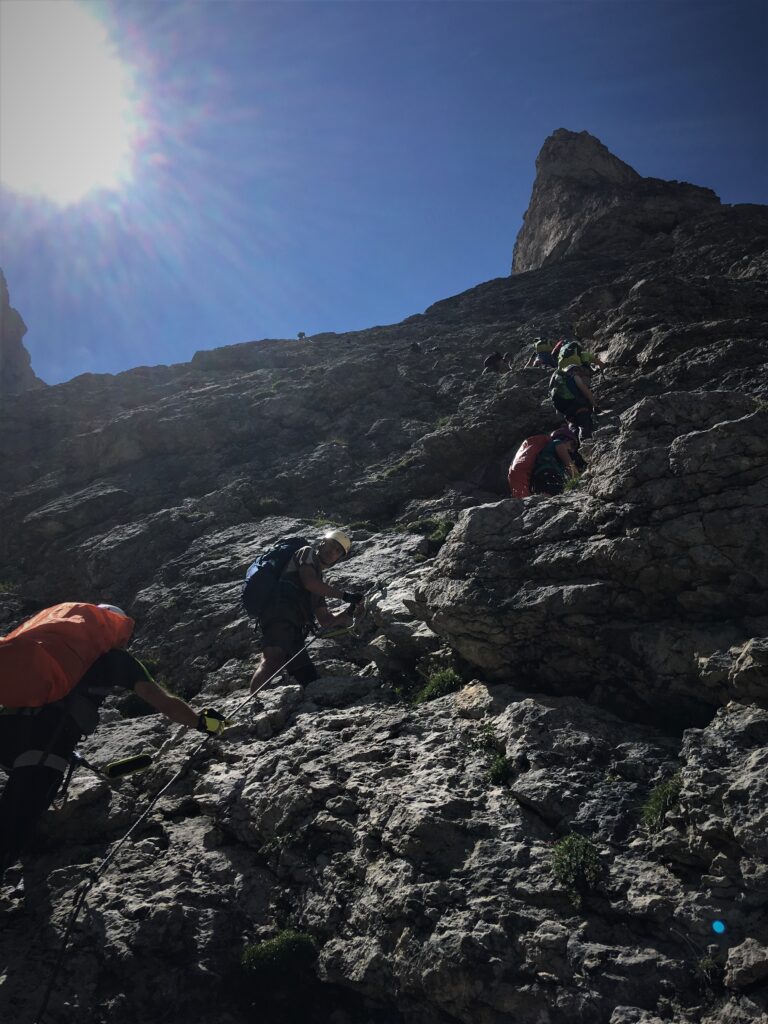
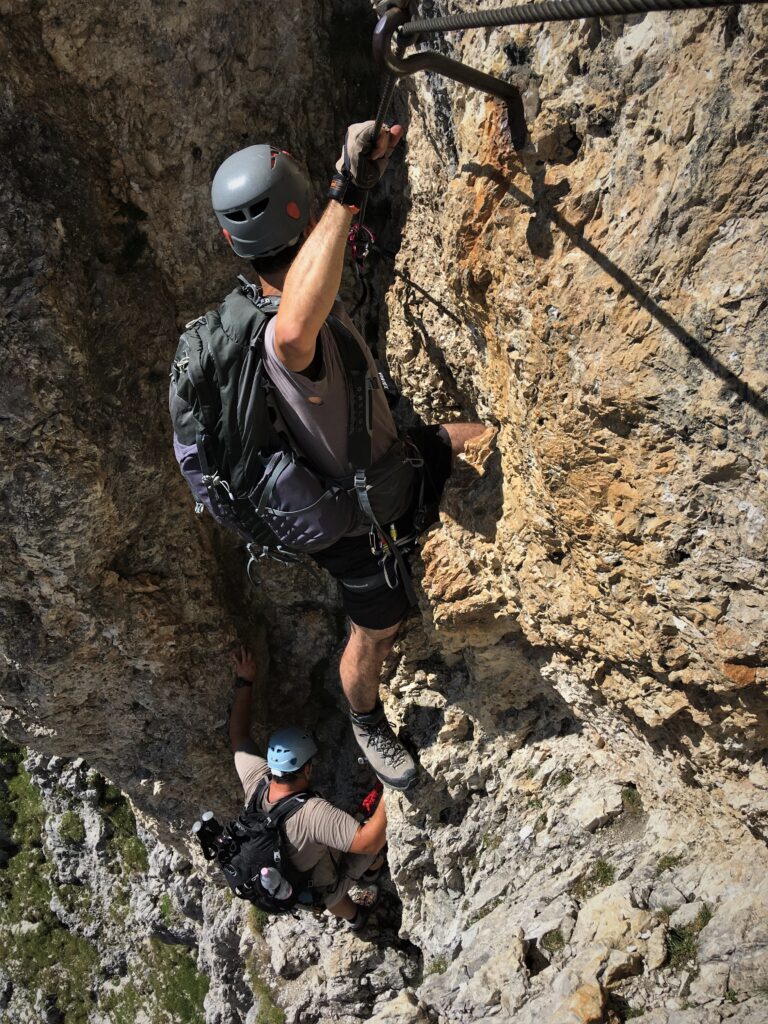
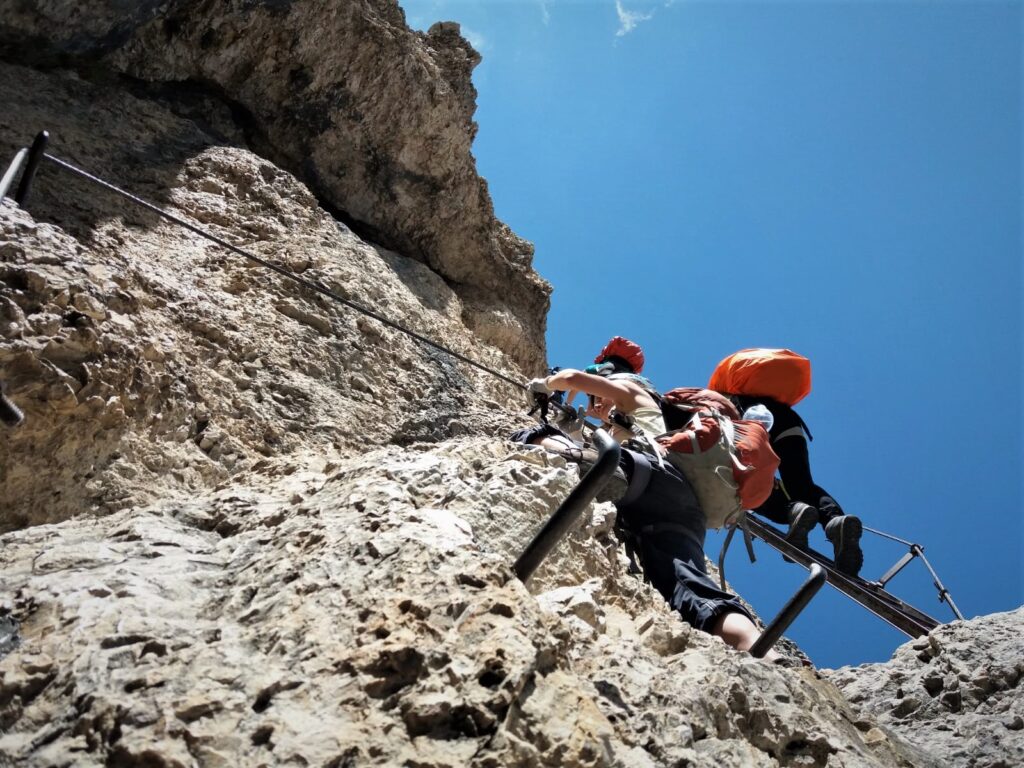
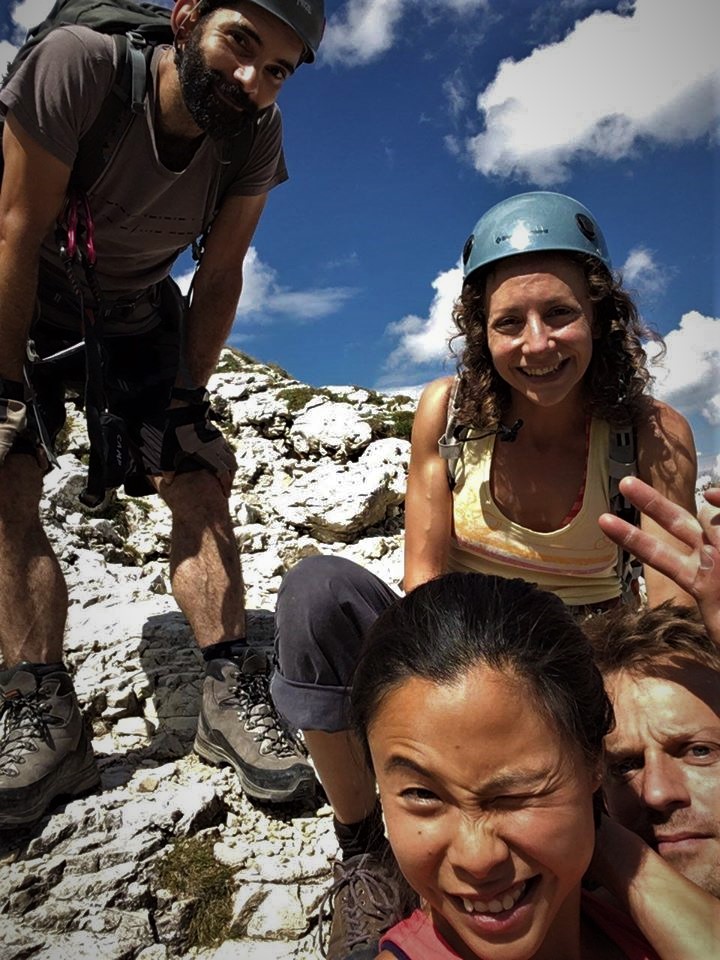
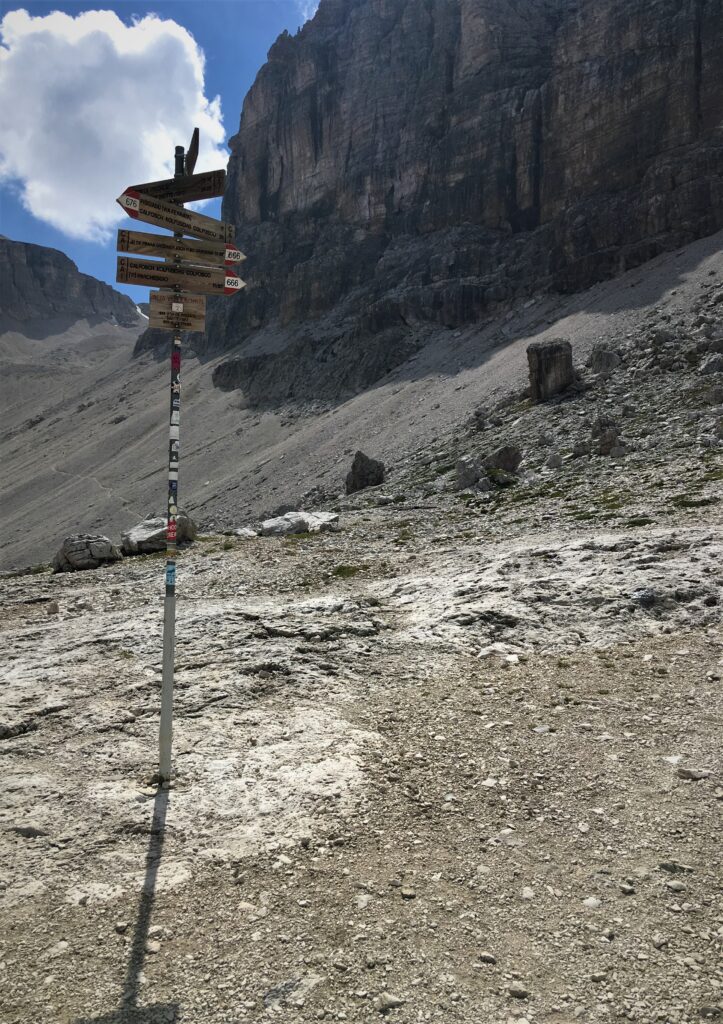
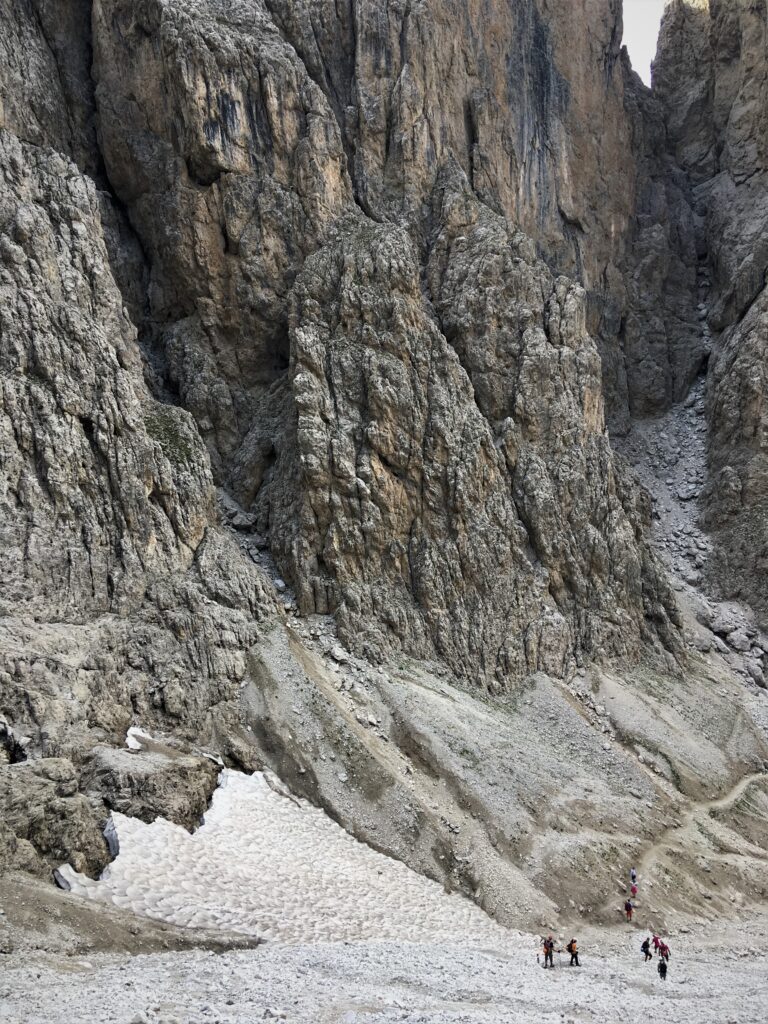
So it is that on your rest days (it’s not a rest) from climbing you get up early (not a rest) to avoid the crowds, check the weather, kit yourself out and… go climbing. The kit is similar to climbing: harness, helmet, gloves, cojones but, most importantly, you need the correct kinetic lanyard (never use standard climbing slings/biners – the lanyard is designed to take the high energy of a via ferrata fall). It’s a different kind of climbing, however. Via a series of fixed rungs, ladders, wires and bridges (and often unappealingly large gaps) you go from being beneath the looming mountains to being all up inside them and then almost up on top. It’s like discovering a hidden world up in the clouds.
Vie ferrate (“iron road”) can be found in many sites across Europe. They were originally built in the Dolomites to facilitate alpine military manoeuvres during WW1 following the loss of thousands of men in this region not just in battle but also to cold exposure, falls and avalanches. Fixing permanent lines and ladders to the rock face expedited safe and efficient movement of men and equipment through the mountains. These were the first vie ferrate in Italy. Nowadays via ferrata is a tourist attraction but it’s not for everyone and some of the routes are pretty hairy. For further info, click here.
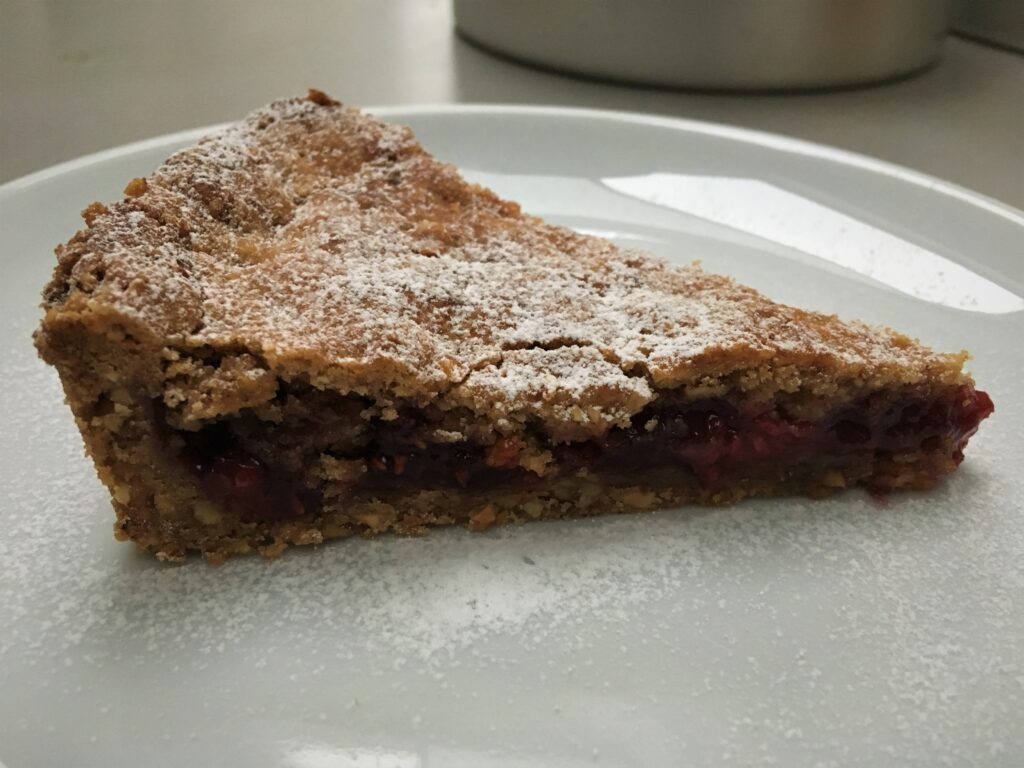
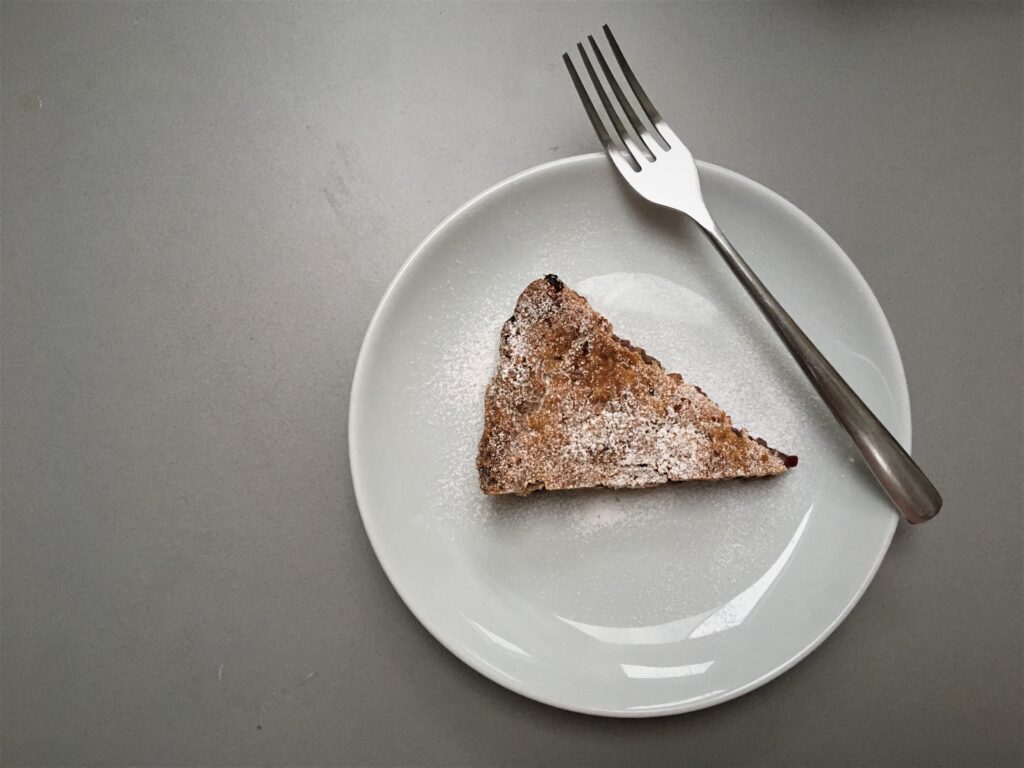
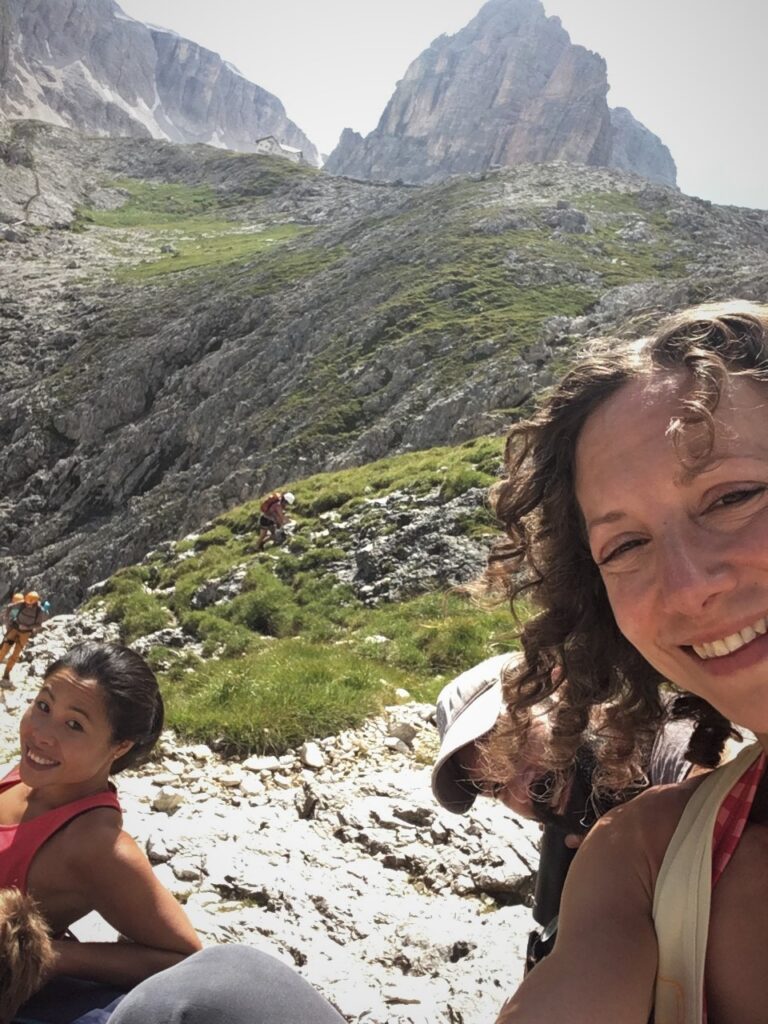
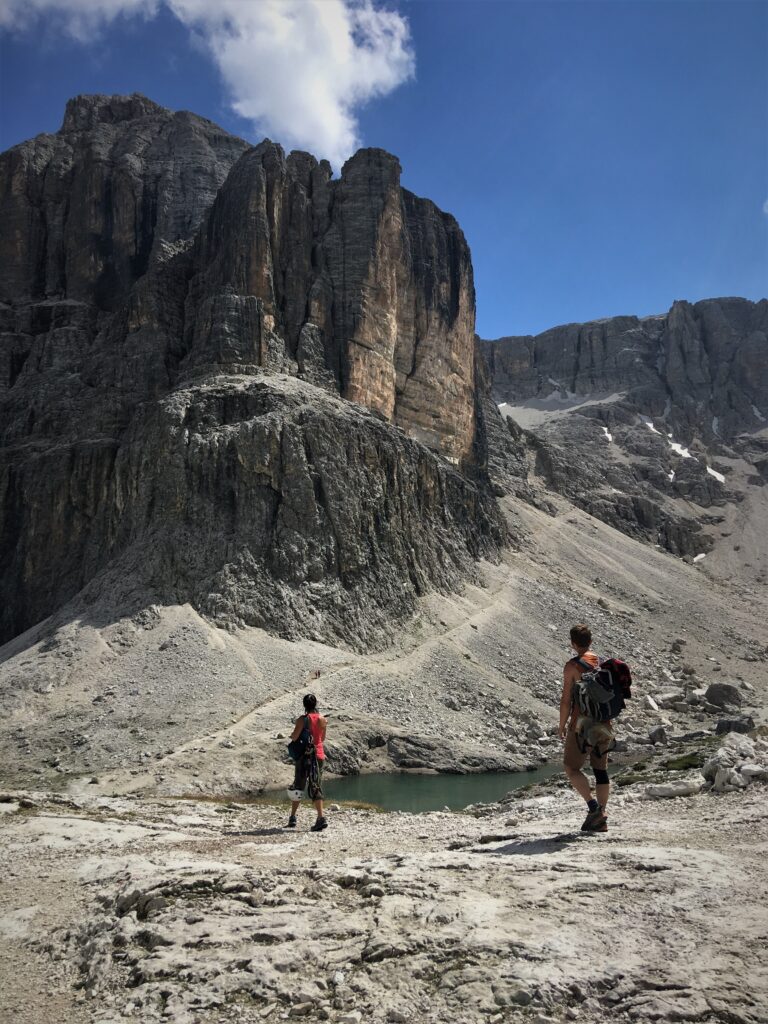
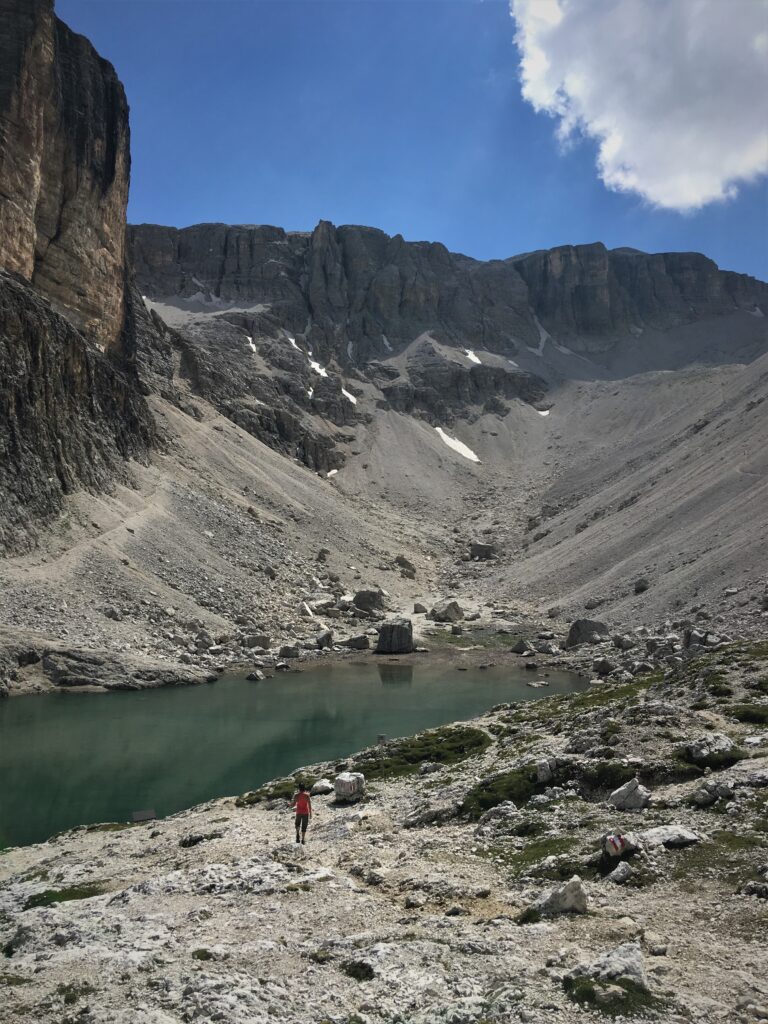
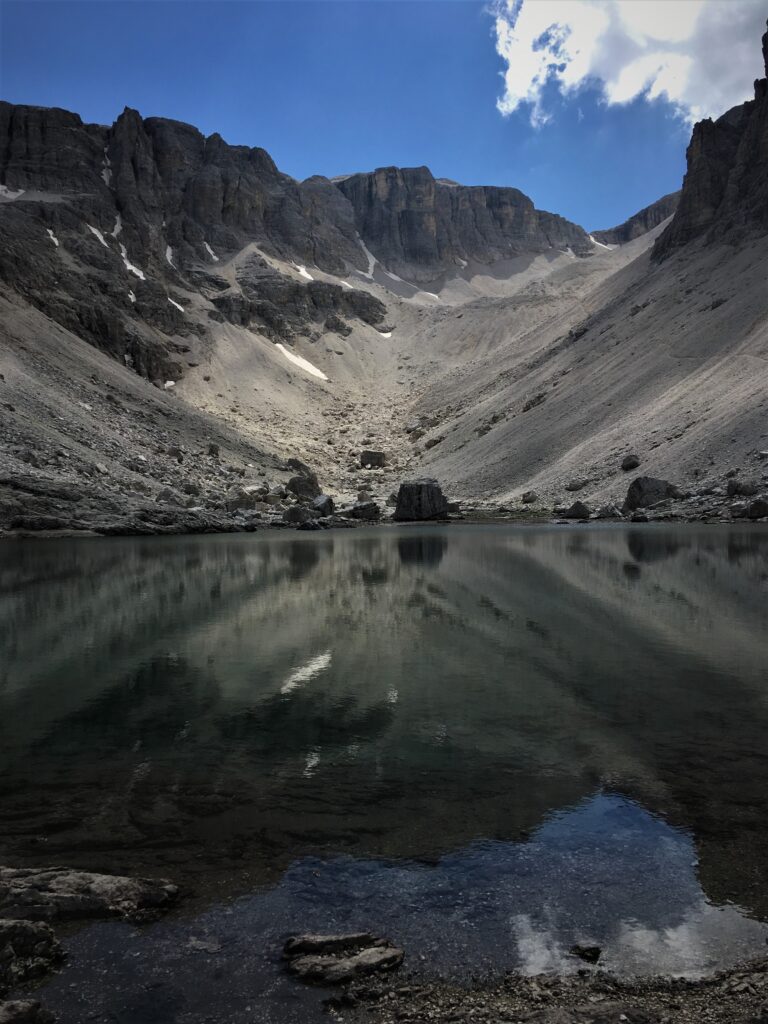
When you reach the top (after climbing up and down and all around for a good few hours), the landscape opens out, revealing its secrets. The air is different, the colours are different; it’s so incredibly tranquil up there and it feels like you are a million miles from the norm. Apart from the ridiculously rewarding views there are other simple pleasures to be enjoyed up top. After all the walking and climbing, there’s maybe a lake to dip your toes in and the odd rifugio offering refreshment (and a seat for your weary hip flexors). This was the first time I’d seen a lake up a mountain and the first time I’d had linzertorte – doesn’t sound very Italian, no, but we are talking sud-Tyrol territory here and there are many cross-culinary influences around this region. I’m not super-into jam but this torte was so welcome. Sharing it with friends, looking out across a beautiful lake nestled between the mountains made it taste that bit more amazing.
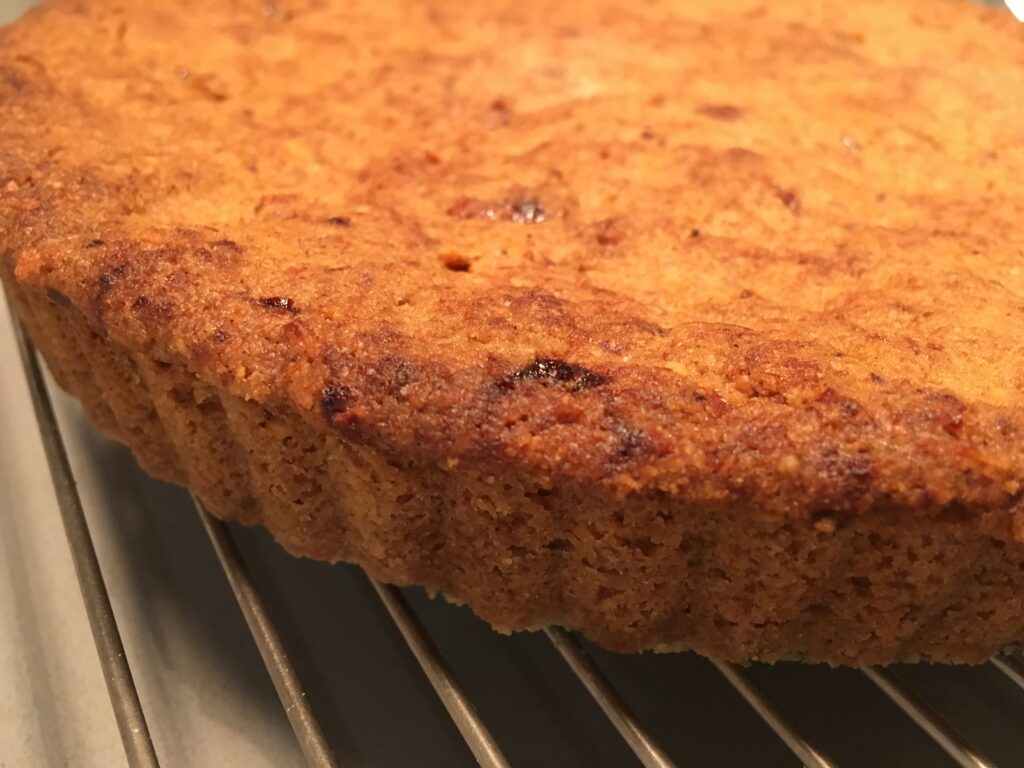
Linzertorte is in fact Austrian. It is said to be the oldest known cake to be named after a place (Linz) – documented in 1696. It’s not really a torte, it’s a pie made with a nutty pastry and filled with jam (traditionally raspberry/apricot). The standard recipe is believed to derive from a 300 year old cookbook. So it seems fitting for us to have eaten a torte with a tradition almost “as old as the hills”.