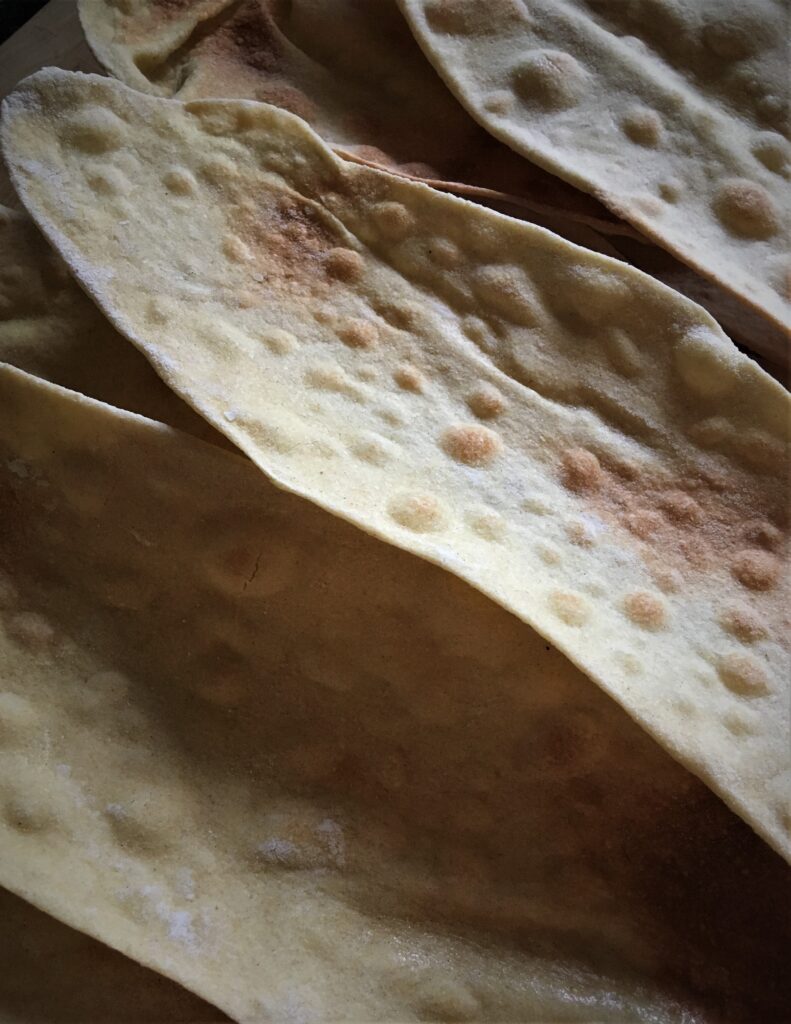
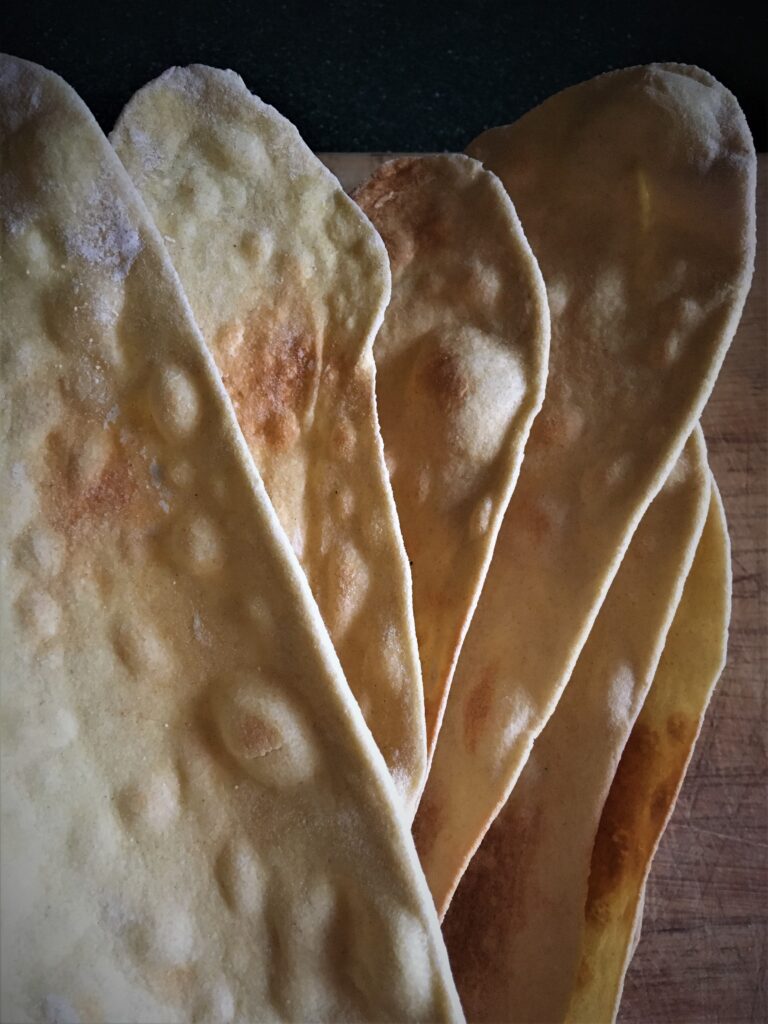
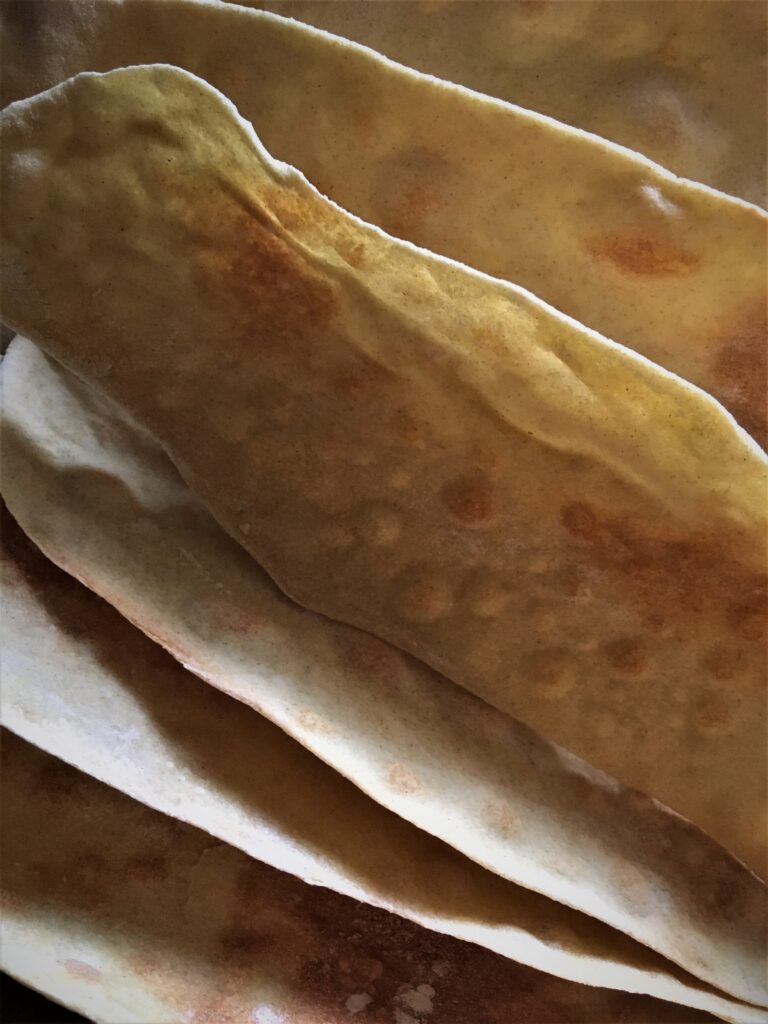
Or, more precisely, pane carasau in Cala Gonone
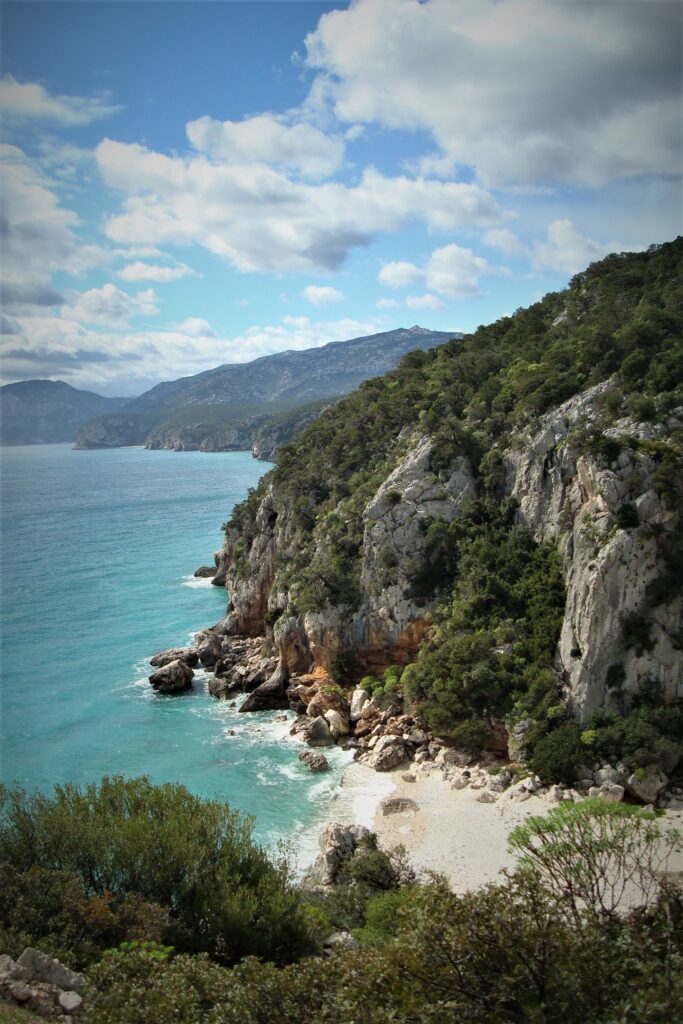
The only thing I really knew about Sardinia before I went (apart from that there was climbing) was that there was beautiful hiking to be had across undulating, garrigue-covered hills. That, and the marginally less romantic fact that the shepherd community make a maggot-ridden cheese. I first came across this on an episode of a Carluccio programme about southern Italy. Sitting beneath the trees next to a shepherds’ cave the eternally avuncular chef somewhat trepidatiously dips a bit of bread into the cheese, trying his best to avoid the wriggling maggots while one of the shepherds looks on grinning in toothless delight. This unpasteurised pastoral peculiarity is casu marzu (lit. putrid cheese). It’s a pretty fascinating “delicacy” as delicacies go, as in the sense of how and why did this ever become a thing?! A whole pecorino is left out in the open with part of the rind removed so the “cheese fly” can lay it’s eggs in it (up to c. 500!). When the eggs hatch, the larvae eat their way through the cheese. Apparently the digestive system of the larvae breaks down the cheese fats giving a very soft texture. Here’s some more carzu marzu mad facts:
- You have to eat it while the larvae are alive (dead maggots are unsafe).
- It’s believed to be an aphrodisiac?! (isn’t everything?).
- It’s also believed to be hallucinogenic.
- It is possible for the larvae to survive and remain in your stomach causing a parasitic infestation known as pseudomyiasis (yum).
- The larvae can leap up to 15cm so anyone eating a carzu marzu open sarnie will hold their hand over it.
- Those sane people who don’t want to eat the maggots will place the cheese in a sealed paper bag. When the maggots are starved of oxygen they begin to jump about, making a noise against the paper. When the jumping stops, the cheese eating starts.
- It is in fact believed to be unsafe to eat and has at times been outlawed and only available on the black market but there have also been attempts to recreate it hygienically.
- There are variations across Italy (as well as Germany and France); you have been warned.
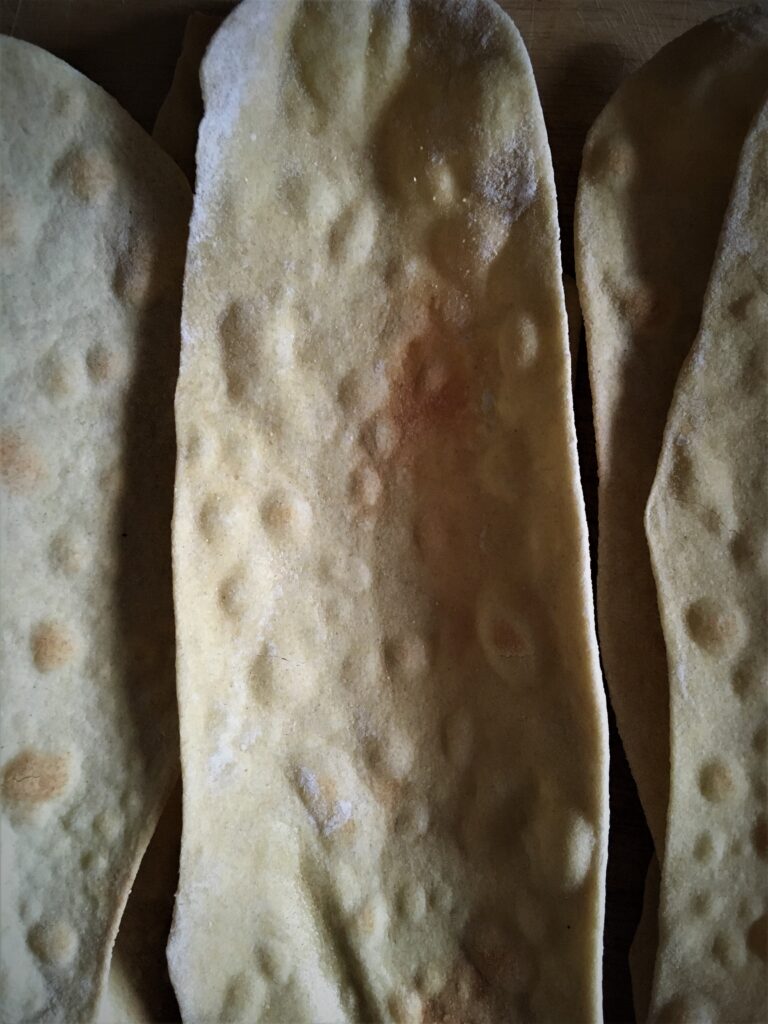
Anyway, you will be pleased to know that I’m not attempting to make this, this week. Something much simpler, plainer, non-wriggly is in the offing. One of the best things about Sardinian restaurants is the variety of the breadbasket. It’s not just slices of bread, or a highball stuffed with little packets of grissini, it’s a mash-up of lots of different styles, including the big, crunchy slipper that is pane carasau. This is literally “toasted bread” although it’s sometimes rather sweetly referred to as “sheet music bread” – carta di musica (the non-yeast version), because it is so thin that apparently you can read a sheet of music through it. I guess it also vaguely looks like old parchment. This is an ancient bread, remains of which have been found in archaeological excavations of traditional Sardinian stone buildings (nuraghes) which means it would have been consumed prior to 1000BC. It’s a cross between a savoury cracker-style biscuit, a tortilla and a flatbread. To hark back to the shepherds for a moment, it has been a popular foodstuff amongst this community for hundreds of years owing to it’s longevity (and, quite possibly the fact that it offers a pretty decent base for carzu marzu, which is often spread on moistened pieces of pane carasau). It can last up to a year if kept dry and was therefore handy to take up into the hills. Rather like our medieval “trencher”, it also makes a damn fine plate.
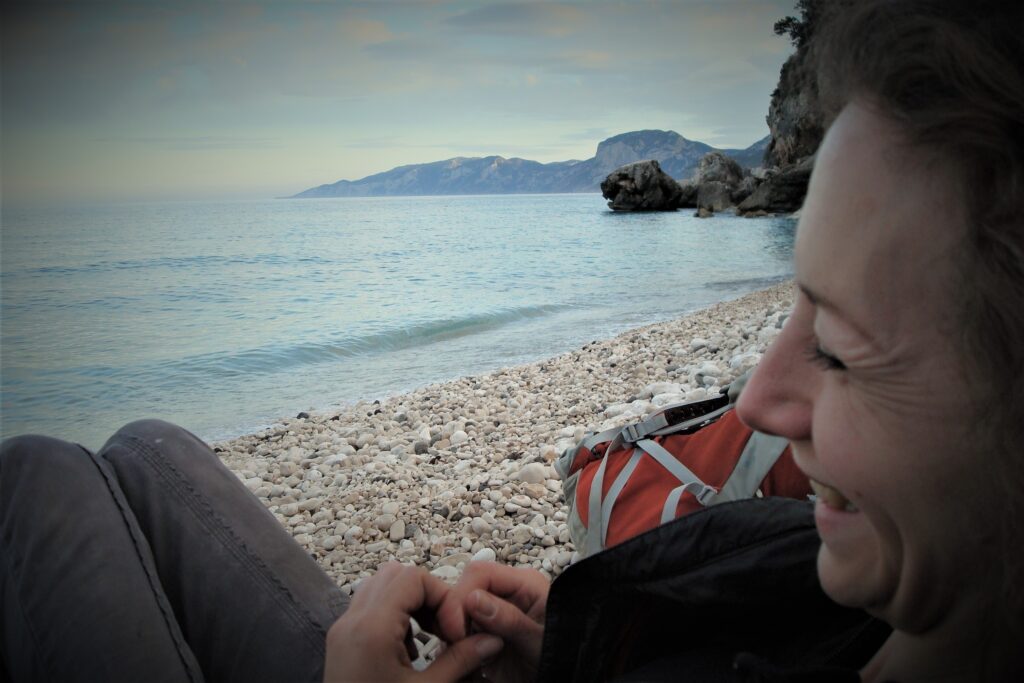
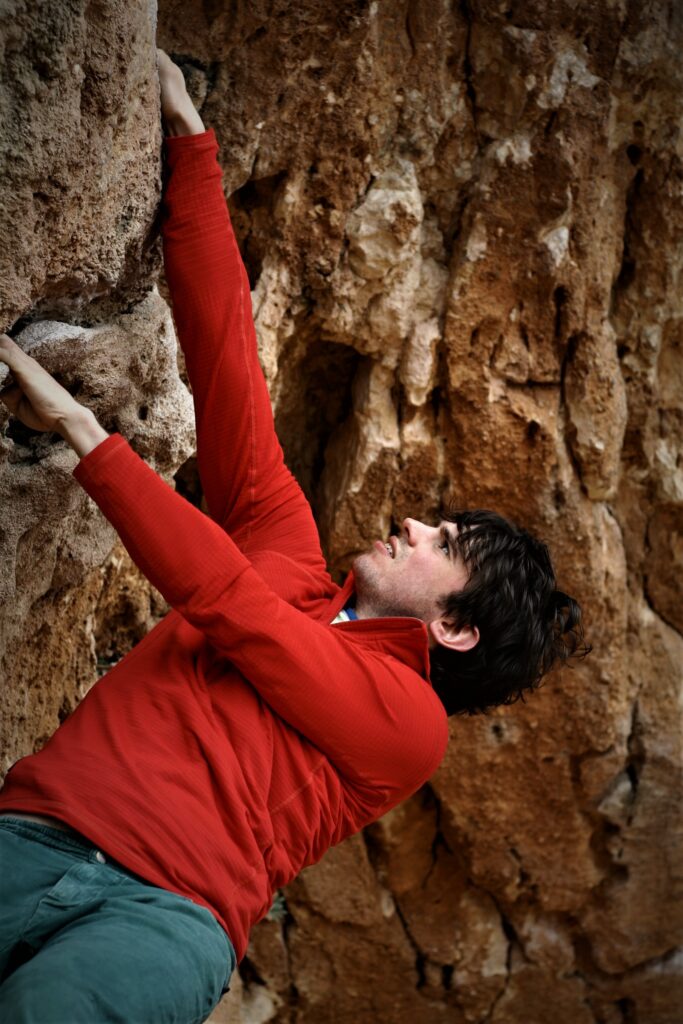
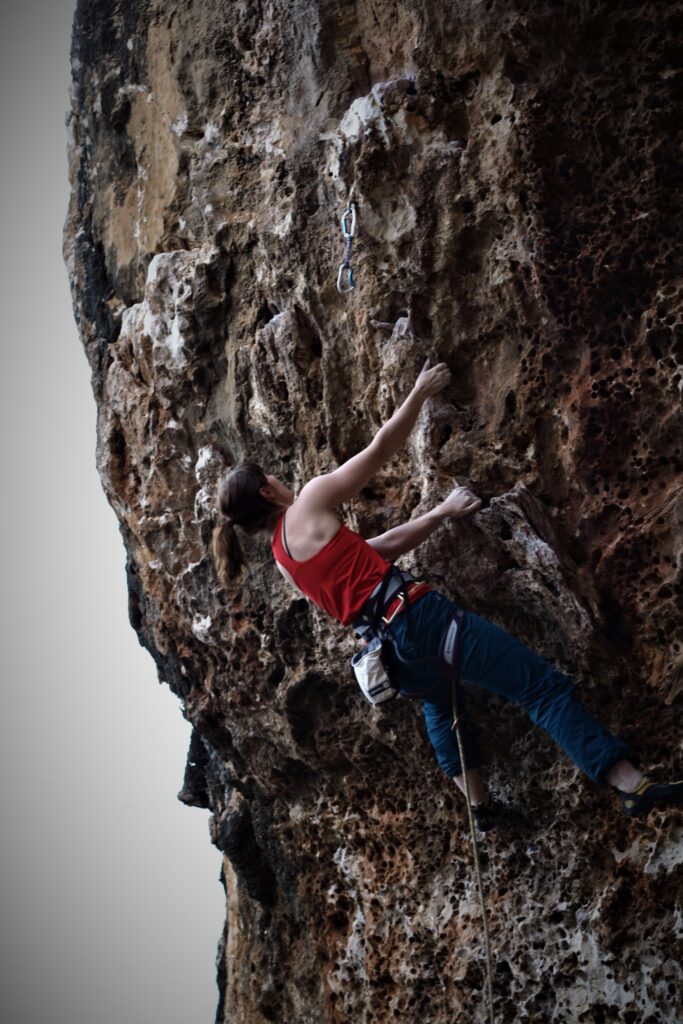
The dough is awesome; in fact, it’s my new favourite dough – and, because I’m a romantic at heart, I actually rolled with the carta di musica version. I ate a lot of these crispy delights while I was on climbing hols in Sardinia because crunchy things are like catnip to me. One lunch in particular was memorable…
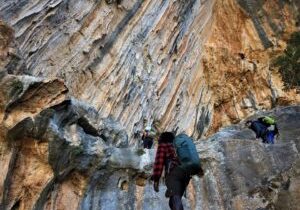
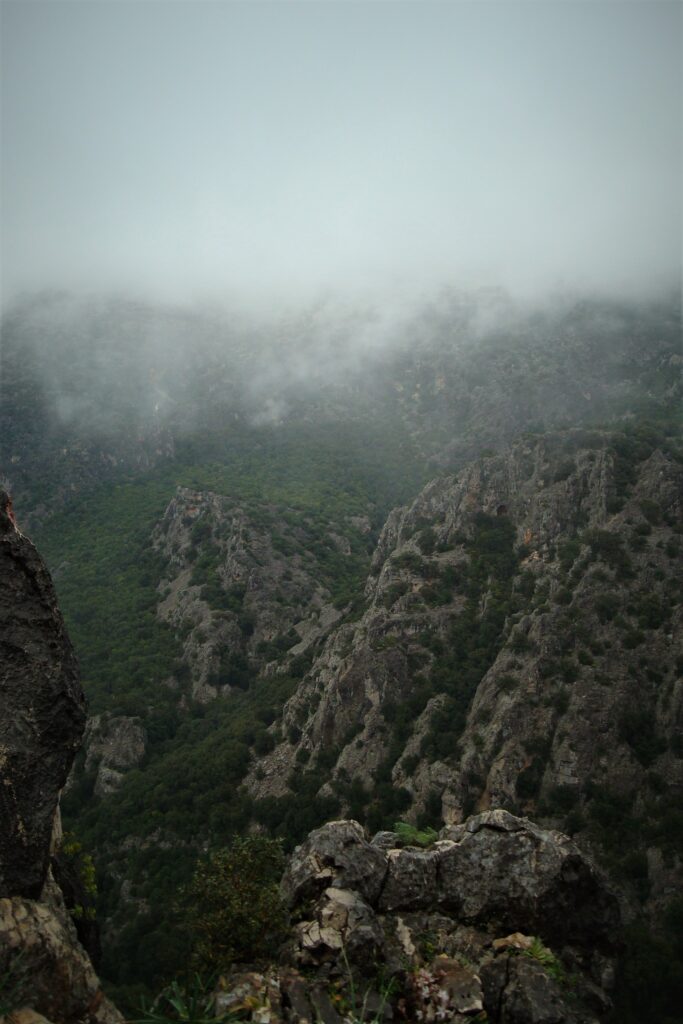
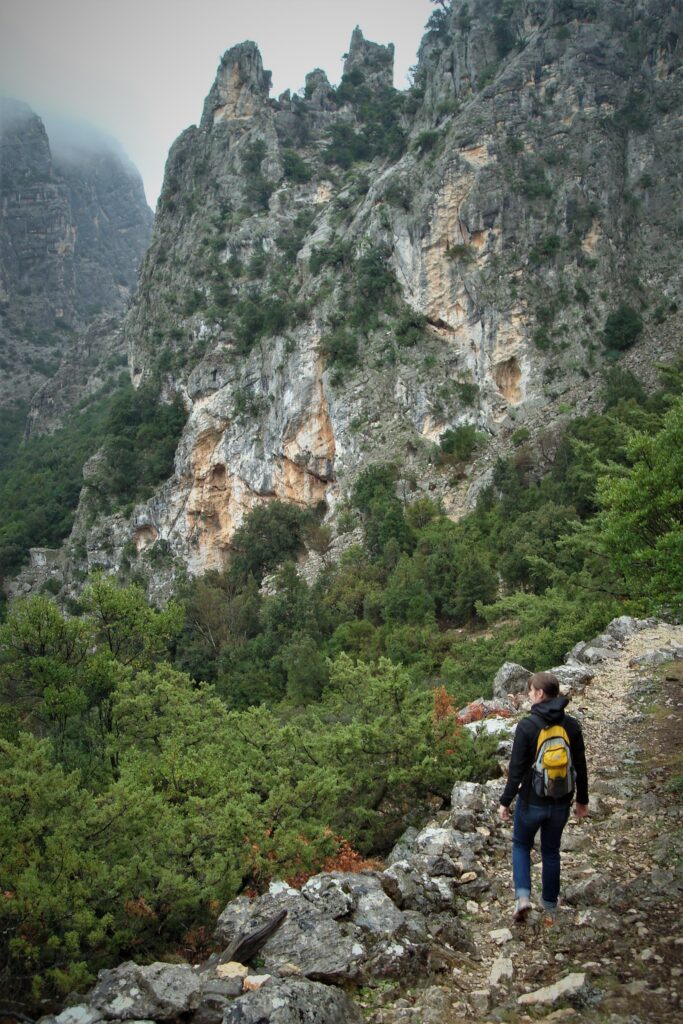
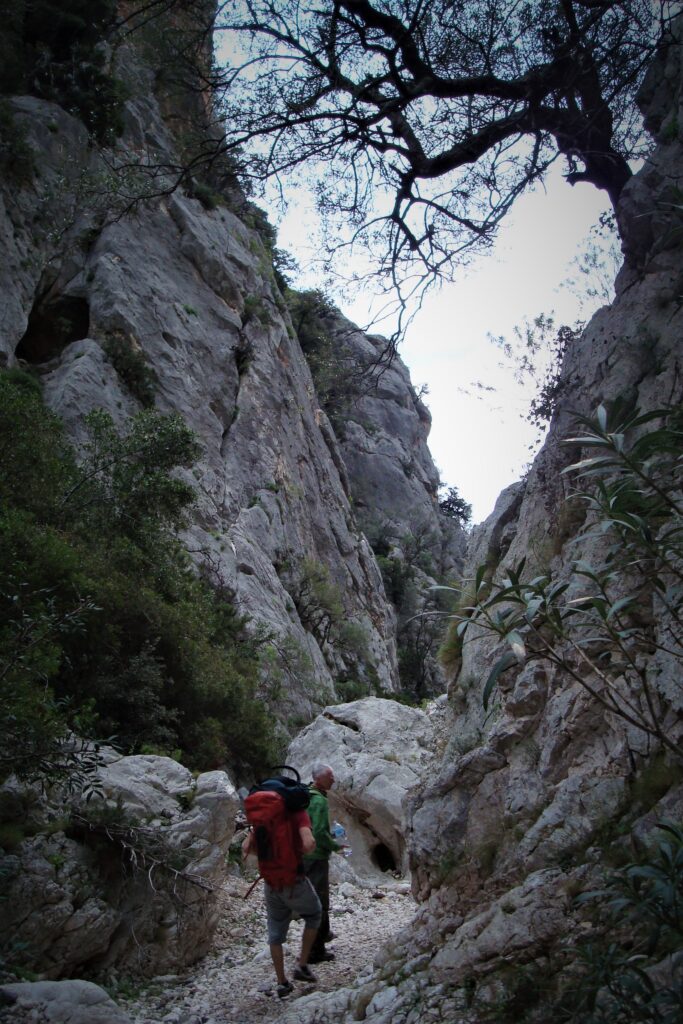
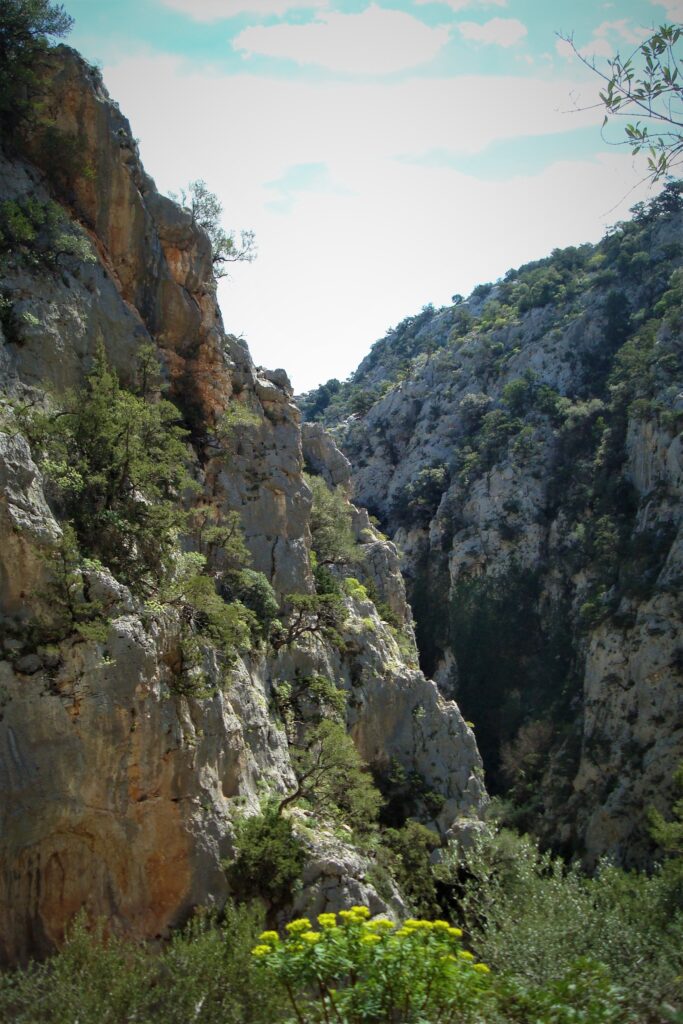
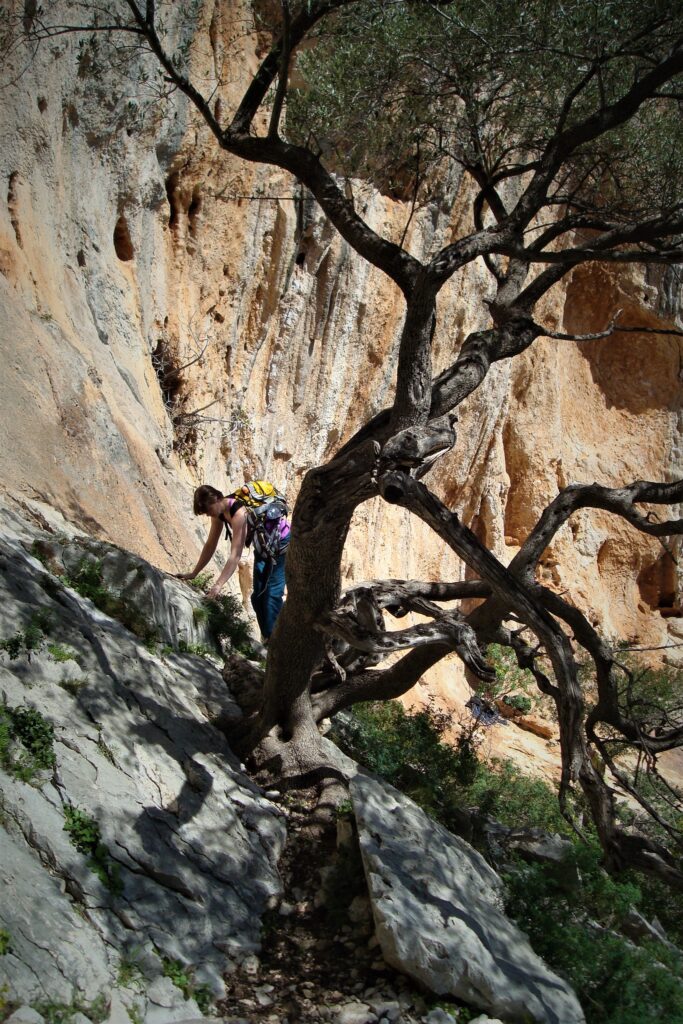
Having had an enforced “rest day” due to rain, my climbing buds (Matt, Jen & Matt’s dad (aka the Horse)) and I decided to take a hike up into the (misty) hills to spend a good few hours exploring. Thing about hiking is it works up an appetite. We were excited about the prospect of indulging in a big long Italian lunch given the fact that normally a crag lunch is kind of piecemeal and snacky (and often squished, having been shoved into your bag). The other thing about hiking up in the hills is that it takes you away from potential eateries. We’ll find somewhere on the drive back, was the general consensus. Of course, as soon as you agree that, there is nowhere to be seen on the drive back. And, while the drive back might be a feast for your eyes, your stomach is getting hungrier and hungrier, having not had any attention since a rather crack of dawn style breakfast. Then, all out of nowhere, a restaurant. Bearing in mind it was now mid afternoon and way past lunchtime hours, we were so hungry by that point that we thought we would just be ballsy and ask anyway if there was any chance of a cheeky tramezino at the very least.
Of course! Really? Certo! We sat down, relieved and supremely excited about the prospect of some bread and cheese (I’m normally pretty excited about that prospect anyway) and then, the feasting began. The generosity of our hosts was akin to something of fairytale proportions. We felt like weary travellers who had happened upon an enchanted palace where the table just keeps filling up with food. Dish after dish – breads, olives, cheeses, meats, antipasti, vegetables, wine…. all sorts, and dessert, coffee…? Thankfully no weird enchantment at the end of it, just very happy stomachs. I can’t remember what the place was called or where it was. Maybe it only appears for weary travellers ?.
The rooky lesson – always pack something in your rucksack to munch on; maybe some pane carasau, like a wandering Sardinian shepherd.
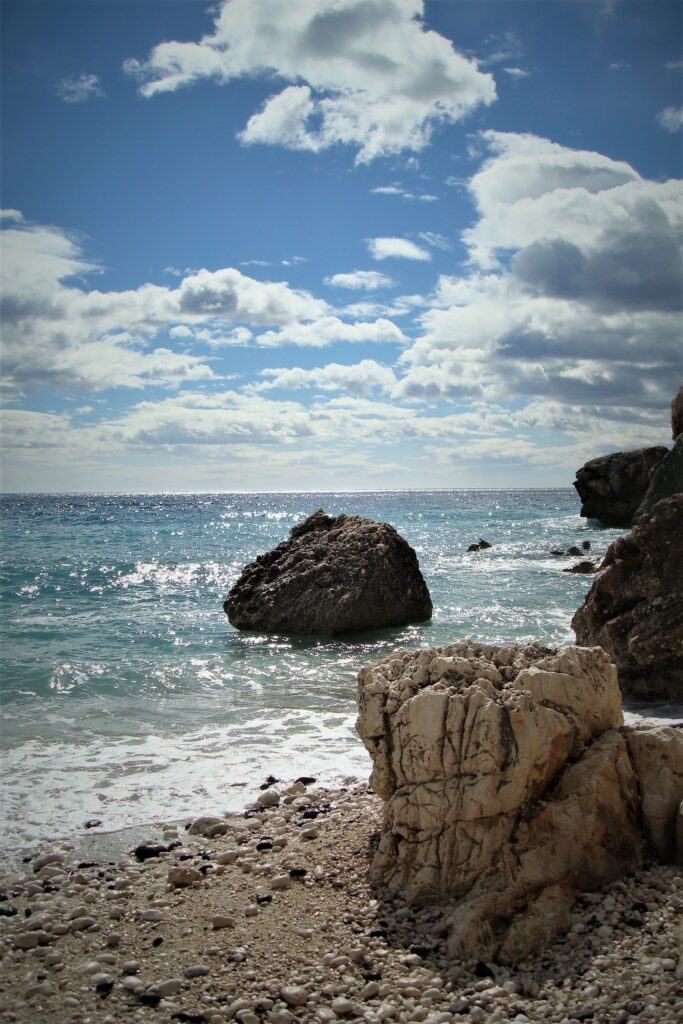
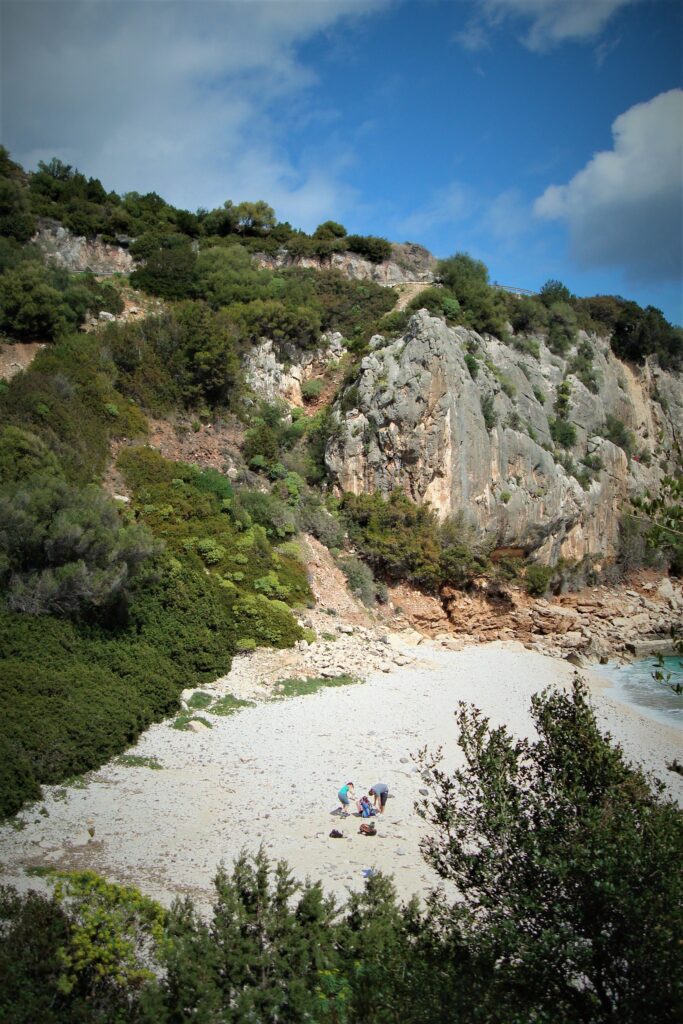
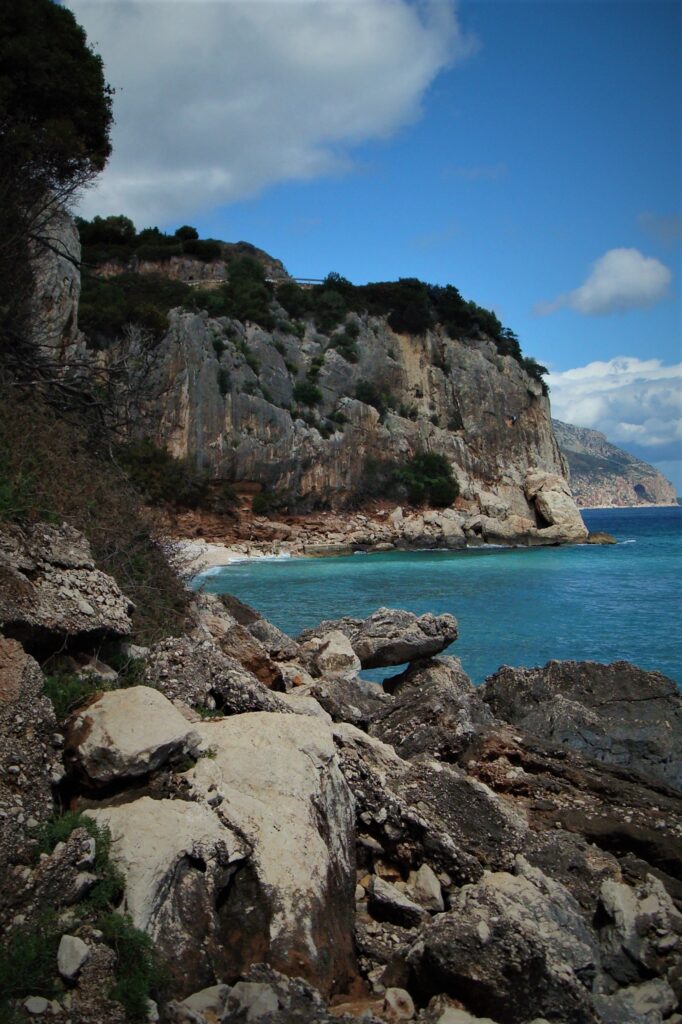
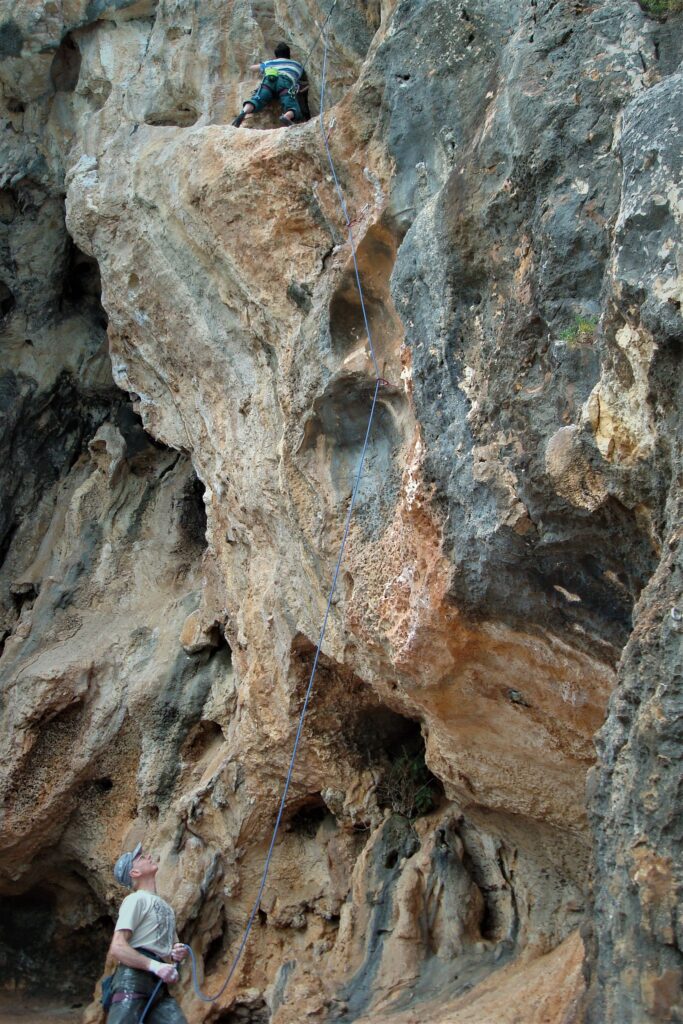
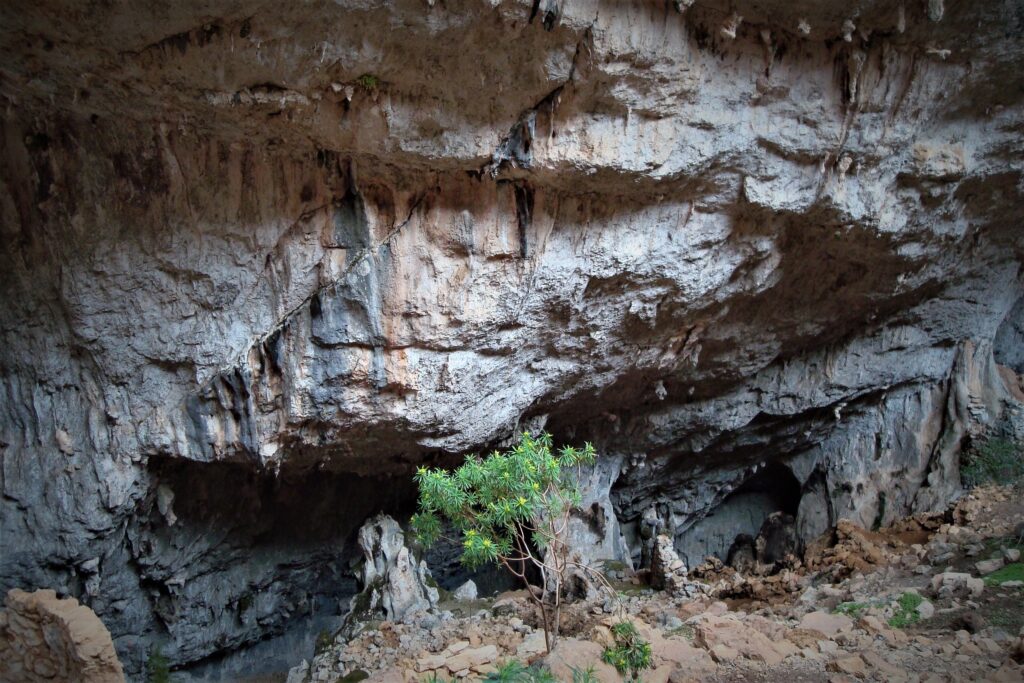
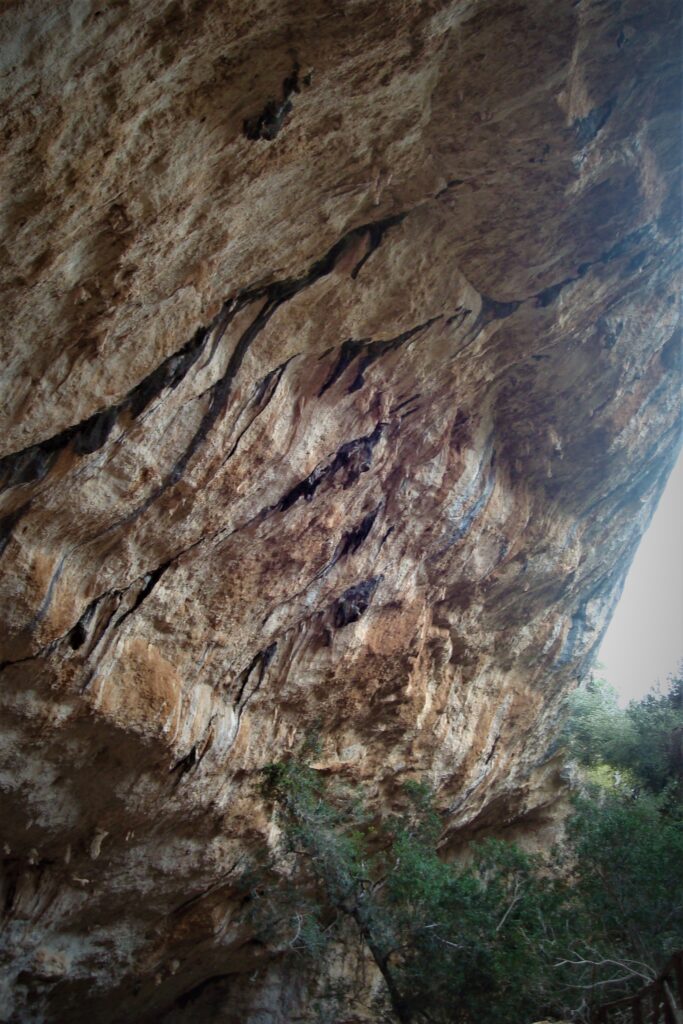
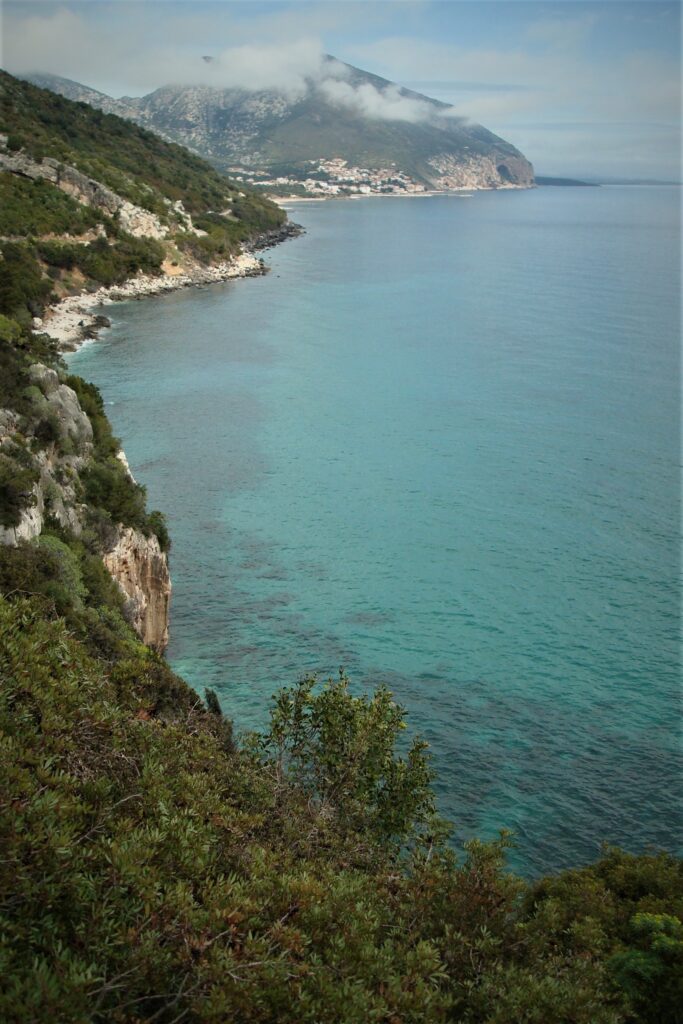
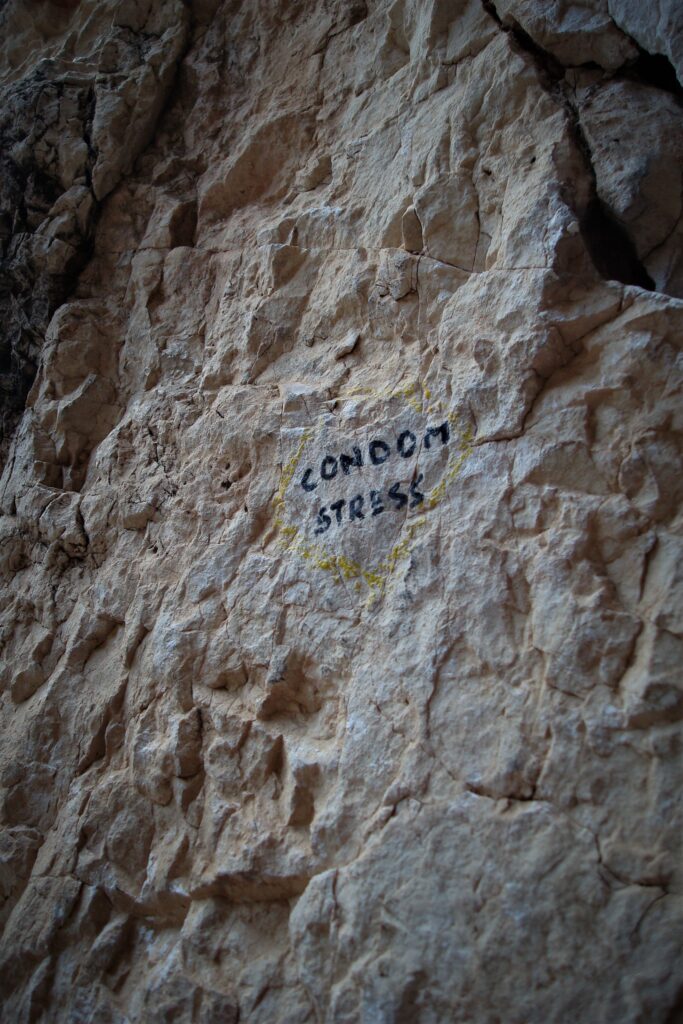
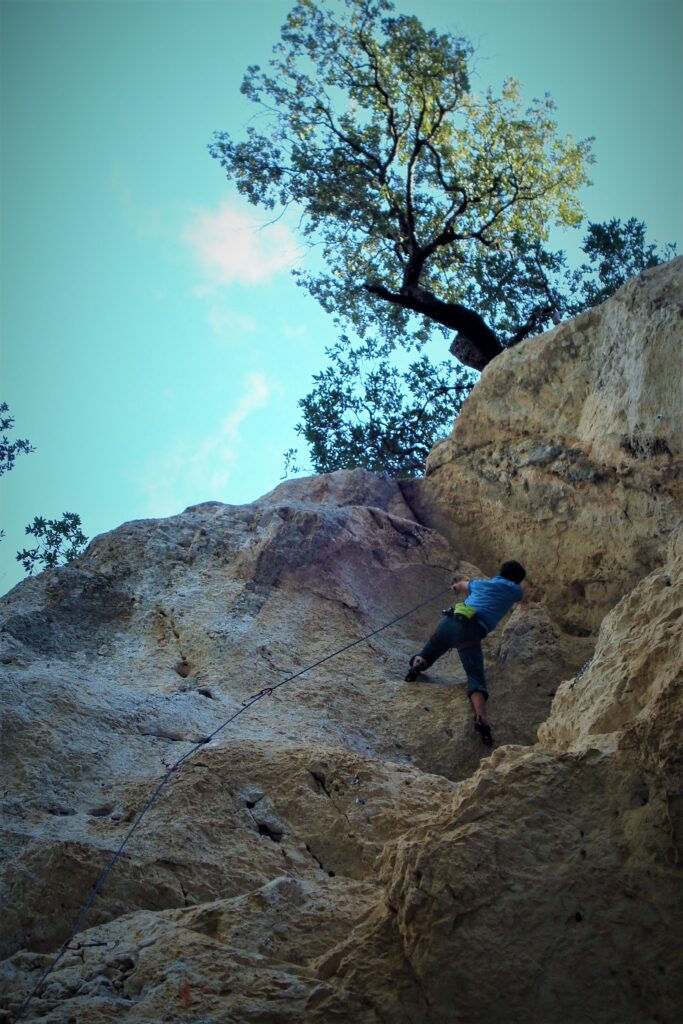
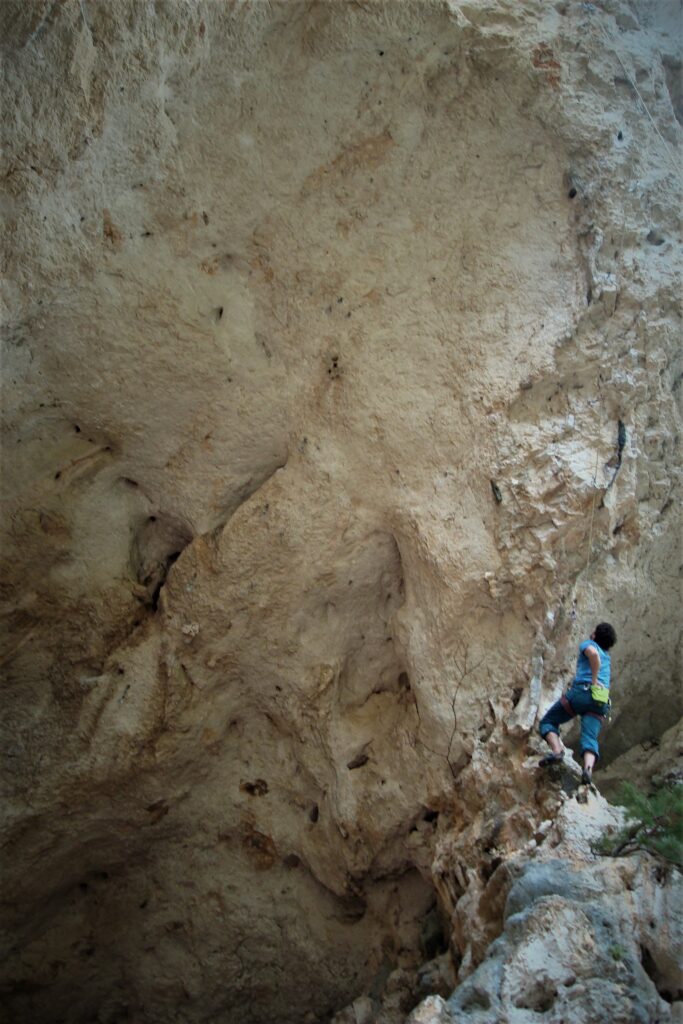
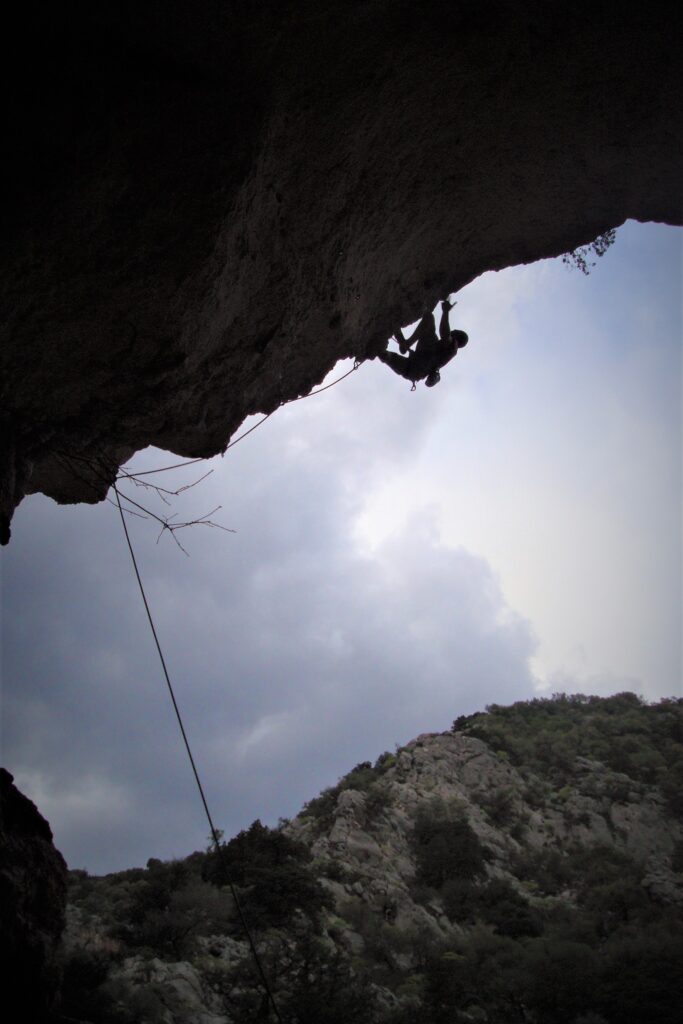
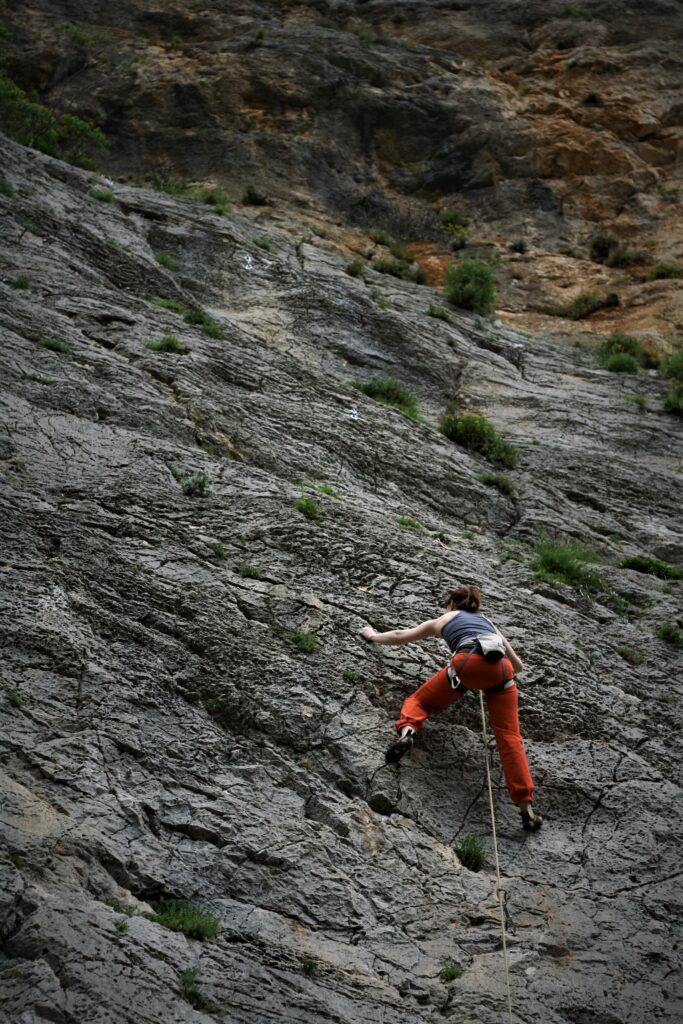
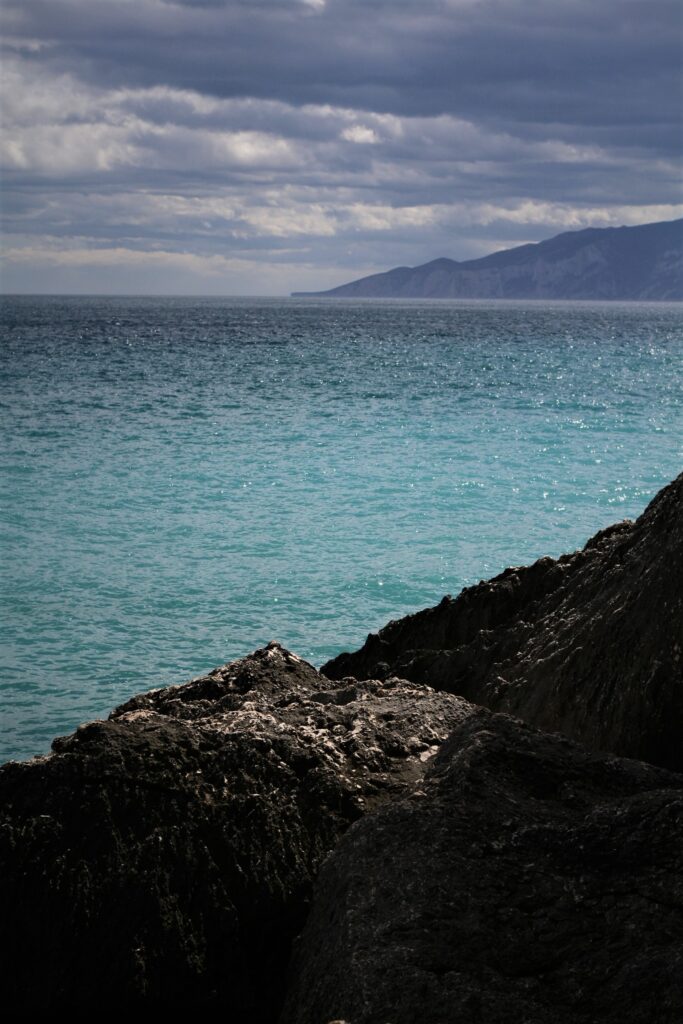
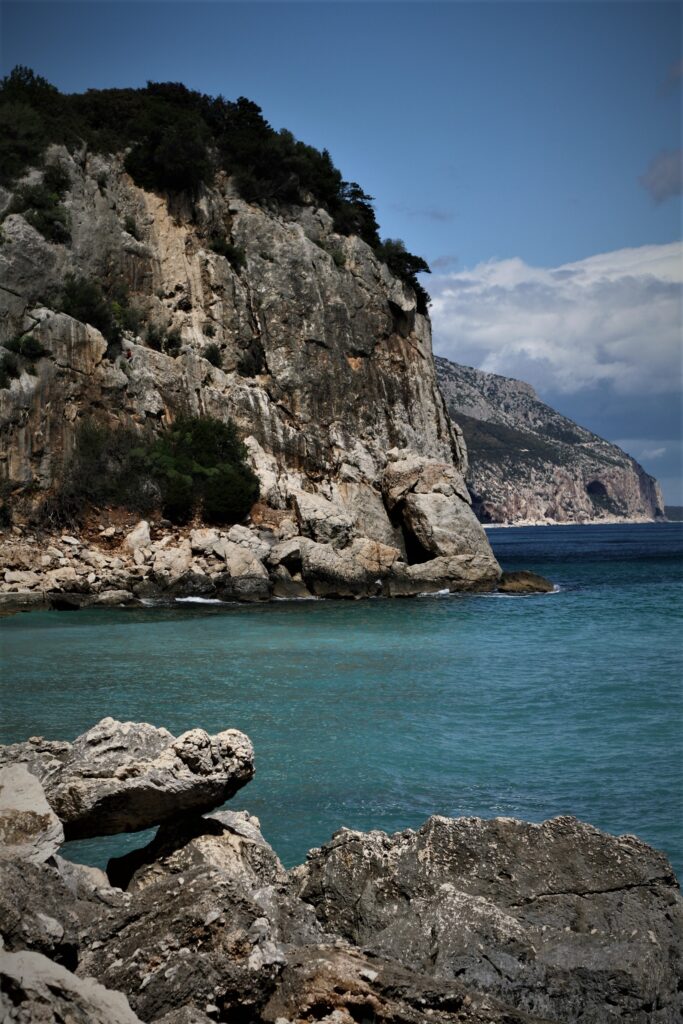
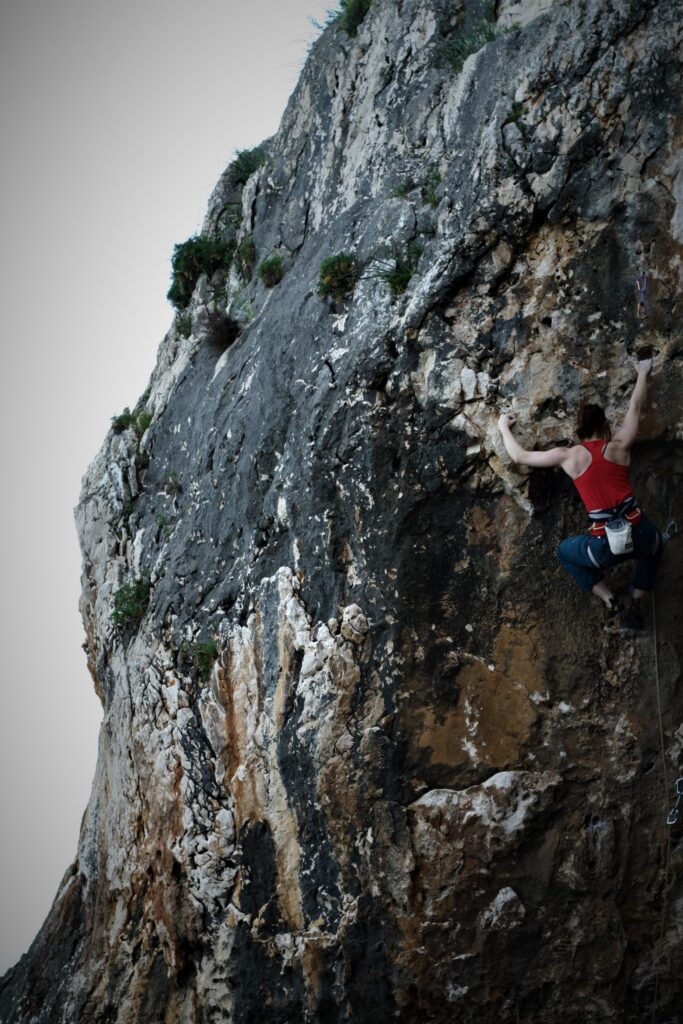
Oh and the climbing… ? Well, you know, just loads and loads of limestone off the beach, in the sun, with sparkling seas and far-reaching views; nothing special.
This post is dedicated to my mate, Jen, who has been bravely battling cancer during lockdown having been diagnosed earlier this year. Jen is a ray of sunshine who has managed these past months with dignity, fortitude and her signature beaming smile.