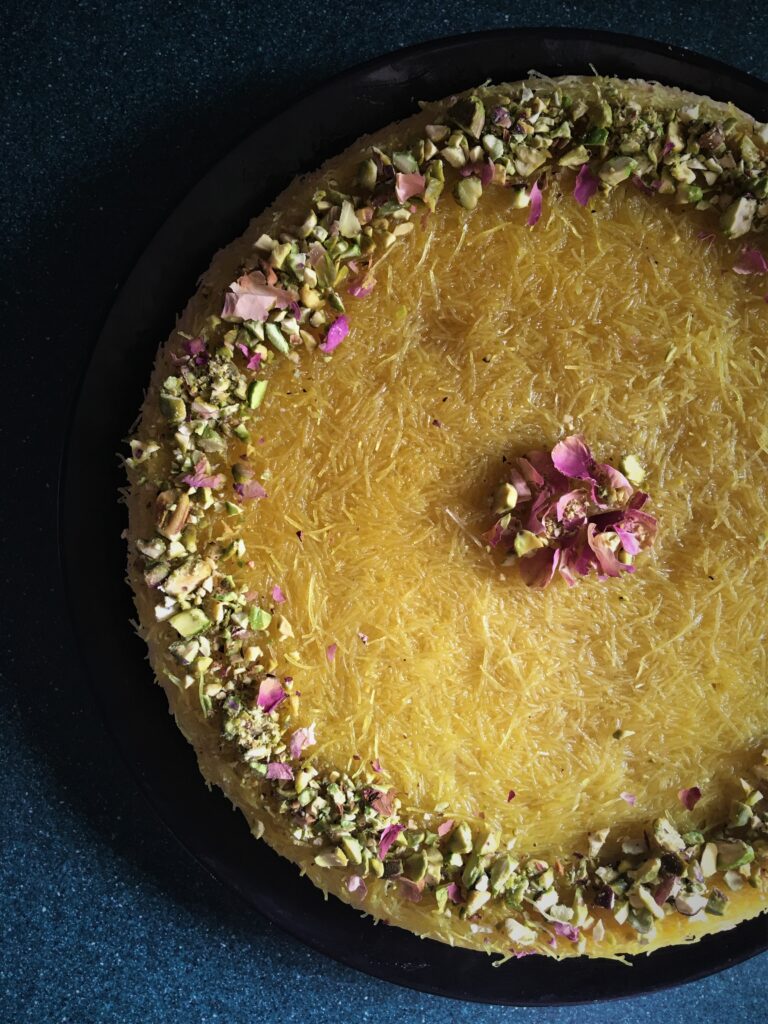
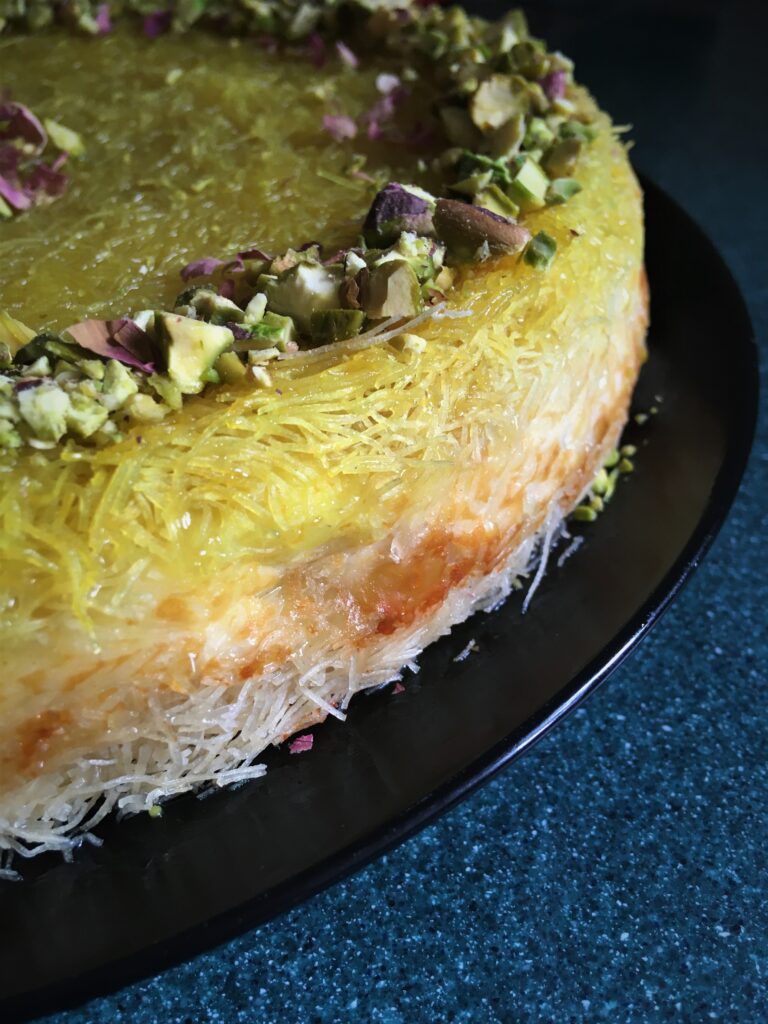
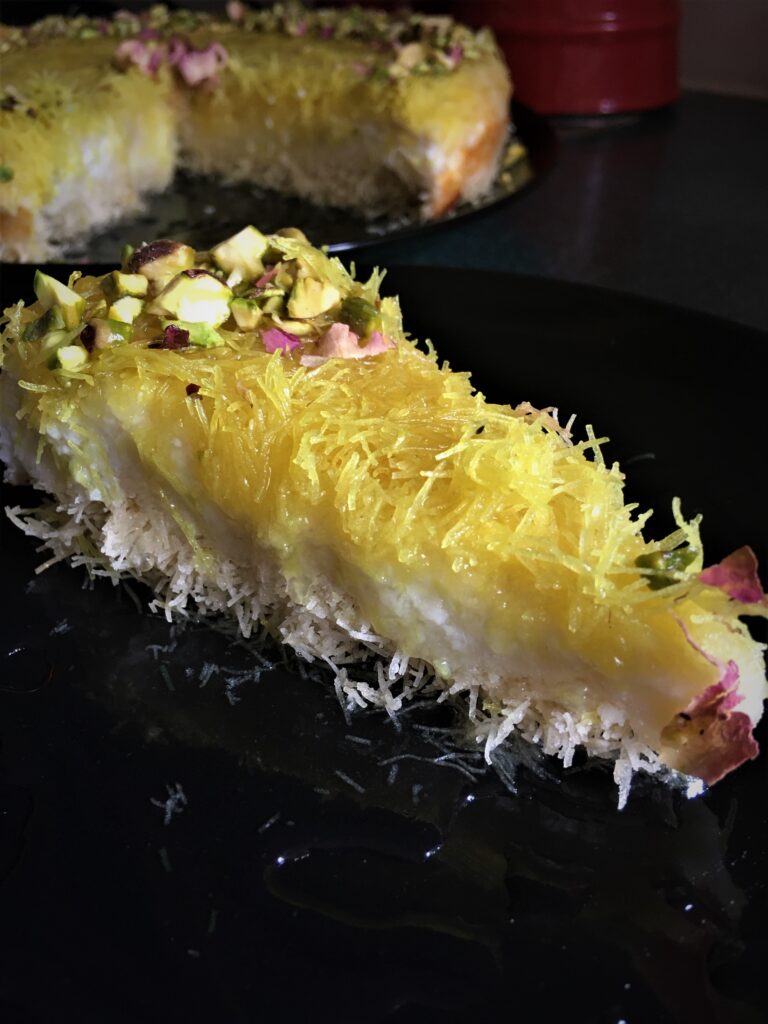
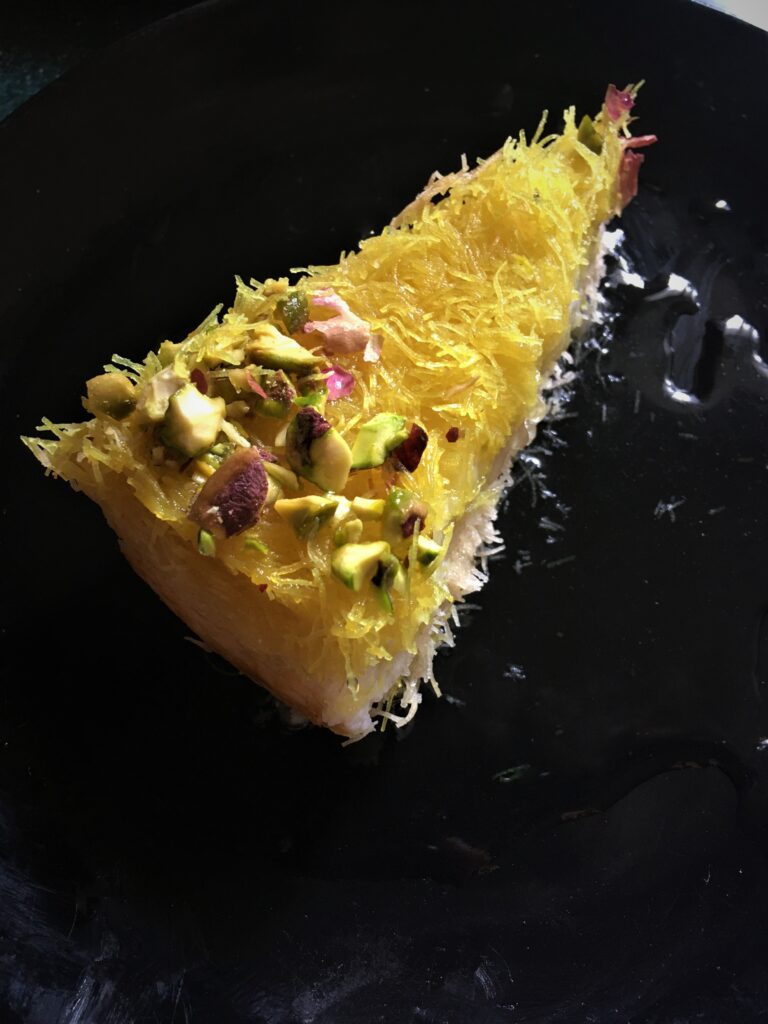





Or, more precisely, knafeh in Amman
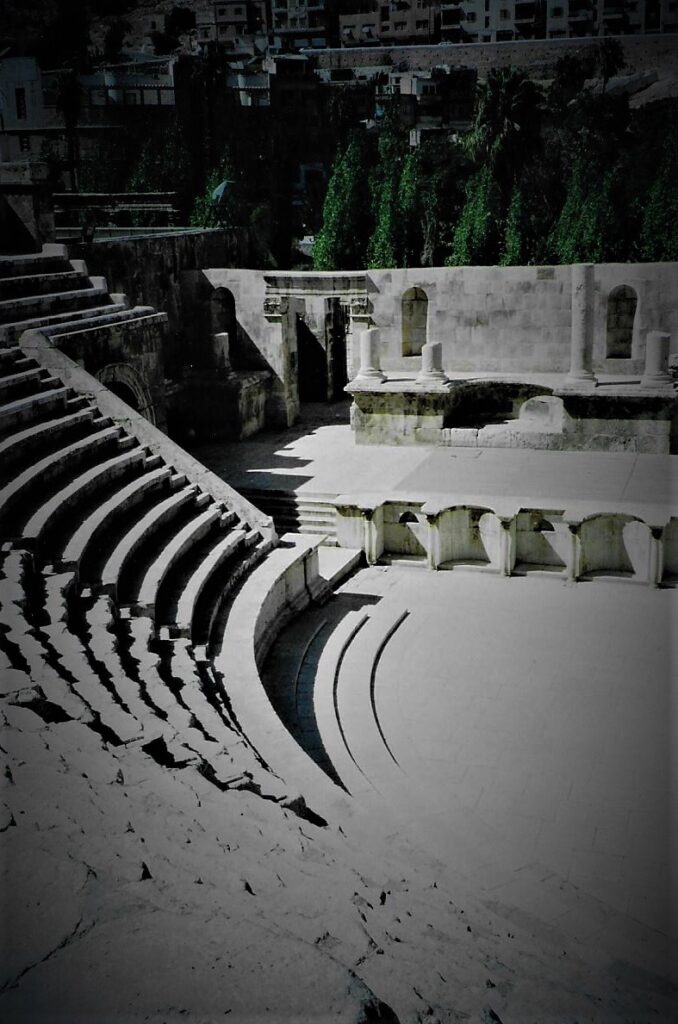
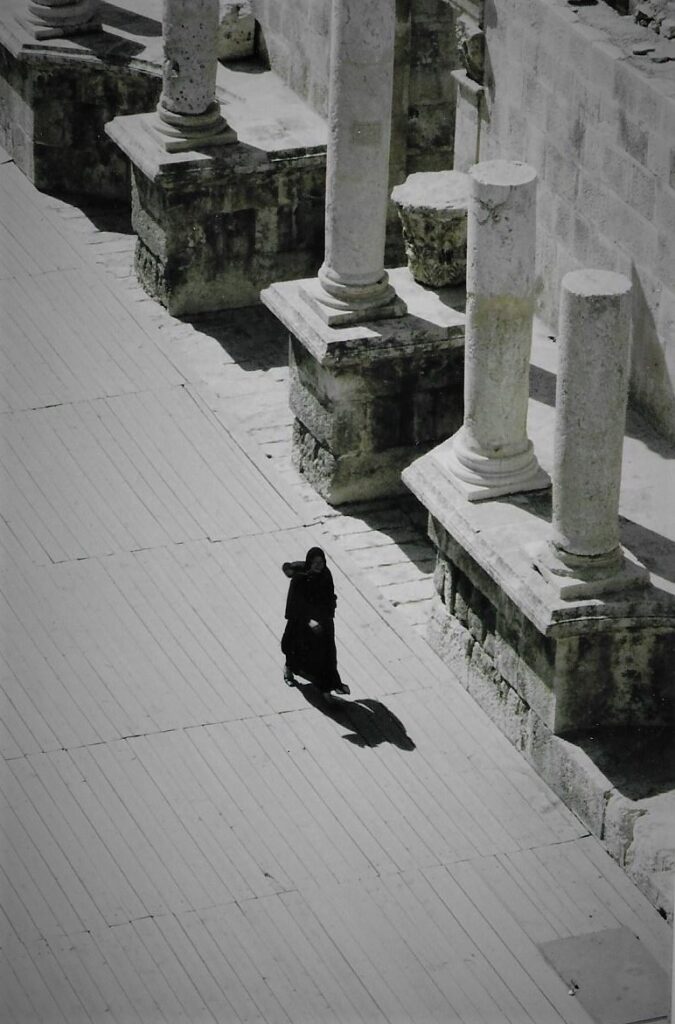
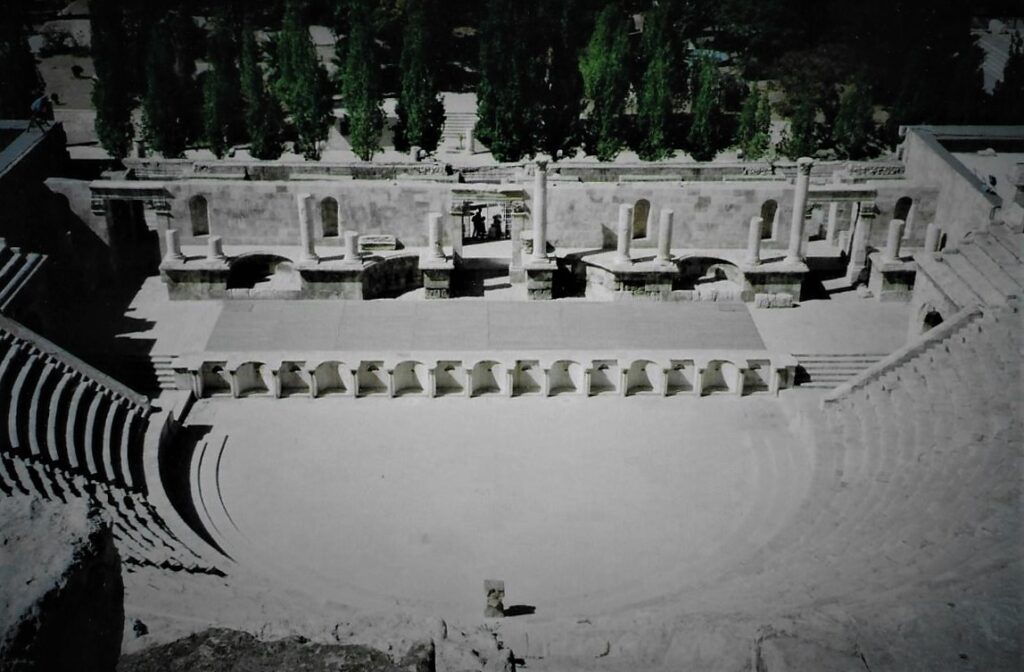
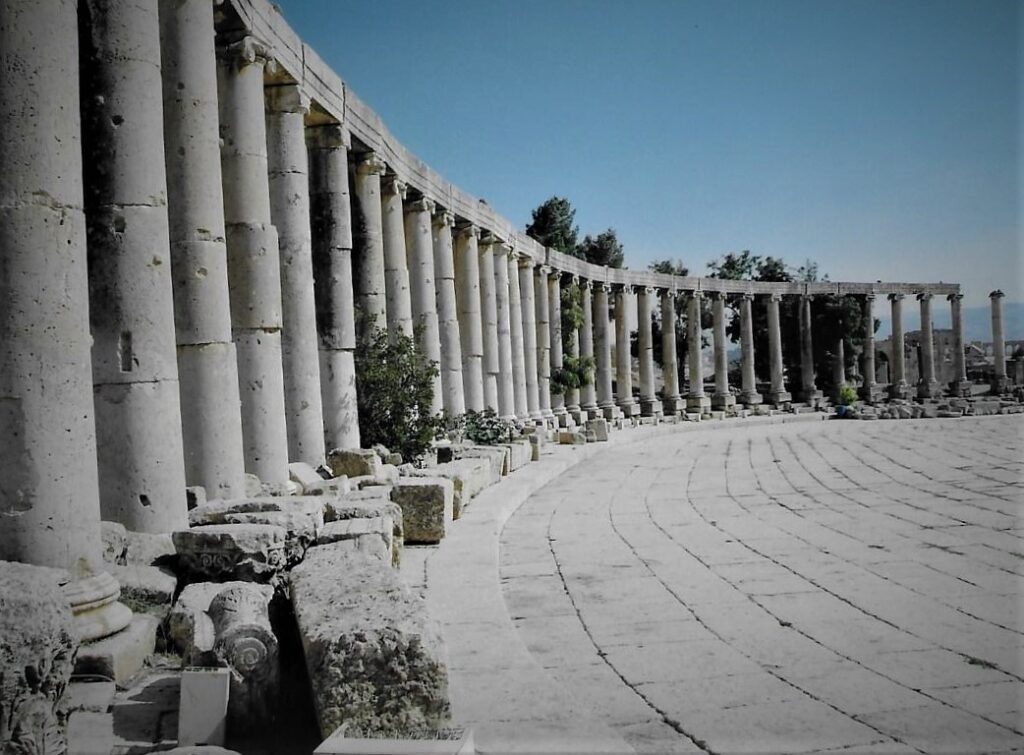
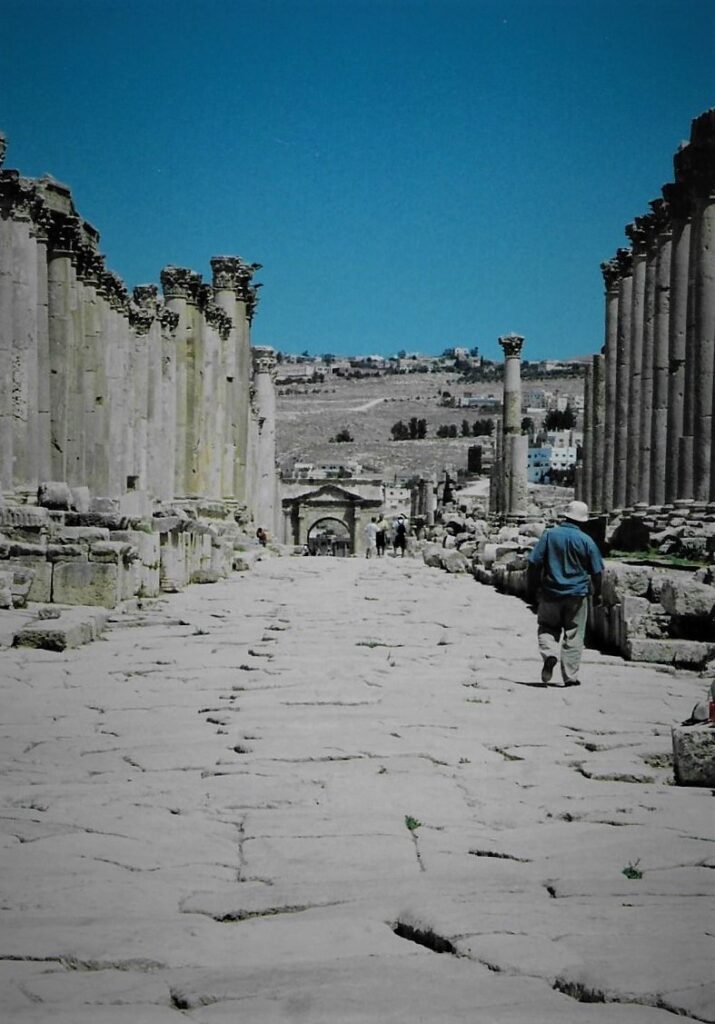
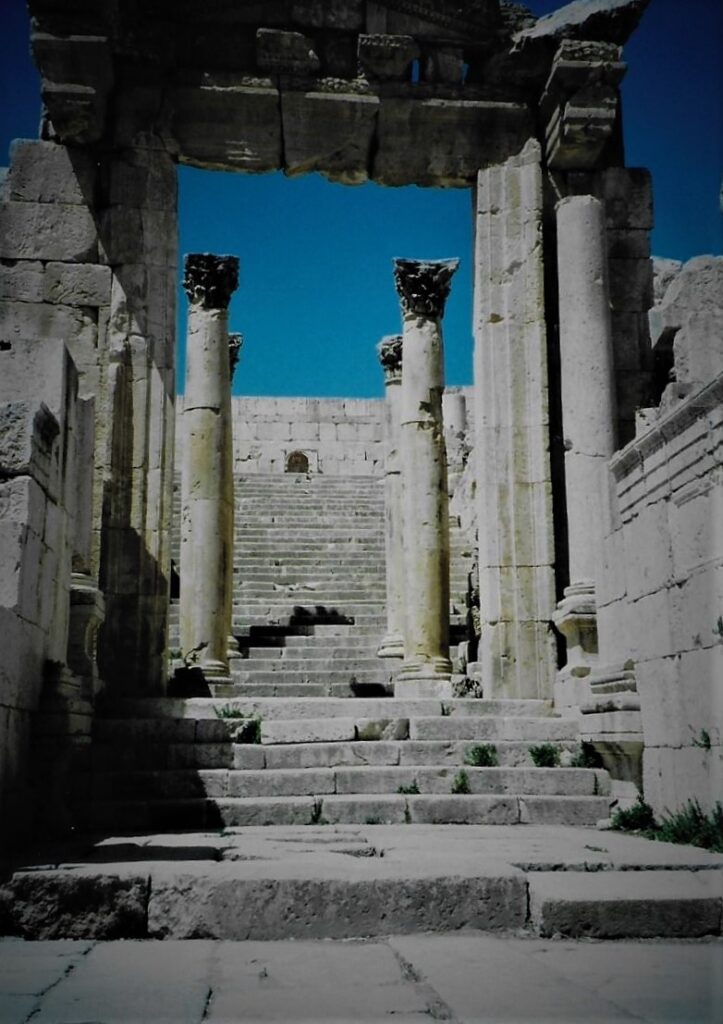
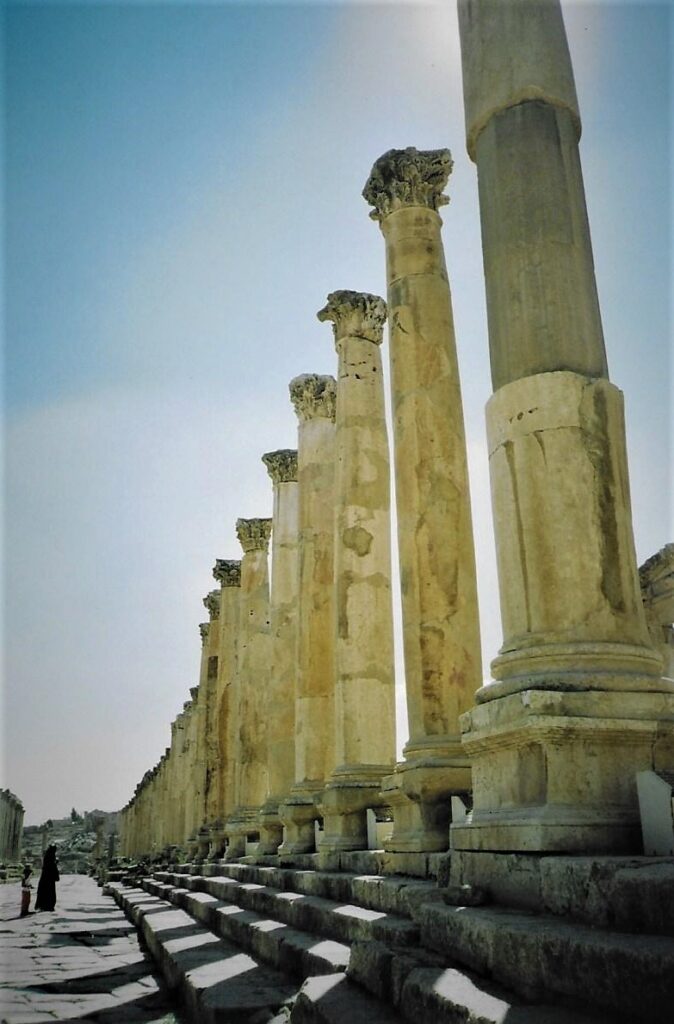
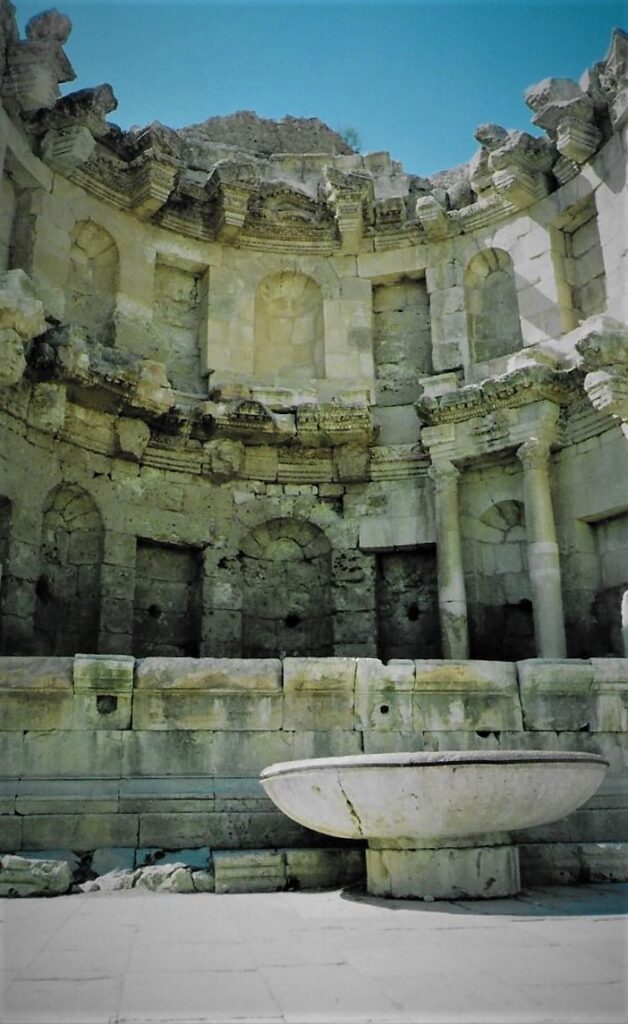
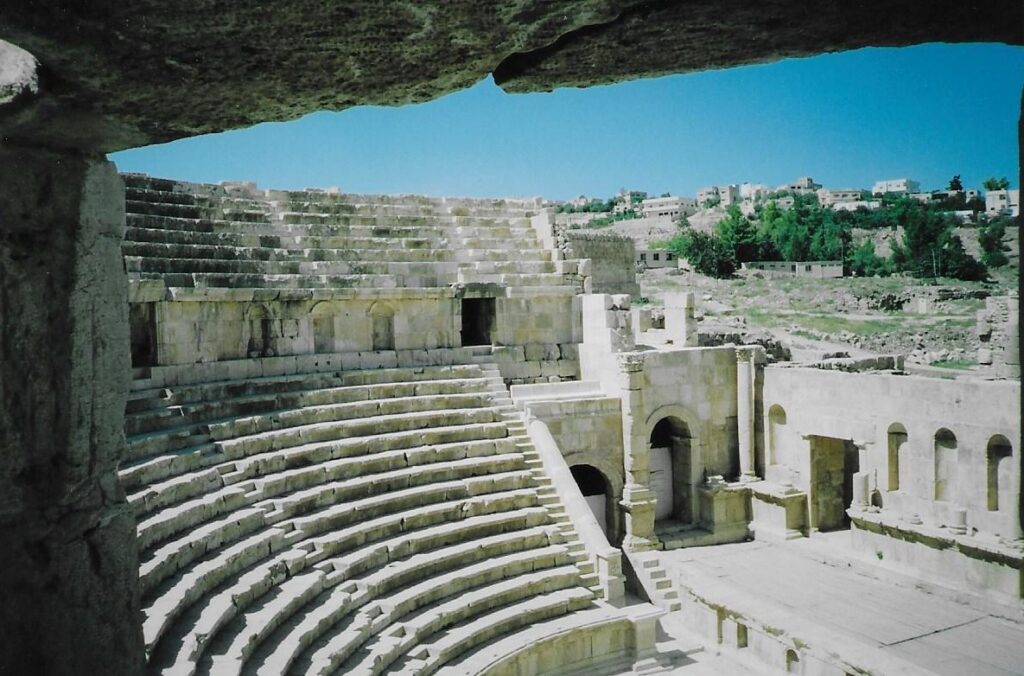
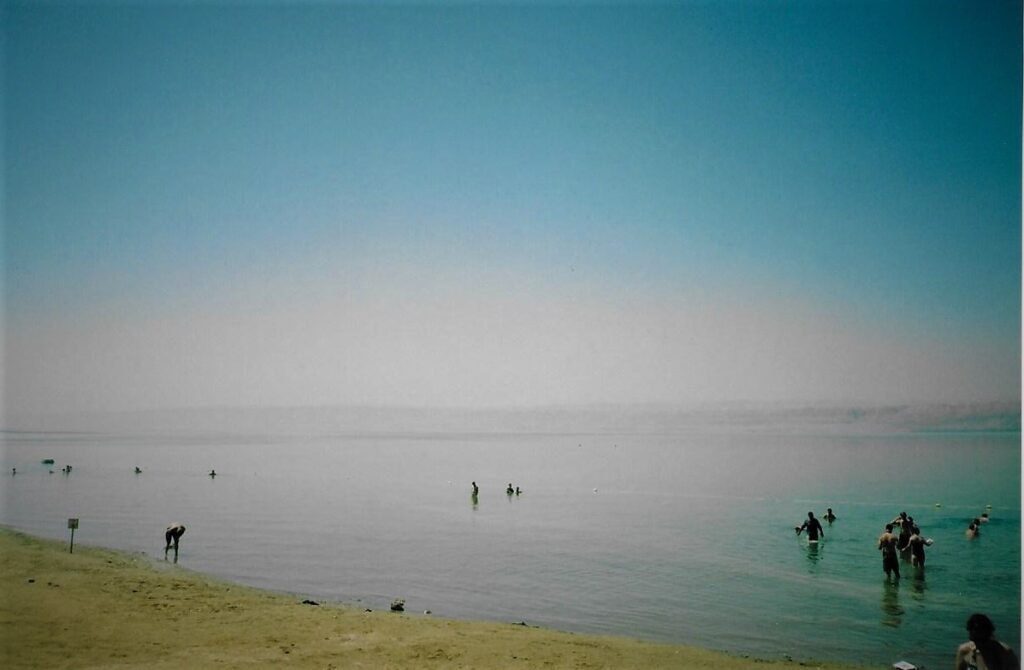
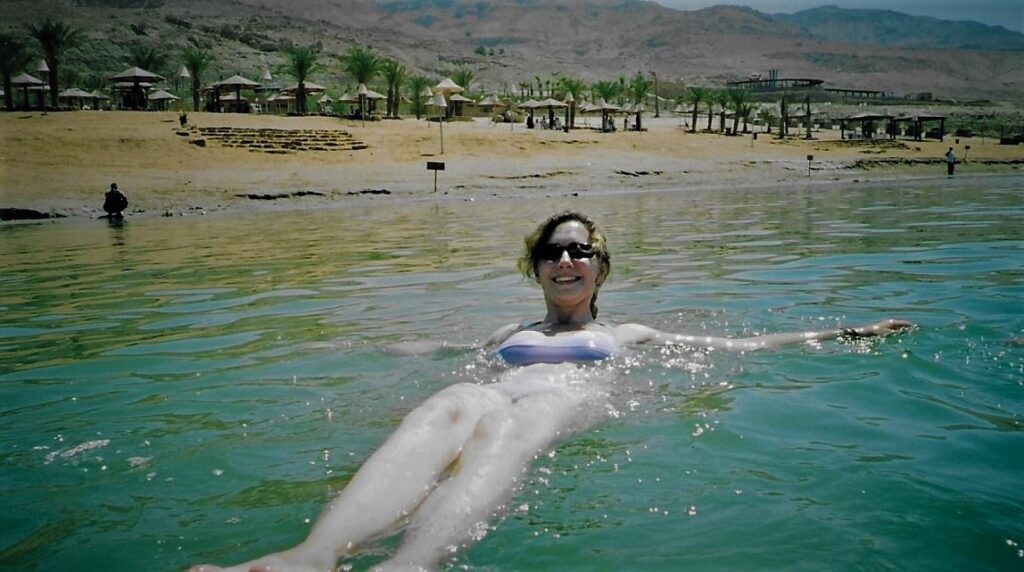
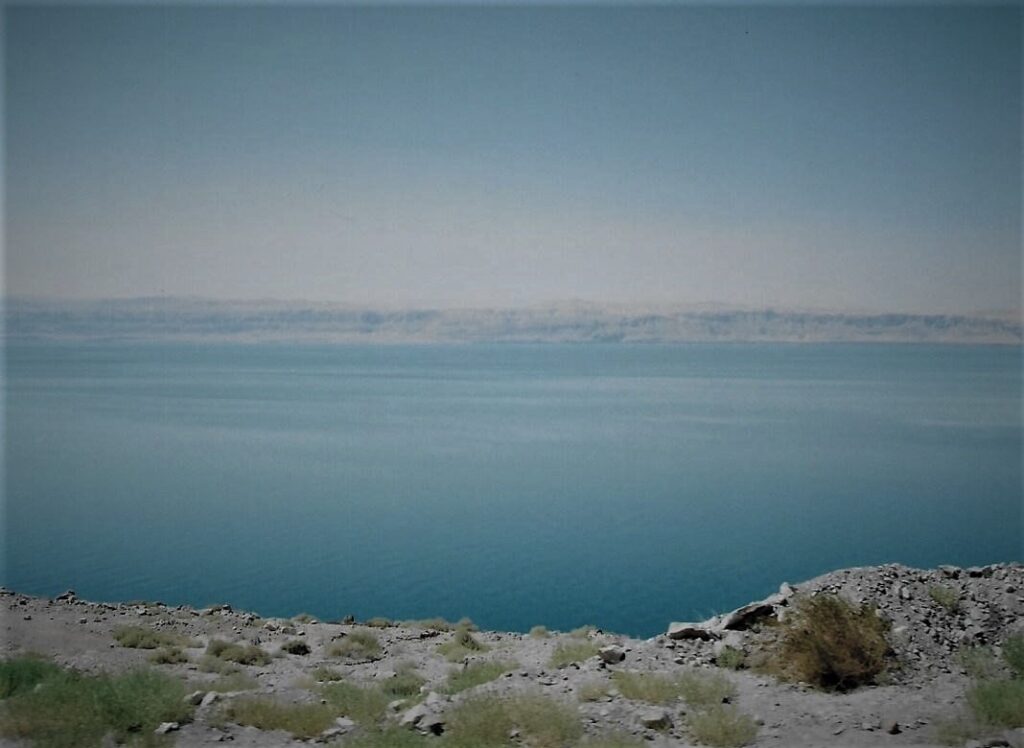
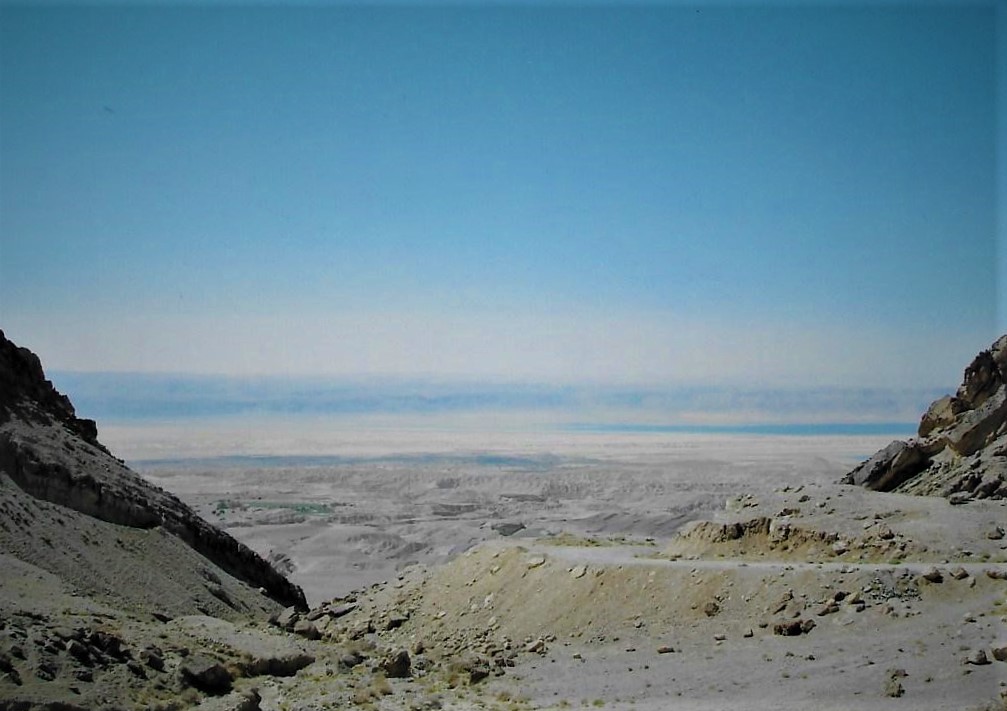
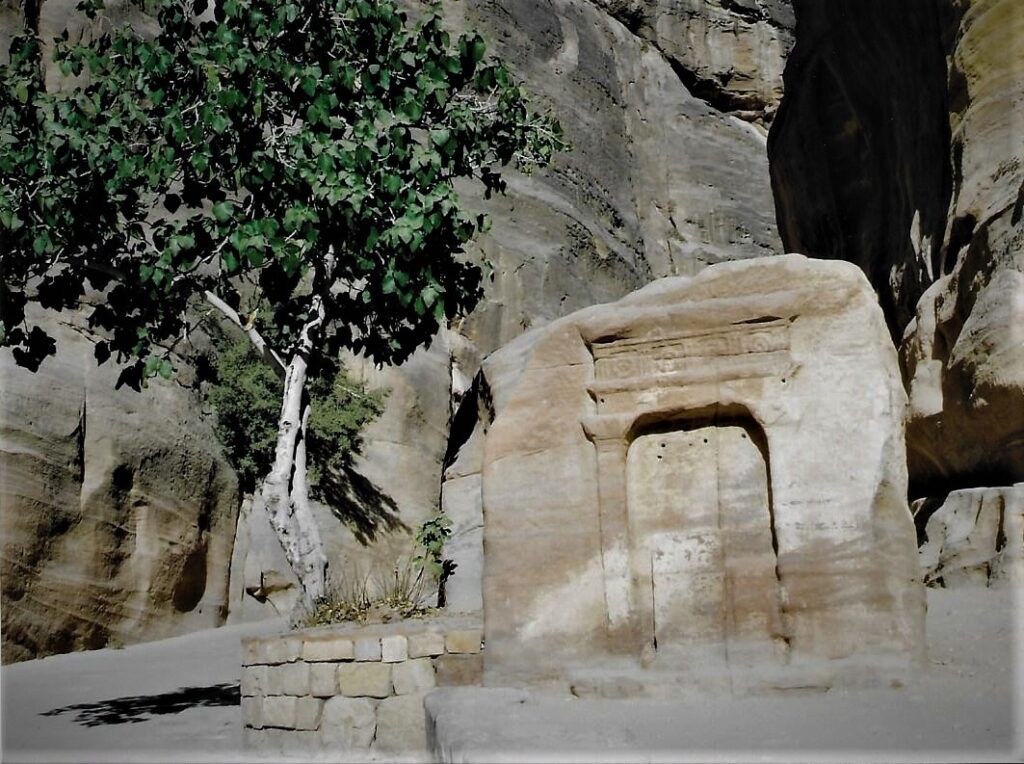
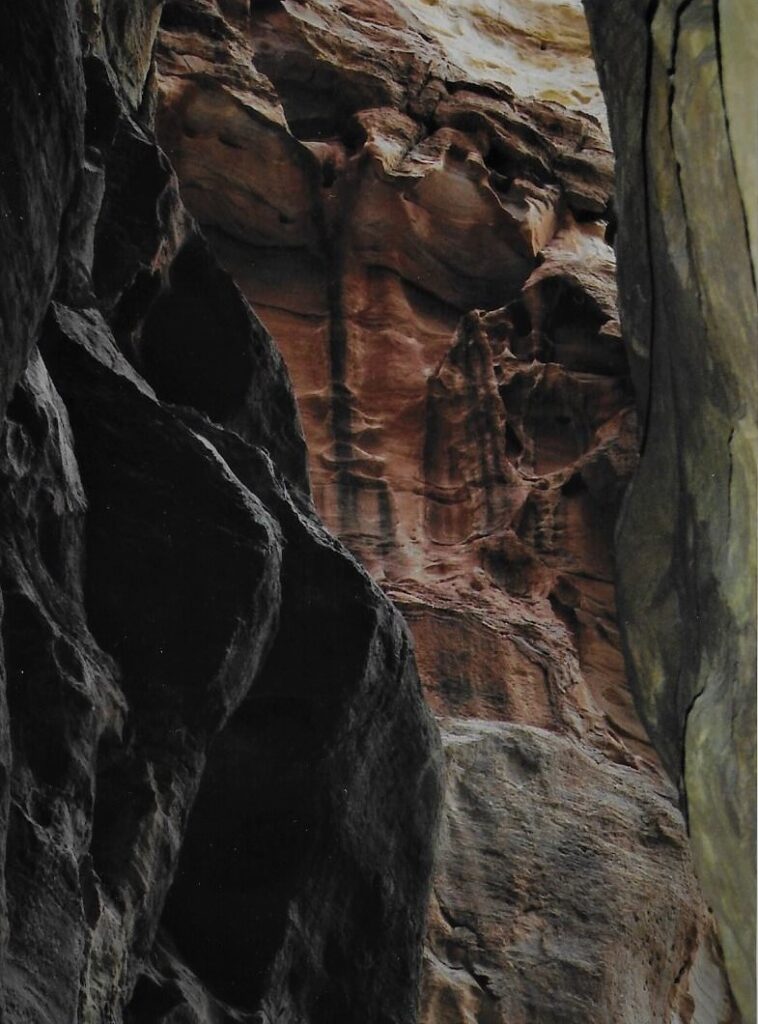
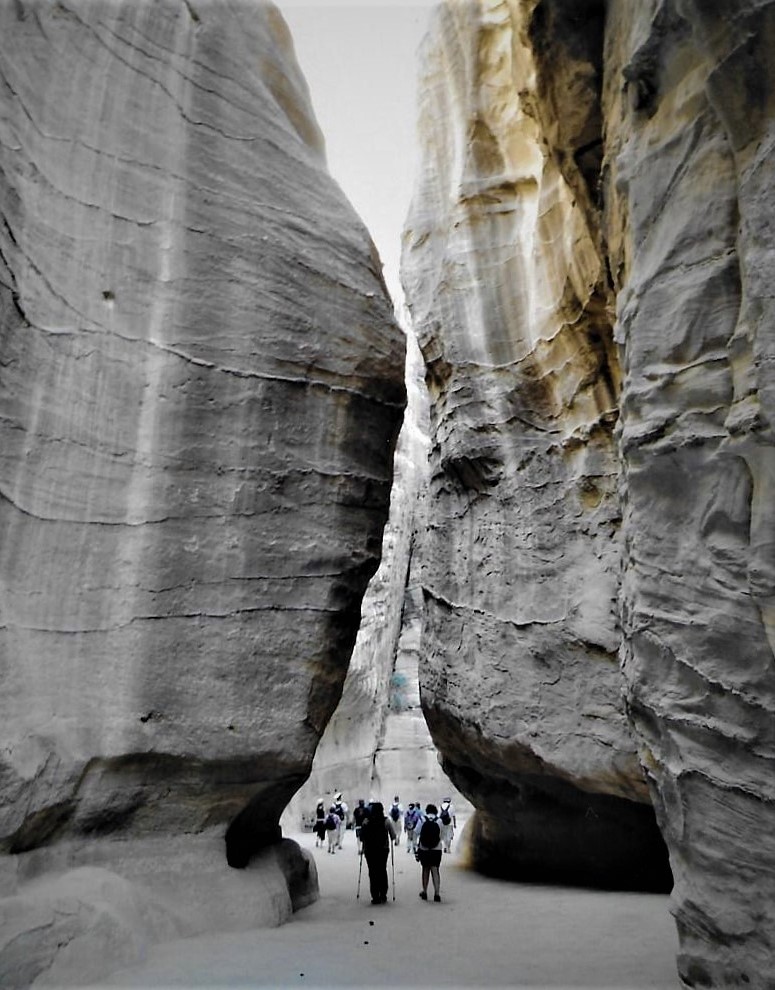
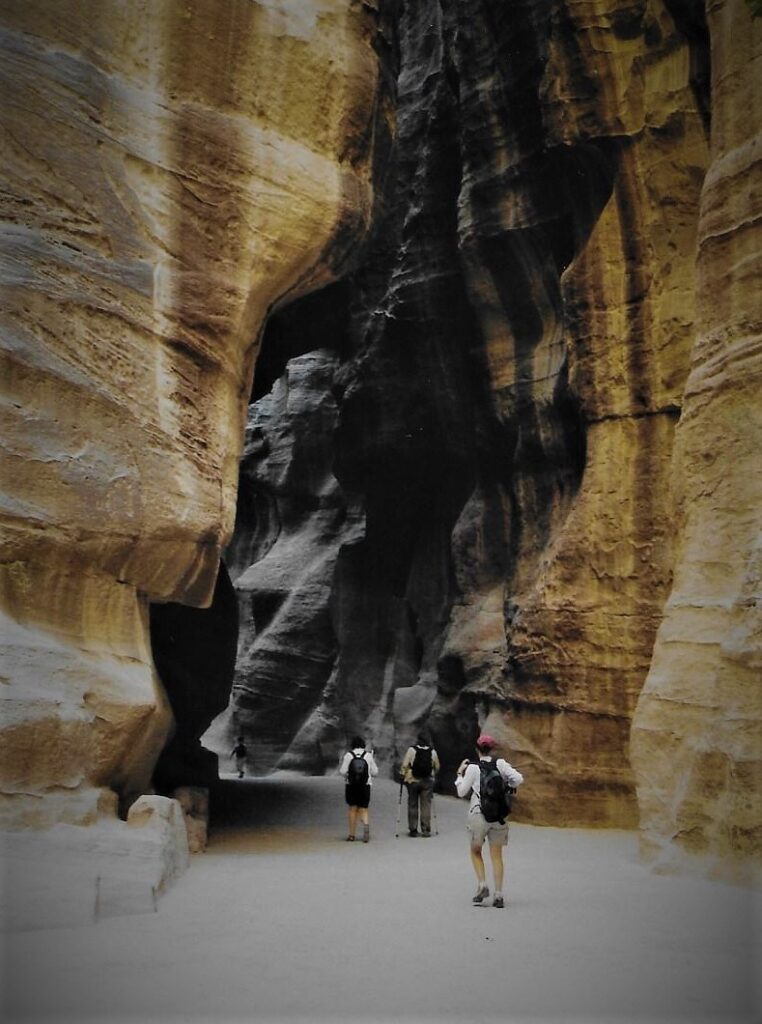
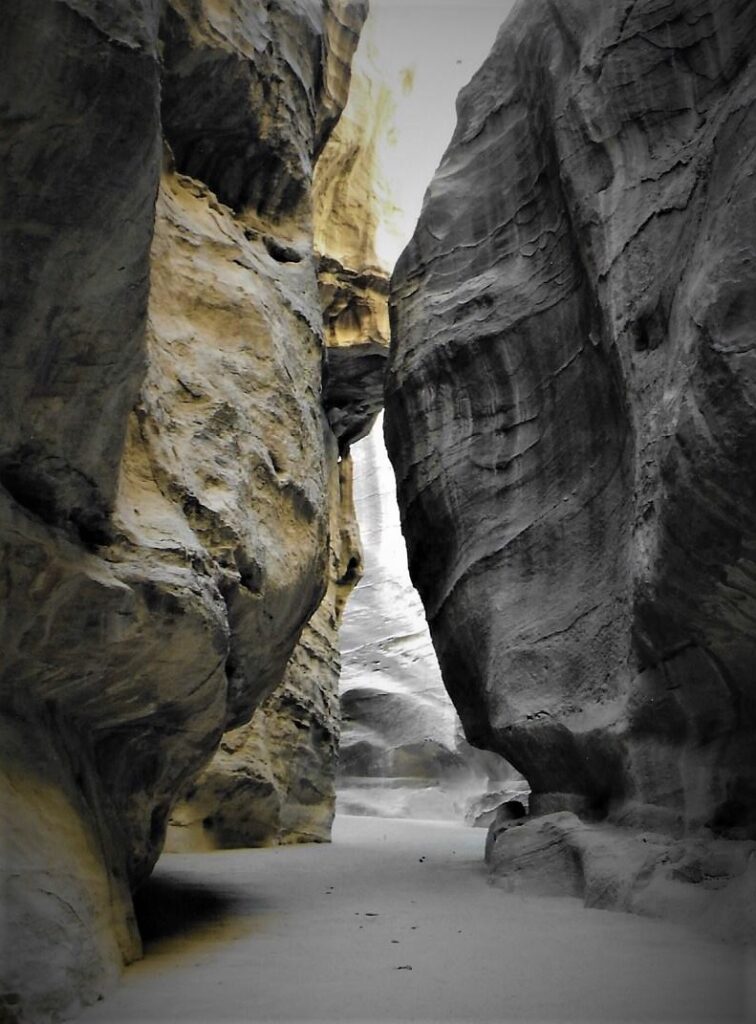
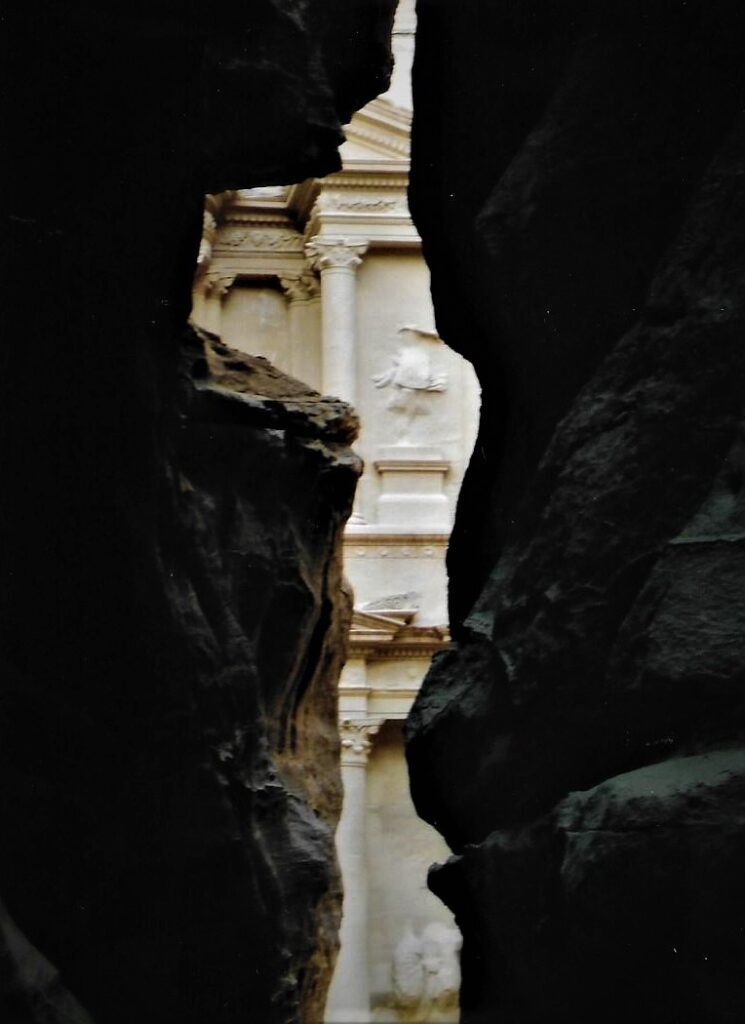
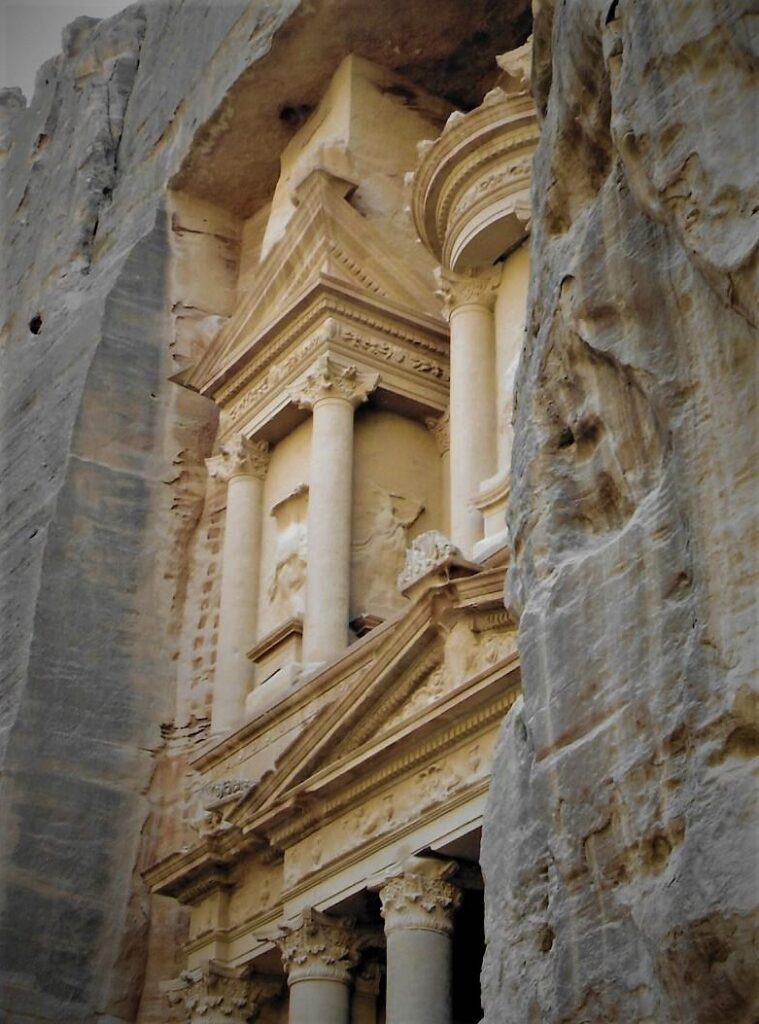
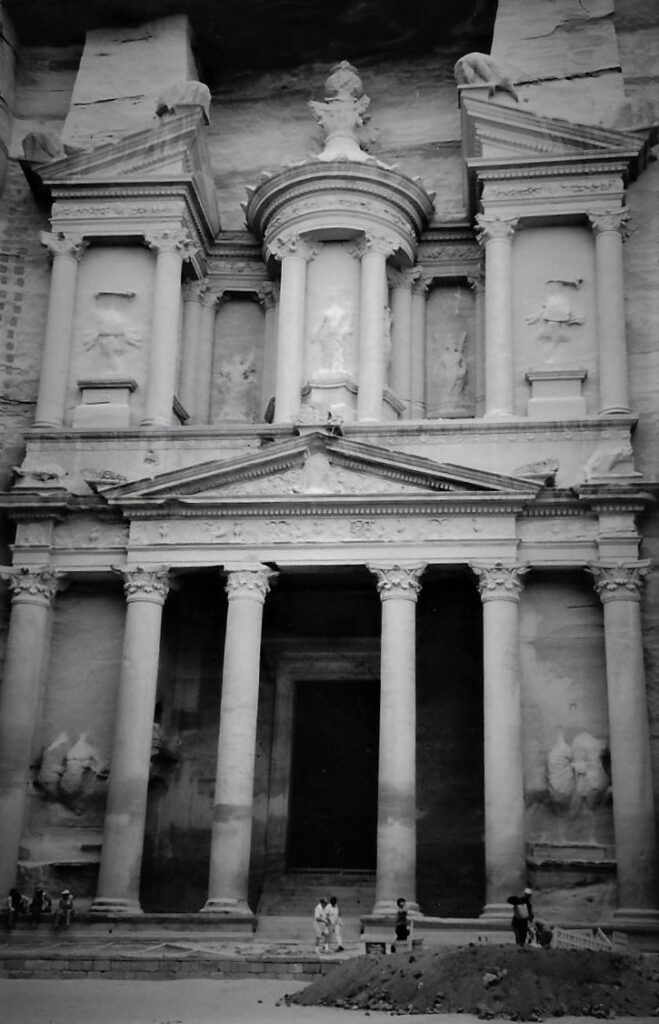
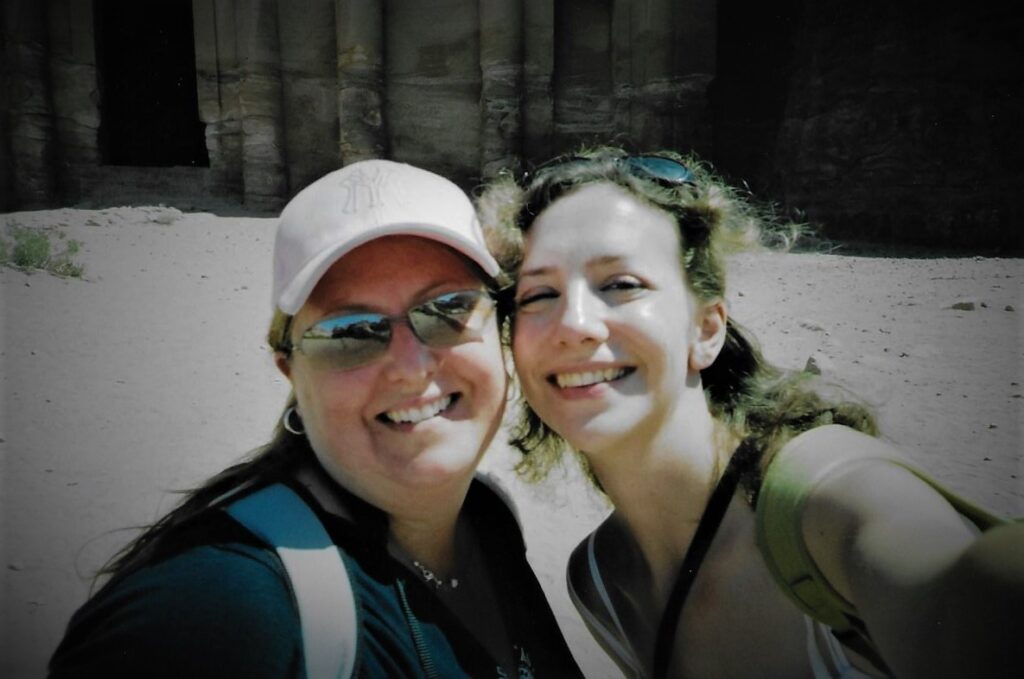
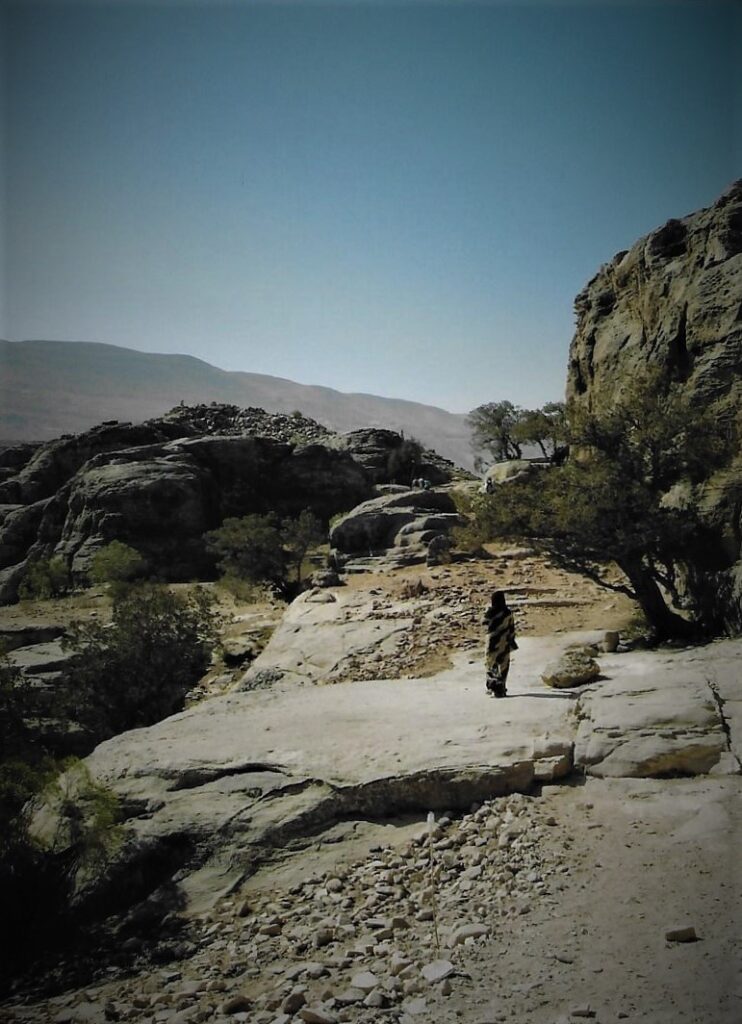
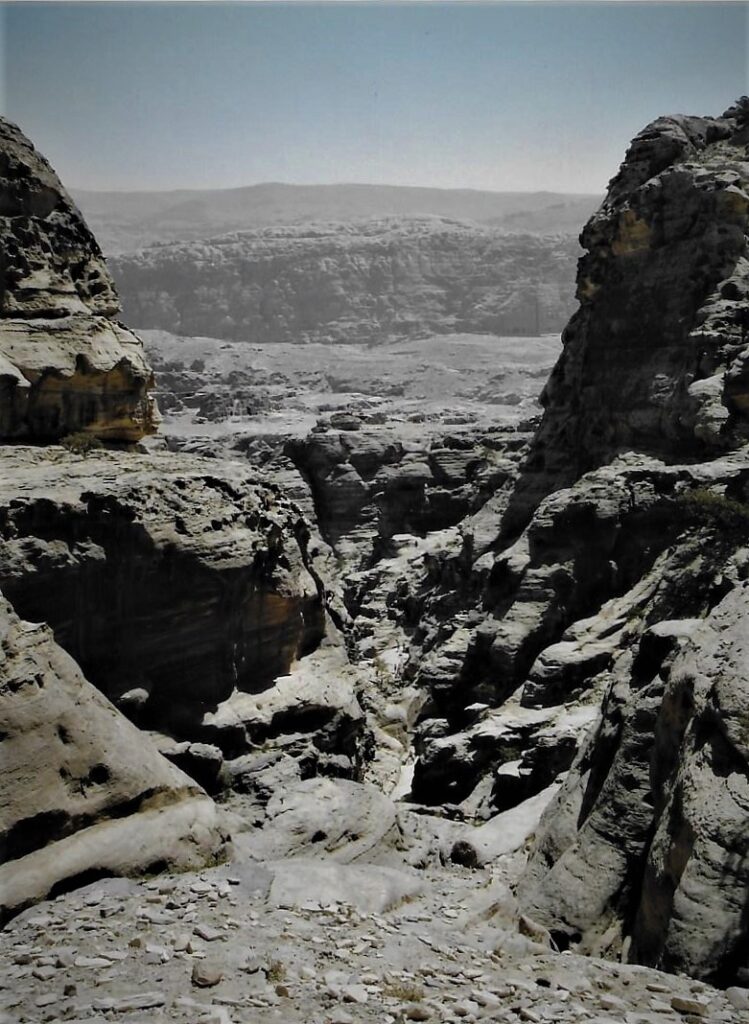
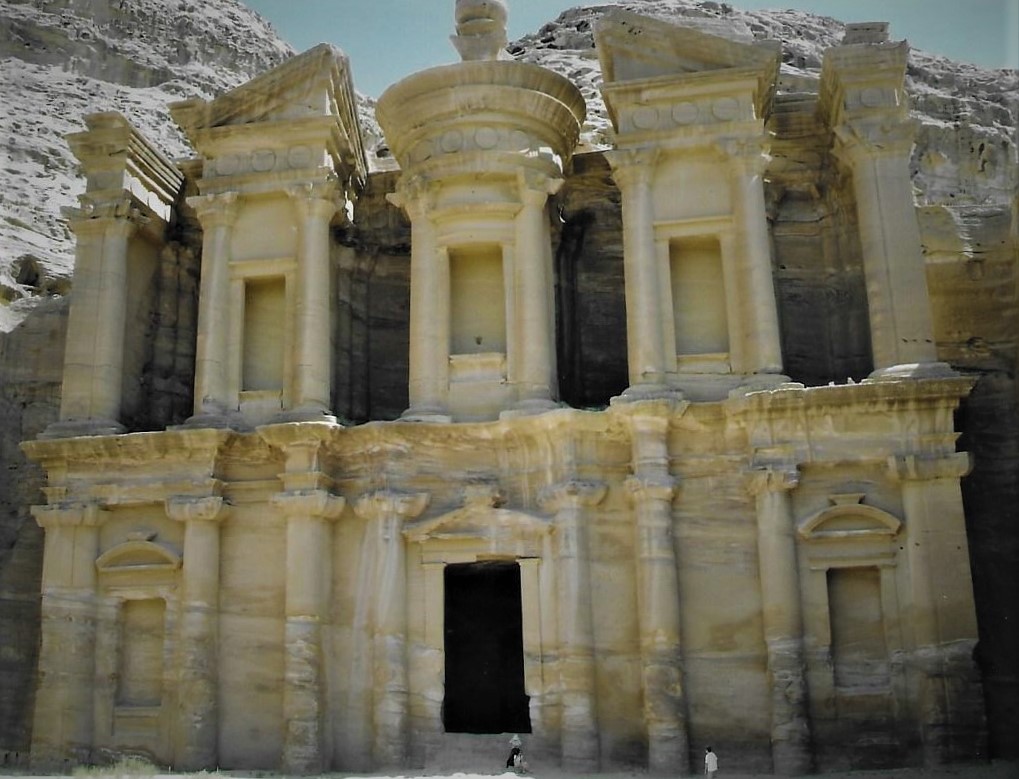
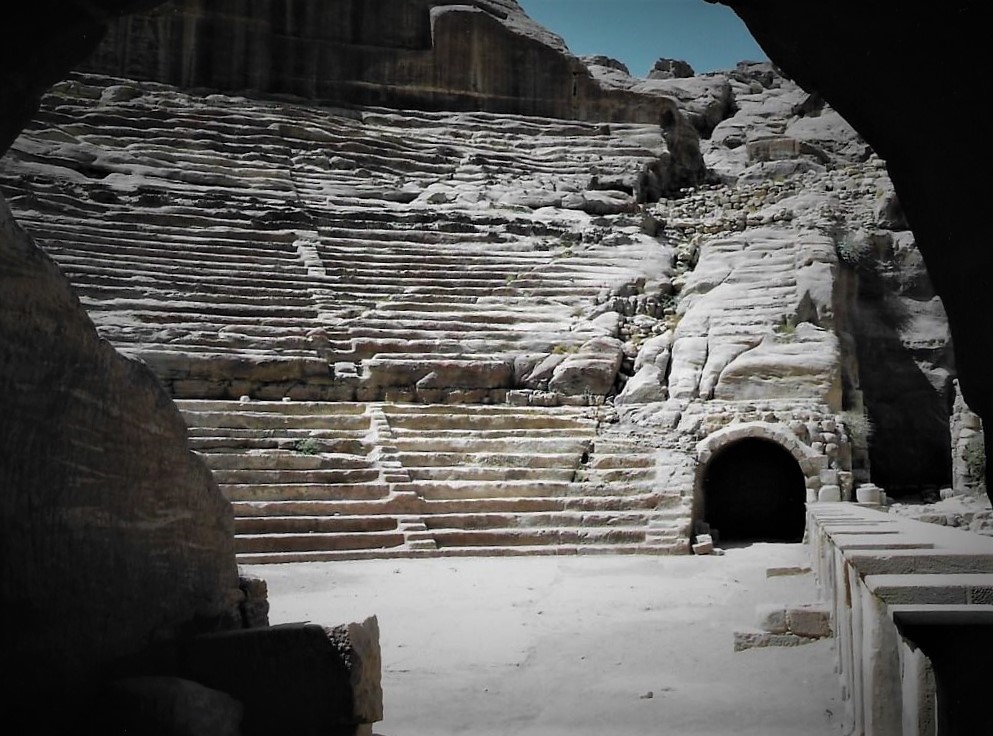
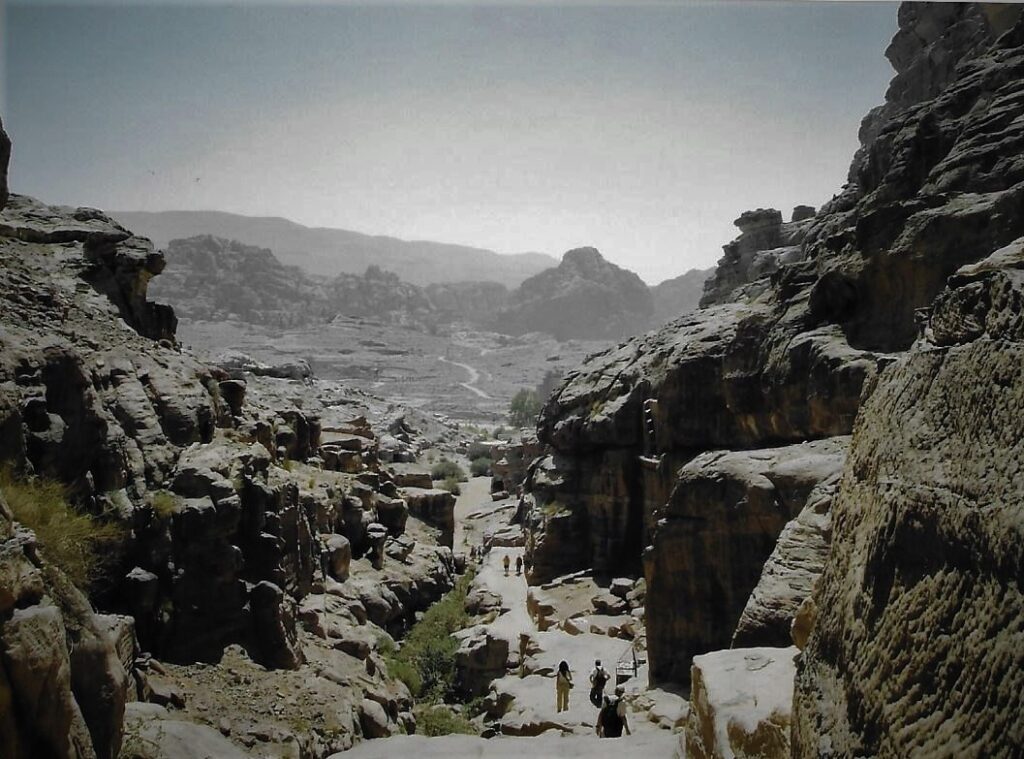
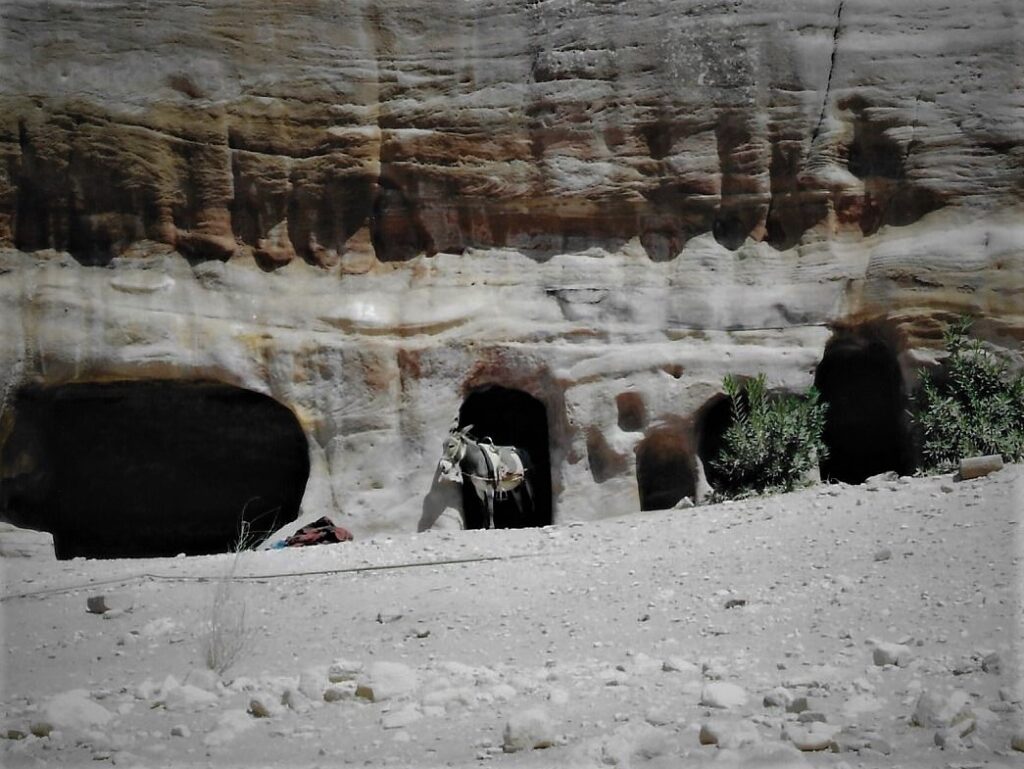
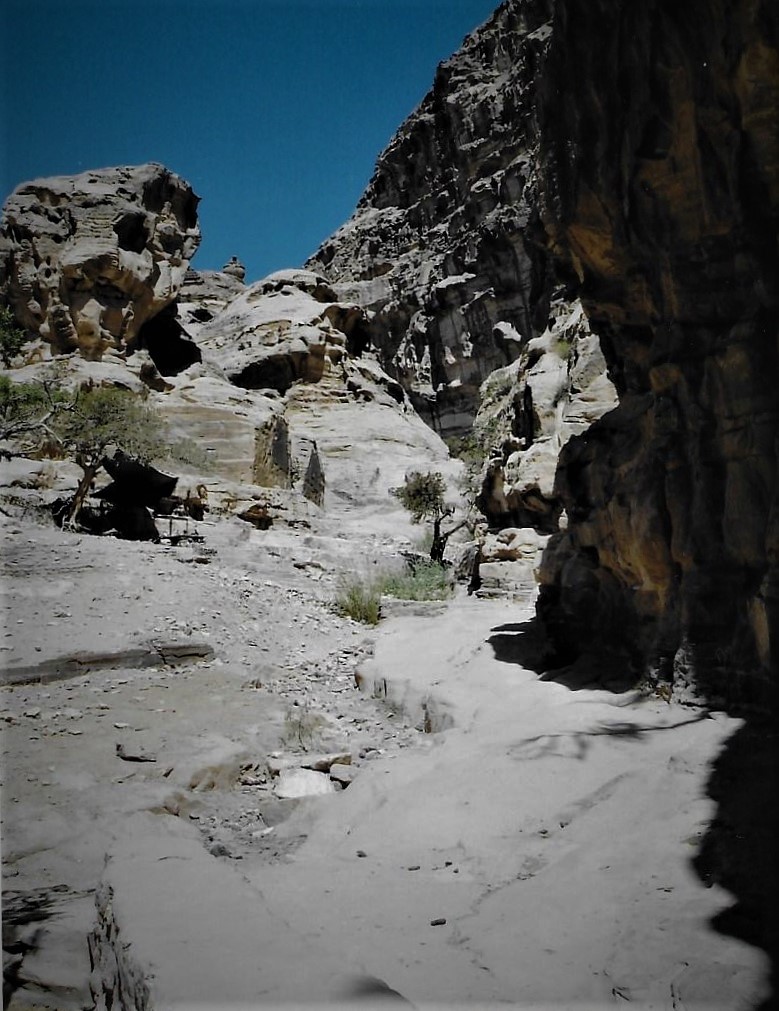
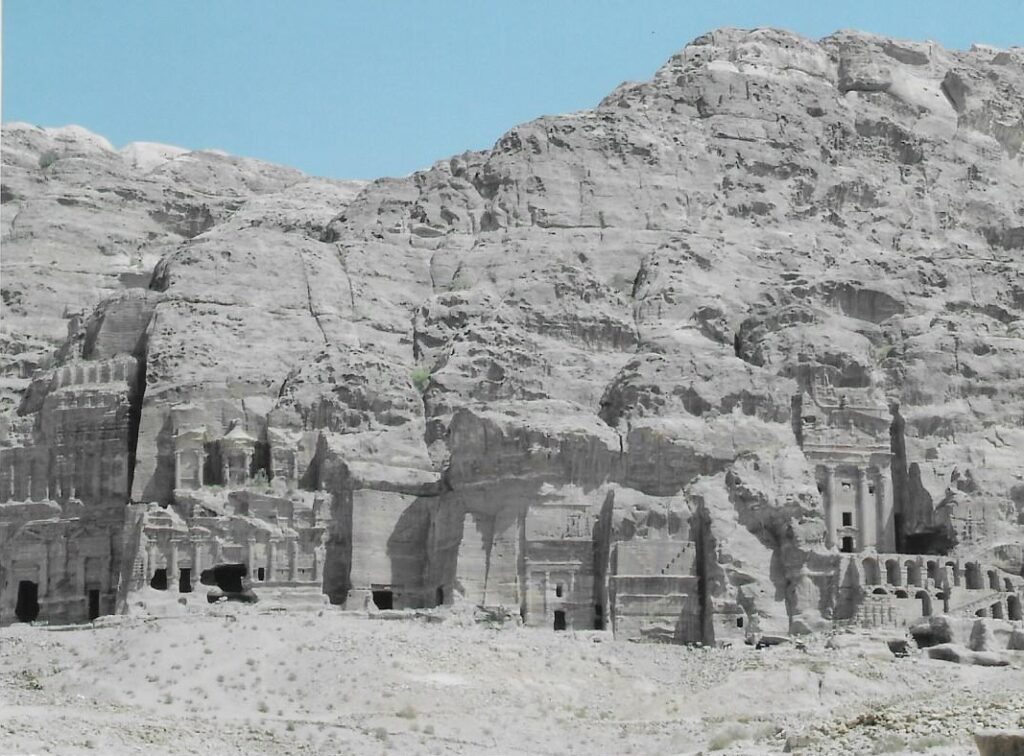
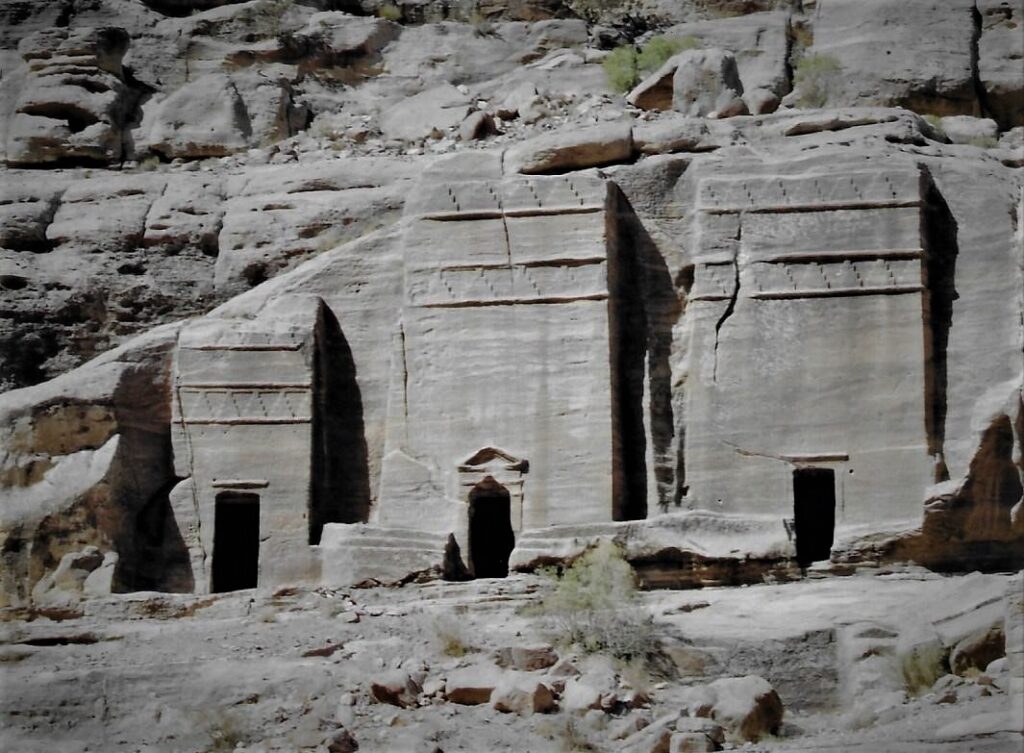
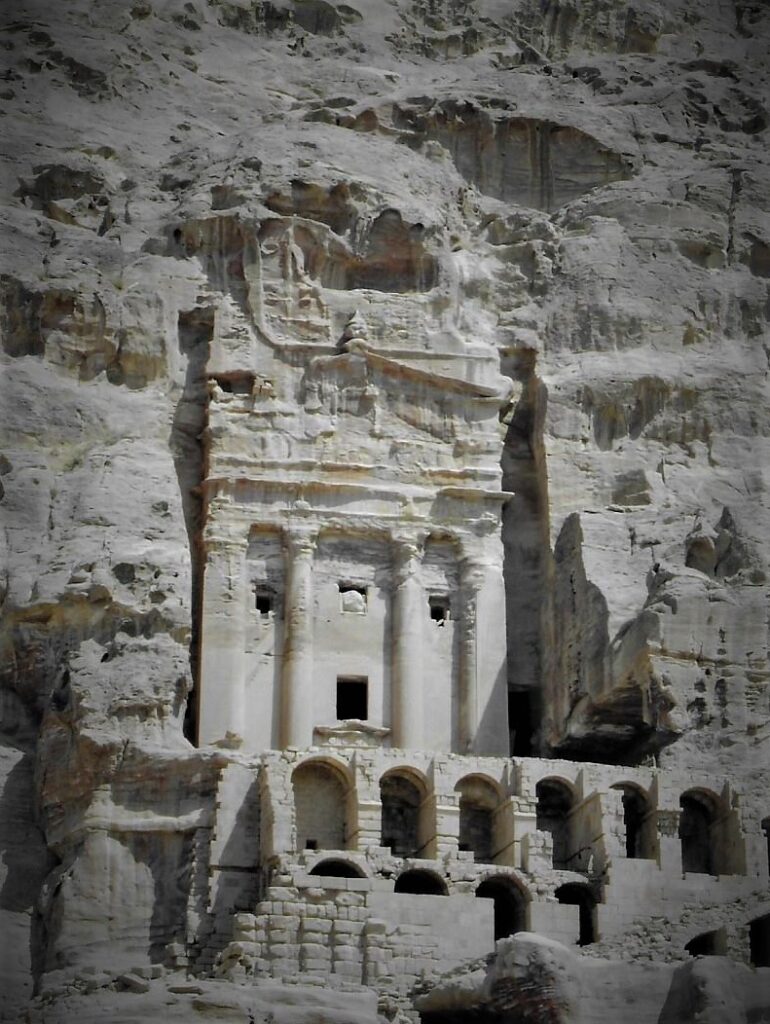
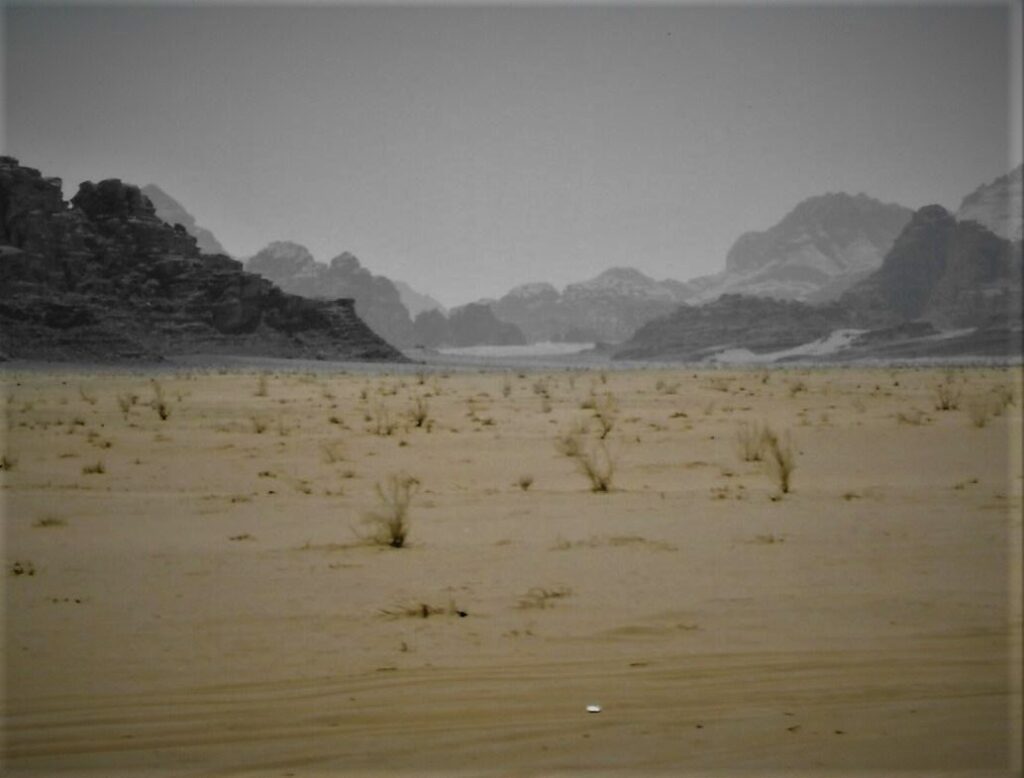
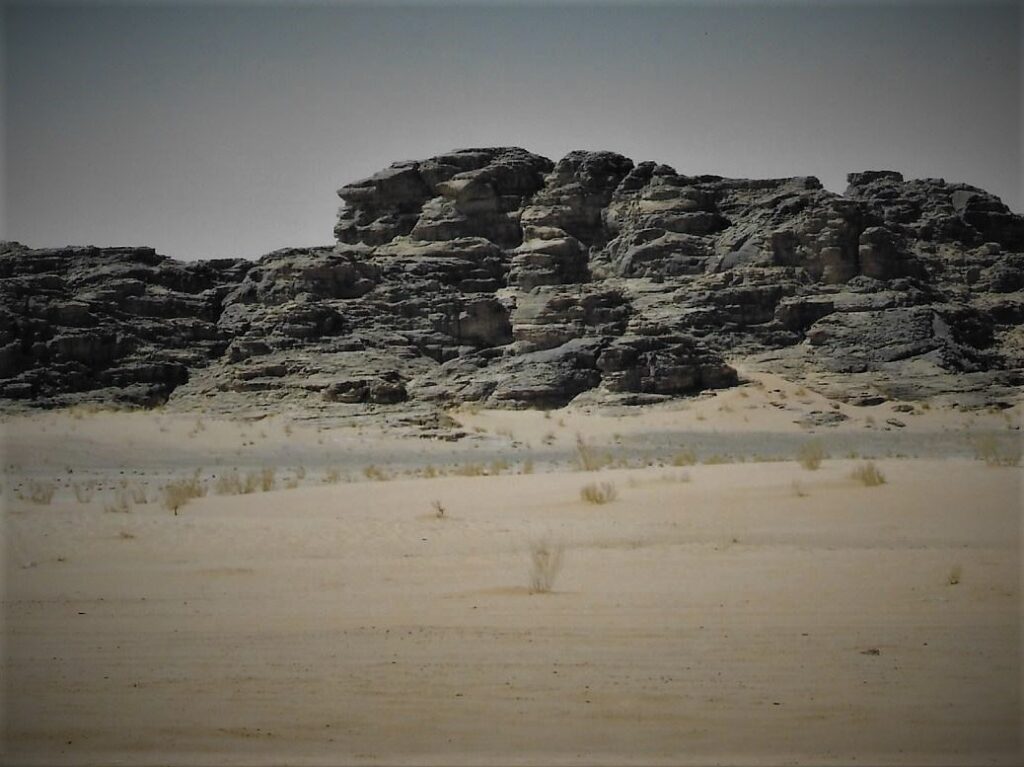
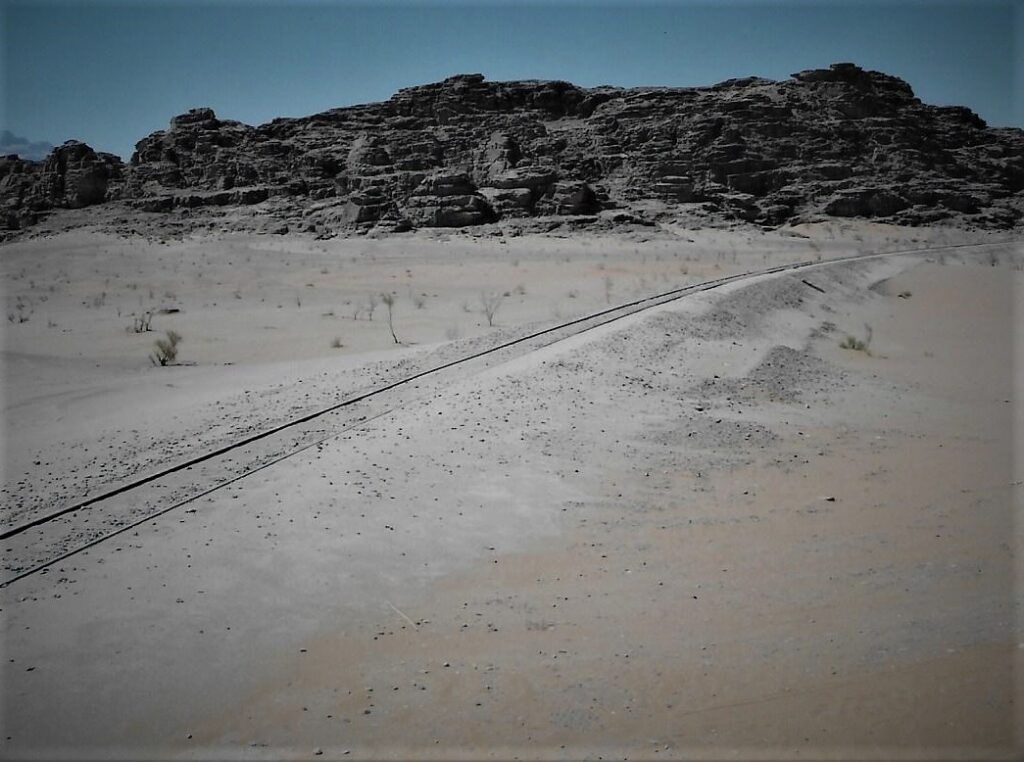
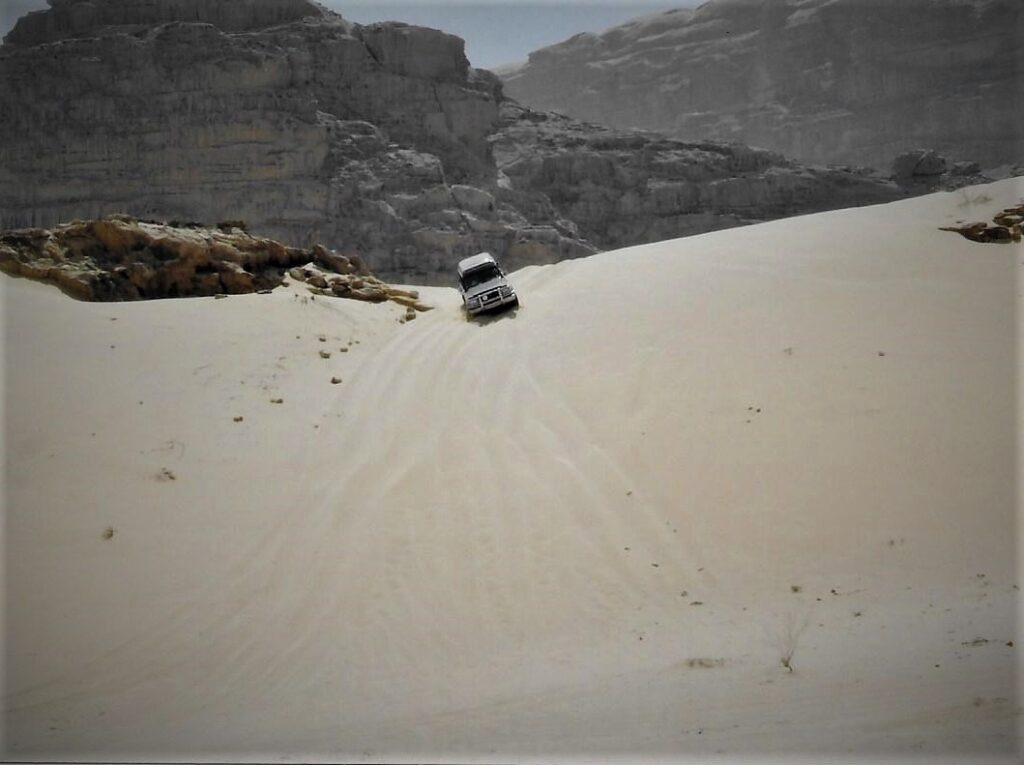
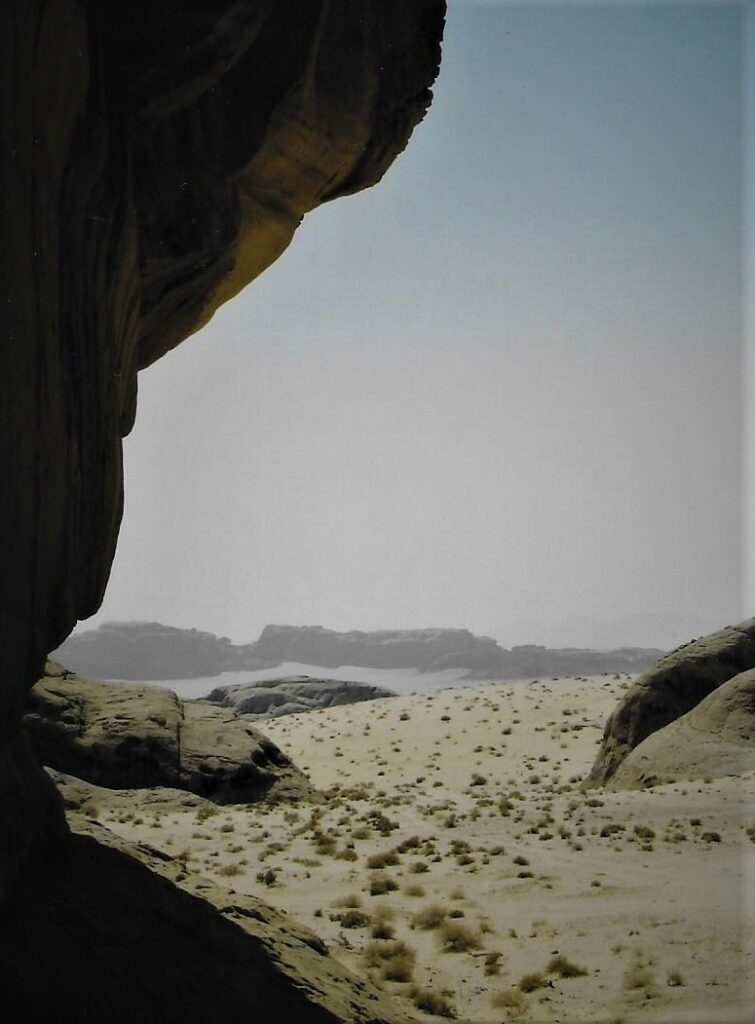
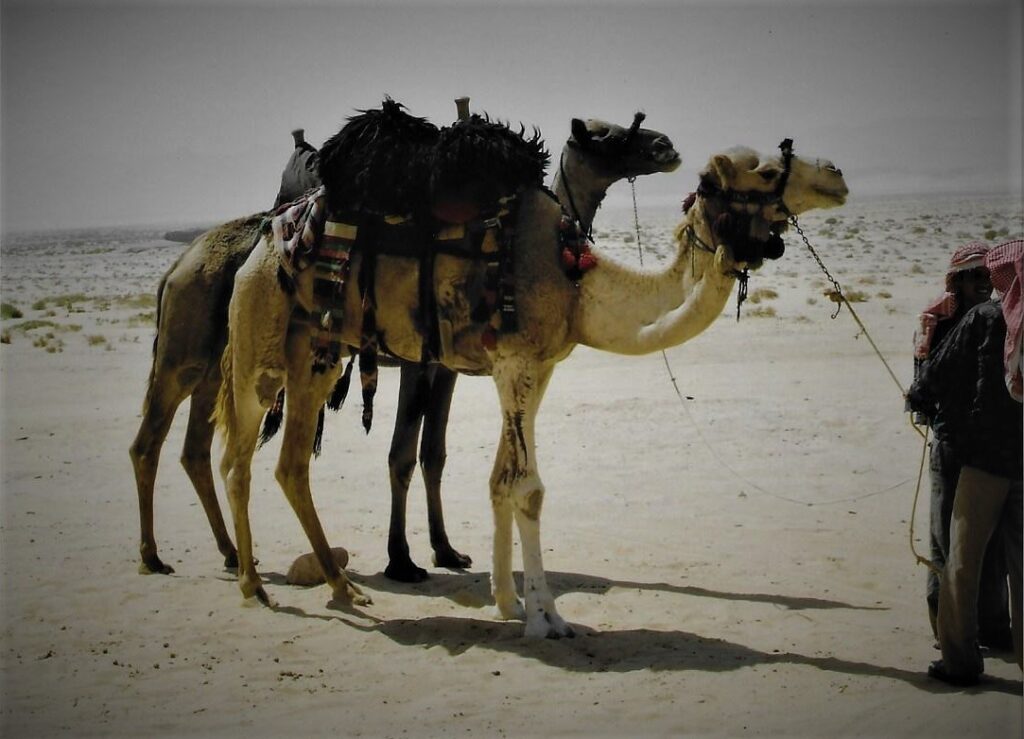
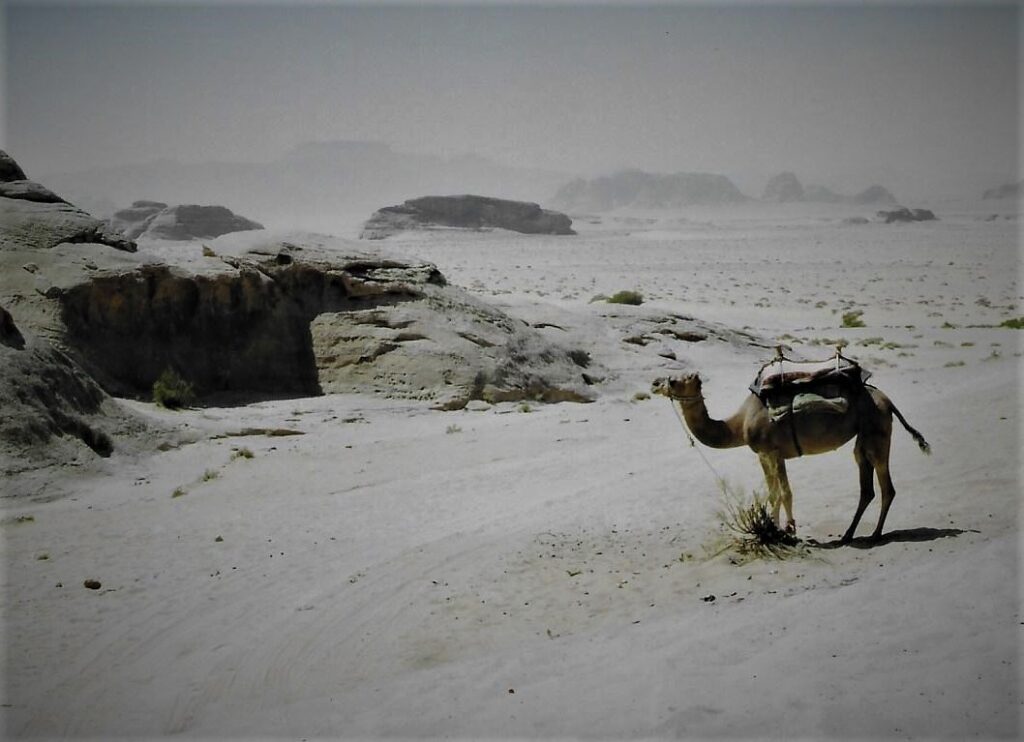
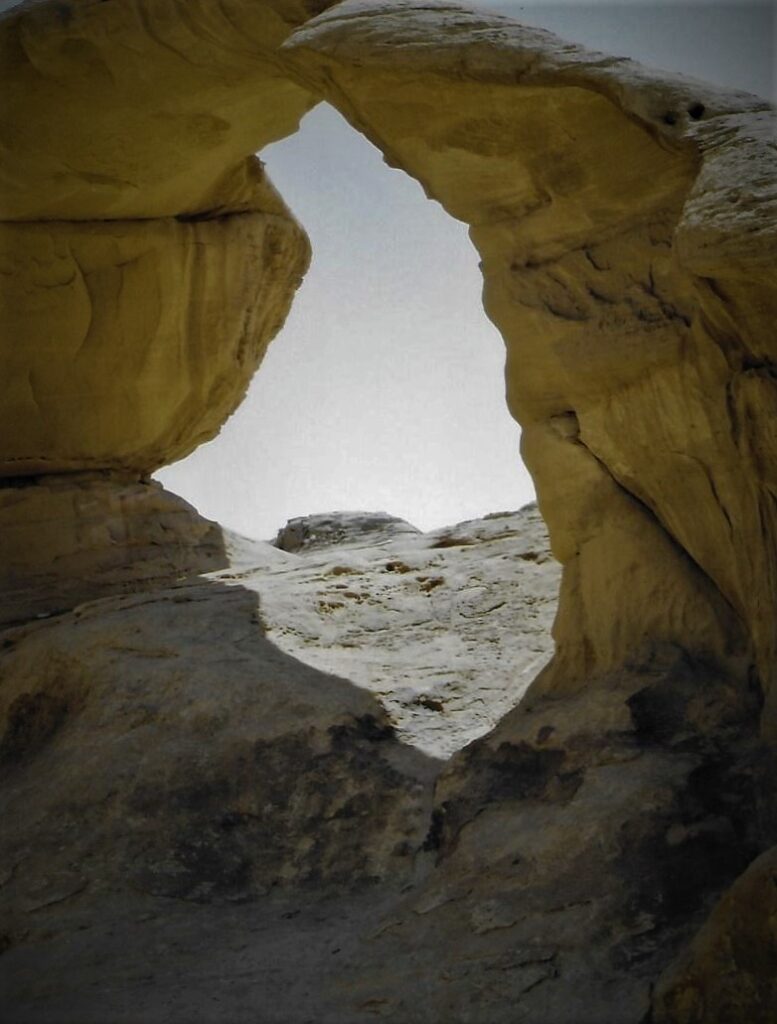
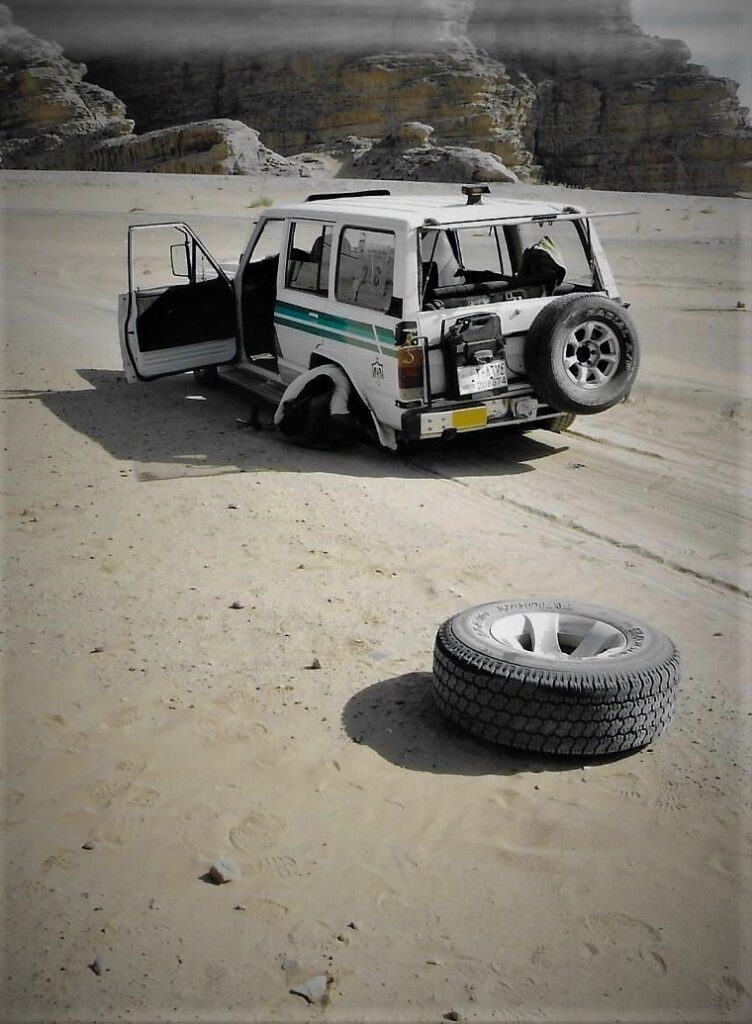
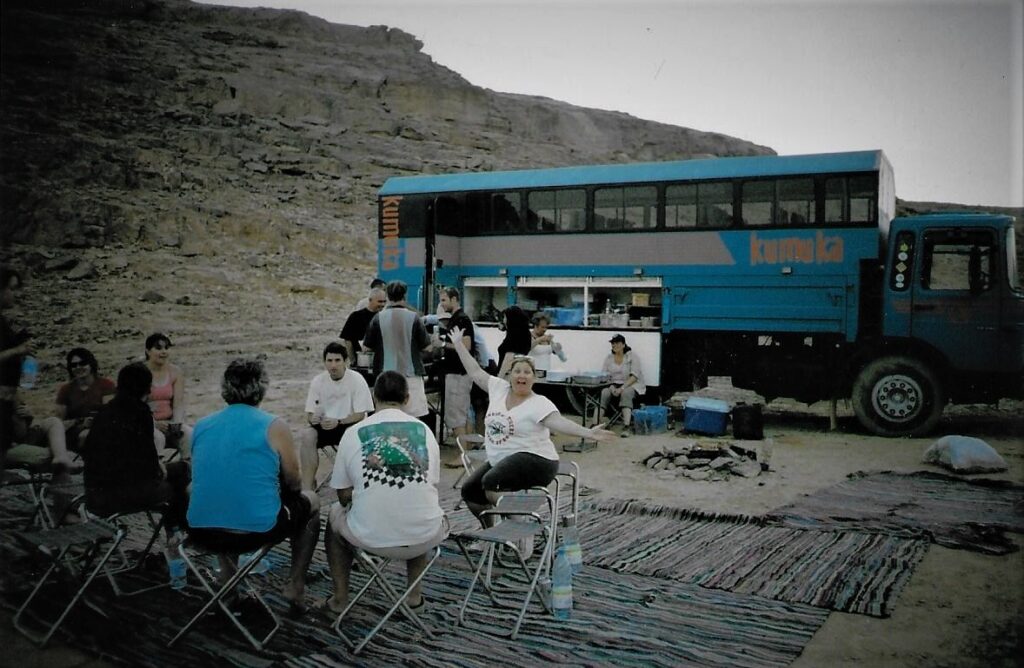
Any would-be 1930’s explorer worth their salt will make a trip to Jordan at some point in their imaginary career, not only to walk in the sandy footprints of T E Lawrence but also to get their Indiana Jones on. Thus it was that I embarked on the first part of an overland tour which would convey me across the vast terrain of Jordan (and later on into Egypt…). A big, blue truck offered a convenient way to cover a lot of ground expediently (when work holiday allowance is tight), safely and in pretty lively company, it has to be noted. After a couple of days checking out bustling Amman and the meandering ruins of Jerash, my mate and I joined the truck crew to float in the Dead Sea, trek in Wadi Rum and explore the length and breadth of Petra. Gracenote: you can’t ride up to Petra like Indy but walking along through the canyon approach (the Siq) is just as special. When you see the ancient pink pillars of the Treasury peeking between the huge rocks that have been towering either side of you it’s a bit of a moment. (A further FYI, there’s also no knight and the penitent man doesn’t need to pass anything because there’s no cup of a carpenter in there either, I’m afraid).
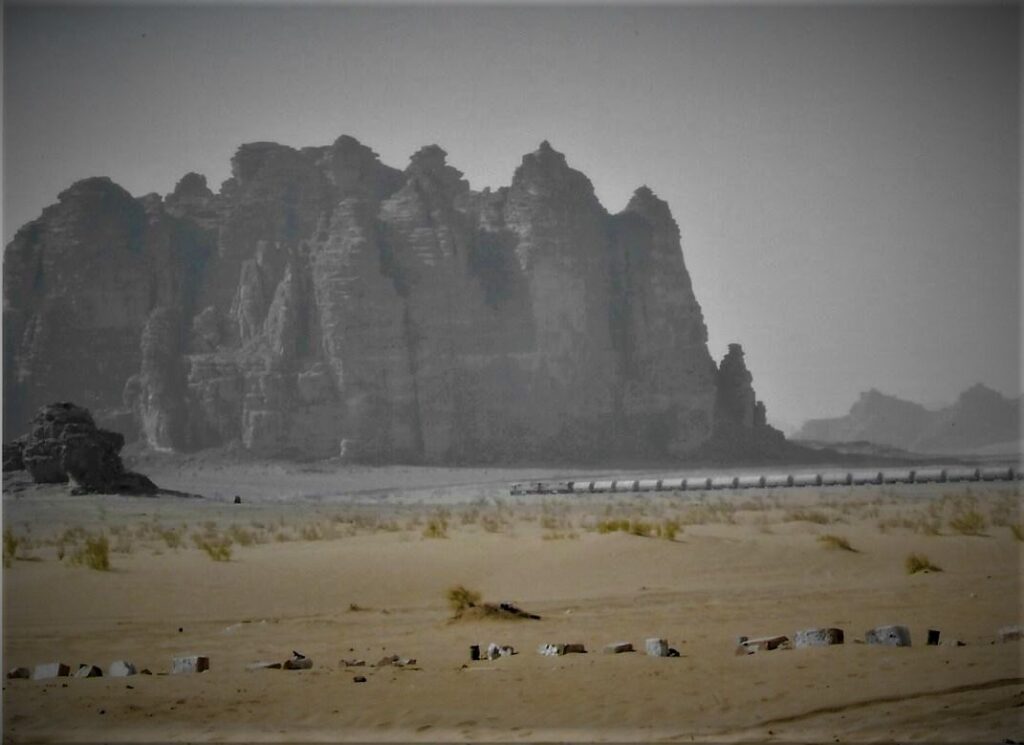
In terms of food, my abiding memory of eating in Jordan is truck lunches. These tended to take the form of pitta bread filled with cucumber, tomatoes and cheese (lovingly prepped by big Al, our legend of a driver). Not very exciting, I grant you, aside from the locations; it’s pretty cool eating a slightly dull sandwich looking across at the Seven Pillars of Wisdom (even if it is 40C in the shade). The tour I was on was run by a bit of a t*** who was convinced that westerners would prefer to go to more western style eateries in the evenings. He was the kind of guy who when we parked up to camp would toss a handful of sand to check which way the wind was blowing only to have the grains invariably blow straight into his face. The kind of guy whose ineptitude the group bonds over. I digress. Sites and sights – 110% awesome; but I could have done with the opportunity to eat more local food. One dish in particular stands out, however, but I had it in Amman before we set-off in the truck ?.
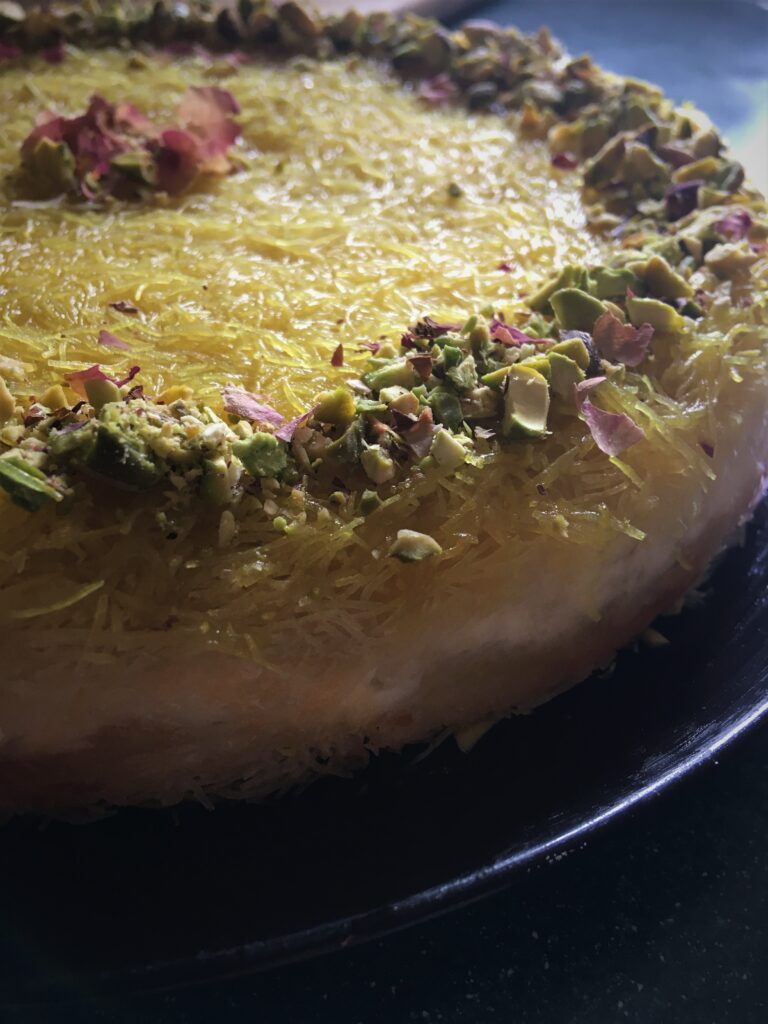
As with many countries around the Med and across the Middle East there are variants of a shared cuisine to be found in Jordan and the differences are always interesting. This week’s dish isn’t particular to Jordan but Jordan was where I encountered it. Let me introduce you to knafeh. For a start, this is a great word. It sounds like a shut down to indicate “enough said; I’m not allowing you in on this secret”, but I will. The secret is cheese infused with rose syrup.
Two (of the many) things I love about Middle Eastern countries are: roses; and the enthusiasm for blending sweet and savoury for the mouth. If you grew-up in England, then you can be forgiven for thinking that roses are quintessentially English (middle class ladies dead-heading of a Sunday afternoon) but it wasn’t until I went to to the Middle East that my nose and mouth actually encountered roses properly. The scent is markedly different from that which infiltrates the inside of your grandmother’s handbag; and as a flavour, rose is so much more versatile than just lingering cubes of Turkish Delight from three Christmasses’ ago. Rose is as haunting as a call to prayer that echoes across the rooftops at sunrise. When it’s removed from the staid context of an English country garden you realise how beguiling and sensuous a scent it is to be surrounded by in the sunshine. It’s so sexy you just want to consume it, and you can; in abundance.
Capturing the perfume of a rose in rosewater stretches way back to dusty, ancient times; Damask rose from Syria being the most well-known variety. Inspired by travellers and traders from far away countries, in Europe rose flavouring was used in cooking and baking (sweet and savoury) up until the Renaissance but after then we lost touch with the versatility of this ingredient. For centuries rose has, however, formed a key part of Middle Eastern cuisine. Rosewater is added to sauces and pastes and is sprinkled on meat dishes. Rose petals are used in tea infusions and along with rosewater go into jam, ice cream, hot puddings and sweet treats, Dried petals also lend an enticingly decorative flourish to many a dish. In a knafeh, rose-infused syrup is drizzled over the final crispy bake.
The other fun thing about knafeh is the pastry. It’s the same as the stuff that certain baklava are made from – the ones that look like they’ve been wrapped in vermicelli, although I always assumed it was a kind of shredded wheat. It’s not; and shredded wheat won’t cut it either. This is a special shredded filo pastry – kataifi – and it has a crazy affinity with syrup.
The other thing I like about this dessert (apart from the fact it is cheese course and dessert in one), is that it’s history is as rich as its flavour. There are many variations on the name and the method – all essentially around a theme. The name is said to derive from the Coptic Egyptian for bread/cake – kenephiten – and I like the humble, “essential staple” background this suggests. It is purported to have begun life as a dish prescribed by doctors for the Caliphs during Ramadan. In its infancy, around the 10thC, it was more of a crepe affair, but in 15thC shredded pastry took over. Different countries around the Middle East (and the Med) have a word for it beginning with “k”, deploy pastry, cheese, nuts and syrup in one way or another, and cook/fry the pie in a shallow dish. It’s all about being creative with basic, easy to source ingredients. You will see knafeh being made in souks and on the streets. Apparently the largest made to date was in Turkey in 2017 . It was 78m long, and punched an impressive 1550kg. Knafeh is a pretty big deal and seemingly it always has been. Not only does it get a shout-out in the “Thousand and One Nights” but there’s a record of a 13thC market inspector who would ride through Damascus at night during Ramadan ensuring the quality of the knafeh on offer was up to the requisite standard.
A simple staple yes, but the addition of sweetened rose (the eternal symbol of beauty and love) elevates it to a level of pleasure that truly brings a little squeal of food happiness (from me anyway – which is good as I have 15 more slices to get through!).