or, more precisely, walnut tart for breakfast near Tain Hermitage
I’m marking week 25 of this series with one of my favourite trips with my favourite travel buddy, my sister – aka, “the mute guzzler” – when we spent a week visiting vineyards along the length of the Rhône valley. This was a moniker she decided to award herself because on several occasions while I conversed with the various vignerons, my sister happily supped silently. Silence isn’t really my sister’s thing, mind, she’s pretty garrulous but vinous vocabulary can get a bit technical and when it does, the much underrated skill of nodding appreciatively comes in pretty handy.
We’re a very solid travelling team all told, with complimentary skills (I do the driving, she reads the map – this was pre-sat nav), similar interests, a hefty dose of curiosity, and, most importantly, the ability to make each other giggle uncontrollably. She’s the best company. Even if we are only away for a week we pack it in, and this trip was no exception. It also wasn’t solely single focus but wine certainly lubricated each day.
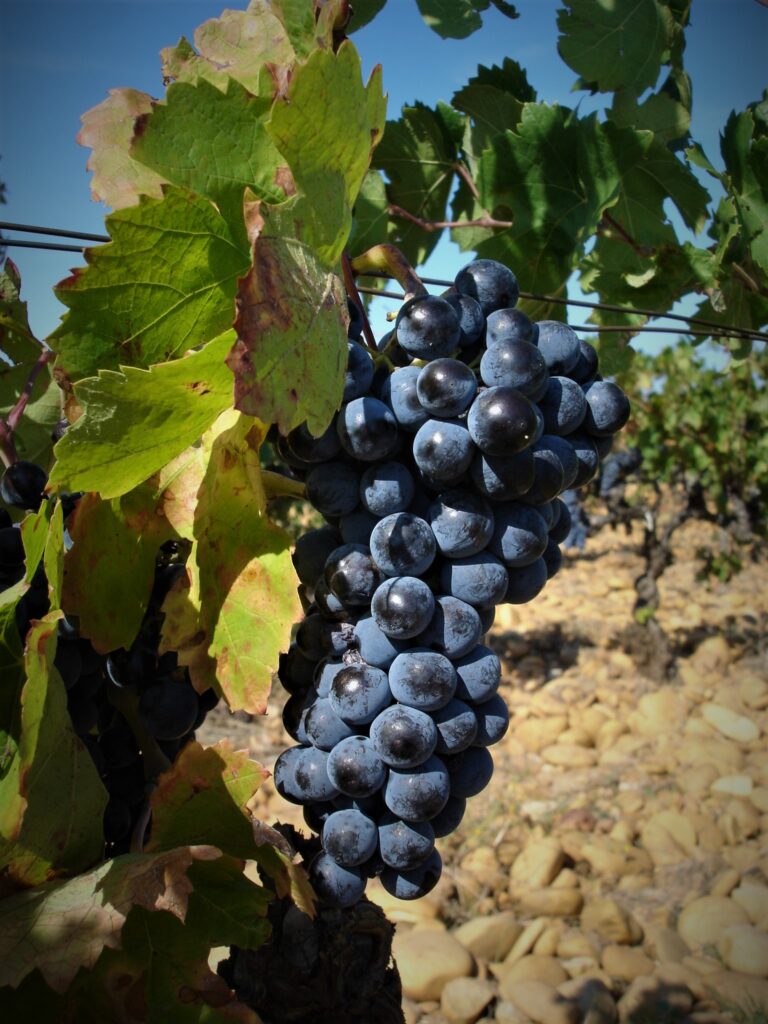
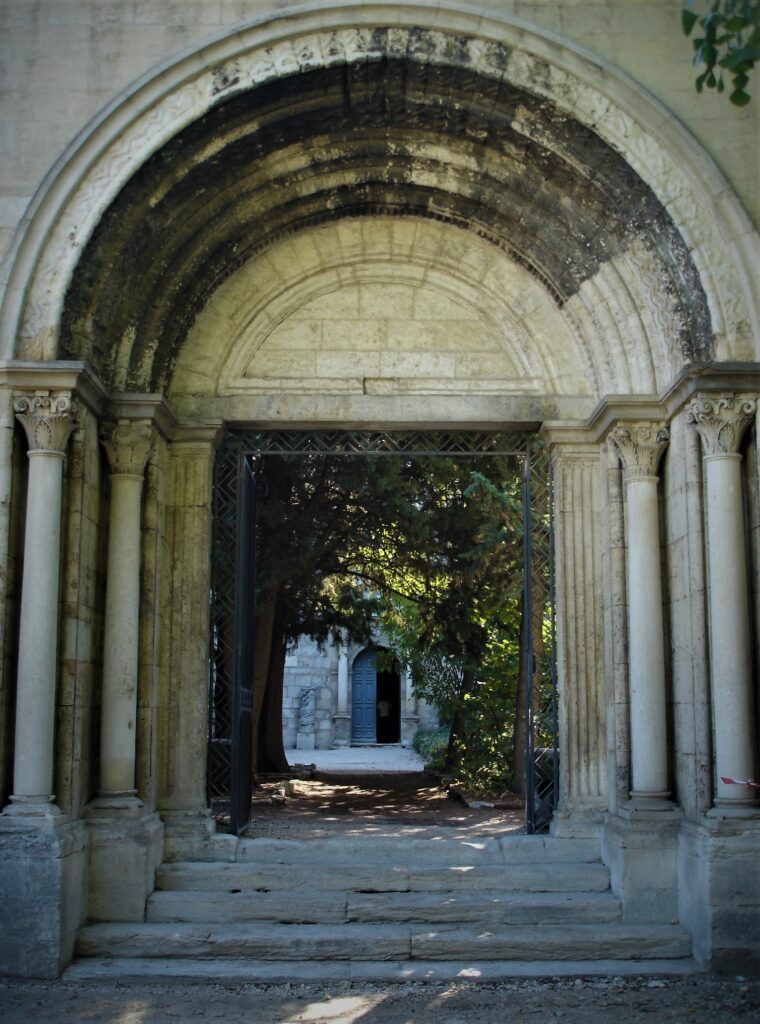
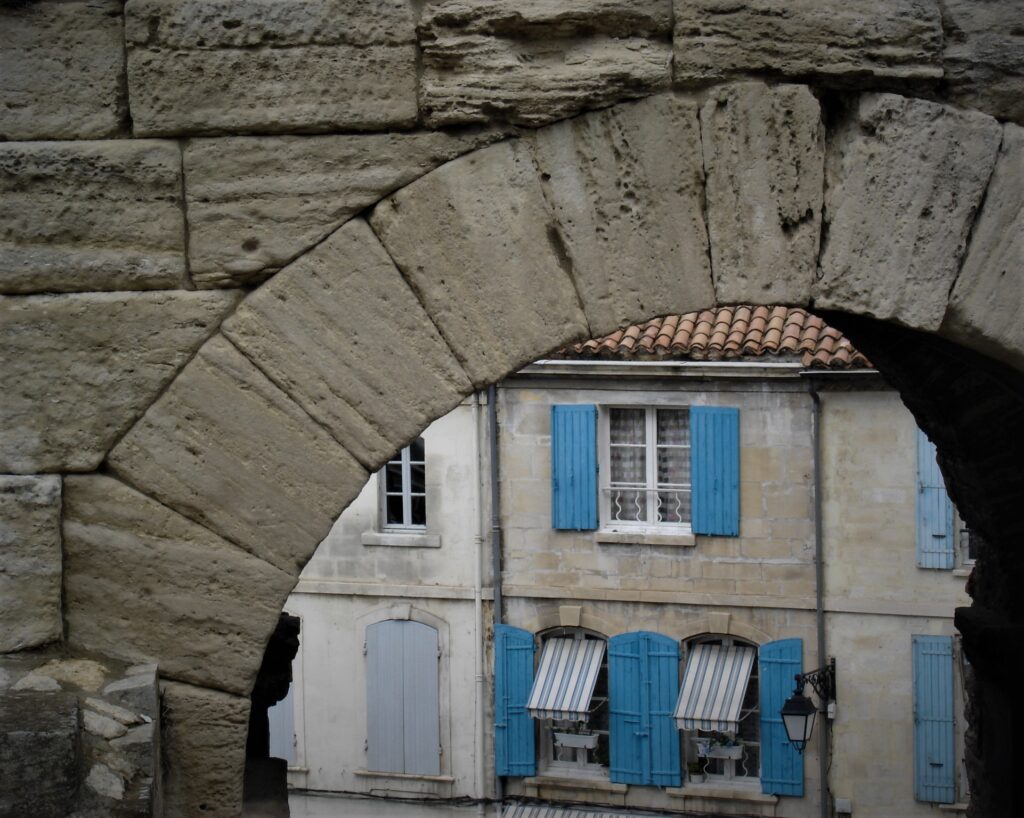
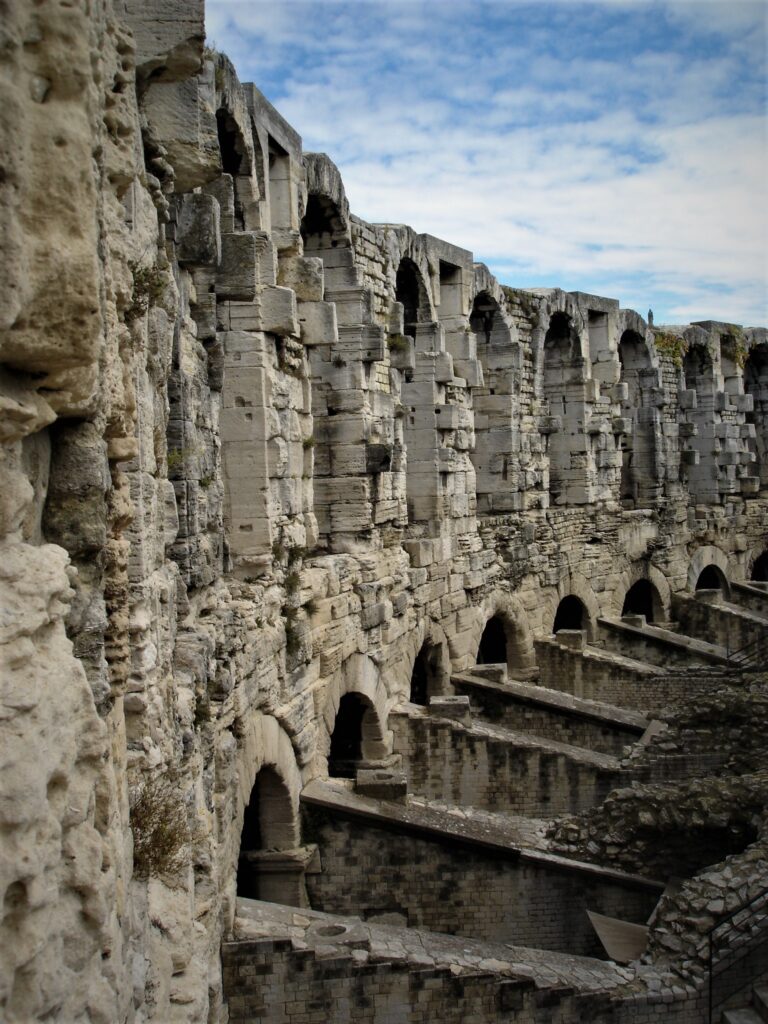
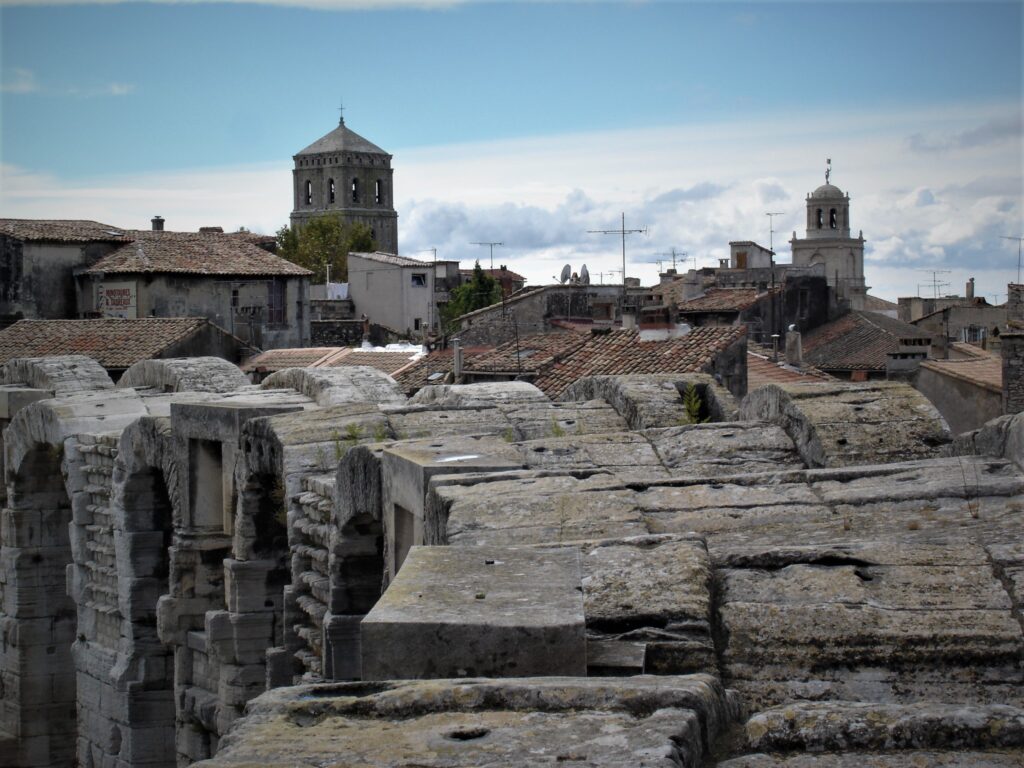
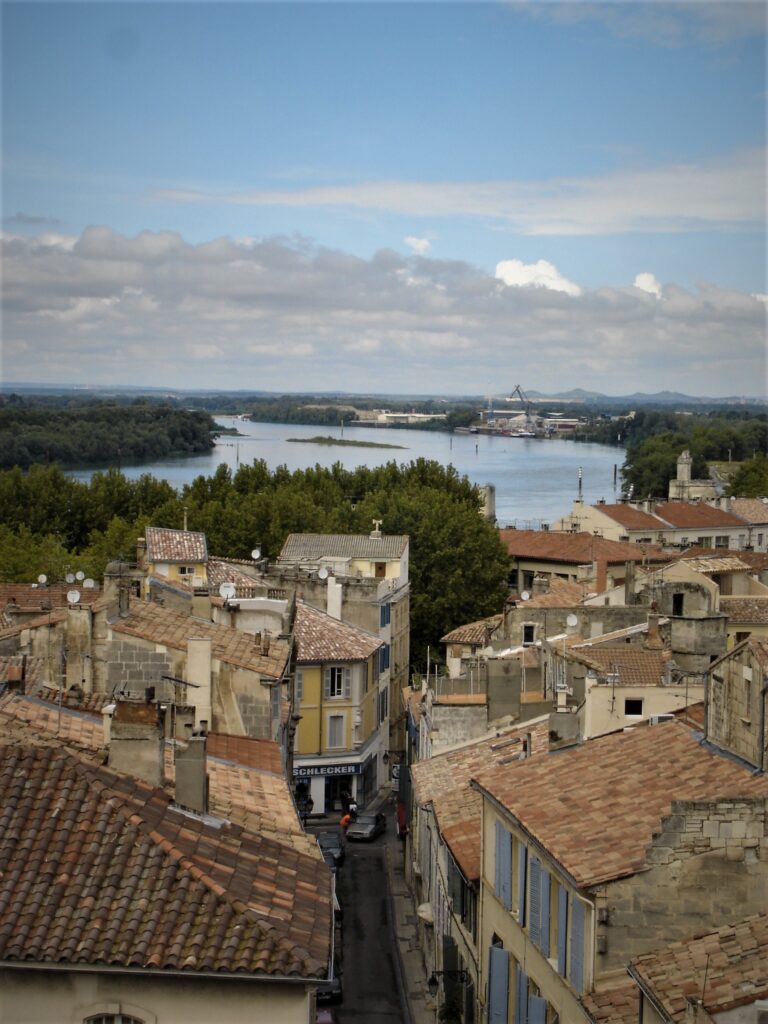
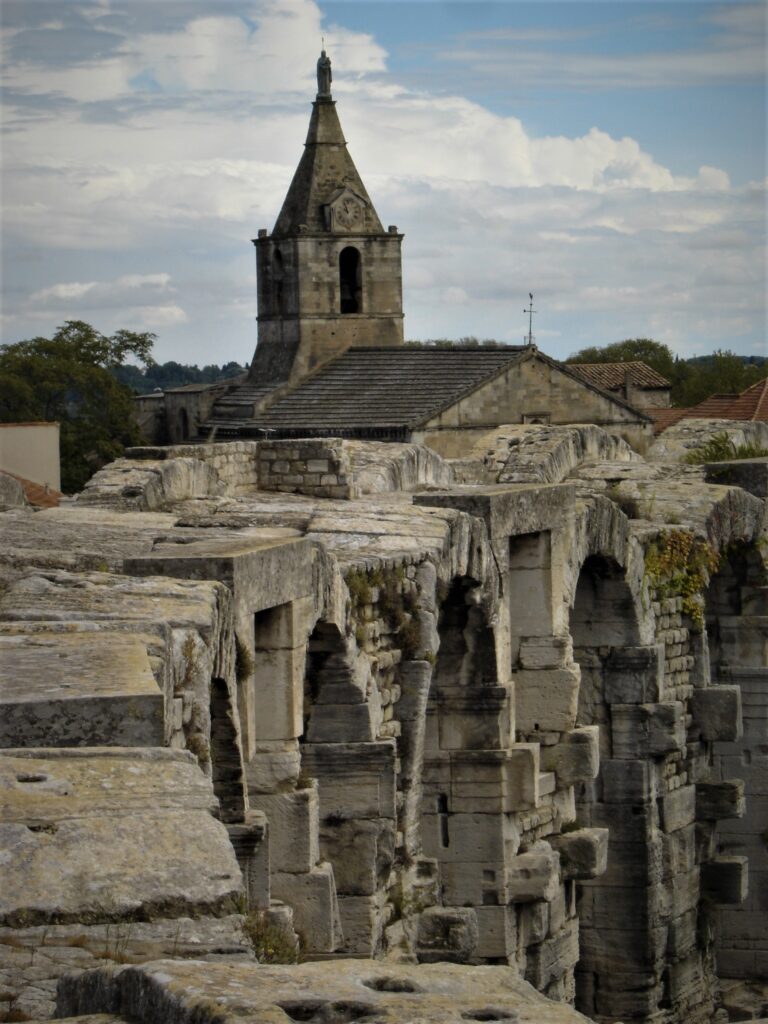
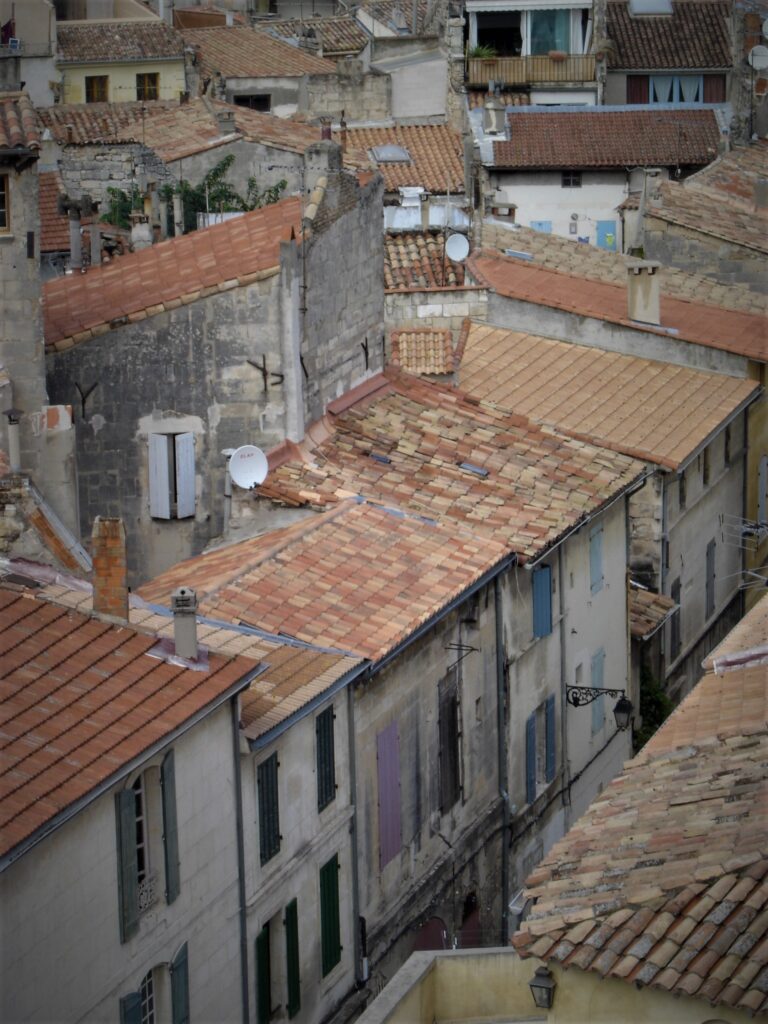
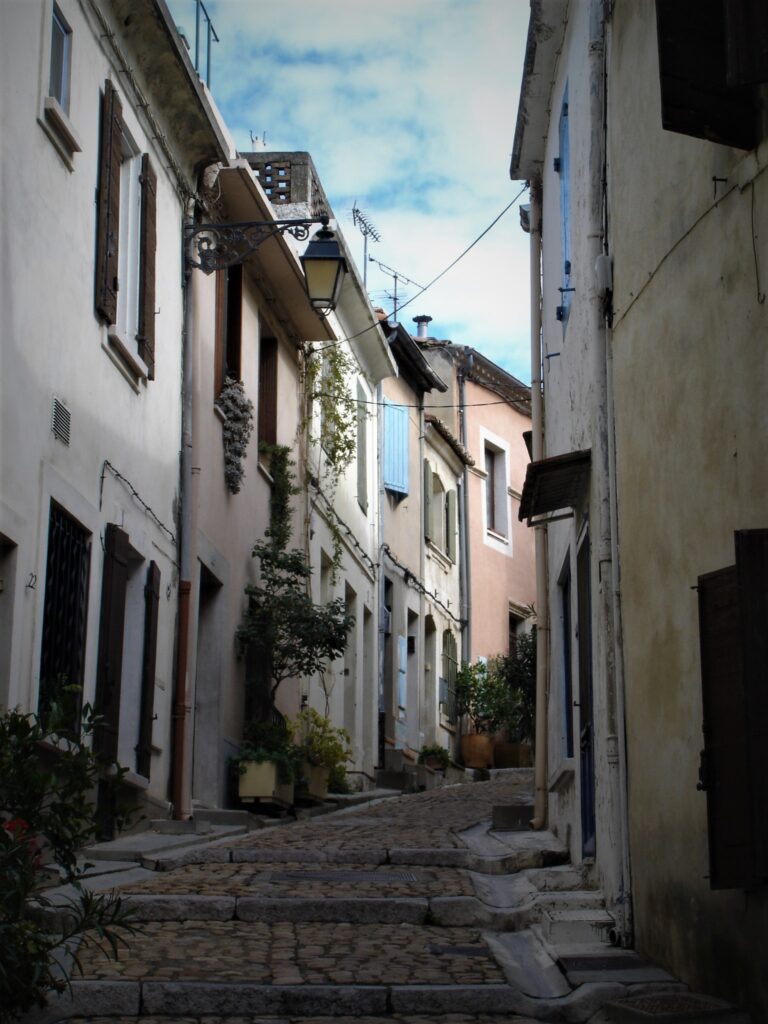
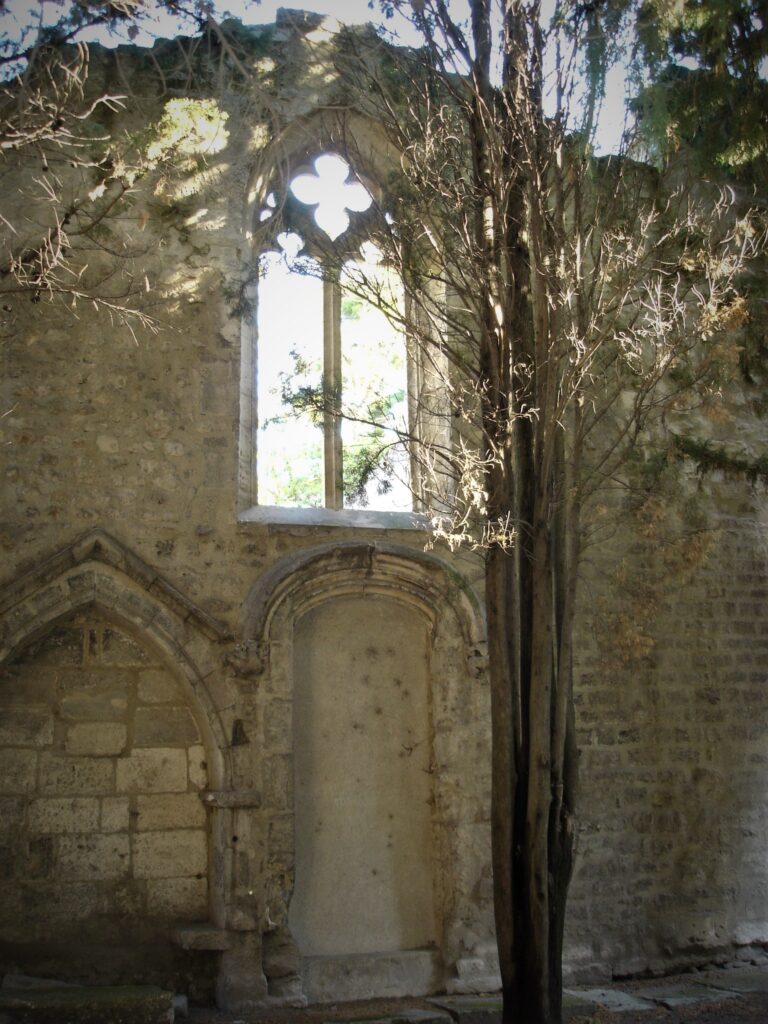
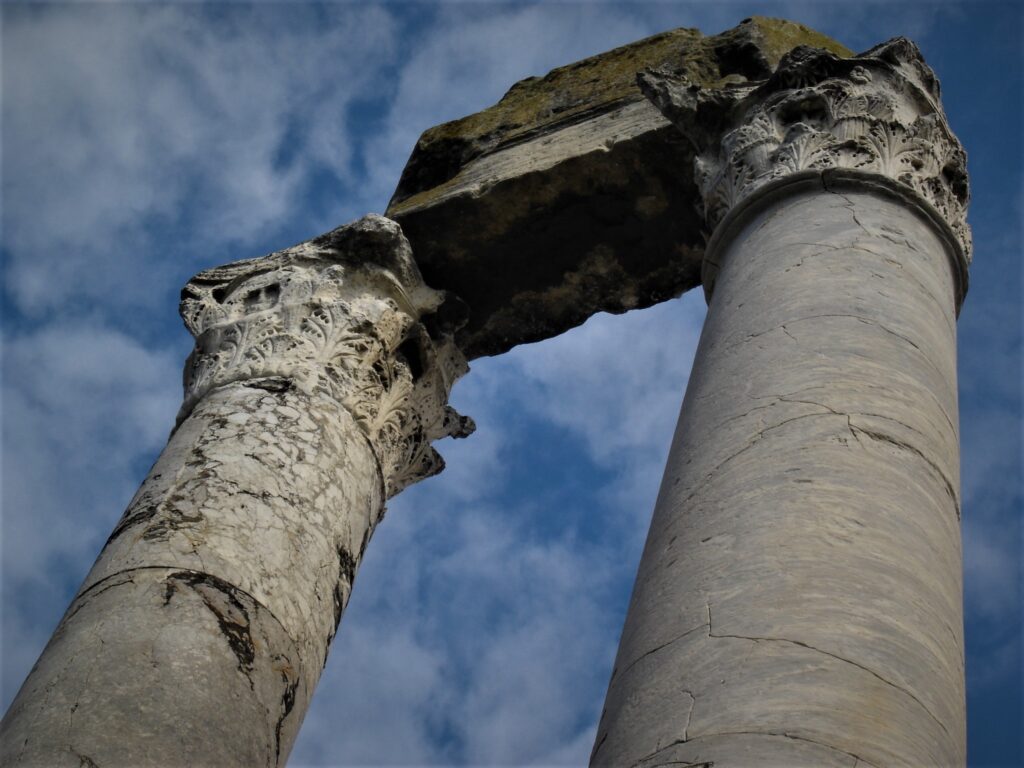
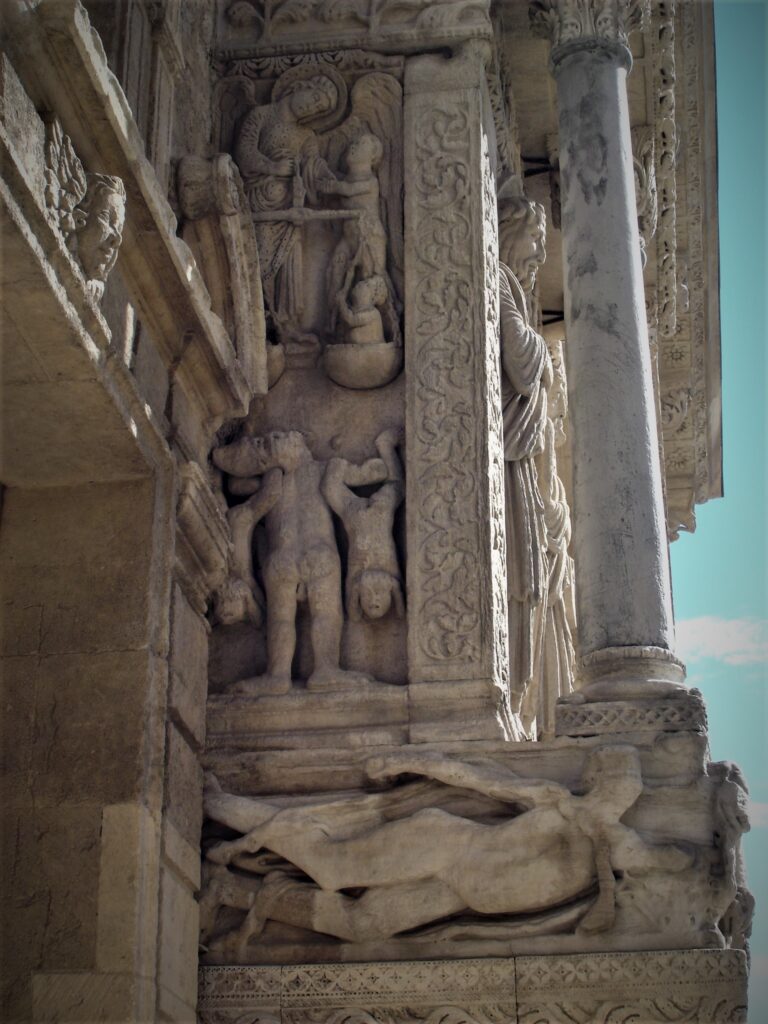
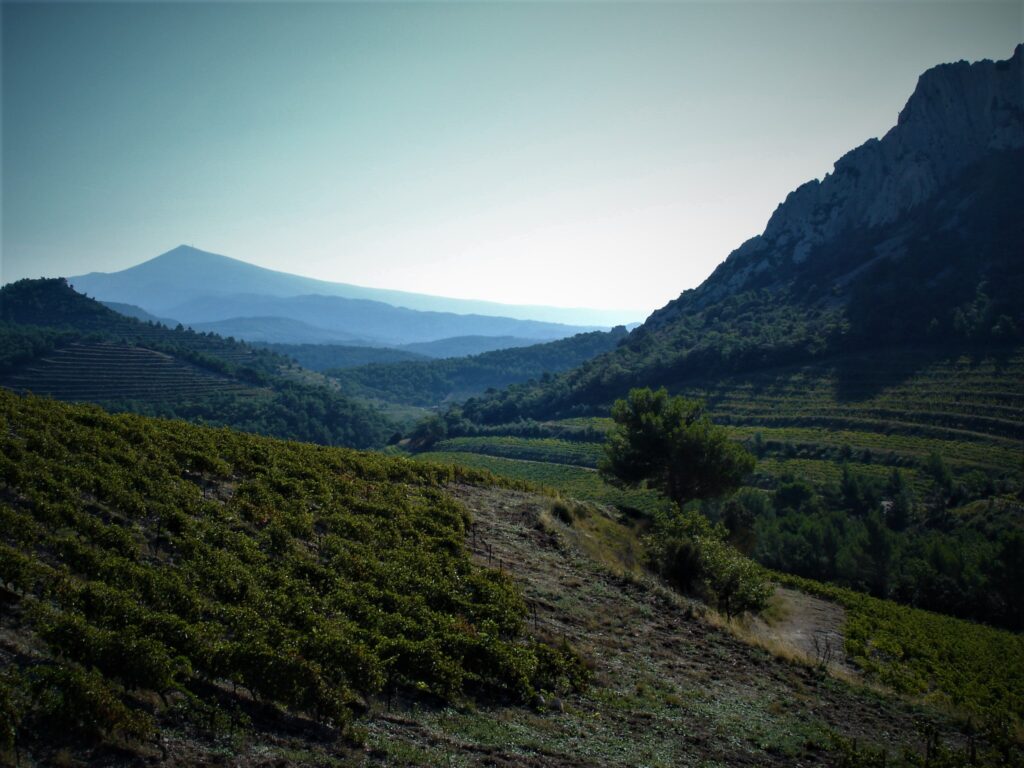
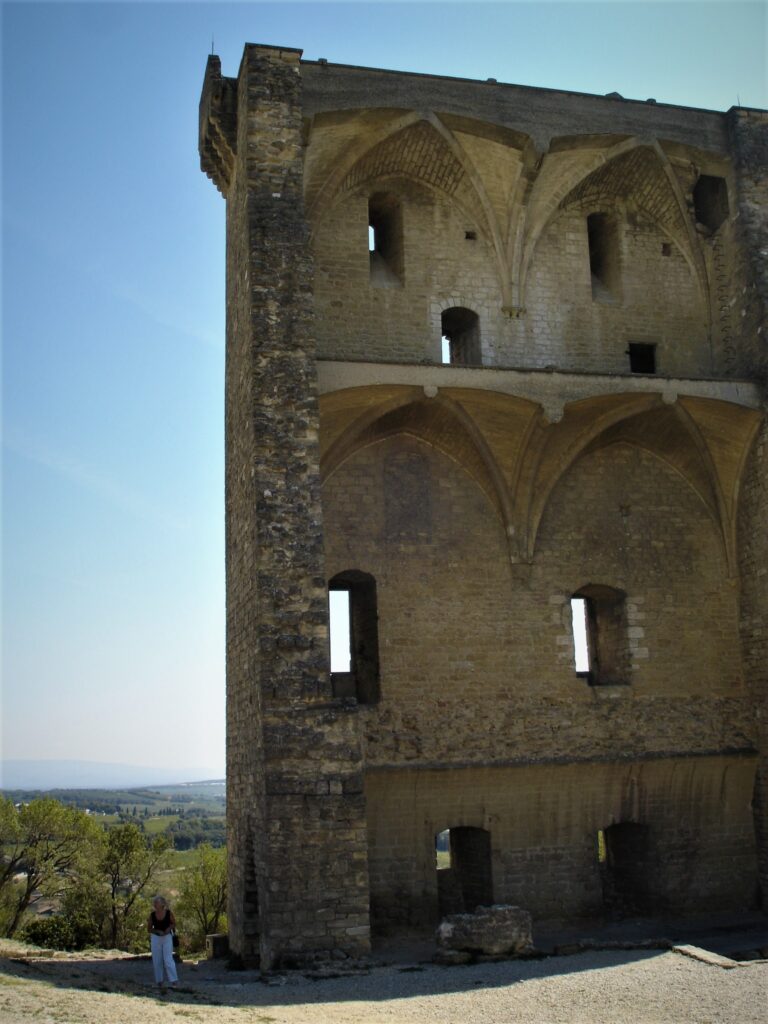
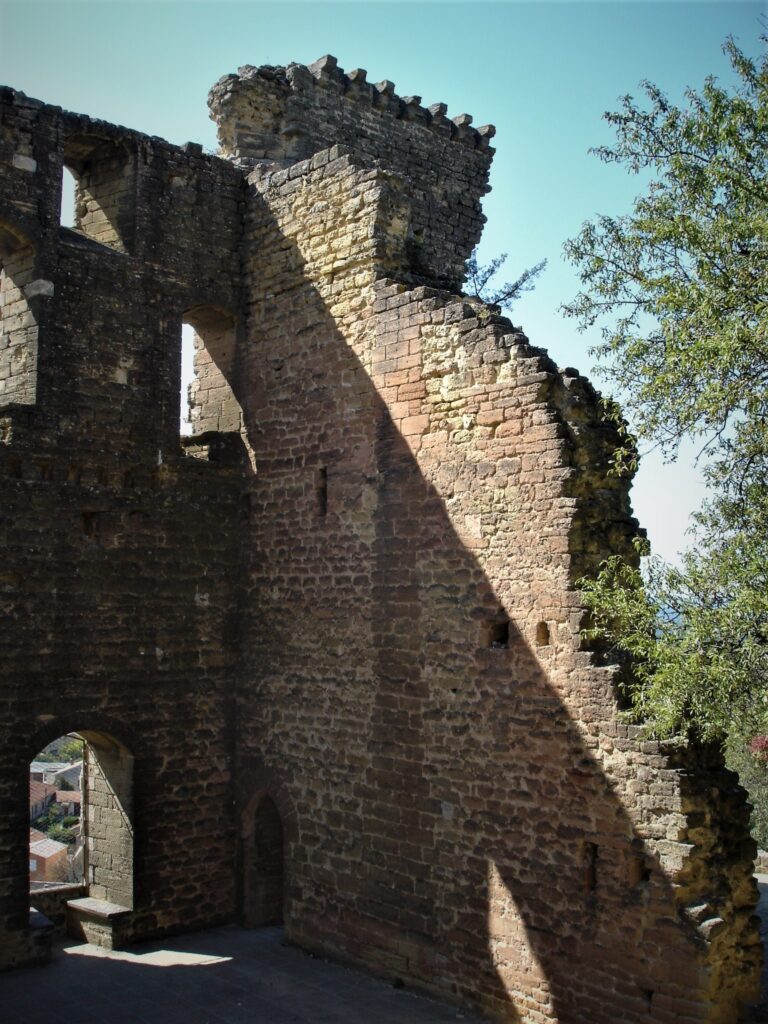
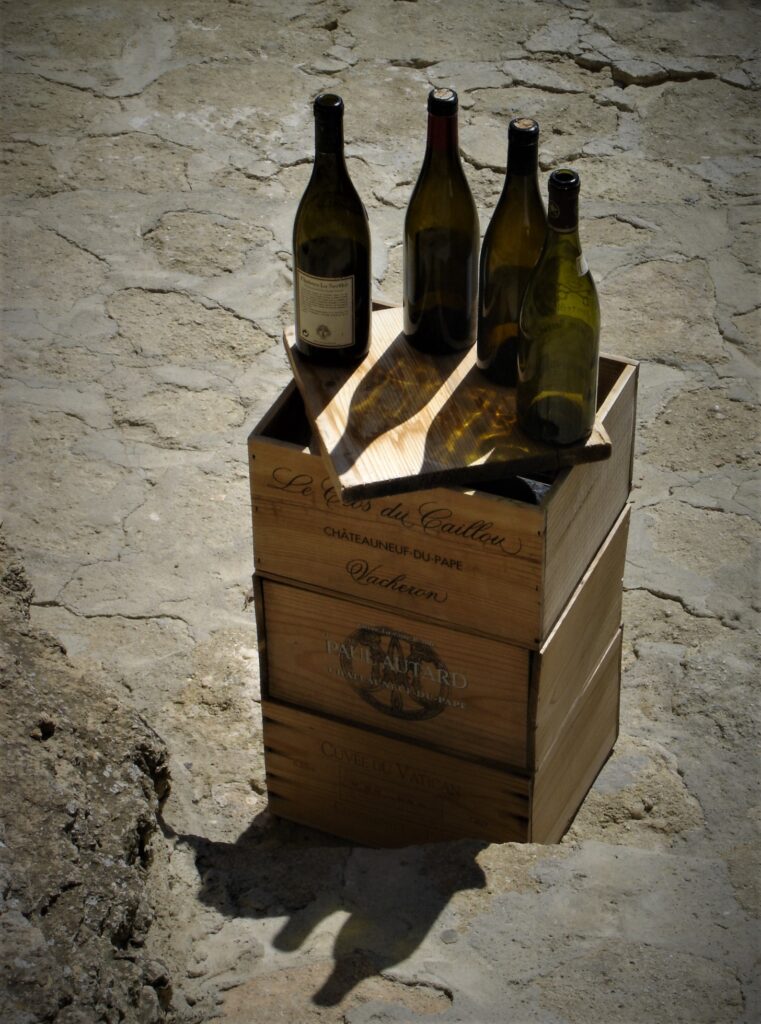
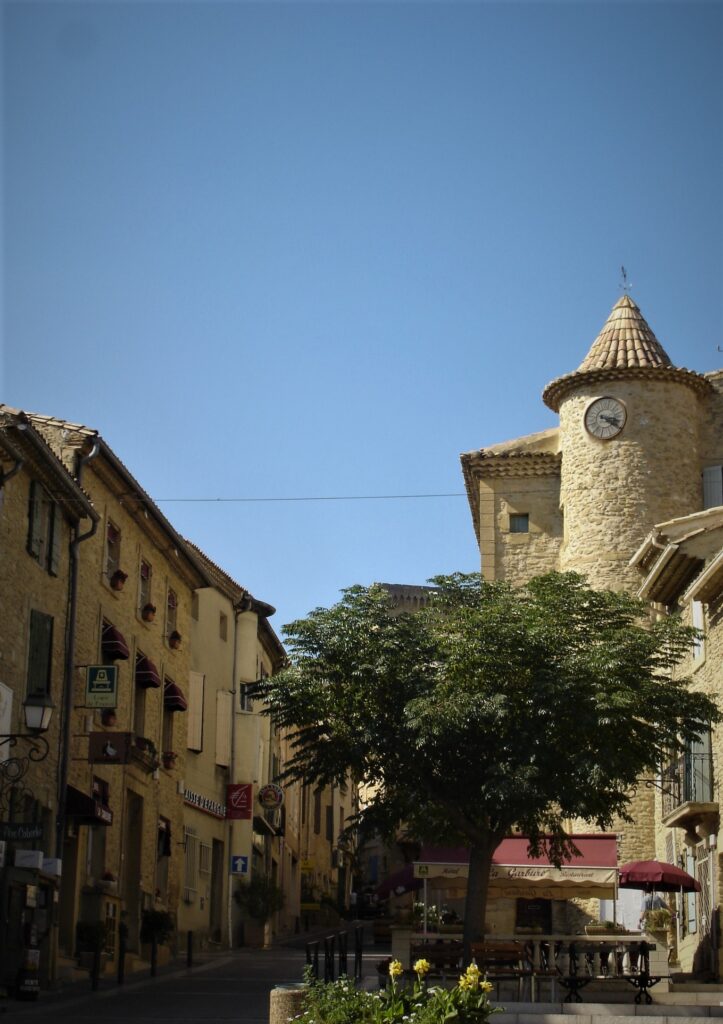
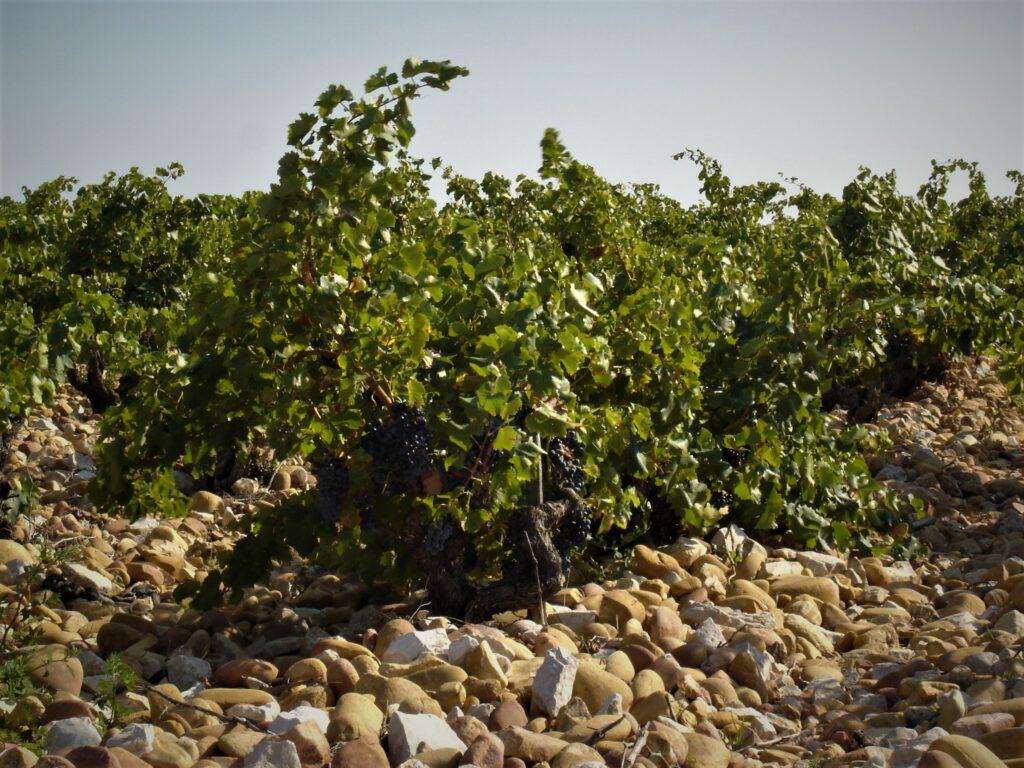
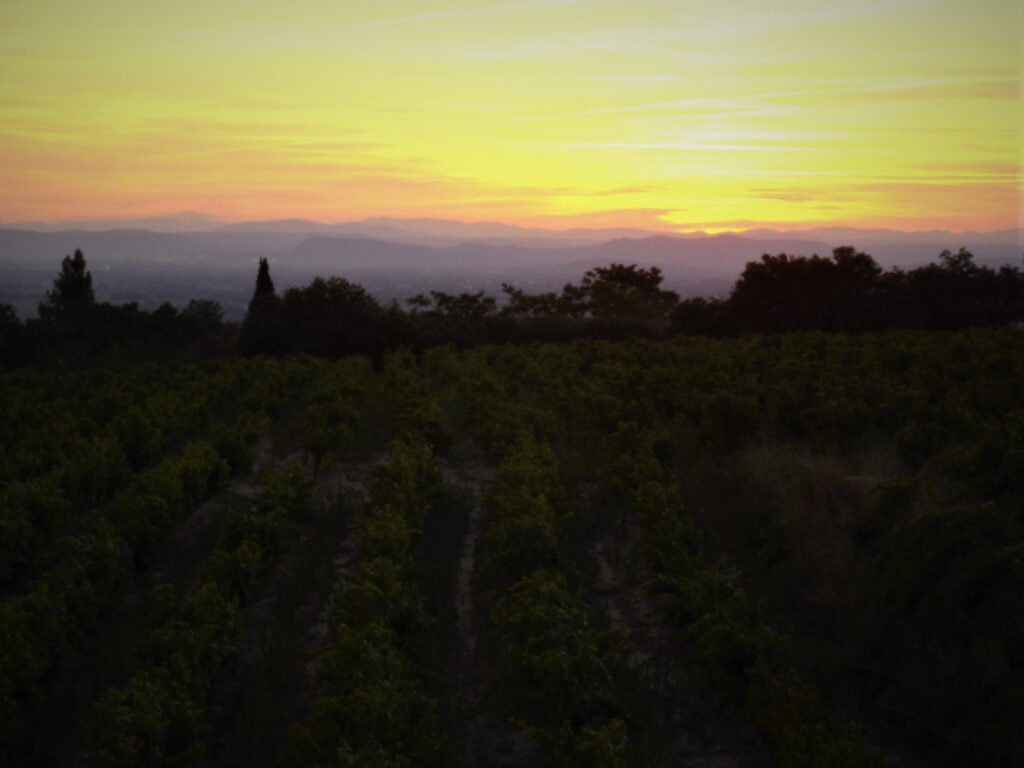
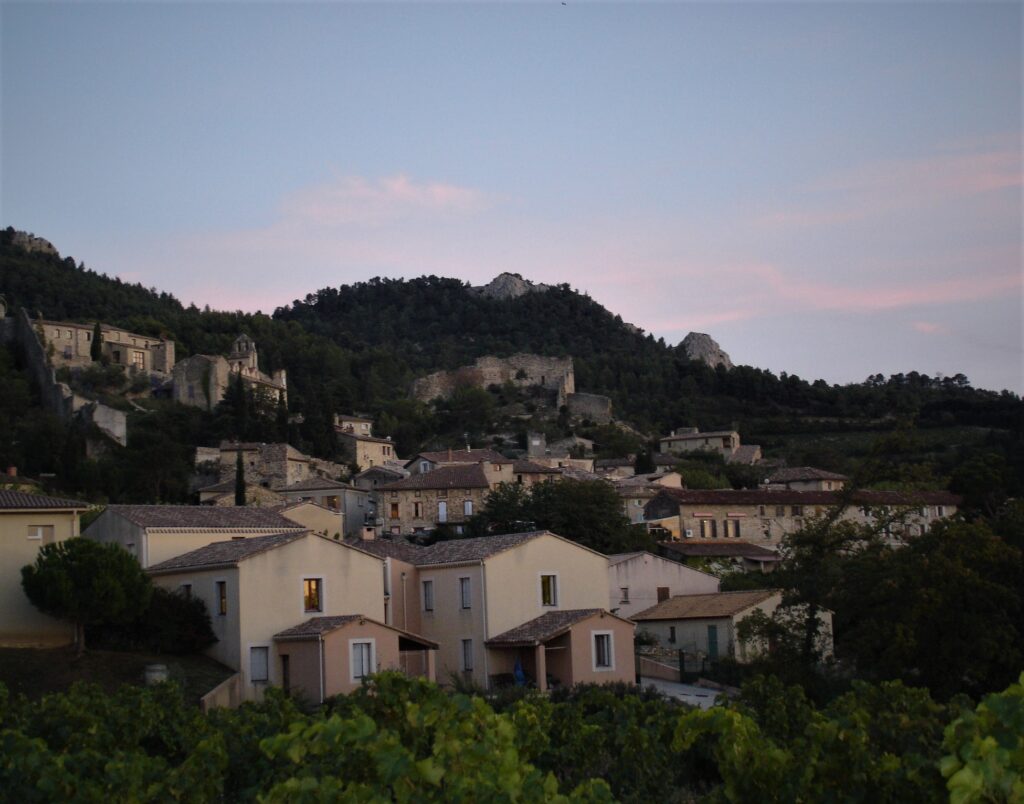
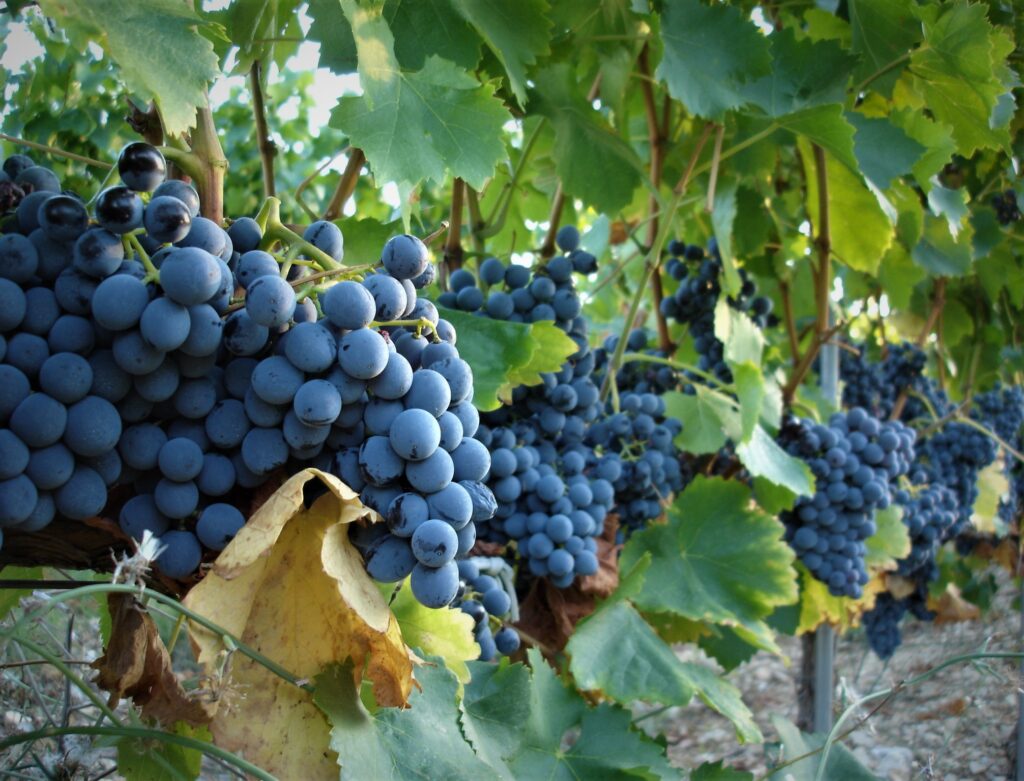
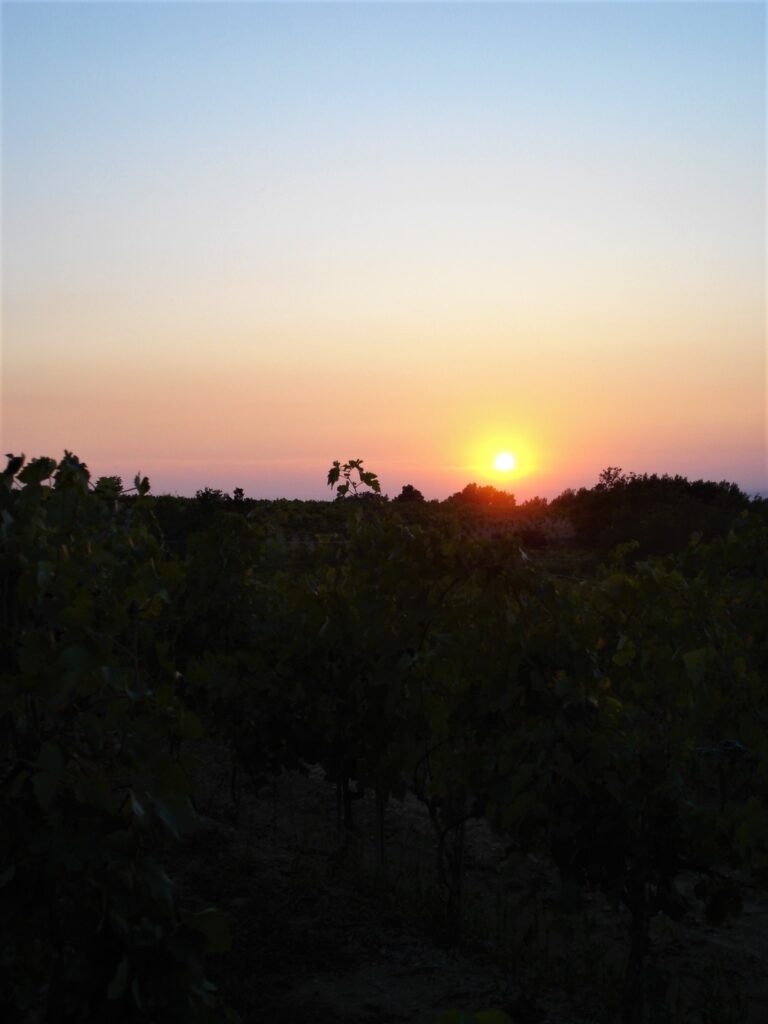
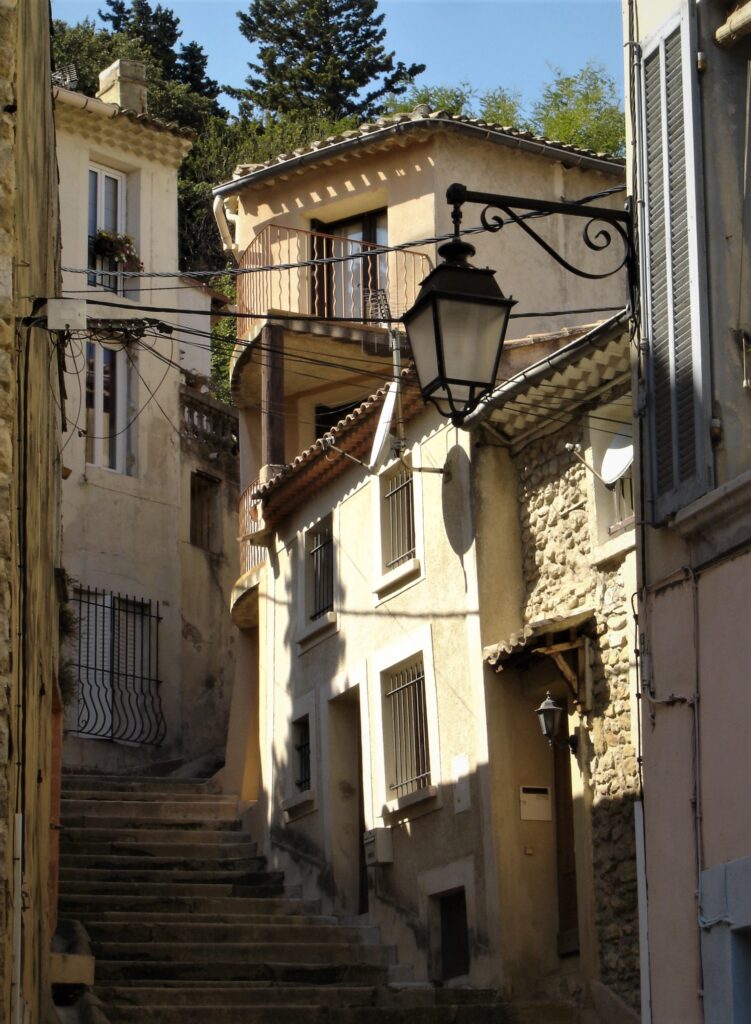
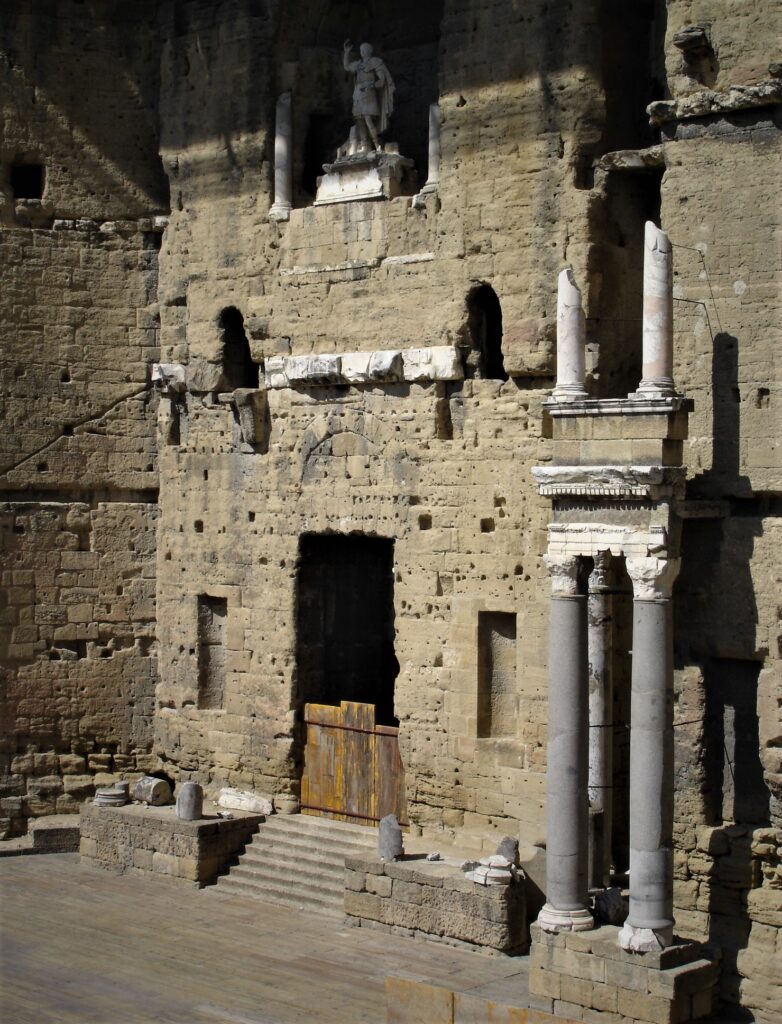
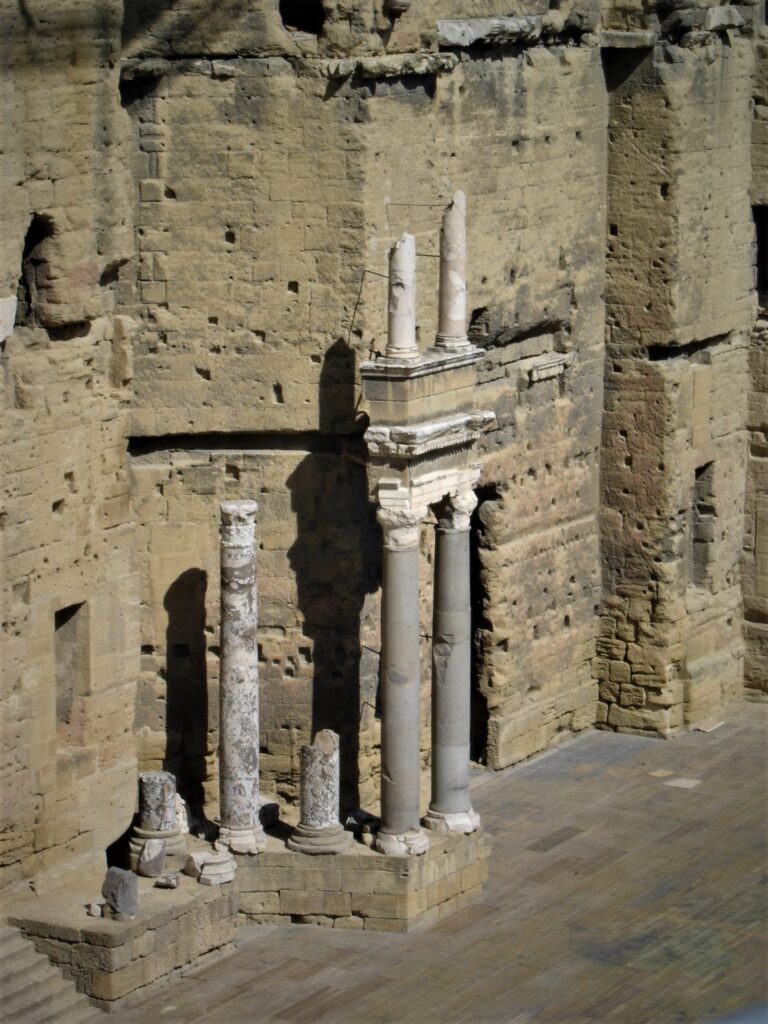
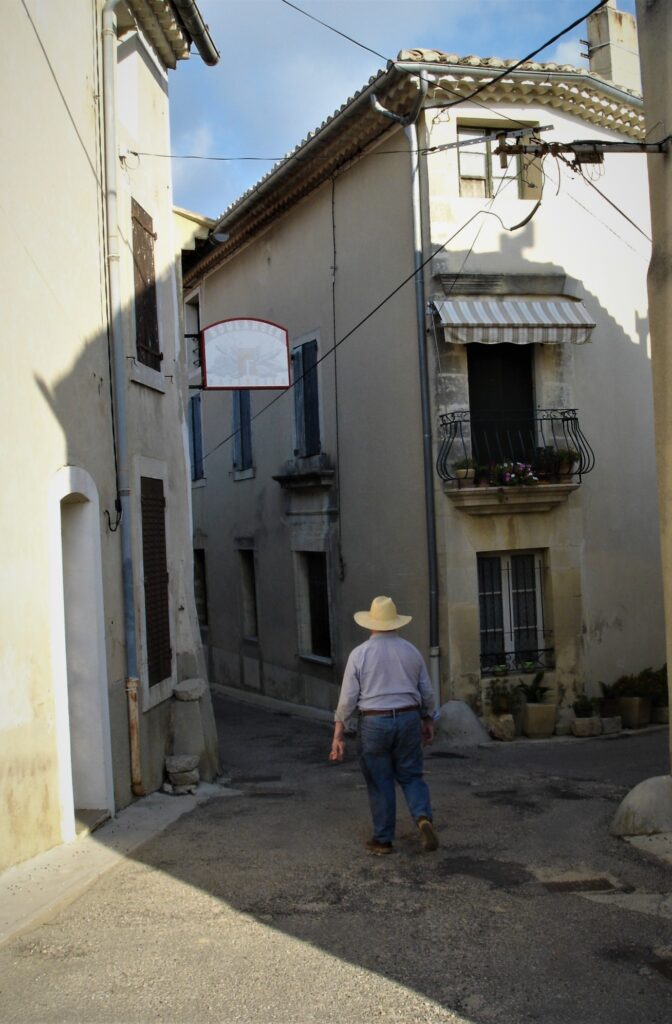
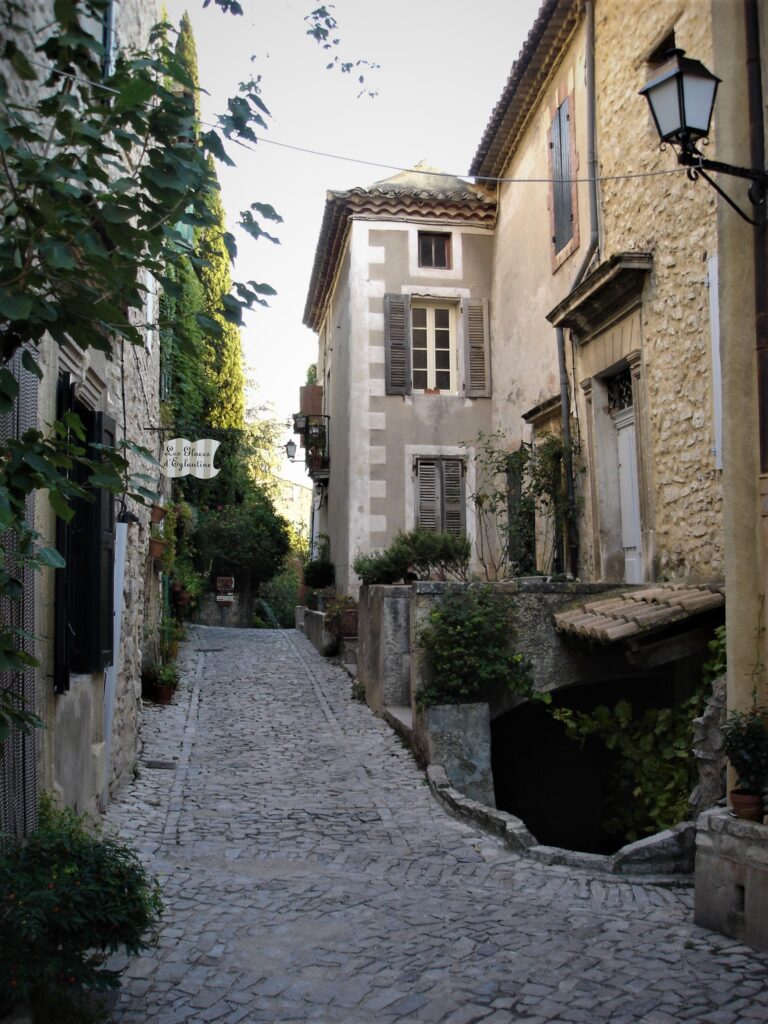
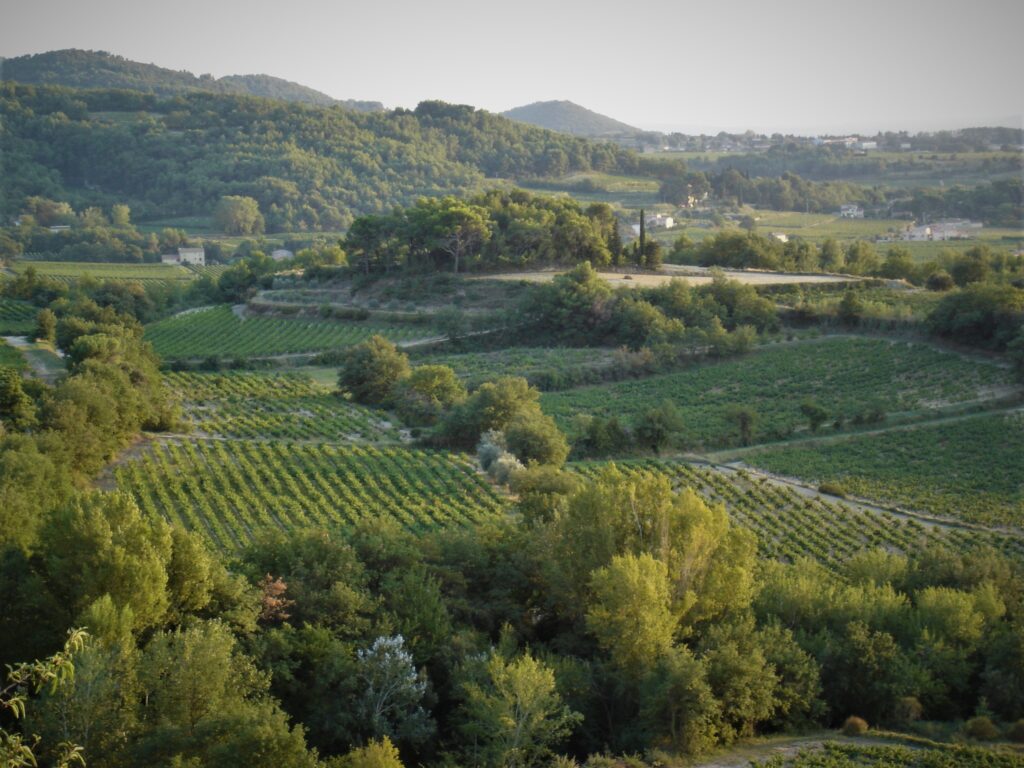
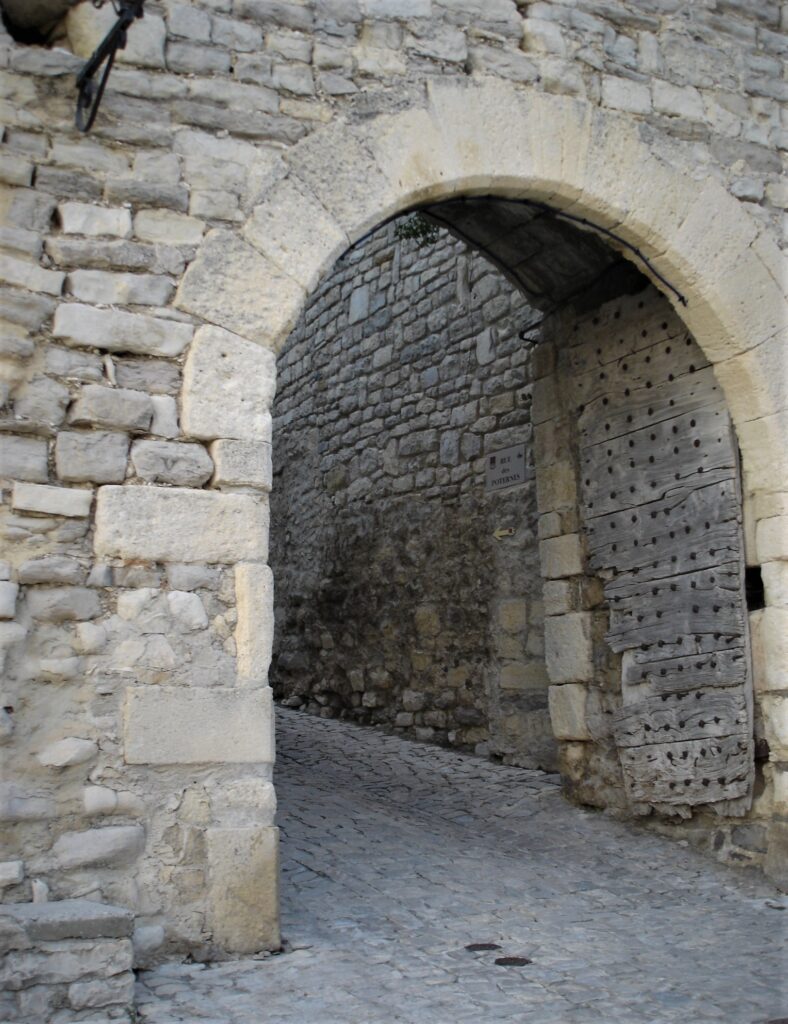
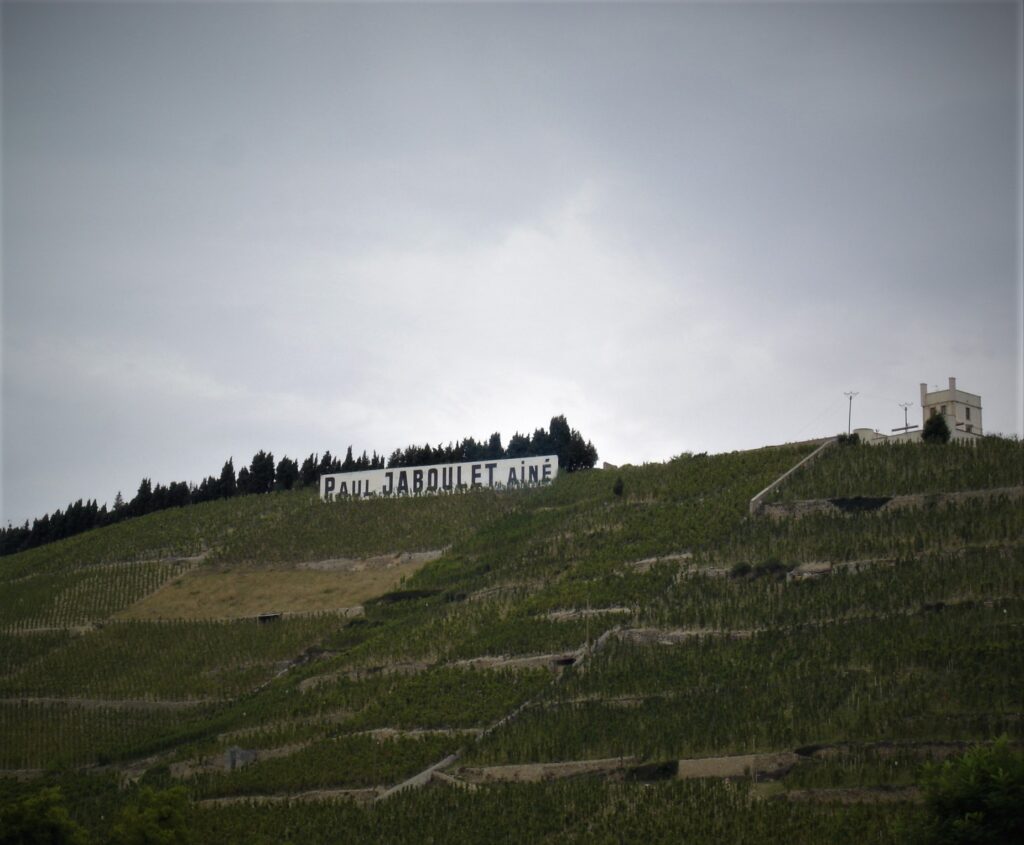
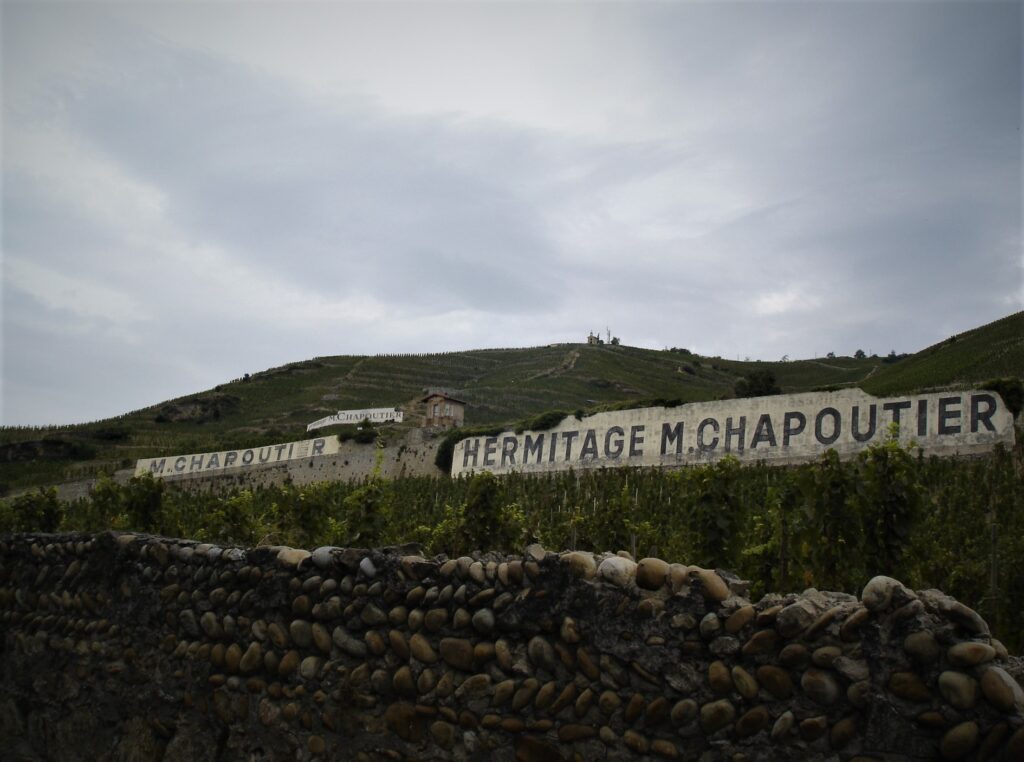
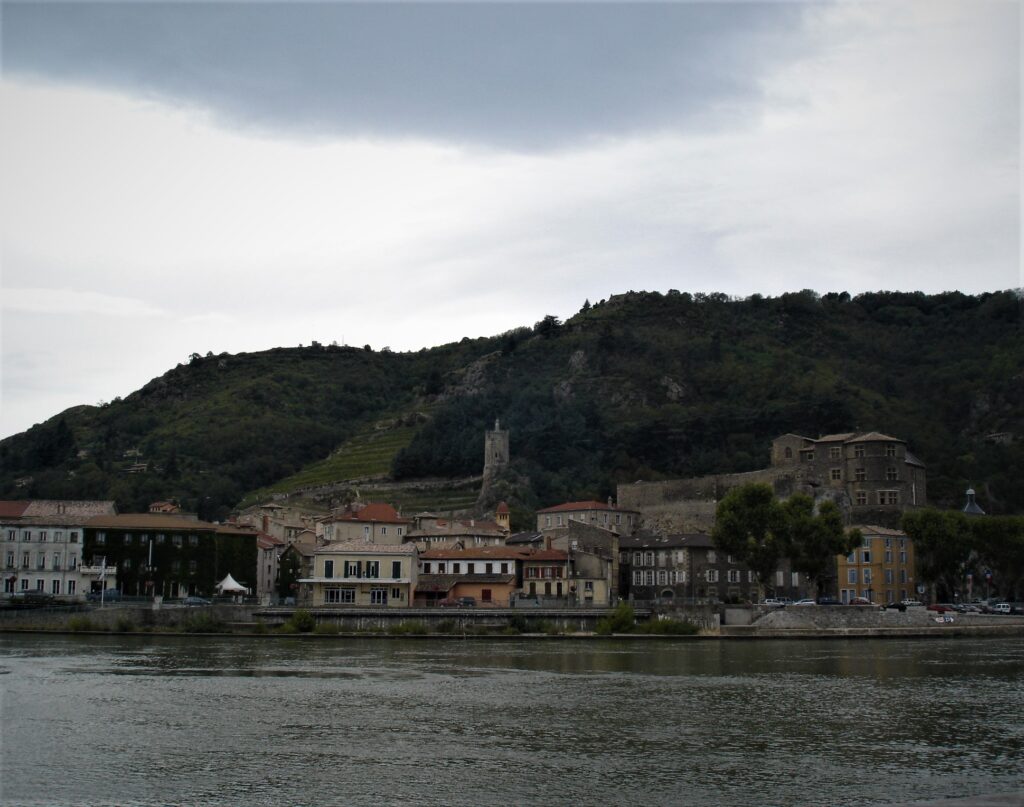
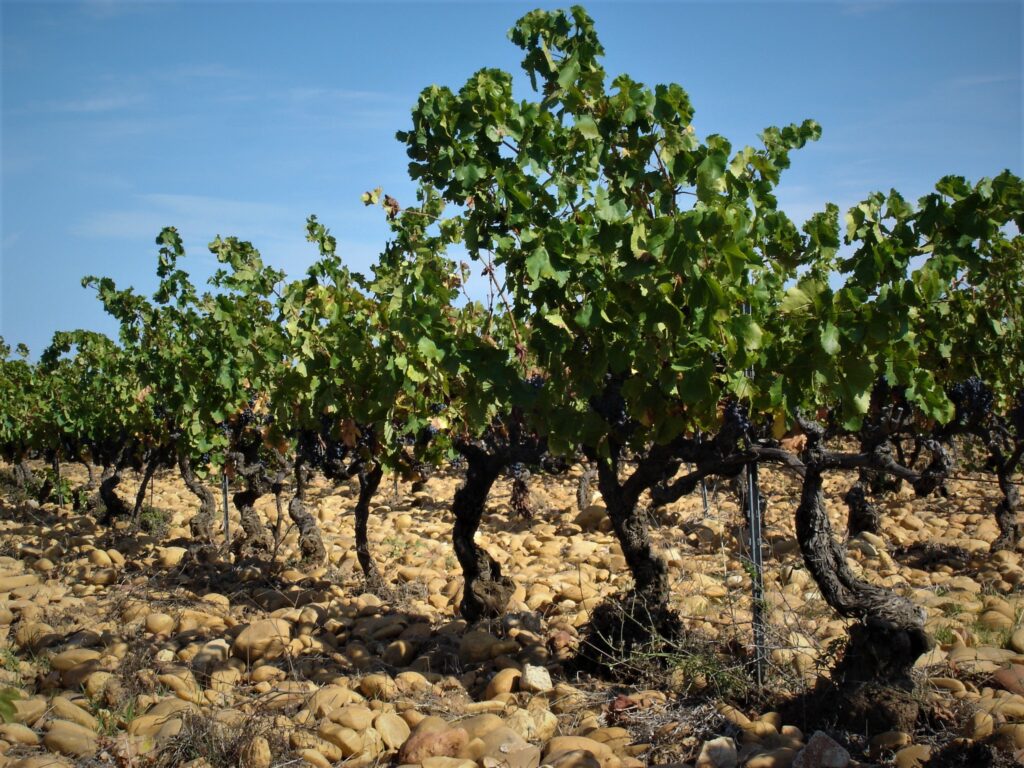
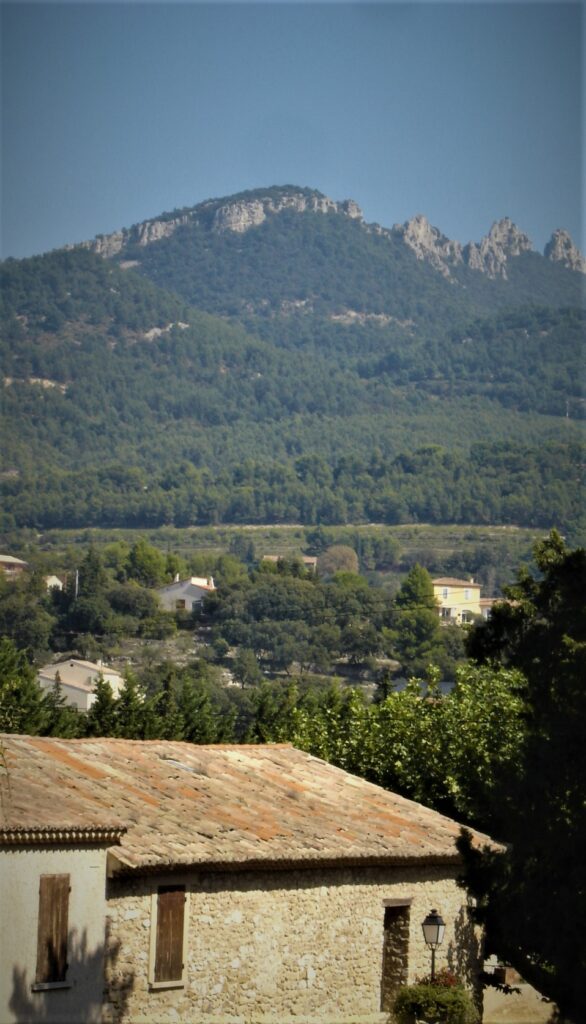
I’d picked the southern Rhône region, in particular because its wealth of historical sites is a draw for not only an architect and a classicist but indeed any Francophile and lover of the outdoors. It’s a really beautiful part of the world and, apart from Font, is my favourite part of France. It’s the setting for the adorable La Gloire de mon Père, there’s mountains, picture-perfect villages, bustling towns, plentiful Roman ruins, stunning countryside, climbing, great food, vineyards dotted all around and… pretty banging wines aplenty. Your Bordeaux’s, Burgundies, Champagnes – yup, awesome in their own way but for value and, particularly in the south, beauty, the Rhône is hard to beat when it comes to the French wine regions. The rolling hills around Vacqueras and Gigondas are particularly stunning and the wines are well, you know, actually affordable (until you venture further north up the river).
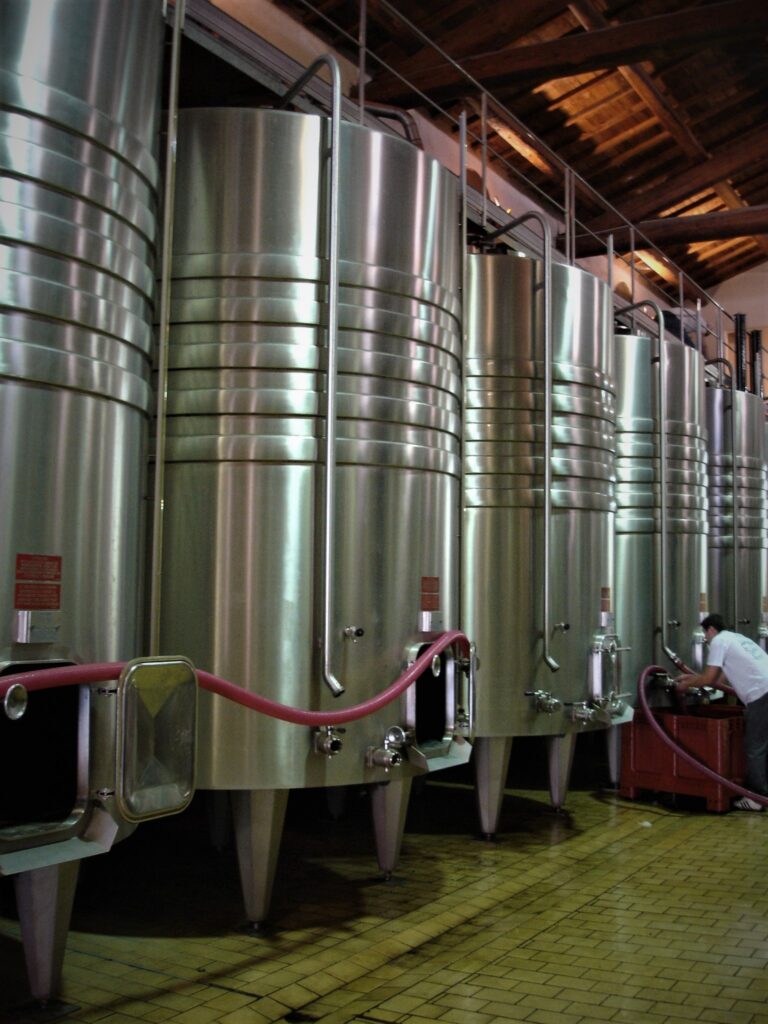
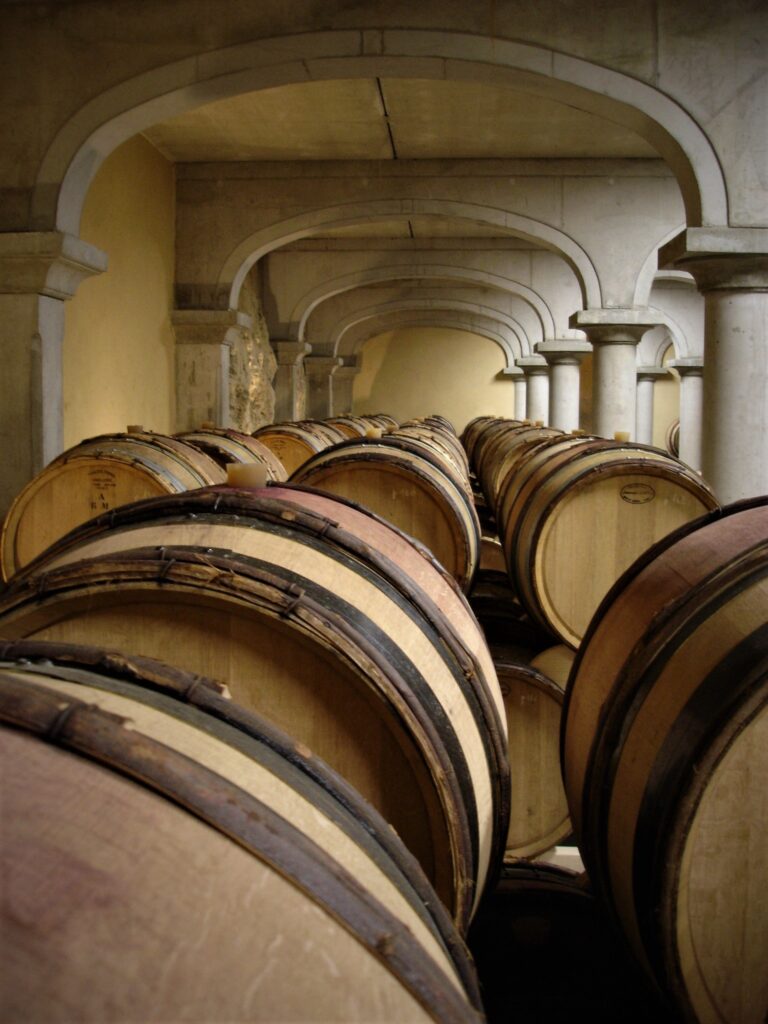
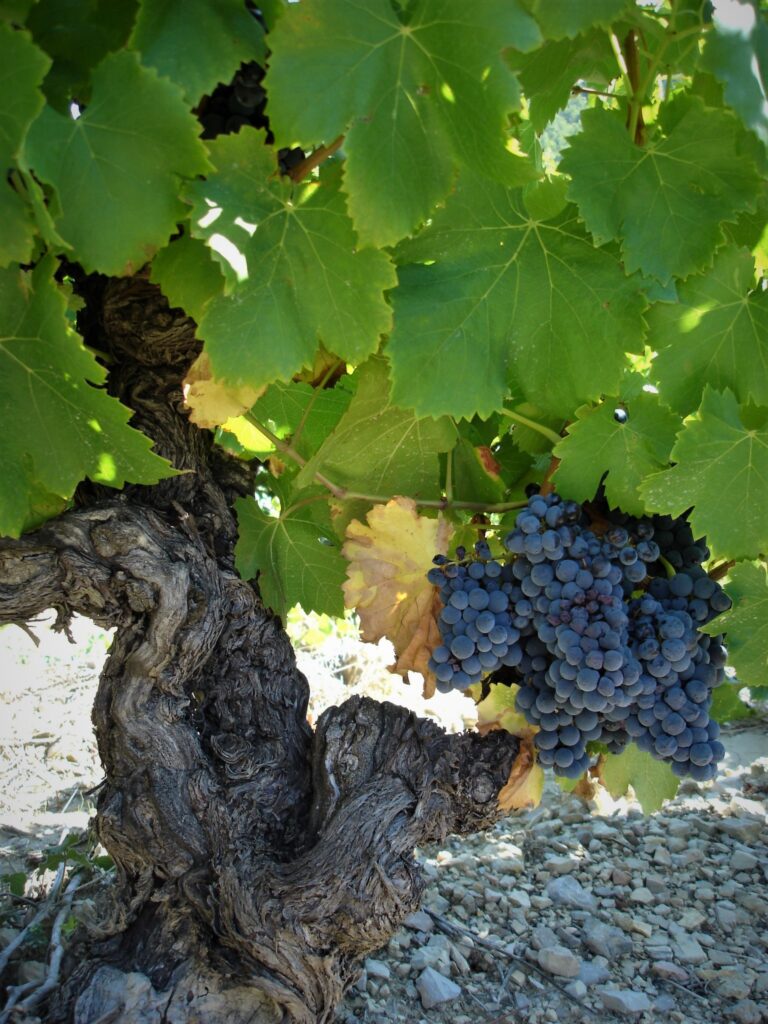
I’d quizzed one of my favourite, trusted wine contacts, the ever helpful Simon (owner and founder of Stone, Vine & Sun) for some friendly wineries to visit across the region. He’s a Rhône specialist and he didn’t disappoint. I made lots of appointments and, despite it being the beginning of the harvest, everyone welcomed us with open arms, guided tours and lots of tastings. It was truly glorious. Plus we managed to swing by a few random ones too, happily tasting wine anywhere and everywhere. It was like going to a wine fair but much prettier, less crowded and, en plein soleil.
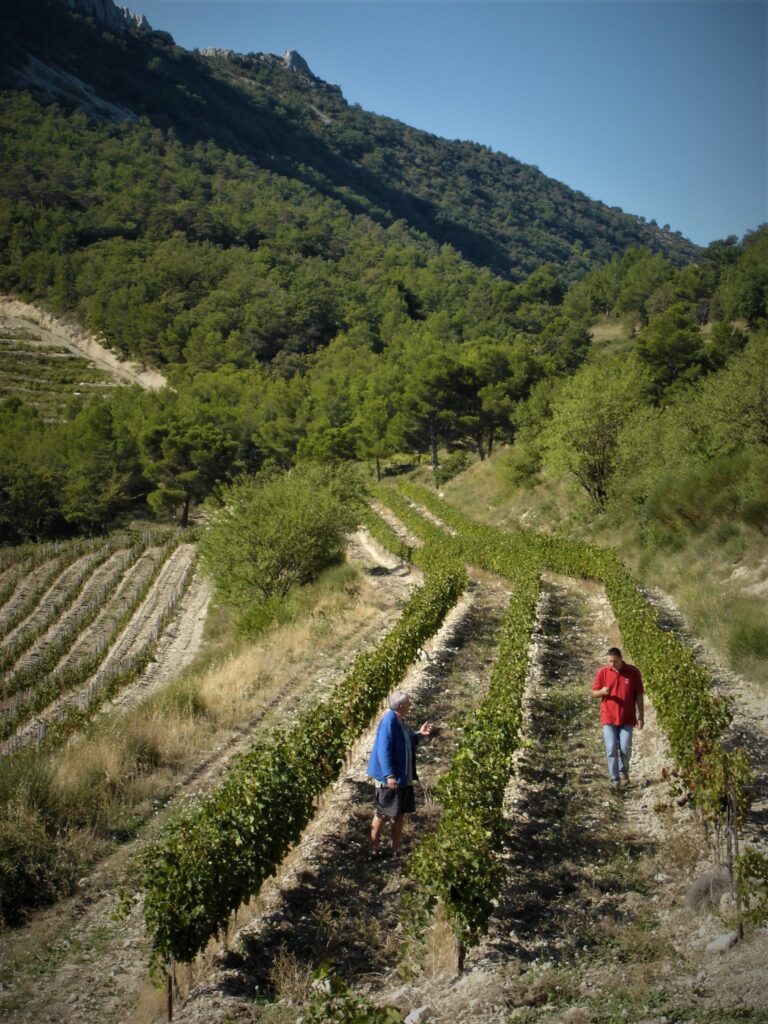
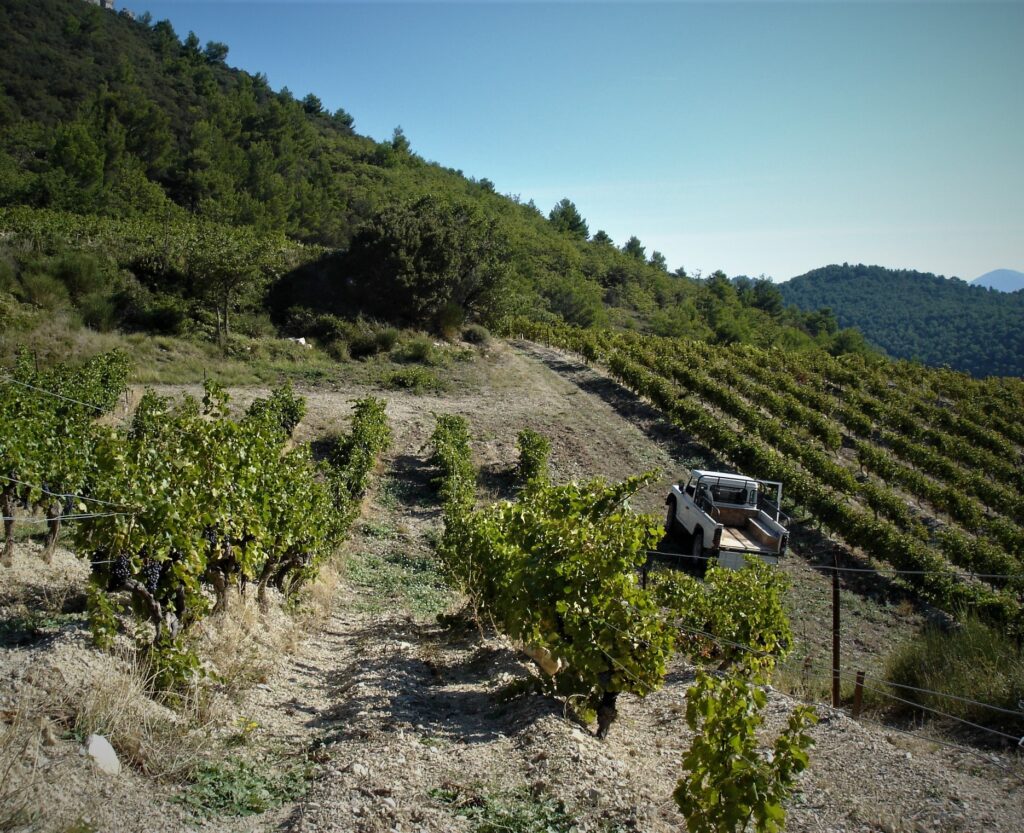
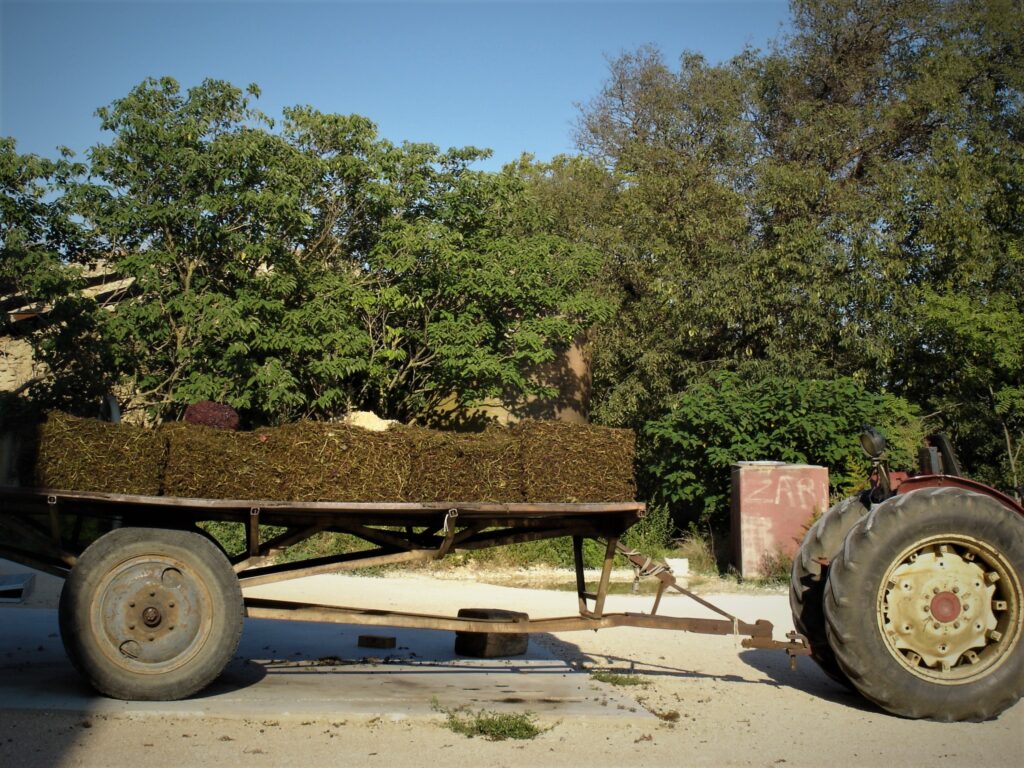
One visit, in particular, stands out where the lovely owner of Domaine de Cassan (who bore more than a passing resemblance to Elliot Gould) took us (and a flying winemaker couple) up into his hillside vineyards in his tractor to check-out the sugar levels of his burgeoning vendange. As I mentioned, my sister is pretty chatty and, ever happy to make conversation, later that evening she tried to convey to our (slightly dour, thankfully we’re only here two nights) B&B host over supper that we’d had a fun little vineyard adventure. She ended up, however, in one of those stereotypical linguistic exchanges which went something like this:
MG – “nous sommes visitées un, er, ah oui, vigneron et il nous a conduit dans son, er, um… catcat. C’etait très bon.”
B&B – (avec only a passing interest) “‘catcat’? Mais qu’est ce que c’est, ‘cat.cat’?” (avec facial shrug)
MG – “er, c’est la voiture pour le ferme. C’est un catcat? Je crois que c’est le mot?”
BB – “Je ne comprends pas”
(my sister mimes a ‘catcat’)
MG – “Ahh. catcat” (said in exactly the same way).
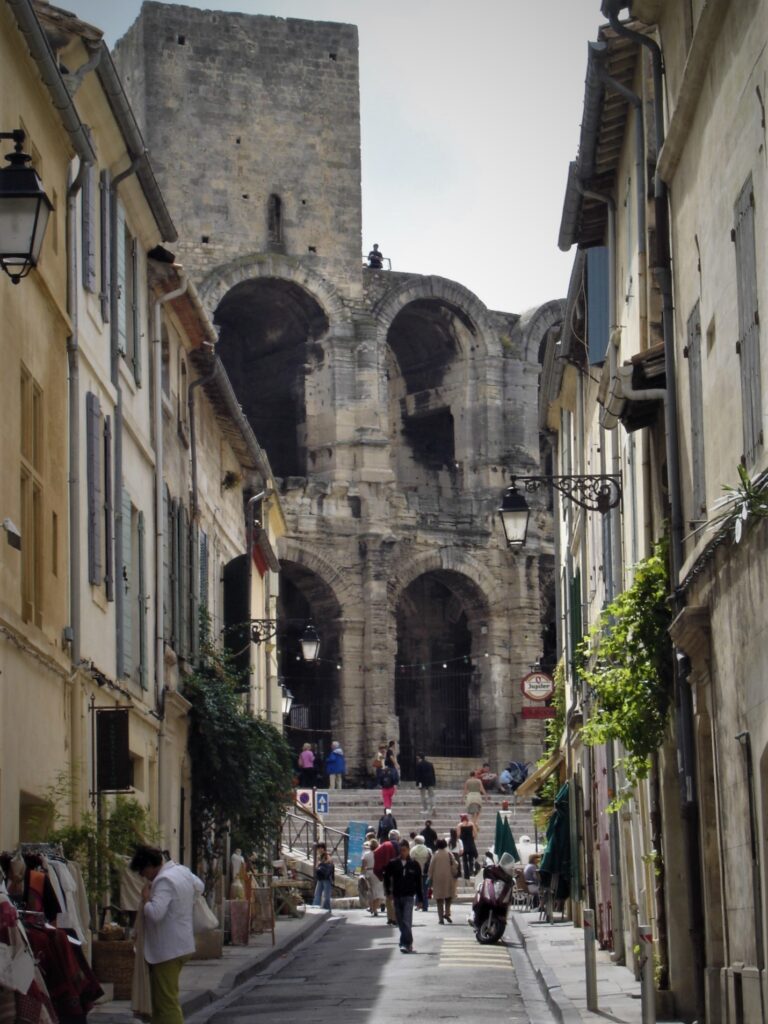
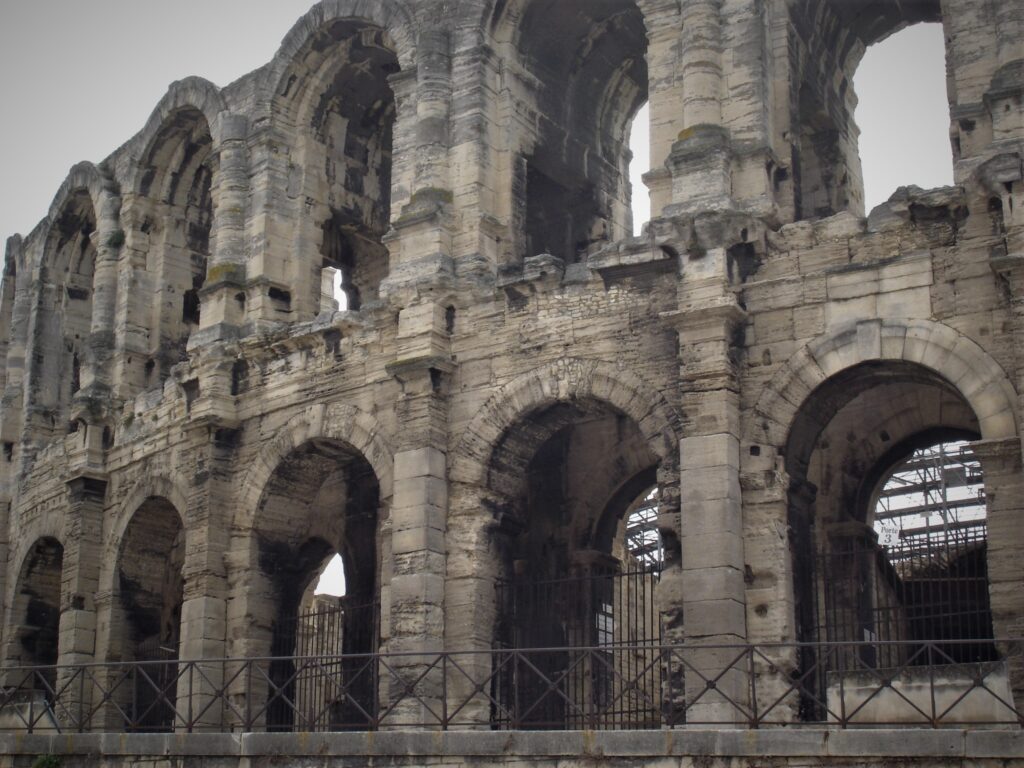
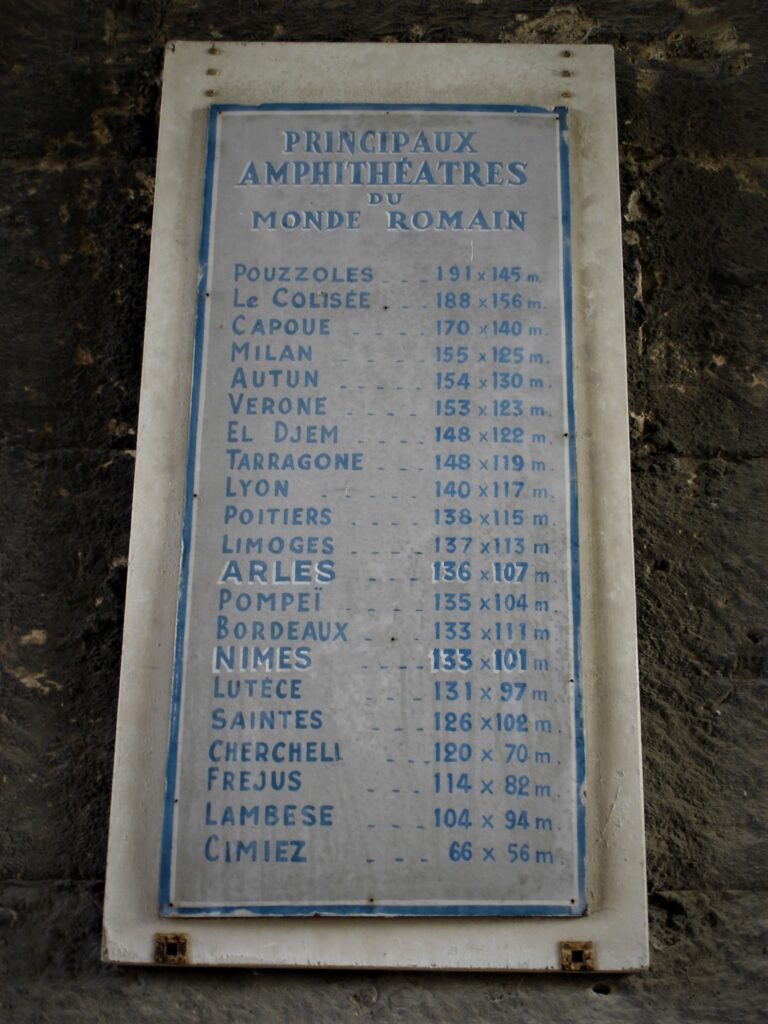
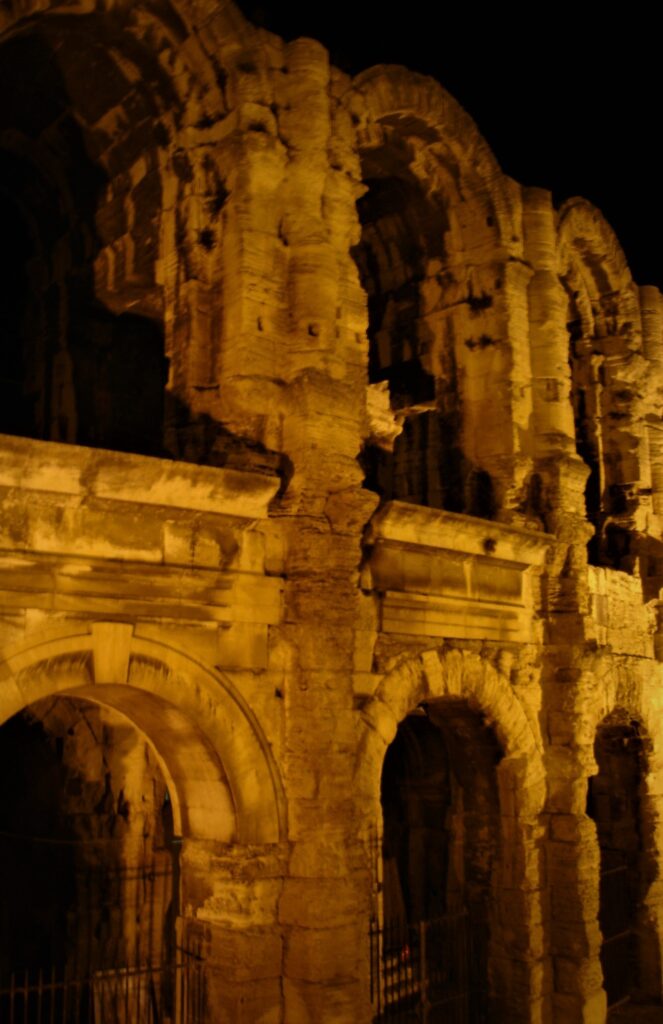
Then, obviously, there’s also the amazing food; it’s France. So I had a hard time deciding what to cook this week because we ate so well on this trip from delicious charcuterie and cheese, to pâté de campagne pimped-up by a humble pot of cornichons, to gloriously abundant salads; even a lunchtime omelette opposite the amphitheatre at Arles was perfection. One thing I particularly like about eating in France is that you can have a simple supper of bread, wine and cheese and not only is it up to 11 but it’s considered a perfectly passable supper. These are staples for me really and I could happily live off them.
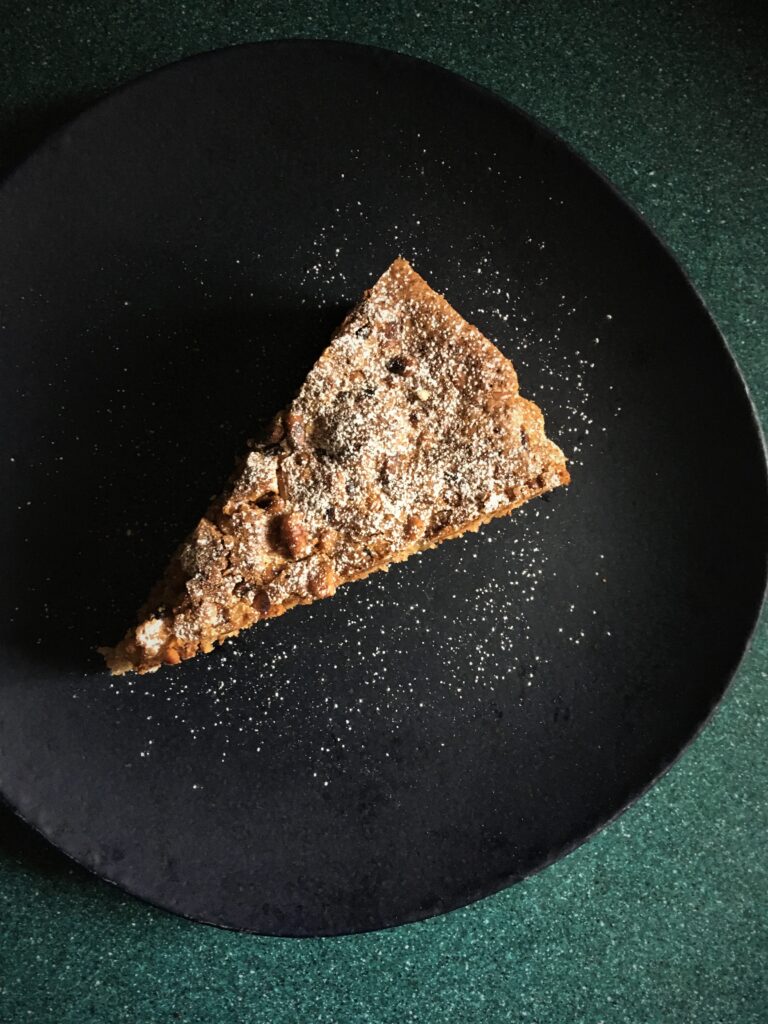
In the end, I plumped for the walnut tart we ate at breakfast in a B&B we stayed in after a big (but very pretty) drive up from south to north. We got rather lost trying to find our lodgings and having been talked down by the owner (who used her poubelle as an unexpectedly helpful landmark), we arrived, eventually; and, although our room resembled the Torrance’s lodgings at the Overlook we were too knackered to be overly perturbed by this and the set of murder mystery novels on the bookshelves.
In the morning we went down to breakfast and were greeted not only by an abundant spread of lovingly homemade fare but also by a very friendly elderly couple who were fellow guests and who were more than happy to chat to my sister and forgive any slight mispronunciation (even of catcat).
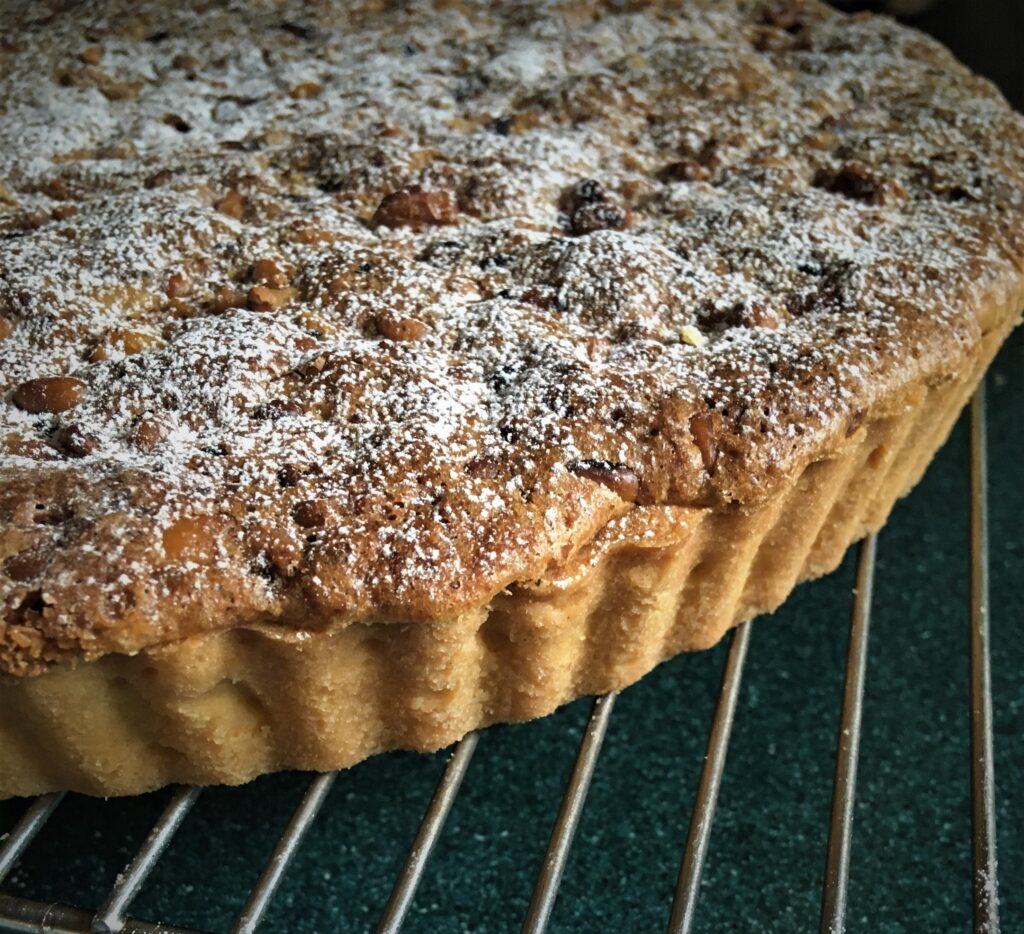
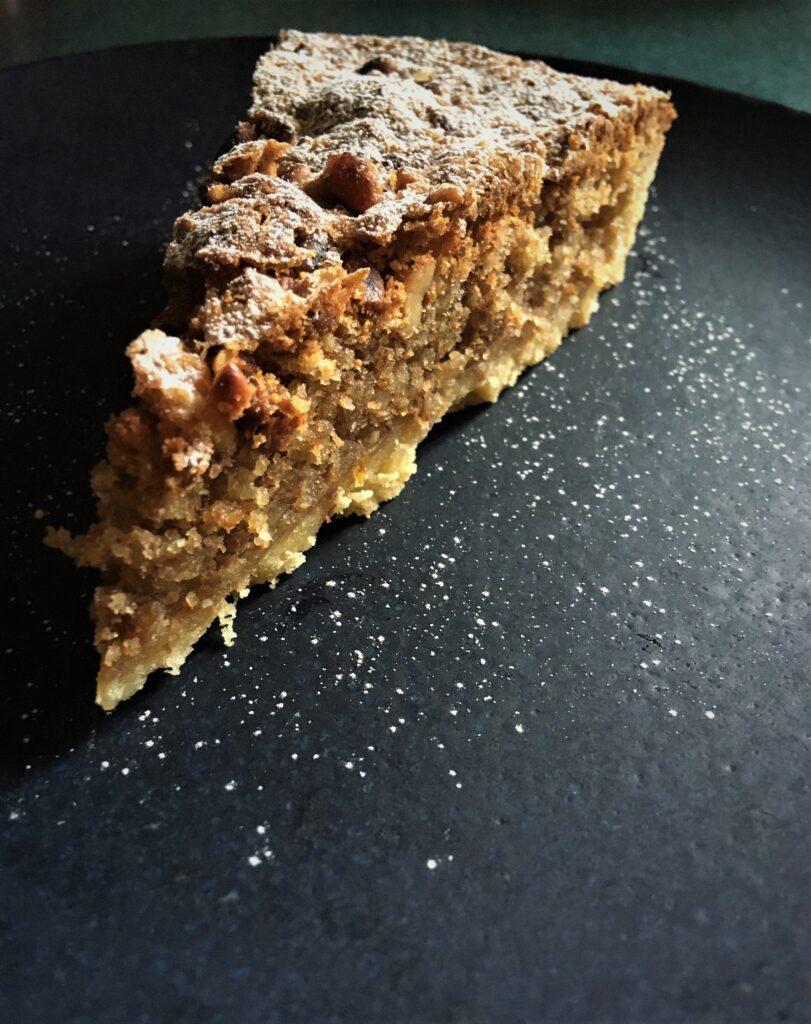
The pick of the table was the walnut tart. Simple, satisfying and seductive. The French have a solid tart game going on and plentiful patisseries can often render you perplexed by what to pick. There was also apple and apricot at our breakfast table so thankfully not too much choice (apart from breads and pastries too). The walnut tart was an absolute banger, however. Breakfast is my favourite meal for a number of reasons but starting the day with a slice of this was like giving yourself a big hug from the inside. I also love the idea of harvesting your walnuts to make a big, tasty, centrepiece for your guests to share the next morning. This particular tart has a mad affinity with coffee, isn’t overly sweet and, yes it’s cake for breakfast but I mean, walnuts are good for you, right? Everything in moderation (including wine… I mean, I was the designated driver).