





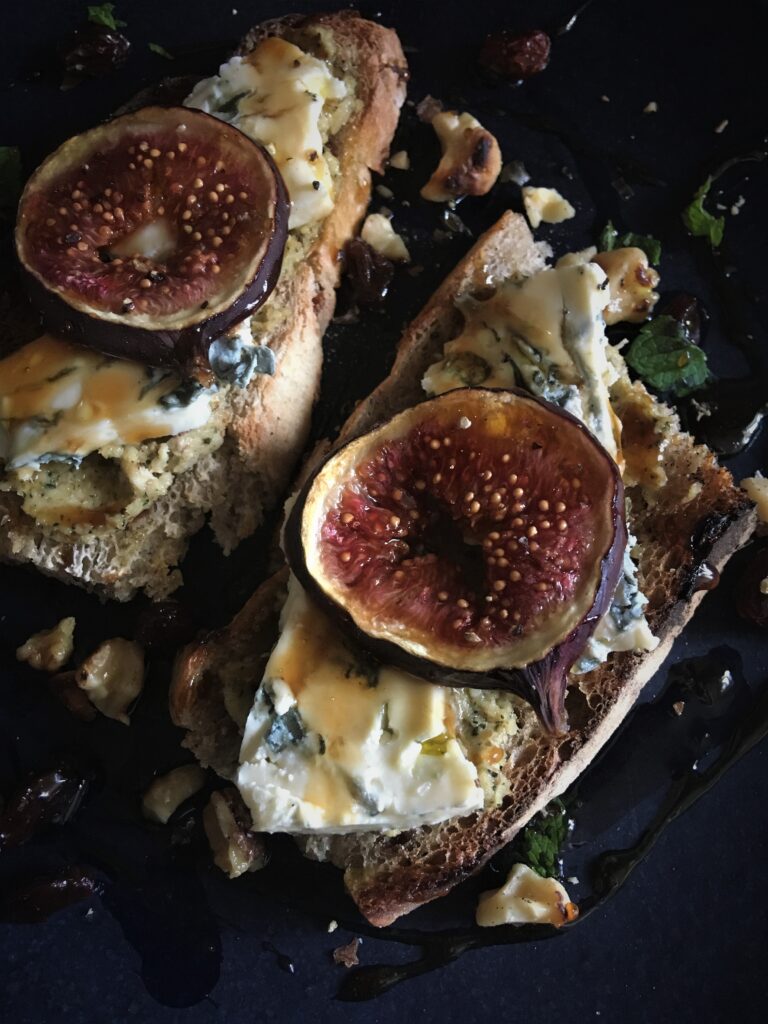
Makes: tapas for 2 (or 1 if you’re hungry)

Takes: c.30 mins; the sherry reduction takes no more than 15 mins

Bakes: figs and raisins take about 15-20 mins at 180C (GM4) – you don’t want them nuked, just softened (the raisins will crisp up a bit anyway and go nicely chewy)


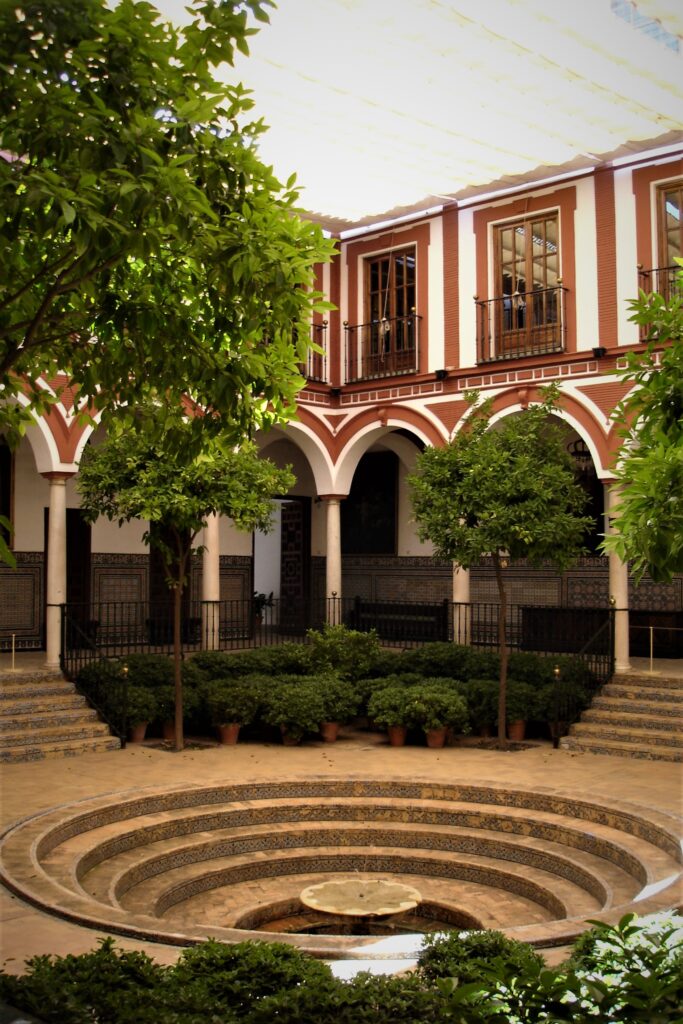
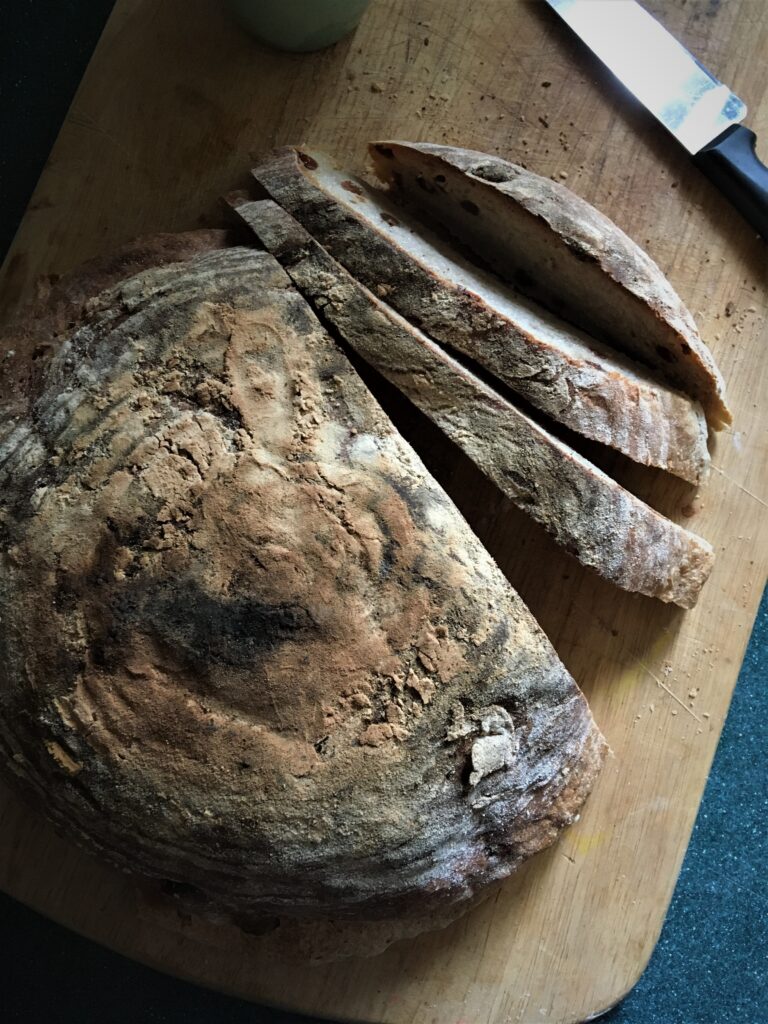
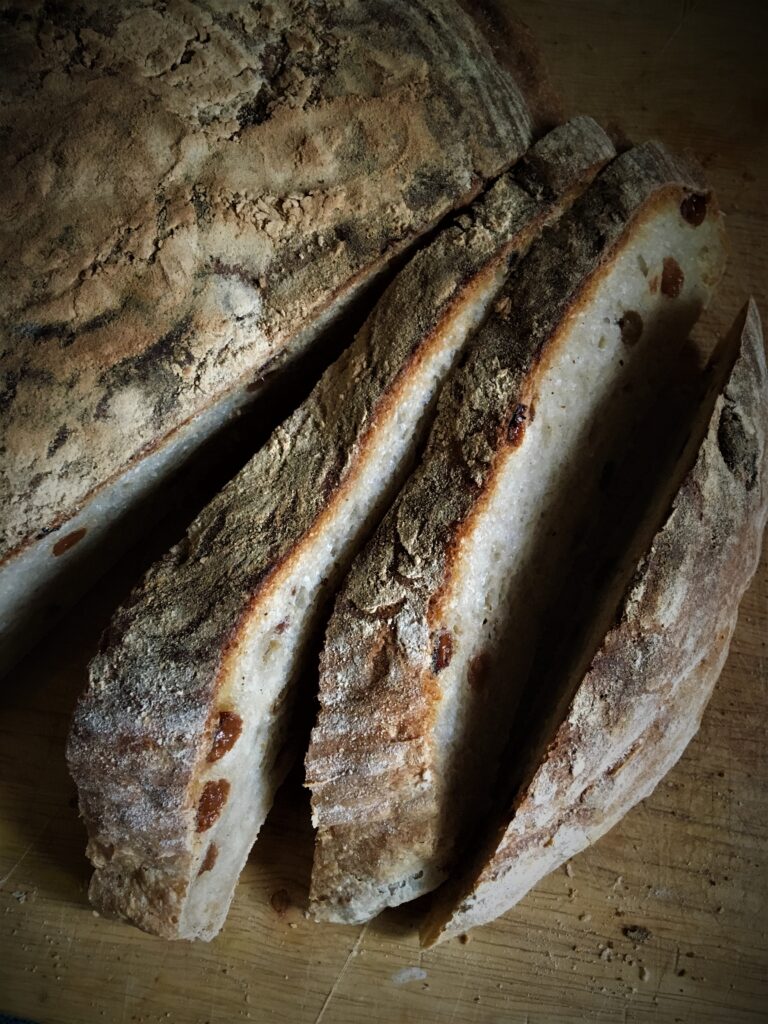
The bread I used was homemade too from an awesome recipe by the wonderful Jenny Chandler.  It’s taken from her book “The Food of Northern Spain”.  It’s pan gallego con pasas (Galician bread with raisins).  I’ve noticed that the book is out of print so I’m posting the recipe here too.  Such amazing, rustic bread reminds me of breakfast al fresco in a courtyard in Seville.  We supped cortado and freshly squeezed orange juice beneath the shade of the orange trees and tucked heartily into slices of crusty bread loaded with butter and (orange?) jam.  Breakfast outside is the best.


Ingredients

  • 2 chunky (but not massive) slices of good quality bread (sourdough, or if you fancy, the pan gallego con pasas)
  • a few slices of cabrales (or blue cheese of your choice)
  • 1 fig (sliced thinly and neatly)
  • a good drizzle of honey
  • a handful of raisins
  • 2 tblsp sherry vinegar
  • 2 tblsp light soft brown sugar
  • 2 tsp water
  • 100g walnuts (toasted)
  • 1 clove garlic
  • a few sprigs of mint
  • 2-3 tblsp milk
  • a good glug of good quality (Spanish) olive oil
  • seasoning


Method

For the walnut paste

Put the toasted walnuts in a blitzer and add the garlic and mint.  Whizz to combine then add alternate milk and oil until you get a nice spreadable consistency.  Don’t forget to season.


For the figs and raisins

Pop the raisins and sliced figs on a spot of greaseproof paper on a baking sheet, drizzle with honey and add a couple of grinds of salt and pepper.  Roast until the figs are starting to soften.  Don’t let them turn to mush.


For the sherry vinegar reduction

Pop the vinegar, sugar and water in a pan over a medium heat and cook until the sugar has dissolved (won’t take long).  If you have any juices from roasting the figs, you can add these too.  Once the sugar has dissolved, turn the heat-up and let the liquid boil until it starts to thicken.  Once it has thickened, take it off the heat.


To assemble

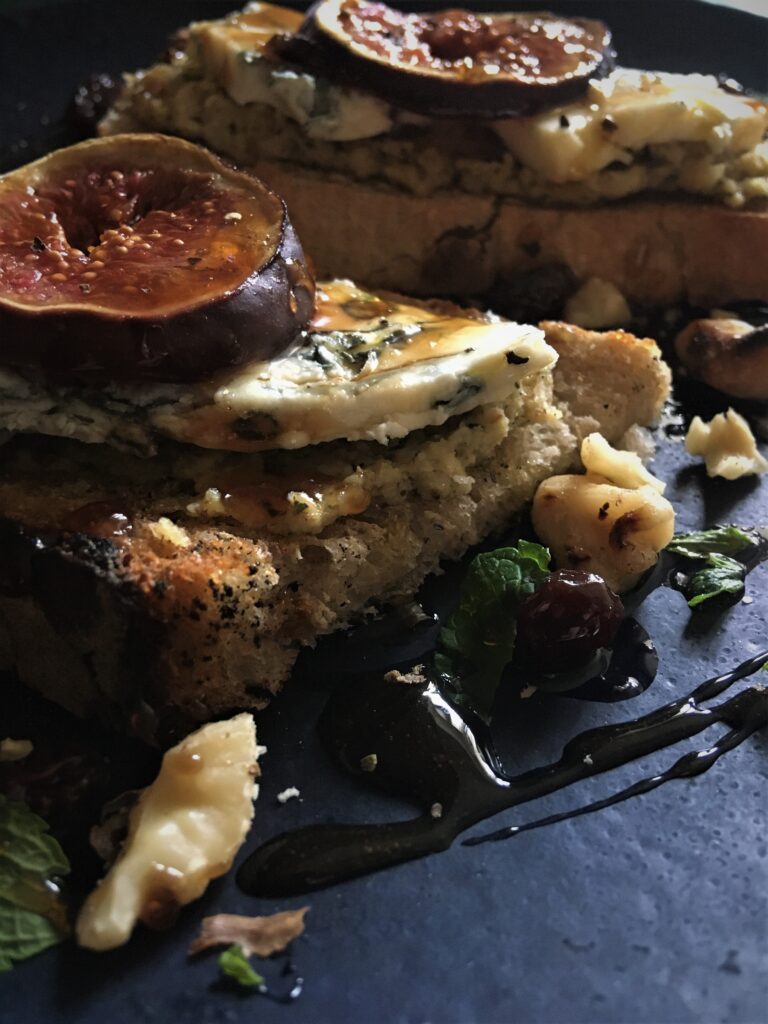
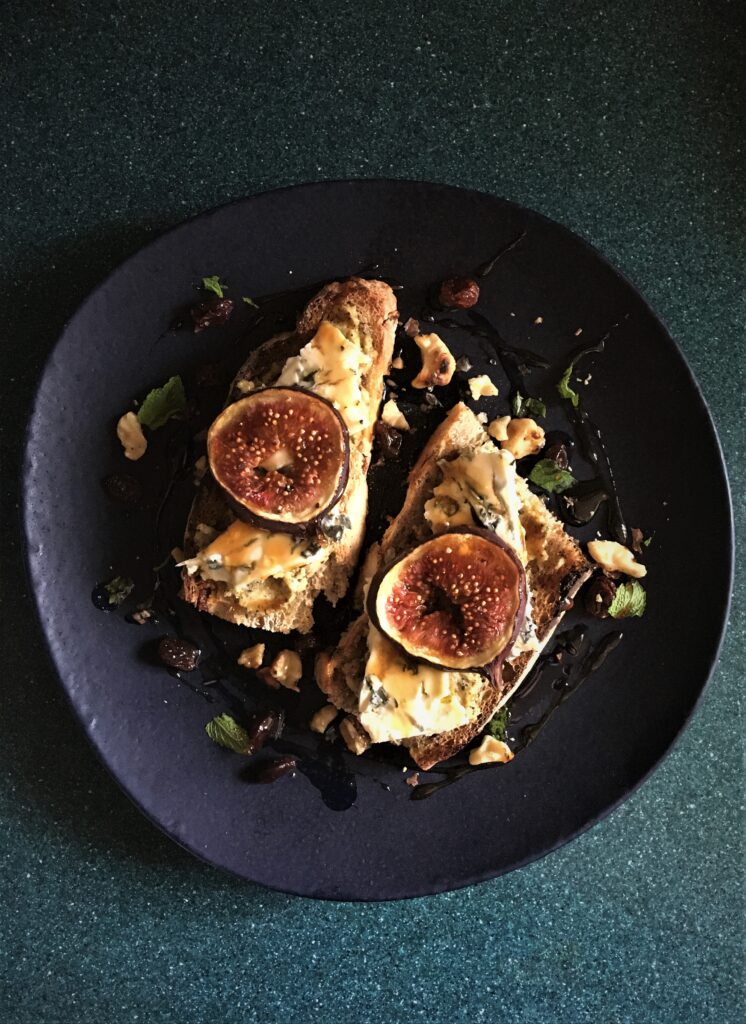
Toast the slices of bread.  Spread a few spoonfuls of the walnut paste over each slice, then place some slices of the cabrales on top of this.  Top each slice off with a slice of fig or two.  Drizzle the sherry vinegar reduction over the top and dress the plate with the raisins, any leftover walnuts, a bit of mint, a splash of olive oil and some seasoning.


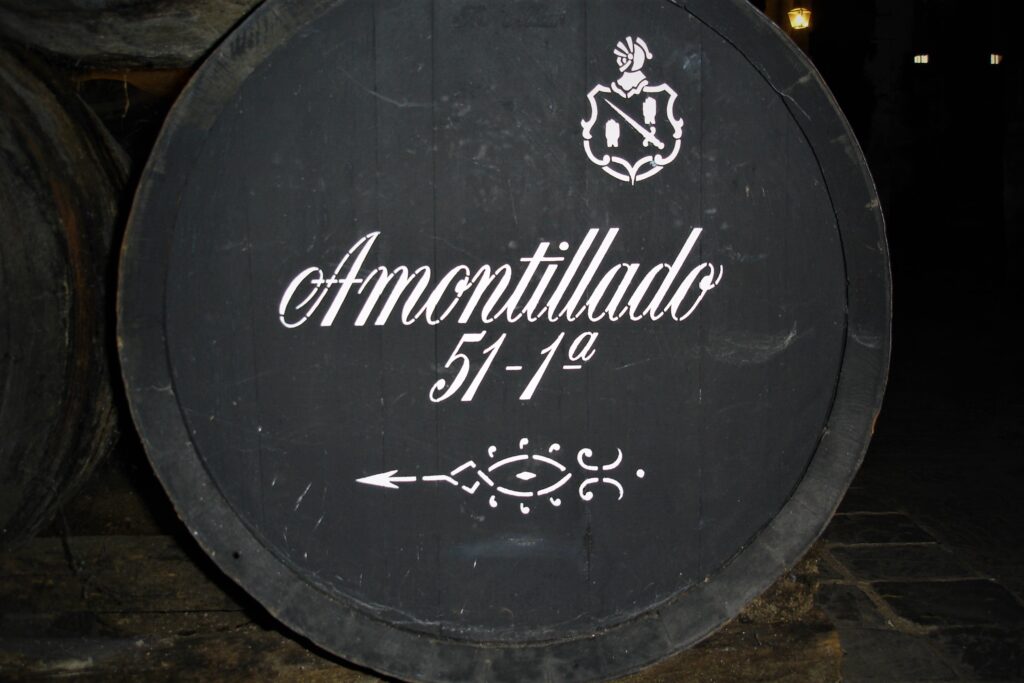
Serve with a glass of good quality Amontillado or, a Paolo Cortado.


Or, more precisely, tantalising tapas in Andalucia

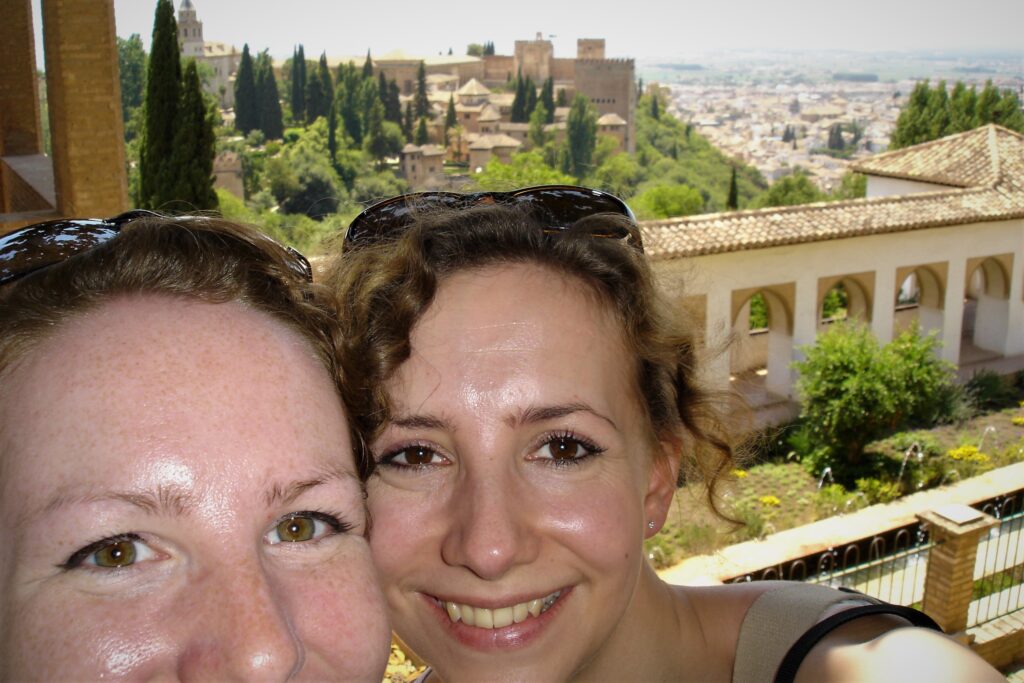
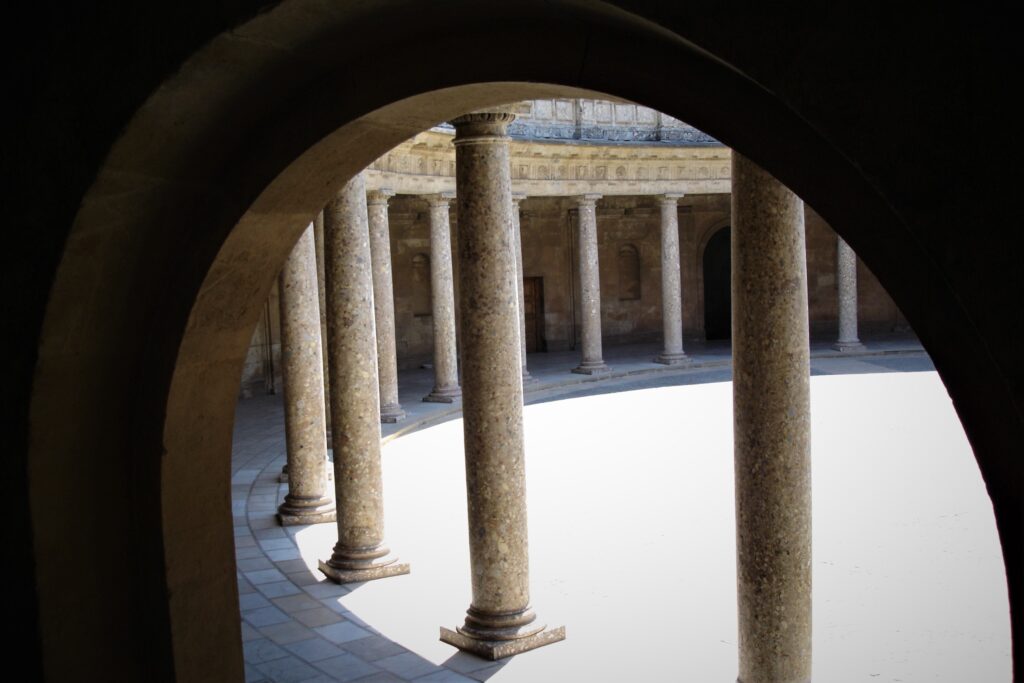
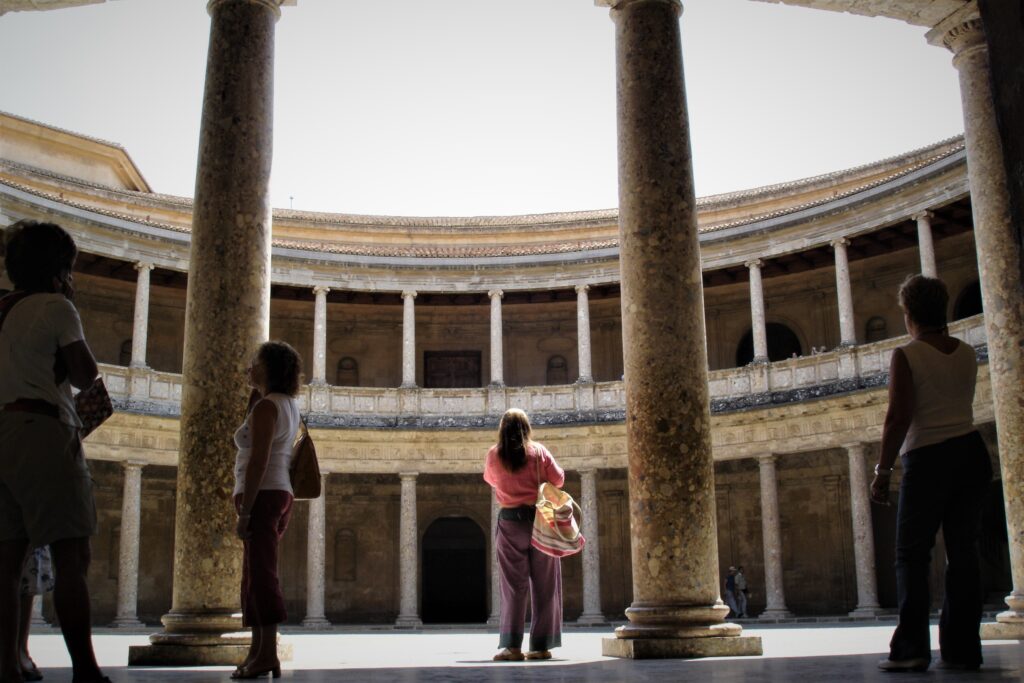
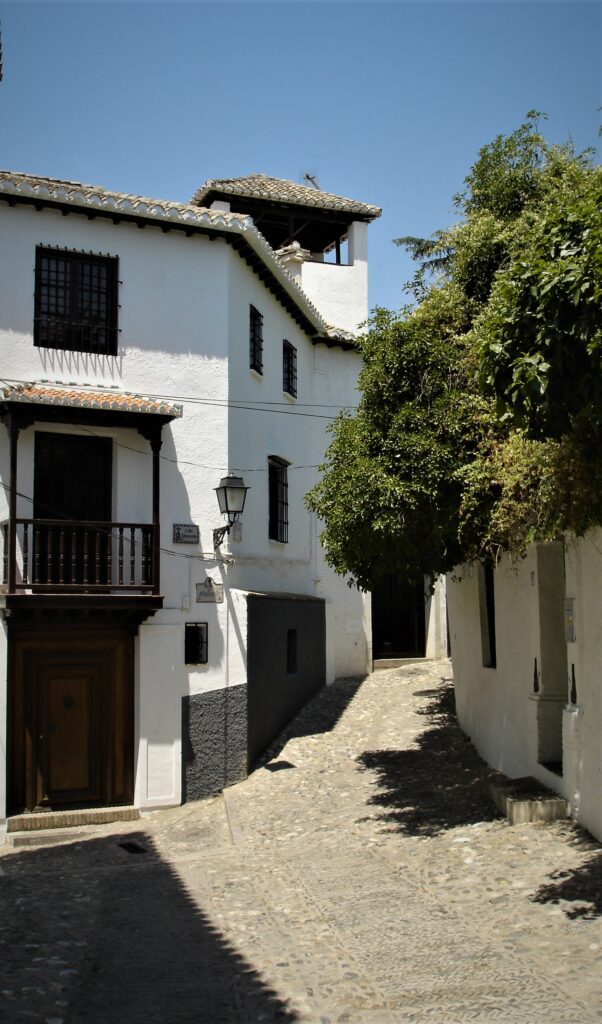
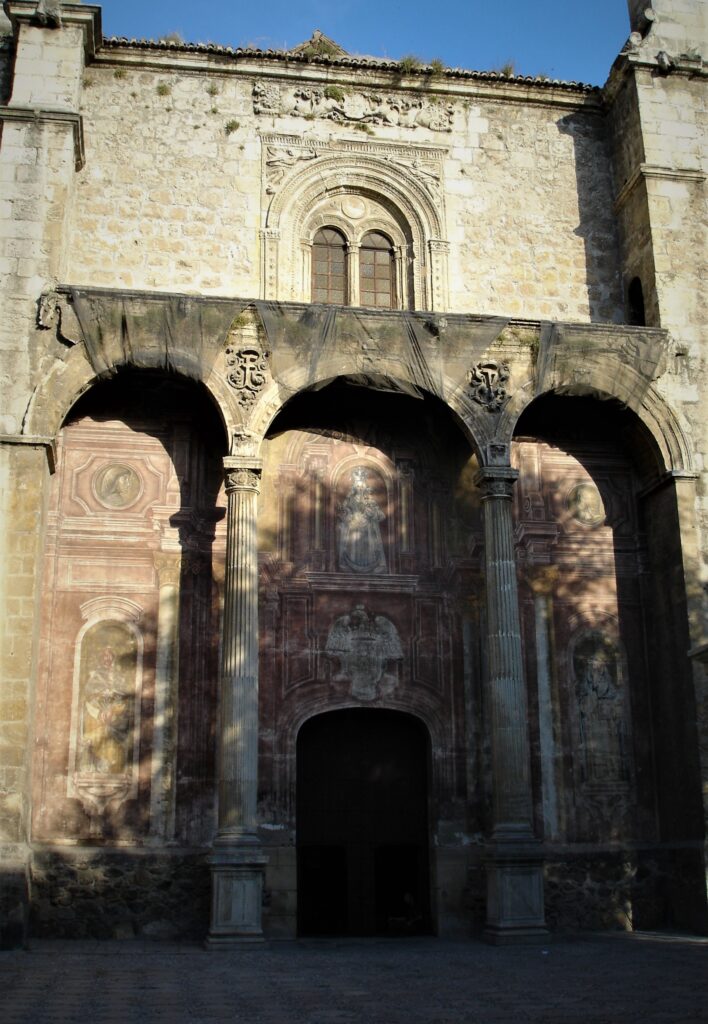
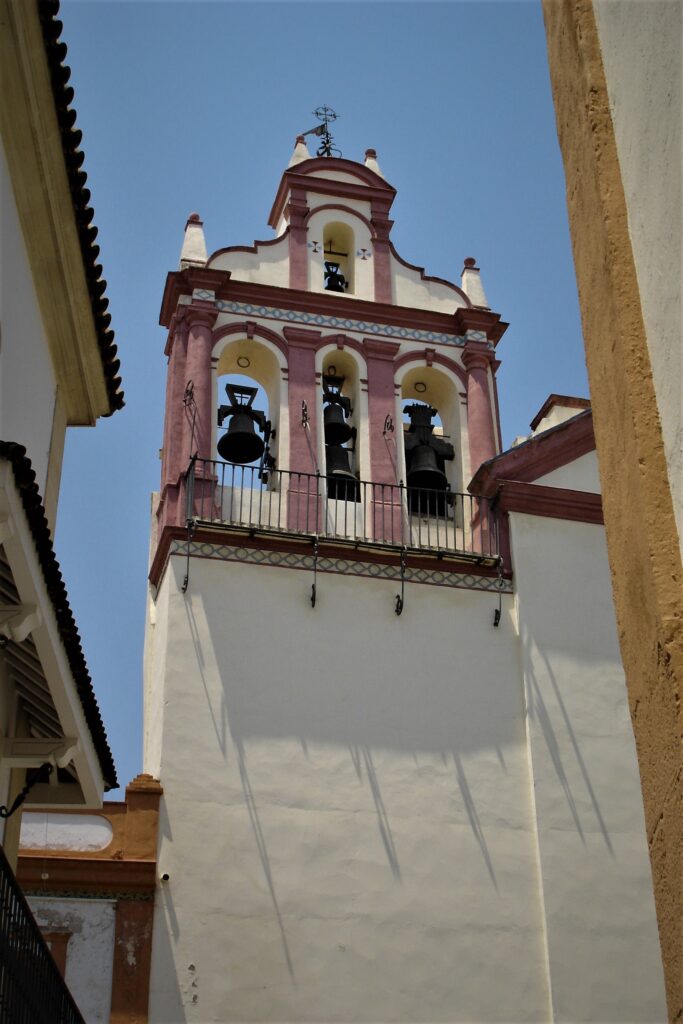
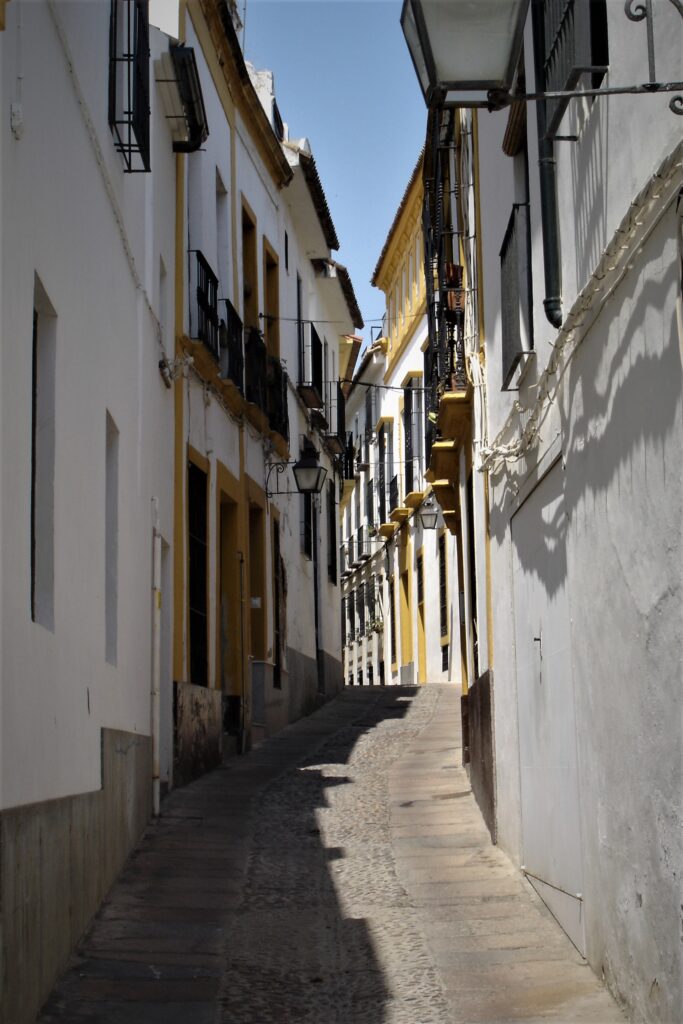
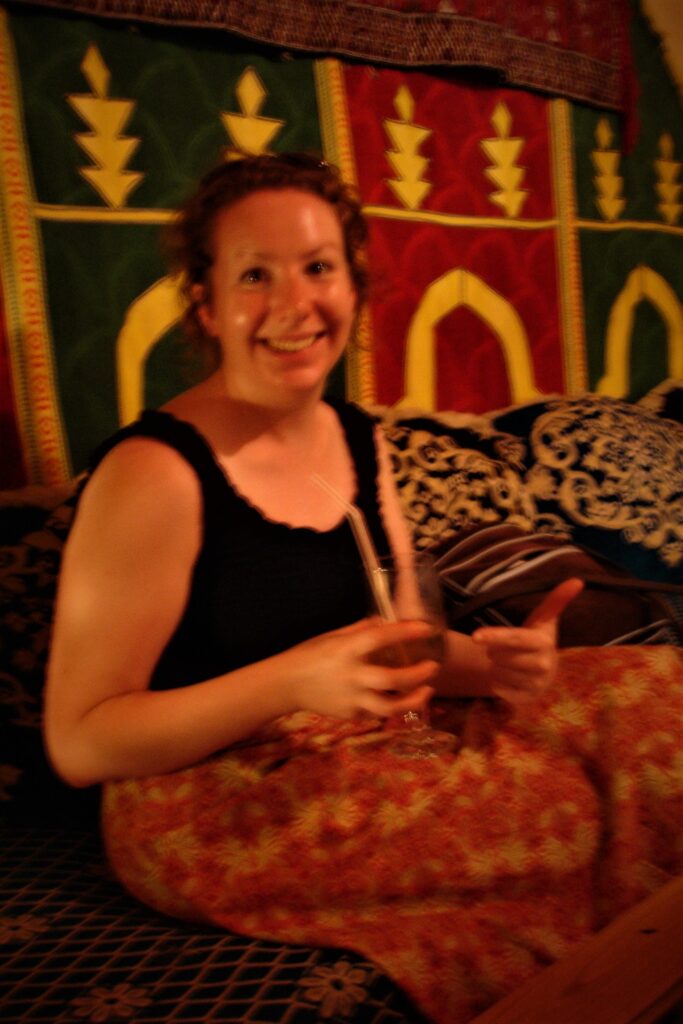
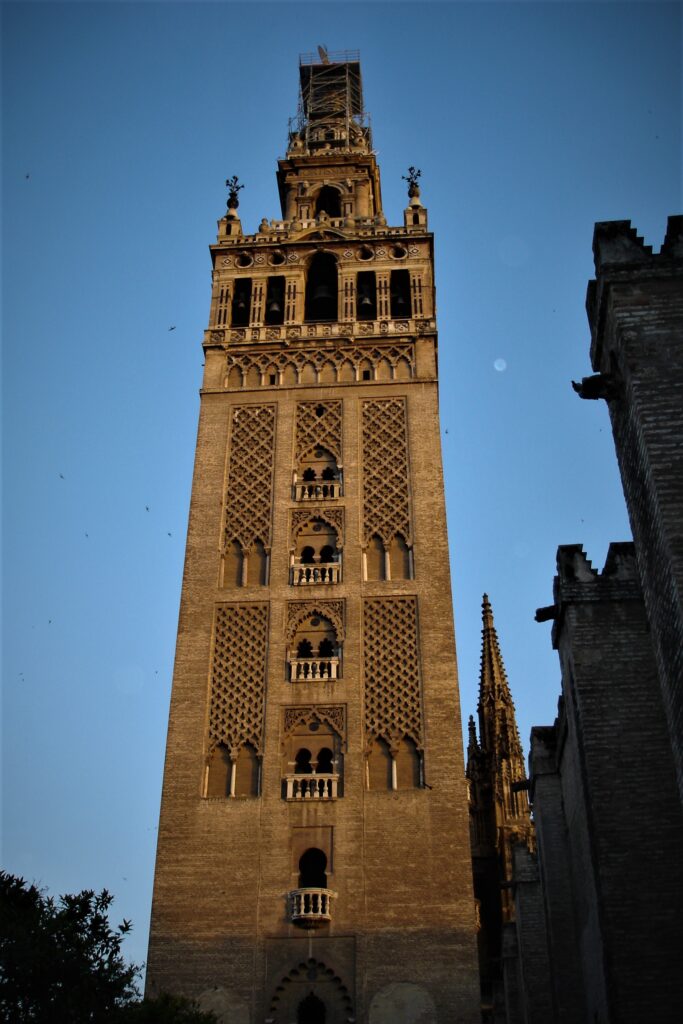
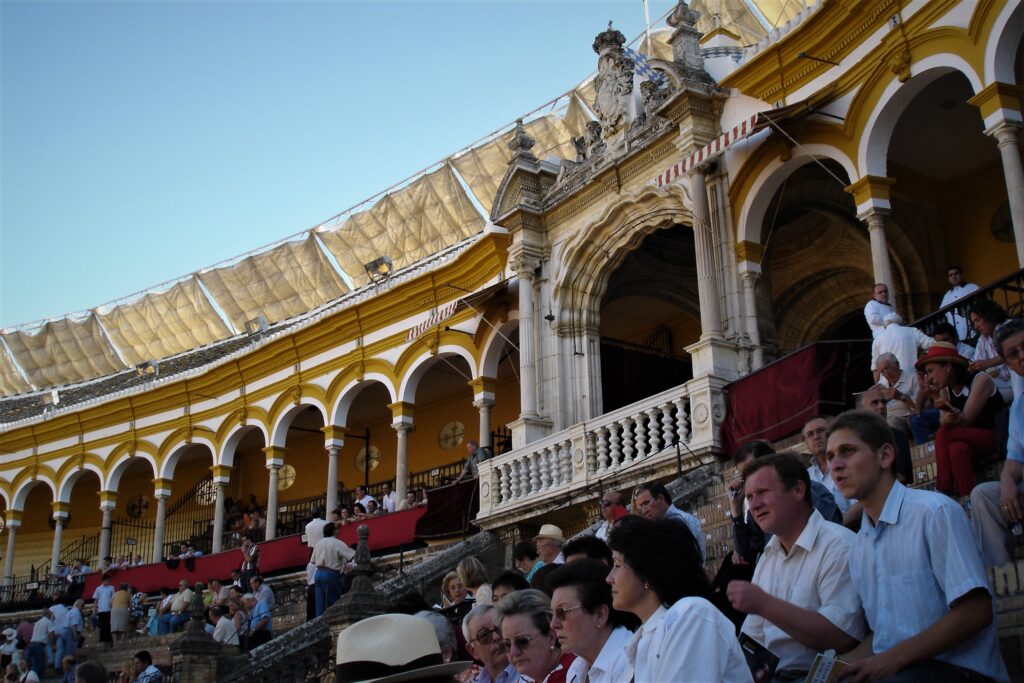
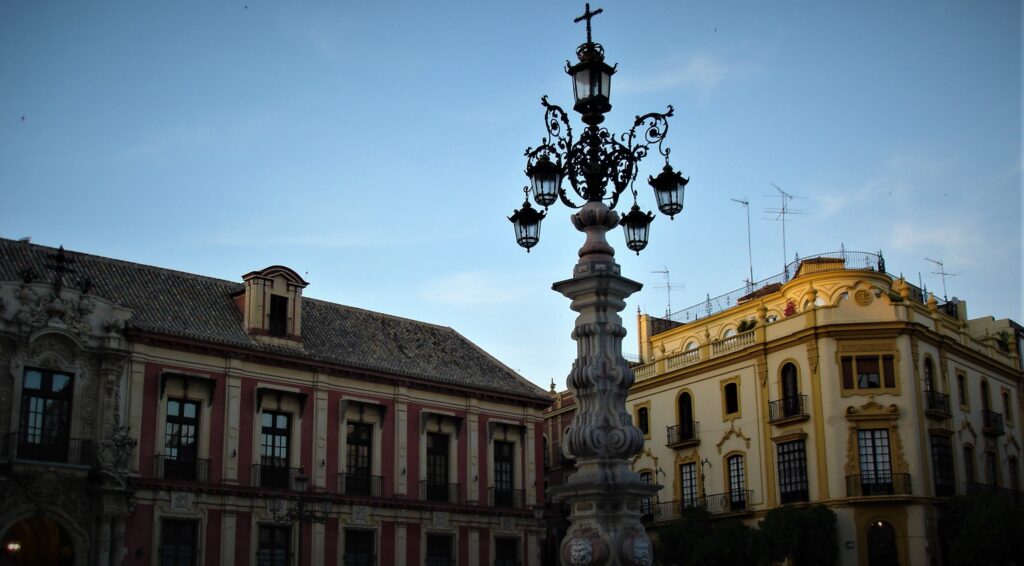
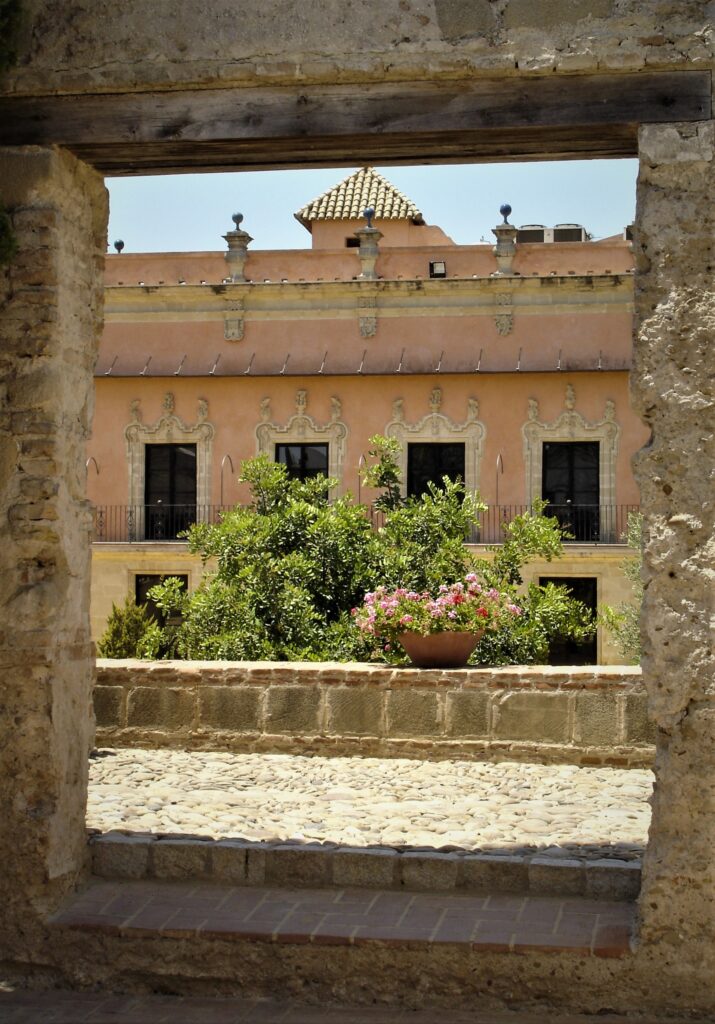
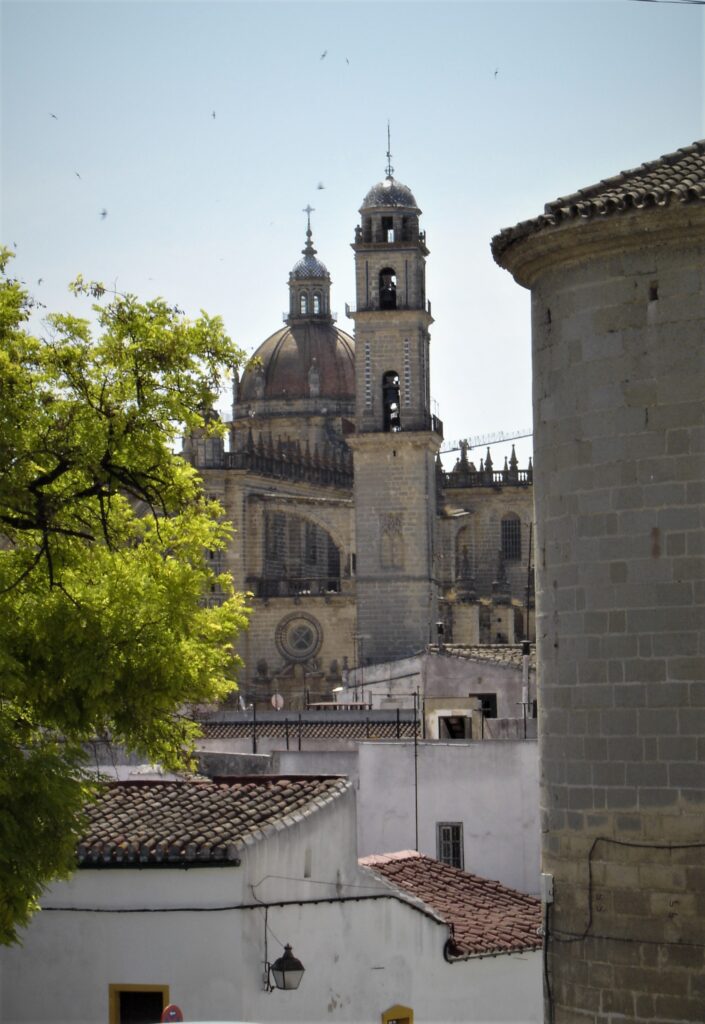
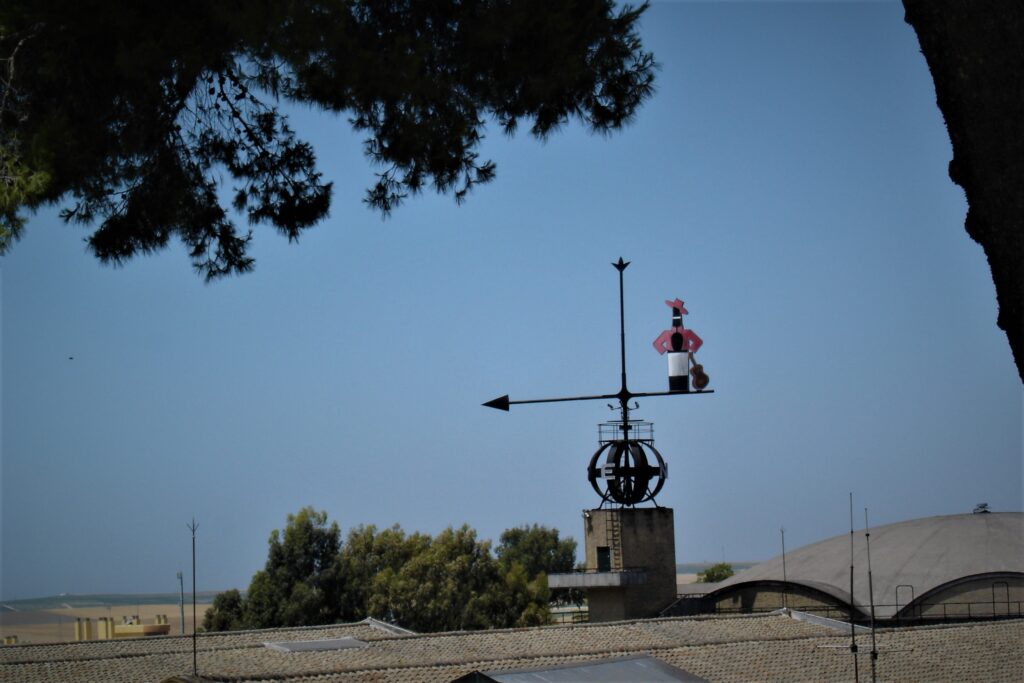
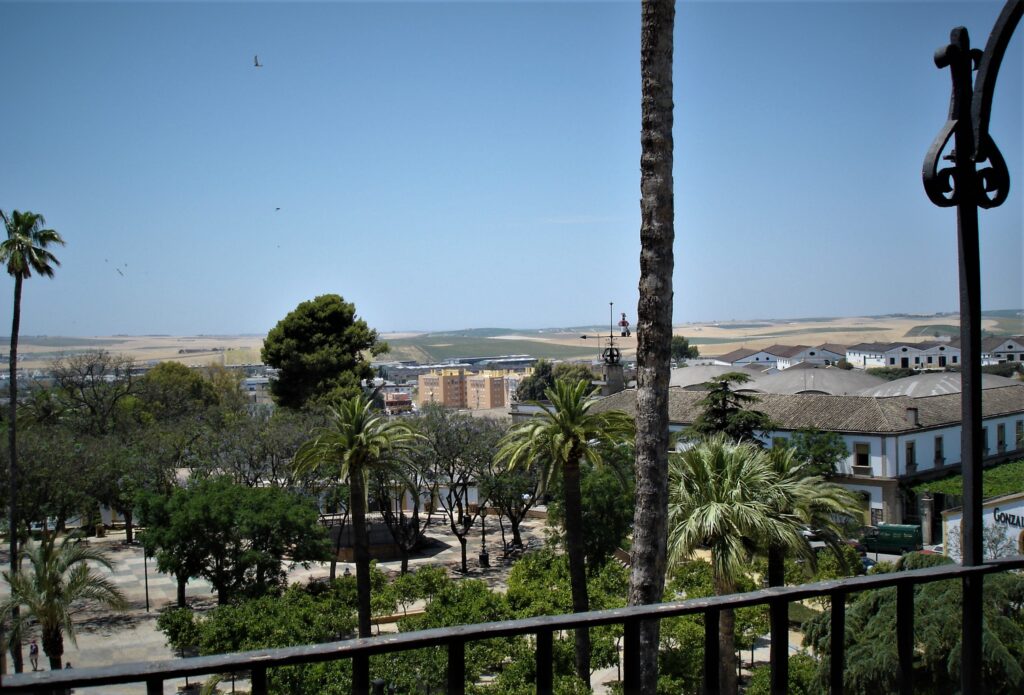
Around this time of year I normally head to Spain for a few days’ climbing to prolong the Summer vibes and enjoy the good connies that are coming in as the temperature cools a little.  Not this year though; thanks Covid.  Missing Spain, I’ve been recalling a (pre-climbing) trip I made there with my sister – a little tour of Andalucia, taking in Seville, Cordoba, Granada and Jerez.  For some reason (probably work holiday calendar related), we did this in the crazy heat of Summer but it was one of the best trips I’ve ever had.

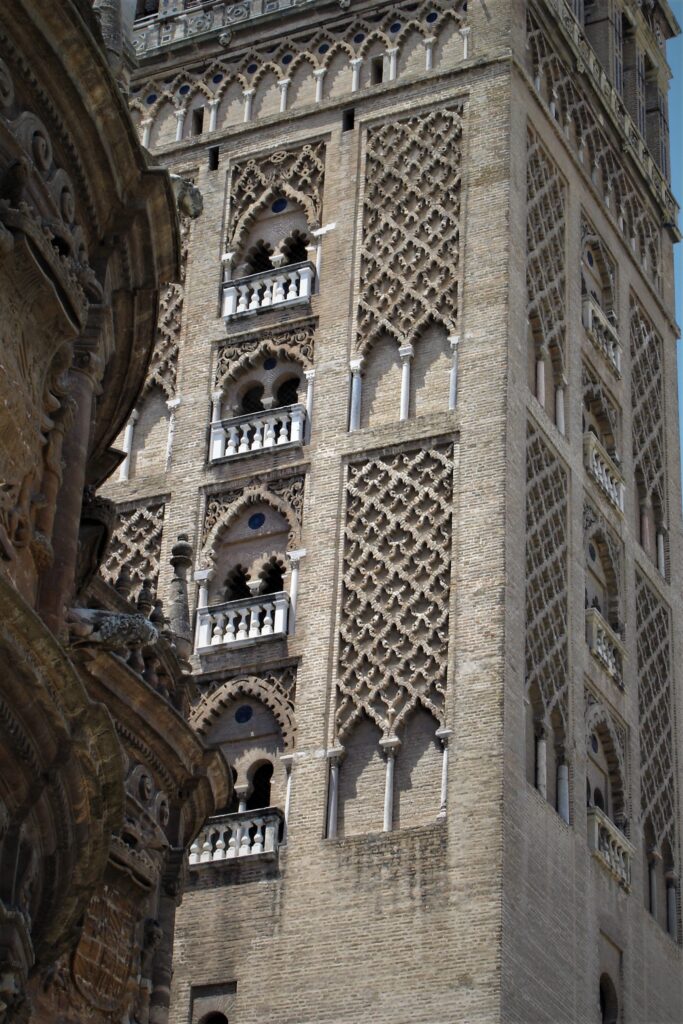
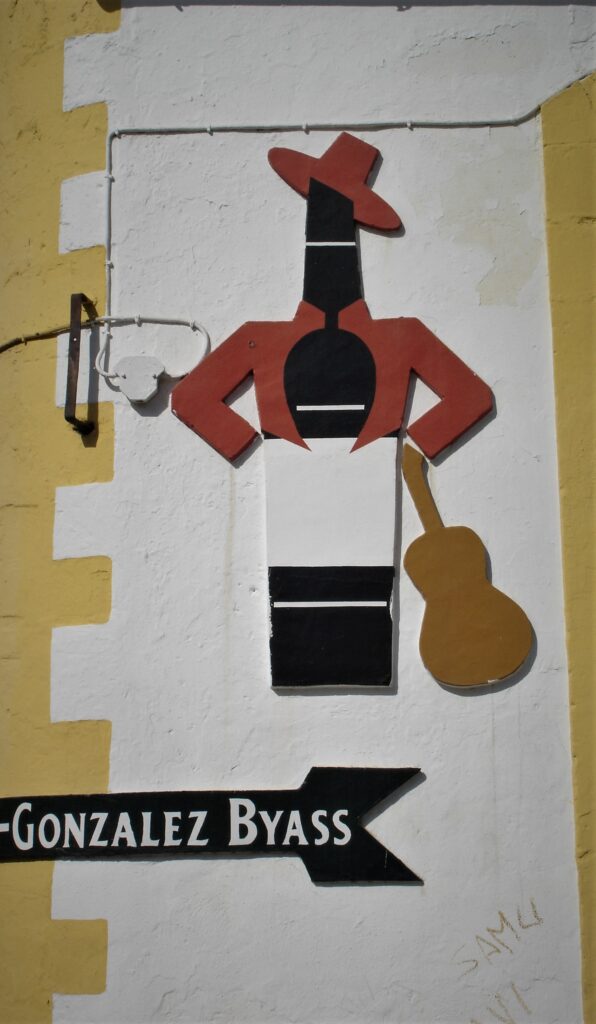
My sister, the architect, was keen to study as many of the beautiful sites as possible and I, the historian, was keen to soak-up anything vaguely Moorish.  Then, of course, there’s tapas.  We were both keenos for tapas. And sherry.  Yup, sherry. At the time, I was working in an independent wine merchants.  We’d run a big sherry promotion that previous winter and I’d fallen in love with it so, for me, this was another reason to head to this part of Spain.  It’s not hard to eat extremely well indeed in Spain; and, Andalucia, home of Sherry production, is a blissfully sunny, laidback place in which to devote some time to enhancing your appreciation of food and wine matching.  There are plenty of bodegas to visit in and around Jerez but there’s also plenty of sherry to be had in many a tapas bar across the region*. Unfortunately for my sister, she had a shocker of a cold and her poor palate was somewhat numbed by the daily “big spoon” of cough medicine that the friendly chemist had told her to imbibe.  Never one not to enjoy food, however, she persevered with solid resolve.

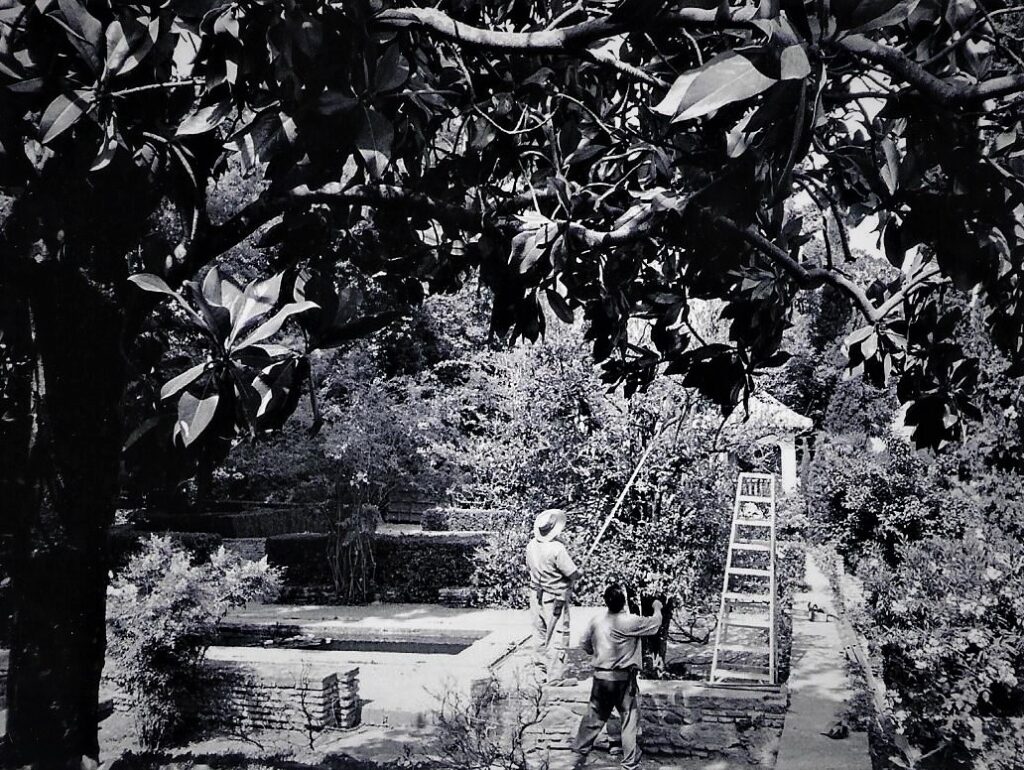
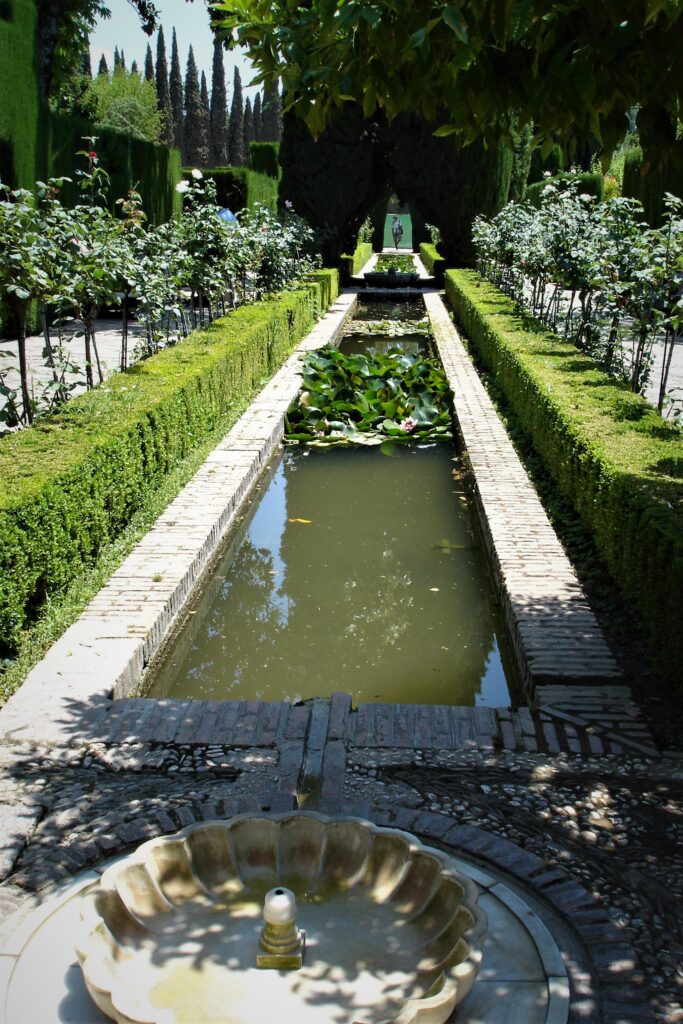
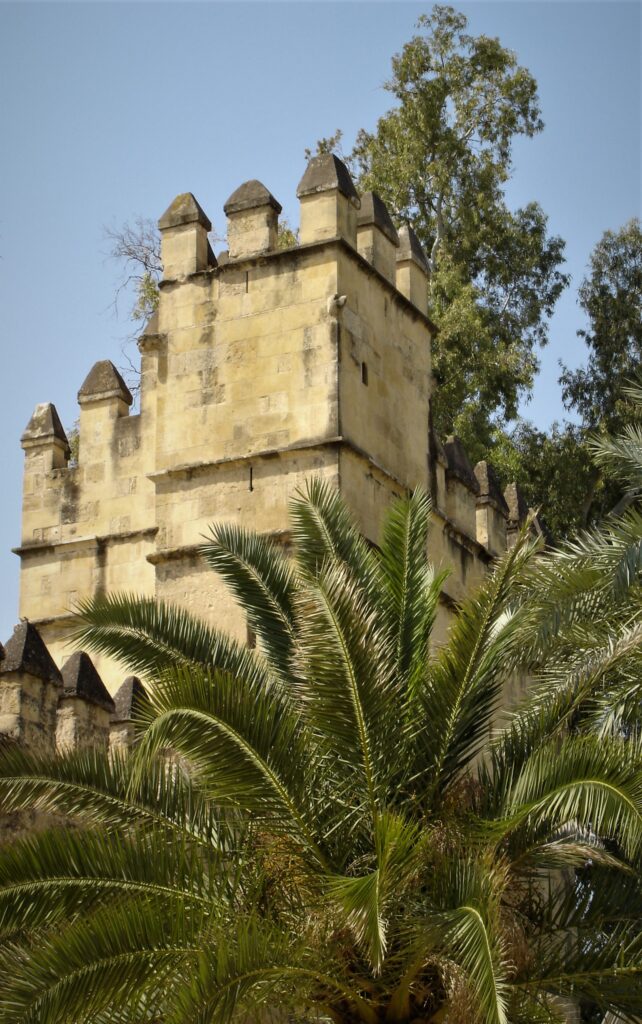
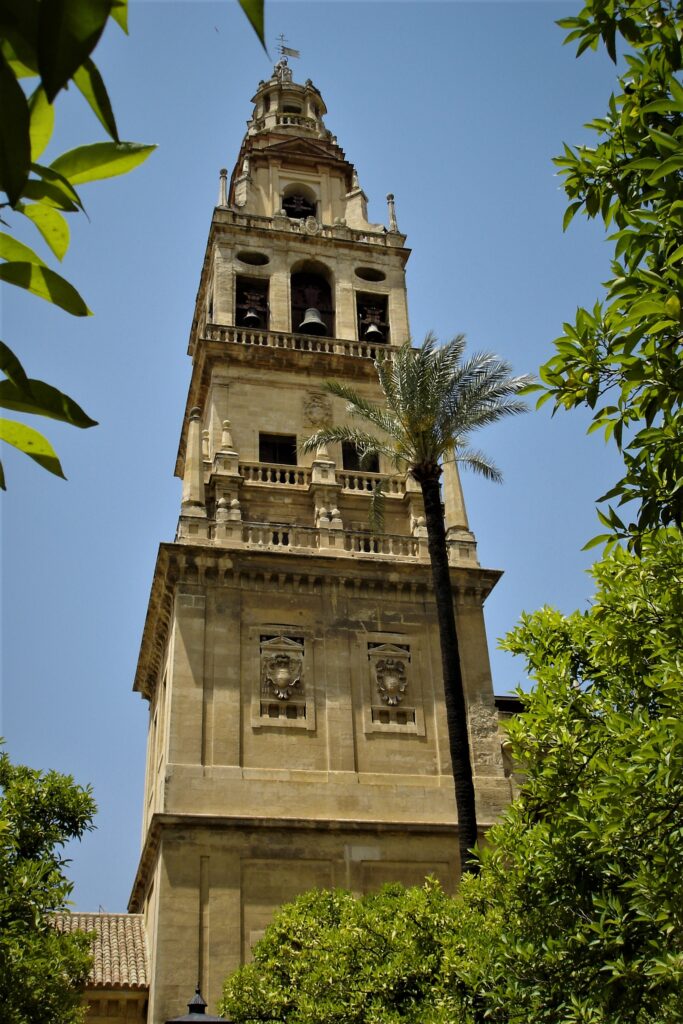
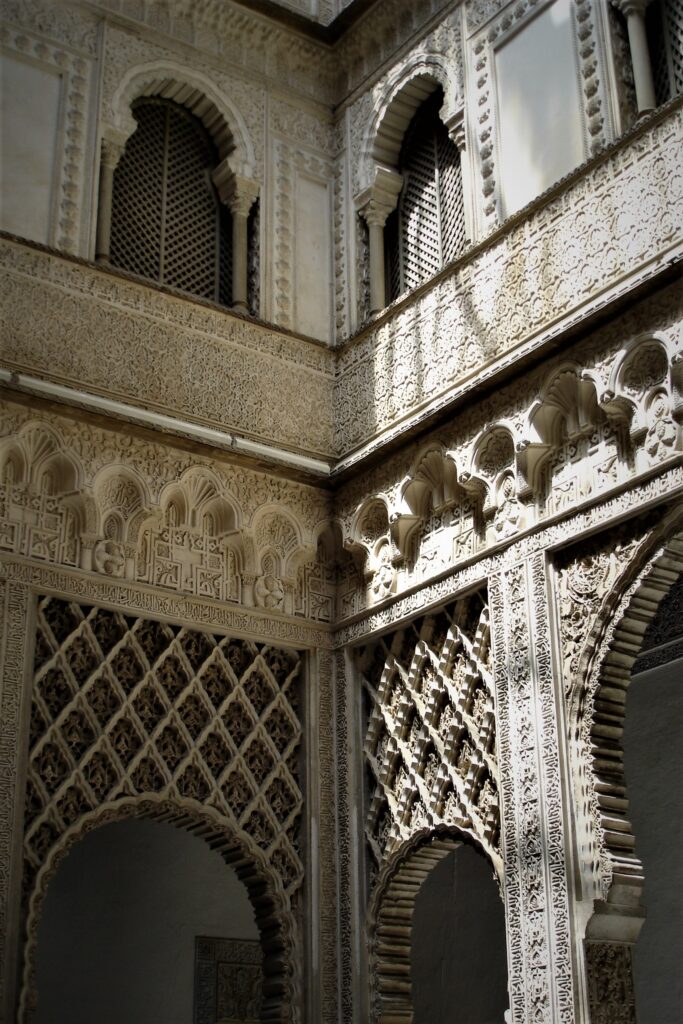
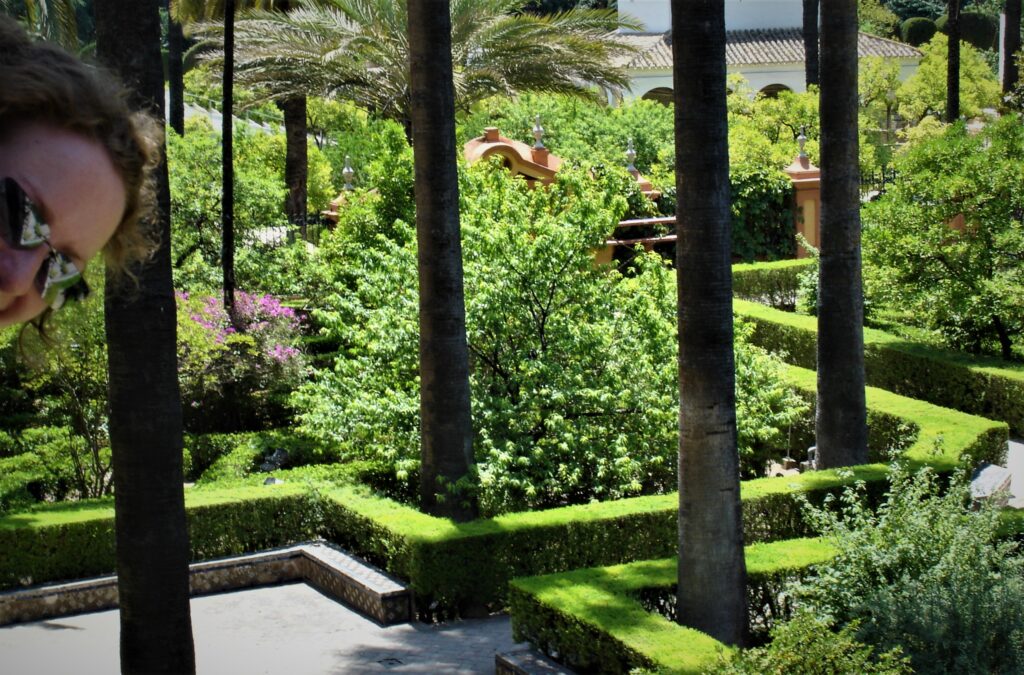
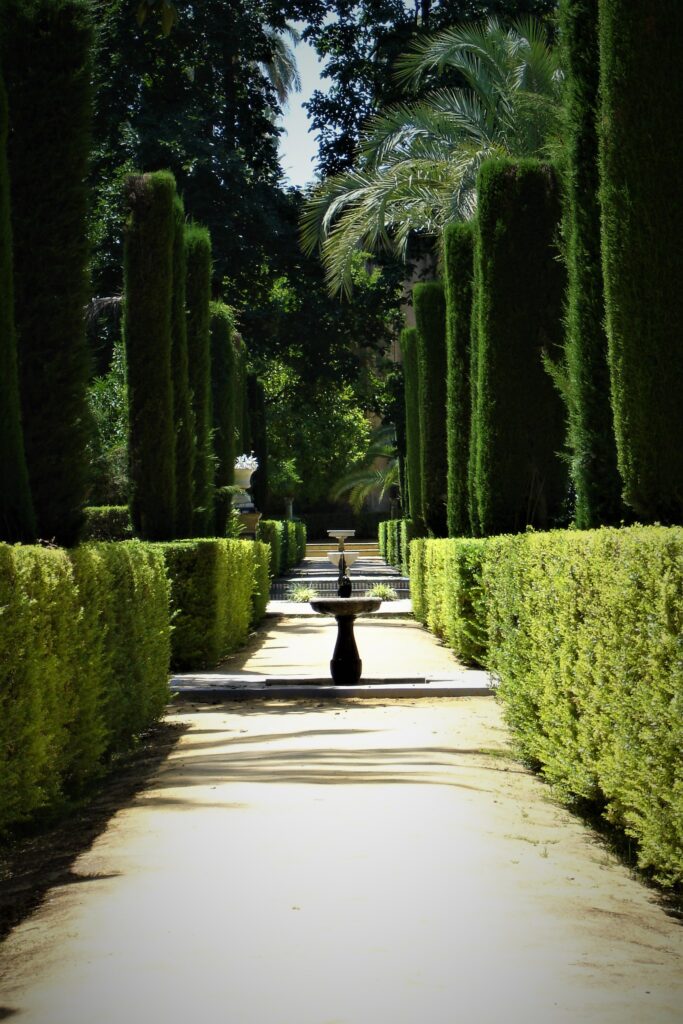
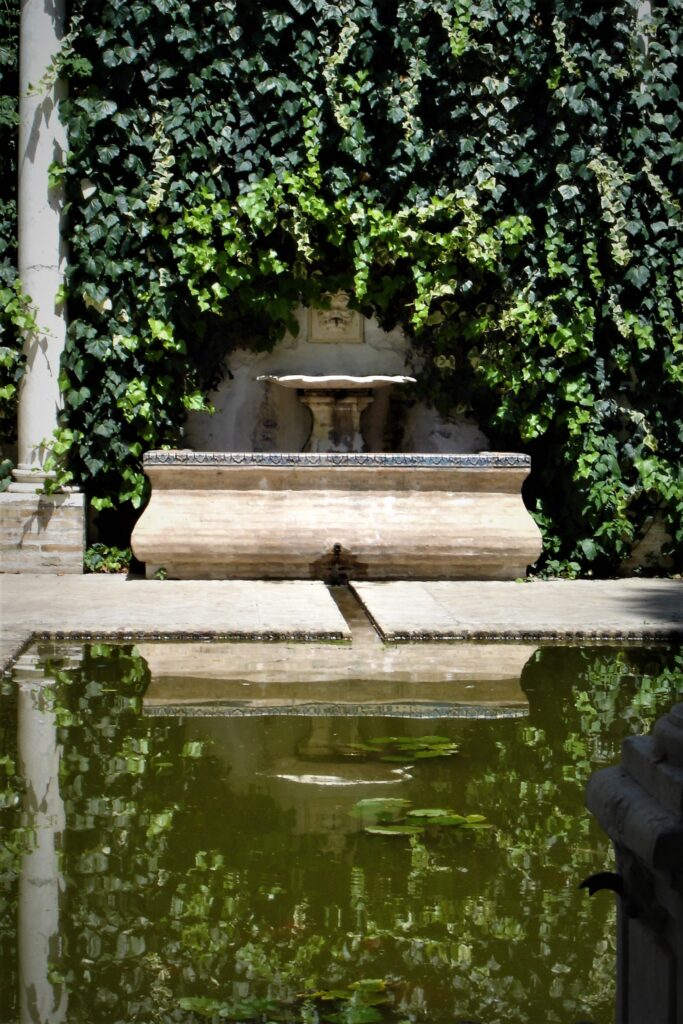
What I soon realised about this part of Spain was that not only does it offer bountiful feasts of tapas but it also delivers a veritable a feast for all the senses.  It truly is a magnificent place to spend time in.  In Seville we fell in love with arguably some of most beautiful gardens in the world in the Alcazar (a mini Alhambra and now possibly better known as the location of Dorne in Game of Thrones).  Then, of course, there’s oranges; everywhere.  A cheerful pop of colour and a tasty, bright delight for breakfast (plus my sister won’t let me forget that one morning I wistfully wondered whether you could get orange jam… which she pointed out was marmalade).

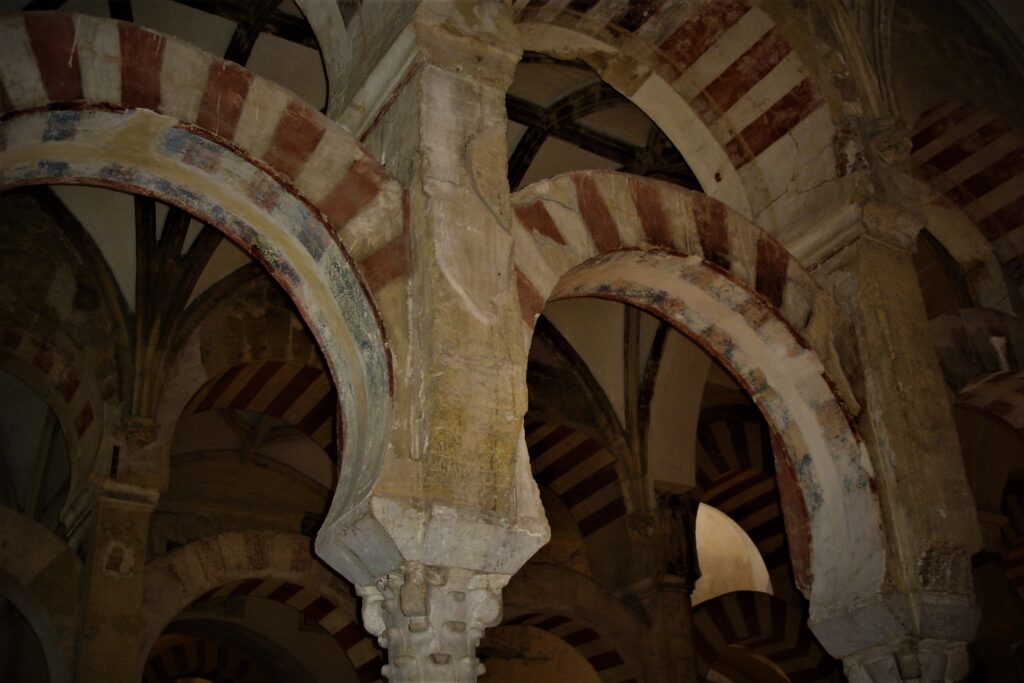
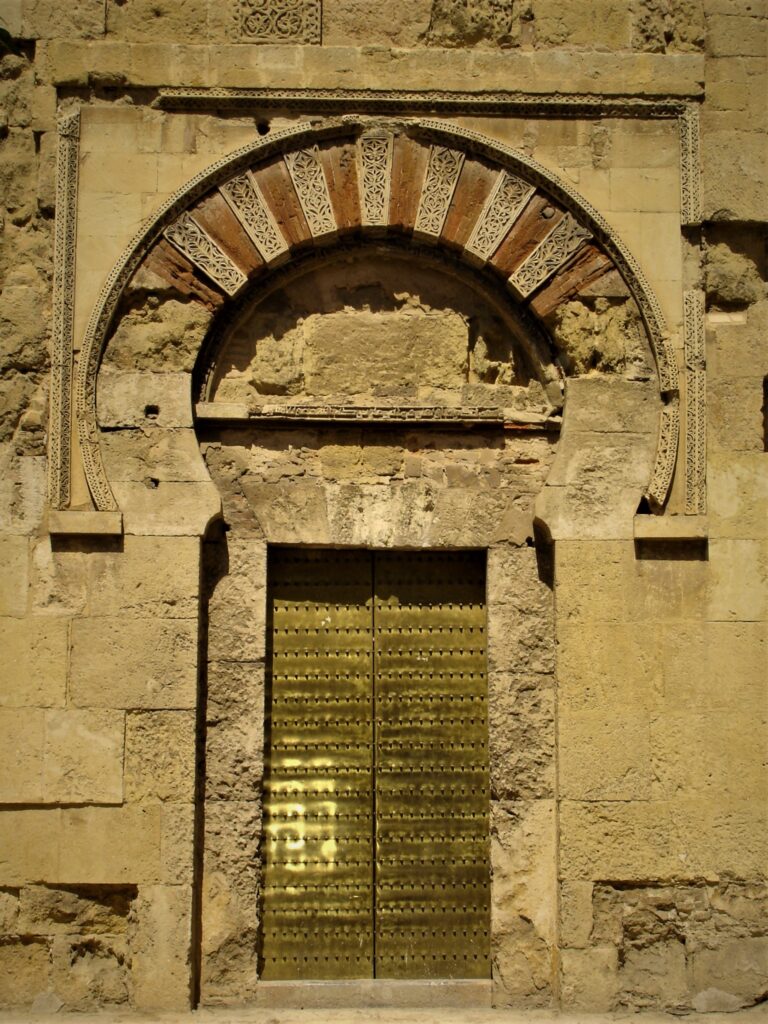
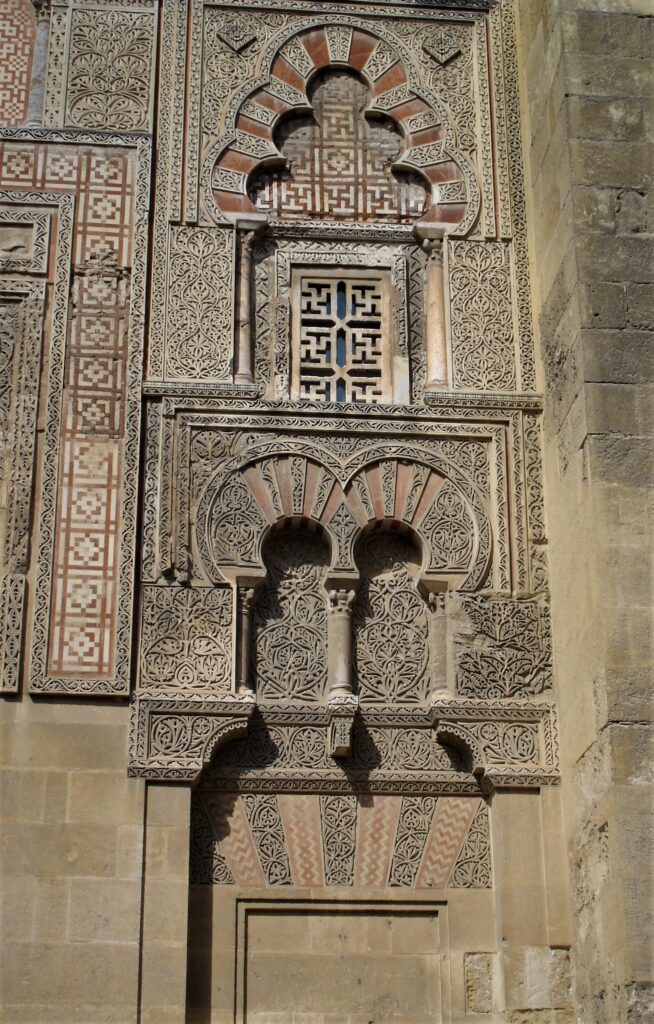
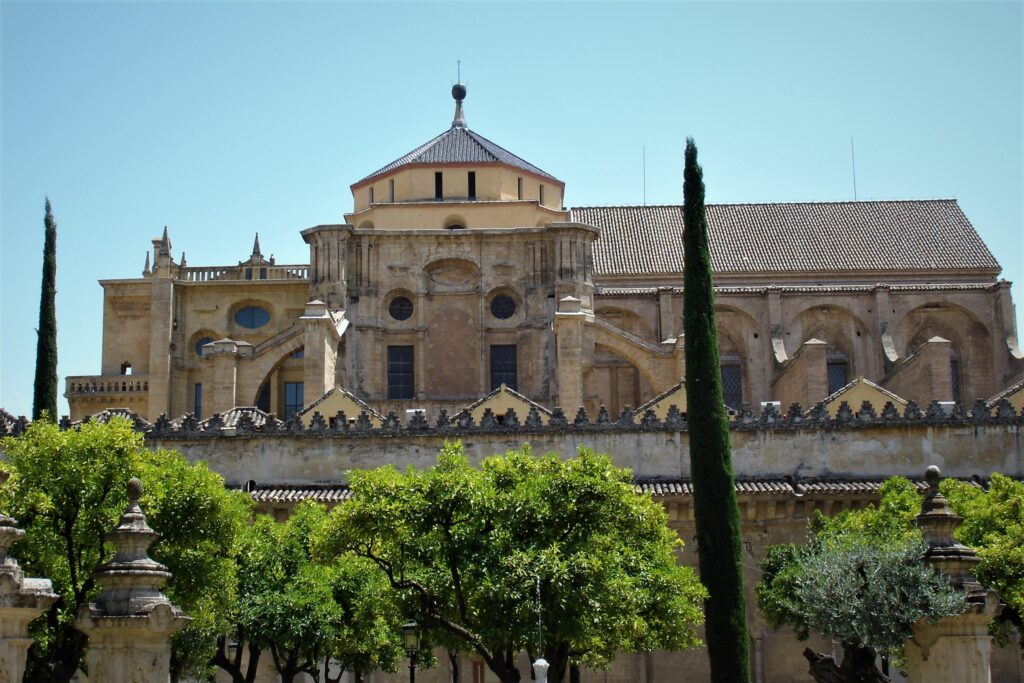
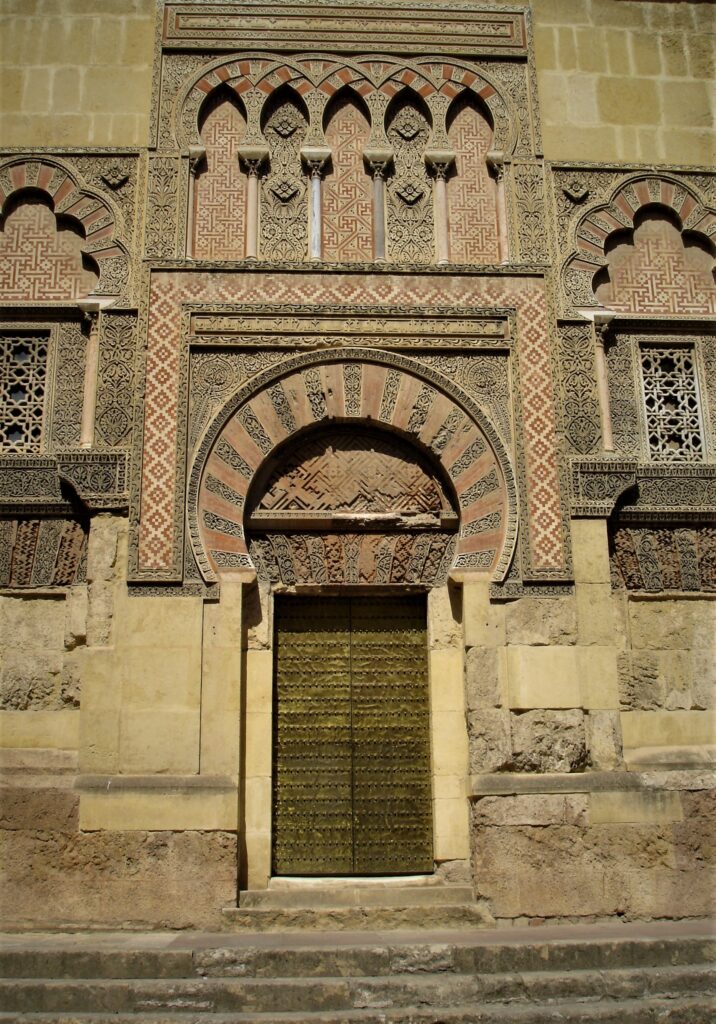
Cordoba offers a gentler, calmer beauty.  The Mesquita is breathtaking and one of the most softly serene places I’ve ever set foot in.  The contemplative atmosphere that weaves between the pillars is palpable and entrancing.  The balmy air in Cordoba is scented with exotic notes of rose and Moorish spices; and, there are numerous flavours of iced teas to delight in to keep you chilled when the heat is on.

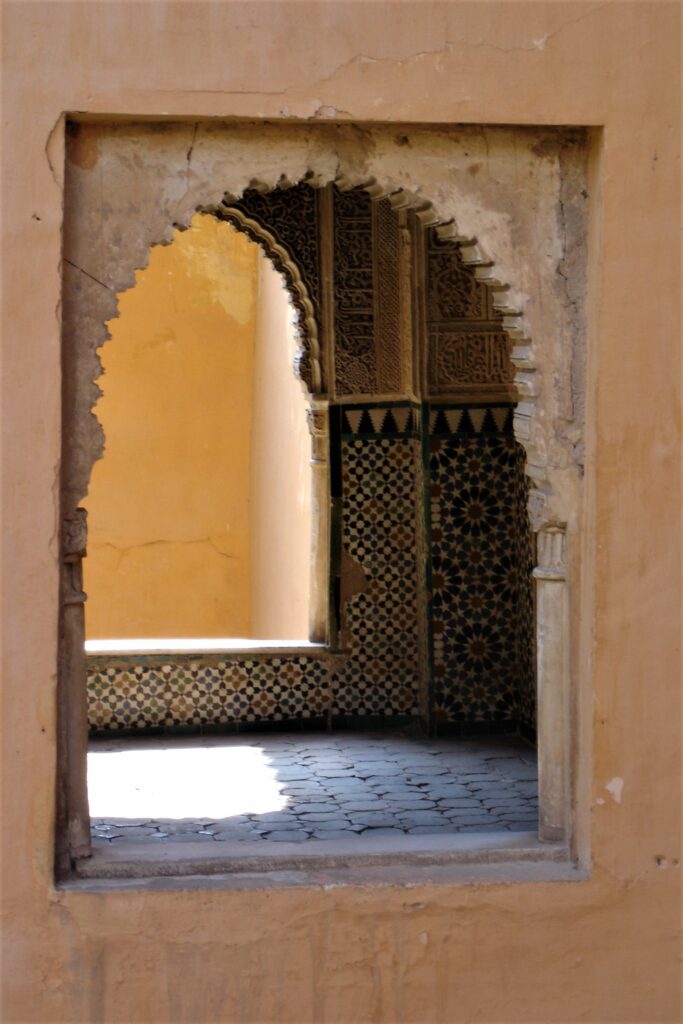
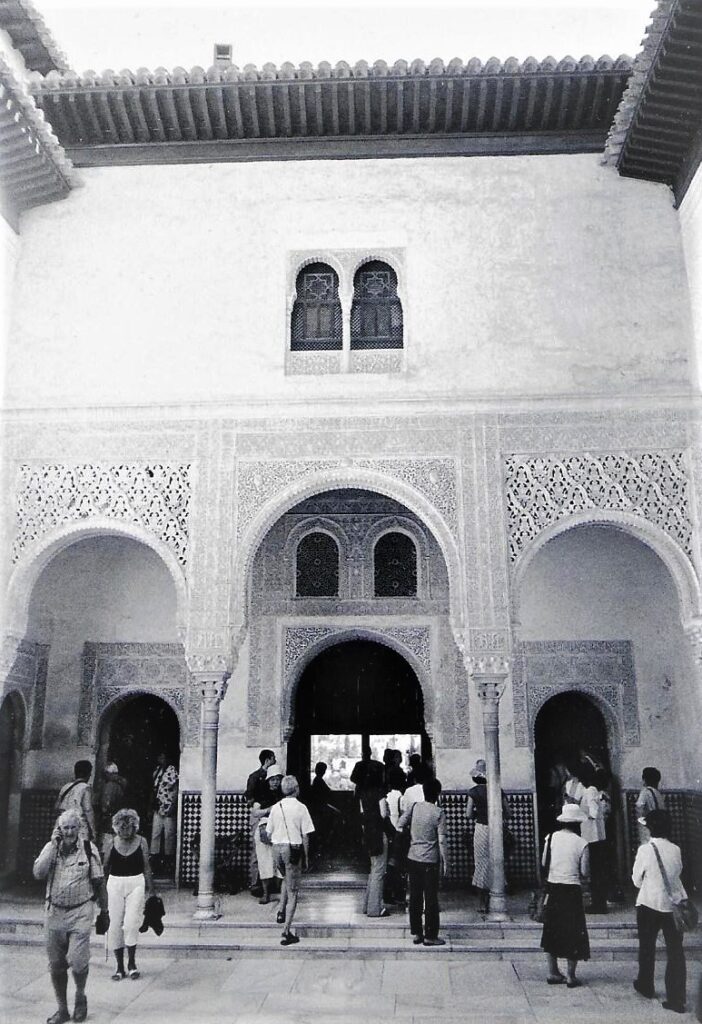
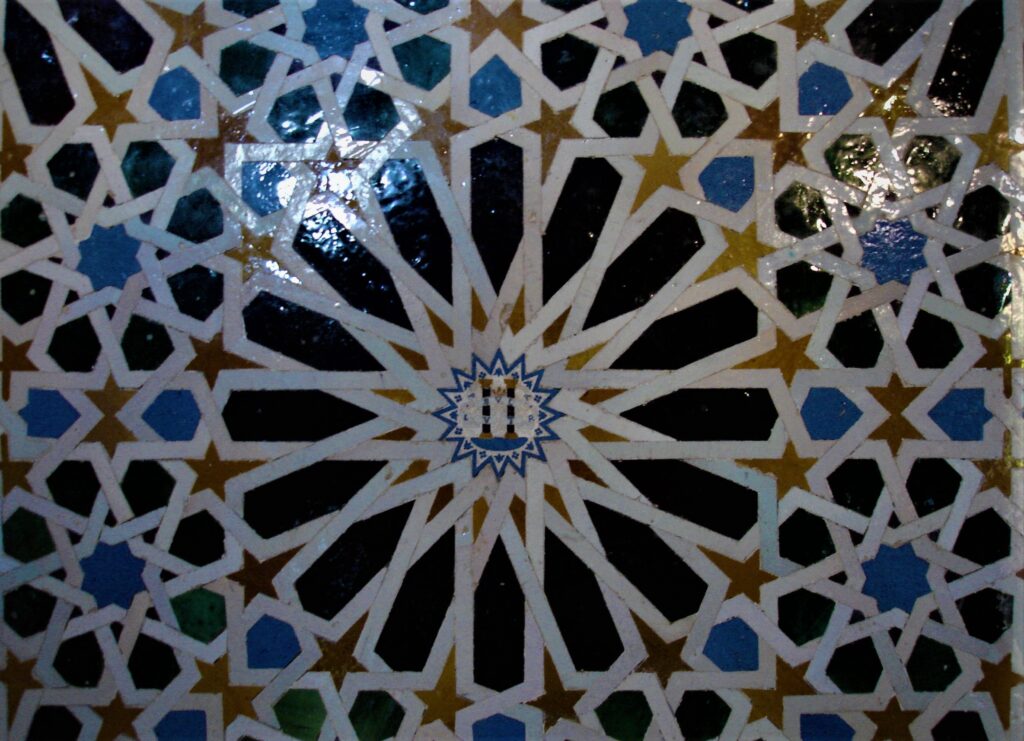
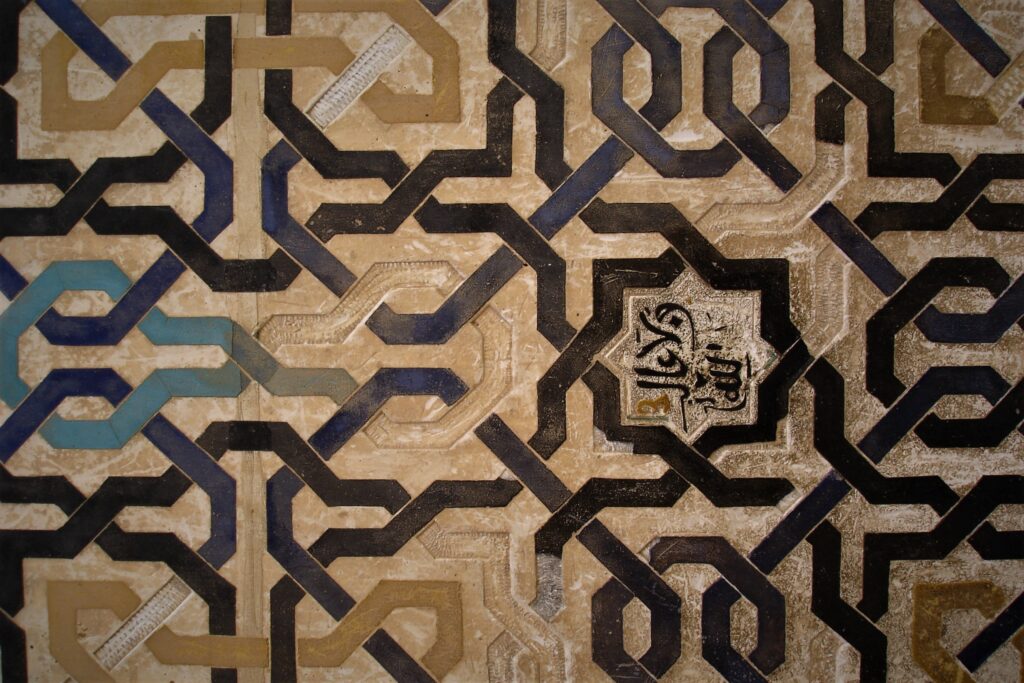
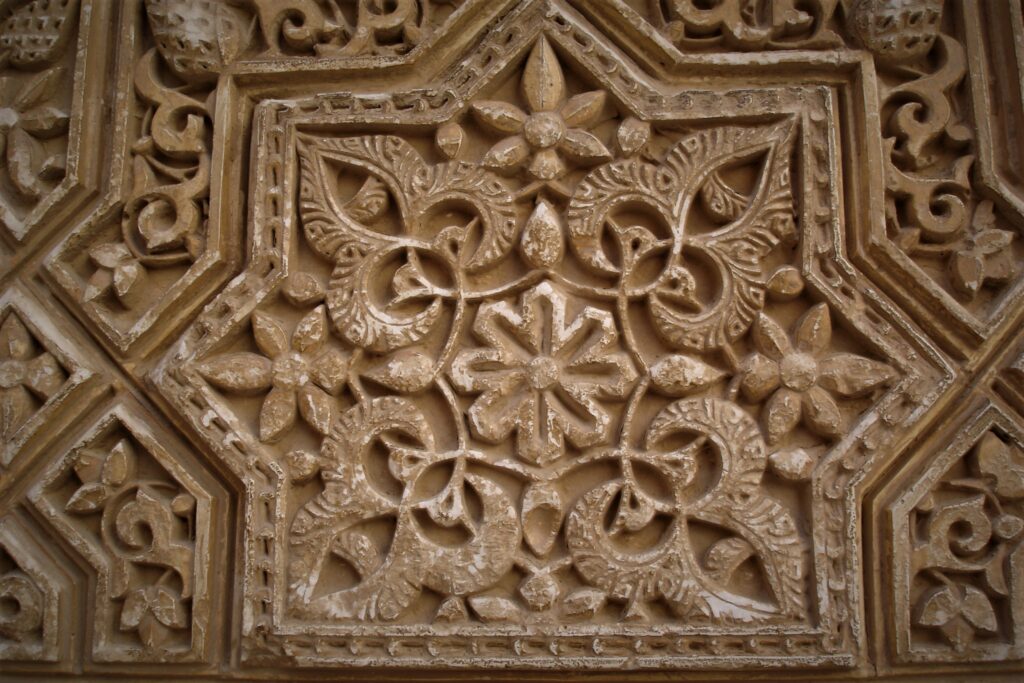
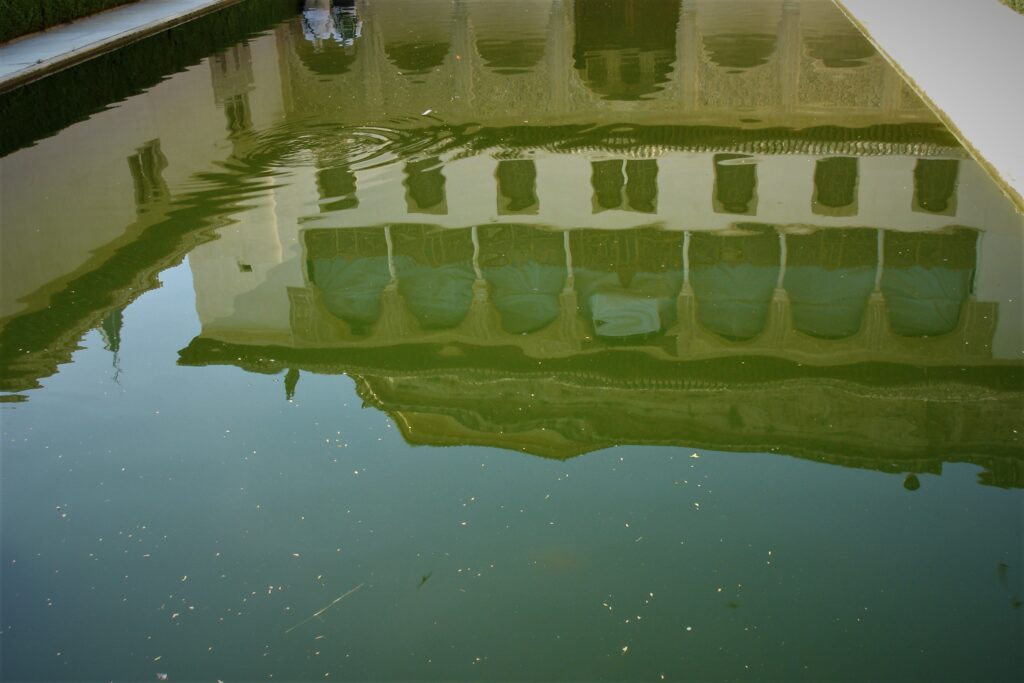
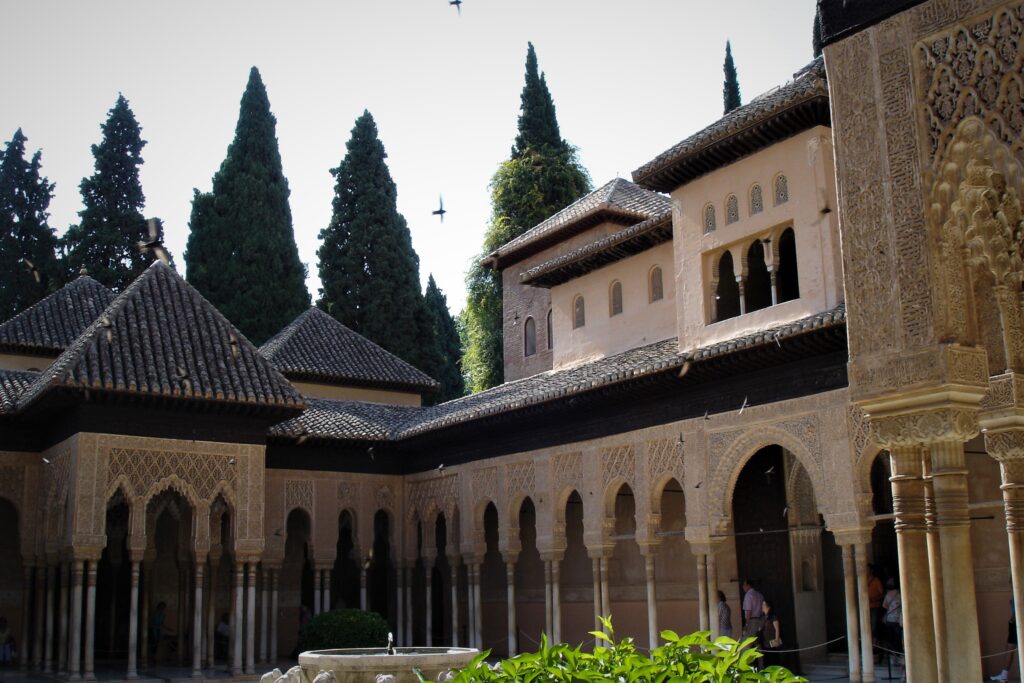
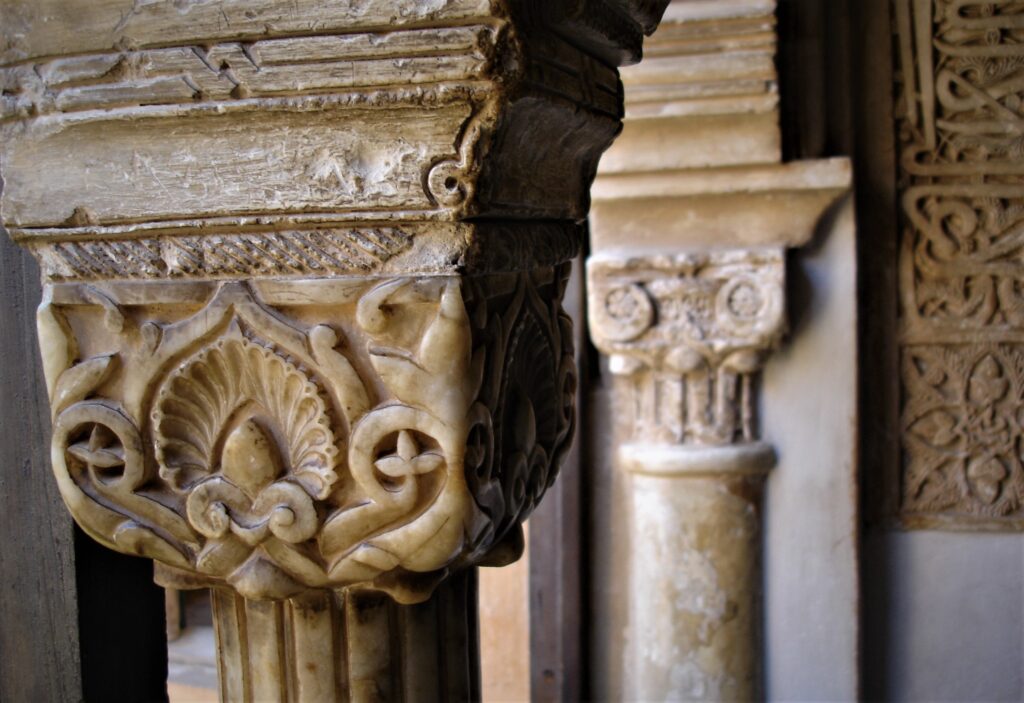
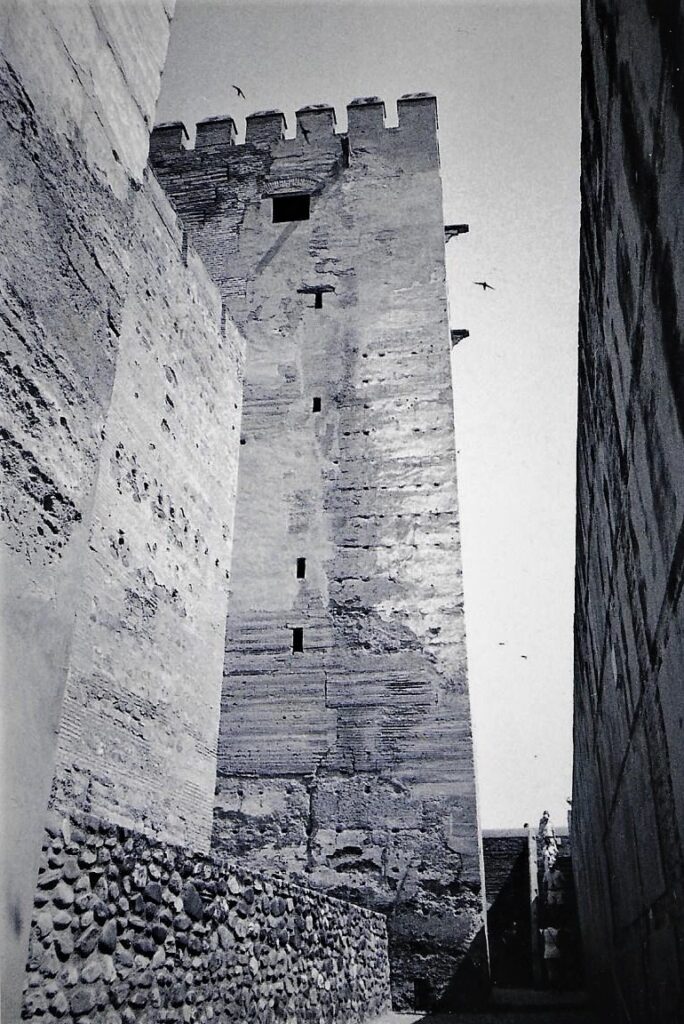
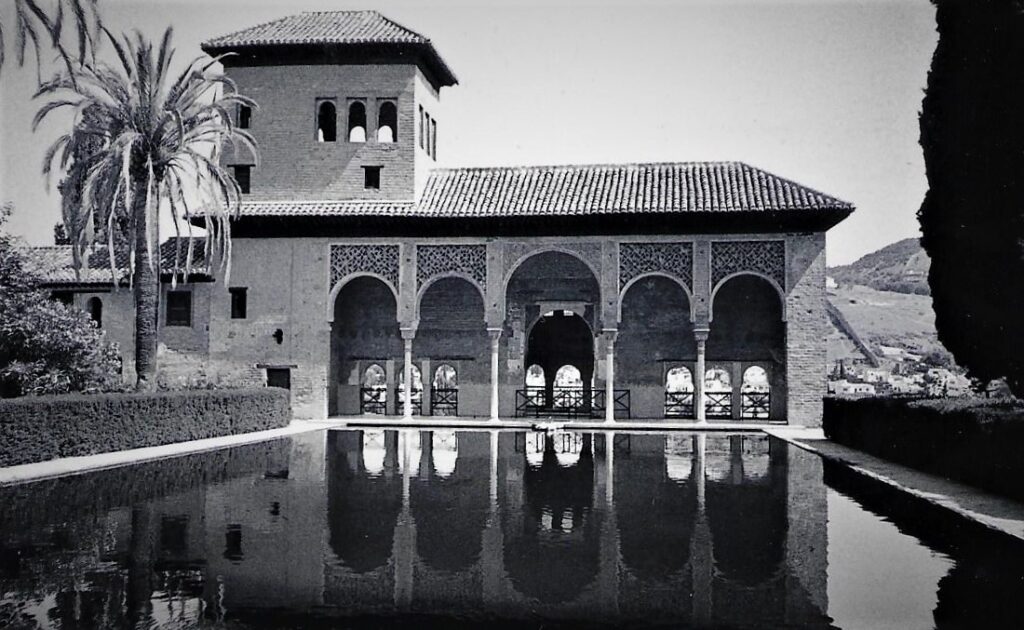
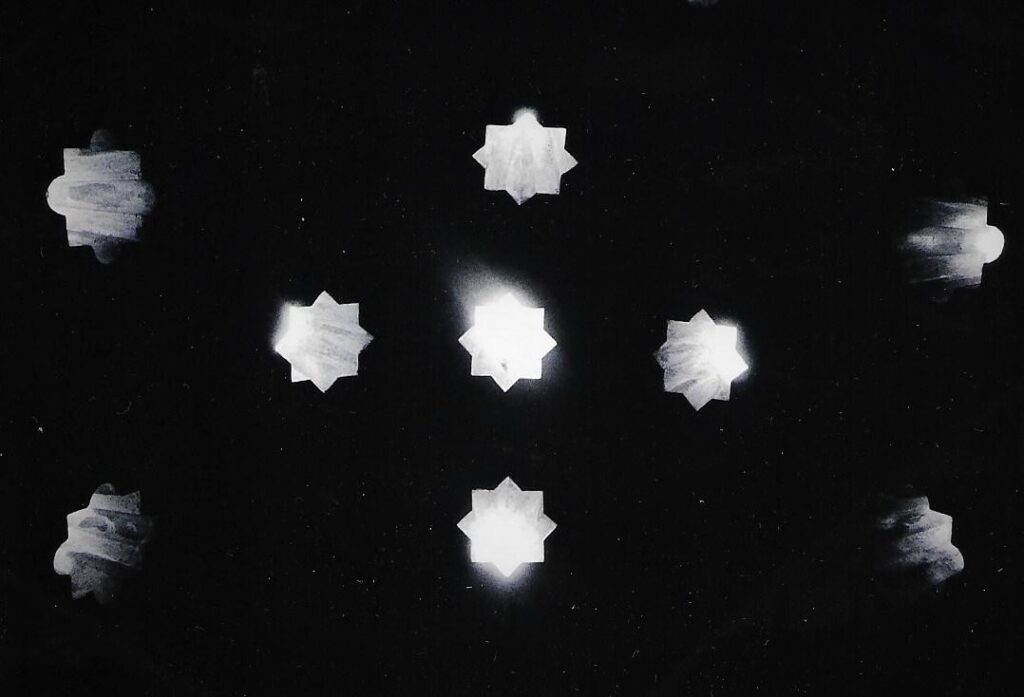
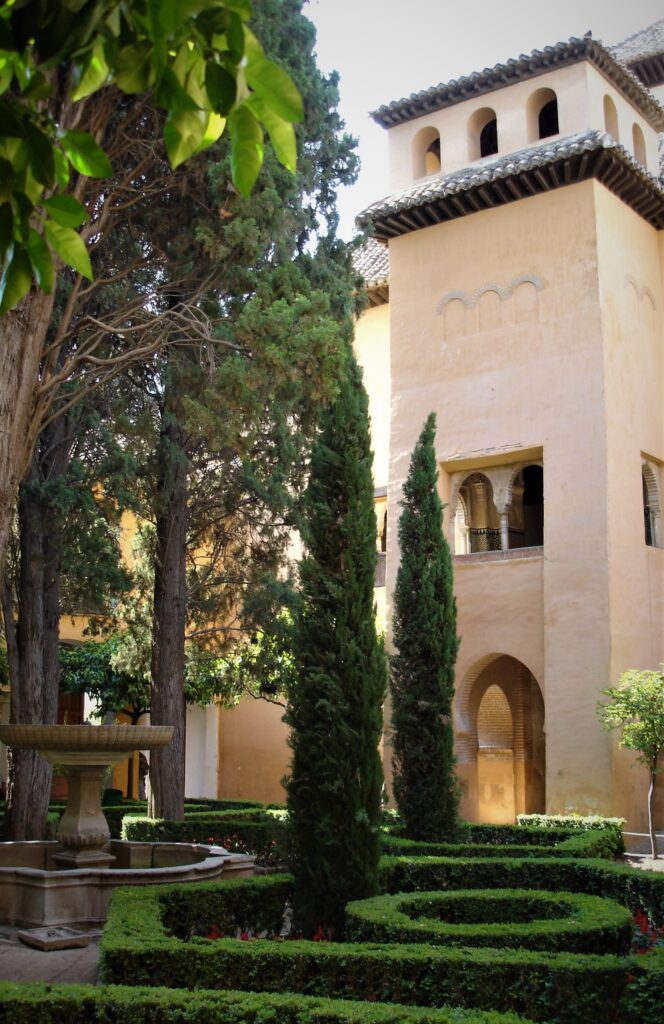
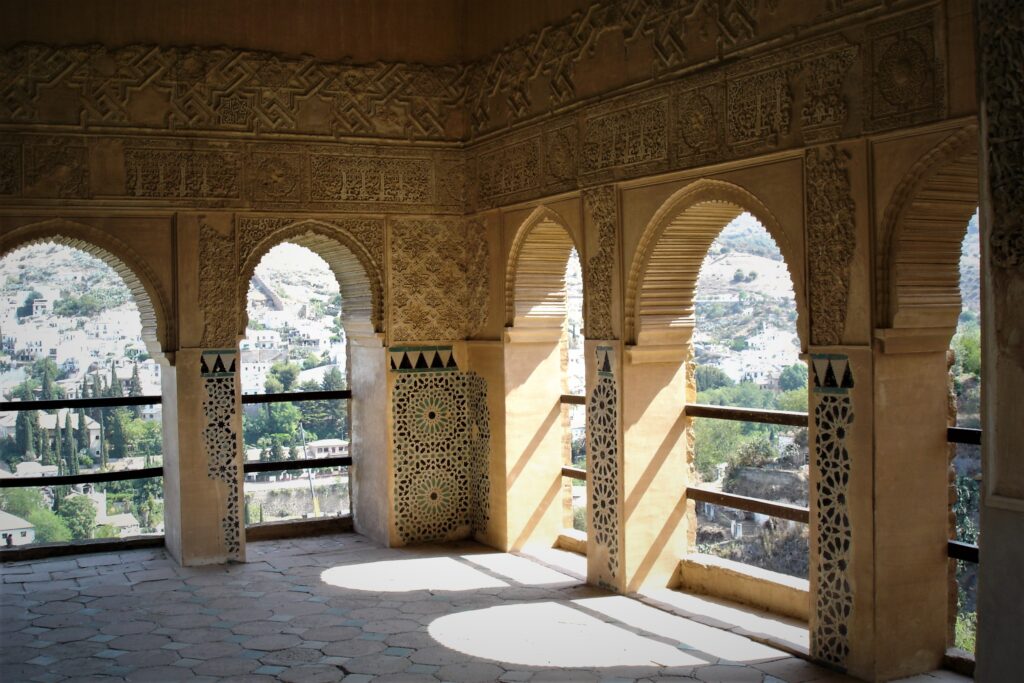
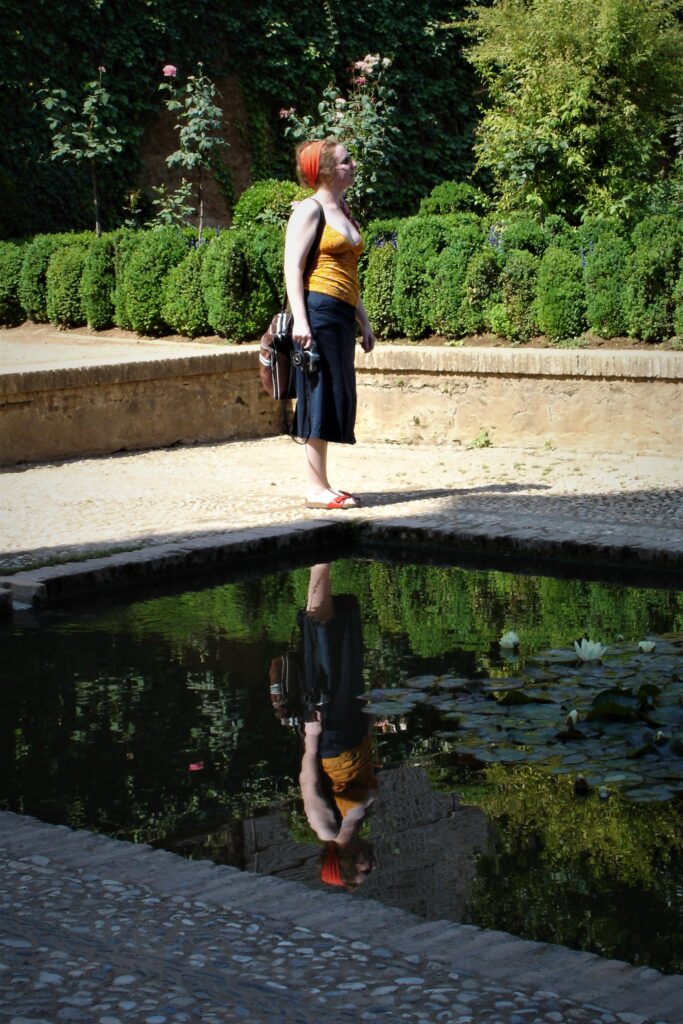
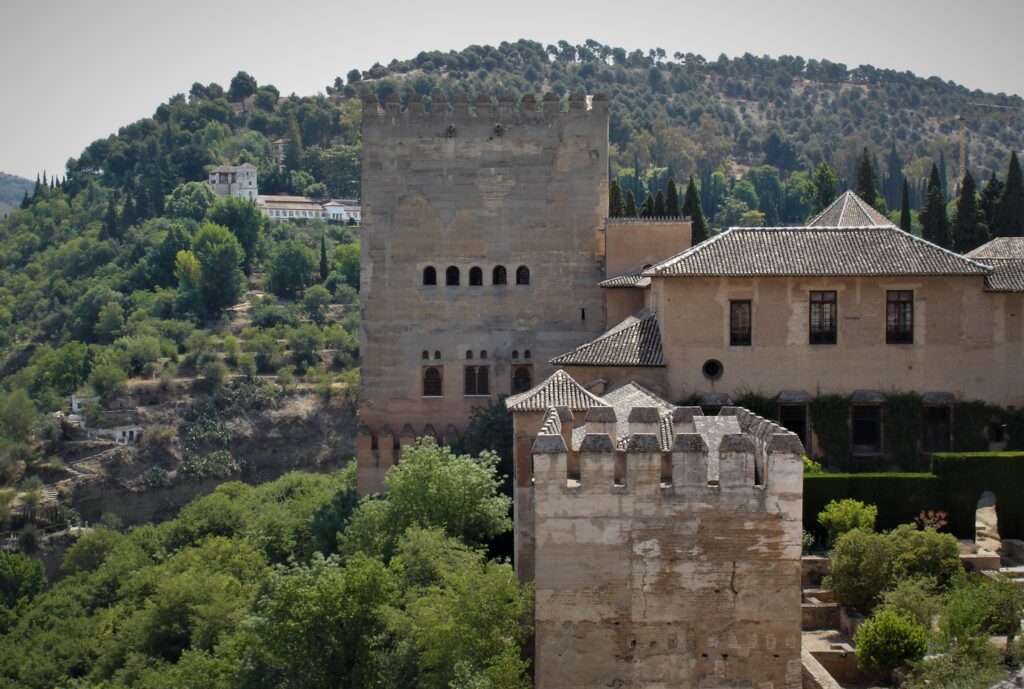
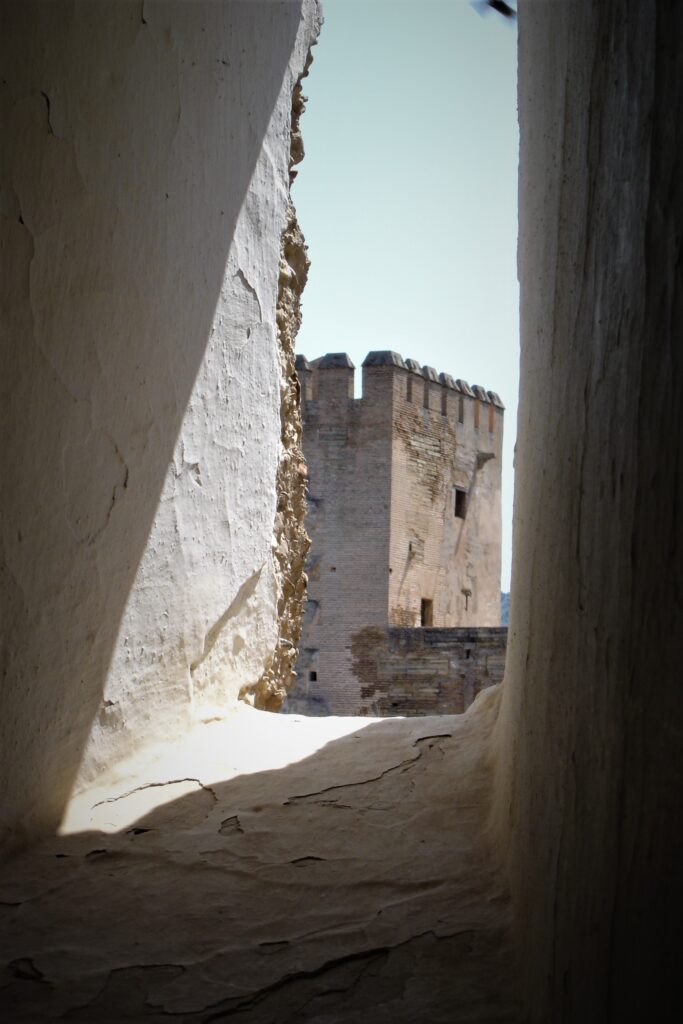
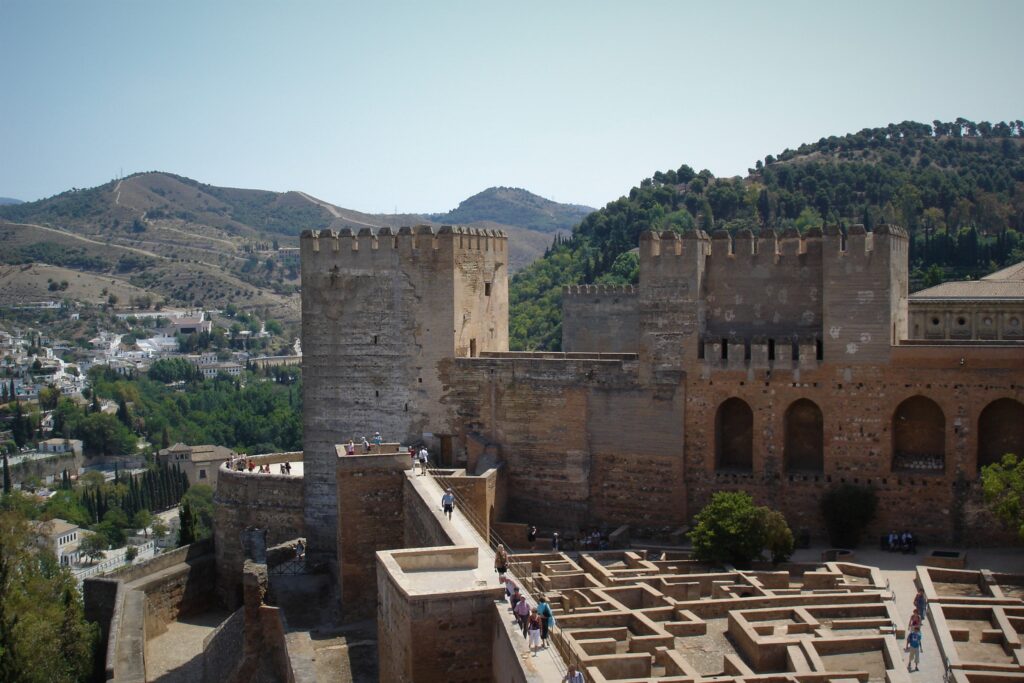
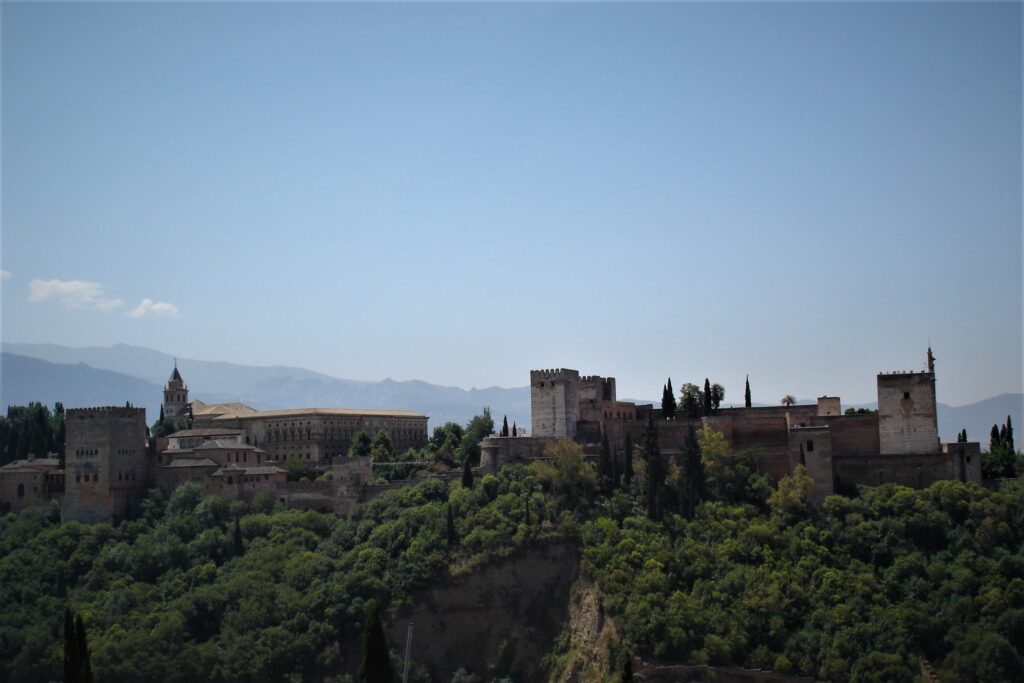
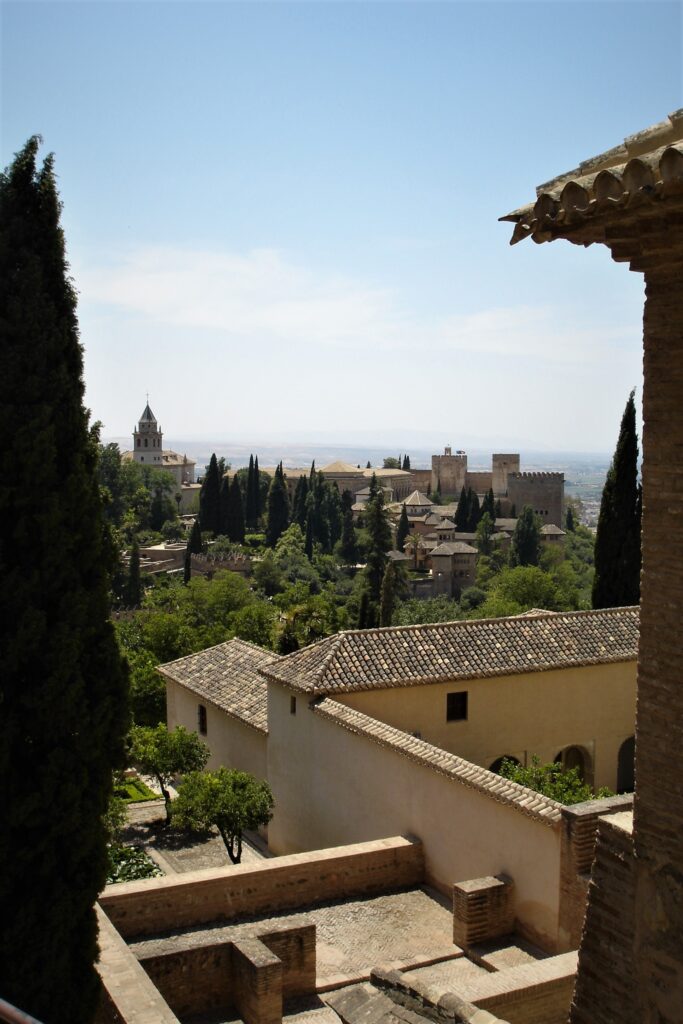
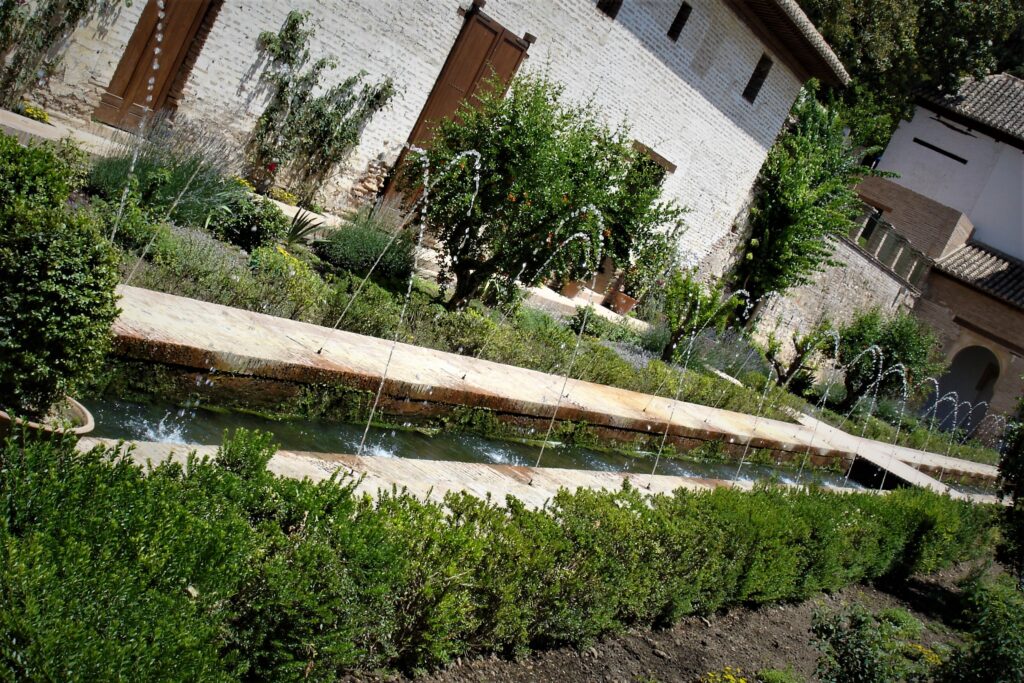
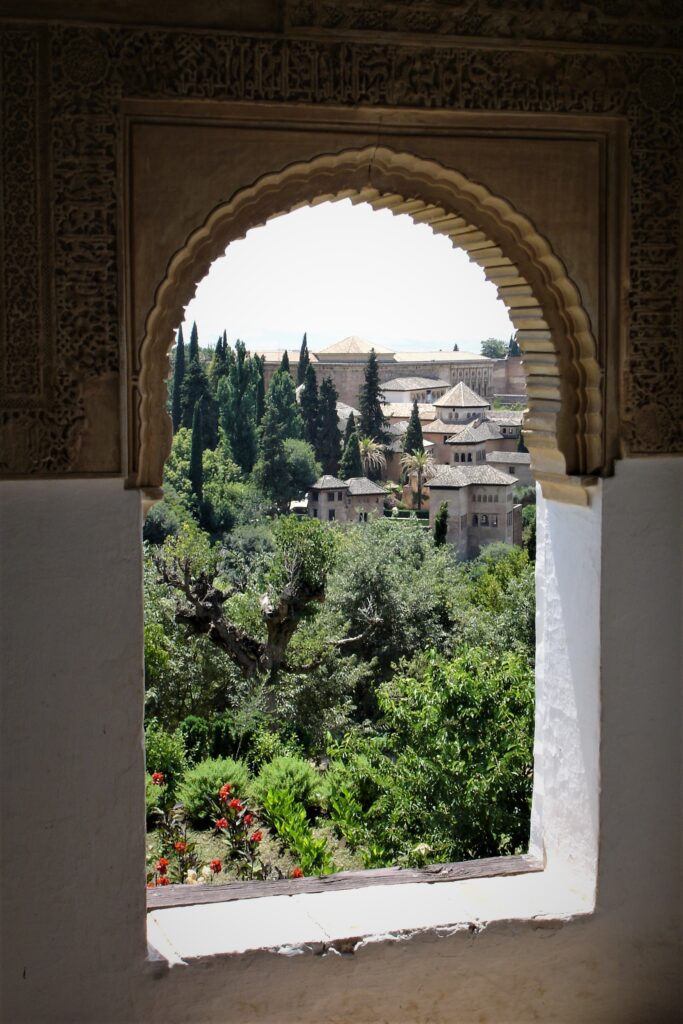
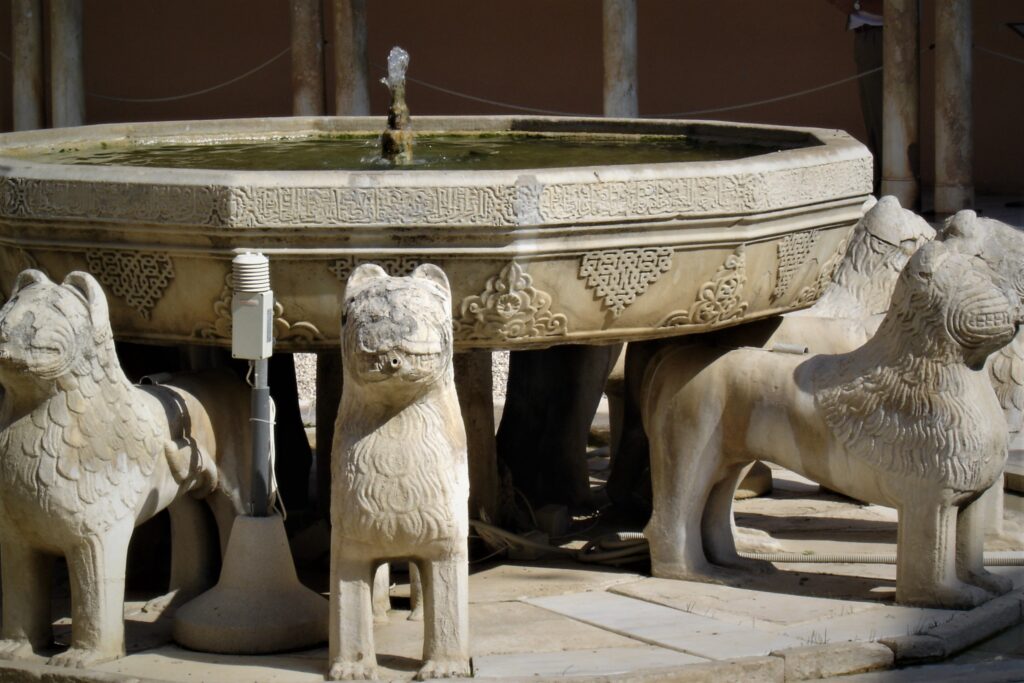
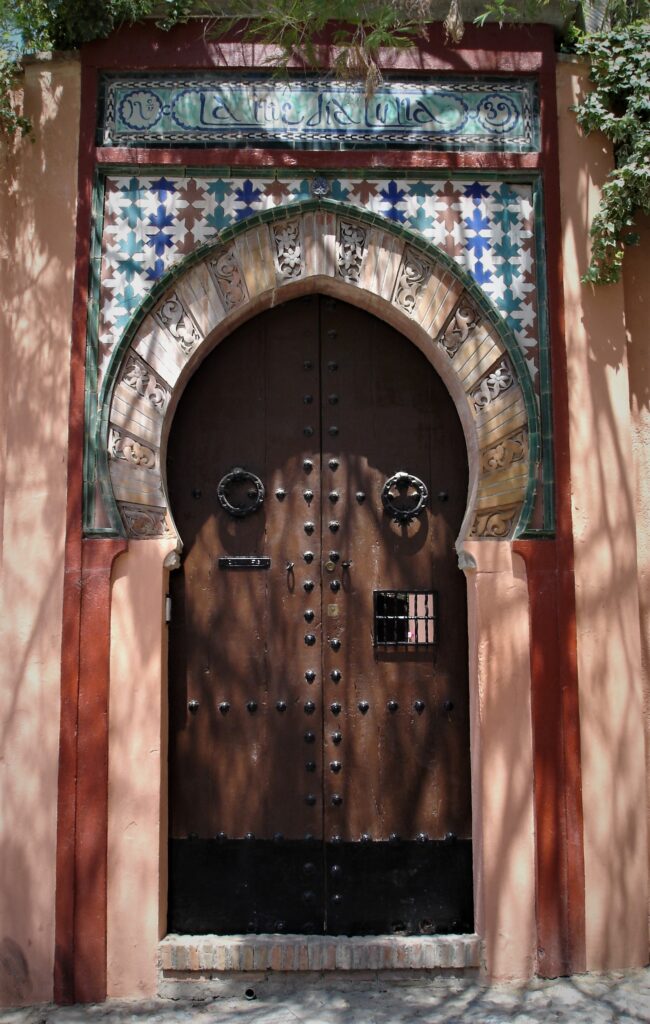
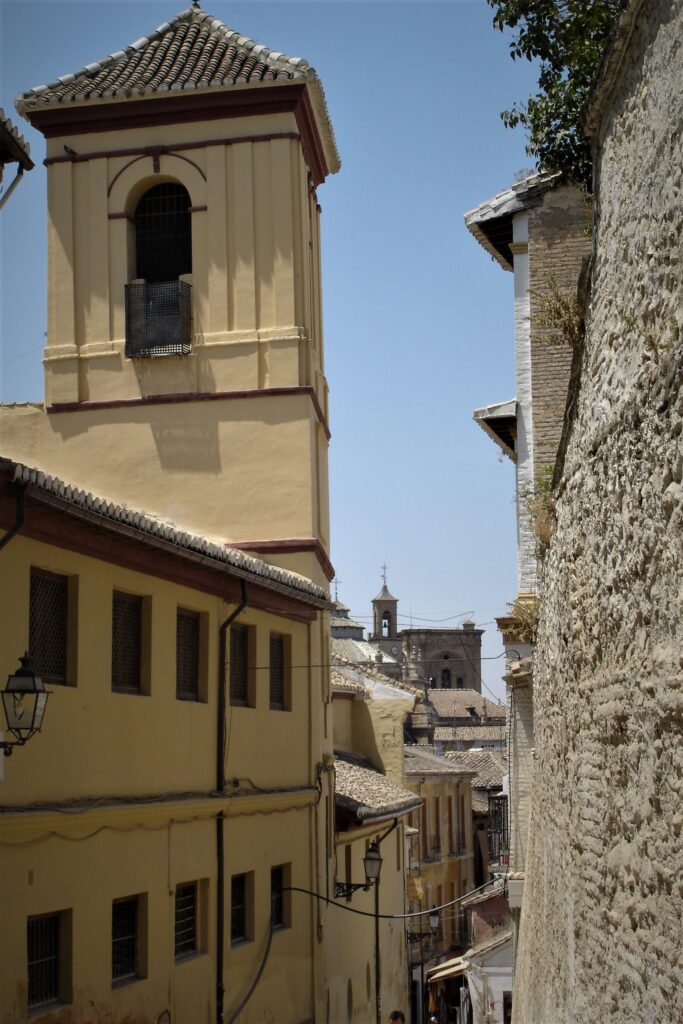
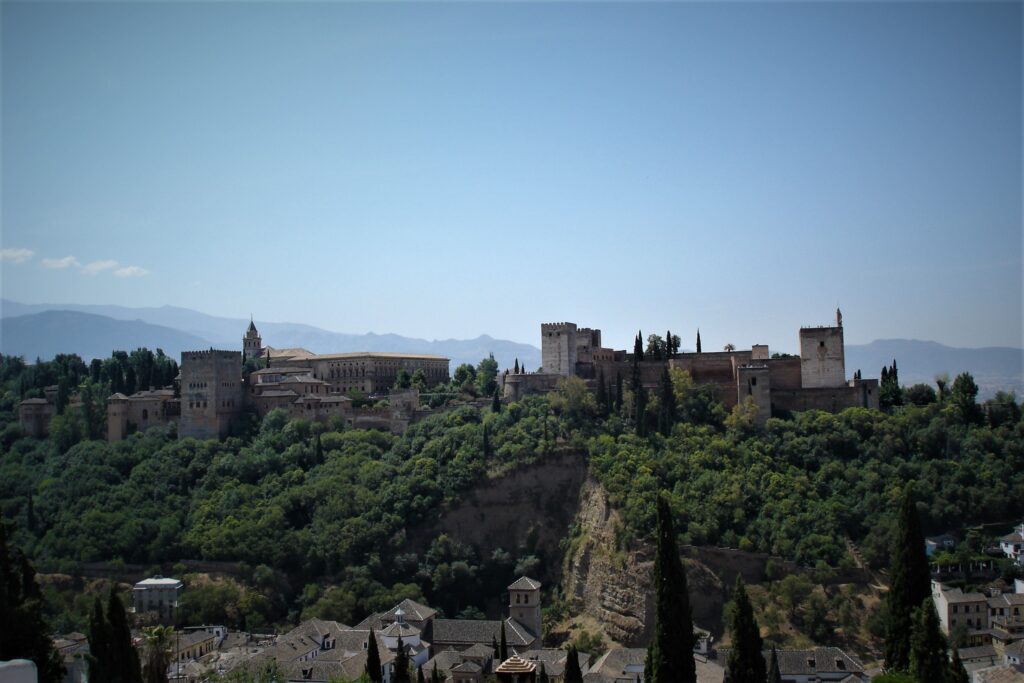
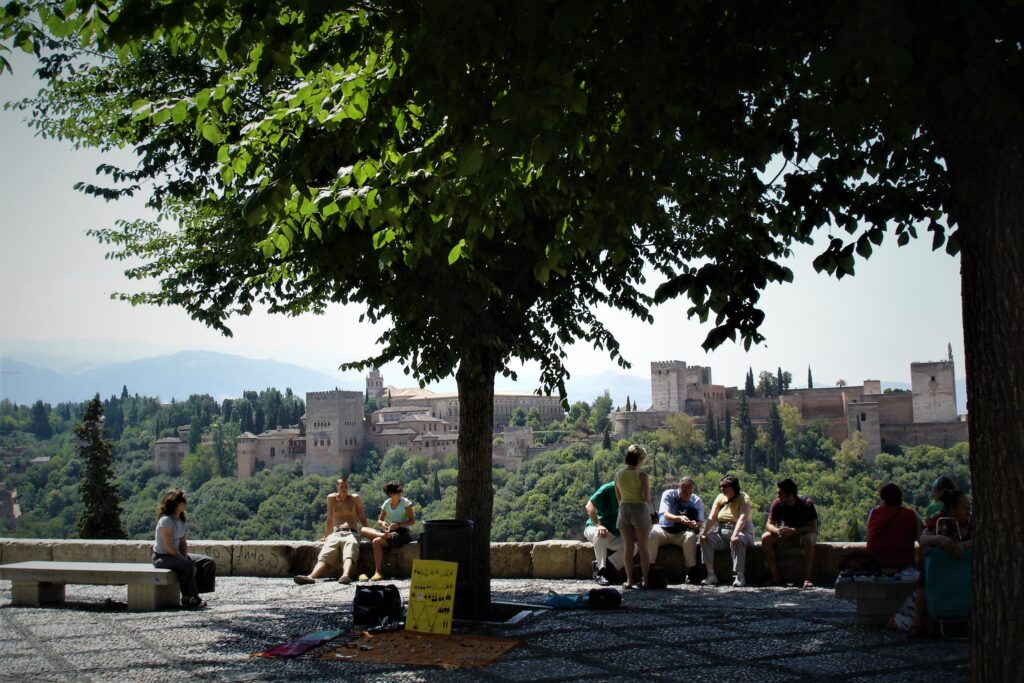
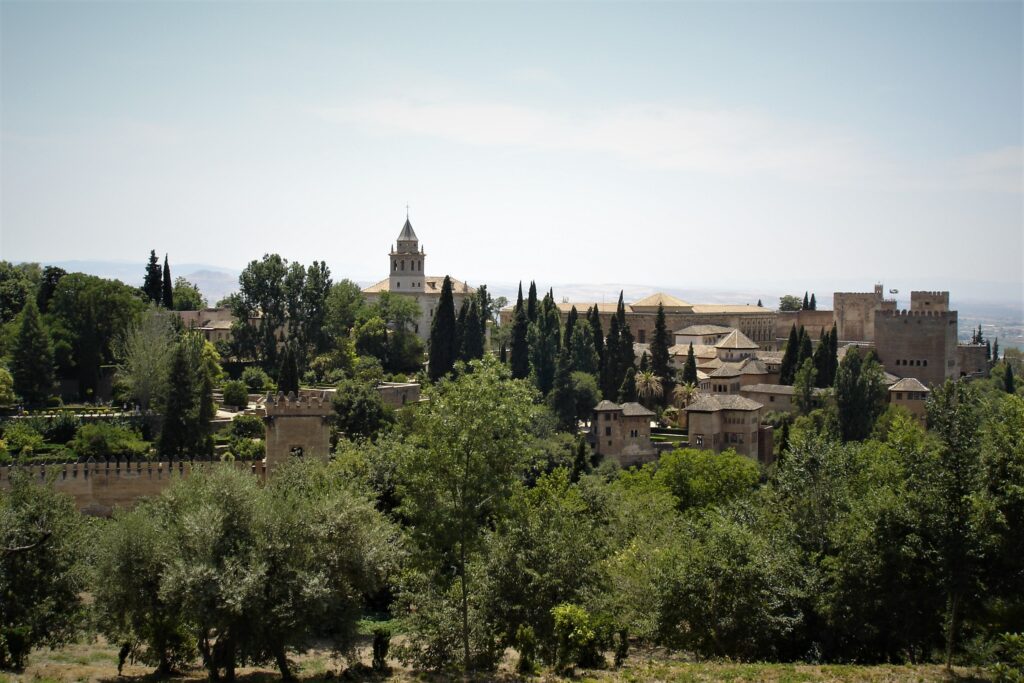
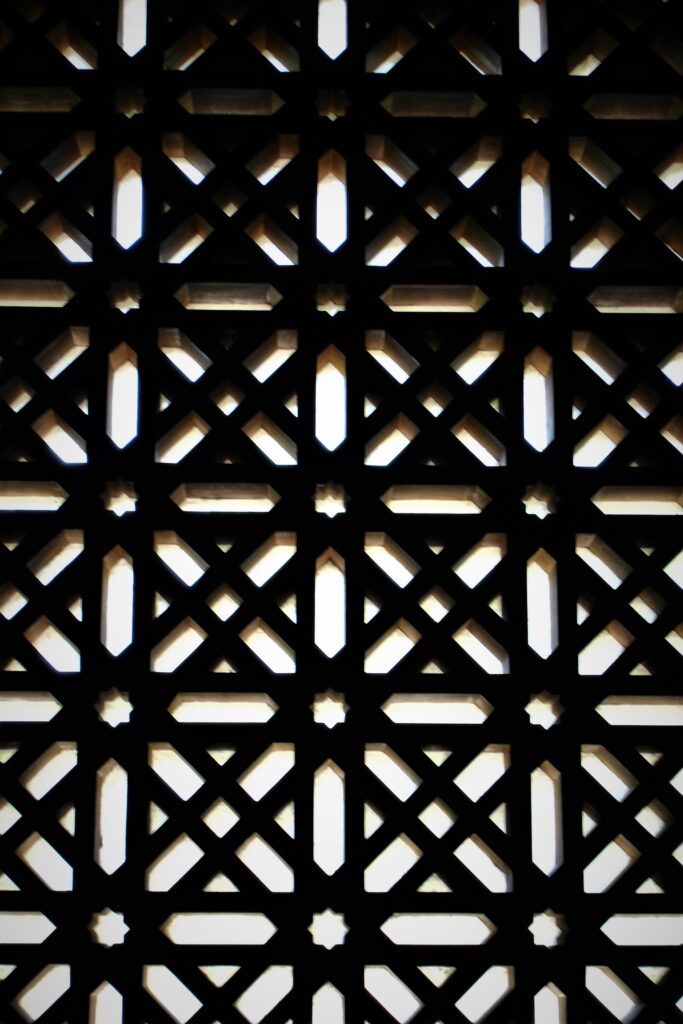
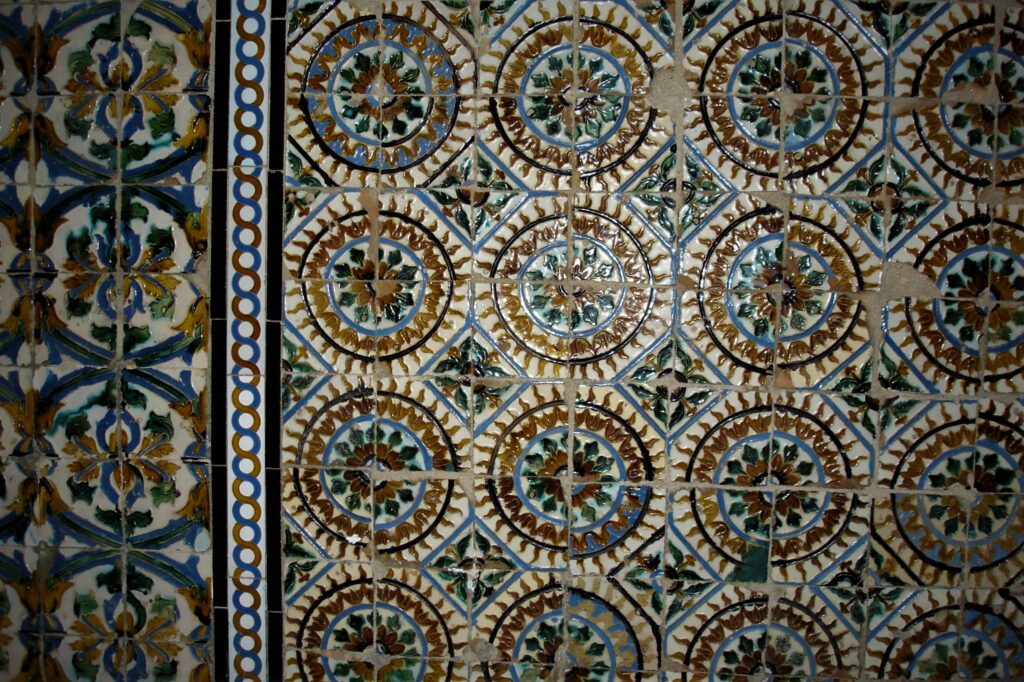
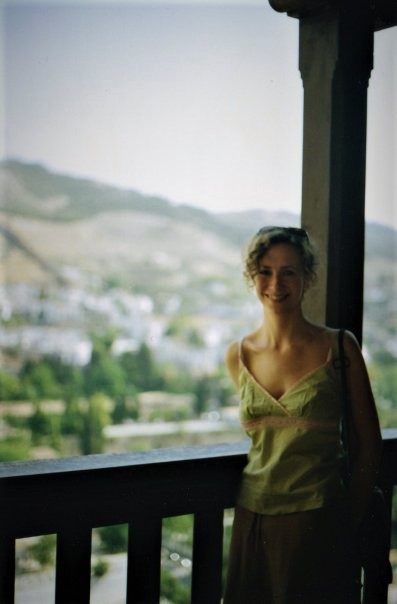
Granada’s Alhambra is hands-down one of the most beautiful buildings in the world.  The intricately carved walls and abundant brightly coloured tiles are exquisitely tactile (although you probably shouldn’t touch anything); and the interplay of light and water – a fundamental feature of Moorish architecture – is in fact probably best experienced in the blistering 45C heat in order to understand how soothing it is for the soul.  Sitting against the cool tiles as light falling through the grilles decorates the cool stone floor and fountains trickle water in the distance – it’s all somewhat soporific. Then of course, there’s Spanish guitar for your ears; whether it’s a little bit of beguiling late afternoon strumming echoing in an empty street or wafting from an open window or it’s just properly going off in the bars when the towns come alive late into the night.

I can’t recommend this region of Spain enough.  It’s just stunning in every way.  And, if you fancy time away from the towns and cities, there’s plenty of walking to do (and climbing!), especially around Ronda; the landscapes you see from the train are enticingly expansive.

Back to the tapas.  It’s pretty widely known that the origin of this “cuisine” was the little bits of bread/meat that were used as covers for the copita glasses (from tapar – cover – a tapa is a lid) – to stop the flies or whatever getting in (and necking all your sherry).  These tempting little snacks also made the patrons of the posadas or bodegas rather peckish and the variety of dishes began to evolve as bartenders caught on to the fact this would increase sales.
There’s those amazing big green manzanilla olives, salty sweet jamon, roasted almonds, creamy manchego etc – all amazing little tapas titbits great with a fino/manzanilla sherry. Then there’s all the standard bits and bobs like croquetas, tortilla, albondigas, (such a great word), gigantes beans etc etc, oh, and morcilla (of course).
Then, there’s the creative stuff.  Obviously the quality of the simpler ingredients/dishes is unbeatable when its homegrown but I also love the ingenuity that abounds in the world of tapas.  I’m not talking, necessarily about the high-falutin’ 5-star places. I’m talking about hole-in-the- wall, stumble upon, kind of places where they love just doing their thing; like a little bar we came across wandering around Granada early one evening.  It was an unprepossessing kind of affair, full of character that had been worn into the woodwork over the years; honest, humble, authentic – the best kind of place.  When we entered, the owner was  was happily losing himself in the prep of various tapas treats at the bar.  And aside from your standard jamon, olives, salted almonds etc, on offer were slices of toasted bread piled high with various toppings (memorably, rich blue cheese).  They were sizeable, they were delicious and, they were free – with your sherry, obviously.  Free tapas each time you buy a sherry – what’s not to love about that?!  That’s a deal I can get on board with and it’s a great way to learn about food and wine matching.
So, this week’s recipe is a bit different.  It’s my riff on getting creative with tapas and is a homage to this guy loving life in his little backstreet bar.  After all, of all the things that travel brings, inspiration is up there.  These aren’t dainty, little nibbly bits but his weren’t either.  His were generous portions, made with love and they were certainly appreciated by my sister and I, seeking shade as we supped some sherries into the evening.
Andalucia: totally bodegas, dude.
* for further information on Sherry,  click here to read my blog post

Makes: 1 giant loaf (not even joking but this is a good thing as a) it will last and b) it makes a great breakfast centrepiece

Takes: 1 day proving for the starter; about 15 mins to prep; an hour for the initial prove of the dough then 1-2 hours for the final prove (until it’s doubled in size)

Bakes: 50 mins; at 220C (GM7) for an initial 10 mins then at 190C (GM5) for the remaining 40 mins (or until crisp underneath (I actually put mine onto a pre-heated baking stone to expedite that bit); if you don’t have a baking stone, you will need a baking tray lined with a baking mat/baking paper


Ingredients

For the starter

  • 7g sachet fast action yeast
  • 300ml water
  • 250g strong white bread flour


For the bread

  • 150g raisins
  • 600ml hand hot water
  • 7g sachet fast action yeast
  • 450g strong white bread flour
  • 300g rye bread flour (HK – I used a light one)
  • 50g fine cornmeal
  • salt
  • oil


Method

For the starter

“Cream the yeast with a little of the water in a large bowl, then stir it in with the remaining water and flour.  Make sure your bowl is large enough to allow plenty of room for expansion. Cover with a damp cloth and leave at room temperature for at least 24 hours (better still for 2 days).  If you are not ready to use the starter yet, you may keep it in a jar in the fridge.  It should smell almost champagne-like.


For the bread

Place the raisins in a heatproof bowl and add enough boiling water to cover.  Leave to soak while you make the bread.

Add a few tablespoons of water to the yeast and stir to a creamy paste.

Place the bread flour, rye flour and cornmeal in a large mixing bowl.  Add a generous tablespoon of salt, the creamed yeast and half of your starter dough.

Next, add enough water to make a soft but not too sticky dough.  Tip the dough on to a large flat (clean) surface.

Now for the action.  You must knead the dough for about 10 minutes.  It will be hard work with all that heavy rye flour and cornmeal.  Once the dough feels quite elastic, drain the raisins and add them to the dough and knead them in.

Transfer the dough to a lightly oiled bowl and cover with some clingfilm.  Leave to rise at room temperature for at least 1 hour or until the dough has doubled in size.

When it has risen, knock back (punch down) the bread and shape it into a large, flat, round c. 30cm wide.  Place the bread on an oiled baking sheet, cover with a damp tea towel and leave to rise again until doubled in size.

When you are ready to bake the loaf, sprinkle it with a little plain flour and pop it into the oven for 10 minutes.  Then reduce the temperature (as above) and bake for a further 40 minutes.  Once the bread just slips off the baking sheet and the bottom sounds hollow when tapped, place it back in the oven, directly on the oven shelf for a couple of minutes longer until the base is crisp.”

Thanks Jenny!


The raisins are optional.  You could also soak them in something a little more pokey than water ?

You could easily adapt it to add all sorts of other things – olives, chilli, rosemary, garlic, cheese,, nuts etc etc.

This bread is perfect for breakfast either fresh or toasted with butter/jam and a good strong coffee.


If you liked this recipe, you might like...

hels kitchen recipes climbing travel van life

Week 42 – Scotland

hels kitchen recipes climbing travel van life

Week 9 – Portugal

hels kitchen recipes climbing travel van life

Week 21 – Thailand

hels kitchen recipes climbing travel van life

Week 45 – North Italy

Comments

Leave a Comment