


Or, more precisely, chicchetti in Venice
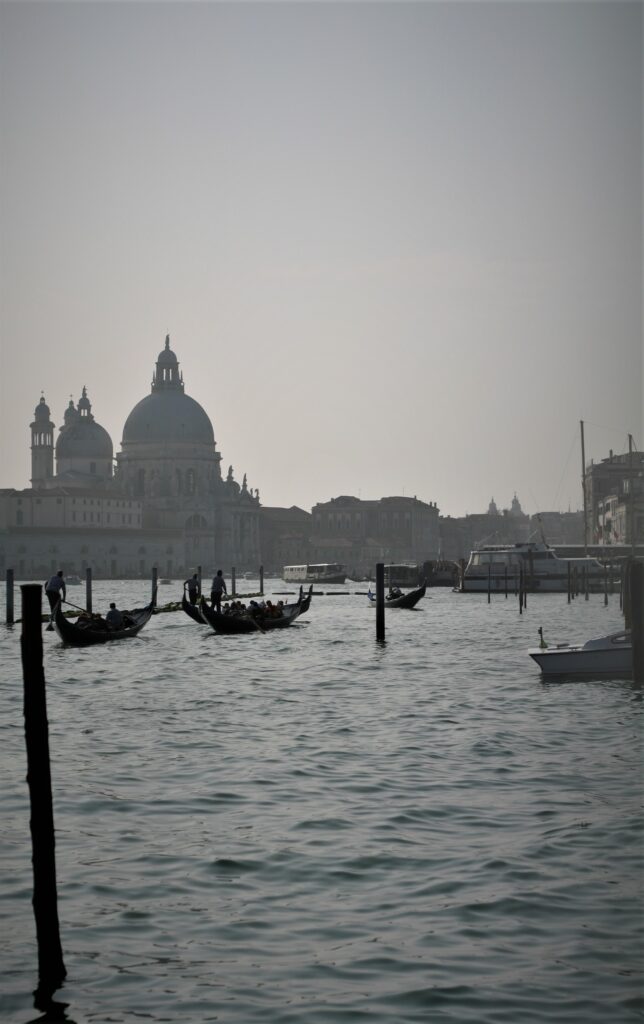
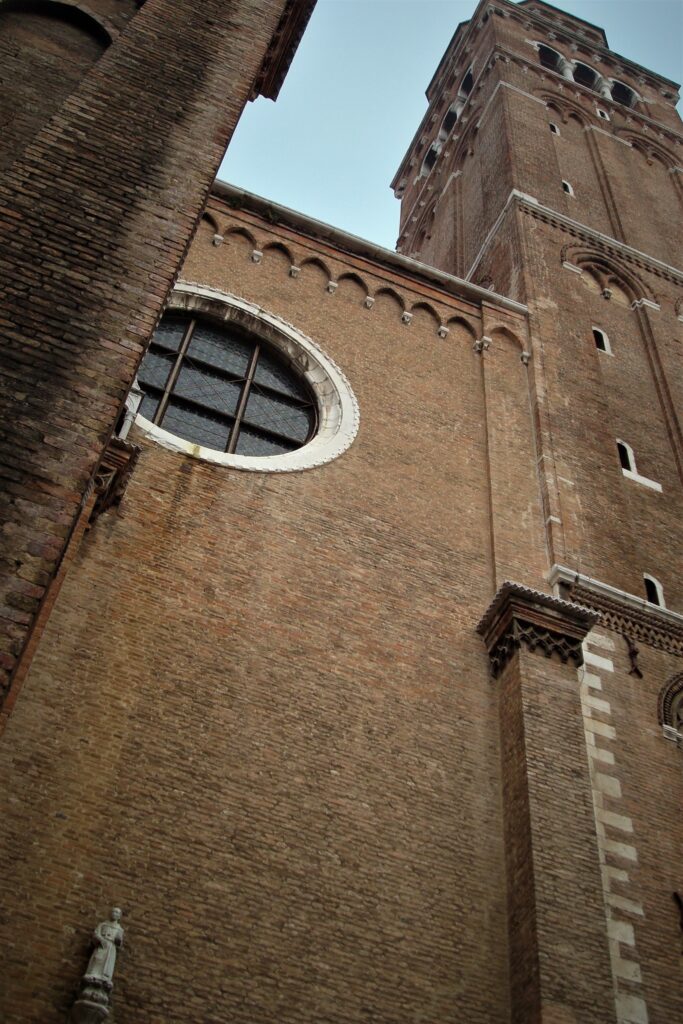
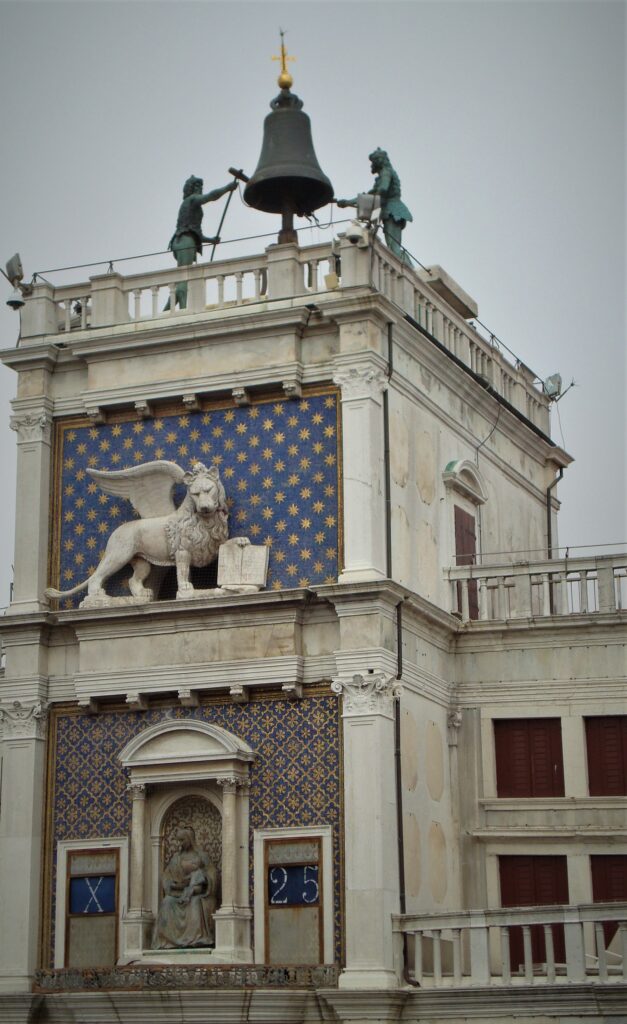
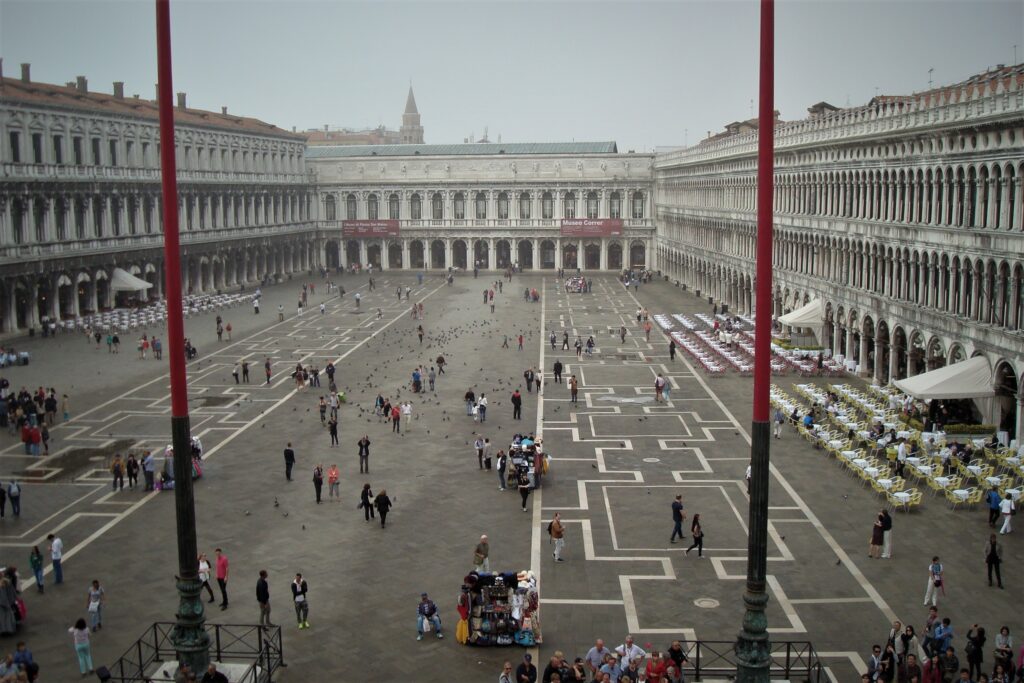
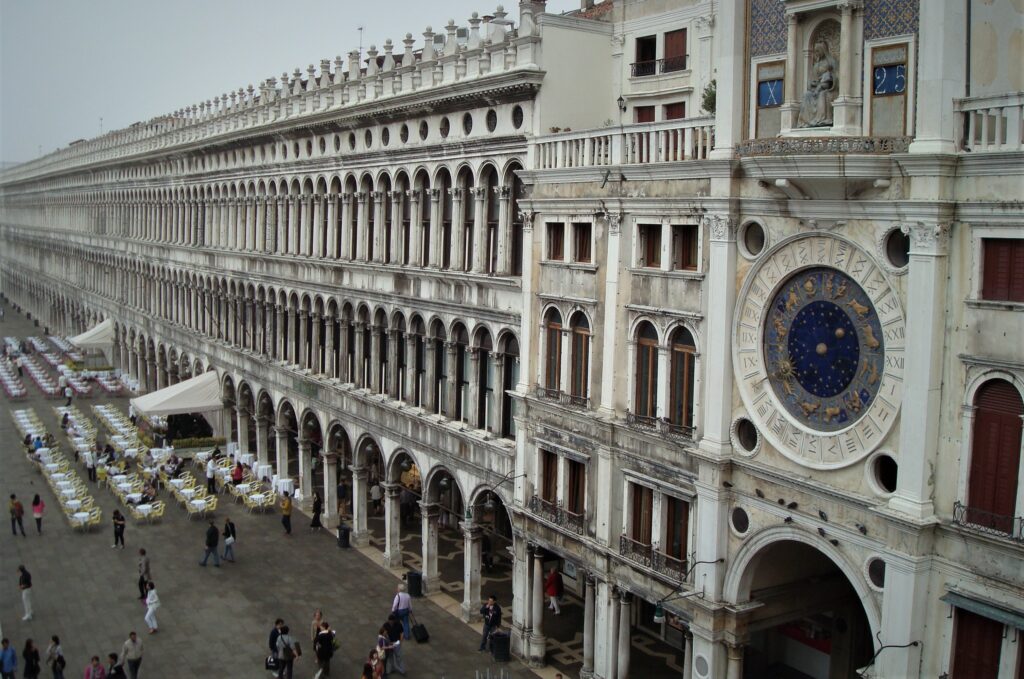
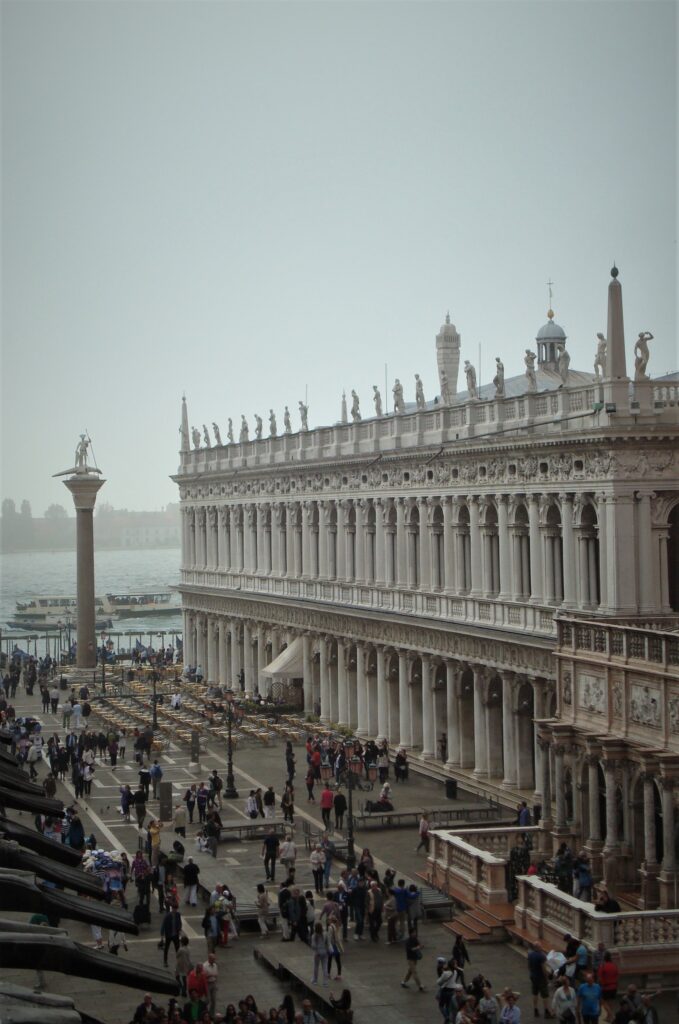
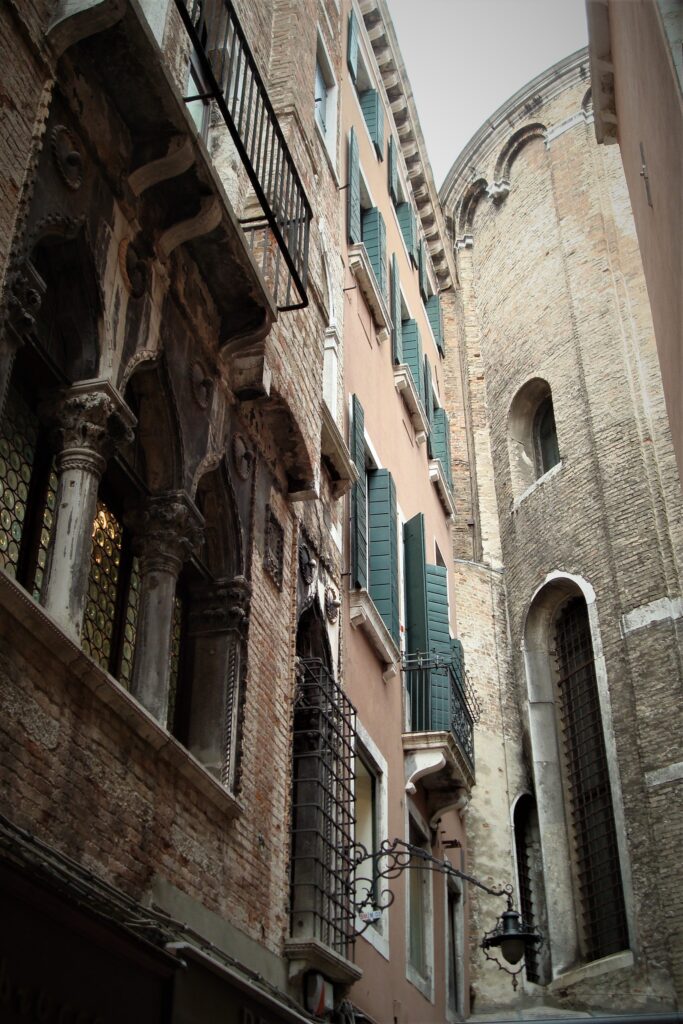
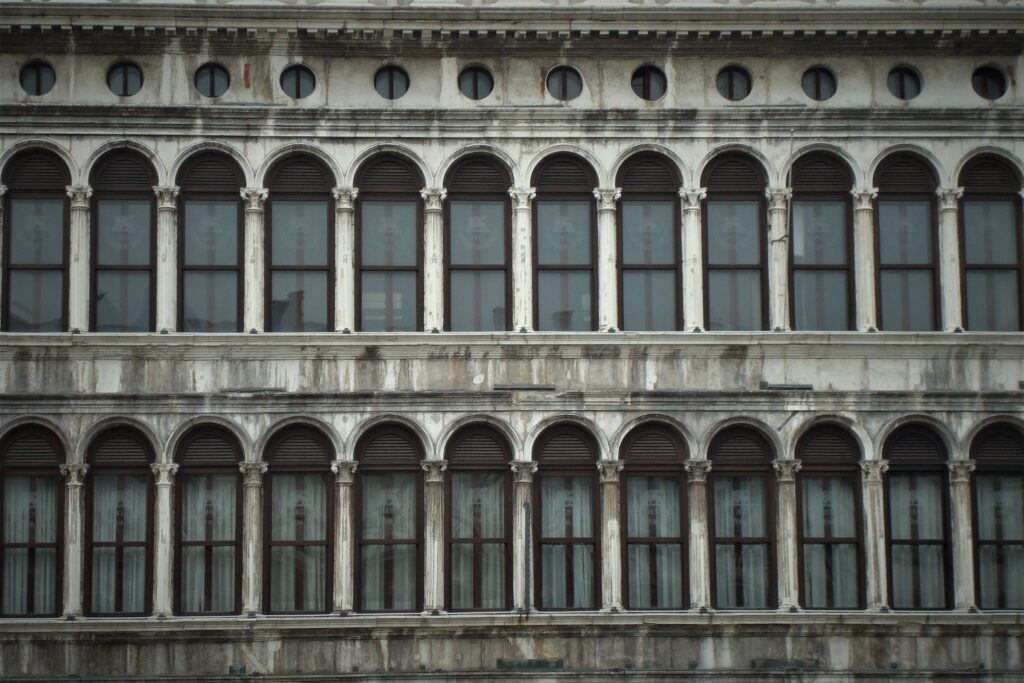
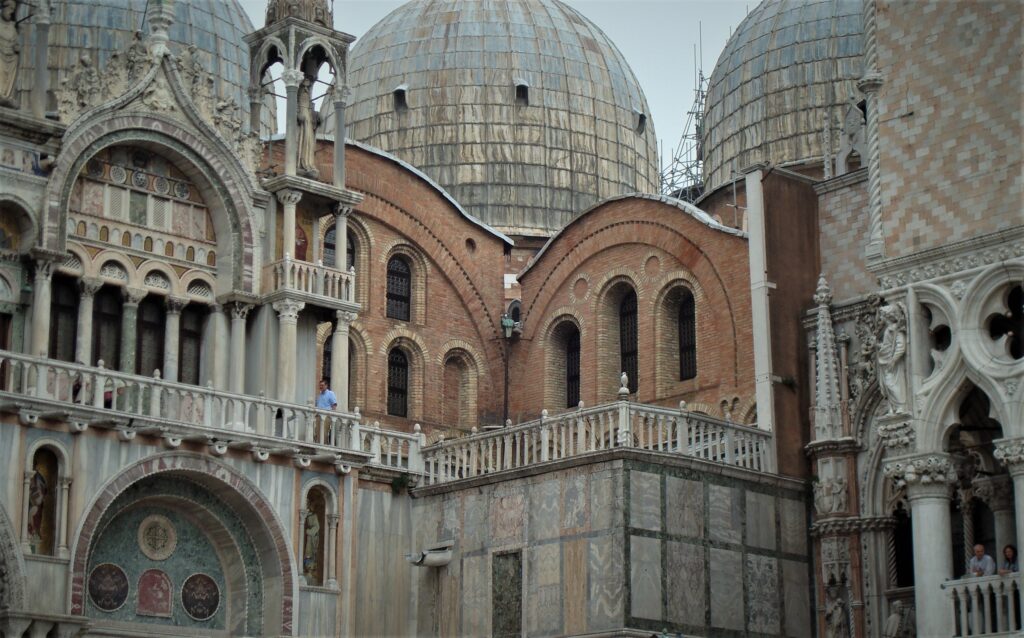
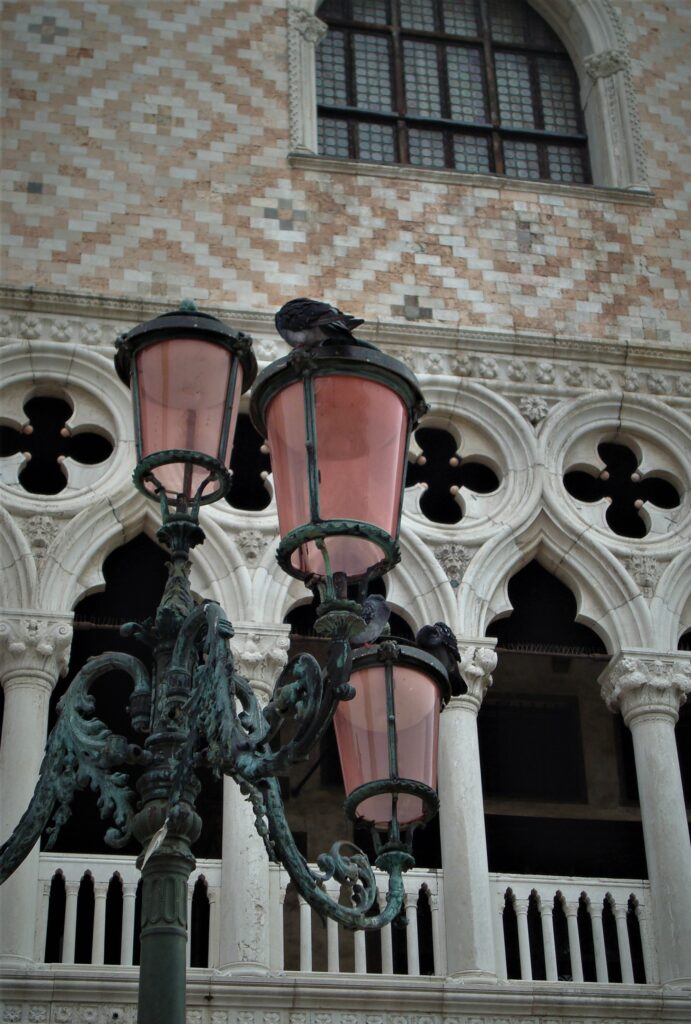
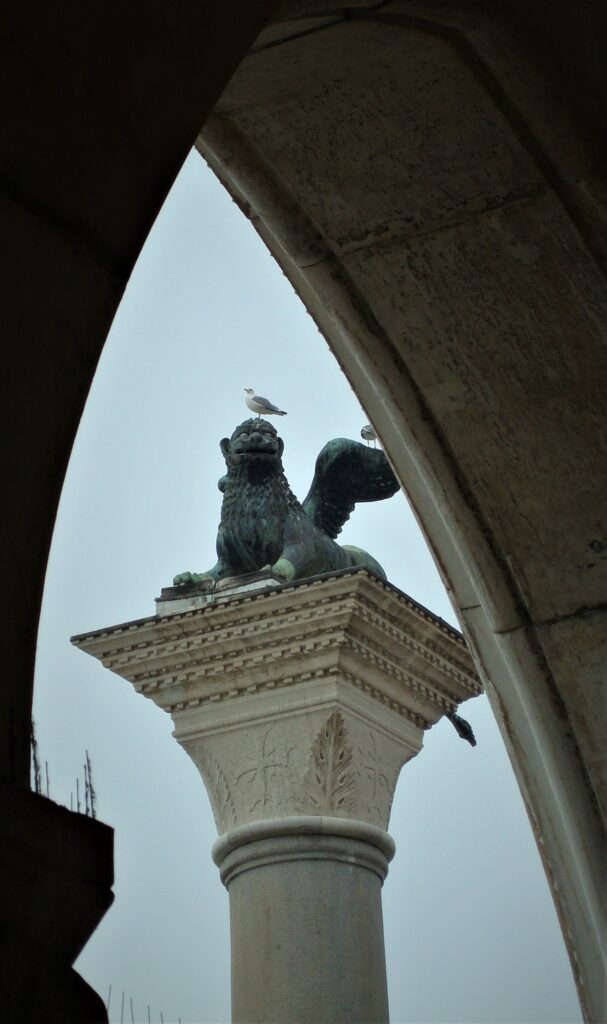
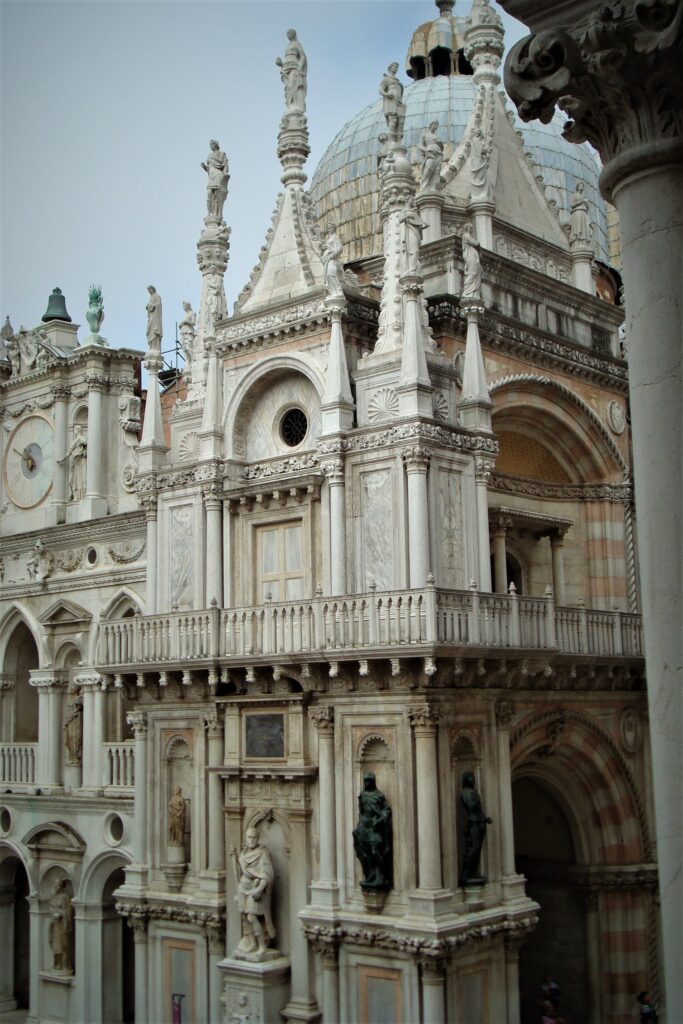
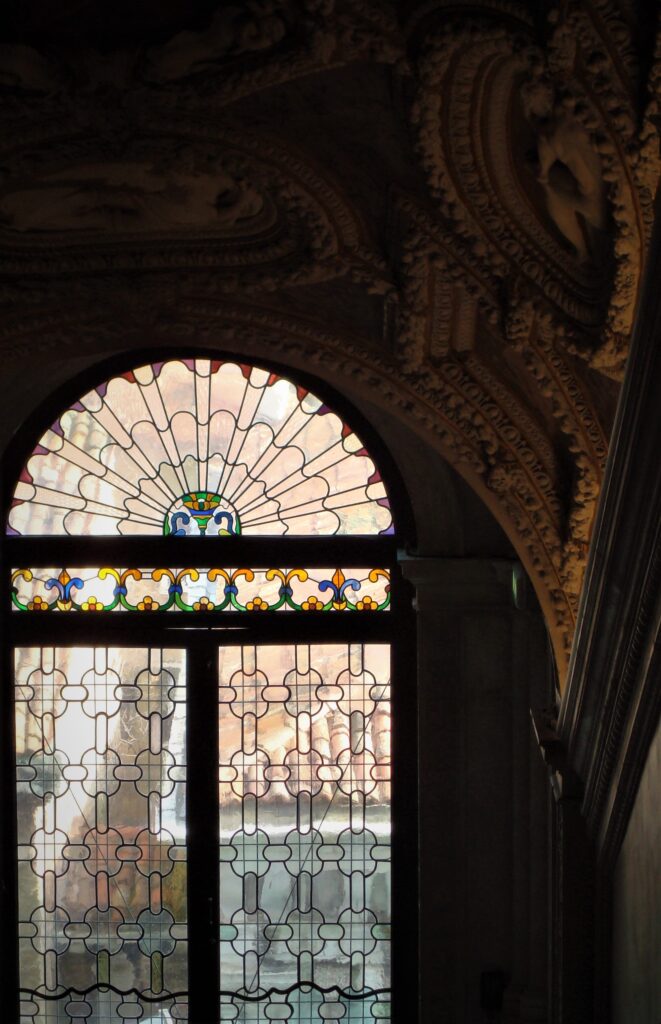
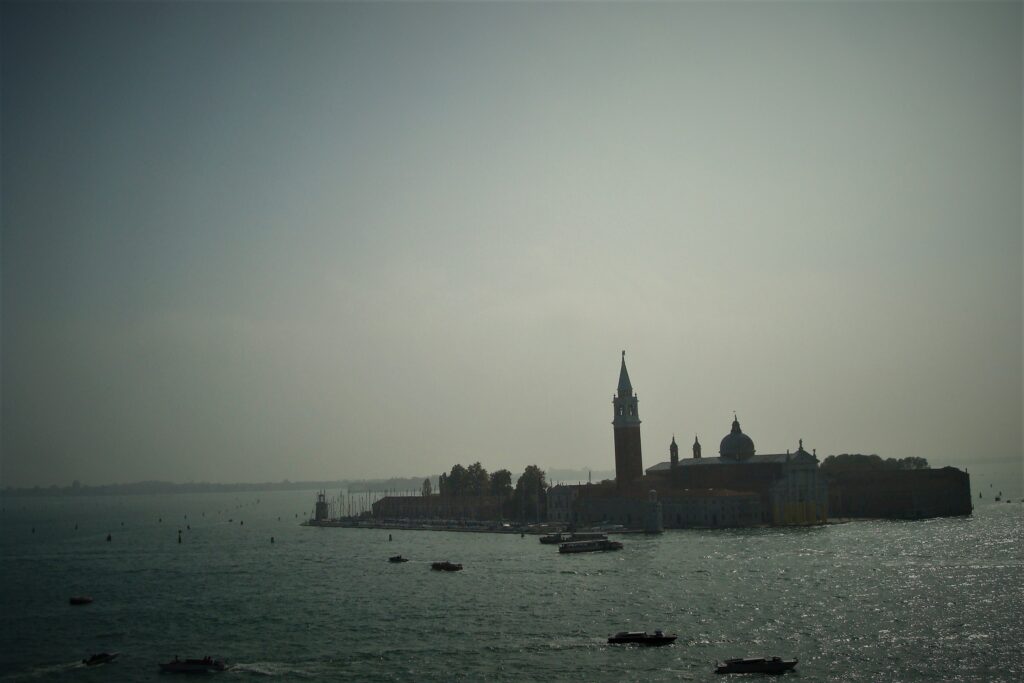
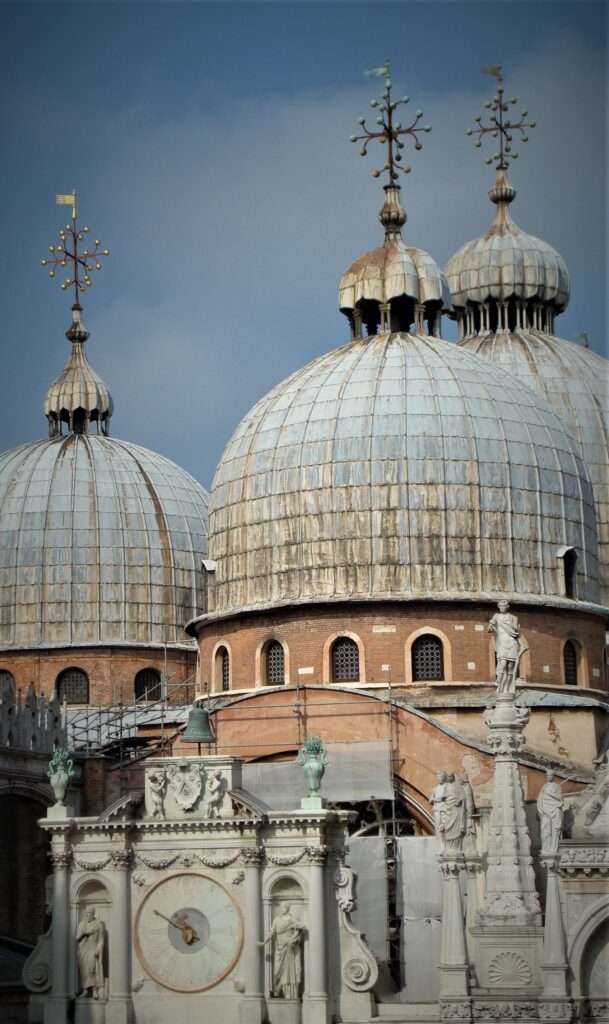
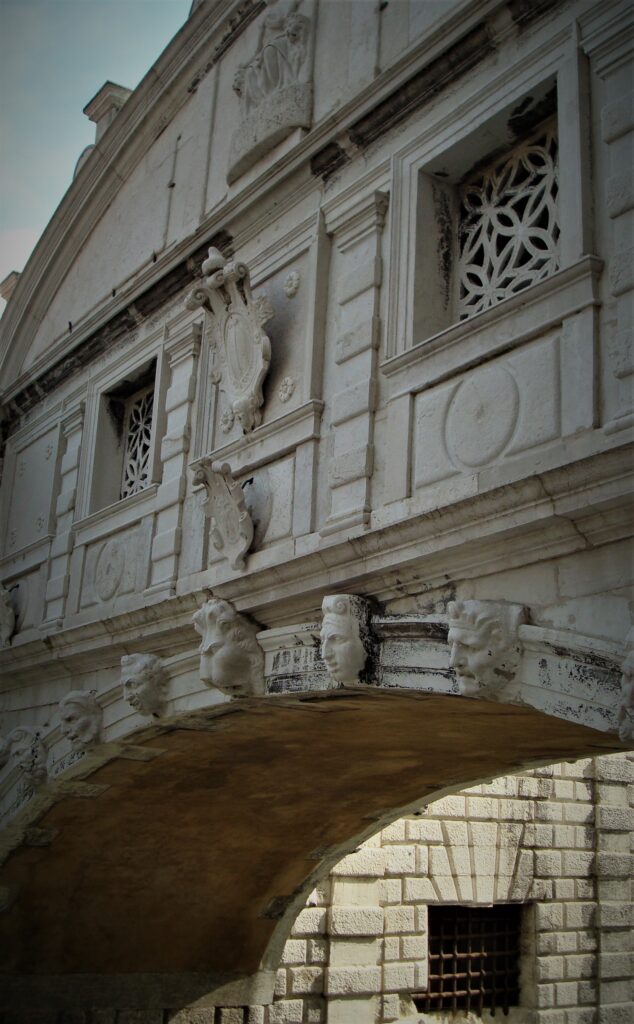
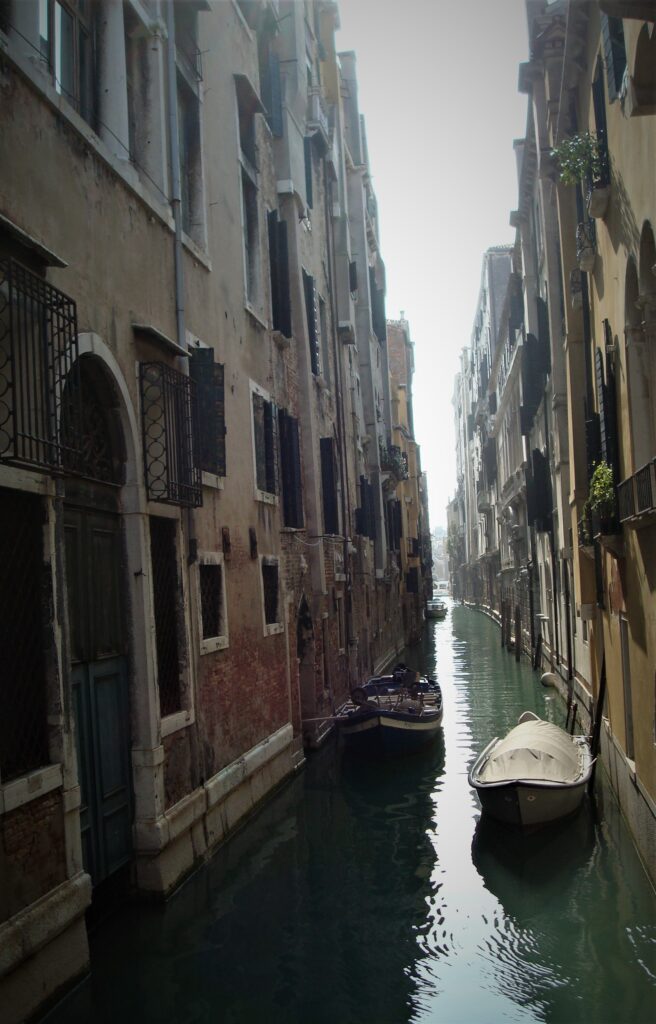
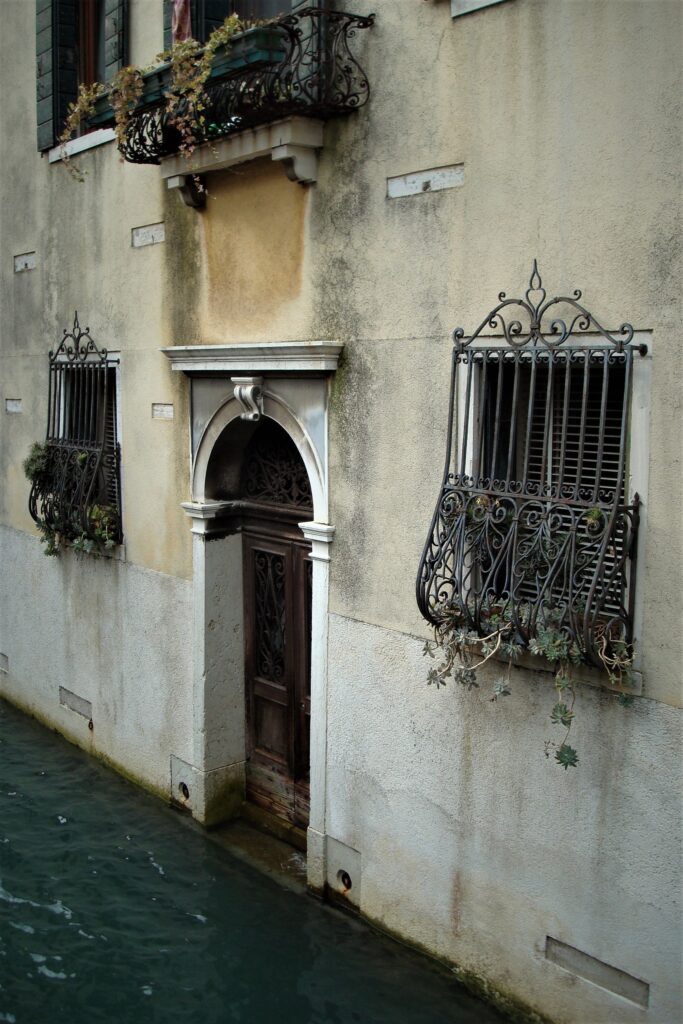
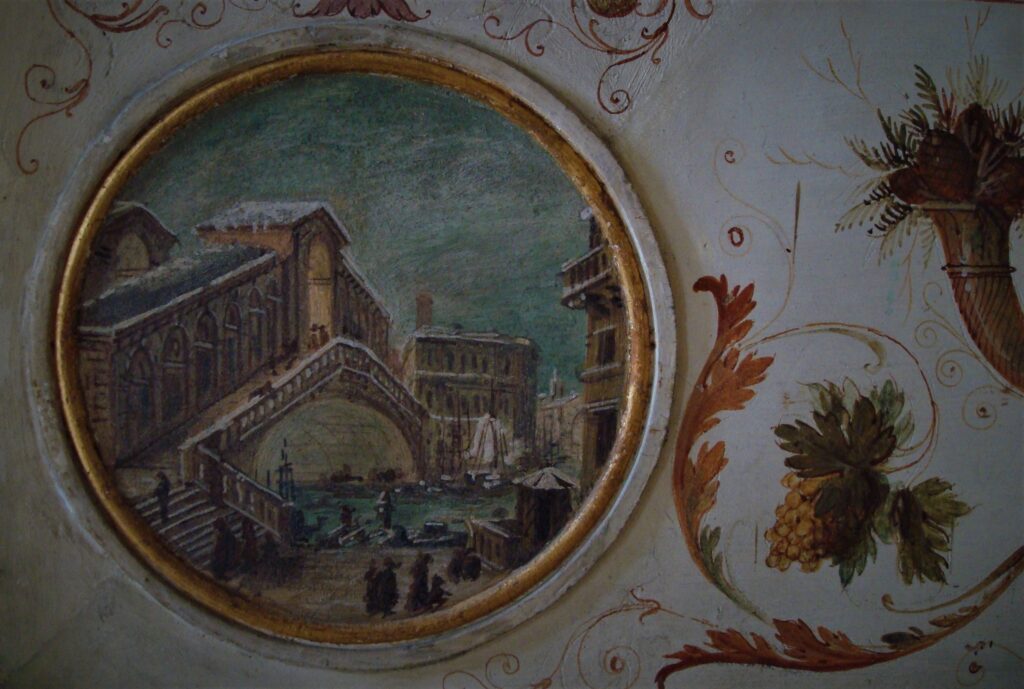
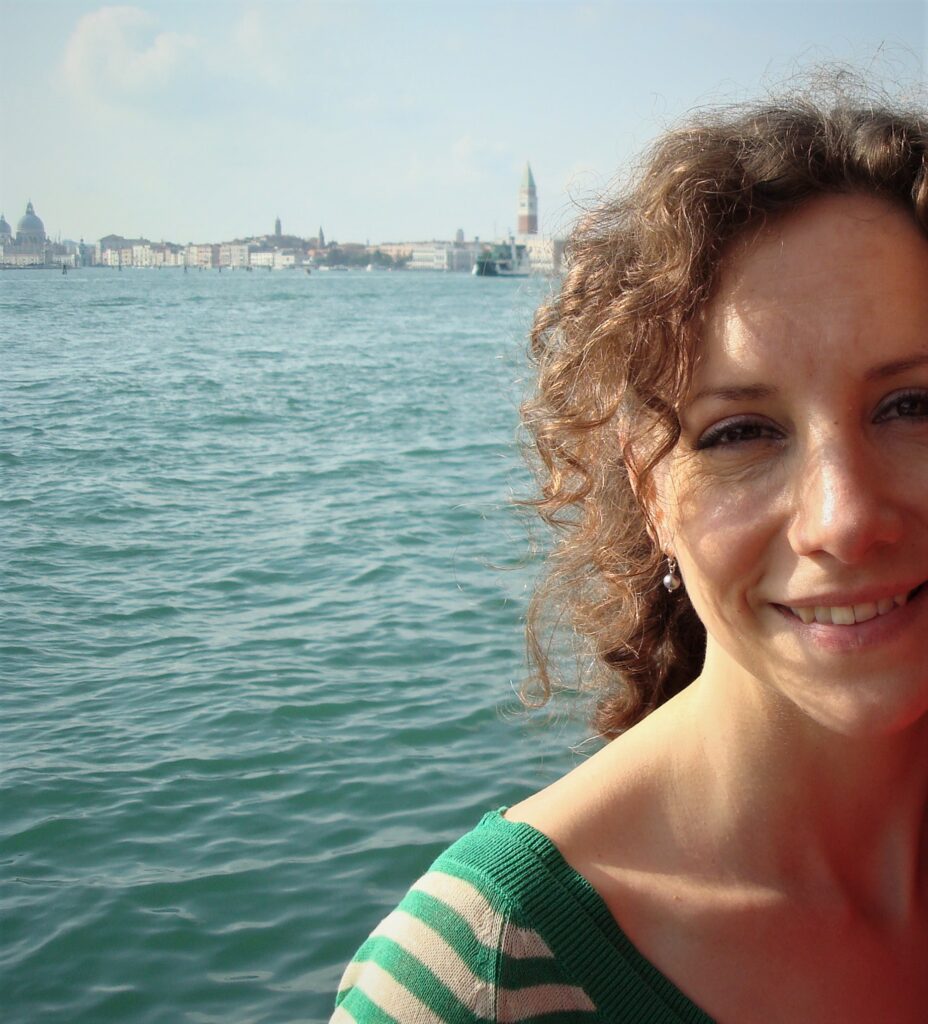
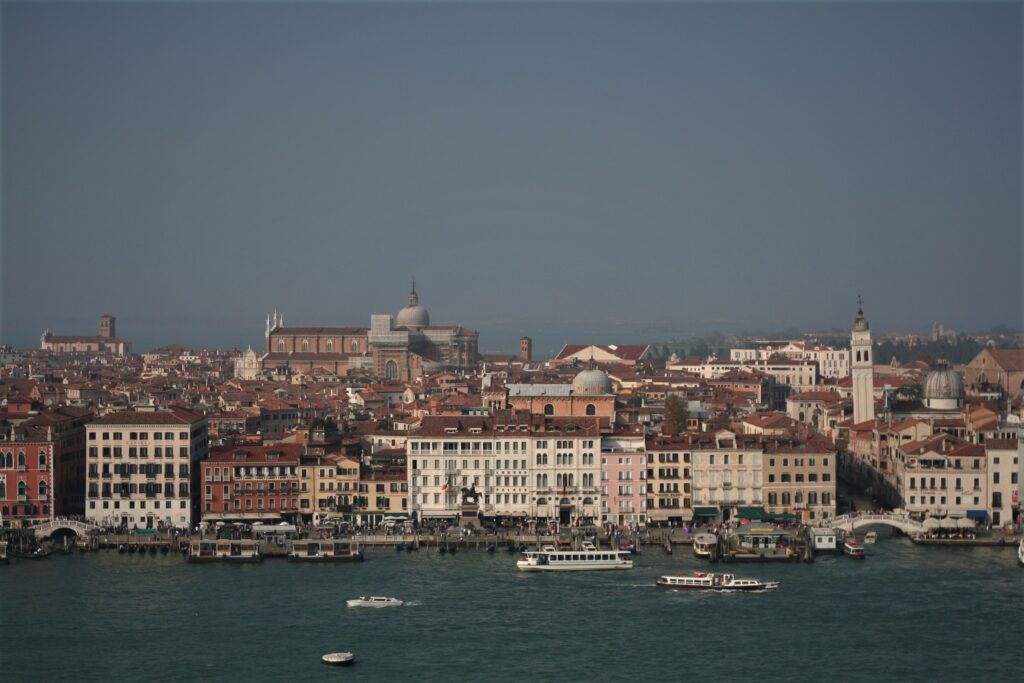
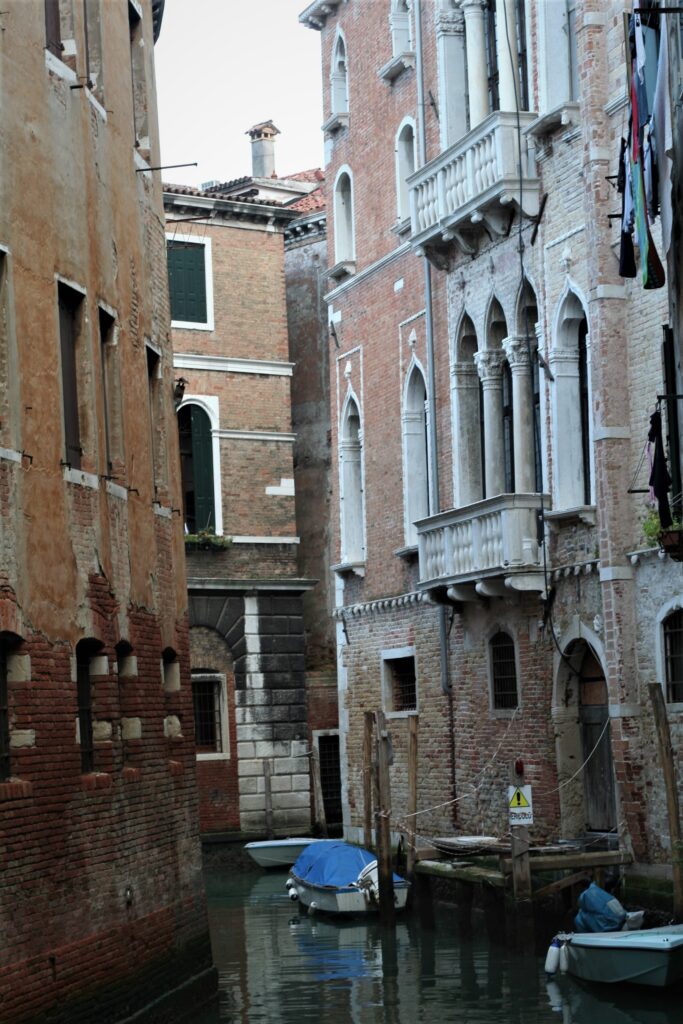
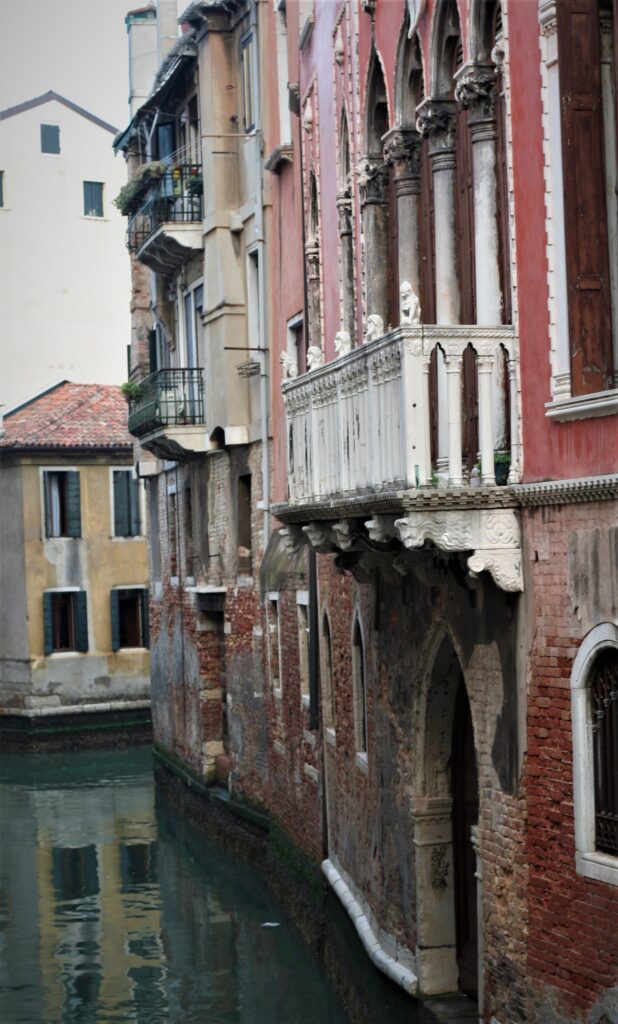
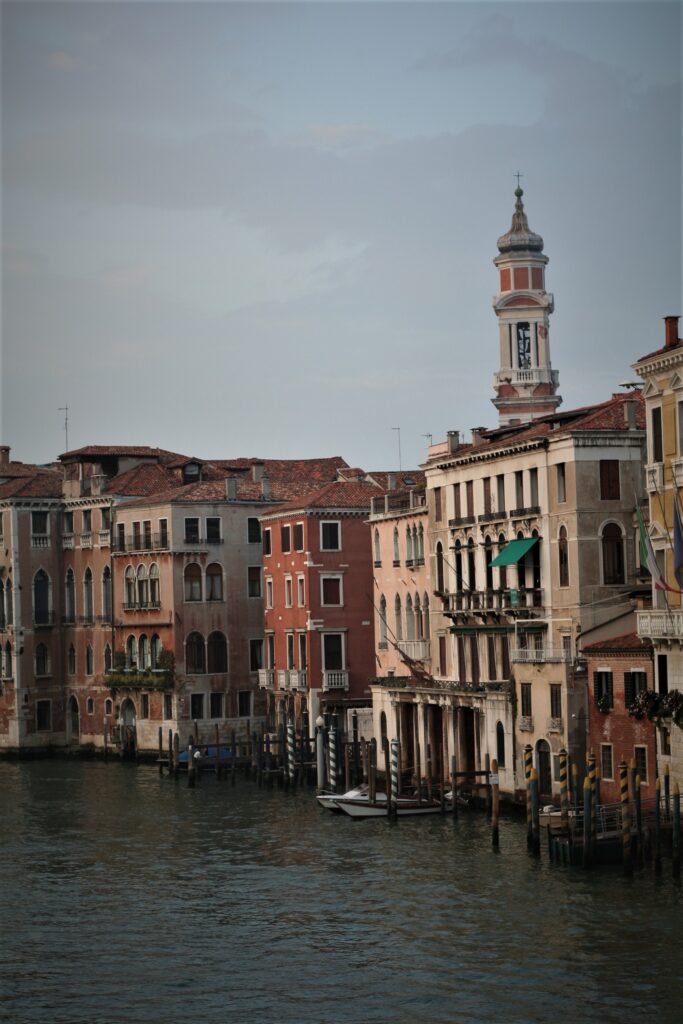
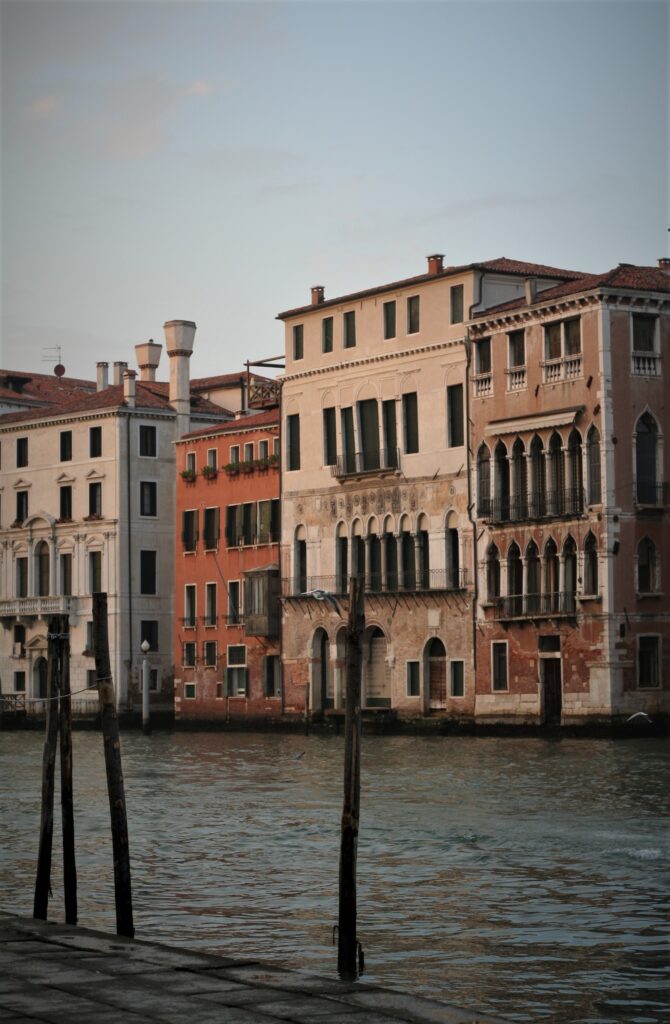
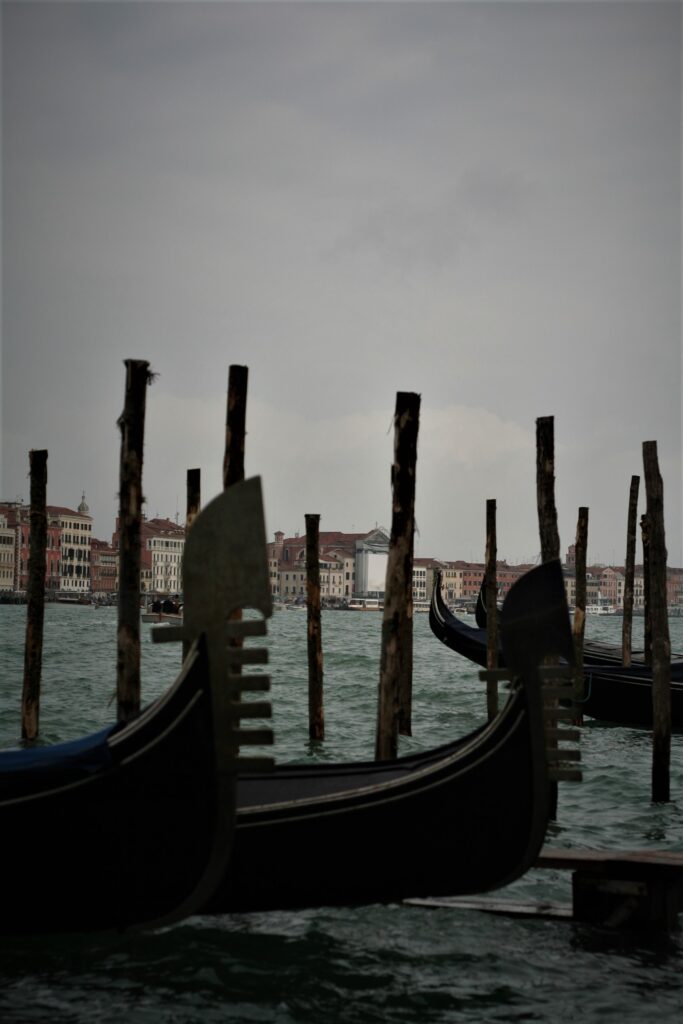
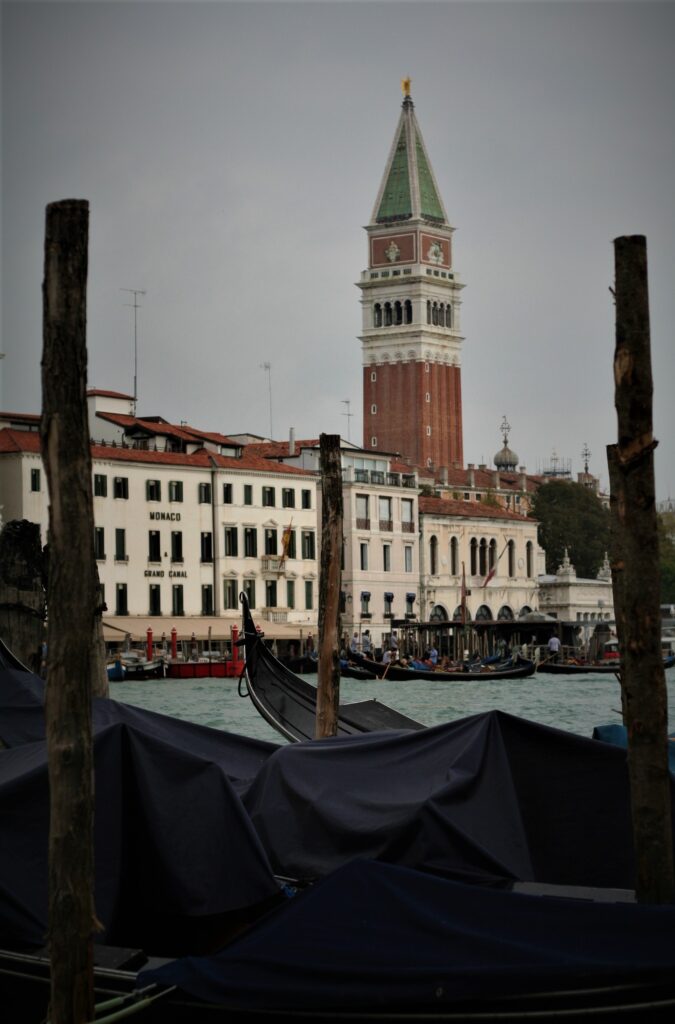
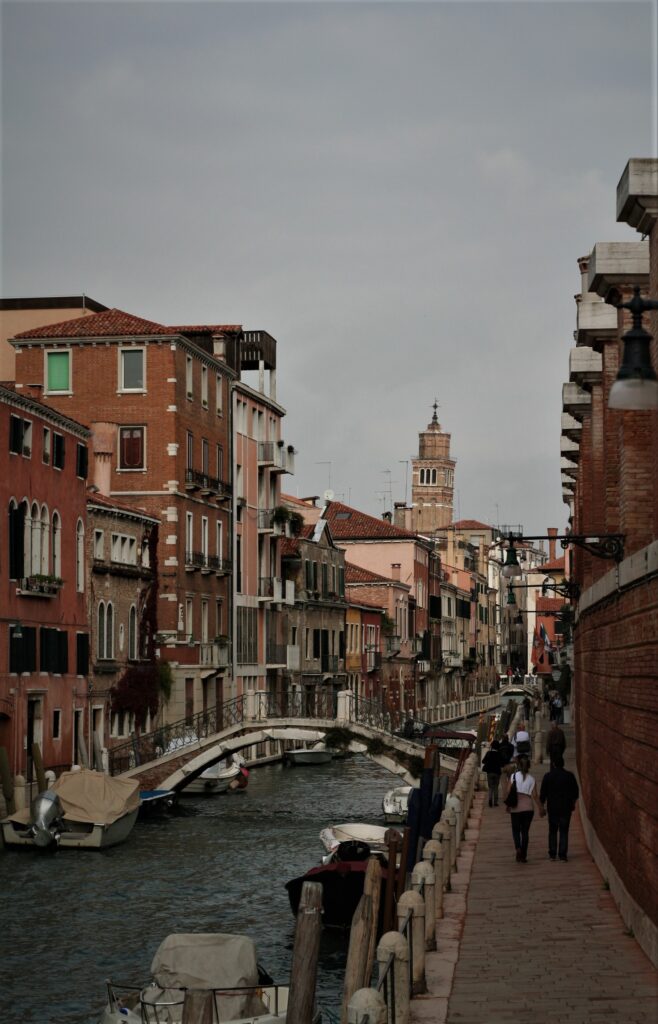
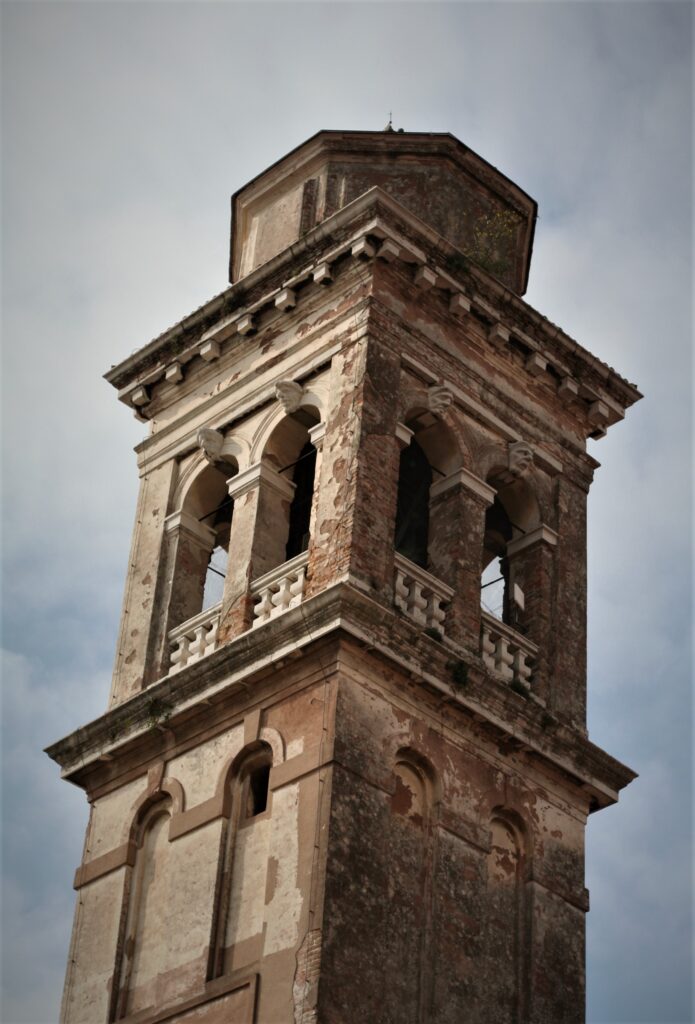
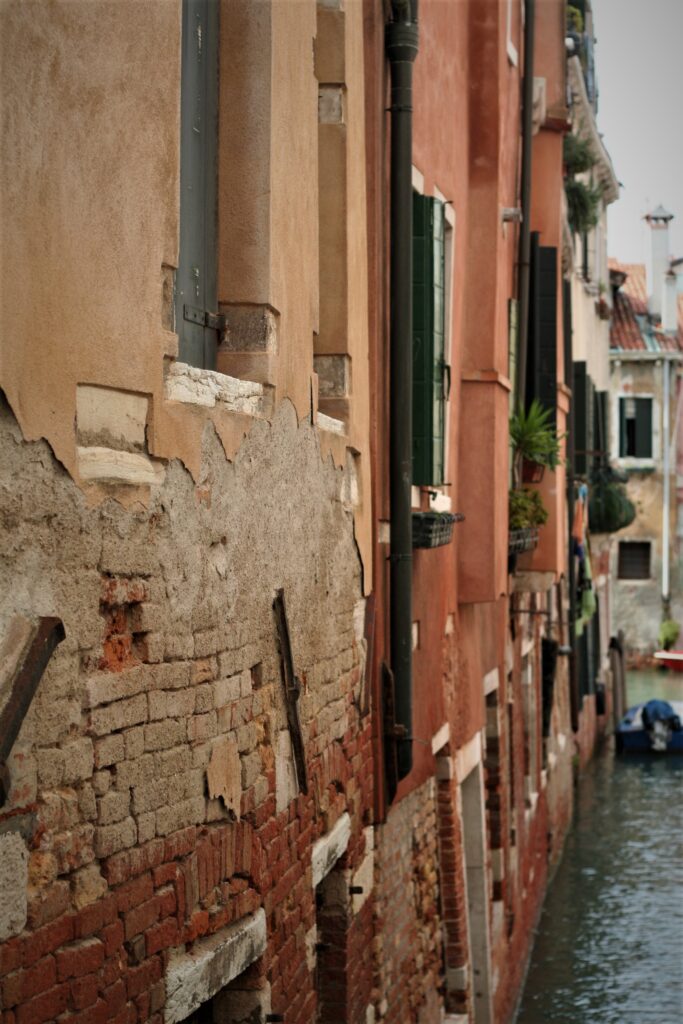
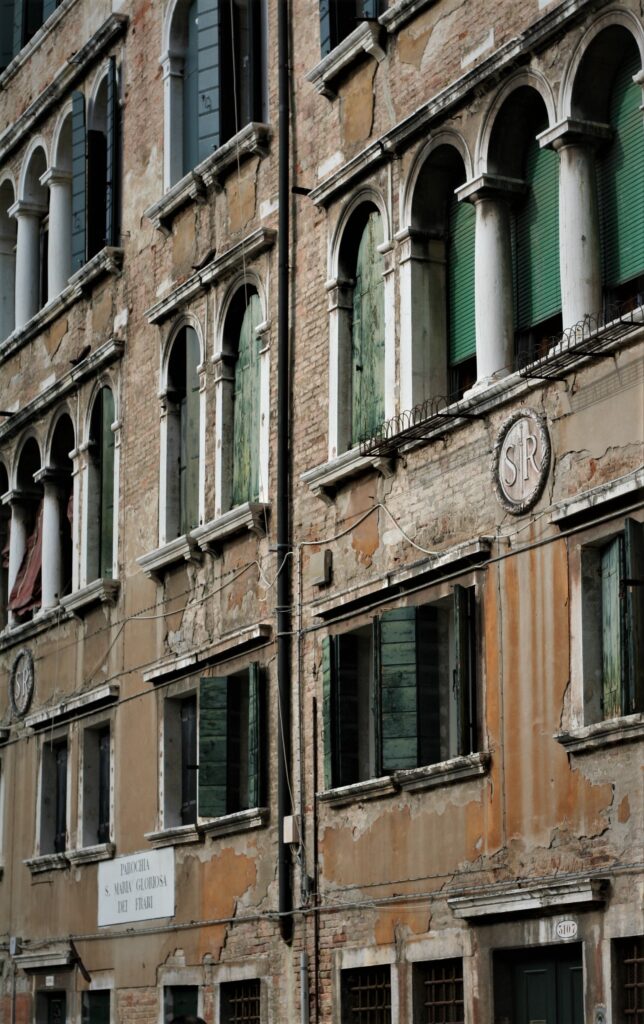
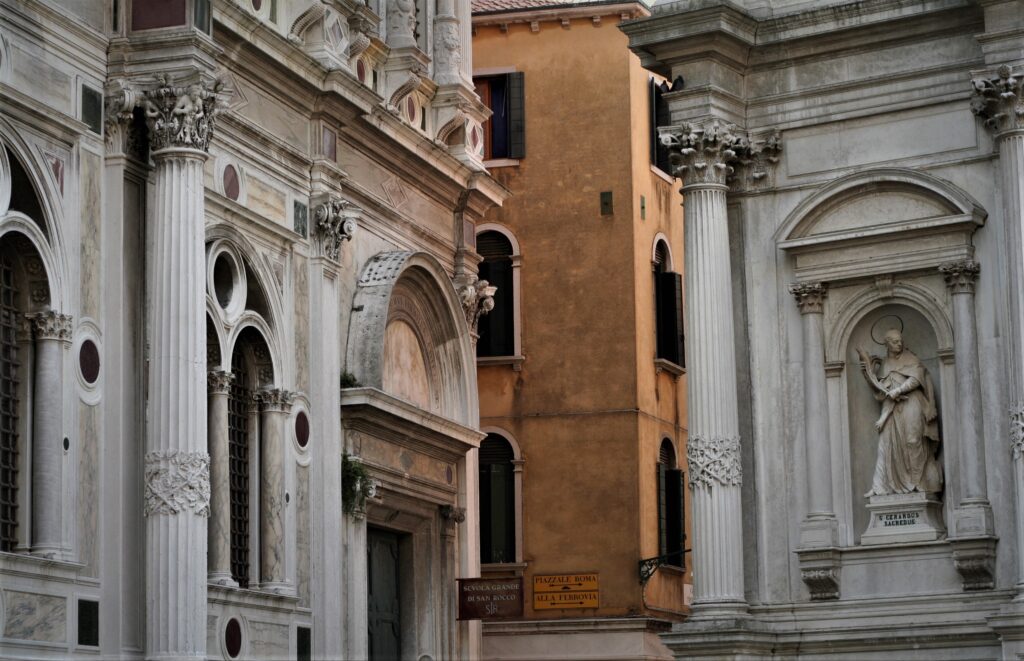
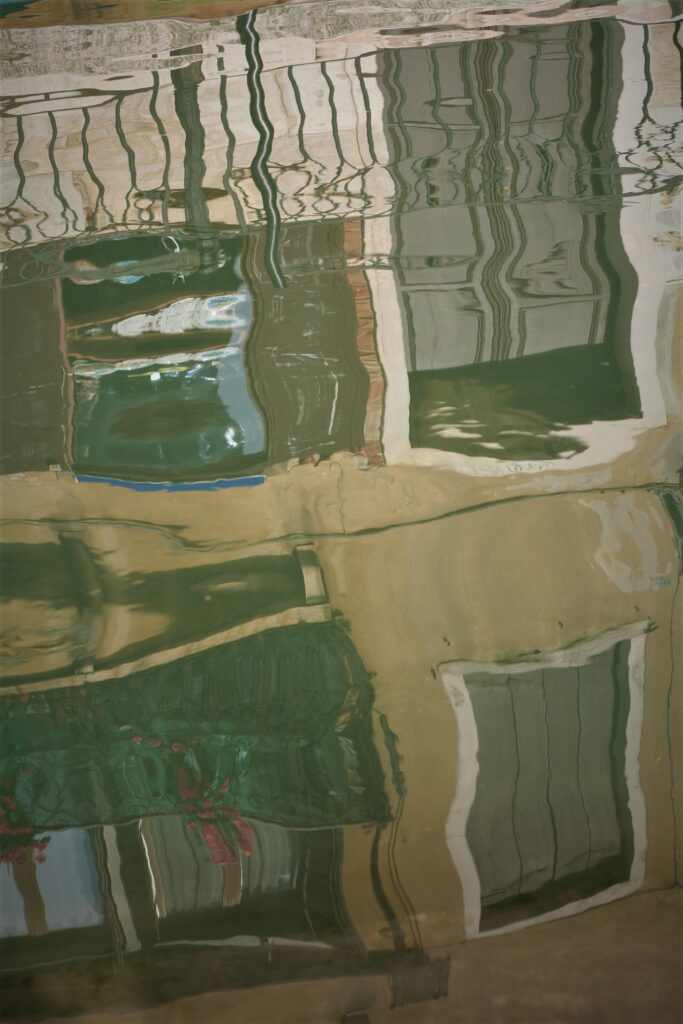
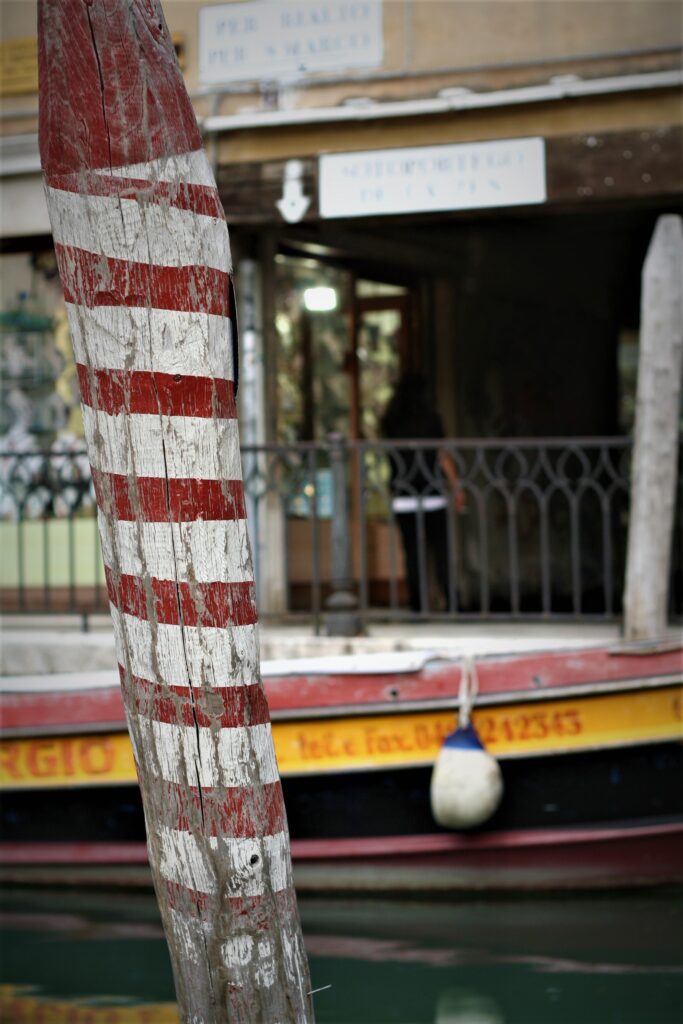
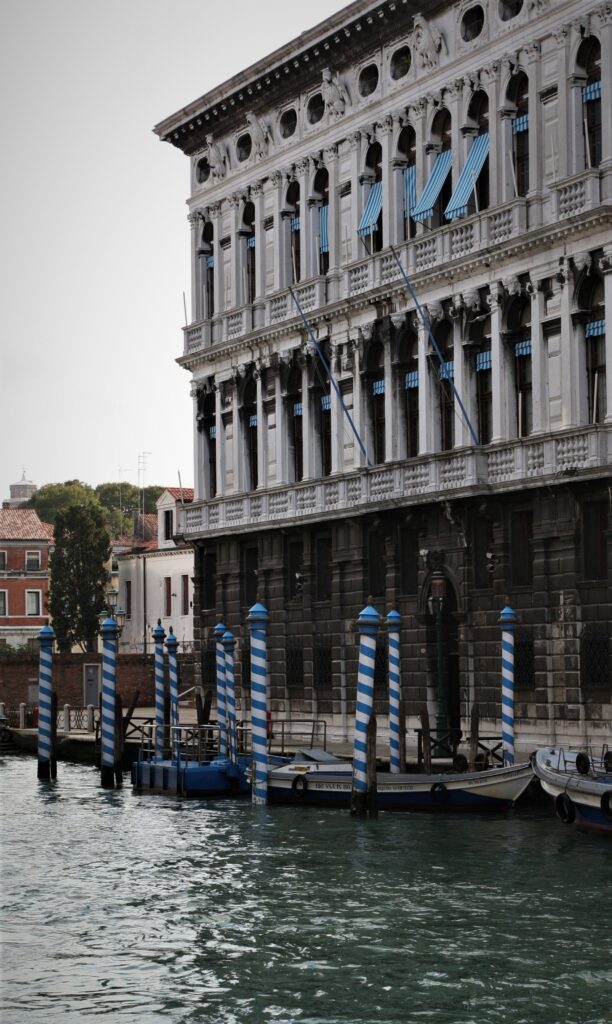
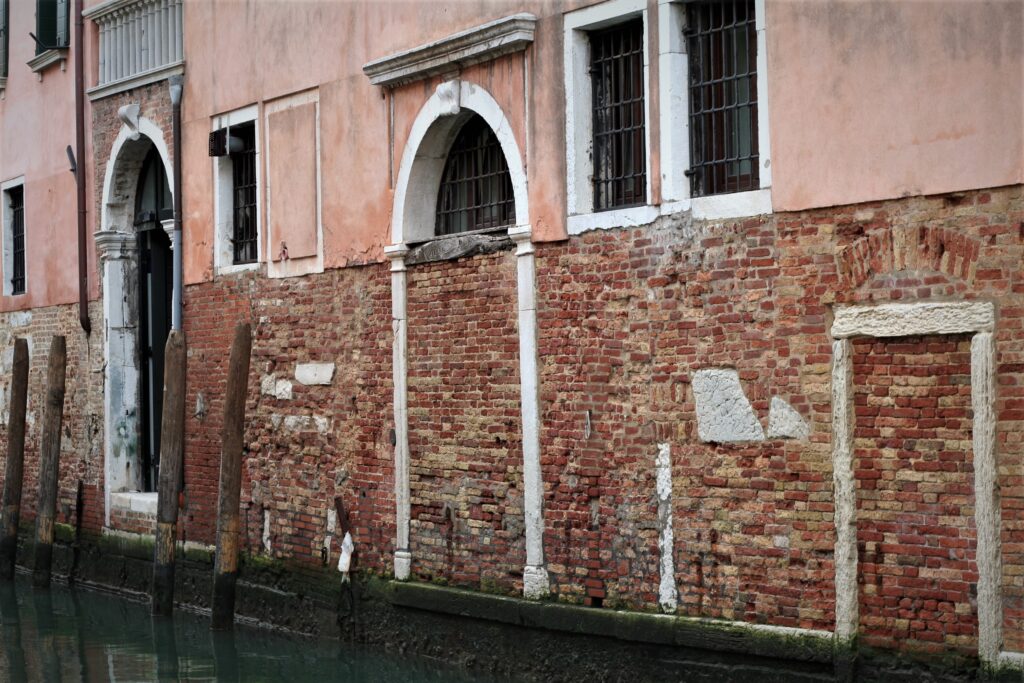
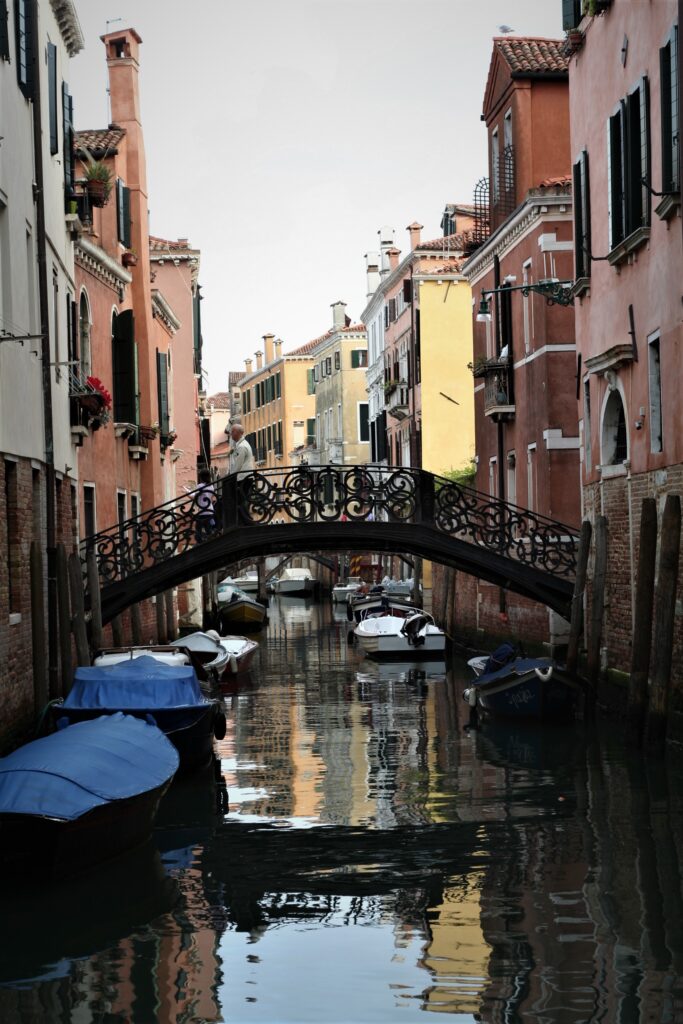
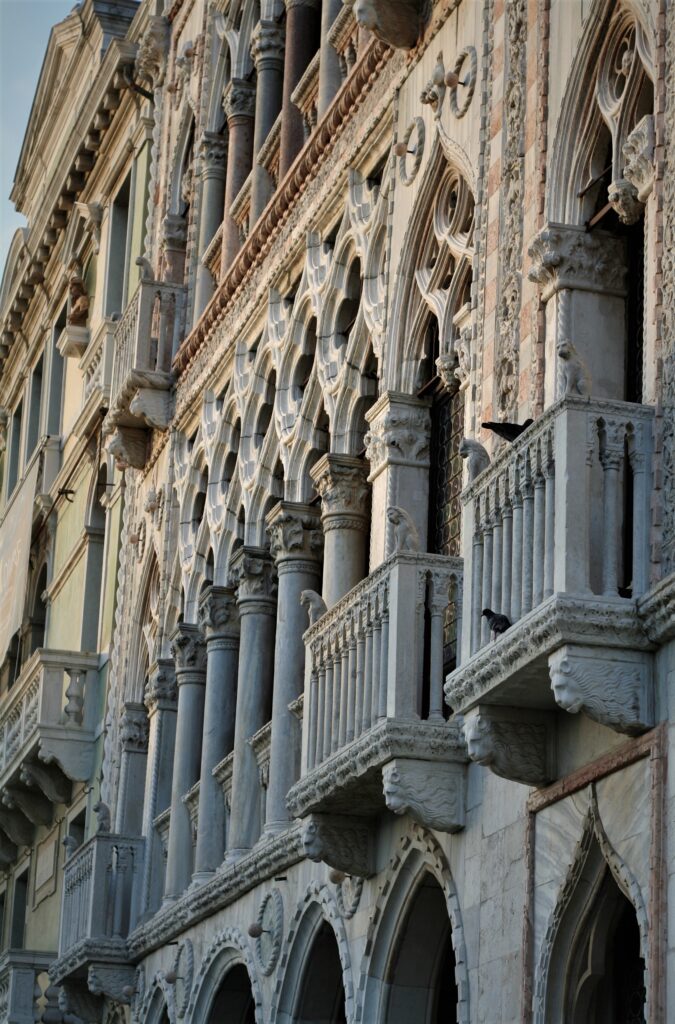
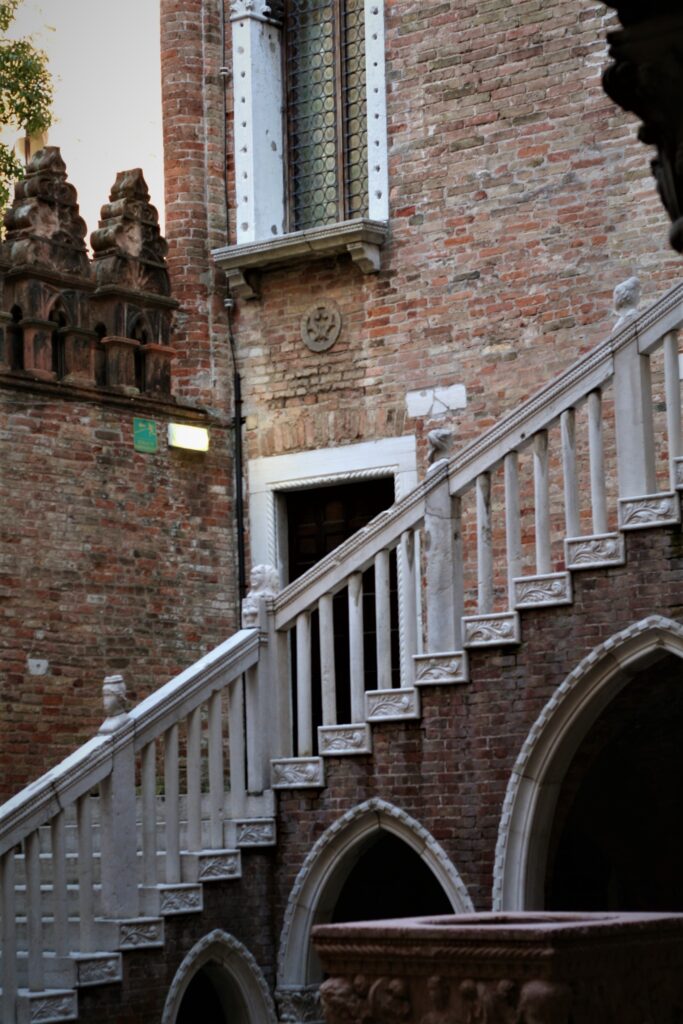
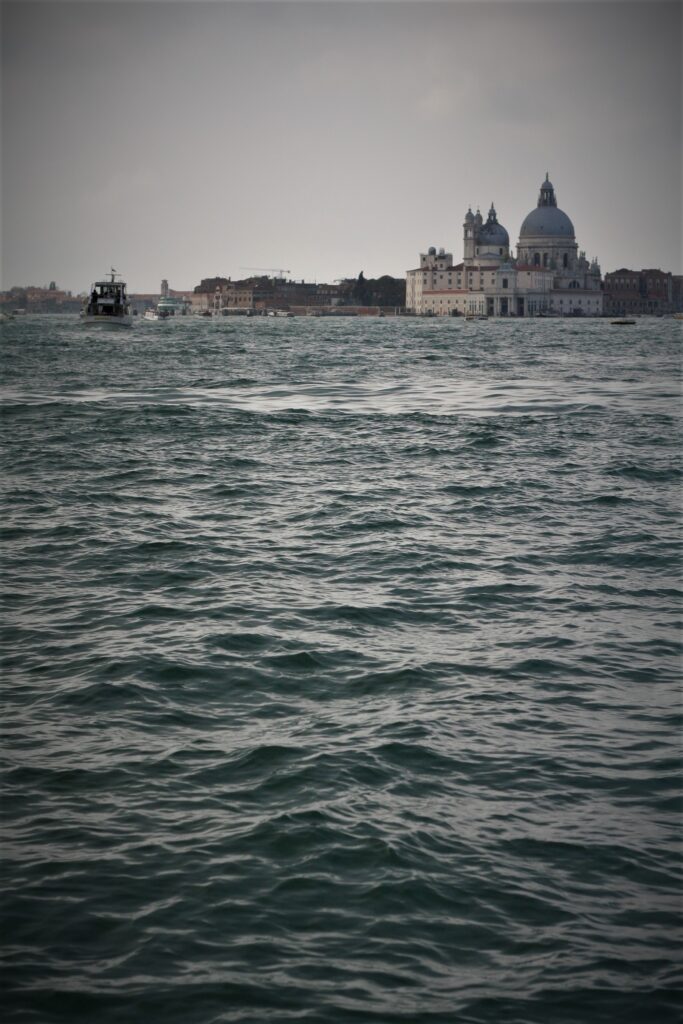
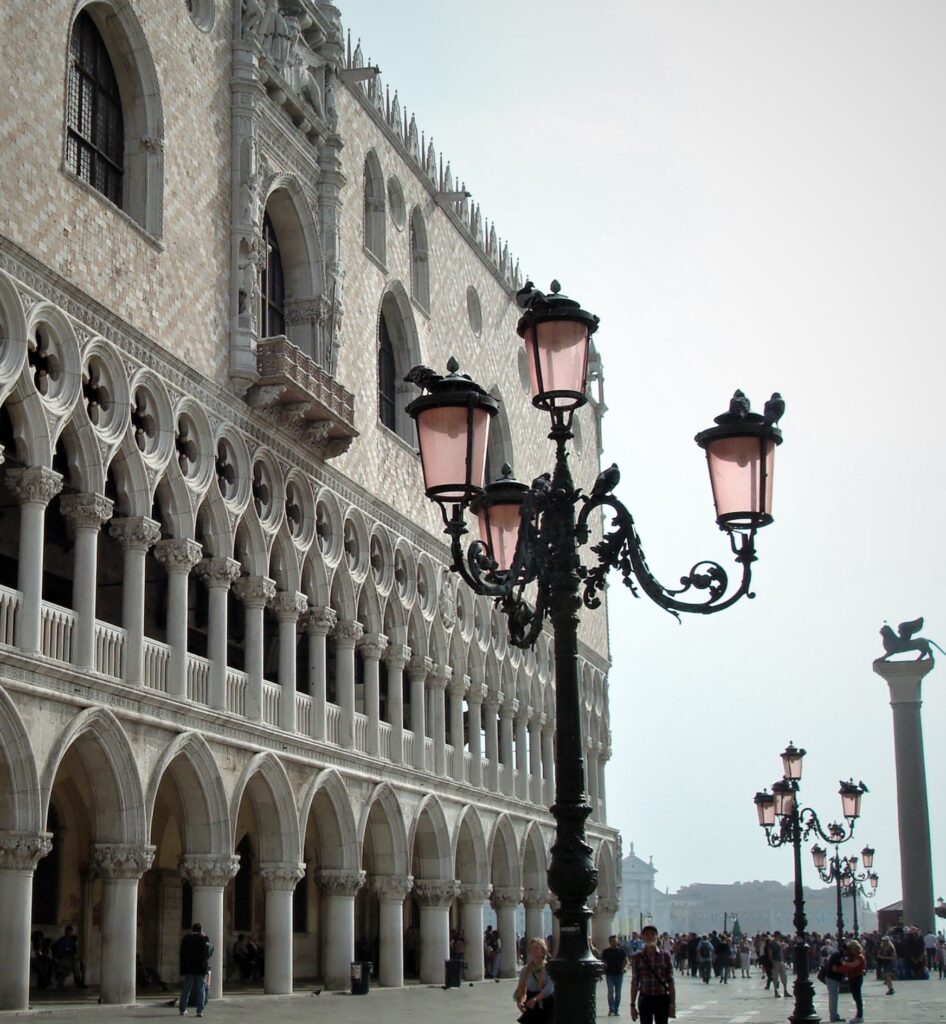
Ah Venice… It’s a bit of a rite of passage for any “Italophile” but it was a long time before I found myself wandering about its waterways. This was partly because I spent a fair bit of time time elsewhere in Italy for various reasons but also because (self-confessedly something of an old-school romantic), I wanted to go to Venice with someone I loved; which I did; a few years’ ago. Venice’s geography is intriguing, alluring and unique. Its paths have been trodden by many a lover, artist, writer and merchant; rich man, poor man, man of the cloth, sailor, harlot, reveller, thief, murderer, lothario, beggar, refugee. Its arguably even more beautiful when shrouded in mist when it blows in off the Adriatic, augmenting the mysterious air of the city’s manifold passageways and lofty windows. Venice also bears a tragic burden in that the very thing that makes it beautiful, is also slowly killing it. Venice endures, however, despite its shaky foundations which is more than can be said for my erstwhile relationship based on a misplaced sentiment. The city’s weighty history is fascinating. Venice has been all at once brutal, beautiful, confusing, convivial, magnificent, mysterious, unpredictable, arresting and fragile. It is, in fact, a perfect representation of love.
It is also a feast for the senses. I know a lot of people complain about the drains being somewhat overbearing but, as someone who’s travelled to further flung parts of the globe where there’s is arguably worse plumbing, I find I can overlook this. In the same way I see past a bit of camel spit to marvel at the graceful beauty of this remarkable animal. We all have our rough edges and our peccadillos. Venice has this for sure but that’s part of its appeal as anyone who has seen Don’t Look Now will understand.
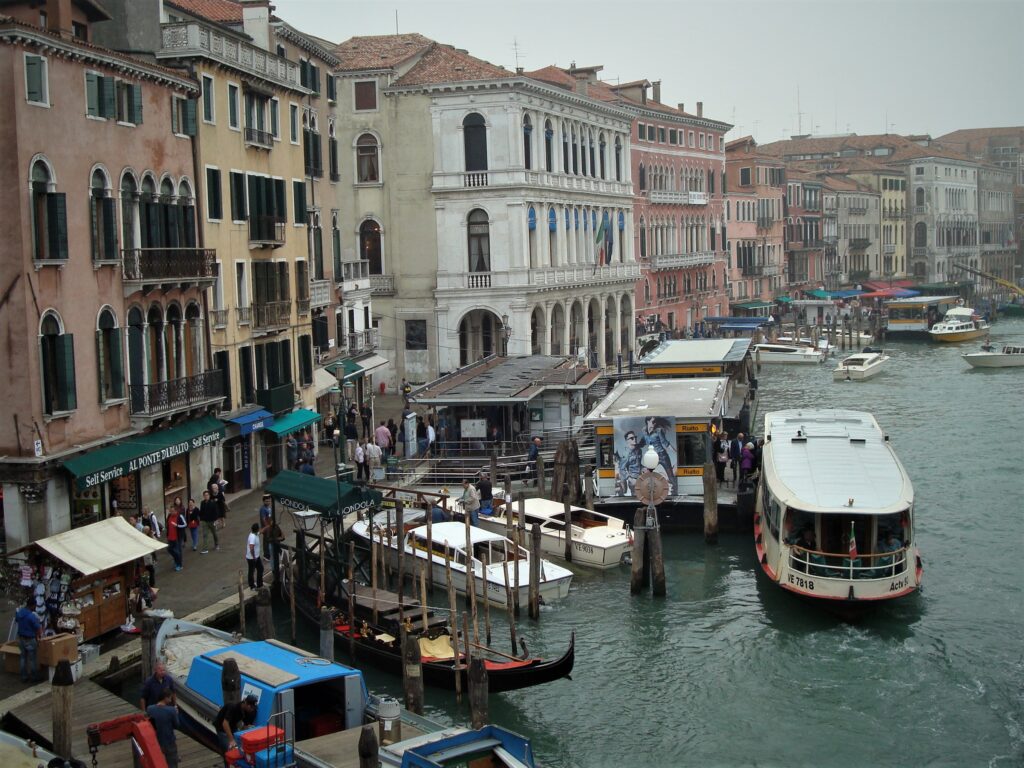
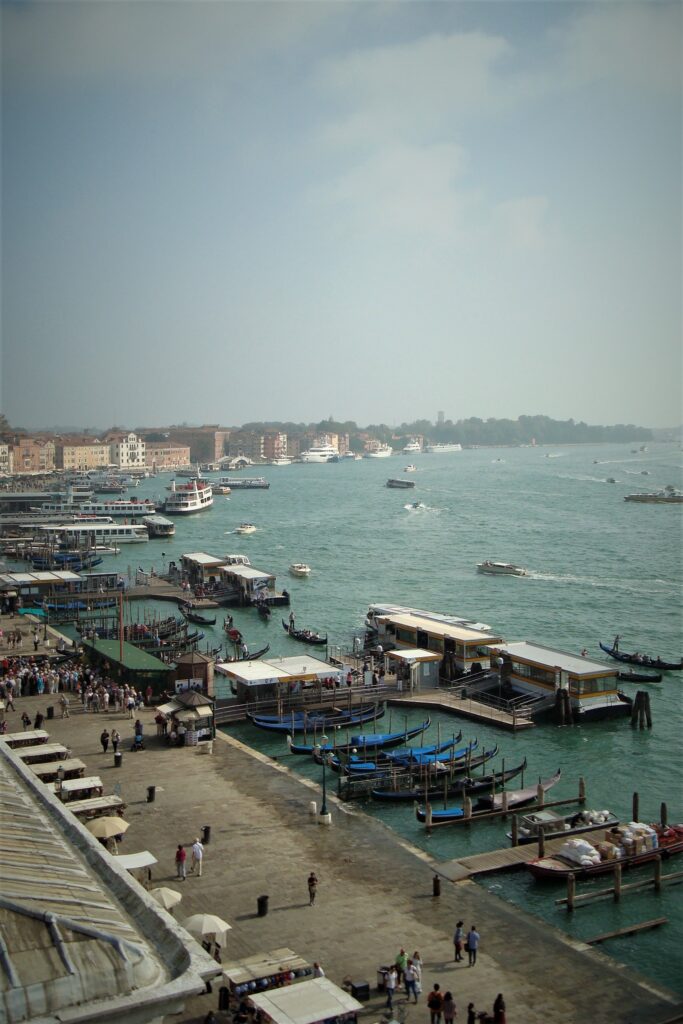
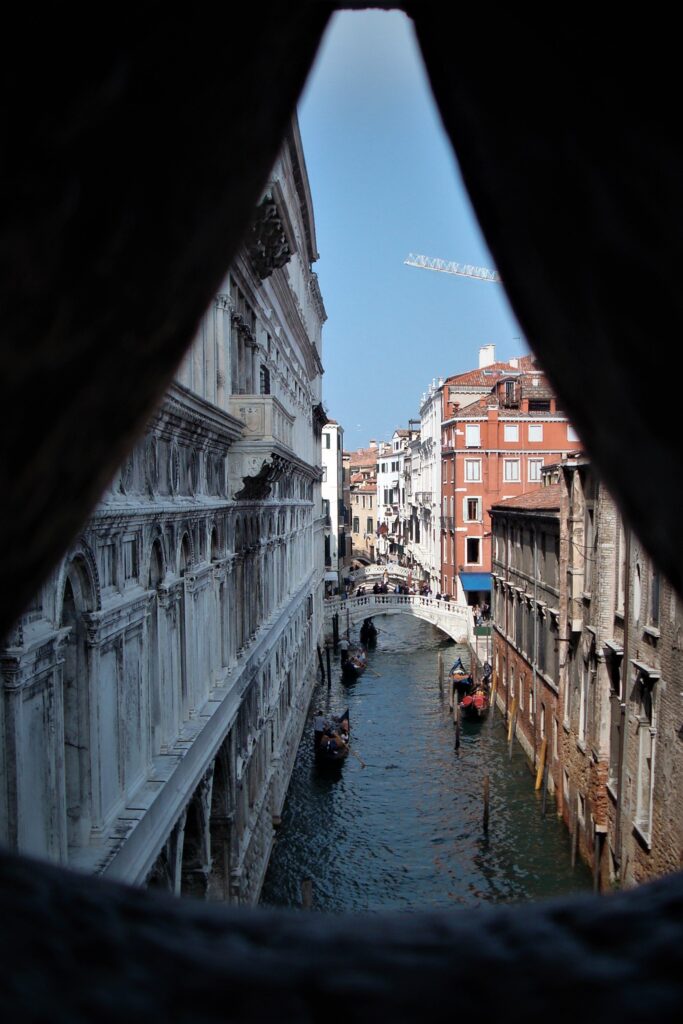
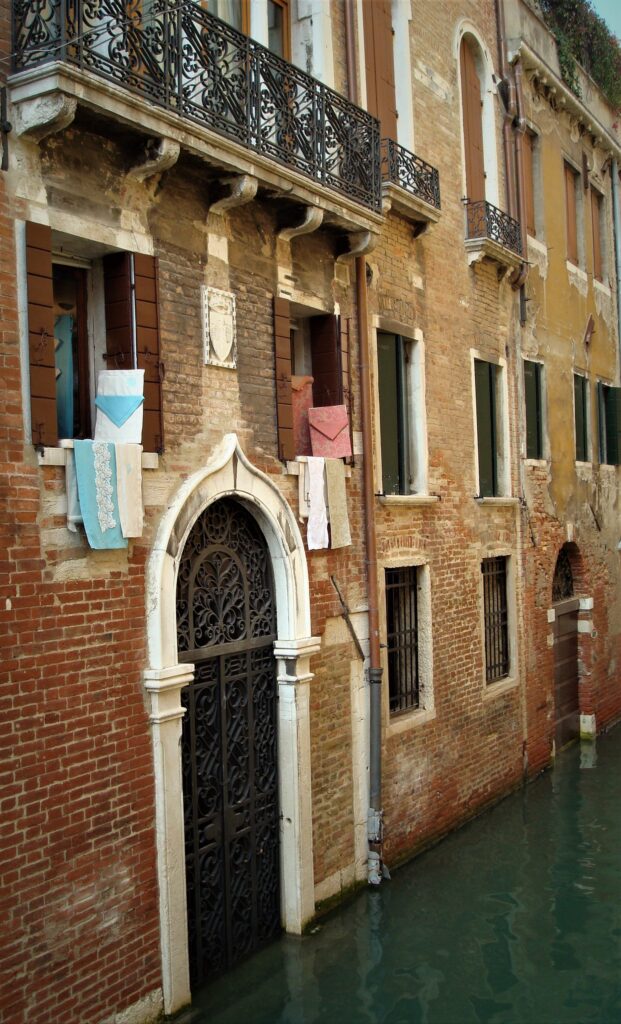
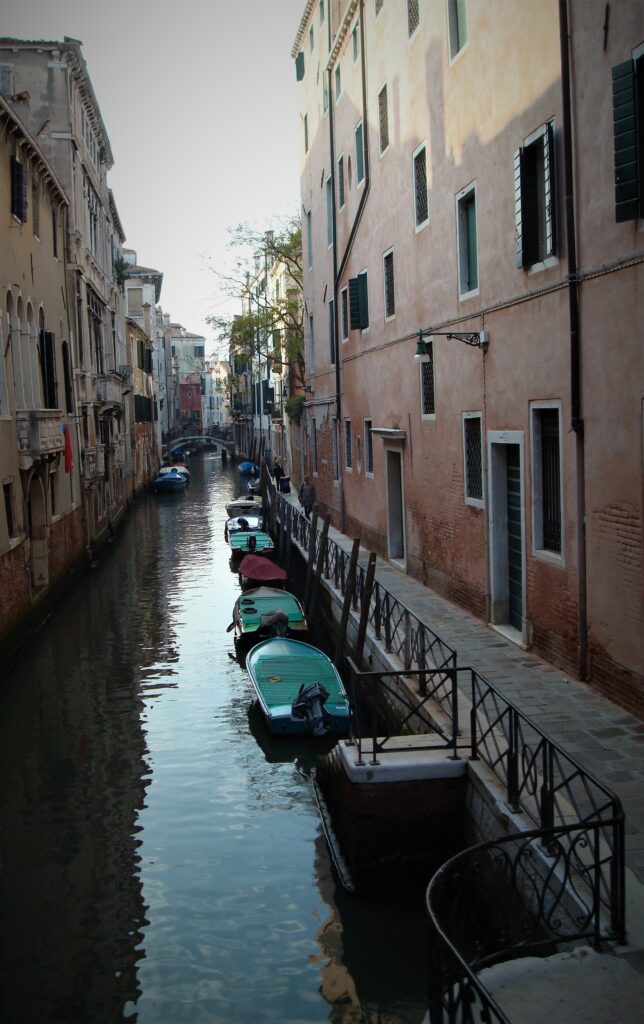
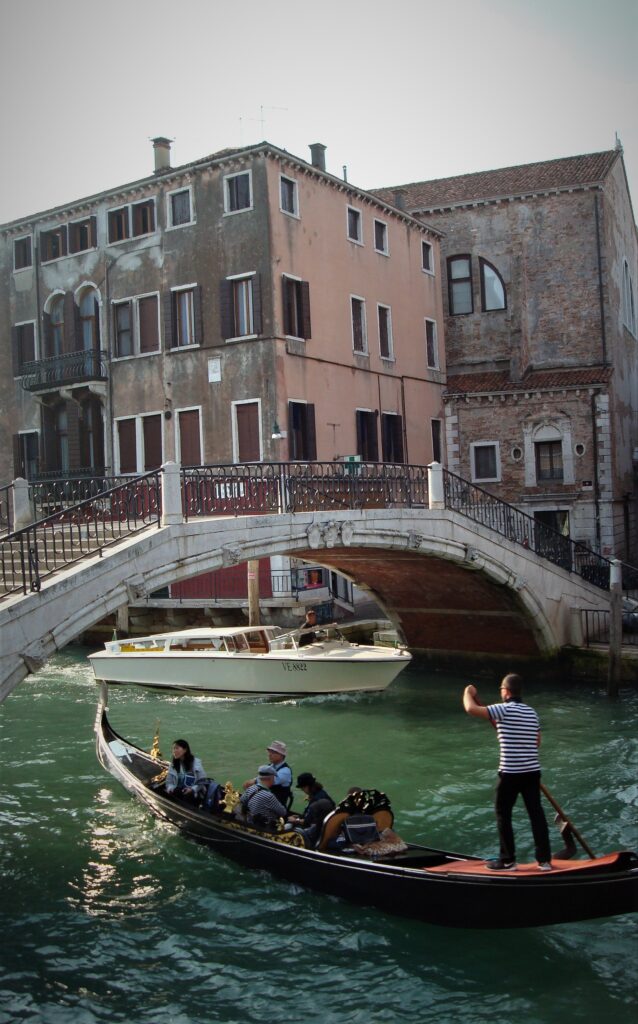
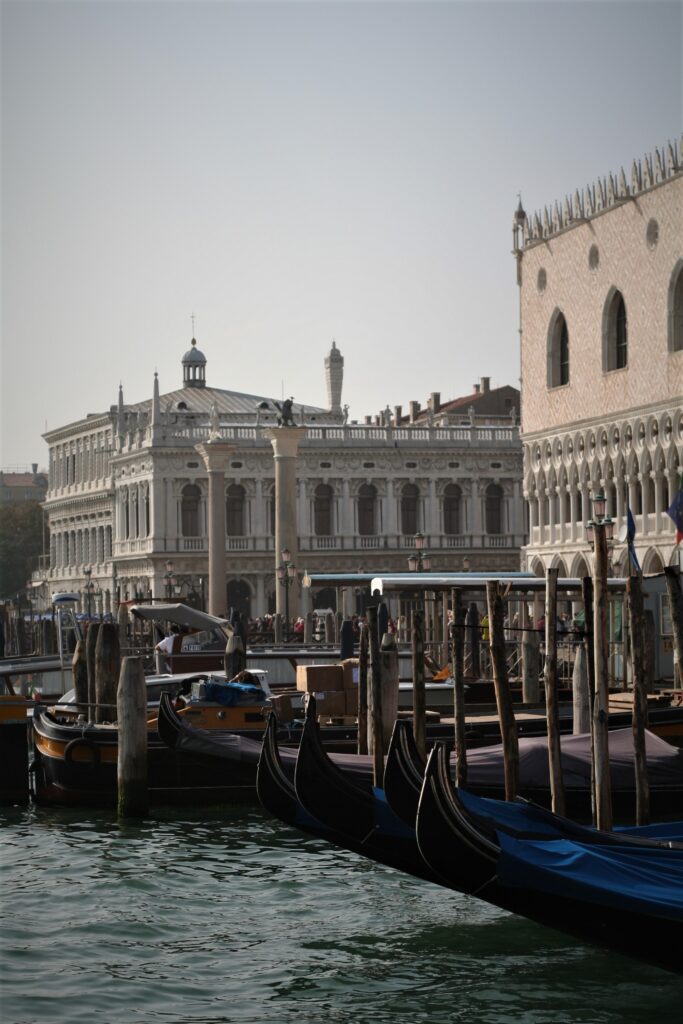
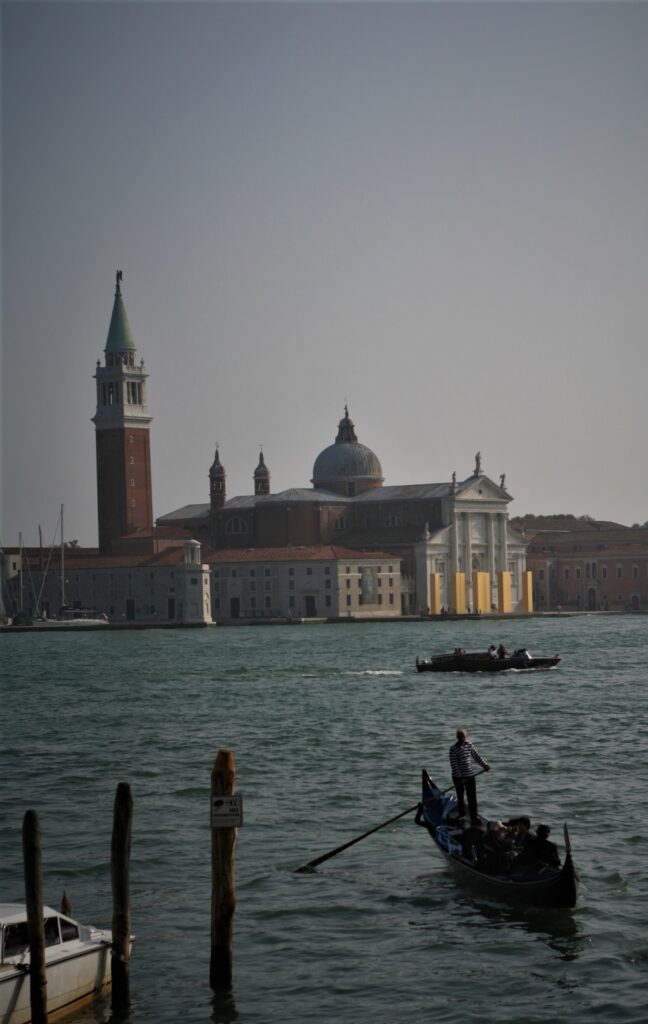
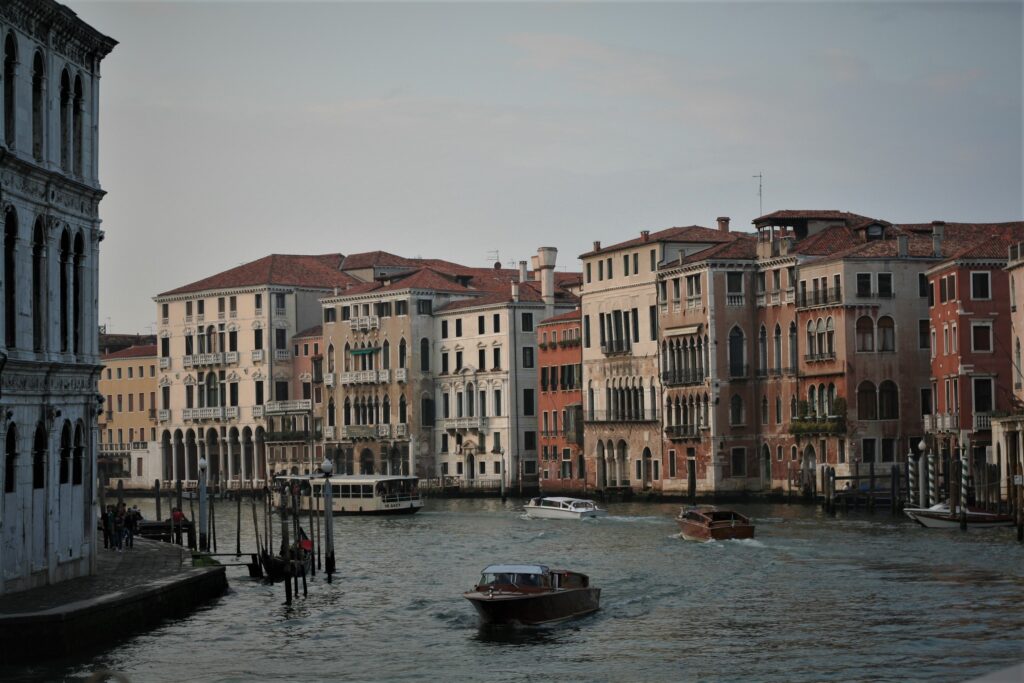
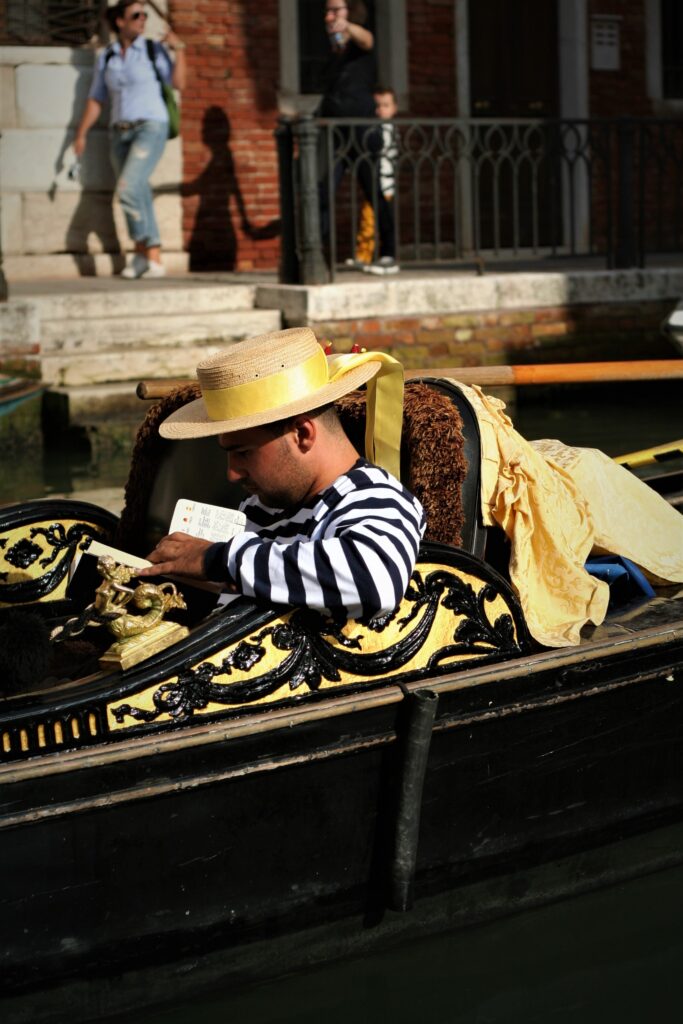
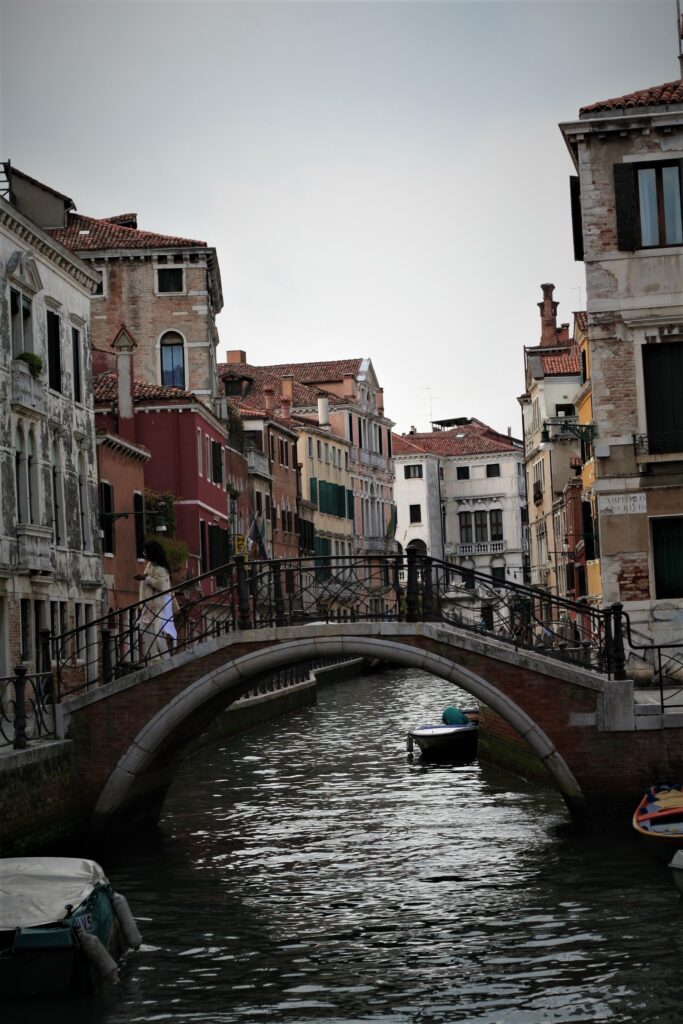
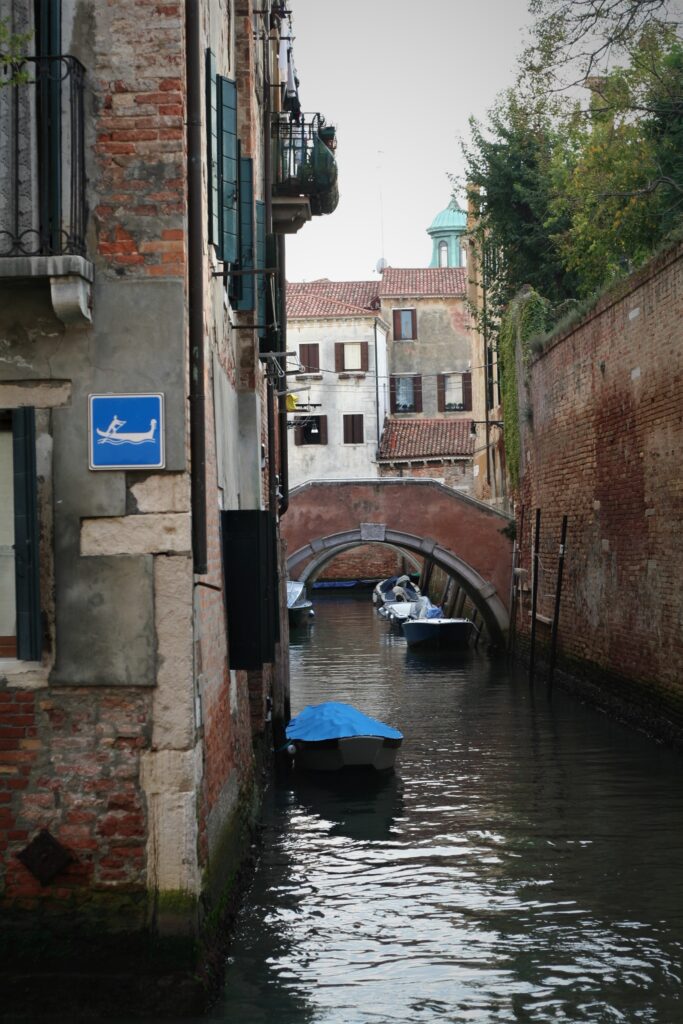
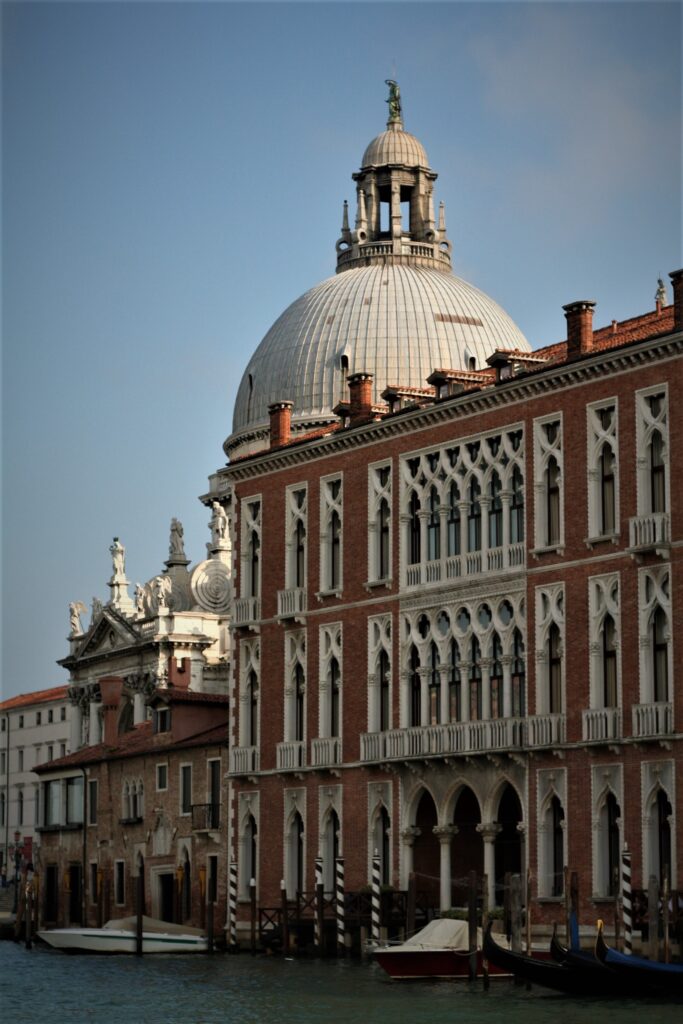
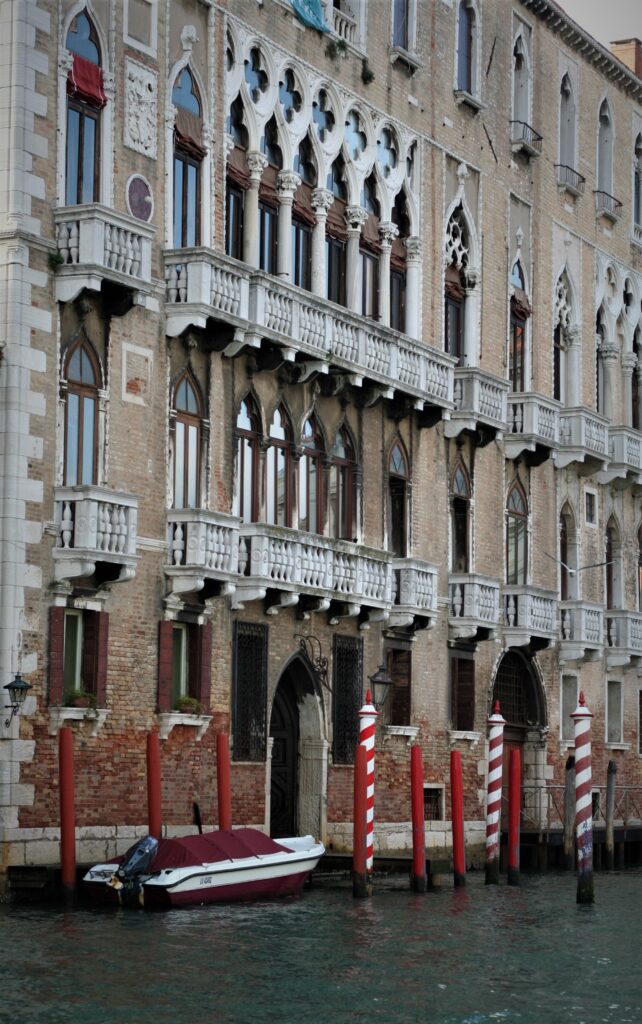
On that note, Venice is one of those places that you’ve seen in films (A Room with a View, Brideshead Revisited (the amazing 80s one, not the crap remake), Death in Venice etc etc) but that actually doesn’t disappoint; in fact, it not only lives-up to expectations but rather blows them out of the water. My first impression getting off the coach (our budget didn’t stretch to a water taxi) and arriving at the edge of a canal was “oh wow, it really is all on the water!”. Not because I’m an idiot but because it really is; all of it and that’s, frankly, amazing. As are the precision skills of the gondoliers.
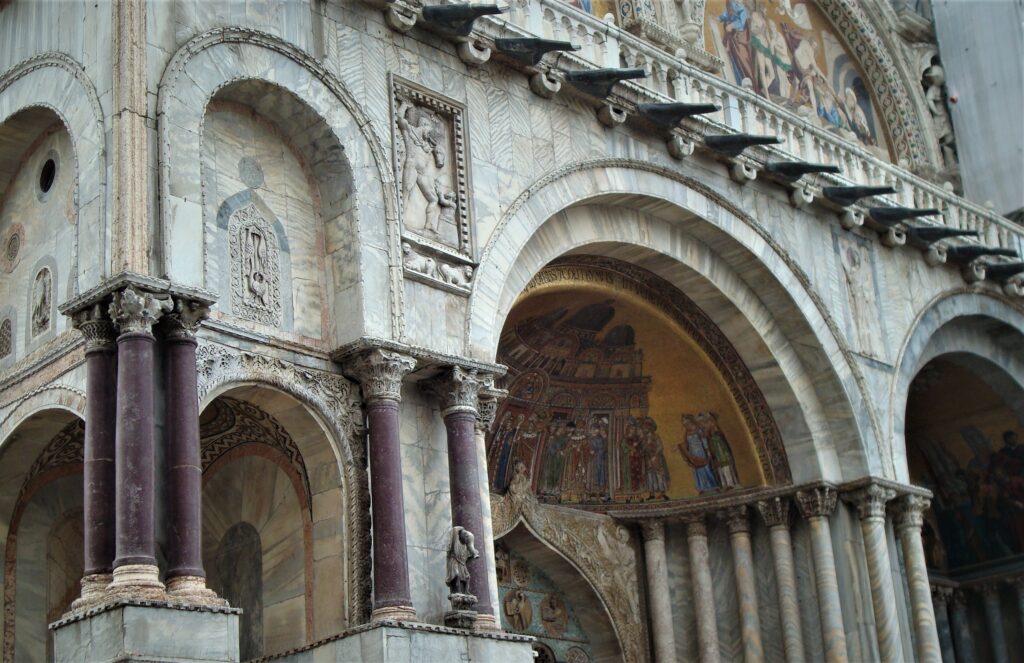
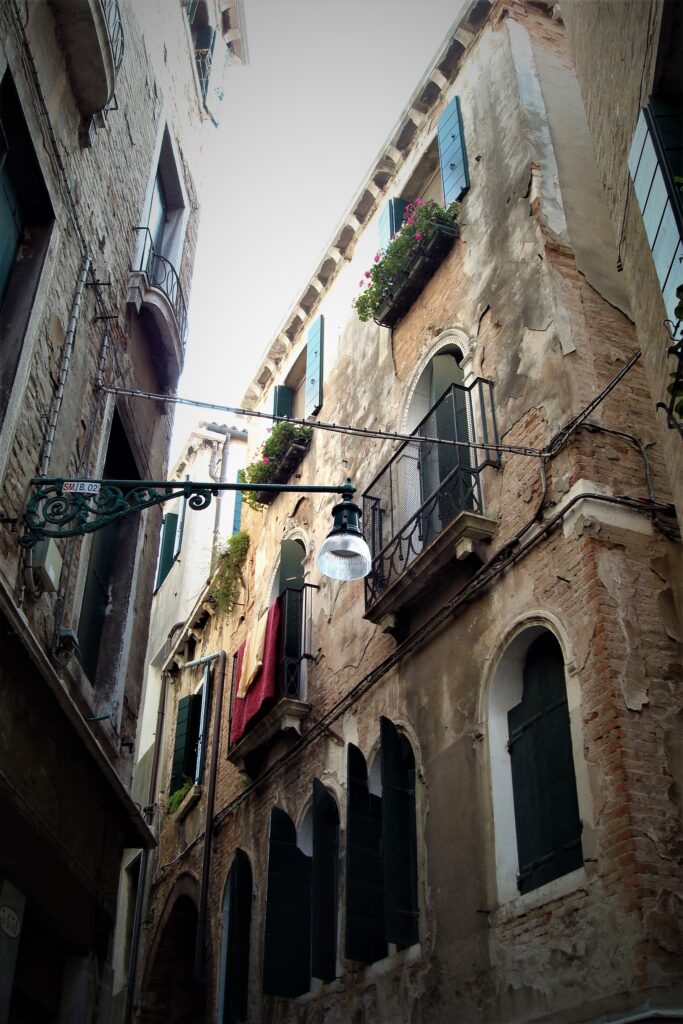
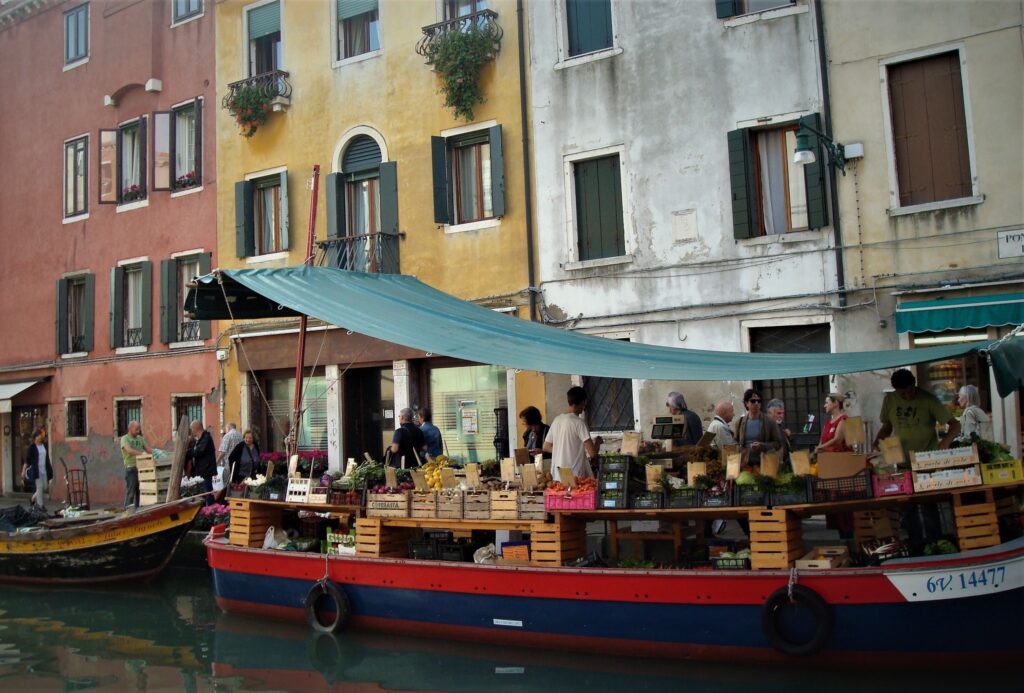
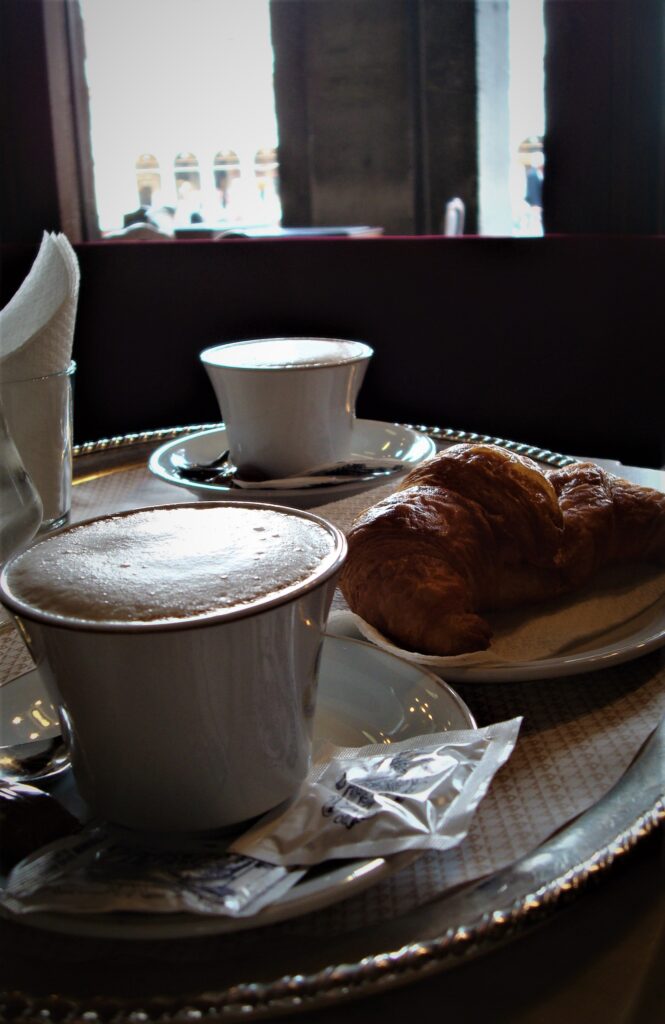
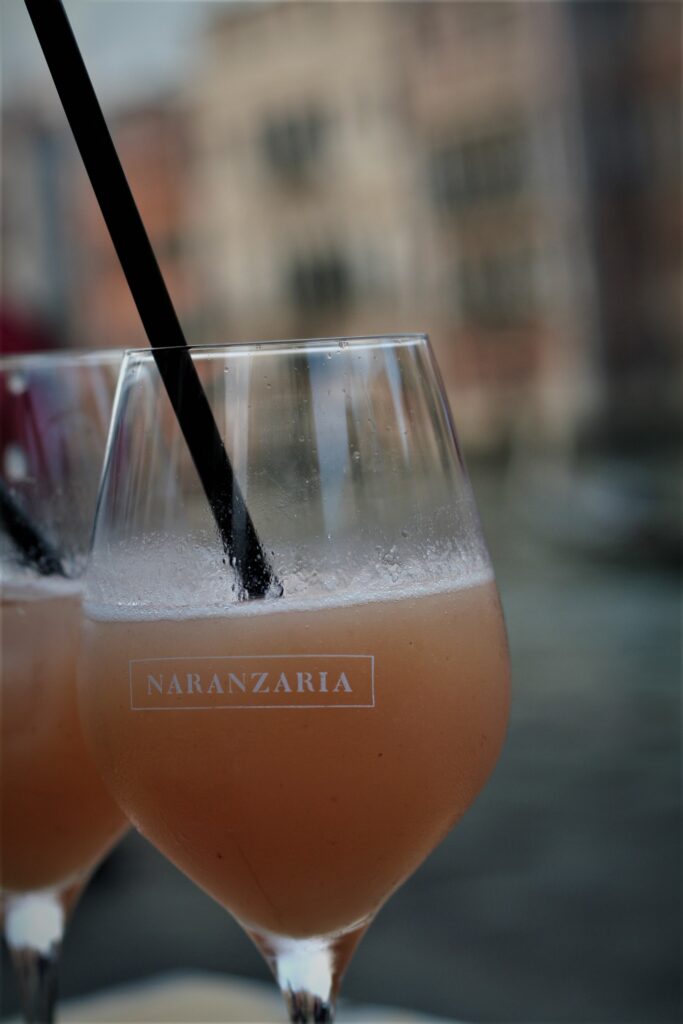
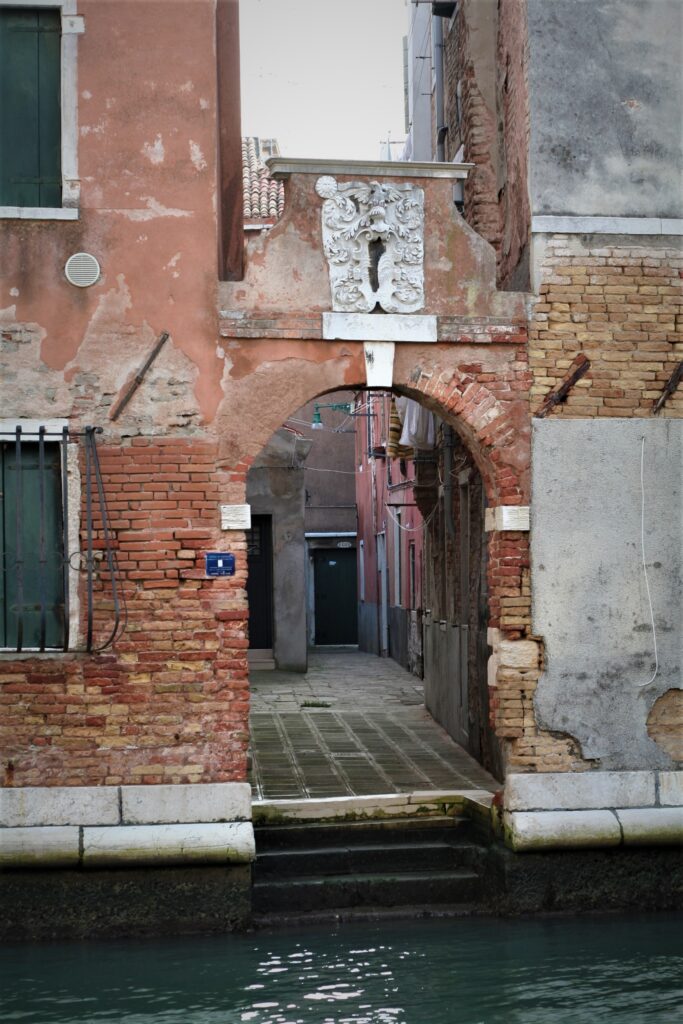
I think I’ve mentioned before that mozzafiato (“breathtaking”) is one of my favourite Italian words (the one and only thing Al Pacino and I have in common) – and this is how to describe, not only your first sight of Venice but so many of its corners. There is so much beauty everywhere you look (it’s Italy, after all). Another Italian word I love is sapori (“flavours”) – you see this in a lot of shop windows/signage in Italy and when I spot it, it always strikes a chord – it’s like a little reminder to slow down and savour things. In this city in particular there is a lot to savour for sure but frustratingly sometimes one of the most difficult things to savour is the food. It’s easy to eat badly and pay through the nose for it in Venice but, like most things in life, if you are prepared to put in a little work (of the walking just a bit further variety) you can seek out some incredible food. That being said, we did treat ourselves to (a rather expensive) coffee in Florian’s in St Mark’s Square (tourists!). On a similar train of thought to last week’s post, I’m repeating my belief that the best places are the more humble, back street ones; and Venice has a lot of windy back streets to explore. And, akin to the tapas of last week’s post, the food we are talking about here is the Italian version – chicchetti (little bites). Venice is also the home of the Bellini (the artists and the peachy sundowner of the same name) and, one of these or, indeed, an Aperol spritz with a few nibbles overlooking a canal somewhere is a lovely thing.
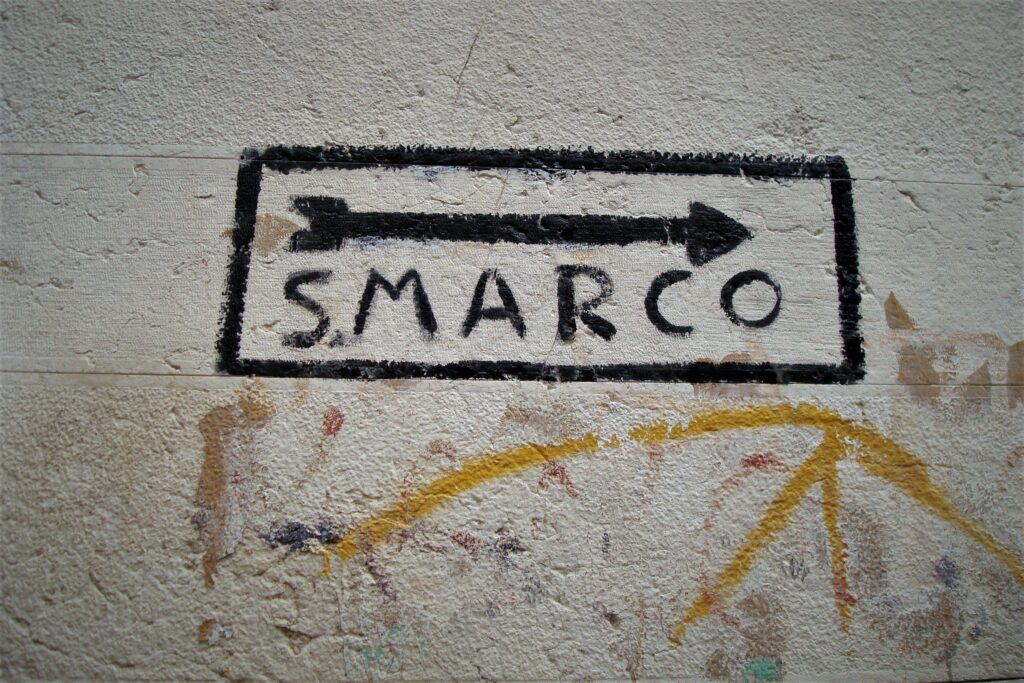
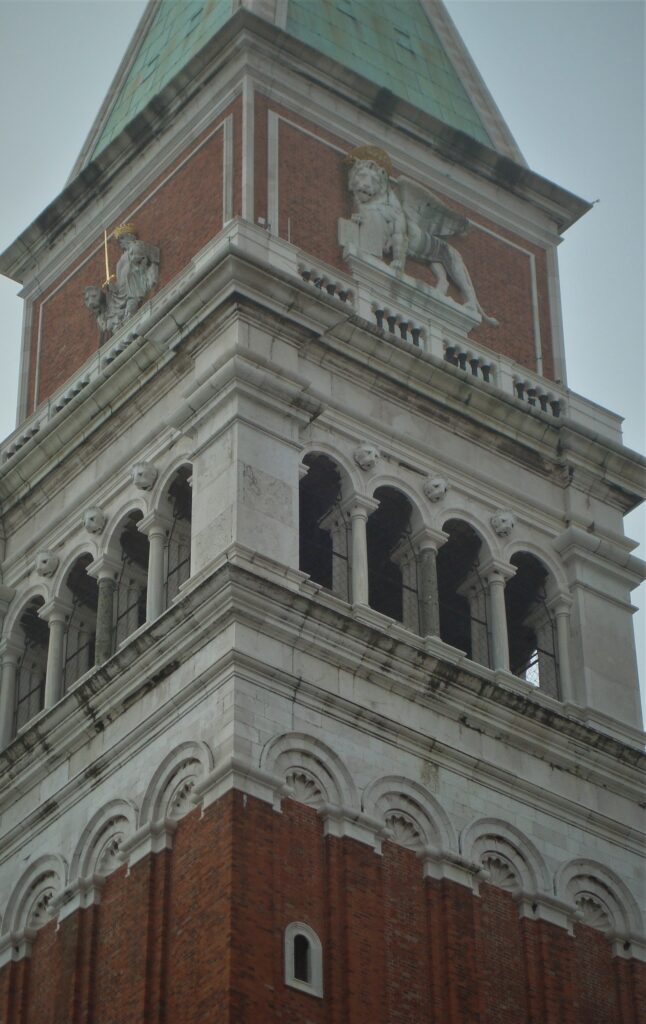
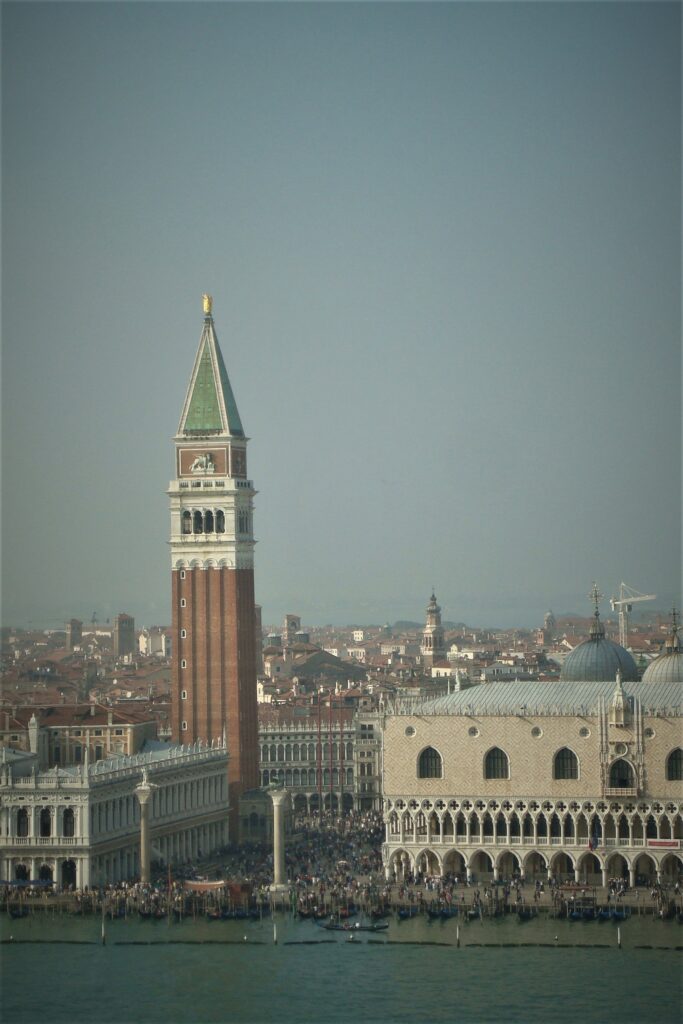
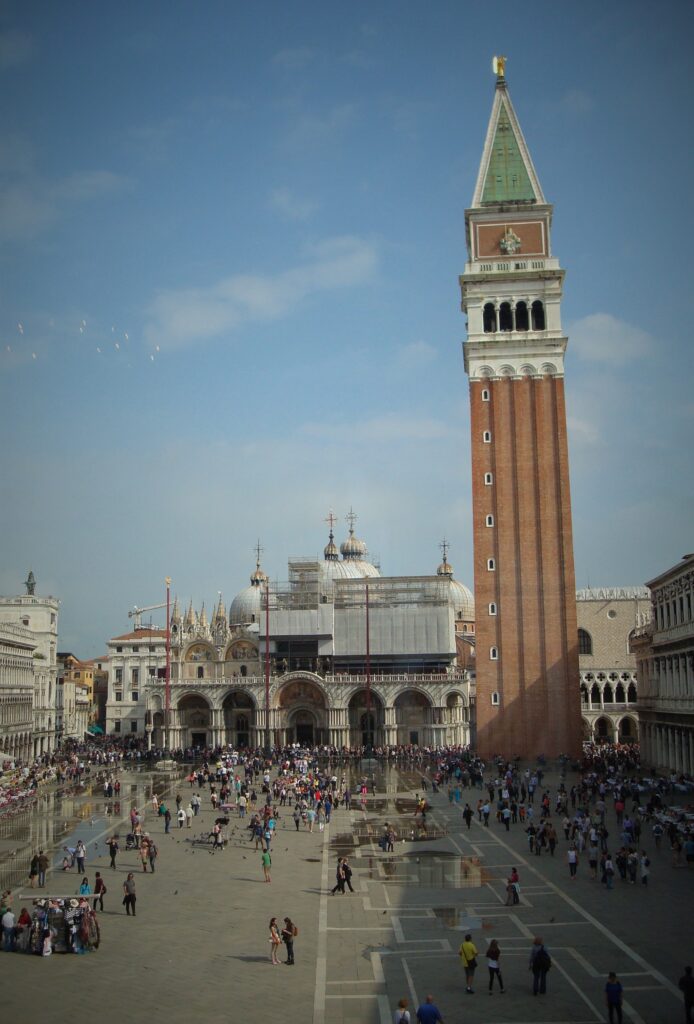
Chicchetti are a little different from tapas in that they are indeed more of a bar snack for an individual (although obviously it’s possible to share!) and generally available most of the day. They range from little panini (skewered with a toothpick), to olives, to zucchini flowers, to all sorts of delicious things sitting on top of bread or polenta. They can also be pretty sizeable (a good thing). You can turn a chicchetti exploration into a meal though; this is equally fine – just depends whether your osteria or bacaro has anywhere to sit. A lot of the time it’s a stand up kind of affair. There’s a rather lovely Venetian phrase that sits behind the chicchetti scene: andémo bever un ombra – let’s go and drink a shadow (which seems fitting for Venice’s many dark, shady corners). This is essentially a (post-work, pre-dinner) nip of wine and a spot-filling chicchetto. According to tradition, drinking in the shade dates from 12thC when ships unloaded their wine at the Riva degli Schiavioni. Some enterprising Venetians set-up some wine stands in the shade of the Bell Tower in Piazza San Marco and as the sun moved around the tower, so they shifted their stands to chase the shade (ombra) and keep the wine out of the heat. Furthermore, on the subject of ombra, as Carla rather nicely puts it, in Brideshead Revisited, “how good it is to sit in the shade and talk of love…”.
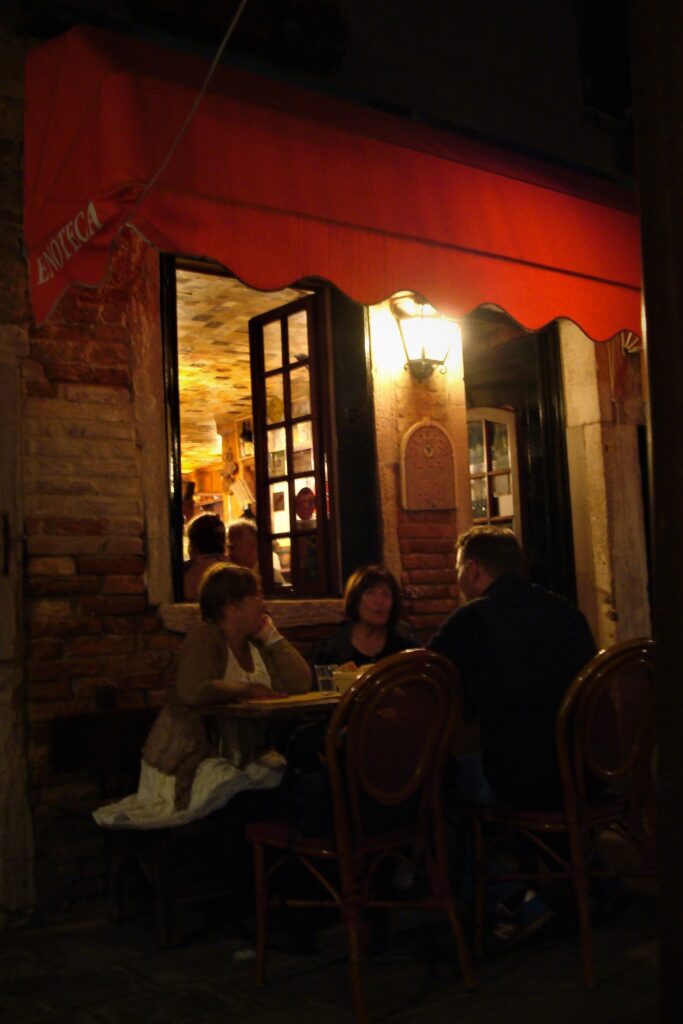
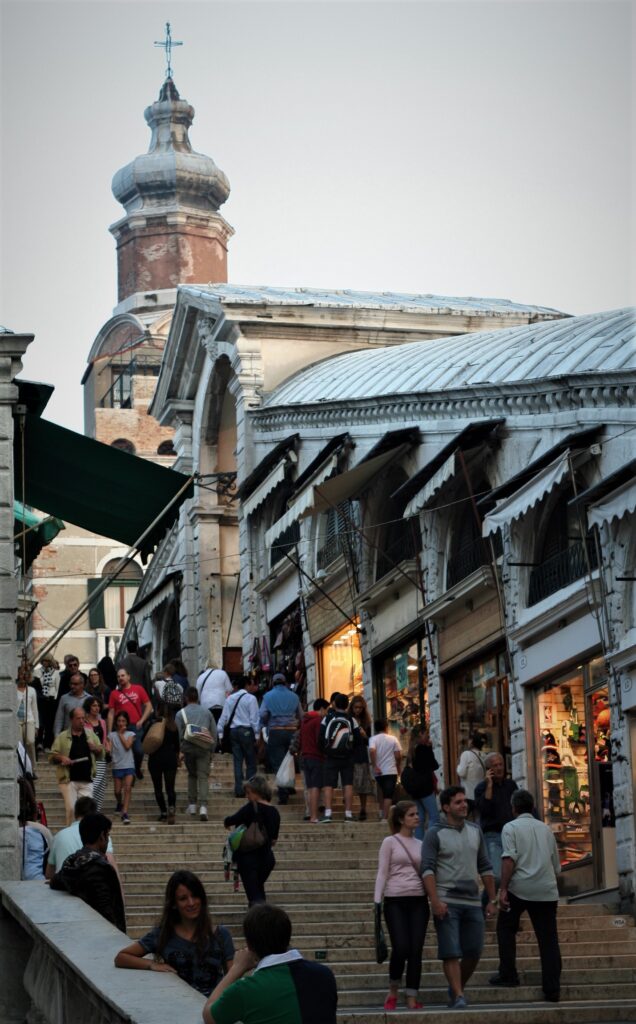
This week’s dishes are a couple of chicchetti that I’ve doctored slightly. Again, following on from last week’s post, I’m “hommaging” to an awesome enoteca that we discovered tucked away in a back street just down from the Rialto… the lovely Enoteca al Volto. As in many an enoteca, here a cornucopia of chicchetti is proudly displayed on the wooden counter but the thing about this place is again it’s humility – that and the laidback, friendly vibe and fact that the food was superb. I ate here three times – chicchetti and main dishes too. They also have an excellent wine list and I may have enjoyed several glasses of apassimento.
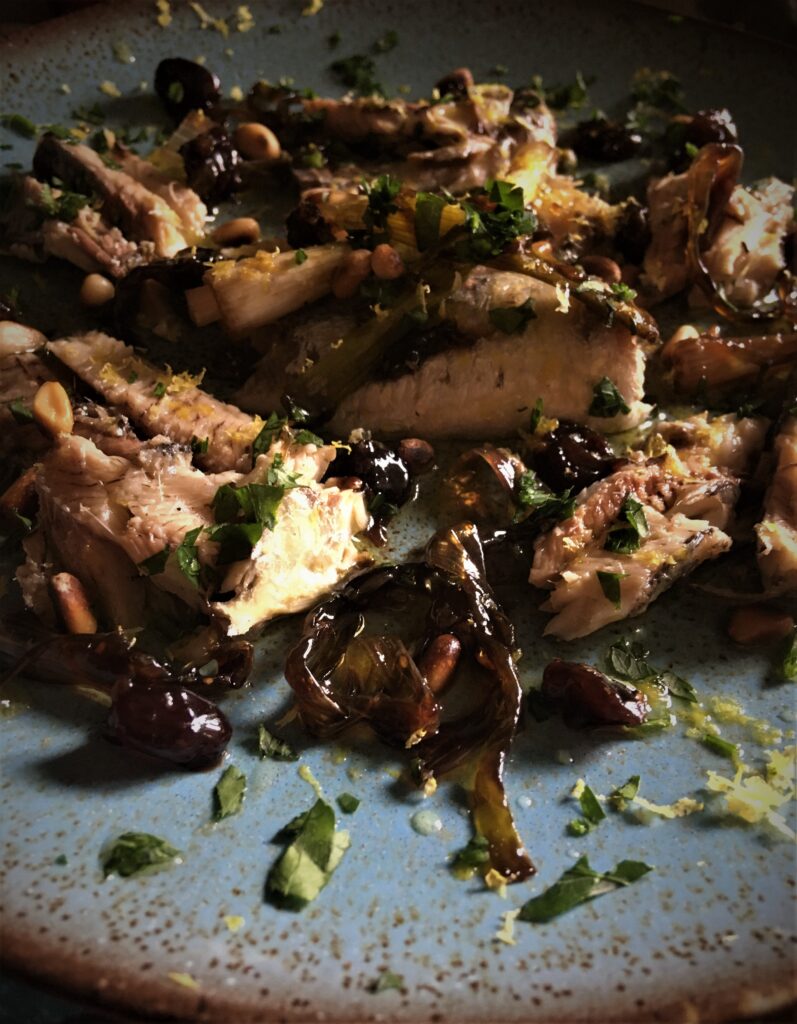
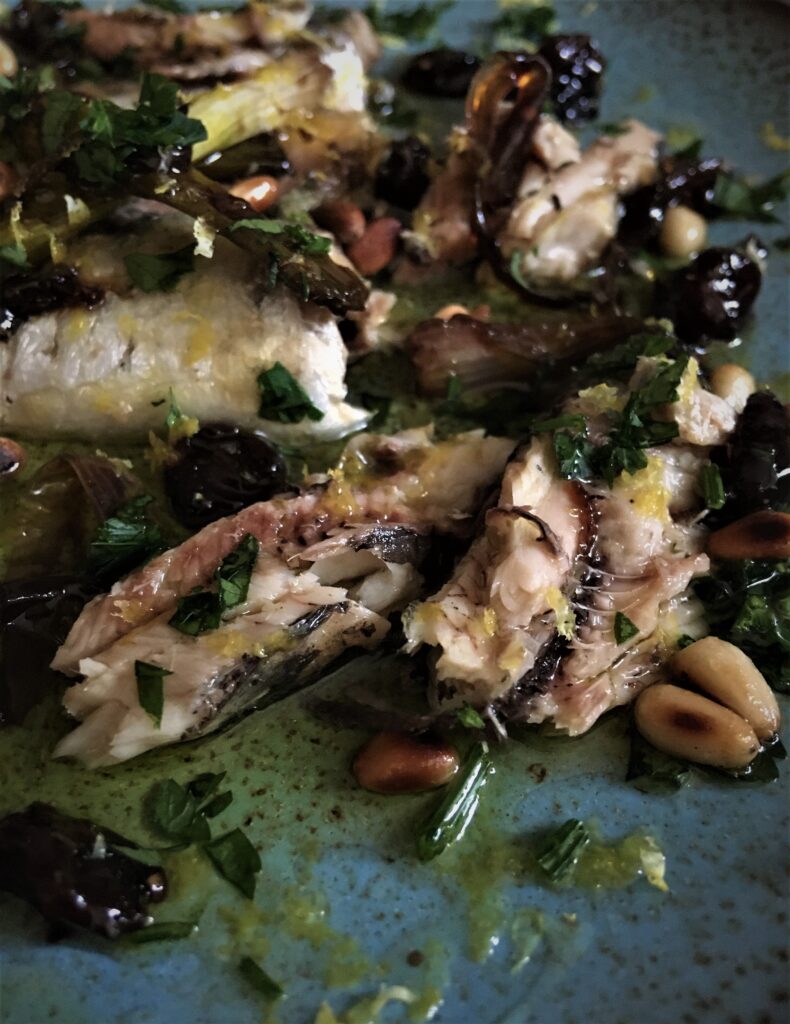
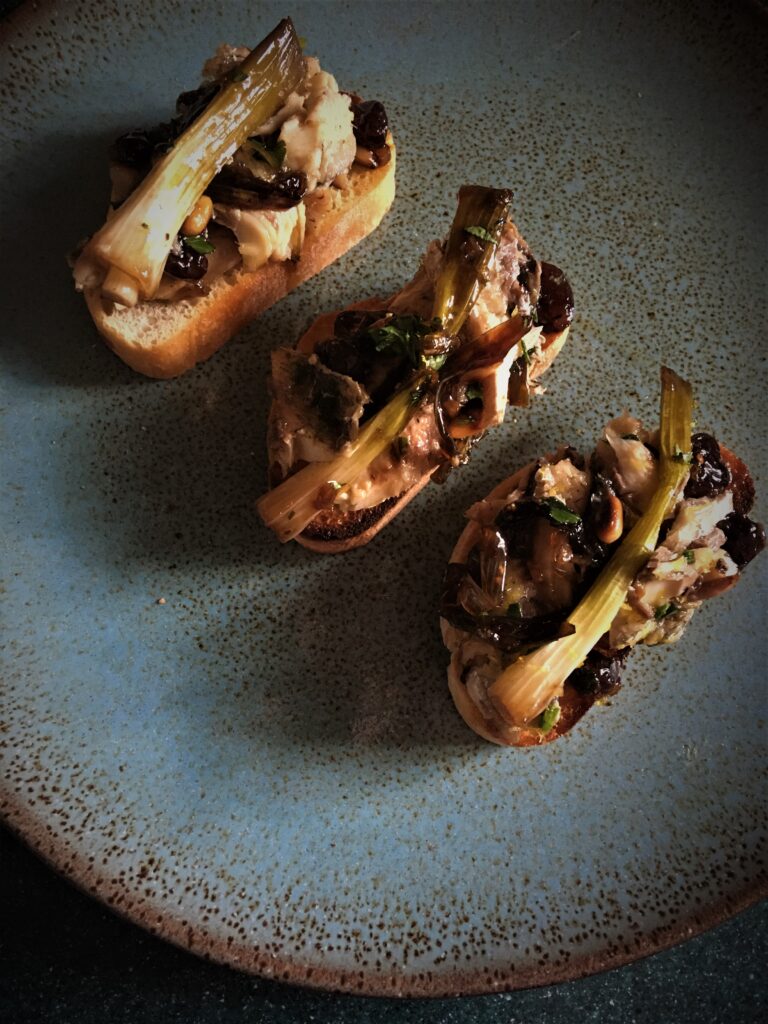
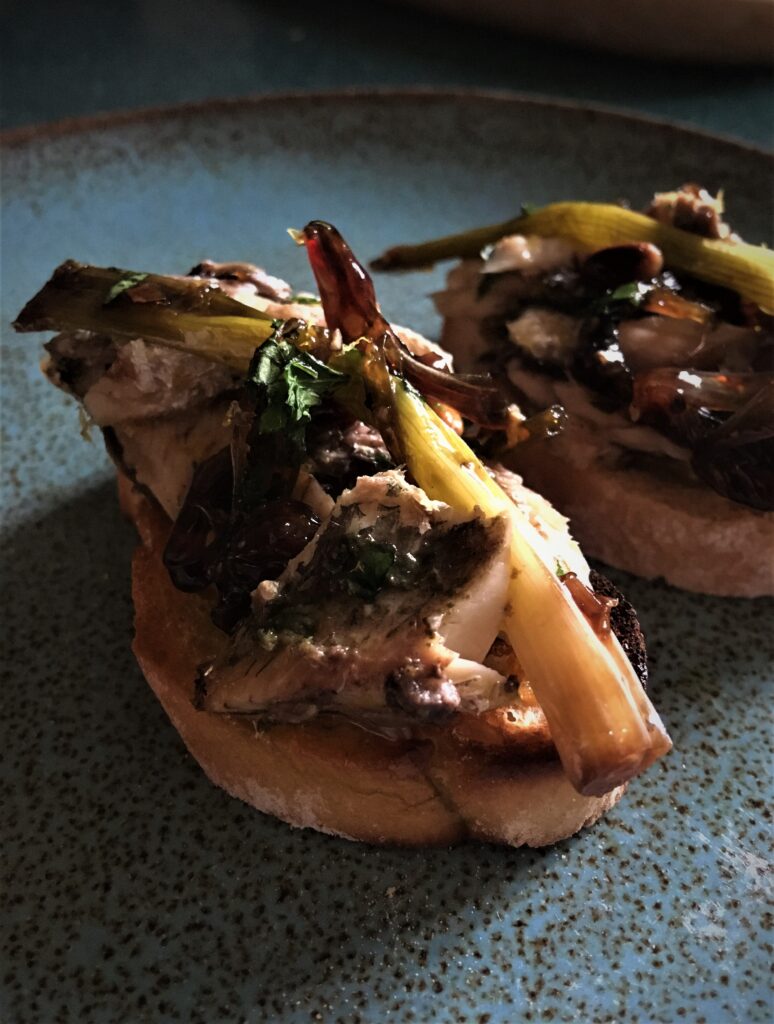
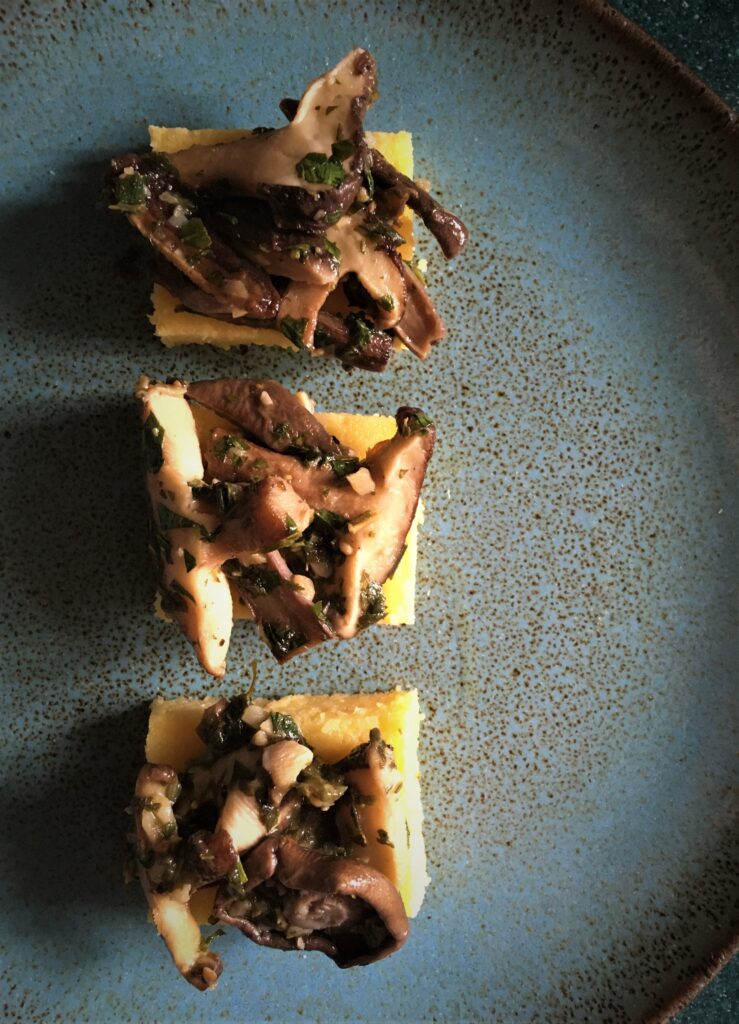
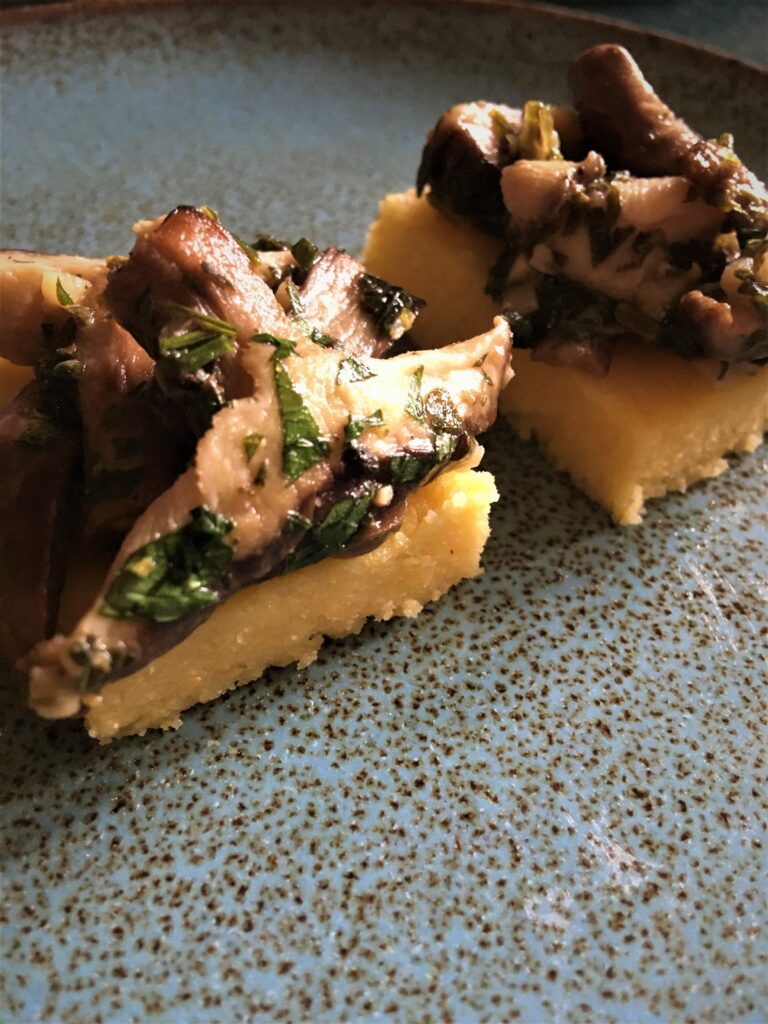
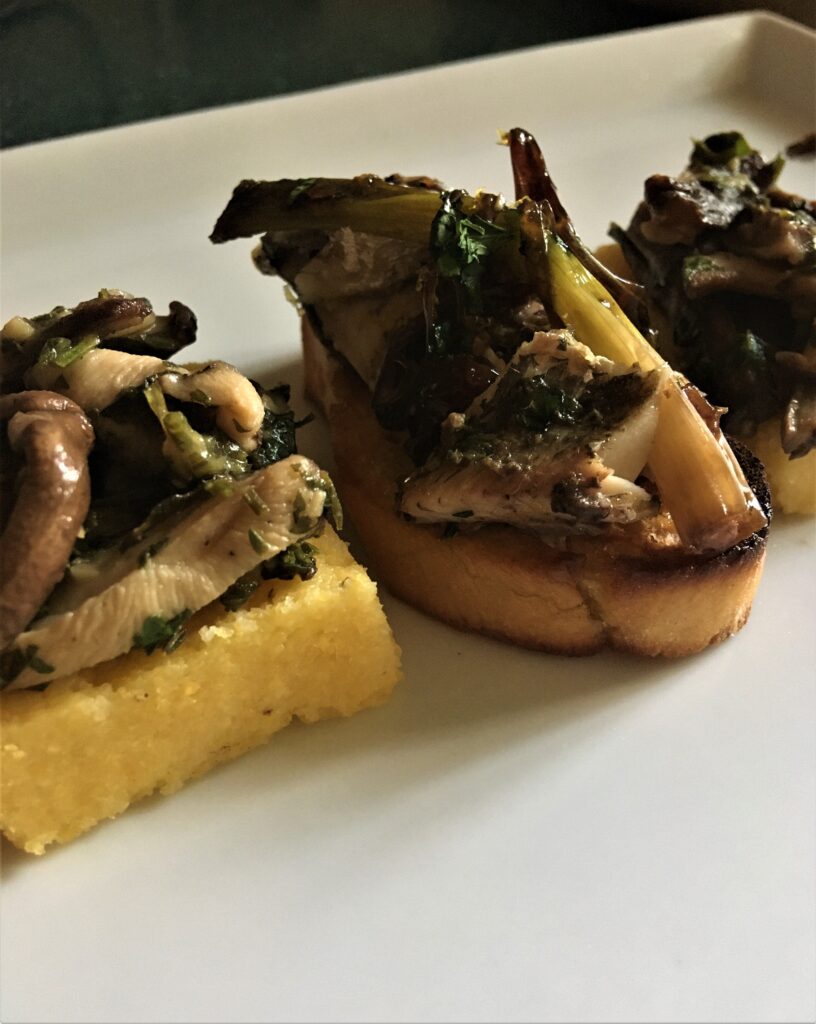
I was going to make the super-traditional, super-fishy, ubiquitous, baccala mantecato (creamed salt cod) but salt cod is a bit hard to come by in these parts and also cod isn’t super sustainable. Keeping it fishy, I opted instead for a little take on another of the more traditional dishes – sarde al saor. The ingredients of this dish also speak to Venice’s the medieval/trade/seafaring history and is a mix of sweet, sour and salt (it’s similar to the dish in Sardinia post). As chicchetti is plural, and I like abundance, I made a second, “veggie” option of porcini on polenta. There are so many chicchetti to choose from some simple, some complicated, some traditional, some modern spins. A good place (apart from with these two!) if you want to get your Venetian nibbles on is with Russell Norman’s book, Polpo (after his eponymous London restaurants) or indeed the Caldesi’s Venice: Recipes Lost and Found.
Whatever you decide to make, make sure you put Aperol on the shopping list and get ready to savour some sapori…