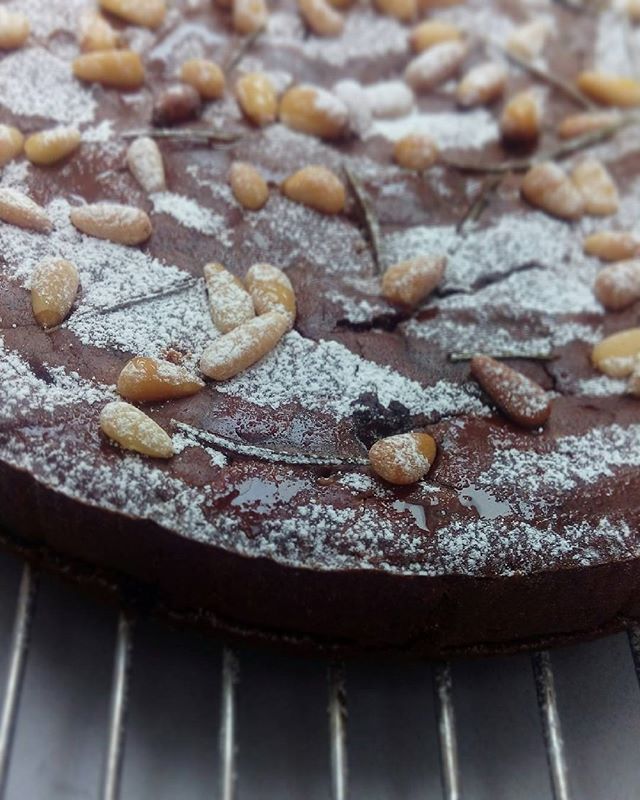

Or, more precisely, castagnaccio in Genoa
Genoa… surely Genoa cake then…? ? (which, incidentally, was one of my favourite teatime treats when I used to hang out with my grandparents as a kid). No, not a homage to Mr Kipling this week (who, I’m pretty sure doesn’t have any Italian heritage), a homage to… the chestnut.
Prior to travelling in Italy, my encounters with this guy had been essentially Christmas based: chestnuts roasting on an open fire either crooned so adorably by Tony Bennett, or, indeed, in actuality with their aroma wafting enticingly around the streets while you do your Christmas shopping; puréed to provide a rich filling for a yule log; or, sugared-up with a bit of fancy French flair as a marron glacé – a box of which would always form part of the smorgasbord of festive treats piled on our sideboard come the season.
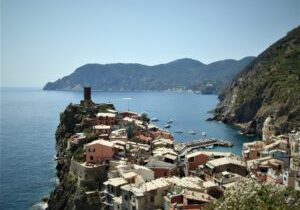
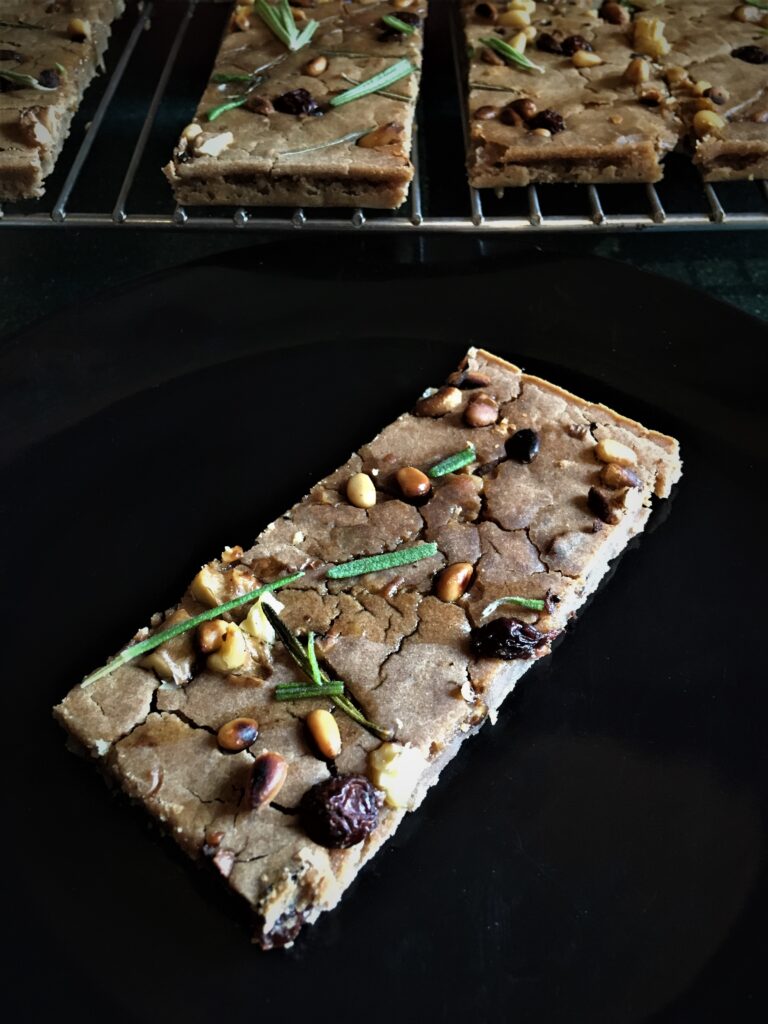
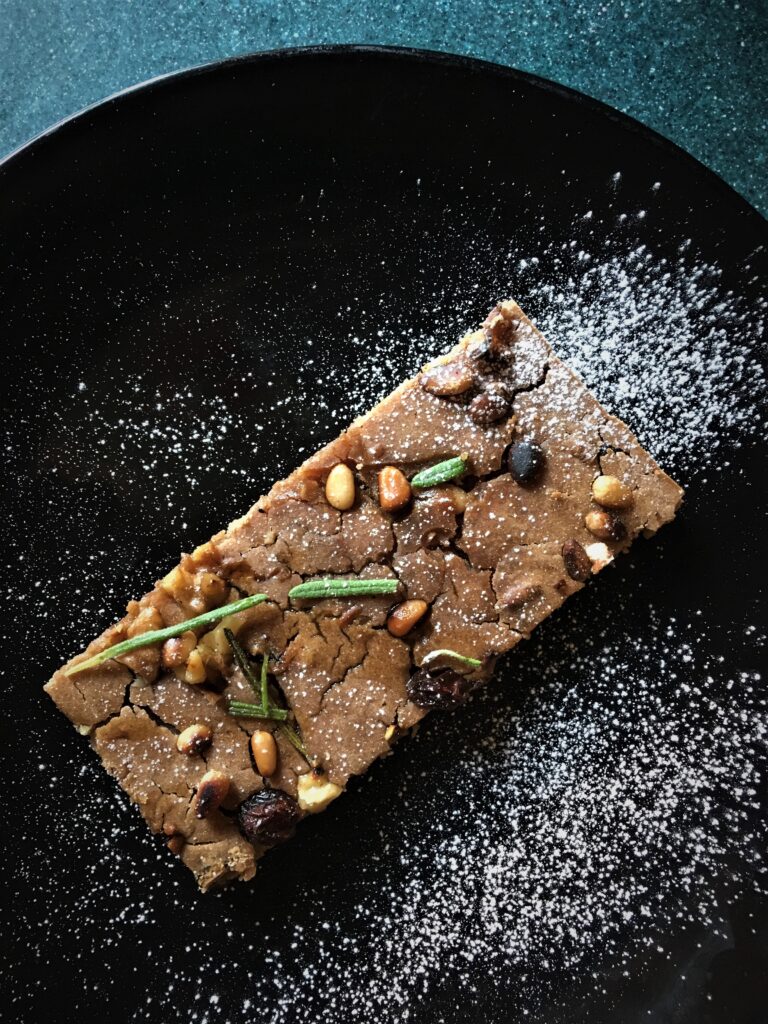
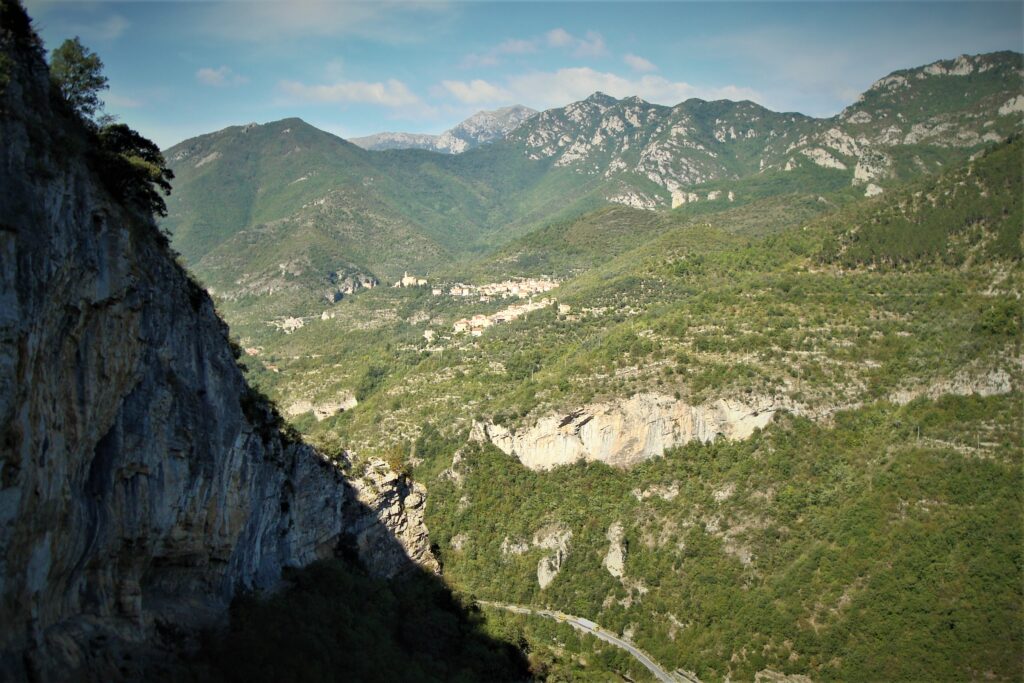
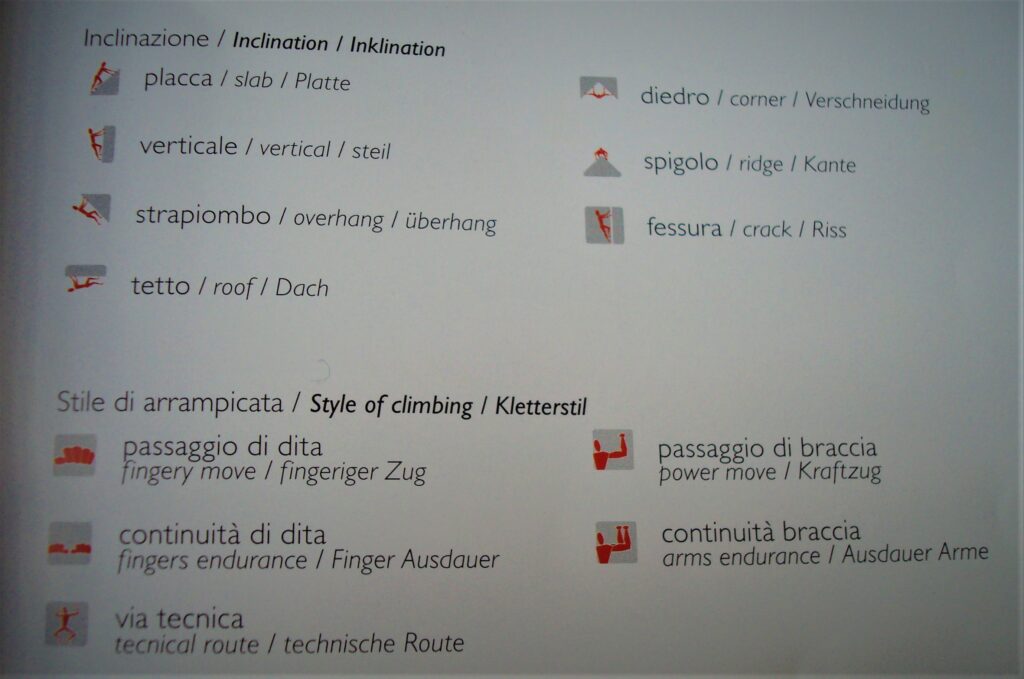
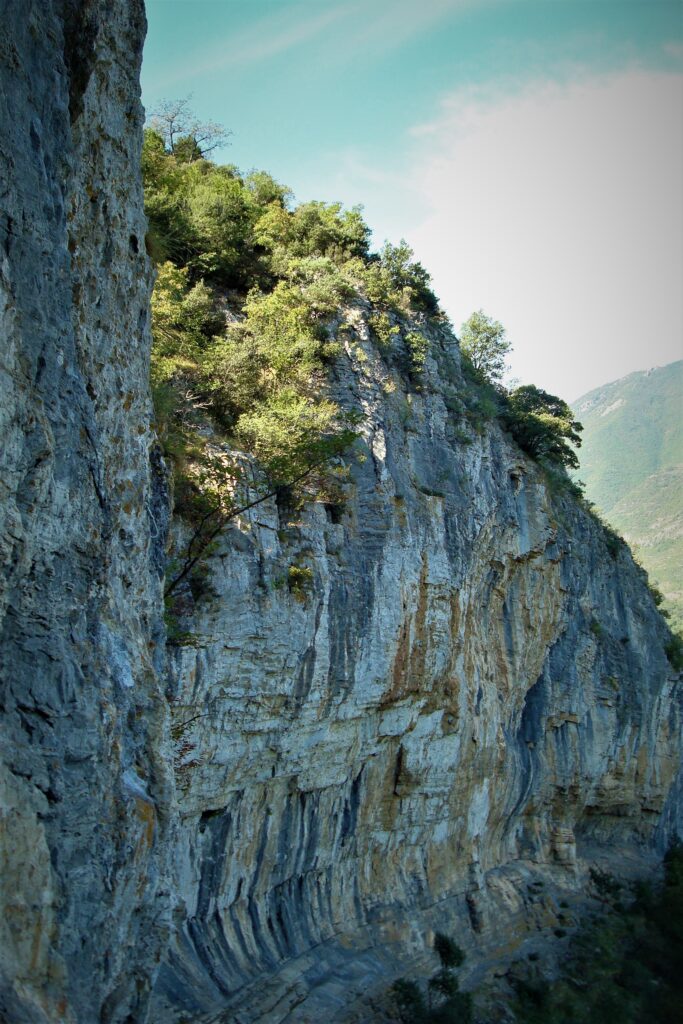
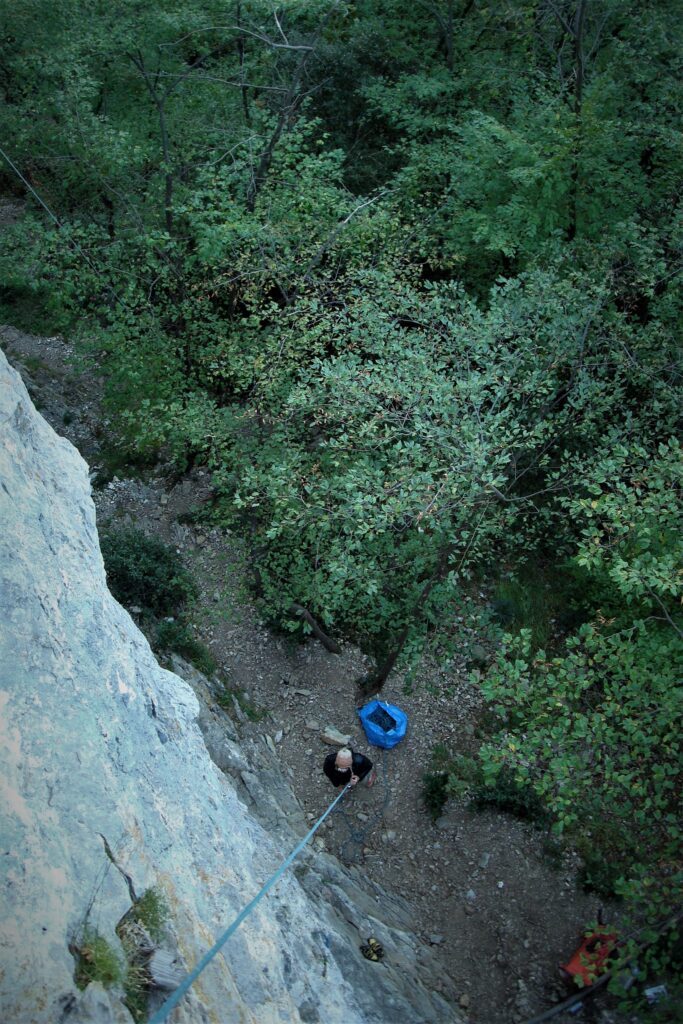
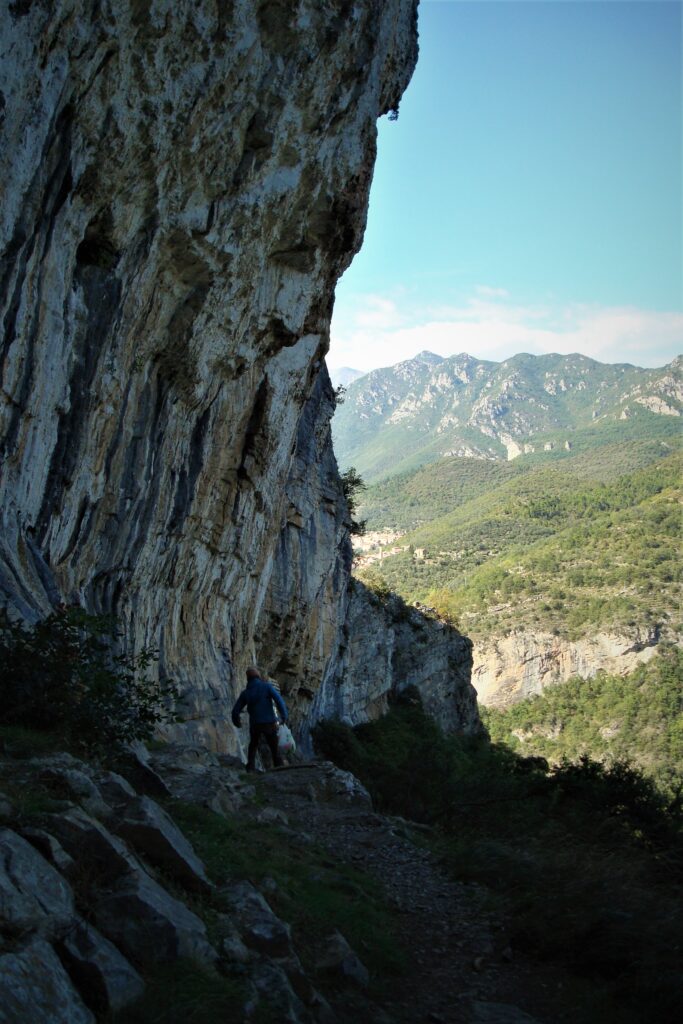
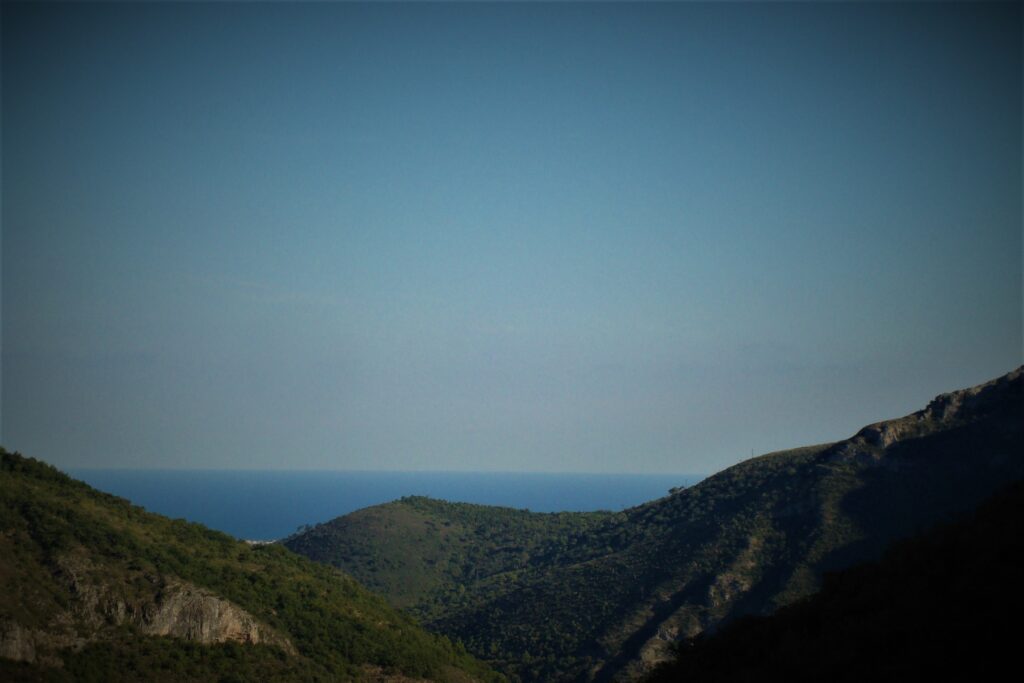
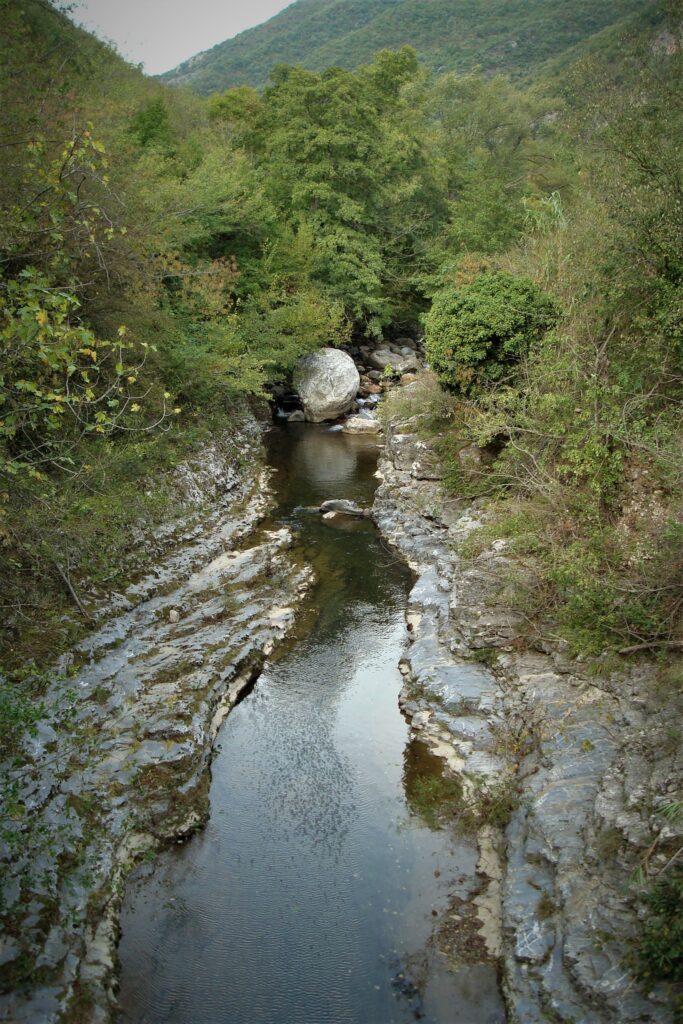
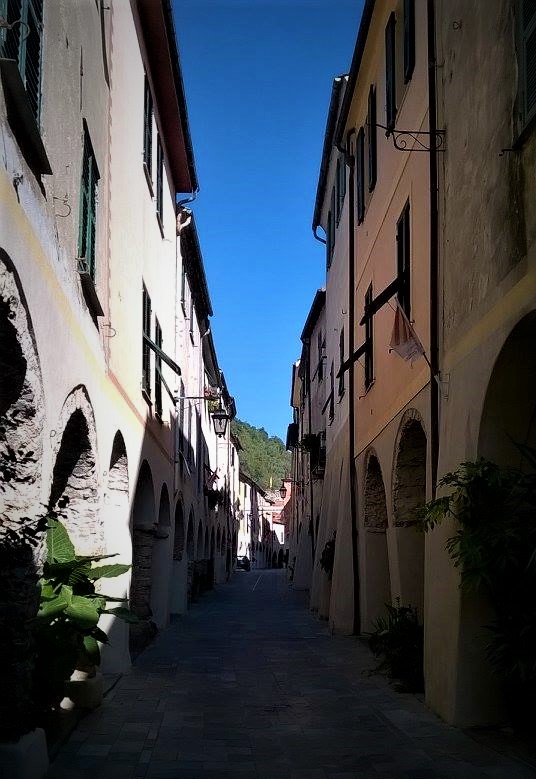
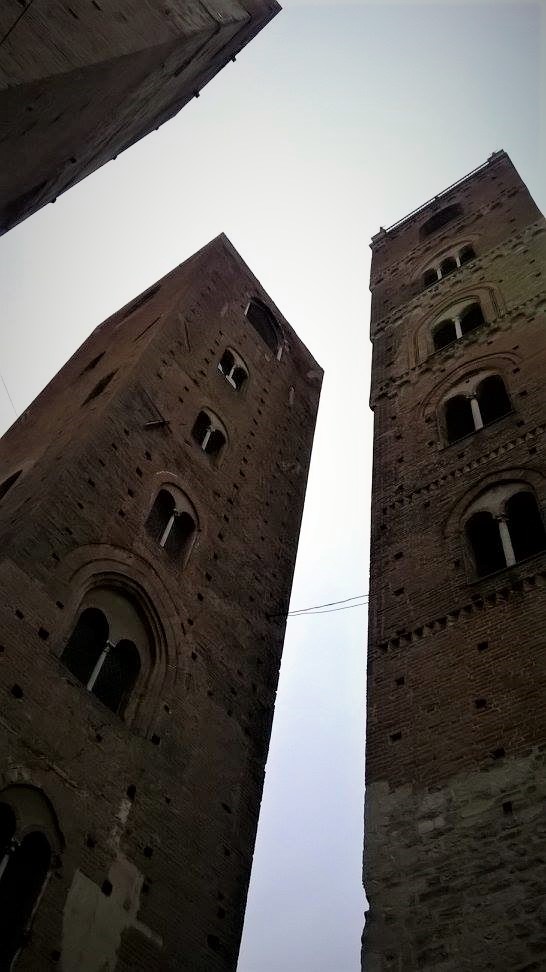
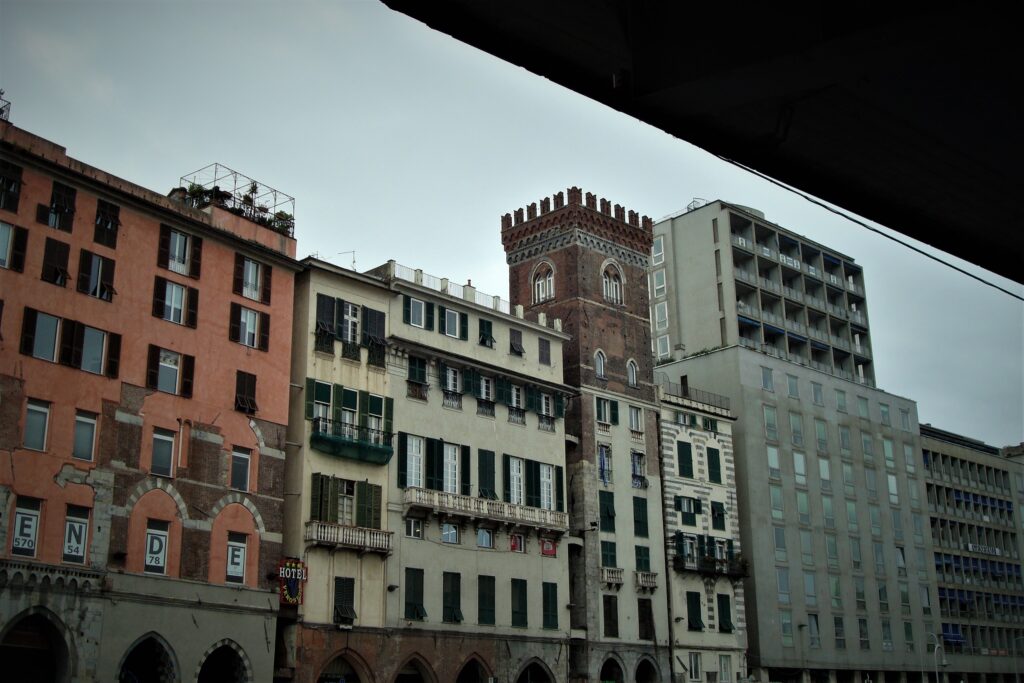
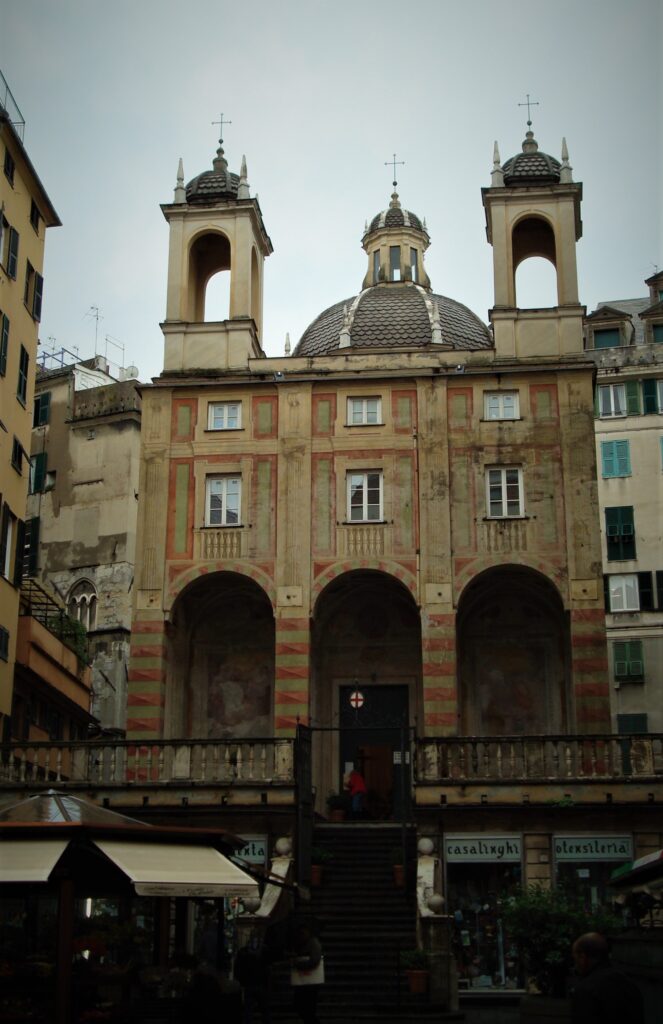
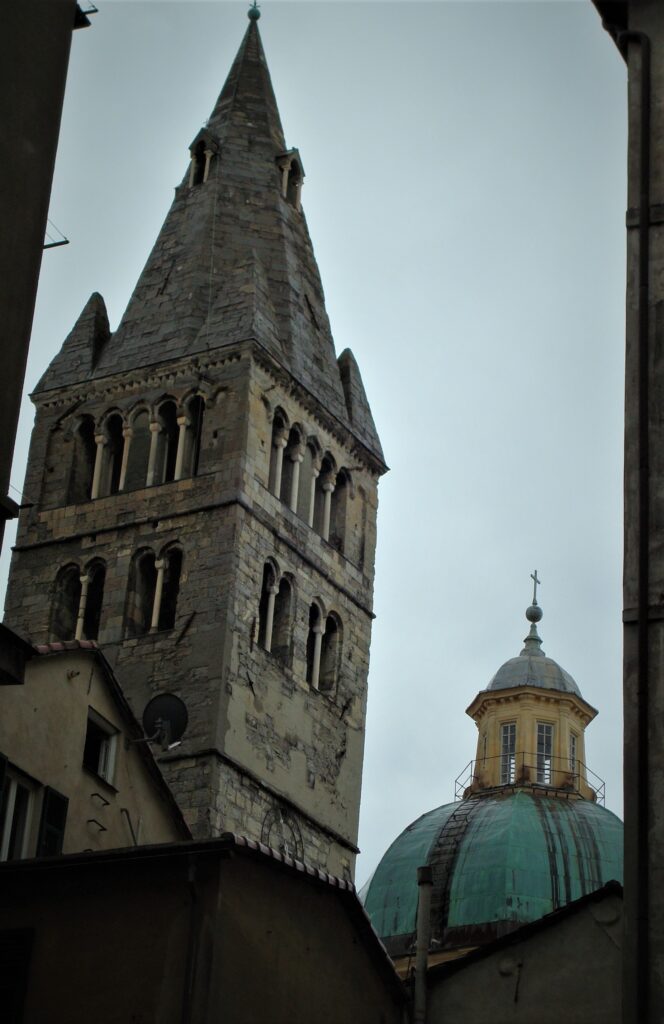
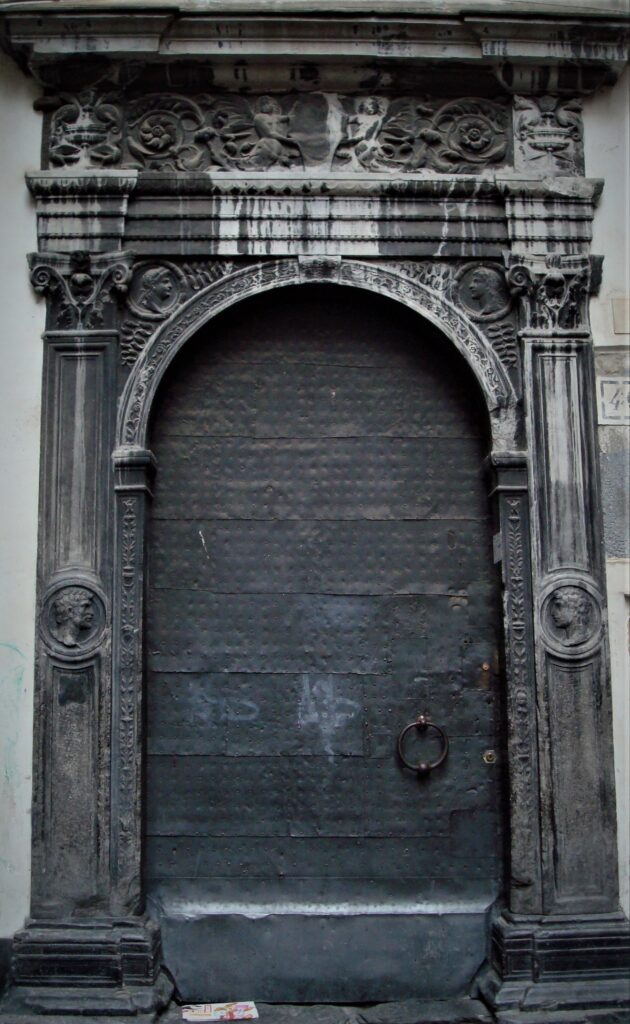
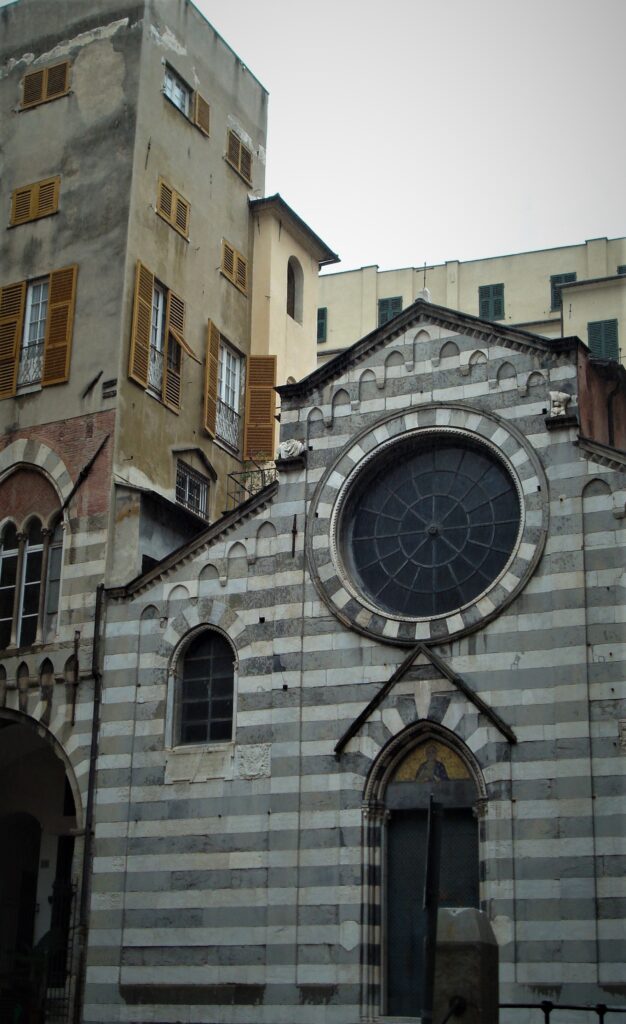
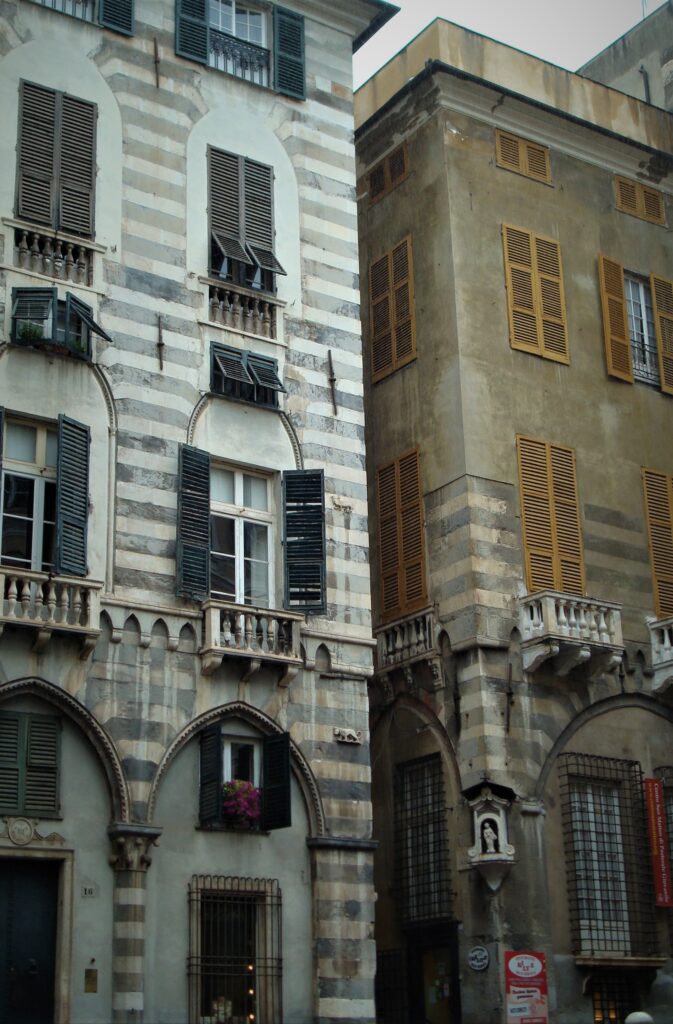
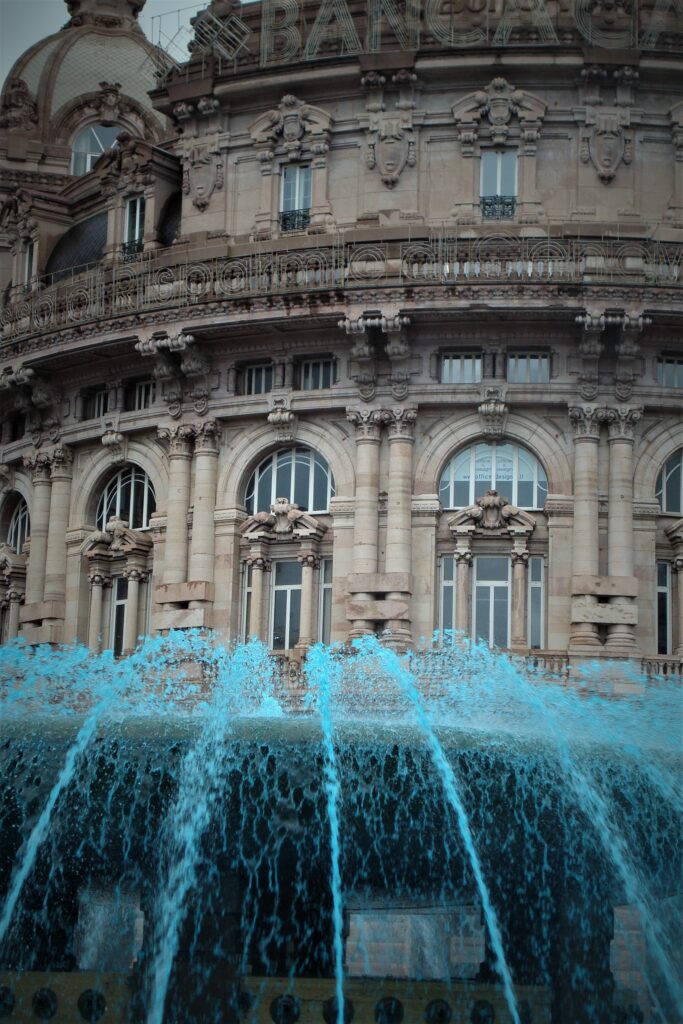
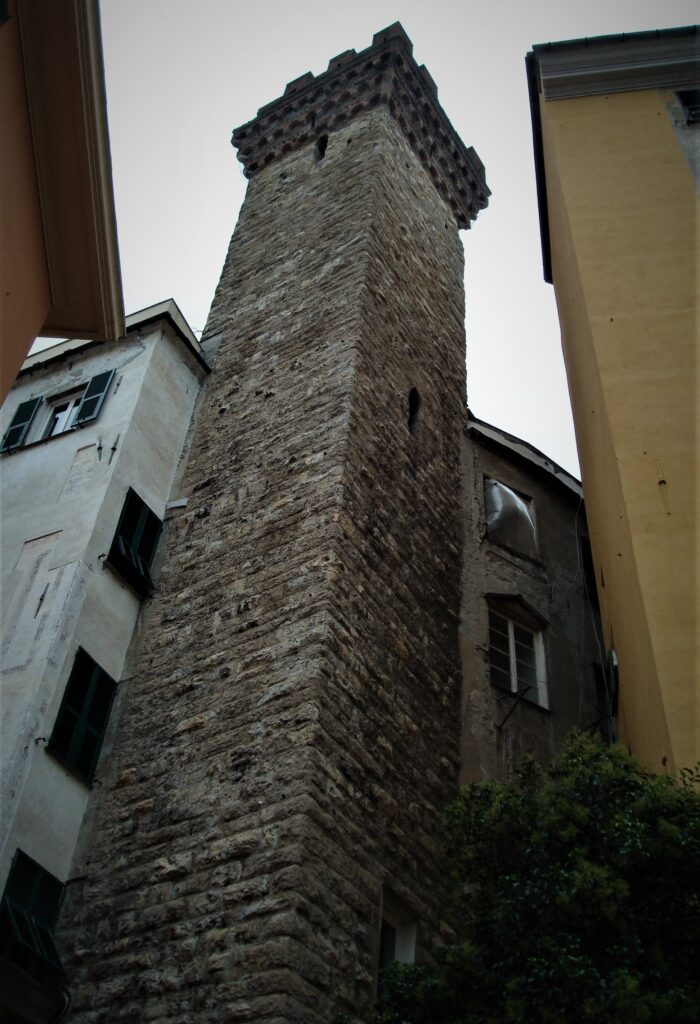
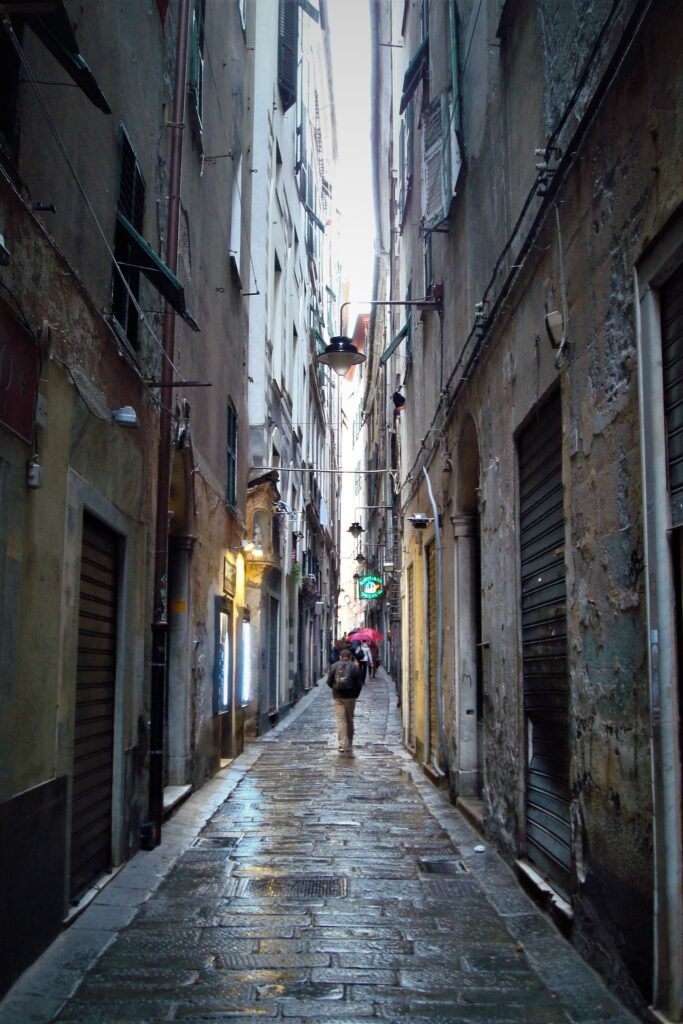
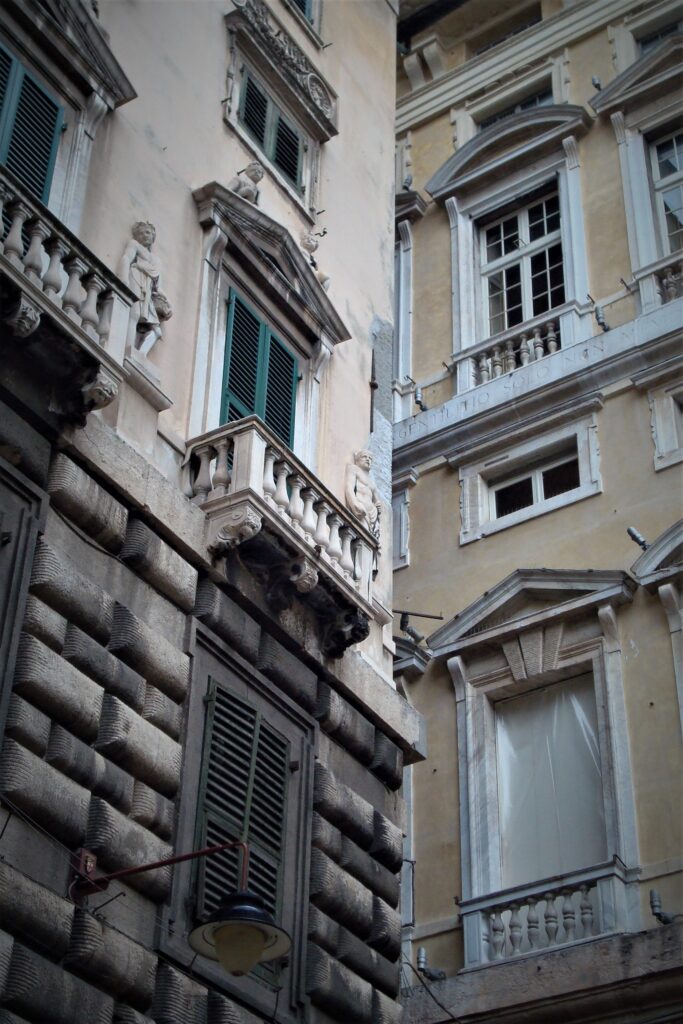
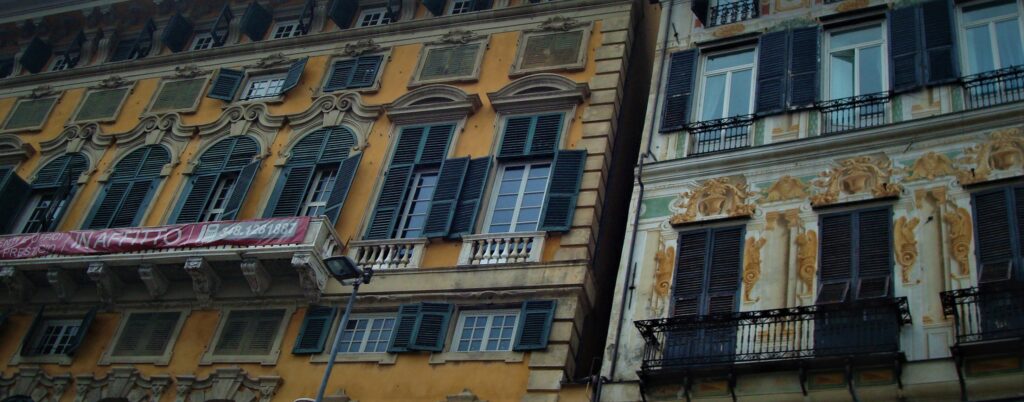
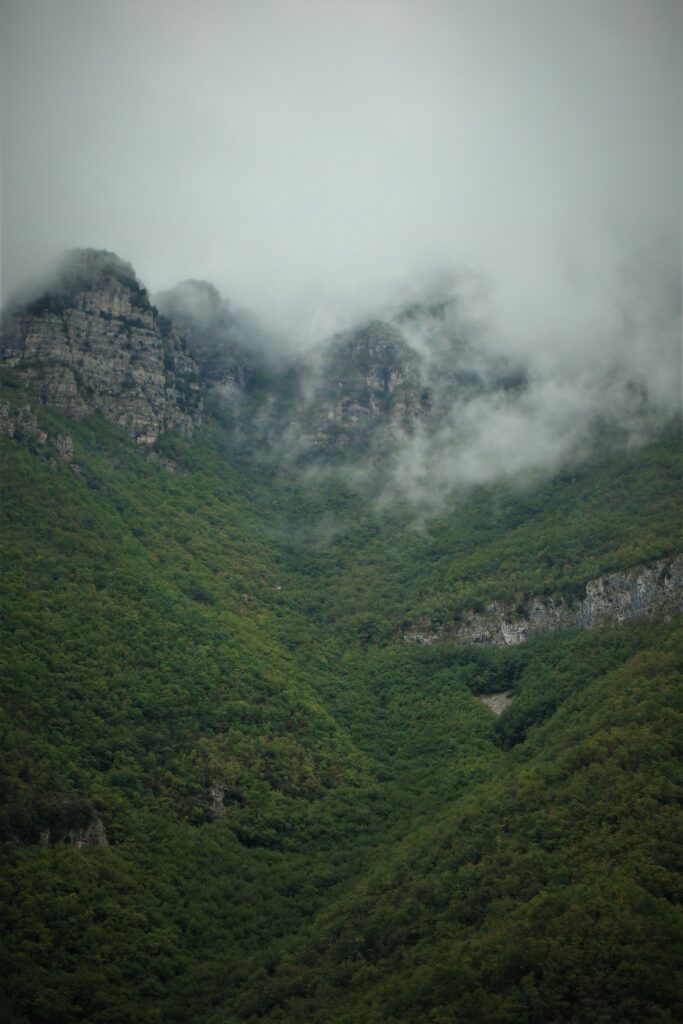
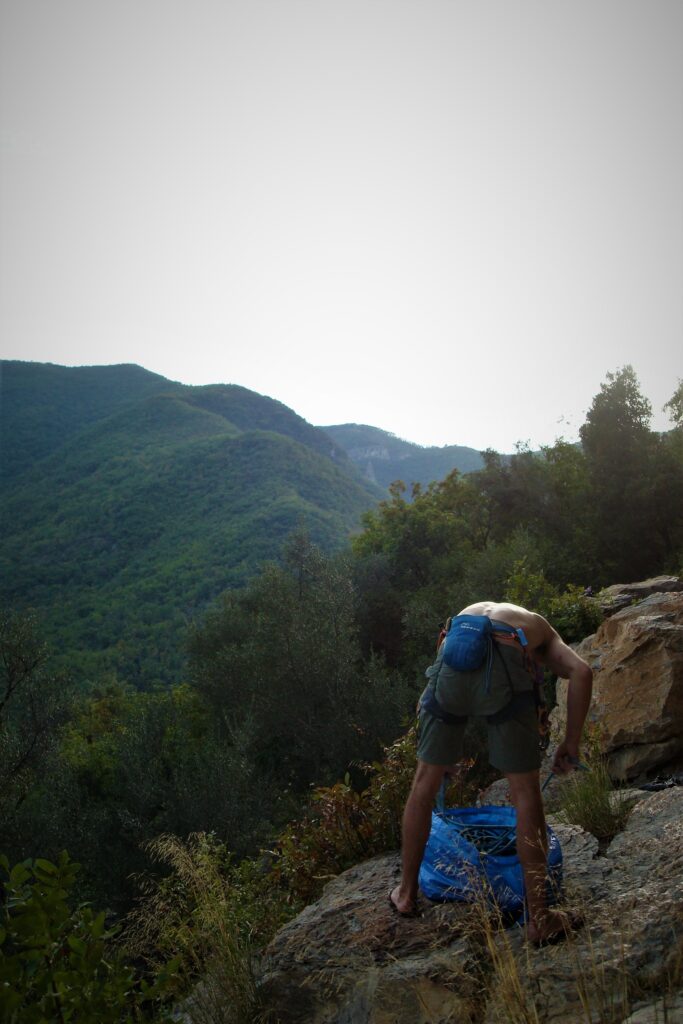
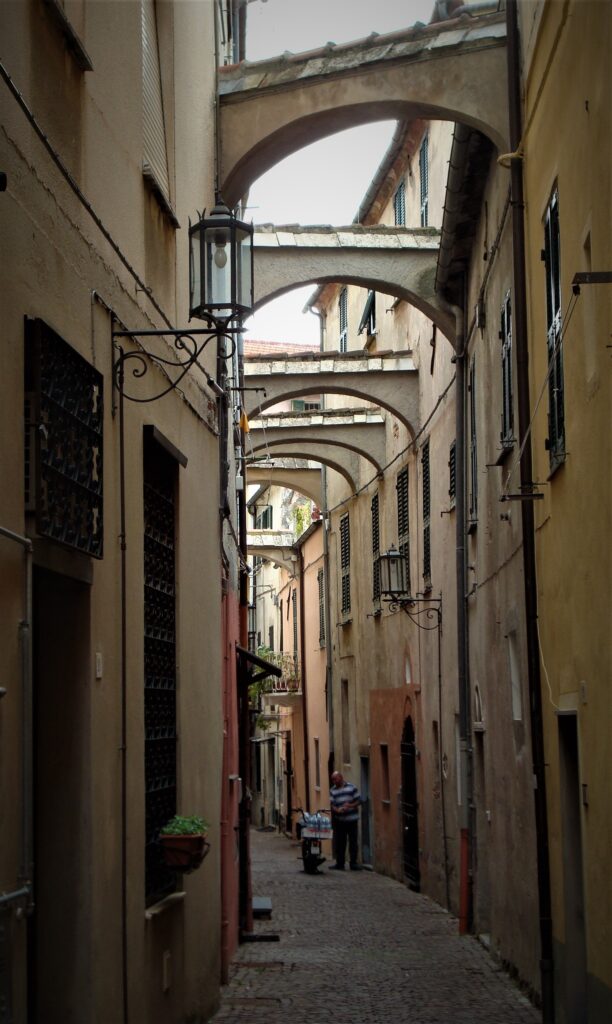
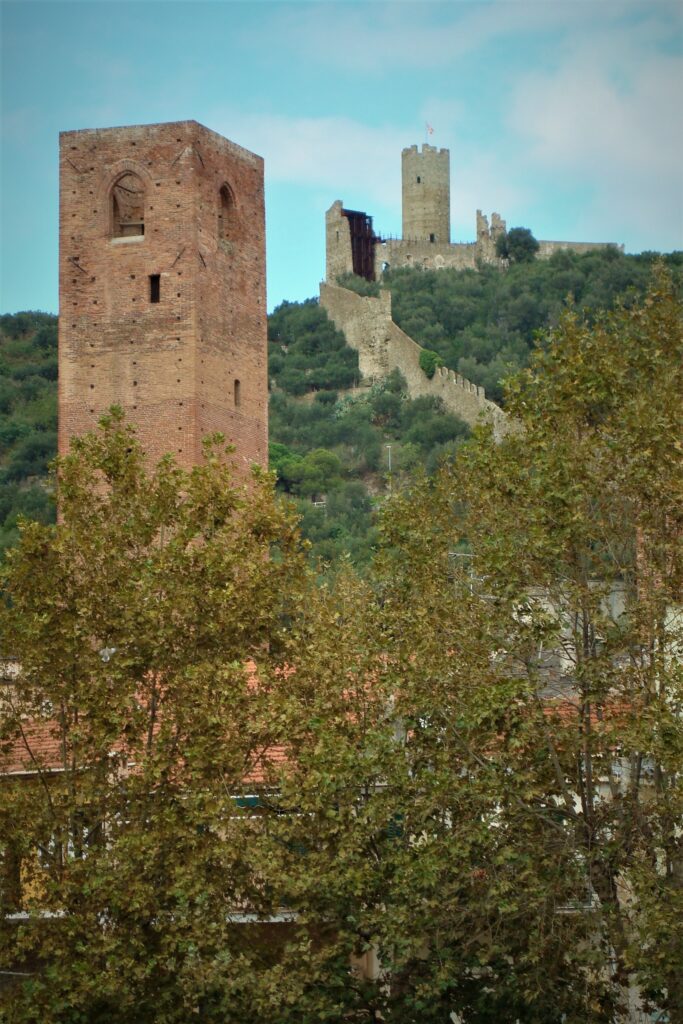
Then you go to Italy and discover that there exists such a thing as chestnut flour – which, to my curious mind, is like catnip. You can make bread with it, pasta with it, cakes with it, sauces, pancakes, muffins and… a curious sweet little treat called castagnaccio. Even the Italian for chestnut is awesome – il castagno. It makes it sound like a bit of a badass don but the castagno is actually really compliant as an ingredient, particularly when it comes to making castagnaccio which I first came across this during a rainy wander around Genoa. We were on a climbing trip to Oltre Finale and unfortunately, had more rainy days than dry ones i.e. more rest days than climbing days. A good excuse to explore this part of Italy though (although I never really need an excuse to do this). I’d been to Genoa before briefly on a separate trip to the Cinqueterre (more on that anon…). This time I was staying west of Genoa. Away from the limestone, there were lots of wet hikes to be had up in the hills, plenty of sites and sights to see and lots of tasty Ligurian food to sample. If you are rained-off from your climbing, I recommend Albenga, the maritime museum in Genoa (yup, I really do, it’s pretty awesome), and Alassio for a bit of old school riviera glamour.
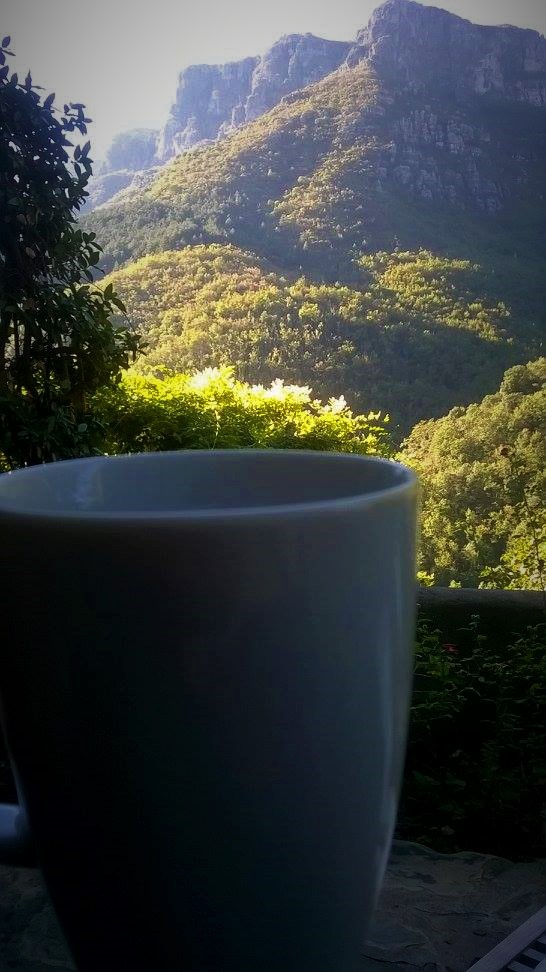
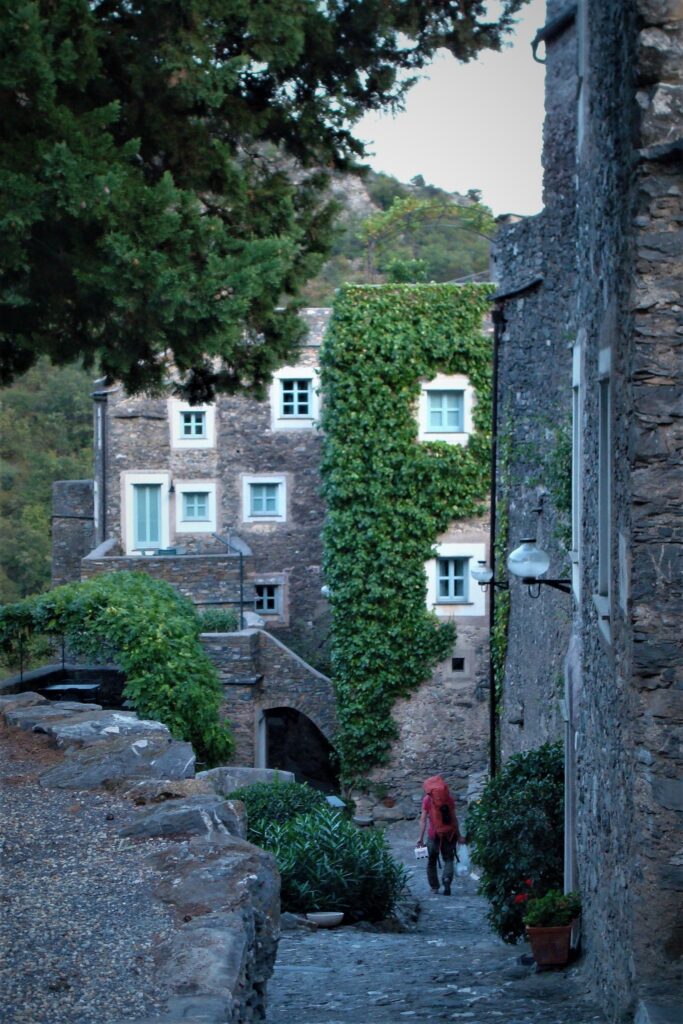
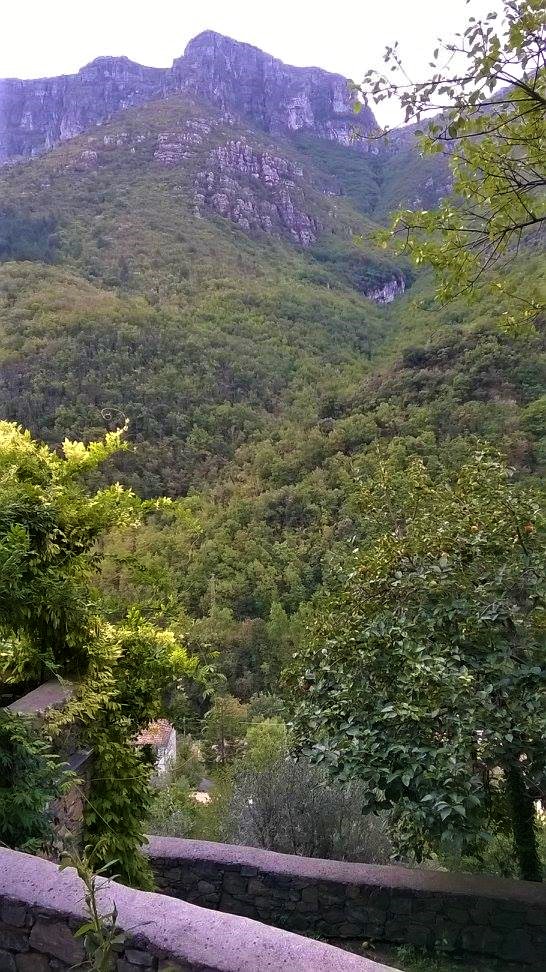
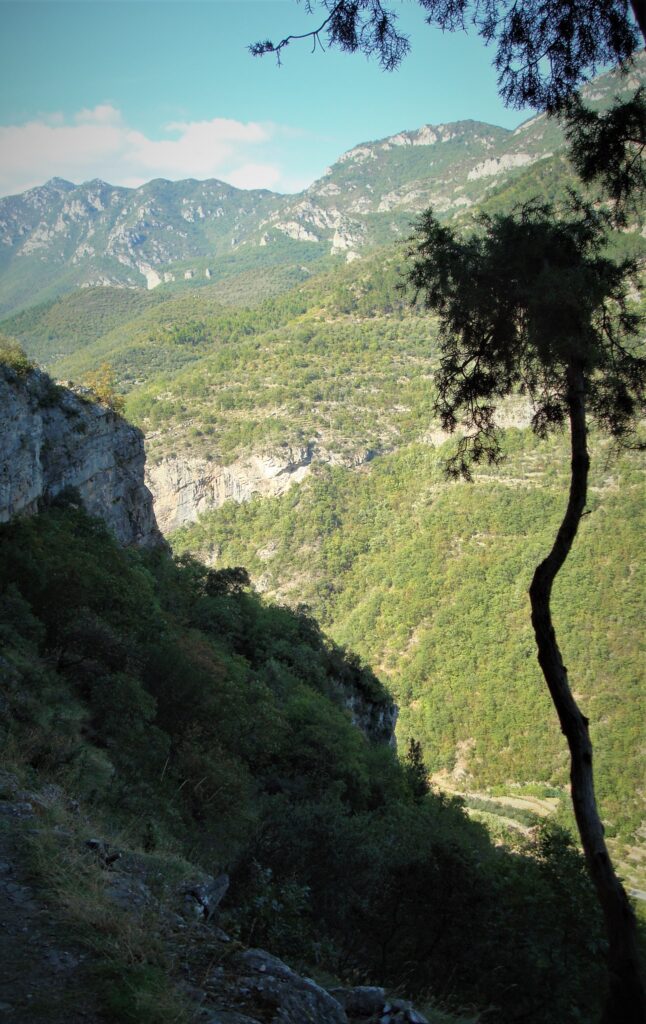
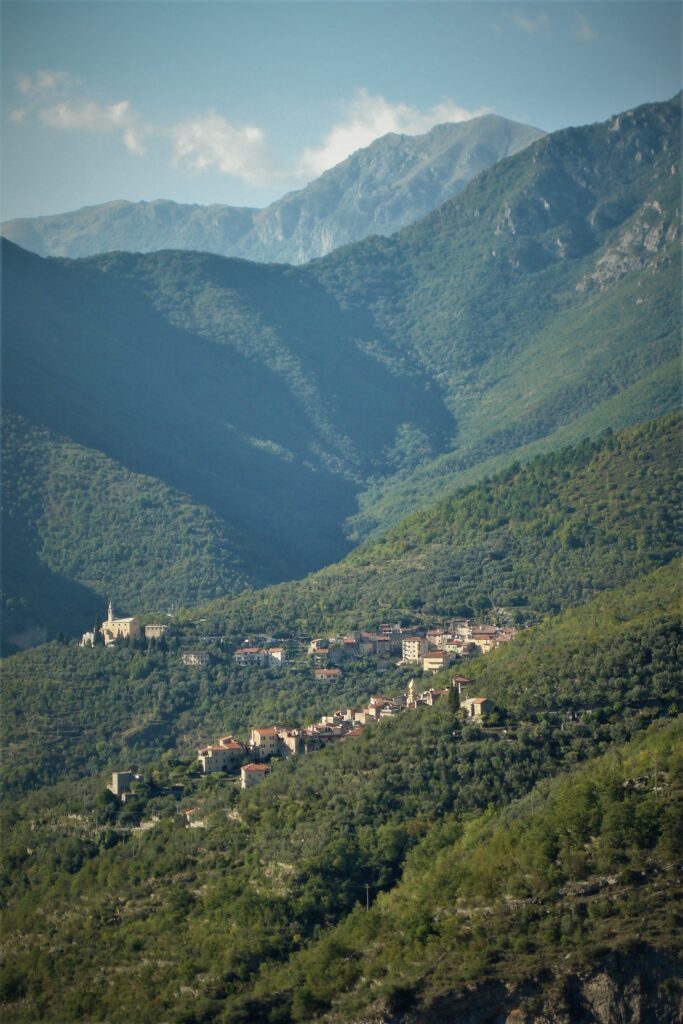
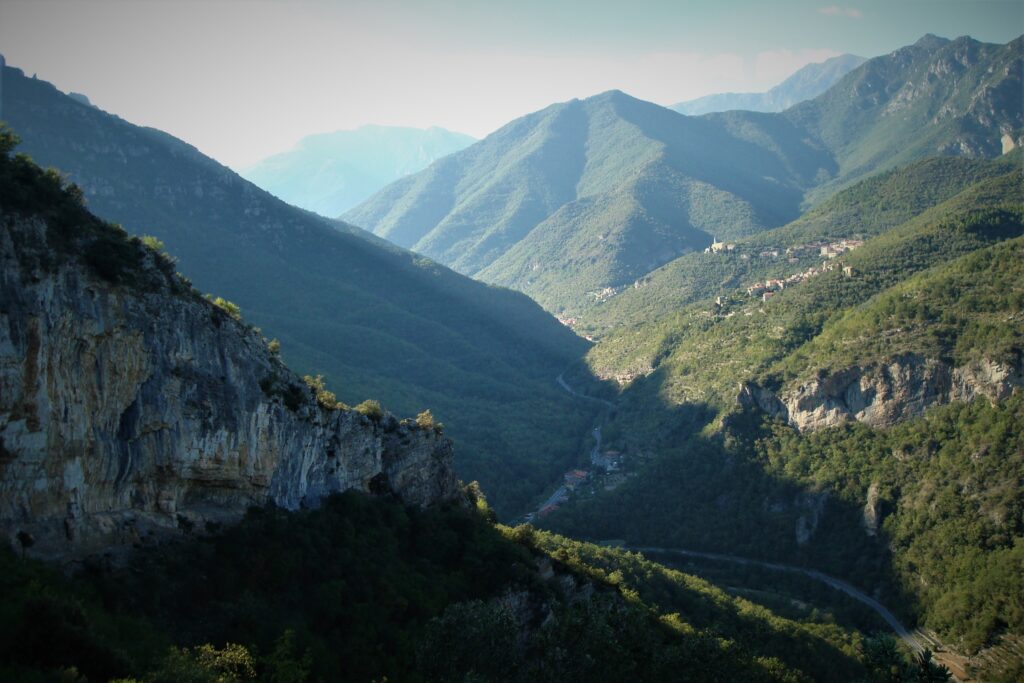
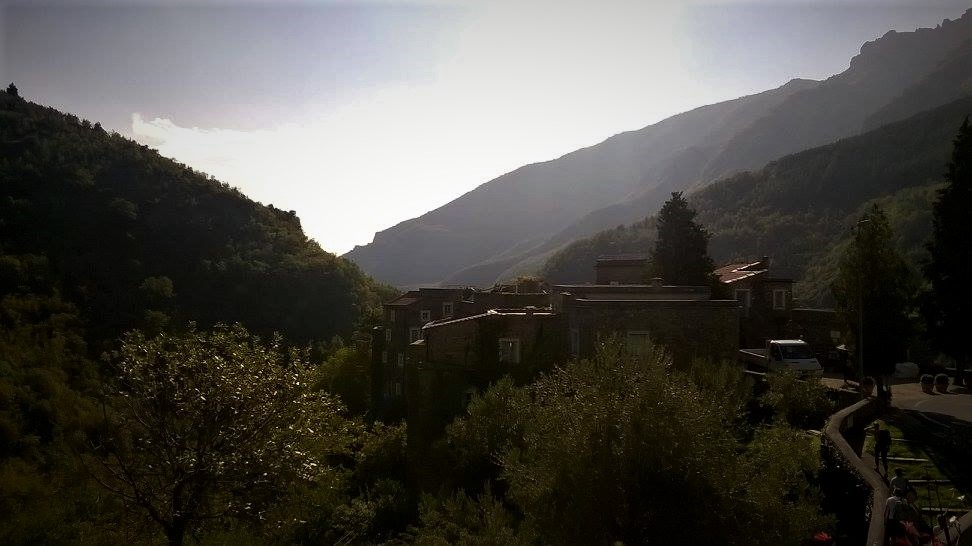
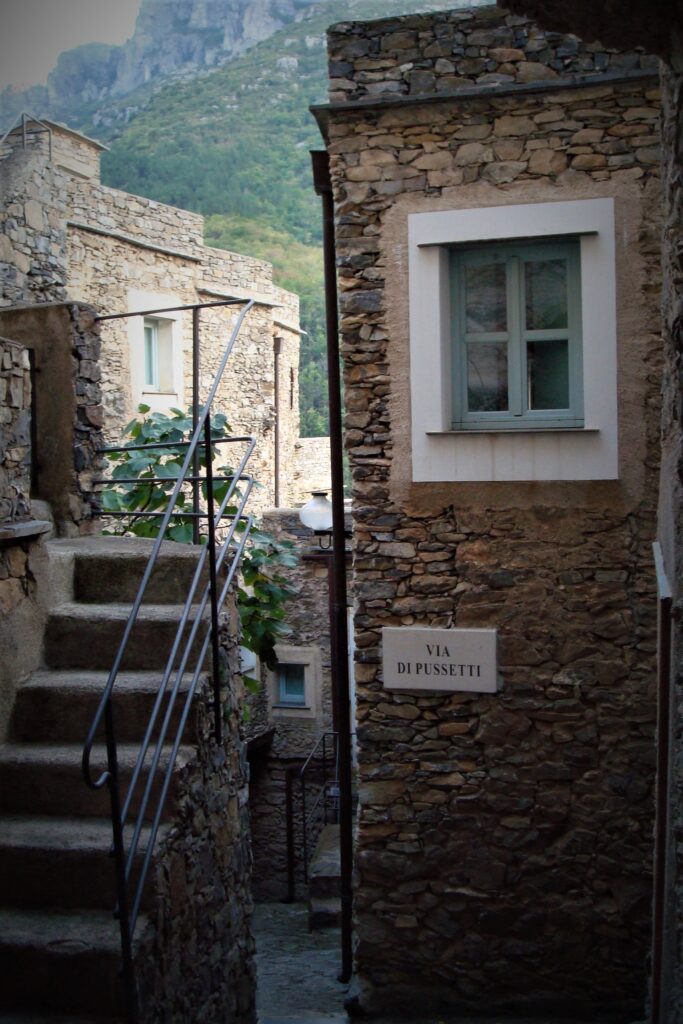
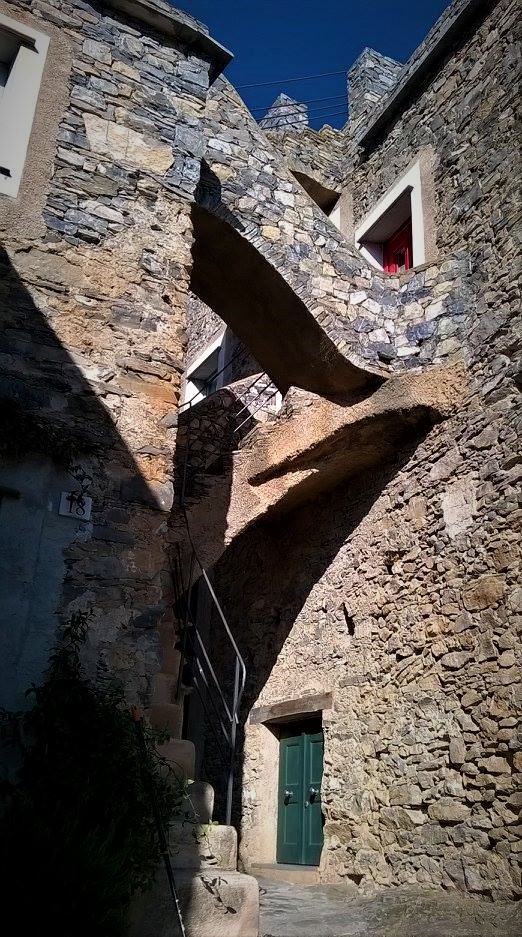
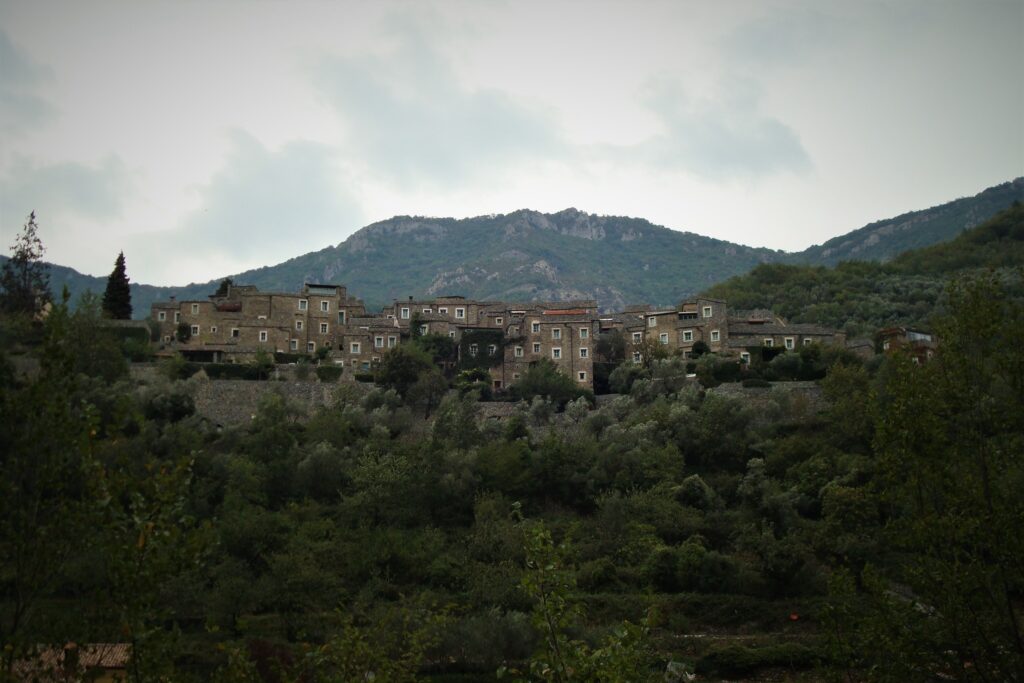
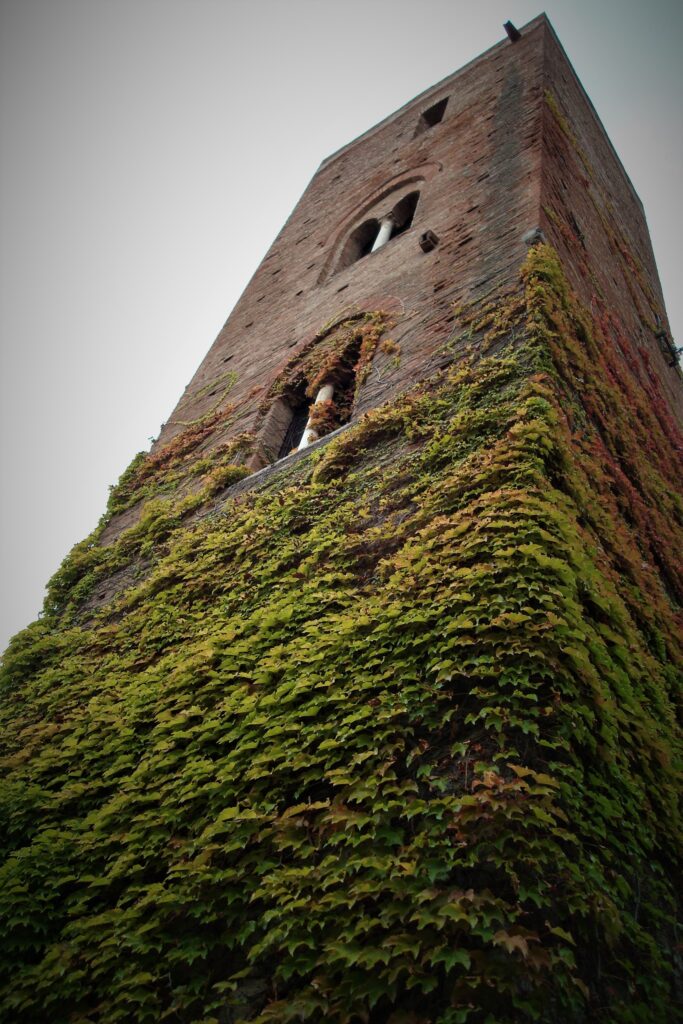
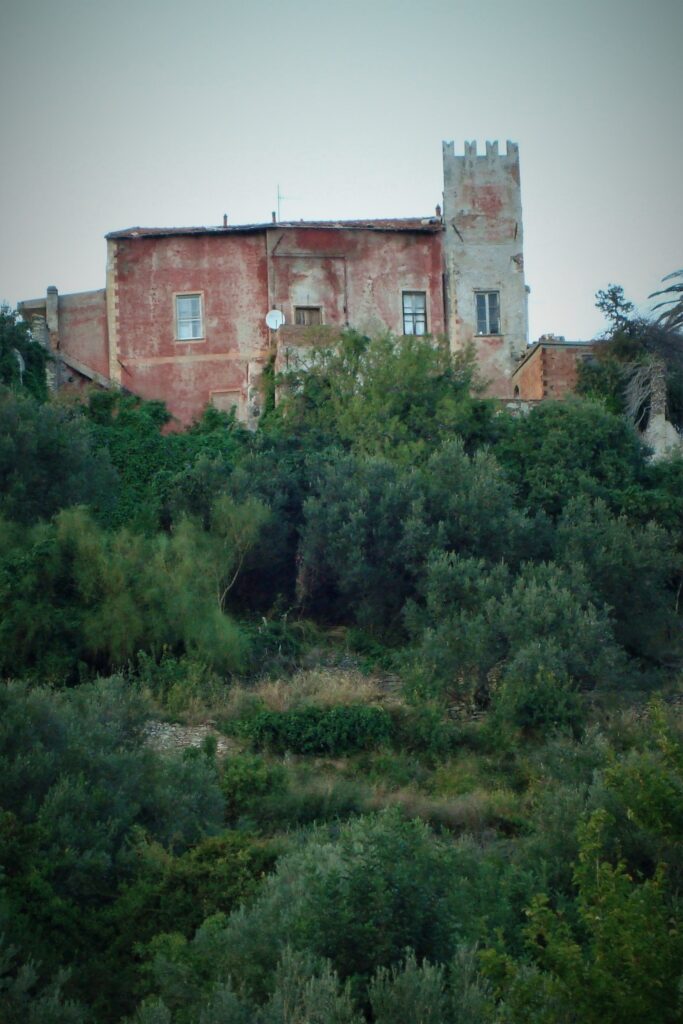
When we did climb we were high up in the trees which were just starting to put their autumn jackets on. This always makes for glorious views when the mellow October sun rolls around. That’s actually one of the nicest things about autumnal climbing – being outside to see the gradual shift in colours across the trees that hug the hillsides (that and the fact it’s still pretty warm). Our digs were in a beautiful “rescued” old village right up in the midst of all this where the little houses all interconnected like a real life Escher painting offered rather glorious views of endless swathes of chestnut trees (among others).
There’s always so much to discover in Italy but one of the things that never fails to make an impression is the Italian devotion to food. It’s essentially a religion and it it’s fair to say that the Italians approach it with a similar reverence and many ingredients get their own festivals – rather like saints days. So you can imagine how excited I was to see roadside banners advertising Liguria’s chestnut festival. Sadly, it was for the week after we were in Italy but I’m happy to imagine it all the same although I was very sorry to miss it because I’m a huge fan of the chestnut.
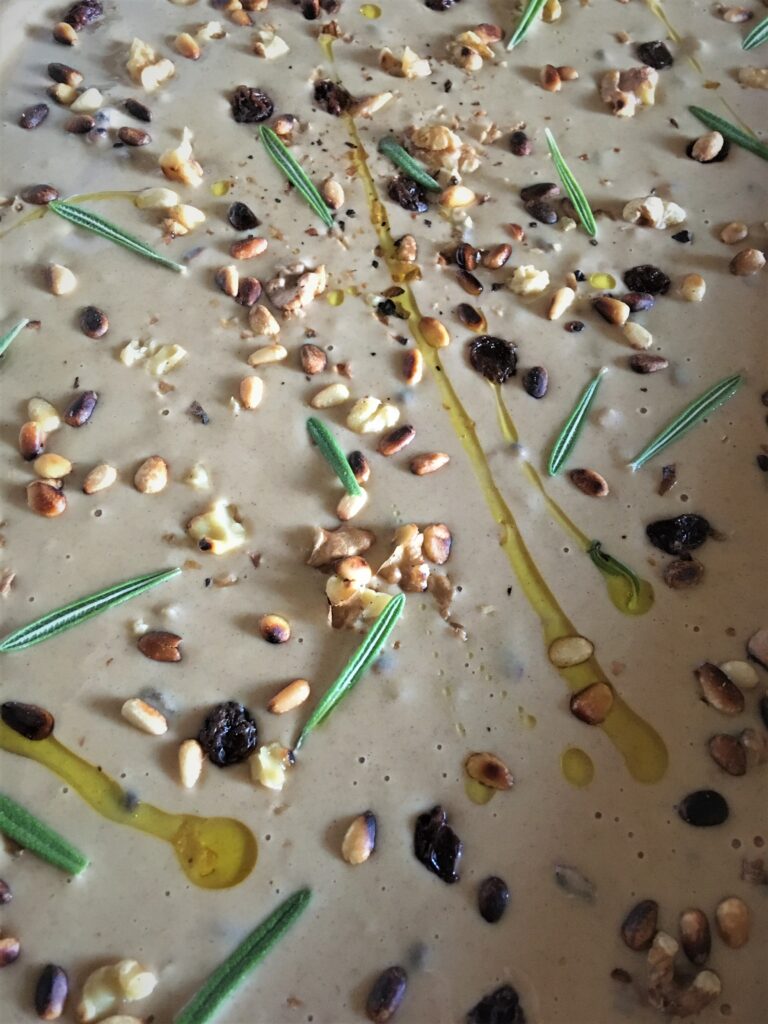
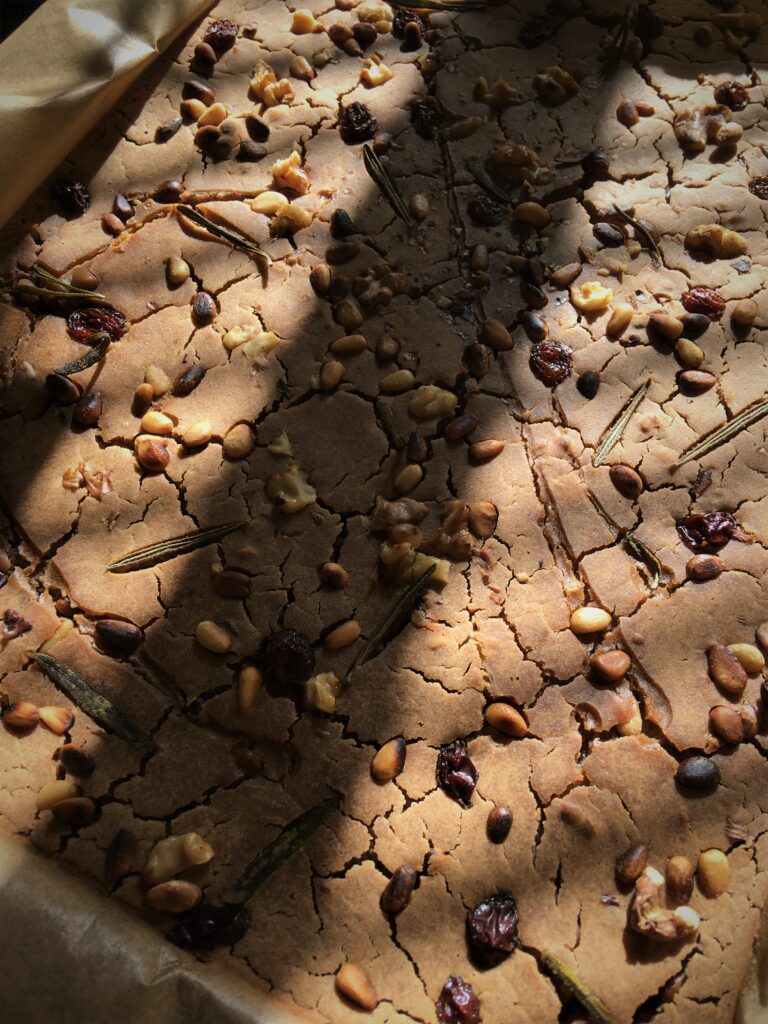
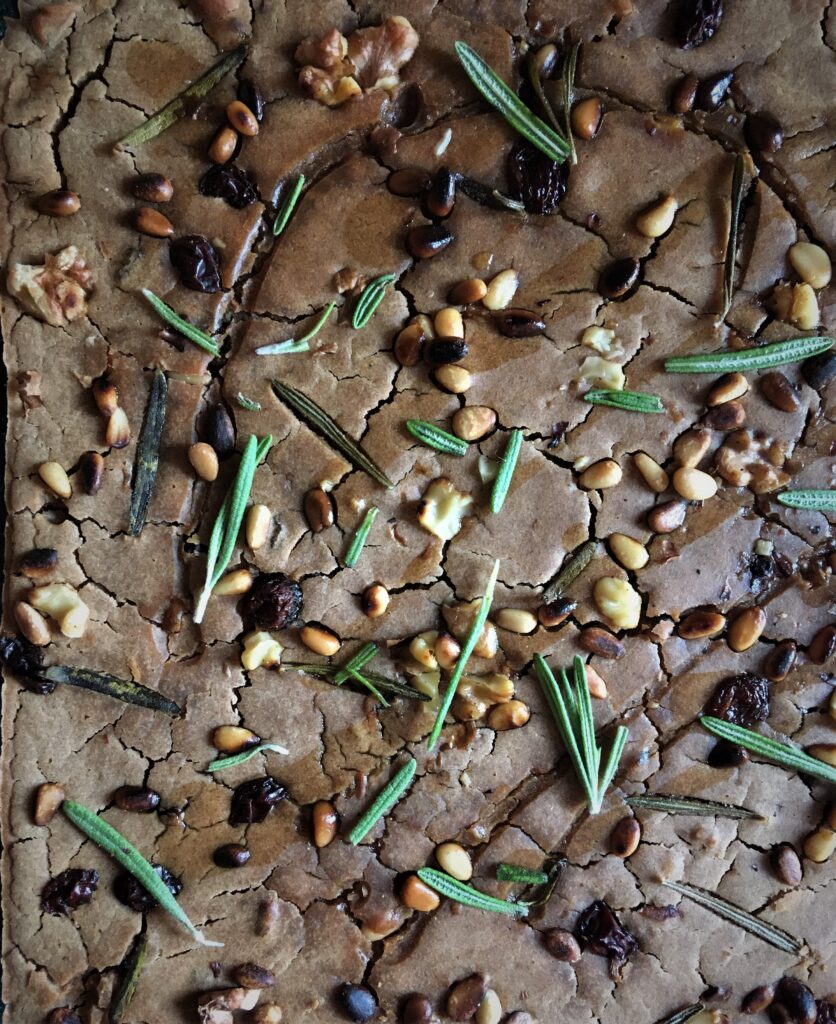
The tagline on the back of my packet of chestnut flour is, “a versatile nut”. Sure is. Sweet chestnut trees were native to Asia Minor (continues the flour packet) and were brought to Italy by the Ancient Greeks, then spread to other countries by the Romans (standard Roman technique of adopting something good and running everywhere with it). As mentioned, the British and the French are partial to the nuts but it’s the Italians who thought outside the box and decided to deploy the nuts in flour form. This is most likely through a necessity to survive the harsh mountain winters (and indeed would have come to the fore again during war time). One key thing to note about cooking with chestnut flour is that it doesn’t have a lot of oomph. It rises to the occasion in terms of flavour but that’s about all the rising it does so, if you are baking with it (breads, pancakes, muffins etc) you need a raising agent. Castagnaccio, on the other hand, is unashamedly flat or rather, unleavened. That’s it’s jam. It’s basically just chestnut flour, water and sugar (and even the latter is optional; the die-hard chestnut fans don’t tend to add it and, of course, sugar is a luxury). It does, however, come packed with other stalwart Italian delights such as rosemary and pine nuts.
Here are some further facts about this funky flat dessert:
- Whilst a variant of castagnaccio has very ancient origins, it became well-known in Italy during 16thC as a poor peasant’s dish. It was known as “wooden bread” or “bread of the poor” because of it’s scant ingredients. Lacking the jazzy addition of nuts and raisins, it was literally just chestnut flour and water. Chestnuts were very easy to come by and provided nourishing goodness very cheaply. The fruit and nuts were added in 19thC.
- Variations of the dish can be found throughout northern Italy where chestnut trees are abundant as a cooking ingredient and it goes by different names: pattona, baldino, toppone, ghirighio.
- Finally, the best fact: apparently, the rosemary leaves performed the function of a love philter and a boy who had eaten a slice of castagnaccio that was offered to him by a girl would fall in love and marry her… I’m happy to believe that.
Finally finally, a disclaimer: castagnaccio is also actually is sort of Tuscan BUT Genoa is where I had it first. This and a coffee were the perfect accompaniment to a little wander around the city. It certainly took the edge off the rain and made it much less annoying that we were walking about getting soaked instead of clinging to some limestone in the sunshine; but, the rock isn’t going anywhere. There’s always plenty to satisfy you in Italy, rain or shine (and there’s always something lovely to pop into your mouth to bring a little food happiness to the greyist of days).