








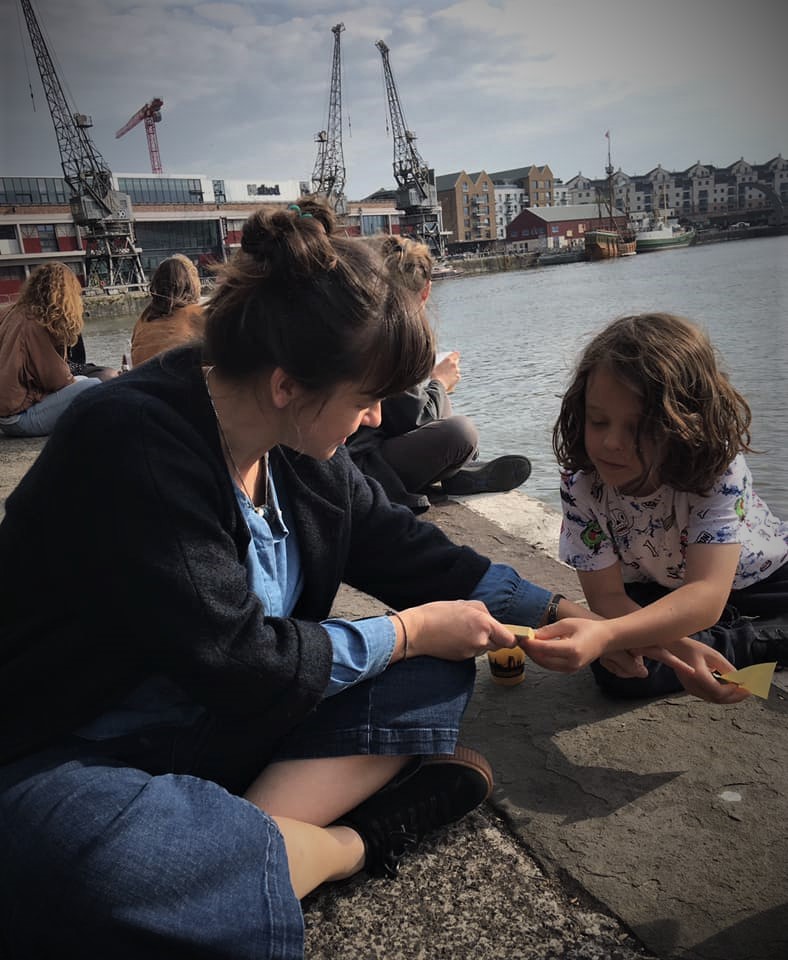
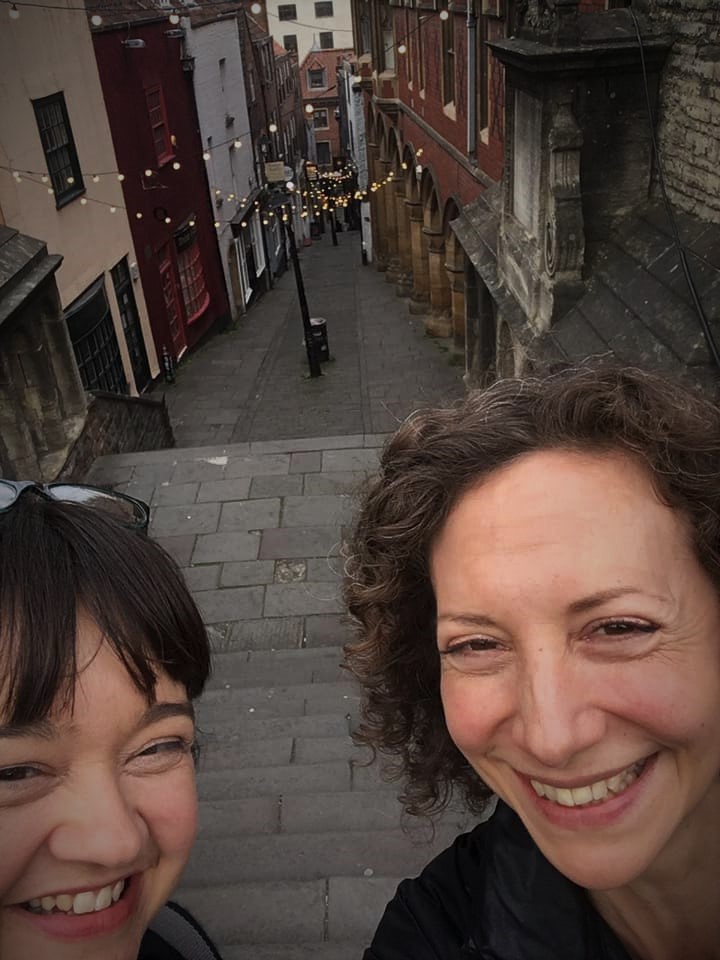
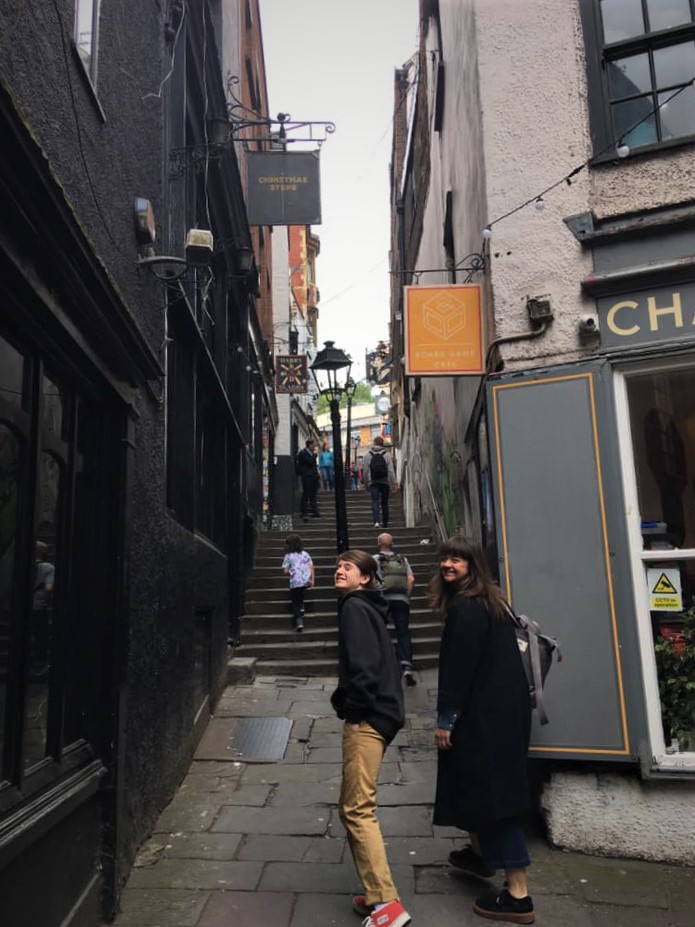
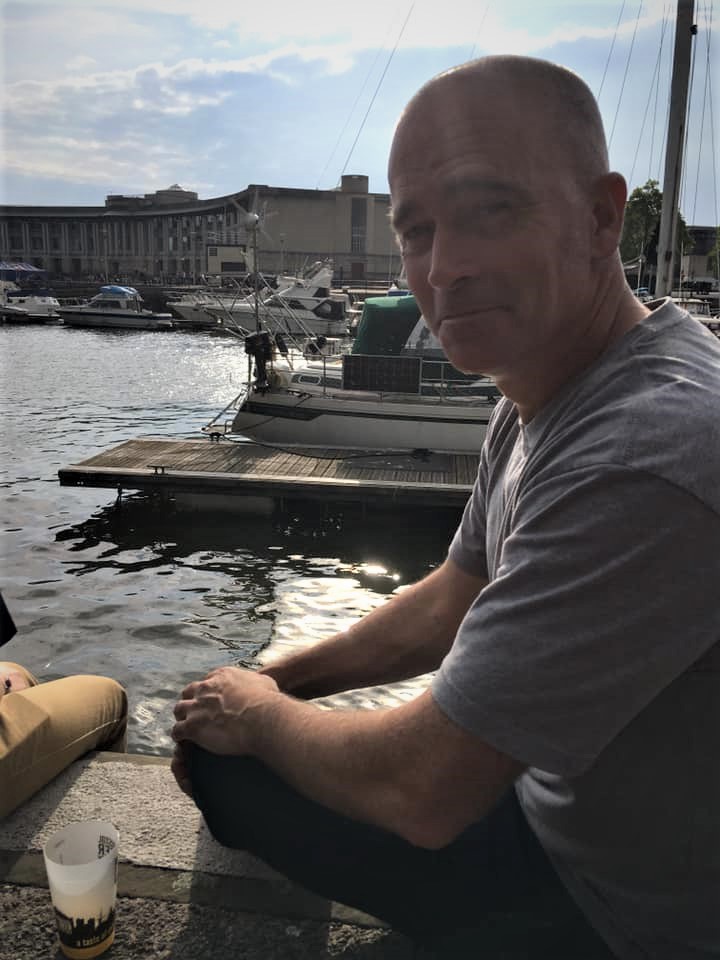




or more precisely, cider in the CoriTap
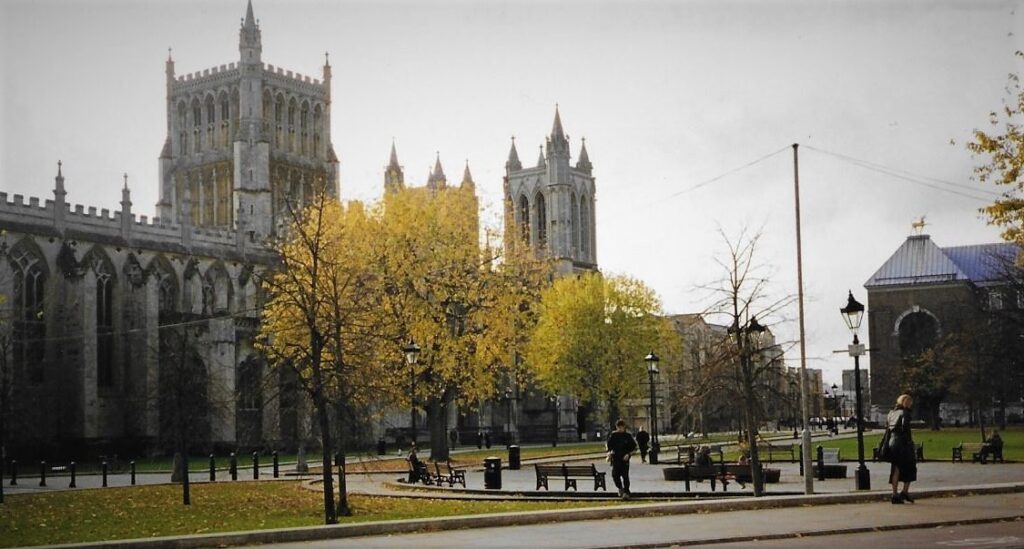
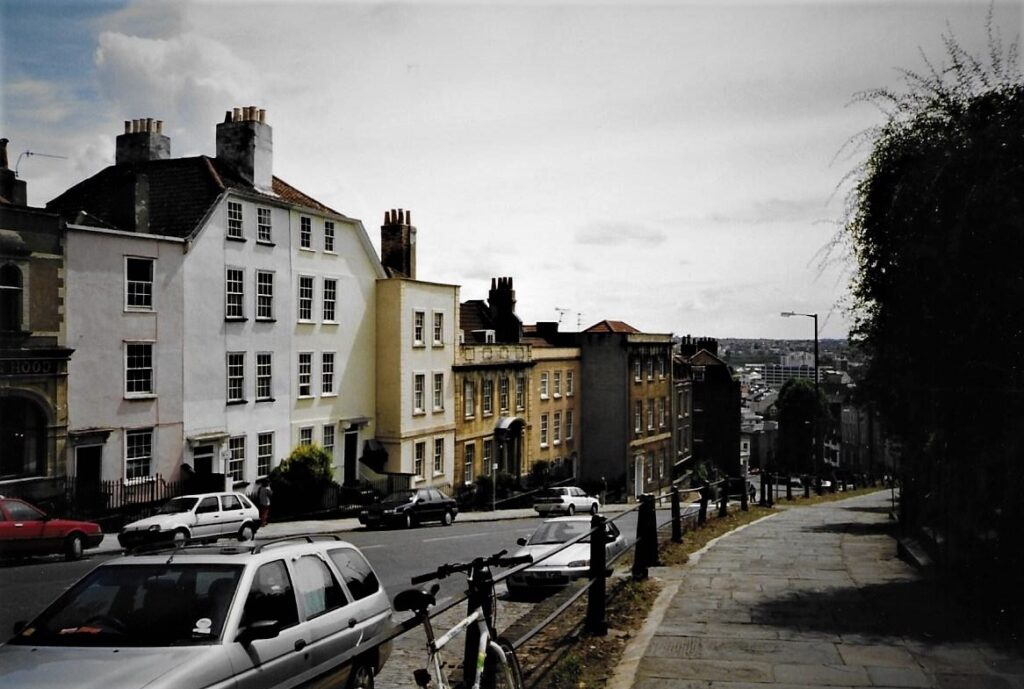
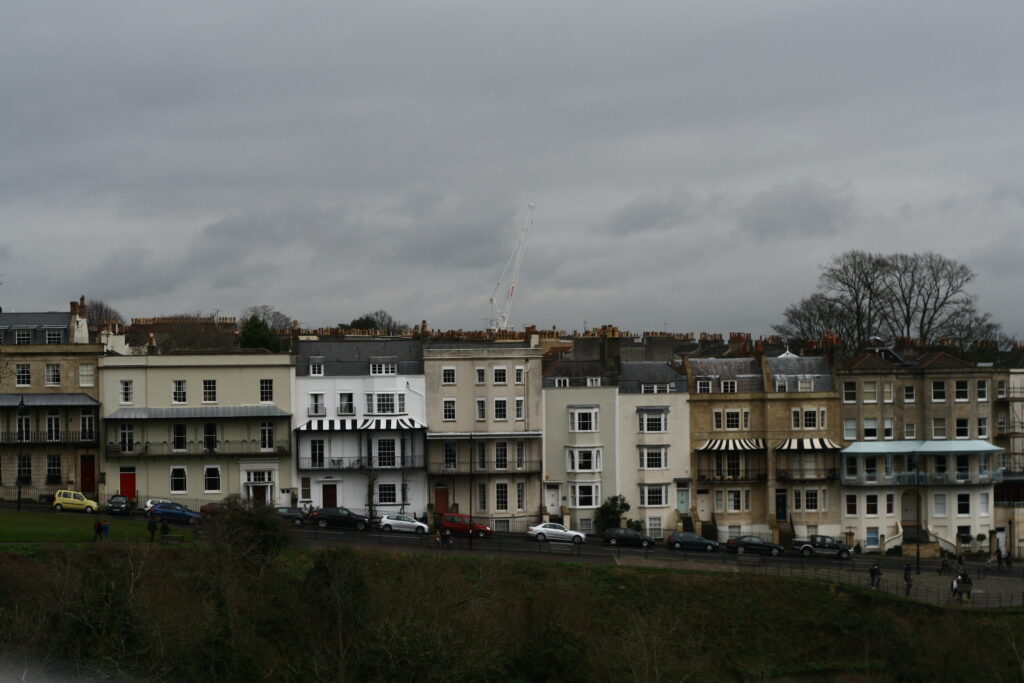
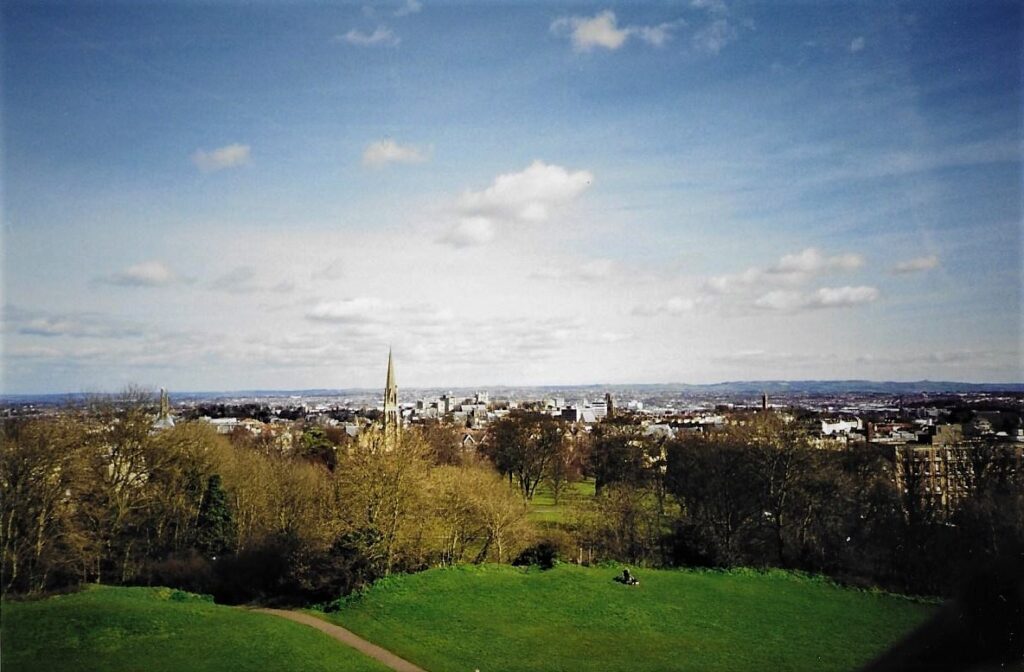
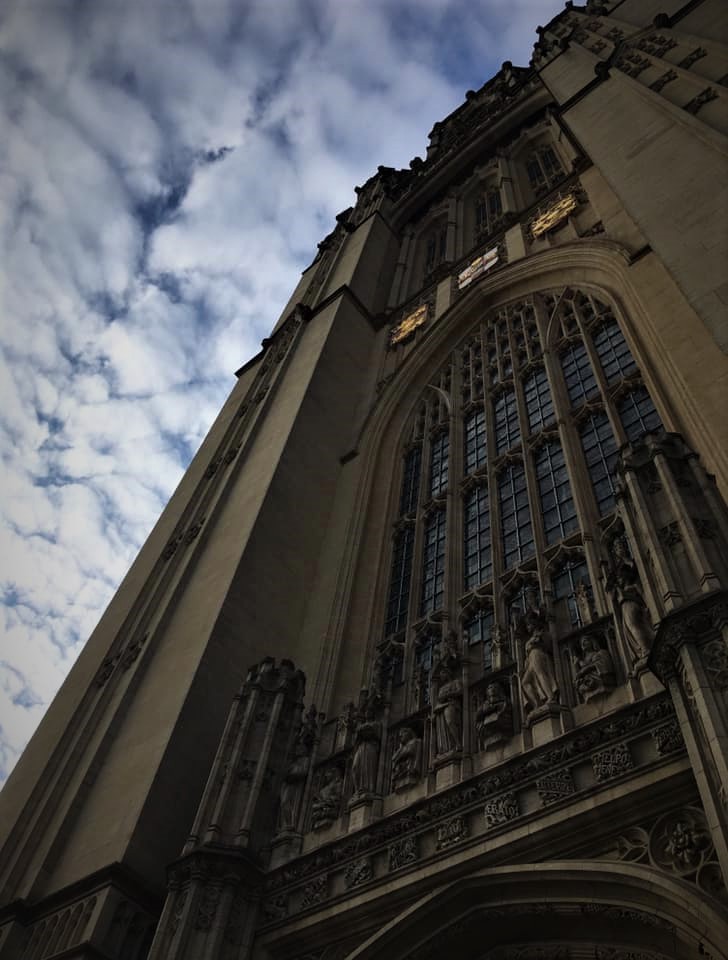
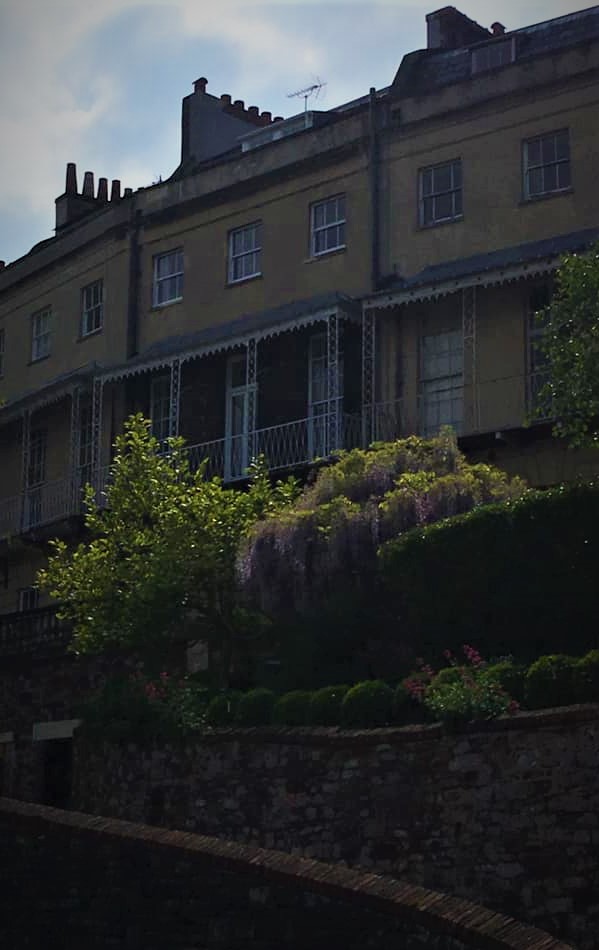
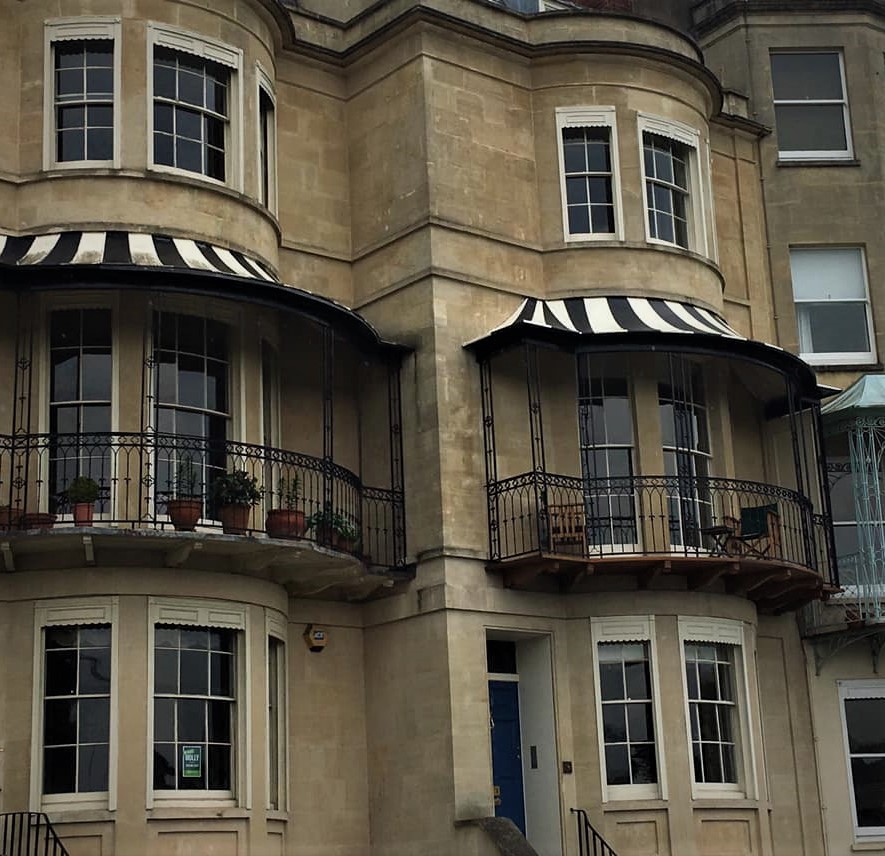
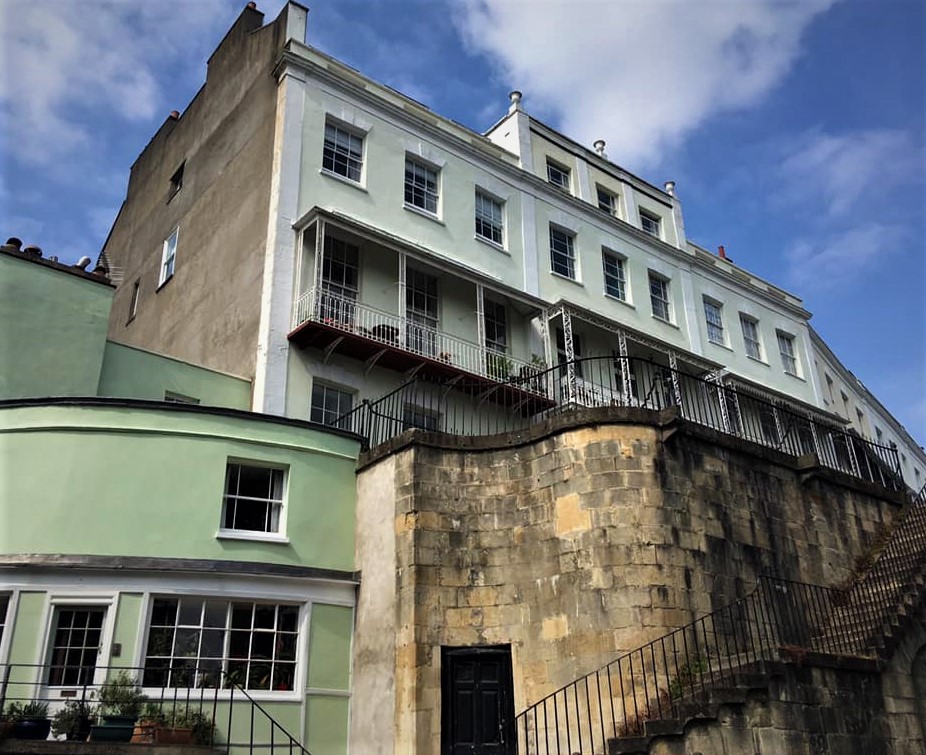
Whenever anyone says the word “Bristol” my heart leaps, my eyes widen and they have my absolute, undivided attention for this city is my alma mater and was my home for four very happy years. More than that, however, it is a city which truly has a soul and an identity so strong that it’s impossible not to be charmed by it. Coming from Southampton (which has neither a soul nor an identity), I was instantly struck by the warmth of this place. It sometimes gets referred to as a mini-London but I’m not sure that does it justice really. Bristol doesn’t want to be a mini-London, Bristol wants to be Bristol; and proudly so. I also like the fact that in this age of homogeneity, there remain parts of this country that hold on to their history and sense of place very tightly indeed. Obviously Bristol’s history, in part, bears some shame and there are elements where balance needs to be redressed and events acknowledged and fully accounted for. In the time I spent there though and in the times I have since (which have been many) I’ve never felt any air of animosity. There used to be a bit of town v gown in certain parts and obviously every city has it’s rougher edges but, if anything, these are very much included in Bristol’s identity – which just adds to the honesty of the place and thus to its appeal. Yes, Clifton is beautiful but arguably there is beauty in the parts that aren’t airy Georgian townhouses, in the backstreets, in the docks, all around in fact. In the main, Bristol rubs along and is a warm, friendly, inclusive place. Matthew Pennington (now owner of the Ethicurean), I and a few mates went to the St Paul’s carnival a few years’ back and were welcomed with open arms as part of the wider community. We ate some amazing jerk chicken, nattered away to folk in a social club then got schooled as we unleashed some moves in the crazy street melee while the beatboxes banged-out classic after classic. That’s Bristol. It’s chilled out; it embraces you; it wants you to have fun.
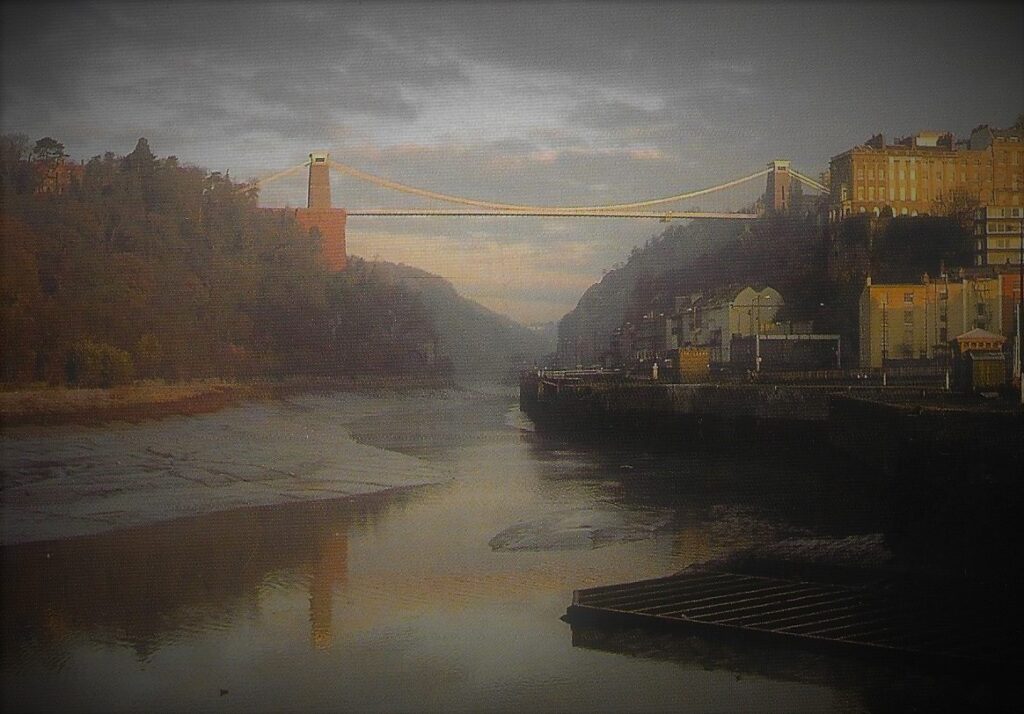
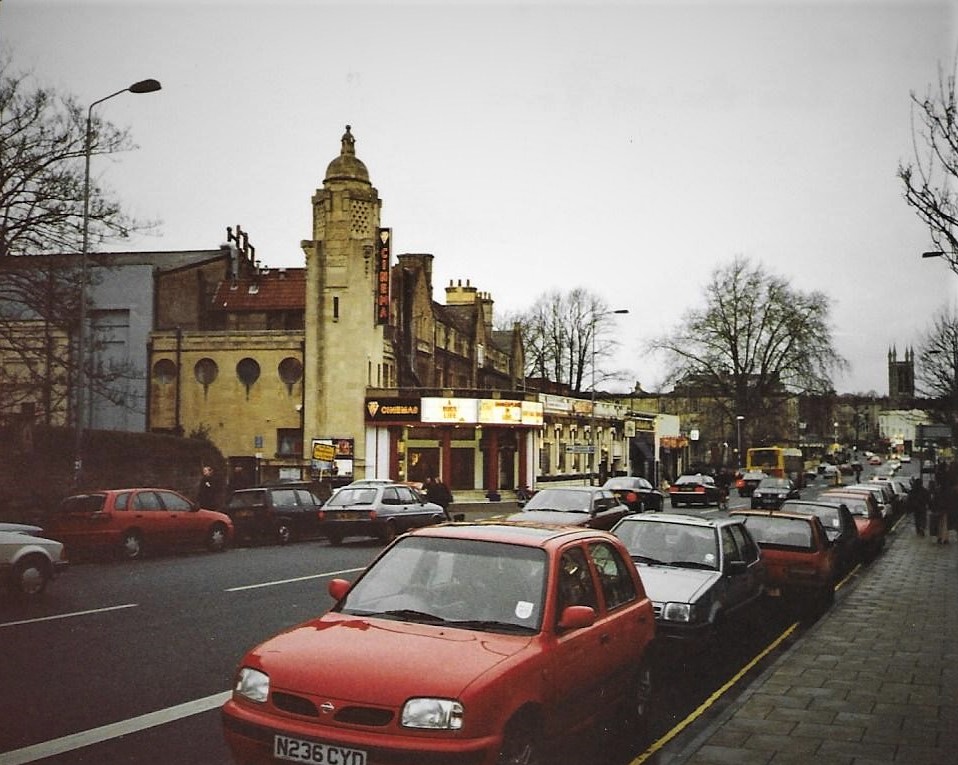
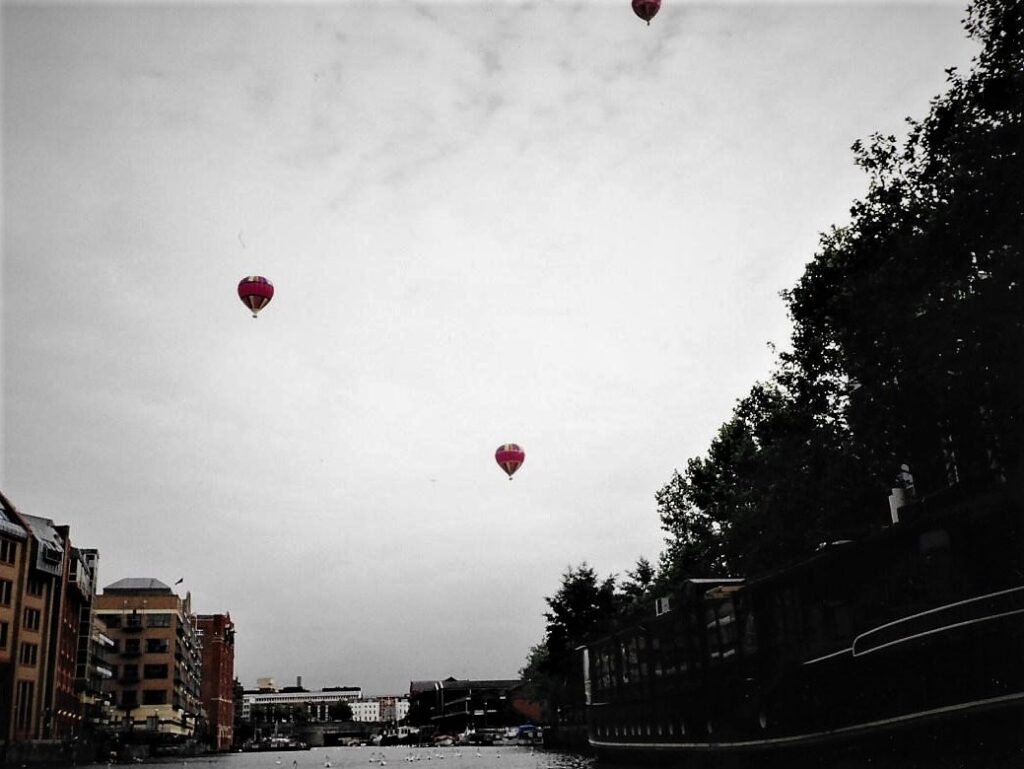
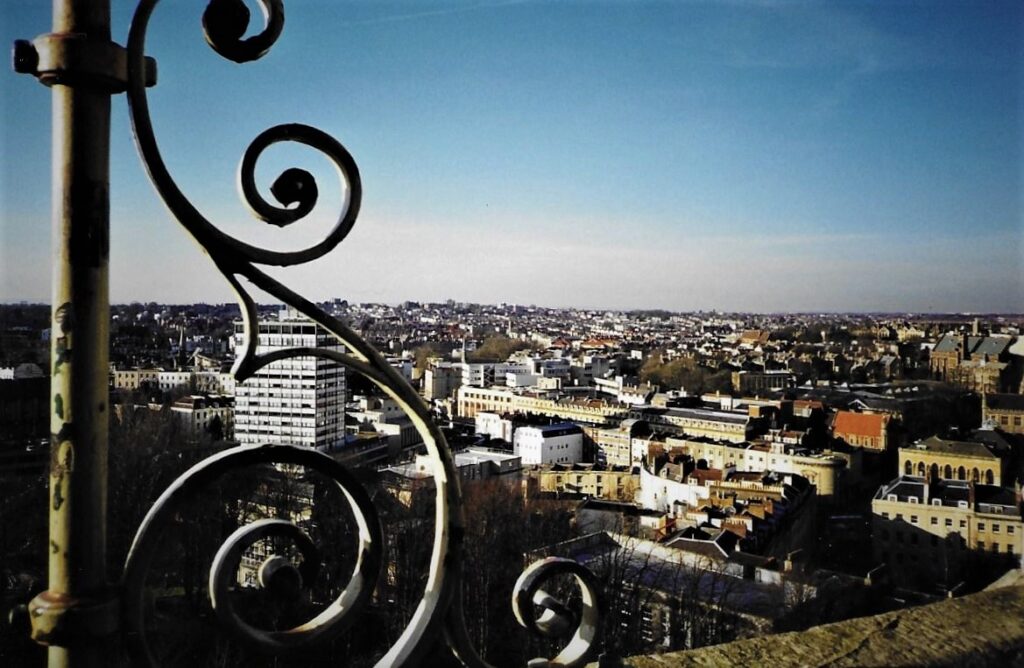
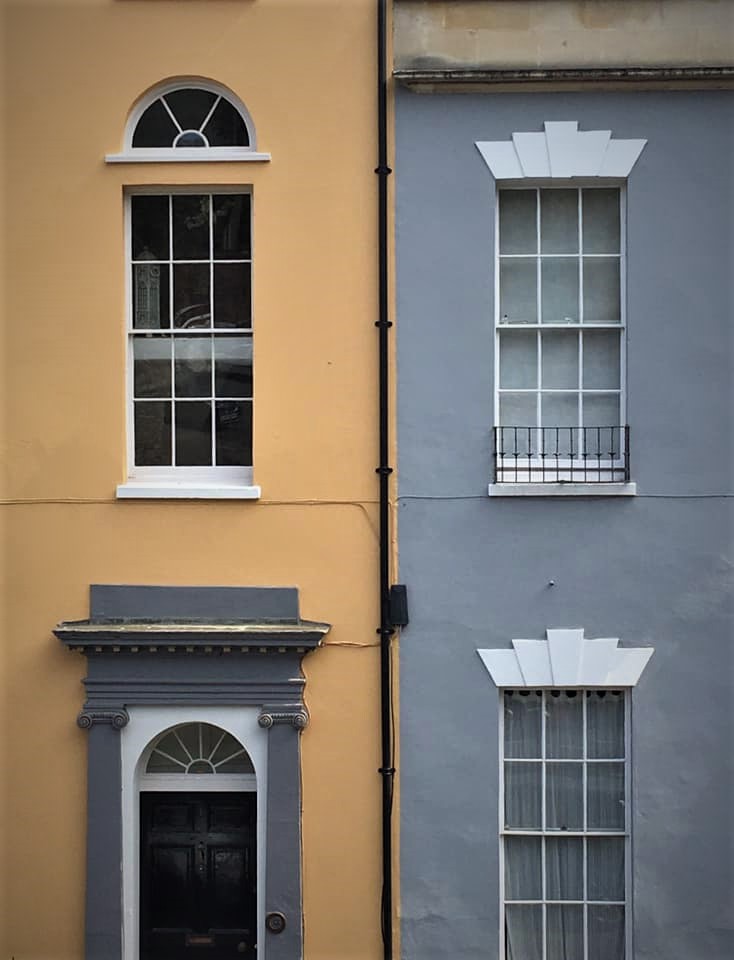
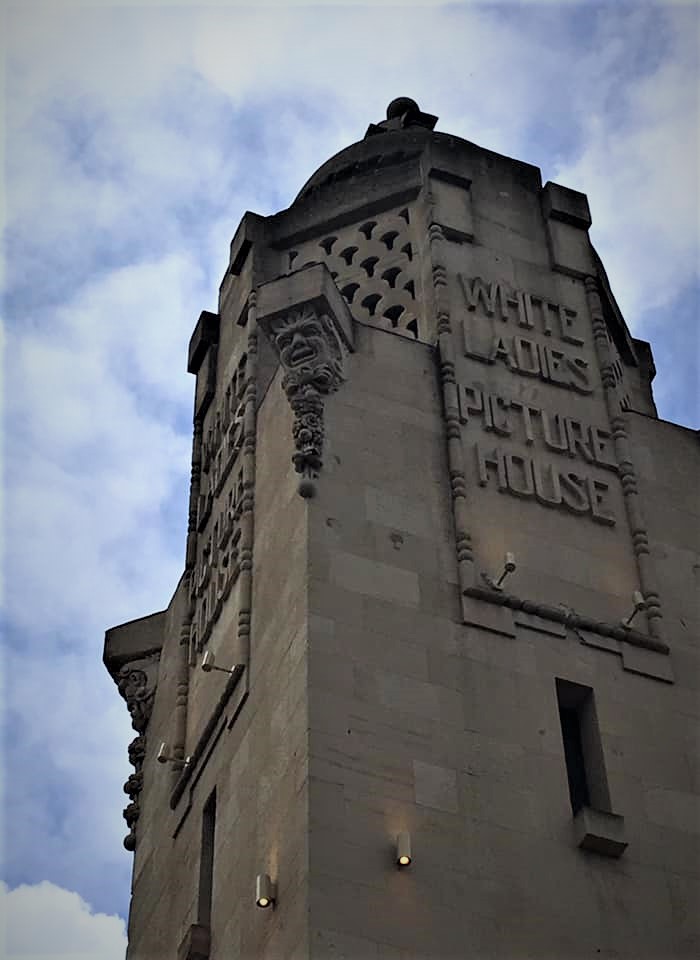
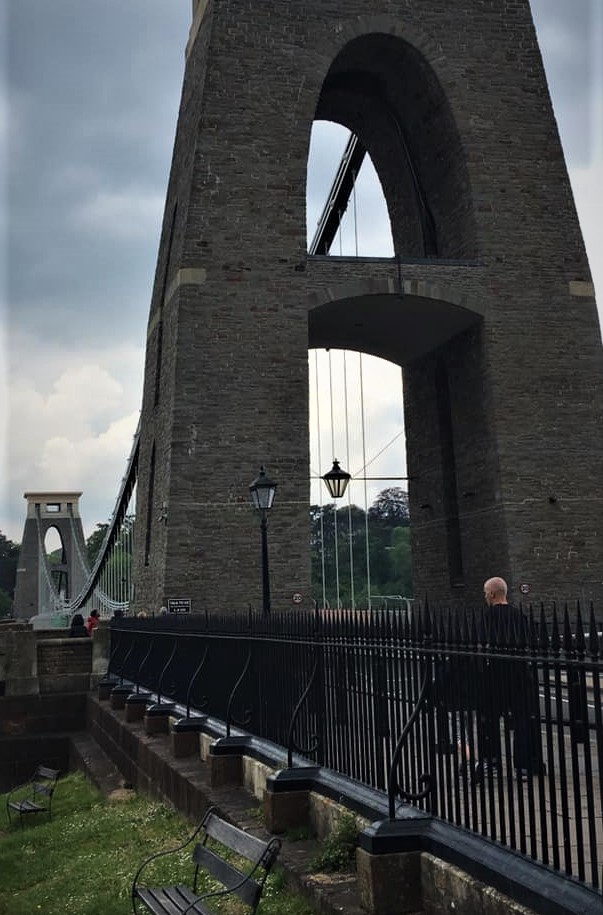
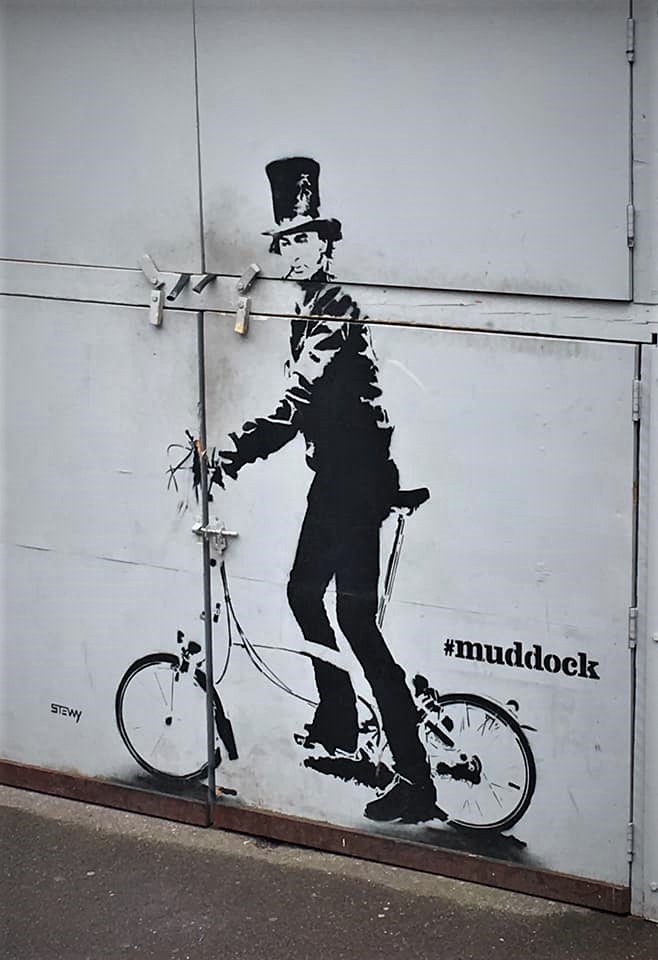
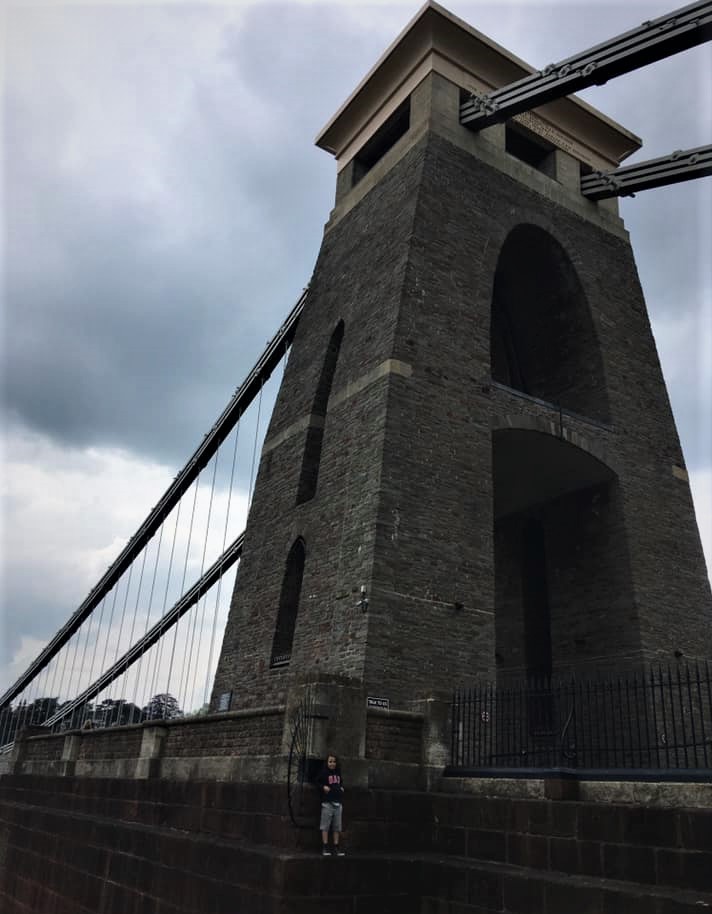
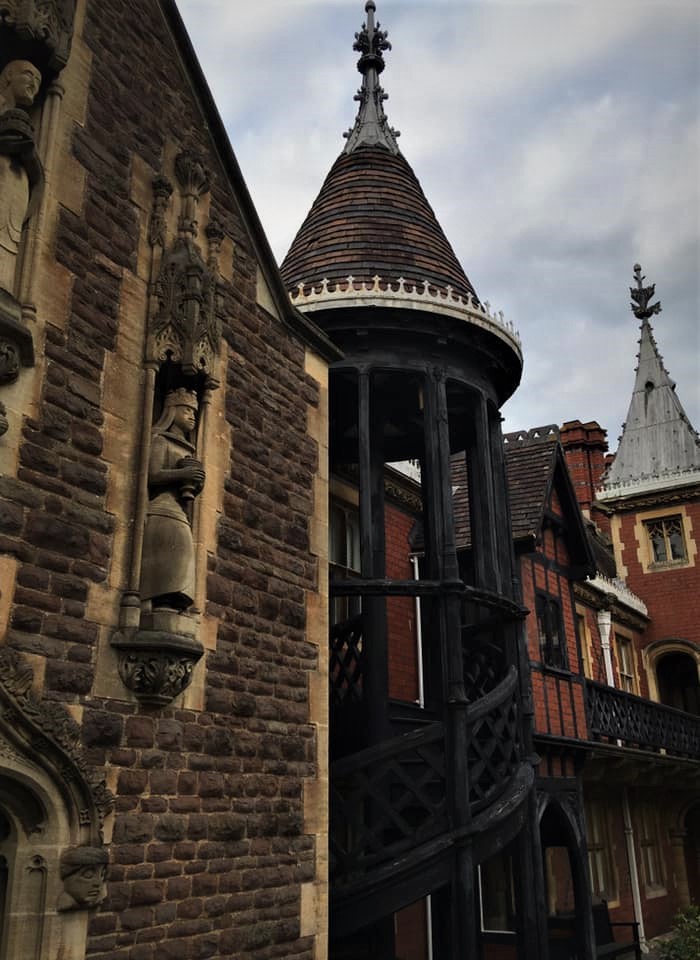
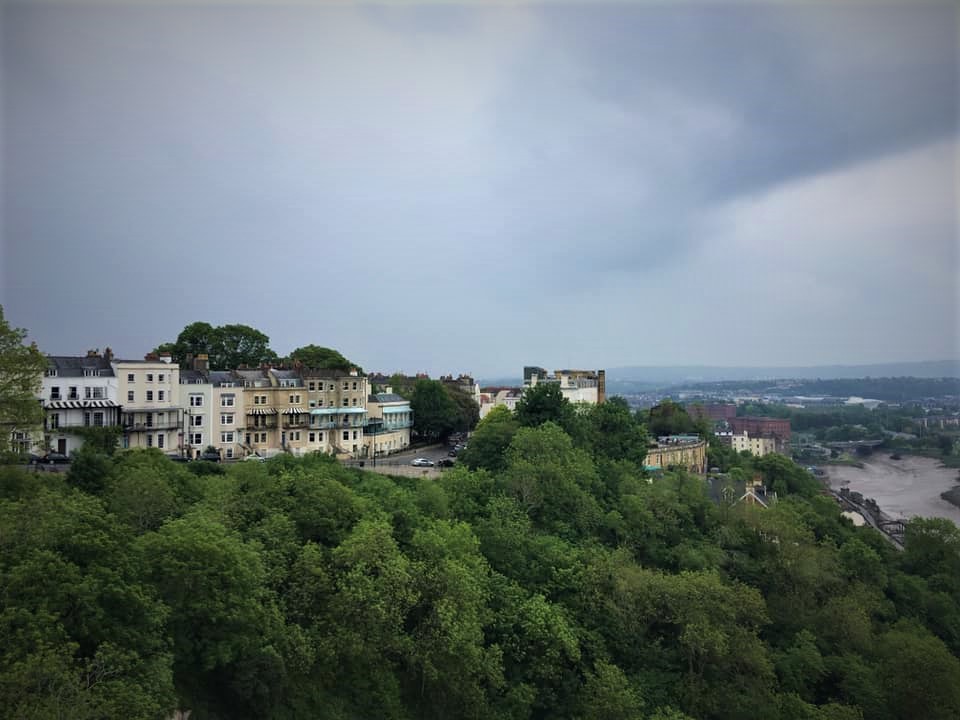
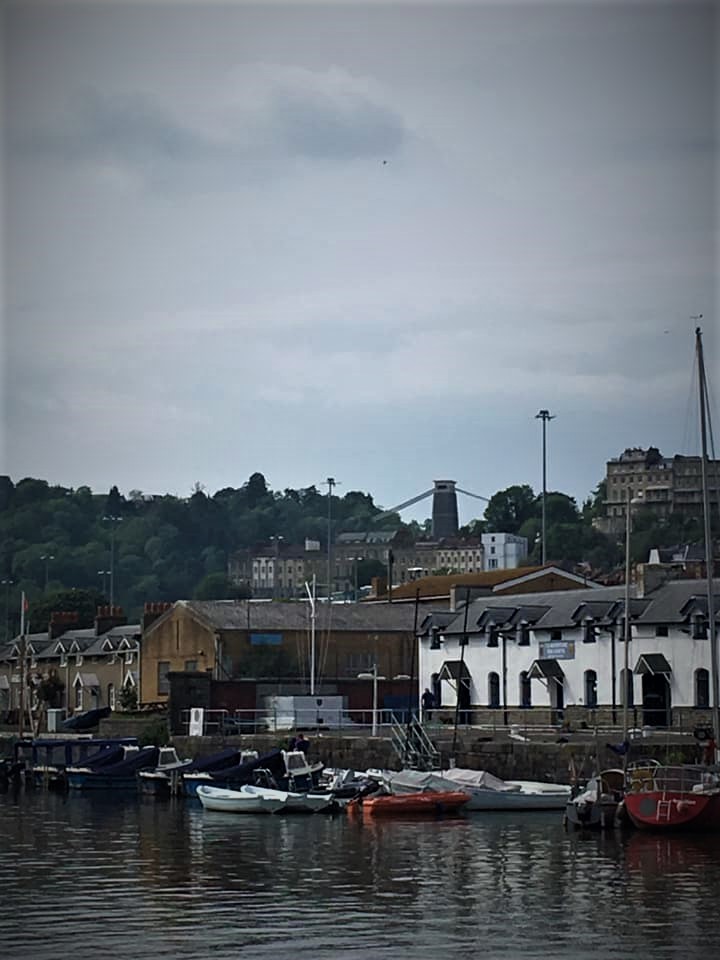
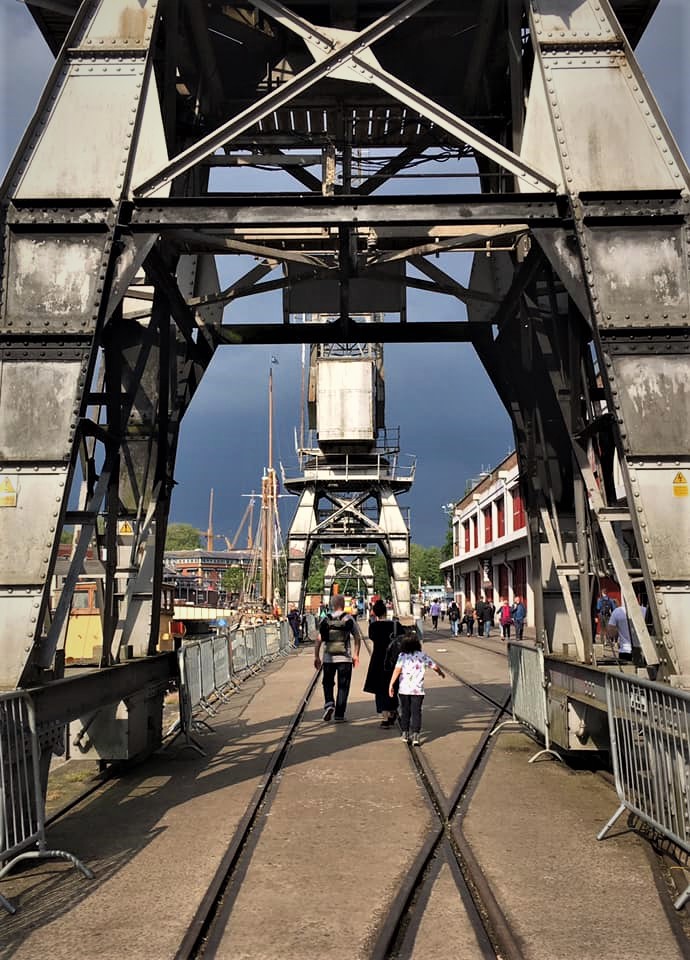
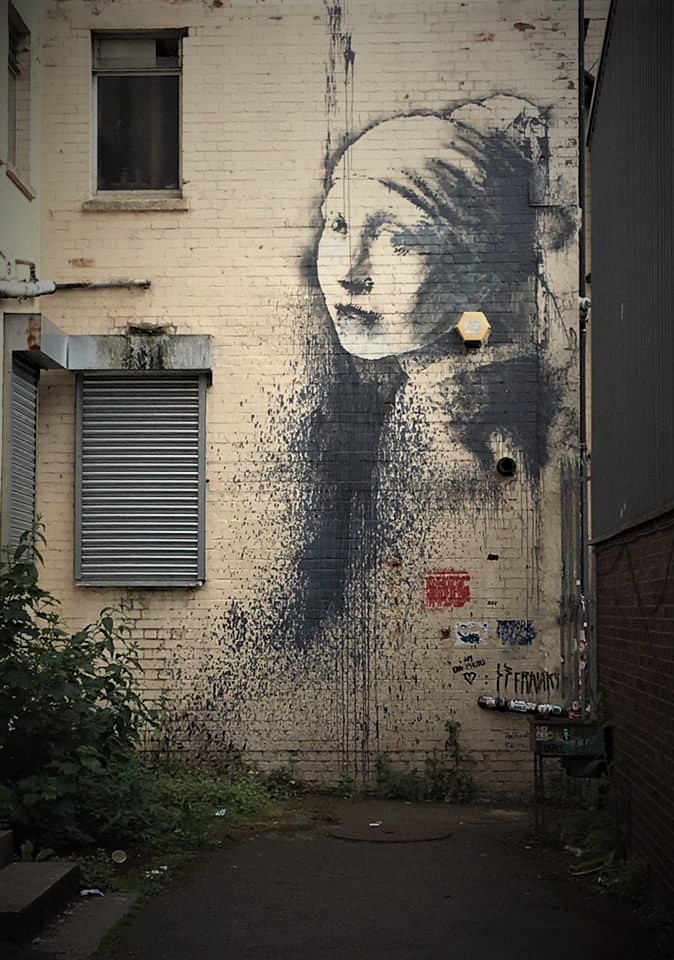
It’s also an incredibly attractive city with many different parts to explore and as such is a joy to amble around (which is great if you’re a student and every penny counts, even the bus fare). It’s a very green city, a very lively city, a very creative city (from Daddy-G to pub theatre to the Arnolfini to the hundred and one other things that contribute to such a vibrant scene). Plus, it just happens to be home to one of the best bridges in the world – the Clifton Suspension Bridge (beautiful at any time of day or night from sunrise to sunset and, indeed, in any season). This is the symbol of the city really but in and around Bristol’s streets are many other landmarks (too many to list) and institutions (20th Century Flicks, Muddock, Arnolfini, Whiteladies PictureHouse, Watershed, Boston Tea Party, Avon Gorge terrace, many a dodgy underground club (the best kind) and more fine old boozers (most of which I have frequented), to cite a few examples).
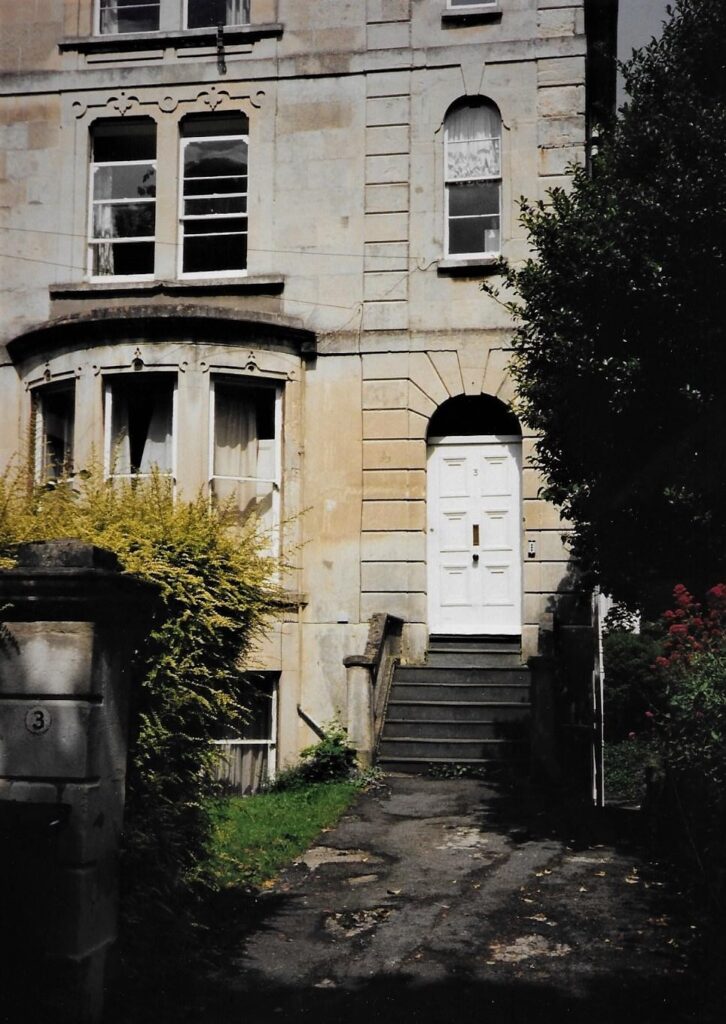
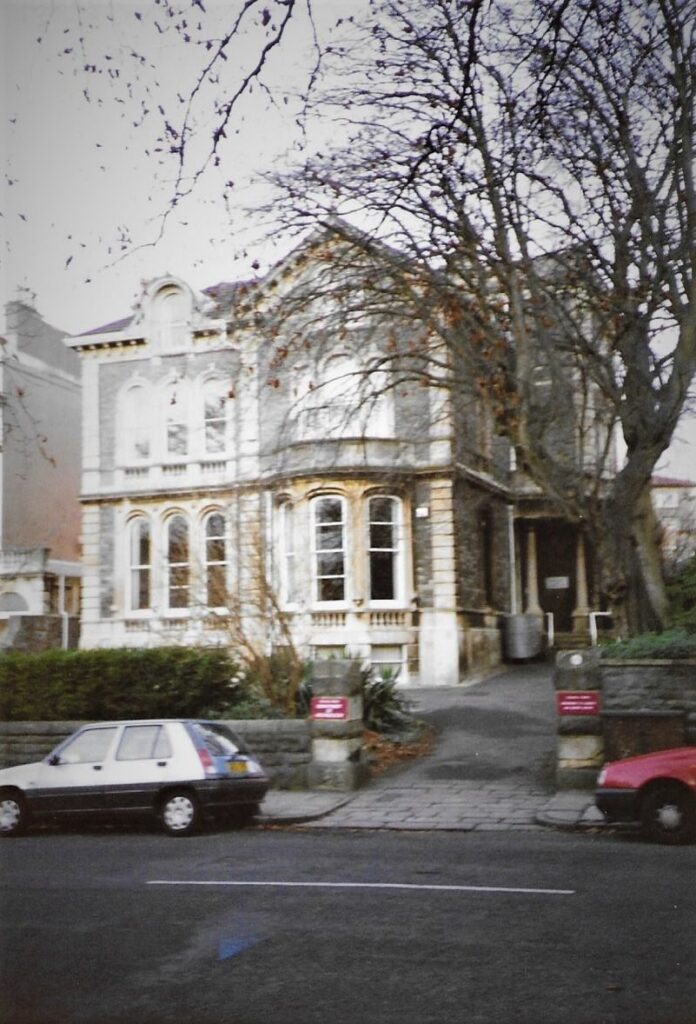
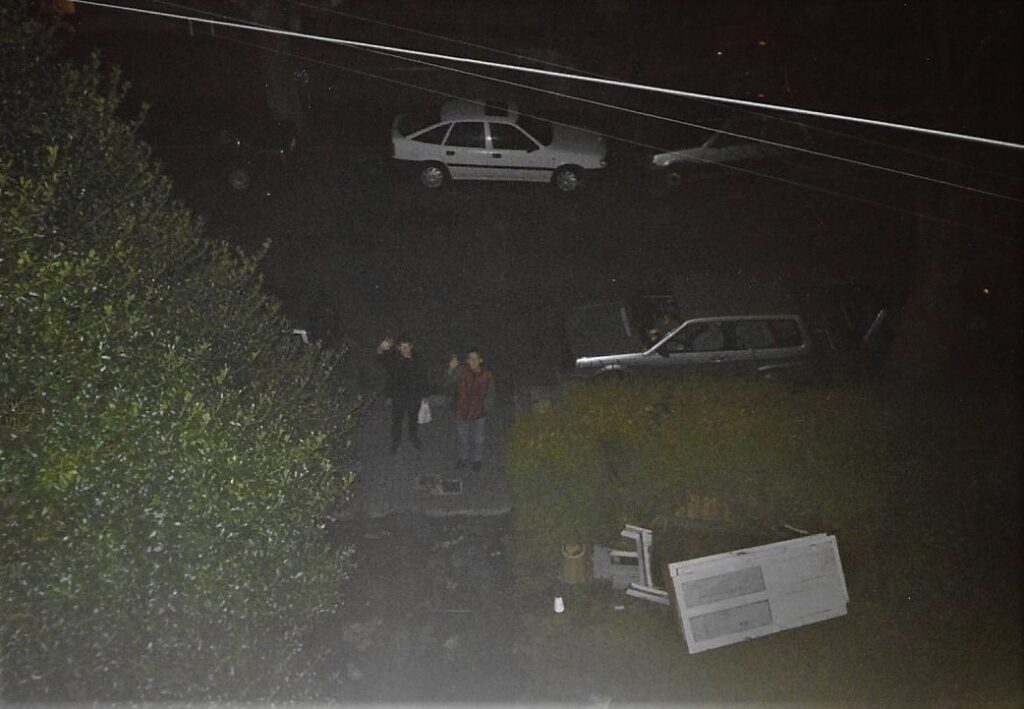
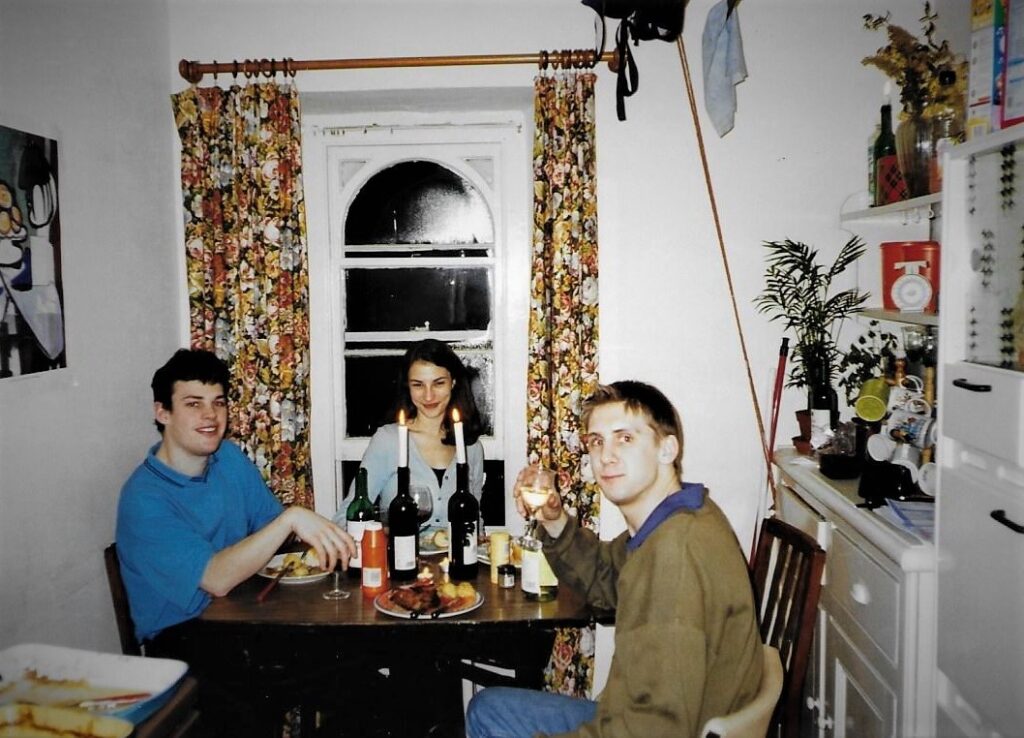
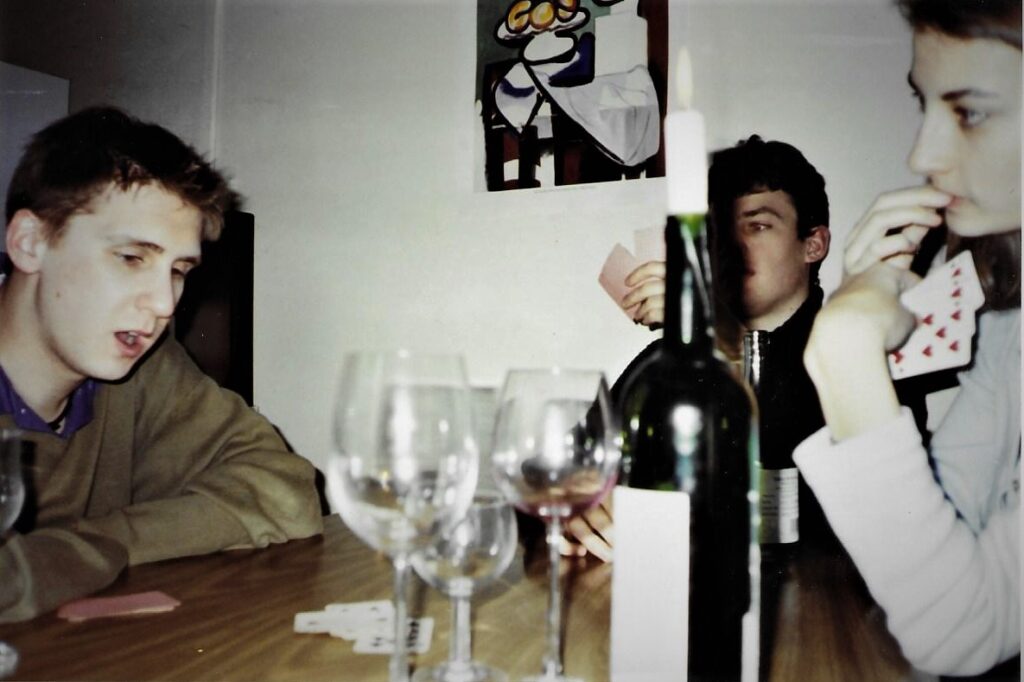
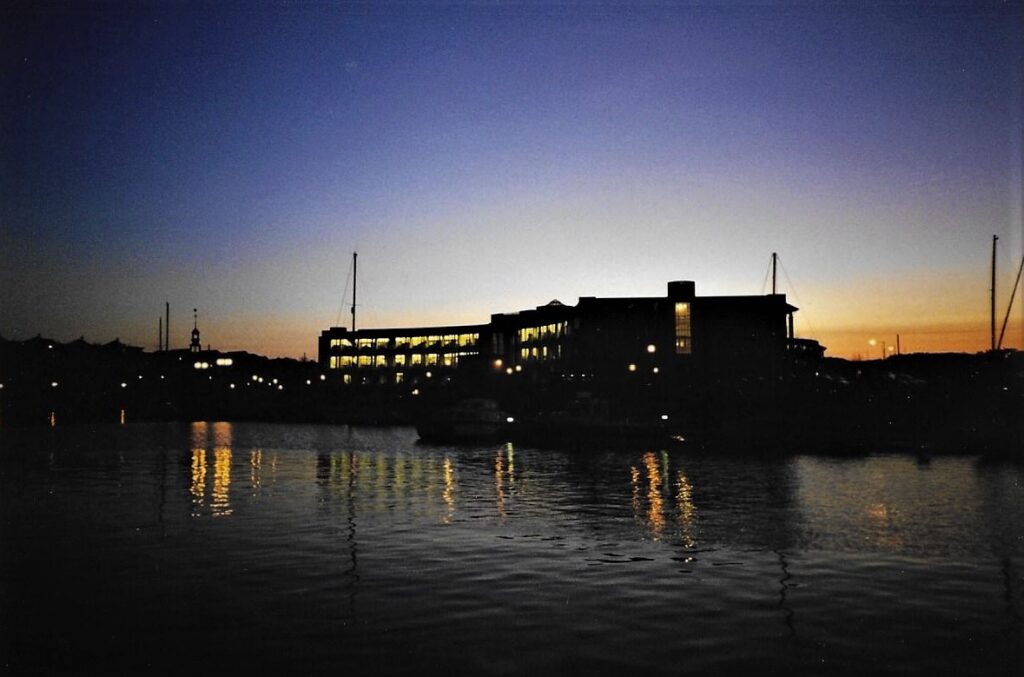
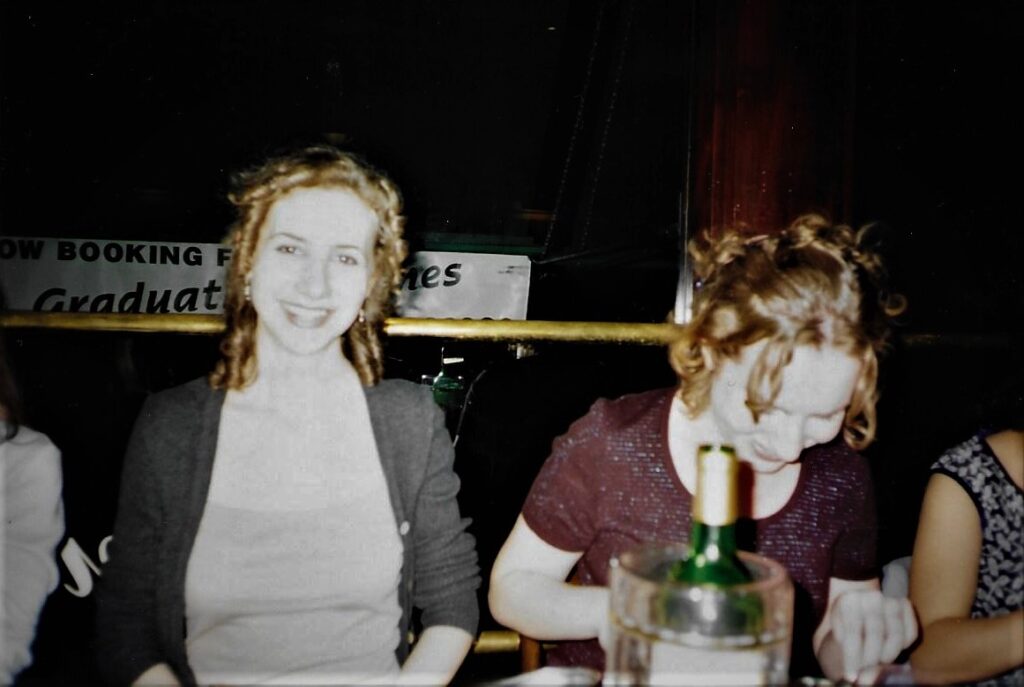
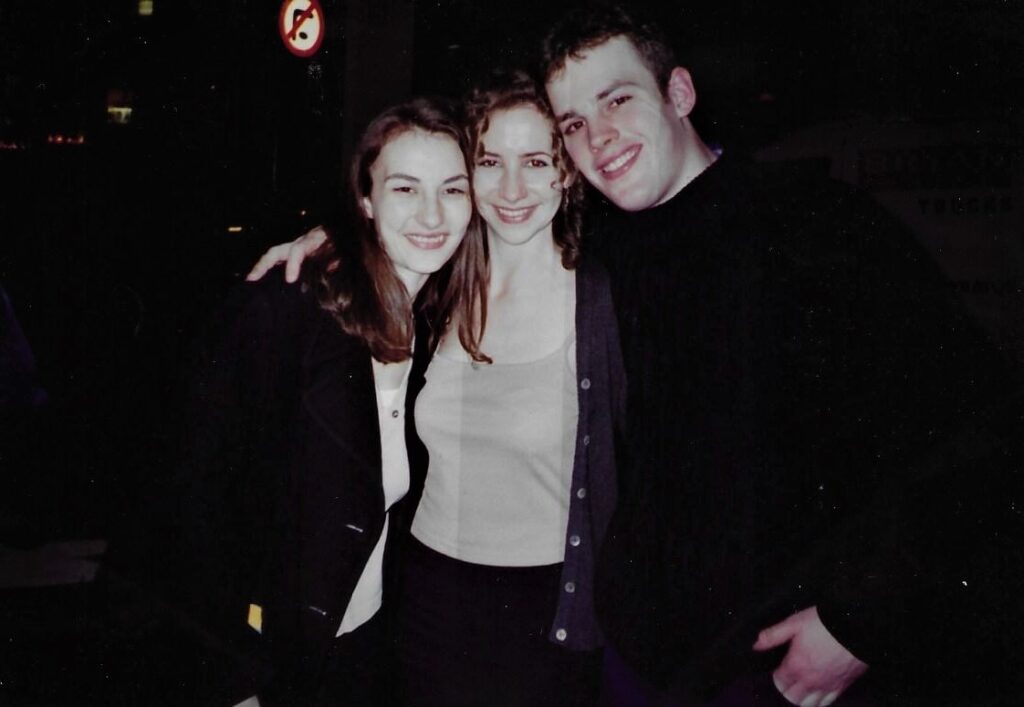
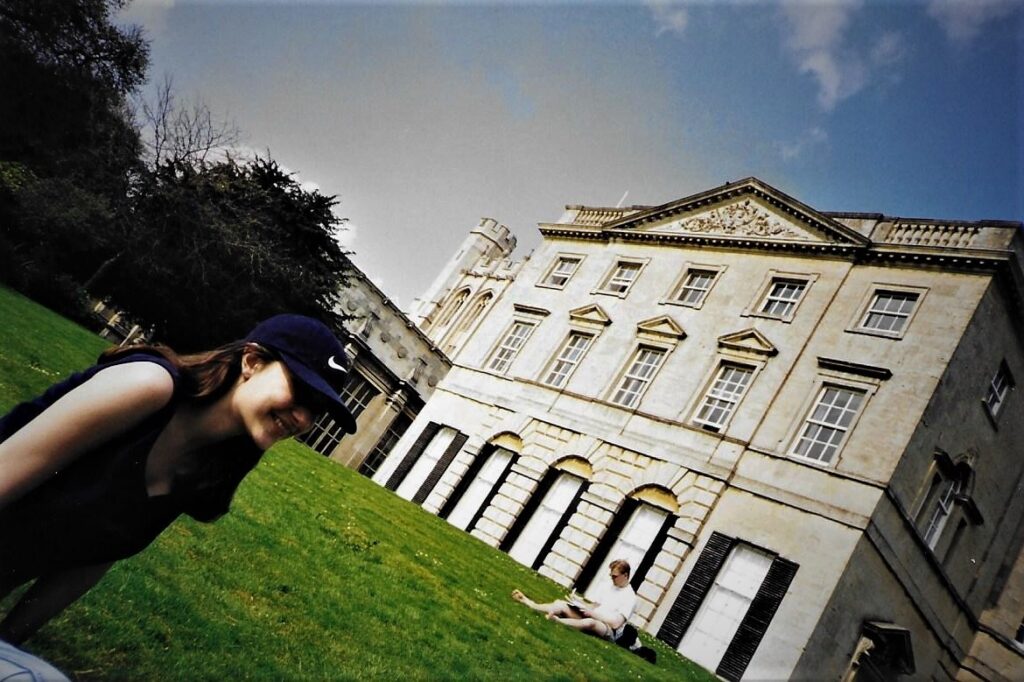
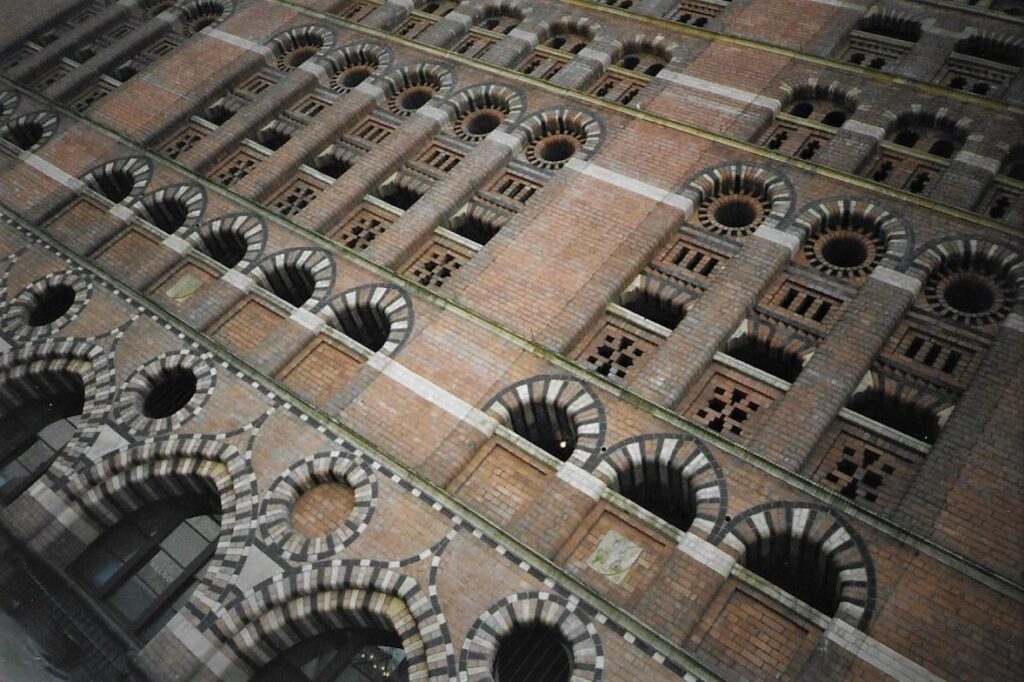
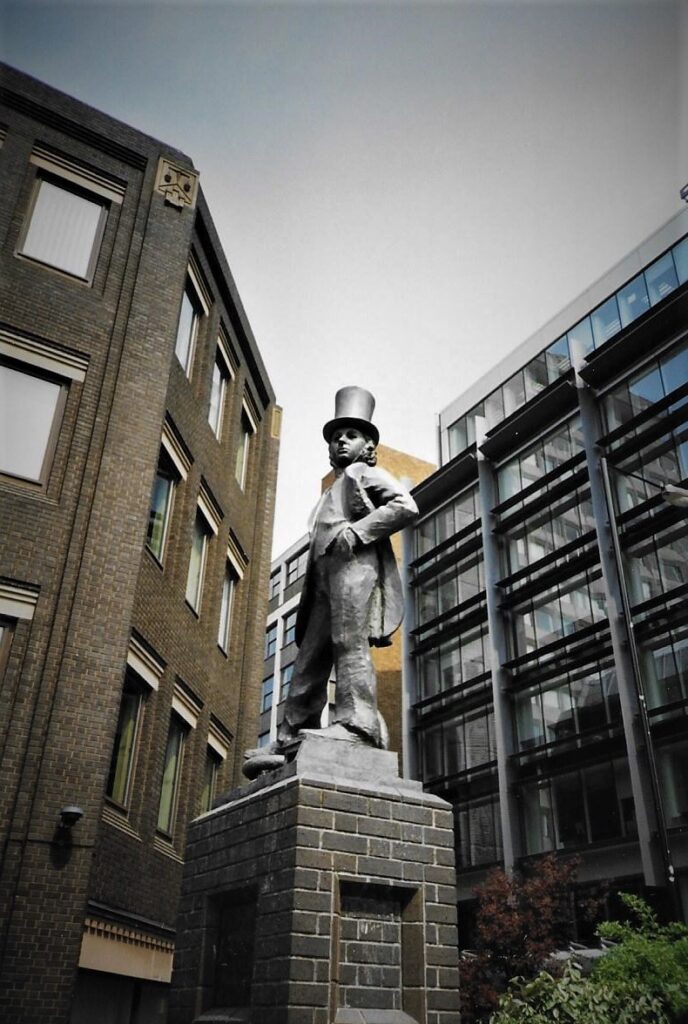
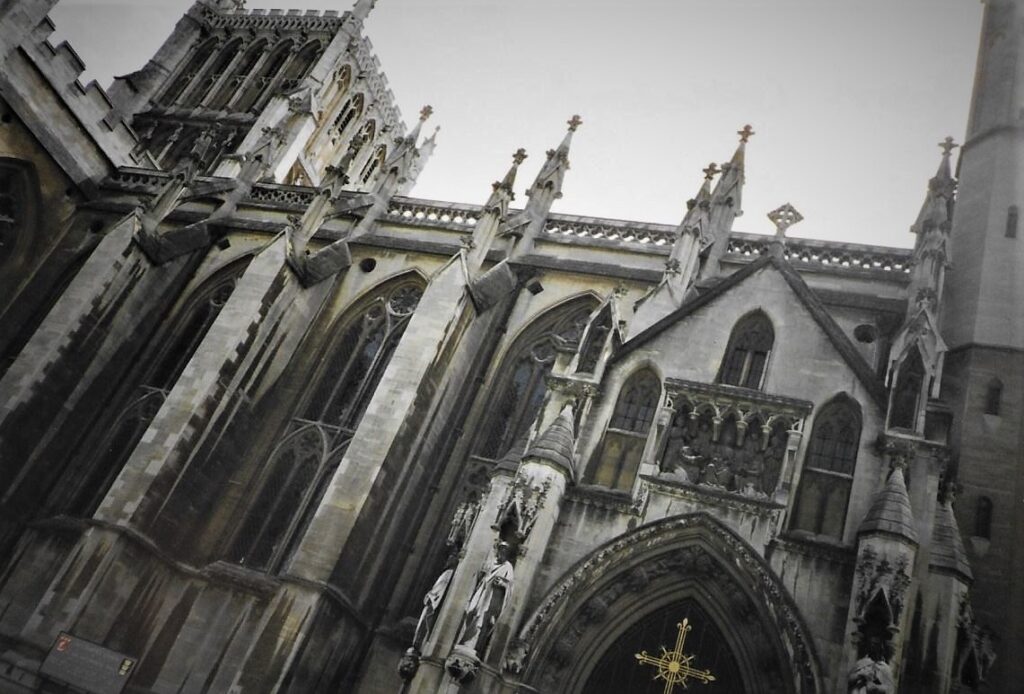
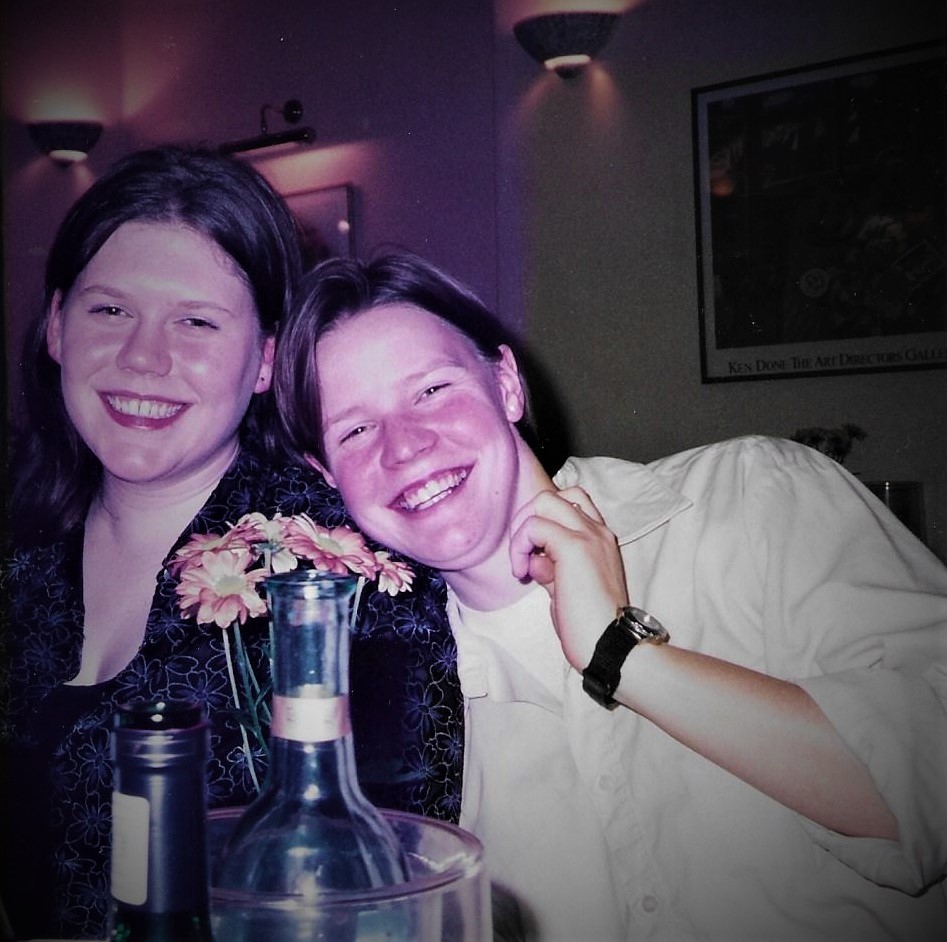
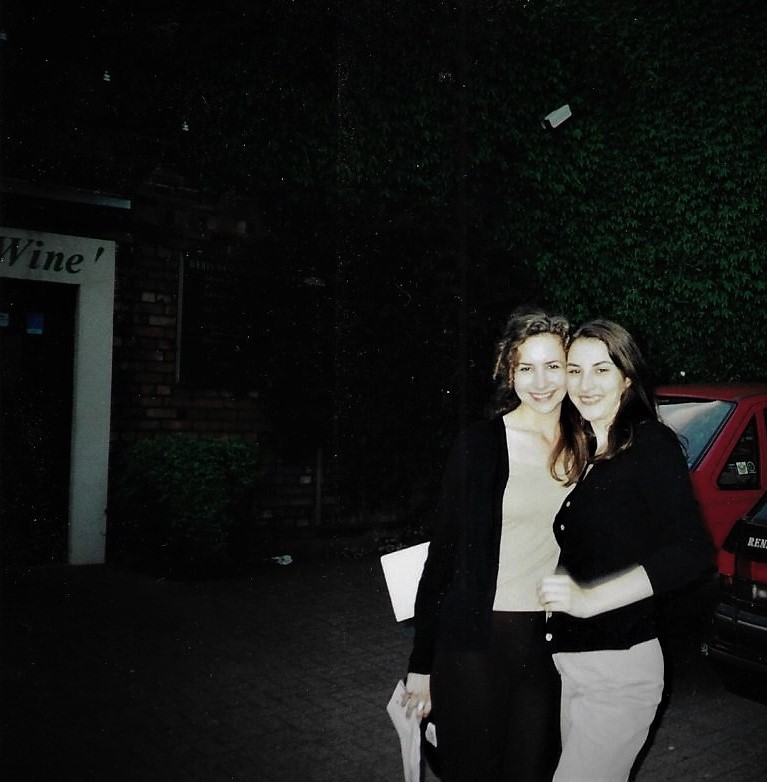
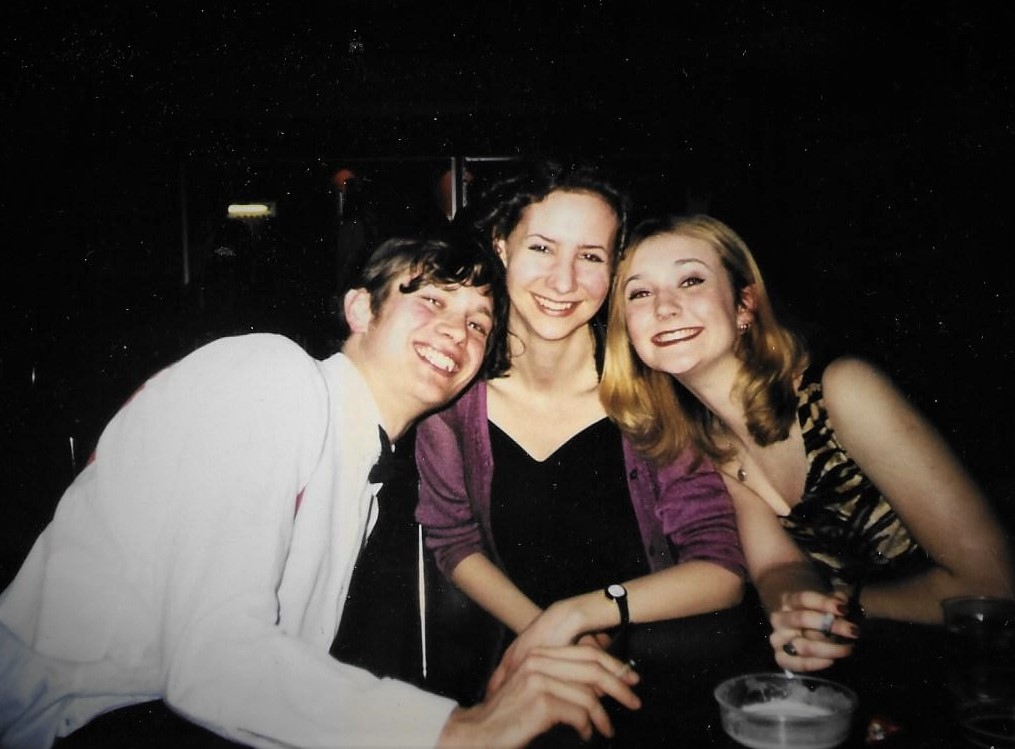
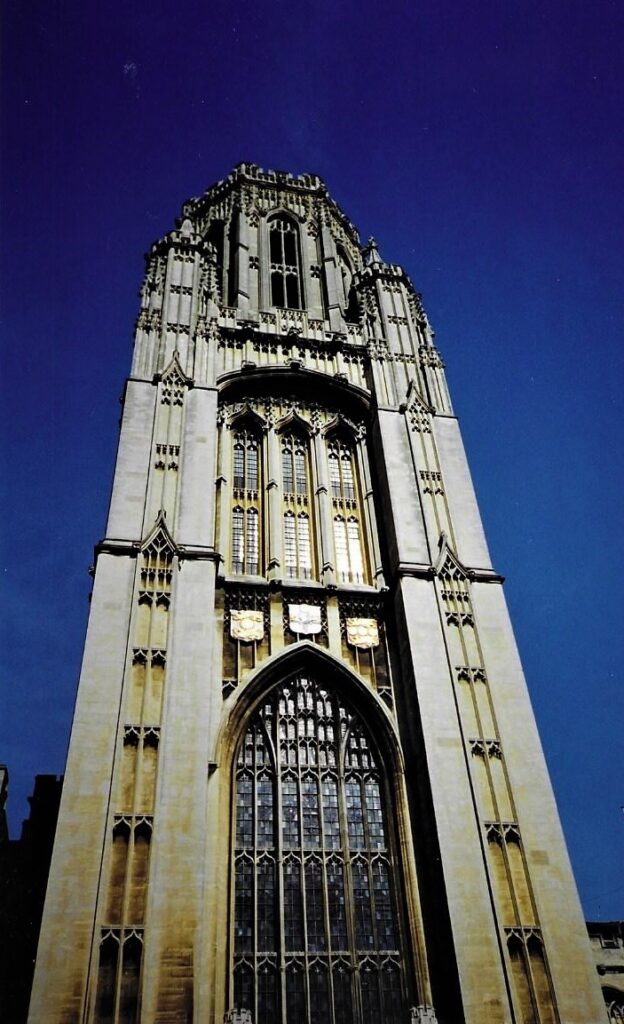
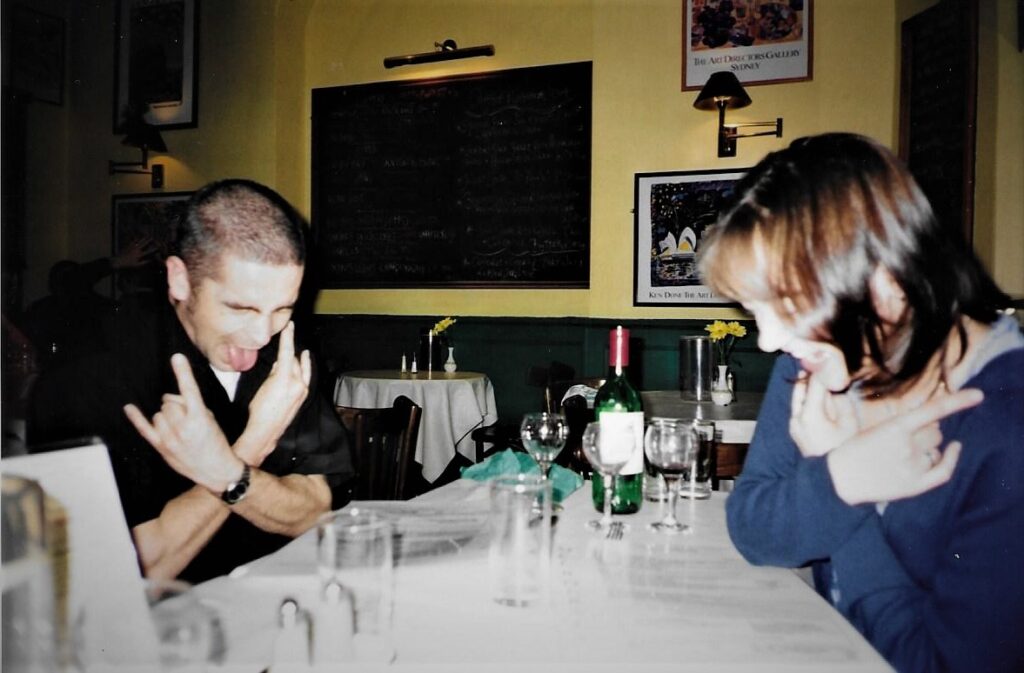
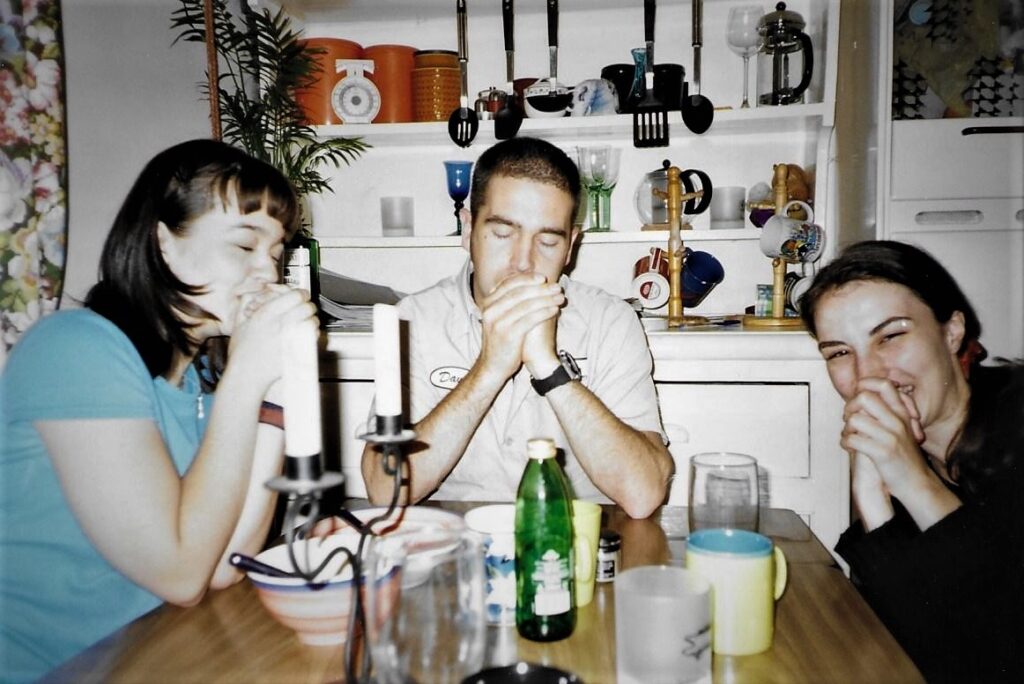
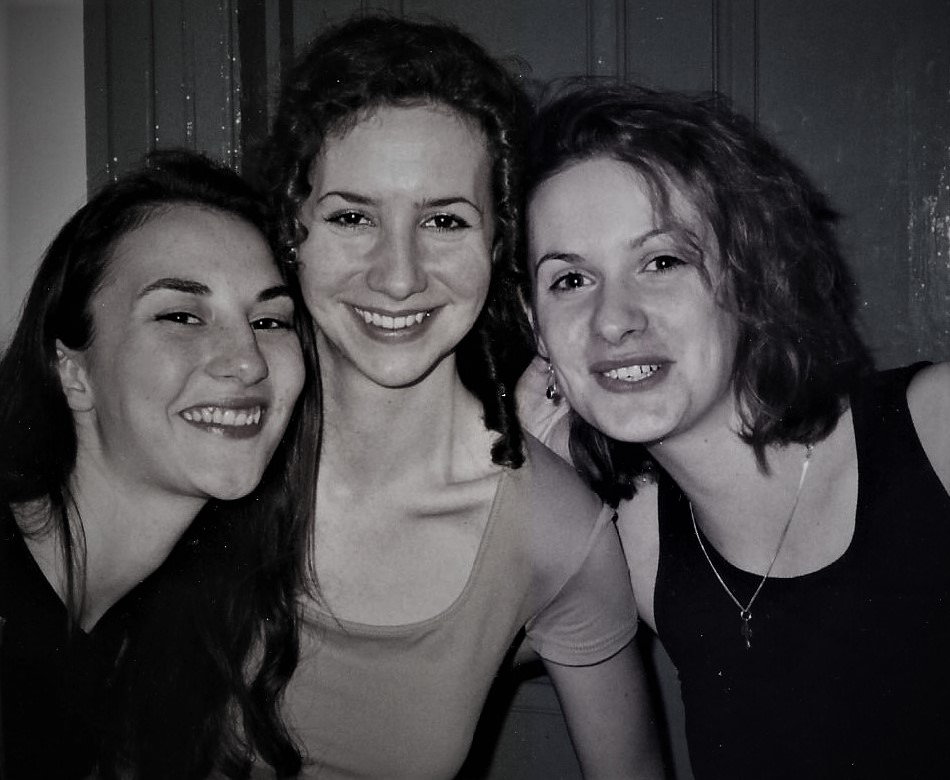
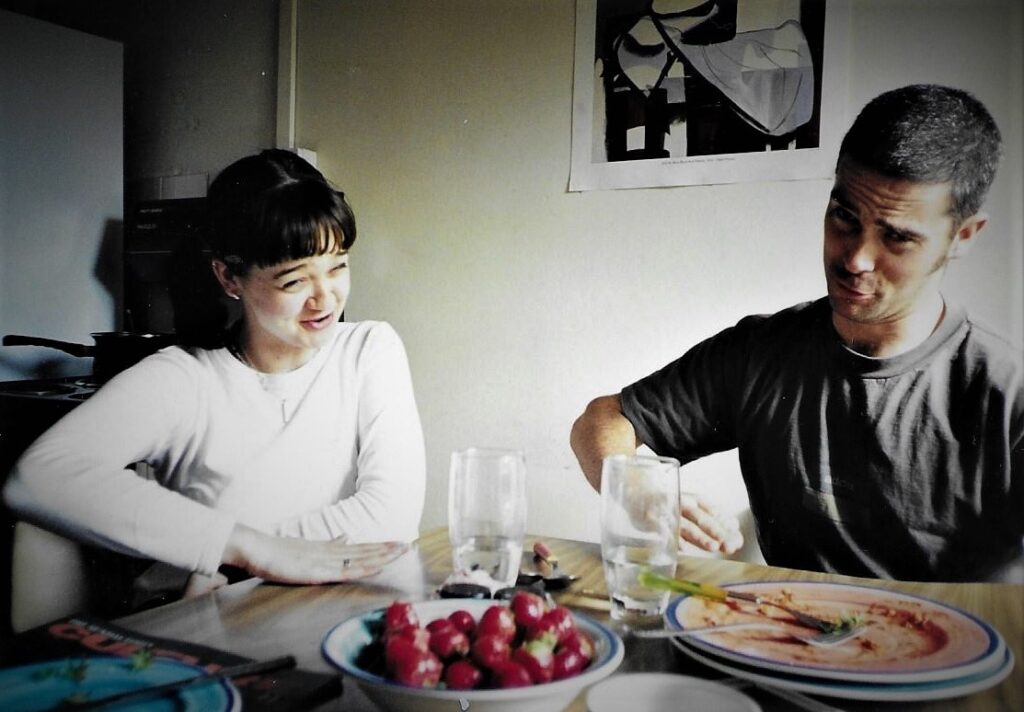
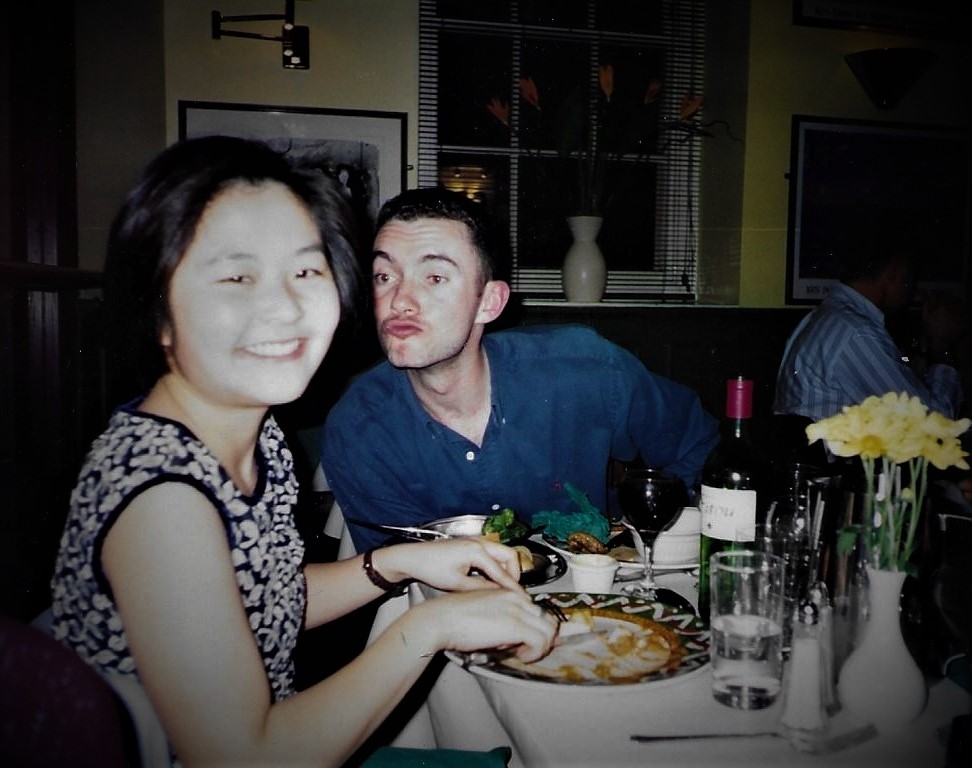
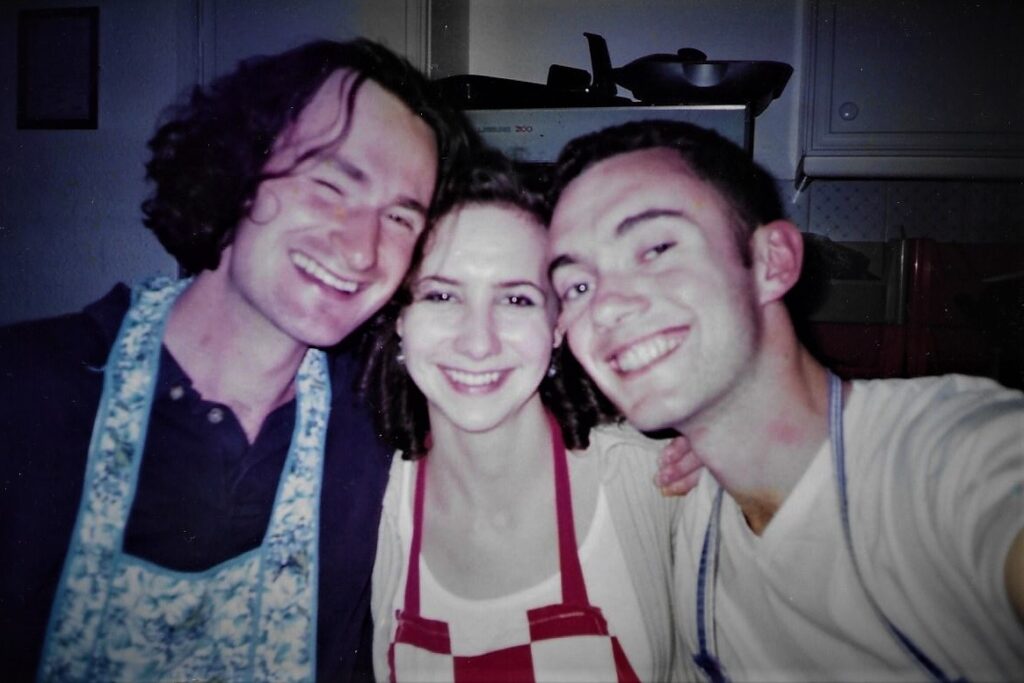
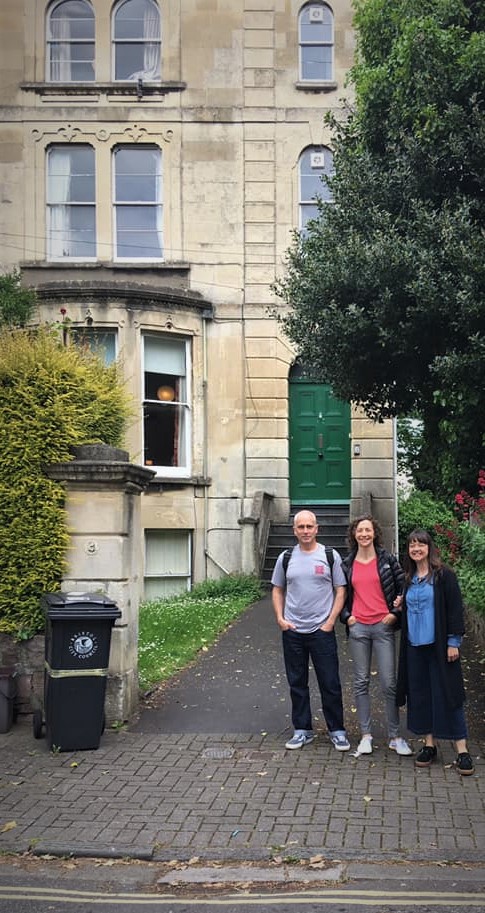
I could rhapsodise to the n’th degree about this city and my time there but I will try to keep this blog (and my somewhat dodgy old snaps this week, to food-related reminiscences). University is obviously somewhere where you experience a lot of “firsts” (even if you don’t end-up with one? ) and probably the less said about many of those the better (just good good times?); and this is likely to include a fair few food firsts. It’s often a student’s first time shopping for themselves; first time cooking for themselves (once you get out of halls which are essentially like school dinners); first time having your milk nicked in halls until you realise you can hang it outside your window. As you get more accustomed to budgeting (aka working out how much money you need for beer) and start to explore a city such as Bristol, there are more food firsts to be had. There was the first time I went in a deli (my favourite deli to this day, in fact – Chandos); first time going to a “dinner party” or indeed hosting one (or indeed experiencing one that descends into a food fight which properly trashed that flat…); first time seeing Paul McGann in the Clifton Centre Sainsburys – weirdly also a right of passage in Bristol. It is definitely a foodie city and has been ever since I was at Uni there (“ahem”… years’ ago). There were always lots of options for places to eat (cheaply or to celebrate something and there were often lots of deals going around). Whenever I visit, it makes me really happy to see that some of the places I used to go to are still going strong and that what was then a burgeoning food scene has gone from strength to strength to strength (and I include my longtime mate, Matthew’s, restaurant in that). It’s crazy (and fabulous) how much choice there is there now in terms of restaurants, cafes, markets, pop ups, pubs, bars, etc. It’s arguably the best outside of London.
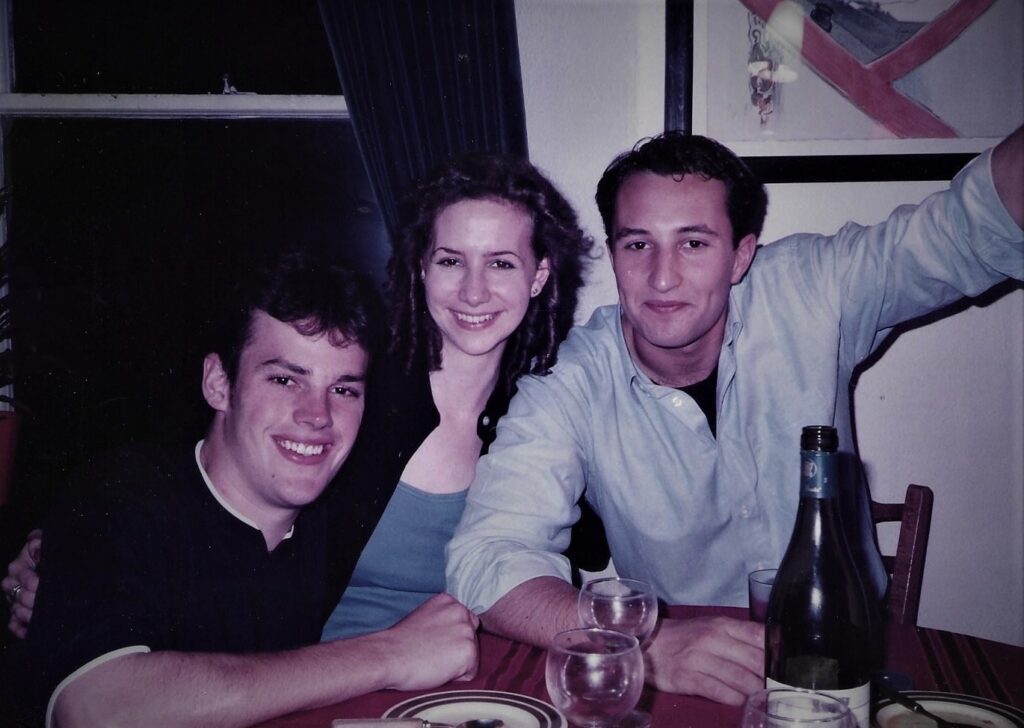
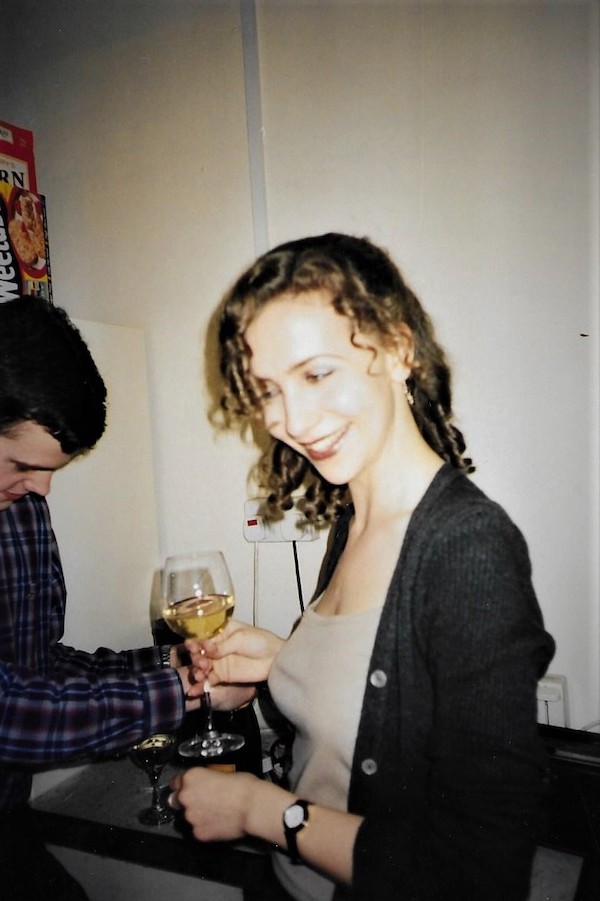
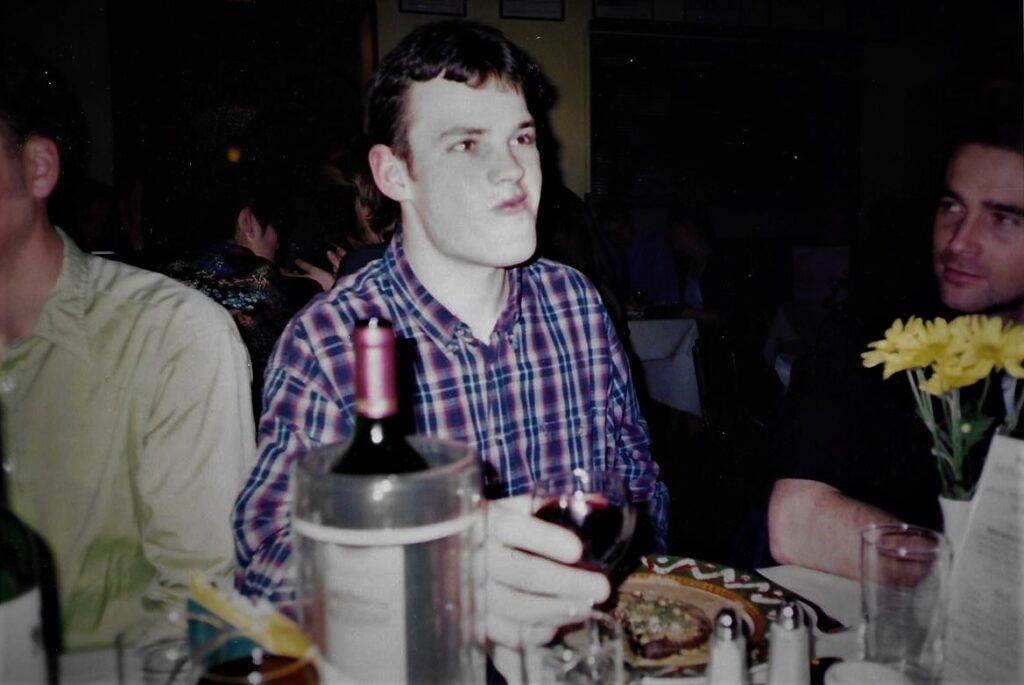
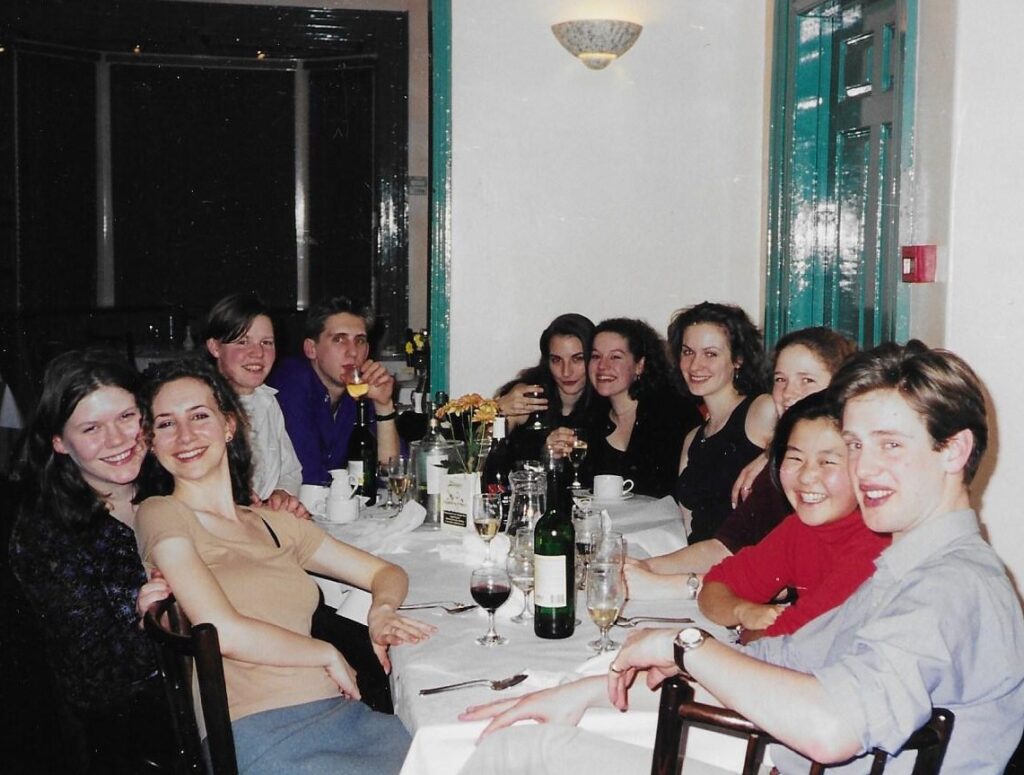
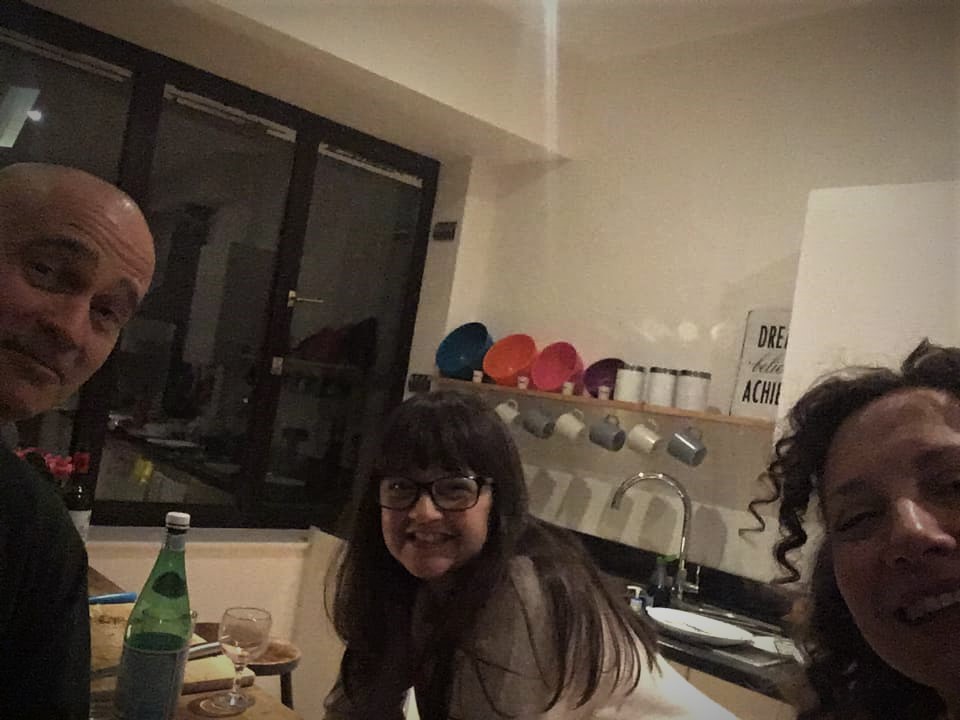
It was in fact, in Bristol that I started to learn about wine. Obviously it’s not unusual for a uni student to get into drinking wine but I’m talking more about wine “appreciation” (but very much keeping it real and unw*nky as I will explain…). This was all thanks to my flatmate’s boyfriend’s ego. We’d known Matt since day 1 – a football-loving, beer drinking Welsh lad from Cardiff who liked getting drunk on beer and generally larking about when he wasn’t studying economics. His third year was spent in France and when he returned a svelte cyclist and a wine connoisseur (or so he thought), he told Nat and I that he wouldn’t share the bottles that he had brought back with him because we “wouldn’t appreciate them”. Well now…. At the time one of the Sunday papers was running a “teach yourself wine” series, so each week, Nat and I would sit down for an hour or so together and gen-up on cab sav, chardonnay etc then drop our facts into conversation with Matt every now and then. With raised eyebrows he would enquire as to how we come to know [insert wine fact here], to which we would reply, “oh, everyone knows that”. In the end, our efforts paid-off, not only in getting one over on the guy’s ego, but also in the sense that he reneged and shared his nice wines with us; moreover I gained an interest that would see me go on to work in the trade.
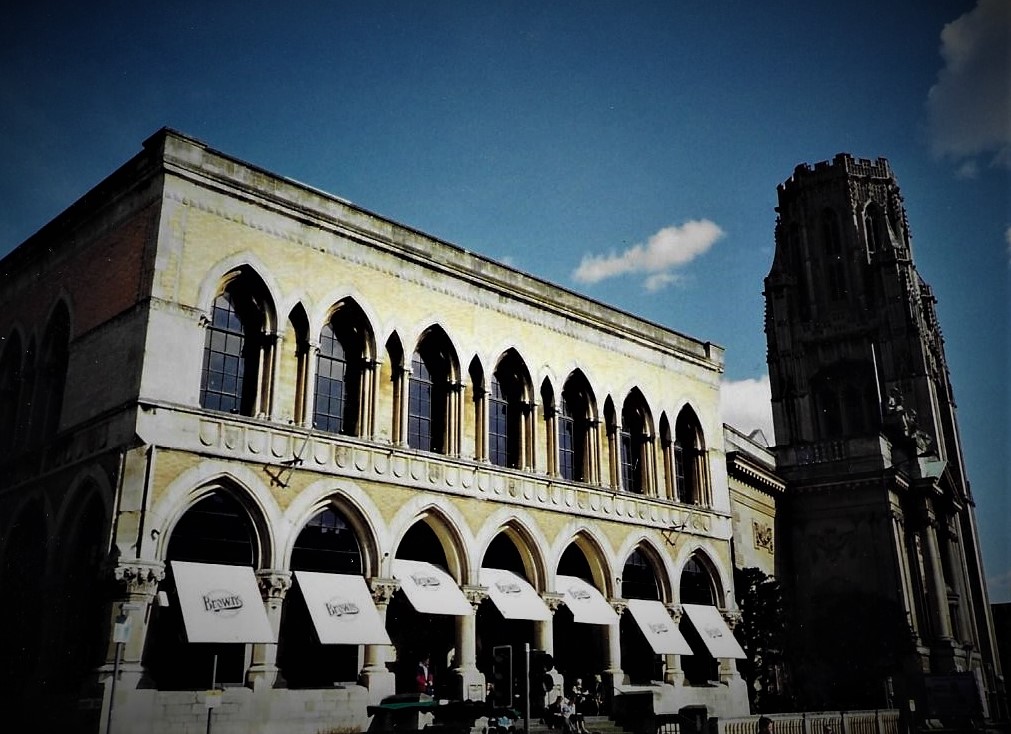
I went to uni in the mid 90s and coming from a pretty modest home in a suburb of Southampton, it felt to me like the height of sophistication to do things like have a cocktail in the Swallow Hotel on Park St or a meal in Browns (which sounds really naff until you see the building – it used to be the old museum and basically looks like Rick’s bar from Casablanca, complete with pianist); made a change from cereal in front of the telly anyway.
Interestingly, for somewhere that has such a strong identity, Bristol doesn’t, in fact, have a “dish” that it’s famous for. At all. There is, of course, Harvey’s Bristol Cream but apart from give a glass to your aged aunt I wouldn’t advocate doing much with this cooking-wise. So for this week’s recipe, I’ve combined two things that remind me of Bristol: cider and bread and here’s why.
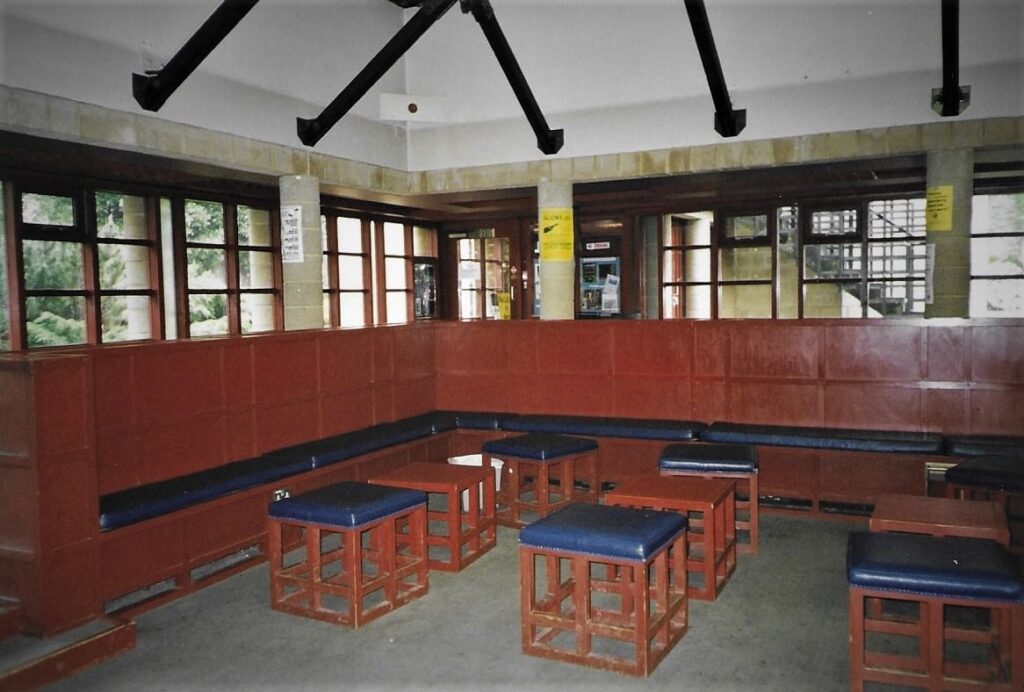
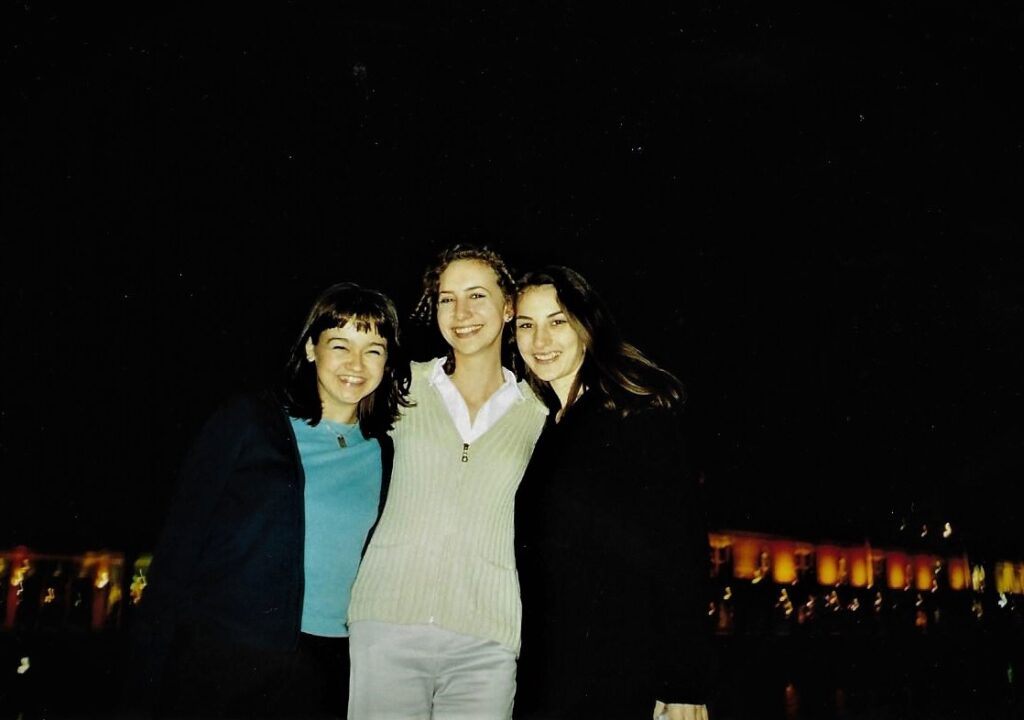
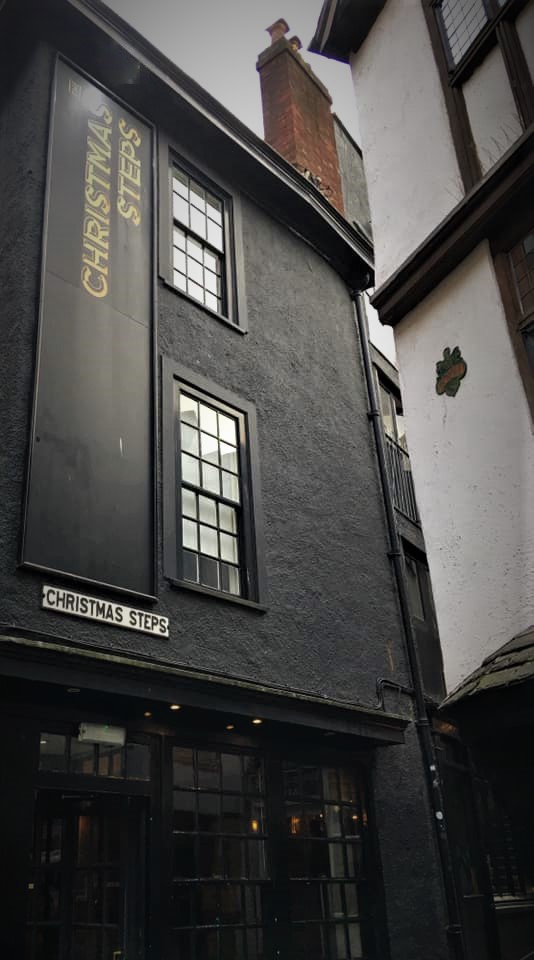
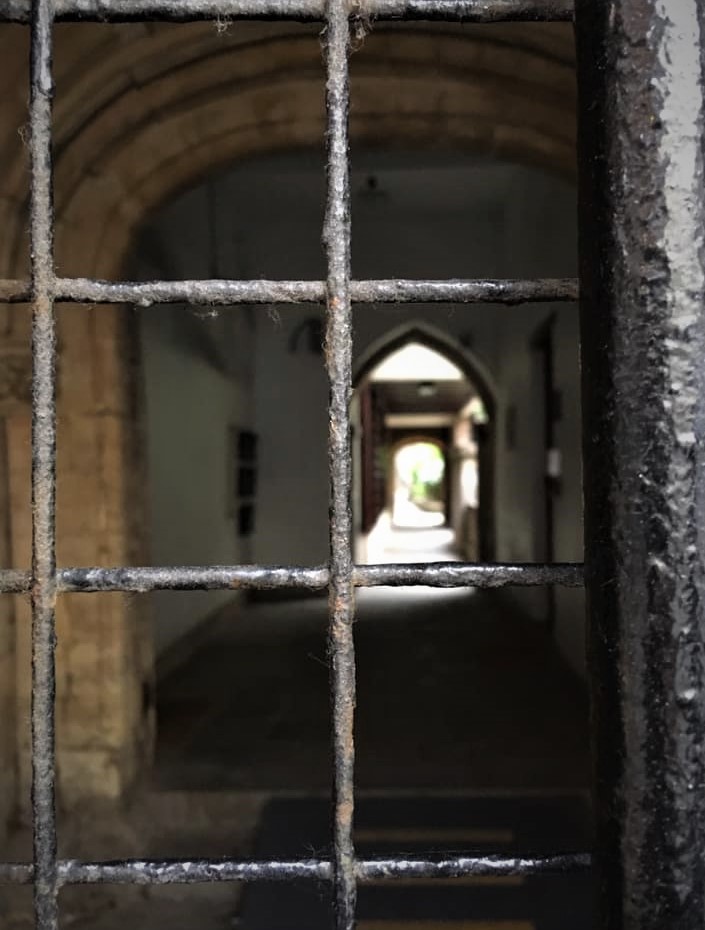
Firstly, this part of the world is known for it’s cider and one of Bristol’s institutions is the CoriTap – a well-loved, “low-ceilinged, old Georgian pub”, infamous because the cider they have on offer here is so potent that it’s only served in halves. It’s essentially a rite of passage to get absolutely [insert your preferred drunk terminology here] and Nat, Matt and I certainly achieved that (before we “graduated” from being £1/pint beer drinkers and chuggers of many a ghastly alcho-pop on the dancefloor of some rough old club; to, well, cheapish wine). It was (for the four years I was in town anyway), also apparently home to a white-haired, long-bearded, old chap known locally as Father Christmas. I guess it’s pretty stressful smashing that Christmas Eve target – we all gotta kick back sometimes.
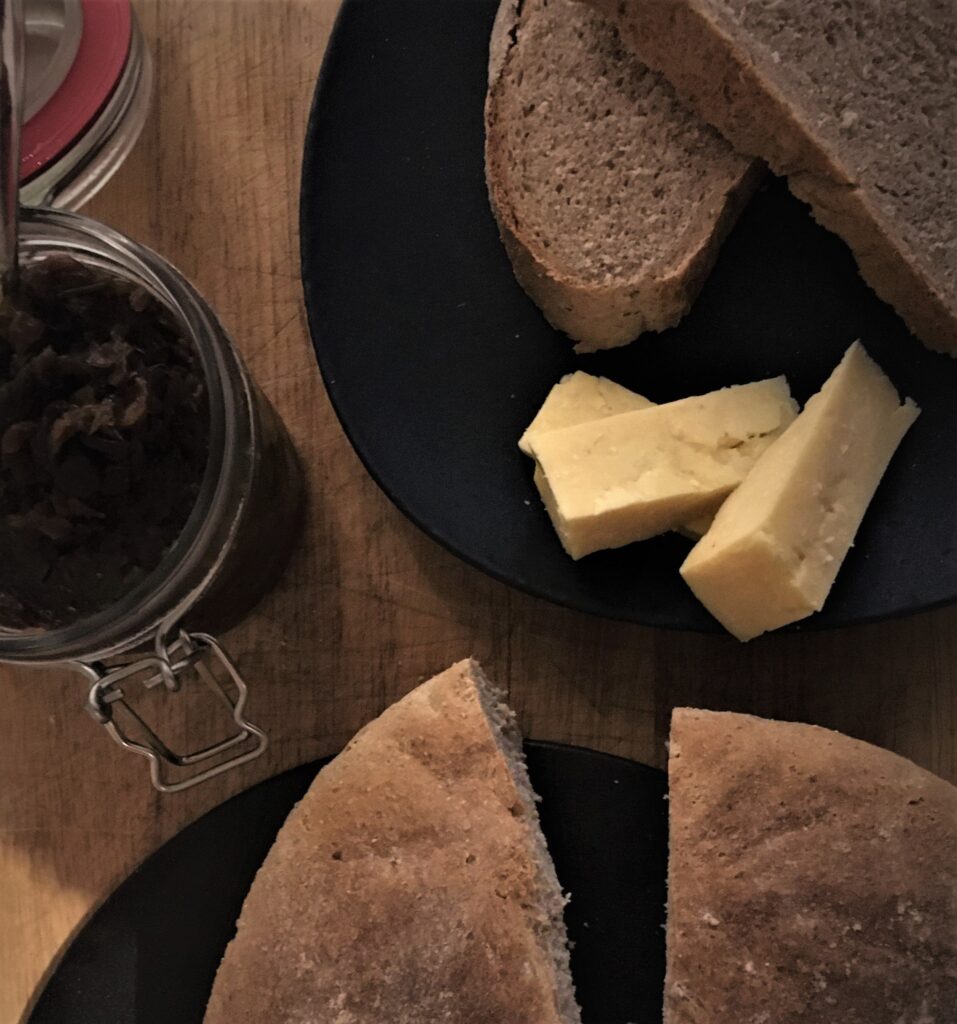
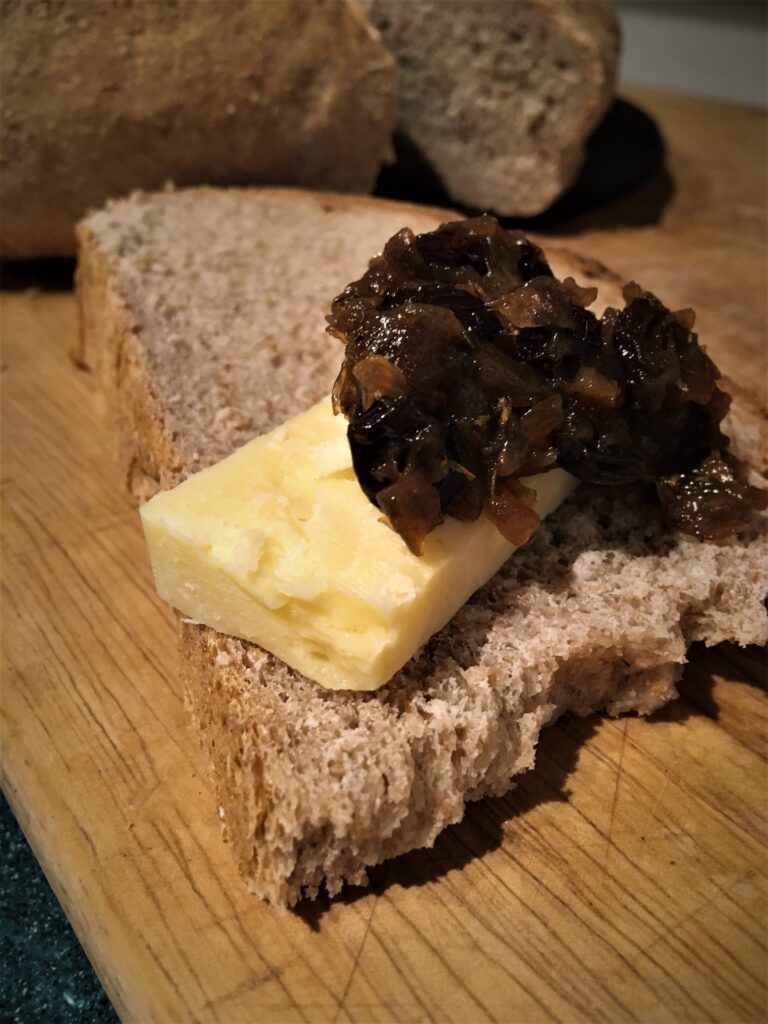
Bread, well because the other Nat I lived with and her boyfriend, Patrick (unintentional rhyming in our household), and I, shared a love of bread (as I mentioned in last week’s post). So putting these two things together seems fitting. Moreover, the best thing to eat with this bread is Cheddar – another foodstuff that the West Country is famed for. Yes there are fancy slap-up meals to enjoy in many a fine eaterie in this wonderful city but keeping it simple with wholesome local foods is also a delight too and there are many shops and markets to forage for these in. More to the point, as a pretty penurious student (who wanted to spend their money on alcohol ;)) I often just ate bread and cheese for supper (in fact, ssh, I sometimes still do – old habits die hard; like squeezing at least 3 cups of tea from a teabag ;)).
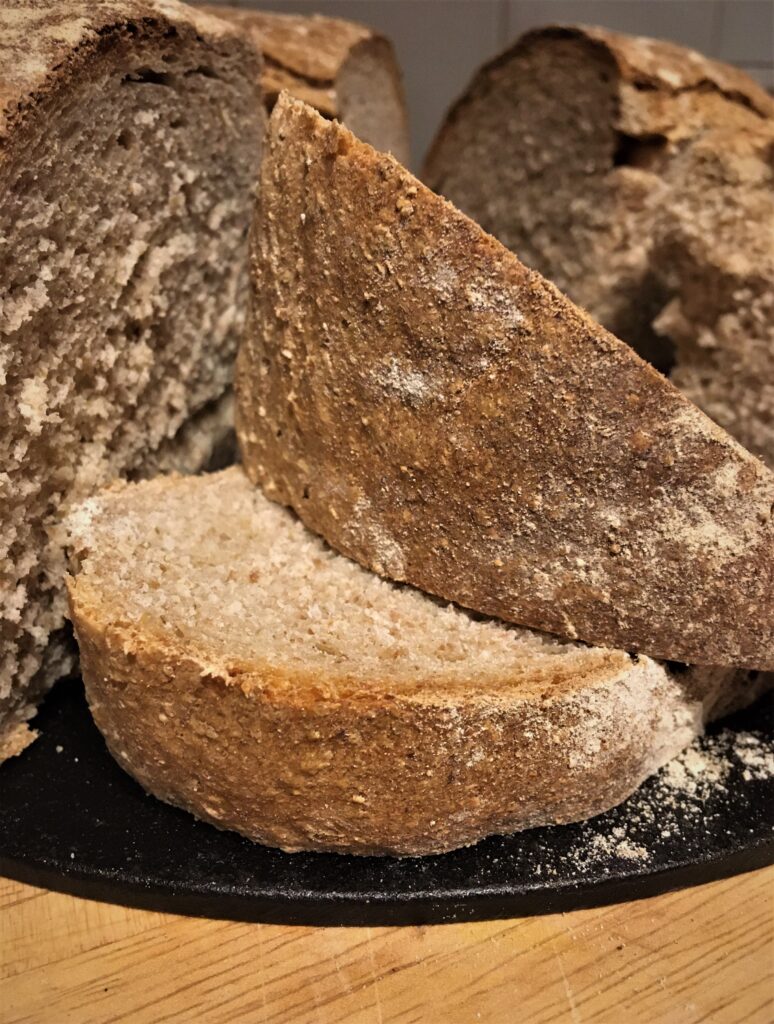
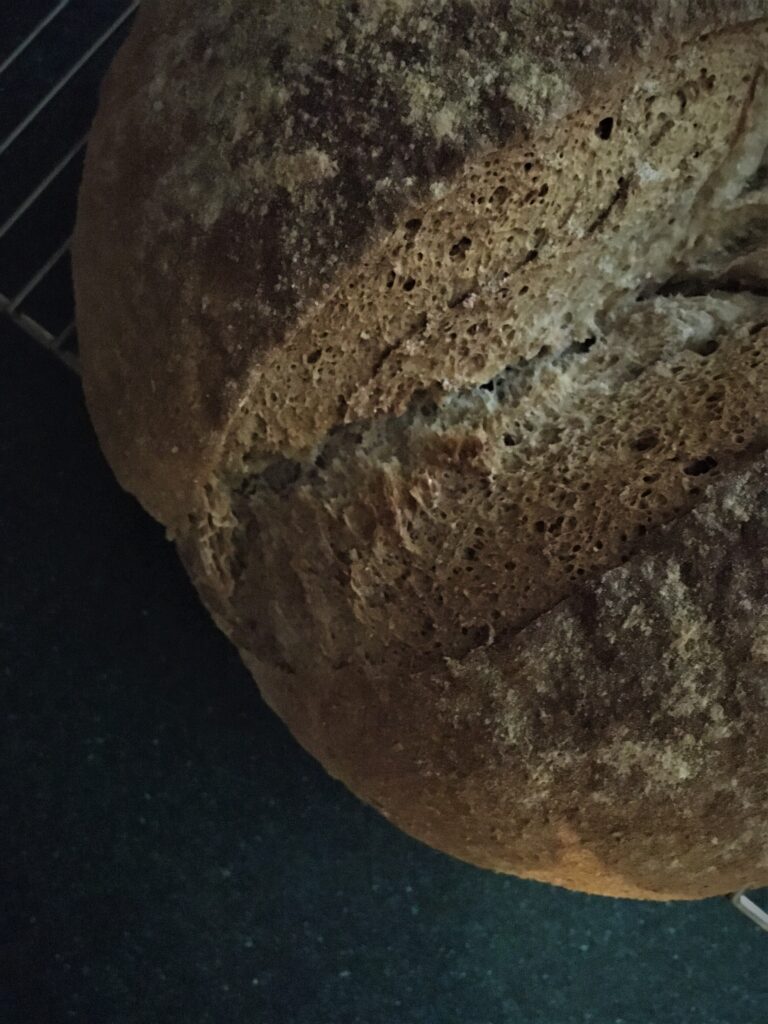
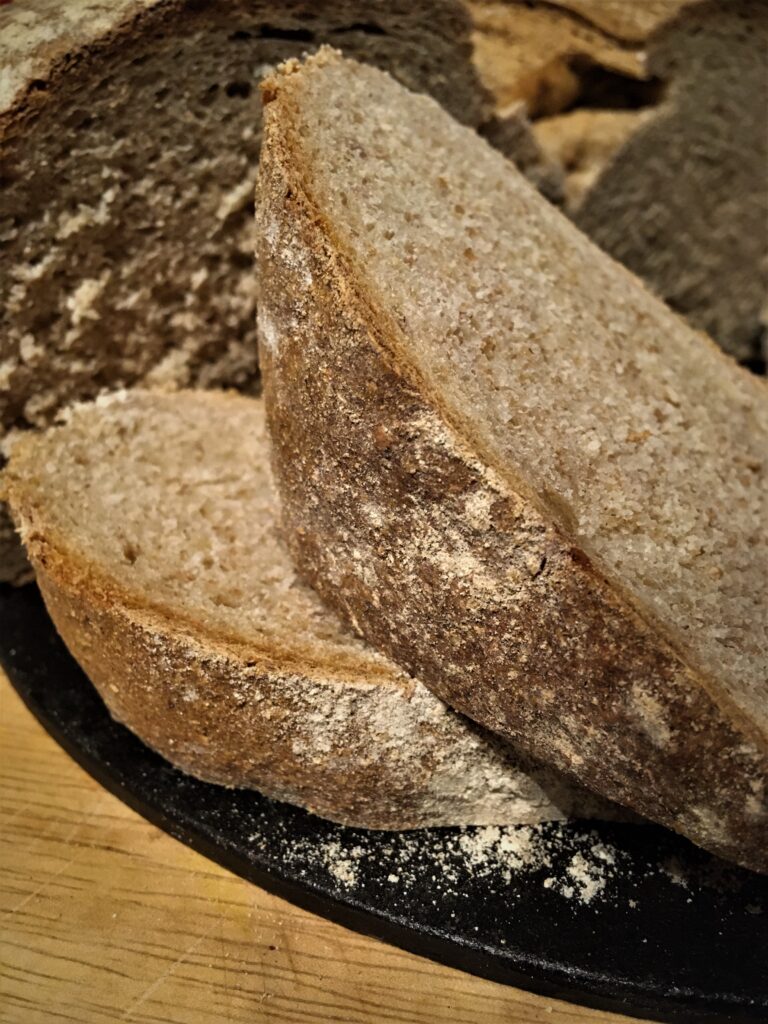
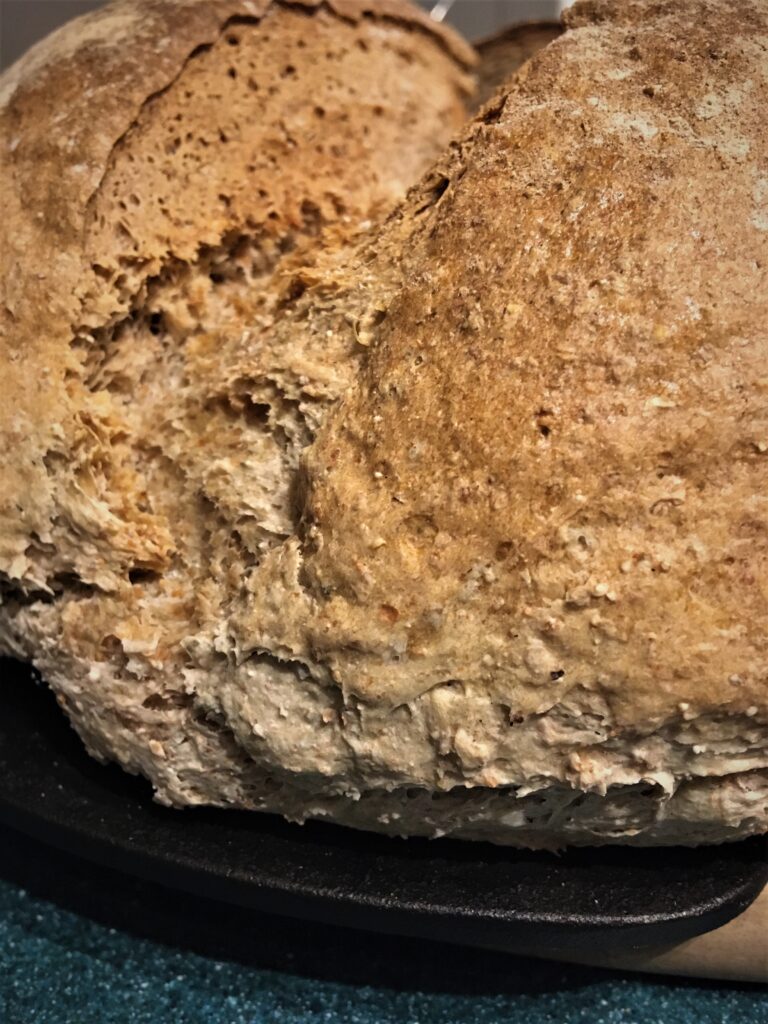
When you make this cider bread, the kitchen smells like a brewery (which is an aroma I happen to love) wrapped up in the warm hug of an abundant apple harvest. The texture is at once bouncy and chewy, the crust crunchy and the flavour so appealingly mellow. It’s honest, rustic and delightfully moorish (and I could easily smash several slices in quick succession).
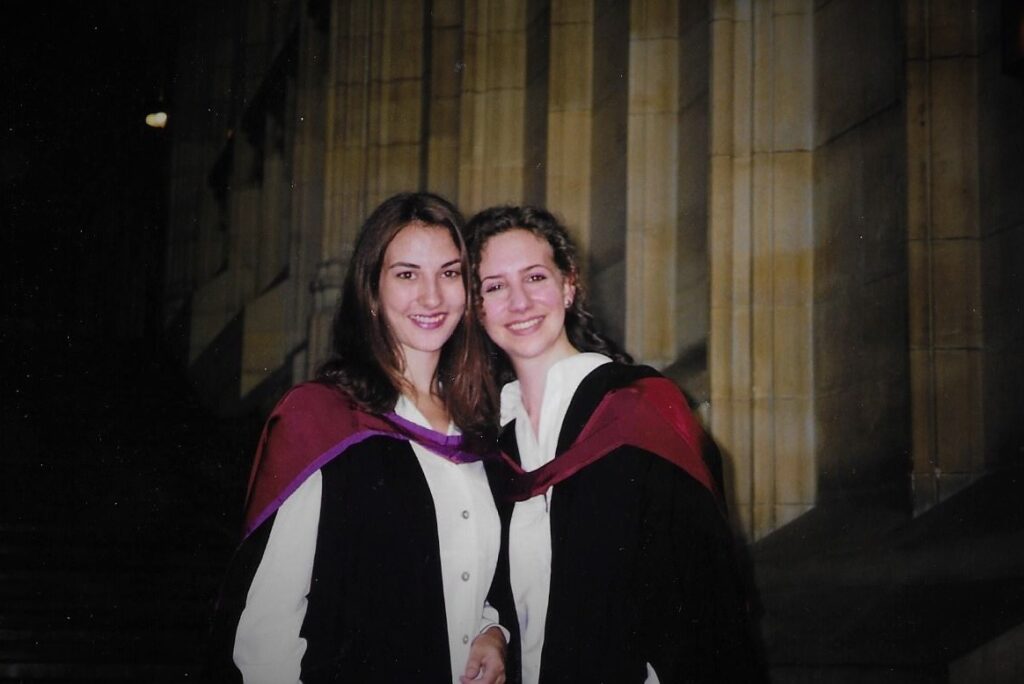
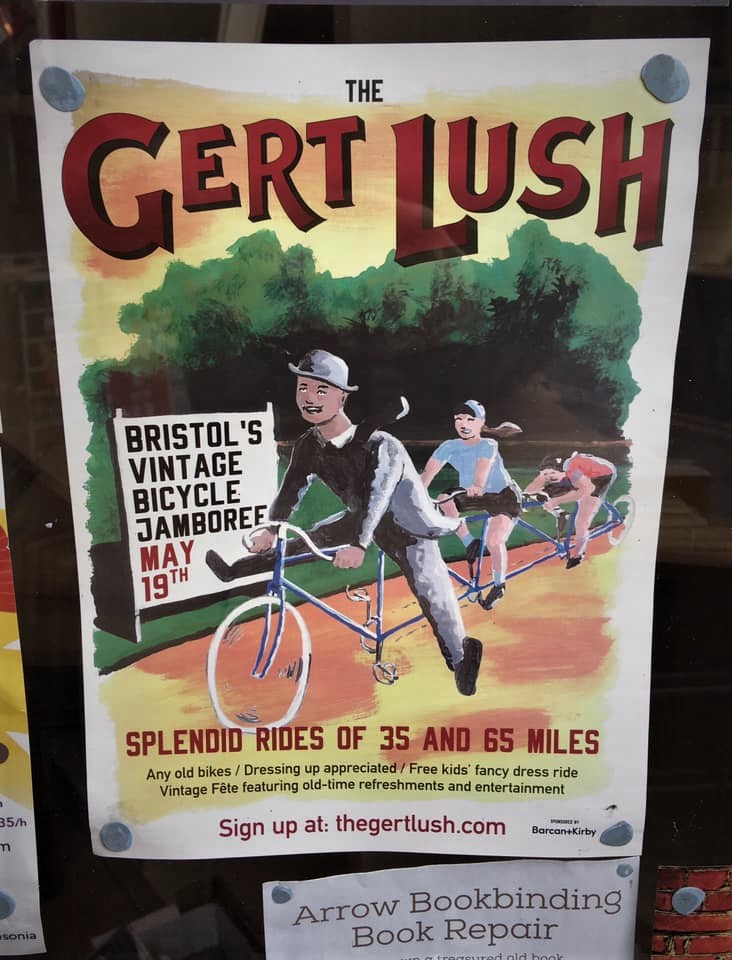
I’m so happy (and feel pretty lucky) that Bristol is where I got to study. I loved my subject, made some lifelong friends, had so many great times and, fell in love… with a beautiful place that will always be very dear to my heart. It was also very dear to my maternal grandmother. She lived in Bristol (in Henleaze) for a number of years when she was younger. She had aged aunts who lived in a big rambling old house just off Whiteladies Road, she worked in a photographer’s studio on Park Street and she also used to serve Cary Grant his morning paper in the family newsagents. So I guess there was a connection before I even took my A-levels or filled out my UCAS form. Even just to hear it’s name makes me smile and there’s something rather lovely about having formed such a deep connection to somewhere. No matter how fanciful it may sound, this city always welcomes me with open arms. I would move there like a shot if I could. In short, it’s gert lush, my luvver; much like this bread…