






























or, more precisely, soupe à l’oignon near Dijon
This week would have been my father’s 91st birthday. November has been a tricky month for the past couple of years because it’s also, very sadly, the month in which he suddenly passed away in 2018. So this week’s post is dedicated to him. I’m not going to rhapsodise here but suffice it to say, he was a highly-skilled, handsome, elegant man and one of tremendous wit, intelligence, kindness and modesty. A soft-hearted, unassuming, authentic beautiful soul, with a glint in his eye, a tale to tell, an ever-inquisitive mind and a love of life; he could turn his hand and his mind to anything; in short, a total legend. If I can be half the person he was then I reckon I’m an ok human.
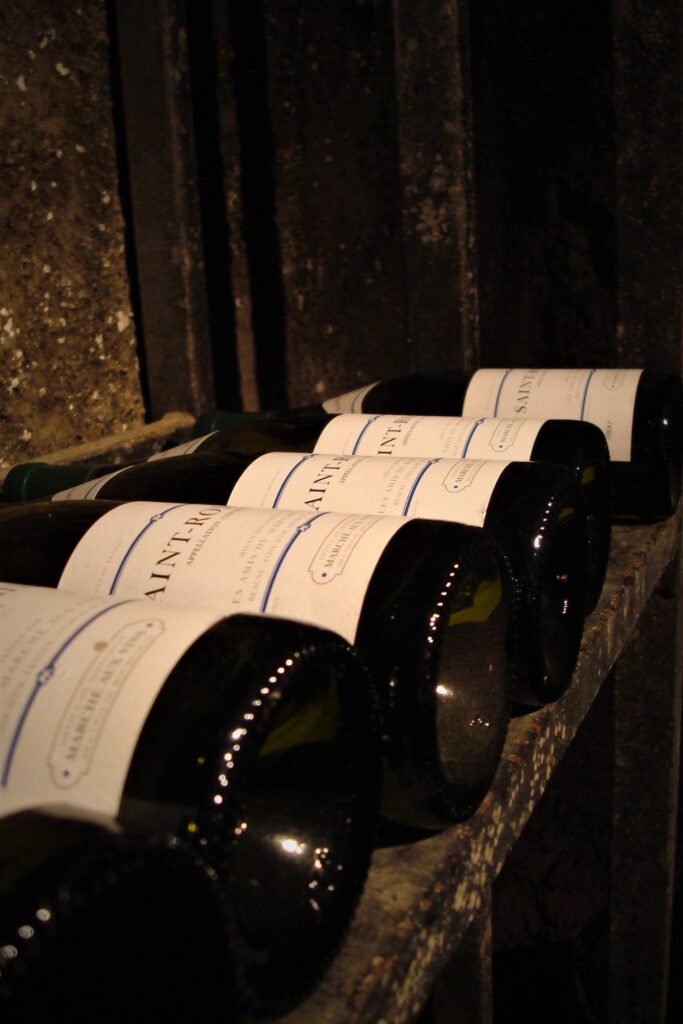
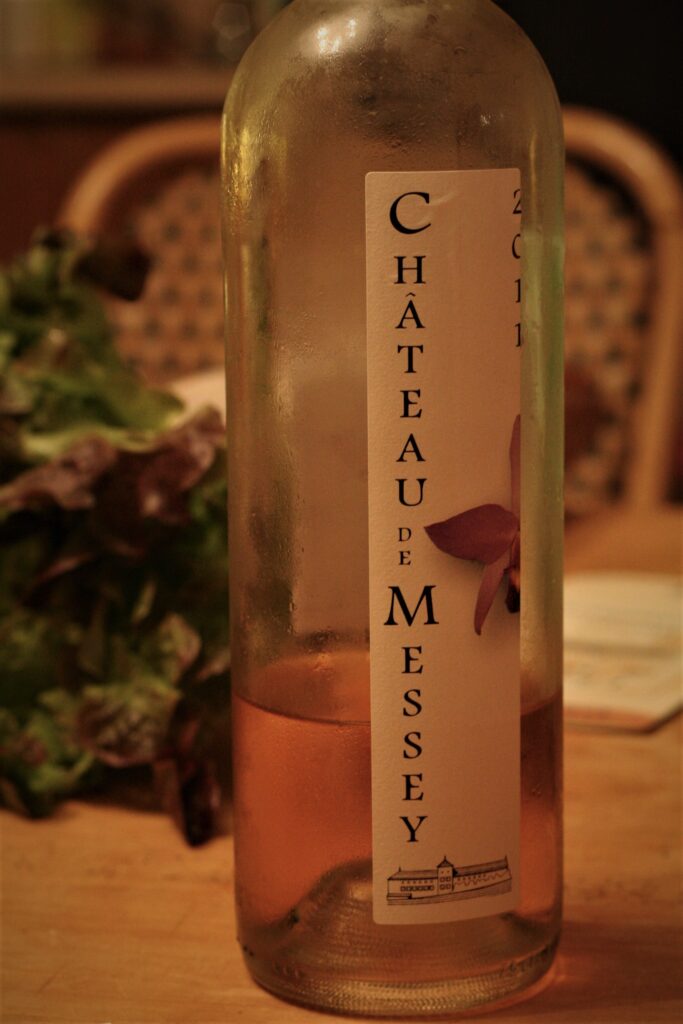
He and my lovely mum were both teachers by trade and, as such, our hols were pretty simple back in the day – all England-based but in that glorious English summer way (when it wasn’t an untimely cold, rainy beach or a wet traipse around some old site etc) and all very fondly remembered (even the wet ones). As an adult, I’ve mostly travelled with my sister, on my own, with various friends or with the odd partner but I have also enjoyed a few trips with the fam. Our trip to Burgundy a few years’ ago was the last one we all shared together. So I’ve chosen to write about that this week firstly because my Dad was a fluent French speaker and very much cut a dash as an Englishman abroad; and, secondly, because Burgundy is also the home of what was his favourite wine, Nuits St Georges. When he was studying Humanities at university, my father used to practise his spoken French every Thursday evening with a seemingly most agreeable tutor who would crack open a bottle of this Burgundian classic for them to share. How much vocabulary my father managed to remember, who knows, but undoubtedly the conversation flowed as liberally as the wine.
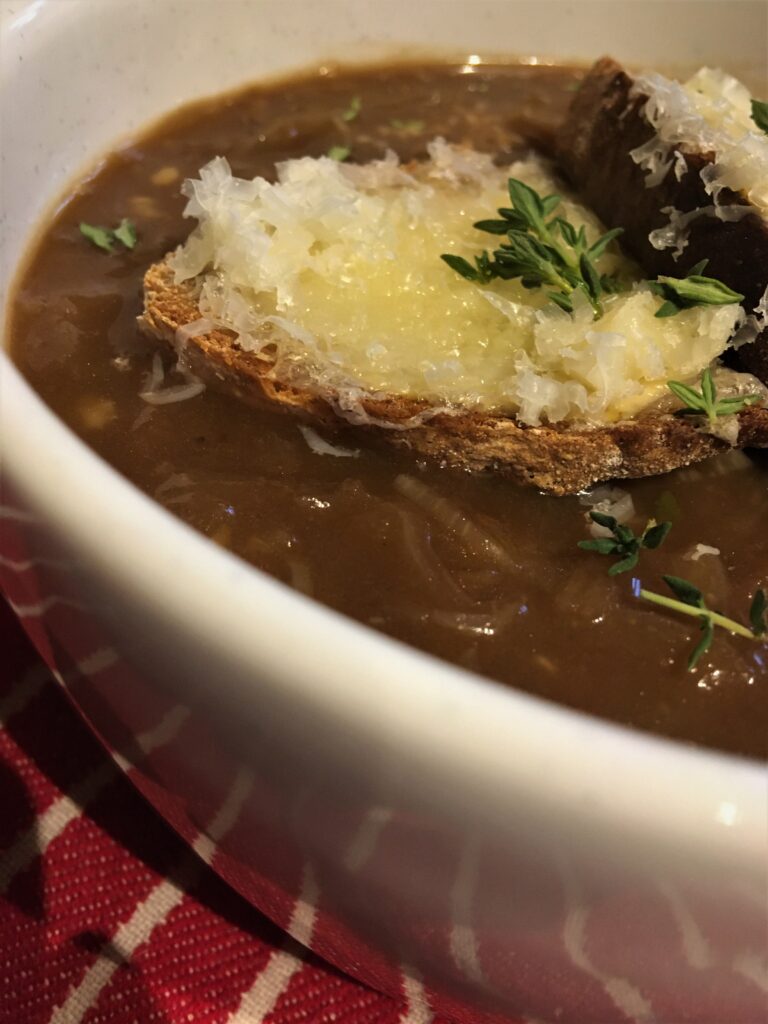
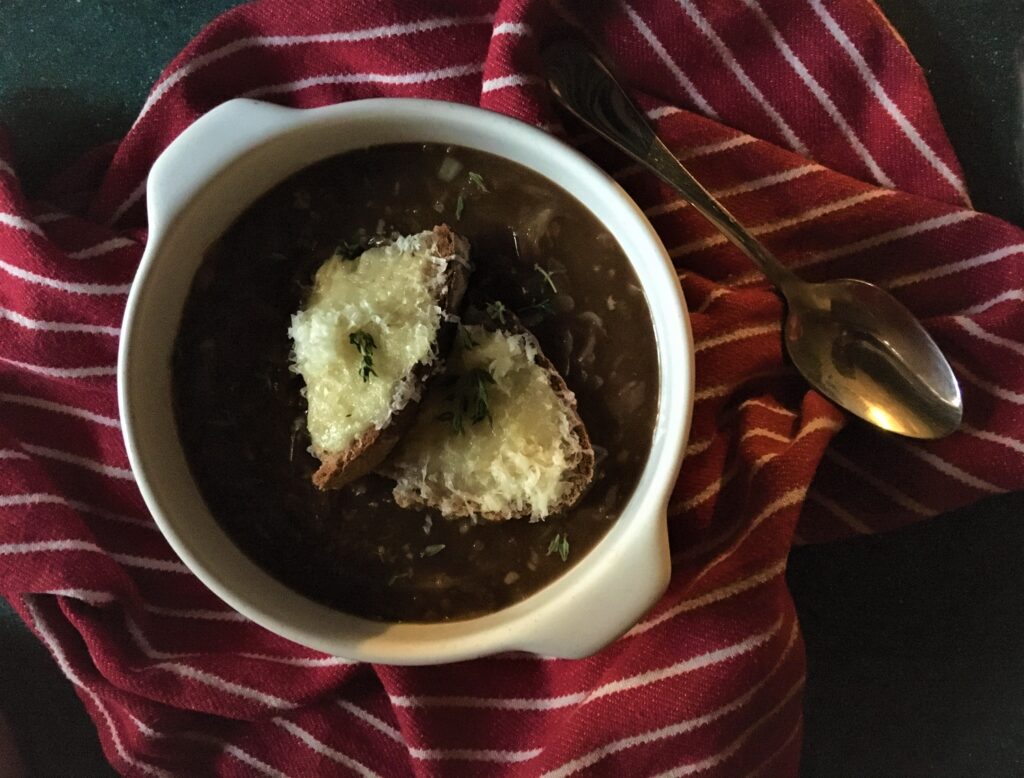
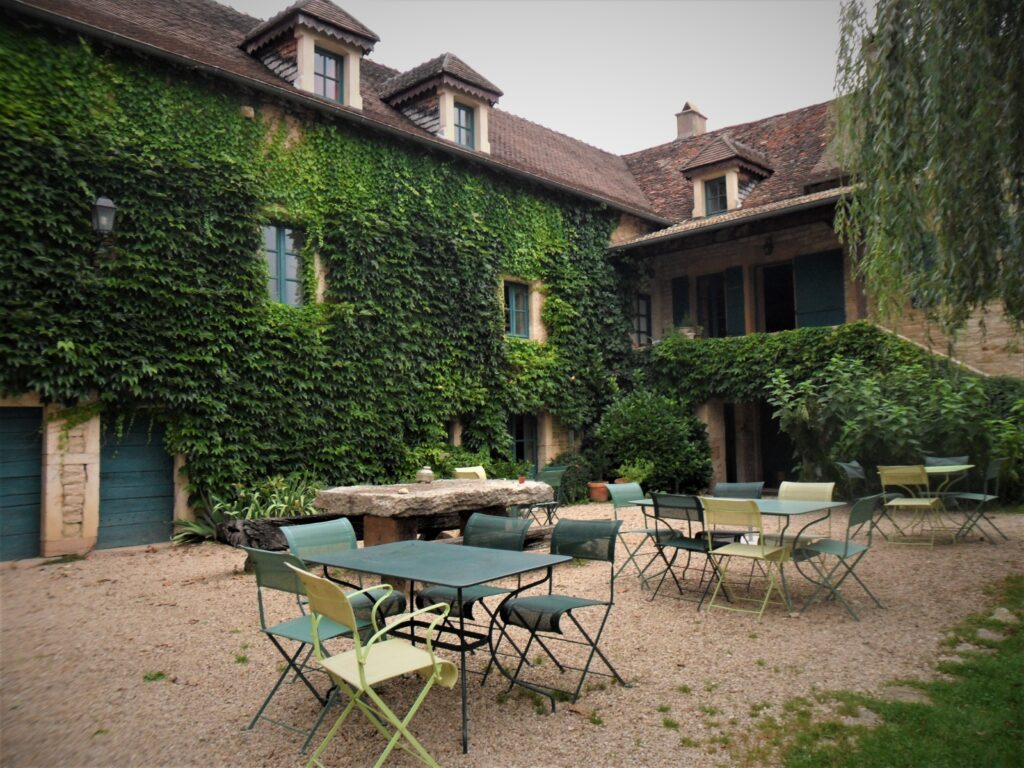
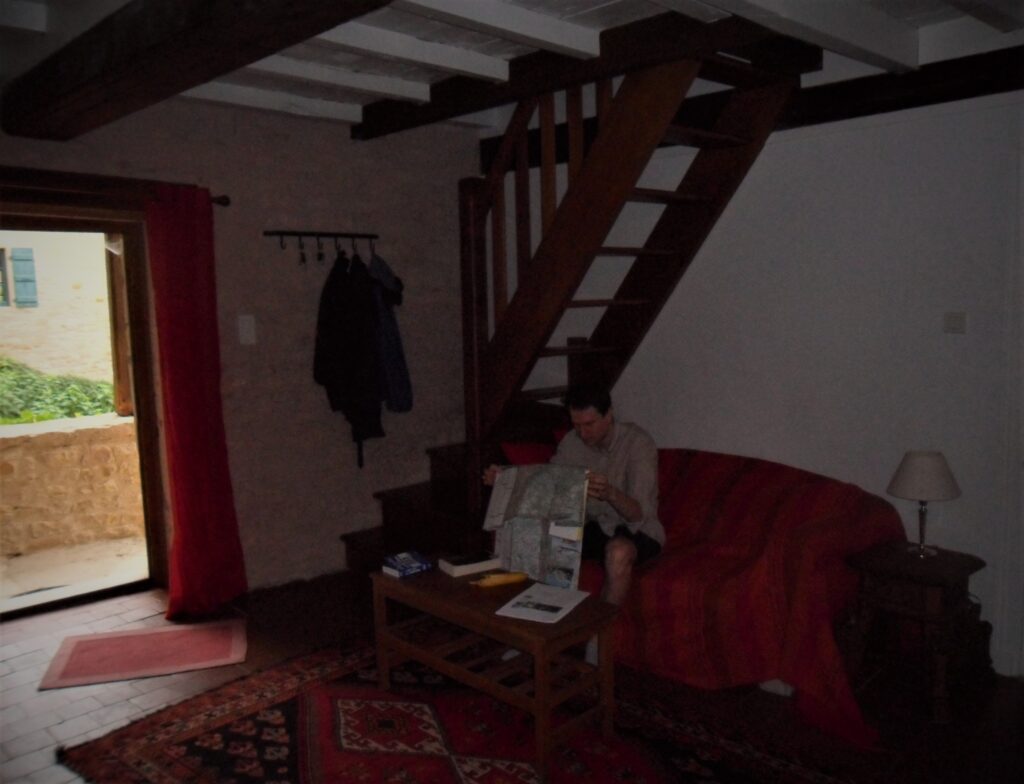
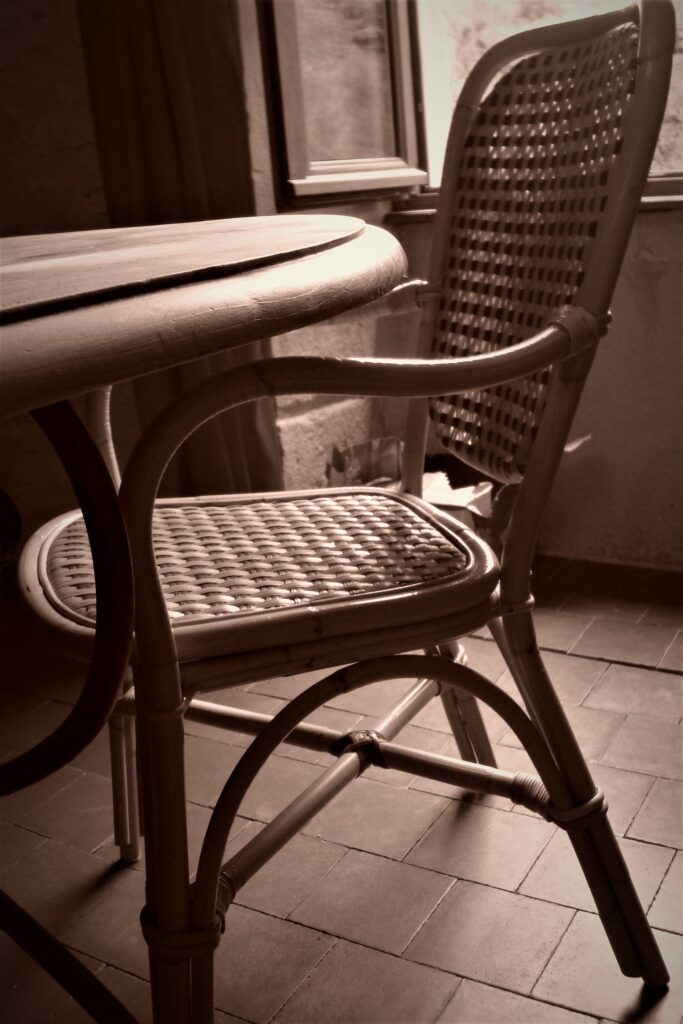
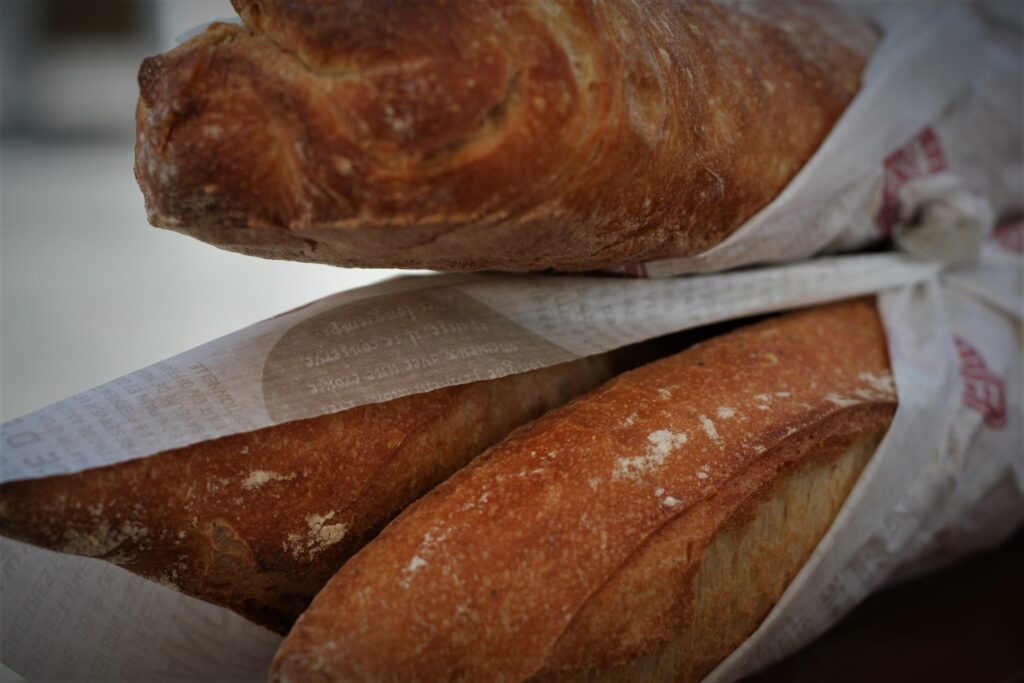
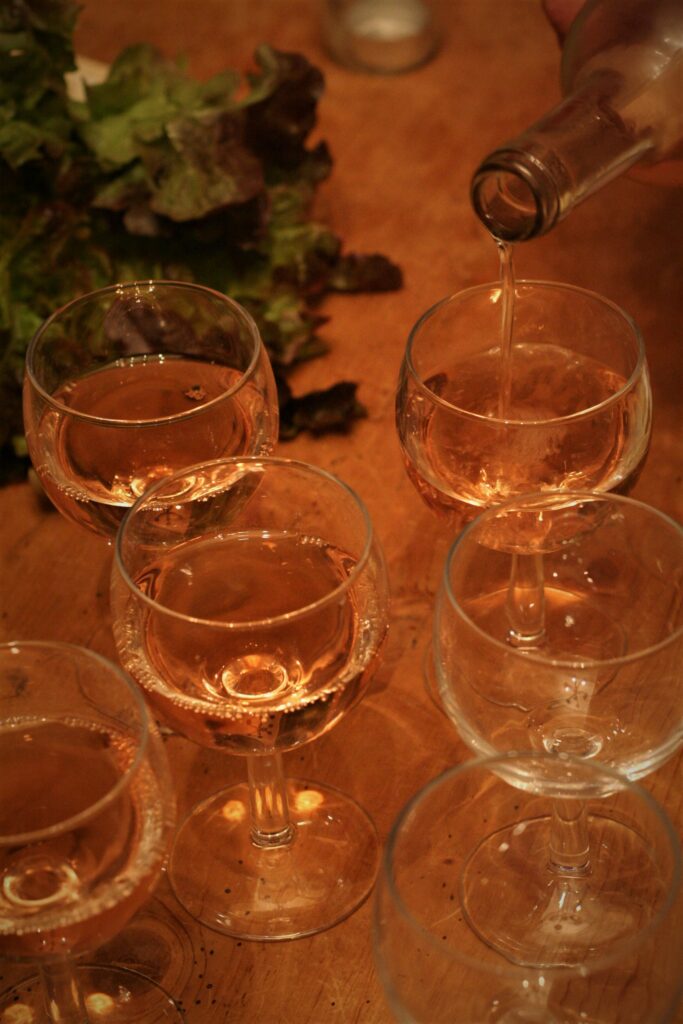
I’ve also chosen this trip because it was a bit of home from home as far as the food was concerned. Whilst we did eat out a fair bit, having hired a gite we also packed a French cookbook (when in Beaune ?) and enjoyed making use of (well, my sister, my mum and I made use of) the lovely, sizeable, open-plan kitchen. On our menu one evening was good old French onion soup. Simple, yes; but oh so reliable, oh so tasty and oh so good especially when accompanied by a boulangerie-fresh baguette and a selection of fromage. Wash all this down with a glass or two of wine and it’s a supper I’m totally on board with.
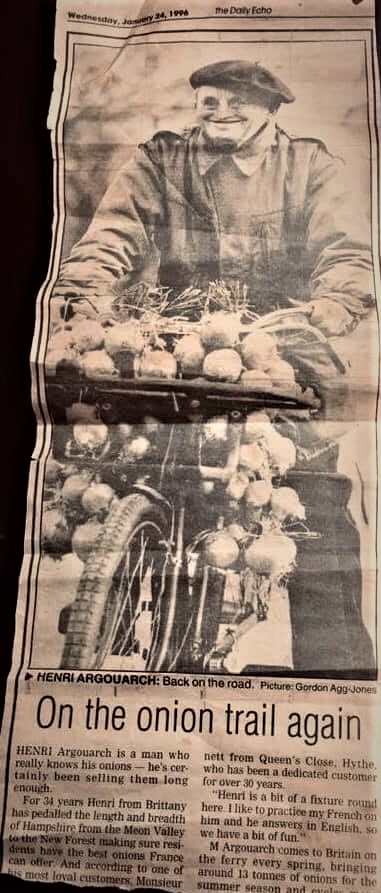
This simple soup continues my recent theme of comforting, autumnal foods but it also reminds me of my Dad for other reasons, beyond enjoying it with him en famille en france. He was a great appreciator of the simpler things in life (plus he had a very zealous love of cheese) but, moreover, back in the ’80s we used to buy French onions from Henri, a French onion seller who cycled door to door pedalling his produce, strings of which he proudly wore around his neck when his basket was overflowing. Henri was a swarthy, tanned Frenchman of indeterminate age; complete with beret, thick woollen jacket and barely any teeth – I know this because he was always smiling. He was warm and sympatique and although he sounds like he basically cycled out of a Stella Artois advert, this is not cultural appropriation. Henri and his onions were indeed the real deal. He came from a long line of Breton onion sellers who would head over on the ferry to sell garlic, shallots and the sweet rosé onions particular to Roscoff. They were known as the “Onion Jonnies”. I thought my dad had made this name up but nope, it was a thing and I’ve included a full article about Henri and his crew below which I managed to find on a Southampton Facebook page (good old internet!).
My Dad loved this simple, old-time encounter and he loved Henri’s patois. He would happily chat away with him for ages before calling my sister and I to come and say bonjour (and try and get us to practise our French). We would shyly offer a little greeting then run away, far too scared do much more conversing with the smiley Frenchman. My mum used to hang the strings of onions up in the back porch and I can distinctly remember the sound of the straw when you twisted one away from the plait that Henri had so lovingly made. Anyway, they were damned good onions and my mum always did them proud.
Soupe à l’oignon is a winter favourite in France and it’s easy to see why. It’s so incredibly rich and soothing and, weirdly, despite being a bit on the brown gloopy side of things culinary, manages somehow to pull off an equally impressive degree of elegance. I love that about it. Onions cooked in wine, garlic and beef stock… it’s the stuff of cosy Sunday suppers after a bracing walk. As broth it has its origins in ancient Rome but in his Grand Dictionnaire de la Cuisine, Alexandre Dumas uses an anecdote about the 18th C Duke of Lorraine, Stanislas Leszczynski to explain just how it came to be so prized. During a visit to his daughter Queen Marie and son-in-law Louis XV at Versailles, seemingly on tasting the humble onion soup the chef (a chap called Nicolas Appert) had made for his supper, Stanislas was so overcome that he fled straight from his bedchamber to the kitchen and immediately demanded a demonstration of the recipe. Dumas delights in describing the overwrought ex-king of Poland shivering in his night attire and crying as the chef once again prepared the soup; but as the annotator of this fact notes, the tears may have been on account of the onions ?. In his cookbook Appert apparently originally called it soup àla Stanislas (as a petit homage to his biggest fan).
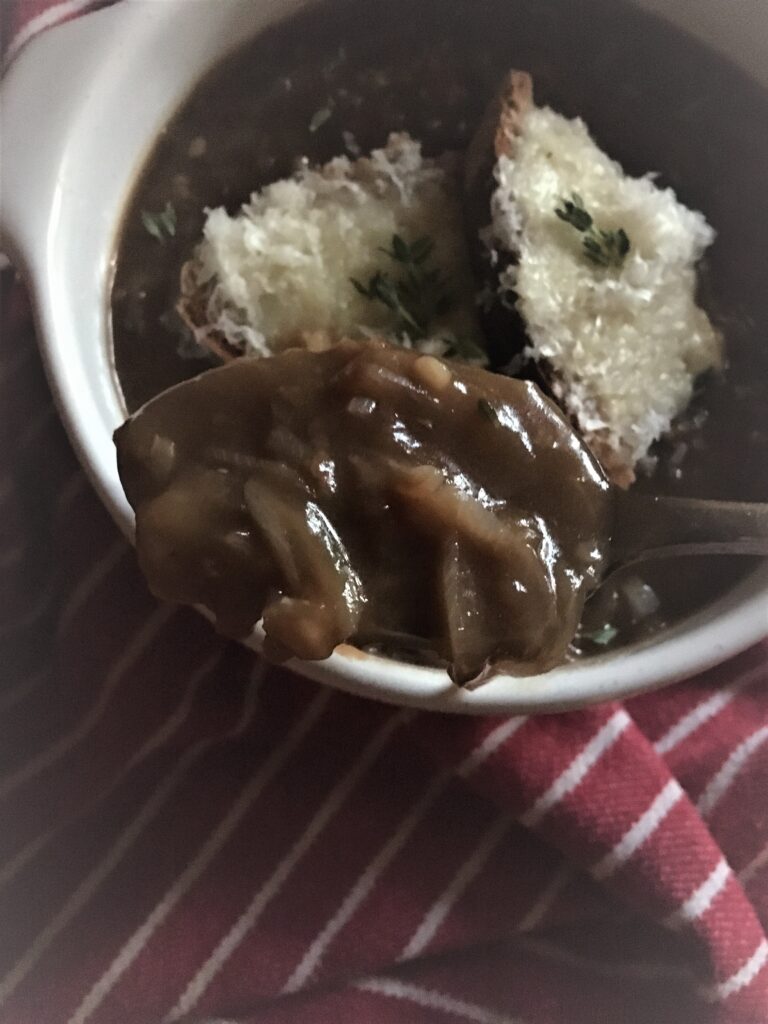
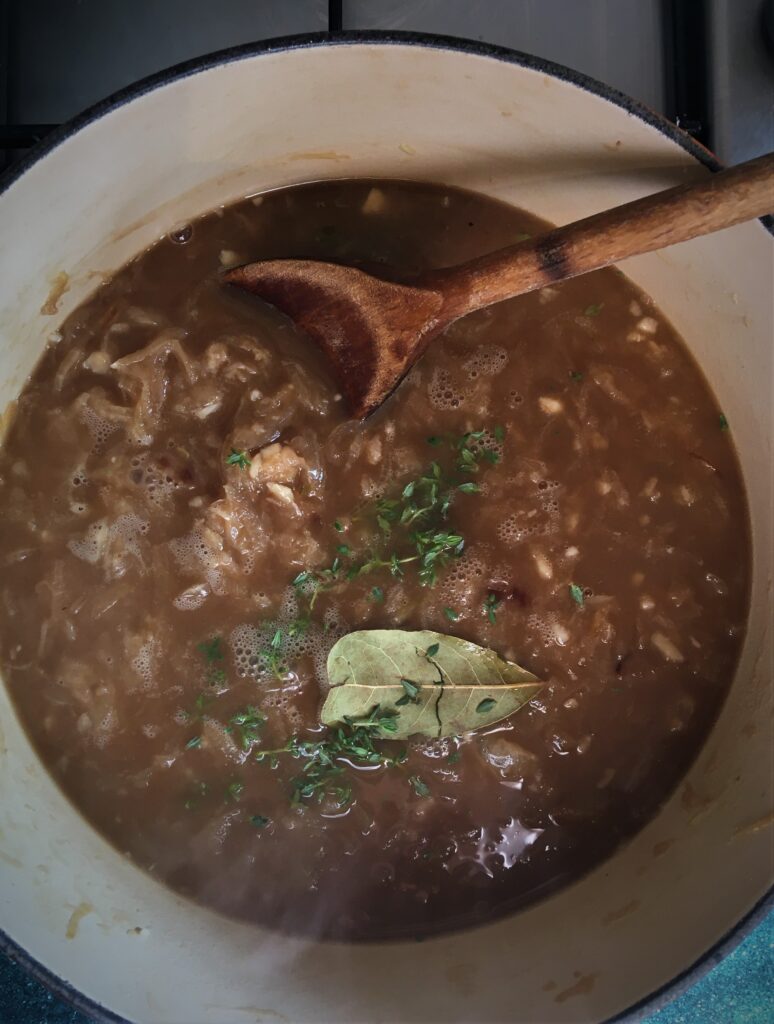
Nowadays there’s no need to steal into a chef’s kitchen by night to discover the secrets of this soup – there’s a pretty standard recipe available to all, given it has become part of the lexicon of French cuisine. It’s a simple line-up of wholesome ingredients finished off with a delicious garnish in the form of a crouton grand dripping with melted gruyère. I mean, what’s not to love about this? I gild the lily a little with mine and add a touch of Dijon mustard – an extra nod to this Burgundy trip. If you go to Dijon, you can’t not visit the mustard shops and come away with all sorts of intriguing combinations of delicious sounding condiments (which I happen to be a total magpie for; in fact, I’ve still got an olive and rosemary one lurking in my store cupboard). Soupe à l’oignon is rich and transportive. It’s quite ridiculous how much bang you get from something so simple. The streak of thyme running through presents a delicate earthy foil to the sweetness of the onions and the hint of mustard just brings it all together like a spicy little ribbon of delight. This is comfort food, the French way.
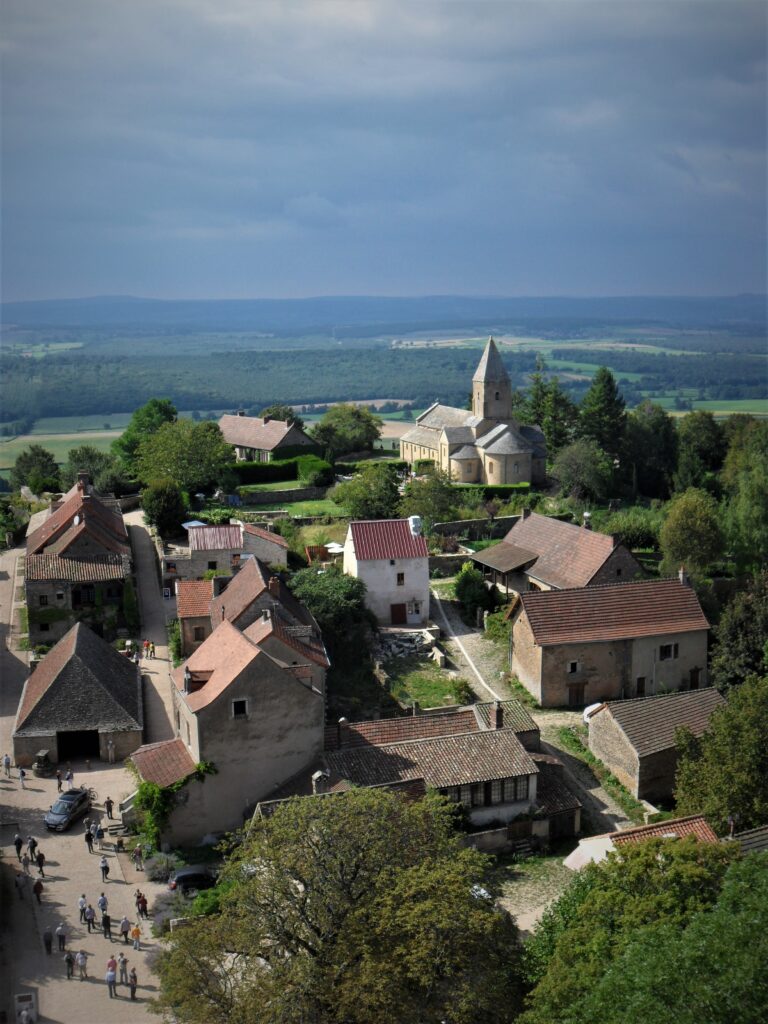
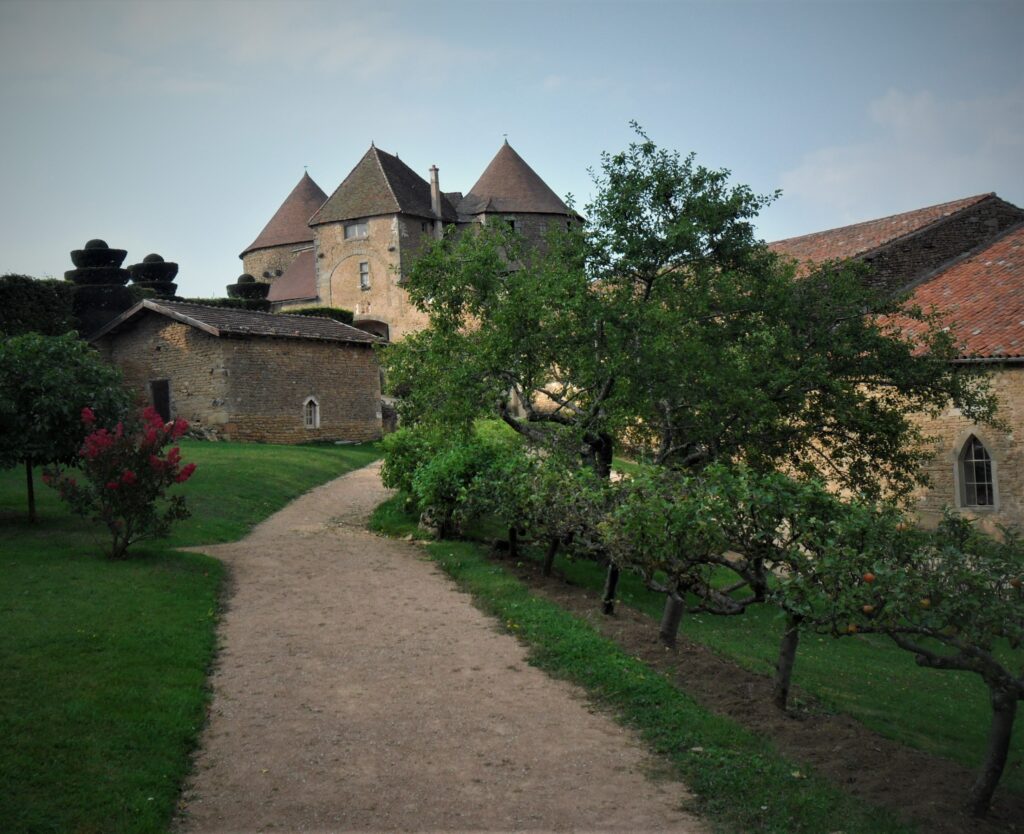
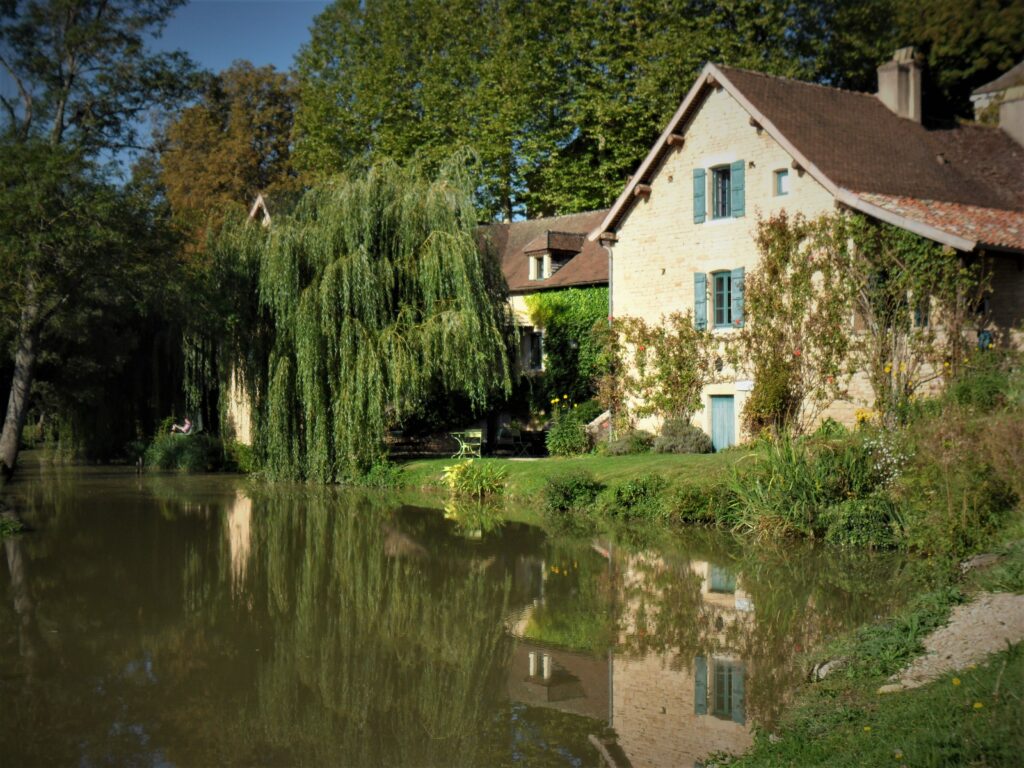
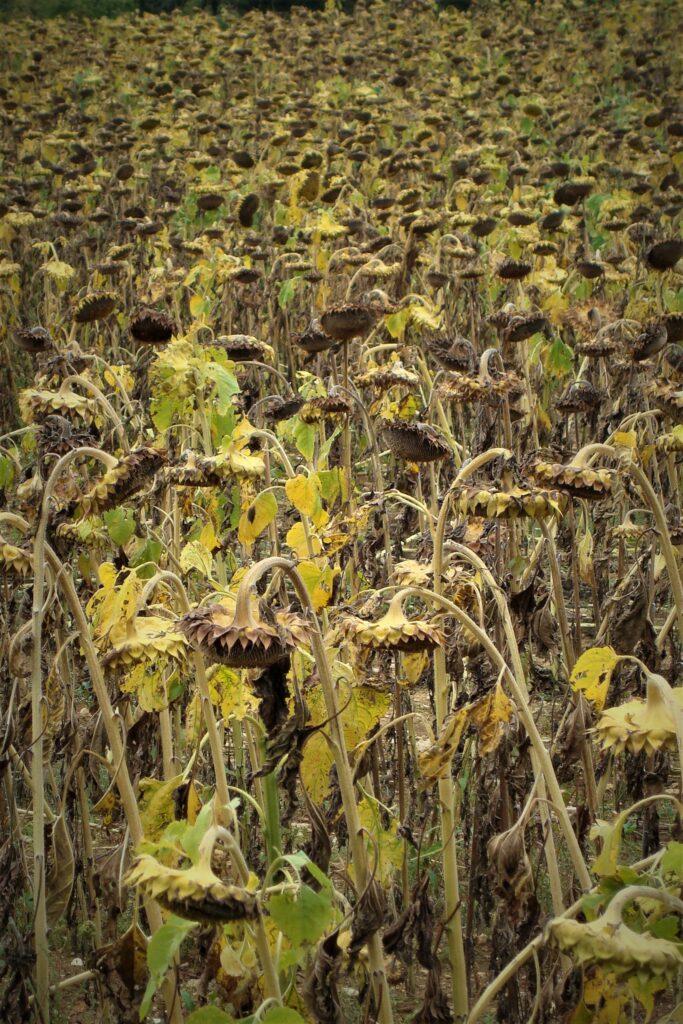
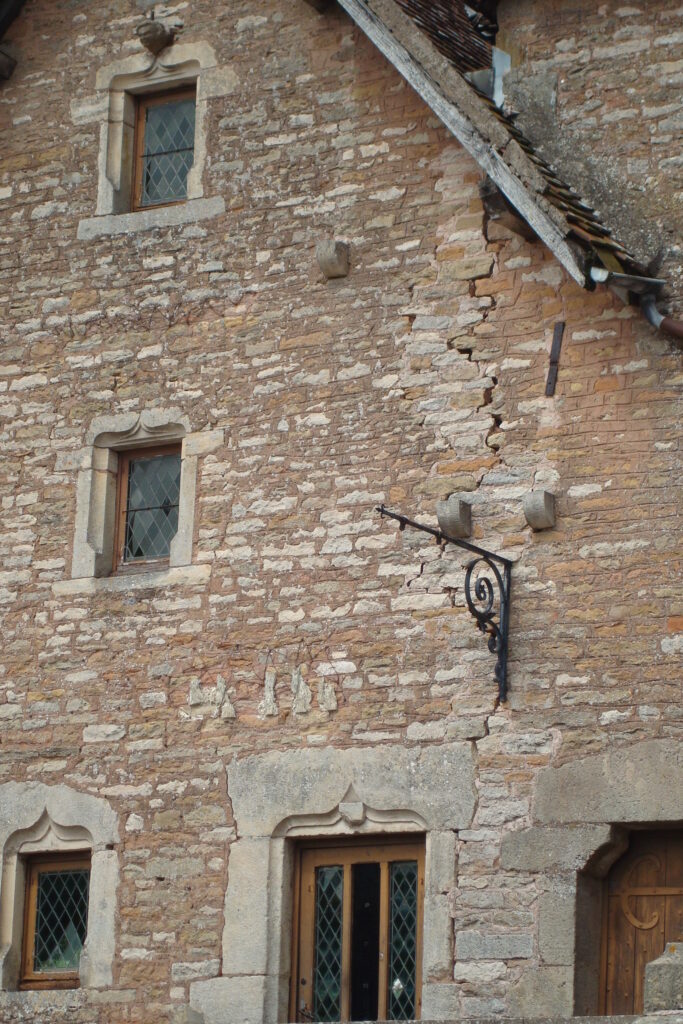
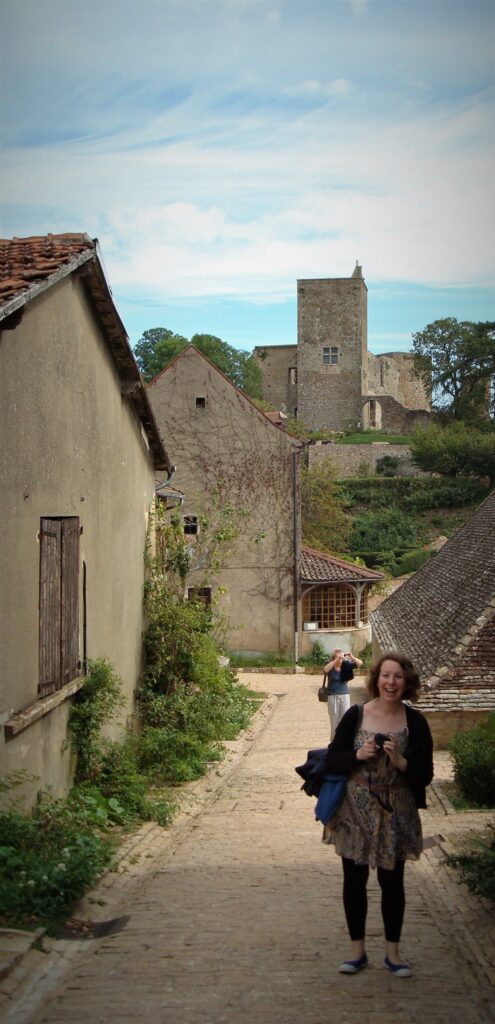
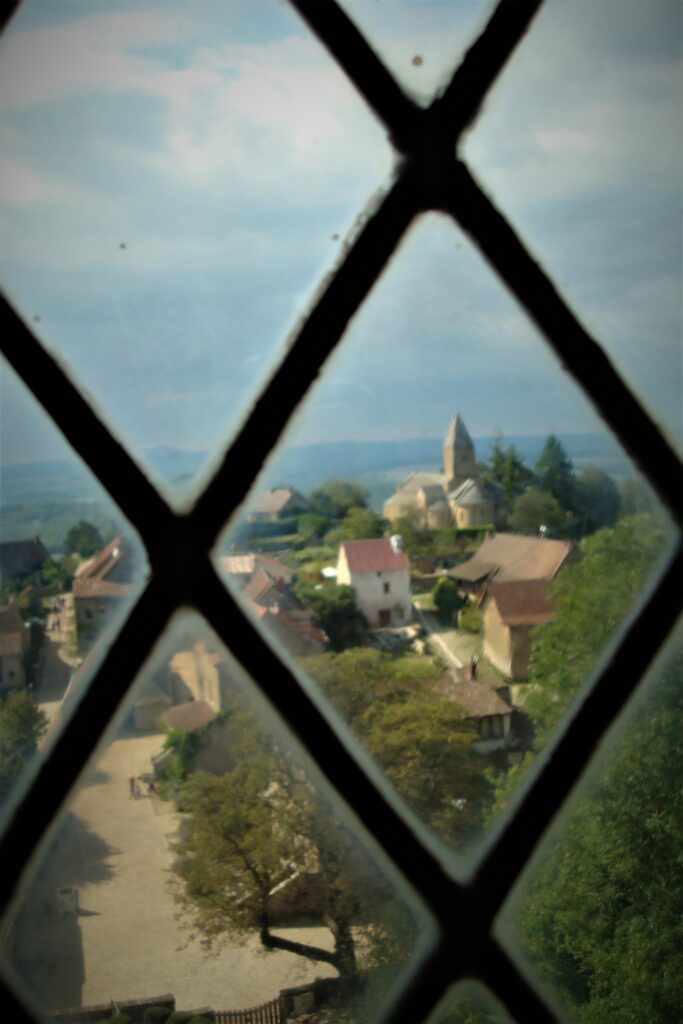
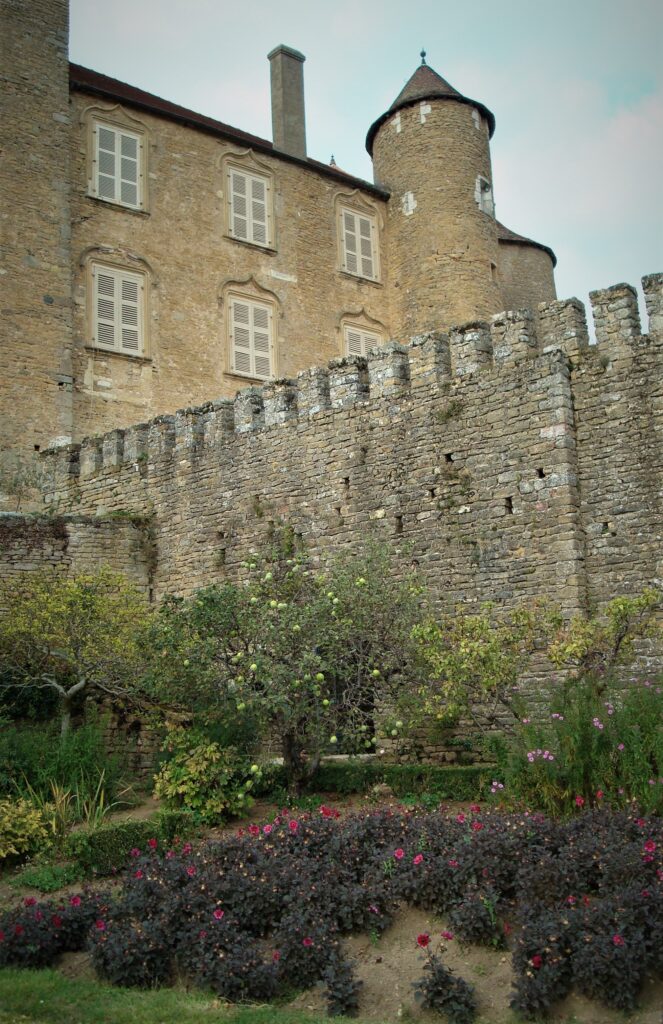
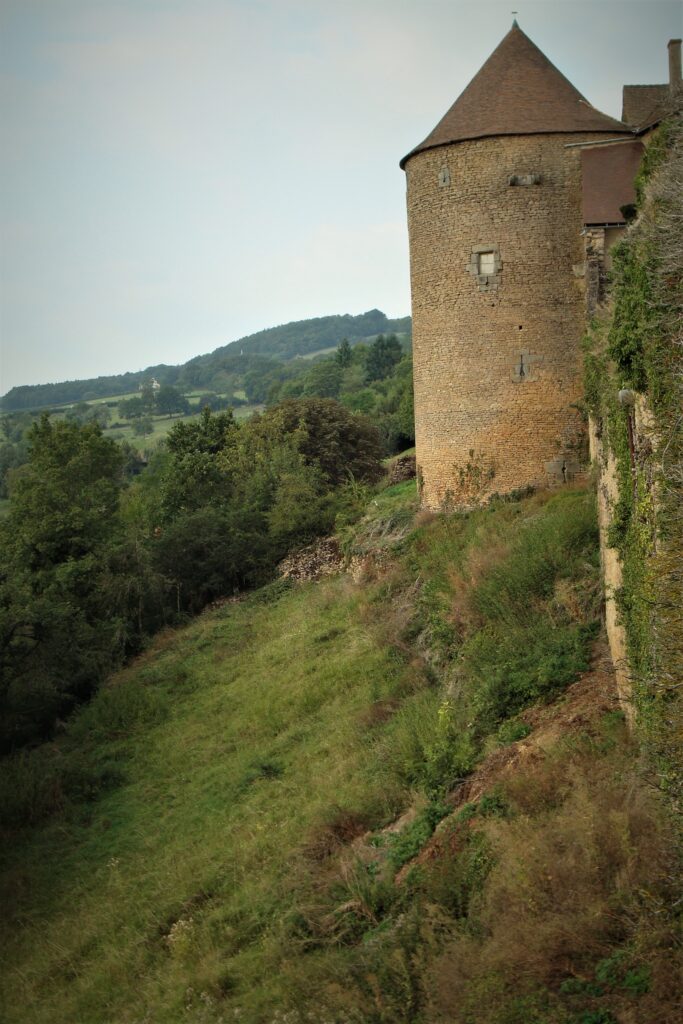
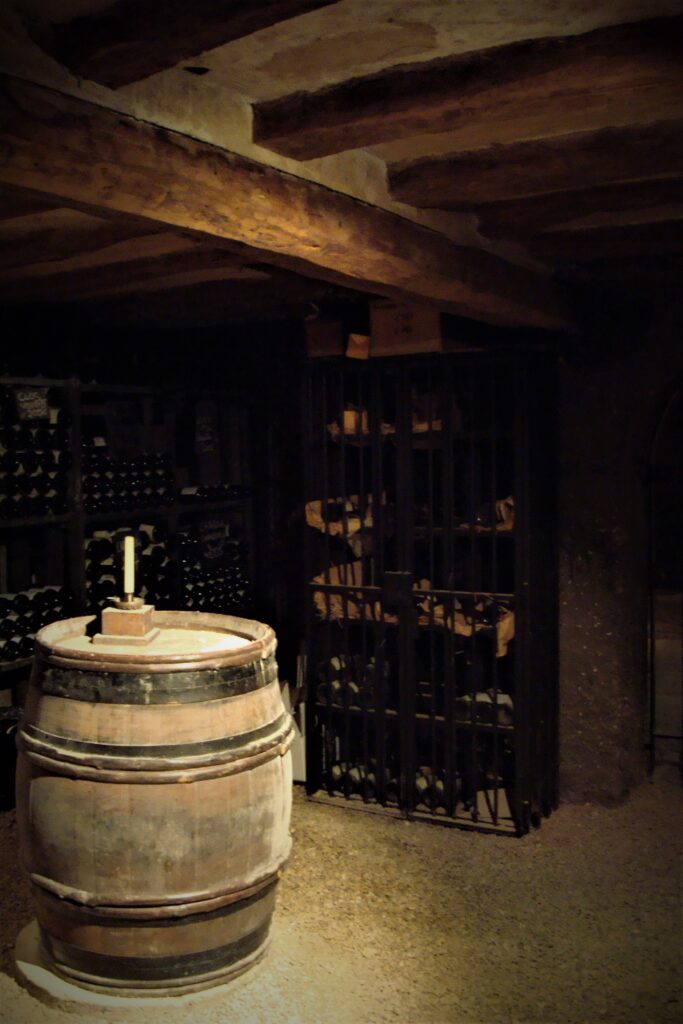
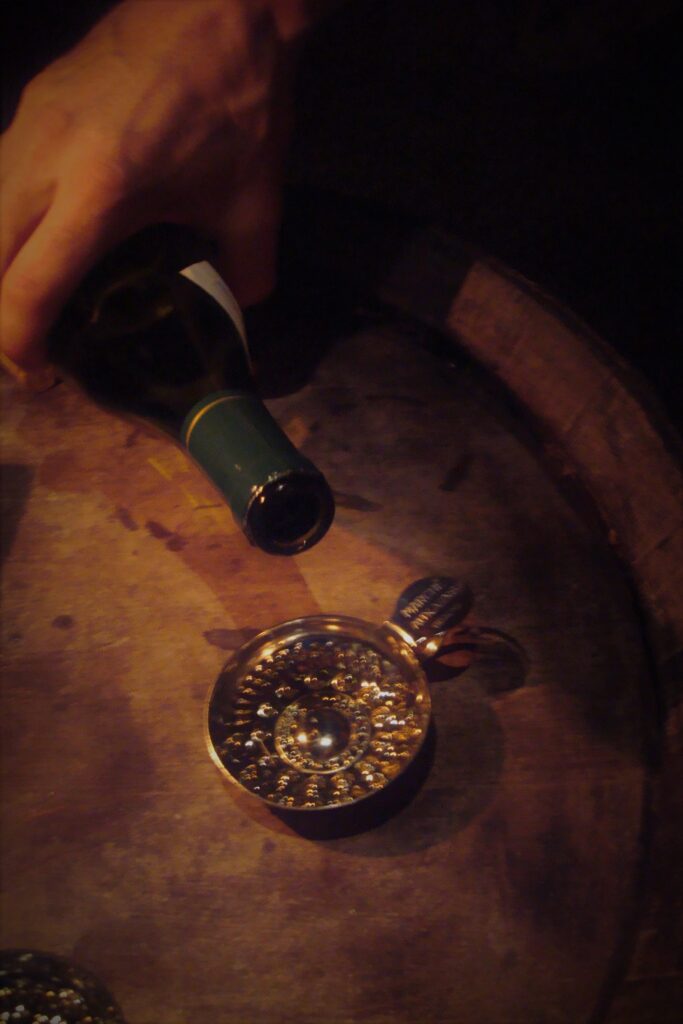
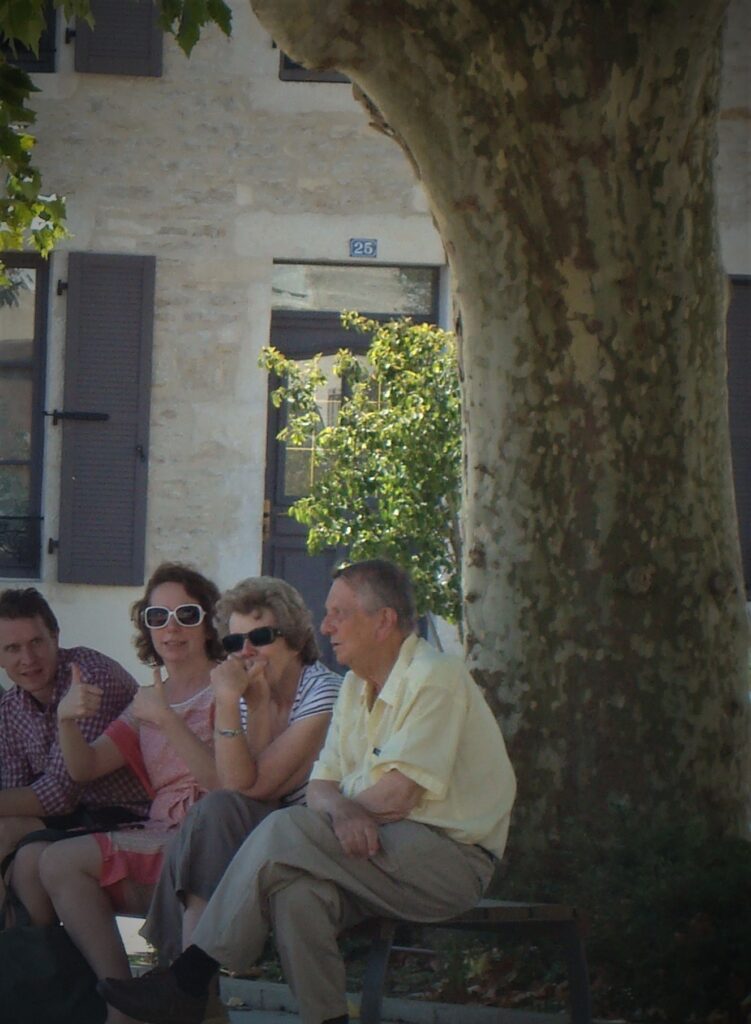
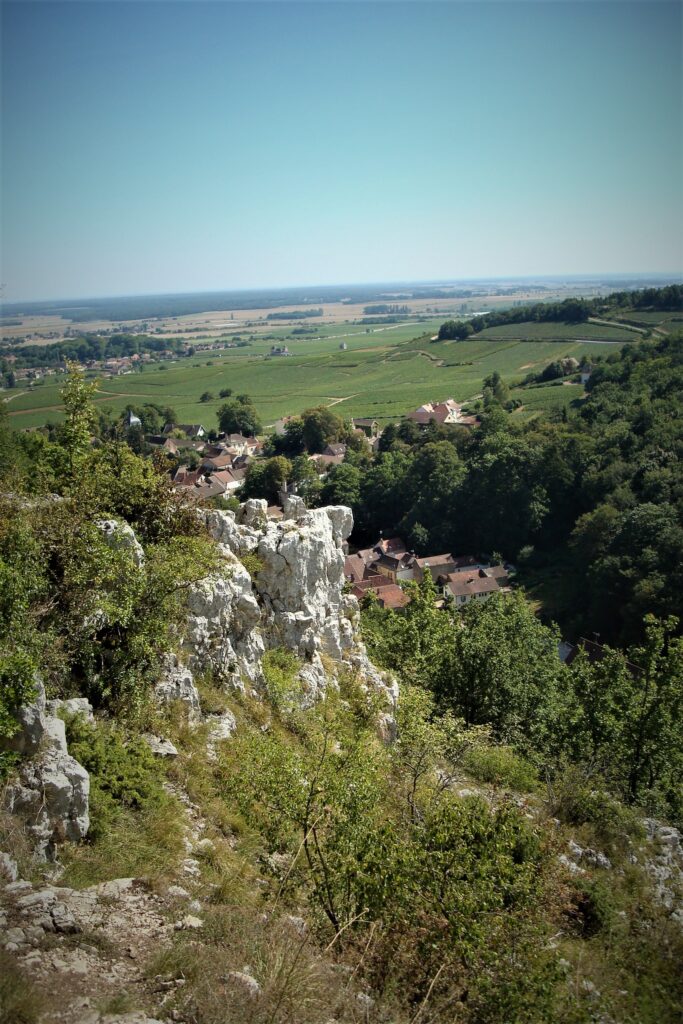
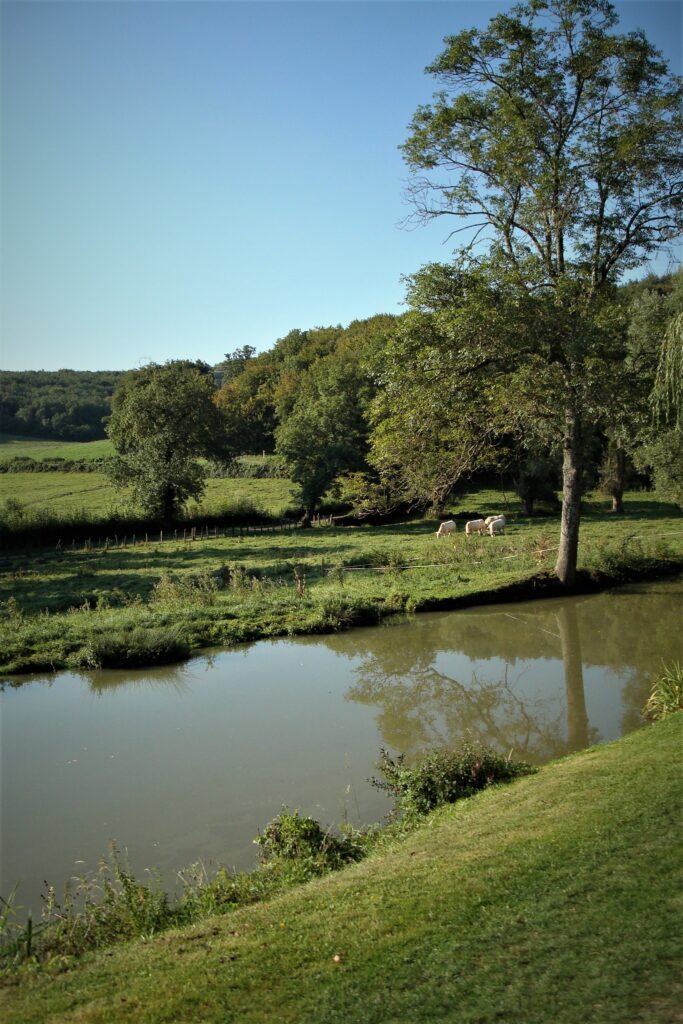
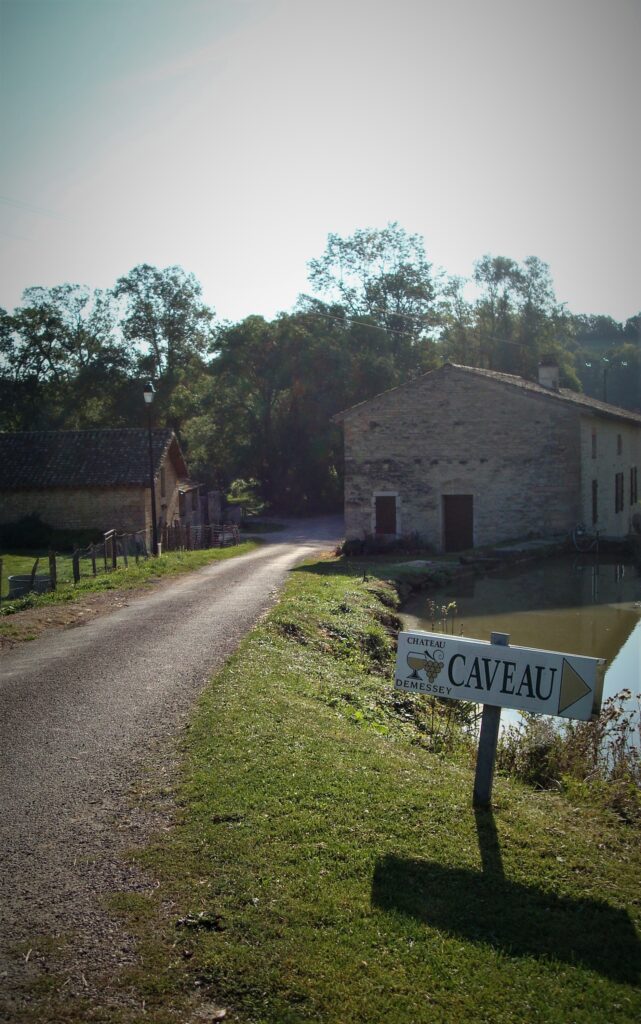
We had chosen Burgundy for a holiday because my mum wanted to visit Dijon. As an oenophile, I’m always down with any opportunity to visit a few winemakers and where better to clock a few up than the cheek-by-jowl parcels of breathtaking Burgundian brilliance. Our little week-long trip packed in a fair bit of walking, sightseeing café-ing, wine-tasting, general flâneuring around Dijon, Beaunes and various little towns, hearty eating, baguette munching, even a spot of pétanque – standard French foray, all wrapped up in very merry company. I get my love of language, travel, history… cheese (probably) from my Dad (among many other interests, traits and the odd saying here and there). I miss him terribly but I will always be grateful for everything he taught me and for the love and laughter that was unbounded. He was one of those “they broke the mould” type of folk and, rather like Henri carrying on the Breton tradition or the rich heritage of Burgundian wines, he was something of a link to the past, not just in the sense that he had lived through most of the 20th century but through his love of history and his delight in sharing his knowledge with anyone who was happy to listen; and I always was.