
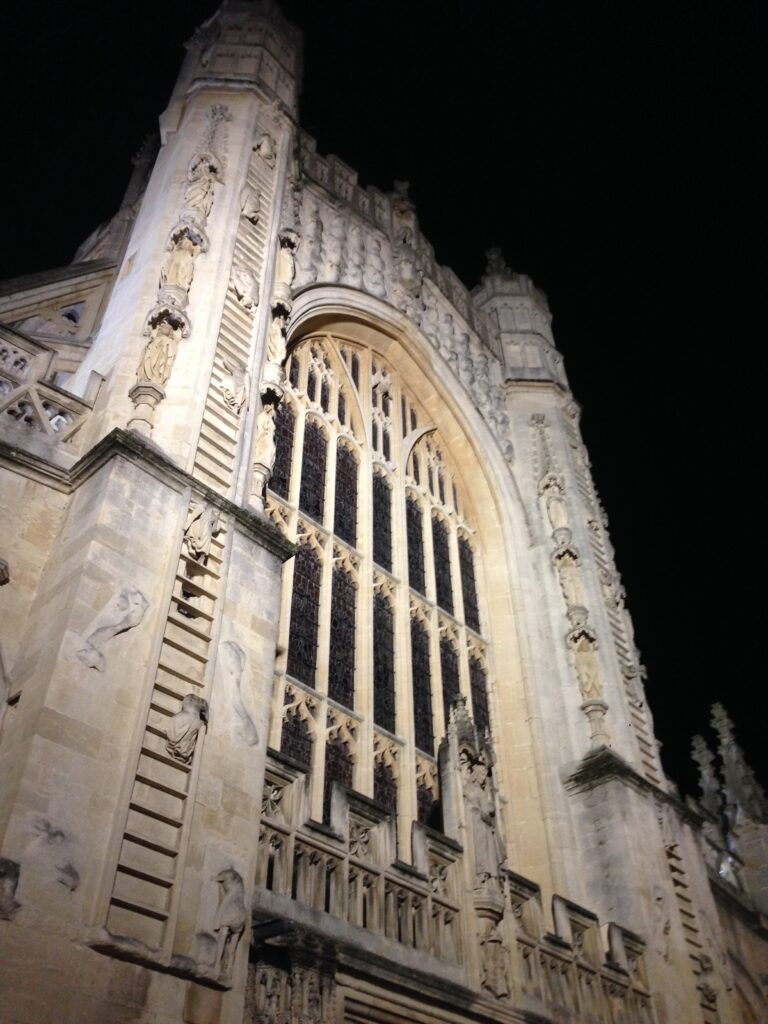
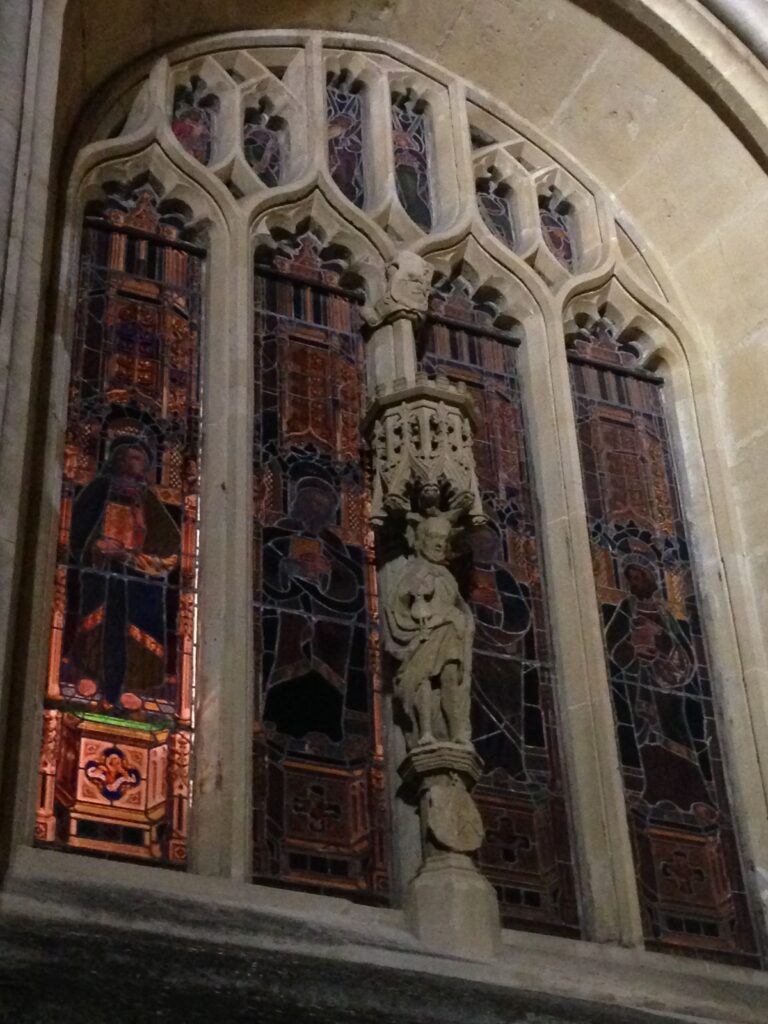
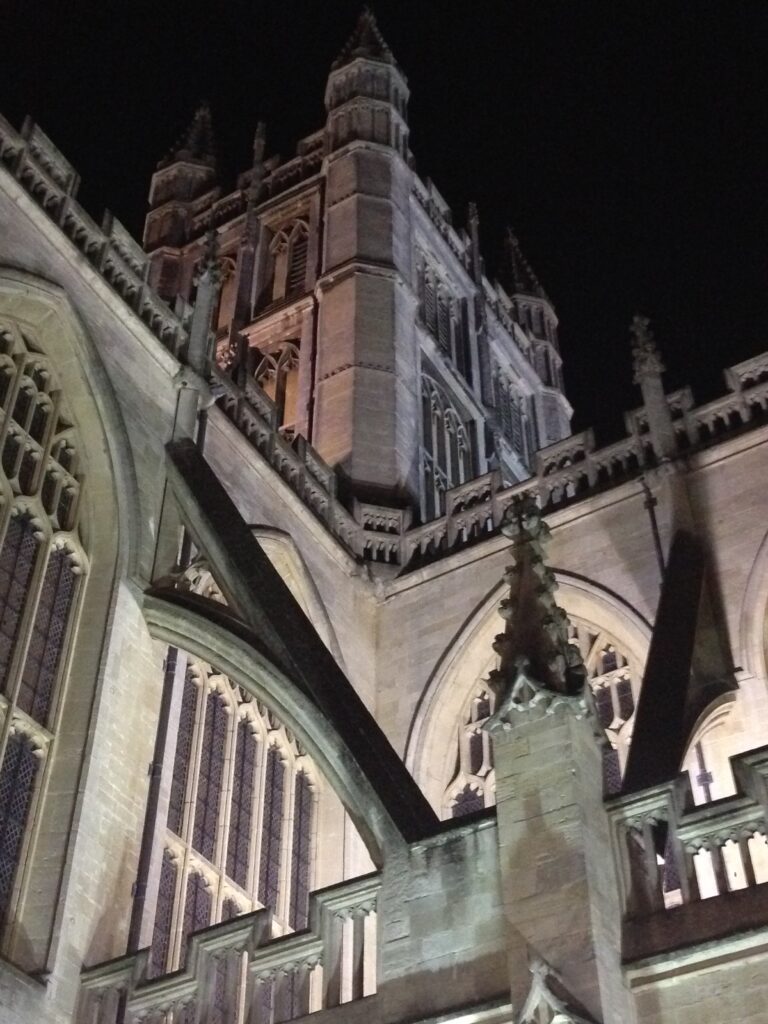
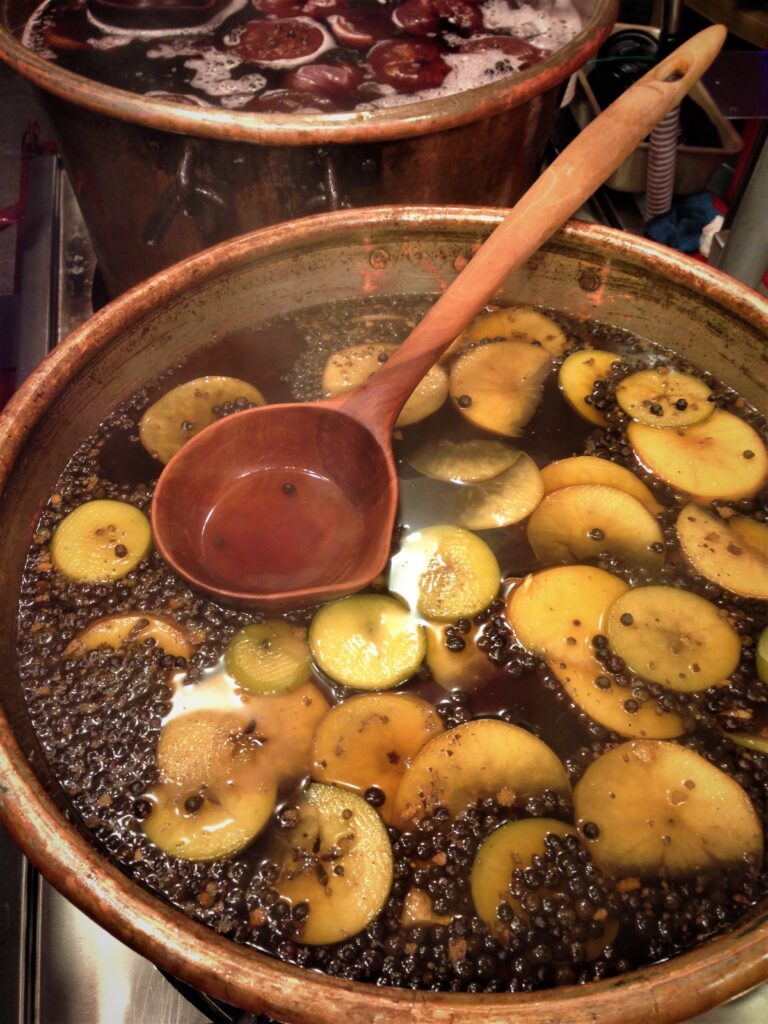
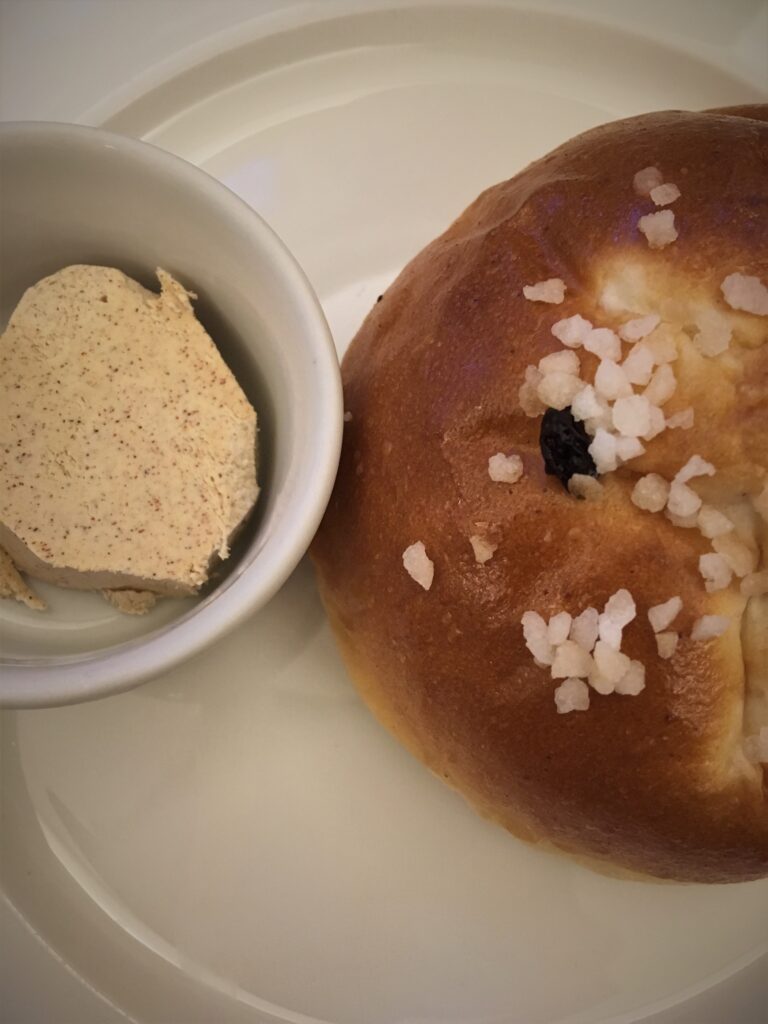
Or, more precisely, Bath Buns in the Pump Room
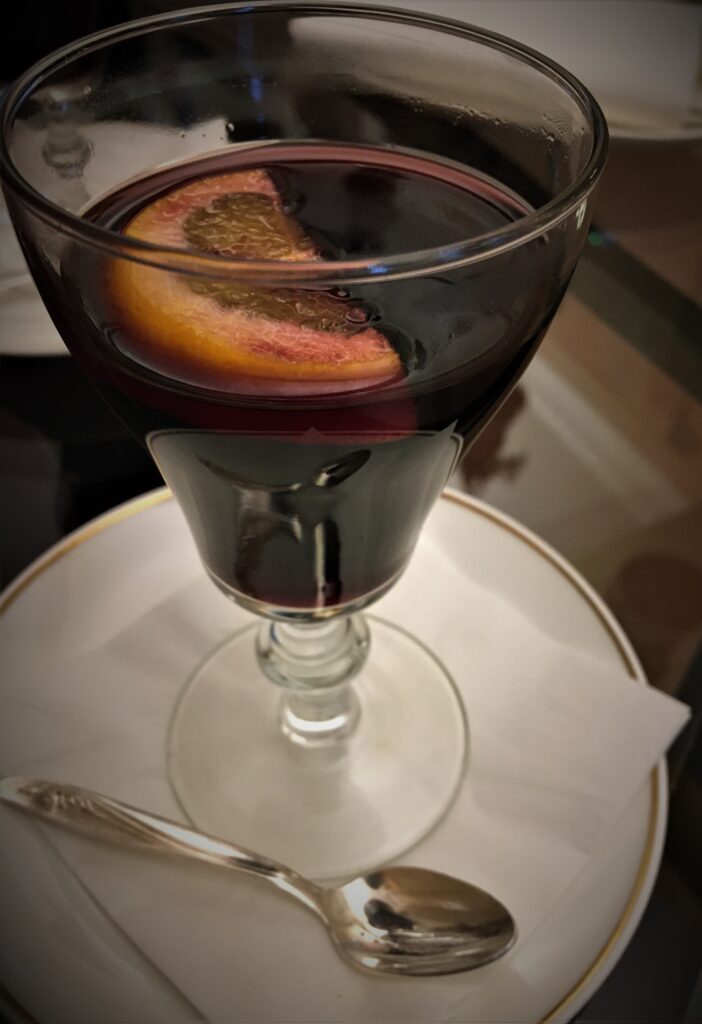
I’ve said it before and I’ll say it again… Christmas is all about traditions. Another one of mine is to go to beautiful Bath for my Christmas shopping. I mean, we have shops in London (where I’m based), arguably more; we also have markets, mulled wine and merriment BUT Bath just has a special magic at this time of year that I’ve craved ever since I was at University in Bristol. In the December of my first year, I decided to treat myself and hop on the train to Bath to pick-up some festive stocking fillers. I had such a nice time pootling around the old streets in the crisp wintry air that I decided to do it again the following year; and again, and again until some… er, 20 or so (ahem) years later, I’m still doing it (apart from this year ? on account of Covid).
There are some cities that are just an absolute delight to spend time in and Bath is one of them. I smile on the inside as soon as the train pulls in to the station – that sort of coming home feeling (even though I don’t live there, nor am I from there) and can’t wait to get out and walk-up into city because, rain or shine, the Bath stone has such a warm, welcoming glow. Over the years I’ve stayed with friends, treated myself even further by overnighting in a few of the hotels, bathed in the heated rooftop bath that overlooks the city, drunk a lot of mulled wine and generally drunk in the festive feel that Bath in wintertime offers in spades.
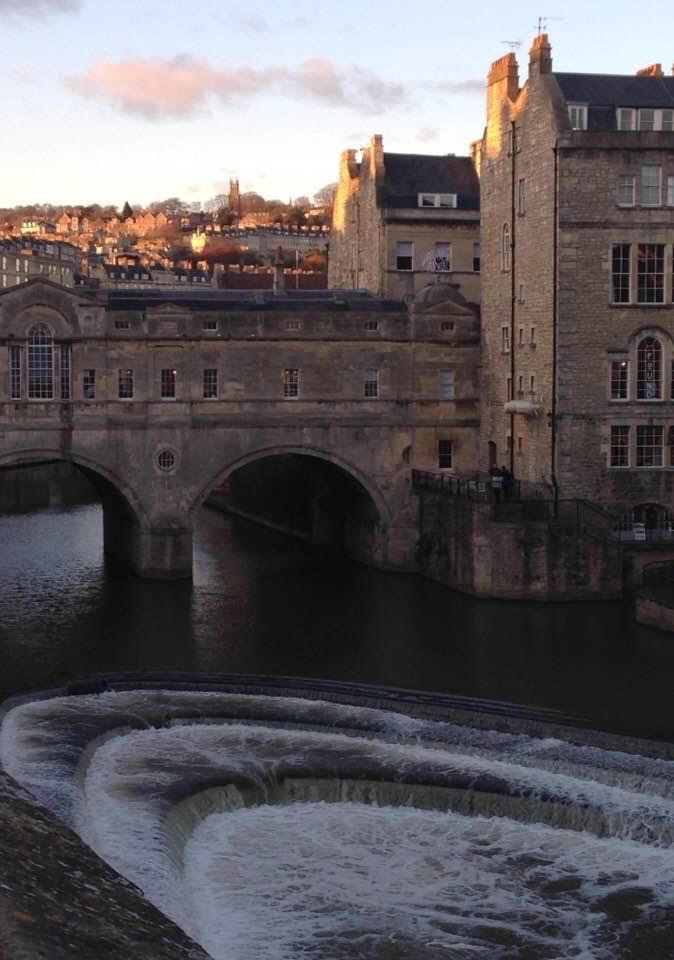
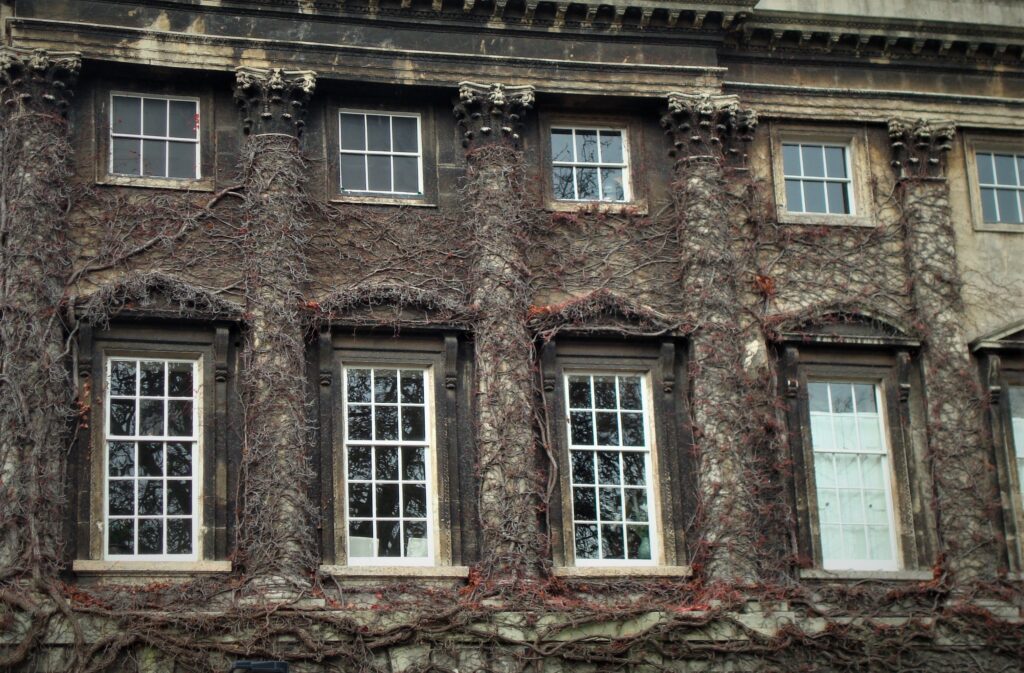
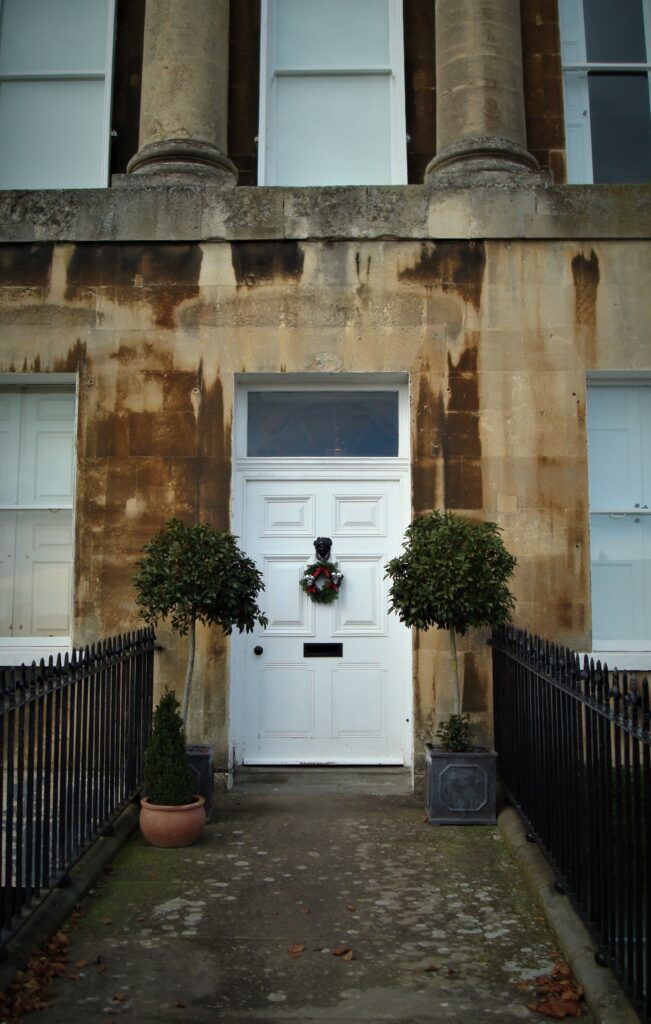
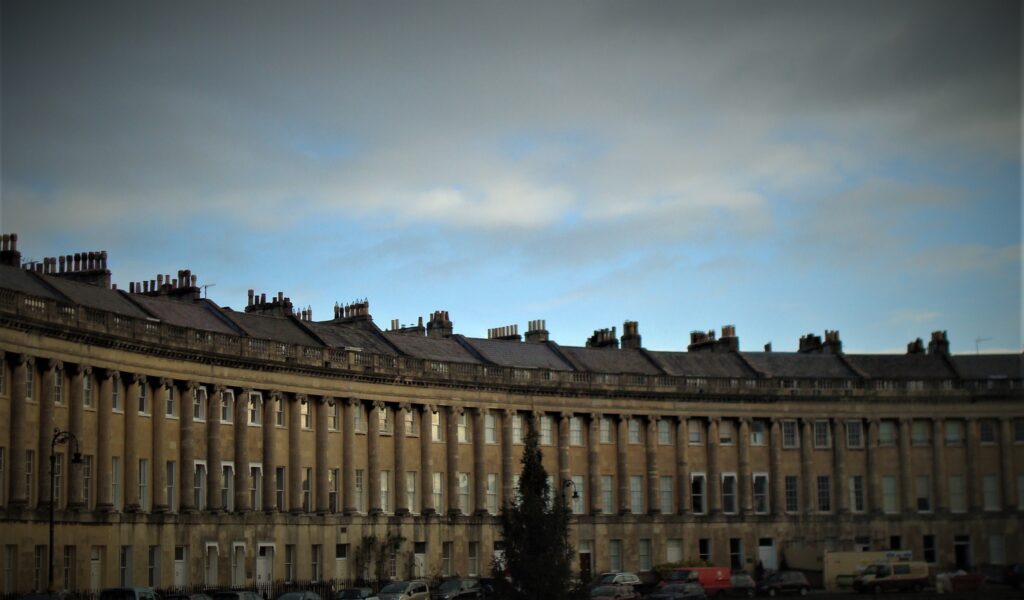
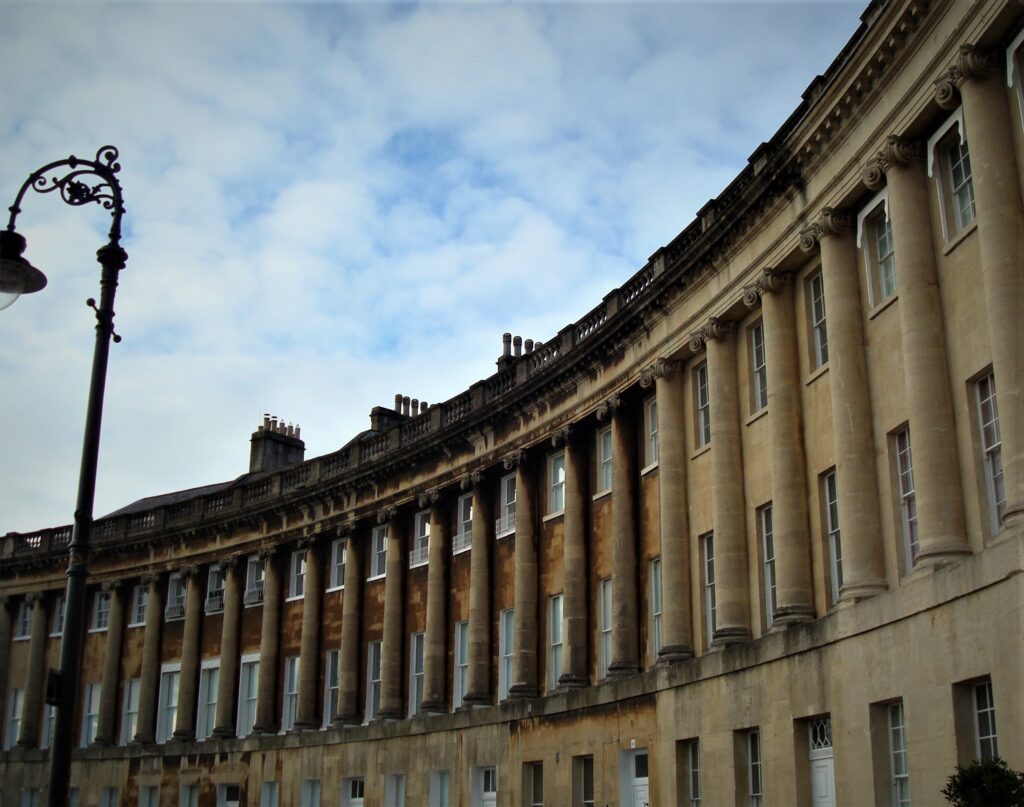
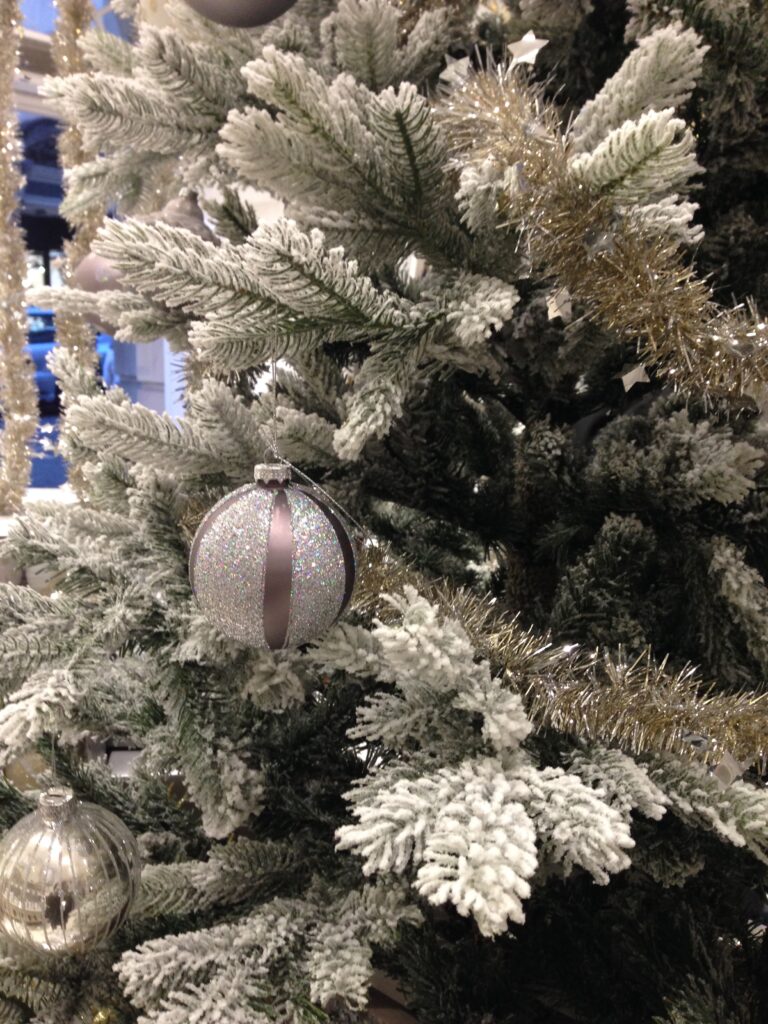
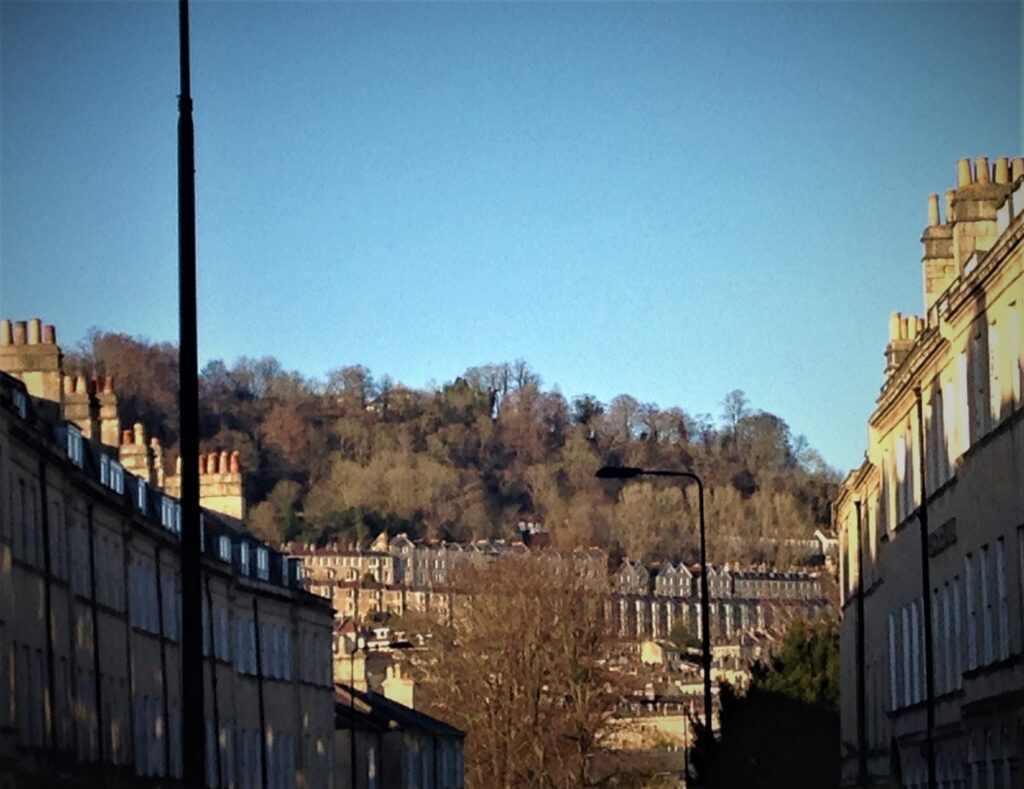
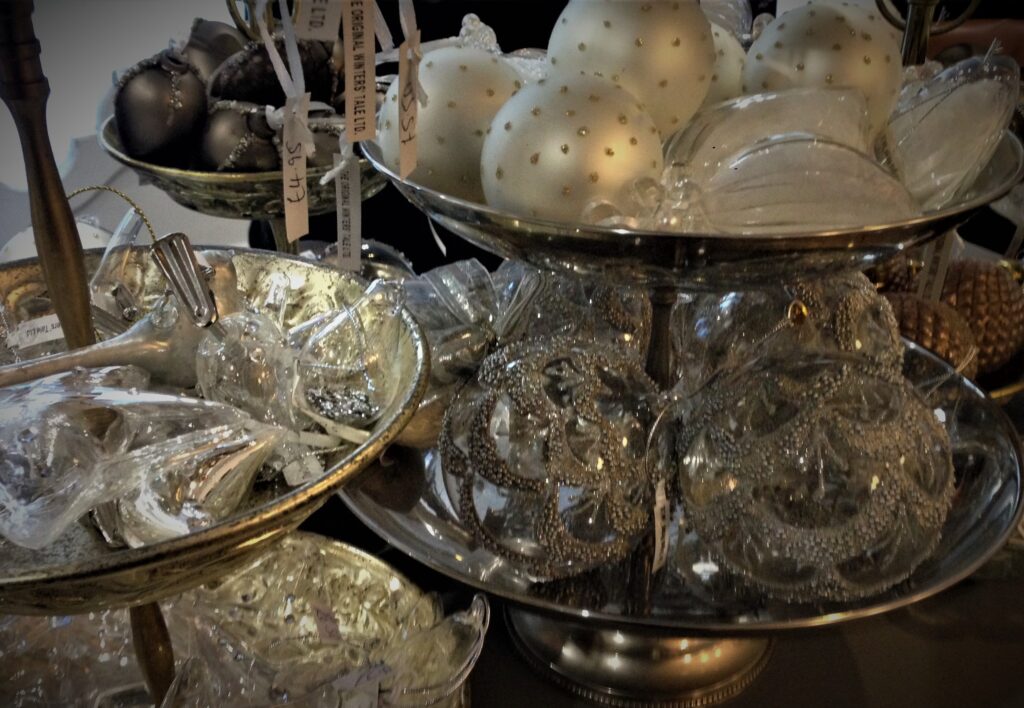
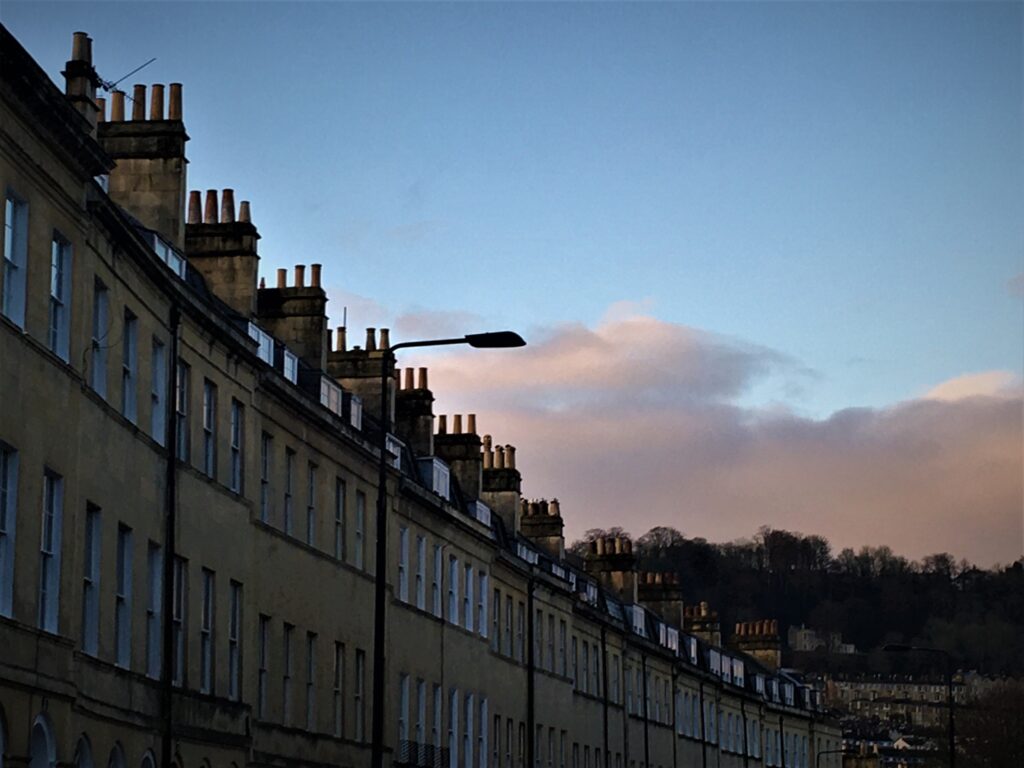
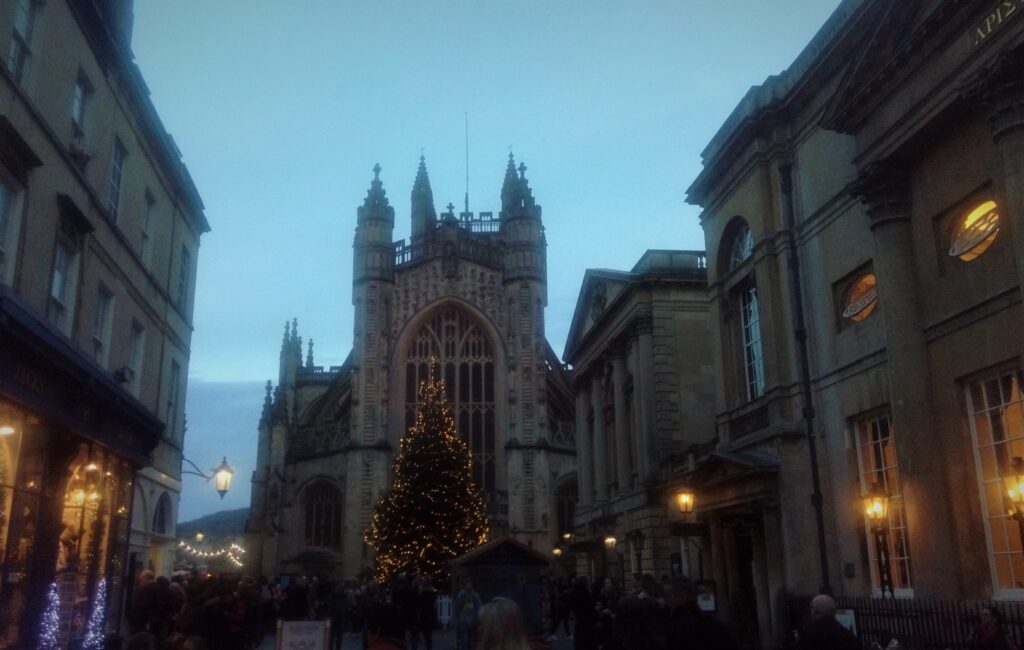
Like Bristol, Bath is its own city. It has a strong identity and the rising wall of the tree-covered Mendip Hills that it nestles beneath is just stunning at this time of year. You can see much more when there are no leaves knocking-about; the wintry colours are so pretty and compliment the gorgeous golden hue of the Georgian architecture so satisfyingly. I’m like a kid at Christmas on this annual little trip. Ridiculous, I know but it’s part of my tradition. I have a routine of sorts, in the sense that I have to visit a few shops/pitstops in particular that make me feel especially christmassy (most of which have been there since I started my little festive foray back in the 90s). Whether I buy anything or not doesn’t really matter, for me it’s more about just flâneuring around the place and absorbing the festive feels. To be honest I rarely nail all my shopping in this trip and often end-up eating and just buying food and the odd bauble or two (as I’m a sucker for a (classy) Christmas decoration) but ain’t nothing wrong with that.
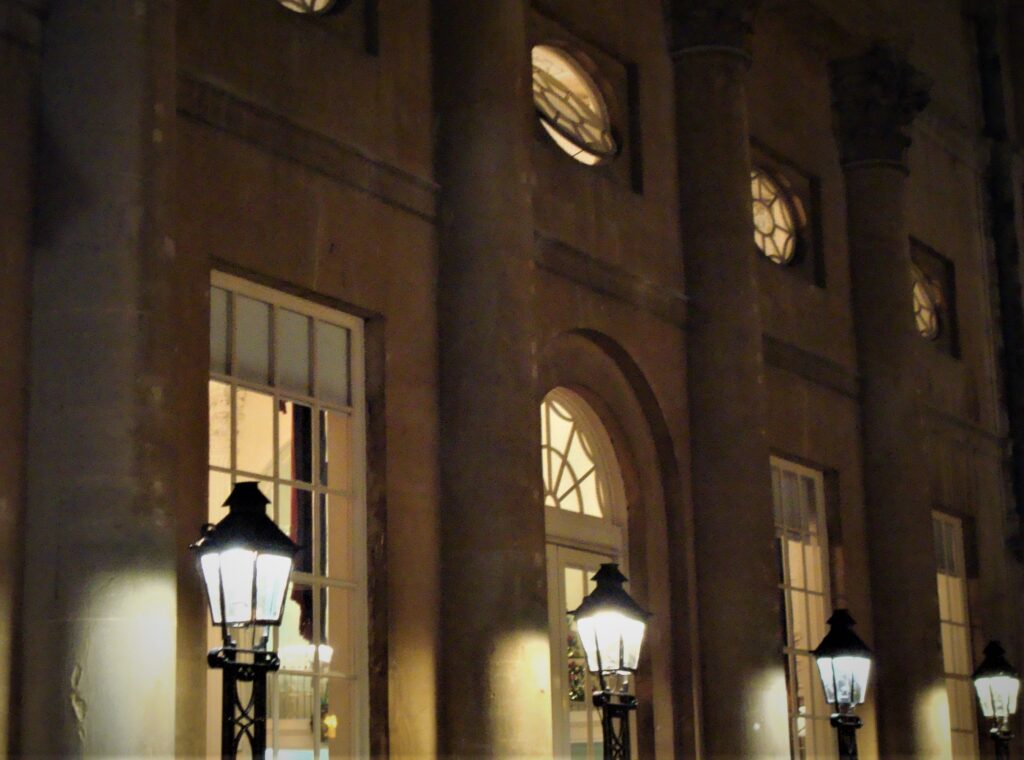
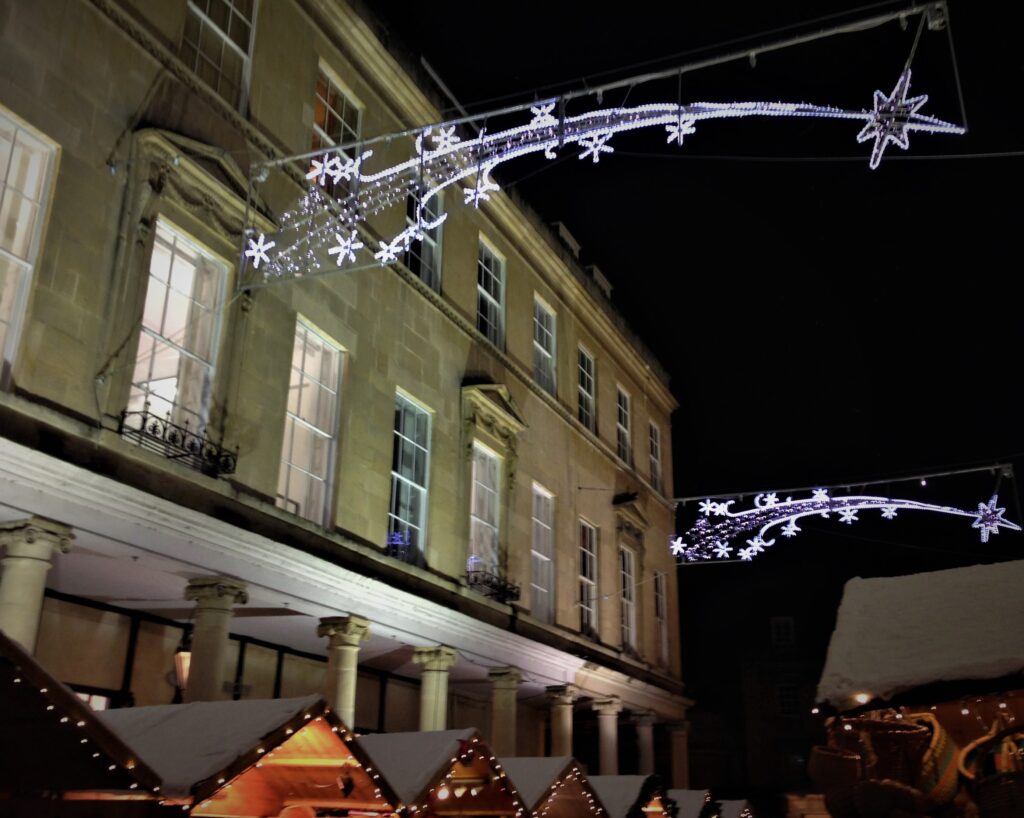
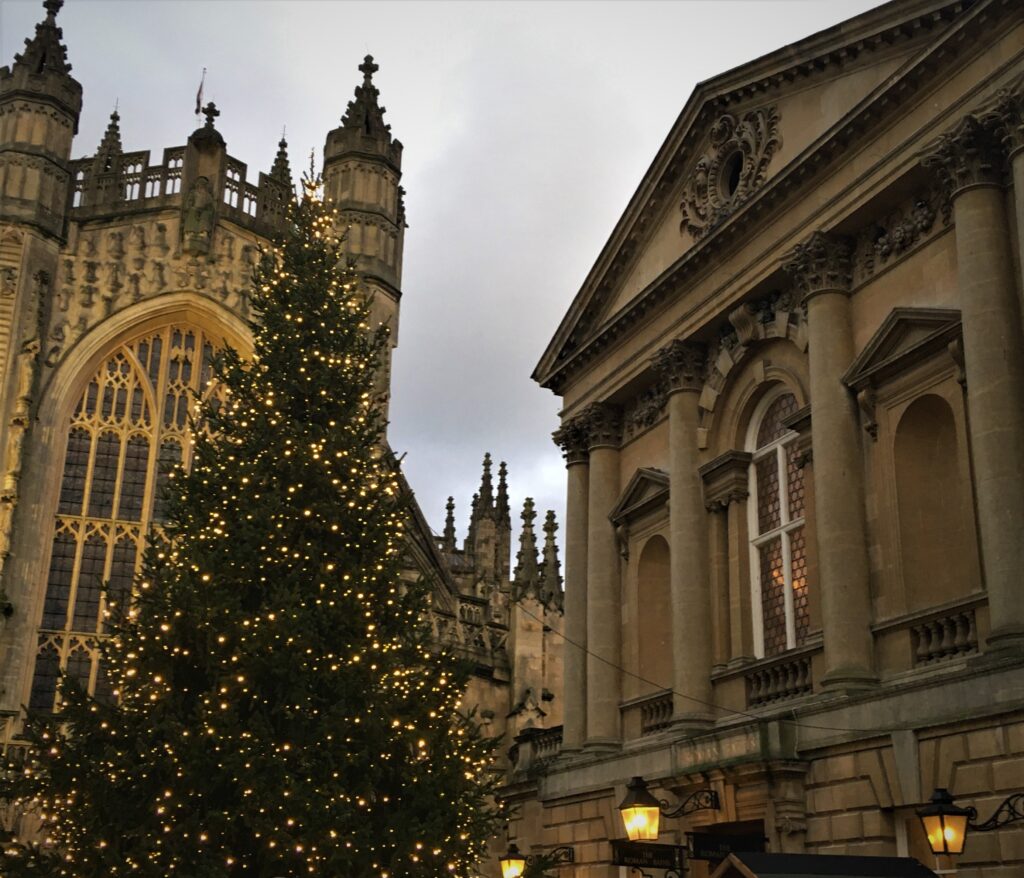
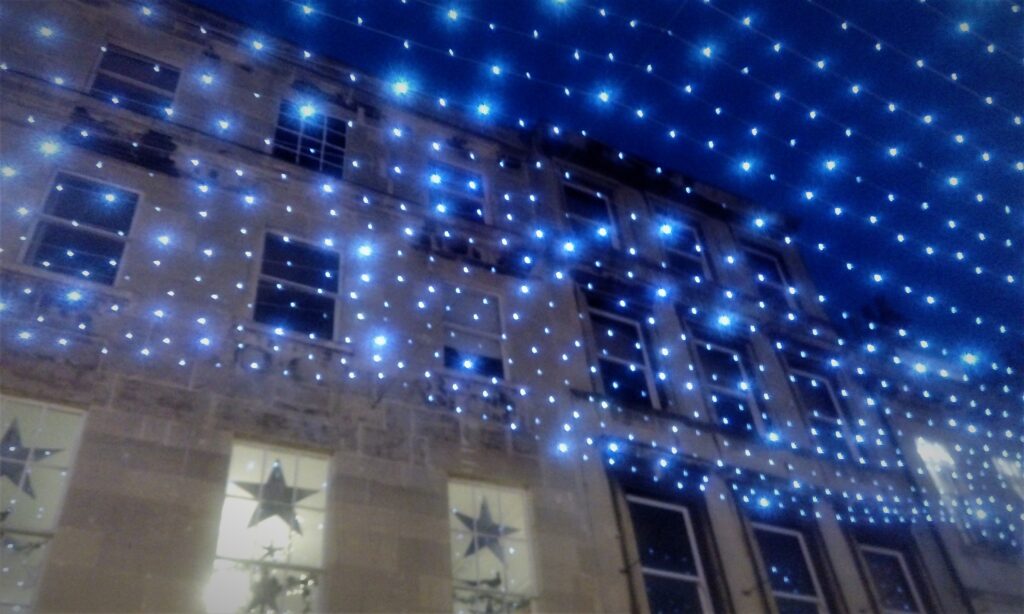
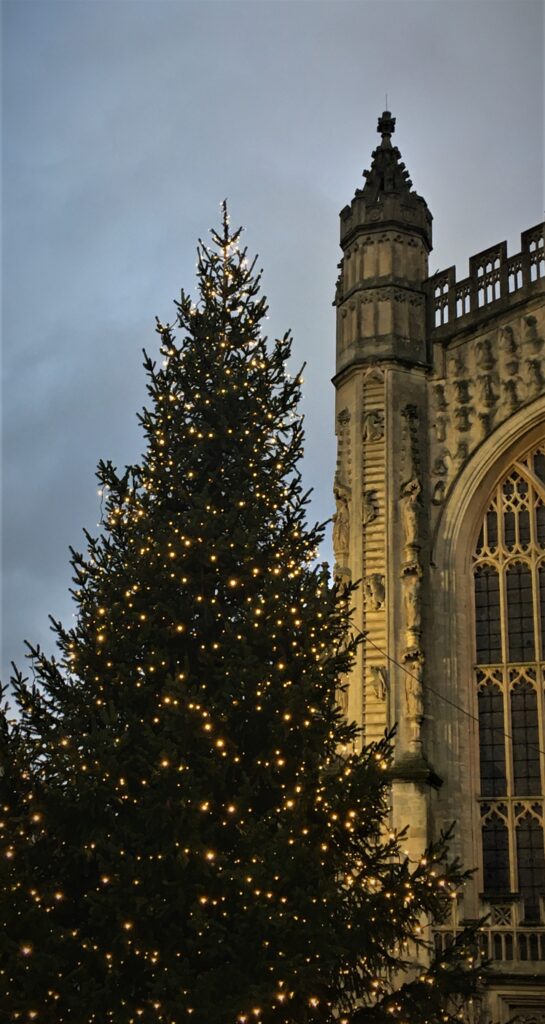
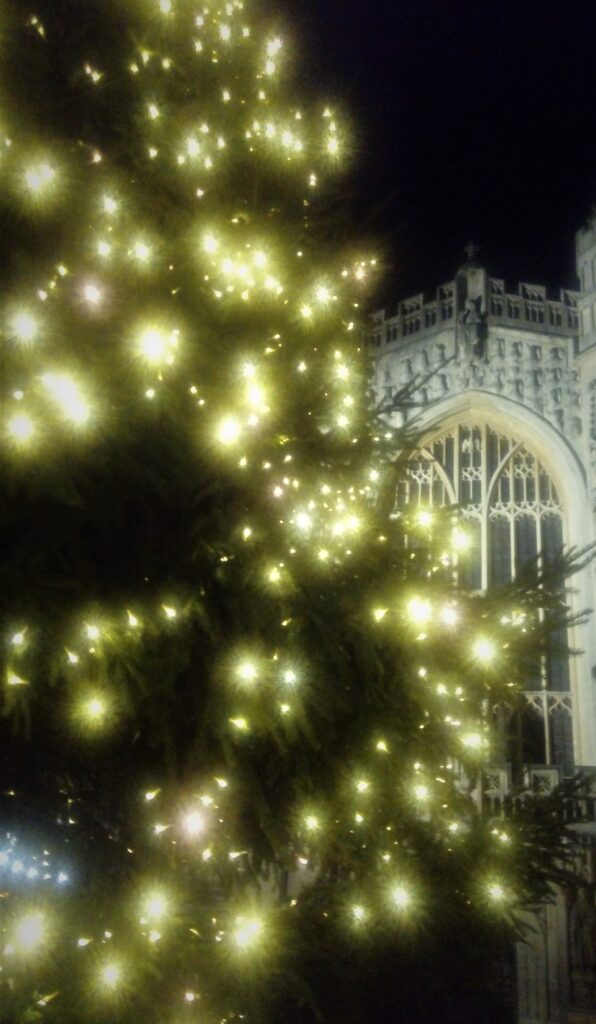
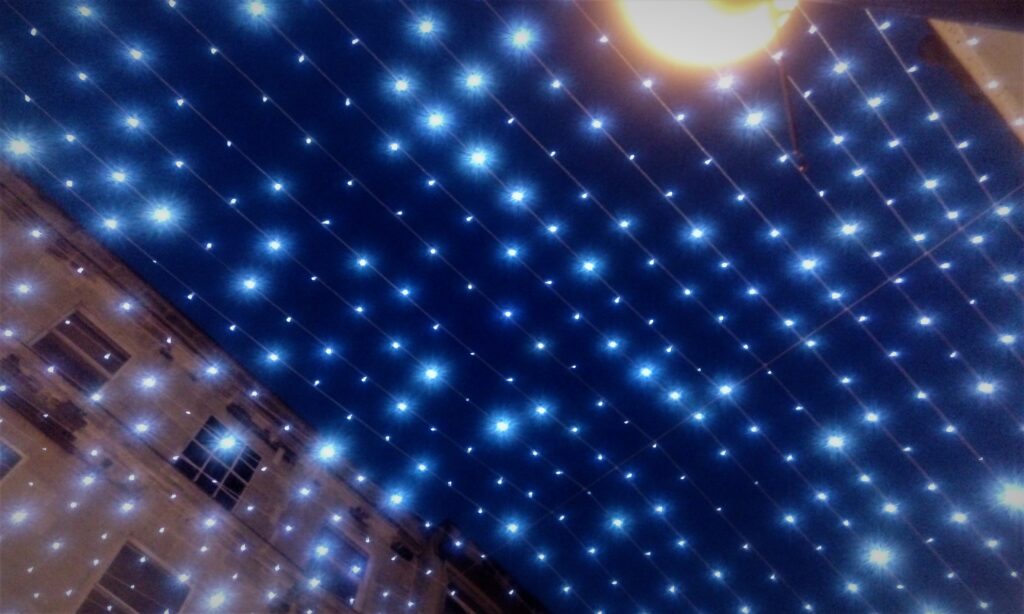
As the winter’s day drifts softly into night, the city is beautifully lit with a glow that enriches the warm glow its stonework; and the twinkly lights from the buildings dotted about the hills above provide a very pretty backdrop. Then I head home with a slightly dejected air because that’s my Christmas trip over… until the following year (and also because the platform at Bath station is bloody freezing and I have a tendency to drink mulled wine too quickly). Staying-over raised the game immensely as it meant not only did I not have to rush my trip but I could treat myself to supper and breakfast too ?. On those occasions, as evening falls, then I’m excited about more food from wherever I’ve booked for supper (and the forthcoming breakfast the following morning).
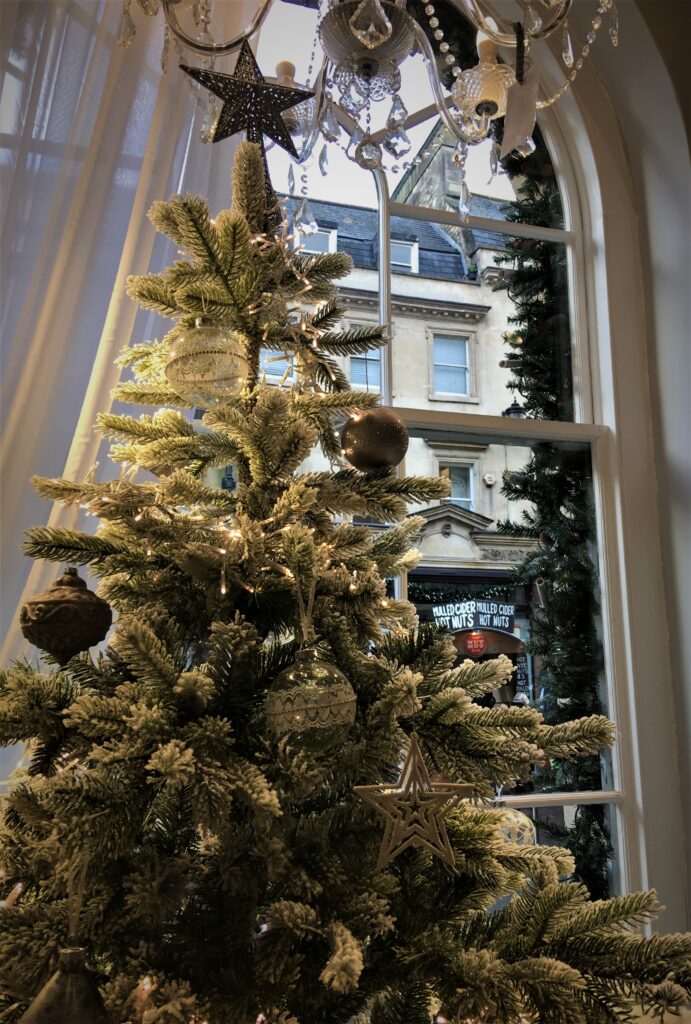
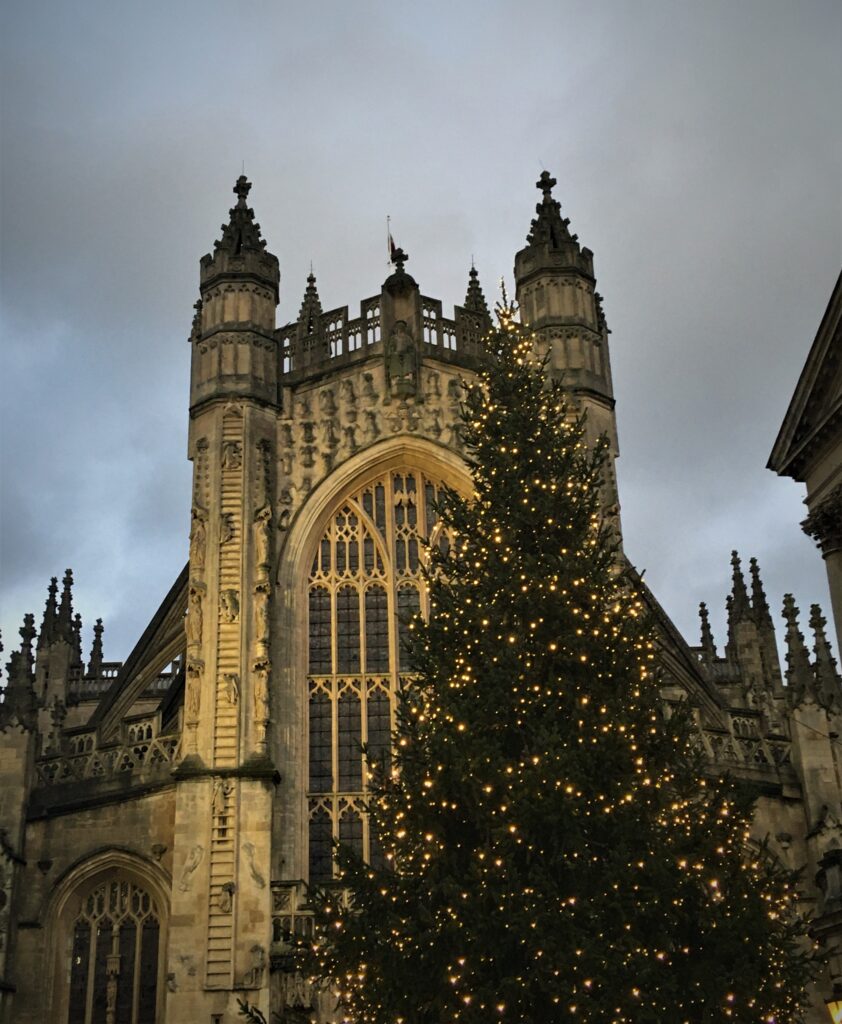
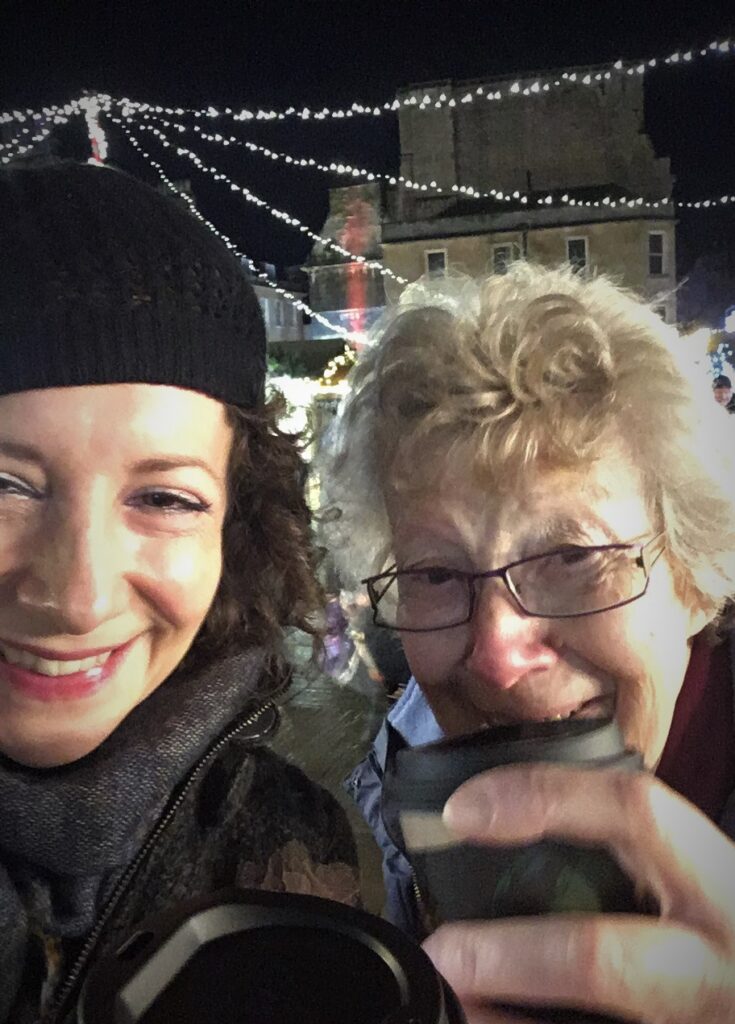
Basically, Bath is great, not least because, like Bristol, it’s a very foodie city. Not only are there a lot of excellent Bath-based food producers, there’s so many places to choose from to eat (when Covid isn’t making life difficult). Then of course you can tuck in to all the mulled wine/mulled cider/sausage rolls and mince pies (among other treats) you like at the Christmas market. The market is a huge draw these days (it wasn’t in operation when I started my trips at Uni) and has mushroomed over the recent years to the point where it is included in those Euro Christmas market holiday package deals (which may account for how rammed it gets). For those who can’t get away to jostle their way around the little chalets of the traditional Euro markets, Bath offers a pretty close second I think in terms of food, location and what’s on offer (the crap one in Southampton (where I am from) is a strong contender for the nadir of Christmas markets, FYI).
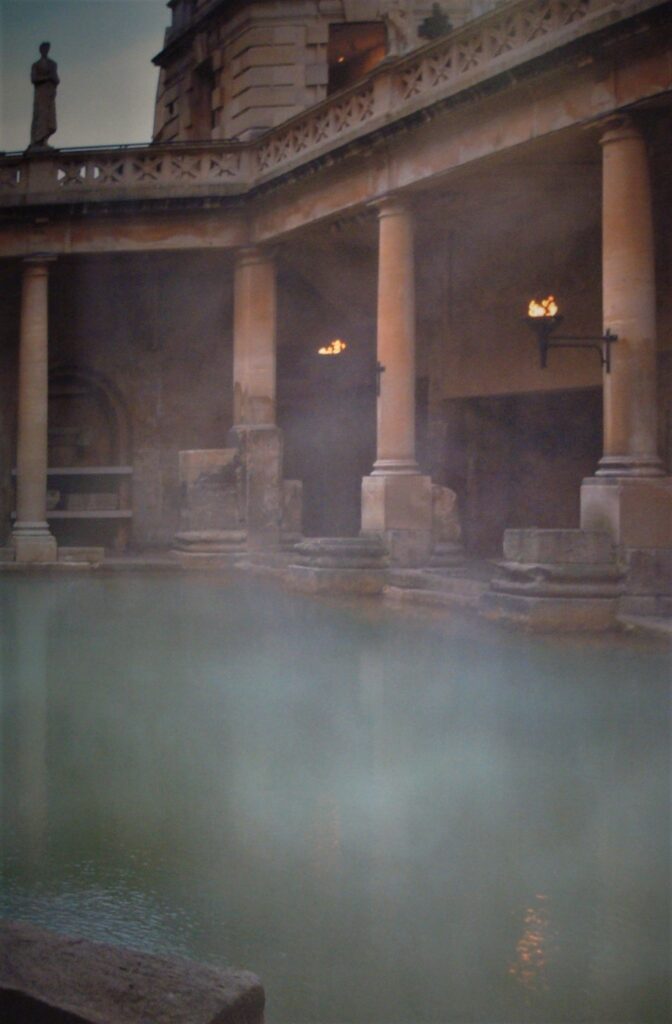
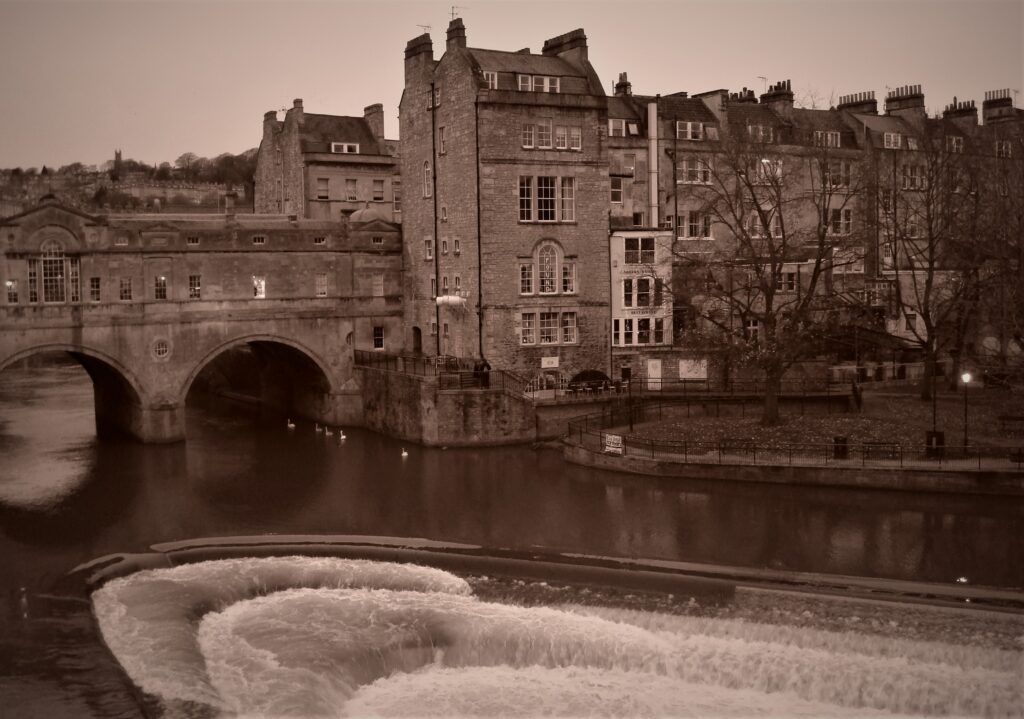
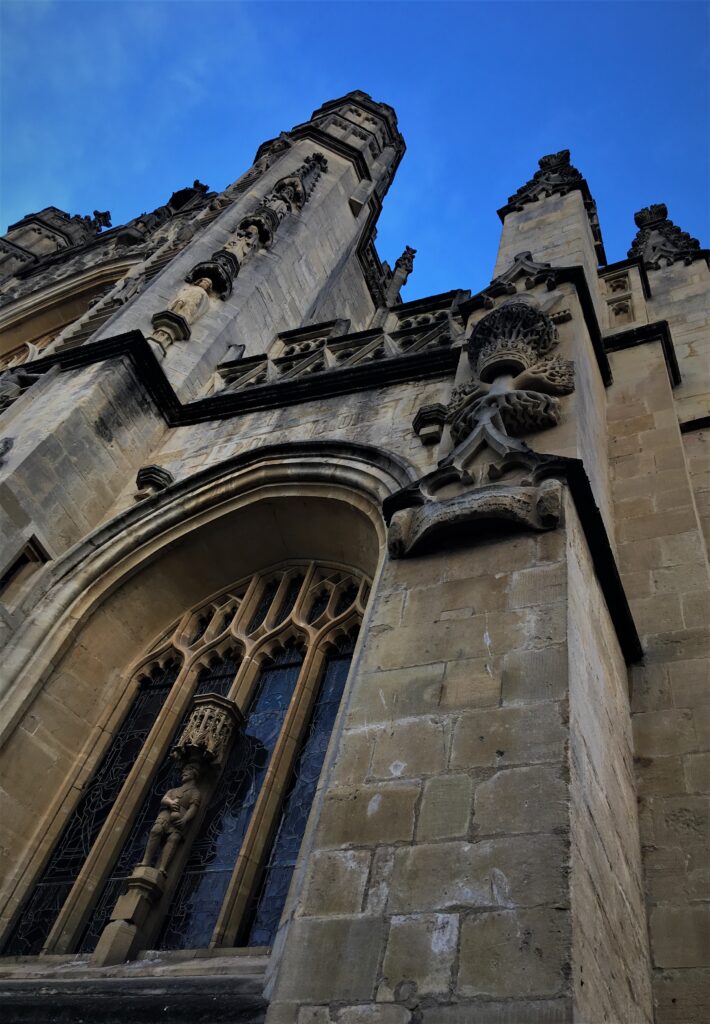
The other reason I love Bath is because it is soaked in history. I first visited when I was little – to go to the Roman Baths (which are very cool, by the way, if you haven’t been). These were built around Bath’s natural spring and became something of an early form of USP. As a “spa town” Bath’s popularity grew and grew, reaching a zenith in the Georgian era (the era it has sort of stayed in) when the-well-to-do would come and take the healing waters. Then, of course, there’s the Jane Austen connection… a famous Georgian who liked a dip too apparently. It’s not just that there’s something in the water though. Aside from being ridiculously pretty, Bath is also an incredibly arty city and is a-buzz with all sorts of events, theatre, music, exhibitions etc etc, and there always seems to be a spot of rugby going on too. It has a river running through it (which all decent towns do0, is eminently walkable and so very welcoming.
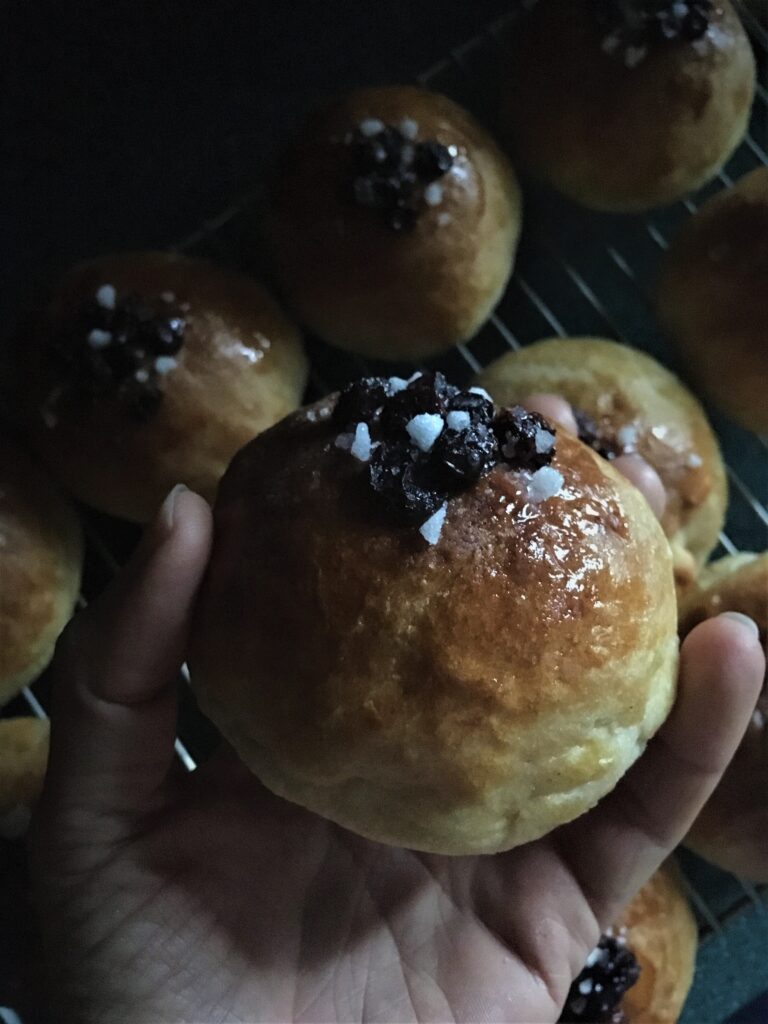
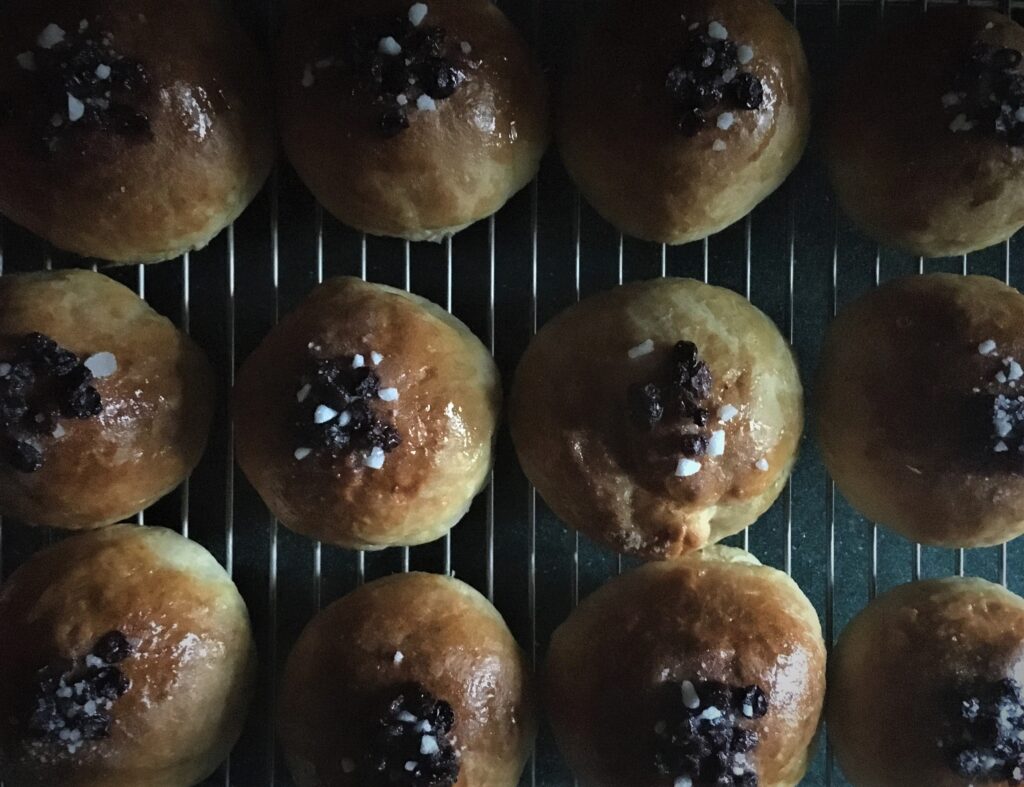
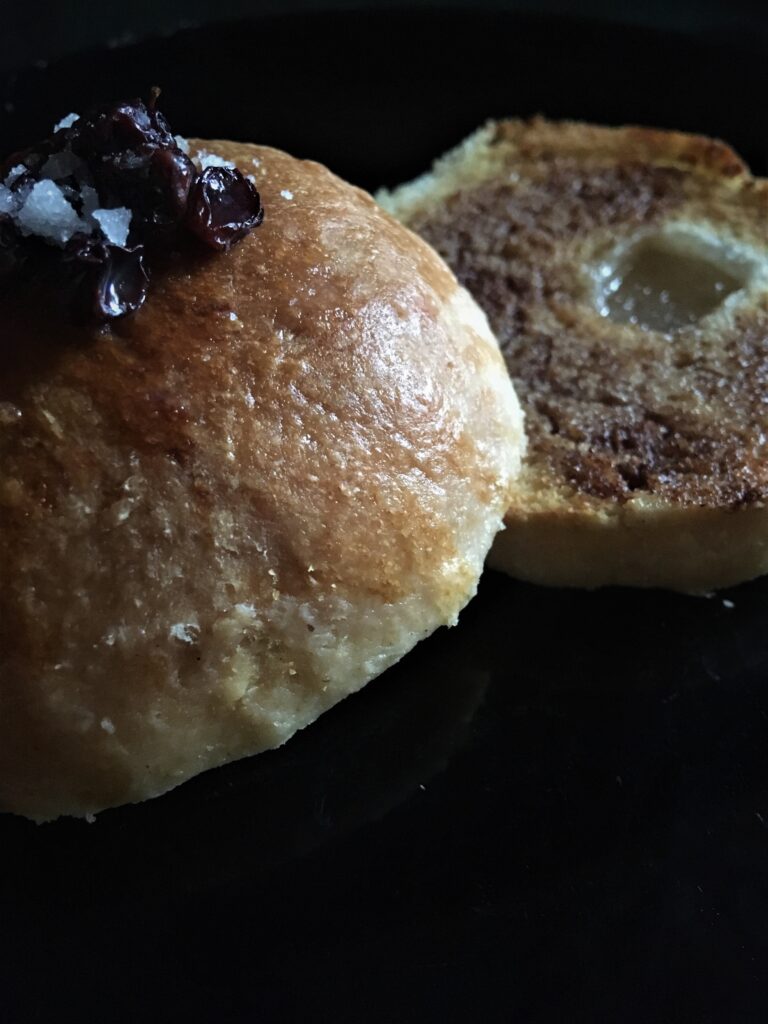
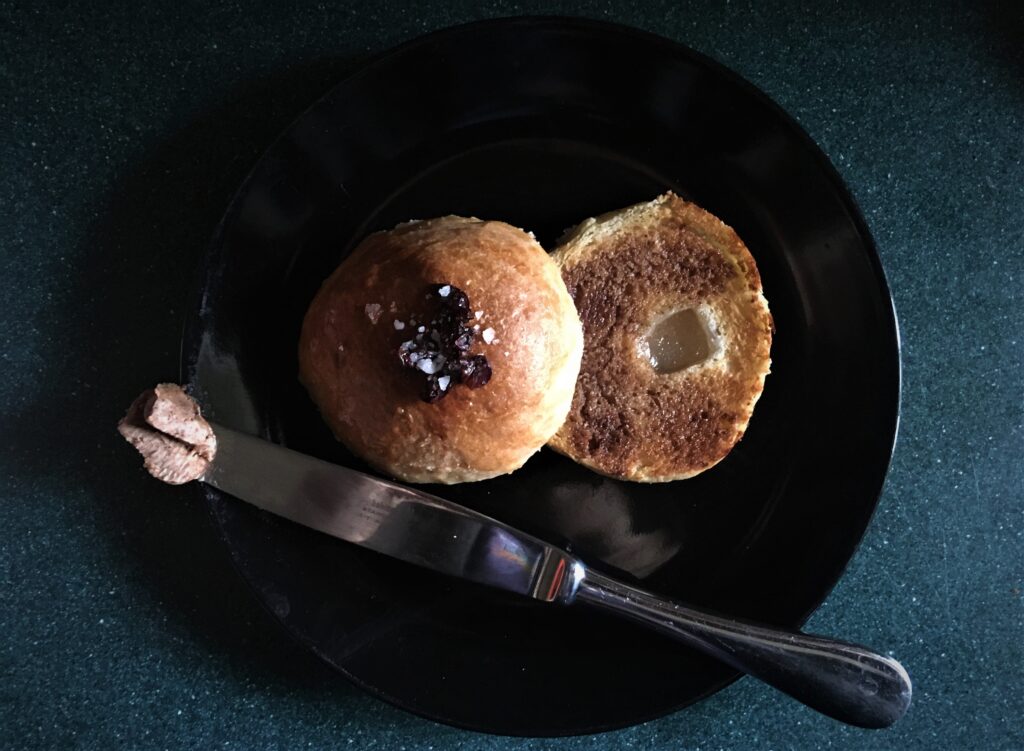
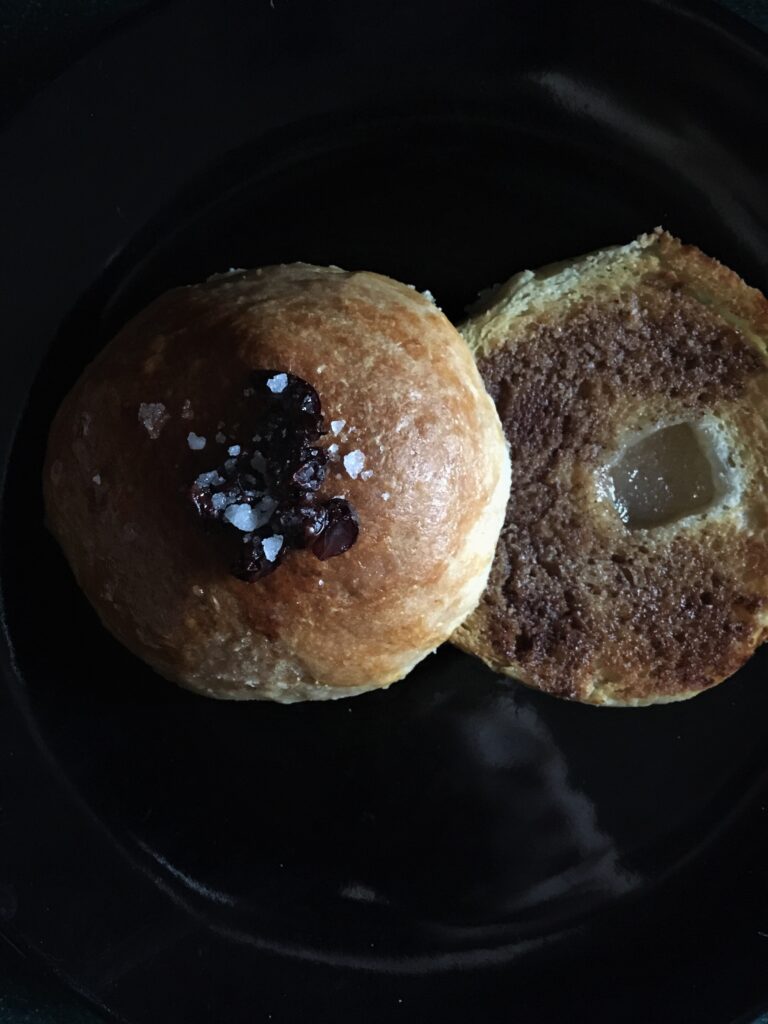
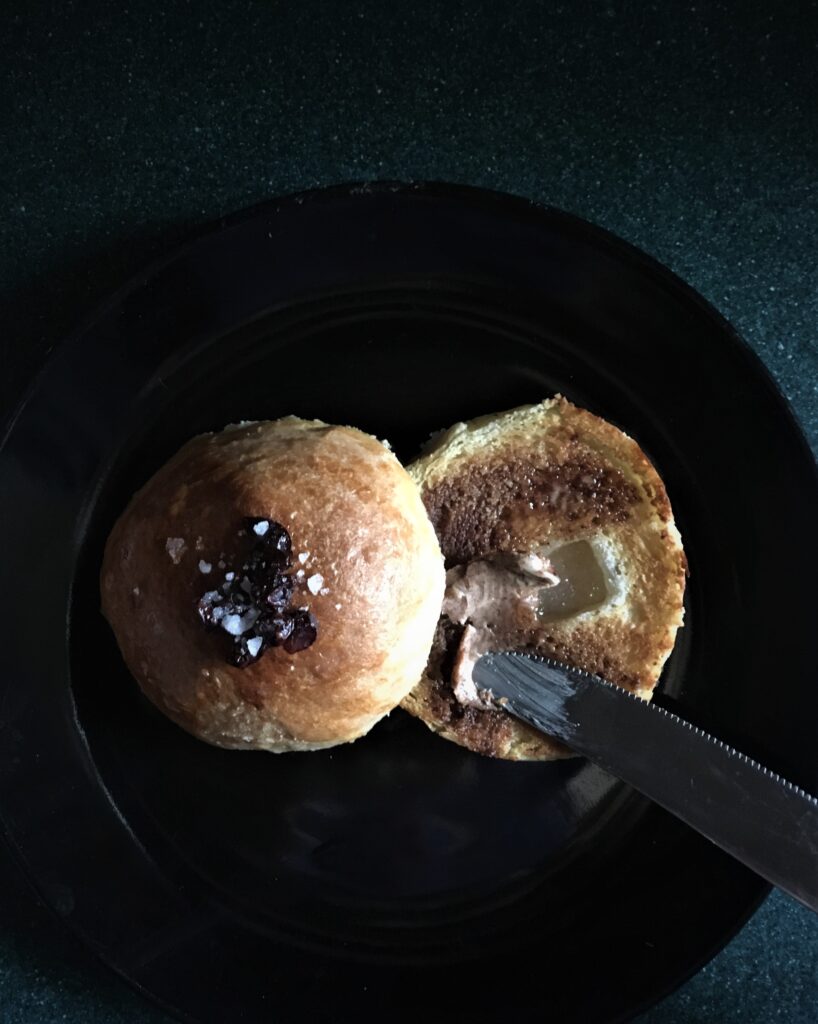
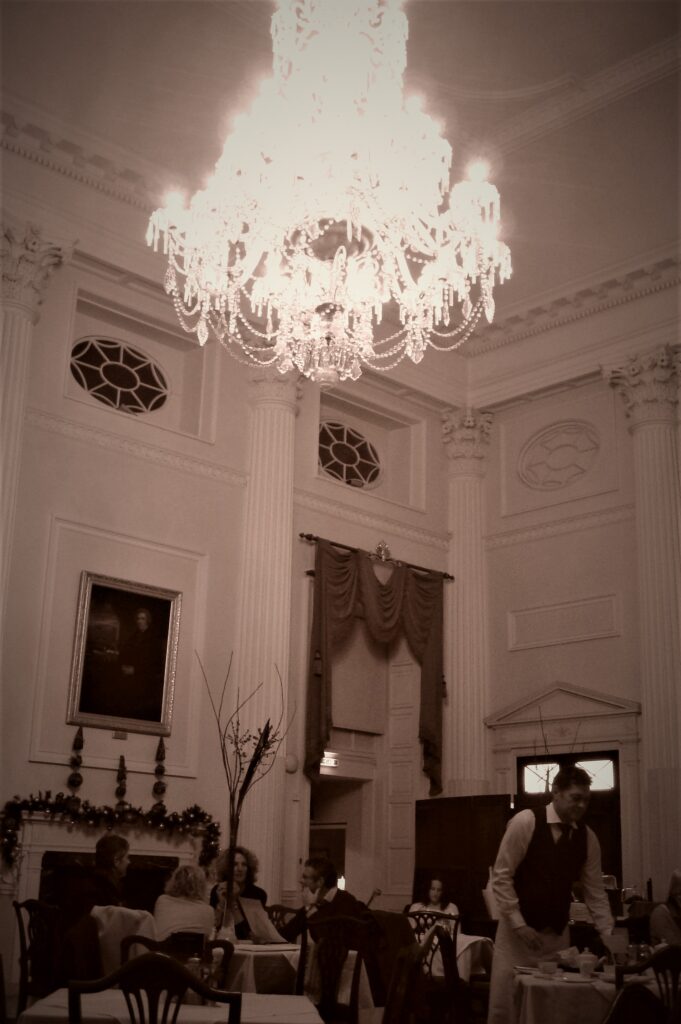
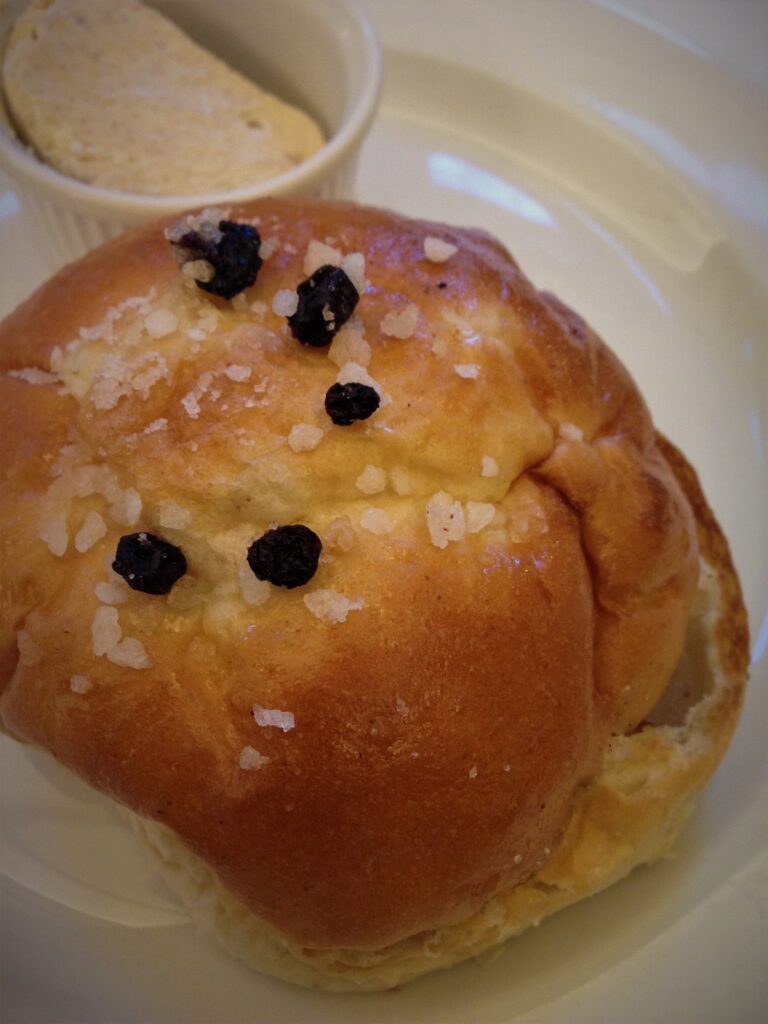
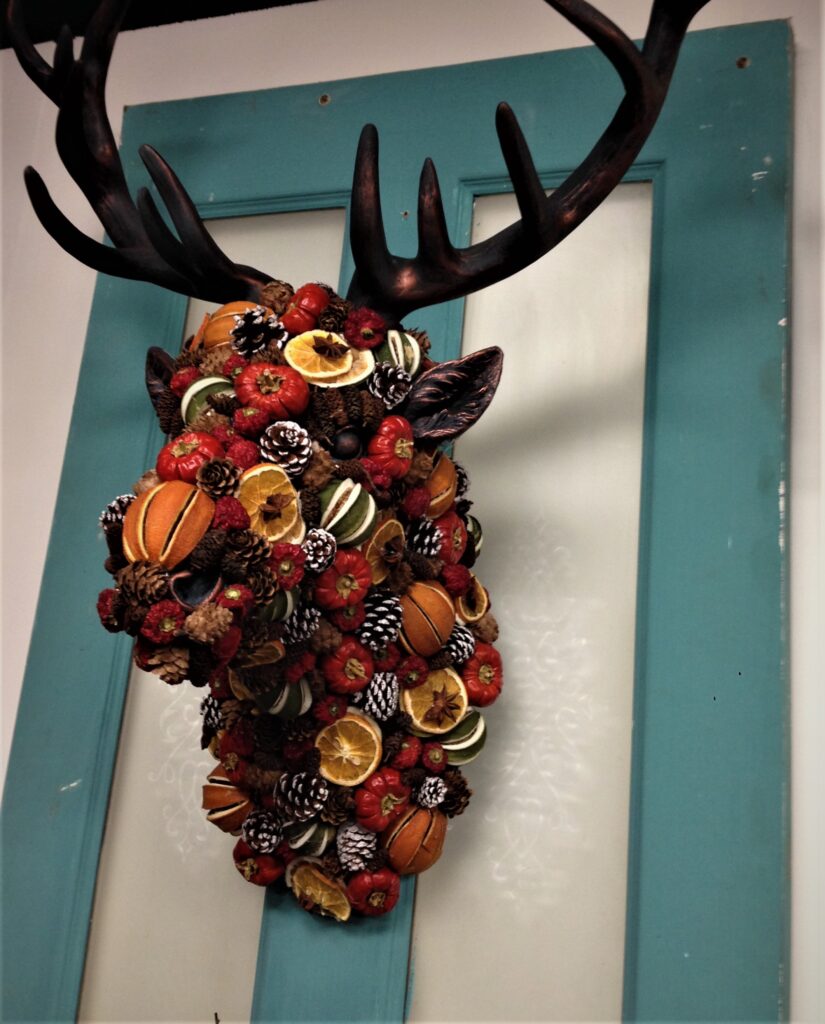
Another tradition for me is a little Pump Room pitstop. This makes me sound rather like a lady in her dotage but I don’t care. The Pump Room is one of Bath’s institutions and the main reason I go here (apart from tradition, the nice Christmas decorations and the live music) is that they serve very good Bath Buns with cinnamon butter, which I look forward to tucking into every year. One year I decided to opt for a slice of Christmas cake. This was an error. It was nice but it was no Bath Bun with cinnamon butter that’s for sure. Essentially a Bath Bun is a sort of a sweet roll. The dough has milk and a shed-ton of butter in it, which makes it seem really rich but, oddly, it isn’t (which is why the cinnamon butter works so well as an accompaniment). These are curious little creatures: weirdly plain but with all the interest sitting on the top in the form of currants and sugar sprinkles; then for some reason, inside, is a lump of sugar. I’ve tried to find out why but to no avail. What I do know is that they are delicious toasted and taken with a cup of earl grey (with a slice of lemon; no milk… this is the Pump Room, Reader ?).
Here some bun facts I have managed to discover:
- Variations can include the addition of candied peel and caraway seeds (neither of which feature in the Pump Room version).
- Apparently it was so popular (presumably on account of the footfall for the healing waters of the spa) that almost a million were produced for the Great Exhibition of 1851.
- Austen’s letters mention that this sweet treat “disordered her stomach” (for the avoidance of doubt, I’ve never found this to be the case).
- The Bath Bun has been attributed to Dr William Oliver (he of the Bath Oliver savoury biscuit – which is also pretty bangin’), possibly – jury is out, but there’s no reason why someone can’t create two tasty things. Apparently he came up with the biscuit after realising that the bun was too fattening for his rheumatic patients.
- A Bath Bun is not to be confused with the Sally Lunn bun which is way bigger, essentially, an edible plate (trencher-style) and a different story altogether… (this “historic eating house” is definitely worth a visit, by the way along with so many other spots too numerous to mention).
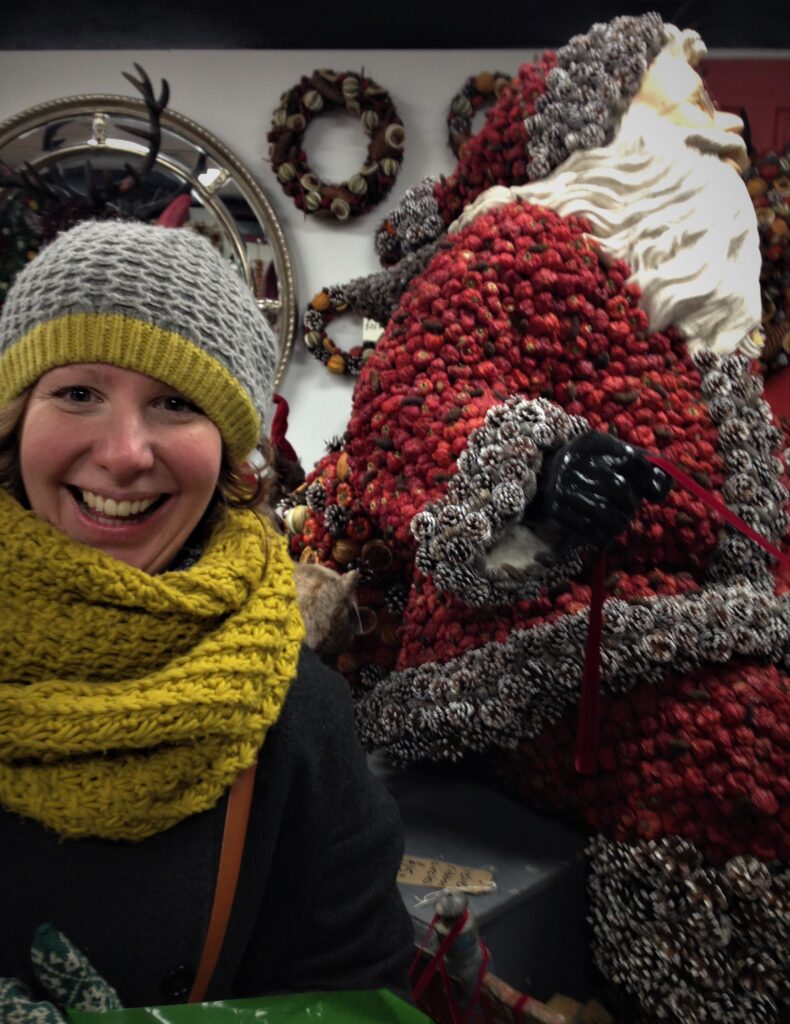
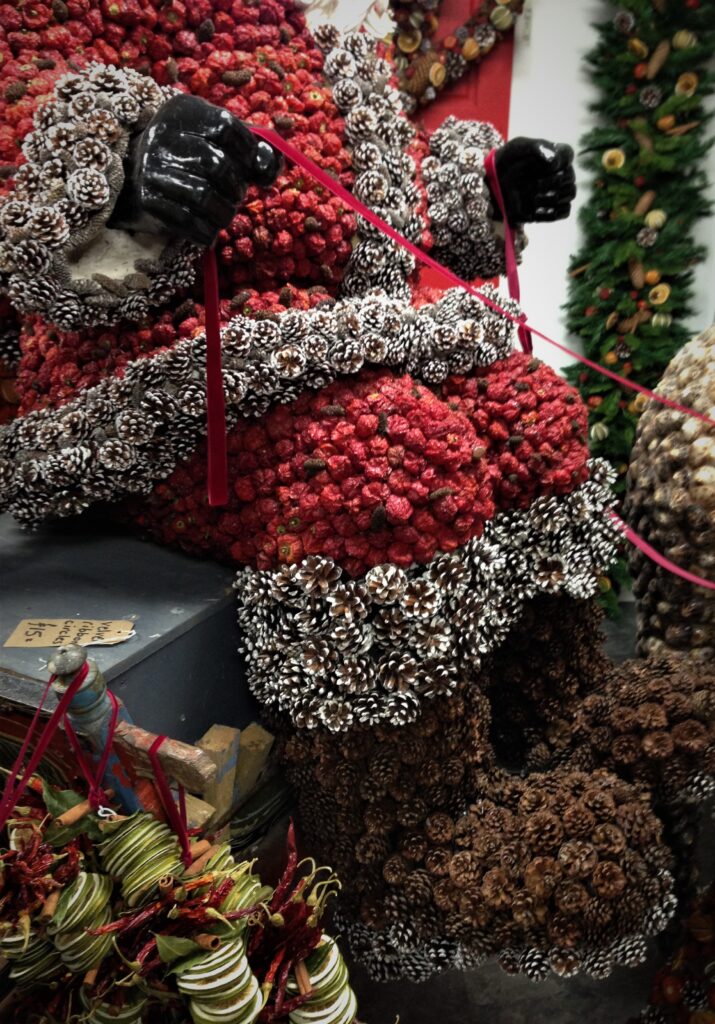
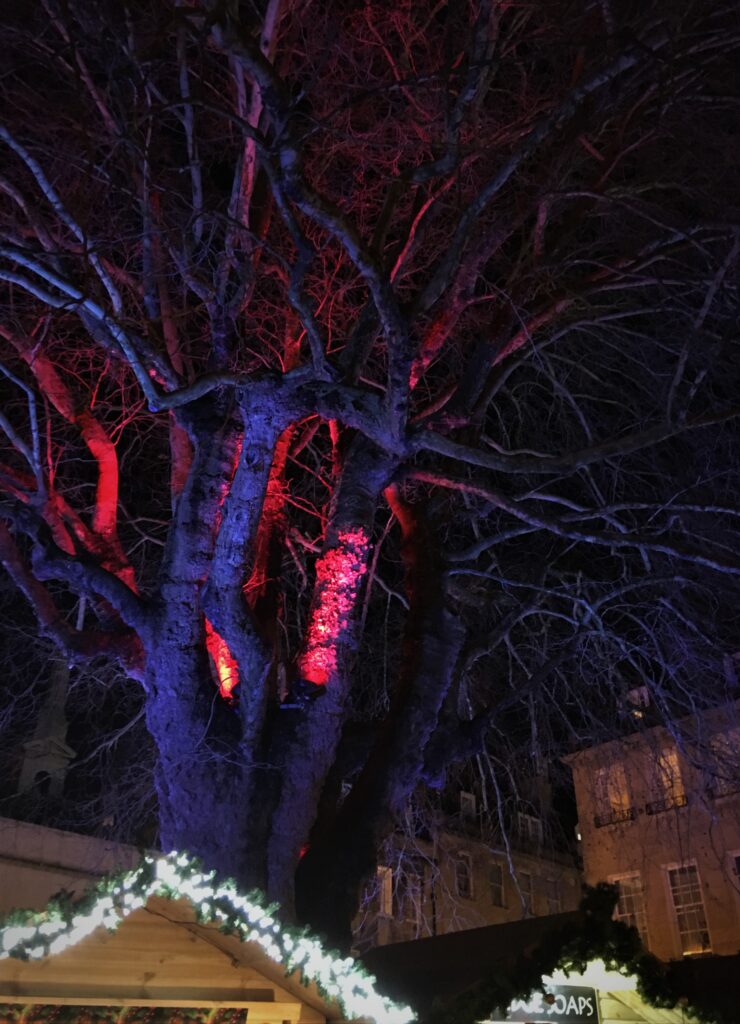
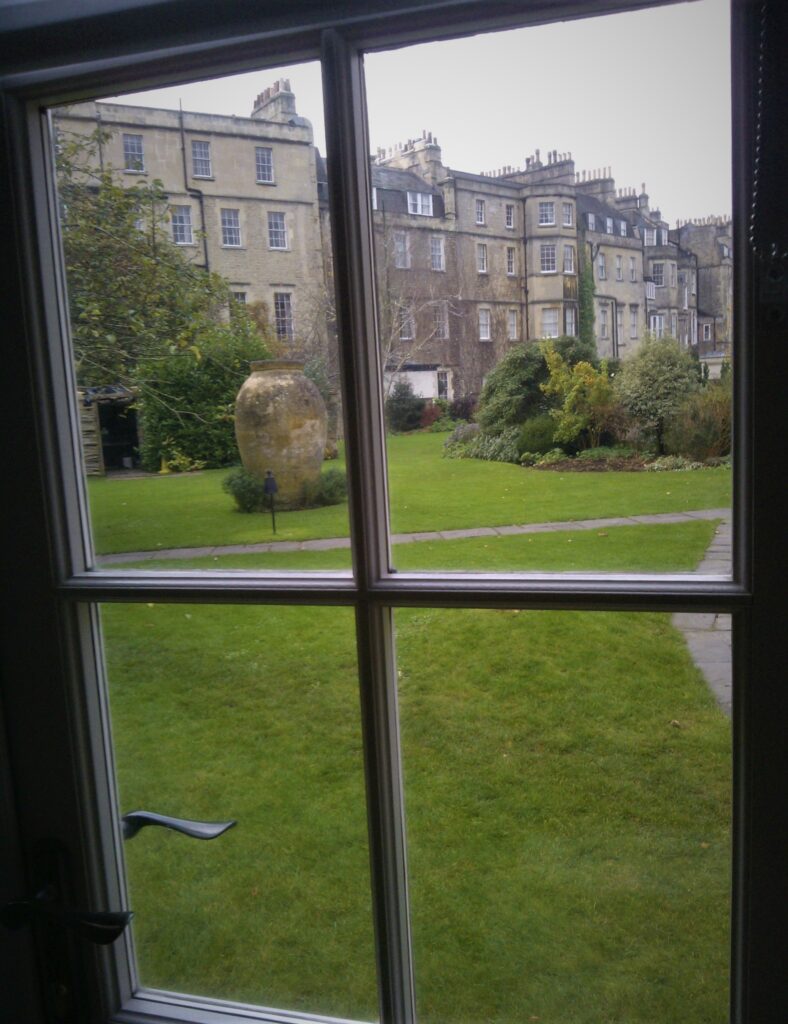
Oddly, over the years I’ve not taken that many pics (or have lost them somewhere) – probably too busy eating – but also probably because I go every year and essentially Bath doesn’t change… and that’s a good thing.
If you liked this recipe, you might like...


- « Previous
- 1
- …
- 10
- 11
- 12