Or, more precisely, roscón de reyes in El Chorro
I spent this year’s NYE on my own (cue very tiny violin). This was sub-optimal for sure. I actually went to bed at about 10.30, cracking the little bottle of fizz I had somewhat ambitiously bought on New Year’s Day instead. Anyway, I’ve never been a huge fan of New Year because in this country it’s a bit of a damp squib. Like so many things, we don’t really “do” New Year with great aplomb. There’s a sort of fizzle of fireworks to mark the end of that desultory bit between Christmas and New Year when you’ve no idea what day it is and then suddenly it’s all back to normal. I think this is a rubbish way to begin the year so I prefer to go away – get away from the norm and start a new 12 months anew but currently, there’s no escaping the “norm”. So it was what it was and I dutifully raised my little prosecco for one to better days to come.
I’m not abroad every NYE. I have had many a merry time in this country for sure, often away with friends – which still counts, it’s still an away; but hunting winter sun to climb in is as good an excuse as any to leave town. Spending NYE abroad also means you get to experience how another culture rings in the new. So it was that in Spain a few years’ ago I ended up rapidly chewing a bunch of grapes and tucking into a slice of roscón de reyes.
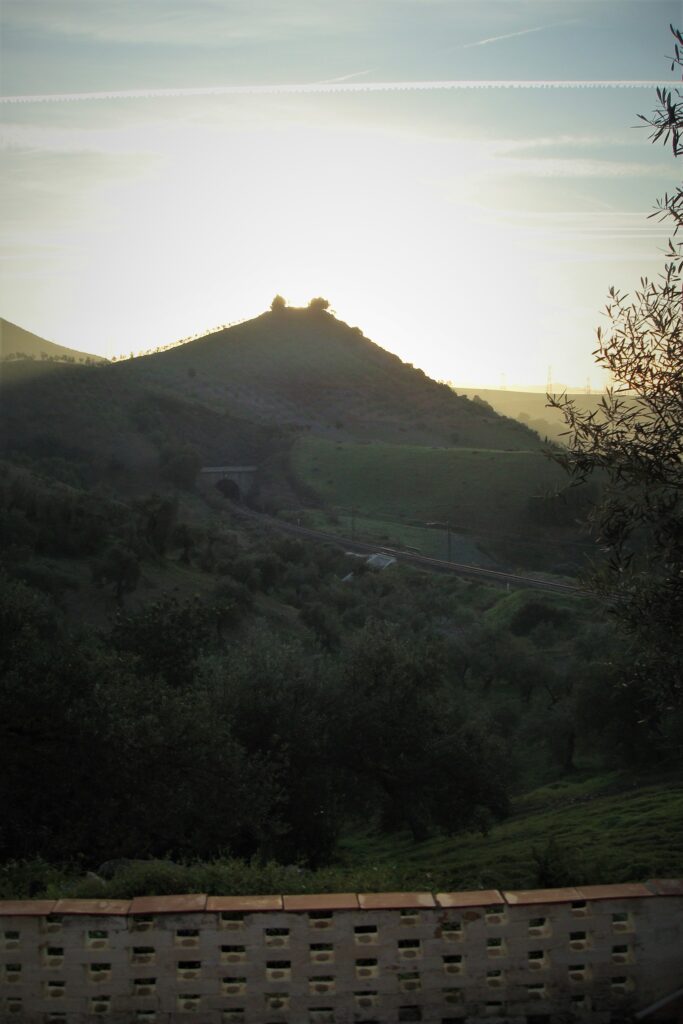
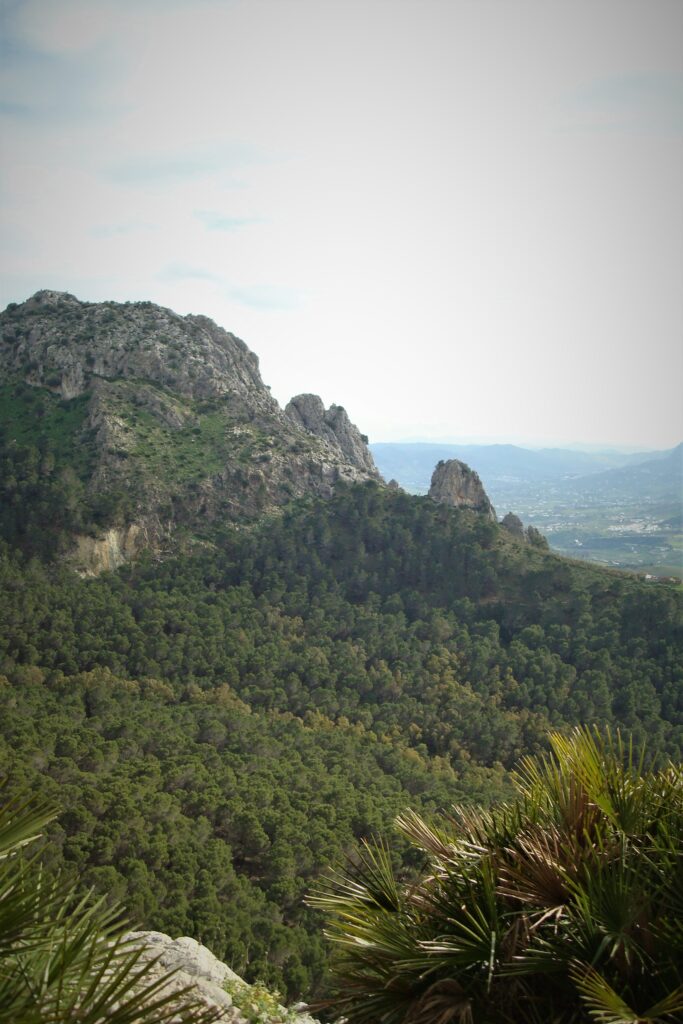
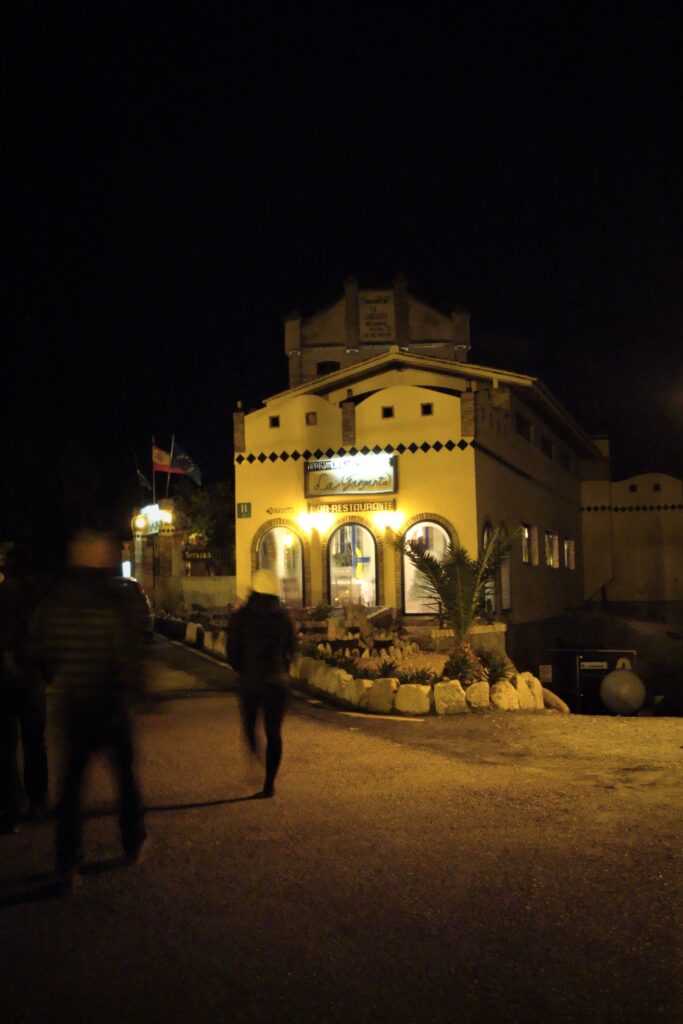
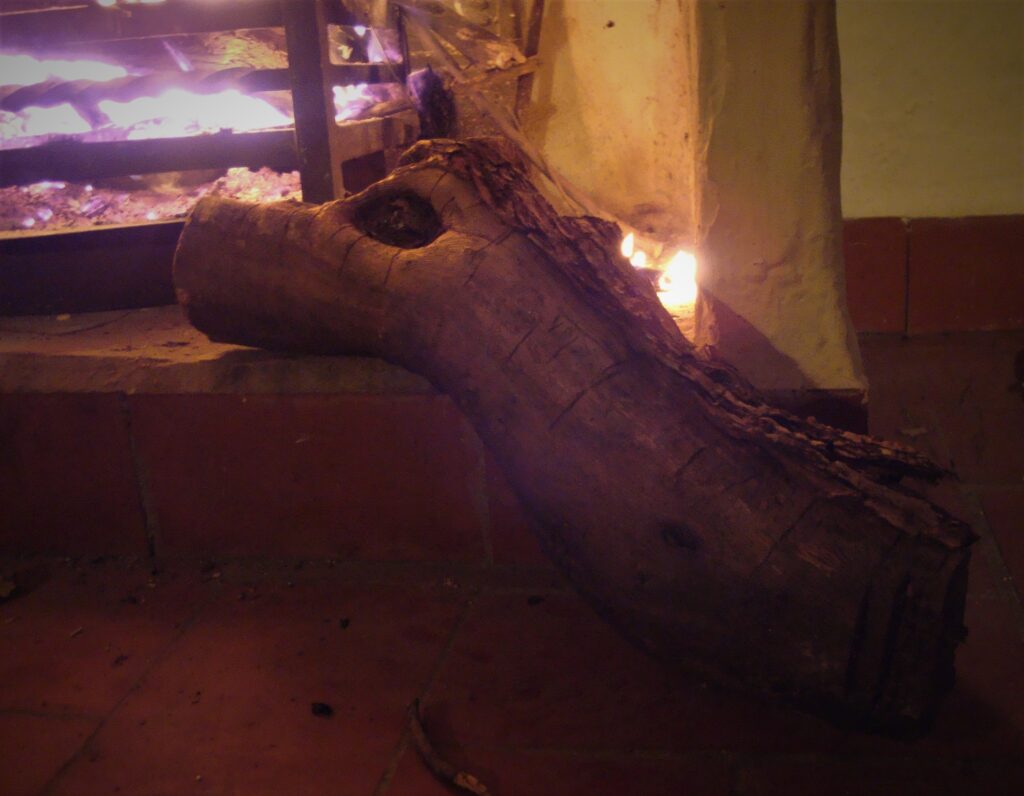
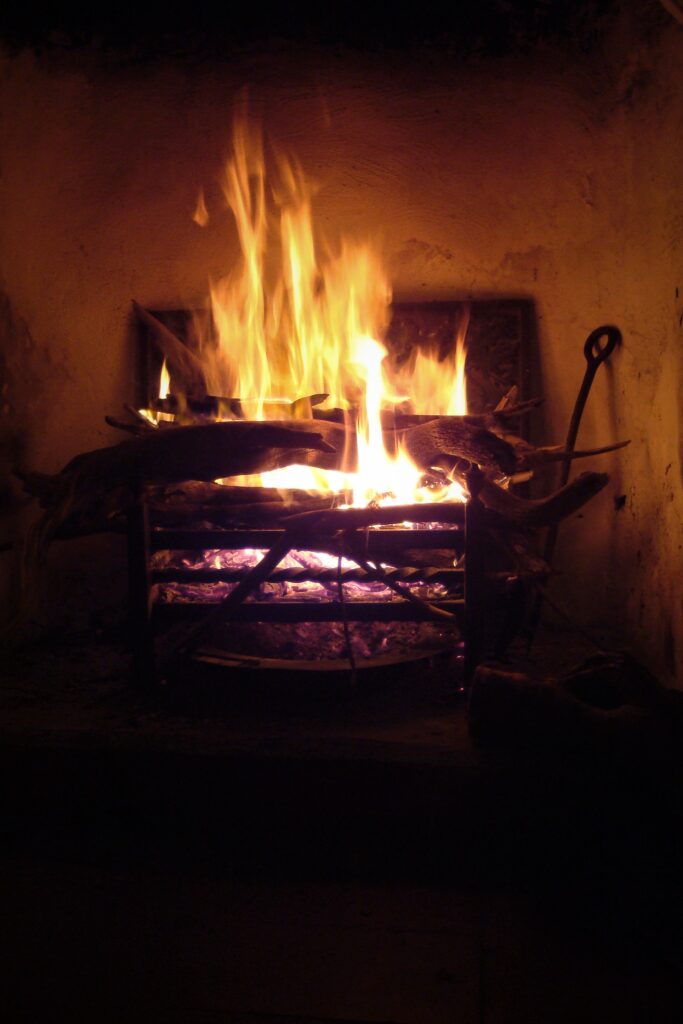
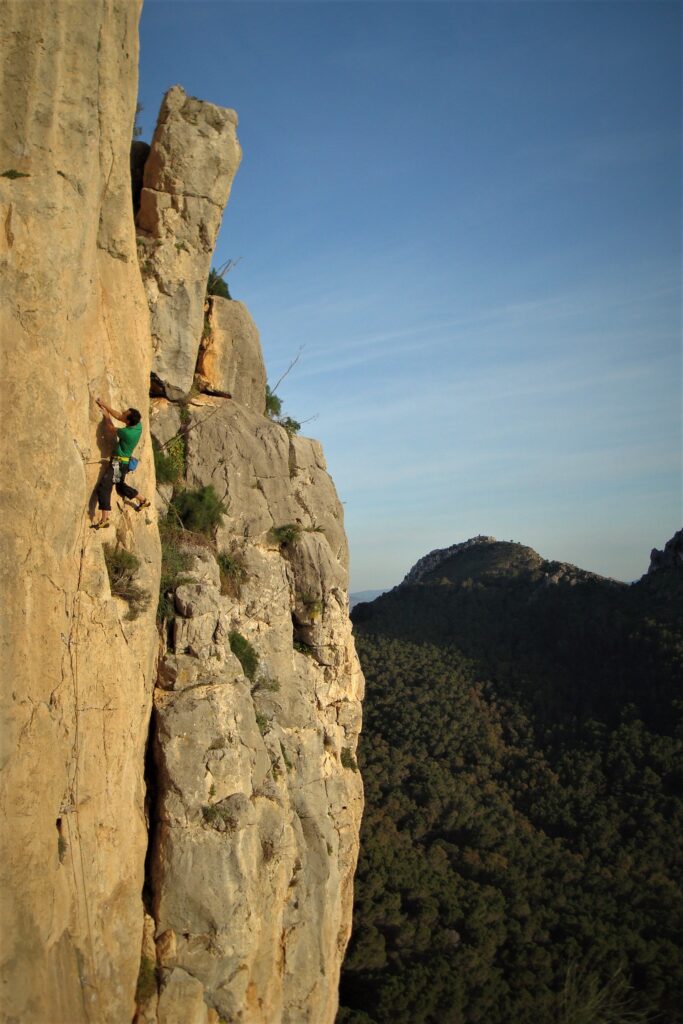
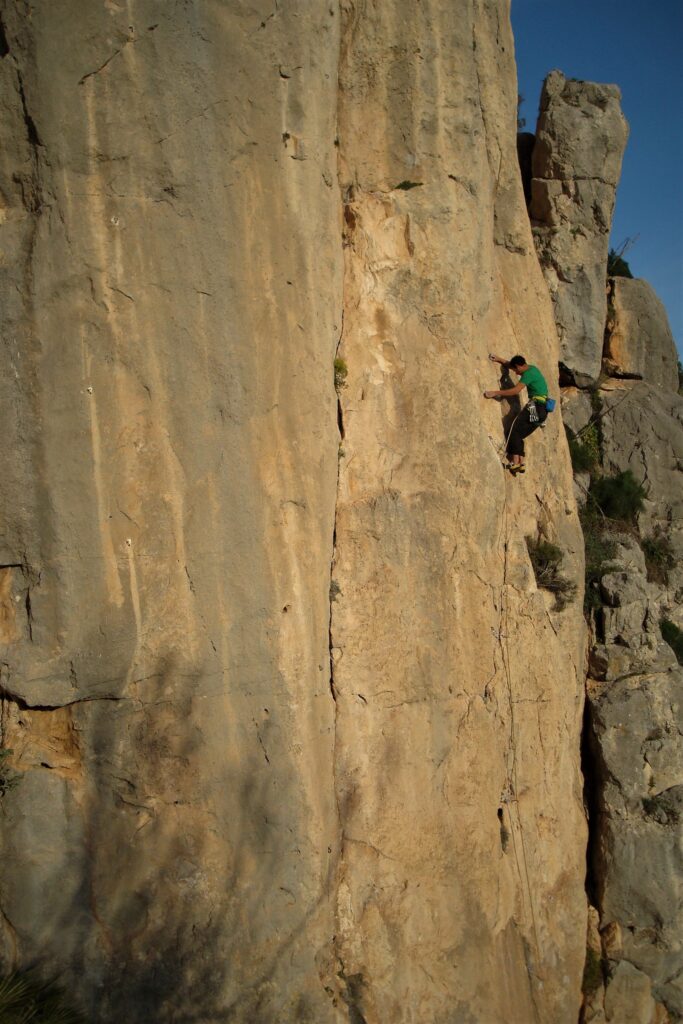
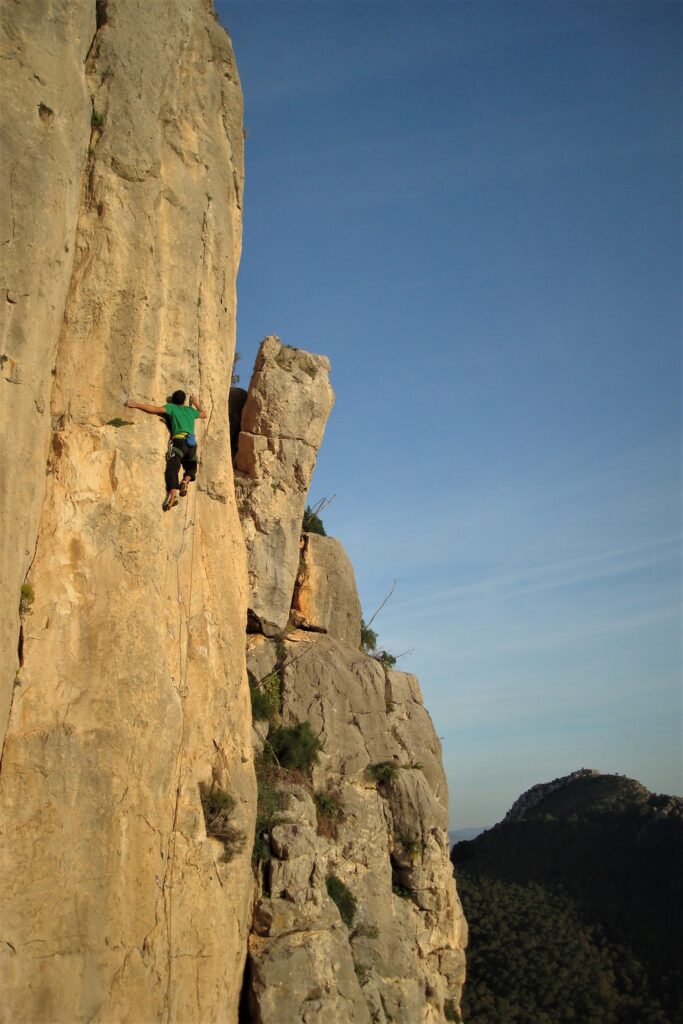
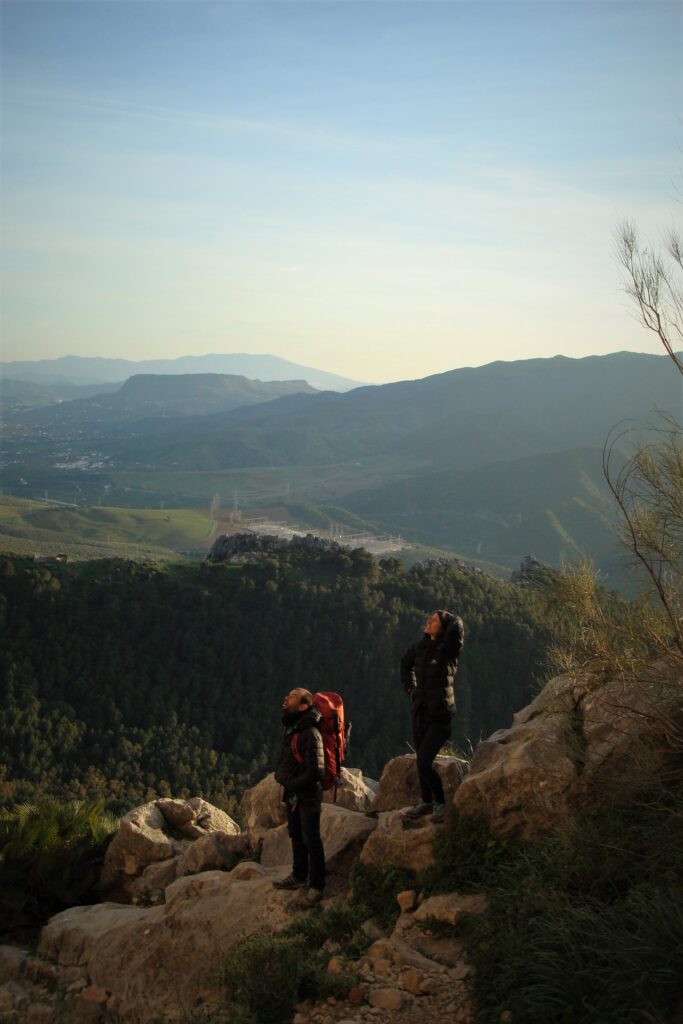
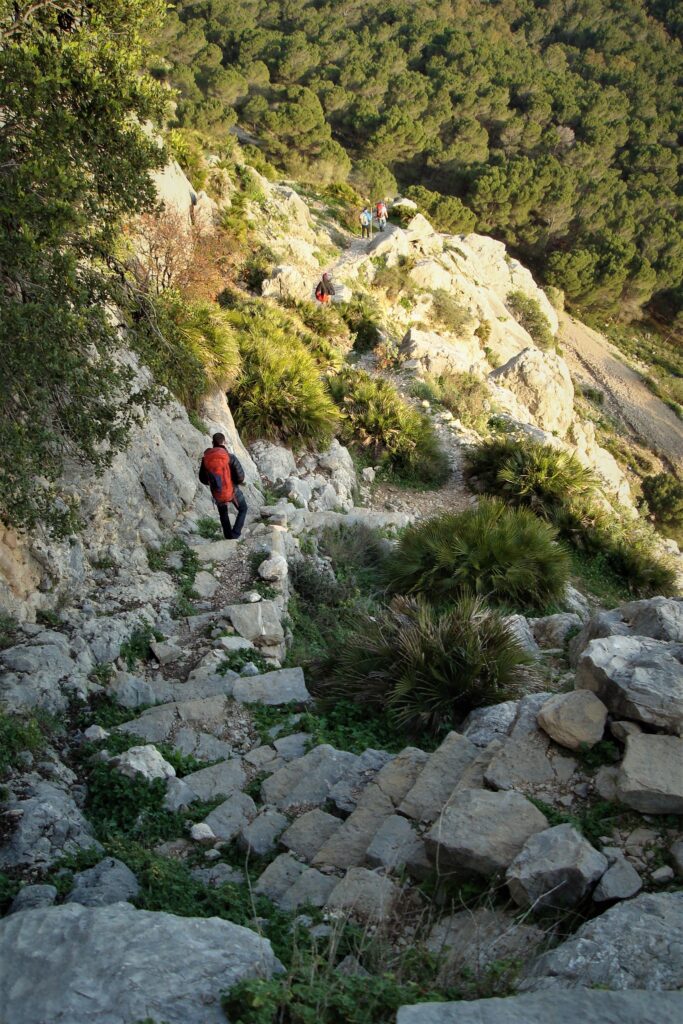
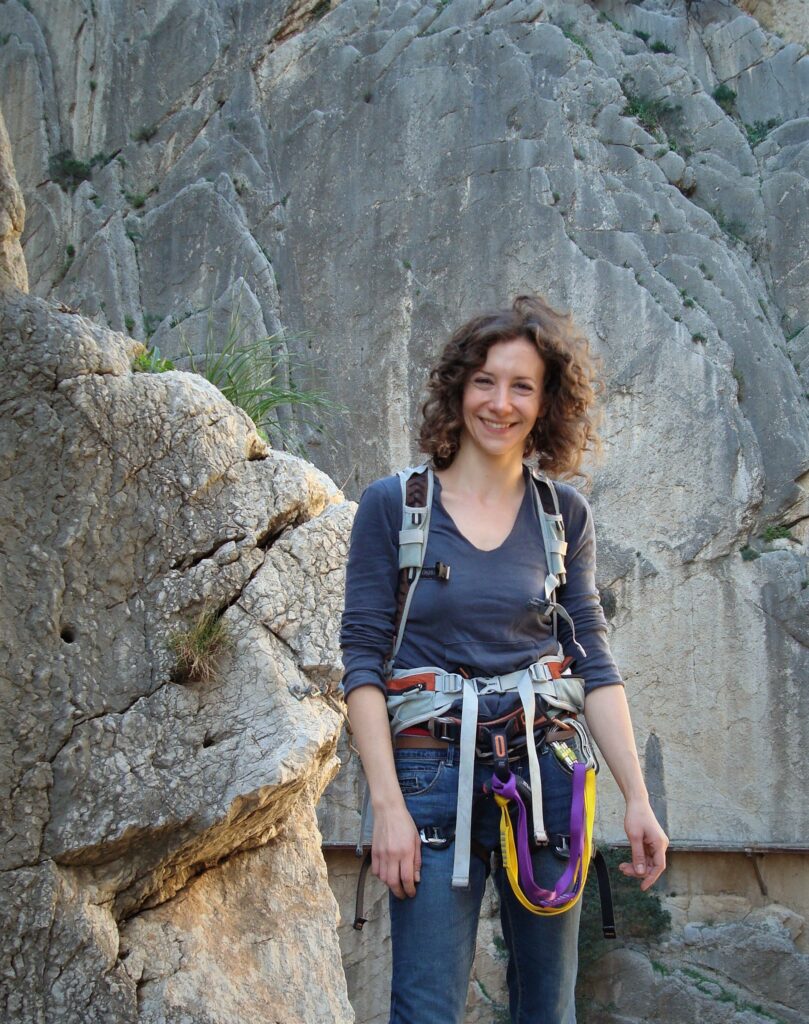
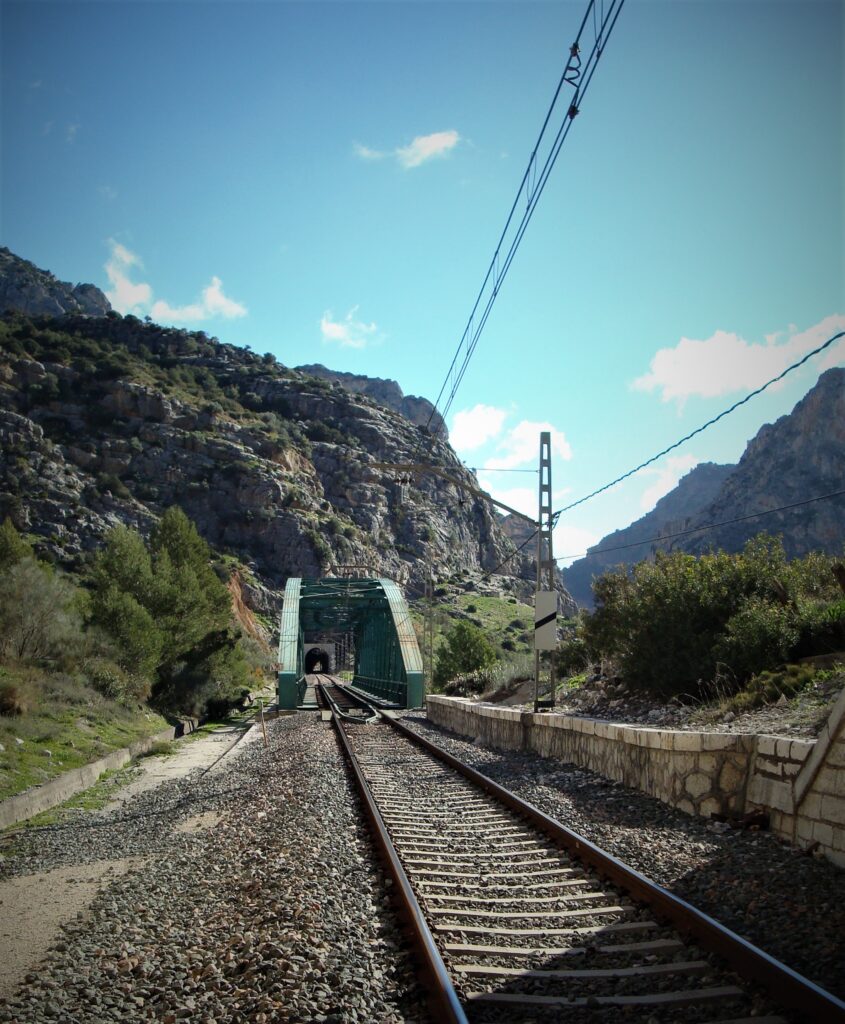
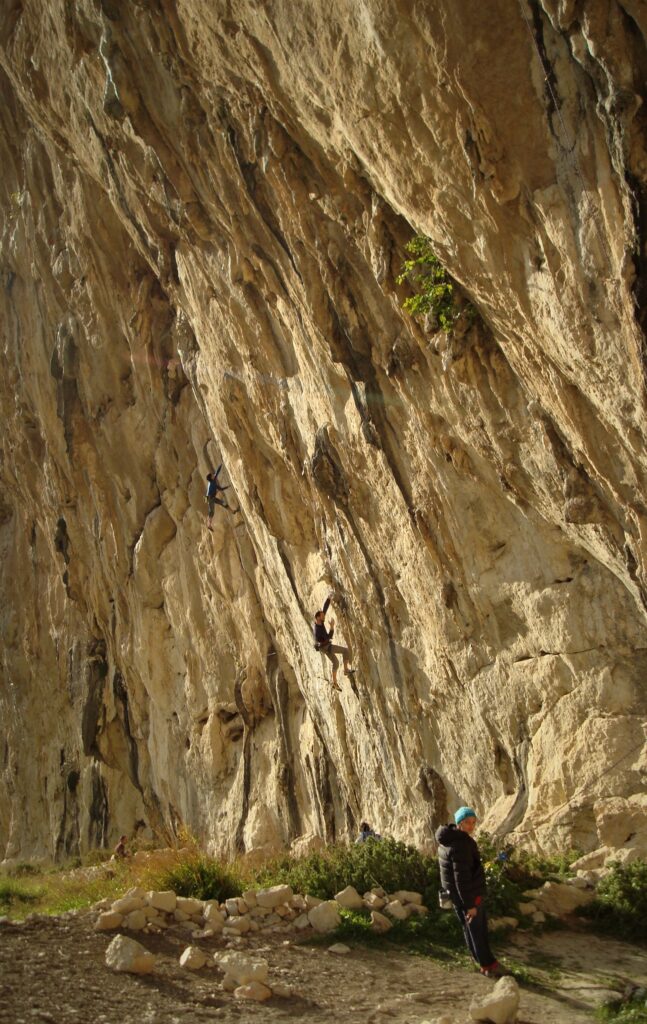
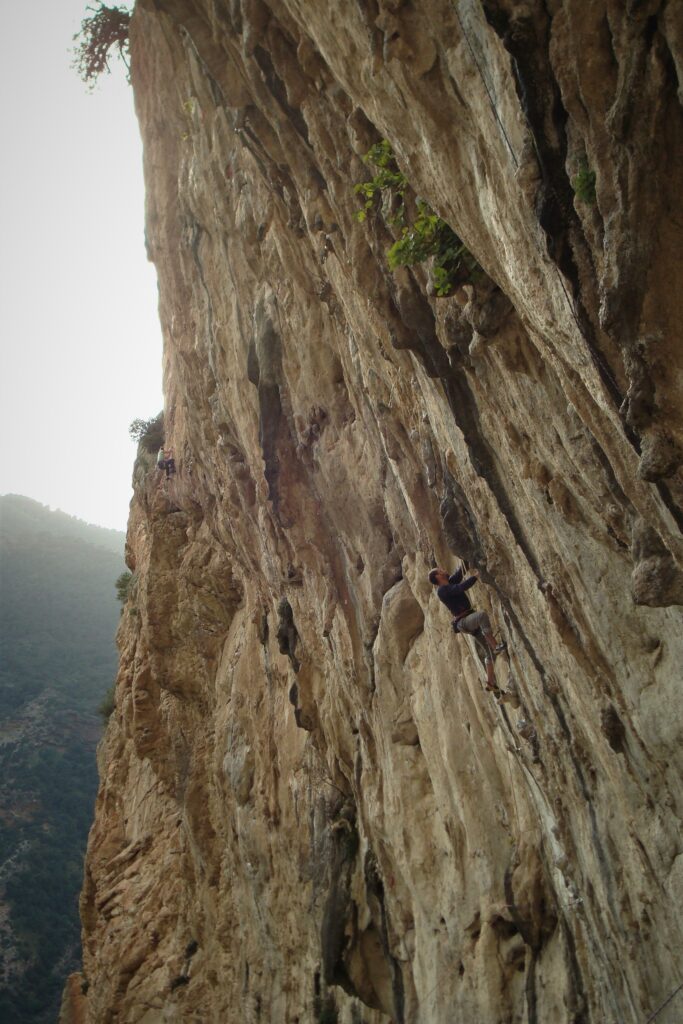
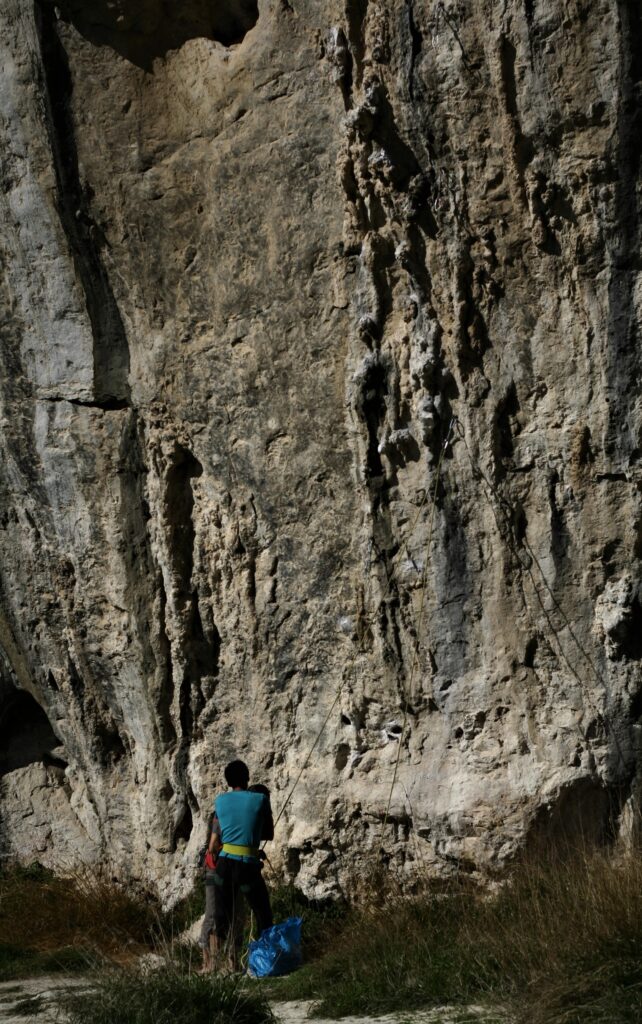
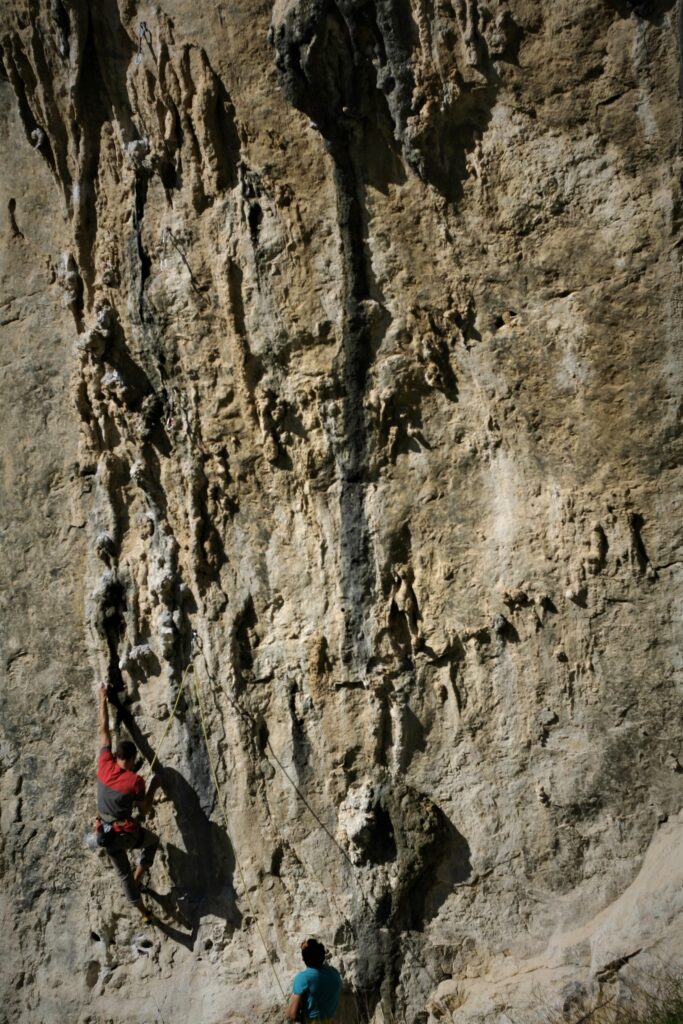
If you are lucky enough to have the time off, the days after Christmas offer an excellent opportunity to squeeze in some climbing and southern Spain pretty much guarantees excellent temps for this kind of caper. Fairly early on in my climbing life, I ended up doing this in El Chorro – one of Spain’s most popular climbing destinations down near Malaga: decent limestone, some classic routes and beautiful views. I love a crisp, cold winter but it was rather nice to be climbing in a T-shirt in December. That being said, whilst it was gloriously sunny by day it was bloody freezing by night but, thankfully, our digs had roaring fire facilities which to be fair it was pretty hard to tear yourself away from. We had, of course, planned the climbing but we hadn’t actually planned anything for NYE apart from fizz – assuming it would just sort of happen in a drunk and most likely dancing in a bar kind of a way (if we dared leave the warmth of the hearth). A quick bit of research and asking about in the village (essentially to find a party) and we discovered the protocol for a feliz anoz in these parts (and, more widely, Spain in general). It consists of three things: tucking into roscón de reyes, rapidly necking 12 grapes and (if you are into it) dancing the small hours away in a sinsemilia-smoked-out, sufficiently skanky little backroom club. The cake part was easy – picked one of those up in the local shop and smashed a few slices with some beer at the house after our NYE supper. Then, each armed with our grapes, we decided at about 11.15pm that we should head into the village to mark the chimes at midnight as it would no doubt be livening-up and it would be cool to be in a merry throng. When we got there it was dead. Zip, no-one, nada. Calling in at the restaurant – the only place lit-up – we were welcomed (and just in time) to join the pack of patrons popping their respective grapes as the whole place counted down from 12. This is such a lovely tradition, if a little mad. Las doce uvas de la suerte (the twelve grapes of luck) are frantically chewed, one at a time, with each chime at midnight in the hope of a prosperous 12 months to come as the new year is rung in. Apparently it only dates from 19thC but, rather like our old wassailing tradition (in which growers bless the trees in hope for a bountiful crop of apples), it was devised by Spanish winegrowers wishing for a bumper harvest. I’m very down with this; every year should be filled with good wine.
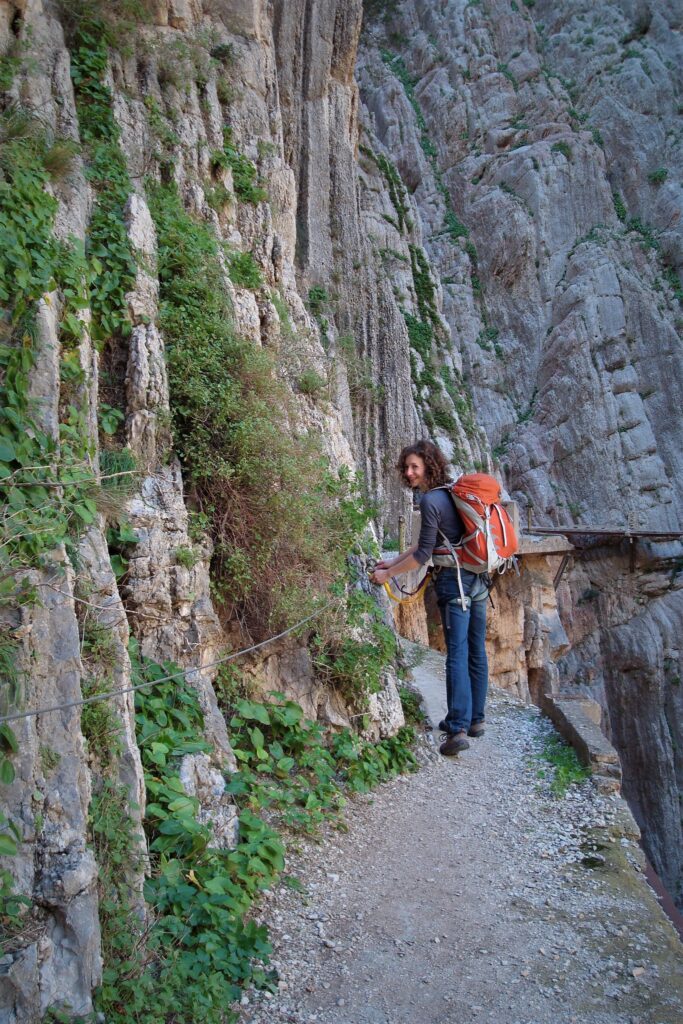
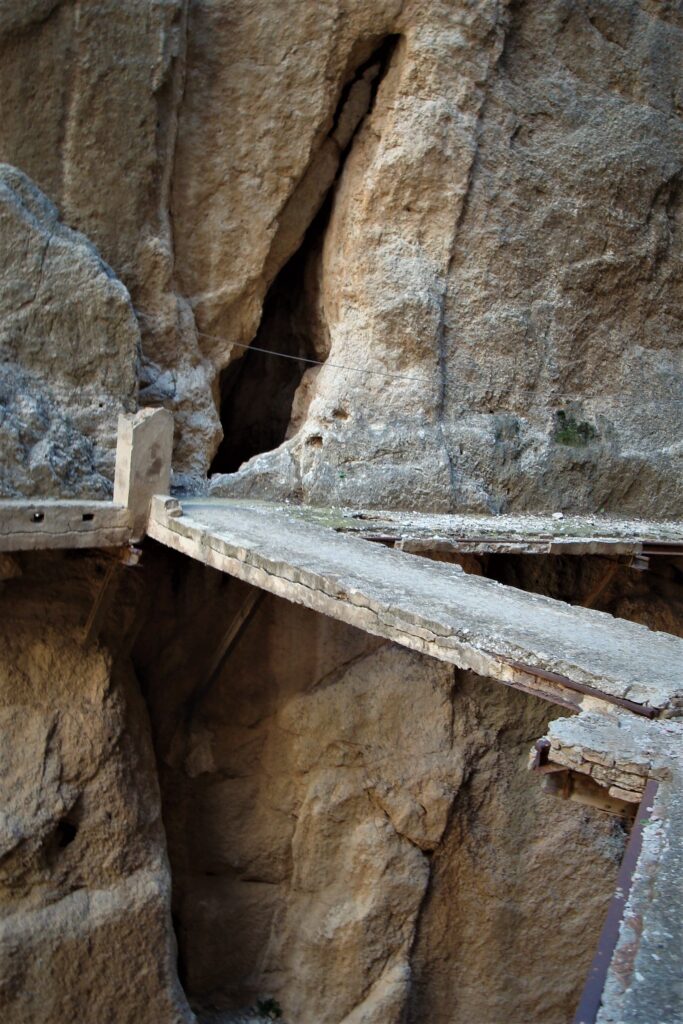
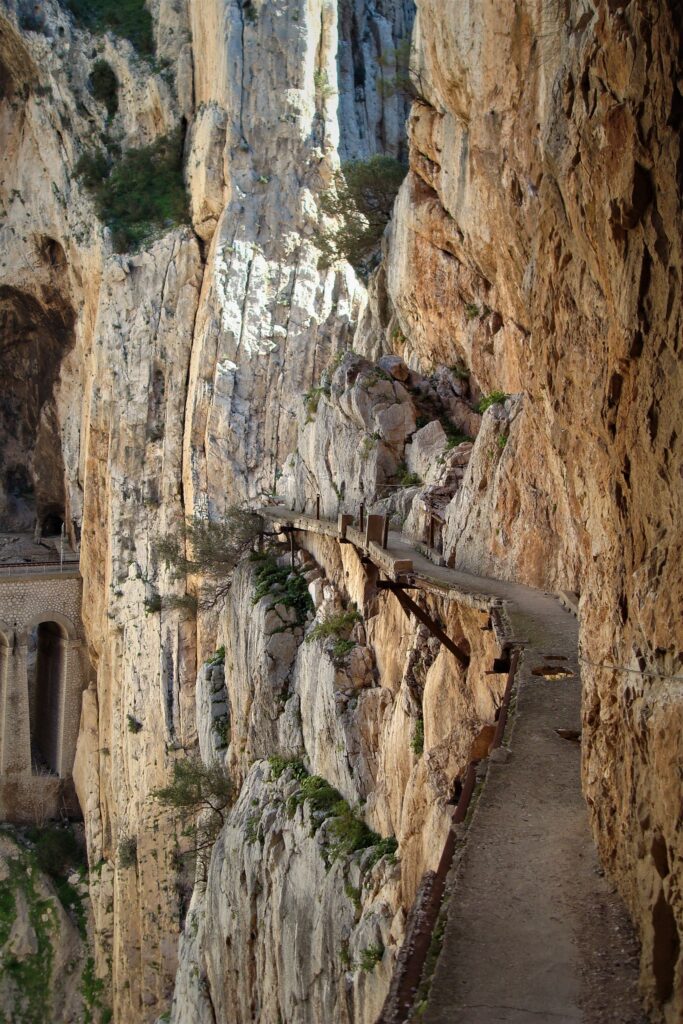
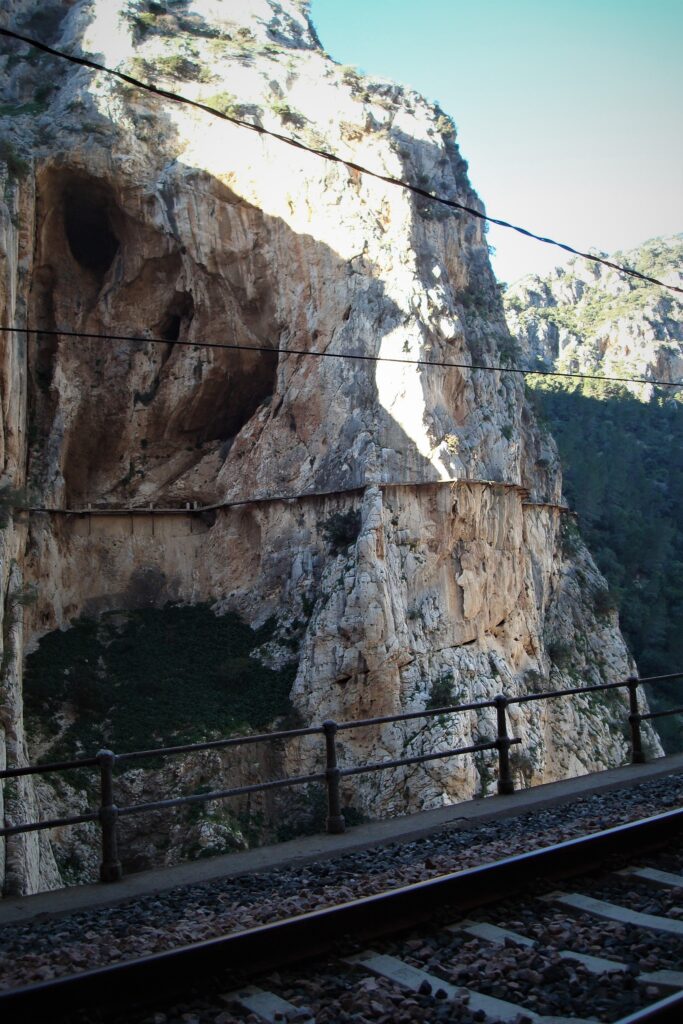
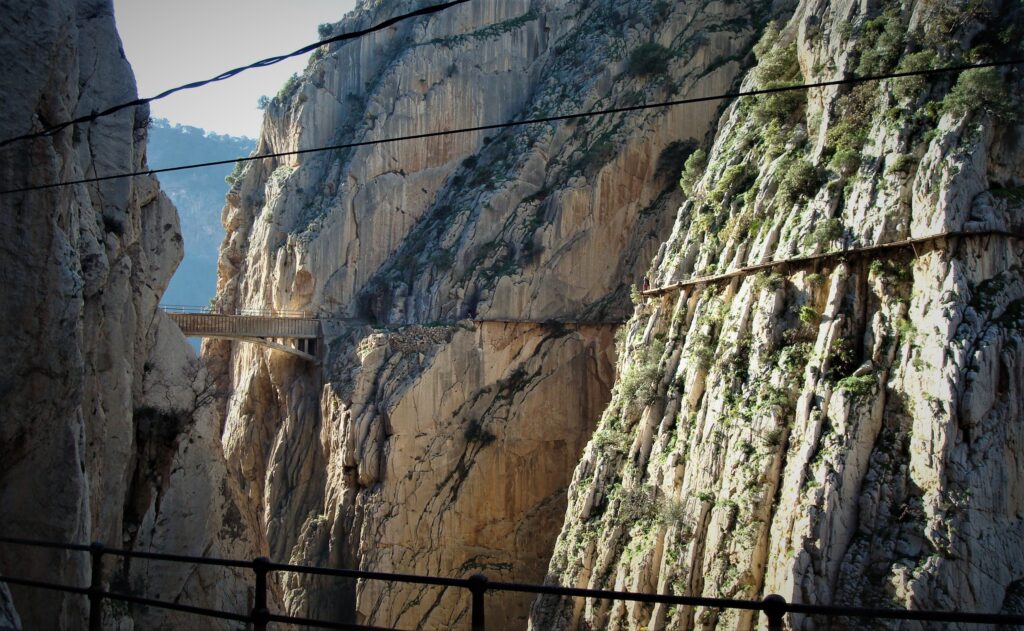
After the uvas, we left to make our way to the party bar but on arrival, the place was dead – apparently it wouldn’t kick-off until 1am (?!) so we ended up hanging around the empty station cafe’s outside tables like purposeless teenagers, drinking beer and trying to pretend we weren’t longing for the fire (or a second down jacket each). The night (morning) ended in a blur of alcohol and reggae and I woke up rather the worse for wear at something along the lines of 3pm. At this point it was decided that the New Year’s Day walk should take in Chorro’s other major attraction (and another king-related thing) the camino del rey. I was in no fit state to achieve this and sliding down the scree slope to the frankly foreboding start of this via ferrata – a missing path – I took one look at the rusty old girders jutting-out of the towering rockface (the start path)… and, in my very hungover state, I bailed. Of course, I then hated myself (for obvious reasons and because the photos I’d seen of it looked pretty rad) and resolved to tackle it another day. It remains, to this day, possibly the most terrifying thing I’ve done. Amazing but terrifying. Let’s call it, Type 2 fun (possibly Type 3 in parts).
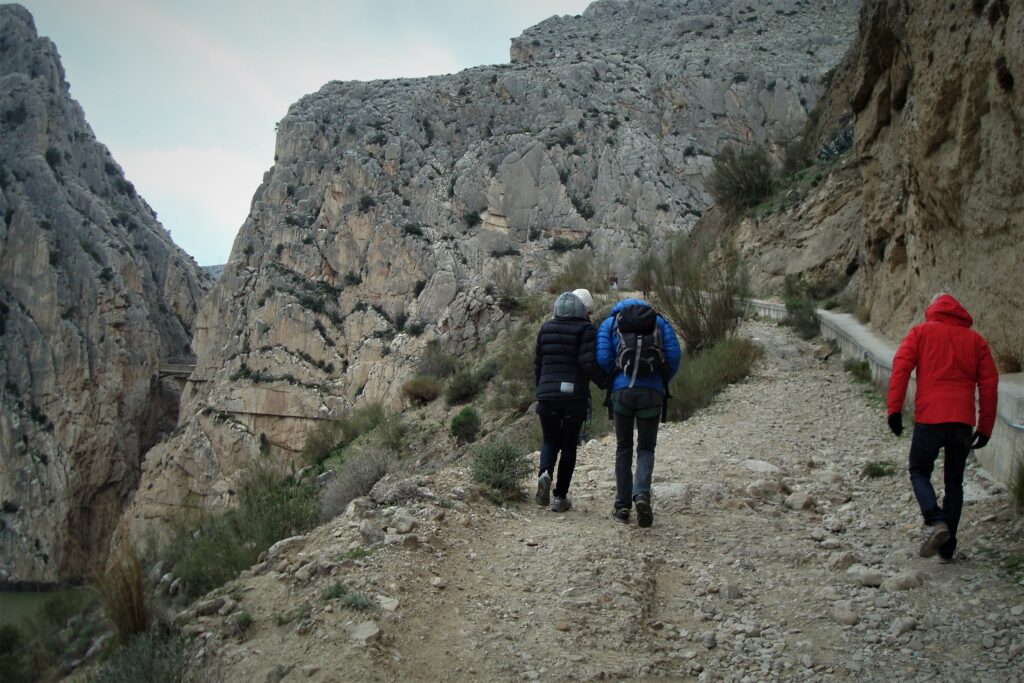
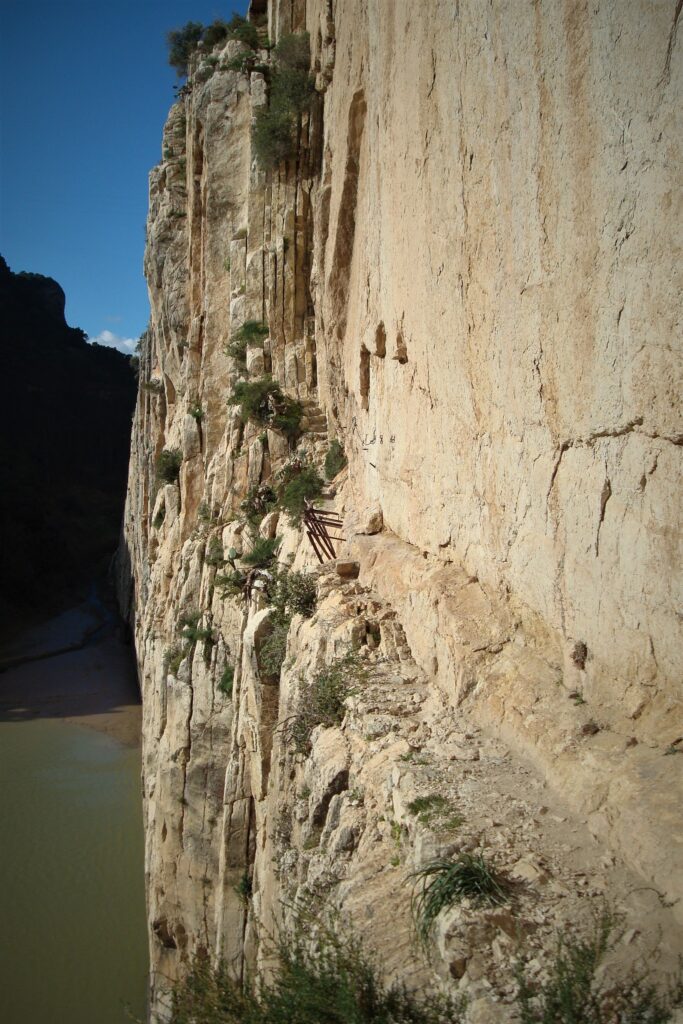
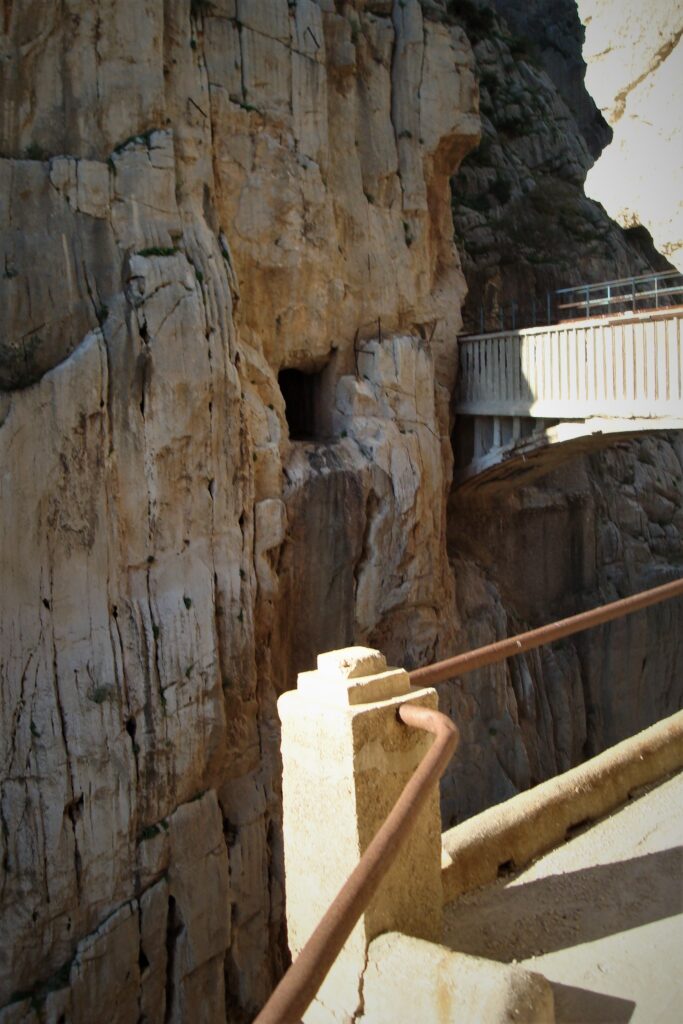
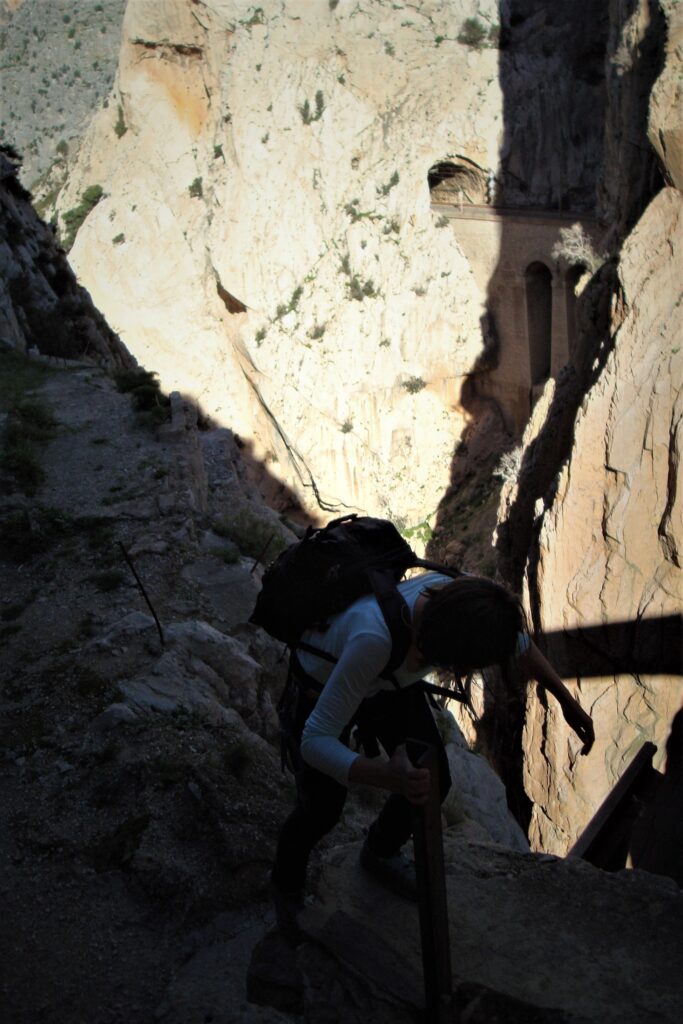
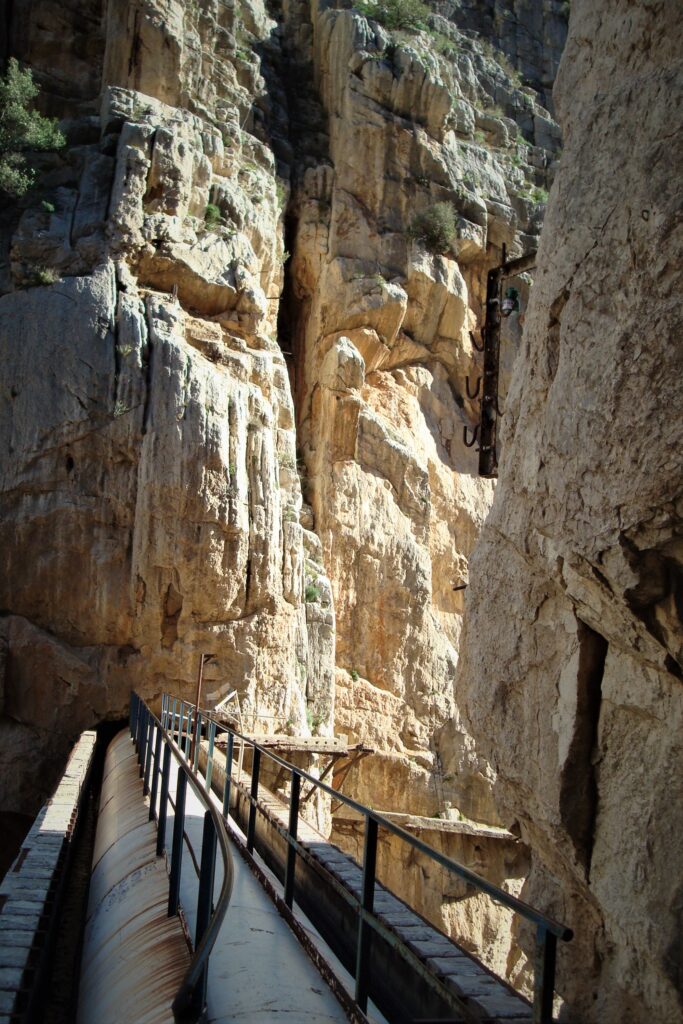
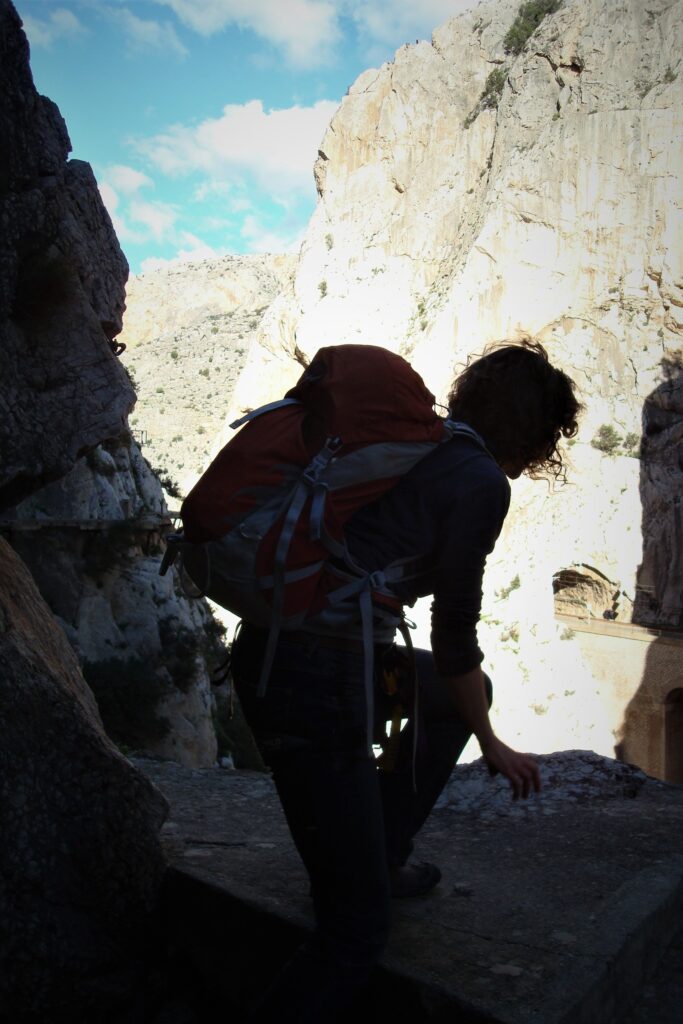
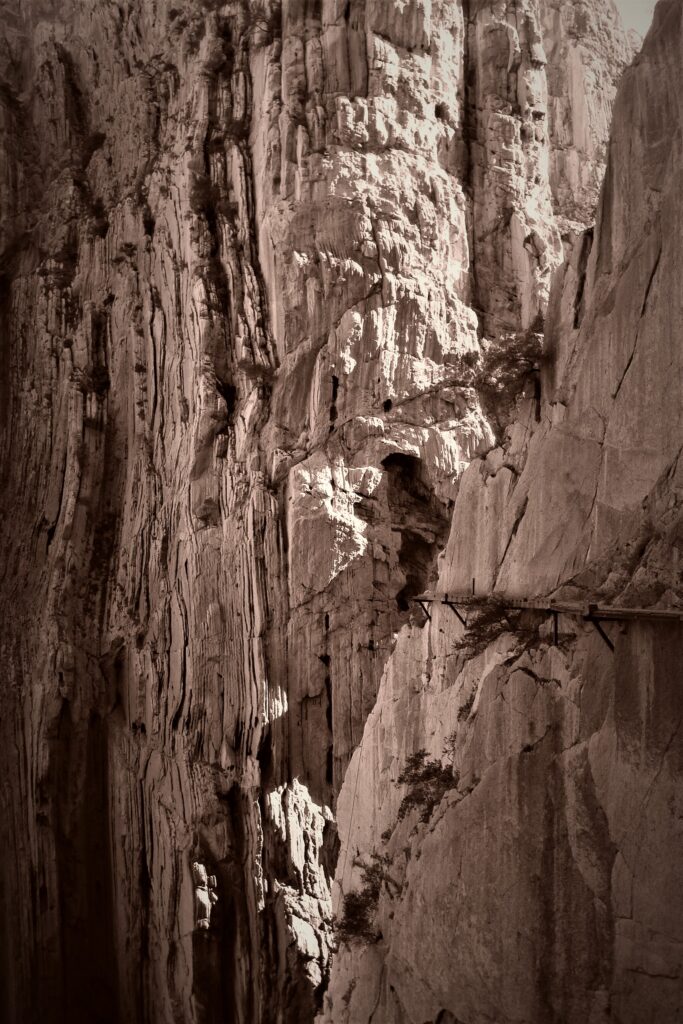
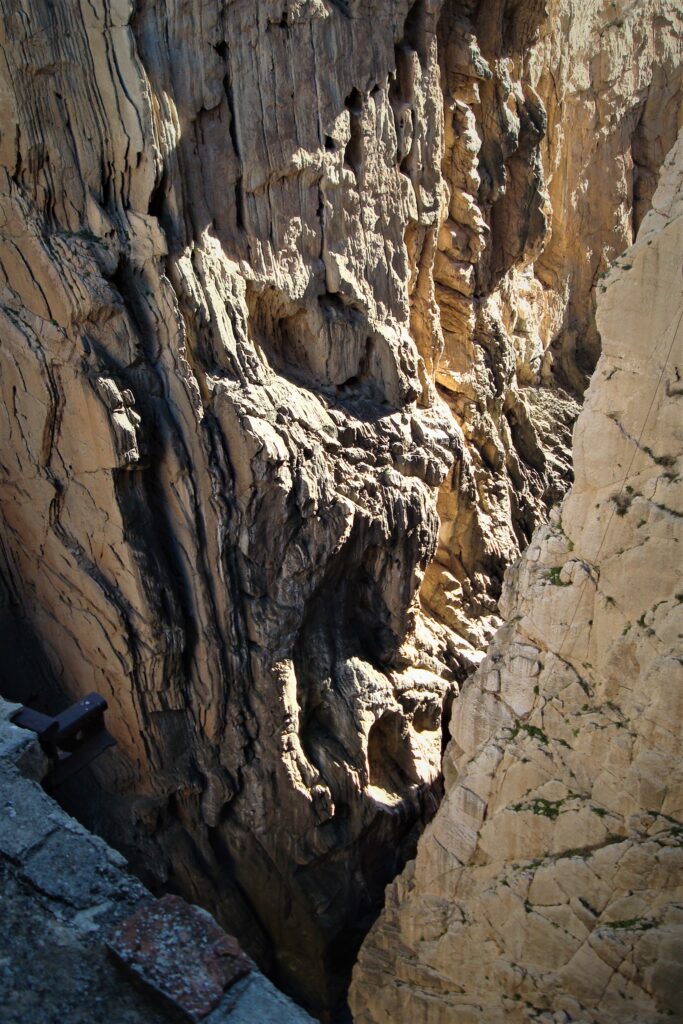
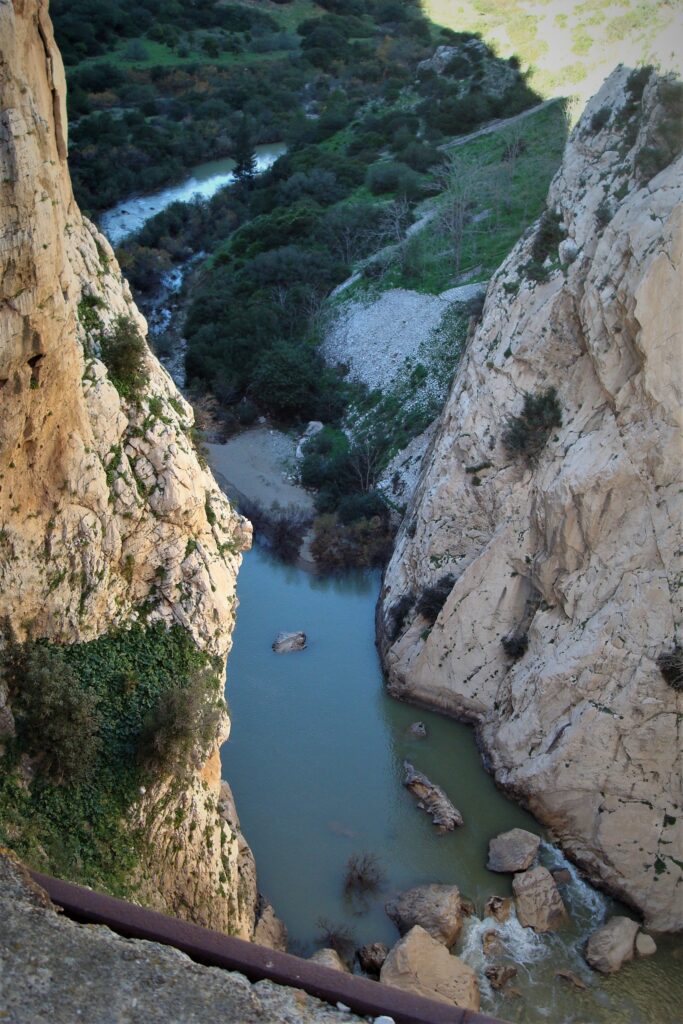
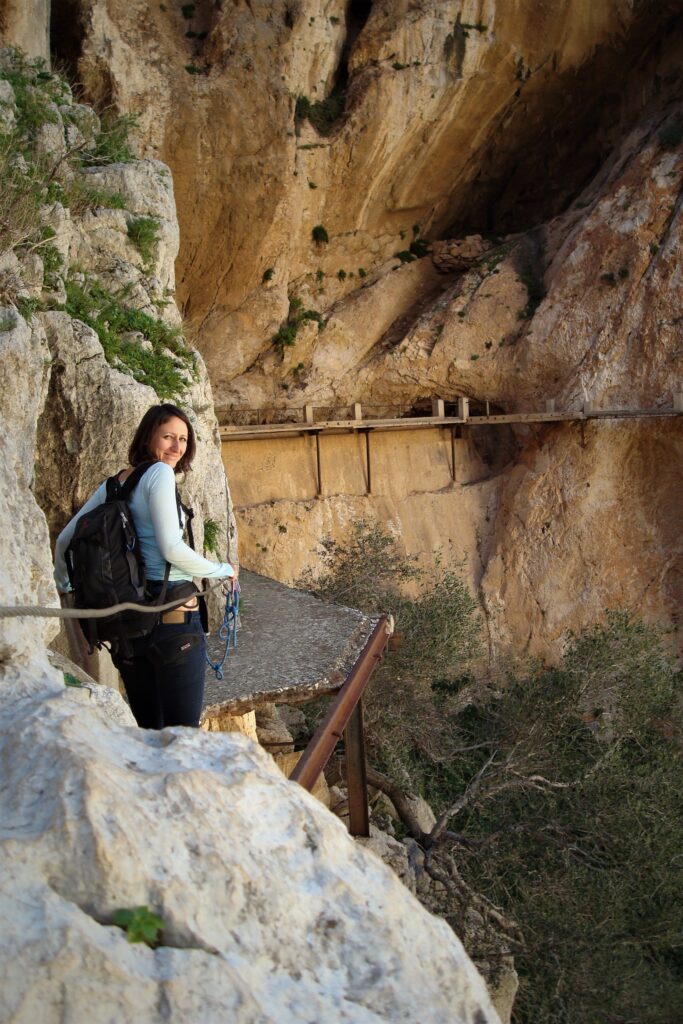
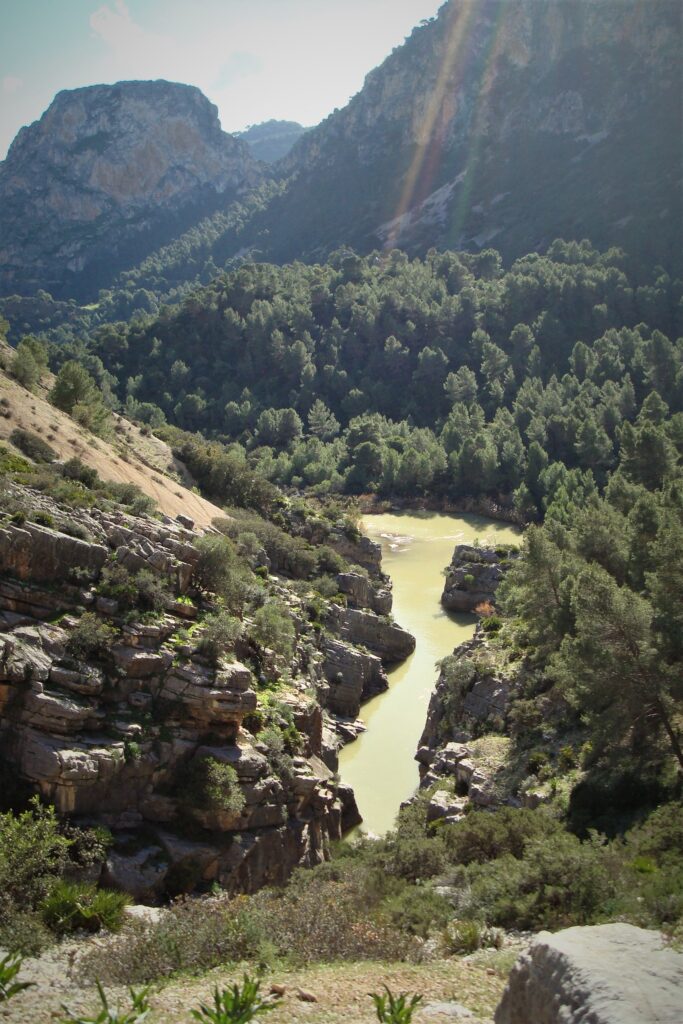
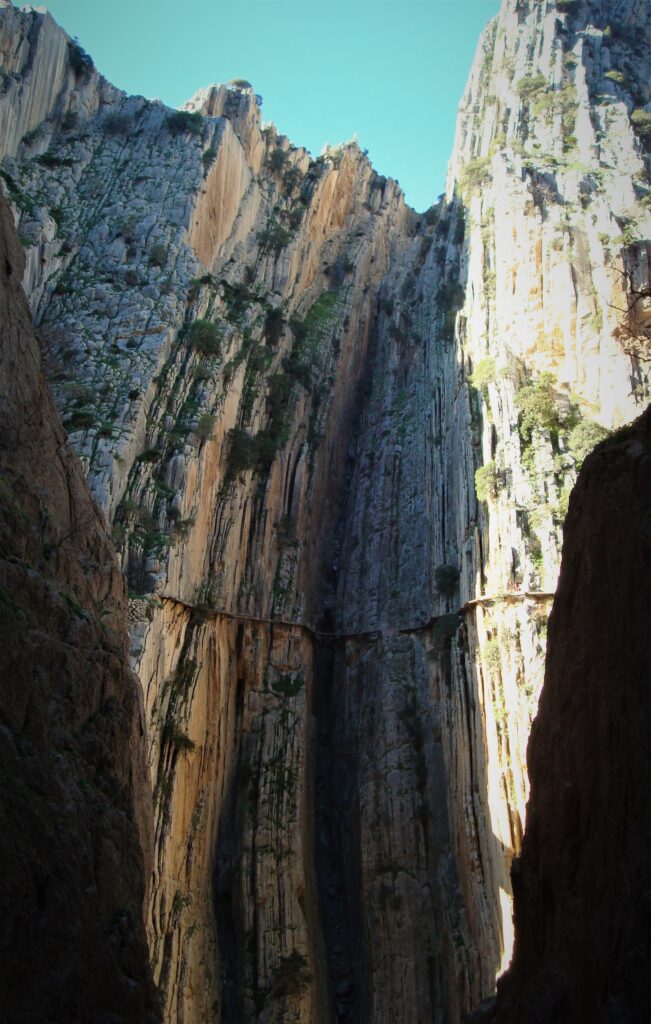
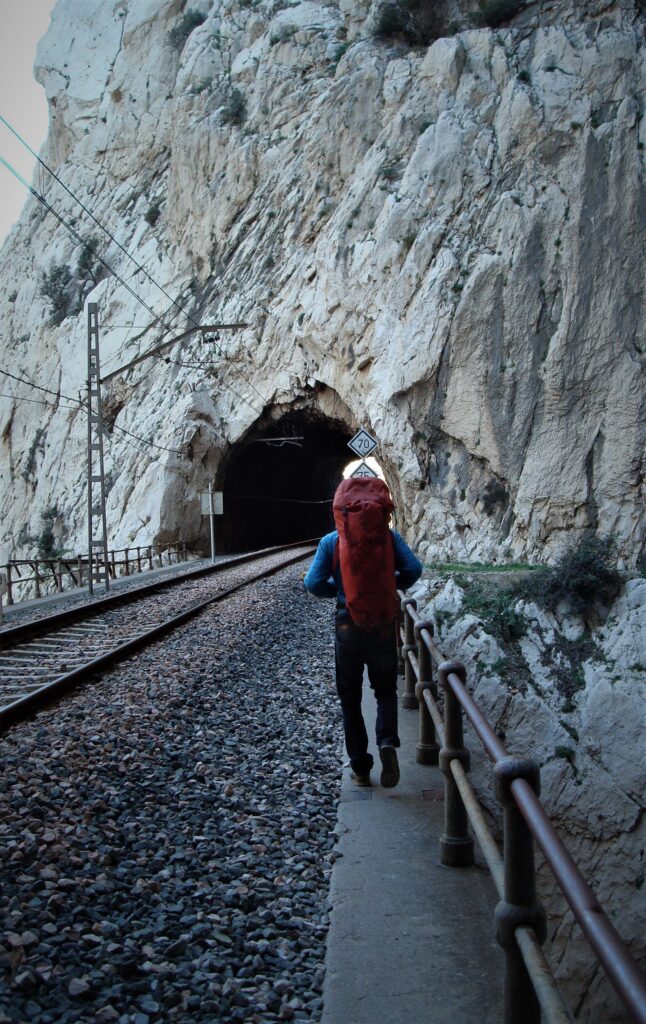
The camino (or “caminito” as it’s known locally) is an old access route for workers of the local hydroelectric company. It was erected at the turn of the 20th century and later named after King Alfonso XIII who walked along it on his way to open the reservoir. It’s a short cut (although if you are canny you can sneak through the train tunnel too to get to one of the climbing sectors). Suspended on iron girders about 100m above the river below, whose course it follows, this simple old concrete path winds its way through Chorro’s spectacular limestone gorge. The rock reaches 300m high in parts and, clinging to it, the caminito a) looks like it’s just sort of hanging in the air, and b) feels like something out of Indiana Jones (which gave it instant appeal to me, despite the quickening pace of my heart). But… bits of it are missing – often rather substantial bits, or, at least they were when I walked it. Previously it was touted as one of the world’s most dangerous hikes (despite there being bolted routes on it at one point). The lacunae and lack or rails/protection, let alone it’s location would certainly appeal to a thrill-seeker. In fact, the only caveat was that ideally you shouldn’t walk it in the pouring rain (and given the lack of concern for safety that was probably more because you wouldn’t get the best views). Nowadays, following a four year long restoration project (which apparently began the year after I went), a safe path has been built-in over the top of the crumbing old one and, to be honest, whilst that’s a great shame and arguably a bit of an eyesore, it’s probably for the best! The route has not been without it’s fatalities and, to this day, I will never get over the fact that my then boyfriend leapt along it quite happily in his Converse, rarely bothering to clip in to the wire (mad) – not that the wire was particularly well-maintained. Nor will I forget the final hurdle where the path had gone completely (and not just the concrete, the girders too) and just the wire pinned along the rock remained. For some reason though, it wasn’t in super great condition and had been reduced to one rather limp looking strand. A hiker coming the opposite direction tried to convey to us (in English as broken as the path) that that bit he had just crossed wasn’t safe… We looked at each other. It was either do the last, apparently not safe, bit and join our friends just over the river for a climb or go back and do the whole thing again. To be honest, neither option appealed at the time. So it was I found myself traversing a c.4m gap, clinging to the rock with all my might, desperately looking for safe footholds and absolutely terrified of falling into the water below (however beautifully turquoise and serene it looked)… and protected by a rusty old wire, a lanyard (well, a sling and a biner) and some pretty full-on yoga breathing. Dumb – yes, probably; but, I am very glad I experienced this crazy old path in it’s un-sanitised incarnation. It was amazing to walk through the middle of a narrow gorge pinned halfway up its vertiginous rockfaces and the views were stunning. I am, however, very relieved I lived to tell the tale, and to celebrate another new year.
So, after all that, the cake!
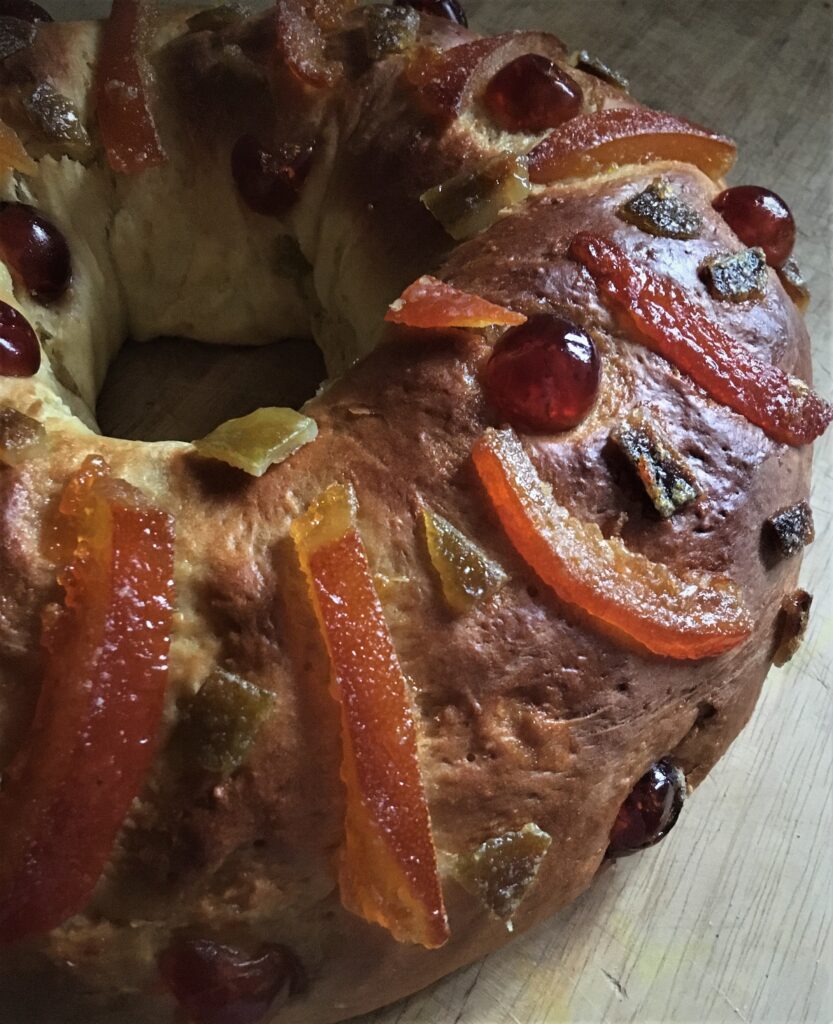
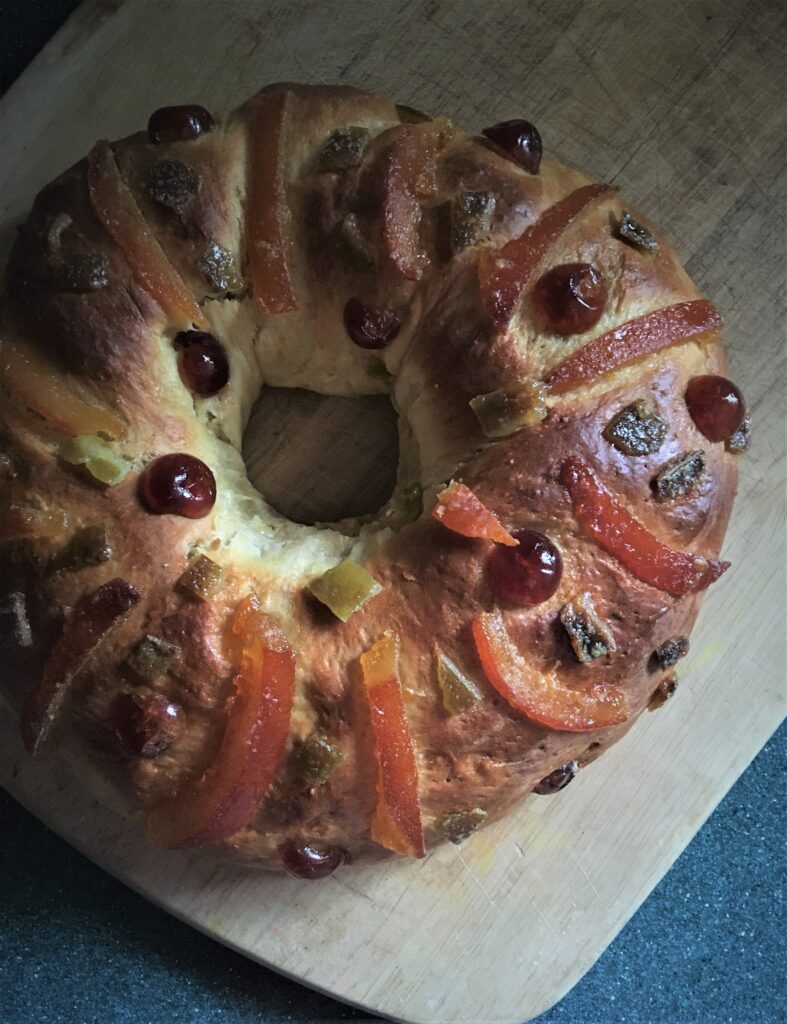
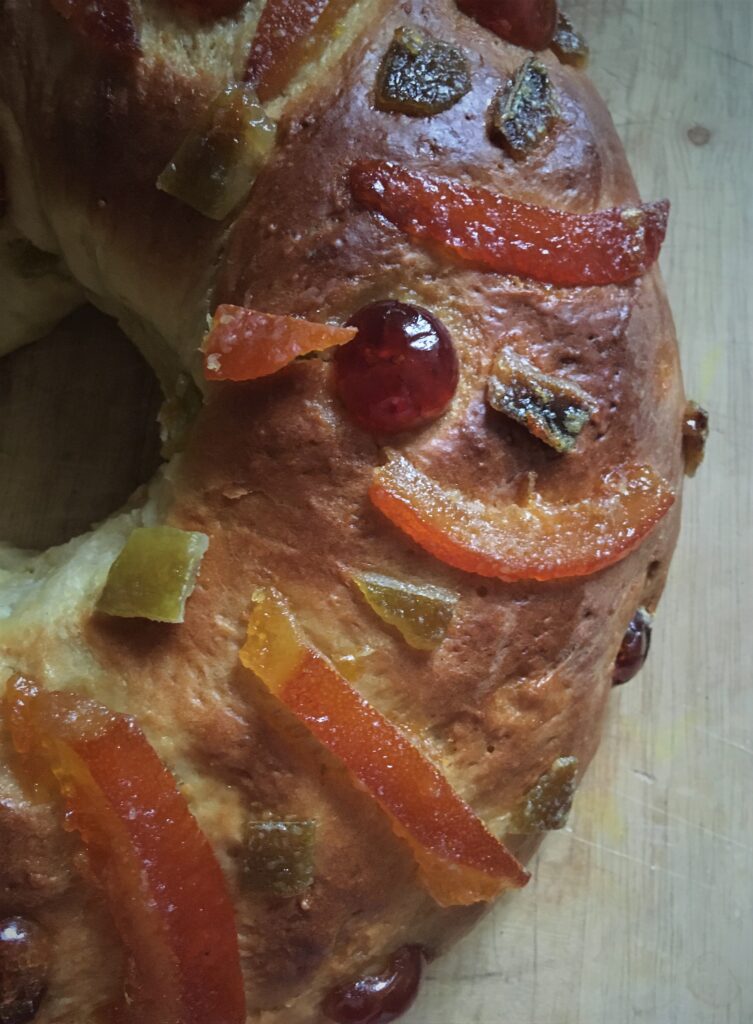
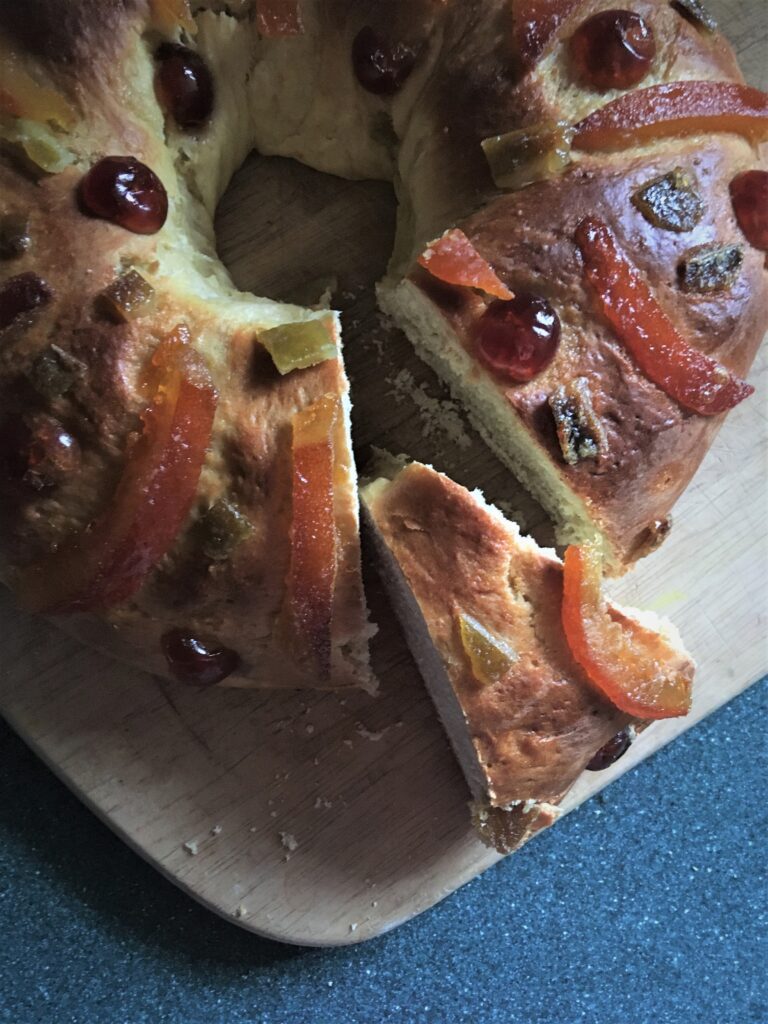
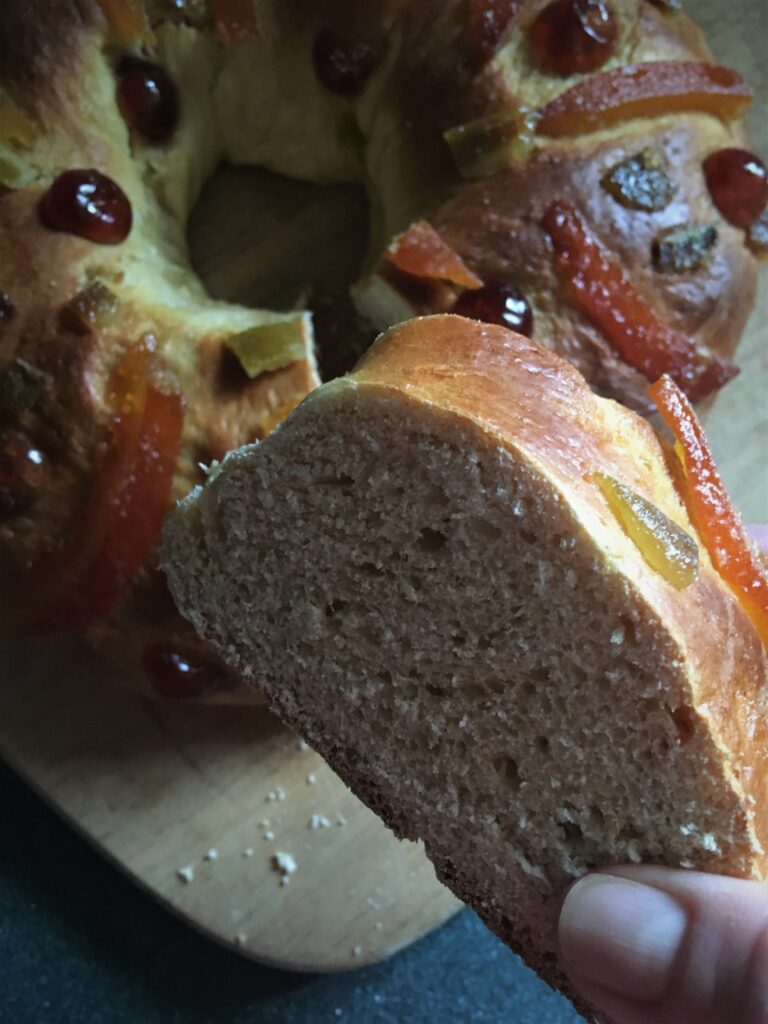
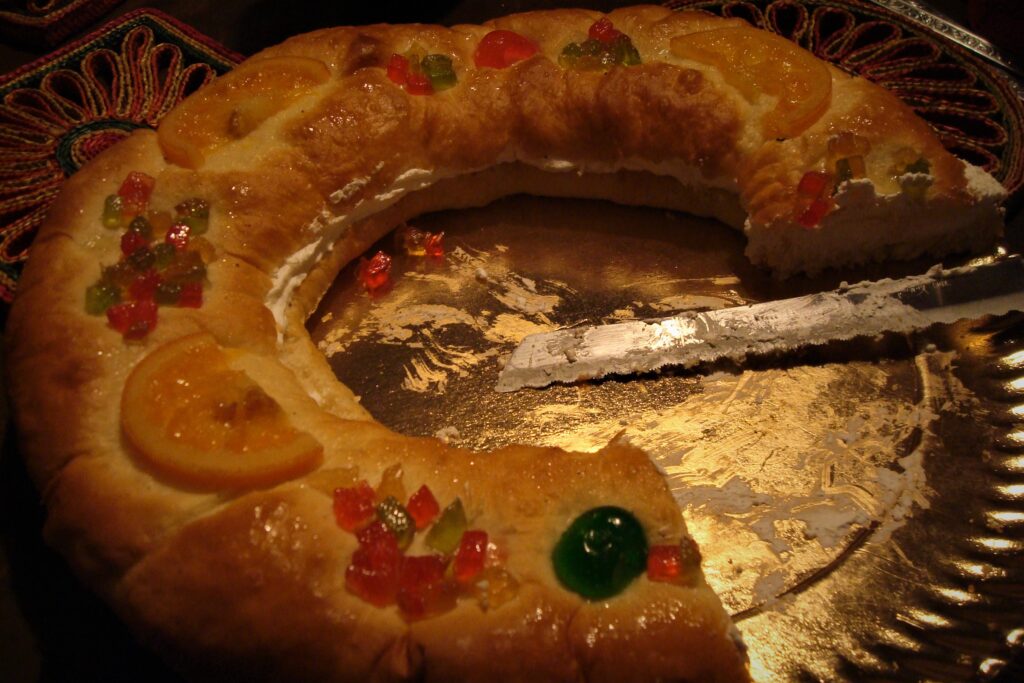
Roscón de Reyes – “cake of kings”. Now, I’ve seen a lot of cakes in my time and I wouldn’t necessarily call this one the “cake of kings” as it’s pretty plain really as far as cakes go. It’s essentially an enriched dough shaped like a crown and colourfully adorned with candied peel; cute. It is also, however, a cake eaten officially on 6th January to mark Epiphany (those kings – not just any old kings) although it gets eaten before then too – in and around the season. And, rather like the galettes des rois (or the bean cake in olde Englande), the cake conceals a token; in this instance – a tiny ceramic (or plastic) figurine of Jesus (in other traditions it’s a coin or similar trinket). Bite down on Jesus and you will be lucky for the next 12 months as well as becoming king of the party (or should be treated as such). Bite down on the fava bean that’s also hidden somewhere in the cake and, well, it’s your job to buy the cake the next year, so it’s not so bad – you just won’t have as good a year as the person who found Jesus. This (and various incarnations of this) cake tradition is said to derive from the Roman Saturnalia and was a pagan ritual that formed part of the week-long celebrations marking the winter solstice. Appropriated by early Christendom in the general blurring of boundaries that went on throughout Christian history sadly it’s just the cake part that remains from the rousing revelries of yesteryear. Most of us are back to work after New Year’s Day these days but then, to be fair, we generally get more in the way of holiday than your average Roman slave or medieval peasant!