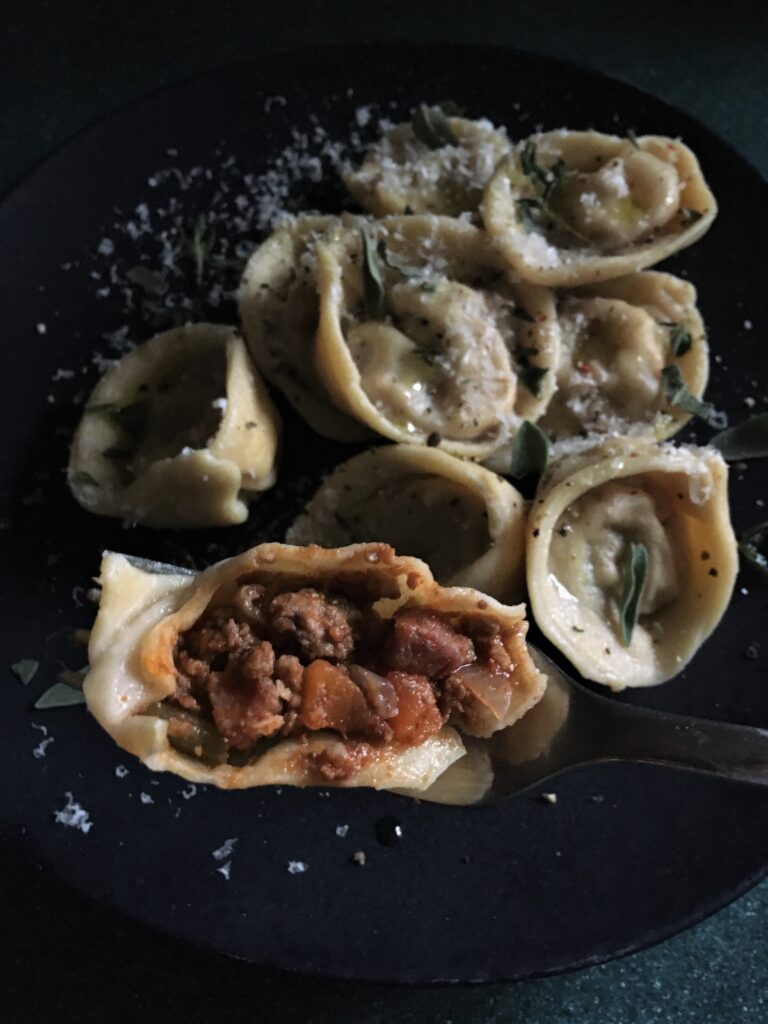
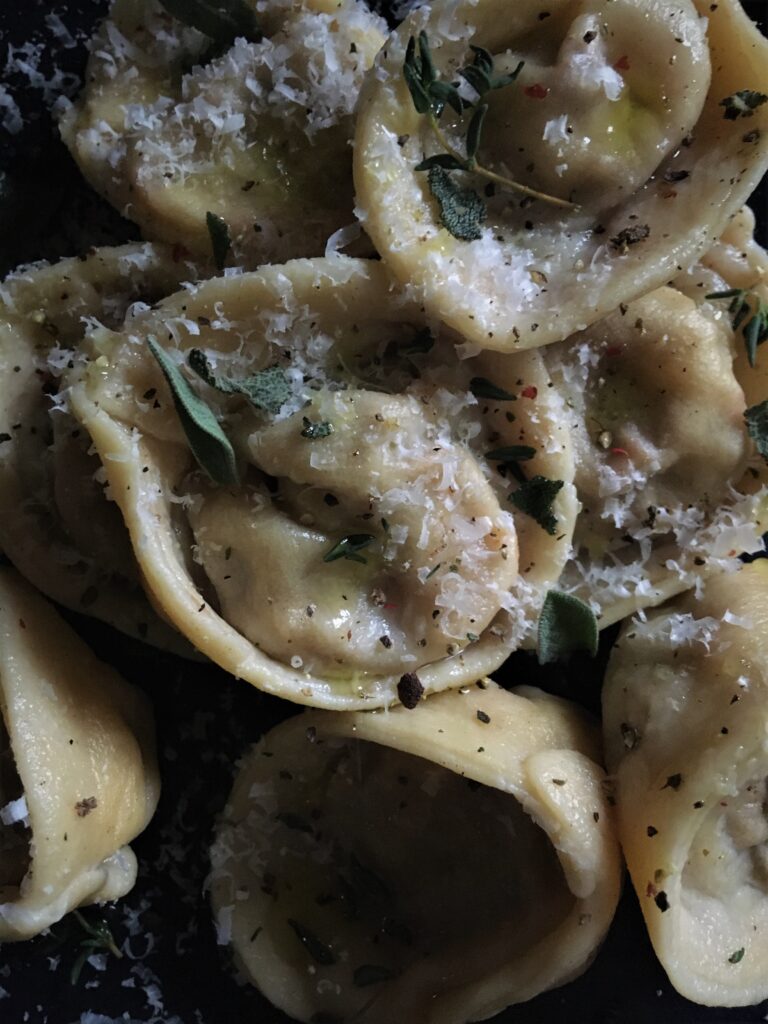
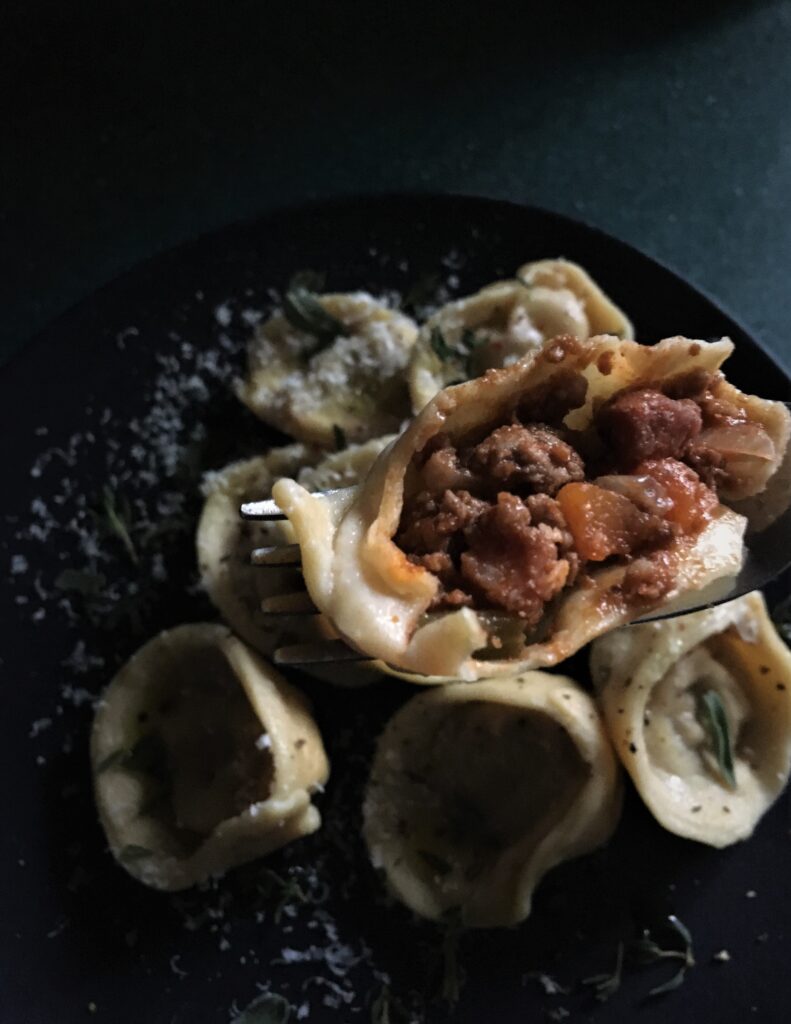
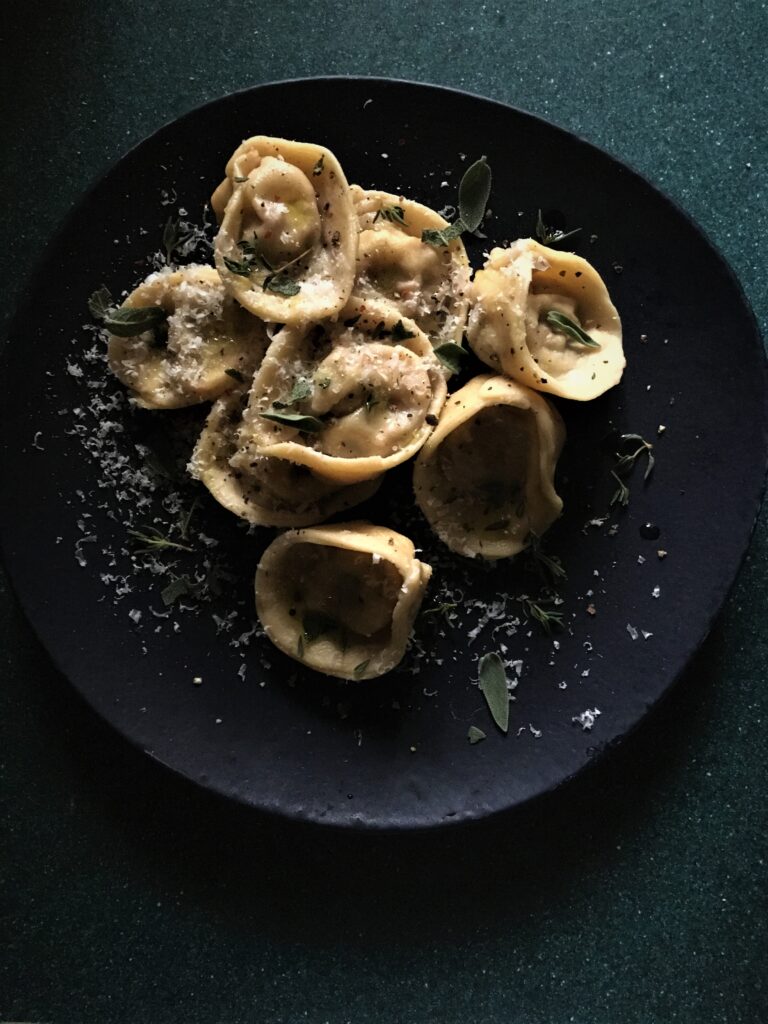
Or, more precisely, tortellini al cinghiale in Umbria
Normally around this time of year I’m planning where I want to travel over the course of the next 12 months. Unable to make any plans on account of Corona, lockdown and the general all-embracing uncertainty attendant during the pandemic, I’m still travelling virtually in my kitchen. An enjoyable project for sure (particularly for my palate) but obviously not quite the same for many and obvious reasons, one of which is the difference in the feel of the weather. It’s freezing January at the moment and a lot of my travels have involved sunnier climes. Of the places I have travelled, they all do sun in their own way, but, for me, nothing quite matches the balmy hug you feel when you stand under Italian skies. Nowhere does sun quite like Italy. It warms the soul and right now, in these strange and isolating times I feel I need a bit of that.
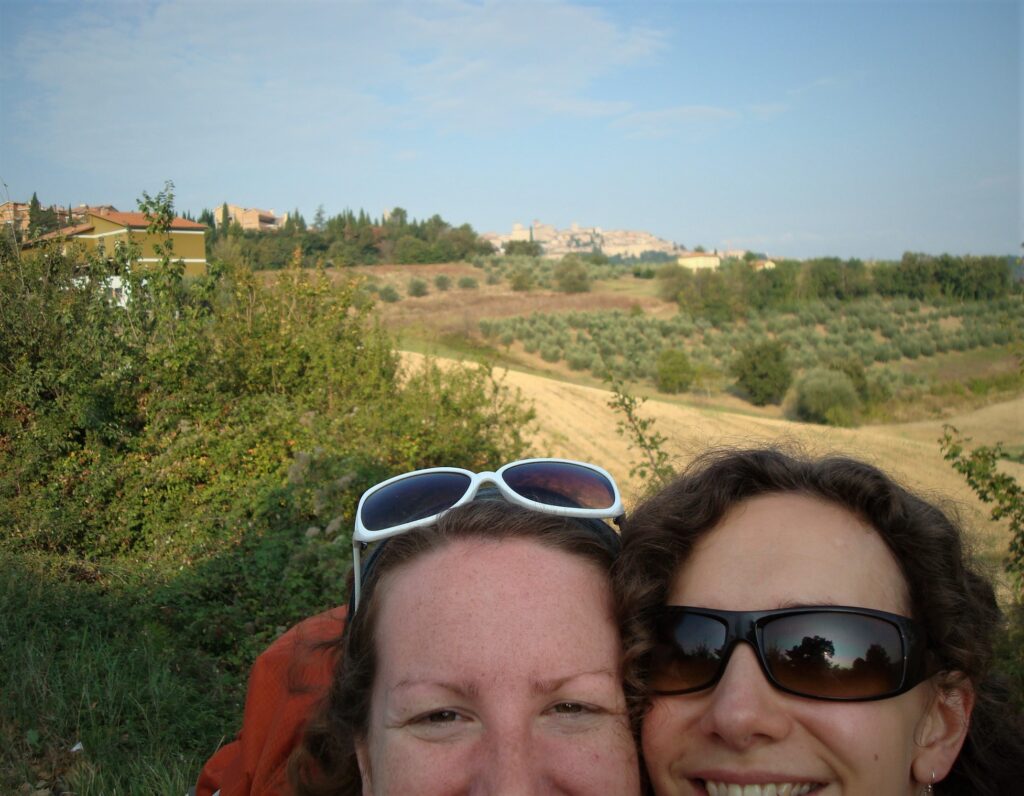
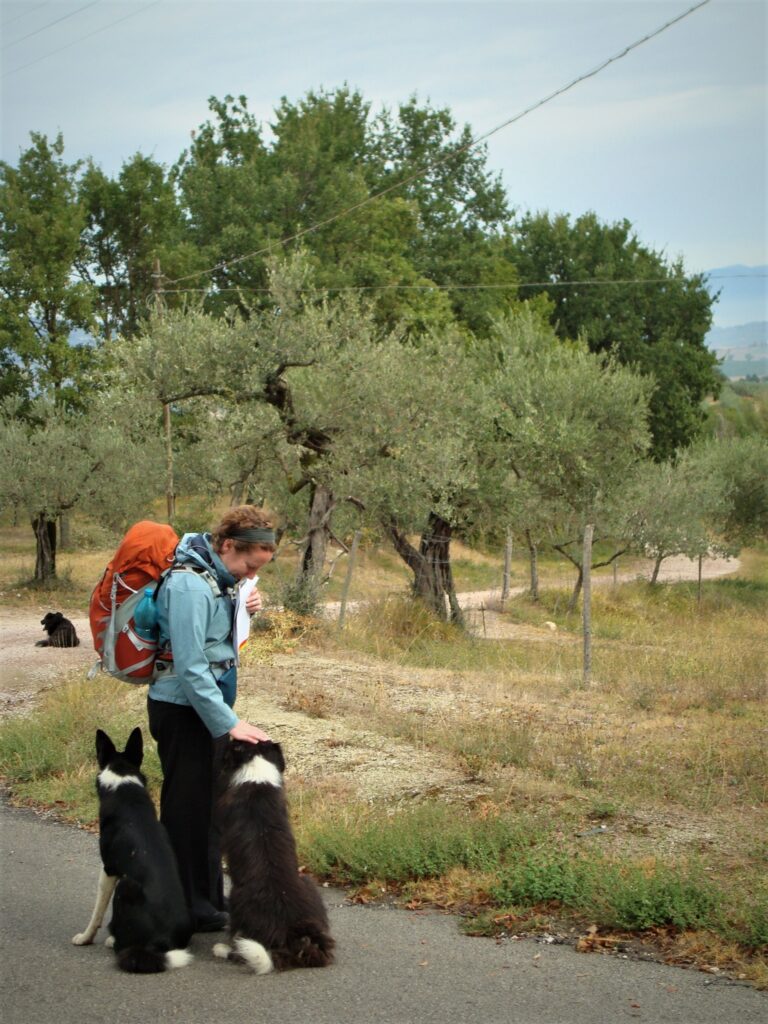
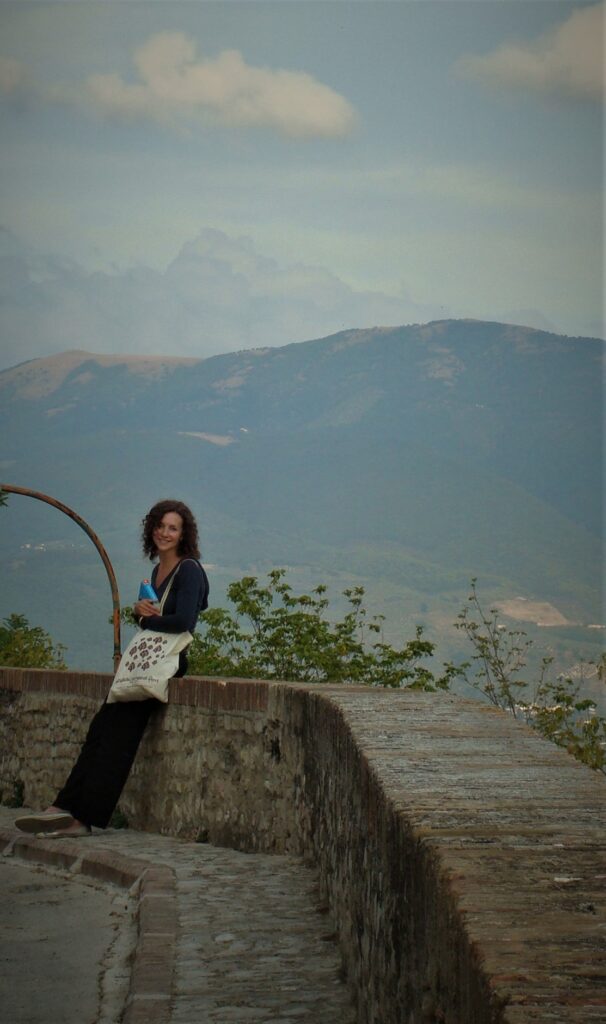
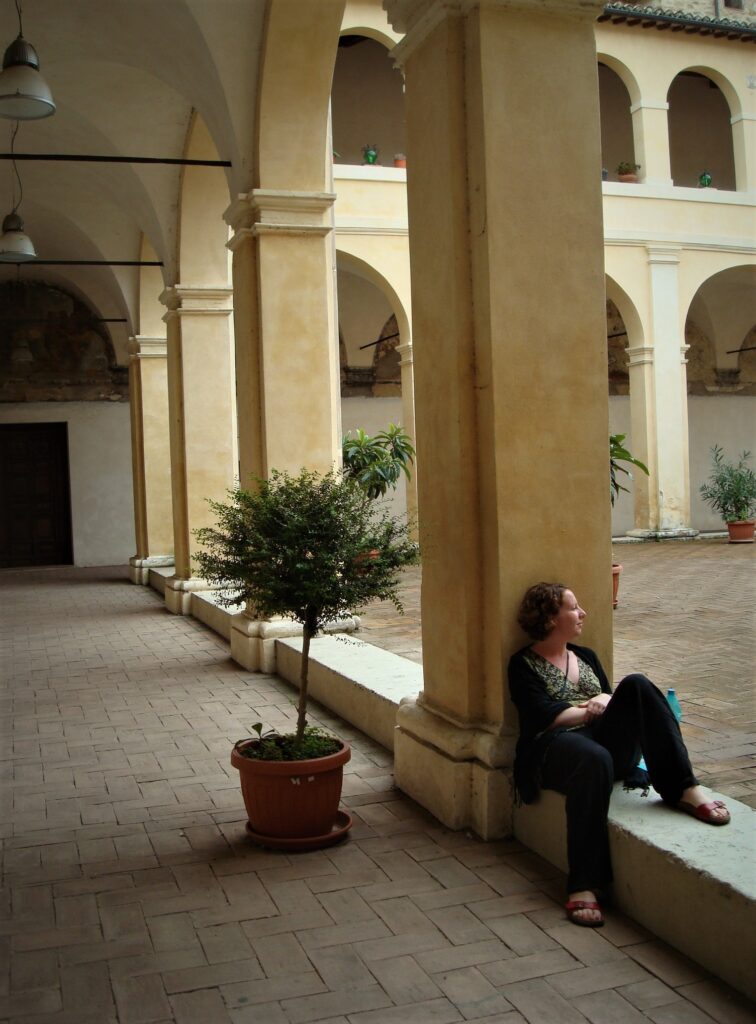
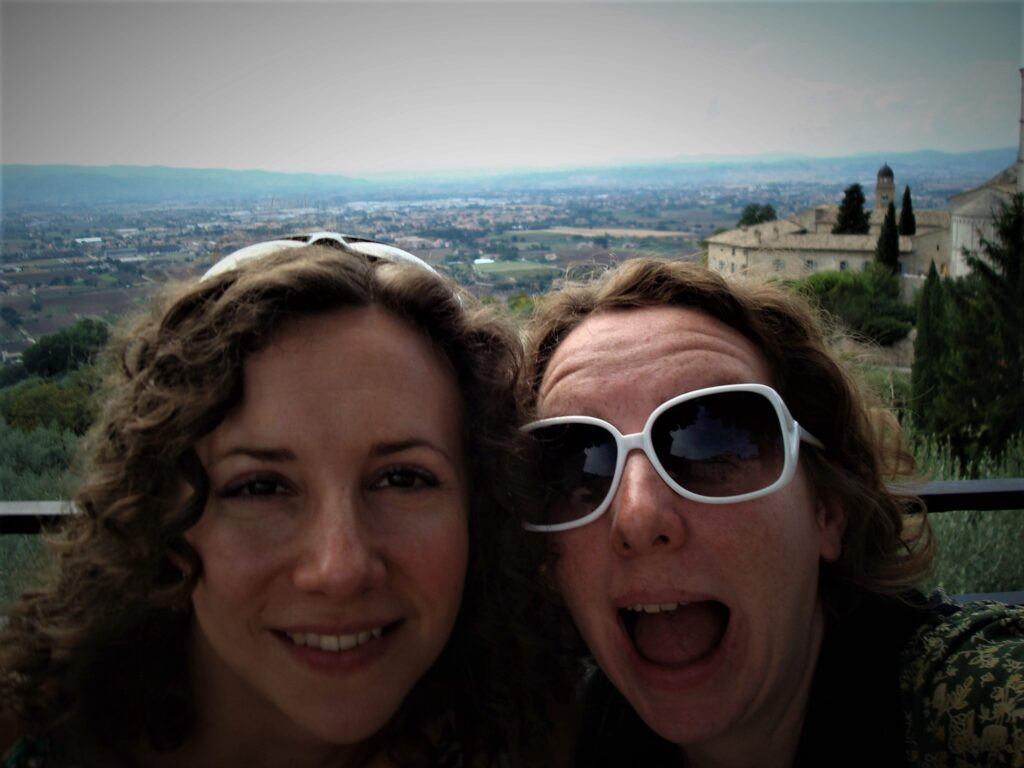
I try to get to Italy at least once a year and flicking through my photos recently, I came across a bunch from a little walking trip my sister and I undertook in Umbria. Why Umbria in particular as opposed to anywhere else you could walk throughout this beautiful country…? Well, always on the look-out for ideas I had been flicking through brochures for cycling and walking holidays – I was working in an office at the time and the idea of moving around in the open-air all the time always appeals when you are stuck in a box indoors. I’m a sucker for glossy magazines dripping with enticing photography and so I folded down several pages of possible options. I chatted over these with my favourite travel bud, my sister, and, ever practical, she pointed-out that these tours were in fact money for old rope and that we could just crib the routes and do it ourselves. That way it would a) be cheaper, b) we could go at our own pace and c) we needn’t be in a group where we are lowering the average age by about 40 years ?.
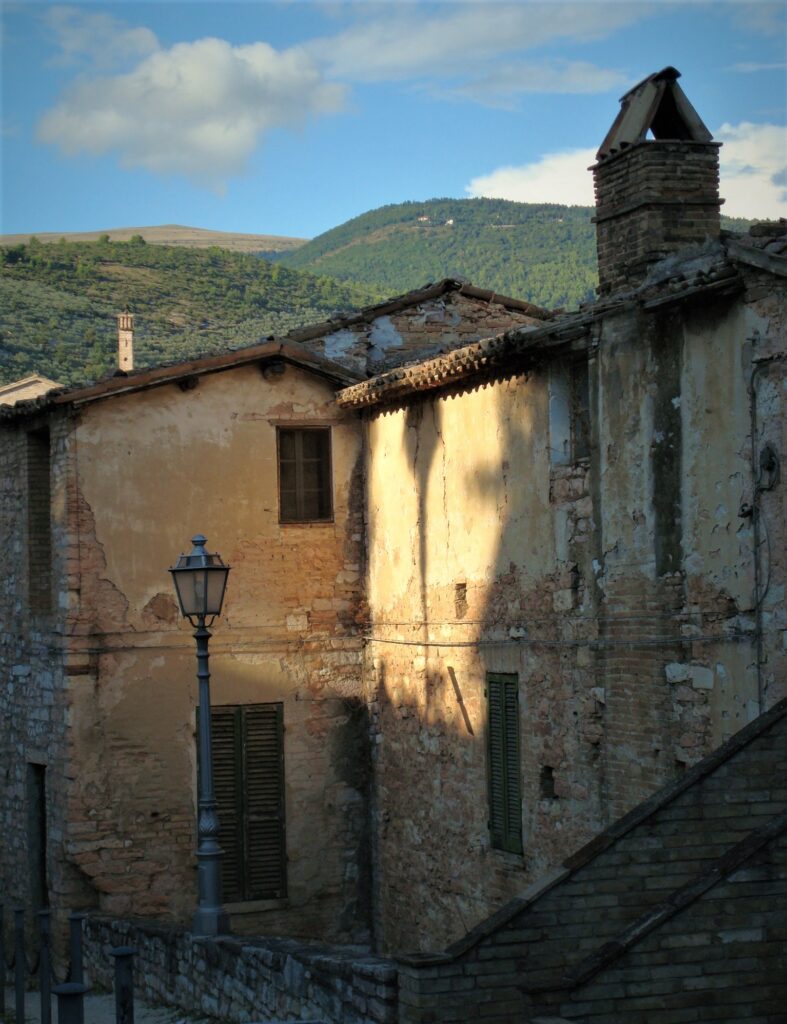
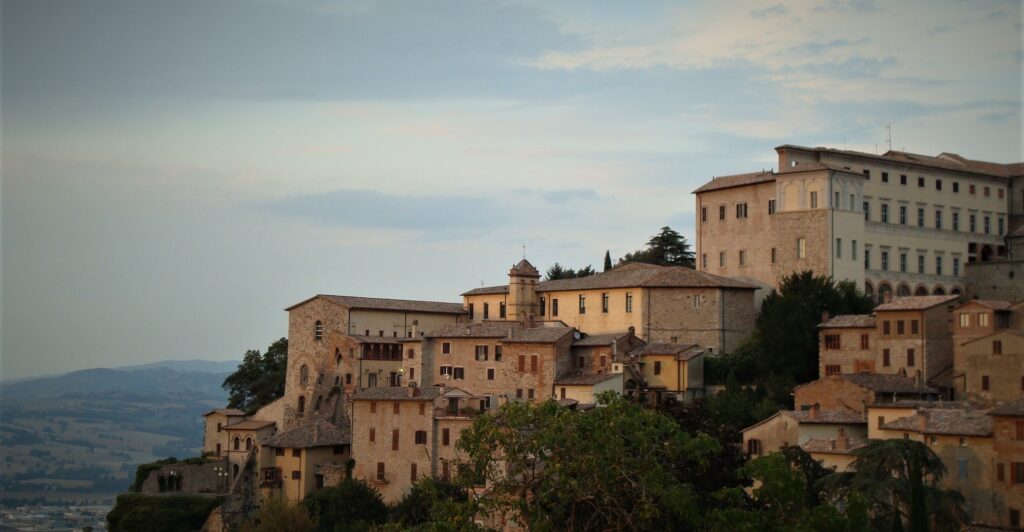
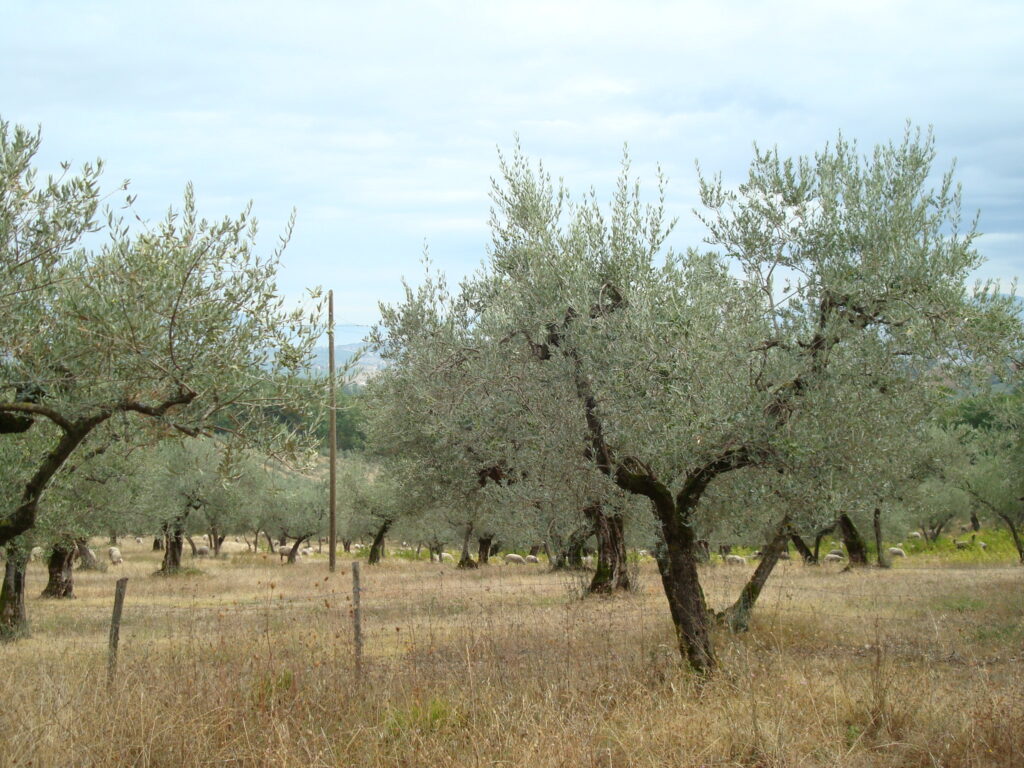
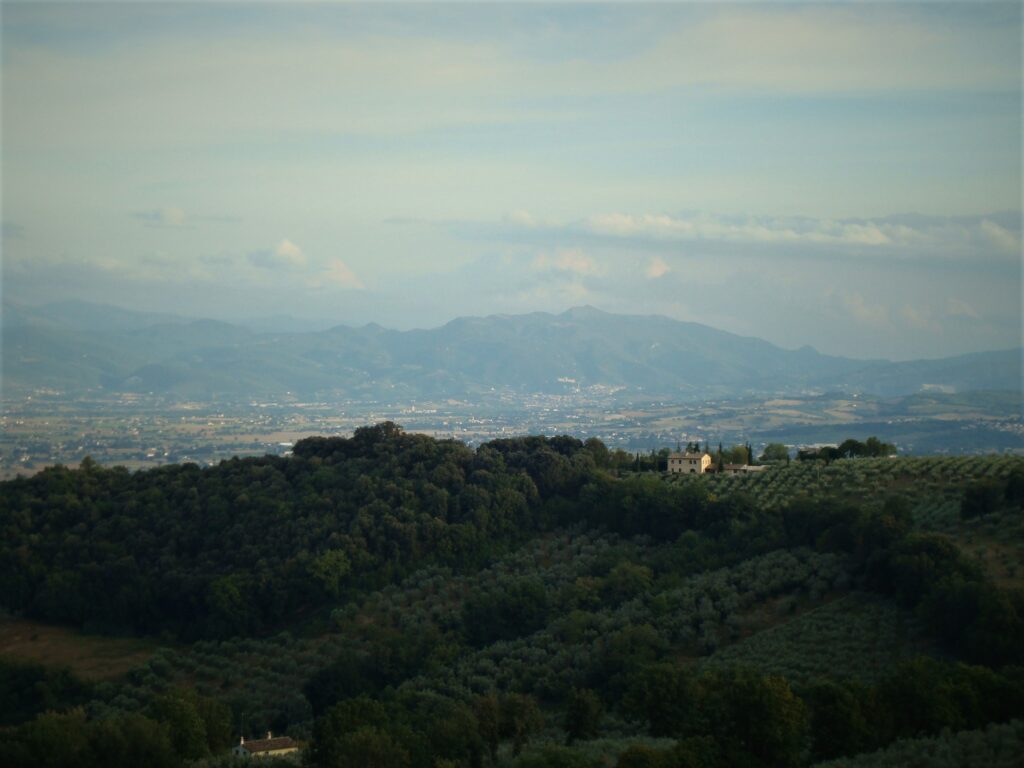
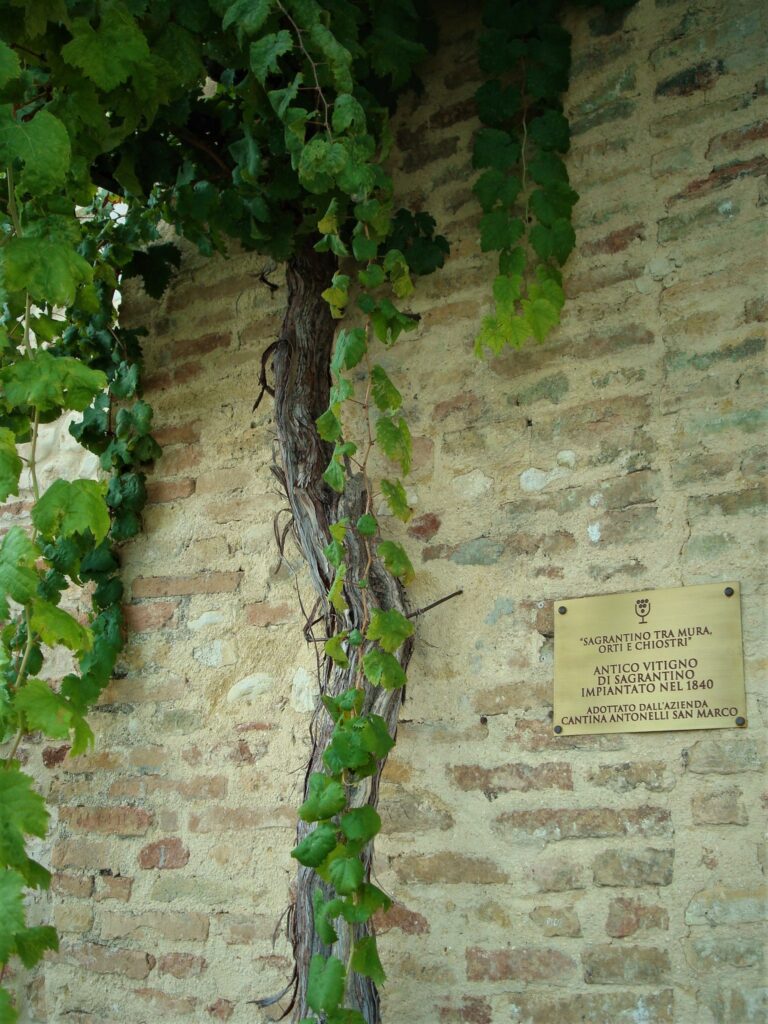
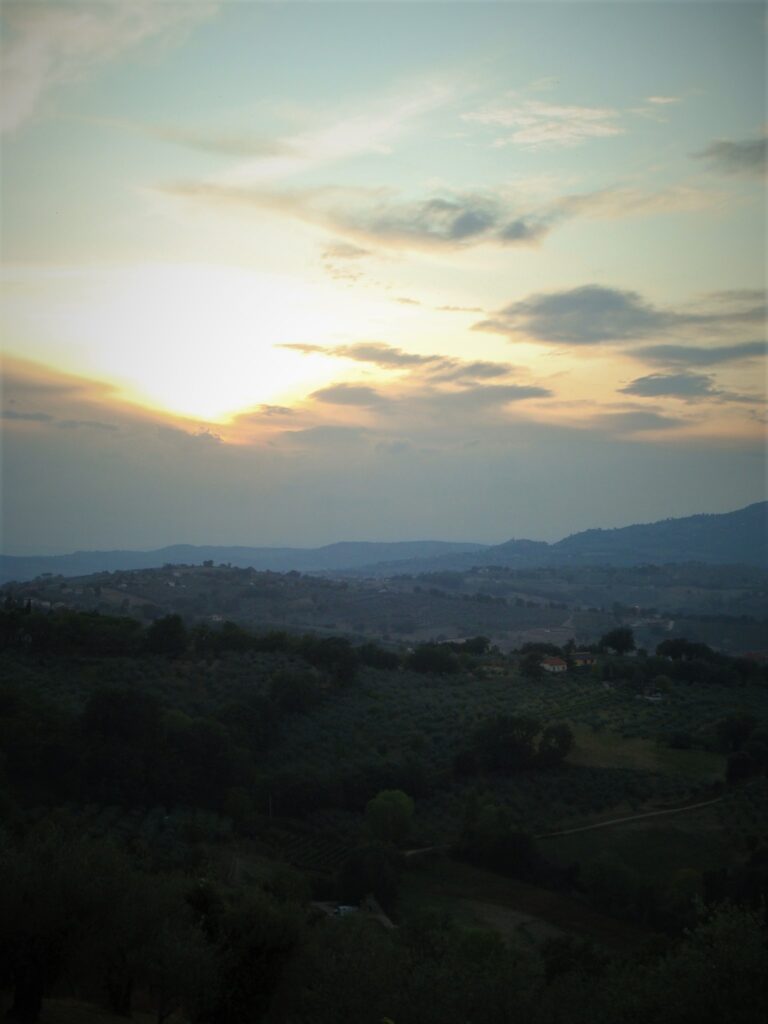
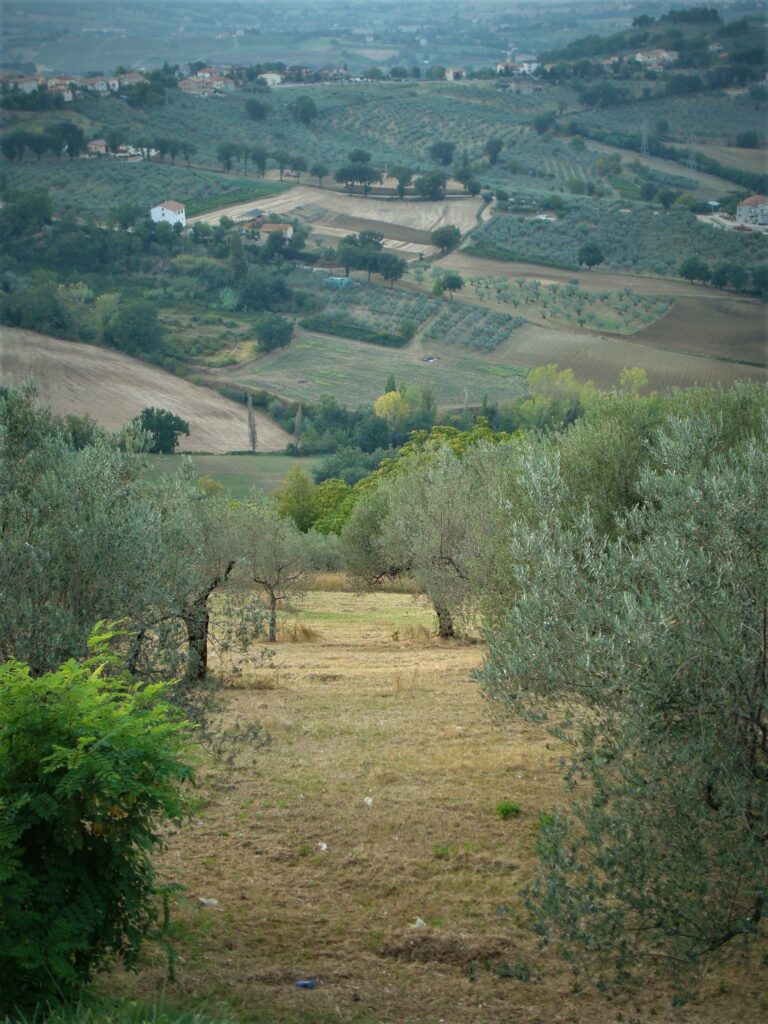
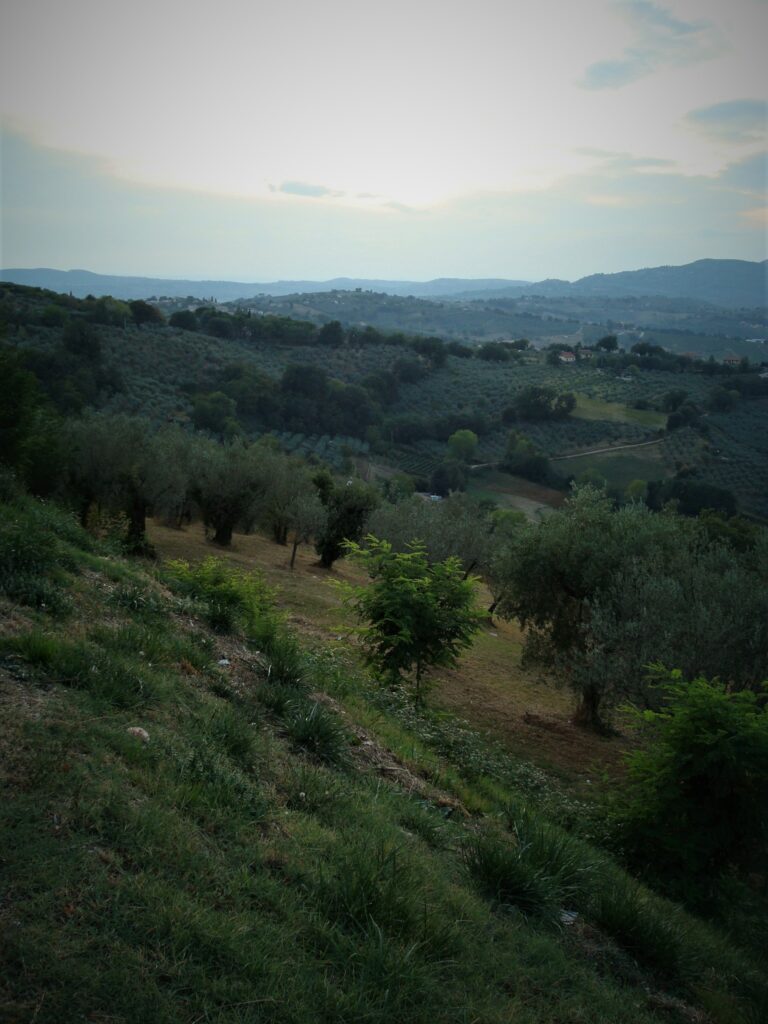
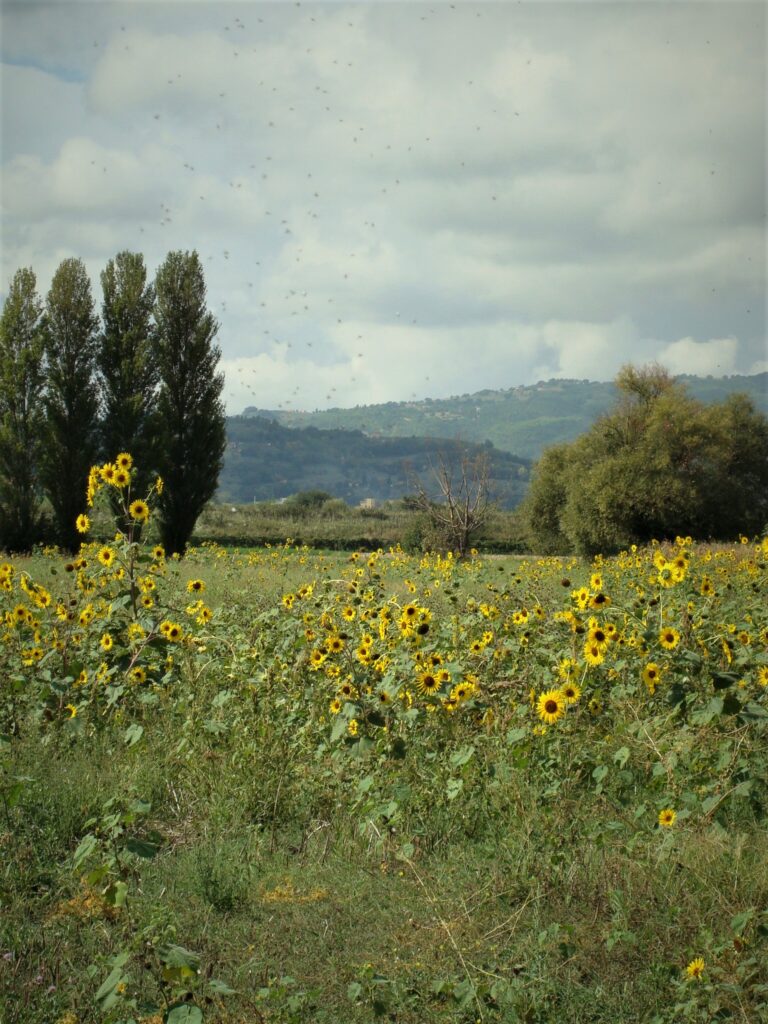
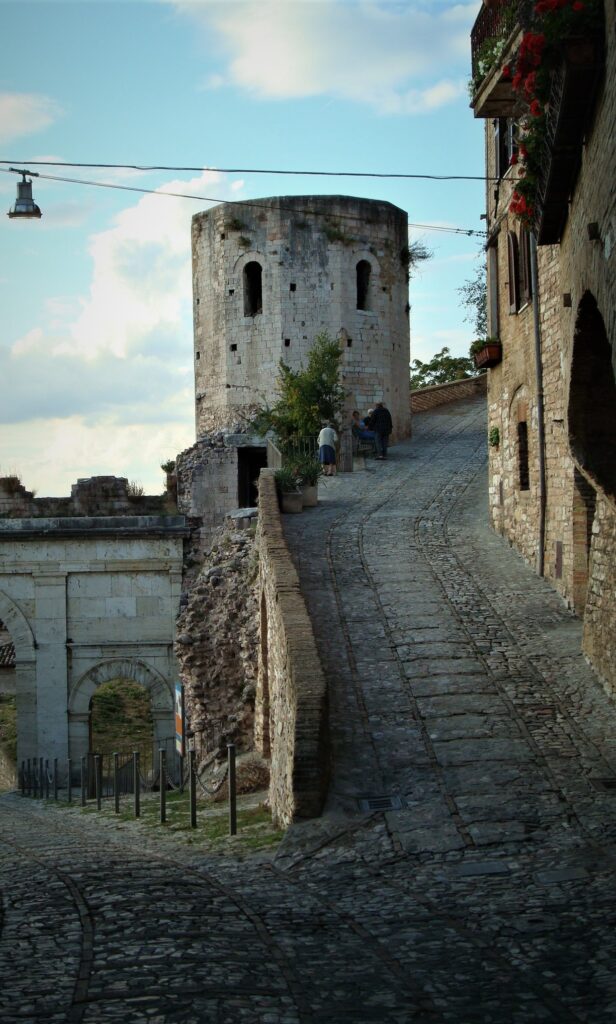
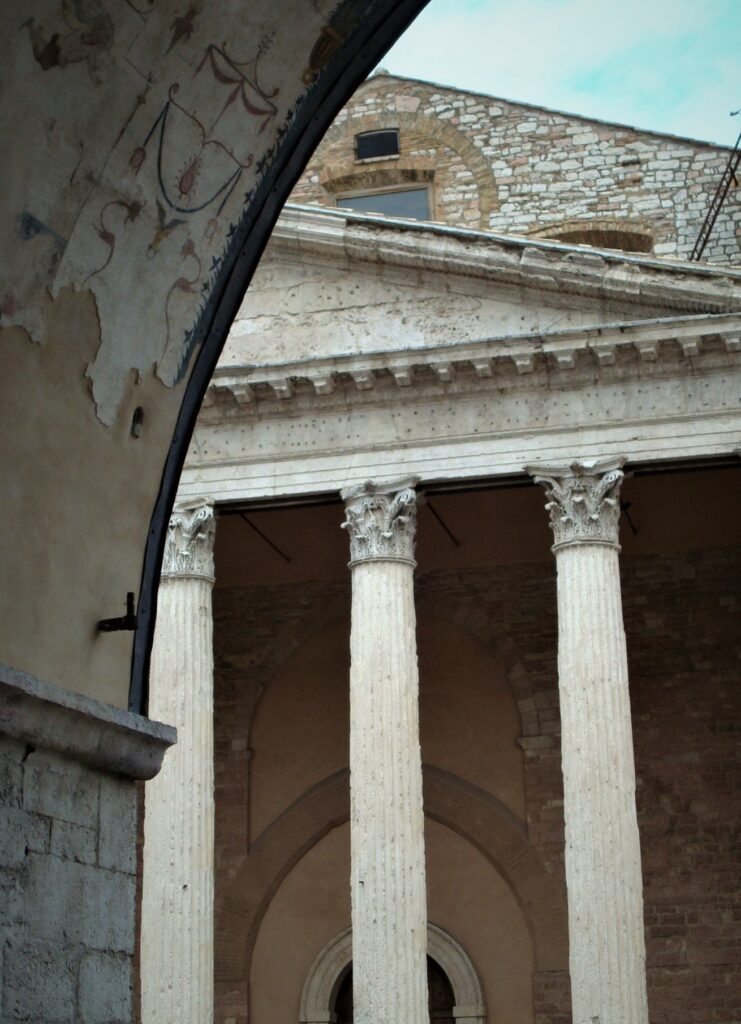
Reeled-in by the photos, we decided to walk a bit of Umbria from Todi to Assisi, It had a decent spread of kilometres across the days and it promised olive groves, butterflies, vineyards, old towns, frescos (for me) and, perhaps most importantly (even more so when you are walking all the way) some pretty amazing food to tuck into. Umbria is famed for its cuisine which actually harks back to Etruscan times and offers more rich, regional delights than you can shake whatever it is you shake at things. Catnip for the inquisitive food lover and our little route certainly enabled hearty exploration of the food as well as the landscape. Italy is, of course, famed for it’s cornucopia of edible delights, each region championing something. In this part of Italy it’s all about simple yet effective seasonal cooking with, of course, the added bonus of it being truffle territory (that was a big draw). In fact, the night before we were due to set-off (and to ensure we got a good intake of truffle), we fuelled-up on the most incredible truffle pizza (had to be done).
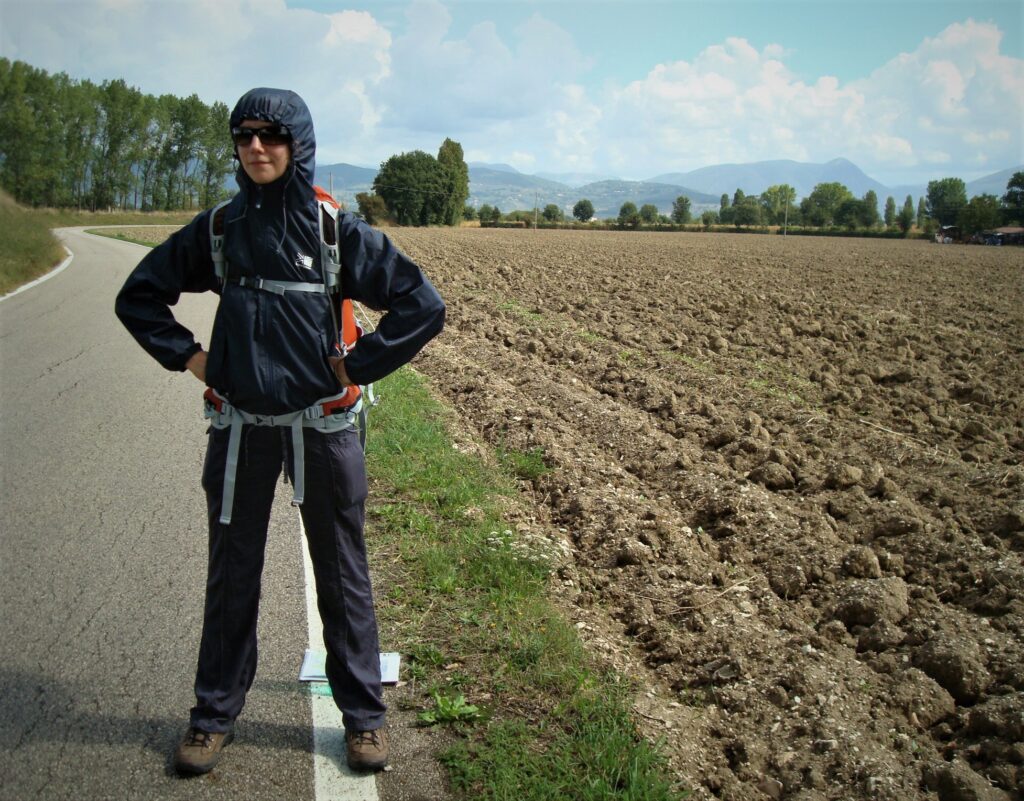
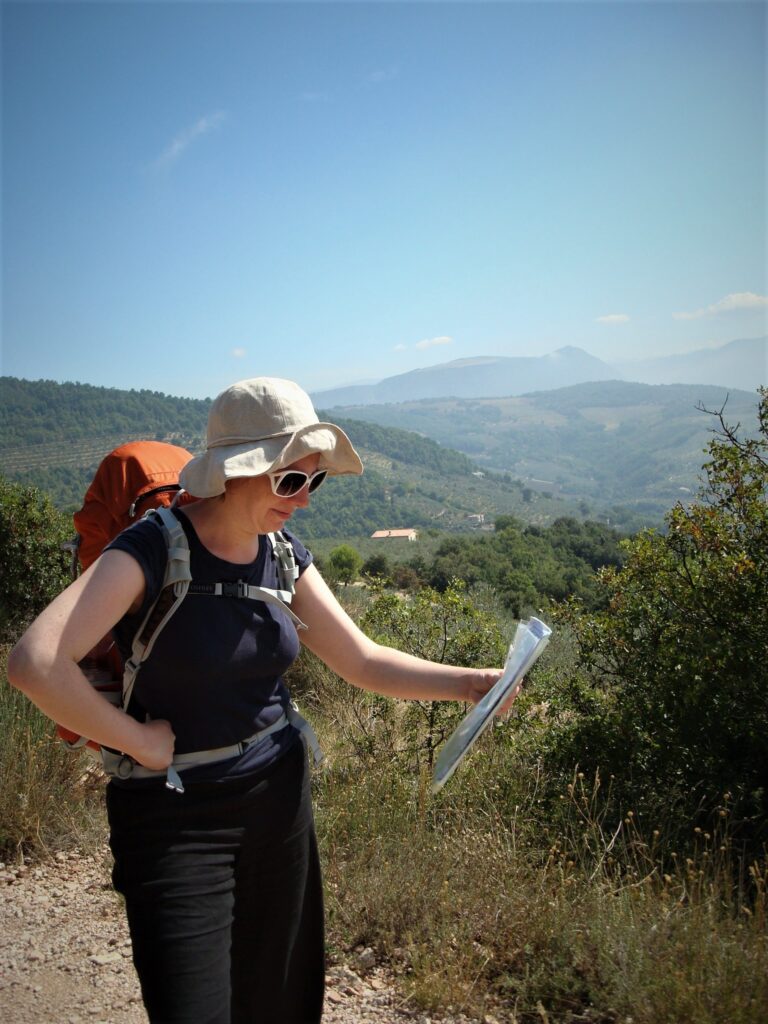
The downside to rolling your own way – well, two downsides… Firstly, on these organised tours you have a crew who take your bags from place to place; obviously, we were going to have to carry all our gear (in the heat) so we made sure that we invested in the most comfortable rucksacks we could (unintentionally buying exactly the same one each). Secondly, a trip to Stanfords to pick-up the maps was fruitful all bar one map – the first map. No walking map for the first leg. The best we could do was print-off a satellite map, take a compass, use our nous and hope for the best… for the initial 21k.
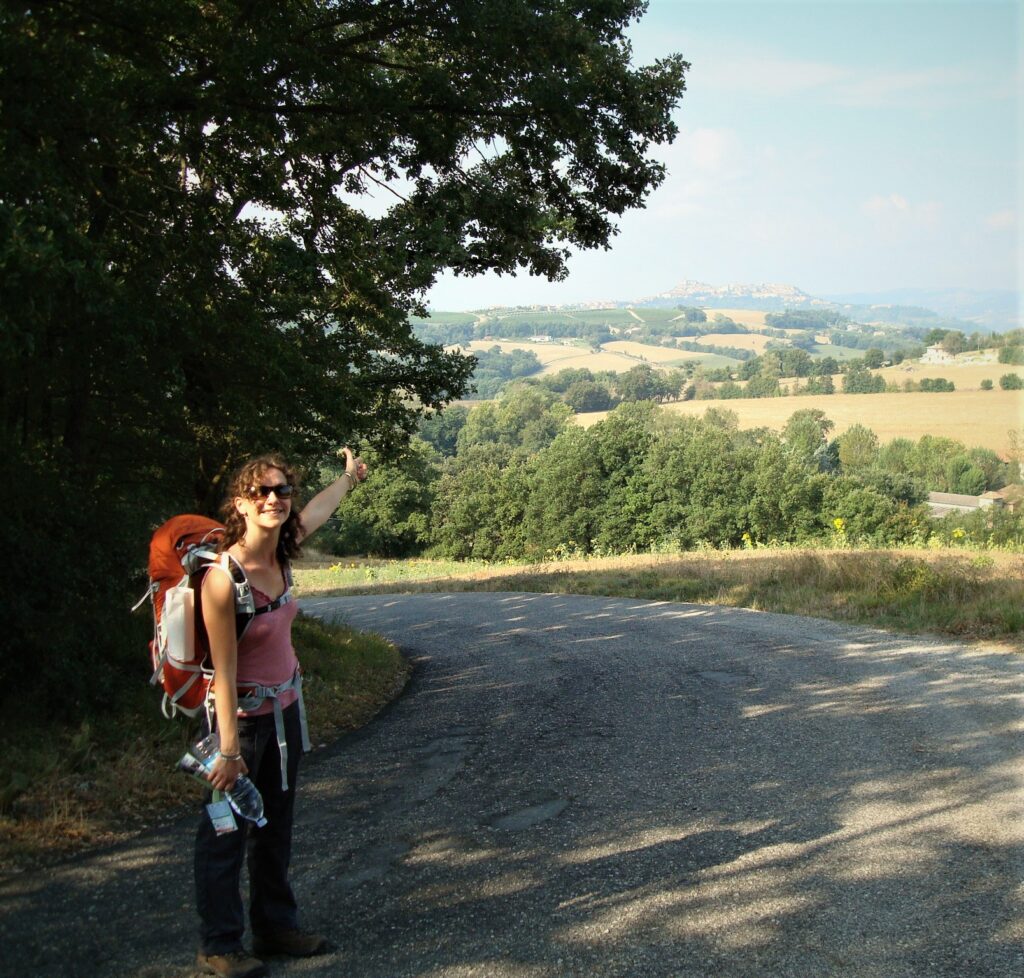
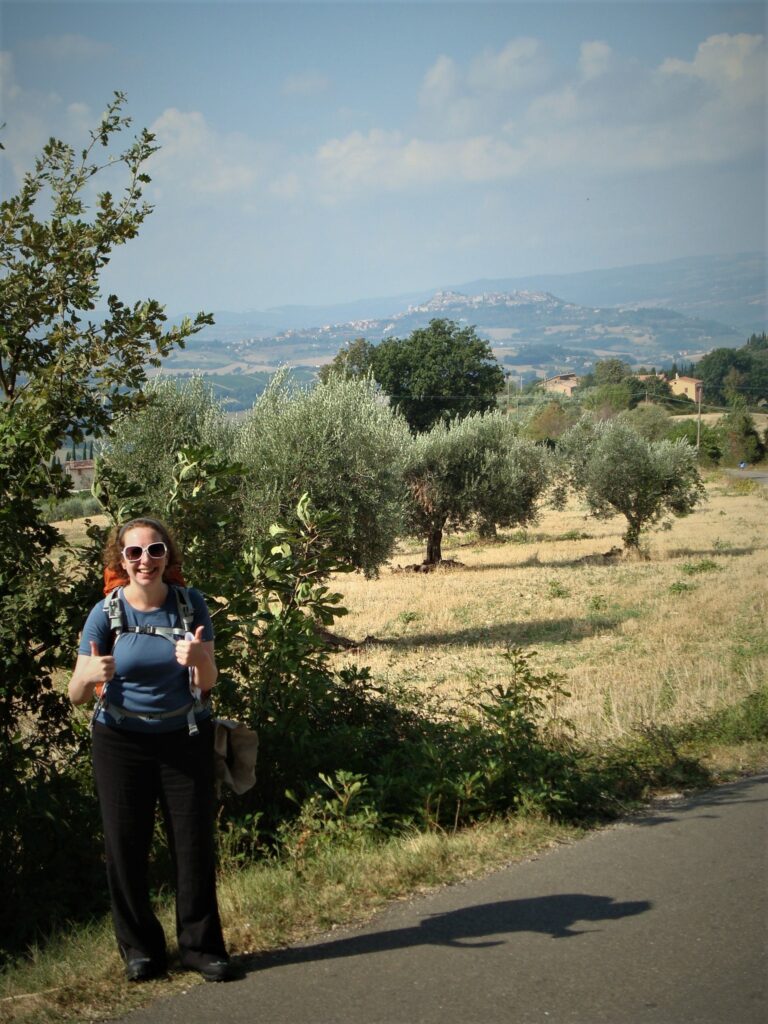
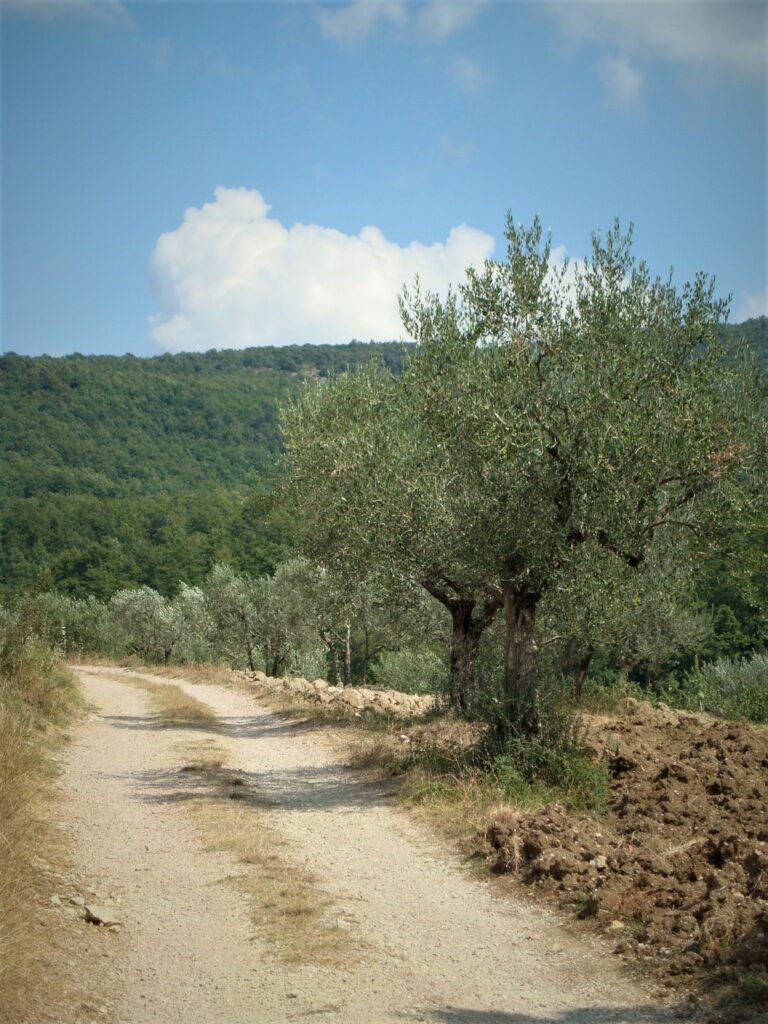
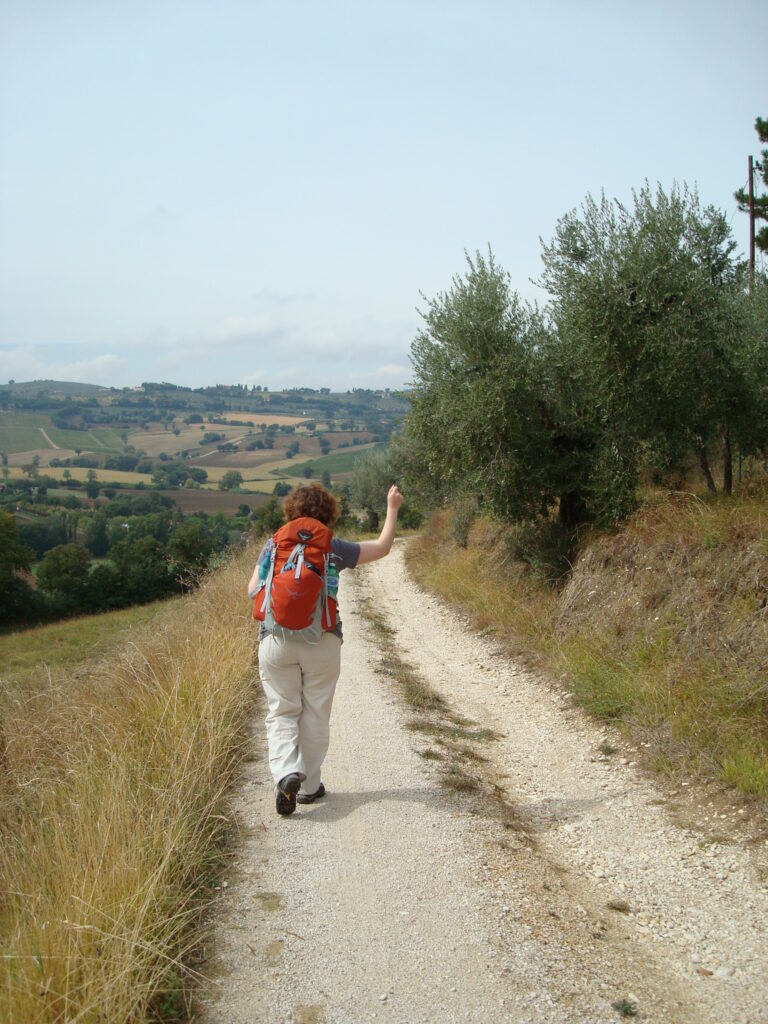
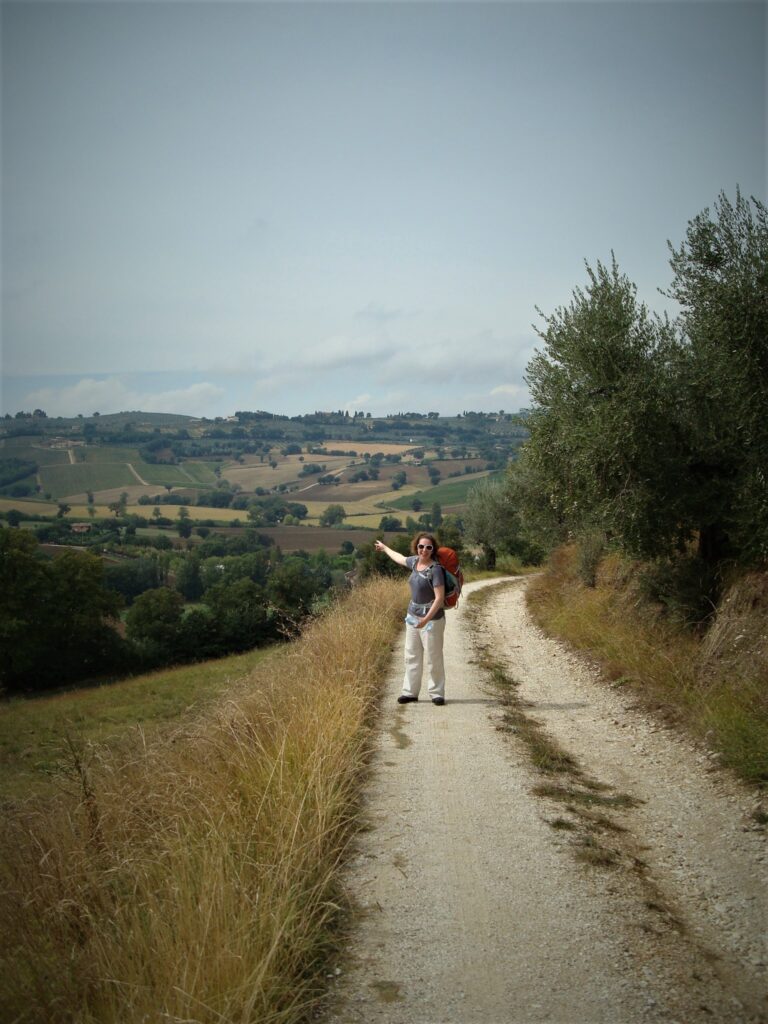
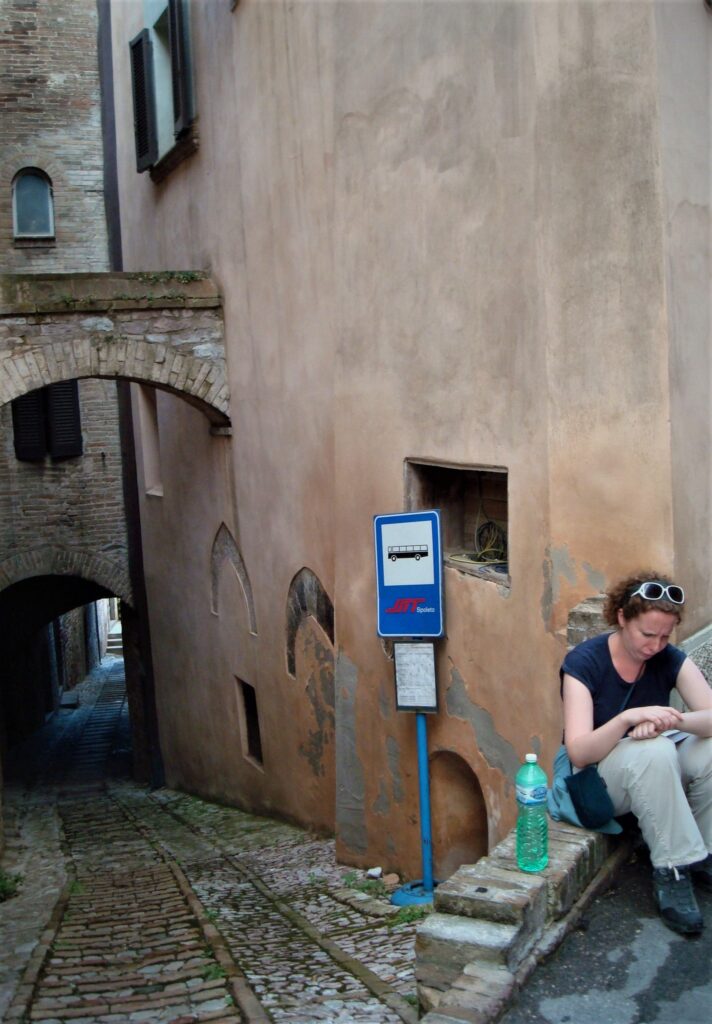
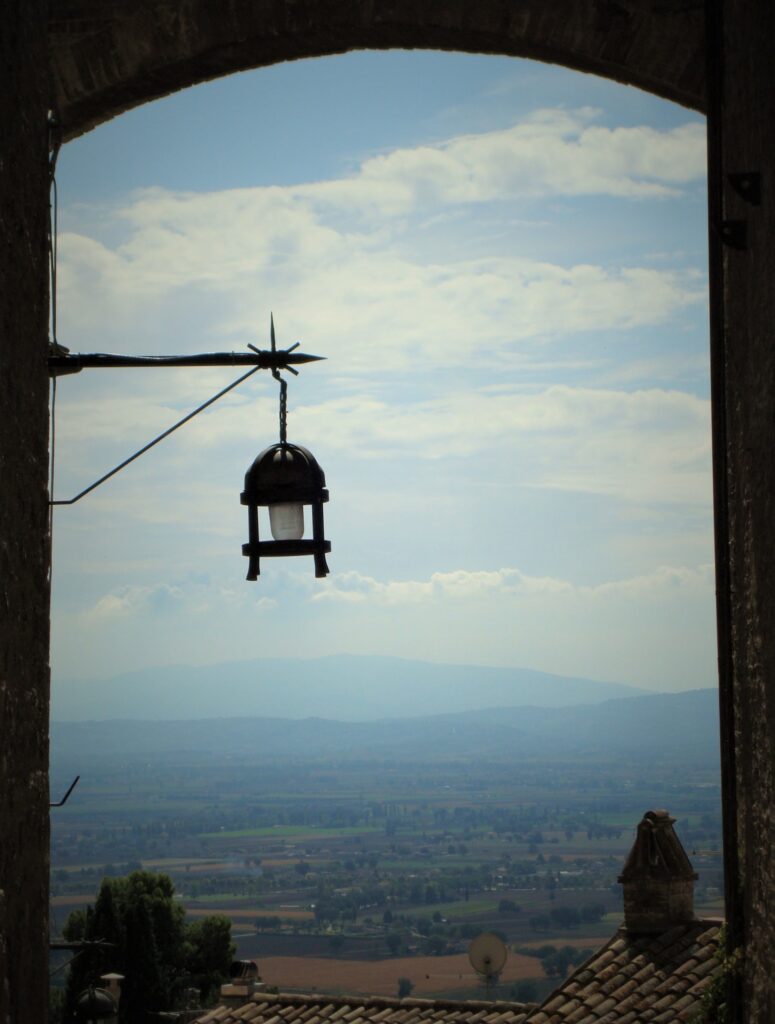
At breakfast in our digs at Todi the waiter asked us what we were up to that day. When we told him we were walking to Giano dell’ Umbria, he nearly spilled the coffee – “but that’s 40k!” We exchanged slightly apprehensive glances and told him it was 21k. He was most insistent that it was 40k and walked away wishing us fortuna with a cheery (somewhat bemused and amused) wave. Crazy inglese. We drank our coffee trying to ignore the air of slight perturbation hanging between us, assuring each other it was definitely 21k before deciding instead to focus on the other crucial thing you have to do when you are walking all day – the stocking-up on sandwiches and sustenance. In Italy it’s always a pleasure to buy such wholesome and delicious ingredients as bread, cheese, meat etc etc. Armed with our spoils, we set-off. Day 1 of 5. It was sunny, we were embarking on a little adventure and we had some awesome treats for lunch (… annnnd…. we had no map, a vague concern that it was further than we thought, and the realisation after 1k that neither of us had ever carried kit for 21k before but hey the first bit was basically a straight-ish path). We had also come to Umbria off the back of a trip to Rome so were very ready to embrace the tranquility of the countryside, drink in the views, and tuck into fresh figs when they occasionally happened to hang over the path.
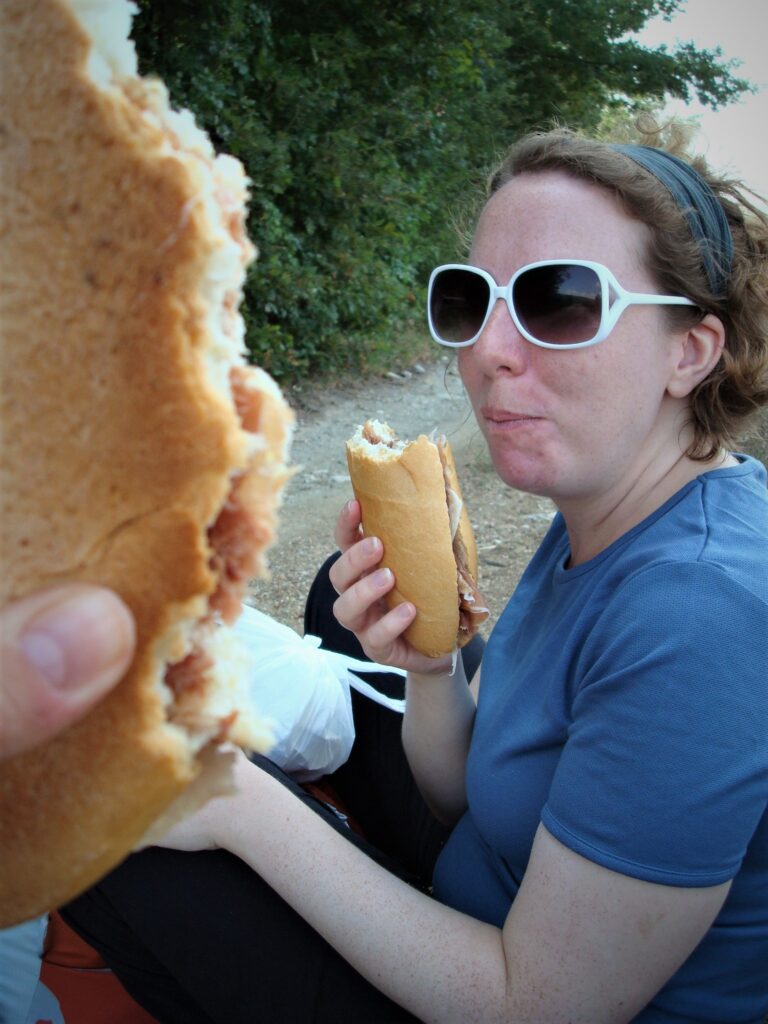
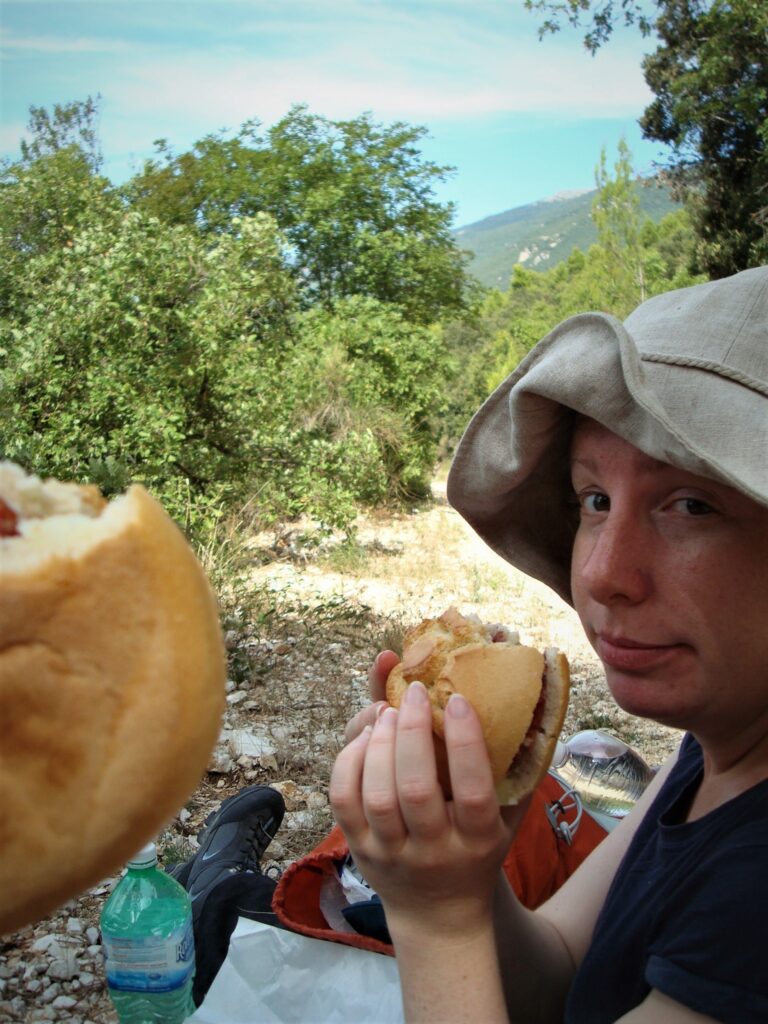
At the halfway (ish) point, we took great delight in making our sandwiches. It all felt very wholesome and nurturing – a big helping of soul food in every way.
The afternoon section was less smooth-sailing. The map soon became redundant, well, it became quite squiggly and difficult to marry-up with the environs, the skies lowered and we found ourselves near to having to walk along a motorway. So, we decided to wing it, make an educated guess and walk up into the hills.
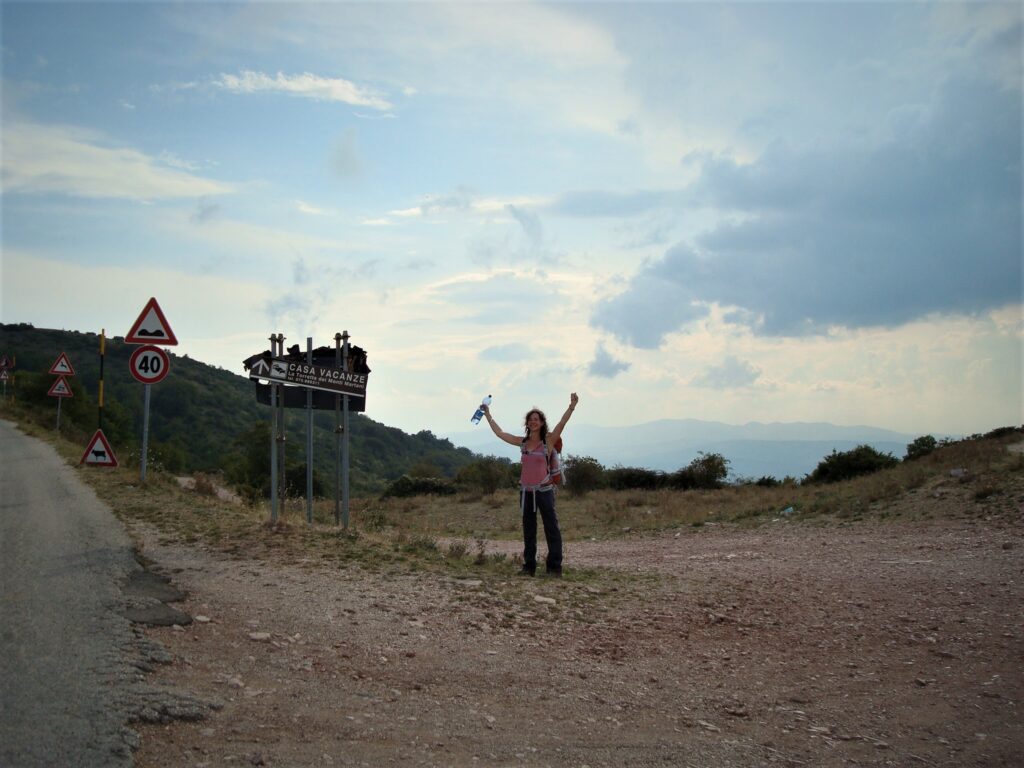
Not gonna lie. By this point it felt like 40k and I was beginning to think that the waiter wasn’t mistaken. After a few sections where we egged each other on to walk to the next tree we got to the top where we saw some walking signposts, a few other living souls. Knackered but happy (and very glad to be going DOWNhill) we rejoined our route. The skies weren’t letting up, however and 1k from our destination they properly opened unleashing a downpour of apocalyptic proportions. We took shelter under the porch of what can best be described as the cliffside restaurant in The Goonies. It was closed – so the owner came out to tell us as we must have looked like we were loitering. He asked us if we were lost and when we explained we had been walking (since Todi) he said that he could give us a lift to Giano dell-‘Umrbria as it wasn’t far, he had some errands to run anyway and this weather wasn’t letting-up. By this point we were shivering and so decided to take him up on his kind offer rather than freeze our asses off waiting for the rain to stop.
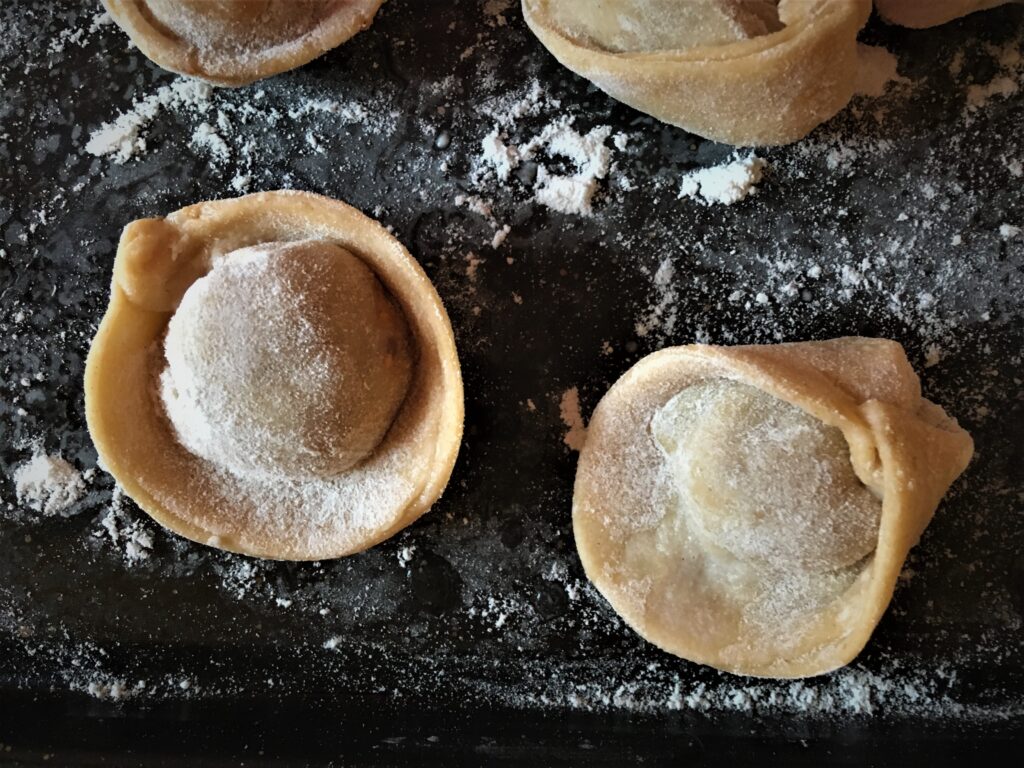
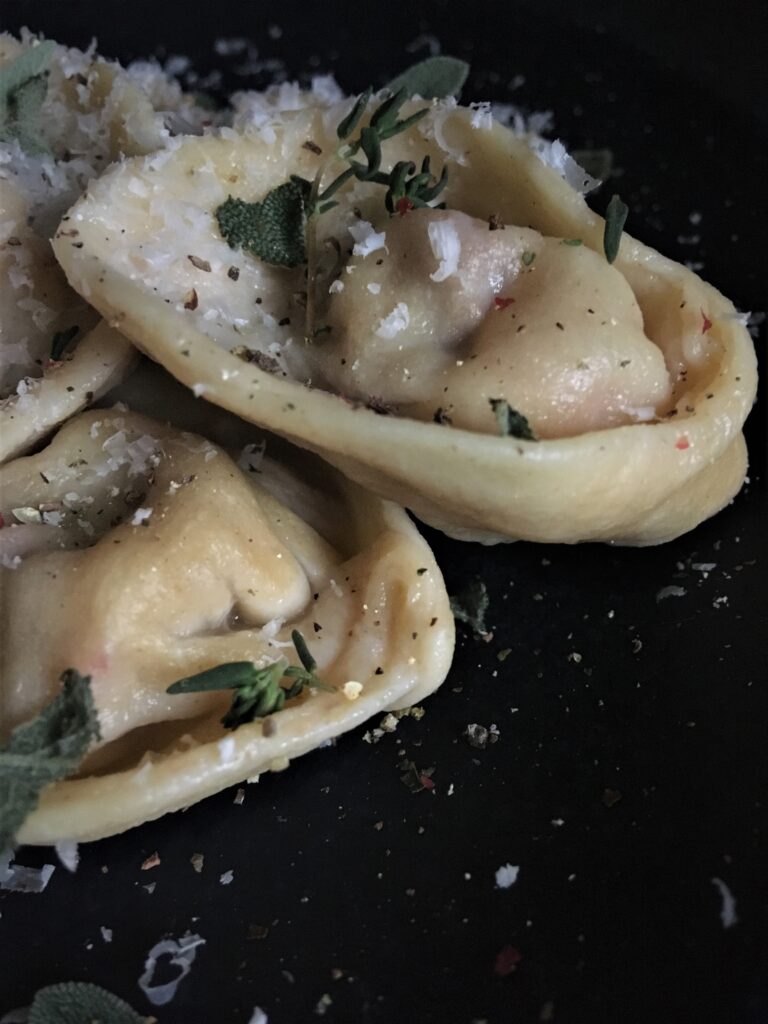
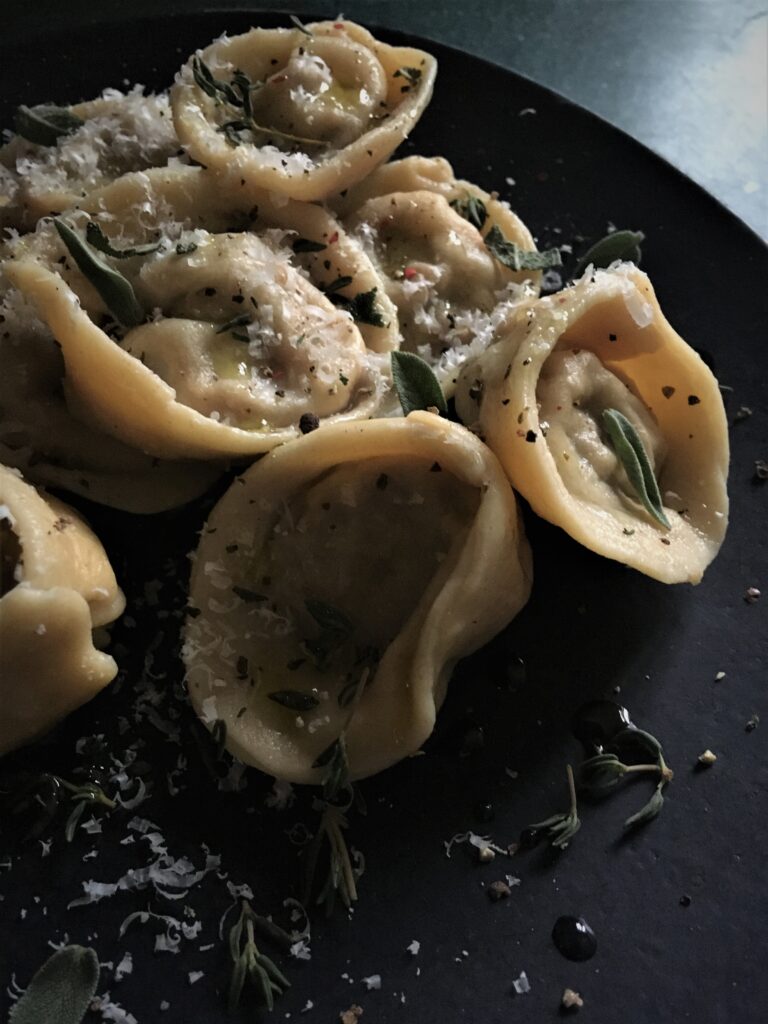
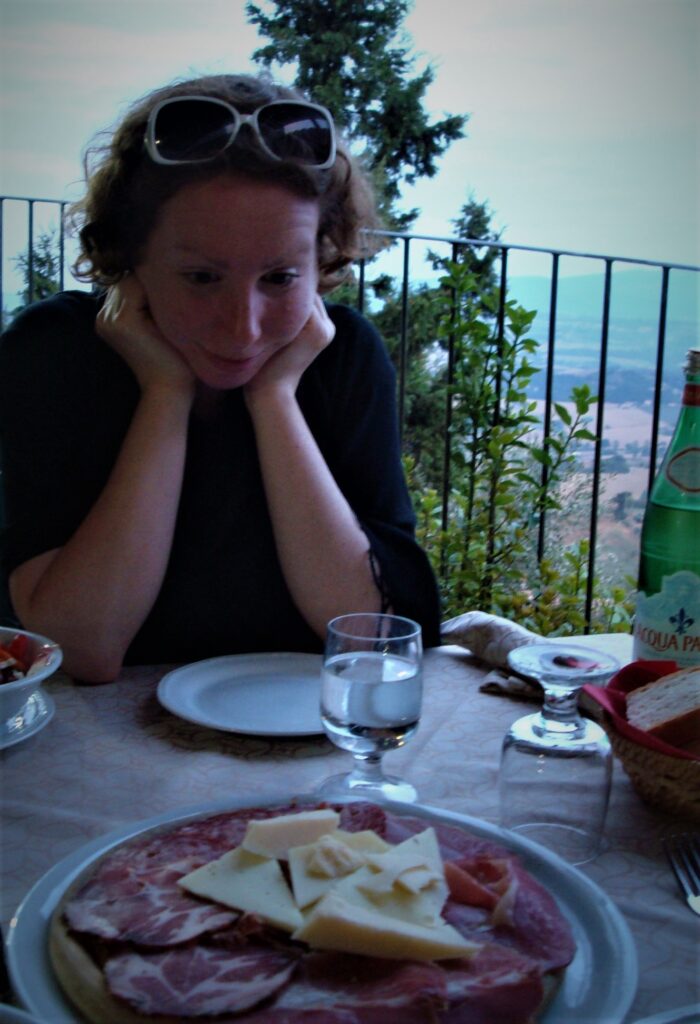
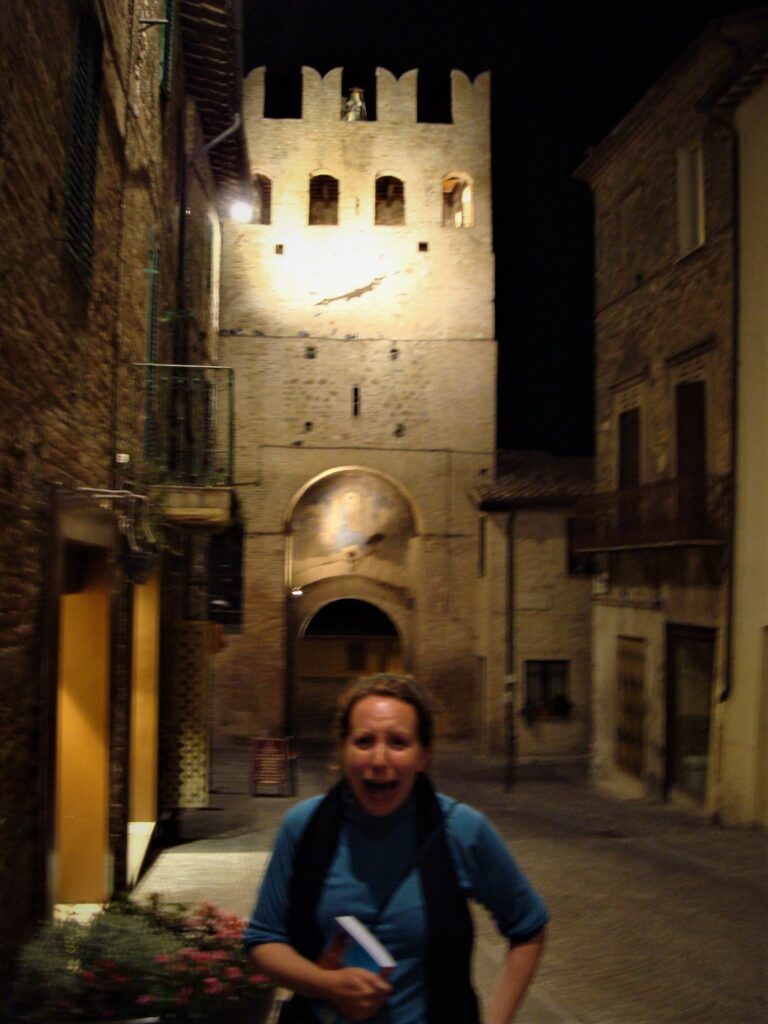
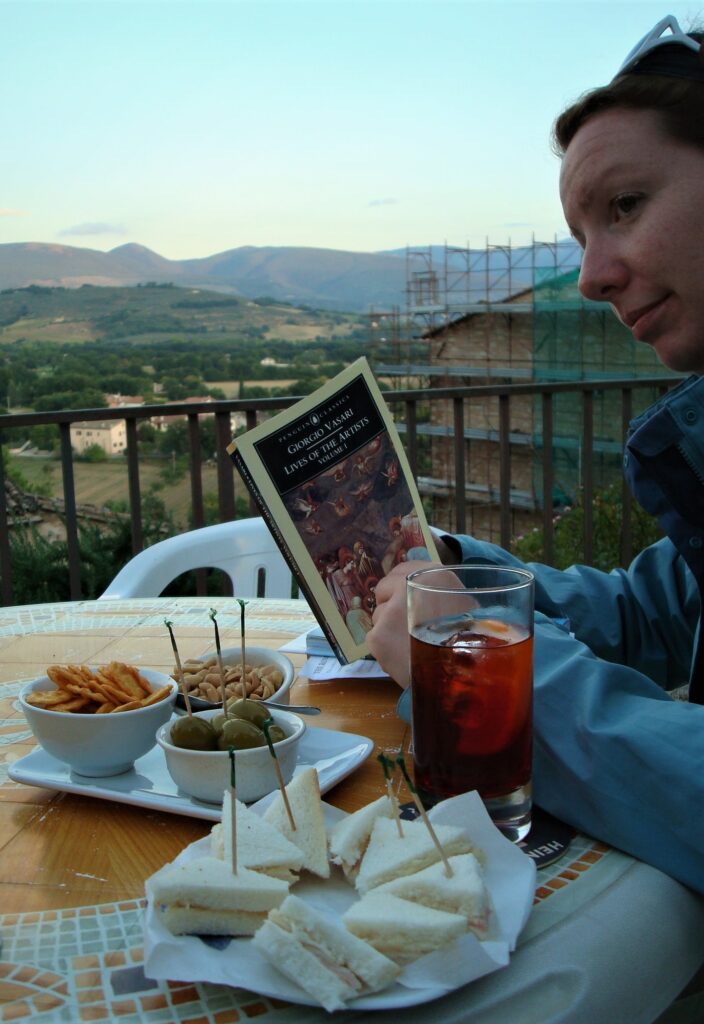
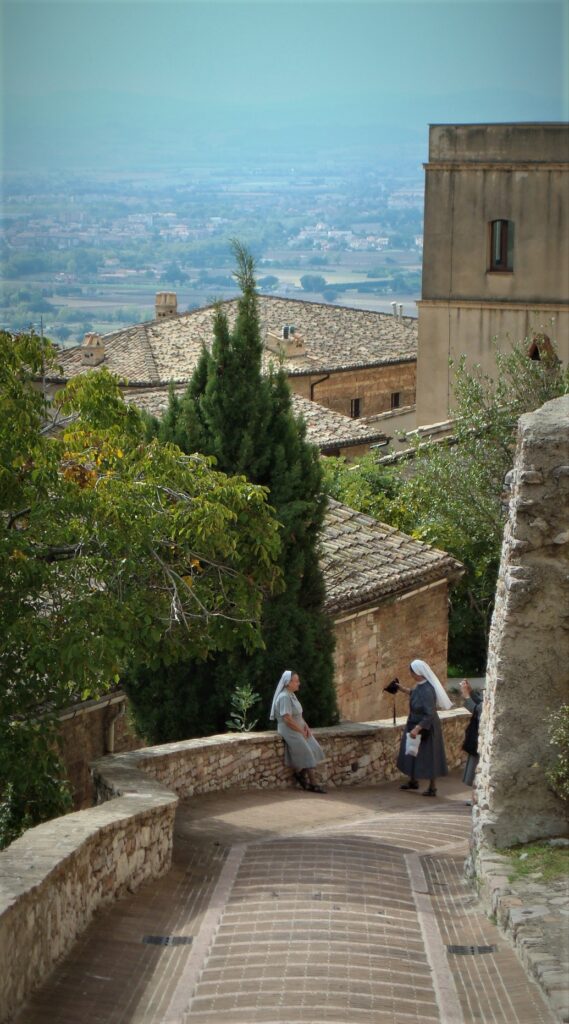
That night, still not warmed-up after hot showers, a hot meal was very much in order and so we tucked into the heartiest of hearty dishes on the menu – wild boar tortellini. Not very summery at all. It was July but it felt like November! This meal was incredible; as was the hearty red to accompany it. The dining room had the feel of a rather grand baronial-style hall and tucking into my rich wild boar supper having come in from the cold I felt a bit like a medieval traveller. Our route was in fact a well trodden-path by pilgrims making their way to pay homage to St Francis. Not our motive. Olive groves, pretty towns and frescos aside, let’s not lie, it was always mostly about the food. Good food always tastes amazing but it tastes even more amazing when you are ravenous and you’ve been walking all day.
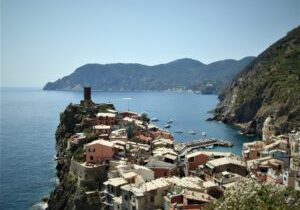
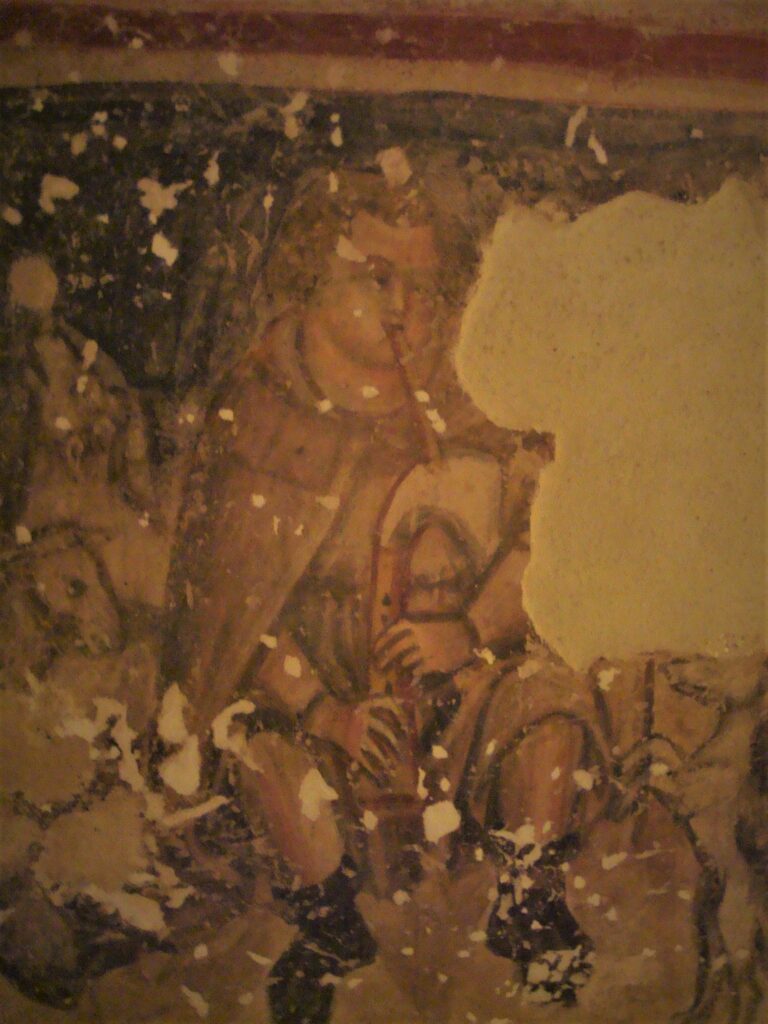
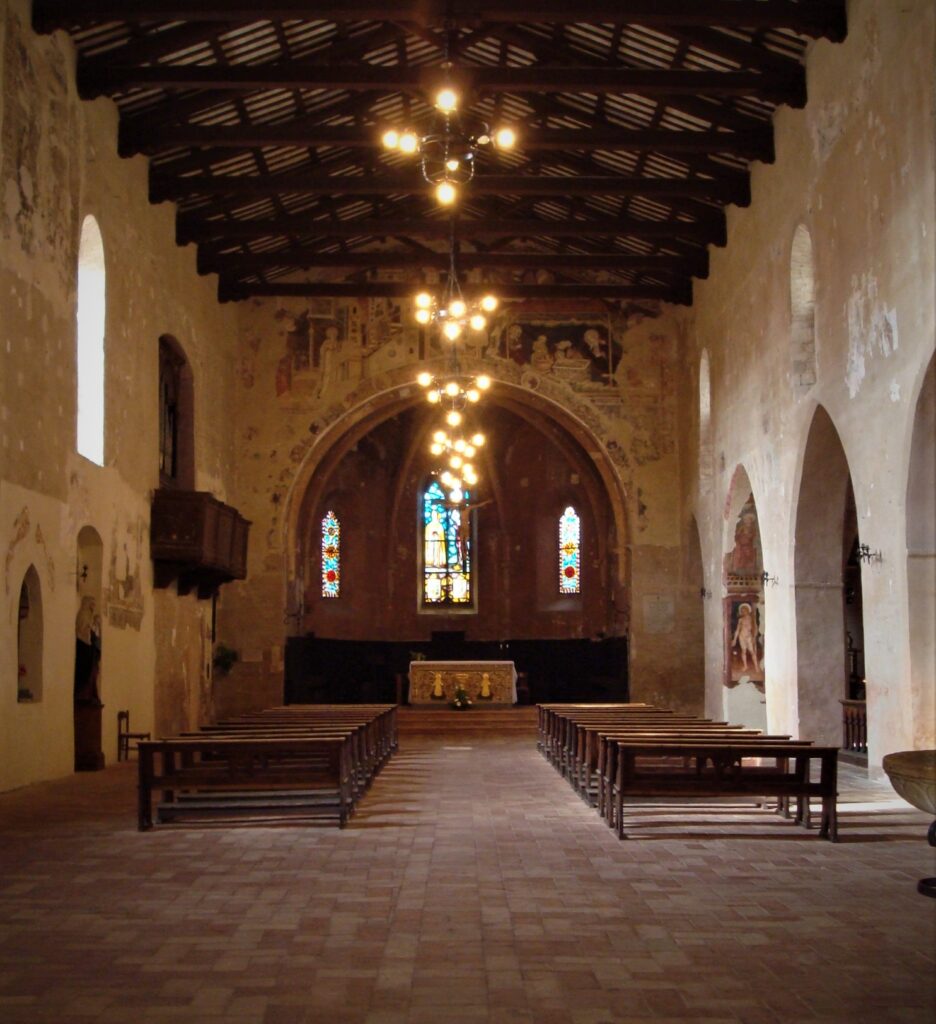
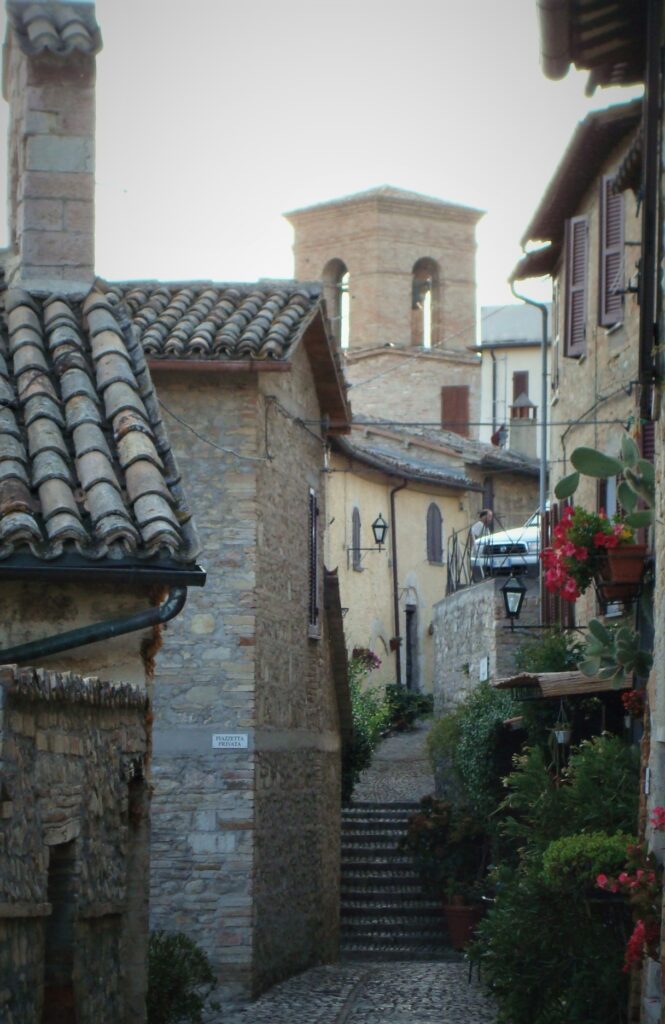
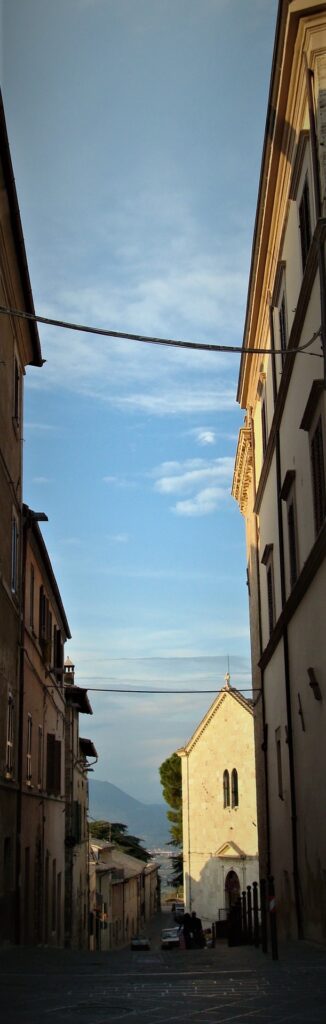
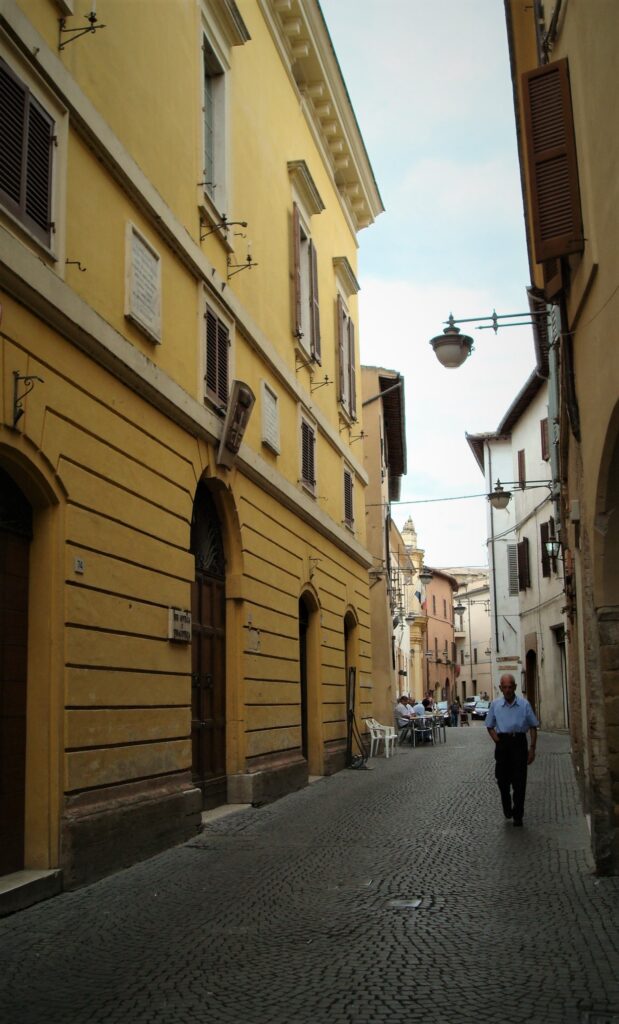
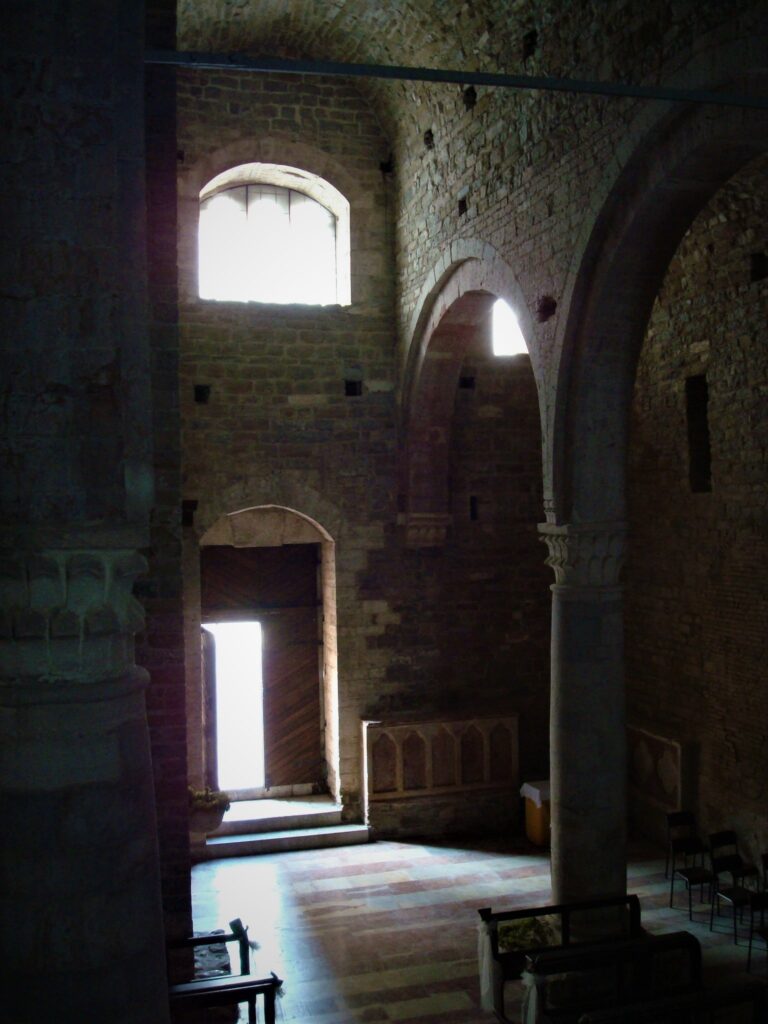
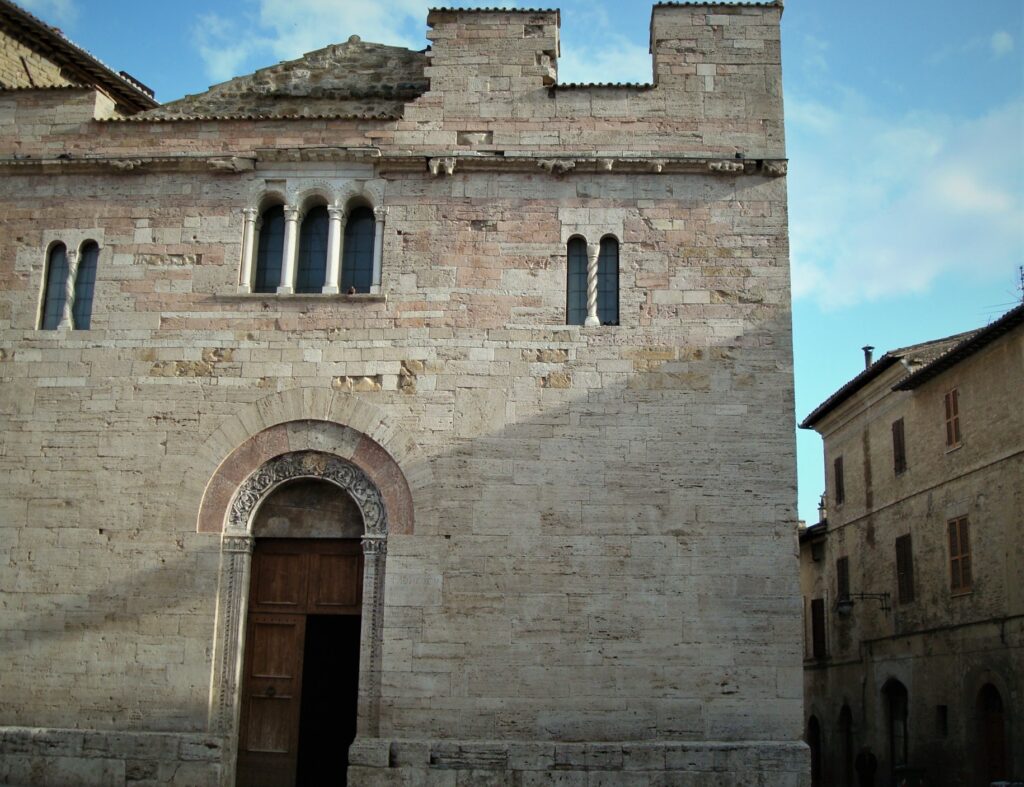
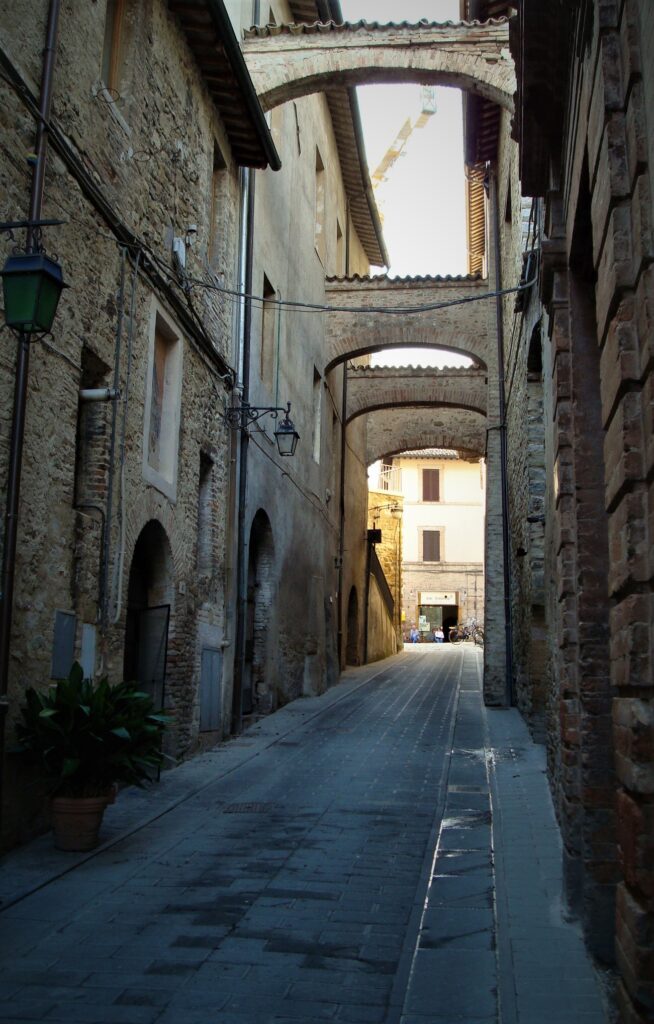
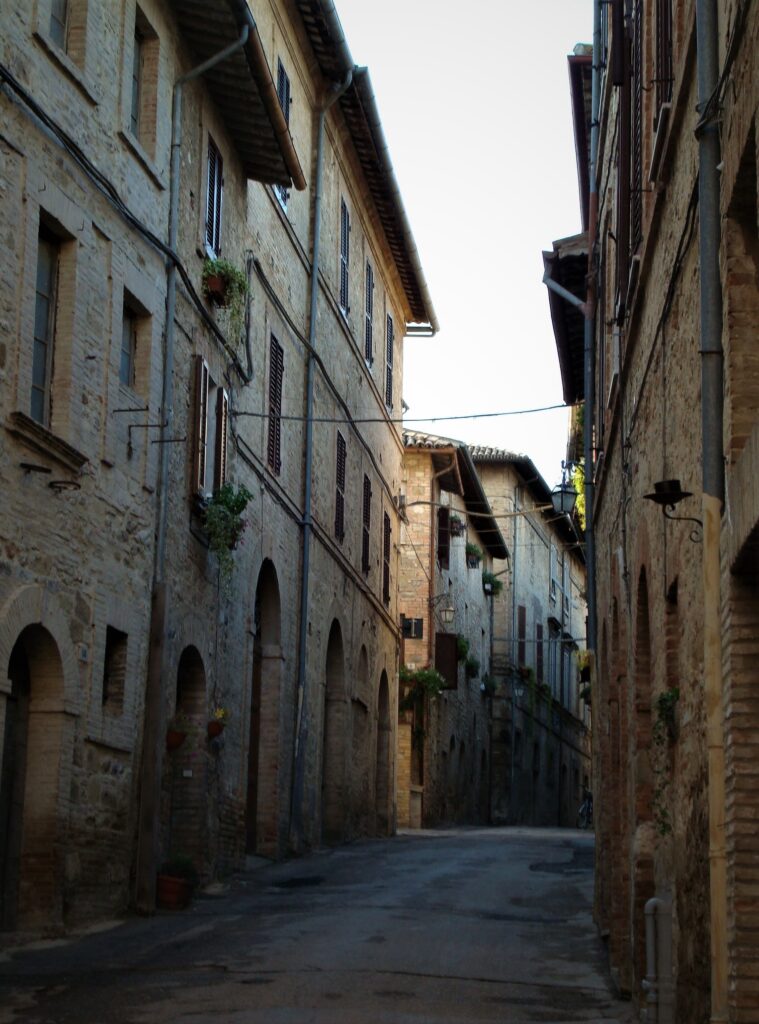
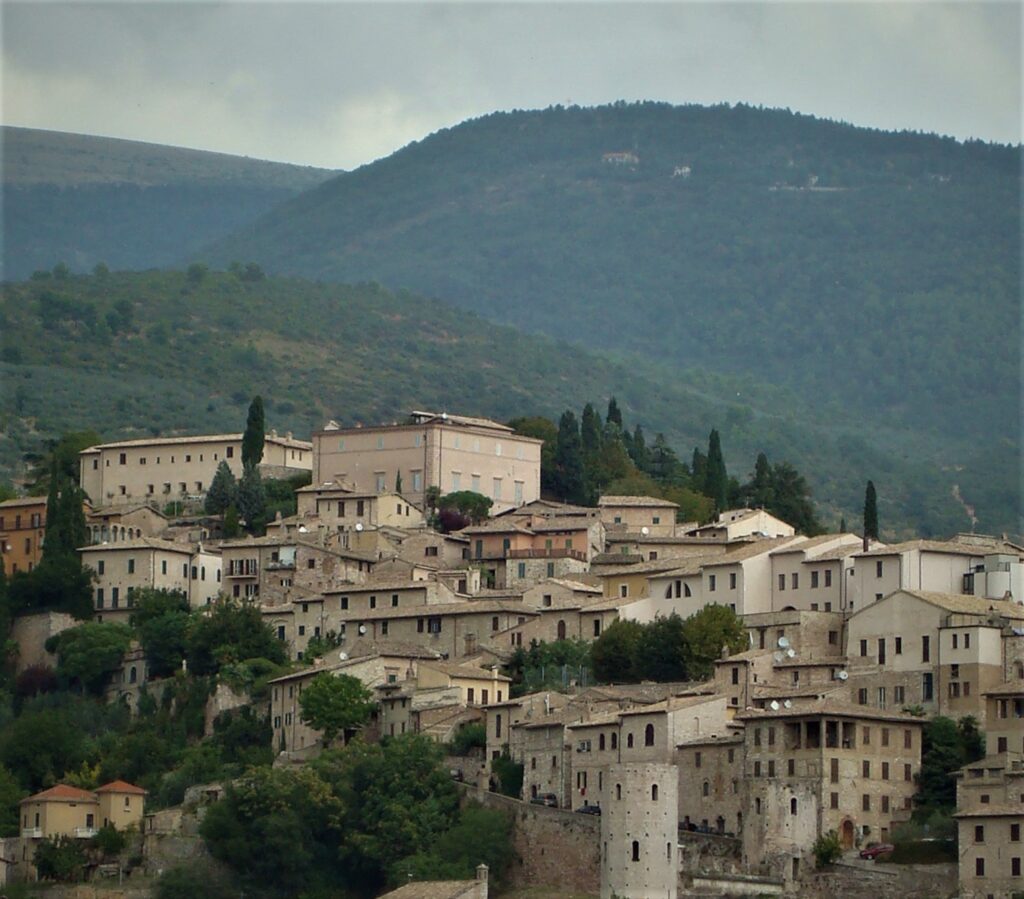
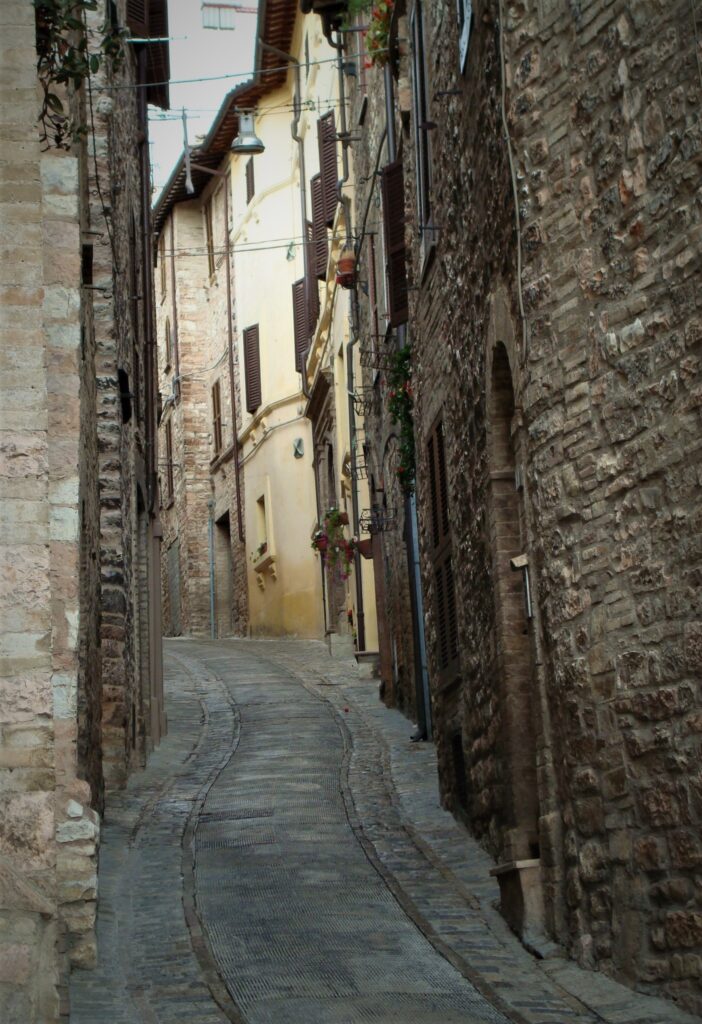
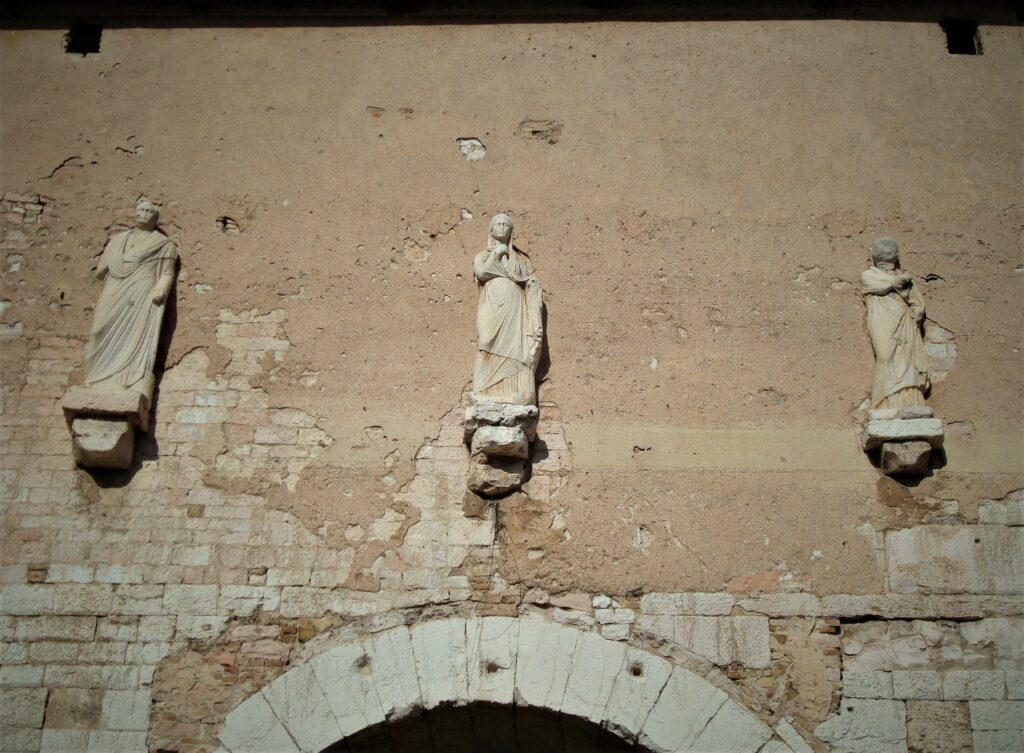
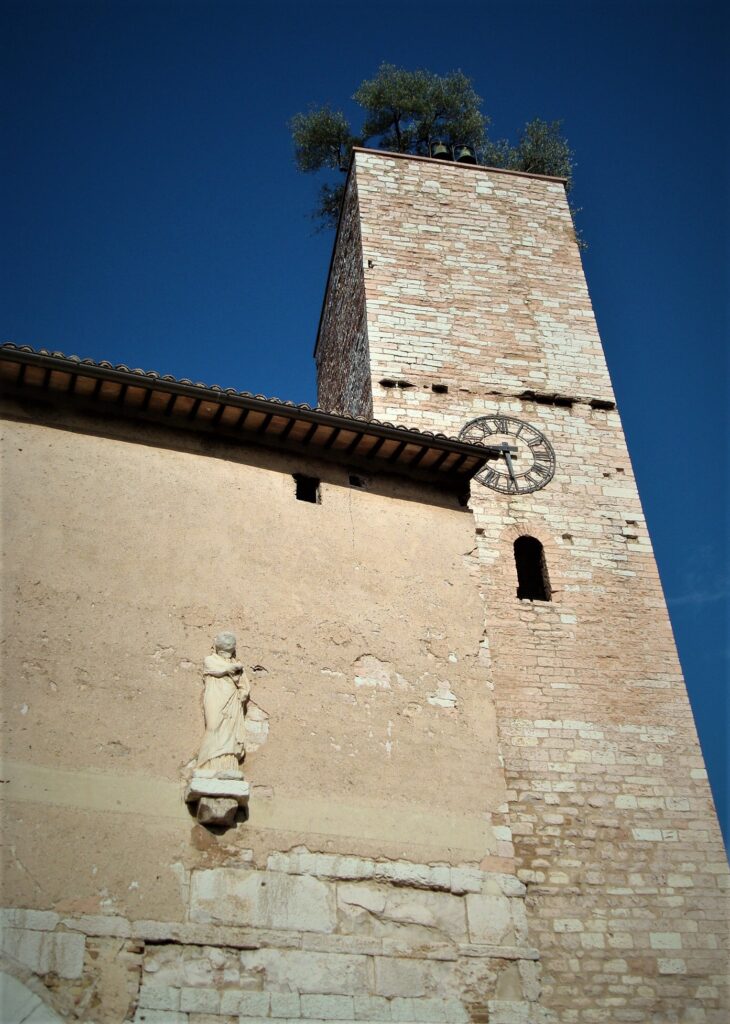
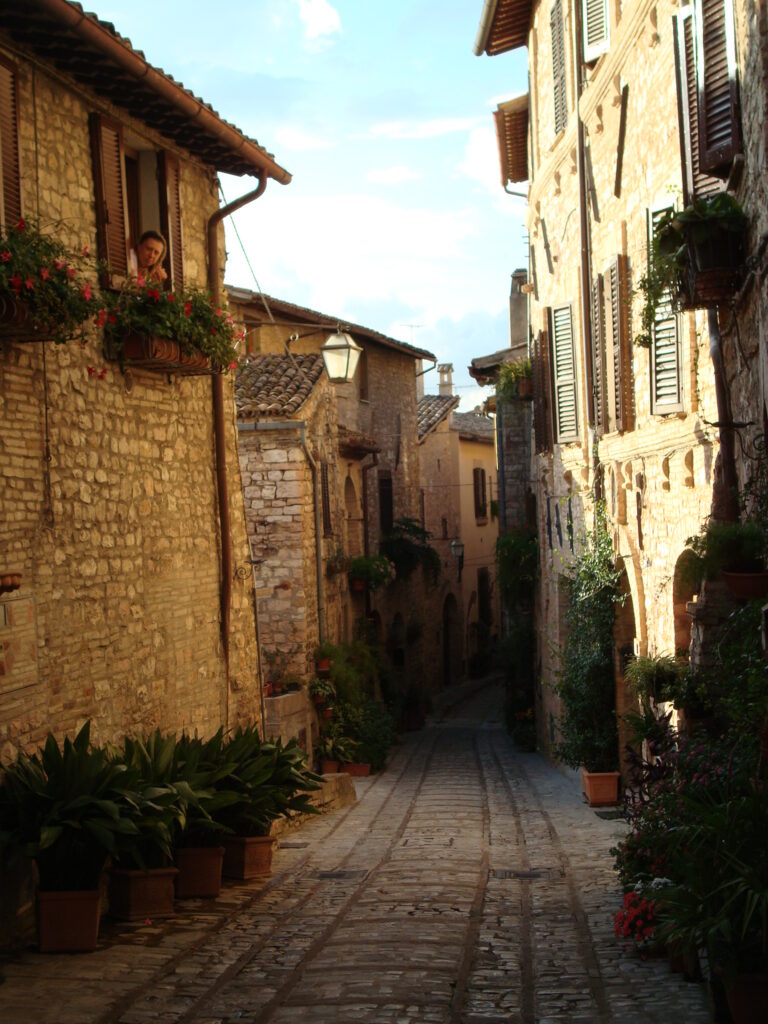
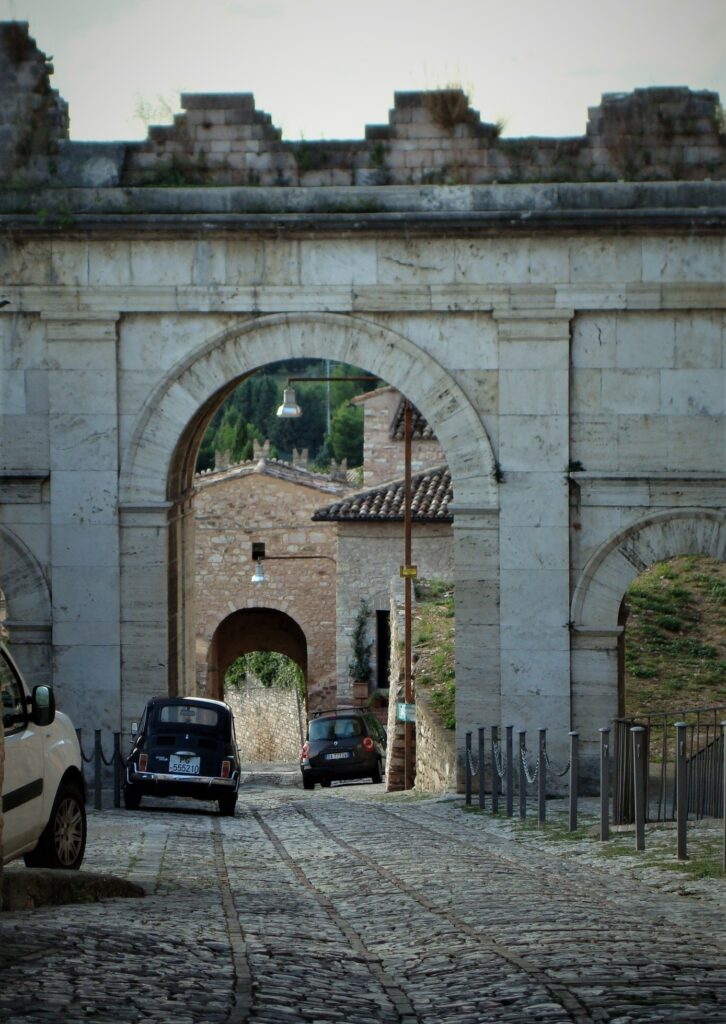
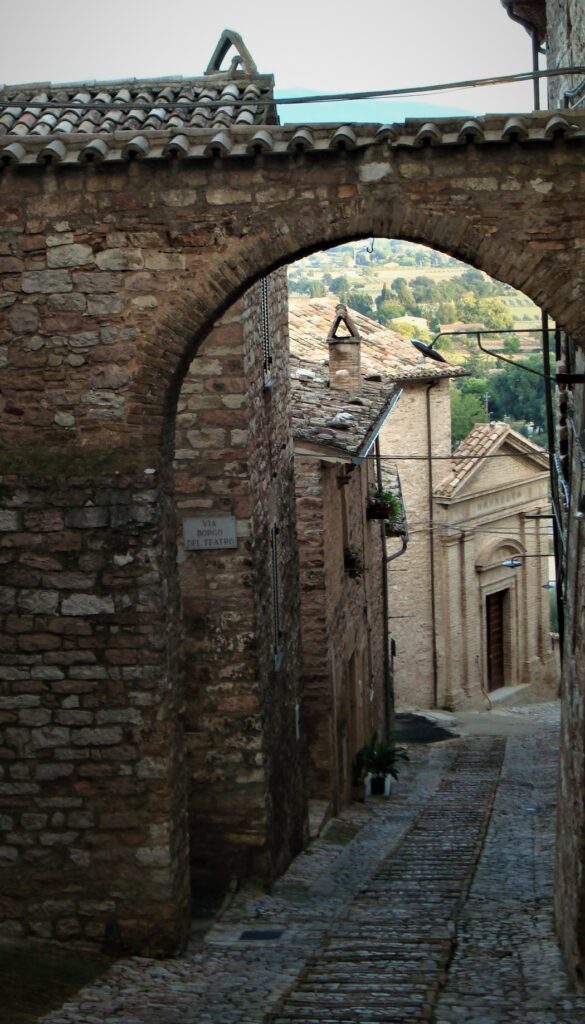
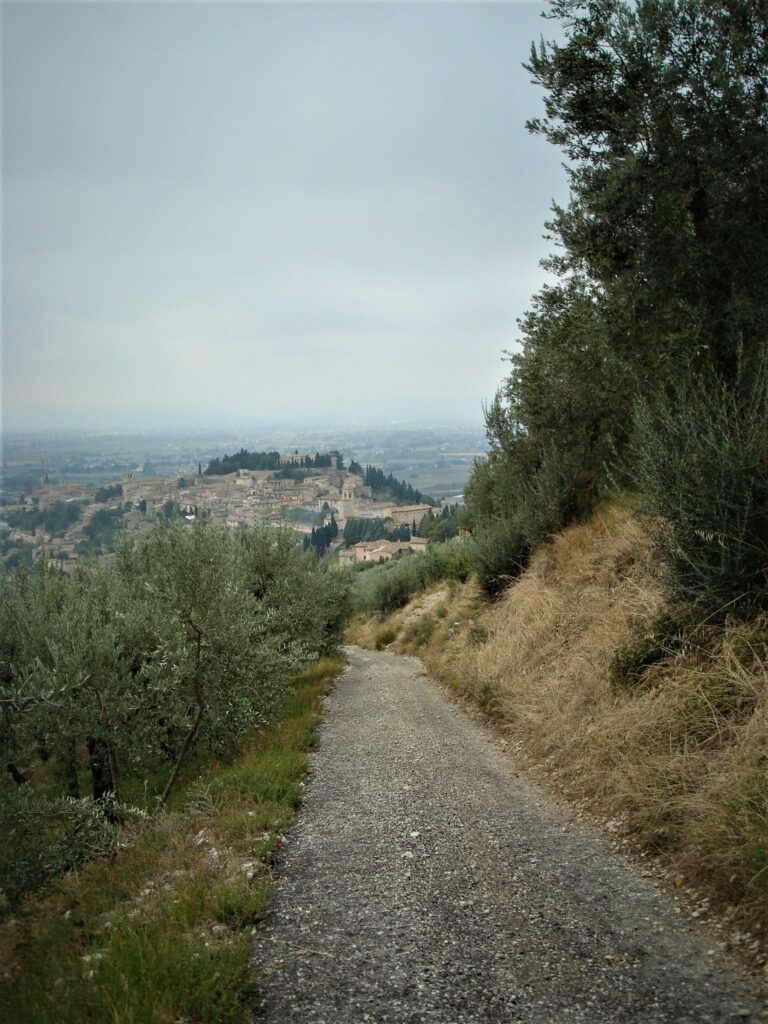
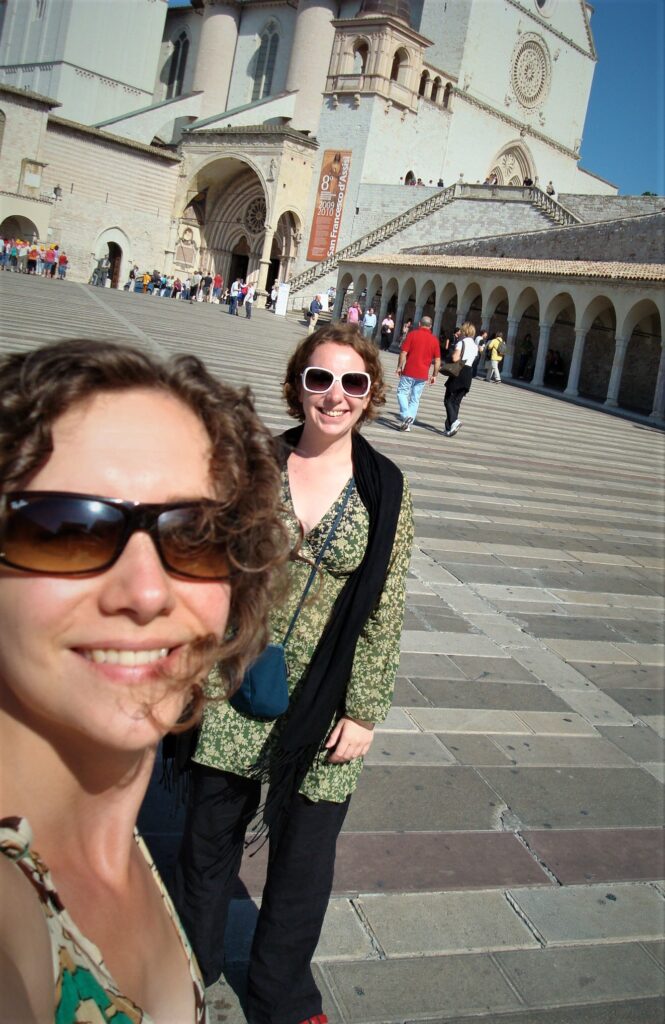
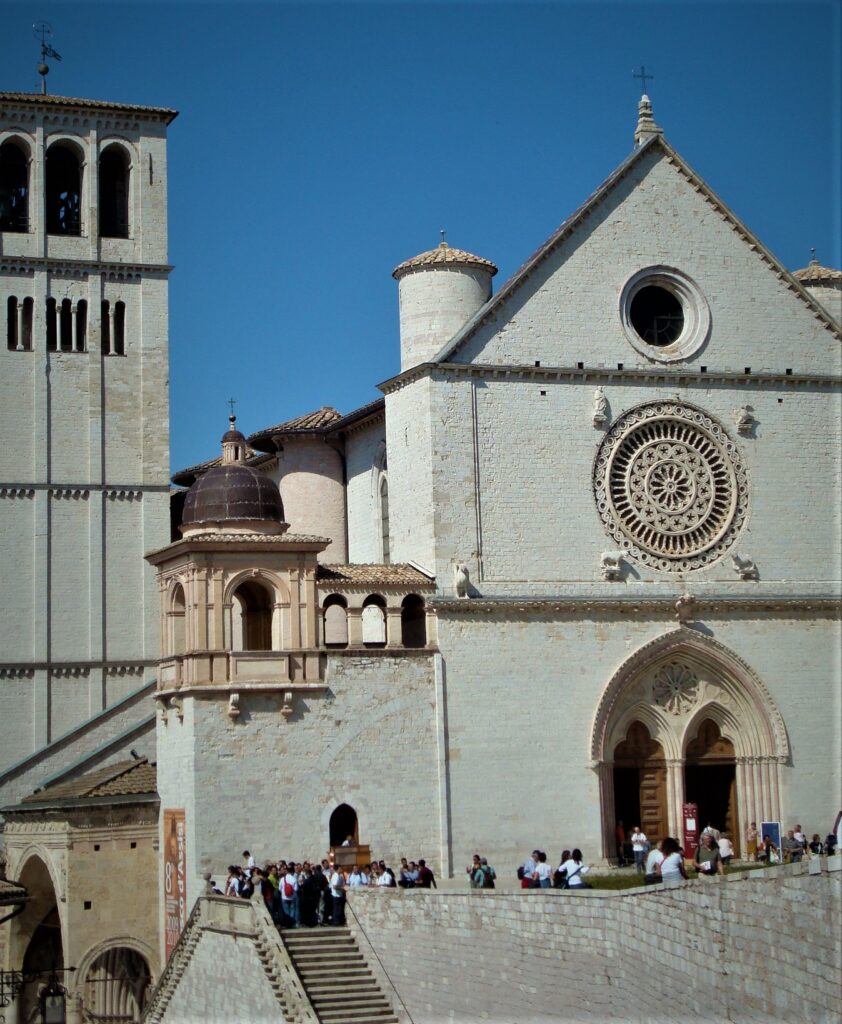
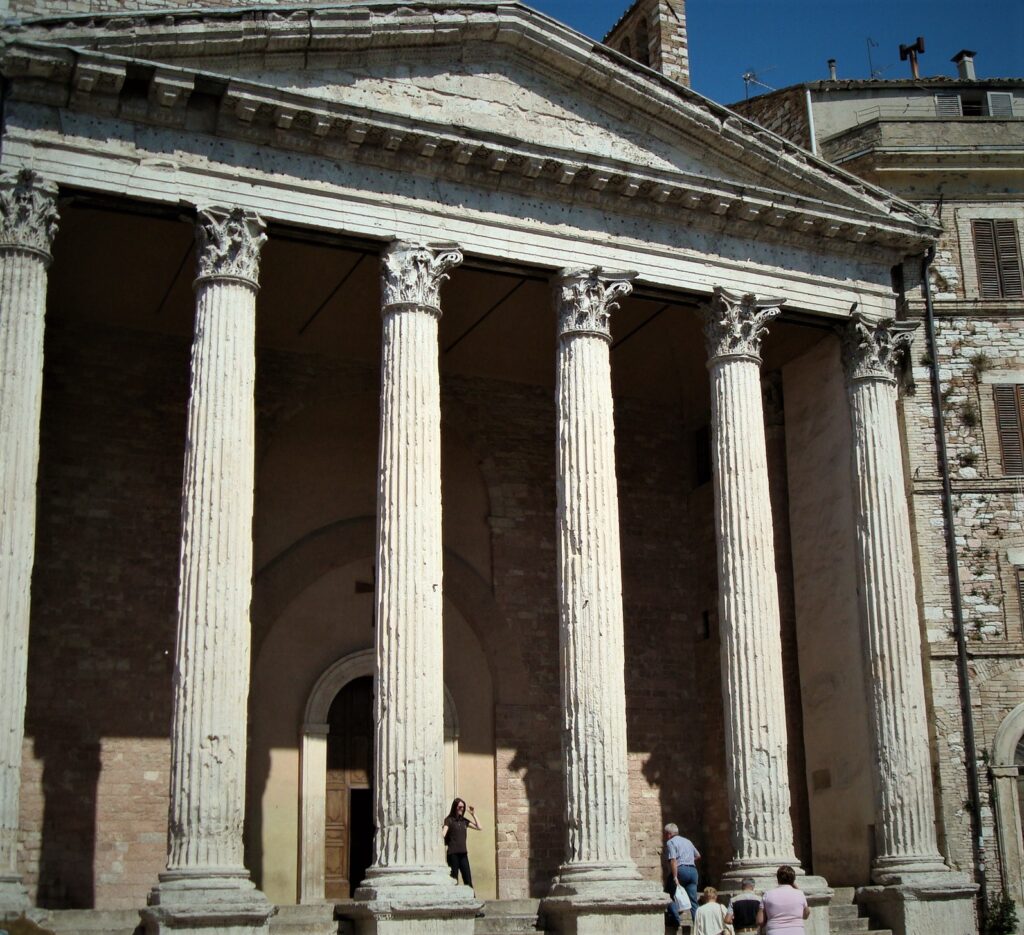
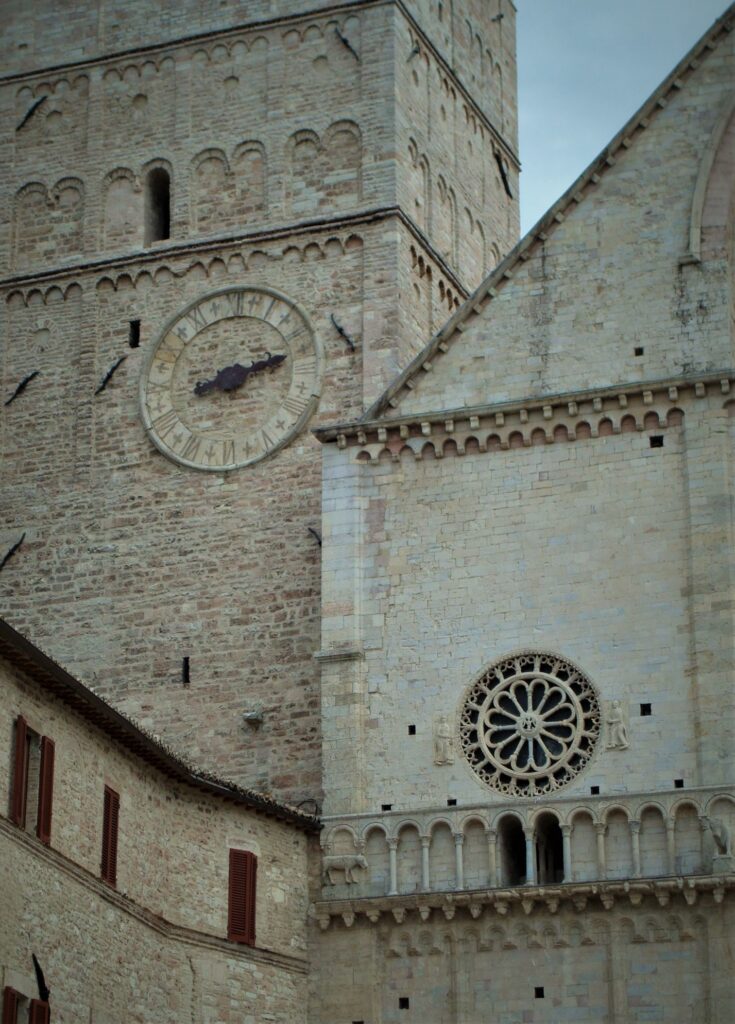
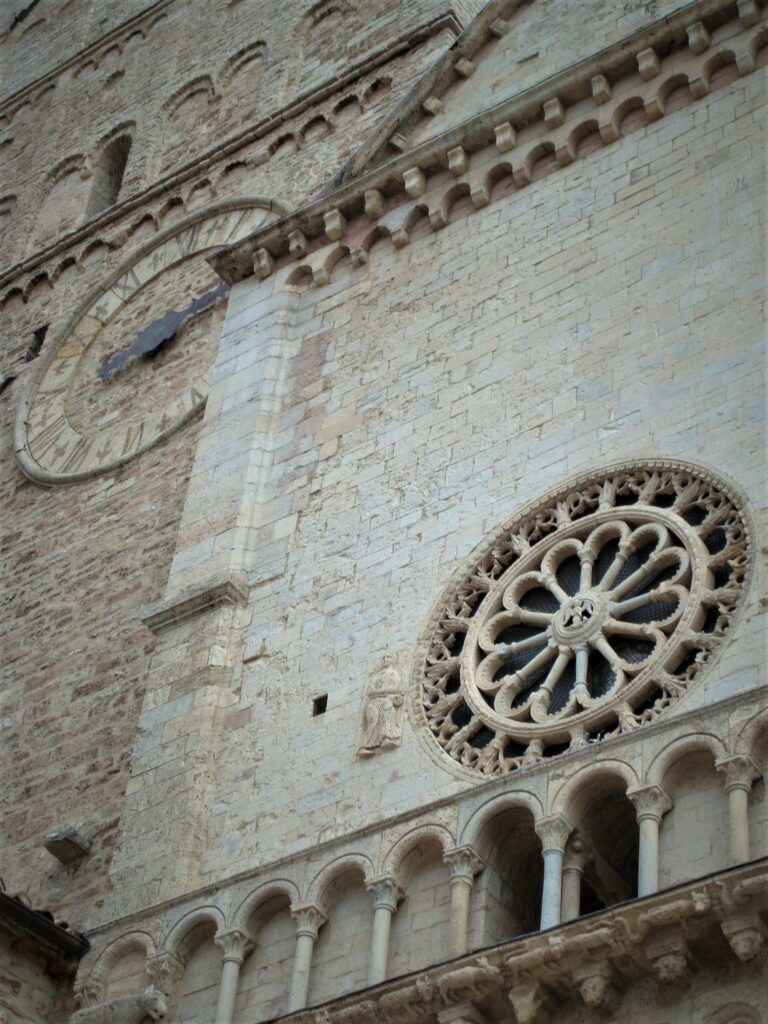
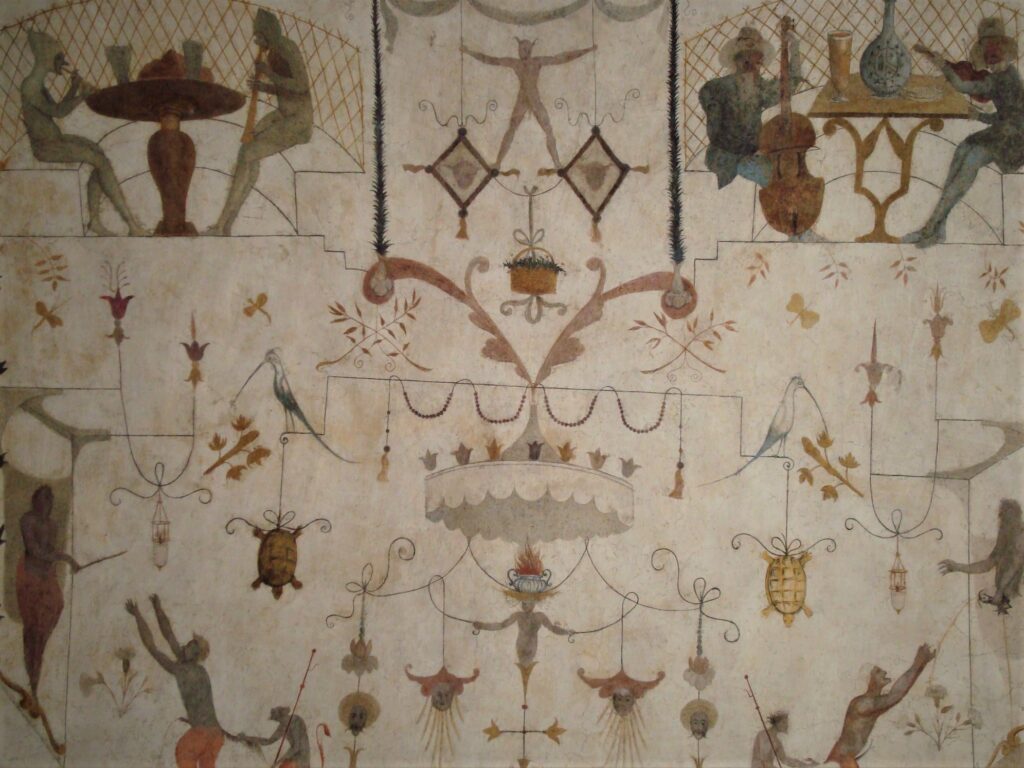
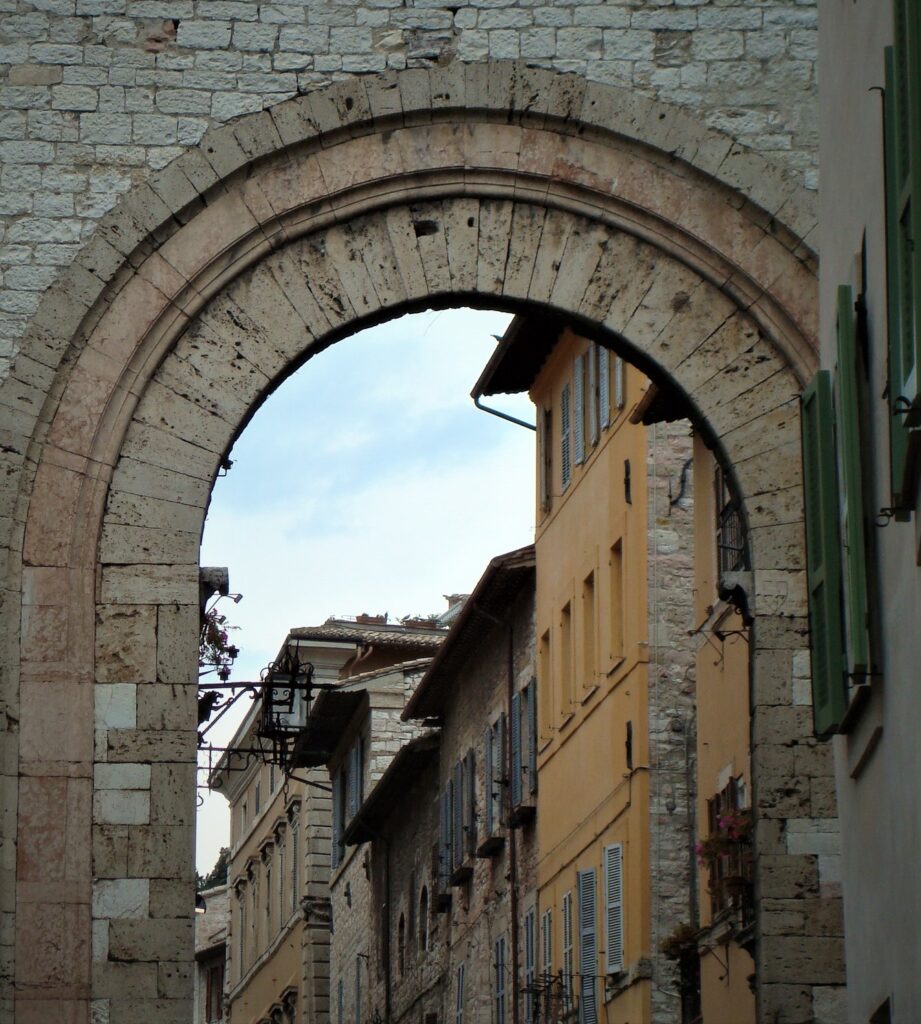
On the way though we passed through a few pretty towns, overnighting at Montefalco, Bevagna, Foligno and Spello. It was a feast for the senses and for the soul just perhaps not in such a religious way as the erstwhile pilgrim might have experienced it. Although for me, one of the big draws were the frescos promised in the churches of these hilltop towns, including some by one of my favourite Renaissance painters (who just happens to have one of the coolest names), Benozzo Gozzoli. Sitting beneath these in Montefalco’s empty old church was a much nicer, softer, quieter experience than one at the end of the walk, filing around the cathedral at Assisi with the masses and countless flashing cameras.
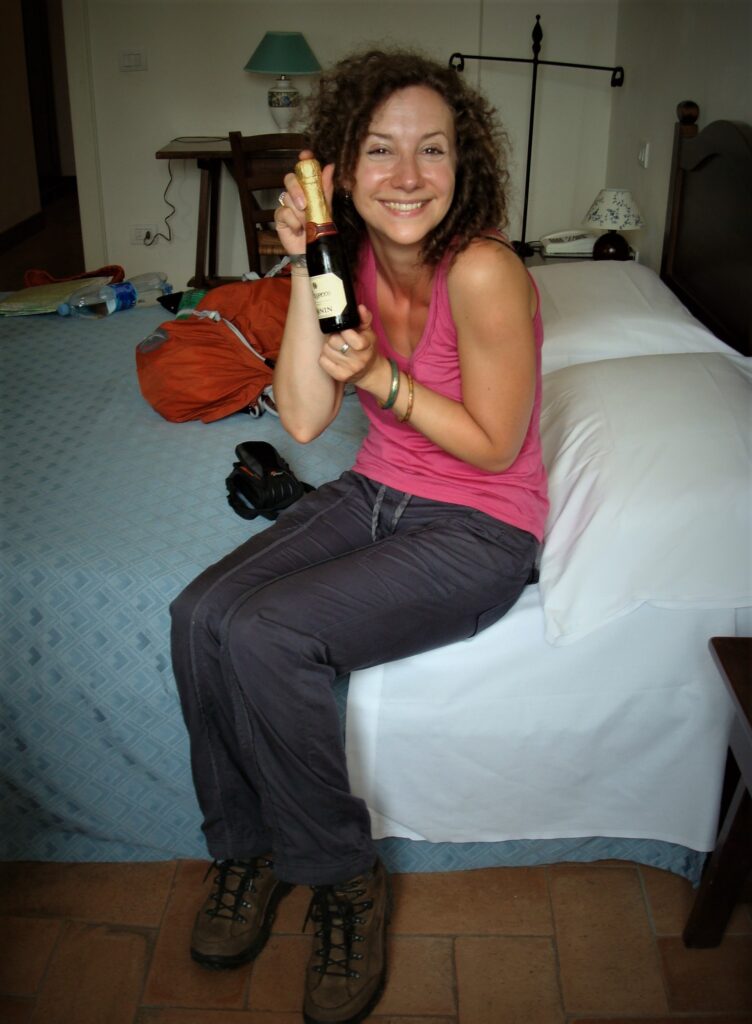
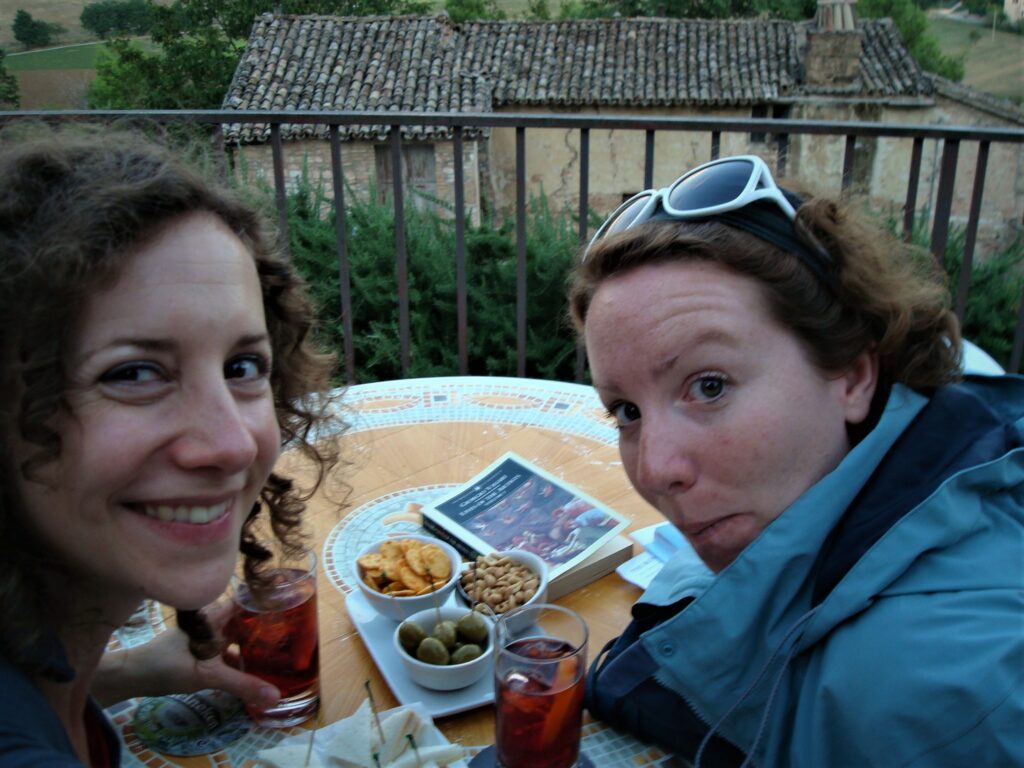
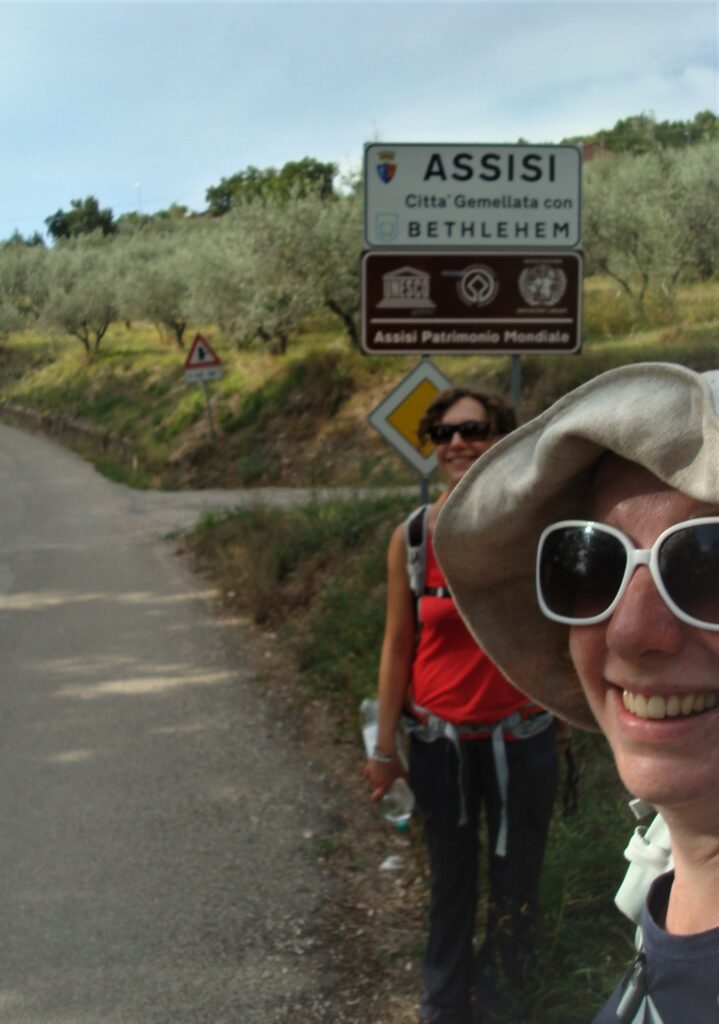
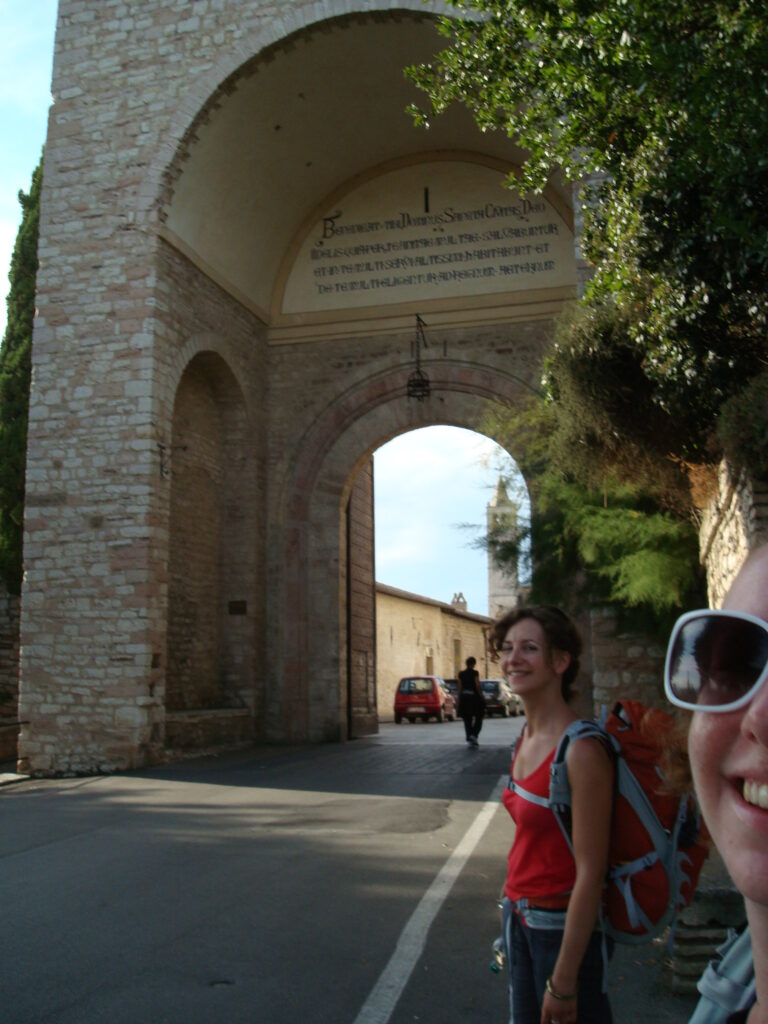
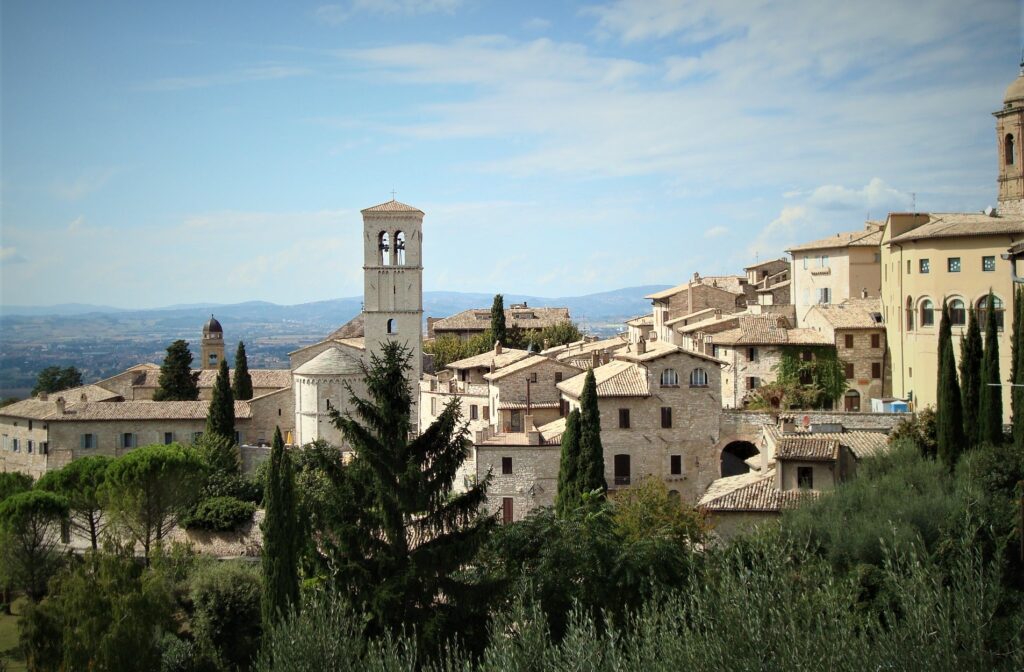
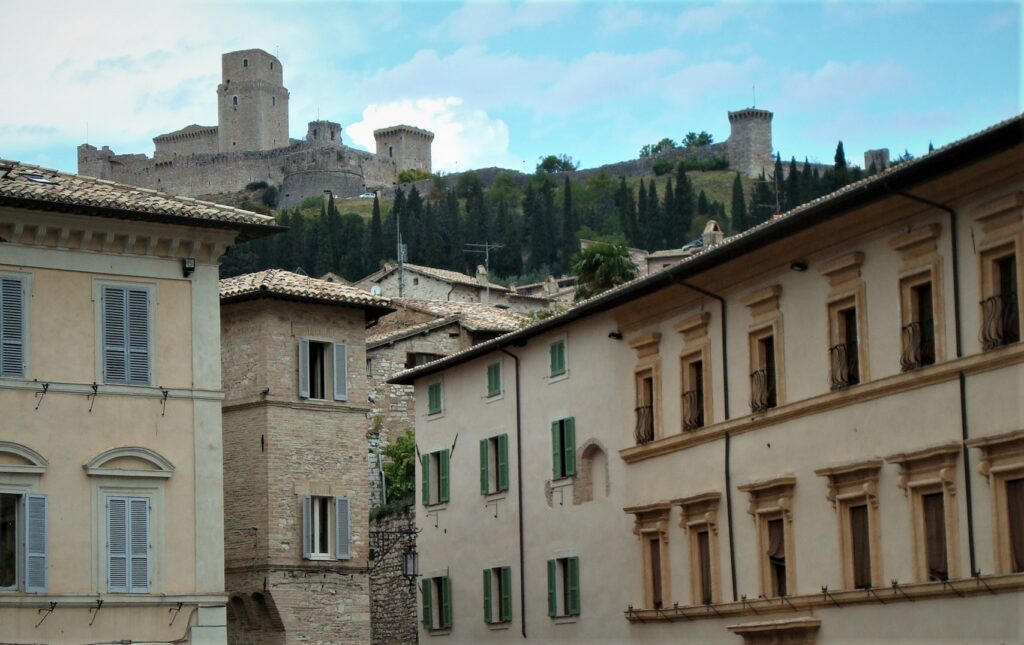
Maybe somewhat delirious on arrival early evening in Assisi, as we were locating our lodgings, we noticed that there was a restaurant within crawling distance. Good to know, as frankly, we didn’t want to do any more walking that day – it had been nearly the same distance as the first leg of our trek and once more with a lot of “up”. As we sat in our hotel room trying to summon some energy to get up again, my sister suggested we maybe go to treat ourselves to a meal in the restaurant we had passed by as it was Michelin star… “Really? no way, next door?” “Yes, I saw it on one of the stickers in the window. Shall we?” We ummed and ahhed and in the end decided why not blow some cash on an amazing meal to celebrate completing our walk. It wasn’t all that prepossessing a place but never judge a book etc. Turned our, however, that wasn’t in fact Michelin-starred, it had just been in the Michelin guide; two years previously. I don’t remember at all what I ate but frankly I was too tired and too busy laughing at my sister.
This week’s recipe recalls the medieval style supper that warmed my soul but it’s also a homage to the richness of the Umbrian land, the esteem in which local ingredients and animals are held and the respect with which they are treated. Nothing is wasted. Even the blood is used in sauces, puddings or, of course, sausages. It remains a tradition for families to join in the preparation of pigs and boars. Something we as a nation are very far removed from and probably to our detriment.