Or, more precisely, macarons in Paris
Disclaimer: I’m not a huge fan of Paris. There. I admitted it.
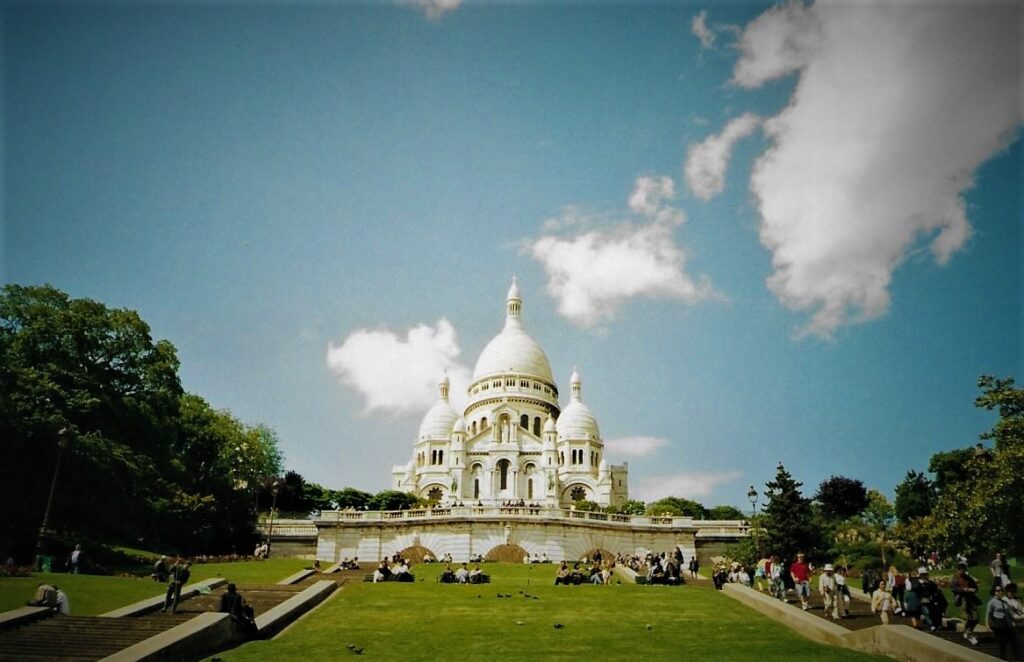
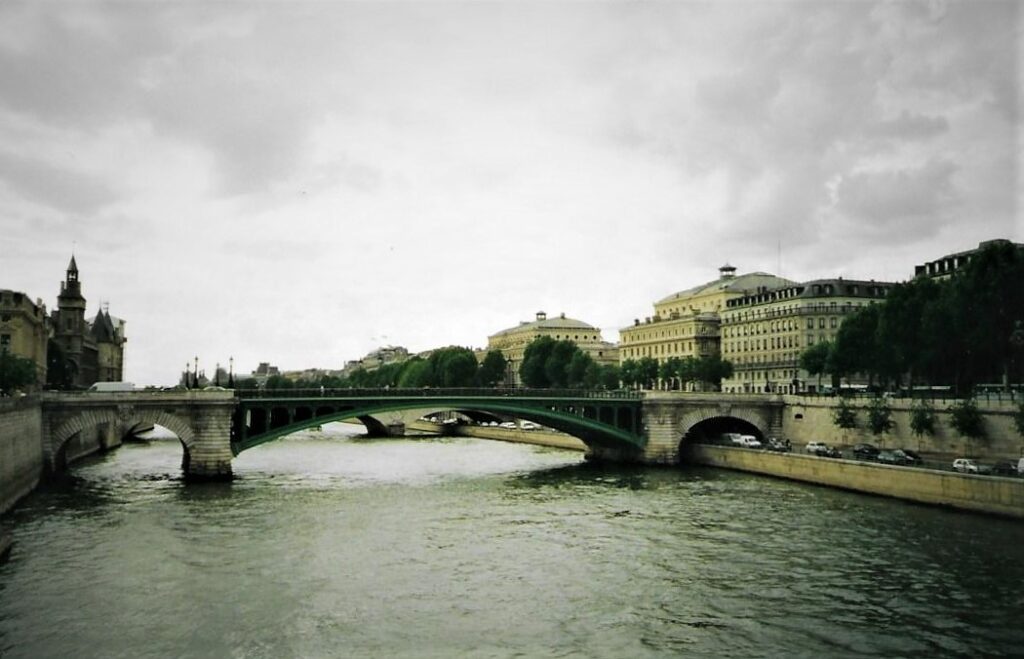
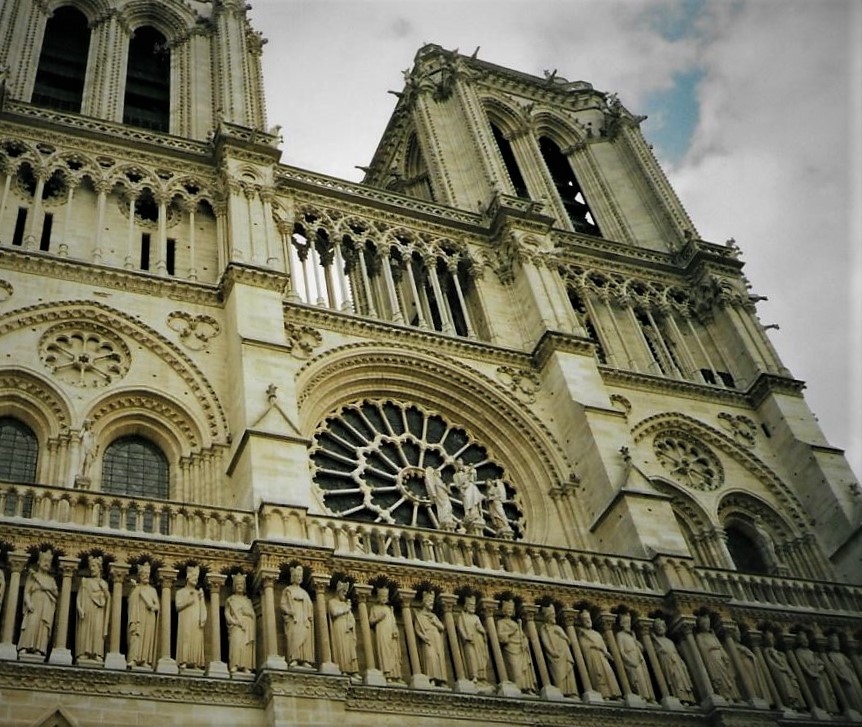
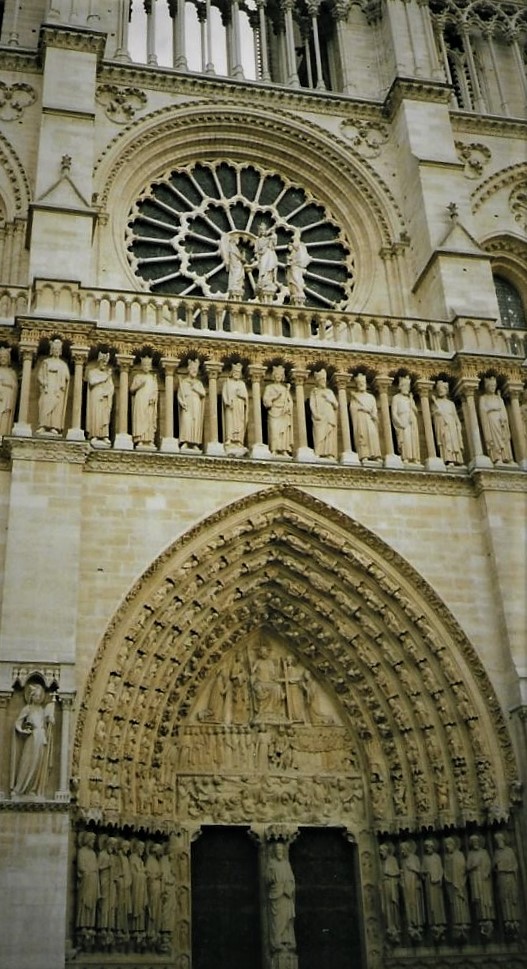
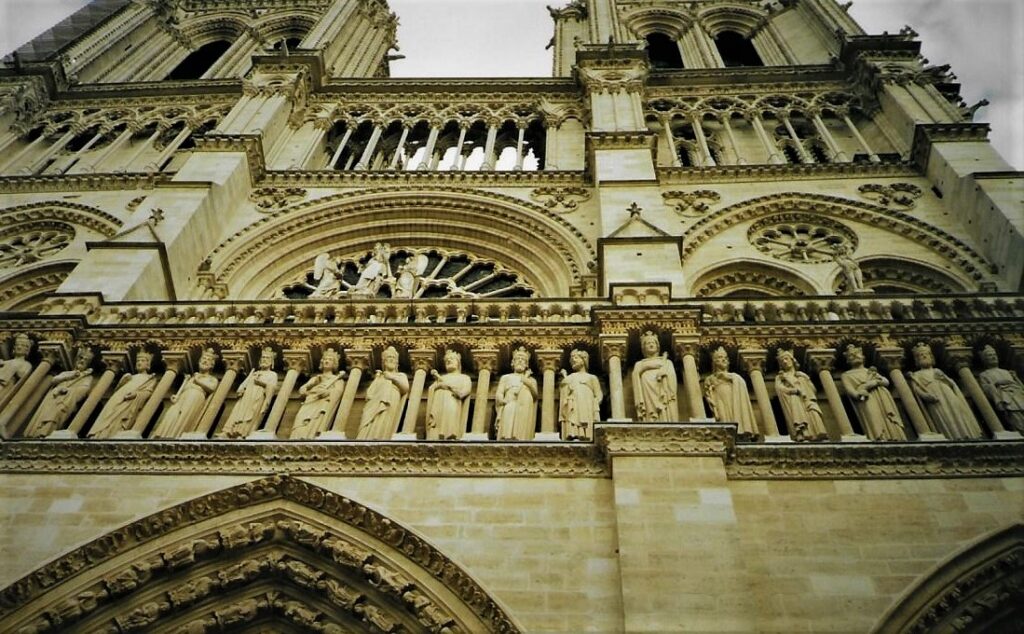
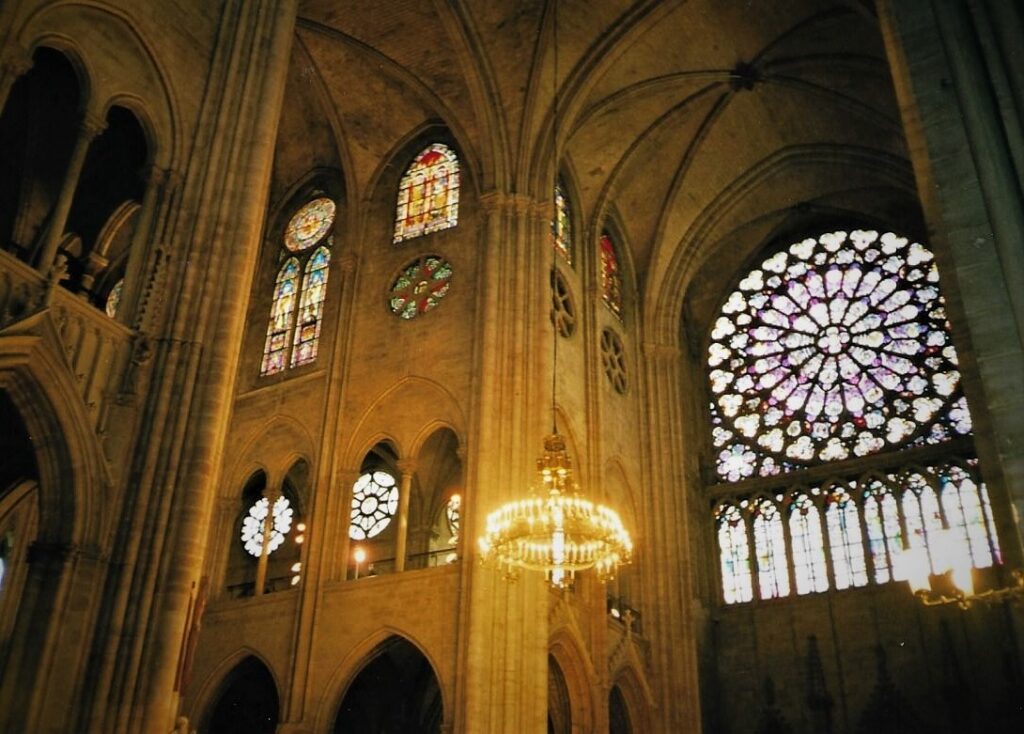
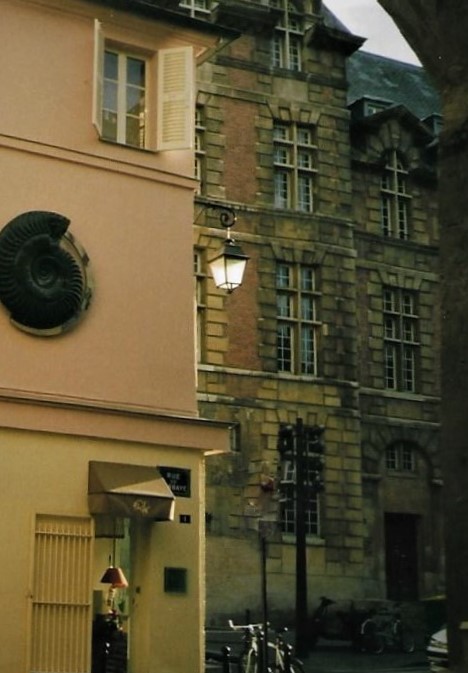
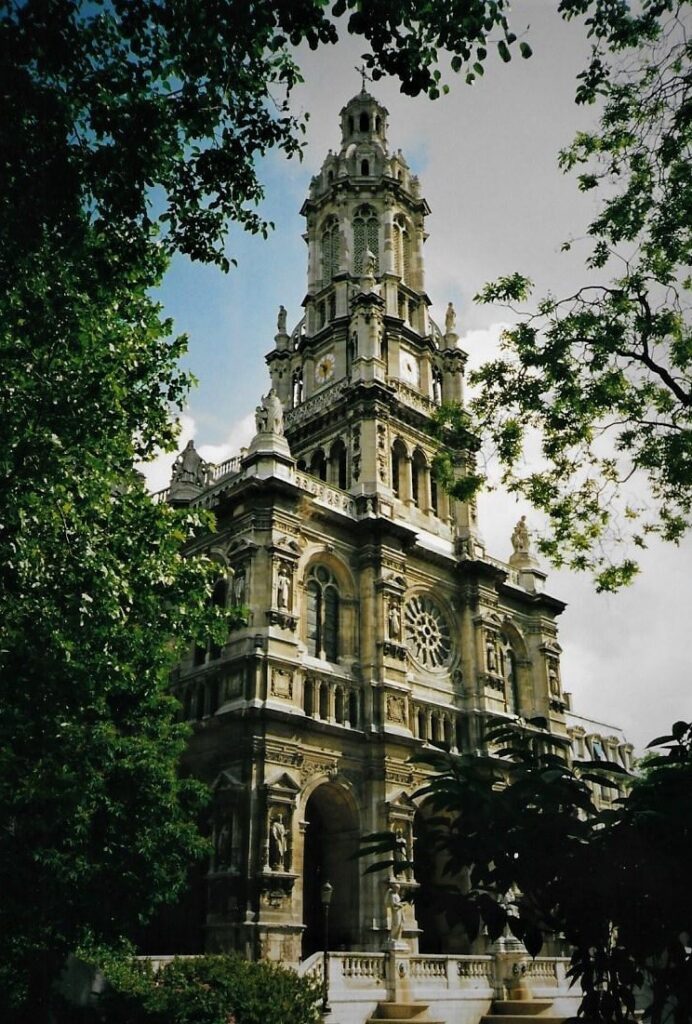
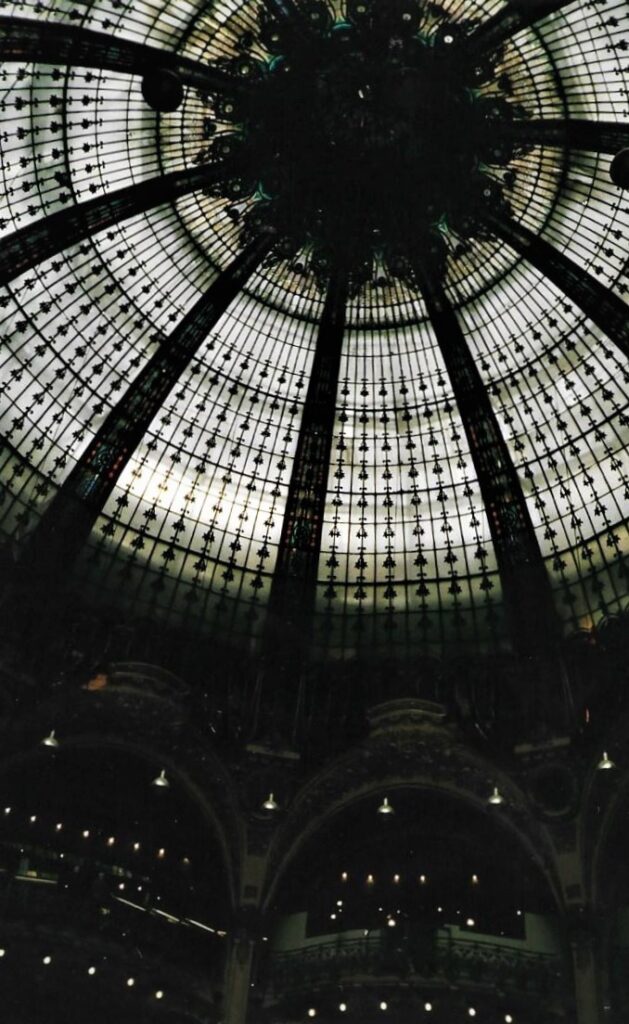
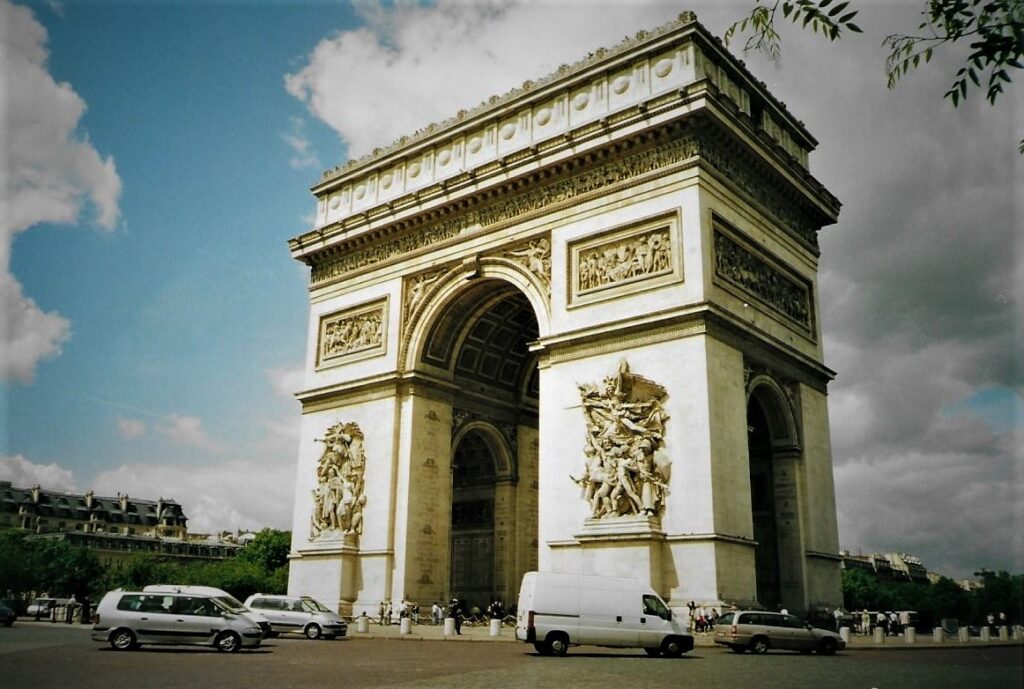
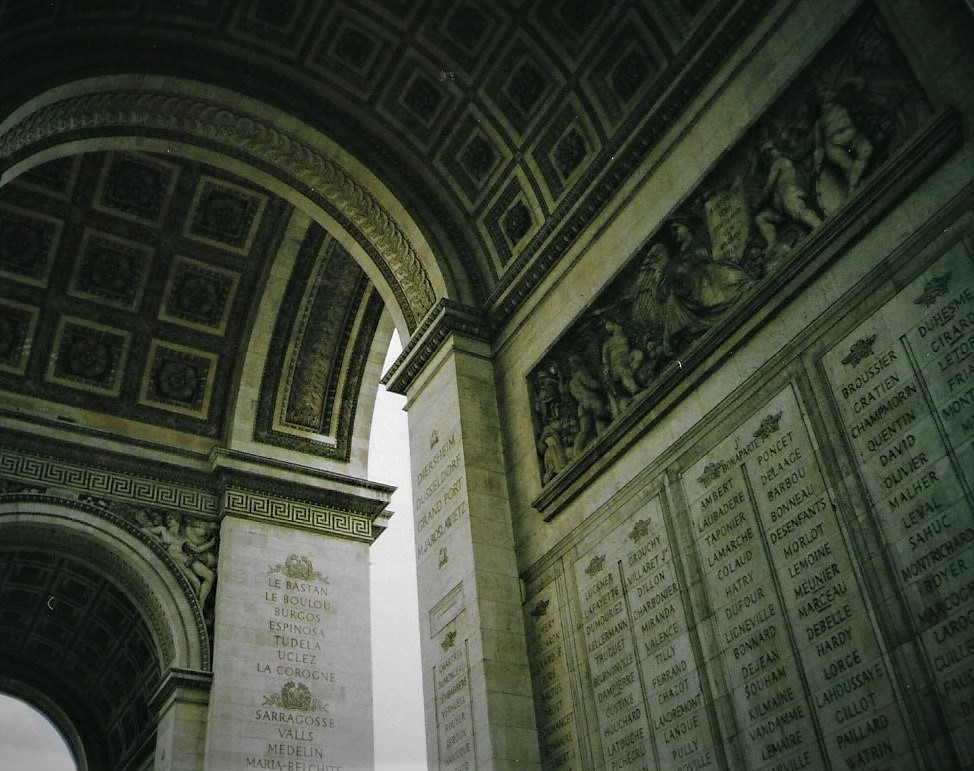
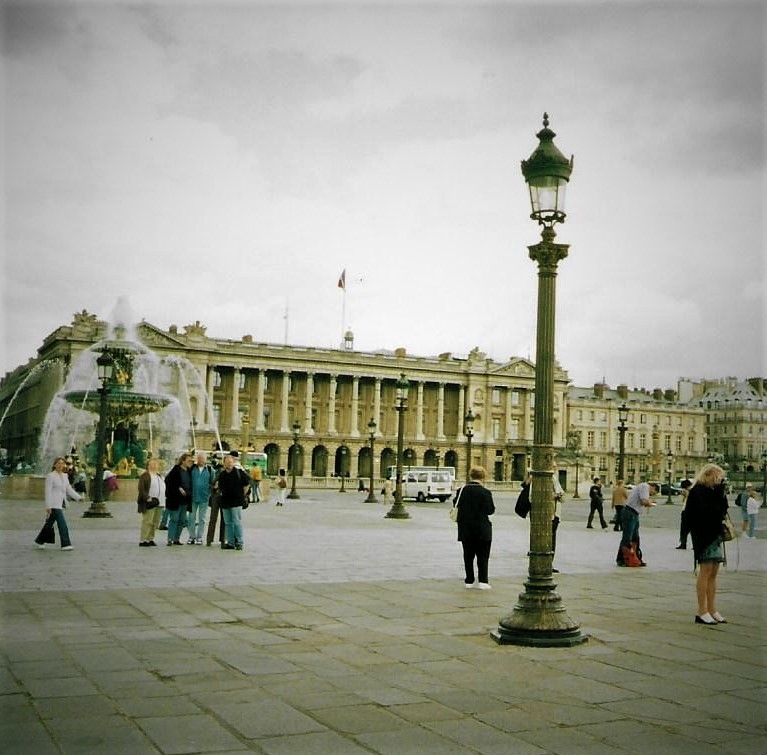
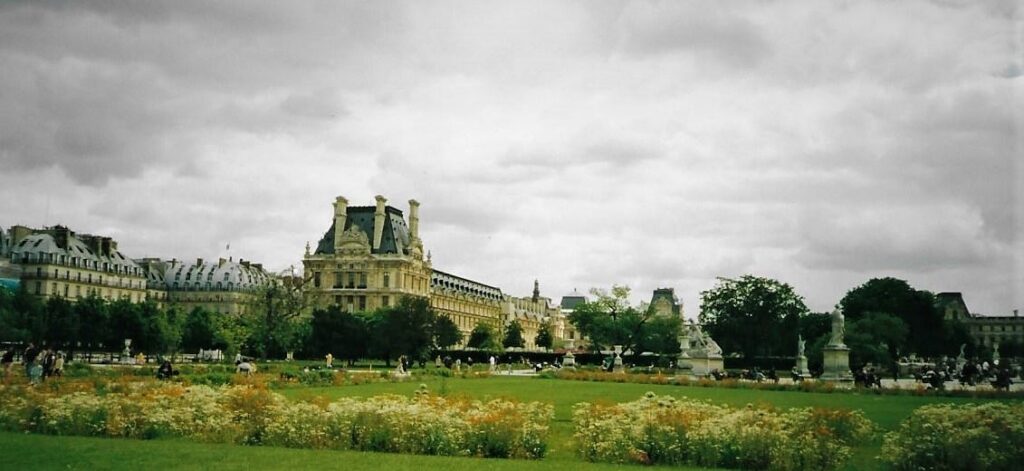
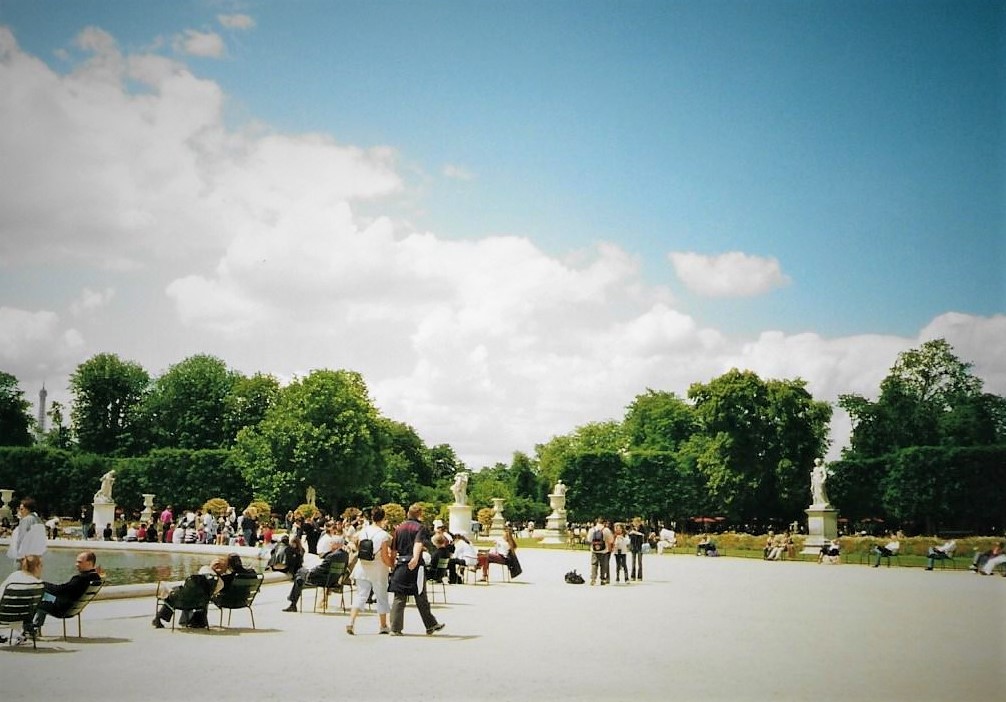
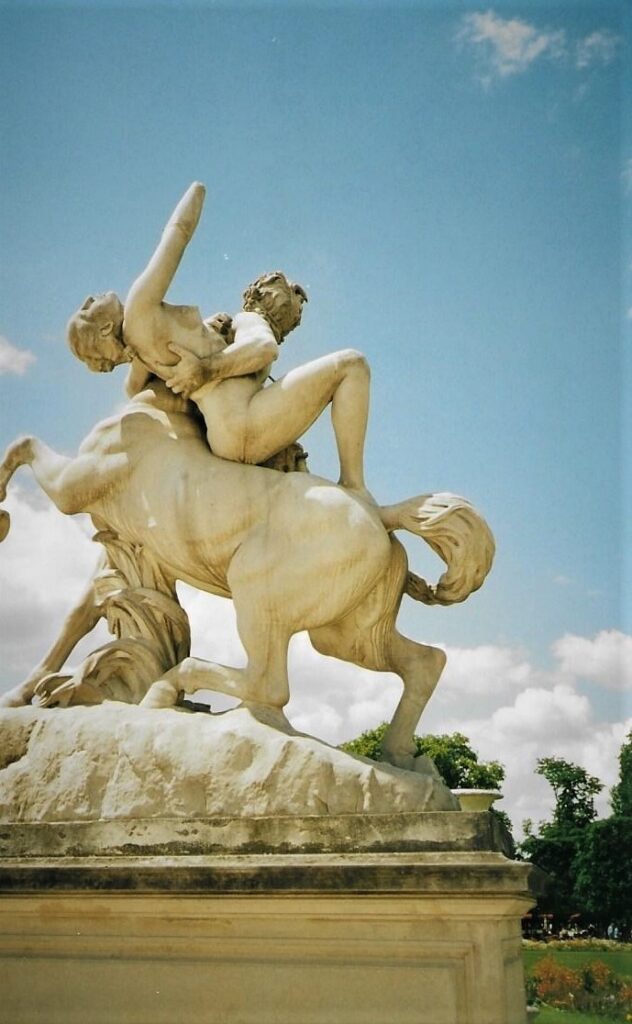
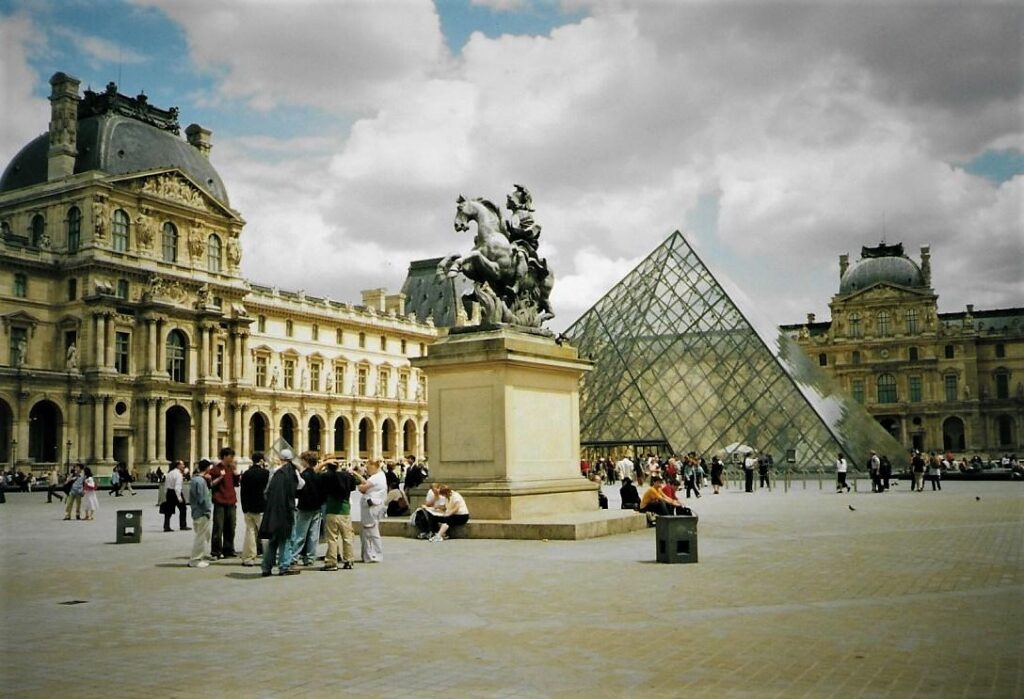
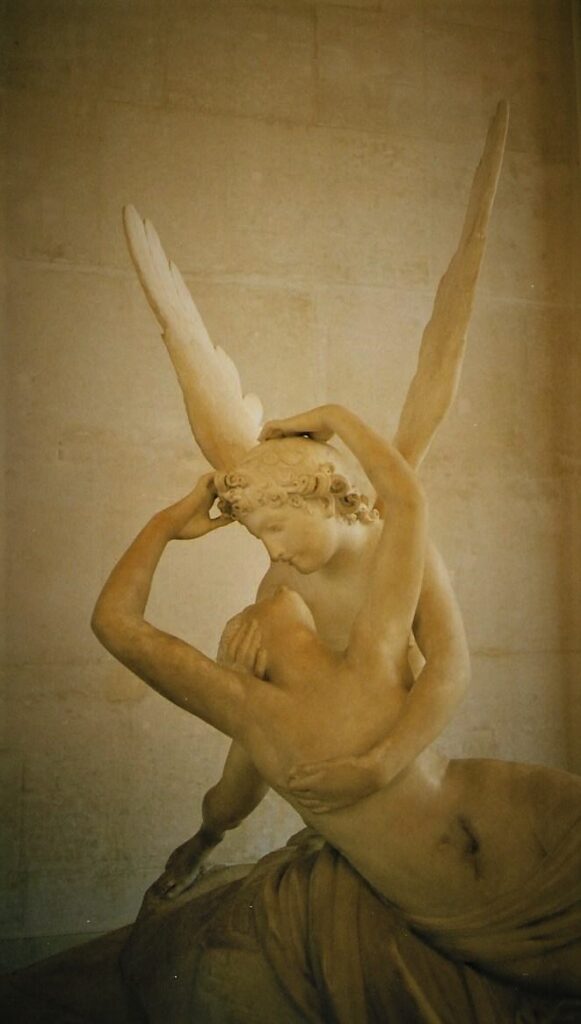
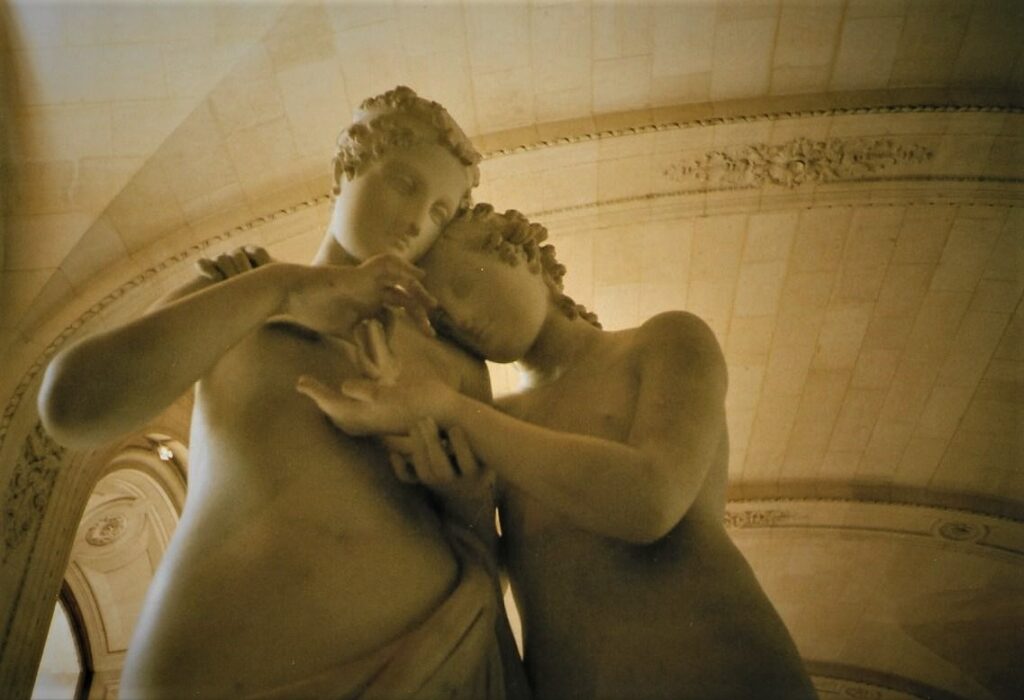
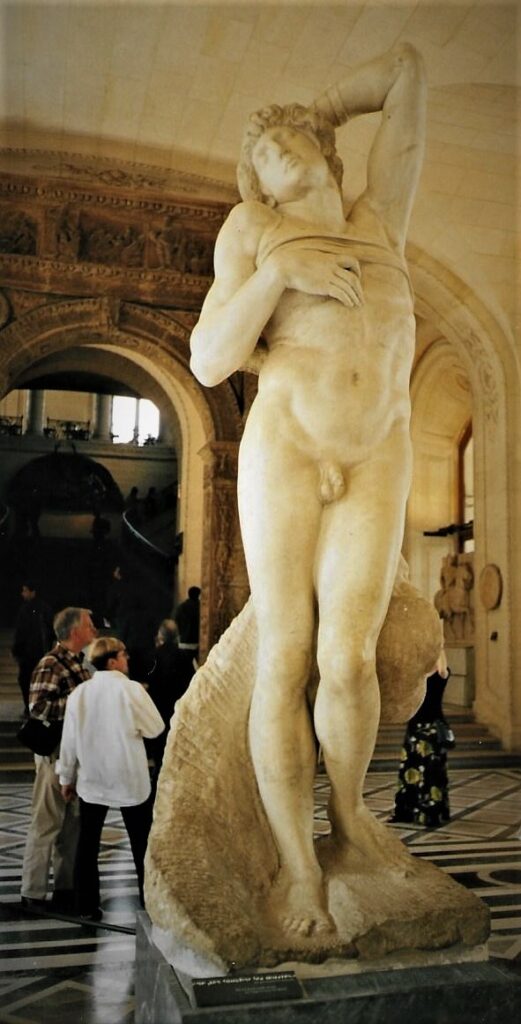
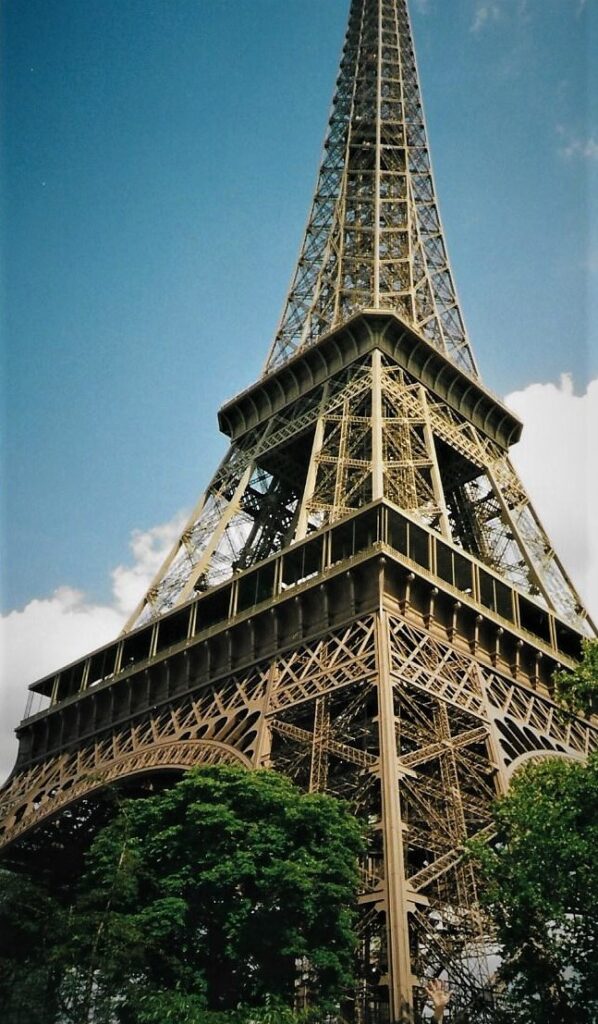
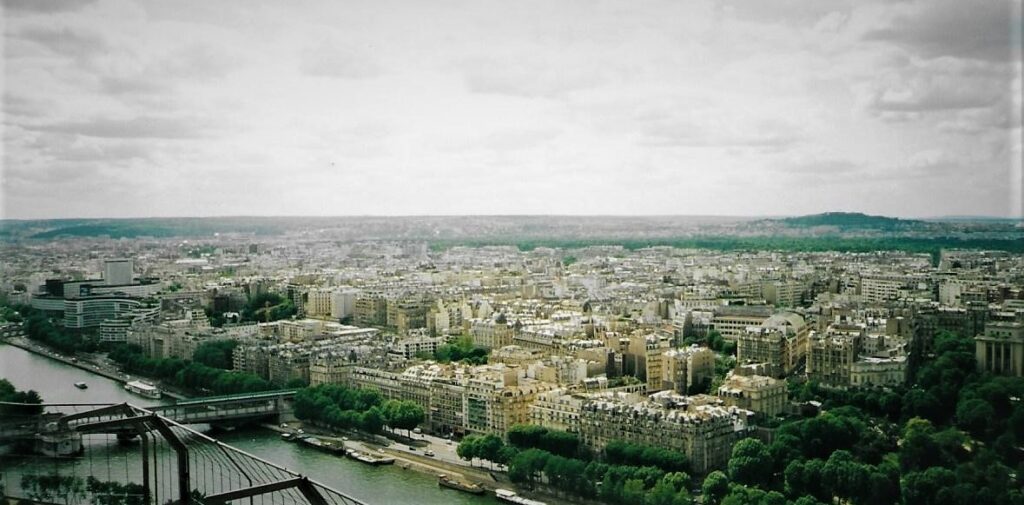
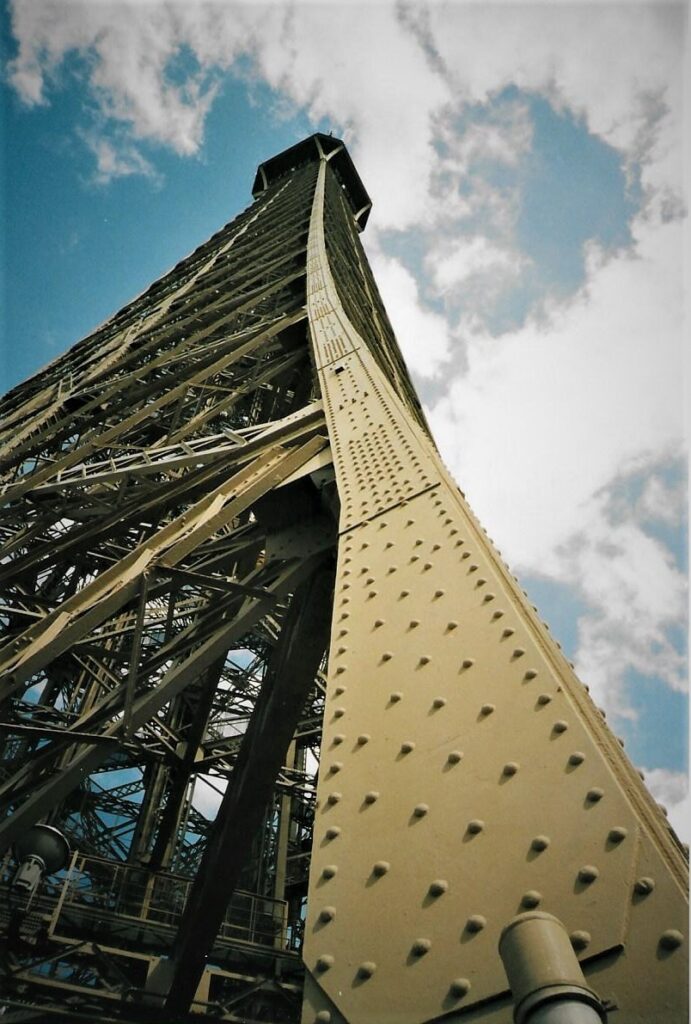
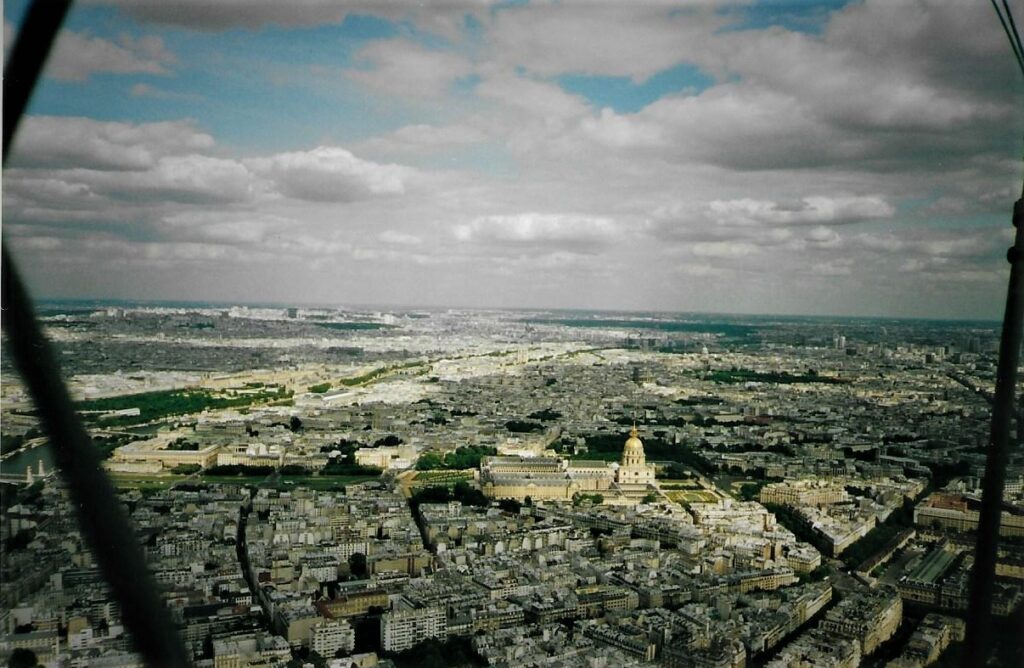
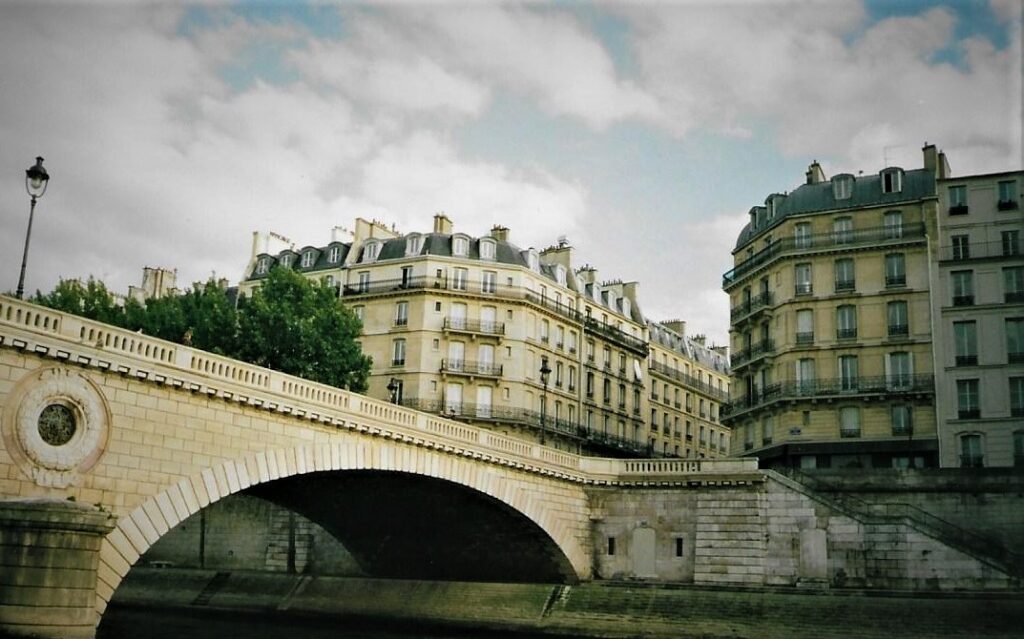
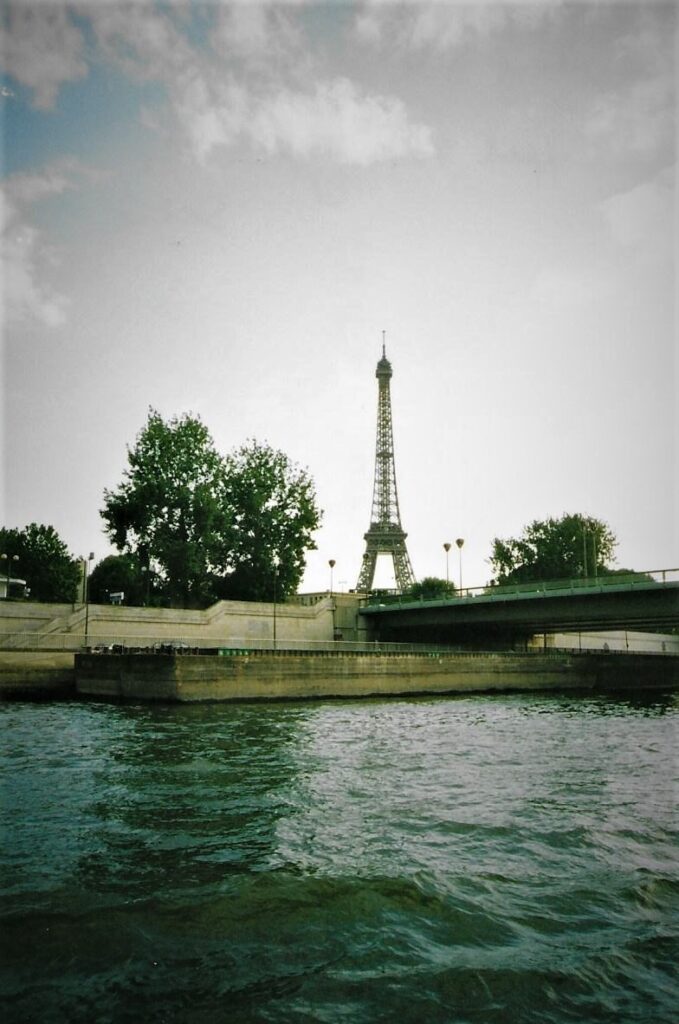
To counter this, it is wholly fair to say that it’s possible I simply have yet to find my groove there and that hidden gems await me. There are places I would like to visit in Paris… the catacombs (which would instantly make it my favourite place on the planet), the Musée du Rodin (which was closed when I went) and Moreau’s house, to name a few; so perhaps I should reserve judgement. Since my initial foray when I hopped on the Eurostar excited about exquisite patisserie, beautiful boulevards and plentiful works of art, I have returned to Paris only either to race along the platforms of Gare du Nord to make a connection or avoid the place completely via the périphérique on my way to climb in Fontainebleau Forest. Even though the Eurostar is just down the road, I’ve never thought, ooh, maybe a cheeky little trip to Paris. My lingering insouciance seems to be somewhat mirrored in the old photos I dug out for this post (although I do think my photography skills have improved over the years!). I didn’t take many which is rather unlike me.
So I’ve spent this week trying to work out why I was so non-plussed by my visit and there are a few reasons.
I didn’t find it a very welcoming place. There’s an antagonistic air, almost aggressive in some parts (particularly in the Métro). That’s not me being stereotypically English when it comes to how we apparently view Parisians. As a capital, it’s not a warm, inviting place but for me that was less of a cultural thing and more palimpsestic. You can feel the historical hardship emanating from its walls like it’s built into the very fabric of the city; something akin to Naples although less rough around the edges and unfortunately for Paris, Naples has the edge on the weather. On the wrong day, Paris can seem very very grey. For me, it doesn’t exude the kind of carefree, fluffy romance that travel promoters would have you buy into.
That leads me to my next reason: Paris suffers from pigeonholing. I’m not talking about cultural appropriation in the form of cheery cyclists kitted-out in berets and matelot tops, with baguettes under their arms. Nor am I thinking of Gauloise-smoking, roll-necked wannabe poet-philosophes sitting outside cafés with their heads in de Beauvoir or Foucault. The over-riding “traditional” Paris is the Belle Epoque. A fascinating and alluring era for sure but something that has become so fundamentally part of this city that, like Owen Wilson’s character in “Midnight in Paris”, you expect to enter that world when you set foot in the city. For a dreamer such as myself and someone who has studied French this sets you up for disappointment the moment you arrive. Now, obviously the Belle Epoque, its artists and writers are long gone. I know this; in the same way that I know that there are no loincloth-clad Egyptians building pyramids, there are no centurions marching through Rome (apart from the pretend ones) etc etc. Of course I know this yet somehow, even with all the weight of history in those places, that doesn’t even cross my mind when I go there. In Paris, however, I find this disappointment of expectation very palpable and what is presented instead is a rather sad shadow of the colourful painted glory of former times. I’ve not experienced this anywhere else.
The final reason is that (and, this most likely has changed since I went last because the global food scene has altered drastically over the past 20 years) I wasn’t blown away by the eateries although I will add that it’s possible we just didn’t go to anywhere particularly great! Price is a consideration for sure – haute cuisine isn’t cheap and if you aren’t flush you need to be canny when it comes to picking the right spot – but there weren’t many “right spots” in the middle bracket. I wouldn’t say our food was memorable. That being said, Paris isn’t alone in this. There are a few capital cities where, despite being the capitals of countries famed for their cuisine, it can be hard to eat-out well at a modest price (and by well I mean, good, flavoursome food without being ripped off… Venice and Rome I’m looking at you in particular… and I love Italy!). Now, I can eat baguettes, cheese, croissants etc until les vaches retournent but I can’t remember a single lunch or supper I ate while I was in Paris.
I did have a few memorable food instances:
– My first citron pressé. I will admit I was excited about this having pretend-ordered this drink countless times in French class because I was intrigued by the cute concept of what sounded like a super-refreshing, simple little “cocktail” that you adjust to taste under the shade of a café umbrella.
– The rose petal jam which I bought in Galeries Lafayette. This struck the young me as so exotic that I was completely taken with the idea of rose flavoured food. In fact I was so enchanted with my little purchase that it has remained unopened in my fridge for more years than I care to remember. I’ve not been able to bring myself to open it and pierce its perceived perfection – like it’s some holy grail of jam. Why I think something as delicate as a rose petal has the power to survive the apocalypse I don’t know… how lovely to think it might though.
– The duck I ordered in a restaurant one evening although I don’t recall what the dish was. I was something of an ingenue at the time and to me duck seemed like rather a grown-up, pretty “French” thing to be ordering but I wasn’t super keen on the texture of barely cooked meat. So, in my best A-level French, I asked the waiter if I could have it cooked a little more towards the well-done end of the spectrum. This was met with a double eyebrow raise so high that his glasses pretty much went with them up his forehead. Having insulted his national cuisine, when it was time for this ignorant customer’s main it was dropped down in front of me with what can only be described as gallic disdain. You have to love that really.
There are of course all sorts of French foods to try in Paris – the baguette au jambon (glorious), the croque monsieur (also glorious), escargots (less glorious), the croissant (naturellement!) but all of these are available across France; not particular to Paris per se. What is particular to Paris? I suppose, pâtisserie is probably the main event and, of course, there are plenty of pretty pâtisseries to pop into. Of course, the key Parisian food experience is, however, sitting outside a café, people-watching with a coffee, a croissant and a copy of Camus.
I didn’t have a terrible time, far from it; but I didn’t have an amazing time either. It was a bit “bof“. I just think there are much nicer parts of France. The other time I’ve experienced such a non-plussed response to somewhere I’ve visited was standing in front of the Taj Mahal. It’s one of those “must sees” but to my mind, there are way more beautiful, way more interesting places to experience in India. It’s ok but I wasn’t sure what all the fuss was about really; it’s a bit of a façade as symbolic national monuments go. Again, it is overwhelmed by projection and appropriation.
Another reason for my lack of enthusiasm for Paris may be that I’m not super into clichés and I just didn’t find Paris to be a particularly romantic city. Rolling with the clichés, however, I will let on that my original trip there was courtesy of my first boyfriend many moons ago. He wasn’t the most romantic of souls but he was trying. That being said, what one person finds romantic isn’t necessarily what floats someone else’s bateau. What is romantic is something that sings to your heart not what is projected, suggested, or even dictated by tourism marketing. So, this is another reason – the pressure for Paris à deux to be uber-romantic. The city is so coloured by this that when you are there on your own, overly aware that it’s a supposed “city for lovers” this becomes hard to ignore which is annoying when you want a different Paris experience.
So I guess I feel that tourism marketing does Paris a disservice if anything. More than any other place I’ve visited I’ve felt that there’s a sort of expected experience you should be having otherwise you’ve not experienced it properly and I don’t like that kind of pressure. Maybe that speaks to a strength of identity but for me it seems quite superficial and clichéd; I feel that I didn’t enjoy it as much as I was expected to.
I’m not insulting this city, I’m trying to understand my reaction to it. This has made me think about the circumstances in which you travel/visit somewhere – on your own, with someone (special), in a group, to work, to study etc. Each experience will be framed differently and therefore have different reference points. Paris has, of course, some great architecture and some pretty heavyweight (and lovely lighter-weight) art; it’s collection of museums would rival most capital cities. This is great for an art nerd like me but so ensconced are the images of artists that it’s hard to disassociate them from Paris actual. When I think of Paris I don’t think of any other Paris… the revolution, the bulging banlieue, the world wars etc not that that’s a bad thing I guess!
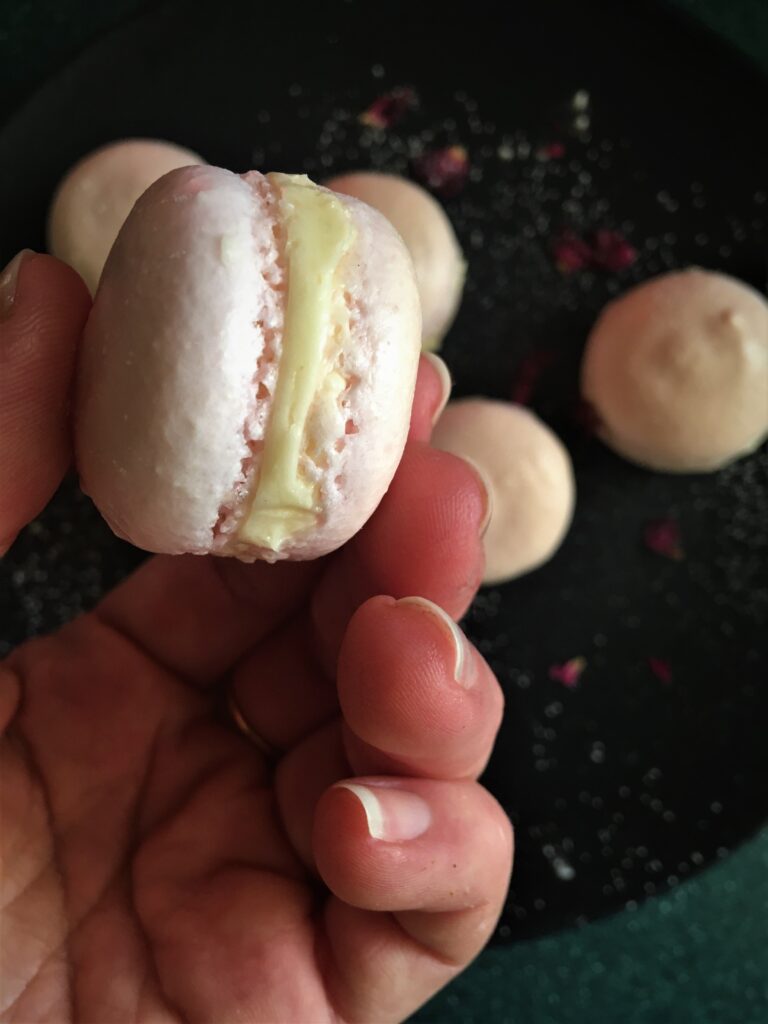
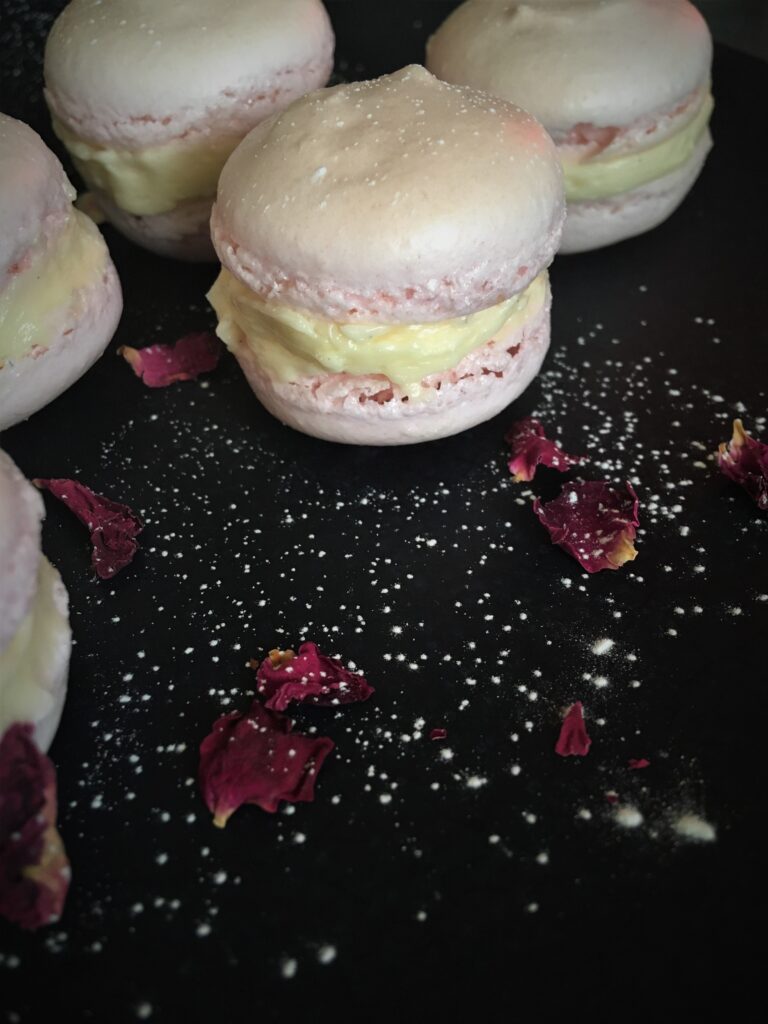
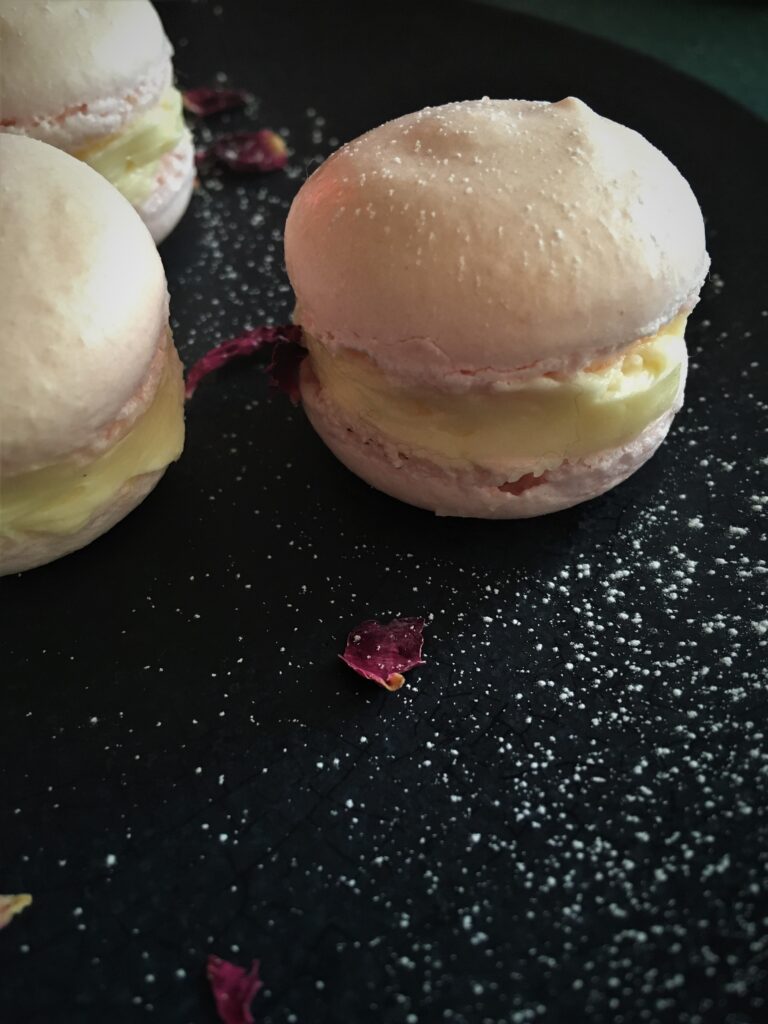
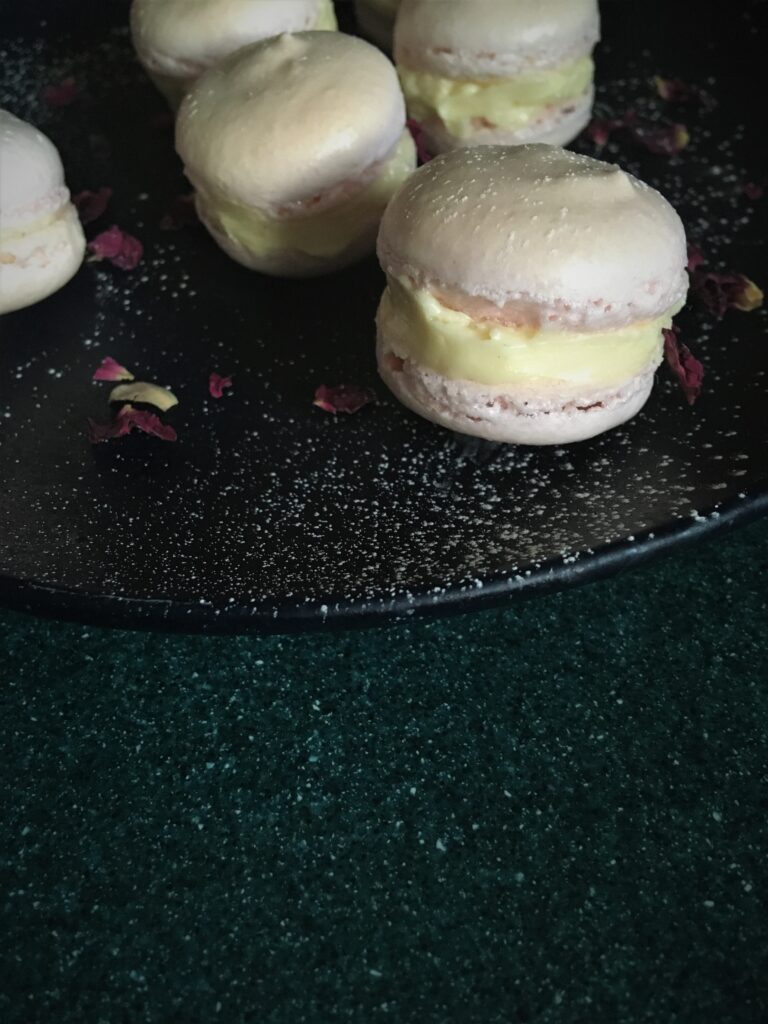
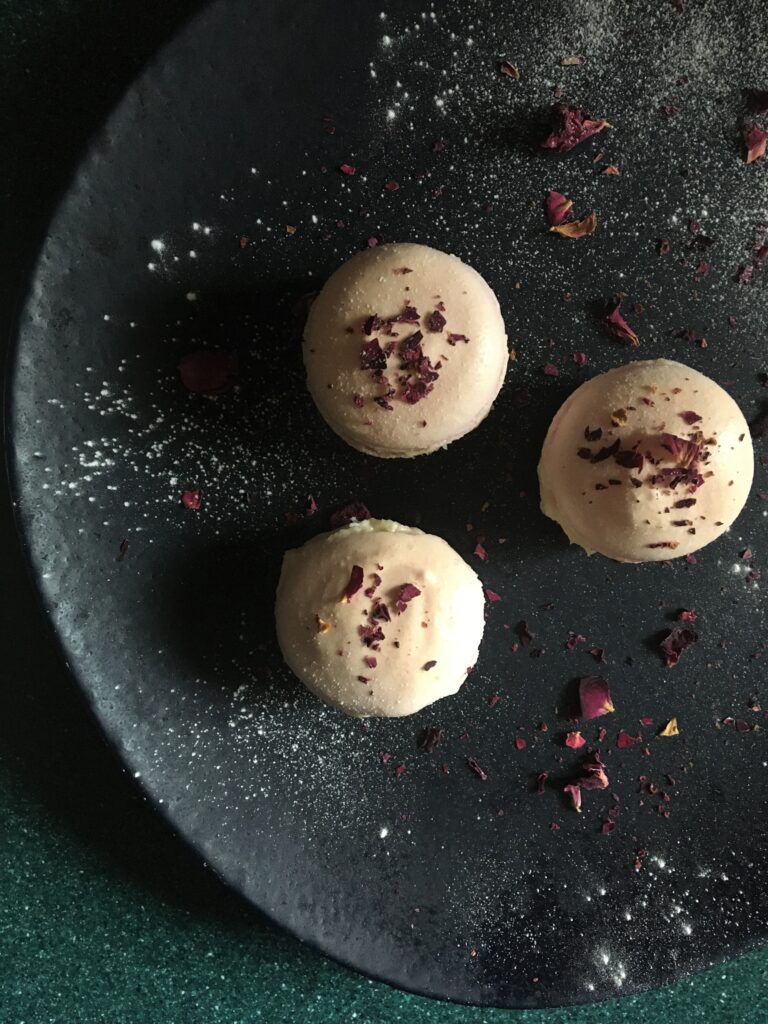
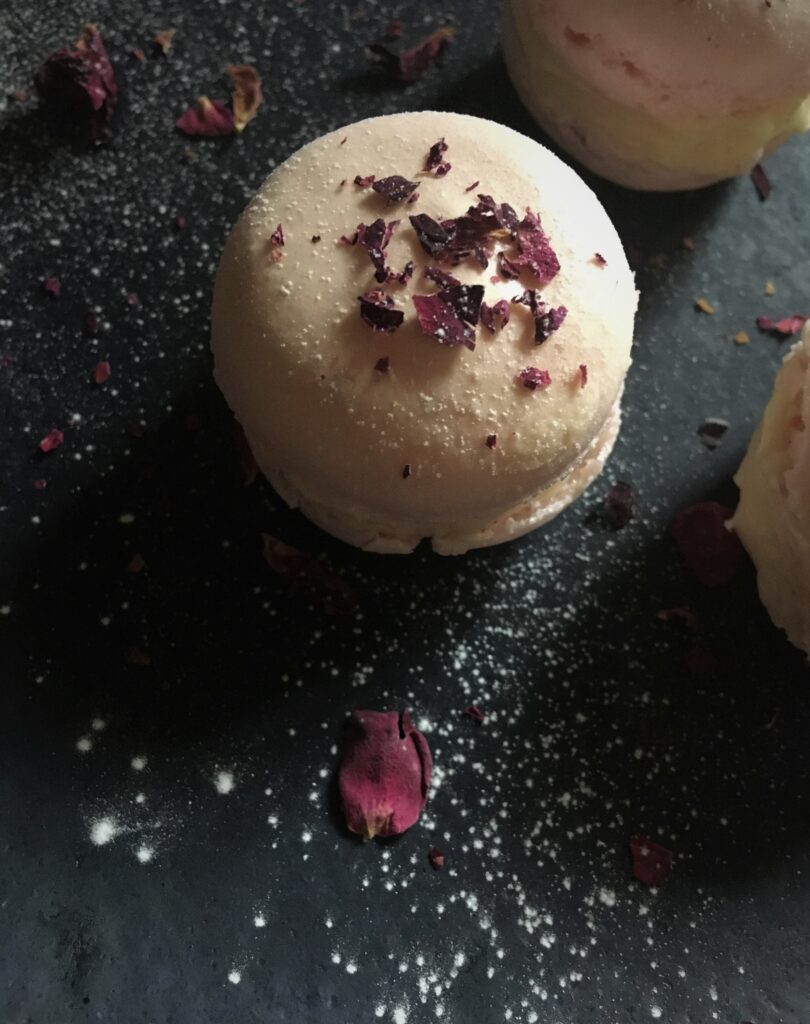
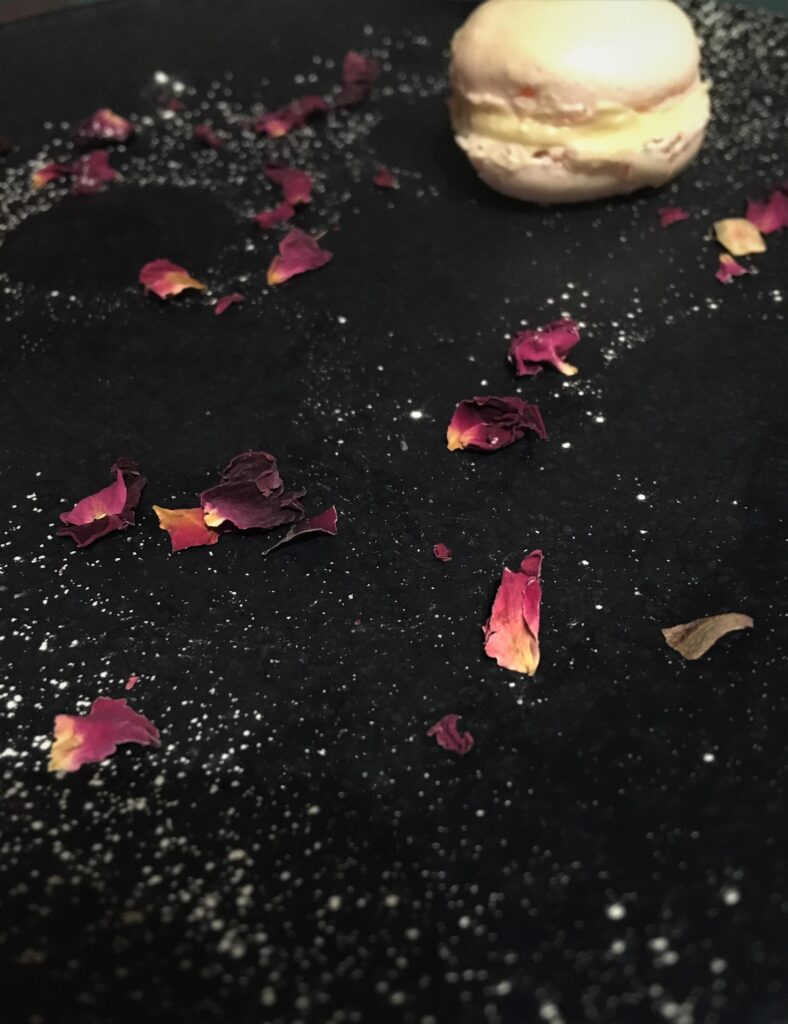
I really wasn’t sure what to cook this week to mark my Parisian sojourn – maybe a clafoutis or some lunchtime-style fare such as a goats cheese salad, an omelette or a indeed a croque monsieur… but again, these aren’t Parisian. I already made croissants for my Fontainebleau post so that wasn’t an option and you will never catch me eating other so-called “traditional” Parisian (although widely French) dishes such as snails, steak tartare or frogs legs. So I decided to pay homage to the Parisian pâtisserie and make macarons. I should note, I didn’t eat these when I was there (although I definitely ate other pâtisserie products) – this was before the world decided they needed macarons available 24/7. My route to this recipe is somewhat tangential. Having eaten more macarons than I care to remember over the years, I realised I could also give a nod to my unopened jar of rose petal jam because the rose macarons are my favourite. Rose is a beautiful (arguably underused on our shores) flavour. It also seems to know exactly what buttons to press to get your olfactory bulb fired-up and not many flavours do this (lavender is another good example). When you eat rose-flavoured foods the beguiling scent seems to fill your mouth alongside the delicate flavour.
I love roses; not in a middle-class, Sunday afternoon pruning kind of a way but in an exotic, sensuous way. I don’t take it as far as Heliogabalous but the heady scents that swirl around in Arabic countries make me very happy – here the rose aromas are so utterly beguiling they inveigle your very being and you can’t help but feel soothed. Obviously the associations with romance are as cliched as buying a dozen red roses in Paris but when it comes to the rose as a cipher of love, for me, there is no more beautiful passage than when le Petit Prince addresses his single rose.
So… the macarons. Delicate, perfectly-round, and colourful these are almond meringue kisses sandwiched by flavoured buttercream or jam or both (and, as the “joke” goes, not to be confused with macaroons – which are coconut-based biscuits, or, indeed, Macron). Apparently their origin can, in fact, be traced back to 8thC Venetian monasteries (not super French) and it was Catherine de Medici’s Italian pastry chefs who introduced them to France when she married Henri II in 1533. As a result, there are two methods for making a macaron – the French and the Italian (that is to say, how the meringue is made). An instant hit, they spread across France and wider, across the Channel. The sandwich form that we know and love today, however, is, in fact, a relatively new concept in the macaron canon and dates back to the 19thC, to Paris where a chap called Pierre Desfontaines, working in the Ladurée salon du thé that his grandfather had founded, decided to sandwich two macarons with a ganache cream. Prior to that they were singular, sweet, round almond treats, often flavoured but without a filling. Interestingly, one of the oldest recipes for macarons includes Damask rose water (and ambergris!). It’s from a 17thC cookbook by a chap called John Murrell entitled “A Daily Exercise for Ladies and Gentlewomen” – a book with the most delightfully lengthy sub-title:
Whereby they may learne and practice the whole art of making pastes, preserues, marmalades, conserues, tartstuffes, gellies, breads, sucket candies, cordiall vvaters, conceits in sugar-vvorkes of seuerall kindes. As also to dry lemonds, orenges, or other fruits. Newly set forth, according to the now approued receipts, vsed both by honourable and vvorshipfull personages. By Iohn Murrell, professour thereof.
(He also wrote another book inventively entitled “A Delightful Daily Exercise for Ladies and Gentlewomen”.)
Here’s his macaron wisdom:
To make French Macaroones
Wash a pound of the newest and the best Jordane Almonds in three or foure waters, to take away the rednesse from their out-side, lay them in a Bason of warme water all night, the next day blanch them, and dry them with a faire cloath, beat them in a stone morter, until they be reasonably fine, put to them halfe a pound of fine beaten Sugar, and so beat it to a perfect Paste, then put in halfe a dozen spoonefuls of good Damasek Rose-water, three graines of Ambergreece, when you have beaten all this together, dry it on a chafingdish of coales until it grow white and stiffe, then take it off the fire, and put the whites of two new laid Egs first beaten into froath, and so stirre it well together, then lay them on wafers in fashion of little long rowles, and so bake them in an Oven as hot as for Manchet, but you must first let the heat of the Oven passe over before you put them in, when they rise white and light, take them out of the Oven, and put them in a warm platter, and set them againe into the warme Oven & so let them remain foure or five houres, and then they wil be thoroughly dry, but if you like them better being moist, then dry them not after the first baking.
Apparently, they may be called macarons (or oons) from the Greek maccare – “to crush” – which, as you can see from Mr Murrell’s recipe, is part of the process for making a macaron. How amazing is food history?! Macarons are ridiculously prolific nowadays and can be found all over the world; you can also order online for all your emergency macaron needs. Apparently the Ladurée brand sells 15,000 macarons a day.
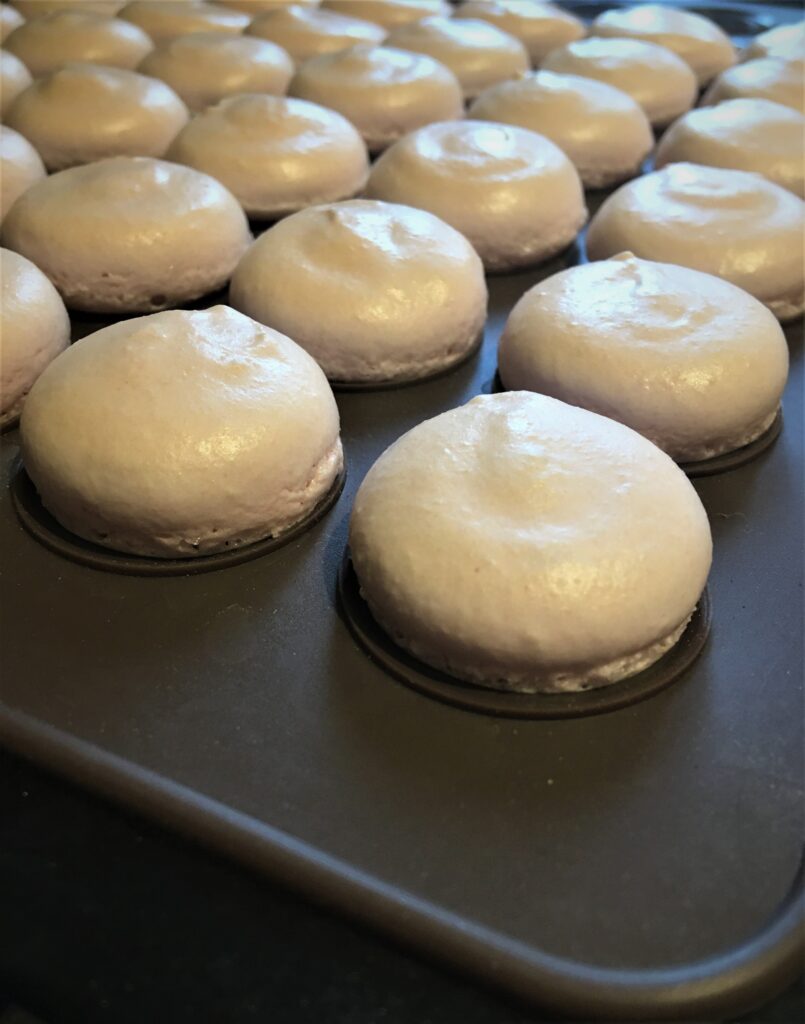
Now, when I made my macarons it was in no way as labour-intensive as Mr Murrell suggests. This was my first attempt and I didn’t achieve pâtisserie perfection… probably a 9/10. They tasted great and, in the main, rose well but the tops weren’t as smooth as the pro ones neatly lined-up in pâtisserie windows. But, a bit like love, it’s all a work in progress eh…? And, a bit like love, you have to learn to appreciate the imperfections too. That made me think that maybe I missed the point here with my trip – nothing is ever utterly perfect or how you want or expect it to be; perhaps that’s all part of the charm. Delve deeper and more often than not there’s something to be learned, appreciated, loved. And of course, not everyone falls in love at first sight ?