Makes: about 12

Takes: say, 15 mins prep; then an hour to chill in the fridge (the dough); then 10 mins rolling/cutting the cakes out.

Bakes: in batches (depending on how big your pan is), 4-5 mins on each side on a medium heat.

Traditionally, these are cooked on a cast iron “bakestone” and Welsh cakes are also known as “bakestones” or “griddle scones”. The stone is about 1.5 cm thick and is set over a fire or a hob. I love that.  You don’t need a bakestone, you can use a frying pan with a decent base but I like the fact that if you are cooking these whilst camping you can heat them over a real fire and the more adventurous can experiment with different options for the bakestone.
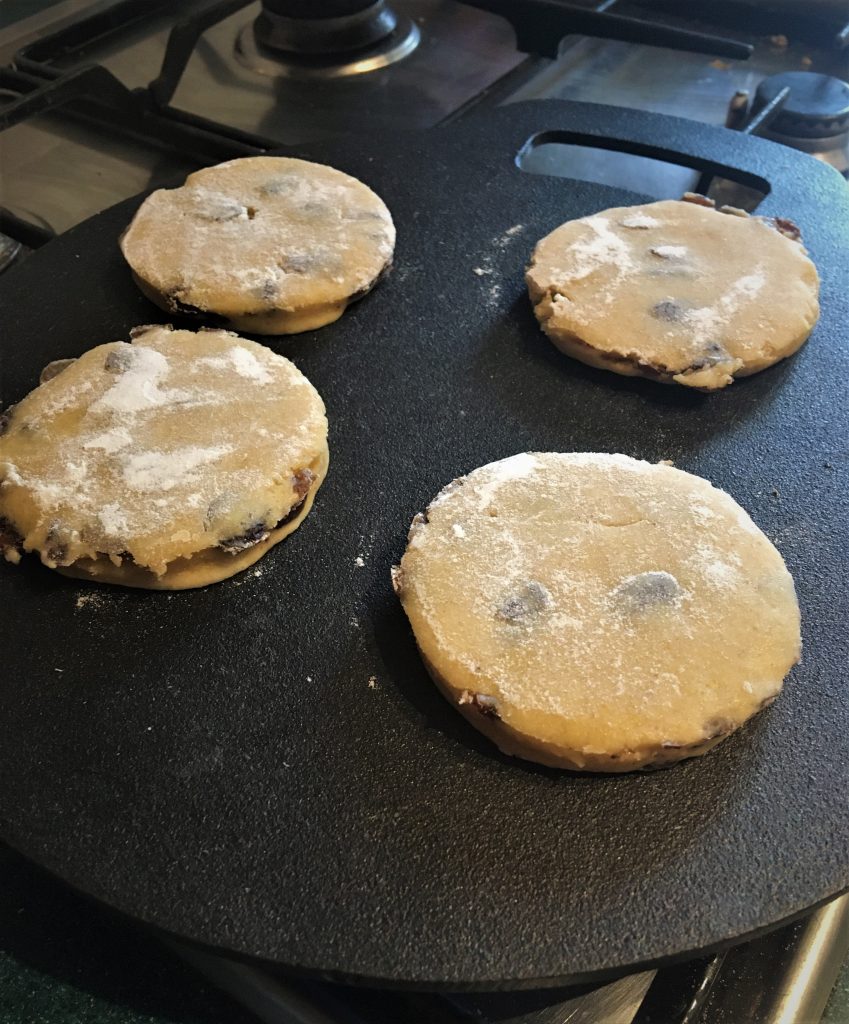
Getting the correct temperature for your pan/bakestone to fry these guys without nuking them is key to this recipe.  If too hot, the cakes will burn before they are cooked through; too low, and the texture will be dry.  Like with any dry/shallow fried thing, you may have to accept that one or two will be sacrificial until you get into the swing of it.  A good idea is to use a small bit of the dough to practise with before you get busy with the actual cakes!  That will also enable you to get to grips with how to move them about in the pan/on the stone.  If you use a bakestone, these get hot very quickly so you need to be even more careful about the timings/baking temperature. These cakes aren’t complicated, you just need to find your groove when it comes to the frying. 


Ingredients

  • 225g self-raising flour
  • a pinch of salt
  • 110g unsalted butter 
  • 1/2 tsp mixed spice
  • 100g sultanas (pre-soaked – this makes them extra moist; then drain) (optional extra)
  • 85g caster sugar
  • 1 egg (beaten)
  • 1 tblsp clear honey/milk if needed


Method

Put the flour, salt and butter into a large bowl and rub together until the mix resembles breadcrumbs (I prefer to do this by hand as I don’t have a fancy mixer and also don’t mind doing it, but you can easily blitz this stage in one of those). Next, mix in the spice, sultanas and sugars followed by the egg and honey. Some recipes don’t include honey but suggest that if your mix is too dry, you should add a little milk.  Mix it altogether until it forms a ball but don’t overwork it (like with scones – if you overwork your dough you will get a dense cake).  Wrap the dough in cling film (or environmentally-friendly wrap of your choice) then pop it into the fridge to chill.


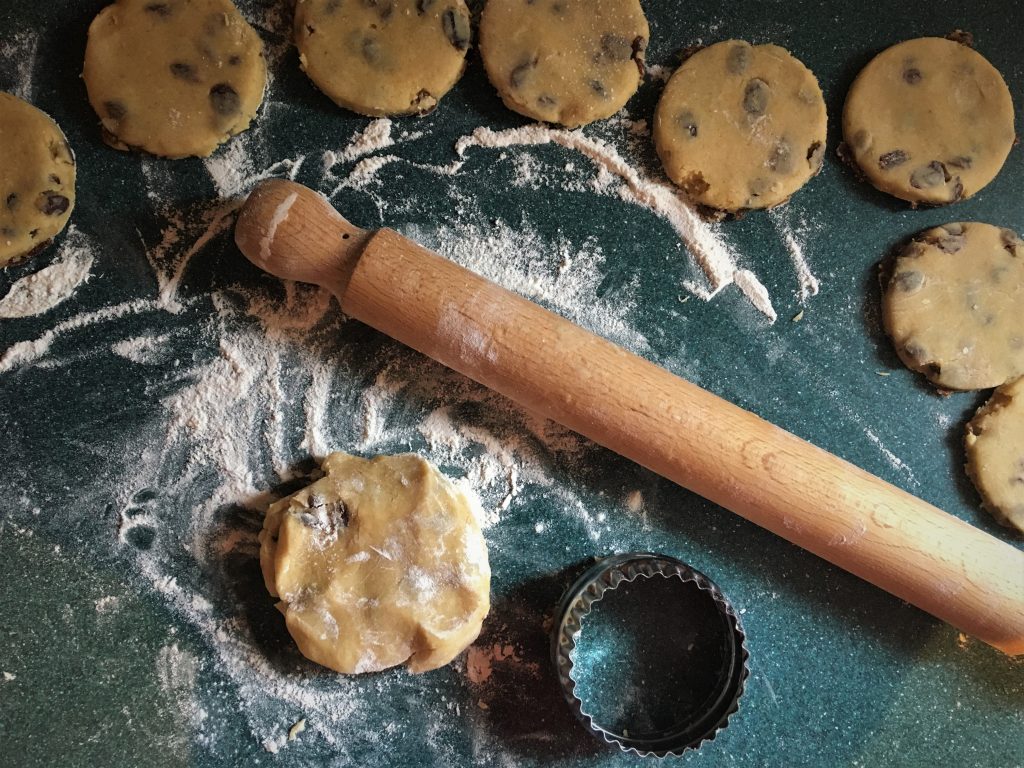
When you are ready to roll, dust a clean worktop with flour and roll the dough out to c. 1cm thickness. Then with a 6cm cutter (or whatever one you have, let’s not be too precious – a smaller cutter will give you more cakes), cut out 12 cakes.  Don’t twist the cutter too much (you want to interfere with the dough as little as possible). You will need to regroup the dough and re-roll it probably a couple of times. Depending on space, either leave them on the worktop or pop them onto a lightly floured plate (the dough is quite sticky).


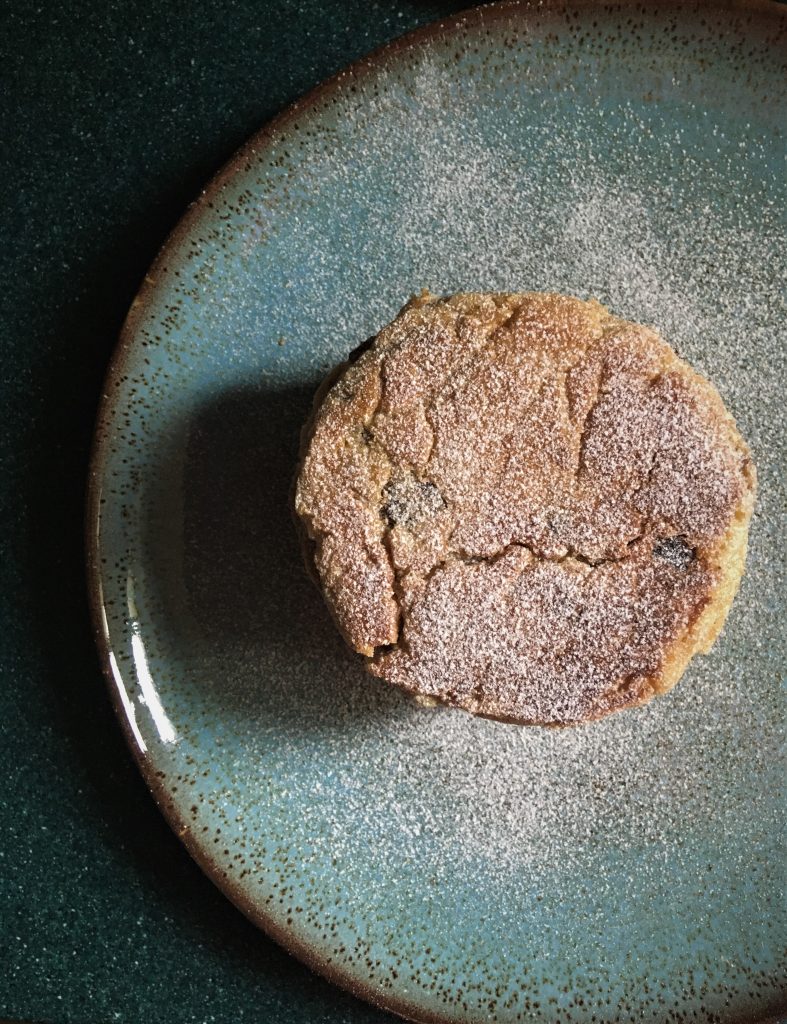
To cook, pre-heat your bakestone or your frying pan and pop in, say, 4 cakes (so you have room to manoeuvre and flip them). Some recipes suggest you don’t need any oil/butter to cook them with but I think that, as with pancakes, it works better to wipe a little oil/butter across the base of the stone/pan. Lower the heat to it’s lowest setting and cook the cakes until dark, golden brown. You will need to keep watch to check they don’t catch/burn. Transfer to a wire rack to cool and dust with icing sugar (I find this less full-on and gritty as opposed to sprinkling them with caster sugar – which is traditional). Repeat until all are cooked.


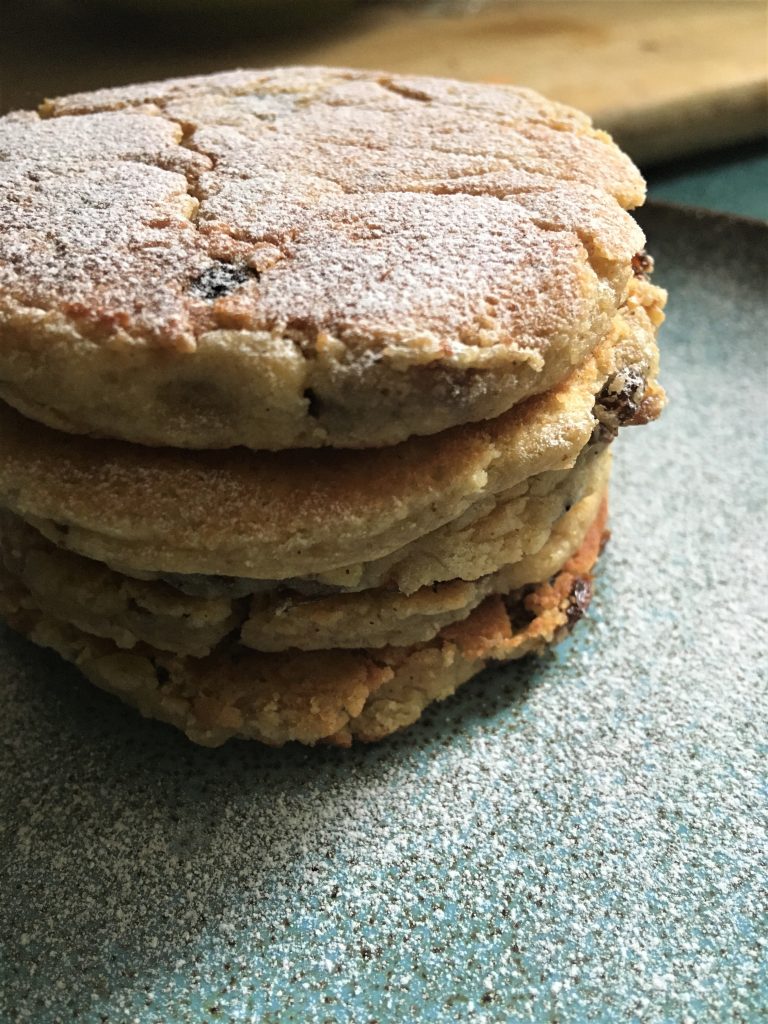
You’re good to eat them straight out of the pan/off the stone if you like, with some butter. Alternatively, you can split them and add a dollop of jam (like a flat scone).  If you aren’t eating them straightaway then they will keep for a few days and you can reheat them in the oven or… you could also warm them in a toastie maker for breakfast/a crag snack!  There’s lovely.

Week 7 – South Wales, or, more precisely, Welsh cakes in
The Gower

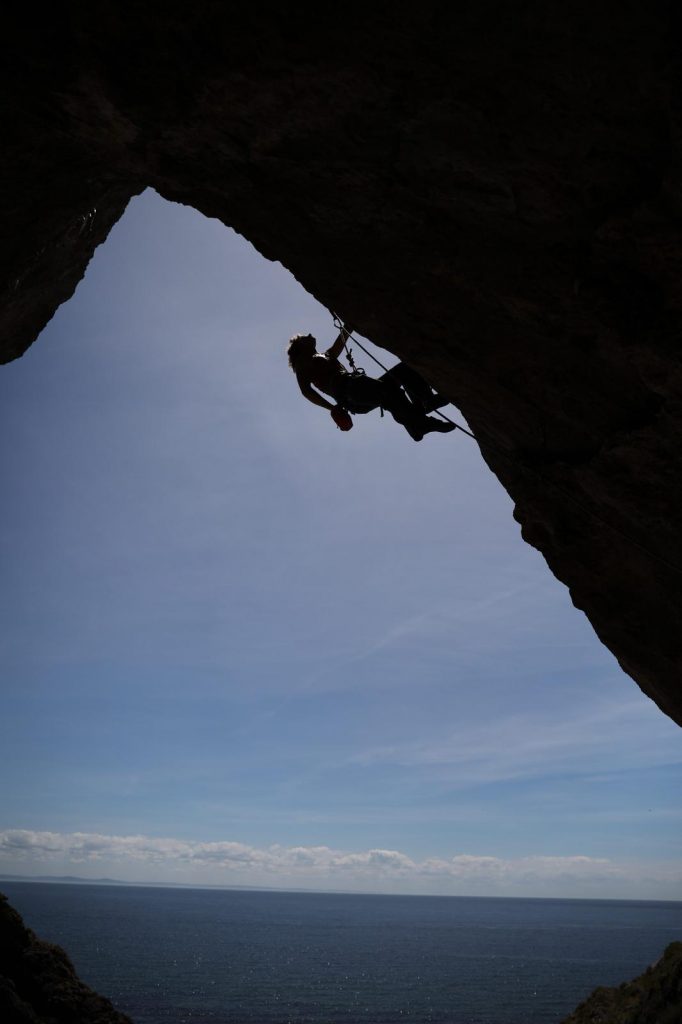
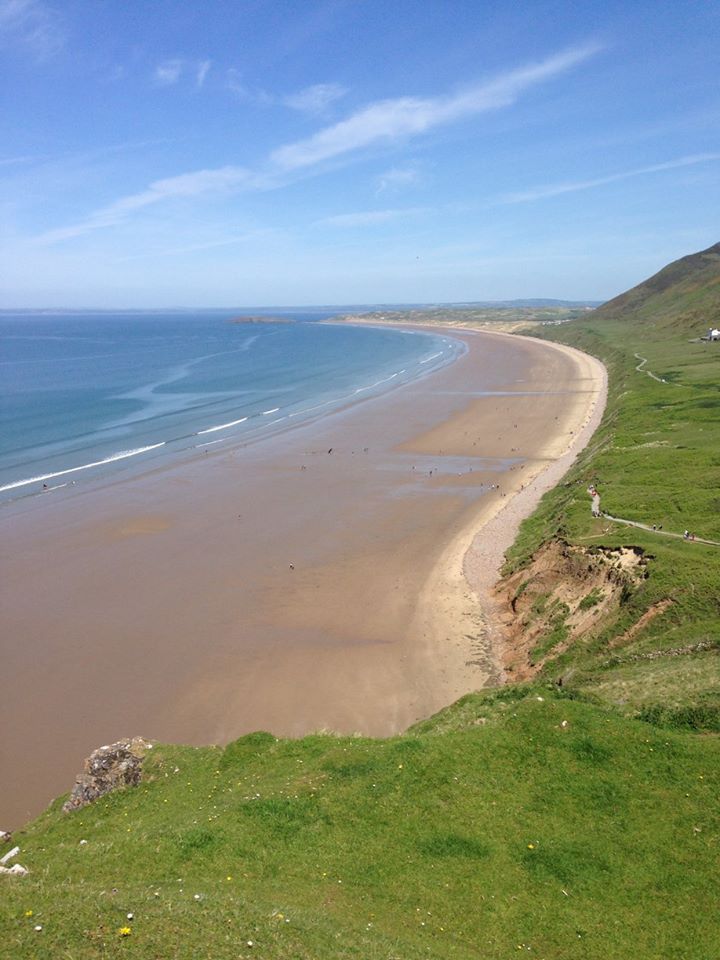
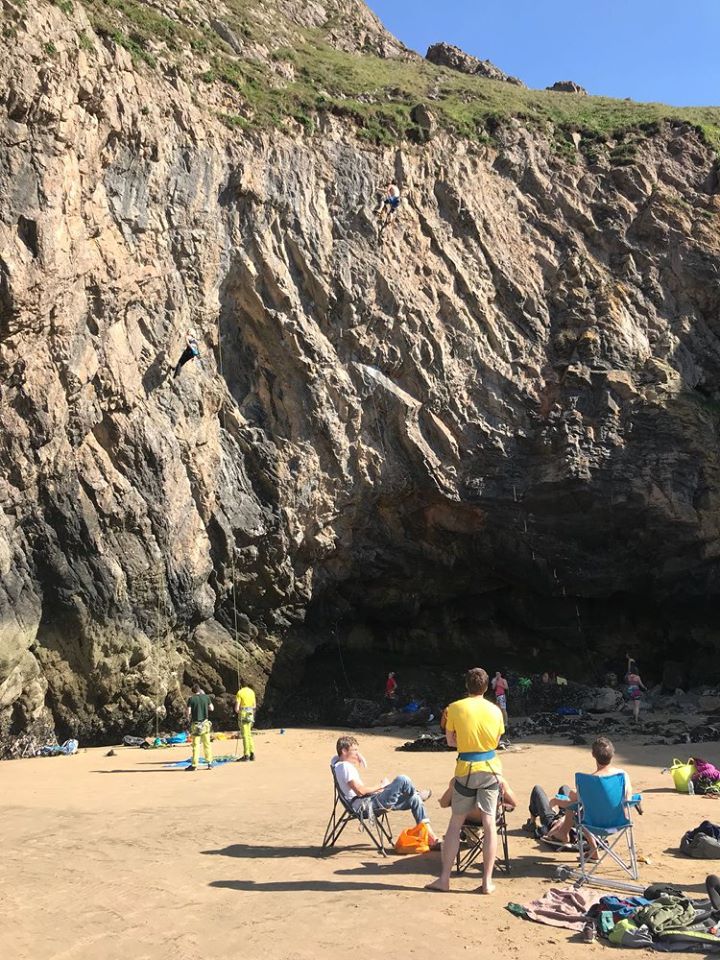
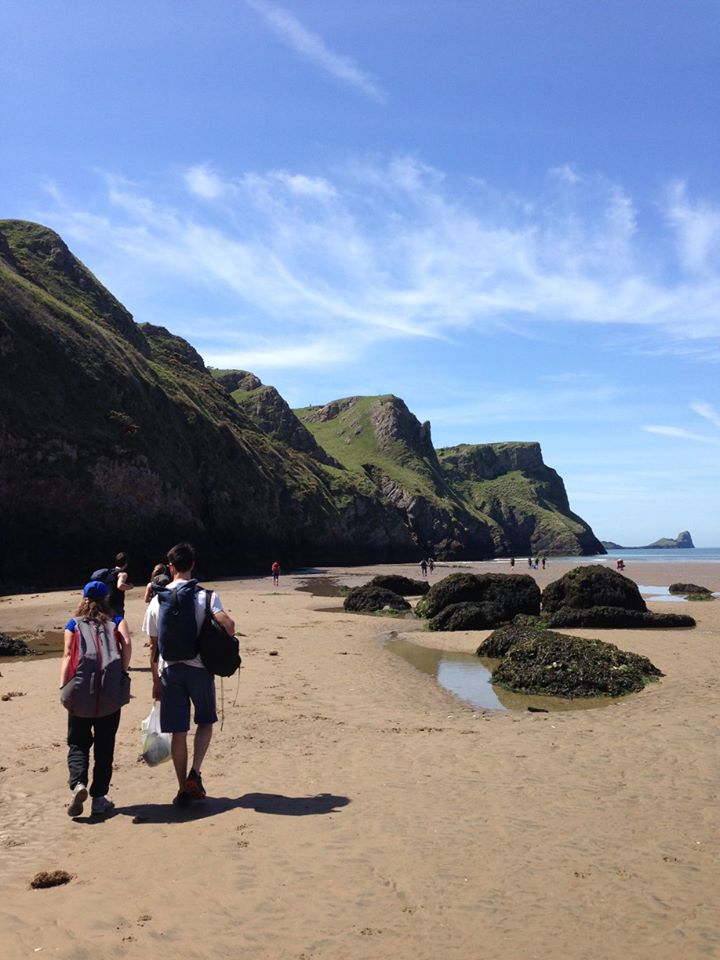
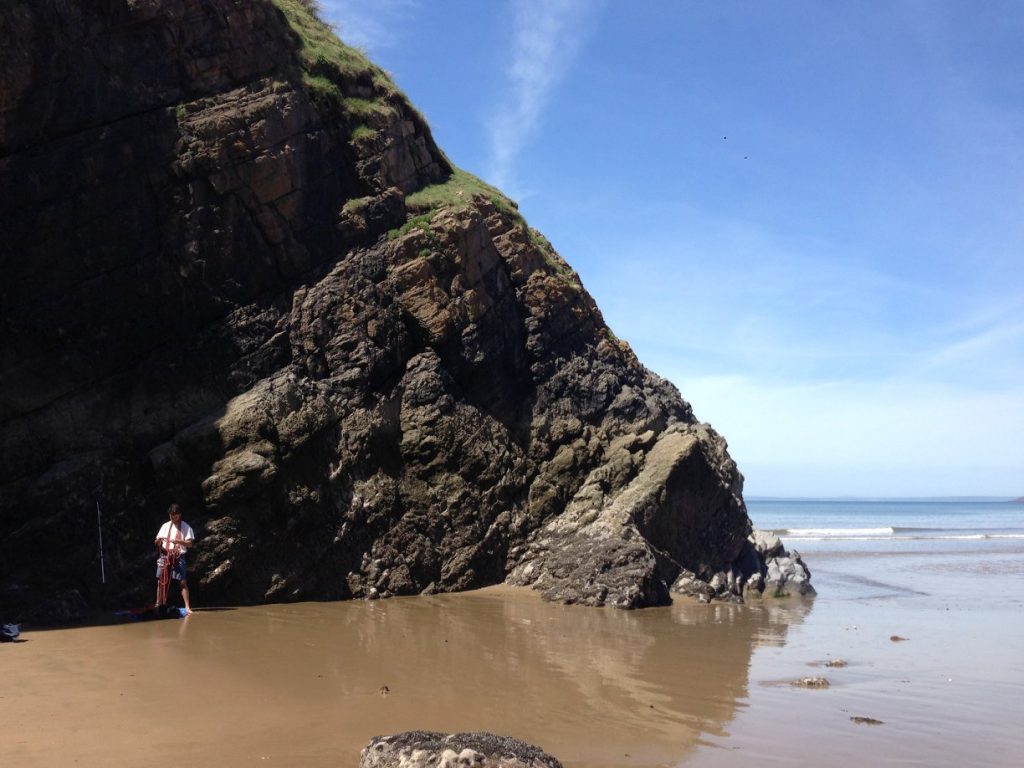
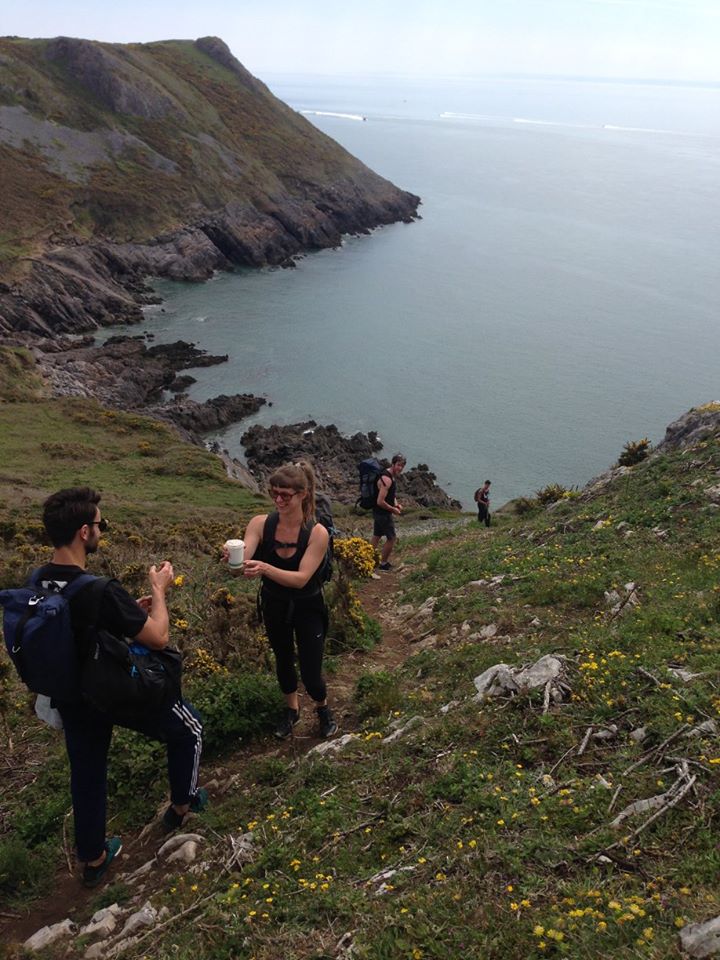
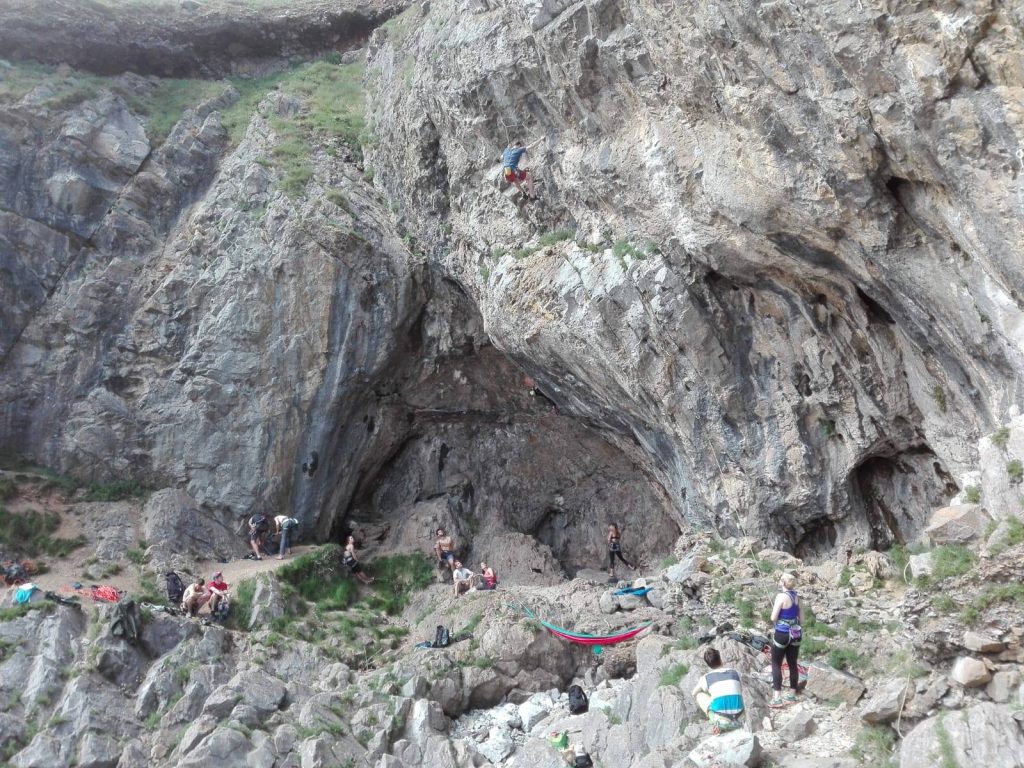
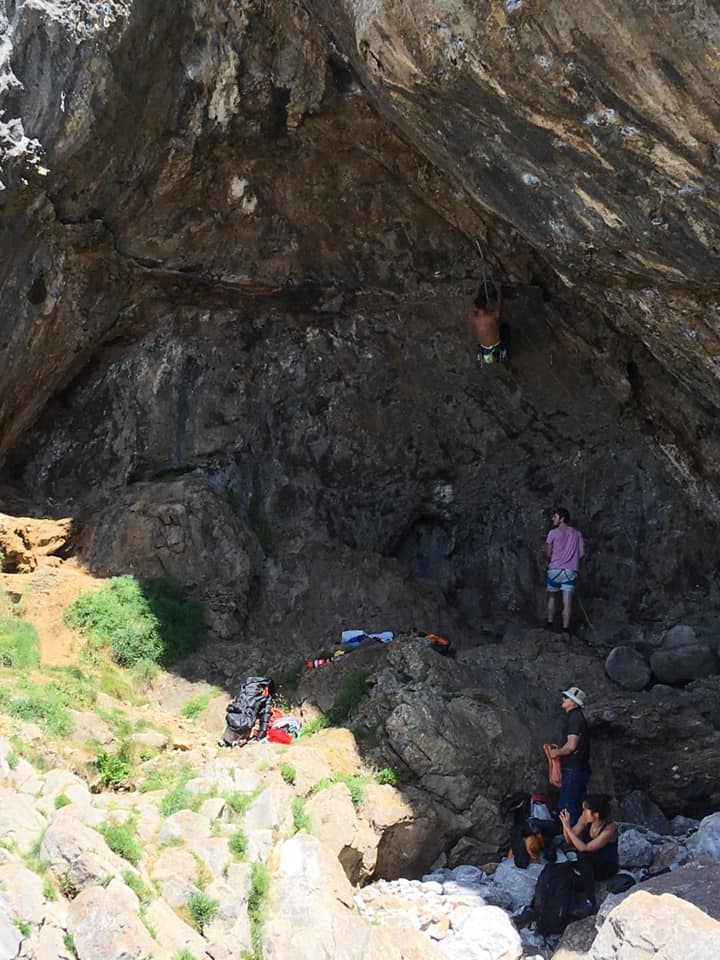
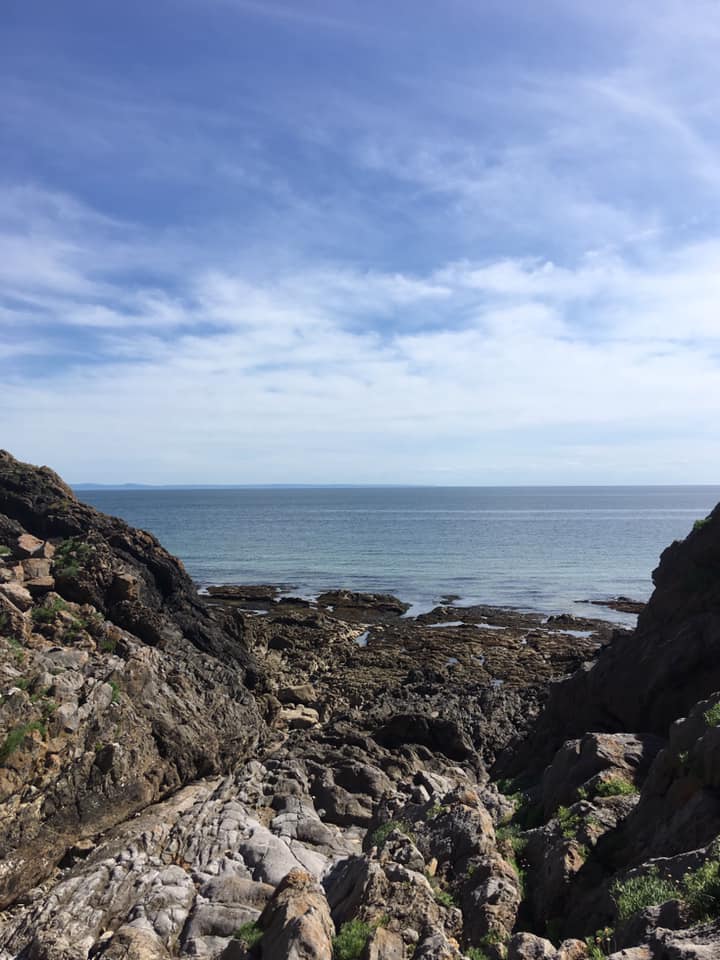
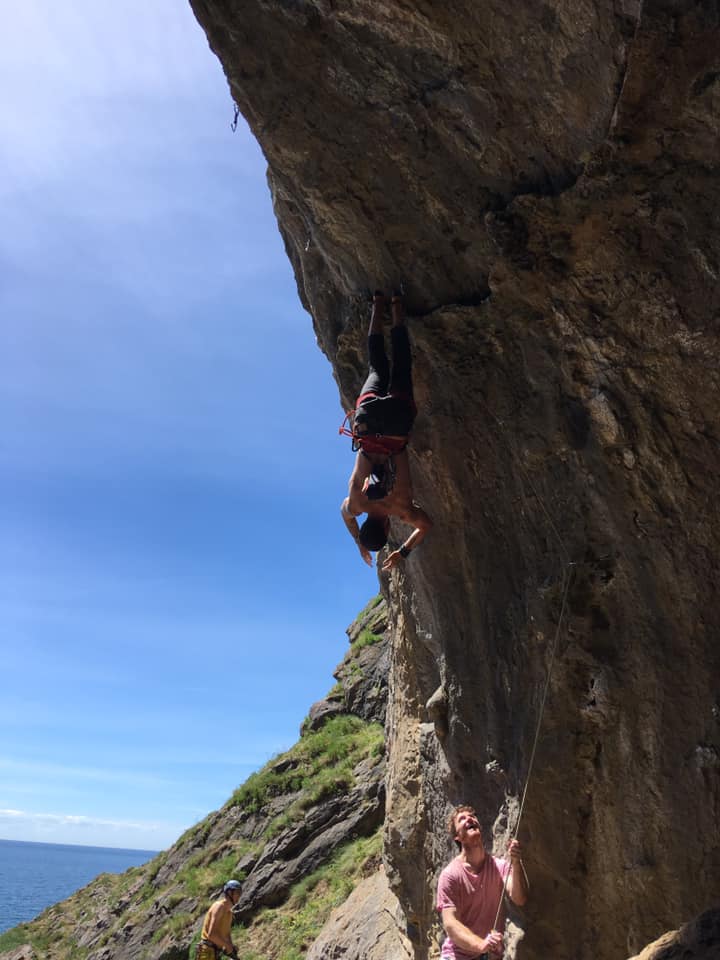
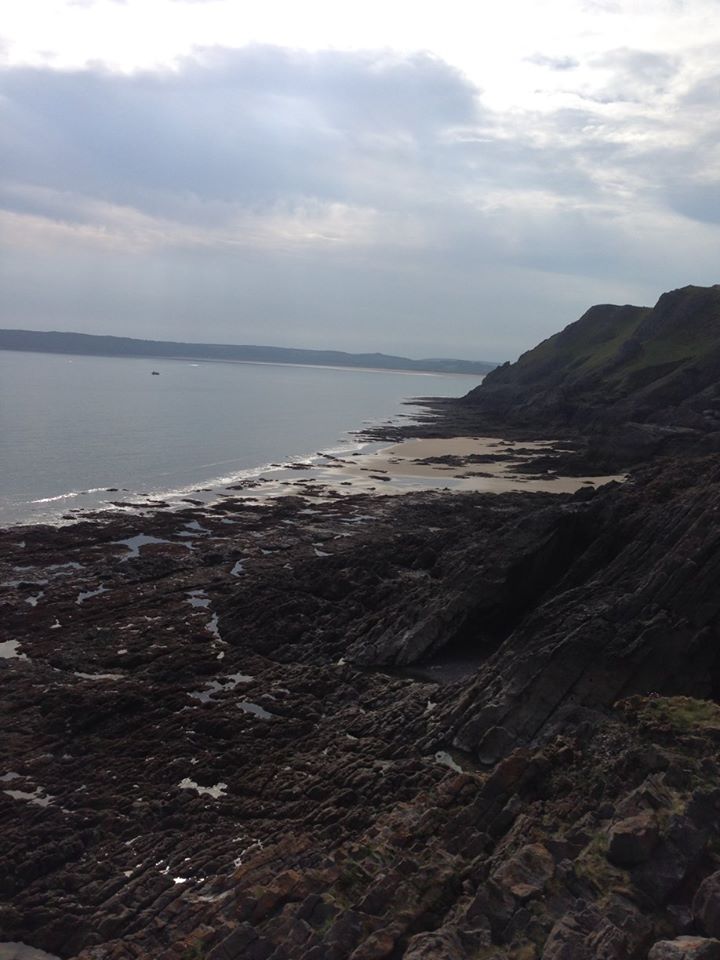
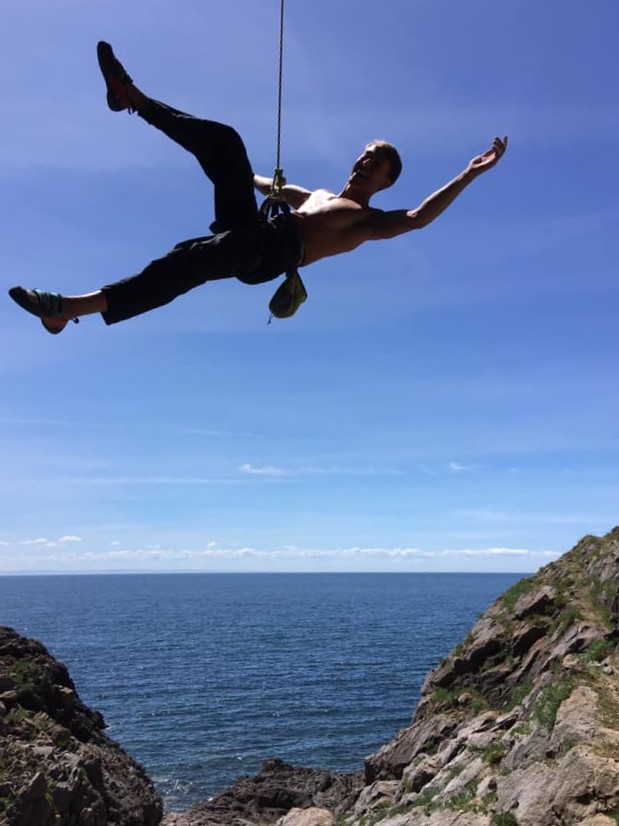
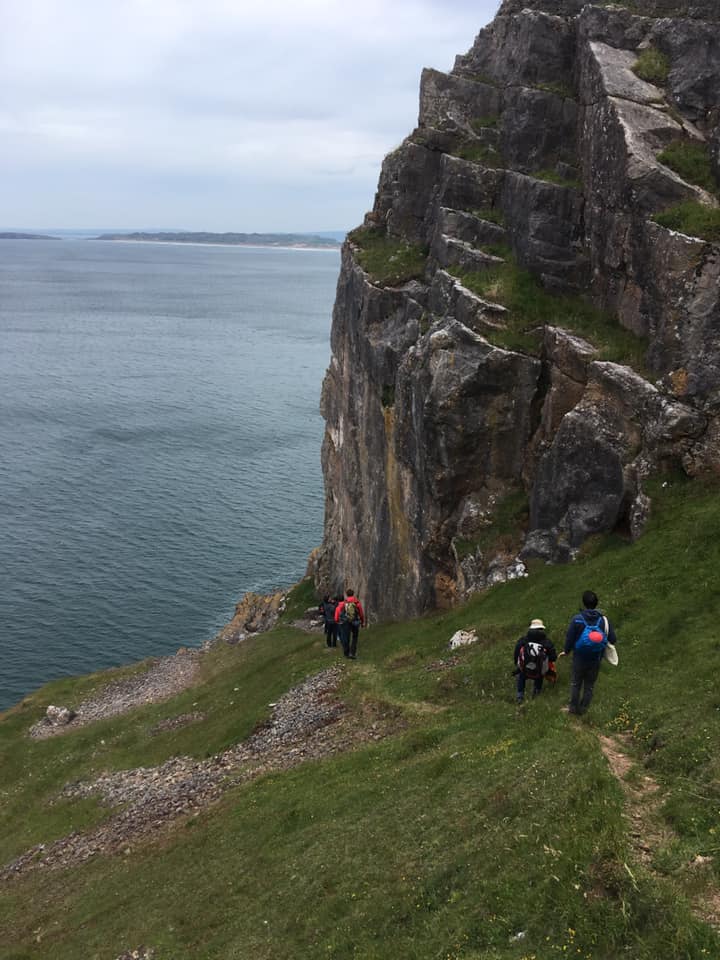
One of the lovely things about climbing is that it can take you all over the world and you see places that you might not otherwise have visited, from viewpoints you might not otherwise have accessed. That being said, we are very lucky to have some excellent climbing here in the UK (which is good news given the current state of play). When we aren’t on lockdown, my weekends are often spent out of town “getting air” on actual rock as opposed to touching the plastic. If you live in London, a the longer May bank holiday weekends (if the tides and weather align) are a good time to drive down to the Gower. You can climb off the beach (mindful of close calls with the tides) or further up in “fab-ul-as” little crags, like one of my favourites, “Foxhole Cove”. This is a sweet spot and I’ve been very lucky to go there on a couple of occasions in bright, bright sunshine with lovely crews. It has a fun 7B route at the back of the cave called “Pioneers of the Hypnotic Groove” and a very enjoyable 6C+ to the side of that which rewards you with a most excellent ledge (see photo). Foxhole is also very secluded and quiet so you can climb, sit in the sun or jump in the sea with the place pretty much to yourselves. Obviously, no-one’s going anywhere this coming May bank holiday but in remembering these fun trips I recalled that last year a few of us had to bail on the Sunday afternoon as it started to hammer it down. We took shelter from the rain in the café near the car park at Rhossili Bay, where we experienced what can only be described as “life-changing” brownies. These really were truly incredible and we still speak of them. Now, brownies aren’t very Welsh at all (plus I’m not sure I could recreate the group nirvana experienced in this café) so instead, for this week’s post I decided to make Welsh Cakes – which are definitely very Welsh (and which are also 10 a penny down that way). Like most, I’m stuck at home this bank holiday but I might eat a few Welsh Cakes (or maybe even a brownie or two) then hang off my fingerboard. Not quite the same, but hey, we’ll get there!


If you liked this recipe, you might like...

hels kitchen recipes climbing travel van life

Week 19 – Greece (again)

hels kitchen recipes climbing travel van life

Week 10 – Morocco

hels kitchen recipes climbing travel van life

Week 12 – Tuscany

hels kitchen recipes climbing travel van life

Week 27 – Spain

Comments

2 Comments

  1. Irena Macri on 7 May 2020 at 5:52 pm

    Would love to try these, I’ve had a welsh cake on my try-to-cook list for a while and these look scrumptious…as does that climbing trip. Love Gower!

    • Helen White on 7 May 2020 at 6:58 pm

      Hello! Ah yes do! Thank you. Let me know how you get on. I’m going to make some savoury ones… coming soon. I was dreaming of returning to the Gower for a bank hol. We’ll get there!

Leave a Comment