


Makes: 2 small glasses/1 large glass

Takes: no more than 10 mins if that

Bakes: n/a


Ingredients

  • 250g natural yogurt
  • 60g milk (normal milk but you could obviously substitute your milk of choice)
  • 150g mango (or banana, or fruit of your choice – banana is actually my favourite lassi and is super with cardamon and cinnamon but it’s a bit less colourful)
  • roughly 8 ice cubes (crushed)
  • the crushed seeds (very well crushed) of 6-8 pods cardamom

Optional extras

  • a pinch of cinnamon (to pop on the top – or if you love cinnamon, like I do, pop a pinch in the mix too)
  • a grating of lime zest (juice too if you want to add it – lovely with mango)
  • most recipes call for you to add more sugar (most sweet things in India are VERY sweet – I personally find adding refined sugar isn’t necessary or to my taste plus. If you want to you could add a little honey or flavoured syrup which is less full on than refined sugar)
  • Fresh mint – (if you are feeling jazzy you could top it off with a sprig or, if you love mint, you could add a few chopped leaves into the mix to make it extra refreshing – be judicious though; mint is pokey).


Method

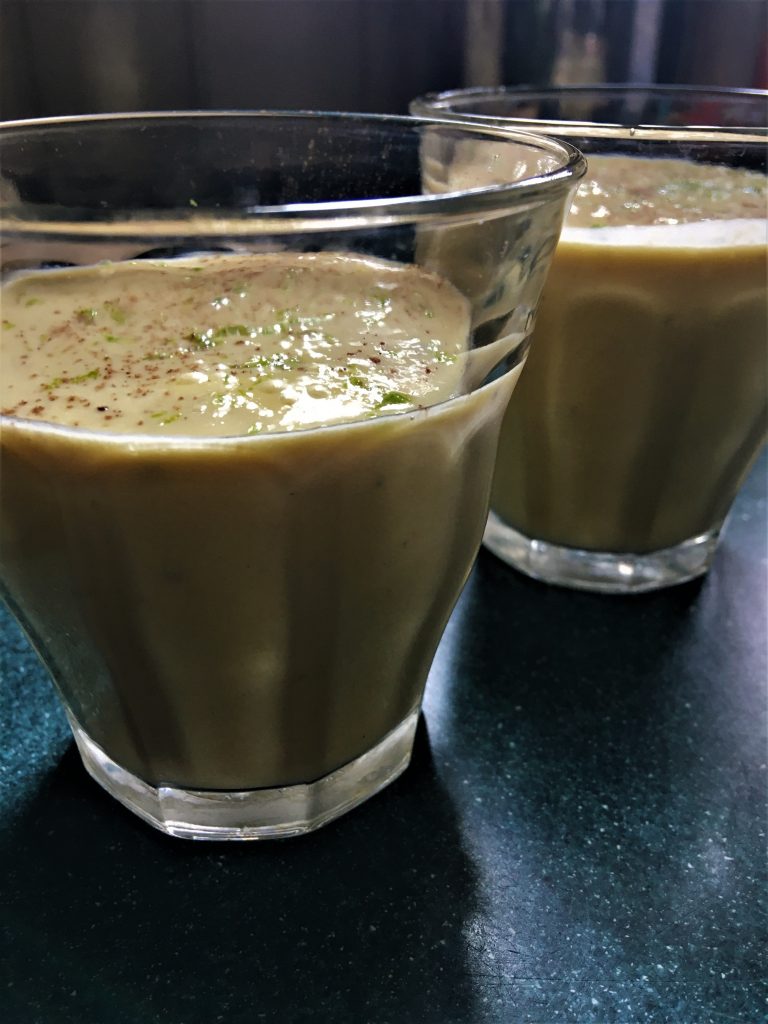
Simple. Blitz it all together, pour into a glass and top with a grating of lime zest and a pinch of cinnamon.

If you don’t have a blender, leave the ice until last and either add it as cubes/crush it a bit in a pestle and mortar or leave it out entirely – essentially you don’t really want to add big chunks of ice which will melt into the drink and make it watery.

Week 8 – India, or more precisely, lassis and dosas across the north

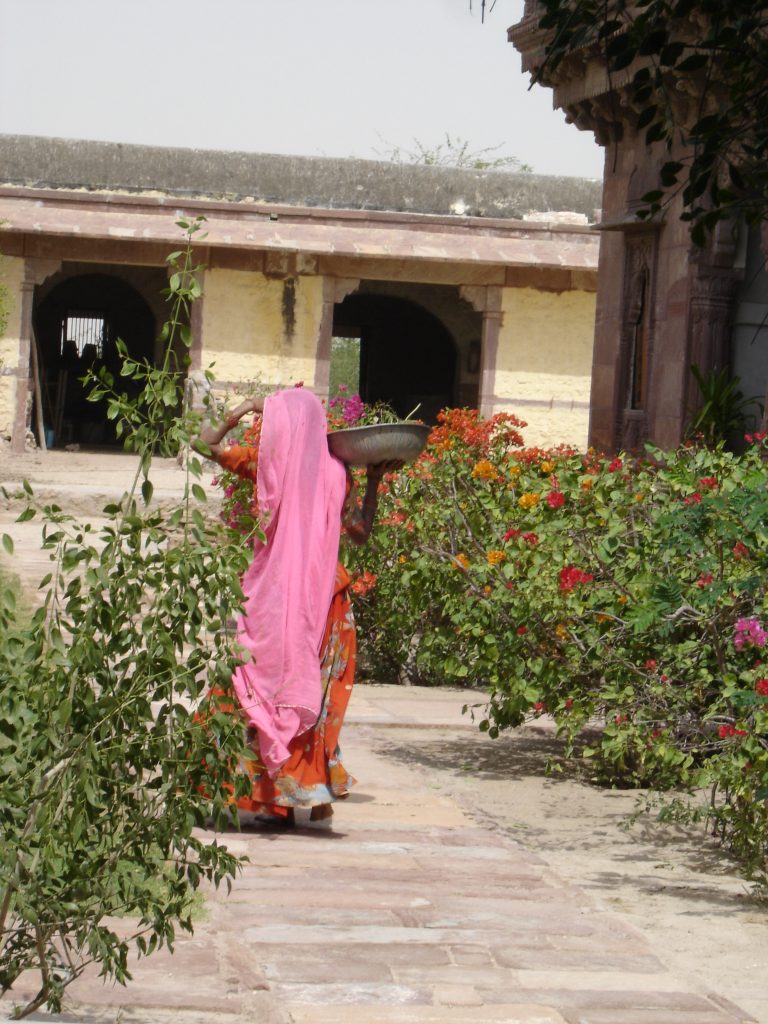
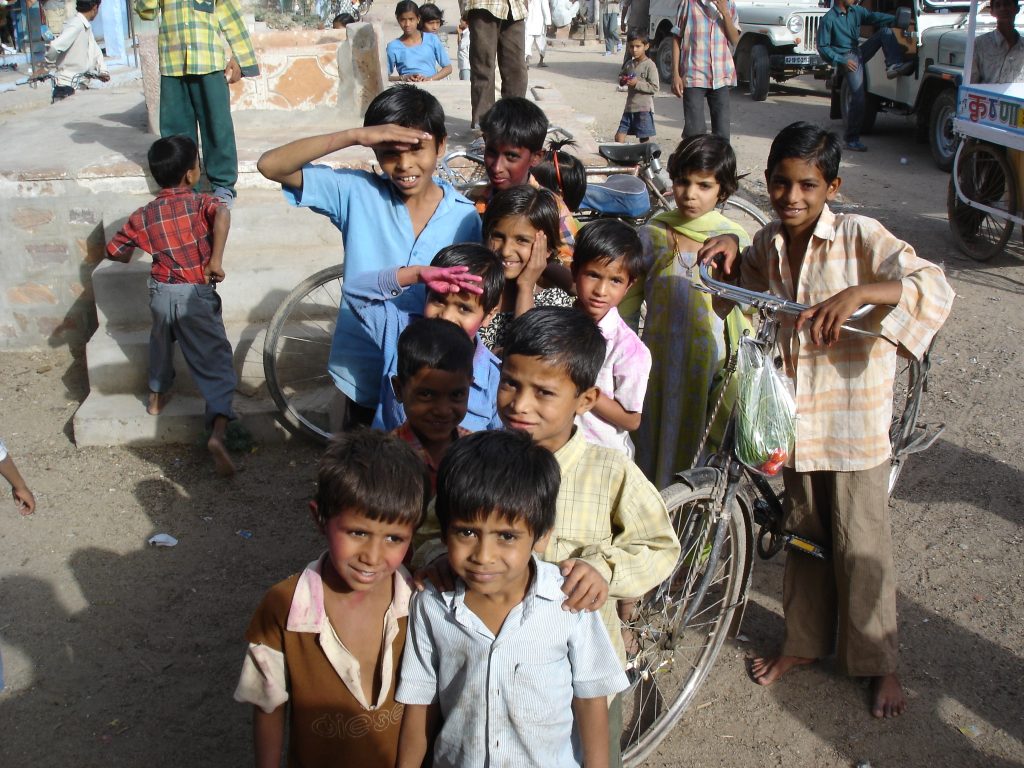
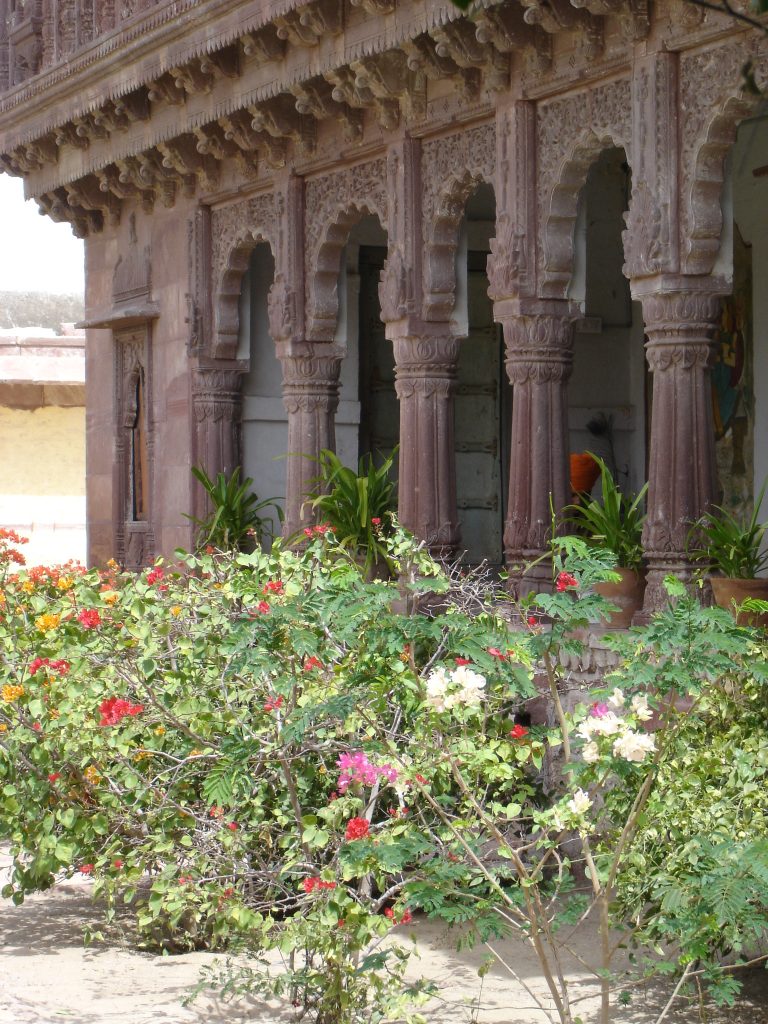
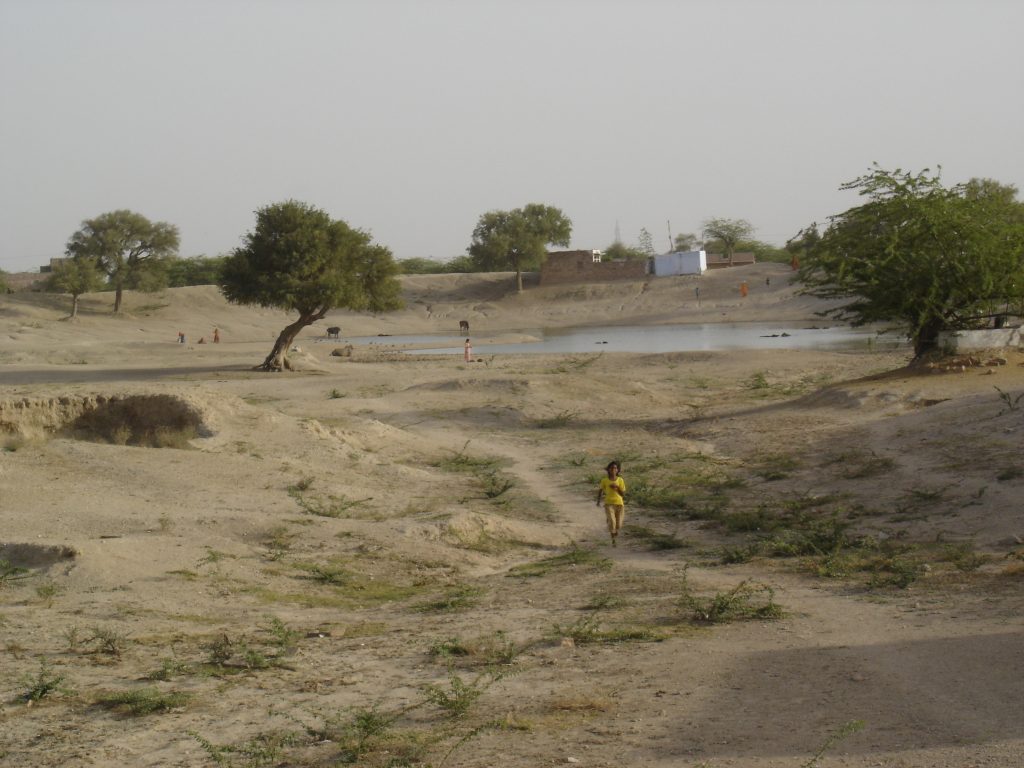
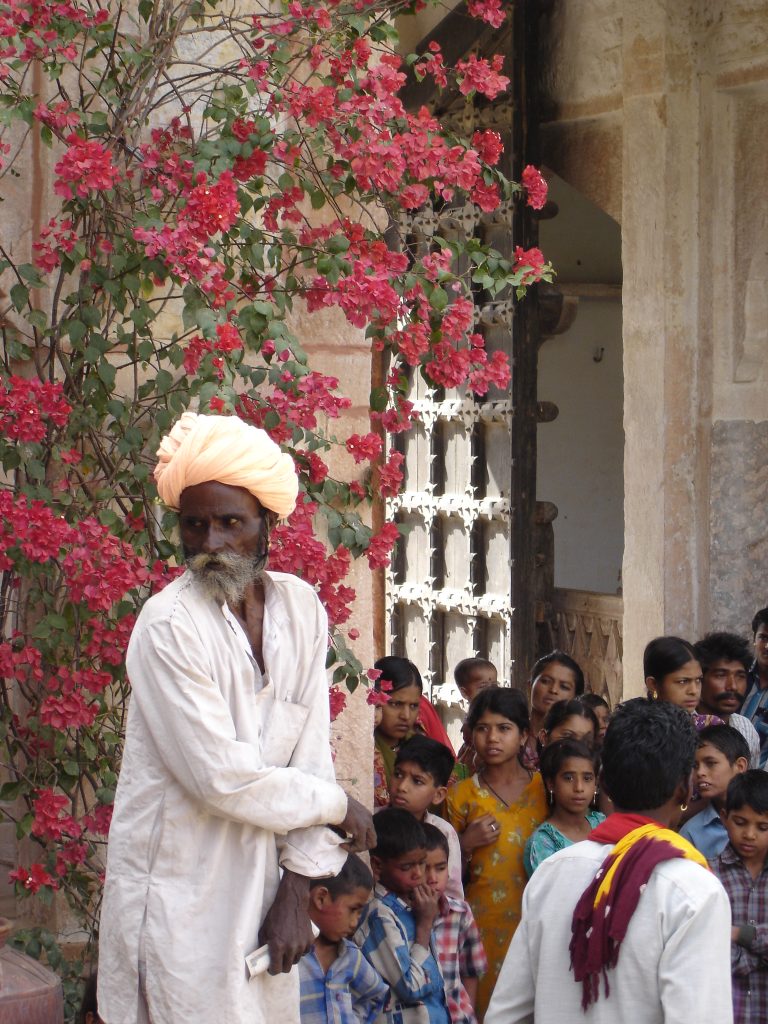
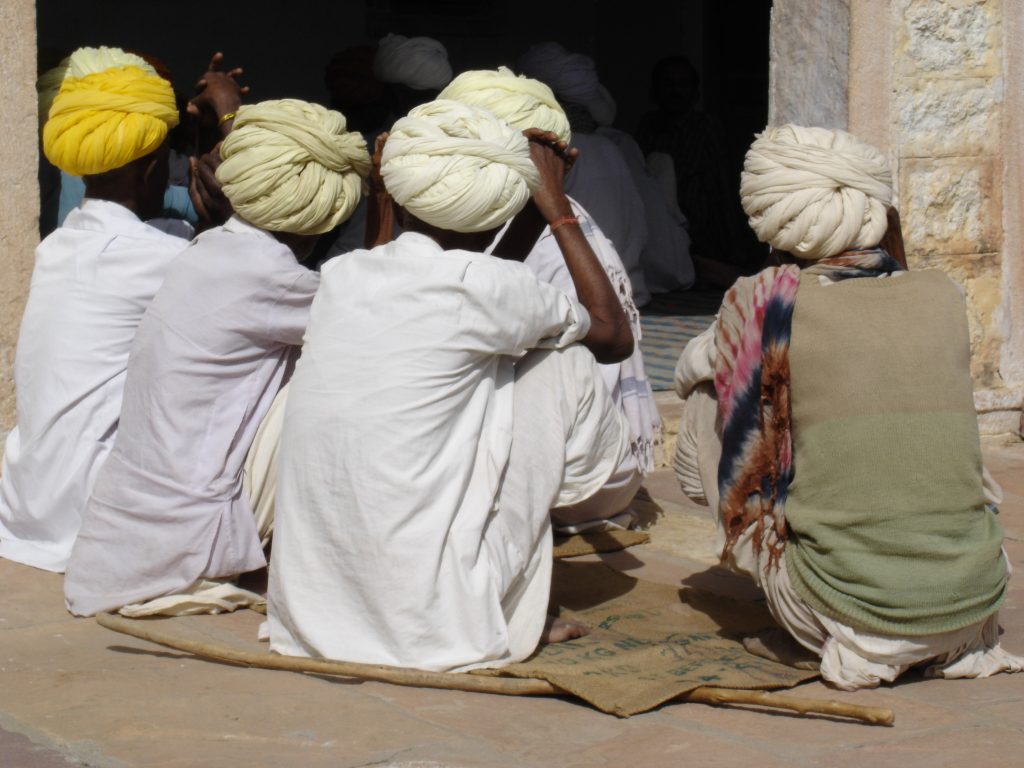
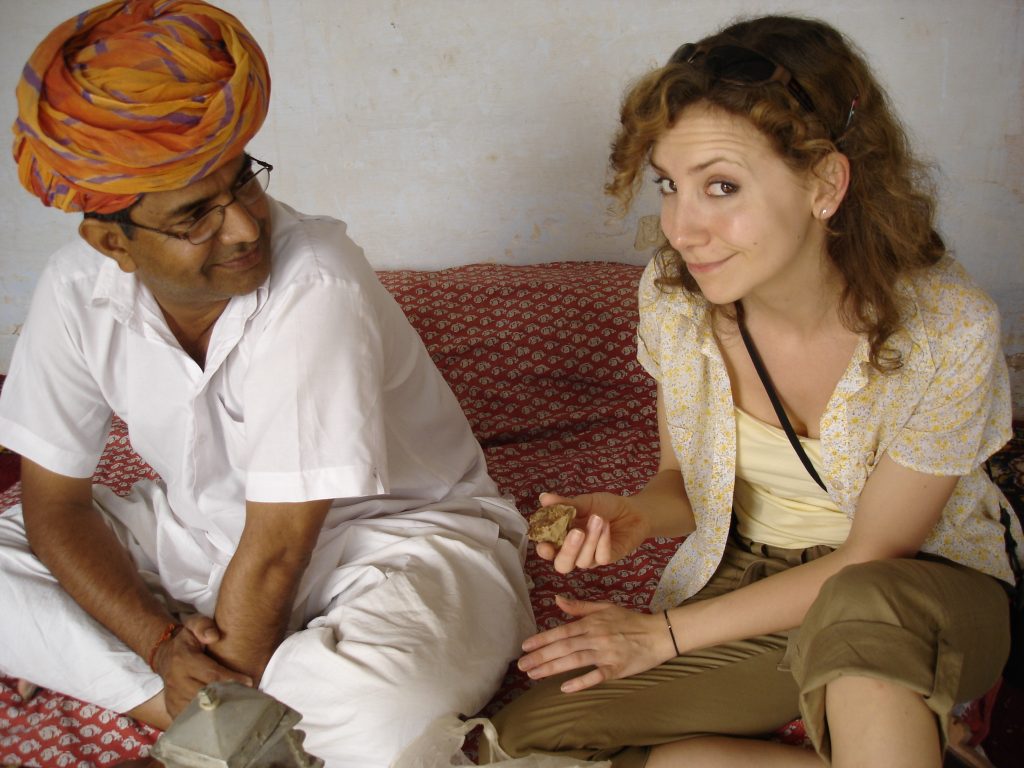
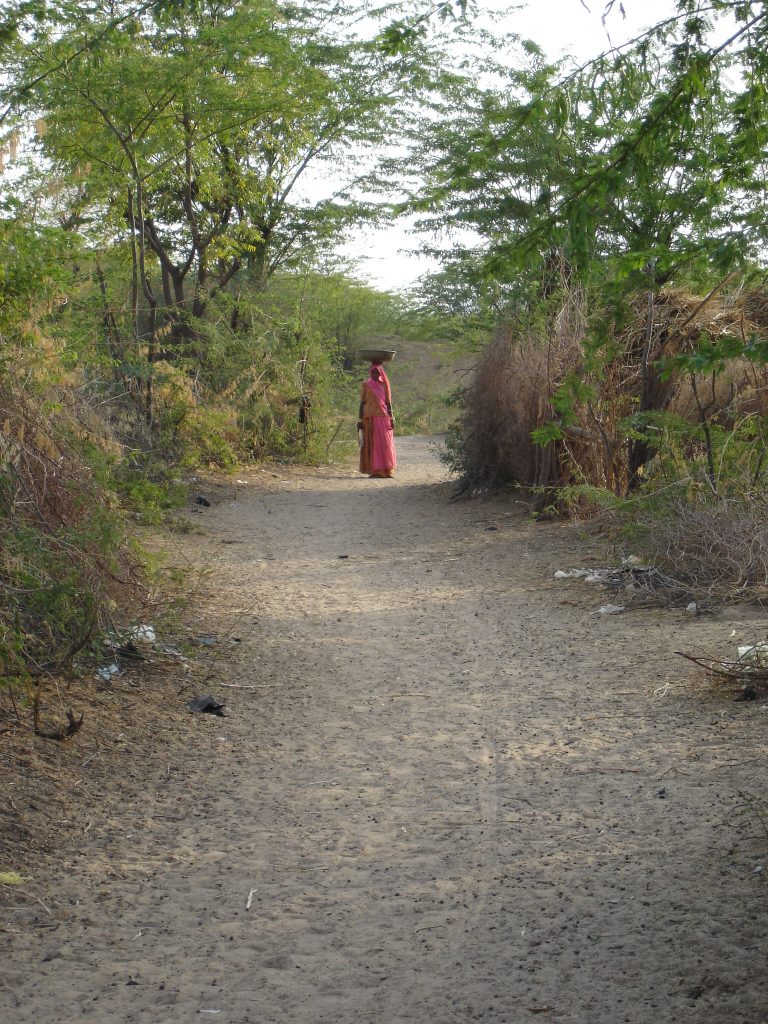
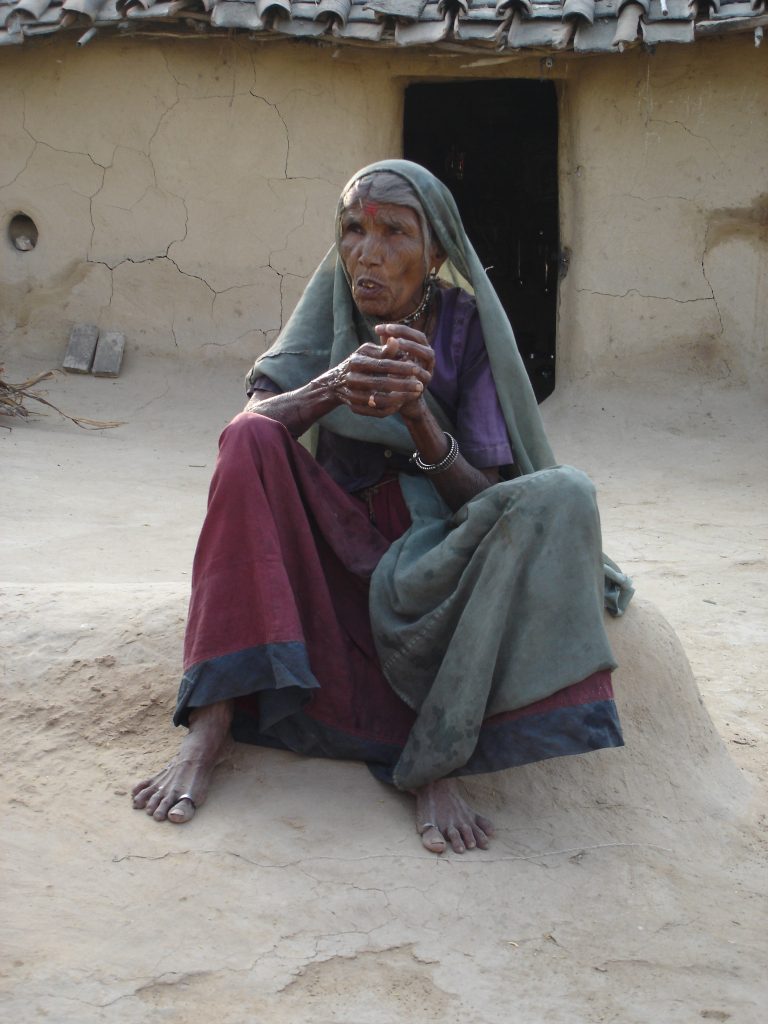
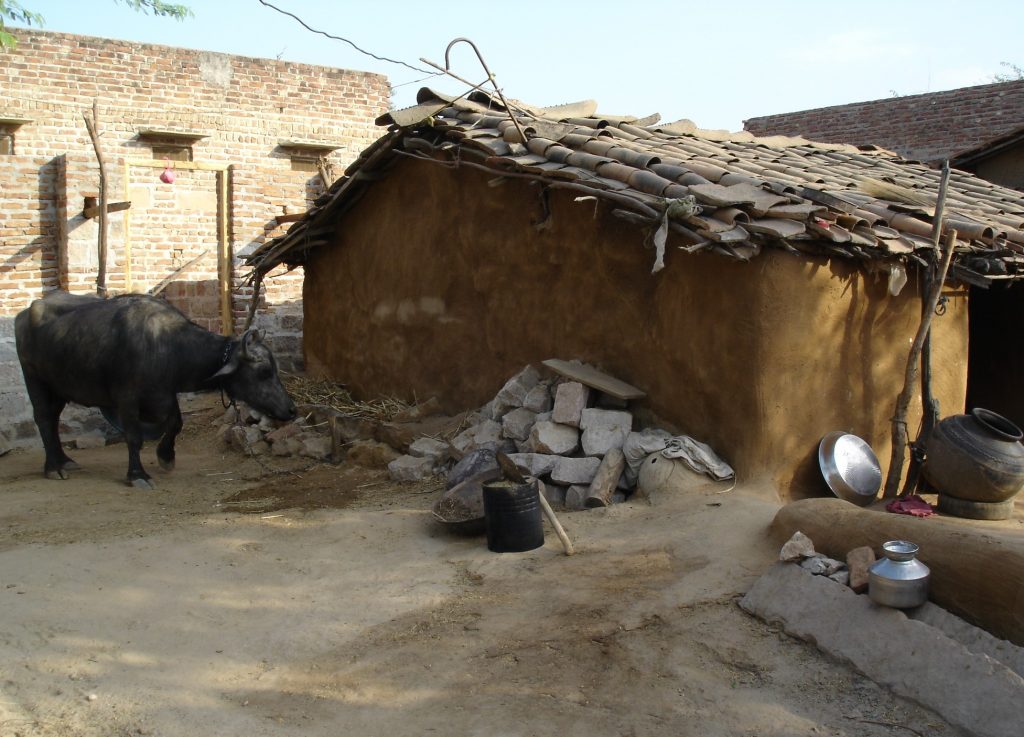
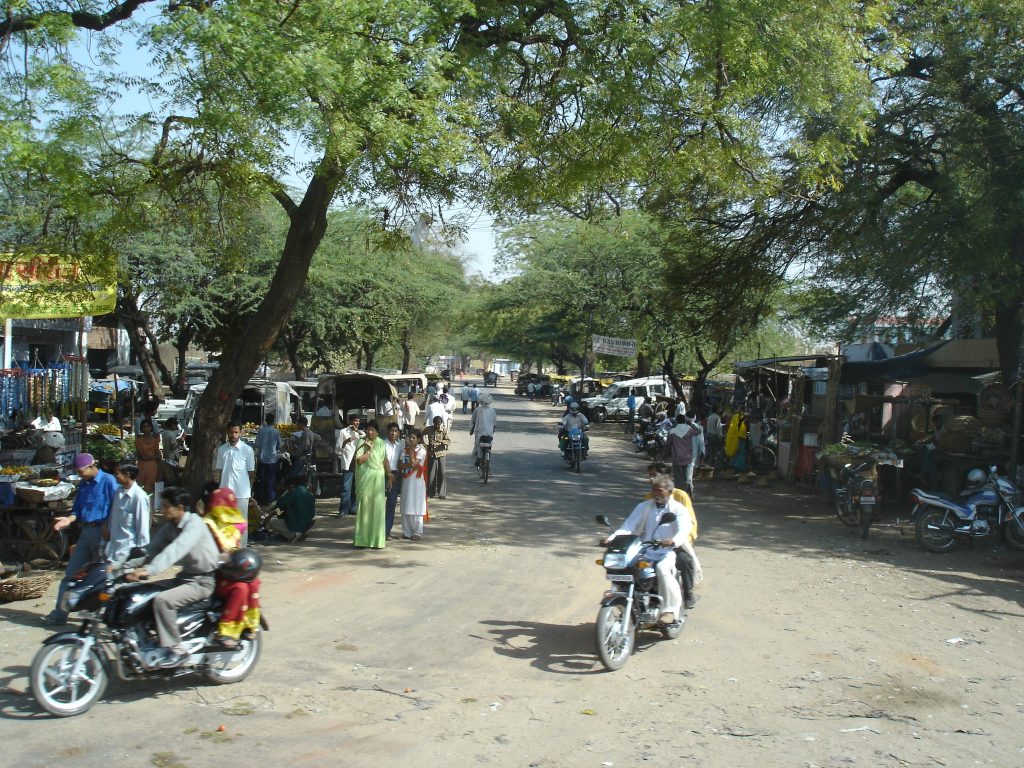
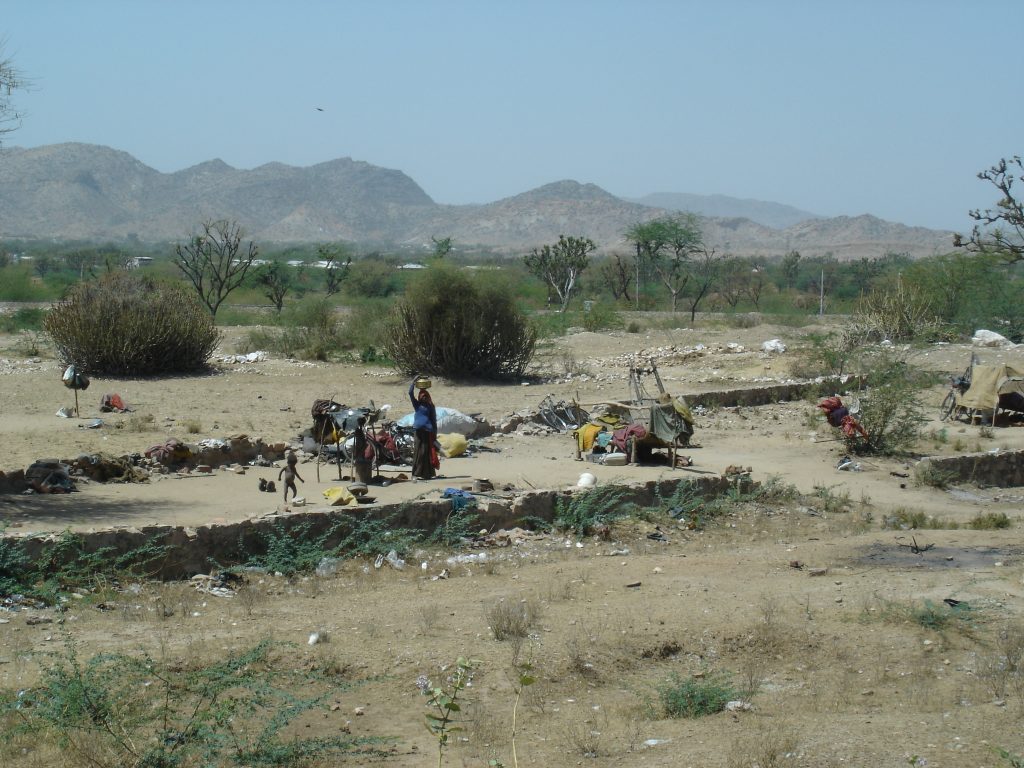
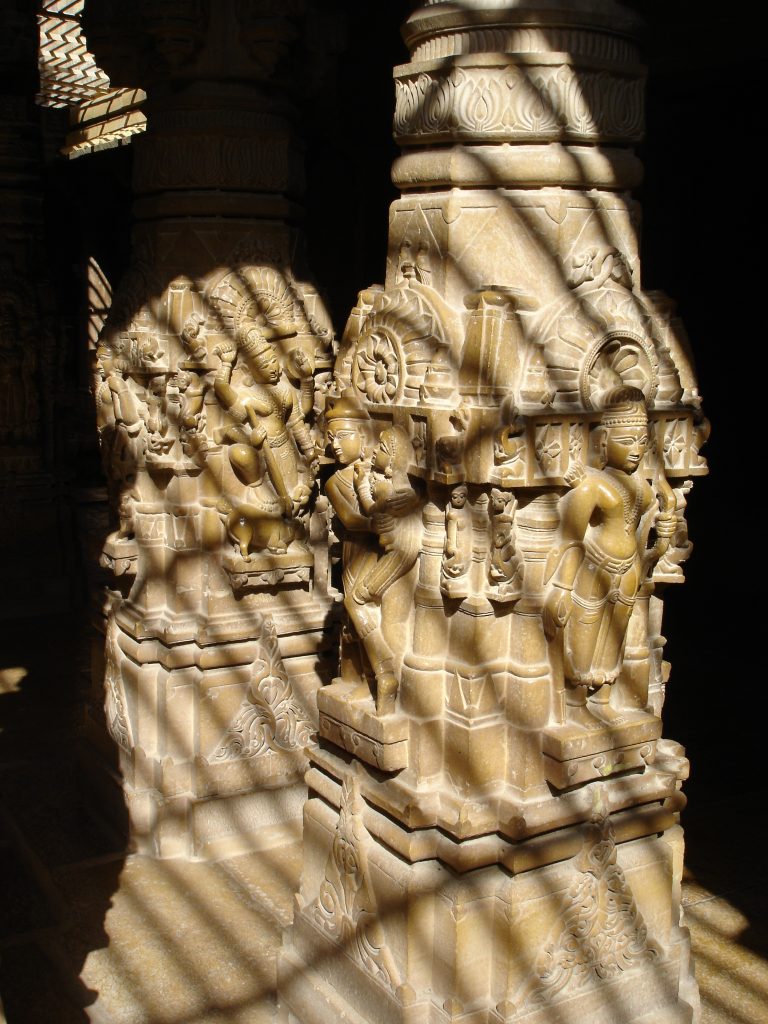
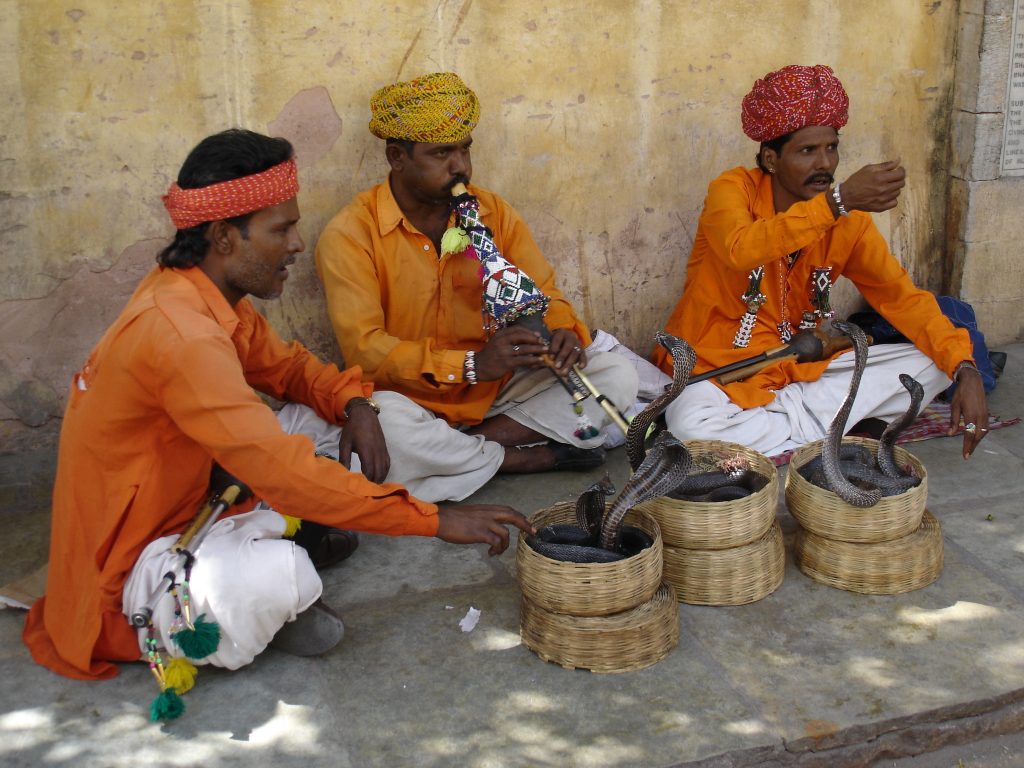
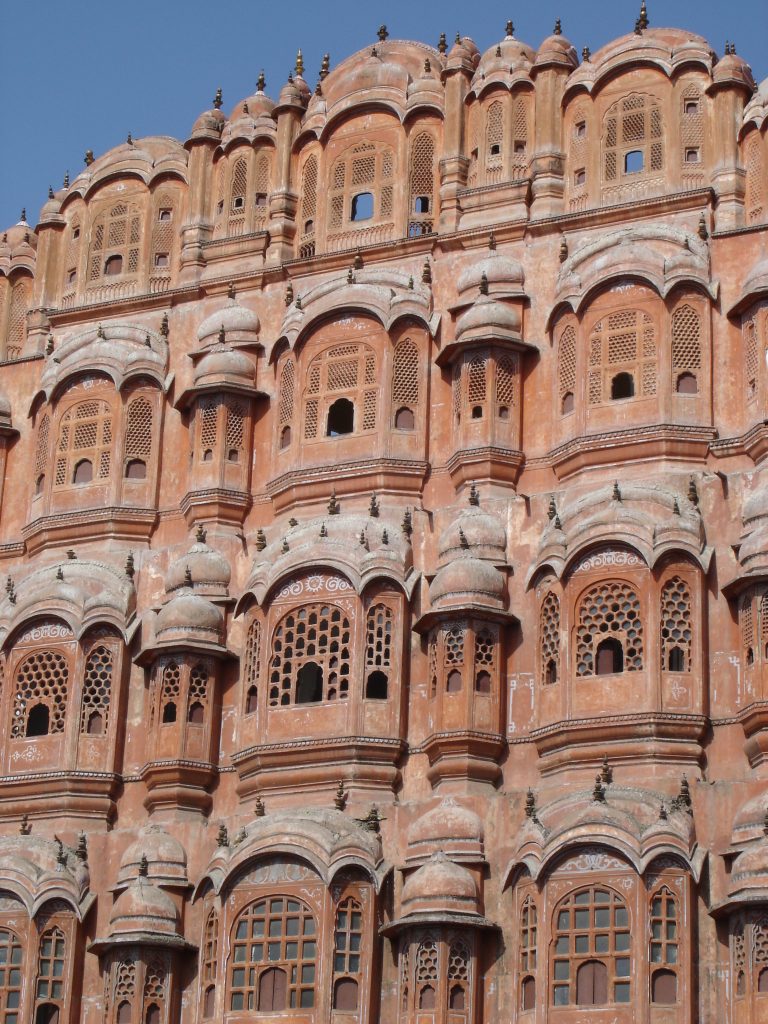
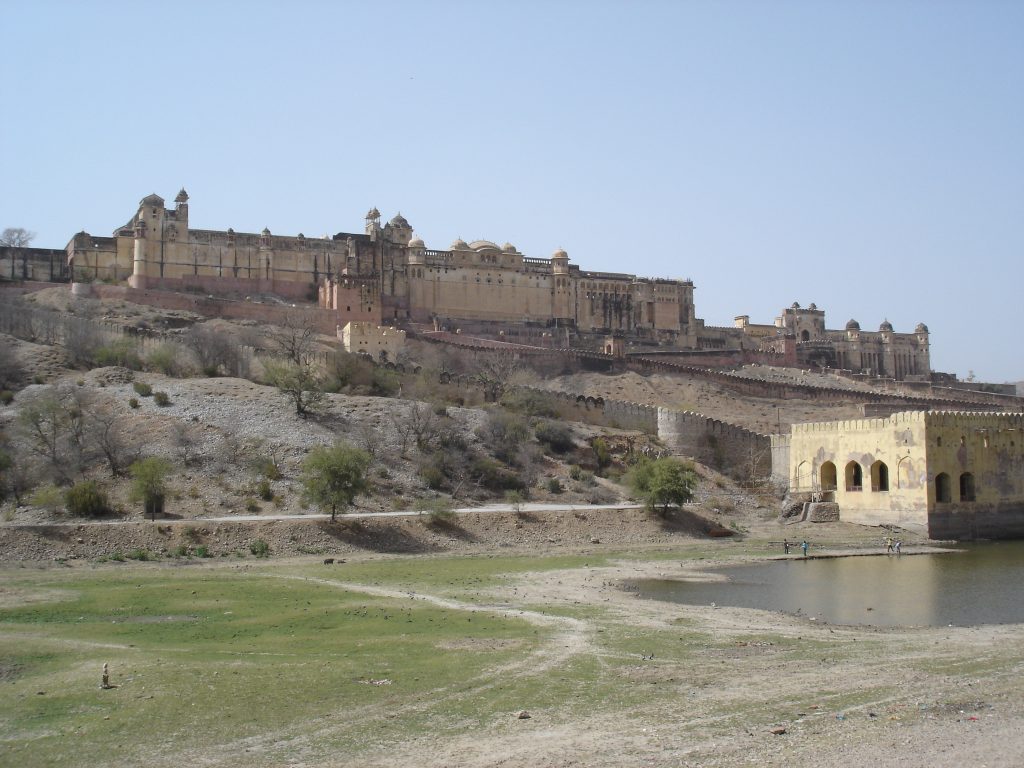
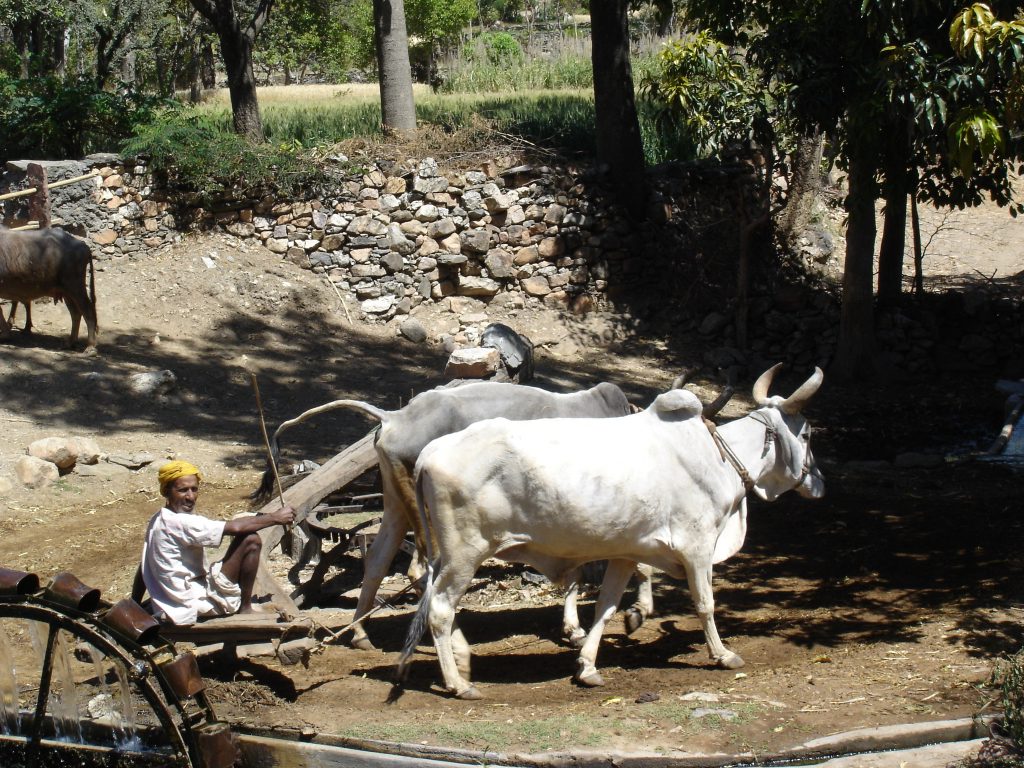
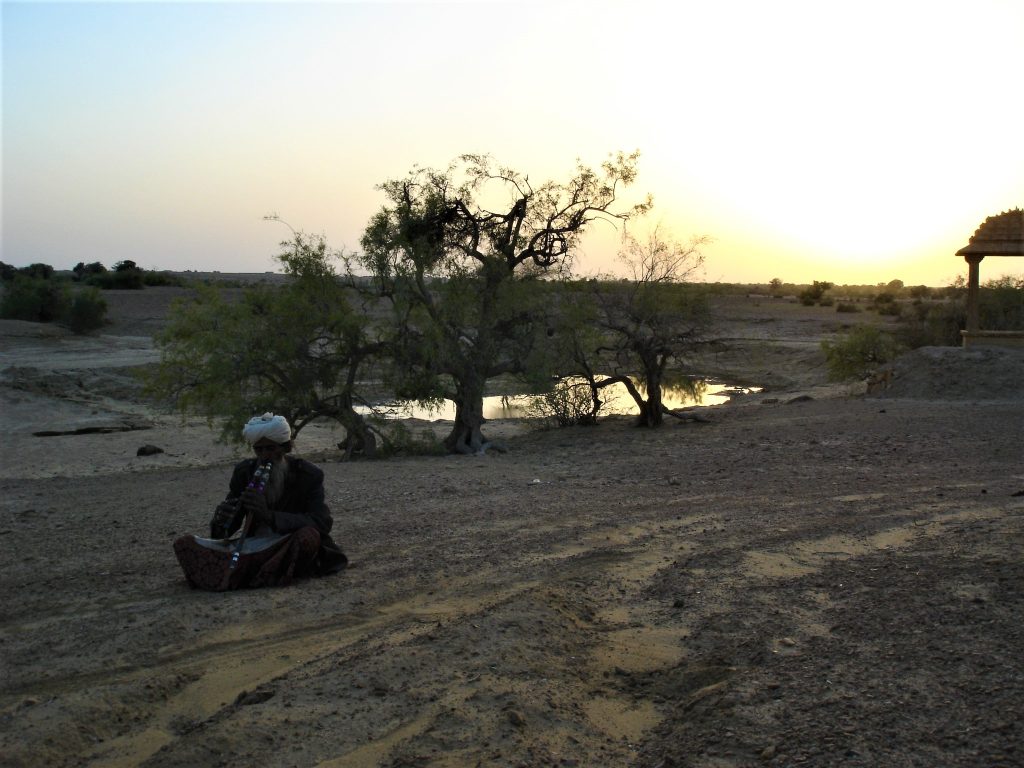
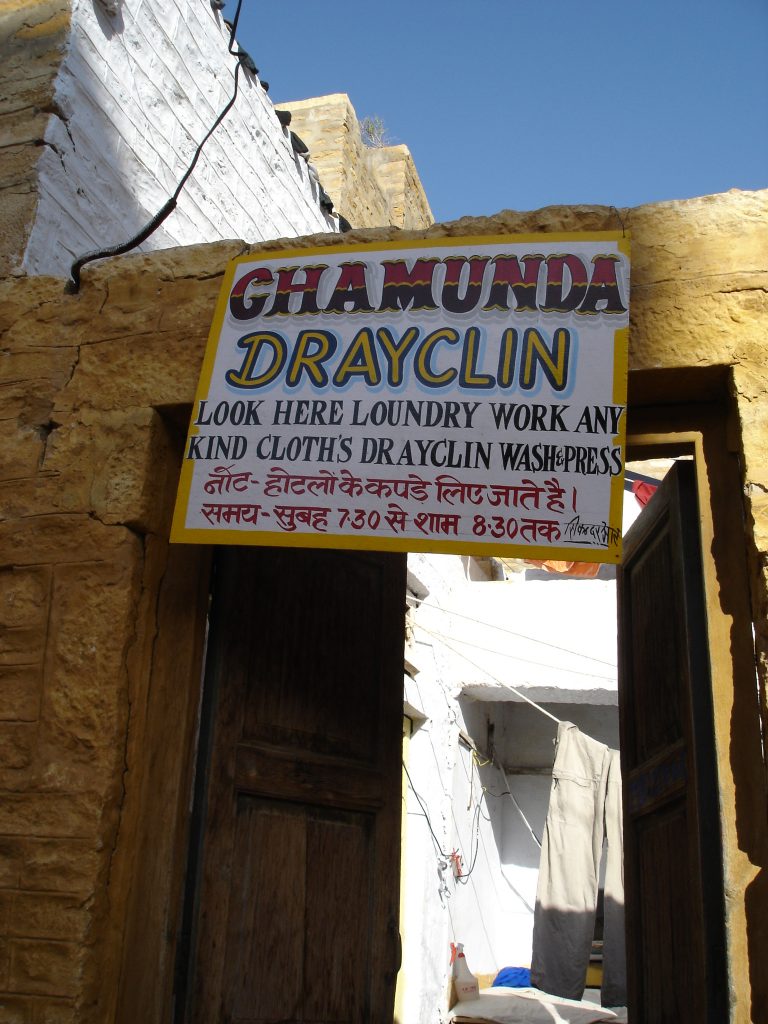
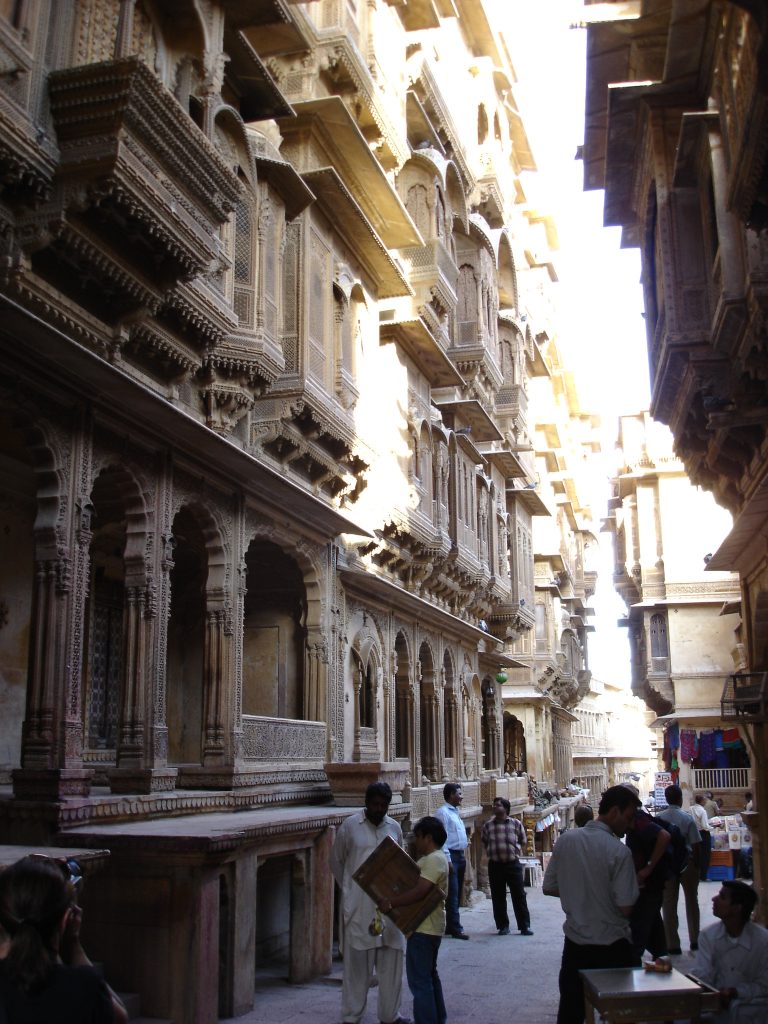
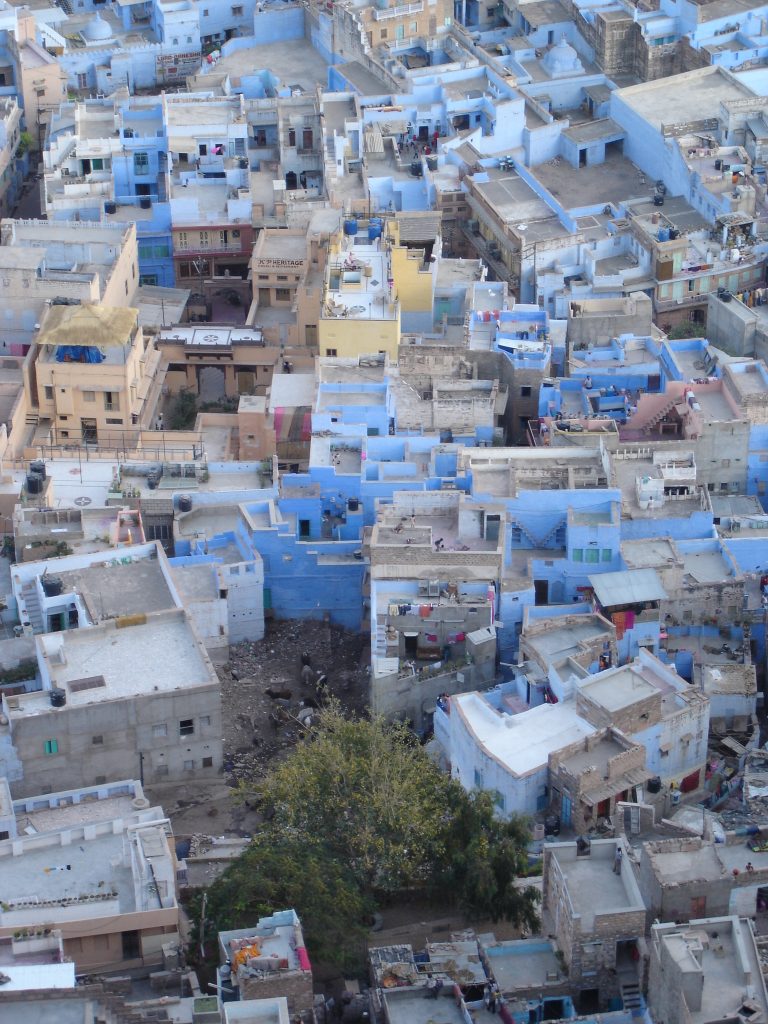
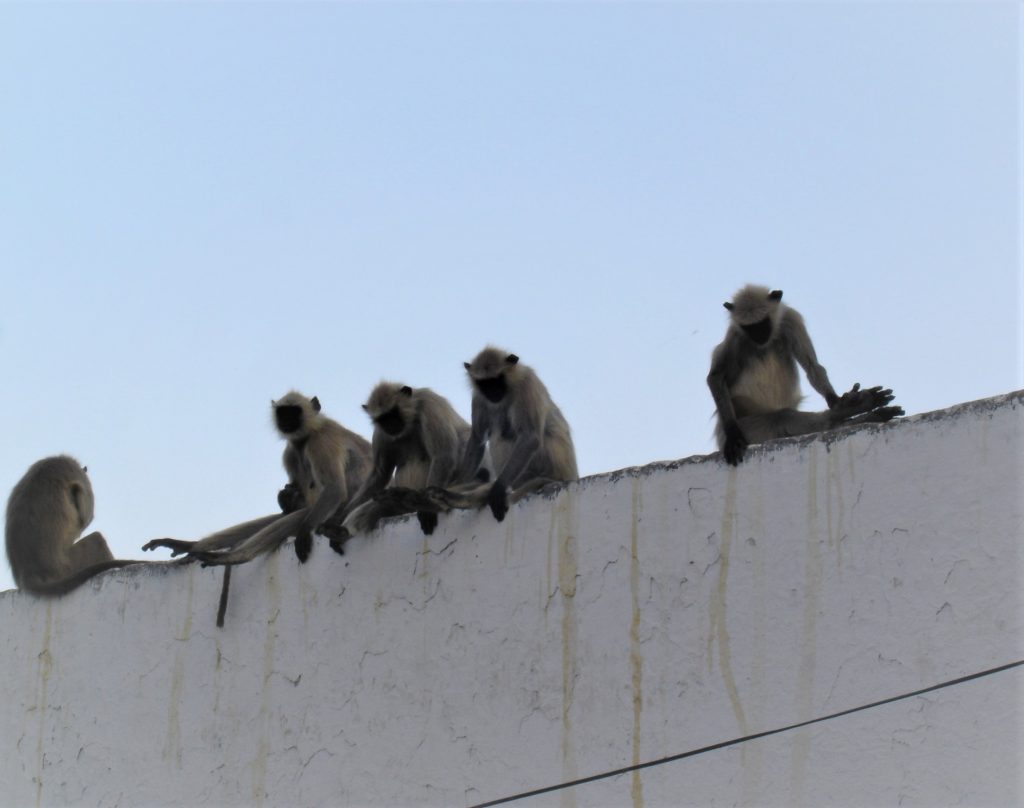
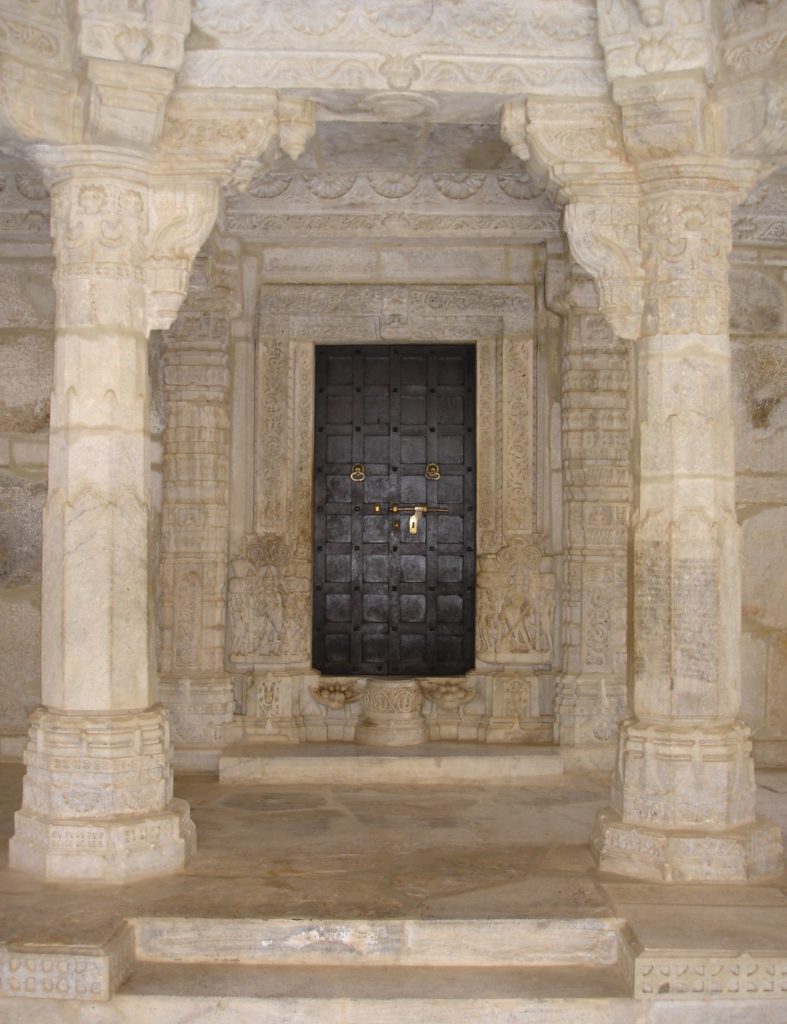
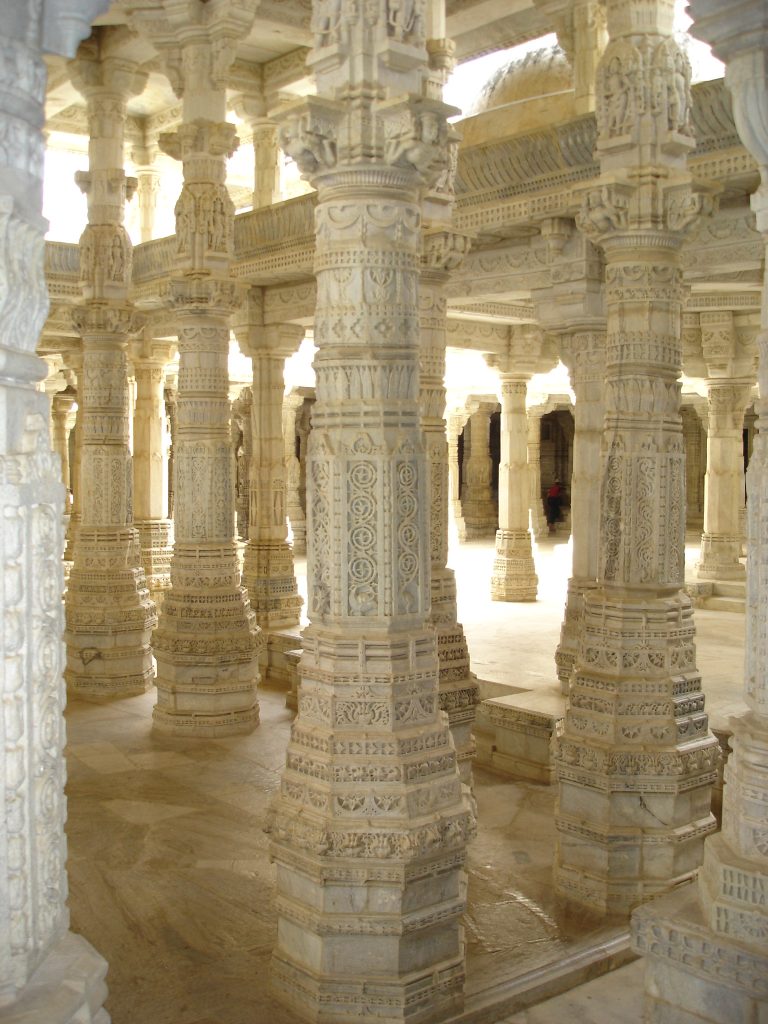
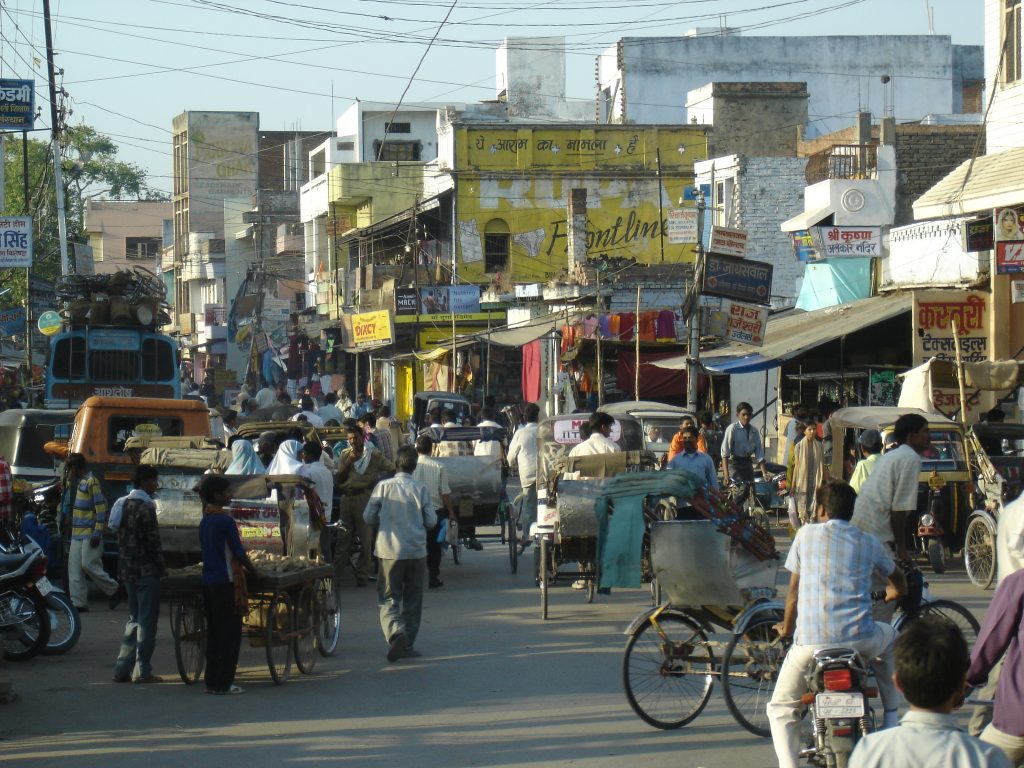
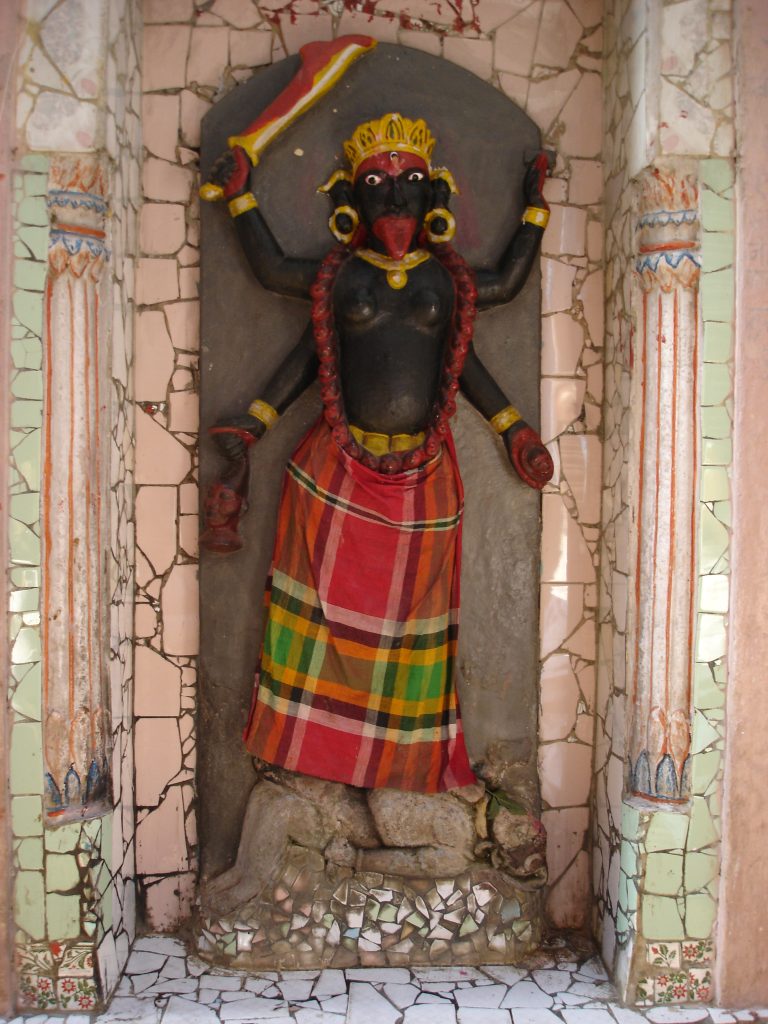
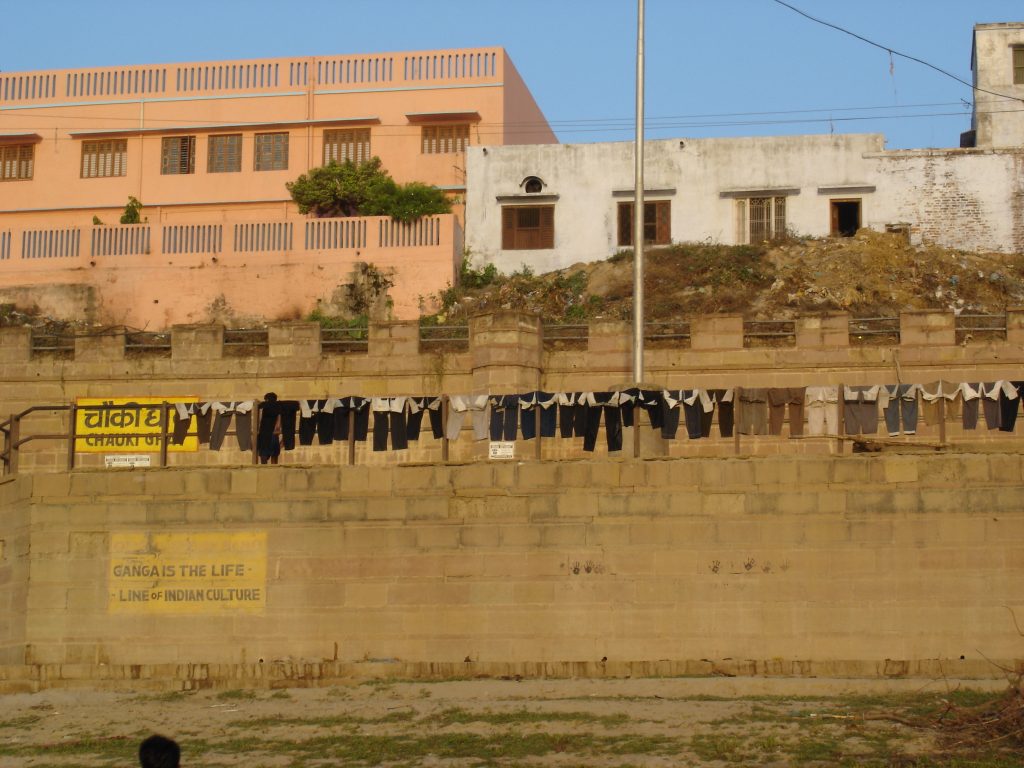
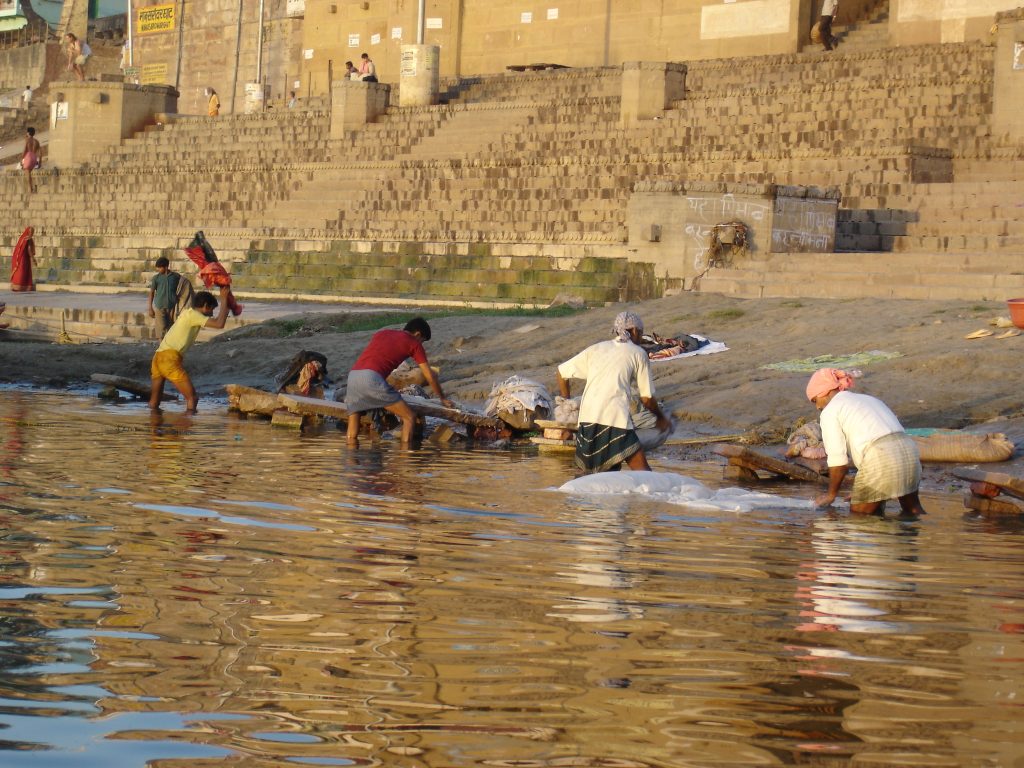
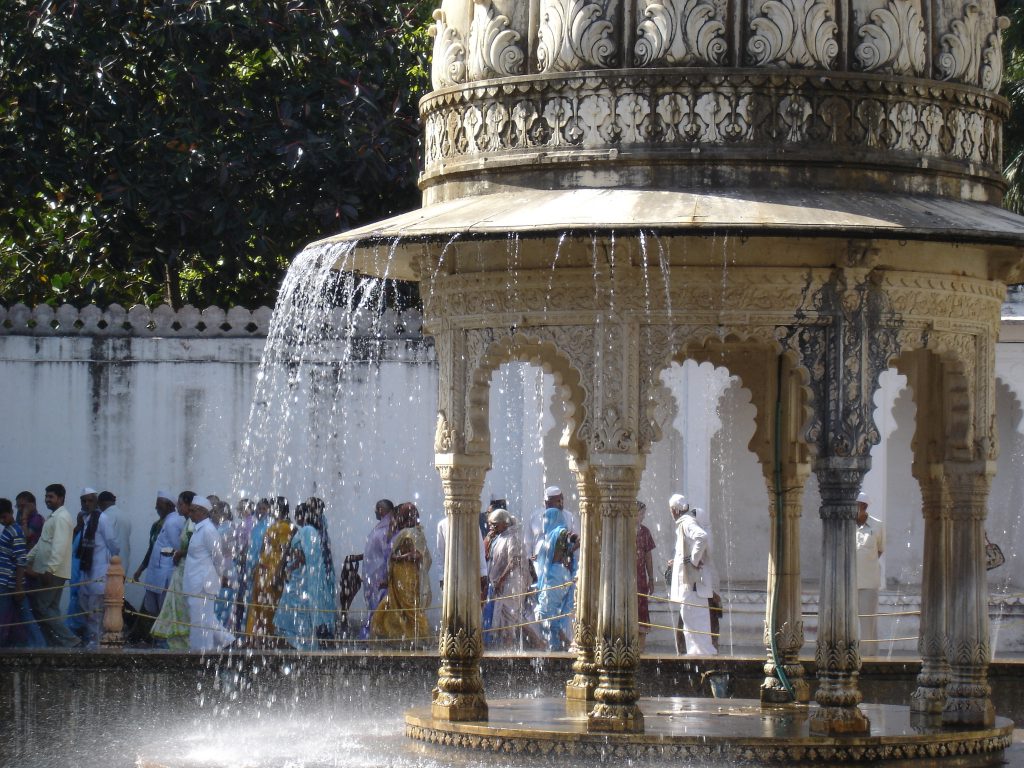
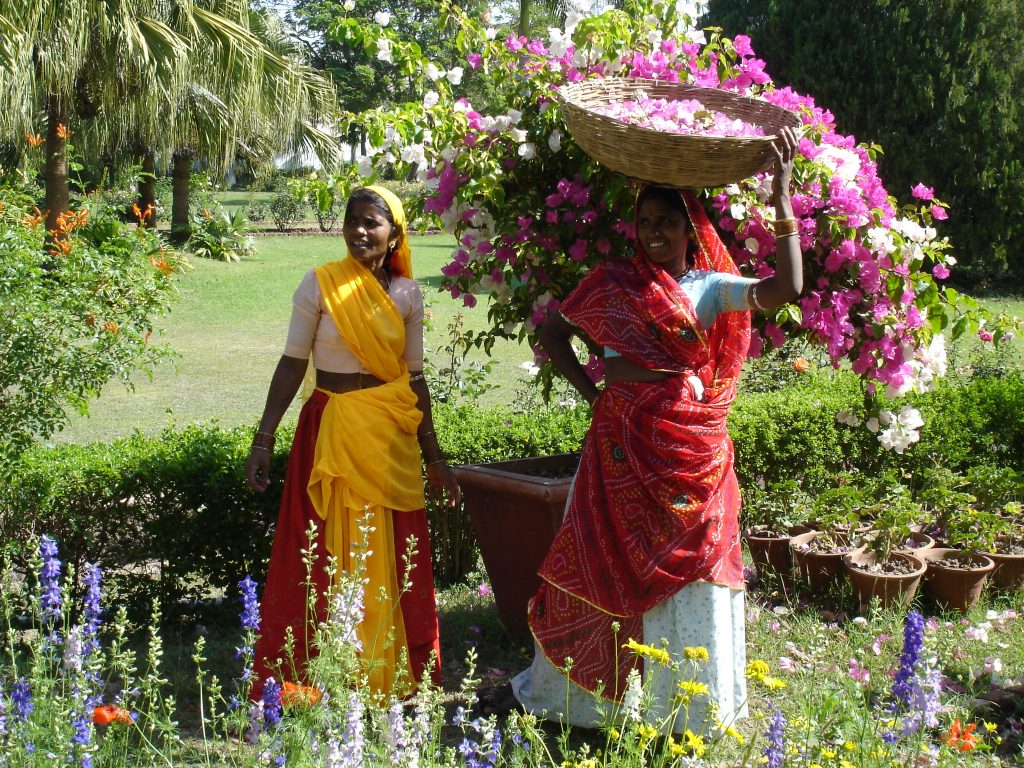
After having a bit of a run on beige recipes lately, I thought I’d inject a bit of colour; so, for week 8 I’ve chosen India. I spent several weeks there a fair few years ago and my travels happened to coincide in part with the festival of Holi. If you like colour, then during Holi, you do literally get it in your face. Not that India needs extra colour; it’s already up to 11 and not just in terms of that particular spectrum. My trip there followed some extended time spent in Jordan and Egypt. These two countries have their own confronting challenges for the traveller to navigate but there isn’t really anywhere quite like India either for sheer stimuli and or for simply just having to go with it. Yes it can be cacophonous; it can be upsetting; it can be maddeningly confusing but on top of that, it’s stunning, delicious and… a ride. It also has a particular warmth and not just on account of the sun, spices and chai. Food is, of course, a big part of the experience but it also accounts for a big part of the warmth. One of the most beautiful things about the Indian attitude to food is that it is viewed as a way of connecting as it rests at the heart of the household. Food is  offered in abundance and made with love. Furthermore, there exist charitable stations where those in need can go to receive the solace of a hot meal and there’s something rather beautiful about that amidst caste system and the extreme poverty.

Obviously it’s a pretty vast continent and this make India’s varied cuisine an adventure in itself.  There’s a lot to explore… it’s.not.just.curry.

Back in the 80’s my mum used to cook a mean “garam masala potatoes” (pretty exotic at the time, I assure you). No-one in my family had been to India, the recipe was from a random page in a magazine and to me these were just fancy potatoes cooked in some sort of strange magic spice.  I loved it when she produced these for tea! Nowadays it’s much easier to delight in a wider variety of Indian of dishes* but prior to my travels to India, my palate had only experienced these potatoes and then later on as I got older, the more standard curry-house fare (where I would endeavour, and still do, to try something different from the menu each time). The food I had in India was eye-openingly different, varied and wonderful for tastebuds that like to wander: from the enticing street foods, intriguing side dishes, tasty talis, quirky breakfasts and all manner of breads, to the take away chai in simple little clay cups which get tossed to the ground “from whence the clay came”.  Then of course, there were the lassis and dosas. Yes, there is a cornucopia of curries to experience but on my Indian travels, these two in particular stood-out for me as “new food experiences”. I’d never encountered either before and I couldn’t get enough of both of them.

All the chat about colour, however, and I realise, that lassis and dosas both sit more towards the beige end of the spectrum. Ah well.

For those who don’t know, a lassi is a yogurt-based drink. They’ve been making smoothies in India since way-back (although they do add sugar so these would feature at 11 on the gym bunny metric). Lassis are ridiculously refreshing under the heat of the Indian sun. Chilled, fragrant, fruity, spicy; divine. Just don’t order one too many “special” ones (in fact don’t order one to many “special” anythings in India).

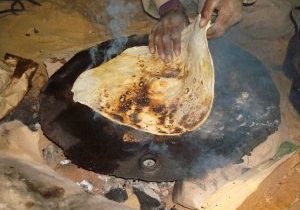
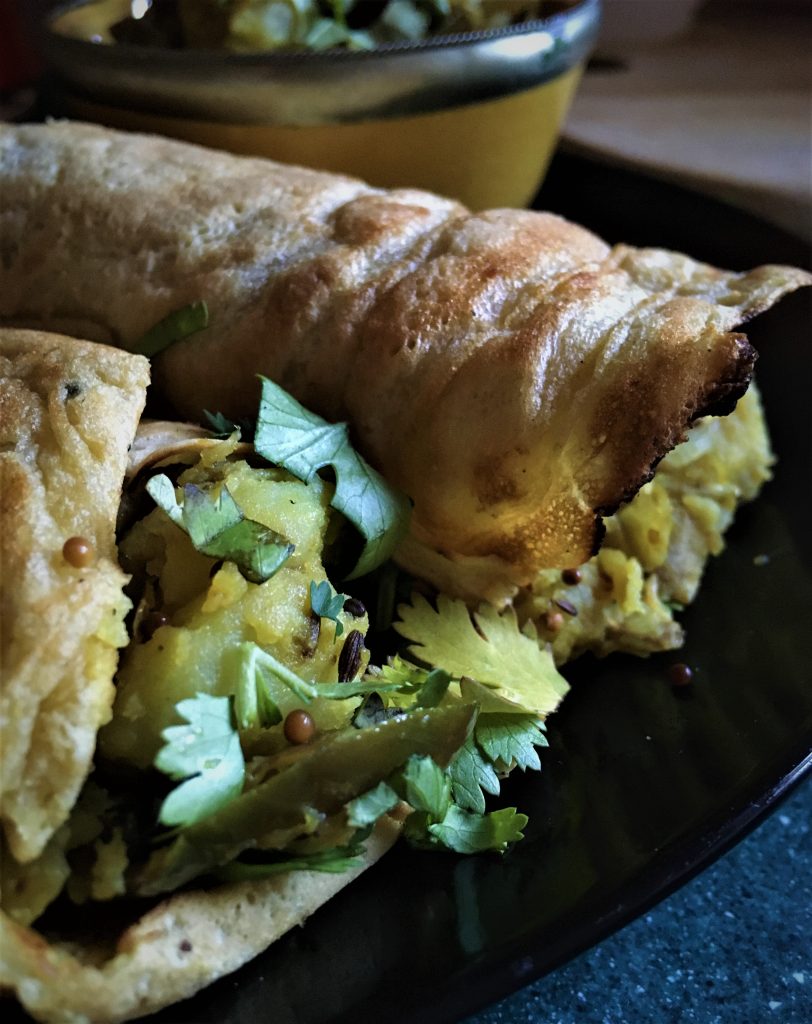
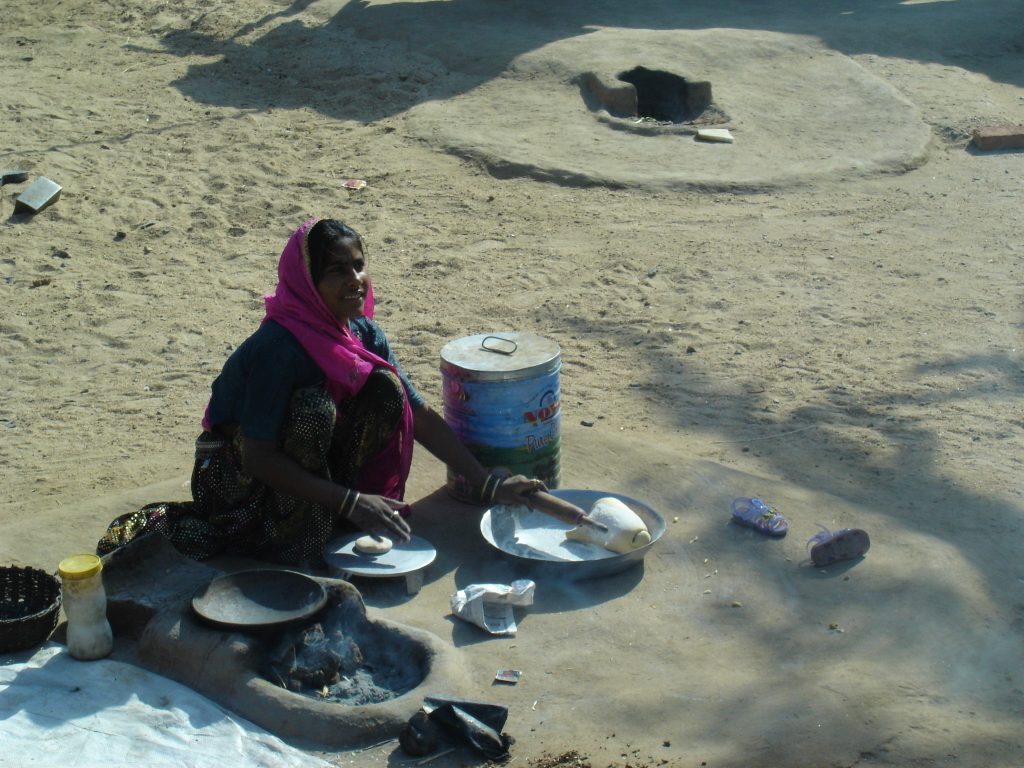
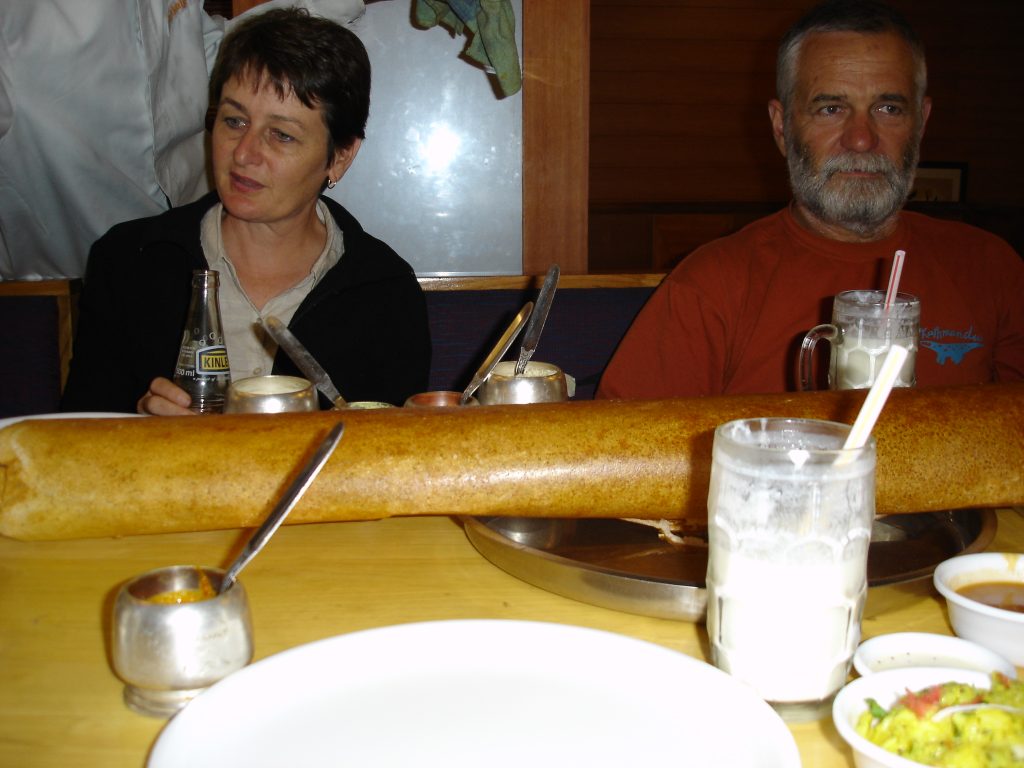
Dosas.are.fun. First and foremost. Again, for those who don’t know, a dosa is a type of pancake and can be eaten at any time of day (in fact more often than not for breakfast). One place I ate in offered giant ones which stretched the length of the table. There are lots of different versions of dosa made throughout India but masala dosa is the most well-known, particularly outside of India.


*Finally, if you want to explore beyond curry in your kitchen then I heartily recommend Dishoom’s cookbook (or a visit to their restaurant when we can do that again). There are lots of Indian cookbooks out there (and several on my shelf) but these guys have really interesting recipes and if you are interested in Indian culture and cuisine it’s also a really beautiful book.

These are less simple. a) annoyingly, it’s a little tricky to find the particular key ingredient, urad dal (a black lentil); b) there’s a lot of soaking/fermenting time required. I’ve never really ventured into the sandal wearing world of soaking beans (I’ve always just used tinned) so this is new territory for me. You will be pleased to know, however that, once you have sourced the ingredients and done the soaking and the fermenting, actually making the dosa pancakes is pretty simple.

If you can’t find urad dal then you can substitute mung beans or azuki beans (soaked) – which I had to.

If you can’t be fussed with the prep then you can also make more of a pancake style version which doesn’t quite do the crispy dosa outer but it works. The batter is a mix of plain and gram flour, fenugreek and a bit of bicarb to get it to fluff up with water. In my research for how to make dosas, I came across a Jamie Oliver recipe for a simple version which you can find here. Jamie notes, these “taste as good as the real deal”.

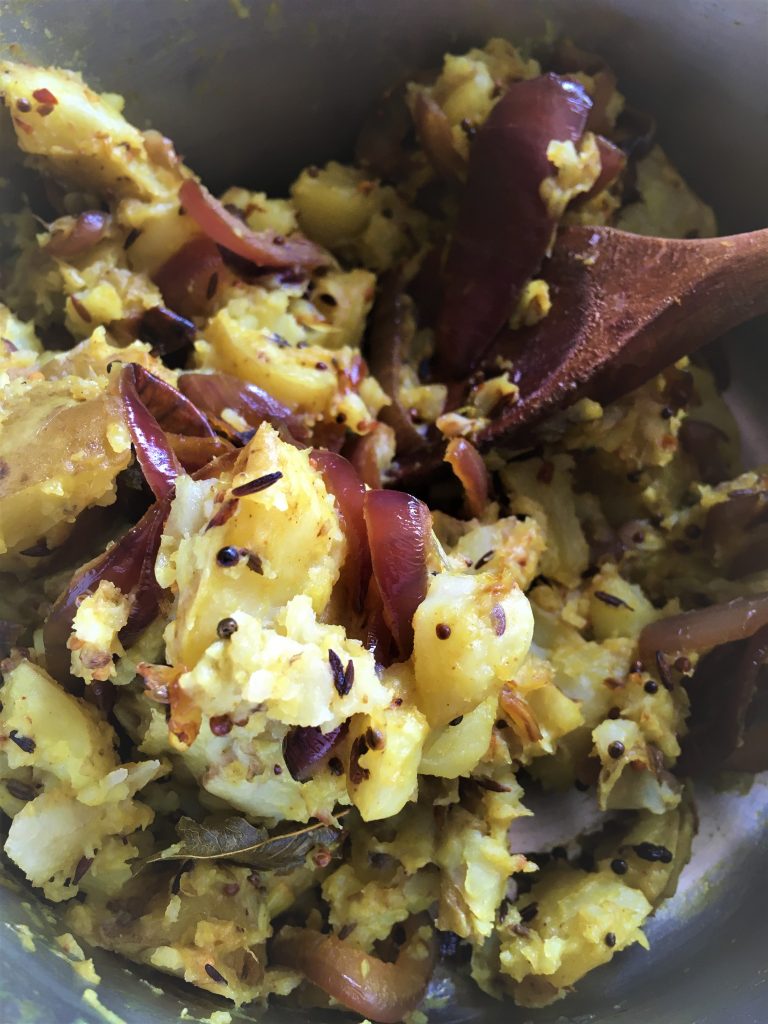
For the filling, the traditional masala dosa is filled with curried potato (the masala part).

If your spice cupboard is a bit lacking, a nice alternative would be my mum’s garam masala potato recipe which I’ve added below.

After reading a lot of dosa recipes, the one I went for in the end is taken from The Yummy Indian Kitchen. I’ve annotated it below with my experience of dosa-making.


Ingredients

For the dosa batter

  • 350g rice
  • 175g urad dal (or mung/azuki beans – pre-soaked according to instructions on packet)
  • 1 tsp chana dal (yellow lentils)
  • ½ tsp fenugreek seeds
  • 175g cooked rice (this isn’t included in the method… just cook 175g rice)
  • salt to taste

For the potato masala filling

  • 4 potatoes (washed, peeled and chopped into bite-sized chunks. I actually used new potatoes and estimated that 4 little new potatoes = 1 normal potato; plus, I like the skins on mine)
  • 1 tblsp oil
  • 1 tsp mustard seeds (black or yellow or combine both)
  • 1tsp cumin seeds
  • 4-5 green chillies (finely chopped; nb. 4-5 chillies is pretty punchy – you will want that lassi!)
  • 5 curry leaves
  • 1 onion (sliced in rounds/half rounds)
  • ½ tsp turmeric powder + a pinch
  • 1 tsp sale
  • 1 tblsp coriander leaves (finely chopped)


Method

For the dosa batter

Rinse and drain the rice and the urad dal. Add the fenugreek seeds, chana dal and enough water to cover. Leave to soak for about 7 hours.

After soaking, drain the water, mix in the cooked rice and blend to a thin batter incorporating a little water. One of the videos I watched used a nutri-bullet to do this. That would be the optimum, if you have one in order to obtain a super-smooth batter. I only had a little blender.

Don’t add too much water, just enough to get things going. The batter should be a medium thickness – so it falls off the back of a spoon.

Cover the mix and leave it to ferment somewhere warm overnight (like the boiler cupboard/airing cupboard)

The following day, before you are ready to use the batter, add the salt.


For the masala potatoes

Add a pinch of turmeric to a pan of salted boiling water. Add the potatoes and par boil them until they are soft.

While the potatoes are cooking, fry the onions:

heat a tblsp of oil in a pan, add the mustard and cumin seeds and cook them until they start jumping from the pan. Next, add the chillies and the curry leaves and cook for 1 minute. Finally, add the onions and saute until soft and nicely browned (although I used a red onion). Finish by stirring-in the turmeric and salt.

When the potatoes are cooked, mash them slightly in the pan (you can add a little butter at this stage if they are a bit dry) and add them to the onions. Combine well and cook for 1 minute. Finish with the coriander and leave the potato mix to one side until the pancakes are ready to be filled.


To combine… now assemble your dosa

Heat the pan. Add a tblsp vegetable oil to it, ensuring that the pan is coated. Drain-off any excess oil. You want a decent amount of coil so the dosas don’t stick but you don’t want them swimming in it.

The traditional practice is to put a ladle-full of the batter in the centre of the tawa and spread it around outwards in a circular motion towards the edges of the tawa. Pan-wise, I found it easier to put a ladle-full in the centre, pick up the pan and swirl the mix around (as you would with a pancake in a frying pan) to ensure that nothing sticks to the ladle/is uneven and you achieve a consistent, thin spread. The dosa should be fairly thin.

As the dosa starts to crisp-up (which it will do fairly quickly – a thin batter in a hot pan), flip it. This isn’t standard practice at all but if you aren’t cooking it on a tawa then it’s hard to get the mix to cook all the way through without flipping/burning the one side; and you really don’t want to bit into uncooked batter.

Again, traditionally, you would add some of the masala filling to the centre of the dosa while it’s in the pan, then fold it over and transfer it to a plate to serve. You can assemble it just as easily out of the pan and on a plate.

On a recent (pre-lockdown) visit to an Indian restaurant where I had masala dosa (BECAUSE I LOVE THEM), I discovered that they go very well with coconut chutney. There’s a good recipe for this here.


And finally… my Mum’s Garam Masala Potatoes:

  • 2 onions (finely sliced in rounds)
  • 50g butter
  • 1 tsp salt
  • 2 generous tsp garam masala
  • 750g potatoes (par-boiled and cut into quarters)

Essentially, pretty much the same as the masala recipe above except that you fry the onions in 25g of the butter and the garam masala. When the potatoes are cooked, drain them, smash them a little incorporating the other 25g butter then add them to the onions.

To this day, garam masala is one of my favourite spice blends as it reminds me of cosy home cooking.


Finally, finally, if you want to get deep into dosas (or, indeed, Indian breads), get one of these:

If you liked this recipe, you might like...

hels kitchen recipes climbing travel van life

Week 45 – North Italy

hels kitchen recipes climbing travel van life

Week 42 – Scotland

hels kitchen recipes climbing travel van life

Week 13 – Turkey

hels kitchen recipes climbing travel van life

Week 6 – Egypt

Comments

2 Comments

  1. Nick Riordan on 16 May 2020 at 11:48 pm

    Great wee sample of India The Masala Dosia are to kill for Yes a light curry potatoe filling with wee dipping sauces And of course we cant go without a “Jibe” for the “Buttered Chicken” One never forgets Great reading Helen

    • Helen White on 17 May 2020 at 1:33 pm

      Hi Nick. Thank you. They are the best!

Leave a Comment