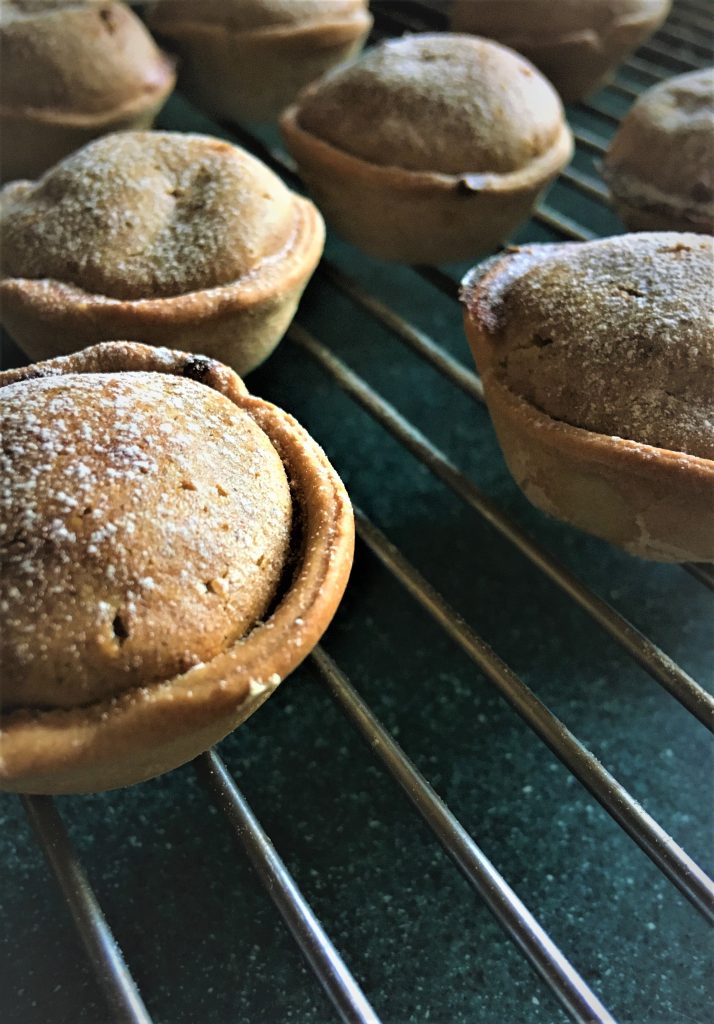
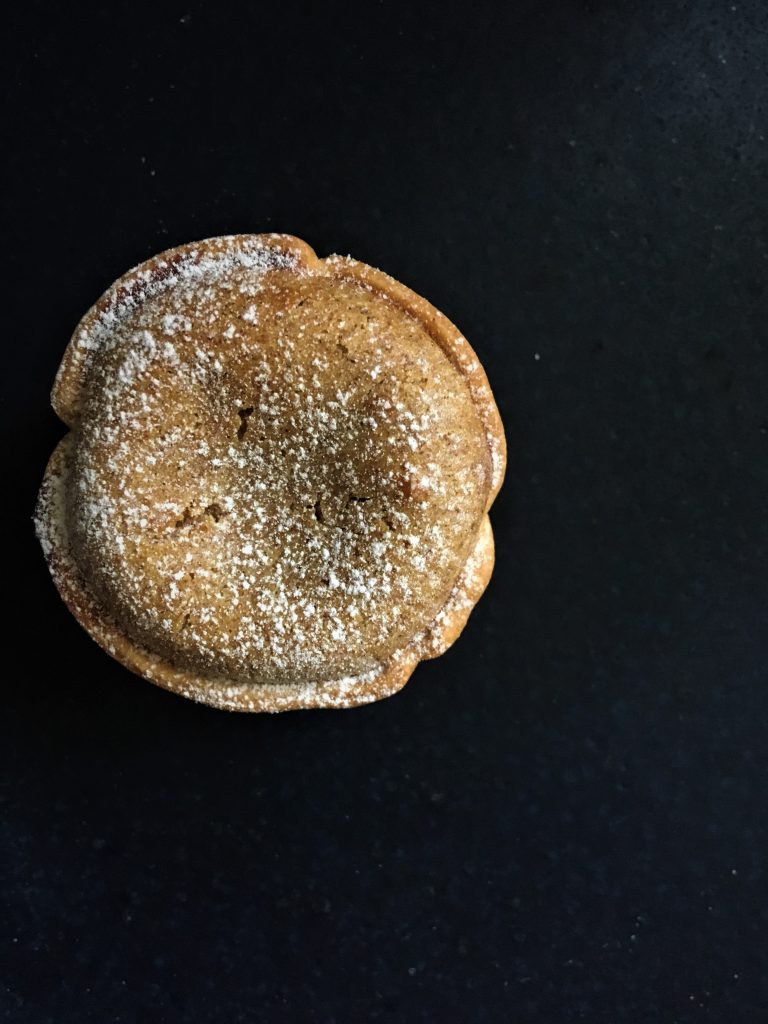

Makes: c.24 cupcake tin sized ones (if you make them mini it makes loads)

Takes: 45 mins prep; the dough also needs to go into the fridge overnight.

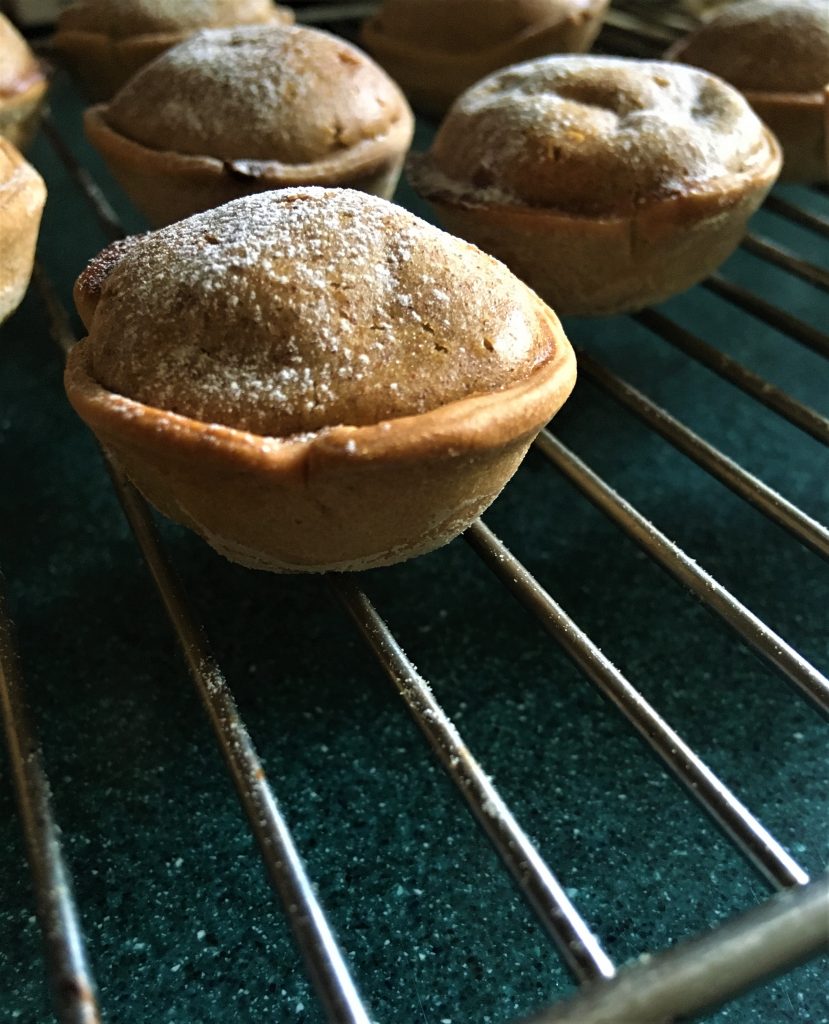
Bakes: 15-20 minutes – until golden brown on top; set the oven to 200C (GM6); you will need to grease and flour a cupcake tin/mini muffin tin (these are smaller bites – not massive muffin sized mouthfuls). For the most authentic look you really need to roll the pastry out almost until you can see the worktop through it but it’s not crucial and, it’s tasty pastry with a snap a little like the pastry of a garibaldi biscuit).


Ingredients

For the dough

  • 300g plain flour
  • 125ml warm water (warm, not hot – more on the cool side of warm)
  • ½ tsp salt
  • 1 egg
  • 1 tblsp melted butter

For the filling

  • 500g fresh cheese (I used ricotta so mine don’t quite look like the real deal but close enough.  If you want to get uber-traditional then you can make “queijo fresco” – this will achieve the real deal but ricotta works just fine).
  • 300g caster sugar
  • 8 egg yolks
  • 2 tsp cinnamon
  • 2 tblsp plain flour

(this makes a lot but I like them and I’m down with batch-making mini things; you can, of course, half these measurements.  I wouldn’t advocate halving an egg though. I would advocate making the full amount of pastry, halving the filling measurements and using the remainder of the pastry to freestyle some biscuits – chuck a few currants in and go garibaldi, for example.)


Method

First make the dough. Put the flour, salt, warm water, egg and melted butter into a mixing bowl and combine to form a dough. Transfer to a clean worktop and knead for about 5 minutes until very smooth. Wrap it in cling film (or environmentally-friendly wrap of your choice) and pop into the fridge to rest overnight.

When you are ready to make the tarts, roll out the dough very thinly on a clean worksurface.(depending on the surface you probably won’t need to dust with any flour. It’s a very clean, very satisfying dough to work with and a little like rolling out plasticine.

Depending on the size of your tin cut out either mini rounds or medium (cupcake tin sized rounds). The cutter you select needs to be bigger than the hole in the tin so that the pastry will come up the sides. They don’t have to fit in exactly and are nice if they have a little bit of a rustic look to them.

Now make the filling. Combine the ricotta, egg yolks, sugar and cinnamon in a bowl and make sure you whisk it all well – I used an electric hand-whisk – need to get some air into it. Then spoon this into the individual pastry cases, pretty much up to the top of each.

Pop them into the oven and put the kettle on.

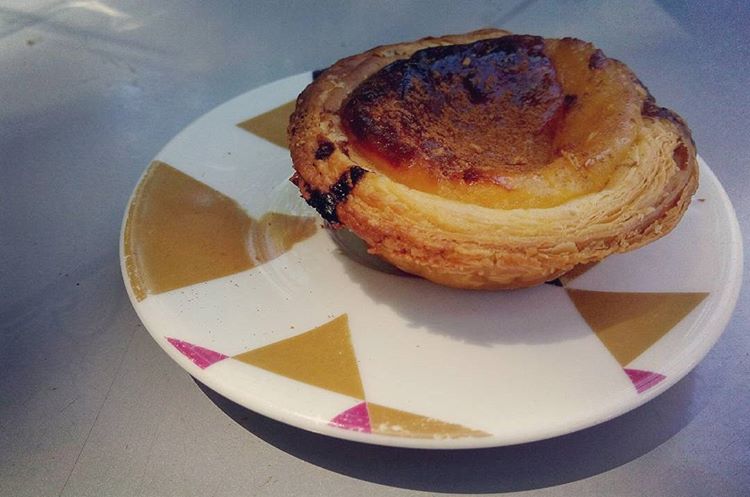
The centres will rise in the oven and then shrink back a bit when the tarts cool. Don’t panic. When the tarts are cooked the tops will be dark and will have formed a sort of crust. Transfer to a cooling rack. They will last for a few days; you can keep them in the fridge or in a tin (to keep the pastry crisp).


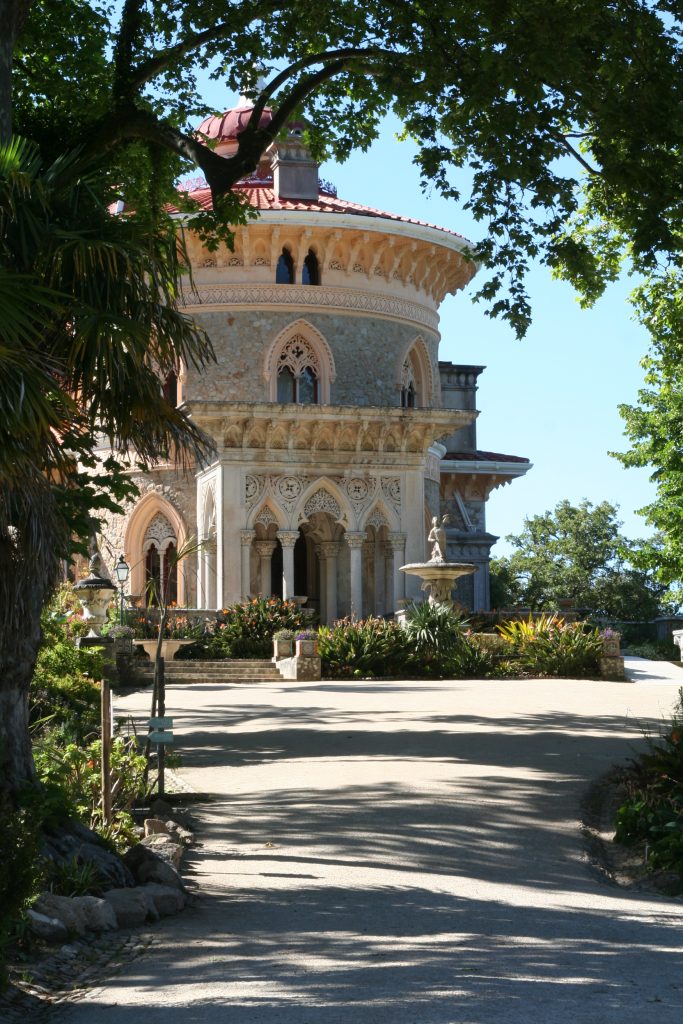
Portugal, or, more precisely, queijadas de Sintra in…  Sintra

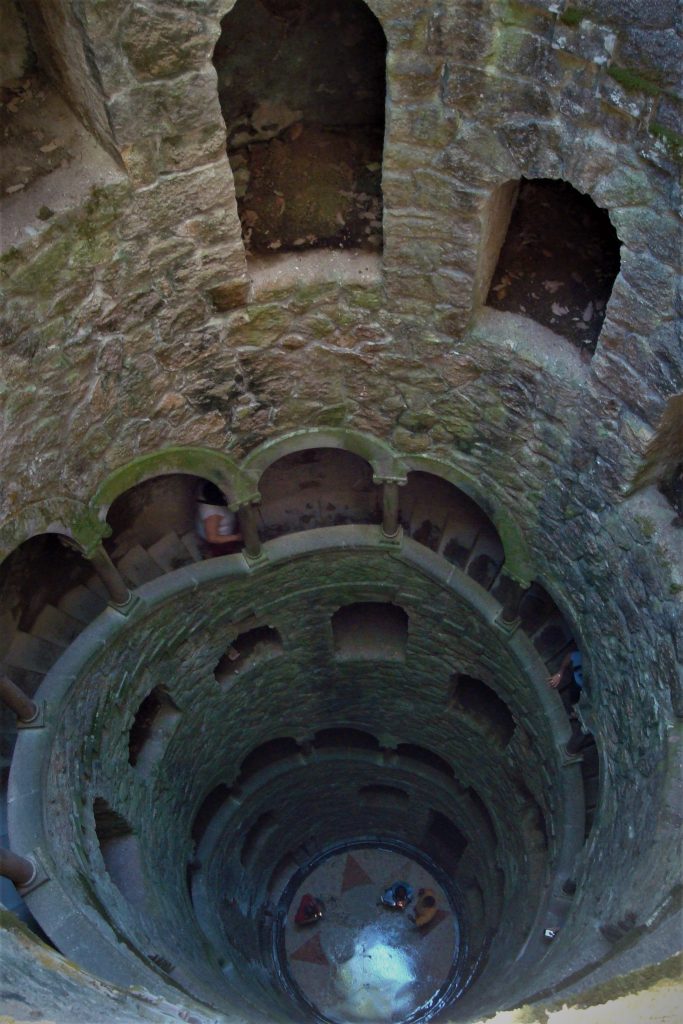
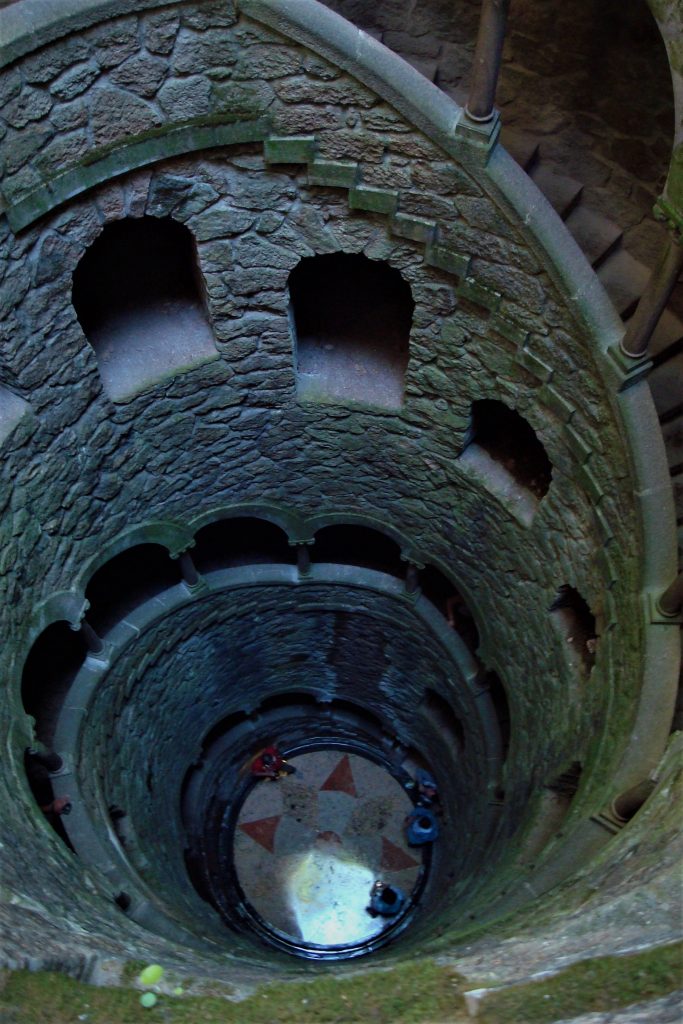
A couple of years’ ago, my sister very sweetly treated me to a birthday trip to Sintra because I’d banged on and on about a spirally well I’d seen a picture of that I thought it would be cool for us to check out. Prior to that, I’d been to Portugal only once for a work wine trip which was essentially all about wineries, vineyards and pasteis de nata. Obviously there would be wine on my trip to Sintra (and Portugal offers a great selection of indigenous varieties to try) but this time it was all about the well.

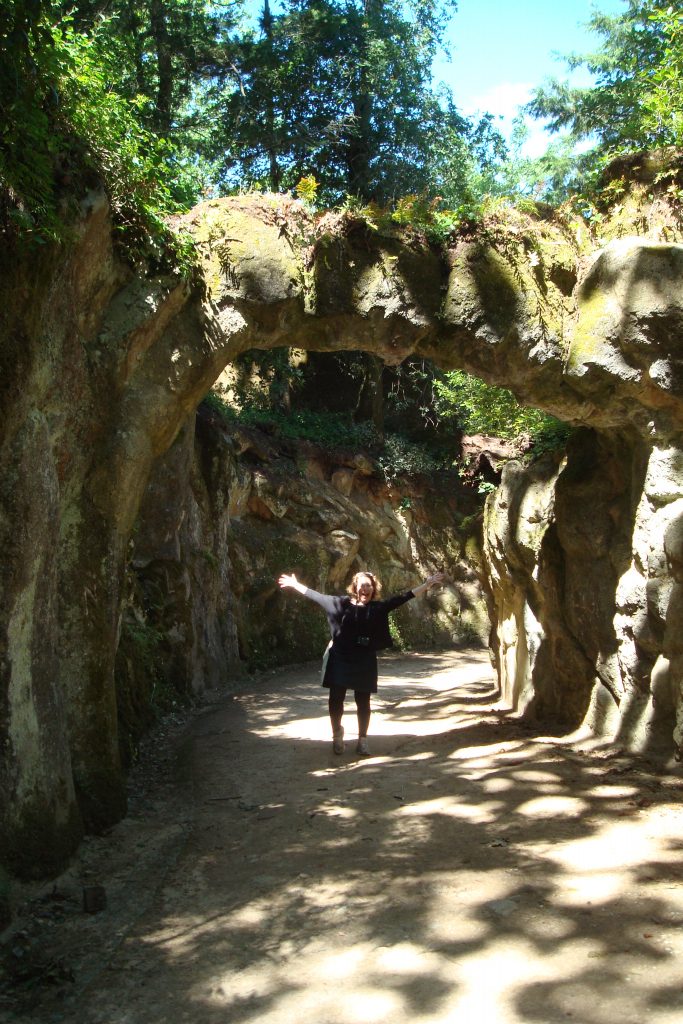
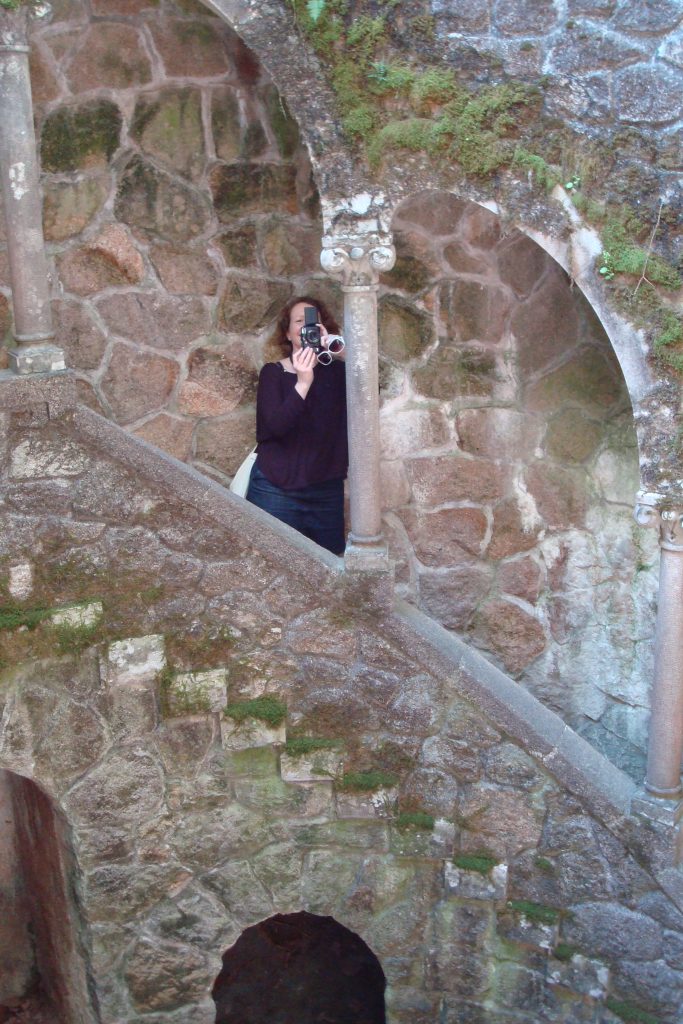
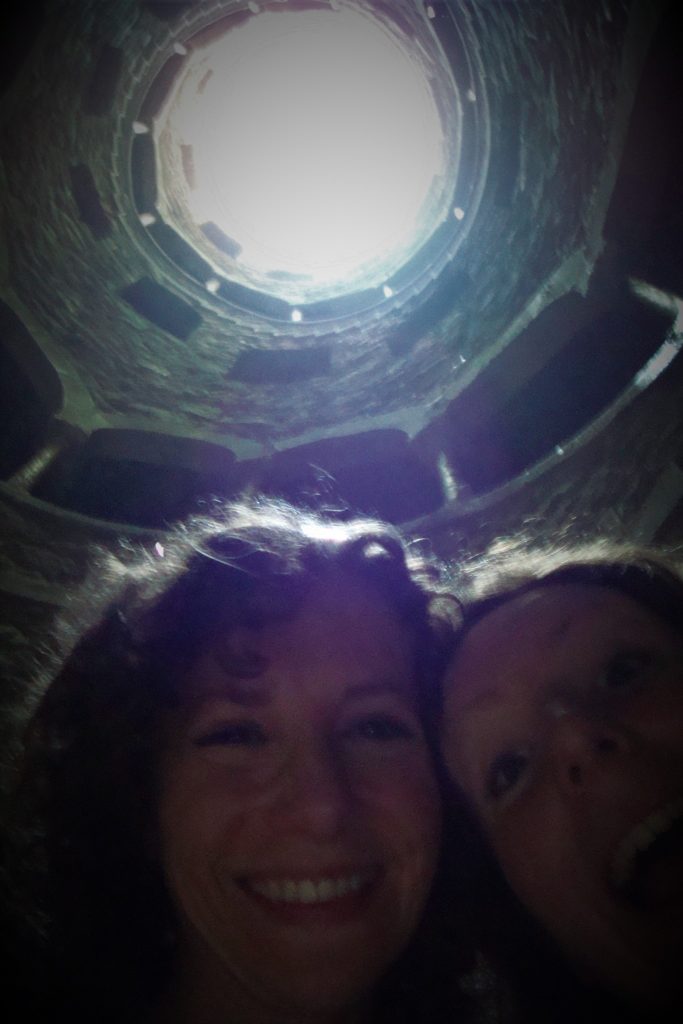
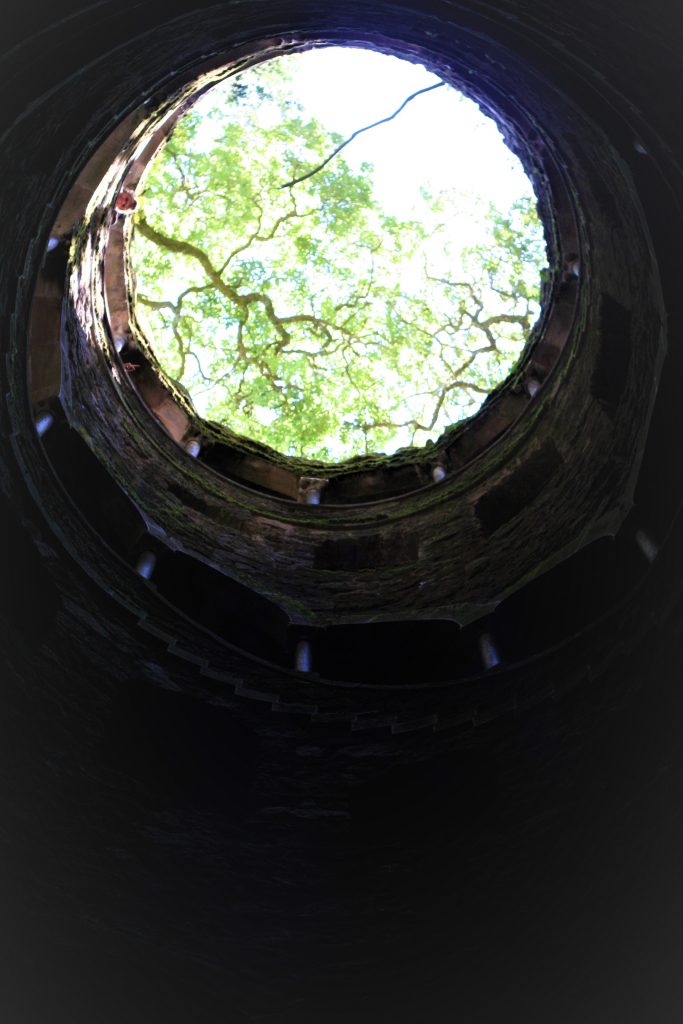
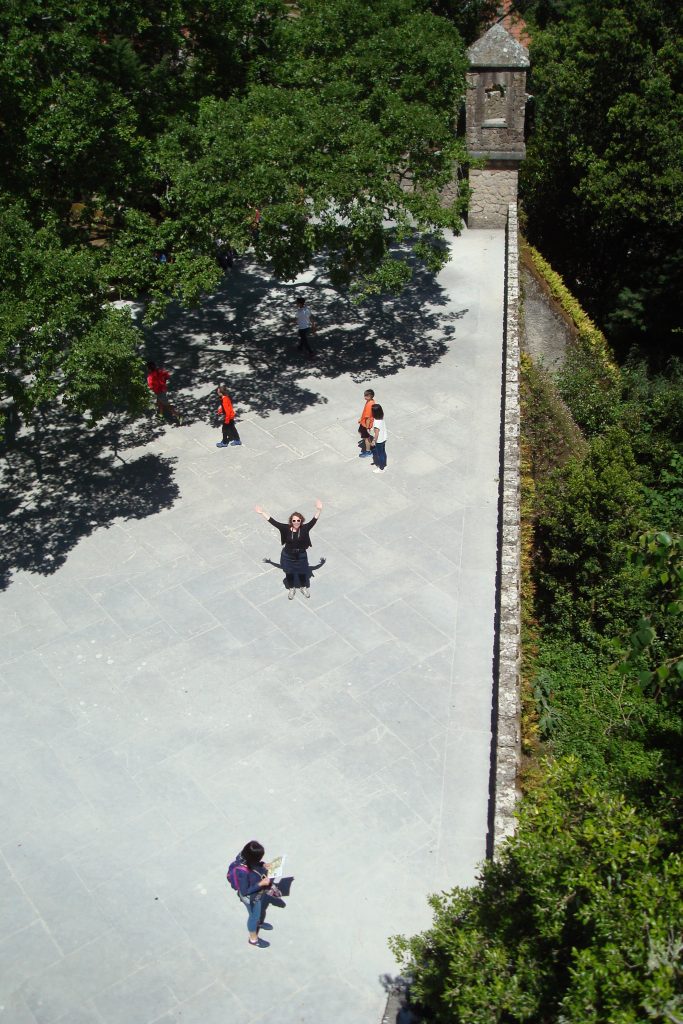
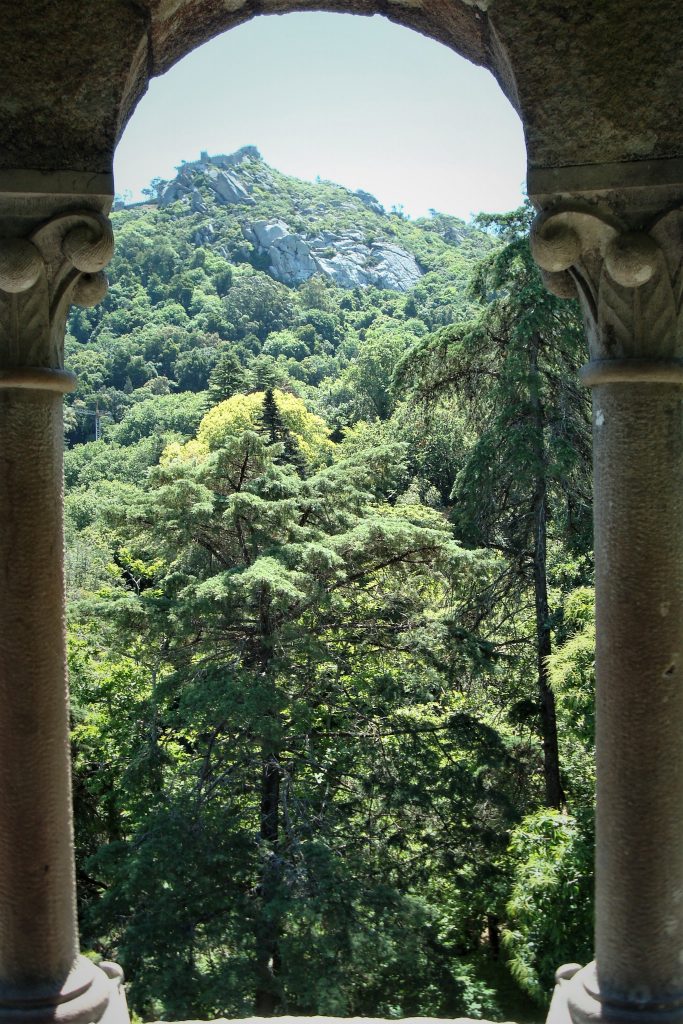
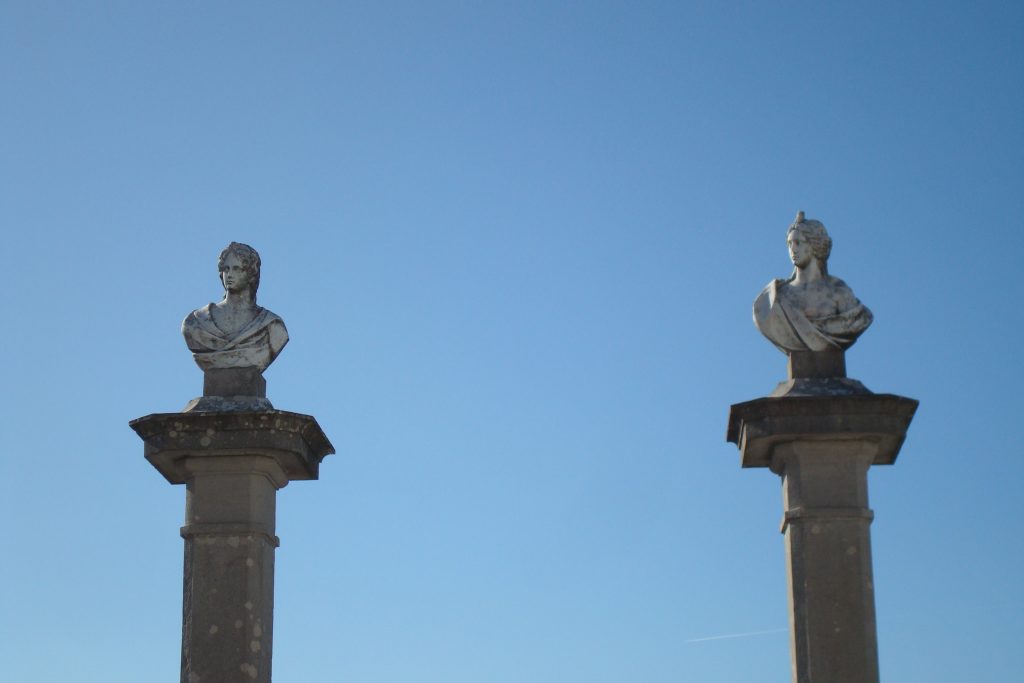
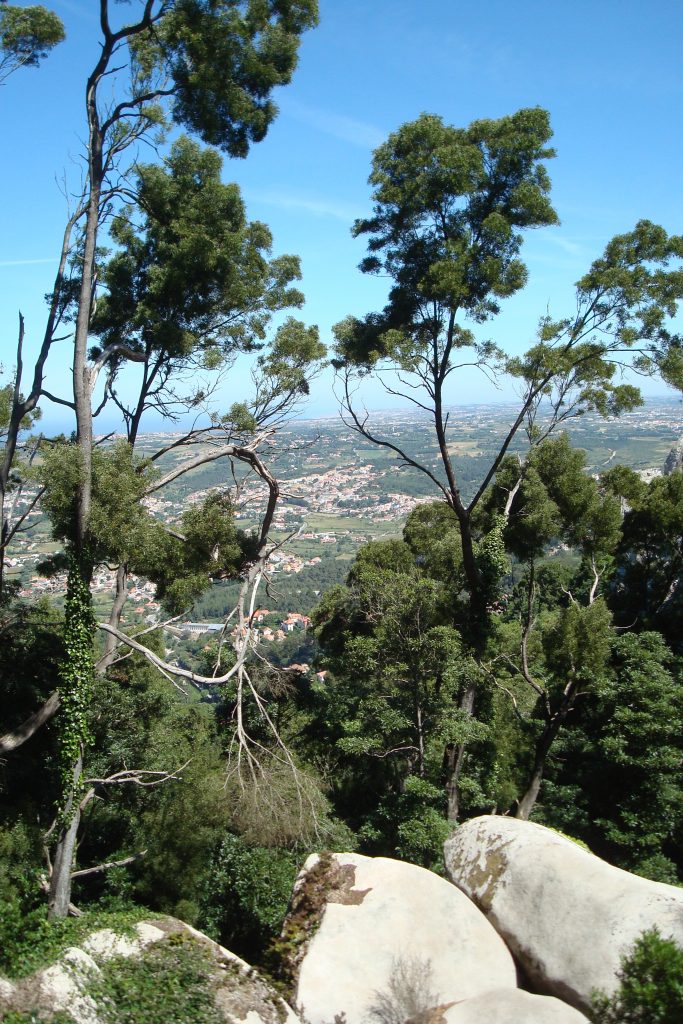
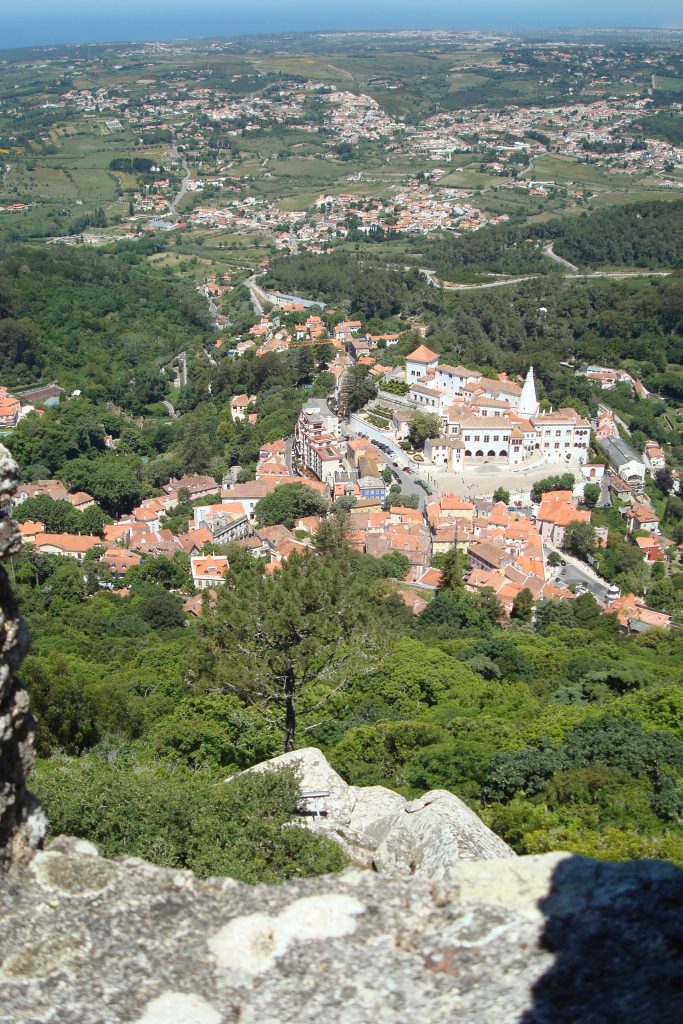
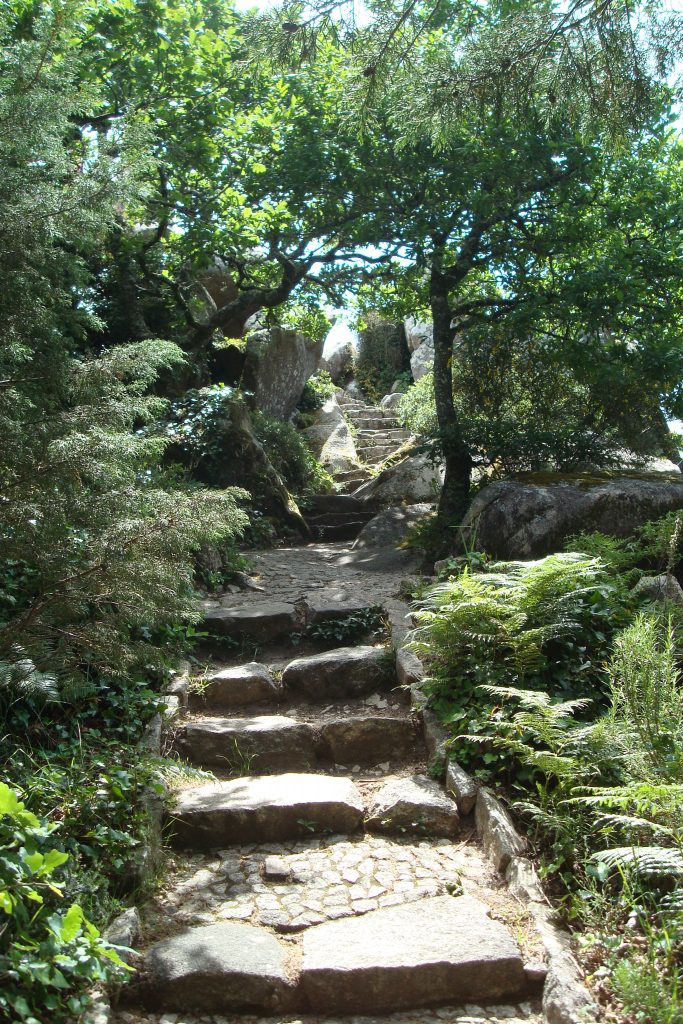
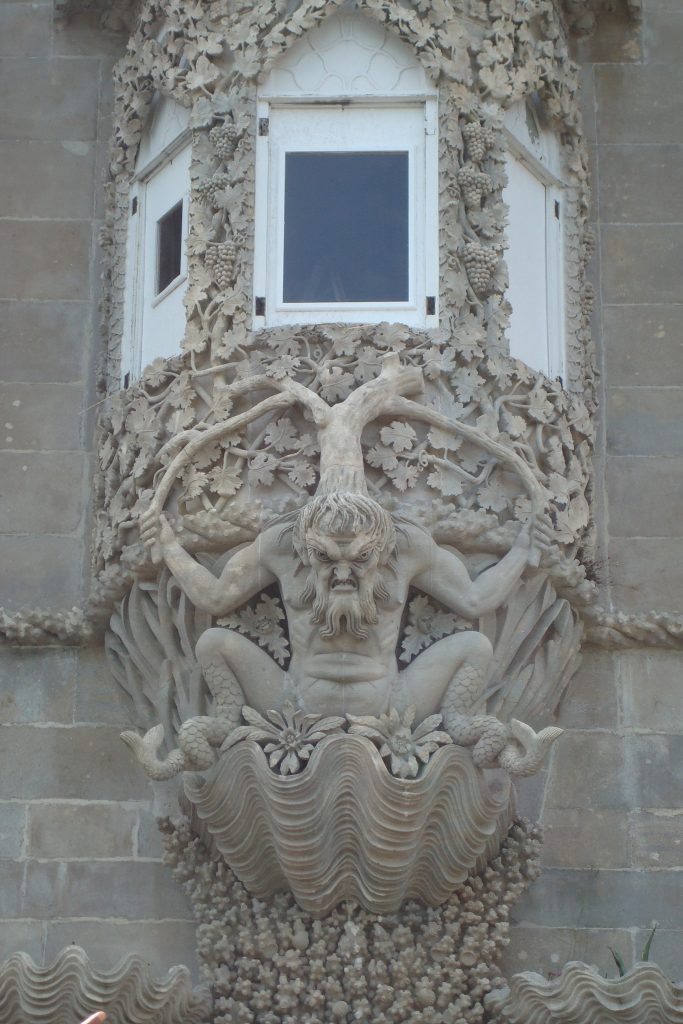
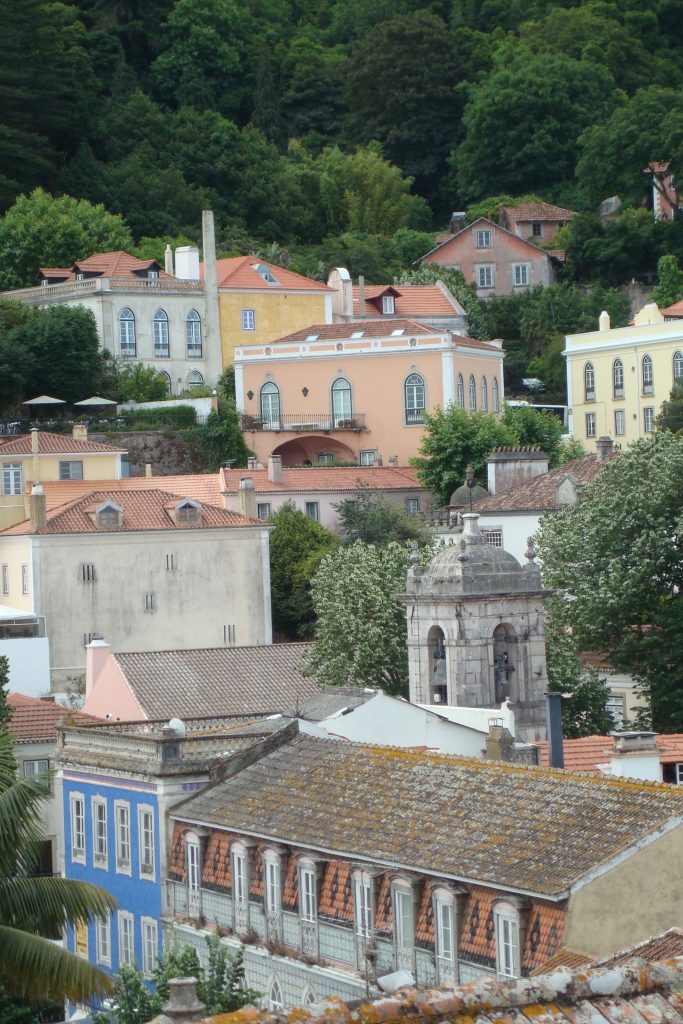
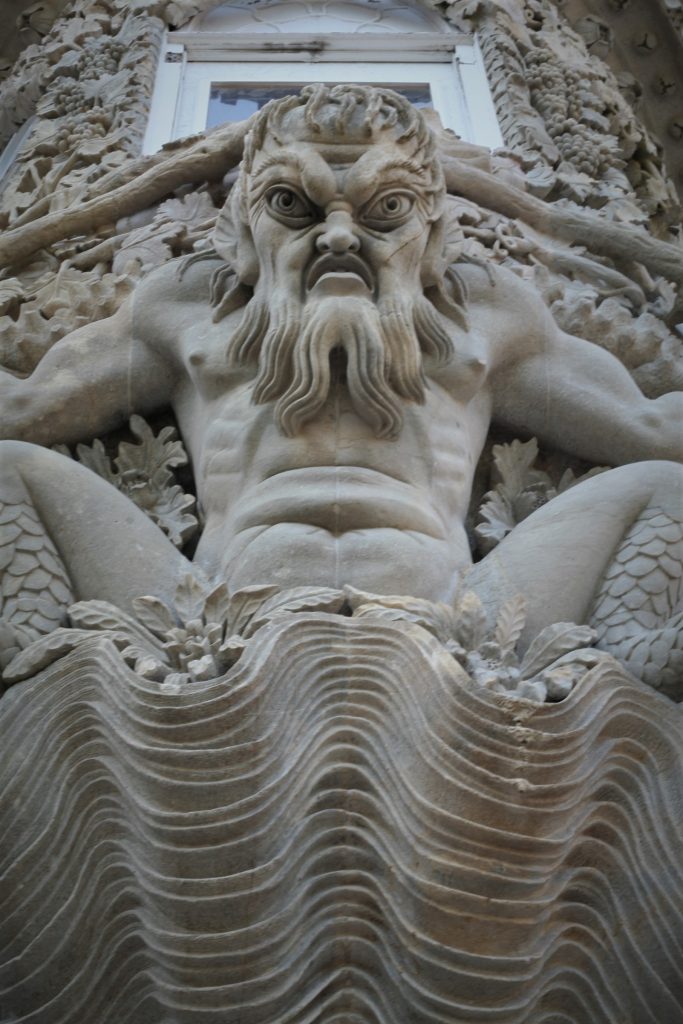
Sintra is a little town about 25k from the bustle of Lisbon. It’s super-touristy and a bit chi-chi in part (in the way super-touristy, small towns can be), which is less appealing to be honest BUT it is surrounded by beautiful pine covered hills (climbers, fyi, there is also climbing around here) and dotted around and about these are several “palaces”. Each one has a different style and a different feel as well as beautiful gardens (again, particular to each palace) which are perfect for a sunny stroll (with a pasteis in your pocket). It’s in the grounds of the Quinta dal Regaleira, however, that you will find my well. It is, in fact, known as the “initiation well”* – who wouldn’t be tempted to visit that?! As you can see from the photo, it spirals down into the ground (it’s a well). You can walk all the way down to the bottom, and… well, there’s nothing down there (apart from a passage way leading out). Nothing strange or unusual happens but it’s fun to walk down, particularly if, like me, you have a vivid imagination and have read a lot of quirky tales. It’s kind of like walking down a cool, damp, stone, helter-skelter in the semi-darkness.

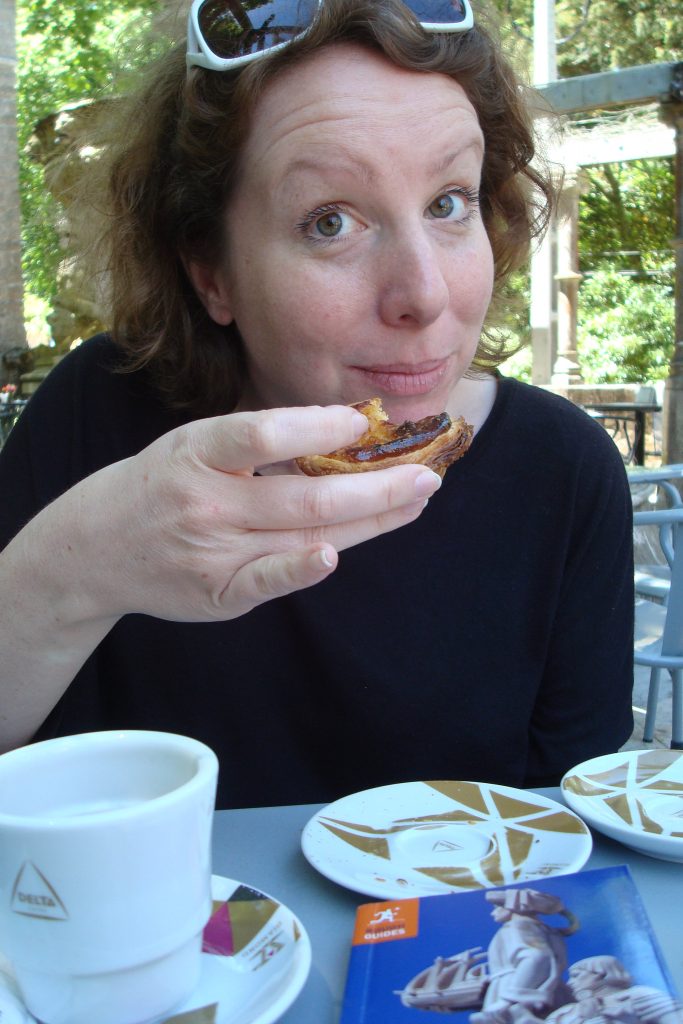
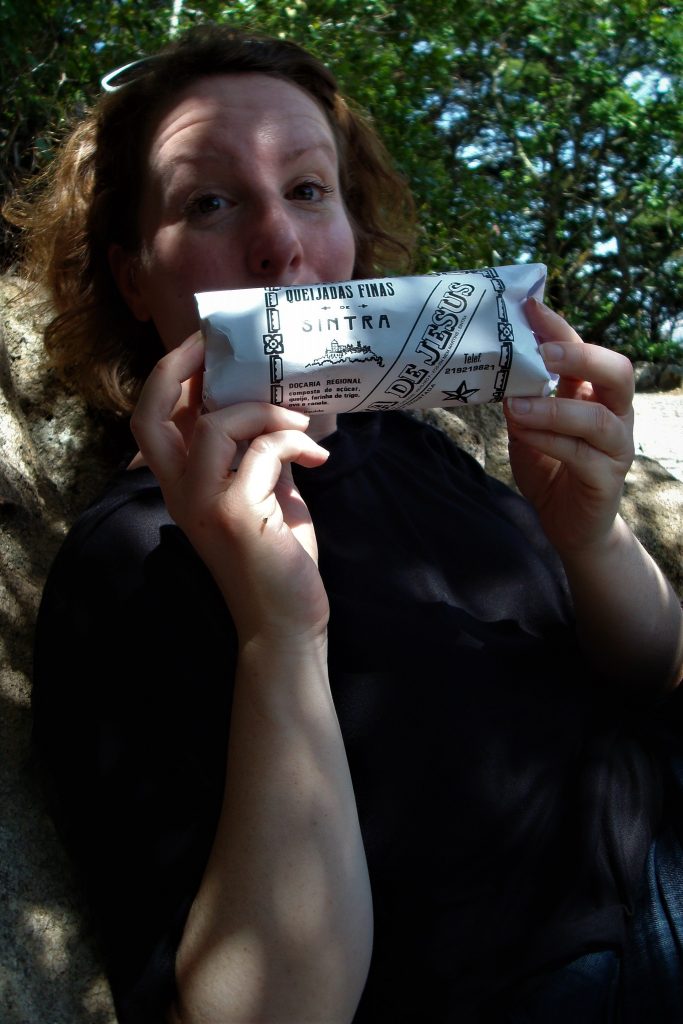
I’d never gone somewhere specifically to see literally one thing before. It was an interesting jumping off point (not into the well) as I didn’t know anything at all about Sintra except there was climbing there I’d seen this cool well thing. It was therefore a treat to discover lots of other interesting sites, lovely walks and of course, have the opportunity to eat as many pasteis de nata as possible in the sunshine. That being said, another serendipitous find was of the culinary variety. Sintra actually has its own particularly sweet treat… stand aside (temporarily) pasteis de nata, I give you the queijadas de Sintra. Rich and sweet with an enticingly chewy crust, these cheese and cinnamon pastries are equally as moorish (literally, they reflect Portugal’s Moorish past), and are as splendid with coffee as the custard tarts. They are also much smaller, so you can eat more in one sitting. The recipe dates back to 13th C and they are also easier to make than pasteis de nata . The latter tarts are of course, gorgeous and aren’t hard to make, they are just hard to get exactly right. There’s a subtle difference. You can find the queijadas in nearly all the shops in Sintra and when not sold singly, they come in cylindrical, stylishly-wrapped packs so you easily pick some up to enjoy as you wander around the grounds of the palaces.

Serendipity is a slave to no-one and no thing; it occurs whether you have a structure or not but sometimes it’s nice just to flâneur-about without a more informed itinerary and allow yourself the opportunity to be pleasantly surprised (in the eyes or in the mouth).
 

*(I since discovered that there is a similar well in Orvieto which I walked down into on a recent return trip to Rome… as well, ahem).

If you liked this recipe, you might like...

hels kitchen recipes climbing travel van life

Week 35 – Devon

hels kitchen recipes climbing travel van life

Week 32 – Bristol

hels kitchen recipes climbing travel van life

Week 14 – Croatia

hels kitchen recipes climbing travel van life

Week 23 – Sardinia

Comments

Leave a Comment