
I read an article the other day about what we in the UK have been drinking (wine-wise) during these strange times. Sales of fizz went down the toilet for obvious reasons; although now the lockdown brakes have been released somewhat and we drift into Summer, these will likely rise again and countless corks will start popping in the parks (at a safe distance…).
Further along the shelves, apparently sales of rosé went off the chain – most likely on account of the small comfort sunny weather we’ve been experiencing. The popularity of rosé is unsurprising as, for a long time, it has been viewed as a suitable loosener with which to wile away a Summer’s evening in your garden (if you are lucky enough to have a garden, of course).
Others, it seems, were favouring the French classics. I can only think that this is because people decided to treat themselves and reach out to the comfort of something with solid history in the light of an uncertain future. Perhaps there’s also an element of throwing caution to the wind here, although, as someone who is never able to afford fancy Bordeaux and Burgundy normally, times of extreme financial uncertainty wouldn’t encourage me to start blowing cash on these two.
The most surprising hike in UK sales, however, has been… SHERRY, which leapt into play from a position of very much behind pretty much most alcoholic beverages. No-one seems to know why but I’m down with this news. Sherry is such an underrated and misunderstood drink (outside of Spain). For the past 20 years or so, and certainly since I’ve been working in the wine trade, it has been sticking its head above the parapet trying to convince people that it’s more than just a dusty, old bottle at the back of your aged aunt’s sideboard. In fact, it’s been trying for so long that that description is now a cliché itself. Who knew that it would take a global pandemic to increase sherry sales, albeit mysteriously so (unless it really is just aged aunts panic-buying Bristol Cream).
But what is so great about Sherry? Let me drop some intel…
Firstly, let’s get over the word “sherry” and the concomitant cliched connotations that we (in England) have saddled it with. Poor old sherry; with custmory aplomb we took it and let it flounder on our shores. Drinking sherry outside of Spain towards the end of 20th Century was a bit like it ordering a chicken tikka masala in an Indian restaurant – a poor reflection of the true potential to be enjoyed. In the UK for a long time (and still a bit) Sherry was essentially a strange, misfit liquor languishing in a cupboard alongside a random selection of spirits, mixers and liqueurs. Traditionally, it only really saw the light of day to be added to a trifle, when a tipsy teenager testing their capacity for alcohol had run out of beer, or on a Sunday before lunch as a sweet aperitif for your grandmother. For a while Sherry even received the ultimate insult of being mixed with lemonade as a fancy drink (thankfully we now understand cocktails better too).
Anyway, all that is pretty dated and also pretty much died out in the 90s when sherry reached its nadir. Fortunately, when are you are at rock-bottom, the only way is up and sherry has been clawing it’s way back up for a while, seducing a few palates along the way, creating a few ripples and finally, thanks to the travel industry and the protean London food scene, it has been able to reveal its true personality(ies). It has even graduated from being mixed with lemonade to feature in actual cocktails as a sub for certain ingredients. It’s a very nuanced wine, mind, and isn’t just any old mixer so the complexity of it’s flavours certainly adds a deep twist to things. Sherry still needs to slough the tail end of its old-school associations but, much like the ageing of a good sherry itself, this remains a slow process. I’m more than happy to champion its cause because it’s definitely not stuffy; it’s fun, it’s a survivor and it tastes of sunshine (well sunshine, the sea, nuts, lemons, apples, log fires and Christmas – what’s not to love about all that?!).
Here’s a few key points before we get into the meat of it:
- The word “sherry” is generally accepted to derive from Jerez (de la Frontera) in Andalusia where sherry is made; more on that later (alhtough it may come from a couple of other ancient towns, Xera or Ceritium). Jerez is itself a named after the old Moorish town it stands on – Sherish). We used to call sherry “Sack” (from saca – extraction (more on that later too). We have a habit of simplifying things (angliscising them). The Spanish don’t call these wines “Sherry”. Sherry is the anglicised version of Jerez (obviously) and over here Sherry is a bit of a catch all term, like Claret, or Hock. All three names, incidentally have developed negative connotations over the years and claret and hock are pretty much no longer in exisitence as terms. Claret was a posh-person term for red wine; Hock is a dated term for German wine, essentially sweet. With “Sherry” the maximum number of adjectives allowed to provide anything more by way of information amount to three: sweet or dry or cream, oh and the oh so helpful, medium-dry.

- Rather like with German wine (which has shared a similar fate in Britain), Sherry isn’t just sweet; there’s a metric, from refreshingly bone-dry to syrupy “pour it over your ice cream” indulgently sweet (in a good way).
- It’s not just a drink for people over 50 – cool, young, hot Spanish people drink it too… you could be like them 😉
- It definitely isn’t and has never been English (don’t let Harvey’s Bristol Cream confuse you – although the large, well-established English sherry houses most of which combined with Spanish producers have plots in Jerez). It is 100% Spanish and is only made in Andalucia. Unlike Champagne and “sparkling wine”, or, say Sauternes and “dessert wine”, there is no real sherry equivalent anywhere in the world – in particular in the sense that anyone has ever mistaken a pretender for actual Sherry. “Sherry-style” wines are made, with varying degrees of success, but Sherry proper and its characteristics are unique to this partiulcar southern corner of Spain. It’s history has seen it evolve and adapt, sometimes by necessity other times by happenstance, to become the finely honed, elegant and somewhat enigmatic drink it is today.
- It lasts well, yes, but it doesn’t belong in dark cupboards. Only the darker/sweeter sherries have any decent longevity the lighter ones will only really last at their bets for a couple of weeks (they are effectively like “normal” wines) and should be kept in the fridge. The lighter ones should always be drunk chilled and the darker ones should not.
- Sherry is not just an aperitif it is a FOOD WINE, arguably THE food wine. Its broad range of flavours and styles means that you can find ones to match all sorts of foods and all courses. That, in fact, is it’s charm and possibly its USP.
BRIEF history
It’s hard to condense history but I’ll give it a go. It’s only relatively recently (in the last 250 years or so) that the world has favoured lighter wines over heavier, fortified wines. Ancient wine could be a pretty hefty affair; sweet styles were considered the best and were so alcoholic that they had to be watered down or flavoured with all sorts of things. Richer wines, often fortified with spirit to have a higher alcohol content, have greater longevity than the standard red/white/rose we have come to drink. They travelled better as a result of higher alcohol/sugar content and this was useful for trading overseas (or indeed drinking on the high seas) wihout the luxury of modern day travel speeds/refrigeration technology. People’s palates will generally adapt to whatever is presented to them (plus, humans are rather susceptible to a little zeitgeisting) and sherry has been popular in England since the 16th Century. When Drake sacked Cadiz (just down the road from Jerez) among his spoils were c. 3000 barrels of sherry. The English were lapping sherry up left, right and centre. It was Falstaff’s favourite tipple (I know he’s not real but the point is that Sherry gets a mention in Shakespeare) and English ladies were even allowed to drink it in polite society. At this point however it was essentially “wine from Jerez”.
Older sherry didn’t taste like the sherry we have come to know because it didn’t have spirit added to it, it just had a naturally high alcohol content. In the 17th Century producers started to gain a greater understanding of the soils and the yeasts in the region where sherry was made and finer wines (“finos“) started to be created. Wars (Spanish succession and Napoleonic) and hostilities affected trade, as did the appearance of sweet, rich port from Portugal which the (fickle) UK quickly fell in love with. Sherry sales dropped and this left lots of barrels languishing… and oxidising and it is believed that this was how sherry producers came to happen upon the more characteristic and surprisingly appealing nutty flavours we know today. So, lighter and darker sherries both sort of “happened”. Another thing that happened was that realising that the fashionable taste was for “fortified wines” – wines that had brandy added to them – Port being the most popular in Britain, the winemakers in Jerez decided to experiment to see if they could create a wine that would compete.
The port (harbour not drink) of Bristol became very much a part of the sherry trade, and wine trader, John Harvey & Sons “came-up with” a particular cream style much to the approbation and delight of the sherry swilling public. Along with other British makers like Croft (which grew out of a partnership between English winemaker Robert Byass and Spanish winemaking family Gonzalez), wines to suit the British palate’s penchant for the sweeter styles started to be promoted. Both importers bought-up vineyards in Jerez to guarantee the authenticity of their product.
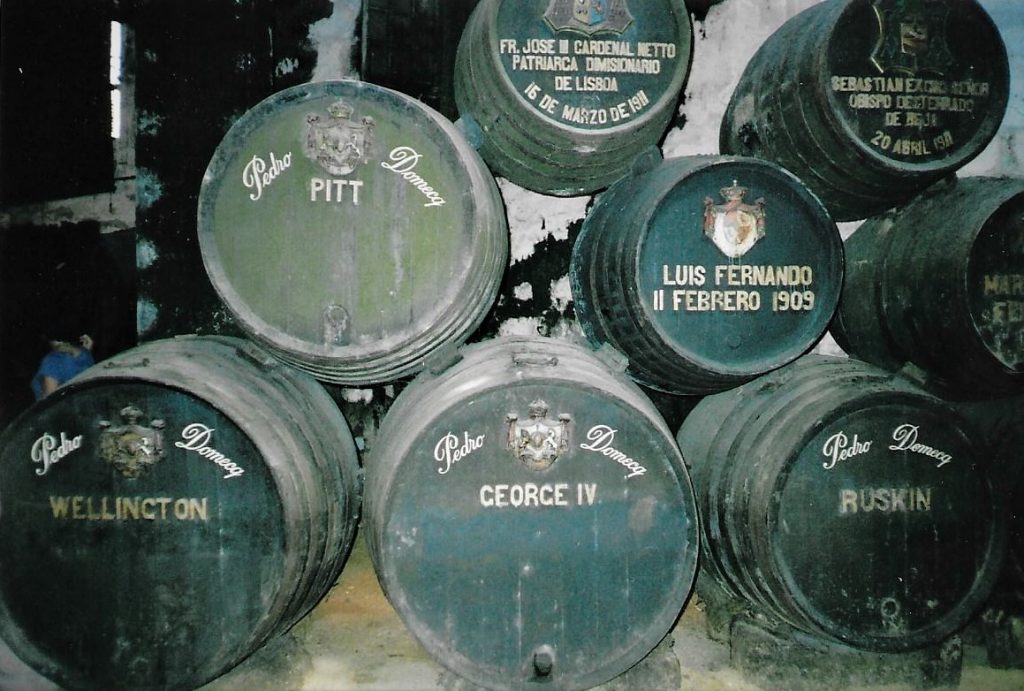
By the 1850s, 40% of all wine imported to Britain was Sherry and it was leading the way with Rioja as Spain’s most popular wine. Then the obligatory bandwagon happened and Spain found itself competing with sherry-like wines from around the world. Then phylloxera happened (an insect “plague” which devastated the majority of Europe’s vineyards in 19th Century, including much of the wine-growing terrain in Spain). The slow process of replanting on phylloxera-resistant rootstocks for the vines started to take place at the turn of the 20th Century, only to be followed by two wars. Post-war, like most fashionable things (traditionally) a trend filtered down from the upper classes in the UK and sherry started to sit alongside the likes of Gin &Tonic as a “take your tie off and relax in your armchair after a days’ work” kind of a drink; or as a “fancy” aperitif (daytime drinking “treat”) on a Sunday before lunch. All very “posh” and aspirational, mind, unless you were a normal person ordering a glass in the pub. Harvey’s, Croft and Tio Pepe pretty much owned the UK market for many years – a good example of big brand dominance. Supply and demand led to lower quality wines flooding the market in the 70s and 80s and a line-up of distinctly unappealing looking, ugly brown bottles could be found apologising for themselves on the bottom shelves of most supermarkets/off licences. Dry sherry, cream sherry and sweet sherry were cheap fixes for those in need of a higher hit of alcohol and also cheaper ingredients for trifles/Christmas cakes and they most likely weren’t even made in Spain. Sherry’s star waned and it became relegated to a cake ingredient and a drink for ladies of a certain age. Mass marketing and low-quality production prevailed.
Sherry today
Everyone loves an underdog, the wine trade loves to find the “next big thing” to promote and the UK buying public is very happily seduced by a trend. I say trend but what is actually happening is that sherry is finally being promoted for what it is. Several factors have contributed to this: a seismic shift away from bulk (which is thankfully a trend in the wine trade generally) and towards innovation and better quality, smaller producers and niche options. That being said, some of the finest sherries are still made by the larger houses. These have a rich heritage (which includes for some, hands across the sea UK investment). In Jerez they are fiercely proud of this and like many a winemaker they speak about their product with a deep, poetic resonance.
A rising interest in food and wine matching, a greater number of people having more disposable income to travel and eat out and a burgeoning London food scene have also played a part. Nowadays, sherry is “cool” and its better wines much more accessible, as importers ensure that a more authentic experience is available to curious drinkers with a thirst for knowledge.
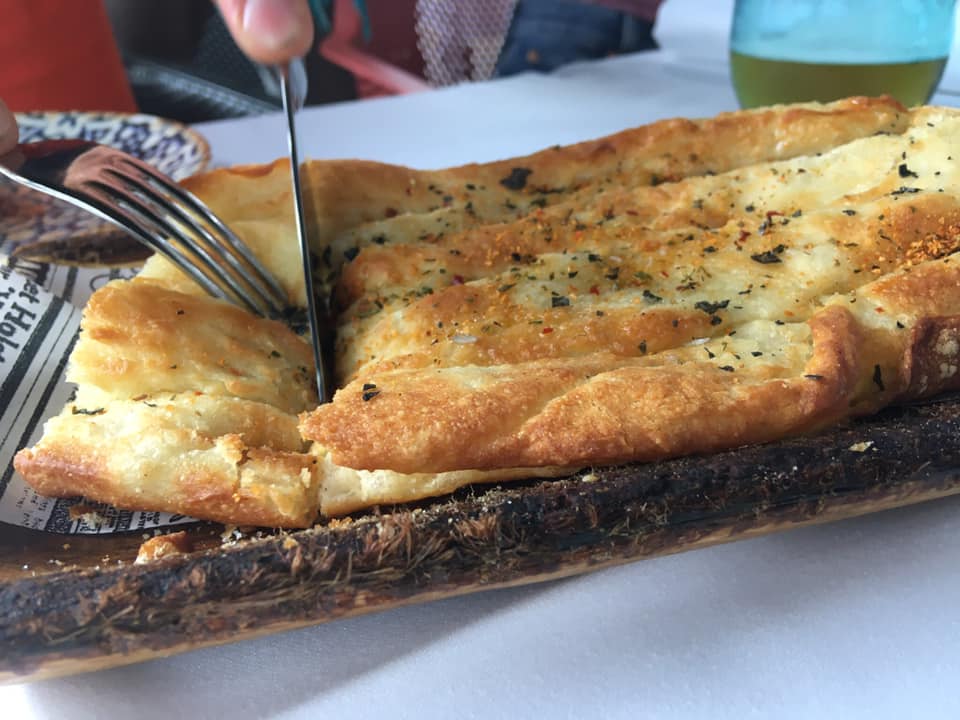
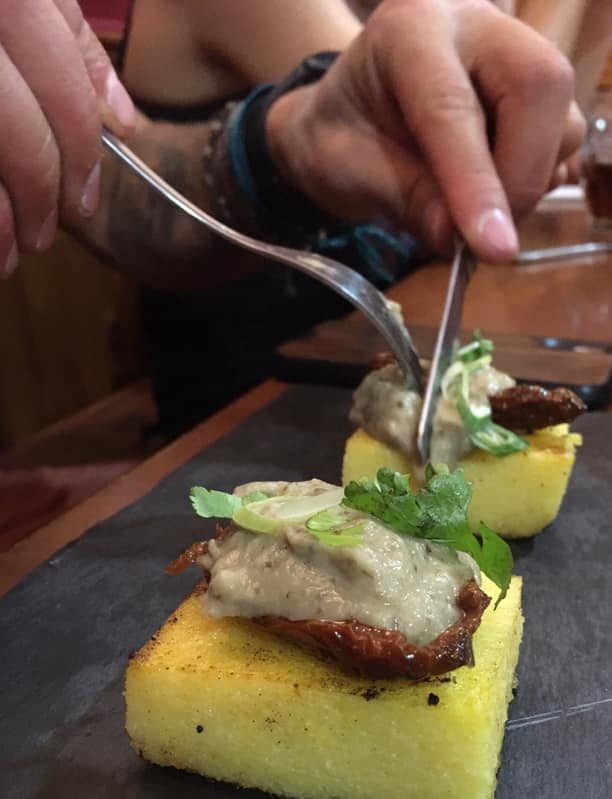
Food lies at the heart of this resurgent interest and the targeted promotion of the tapas lifestyle has contributed tenfold. The fascinating symbiosis between food and wine doesn’t get much more tightly intertwined than in the south of Spain. The word “tapas” itself derives from tapa – a little “hat” of food – say a chunk of bread or jamon that used to sit on top of the copita (the traditional little tulip shaped sherry glass) to protect the wine from flies, dust or whatever else might drop into it as you supped outside in the sunshine. The surge in tapas bars in London has also contributed to sherry’s increased mass appeal for sure: places like Barrafina, Copita, or the super-authentic Pepito in Kings Cross (to name a few) helped it surf the wave of a rising interest in eating-out and, tapas is about as sociable as eating-out gets really. Thanks to places like Moro which super-boosted the Captial’s tapas scene, this style of dining became super fashionable or rather, we adopted it. It’s also never gone out of fashion since because as soon as the sun comes out Londoners love to eat (and be seen to be eating) outside and, as is the way, this has filtered out to other towns.
Then, much in the same way that restaurants have latterly decided to intrigue their clients’ tastebuds by dropping a few orange wines onto the menu, slowly but surely, bar owners welcomed palates curious to match food and wine and were able to convince their patrons that sherry was the perfect accompaniment to tapas – by appealing to their egos essentially (although, an ego isn’t crucial to enjoying tapas, in fact, please don’t bring it to the table).
My first encounter with sherry was (much like many other folk who grew up in the 80s) the distincitve blue bottle of Bristol Cream that sat in the dining room cupboard year in, year out. This went into the Christmas cake and was also probably the first alcoholic drink I had. My first encounter with REAL sherry was in my first wine job when a rep came to run a tasting for our wine club. He brought one of each kind of sherry, each kind of proper sherry, that is and an armful of cognacs, armaganacs and rums for good measure. This was a full-on tasting (in more ways than one) because you taste sherry in the same way you taste “normal” wine: rolling it around your mouth – to put it simply – to get the air interacting with it and to determine the full flavour profile. My tastebuds were knackered for about two weeks afterwards but, the wines I’d tasted were amazing. Intruigued by this drink, I promptly organised a trip to Andalusia to learn more. I cannot recommend a visit to this region highly enough. It’s one of the best trips I’ve ever had. You can taste a lot of sherry, sample incredible tapas and crowbar in a bit of Seville, Granada and Cordoba in the process (i.e. Moorish beauty, Spanish guitar and refreshing ice tea). Oh, and there’s climbing, an abundance of oranges and pretty much endless sunshine; I mean, it’s perfect! And, to top all that off, a lot of the tapas bars in this region will offer you “free” tapas with your wine – whatever nibbles they happen to be making at the bar that may go with a particular sherry and they are very happy to chat about it all. It’s certainly one of the best places in the world to take your tastebuds on a little journey.
So what exactly are the stars that align in Andalusia to create such an amazing drink?
Find out on the next page…