
Olly Archer – North Wales
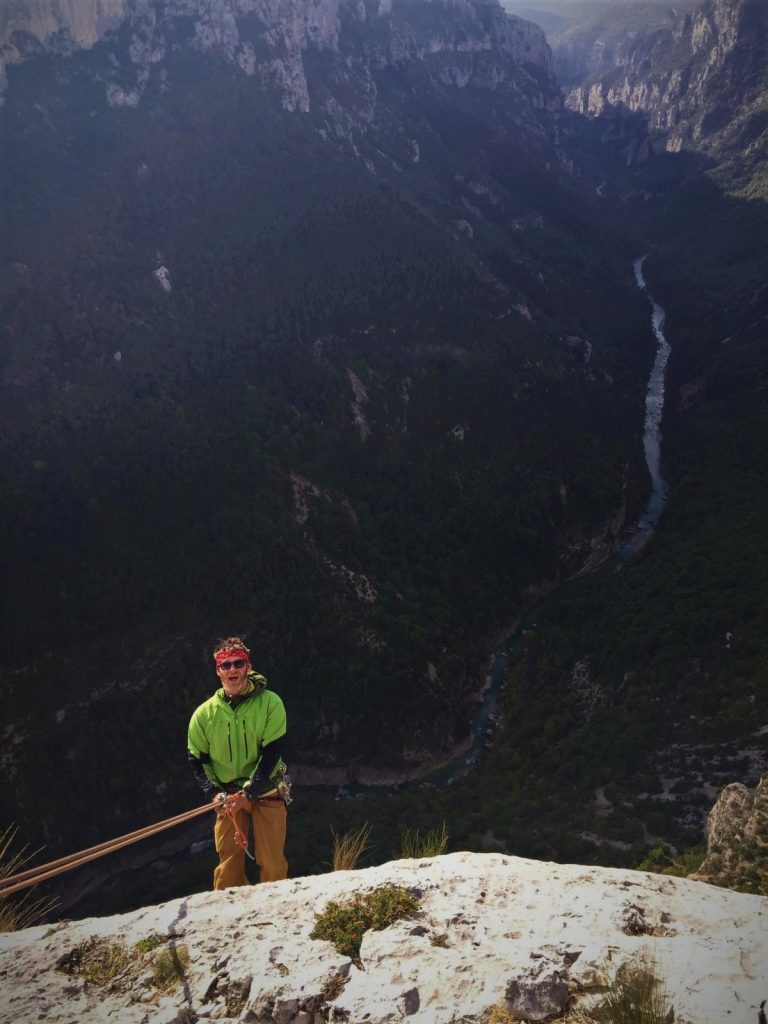

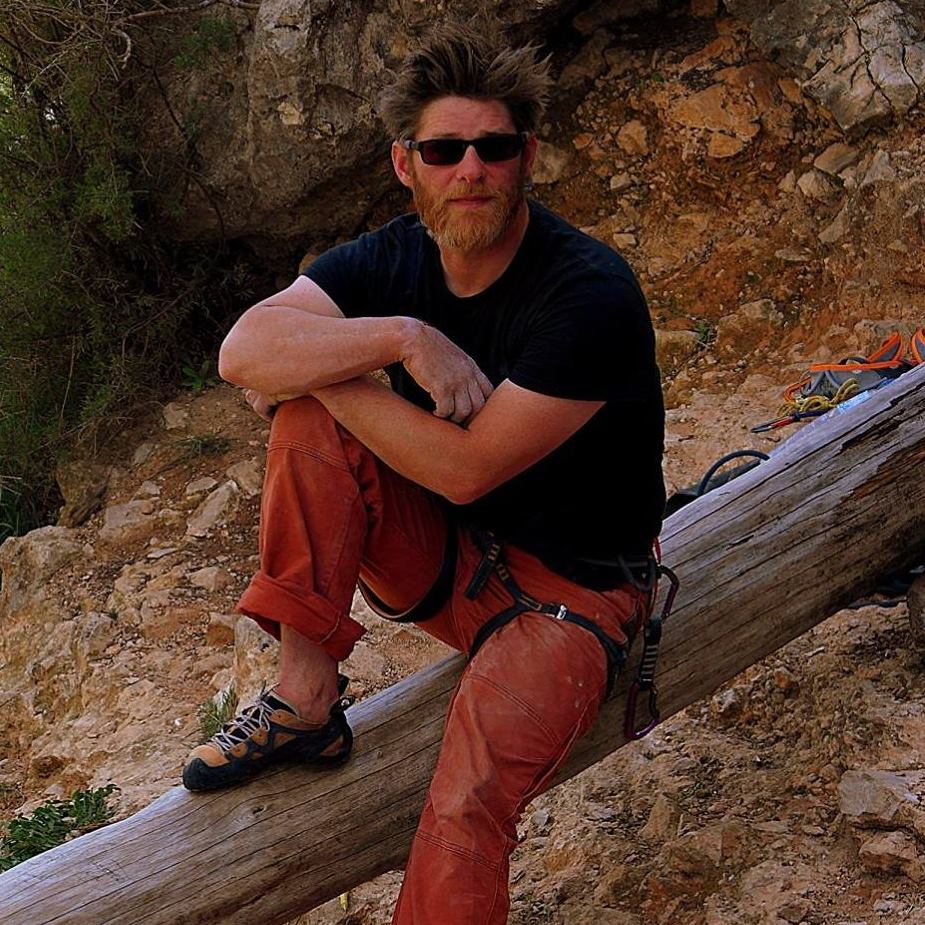
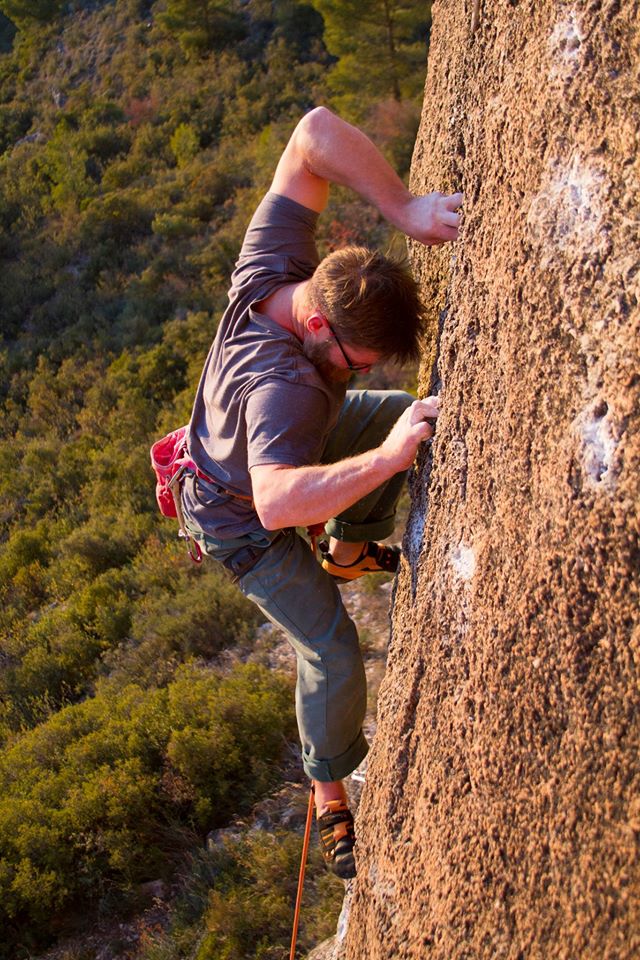
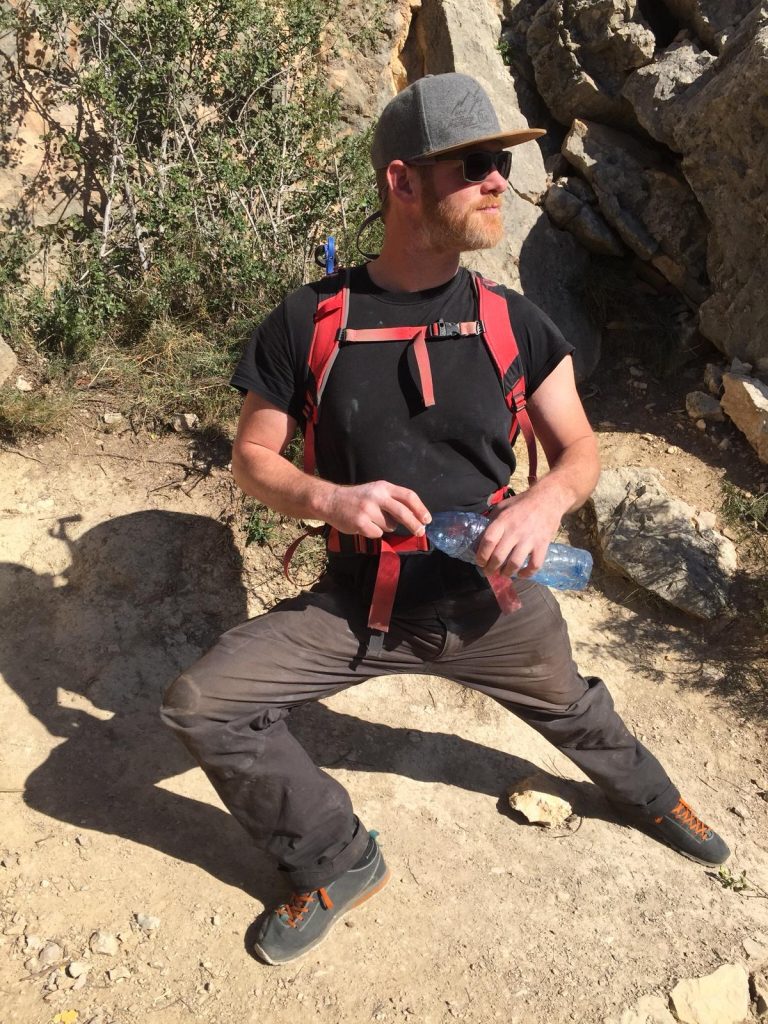
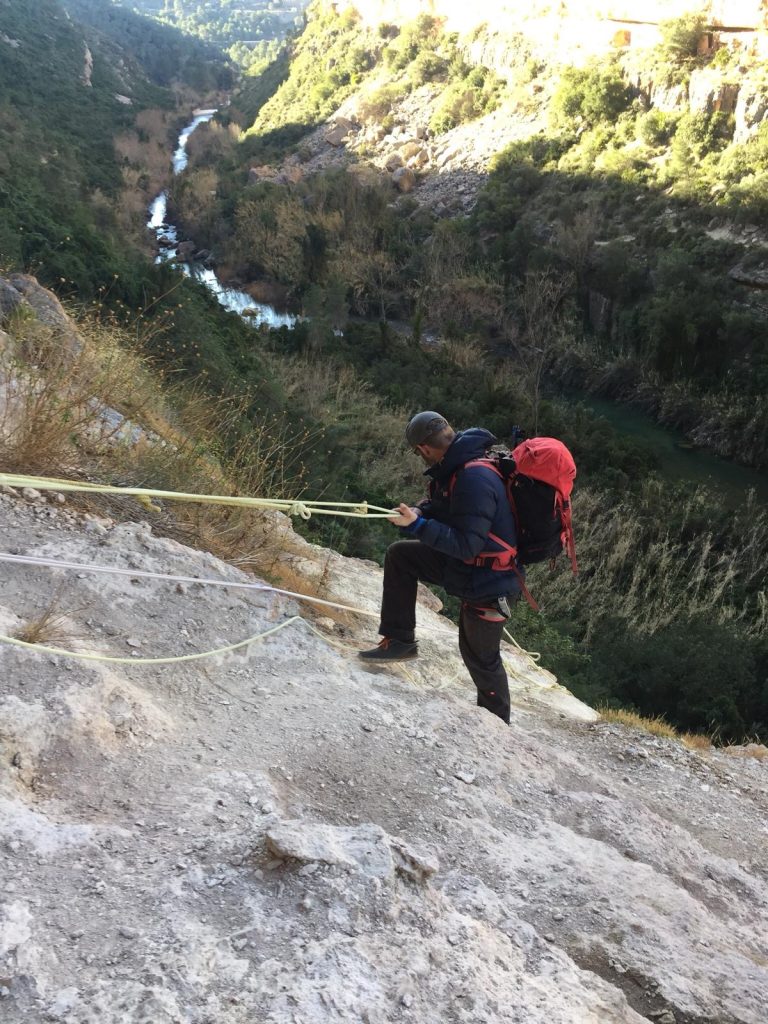
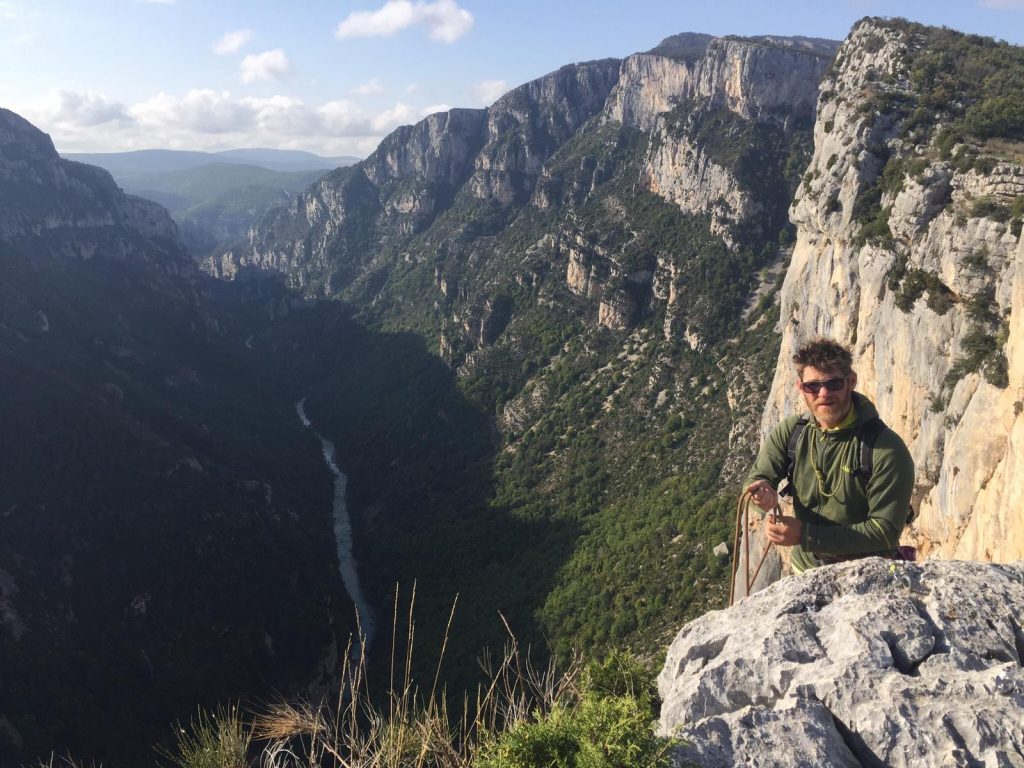
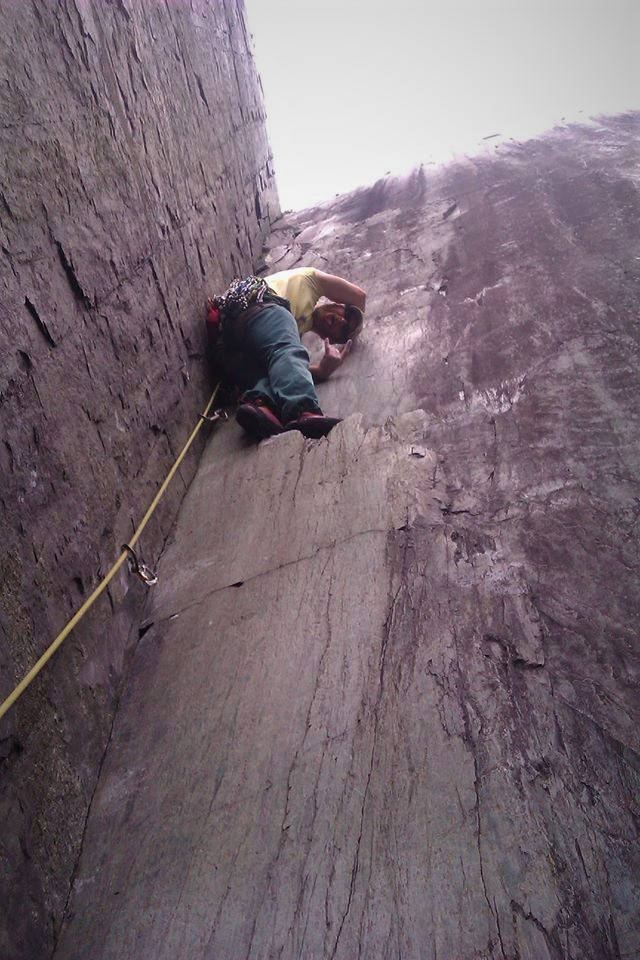
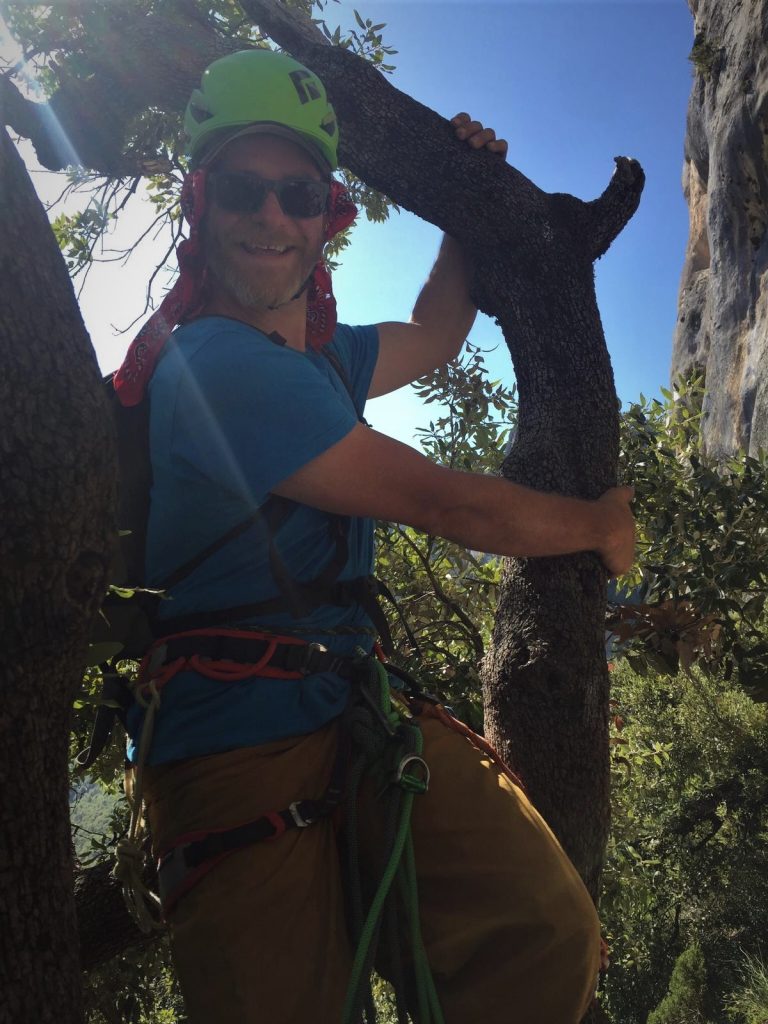
Olly Archer has been part of the Castle furniture for as long as I can remember. One of the lovely things about having a local climbing wall is that over the years you get to know a lot of different folk and whenever you head in for a climb/to train etc, you will always bump into someone you know. I often bump into Olly at the Castle where he can often be found coaching. When I say bump, I mean get greeted with a big, cheery smile and an even bigger hug (although this will have to be socially distanced now, I guess!). It’s always a delight to listen in on his coaching as his manner with his clients is as big-hearted and friendly as the hugs I receive. No wonder, then, that he runs a very successful climbing instructing business. Olly left London for North Wales a few years ago and with years of climbing under his belt, along with a degree in sports science and qualifications as a mountaineering instructor and climbing performance coach, he set-up “Live, Dream, Adventure”. As well as coaching, he offers courses in climbing, hills skills, scrambling and rescue. The latter is a new addition to his menu and sells-out really quickly. For Olly, climbing is “all about big adventures & mini epics” … and the stories. He’s a raconteur for sure but he also just really loves the outdoors, in particular any big, sweeping terrain, of which he now has plenty right on his doorstep. He is keen to share this passion and just help his clients get more from their outside climbing. “Live, Dream, Adventure “offers first-class, patient, supportive coaching, in beautiful surroundings (with a giggle or two along the way). Olly is also a massive trad-head so, again, North Wales suits. Happiest tradding; second happiest in his van with his dog, Freya (preferably in Chulilla – his second home after Wales). Olly isn’t Welsh but Wales holds a very special place in his heart because of it’s beauty and the fact that…
“it has every type of climbing you could wish for all at world class standard!”
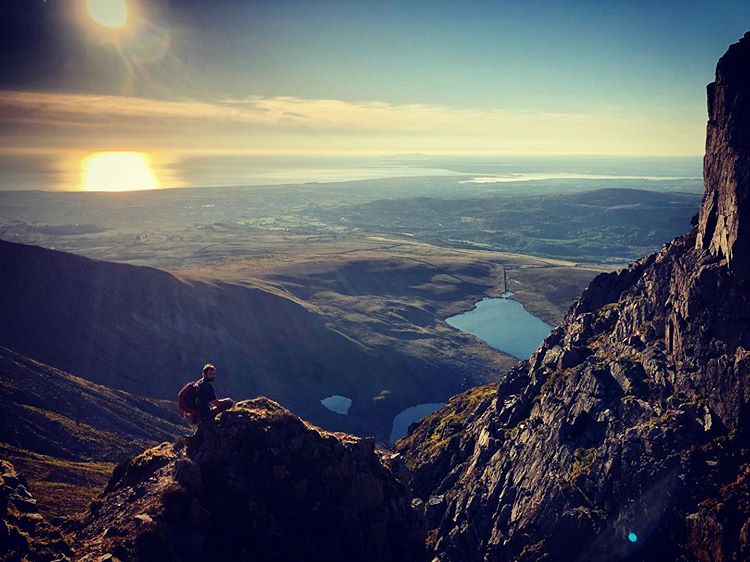
There’s some pretty world class views too, including the stunning ones from the boulder field just ten minutes from Olly’s house, where fellow climber and instructor, Jamie Ashman, has been developing some new problems with Olly during lockdown. Check out his instagram account for more info.
So this month it’s is all about lamb and leeks – as selected by Olly as bases for van-friendly recipes. It doesn’t get much more Welsh than that in terms of ingredients, apart maybe from cawl and lavabread but I’ll let those fall by the wayside, I think…
Welsh Yiahni
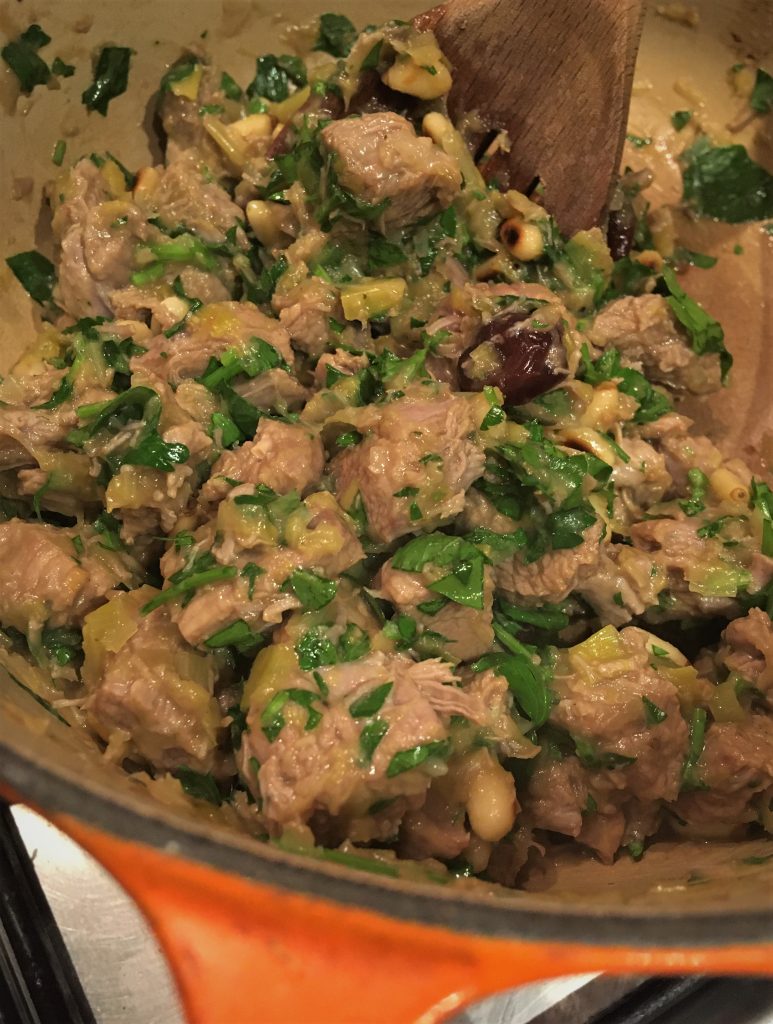
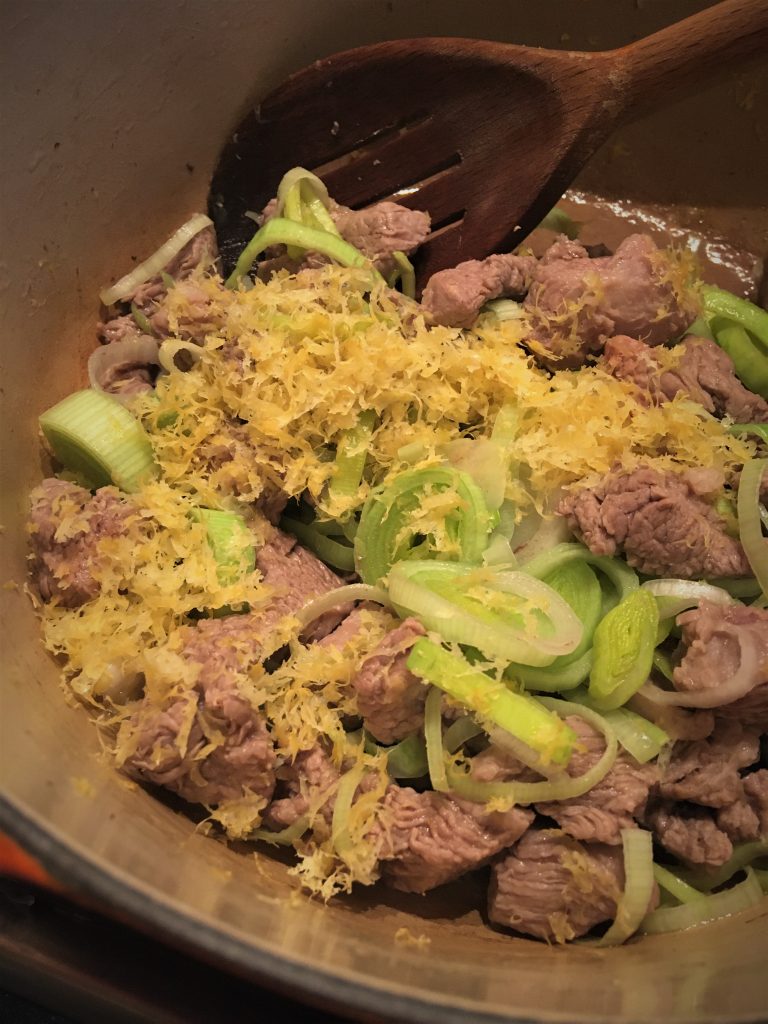
Lamb isn’t just curries, kebabs and chops, it loves getting down with all sorts of things in all sorts of ways. One of my favourite lamb dishes (that I cook a lot) is a light Turkish stew called Yiahni. The recipe I use is from Silvena Rowe’s gorgeous (and very well-thumbed) book, Purple Citrus and Sweet Perfume:
Not sounding very Welsh so far, I know but bear with me. The flavour combinations in this dish are simply heavenly and the meat just melts in the mouth. It’s also pretty simple to prepare and is cooked completely on the stovetop so it’s van-friendly. I’m adapting this to give it a distinctly Welsh vibe, swapping out the spring onions for leeks and the sour cherries for wimberries (bilberries). I never believed my Welsh friend, Natalie, when she told me about these years ago. The name sounded made-up (although it also sounded lovely when uttered in her lilting Welsh accent) but they are an actual thing. They are blue but they aren’t blueberries and have a sharper taste so are a good sub for the sour cherries. Plus, you can pick your own in Wales!
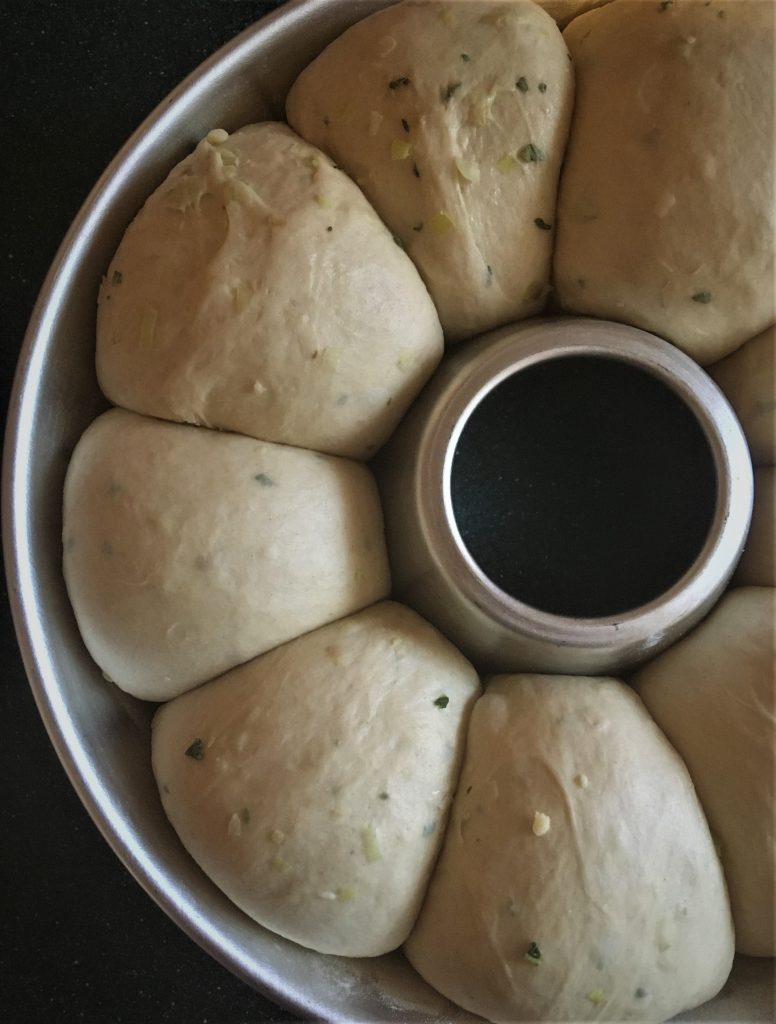
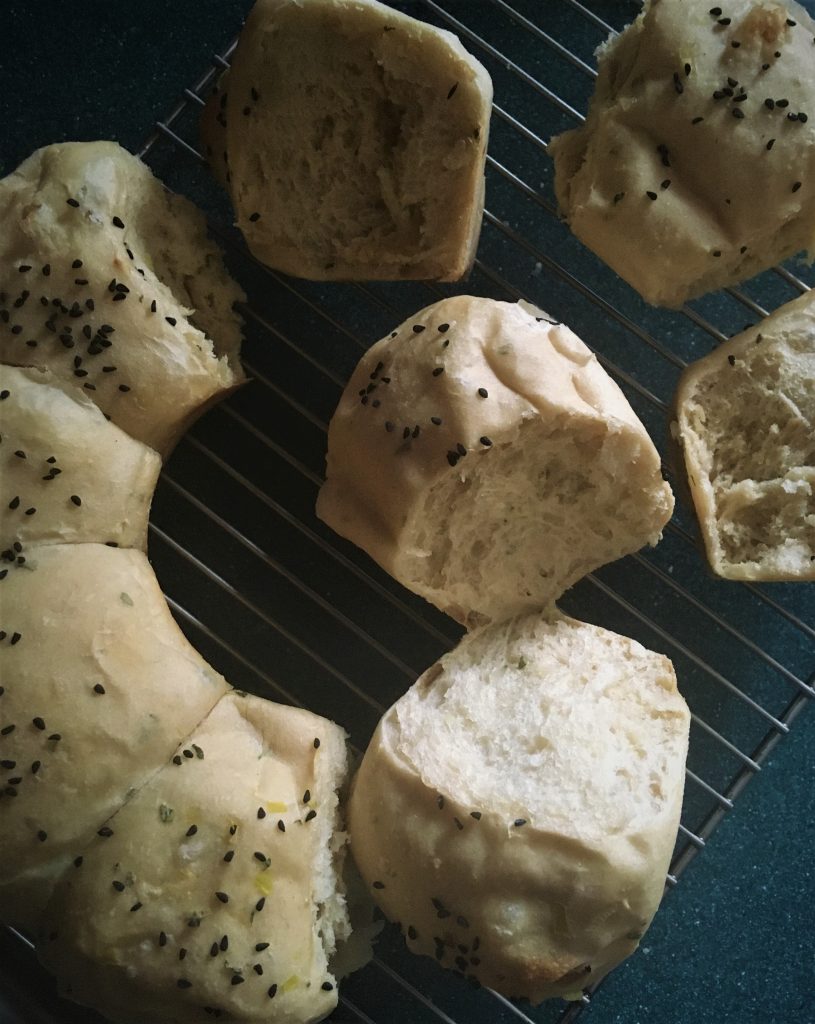
Leek and Caerphilly rolls
I’m also dropping Caerphilly onto the “you should eat this in Wales” list because it’s a very underrated Welsh cheese. Seemingly it originated in the early 19th C and Welsh miners would wrap it in cabbage leaves to take as their lunch for when they were down the pit because it’s salt content replaced what they lost while working in the heat underground. At the height of production, 2.5 tons of this cheese was sold weekly in the market at Caerphilly. It comes in a large, flat wheel form weighing between 5Ibs and 10Ibs; is almost white, very crumbly, a bit on the mild side for those who like a punchy cheese but boasts a really buttery feel and a lovely lemon tang.
If you have an Omnia stovetop oven (or indeed an oven in your van!) you can make these as oven-baked rolls instead. Either way, as opposed to a speedy flatbread, these rolls will take a bit longer to rise, so factor that in around your climbing.
Welsh Rarebit
It would be rude not to… This offers a speedy supper that combines the leek and the cheese (and, potentially, lamb if you happen to have any cold leftover lamb you can chuck that in too). You could also eat it cold as a crag snack as many a van doesn’t have a grill so this is a welsh rarebit sandwich. No photo – I mean you, know what a cheese toastie looks like, right…?

Savoury Welsh Cakes
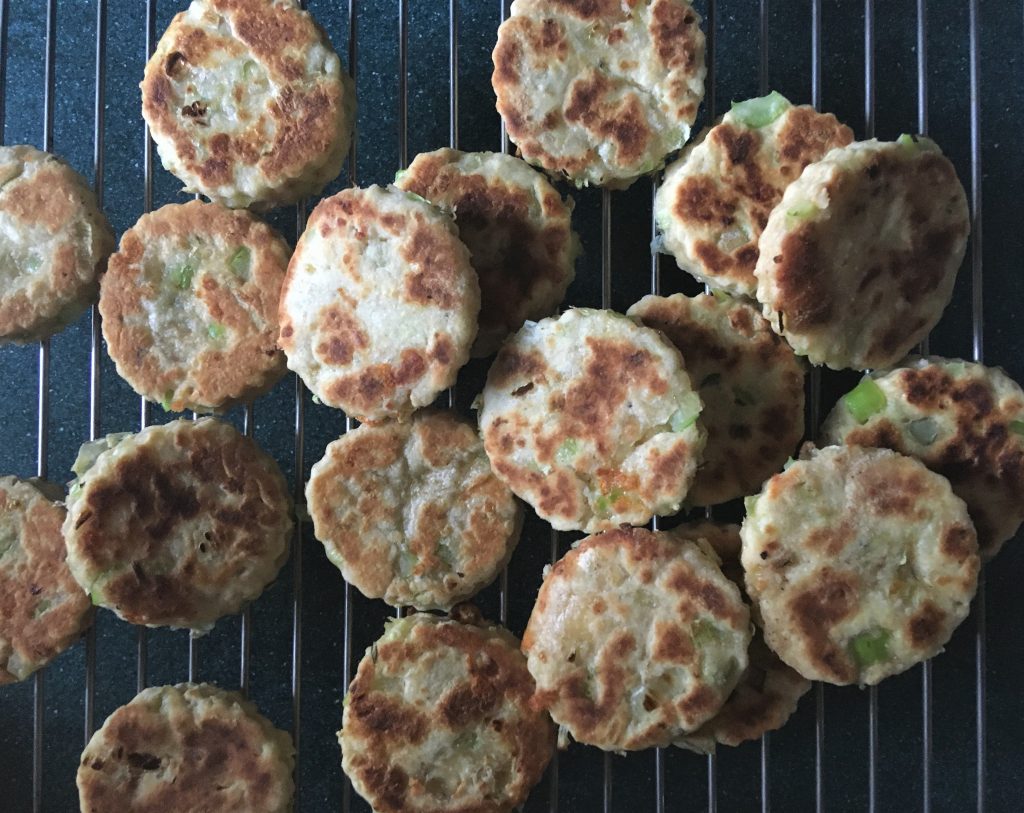
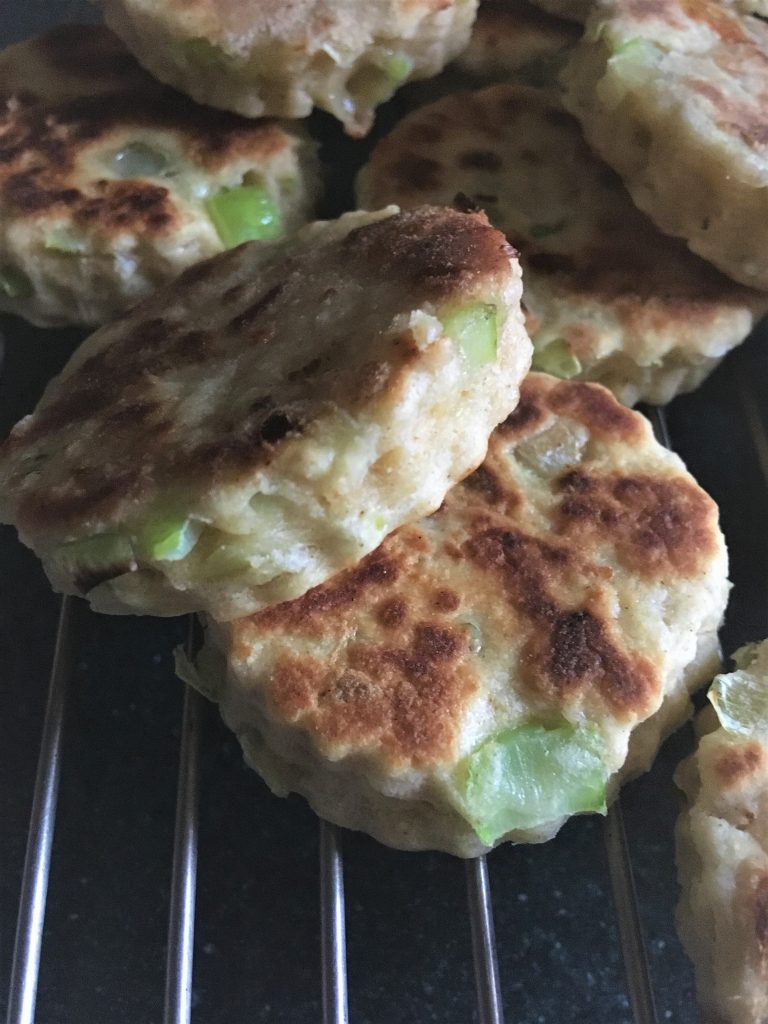
No trip to Wales is complete without a Welsh Cake. You can find out more about these and check my recipe for them here. Welsh cakes can be found all over Wales so I thought I’s try something a bit different for Olly and roll with a savoury version. Again, these would work as a crag snack (or as an accompaniment to the Lamb dish above). You don’t need the special Welsh baking stone; these are easily rustled-up in a frying pan.
And, last but not least, what to drink with these...
Well, now there are Welsh wines to be had but when it comes to things like rarebit a nice Welsh ale will suffice, of which there are plenty to choose from when you are mooching around the shops. Wales has a rich brewing history when it comes to indy ales – some of which have been around since the early18C.
Like English wine, Welsh wine is not cheap. When I say that, what I mean is it’s not like there are options, it doesn’t really come in much under a tenner – or rather, realistically, £12. There’s fizz too but again, not the cheapest of options either. Which is a shame. One day, we will be able to buy our own home-grown wines at a better price.
Again, in a similar vein to English wines, Wales cultivates grape varieties which suit colder climates – Seyal Blanc, Triomphe d’Alsace, Reichensteiner, Rondo and Regent. These are much lesser known varietals for sure but ones that thrive best.
For the lamb Yiahni if you do want wine, I would go for a red. A Rondo would work well. Rondo used to be called Kentish Claret as it was good for making Bordeaux style wines (it’s actually descended from a Georgian varietal crossed with an old French varietal) It’s a good match for the fattiness of the lamb in this dish and the earthiness of the leeks. If you do feel like properly splashing out then a Welsh rose fizz would work well too.
So, unless you are feeling like splashing out, and, let’s face it, we’re climbers so it’s unlikely, the best way to get a feel for Welsh wine if you are interested but you don’t shop at Waitrose – which stocks a few) might be to go on a vineyard tour
Q & A
What do you find challenging when cooking on a trip?
Variety. I tend to cook veggie smoosh with rice/pasta/lentils.
Do you follow a nutrition plan and how easy is it to stick to when you are travelling/living in a van?
NO! hahahaha. I like food :).
What’s your top climbing trip/van cooking equipment purchase?
Hand juicer – the fresh oranges in Spain are amazing and they make the best fresh OJ.
Do you do anything to complement your climbing while you are on the road – do you have any training hacks for vanlife?
Just.go.climbing: big adventures; mini epics!
What’s the best route you have climbed?
Way too many but favourite areas… UK Trad (all but grit), the Old Man of Hoy, Gorges du Verdon, Anti-Atlas Mountains of Morocco, the Alps. I get about.
Who are your climbing heroes?
The original pioneers & adventurers of the 50/60’s Willians, Brown, etc
What got you into climbing and what does climbing give you?
I never wanted to be a climber but injury stopped me playing rugby so fell into climbing by accident. It was that or kayaking. Climbing feeds the soul & much, much more.
Where you would you like to develop some routes (and what would be the first name)?
Somewhere adventurous & not easy to get to. Name depends on the character of the route so I would have to feel it out first.
Bouldering or sport or trad?
TRAD. TRAD. TRAD
Have you ever been benighted or had a close call?
Yes but that’s part and parcel of the game; just because it got dark doesn’t make it a bad thing. Sometime I go climbing at night for fun…
If you were a pair of climbing shoes what would you be and why?
Something comfy but technical, perfect for big long routes. When you never know what to expect you need to be able to deal with it all.
What’s your best piece of advice when it comes to training?
Don’t! Unless you have a specific goal (i.e. a particular route), otherwise why you doing it? And, then, as training is soooooo boring try & make it fun.
How has the climbing scene changed and how do you think the Olympics will affect it?
Indoor climbing has grown by 40% in the last 2 years; the Olympics will only add to this. There are many scenes in climbing, they change a lot depending on what is fashionable.
If you weren’t addicted to climbing, what would replace it?
RUGBY my first and true love.
Where’s your next trip and why?
North Wales for some amazing Trad (did I mention I like trad and that North Wales is the shiz?) also, I’m kind of stuck here for a bit! Hopefully I’ll get back to Spain sometime in the Autumn though.
End Credits
You can find out more about Olly’s courses/coaching here
For those sport climbers who want to get into trad, Olly is your man. Anyone looking to refresh their skills or, indeed, learn about getting yourself out of a sticky situation, again, Olly runs courses that can help you.
You can also follow him here (he’s currently posting lots of lovely snaps of Wales where he’s stuck on lockdown – not a bad place to be stuck, mind judging by the views).
Comments
Hit me up with any variations you've got for these ingredients/dishes; any other van-friendly recipes you would like to share from your travels to this region; or, indeed wines that you have come across on your travels that you would recommend - either as a match or just for drinking!