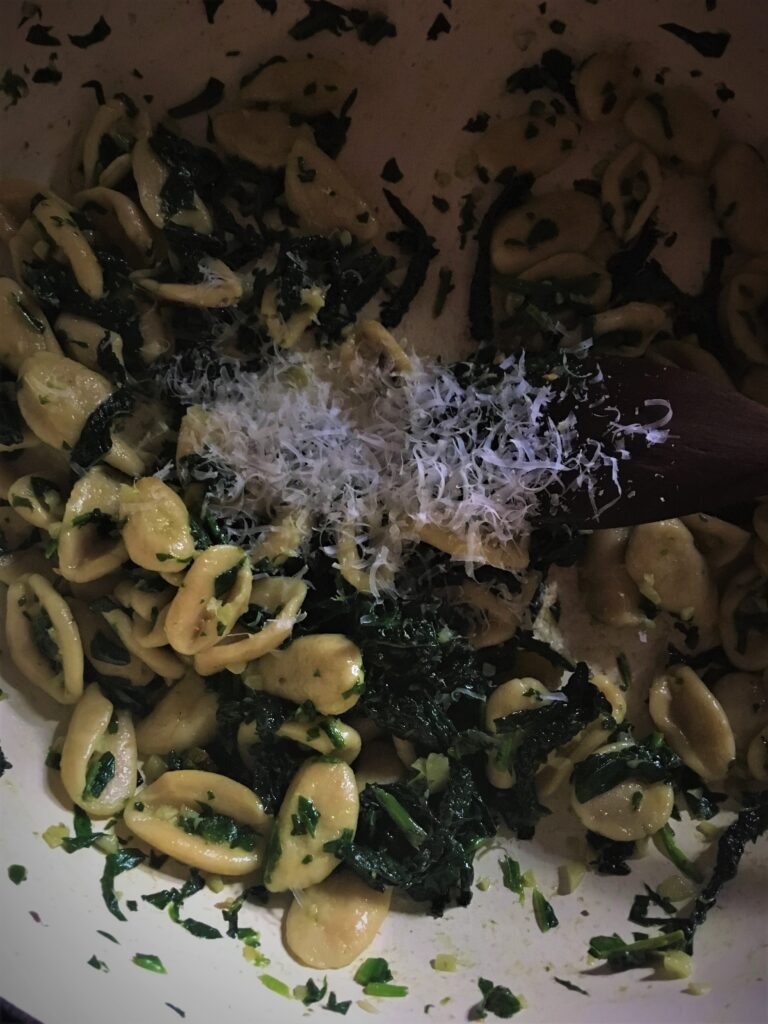
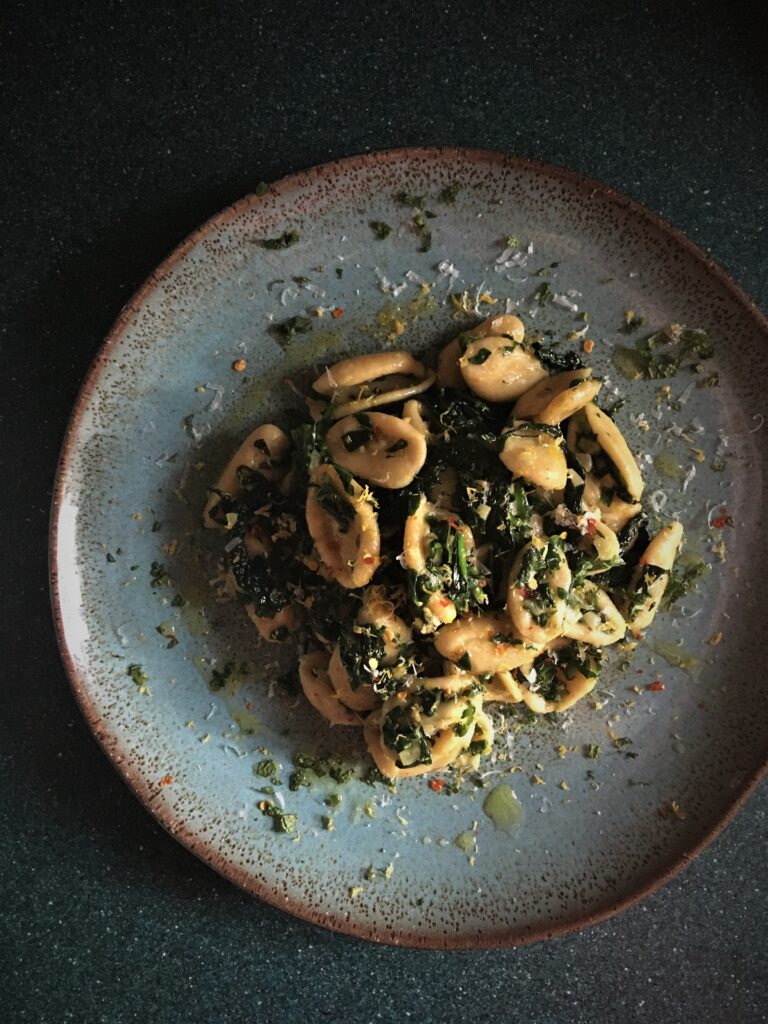
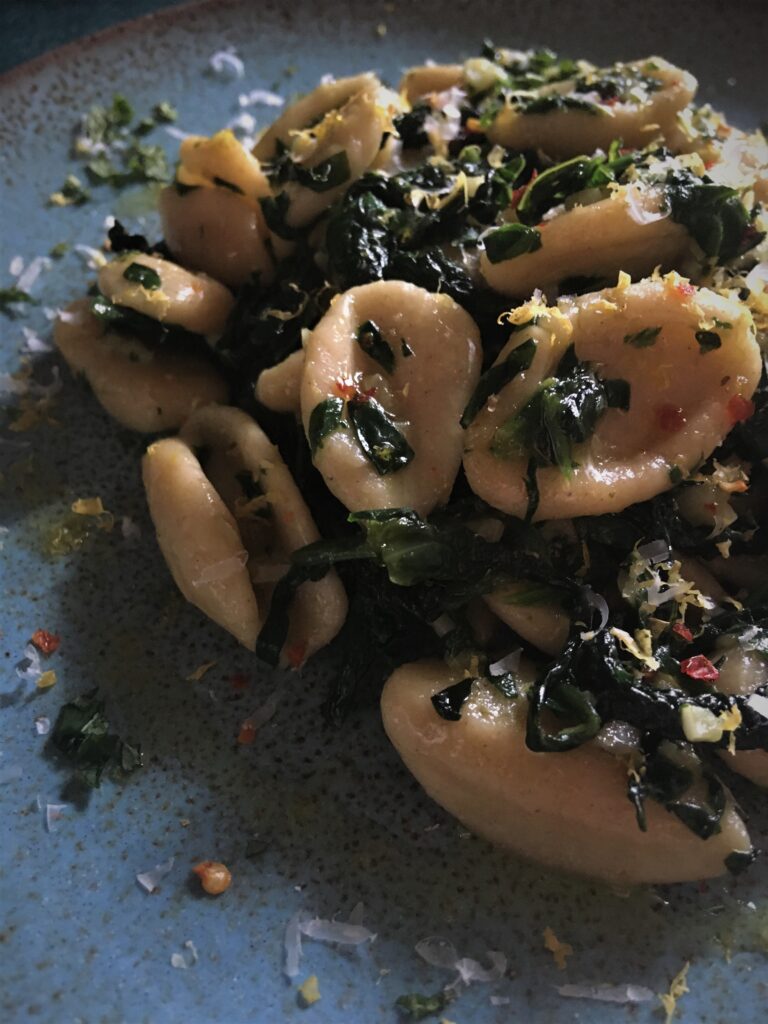
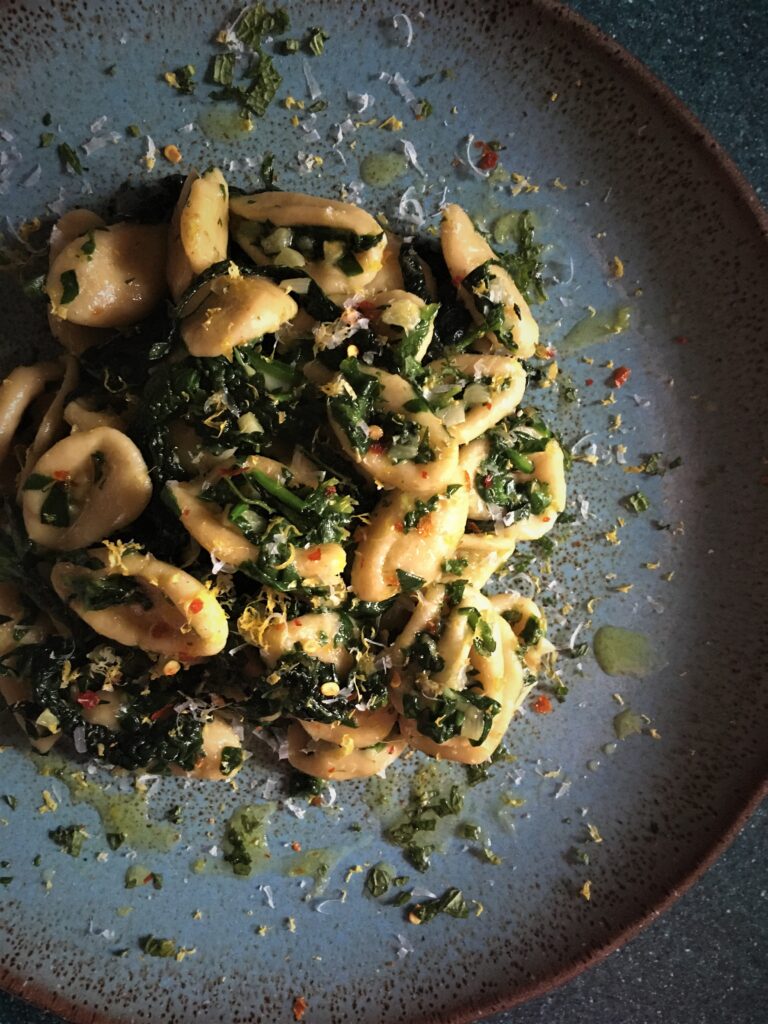
Or, more precisely, orecchiette in Gravina
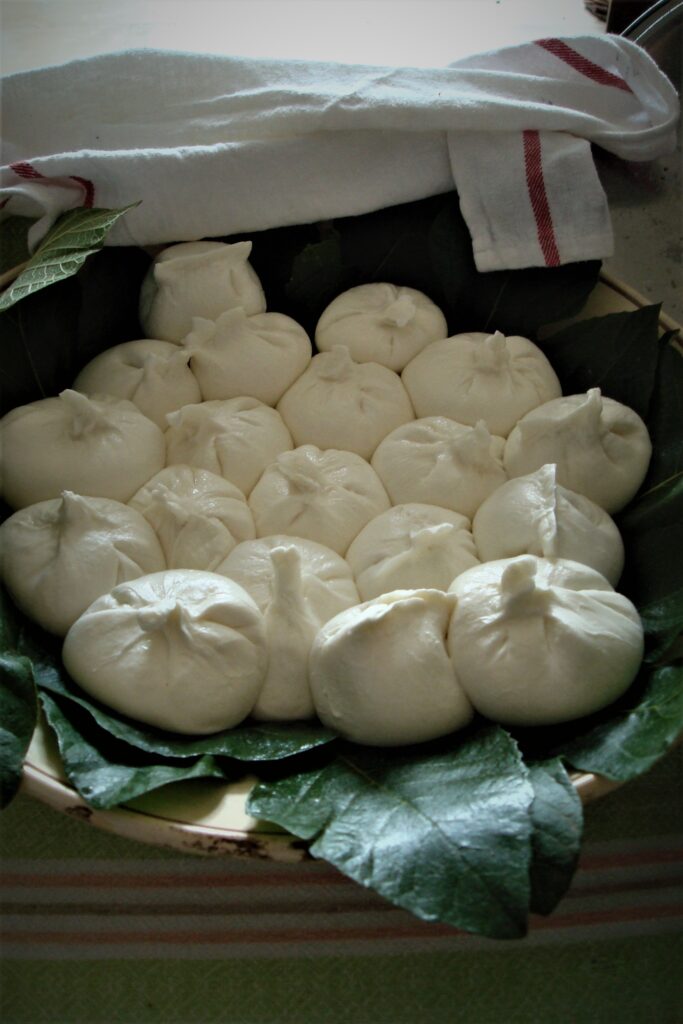
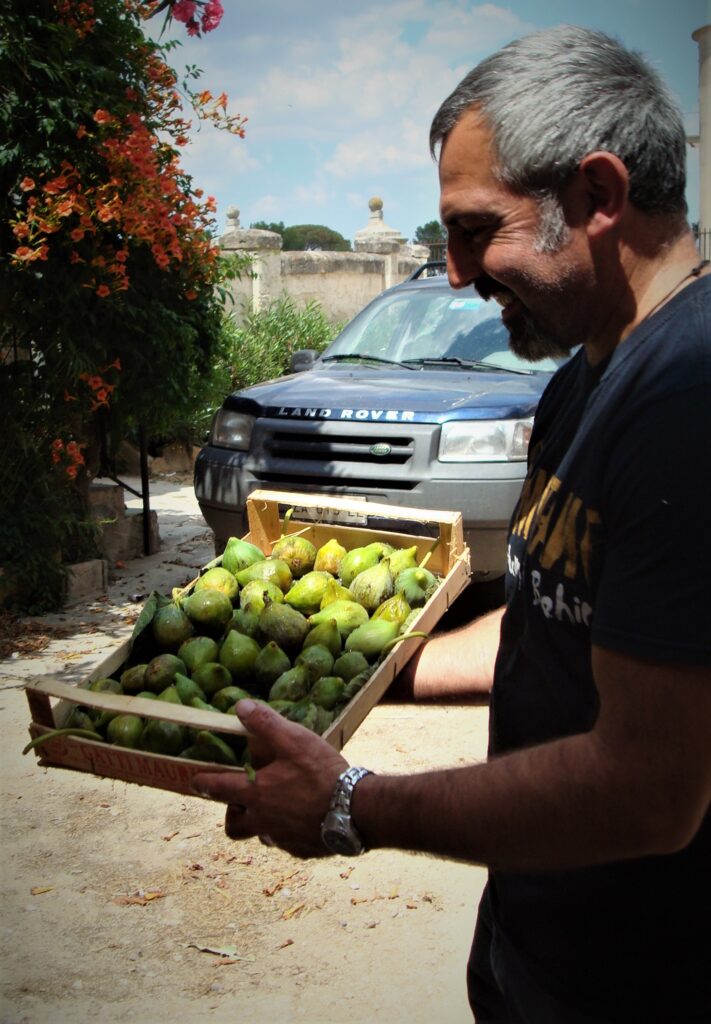
Back to Italy this week and an abundance of fresh figs, fresh burrata, fresh air, fres-cos… ? right down in the heel.
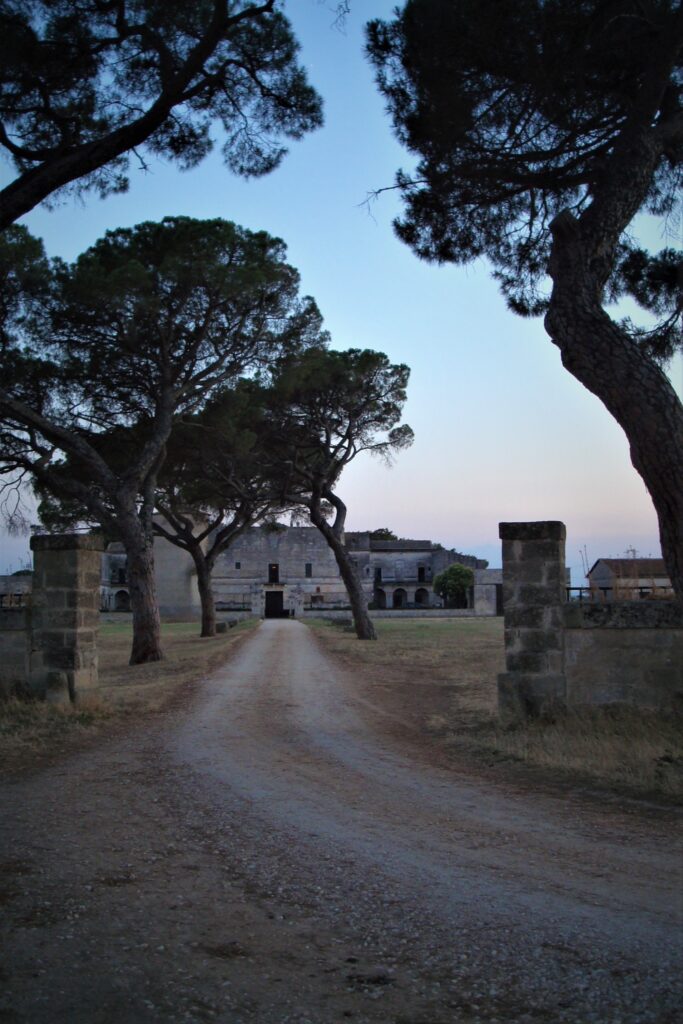
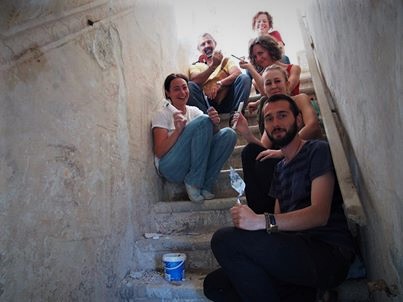
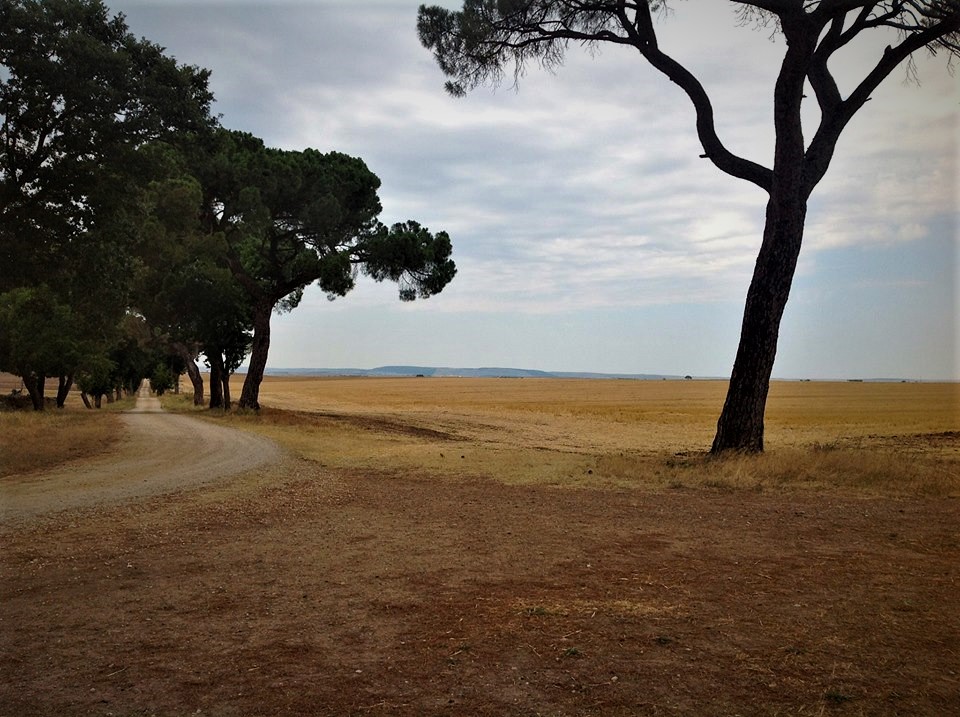
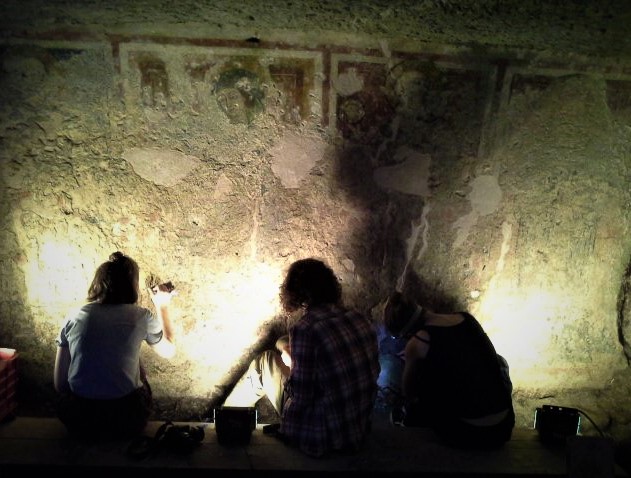
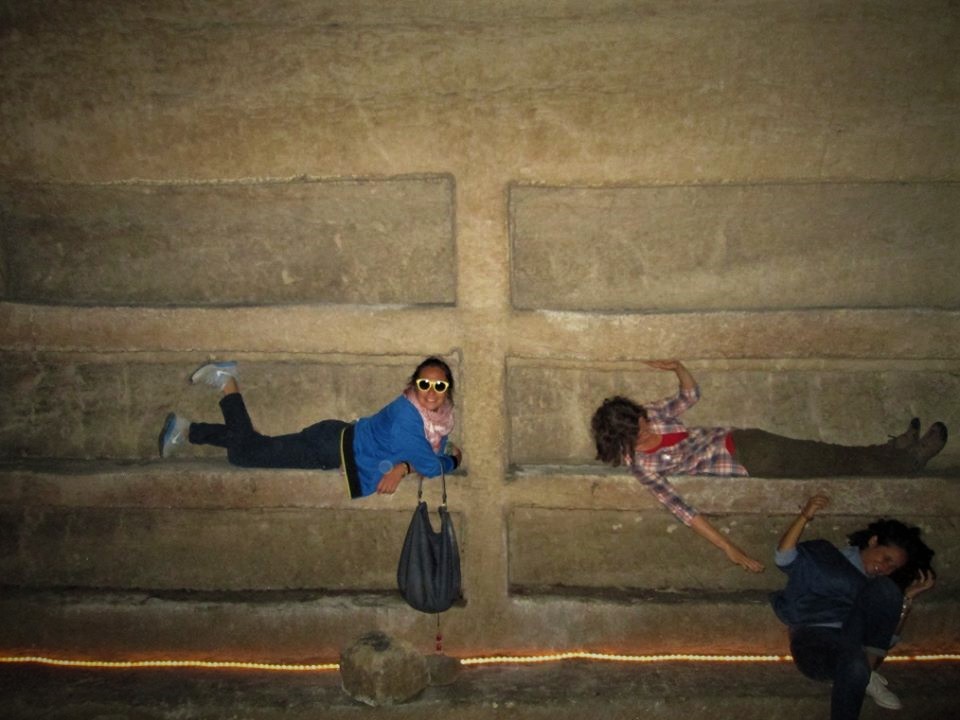
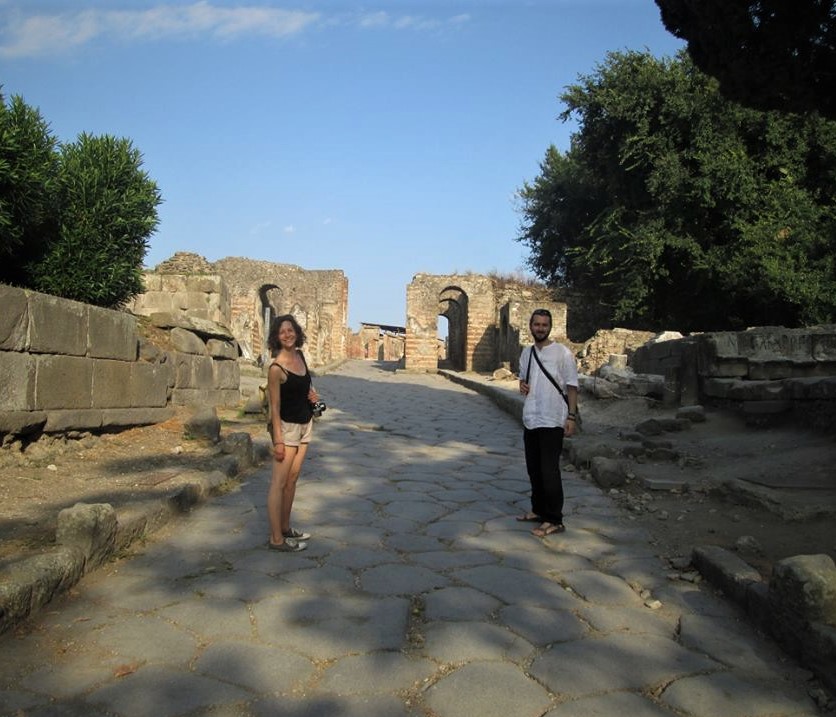
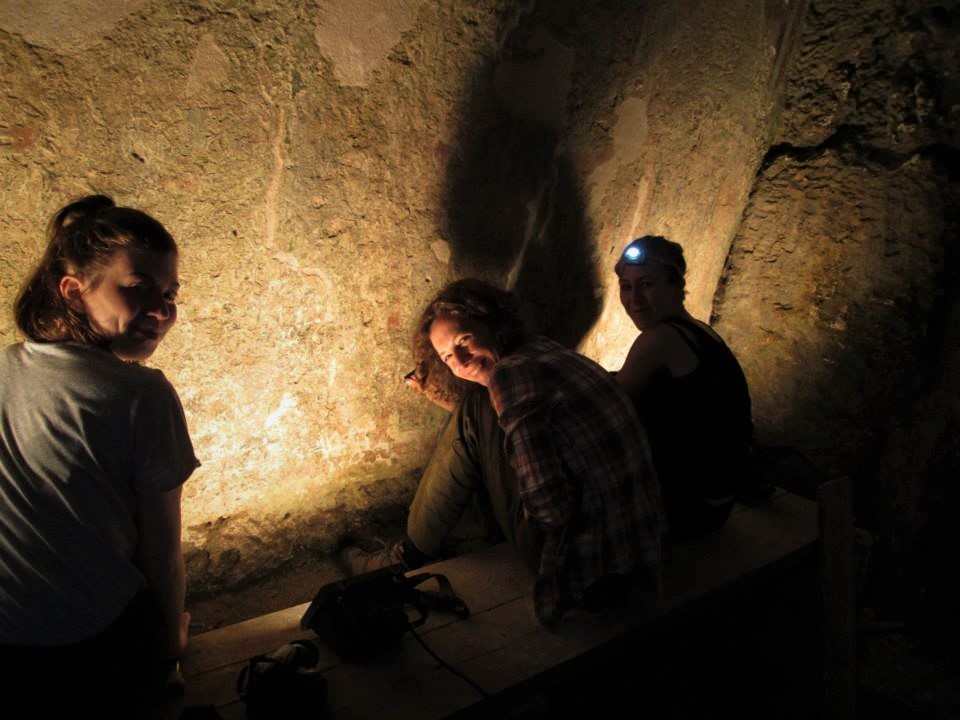
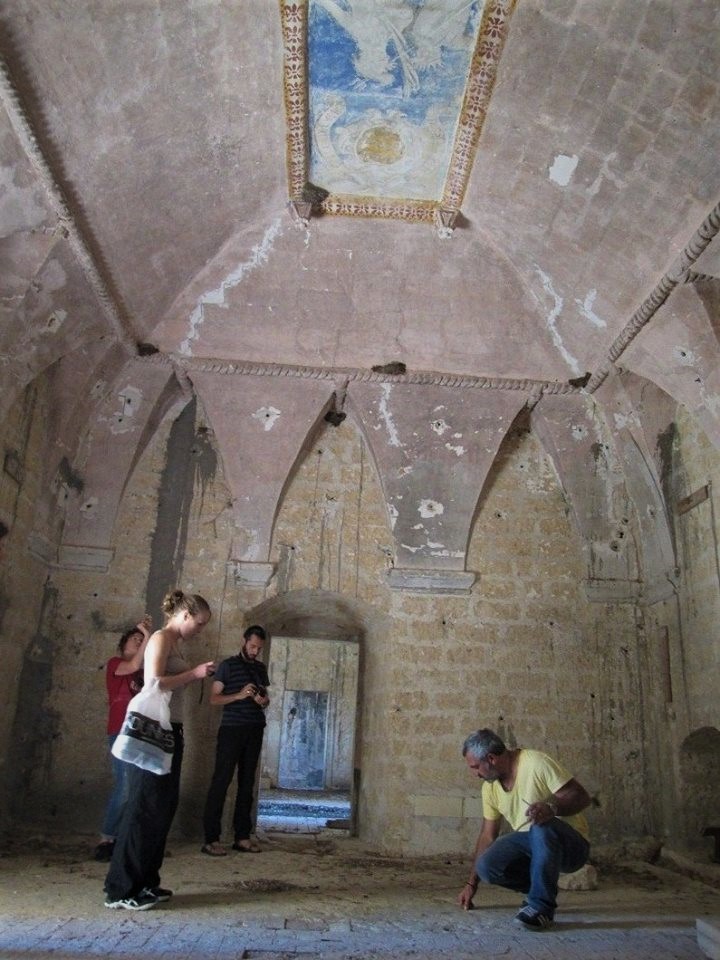
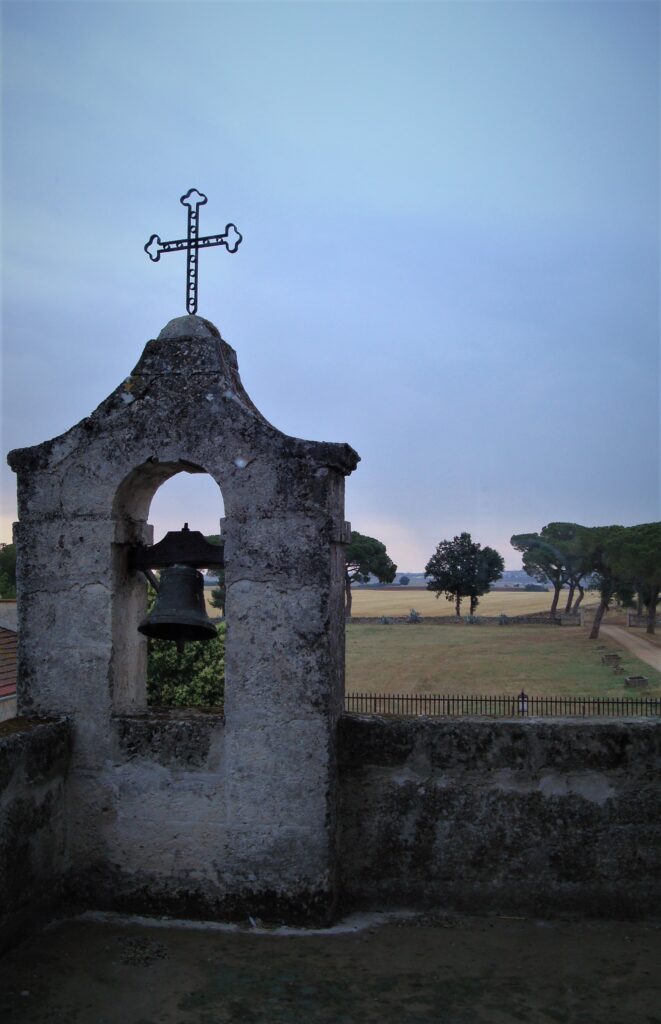
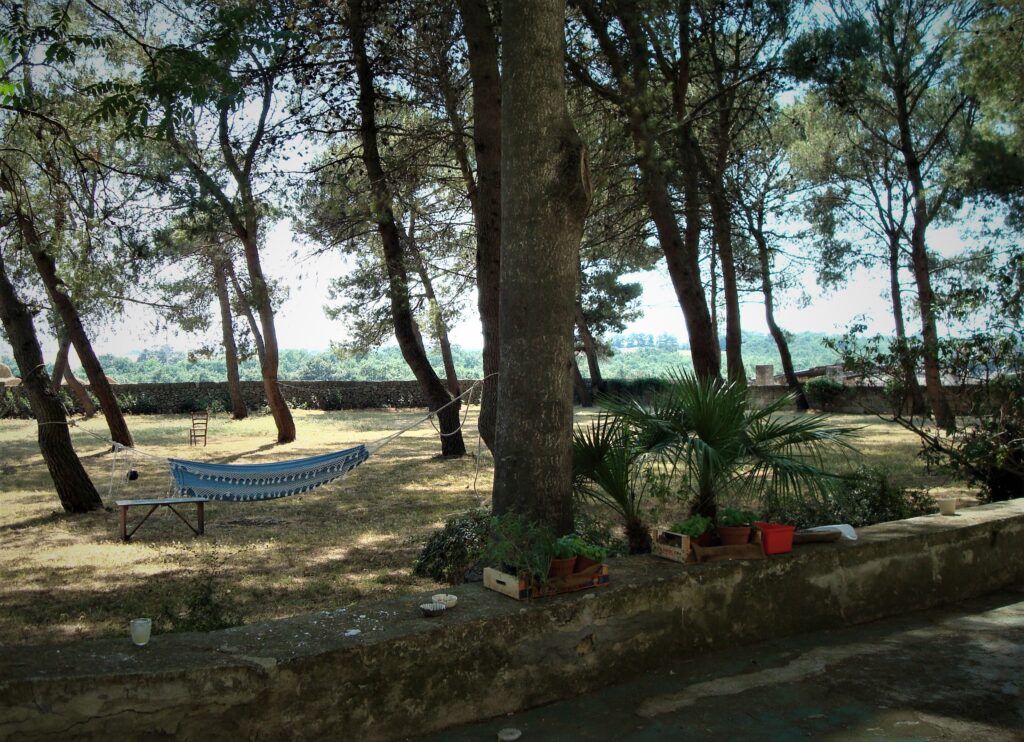
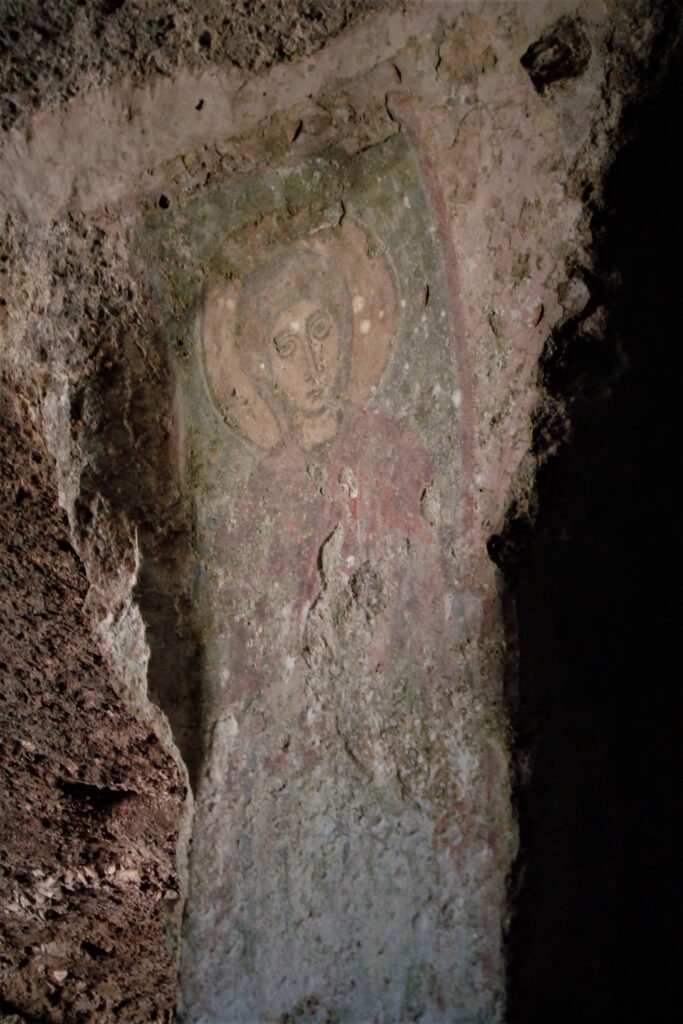
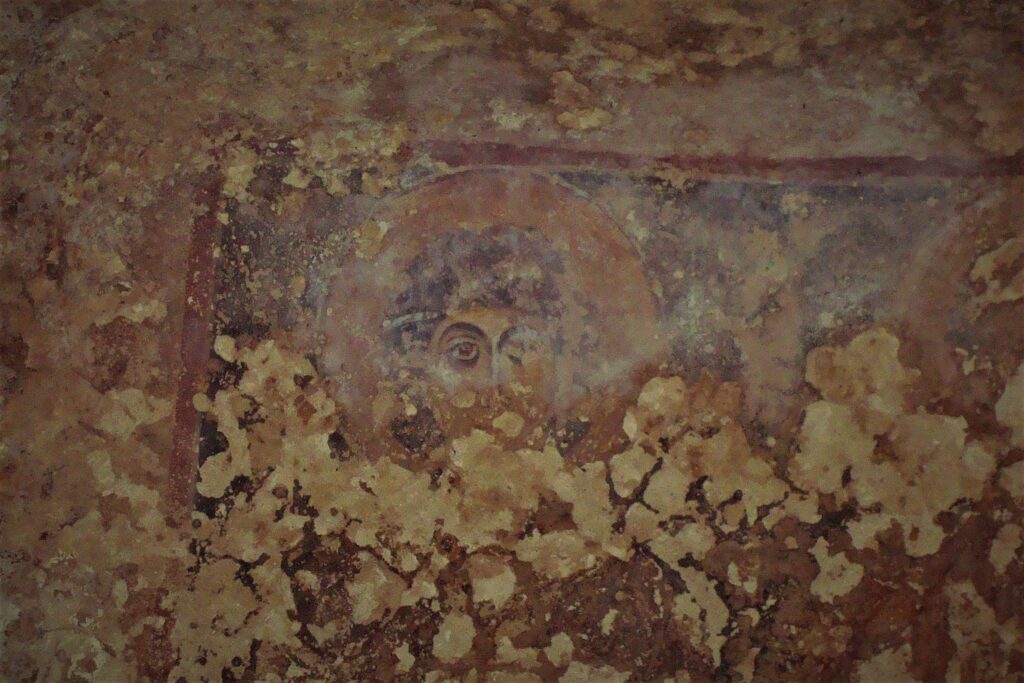
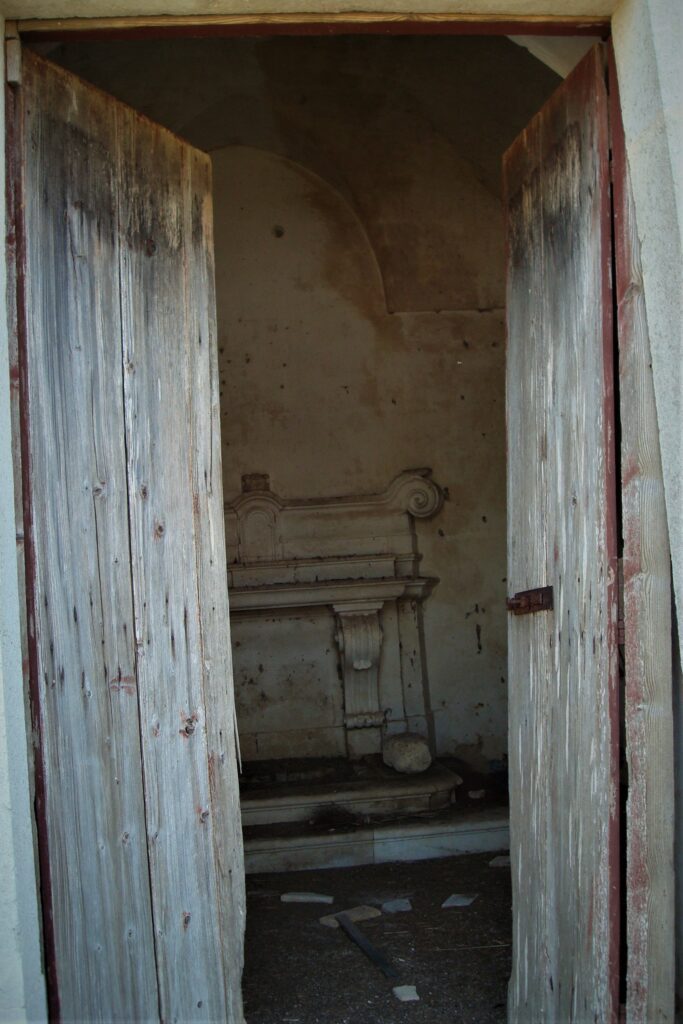
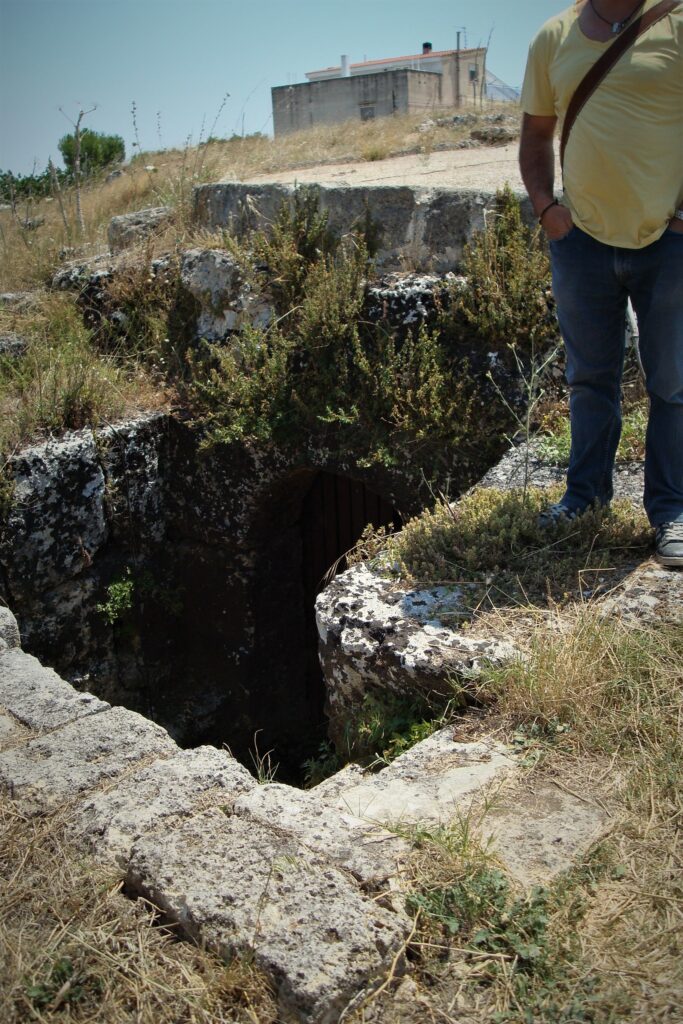
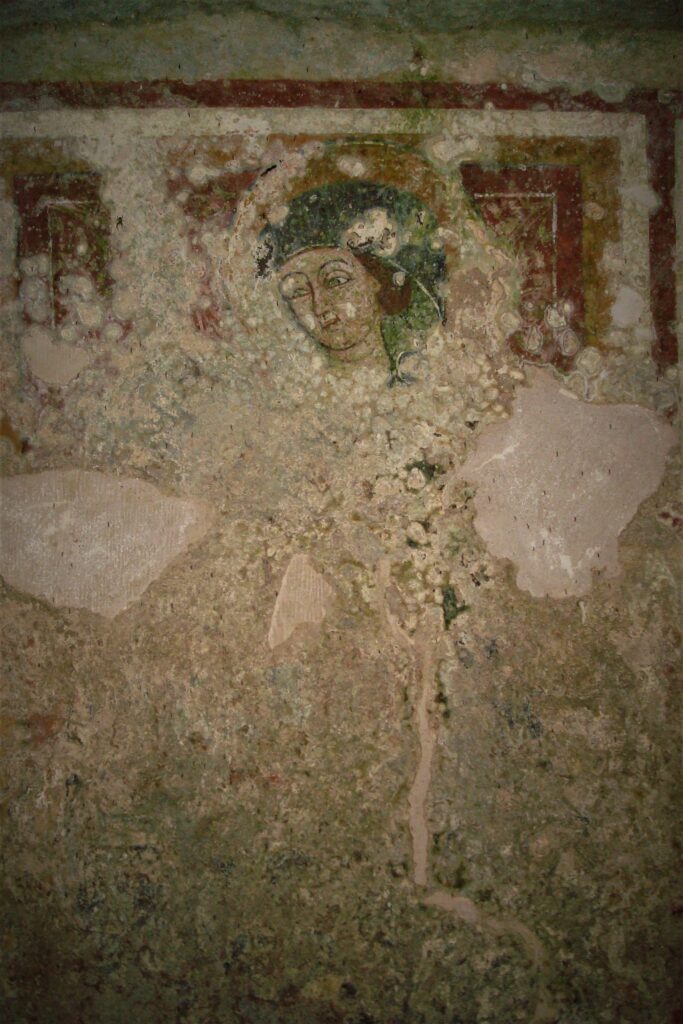
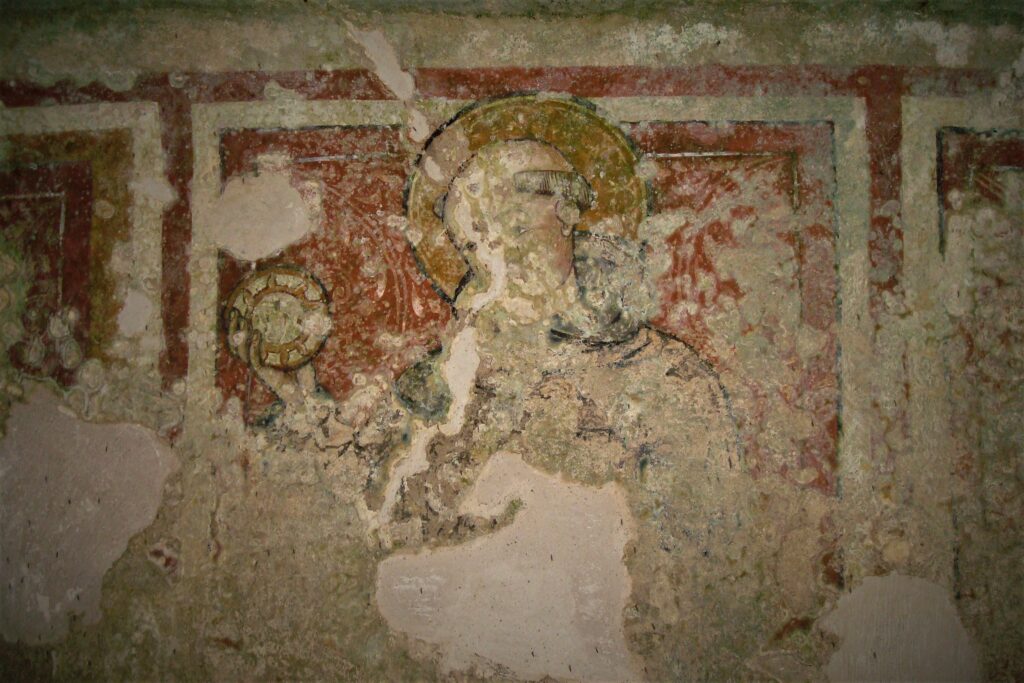
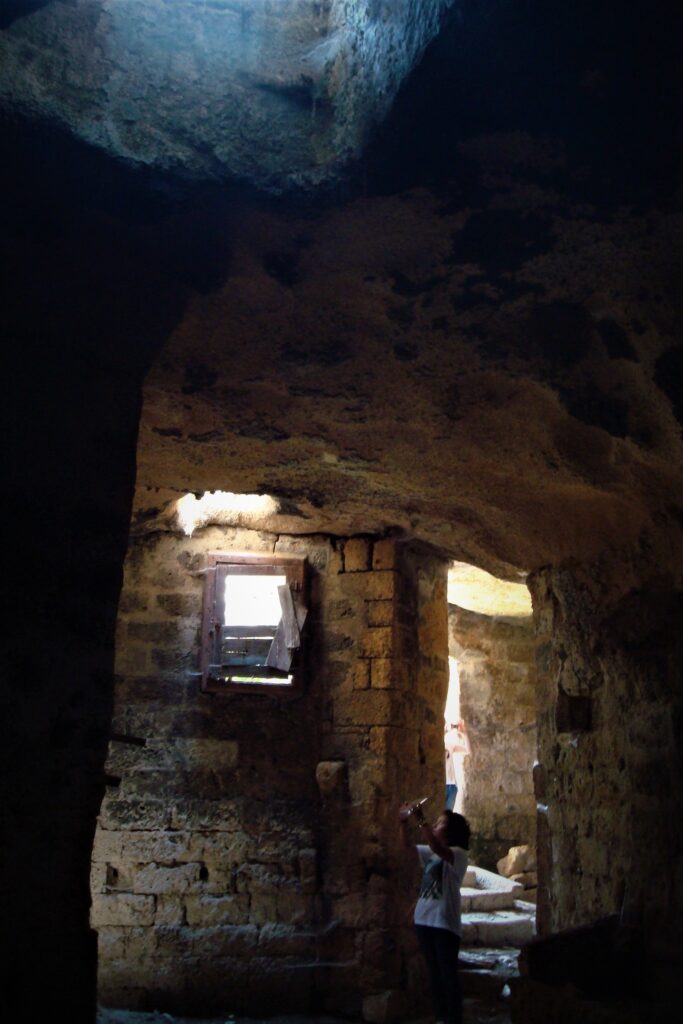
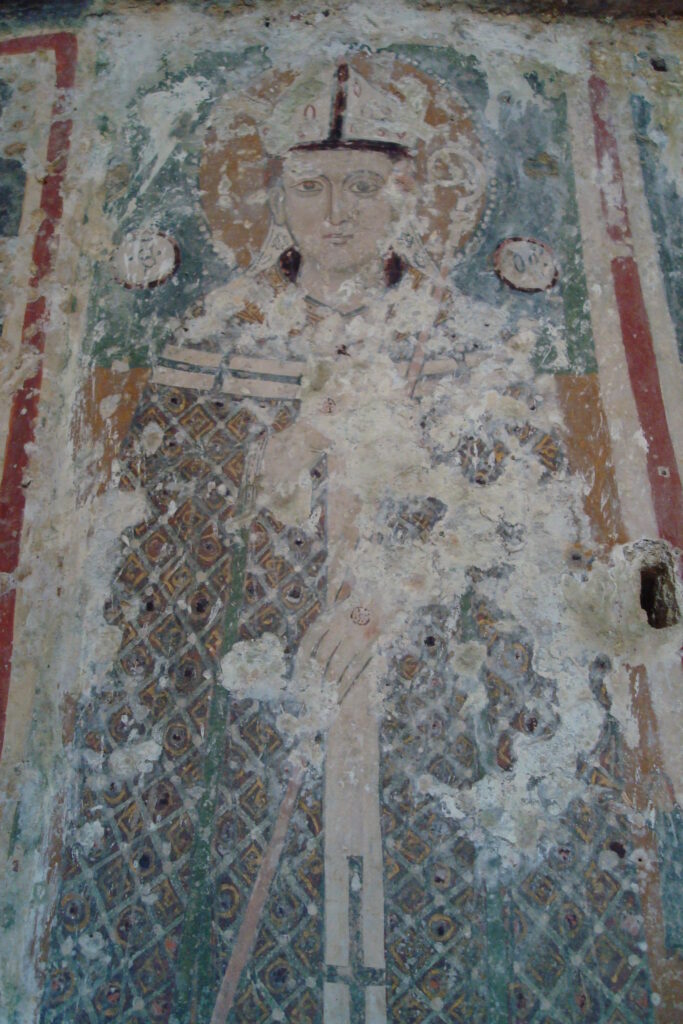
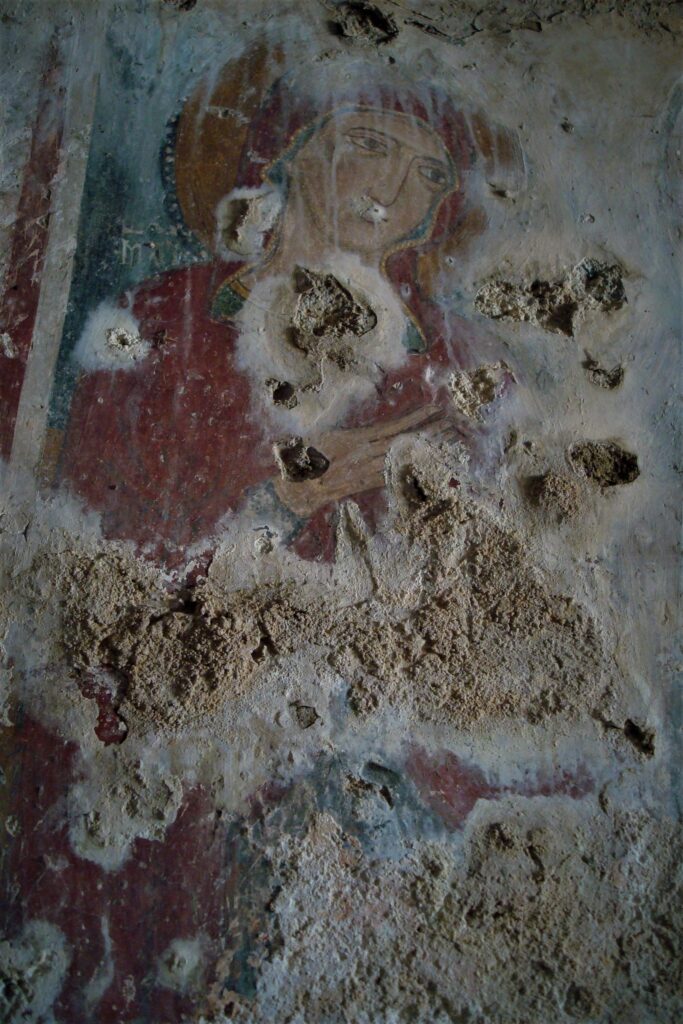
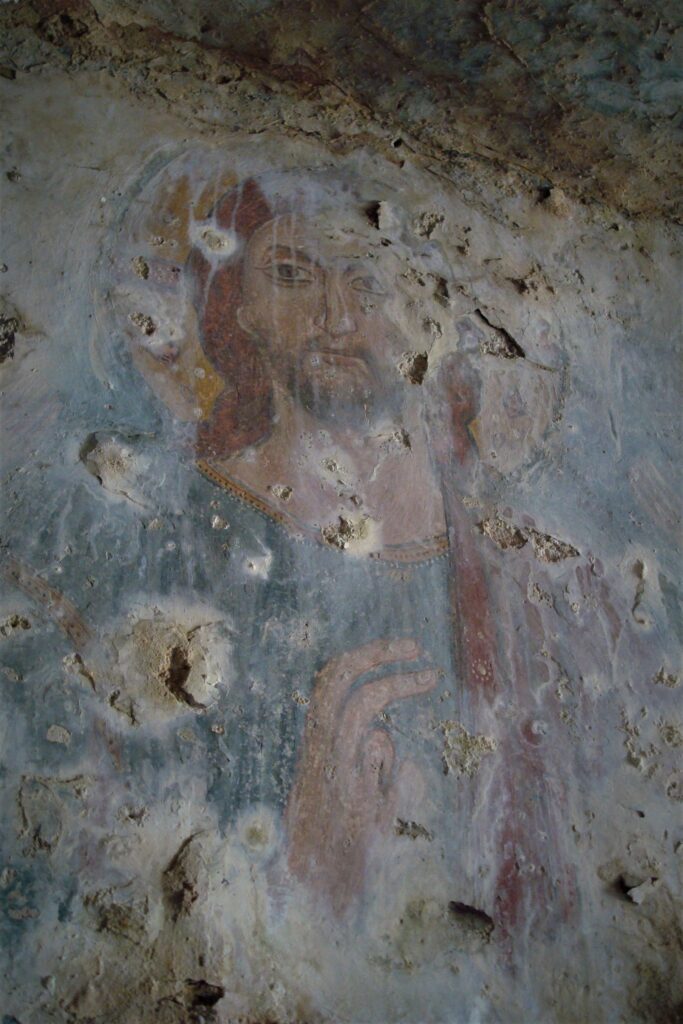
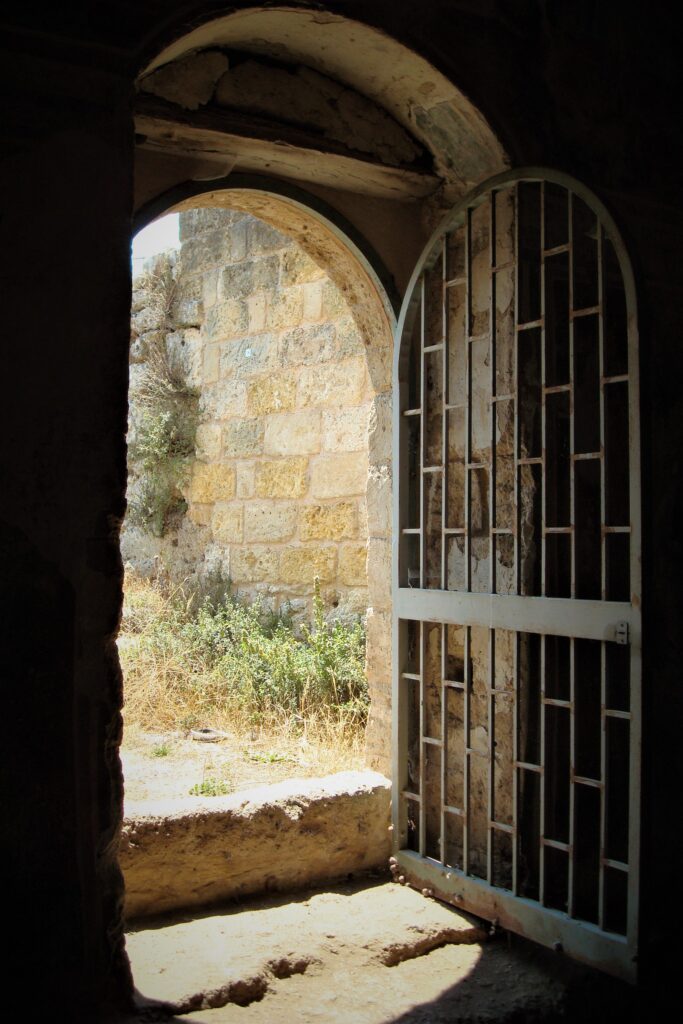
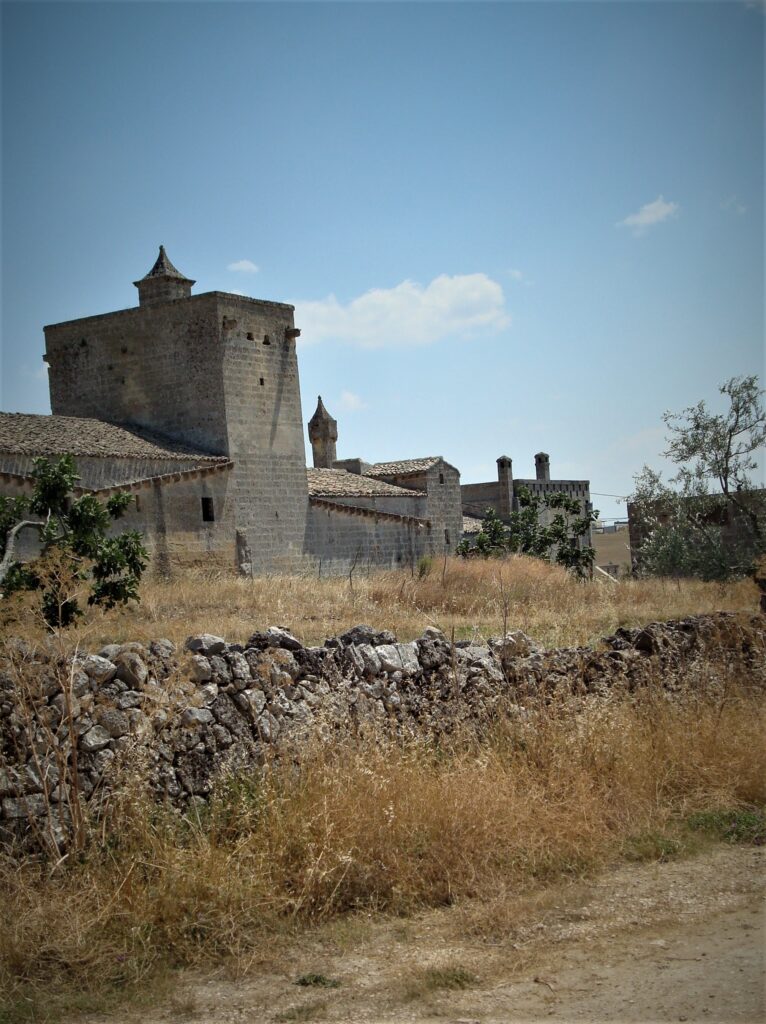
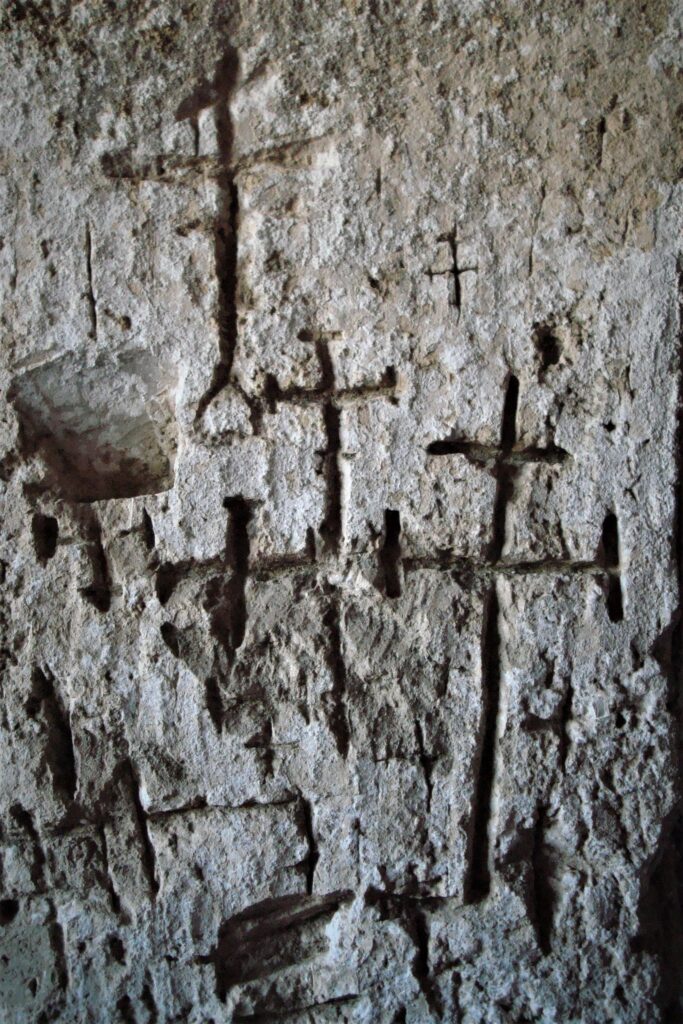
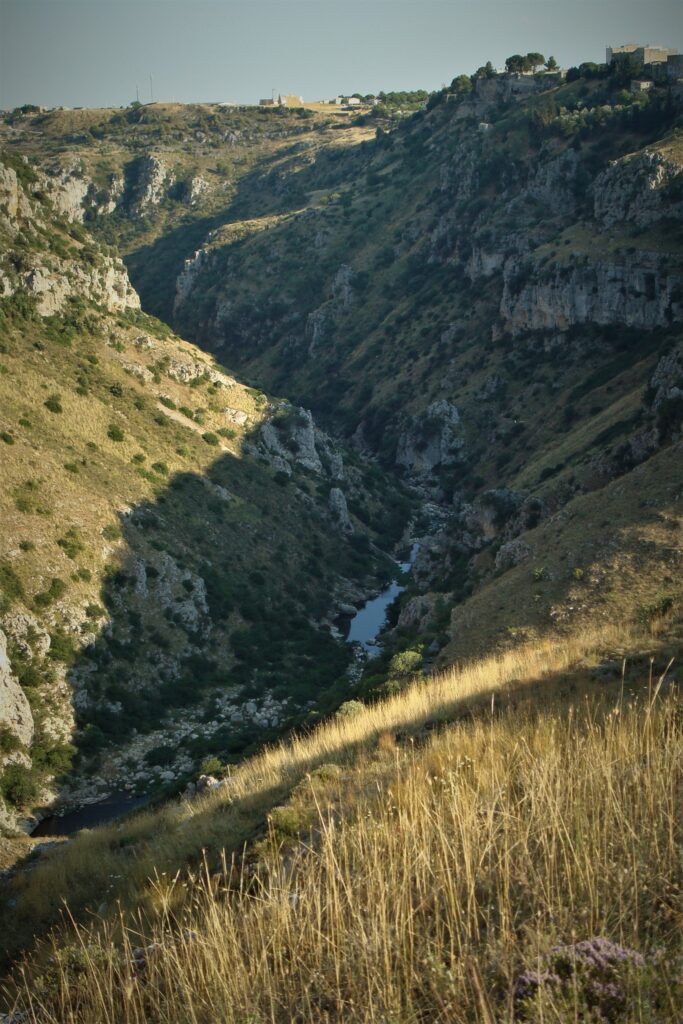
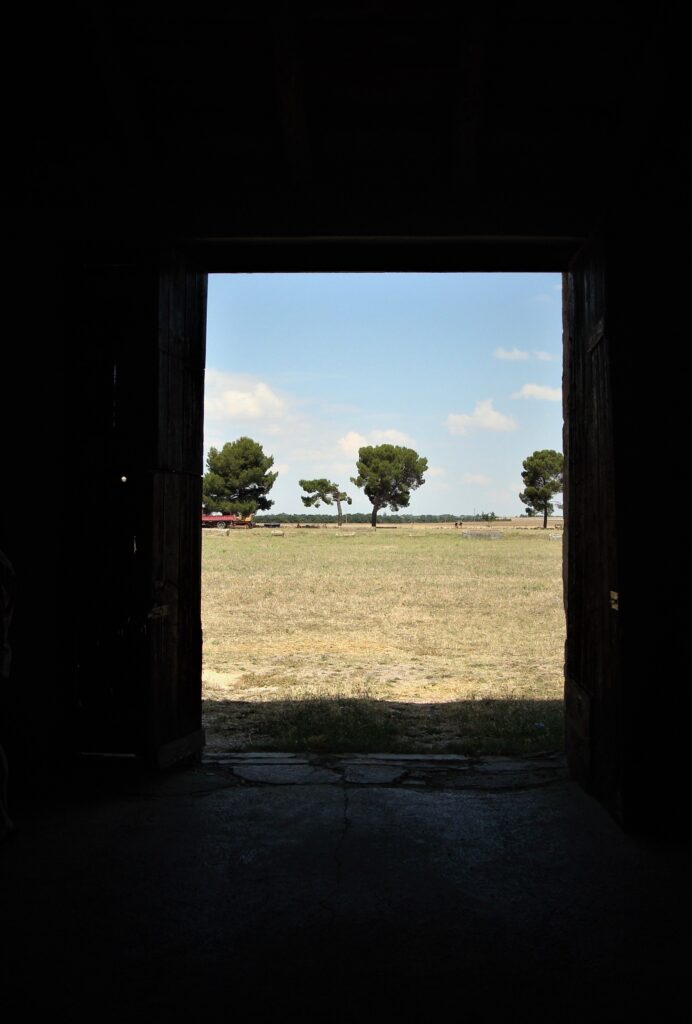
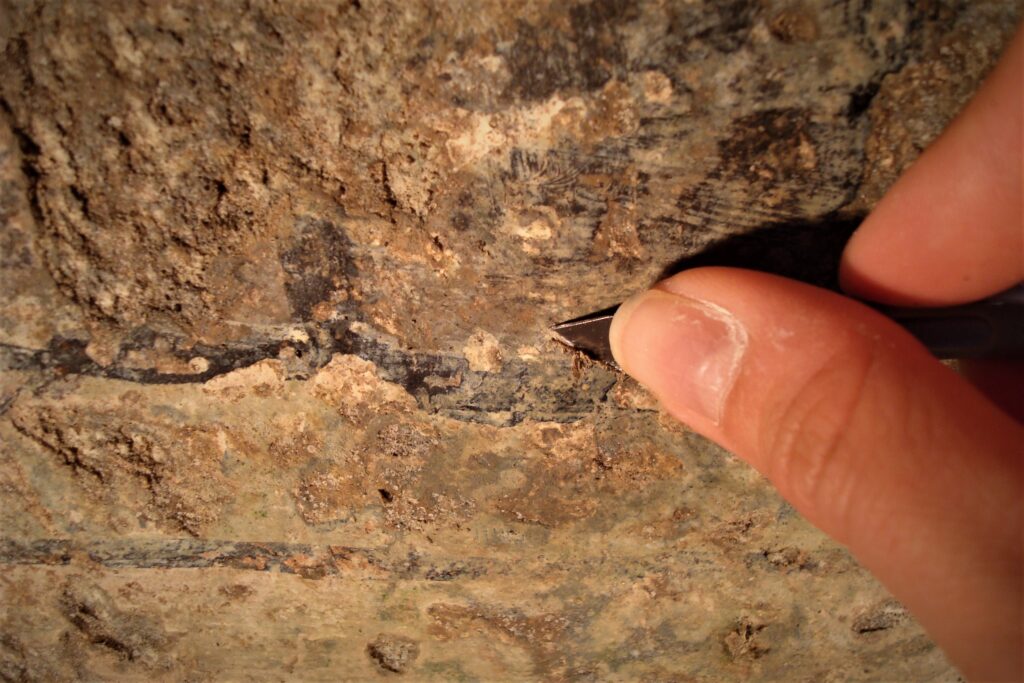
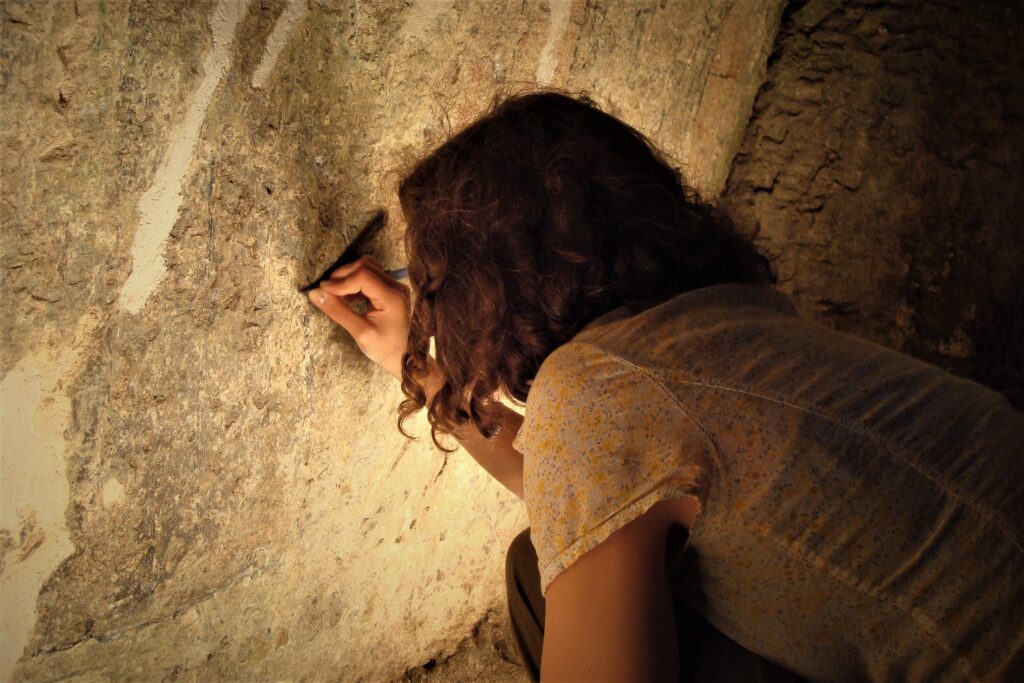
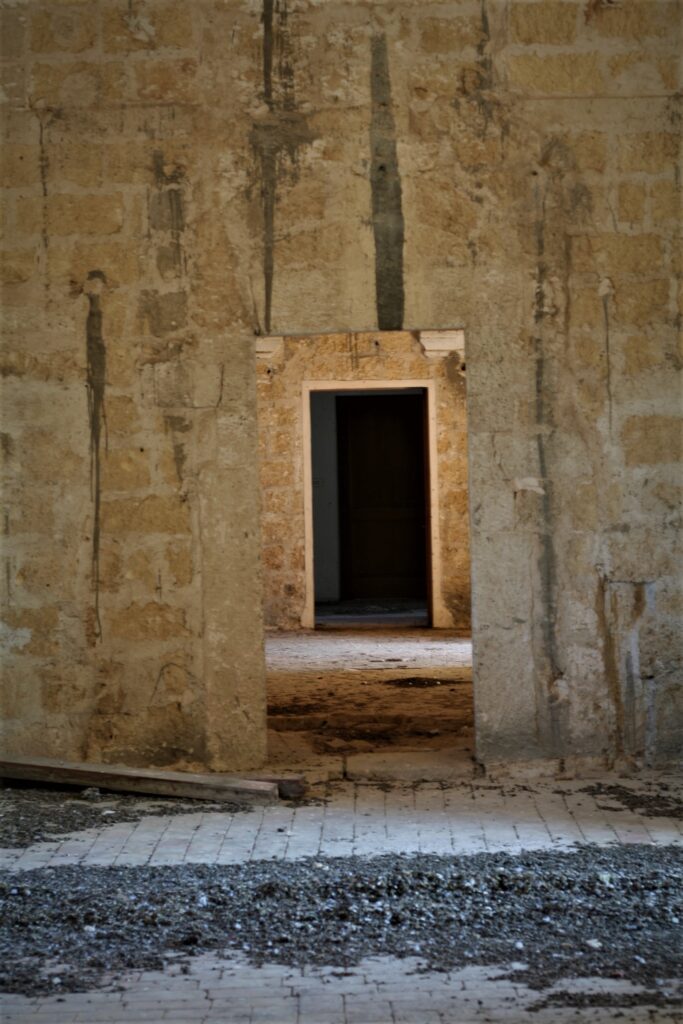
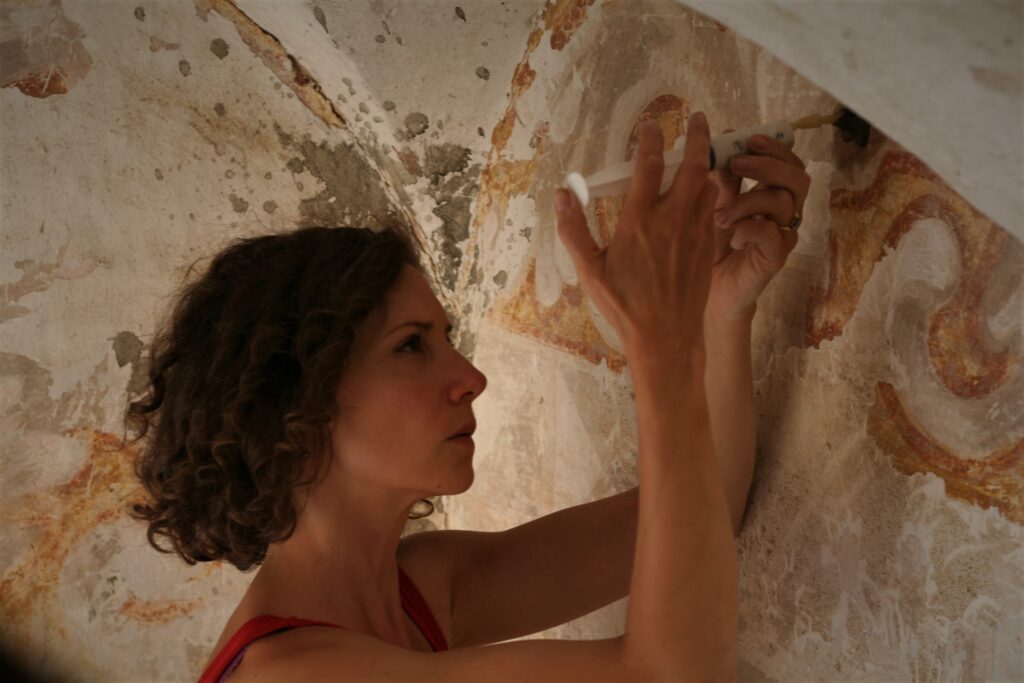
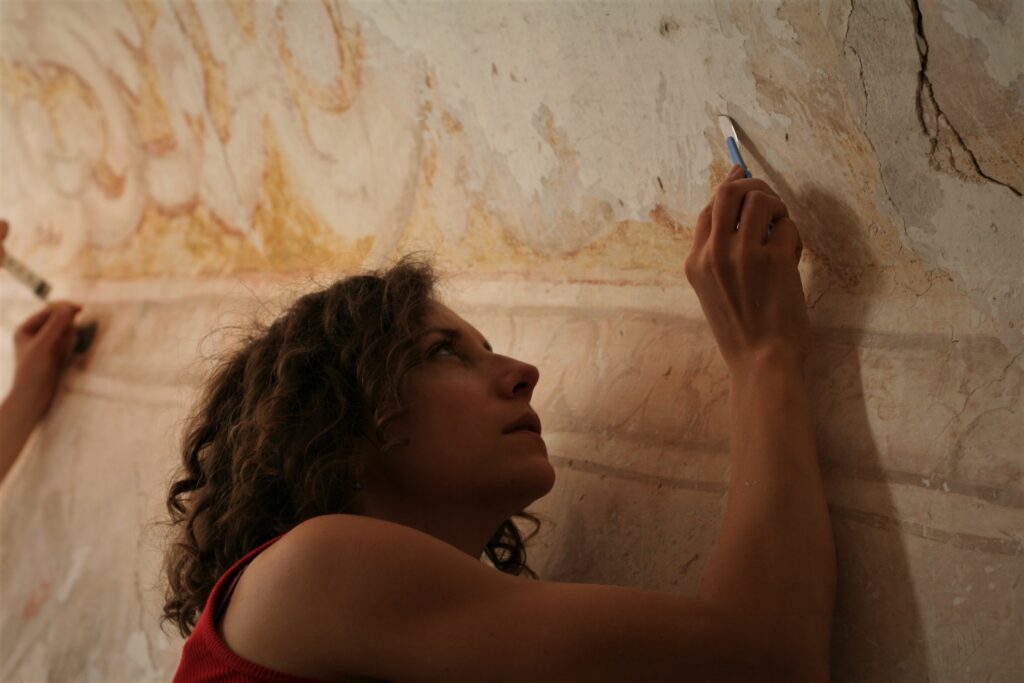
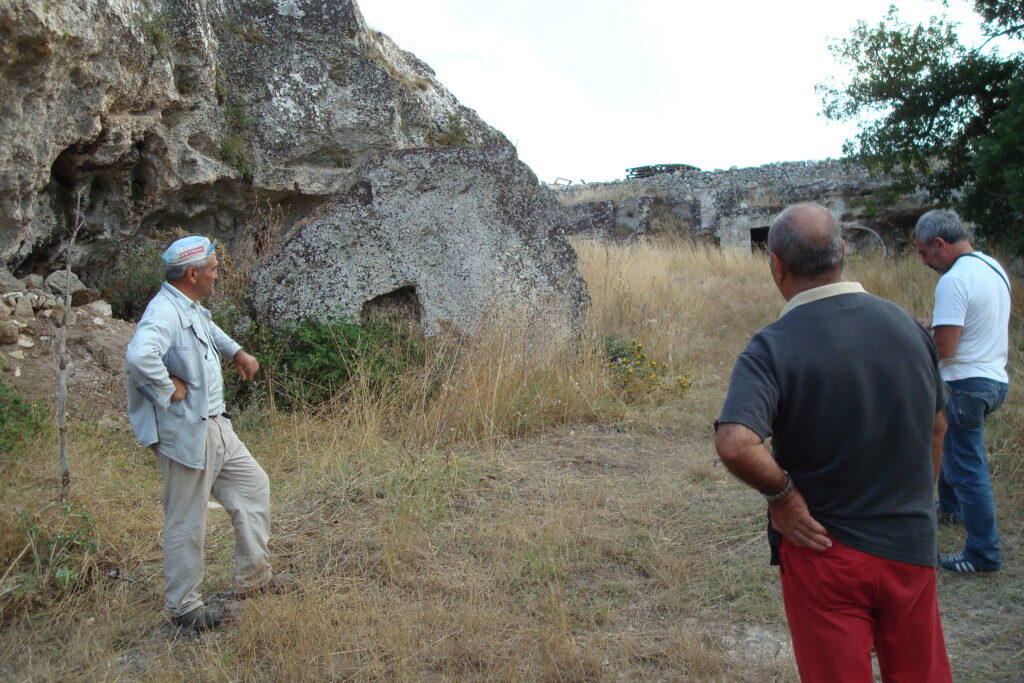
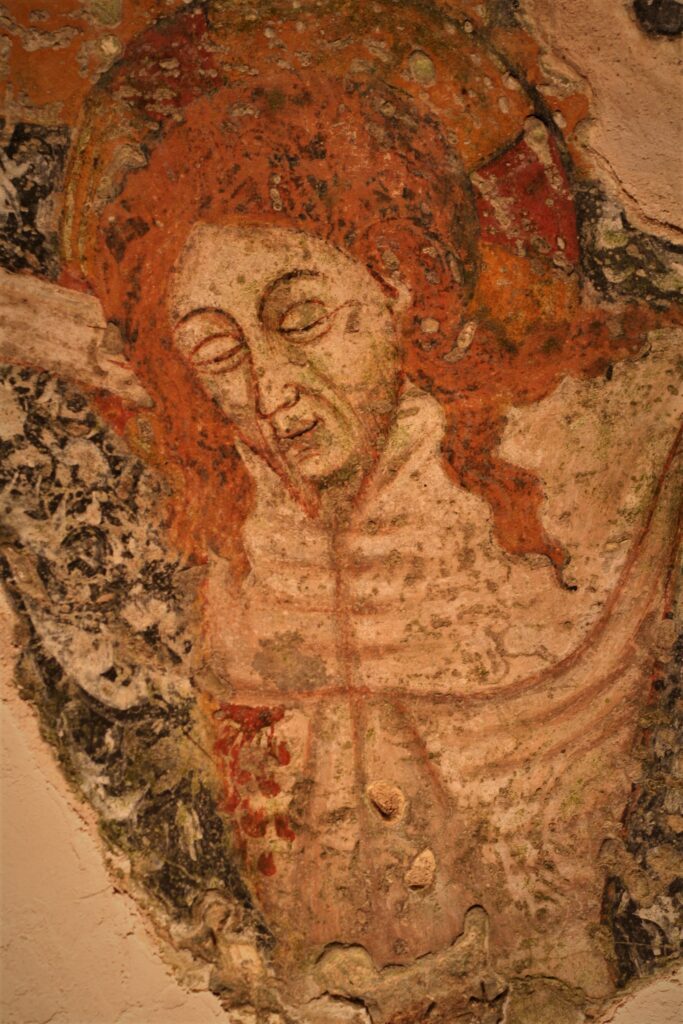
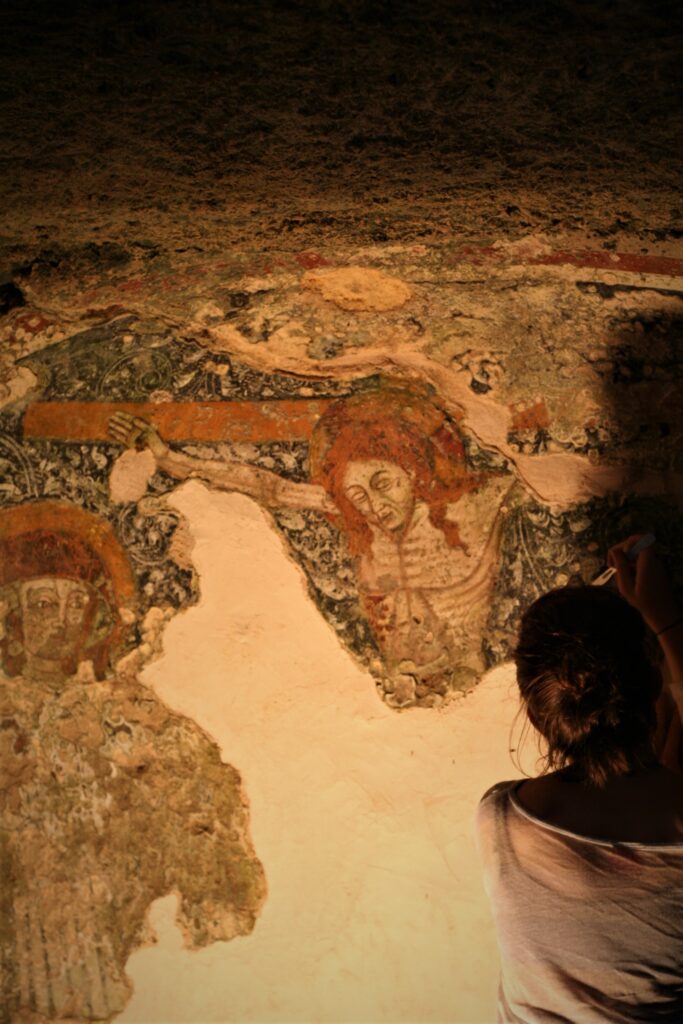
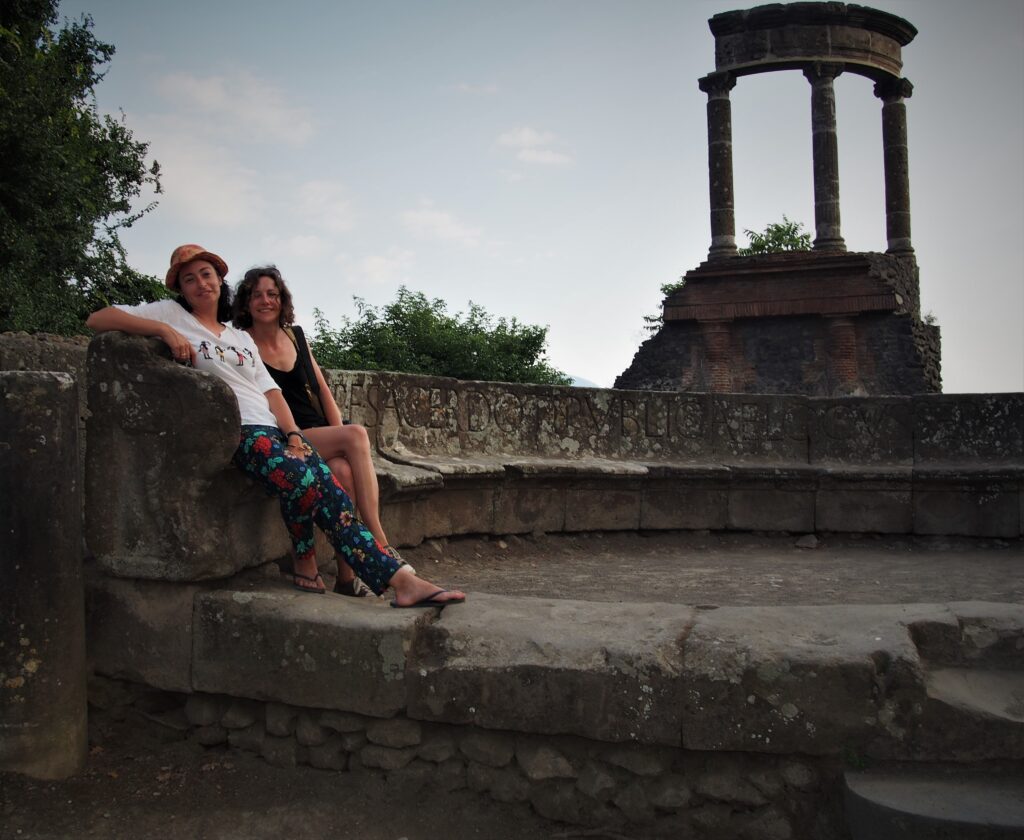
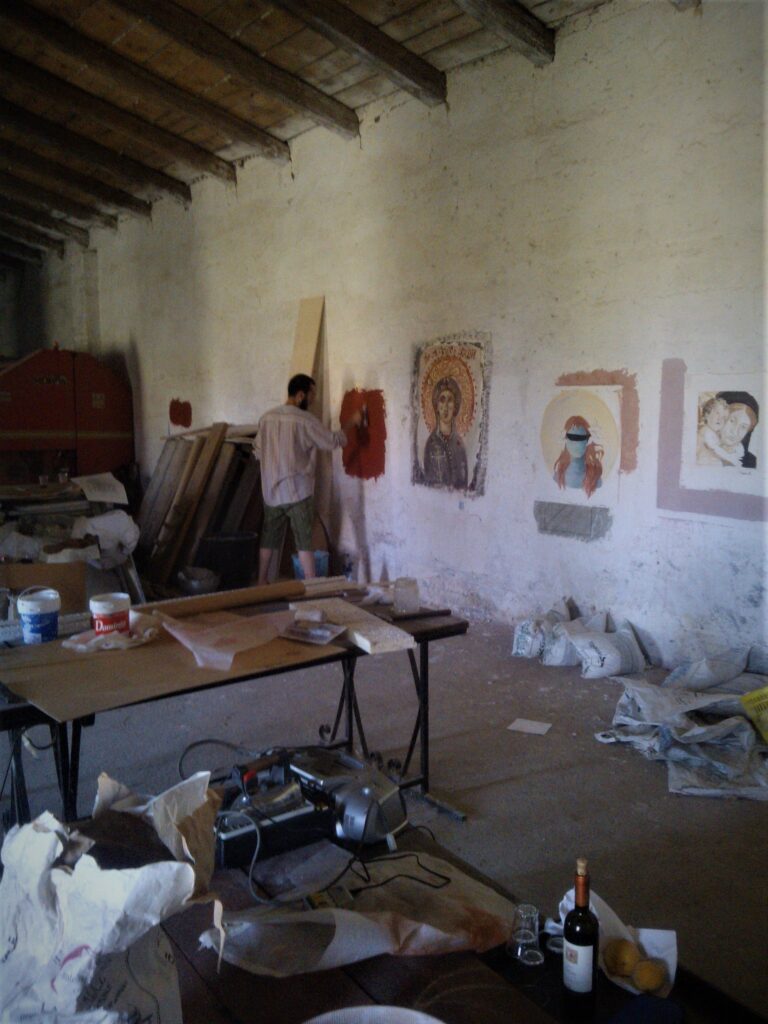
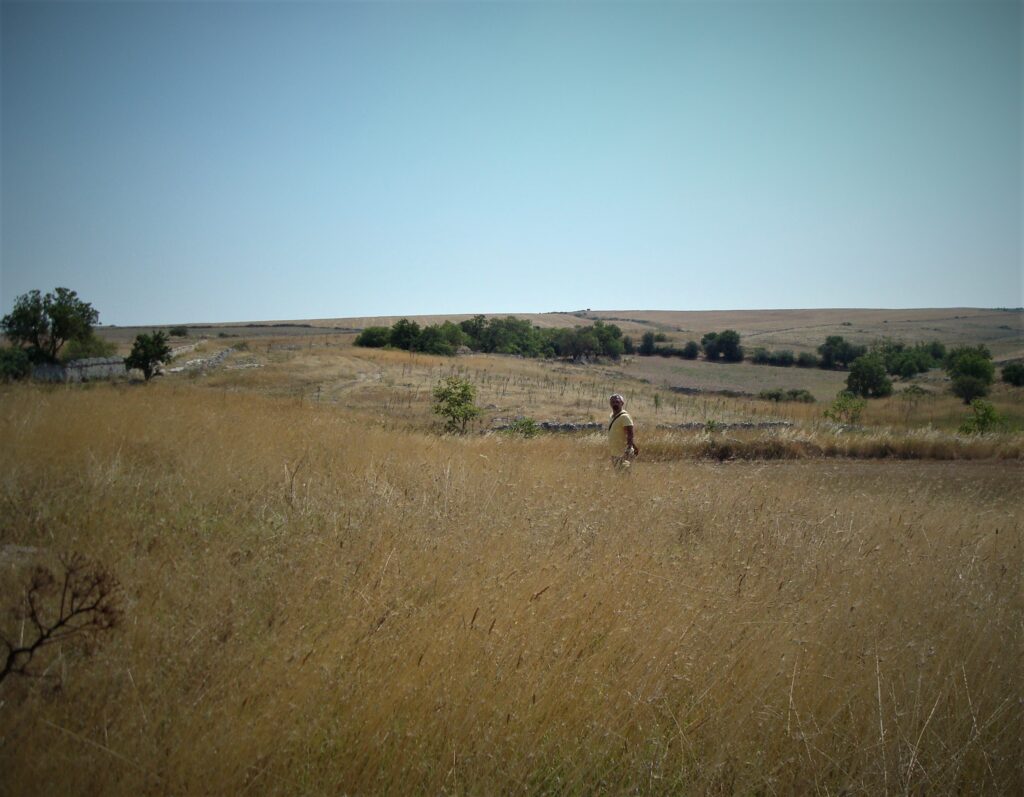
This trip to join a programme in Puglia followed on from my work on frescos in Pompeii (more on this anon). Having applied, all I knew was that I would be learning more about restoration by way of some very neglected walls in a subterranean medieval church and, that I would be staying in a beautiful, rambling, old farmhouse that I couldn’t stop looking at the photos of right up until I got on the plane. Both the farmhouse and the church were located in “Gladiator”-style terrain which seemed to stretch for miles – something which fed into the idea of getting away from it all.
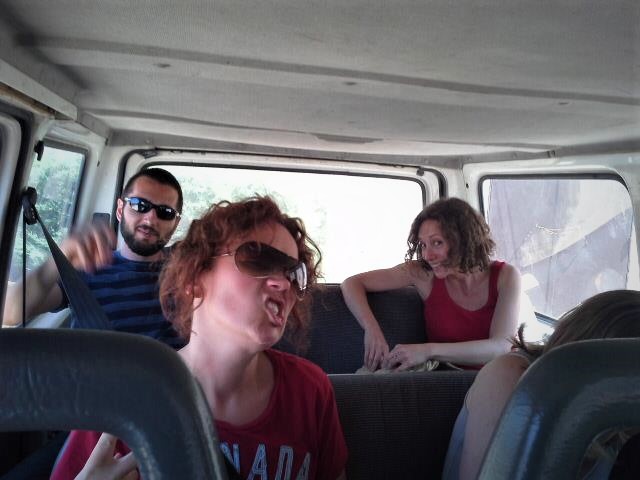
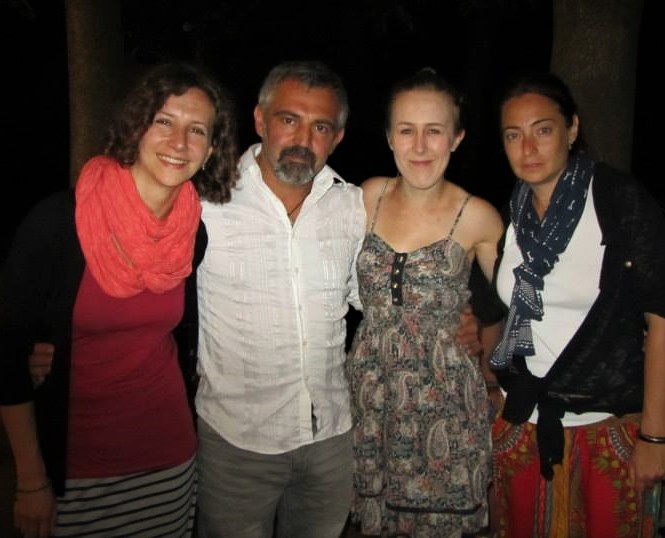
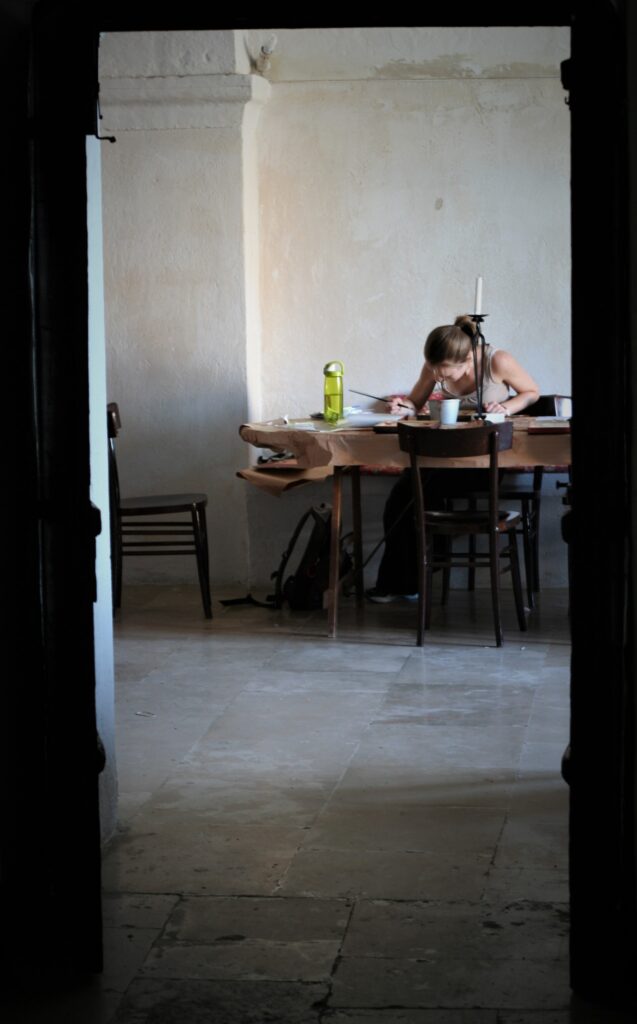
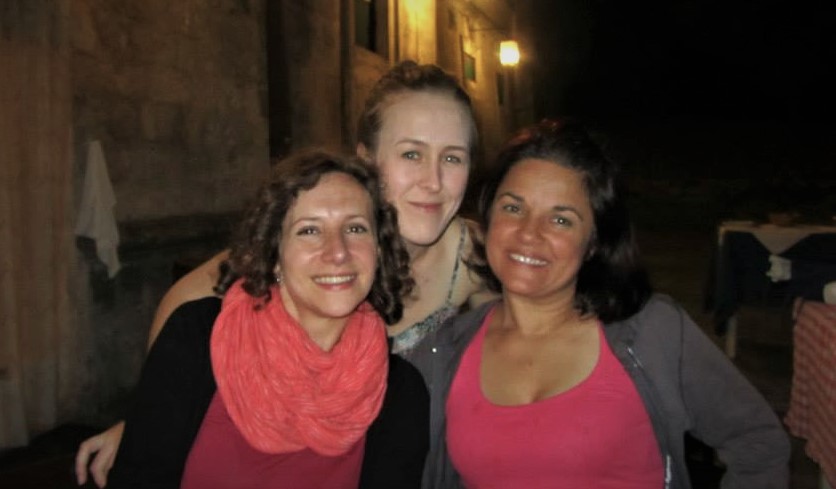
Coming off the back of quite a full-on work schedule in Pompeii, I was ready to throw myself into fresco restoration with everything I had but it turned out that this wasn’t quite that sort of a trip. This was to be run strictly on Italian time, something which forced the participants to slow down and drink in everything else that this beautiful region had to offer. Once you had melted into the arms of Puglia it quickly became apparent that there were so many more things to enjoy, learn about and take away from this sojourn besides work and study; not least some truly wonderful friendships forged with folk who had come together from all corners of the globe.
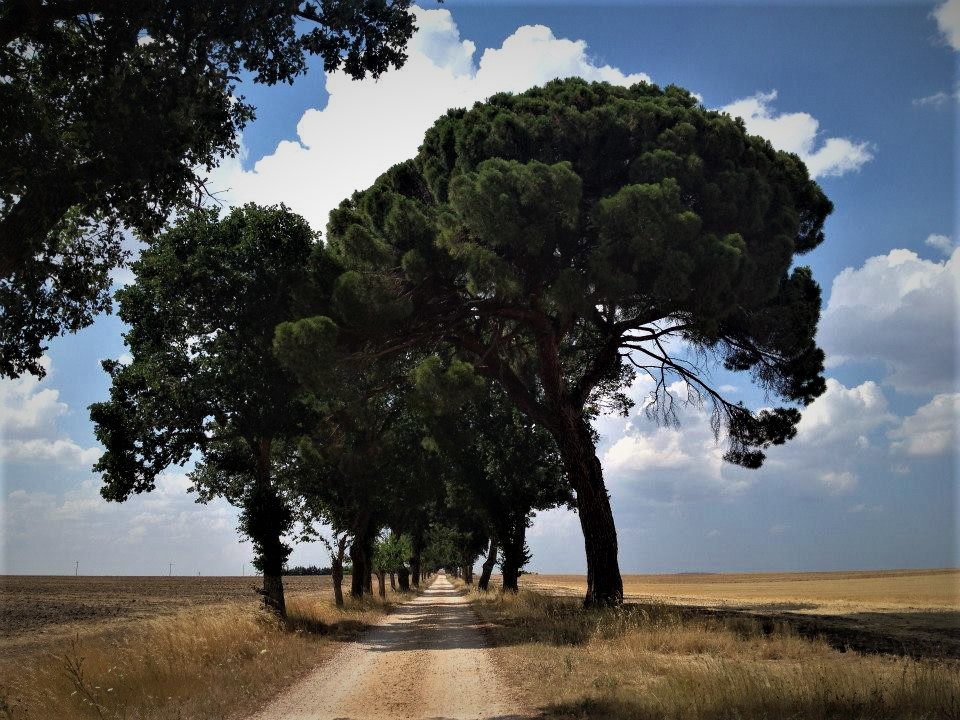
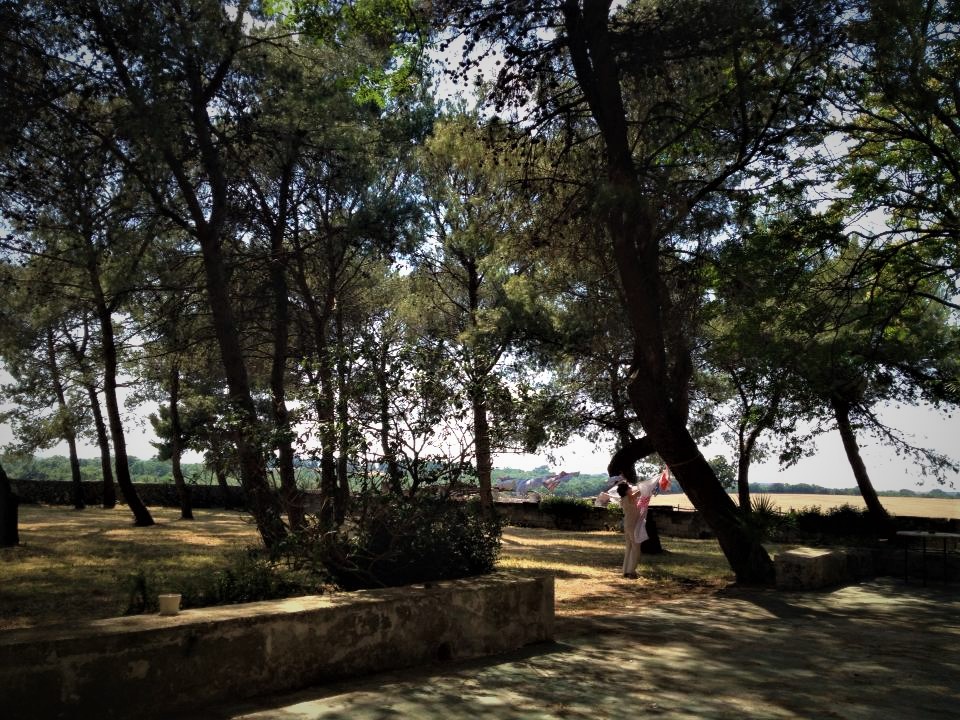
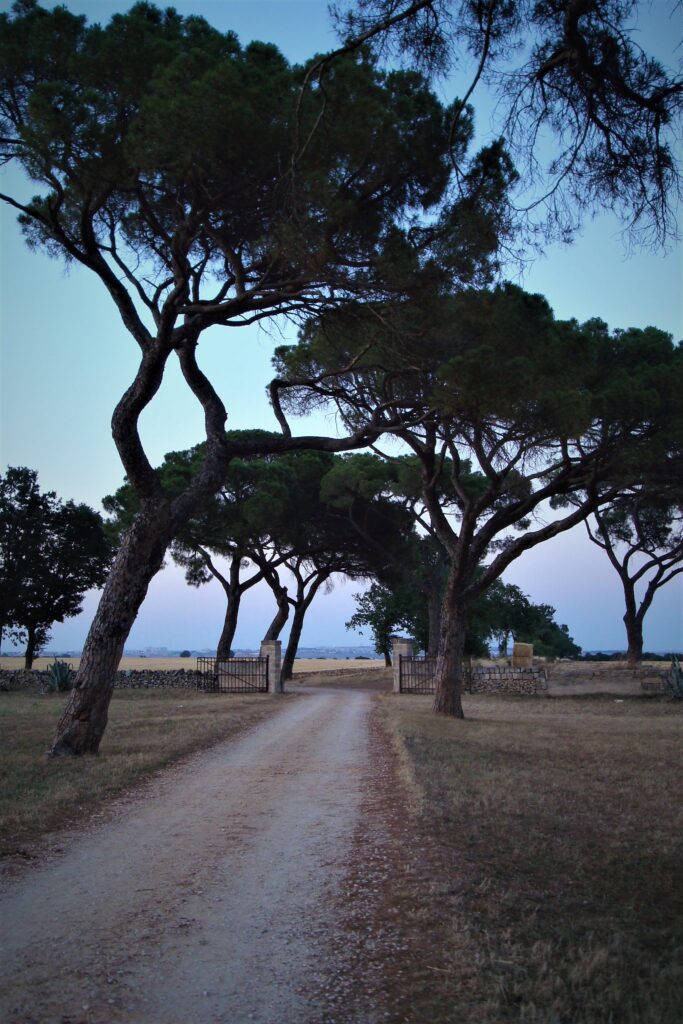
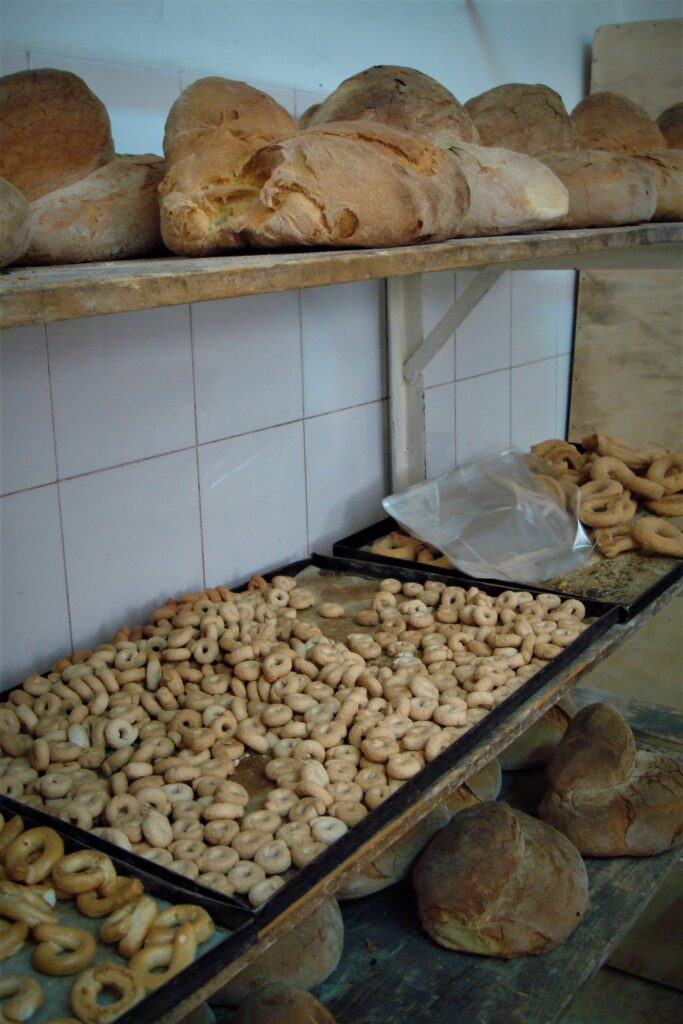
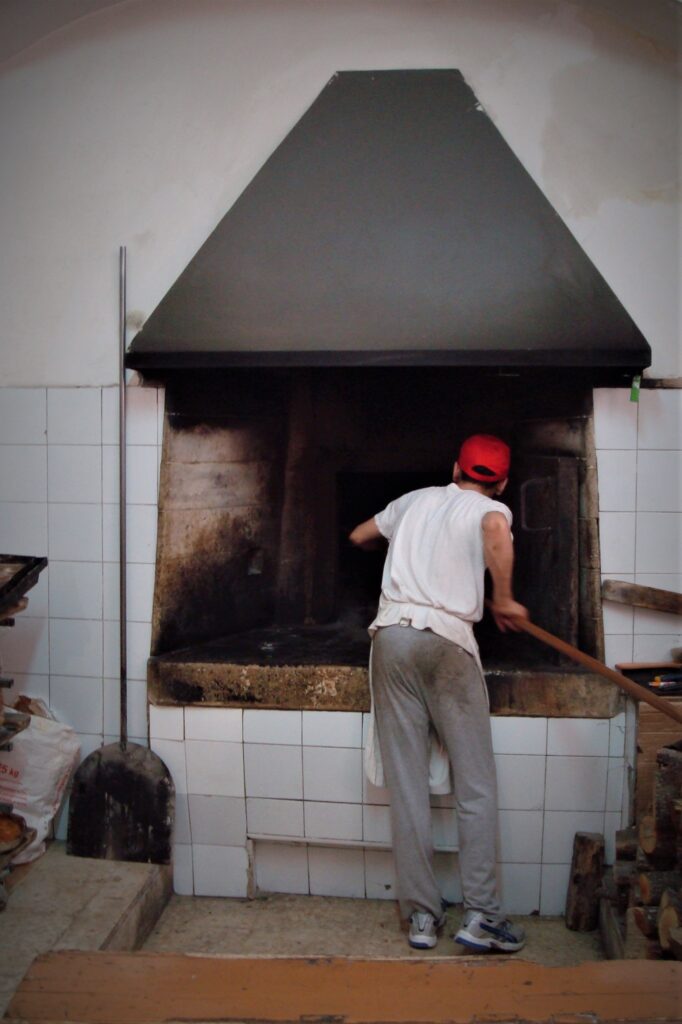
Puglia is essentially golden and green – when you see it in the summer, that is, which I did. High-reaching cypress and pine spread their canopies over far-reaching wheat fields. This is the breadbasket of Italy too and proudly so. In fact, when you see the colour of the bread (and the flour), it’s almost as if they’ve managed to harvest the sunshine. I’ve talked about the culture around the bread in Puglia elsewhere on the site but it’s worth stating again that its taste is as striking as its golden colour. And, for a breadophile, such as myself, having this on tap was a real treat. Puglian bread is also a match made in heaven when dipped in some piquant, peppery olive oil – another regional speciality (and, for my money, the best olive oil; big shout, I know).
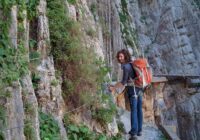
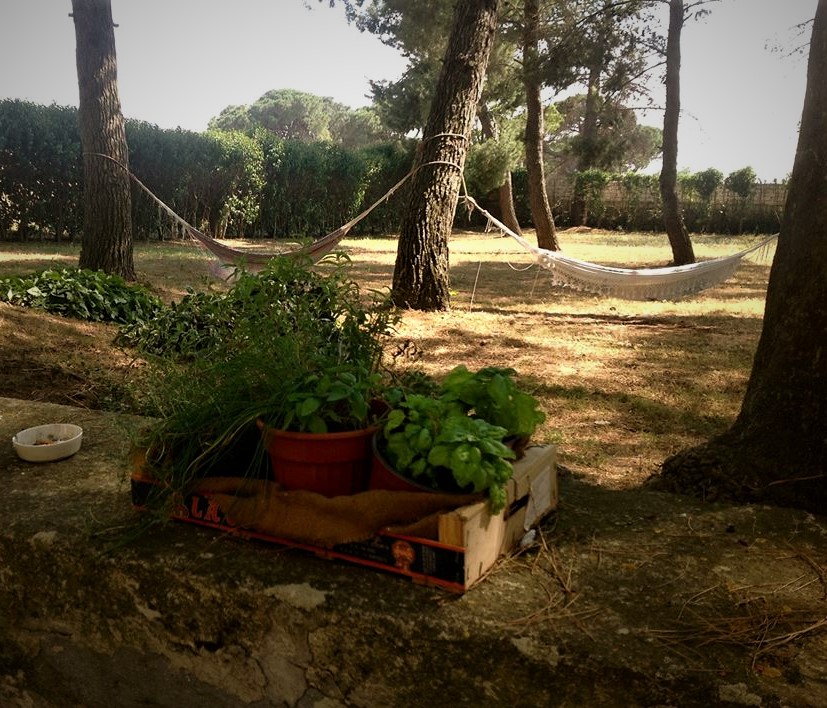
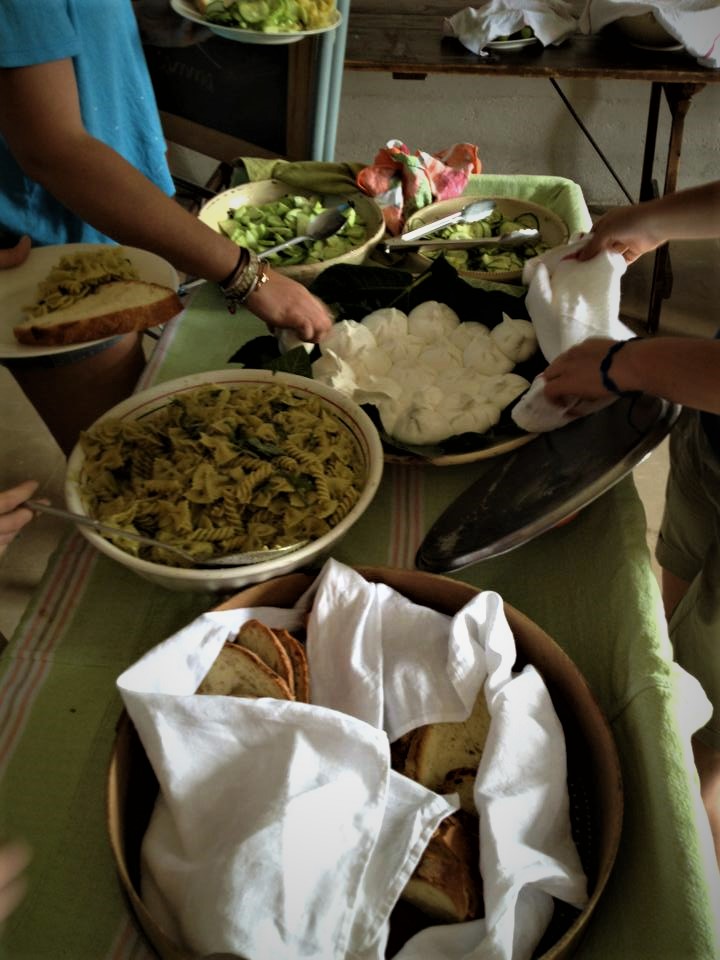
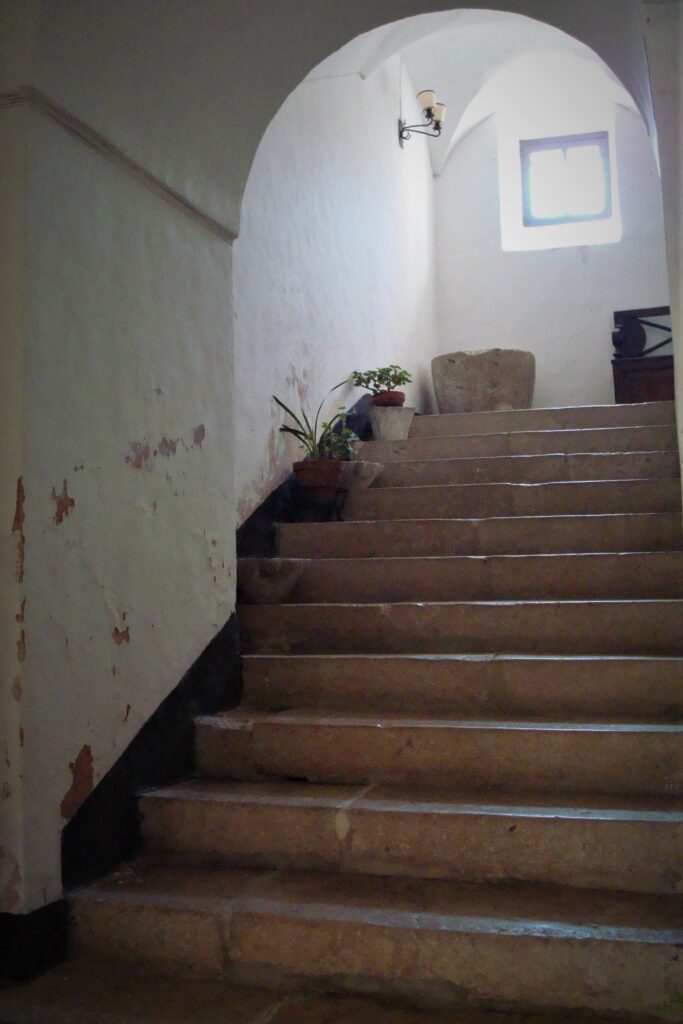
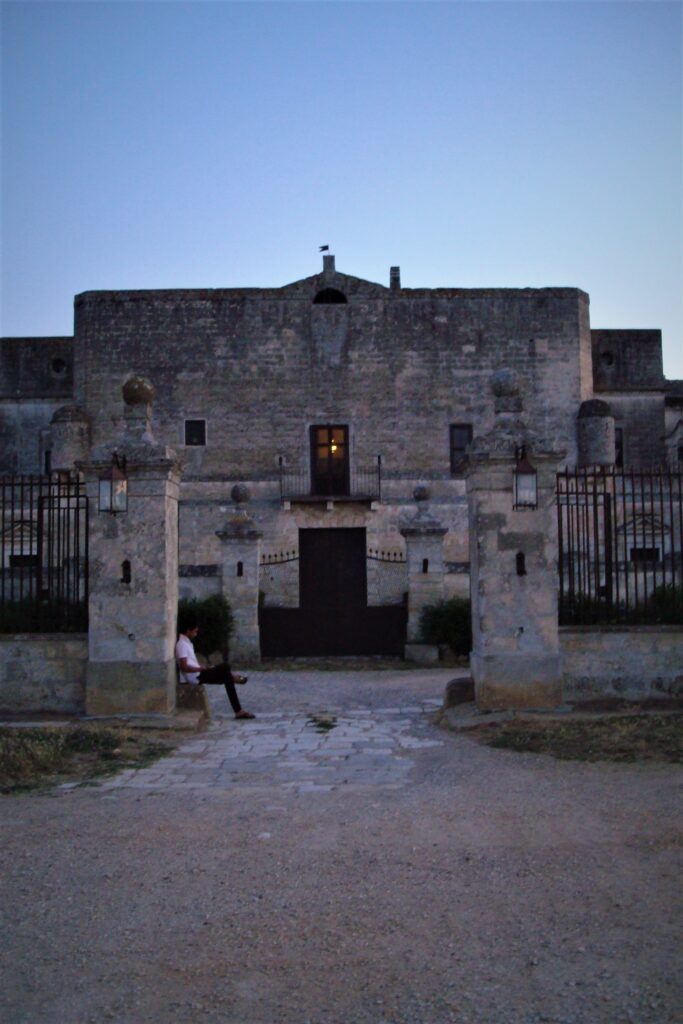
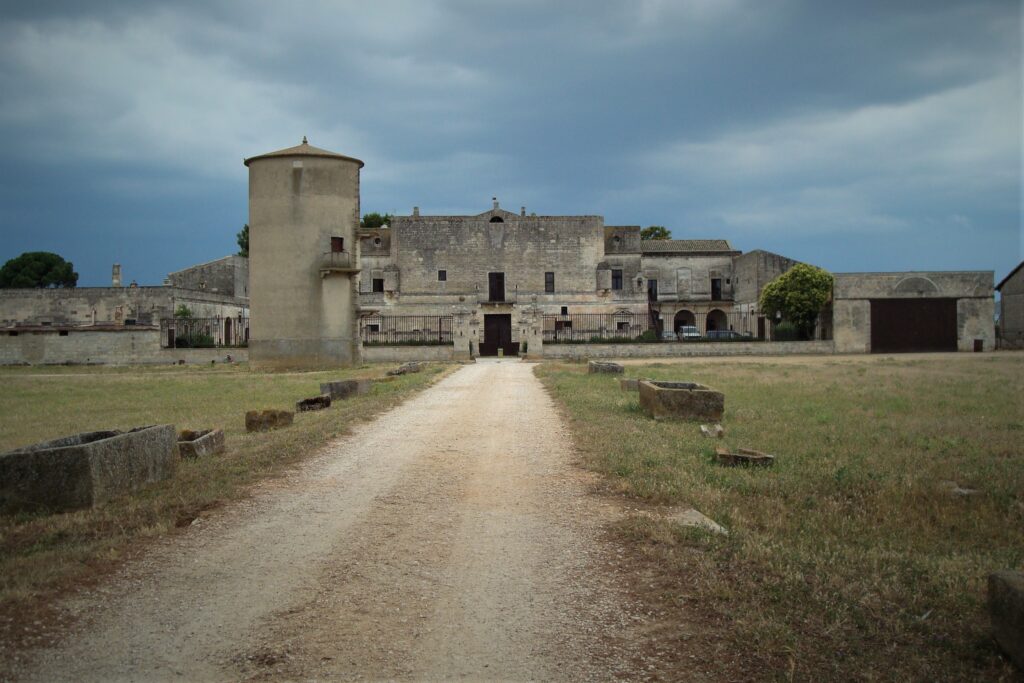
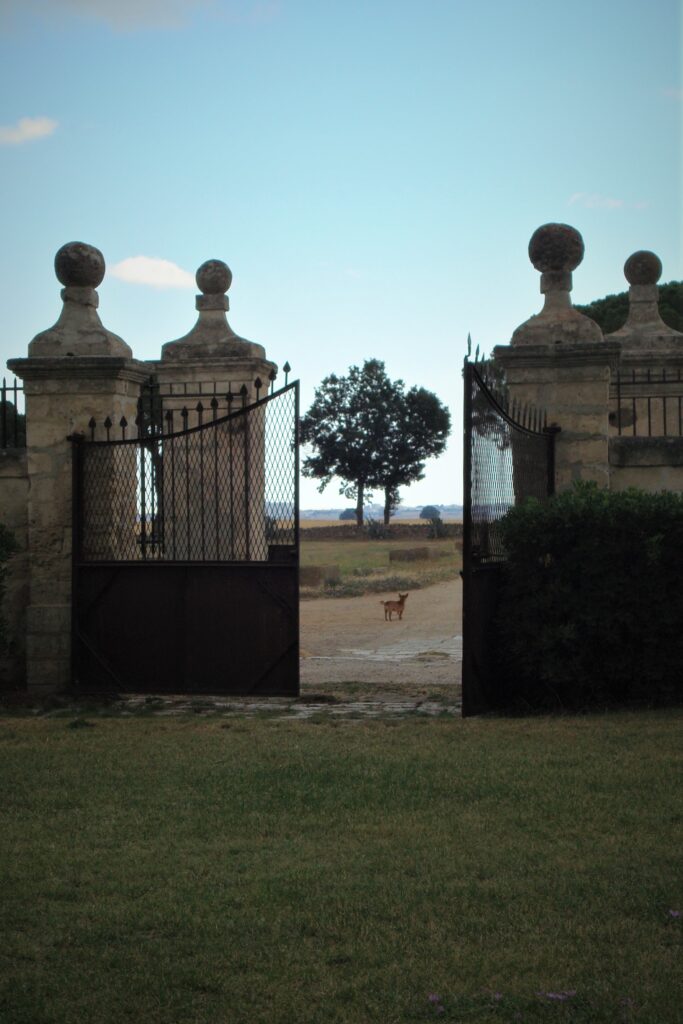
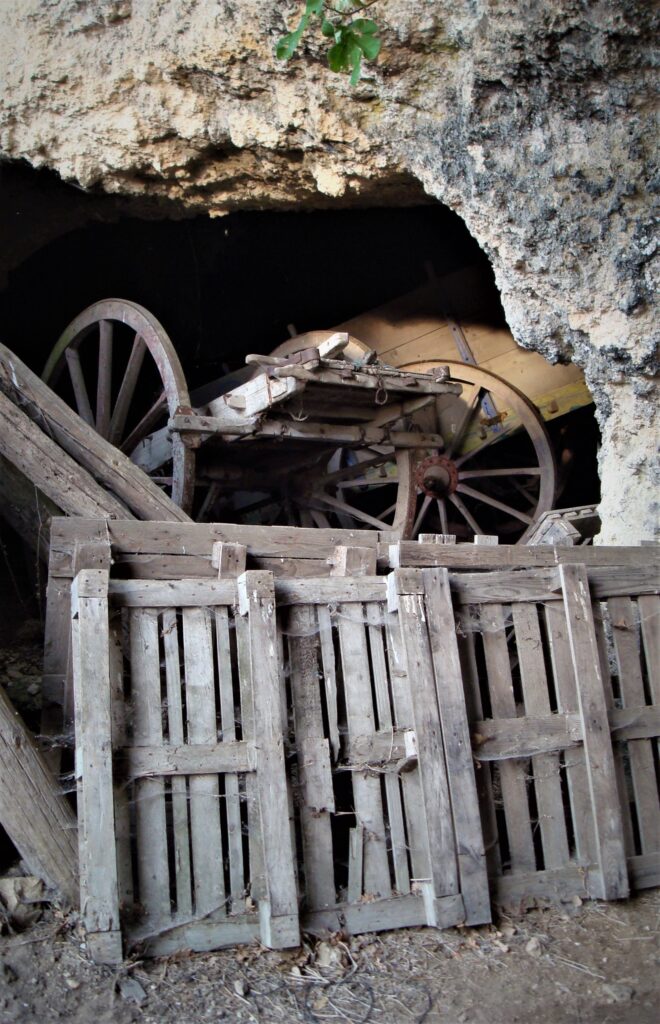
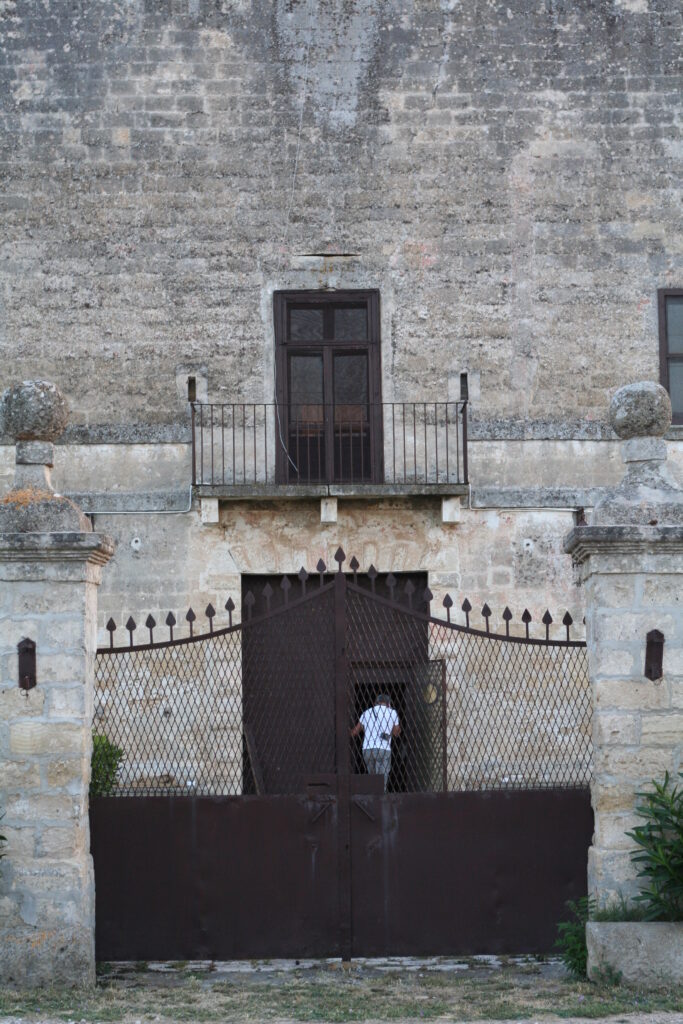
The hook (apart from the frescos) – our accommodation – La Selva – was slap-bang in the middle of all this delicious green and gold. The masseria (old farmhouse) of La Selva comprises numerous rooms connected by windy corridors. It also boasts acres of land, a dairy (hello fresh cheese DAILY), olive groves, an enormous kitchen, and… a ghost. Maybe more, definitely one; and one who apparently liked to play the piano – something which scared the bejesus out of me as did the scraping chairs and heavy breathing we all heard at some point… Most Haunted has nothing on this masseria. In fact, the only time I’ve ever been so heart in the mouth scared was traversing the big gaping passages in the the camino del rey before they mended it. La Selva was a creepy old place for sure, with two wings of multiple rooms stretching off a vast central gallery and filled with all sorts of old paraphernalia, but it was also a tranquil one (when the ghost wasn’t mooching about). Moreover, when you have access to fresh burrata and a three course meal everyday then, I guess a few restless nights hidden under your covers with only your heightened senses for company is do-able.
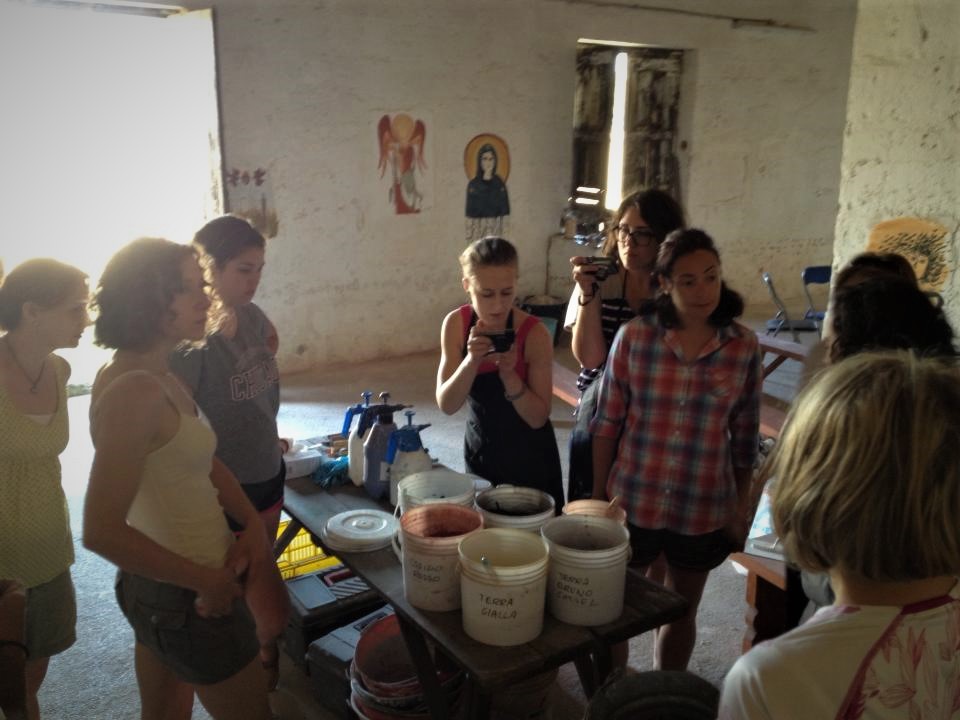
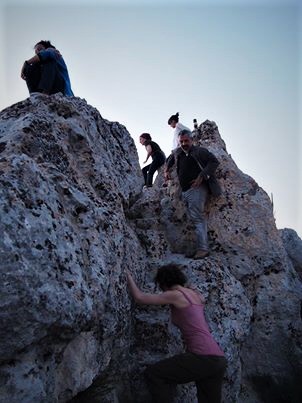
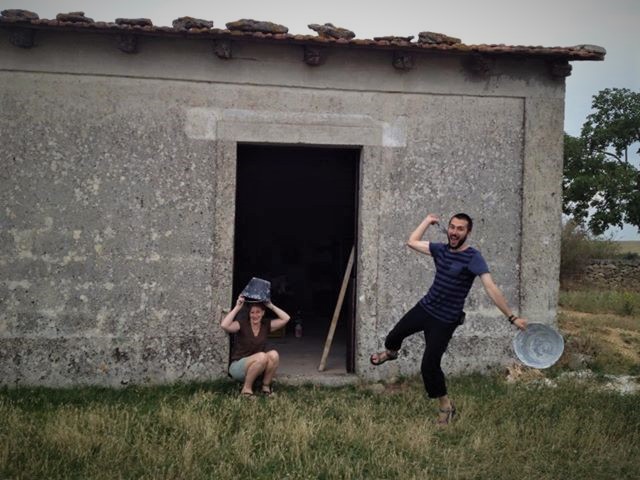
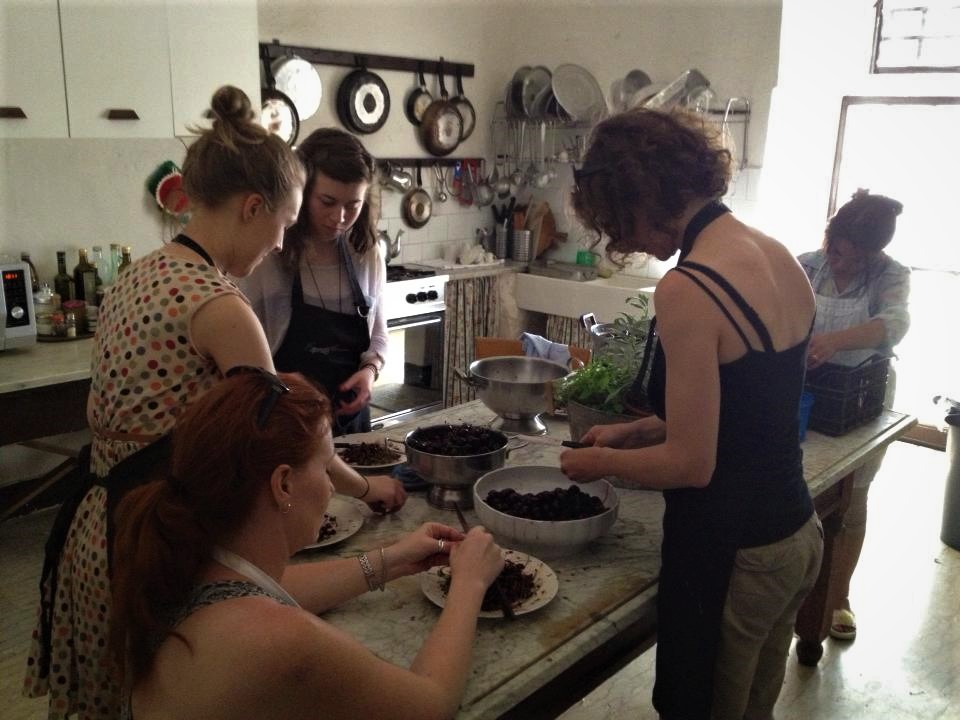
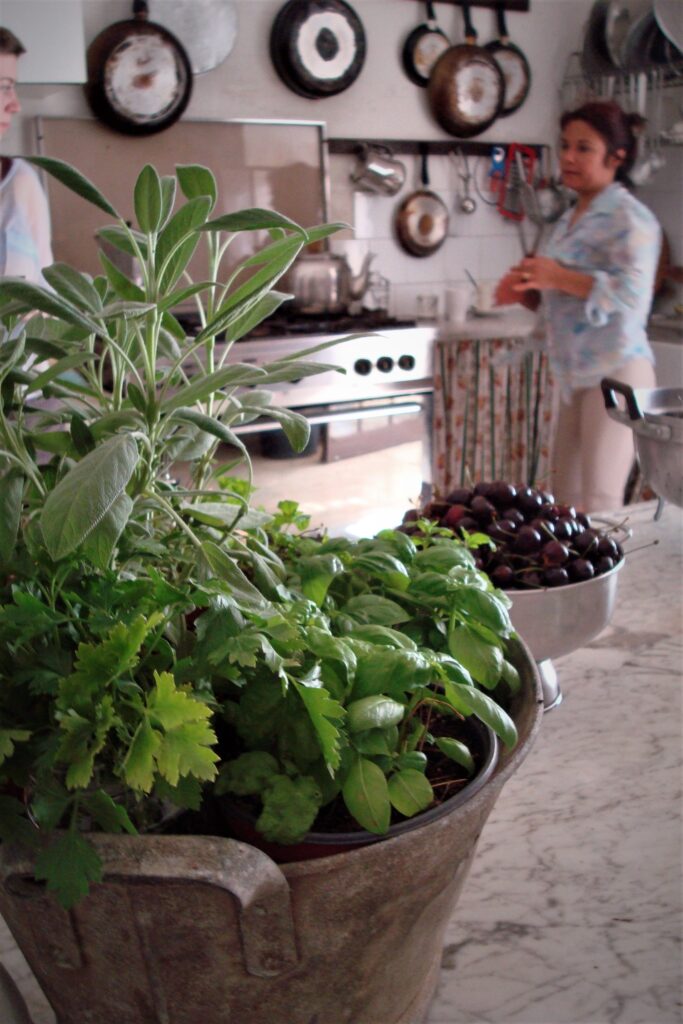
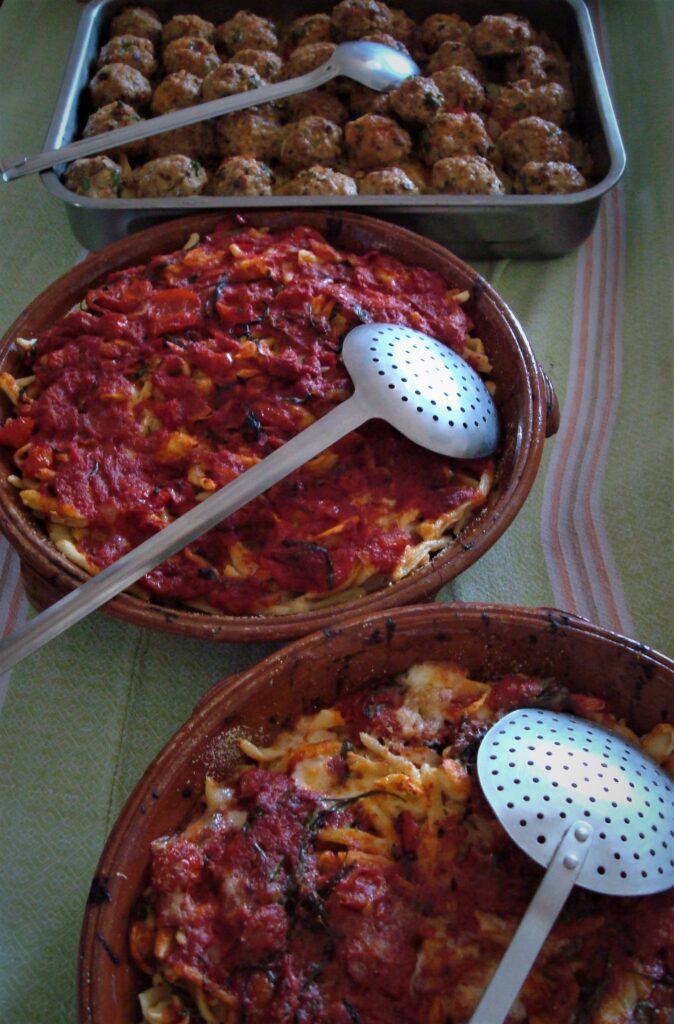
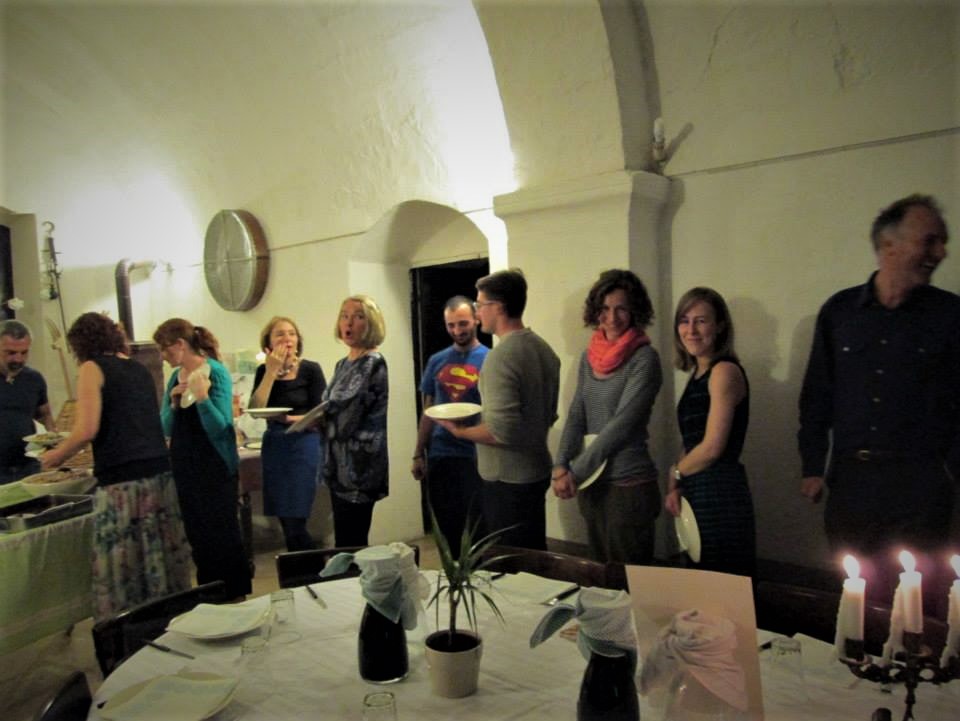
There’s so much to say about this trip, I’m not sure where to start. Despite running on Italian time we packed a lot… study, workshops, lectures, field trips, excursions, siestas, films, walks, parties and, of course, work. Keeping to a food theme, however (away from the science bit behind fresco restoration), that’s not all we packed in. Each of us had absolutely no problem packing in as much of the delicious food as possible. From the start of the day to the end, there was food; in abundance. From the beautiful breakfast spread waiting for you in the silent kitchen as if prepared by elves, to the long lunches, to the Godfather-style supper spreads. Three-course meals every night and the food really was incredible. This was in no small part on account of our resident chef, Rosanna – herself a ray of sunshine whose food was filled with so much love you just tasted it in every bite. One of most the beautiful things about Rosanna’s cooking, apart from how ridiculously delicious and abundant it was, was that we shared each meal with her family. Each meal was a celebration of all things Puglian and that included placing the family at the heart of the table. We were very privileged to be a part of that family for a few weeks and what better way to make your guests feel like they are part of the family than by getting all hands on deck to bring the food to the table (and that includes the washing-up!).
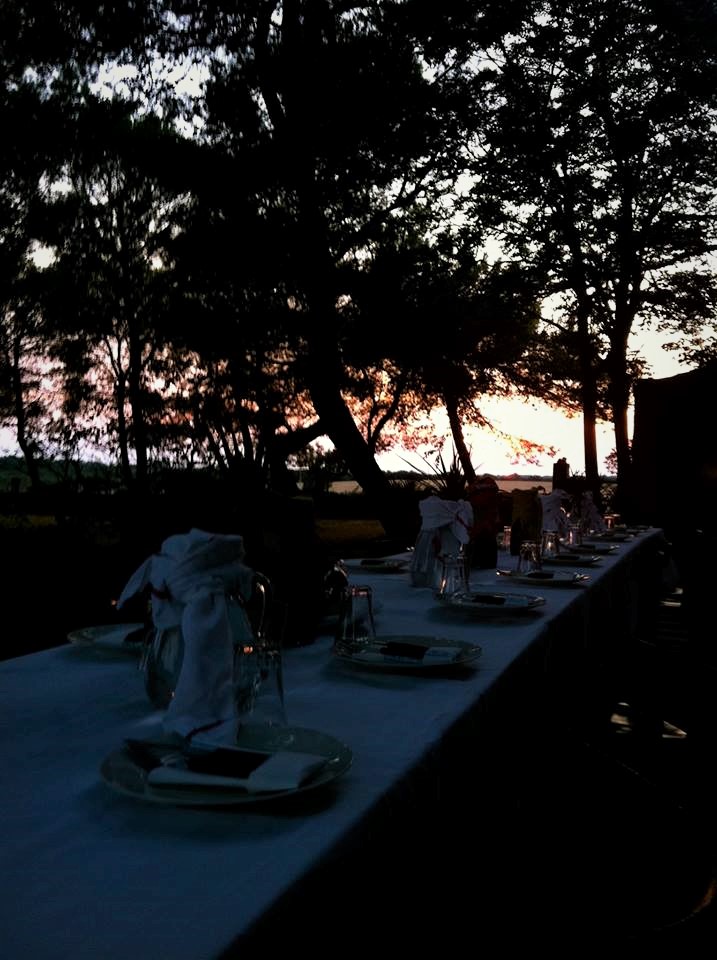
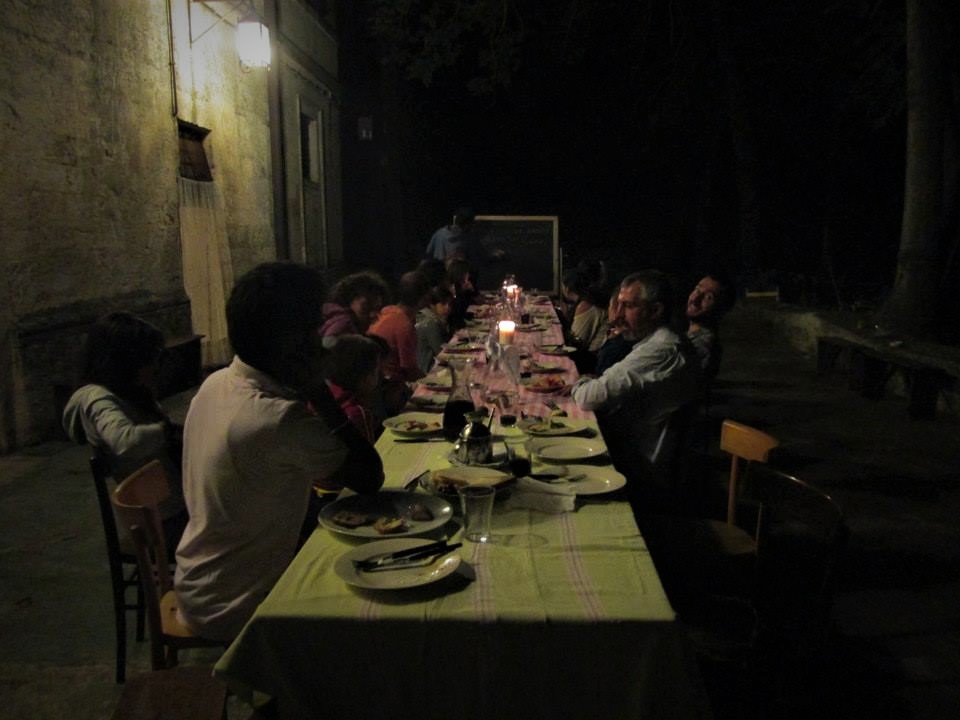
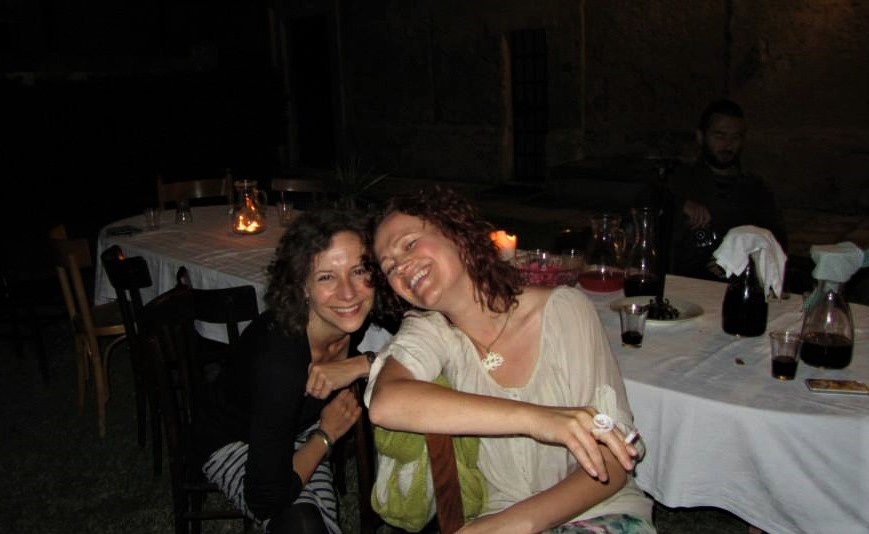
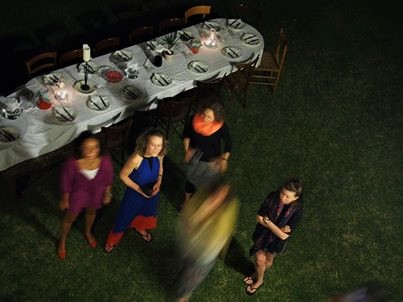
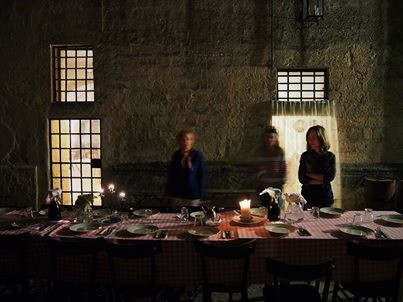
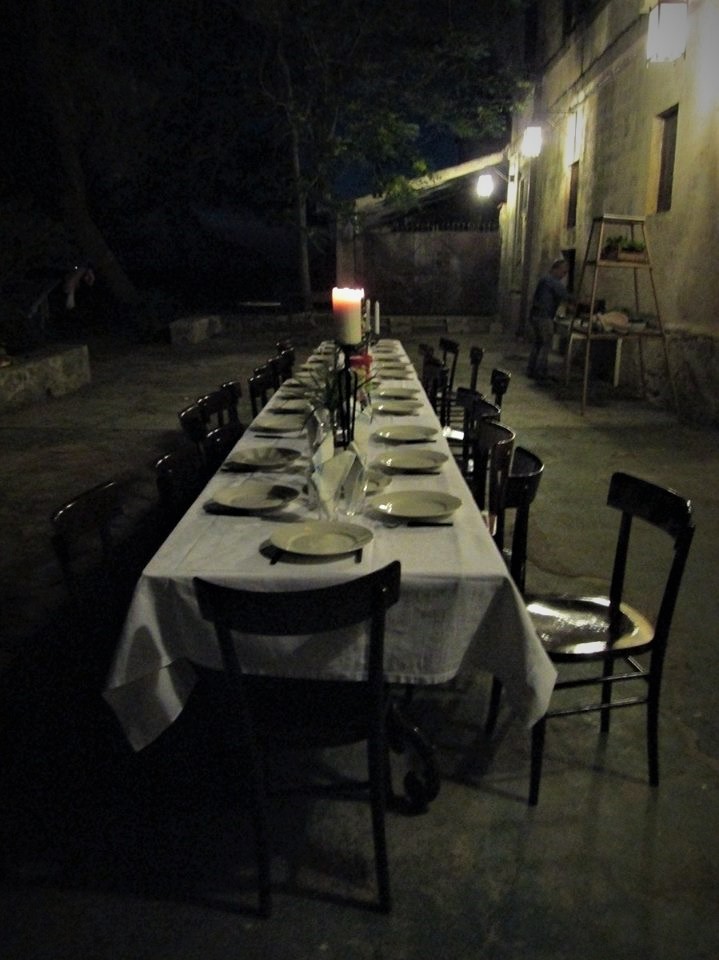
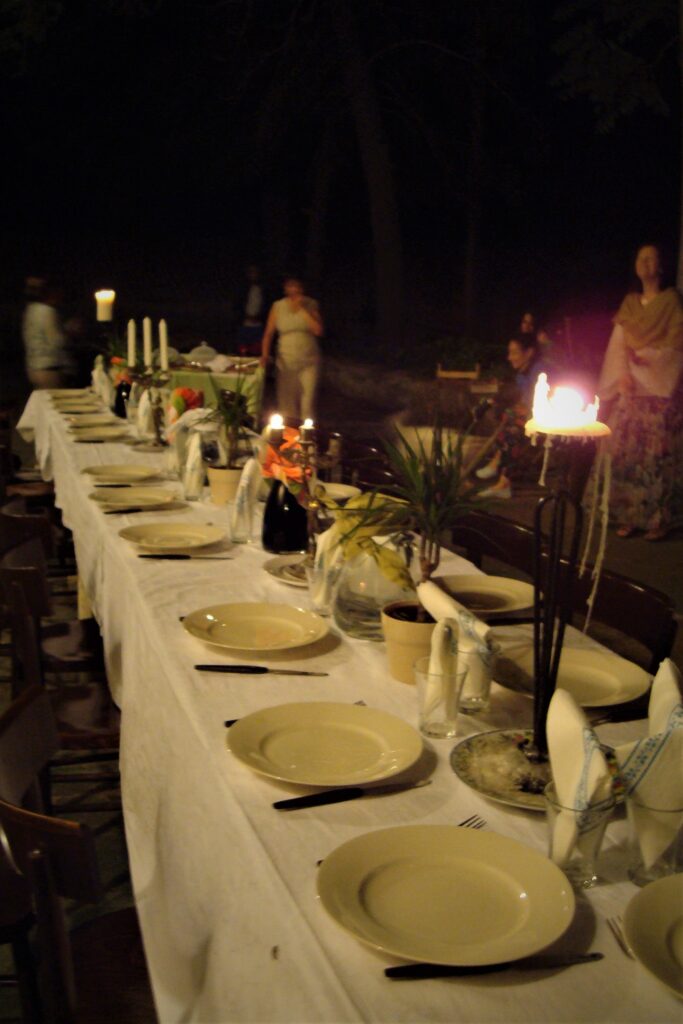
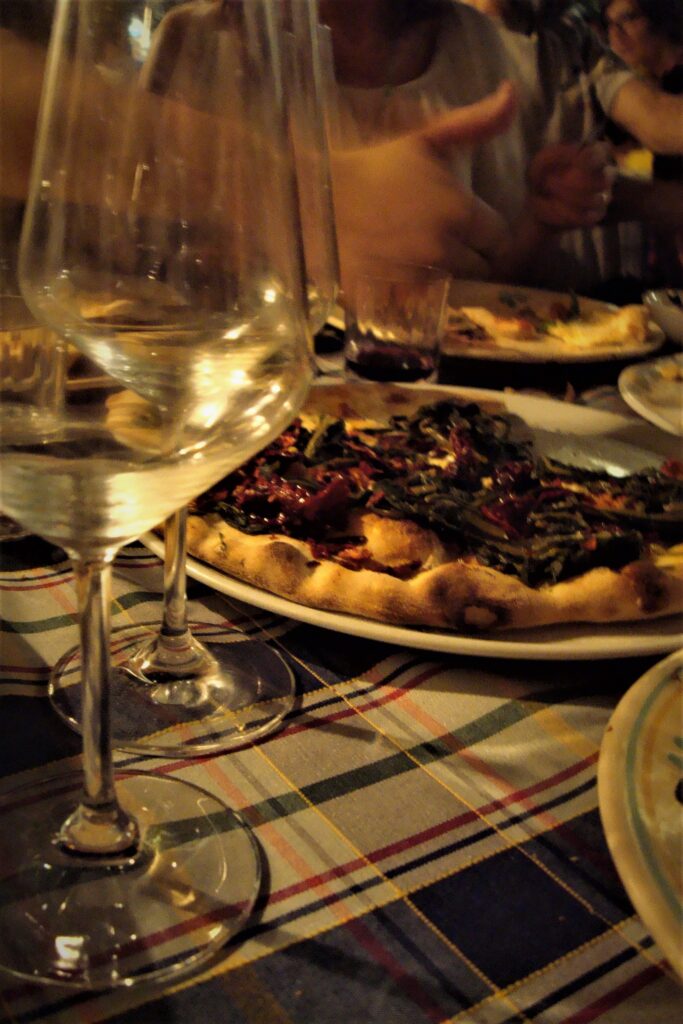
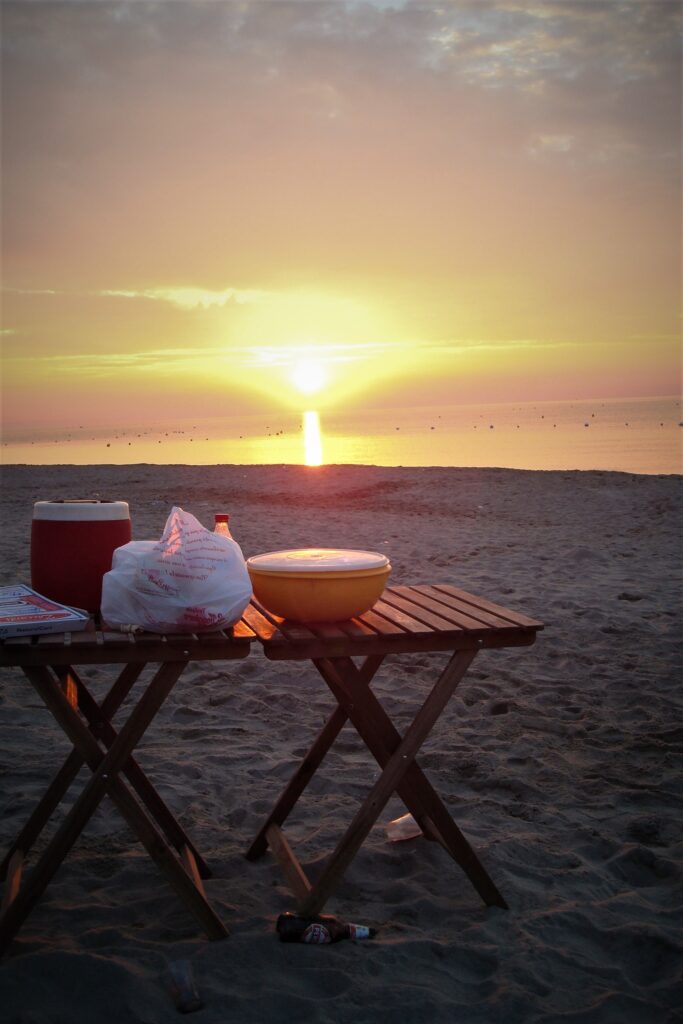
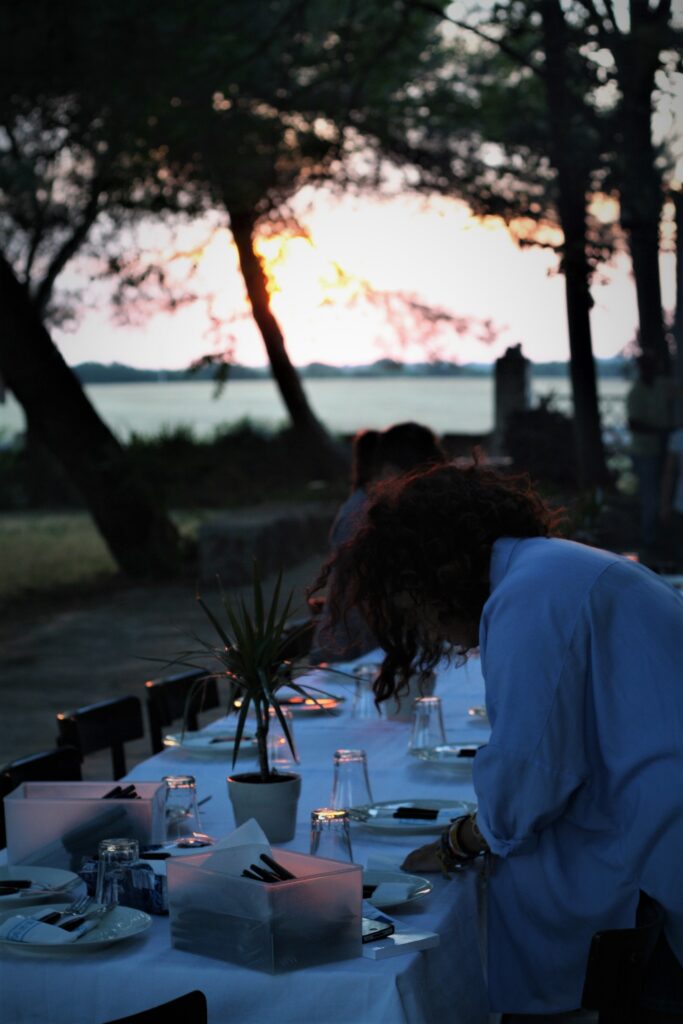
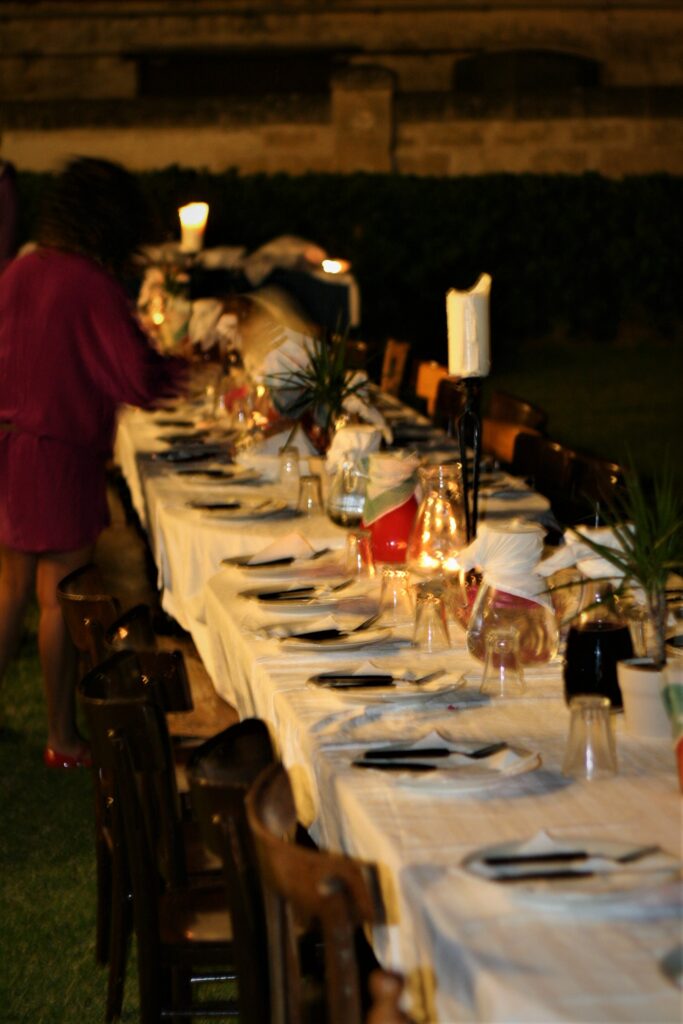
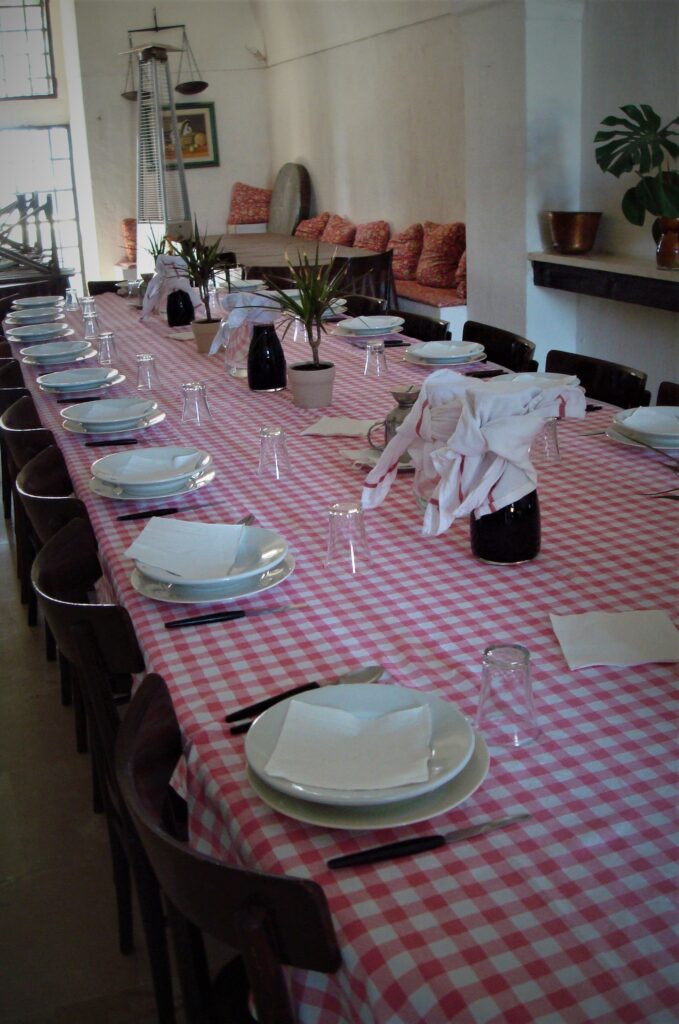
It being Summer, we ate most of our meals outside, which for me was truly wonderful (not only because I felt like I was in a film but because the outside just makes everything taste even better). This daily delight culminated in a very special meal one evening where our host had invited friends and folk from the village to join us. As such, the table was even longer than normal and was set out front of the masseria (normally we were out back in the courtyard). It was a big event with a lot of prep; in fact, it was kind of like a mini wedding, even more so when a brass band suddenly came marching-up the drive at full volume and soon had everyone up dancing.
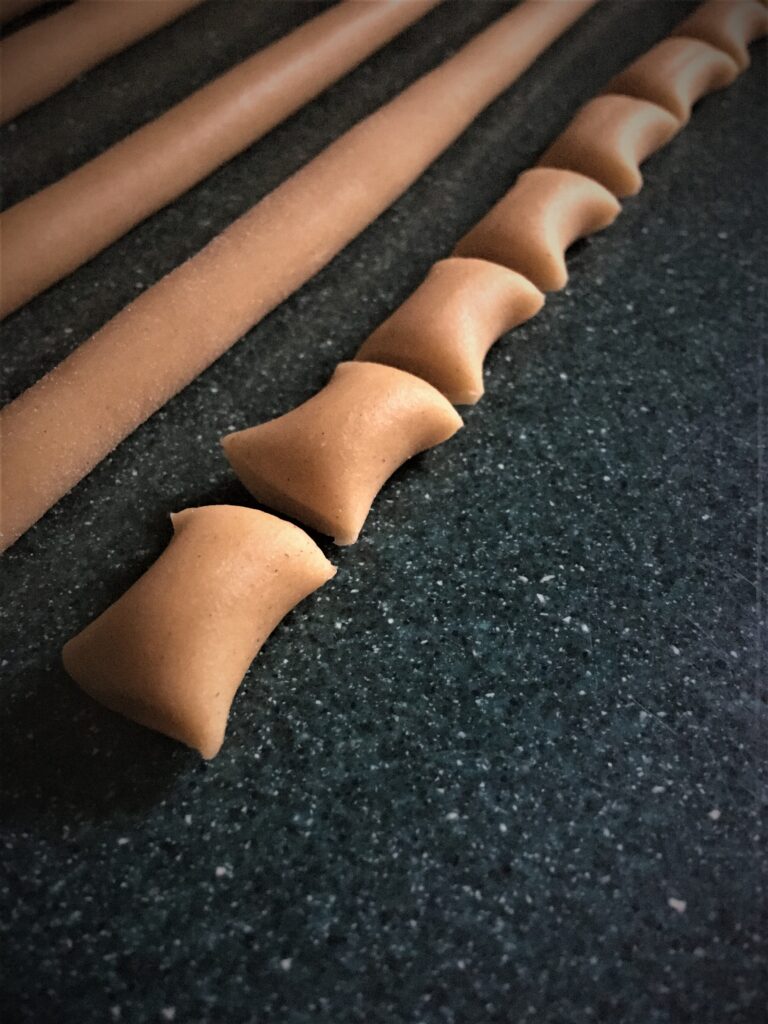
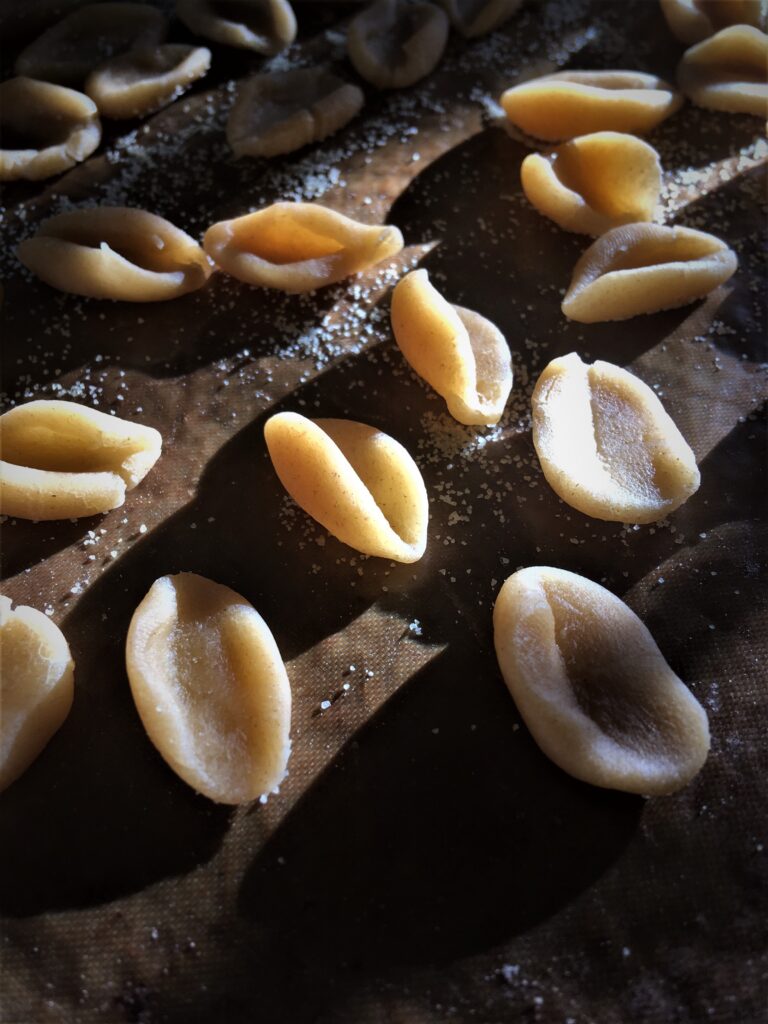
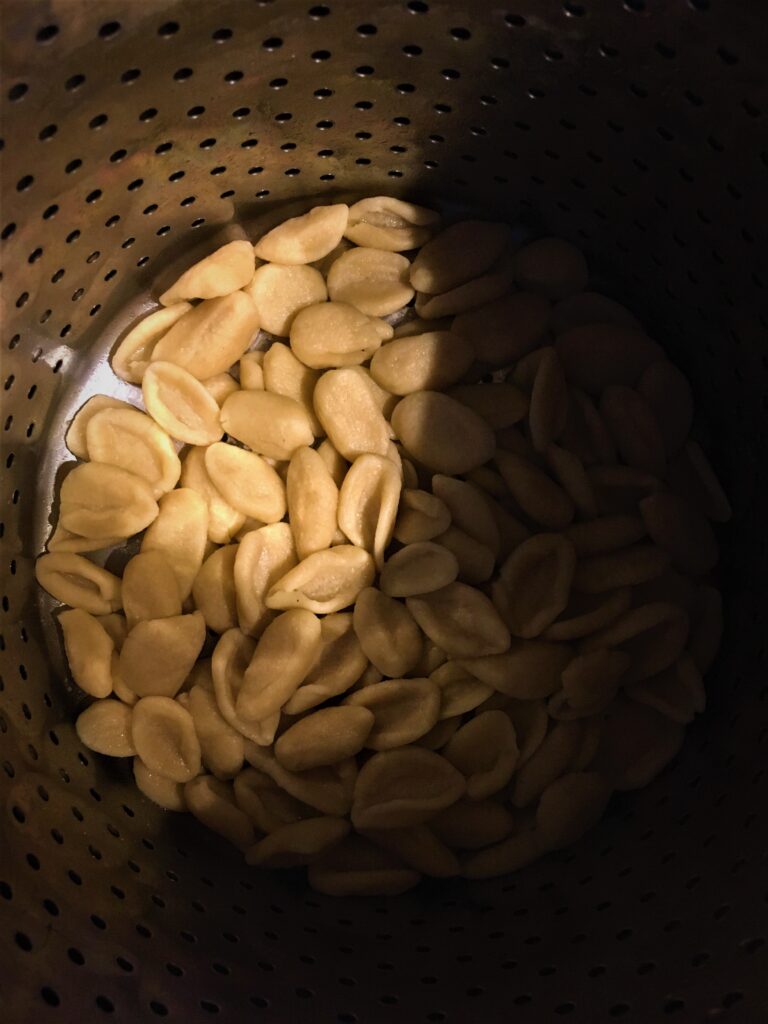
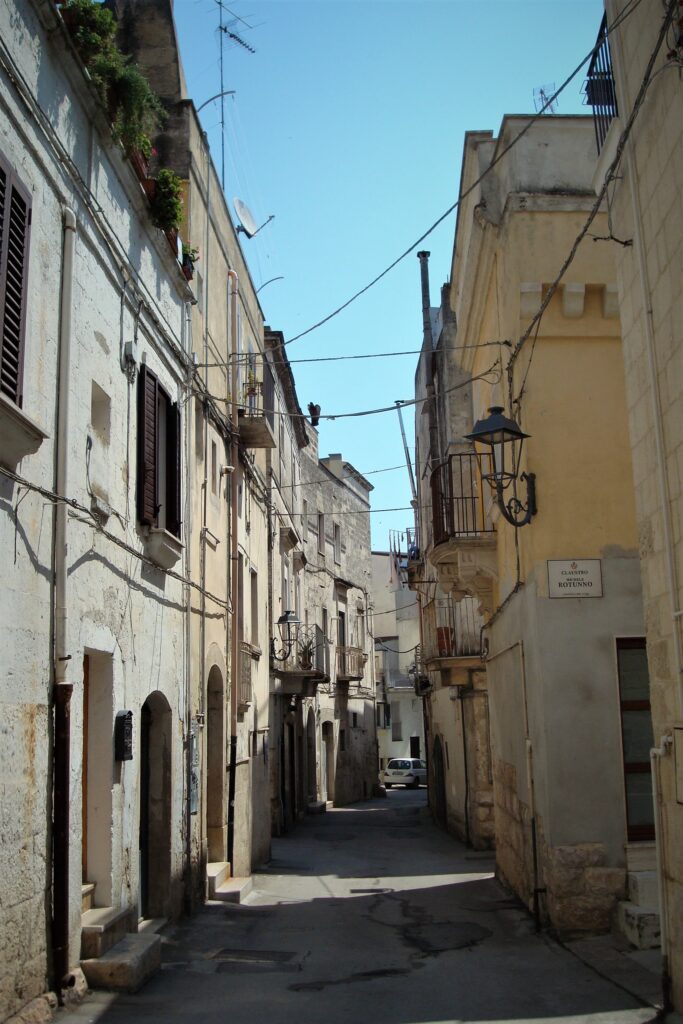
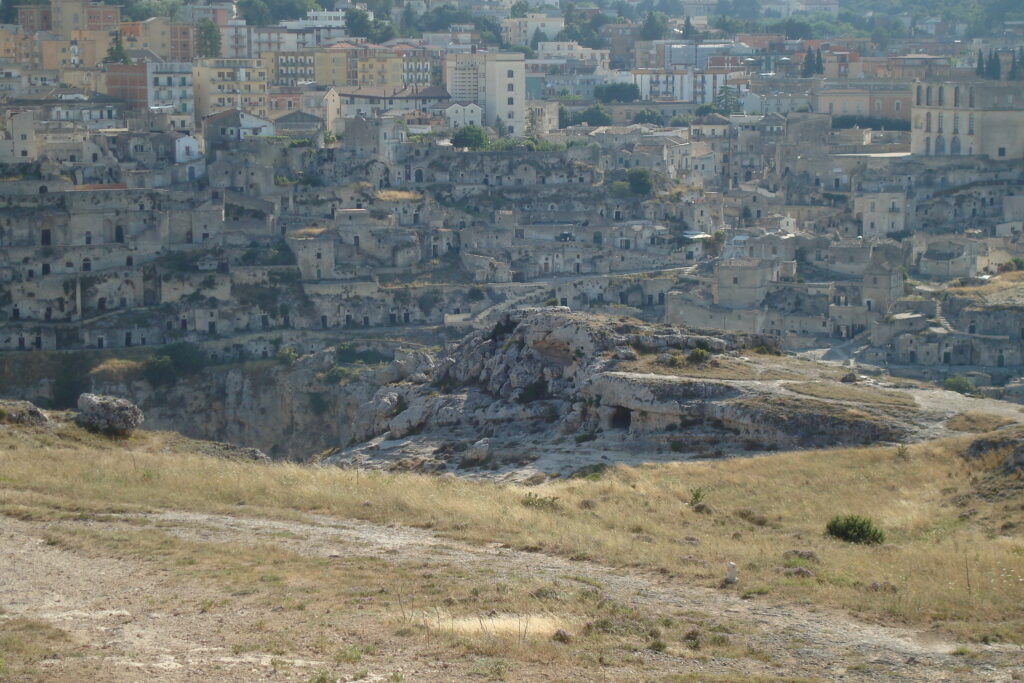
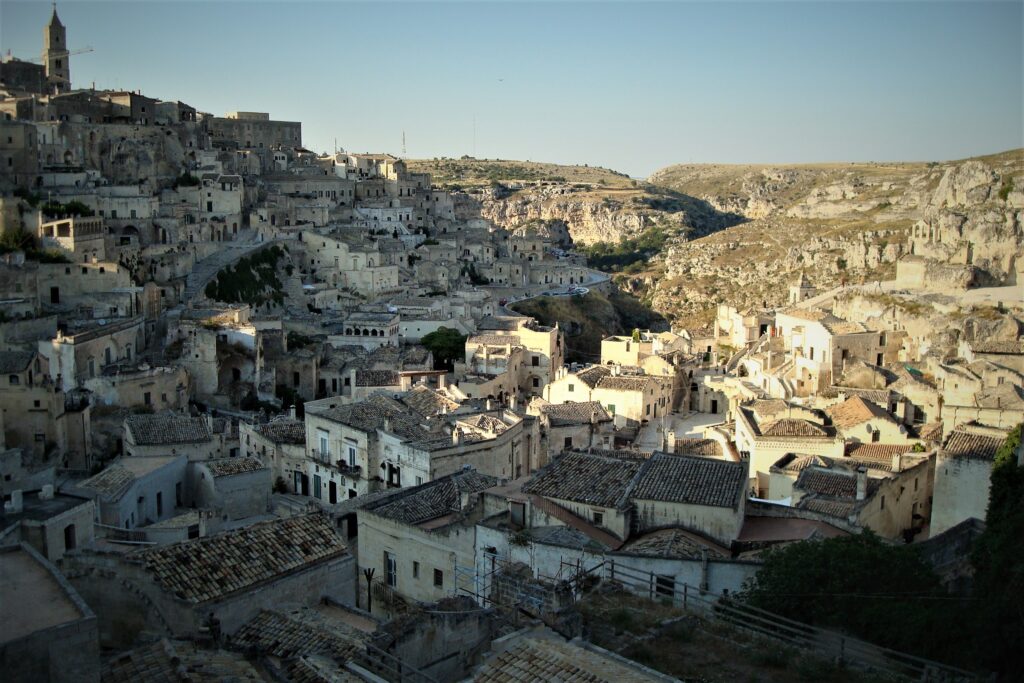
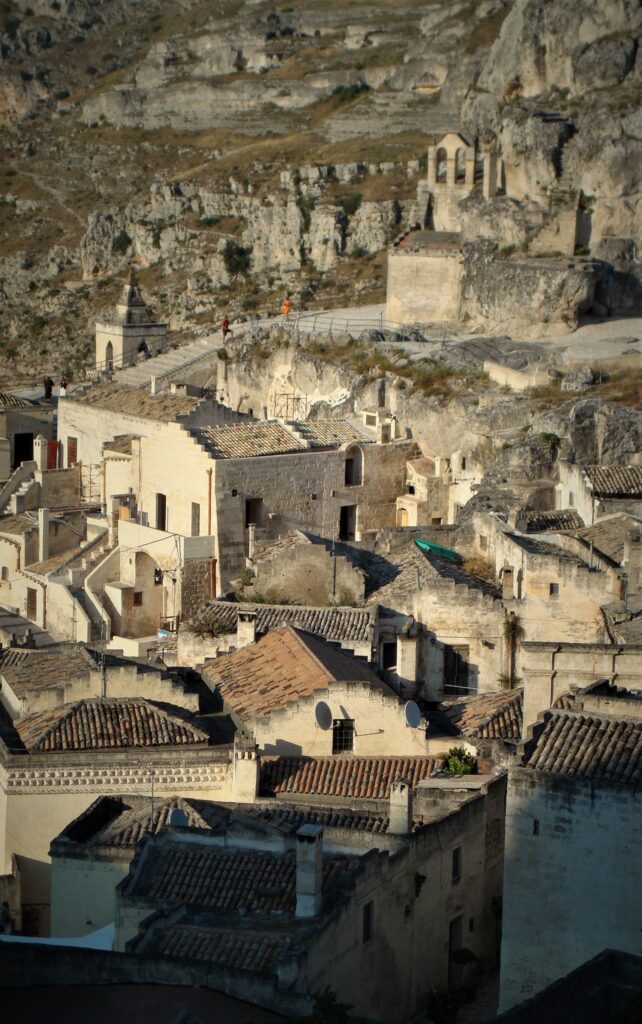
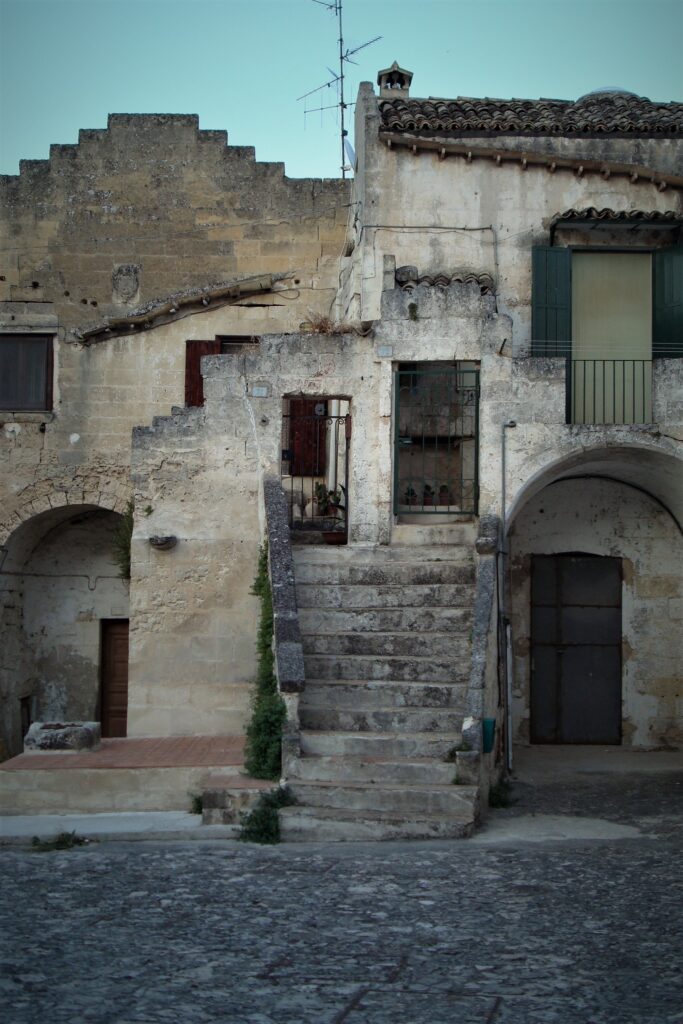
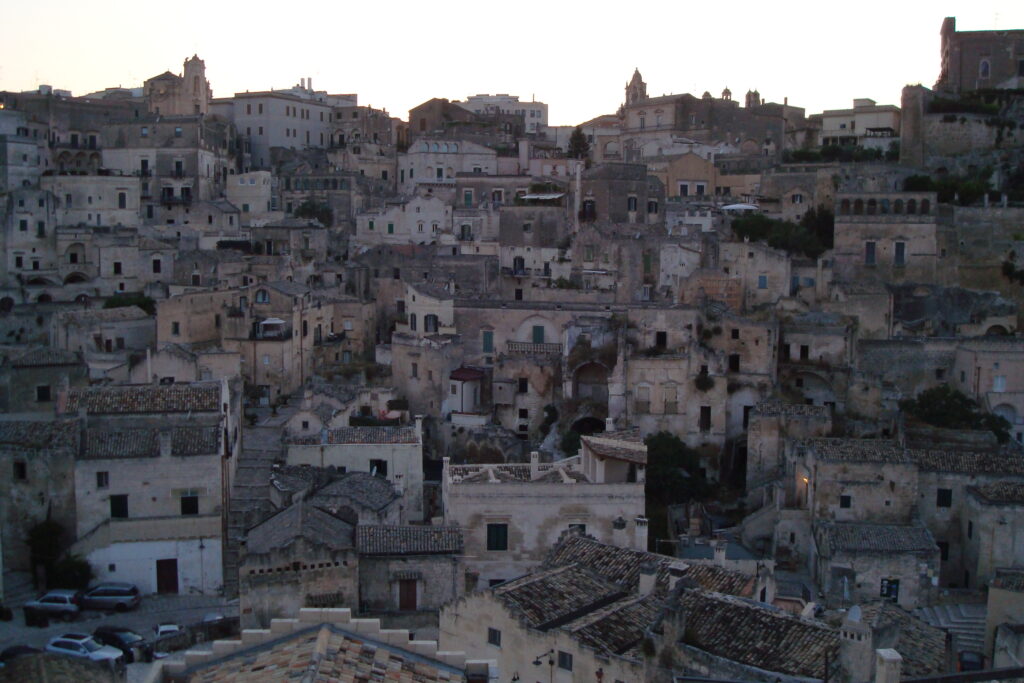
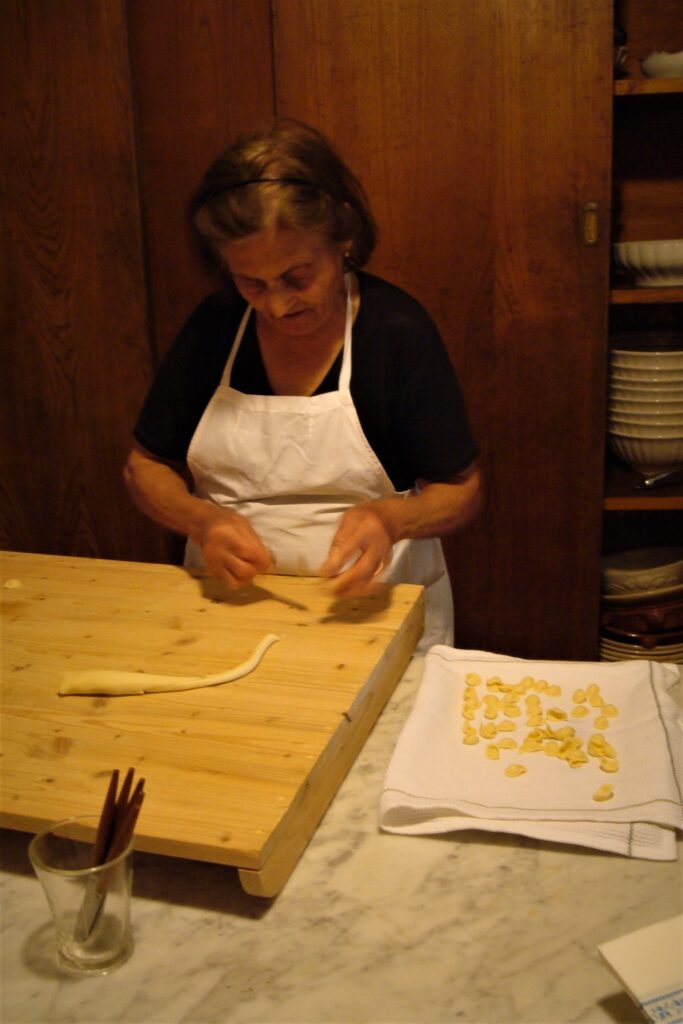
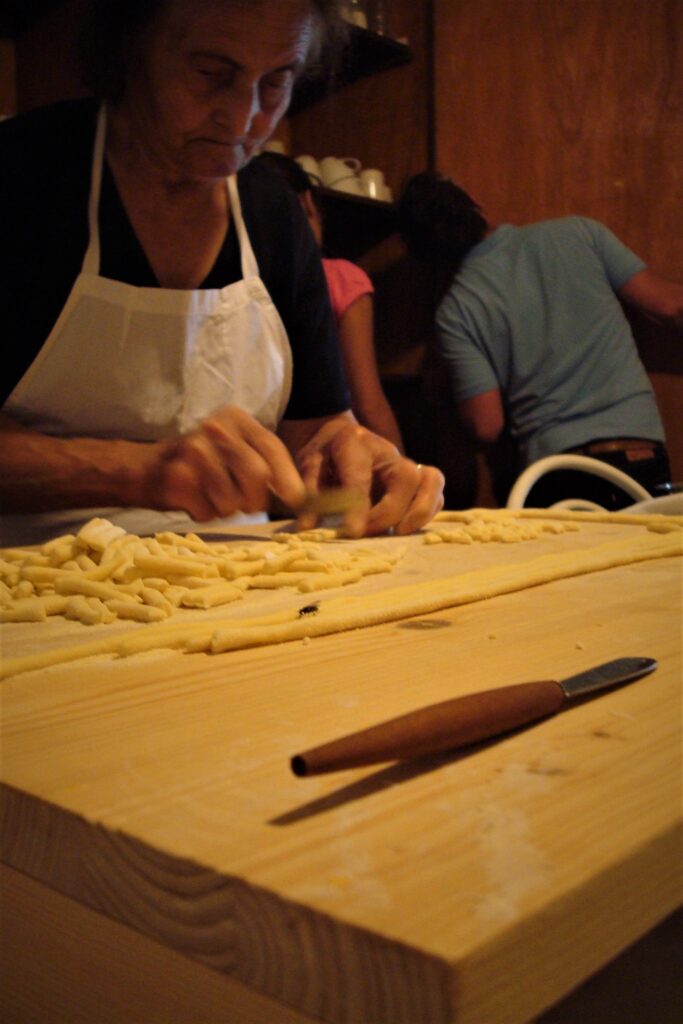
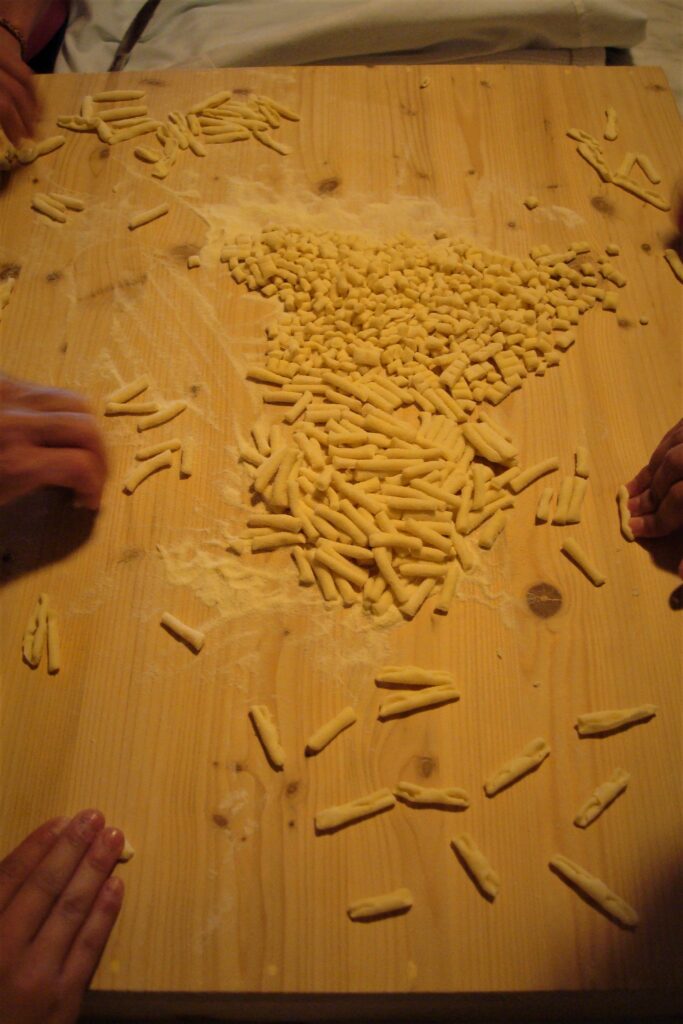
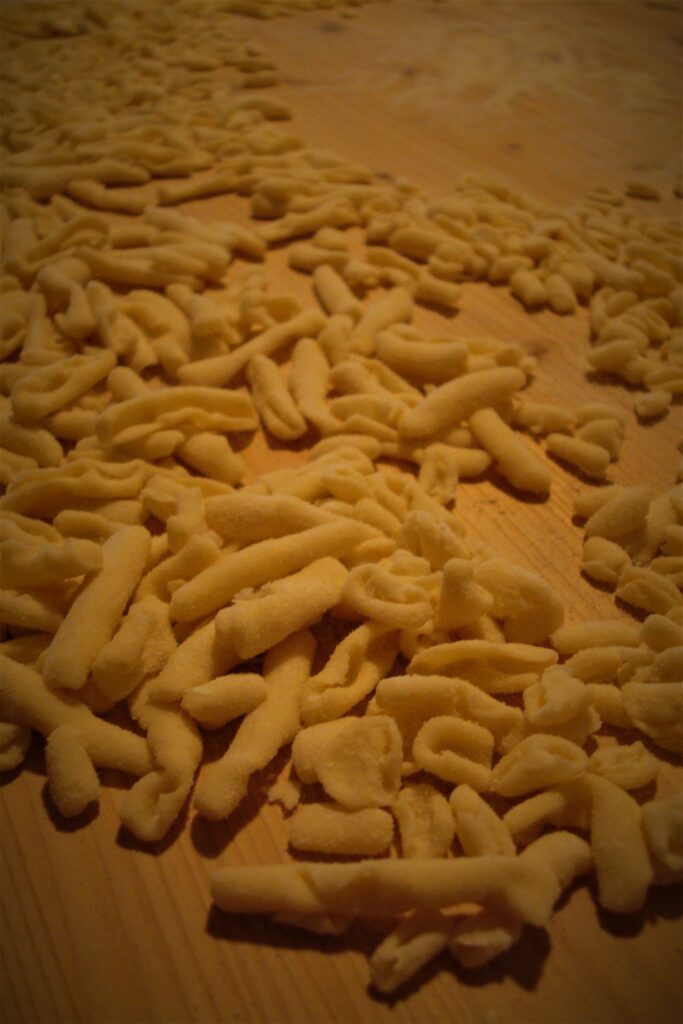
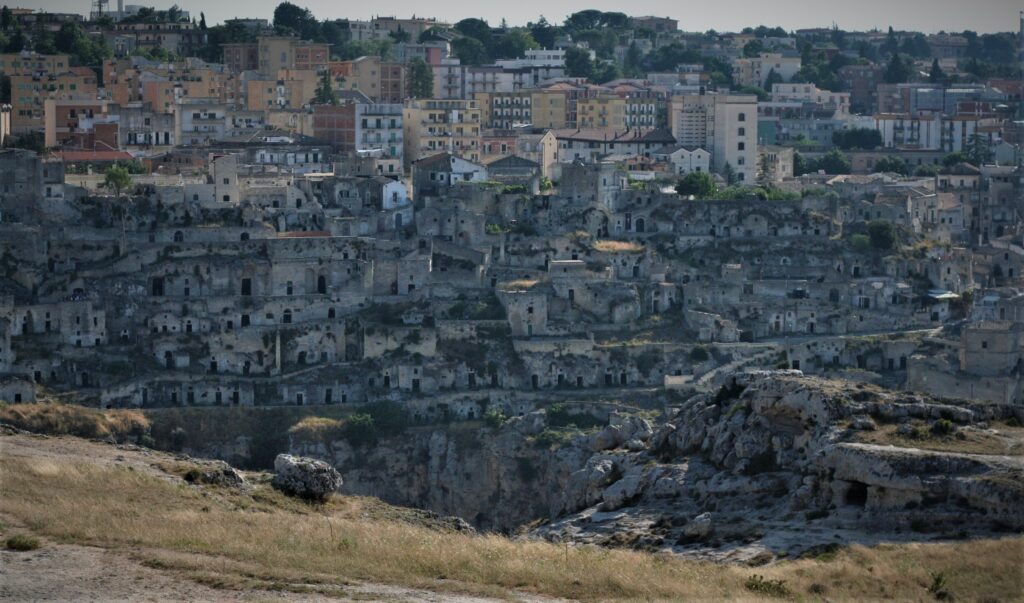
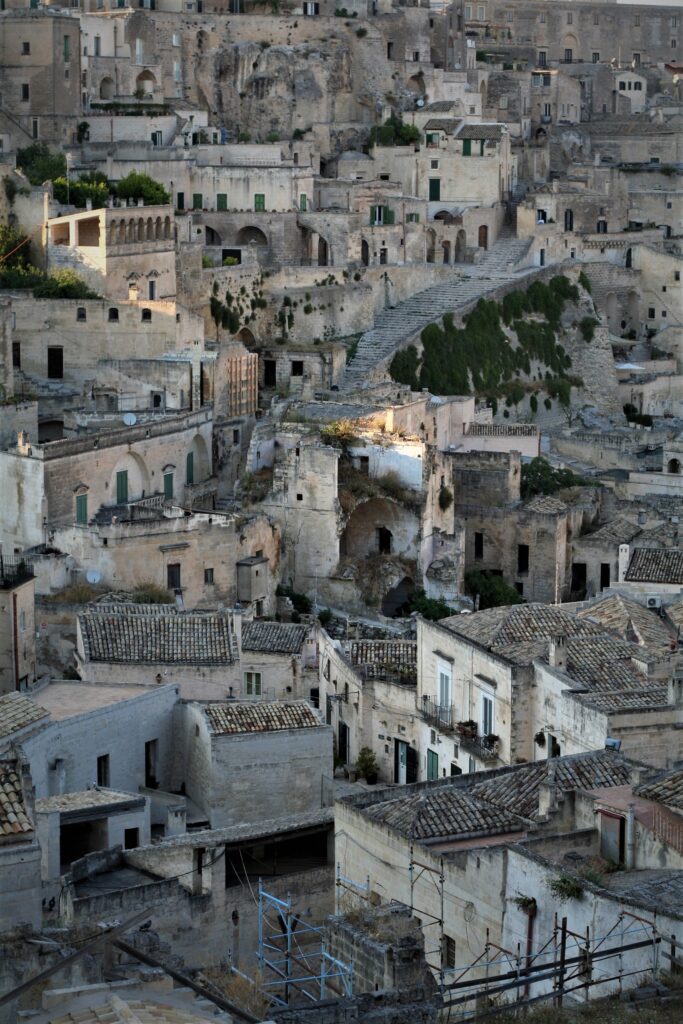
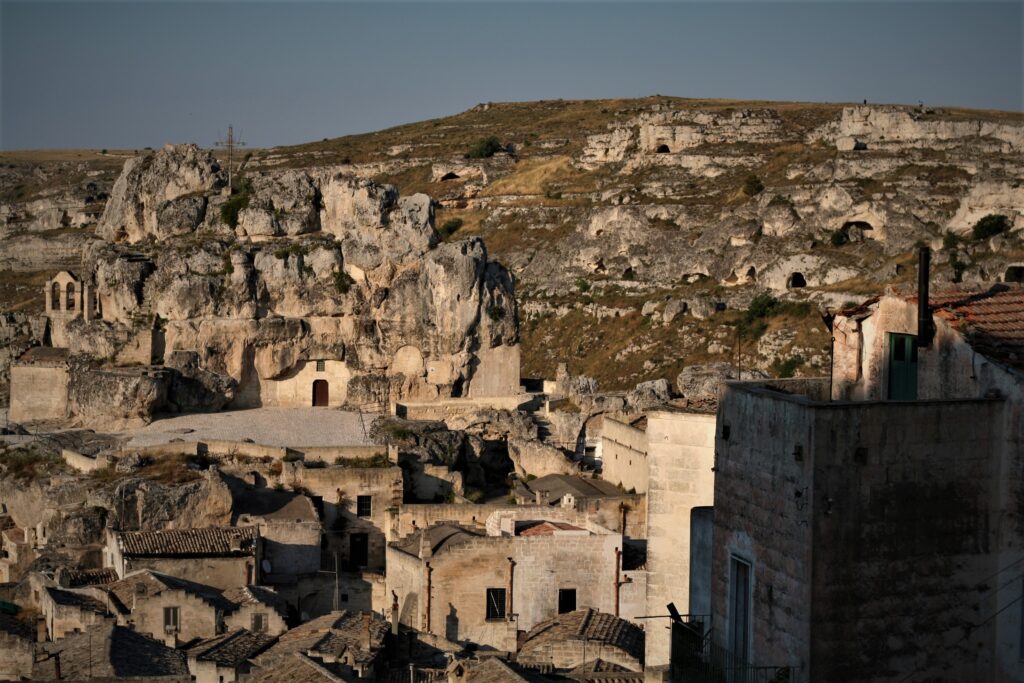
So having indulged in a rich cornucopia of delights, what to choose to make to celebrate this. We had so many delicious meals it was a tough call but in the end, I’ve opted for one of the region’s most popular dishes and one centred around that humble Italian staple… pasta. Like a long strand of spaghetti, pasta forms a link to the past. Each region of Italy has its particular pasta preference for all sorts of reasons. Down this way, orecchiete is the main player. I love the name – “little ears” – but I also love the fact that this is one of those pasta shapes that is made on a little human production line. The so called “pasta grannies” who make it for their families or, indeed, who sell bags full of it to passers-by from their downstairs windows, are ridiculously skilled. There’s no pasta making machine in play here, just skill, love and a special type of coltello (knife) that is used to make these types of shapes (and, having tried to make them with a normal dinner knife, I can see the difference!). This knife is also often handed down from mother to daughter – a touching tradition which speaks to the importance of and respect for home cooking in these parts. This dish is also apt because it represents the humility of Puglian cuisine. Pasta flour tends to be made with eggs but Puglia was (and still is, to a certain extent) a poor region of Italy with a harsh history (as evidenced by the the old cave dwellings of Matera, for example). For a long time eggs were considered a luxury, so Puglian pasta is made with just flour and water (and salt). The ingredients of the sauce are humble too (garlic, anchovies, greens) but all play their part to create something immensely flavoursome and wholesome. When the produce is this good, it doesn’t need to be complicated and overly fancy.
cime di rape is hard to find in the UK. It is a very particularly Italian ingredient and the literal translation is “turnip tips”. It’s sometimes called broccoli di rape but it’s not broccoli, that’s for sure. It’s a leafy green veg with a strong bitter taste and, as such, is nothing like broccoli really. It is often suggested that you substitute broccoli to make this dish but… this dish doesn’t include ugly, clunky, chunky stems; broccoli pasta reminds me of being a student and I hate the way bits of broccoli get stuck in sieves. None of those things is very Italian or appetising. Cime di rape is popular all over Italy but is particularly associated with Puglia. My suggested substitute comes in the form of a combination of cavalo nero leaves shredded finely (not the stalks) and spinach and it works really well!
Puglian cuisine is a kind of southern version of a cucina povera but whilst it may be a traditionally poor region, it is rich in flavours and beautiful produce and, as such, has a very strong identity. There is also a generous spirit running through this place and a deep love of sharing it’s riches.
The other reason to showcase this dish was because during our stay at La Selva we were treated to a few pasta lessons by Rosanna’s mother (aka, Nonna, of course) who very kindly showed us how to throw some shapes. The speed at which she worked was remarkable – each pasta petal shape formed with dextrous devotion.
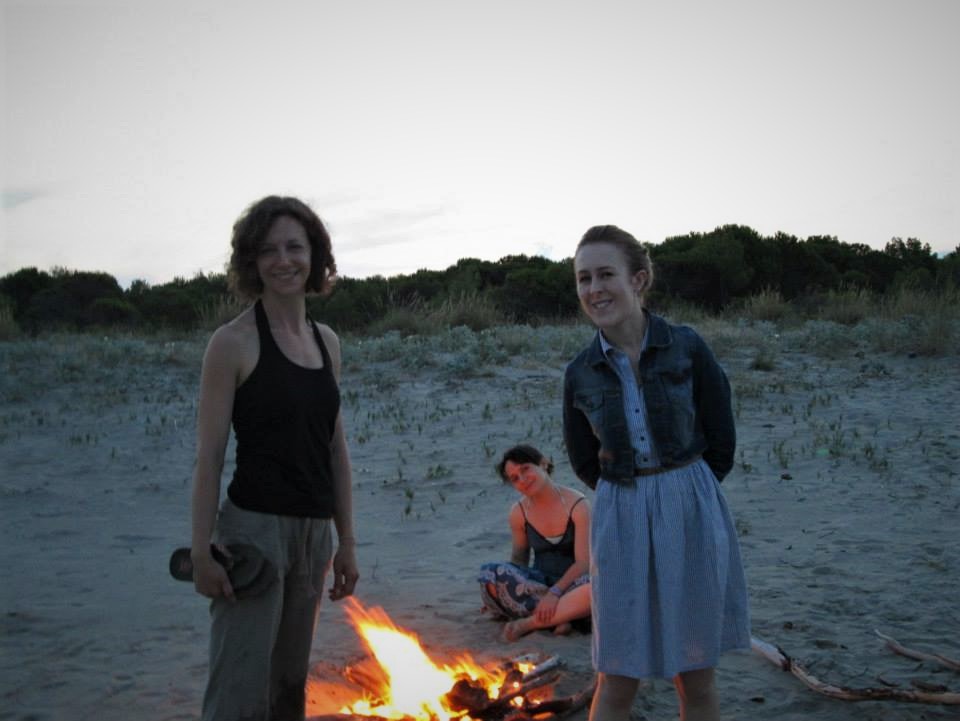
Tasting this dish takes me back to endless days spent in the company of some truly lovely people. The conversation flowed, the wine flowed and the laughter was as abundant as the food. It was wonderful to experience the warmth of such beneficence wrapping around you as you soaked up warmth of the sun. This was Italy ramped up to 11.