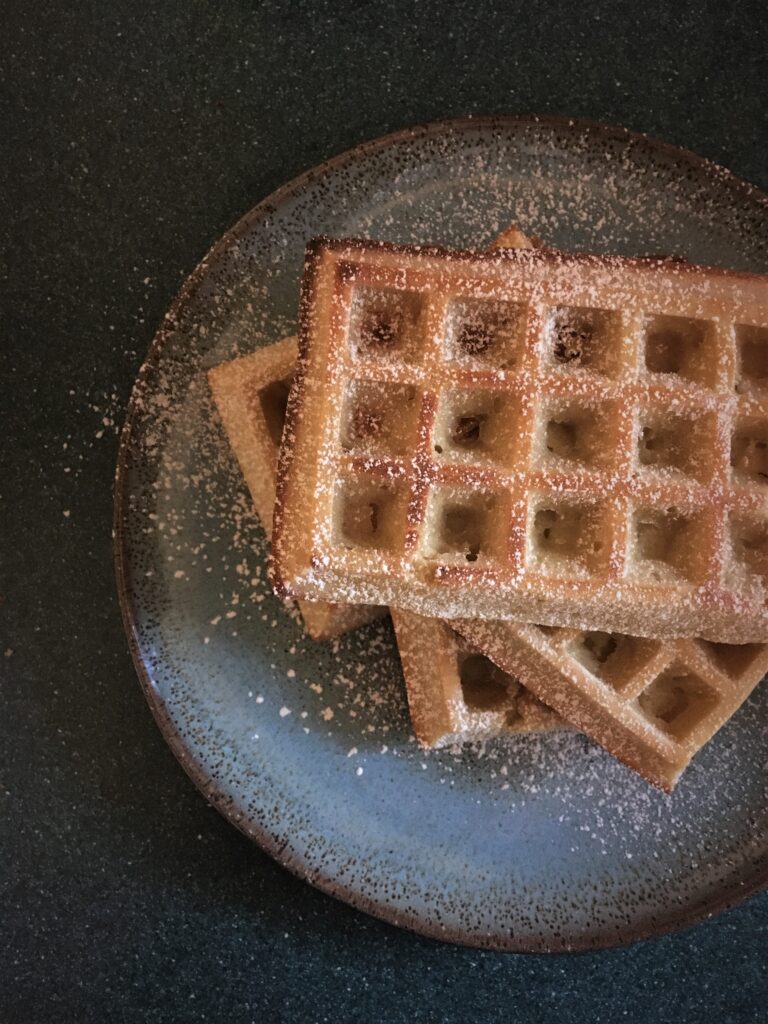
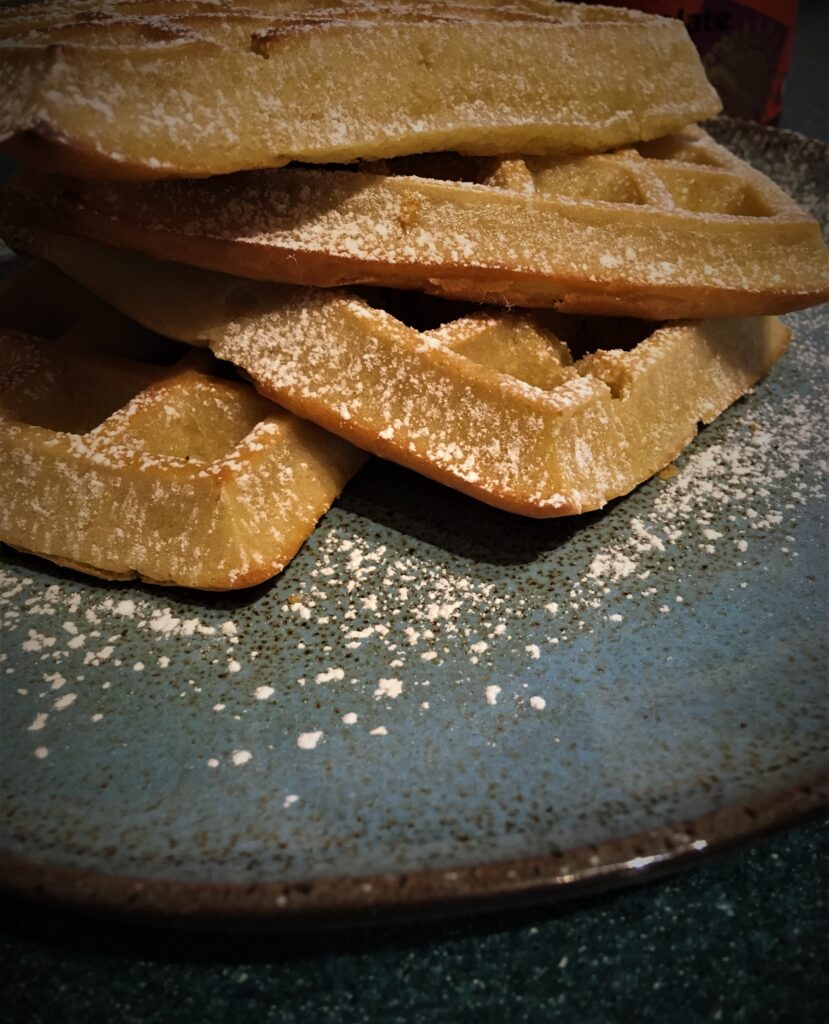

Or, more precisely, waffles in Brussels (with St Nicholas!)
This is my final “Travels” post before a little break for Christmas and what better way to wrap up the year than with the time I met St Nicholas quite by accident in Brussels early one December. It’s no secret by now that I’m a bit of a fan of Christmas. Not all of it; just the genuine, authentic stuff. I love the crisp wintry air, the December skies, the music, the food (of course), the history and the traditions. Obviously one of the best loved traditions of Christmas across the world is that of Father Christmas/Santa Claus or, in this particular case, Sinterklaas – Saint Nicholas. I’ve always been rather fascinated by other countries’ festive traditions. You get so conditioned to your own country’s way of doing things but it’s really interesting to see what goes on elsewhere; what is different, what is similar, what is shared, what is unique, what is cherished, what is celebrated and what is sometimes really rather bizarre. One very easy way to explore is via your tastebuds, of course, and there are plenty of recipes online from all over the world, if you fancy something a bit different.
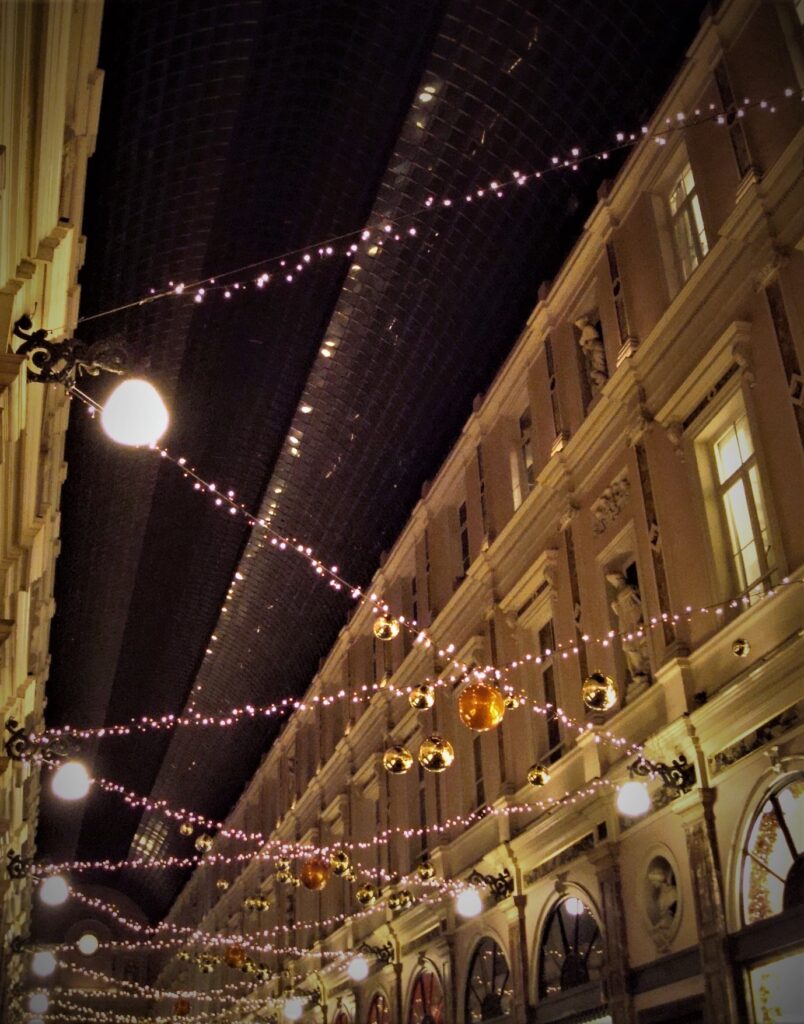
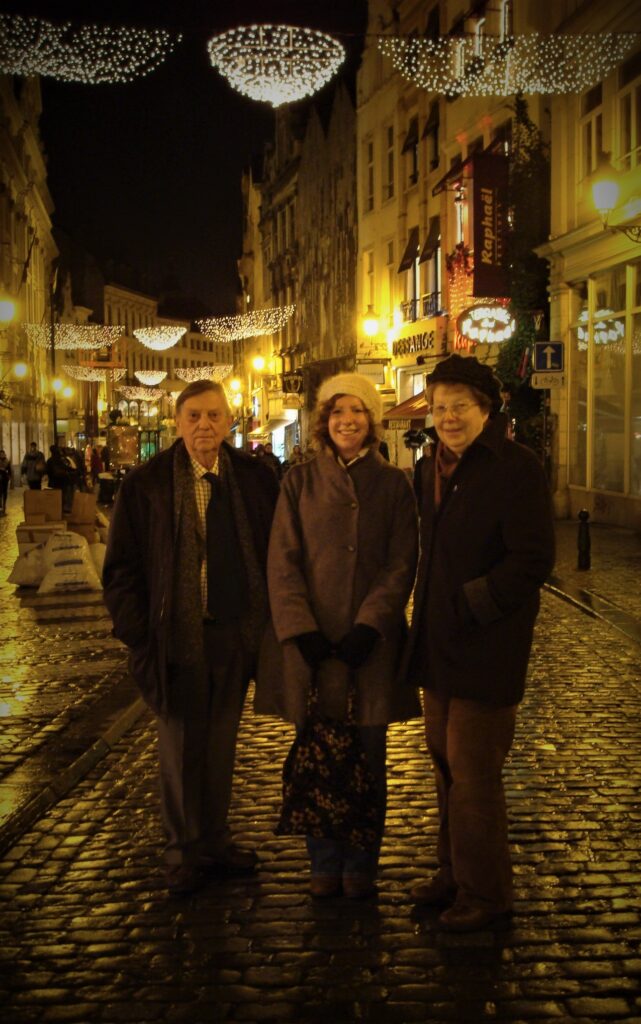
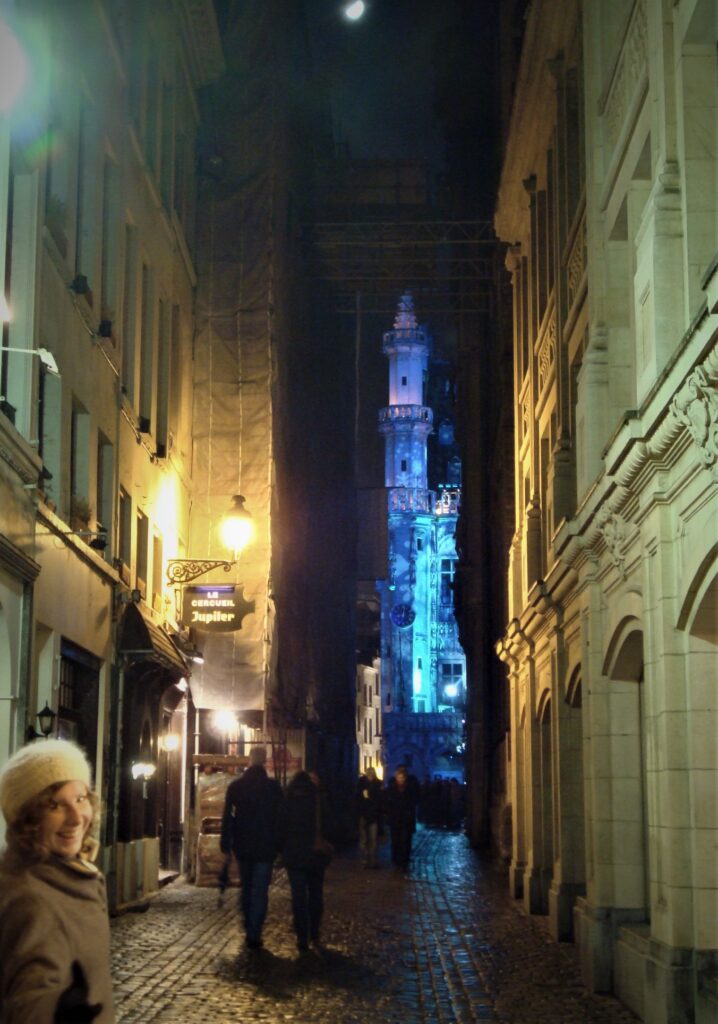
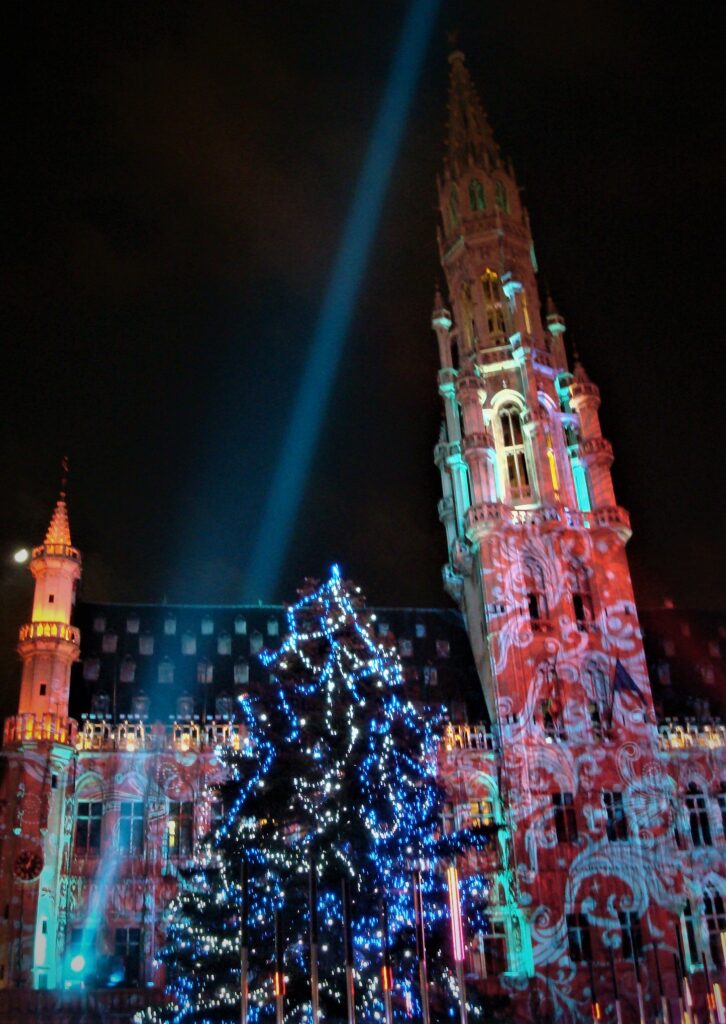
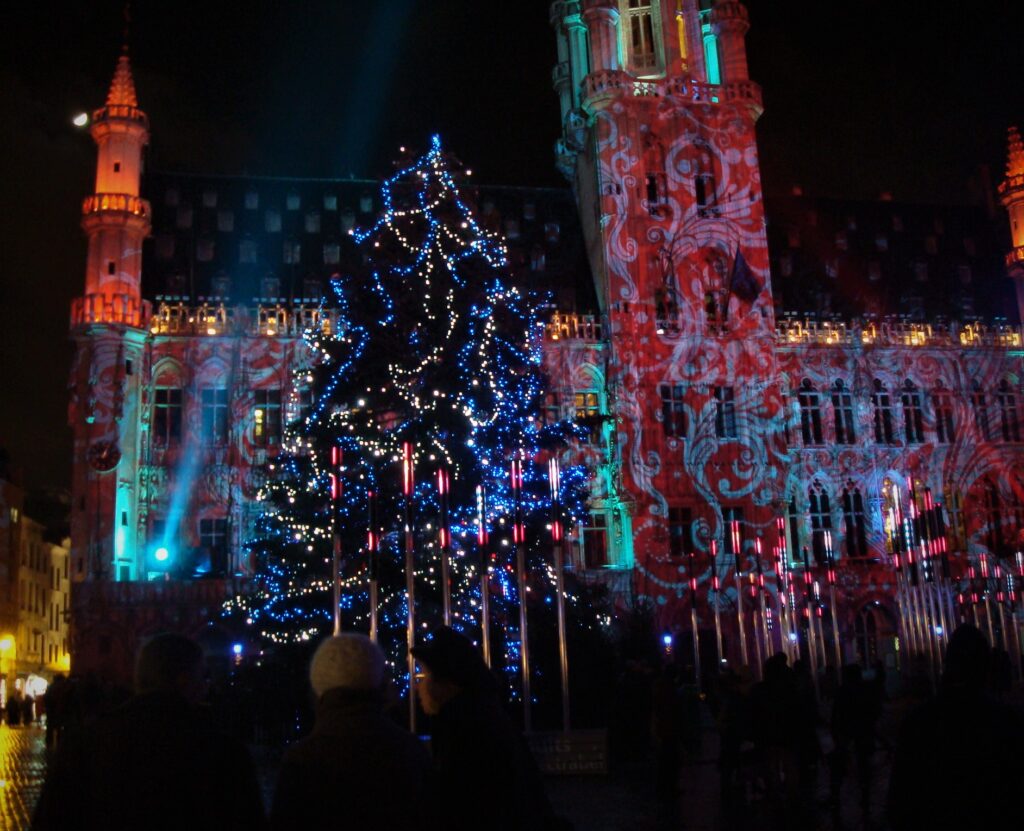
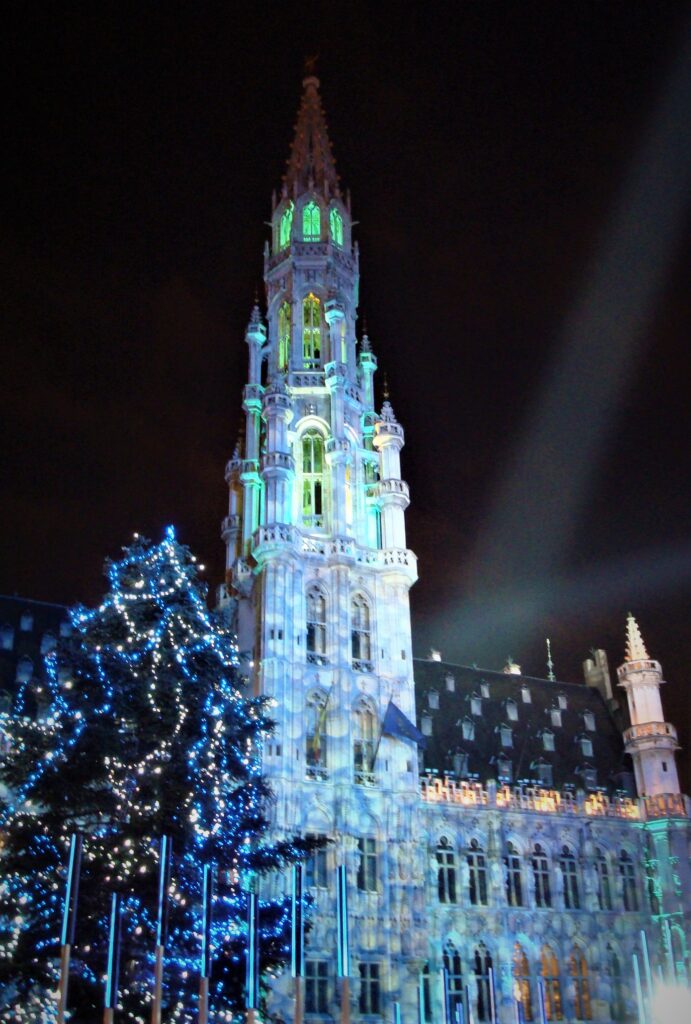
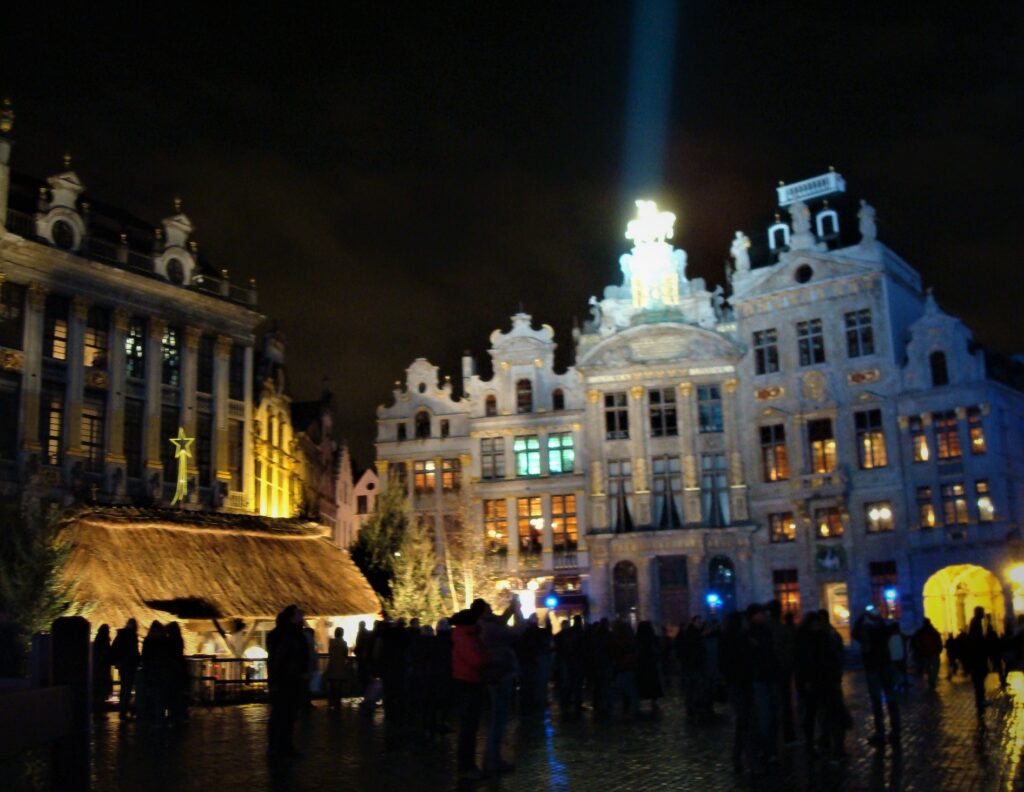
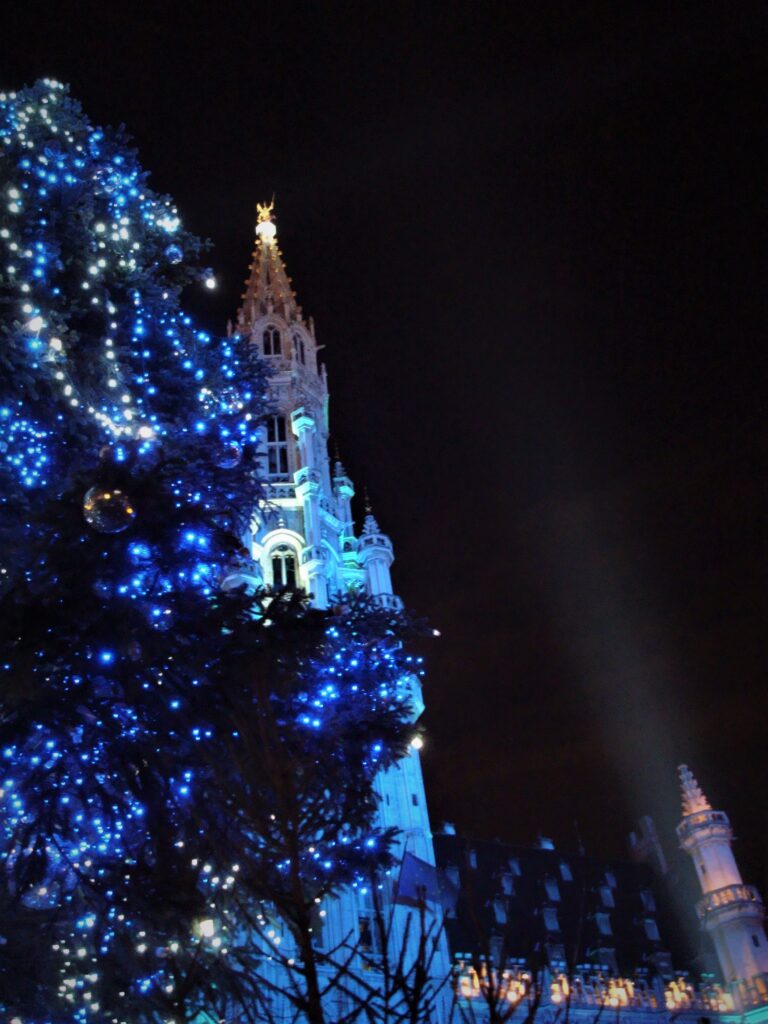
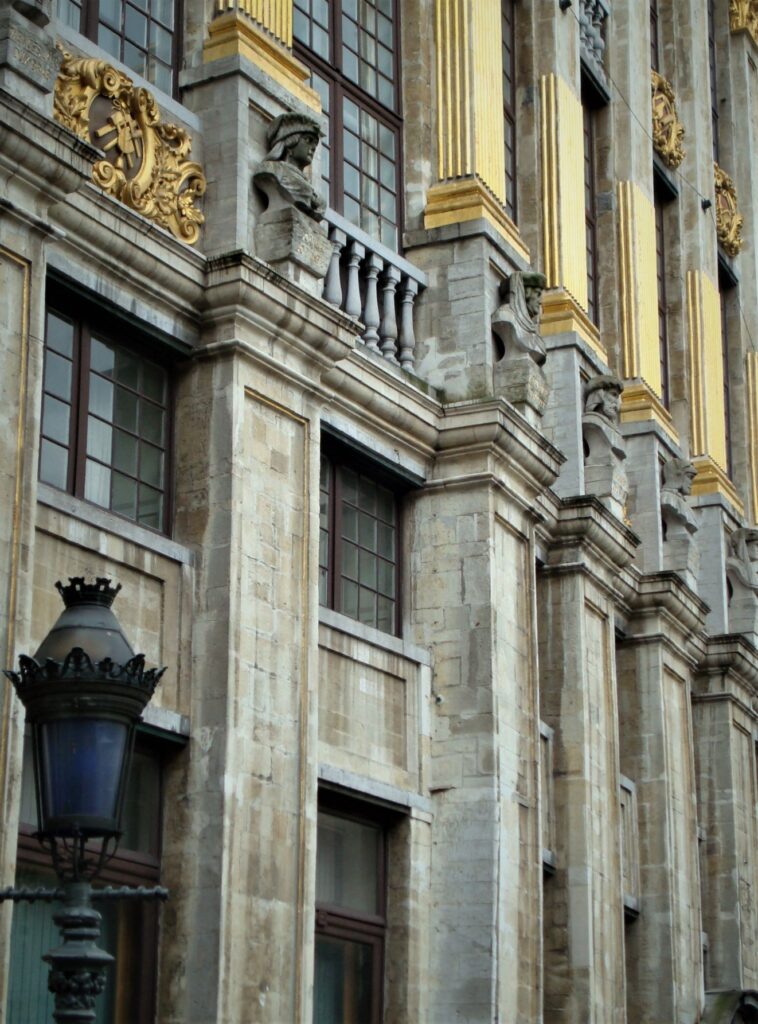
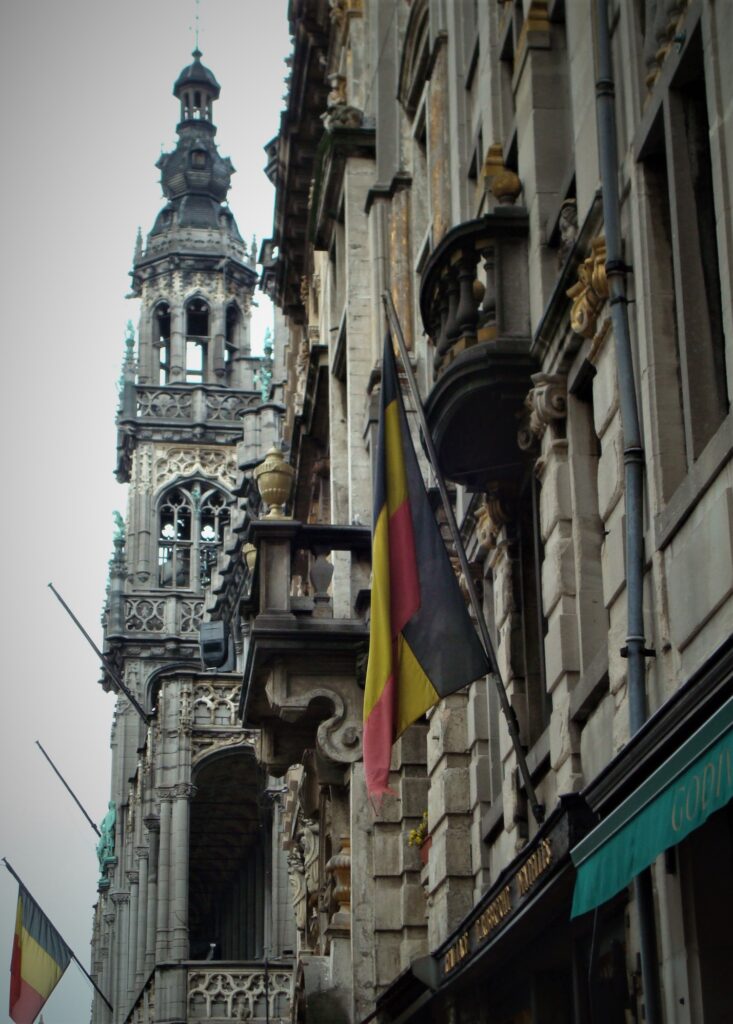
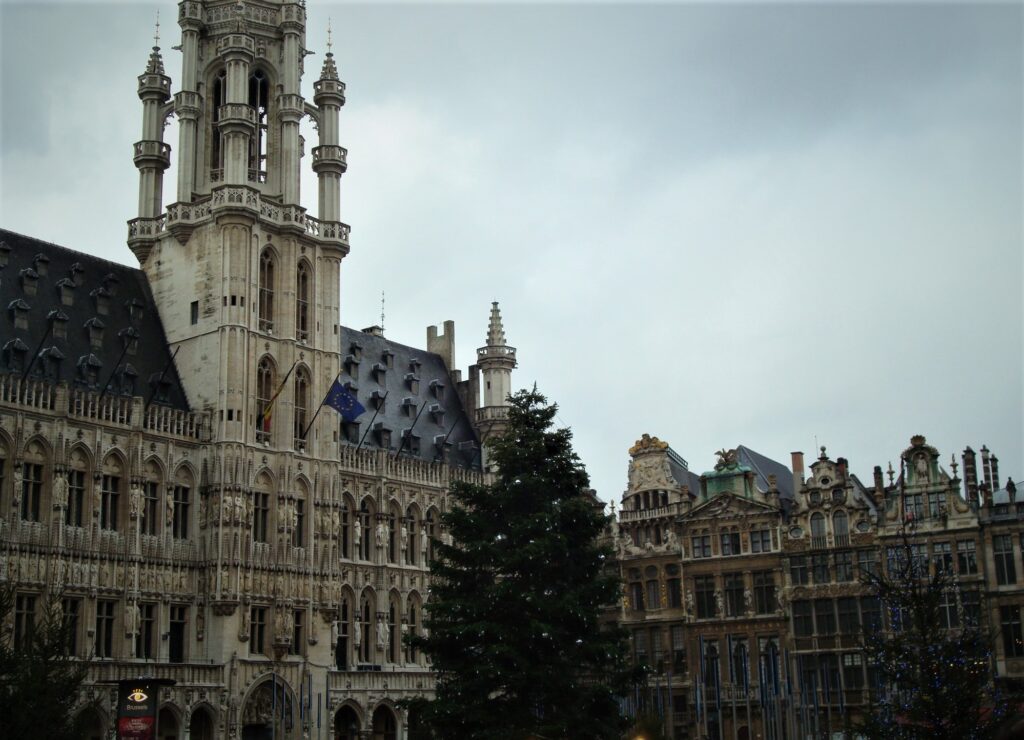
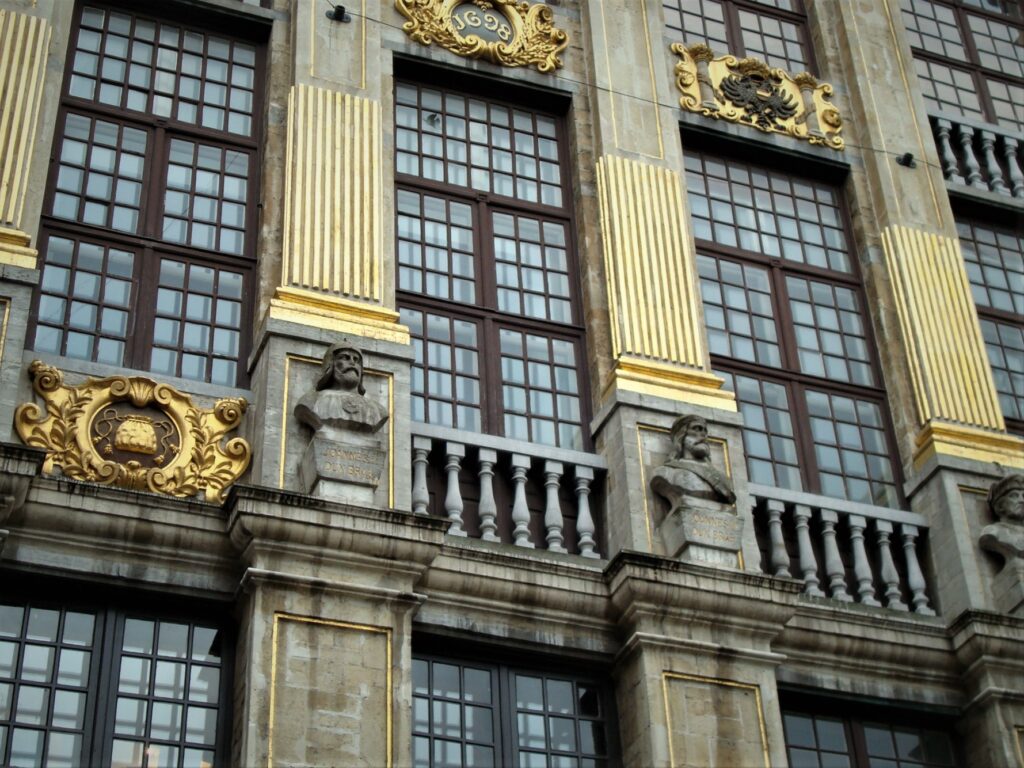
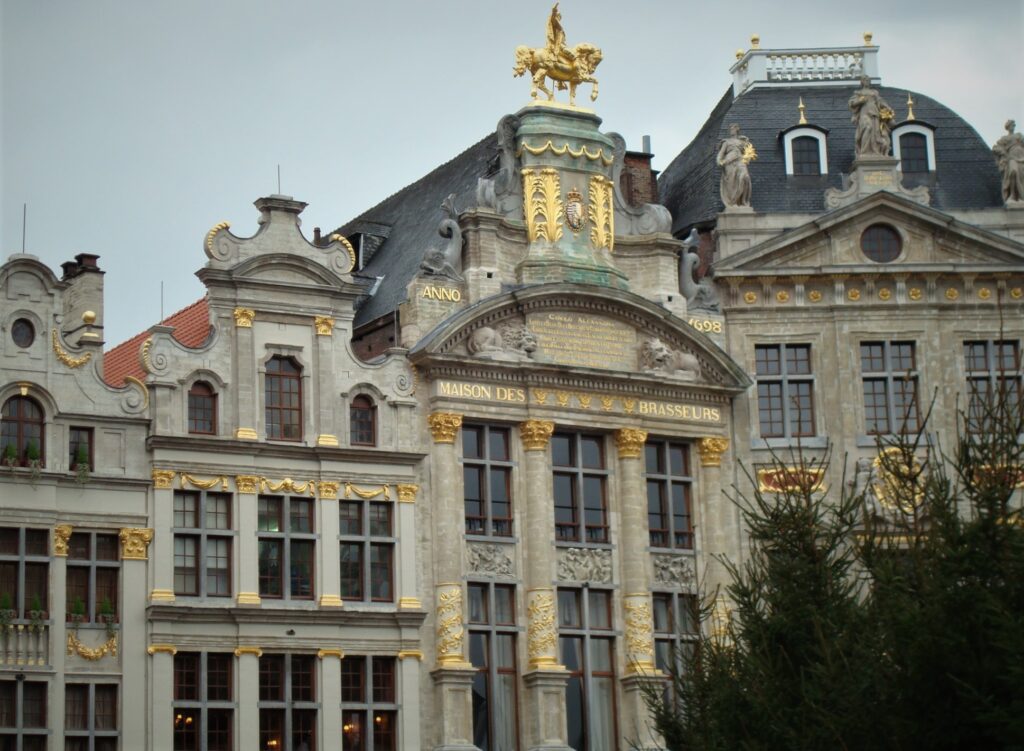
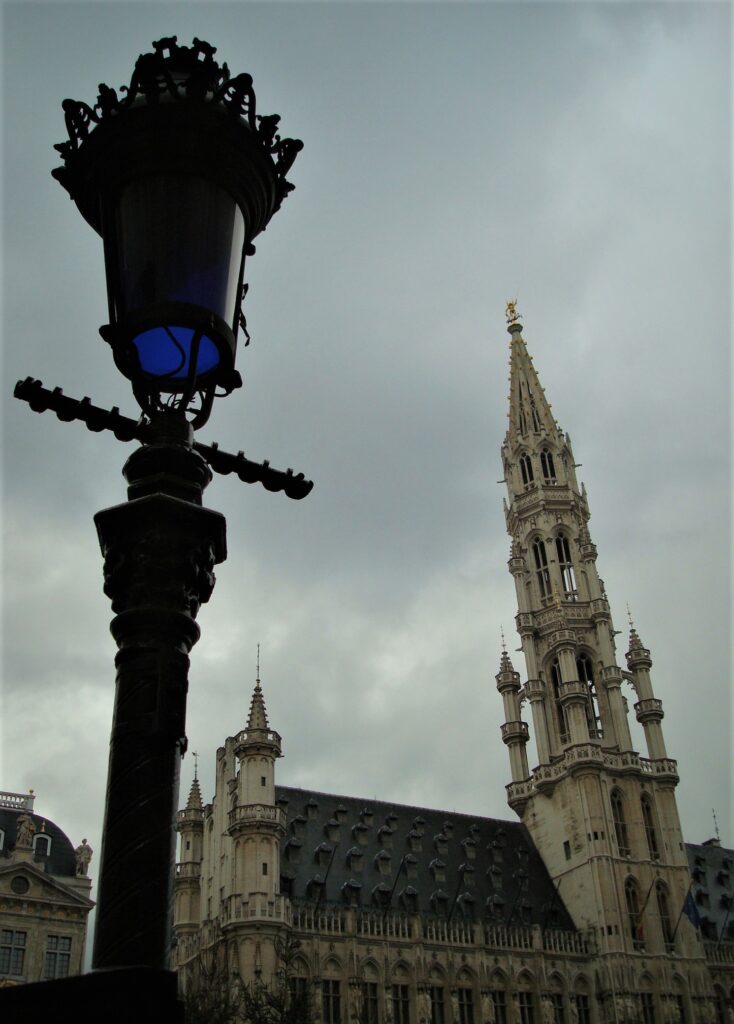
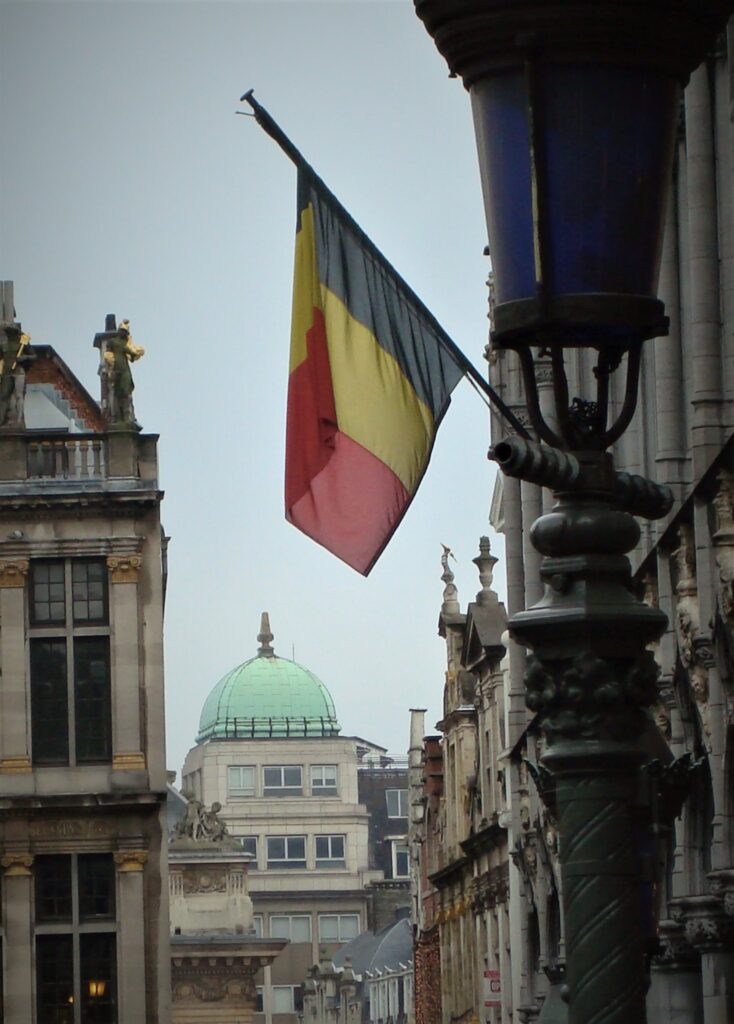
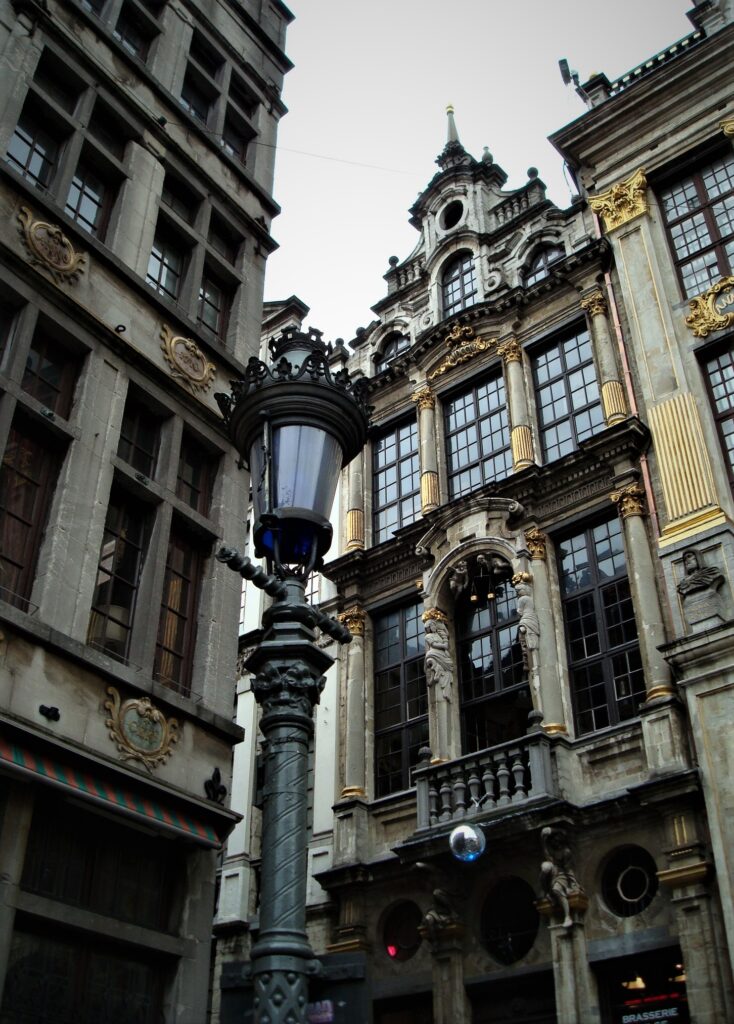
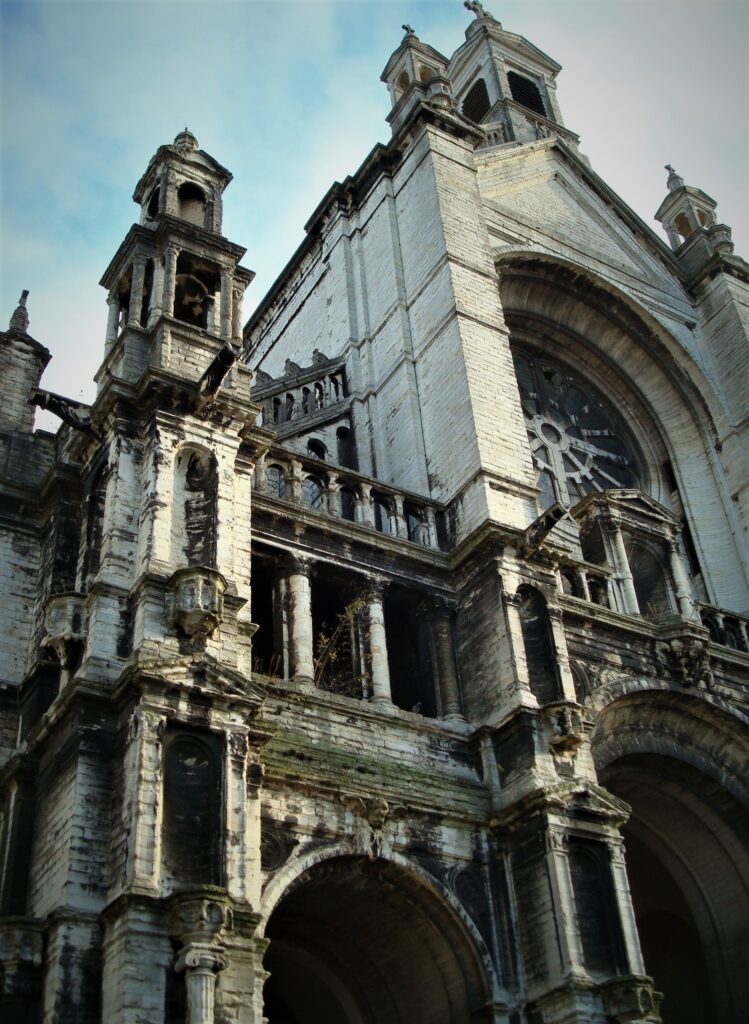
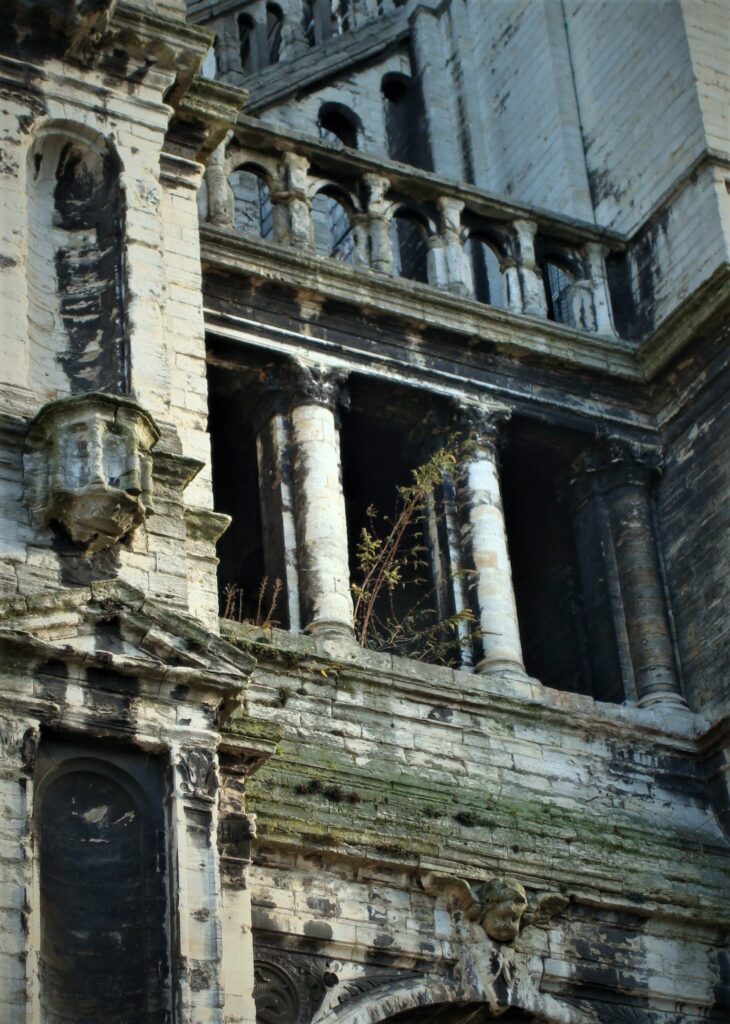
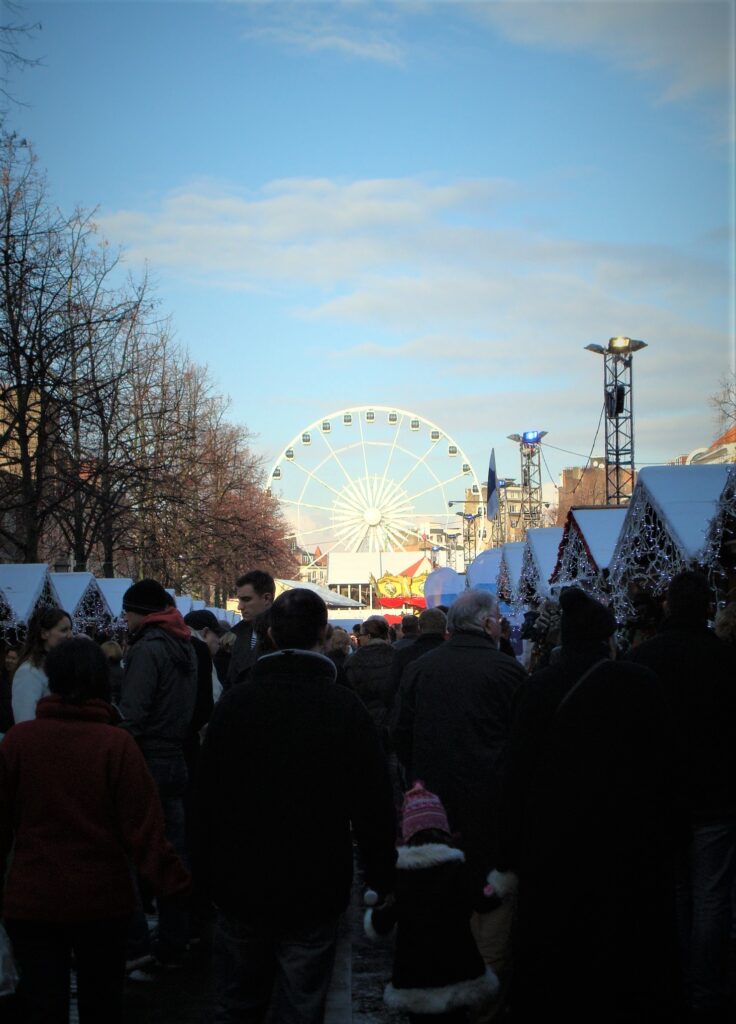
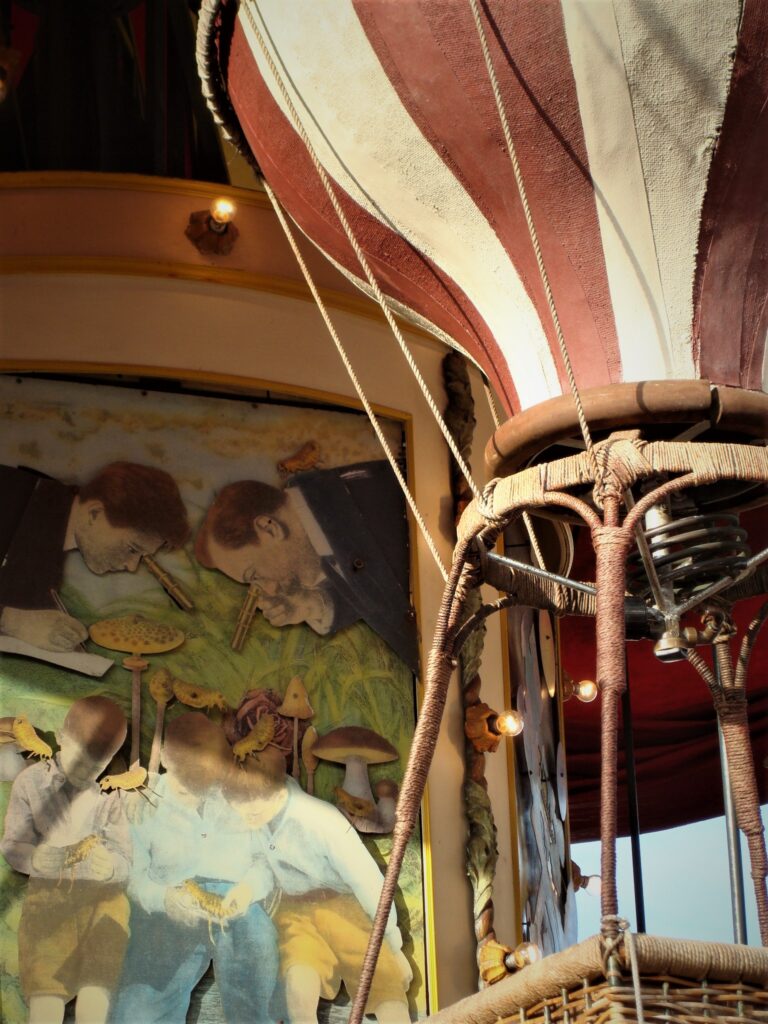
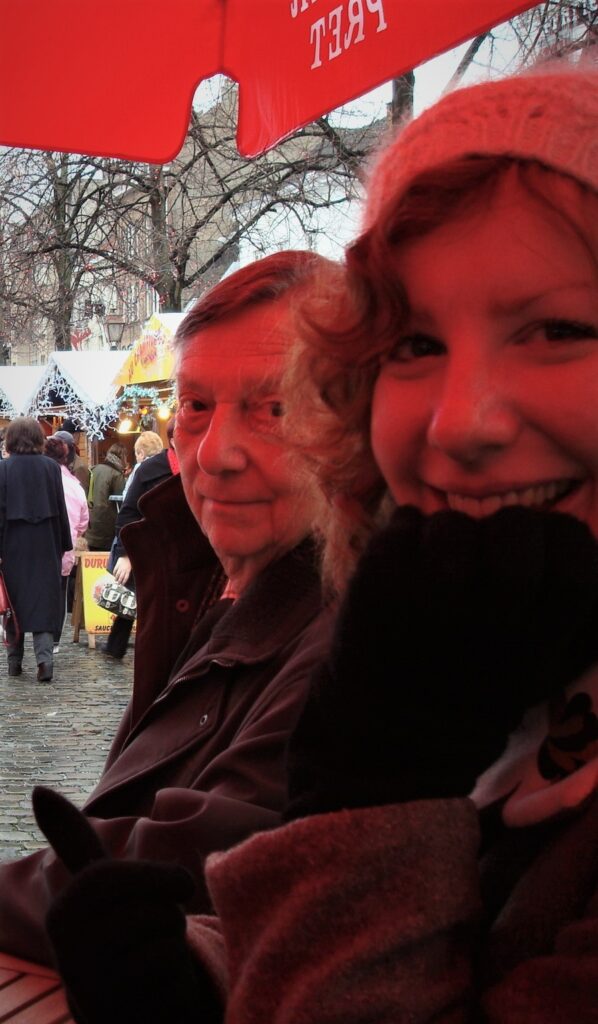
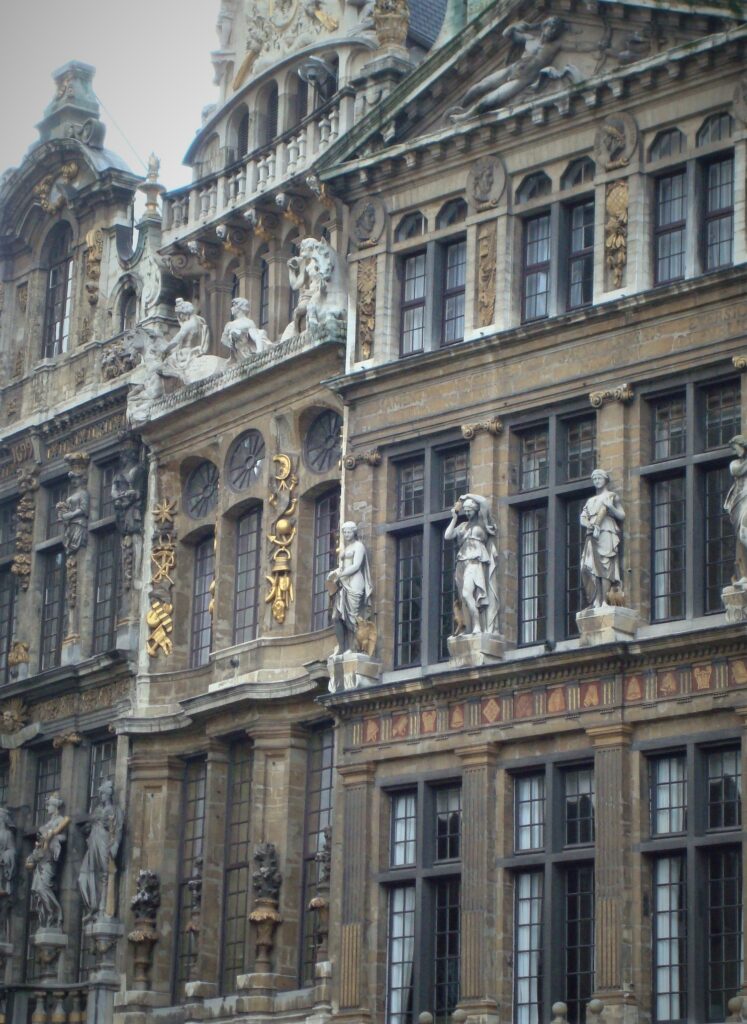
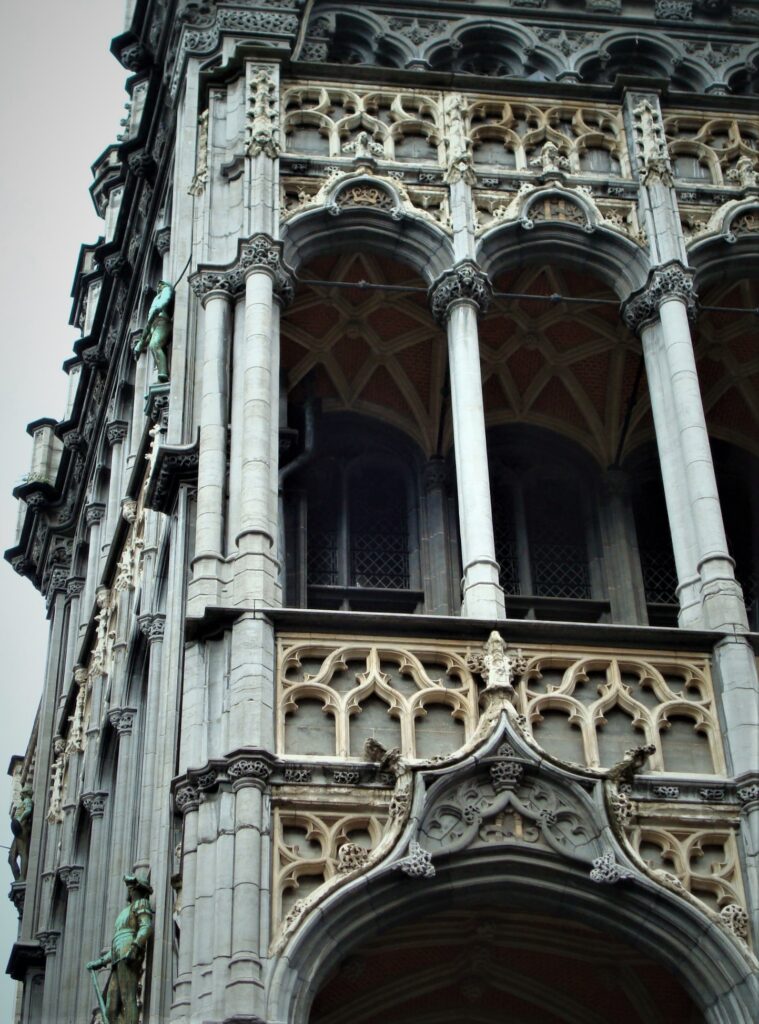
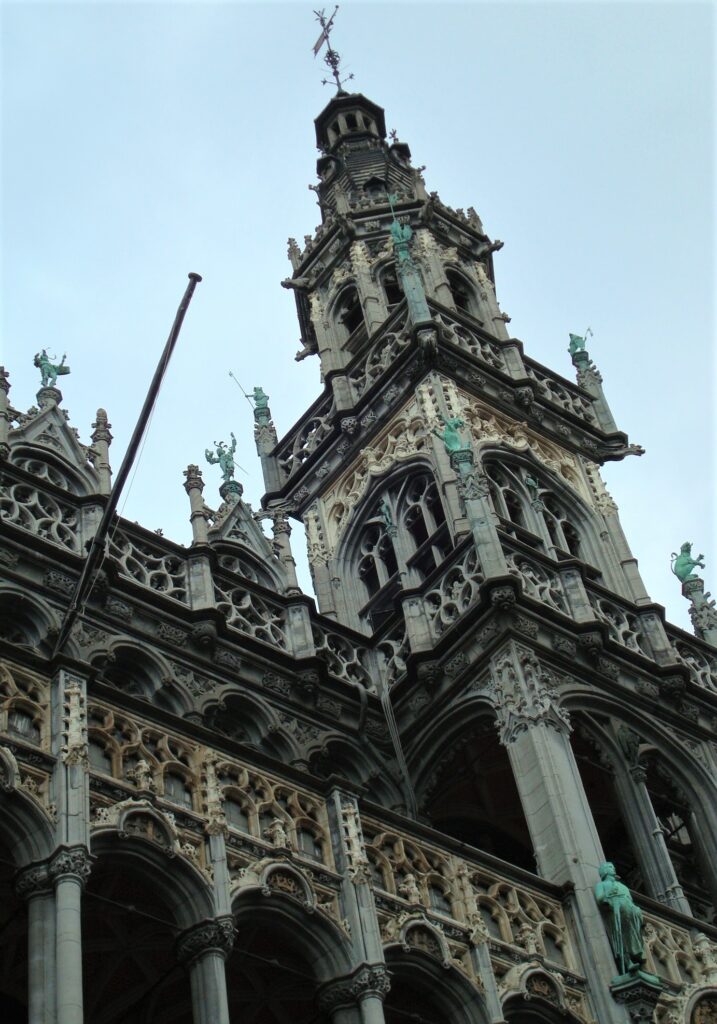
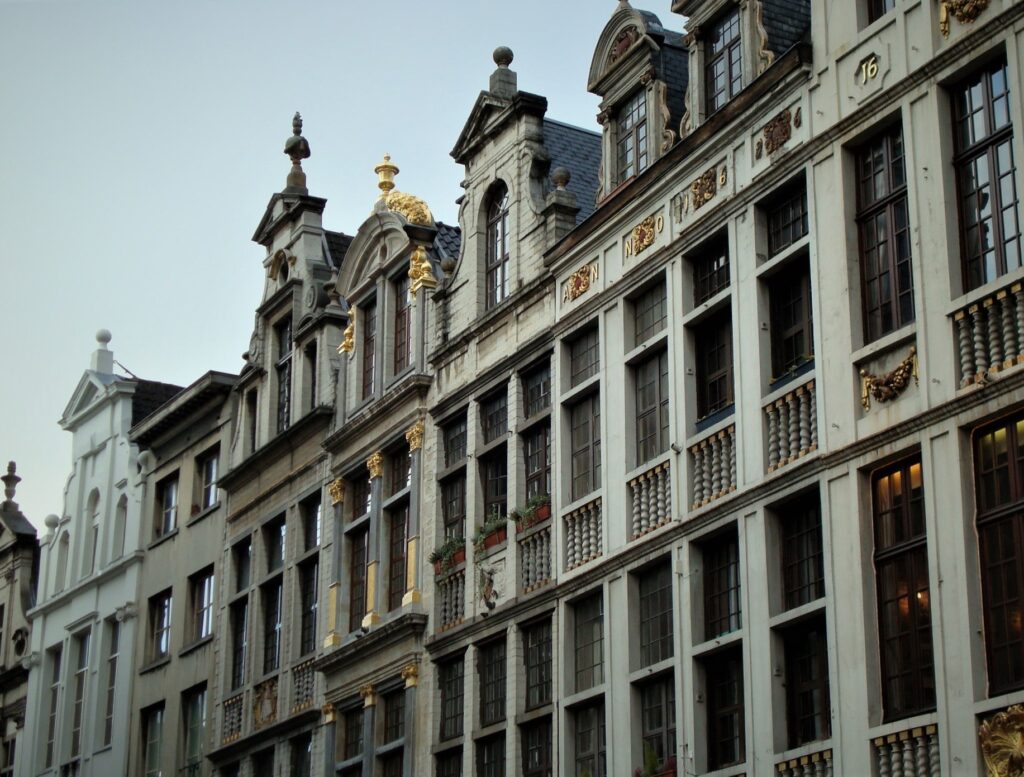
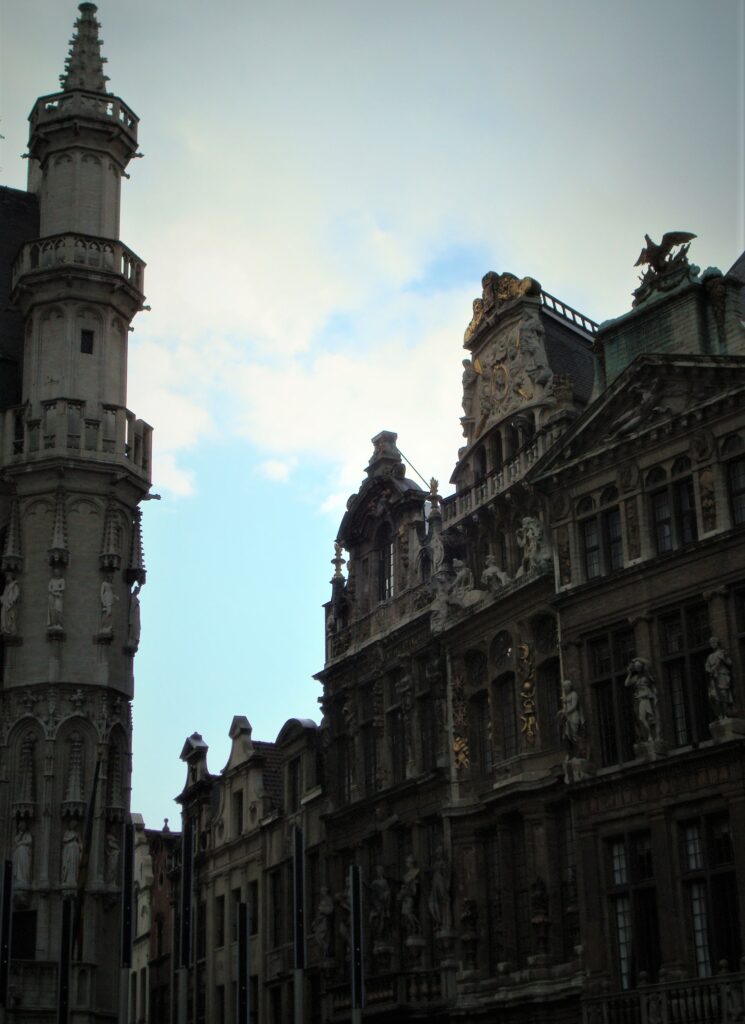
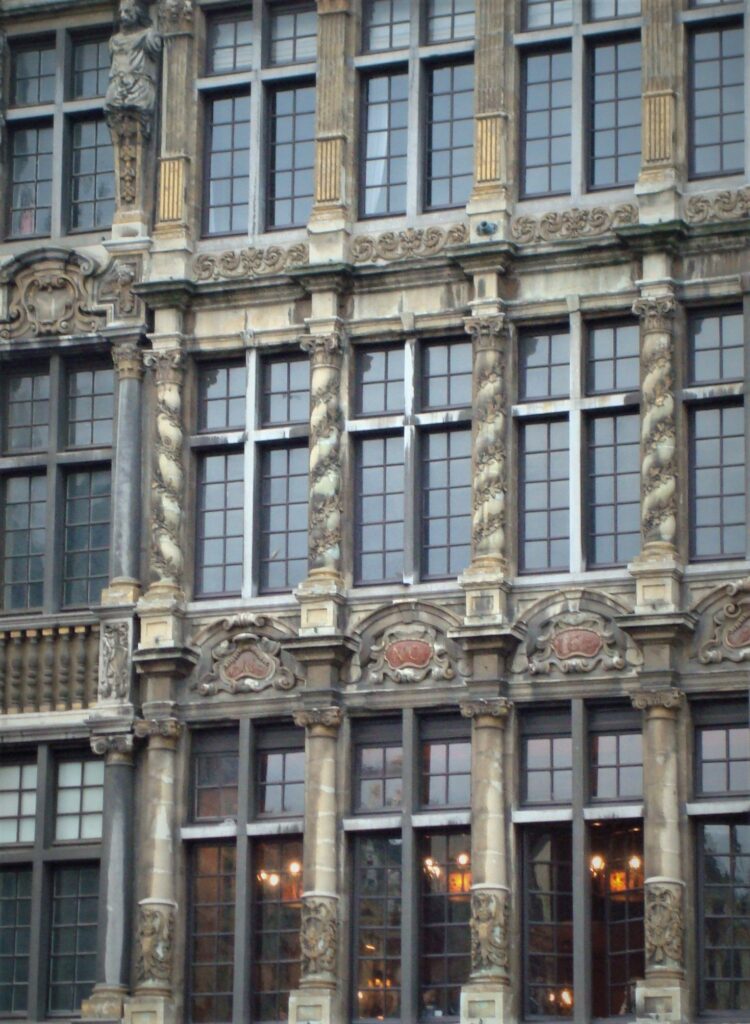
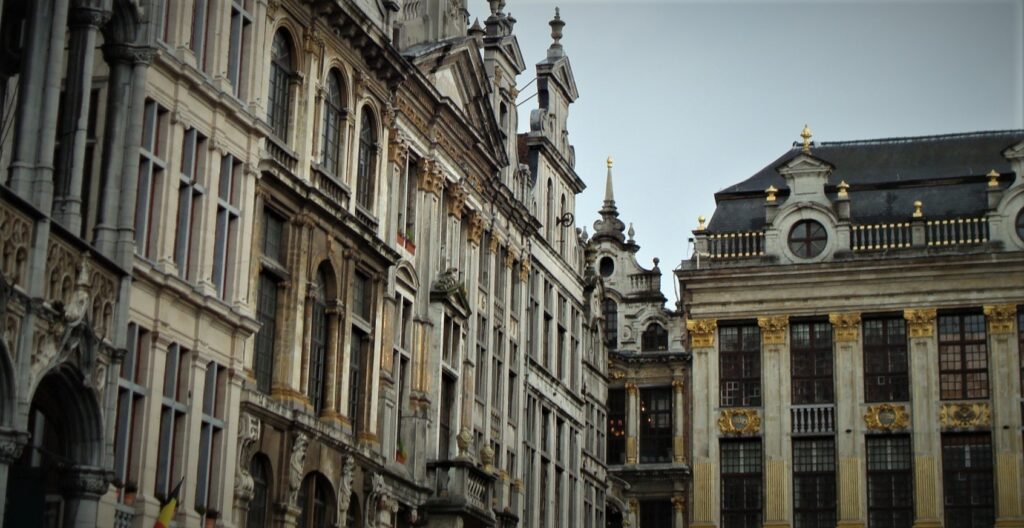
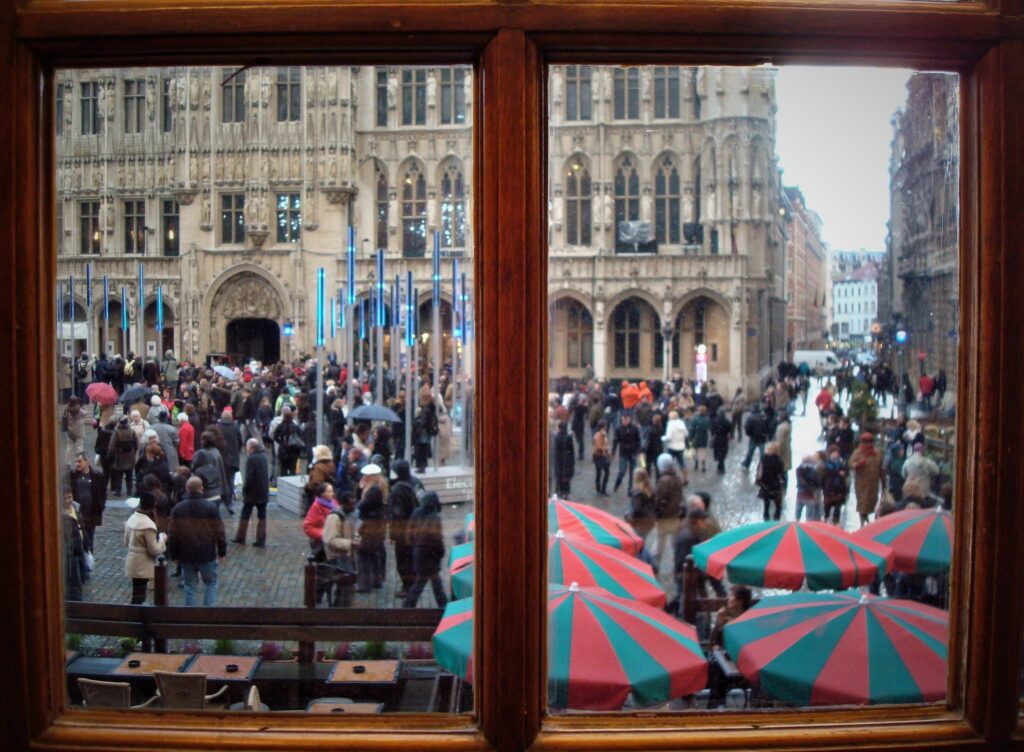
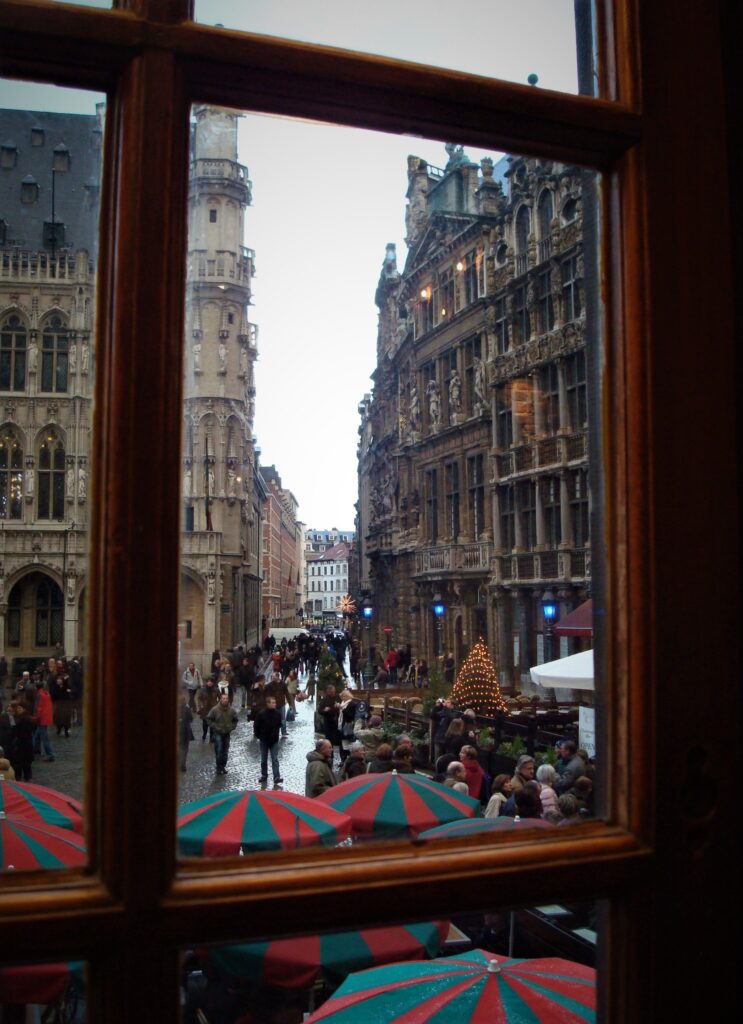
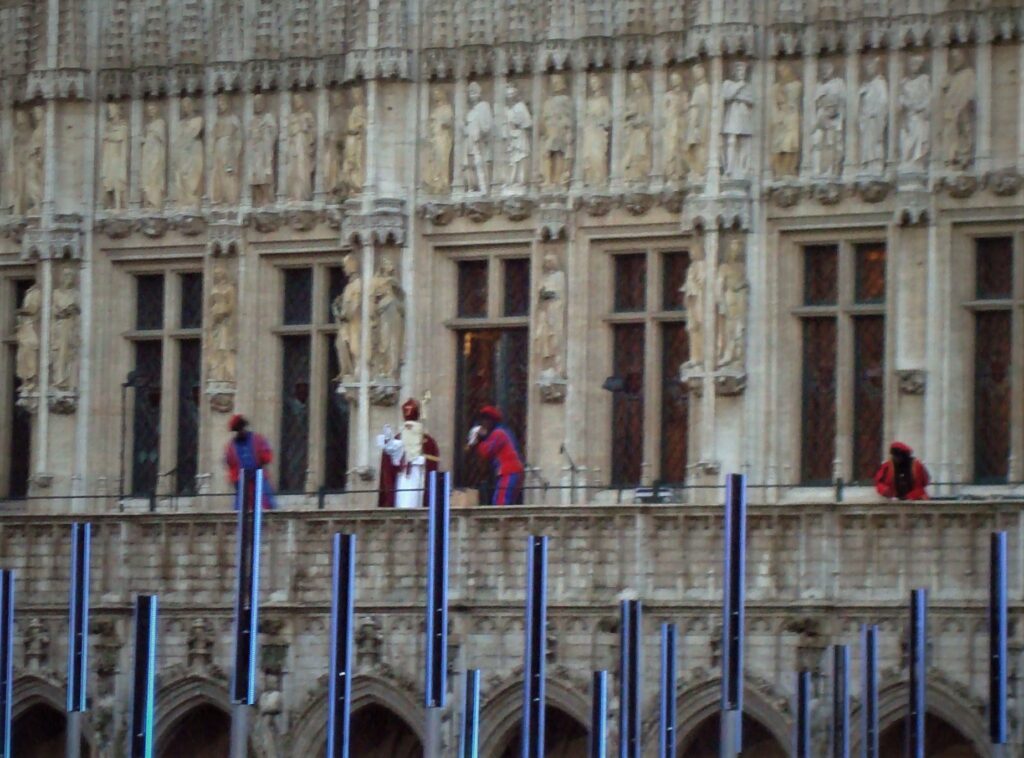
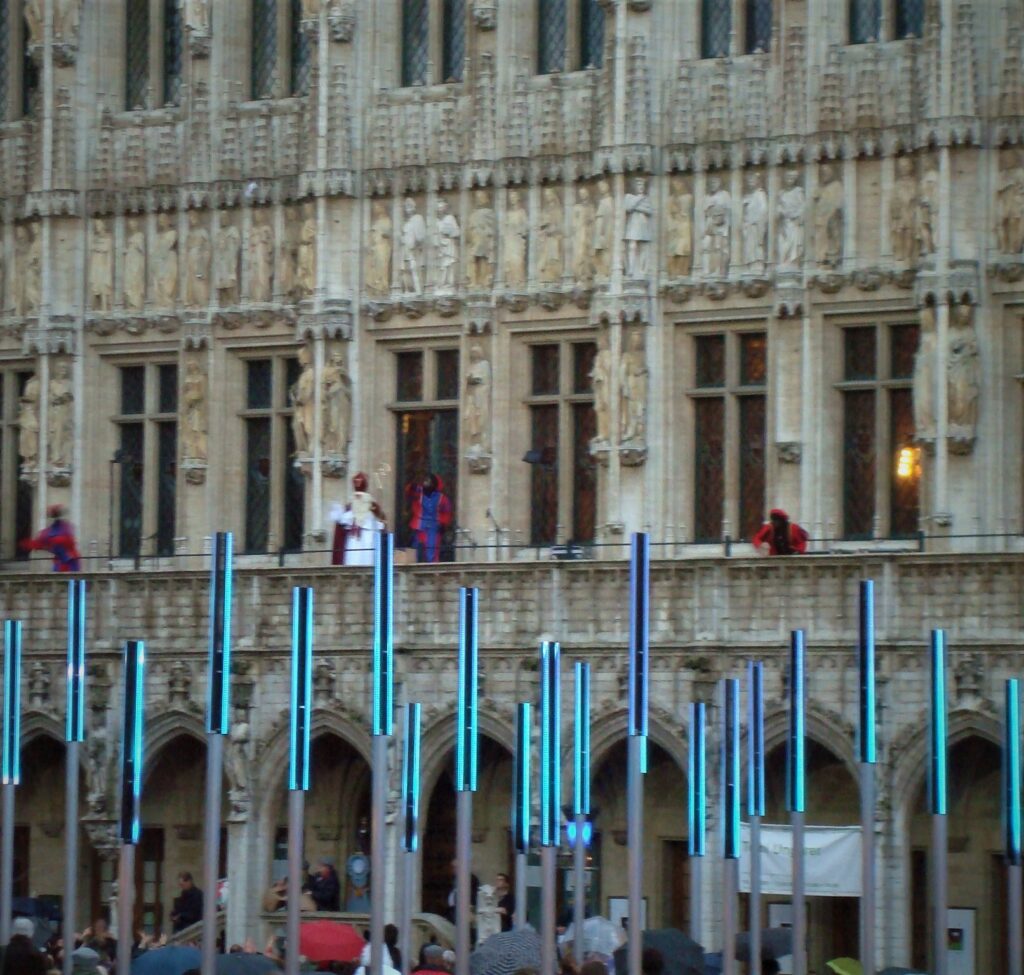
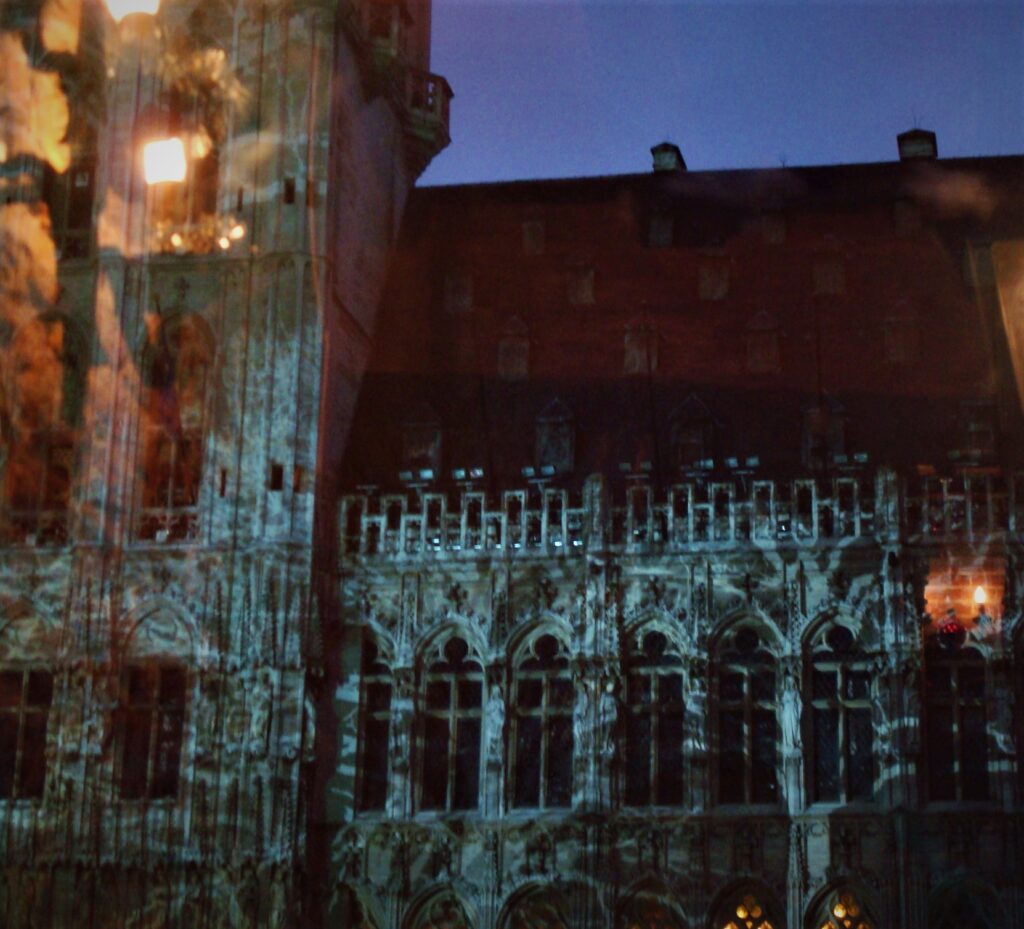
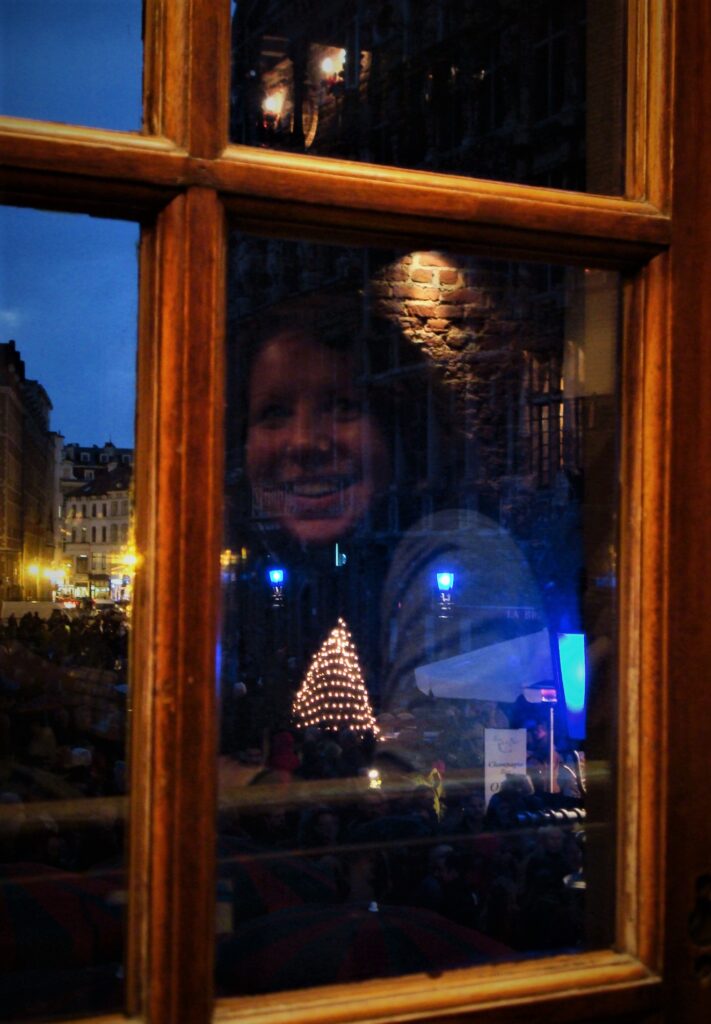
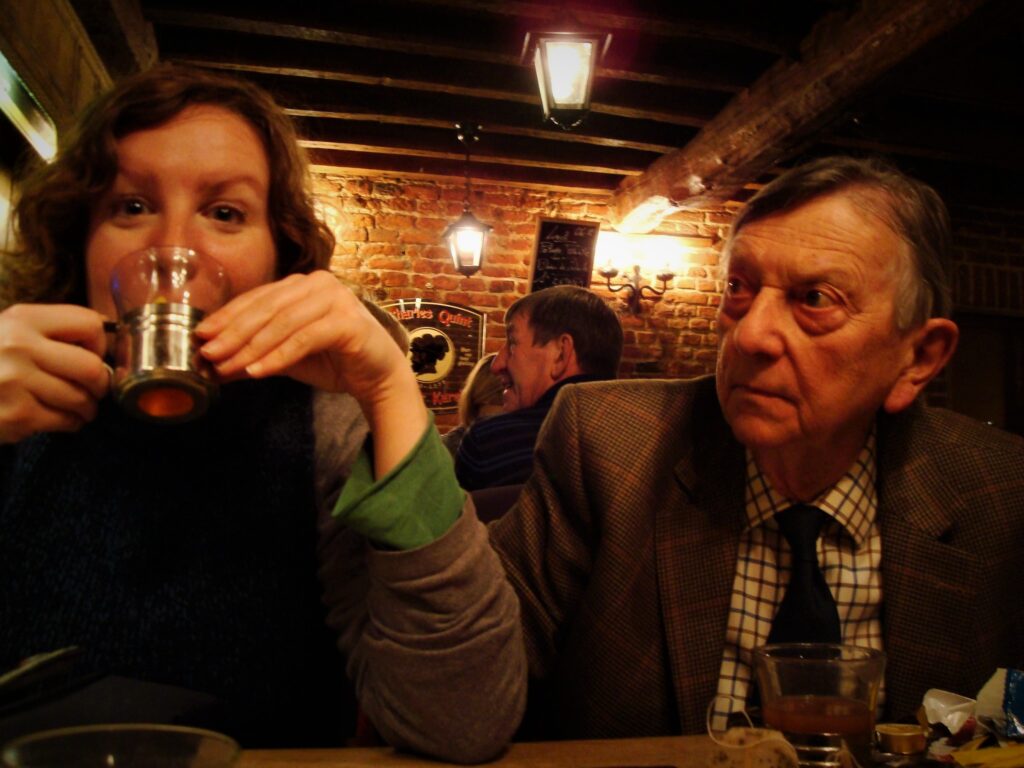
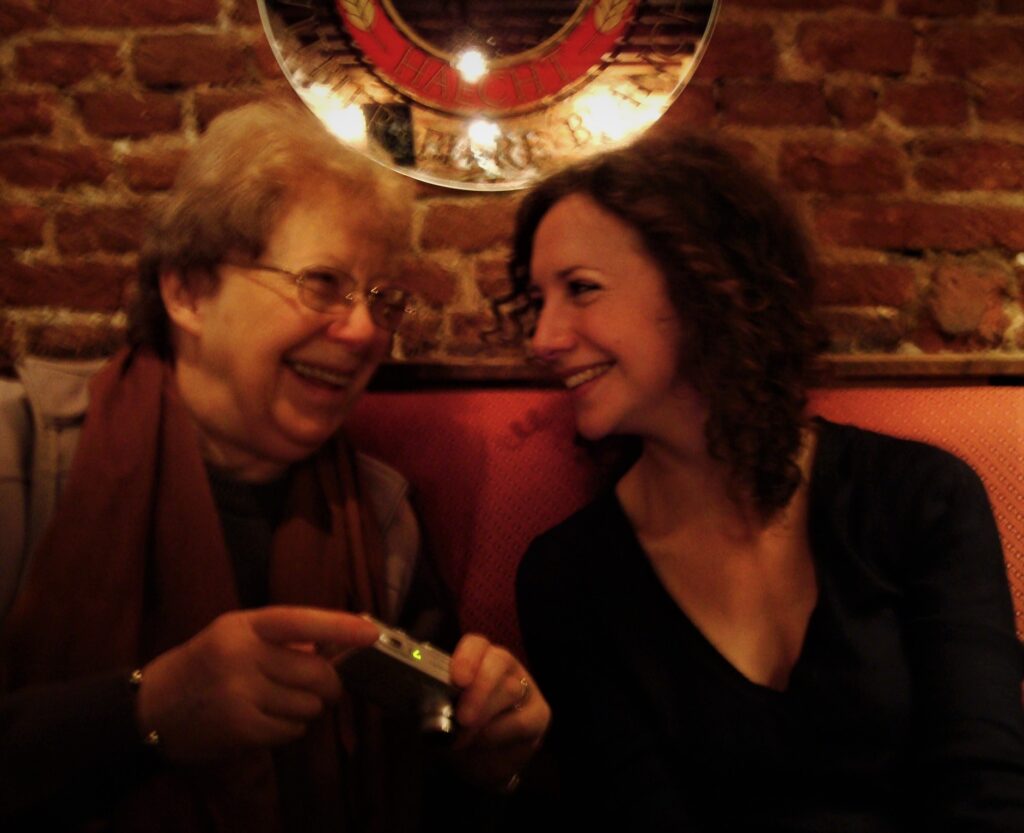
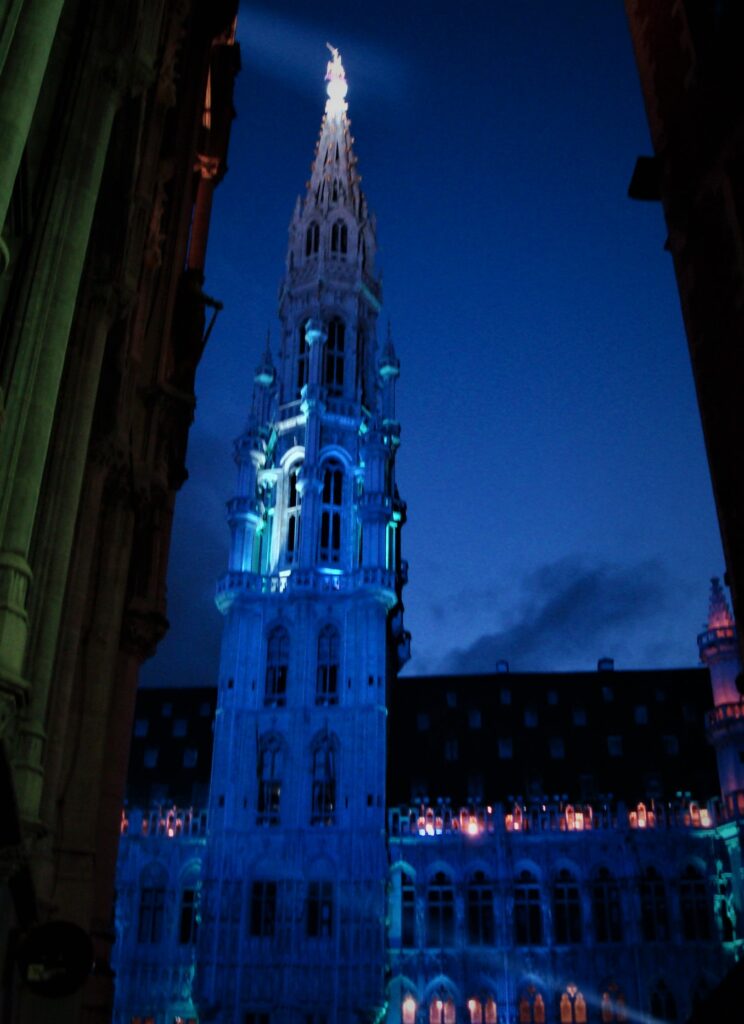
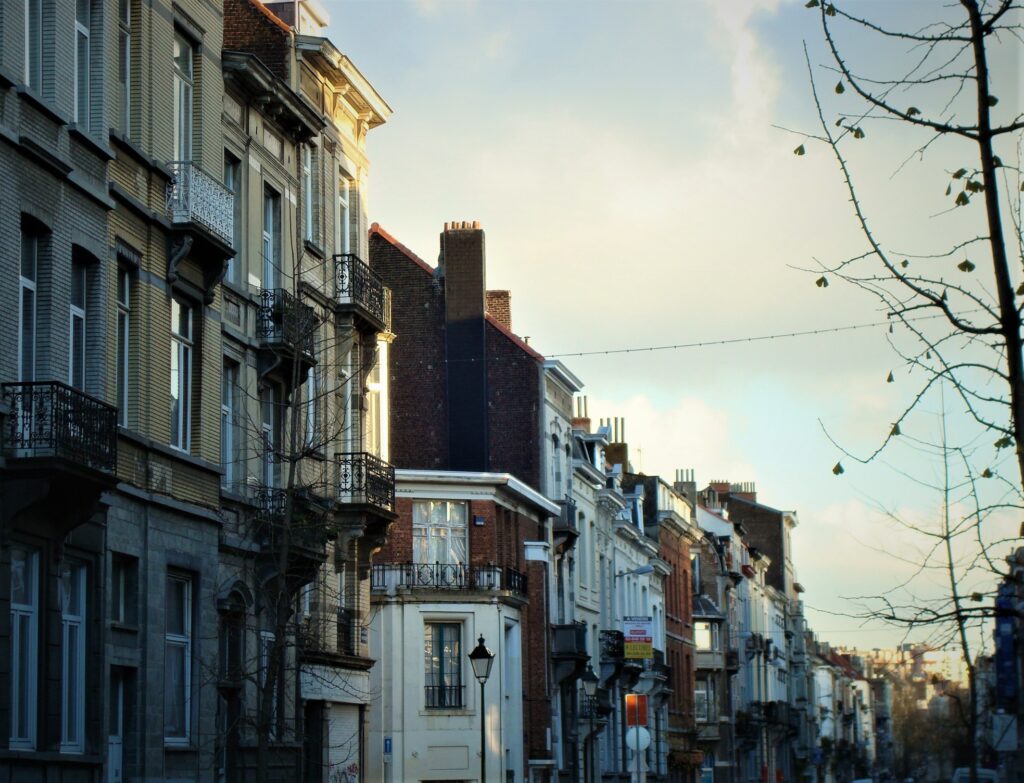
Another simple way to get a flavour for another’s country’s festive favourites is to head to one of the many Christmas markets that pop up all over Europe each December (obviously not this year, and given Brexit, well, who knows what lies ahead…). A few years’ ago my folks and I booked a little weekend jaunt across to Brussels to do just that. None of us had been there before so it was to be new for all of us. Obviously, lots of mulled wine, tasty treats and market mooching ensued. It was freezing. mind but you kind of want that really especially coming from the mizzly weather we often get in the UK around this time of year. After a good old wander and a decent bit of sight-seeing, we decided to pop into an old café overlooking the medieval main square for a little pitstop. There we were, thawing-out to the tune of a hot waffle and (more) mulled wine, when we noticed that a massive crowd had gathered in the square below. Then the son e lumière kicked in heralding the appearance on the balcony opposite of none other than Saint Nicholas himself, merrily waving to the masses as he and his attendants liberally scattered sweets into the the assembled throng. Carols were playing, snow was falling and it was all delightfully seasonal.
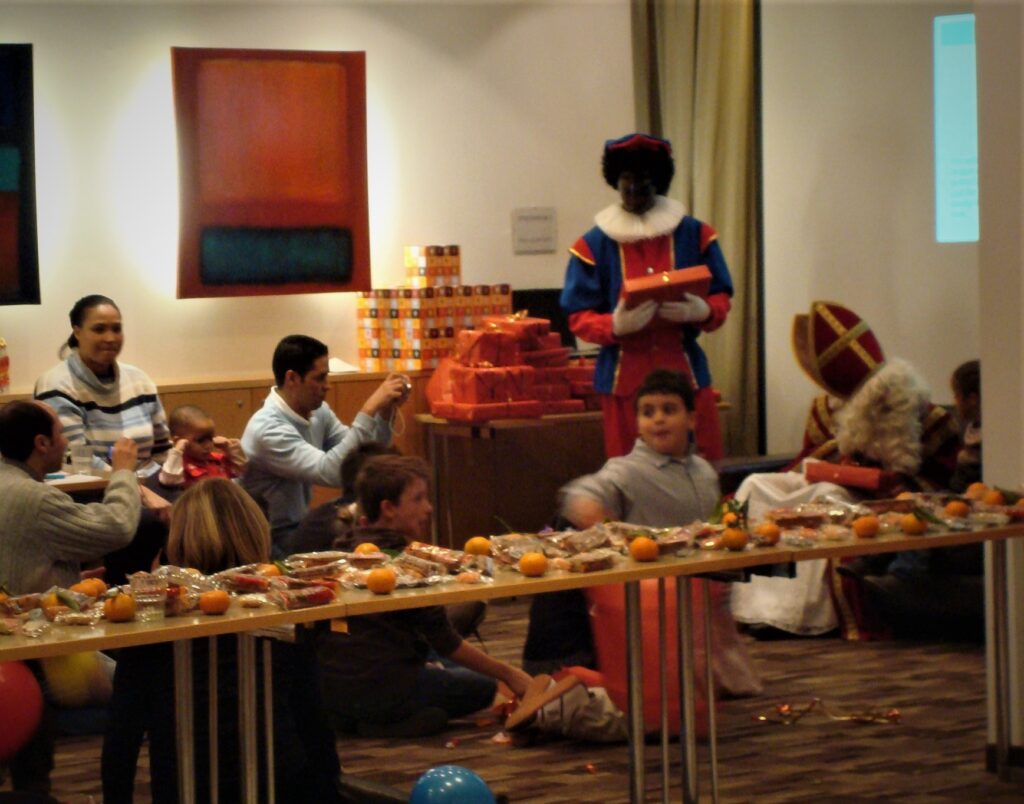
Seemingly, this is an annual tradition on the first Saturday in December so we timed our trip (and our waffles) rather well. The tradition of Sinterklaas stretches as far back as 3rd Century in Myra (in Turkey) where there lived a kindly, old, early Christian bishop who had a rather lovely habit of secretly delivering presents to impoverished children. He was a bit of a legend, all told and as such, was also charmingly referred to as Nicholas the Wonderworker. Sinterklaas is a derivation of this by way of several intervening centuries… an old man with a long white beard, bishop’s regalia, a crook. He rides a white a horse and delivers sweets to children except for many a year he’s taken it upon himself to deliver not just to the needy (although arguably you have to have earned your gift by being good). He also no longer operates by stealth – quite the opposite in fact, his arrival is accompanied by a brouhaha of a parade, songs and much merriment. Unlike our Santa Claus/Father Christmas, this guy actually lives in much sunnier climes in Spain (but then we all know warmer weather is better for aged joints). In early December, however, he sails to Belgium (and various other countries who adhere to this tradition) to deliver treats and presents to well-behaved, deserving children (much like Santa’s sleigh, the boat is a sizeable, capacious vessel). In Belgium the visit of a bearded bringer of gifts is separate from Christmas which is therefore a much more religious occasion. Children in Belgium believe that Sinterklass brings them presents much earlier in the month – on 5th and 6th December (St Nicholas’ Eve and St Nicholas’ Day). They put their shoes in front of the fireplace on St Nicholas’ Eve along with something for him (usually cookies in the shape of letters), his horse and for his assistant, the colourfully clothed Zwarte Piet – Black Pete (rightly a controversial figure nowadays on account of his soot covered black face). Sinterklaas keeps a naughty and nice ledger and he rocks-up on the rooftops like your regular Santa Claus but it is Piet who does the donkey work and climbs down the chimney to deliver the presents. Children are told that if they’ve been bad then Piet will bundle them into his sack and take them back to Spain with him. On 6th December Sinterklaas and his attendants parade the streets distributing sweets and pepernoten biscuits to all and sundry along the way, often while children sing traditional songs. They also stop off en route to visit various kid clubs etc. Much the same as waiting for Santa Claus the build-up for kids is very real – it’s kind of a bigger deal in Belgium though and even gets televised!
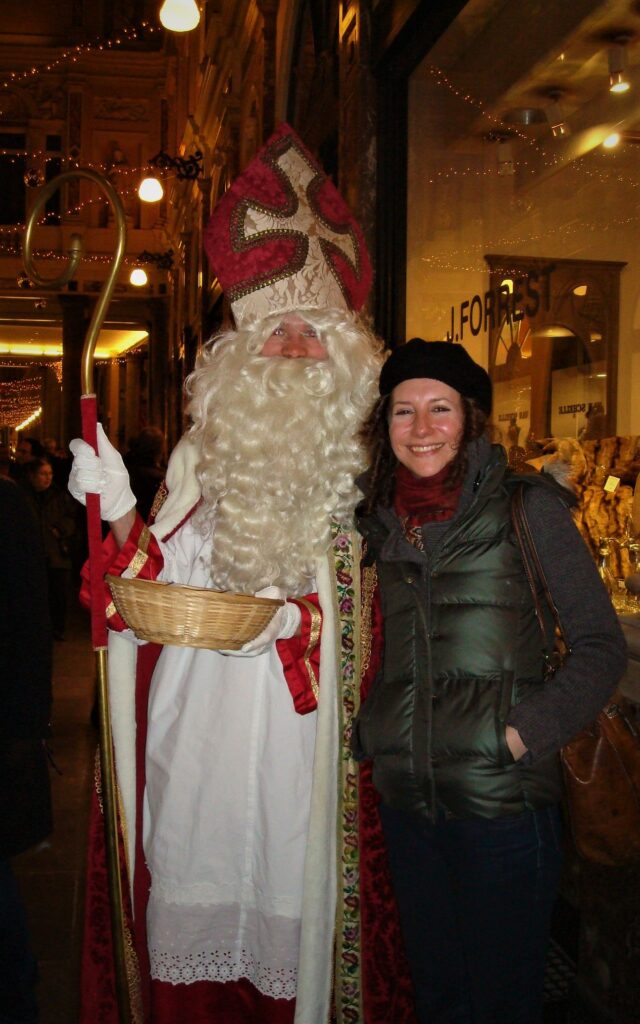
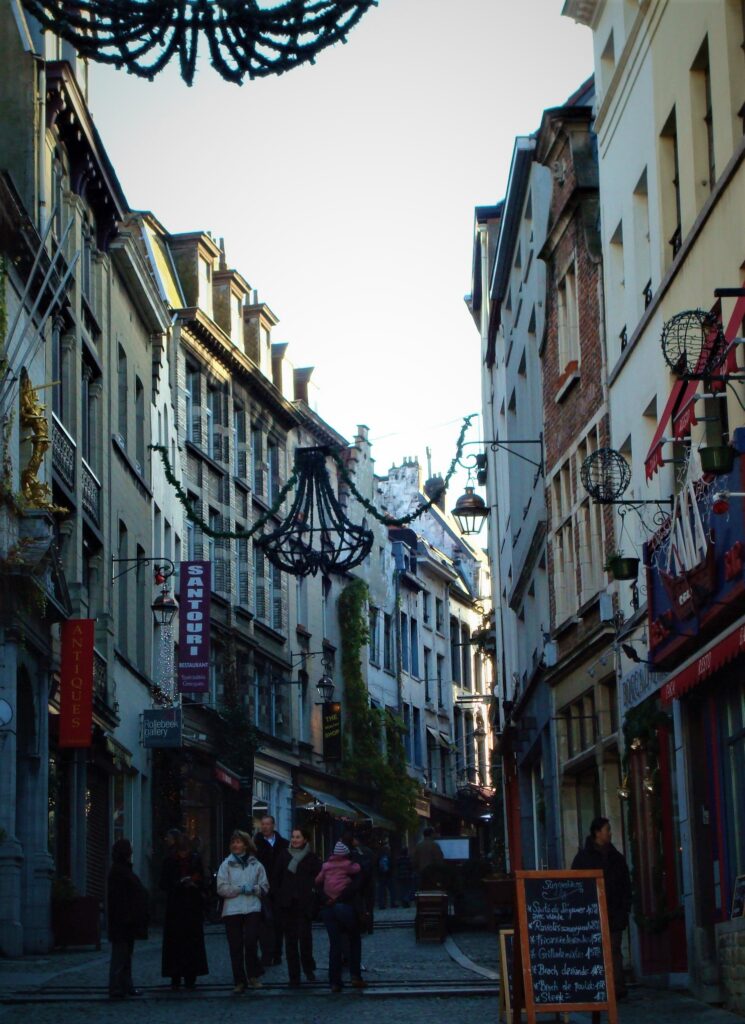
After this massive unexpected injection of Christmas we’d just observed, luckily for me, after leaving the café, we bumped right into Saint Nicholas in the little corridor that leads off the square. Naturally, the eight-year old in me was compelled to ask him if I could have my photo taken with him and, as you can see, he graciously obliged. This experience of a seasonal figure suddenly appearing to perform a time-honoured role reminded me of a lovely story by Jostein Gaarder (he of Sophie’s World fame) called The Christmas Mystery. It’s a gentle, rather beautiful little tale to take you through Advent and help you tap into a bit of Christmas magic.
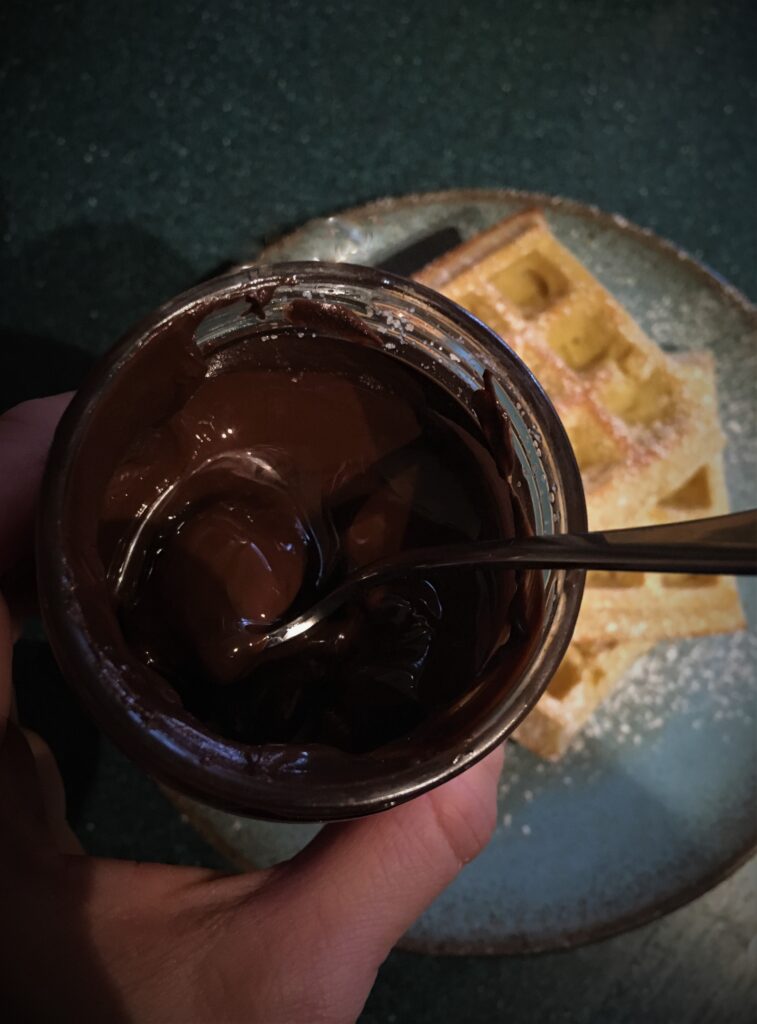
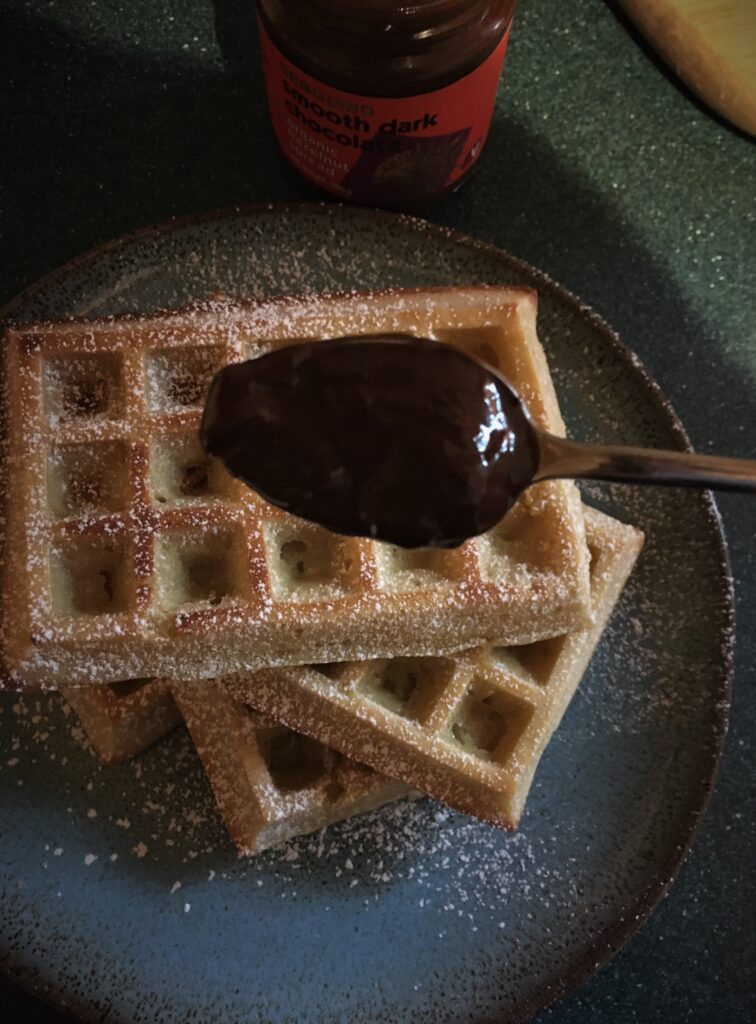
Ever since that trip, waffles have always reminded me of cosily watching the arrival of Saint Nic. I’ve wanted a waffle maker for a while but haven’t ever got around to buying one. One Christmas, as a nod to our festive encounter, my sister bought me a couple of waffle moulds and I tend to rely on these for all my waffle needs. For this week’s recipe (unless you are lucky enough to own a fancy waffle maker) you will need something similar. You want flexi, non-stick ones as opposed to any other type of mould because having to butter all the little squares in a a waffle mould would be a massive pain in the a*se. These silicon ones are genius. Admittedly they do make the waffles look a bit more uniform Birdseye potato-esque than authentic pokey-edged Belgian but they still taste great and whenever I tuck in with a large spoonful of chocolate sauce, I think of how I once bumped into Saint Nicholas one December afternoon.